Live and Let Die (1973)
“Any cost — any: Bond must die.”
“Curious, how everyone who touches those diamonds seems to die.”
|
Synopsis: |
|
Genres, Themes, Actors, and Directors:
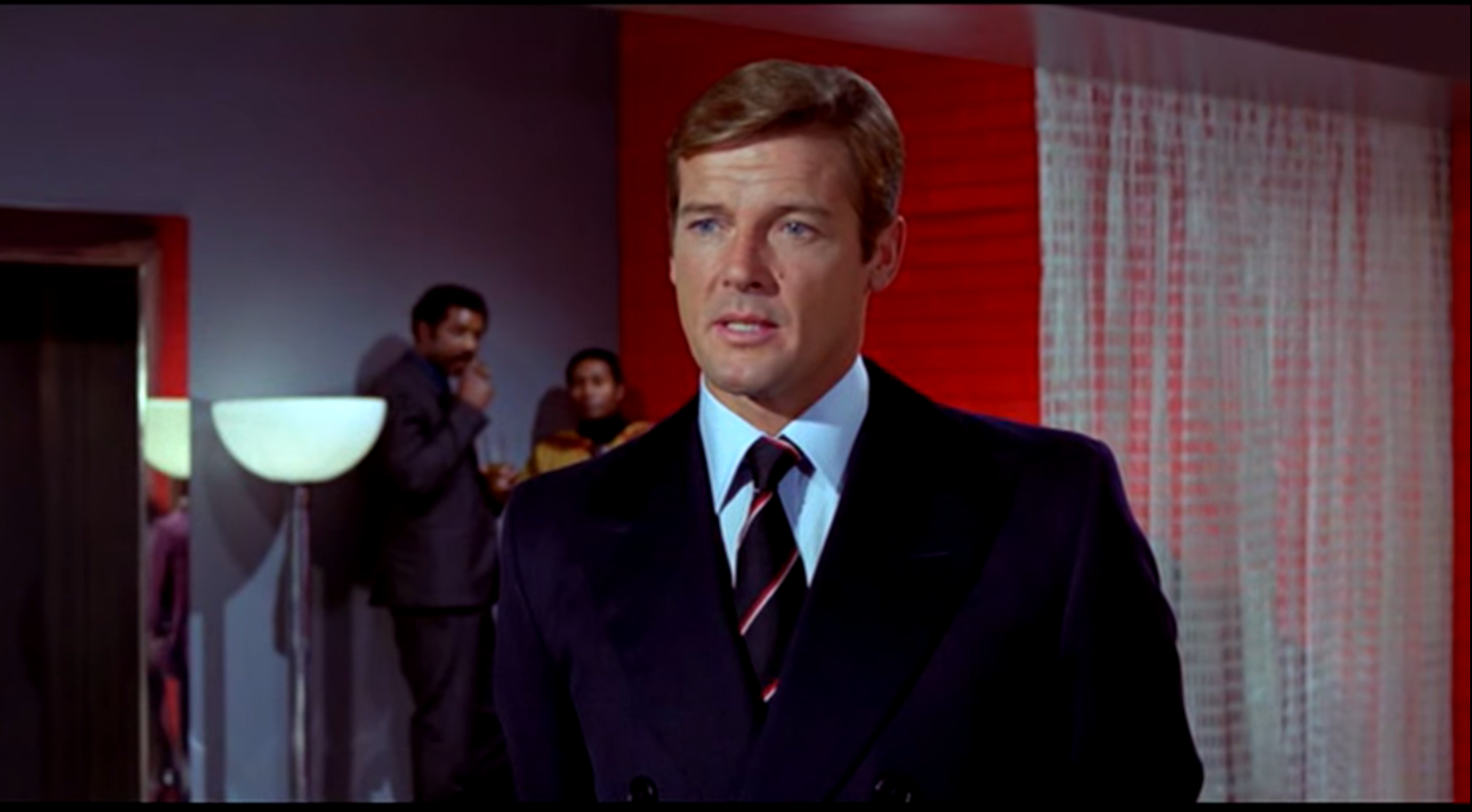
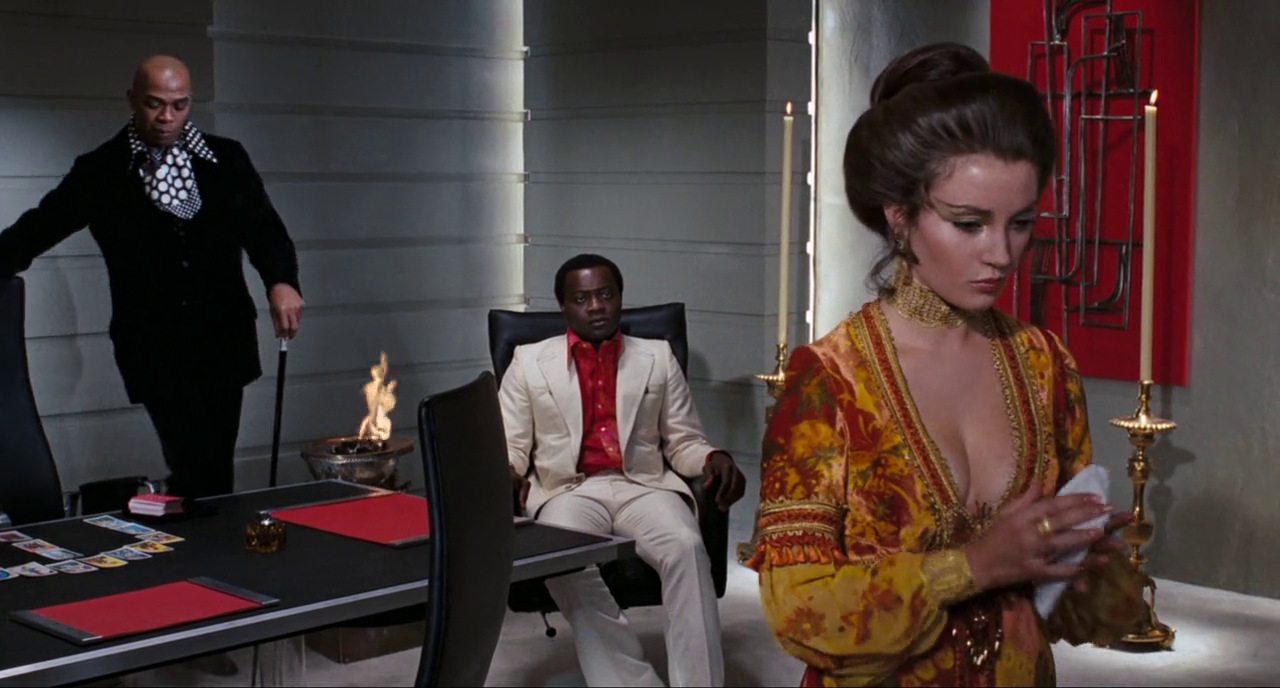
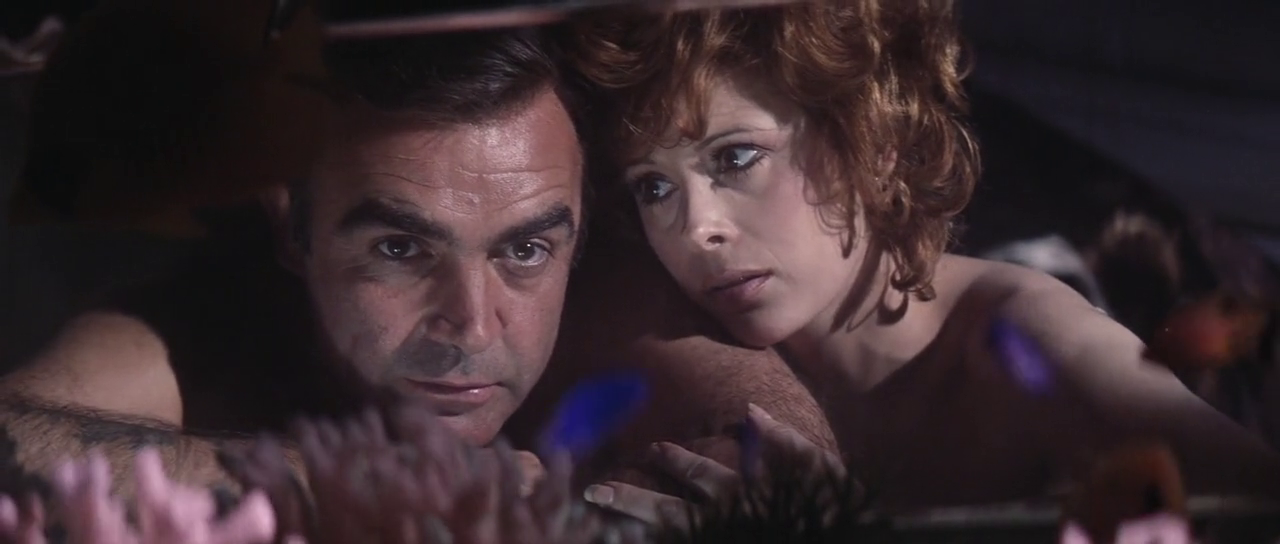
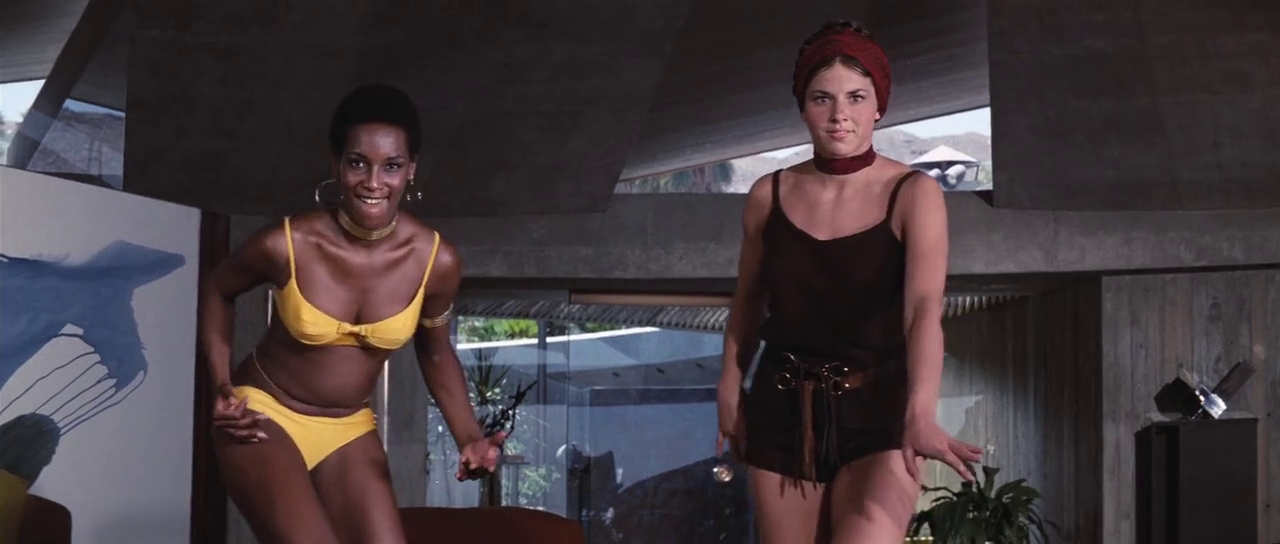
Response to Peary’s Review: — and the trouble Bond gets into, even Maxwell Smart would escape.” While he argues that “the only bright spot is moderately talented leading lady Jill St. John as a sexy diamond smuggler who gets in over her head and into a number of teeny bikinis,” she’s actually not very interesting as a character: Much more enjoyable is a brief sequence in which a pair of athletic women named Bambi (Lola Larson) and Thumper (Trina Parks) show some serious girl-power while kicking Bond’s butt. Redeeming Qualities and Moments: Must See? Links: |
“There’s always something formal about the point of a pistol.”
|
Synopsis: |
|
Genres, Themes, Actors, and Directors:
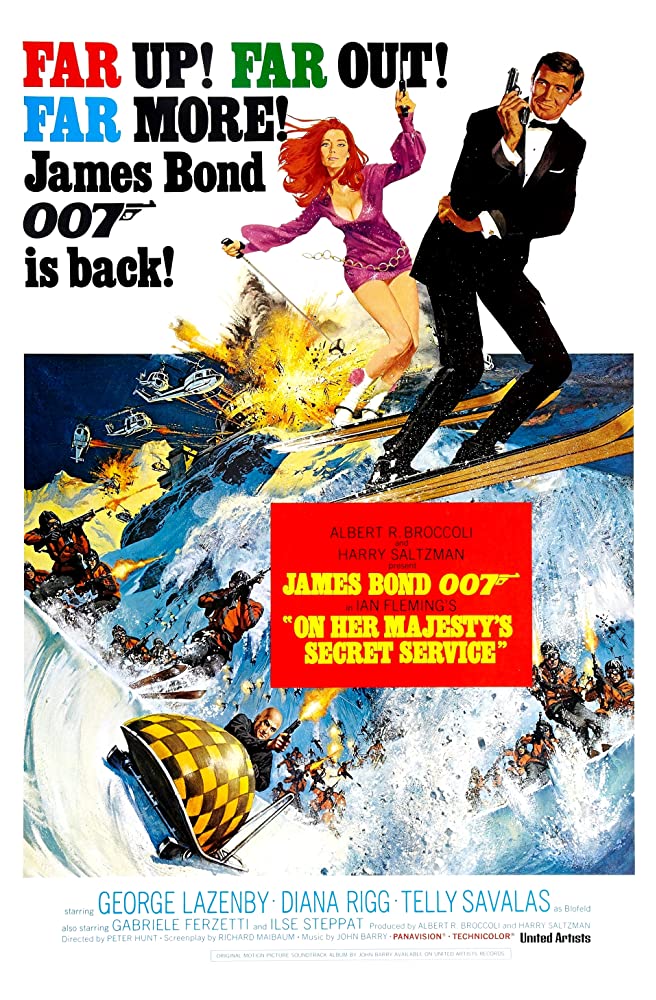
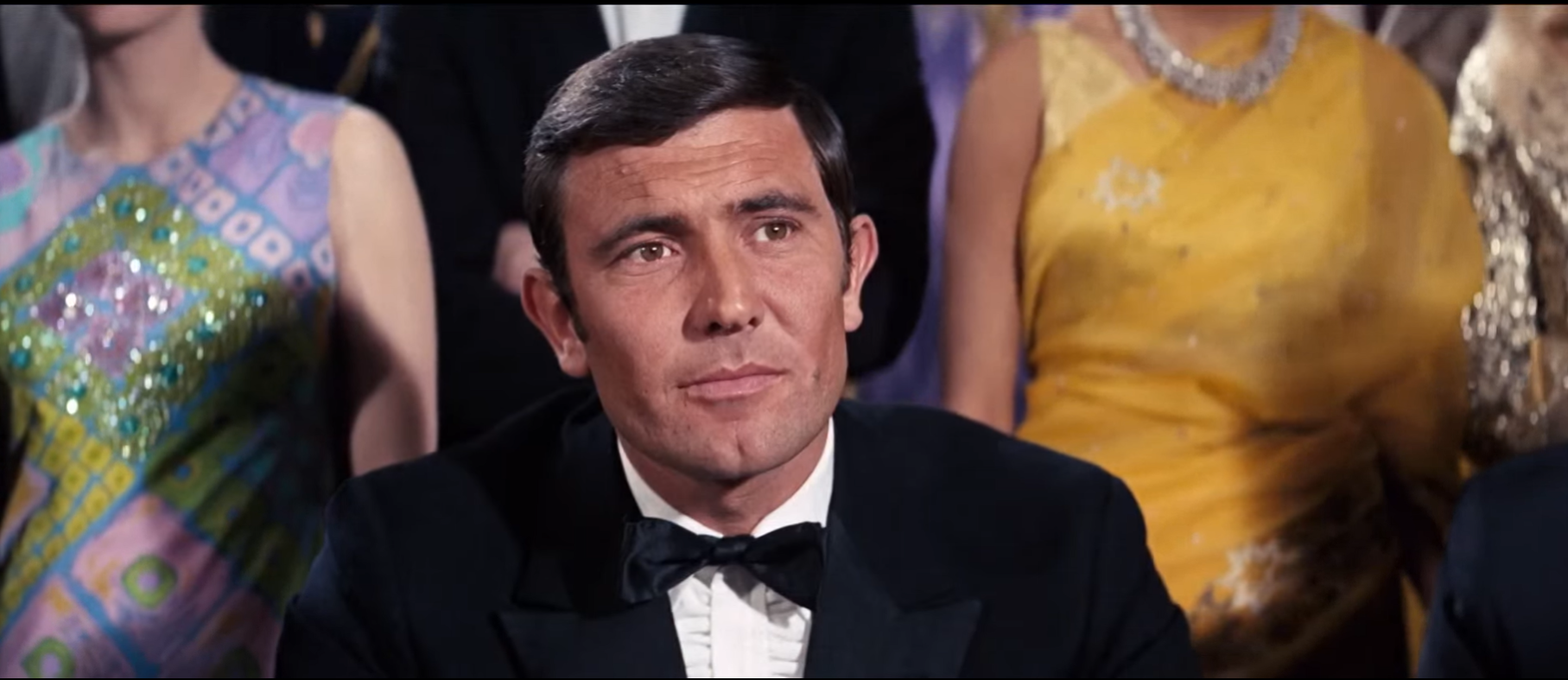
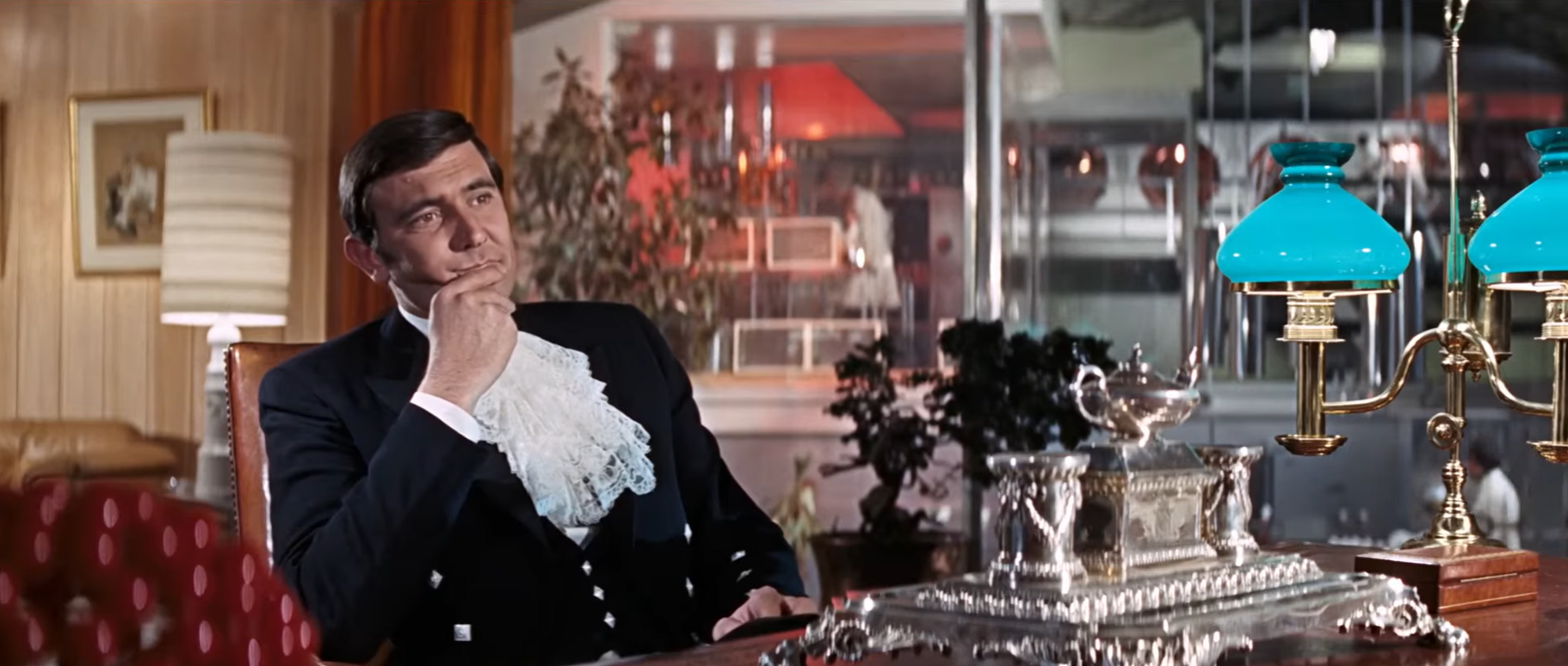
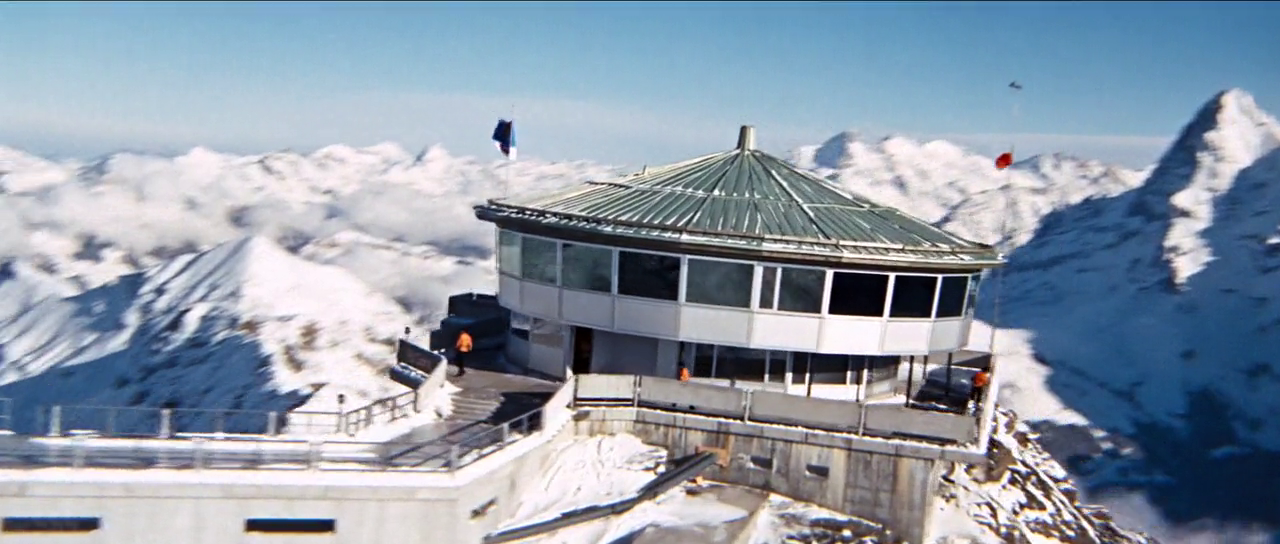
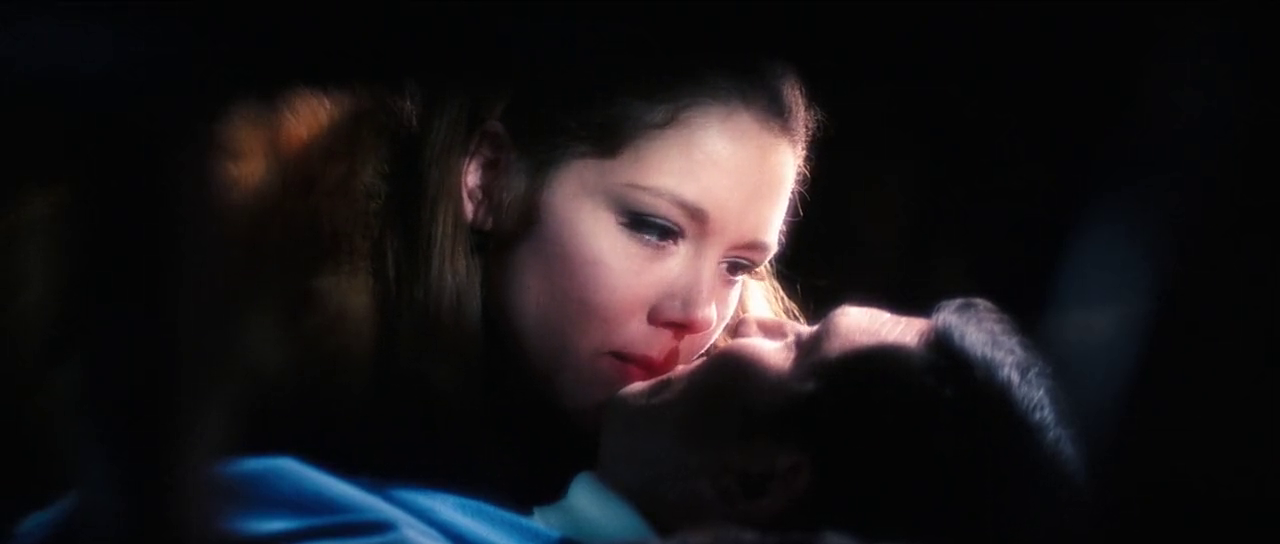
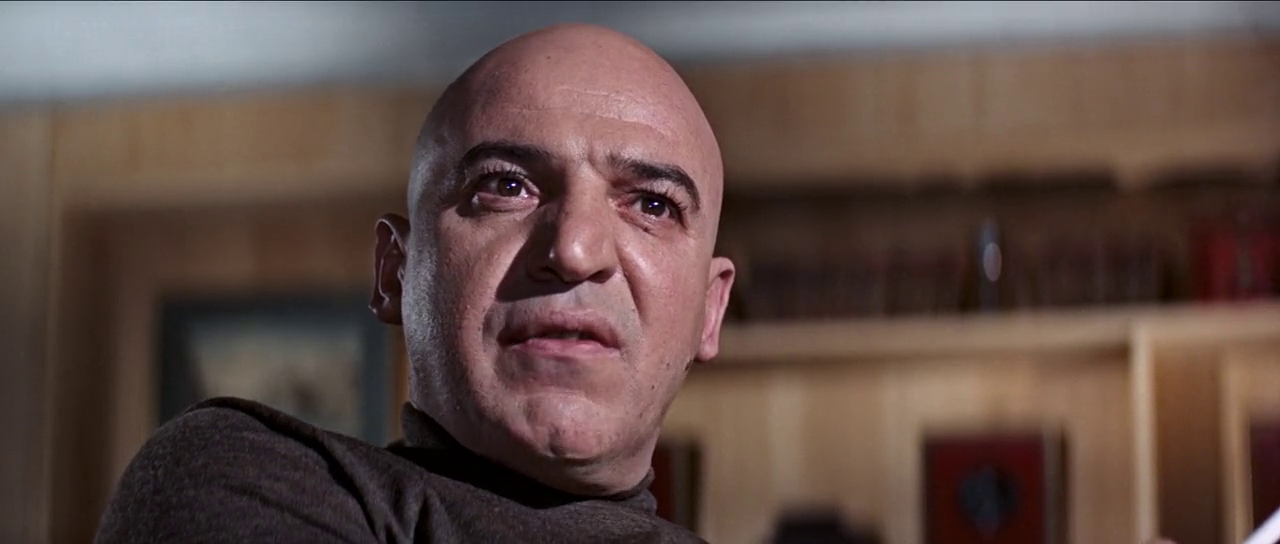
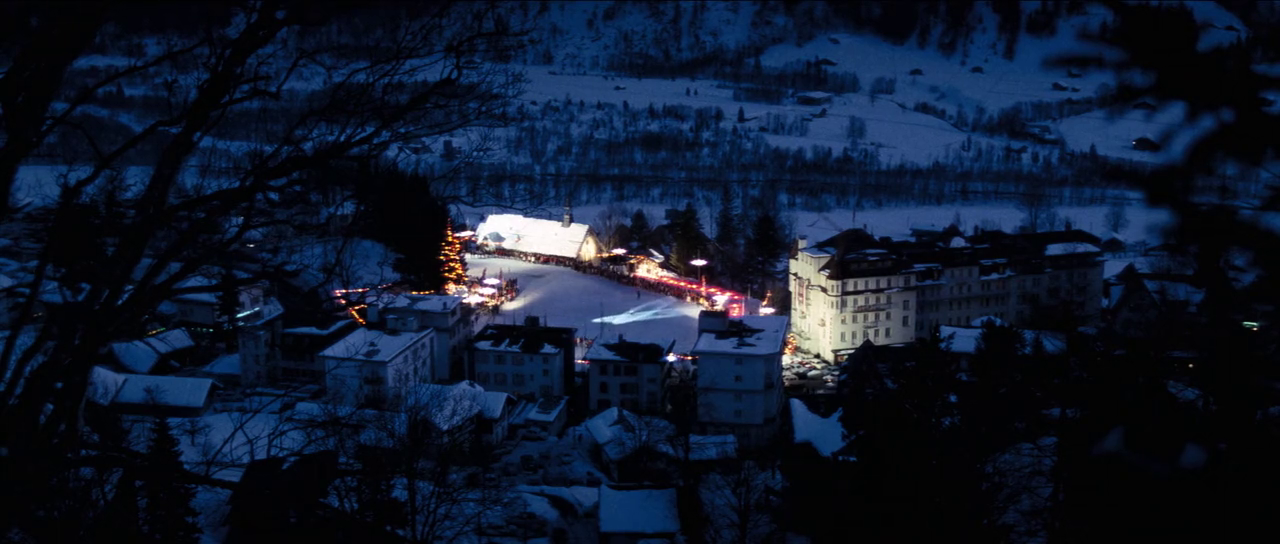
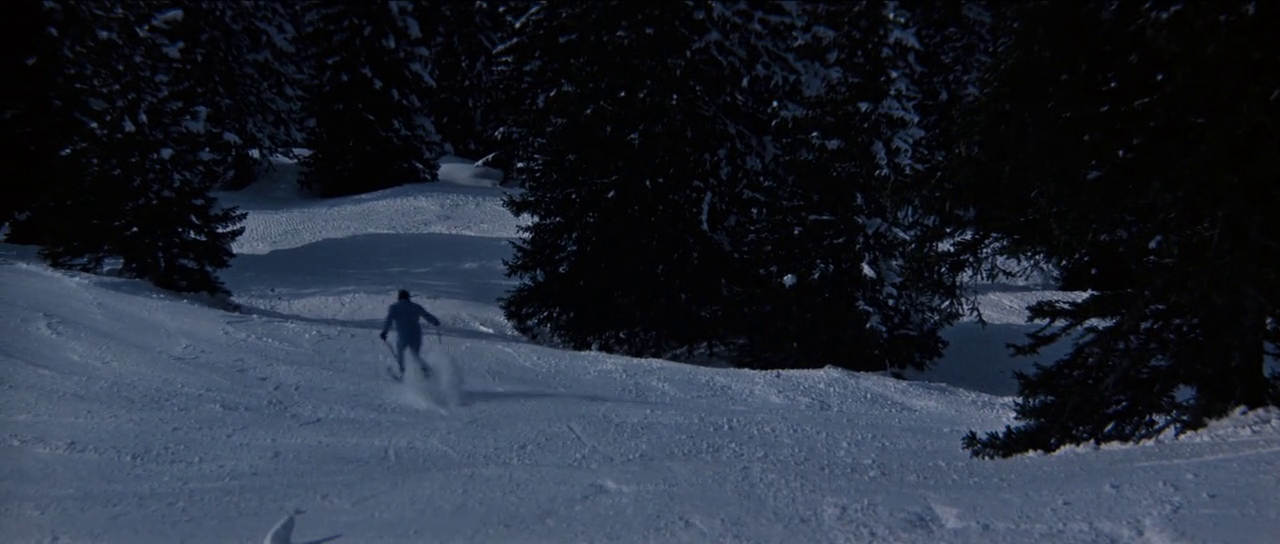
Response to Peary’s Review: He notes that it’s “a throwback to the early Bond before self-parody had crept in and the gimmickry had become too important.” Importantly, “Lazenby’s Bond has human traits — he’s neurotic (he resigns from work when ‘M’ doesn’t seem to appreciate him); he falls in love and marries Spanish contessa Tracey (played by Diana Rigg, the classiest of the Bond girls); he’s vulnerable (we actually worry when a little fellow almost catches him opening his safe); [and] he’s no longer superconfident (after having spent two years unsuccessfully tracking Blofeld).” Peary writes that while the “picture is too long, and really bogs down when Rigg isn’t around,” it “holds up nicely, especially now that no one resents Lazenby anymore.” Indeed, once one gets beyond the inevitable cognitive dissonance of seeing someone other than Connery embodying Bond (the opening title sequence nicely offers a recap reminder of previous episodes in the series), the film does become a reasonably interesting and well-made thriller, with fine location shooting (especially in Switzerland, including the rotating restaurant Piz Gloria): … an effective villain (Savalas is well-cast), and some very exciting sequences (particularly the ski chase through treacherous mountains). Rigg is a classy addition to the franchise, and her absence is forgiven once we see her re-appearing at such an opportune moment later in the film. Ultimately, Bond fans will likely find themselves enjoying this flick more than they expected; it’s recommended as a worthy entry. Redeeming Qualities and Moments:
Must See? Categories
Links: |
“That maniac is going to kill again. This may be the only way we have of catching him!”
|
Synopsis: |
|
Genres, Themes, Actors, and Directors:
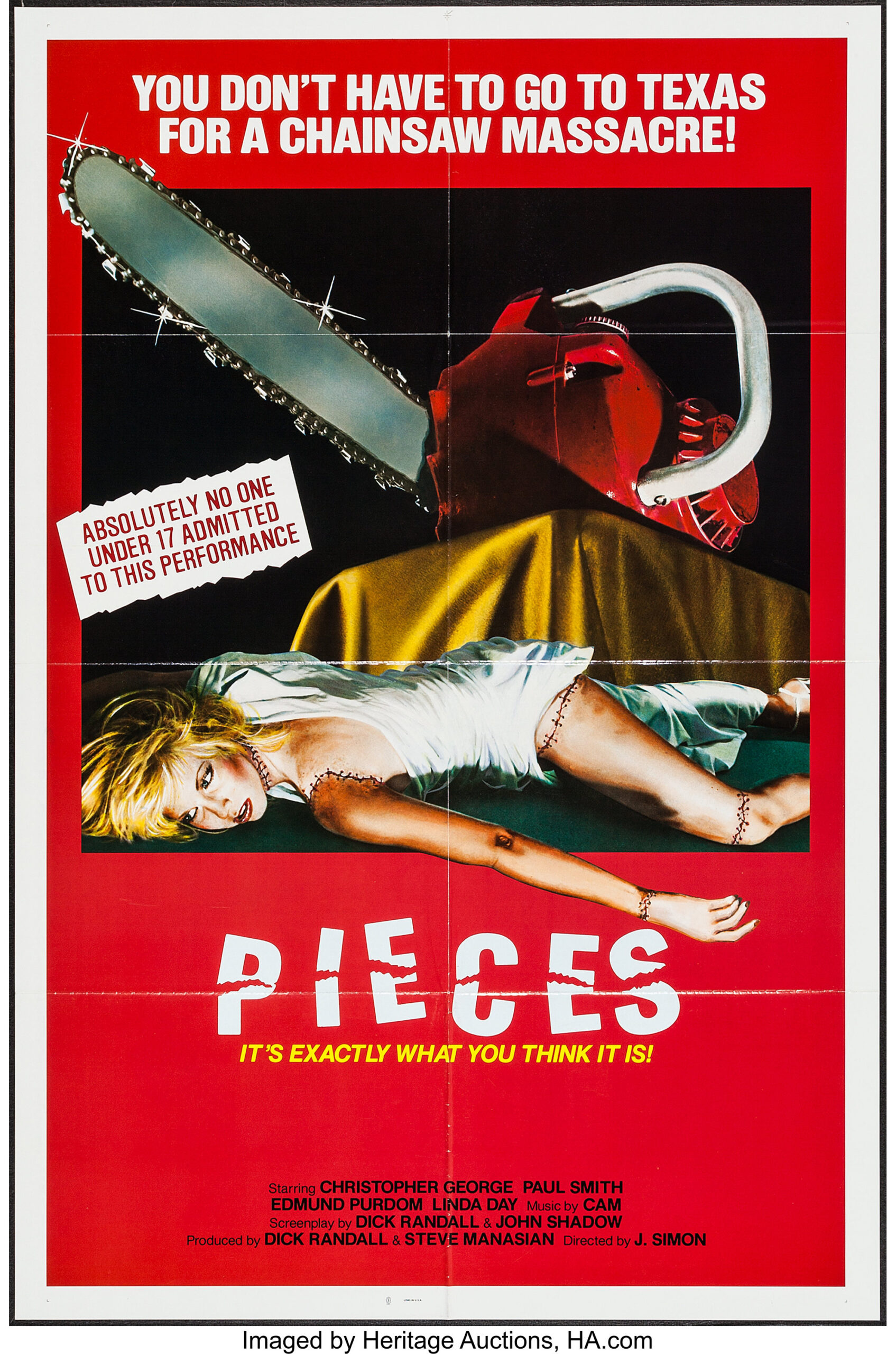
Response to Peary’s Review: the “murders are too gristly for all but the hardcore fans of the genre” — and “of course, the subject matter is blatantly offensive”. While there’s some bad-movie “humor” given that Sera, for instance, “is able to be in a chipper mood 10 minutes after the girls he knows are found slaughtered,” this is really only viewing for a specialized taste. Redeeming Qualities and Moments: Must See? Links: |
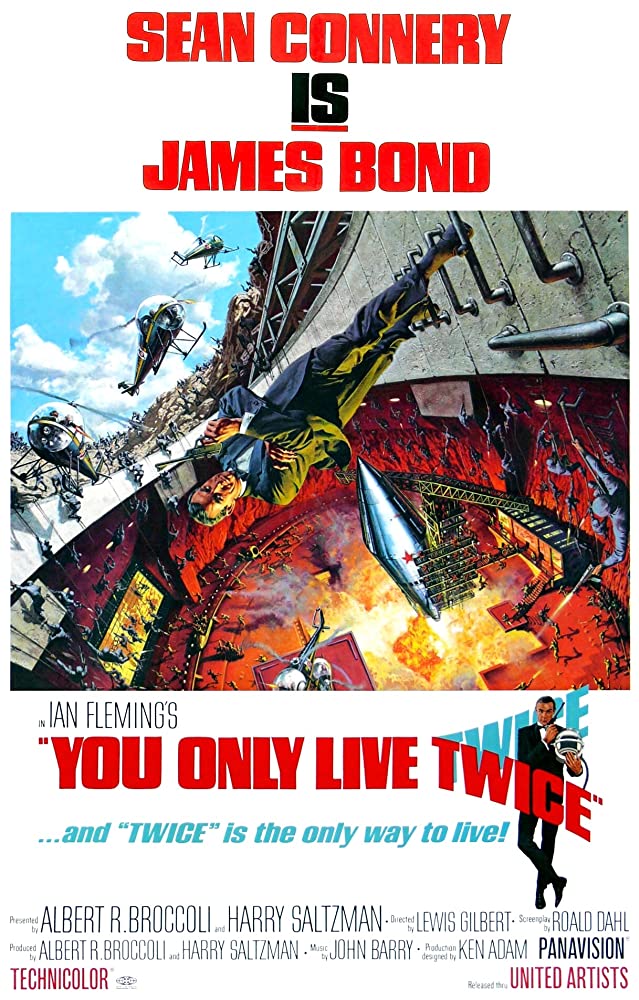
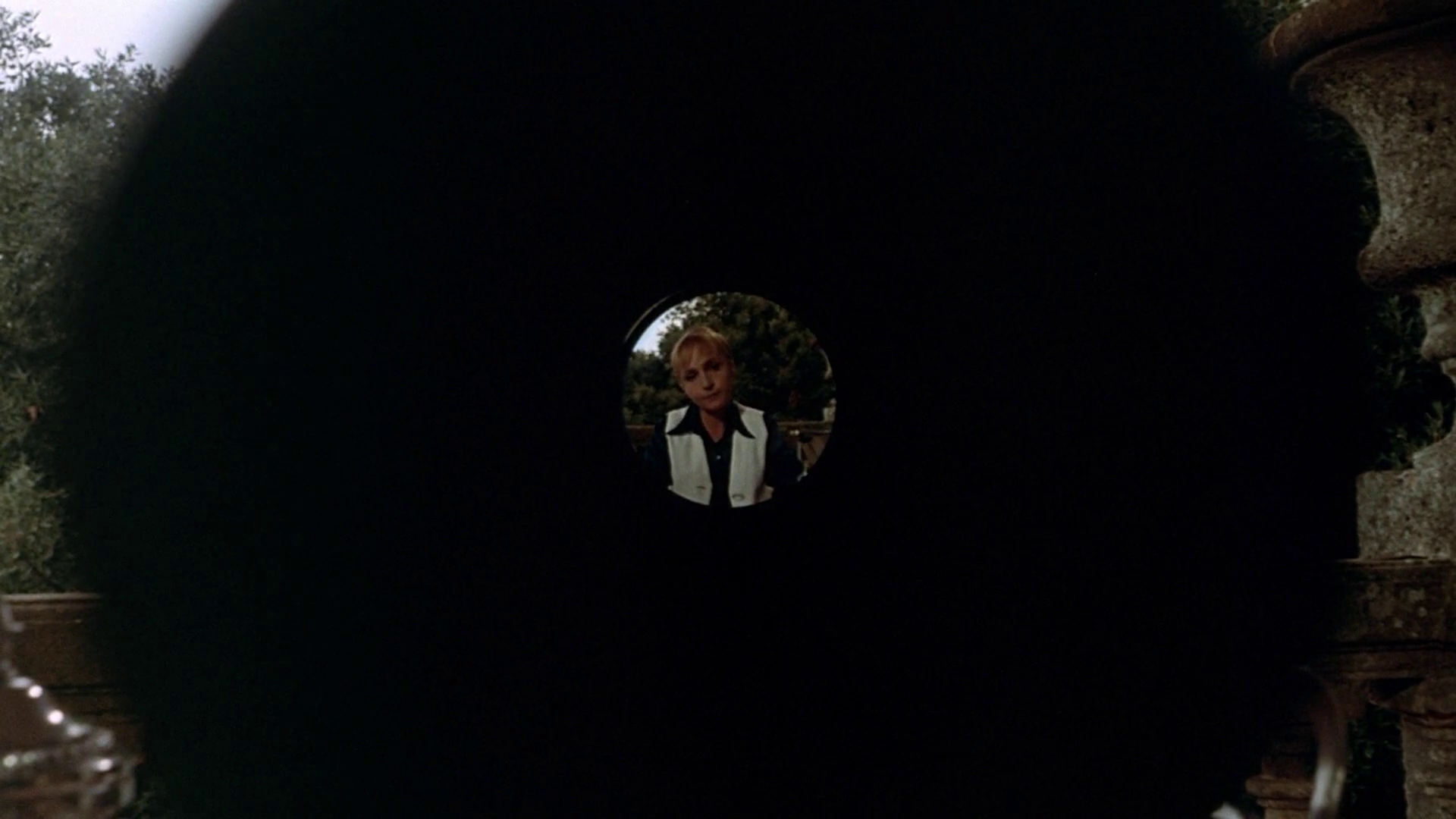
“Kill Bond — now!”
|
Synopsis: |
|
Genres, Themes, Actors, and Directors:
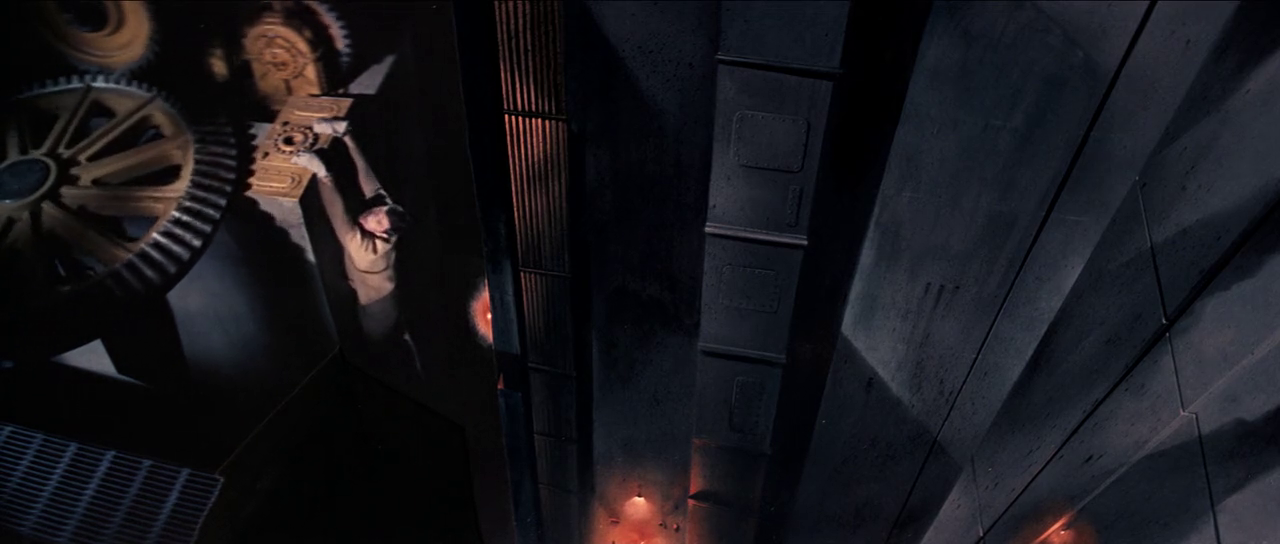
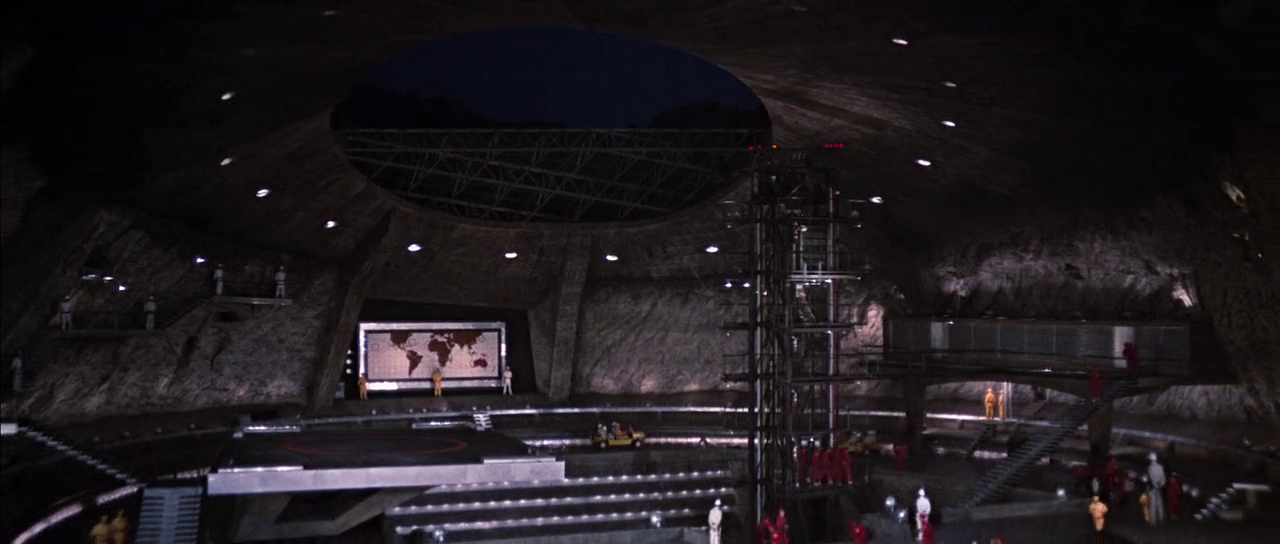
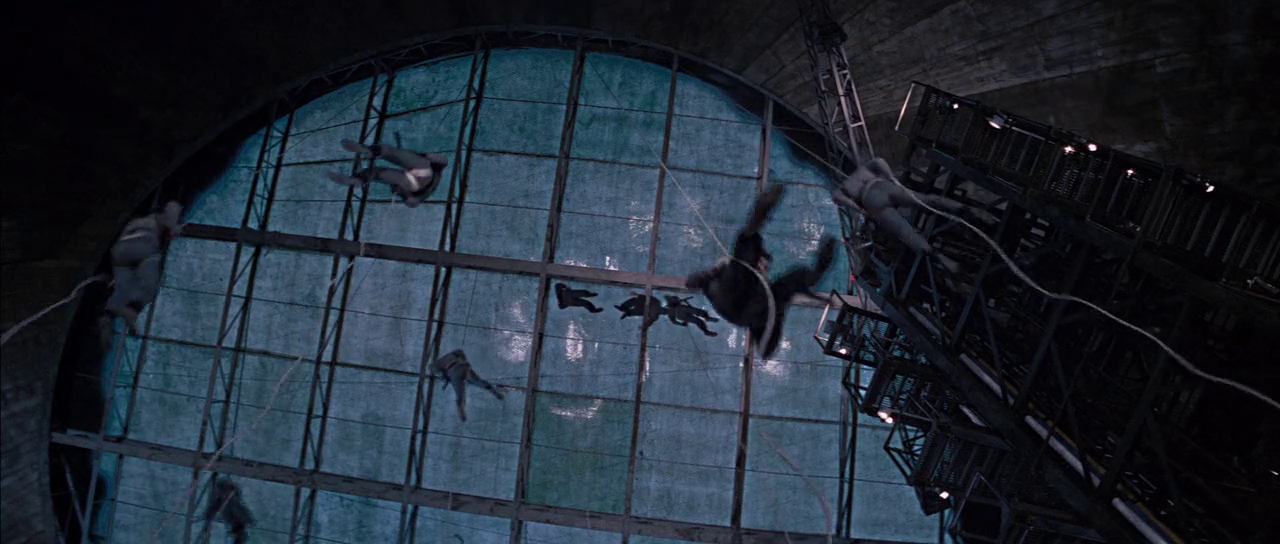
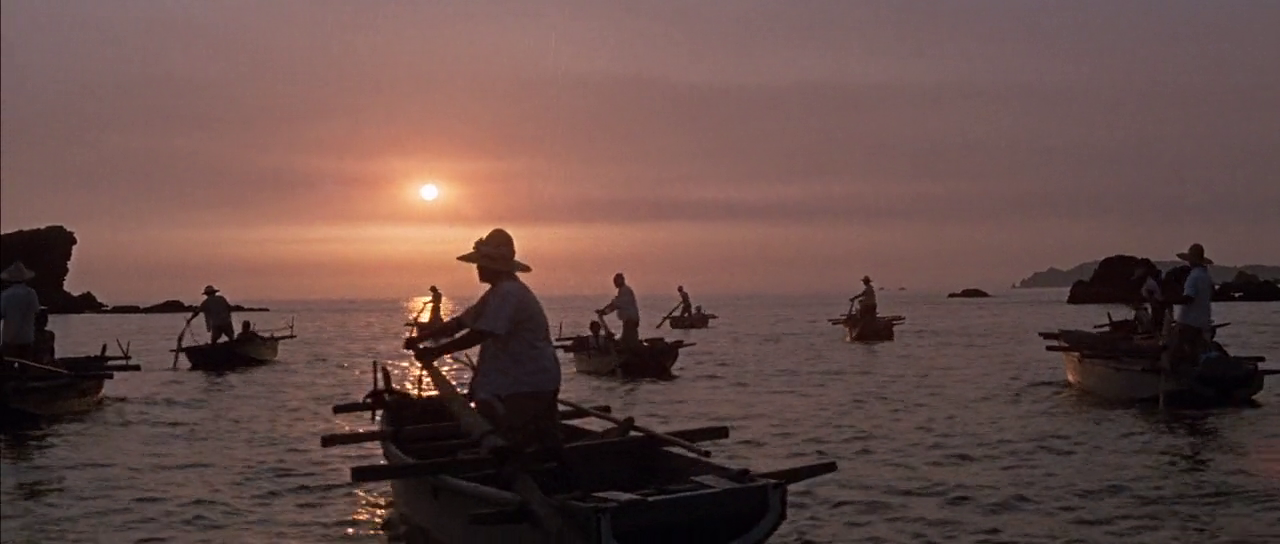
Response to Peary’s Review: … and the last twenty minutes feature what may be the most exciting sequence in the series to that point: ninja warriors descending into a hidden volcano base and wreaking absolute havoc on operations while Blofeld struggles to hold onto his white cat at all costs. Redeeming Qualities and Moments:
Must See? Links: |
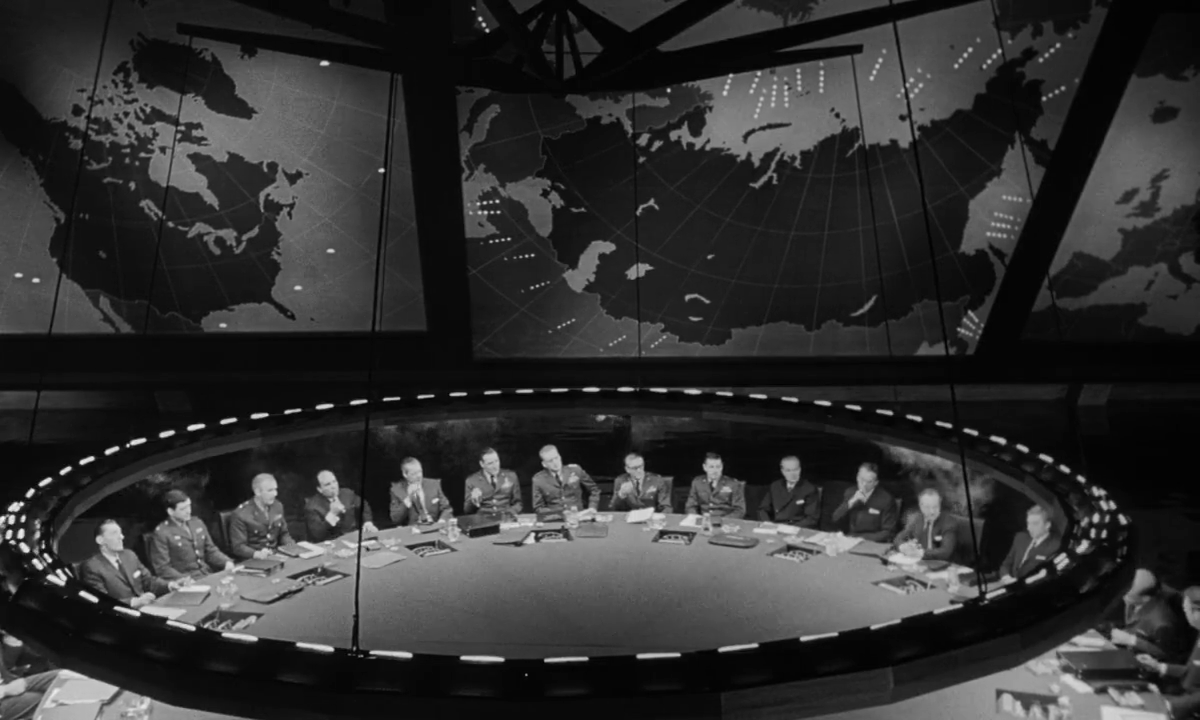
“Well, boys, I reckon this is it: nuclear combat toe to toe with the Russkies.”
|
Synopsis: |
|
Genres, Themes, Actors, and Directors:
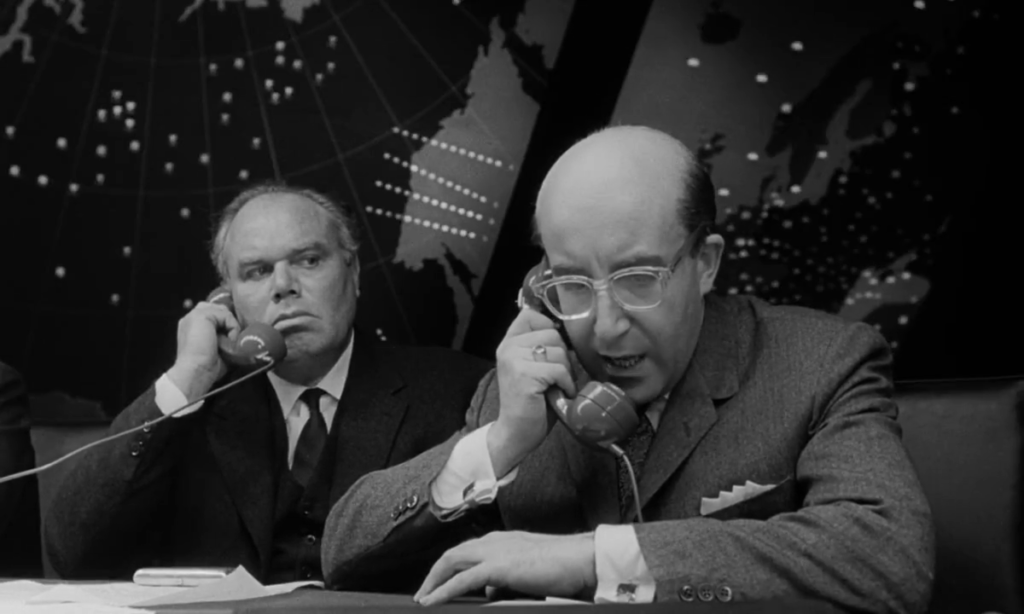
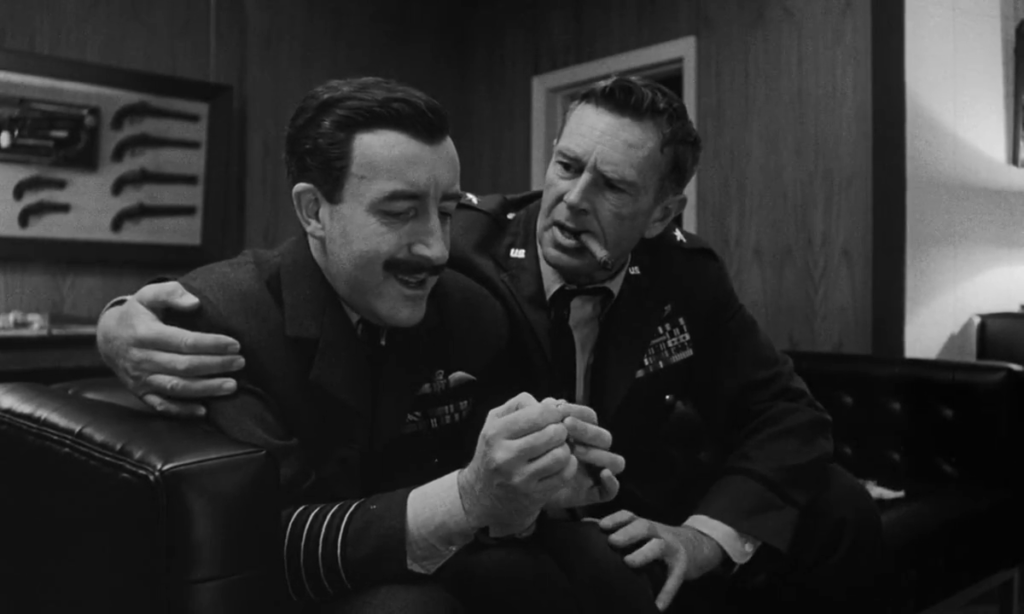
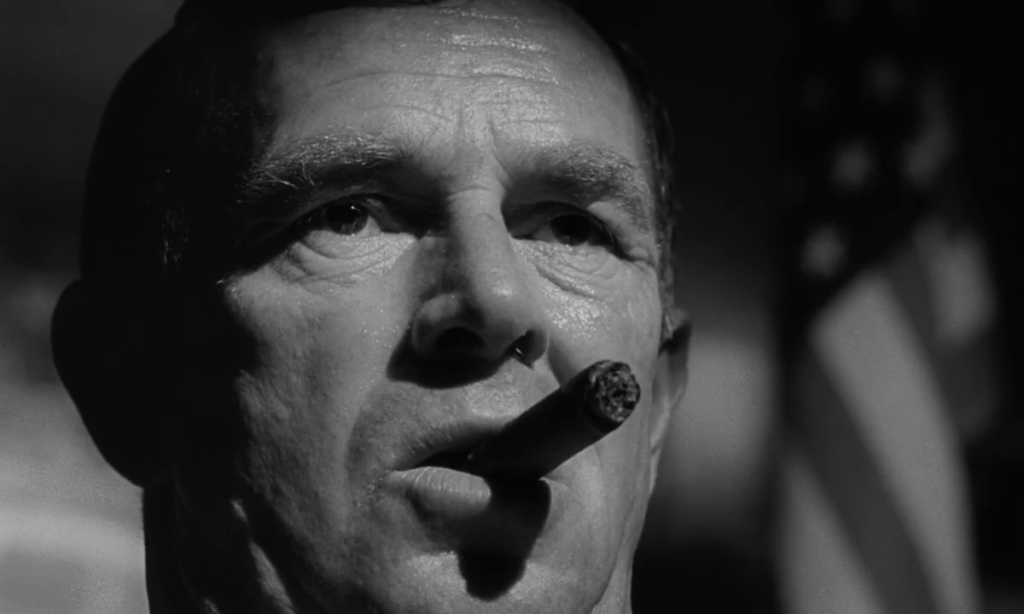
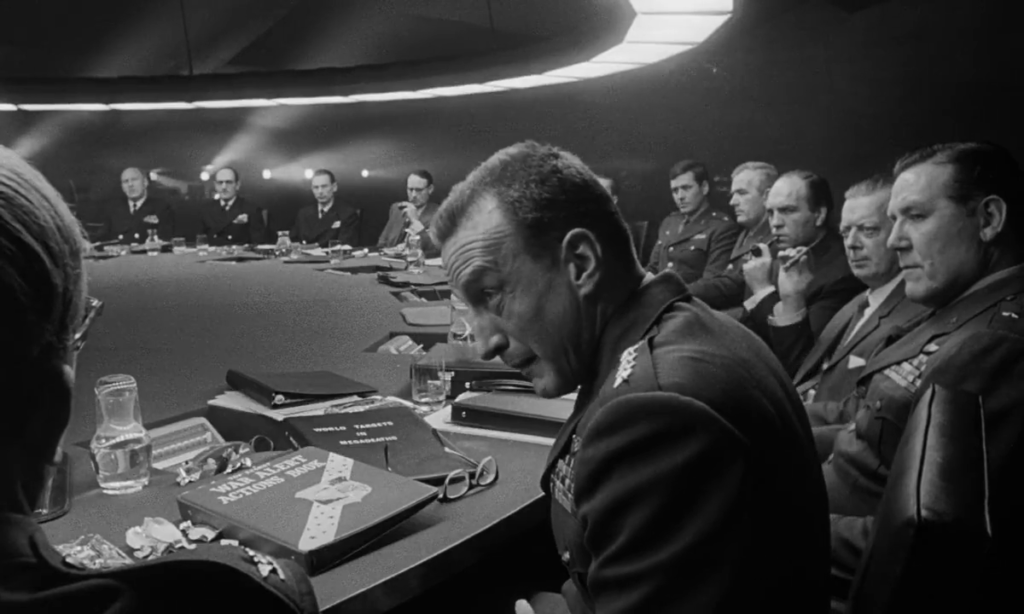
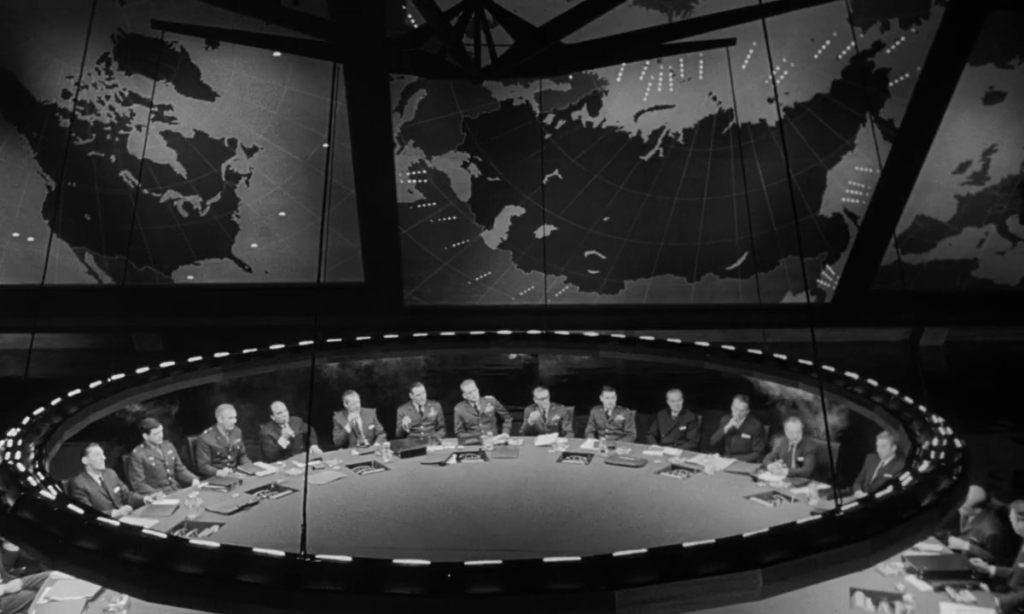
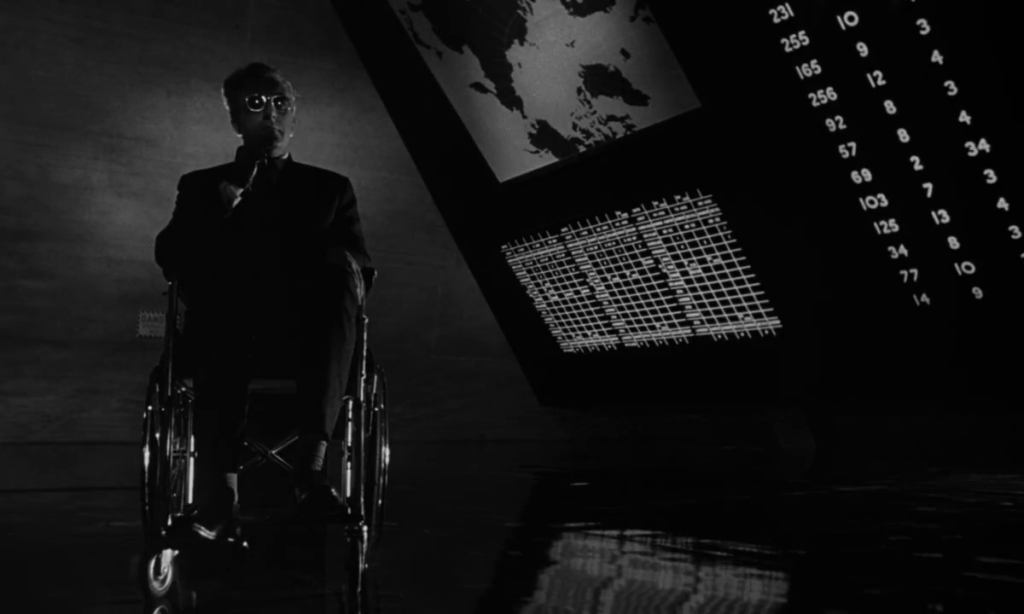
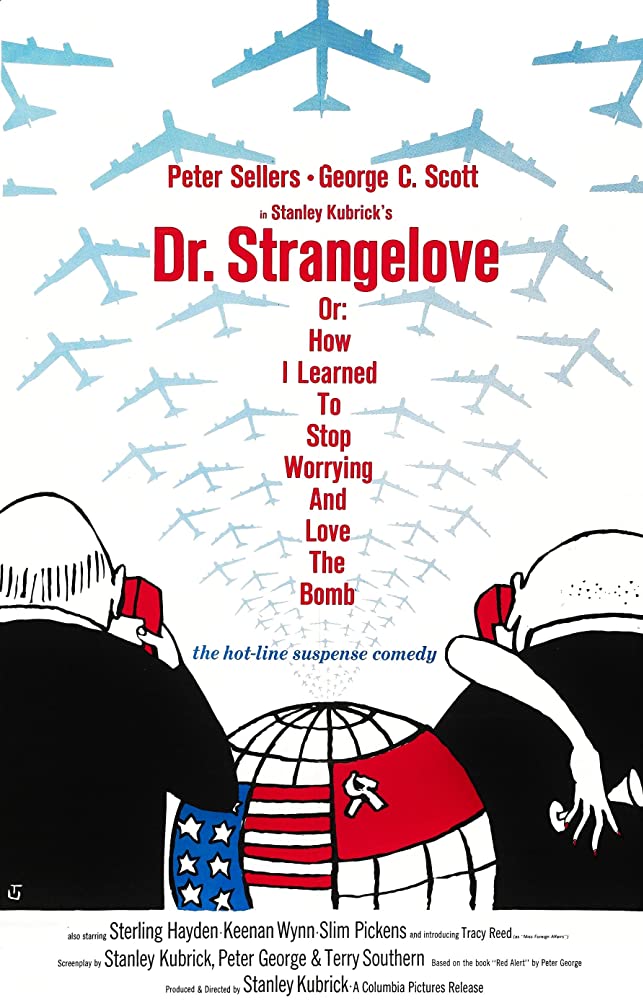
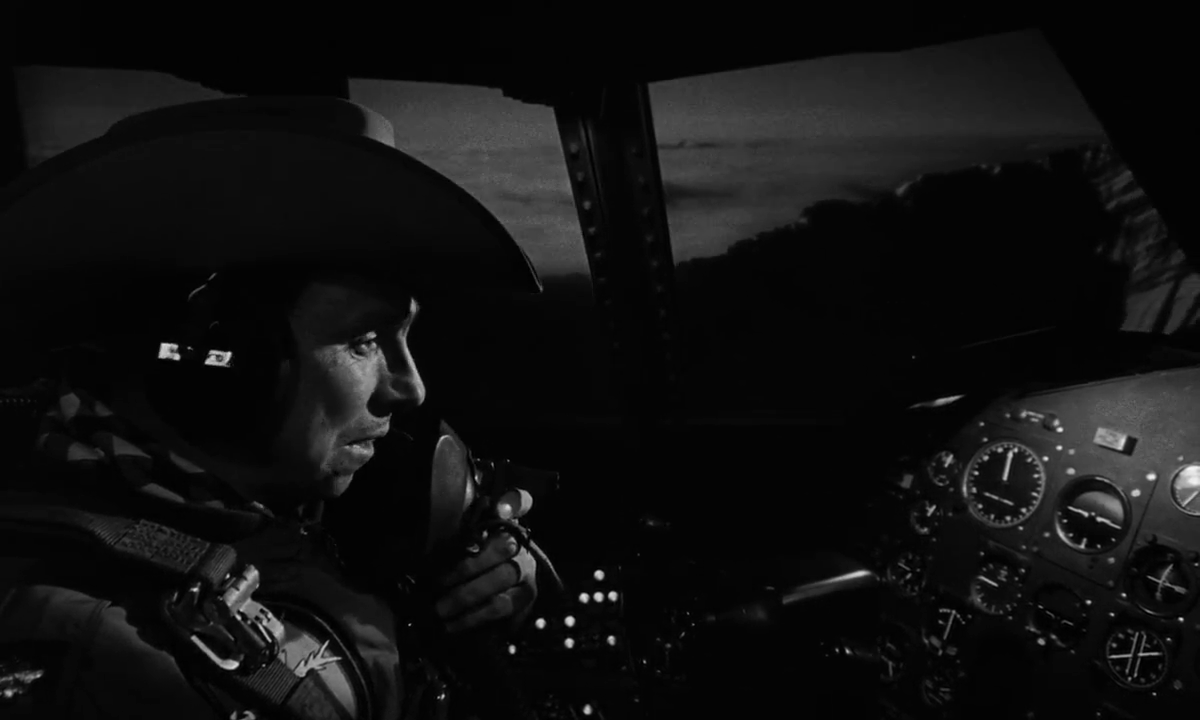
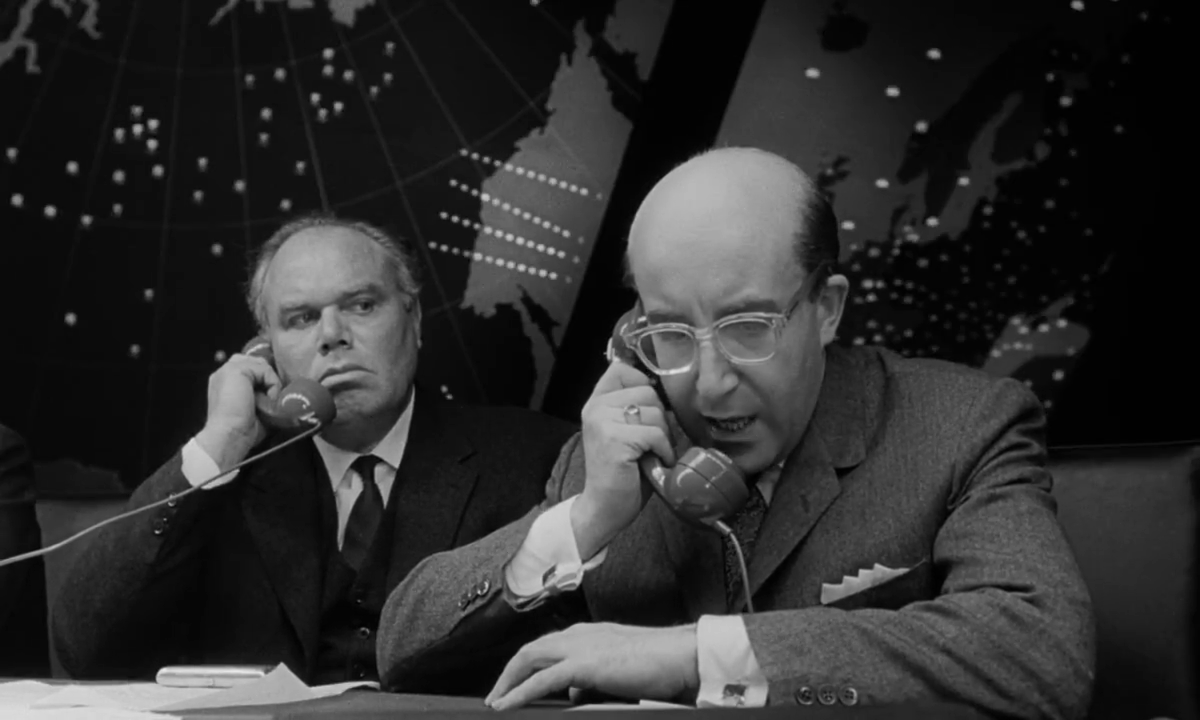
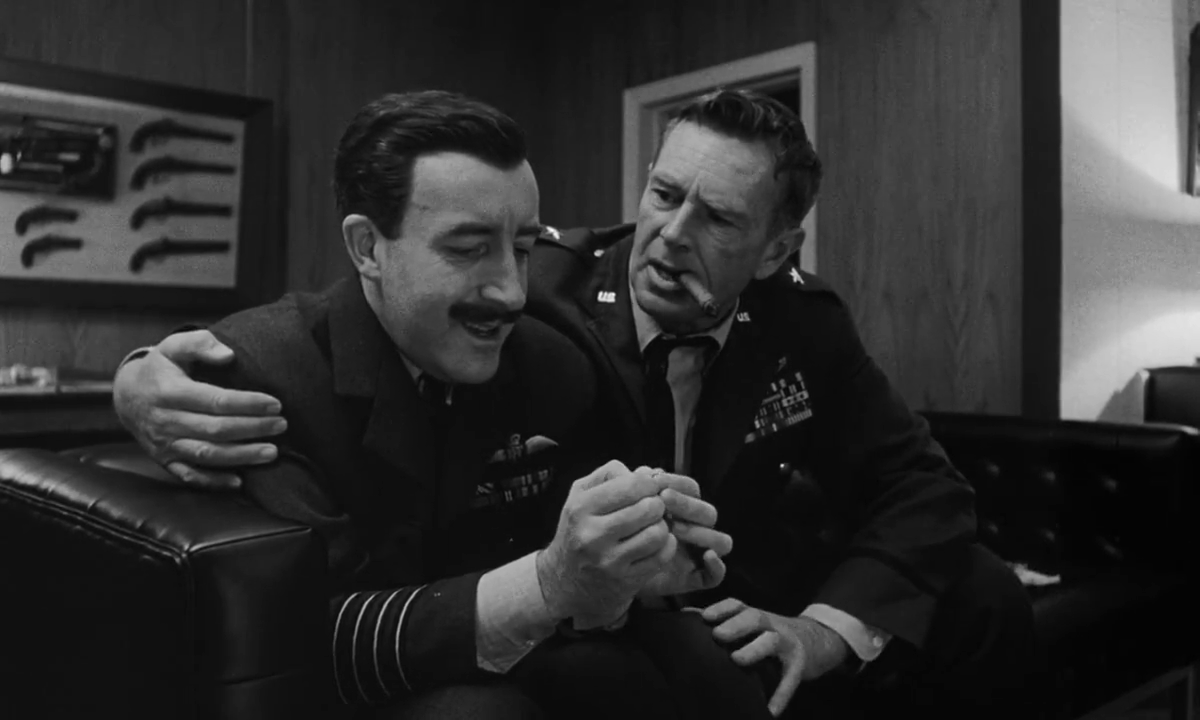
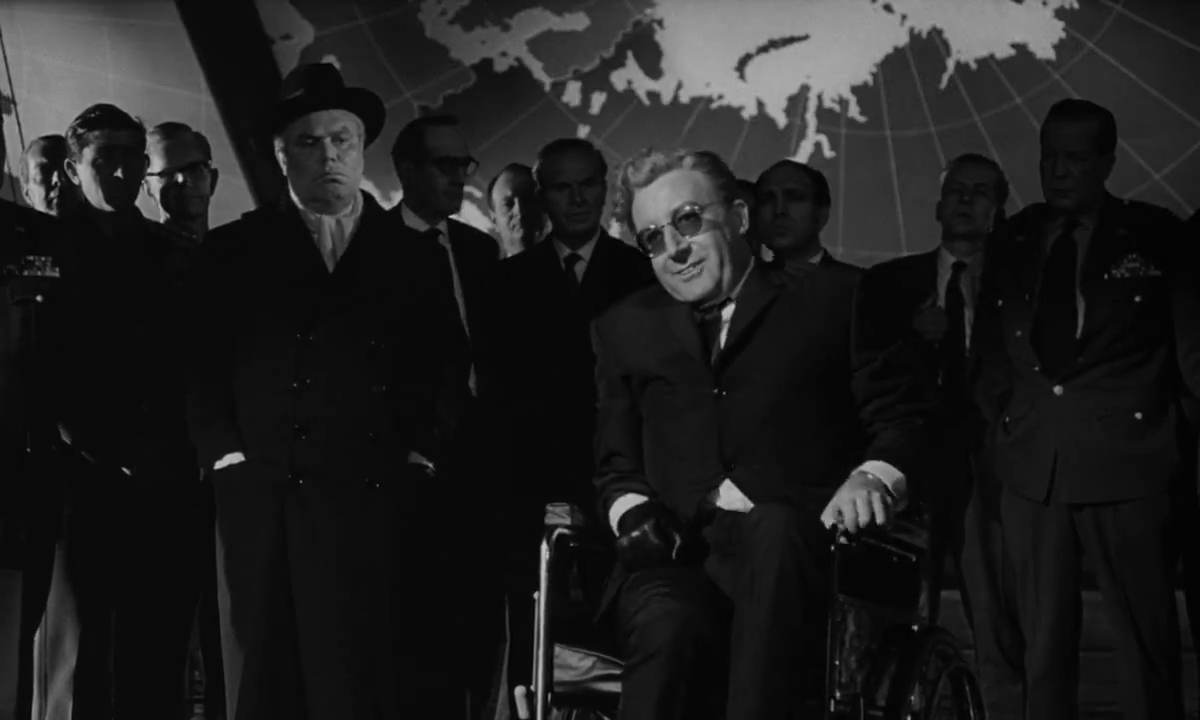
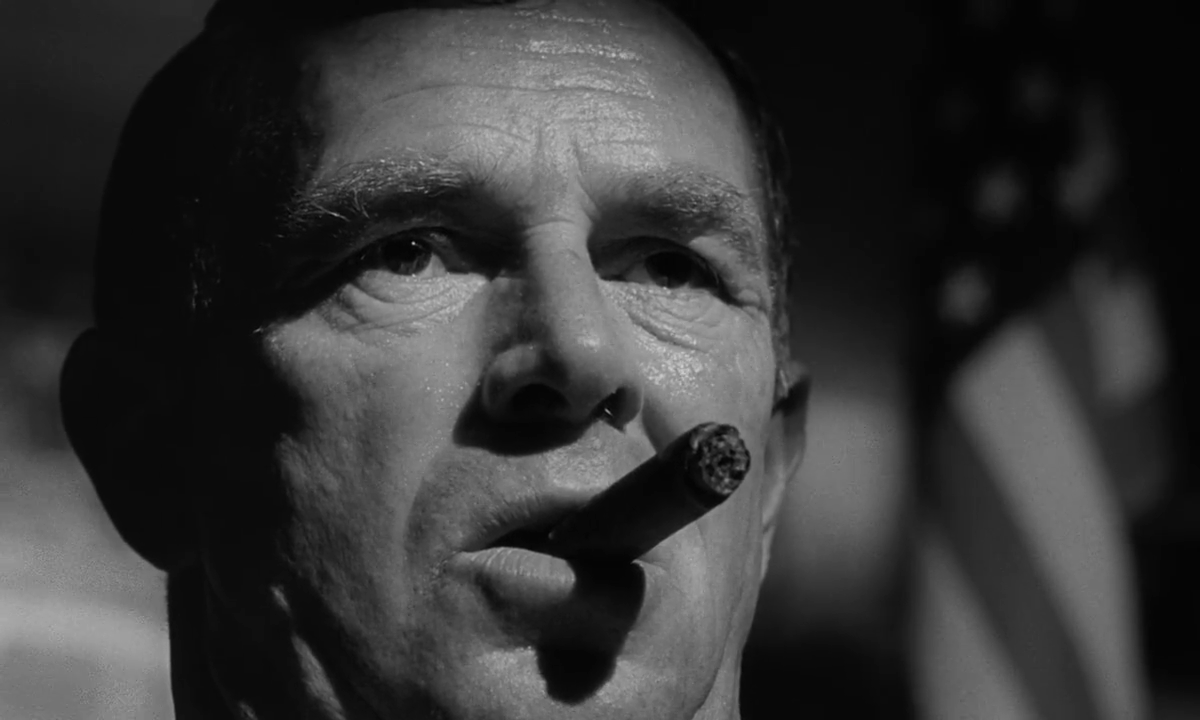
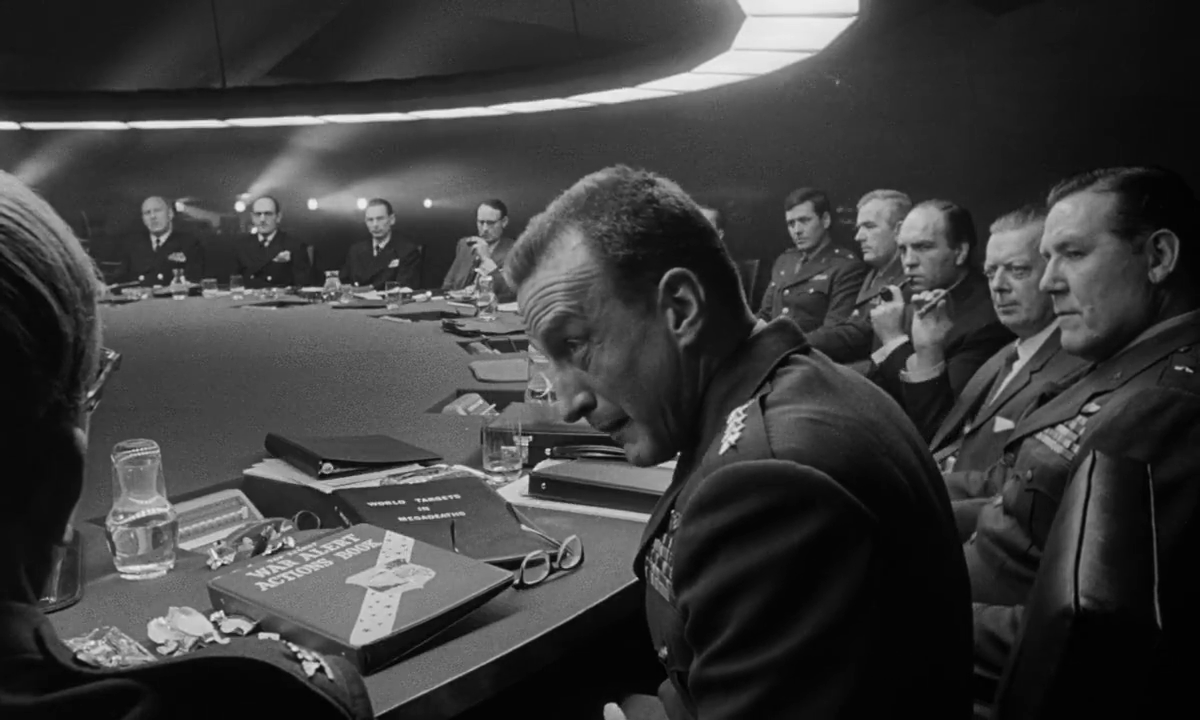
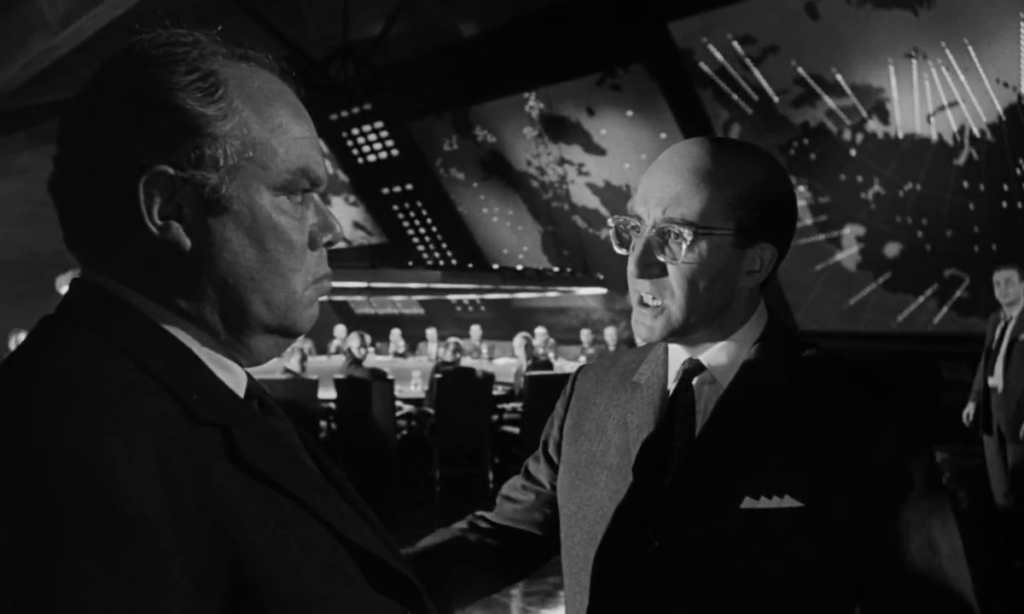
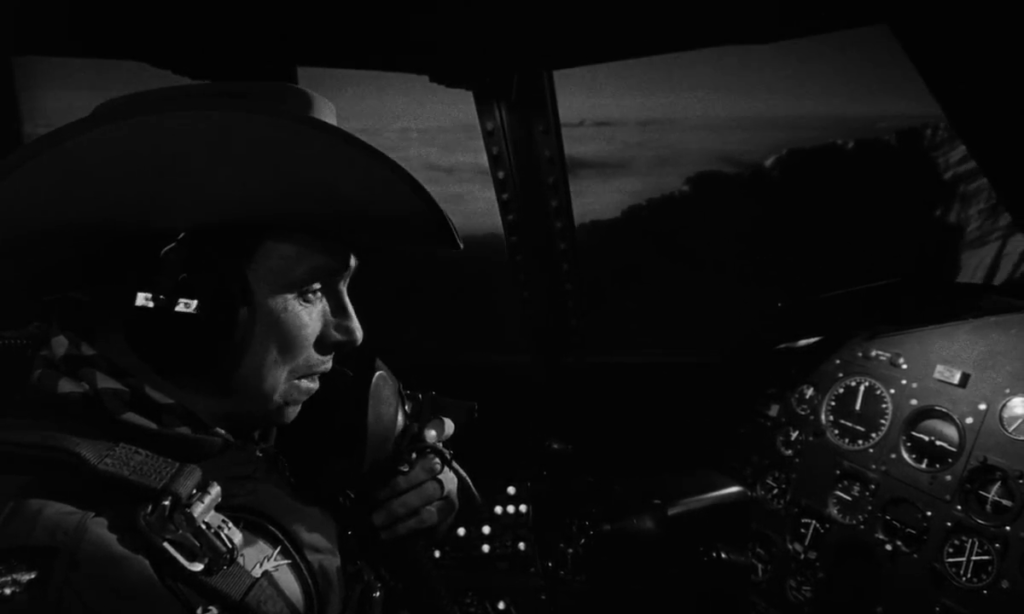
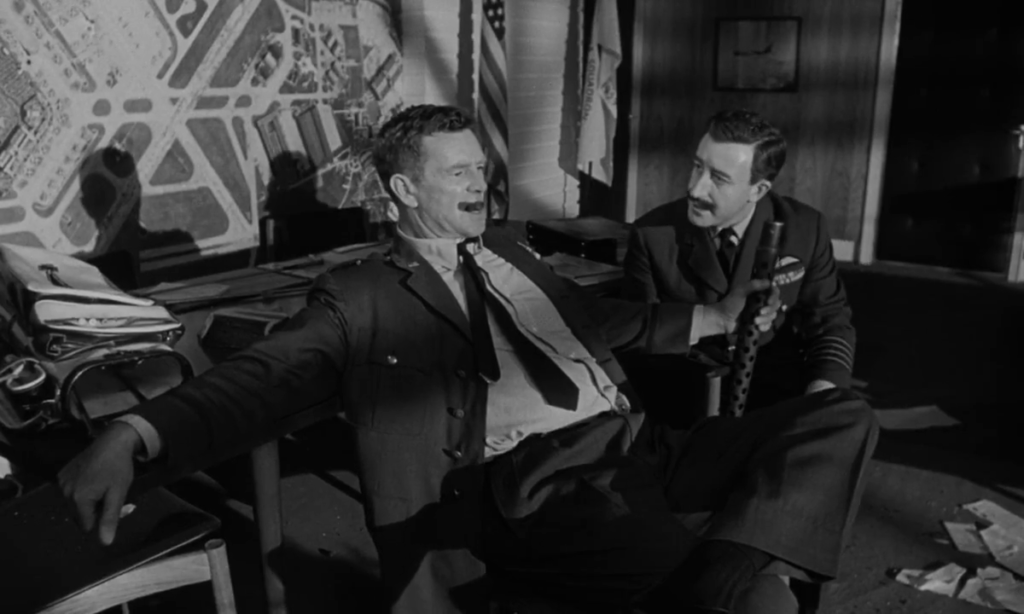
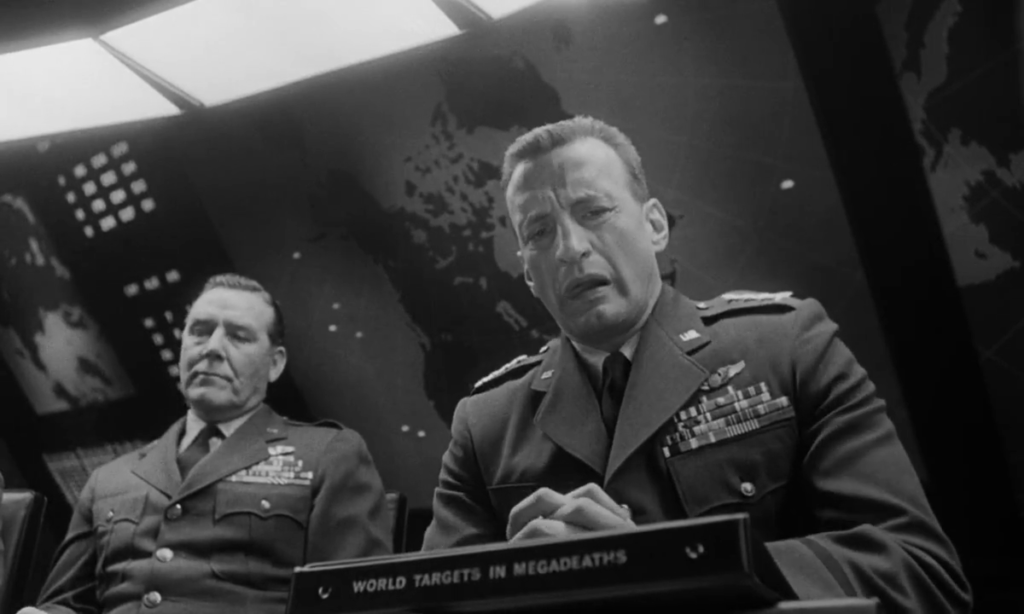
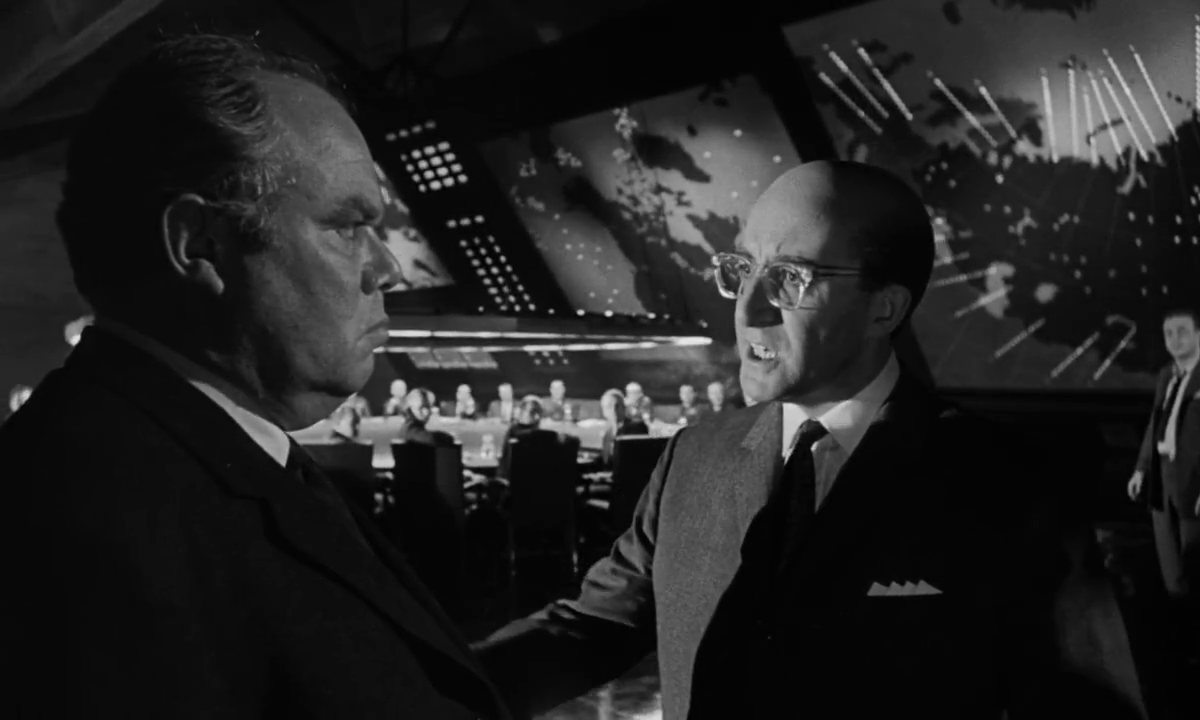
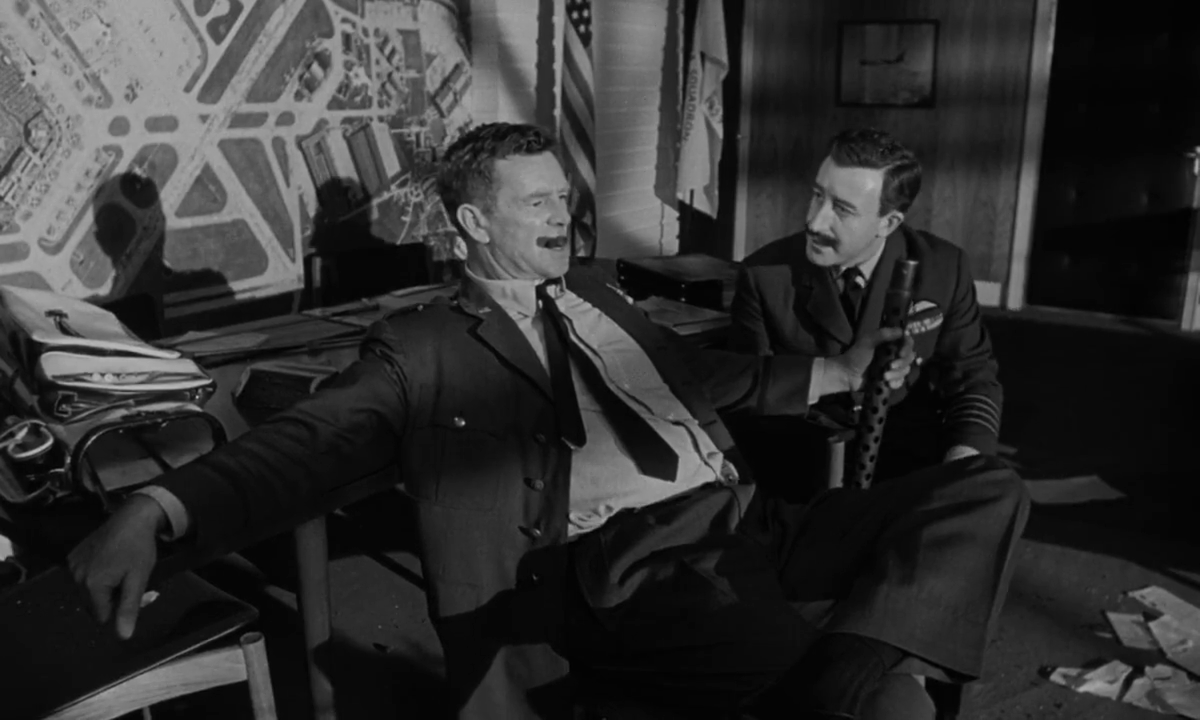
Response to Peary’s Review: In Alternate Oscars, he writes that “the period’s most controversial film” was “both vilified and praised for being the first satire that dared attack (in both comical and serious ways) the nuclear irresponsibility of America’s politicians and military leaders”, and “spoke for the entire paranoid generation.” He points out that “today, the film is even more timely” — and “as long as there remains the very real threat of someone starting a nuclear war, Dr. Strangelove will be our best comic release.” He goes into detail about the film’s now-well-known production history, including its shift away from “the more serious tone of the source novel” Red Alert, noting that “Kubrick decided that all the absurd things he was keeping out of his script were the most truthful” — so “with the help of Terry Southern and star Peter Sellers, who devised three comic characterizations, Kubrick vented his rage by making his story and the characters who populated it outrageous.” Peary points out that Kubrick “introduces a sexual subtext into the story, making the point that playing power politics and making war are male games, extensions of our leaders’ sex lives”, and adds that in Kubrick’s films, “men have become prisoners of science, an extension of its fallible machines.” In Cult Movies 3, Peary writes that “Peter Sellers is so prominent in Dr. Strangelove that it’s easy to forget the vital contributions of Hayden and Scott.” He writes, “With his booming voice and strong physical presence… Hayden is an extremely frightening, imposing figure”; if you “look into [his] face… you’ll know there’s no way he’ll listen to anyone.” Meanwhile, “with his array of stupid expressions, flaring eyebrows and sneaky yet twinkling eyes, and embarrassed, guilty voice, [George C.] Scott is genuinely hilarious.” Regarding Sellers himself, Peary refers to him simply as “marvelous” and notes key highlights of each of his characterizations. As Mandrake, Sellers is “very British”, “a cross between Trevor Howard-David Niven RAF officers and a very subdued and subtle Terry-Thomas”, someone who is “quite humble” and “the only character with intelligence.” When playing bland President Muffley — a “fifties-style [Adlai] Stevenson Democrat” — Sellers’ “finest screen moment is his classic phone conversation with [Russian Prime Minister] Kissoff, a Bob Newhart-like routine in which he talks in a wheedling tone, as if he were trying to convince a 5-year-old child to accept an emergency collect call.” Finally, as Dr. Strangelove, he “has extraordinary impact” despite not having “enough screentime”: “With that slimy fixed smile, thick German accent, dark glasses, double chin, gloved hand… and ugly misshapen hair…, his grotesque version of Wernher von Braun is one of the most horrific figures in movie history,” and “certainly fits the tradition of mad (often crippled) German scientists that dates back to the silent era.” Redeeming Qualities and Moments:
Must See? Categories
(Listed in 1001 Movies You Must See Before You Die) Links: |
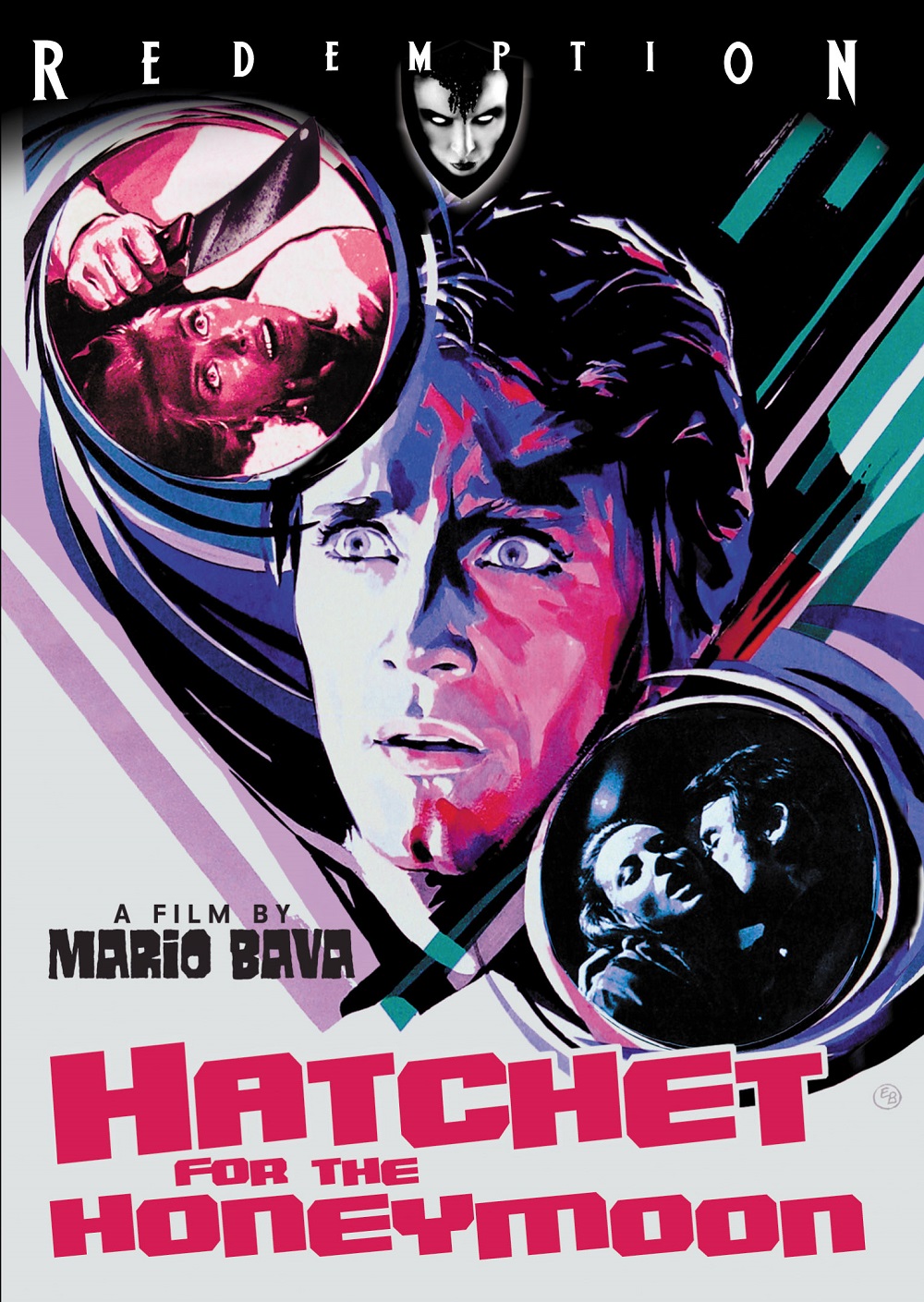
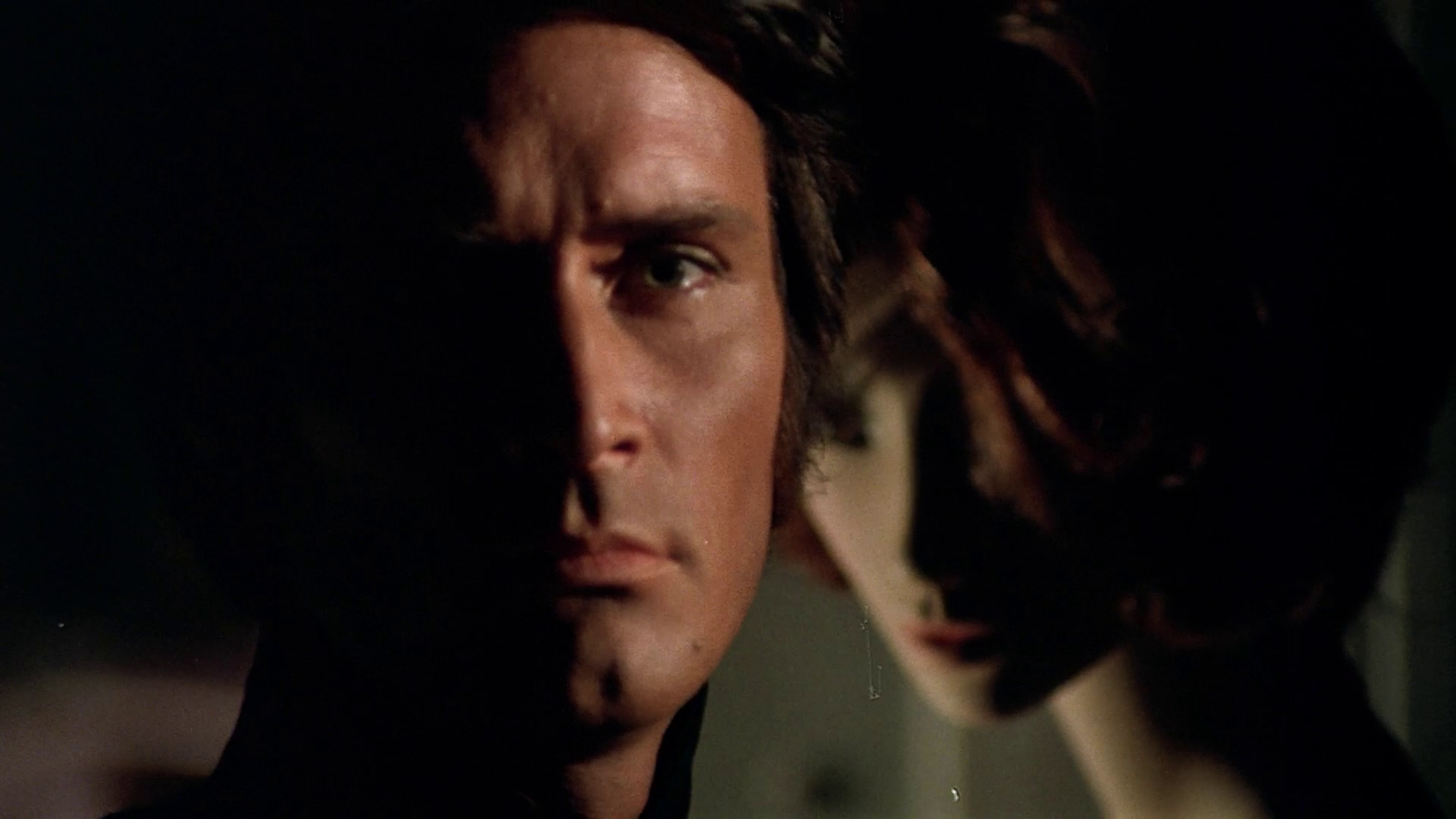
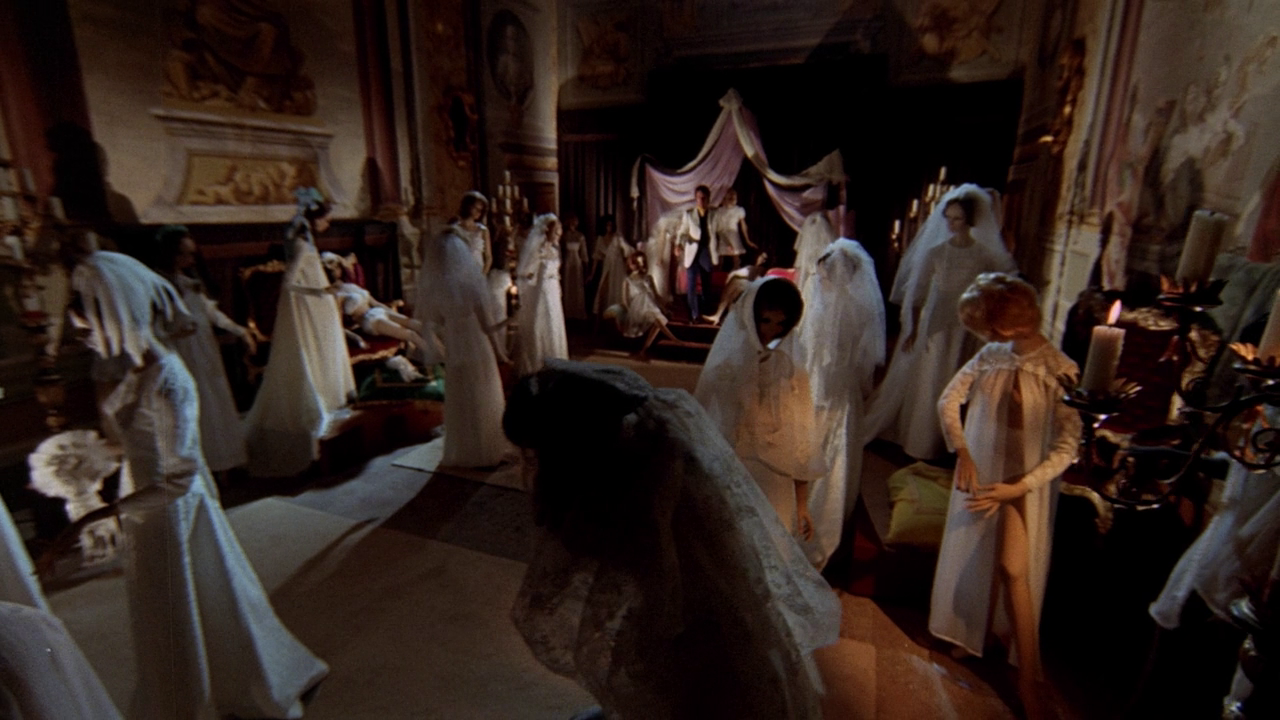
“A woman should live only until her wedding night — love once, and then die.”
|
Synopsis: |
|
Genres, Themes, Actors, and Directors:
Review: and builds tension by exploring how he will eventually be found out. As with so many Bava films, atmosphere is far more important than plot, and one watches primarily for the visuals — but it’s hard to ignore the awkwardly earnest performances, the dubbing, and the sappy musical soundtrack. Things finally become more interesting once the tables are turned and we know Forsyth will soon be caught — which is ultimately for the best of everyone involved, including troubled Forsythe himself. Redeeming Qualities and Moments: Must See? Links: |
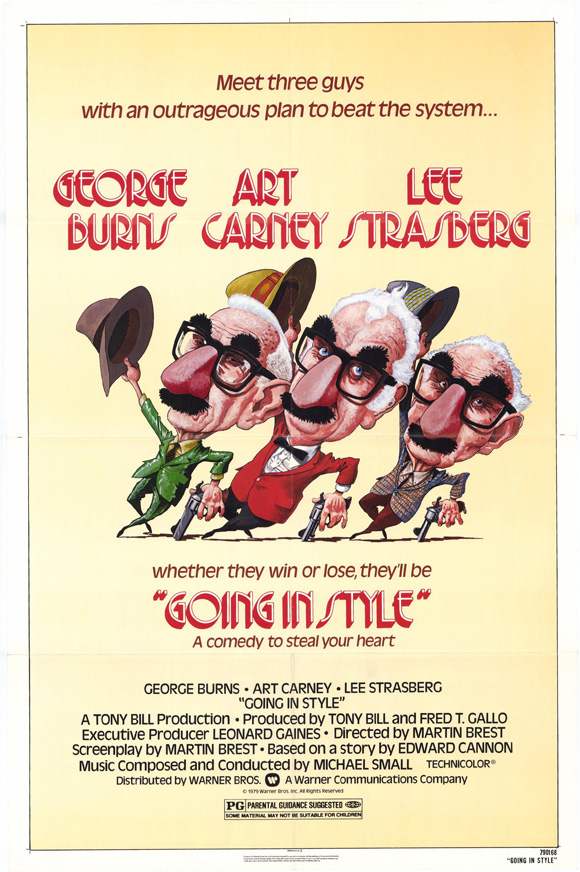
“It feels like we’ve lived two lives: one before the robbery, and one after.”
|
Synopsis: |
|
Genres, Themes, Actors, and Directors:
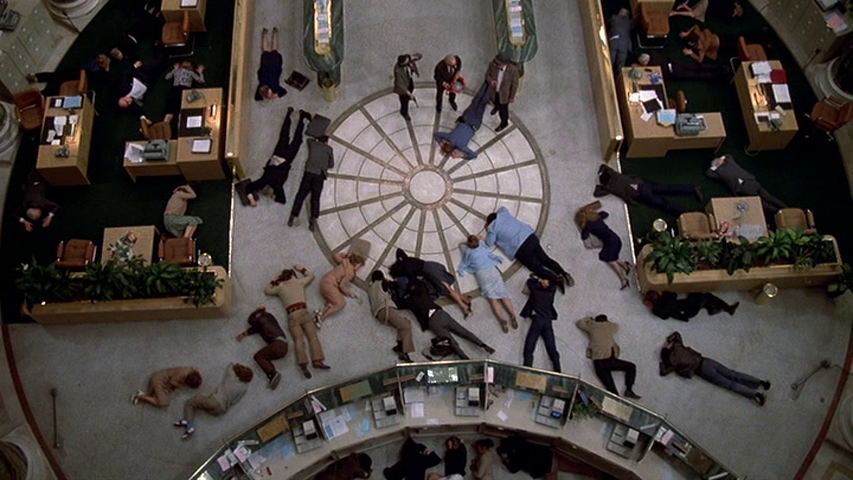
Review: Unfortunately, we’re not given a reasonable-enough rationale for Burns’ radical (and actually NOT funny) idea, nor are we told quite enough about the other two men to understand their willingness to agree with him. (Strasberg is given one highly affecting moment of reflection back on a poor parenting choice: … and we see Carney’s love for his nephew’s working-class family — but that’s it.) With that said, highly effective use is made of authentic New York City locales and extras, and Brest directs numerous scenes (i.e., those taking place in Vegas) with a refreshing naturalness. This one is worth a look, though not must-see viewing. Redeeming Qualities and Moments: Must See? Links: |
“Do you like wild things, James Bond — Mr. Bond?”
|
Synopsis: |
|
Genres, Themes, Actors, and Directors:
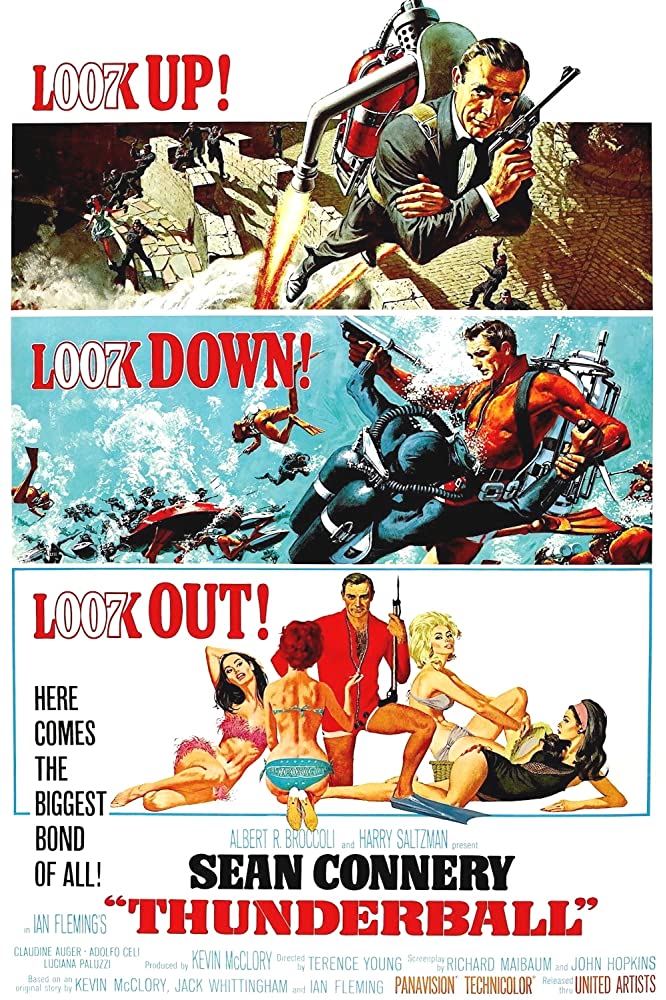
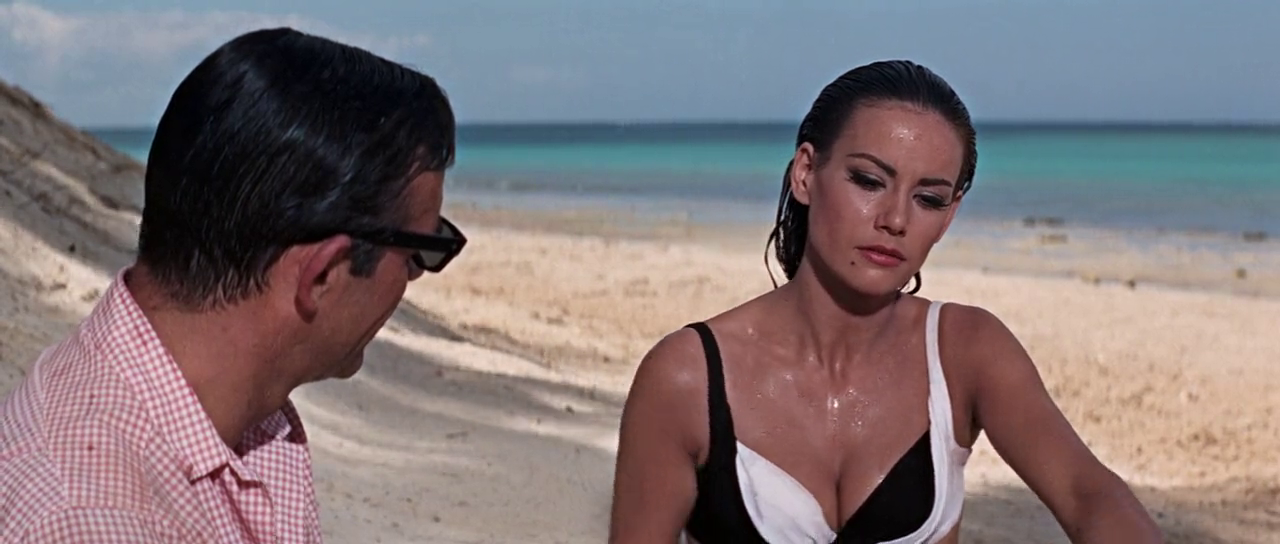
Response to Peary’s Review: … and Paluzzi is “gorgeous and deadly [as] Fiona Volpe.” Peary argues that while the “film has no great scene”, it’s “entertaining as long as the actors stay above water.” I’m essentially in agreement with Peary’s assessment, though I think he gives the underwater sequences short shrift: while there’s far too much of this footage included, they’re well-handled and impressively shot. For those who are interested, there is quite a bit more to learn about the history of this erstwhile box-office hit — see, for example, both TCM’s article and Wikipedia. While many viewers remain devotees — Rotten Tomatoes ranks it as #6 out of the 26 total films in the franchise — DVD Savant is most definitely not among this crowd. As he writes in his review, while Thunderball “has some of the series’ most impressive filmic set pieces,” it’s bedeviled by “an unusually sloppy structure” and often “goes off on frequent tangents to work flashy gadgets and action into the story.” He further argues that while “the producers knew they had the essential ingredients for a hit” they “no longer seemed to care about crafting a superior film.” On a more positive note, he points out that “John Barry’s score is one of his best,” that “Paluzzi makes a delightfully sexy villainess, while she lasts,” and that “the photography is sleek throughout.” While all-purpose film fanatics don’t need to check this one out, they may be curious to watch it once — and hardcore fans of the series surely already have their own firmly entrenched opinions. Redeeming Qualities and Moments: Must See? Links: |
“Life’s short — and I want to live while I’m alive!”
|
Synopsis: |
|
Genres, Themes, Actors, and Directors:
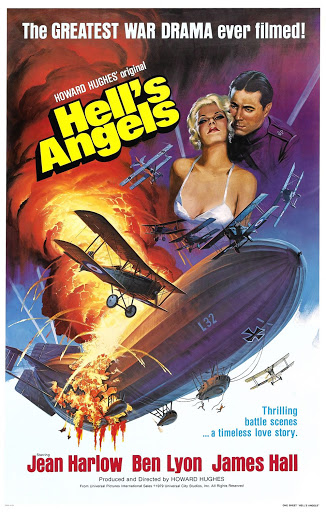
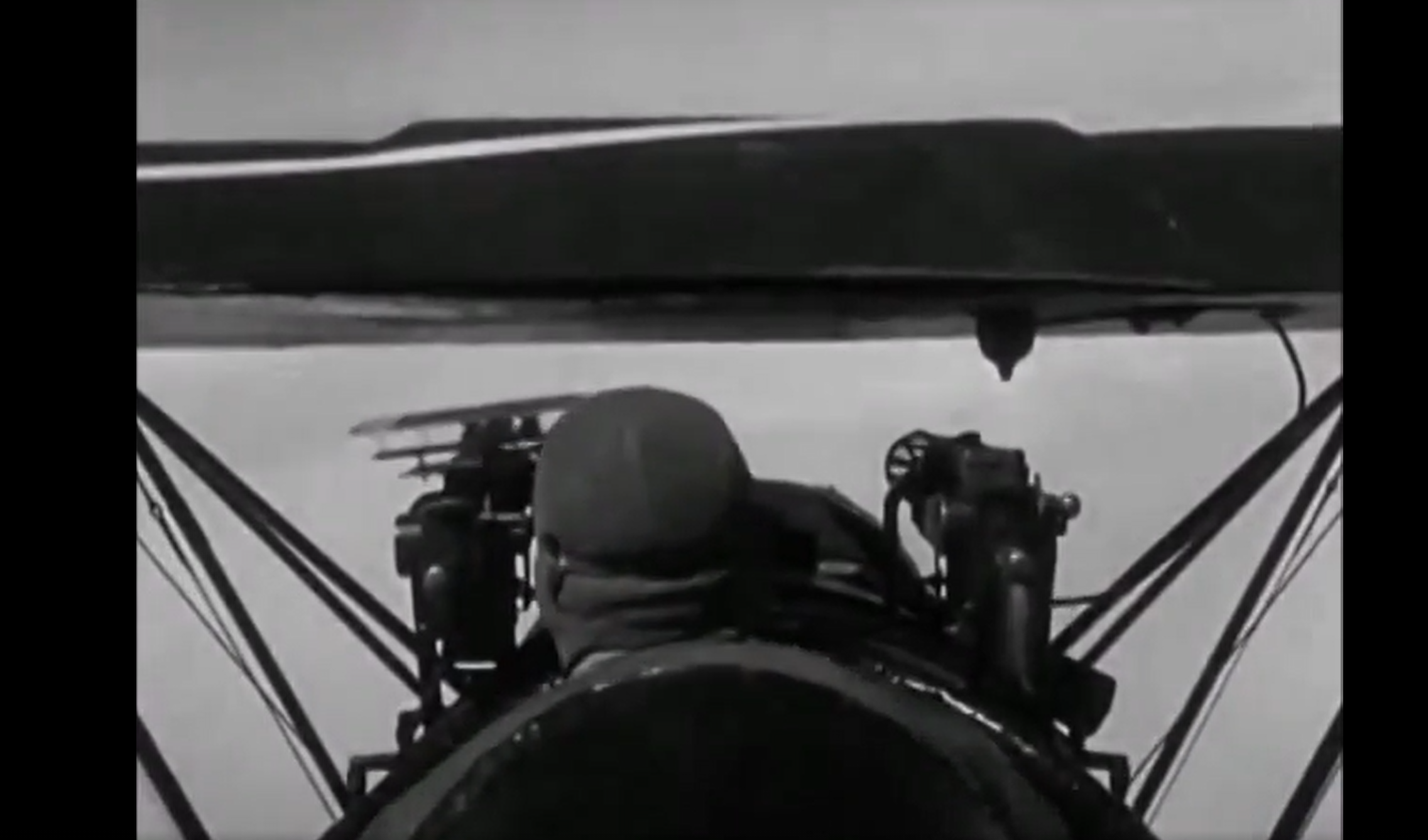
Review: Hell’s Angels has a truly infamous production history, and TCM’s article provides plenty of behind-the-scenes information about the film:
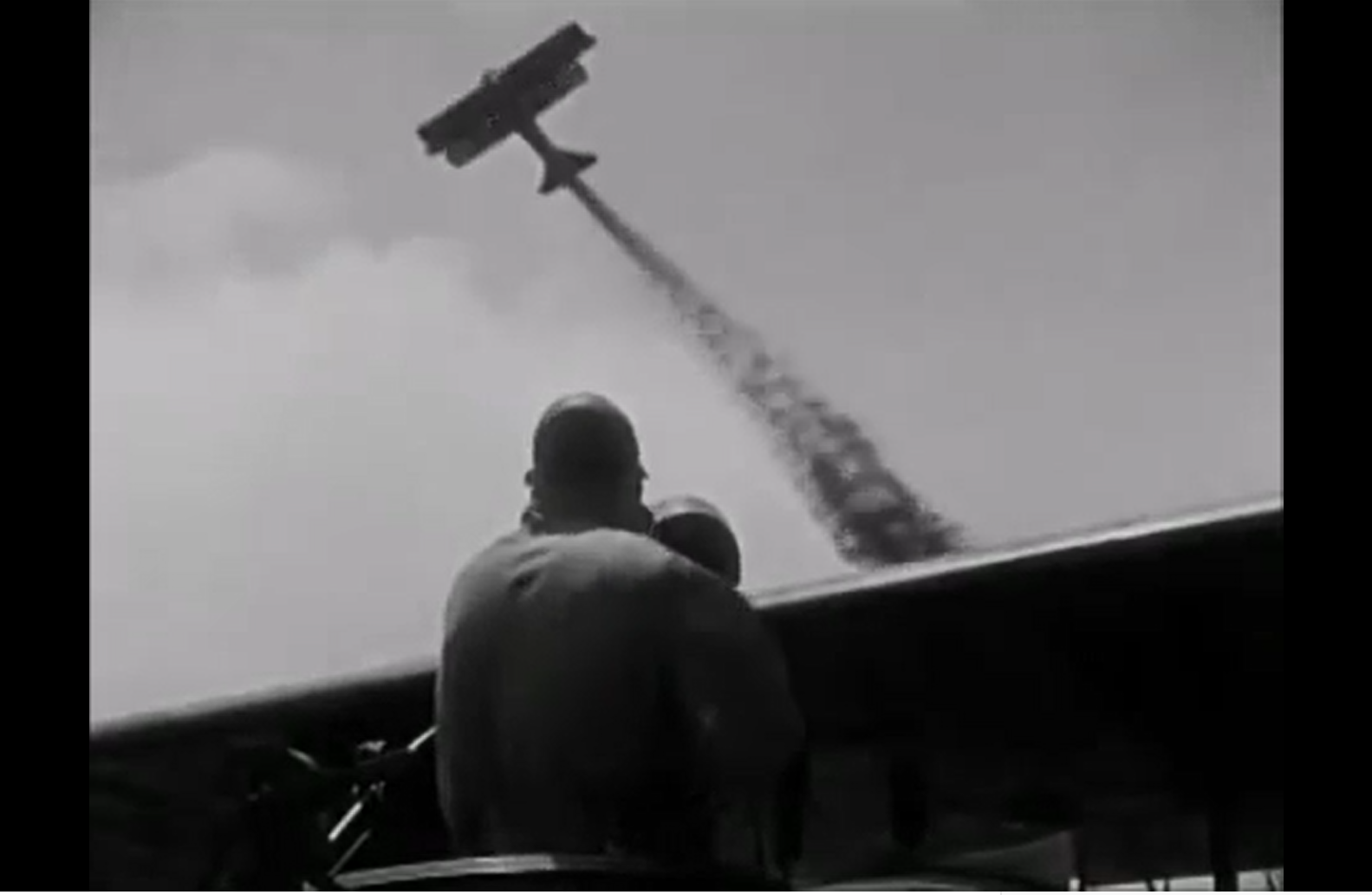
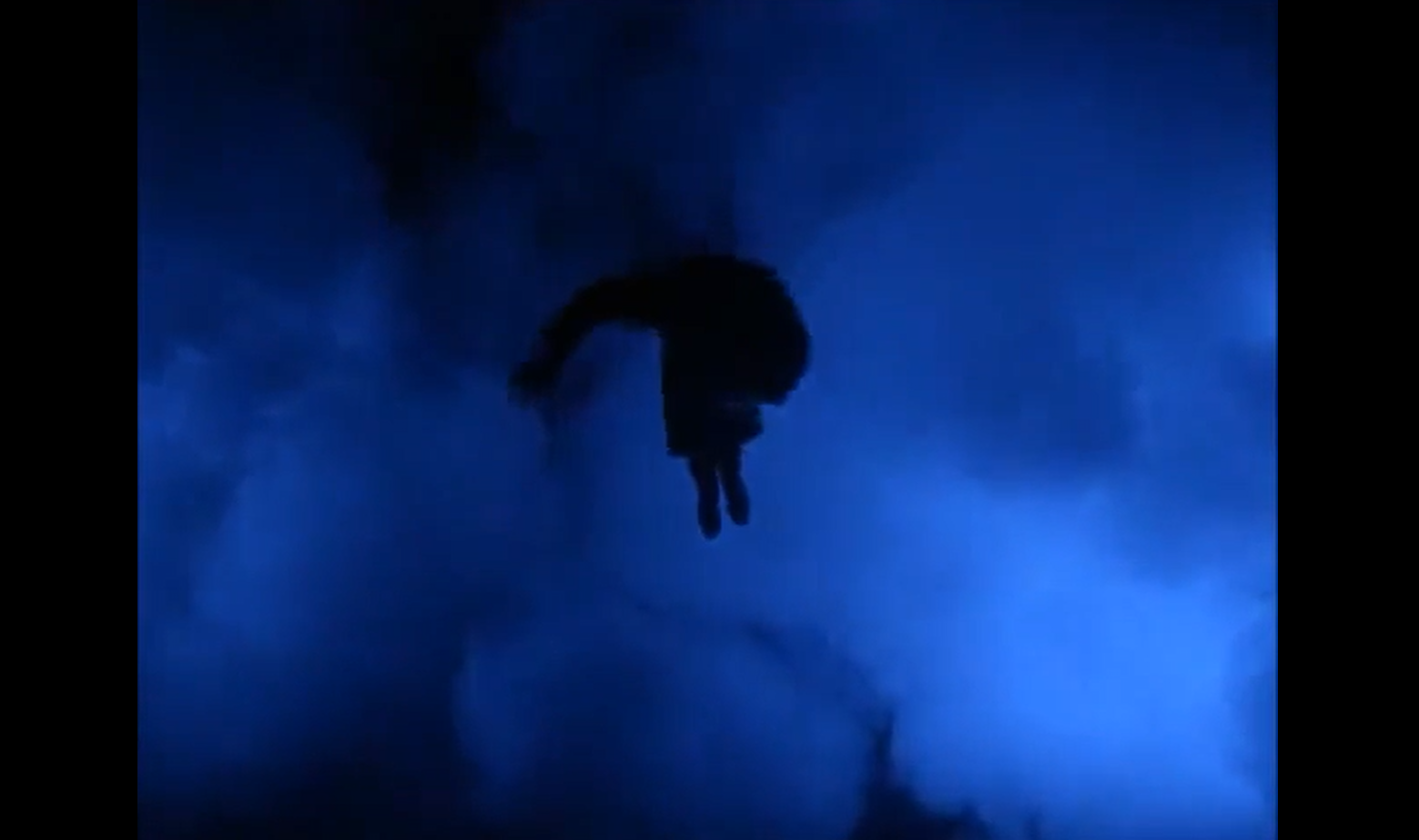
Given this decidedly rocky trajectory, it’s impressive that the film coheres as well as it does — though it’s not exactly seamless. Opening scenes featuring Lyon bowing out of a duel with the husband (Lucien Prival) of a woman he’s been having an affair with — and Hall taking his place — are atmospherically filmed but don’t do much for the storyline other than present the brothers as a caddish coward (Lyon) and a foolish martyr (Hall). Meanwhile, 18-year-old Harlow’s performance isn’t nearly as bad as accounts would lead you to believe; it’s easy to see how she turned into one of cinema’s most alluring sirens. The best aspect of the film by far, however, are the stunning aerial “dog fights”, shot at great cost (both literally, and in terms of human lives lost). Also notable is a sequence in which German dirigible crew members are ordered to jump to their deaths in order to “lighten the load”; this is, as DVD Savant writes, a “disturbing and macabre scene.” Note: This film’s production was a major narrative component in Martin Scorsese’s The Aviator (2004), a biopic about Hughes starring Leonardo DiCaprio. Redeeming Qualities and Moments: Must See? Links: |