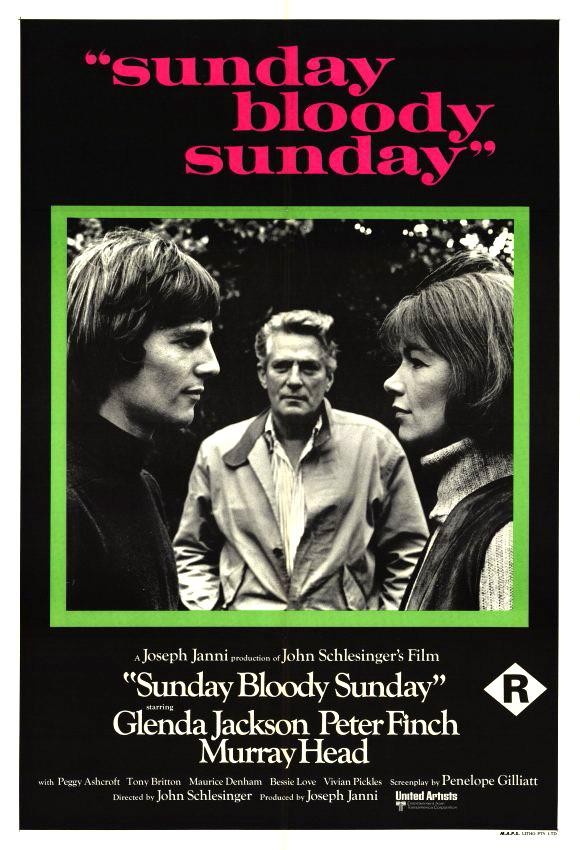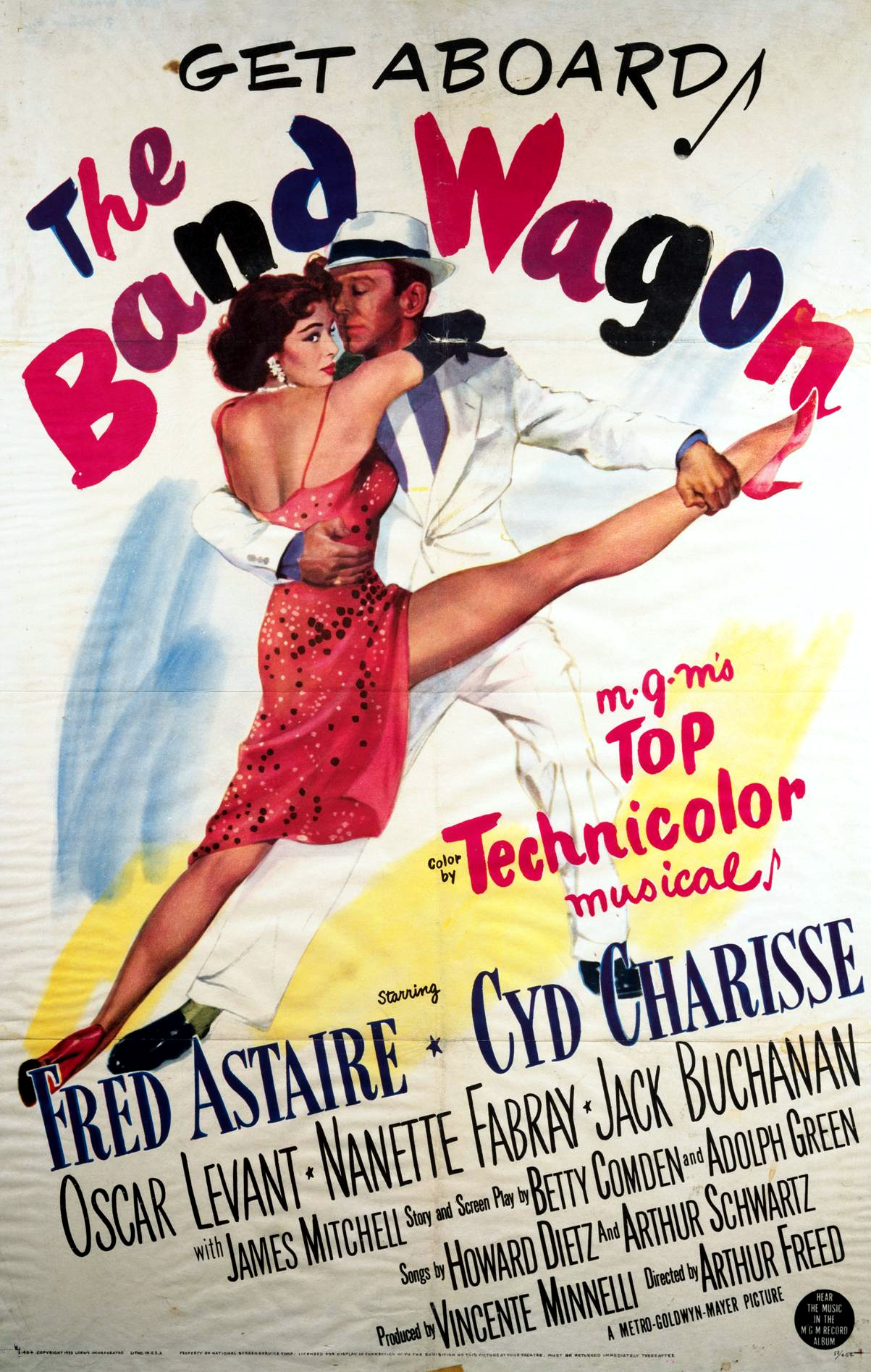
Sunday Bloody Sunday (1971)

Sunday Bloody Sunday (1971)

“We’re free to do what we want.”

Synopsis:
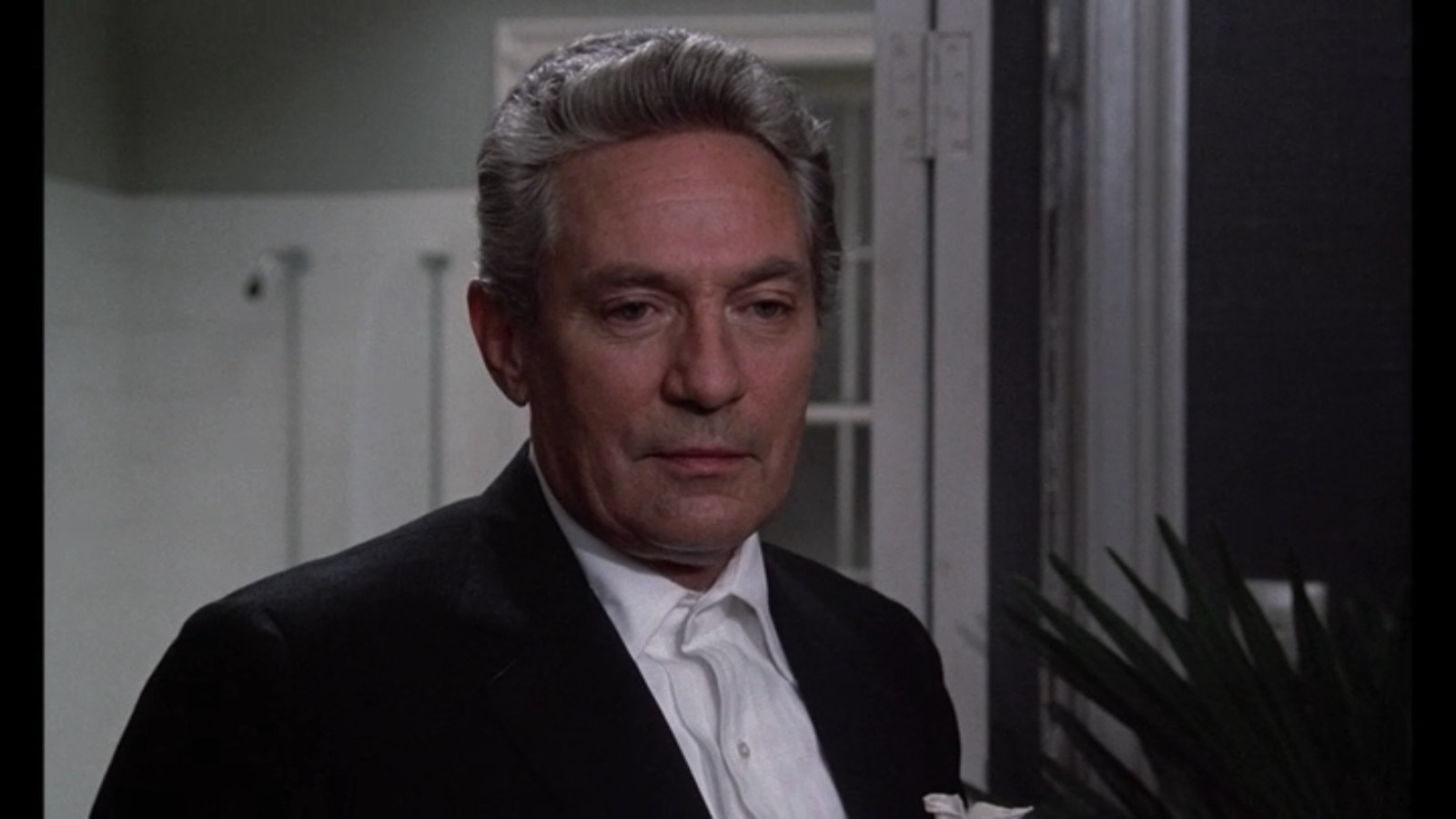
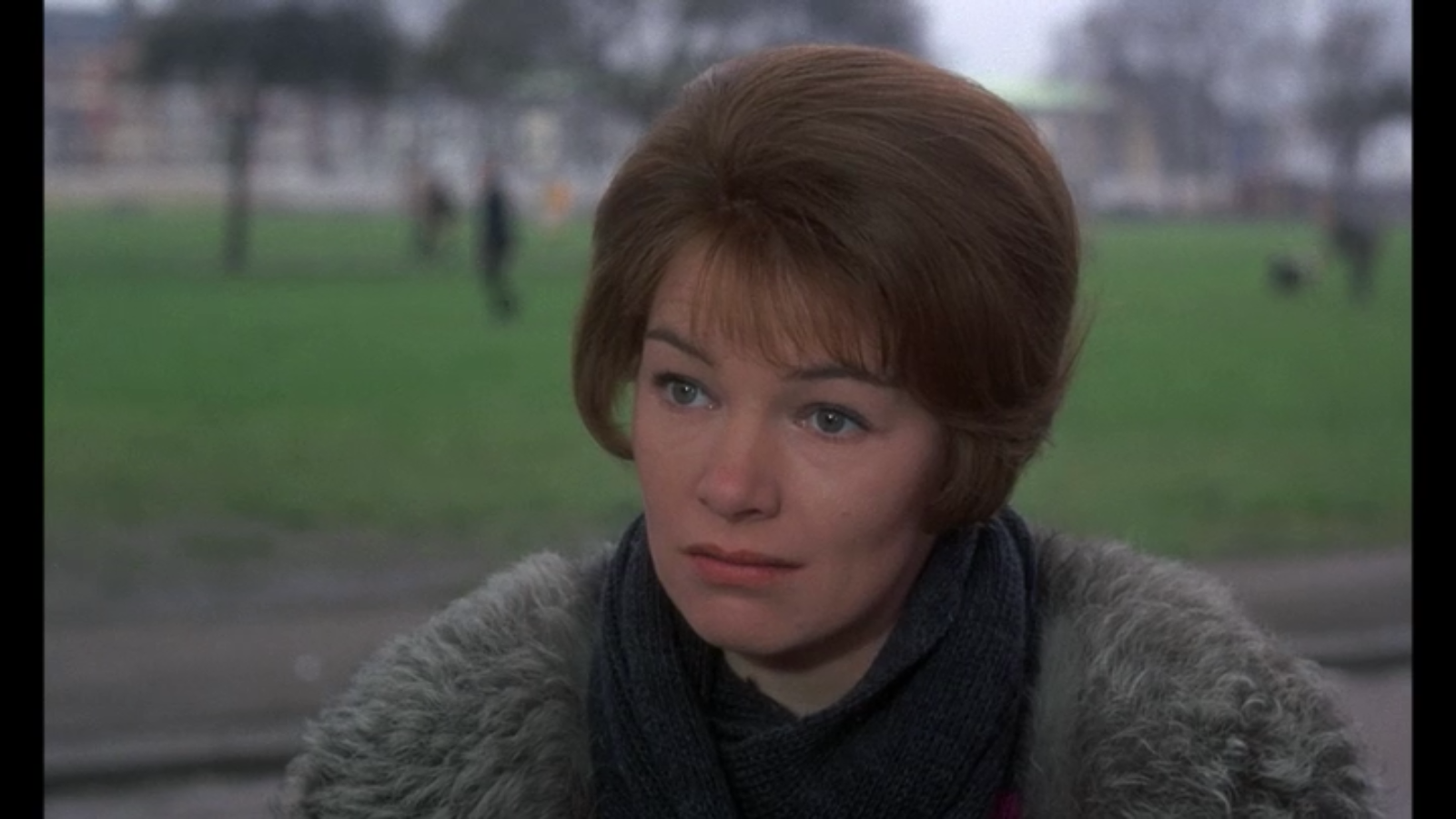
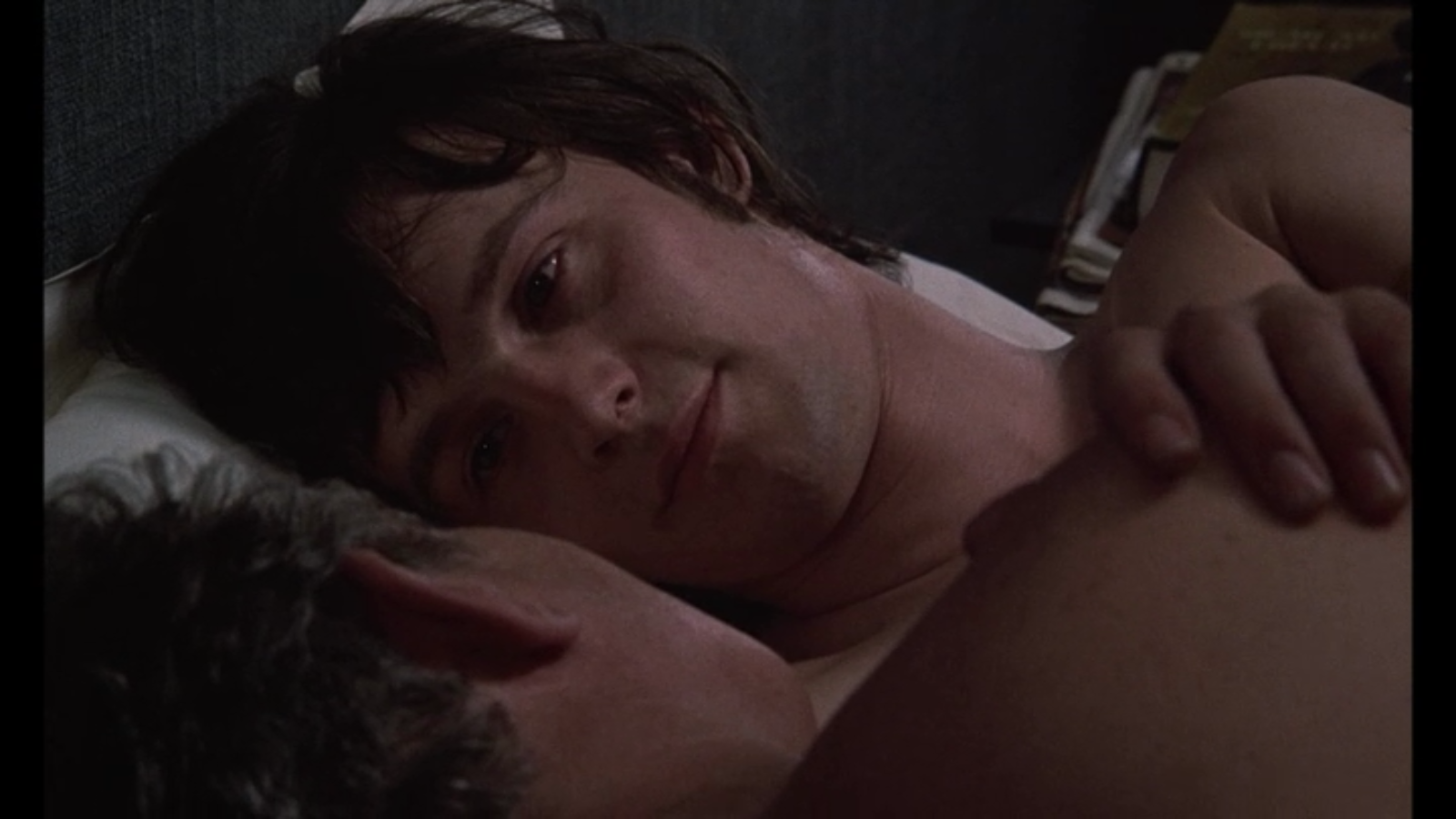
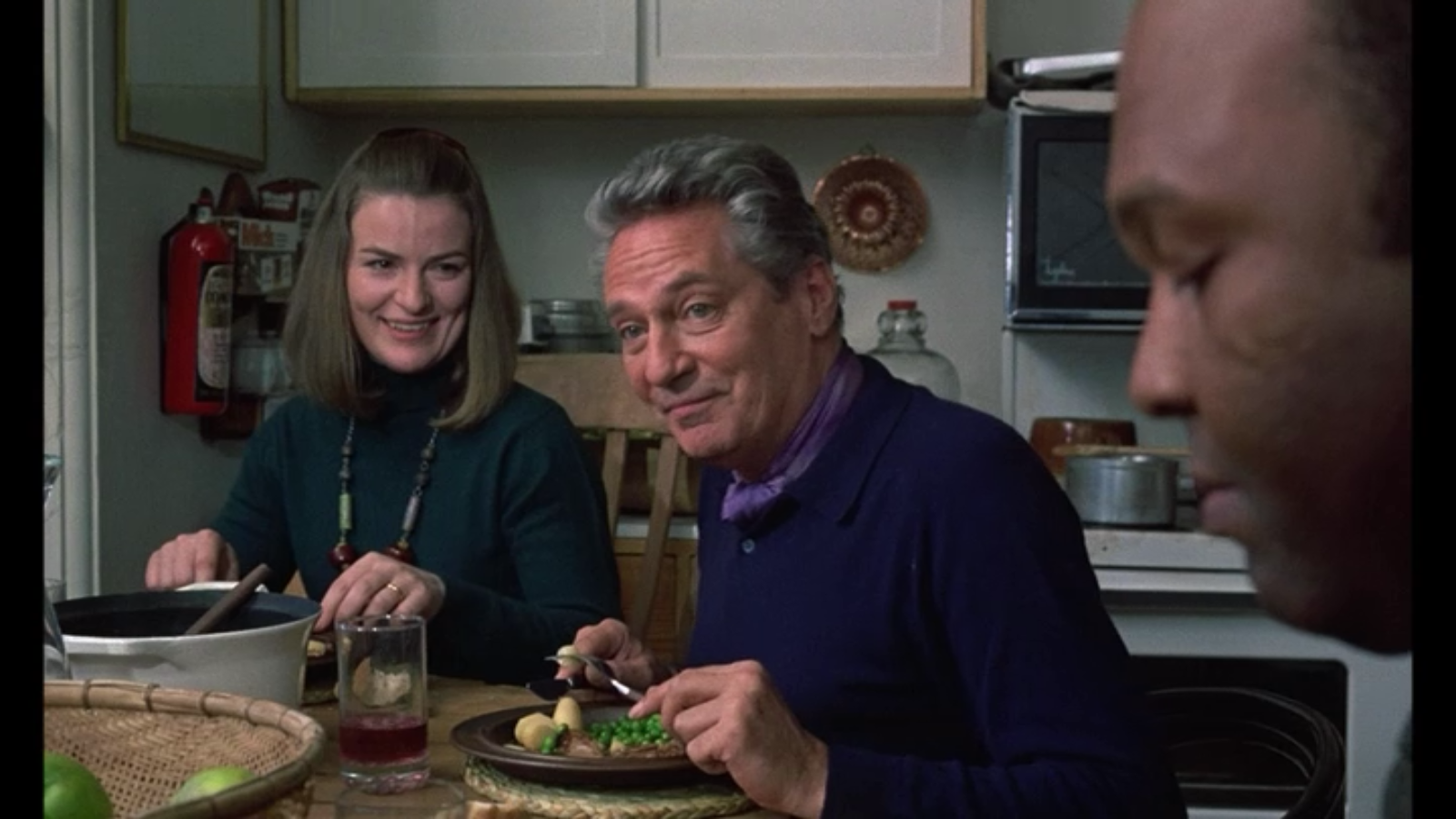
A freespirited artist (Murray Head) remains romantically involved with a lonely divorcee (Glenda Jackson) and a Jewish physician (Peter Finch), both mutual friends of an open-minded married couple (Frank Windsor and Vivian Pickles) with multiple children.

Genres, Themes, Actors, and Directors:

  • Glenda Jackson Films
  • John Schlesinger Films
  • Love Triangle
  • Peter Finch Films
  • Sexuality

Review:
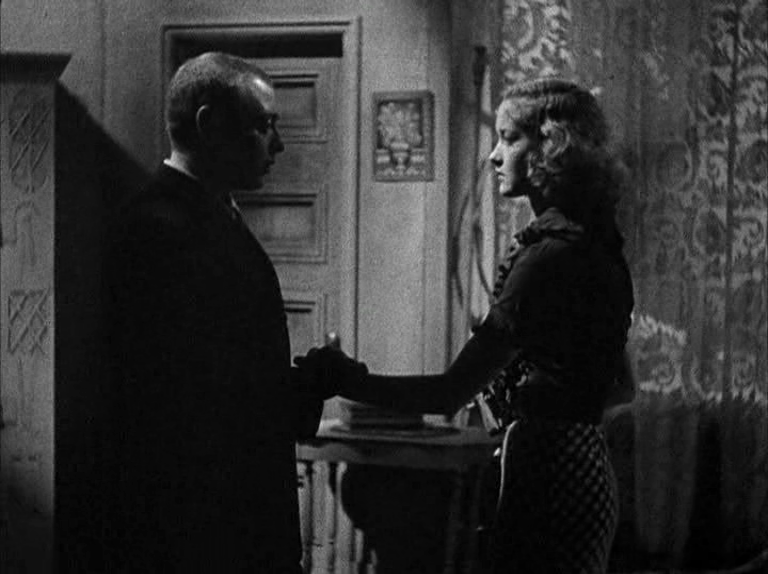
Sunday Bloody Sunday (scripted by film critic Penelope Gilliatt) was director John Schlesinger’s follow-up to his critically acclaimed success with Midnight Cowboy (1969), as well as earlier notable titles, including Billy Liar (1963), Darling (1965), and Far From the Madding Crowd (1967). SBS is often cited as his most personal film, given its inclusion of a gay, Jewish male protagonist (Schlesinger himself was gay and Jewish); indeed, it’s Schlesinger and Gilliatt’s sensitive, open-minded treatment of sexuality in general that most distinguishes this unusual love triangle tale, in which both “ends” of the triangle (Finch and Jackson) freely share its “point” (Head) with others, yet struggle with the implications of such a knowing compromise. For Finch — who seems personally at ease with his sexuality, yet hides it from his tradition-bound family — this means being unable to count on Head as a travel partner to a much-dreamed-of trip to Italy; for Jackson, it means (among other things) giving up on the dubious prospect of having children of her own (portrayed as a decidedly hectic lifestyle choice through the anti-bourgeois household run by Windsor and Pickles, whose very young children smoke pot and take on more responsibilities than one might feel comfortable with).

Schlesinger situates Finch and Jackson’s sticky romantic scenario within the cultural milieu of early-1970s Britain; to that end, there’s a sense of disconnectedness to some of the contextualizing and/or supporting scenes — I’m still not sure what the significance is, for instance, of a dramatic incident involving a dog and an accident. However, it’s the central performers and their romantic dilemmas which really ground the film, as we watch to see how Finch and Jackson will handle their growing realization that the America-bound Head may soon become an even less permanent part of their lives. Indeed, there’s an undeniable sense of sadness and ambiguity to both Finch and Jackson’s plights, giving one pause to reflect on what, exactly, one “should” be looking for in life and in romance. Are Finch and Jackson compromising their chances for a more fulfilling and “stable” relationship with someone else? Or are they smart to accept the limited happiness they have with Head? These are decidedly sticky questions with no easy answers, and Sunday Bloody Sunday respectfully acknowledges that reality.

Redeeming Qualities and Moments:

  • Authentic performances by the three romantic leads: Finch, Jackson (nominated by Peary as one of the Best Actresses of the Year in his Alternate Oscars), and Head


  • Fine supporting performances

Must See?
Yes, for its historical relevance as an early film to treat “open” sexual arrangements with candor and respect.

Categories

  • Historically Relevant
  • Important Director

Links:

Transatlantic Tunnel / Tunnel, The (1935)

Transatlantic Tunnel / Tunnel, The (1935)

“There’s a certain charm about a dreamer — even if he dreams of iron and steel.”

Synopsis:
An engineer (Richard Dix) leads a years-long effort to build a transatlantic tunnel between the U.S. and England, but finds that his personal life suffers, as his wife (Madge Evans) turns to his best friend (Leslie Banks) for emotional support.

Genres, Themes, Actors, and Directors:

  • Marital Problems
  • Science Fiction
  • Scientists

Review:
Inspired by a 1913 German novel, this early sci-fi engineering flick tackles a fascinating topic, yet fails to full take advantage of its subject matter, instead relying far too heavily on melodramatic conventions to move its storyline along. While presumably concerned with relating the host of troubles faced by visionary scientists and engineers like ‘Mack’ McAllan (Dix) — including ongoing concerns with raising enough money, and managing public opinion over the enormous safety issues involved in such a risky venture — the bulk of the narrative ultimately rests upon McAllan’s rocky marital relationship with saintly Evans, who (minor spoiler here) goes blind while volunteering in the tunnel, yet unrealistically refuses to tell McAllan what’s happened, instead simply breaking off their marriage and turning to Banks for support instead.

Meanwhile, the sexy daughter (Helen Vinson) of a primary financier (C. Aubrey Smith) is naturally waiting in the wings for a chance to nab McAllan for herself, and Vinson’s would-be suitor (Basil Sidney) plays a conveniently situated villain in the entire affair. Yet another dramatic tension arises later in the film, as McAllan’s grown son (Jimmy Hanley) enters into the tunnels to work, and McAllan must reconcile his very-real concern with the fact that he routinely asks hundreds of other workers to place their lives in similar risk. While these plot elements all serve to add some personal dramatic tension to the storyline, I was surprised to find myself wishing for even more of a “hard” scientific emphasis; details of the dangers inherent in the tunnel-building itself are glossed over far too superficially.

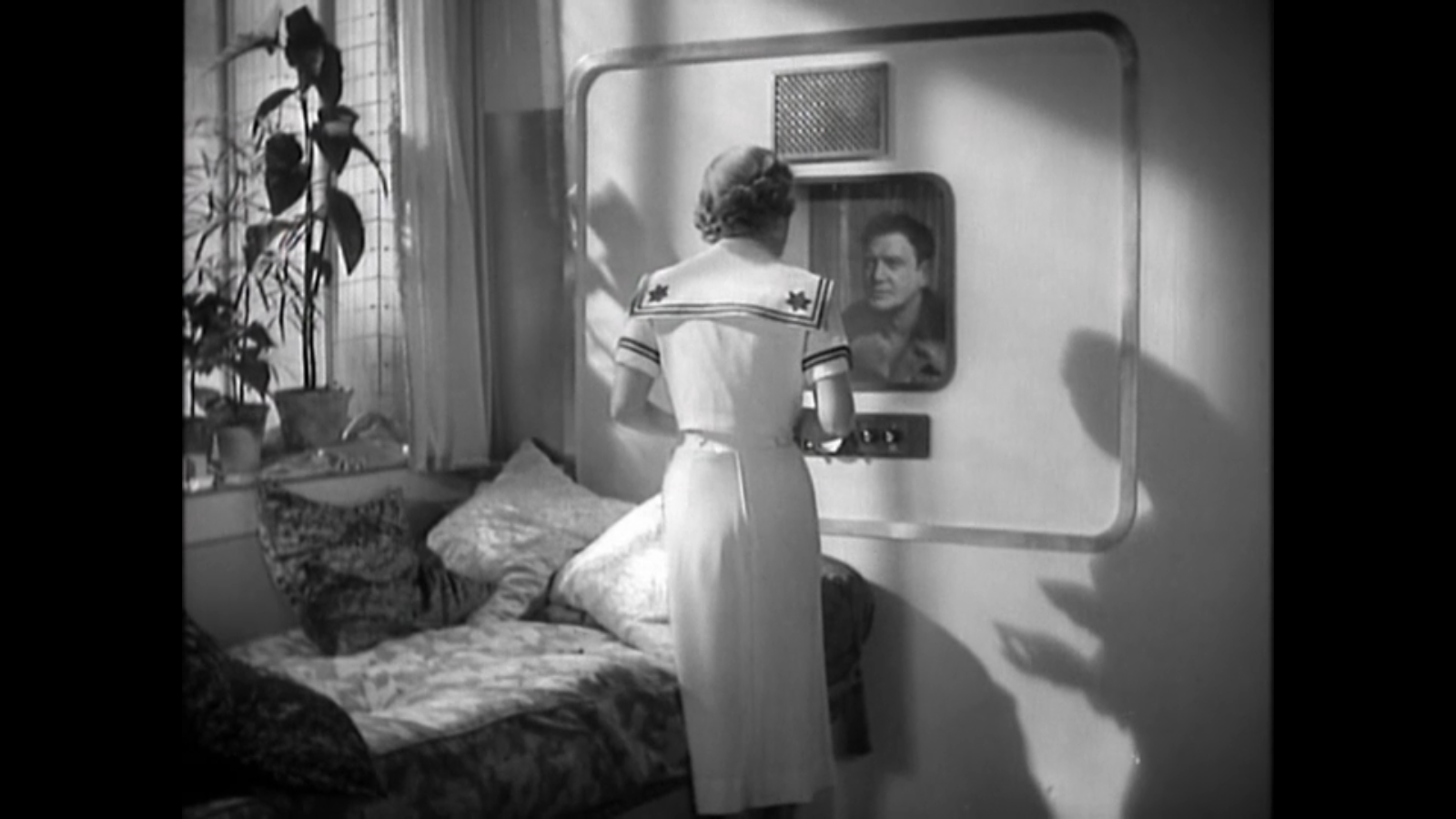
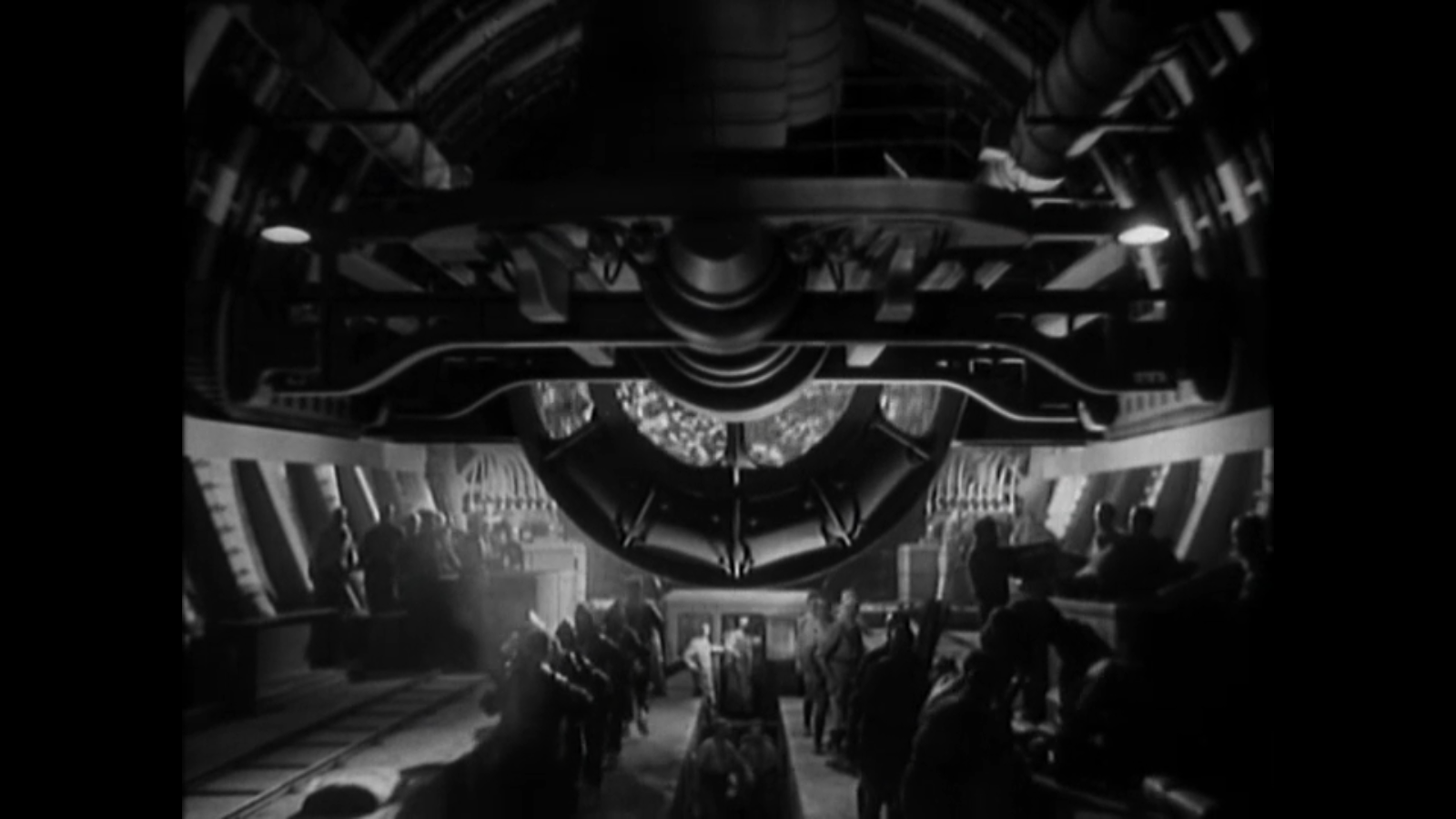
Throughout the film, much is made about the fact that building a transatlantic tunnel remains a critical element in the pursuit of world peace — which doesn’t make much sense at all, until one contextualizes the movie within a global pre-WWII tableau; yet it still comes across like a weak argument at best. Nonetheless, this film may be of interest to those curious to see its creatively conceived “futuristic” sets (including wide-spread use of television) and its early vision of the type of engineering moxie necessary to carry out such a grand, as-of-yet unrealized plan.

Redeeming Qualities and Moments:

  • Interesting “futuristic” sets

Must See?
No, though classic sci-fi and/or transportation buffs will be curious to check it out. Listed as a film with Historical Importance in the back of Peary’s book.

Links:

Crime and Punishment (1935)

Crime and Punishment (1935)

“I have studied these things! They won’t find me out — I won’t make mistakes!”

Synopsis:
An arrogant university graduate (Peter Lorre) brutally murders a pawnbroker (Mrs. Patrick Campbell) in order to help his sister (Tala Birell) and mother (Elisabeth Risdon) escape a life of poverty — but soon a suspicious police inspector (Edward Arnold) begins a subtle campaign to convince Lorre to confess.

Genres, Themes, Actors, and Directors:

  • Cat-and-Mouse
  • Edward Arnold Films
  • Guilt
  • Josef von Sternberg Films
  • Peter Lorre Films

Review:
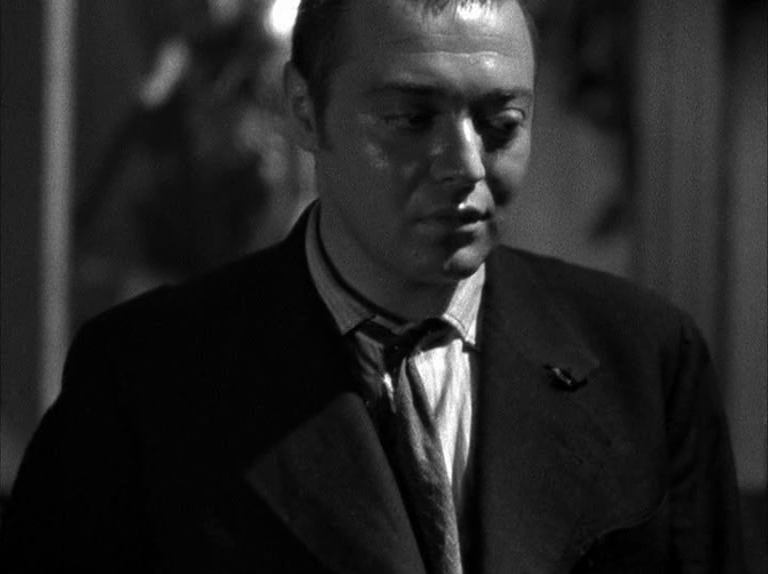
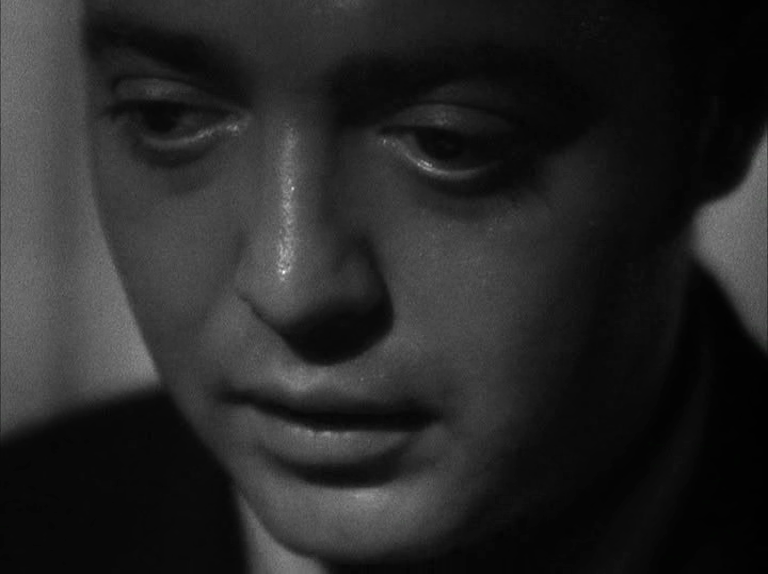
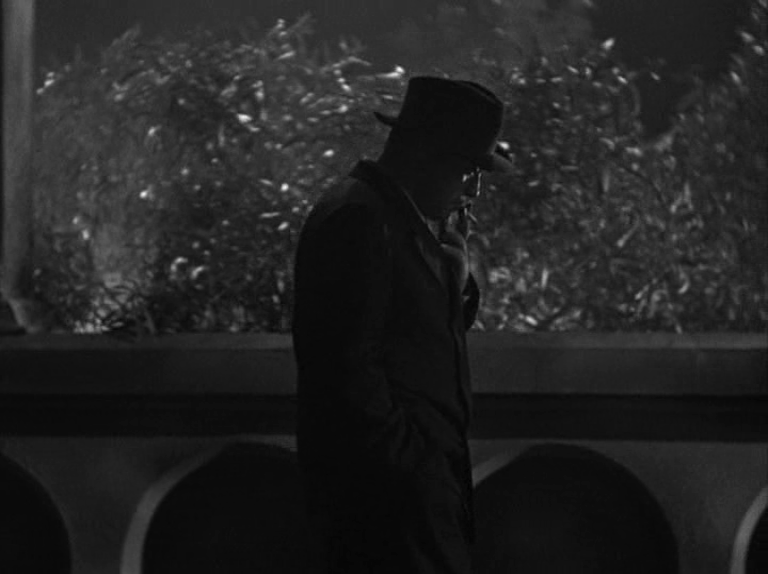
Shortly upon his arrival in Hollywood (after escaping the rise of Nazi power in Europe), Peter Lorre began a successful campaign to convince Columbia Pictures to allow him to star in an adaptation of what is arguably Fyodor Dostoyevsky’s best-known novel, Crime and Punishment (1866). Josef von Sternberg was brought on board to direct, but apparently considered it merely a contractual obligation and held it in low esteem, given its decidedly loose connection with the original text. The resulting film is a radically truncated yet thematically coherent variation on the novel, with atmospheric cinematography and direction, and an earnest if occasionally overly theatrical performance by young Lorre.

A romantic subplot involving a prostitute-with-a-heart-of-gold (Marian Marsh) who’s helped by Lorre, then wants to help him in return, comes across as a bit manufactured:

… but the interplay between Lorre and Arnold remains tense and authentic throughout.

This one’s worth a look, even if it’s not quite must-see viewing.

Redeeming Qualities and Moments:

  • Atmospheric cinematography (by Lucien Ballard) and direction (by von Sterberg)


Must See?
No, though it’s recommended as an accessible, atmospheric introduction to Dostoyevky’s classic novel. Listed as a film with Historical Importance in the back of Peary’s book.

Links:

Spetters (1980)

Spetters (1980)

“What’s love? Give me some security and love will follow.”

Synopsis:
Three working-class motocross riders (Hans van Tongeren, Toon Agterberg, and Maarten Spanjer) are smitten with a sexy, socially ambitious short-order cook (Renee Soutendijk) who arrives in town with her brother (Peter Tuinman).

Genres, Themes, Actors, and Directors:

  • Coming of Age
  • Dutch Films
  • Motorcyclists
  • Social Climbers

Response to Peary’s Review:
Peary argues that there are “many admirable things” about this “cult film by Paul Verhoeven”, which follows “three young male friends… as they go through crises with girls, fathers, ambitions, self-identities, and their own masculinity” — including “the authentic atmosphere and working-class people; the uncensored treatment of sex; … [and] Soutendijk’s fascinating, sympathetic ‘bad’ girl”. However, he points out that “much seems to be missing” from the film as well, noting that the “film is like a drastically shortened adaptation of a long book, in that no storyline seems complete”, and that “because it only skims the surface of the individual stories, the characters all come across as hackneyed or unrealistic, despite the fine acting”.

I don’t quite agree with Peary’s assessment of the characters, who seem entirely realistic to me. My primary problem with the film is that none of the leads are particularly likable. Indeed, for the first twenty minutes or so, all we see are these punkish kids at their worst, as they once again give motorcyclists a bad name on film by (just for instance) cruelly taunting a gay pedestrian. Eventually, we do come to feel some interest in Soutendijk’s character, who’s an interesting variation on a working class femme fatale; and, later in the film, van Tongeren’s plight generates some authentic pathos. However, the film as a whole plays far too much like a tawdry soap opera (those orange peels!) to be truly insightful or compelling on anything other than a “what will happen next?” level of curiosity. Ultimately, Spetters will be of most interest to those who somehow tap into its cult appeal, and/or those interested in seeing the trajectory of Verhoeven’s pre-Hollywood oeuvre.

Note: Be forewarned that the “most controversial scene” in the film, involving a gang-rape of one of the protagonists, is indeed disturbing, not just in its presentation but in its immediate implications. Also note that spoilers abound when reading about the plot online, so avoid reading anything about it if you want your viewing experience to remain “pure”.

Redeeming Qualities and Moments:

  • Hans van Tongeren as Rien
  • Renee Soutendijk as Fientje

Must See?
No, though it may be of interest to film fanatics simply for its cult status.

Links:

Terror, The (1963)

Terror, The (1963)

“There is nothing here but an old man and his decaying memories. I beg you to leave them in peace!”

Synopsis:
A Napoleonic soldier (Jack Nicholson) wanders onto a spooky estate where an elderly baron (Boris Karloff) appears to be haunted by the specter of his young, deceased wife (Sandra Knight).

Genres:

  • Boris Karloff Films
  • Dick Miller Films
  • Ghosts
  • Jack Nicholson Films
  • Roger Corman Films

Response to Peary’s Review:
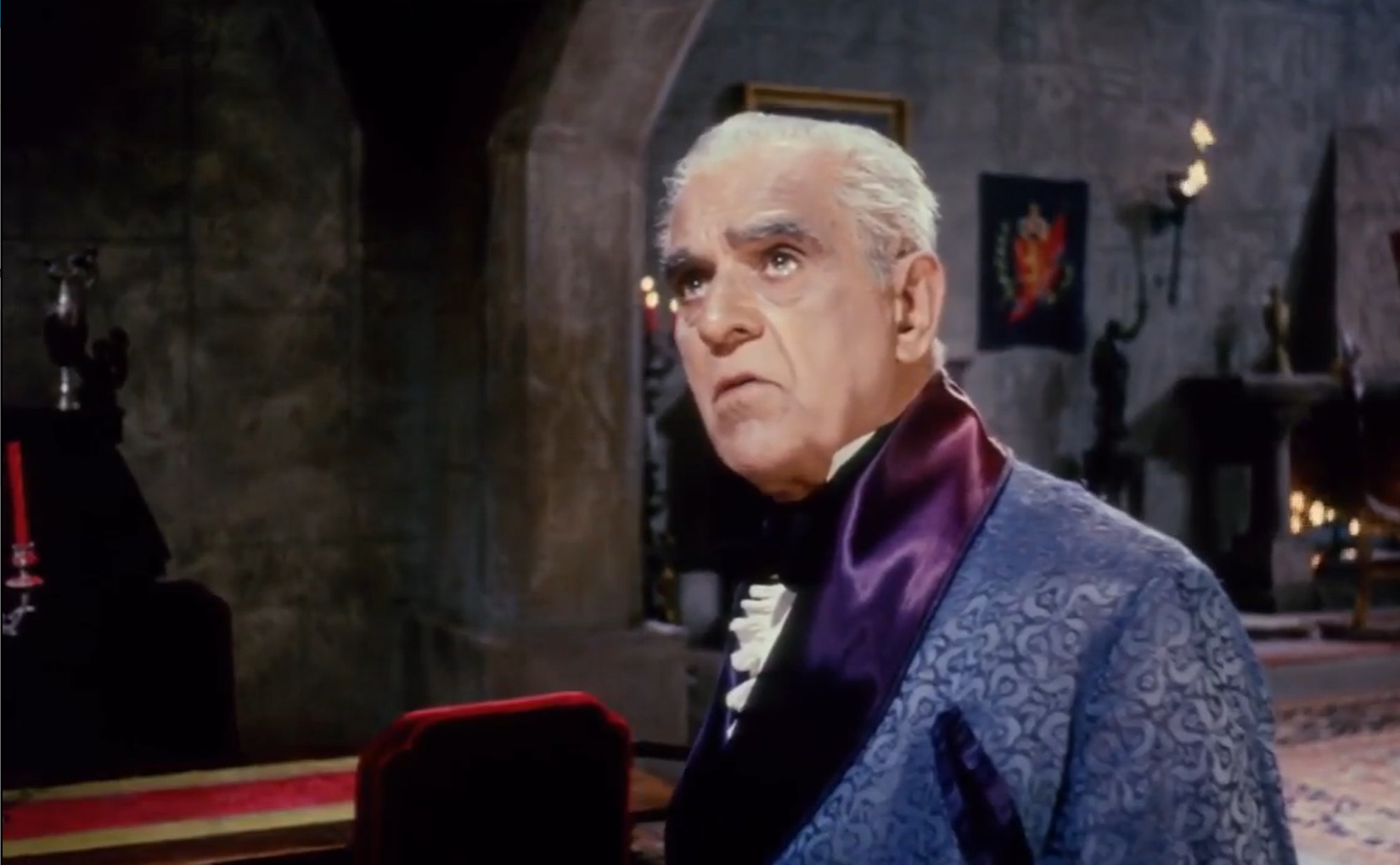
As Peary notes, this “Roger Corman costume drama was made in three days without much of a script”, taking advantage not only of existing sets from Corman’s The Raven, but the remainder of Karloff’s acting contract.

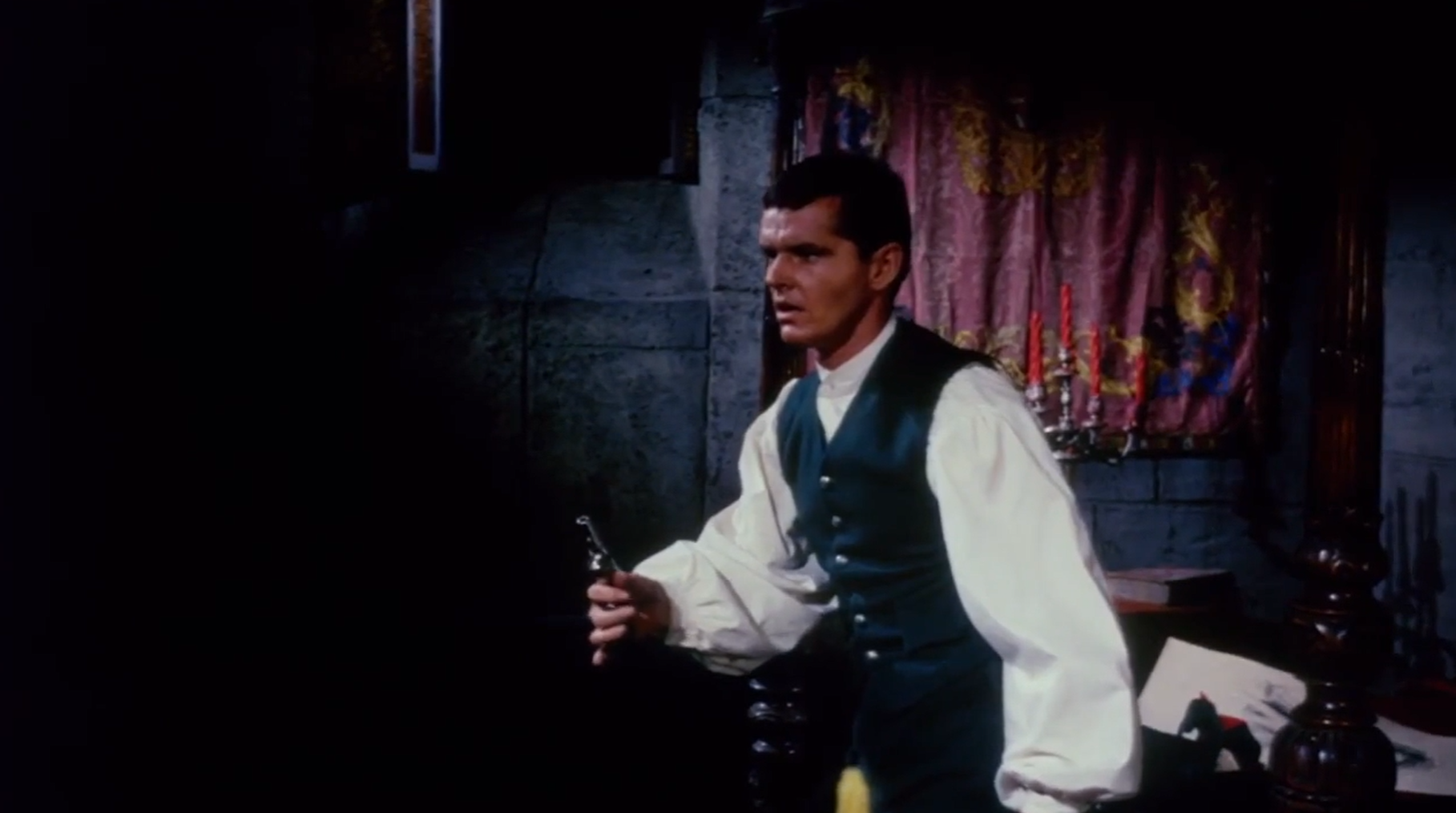
The resulting “muddled plot” consists largely of “Nicholson try[ing] to figure out what’s going on” as he “explor[es] the dark castle” —

… but given that “there are no scares and nothing really happens until the end of the film”, the entire affair comes across as “pretty boring”. Meanwhile, Nicholson is surprisingly “lousy” in the lead role — though not nearly as bad as his then-wife (Knight), who acts as though she was instructed to literally sleep-walk through her performance.

With that said, the film as a whole isn’t nearly as much of a mess as it could have been, given that the script is actually relatively easy to follow, and it possesses numerous “ridiculous plot twists”. Plus, as Peary points out, the “photography is surprisingly good” — indeed, atmospheric cinematography and sets go a long way towards making this ultimately forgettable horror flick relatively easy to sit through.

Redeeming Qualities and Moments:

  • Atmospheric sets and cinematography

Must See?
No; this one is strictly for Corman fans.

Links:

Charley Varrick (1973)

Charley Varrick (1973)

“What’s that kind of money doing in a Tres Cruces bank?”

Synopsis:
A pilot-turned-thief (Walter Matthau) robs a bank with his wife (Jacqueline Scott) and two accomplices (including Andrew Robinson), but things go sour when Scott and one accomplice are killed, and Matthau suddenly realizes that most of the money they’ve stolen belongs to the mob. Soon a mafia bigwig (John Vernon) sends a hitman (Joe Don Baker) after Matthau and Robinson, and Matthau must do what he can to survive.

Genres, Themes, Actors, and Directors:

  • Don Siegel Films
  • Mafia
  • Thieves and Criminals
  • Walter Matthau Films

Review:
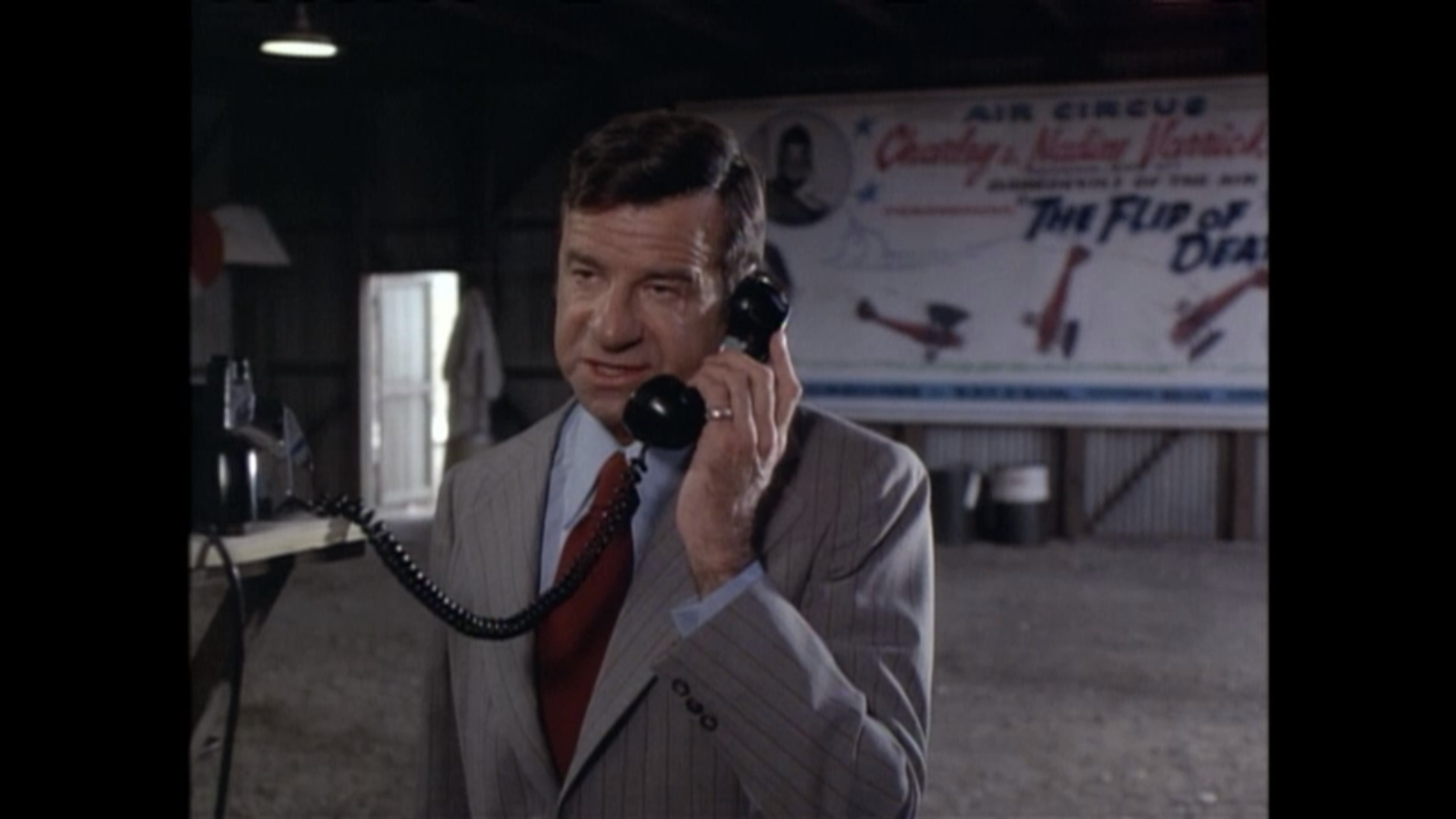
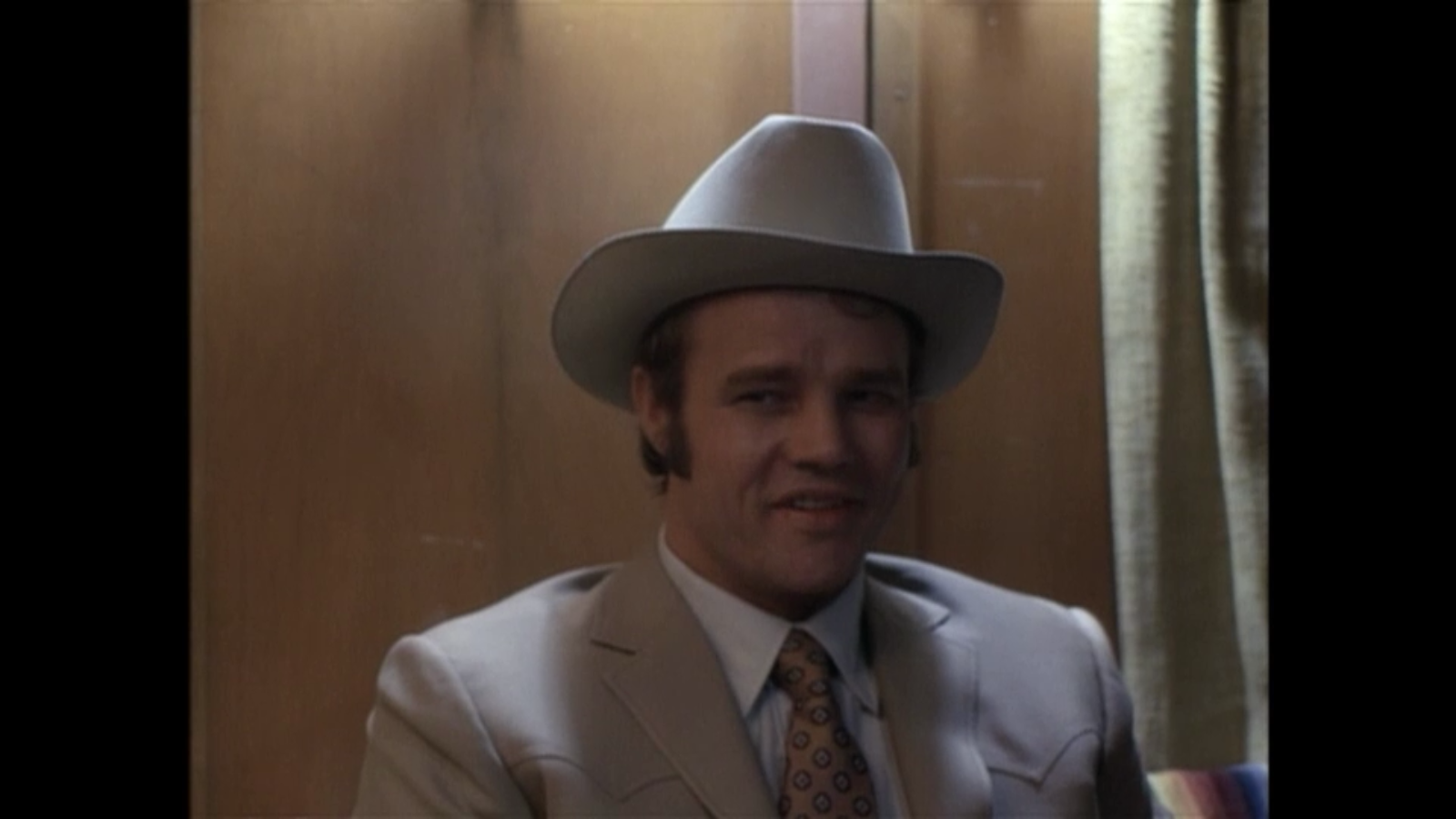
While it may not be one of his most instantly recognizable titles, Charley Varrick remains one of Don Siegel’s most perfectly realized adventure flicks, filled with quirky characters, fine performances, tightly scripted scenarios, and enough twists and turns to satisfy even the most jaded of viewers. Matthau gives one of his best performances in the title role as a taciturn pilot whose attempt to score just a bit of money from a small-town bank goes horribly awry, leading not only to the death of his wife (watch the subtlety yet depth of Matthau’s reactions to this reality), but to a nightmarish situation in which the cash he’s stolen remains too toxic to use. Matthau’s Varrick is hemmed in by a self-serving, immature partner (Robinson) on one side and a gleefully murderous hitman (Baker) on the other; meanwhile, Vernon lurks in the background, and the “fuzz” are also interested in nabbing the thieves. Siegel expertly directs the action scenes, which are nicely interspersed with quieter moments; the grand finale is especially thrilling. Definitely give this one a watch if you haven’t already — it’s a treat.

Redeeming Qualities and Moments:

  • Walter Matthau as Charley Varrick
  • Joe Don Baker as “Molly”
  • John Vernon as Boyle
  • Lalo Schifrin’s energetic score

Must See?
Yes, as a most enjoyable caper flick by a master director. Listed as a Sleeper in the back of Peary’s book.

Categories

  • Good Show
  • Important Director

Links:

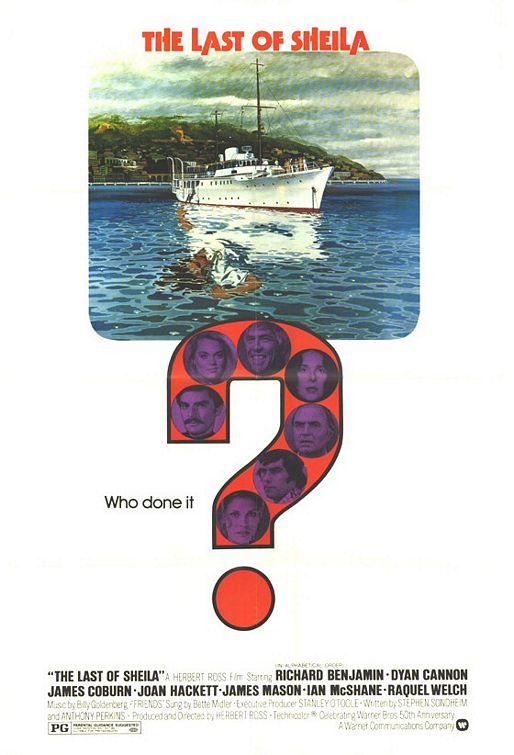
Last of Sheila, The (1973)

Last of Sheila, The (1973)

“My mouth is so dry they could shoot Lawrence of Arabia in it.”

Synopsis:
A movie producer (James Coburn) whose wife Sheila (Yvonne Romain) was killed in a hit-and-run accident the previous year invites a group of friends and acquaintances — including a movie star (Raquel Welch) and her manager-husband (Ian McShane), a scriptwriter (Richard Benjamin) and his wife (Joan Hackett), a commercial director (James Mason), and a talent agent (Dyan Cannon) — to his yacht for an elaborate game in which each guest’s “hidden secret” will be revealed, one night at a time.

Genres, Themes, Actors, and Directors:

  • Amateur Sleuths
  • Dyan Cannon Films
  • Herbert Ross Films
  • James Coburn Films
  • James Mason Films
  • Joan Hackett Films
  • Murder Mystery
  • Raquel Welch Films
  • Revenge
  • Richard Benjamin Films

Review:
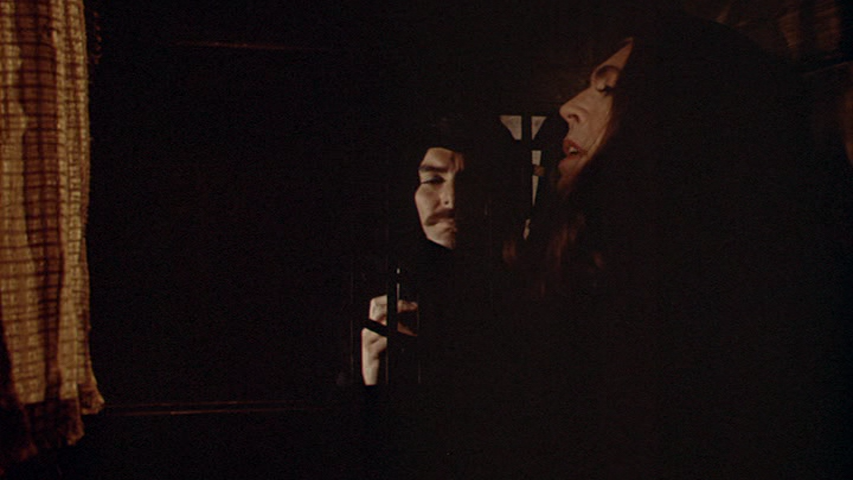
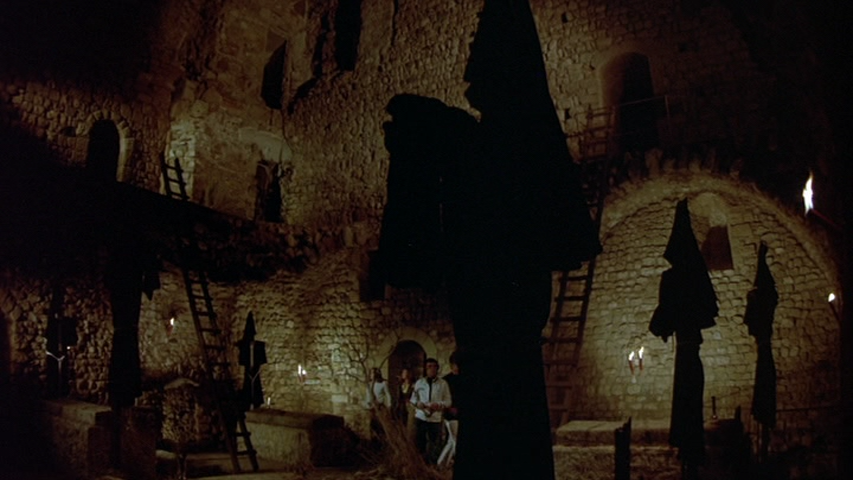
The fact that this all-star whodunit was co-scripted by Anthony Perkins and Stephen Sondheim (!) lends it an automatic curiosity appeal — and its loyal cult following makes it a movie all film fanatics will want to check out at least once. With that said, viewing it for the first time myself recently, I was surprised to find myself in agreement with Time Out’s reviewer, who refers to it as “campy stuff, [but] not as much fun as it should be”. Certainly, the clever screenplay is filled with plenty of delicious twists and turns, quickly shifting away from its nominal structure as a clue-a-day “game” to a more deadly exploration of unexpected murder; but I found myself ultimately more engaged on an intellectual level than a visceral one. This may be due in part to the fact that I find Cannon to be a singularly irritating screen presence; while that vibe is actually appropriate for her character as written here, it remained a challenge to watch her for two hours. Thankfully, she’s only one among many characters to pay attention to, and other actors (most notably Mason and Hackett) turn in fine performances. Meanwhile, the film is produced with enough visual panache to keep one solidly engaged as clues are uncovered and the complex web of motives eventually begins to make sense. Diehard fans insist that the identity of the killer is evident from the beginning, if you pay enough attention, thus making this one worth a revisit.

Redeeming Qualities and Moments:

  • Atmospheric cinematography and sets

  • James Mason as Philip

Must See?
Yes, for its cult status, and as an enjoyably twisty whodunit.

Categories

  • Cult Movie

Links:

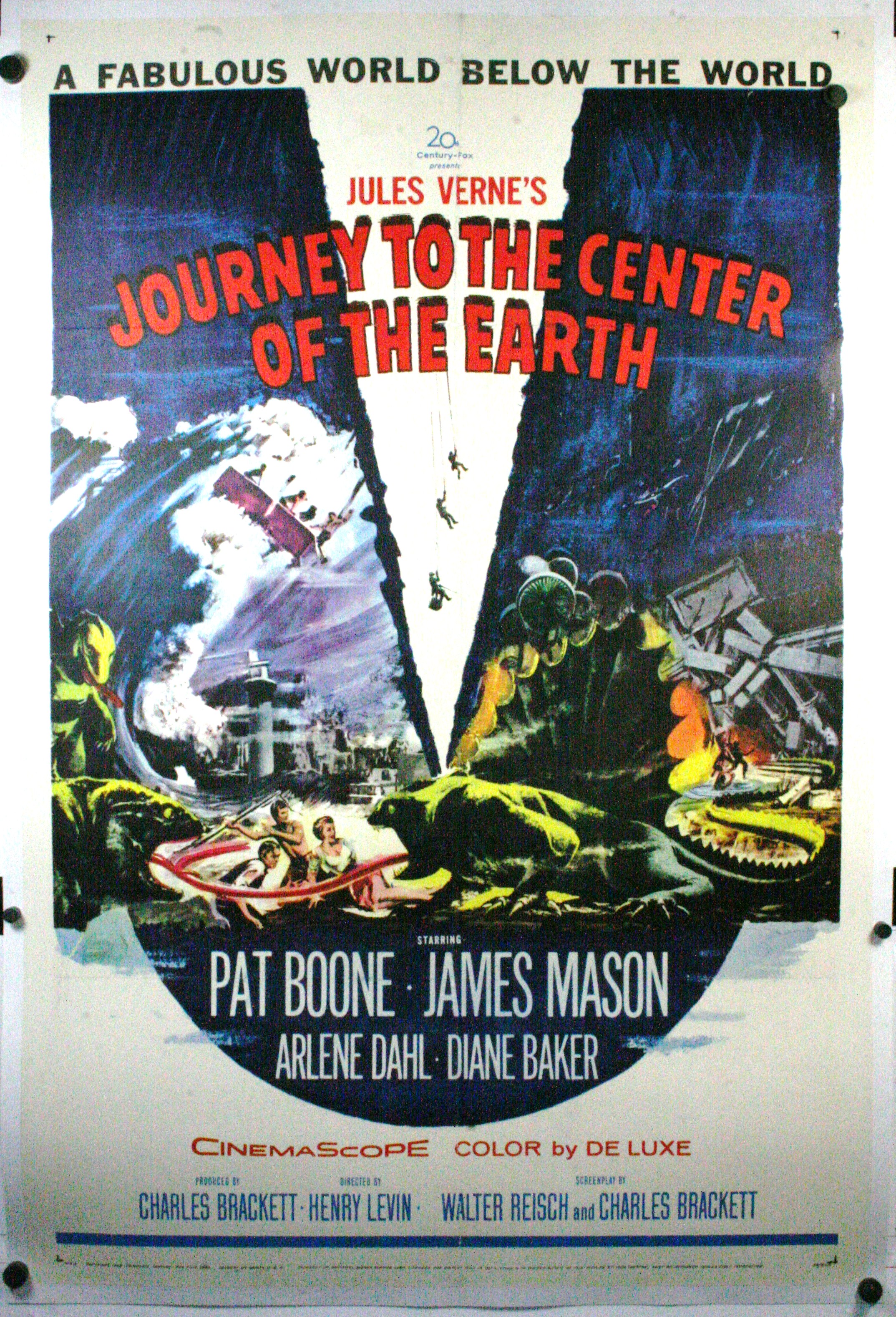
Journey to the Center of the Earth (1959)

Journey to the Center of the Earth (1959)

“The greatest mystery is right here — right under our feet.”

Synopsis:
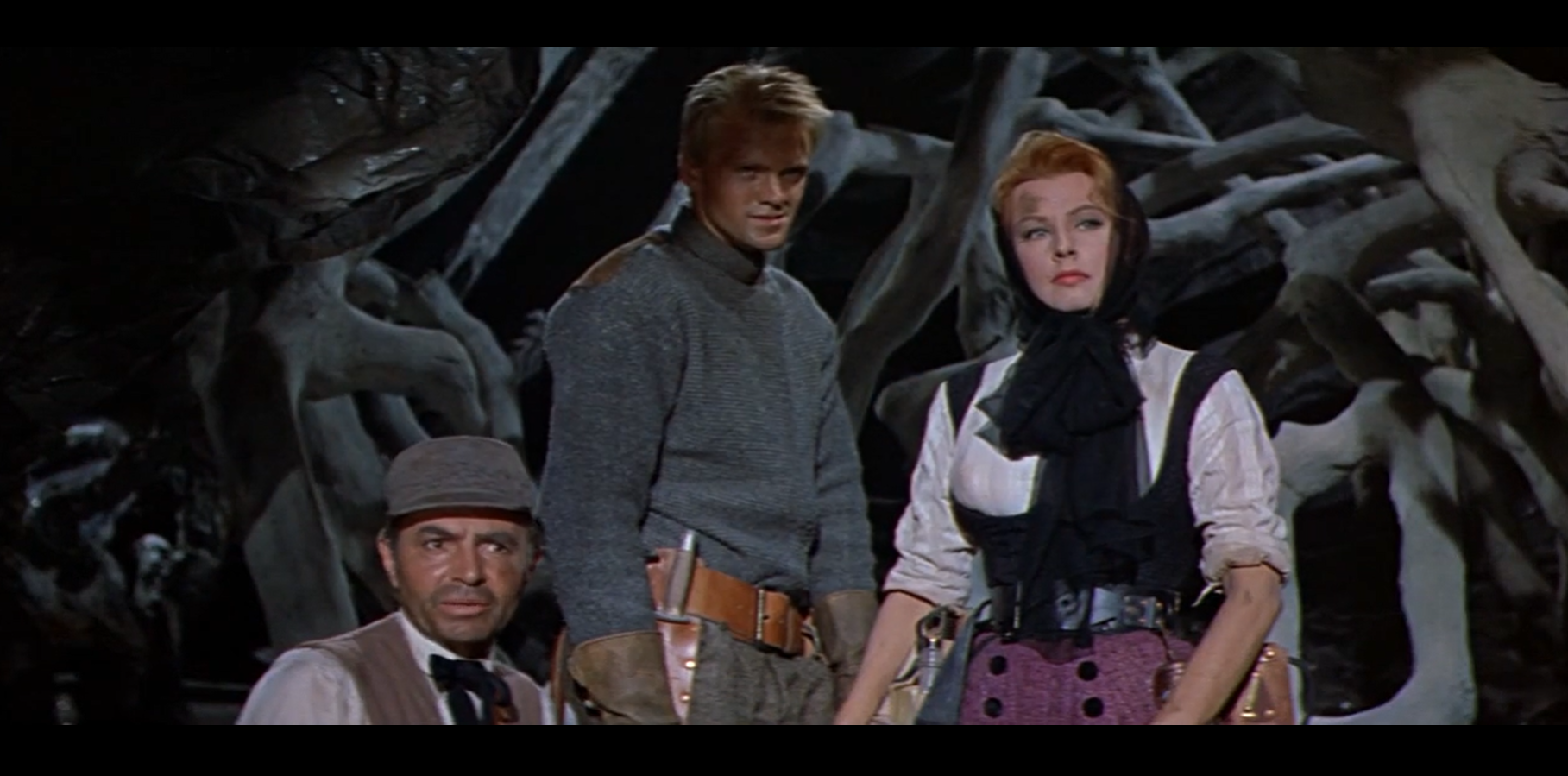
In 19th century Scotland, a famed geologist (James Mason) journeys to the center of the earth, accompanied by his student (Pat Boone), the widow (Arlene Dahl) of his deceased rival, and a strapping Icelander (Peter Ronson) with a pet goose.

Genres, Themes, Actors, and Directors:

  • Explorers
  • Fantasy
  • James Mason Films
  • Jules Verne Adaptations
  • Rivalry
  • Science Fiction
  • Scientists

Review:
Following the success of Disney’s 20,000 Leagues Under the Sea (1954) and United Artists’ Around the World in 80 Days (1956), adaptations of works by Jules Verne become all the rage in Hollywood; unfortunately, few have really stood the test of time (see here, here, and here), and Journey to the Center of the Earth is no exception. Naturally, the premise itself is ludicrously fantastical on all levels, to the point where one must simply suspend all disbelief and treat the tale as an adventure rather than any kind of legitimate science fiction; interestingly, there are plenty of viewers willing to do just that. DVD Savant, for instance, gives it a glowing review, calling it “a fantastic adventure with something for everyone” — however, his nostalgic bias is clearly in evidence, given that he admits it was the movie he was taken to see on his seventh birthday, and that it marked the moment when he first “discovered that somewhere out there people made movies just for me.” His point is well taken: I can absolutely see a film like this suiting the bill for seven-year-old boys in a pre-CGI era.

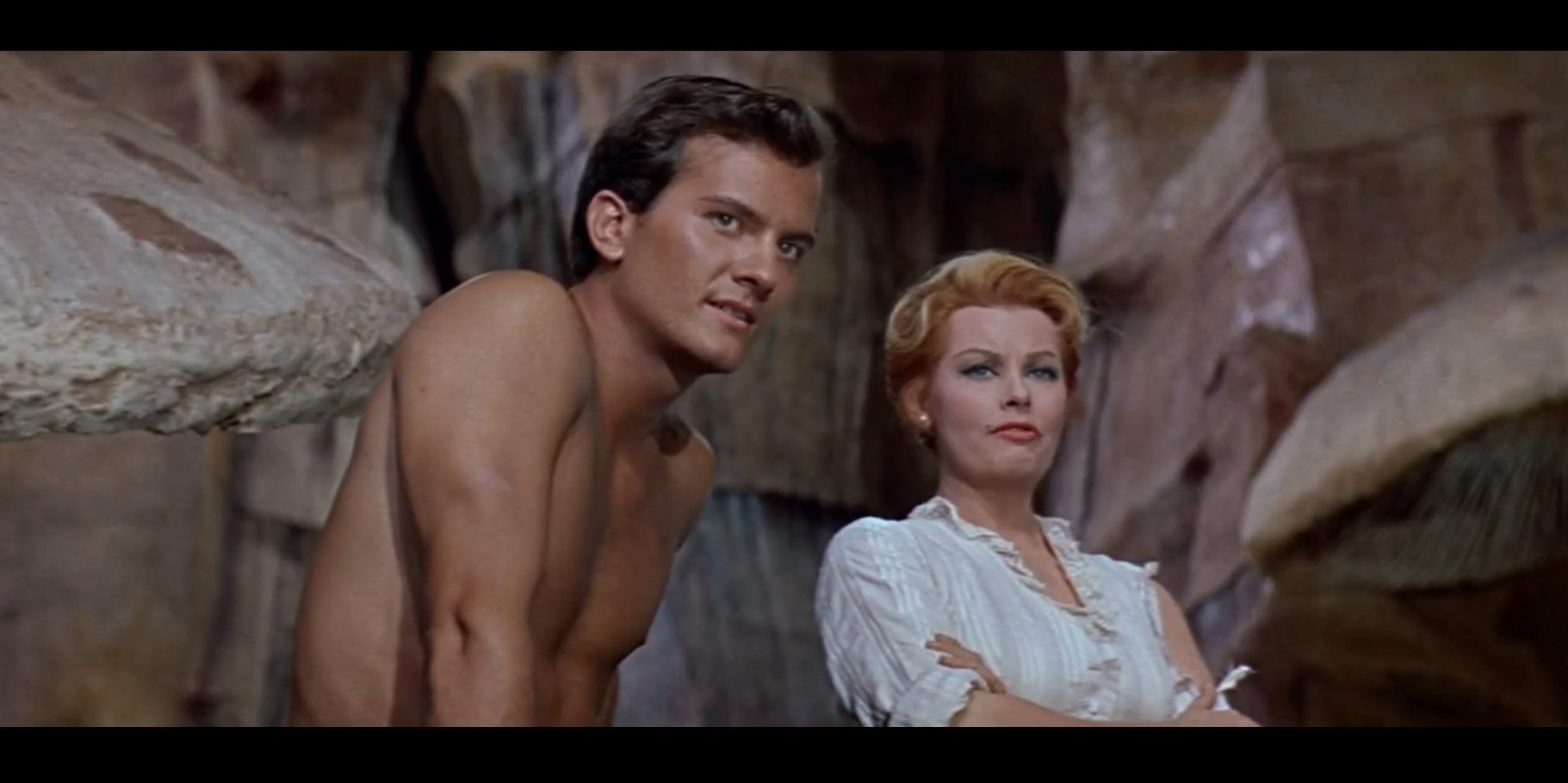
Modern-day adult viewers, however (at least those without any similar nostalgic hold on the film), will likely find themselves simply bored and/or annoyed by the story, which takes 45 minutes to finally deposit its characters on their journey towards the “center of the Earth”, and from thence is patently sanitized to include an often-shirtless Pat Boone (!):

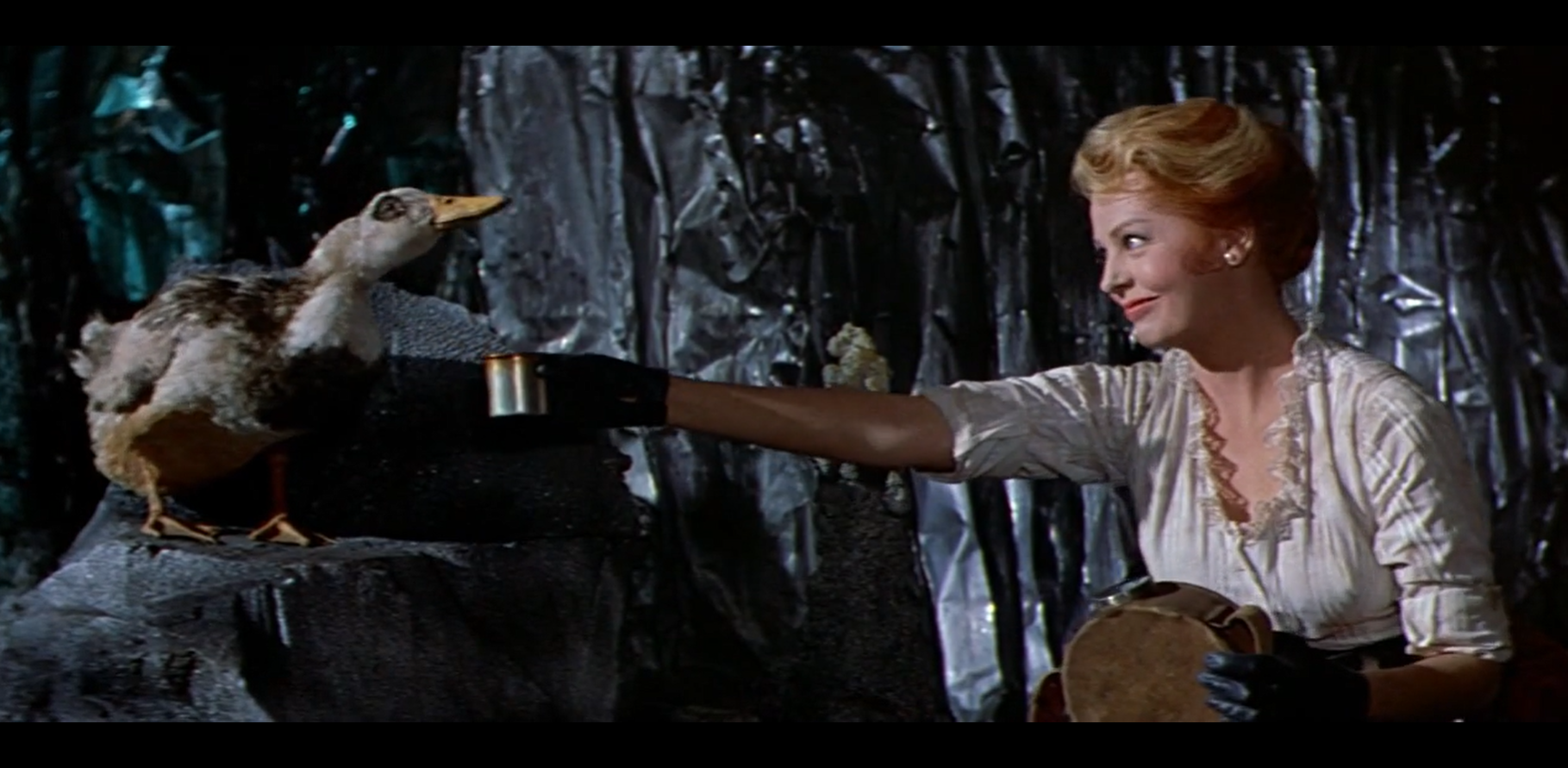
… a feisty female (Dahl) maintaining a perfectly made-up face no matter how deep into the Earth she descends:

… and a pet goose (!).

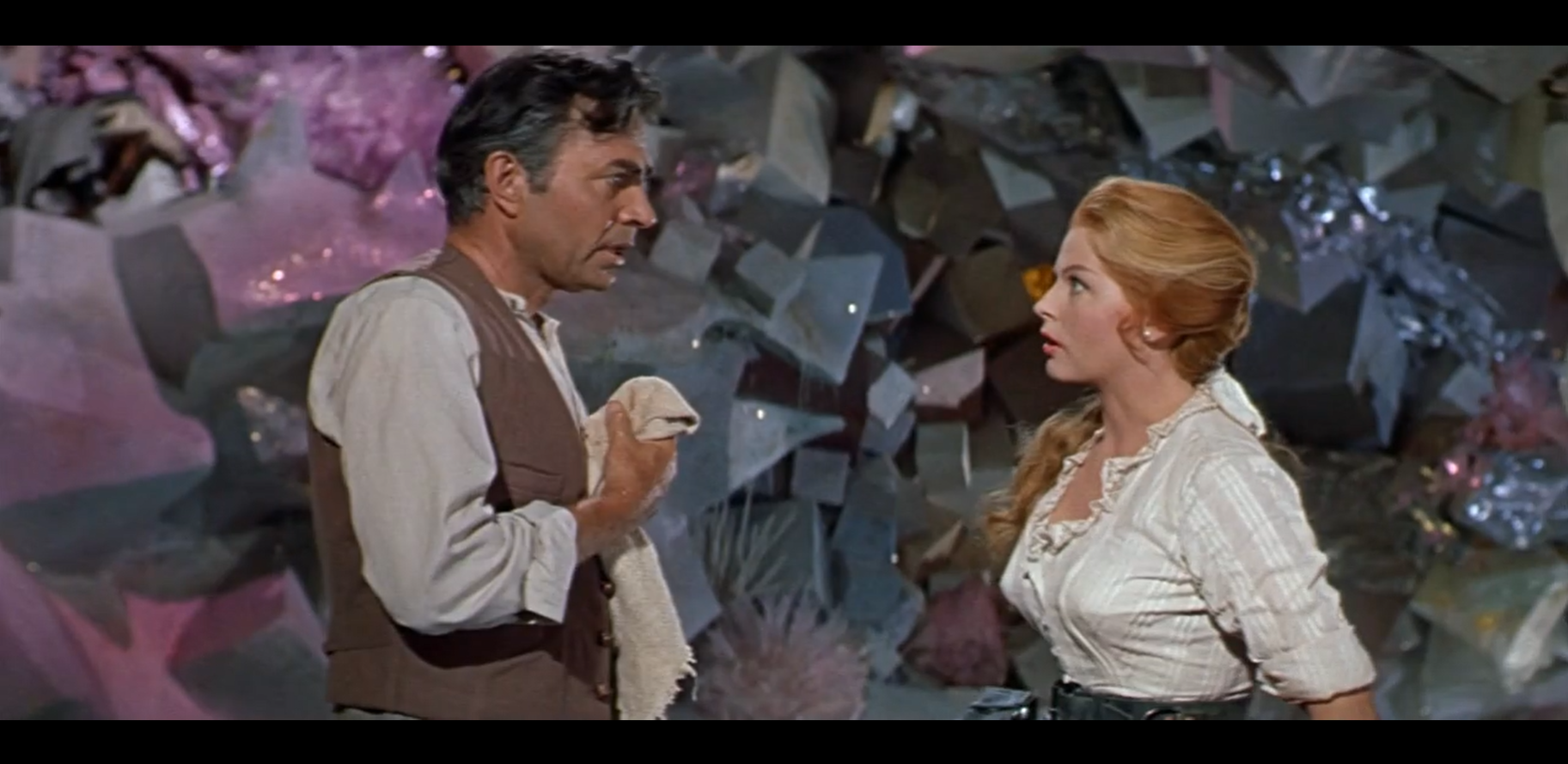
As noted by Richard Scheib on his Moria site, while “Verne wrote a dark, claustrophobic Age of Exploration fantasy”, the film adaptation “is a ridiculously opulent Cinemascope colour spectacle” in which “the center of the Earth is illogically depicted as a colourful and well-lit world of studio-floor splendour and crystalline formations”, and “the result is more akin to a 19th Century tea party than serious exploration”. Indeed, if this kind of thing is your cup of tea, then definitely indulge; otherwise, there’s no need to bother checking it out.

Redeeming Qualities and Moments:

  • Colorfully fantastic sets
  • Bernard Herrmann’s score

Must See?
No; this one is only must-see for fans of the genre.

Links:

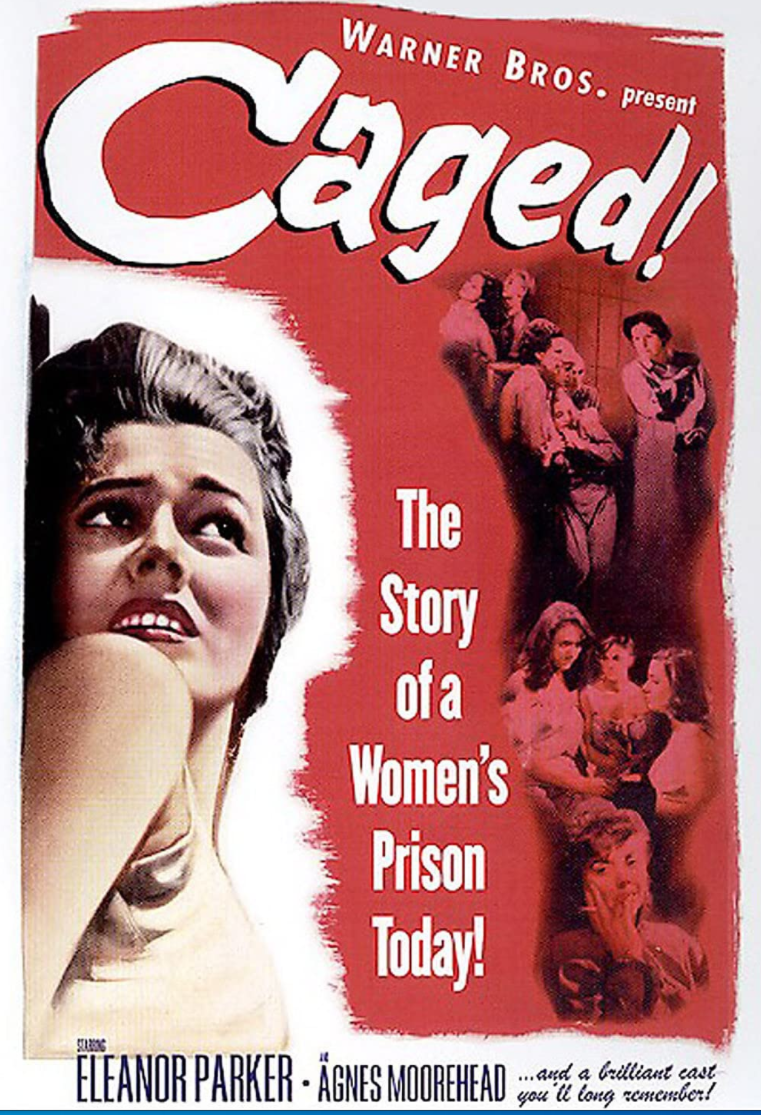
Caged (1950)

Caged (1950)

“Home, sweet home — just like the big cage at the zoo, only you clean it up instead of the keeper.”

Synopsis:
A naive young widow (Eleanor Parker) convicted as an accomplice to a petty crime hardens when she enters prison, where a sadistic warden (Hope Emerson) makes life difficult for anyone unwilling or unable to ply her with bribes.

  • Agnes Moorehead Films
  • Character Arc
  • Eleanor Parker Films
  • Jan Sterling Films
  • John Cromwell Films
  • Prisoners

Review:
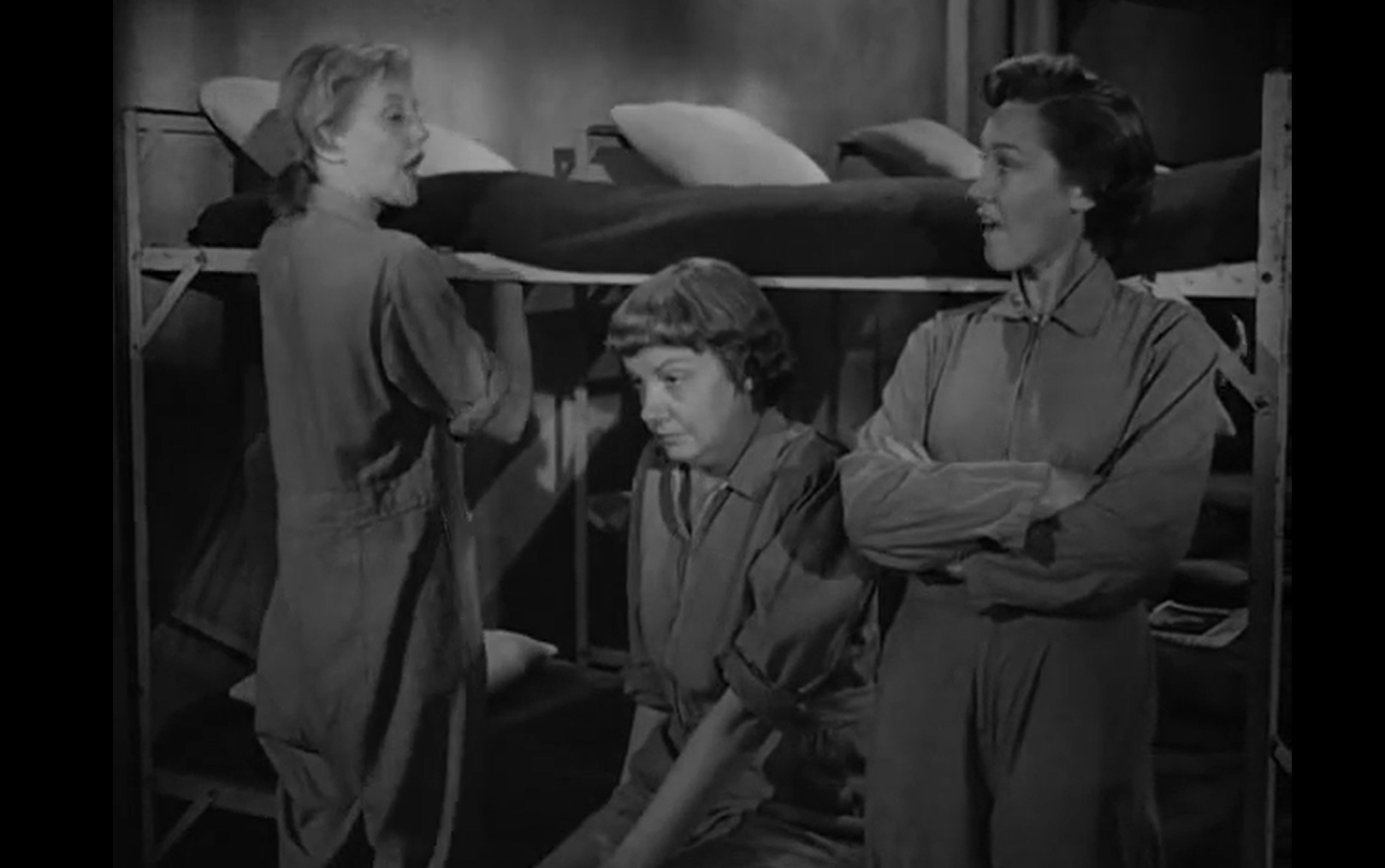
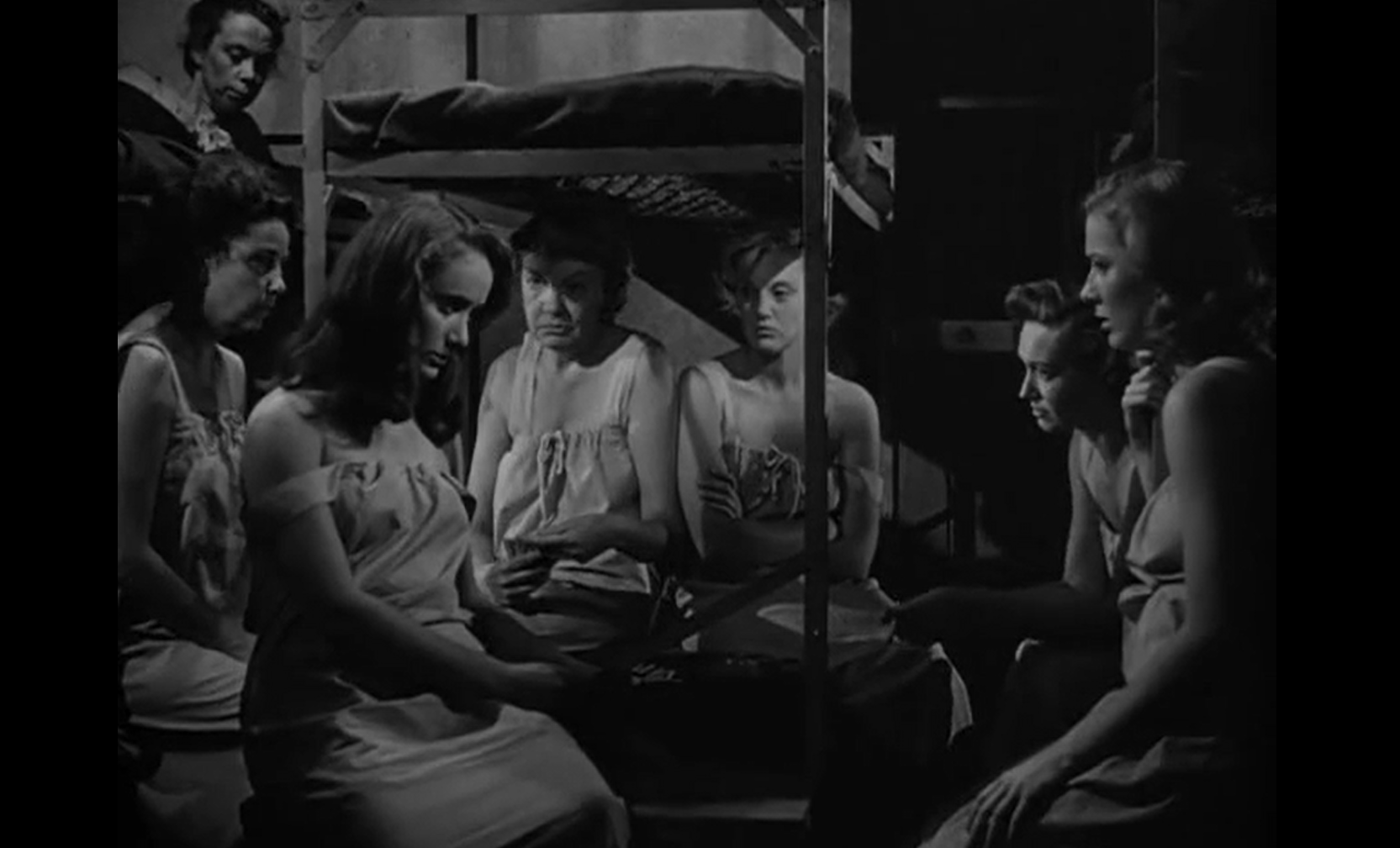
Caged was based upon a real-life exposé by writer Virginia Kellogg, who apparently got herself thrown into jail, Shock Corridor-style, to gather first-hand insights into the milieu. These days, it’s best remembered as the precursor for all later “women-in-prison” exploitation films, and possesses cult status for its latent yet obvious lesbian undertones (with several inmates presented as indubitably ‘butch’).

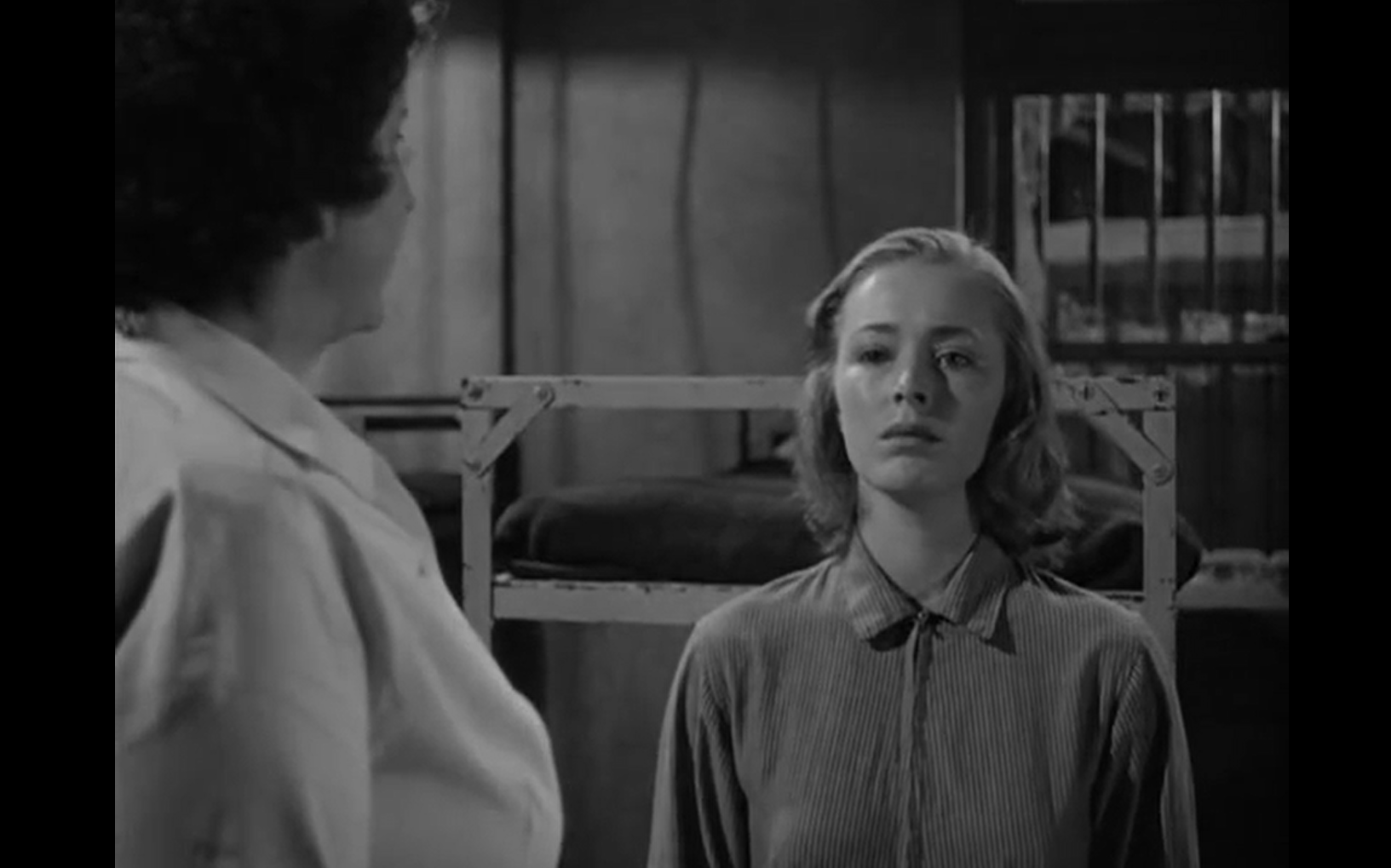
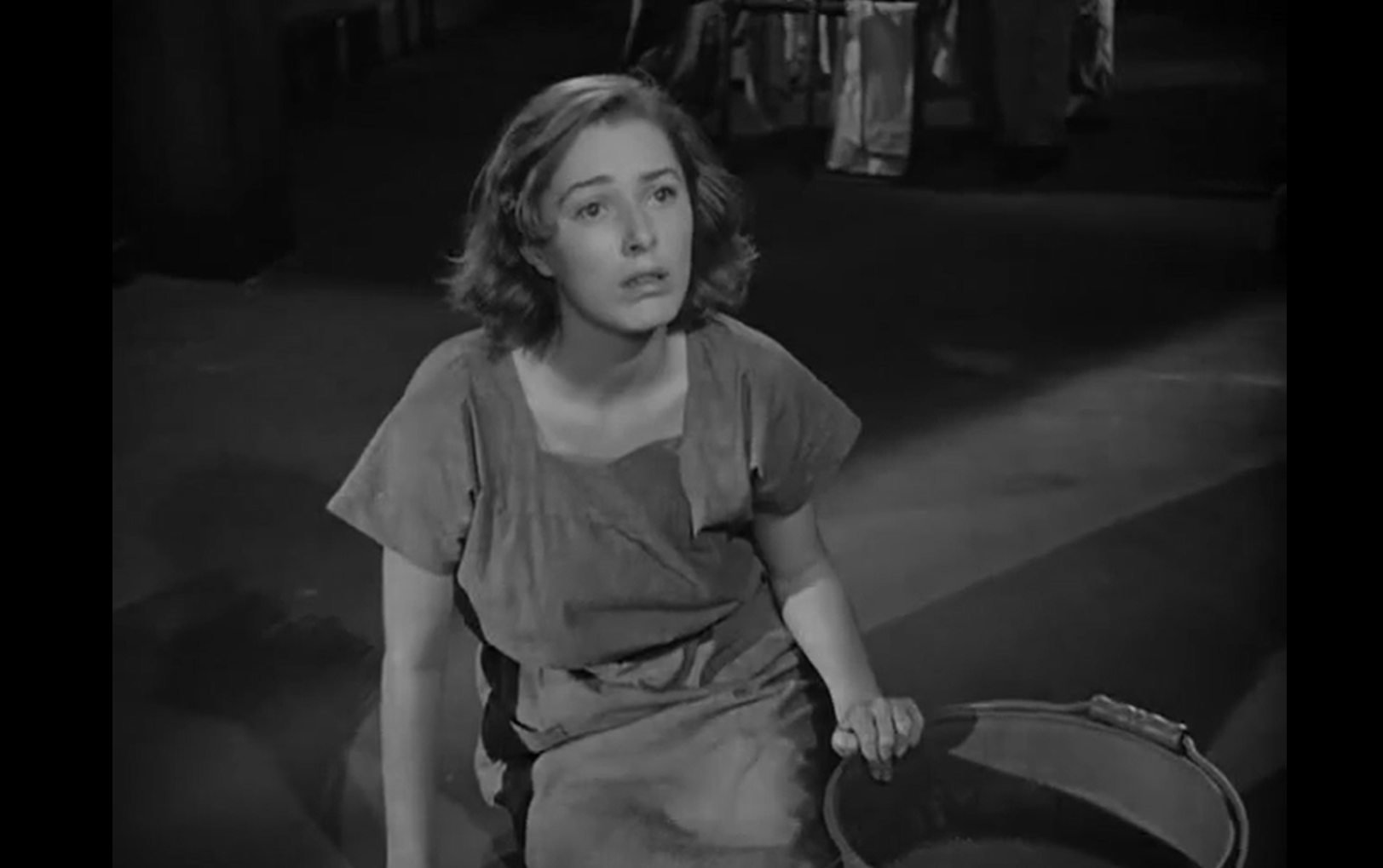
Eleanor Parker gives a sympathetic performance as a naive, poverty-ridden young woman who undergoes a drastic change in personality once she realizes how incurably corrupt the prison system is:

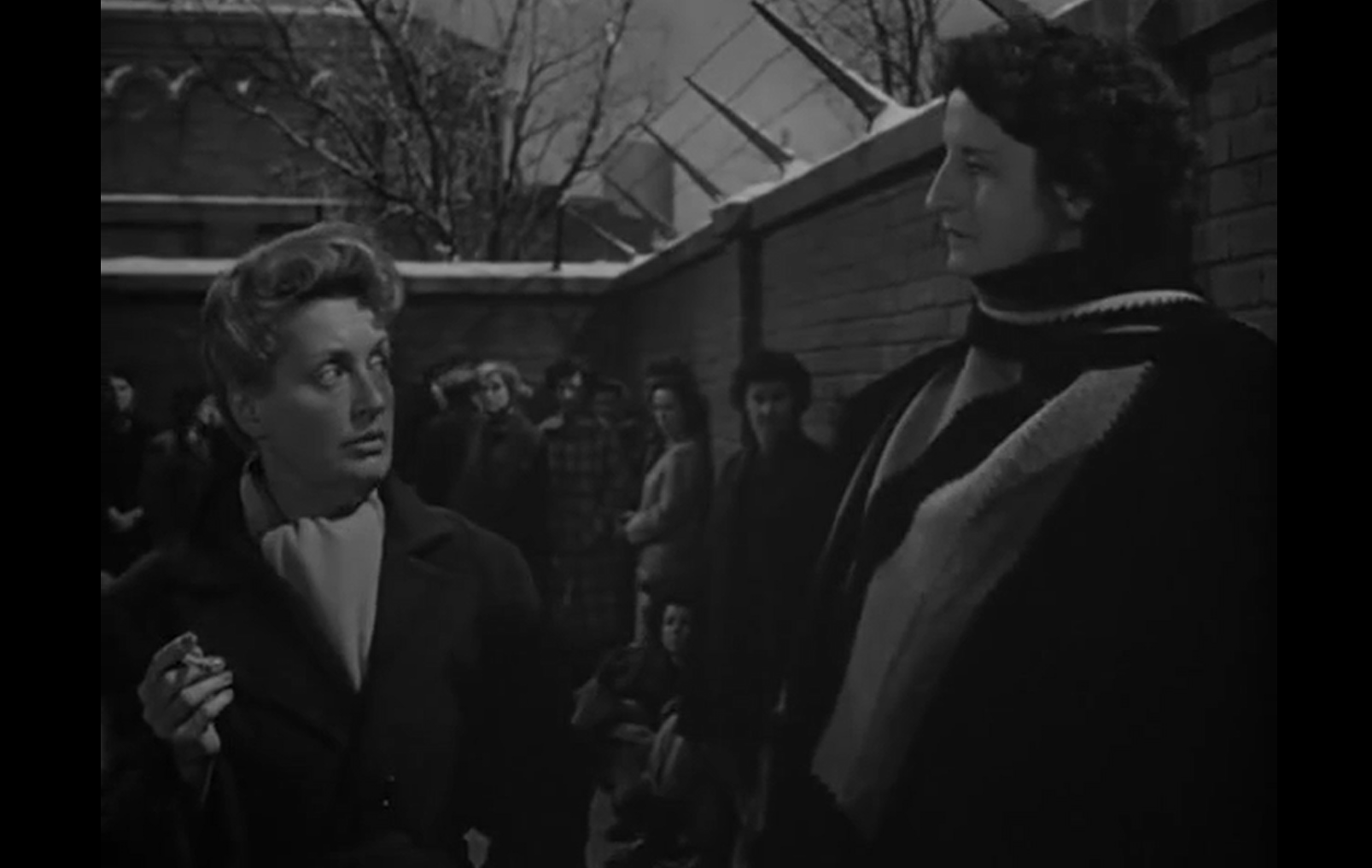
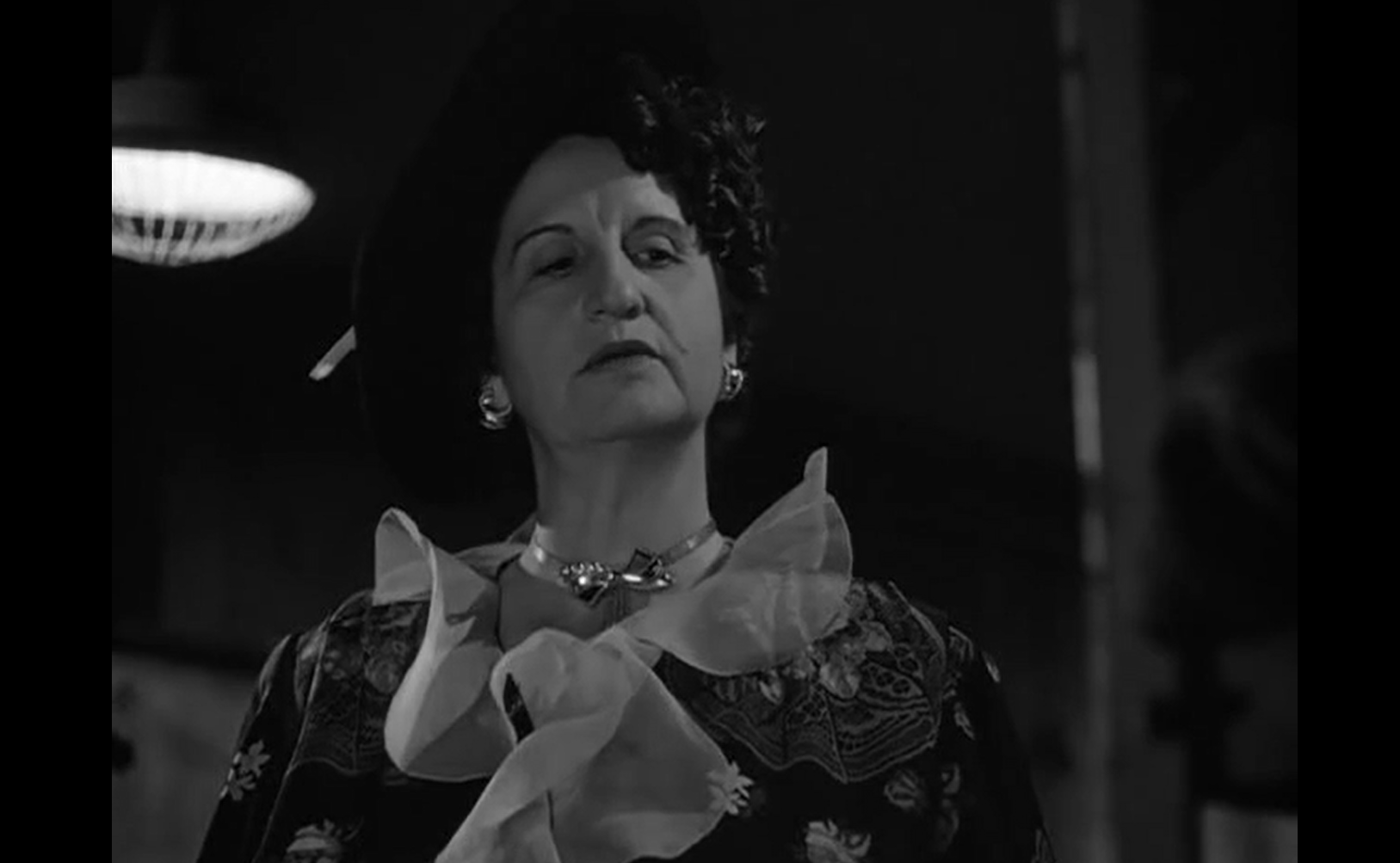
Her role here hints at the even more impressive performance she would later give as a woman with split personalities in Hugo Haas’s Lizzie (1957). Equally memorable is Hope Emerson as a truly sadistic warden with nary a shred of empathy in her bones; while she was apparently a lovely woman in real life, this remains (for better or for worse) the on-screen role she’s most commonly associated with.

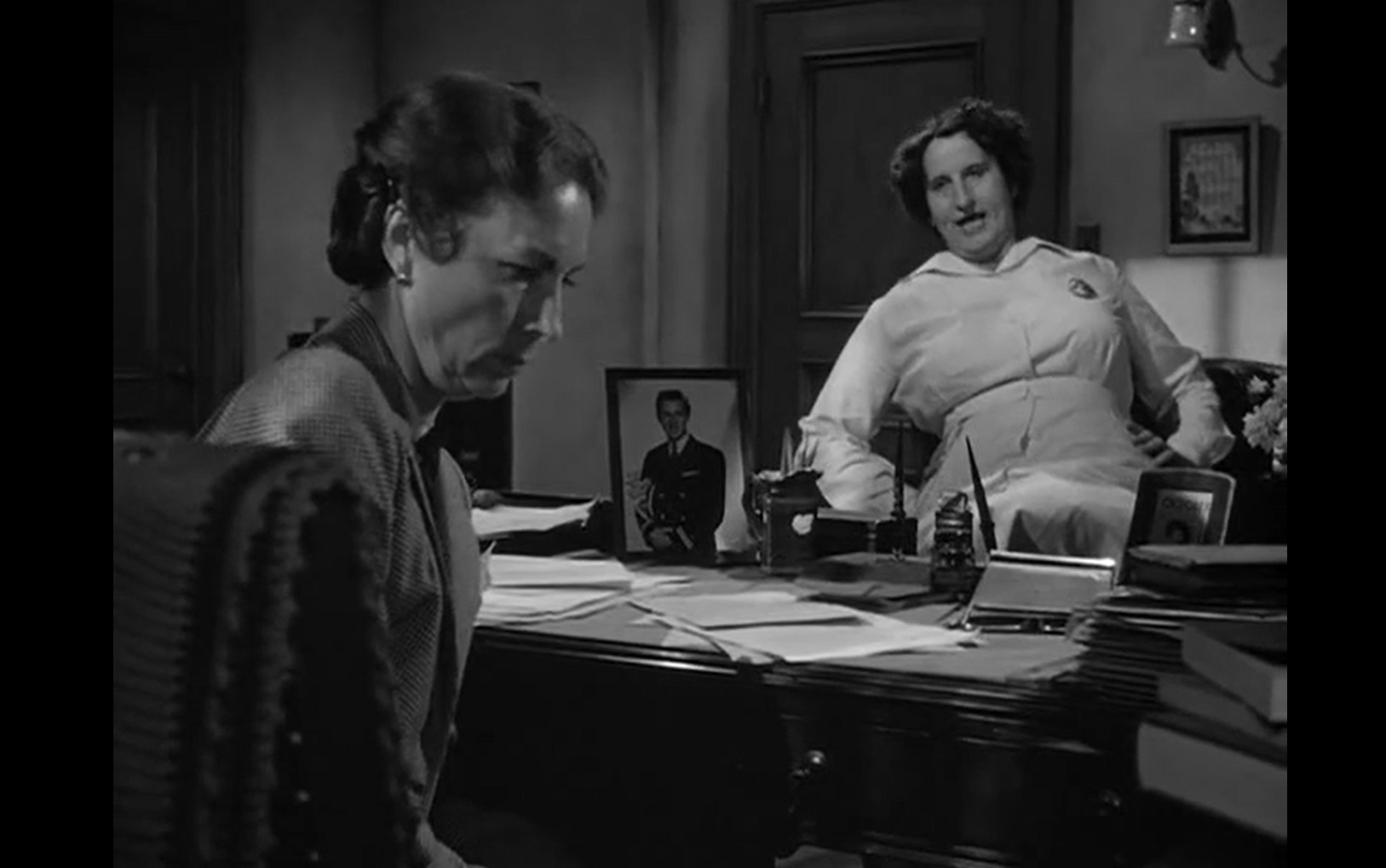
Meanwhile, Agnes Moorehead (as the prison’s director) serves as Emerson’s moral counterpoint, wanting the best for “her girls” yet dealing with massive political resistance at every turn.

Carl Guthrie’s atmospheric cinematography adds to the film’s potency, effectively evoking the horror-ridden nature of the screenplay, which pulls no punches in its depiction of prison-life as a noxious brew of corruption.

Redeeming Qualities and Moments:

  • Eleanor Parker as Marie Allen
  • Hope Emerson as Evelyn Harper
  • Atmospheric cinematography by Carl Guthrie

Must See?
Yes, as a cult classic, and for its status as the “template” for future women-in-prison exploitation flicks.

Categories

  • Cult Movie

Links:

Band Wagon, The (1953)

Band Wagon, The (1953)

“Whatever I am — whether it’s a new me or an old me — remember, I’m still just an entertainer.”

Synopsis:
An aging performer (Fred Astaire) is invited by his songwriting friends (Nanette Fabray and Oscar Levant) to stage a comeback in a new musical they’ve written, to be directed by a pretentious new auteur (Jack Buchanan). Tensions soon arise, however, when Buchanan’s vision for the show saps it of any humor, and Astaire clashes with his balletic co-star (Cyd Charisse).

Genres, Themes, Actors, and Directors:

  • Cyd Charisse Films
  • Fred Astaire Films
  • Has-Beens
  • “Let’s Put On a Show”
  • Musicals
  • Oscar Levant Films
  • Vincente Minnelli Films

Response to Peary’s Review:
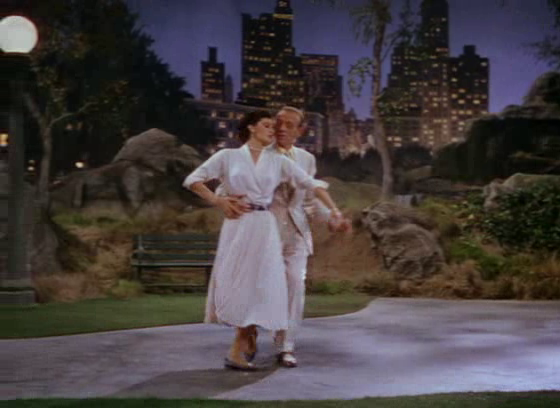
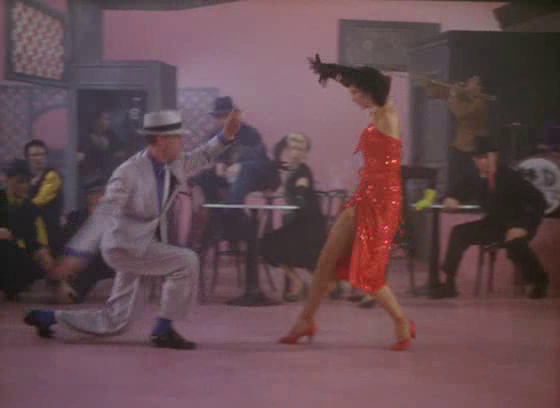
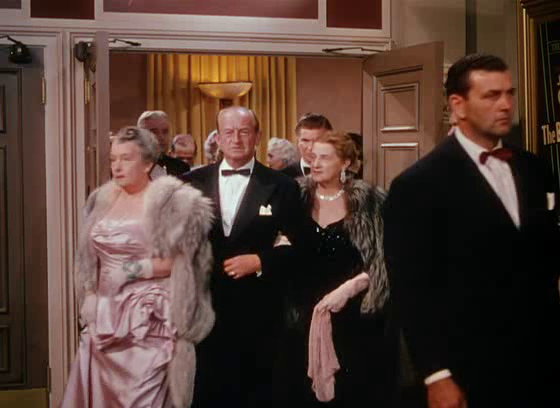
Peary argues that this “extravagant MGM musical, directed with much flair by Vincente Minnelli”, co-written by Betty Comden and Adolph Green, and featuring “impressive set design[s] for [the] musical numbers”, “starts out slowly but keeps getting better and better as great musical numbers keep piling up.” He notes that “musical highlights include ‘Dancing in the Dark’, ‘That’s Entertainment’, ‘Triplets’… and the lavish, episodic ‘Girl Hunt’ dance sequence, spoofing Mickey Spillane”. In his short review, Peary doesn’t provide much critique of either the film’s occasionally hokey “let’s put on a show!” storyline or the central performances, which perhaps speaks to how dominant the musical numbers really are; with that said, the narrative is guaranteed to tickle both fans of Astaire (who gamely pokes fun at his own waning popularity as an aging star) and theater insiders, who will surely appreciate its merciless skewering of artistic pretentiousness run amok.

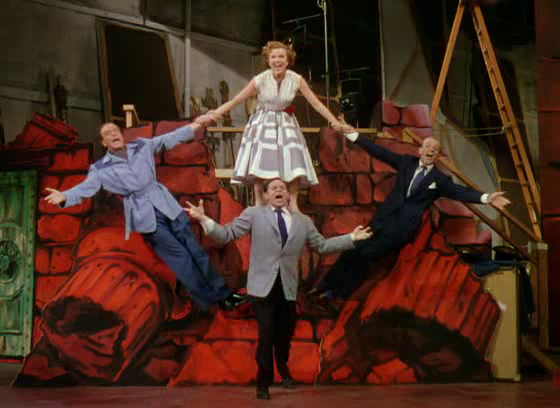
In terms of the performances, I’m a big fan of Nanette Fabray’s turn as a character loosely based on Comden herself. She’s relentlessly cheerful, yet in a way that comes across as infectious rather than annoying (and film fanatics will be glad to have seen this big-name musical actress in at least one movie). Her musical number with Astaire and Buchanan (“Triplets”) remains my personal favorite in the film — though it’s a bit sad to know how painful it was for Fabray to film it. Equally memorable — in a film filled with memorable sequences — is Astaire’s early shoeshine number, danced with real-life shoe shiner Leroy Daniels. And naturally, all film fanatics will want to see the film where the infinitely hummable “That’s Entertainment!” was first showcased; it’s performed here with plenty of flair and creative choreography.

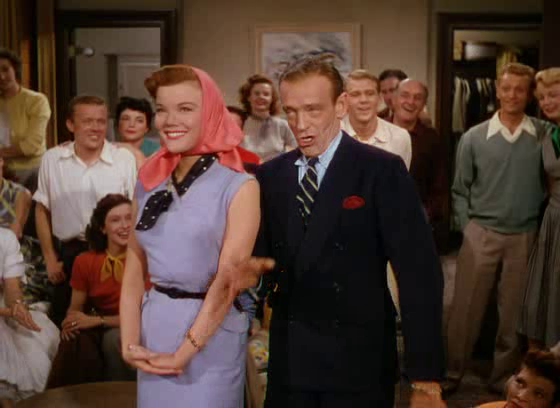
The Band Wagon is frequently compared with its predecessor, Singin’ In the Rain (also co-written by Comden and Green, and produced by Arthur Freed), with fans endlessly debating the merits of one versus the other, and many taking a decisive “side”. In truth, while I’ll admit to being a more devoted fan of SITR, both films remain vibrantly colorful, cheerily escapist, masterfully danced musicals in their own right. My primary complaint with The Band Wagon lies with the lackluster romantic subplot between Astaire and Charisse, whose “rivalry” never really poses much of a narrative threat — then again, when those two dance together, all such concerns melt away, and we remember why we’re sitting down to watch a film like this in the first place.

Redeeming Qualities and Moments:

  • Many enjoyable, creatively choreographed, wonderfully danced musical numbers


  • Fine use of Technicolor
  • Nanette Fabray as Lily
  • A clever skewering of artistic pretensions in the theatrical world
Must See?
Yes, as a classic mid-century musical. Voted into the National Film Registry in 1995.

Categories

  • Genuine Classic

(Listed in 1001 Movies You Must See Before You Die)

Links: