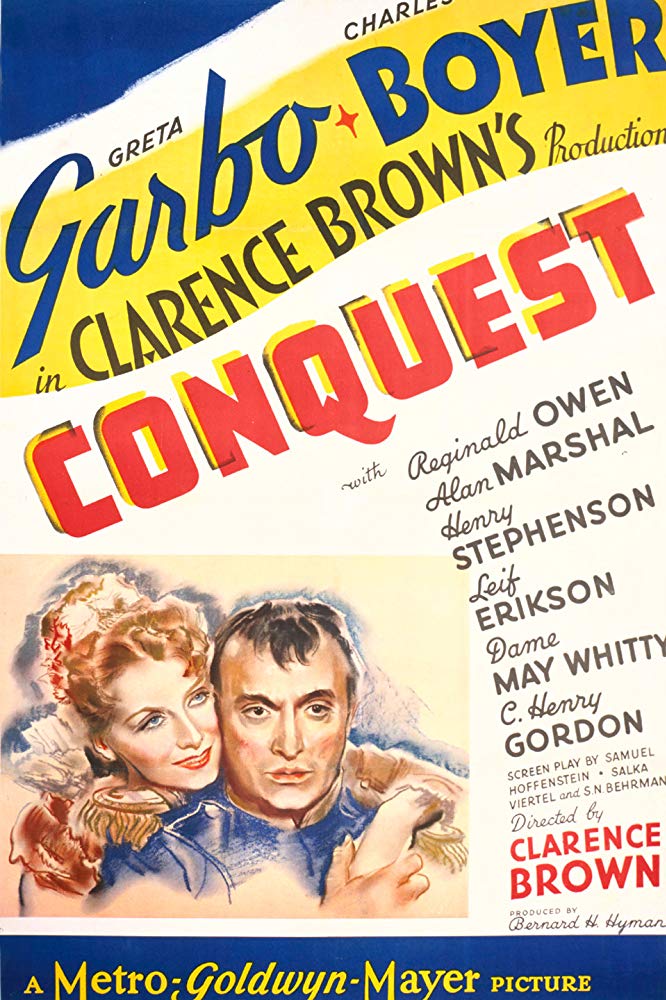
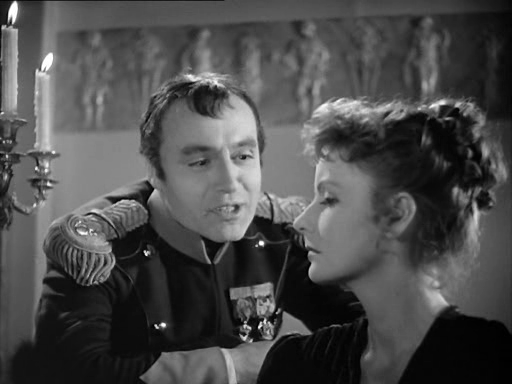
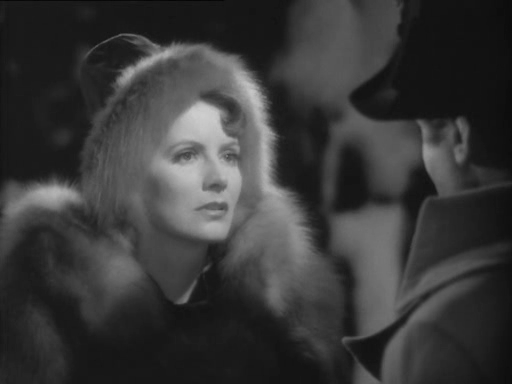
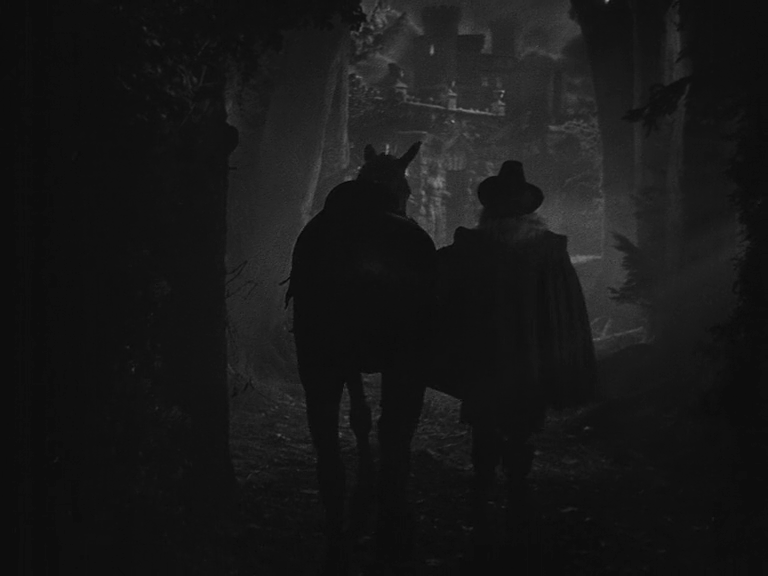
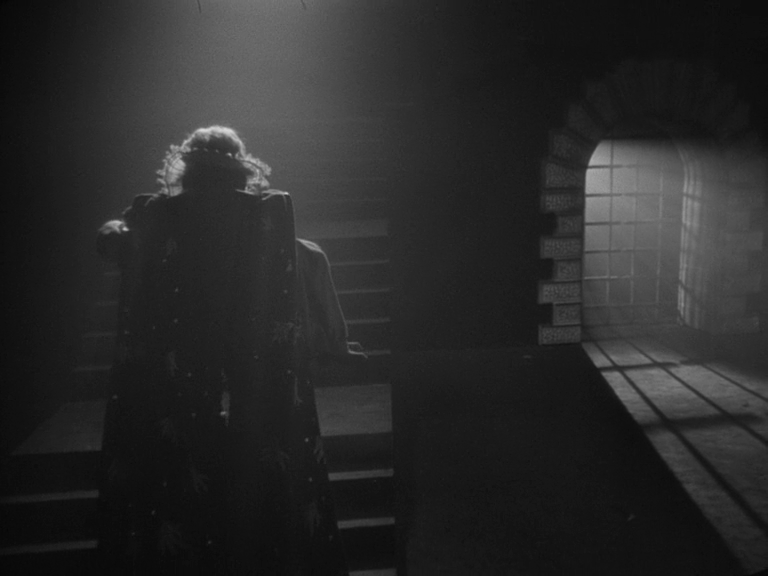
Conquest (1937)
“Perhaps you have been made beautiful, that Poland might be made free.”
|
Synopsis: |
|
Genres, Themes, Actors, and Directors:
Review: Redeeming Qualities and Moments:
Must See? Links: |
“Training is useful, but there is no substitute for experience.”
|
Synopsis: |
|
Genres, Themes, Actors, and Directors:
Response to Peary’s Review:
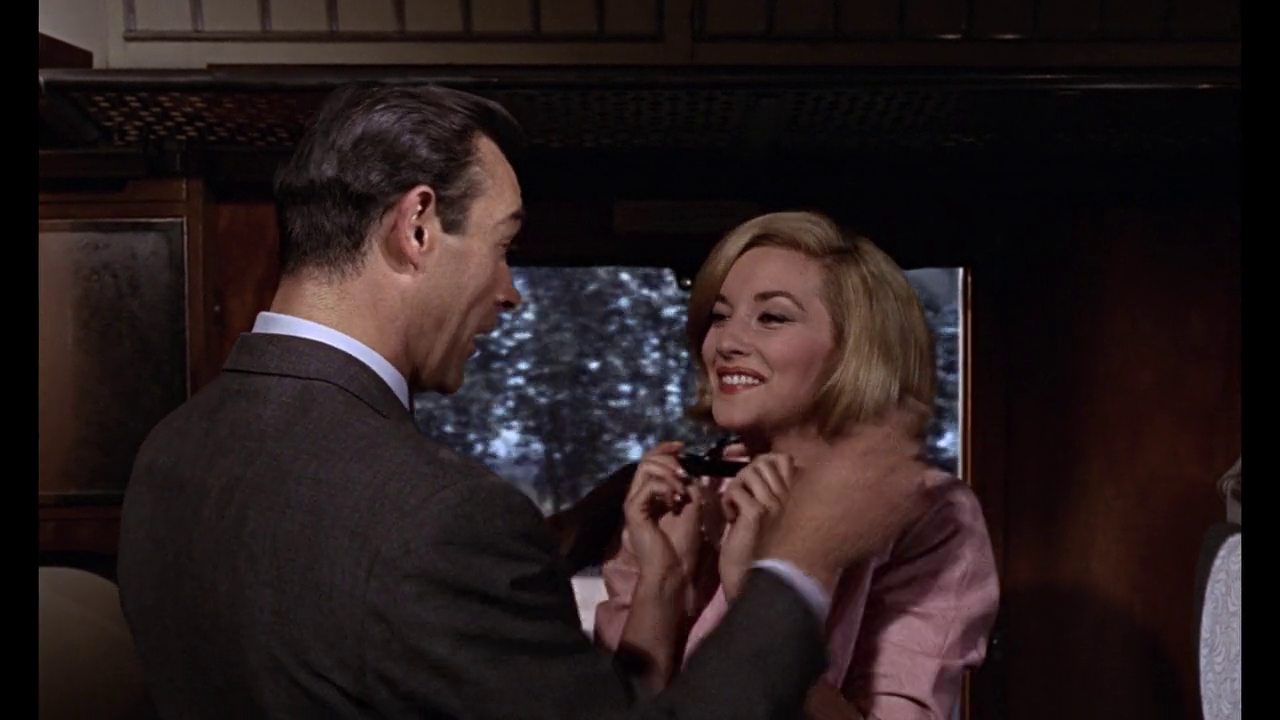
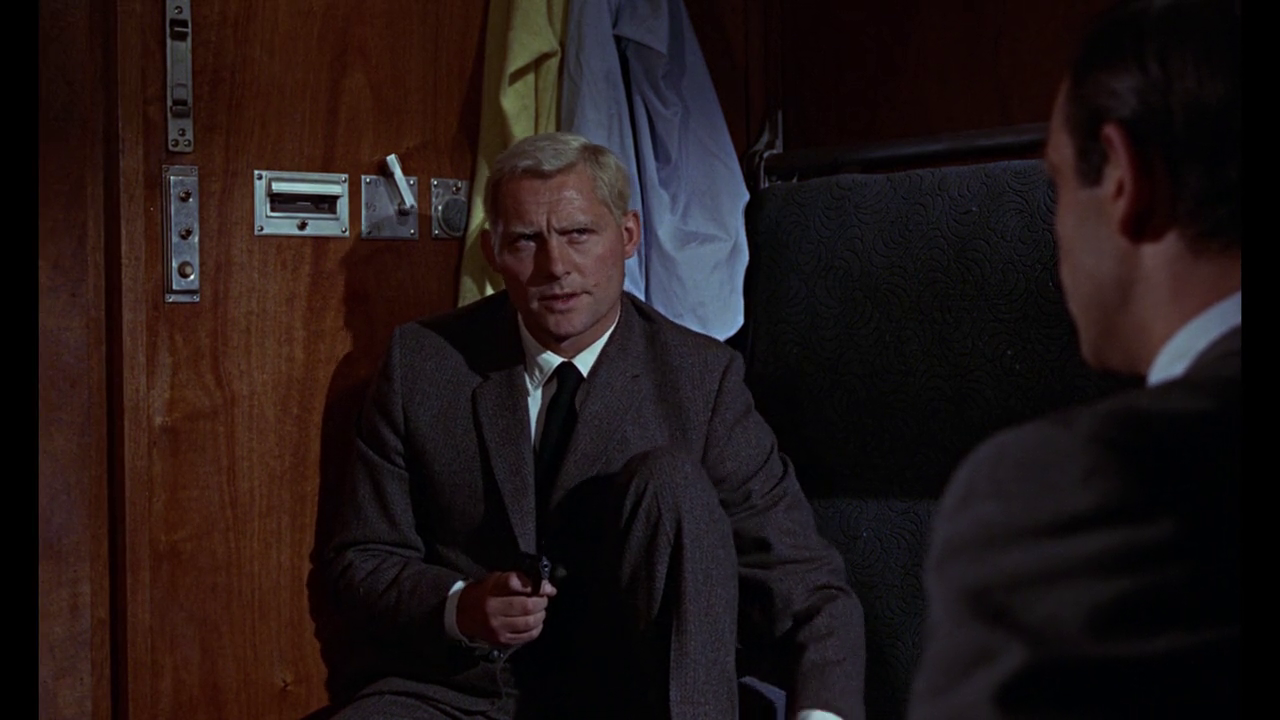
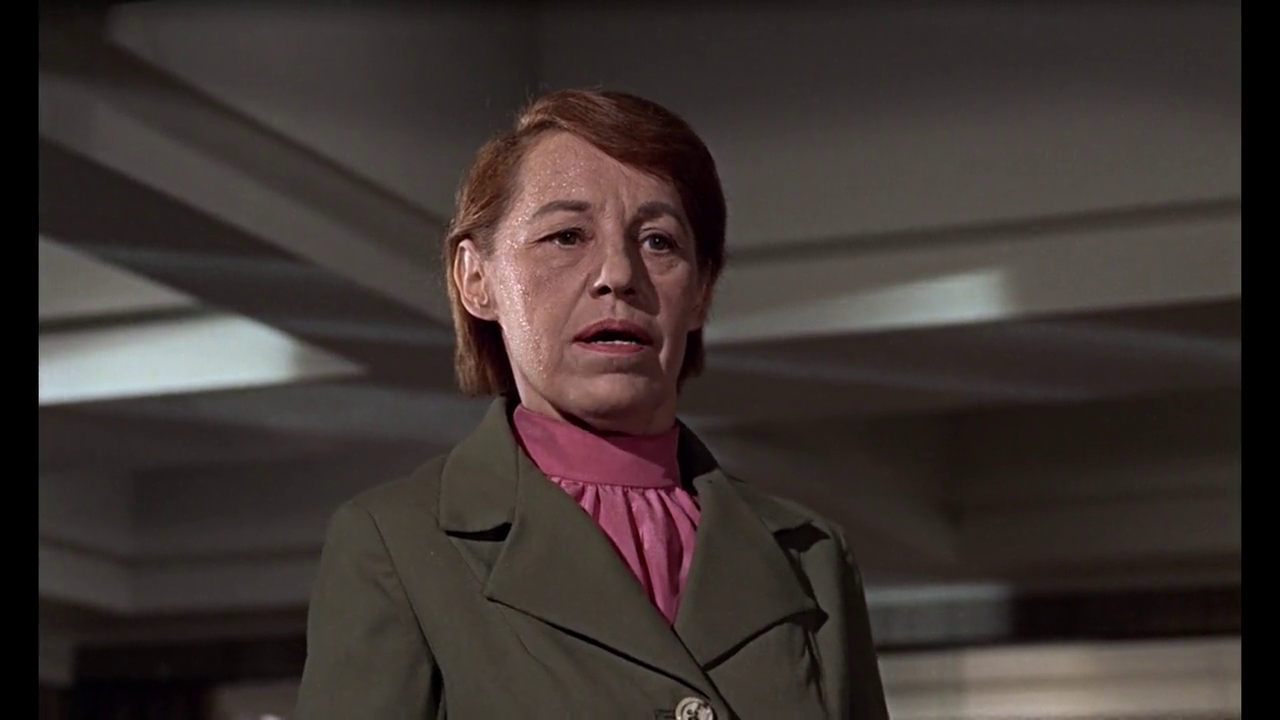
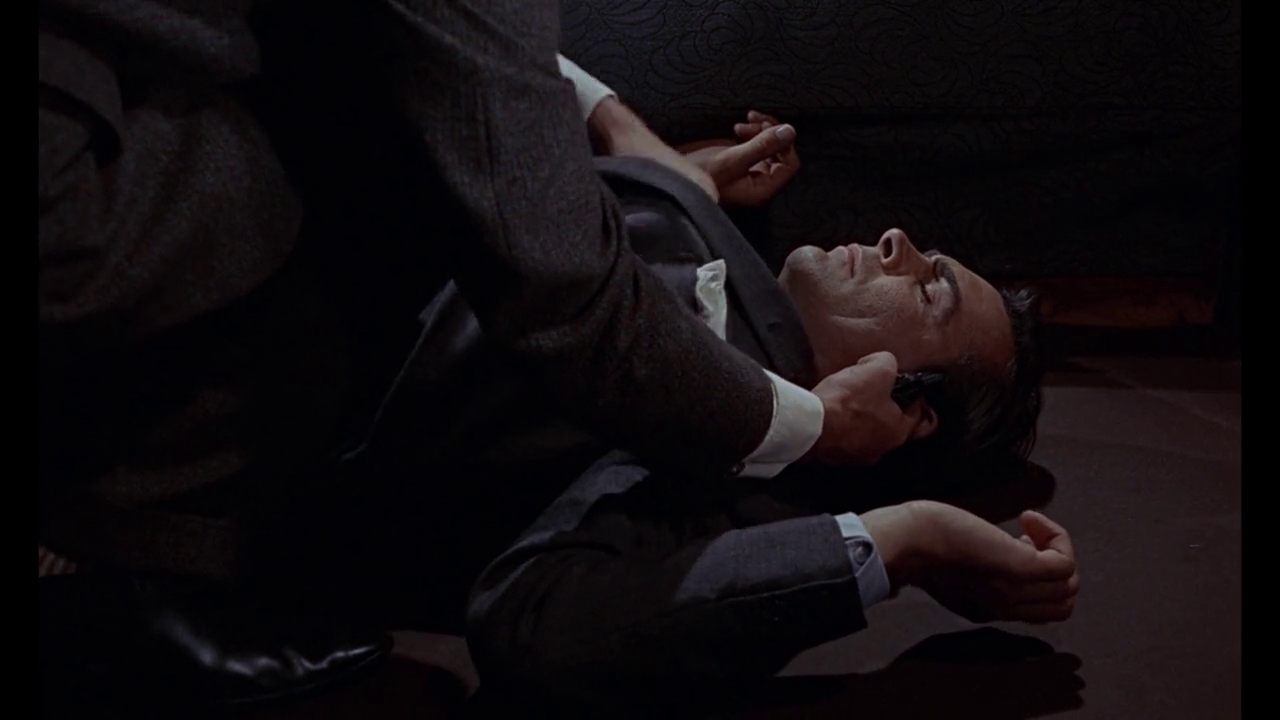
Oh boy. I know he’s Bond, and all women love him… and Connery is undeniably a beefcake. But it’s a bit much. Note: This and all Bond films appear to have quite a specialized and fanatical following, as evidenced by DVD Savant’s essay devoted entirely to a mysterious jump-cut in the final sequence of the film. Redeeming Qualities and Moments:
Must See? Categories
Links: |
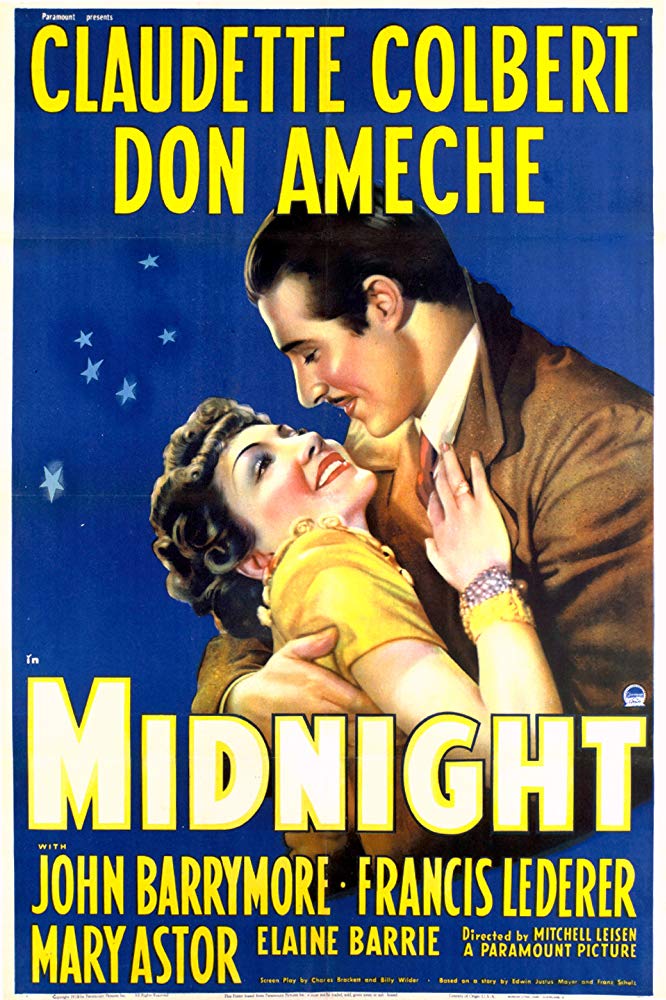
“When I was a child, they daren’t leave me in a room with an armchair.”
|
Synopsis: |
|
Genres, Themes, Actors, and Directors:
Review:
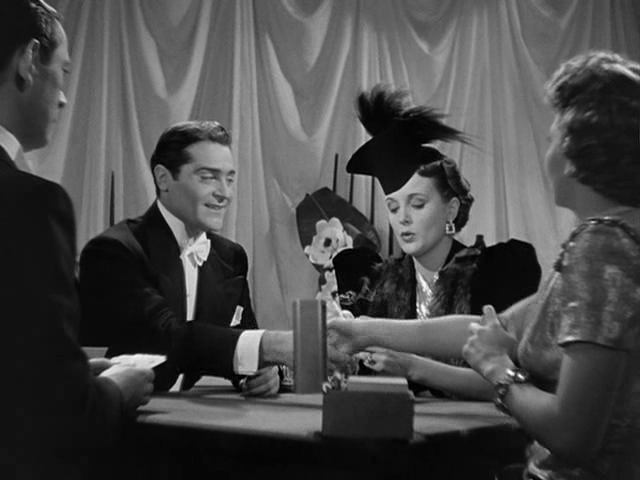
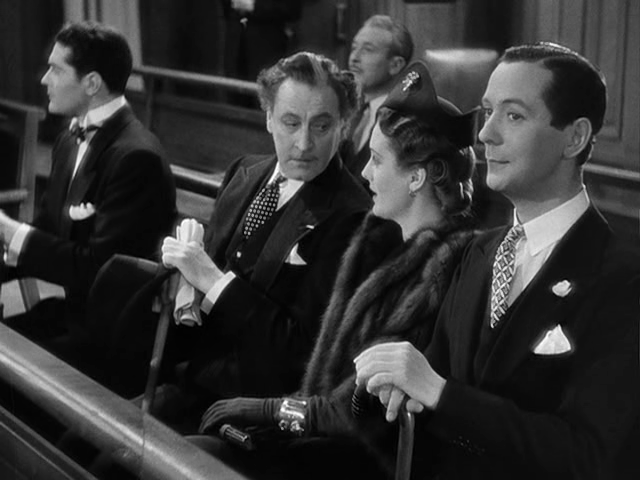
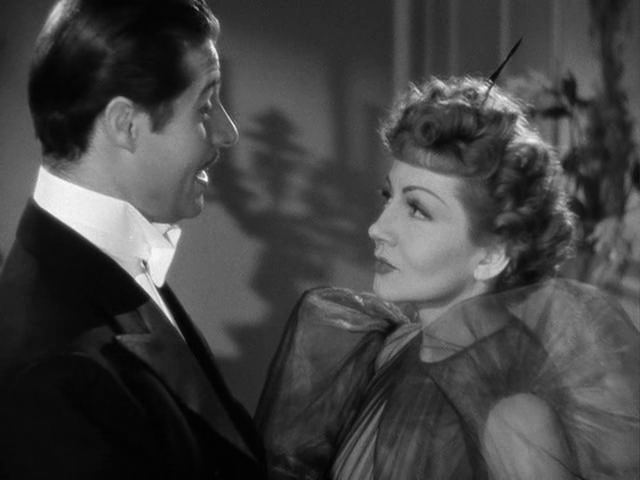
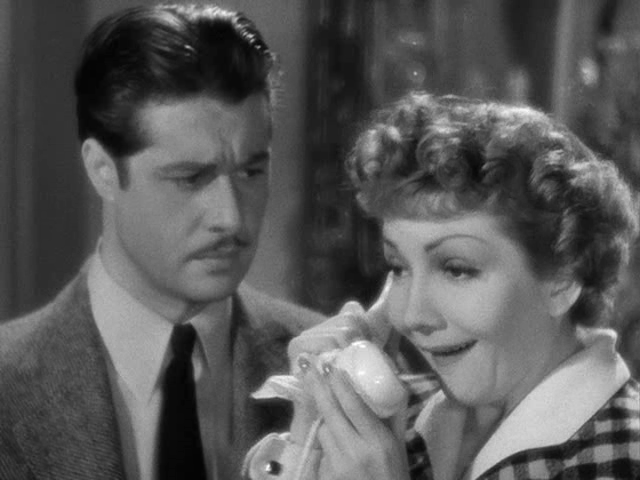
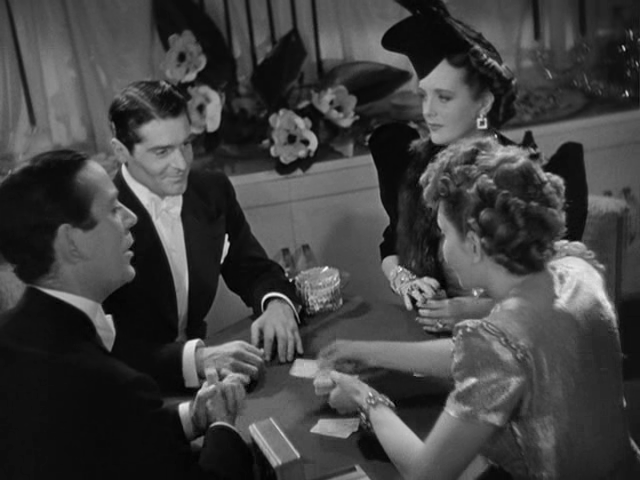
We’re never sure where each scene will lead to, and — like the characters — are consistently surprised by what comes next out of each person’s mouth. Colbert and Ameche (not to mention Rex O’Malley as Astor’s droll, fey sidekick):
… prove themselves more than capable of surviving in a world of extreme snobbery and classism: working-class Ameche draws upon collective strength in motivating his fellow cab drivers to help him find Colbert:
… while Colbert relies on both her beauty (Lederer is amusingly smitten the second he lays eyes on her) and quick wit to come up with on-the-spot rationales and back-stories for her newly adopted persona — including plenty of hilariously left-field (yet convincing) one-liners: “And yet, I had warning… Why else should his grandfather have sent me as an engagement present one roller skate covered with Thousand Island dressing?” This film is a treat to rediscover. Note: For a detailed overview of Brackett and Wilder’s contentious yet successful decade-plus collaboration, click here. Redeeming Qualities and Moments:
Must See? Categories
Links: |
“Lovers and madmen have such seething brains — such wild imaginings that apprehend more than cool reason ever comprehends.”
|
Synopsis: |
|
Genres, Themes, Actors, and Directors:
Review: Redeeming Qualities and Moments:
Must See? Categories
Links: |
“It’s injustice I hate, not the Normans.”
|
Synopsis: |
|
Genres, Themes, Actors, and Directors:
Response to Peary’s Review:
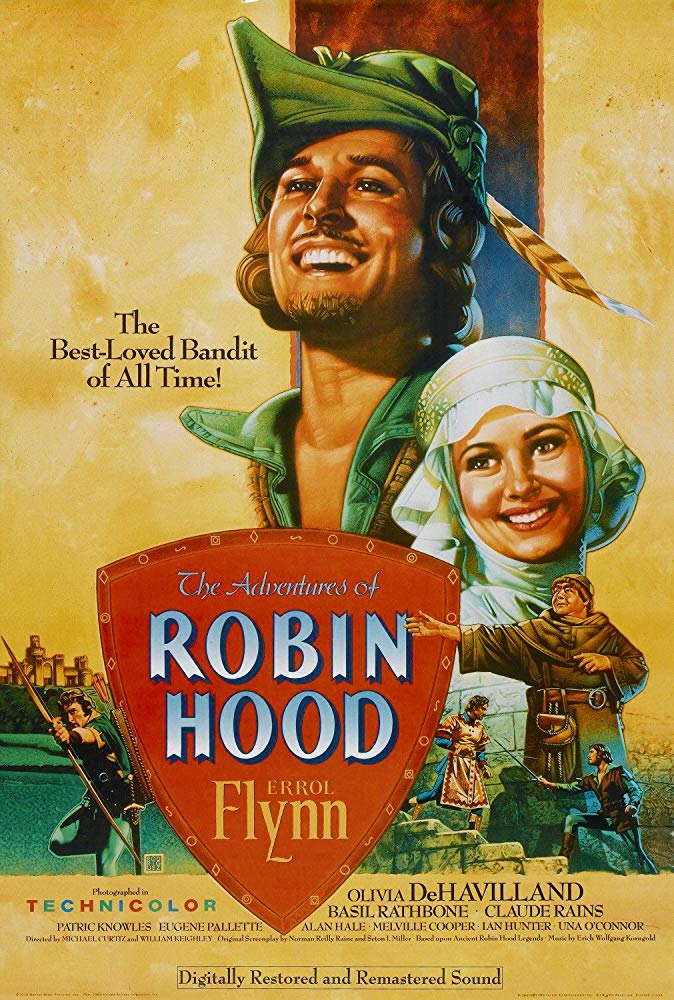
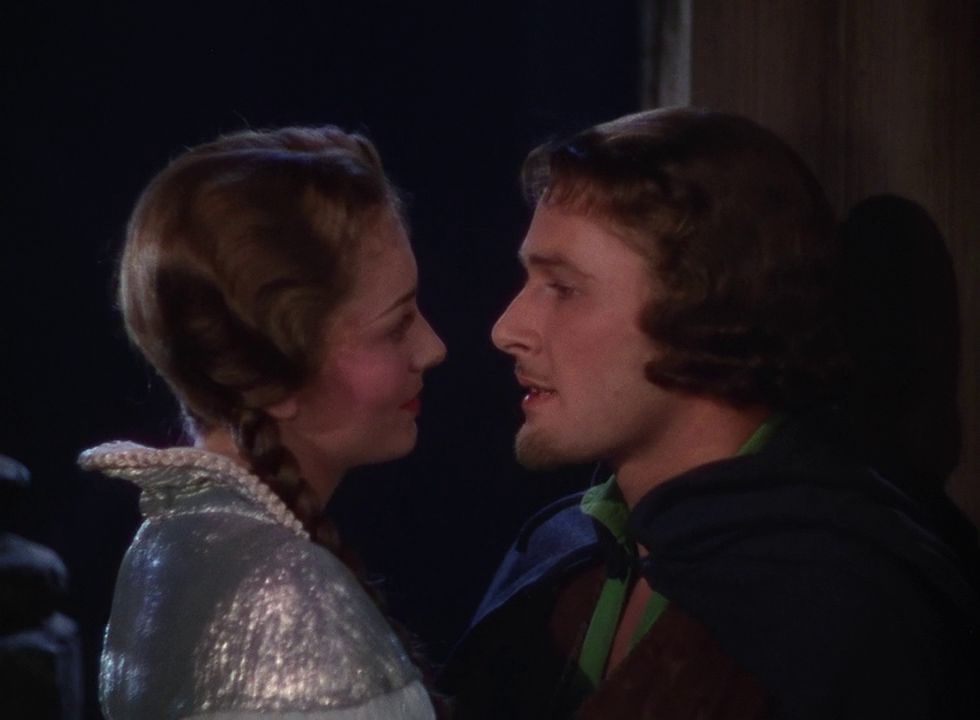
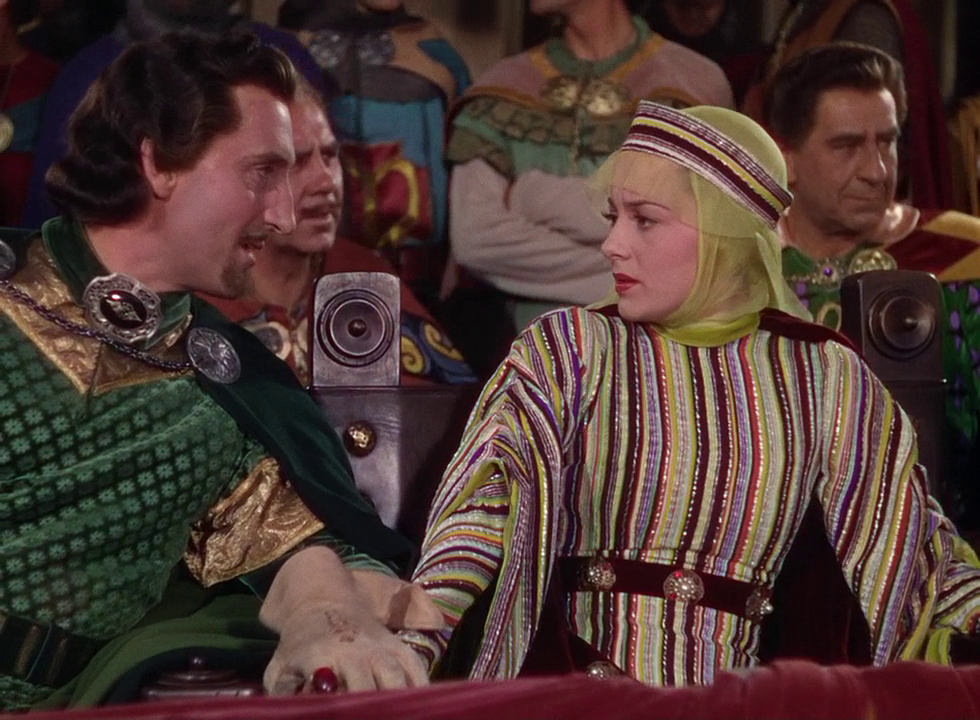
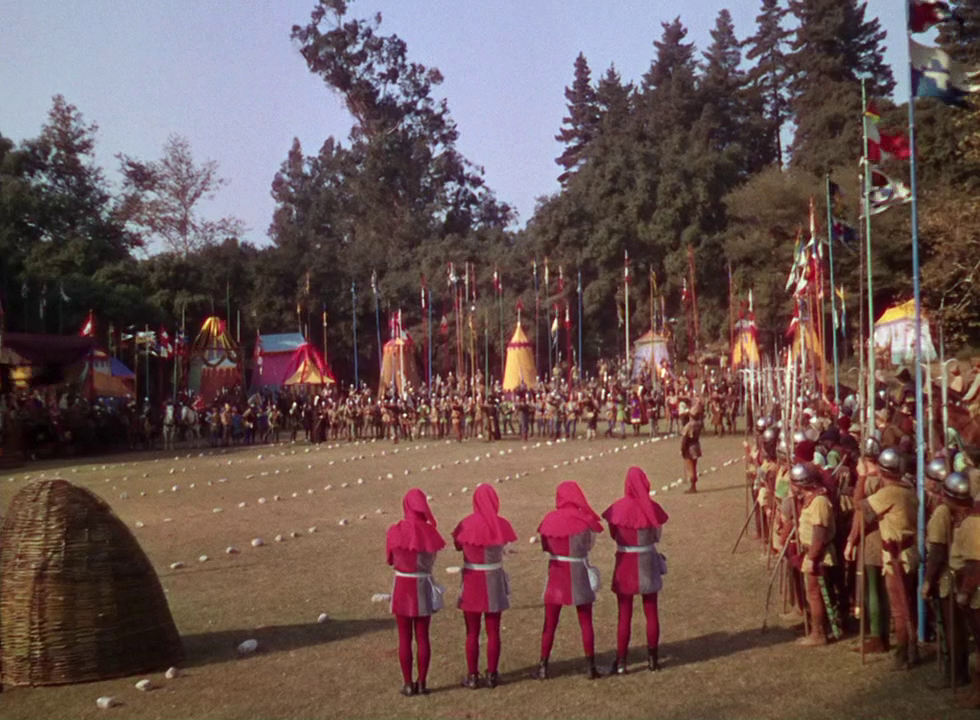
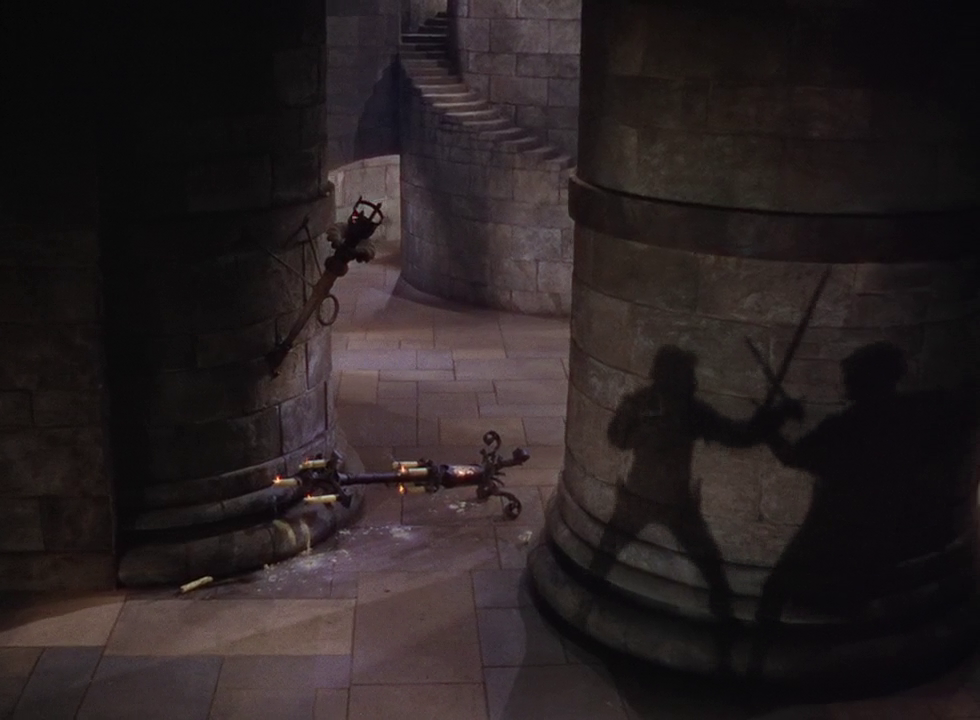
… “complete with gigantic shadows on castle walls”. He points out that the “splendid color photography, sets, costumes, and rousing Oscar-winning score by Erich Wolfgang Korngold” are “all first-rate, effectively transporting us back to an enchanting world” filled with “such wonderful character actors as Alan Hale (Little John), Eugene Pallette (Friar Truck), Una O’Connor, Montagu Love, and Melville Cooper.”
He informs us that “the casting of Flynn as Robin Hood was pivotal to his career, for it reinforced his Captain Blood image as the sensitive champion of the downtrodden and one of the few freedom fighter (anti-authoritarian) heroes whom conservative Hollywood has ever accepted.”
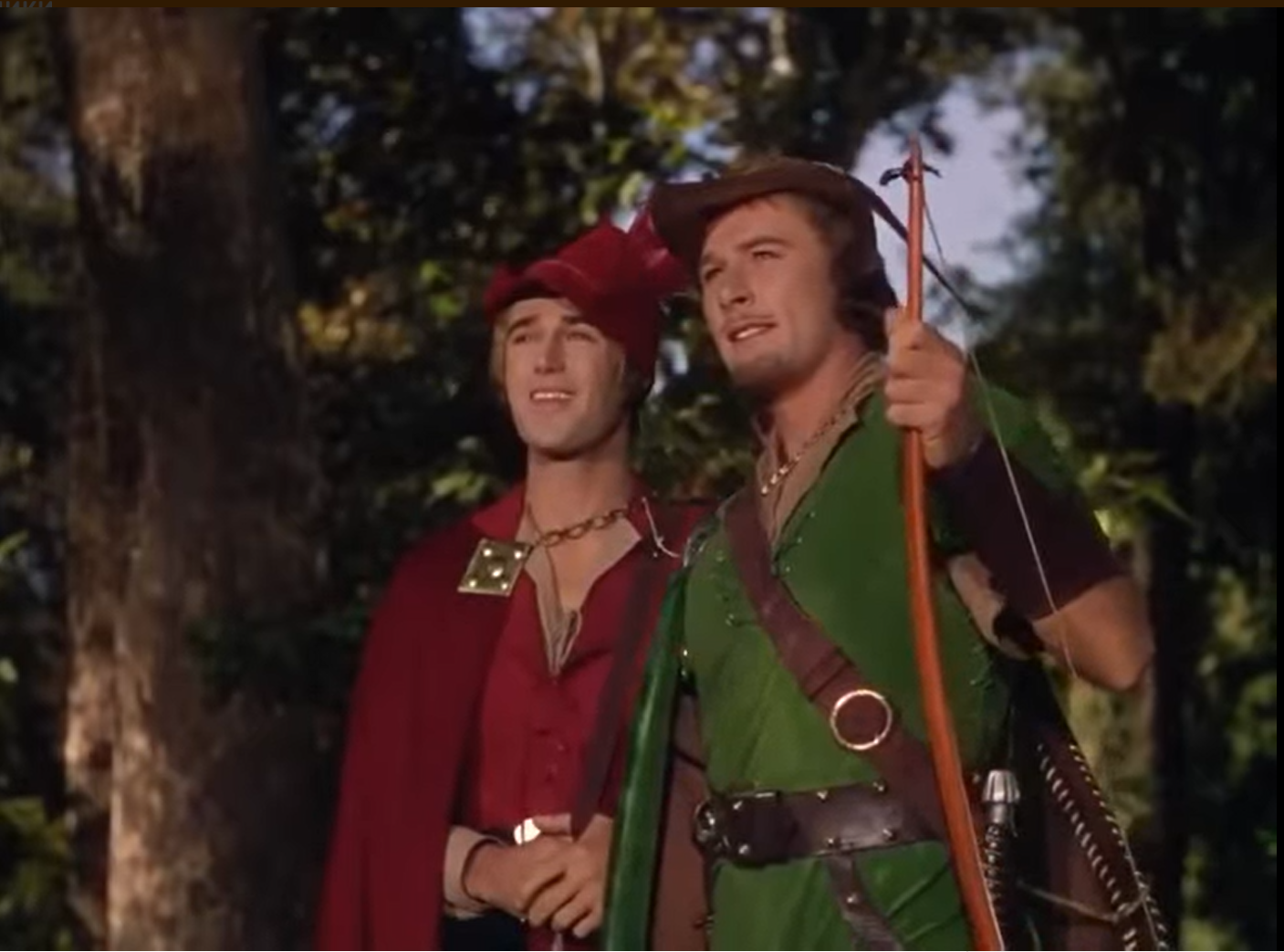
Peary elaborates upon his appreciation for this film in Alternate Oscars, where he names it Best Picture of the Year. After mentioning seeing this film numerous times on b&w television as a child in the ’50s, he writes, “What always surprises me is that adults can appreciate the film more than children, for this is a classy, literate, inspiringly directed and acted picture” with “much care [going] into every aspect of the production”. He notes that “shot after beautifully composed shot, the visuals are dazzling, even magical” — and while “Sol Polito and Tony Gaudio weren’t among the eleven Cinematography Oscar nominees”, they “deserved to win”. He notes that the “picture has terrific action sequences,” including the “climactic sword fight”, “Robin’s two escapes”, and “a scene in which Robin and his men swing from vines and drop from trees to ambush Prince John’s soldiers”. He adds that “the action never slows down for humor — Robin in battle (like Douglas Fairbanks) keeps smiling and joking”, and while “the action does stop”, the “tension doesn’t dissipate” for romance.
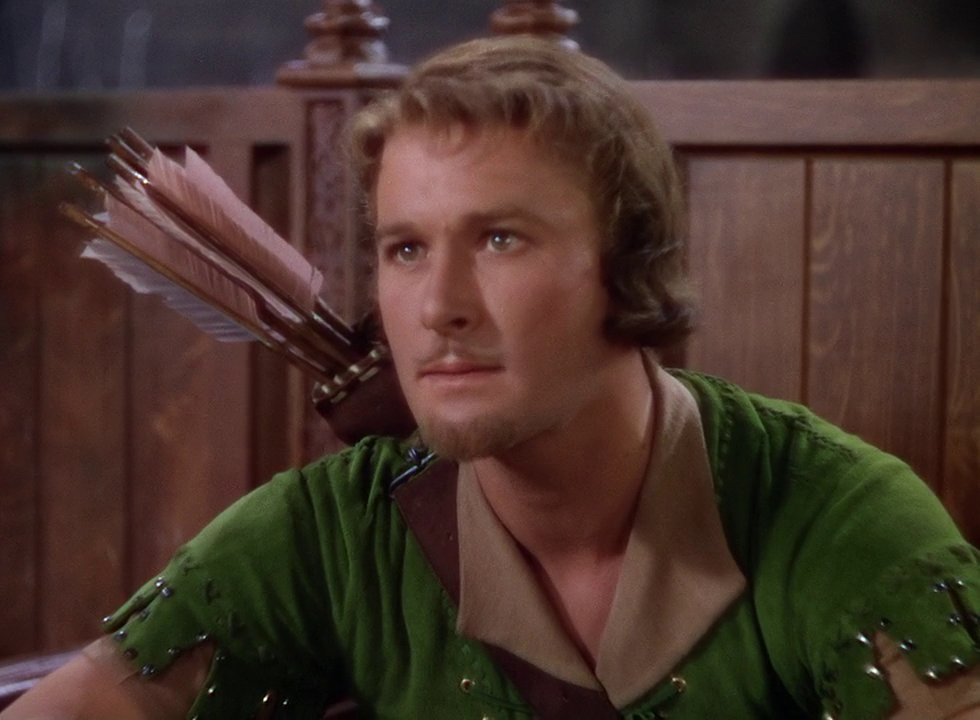
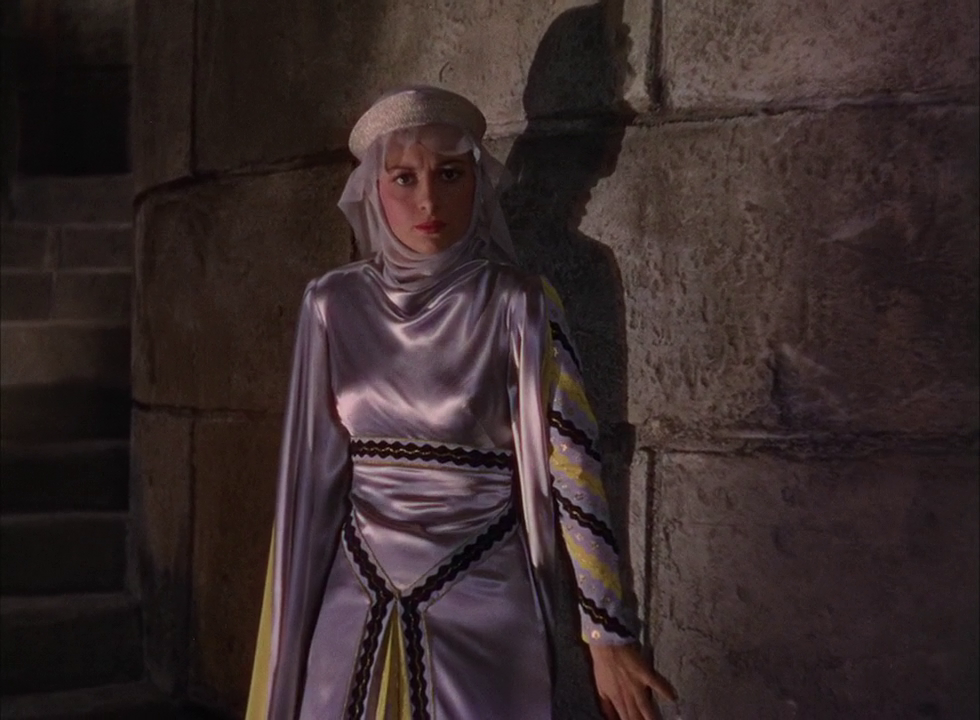
Speaking of romance, Peary writes that “De Havilland’s Marian isn’t the typical heroine of old-time adventure films”: “She is central to the action, devising the plan that frees Robin from the gallows, and defiantly speaking out against Prince John’s Court of Execution after being charged with treason.” De Havilland is both charming and beautiful, and the entire production (from the vibrant Technicolor cinematography to unusual costumes) does her justice. Flynn, meanwhile, has really never been better: as Peary writes, “You’d follow [him] anywhere, sure that his cause is just.” The fine supporting cast is energetic, memorable, and colorful, and the action scenes are indeed consistently stirring. This one can and should be seen (and enjoyed) multiple times. Redeeming Qualities and Moments:
Must See? Categories
(Listed in 1001 Movies You Must See Before You Die) Links: |
“How does it feel to feel like a woman and be afraid of it?”
|
Synopsis: |
|
Genres, Themes, Actors, and Directors:
Response to Peary’s Review:
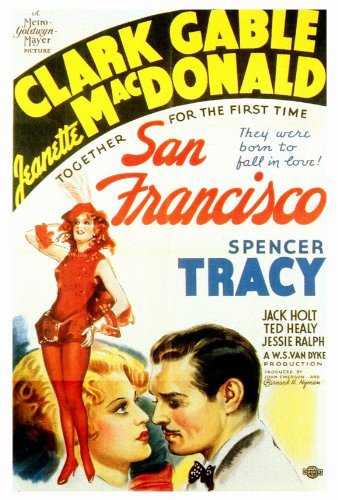
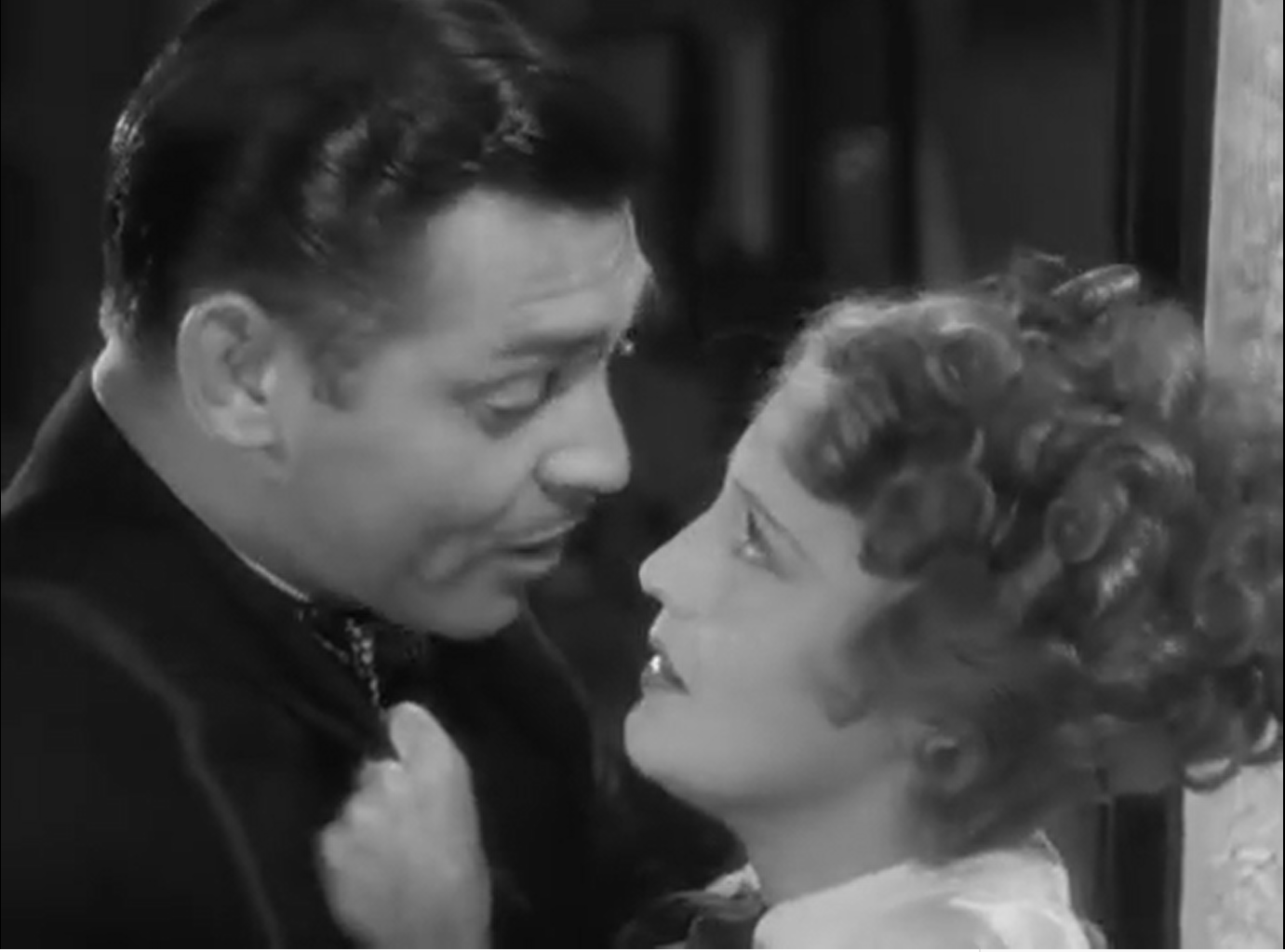
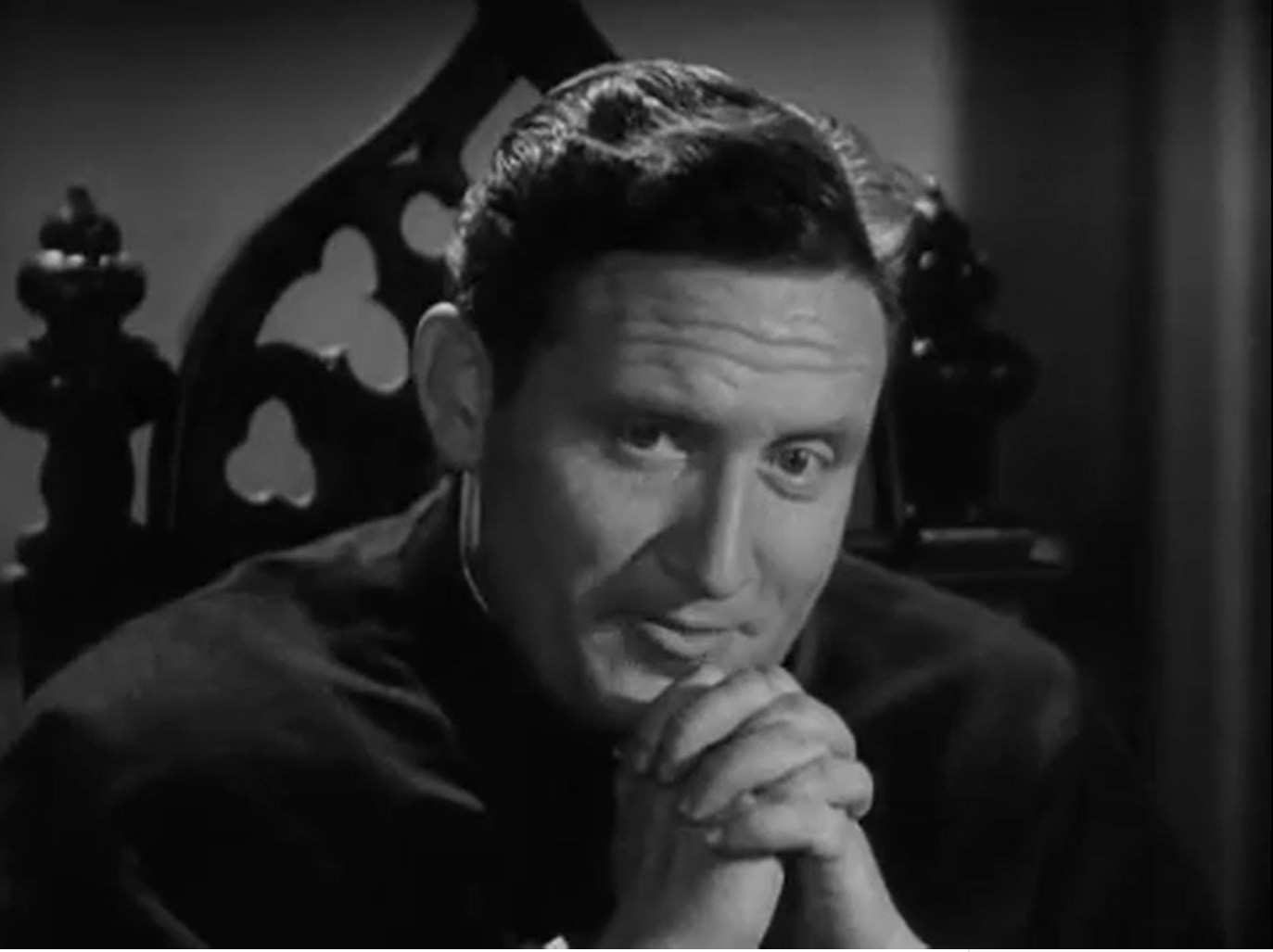
He points out that the script by Anita Loos “is one of the first… to deal with a woman experiencing a man-vs.-profession conflict”, and argues that MacDonald “makes a lovely lead” but Gable is just “okay playing his typical tough guy” and Oscar-nominated Spencer Tracy — playing “a priest and Gable’s boyhood chum” — “doesn’t have enough to do.”
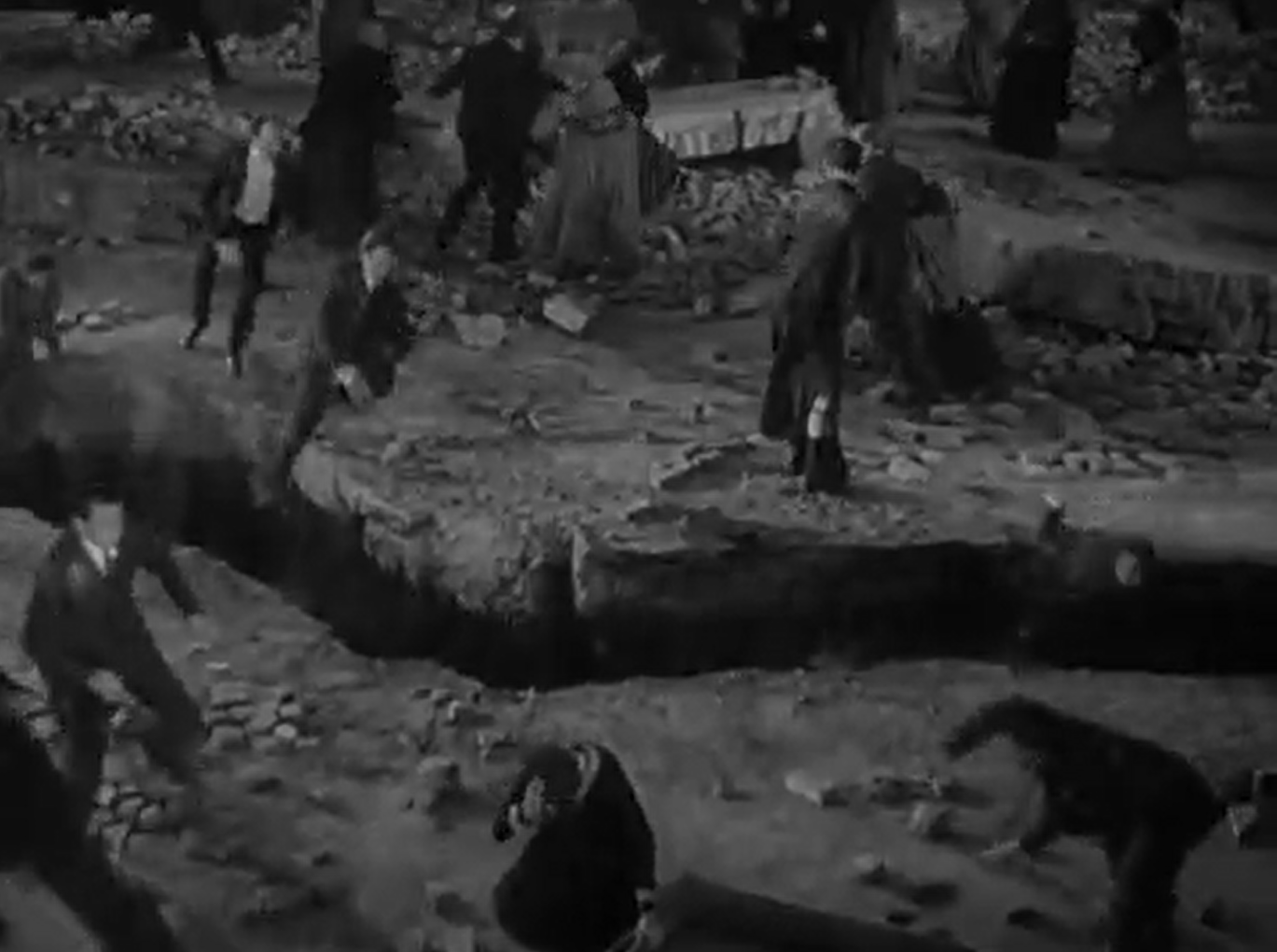
He correctly argues that the film’s highlight is its “stunning earthquake sequence, which is famous for its impressive special effects and great montage work” — though he asserts that this “enjoyable film is almost spoiled by a silly finale, in which earthquake victims get carried away with religious fervor.” I’m essentially in agreement with Peary’s review, though I find it more tolerable than “enjoyable” over all, and would simply add that film fanatics should simply be sure to seek out the remarkable earthquake sequence on its own. Redeeming Qualities and Moments:
Must See? Links: |
“There’s cruelty and hatred and tyranny in the world. You can’t make believe they aren’t there.”
|
Synopsis: |
|
Genres, Themes, Actors, and Directors:
Review: Redeeming Qualities and Moments:
Must See? Categories
Links: |
“Is there anybody out there?”
|
Synopsis: |
|
Genres, Themes, Actors, and Directors:
Review: Redeeming Qualities and Moments:
Must See? Categories
Links: |
“From the very start, the travelers had adopted a certain marching order.”
|
Synopsis: |
|
Genres, Themes, Actors, and Directors:
Review: Redeeming Qualities and Moments:
Must See? Links: |
“I disgust you. You find me repulsive.”
|
Synopsis: |
|
Genres, Themes, Actors, and Directors:
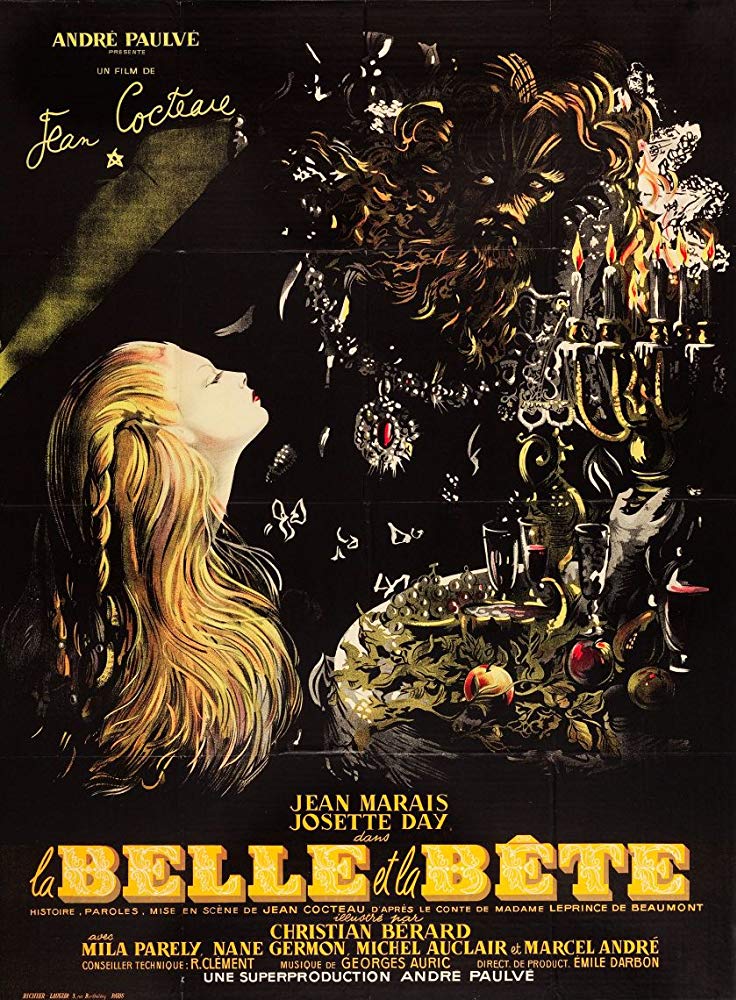
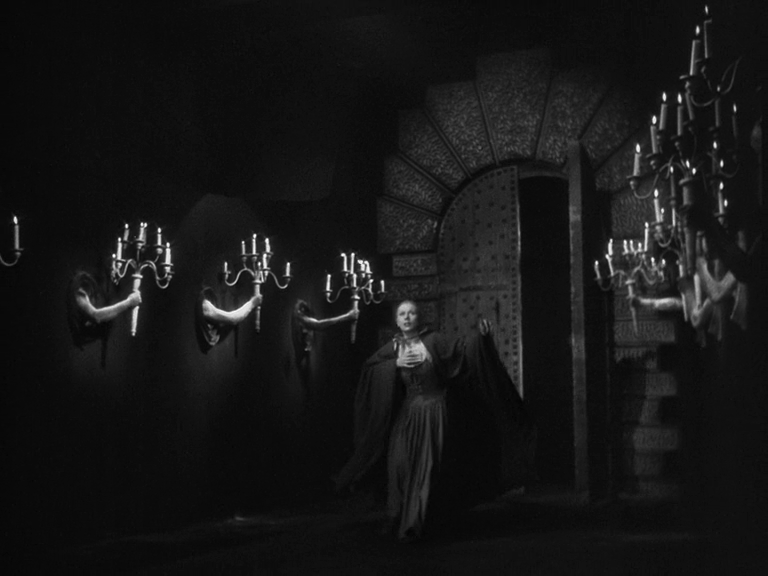
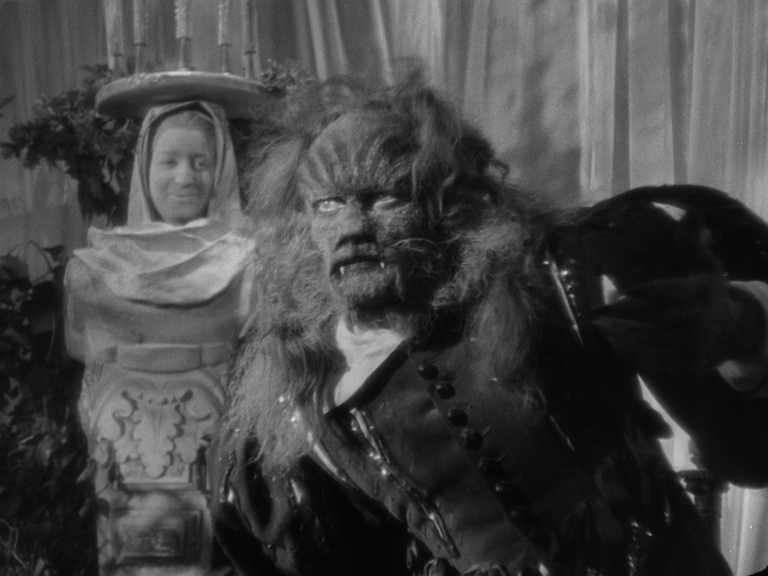
Response to Peary’s Review: Peary elaborates on this and other aspects of the film in his Cult Movies book, where he writes that “first time viewers are invariably impressed and surprised that such an unusual film exists; that Cocteau dared to make a fairy tale without drastically changing the content of the original story; that he dared make a film with ‘art’ and not box office success as the ultimate goal; and that he dared approach his film as a poet rather than as a typical movie director.” All of this rings true: it remains a genuine pleasure to revisit this film, despite its shortfalls — which include (for me) a storyline that seems to lag at times, perhaps due to Cocteau’s emphasis on lingering for atmospheric effects. On that note, Peary points out that cinematographer Henri Alekan’s “camera rarely moves, yet within his fixed frame comes a mesmerizing panorama of movements…, shadows, darkness, the clear white sky, and characters who, set against that sky, are filmed as if they were moving statues.” Regarding Peary’s frustration with the Beast’s transformation into “a human being who looks like Avenant with a permanent”, I can’t say I share it. Peary’s assertion that “Beauty suddenly becomes flirtatious, as if all along she had only pretended to be an innocent” is an unfair assessment of her piqued romantic interest; why does Peary begrudge her happiness at seeing a beloved companion transformed into a human who she can more easily envision as a viable life partner? Meanwhile, Peary’s fixation on the prince’s “effeminate” nature and hair perm are uncharitable at best (his hairdo is certainly no better or worse than that of Avenant). Peary’s ending statement in his Cult Movies review — “We aren’t pleased by any means. This transformation, the worst scene in the picture, almost ruins what went before it: a true king has been demoted to a prissy prince.” — is simply not true. For shame, Peary! (especially given that Marais was Cocteau’s real-life lover). Allow this fairy tale to end the way one might imagine it to in its original form, as intended by Cocteau. Redeeming Qualities and Moments:
Must See? Categories
(Listed in 1001 Movies You Must See Before You Die) Links: |