Wedding Party, The (1969)
“Love is nice; marriage is not nice.”
|
Synopsis: |
|
Genres, Themes, Actors, and Directors:
Review:
Redeeming Qualities and Moments:
Must See? Links: |
“Love is nice; marriage is not nice.”
|
Synopsis: |
|
Genres, Themes, Actors, and Directors:
Review:
Redeeming Qualities and Moments:
Must See? Links: |
“Someone’s trying to kill me, and I need help!”
|
Synopsis: |
|
Genres, Themes, Actors, and Directors:
Response to Peary’s Review:
He concedes that “De Palma does, as usual, borrow from Hitchcock, stylistically and thematically” and “even has two scenes with women in the shower”. [As Richard Scheib of Moria puts it so bluntly in his review, “Dressed to Kill is Brian De Palma’s homage to Psycho. It is clear and obvious and there is no doubt about it.”] Peary adds that “typical of De Palma, the violence is strong, and there’s a dirty-trick ending,” and he points out that De Palma makes “good use of New York locales”. What Peary fails to mention is the highly questionable use of a “troubled transvestite” as the killer; click here to read a recent analysis of the film from that standpoint (but be forewarned that spoilers abound). And click here to read an even more forthright denouncement of the film, written to the movie itself rather than to De Palma. Most memorable-while-darkly-amusing scene: Dickinson casually riffling through her new lover’s drawers and finding documentation of something truly horrific. Redeeming Qualities and Moments:
Must See? Categories
Links: |
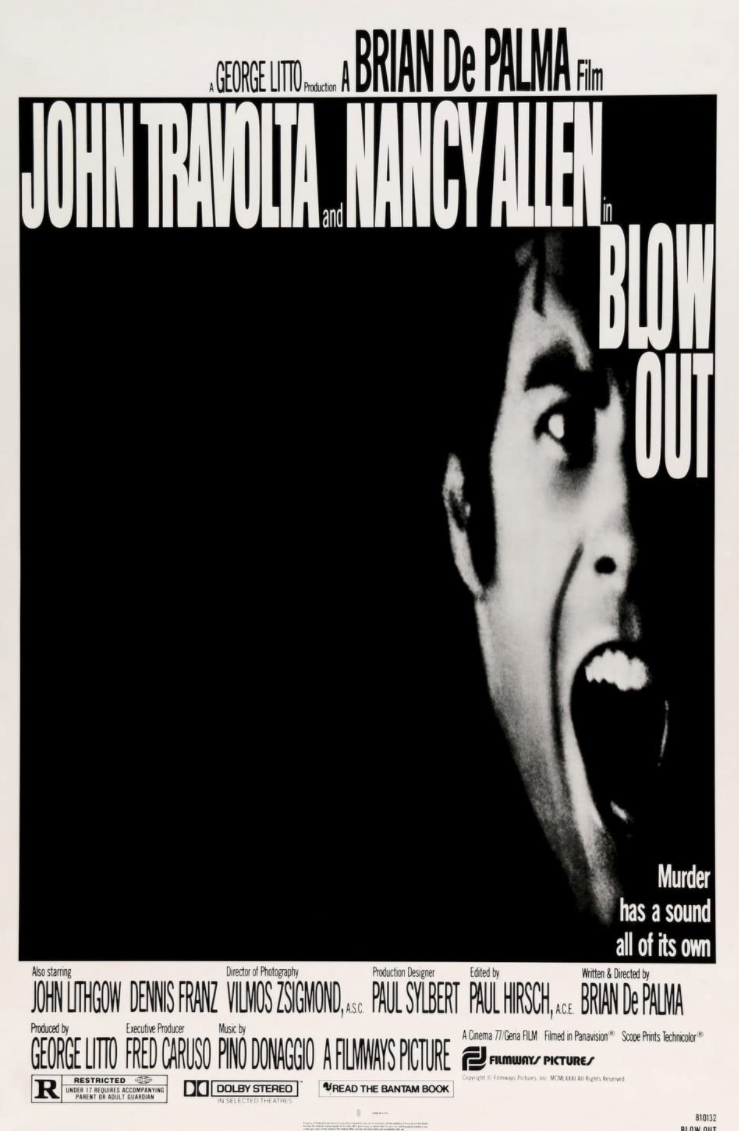
“I think you’ve got a tape, Jack — and I think it’s the real thing.”
|
Synopsis: |
|
Genres, Themes, Actors, and Directors:
Response to Peary’s Review:
… but it’s not enough to redeem this film over-all as must-see. Note: It was interesting watching this hour-long discussion between De Palma and Noah Baumbauch about the making of Blow Out, and hearing De Palma describe movies in this way:
If “girls” (not women) are viewed simply as beautiful objects for audience members to watch and enjoy, it’s no wonder that Allen (De Palma’s wife at the time) — as well as the other females in this film — come across literally as pretty pawns in the bloody proceedings. Thank goodness Travolta is such a sympathetic male character. Redeeming Qualities and Moments: 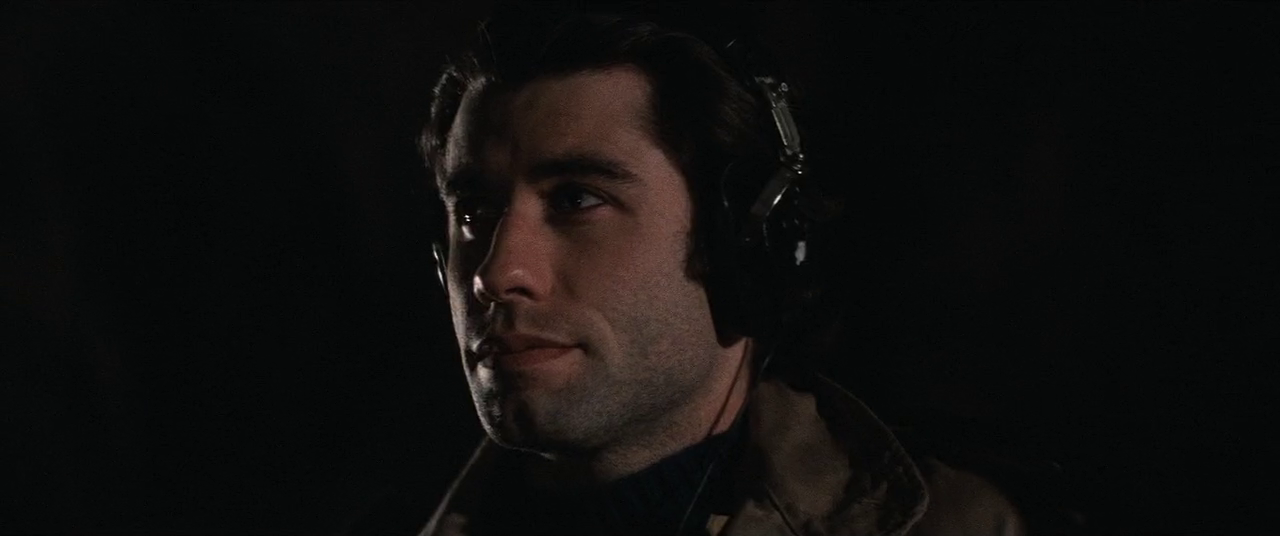 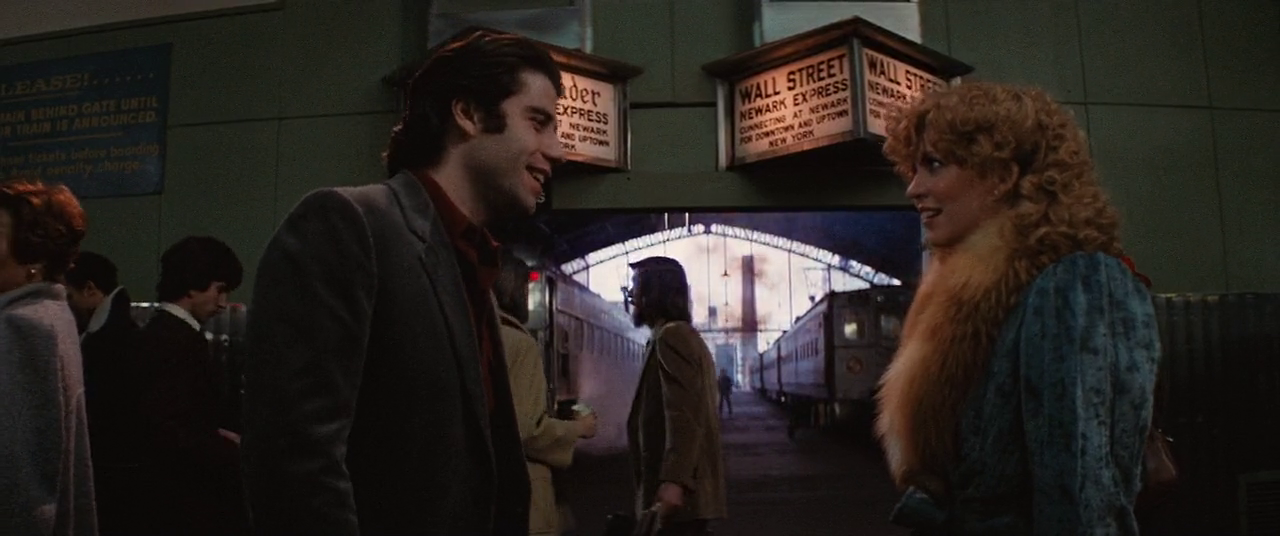 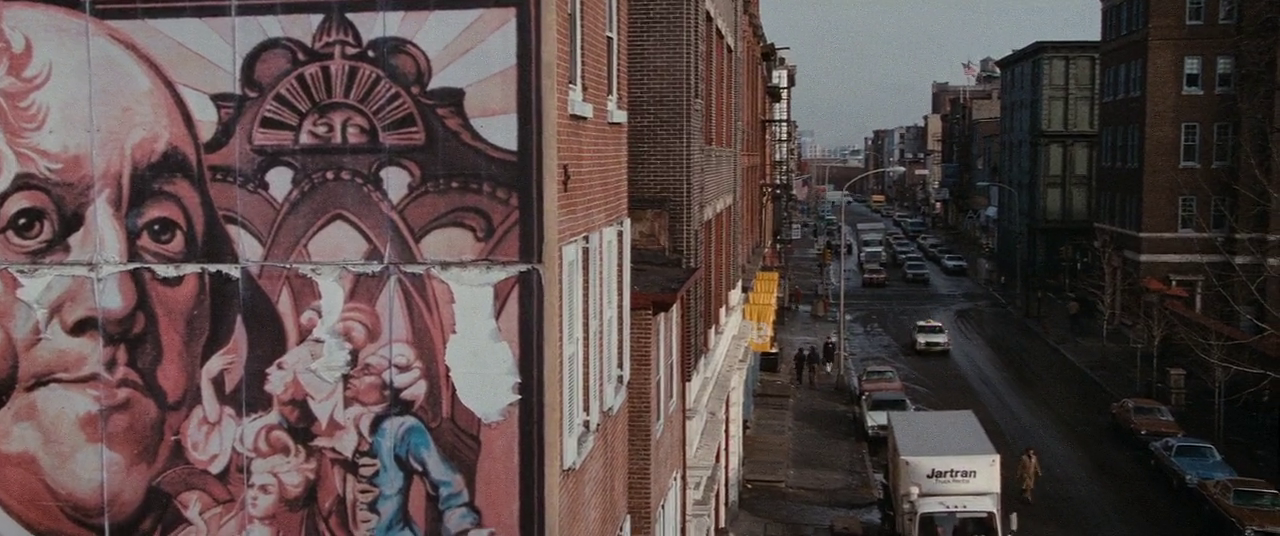 Must See? Links: |
“They took my son away from me. They needed him — so they just took him.”
|
Synopsis: |
|
Genres, Themes, Actors, and Directors:
Response to Peary’s Review:
— the direction is terrible.” He argues that De Palma “uses slow motion too often, and has a tendency to circle his camera around tables where characters have conversations, calling attention to rather than disguising the banality of the chatter”:
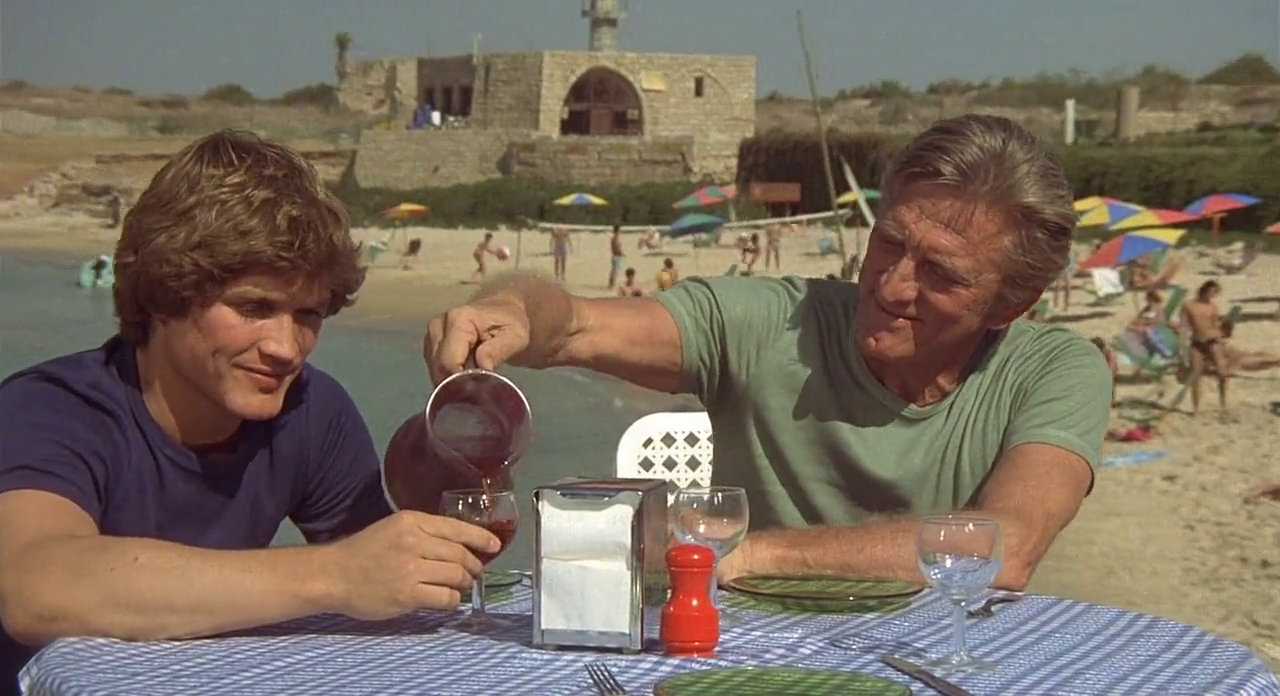
— but “of course, the most objectionable thing about this film is the extreme violence (with emphasis on blood spattering in all directions).” While I’m in agreement with Peary that this film is a disappointment on just about every count — it can’t begin to compare with De Palma’s previous film about another girl with telekinetic powers — it seems to me that fans of this type of fare may not be so disturbed by the violence and bloodshed. I’m most distressed by how much obvious care went into production values and special effects for a film that simply doesn’t lead anywhere interesting. The opening sequence on an Israeli beach is action-packed but insufficiently explained:
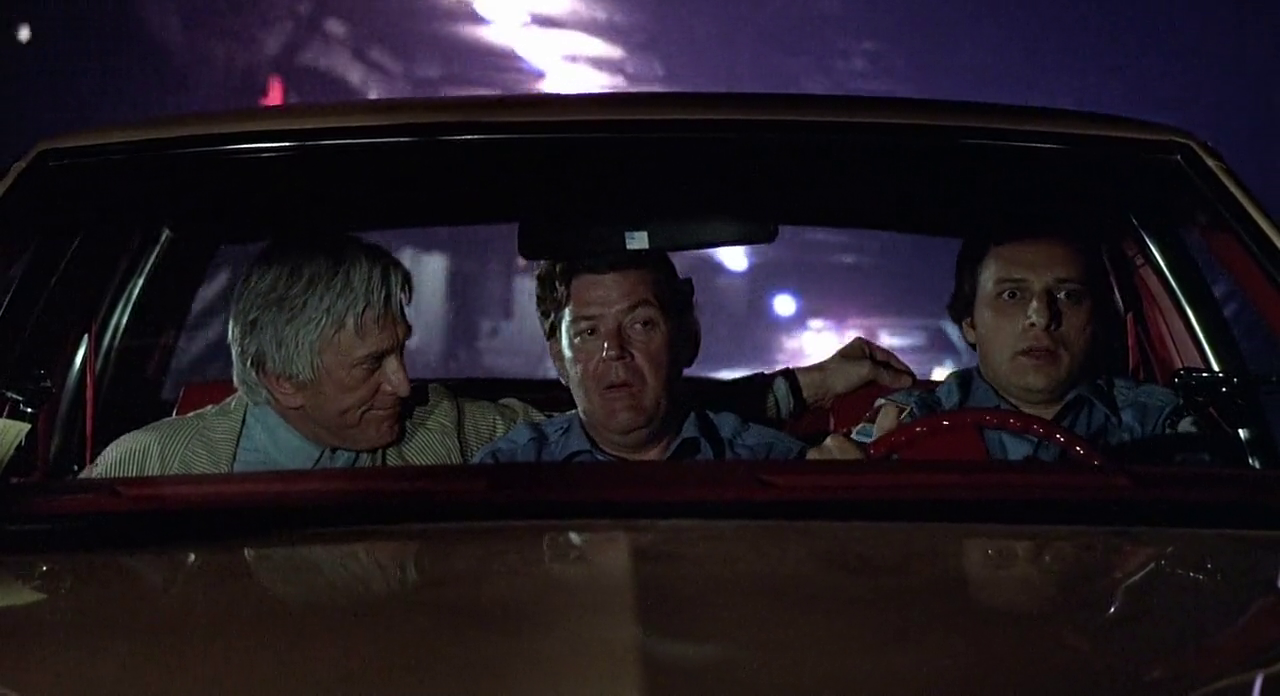
… simply positing numerous faceless “Arabs” as rampantly murderous killers. Next, 61-year-old Douglas — cast simply to bring a big name to the flick — gets to show off his strength and agility in a series of cat-and-mouse scenes (including a harrowing car chase):
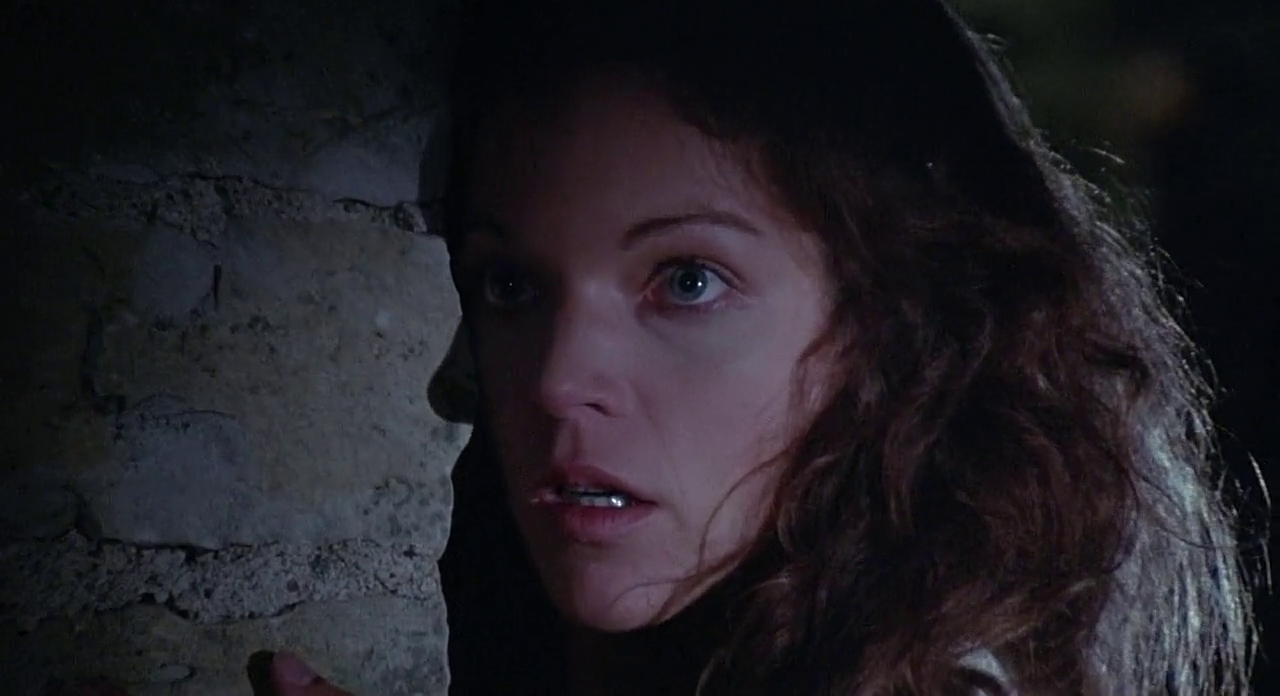
… that are simply silly and don’t add anything to the storyline. Irving is sympathetic and tries her best in a role that lets her down:
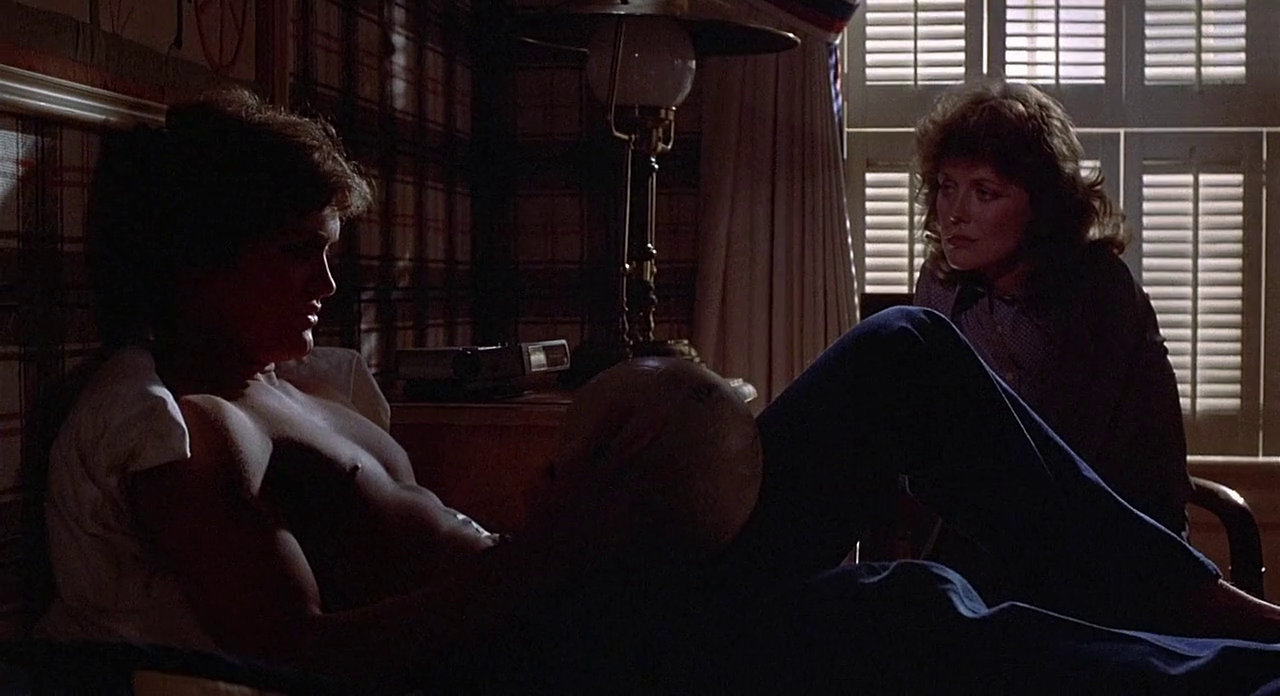
… but Stevens is an utterly unlikable “protagonist” who we don’t especially feel driven to see rescued from his plight. Snodgress and Lewis’s roles as supportive sex partners (Snodgress to Douglas, Lewis to Stevens):
… are poorly written, and several other supporting characters simply disappear at a certain point. Definitely feel free to skip this one. Redeeming Qualities and Moments:
Must See? Links: |
“I’ve always been really sorry about it.”
|
Synopsis: |
|
Genres, Themes, Actors, and Directors:
Review: Redeeming Qualities and Moments:
Must See? Links: |
“Some places are like people: some shine, and some don’t.”
|
Synopsis: |
|
Genres, Themes, Actors, and Directors:
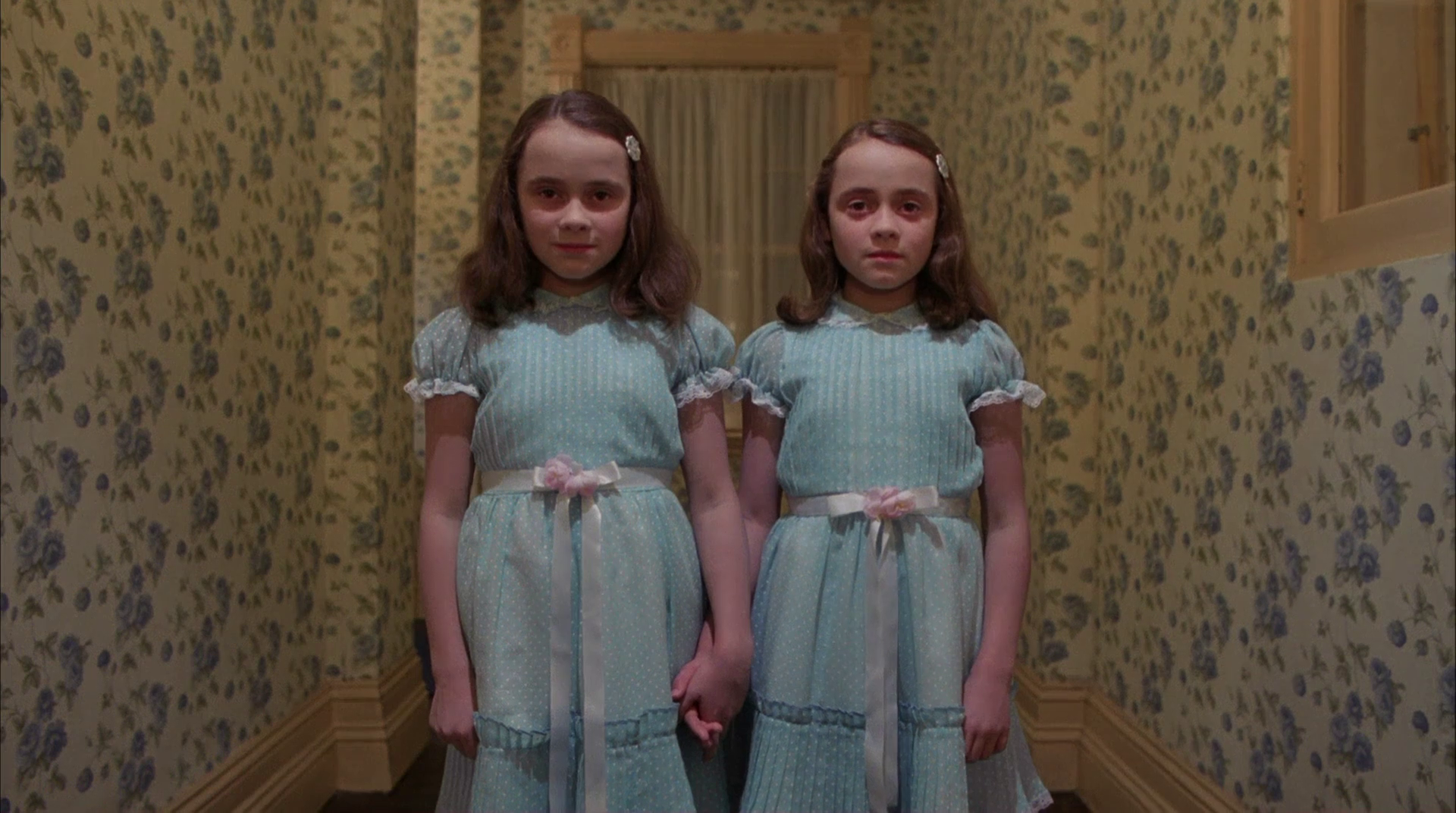
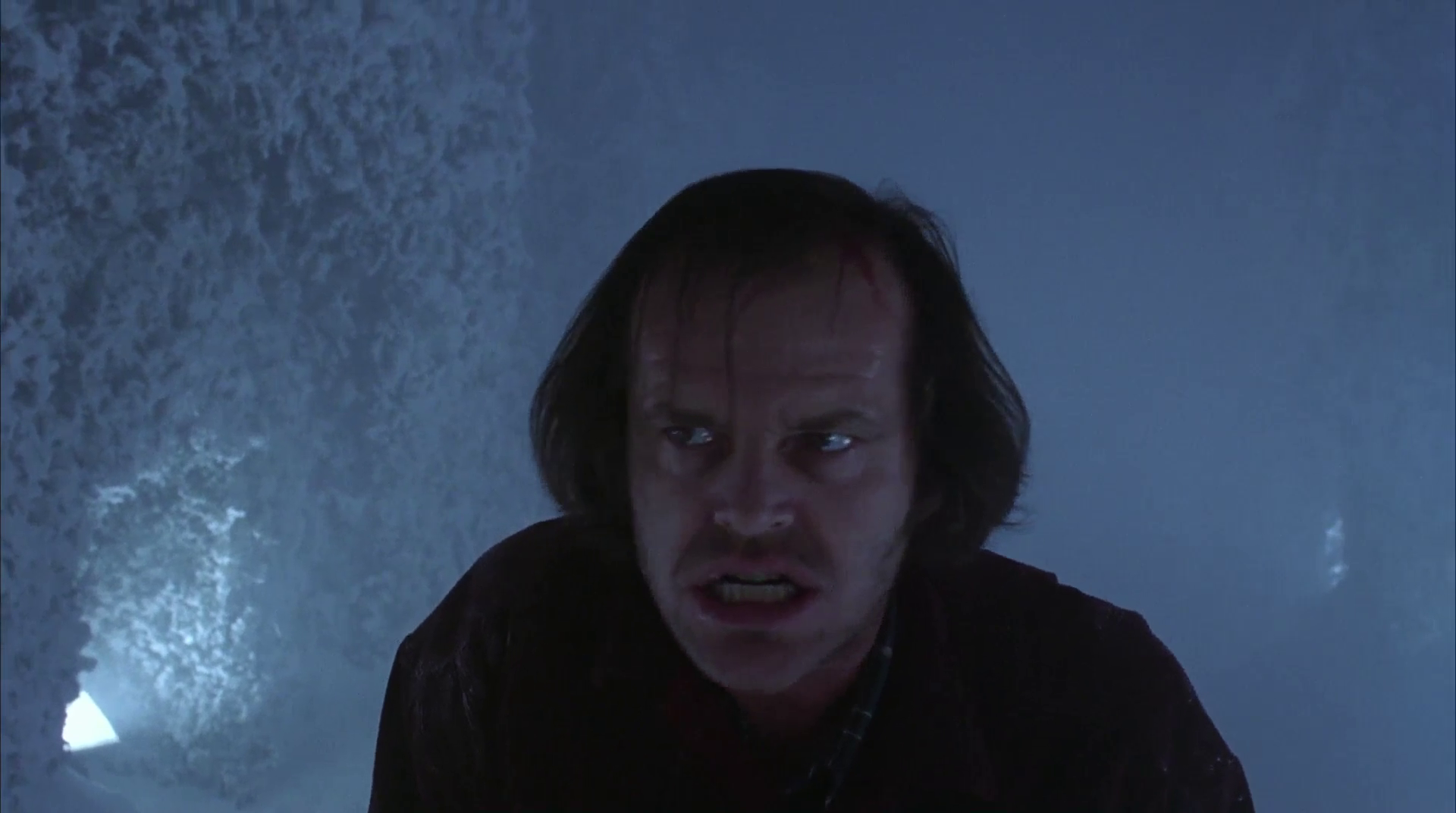
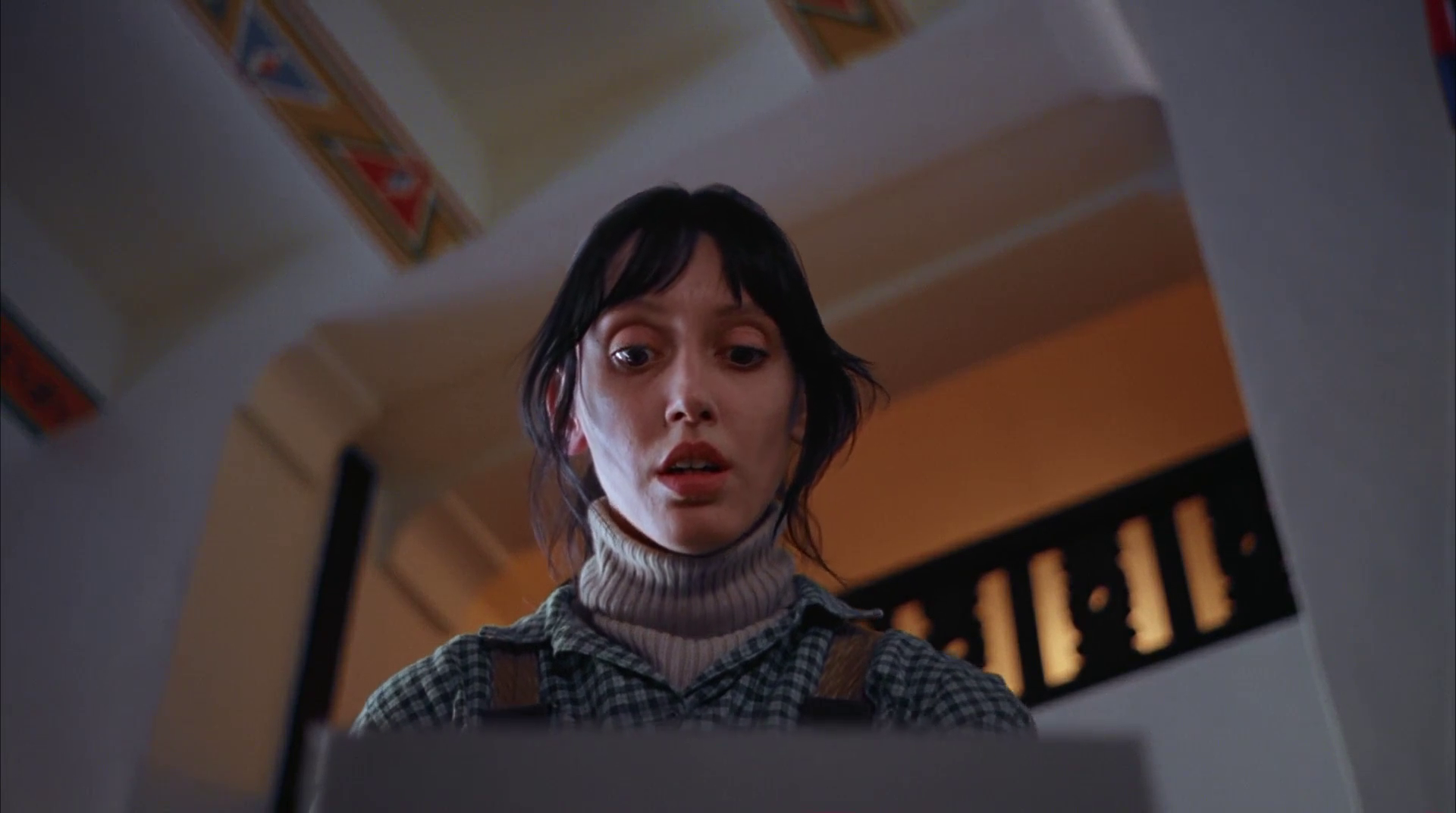
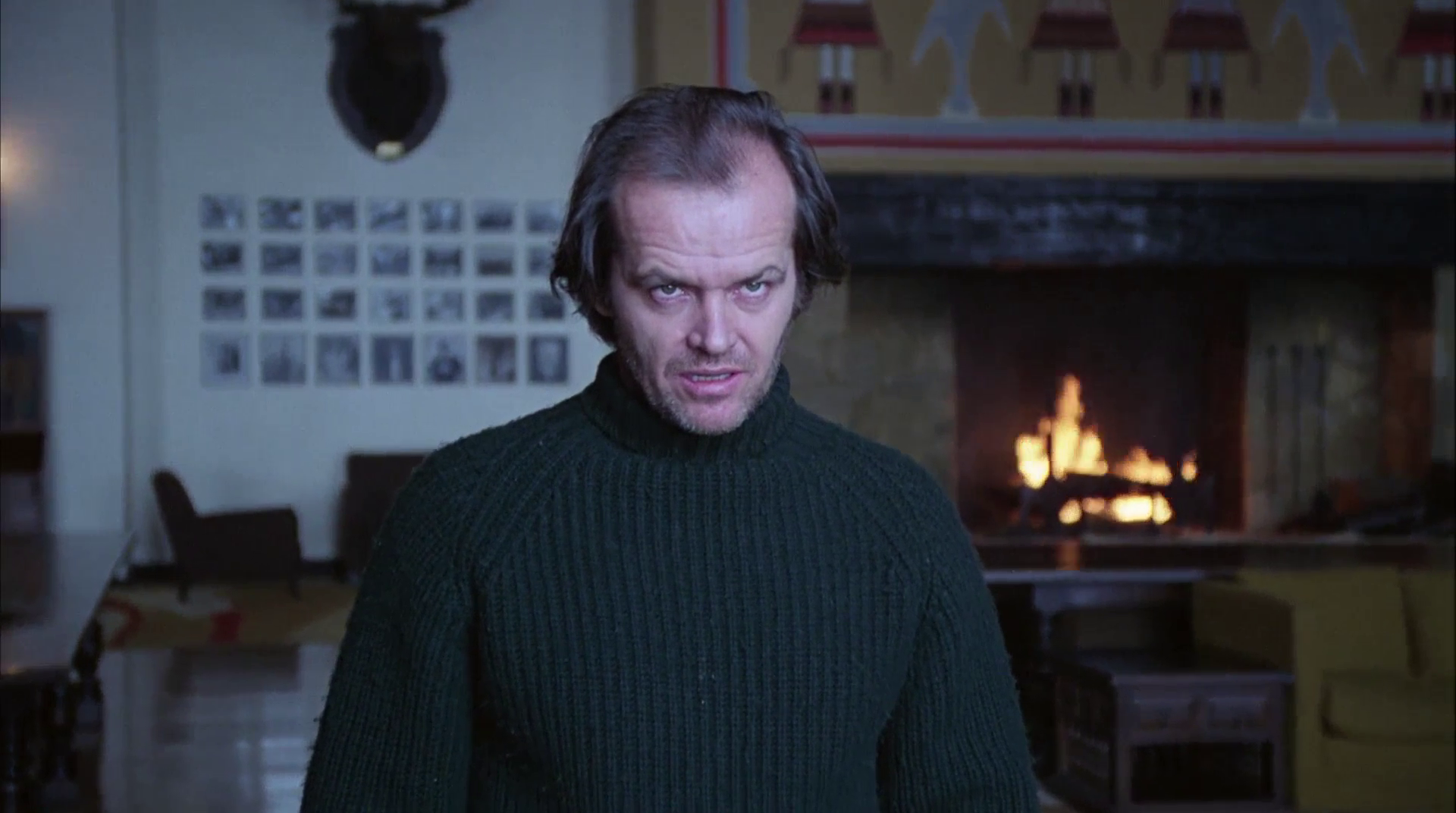
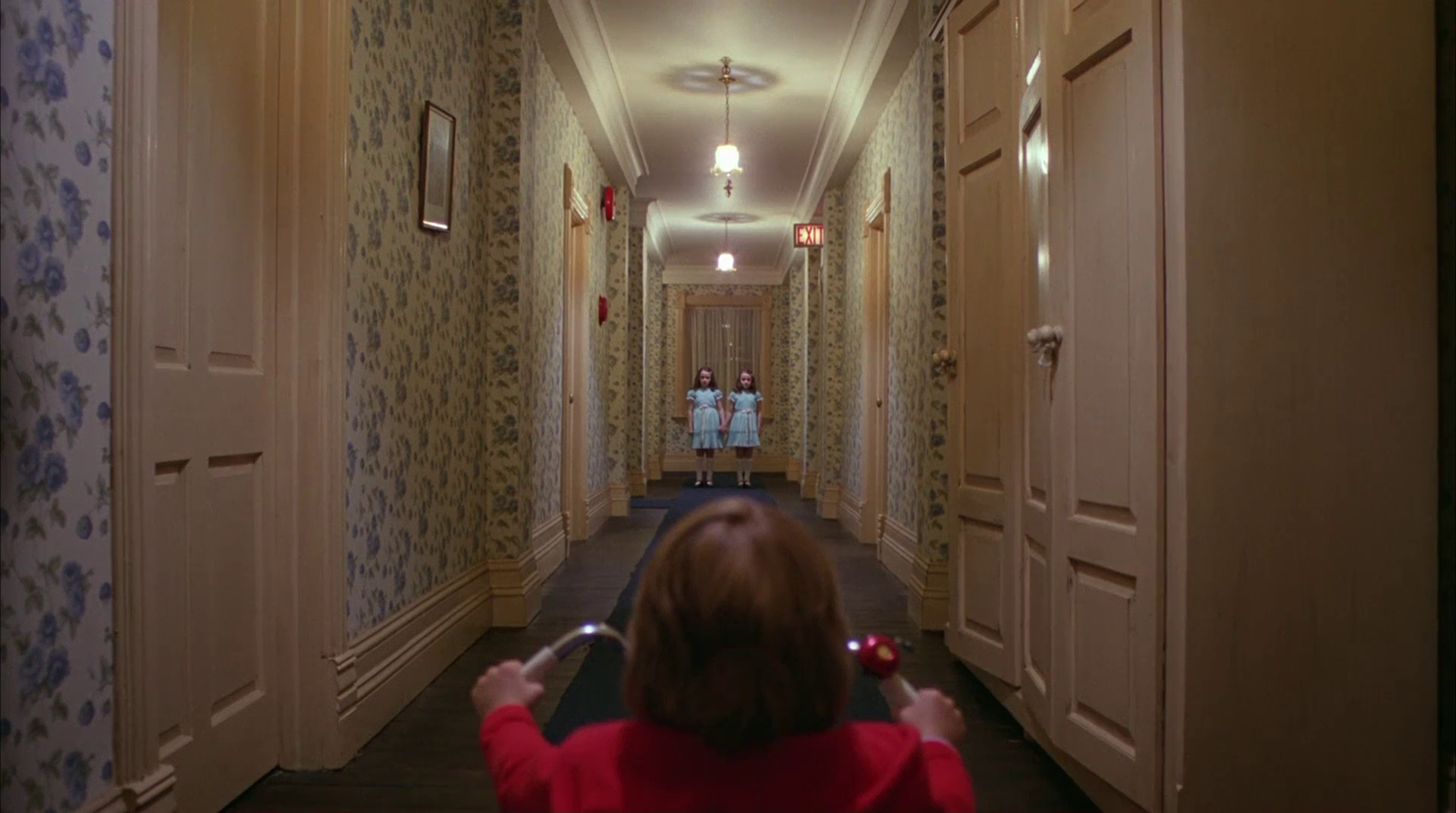
Response to Peary’s Review: Peary argues that “for us to fully grasp Danny’s primal fear that his father will turn on him and his mother, it’s important that the father begin the story as a sympathetic, loving father and husband” — though I’m not sure I agree with this assessment. Much to King’s stated chagrin, Kubrick most definitely made this story his own — but within the logic of Kubrick’s interpretation, it makes sense that Lloyd’s fear of his father (who abused him sufficiently to prompt him to stop attending school) would simply intensify upon moving to an isolated house away from the rest of humanity. Peary posits that “Nicholson’s crazed performance begins to wear on one’s nerves, no matter how remarkable it is at times” (I would agree), and that “by [the] picture’s end, one realizes that Duvall has outacted him” (well, she certainly gives a powerhouse performance — perhaps the best of her career!). Peary concedes that “there are scary things in the movie — the appearance of the dead twins:
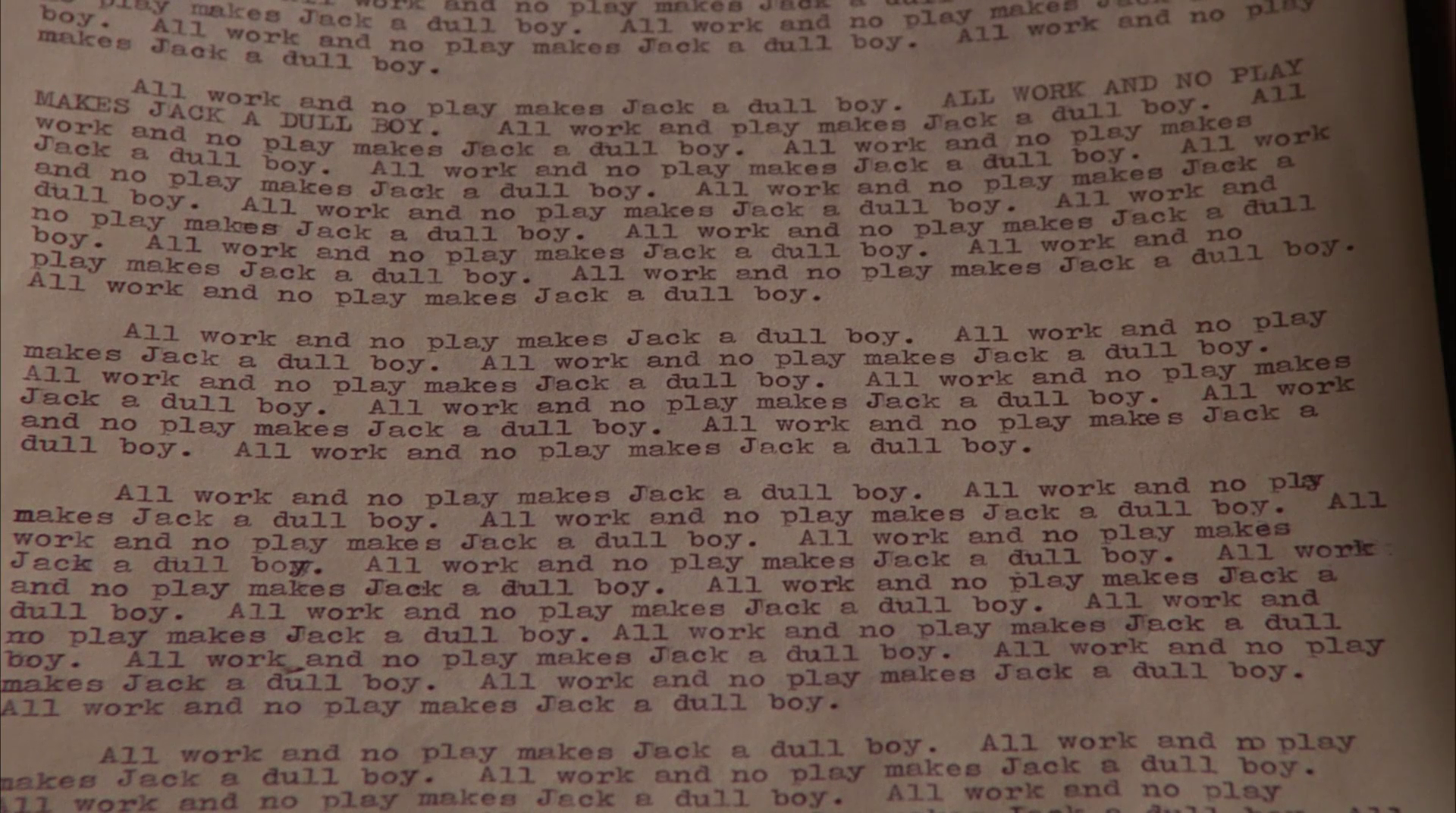
… Duvall reading her husband’s lengthy manuscript and discovering that it’s proof positive he is insane:
… Nicholson chasing his son through the outdoor maze with an axe”:
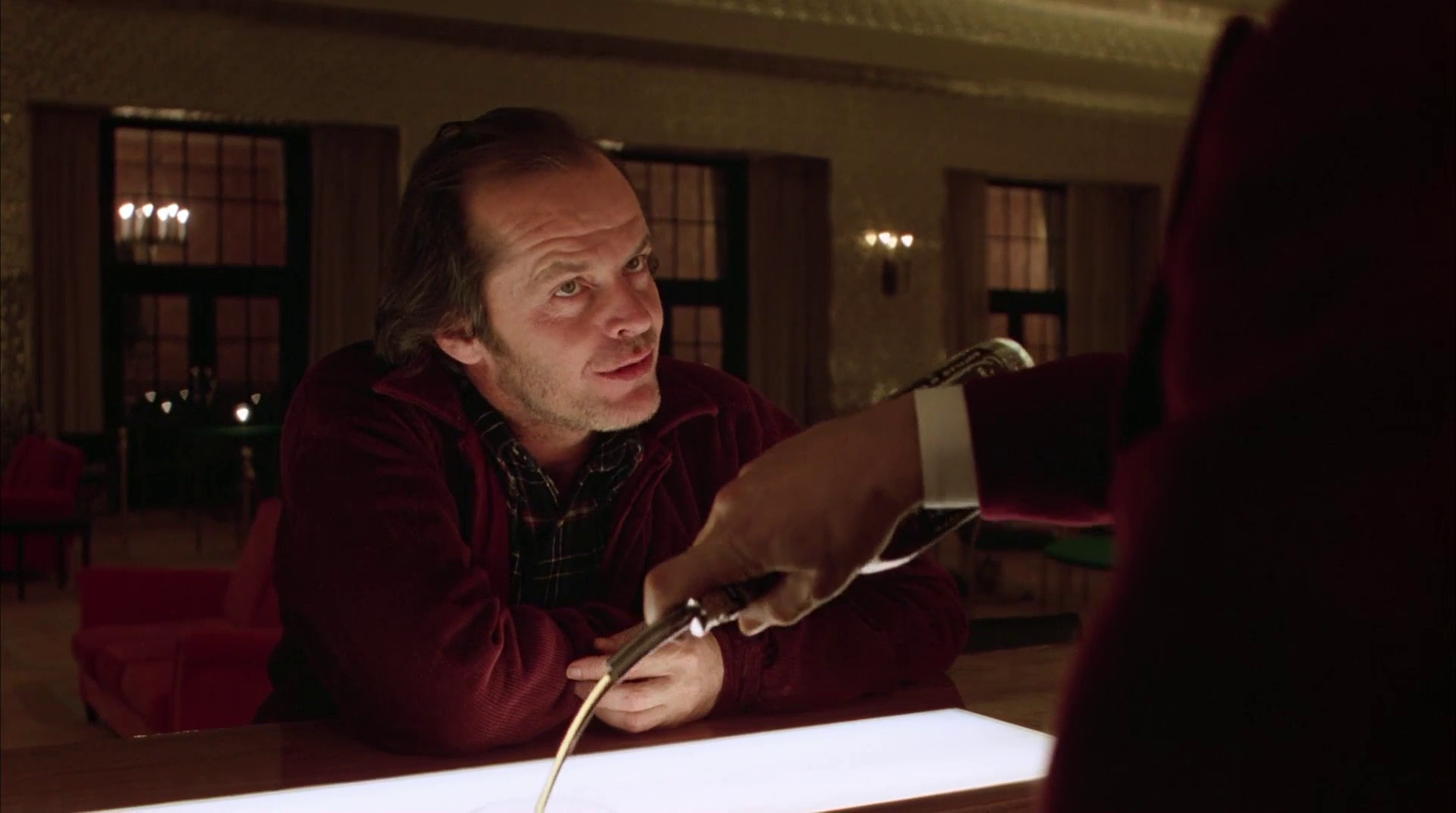
— and he writes that “for a while it is both powerful and creepy”. But he believes that “the moment Nicolson talks with the ghost bartender, the picture loses its grip,” and “from then on everything comes across as absurd.”
Peary also hates the famous final shot, arguing that it’s “a terrible choice” and illustrates that “neither Kubrick nor his co-writer, Diane Johnson, was familiar enough with horror films to know what were the cliches of the genre.” In the film’s favor, Peary notes that “as do all Kubrick pictures, this one (in which he employed a Steadicam) looks great — better, in fact, than all other horror films”, and that Kubrick’s “familiar mannered, intentionally rapid dialogue (in which everyone uses the other person’s first name repeatedly) does create tension.” Given what a tremendous fan base this film has — an entire documentary, Room 237 (2012), is devoted simply to various potential explanations of underlying themes — it’s impossible to deny its importance in cinematic history. Like Peary, I appreciate much of the craftsmanship on display in The Shining — and unlike Peary, I’m not upset about the numerous significant shifts from King’s novel (which I haven’t read); I believe viewers should watch this film as part of Stanley Kubrick’s oeuvre, rather than as a “King adaptation”. However, I’ll admit to not being a huge personal fan of the film, simply because the pacing seems off (it takes more than half an hour for the family to finally be left alone in the hotel), and Nicholson’s psychopathic character is so utterly unlikable and obnoxious from start to finish that he’s challenging to watch for so long. I do recommend that all film fanatics give Room 237 a look, simply to take a deeper dive into what might possibly be going on in Kubrick’s meticulously planned storyline (is the shift in typewriter color an accident of continuity, or intentional? what is the significance of Danny’s Apollo USA sweater?). Agree or disagree with the views espoused, you’ll surely begin to understand the depth to which many people obsess over this movie. Redeeming Qualities and Moments:
Must See? Categories
(Listed in 1001 Movies You Must See Before You Die) Links: |
“There’s nothing sadder than the tender-hearted grief of a monster.”
|
Synopsis: |
|
Genres, Themes, Actors, and Directors:
Review:
Redeeming Qualities and Moments:
Must See? Links: |
“There are mysterious parts in that book — but the only true mystery is that our very lives are governed by dead people.”
|
Synopsis: |
|
Genres, Themes, Actors, and Directors:
Review:
Redeeming Qualities and Moments:
Must See? Links: |
“It’s perfectly normal for insects to be slightly telepathic.”
|
Synopsis: |
|
Genres, Themes, Actors, and Directors:
Response to Peary’s Review:
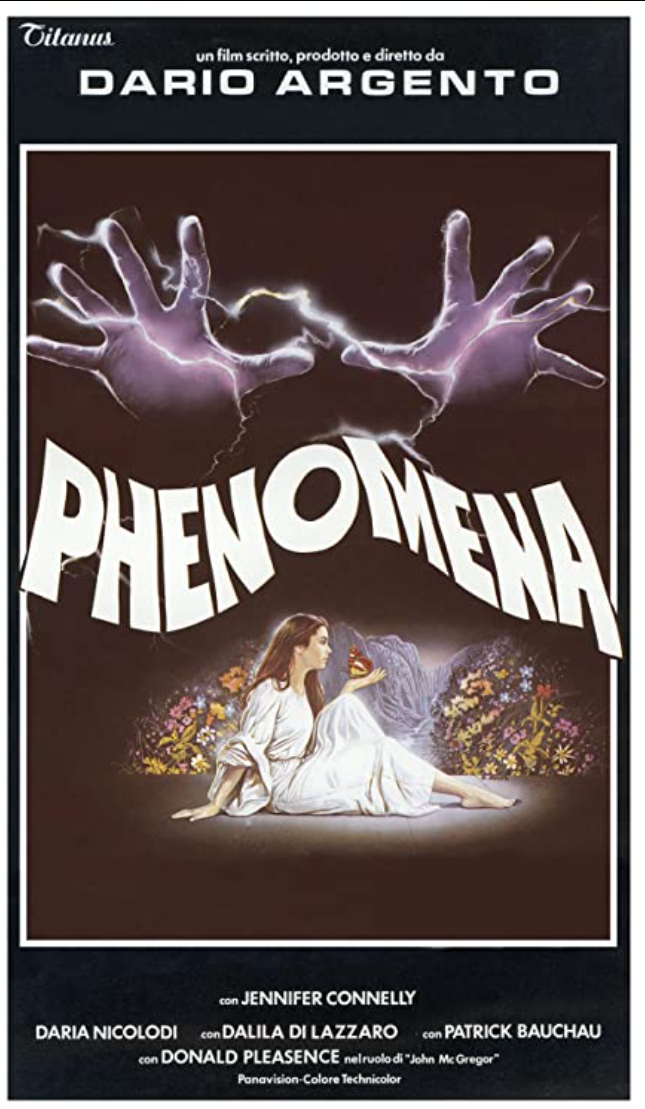
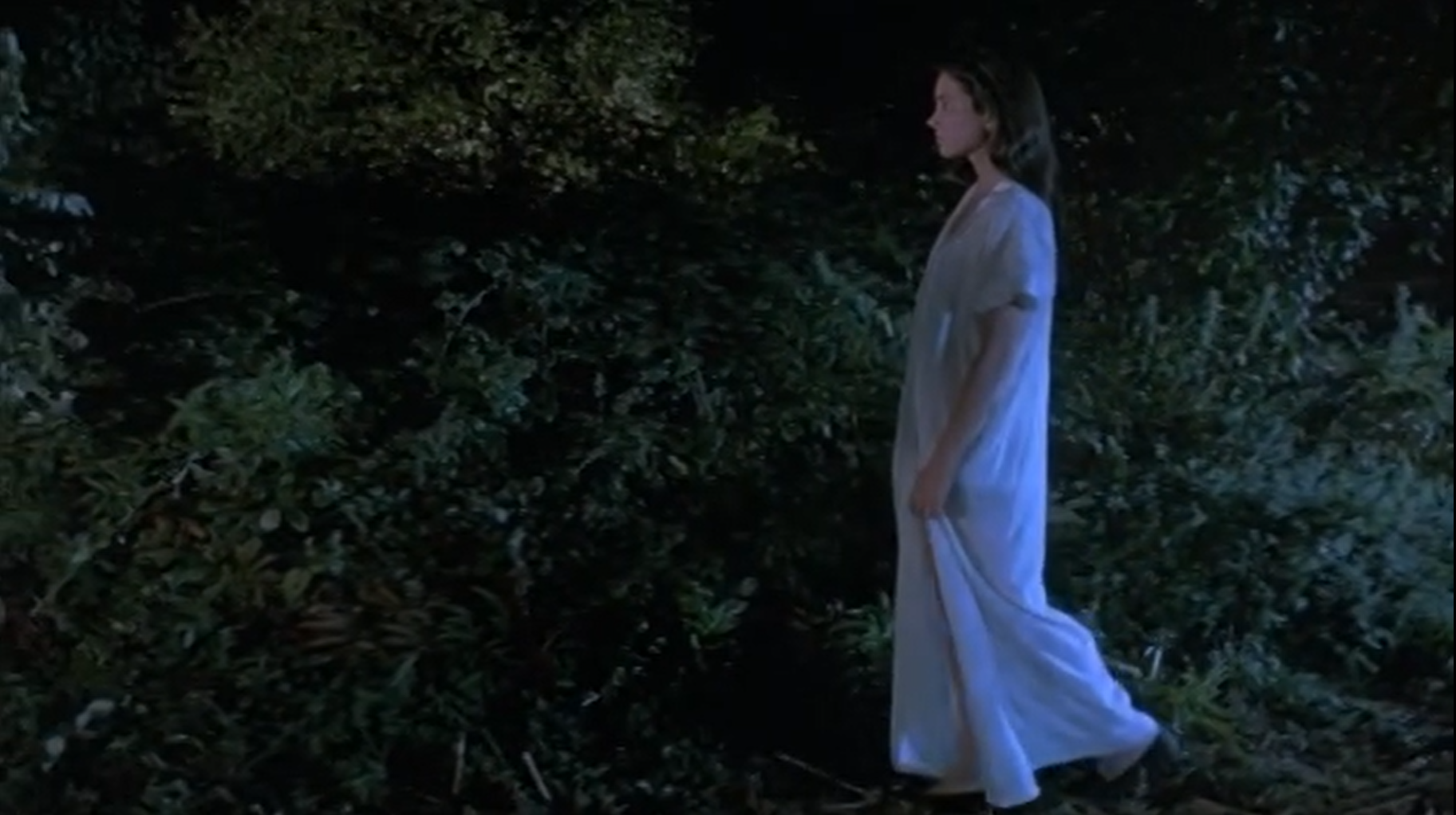
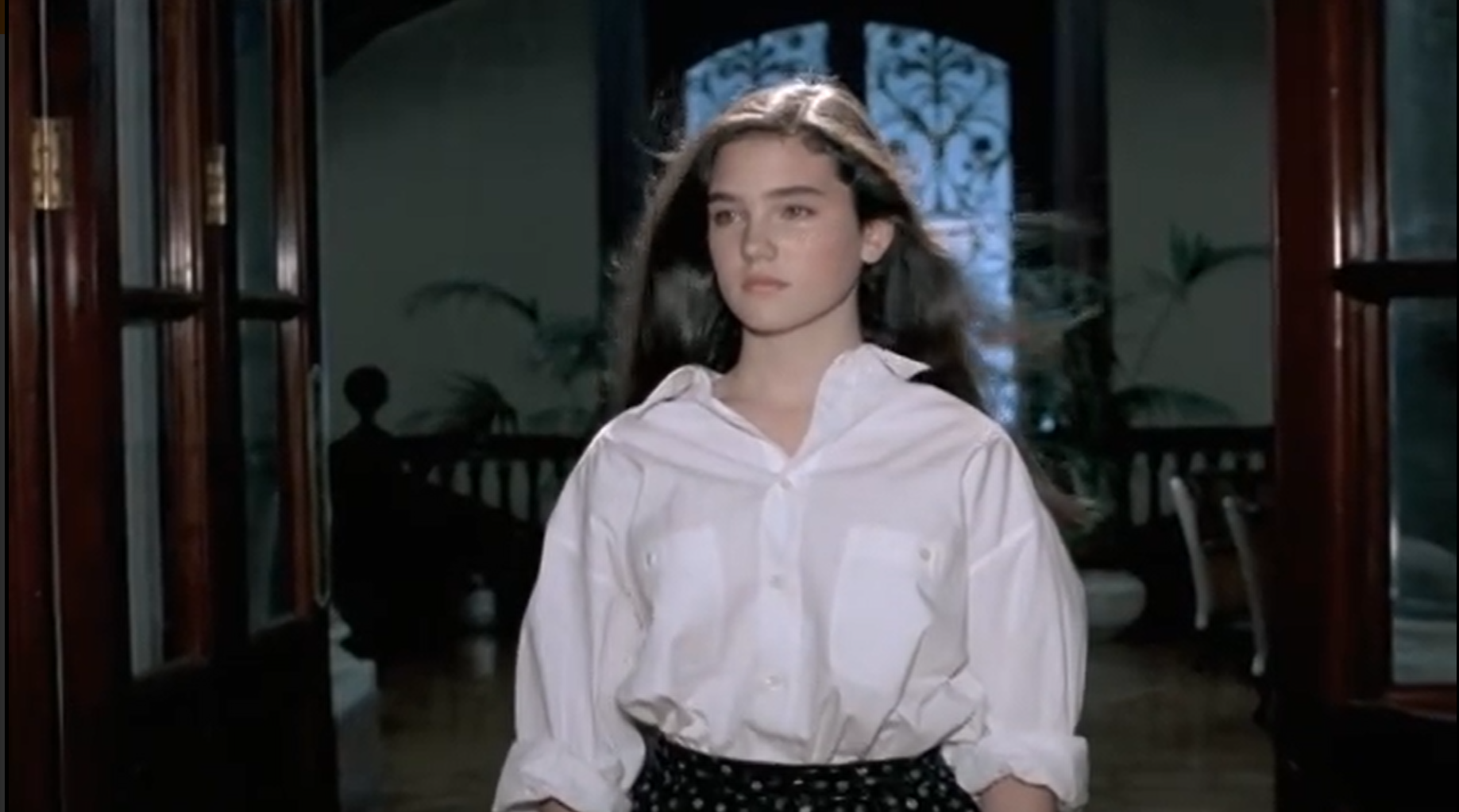
… and even her control over insects smack[ing] of writer’s ‘convenience’; in fact, the insect premise has such little effect on what happens that they could easily be eliminated without serious damage being done to the film.” Indeed, everything about the screenplay is awkwardly handled, clumsily plotted, occasionally illogical, and woodenly acted. To that end, Peary points out that Pleasence’s chimp “gives the film’s most impressive performance” (!). While 15-year-old Connelly is undeniably stunning:
… she’s given terribly lame dialogue and situations to play out. Feel free to skip this one. To watch a humorous overview by a fan of this film (who generously points out its many laughably bad moments: “It’s time for another Donald Pleasence monologue…”), click here. Note: For this review, I’ve used the American-release title of the film as referenced in Guide For the Film Fanatic, which had 20+ minutes removed. This is likely the version Peary saw, though I watched the 116 minute version known as Phenomena. Redeeming Qualities and Moments:
Must See? Links: |
“Why not breed a parasite that can do something useful?”
|
Synopsis: |
|
Genres, Themes, Actors, and Directors:
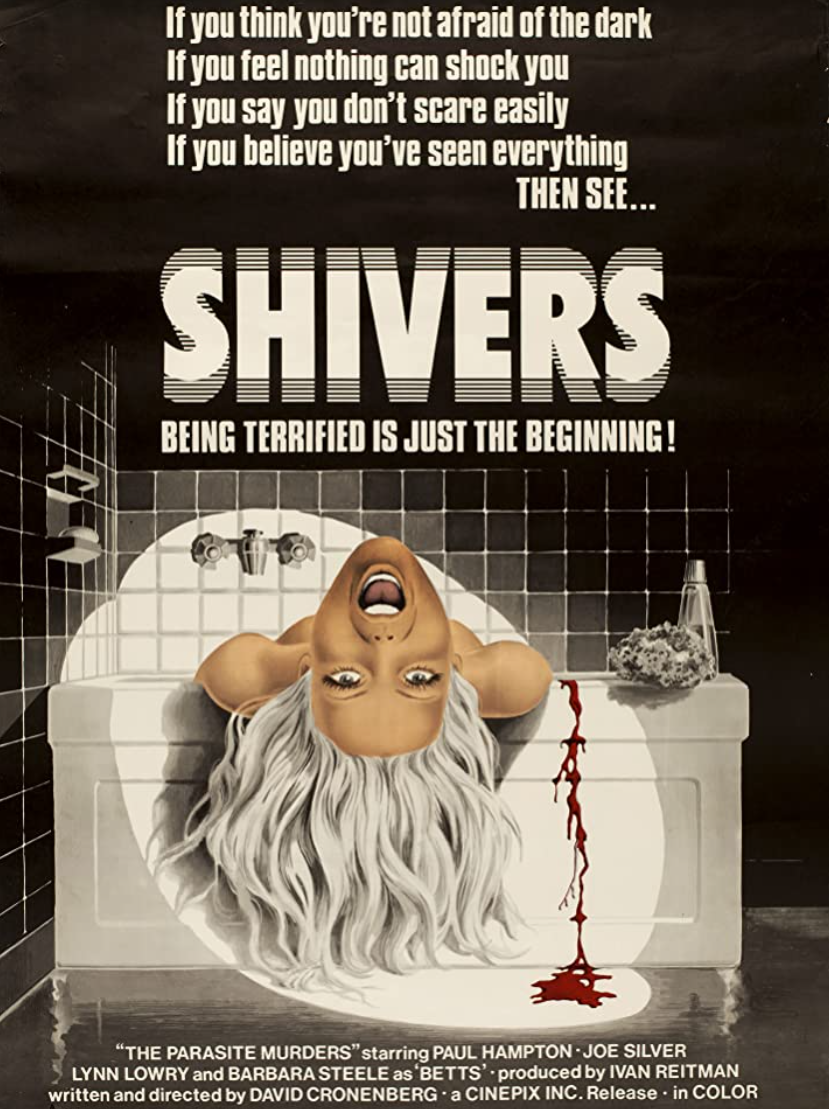
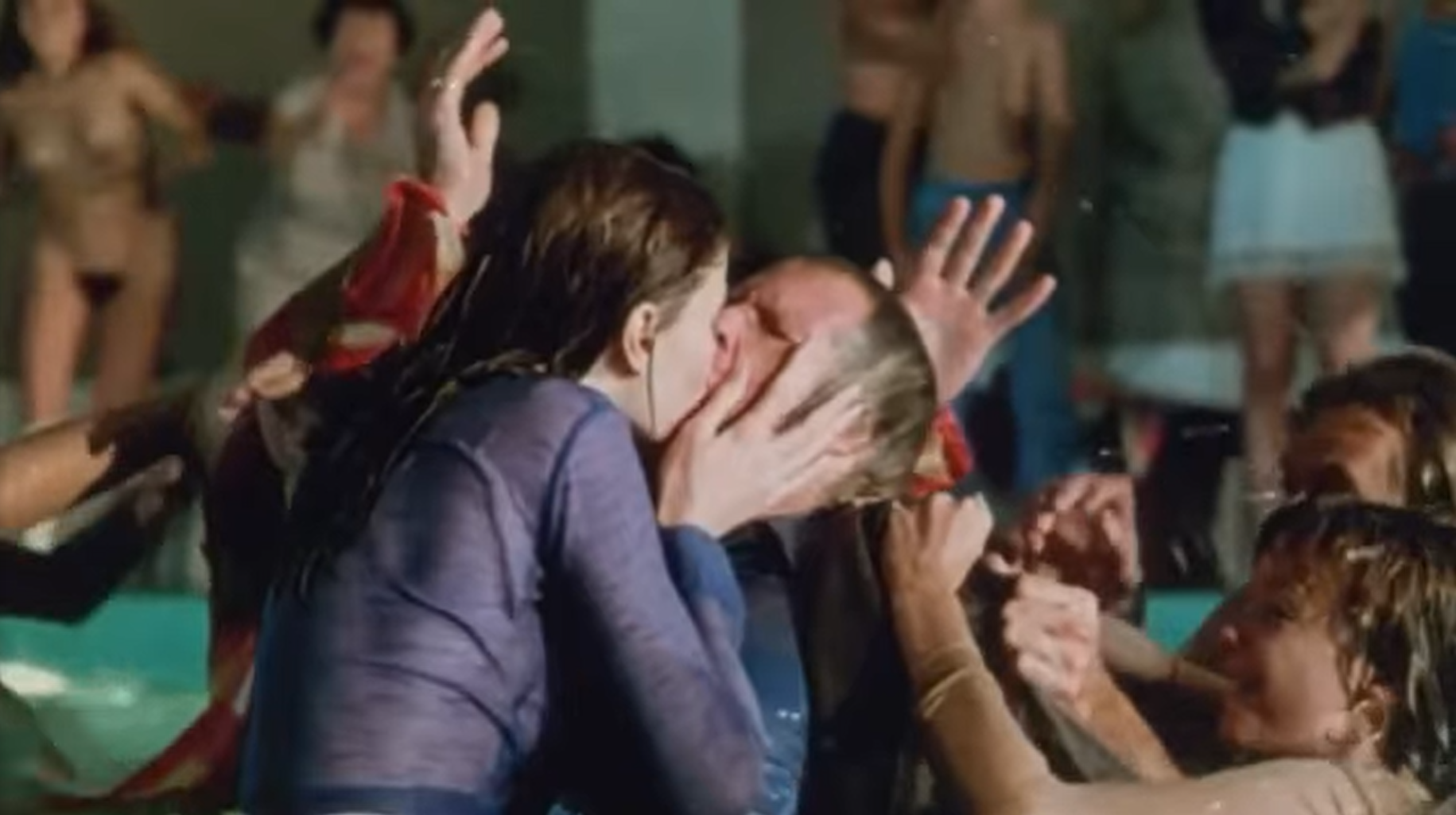
Response to Peary’s Review: Peary writes that while this “exploitation picture is too violent and crude”, the “special effects (i.e., creatures moving beneath the skin) by Joe Blasco anticipated those that would appear in future big-budget SF and horror films” — like Alien (1979). Because the sub-genre of “sci fi body horror” films isn’t a personal favorite, it’s hard for me to comment on whether Cronenberg’s film goes off the rails or simply continues along its own perversely logical trajectory; I can say that things certainly build to a tense fever pitch by the end, leading to a sense of claustrophobia and despair.
As Richard Scheib of Moria writes, “Shivers is Night of the Living Dead construed as a satire on the 1970s swinger lifestyle” — a very apt analogy indeed. Redeeming Qualities and Moments:
Must See? Links: |