Has Anybody Seen My Gal? (1952)

Has Anybody Seen My Gal? (1952)

“At least when you’ve got money, you can afford to buy your own kind of misery.”

Synopsis:
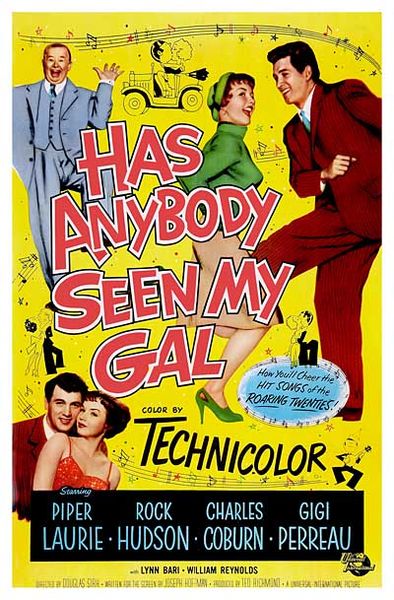
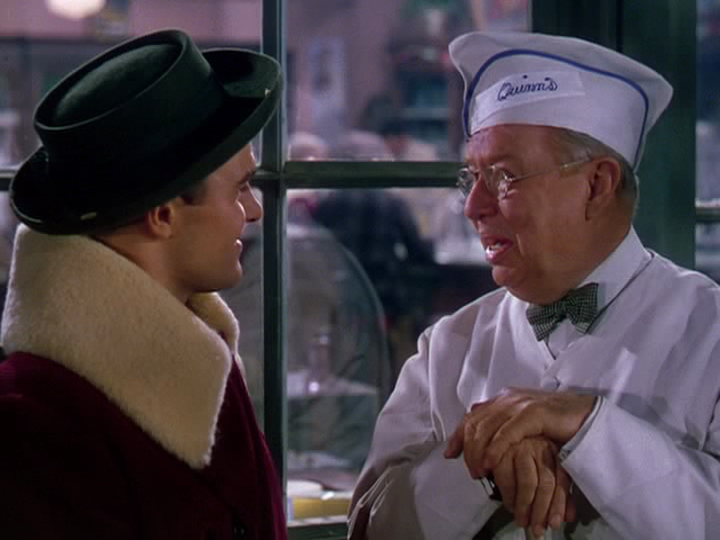
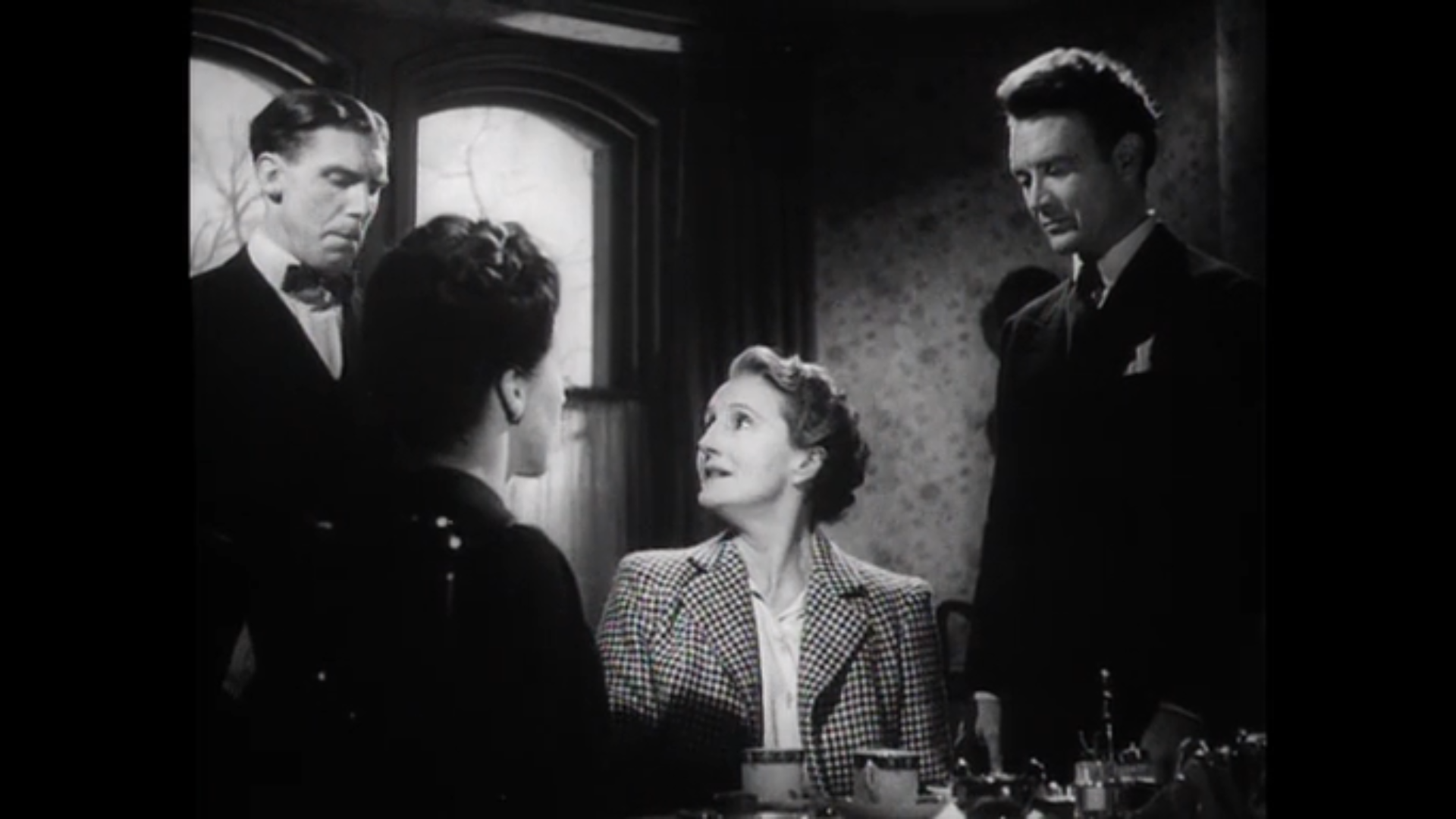
An eccentric millionaire (Charles Coburn) decides to secretly live with the descendants of a woman who once turned down his proposal of marriage, to determine whether they’re worthy of becoming his heirs. He quickly grows to like the Blaisdell family — including beautiful Millicent (Piper Laurie), her young sister Roberta (Gigi Perreau), her brother Howard (William Reynolds), her parents (Lynn Bari and Larry Gates), and her boyfriend (Rock Hudson) — but when he anonymously gifts the Blaisdells with $100,000, he learns that money is actually causing them more grief than true joy.

Genres:

  • Charles Coburn Films
  • Douglas Sirk Films
  • Inheritance
  • Millionaires
  • Mistaken or Hidden Identities
  • Musicals
  • Piper Laurie Films
  • Rock Hudson Films
  • Small Town America

Review:
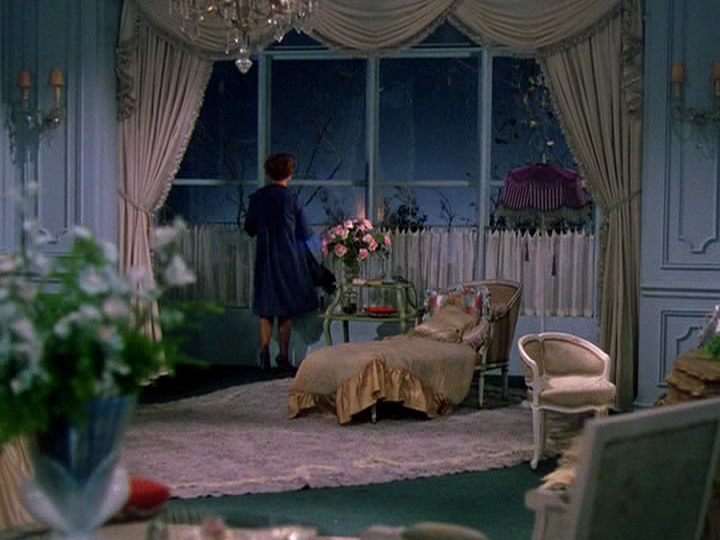
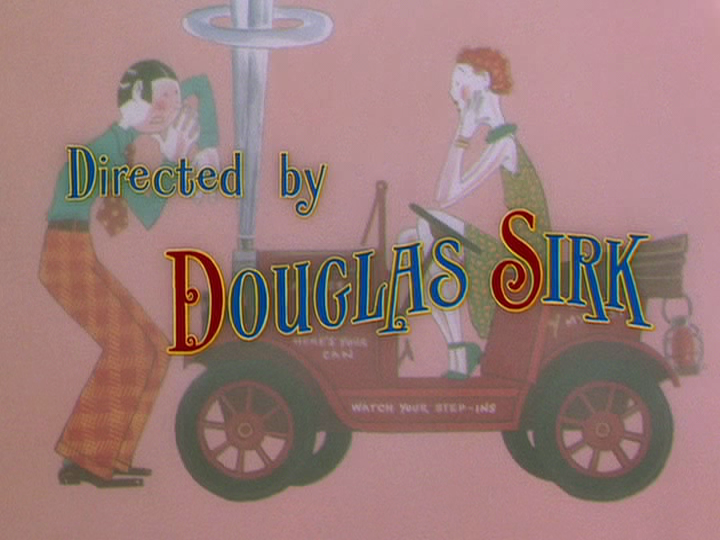
The premise of this frothy ’20s-era “musical” by Douglas Sirk is preposterous — but it’s fun seeing bristly character-actor Coburn in a rare leading role as an avuncular if screwy benefactor, and we can’t help hoping his “Secret Santa” maneuvers will yield positive results. Unfortunately, once Bari’s character shifts into bitchy petulance and snobbery, we get the feeling that Coburn has put all his eggs-of-charity in the wrong basket. One wonders what Sirk’s satirical and narrative aims here are, exactly — especially given that the ultimate moral of the story (money can’t buy love or happiness) isn’t exactly groundbreaking. Sirk’s production values are as colorful as always, and the opening credits are fun — but this one ultimately remains simply a curiosity in Sirk’s oeuvre. For a more potent example of how unexpected wealth can yield surprising challenges, see the fast-paced comedy Brewster’s Millions (1945).

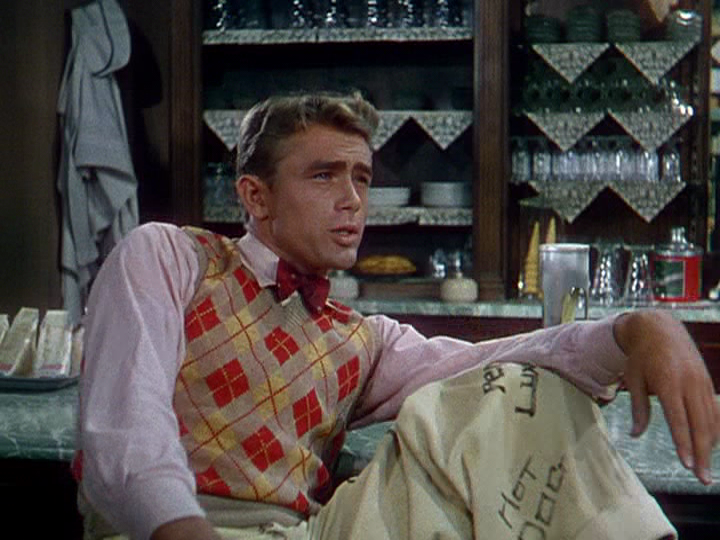
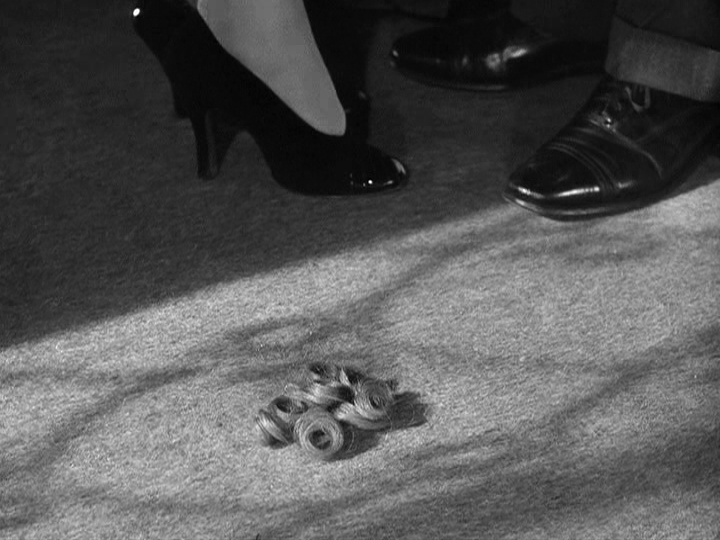
Note: Step away and you’ll miss a brief appearance by James Dean as an (uncredited) “youth at the soda fountain”! (Check out the strange writing on his pants in the still below… I can make out “HOT DOG”.) Does anyone have more info on his presence here?

Redeeming Qualities and Moments:

  • Charles Coburn as “John Smith”
  • Coburn’s fun interactions with Gigi Perreau (as young Roberta)
  • Typically fine “Sirk-ian” production values
  • Fun opening credits

Must See?
No, though it’s worth a look. Listed as a Sleeper in the back of Peary’s book.

Links:

October Man, The (1947)

October Man, The (1947)

“An injured brain isn’t always logical.”

Synopsis:
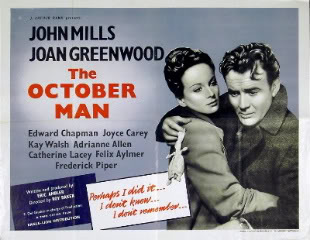
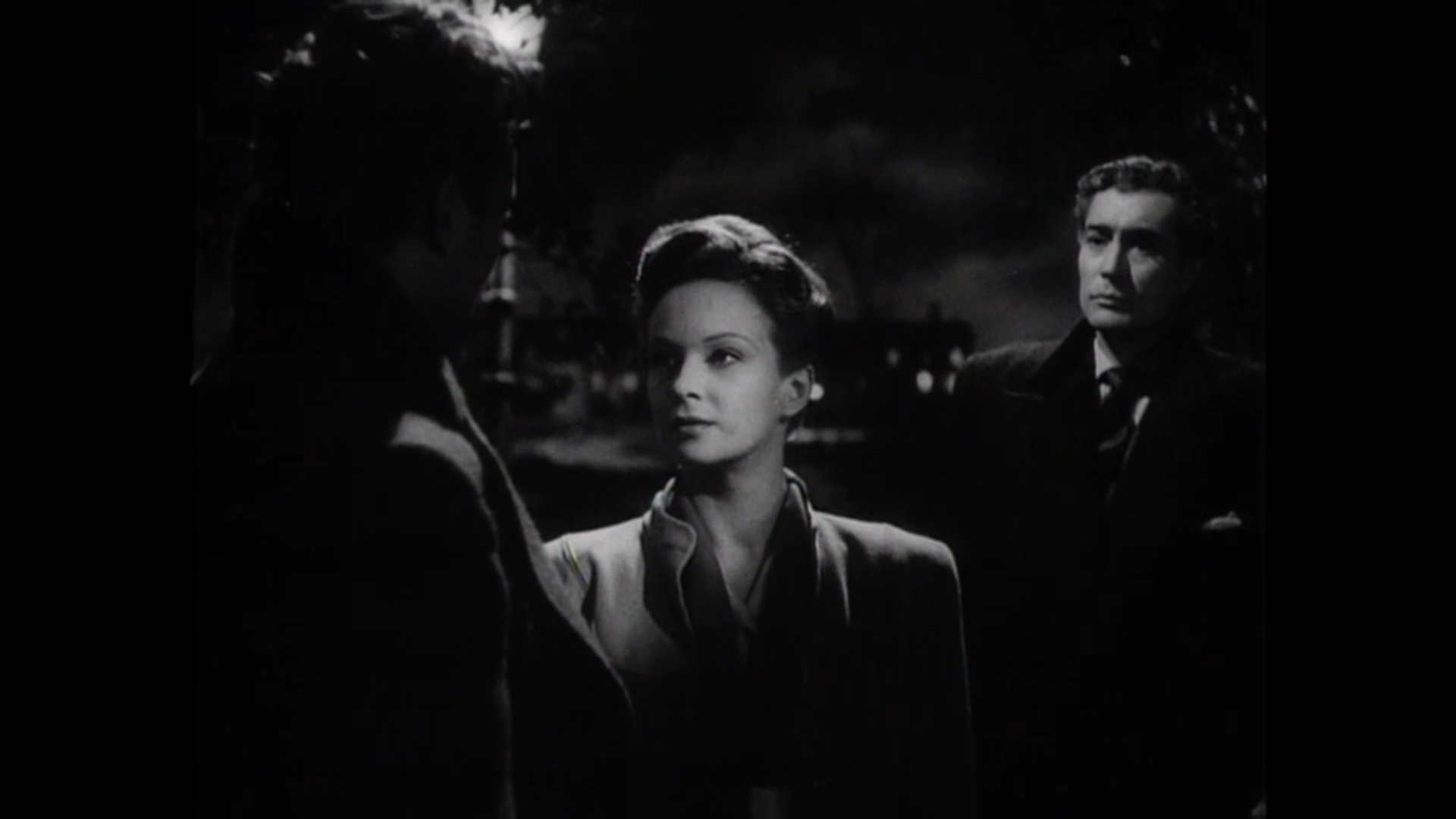
A brain-injured man (John Mills) suffering from PTSD feels renewed hope for the future when he falls in love with a caring, beautiful young woman (Joan Greenwood) — but when he’s falsely accused of murdering a neighbor (Molly Newman), he must struggle to clear his name and convince police about the true identity of the killer.

Genres:

  • Falsely Accused
  • Joan Greenwood Films
  • John Mills Films
  • Roy Ward Baker Films

Review:
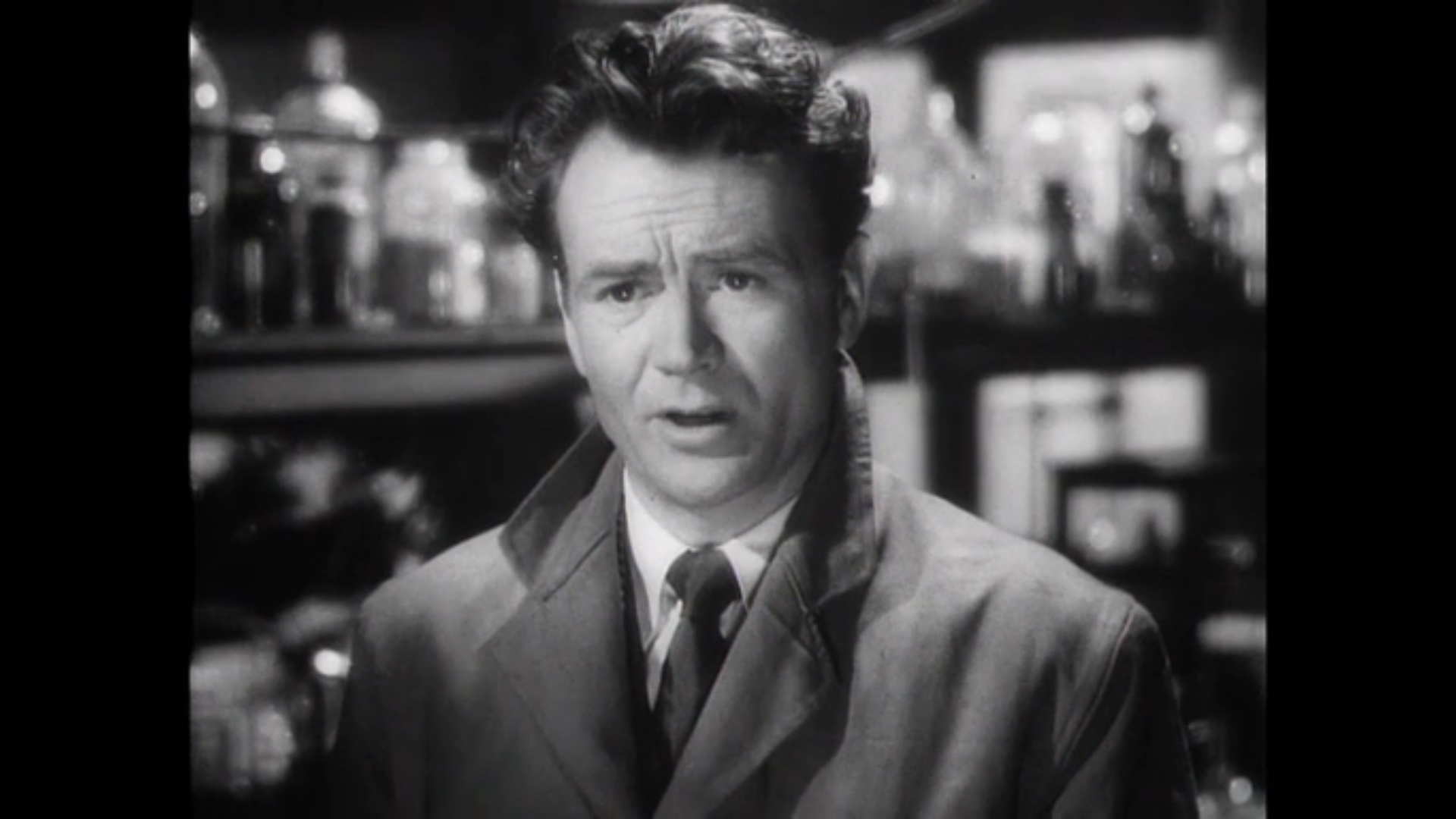
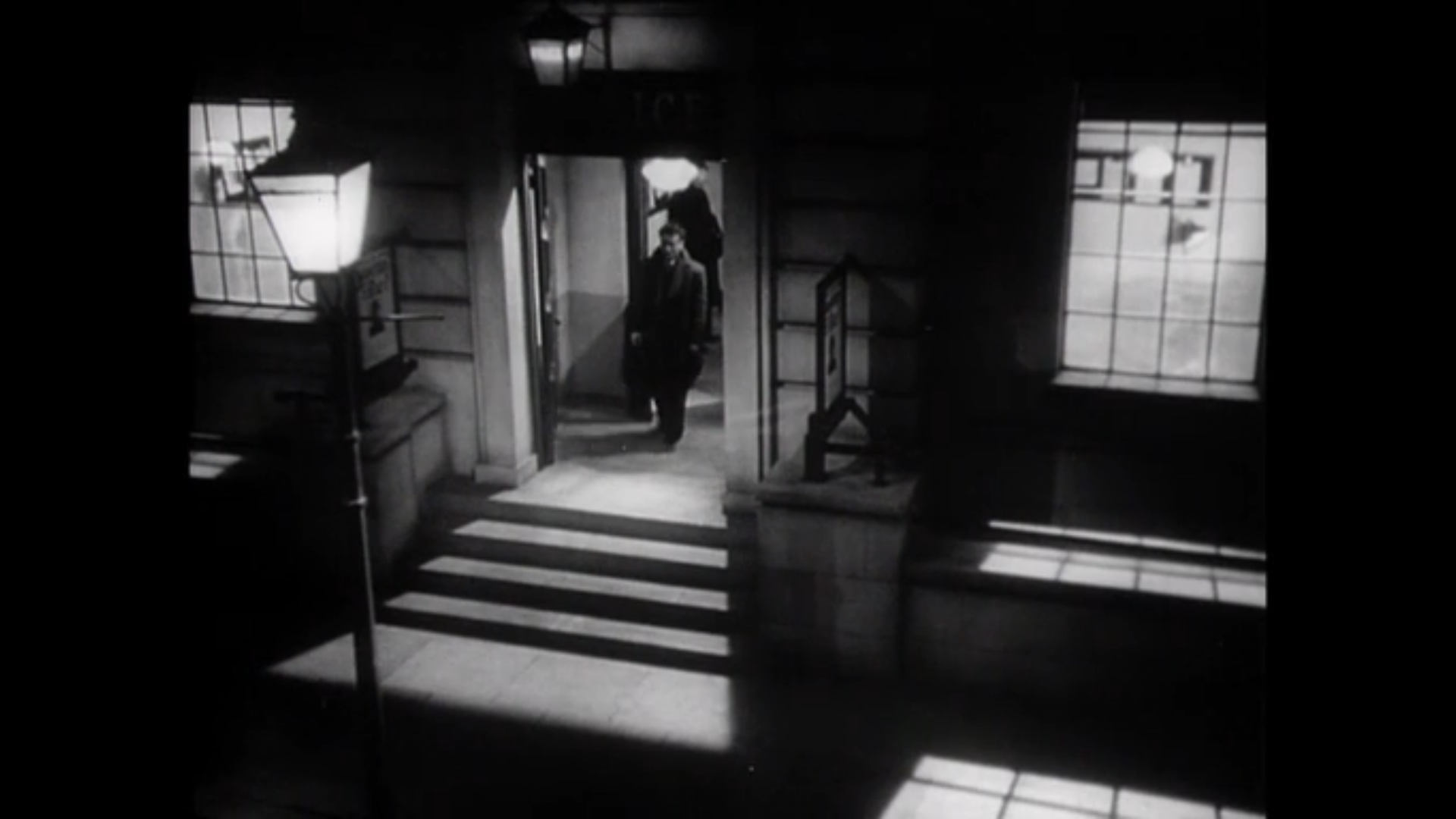
Roy Ward Baker’s directorial debut — based on a novel and screenplay by Eric Ambler, who also produced the film — remains an intriguing if mildly disappointing exploration of the effects of trauma on one’s sanity and well-being. After a taut opening sequence — during which Mills’ “Jim Ackland” witnesses the death of his friend’s young child (Juliet Mills) in a train crash while sustaining a significant brain injury — we experience brief joy on his behalf as he slowly begins to find peace and happiness, then suffer with him as he’s cruelly taken advantage of by both a vicious gossip (Joyce Carey) and a sociopathic boarder (Edward Chapman). The parallels between Jim’s story and those of countless other WWII veterans suffering from PTSD are unmistakable and poignant — so it’s especially frustrating to find that the pacing and tone of the film become far too leisurely for the potentially gripping material. Atmospheric cinematography and fine performances (by Mills and the supporting cast) make it worth a one-time look — but, as noted by Craig Butler in his All Movie Guide review, “There’s so much that’s good about The October Man that it’s a shame it doesn’t end up as a really good film, rather than a merely satisfactory one”.

Redeeming Qualities and Moments:

  • John Mills as Jim Ackland
  • A fine supporting cast
  • Erwin Hillier’s noir-ish cinematography

Must See?
No, though it’s recommended.

Links:

Shot in the Dark, A (1964)

Shot in the Dark, A (1964)

“I suspect everyone!”

Synopsis:
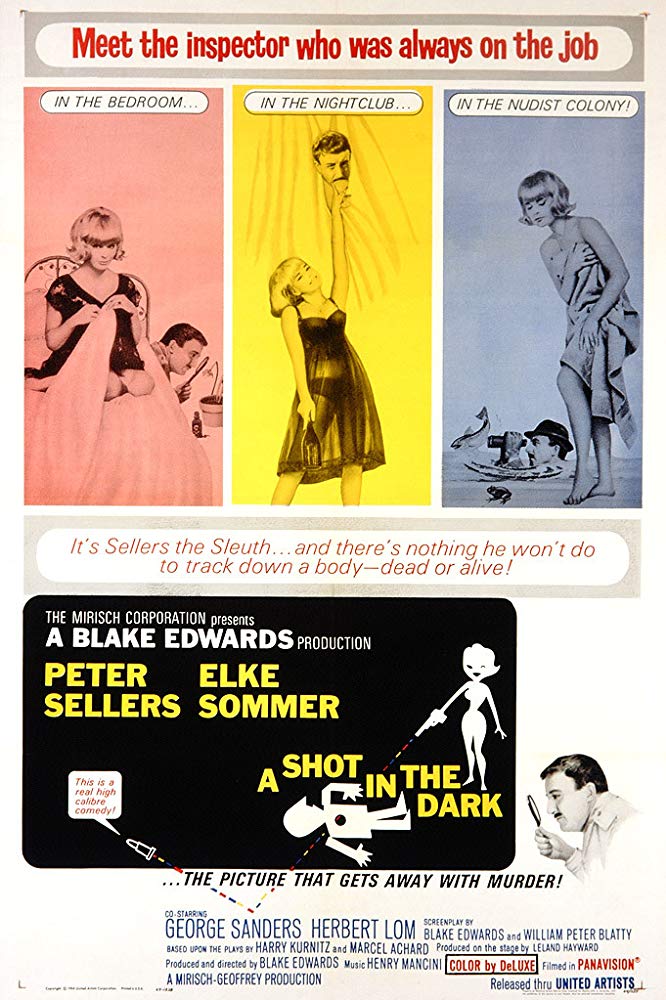
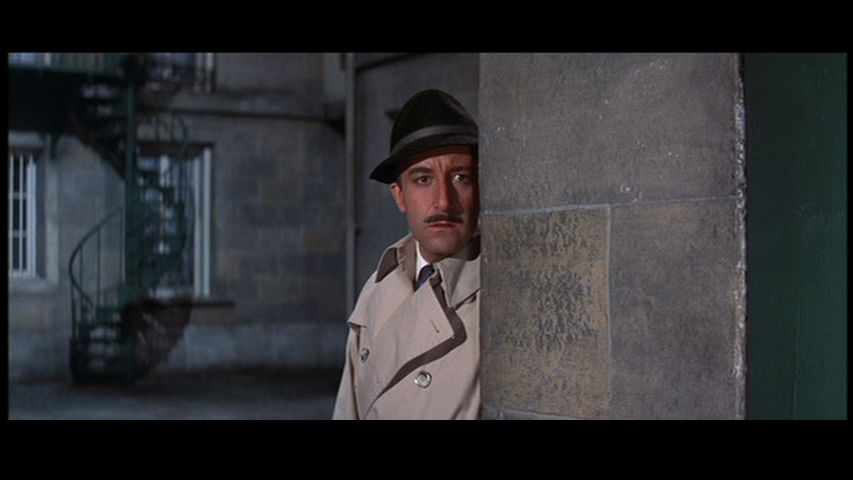
A bumbling detective (Peter Sellers) is assigned to investigate a series of murders in which a beautiful maid (Elke Sommer) is the prime suspect.

Genres, Themes, Actors, and Directors:

  • Blake Edwards Films
  • Comedy
  • Detectives and Private Eyes
  • George Sanders Films
  • Murder Mystery
  • Peter Sellers

Response to Peary’s Review:
Peary is clearly an enormous fan of this sequel to Blake Edwards’ The Pink Panther (1963), with Peter Sellers returning as the inimitably “prideful yet stupid, bumbling, and accident-prone Inspector Clouseau”. He argues that it’s a “hilarious… farce”, and that while “the storyline” (based on a play) “is fairly conventional”, “Sellers makes it unique”. He writes that “like Don Adams’s Maxwell Smart, [Clouseau] never realizes that he’s anything but a lethal, supercool detective, although everyone else sees that he’s a fool”. I’ll agree with Peary that Sellers is masterful here; one watches his portrayal with admiration and an occasional chuckle. But the film itself — while certainly watchable — simply hasn’t held up all that well. Comedies are notoriously challenging to call out as either successful or not, given how uniquely each viewer will respond to (potentially) humorous material; for my money, the Pink Panther films are semi-decent vehicles for Clouseau’s pratfalls, but little else.

Redeeming Qualities and Moments:

  • Peter Sellers as Inspector Clouseau (nominated by Peary as one of the Best Actors of the Year in his Alternate Oscars)
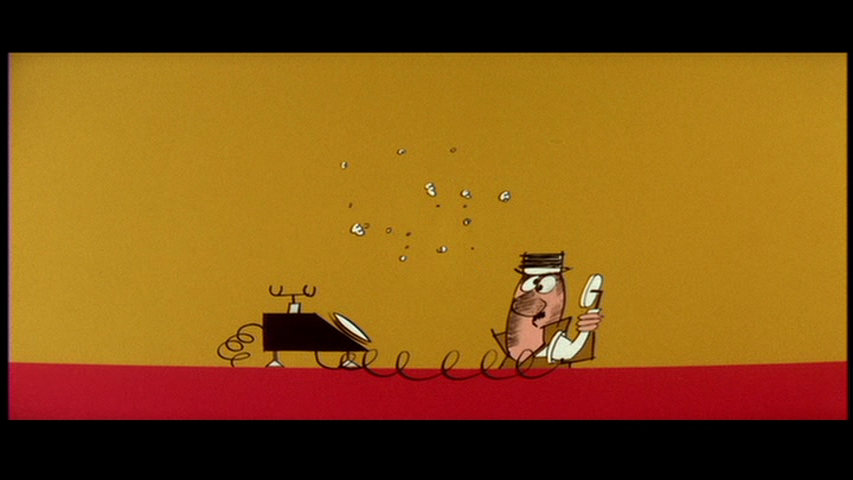
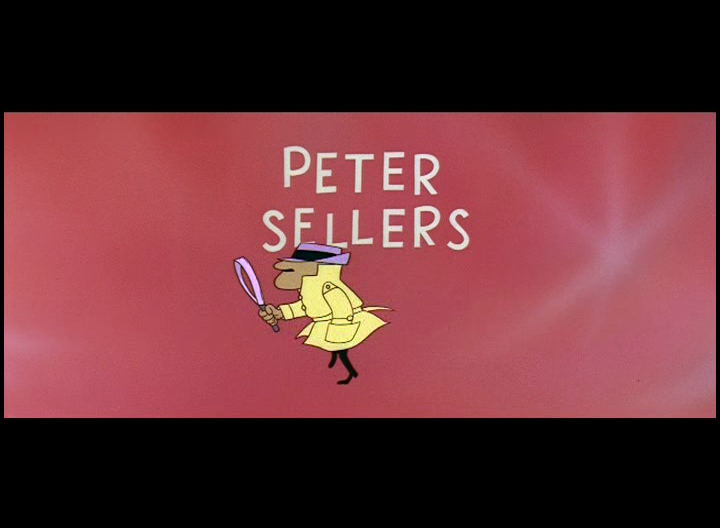
  • The clever opening credits
  • Henry Mancini’s score

Must See?
Yes, simply to see the best of the popular “Pink Panther” series. Nominated by Peary as one of the Best Films of the Year in Alternate Oscars, though I don’t believe it deserves this status.

Categories

  • Historically Relevant

Links:

Pink Panther, The (1963)

Pink Panther, The (1963)

“I’m sure no one ever had a husband like you.”

Synopsis:
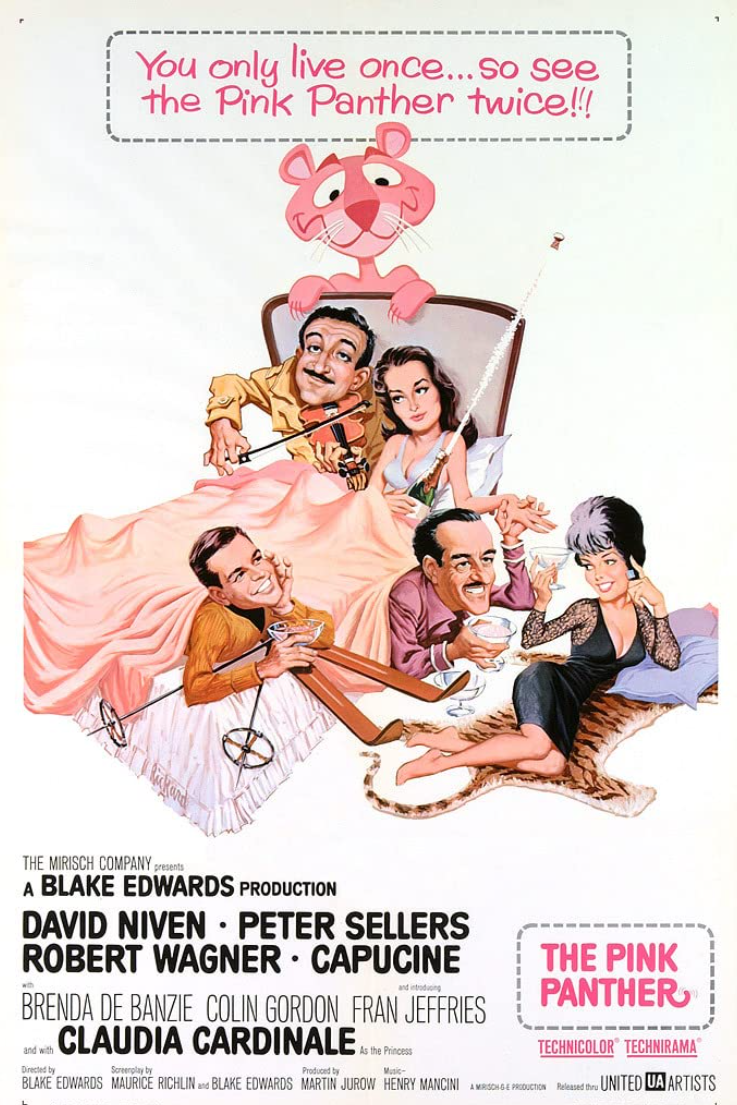
A British playboy (David Niven) and his nephew (Robert Wagner) separately attempt to steal a valuable jewel from a princess (Claudia Cardinale) while bumbling police inspector Jacques Clouseau (Peter Sellers) — whose wife (Capucine) is having an affair with Niven — tries to determine the identity of a notorious jewel thief known as “The Phantom” (Niven).

Genres, Themes, Actors, and Directors:

  • Blake Edwards Films
  • Capucine Films
  • Claudia Cardinale Films
  • Comedies
  • David Niven Films
  • Detectives and Private Eyes
  • Peter Sellers Films
  • Robert Wagner Films
  • Thieves and Criminals

Response to Peary’s Review:
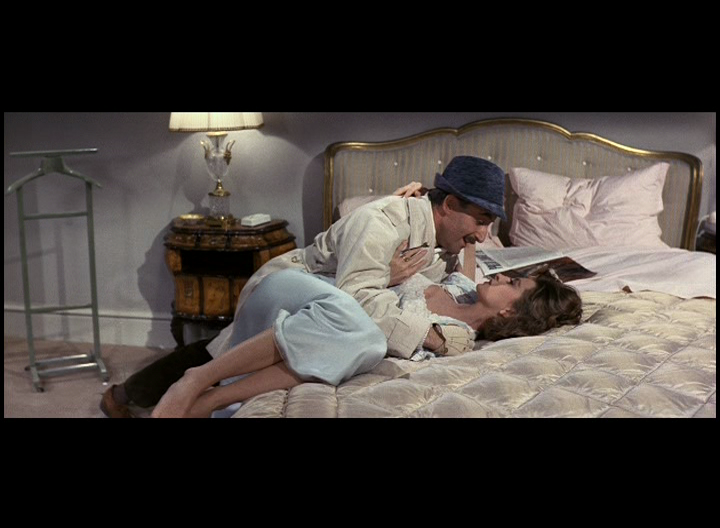
Peary accurately notes that this “overrated Blake Edwards comedy at least gave Peter Sellers his first chance to play bumbling Inspector Closeau”, and that “Sellers completely steals the film from the other stars, including topbilled David Niven”. He points out that beautiful Capucine (whose personal life was quite tragic) is “surprisingly good doing physical comedy with Sellers”; indeed, the “abundance of sight gags” — primarily between these two characters — are what stand out most in one’s memory. Unfortunately, the “film drags badly when Clouseau isn’t on the screen”, with the forgettable storyline seemingly designed as an excuse merely for audience members to drool at the lifestyles of the rich and famous. Of note are Henry Mancini’s beloved score, and DePatie-Freleng‘s animated opening credits — but this one really can be skipped.

Redeeming Qualities and Moments:

  • Peter Sellers as Inspector Clouseau and Capucine as his deceptive wife
  • The clever animated opening credits
  • Henry Mancini’s score

Must See?
No; stick with A Shot in the Dark (1964) if you’d like to see a reasonably worthy entry in the series.

Links:

Dark Victory (1939)

Dark Victory (1939)

“Confidentially, darling, this is more than a hang-over.”

Synopsis:
A headstrong young heiress (Bette Davis) with an inoperable brain tumor falls in love with her surgeon (George Brent), believing he’s cured her — but how will she react when she finds out that both Brent and her best friend (Geraldine Fitzgerald) are lying to her?

Genres, Themes, Actors, and Directors:

  • Bette Davis Films
  • Death and Dying
  • Edmund Goulding Films
  • George Brent Films
  • Geraldine Fitzgerald Films
  • Heiresses
  • Humphrey Bogart Films
  • Illness
  • Romance
  • Ronald Reagan Films
  • Strong Females

Response to Peary’s Review:
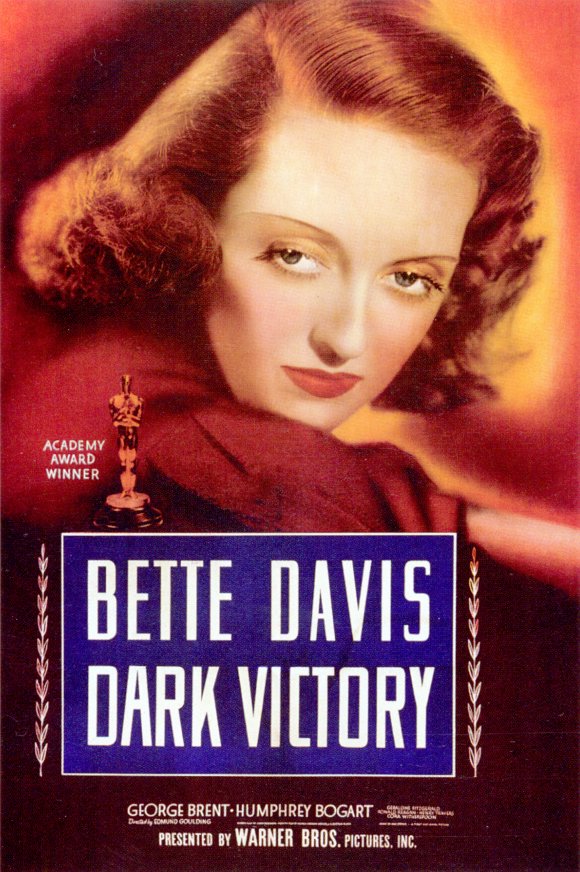
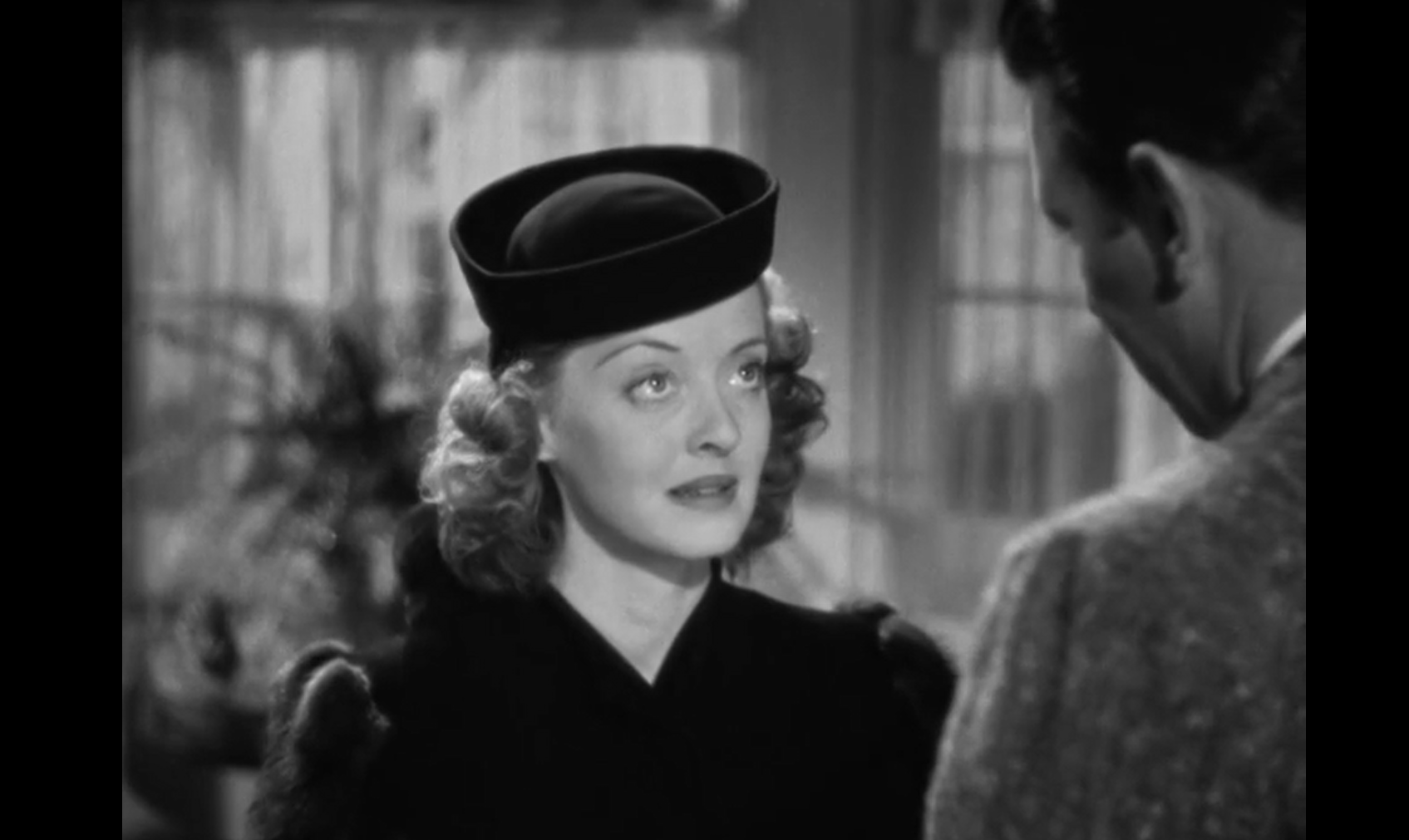
Peary writes that this “famous Warner Bros. weeper features [a] powerhouse performance from a truly lovely, appealing Bette Davis”, who — “in her favorite role” — plays “a kind, strong-minded heiress who has frittered her life away partying, riding horses, [and] shopping”:

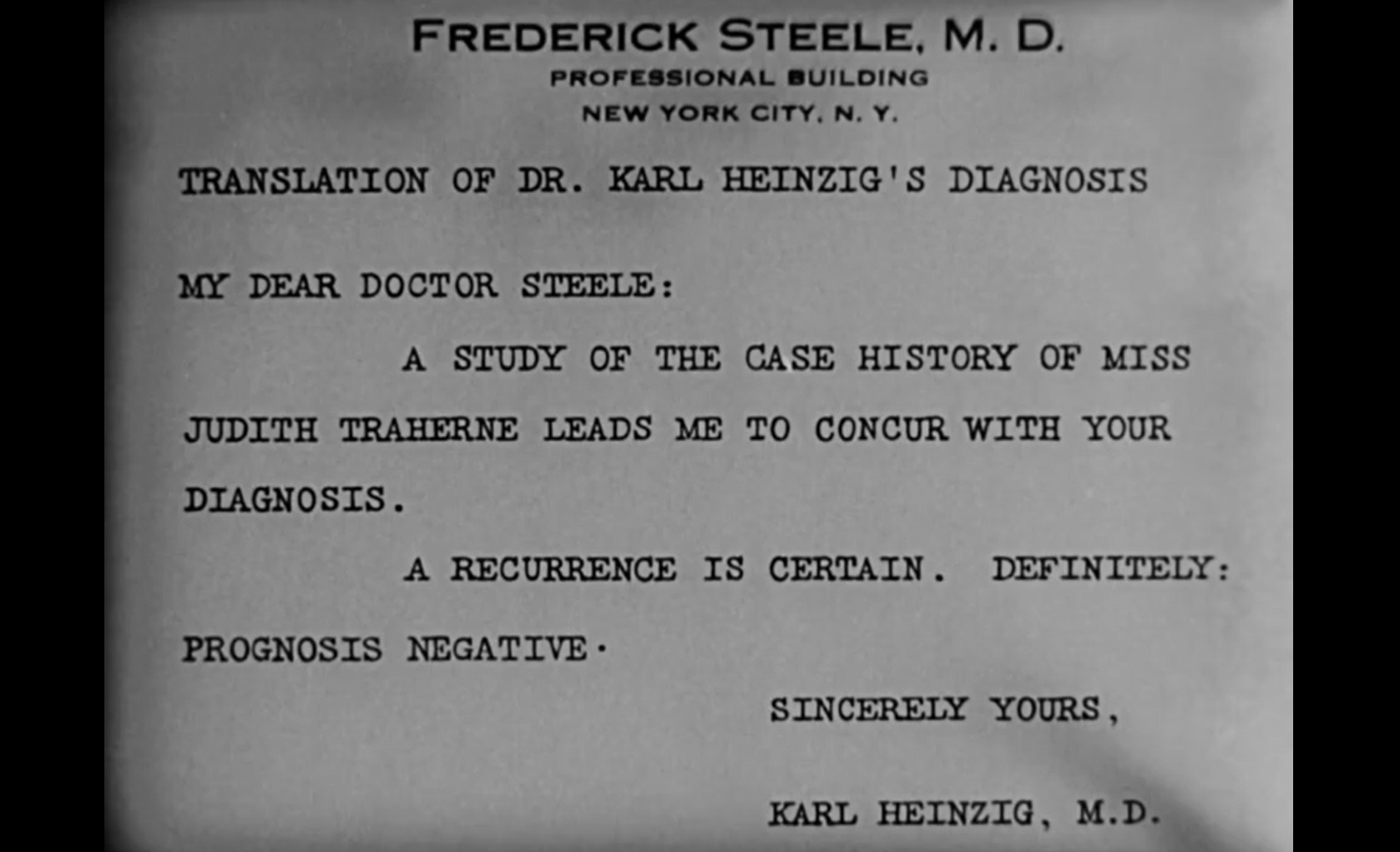
… but must confront her own mortality when she begins “suffer[ing] vision problems” and learns that her “prognosis is negative”.

I wouldn’t necessarily choose the words “kind” or “appealing” when describing Davis’s “Judy Traherne”, given that she initially comes across as sullen, brash, and spoiled — “When I tell you to do something, do it!” she barks at her horse trainer, played by a notoriously miscast Humphrey Bogart:

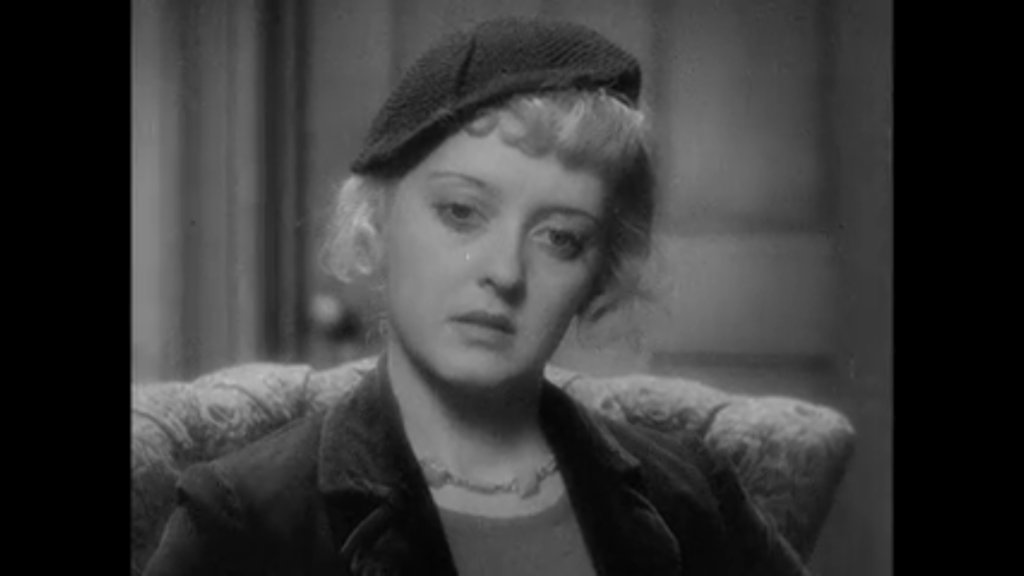
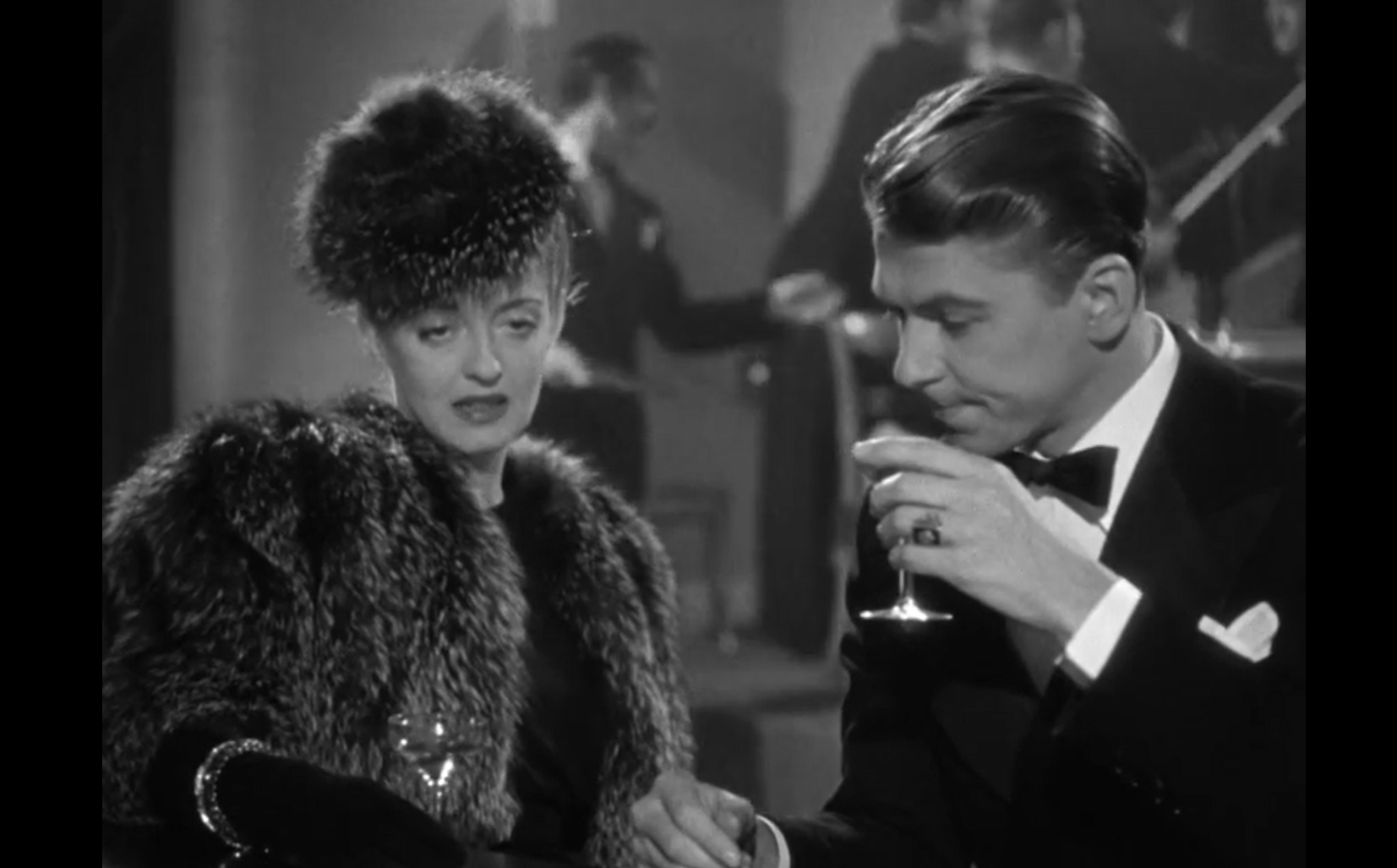
— but she does indeed later “demonstrate a tremendous reserve of strength that few women in film have shown and it’s quite moving”. As with so many “Bette Davis films”, Davis is truly the highlight of the show here: Brent (her real-life lover) is more or less “stiff and wimpy as usual” as her surgeon/love interest:

… and while Peary refers to Fitzgerald as “superb”, I find her doting character oddly opaque.

With that said, the “direction by Edmond Goulding is both strong and sensitive”, and Davis’s character arc is compelling. As Peary notes, despite the “morbid” subject matter and the “tears caused by the drawn-out finale, the triumph of this woman at the point of death actually has a cheering effect”. Watch for Ronald Reagan in a supporting role as Davis’s consistently inebriated party companion.

Redeeming Qualities and Moments:

  • Bette Davis as Judith Traherne (nominated by Peary in Alternate Oscars as one of the Best Actresses of the Year)

Must See?
Yes, as a cult classic, and for Davis’s performance.

Categories

  • Cult Movie
  • Noteworthy Performance(s)

Links:

Of Human Bondage (1934)

Of Human Bondage (1934)

“There’s usually one who loves, and one who is loved.”

Synopsis:
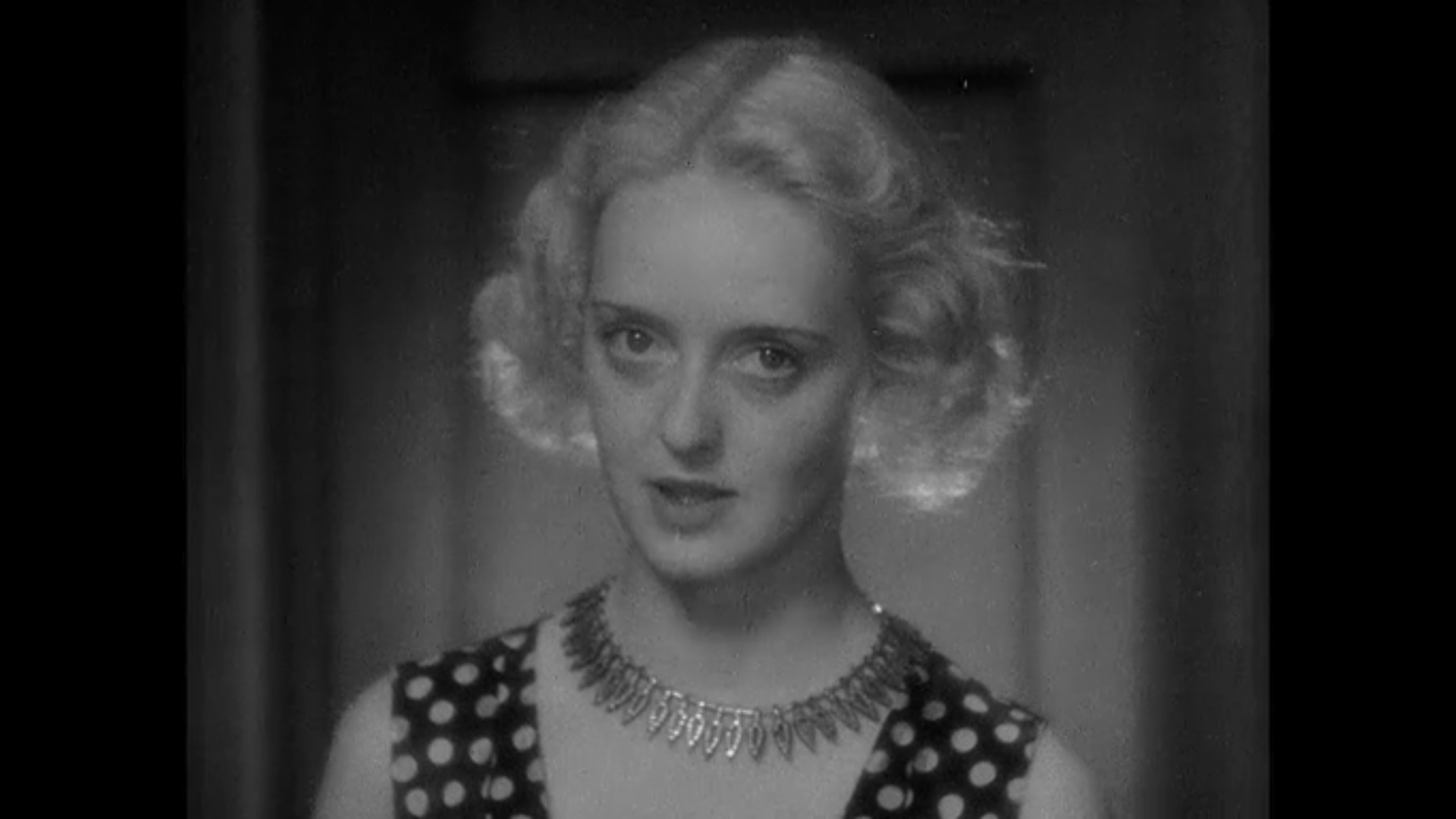
A club-footed medical student (Leslie Howard) falls obsessively in love with a cold, calculating waitress (Bette Davis) who repeatedly leaves him for other men.

Genres, Themes, Actors, and Directors:

  • Alan Hale Films
  • Bette Davis Films
  • Femmes Fatales
  • Frances Dee Films
  • John Cromwell Films
  • Leslie Howard Films
  • Obsessive Love

Response to Peary’s Review:
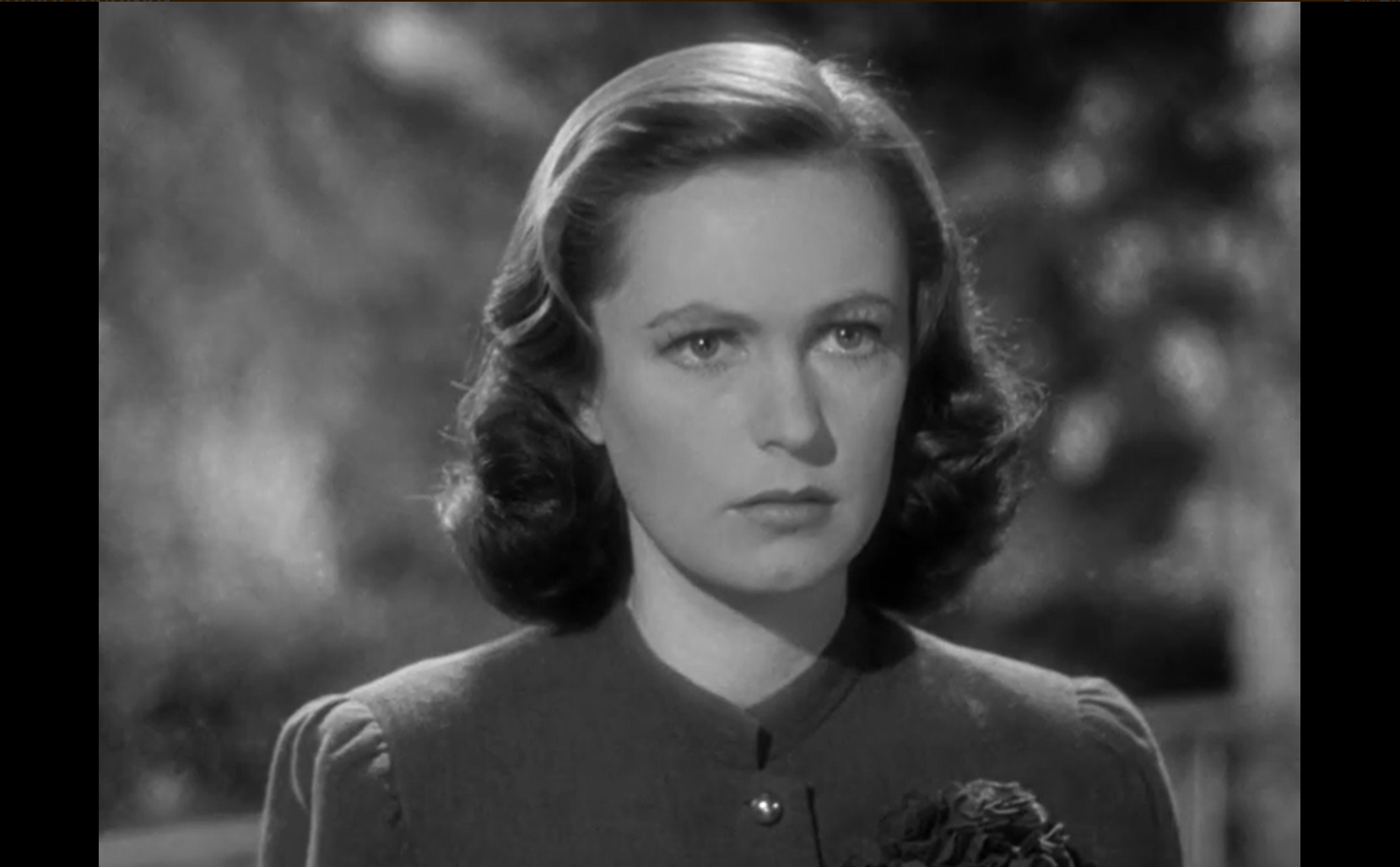
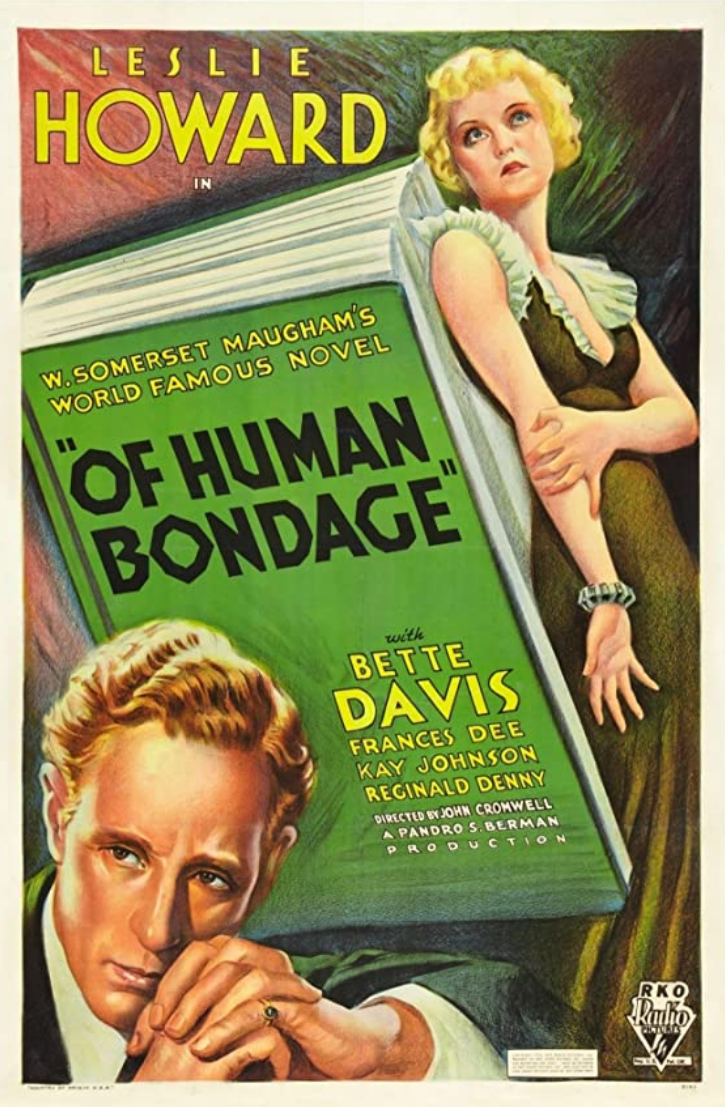
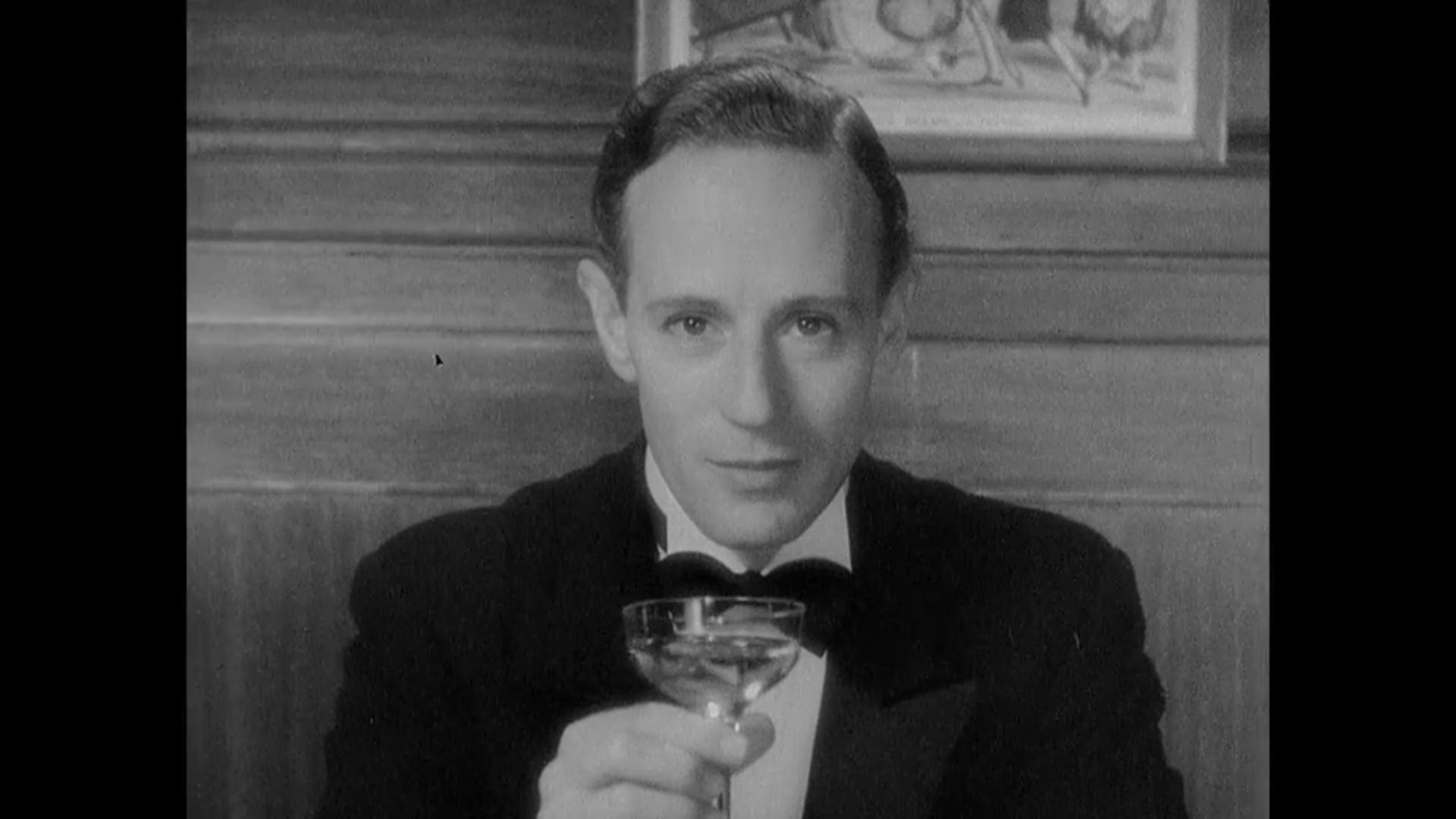
Peary argues that this adaptation of the second half of W. Somerset Maugham’s thrice-filmed novel — directed by John Cromwell — is “static, claustrophobic, and uninterestingly acted by Howard”:
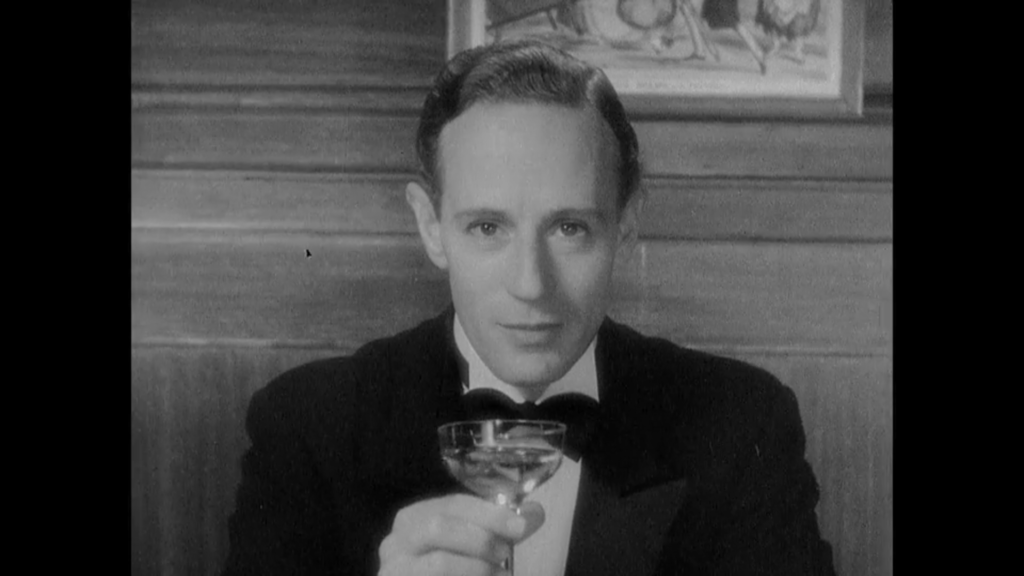
… but that it’s “worth watching” as “the film which really launched Davis’s career”.
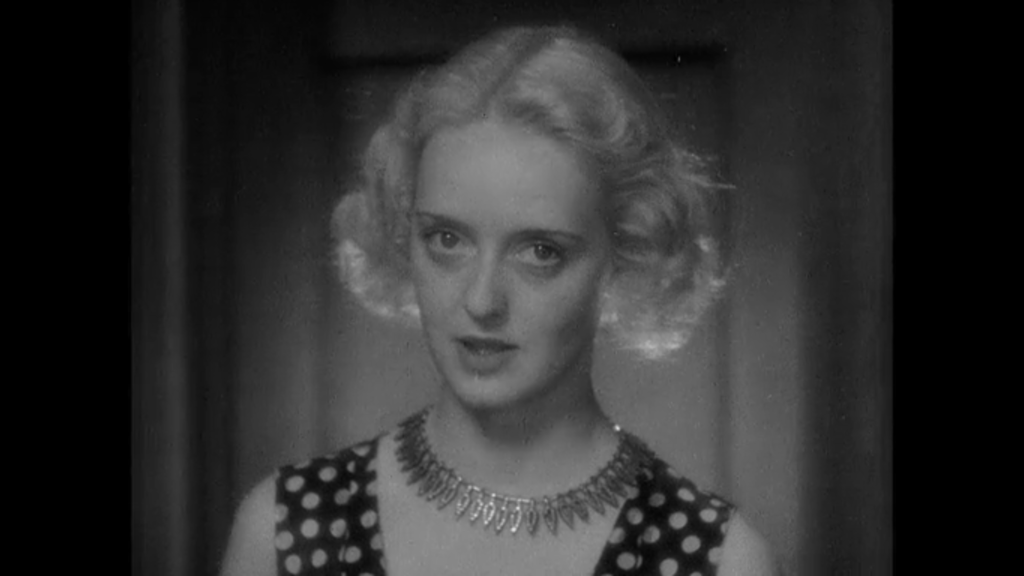
In Alternate Oscars, Peary names Davis Best Actress of the Year for her performance as the “mean and menacing” Mildred, a “cold-hearted, money-loving opportunist who treats Philip like dirt” — or, in the words of New York Times film critic Mourdant Hall, “a heartless little ingrate”. In Alternate Oscars, Peary provides more detailed information on how and why Davis came to take on this role, which “no major Hollywood actress would consider playing” — she apparently “wasn’t concerned about image because no one really knew who she was after twenty-one pictures”, and she “figured [this was] her one shot at stardom”.

Peary writes that this role “made such an impression because it was conceived and played in such an original manner” by Davis, given that her Mildred “isn’t especially pretty… or alluring” and “isn’t smart or knowledgeable”. He points out that she “is not a vamp, she is just cheap, stupid, and shallow” — which is precisely why Howard’s relentless obsession with her is so fascinating.
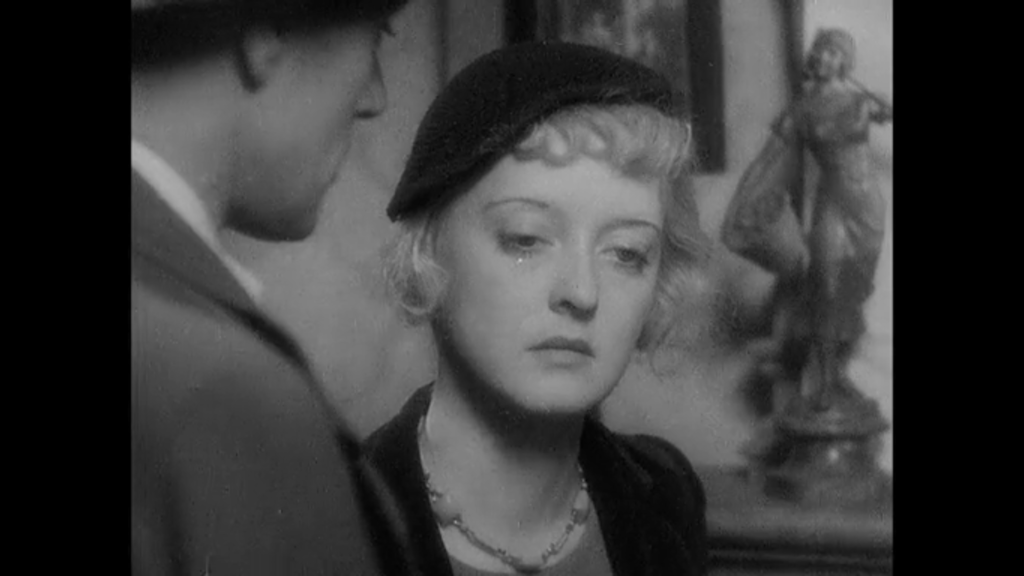
As Peary argues, Philip “hates himself for being a cripple… [and] Mildred is his punishment”. Indeed, Davis’s Mildred is a unique variation on a femme fatale: she’s clearly Philip’s undoing, yet he’s almost entirely responsible for their continued dysfunctional “relationship”. She could genuinely care less about him, but — almost to her own surprise — he continues to make himself available to her time and again; and so, as an inveterate manipulator, she takes easy advantage. Theirs is a morbidly fascinating dynamic — not one I find pleasant to watch, but certainly one film fanatics should see at least once.

Note: Peary ends his review by stating he’s “never seen a film in which so many letters are read” — really? That’s somehow hard to imagine.

Redeeming Qualities and Moments:

  • Bette Davis as Mildred

Must See?
Yes, for Davis’s Oscar-nominated performance.

Categories

  • Oscar Winner or Nominee

Categories

Links:

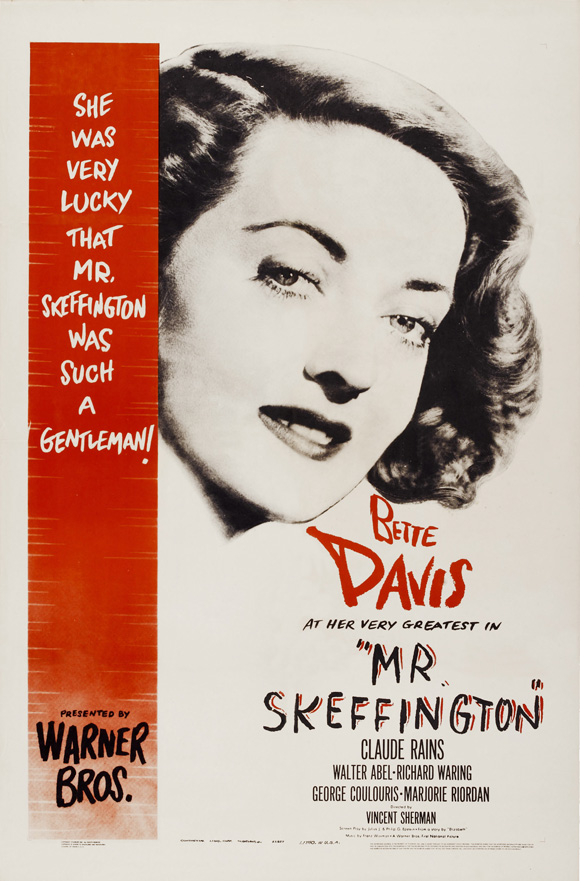
Mr. Skeffington (1944)

Mr. Skeffington (1944)

“I married the woman everyone else wanted to.”

Synopsis:
A narcissistic socialite (Bette Davis) marries a wealthy Jewish businessman (Claude Rains) to ensure that she and her shiftless brother (Richard Waring) are financially secure — but her marriage to Job Skeffington (Rains) remains loveless, and she continues to entertain a bevy of suitors until her looks finally begin to fade.

Genres, Themes, Actors, and Directors:

  • Bette Davis Films
  • Claude Rains Films
  • Historical Drama
  • Marital Problems

Review:
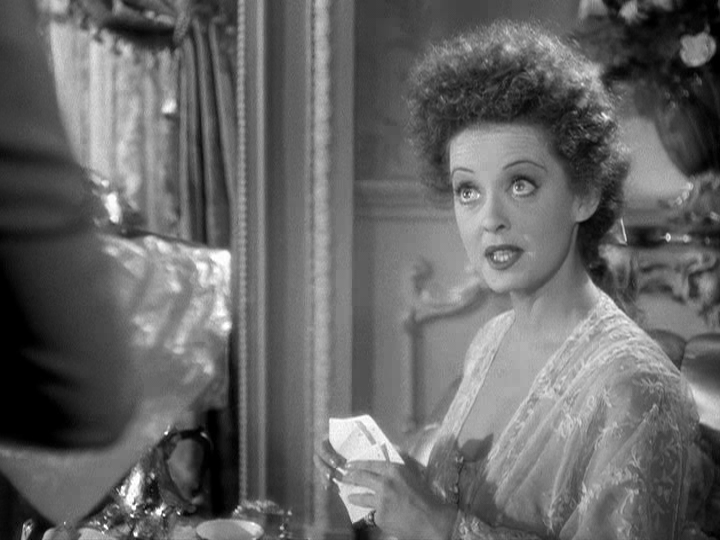
Vincent Sherman faced notoriously challenging circumstances during his filming of Elizabeth von Armin‘s historical novel — primarily the death of Davis’s husband one week into shooting, which led to Davis making life miserable for just about everyone on the set (including Sherman himself, her on-and-off-again lover). The resulting film is a sluggish, tonally inconsistent “women’s drama” which never really finds its footing and feels too long by half. Davis, though enthusiastic, is simply miscast as a flirtatiously irresistible beauty:

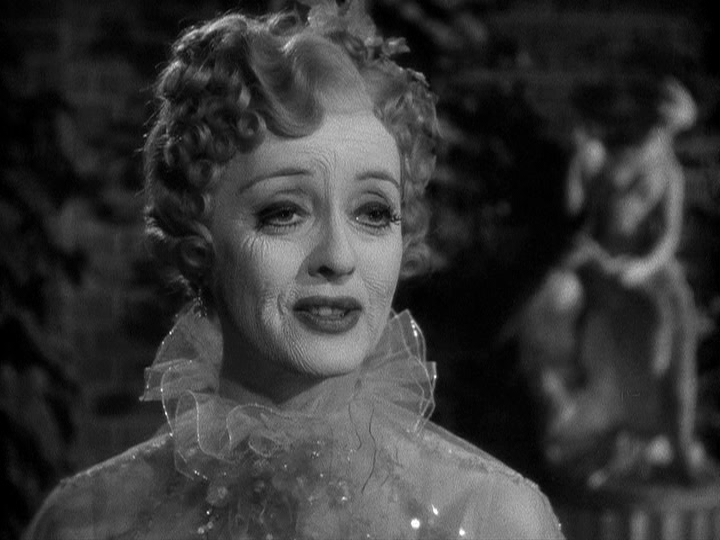
… who’s never at a loss for suitors (who in turn come across more like a comedic Greek chorus than realistic supporting characters). Rains is as invested as always in the title role — but he’s really secondary to the proceedings; this tale should have been called Fanny Skeffington instead, given that it’s primarily concerned with tracking Davis’s predictably disastrous fall-from-grace, hastened by a convenient bout of appearance-wracking diphtheria. To that end, the final portion of the film — in which the hideously transformed Fanny finally gets her comeuppance — provides the most entertainment value, in a gruesomely baroque manner; one can’t help thinking of Davis’s later Grand Guignol performances when viewing her mask-like visage (see still below).

Redeeming Qualities and Moments:

  • A grotesquely baroque tale of feminine narcissism turned sour


Must See?
No, though it’s worth a look simply for its curiosity value.

Links:

Bad Girl (1956)

Bad Girl (1956)

“Kindly allow me to choose my own friends!”

Synopsis:
A widowed editor (Anna Neagle) reluctantly dates a handsome client (Norman Wooland) while becoming increasingly concerned about her rebellious daughter (Sylvia Syms), who is spending more and more time with a jive-loving hepster (Kenneth Haigh).

Genres:

Review:
Reportedly made as a British response to Rebel Without a Cause (1955), this collaboration by husband/wife team Herbert Wilcox and Anna Neagle is a competently directed but uninspired teen-angst flick. Neagle’s stoic-mother performance is just a tad shy of Joan-Crawford-territory — but that tad makes all the difference, in the wrong direction; her reactions and expressions are predictable through and through.

Meanwhile, Wooland is simply forgettable as her conveniently understanding and handsome suitor. The best feature of the film is Sylvia Syms (in her screen debut) as the pretty young protagonist, who’s torn between a desire to remain her mother’s “good” eldest daughter, and her itch to explore the wild-and-woolly world of soul-corrupting jive. The screenplay becomes needlessly melodramatic in its final third, as Neagle and Syms are provided with further opportunities to explore their complicated mother-daughter dynamic, and the overall tenor of the film begins to feel more like a “women’s weepie” than anything else.

Redeeming Qualities and Moments:

  • Sylvia Syms as Janet Carr

Must See?
No; feel free to skip this one. Listed as a Sleeper in the back of Peary’s book.

Links:

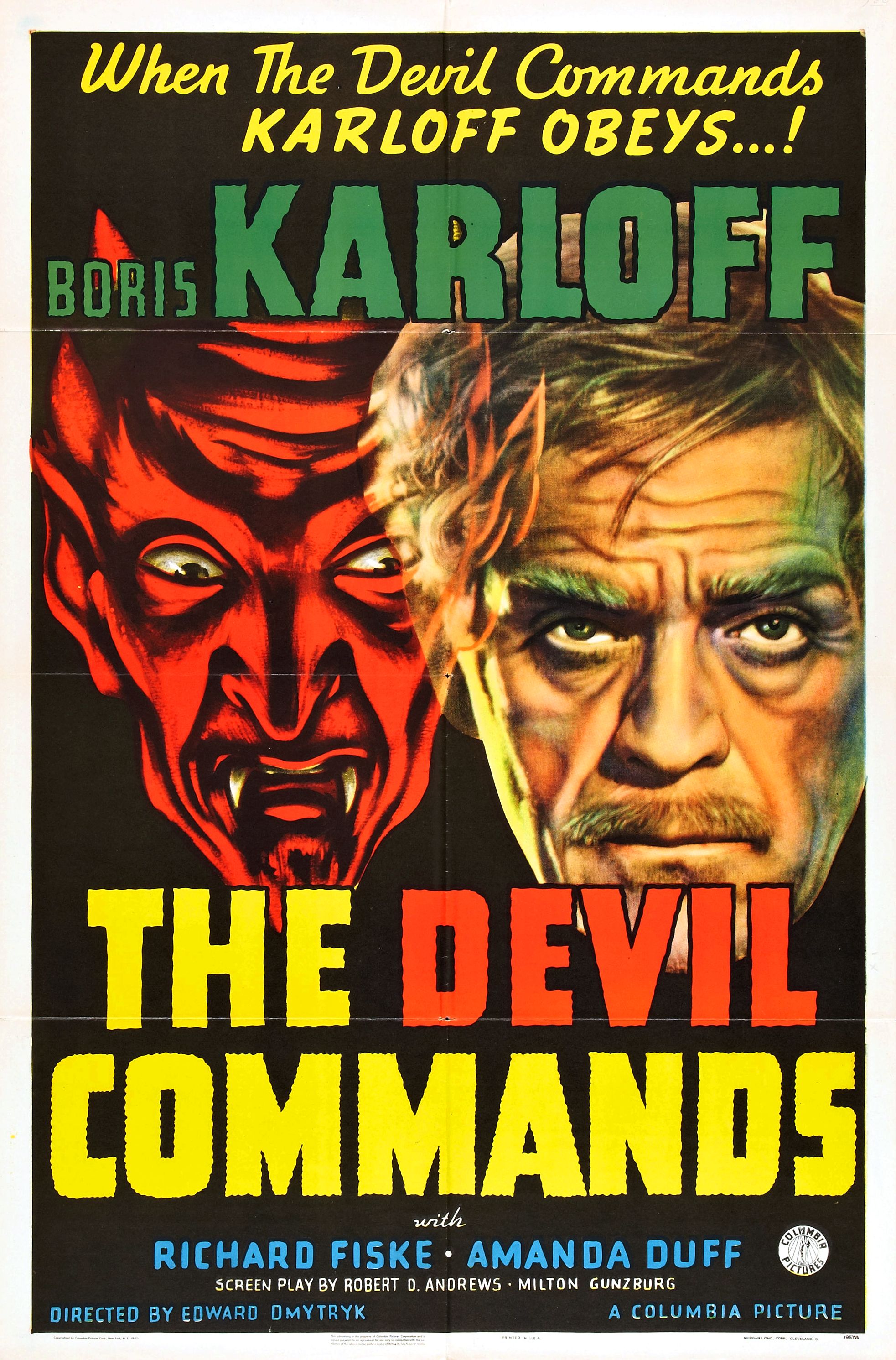
Devil Commands, The (1941)

Devil Commands, The (1941)

“Your mother is not dead – not really. She’s come back to me!”

Synopsis:
A scientist (Boris Karloff) mourning the loss of his beloved wife (Shirley Warde) enlists the help of a corrupt “medium” (Anne Revere) in making contact with Warde through brainwave technology.

Genres, Themes, Actors, and Directors:

  • Boris Karloff Films
  • Edward Dmytryk Films
  • Life After Death
  • Mad Doctors and Scientists
  • Obsessive Love
  • Widows and Widowers

Review:
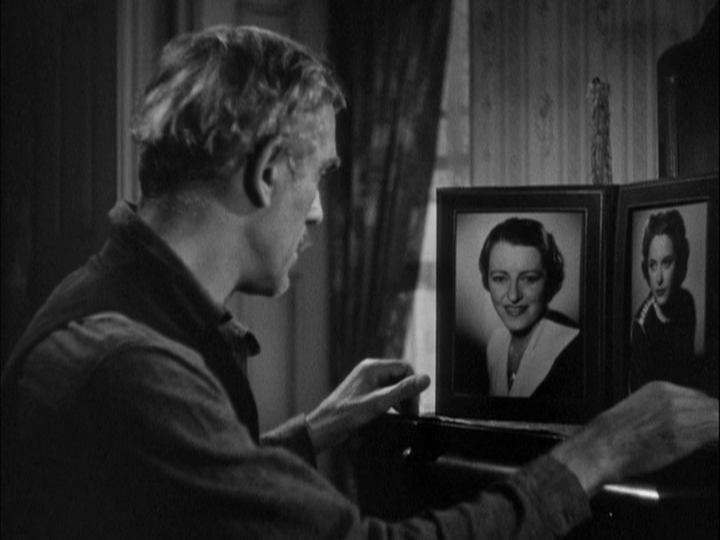
Boris Karloff starred in numerous B-level “mad doctor” flicks during the 1930s/1940s, five of which are listed in GFTFF (see here, here, here, and here for my other reviews). This title — part of a five-film “Karloff series” produced by Columbia Pictures — is, comparatively speaking, one of the best, thanks to a compelling rationale behind Karloff’s obsessive quest: his love for his dead wife (convincingly played by Shirley Warde in just a few minutes of early screentime).

Also lifting the film a notch above average is a strong performance by Anne Revere, playing a quietly psychopathic “medium” whose love of money overrides all other concerns, even her own safety.

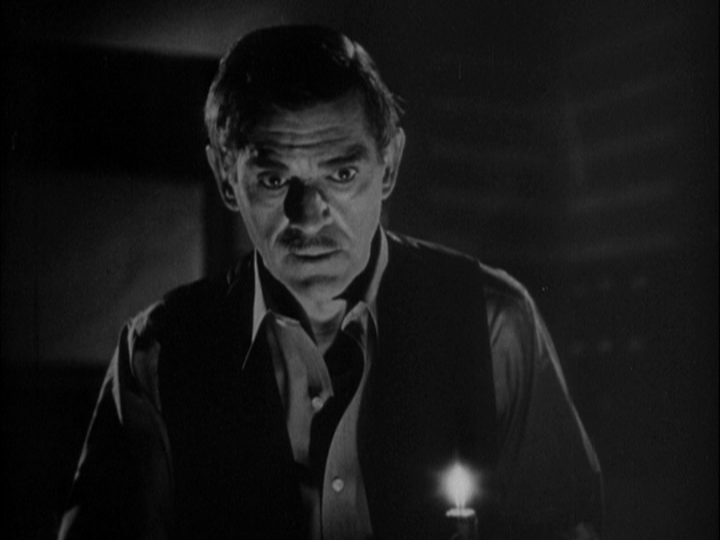
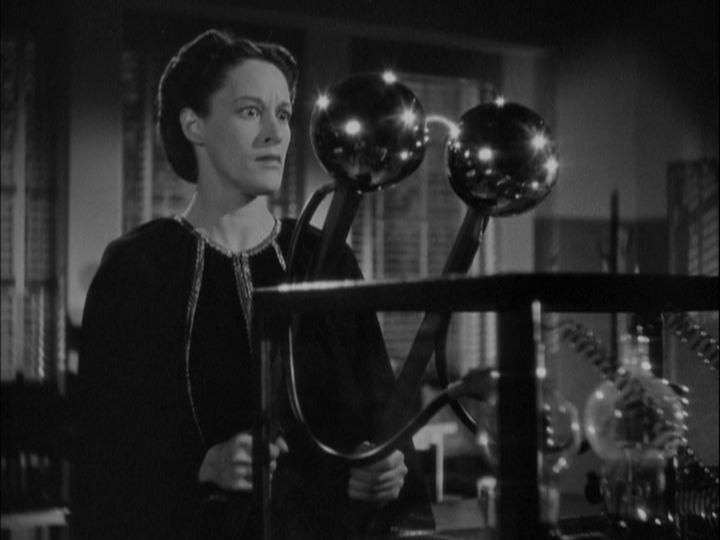
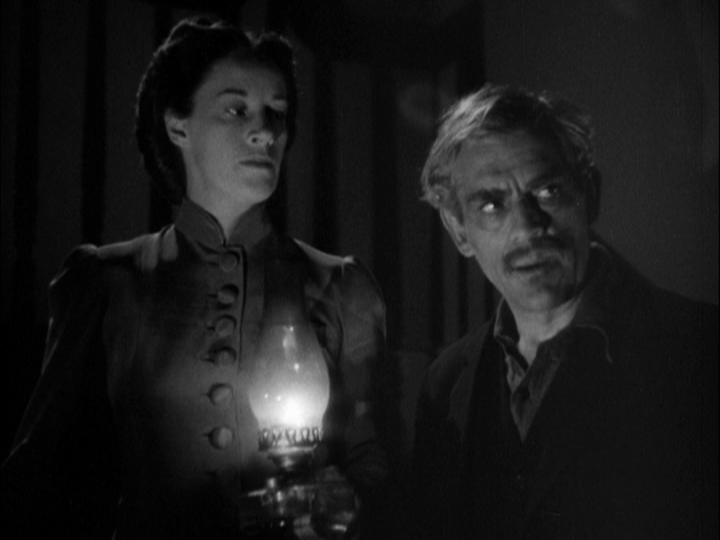
Other elements of the quickie screenplay (just over an hour long) feel somewhat conventional, but there’s certainly enough here — including a typically committed performance by Karloff:

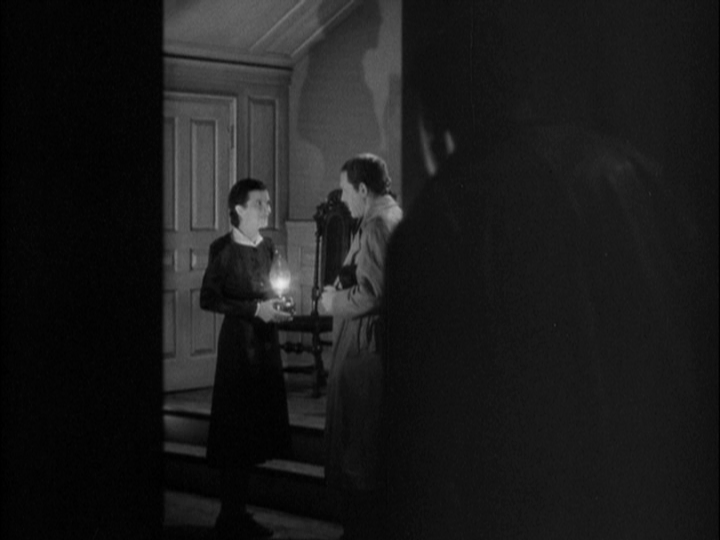
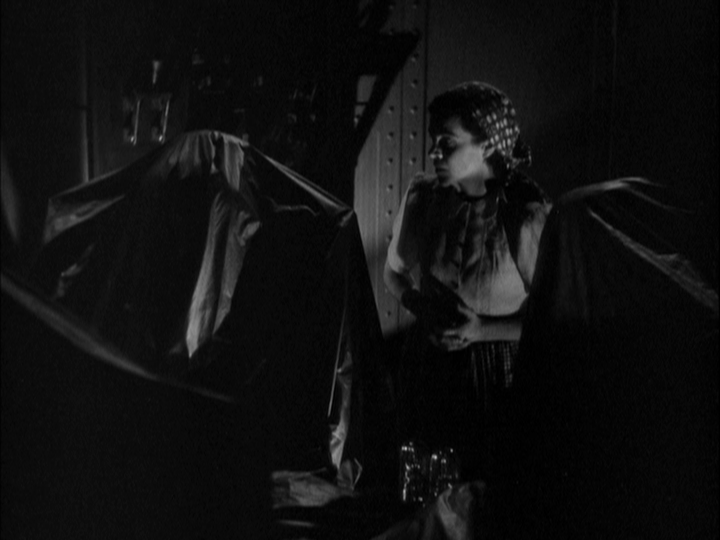
… and atmospheric cinematography —

… to recommend this one for fans of the genre.

Redeeming Qualities and Moments:

  • Anne Revere as Blanche Walters
  • Atmospheric cinematography

Must See?
No, though it’s certainly recommended for Karloff fans.

Links:

Paper Chase, The (1973)

Paper Chase, The (1973)

“I need a way of living that I can rationalize!”

Synopsis:
An ambitious law student (Timothy Bottoms) dates the daughter (Lindsay Wagner) of his professor (John Houseman) while joining forces with a handful of his classmates to prepare for final exams.

Genres, Themes, Actors, and Directors:

  • James Bridges Films
  • Lawyers

Review:
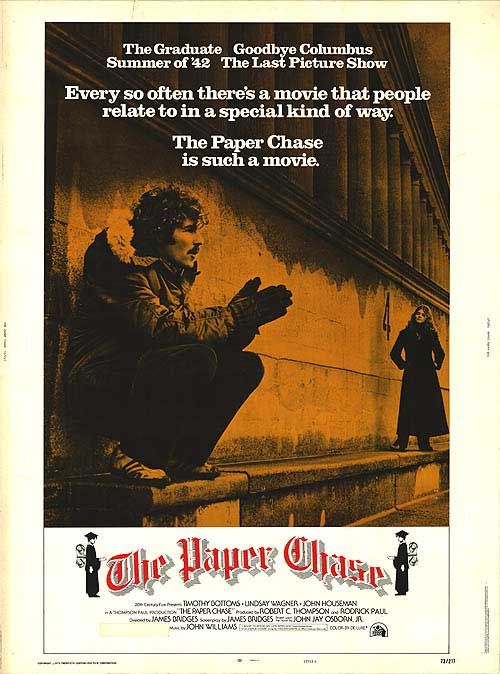
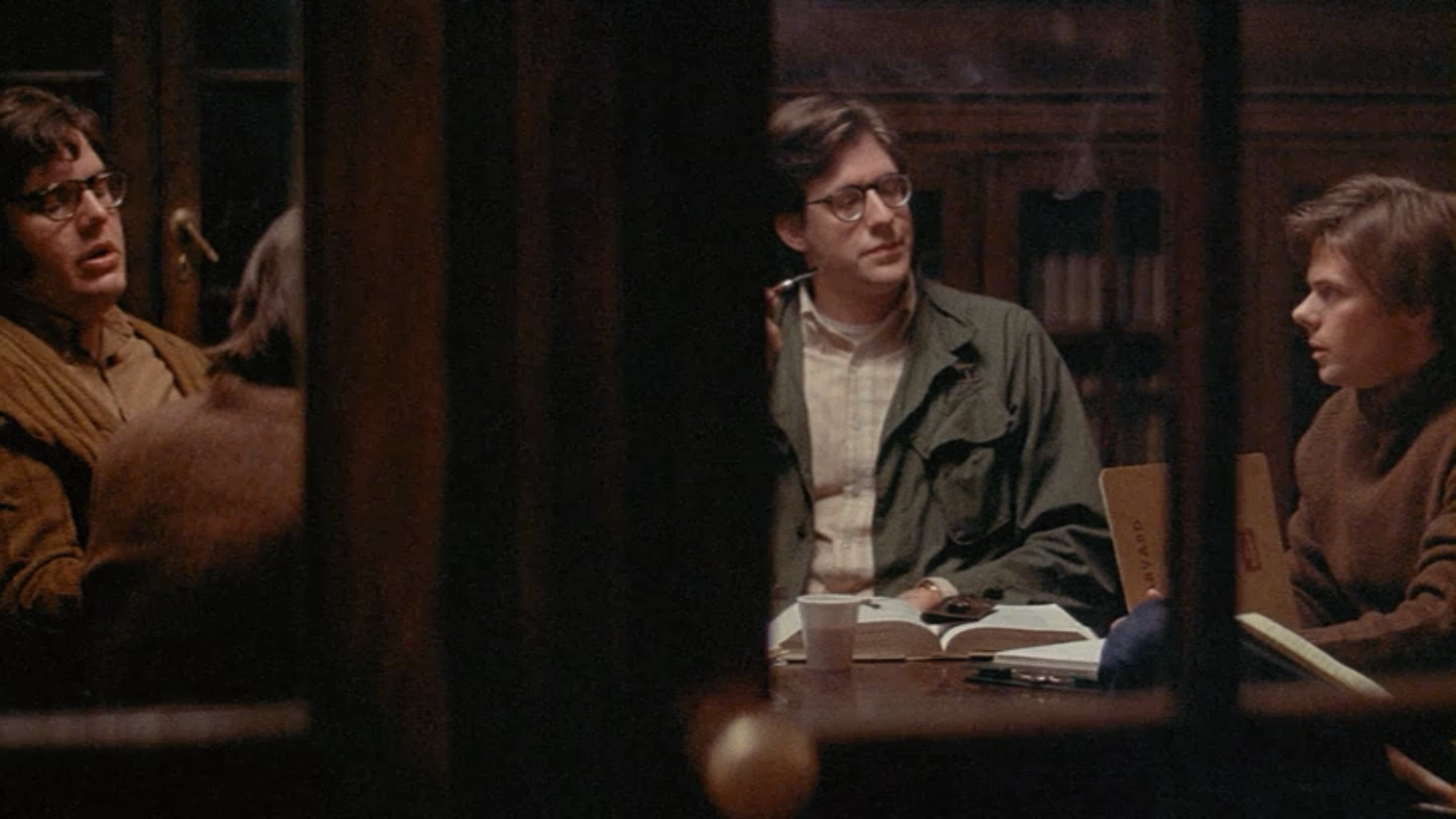
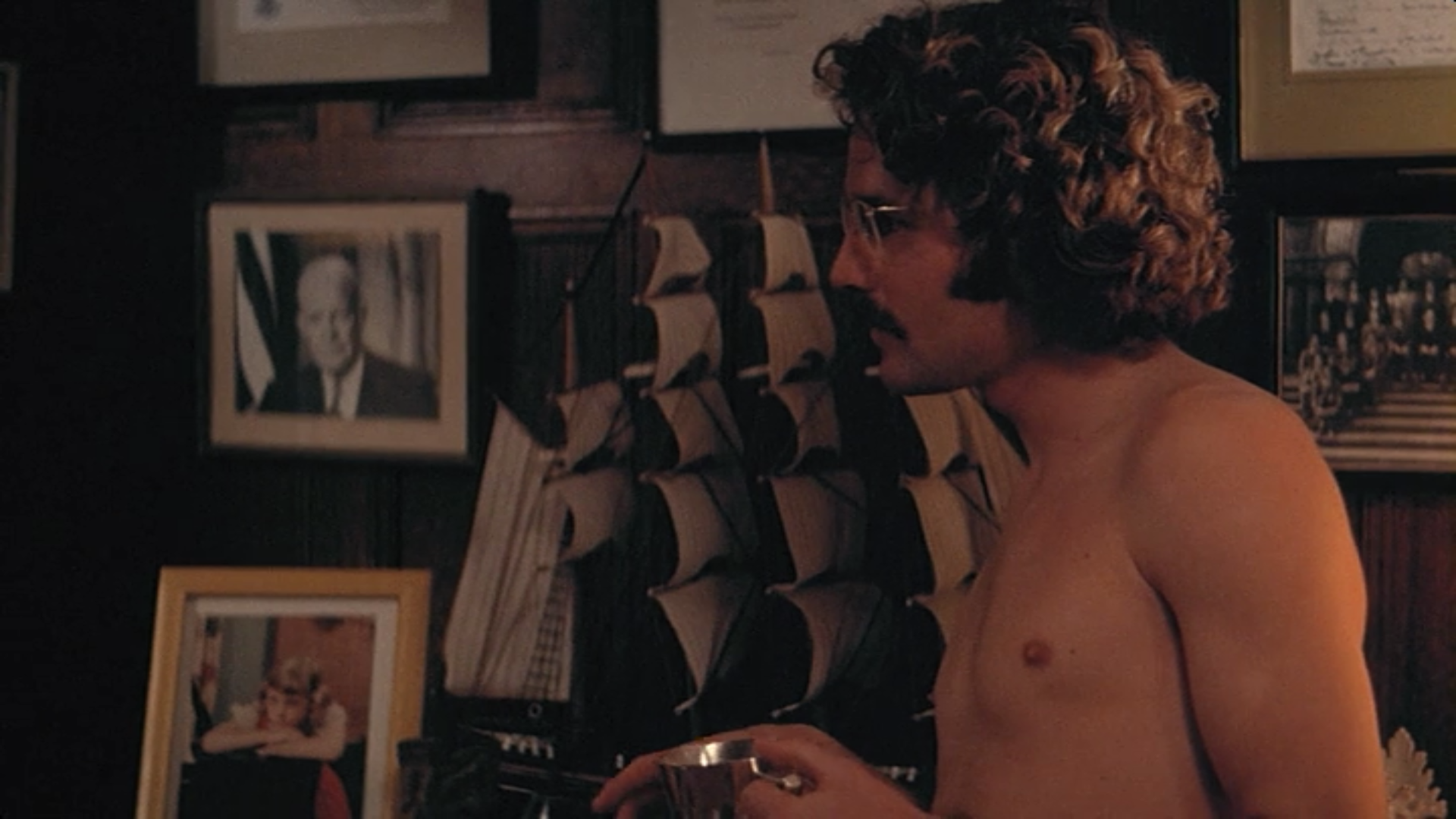
James Bridges’ adaptation of John Jay Osborn, Jr.’s novel about a first-year Harvard law student struggling to survive and thrive is perhaps best remembered as the showcase for John Houseman’s Oscar-winning performance as Professor Kingsfield — a larger-than-life instructor who is simultaneously revered and feared by his students.

Indeed, in its depiction of Bottoms’ relentless quest to earn Houseman’s respect — and its overall presentation of the rigors of law school, complete with plenty of heady dialogue and ruthlessly competitive interactions —

The Paper Chase fully succeeds, and we remain enthusiastically engaged; as Vincent Canby points out in his review for The New York Times, it’s refreshing to see a movie that “acknowledge[s] the existence of a mind”. Unfortunately, however, this focus is interrupted time and again by a poorly developed romantic subplot, one which ultimately feels both contrived and unsatisfying.

Wagner’s character, while potentially fascinating, is insufficiently developed to earn our interest; instead, she functions merely as a distraction for Bottoms — someone who happens to conveniently possess an insider’s perspective on the man Bottoms is single-mindedly obsessed with. Meanwhile, Bottoms’ character eventually becomes so callously self-absorbed that we stop rooting for him — a dangerous outcome for a film predicated on whether or not our dauntless protagonist will succeed in his quest.

Redeeming Qualities and Moments:

  • John Houseman as Professor Kingsfield
  • Gordon Willis’s cinematography

  • A fascinating glimpse at the rigors of law school

Must See?
No, though it’s certainly worth a one-time look for Houseman’s performance.

Links: