|
Genres, Themes, Actors, and Directors:
- Comedy
- Episodic Films
- Monty Python Films
Review:
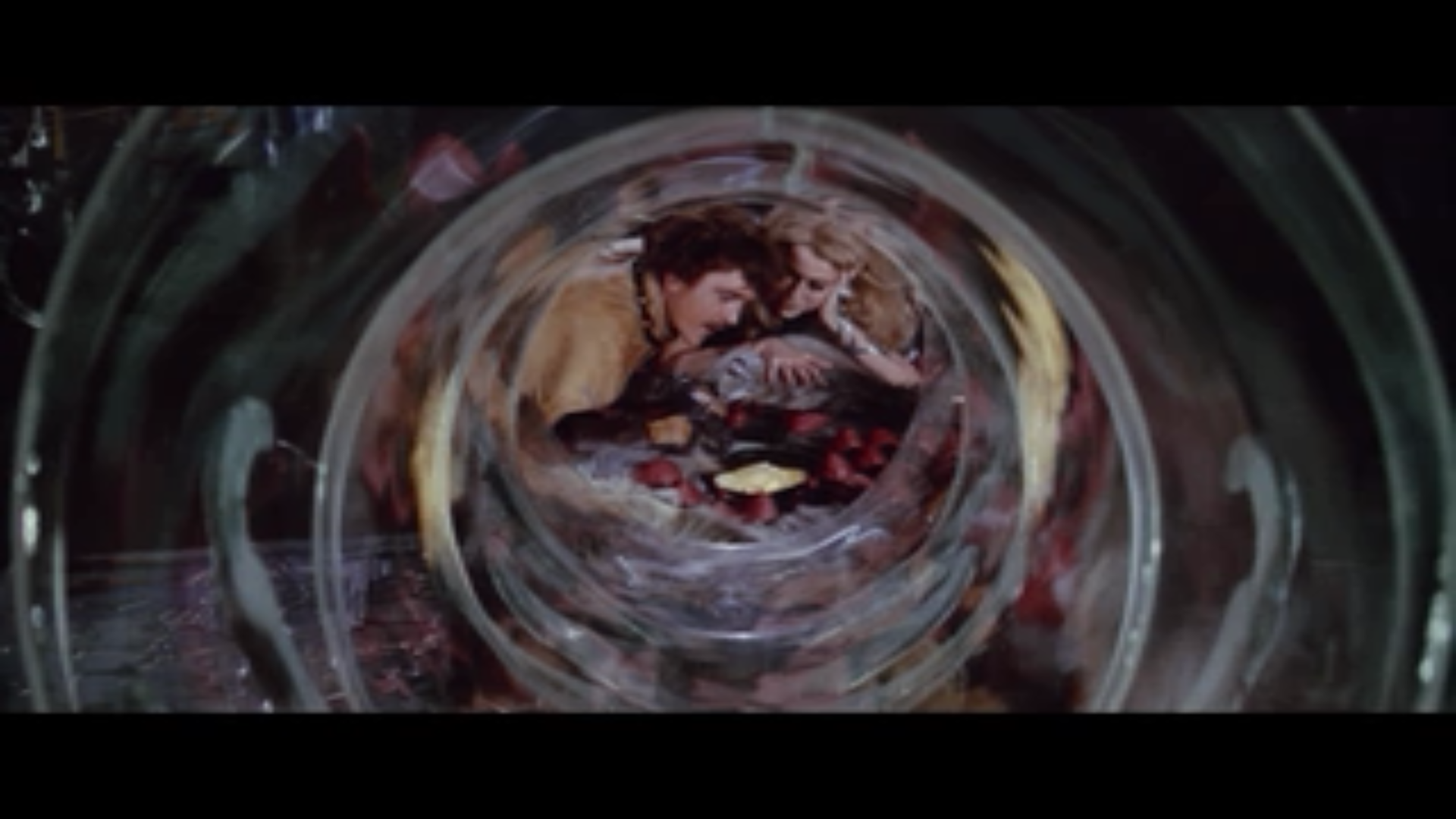
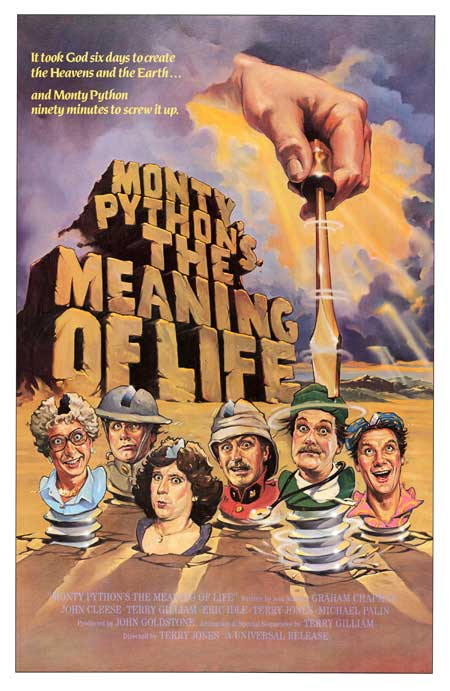
The Trivia section on IMDb provides some revealing insights into the inception and production of this final Monty Python collaboration, openly acknowledged by the troupe as one of its lesser (and less coherent) efforts. Python claims to have refused to show Universal Studios a script, instead relying on collective inspiration and strategic ad-libbing to produce a series of loosely linked vignettes — some of which are (inevitably) more successful than others. It opens with a Terry Gilliam-directed live short entitled “The Crimson Permanent Assurance” — originally conceived as an homage to the cinematic convention of showing a short film before the feature presentation, though in typically surreal Python fashion, it re-emerges later as part of the overall episodic arc. Next we’re presented with a developmental overview of humanity, beginning with the Miracle of Birth and proceeding through Growth and Learning, Middle Age, Live Organ Transplants (!), the Autumn Years, and Death (with the Middle of the Film and the End of the Film — as well as an exploration of the Meaning of Life — thrown in for the sake of cohesion and philosophical rigor).
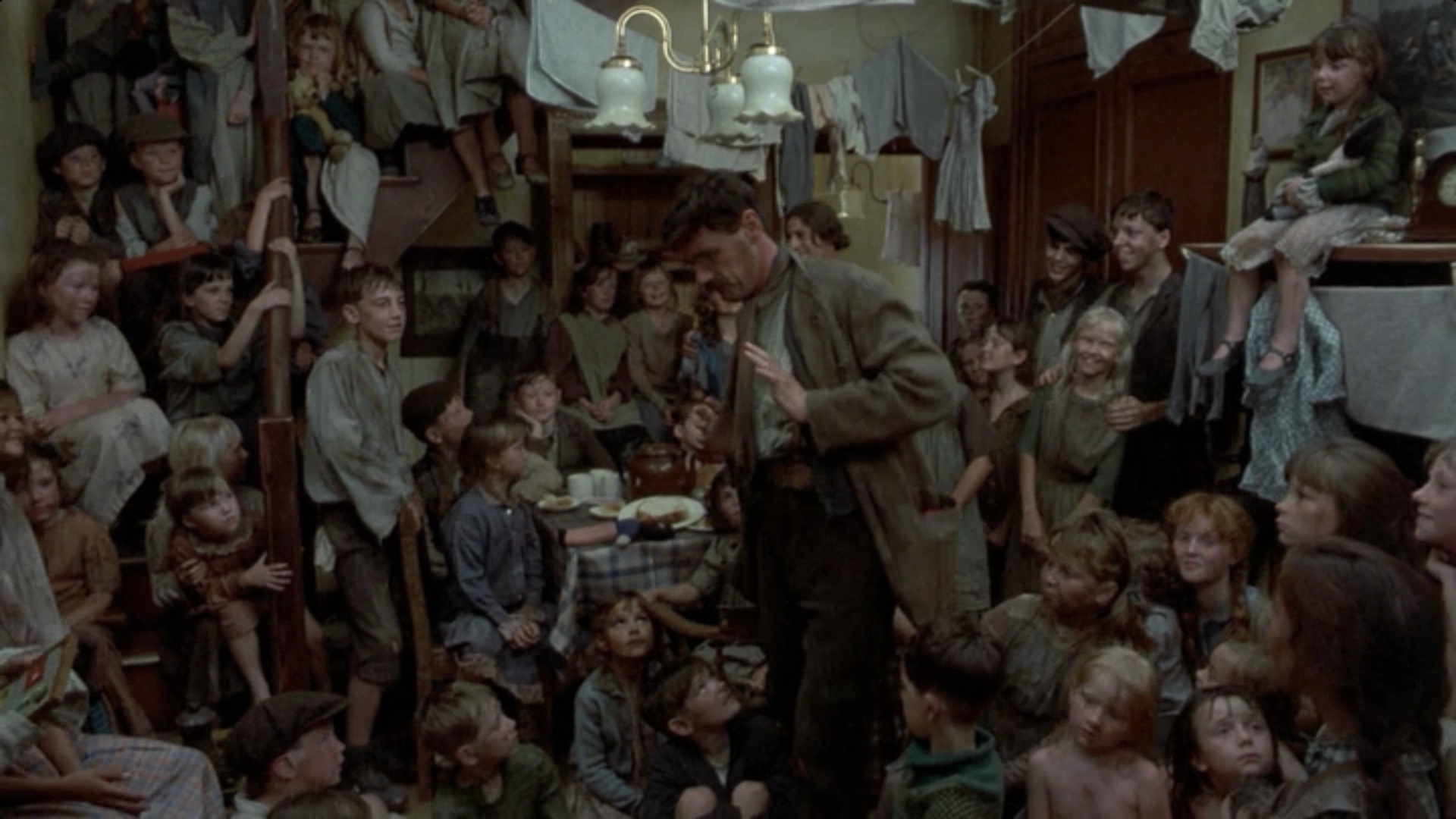
Sketches in Part I (The Miracle of Birth) and Part II (Growth and Learning) are the most memorable and inspired, and could easily be considered must-see viewing in their own right — indeed, all film fanatics should likely be familiar with the magical “machine that goes ping”, with what happens when one believes that “every sperm is sacred”, and with the fact that a classroom setting can turn even a live sex act into a humdrum, yawn-inducing mundanity. Unfortunately, most of the later vignettes are decidedly less amusing, though the infamous “Mr. Creosote” sketch — in which a morbidly obese man is enjoined to eat one more “wafer thin” treat before literally exploding — should likely be endured once, simply for its cultural relevance. (Quentin Tarantino apparently admitted to finding it beyond his own considerable gruesome-tolerance level — no small admission.) Ultimately, however, film fanatics unfamiliar with Monty Python’s cinematic genius should start with their cult masterpiece, Monty Python and the Holy Grail (1975) — and decide from there whether they’re interested in exploring more.
Redeeming Qualities and Moments:
- Several genuinely surreal, hilarious, and memorable sequences
Must See?
No, though it’s obviously must-see for Monty Python fans, and certainly worth a look by all film fanatics. Listed as a Cult Movie and a Personal Recommendation in the back of Peary’s book.
Links:
|