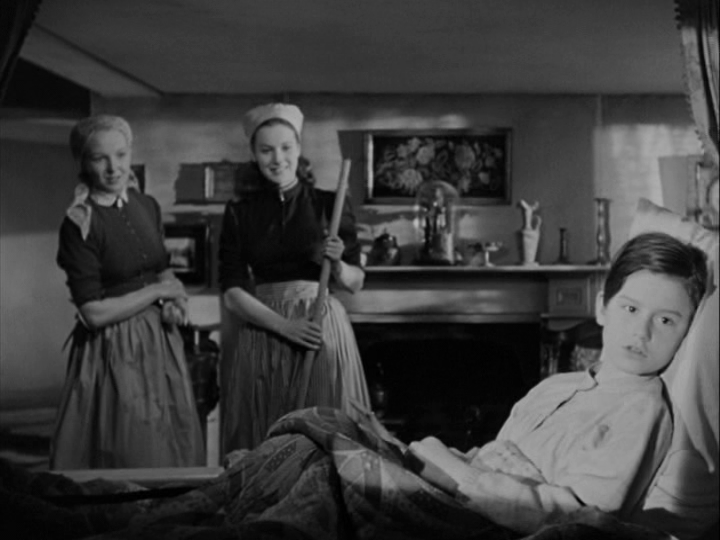
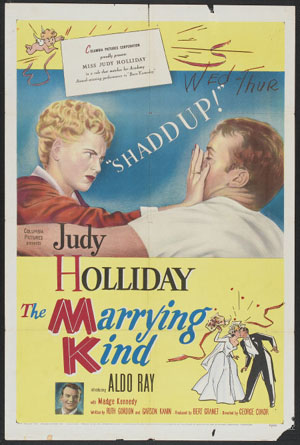
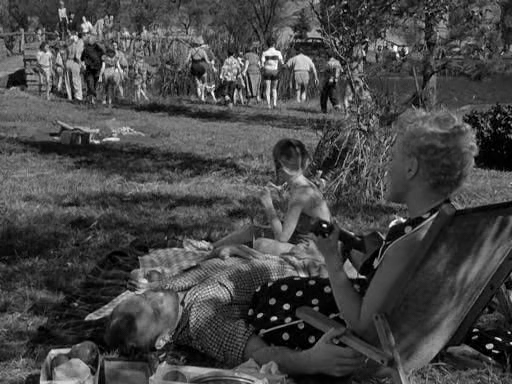
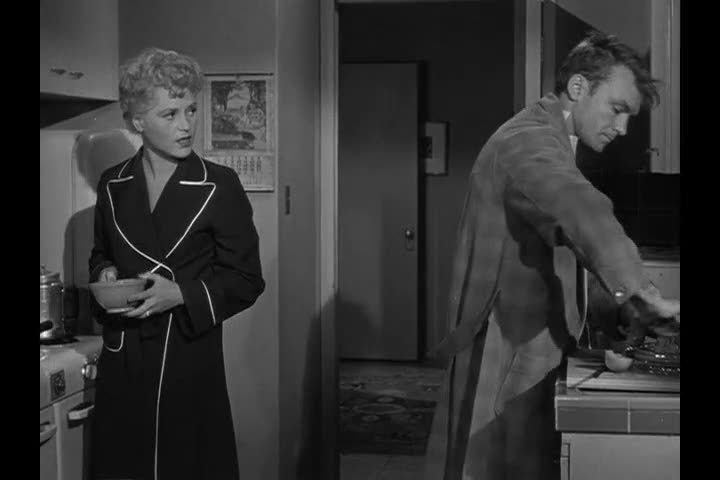
How Green Was My Valley (1941)

How Green Was My Valley (1941)

“There is no fence nor hedge around time that is gone. You can go back and have what you like of it, if you can remember.”

Synopsis:
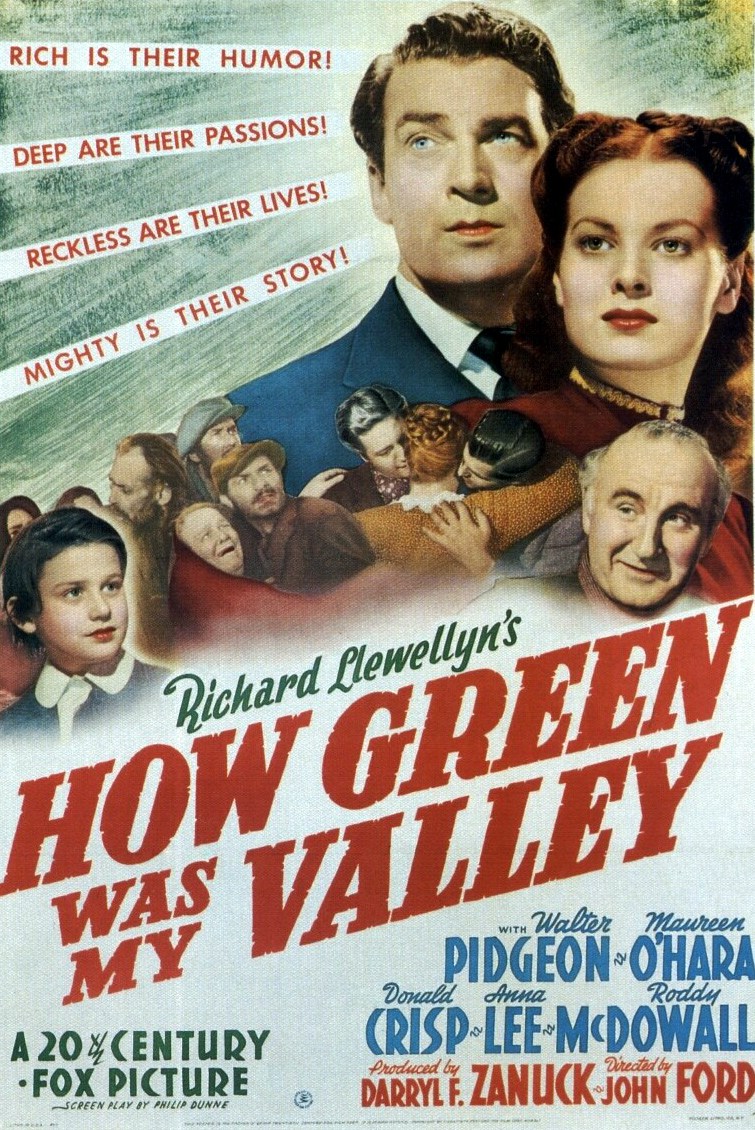
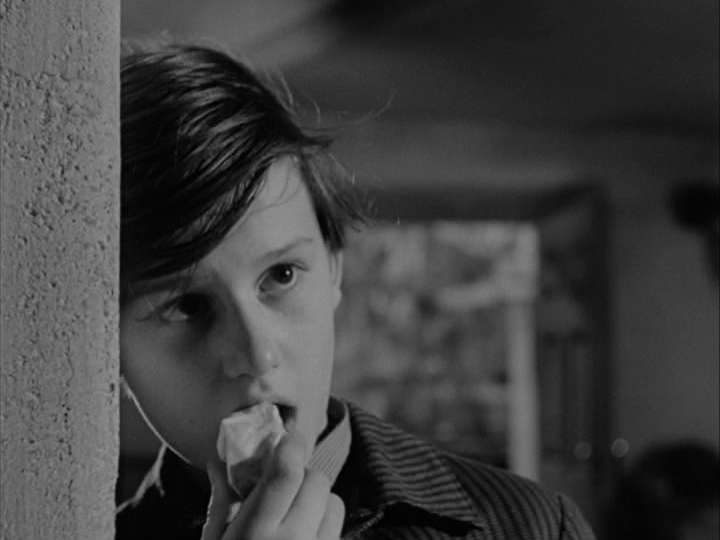
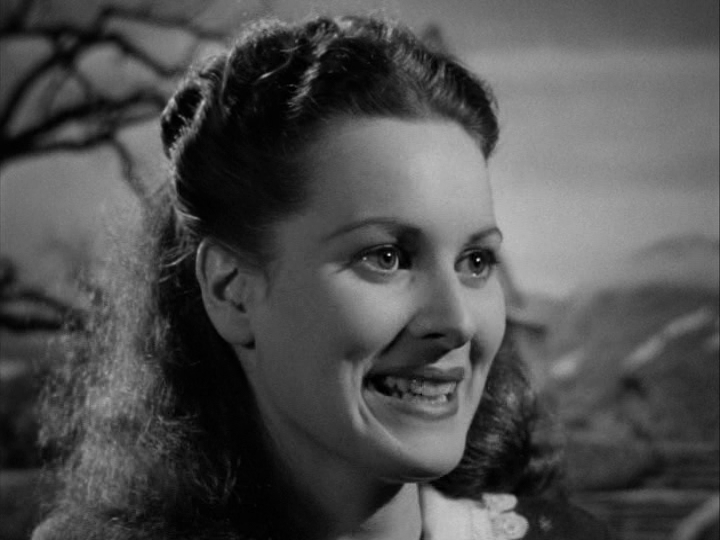
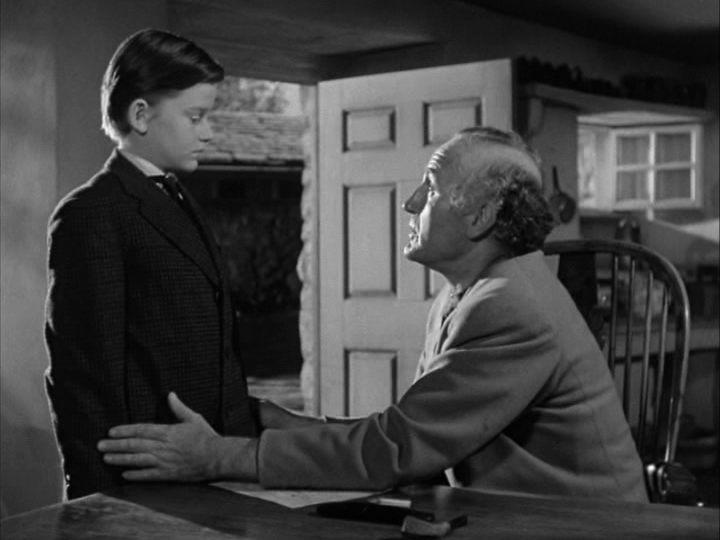
The youngest child (Roddy McDowall) in a large Welsh family watches his father (Donald Crisp) and brothers (Patric Knowles, John Loder, Richard Fraser, Evan S. Evans, and James Monks) struggle to survive as coal miners, while his mother (Sara Allgood) attempts to provide a stable home, and his sister (Maureen O’Hara) falls in love with a penniless preacher (Walter Pidgeon).

Genres, Themes, Actors, and Directors:

  • Anna Lee Films
  • Barry Fitzgerald Films
  • Coming of Age
  • Donald Crisp Films
  • John Ford Films
  • Maureen O’Hara Films
  • Mining Towns
  • Roddy McDowell Films
  • Walter Pidgeon Films

Review:
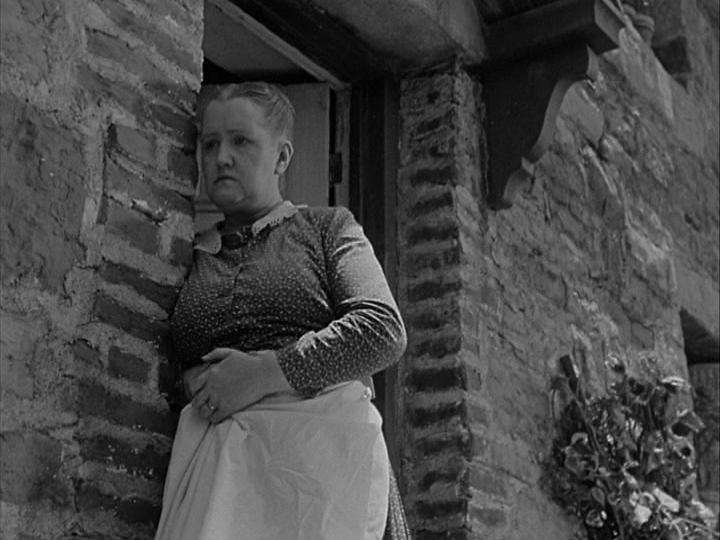
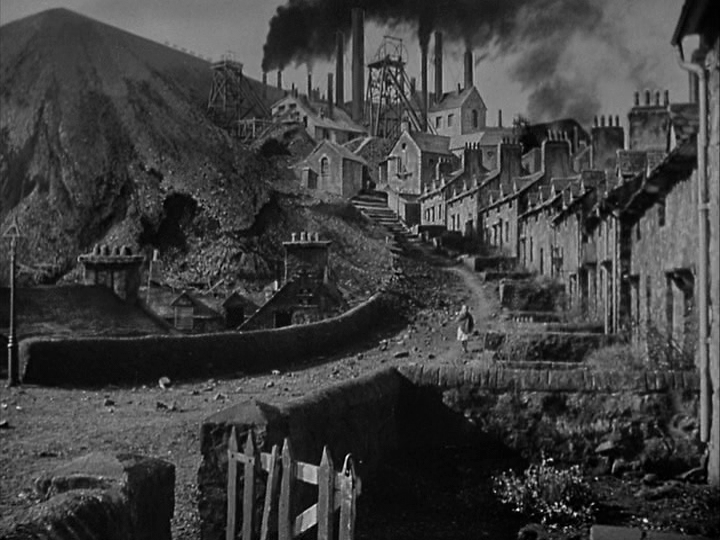
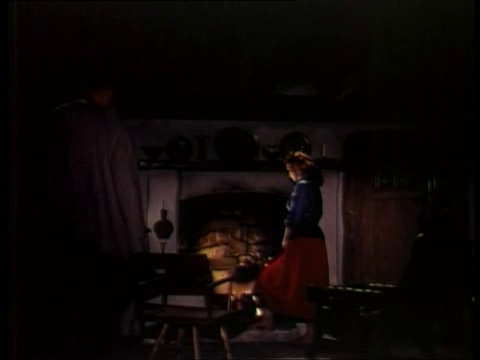
Though Peary doesn’t review this John Ford adaptation of Richard Llewellyn’s 1939 novel in his GFTFF, he does briefly mention it in Alternate Oscars, where he refers to it as a “sensitive memory piece”, but then quickly moves on to designate Citizen Kane as the truly worthy Best Picture winner that year; indeed, HGWMV continues to suffer in many film fanatics’ eyes from what they consider the “injustice” of this decision. I read Llewellyn’s lengthy novel (supposedly autobiographical — though it actually wasn’t) many years ago, and recall being disappointed with how much of its meaty content was necessarily truncated from Philip Dunne’s screenplay; revisiting the film again recently, however, I’m impressed by the economy of Dunne’s script, and Ford’s ability to condense Llewellyn’s vision into a memorable 2-hour film. It’s been noted that HGWMV represents an initial attempt by Ford (eleven years before he made and released The Quiet Man) to evoke nostalgia for his own heritage — albeit in Wales rather than Ireland (and it’s also been duly noted how terrible most of the actors’ attempts at Welsh accents are). However, while The Quiet Man exists in the realm of escapist nostalgic fantasy, HGWMV doesn’t shy away from truly difficult issues — such as the Morgan family’s ongoing quest to earn a decent living as coal miners, despite increasing efforts by mine owners to lower wages.

As the film opens, the Morgans are represented in an idealized fashion: McDowall’s brothers are strapping, his sister gorgeous, his parents stern but loving, and coal mining is viewed as a beloved, honorable profession. However, it’s quickly revealed that life will present an unending series of challenges for this group of strong-minded individuals. Crisp and his sons don’t see eye-to-eye on issues of unionization; O’Hara is asked to set aside her love for Pidgeon in order to marry (unhappily) for money; and McDowall, while clearly gifted (and, as the youngest child, somewhat spoiled) suffers from a debilitating injury, and must ultimately make a difficult decision regarding his future livelihood. Indeed, for a nostalgic historical drama, HGWMV is filled with a surprising number of genuinely distressing scenes; it’s to Ford’s credit that HGWMV remains so lighthearted in overall spirit while simultaneously avoiding designation as a “feel good” film. It should also be noted that Ford mostly avoids his general tendency to incorporate comedic supporting actors for levity; the only instance of this is in the character of Dai Bando (Rhys Williams), McDowell’s boxing teacher, and his presence does indeed provide some welcome relief.

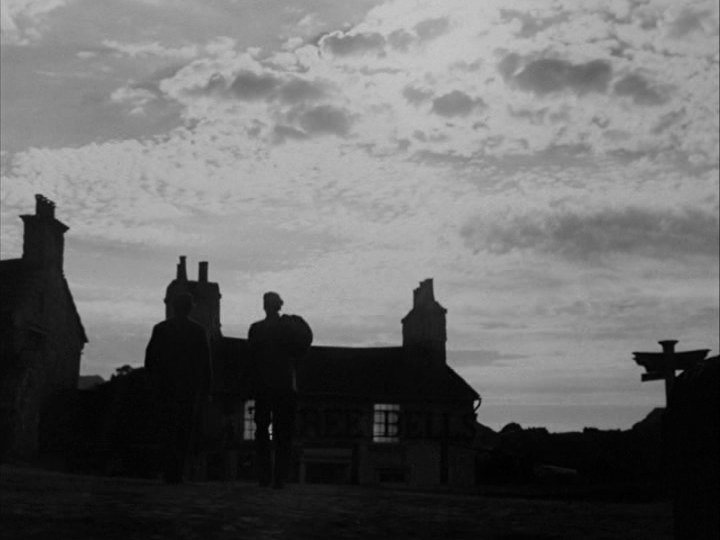
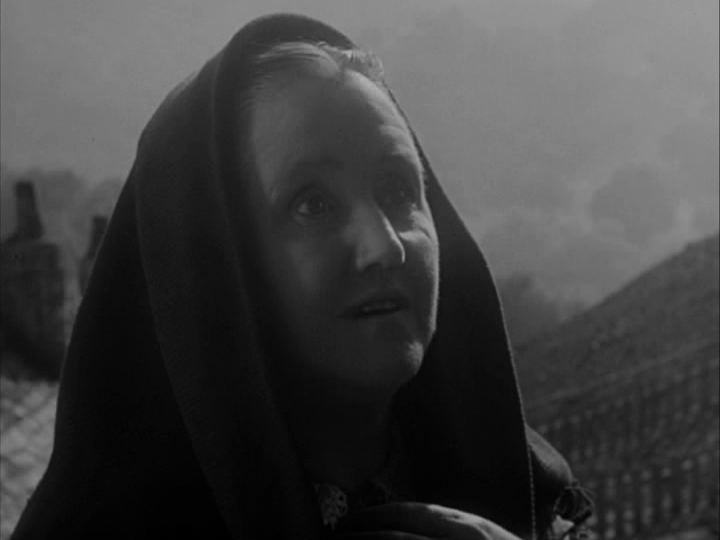
The production values for HGWMV — shot in the hills of Malibu, given wartime climate in Europe — are uniformly stellar. Arthur C. Miller’s b&w cinematography is consistently stunning, and Ford frames each scene with his characteristically considerate eye. Scene after scene has lasting visual impact, from the image of Welsh coal miners singing as they wend their way to and from work, to the strategically choreographed wedding scene between O’Hara and her wealthy suitor (Marten Lamont), to crippled McDowell’s attempts to walk to Pidgeon on the hillside. The performances are equally top-notch: Crisp and Allgood are perfectly cast as the heads of the Morgan clan; O’Hara is stunning in her breakthrough role; and it’s difficult to imagine anyone but McDowell in the lead role (though a different actor should perhaps have been considered to play his character in the final scenes of the film, given how many formative years have supposedly passed, and how youthful McDowall still looks). But this is a minor complaint about a film that remains surprisingly poignant all these years later, despite its enduringly bad rap as the film that “stole” Citizen Kane‘s award. (And yes, Citizen Kane — one of my top-five favorite films — DID ultimately deserve the award. But that’s beside the point.)

Redeeming Qualities and Moments:

  • Roddy McDowall as Huw
  • Maureen O’Hara as Angharad
  • Donald Crisp as Mr. Morgan
  • Sara Allgood as Mrs. Morgan
  • Arthur C. Miller’s cinematography

  • Impressive sets (built in the hills of Malibu)
  • Fine direction by Ford

Must See?
Yes, as an enduring Ford classic. Listed as a film with Historical Importance and a Personal Recommendation in the back of Peary’s book.

Categories

  • Genuine Classic
  • Important Director
  • Oscar Winner or Nominee

(Listed in 1001 Movies You Must See Before You Die)

Links:

Marrying Kind, The (1952)

Marrying Kind, The (1952)

“You don’t seem to remember anything — and when you do, you remember it all wrong.”

Synopsis:
A couple (Judy Holliday and Aldo Ray) on the brink of divorce relate the story of their rocky marriage to a sympathetic judge (Madge Kennedy).

Genres, Themes, Actors, and Directors:

  • Aldo Ray Films
  • Divorce
  • Flashback Films
  • George Cukor Films
  • Judy Holliday Films
  • Marital Problems
  • Romantic Comedy

Response to Peary’s Review:
Peary accurately argues that this “captivating film” — directed by George Cukor, and scripted by Ruth Gordon and Garson Kanin — is “way ahead of its time” in its hard-hitting blend of “comedy and extreme tragedy”, telling the tale of a “lower-middle-class couple [who] experience a kind of therapy” while relating their story to a judge, “revealing feelings that they never expressed to each other”. He writes that while Holliday and Ray’s characters clearly “loved each other”, they “have ego problems which could be solved if they just expressed their true feelings for each other”. He notes that they “seemed to bring each other bad luck”, citing an instance he refers to as “one of the most painful scenes in movie history”, in which Holliday “has the opportunity to win a lot of money on a radio quiz by correctly naming a tune”, but instead “gives Ray’s guess instead of her own and they lose”.

I actually don’t find this scene particularly painful, given Holliday’s loving attempts to smooth the situation over: “Money you get that way doesn’t do you any good”, she reassures her depressed husband. It’s a later, tragic scene — one following on the heels of Holliday singing a delightful ditty (“Dolores”) while strumming a ukelele — that tears me up inside each time I think of it (though I won’t say more at risk of spoiling).

Indeed, Kanin and Gordon’s willingness to include truly hard-hitting scenes such as this one is part of what sets The Marrying Kind apart from other romantic comedies of its era. Equally innovative is their incorporation of voice-overs during flashback scenes, as we hear either Ray or Holliday telling their version of what happened while we simultaneously watch the “truth” unfold in front of us; it’s a remarkably effective strategy, shaking us out of our complacency as viewers.

Hunky newcomer Aldo Ray was an interesting choice to play Holliday’s postman-husband, Chet. While he suits the bill nicely in many ways (he’s believable as a blue collar worker, and seems invested in his role), his acting lacks nuance at times. More than making up for this, however, is Holliday, who gives a typically stellar performance as Florence (a.k.a. Florrie). In Alternate Oscars, Peary names Holliday Best Actress of the Year, noting that the role “was designed as a showcase for her, to prove that she had enough versatility to play in all kinds of films and that she could play a real character”. He writes that “like other Holliday characters, Florence is funny and endearing, and has a singular logic about life, which completely befuddles everyone else, including Chet… She seeks happiness along a rocky road, stubbornly refusing to compromise her way of doing things”. Yet he points out that “she can be extremely aggravating, insensitive, unsupportive, unforgiving, even selfish” — in other words, she’s an equal partner in the dissolution of her marriage. Holliday’s performance makes this film must-see viewing at least once, though the film itself is also a hidden gem.

Redeeming Qualities and Moments:

  • Judy Holliday as Florrie (named Best Actress of the Year in Alternate Oscars)
  • Ruth Gordon and Garson Kanin’s creative, incisive script

Must See?
Yes, as an unsung classic, and for Holliday’s performance.

Categories

  • Good Show
  • Important Director

Links:

Quiet Man, The (1952)

Quiet Man, The (1952)

“I’m Sean Thornton and I was born in that little cottage. I’m home, and home I’m going to stay.”

Synopsis:
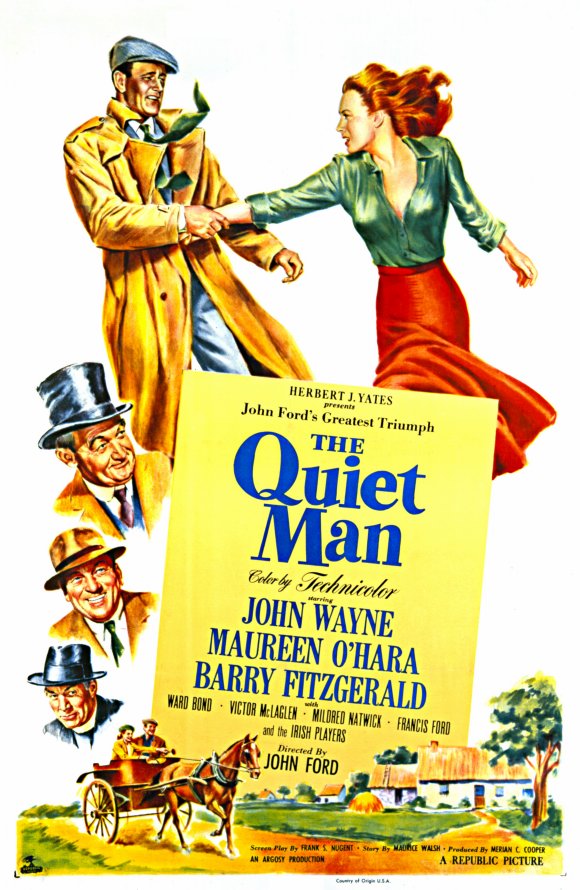
An Irish-American ex-boxer (John Wayne) returning to his birth town falls in love with a beautiful, red-headed lass named Mary Kate (Maureen O’Hara) — but their happiness is foiled when Mary Kate’s bullish brother Will (Victor McLaglen) refuses to relinquish her dowry, Mary Kate refuses to consummate their marriage without it, and Sean (Wayne) refuses to confront Will.

Genres, Themes, Actors, and Directors:

  • Barry Fitzgerald Films
  • Battle-of-the-Sexes
  • Ireland
  • John Ford Films
  • John Wayne Films
  • Marital Problems
  • Maureen O’Hara Films
  • Romantic Comedy
  • Victor McLaglen Films
  • Ward Bond Films

Response to Peary’s Review:
After noting that John Ford visited his parents’ birthplace of County Galway in Ireland to “make this classic”, Peary writes that “the rolling countryside is so green, the village of Innisfree is so quaint, and the people whom [Ford’s] stock company portrays are so charmingly eccentric that we understand his love for his native land”. In his more extensive review of the film for Cult Movies 3 (where he refers to The Quiet Man as “the cult movie of the American Irish who are nostalgic for their homeland”), he goes into detail about the film’s production history — including the many years it took Ford to get his dream project off the ground, and the fact that it was truly a “family affair”, with siblings and children of not only Ford but Wayne, O’Hara, Barry Fitzgerald, and McLaglen involved (!). Peary describes the movie as “leisurely paced, lovely-to-look-at, [and] spiritedly acted”, but wonders if Ford and DP Winton C. Hoch were “trying to capture the look of a fairy tale or one of Ford’s daydreams about Ireland”; he further argues that — just like in Ford’s westerns, which are filled with stereotypical stock characters — this film represents Ford’s vision of a “romanticized, ideal Ireland”, rather than a more “authentic” Ireland. [That latter vision — driven by Irish filmmakers themselves — would come right around the time Peary’s book was published, with movies such as Jim Sheridan’s My Left Foot (1987) and Neil Jordan’s The Crying Game (1992).]

In his GFTFF, Peary analyzes the film’s sexual politics, noting that Mary Kate’s refusal to “consummate [her] marriage if she doesn’t have the dowry” makes her like a “modern woman”, given that she “doesn’t want to enter a relationship unless it’s on equal terms”. He writes how refreshing it is that, despite their obvious challenges, Mary Kate and Sean ultimately both view each other with maturity, love, and respect. Mary Kate “decides to have sex with Sean although he has not come through for her”, given that she “senses that he has reasons for not challenging her brother, although she herself may not understand them”. Similarly, Sean “challenges Will for Mary Kate’s sake”, conceding “that her reasons for wanting the dowry are not trivial, although he doesn’t understand them”. Peary goes on to note that “there’s so much Irish humor in this film and so many quirky characters that one tends to overlook that just below the surface there is much seriousness, hurt, and guilt; both Sean and Mary Kate are tormented in real ways and we feel for them”.

Finally, Peary points out that while “Ford was never known for ‘love scenes’… the silent passage in which Sean and O’Hara hold hands, race for shelter from the sudden rain, and then stop, clutch (he drapes his sweater over her), and kiss as the rain soaks through their clothing is incredibly sexy”; I agree. Wayne and O’Hara are both in top form here, and are indeed — as Peary notes — “one of the screen’s most romantic couples”. In Alternate Oscars, Peary names Wayne Best Actor of the Year for The Quiet Man, and provides a detailed analysis of why this performance was one of Wayne’s best and “most relaxed”. He notes that Sean “is Wayne’s gentlest character”, that he’s “formidable” but without McLaglen’s “need to be a bully or braggart”. As Peary writes, “He has such confidence in his masculinity that he is polite, emotional, sentimental, and sweet enough to plant roses”, never “hid[ing] his love from Mary Kate, [and] never assum[ing] a paternal or authoritarian stance with her”. Indeed, it’s easy to see why O’Hara would fall in love with him — though naturally, she’s equally appealing, for her own reasons. This romantic couple is one we truly enjoy watching on screen.

Redeeming Qualities and Moments:

  • Maureen O’Hara as feisty Mary Kate Danaher (nominated as one of the Best Actresses of the Year in Peary’s Alternate Oscars)
  • John Wayne as Sean Thornton (voted Best Actor of the Year in Alternate Oscars)
  • Barry Fitzgerald as Michaleen Oge Flynn
  • Plenty of romantic tension between Wayne and O’Hara
  • Excellent use of authentic Irish countryside
  • Oscar-winning cinematography by Winton C. Hoch

Must See?
Yes, as one of Ford’s finest films. Nominated as one of the Best Films of the Year in Alternate Oscars.

Categories

  • Genuine Classic
  • Important Director

(Listed in 1001 Movies You Must See Before You Die)

Links:

Phffft (1954)

Phffft (1954)

“I’m no longer interested in beds.”

Synopsis:
A recently divorced husband (Jack Lemmon) and wife (Judy Holliday) navigate the tricky world of dating while gradually recognizing that they’re still in love with one another.

Genres, Themes, Actors, and Directors:

  • Divorce
  • Flashback Films
  • Jack Carson Films
  • Jack Lemmon Films
  • Judy Holliday Films
  • Kim Novak Films
  • Mark Robson Films
  • Romantic Comedy

Review:
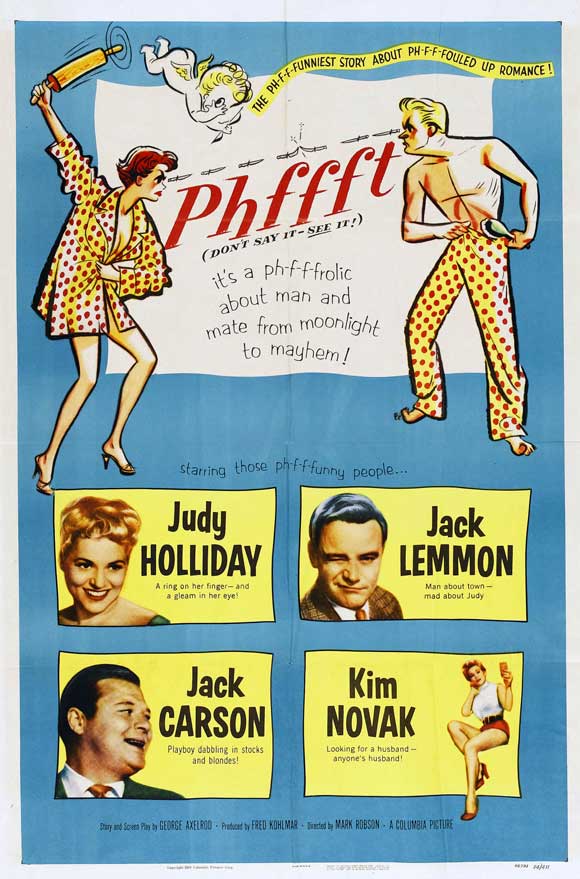
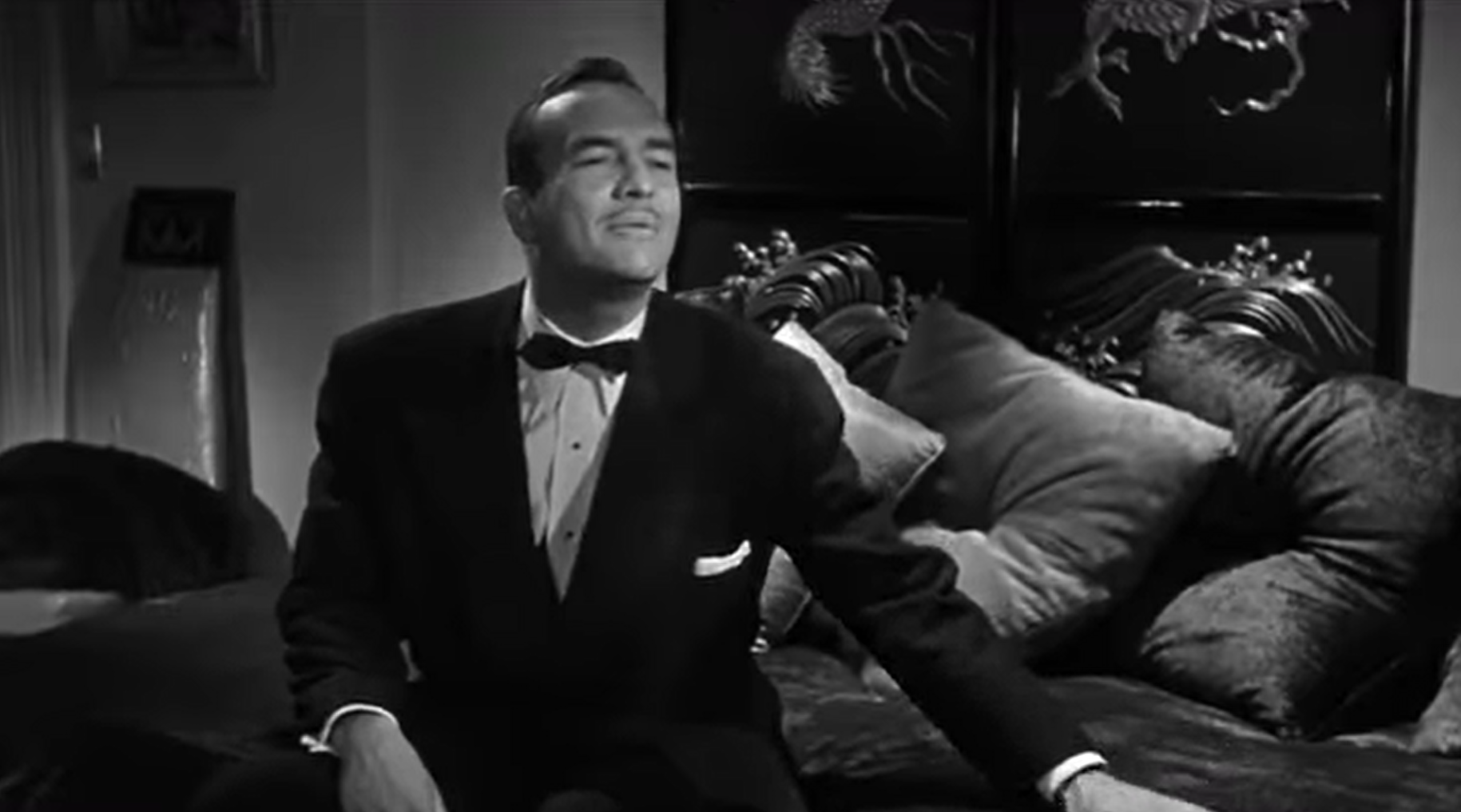
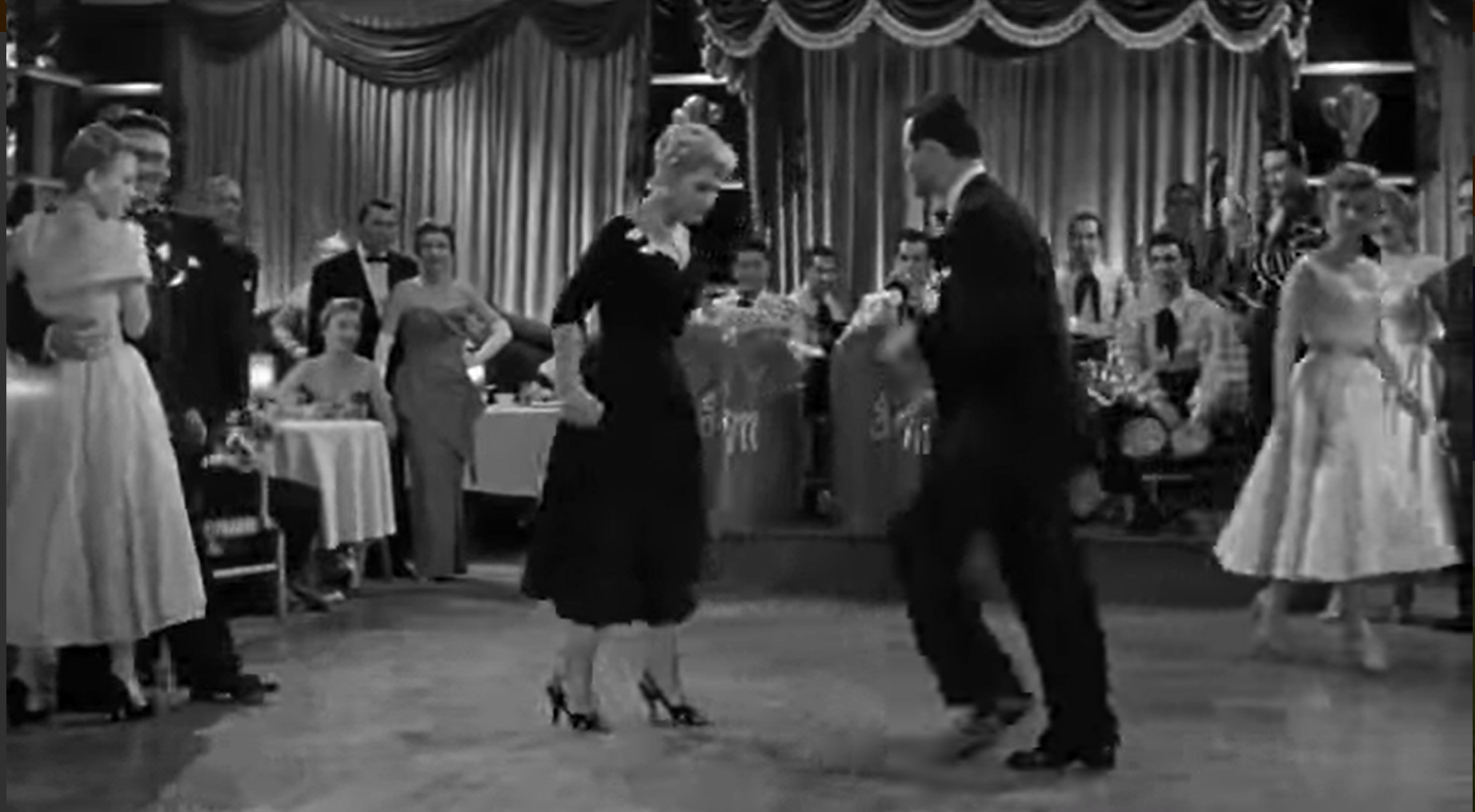
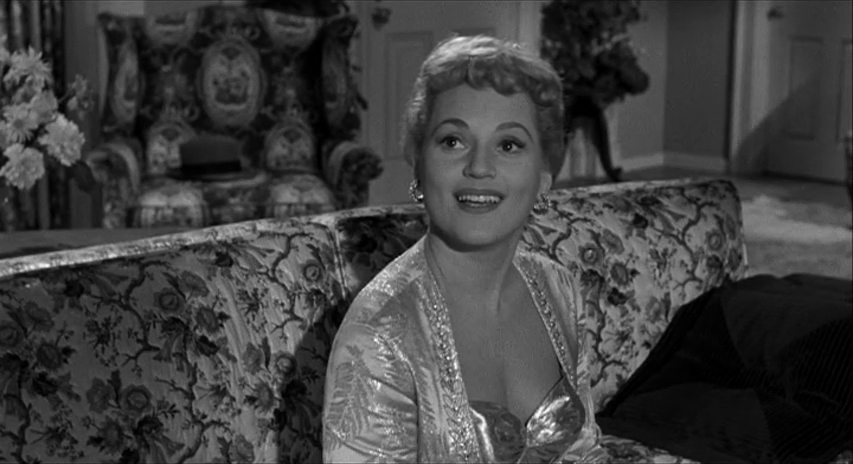
Judy Holliday and Jack Lemmon are perfectly paired in this sprightly romantic comedy (directed by Mark Robson, and scripted by George Axelrod) about a recently divorced couple who are clearly meant to end up right back in one another’s arms; with this understanding fully in mind, one watches the couple’s quibbling and travails with a sense of bemusement rather than discomfort. The film isn’t entirely successful, with some scenes working better than others: for instance, Holliday’s first post-divorce date — with the narcissistic star (Donald Curtis) of her hit radio show — is played much too broadly:

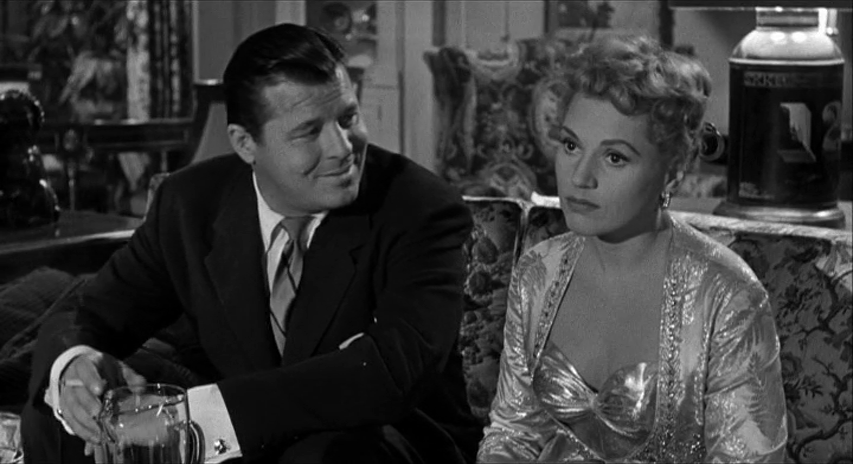
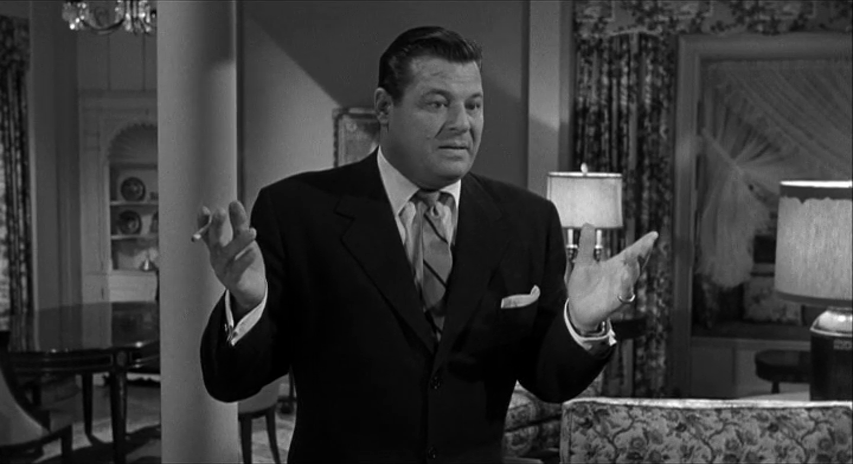
… but her scenes with the inimitable Jack Carson (as Lemmon’s playboy roommate) go in unexpected directions:

… and Lemmon’s dalliance with a sexy young student (Kim Novak, having fun channeling Marilyn Monroe):

… is an interesting foreshadowing of his scenes as traumatized Oscar Madison interacting with the Pigeon sisters in The Odd Couple (1968).

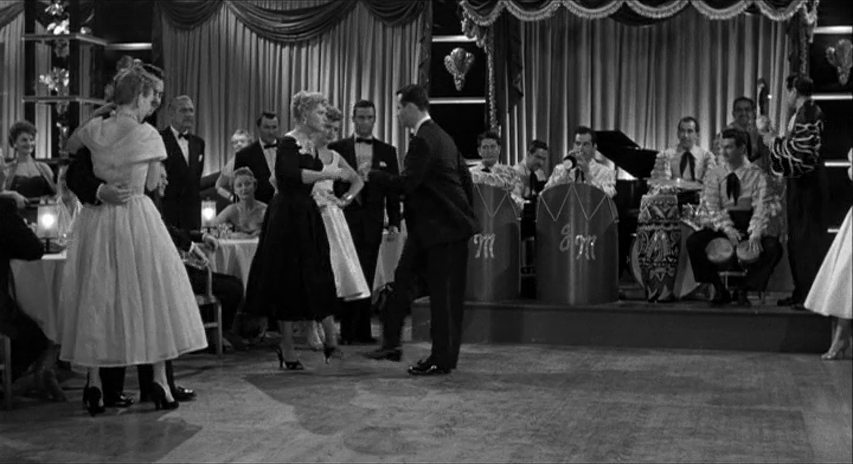
My favorite scenario, however, is a wordless one in which Holliday and Lemmon meet each other unexpectedly on the dance floor, flaunting their new moves (they’ve both taken dance lessons) while doing the mambo; one wonders how long it took them to coordinate their physical timing, and to learn to dance so perfectly awkwardly.

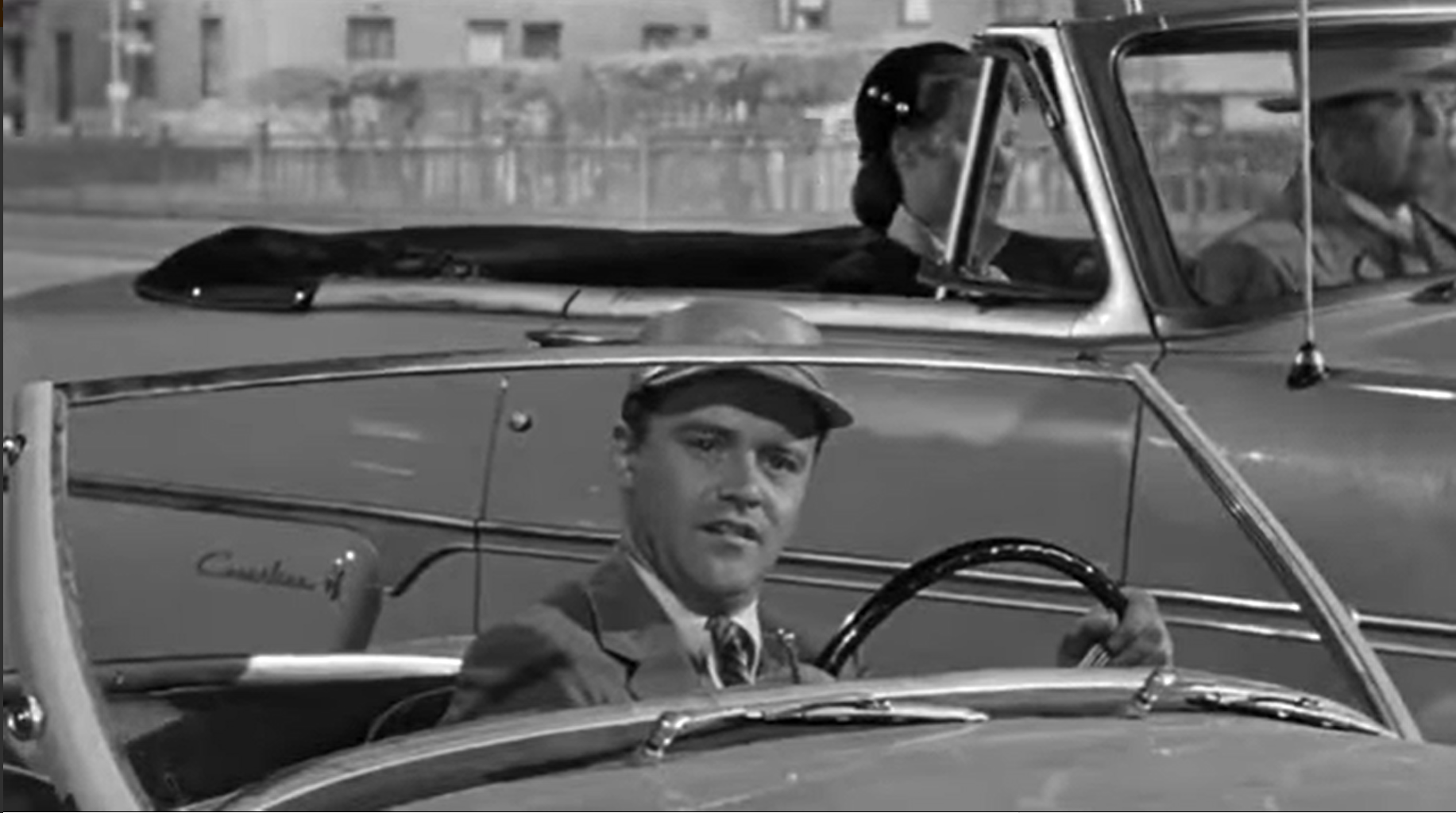
(All of this is made doubly impressive knowing that Holliday was sick as a dog throughout most of the shooting, and reported feeling like she was sleep-walking through many of her scenes.) Another fun scene has Lemmon — cautiously exercising his newly single muscles while driving a sporty car — attempting to flirt with a sexy woman on the sidewalk, only to have her turn around and reveal she’s Holliday.


Silly? Yes. Unrealistic? Sure. But Holliday and Lemmon are such gifted comedians that we can’t help enjoying their work together throughout this light-hearted romp. If only all divorces were so easily remedied.

Redeeming Qualities and Moments:

  • Judy Holliday as Nina
  • Jack Carson as Charlie
  • Lemmon and Holliday’s hilarious dancing scene

Must See?
No, though it’s definitely recommended simply for the performances.

Links:

Hold Back the Dawn (1941)

Hold Back the Dawn (1941)

“We are like two trains, halted for a moment at the same station, but we are going in different directions. We can’t change our course, any more than we can hold back the dawn.”

Synopsis:
A Romanian gigolo (Charles Boyer) living near the U.S./Mexico border hopes to gain entrance to the U.S. by marrying a naive young schoolteacher (Olivia de Havilland) — but will his jealous lover (Paulette Goddard) foil his plans?

Genres, Themes, Actors, and Directors:

  • Charles Boyer Films
  • Con-Artists
  • Immigrants and Immigration
  • Mitchell Leisen Films
  • Olivia de Havilland Films
  • Paulette Goddard Films
  • Romance

Review:
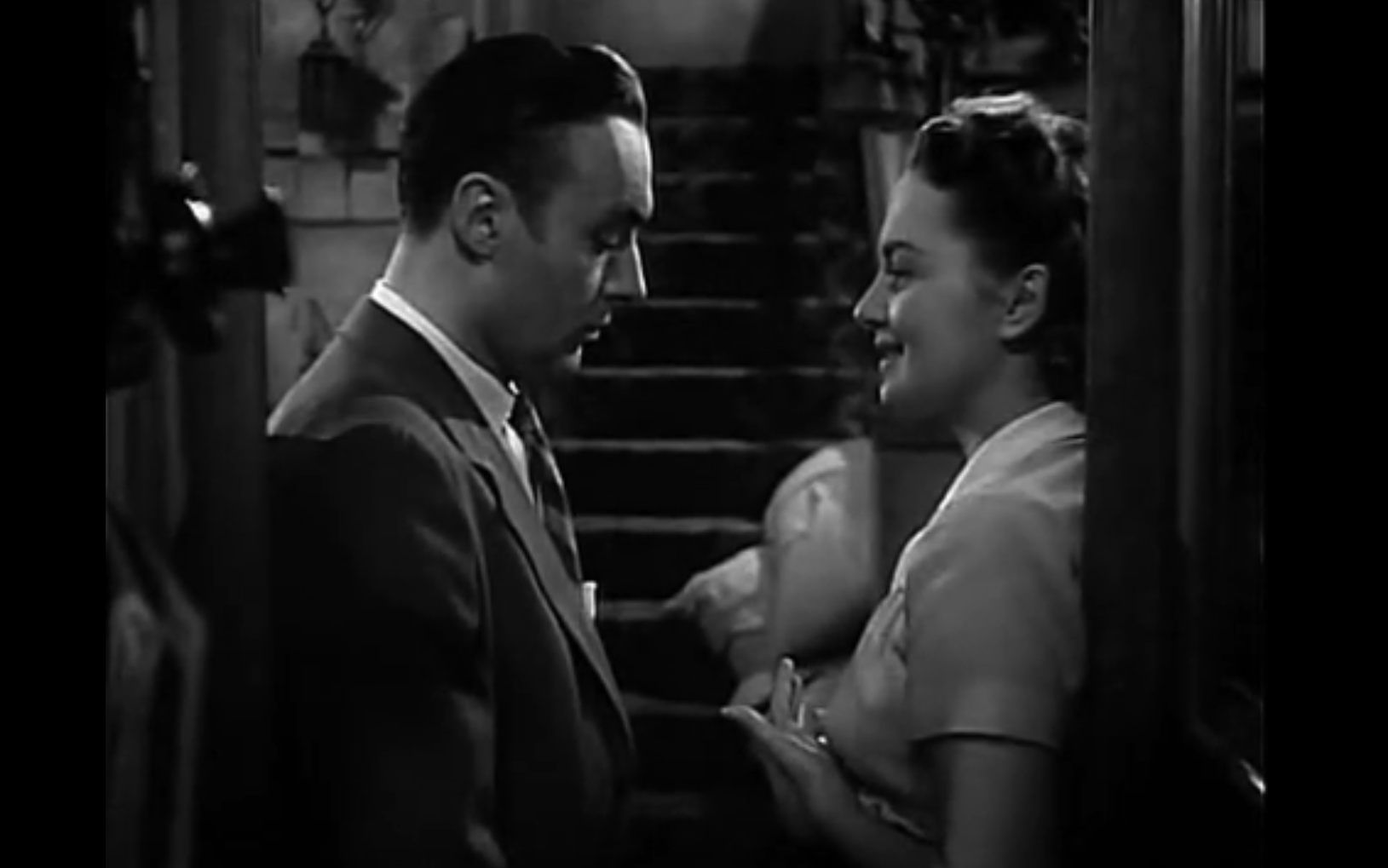
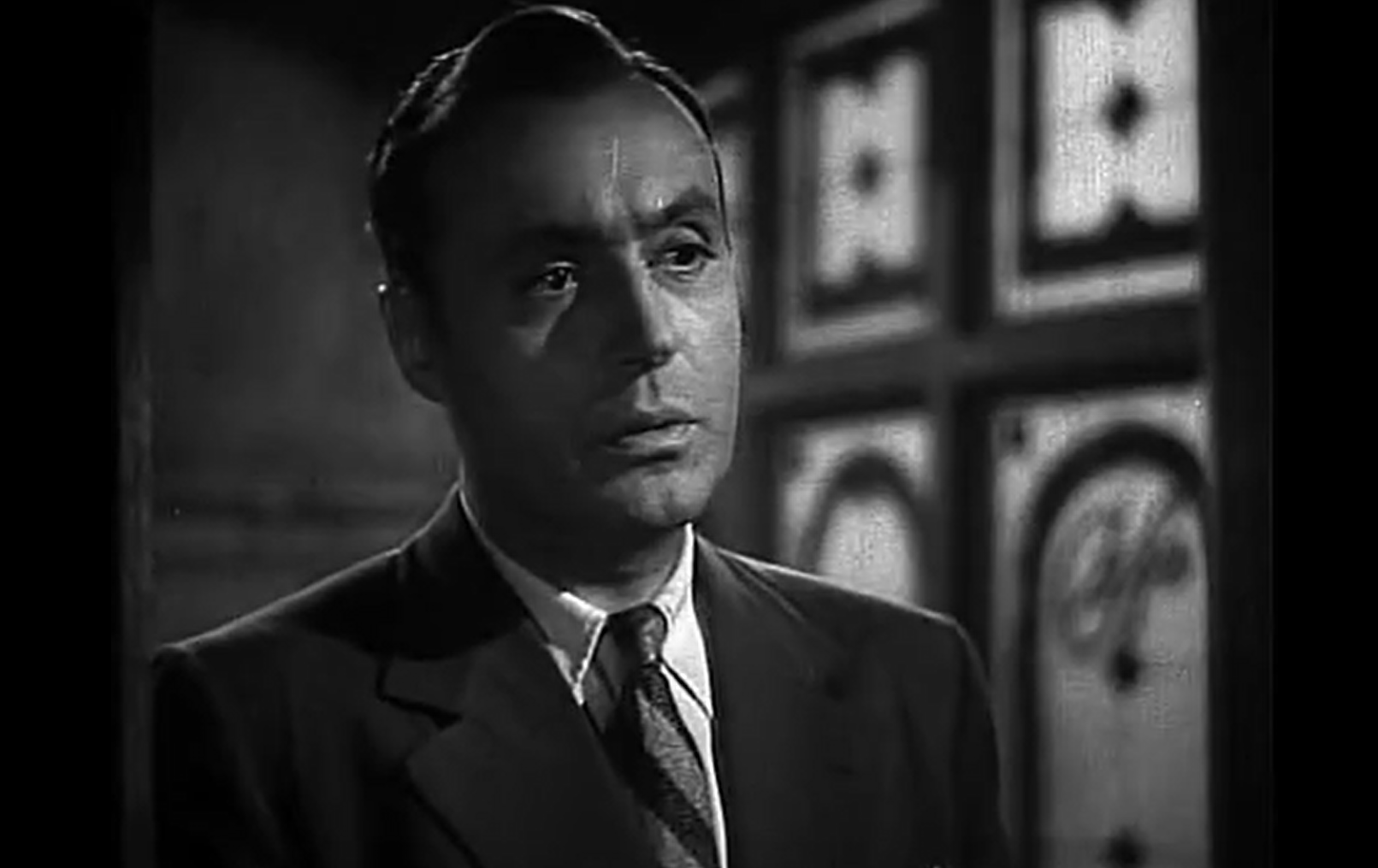
Mitchell Leisen directed this far-fetched but touching romance set in the “gritty” (albeit highly sanitized) world of immigration limbo. Much about the screenplay (written by Charles Brackett and Billy Wilder, based on a story by Ketti Frings) defies belief: would Boyer really be so instantly successful with the first woman he tries to woo? Would de Havilland really be so instantly swayed by his charms?

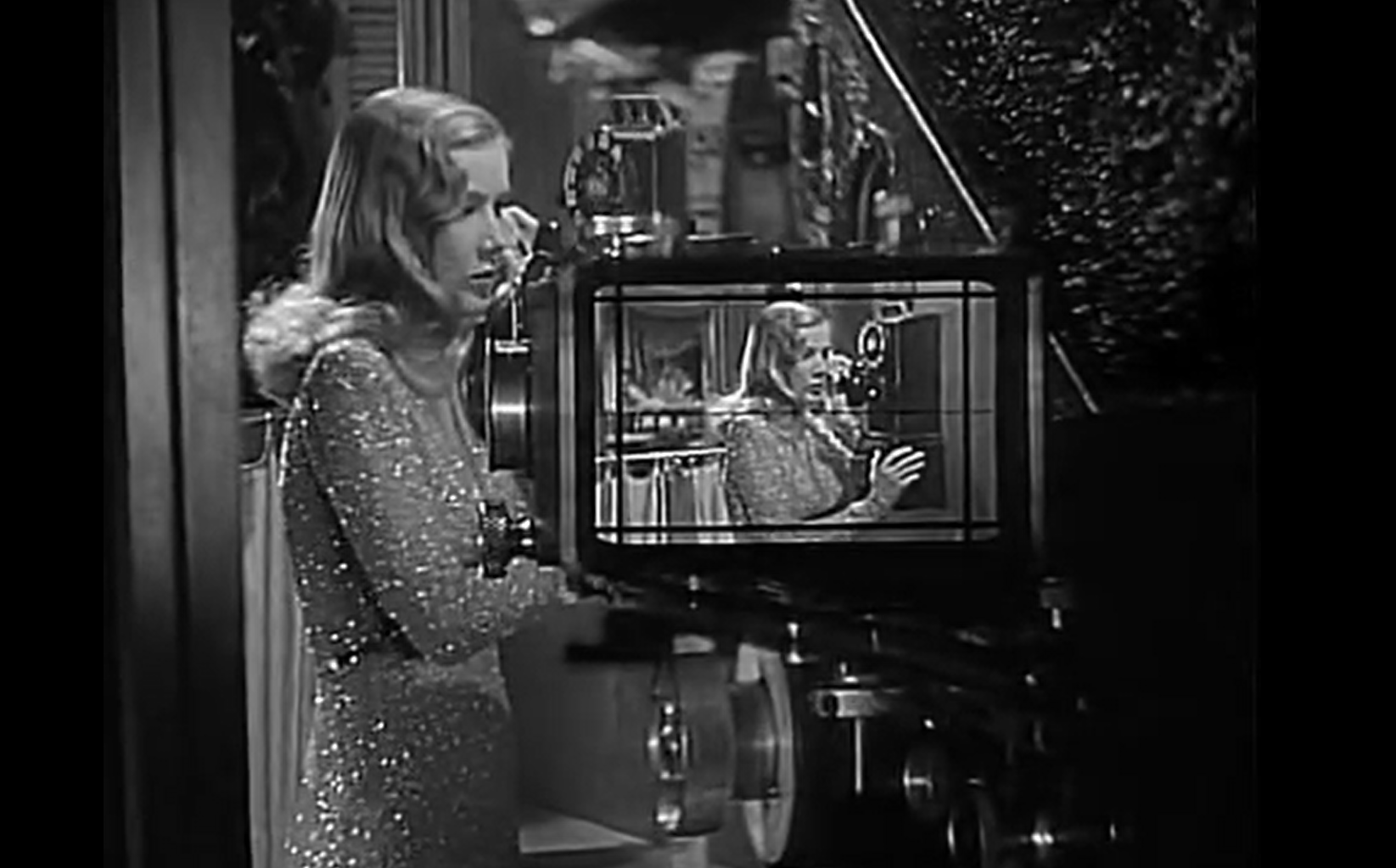
(And why in the world was beautiful de Havilland so consistently cast in “plain Jane” roles?) Regardless, Hold Back the Dawn is meant to function purely as Hollywood escapist fare, and to that end it works reasonably well. Despite knowing that de Havilland is being duped, we can’t help enjoying the blossoming of her romance with Boyer, given our conviction that Boyer will surely come to see the folly of his ways. The screenplay is nicely book-ended by Boyer’s character visiting a Hollywood studio and attempting to sell his story to a director (Leisen himself, in cameo); watch for fun cameos as well by Veronica Lake and Richard Webb, shown rehearsing a clip from Leisen’s I Wanted Wings (1941).

Redeeming Qualities and Moments:

  • Charles Boyer as George (nominated by Peary as one of the Best Actors of the Year in his Alternate Oscars)
  • Olivia de Havilland as Emmy (nominated by Peary as one of the Best Actresses of the Year in Alternate Oscars)

Must See?
No, though it’s certainly recommended.

Links:

Man Who Shot Liberty Valance, The (1962)

Man Who Shot Liberty Valance, The (1962)

“Somebody better listen to somebody about Liberty Valance!”

Synopsis:
A beloved politician (Jimmy Stewart) returns with his wife (Vera Miles) to the small Western town where he’s famous for having killed a bullying gunslinger named Liberty Valance (Lee Marvin); but as he begins to relate the story of his relationship with the recently deceased town drunk, Tom Doniphon (John Wayne), new details about the killing emerge.

Genres, Themes, Actors, and Directors:

  • John Carradine Films
  • John Ford Films
  • John Qualen Films
  • John Wayne Films
  • Lee Marvin Films
  • Lee Van Cleef Films
  • Revenge
  • Westerns
  • Woody Strode Films

Response to Peary’s Review:
Peary argues that this “marvelous John Ford western” — about the transition from an untamed western frontier to an era of “law and order”, as well as our tendency to valorize legends at the expense of the grittier truth — “looks better with every viewing”, and “certainly… summarized themes that were vital to earlier Ford westerns”. He notes that “for Ford, the real heroes were men like Tom who tamed the wilderness and made it possible for civilization to take root”, and he points out that “it is a shame that such pioneers have no place in civilization”, given that “in a law-and-order world of lawyers and politicians, Tom is just as anachronistic as gunslingers like Liberty”. He writes that the “picture has interesting characters and their relationships with each other are complex”, and he argues that the “picture has strong emotional resonance”. As noted in TCM’s article, upon its release …Valance was apparently dismissed as a lesser entry in Ford’s lengthy oeuvre, with specific criticisms leveled at Ford’s choice to make the film in black-and-white and primarily on a sound-stage; but in later years, critics (like Peary and many others) began to recognize its thematic and aesthetic values.

While I appreciate much about how …Valance is constructed, I’ll admit it’s not a personal favorite. Ford’s characteristic inclusion of comedic supporting characters — most specifically Andy Devine’s cowardly sheriff, presumably meant to provide some levity to the proceedings — simply feels forced and out of place here; and Stewart’s idealistic, stubborn “young” lawyer comes across as merely another iteration of his earlier starring roles for Frank Capra. With that said, I admire the craftsmanship of the script (based on a story by Dorothy M. Johnson), which manages to evoke a surprising amount of tension despite the fact that we can guess the truth behind the title from the beginning; however, it starts to bog down a bit towards the end, when Stewart goes head-to-head with Marvin in a contrived, Capra-esque town hall scene, and Wayne (“Think back, pilgrim.”) conveniently saves the day. Speaking of Marvin, he deserved the notoriety he gained for his key role here as Liberty Valance; he represents everything corrupt and vile about a lawless west in which might overtakes right every time.

Redeeming Qualities and Moments:

  • Lee Marvin as Liberty Valance
  • William Clothier’s cinematography

  • The impressive final shoot-out

Must See?
Yes, as one of Ford’s acknowledged classics. Listed as one of the Best Films of the Year in Peary’s Alternate Oscars.

Categories

  • Genuine Classic
  • Important Director

(Listed in 1001 Movies You Must See Before You Die)

Links:

28 Up (1984)

28 Up (1984)

“Give me the child until he is seven and I will give you the man.”

Synopsis:
A group of diverse British children are interviewed at the ages of 7, 14, 21, and 28.

Genres, Themes, Actors, and Directors:

  • Documentary
  • Michael Apted Films

Response to Peary’s Review:
I’ll be cheating a bit in my review of this “unique, fascinating documentary” by Michael Apted, which “began as a television short called 7 Up,” in which a “crew interviewed 14 seven-year-old school-children about what they wanted in their futures in regard to education, occupation, money, and marriage”, and then interviewed them again every seven years, with snippets from each set of interviews strategically interwoven. Peary’s review in GFTFF is of 28 Up (1984), but most film fanatics today will likely also have seen the follow-up entries — 35 Up (1991), 42 Up (1998), 49 Up (2005), and 56 Up (2012) — and I find it impossible not to reference the entire series in my own response. With that said, Peary makes a few key points in his review that remain relevant for all of the films in the series: he writes, for instance, that “the viewer is placed in an awkward position in that s/he becomes a judge as to whether these 28-year-olds [or 35, 42, 49, 56-year-olds] have succeeded, as most contend they have, in reaching their potential happiness; and the unfortunate tendency… is to feel superior to most of these people who have lives we don’t envy”.

Peary further asserts that in 28 Up, “the ‘successes’ we see are those subjects who have somehow achieved some freedom” — such as Nick, “the science researcher who… fled with his wife to Wisconsin” and Paul, “the bricklayer who is raising a family in Australia”; but he pities both Neil, the “near-genius who has dropped out altogether and lives on welfare” and “a cabbie [Tony] who is satisfied with [the] ‘freedom’ he gets from his job and his close family life, but whose poor education deprived him of what a person of his natural intelligence and warmth deserves”. He argues that the “picture leaves you sad”, but notes that “surely a documentary on any seven [sic] subjects taken over 20 [sic] years would have the same result because, let’s face it, kids look happier, cuter, and more enthusiastic than adults”. Interestingly, seeing the participants at later ages (specifically 56, as in the most recent entry) allows one to feel a little less melancholy about the inevitability of both heredity and class, as nearly every participant seems to have achieved some measure of happiness and contentment — whether through (re)marriage, grandchildren, and/or career. Few, for instance, would feel sorry at this point for Tony, who has actually achieved an enviable measure of financial success (he owns a second home in Spain); and while Neil has continued to struggle with his mental challenges, he’s been able to pursue his dream of a career in politics.

Apted’s series has been rightfully praised over the years as an invaluable longitudinal document of humanity itself — regardless of its specificity in following Britons from a certain generation (and mostly white males, an initial “casting” choice Apted apparently regrets). While there’s nothing particularly innovative about the way in which Apted films his subjects, or the questions he asks them, his devotion in tracking down the participants like clockwork every seven years (or occasionally in between, as when he filmed a participant’s wedding) is an impressive feat in itself. (Apted is reportedly so devoted to this project that he’s said he hopes someone else will take up the mantle in the event of his own death; he’d like to follow the participants to the ends of their lives.) One also feels appreciation for the dedication of the participants, all but one of whom have chosen to reappear in most (or all) of the episodes; long before the advent of “reality T.V.”, they have graciously allowed at least portions of their lives to be on public display. Most film fanatics will eagerly await the next installment, and hope that all the “children” — Andrew, Bruce, Jackie, John, Lynn, Neil, Nick, Paul, Peter, Sue, Suzy, Symon, and Tony — will still be alive and well at the age of 63 and beyond.

Note: Devoted followers will enjoy watching the entire “Up Series” (as the DVD set is referred to); others may simply want to watch 56 Up and work backwards as desired.

Update (1/9/21): Rest in Peace, Michael Apted. Thank you for your contributions to cinema and our understanding of humanity.

Redeeming Qualities and Moments:

  • An enduringly fascinating long-term social document

Must See?
Yes, as part of a deservedly classic documentary series.

Categories

  • Genuine Classic

Links:

Stagecoach (1939)

Stagecoach (1939)

“There are some things a man just can’t run away from.”

Synopsis:
A diverse group of passengers — including a prostitute (Claire Trevor), an alcoholic doctor (Thomas Mitchell), a gambler (John Carradine), a whiskey seller (Donald Meek), a shady banker (Berton Churchill), a sheriff (George Bancroft), and the pregnant wife (Louise Platt) of a cavalry officer — embark on a stagecoach trip led by a nervous driver (Andy Devine), despite warning of warring Apaches up ahead. Along the way, Bancroft picks up an escaped prisoner (John Wayne) who falls for Trevor — but will they survive both the rigors of their journey, and the outlaws waiting for Wayne at their final destination?

Genres, Themes, Actors, and Directors:

  • Claire Trevor Films
  • George Bancroft Films
  • John Carradine Films
  • John Ford Films
  • John Wayne Films
  • Morality Police
  • Prostitutes and Gigolos
  • Road Trip
  • Thomas Mitchell Films
  • Westerns

Response to Peary’s Review:
Peary opens his review of this “seminal” John Ford western — written by Dudley Nichols, whose “script was adapted from Ernest Haycox‘s story ‘Stage to Lordsburg'” — by accurately referring to it as “the type of film you’ll take for granted”, and noting that “between viewings, one forgets what a magnificent film [it] is”. He adds that “Ford kept it simple — it is a simple morality play — but directed with great feeling for the West, the time, and for his characters”, and notes that “it’s obvious that the actors really cared about the people they played”. He points out that while “we may [primarily] recall the action scenes — a lengthy Indian attack on the stage, John Wayne as the Ringo Kid shooting it out with three bad guys” — one “sees that Ford is more interested in how characters respond to danger — for instance, are they worrying about themselves or others when lives are at stake?” Indeed, Stagecoach is essentially a compelling, character-driven drama couched within a consistently suspenseful western-adventure, and bolstered by a sweet romance — the perfect recipe for a genuine American classic!

I believe this was the film that sparked my admiration for character-actress Claire Trevor as a teenage film fanatic; I recall learning that she considered herself merely a “working stiff” in Hollywood, trying to survive as a single mother, and that I felt intense admiration for her no-nonsense approach to a notoriously ego-filled field. She’s top-billed among the ensemble cast here, and deserves this status, given that she’s the emotional glue holding the stagecoach passengers together. When Platt suddenly gives birth along the journey (during the film’s most heartfelt extended sequence), Trevor selflessly cares for the newborn while Platt recovers; and when she’s given the unprecedented opportunity (by Wayne) to turn her life around, she cares more about his safety than her own future. Speaking of Wayne, he’s never been more charismatic or appealing than he is here (as Peary points out, “What an entrance Ford gave him!”); and the rest of the “marvelously cast” supporting players — Mitchell, Meek, Carradine, unknown Platt, and others — are excellent as well. I especially like how nearly every character in the story is given an arc of some kind, and allowed to emerge by the film’s end as someone much more nuanced than we could ever have expected.

All this in a “mere” western! — one which, on the surface, seems like simply a conglomeration of conventional characters and situations, yet comes together so seamlessly it’s been studied as a masterwork by countless famed directors (most notably Orson Welles). Indeed, Stagecoach is an excellent example of a solid genre flick which simultaneously functions as a vehicle for deeper musings on human nature. To that end, Peary notes that “the coach serves as an arena for a clash between those who represent society” (the banker, the doctor, the married woman, and the salesman) and “those whom society considers outsiders” (the escaped prisoner, the prostitute, the gambler) — with nearly all the former passengers (the corrupt banker being a key exception) “won over” by the latter, and the driver and sheriff remaining “outside on the ride through the wilderness” (they represent “neutral figures who are part of civilization but have open minds towards those who don’t fit in”).

While I’m not generally a fan of Ford’s characteristic incorporation of humor throughout his films (usually in the form of buffoonish characters), in this case he uses humor as a starting point for some surprisingly heartwarming revelations: Mitchell’s tippling doctor, for instance, eventually sobers up enough to deliver Platt’s baby (and to be of genuine help during the pivotal, excitingly directed Indian attack); Meek may initially stand “meekly” by while Mitchell downs his supply, but he ultimately proves he’s more than merely a spineless sap; Devine’s whimpering ninny of a stagecoach driver keeps going despite his own worst fears (which come true); etc.

Regardless of whether one chooses to view this film as part of Ford’s broader oeuvre — or merely as an engaging flick in its own right — it remains a must-see classic, one worthy of multiple enjoyable visits.

Note: Interestingly, at the time he directed Stagecoach, Ford — who’s largely remembered these days for helming countless classic westerns — hadn’t made one in 13 years, since the silent western Three Bad Men (1926).

Redeeming Qualities and Moments:

  • Claire Trevor as Dallas
  • John Wayne as the Ringo Kid
  • Donald Meek as Mr. Peacock
  • Thomas Mitchell as Doc Boone
  • Bert Glennon’s “magnificent” cinematography
  • Iconic use of Monument Valley as a backdrop
  • Expert direction by Ford
  • The genuinely exciting Apache attack sequence
  • An Oscar-winning score “adapted from American folk songs”

Must See?
Yes, of course — this one is a genuine classic, and ranks among my
personal favorite westerns. Nominated one of the Best Films of the Year in Peary’s Alternate Oscars.

(Listed in 1001 Movies You Must See Before You Die)

Categories

  • Genuine Classic
  • Important Director

Links:

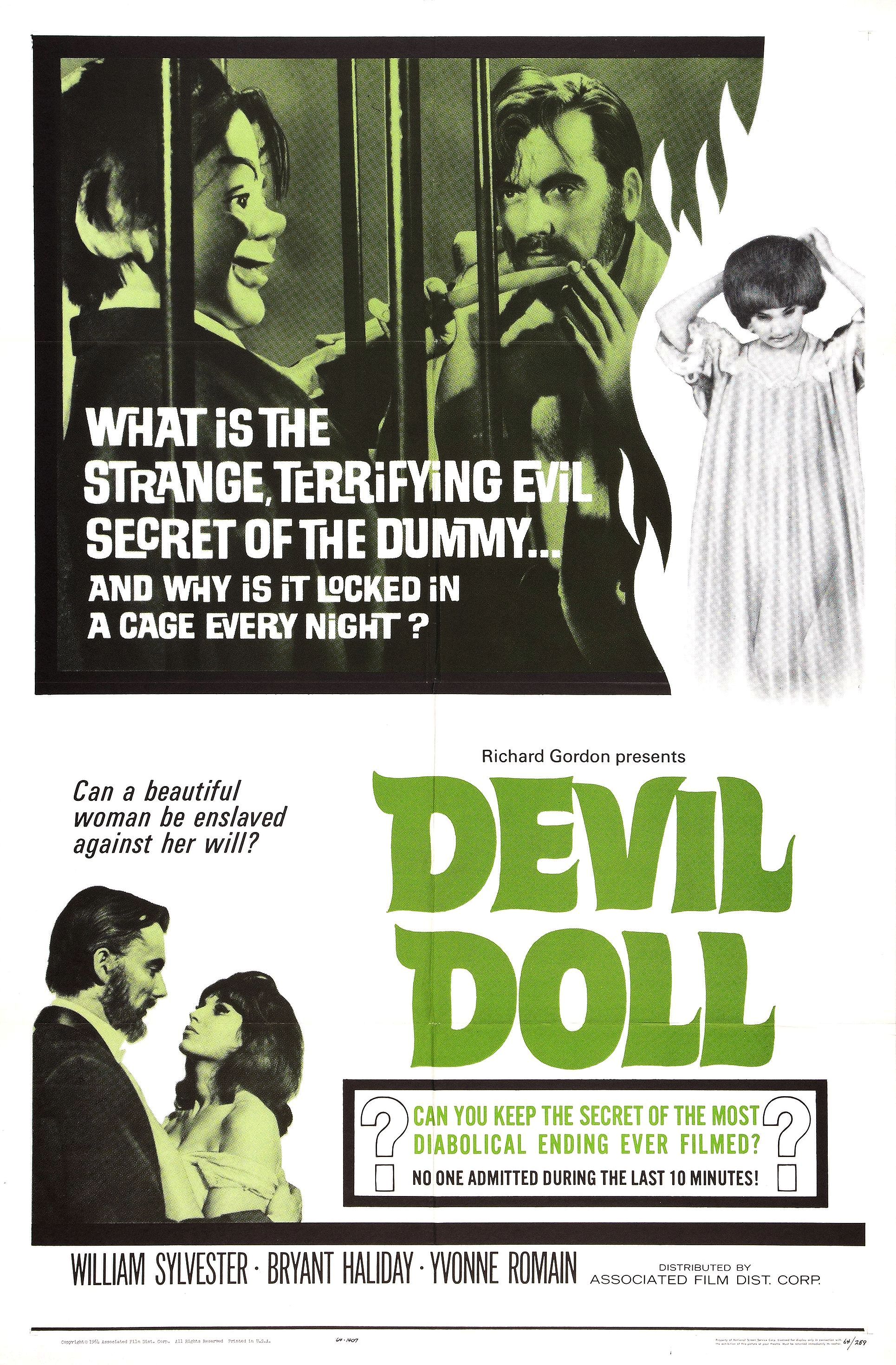
Devil Doll (1964)

Devil Doll (1964)

“They’re not applauding you — they’re applauding me! Yes, me, Hugo — the dummy!”

Synopsis:
A journalist (William Sylvester) hoping to learn the secret of a mysterious ventriloquist (Bryant Haliday) whose dummy is strangely mobile enlists the help of his beautiful, wealthy girlfriend (Yvonne Romain), unknowingly putting her life at risk.

Genres, Themes, Actors, and Directors:

  • Horror Films
  • Journalists
  • Mind Control and Hypnosis
  • Puppets and Ventriloquism

Review:
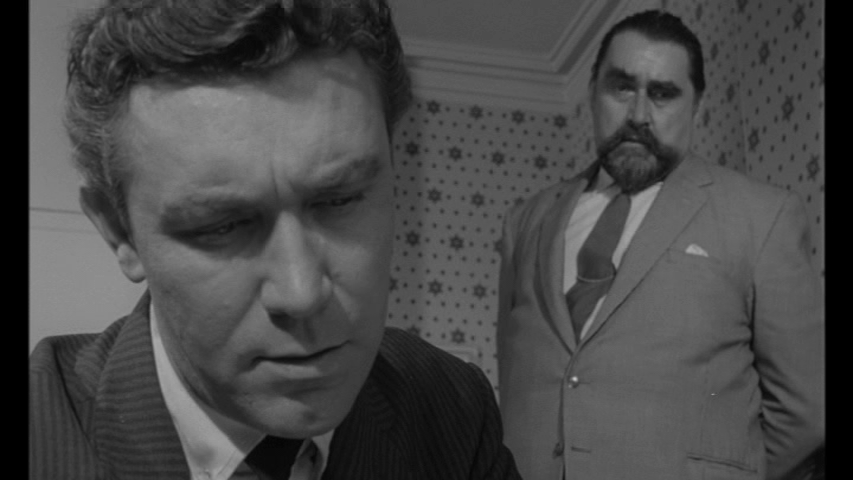
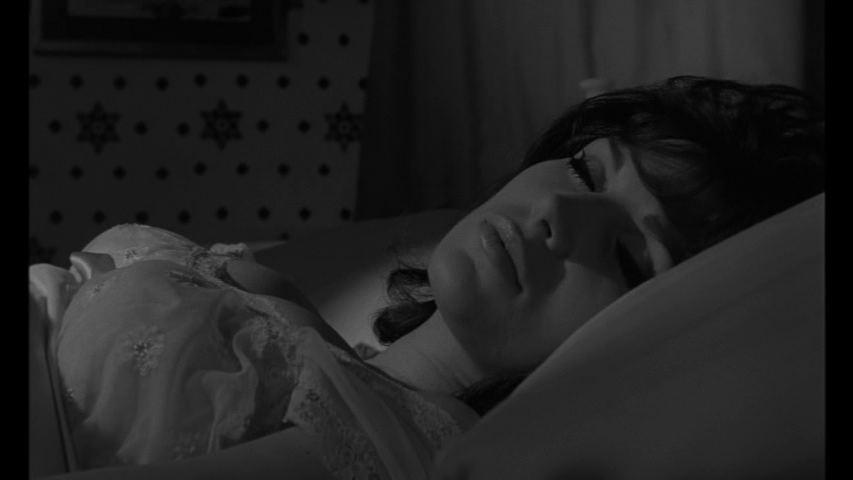
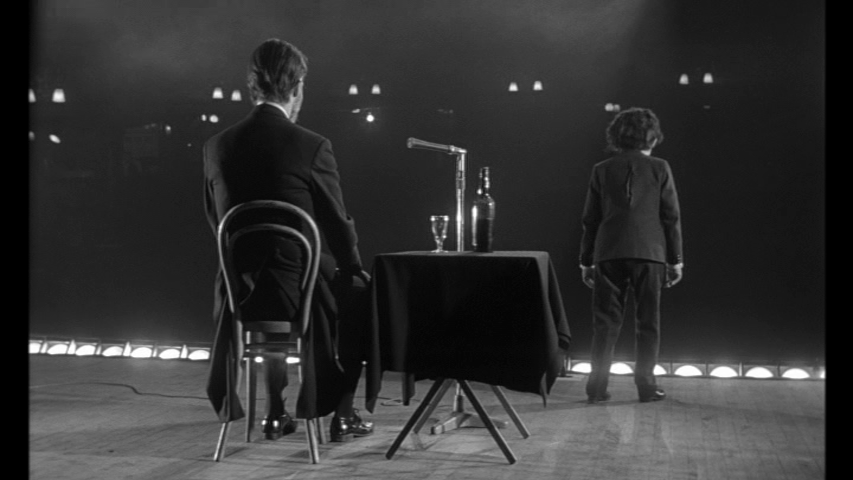
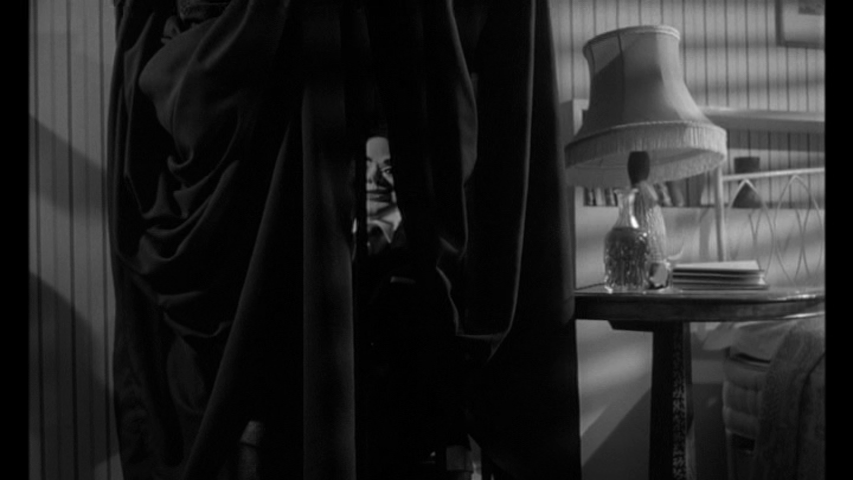
Fans of the “Ventriloquist’s Dummy” sequence in the classic British horror anthology Dead of Night (1945) may be curious to check out this unofficial homage, in which the title dummy is also named Hugo — though the tables of diabolical control in this case have been shifted from puppet to master. The pacing is overall too slow, and several moments (i.e., Romain being hypnotized into dancing onstage) are downright silly — but director Lindsay Shonteff and DP Gerald Gibbs do an adequate job evoking tension and menace within their low budget, and one remains curious until the end about Hugo’s secret (which involves a twist finale). The actors are decent for what essentially amounts to an exploitation flick — especially Haliday, whose creepy performance is reminiscent of Christopher Lee (surely intentional); meanwhile, fans of The Last of Sheila (1973) may enjoy seeing “Sheila” herself (sexy Romain) in a more substantial role.

Note: Other Peary-listed titles in the ventriloquism sub-genre include the terribly boring Erich von Stroheim vehicle The Great Gabbo (1929), and the disappointing Danny Kaye Cold War spoof Knock on Wood (1954).

Redeeming Qualities and Moments:

  • Reasonably effective low-budget direction and cinematography

  • A surprisingly strong sense of menace


Must See?
No, though it’s worth a look as a cult curiosity. Listed as a Sleeper and a Personal Recommendation in the back of Peary’s book.

Links:

Lonely Hearts (1982)

Lonely Hearts (1982)

“You’re nearly fifty, you know – you’ve got to do something with your life!”

Synopsis:
When his mother dies, a 49-year-old bachelor (Norman Kaye) begins dating a pretty, inexperienced young woman (Wendy Hughes) with overly controlling parents. Though Kaye and Hughes get along famously, Hughes’ sexual repression eventually puts a kink in their relationship.

Genres, Themes, Actors, and Directors:

  • Australia
  • Dating
  • Romance
  • Sexual Repression

Review:
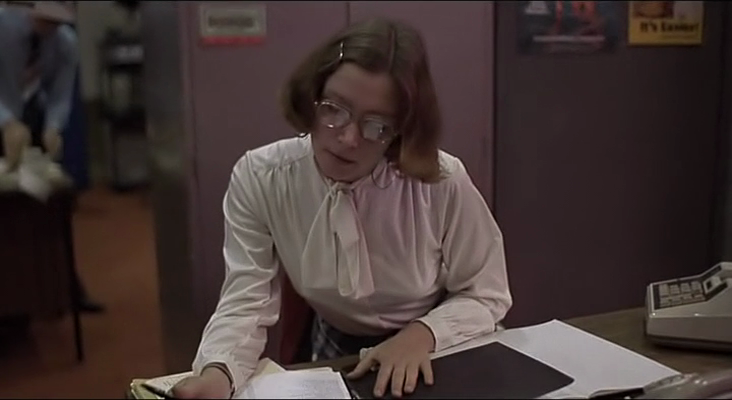
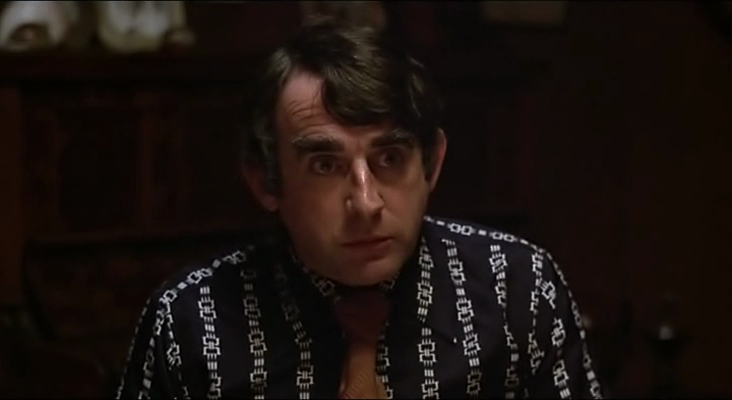
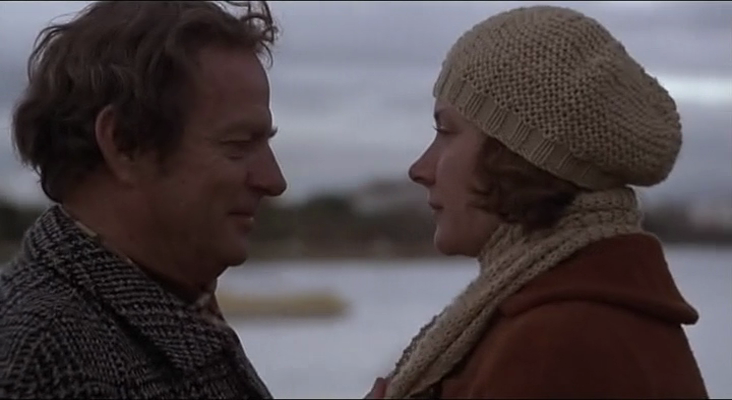
Australian director Paul Cox became known to U.S. audiences with the release of this amiable, sensitive romance about two awkward souls falling in love. Kaye and Hughes — fixtures of Australian cinema — are both impeccable in the lead roles; gorgeous Hughes somehow manages to instantly convince us that her “mousy” character is repressed and awkward, while balding Kaye radiates a unique kind of confidence and likable quirkiness (his grin says so much!). The screenplay is gently paced, never in a hurry, instead showing us the natural unfolding of this new couple’s love and respect for one another. They go out to eat and drink; listen to records; take leisurely strolls and kiss; have dinner with Kaye’s controlling sister (Julia Blake) and her husband (Jonathan Hardy); and join a local theater production of Strindberg’s The Father, run by a hilariously overwrought martinet (Jon Finlayson). Lurking in the background is Kaye’s desire to begin a sexual relationship with Hughes, and Hughes’ fear of this inevitable progression. While one wishes at times for a bit more explanation of certain character traits — Kaye’s struggle with kleptomania comes out of nowhere, for instance — it’s difficult to quibble with the overall sincerity of this sweet Australian flick.

Favorite (reaction to a) line: “A Swedish pastor.” (!!)

Note: Cox’s other Peary-listed film is Man of Flowers (1983), also starring Kaye.

Redeeming Qualities and Moments:

  • Norman Kaye as Peter
  • Wendy Hughes as Patricia
  • Jon Finlayson as George
  • Jonathan Hardy as Bruce
  • A sensitively filmed tale of emergent romance

Must See?
Yes, for the stellar lead performances, and as a fine, refreshingly unassuming romance. Listed as a Personal Recommendation in the back of Peary’s book. Winner of the Australian Academy Award for Best Picture.

Categories

  • Noteworthy Performance(s)

Links: