Berlin Alexanderplatz (1980)

Berlin Alexanderplatz (1980)

“I want to be a new man, a decent man.”

Synopsis:
An ex-con (Gunter Lamprecht) struggles to stay employed and find love in corruption-riddled 1920s Berlin.

Genres, Themes, Actors, and Directors:

  • Character Studies
  • Corruption
  • Ex-Cons
  • Fassbinder Films
  • German Films
  • Unemployment

Response to Peary’s Review:
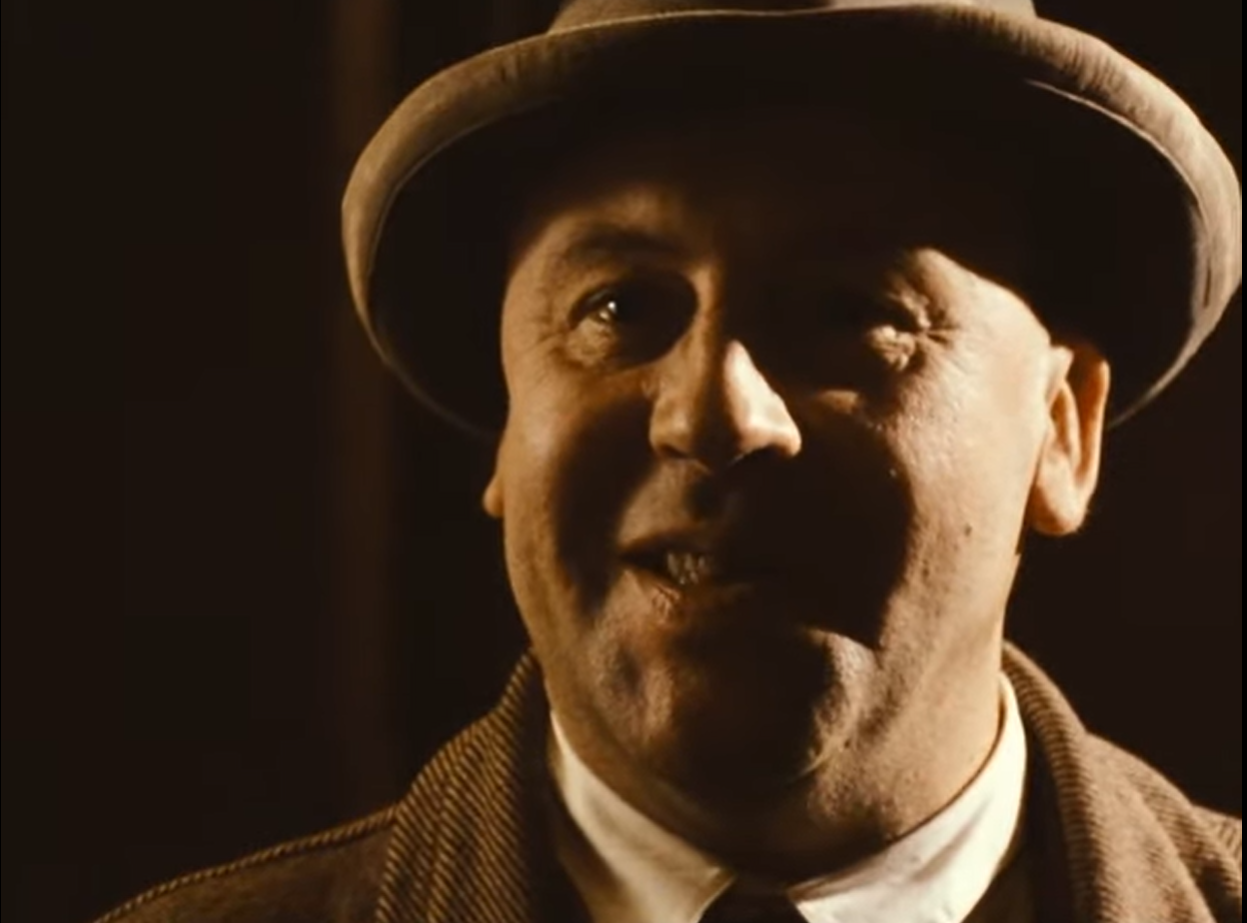
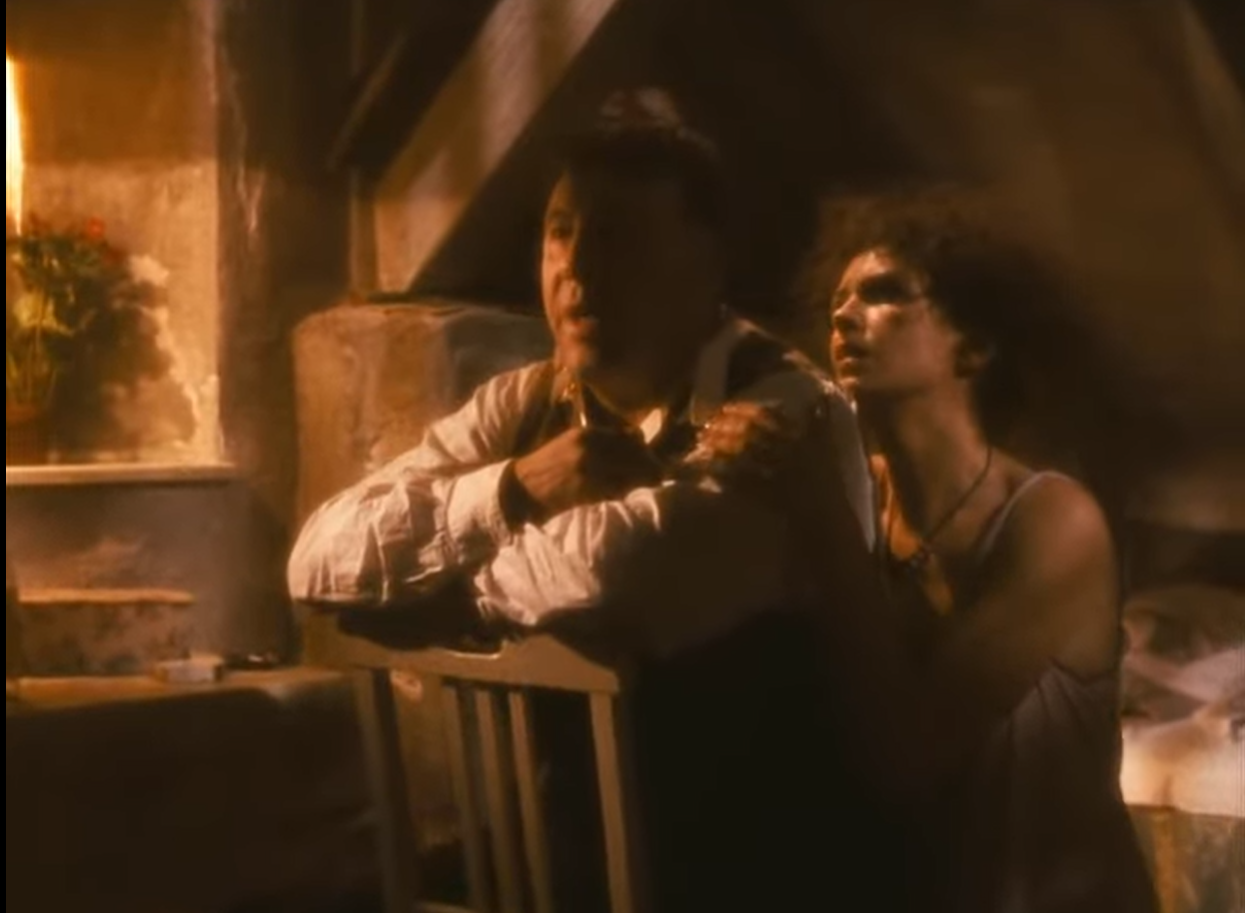
This “mammoth work” by Rainer Werner Fassbinder — “alternately astonishing and boring” — is infamous for possessing the longest running time (15 1/2 hours) of any feature film (though its original status as made-for-television makes this distinction somewhat dubious). Regardless of its length, Berlin Alexanderplatz remains — as Peary notes — “extraordinary” fare, an undeniable investment of time which offers a “rewarding viewing experience despite the slow moments, the ambiguous philosophizing, and the disappointing [Epilogue] resolution.” Heavy-set Gunter Lamprecht — far from leading-man fare — buoys the entire film, making us care about his fate despite his often ill-advised actions; while it’s difficult to believe that the pudgy, eventually one-armed Biberkopf could so easily attract beautiful women one after the other, we’re willing to suspend judgment in favor of remaining caught up in his oddly compelling travails. This remains a truly absorbing character study constructed on an unprecedented cinematic scale, and well worth the time investment — though as Peary points out, it’s “much easier to watch in hour installments on television, for which it was originally made” (or in two-hour DVD viewings).

Redeeming Qualities and Moments:

  • Gunter Lamprecht as Franz Biberkopf
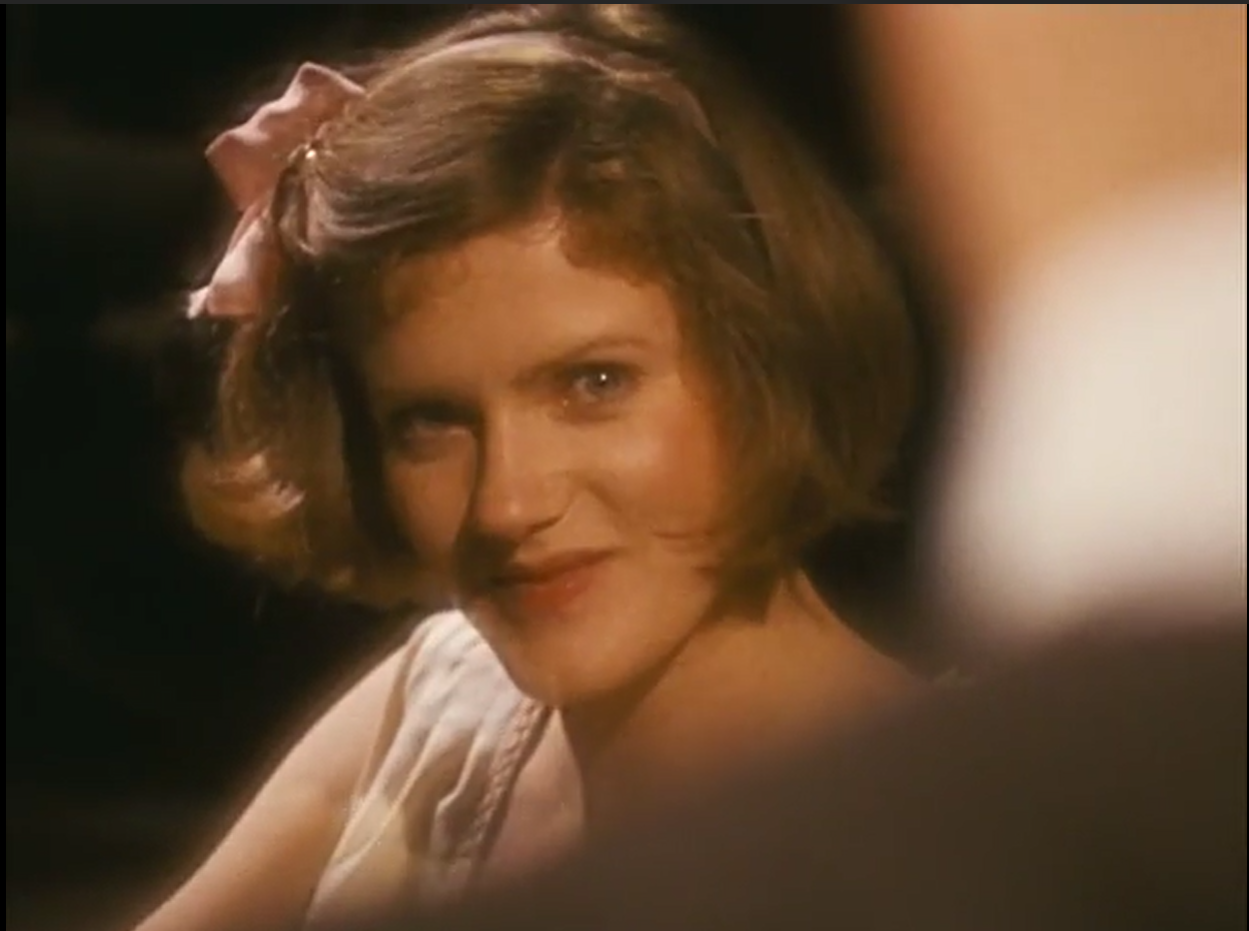
  • Hanna Schygulla as Eva
  • Barbara Sukowa as Mieze
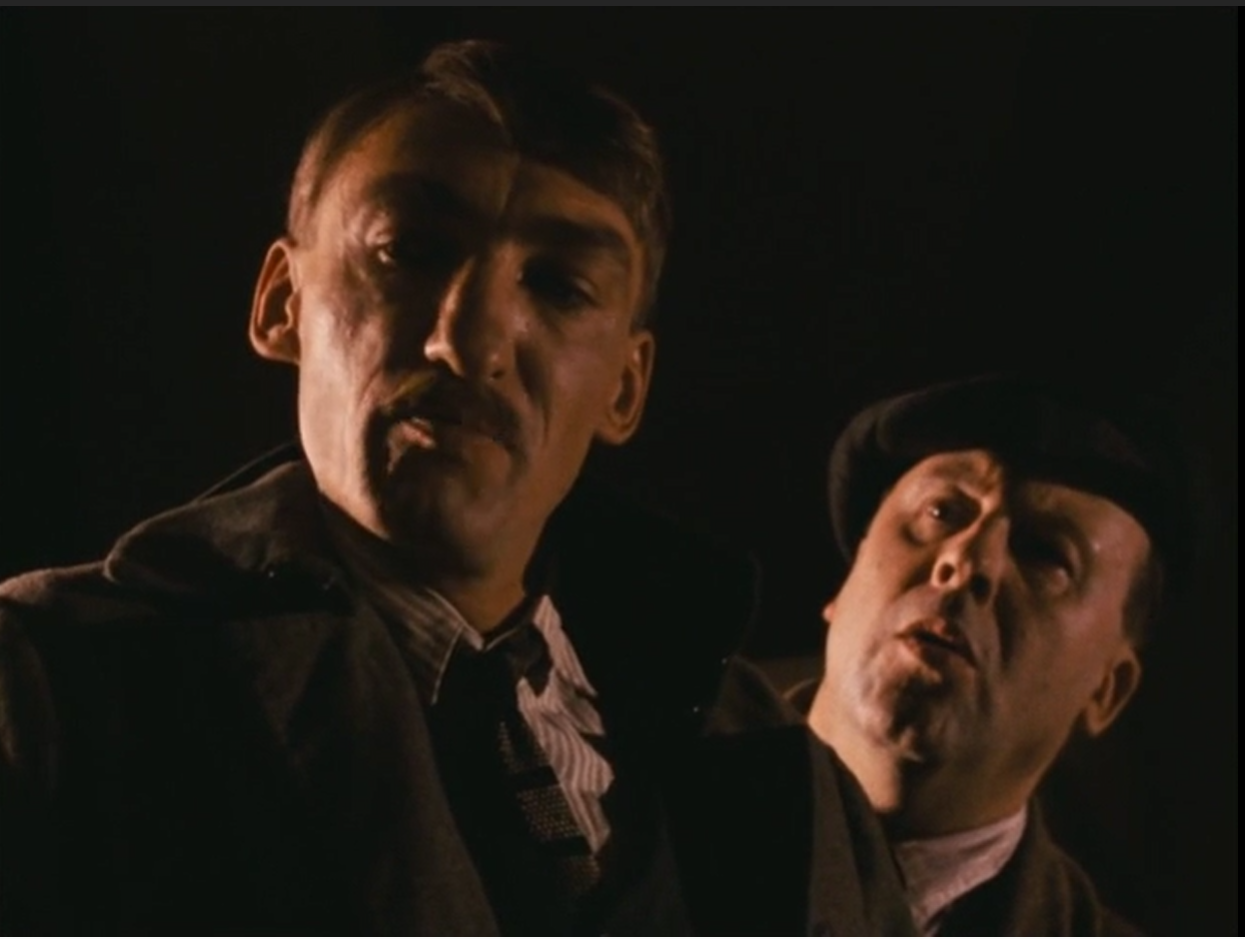
  • Gottfried John as Reinhold Hoffmann — Biberkopf’s “personal devil”
  • Xaver Schwarzenberger’s dream-like cinematography

Must See?
Yes, as a genuine classic of German cinema — and for its fame as the longest cinematic narrative ever made.

Categories

  • Foreign Gem
  • Historically Relevant
  • Important Director

Links:

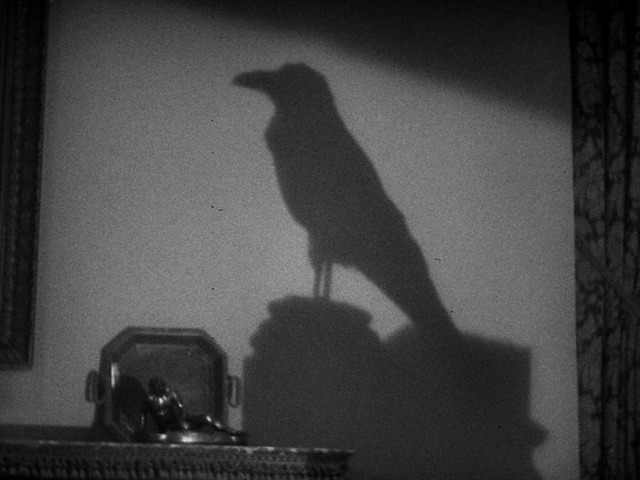
Raven, The (1935)

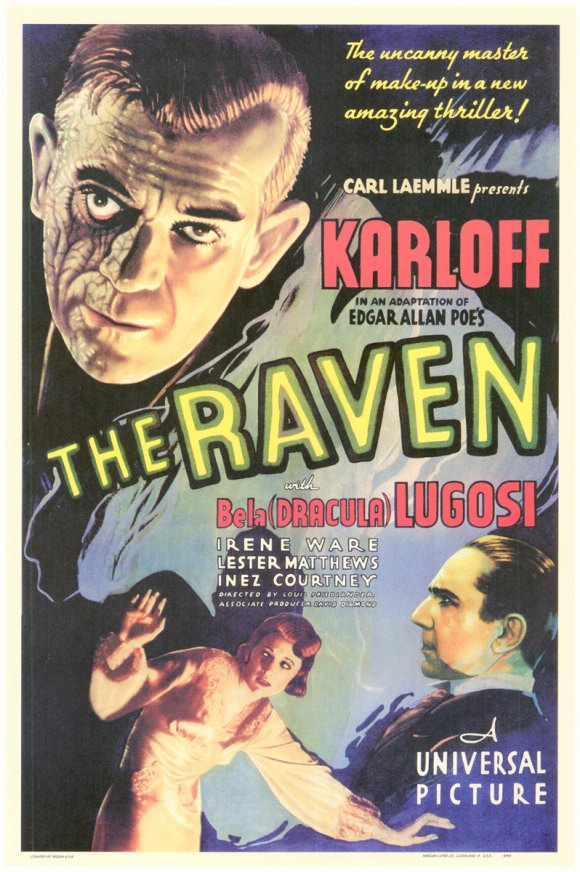
Raven, The (1935)

“I will not be tortured… I tear torture out of myself by torturing you!“

Synopsis:
A psychotic, Poe-obsessed surgeon (Bela Lugosi) saves the life of a beautiful young dancer (Irene Ware), then falls obsessively in love with her. When her father (Samuel S. Hinds) ridicules his request for her hand in marriage, Lugosi blackmails a fugitive criminal (Boris Karloff) into torturing Ware, her fiance (Lester Matthews), and Hinds.

Genres, Themes, Actors, and Directors:

  • Bela Lugosi Films
  • Boris Karloff Films
  • Disfigured Faces
  • Horror Films
  • Mad Doctors and Scientists
  • Obsessive Love

Response to Peary’s Review:
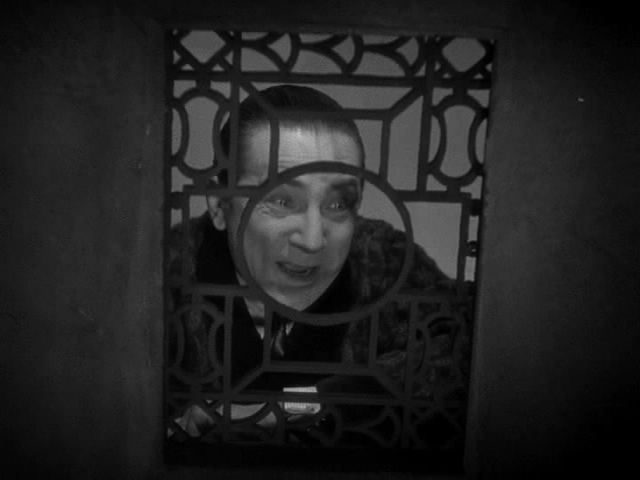
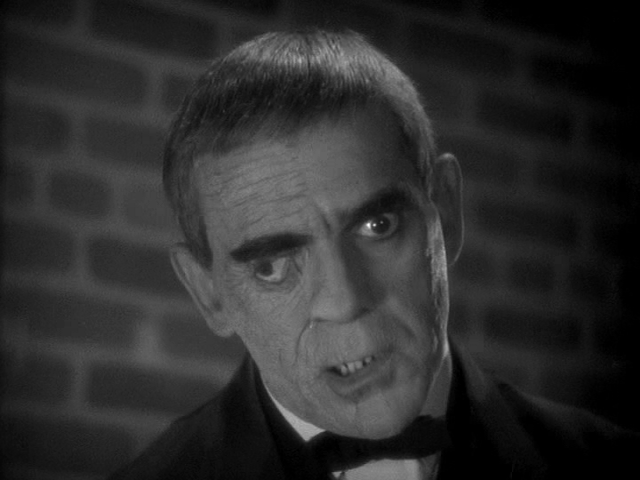
Dubbed “a fatal mistake from beginning to end” by the New York Times upon its release, this Poe-inspired Universal horror flick has since gained a latter day cult following, with Peary himself referring to it as “great fun”, and accurately noting that Lugosi seems to be having “a field day” playing the “fiendish surgeon” with a penchant for everything-Poe. Equally effective — and surprisingly sympathetic — is top-billed Karloff as a tortured criminal whose perceived ugliness has prevented him from becoming the “good man” he longs to be; his intentionally botched facial surgery at the hands of evil Lugosi is tragic to behold. While not quite as stylistically innovative as its more celebrated precursor (The Black Cat), The Raven nonetheless offers plenty of unintentional camp, and some genuinely frightening moments; hearing Lugosi rant and rave about how he can only purge his own insanity by torturing others ranks among the great horror chills of all time.

Redeeming Qualities and Moments:

  • Bela Lugosi as Dr. Vollin: “After your torture, I’ll be the sanest man in the world!”
  • Boris Karloff as Bateman: “If a man looks ugly, he does ugly things…”
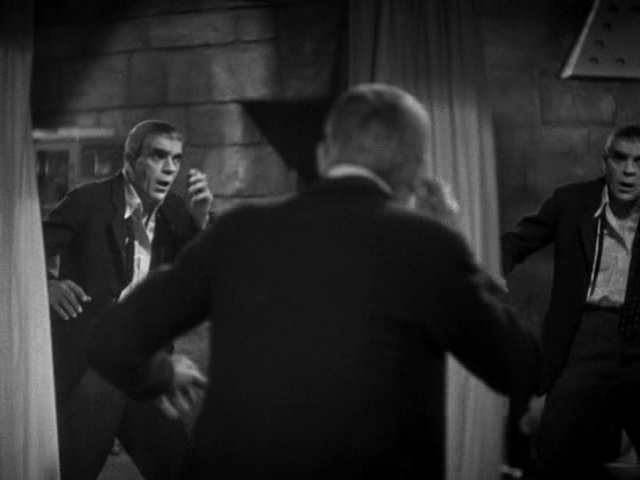
  • Karloff shooting at himself in multiple mirrors after seeing his newly disfigured face
  • A freaky tale of demented, obsessive love
  • Creepy set designs
  • Atmospheric cinematography

Must See?
Yes, for its status as a latter-day cult favorite.

Categories

  • Cult Movie

Links:

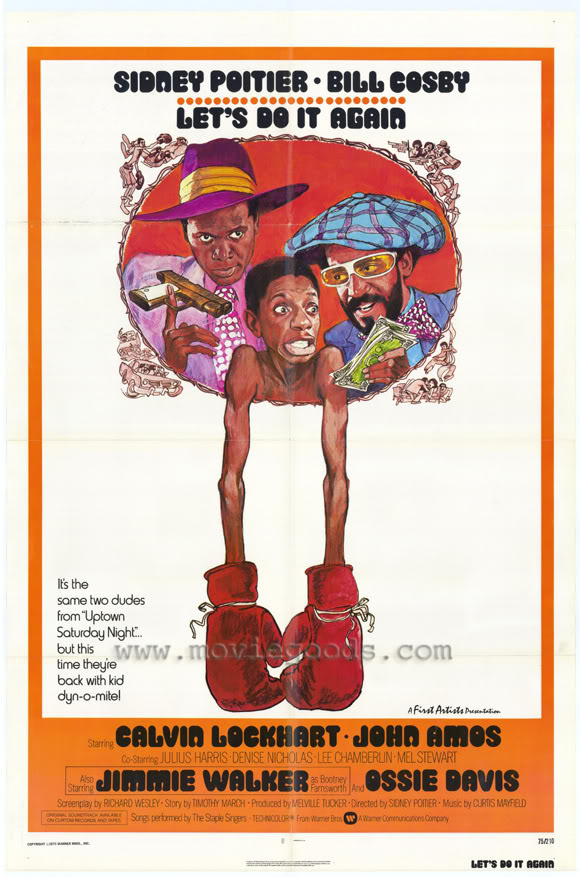
Let’s Do It Again (1975)

Let’s Do It Again (1975)

“Our motto is, ‘We get even — and you can count on it!'”

Synopsis:
Two blue-collar buddies (Bill Cosby and Sidney Poitier) and their wives (Denise Nicholas and Lee Chamberlin) head to New Orleans, where Cosby and Poitier hope to earn some money for their fraternal lodge (the Brothers and Sisters of Shaka) by hypnotizing a weakling boxer (Jimmie Walker) into fighting like a champion, and then betting all their money on him. When their plan is a success, they’re pursued by rival gangsters Biggie Smalls (Calvin Lockhart) and Kansas City Mack (John Amos), who aren’t pleased by their loss of funds.

Genres, Themes, Actors, and Directors:

  • African-Americans
  • Billy Cosby Films
  • Boxing
  • Comedy
  • Gambling
  • Gangsters
  • Get Rich Quick
  • Mind Control and Hypnosis
  • Sidney Poitier Films

Review:
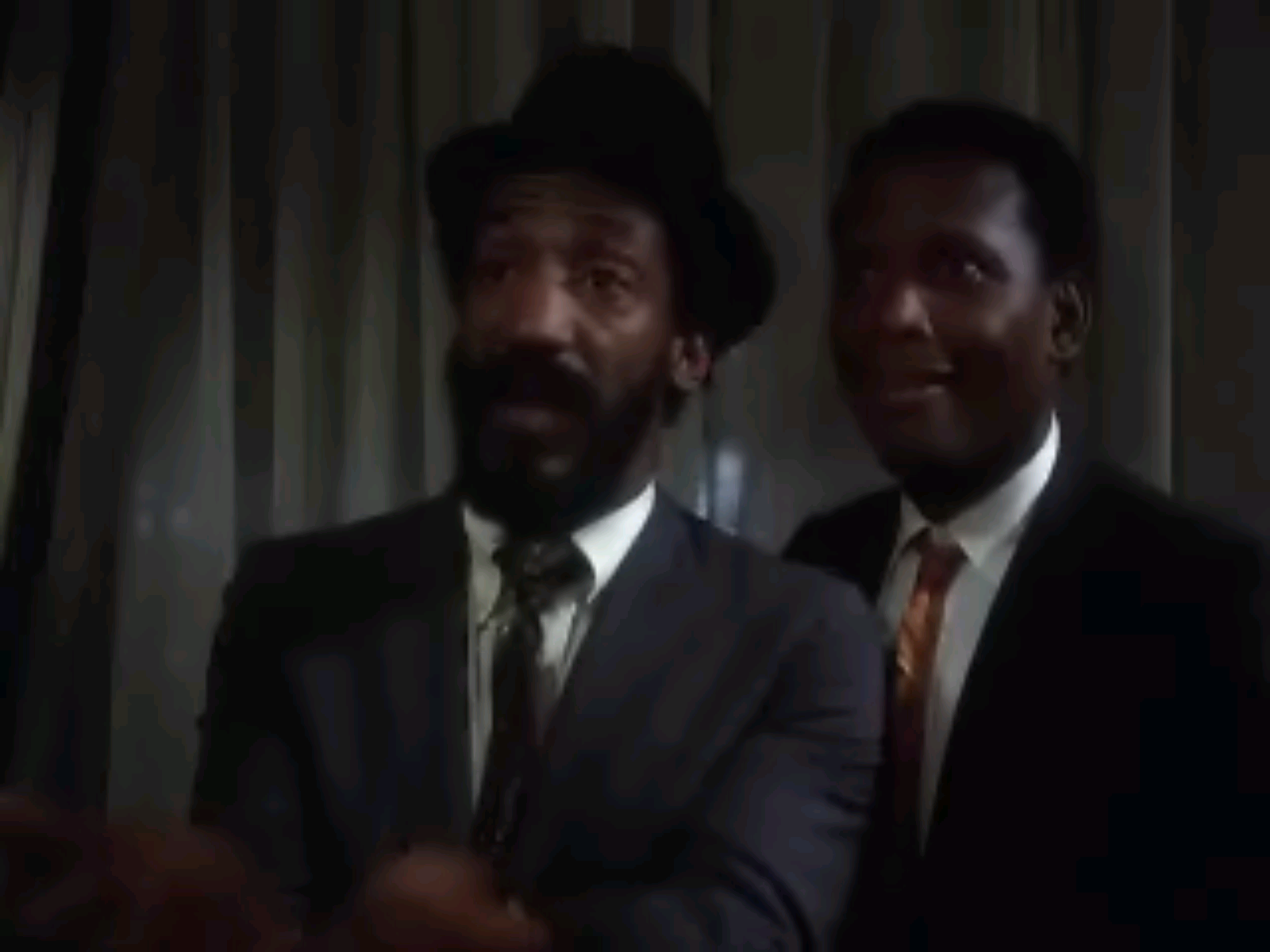
Sidney Poitier and Bill Cosby followed up their first collaboration together — Uptown Saturday Night (1974) — with this surprisingly humorous and enjoyable comedy. The plot is downright ridiculous (Poitier’s near-magical ability to hypnotize a boxer into success in the ring is particularly unrealistic), but it allows Cosby and Poitier to do what they do best together, as Cosby sweet-talks his way out of countless sticky situations, and Poitier mugs gamely along beside him; the pimpadelic outfits they wear while impersonating bigwig gamblers are priceless. Denise Nicholas as Cosby’s wife and Jimmie Walker (J.J. from television’s “Good Times”) are especially noteworthy supporting cast members, adding a spark of additional energy to the proceedings. While not strictly a “sequel”, Let’s Do It Again nonetheless defies the common downfall of Hollywood flicks made to bank on a previous film’s popularity: this one is actually better than its predecessor.

Redeeming Qualities and Moments:

  • Cosby sweettalking his way out of an arrest after showing up in a woman’s apartment
  • Jimmie Walker as Bootney Farnsworth
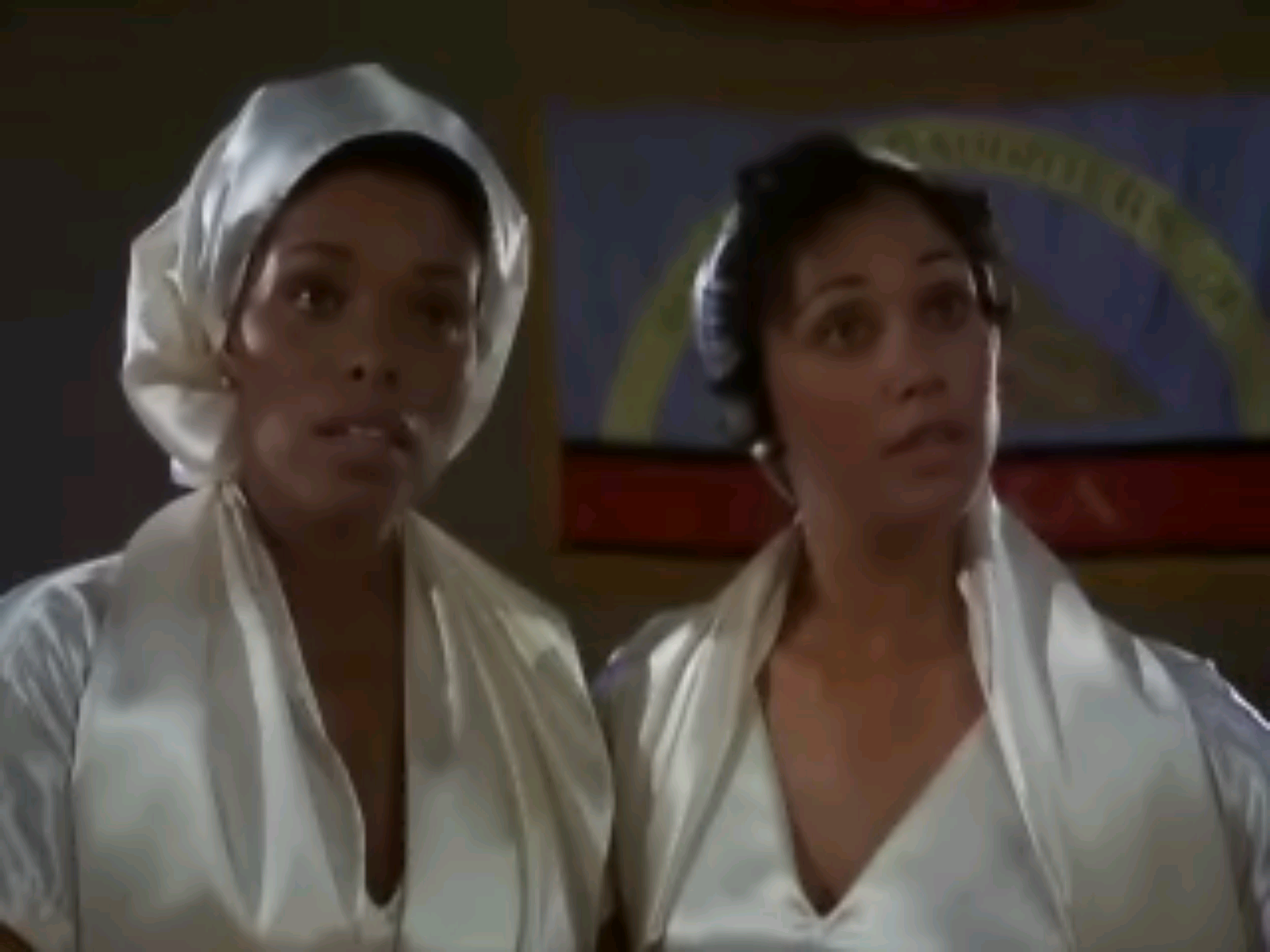
  • Denise Nicholas (on the right) as Cosby’s gutsy, supportive wife
  • Cosby and Poitier’s hilarious hipster disguises
  • Curtis Mayfield’s score

Must See?
No, but it’s worth a one-time look as the best of the Cosby-Poitier buddy flicks.

Links:

Uptown Saturday Night (1974)

Uptown Saturday Night (1974)

“Never have so few owed so much to so many.”

Synopsis:
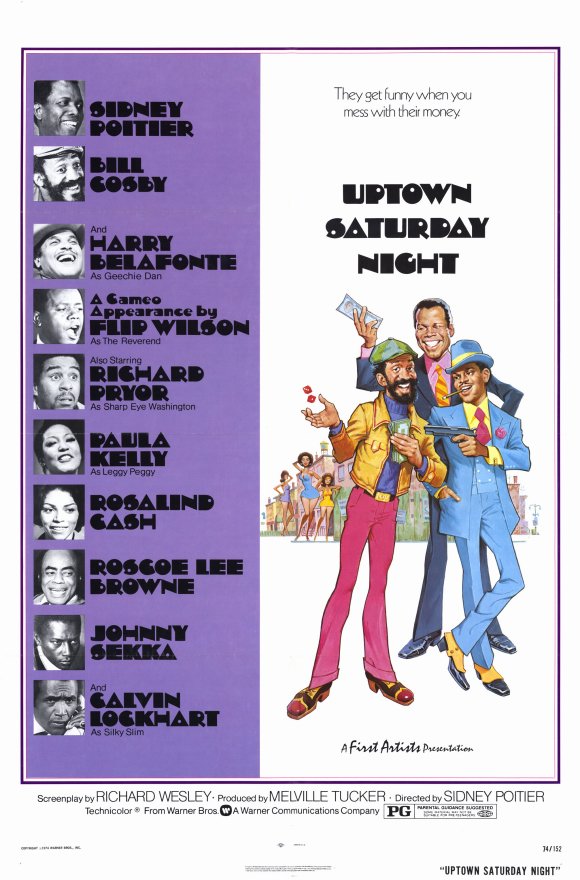
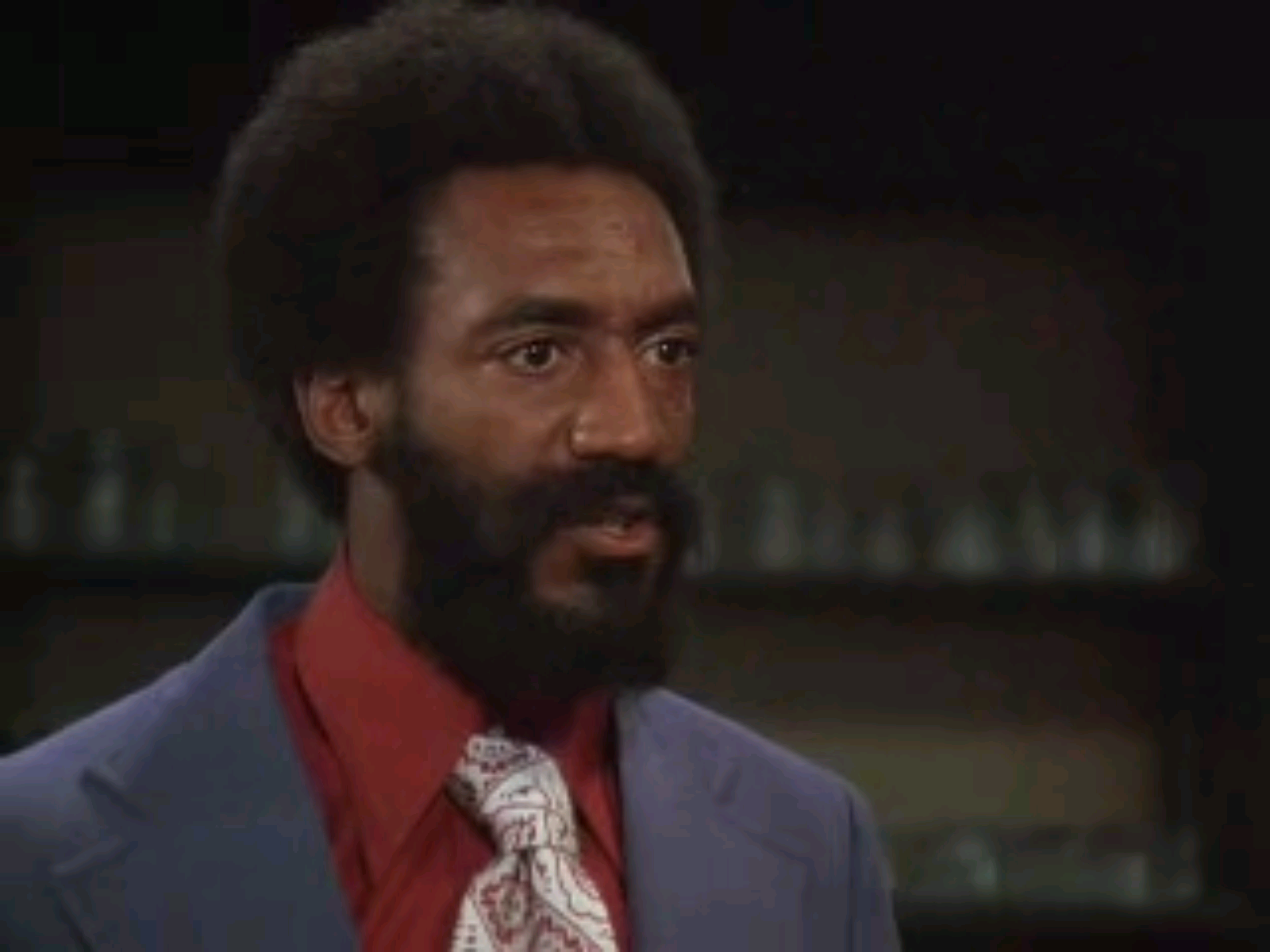
A factory worker (Sidney Poitier) and his taxi-driving buddy (Bill Cosby) visit a chic after-hours club one night, where they’re held up at gunpoint by a gang of masked robbers. When Poitier realizes that a winning lottery ticket is in his stolen wallet, he and Cosby set out to recover their valuable property; soon they find themselves embroiled in a vicious gang war between Geechie Dan Beauford (Harry Belafonte) and Silky Slim (Calvin Lockhart).

Genres, Themes, Actors, and Directors:

  • African-Americans
  • Amateur Sleuths
  • Billy Cosby Films
  • Comedy
  • Gangsters
  • Harry Belafonte Films
  • Richard Pryor Films
  • Sidney Poitier Films

Review:
Sidney Poitier directed and co-starred in three comedic “buddy pictures” with Billy Cosby during the mid-1970s; Uptown Saturday Night was the first of these. It’s lighthearted, innocuous fare, with a smattering of enjoyable moments and performances sprinkled throughout (the inimitable Harry Belafonte is nearly unrecognizable as a stuffed-cheeks “don”), but the screenplay drags in parts, ultimately seeming more like an excuse for amusing vignettes than a compelling narrative. It doesn’t offer nearly as many genuine laughs as its much sillier follow-up, Let’s Do It Again (1975), which I recommend instead if you’re curious about this series.

Redeeming Qualities and Moments:

  • Fun, believable rapport between Cosby and Poitier
  • Cosby smooth-talking his way out of a confrontation with “Little Seymour Pettigrew”
  • Harry Belafonte as Geechie Dan Beauford — clearly having fun riffing on Marlon Brando’s Don Corleone

Must See?
No, but it’s worth a look simply for historical purposes.

Links:

Mystery of Kaspar Hauser, The / Enigma of Kaspar Hauser, The / Every Man For Himself and God Against All (1974)

Mystery of Kaspar Hauser, The / Enigma of Kaspar Hauser, The / Every Man For Himself and God Against All (1974)

“It seems to me that my coming into this world was a very hard fall.”

Synopsis:
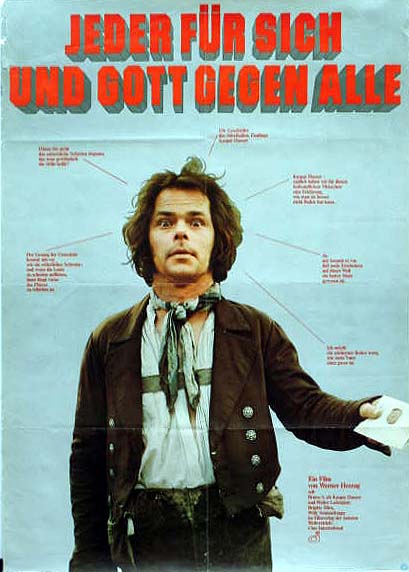
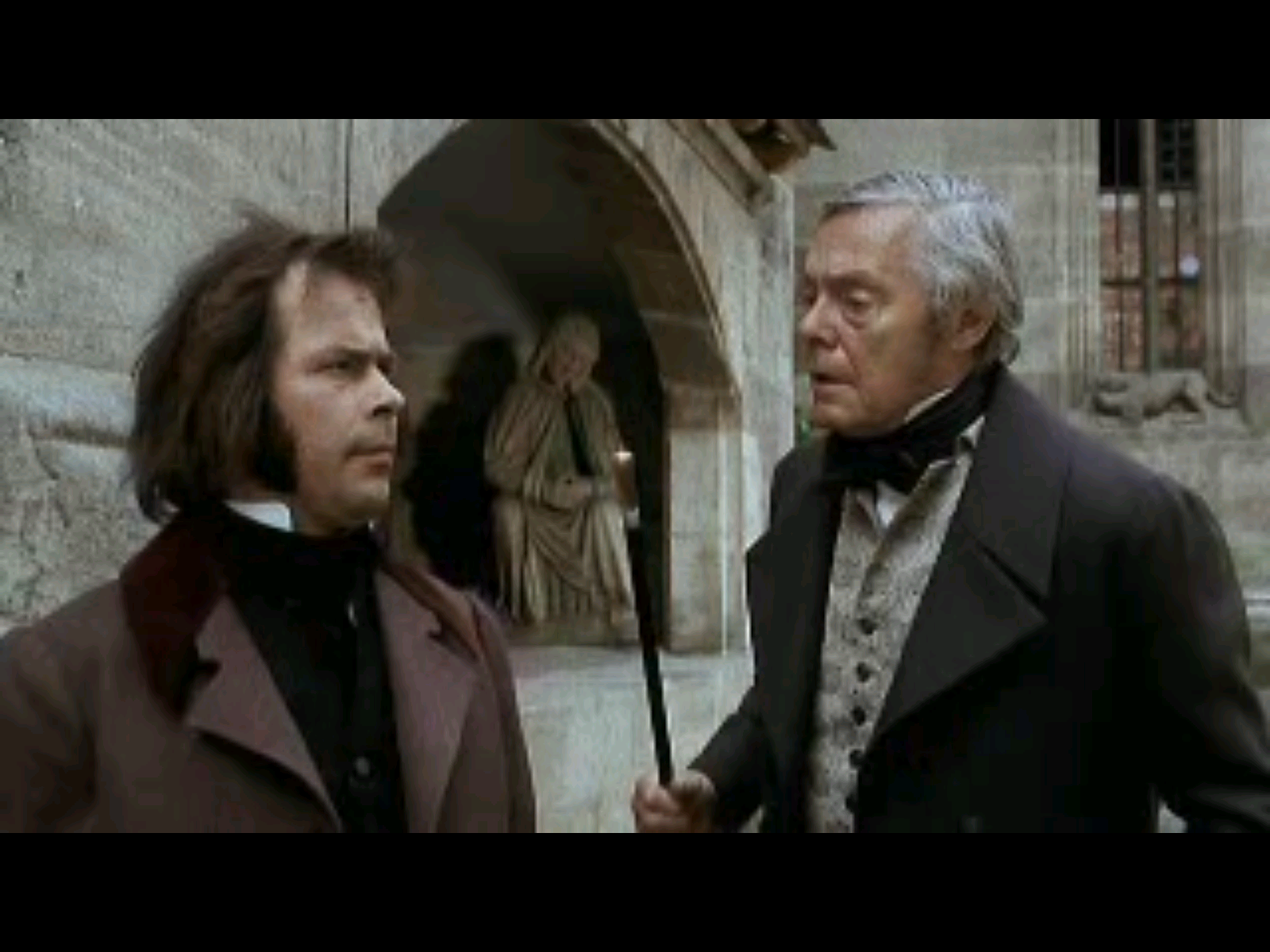
A mysterious young man (Bruno S.) named Kaspar Hauser arrives in a German village in 1828, where he’s cared for by a kind professor (Walter Ladengast) who teaches him to read, write, and play music.

Genres, Themes, Actors, and Directors:

  • Character Arc
  • German Films
  • Historical Dramas
  • Werner Herzog Films

Response to Peary’s Review:
Widely regarded by many (including Peary) as one of Werner Herzog’s “most compelling films”, The Mystery of Kaspar Hauser is in the “same subgenre as The Wild Child and The Elephant Man” yet “completely different from those pictures.” As Peary notes, Herzog wisely refrains from positing the real-life Hauser as either a saint (a la the Elephant Man) or a Tarzan-figure (a la Truffaut’s “wild child”), instead portraying him simply as “an outsider, a naturalist, whose presence causes everyone to question their orderly vision of their world, their faith in God, [and] their orderly way of leading their lives.” The inspired casting of non-actor Bruno S. (a former mental institute inmate) as Hauser plays a key role in the film’s success — it’s remarkably easy to believe that Bruno is Kaspar, with his cynical yet child-like attitude marking him as one who is truly seeing life in a unique way. Several of his statements — such as when he remarks with sadness to Ladengast that hearing music “feels strong in his heart”, and wonders aloud why he can’t play piano with automaticity, the way he breathes — are heartbreaking in their naive wisdom.

Redeeming Qualities and Moments:

  • Bruno S. as Kaspar Hauser
  • Walter Ladengast as Hauser’s kindly caretaker, Professor Daumer
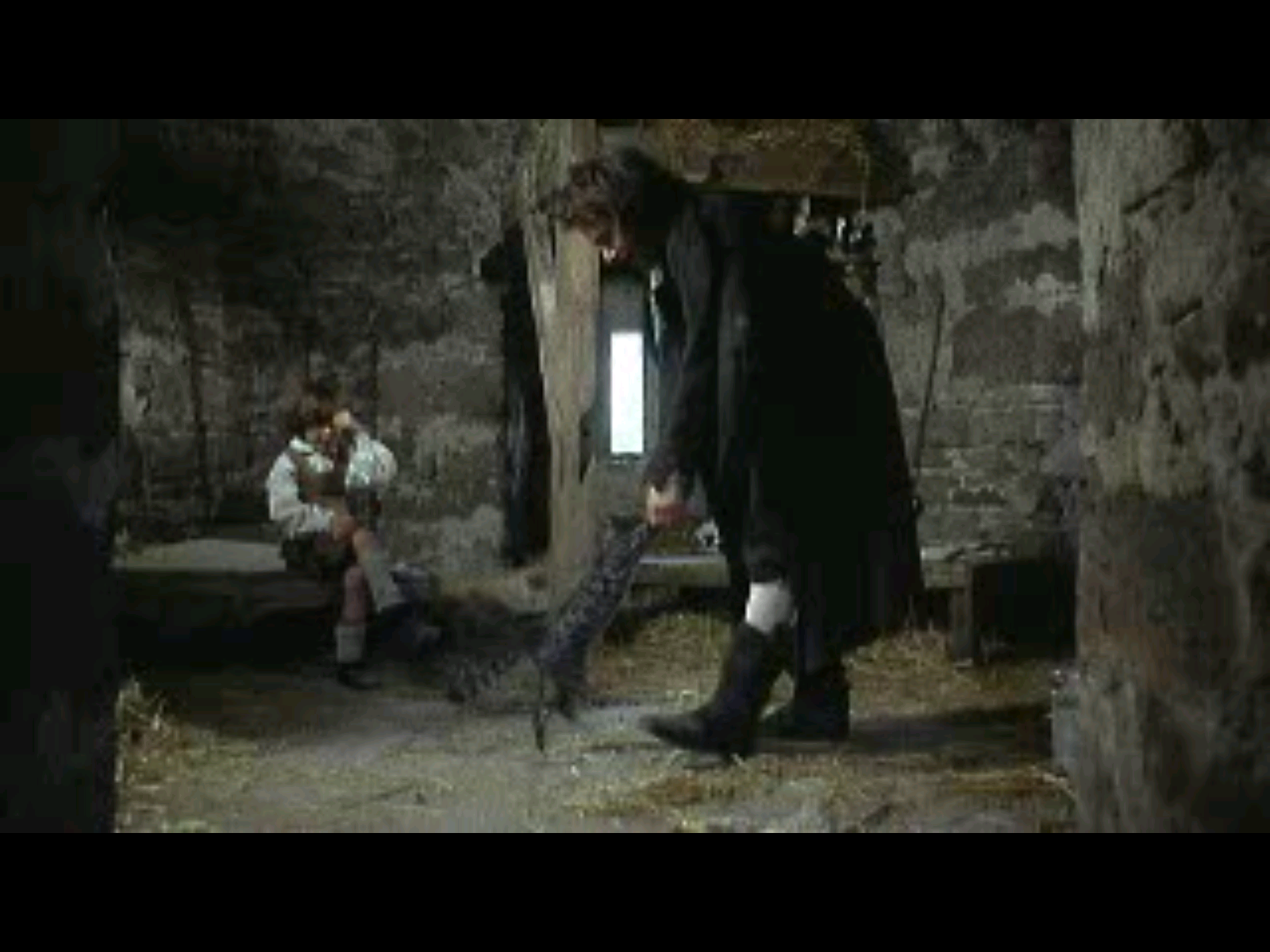
  • Kaspar trying to teach a cat to walk on its hind legs
  • Beautiful cinematography of German countryside

Must See?
Yes, as the film which propelled Werner Herzog to international prominence.

Categories

  • Historically Relevant
  • Important Director

Links:

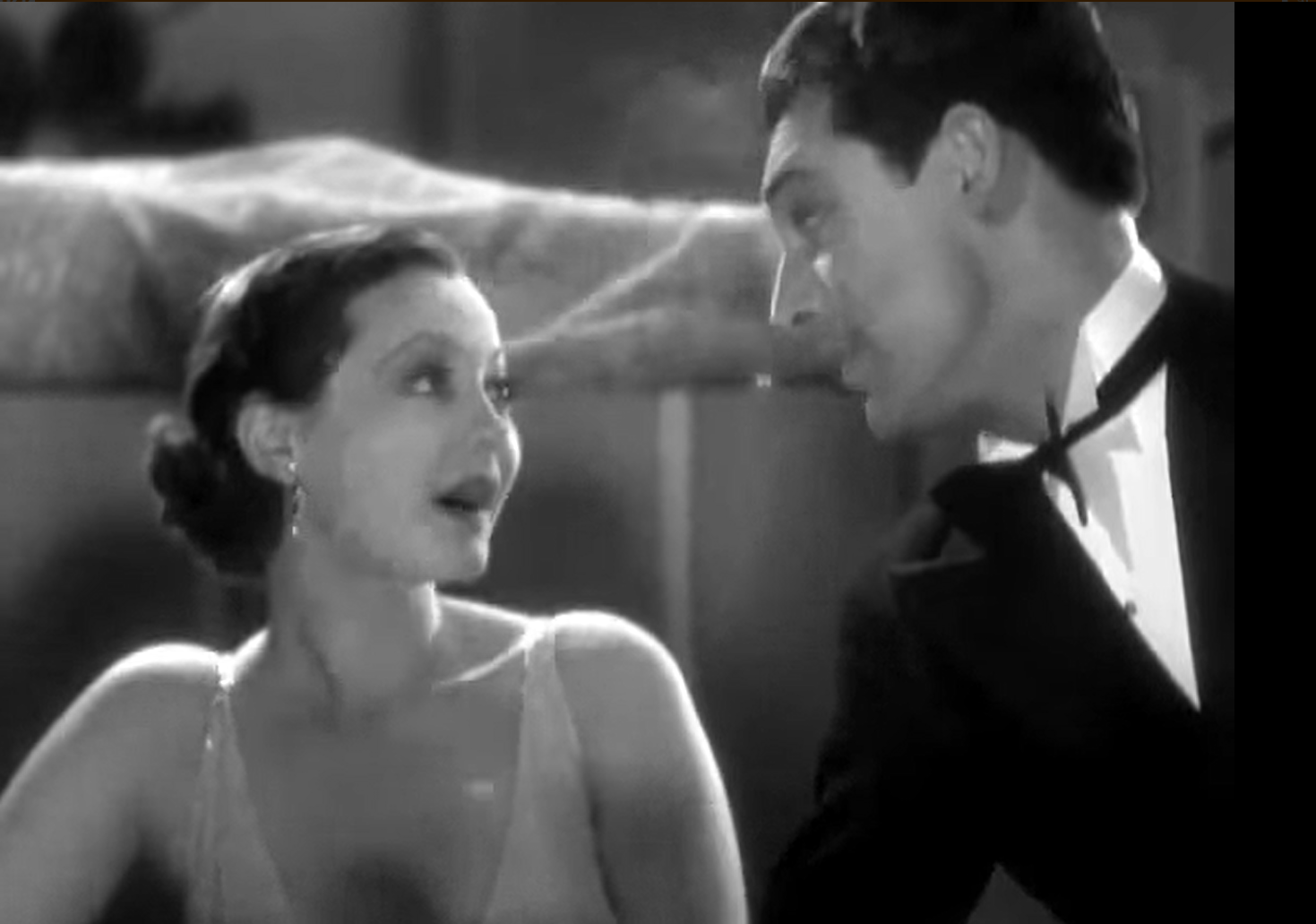
Merrily We Go to Hell (1932)

Merrily We Go to Hell (1932)

“I’m afraid as a rule I prefer the company of men… Particularly if they’re bartenders.”

Synopsis:
An aspiring playwright (Fredric March) with a drinking problem marries an heiress (Sylvia Sidney) whose father (George Irving) is skeptical of March’s intentions. When March carries on an affair with a former flame (Adrianne Allen), Sidney despairs, but resolves to take revenge by living a “free” marriage herself.

Genres, Themes, Actors, and Directors:

  • Alcoholism and Drug Addiction
  • Cross-Class Romance
  • Dorothy Arzner Films
  • Fredric March Films
  • Heiresses
  • Marital Problems
  • Sylvia Sidney Films

Review:
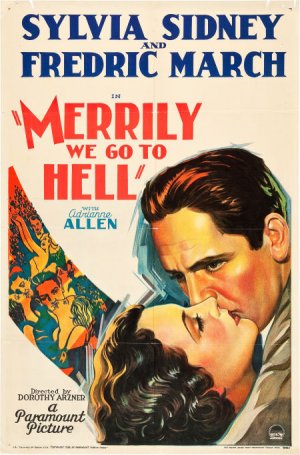
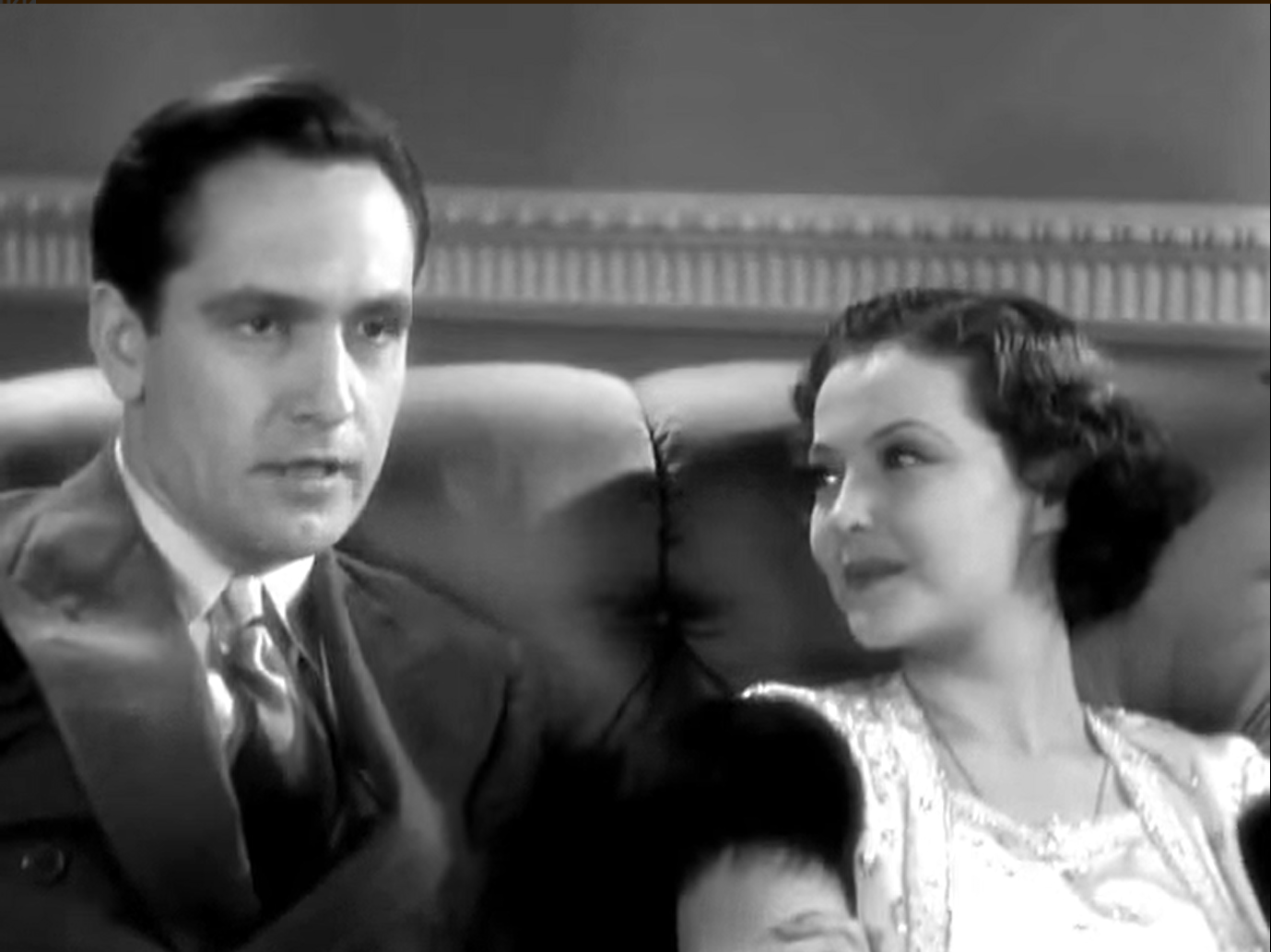
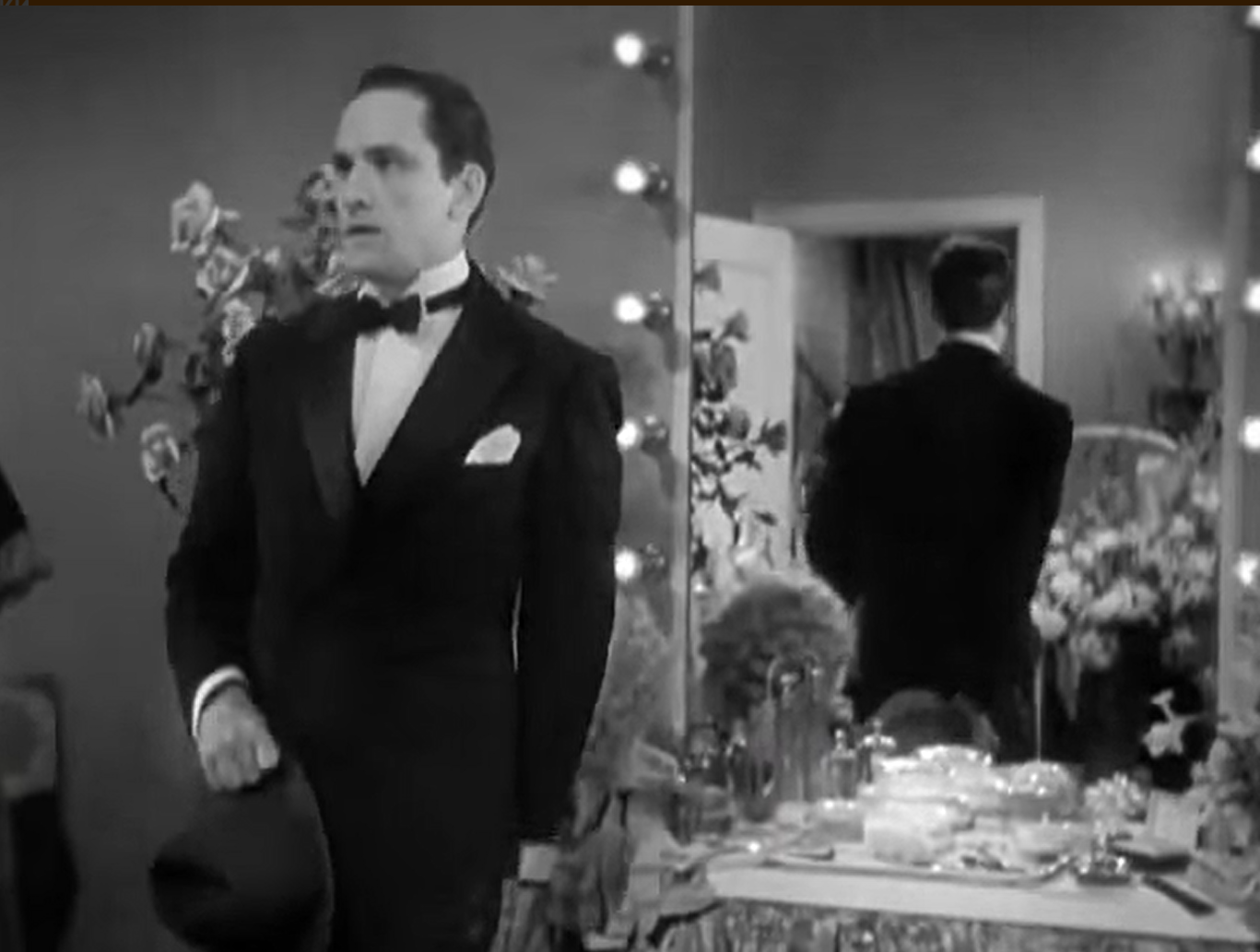
Possessing one of the best titles in early Hollywood history, Merrily We Go to Hell is — perhaps almost inevitably — a bit of a disappointment. Helmed by famed female director Dorothy Arzner, it tells the rather predictable tale of cross-class lovers marrying on a whim and discovering that life isn’t nearly as easy or idyllic as they might have hoped. Sidney is typecast as a sweet yet determined heiress who refuses to let either March’s lack of income or his glaringly obvious drinking problem get in the way of her love for him; March is an unwitting heel but as handsome and dapper as his role requires.

The title itself is based on a refrain March throws out several times before taking a drink, one which Sidney herself eventually adopts out of desperation — indeed, Sidney’s decision to try to meet March halfway in his cavalier attitude towards life and marriage constitutes the most interesting aspect of the story, as we see one of the earliest examples of a “swinging couple” on-screen (with Cary Grant showing up for a bit role as Sidney’s new lover). Unfortunately, the storyline eventually devolves into predictable melodrama, with traditional morality reasonably — albeit unrealistically — restored.

Note: The best line in the film is probably made when March sheepishly admits to Sidney early on that he “prefers the company of men”; this comment is never explored in more detail, but knowing that Arzner was a lesbian gives one occasion to pause.

Redeeming Qualities and Moments:

  • Sylvia Sidney as Joan
  • Fredric March as Jerry
  • A brave, early look at an “open relationship” as a response to marital infidelity
  • Cary Grant in a very brief early appearance

Must See?
No, but it’s worth a look.

Links:

Prowler, The (1951)

Prowler, The (1951)

“If you were just a dame, Susan, it’d be different. But you’re special.”

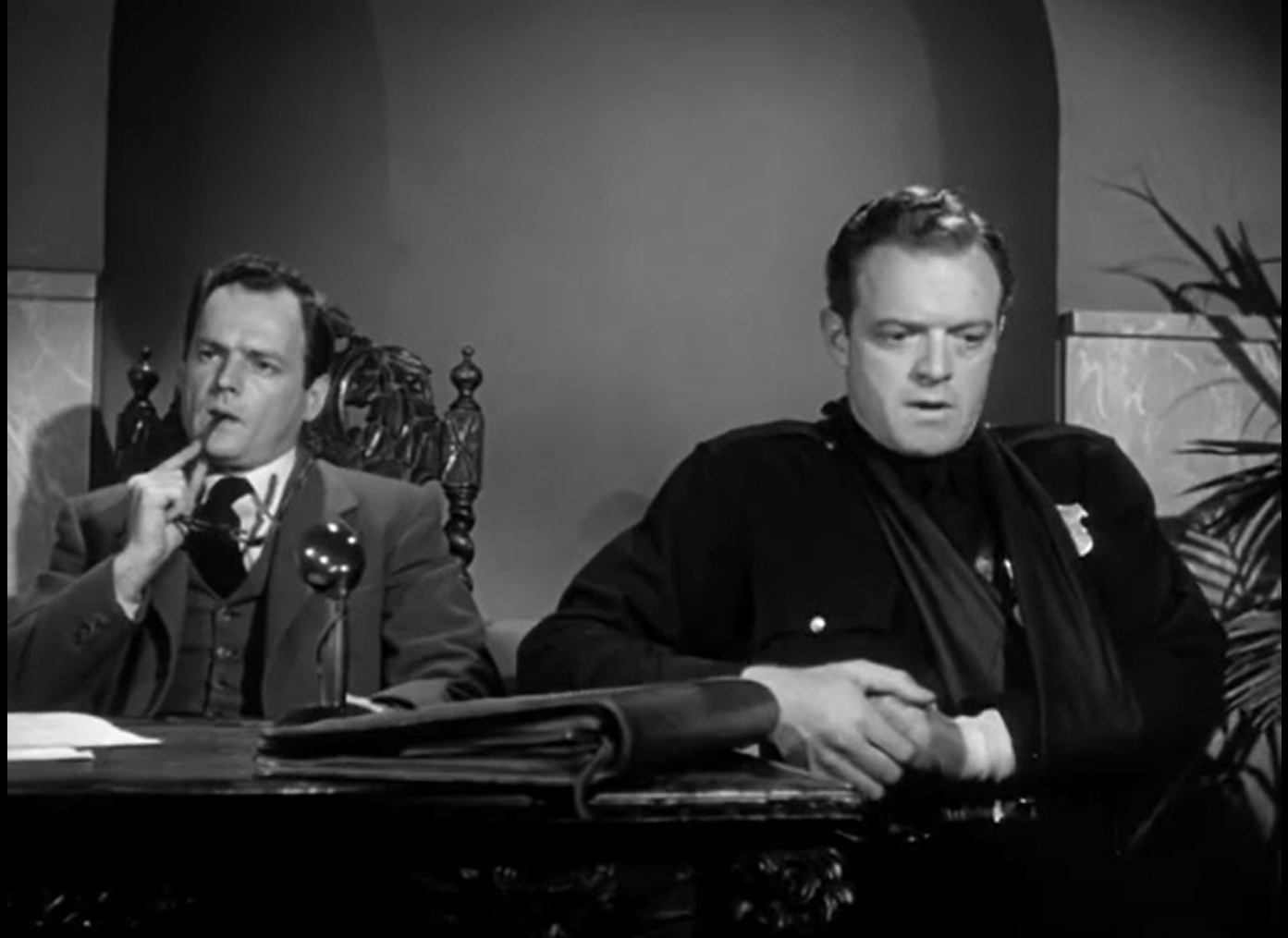
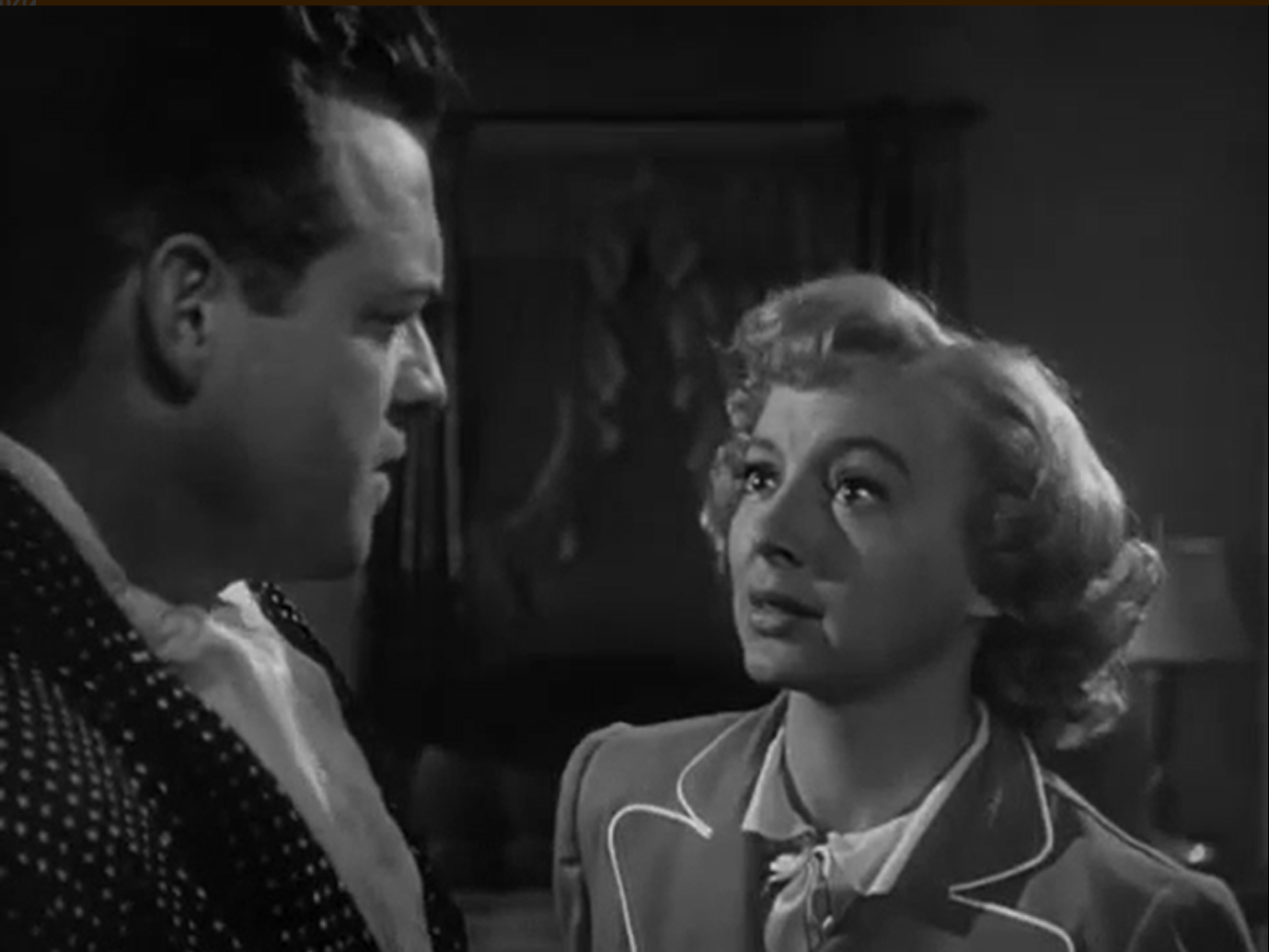
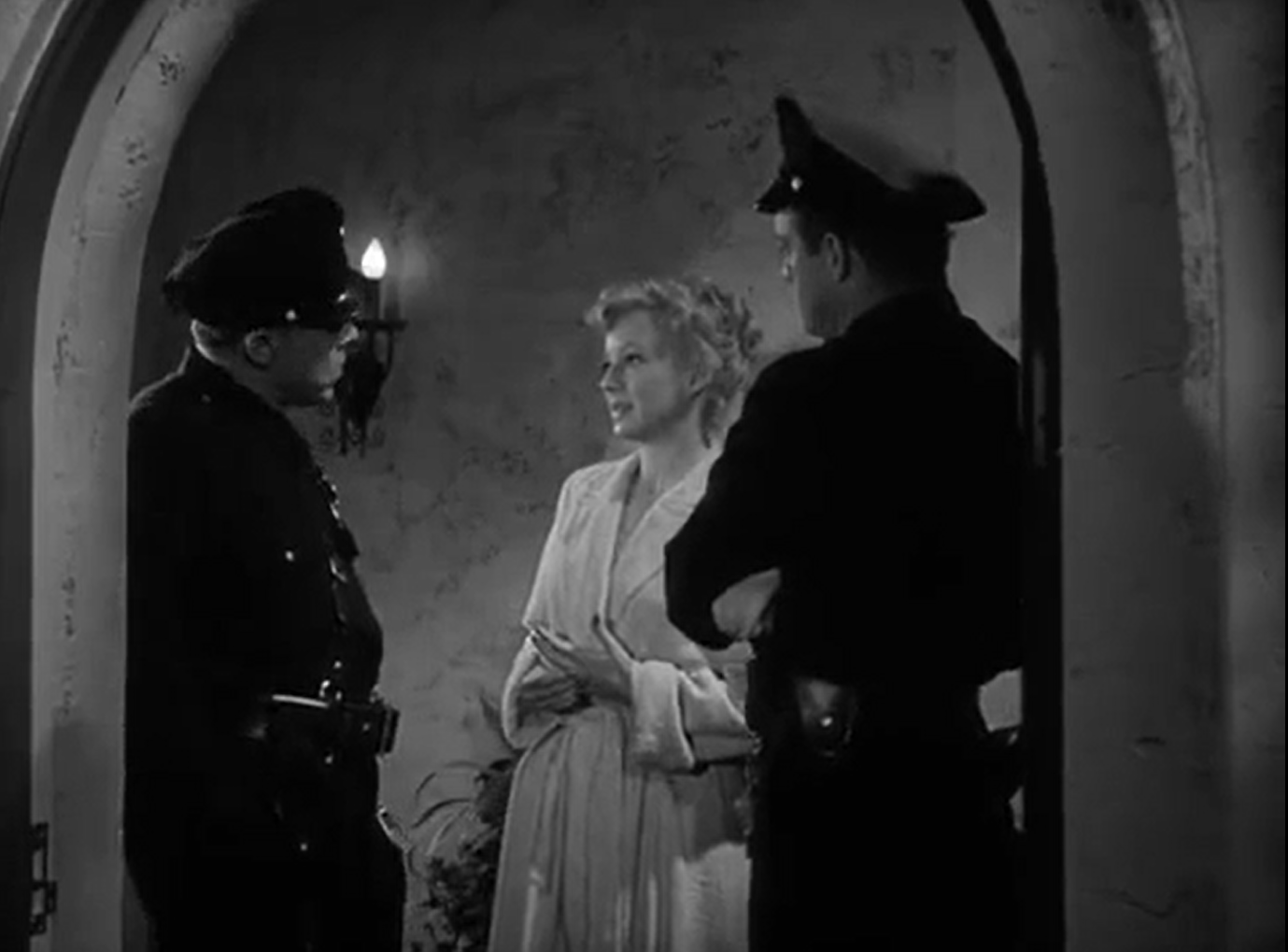
Synopsis:
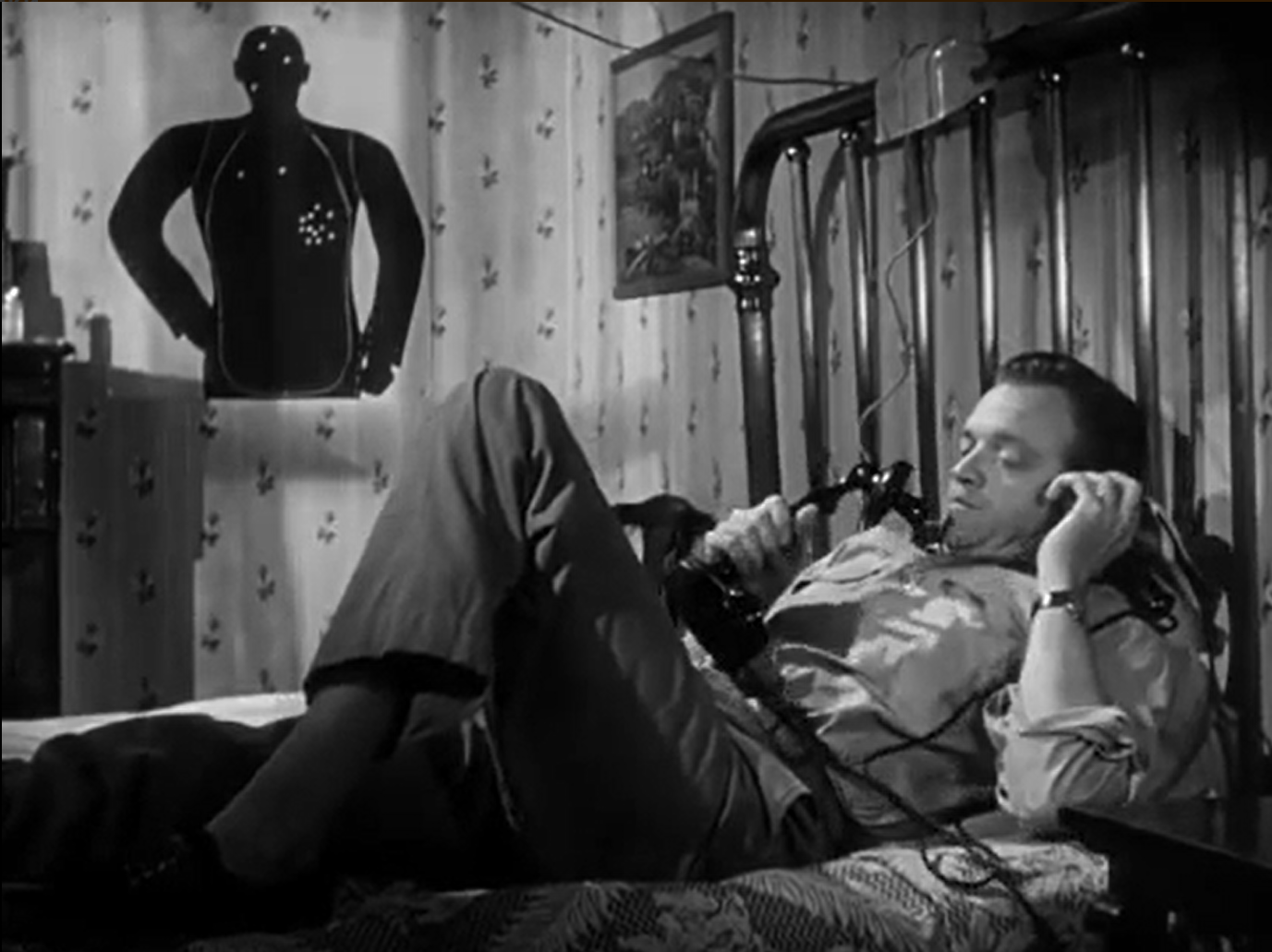
A cynical cop (Van Heflin) falls for a wealthy woman (Evelyn Keyes) he meets on a house call, and concocts a plan to “accidentally” shoot her husband so they can get married. After Heflin is declared innocent in court, he and Keyes are married, with nobody suspecting that they previously had an affair — but things become more complicated when Keyes reveals that she’s four months pregnant, and clearly not with her first husband’s child…

Genres, Themes, Actors, and Directors:

  • Evelyn Keyes Films
  • Infidelity
  • Joseph Losey Films
  • Plot to Murder
  • Police
  • Van Heflin Films

Review:
This punchy thriller by director Joseph Losey offers an enjoyable twist on the traditional noir storyline, with Heflin perfectly cast as a deviously womanizing scoundrel (an “homme fatale”) who nonetheless isn’t all bad inside, and Evelyn Keyes equally effective as a lonely wife who allows herself to be taken in (against her better judgment) by Heflin’s advances.

The plot takes several satisfying twists, with Keyes’ “predicament” particularly unexpected and shocking — the fact that this “sin” is named out loud in an early-’50s film tells us that someone will be paying for their transgression against society — though it’s not clear who, or how.

Redeeming Qualities and Moments:

  • Van Heflin as Webb Garwood
  • Evelyn Keyes as Susan Gilvray
  • Arthur Miller’s cinematography
  • A satisfying “homme fatale” storyline

Must See?
Yes, as an all-around good show by Losey.

Categories

  • Good Show
  • Important Director

Links:

Brute Force (1947)

Brute Force (1947)

“Those gates only open three times: when you come in, when you’ve served your time, or when you’re dead.”

Synopsis:
A group of prisoners — led by Burt Lancaster — rebel against a sadistic prison captain (Hume Cronyn) who is hell-bent on making their lives miserable.

Genres, Themes, Actors, and Directors:

  • Ann Blyth Films
  • Burt Lancaster Films
  • Charles Bickford Films
  • Ella Raines Films
  • Escape
  • Hume Cronyn Films
  • Jules Dassin Films
  • Prisoners
  • Ruthless Leaders
  • Yvonne De Carlo Films

Review:
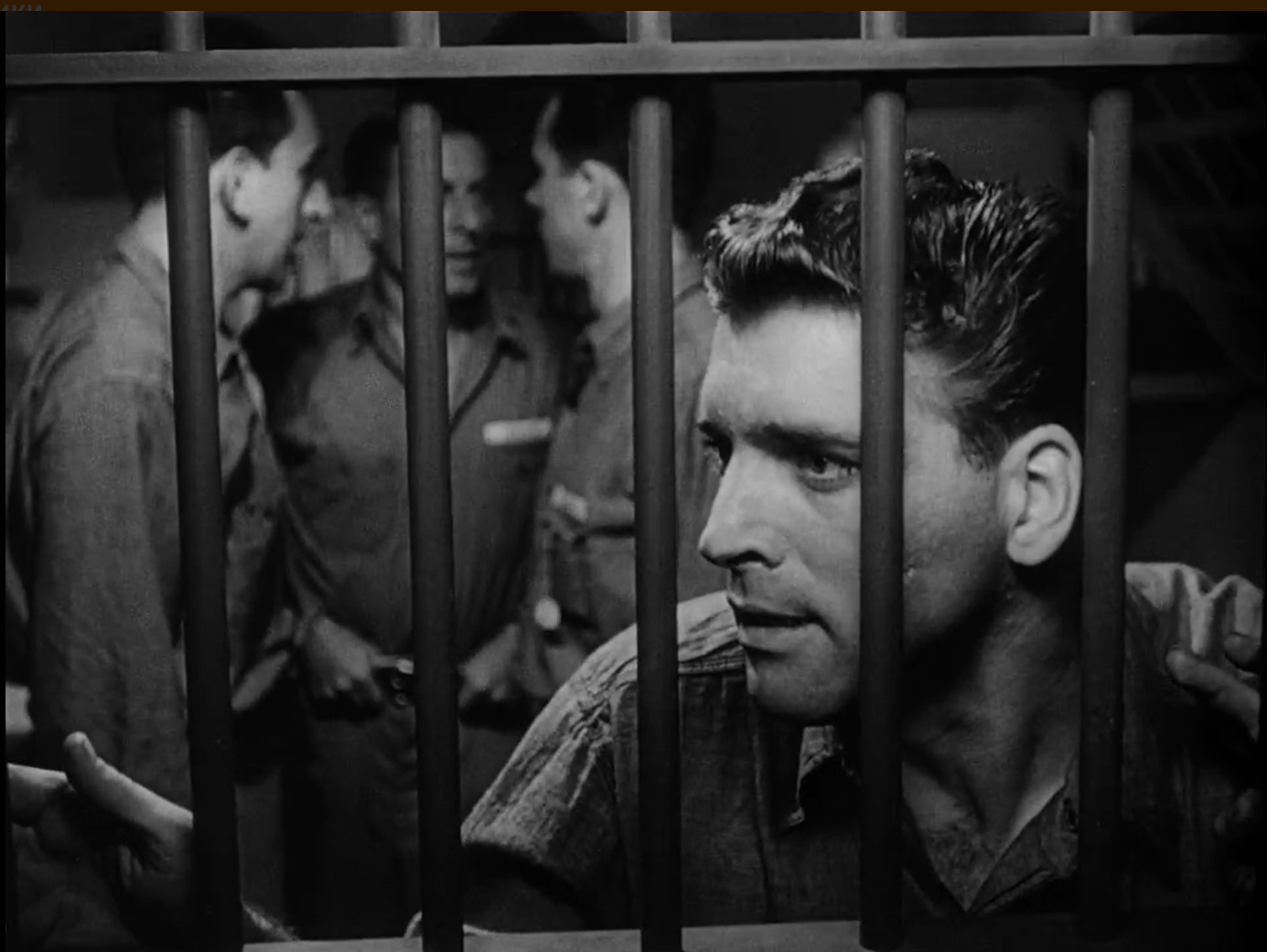
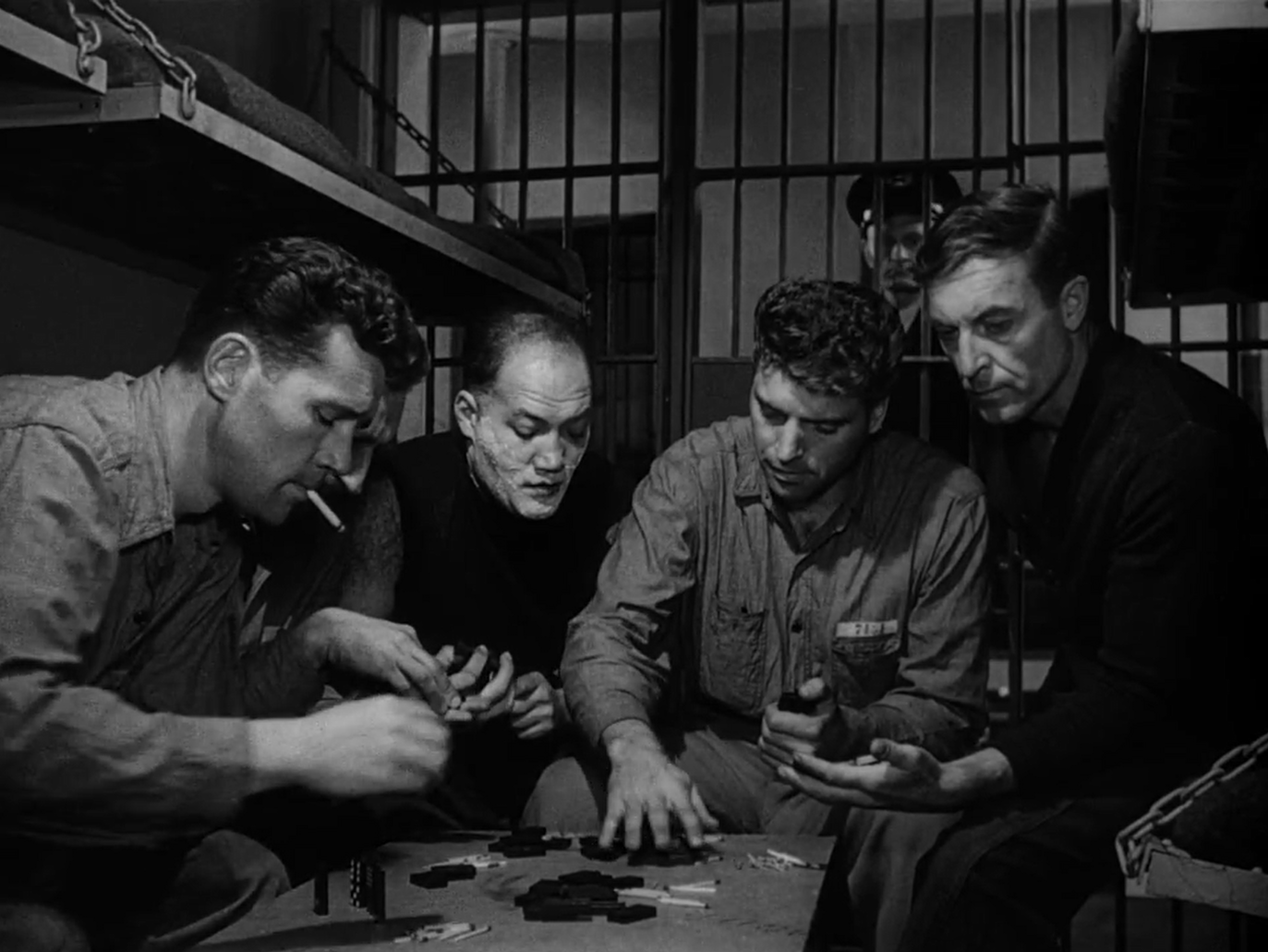
Prison breaks have been a cinematic mainstay for decades, and this relatively early outing by French director Jules Dassin is regarded by many as one of the best. However, other than featuring hunky-yet-stoic Burt Lancaster in a star-making role:

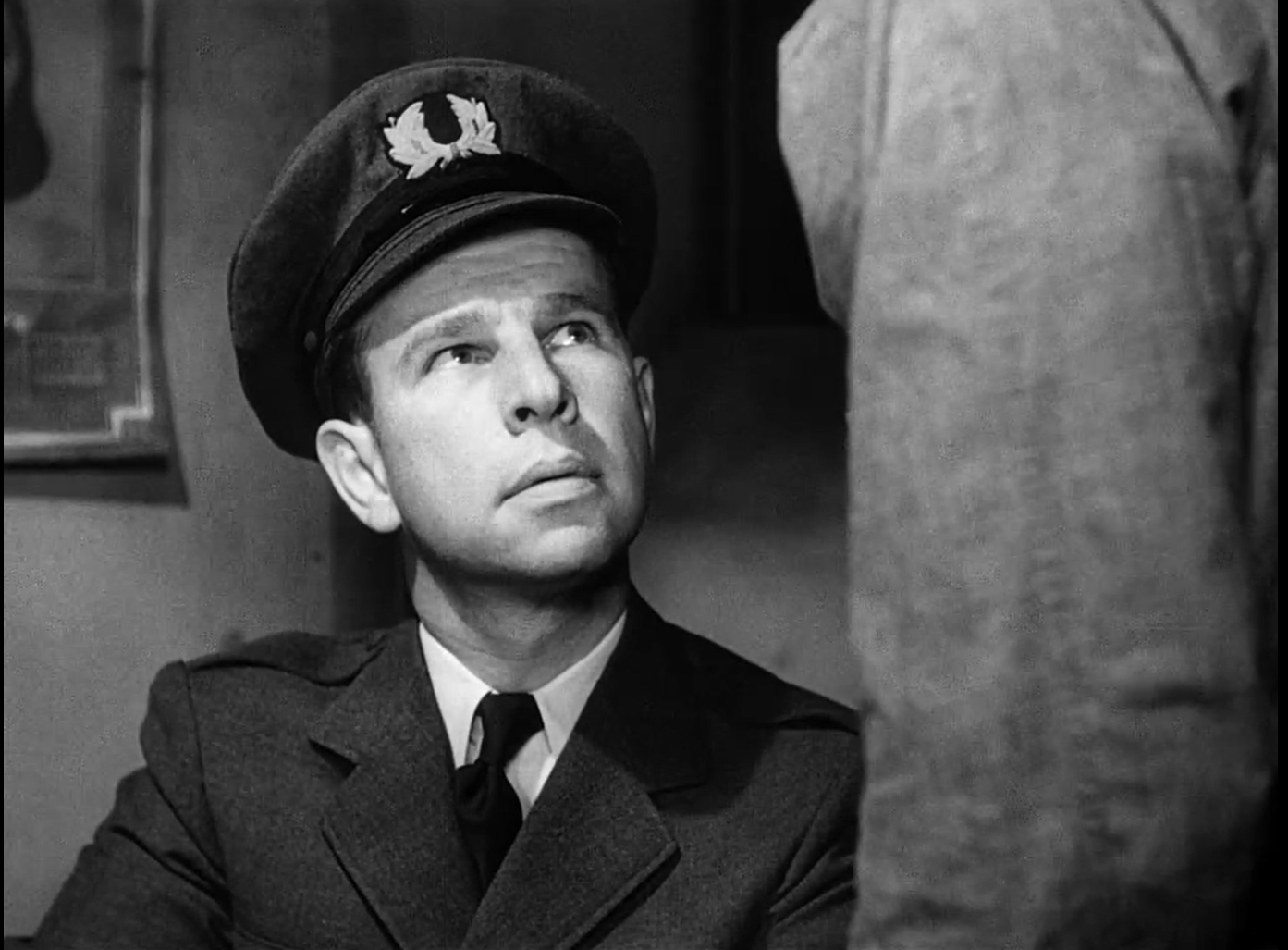
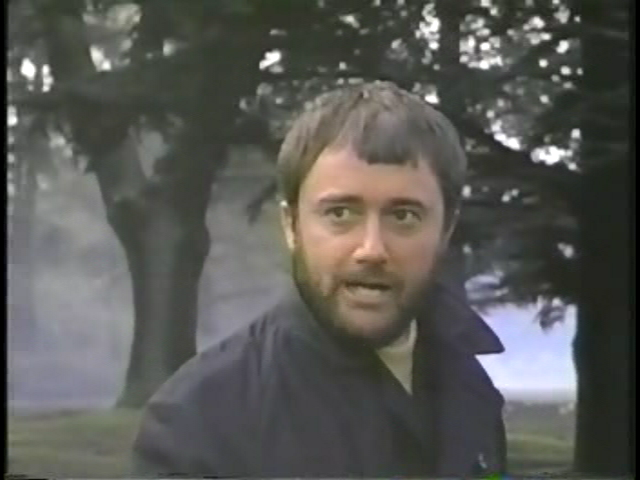
and Hume Cronyn in an atypically sadistic performance:

it doesn’t offer anything new to an overly familiar narrative trope. In order to successfully convince audiences to root for Lancaster and his cellmates, the prisoners are all presented as sympathetic and/or wrongly accused, while Cronyn himself is simply a power-tripping Hitler-stand-in (clearly meant to appeal to post-war audiences). The film’s primary redeeming feature is William Daniels’ atmospheric cinematography, which successfully positions this as a prime example of prison-drama-as-noir.

Redeeming Qualities and Moments:

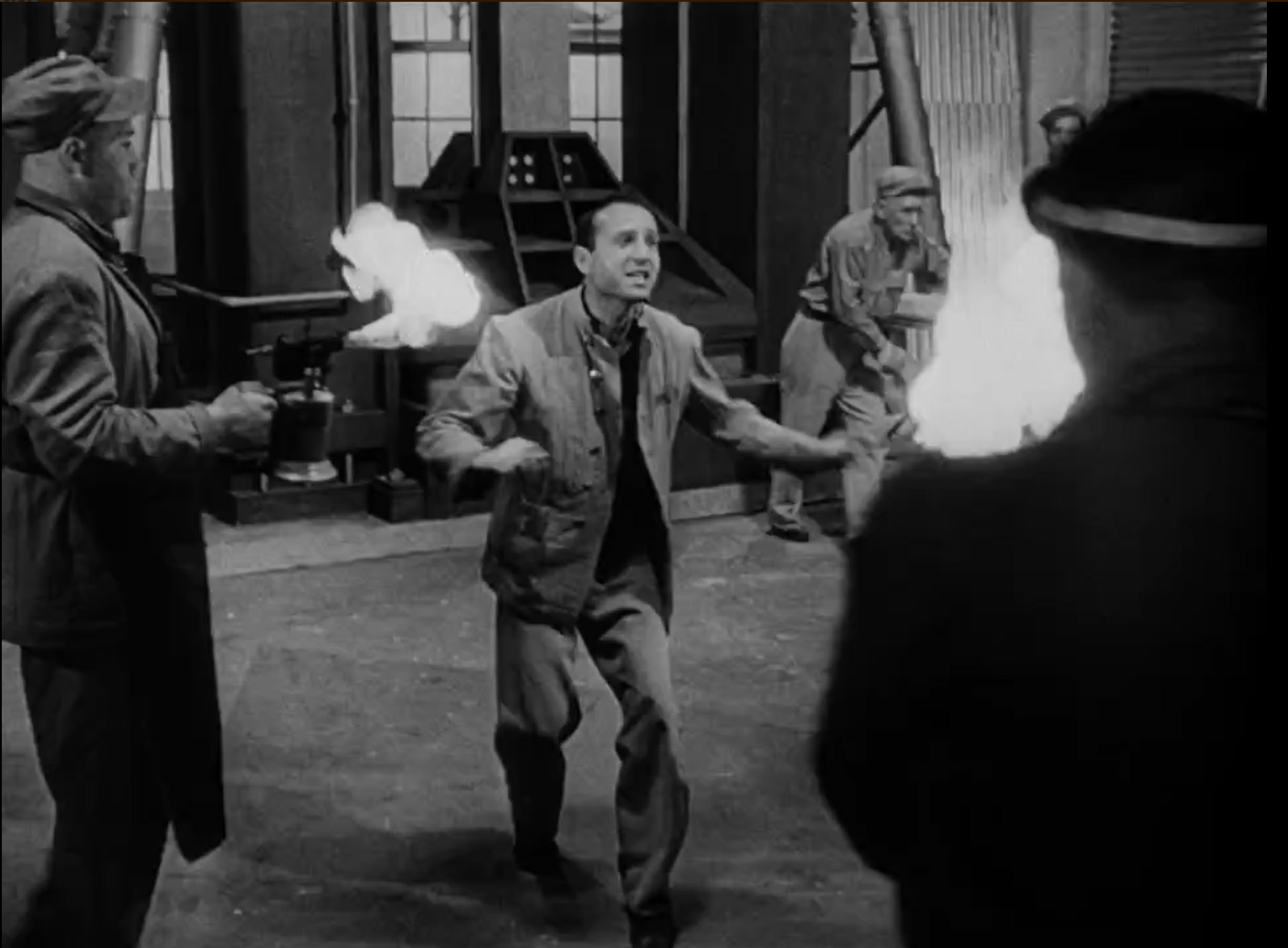
  • The powerful early scene in which a stoolie (James O’Rear) is crushed to death in a prison workroom
  • William Daniels’ noir-ish cinematography

Must See?
No. Listed as a film with Historical Importance in the back of Peary’s book.

Links:

Mind of Mr. Soames, The (1970)

Mind of Mr. Soames, The (1970)

“We are witnessing an operation that may bring to life a man who — for all normal intents and purposes — has been dead for thirty years.”

Synopsis:
30-year-old John Soames (Terence Stamp) is awakened from a lifelong coma by Doctors Bergen (Robert Vaughn) and Maitland (Nigel Davenport), who quickly teach him to move and speak. While Dr. Bergen believes John should experience the outside world, Dr. Maitland refuses, and soon the childlike John runs away, putting his life in grave danger.

Genres, Themes, Actors, and Directors:

  • Character Arc
  • Robert Vaughn Films
  • Runaways
  • Science Fiction
  • Terence Stamp Films

Review:
This cult sleeper is based on an undeniably intriguing premise: what if a lifelong coma victim were miraculously awoken and given a chance at life? Unfortunately, however, it falls flat on every count. To begin with, it’s more of a fantasy than strict sci-fi, given that the developmental stages Soames whizzes through upon his “awakening” would be neurologically impossible (mind and body work together to grow and develop; trying to impose learning onto a physically “mature” brain simply couldn’t work). The primary prurient interest of the film lies in watching a grown man act like an infant — much like David Manzy would do to more humorous effect in the twisted black comedy The Baby (1973) three years later — then a toddler, then a young child, then a petulant adolescent, with Soames finally “breaking free” from the restraints of his overbearing guardian and attempting (in typical ’60s/’70s fashion) to “find himself”. The redeeming qualities of … Mr. Soames remain the performances by Stamp and Vaughn, and a couple of unexpectedly amusing moments (see below).

Redeeming Qualities and Moments:

  • Terence Stamp as John Soames
  • Robert Vaughn as Dr. Bergen
  • Soames running around the streets in a furry pink onesie
  • Soames scaring a young girl half to death on a train: “There are many trees at the institute… I do not like the institute.”

Must See?
No; despite its intriguing premise, this one isn’t worth seeking out. Listed as a Sleeper in the back of Peary’s book.

Links:

Oh, God! (1977)

Oh, God! (1977)

“I took this form because if I showed myself to you as I am, you wouldn’t be able to comprehend me.”

Synopsis:
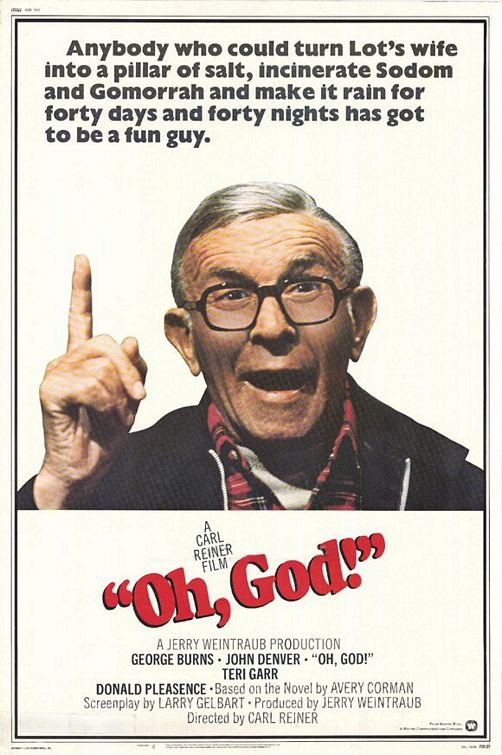
A humble supermarket manager (John Denver) is visited by God (George Burns) in the form of an older man, and told to spread the word about His hopes for mankind.

Genres, Themes, Actors, and Directors:

  • Carl Reiner Films
  • Comedy
  • Donald Pleasence Films
  • Fantasy
  • George Burns Films
  • “No One Believes Me!”
  • Ralph Bellamy Films
  • Religious Faith
  • Teri Garr Films

Review:
This immensely popular ’70s comedy — which sparked two sequels and a current remake — is, unfortunately, a tedious bore. The central casting decision, considered a “coup” by many, is one problem (Burns-as-God simply doesn’t work), but the primary issue is the decidedly unfunny script, which is littered with throw-away lines like God in a courtroom stating, “So help me Me,” or God insisting that he doesn’t normally work miracles (“The last miracle I did was the 1969 Mets; before that, I think you have to go back to the Red Sea.”) Ha ha. Denver is, fortunately, both appealing and believable in the lead role, and Teri Garr turns in yet another compassionate performance as the wife of a man going slowly around the bend (a la Richard Dreyfuss in the same year’s Close Encounters) — but even their performances can’t save this clunker from sinking, and fast.

Redeeming Qualities and Moments:

  • John Denver as Jerry
  • Teri Garr as Jerry’s compassionate wife
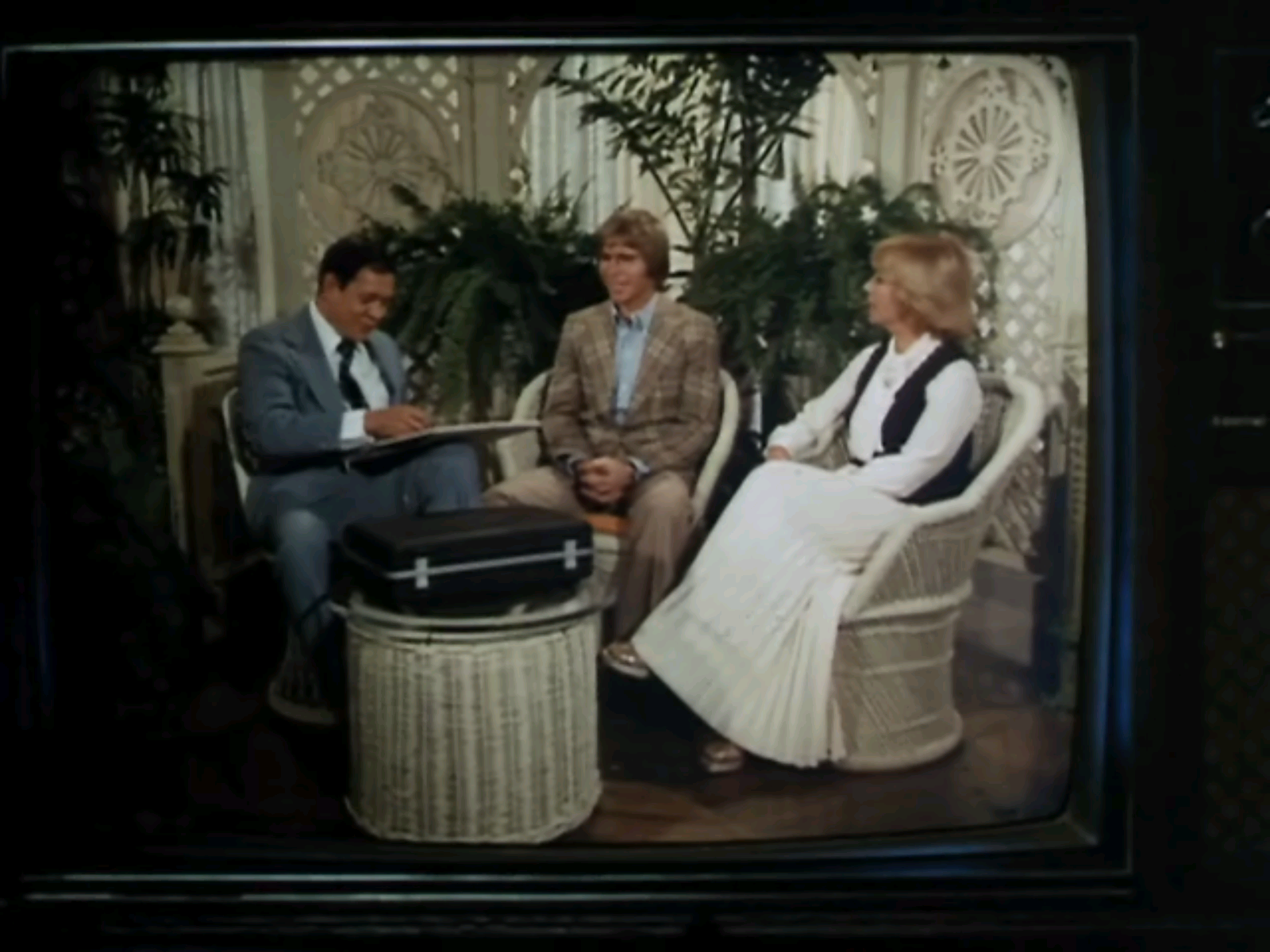
  • Jerry on the Dinah Shore show explaining to a police sketch artist what God looks like

Must See?
No; this well-meaning but strained comedy is only for certain tastes.

Links: