Stranger Than Paradise (1984)

Stranger Than Paradise (1984)

“It’s funny — you come to someplace new and everything looks just the same.”

Synopsis:
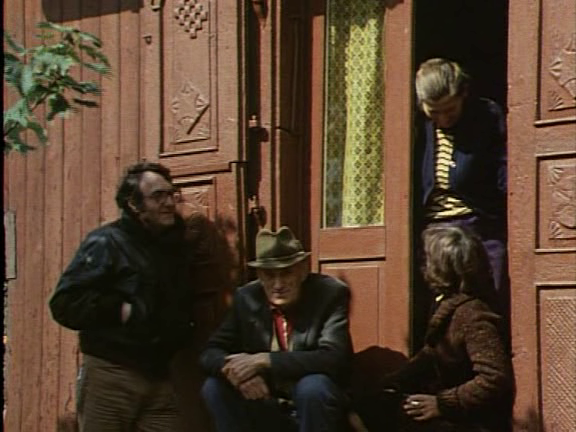
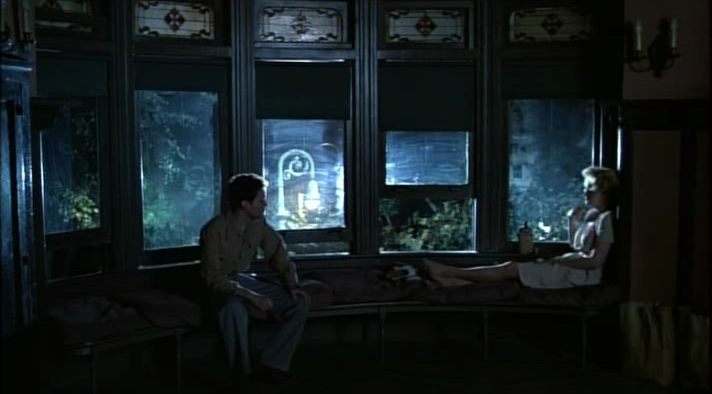
A hustler named Willie (John Lurie) and his friend Eddie (Richard Edson) entertain Willie’s 16-year-old cousin Eva (Eszter Balint), who has recently arrived from Hungary.

Genres, Themes, Actors, and Directors:

  • Jim Jarmusch Films
  • Misfits
  • Road Trip

Response to Peary’s Review:
Peary writes that this “very funny, original, independent film by writer-director Jim Jarmusch” consists of a “formal style” — “influenced by innovative European and Japanese filmmakers” — in which “Jarmusch has the actors perform in front of a strategically placed static camera” and “the picture fades to black at the end of each scene.” He notes that “its intention is to allow viewers to watch whatever they want within the frame, instead of having cuts to close-ups that force viewers to accept what the filmmaker thinks is the most important thing happening at a particular time.” Moreover, he asserts that “the static camera perfectly reflects the static lifestyles of the characters we watch,” who are “equally dull.”

Peary acknowledges that “at first the picture is jarring because nothing happens,” and “you won’t understand why it has received such critical praise.” But he notes that “soon you realize the humor comes from the fact that these people are incapable of breaking free from their boredom.” He posits that “the dialogue manages to be funny, although the characters are completely deadpan in their delivery and say very little that is perceptive,” and he asserts that “the characters are hilarious — and real! — and the actors are terrific.”

Sadly, I disagree with Peary’s review — as well as those of numerous other prominent critics, who seem to be uniform in their praise of this “groundbreaking” indie flick. J. Hoberman, for instance, writes:

Stranger Than Paradise is far more than the sum of its influences. The film is too strongly imagined and assembled to ever seem derivative. It’s never less than wholly and confidently itself. [It] has the timeless quality of a long-running comic strip: it’s as instantly familiar and ineffably weird as Gasoline Alley or Moon Mullins. Eva, Willie, and Eddie may be cartoon characters with unintelligible inner lives, but it’s just that enigmatic two-dimensionality that makes Stranger Than Paradise so funny and gives the film, at once ethereal and hard-boiled, the look and feel of a classic.

I believe Stranger Than Paradise is a case of a movie being very much of-its-time. When I first watched it as a teenage film fanatic, I vaguely remember being blown away by its daring and innovative deadpan style. Now, to be honest, I have no tolerance for it on any level (other than still appreciating Tom DiCillo’s cinematography). Why in the world would we want to spend time with any of these characters? Clearly I’m in polar opposition to Hoberman’s assertion that “Half the fun in Jarmusch’s leisurely paced film is just watching those palookas breathe”; nope. And why do we need a film to relentlessly show us how alienated Americans are from themselves, their environment, and any sense of greater purpose? The last thing I personally want to do is watch people drift from one meaningless “activity” to another, discovering that wherever you go in the interchangeable landscape of industrialized America — there you are. A few of the entries from the Four Word Film Review site seem most apt to me:

Chumps visit Cleveland, Florida.
Bored hipster hosts cousin.
Jarmusch leaves celluloid blank.

I’m not a Jarmusch fan, so clearly I’m biased — but I wouldn’t consider this must-see except for its historical role in indie American filmmaking.

Redeeming Qualities and Moments:

  • Stark b&w cinematography


Must See?
No; you can skip this one unless you’re curious or a Jarmusch fan.

(Listed in 1001 Movies You Must See Before You Die)

Links:

All the President’s Men (1976)

All the President’s Men (1976)

“Goddammit, when is somebody going to go on the record in this story?”

Synopsis:
While investigating the Watergate scandal for The Washington Post, rookie reporters Bob Woodward (Robert Redford) and Carl Bernstein (Dustin Hoffmann) quickly find that their story goes far deeper — and higher — than they anticipated.

Genres, Themes, Actors, and Directors:

  • Alan J. Pakula Films
  • Dustin Hoffmann Films
  • Jason Robards Films
  • Journalists
  • Martin Balsam Films
  • Ned Beatty Films
  • Political Corruption
  • Robert Redford Films

Response to Peary’s Review:
Peary asserts that this “award-winning adaptation of the best-seller” that led “to President Nixon’s resignation” is “one of the cagiest films ever made.” He notes that “we are enthralled” even though “not much happens,” given that “major discoveries by the two investigative reporters are few and far between” — and, “as he had done with The Parallax View, [director Alan] Pakula steeps his film in paranoia.” Peary describes Pakula’s directorial style thus:

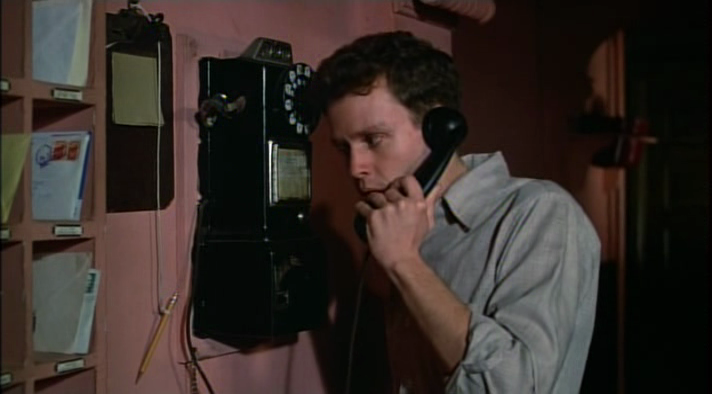
“Woodward and Bernstein are shown in close-up as they talk to strangers on the phone, trying to wangle information out of them. They sweat slightly as they bluff prior knowledge about what the people are divulging or insinuating — they worry that the people will stop in mid-sentence and question their right to ask such things. Because we don’t see the people the reporters speak to, they naturally become mystery figures — Pakula gives them nervous, reticent, suspicious deliveries so we feel they all have something to hide” [they do!] “or that they’re the types who might arrange for something nasty to happen to the hard-pushing reporters.”

Peary argues that “if Pakula had moved the camera back from the reporters and directed the actors on the phone to speak in friendly, cooperative tones (using the same dialogue), we would feel no suspense.” Meanwhile, he notes that if Pakula “didn’t repeatedly show our reporters going alone, mostly at night” (meaning, after working hours, when people are likely to be home?) “to the doors of people who don’t want to speak to them or who are reluctant to reveal all they know” (hmmmm, I wonder why?) “or, as in Woodward’s case, meeting his contact ‘Deep Throat’ in an underground garage so dark we can’t see faces, we wouldn’t think that our two heroes are so vulnerable (or brave).”

I’m not quite sure what Peary is getting at with these criticisms, nor what he means when he says, “Near the end we are told that they are in danger — we felt it all along — but nothing comes of this. Indeed, none of the paranoia we feel throughout the film is justified.” I disagree. Bernstein and Woodward are authentically concerned — as they should be — about their jobs (not to mention the reputation of their esteemed newspaper) being on the line; and when dealing with high-level politicians and their lackeys, I don’t think there’s such a thing as being too cautious (or, frankly, too paranoid). All the President’s Men is inherently dramatic given what the reporters end up uncovering, which impacted nothing less than the course of American history. Peary does concede that the “acting is excellent, particularly by Jason Robards, Jr., who won a Best Supporting Actor Oscar as the Post‘s managing editor, Ben Bradlee”

… and that “another plus is that we get a sense of the inner workings of a newspaper and how individual reporters pursue a story (i.e., phone calls, legwork, paperwork).”


Peary’s strongest complaint seems to emerge near the end of his review, when he notes that “Woodward and Bernstein are shown to be manipulative, driven, willing-to-fib reporters — likable but not all that sympathetic. They seem to favor getting their Pulitzer-caliber story, without concern for what that story will mean to the country.” (This echoes Peary’s similar criticism about Claude Lanzmann’s relentless investigative work for Shoah.) Peary argues that the “end of [the] film comes too early in the Watergate story and leaves us hanging — which is also the major problem with the book,” but once again, I disagree; the final typewritten sequence in the movie perfectly bookends the way it opened (on a plain piece of paper), adding a sucker-punch conclusion to the men’s work:

Meanwhile, I’m a fan of both Hoffman and Redford’s performances (not highlighted in Peary’s review), and am impressed that we stay so engaged in their travails despite knowing how things turn out. This one remains worth a look.

Redeeming Qualities and Moments:

  • Fine performances by the cast
  • Gordon Willis’s cinematography


Must See?
Yes, as a still-engaging classic.

Categories

  • Genuine Classic
  • Oscar Winner or Nominee

(Listed in 1001 Movies You Must See Before You Die)

Links:

Deer Hunter, The (1978)

Deer Hunter, The (1978)

“What did you do — win the war all by yourself?”

Synopsis:
Three steel mill workers — Michael (Robert De Niro), Steven (John Savage), and Nick (Christopher Walken) — head to Vietnam shortly after Steven’s marriage to Angela (Rutanya Alda), with Nick promising to marry his girlfriend (Meryl Streep) once he returns; but the extreme trauma they each experience as prisoners-of-war changes them forever.

Genres, Themes, Actors, and Directors:

  • Christopher Walken Films
  • Friendship
  • Meryl Streep Films
  • Prisoners of War
  • Robert De Niro Films
  • Veterans
  • Vietnam War

Response to Peary’s Review:
Peary describes this Best Picture winner by writer/director Michael Cimino as “infuriating,” noting that it’s “condescending to its white characters (we’re supposed to understand what happened to the three solders better than they or their equally naive friends do)” and “its view of Vietnamese (all are presented as beasts) is decidedly racist (remember how the Japanese were portrayed in American films made during WWII?).”

He argues that Cimino’s use of “Russian roulette as a metaphor — probably for the insanity of Vietnam, where there is no logic to who lives and who dies” — makes “us believe that our POWs were subjected to such treatment as a matter of course, when in fact there have never been reports of ‘Russian roulette’ during the war.” He concedes that the film has “visual power, a convincing performance by Walken (who won a Best Supporting Actor Oscar):

… and a couple of strong moments between De Niro and Meryl Streep… after De Niro returns home.”

But he notes that the “prewar scenes, involving the three men who are about to go to war and their male buddies, are as self-consciously directed and self-indulgent as the worse sequences in John Cassavetes’s films”:

… and “the wedding, full of characters ‘acting natural’ and being rude, stupid, and boring… is interminable.”

In Alternate Oscars, Peary refers to this film as a “con job” (!), voting for Coming Home (1978) as the superior film from the same year on a similar topic, and giving a Best Picture nomination nod to the underrated Go Tell the Spartans (1978) as well. I’m essentially — though perhaps not as vehemently — in agreement with Peary’s review, and also appreciated reading DVD Savant’s critical take-down of this much-lauded film, which he argues “slickly pushes the same old blather about honor and presents a story that grows increasingly pretentious.”

Indeed, given the power of its imagery (Vilmos Zsigmond’s cinematography is consistently stunning) and the infamously harrowing Russian roulette sequences, it’s disappointing that “this ‘progressive’ war movie” is really “the old BS in a different package,” in which “the tough survivors are the real men, and the others had unfortunate but fatal weaknesses.” I’m not sure it’s fair to reduce the three central characters to such descriptors, but it’s certainly true that De Niro’s stoic warrior emerges as the de facto hero of the piece, which is problematic. Film fanatics will likely be curious to check this film out once, but a “once-and-done” is plenty.

Redeeming Qualities and Moments:

  • Powerful performances by the three male leads


  • Vilmos Zsigmond’s cinematography


Must See?
Yes, once, simply for its historical and Oscar-winning status.

Categories

  • Historically Relevant
  • Oscar Winner or Nominee

(Listed in 1001 Movies You Must See Before You Die)

Links:

Out of Africa (1985)

Out of Africa (1985)

“I don’t want to live someone else’s idea of how to live; don’t ask me to do that.”

Synopsis:
A Danish woman (Meryl Streep) marries a Swedish baron (Klaus Maria Brandauer) simply for an opportunity to move to Kenya and help run a coffee plantation, but soon finds herself estranged from womanizing Brandauer and madly in love with an adventurous big game hunter (Robert Redford) who dips in and out of her life.

Genres, Themes, Actors, and Directors:

  • Africa
  • Historical Drama
  • Infidelity
  • Marital Problems
  • Meryl Streep Films
  • Robert Redford Films
  • Romance
  • Strong Females

Response to Peary’s Review:
Peary refers to Sydney Pollack’s Oscar-winning adaptation of “the 1937 memoir of aristocratic Danish author Isak Dinesen (the pen name of Karen Blixen) and Judith Thurman’s 1982 biography, Isak Dinesen: The Life of a Storyteller” as “graceful, elegant, [and] sensually photographed.” He notes that Streep’s performance as “Blixen during her years in Kenya, 1913-1931” is “multi-layered, unmannered, [and] Oscar-worthy” — though he fails to point out that her Danish accent is patchy at best (and, unlike her linguistic work in Sophie’s Choice, distracting at worst). He asserts that “while this is a romantic film,” he doesn’t “consider it a love story” given that “it’s primarily about a stubborn, moral woman who, without changing or compromising or causing changes, achieves accommodation… and is accepted and respected” by those around her, with “no conquest, no power play, no ultimatum, no game-playing or attempt to obtain pity.” He adds that “if you’re bored by the film or resent how the blacks are used to show how nice Karen is to the natives rather than as individuals with their own lives, then you’ll at least be awed by the wide-open, sun-drenched African veldt.”

Indeed, cinematographer David Watkin’s work here is simply stunning; it’s no wonder that this film “inspired a great increase in tourism in Kenya.” Meanwhile, I agree with Peary that “young girls could find worse role models than Streep’s Karen,” who is “a writer, runs a coffee plantation, is willing to work with her hands, fearlessly rides through hostile territory during a native uprising, lives alone (after she kicks out [Brandauer]), calmly shoots a charging lion:

… and is even willing to humble herself by dropping to her knees in public to beg for land for the [local] Kikuyus after she leaves Africa.”

However, I do fall into the camp of being troubled by the centering of a white female’s exploits in colonized Africa:

As much as Pollack and screenwriter Kurt Luedtke admirably humanize a number of the African individuals in Karen’s life, she’s ultimately the main focus, with Kenya itself primarily exoticized as a beautiful lifestyle alternative for colonizing Europeans.

Redford is fine and believable as Streep’s commitment-phobic lover:

… but Brandauer (naturally) steals the moments he’s in, playing a surprisingly sympathetic, straight-shooting philanderer who notoriously gave Dinesen syphilis (for which he at least apologizes sincerely).

How much one enjoys this film (beyond the visuals) will depend largely on your investment in Dinesen’s memoirs, which I suspect aren’t quite as widely read or discussed these days.

Redeeming Qualities and Moments:

  • David Watkin’s stunning cinematography


  • Meryl Streep as Karen (but not her accent)

Must See?
No, though of course most film fanatics will be curious to check it out given its Oscar-winning status.

(Listed in 1001 Movies You Must See Before You Die)

Links:

Sophie’s Choice (1982)

Sophie’s Choice (1982)

“Tell me why you inhabit the land of the living.”

Synopsis:
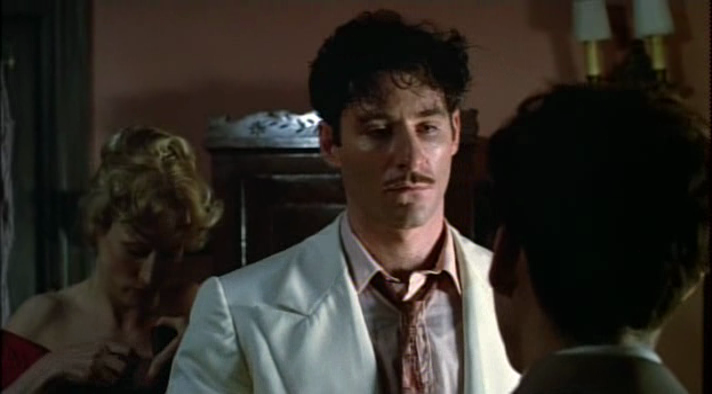
While living in Brooklyn, an aspiring young Southern writer (Peter MacNicol) befriends a guilt-ridden, Polish-Catholic survivor of Auschwitz (Meryl Streep) and her charismatic yet volatile Jewish lover (Kevin Kline), and soon finds himself falling for Sophie (Streep).

Genres, Themes, Actors, and Directors:

  • Alan J. Pakula Films
  • Concentration Camps
  • Flashback Films
  • Meryl Streep Films
  • World War Two
  • Writers

Response to Peary’s Review:
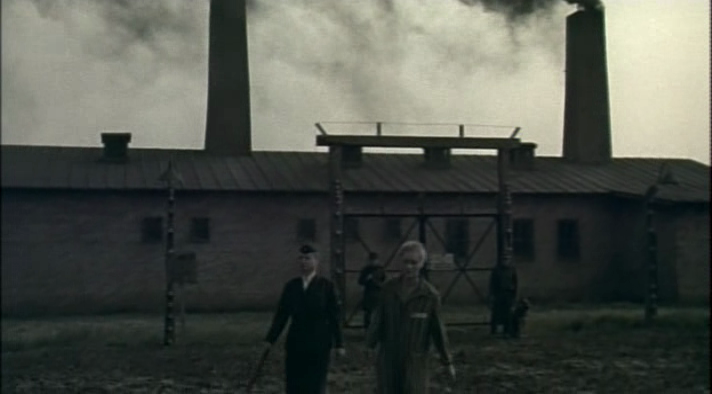
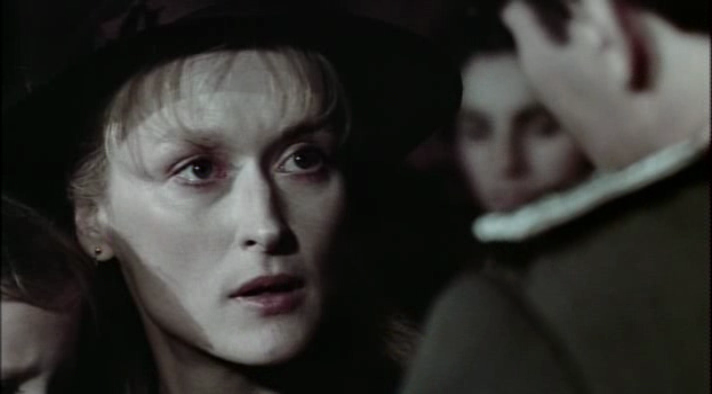
Peary writes that writer-director Alan J. Pakula’s adaptation of William Styron’s novel “has many powerful scenes, particularly those in the concentration camp”:

… but he argues that while “Streep gives a great characterization,” it’s “difficult to forget she’s acting and that her Polish accent is not real because Sophie is constantly struggling with the English language, stumbling over every other word.” He notes that “MacNicol’s timid, nervous portrayal complements the more demonstrative performances of his co-stars”:

… and points out that the film is “beautifully photographed by Nestor Almendros.” He posits an interesting if implausible theory about the film’s titular topic (“Sophie’s choice”):

SPOILER ALERT

… by questioning whether Sophie’s flashbacks are “accurate or only what she makes up for Stingo [MacNicol].” He wonders, “Could it be that she had no daughter and that she chose to save herself rather than her son? If he was taken away to be killed (she says he was taken to the children’s camp, not directly to the gas chambers), this would explain why she didn’t remain in Europe to search for him or get some confirmation of his death.” He does concede, “It’s doubtful that Styron or Pakula intended anyone to make this interpretation, but the structure of the film and portrayal of Sophie make it a possibility.”

Peary’s proposition is intriguing yet not particularly convincing; indeed, it seems to serve as simply yet another way to deny the incomprehensible inhumanity at play in the Nazi regime, when the whim of an officer could determine the fate of an entire family within seconds. I also disagree with Peary’s somewhat dismissive assessment of Streep, who rightfully won an Oscar for her portrayal as a multi-lingual, highly traumatized victim of war crimes attempting to find a way — and a reason — to survive. Meanwhile, Kline’s character is instantly insufferable:

… but we quickly learn why this needs to be the case, and as hard as he is to watch, he suits the storyline perfectly.

Redeeming Qualities and Moments:

  • Meryl Streep as Sophie
  • Nestor Almendros’ cinematography

Must See?
Yes, for Streep’s performance.

Categories

  • Noteworthy Performance(s)
  • Oscar Winner or Nominee

Links:

Prelude to War (1942)

Prelude to War (1942)

“We were a nation that wanted peace — but we hadn’t yet learned that peace for us meant peace for all.”

Synopsis:
Walter Huston narrates a propaganda film produced by America’s Office of War Information (OWI) on why our country needed to become an ally in World War II.

Genres, Themes, Actors, and Directors:

  • Documentary
  • Frank Capra Films
  • Propaganda
  • Walter Huston Films
  • World War II

Review:
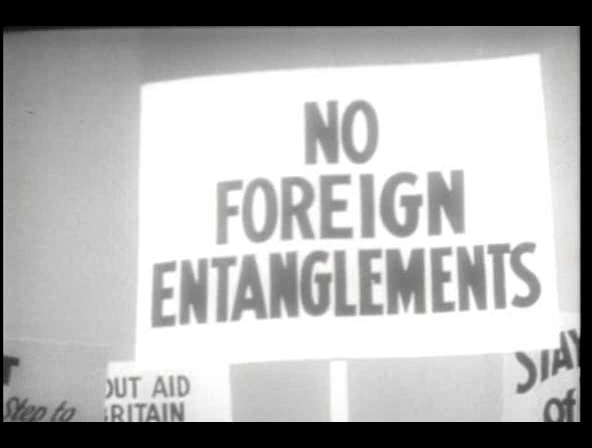
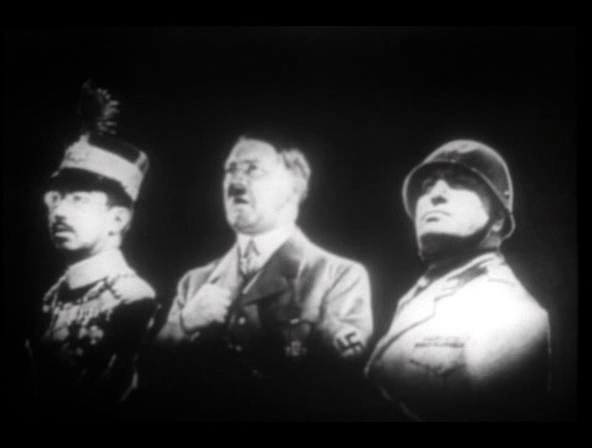
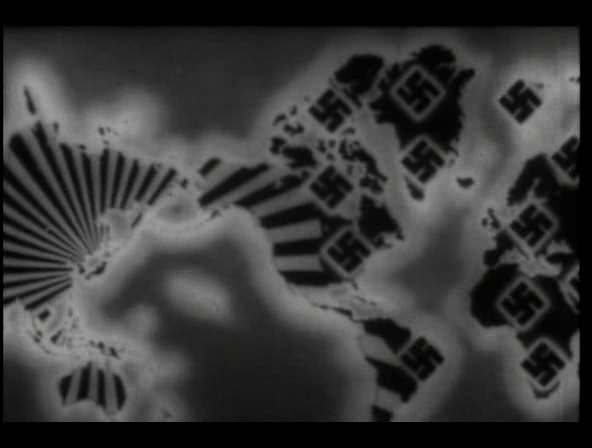
This first entry in Frank Capra’s “Why We Fight” series — comprised of seven films produced between 1942 and 1945 — was initially crafted to convince American troops to join the war effort, but eventually released more broadly to rally public support for the war. At the time, Americans were not inclined to involve themselves yet again in world affairs:

… so a strong case needed to be made on behalf of interventionism. At just 52 minutes, this short film covers the basics of how WWII began, focusing on the aggressions of Japan, Italy, and Germany.

It is very clearly a piece of propaganda, yet arguably a necessary one at the time, with an admirable focus on global unity and concern. As a title in the public domain, this film can be easily viewed at archive.org.

Redeeming Qualities and Moments:

  • A potent example of wartime propaganda

Must See?
Yes, once, simply for its historical relevance. Selected (along with the other six films in the series) to be part of the National Film Registry in 2000 for its “cultural significance.”

Categories

  • Historically Relevant

Links:

Shoah (1985)

Shoah (1985)

“It’s hard to recognize, but it was here.”

Synopsis:
Director Claude Lanzmann interviews survivors and perpetrators of the “Final Solution” against European Jews during World War II.

Genres, Themes, Actors, and Directors:

  • Documentary
  • Jews
  • World War II

Response to Peary’s Review:
In his “oral history of the systematic extermination of Jews by the Nazis in Treblinka, Auschwitz, Chelmno, and other concentration camps,” director Claude Lanzmann “uses no archival footage but instead takes his cameras to the concentration camp sites and surrounding areas to see what they are like today.” When “he takes us through Auschwitz and down into the cremation chambers,” it’s “a terrifying experience” — and when “he takes us to Treblinka,” we see “where the gas chambers stand solitary in the wilderness like Mayan pyramids in Mexico.” Meanwhile, “at Chelmno it’s hard to tell a camp existed.”
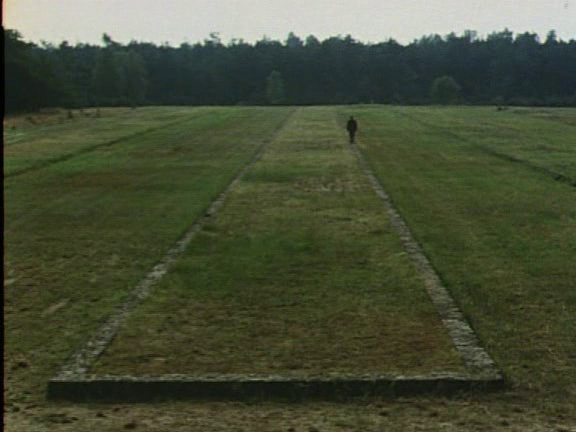
Lanzmann interviews many different impacted individuals, including “concentration camp survivors (their stories are horrific) who often did special work duties that kept them alive (one cut hair of women going to the gas chamber, another cleaned the crematorium, etc.).” They tend to “talk without emotion, then something snaps and they burst into tears, and Lanzmann [controversially] urges them to continue.”
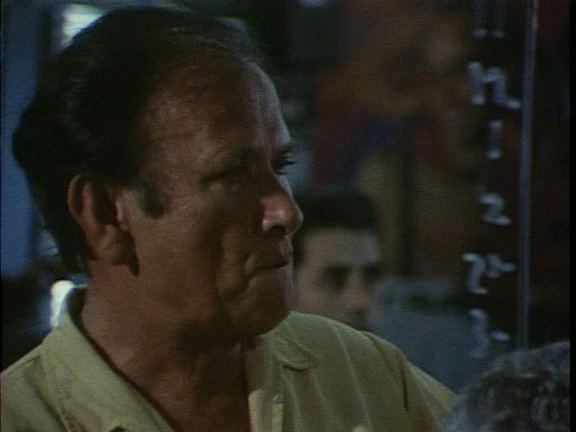
Indeed, it may seem that Lanzmann is exploiting the “survivors, forcing them to reopen old wounds for what he believed would be the definitive film about the Holocaust” — but, Peary asserts, “because it is not, what they go through for him isn’t worth it.” Lanzmann “also speaks to former Nazis, a Polish train engineer who transported Jews to Treblinka:
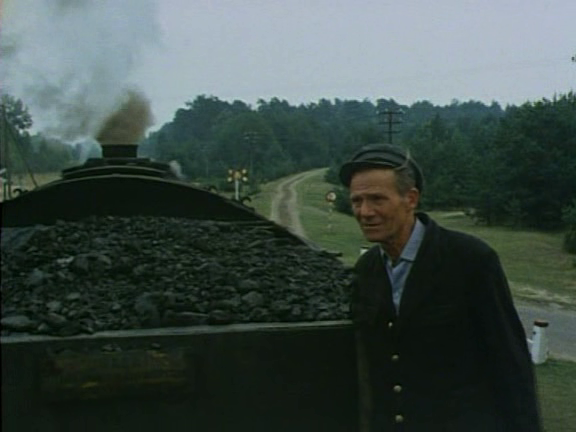
… and the people who lived by the camps.”

He points out that “what is most terrifying is that these people would [seemingly] not protest the roundup and extermination of the Jews if it happened again” — unless, perhaps, it’s to protest the trauma they are put through in having to watch such atrocities occur; as one bystander casually notes:

“[It] gets on your nerves, seeing that every day. You can’t force a whole village to watch such distress.”

Peary calls out a particularly “revolting” scene in which the “one survivor of Chelmno stands with his Christian ‘friends’ outside a Roman Catholic church” and hears how “the people didn’t like the Nazis but still talk about how God intended Jews to be punished for what happened to Christ.”
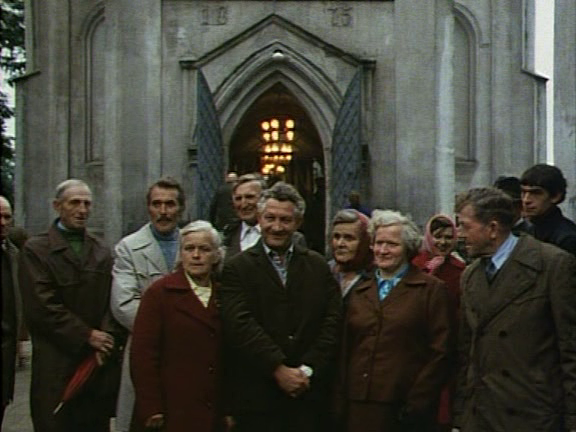
Peary argues that while the survivors suffer in telling their tales, “we viewers do benefit from each recollection, each harrowing detail about the slaughter. And the obsessive Lanzmann insists on details: we get exact accounts of what happened, involving the amount of time prisoner trains took to reach the camps from their destination, what the prisoners were wearing, [and] how they were greeted by the Nazis at the camp.” Peary adds that while the “first half of the film contains much unforgettable material, [the] second half goes off on too many tangents (i.e., a long recollection about the Warsaw ghetto)” and “by the end you’re sick of Lanzmann (who often acts like Mike Wallace at his worst) and his techniques.” He concludes that this film remains “important viewing, but not consistently powerful, though it should be, considering its subject.”

I disagree with Peary on several of his points: I don’t think it’s up to us as viewers to say whether it was “worth it” for the survivors to be pushed in the way they were, and I don’t believe Lanzmann becomes annoying. Meanwhile, the “tangents” in the final portion of this lengthy film serve as an invaluable back-story for everything we’ve seen and heard until then: by starting with footage of the death camp sites, then moving back and forth in time and space to talk with various people who either participated in or saw what was taking place, we gradually build a collective sense of how this years-long genocide unfolded.

Indeed, Lanzmann is incredibly clear about what he’s determined to document, and refuses to compromise on his vision. Once you give in to the fact that this film 9 1/2 hour film will not relent — instead forcing you to watch, listen, absorb, and make sense of people’s memories without the mediating support or distraction of historical visuals — you begin to appreciate what Lanzmann is doing, and how, and why. Quotes from participants become seared into your brain:

“I was thirteen, and all I’d ever seen until then was dead bodies.”

“With rubbish, paper, and gasoline, people burn very well.”

“Claude, you asked for my impression: if you could lick my heart, it would poison you.”

In response to a question about his stylistic choice to not show any archival footage or stills, Lanzmann at one point noted that not a single photo actually exists of activity within the death camps — so, the only way to try to document this historic atrocity s to talk with people who were there. And if hearing Nazi bureaucrats discuss the logistics of exactly how the death camps operated doesn’t convince you, then what will? Take, for instance, this excerpt from Lanzmann’s interview with war criminal Franz Suchomel (being filmed secretly from a van parked outside):
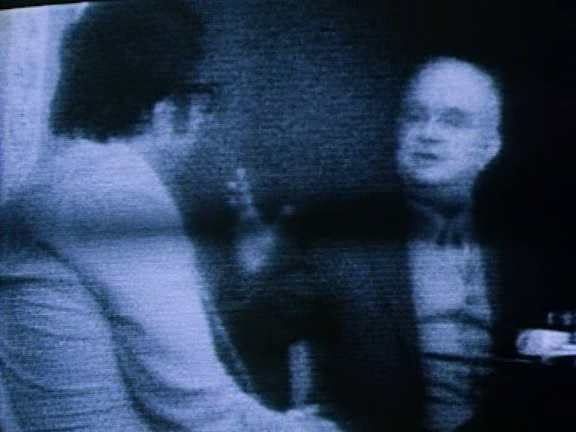
“Treblinka then [in August of 1942] was operating at full capacity… Trains arrived. The Warsaw ghetto was being emptied then. Three trains arrived in two days, each with three, four, five thousand people aboard, all from Warsaw. But at the same time other trains came in from Kielce and other places… What’s more, the cars were French, made of steel. So that while 5,000 Jews arrived in Treblinka, 3,000 were dead. In the cars. They had slashed their wrists, or just died. The ones we unloaded were half-dead and half-mad. In the other trains from Kielce and elsewhere, at least half were dead. We stacked them here, here, here and here [points to a map of the camp]. Thousands of people piled one on top of another. On the ramp. Stacked like wood. In addition, other Jews, still alive, waited there for two days: the small gas chambers could no longer handle the number. They functioned day and night in that period.”

“We puked and wept… The smell was infernal… because gas was constantly escaping. It stank horribly, for miles around… It depended on the wind. The stink was carried on the wind… More people kept coming, always more, whom we hadn’t the facilities to kill. Those gents were in a rush to clean out the Warsaw ghetto. The [small] gas-chambers couldn’t handle the load… The Jews had to wait their turn for a day — two days, three days. They foresaw what was coming. They foresaw it. They may not have been certain, but many knew. There were Jewish women who slashed their daughters’ wrists at night, then cut their own. Others poisoned themselves. They heard the engine feeding the gas-chambers.”

“Because there were so many dead that couldn’t be got rid of, the bodies piled up around the gas-chambers and stayed there for days. Under this pile of bodies was a cesspool: 3 inches deep, full of blood, worms, and shit. No one wanted to clean it out. The Jews preferred to be shot rather than work there… It was awful. Burying their own people, seeing it all — the dead flesh came off in their hands.”

This lengthy narrative is followed immediately by interview clips with Jewish survivor Filip Müller, who describes what it was like to enter the incineration chamber in Camp 1 at Auschwitz and engage in disposal of corpses for hours on end — in his case, “doing the work” instead of “choosing” to be shot.
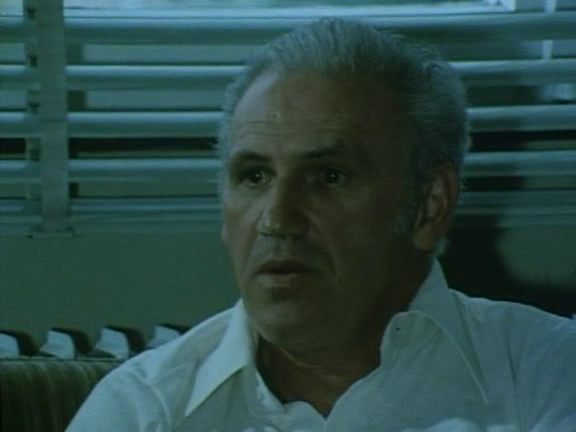
Suffice it to say that there is nothing in existence comparable to this documentary, which remains not only essential (albeit grueling) viewing for film fanatics, but an invaluable archive of facts that — shockingly — continue to be refuted and denied by some. Please do make the time and energy for it, though I recommend chunking it out into more manageable sessions (perhaps four).

Redeeming Qualities and Moments:

  • Invaluable oral evidence of inexplicable atrocities
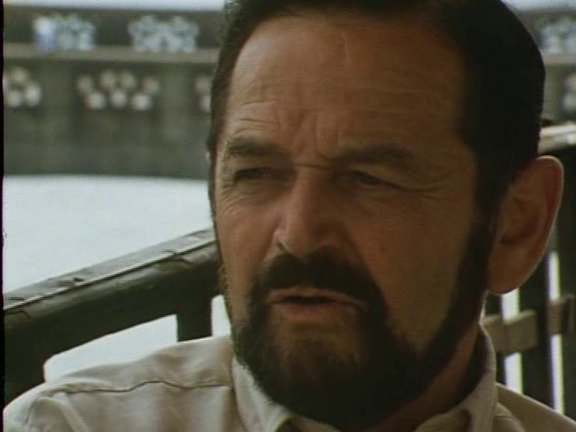
  • Many raw, powerful moments

Must See?
Yes, for its ongoing historical and cinematic relevance.

Categories

  • Historically Relevant

(Listed in 1001 Movies You Must See Before You Die)

Links:

M (1931)

M (1931)

“But I can’t help it!”

Synopsis:
When a serial child murderer (Peter Lorre) in Berlin kills yet another young girl (Inge Landgut), Inspector Lohmann (Otto Wernicke) intensifies his search, leading the head of the criminal underground (Gustaf Gründgens) to rally his own men — including local beggars — in helping to identify, capture, and try Lorre.

Genres, Themes, Actors, and Directors:

  • Amateur Sleuths
  • Fritz Lang Films
  • German Films
  • Pedophiles
  • Peter Lorre Films
  • Serial Killers

Response to Peary’s Review:
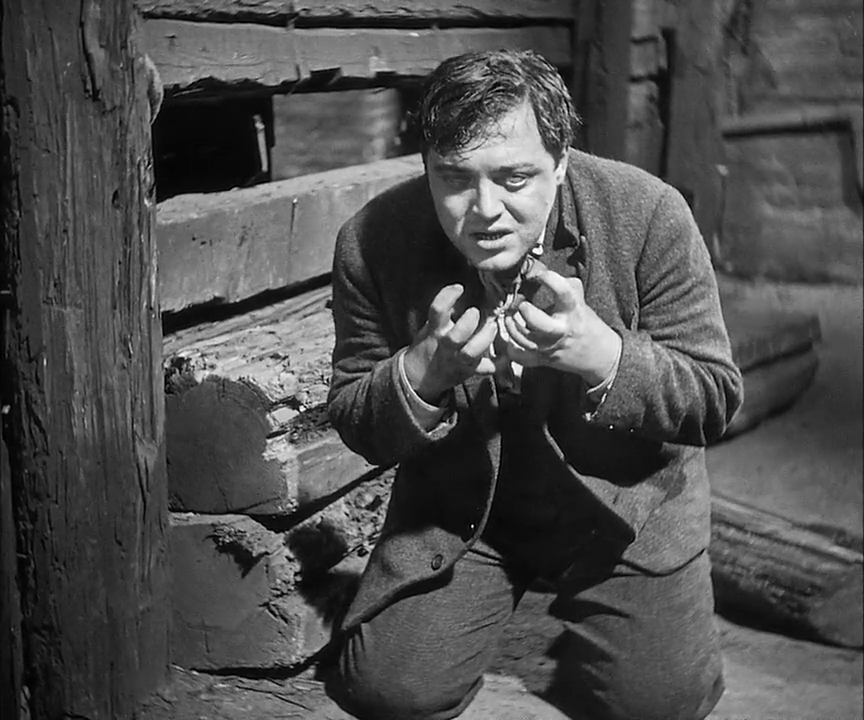
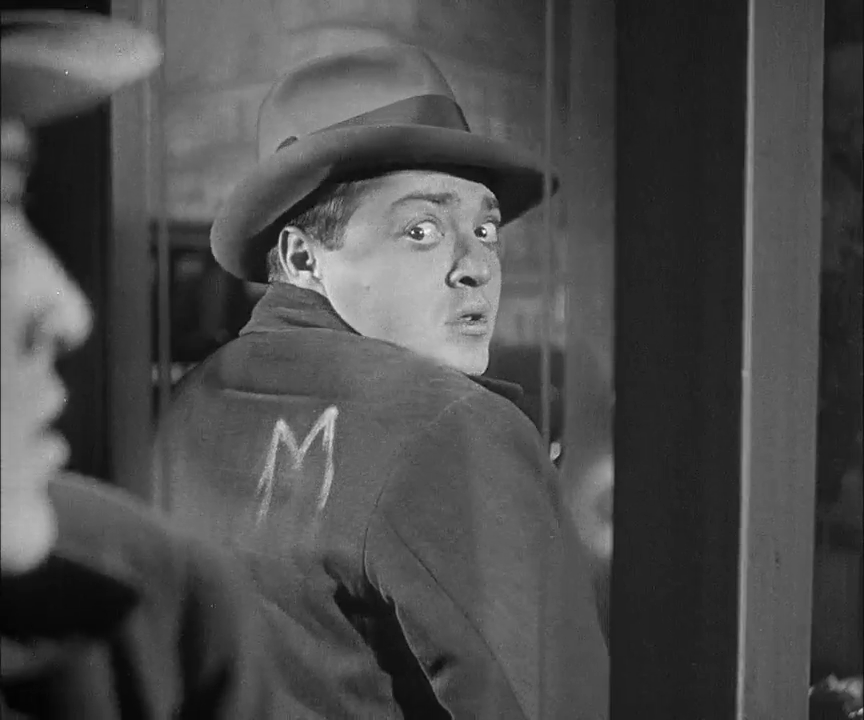
Peary opens his review of Fritz Lang’s “first sound film” — based “on the real-life Dusseldorf murderer” — by stating, “Exciting filmmaking!” and ends by referring to it as “a masterpiece.” He reminds us that “Lang’s films are about paranoia, where a single figure walks through a city in which everybody seems to be his enemy” — and “in this case everyone is after Lorre.” Despite playing a “sweaty, plump murderer of little girls,” Lorre still manages to move us with his “pathetic, screeching plea for mercy” when he claims, “I can’t help myself!” Peary writes that “Lorre’s delivery of the guilt-ridden speech” during “the criminals’ kangaroo court” is “one of the truly great performances in cinema history.”

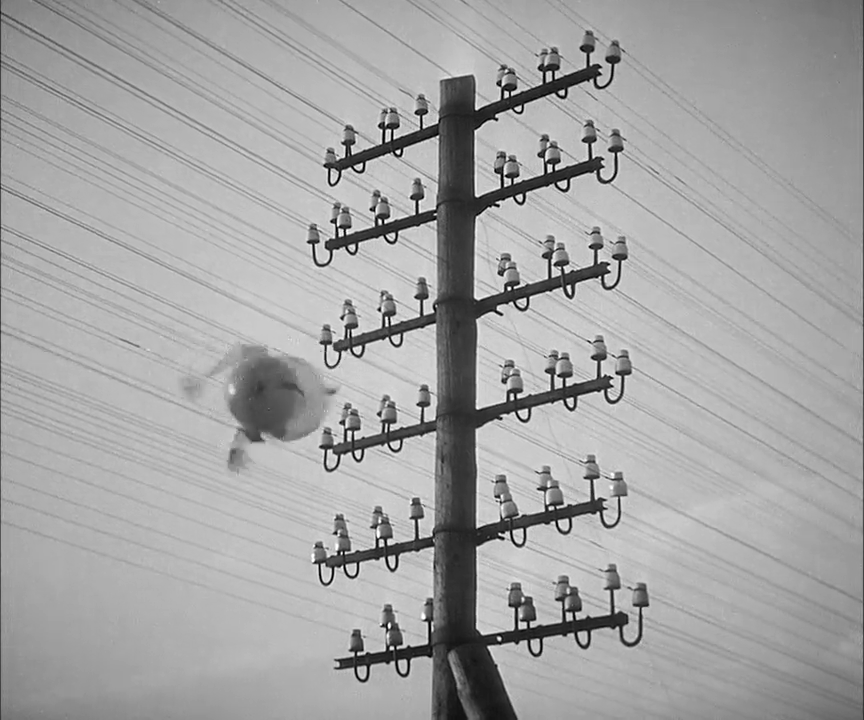
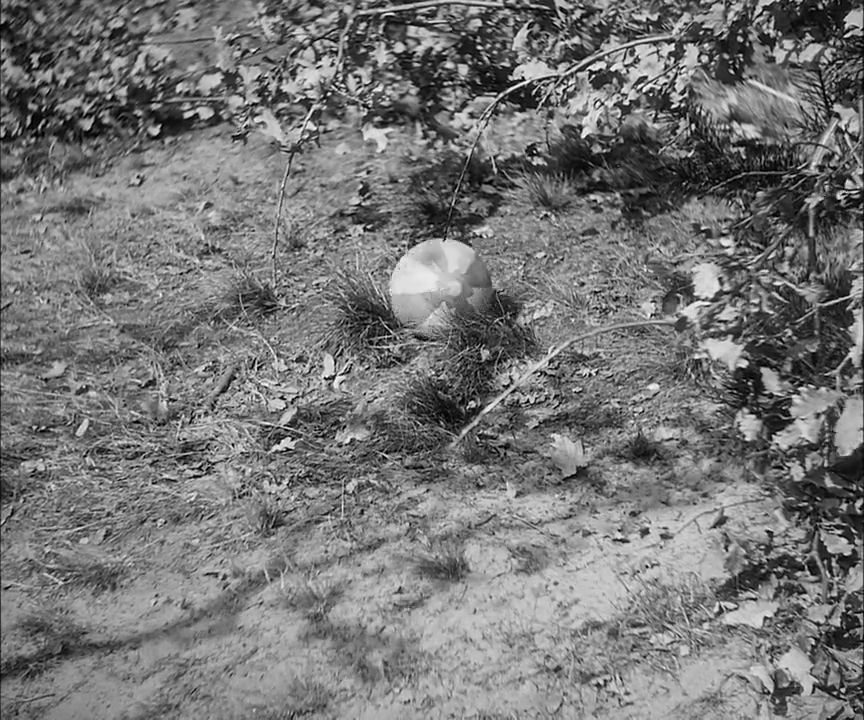
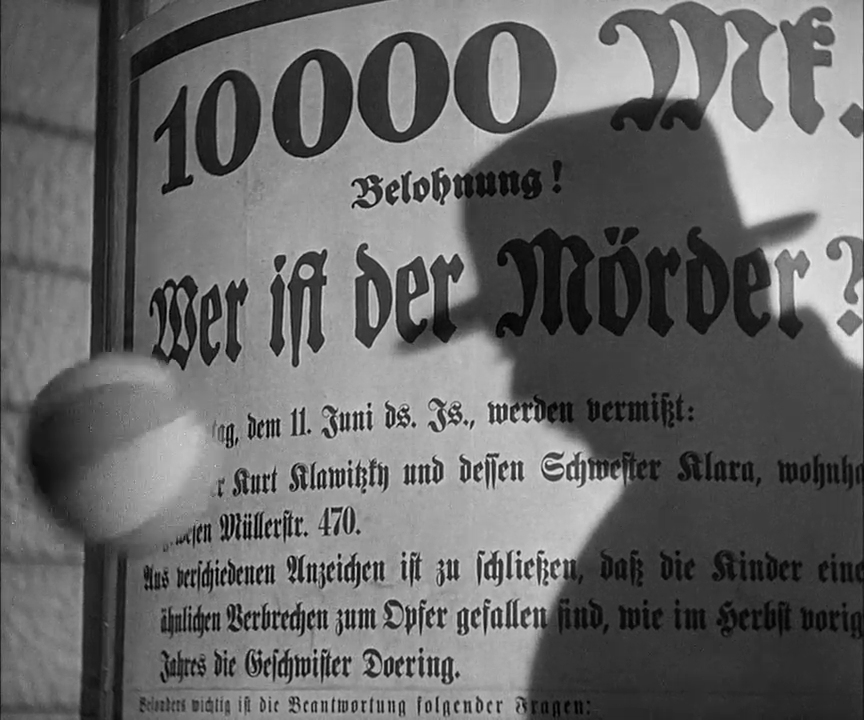
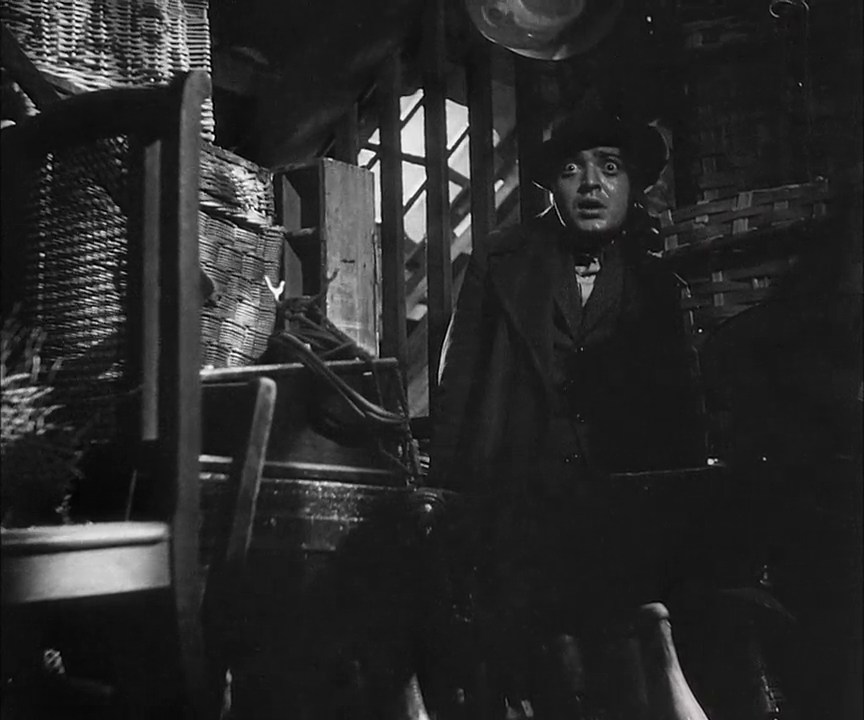
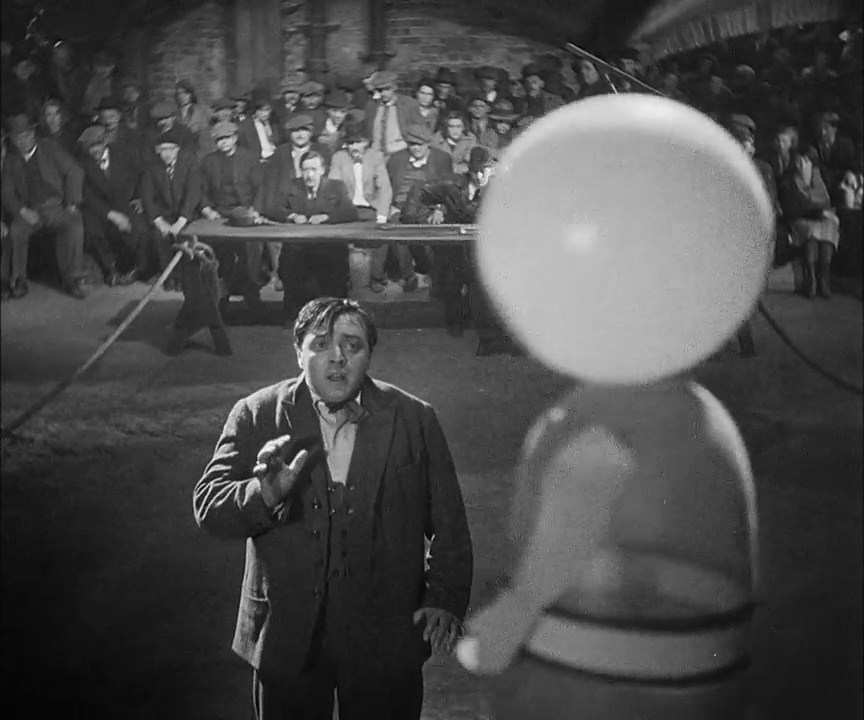
… and argues that the “picture is tasteful, considering its subject matter; yet it is uncompromising.” He points out that “suspense is heightened by the imaginative use of props (a balloon floating away in the sky and a rolling ball indicate children have been killed):


… and Lorre’s eerie whistling of [a] tune from Grieg’s Peer Gynt” (“In the Hall of the Mountain King”). Finally, he highlights the “expressionistic style” of cinematography “by Fritz Arno Wagner.” Peary is right in his assessment of this classic thriller — not an easy film to watch by a long stretch, but critical to all film fanatics’ understanding of Lang’s cinematic genius. Check out this video entitled “M: The First Serial Killer Film” for a nice overview of how and why this movie remains so significant.

Redeeming Qualities and Moments:

  • Peter Lorre as Hans Beckert
  • Highly atmospheric cinematography and sets


  • The masterful “kangaroo court” sequence
  • Expert use of sound

Must See?
Yes, as a masterpiece of early sound cinema.

Categories

  • Genuine Classic
  • Important Director

(Listed in 1001 Movies You Must See Before You Die)

Links:

1,000 Eyes of Dr. Mabuse, The (1960)

1,000 Eyes of Dr. Mabuse, The (1960)

“In reality, my marriage is sheer hell.”

Synopsis:
A suicidal woman (Dawn Addams) whose abusive husband (Reinhard Kolldehoff) refuses to divorce her is rescued from a hotel ledge by a wealthy American (Peter Van Eyck) who sends for her psychiatrist (Wolfgang Preiss), then promptly falls in love with her. Meanwhile, a detective (Gert Fröbe) investigates who may be behind recent murders conducted by the unseen Dr. Mabuse; a pushy insurance agent (Werner Peters) lurks around the corners of the Nazi-built hotel; and a blind psychic (Lupo Prezzo) makes ominous predictions.

Genres, Themes, Actors, and Directors:

  • Criminal Investigation
  • Detectives and Private Eyes
  • Fritz Lang Films
  • German Films
  • Marital Problems
  • Mind Control and Hypnosis
  • World Domination

Review:
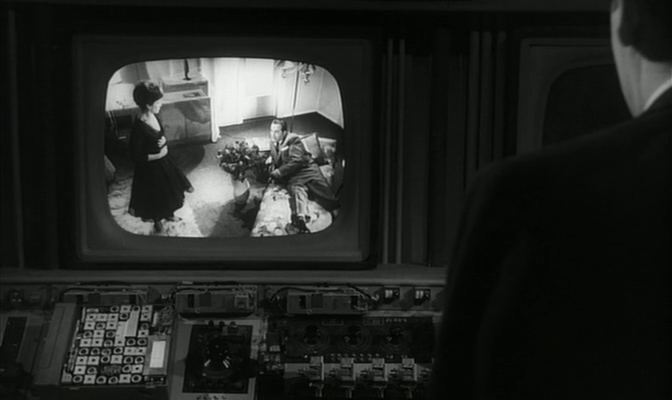
Fritz Lang’s fourth film about criminal mastermind “Dr. Mabuse” — after his two-part silent epic Dr. Mabuse, The Gambler (1922) and its sound-era sequel, The Testament of Dr. Mabuse (1933) — also turned out to be his final movie. It’s a less visually impressive, but narratively complex continuation of the machinations of “Mr. Mabuse”, updated to incorporate pervasively modern (for the time) video surveillance technology. As DVD Savant describes in his review:

1,000 Eyes breaks a complicated mystery down into dozens of short, interlocking scenes. Each scene introduces only a single puzzle piece for the mystery. It’s as if each little scene has the verb for the scene that precedes it, and the noun for the scene that follows. We the viewers must digest the flood of un-collated information as fast as we can.

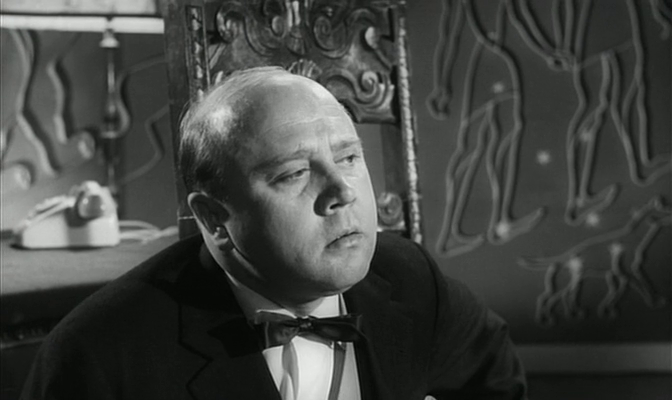
Indeed, viewers who stick with this storyline are guaranteed a wild ride, as a long con is eventually revealed and leads to yet more character revelations and plot twists. Fröbe makes an effectively bemused yet committed detective:

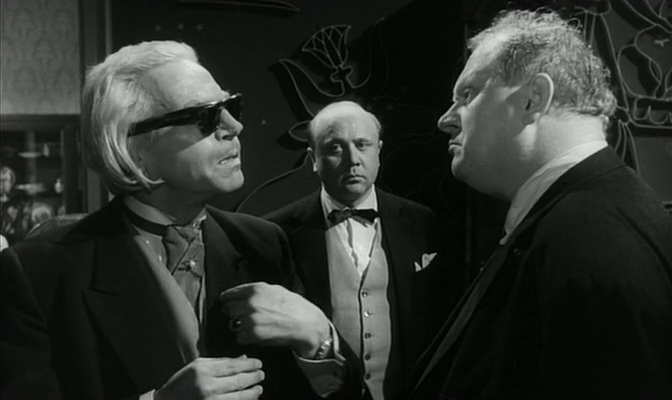
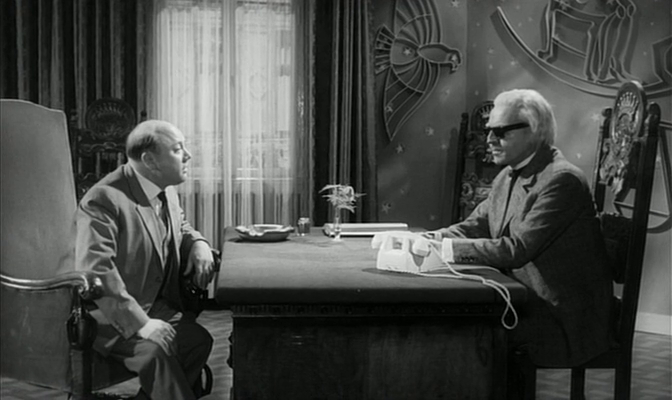
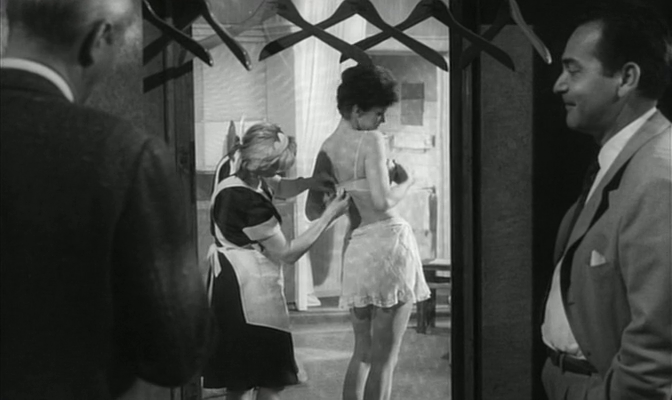
… while Peters delivers a surprisingly amusing and complex supporting character:

… and Prezzo is appropriately creepy as a psychic with indeterminate motives.

Redeeming Qualities and Moments:

  • Atmospheric sets and cinematography

  • A cleverly intricate tale of surveillance and terror

Must See?
No, but it’s recommended, and of course a must for Lang fans.

Links:

Big Bird Cage, The (1972)

Big Bird Cage, The (1972)

“What an army we could raise, if we only had a lot of women!”

Synopsis:
A social climber (Anitra Ford) is taken hostage during a siege by revolutionary lovers Blossom (Pam Grier) and Django (Sid Haig), and sent to a women’s prison in the jungle. Will Terry (Ford) and her fellow prisoners be able to escape their brutal fate?

Genres, Themes, Actors, and Directors:

  • Pam Grier Films
  • Prisoners
  • Revolutionaries
  • Strong Females

Review:
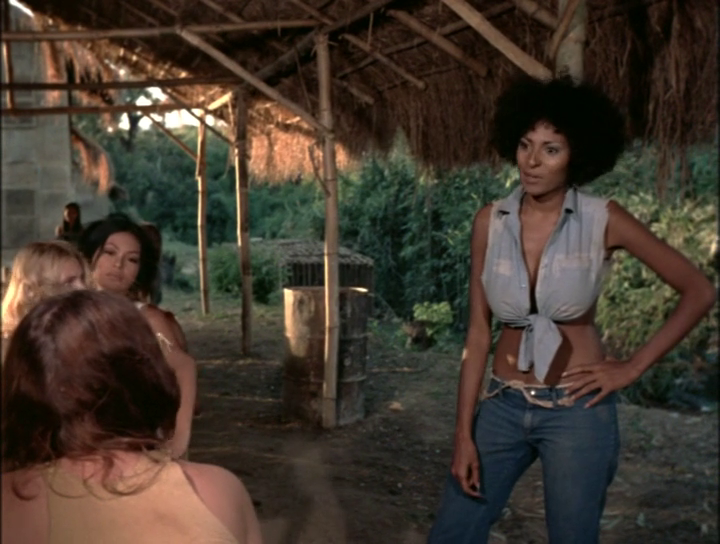
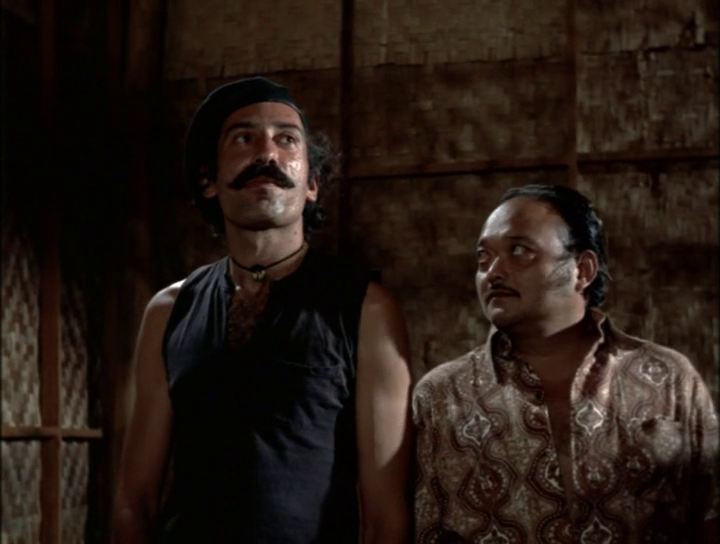
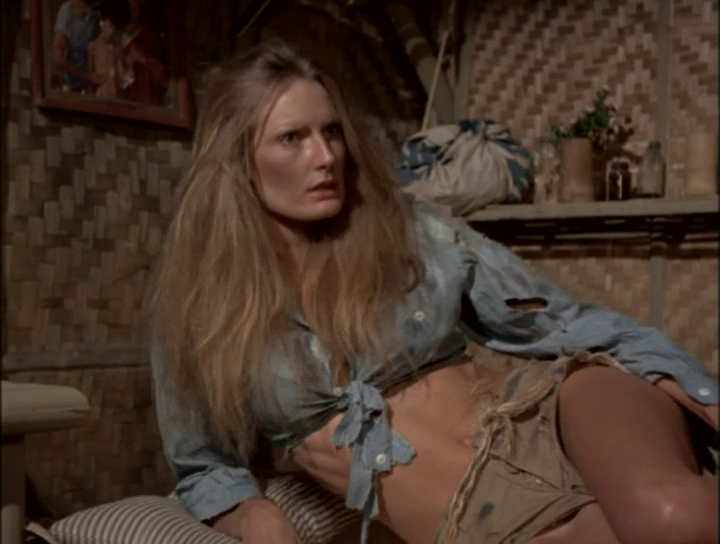
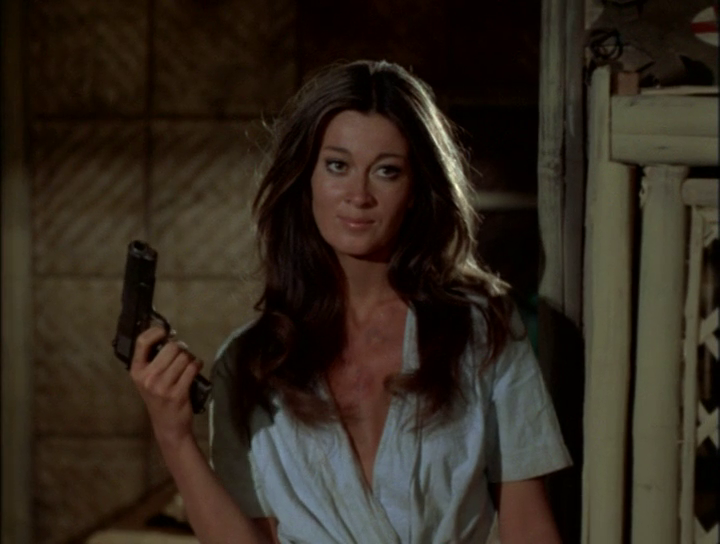
Director Jack Hill’s follow-up to The Big Doll House (1971) was this similarly themed WIP exploitation flick, once again starring Pam Grier — though this time she’s given the role of an undercover revolutionary:

… romantically paired with Sid Haig, whose “schtick” is to pretend to be gay to distract the male prison guards:

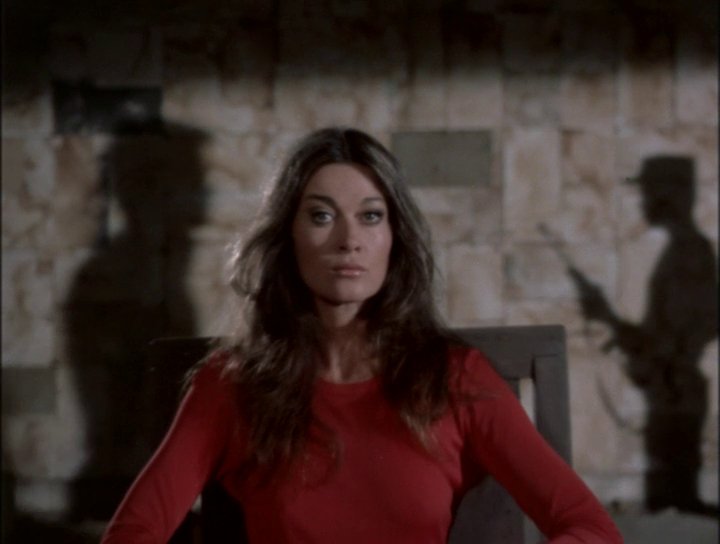
Of primary note in the cast is Anitra Ford — of “The Price is Right” modeling fame — playing a leggy, sultry hostage:

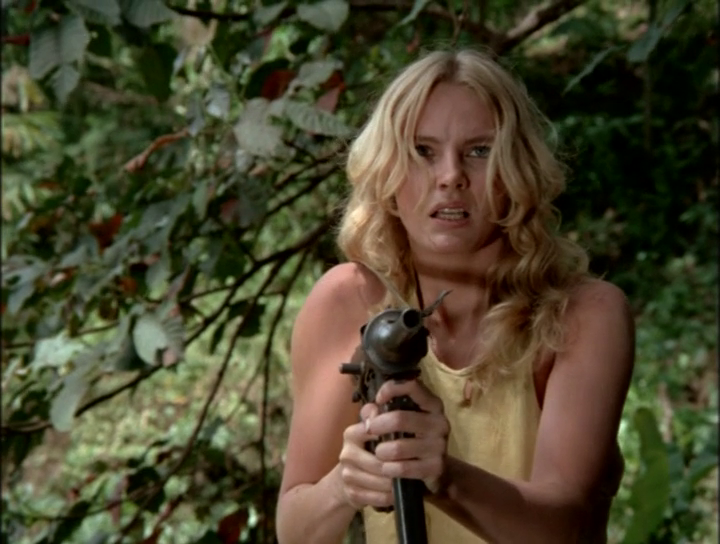
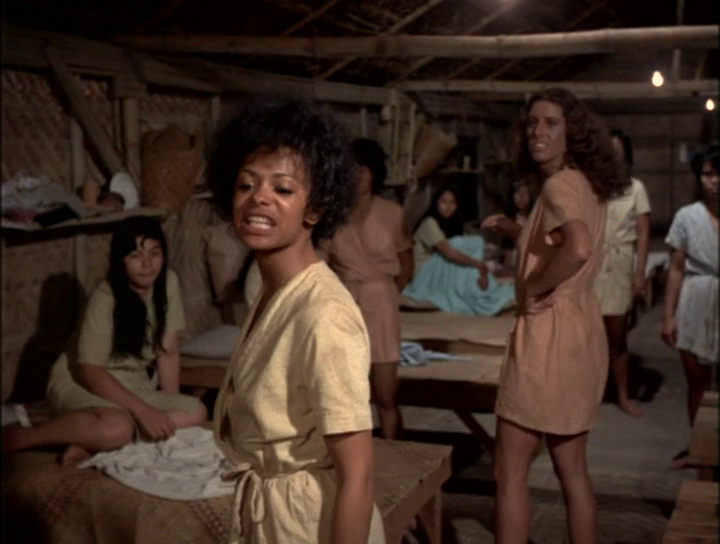
… surrounded by a bevy of “types”, including sex-obsessed Carla:

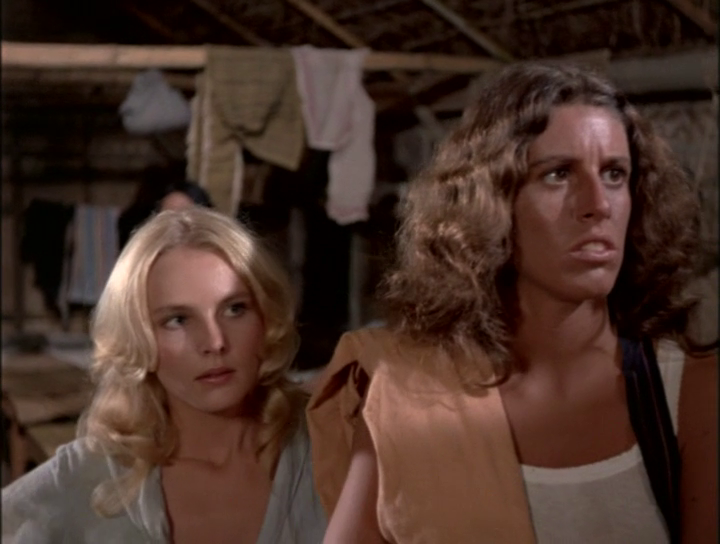
… jokey “Bull” Jones (Teda Bracci):

… Amazonian Karen:

… and pint-sized Mickie (Carol Speed):

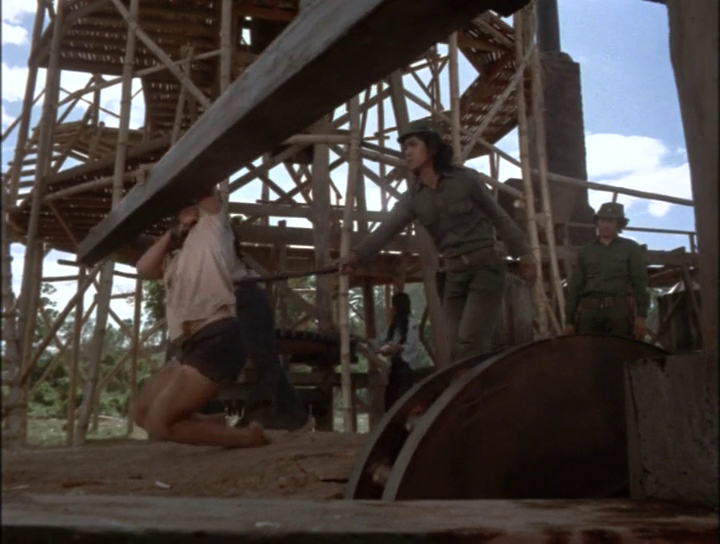
There’s everything here you would expect in such a flick, including an elaborate “torture” machine (actually a sugar mill) the women are forced to work with (the titular “big bird cage”):

… mud wrestling, rape, attempted escapes, and a fiery denouement. Only hardcore fans of the genre need bother to check this one out.

Redeeming Qualities and Moments:

  • Anitra Ford’s bemused performance as Terry

Must See?
No; you can skip this one unless you’re a fan of the genre. Listed as a Camp Classic and a Cult Movie in the back of Peary’s book.

Links: