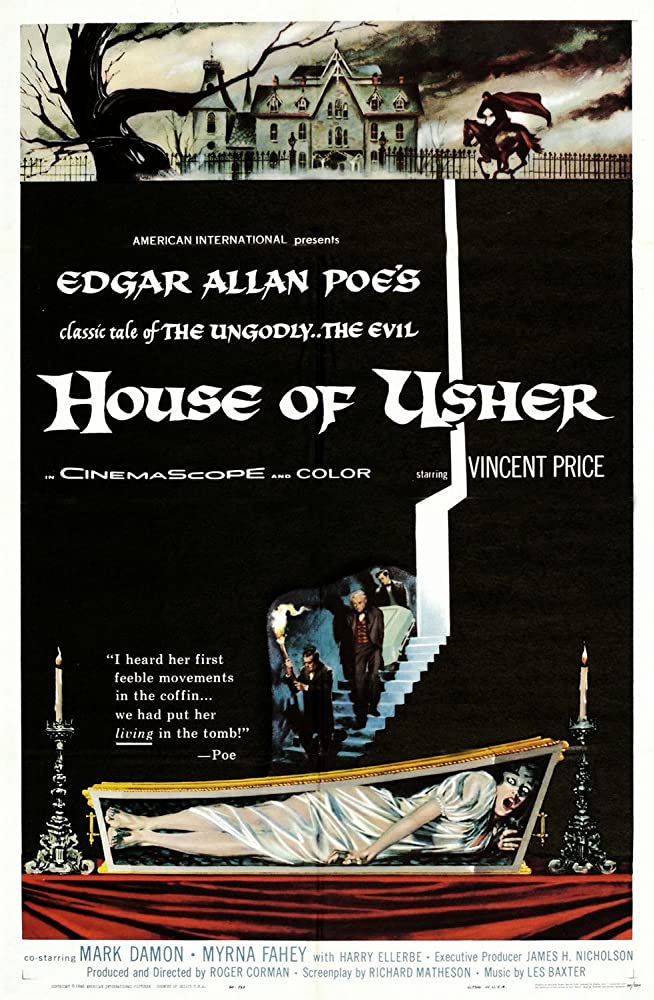
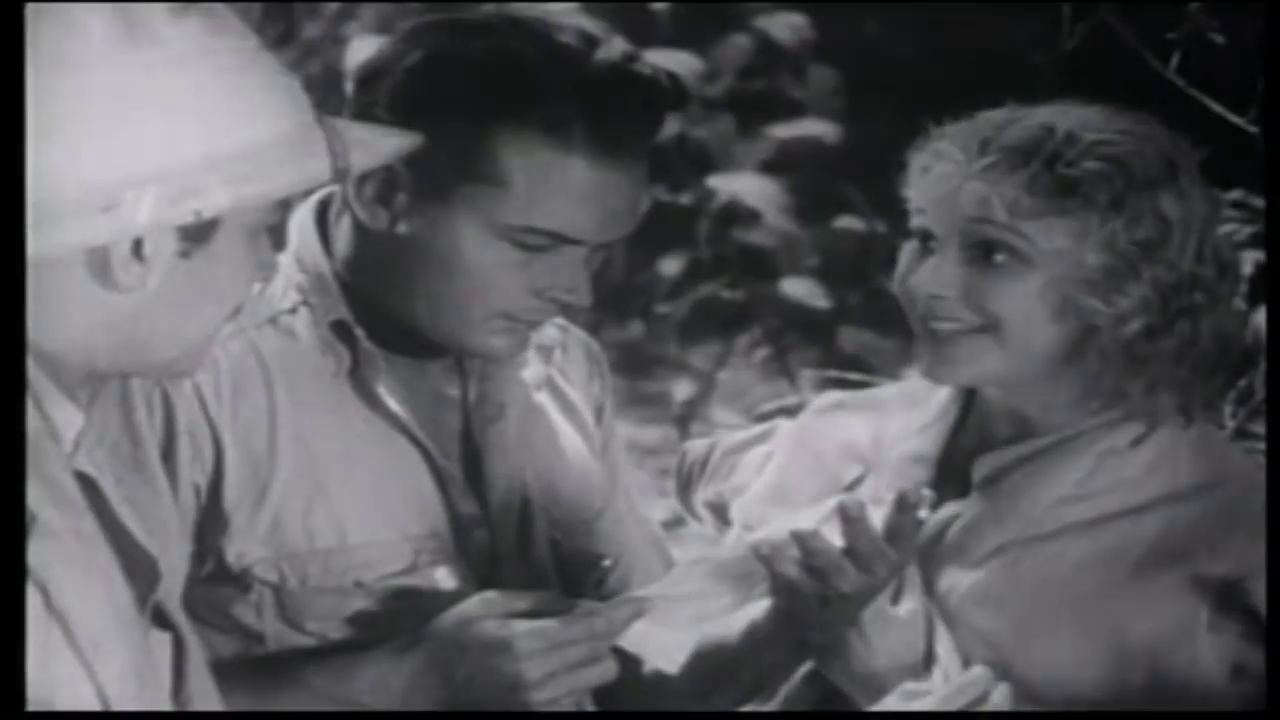
Fall of the House of Usher, The / House of Usher (1960)

Fall of the House of Usher, The / House of Usher (1960)

“The Usher line is tainted, sir.”

Synopsis:
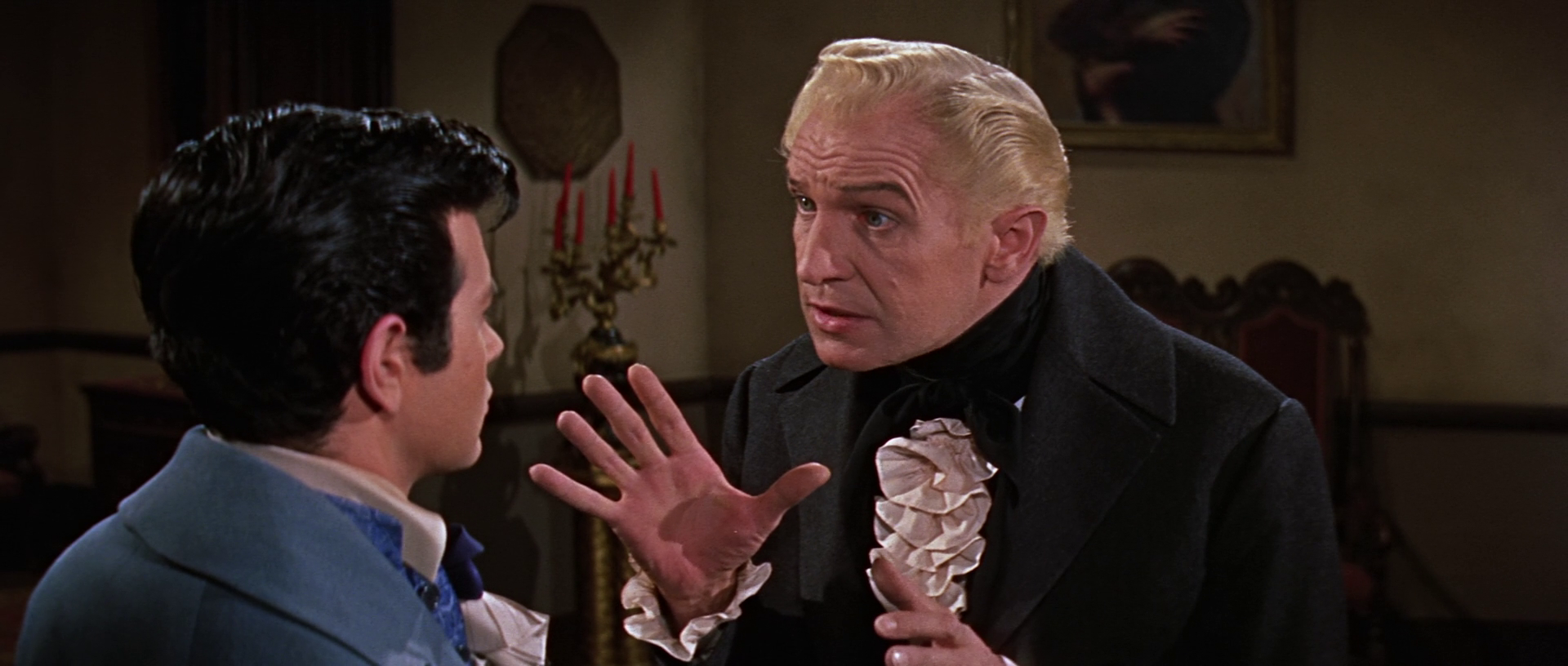
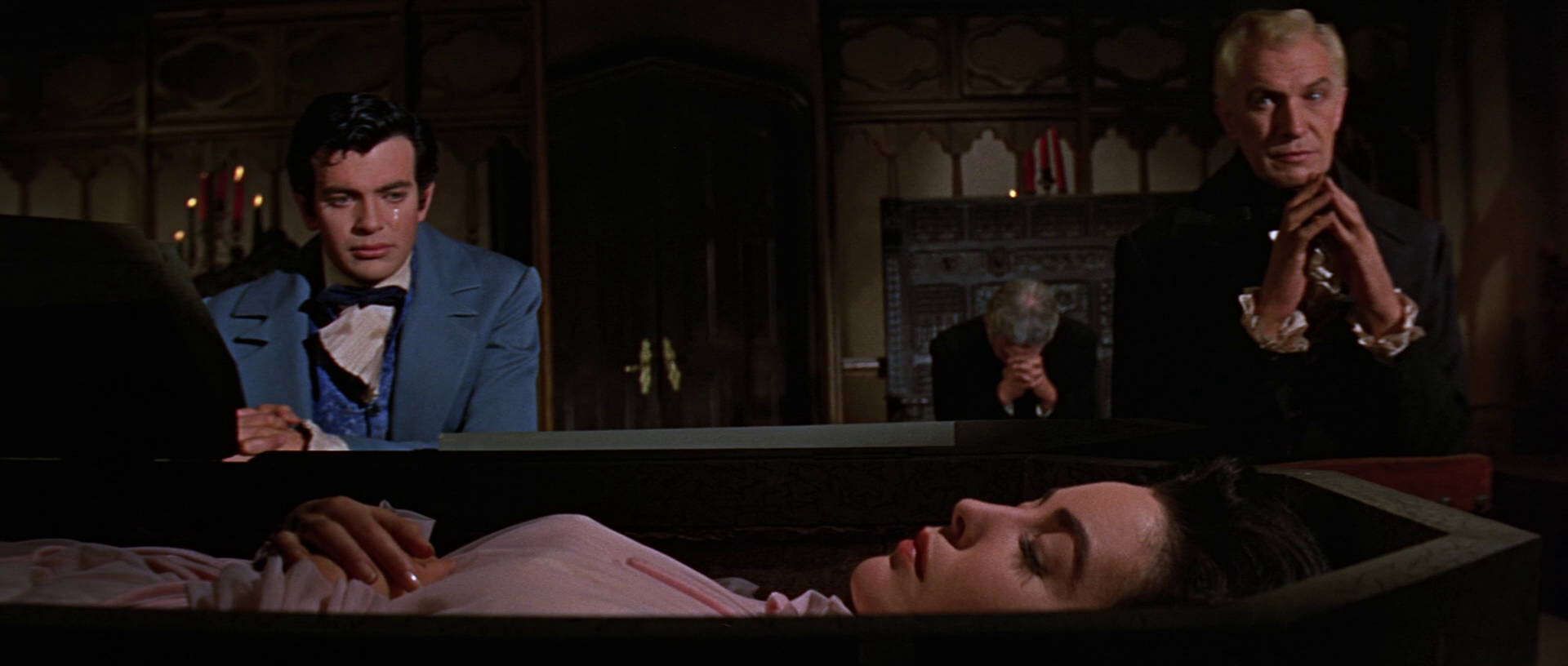
When a man (Mark Damon) visits his fiancee (Myrna Fahey) at her house, the butler (Harry Ellerbe) warns him to stay away and Fahey’s protective brother (Vincent Price) insists he must leave — but Damon is determined to rescue and marry Fahey at any cost.

Genres:

  • Edgar Allan Poe Films
  • Historical Drama
  • Horror Films
  • Old Dark House
  • Roger Corman Films
  • Vincent Price Films

Review:
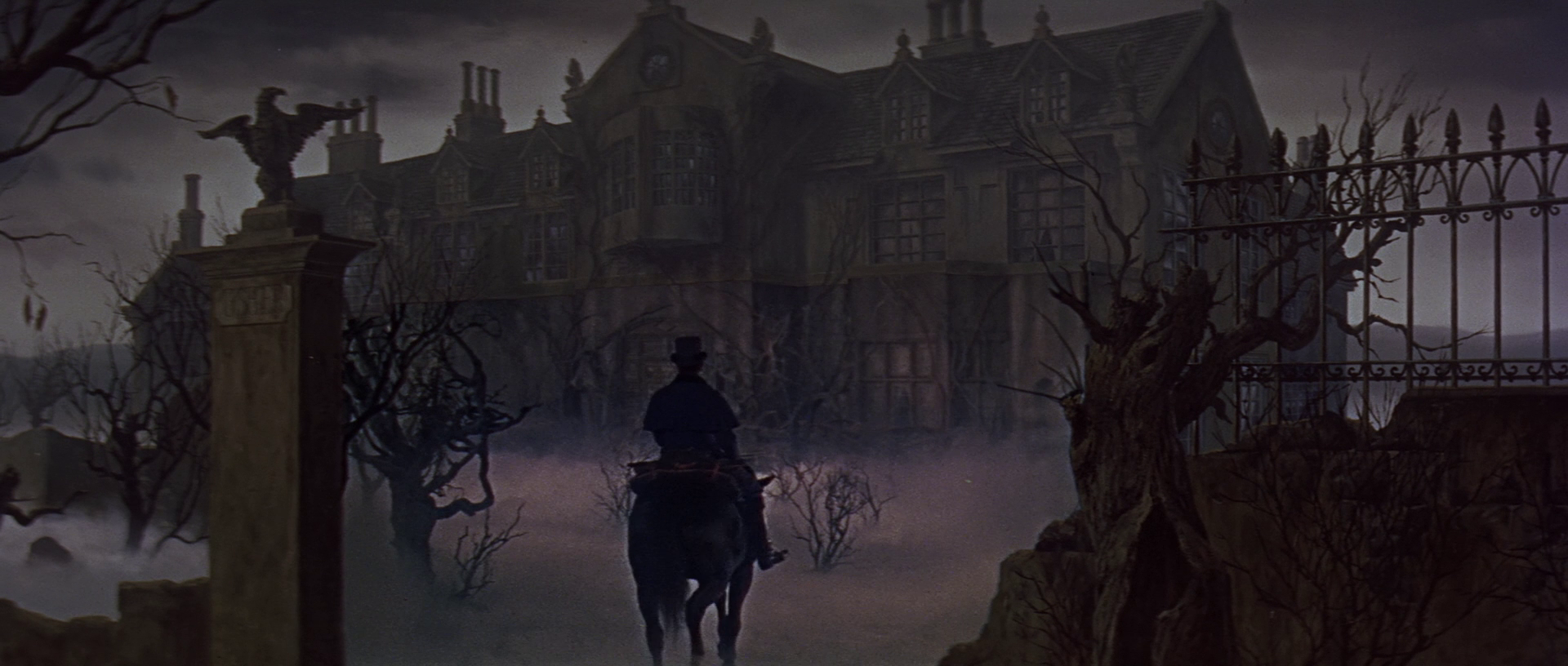
Peary writes that this “first of Roger Corman’s successful Edgar Allen Poe series for AIP” — followed by (among others) The Pit and the Pendulum (1961), Tales of Terror (1962), The Raven (1963), The Masque of the Red Death (1964), and The Tomb of Ligeia (1964) — was, like the majority, “set in decaying, oppressive, life-consuming mansions that represented the minds of their unfortunate inhabitants”. He points out that “because there are only four people in the film”, screenwriter “Richard Matheson was stuck with the problem of writing a horror movie in which nothing could happen to anyone until the end” — so he “inserted numerous filler scenes that are there strictly for atmosphere”, and “to take up more time, his characters use about 10 lines when one or two would suffice.” However, Peary concedes that “the house is designed interestingly by Daniel Haller, the photography by Floyd Crosby is properly moody, and the film includes a typical flamboyant performance by Price (who was to these films what John Wayne was to Hawks and Ford westerns).” I’m in full agreement with Peary’s assessment; this one isn’t must-see but is worth a look, particularly for Price.

Redeeming Qualities and Moments:

  • Vincent Price’s delightfully hammy performance as Roderick Usher
  • Fine direction by Corman
  • Atmospheric cinematography and sets

Must See?
No, though it’s worth a one-time look.

Links:

5 Fingers (1952)

5 Fingers (1952)

“There’s nothing as real as money.”

Synopsis:
A valet (James Mason) working in Turkey for a British ambassador (Walter Hampden) to Germany enlists the help of an impoverished French countess (Danielle Darrieux) in carrying out espionage, planning to retire to South America with his gains — but will an investigator (Michael Rennie) discover his identity and foil his plans?

Genres:

  • Danielle Darrieux Films
  • Joseph L. Mankiewicz Films
  • Michael Rennie Films
  • Royalty and Nobility
  • Servants, Maids, and Housekeepers
  • Spies
  • Widows and Widowers
  • World War II

Review:
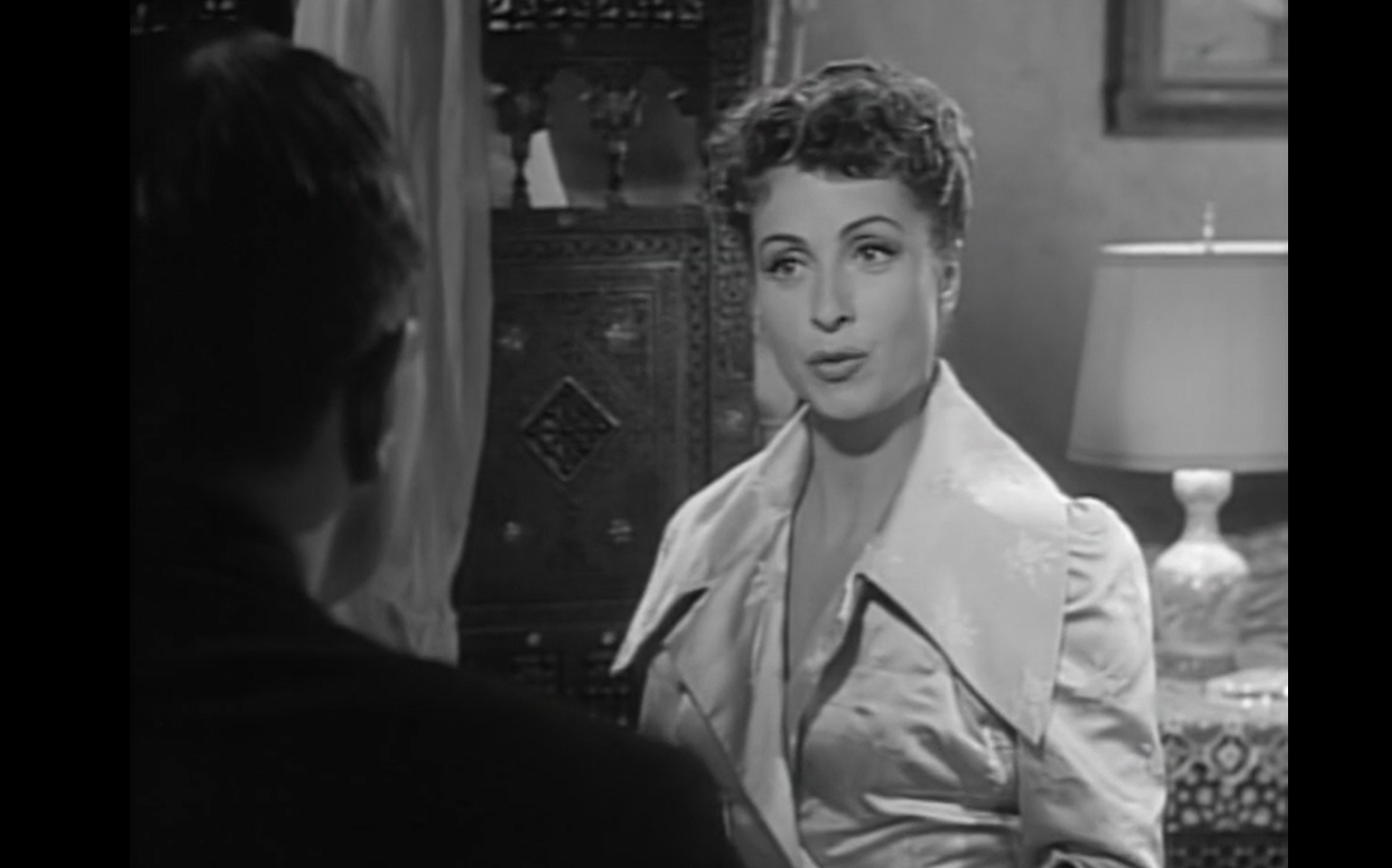
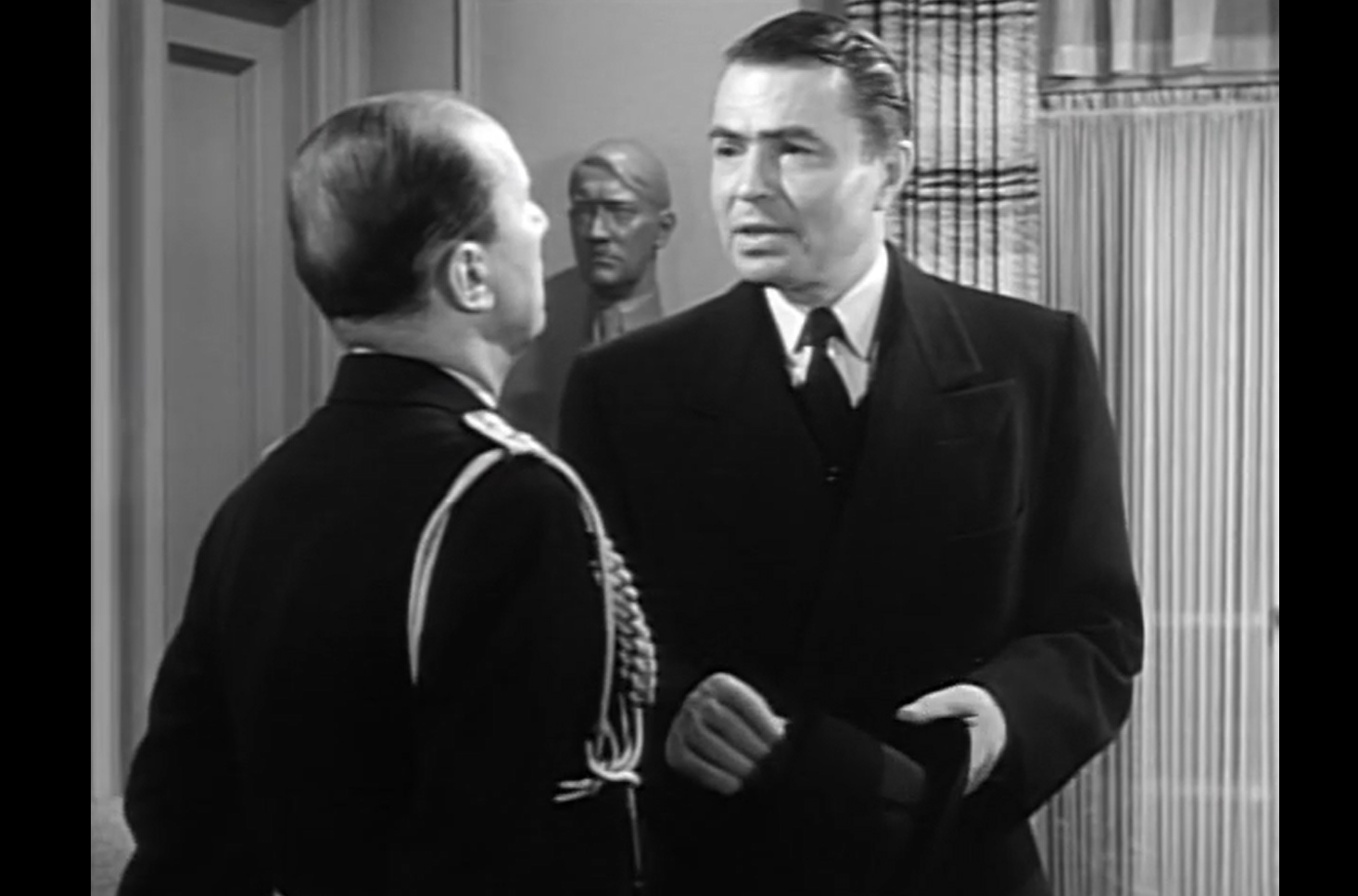
Based on the real-life exploits of Albanian-born spy Elyesa Bazna, this smart thriller — directed by Joseph L. Mankiewicz and scripted by blacklisted writer Michael Wilson — features Mason giving one of his best performances (not an easy call to make), and remains suspenseful from beginning to end. Mason coolly takes calculated risks to achieve his goal of financial security, collaborating with an equally pragmatic and savvy woman (Darrieux) he believes he can rely on.

The cinematography and sets are appropriately atmospheric, and Bernard Herrmann’s score gives clear indications of what was to come with his best-known work in Psycho (1960).

Note: According to TCM’s article, Mason referred to this as “one of the few films he made in Hollywood that he could still watch with pleasure”.

Redeeming Qualities and Moments:

  • James Mason as Ulysses Diello
  • Fine use of location shooting in Turkey
  • Atmospheric cinematography
  • Bernard Herrmann’s score
  • Michael Wilson’s screenplay:

    “Herr von Papen, I hope your country appreciates you. You’re the only unpredictable German I have ever met.”
    “So many more people go into German embassies than come out. I’ve often wondered what attraction could keep them there so long.”

Must See?
Yes, as an overall good show.

Categories

  • Good Show

Links:

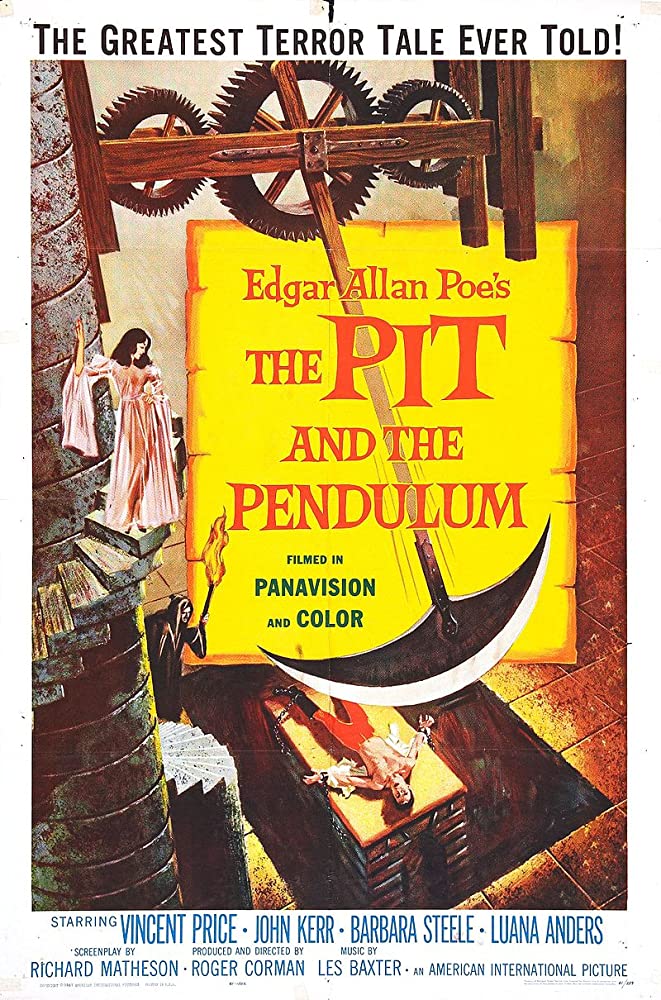
Pit and the Pendulum, The (1961)

Pit and the Pendulum, The (1961)

“I am responsible; if it were not so, she would not want to haunt me.”

Synopsis:
In 16th century Spain, a man (John Kerr) visits the grieving husband (Vincent Price) of his recently deceased sister (Barbara Steele), demanding more details about her mysterious death — but he quickly learns that supernatural forces may be at work in this house with a morbid past.

Genres:

  • Barbara Steele Films
  • Edgar Allan Poe Films
  • Horror Films
  • Roger Corman Films
  • Vincent Price Films
  • Widows and Widowers

Review:
After The Fall of the House of Usher (1960), producer/director Roger Corman’s second adaptation of an Edgar Allen Poe tale was this atmospheric horror flick which, as usual, uses Poe’s story as merely the vaguest inspiration. The sets and cinematography are lush, but the storyline takes a while to get going, and the acting (other than Price’s ham-fest) is fairly wooden. However, once various plot twists occur, things suddenly get quite exciting, and the finale is (literally) gripping.

Redeeming Qualities and Moments:

  • Price’s hammy performance as Nicholas Medina
  • Atmospheric sets
  • Fine cinematography
  • An exciting finale

Must See?
No, though it’s certainly worth a one-time look.

Links:

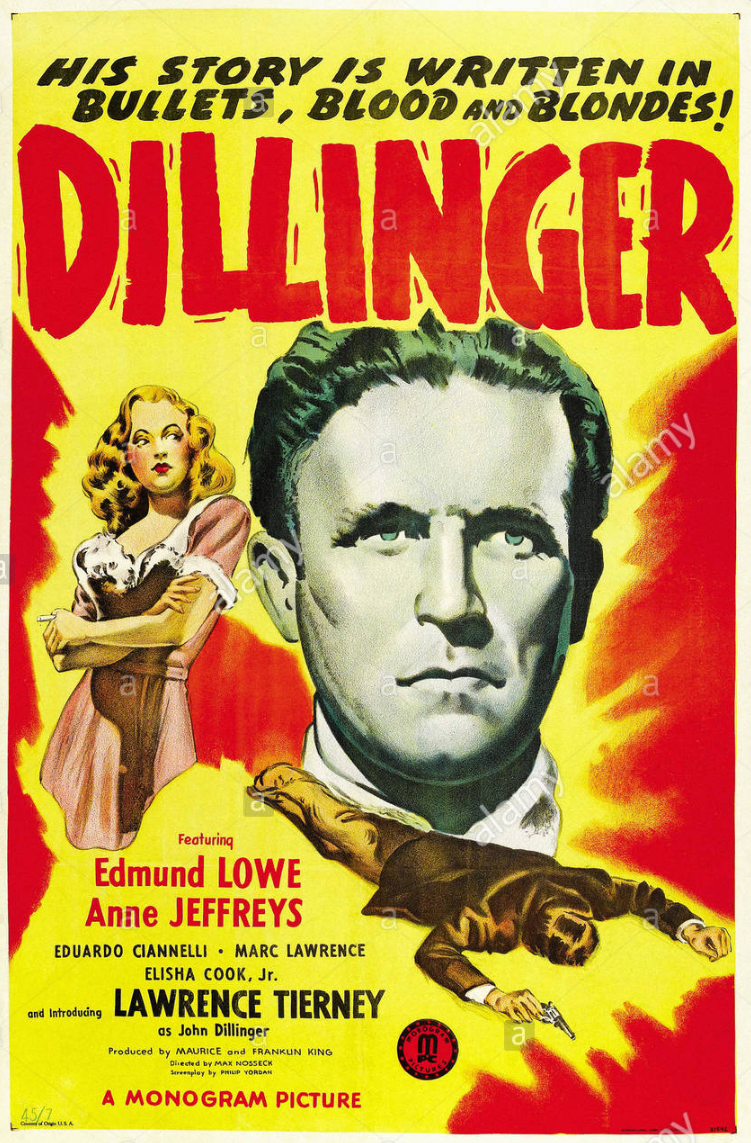
Dillinger (1945)

Dillinger (1945)

“Watch for the woman in red.”

Synopsis:
When a petty thief (Lawrence Tierney) meets a high-level criminal (Edmund Lowe) in prison, he soon graduates to bank heists, becoming America’s Public Enemy Number One. Along the way, he meets and starts dating a beautiful box office girl (Anne Jeffreys) who will one day play a pivotal role in his downfall

Genres:

  • Biopics
  • Elisha Cook, Jr. Films
  • Gangsters
  • Lawrence Tierney Films
  • Rise-and-Fall

Review:
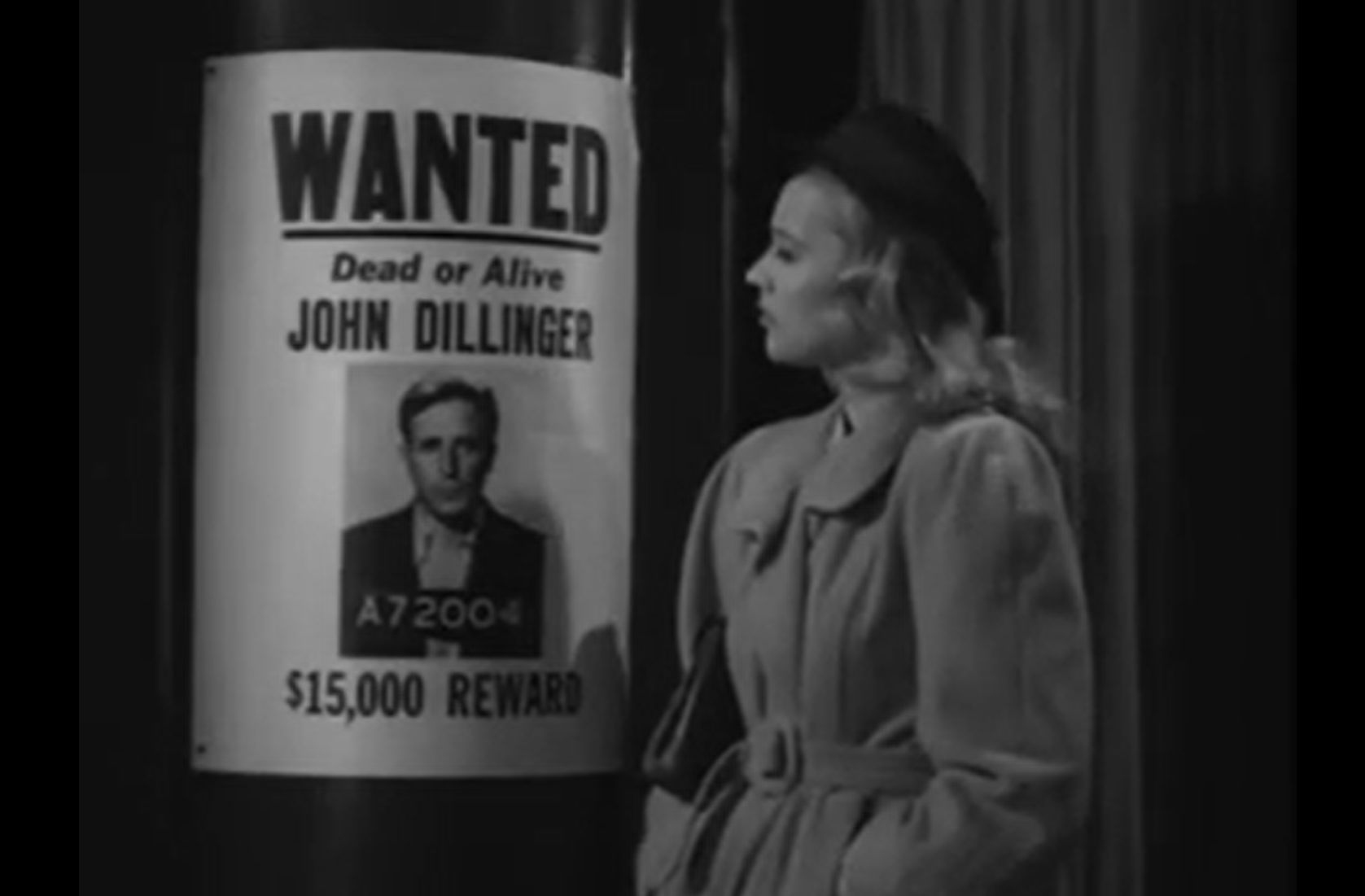
Lawrence Tierney’s breakthrough role was playing the title character in this low-budget Monogram Pictures flick about notorious gangster John Dillinger. It remains a surprisingly taut and effective film about Dillinger’s rise-and-fall — including an interesting meet-cute with “the lady in red” (he holds her up in her ticket booth, she refuses to identify him in a line-up, and the rest is “I was meant to be a moll” history).

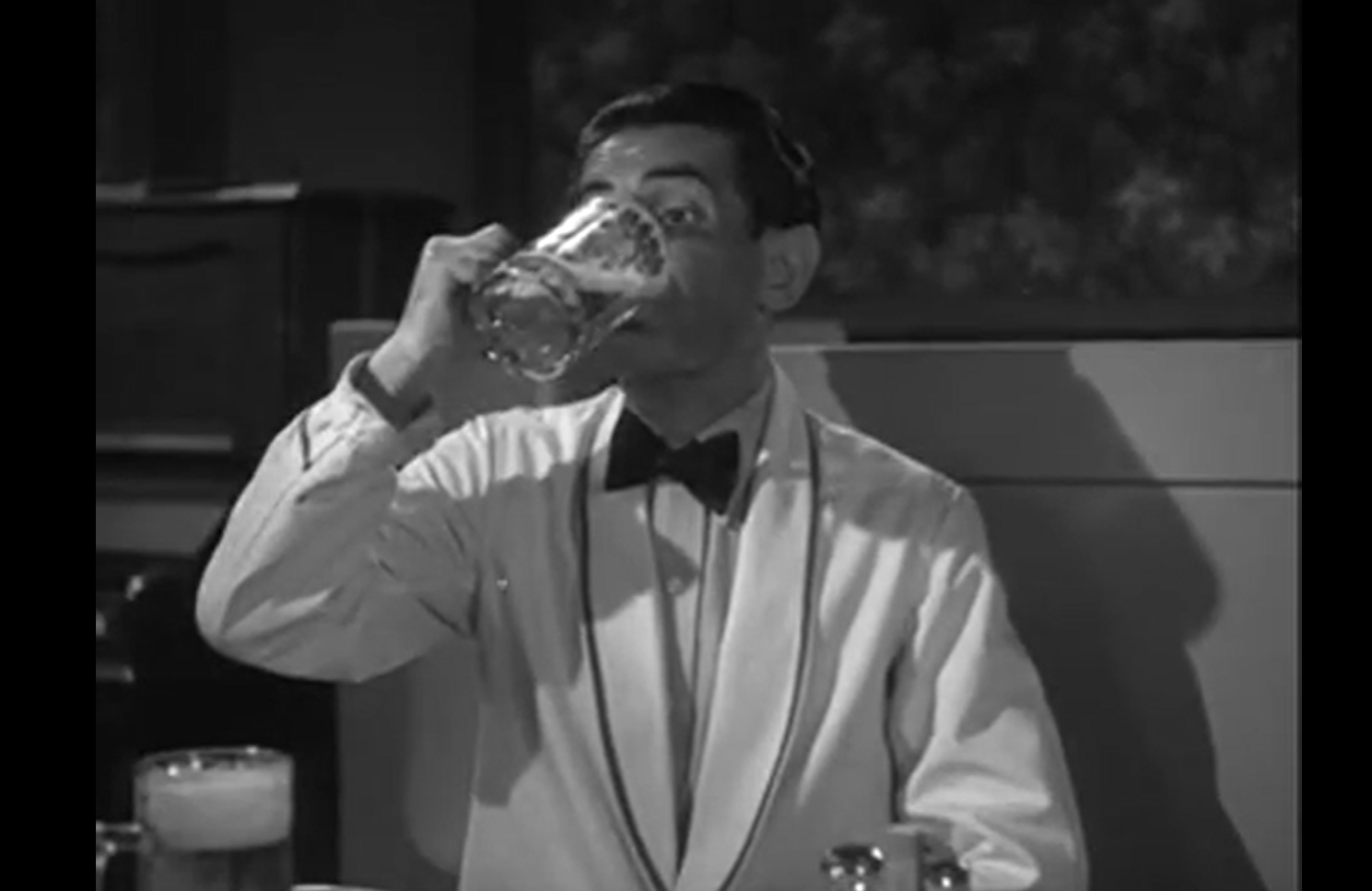
The supporting performances are all fine — particularly Lowe (who looks eerily like a serious Lionel Barrymore) as “Specs” — and Tierney instantly proved his ability to embody psychopathic impulses without a blink. Especially tense and well-played scenes are those focused on Dillinger seeking revenge: Dillinger revisiting a bar (“You don’t remember me, do you?”) where a waiter once made the mistake of referring to then-penniless-Dillinger as a “two-bit chiseler”; Dillinger confronting Specs with the hyper-realistic wooden gun he made while in prison. This 70-minute flick is well worth a look.

Redeeming Qualities and Moments:

  • Fine performances by Tierney, Lowe, and Jeffreys


  • Numerous tension-filled scenes
  • Effective cinematography

Must See?
Yes, as an effective low-budget gangster film. Listed as a Sleeper in the back of Peary’s book.

Categories

Links:

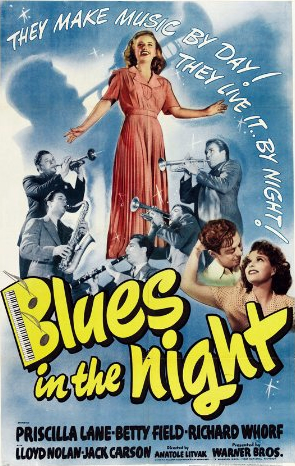
Blues in the Night (1941)

Blues in the Night (1941)

“That ain’t a band — it’s a unit! It’s one guy multiplied five times.”

Synopsis:
A jazz pianist (Richard Whorf) and a clarinetist (Elia Kazan) form a blues band with a trumpeter (Jack Carson) and his singer-wife (Priscilla Lane), but find their aspirations complicated when an ex-con (Lloyd Nolan) first holds them up in a train car, then invites them to come work for him at a roadhouse where a manipulative singer (Betty Field) attempts to seduce nearly every man around her.

Genres:

  • Anatole Litvak Films
  • Betty Field Films
  • Ex-Cons
  • Femmes Fatales
  • Jack Carson Films
  • Musicians
  • Priscilla Lane Films

Review:
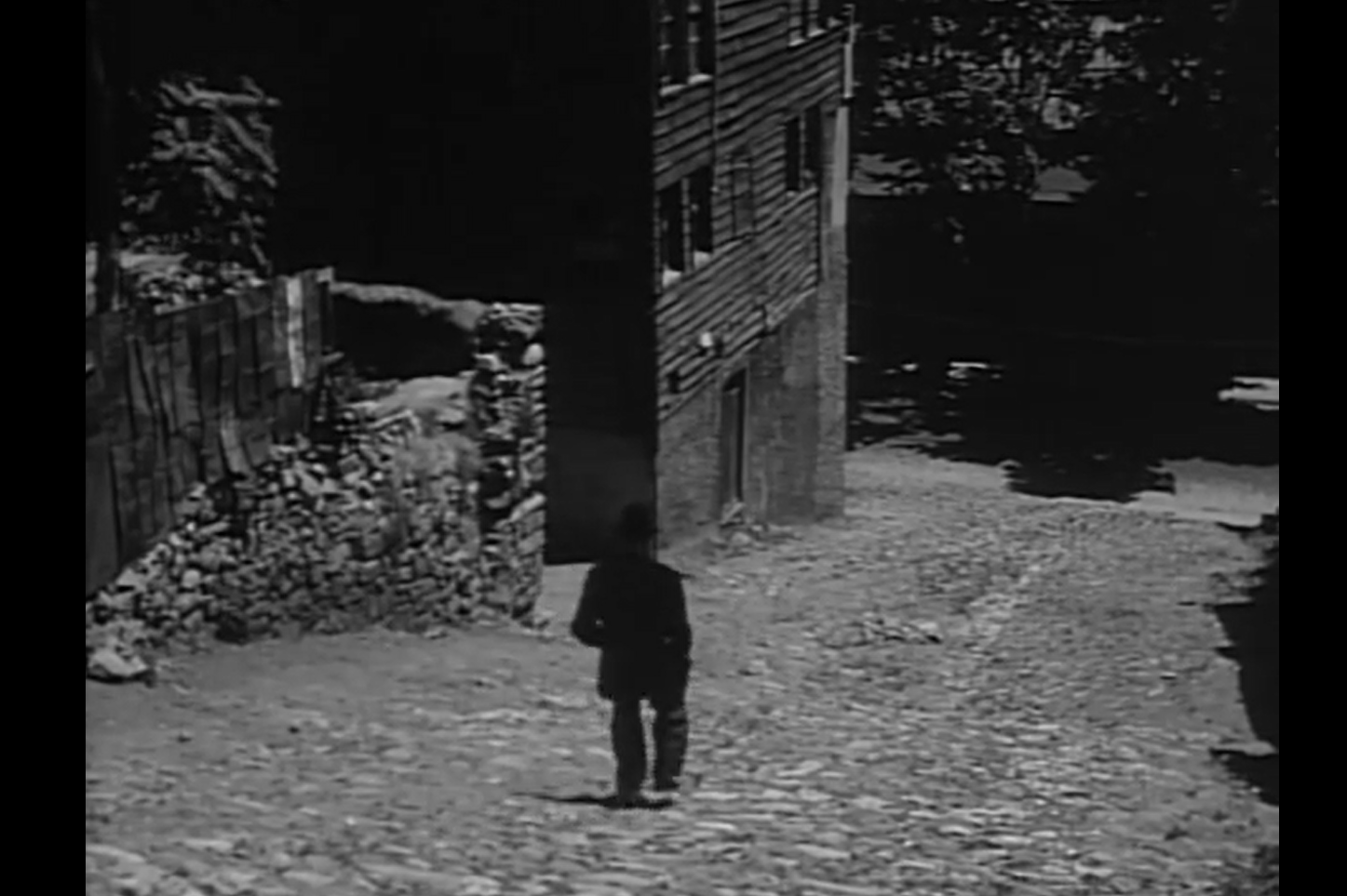
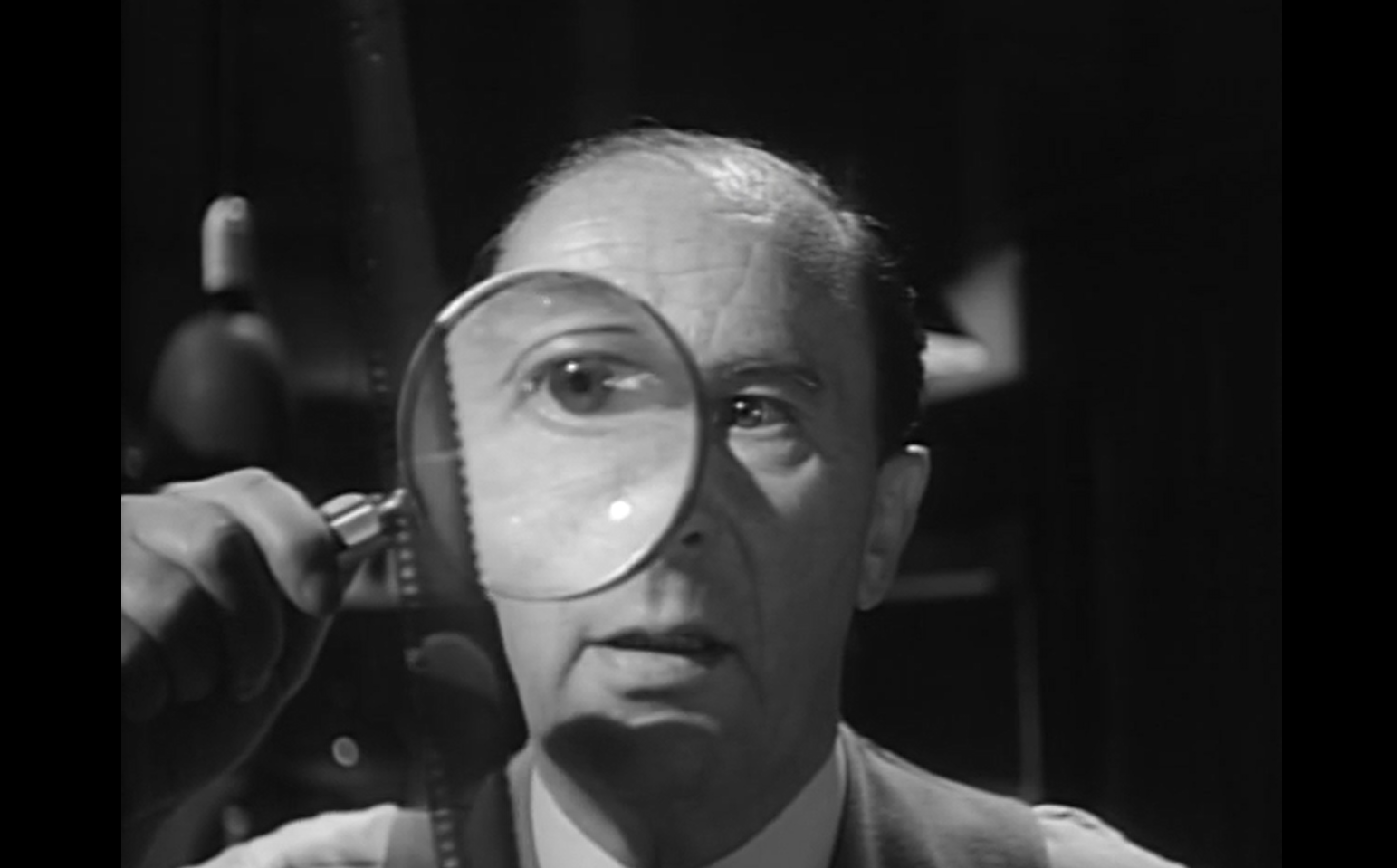
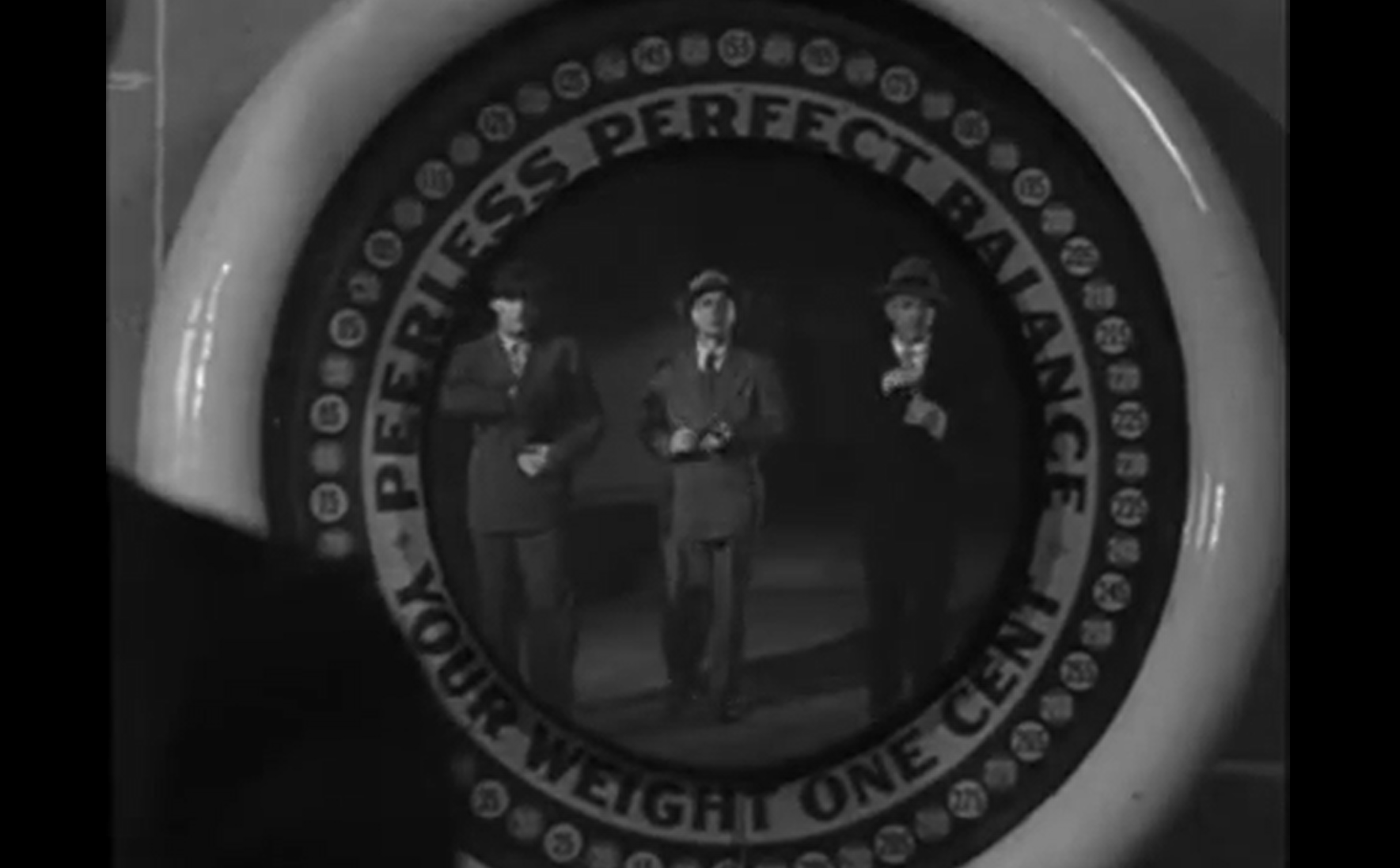
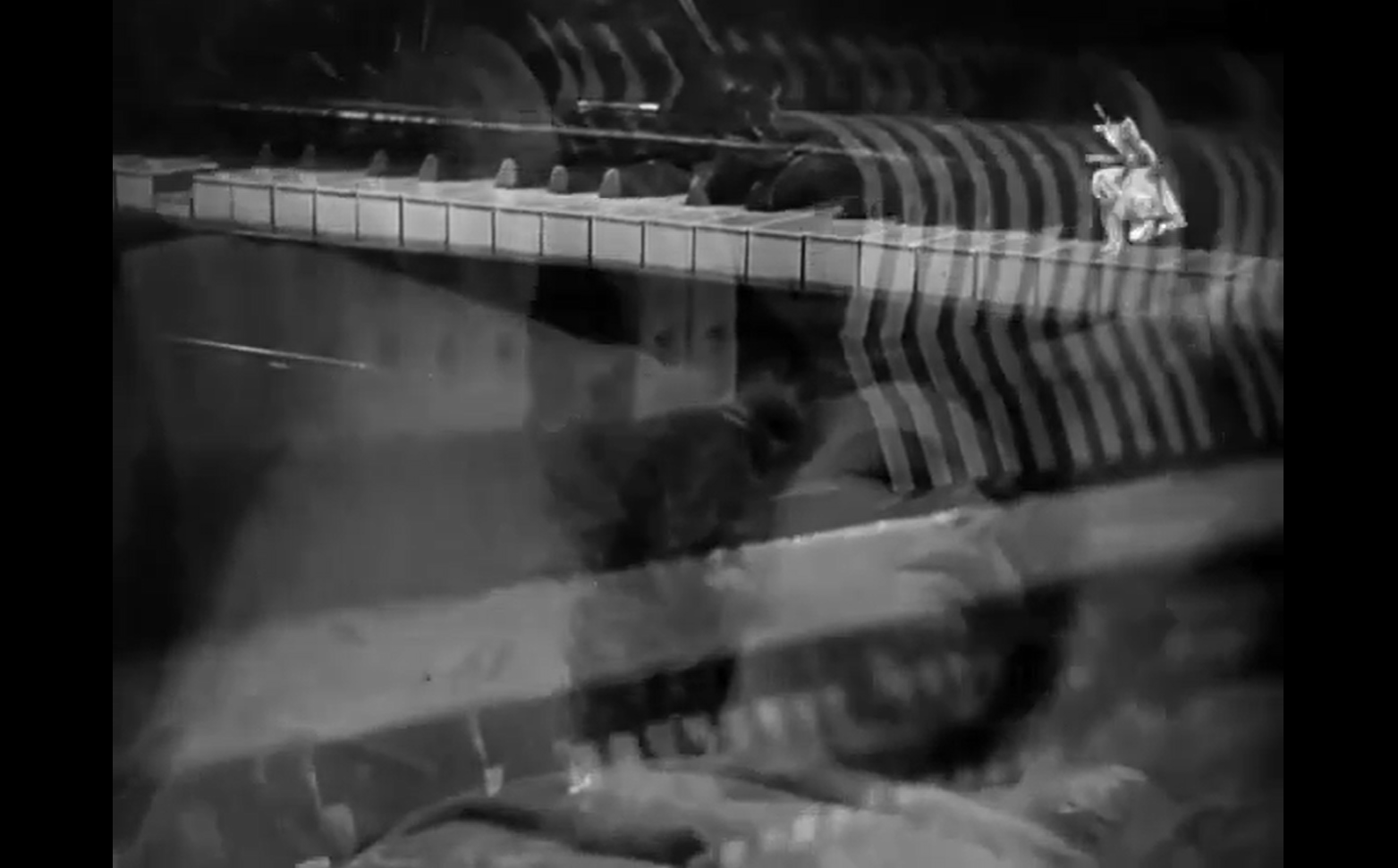
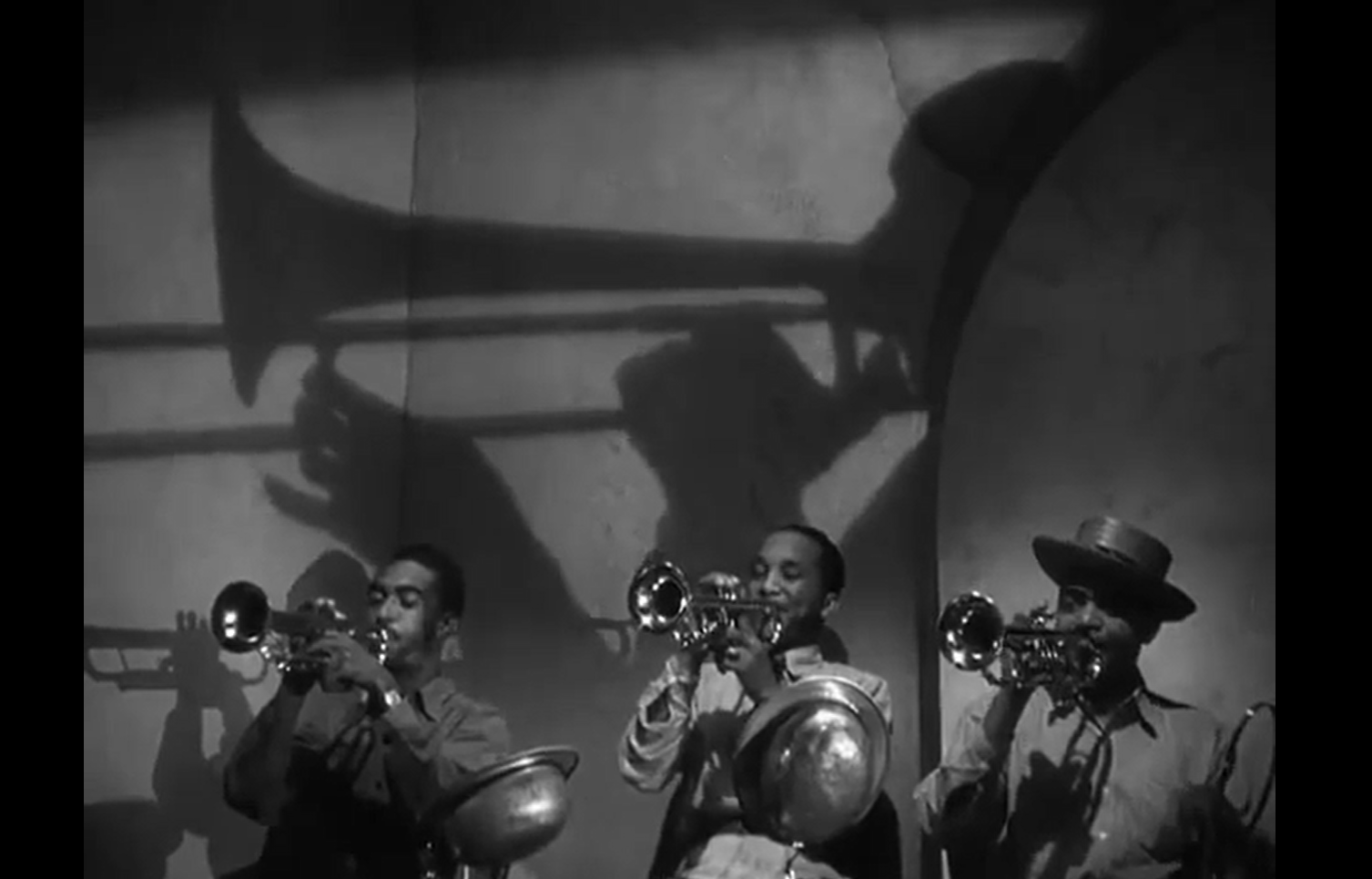
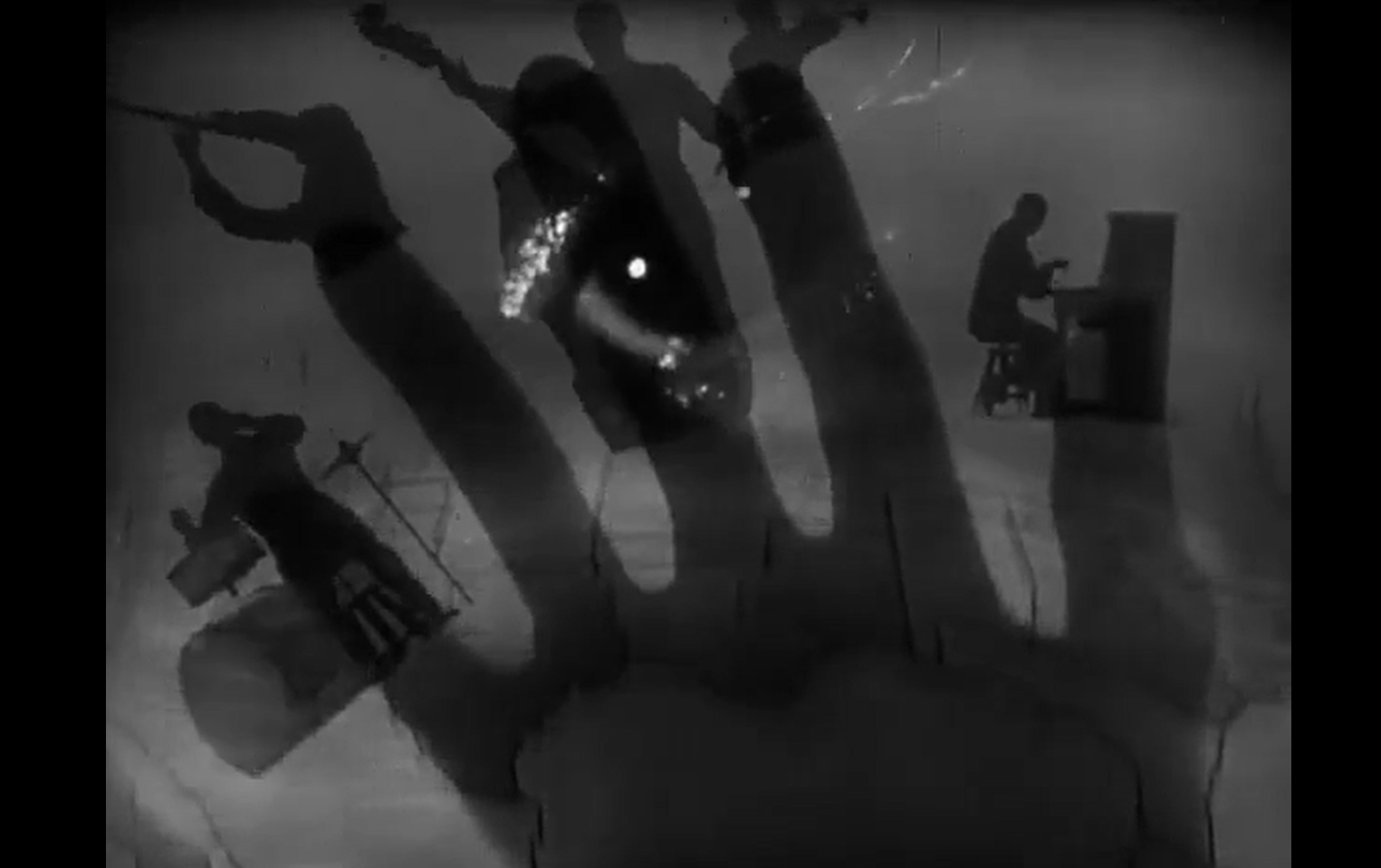
Wikipedia describes this interesting, fast-paced enigma (mess?) of a movie as an “American musical in the film noir style”. Indeed, reading Wikipedia’s plot synopsis gives a good sense of how this bizarre film shifts from a “let’s put together a band!” feel-good musical to a tale where we’re no longer certain what role music plays other than as the life-passion being sucked out of Whorf by a ruthless femme fatale. Ernest Haller’s cinematography makes the entire affair gorgeous to look at, and there are some mind-bending surrealistic images:

that shift the film into yet another category of cinema altogether. Field gives a red-hot performance, future-director Kazan hops around on screen like he’s on speed, and there’s no guarantee at all of where or how things will end. Is this really what the blues look like at night?

Redeeming Qualities and Moments:

  • Betty Field as Kay
  • Ernest Haller’s atmospheric cinematography

  • The Oscar-nominated title song

Must See?
No, though it’s worth a one-time look.

Links:

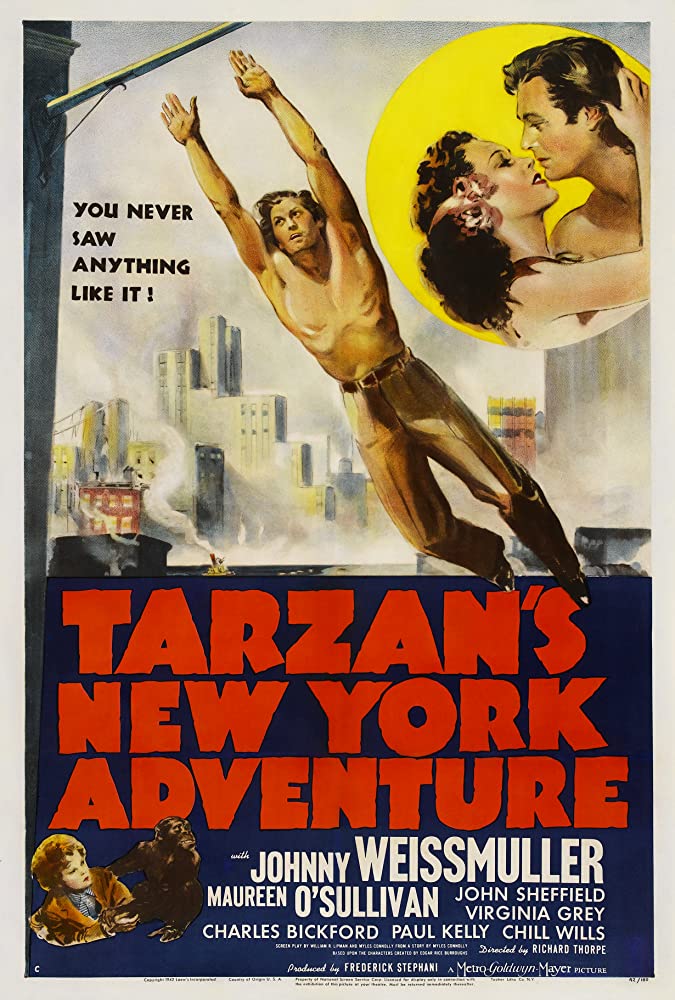
Tarzan’s New York Adventure (1942)

Tarzan’s New York Adventure (1942)

“When strangers come here from the outside, they always cause trouble — they’re always seeking something.”

Synopsis:
When Boy (Johnny Sheffield) is taken to New York by a circus owner (Charles Bickford), Tarzan (Johnny Weissmuller) and Jane (Maureen O’Sullivan) travel to rescue their son — but will the law of the city be on their side?

Genres:

  • Africa
  • Carnivals and Circuses
  • Charles Bickford Films
  • Jungles
  • Maureen O’Sullivan Films
  • New York City
  • Search
  • Tarzan Films

Response to Peary’s Review:
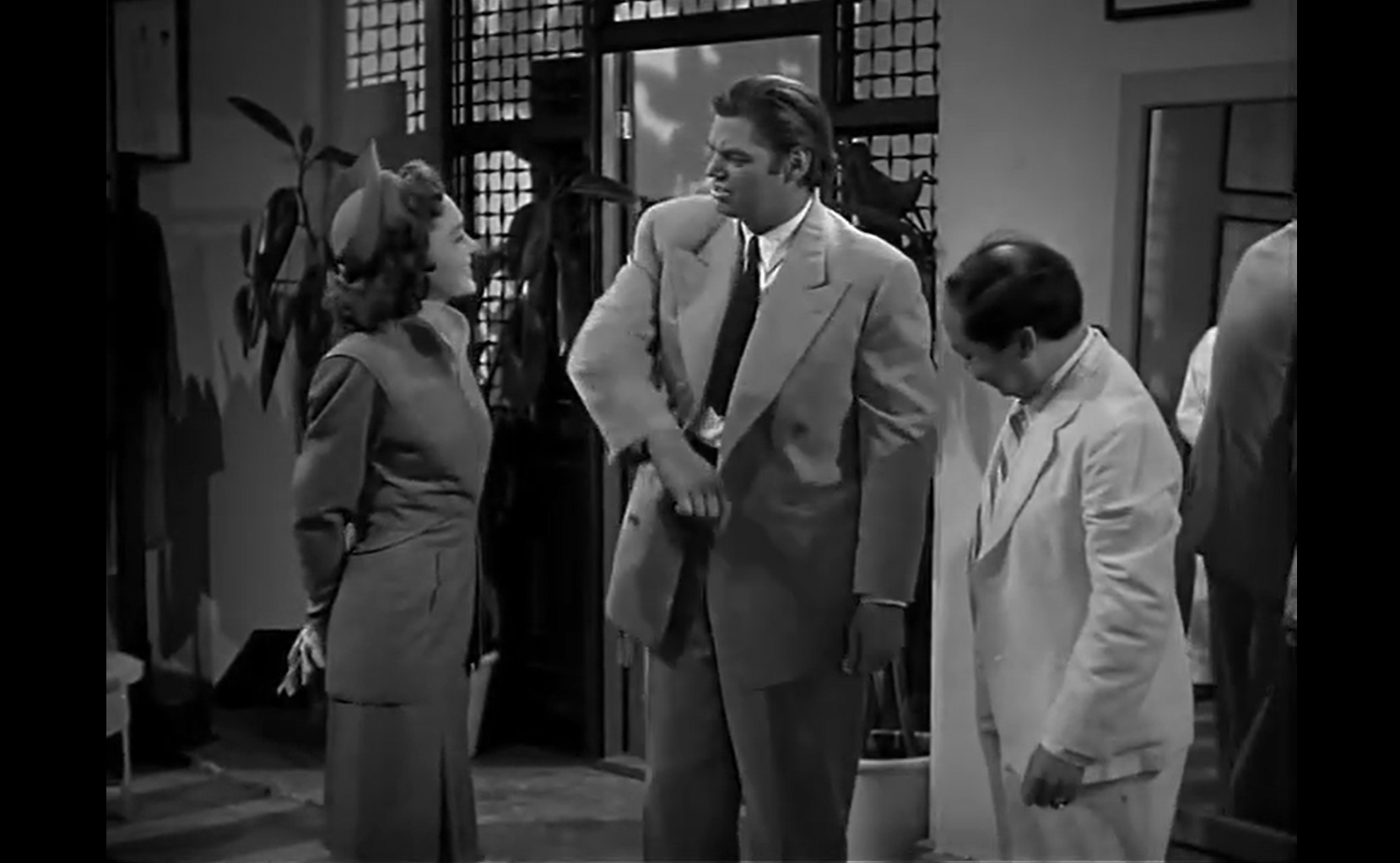
Peary notes that this “enjoyable” “last of the six Johnny Weissmuller-Maureen O’Sullivan Tarzan films produced by MGM” features a “fairly adult script that gave [O’Sullivan] a chance to wear fashionable clothes and appear in a familiar, non-exotic setting”. He writes that Tarzan — “uncomfortable in his double-breasted suit:

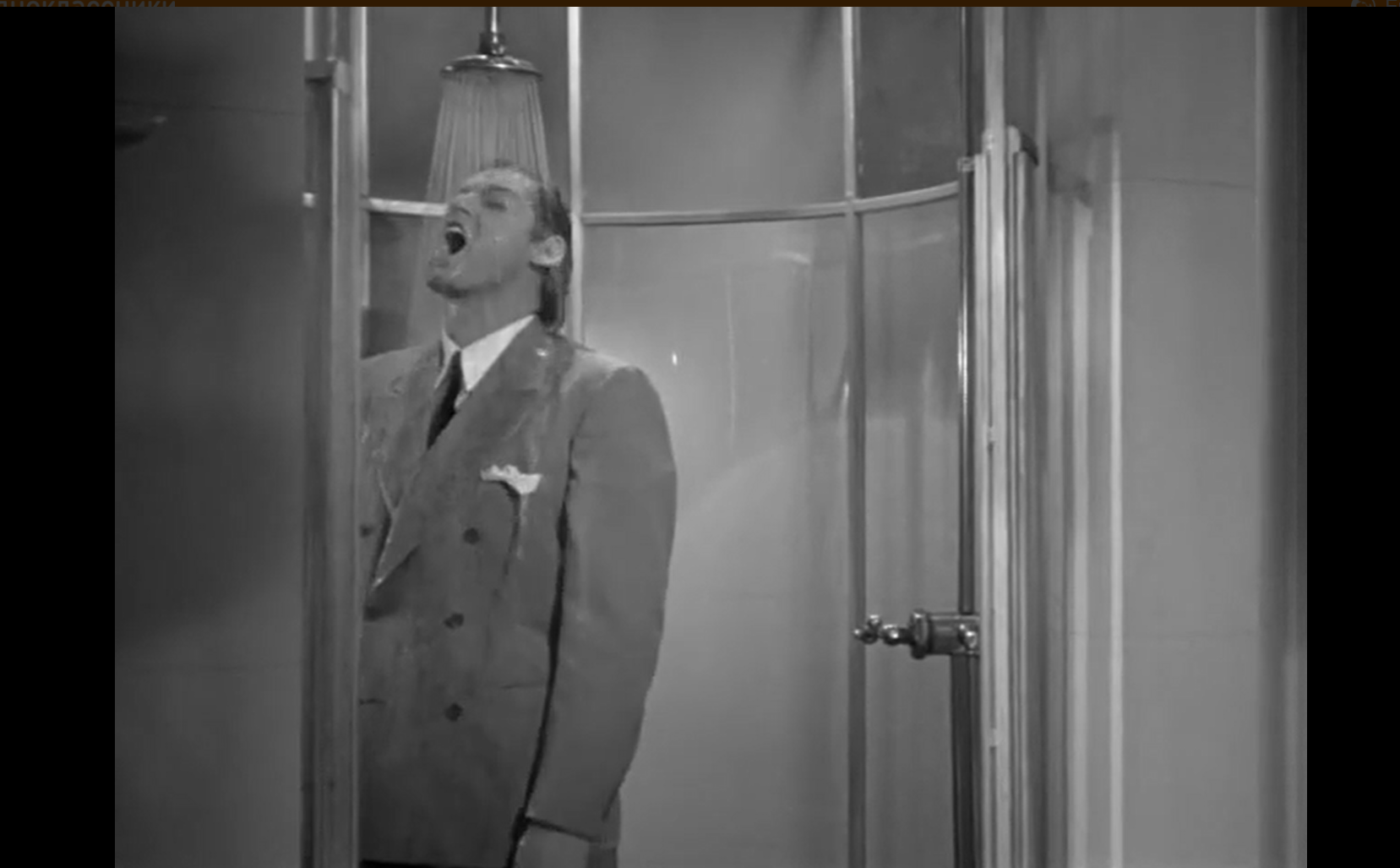
… finding modern conveniences to be ridiculous:

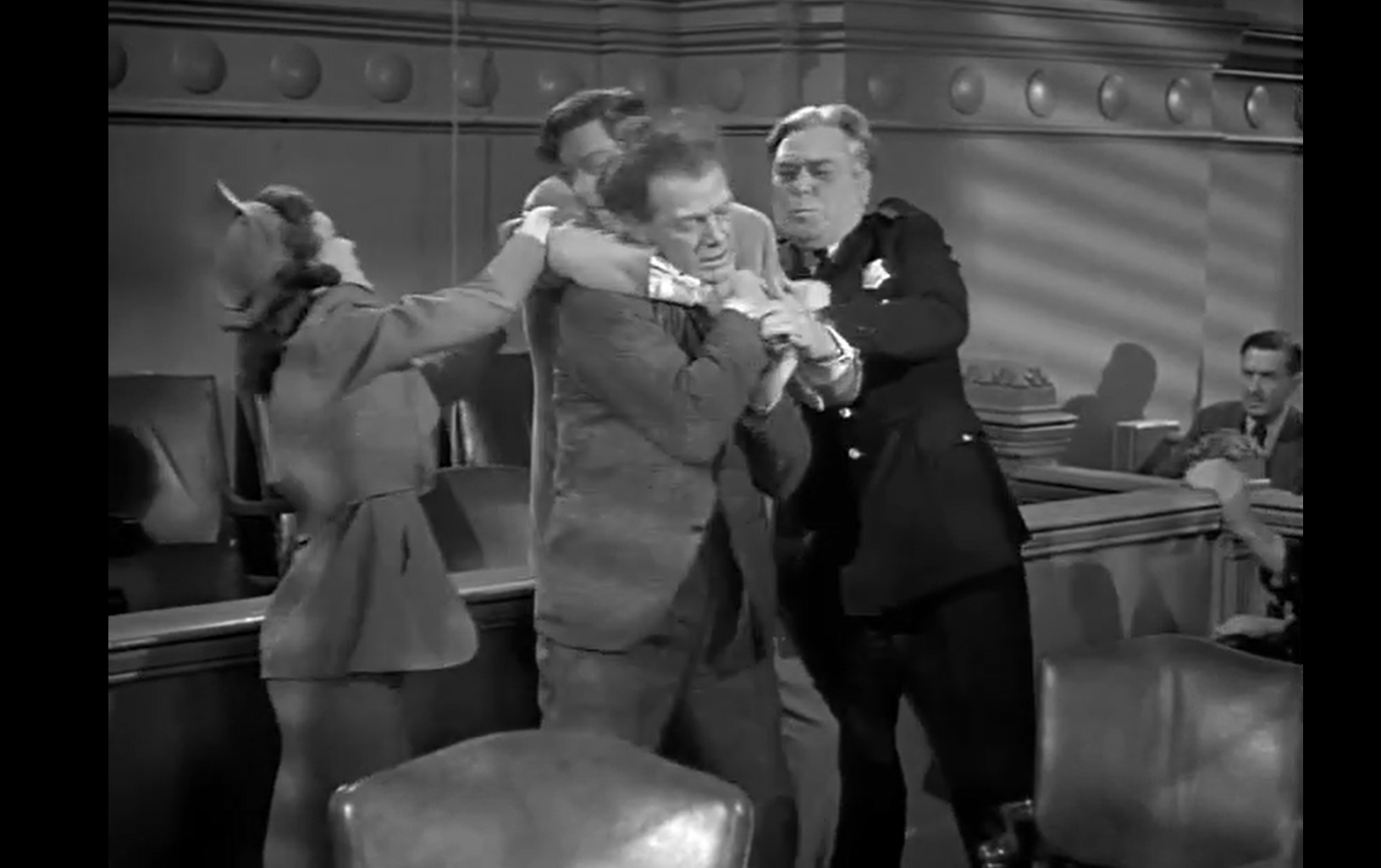
… and having trouble dealing with the values of civilization and articulating his own pure philosophy” — comes across as a “savage” in the courtroom:

but redeems himself once “he finds his niche… at the circus, where animals (including his longtime friends, the elephants) are held captive.”

It’s refreshing if awkward to see the series taking such a different route, and there are some notable highlights — specifically Tarzan’s epic escape across New York (amazing stunt work!).

However, this one is only must-see for fans following the series closely.

Redeeming Qualities and Moments:

  • The exciting New York escape scene

Must See?
No; you can skip this one unless you’re a Tarzan completist.

Links:

Tarzan’s Secret Treasure (1941)

Tarzan’s Secret Treasure (1941)

“Gold no good — Tarzan get dinner!”

Synopsis:
When two nefarious explorers (Tom Conway and Philip Dorn) — accompanied by a photographer (Barry Fitzgerald) — discover there’s gold near where Tarzan (Johnny Weissmuller), Jane (Maureen O’Sullivan), and their son Boy (Johnny Sheffield) live, they will stop at nothing to obtain it.

Genres:

  • Africa
  • Barry Fitzgerald Films
  • Gold Seekers
  • Jungles
  • Maureen O’Sullivan Films
  • Tarzan Films

Response to Peary’s Review:
Peary writes that this “fifth entry in MGM’s Johnny Weissmuller-Maureen O’Sullivan series” has a “pretty standard” plot and is “a bit on the juvenile level”, adding that the “budget cutbacks forced director Richard Thorpe to include action footage from Tarzan and His Mate and Tarzan Escapes.” However, he notes that “O’Sullivan is lovely” (when is she ever not?):

“Conway is vile:

… and Weissmuller is an ideal adventure hero”, as evidenced in the “exciting finale” when Tarzan “swims to the rescue, fights a giant crocodile, battles cannibals, and calls on the elephants.”


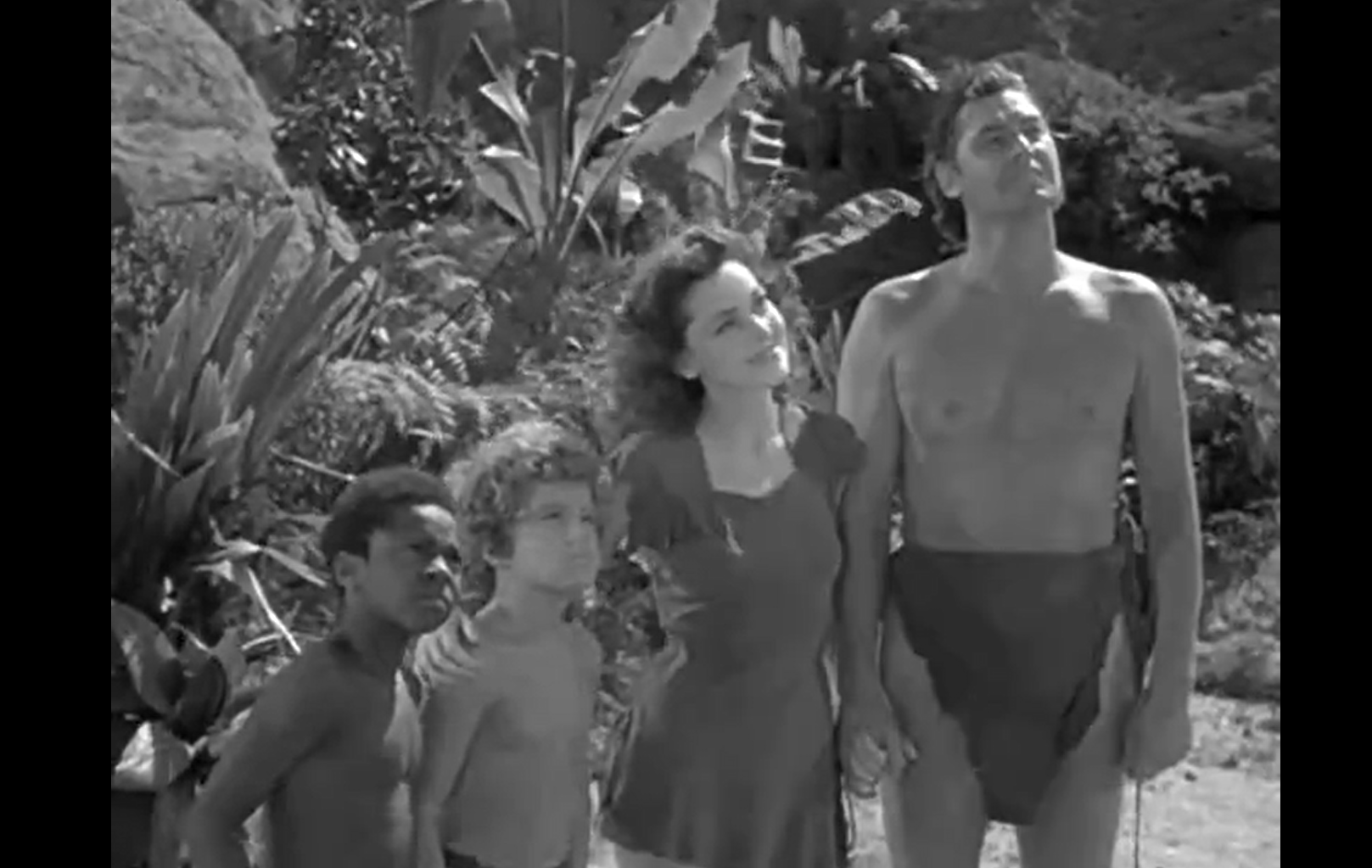
Peary notes that “the most interesting aspect of the film, considering the entire series was accused (rightly at times) of racism, is that a little black orphan boy [Cordell Hickman] becomes an adopted member of Tarzan’s family and is right there with them at the end” (though “predictably, he wasn’t even mentioned in the next Tarzan film”).

Otherwise, there’s absolutely nothing to distinguish this flick from others in the series: it follows the same exact formula, down to final capture by a “savage” local tribe. Only diehard fans of the series need check this one out.

Redeeming Qualities and Moments:

  • The refreshing presence of a humanized African boy

Must See?
Nope; this is yet another GFTFF title fanatics can feel free to skip.

Links:

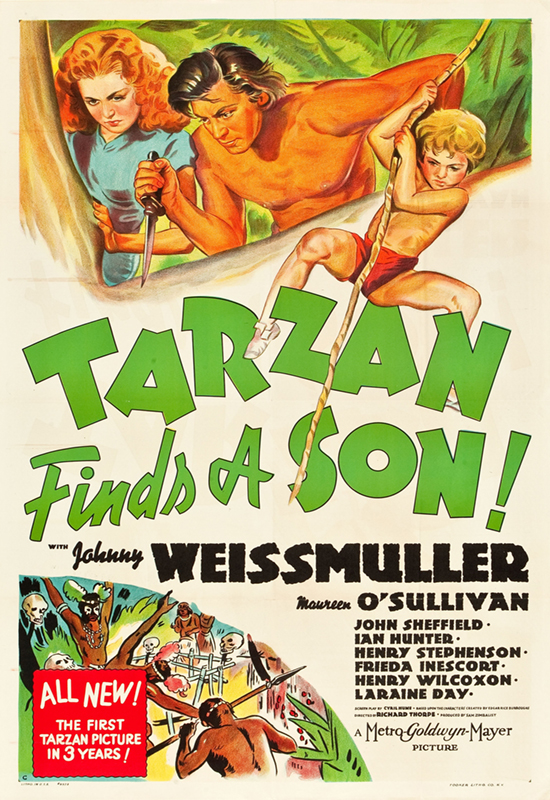
Tarzan Finds a Son! (1939)

Tarzan Finds a Son! (1939)

“Go to your father, Boy — and later on, he’ll teach you all the things you’ll ever need to know in the jungle.”

Synopsis:
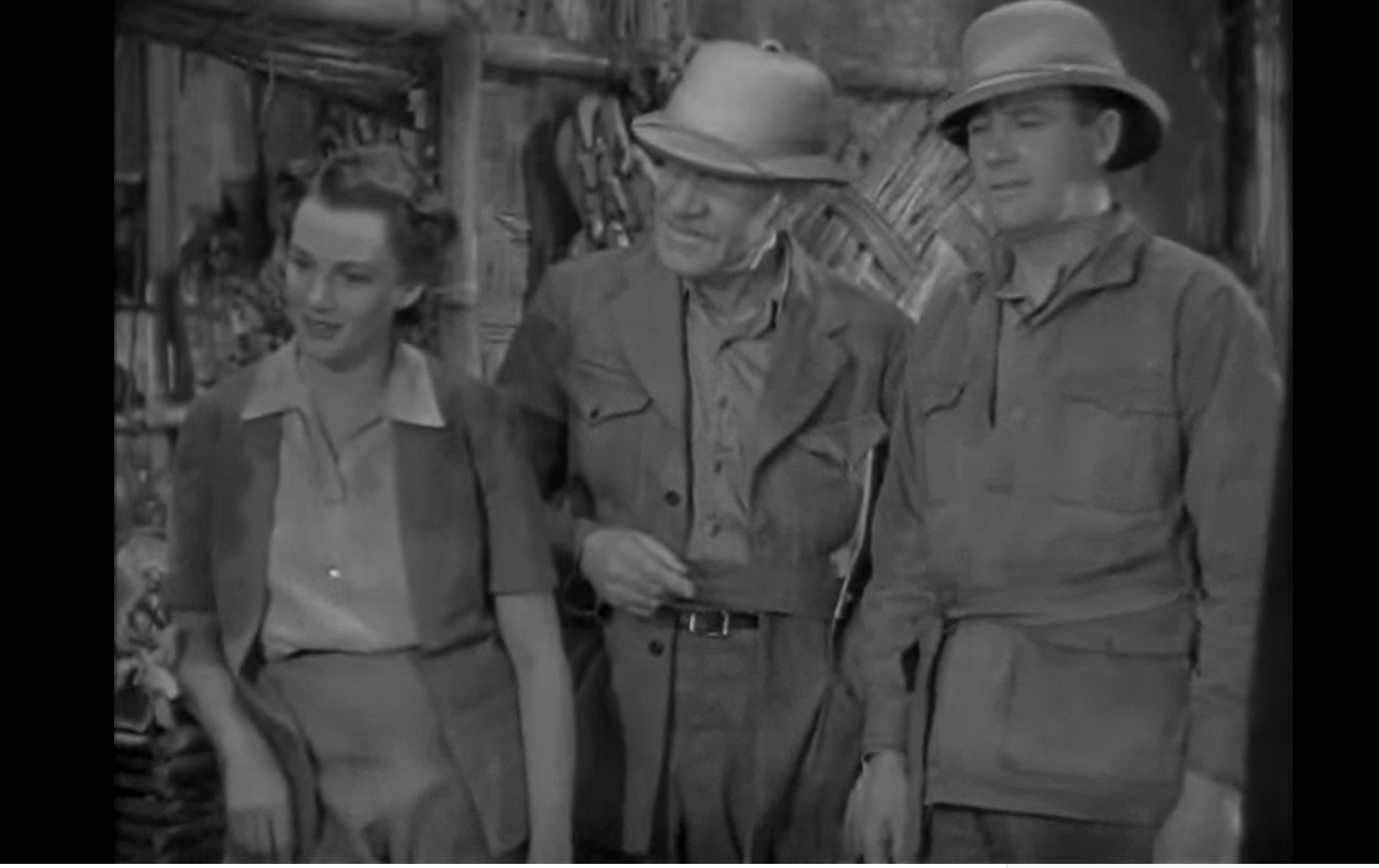
After a plane crashes nearby their home, Jane (Maureen O’Sullivan) and Tarzan (Johnny Weissmuller) adopt the sole survivor — a baby who grows into an active young child they call Boy (John Sheffield). When the child’s aunt (Frieda Inescort), uncle (Ian Hunter), and another relative (Henry Stephenson) arrive to learn more about their missing relatives, they find Boy and plan to take him back to London — but will Jane and Tarzan allow their beloved son to leave?

Genres:

  • Adoption
  • Africa
  • Ian Hunter Films
  • Jungles
  • Maureen O’Sullivan Films
  • Raising Kids
  • Tarzan Films

Response to Peary’s Review:
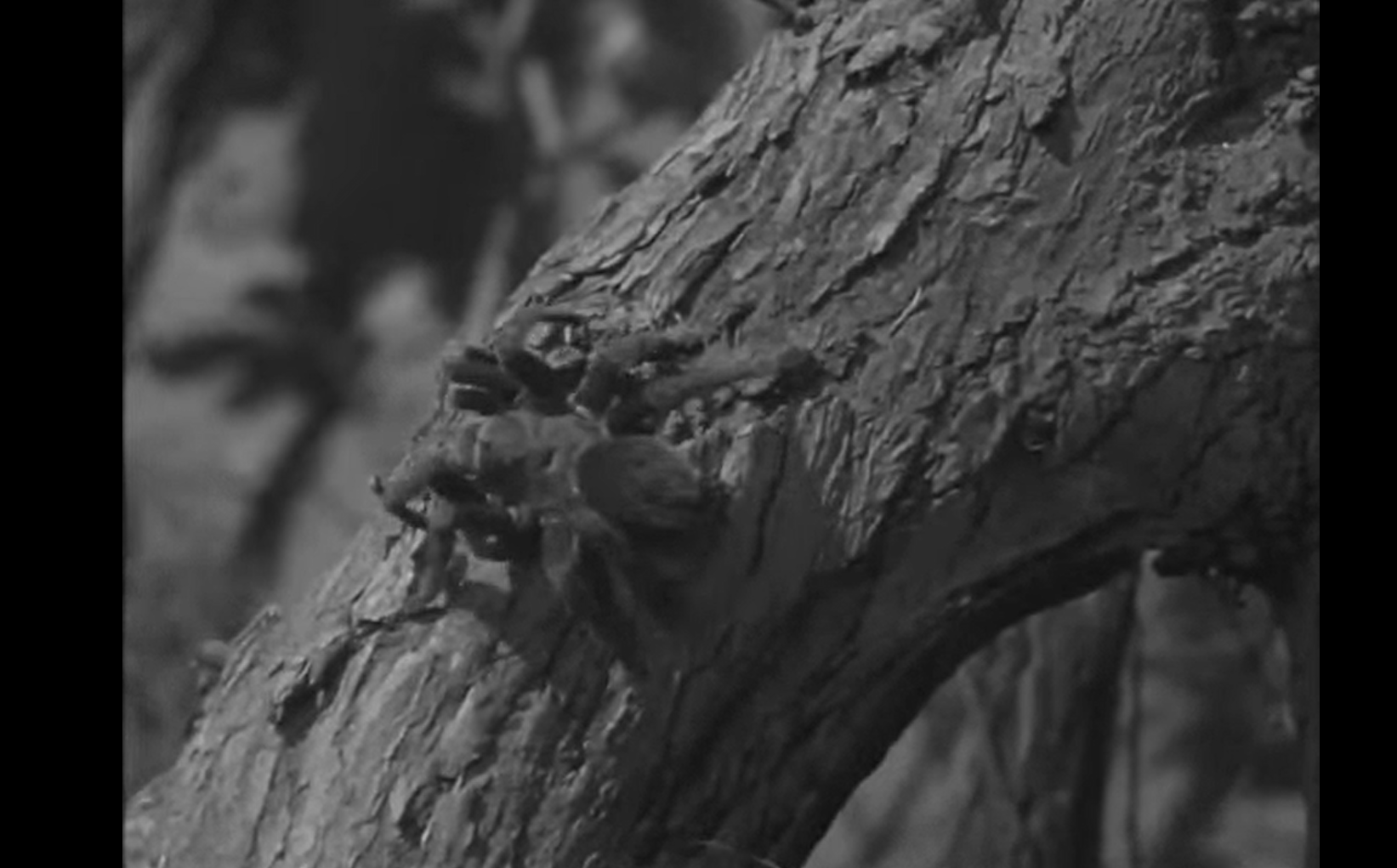
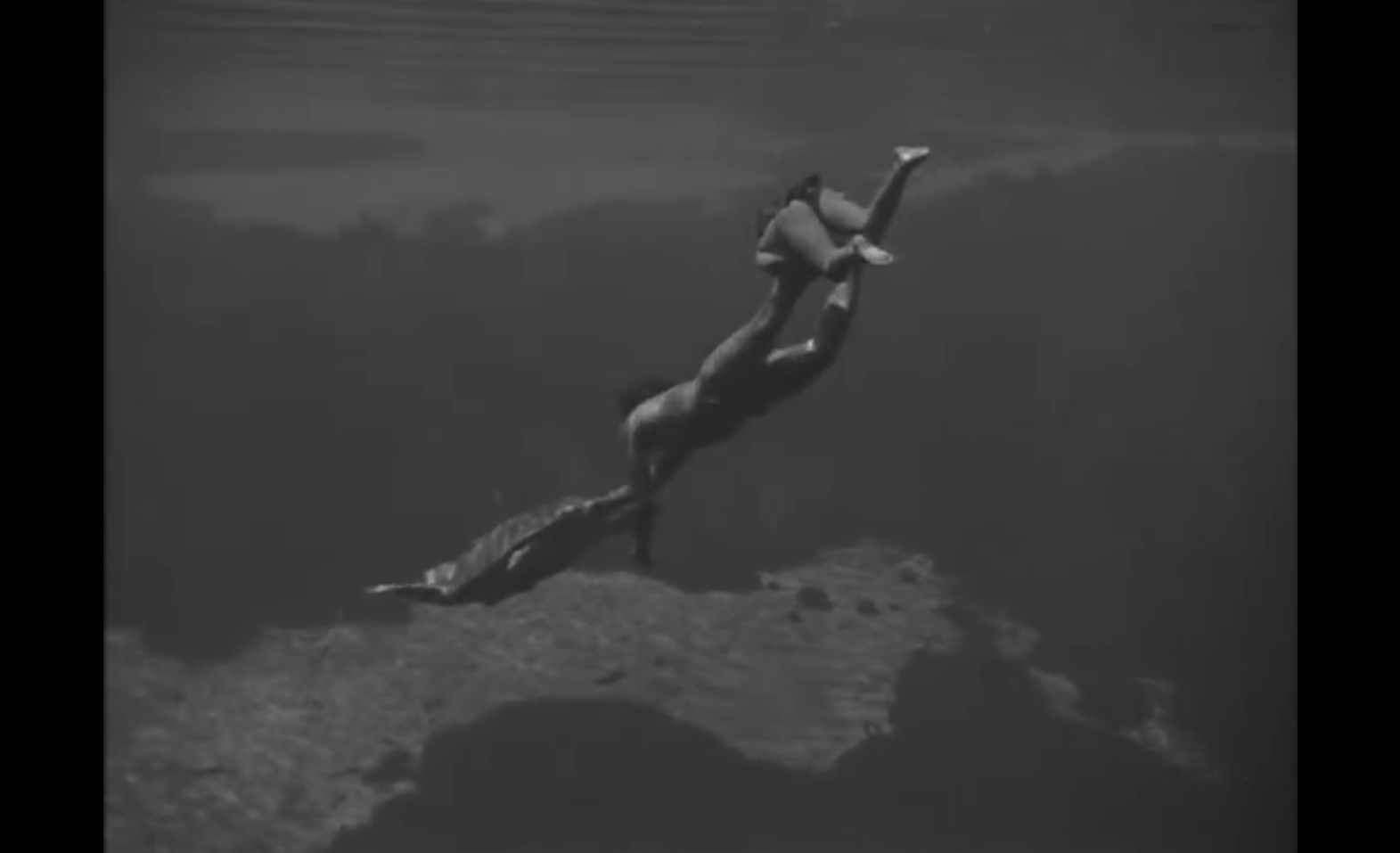
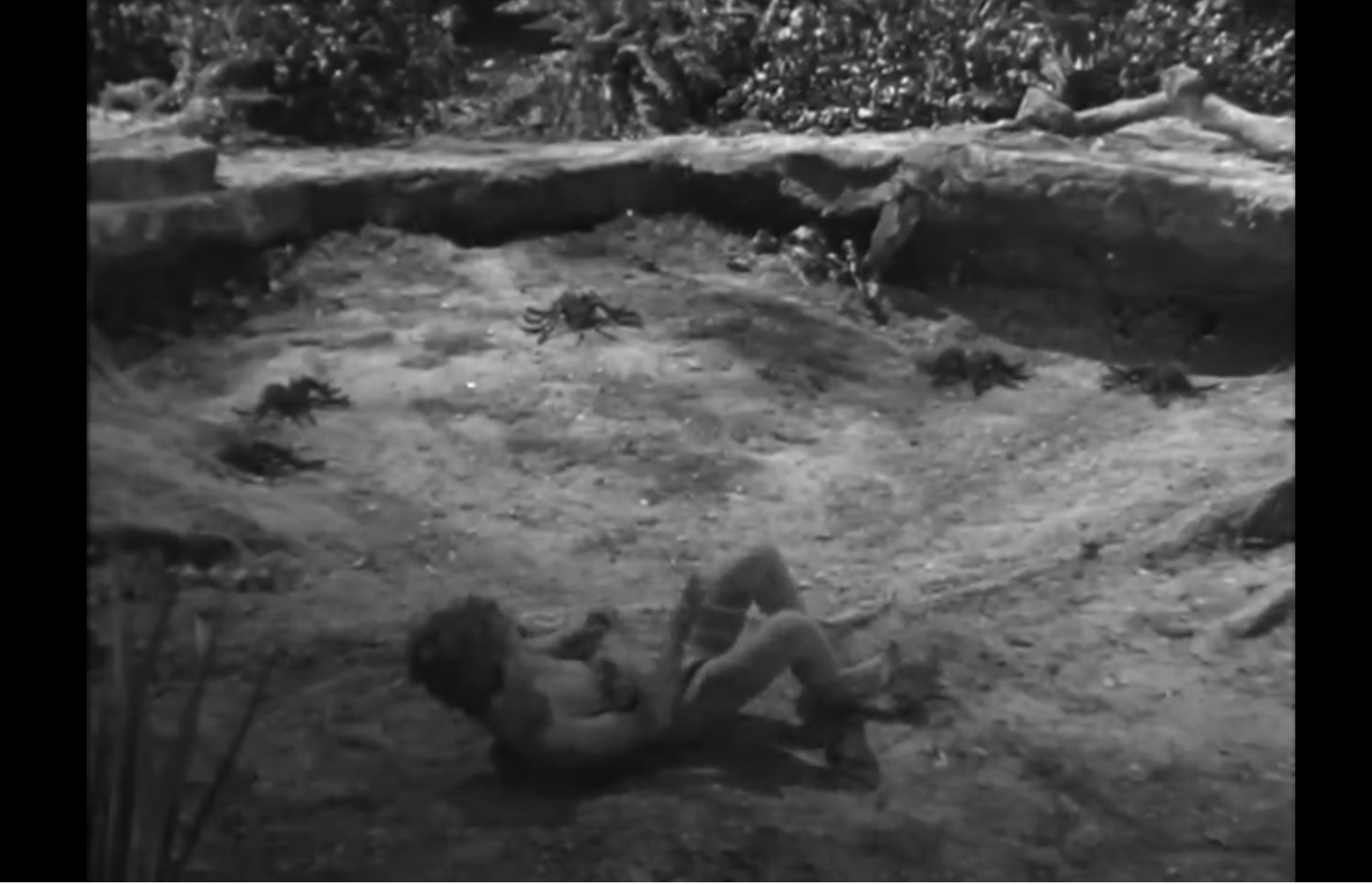
Peary notes that this “fourth entry into Metro’s Johnny Weissmuller-Maureen O’Sullivan Tarzan series” was “supposed to be the unhappy O’Sullivan’s last, so the studio decided to kill Jane off and fill the gap in Tarzan’s life with a young adopted son, Boy” — but “fortunately, so much pressure was placed on the studio by Tarzan fans that Jane does not die, although the entire script most definitely leads up to her demise at the end” and “her recovery from a fatal injury is miraculous”. He argues that the “film is entertaining, although there’s too much footage of Tarzan and Boy swimming around and not enough intimacy between Tarzan and Jane (a bad sign that the series was becoming less adult)” — though I can’t quite agree; the presence of an active young boy brings welcome excitement and tension to the proceedings, as he’s in near-constant danger from the wildlife around him (check out those huge spiders!).


Hunter and Inescort are appropriately smarmy as the dubious relatives clearly on the take for money, not the privilege of parenting Boy.

Redeeming Qualities and Moments:

  • Several memorable moments — such as Tarzan swimming with Boy, and Boy caught in a large spider web

Must See?
No; while reasonably well-made, this one is only must-see for fans of the series.

Links:

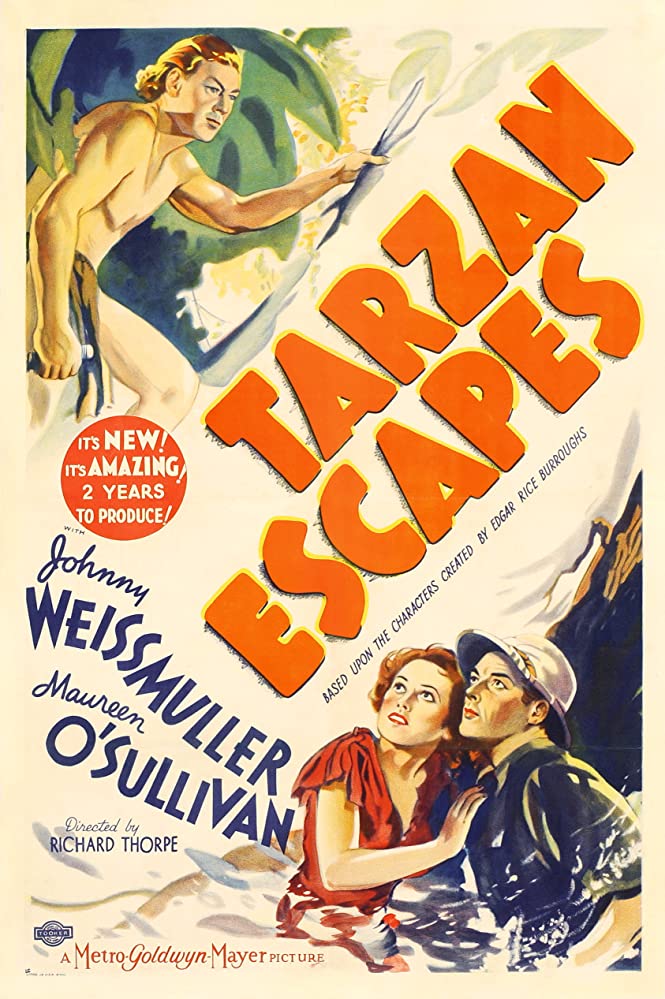
Tarzan Escapes (1936)

Tarzan Escapes (1936)

“Out here, Tarzan’s a king. How do I know what he’d be back there?”

Synopsis:
When her cousins (Benita Hume and William Henry) arrive for a visit in the jungle, Jane (Maureen O’Sullivan) and her mate Tarzan (Johnny Weissmuller) are eager to host them and the professional hunter (John Buckler) they’re travelling with — but when Jane learns she must head back to the U.S. to sign inheritance paperwork, she worries what the impact will be on Tarzan.

Genres:

  • Africa
  • Inheritance
  • Jungles
  • Maureen O’Sullivan Films
  • Tarzan Films

Response to Peary’s Review:
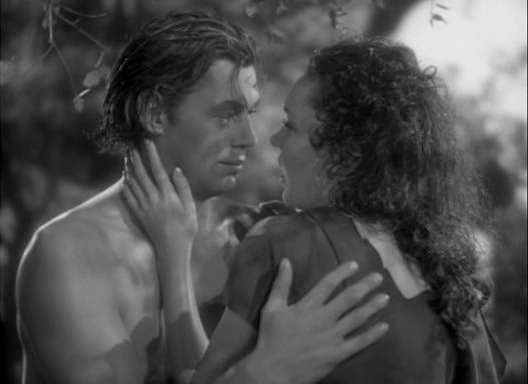
Peary writes that this “third entry in the Johnny Weissmuller-Maureen O’Sullivan [Tarzan] series” marked “the turning point… from adult fare to family entertainment”, given that “not only was Jane expected to wear a costume several times the one she wore in Tarzan and His Mate, but several scenes considered too horrifying for children were either reshot or eliminated (including the legendary vampire-bat sequence)”. (Check out this article for more detailed information on the film’s original iteration.) While Peary concedes that “Tarzan fans will enjoy the film”, other film fanatics can feel free to skip this one.

Redeeming Qualities and Moments:

  • Fine cinematography

Must See?
No; this one is only must-see for completists of the series.

Links:

Tarzan the Fearless (1933)

Tarzan the Fearless (1933)

“Just one of a thousand jungle legends: something about a wild white man raised by apes.”

Synopsis:
The daughter (Julie Bishop) of a missing doctor (E. Alyn Warren) who has been captured by a cult led by a high priest (Mischa Auer) goes on a jungle safari with a friend (Edward Woods) and two guides (Philo McCullough and Matthew Betz). Soon she learns her father has been rescued by Tarzan the Ape Man (Buster Crabbe).

Genres:

  • Africa
  • Hidden Treasure
  • Jungles
  • Search
  • Tarzan Films

Review:
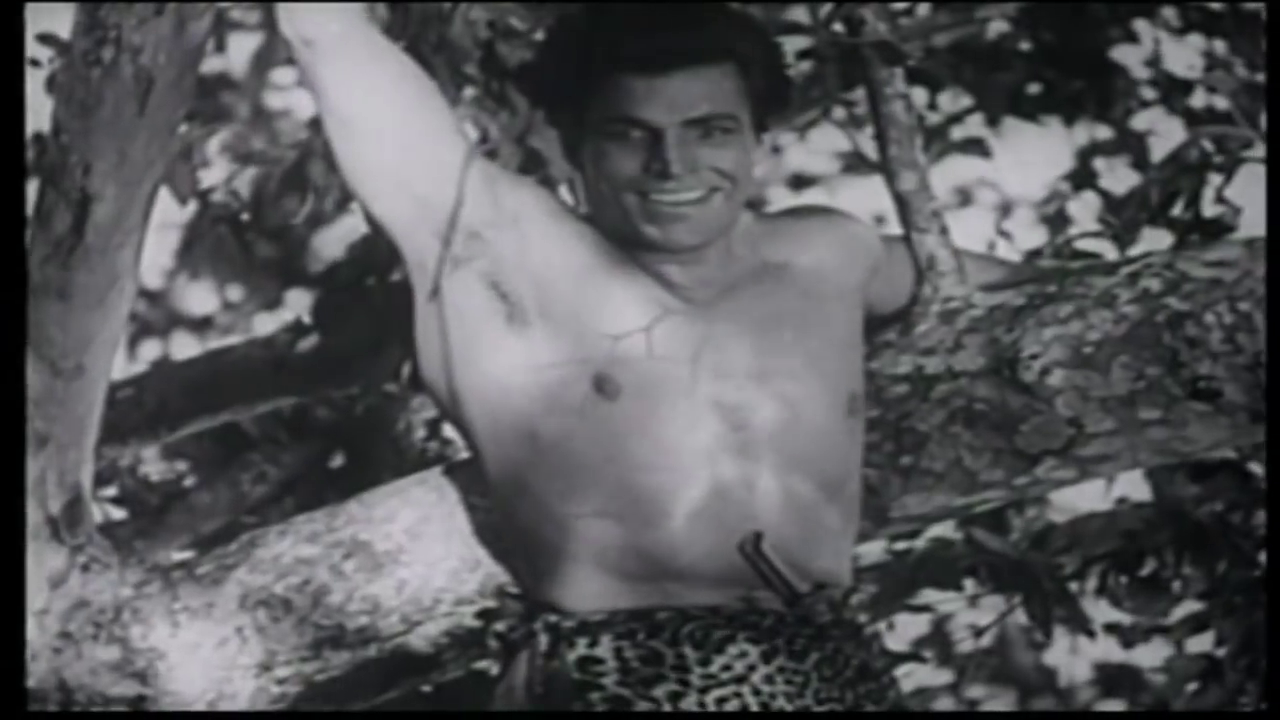
This early competitor to MGM’s Tarzan, the Ape Man (1932) was originally shown as a serial, then pulled together into this crude feature length film. It will be of interest only to fans of early cinema curious to make a comparison — though at least Olympic swimmer Crabbe (who portrayed Tarzan, Flash Gordon, and Buck Rogers in serials) is a hunky on-screen presence (that loincloth!), and the other lead young actors are pleasant to look at, too. The storyline is pure hokum, probably enjoyable escapist fare for kids at the time but not at all of interest to modern-day film fanatics.

Redeeming Qualities and Moments:

  • Beautiful actors

Must See?
No, unless you’re curious to check it out.

Links: