Year of Living Dangerously, The (1982)

Year of Living Dangerously, The (1982)

“We’ll make a great team, old man: you for the words, me for the pictures. I can be your eyes.”

Synopsis:
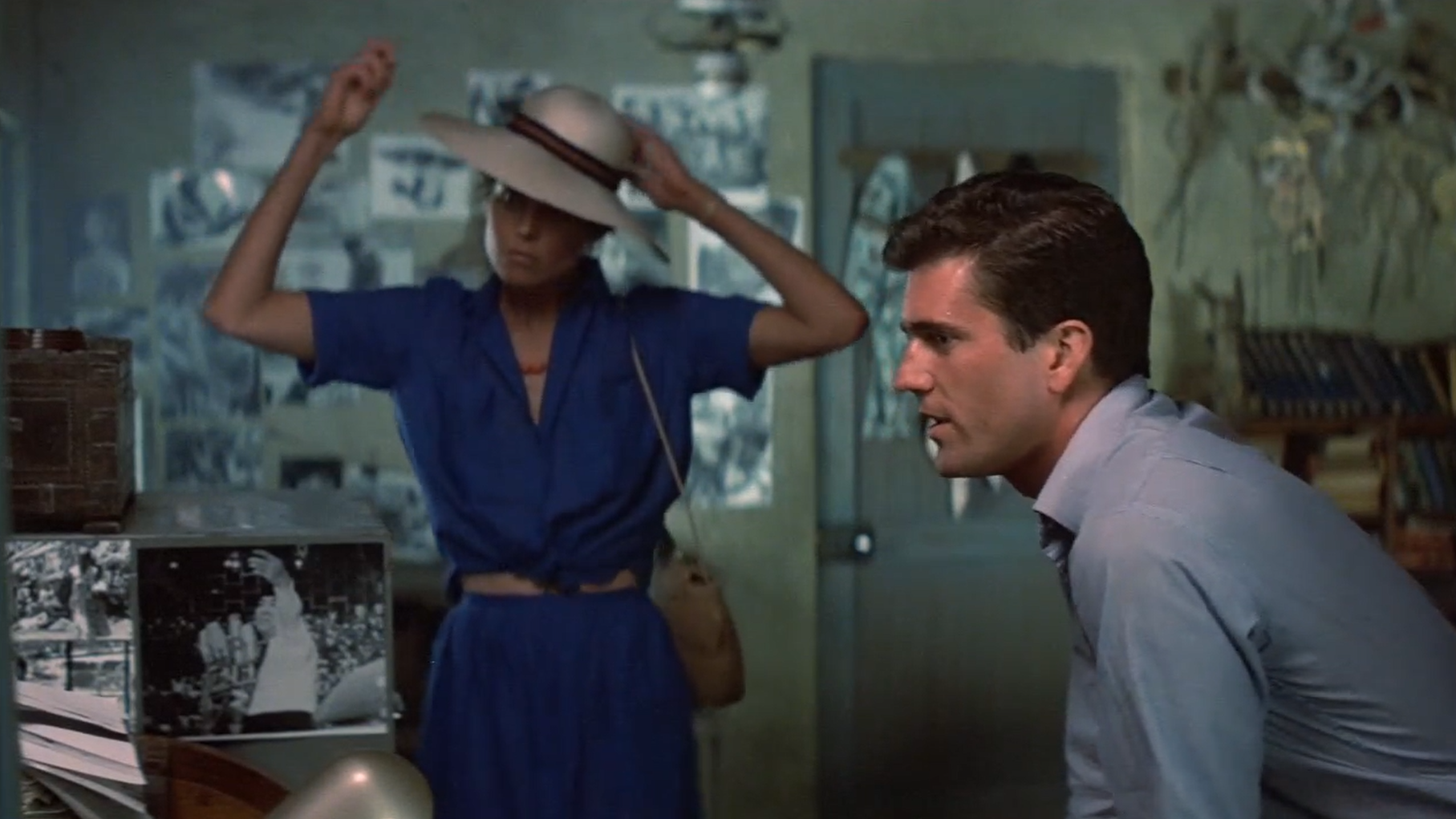
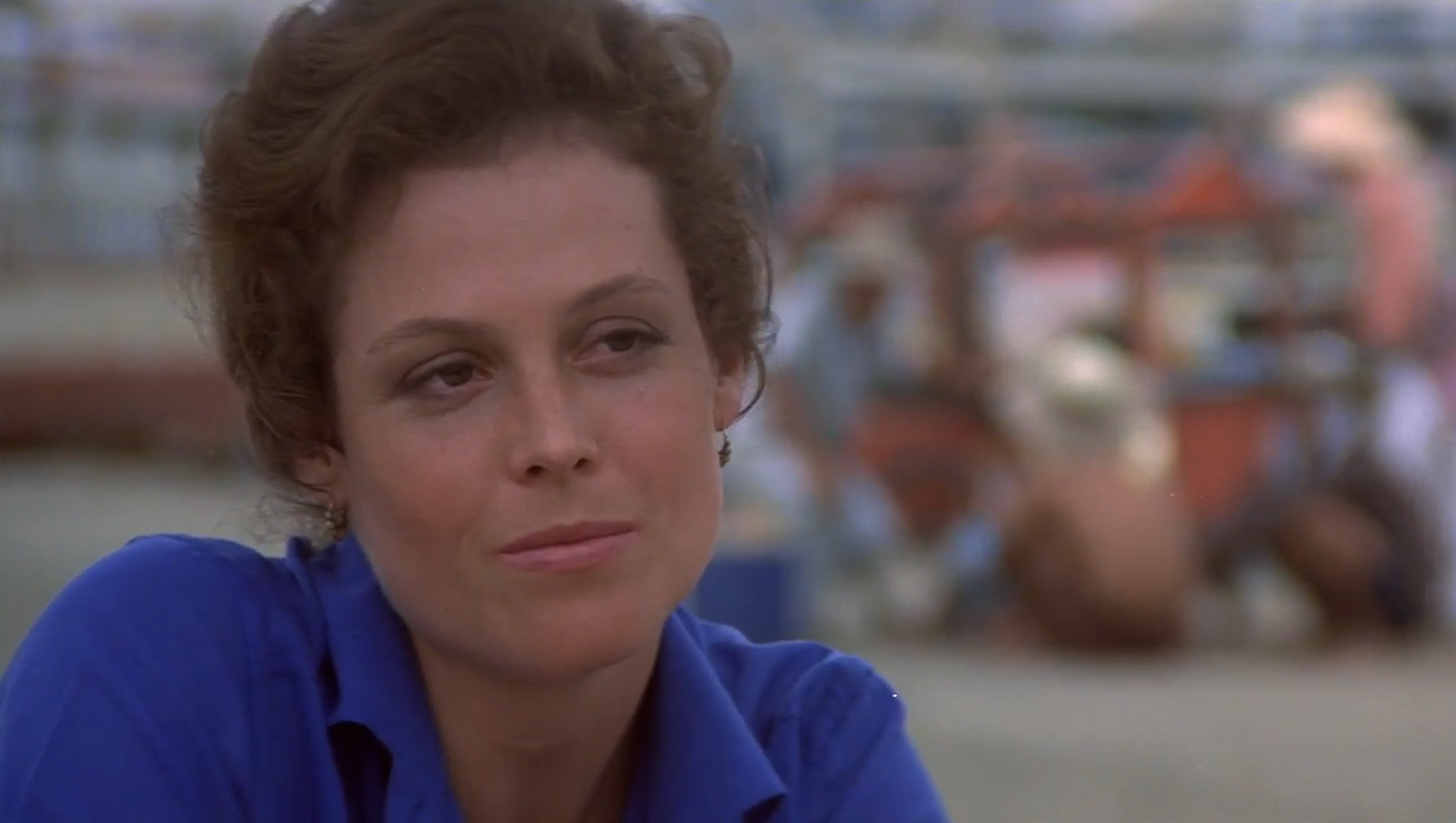
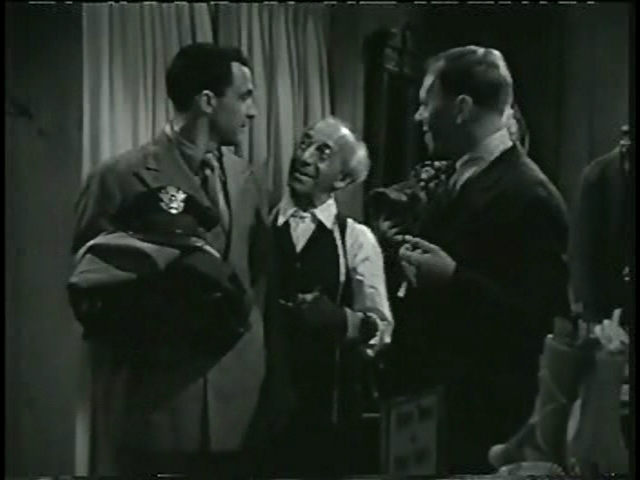
On the brink of a Communist rebellion in Sukarno’s Indonesia, an Australian reporter named Guy Hamilton (Mel Gibson) befriends an idealistic dwarf photographer (Linda Hunt) who helps him get interviews with key political players; but when Hamilton falls for a beautiful military attache (Sigourney Weaver) and betrays her confidence, Hunt’s trust in Hamilton is severely compromised.

Genres, Themes, Actors, and Directors:

  • Betrayal
  • Do-Gooders
  • Friendship
  • Historical Drama
  • Journalists
  • Mel Gibson Films
  • Michael Murphy Films
  • Peter Weir Films
  • Photographers
  • Sigourney Weaver Films

Response to Peary’s Review:
As Peary notes, this “smart, provocative, eerie film” by Australian director Peter Weir is so “convincing” that “you’ll feel like you’ve been transported back to 1964-65 in Jakarta, Indonesia, during the final year of the Sukarno regime”. Set in the midst of “paranoia, police action, political turbulence, … poverty in the extreme, and… decadent insensitive foreigners”, TYOLD is a rare political film about friendship — one which effectively explores “mistrust, ambition… and betrayal“, and manages to combine “frightening violent sequences, a great deal of suspense”, and romance, all in one satisfying package.

Gibson is ostensibly the lead protagonist in the film, given that it’s his growth of conscience as a reporter — and his erotic courtship with sexy, smart Weaver — which form the primary arc of the narrative. Yet it’s the Chinese-European dwarf photographer “Billy Kwan” (Hunt) who ultimately leaves the deepest impression.

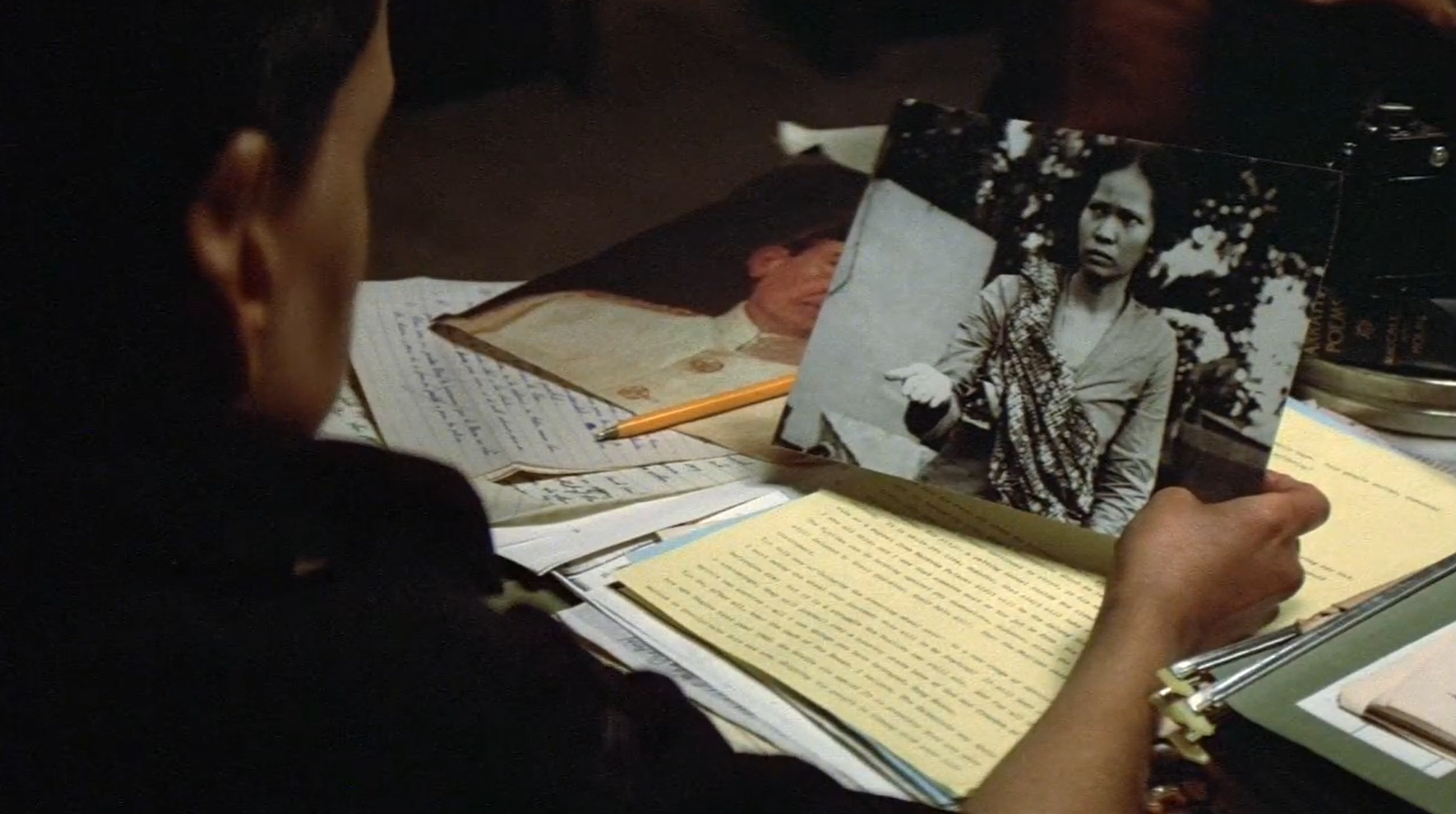
As Peary notes, Kwan is a truly “enlightened male”, someone whose socialist ideals allow him to transcend his own beleaguered stature in life (he’s cruelly teased by his ignorant colleagues) and instead work towards helping “spread sunshine” in whatever small ways he can. Essentially a collector of people, he keeps extensive files on his friends and associates in order to both understand them and help guide them:

— a pastime which sounds creepy (indeed, Hamilton accuses him of being an operative), but is clearly driven by Kwan’s deep desire to help the world, and his realization that, as a misunderstood, marginalized dwarf, he must enlist the help of others in order to achieve his goals. Hunt “deservedly won an Oscar” for her performance as Kwan, and she’s reason enough to check out this satisfying political drama.

Redeeming Qualities and Moments:

  • Linda Hunt as Billy Kwan
  • Mel Gibson as Guy Hamilton
  • Sigourney Weaver as Jill Bryant (though her faux British accent is less than impressive)
  • Excellent recreation of turbulent Jakarta in the 1960s (actually shot in the Philippines)

  • A smart, powerful script (adapted from C.J. Koch’s novel)

Must See?
Yes. This Oscar-winning film remains powerful viewing, and should be enjoyed at least once by all film fanatics.

Categories

  • Good Show
  • Oscar Winner or Nominee

Links:

Mary Poppins (1964)

Mary Poppins (1964)

“I shall stay until the wind changes.”

Synopsis:
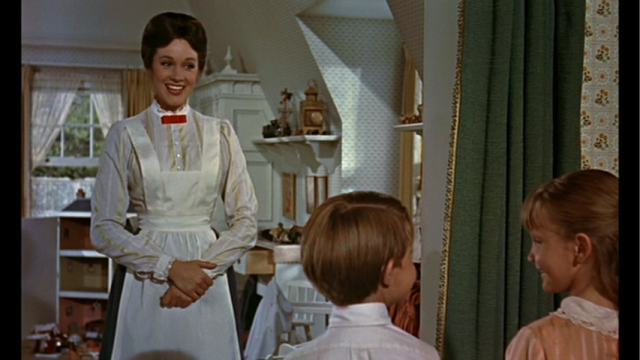
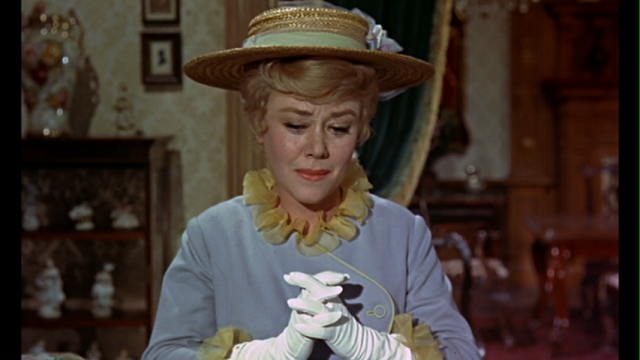
A “practically perfect” nanny (Julie Andrews) with magical powers descends on the home of the Banks family, where a no-nonsense father (David Tomlinson) and suffragette mother (Glynis Johns) fail to spend enough time with their children (Karen Dotrice and Matthew Garber).

Genres, Themes, Actors, and Directors:

  • Catalysts
  • Elsa Lanchester Films
  • Fantasy
  • Glynis Johns Films
  • Governesses and Nannies
  • Julie Andrews Films
  • Musicals
  • Raising Kids

Response to Peary’s Review:
Peary isn’t a big fan of this enormously popular Disney film, which won five Oscars (including one for Andrews as Best Actress), and was greeted by critics at the time “with tremendous enthusiasm”. While he notes that he’s “impressed with the stylized design, some of the animation…, and the ambitious nature” of the film, he admits that for the most part it “leaves [him] cold”. He complains that while the “picture has its imaginative moments,” there aren’t enough of them, and that “the Poppins character requires Andrews to hold her enthusiasm in check, thus depriving her of her best quality”. Indeed, he notes that “if this film had come out after The Sound of Music, viewers would probably have been upset by the change”, and argues in his Alternate Oscars book that she was ultimately “miscast”.

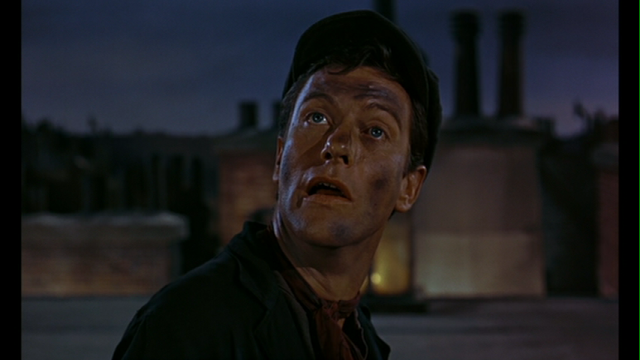
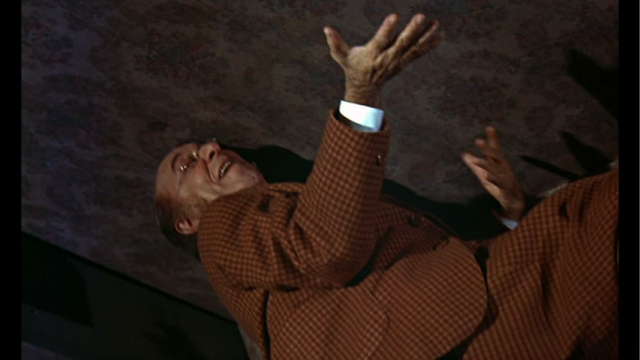
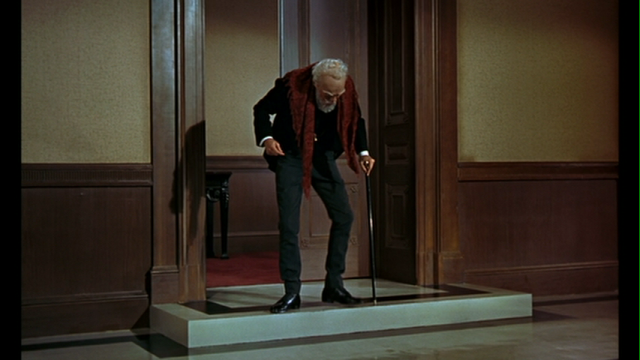
Yet Peary’s assessment seems unduly harsh, given that beautiful Andrews (whose iconic voice is in peak form here) literally glows in the title role, and creates an undeniably memorable character in her film debut. Meanwhile, though Peary gripes about Van Dyke’s obviously “phony cockney accent”, kids won’t care — and his “Bert” is such a changeable fellow (he holds down no less than four different jobs throughout the film: a one-man band, a chalk artist, a chimney sweep, and a kite salesman) that it actually makes sense for his accent to be somewhat difficult to pin down. In addition, his “cameo” role as the elder Mr. Dawes (which he fought to get) is enormously enjoyable (apparently Dotrice and Garber weren’t told that it was Van Dyke underneath all that makeup and snowy white hair!).

With that said, I’ll agree with Peary about some of the film’s flaws. First, at 139 minutes, it is indeed “about 40 minutes too long”, and could have used some serious editing. The chalk-drawing sequence, for instance — though imaginatively conceived — ultimately drags on longer than necessary; and while I enjoy Ed Wynn’s improvisatory turn as the high-on-laughter “Uncle Albert”, this entire musical sequence does nothing to further the plot, instead simply showcasing Poppins at her least appealing (she’s all simpering, thin-lipped disapproval, but what’s the harm in wanting to laugh yourself silly every once in a while?). Finally, I’ll agree with Peary that Andrews’ character isn’t given enough screentime: as he points out in Alternate Oscars, she “disappears for such long, pivotal stretches of the movie that her part nearly becomes a supporting one”.

It should be noted that Peary is not the only critic of this beloved film: P.L. Travers — author of the “Mary Poppins” series (there were 8 books in all) — was notoriously displeased with the way in which her fictional creation was transferred to the big screen. According to an article by Caitlin Flanagan for The New Yorker*, Travers’ “Mary Poppins” was far from the stern but loving caretaker portrayed by Andrews:

[Poppins] is, in fact, very often “angry,” “threatening,” “scornful,” and “frightening.” She calls the children cannibals, jostles them down the stairs, and makes them eat so quickly that they fear they will choke… Often, she seems like someone who doesn’t like children much.

For better or for worse, however, Disney’s version of Mary Poppins is the one most children will grow up getting to know — and, given its historical importance, the film itself remains indispensable viewing (at least once) for all film fanatics.

Note: A weird bit of trivia on the film, according to IMBd: “Many of the nannies in the large queue of applicants for the job at the start of the film were actually men in drag.” !!!

* Thanks to my friend David for pointing this article out to me!

Redeeming Qualities and Moments:

  • Julie Andrews as Mary Poppins
  • Dick van Dyke as Bert
  • Van Dyke’s “cameo” turn as Mr. Dawes, Sr.
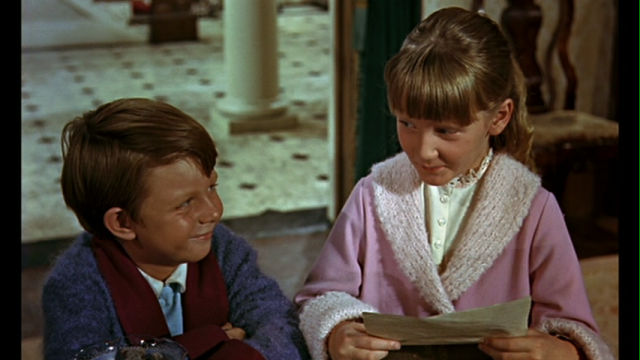
  • Karen Dotrice and Matthew Garber as Jane and Michael Banks
  • Glynis Johns as Mrs. Banks
  • David Tomlinson as Mr. Banks
  • Ed Wynn as “Uncle Albert”
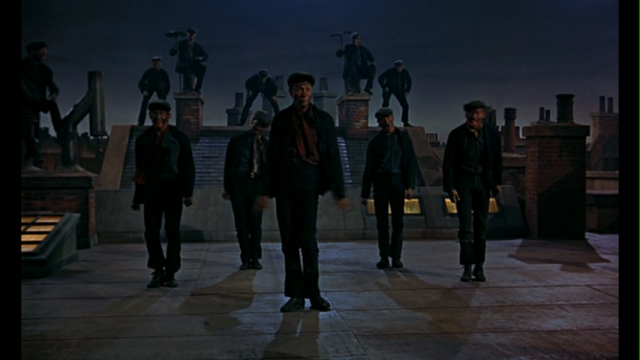
  • The energetically choreographed (by Dee Dee Wood), catchily written “Step in Time” sequence
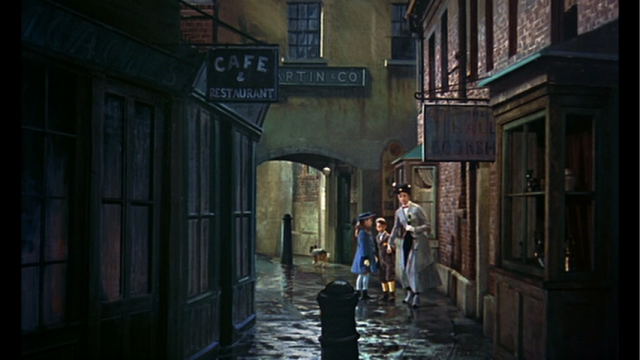
  • Creative Victorian England-era set designs
  • A (mostly) memorable score, with many classic songs — including “Supercalifragilisticexpialidocious”, “A Spoonful of Sugar”, and the Oscar-winning “Chim-Chim-Cheree”

Must See?
Yes, as a genuine children’s classic and a multiple Oscar winner.

Categories

  • Genuine Classic
  • Noteworthy Performance(s)
  • Oscar Winner or Nominee

Links:

Wait Till the Sun Shines, Nellie (1952)

Wait Till the Sun Shines, Nellie (1952)

“To a pretty woman like you, Sevillinois must become pretty dull.”

Synopsis:
A city-loving bride (Jean Peters) is distressed when her husband (David Wayne) opens a barber shop in a small town, rather than taking her to Chicago as promised.

Genres, Themes, Actors, and Directors:

  • Flashback Films
  • Historical Drama
  • Hugh Marlowe Films
  • Jean Peters Films
  • Small Town America
  • Widows and Widowers

Review:
Although he notoriously missed the boat in a number of his key reviews for the New York Times during his tenure as one of America’s most influential critics, Bosley Crowther was spot-on in his assessment of this “stagey” melodrama, which he accurately refers to as a “mawkishly sentimental tribute to the old-fashioned barber shop and to the dubious felicities of living in an American small town.” Indeed, director Henry King spares no effort — or cliches — in his attempt to convince us that small town life at the turn of the century (in contrast to the Big, Bad City) was the epitome of good living: the moment Wayne takes his bride ‘Nellie’ over the threshold of his newly acquired barber shop in [fictional] Sevillinois, Illinois:

a quartet of willing customers arrives in perfect harmony, ready to sing — you guessed it — barbershop tunes (including the title song).

Unfortunately, much less effort is spent on character development; as a result, we’re asked to care about people we’ve barely been given a chance to get to know.

Wayne (a notable character actor — you’ll recognize him… from somewhere…) doesn’t quite have the charisma to carry the leading role — and he’s not helped any by the script, which has him deceiving his wife (Peters, looking extremely fetching) from the very beginning of their marriage.

Without advance warning, he takes her to a small town, rather than a big city for their honeymoon (as promised); he lies to her about having purchased (rather than leased) the barber shop; and he continually makes decisions about their future without consulting her. No wonder she’s royally teed off by the middle of the film, at which point she petulantly flees to Chicago (can you blame her?) and promptly gets herself killed. Unfortunately, once she’s absent from the film, we care even less about what happens next to our widowed protagonist — so you may be tempted (as I was) to tune out completely from this point on.

Redeeming Qualities and Moments:
Call me a curmudgeon, but not much.

Must See?
No. Peary lists this one as a Sleeper in the back of his book, but it’s not really worth seeking out.

Links:

Mike’s Murder (1984)

Mike’s Murder (1984)

“You want to know everything? Well, believe me, you don’t.”

Synopsis:
A bank teller (Debra Winger) investigates the murder of her lover (Mark Keyloun), a tennis coach turned petty drug dealer.

Genres, Themes, Actors, and Directors:

  • Amateur Sleuths
  • Debra Winger Films
  • Drug Dealers
  • James Bridges Films
  • Murder Mystery

Review:
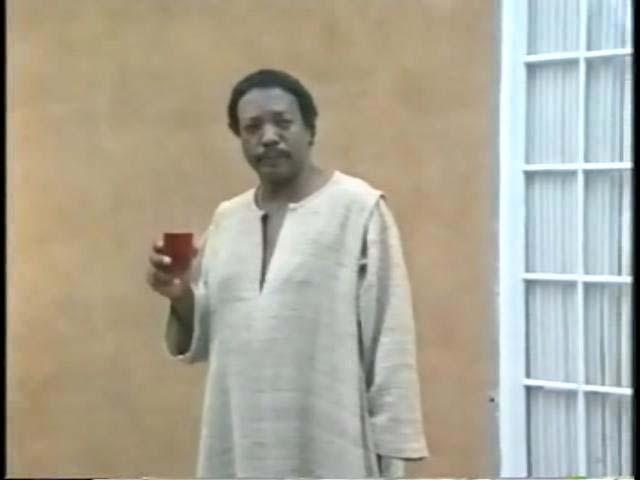
Writer/director James Bridges originally intended for Mike’s Murder to unfold in reverse chronological order (much like Christopher Nolan’s Memento would do to such critical acclaim 16 years later) but its nervous producers decided to recut it in a more conventional direction. Fortunately, the film “as is” remains an enjoyably edgy psychological thriller, one which effectively portrays the excitement — and potential danger — a mysterious new lover can bring to one’s life. Winger is excellent in an against-type role, making us believe that the somewhat introverted Betty would take the risks she does; we remain deeply engaged in her quest for answers to Mike’s murder, and fear for her safety. Mark Keyloun as her enigmatic lover is ultimately given too little screen time to make much of an impression (he’s killed off fairly quickly in the film, as indicated by its “spoiler” title), but the rest of the supporting cast is uniformly excellent — particularly Darrell Larson as Mike’s neurotic friend Pete, and caftan-wearing Paul Winfield as a gay music producer with (like many in the film) an enormous crush on Mike. Mike’s Murder qualifies as a genuine Sleeper — though it’s oddly not listed as such in Peary’s book.

Redeeming Qualities and Moments:

  • Debra Winger as Betty
  • Darrell Larson as Pete
  • Paul Winfield as Phillip
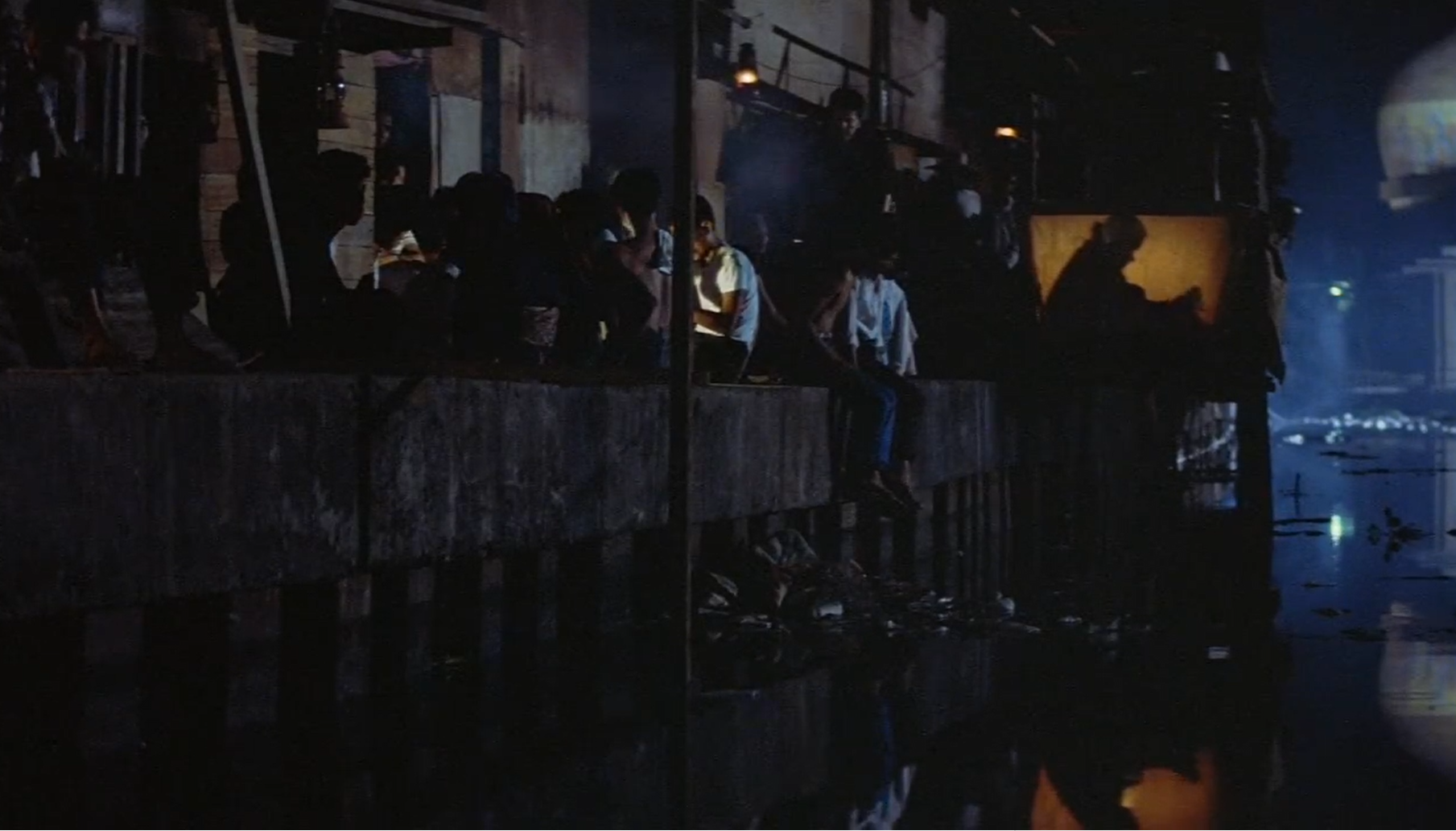
  • Good use of authentic L.A. locales (such as the Venice canals, pictured below)

Must See?
No, but it’s recommended.

Links:

World According to Garp, The (1982)

World According to Garp, The (1982)

“When I’m old and gray, I won’t remember my past. We have to do it now, while we’re still young.”

Synopsis:
An aspiring writer (Robin Williams) married to a literature professor (Mary Beth Hurt) must deal with the sudden success of his best-selling feminist mother (Glenn Close).

Genres, Themes, Actors, and Directors:

  • Character Studies
  • Feminism and Women’s Issues
  • George Roy Hill Films
  • Glenn Close Films
  • Hume Cronyn Films
  • Infidelity
  • Jessica Tandy Films
  • John Lithgow Films
  • Robin Williams Films
  • Single Mothers
  • Writers

Review:
George Roy Hill’s The World According to Garp is ultimately little more than a dutiful cinematic translation of key scenes and characters from its source material, John Irving’s bestselling 1978 novel. As noted by Roger Ebert, “Like a lot of movie versions of novels, the film of Garp has not reinterpreted the material in its own terms. Indeed, it doesn’t interpret it at all.” While the trajectory of Garp’s life — from his infamous conception via a dying, bed-ridden gunnery soldier to his periodic encounters with plane crashes, automobile accidents, and assassinations — is anything but conventional, Steve Tesich’s screenplay reduces this meaty material to merely an episodic attempt at satire, one which never really compels as a whole; as Janet Maslin wrote in her review for The New York Times, the film’s “story consists of tiny events and wildly monumental ones, with nothing intermediate to connect them.”

Playing the film’s titular protagonist, Robin Williams is competent and generally sympathetic, but slips into variations on himself far too easily to convince us that his T.S. Garp really exists as a viable character.

Much more believable is Glenn Close in her Oscar-nominated feature debut as Garp’s eccentric, asexual mother: her performance remains the film’s primary redeeming virtue.

Jon Lithgow (also nominated for an Academy Award) is both dignified and amusing in a supporting role as Garp’s transsexual friend, Roberta, but his character — like much of the film — is sadly under-written.

Indeed, it’s disappointing to see so many intriguing storylines — including Mary Beth Hurt’s affair with a graduate student (Mark Soper):

… Close’s relationship with a reformed hooker (Swoozie Kurtz):

and the existence of a group of extremist feminists known as the Ellen James society:

(who cut off their tongues in solidarity with a young rape victim) — treated with so little consideration. By the end of the film, one can only guess at the richer themes and characterizations in Irving’s novel, which fail to make a lasting impression on-screen.

Redeeming Qualities and Moments:

  • Glenn Close as Garp’s mother, Jenny Fields
  • Fine cinematography

Must See?
No; this one-time cult favorite hasn’t stood the test of time. Listed as a Cult Movie and a Personal Recommendation in the back of Peary’s book.

Links:

Bloody Mama (1970)

Bloody Mama (1970)

“I’m sure glad I didn’t raise me any girls… Who knows how they’da turned out!”

Synopsis:
During the Depression, notorious gangster ‘Ma’ Barker (Shelley Winters) leads her four grown sons (Don Stroud, Clint Kimbrough, Robert De Niro, and Robert Walden) on a deadly crime spree across the Ozarks.

Genres, Themes, Actors, and Directors:

  • Bruce Dern Films
  • Depression Era
  • Gangsters
  • Grown Children
  • Incest and Incestuous Relationships
  • Outlaws
  • Pat Hingle Films
  • Robert De Niro Films
  • Roger Corman Films

Review:
Bloody Mama — one of the last films directed by famed B-movie producer Roger Corman — is widely acknowledged as one of his best, and remains a bizarrely compelling cult favorite. Loosely based on the exploits of Kate ‘Ma’ Barker and her sons, Bloody Mama is a surprisingly complex — albeit entirely “imagined” — interpretation of this infamous clan’s warped existence. The film opens with a disturbing scene of young Barker (Lisa Jill) being raped in the forest by her father and brothers, thus establishing the ethos that in the backwoods Barker family, “blood is thicker than water”; immediately afterward, we see ‘Ma’ Barker (Winters) bathing her grown sons, and are quickly made to understand that she holds a firm matriarchal grip over them, both psychologically (her word is God) and sexually (she sleeps with her sons at will). In response, each son is uniquely neurotic: Stroud (the oldest) is uncontrollably violent and Oedipally obsessed with his long lost father; Walden is meekly dominated by his jailhouse lover (Bruce Dern, gleefully psychotic in a bit role); Kimbrough is a religious fanatic; and De Niro (film fanatics take note!) is a loopy coke fiend.

Corman, working with a slightly higher budget than usual, does an admirable job recreating the Depression era exploits of the Barkers, who — much like Bonnie Parker and Clyde Barrow — became notorious celebrities in their day. But the Barkers’ criminal misadventures ultimately take a backseat to the more fascinating saga of their bizarrely dysfunctional family dynamics, which eventually — perhaps inevitably — precipitate their fatal undoing. Winters (100% invested in her role; she’s perfectly cast here) is the glue that holds this perverted household together; but when she starts ordering the deaths of innocent hostages — first a vivacious young swimmer (Pamela Dunlap) who flirts (at her own unknowing peril) with De Niro, then a compellingly decent millionaire (Pat Hingle) who’s been kidnapped for ransom — her children finally begin to realize that Mommy doesn’t always know best. Alas, by this point it’s too late for any genuine redemption to come to the Barker clan — so bloodthirsty audiences can rest assured that a riveting denouement lies in wait.

Note: In a 1970 interview with Sight and Sound magazine, Corman himself acknowledged that comparisons with the previous year’s cult hit Bonnie and Clyde were inevitable, but noted that his approach “was not to romanticize or glorify, but to stay closer to what I felt the reality was.” While Bonnie and Clyde is clearly the superior film in many ways, the two movies ultimately rest upon their own unique merits.

Redeeming Qualities and Moments:

  • Shelley Winters as Ma Barker
  • Pat Hingle as Sam Pendlebury, the millionaire hostage
  • Don Stroud as Herman Barker
  • Robert De Niro as Lloyd Barker
  • Pamela Dunlap as “Rembrandt” (the ill-fated young swimmer encountered by De Niro

Must See?
Yes, as one of Corman’s best pictures, and a cult favorite. Listed as a Cult Movie in the back of Peary’s book.

Categories

  • Cult Movie
  • Important Director

Links:

Living in a Big Way (1947)

Living in a Big Way (1947)

“Why should you want a girl like me? We were never really married.”

Synopsis:
A soldier (Gene Kelly) on leave during WWII marries a model (Marie McDonald) he’s known for only nine days — but when he returns home, he discovers his new wife is actually a spoiled heiress with no intention of honoring her whirlwind vows.

Genres, Themes, Actors, and Directors:

  • Cross-Class Romance
  • Gene Kelly Films
  • Heiresses
  • Marital Problems
  • Musicals
  • Romantic Comedy
  • Veterans

Review:
You know a cinematic love story is doomed when the female lead you’re supposed to be rooting for — the one who will undoubtedly Win The Guy in the end — is far less appealing than her would-be rival; unfortunately, such is the case in this disappointing romantic comedy by writer-director Gregory La Cava, starring Marie “The Body” McDonald and Gene Kelly (in his second and last b&w musical) as “Mr. Gogarty”. Indeed, La Cava’s script is severely compromised by the fact that McDonald’s spoiled heiress (Margo) really isn’t worth fighting for — thus leading viewers to question Gogarty’s underlying motives for refusing to give her a divorce. Gogarty’s ostensible rationale — that one shouldn’t give up on one’s commitments (after all, he asks, would we have won The War if we’d given up after the first battle?) — is never fully convincing; despite the wisdom dispensed by Jean Adair (playing Margo’s “wise grandmother”) that men aren’t savvy enough to marry for money, we can’t help but wonder. Meanwhile, Gogarty’s insistence that he “can’t help loving Margo” simply never rings true, given that their romance rests exclusively on paper-thin wartime memories.

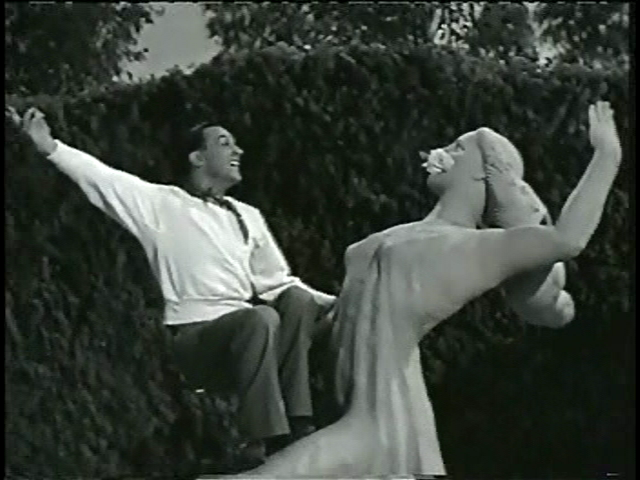
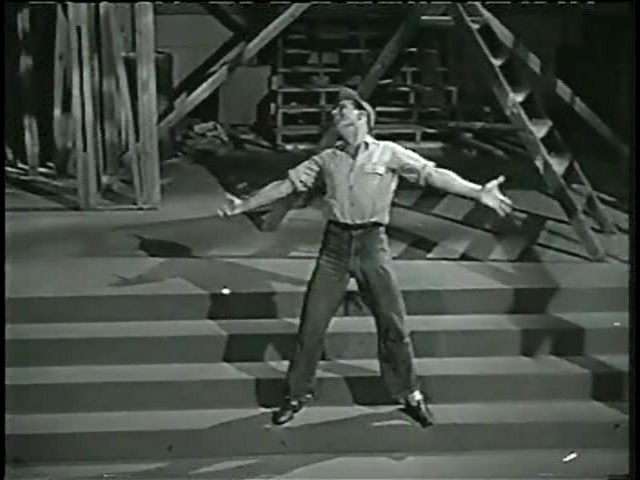
La Cava does manage to slide some nifty sexual innuendos into his Code-era script: a bathing-averse boy naively whines that he “wants to watch [Margo] take a bath”; there are repeated references made to the fact that McDonald and Kelly aren’t “really” married since they never had a chance to consummate their vows. Unfortunately, however, La Cava wastes the talents of lovely Phyllis Thaxter as a young widowed mother Gogarty meets about halfway through the film; while we want her to emerge as a viable rival for Gogarty’s affections (they’re infinitely better suited for one another!), instead she simply serves as convenient bait to make McDonald jealous. Living in a Big Way is redeemed in part by several energetic dance sequences (choreographed by Kelly and his longtime creative partner, Stanley Donen), which any true Kelly fan won’t want to miss; but the film as a whole isn’t must-see viewing.

Note: Kelly’s character appears to be slapped with such a ridiculous-sounding last name simply because he’s in a screwball comedy; it’s repeated ad nauseum throughout the film, presumably due to its inherent giggle-value (?).

Redeeming Qualities and Moments:

  • Kelly’s “backyard dance”
  • Kelly’s “housebuilding dance”
  • A realistic glimpse of post-WWII reality for American G.I.s (here, Kelly and his buddy are scrounging to purchase even badly-fitting suits, given a shortage of available fabric)
  • Phyllis Thaxter as a war widow with a crush on Kelly (c.f. her similar “kind mother” role in 1964’s The World of Henry Orient)

Must See?
No, but Gene Kelly fans will certainly be curious to check it out.

Links:

Nana (1934)

Nana (1934)

“I’ve made her a great success in the theater; she must live like a successful woman.”

Synopsis:
In 19th century France, a wealthy theatrical producer (Richard Bennett) becomes infatuated with a prostitute named Nana (Anna Sten) and helps her become a renowned actress — but Nana risks losing her benefactor’s support when she falls secretly in love with a handsome young soldier (Phillips Holmes) whose married brother (Lionel Atwill) disapproves of their relationship.

Genres, Themes, Actors, and Directors:

  • Actors and Actresses
  • Dorothy Arzner Films
  • Lionel Atwill Films
  • Love Triangle
  • Prostitutes and Gigolos
  • Social Climbers
  • Star-Crossed Lovers

Review:
Swedish-Ukranian beauty Anna Sten was meant to be Samuel Goldwyn’s answer to Marlene Dietrich and Greta Garbo, but her rising star faded quickly, and she’s only vaguely remembered (if at all) by film fanatics today. Nana — directed by Dorothy Arzner, and loosely based on Emile Zola’s novel of the same name — was the first of three English-language films Sten starred in, and shows ample evidence of her luminous looks but not much else.

To her credit, Arzner recognized the limitations of what she was given to work with; in a 1977 interview with Guy Flatley for The New York Times, she noted:

“Goldwyn gave me everything I wanted in the way of sets, lighting, cameramen and costumes, but he also gave me the job of making Anna Sten look like a great actress. He had spent a year grooming her, telling everyone that she would be greater than Dietrich, greater than Garbo, and then when she opened her mouth, out came these monosyllables. The only thing I could do was not let her talk so much.”

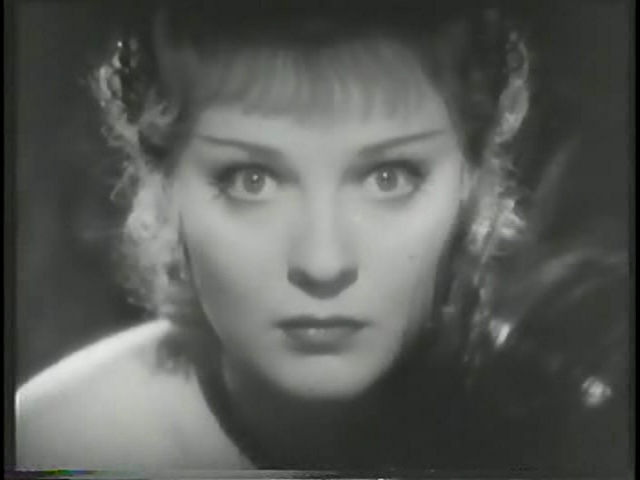
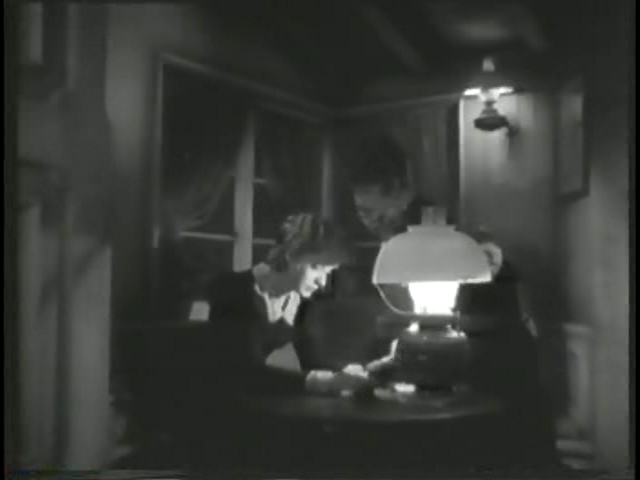
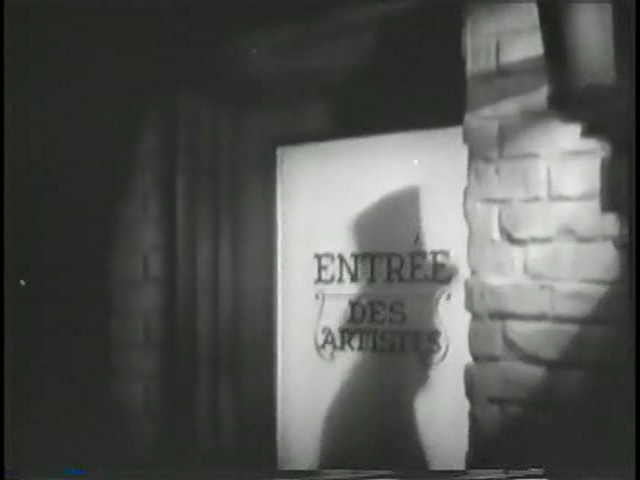
To be fair, Sten actually exhibits a flirty, emboldened charm appropriate for the character she’s playing; it’s her lackluster costars (Atwill in particular is regrettably wooden), and the stale, overly familiar plot — a much-sanitized version of Zola’s episodic novel — which really sink this film. Ultimately, only Gregg Toland’s stunning cinematography (see stills below) elevates Nana a notch above pedestrian.

Redeeming Qualities and Moments:

  • Gregg Toland’s luminous cinematography


Must See?
No, though film fanatics may be curious to see Sten in at least one film, and Toland’s camera work makes it not entirely unpleasant viewing.

Links:

Fallen Angel (1945)

Fallen Angel (1945)

“Love alone can make the fallen angel rise — for only two together can enter Paradise.”

Synopsis:
When a drifter (Dana Andrews) falls for an ambitious waitress (Linda Darnell) at a roadside cafĂ©, he tricks a local heiress (Alice Faye) into marrying him, intending to take her money and run away with Darnell — but his plans are soon complicated by an unexpected turn of events.

Genres, Themes, Actors, and Directors:

  • Charles Bickford Films
  • Con Artists
  • Dana Andrews Films
  • Femmes Fatales
  • Heiresses
  • Linda Darnell Films
  • Murder Mystery
  • Otto Preminger Films

Review:
After the enormous popular and critical success of Laura in 1944, Otto Preminger directed this follow-up murder mystery, featuring the same leading man but little of Laura‘s inherent charm. While all the ingredients necessary for a top-rate noir are present — including a sexy, disdainful femme fatale (Darnell); a mysterious stranger who will do anything to win her love (Andrews); an unsuspecting “loyal” female waiting in the wings (Faye); a murder mystery with multiple suspects; and shadowy b&w cinematography — the story itself never really gels. This is due partly to the mediocre script, and partly to the overly stoic performances of the romantic leads: Andrews’ undistinguished anti-hero ultimately fails to leave an impression, while Faye’s noble attempt to break out of her singing and dancing career does her no favors here in this underdeveloped, goody-two-shoes role.

It’s smoldering Darnell who — much to Faye’s reported dismay — really carries the film (indeed, Faye was so upset about this fact that she blamed Preminger for butchering her role through editing, and infamously walked away from Fox Studios before her contract was up). While wide-eyed, leggy Darnell was never a truly accomplished actress (my first film appreciation professor — during a discussion of 1950’s No Way Out — snarkily pointed out that Darnell’s idea of acting was to pout or sneer), she radiates insouciant sex appeal, and fits the femme fatale bill perfectly.

**** SPOILERS ****

Therefore, when she dies halfway through the film, so does any inherent tension in the story. The issue of how poor, duped Faye will respond to news of Andrews’ deception fails to hold our attention; meanwhile, her more intriguing spinster sister (Anne Revere) — with a “love lost” story of her own — is given far too little screen time.

While many critics have noted that the film’s unsatisfying denouement is its weakest element — and I’ll agree — ultimately it’s just a capstone on what is mediocre noir at best.

Note:The following year, many of the key plot and character elements of Fallen Angel — a roadside California diner, a troubled drifter, an ambitious femme fatale waitress, etc. — would show up in the superior noir classic The Postman Always Rings Twice.

Redeeming Qualities and Moments:

  • Linda Darnell as Stella
  • Effectively noirish cinematography by Joseph LaShelle (who won an Oscar for his work the previous year on Preminger’s Laura)

Must See?
No; this one isn’t required viewing.

Links:

Pee-wee’s Big Adventure (1985)

Pee-wee’s Big Adventure (1985)

“There’s a lotta things about me you don’t know anything about, Dottie — things you wouldn’t understand. Things you couldn’t understand. Things you shouldn’t understand.”

Synopsis:
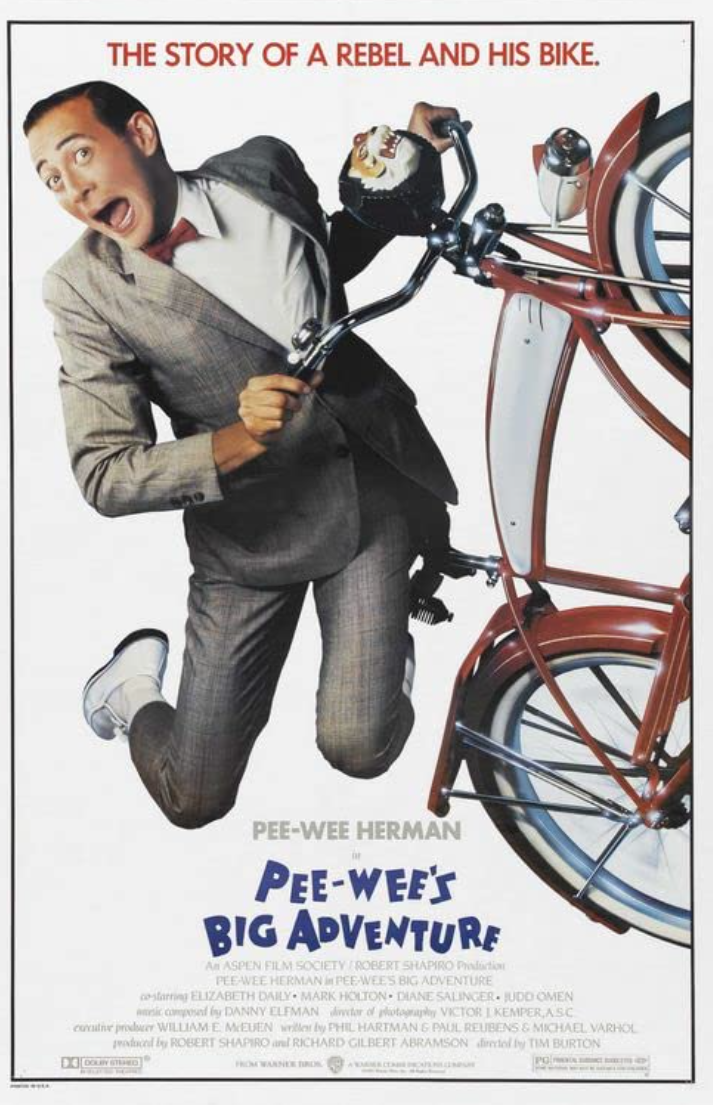
An eccentric man-child named Pee-wee Herman (Paul Reubens) sets off on a cross-country search when his beloved bicycle is stolen.

Genres, Themes, Actors, and Directors:

  • Comedy
  • Road Trip
  • Search

Response to Peary’s Review:
Peary admits that he was wary of Pee-wee Herman’s debut film after catching a “fleeting glimpse” of him on television, but duly notes that “there is good reason… it has earned a reputation as a genuine sleeper which adults may like as much as the kids who were its original audience.” Indeed, it’s a film full of “unexpected delights”, beginning with Reubens’ “smartly conceived performance”. Pee-wee is someone you either love or hate — he “isn’t particularly sympathetic” — but you’ve certainly never experienced anyone like him before; as Peary puts it, “you’ll be baffled, not awed, that such a character exists (other than in the seat behind you on the bus).”

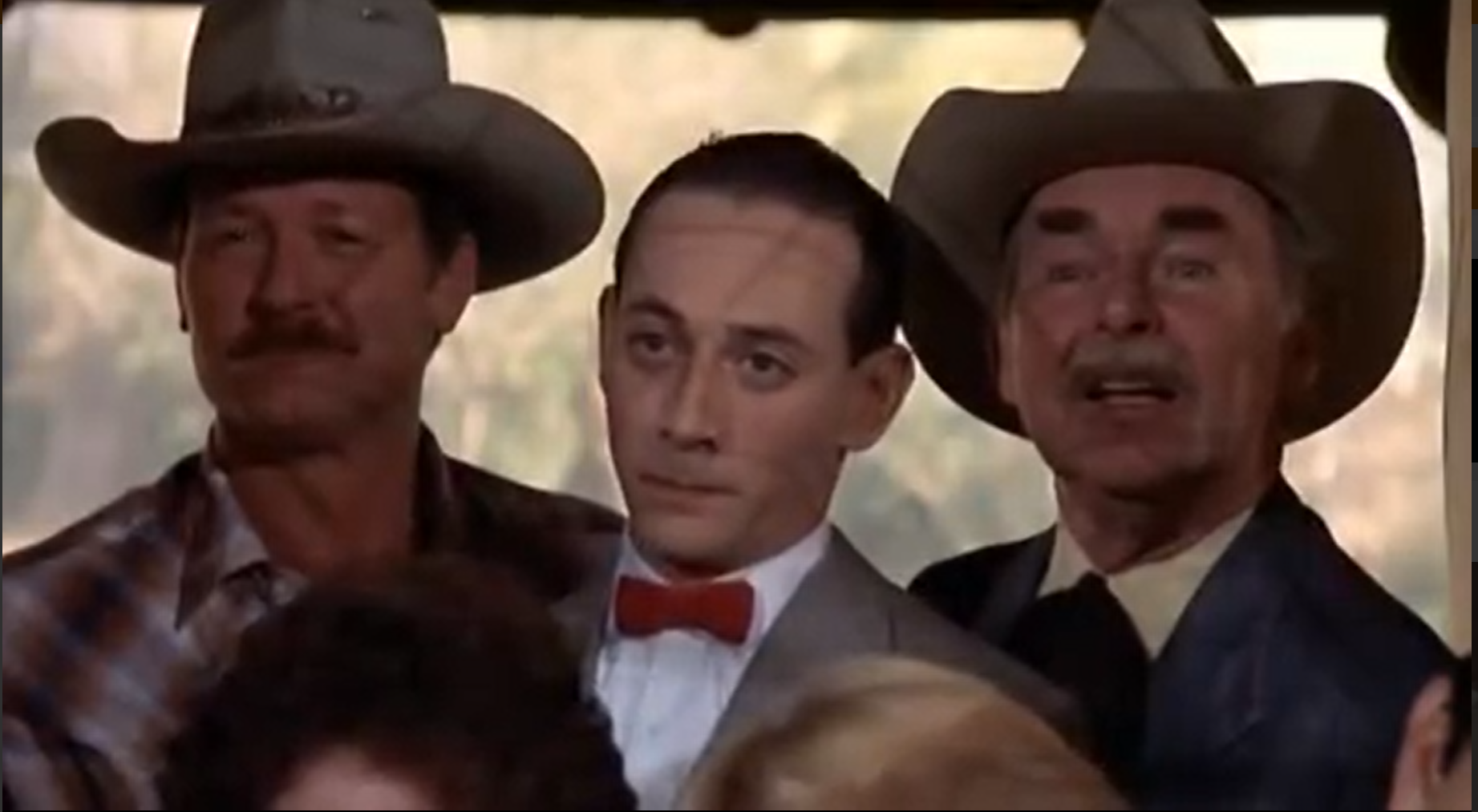
And the film’s “manic, rhythmic” narrative is sprinkled with “a lot of characters who are almost as weird as he is” — it’s impossible to predict who (or what) Pee-wee will encounter next.

Like Peary, I believe the “funniest scene” in the movie is Pee-wee’s “interminable tour of the Alamo” (wonderfully improvised by Jan Hooks as the Texan tour guide):

but there are many other enjoyably wacky moments as well, including the opening Rube Goldberg sequence in Pee-wee’s brightly colored playhouse:

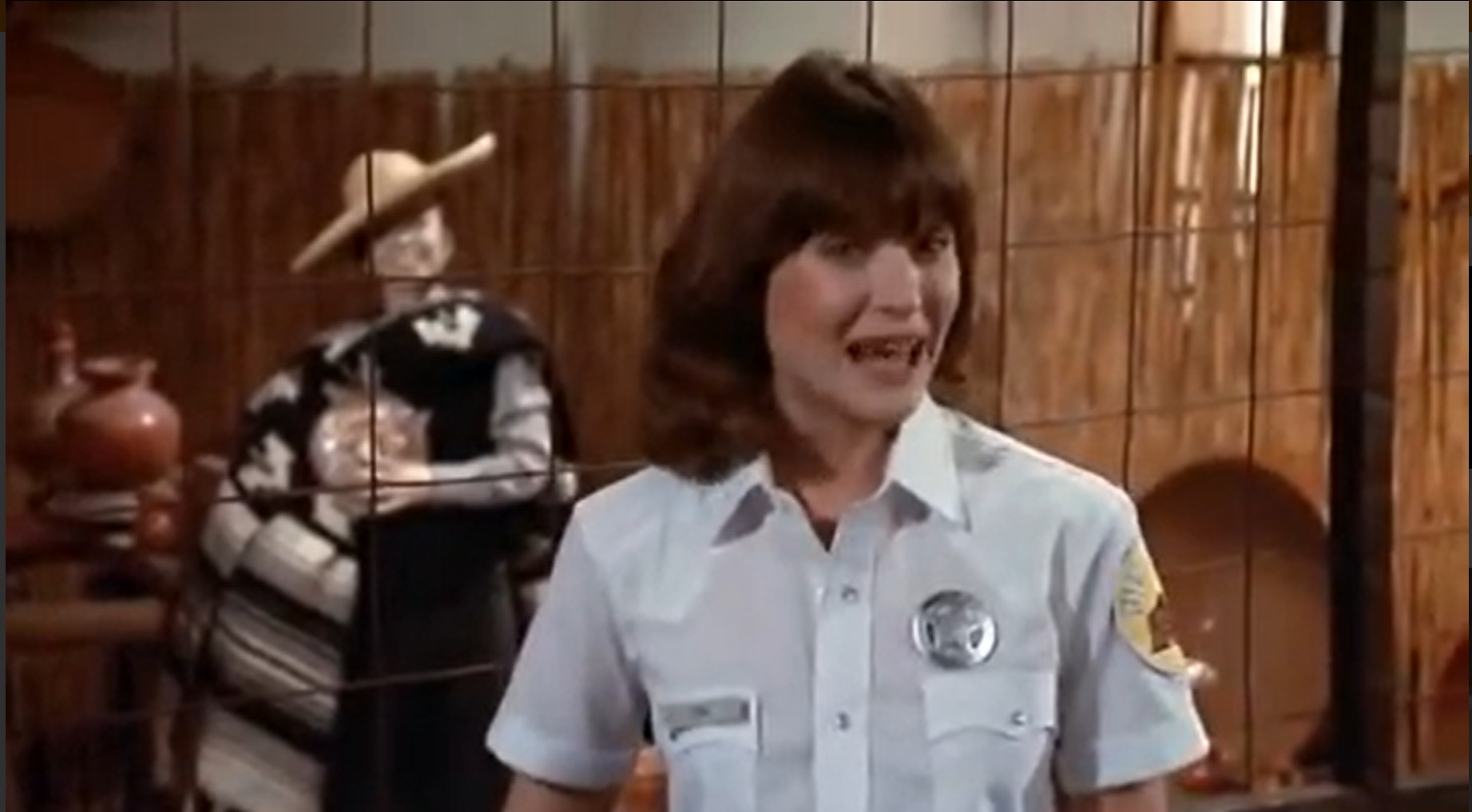
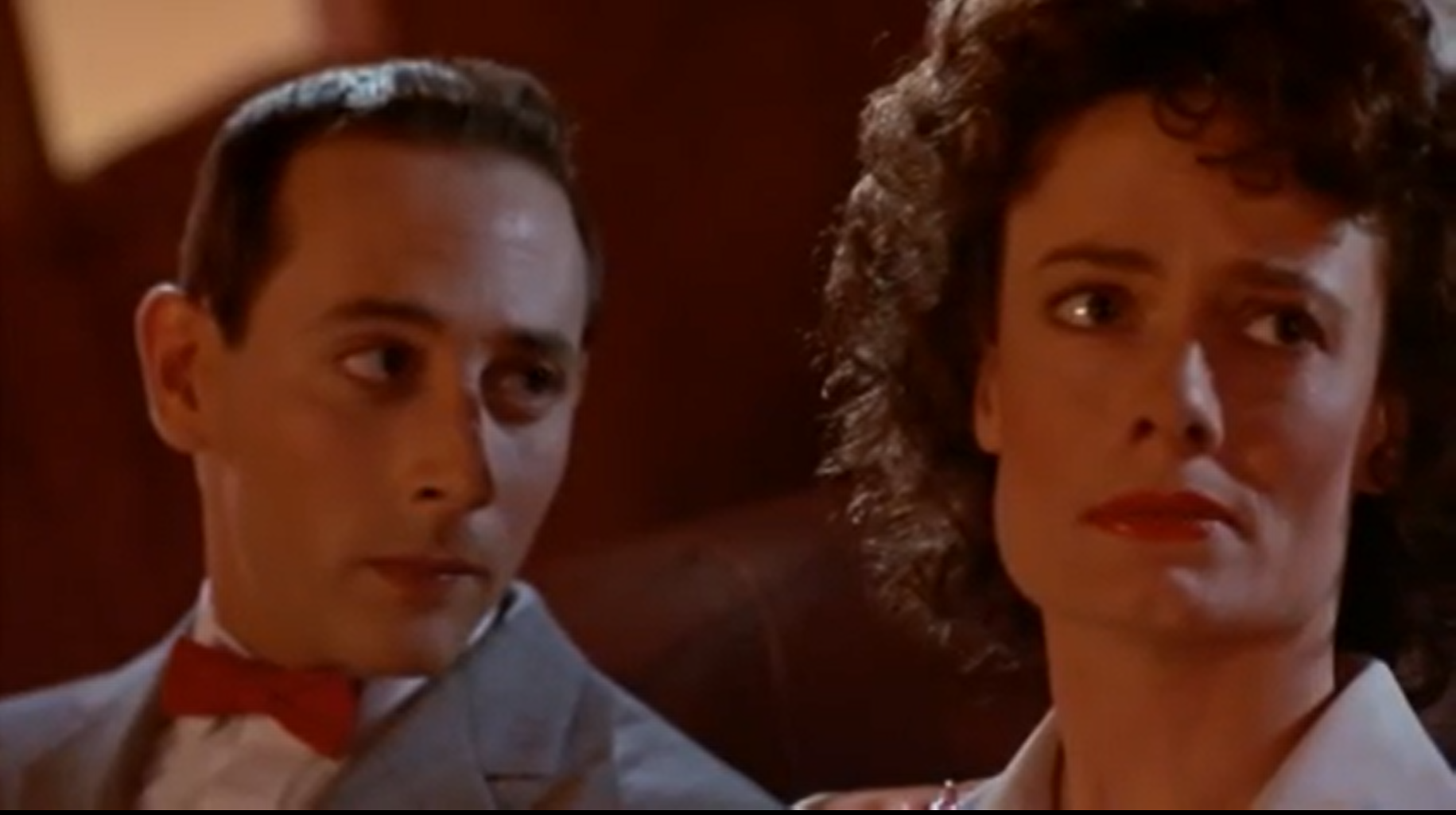
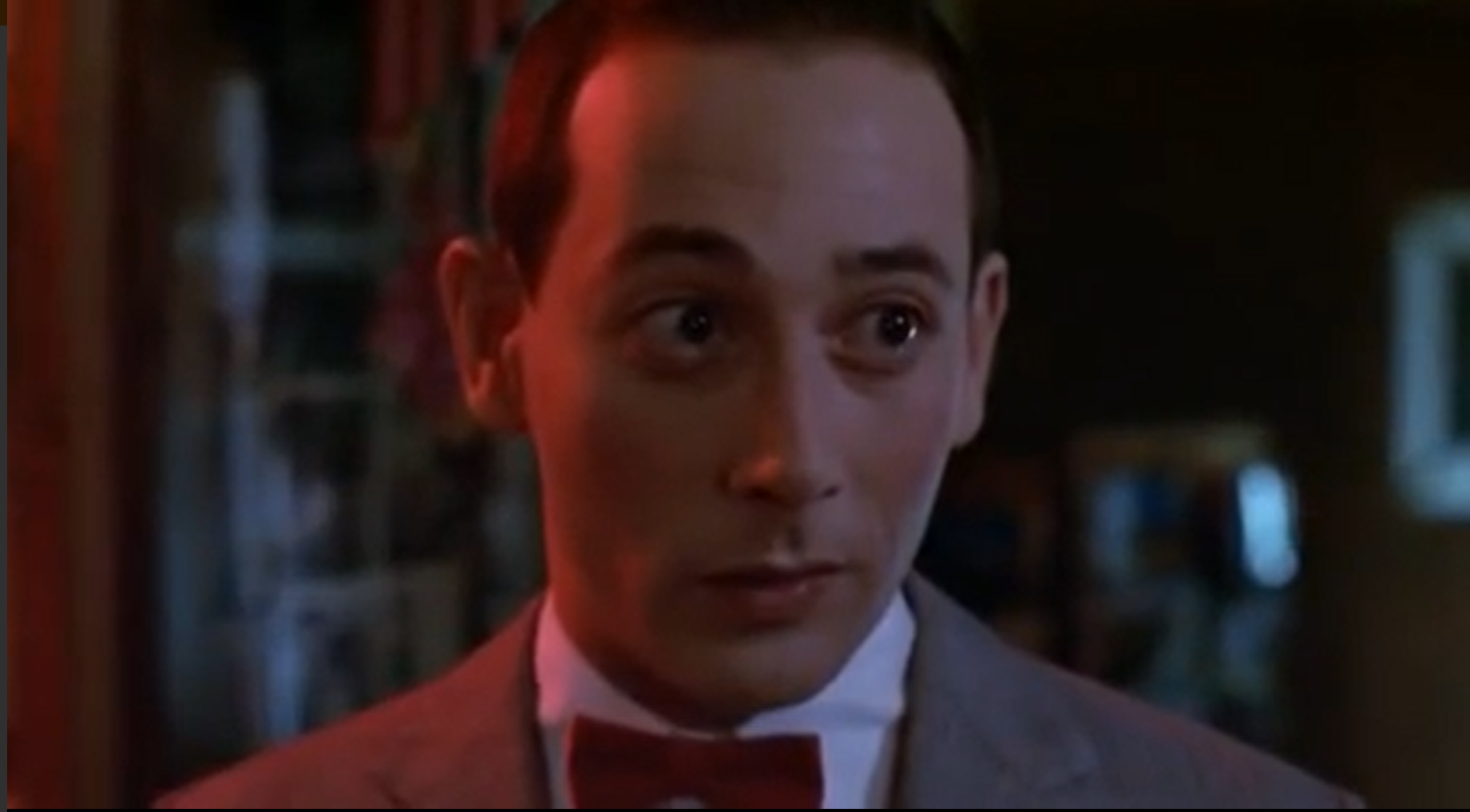
… Pee-wee’s heart-to-heart talk with a francophone waitress (Diane Salinger) (quoted below):

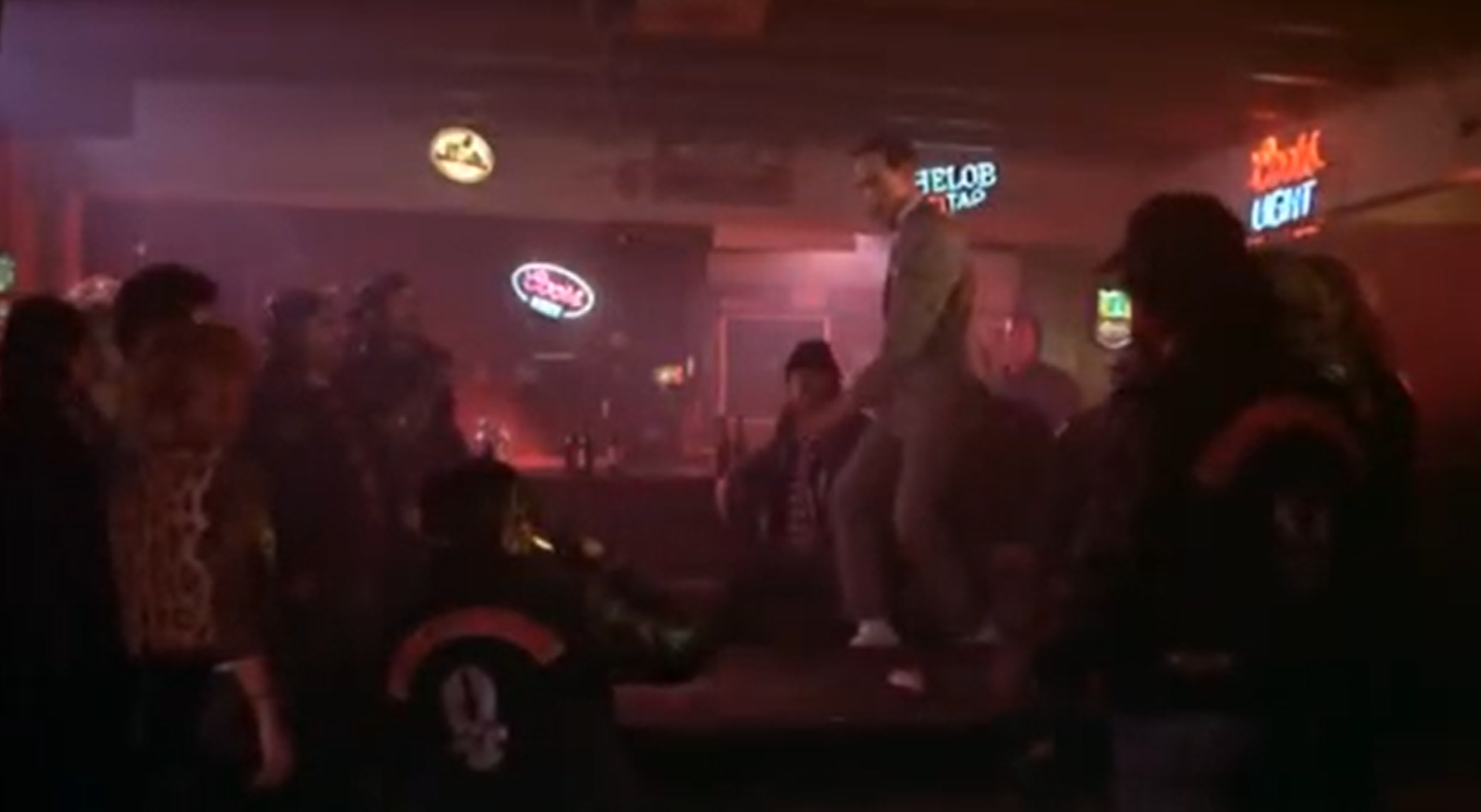
and Pee-wee’s table-top dance in a biker bar.

While it’s certainly not for all tastes — Vincent Canby of the New York Times panned it upon its release, referring to it as “the most barren comedy” he’d seen in years — all film fanatics should watch this cult favorite (directed by Tim Burton) at least once — and most will find it tremendous fun.

Redeeming Qualities and Moments:

  • Paul Reubens’ inimitable performance as Pee-wee Herman
  • Pee-wee’s visit to the Alamo
  • Surreally vibrant sets
  • A truly clever and unique script: “Everyone I know has a big but. C’mon, Simone: let’s talk about your big but.”
  • Danny Elfman’s memorable score

Must See?
Yes, as a certifiable cult favorite.

Categories

  • Cult Movie
  • Important Director

Links: