Landlord, The (1970)

Landlord, The (1970)

“I just don’t understand your sudden interest in those kind of people.”

Synopsis:
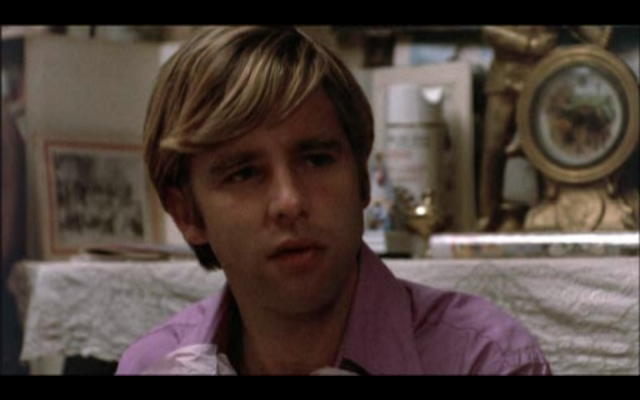
A wealthy white man (Beau Bridges) purchases a rundown tenement in Brooklyn, intending to convert it into a ritzy apartment — but soon he finds himself deeply enmeshed in the lives of his black tenants, and his plans begin to shift.

Genres, Themes, Actors, and Directors:

  • African-Americans
  • Beau Bridges Films
  • Class Relations
  • Coming of Age
  • Cross-Cultural Romance
  • Hal Ashby Films
  • Lee Grant Films
  • Race Relations
  • Satires and Spoofs

Review:
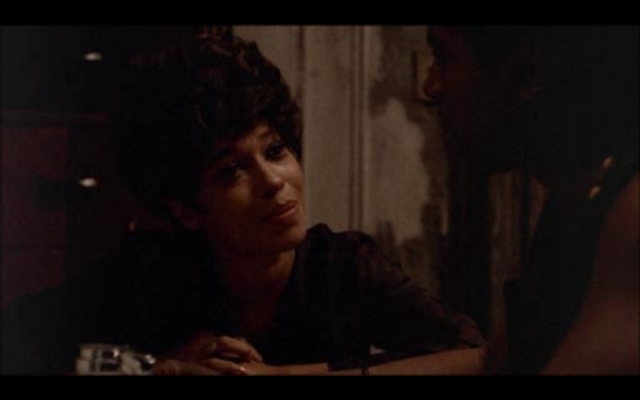
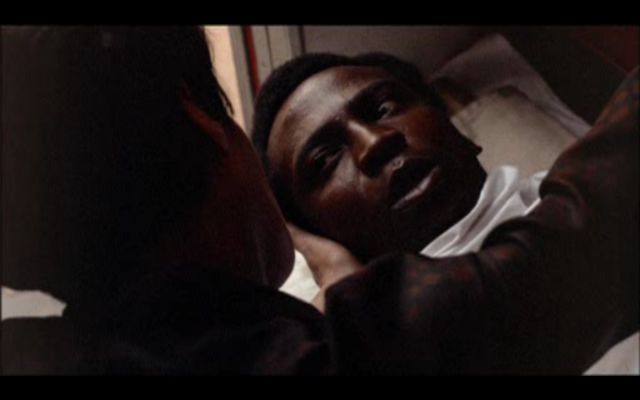
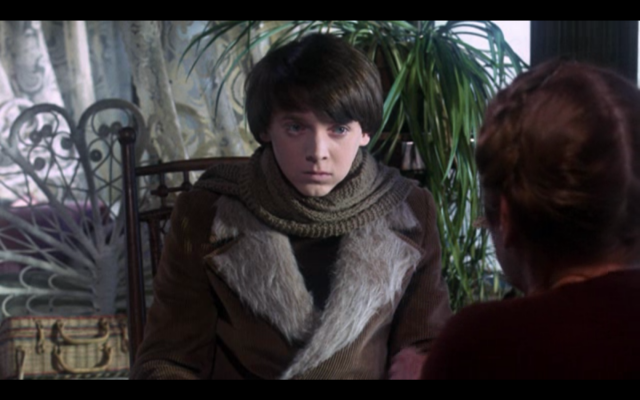
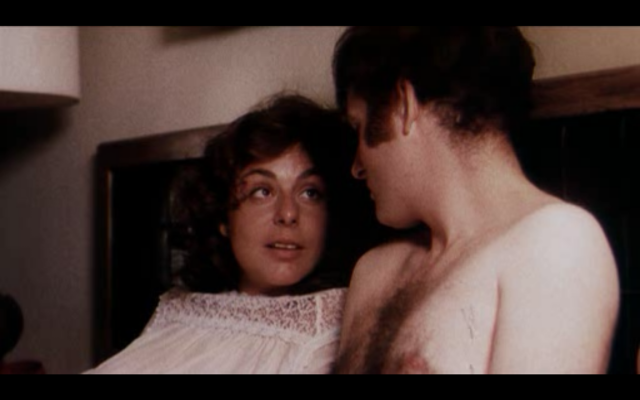
Before being asked to helm the cult hit Harold and Maude (1971), Hal Ashby made his directorial debut with this irreverent, hard-hitting satire about race and class relations in New York City. Centering on its titular protagonist’s belated “coming of age” at 29 years old (and his growing social consciousness), it boldly explores the tensions inherent in gentrification. Much like Bud Cort’s Harold, Bridges’ Elgar Enders is a baby-faced, overly protected man-boy from a wealthy family who longs for independence from his domineering mother — played here by Lee Grant, giving a fearless performance as a bigoted shrew (she was rightfully nominated as Best Supporting Actress). Subplots involve Elgar’s romance with a light-skinned dancer (Marki Bey), and his drunken one-night-stand with a tenant (Diana Sands), which propels the film towards its increasingly dark denouement. While Ashby can’t quite seem to figure out the right tone for the film — it veers wildly from satire to drama and back again — he should be applauded for daring to tackle such challenging issues his first time behind the camera.

Redeeming Qualities and Moments:

  • Beau Bridges as Elgar Enders
  • Lee Grant as Elgar’s mom
  • Diana Sands as Francine
  • A refreshingly blunt look at racial tensions
  • Creative editing

Must See?
No, but it’s strongly recommended.

Links:

Harold and Maude (1971)

Harold and Maude (1971)

“Tell me about yourself. What do you do when you aren’t visiting funerals?”

Synopsis:
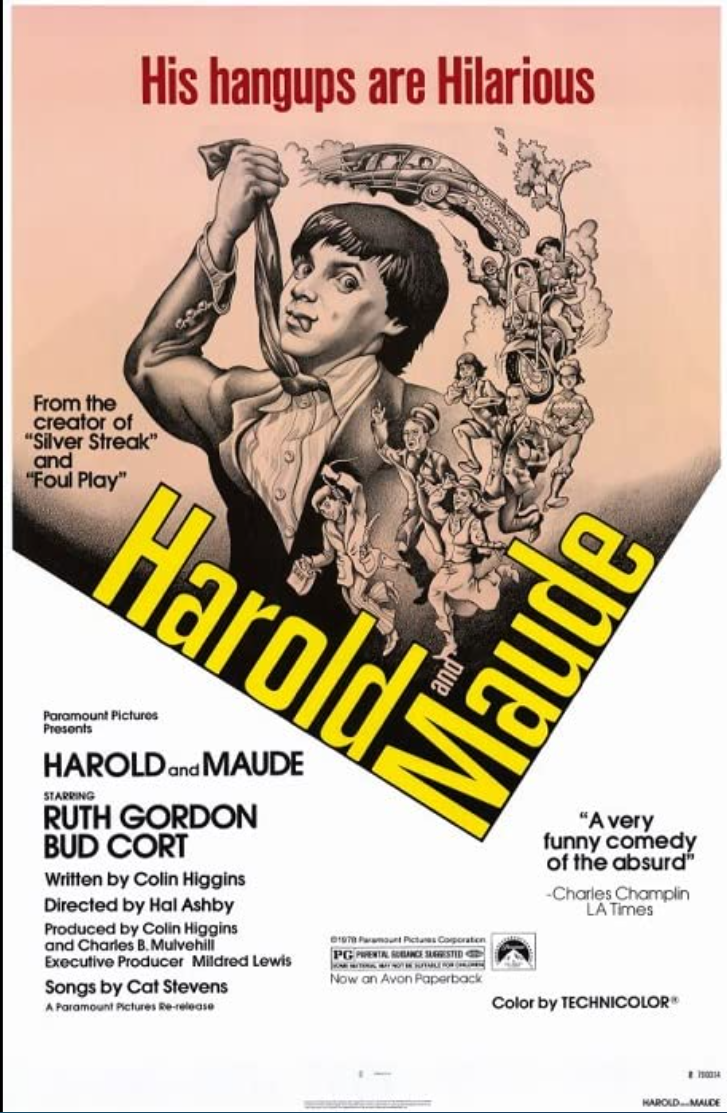
The depressed grown son (Bud Cort) of an overbearing mother (Vivian Pickles) meets a vivacious older woman (Ruth Gordon) and falls in love.

Genres, Themes, Actors, and Directors:

  • Black Comedy
  • Bud Cort Films
  • Death and Dying
  • Hal Ashby Films
  • May-December Romance
  • Misfits
  • Nonconformists
  • Ruth Gordon Films
  • Suicide

Response to Peary’s Review:
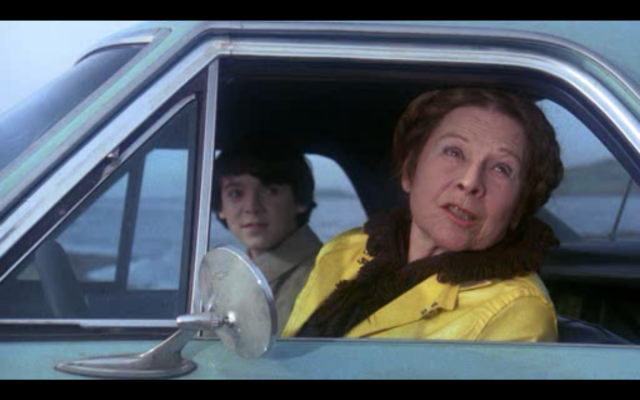
As Peary notes, this black comedy by director Hal Ashby remains “one of the most popular of all cult movies” — one which, unlike King of Hearts (another counter-culture hit of the era), actually “holds up quite well today”. Peary argues that it possesses an “uplifting quality, a breeziness, a spark, [and] a wonderful sense of successful rebellion that more than compensates for first-time screenwriter Colin Higgins’s self-indulgences, puerile moments, and misdirected flights of fancy”. When I first saw Harold and Maude as a teenager, it hit me in just the right way: I could relate (along with so many others) to Harold’s sense of repression, and was truly taken with the film’s uniquely perverse sense of black humor; each of Harold’s infamous “faux suicide” attempts — and his mother’s utterly nonchalant responses to them — took me by giddy surprise. Meanwhile, I remember being genuinely inspired by the “simple things” Maude teaches Harold: “not to back away from life, to be an individual, to experiment, to take chances, and to sing and dance and play music”.

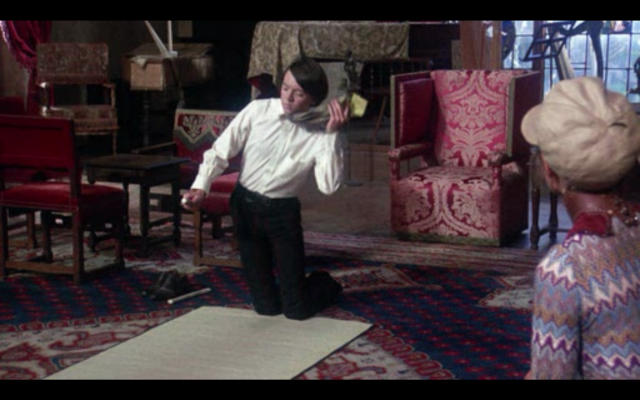
Watching it again years later, I’m much more aware of the script’s heavy-handed faults, yet there’s still much here to take delight in. Cort and Gordon are perfectly cast as cinema’s most enduring odd couple, epitomizing a “May-December romance” taken to chronological extremes (Gordon’s 80-year-old character could actually be 20-year-old Cort’s great-grandmother — just chew on that one for a while). The suicide attempts remain clever and often laugh-out-loud funny; my particular favorite has Harold committing elaborate hara-kiri in front of his third blind date, an aspiring actress named Sunshine (Ellen Geer) who — rather than reacting with horror like her predecessors — shrieks with delight and proceeds to join Harold in his dramatics (though I wish the scene went on for a bit longer — I’d like to know what happened next!). And it’s true, as Peary notes, that there are “touching glimpses” throughout the film which reveal the shadow-side of Maude’s exuberance for life — though along with many others, I find the film’s surprising ending a bit “infuriating”, and am not quite sure I agree with Peary that it “makes sense”.

P.S. In both his GFTFF and Cult Movies reviews of the film, Peary makes an interesting comparison between Harold and Maude and Val Lewton’s Curse of the Cat People, noting the parallels between Ruth Gordon and Simone Simon, who becomes “an unhappy little girl’s imaginary playmate, her one friend, until the girl can turn elsewhere”.

Redeeming Qualities and Moments:

  • Bud Cort as Harold
  • Ruth Gordon as Maude (Peary nominates her as best actress of the year in his Alternate Oscars)
  • Vivian Pickles as Harold’s mom
  • Harold’s faux suicide attempts
  • Cat Stevens’ “terrific, cheery” score

Must See?
Yes, as a genuine cult favorite.

Categories

  • Cult Movie

(Listed in 1001 Movies You Must See Before You Die)

Links:

Heartbreak Kid, The (1972)

Heartbreak Kid, The (1972)

“I married a grouch!”

Synopsis:
A newlywed (Charles Grodin) falls in love with a gorgeous blonde (Cybill Shepherd) he meets on his honeymoon, and suddenly realizes he should never have married his wife (Jeannie Berlin).

Genres, Themes, Actors, and Directors:

  • Black Comedy
  • Cross-Class Romance
  • Cybill Shepherd Films
  • Eddie Albert Films
  • Elaine May Films
  • Marital Problems
  • Neil Simon Films
  • Newlyweds

Response to Peary’s Review:
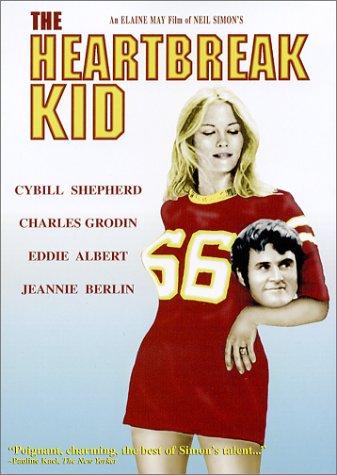
Peary begins his review of The Heartbreak Kid — director Elaine May’s second feature film — by noting the “interesting phenomenon” of “Jewish boys from the East [who] may end up marrying Jewish girls from the East” but “invariably get wild crushes on blond Midwest WASPs” — exactly the scenario played out in this wickedly funny black comedy, scripted by Neil Simon and based on the short story “A Change of Plan” by Bruce Jay Friedman. As we watch this “series of short skits strung together, in which Grodin somehow manages again and again to talk, through prime BS, a bad situation into his favor”, we do indeed “shake our heads because we can’t believe he has the gall to say what we’re hearing, or [to be] so tactless and insensitive, or… to get away with what he does”.

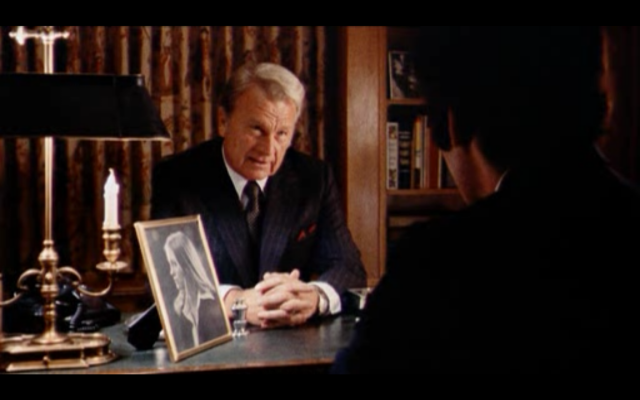
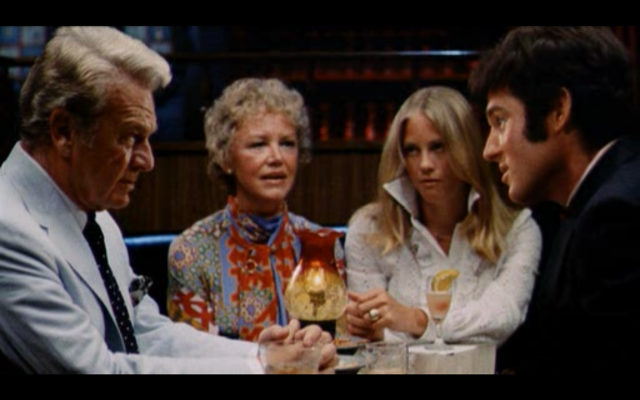
Indeed, it’s deeply discomfiting to find oneself laughing at Grodin’s bald-faced deceit towards his hapless wife, who becomes trapped in the ultimate living nightmare during what should be the happiest time of her life. Nonetheless, the film is so full of “hilarious, sharply satirical scenes” — Berlin irritating Grodin by drawing circles on his chest; Berlin smearing egg salad all over her face; Grodin waxing enthusiastic about the humble pleasures of midwestern food — that we can’t help remaining glued to the screen, curious to know what will happen next to our determined anti-hero. Deftly directed by May, and wonderfully acted by the “superb cast” — including Jeannie Berlin in what should have been a career-defining role (what happened?), Eddie Albert in a priceless performance as Kelly’s WASPy father (who solemnly asserts he wouldn’t approve of Grodin “if you tied me to a horse and dragged me forty miles by my tongue”), and Audra Lindley as Kelly’s “easily impressed mother” (watch her quietly hilarious silent reactions).

Note: The parallels between this and May’s feature debut, A New Leaf (1971), are startlingly clear: Grodin’s Lenny Cantrow and Walter Matthau’s Henry Graham are both arrogant, self-centered men who make life miserable for their new wives (Jeannie Berlin and Elaine May, respectively) — both of whom are sloppy, mildly irritating, but ultimately utterly endearing to audiences. Knowing Berlin is May’s real-life daughter makes the parallels even eerier.

Redeeming Qualities and Moments:

  • Charles Grodin as Lenny
  • Jeannie Berlin as Lila
  • Eddie Albert as Kelly’s disapproving father
  • Audra Lindley as Kelly’s mother
  • Many humorously memorable scenes

  • Neil Simon’s dark but often hilarious screenplay:

    “There is no deceit in the cauliflower.”

Must See?
Yes, as a disturbingly provocative dark comedy.

Categories

  • Good Show

Links:

Zazie / Zazie dans le Metro (1960)

Zazie / Zazie dans le Metro (1960)

“All Paris is a dream; Zazie is a reverie.”

Synopsis:
A young girl (Catherine Demongeot) visiting her aunt (Carla Marlier) and uncle (Philippe Noiret) in Paris runs away to explore the city.

Genres, Themes, Actors, and Directors:

  • Black Comedy
  • French Films
  • Louis Malle Films
  • Runaways

Review:
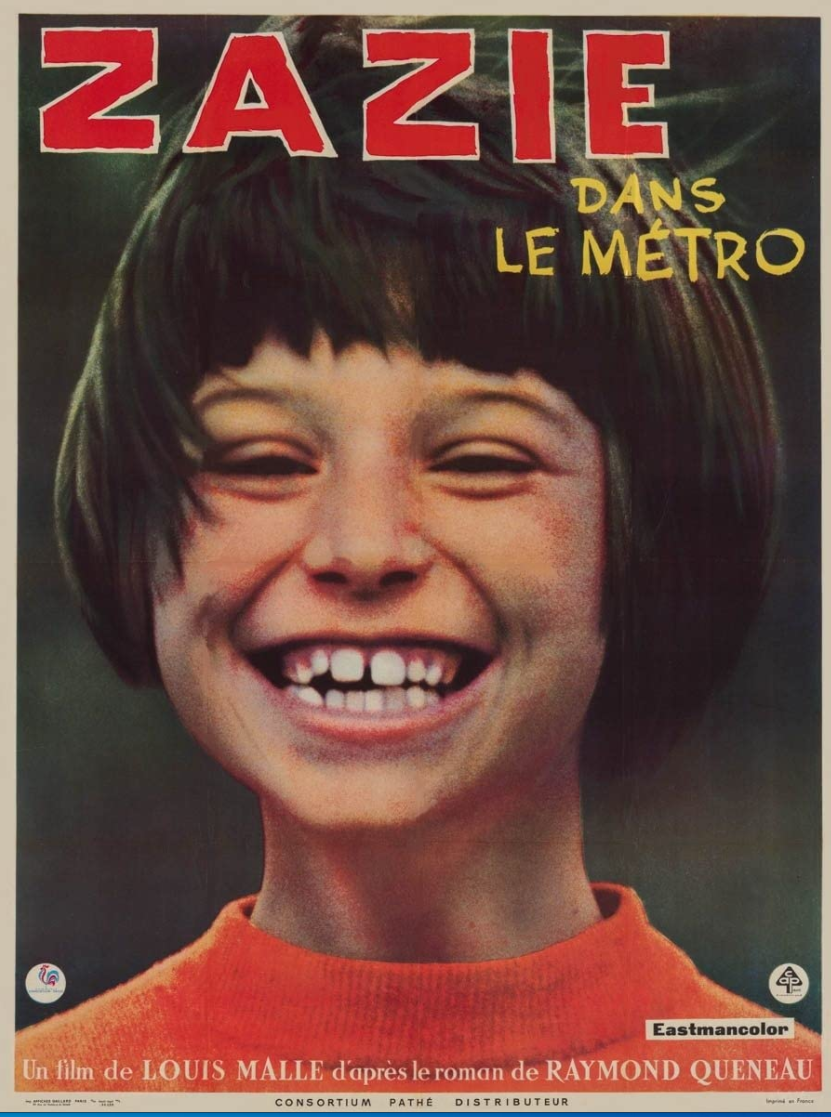
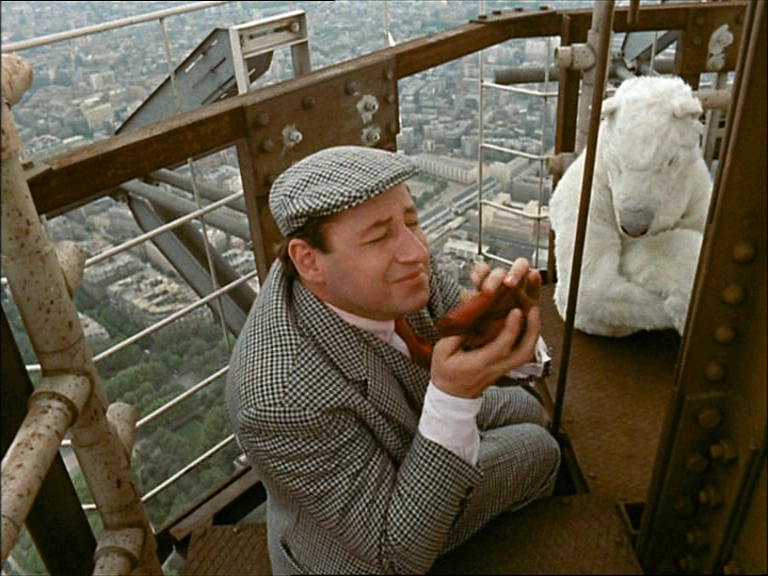
It’s difficult to describe just how uniquely surreal Louis Malle’s adaptation of Raymond Queneau’s 1959 novel really is. Dubbed “an elaborate French exercise in cinematic Dadaism” by Bosley Crowther of the New York Times, it’s both deliciously mindbending and seemingly random; if it weren’t based on a novel, one would accuse Malle of relying on (possibly drug-induced) free association as the basis for his script. Indeed, it’s literally impossible to absorb every moment of this story in one viewing — and you may very well feel giddily exhausted by the end of your attempt to keep up with both Zazie and Malle (whose other films give little indication of the radical parameters he sets for himself here). Malle’s cinematic bag of tricks seemingly knows no boundaries, as he speeds up his camera and then slows down again, utilizes jump-cuts, and generally messes as much as he can with the viewer’s sense of continuity and rationality.

To provide an example: in just one 25-second section of a delightfully lengthy chase scene between Zazie and a policeman named Trouscaillon (Vittorio Caprioli), Zazie pours a glass of water over Trouscaillon’s head, which he promptly spouts out of his mouth like a fish. Zazie then jumps down the stairs and hides in a metal pail, which Trouscaillon sits down on. He hears rattling inside, and when he opens the lid, he sees that Zazie has transformed into a black cat. He leaps up in surprise and is suddenly found standing on the banister of a marble stairway, reeling Zazie in with a fishing pole. When Zazie reappears on-screen, she’s played by an elderly woman wearing the same orange shirt and gray skirt. This “older Zazie” slaps Trouscaillon, and their chase continues, with the original Zazie now back on-screen. And so it goes.

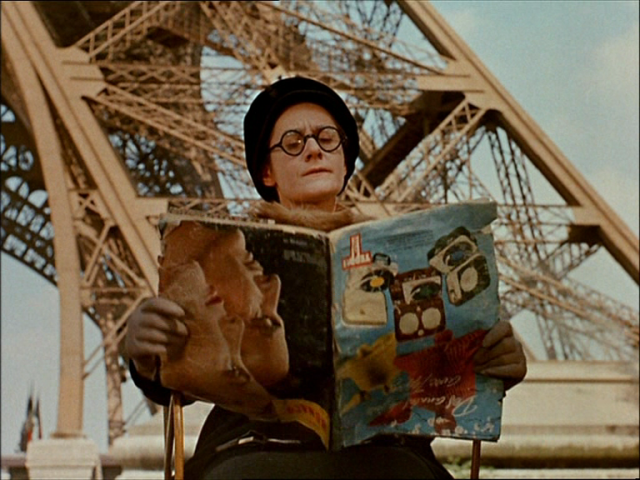
Zazie herself is an incomparably precocious and delightfully salty protagonist. As played by Demongeot (who apparently never pursued an adult acting career), she’s fearless in her encounters with the lewd and/or sexually confused adults she’s surrounded by — including her uncle (the always wonderful Philippe Noiret) and creepy Caprioli (who reminds me of Stanley Tucci). Meanwhile, another of the many delights offered by the film is its time-capsule view of Paris: made the same year as Godard’s Breathless, it provides a heady visual counterpart to that fabled vision of the city, shown here in vibrant colors rather than in stark b&w. Though Zazie is repeatedly foiled in her attempts to see the Metro (whose employees are on strike), her experiences in the rest of the city — including, naturally, the Eiffel Tower — are a treat to partake in.

Redeeming Qualities and Moments:

  • Catherine Demongeot as Zazie
  • Philippe Noiret as Uncle Gabriel
  • Simple but effective special effects
  • Wonderful use of authentic Paris locales
  • Creative direction
  • Countless surreal moments

  • Amusing word play, very creatively translated into English: “Damngodit!”

Must See?
Yes, as an entirely unique New Wave masterpiece. Listed as a film with Historical Importance and a Cult Movie in the back of Peary’s book.

Categories

  • Foreign Gem
  • Historically Relevant
  • Important Director

Links:

I Wake Up Screaming (1941)

I Wake Up Screaming (1941)

“She had youth, looks, a good figure. What more do you want?

Synopsis:
When an aspiring model (Carole Landis) is killed, her sister (Betty Grable) and her agent (Victor Mature) are questioned by a menacing police detective (Laird Cregar); meanwhile, they try to solve the murder mystery, and find themselves falling in love.

Genres, Themes, Actors, and Directors:

  • Amateur Sleuths
  • Aspiring Stars
  • Betty Grable Films
  • Carole Landis Films
  • Detectives and Private Eyes
  • Elisha Cook Jr. Films
  • Flashback Films
  • Laird Cregar Films
  • Murder Mystery
  • Obsessive Love
  • Victor Mature Films

Review:
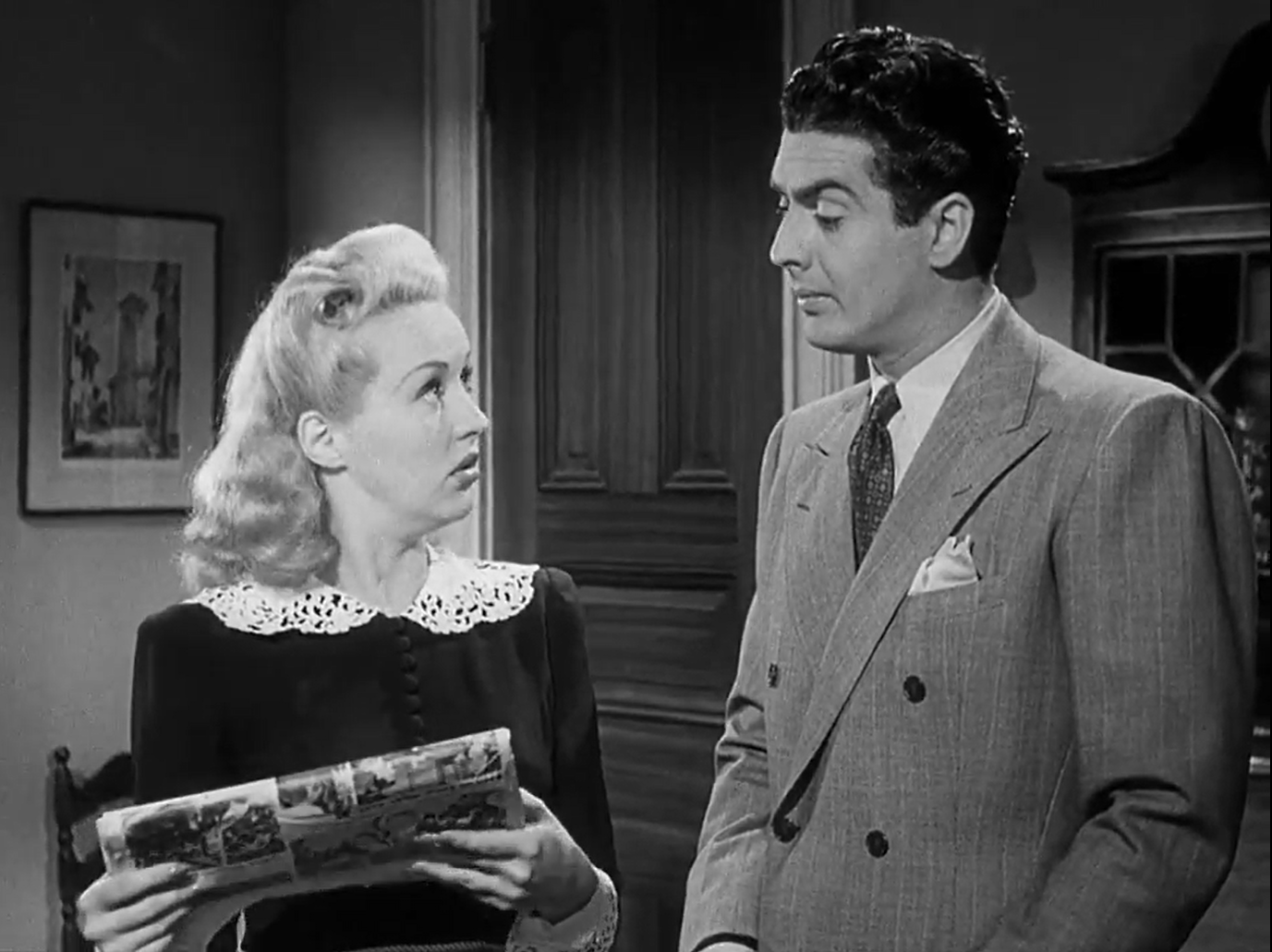
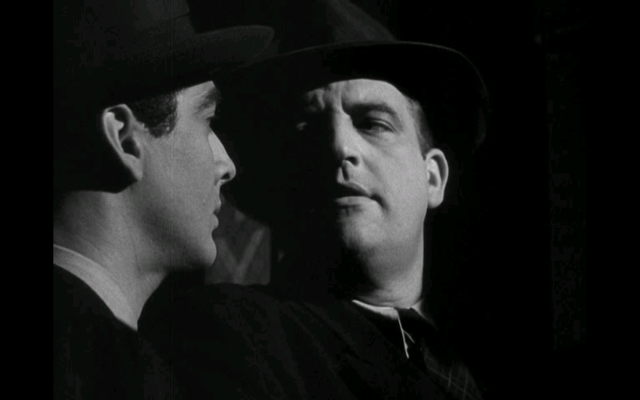
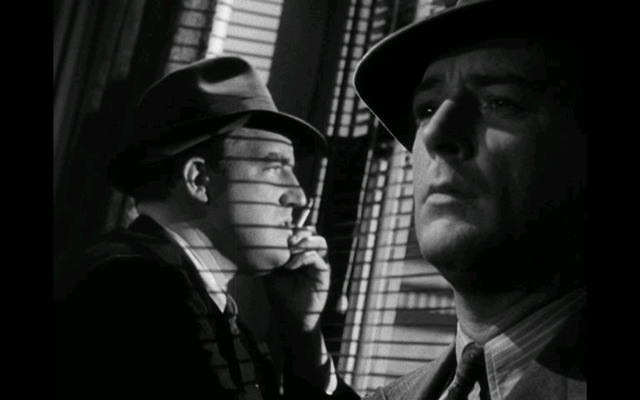
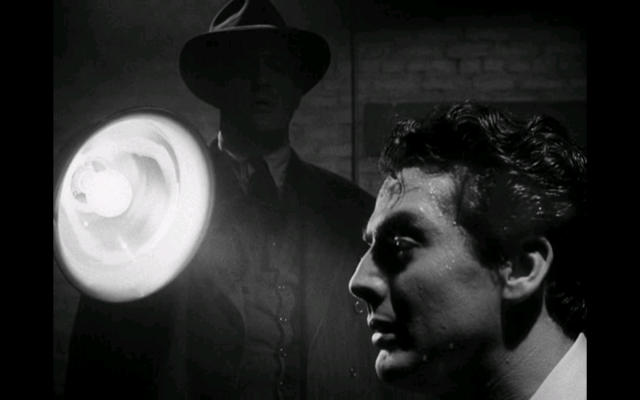
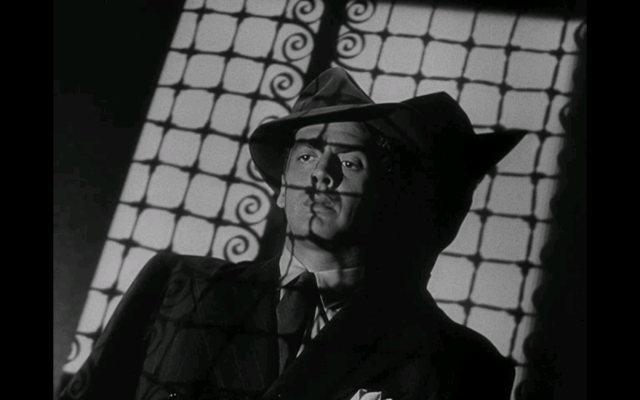
I Wake Up Screaming remains a minor but intriguing mid-century American noir for two central reasons. First and most importantly, it’s a truly stunning visual treat: director H. Bruce Humberstone and cinematographer Edward Cronjager effectively transform a rather “prosaic melodrama into a highly influential exercise in sculpted lighting”, one so full of strategic contrasts and stylized imagery that its atmosphere is practically palpable. See stills below for just a few representative examples.

Second, the film is memorable for a creepy supporting performance by the solid (literally) character actor Laird Cregar:

— perfectly cast here as a menacing police detective who lurks around every street corner, shows up unannounced in suspects’ apartments, and mutters with deadpan certainty in response to Grable’s rhetorical question:

Grable: “What’s the good of living without hope?”
Cregar: “It can be done.”

We believe him instantly. Meanwhile, Mature and Grable are solid romantic sleuthing leads:

and Landis (check IMDb for more on her tragic personal story) is effective as the aspiring starlet who propels the entire story into motion.

Listen for interesting use of “Over the Rainbow” as Grable’s theme song (!).

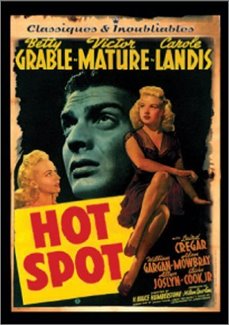
Note: The film’s original title — until close to its release — was Hot Spot, hence the alternate title on the movie poster included in this review. The last-minute switch in names is unfortunate, since no character ever “wakes up screaming” in the film, and this title leads one to believe it’s a horror film rather than noir.

Redeeming Qualities and Moments:

  • Laird Cregar as Detective Cornell
  • Stunning noir cinematography


  • Plenty of enjoyable one-liners:

    “Why should I go on slinging hash when I can sling other things?”
    “I wouldn’t be in your shoes for all the gold in Kentucky.”
    “Must be a great life — like a garbage man, only with people.”

Must See?
Yes, simply for its stunning noir visuals and for Cregar’s performance.

Categories

  • Noteworthy Performance(s)
  • Representative Film

Links:

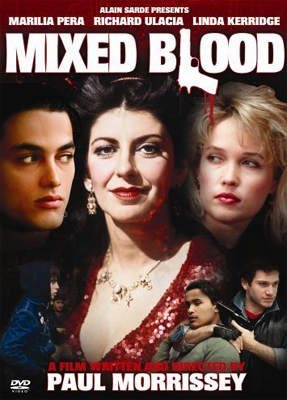
Mixed Blood (1984)

Mixed Blood (1984)

“You must always do what your mother tells you, you hear? Always.”

Synopsis:
The leader (Marilia Pera) of a Brazilian drug gang is disturbed when her dim-witted son (Richard Ulacia) falls for the girlfriend (Linda Kerridge) of her supplier (Ulrich Berr); meanwhile, tensions with a rival Latino gang continue to escalate.

Genres, Themes, Actors, and Directors:

  • Drug Dealers
  • Gangs
  • Grown Children
  • New York City
  • Paul Morrissey Films
  • Rivalry

Response to Peary’s Review:
In his review of this darkly satirical gangland drama by writer/director Paul Morrissey — which he refers to as “unusual, to say the least” — Peary analyzes it as a “weird variation on The Godfather,” and conducts a point-by-point comparison of the two films. He notes, for instance, that “again we have a territorial war between crime ‘families’; again the warriors sleep on mattresses on the floor”, etc. It’s an interesting set of associations — but the obvious difference between the two films is that The Godfather endures as an iconic classic of cinema, while Mixed Blood will likely only be of interest to fans of Morrissey’s eclectic oeuvre — or those curious to see Marilia Pera (so effective as a prostitute in 1981’s Pixote) in a truly unique lead performance. Playing a “middle-aged, eccentric gypsy… who sings Carmen Miranda songs”, her presence is never anything other than intriguing; listen to her strange line delivery, for instance, as she talks about how many funerals she’s had to endure over the years.

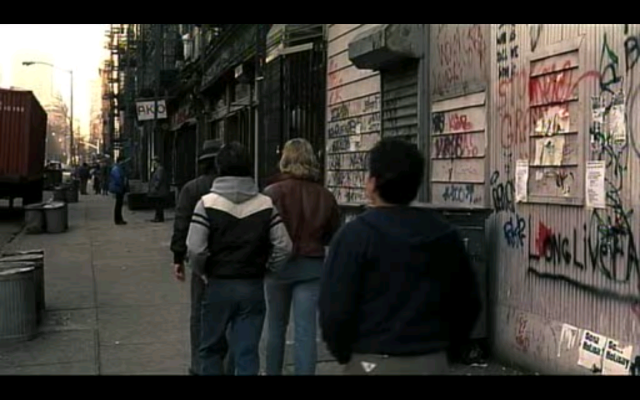
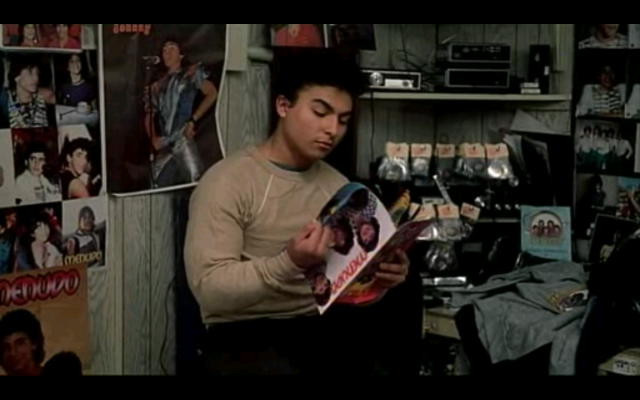
As Peary notes, while the “extreme violence” of the film can be off-putting, the “exaggerated gore and bizarre situations” help to mediate this somewhat. Indeed, Mixed Blood is an odd mixture of time-capsule realism — one scene actually takes place in a store dedicated exclusively to Menudo memorabilia! — and satire (note the drug-dealing scene, which shows purchases being made at a the equivalent of a lemonade stand). Peary argues that while the film “doesn’t always work”, it’s “exciting and funny, in unusual ways” — a sentiment I can’t quite agree with, though I’ll agree it’s worth a one-time look for Pera alone.

Redeeming Qualities and Moments:

  • Marilia Pera as Rita La Puenta
  • Effectively seedy location shooting throughout “Alphabet City”
  • An interesting time-capsule glimpse of 1980s New York

Must See?
No, though it’s worth a look simply for Pera’s performance.

Links:

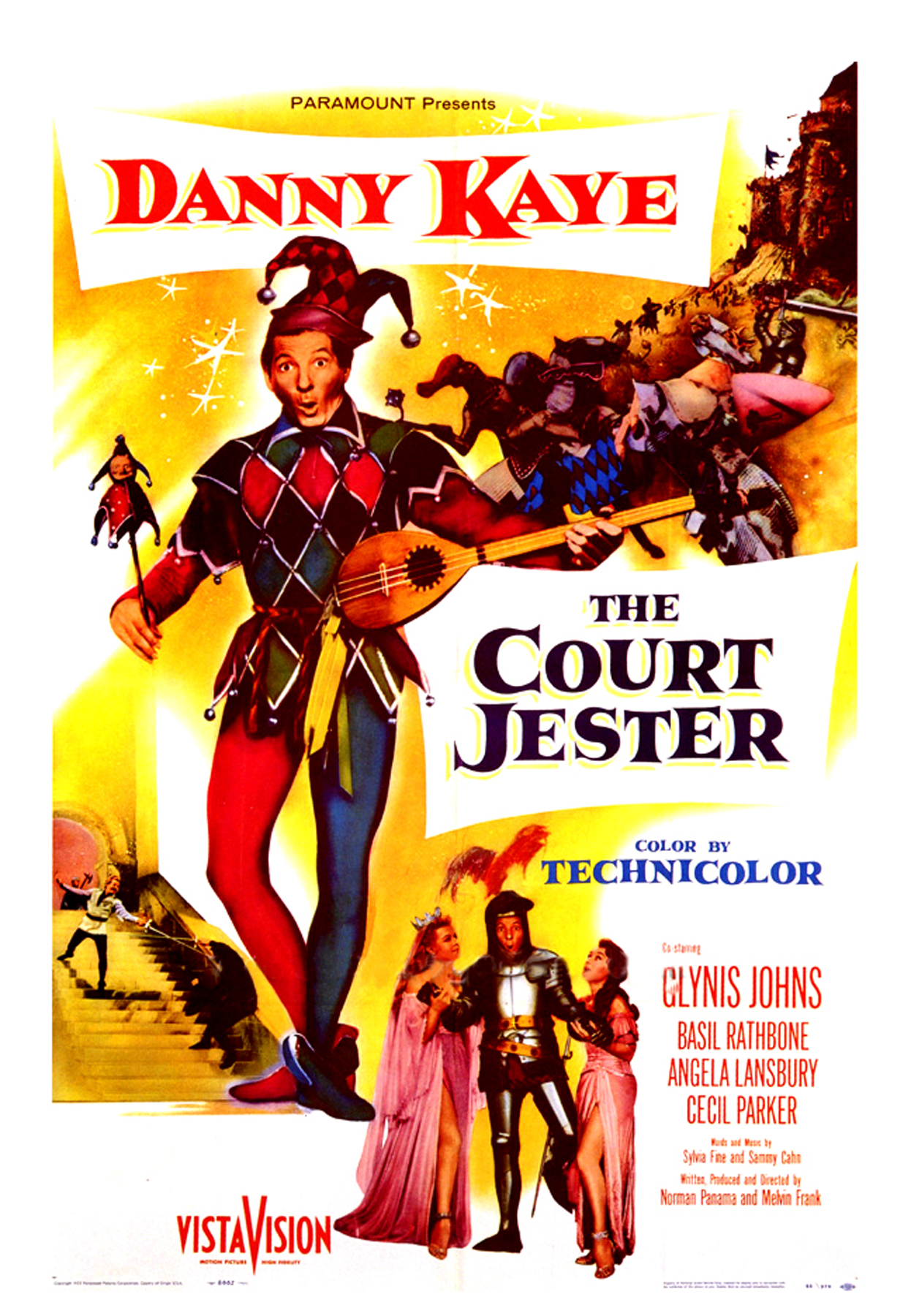
Court Jester, The (1955)

Court Jester, The (1955)

“I’d like to get in, get on with it, get it over with, and get out. Get it?”

Synopsis:
A lowly performer (Danny Kaye) helps a revolutionary maiden (Glynis Johns) restore the rightful heir — a baby with a purple pimpernel birth mark — to the throne of England by going undercover as a court jester.

Genres, Themes, Actors, and Directors:

  • Angela Lansbury Films
  • Basil Rathbone Films
  • Comedy
  • Danny Kaye Films
  • Glynis Johns Films
  • John Carradine Films
  • Mind Control and Hypnosis
  • Mistaken Identities
  • Musicals
  • Royalty and Nobility

Review:
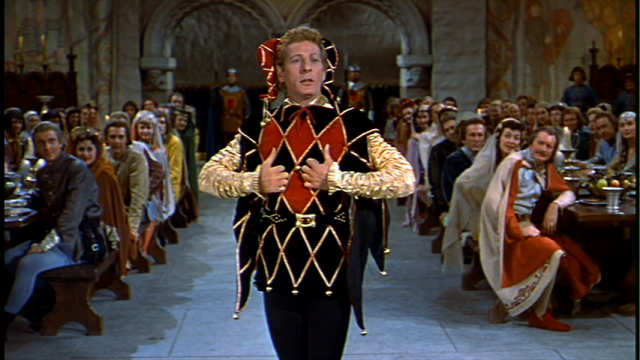
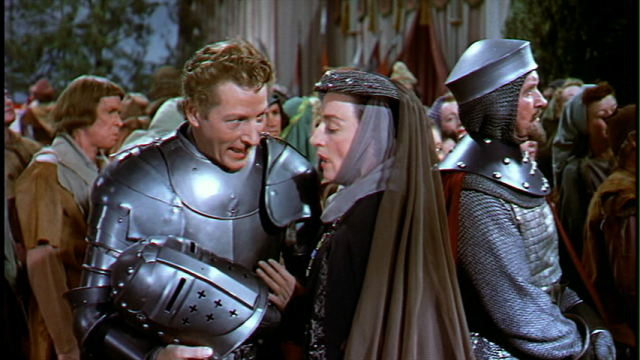
Along with his title roles in The Secret Life of Walter Mitty (1947) and Hans Christian Andersen (1952), Danny Kaye is probably best known for his performance in this spoof of Robin Hood-era swashbucklers. As in most of his other films, Kaye is cast here as a mild-mannered nebbish who is suddenly thrust into a world of excitement and danger, and must call upon inner resources to help save the day (all while tentatively romancing a beautiful leading lady — in this case, Glynis Johns). I find the film on the whole not all that amusing or particularly inventive, but there are some enjoyable sequences — most memorably, of course, Kaye’s confusion over a “vessel with a pestle” and a “chalice from the palace”, one of which is poisonous and the other of which contains “brew that is true”. This lively scene is indicative of the film’s overall infectious sense of wordplay — as in the following exchange (Kaye’s tongue is limber indeed!):

The Duchess dove at the Duke just when the Duke dove at the Doge. Now the Duke ducked, the Doge dodged, and the Duchess didn’t. So the Duke got the Duchess, the Duchess got the Doge, and the Doge got the Duke!

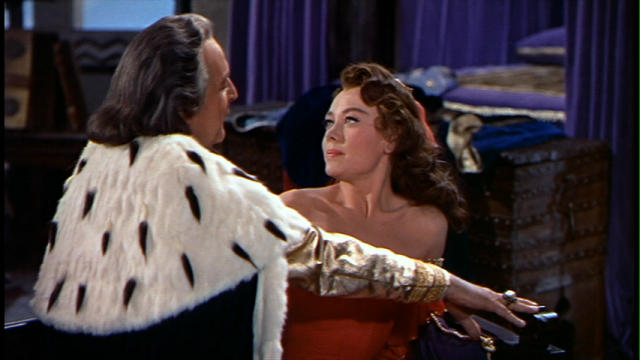
Watch for Angela Lansbury, Basil Rathbone, Mildred Natwick, and John Carradine (among others) in nicely turned supporting roles.

Redeeming Qualities and Moments:

  • Danny Kaye as Hubert Hawkins
  • Glynis Johns as Maid Jean
  • The justifiably famous “pestle in the vessel” sequence
  • The amusing final swashbuckling encounter between Kaye and Rathbone

Must See?
Yes. While The Secret Life of Walter Mitty remains my favorite Kaye film, The Court Jester is beloved by many, and should be seen at least once by all film fanatics.

Categories

  • Historically Relevant

Links:

It’s a Mad Mad Mad Mad World (1963)

It’s a Mad Mad Mad Mad World (1963)

“There’s money in this for all of us. Right?”

Synopsis:
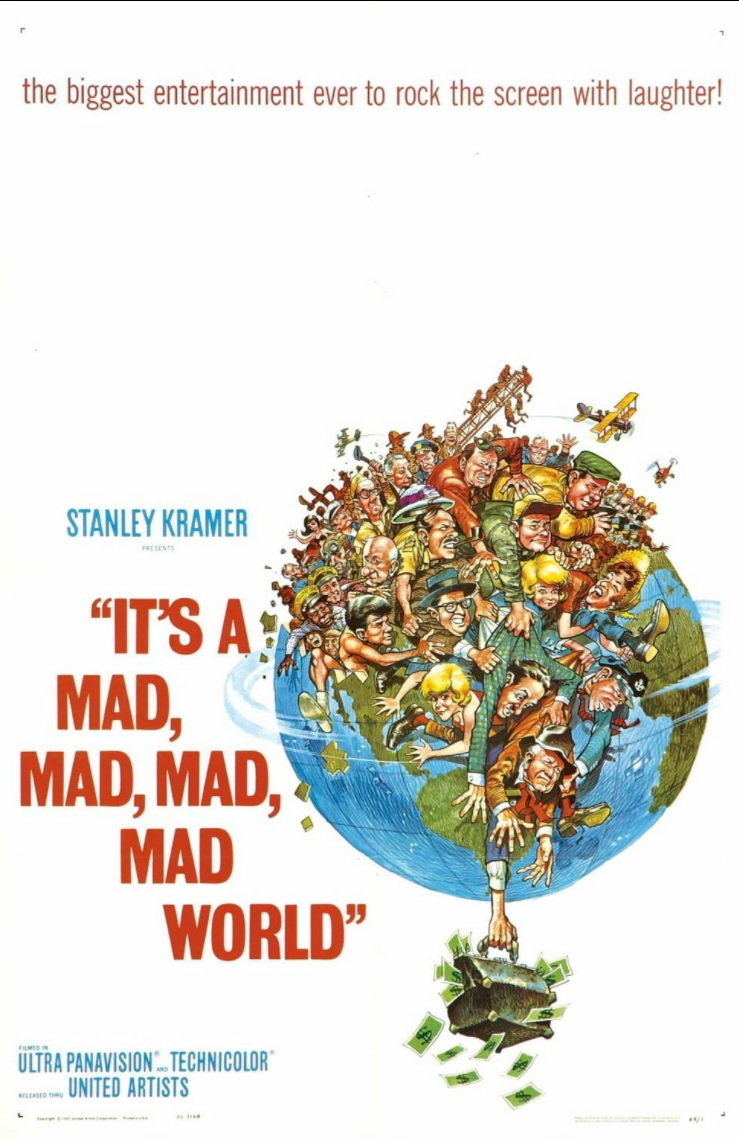
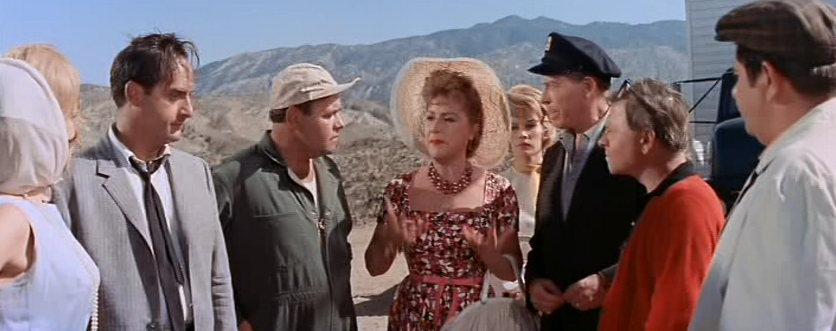
As he lies dying from a car crash, an ex-con (Jimmy Durante) tells a motley group of witnesses — Mickey Rooney, Buddy Hackett, Sid Caesar, Edie Adams, Jonathan Winters, Milton Berle, Dorothy Provine, and Ethel Merman — about a stash of money he has hidden under a “giant W”. Soon they are in a fierce competition — secretly overseen by a police detective (Spencer Tracy) — to be the first to find it.

Genres, Themes, Actors, and Directors:

  • Car Chase
  • Comedy
  • Detectives and Private Eyes
  • Ensemble Cast
  • Greed
  • Hidden Treasure
  • Mickey Rooney Films
  • Peter Falk Films
  • Spencer Tracy Films
  • Stanley Kramer Films
  • Zasu Pitts Films

Response to Peary’s Review:
Peary is mostly enthusiastic in his GFTFF review of this all-star cult comedy — produced and directed by Stanley Kramer as a “salute to slapstick” — which was one of just five feature films shot in a single-lens version of Cinerama. He argues that the “all star cast” — most of whom are “known for their verbal skills” — “prove equal to the task”; that “there are some spectacular stunts and some imaginative plot twists”; and that while the film may “be too long”, this nonetheless “allows all the stars ample time to be in the spotlight”. He notes that while “much humor… falls flat”, there is “also a great deal of hilarity in [the] film, both visual and verbal”, with Kramer effectively demonstrating “that old, familiar slapstick bits are still funny”. Finally, he argues that Kramer miraculously “manages to maintain a frantic pace throughout” the film’s lengthy (nearly three hours — and it was originally much longer!) running time.

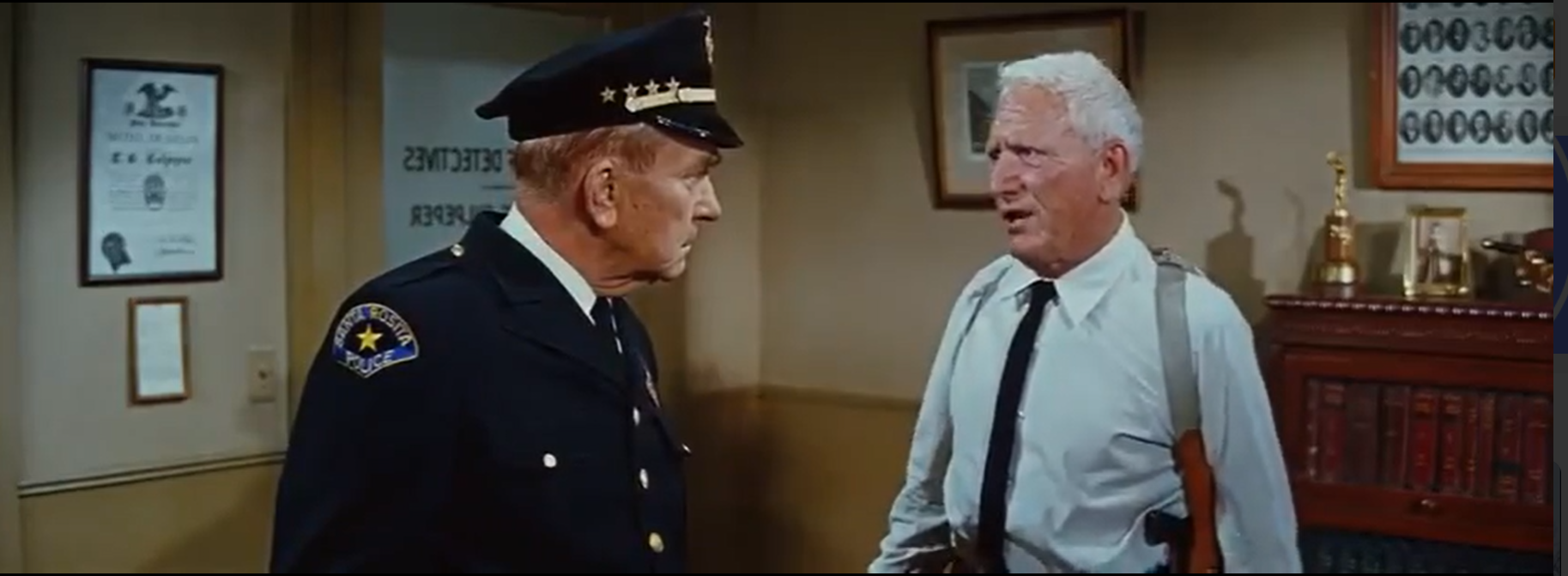
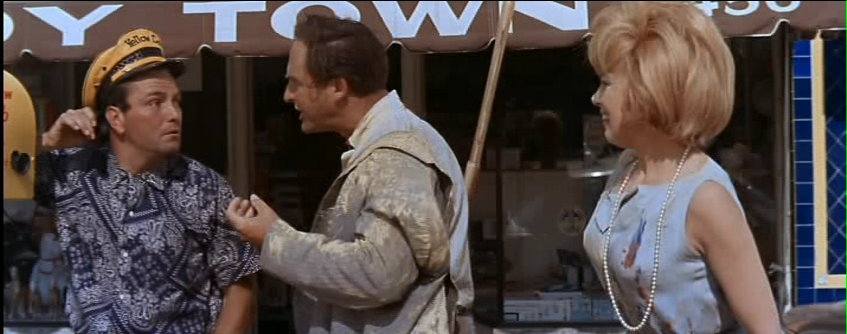
In his later, more detailed analysis of the film written for Cult Movies 3, however, Peary is suddenly much more critical. He claims that … Mad World “makes a mockery of humanity” given that the individuals seeking the hidden money are either “stupid, loud, vulgar, mean, corrupt, shameless, and[/or] greedy”. He points out that we never really feel much “affection” for any of the characters — other than Spencer Tracy, for a little while:

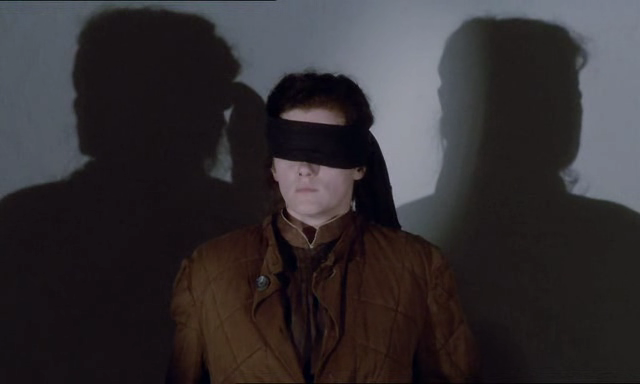
— and that “we miss a sympathetic character to root for, someone who has a noble purpose for acquiring the money”. In this review, he argues that despite its purported aim to serve as an homage to silent slapstick films, the film is “filled with superfluous dialogue” used “to camouflage… uninspired sight gags”, which in turn lack “intricate pacing” or any “build to a big-laugh payoff”. He posits that “the wrong types of comedians were cast” (he’s especially disparaging of Rooney and Hackett, who he claims “should have been replaced by… two much zanier performers”), and, in sum, refers to … Mad World as a “disappointing, wrongly conceived film” — though one which is “by no means a total disaster”.

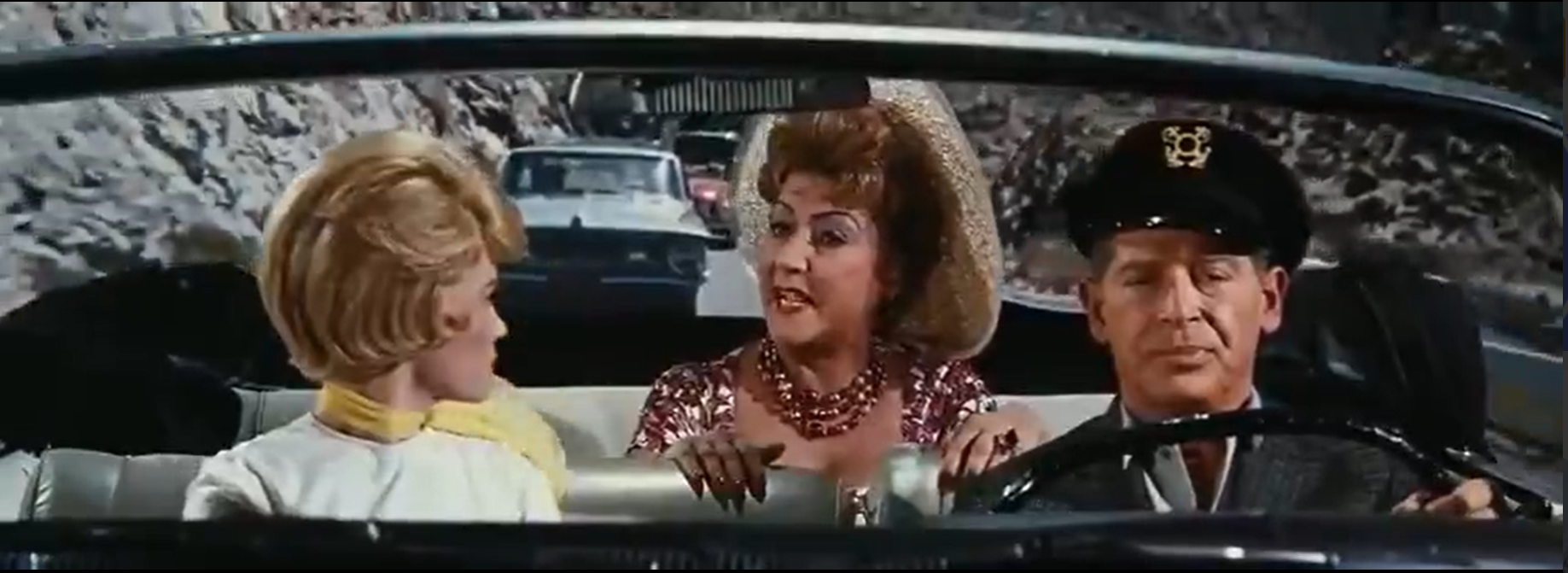
After reading both reviews – and scratching my head plenty over how one reviewer could offer such widely divergent takes on the same film — I found myself agreeing primarily with Peary’s Cult Movies 3 review. While I find the premise and plot twists remarkably clever — and enjoyed “watching for cameos from the likes of Jerry Lewis” and others — overall there’s little here to actively engage anyone but cult followers of the film. And while it’s true, as Peary notes, that the lengthy running time allows most of the stars ample time to shine, none of them are at their comedic best. Sid Caesar, just for instance — so brilliant in his sketch comedy series (see Ten From Your Show of Shows, 1973) — is merely serviceable here playing a married man trying to blast his way out of a locked hardware store; and despite Peary’s claims that Ethel Merman was a “good sport to play such a character”, her outrageously obnoxious mother-in-law is someone you desperately hope to see obliterated within a few moments of her arrival on-screen.

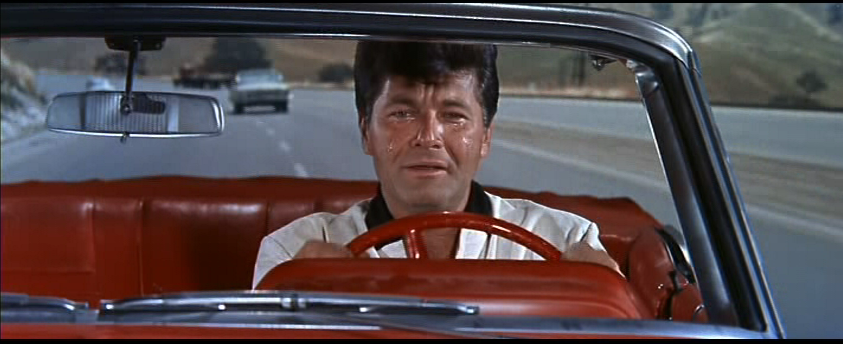
Meanwhile, all the stunts and sight gags go on for about three times as long as they need to — and I’ll agree with Peary that they’re mostly uninspired. The most amusing sequences — indeed, the only ones that had me giggling out loud — involve Dick Shawn as Merman’s grown son, who’s first seen dancing groovily with his robotic girlfriend (Barrie Chase), then sobbing protectively as he races to “rescue” his mother.

While I appreciate this film on multiple levels (including its historical value as a Cinerama production), it’s ultimately not one I’ll be returning to again any time soon. Click here for a fun set of comparative photos with actual locations of all major sequences revealed.

Note: Interestingly, Peary points out that this “was one of the first films since Griffith’s 1916 Intolerance to cut back and forth between several story lines”; it’s strange to think that so many years went by before this practice began to become as commonplace as it is today.

Redeeming Qualities and Moments:

  • A clever premise
  • Fun cameos by a plethora of comedic greats
  • Fine location shooting throughout Southern California

Must See?
Yes, simply as a cult favorite with historical importance.

Categories

  • Cult Movie
  • Historically Relevant

Links:

Rosa Luxemburg (1986)

Rosa Luxemburg (1986)

“We live in times of violent change, ready to collapse.”

Synopsis:
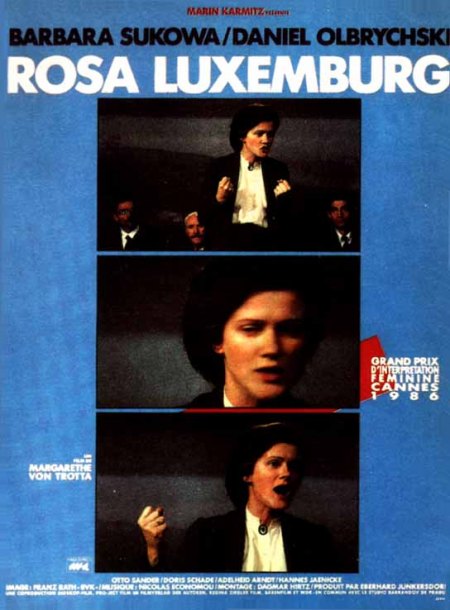
Socialist activist Rosa Luxemburg (Barbara Sukowa) campaigns for peace in the midst of impending war in Europe.

Genres, Themes, Actors, and Directors:

  • Biopics
  • German Films
  • Historical Drama
  • Revolutionaries
  • Strong Females

Review:
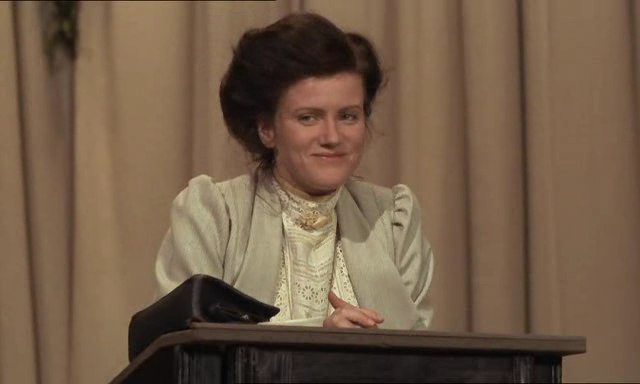
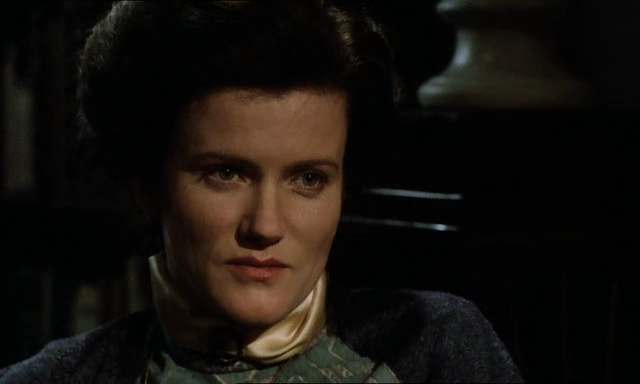
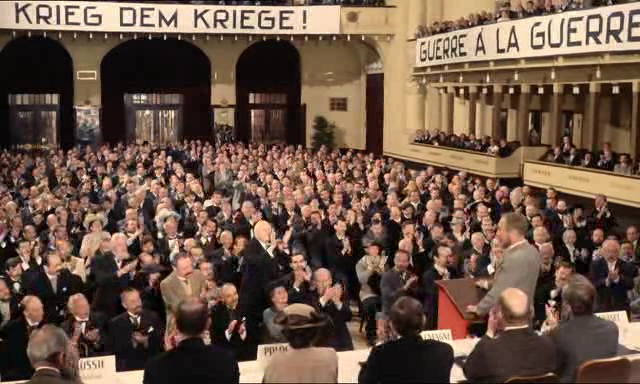
Those not already deeply interested in the political history of pre-WWI Europe may find it challenging to engage with this sincere but pedantic biopic of Rosa Luxemburg, a radical Polish Socialist who was assassinated by the ruling German party in 1919. Without concern for her childhood or past, the storyline plunges us immediately into the thick of Luxemburg’s post-doctorate political career, as we see her campaigning tirelessly with colleagues on behalf of The Cause. Given that the script is heavily based on Luxemburg’s writings and speeches, we get to hear a LOT of her thoughts on the need for worldwide revolution by the proletariat; while a bit of time is given over to speculations about her romantic life (in a nicely handled scene, for instance, we witness her gradual recognition that her lover and compatriot — Daniel Olbrychski — has betrayed her), in essence this film is all about Luxemburg the Socialist, who literally devoted her life to her beliefs. Sukowa effectively humanizes Luxemburg — watch her breaking into giddy smiles while giving passionate political speeches, for instance:

— turning her into a character we may not relate to but can certainly believe in. Yet neither Sukowa’s award-winning performance, nor the film’s overall quality production values, are enough to elevate it to must-see status — other than for those genuinely interested in this particular bit of world history.

Redeeming Qualities and Moments:

  • Barbara Sukowa as “Bloody Rosa”
  • Fine period sets
  • Franz Rath’s cinematography

Must See?
No; this one isn’t must-see viewing for all film fanatics.

Links:

Secret Life of Walter Mitty, The (1947)

Secret Life of Walter Mitty, The (1947)

“Walter, you’re getting more absent-minded each day. It’s all that daydreaming you do!

Synopsis:
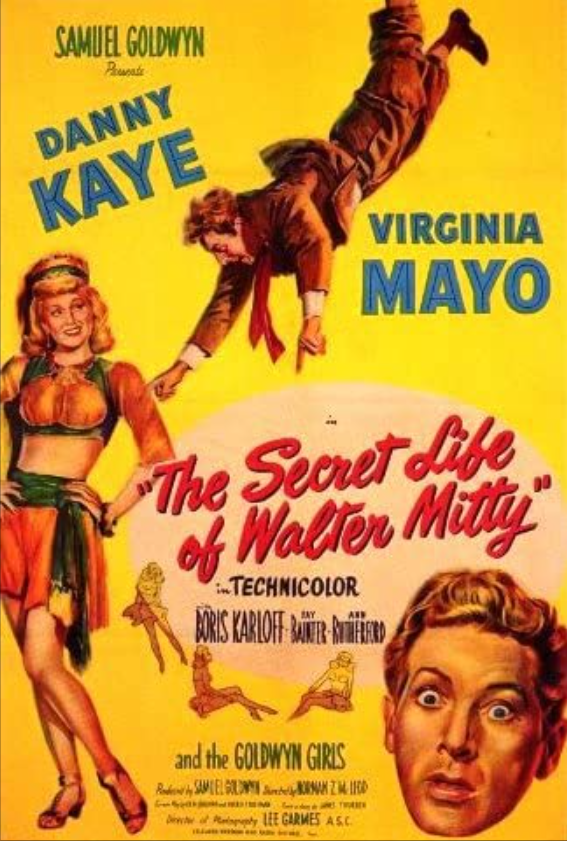
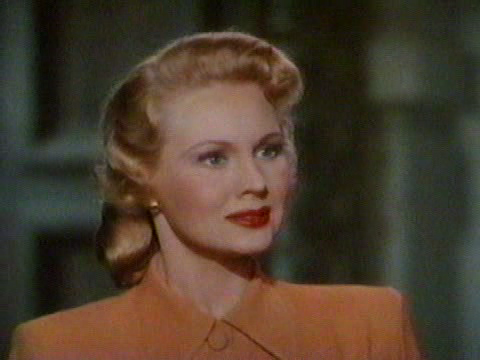
A henpecked proofreader (Danny Kaye) with a wild imagination finds himself embroiled in a real-life drama when he encounters a mysterious blonde (Virginia Mayo) in a taxi cab.

Genres, Themes, Actors, and Directors:

  • Boris Karloff Films
  • Comedy
  • Danny Kaye Films
  • Fay Bainter Films
  • Thieves and Criminals
  • Virginia Mayo Films

Review:
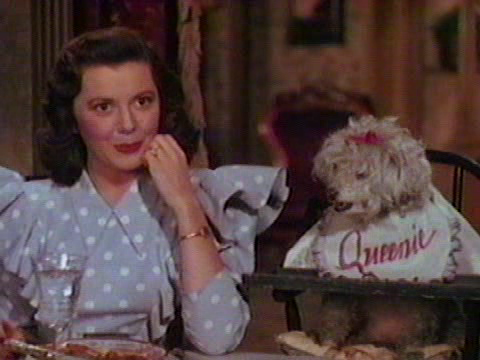
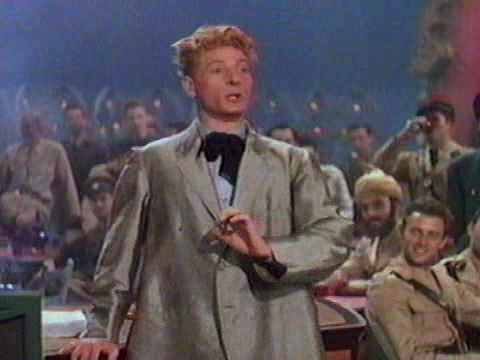
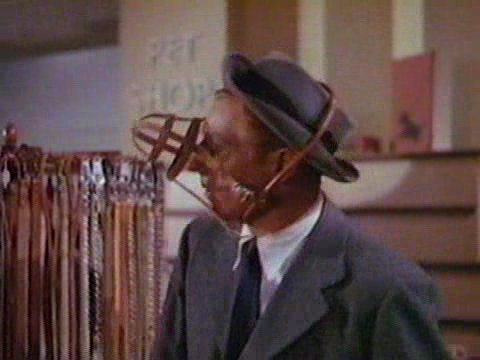
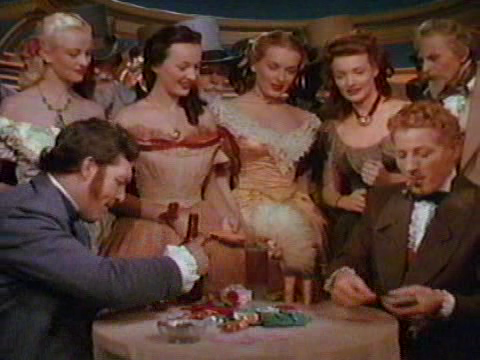
Danny Kaye is at the top of his game in this delightful comedy — loosely based upon James Thurber’s beloved short story — about a nebbishy pulp magazine proofreader who escapes his henpecked existence through a rich and varied fantasy life. The sequences in which he imagines himself a daring sea captain, a renowned surgeon, a WWII flying ace, a fey fashion designer, a Western gunslinger, and a riverboat gambler are each genuinely amusing, as are the patter songs incorporated throughout. The surrounding storyline — involving a “little black book” detailing the locations of stolen Dutch artwork, which various Bad Men want to get their hands on — eventually goes on for a little too long, and devolves into slapstick by the end; but Kaye and his supporting cast make this one well worth a look. Watch for Boris Karloff in an all-too-brief appearance as one of the parties interested in obtaining the “black book” — his opening line (“I know of a way to kill a man and leave no trace.”) remains a zinger.

Redeeming Qualities and Moments:

  • Danny Kaye as Walter Mitty
  • Virginia Mayo as Rosalind van Hoorn
  • Ann Rutherford as Walter’s fiancee, Gertrude Griswold
  • Many genuinely amusing sequences


Must See?
Yes, as a comedy classic.

Categories

  • Genuine Classic
  • Noteworthy Performance(s)

Links: