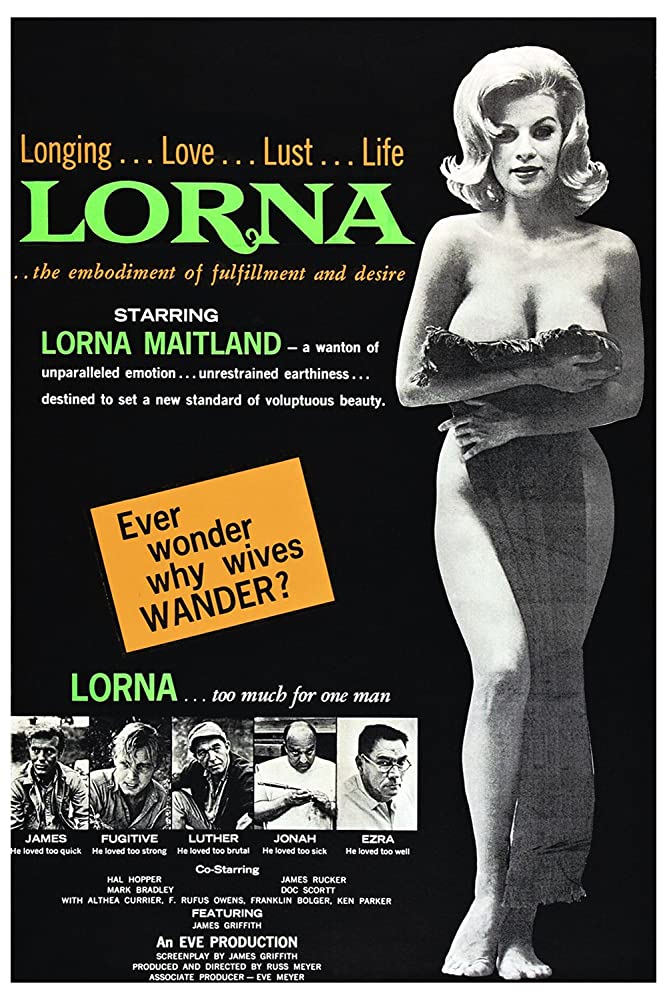
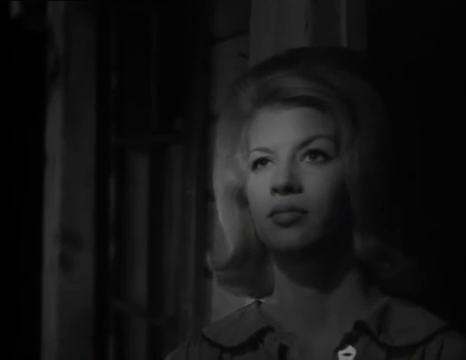
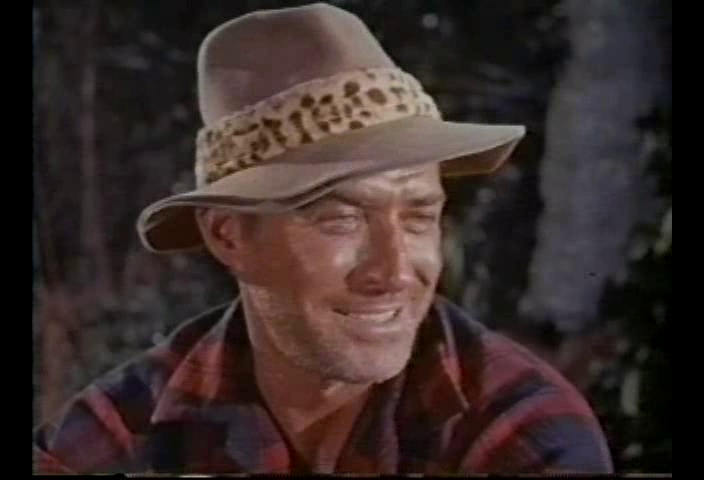
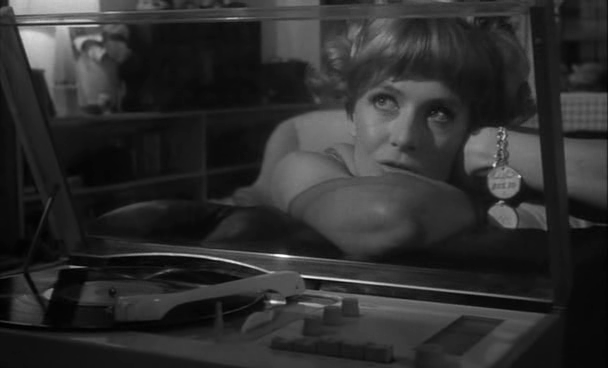
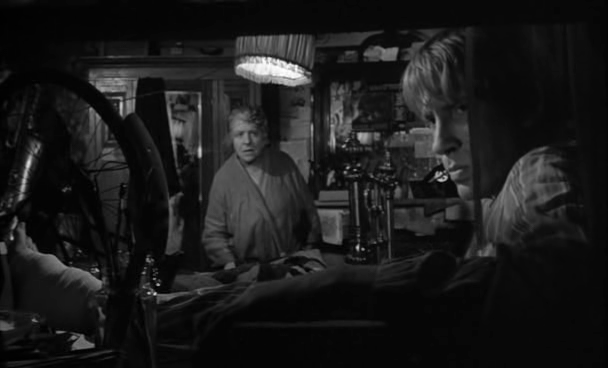
Lorna (1964)
“I’m married, sure — but we never REALLY married, like now.”
|
Synopsis: |
|
Genres, Themes, Actors, and Directors:
Response to Peary’s Review: Redeeming Qualities and Moments:
Must See? Links: |
“I’m married, sure — but we never REALLY married, like now.”
|
Synopsis: |
|
Genres, Themes, Actors, and Directors:
Response to Peary’s Review: Redeeming Qualities and Moments:
Must See? Links: |
“I can’t understand a man who would rather live in fear than fight it — no matter the cost!”
|
Synopsis: |
|
Genres, Themes, Actors, and Directors:
Review:
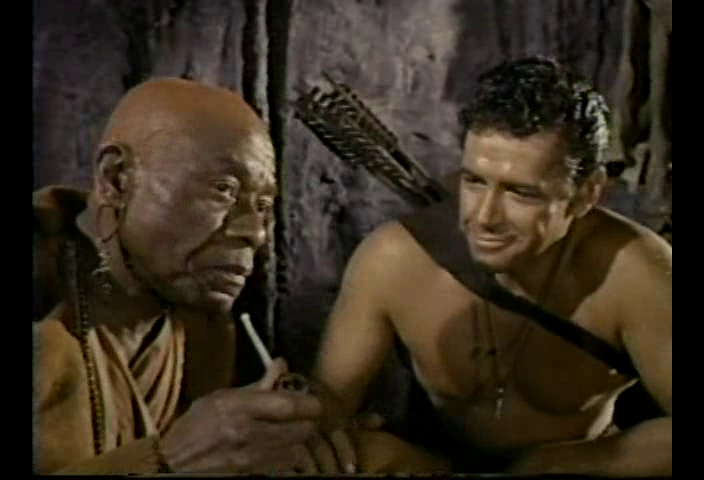
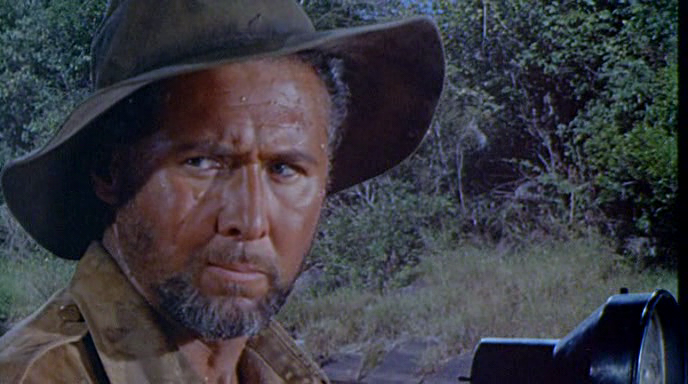
— though it’s distressing that a village chief was played in blackface by a white man (why??).
Redeeming Qualities and Moments:
Must See? Links: |
“This is my happening, and it freaks me out!”
|
Synopsis: |
|
Genres, Themes, Actors, and Directors:
Response to Peary’s Review: Peary expands upon his frustrations and disappointment with this film in his first Cult Movies book, where he starts by discussing Meyer’s two cinematic “phases” before BTVOTD: Meyer began as “King of the Nudies”, making a “fortune as the independent producer-director-cameraman-editor-writer-distributor of such cheapie harbingers of the Naked Cinema as the ground-breaking The Immoral Mr. Teas (1959)…” Next he made “infinitely more ambitious” “tongue-in-cheek potboilers” that “served as the basis for the pre-Beyond the Valley of the Dolls cult: Lorna (1964), Mud Honey (1965), … Faster Pussycat, Kill, Kill (1966) … and [Peary’s] favorite, Cherry, Harry, and Raquel (1969).” Peary describes this second string of films — “set in rugged terrains… [and] inhabited by sexually driven buxom beauties…, strong-jawed, no-nonsense heroes, and an assortment of religious zealots, rapists, and sweaty lowlifes” — as “essentially fake morality plays, in which the numerous sinners either repent or are punished severely.” He argues that “as skin flicks, Meyer’s 1964-1969 films were far superior to those of his competitors”, given they are “extremely well-photographed” and feature “wild, absurd visual humor, dialogue that makes no sense…, and ridiculous plot situations — while his actors play their roles straight.” Peary goes on to say that while “to many moviegoers who hadn’t seen a Russ Meyer film, BTVOTD was a revelation — a film that they (mostly college students) considered to be their own ‘far-out’ wave length” — Peary and others realized they’d “overestimated [Meyer’s] talents”. Peary refers to BTVOTD as “really a terrible film, energetically but poorly acted by ex-Playboy bunnies Dolly Reed and Cynthia Meyers, model Marcia McBroom, and under-emoting or overemoting stars.” He points out that “cryptic jargon and Meyer’s rapid-fire editing techniques” (your head will seriously spin!) “are meant to camouflage the picture’s emptiness” — but “the holes in the script come through”. He ends his scathing review (which I essentially agree with) by noting “there is little in [it] to recommend”, and that it simply “proved that what [fans] had seen in his early films were everything Meyer had to offer”; “by choice (!), Meyer returned to making independent sex films — in the Vixen mold but not as good”, which “unfortunately [was] the milieu to which he [was] best suited.” Redeeming Qualities and Moments:
Must See? Categories
Links: |
“You don’t put your mother in a home: she’s got a home; this is her home.”
|
Synopsis: |
|
Genres, Themes, Actors, and Directors:
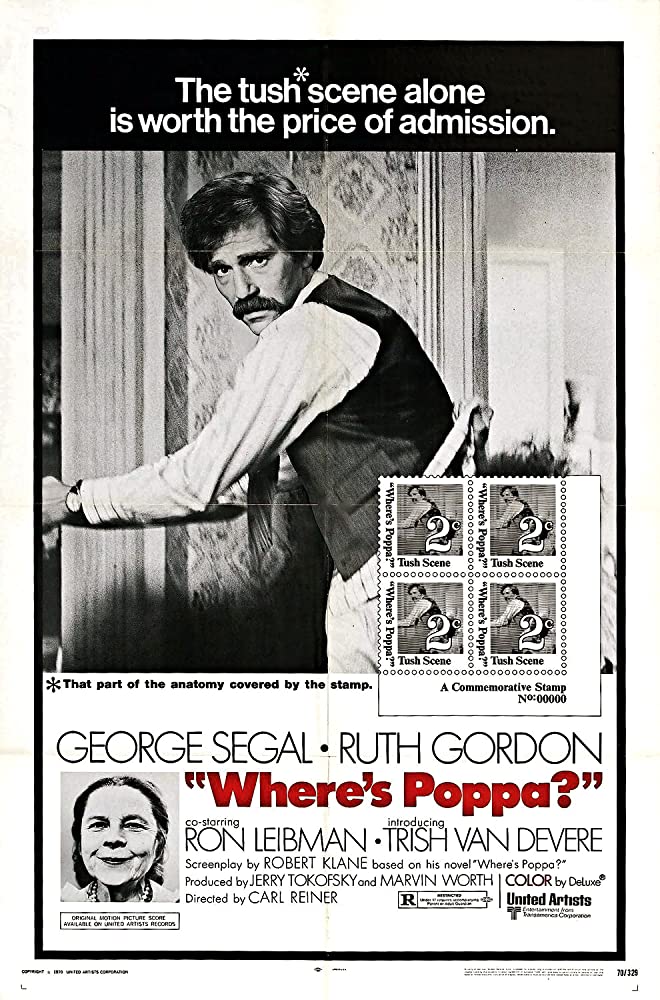
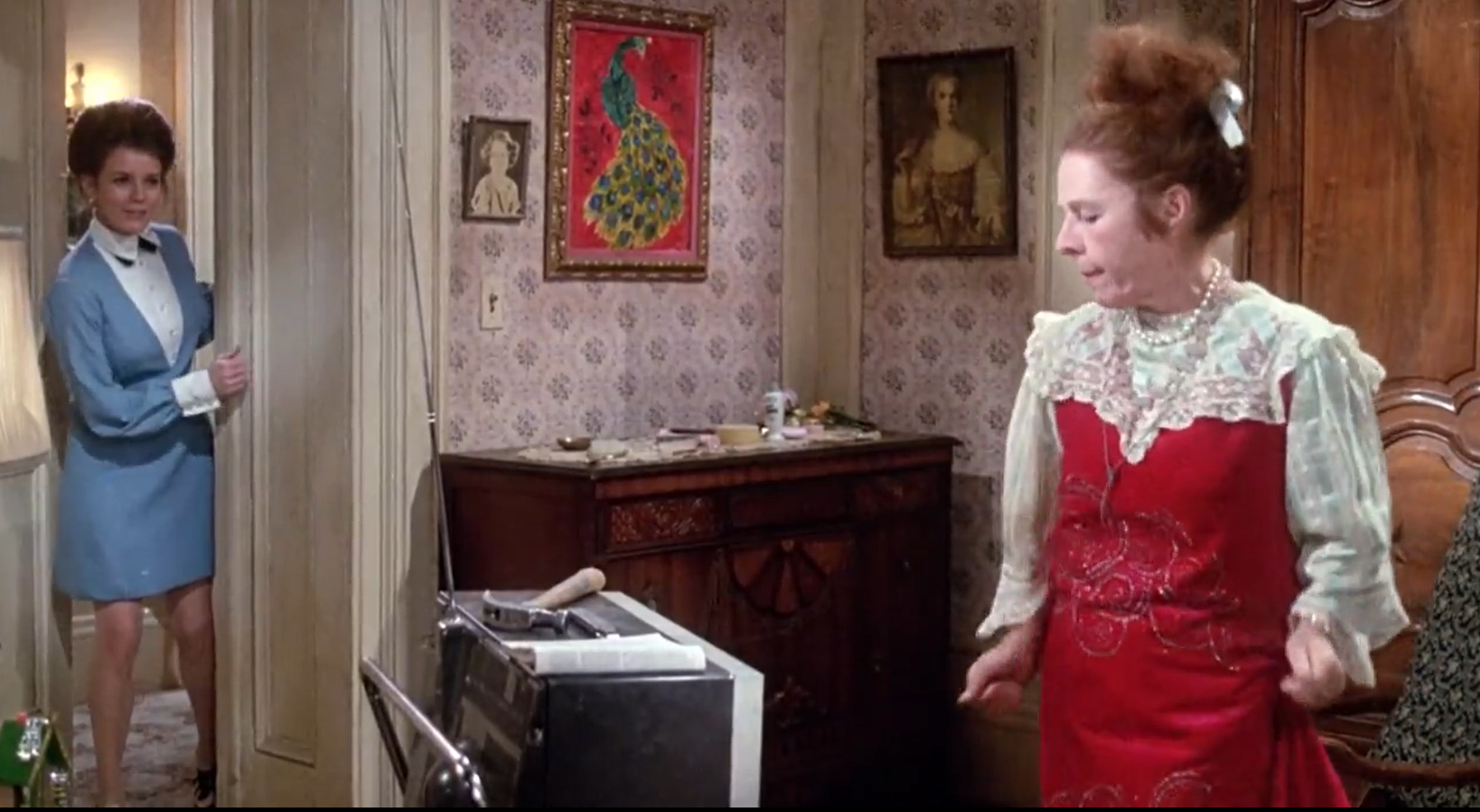
Response to Peary’s Review: Peary points out that “even those turned off by the humor will enjoy the standout performances” by Gordon — who plays Mrs. Hocheiser as someone with “no redeeming qualities” — and Segal, who “gives a remarkable impression of a man who is on his last legs.” He notes that because “both Gordon and Segal were given much freedom”, they “gave performances that are comedic gems”, and he argues that “for them alone, this film is worth seeing.” Equally memorable, however, are Leibman as Segal’s impossibly put-upon brother, and Van Devere (in her film debut) as a traumatized young divorcee clearly willing to wear her heart on her sleeve. I was both deeply discomfited and pleasantly surprised by how boldly this (highly politically incorrect) film stays its course as a movie determined to offend in as many ways as possible — while also providing plenty of uncomfortable laughter. The most distressing sequences involve the depiction of Central Park as “a veritable jungle… ruled by uncivilized ‘tribes’ (black gangs)”; while meant to simply be part of the collective satire, these hit especially hard and may stretch your tolerance. Redeeming Qualities and Moments:
Must See? Categories
Links: |
“We have borrowed a child, Billy — borrowed; borrowed.”
|
Synopsis: |
|
Genres, Themes, Actors, and Directors:
Review: Note: The girl (Judith Donner) chosen to play the hostage only has this one film to her name in IMDb, but she’s suitably realistic.
Redeeming Qualities and Moments:
Must See? Categories
Links: |
“Death is never a pretty sight — and you’ll see it again before the hunt is over.”
|
Synopsis: |
|
Genres, Themes, Actors, and Directors:
Response to Peary’s Review:
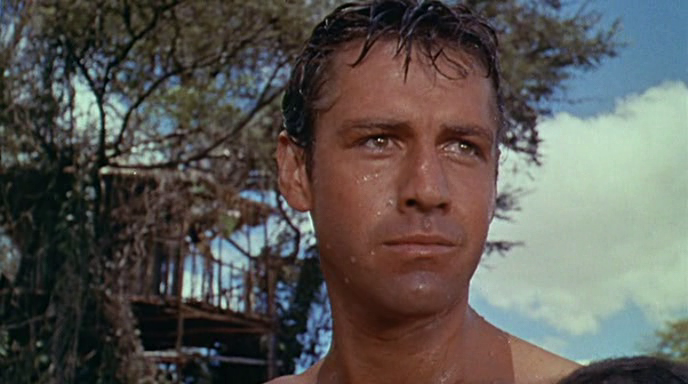
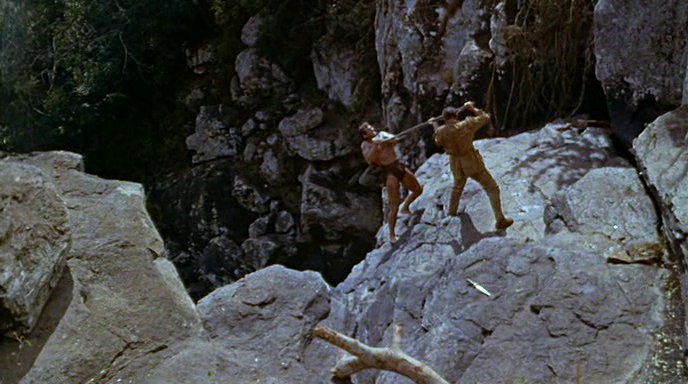
… and adds that “the villains he confronts aren’t cartoon characters, but complex men with singular motivations for committing crimes”. While I haven’t see any Tarzan films outside of those listed in GFTFF, I’m in agreement that this is surely among the best. We get authentically caught up in the drama, which features realistic (and scary) settings, plenty of tension, well-filmed action scenes, and memorable supporting roles (including Connery as a naughty villain).
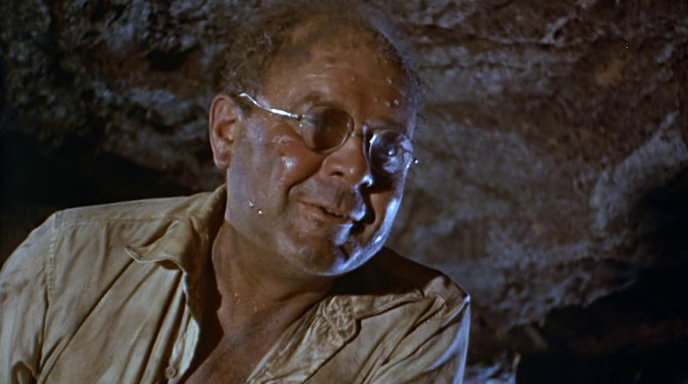
We’re never sure what will happen next, who will die next (or how), and — in particular — what will conspire between scar-faced Quayle and McGinnis (playing a greedy, cunning, bespectacled German completely obsessed with diamonds). While I’m not a fan of Shane’s sexually aggressive American pilot:
… she shows impressive growth throughout the film and “deserves” her ultimate dalliance with Tarzan. This one remains well worth a look — as does its follow-up, Tarzan the Magnificent (1960). Redeeming Qualities and Moments:
Must See? Categories
Links: |
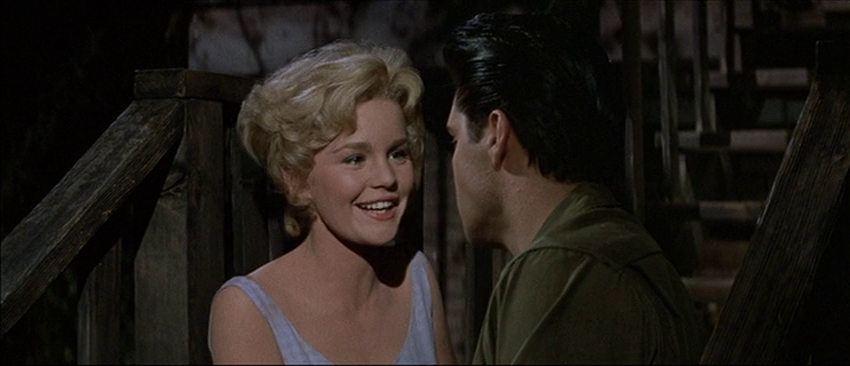
“It’s like I’m always walking around with a full cup of anger, trying not to spill it.”
|
Synopsis: |
|
Genres, Themes, Actors, and Directors:
Review: Note: According to TCM’s article, “Colonel Tom Parker, Elvis’s manager, insisted that the studio insert several songs into the film or it wouldn’t be an Elvis Presley picture”; the songs aren’t bad but don’t quite seem to fit. Redeeming Qualities and Moments:
Must See? Links: |
“Come on, Micki – just one child? A small one?”
|
Synopsis: |
|
Genres, Themes, Actors, and Directors:
Review: With that enormous (and critical) caveat aside, the screenplay is delightfully wacky and clever. It’s to Edwards’ and screenwriter Jonathan Reynolds’ credit that we maintain an interest and investment in these characters, all of whom are well-written and sympathetic. Meanwhile, fans of farcical comedy sketches will surely enjoy the extended sequences in which Moore must deftly shift between caring for one woman, then the other (in the OB-GYN’s office, and then at the hospital).
The ending is reasonable, if a bit of a let-down — but then again, what other way could this type of situation be resolved? Redeeming Qualities and Moments:
Must See? Links: |
“Maybe you were adopted.”
|
Synopsis: |
|
Genres, Themes, Actors, and Directors:
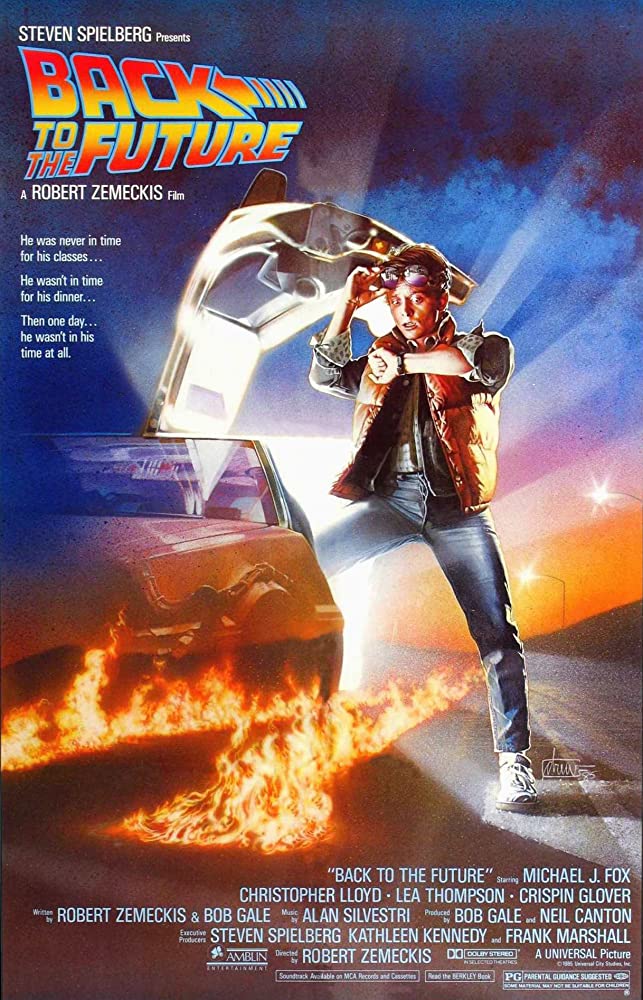
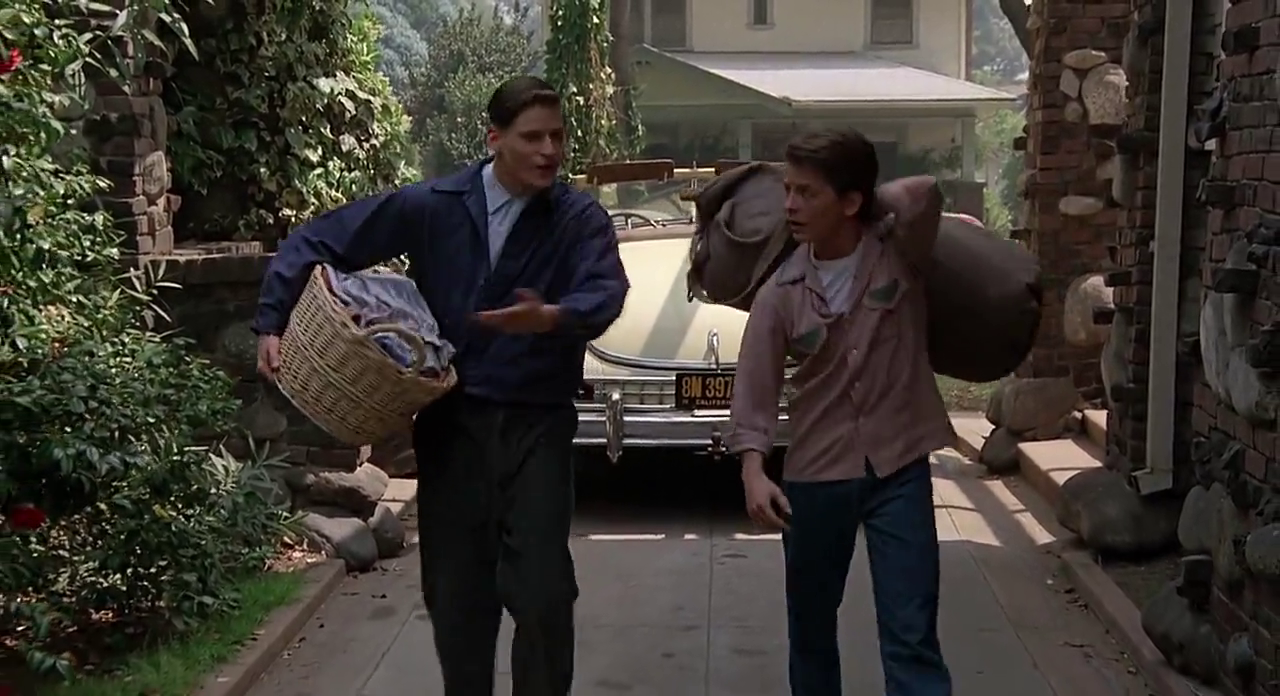
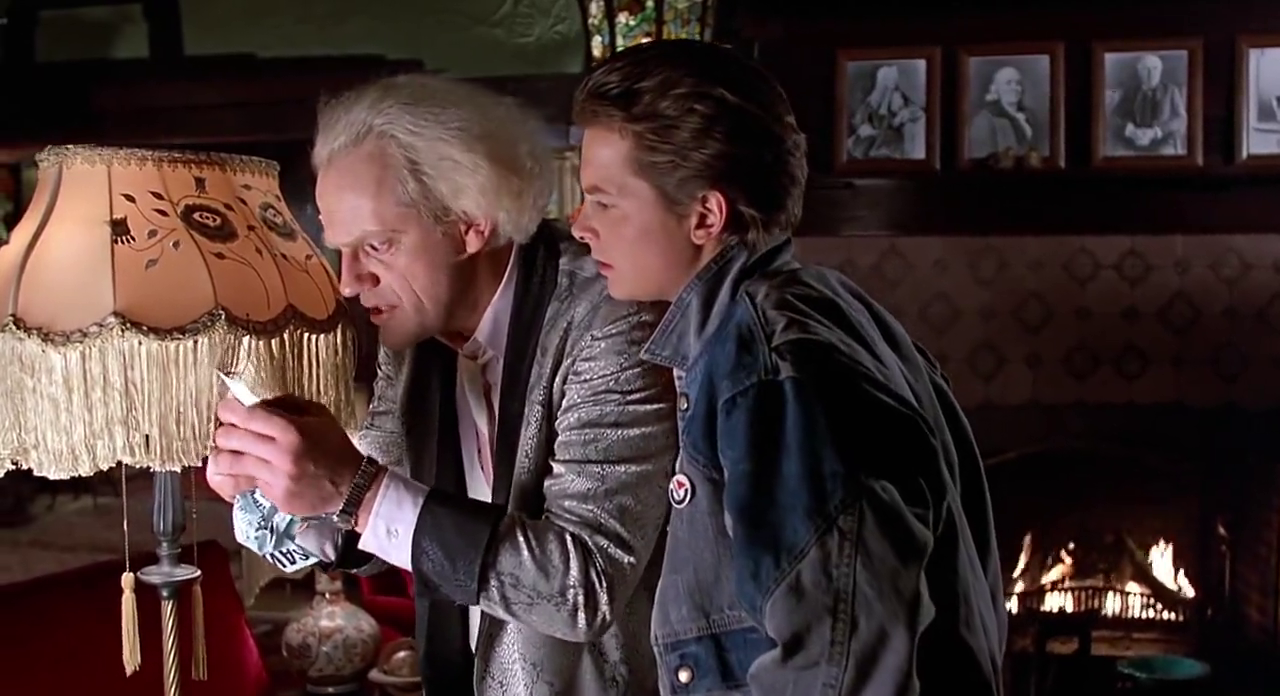
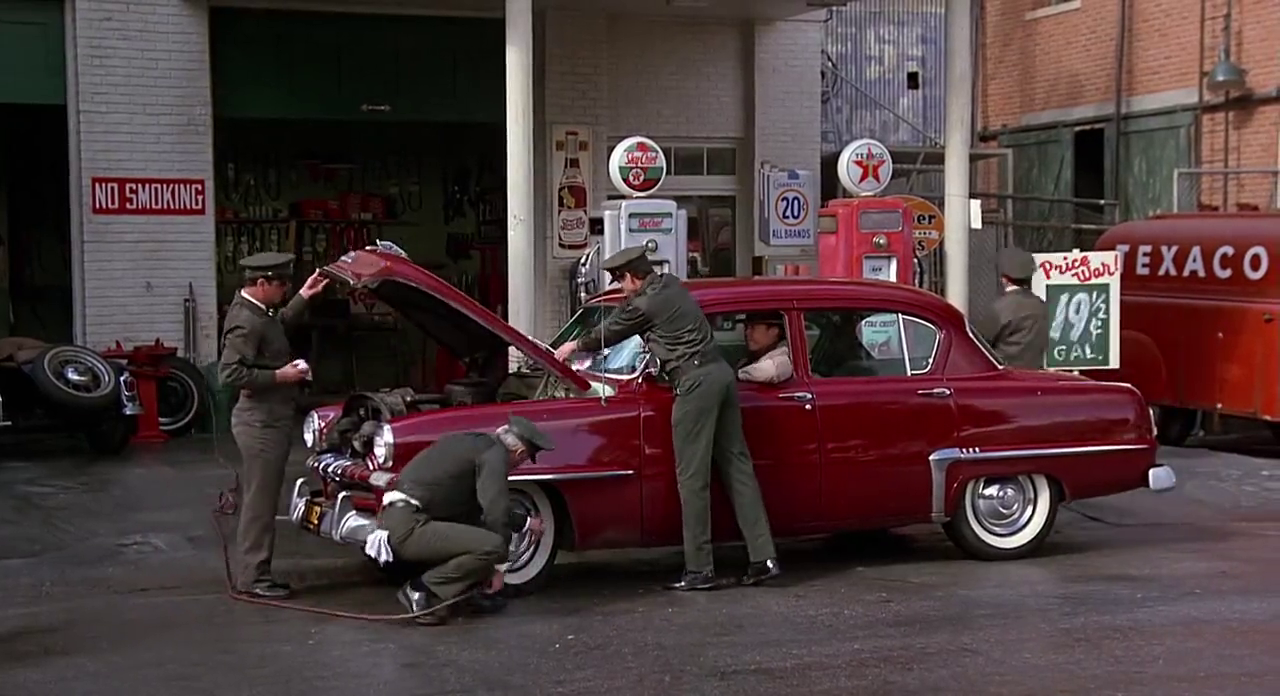
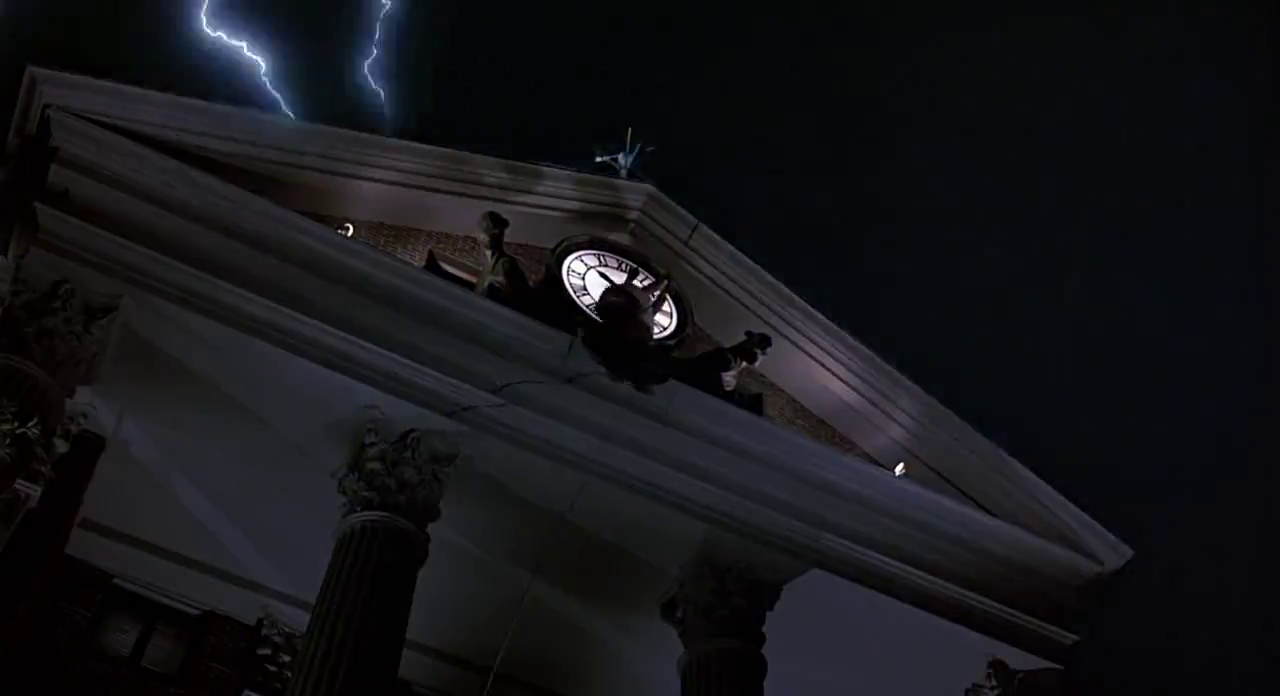
Response to Peary’s Review: Peary’s review is an interesting one to read so many years later, after two sequels have been released (the trilogy is now firmly entrenched as a cult favorite) and we’re living in yet another era that would feel somewhat foreign to inhabitants of just a few decades ago. As a time travel flick, Back to the Future holds up really well, despite Peary’s concerns: as many questions as we may have about the ethics and viability of changing our current reality by retroactively impacting the past, it’s easy enough to accept the film on its own narrative terms and simply enjoy the ride. I don’t quite agree with Peary that Glover is merely “the definitive nerd”; in fact, he’s quite convincing and sympathetic as a smart, talented, geeky young sci-fi fan who simply wants to be left alone. And while Lloyd does make “all previous wild-eyed, wild-haired wacko scientists look second-rate”, his over-the-top enthusiasm actually serves as a critical reminder that he’s co-existing in multiple time-spaces and has a different take on the entire situation. Note: I was pleasantly surprised to find and enjoy About Time (2013), a more recent time travel flick that handles its logistics and narrative threads with equal aplomb. It’s well worth a look as well. Redeeming Qualities and Moments:
Must See? Categories
(Listed in 1001 Movies You Must See Before You Die) Links: |
“One of these days they’ll be coming for me with a straight jacket.”
|
Synopsis: |
|
Genres, Themes, Actors, and Directors:
Response to Peary’s Review:
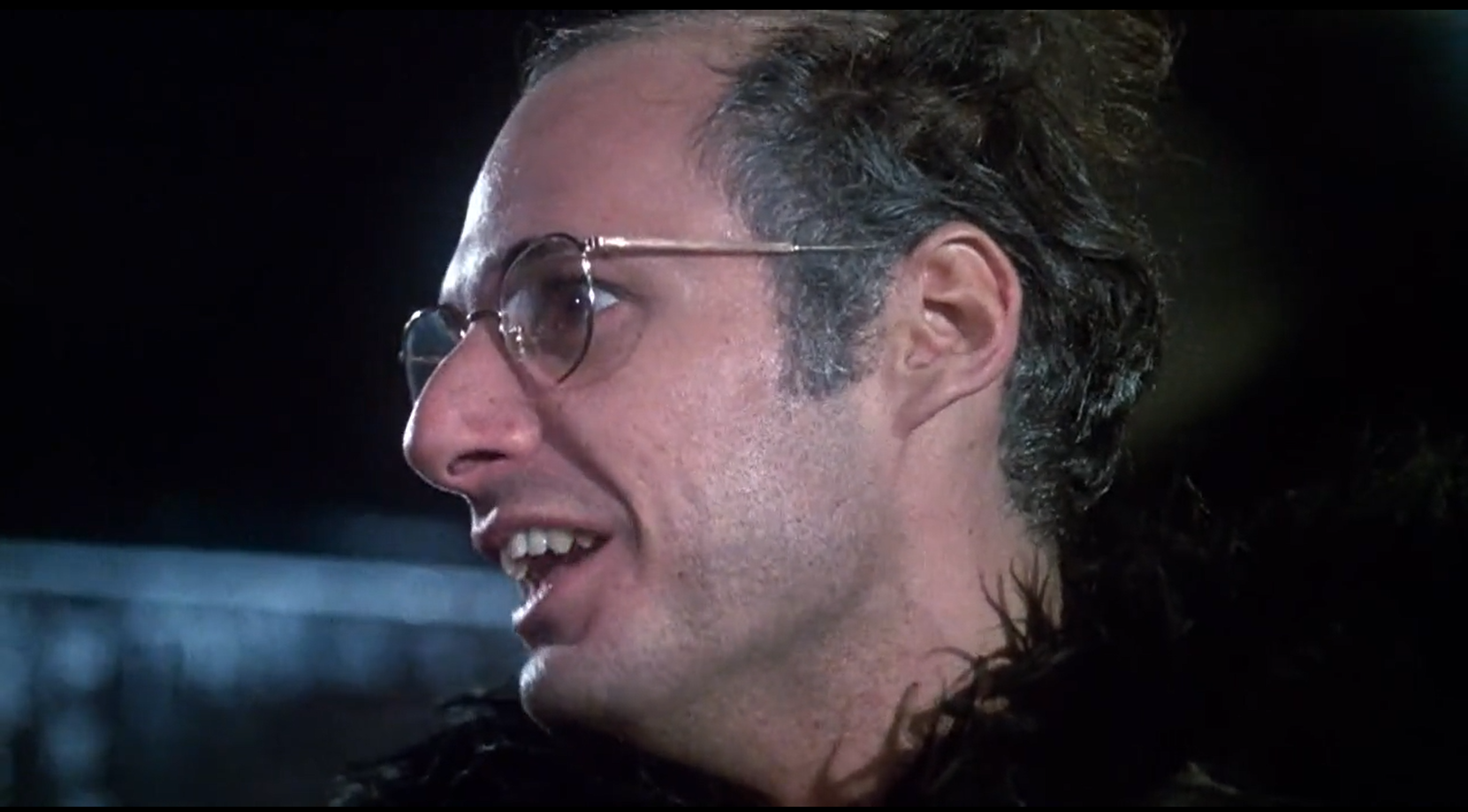
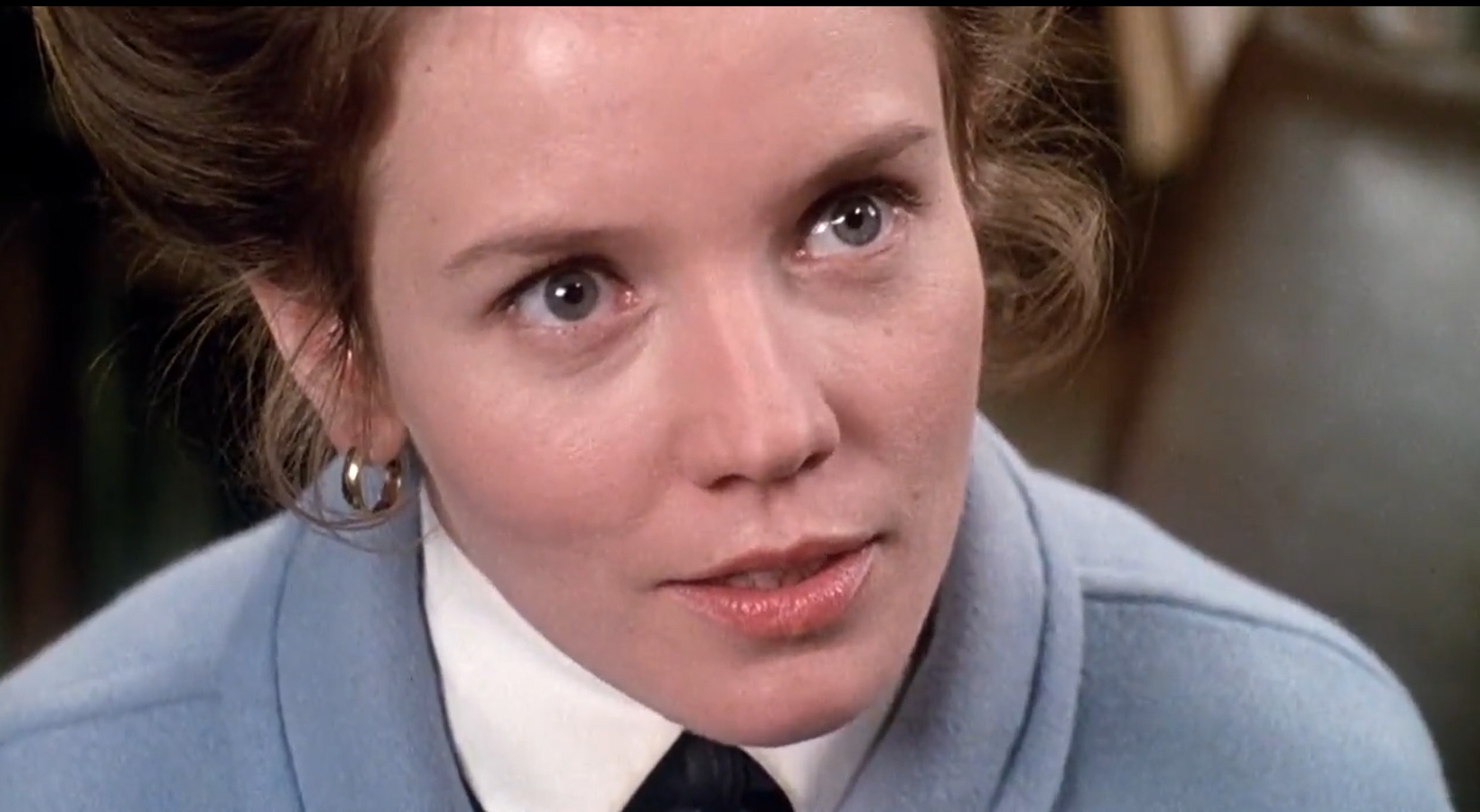
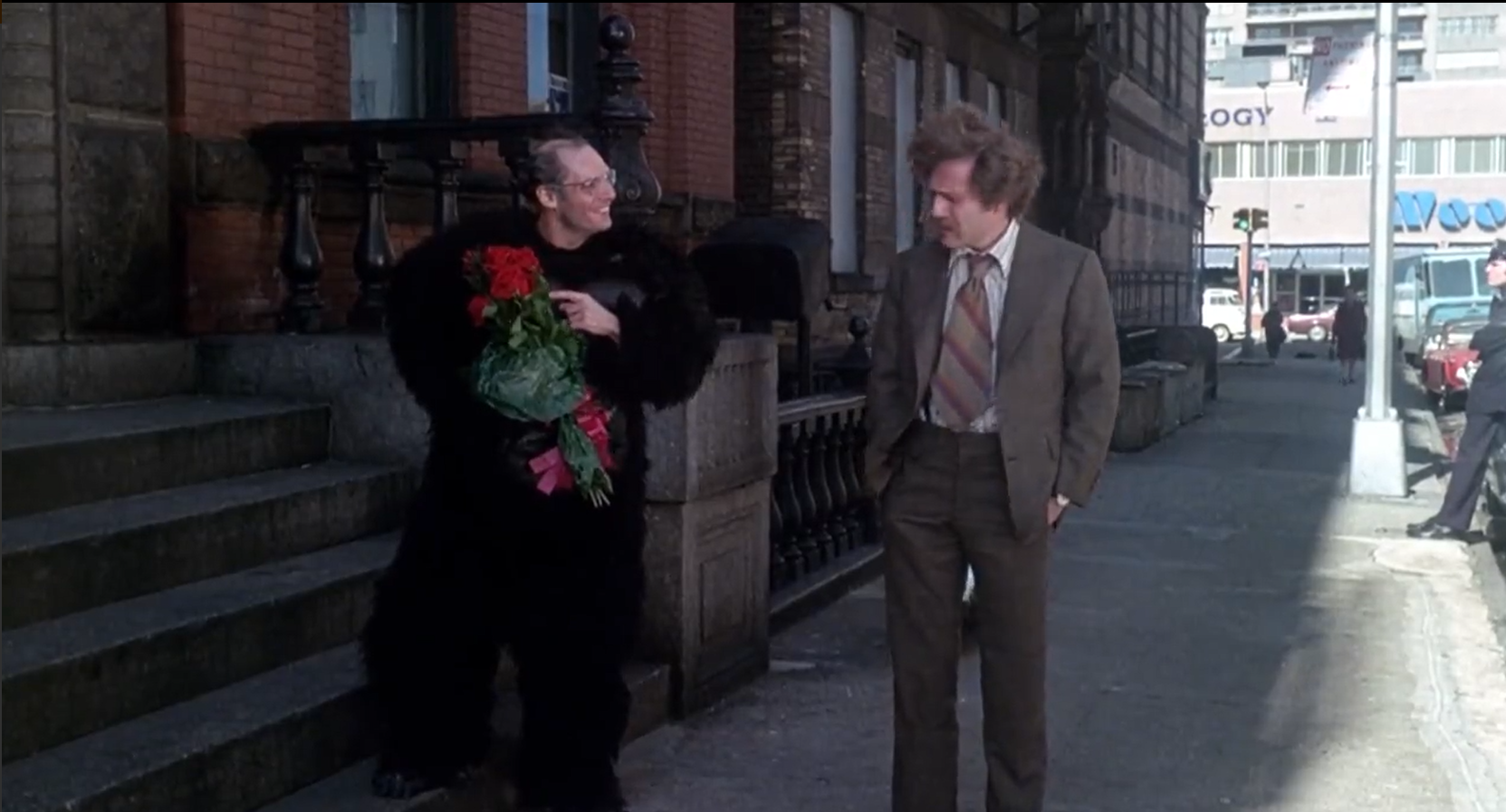
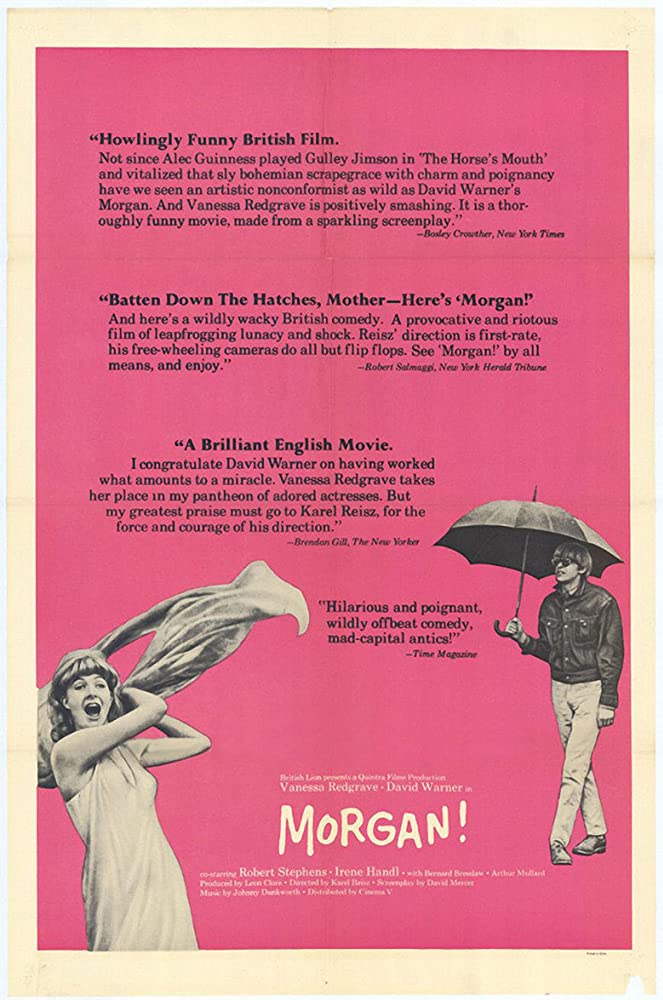
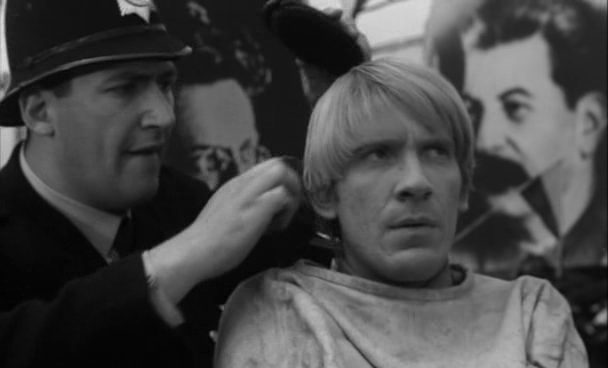
It’s not very hard to look “past director Karel Reisz’s deceptively charming veneer” and “see that Morgan’s fantasies and wild antics are symptomatic of impending personal disaster” — and I’m not someone who will simply “cheer Morgan’s devil-may-care behavior”, or “laugh when Morgan threatens Charles”, or “ignore Leonie’s protests”. As Peary writes, “the most important aspect of this film is not how Morgan tries to win back the woman he loved and lost, but how Leonie deals with the often pathetic advances of a man she loves but can’t be with without destroying herself.” Peary goes on to state that the “picture has lost much of its following because stylistically it is extremely dated”; he argues we’ve “long overdosed on freeze frames, fast-speed photography, insertions of old movies, and juxtaposition of images signifying ‘illusion’ and ‘reality’.” I’m not sure that still holds true; but the repeated insertion of clips from Tarzan Triumphs (1943) and King Kong (1933) — as well as Morgan’s imagining the world around him as a jungle — feel forced. By the time things get fully (and tragically) ridiculous near the end of the movie, and Morgan puts on his full-body gorilla suit, it’s clear the film has gone in directions that will either resonate with viewers or not.
It’s possible that this all played much fresher in the 1960s; but nowadays, one simply feels sad about Morgan’s untreated illness and frustrated at Redgrave for giving him such a long leash. Redeeming Qualities and Moments:
Must See? Links: |