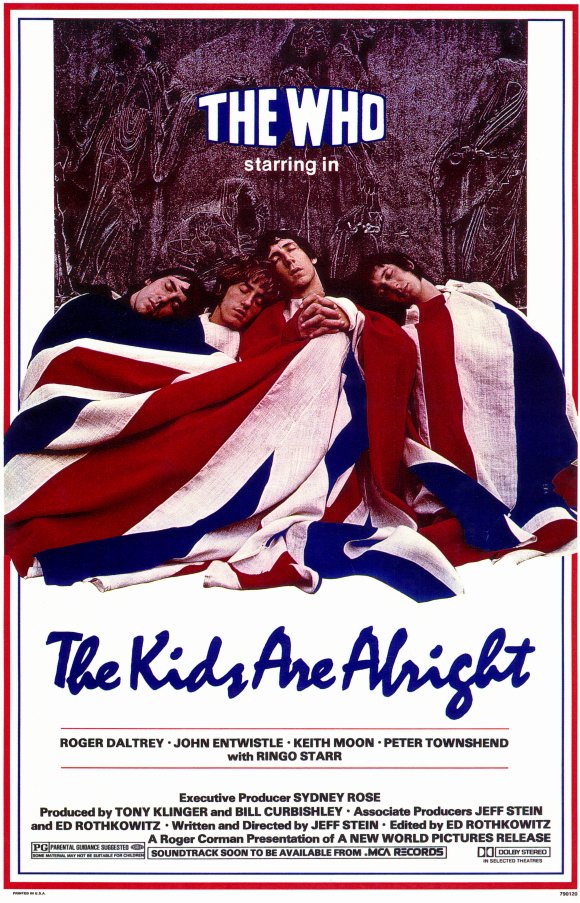
Kids Are Alright, The (1979)

Kids Are Alright, The (1979)

“You can’t stop doing what you’re doing, because you’d let down all these people.”

Synopsis:
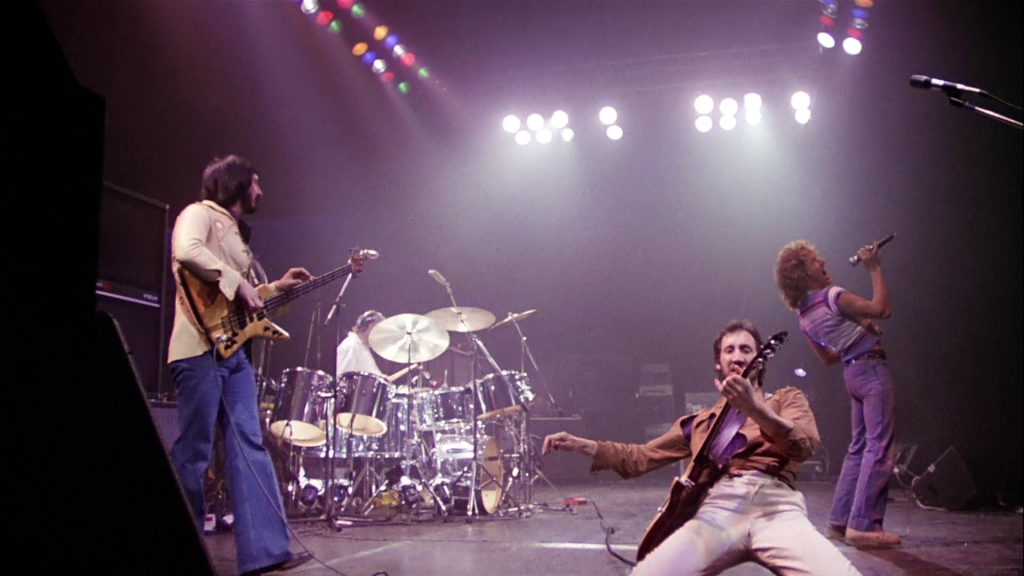
The raucuous style of British rock band The Who — singer Roger Daltrey, guitarist Pete Townshend, bassist John Entwistle, and drummer Keith Moon — evolves over their 15 years of performing together.

Genres, Themes, Actors, and Directors:

  • Documentary
  • Musicians
  • Rock and Roll

Response to Peary’s Review:
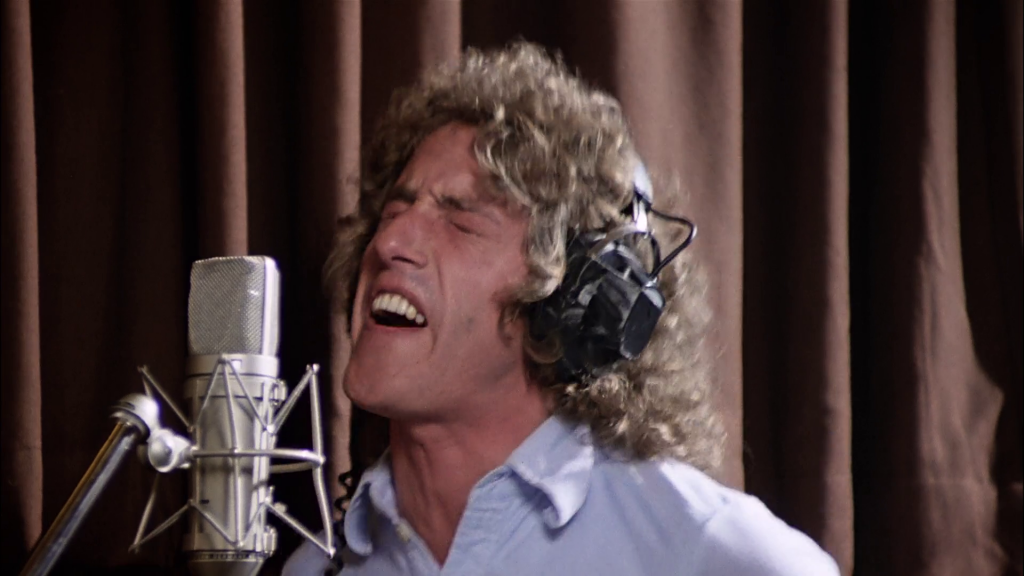
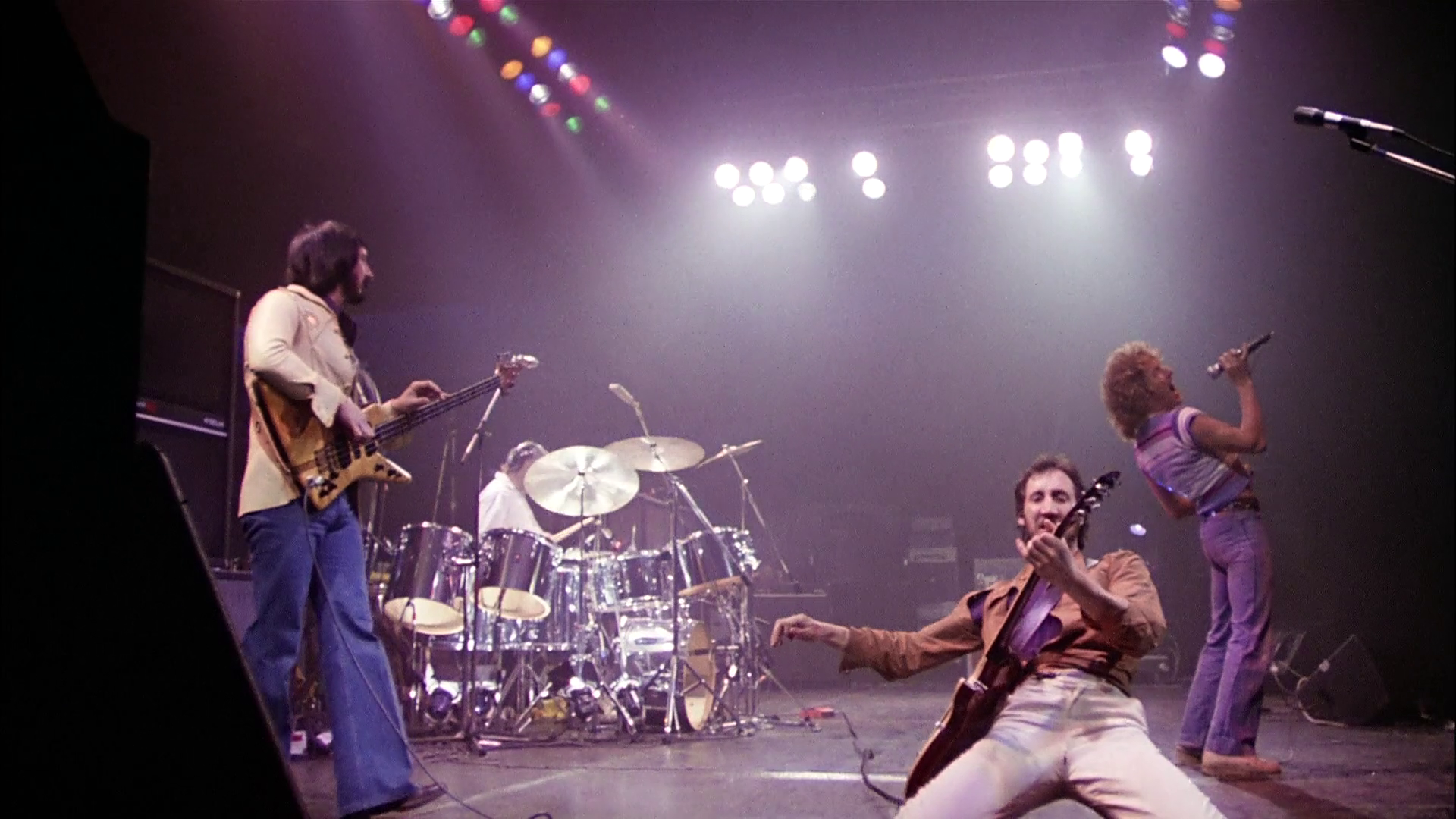
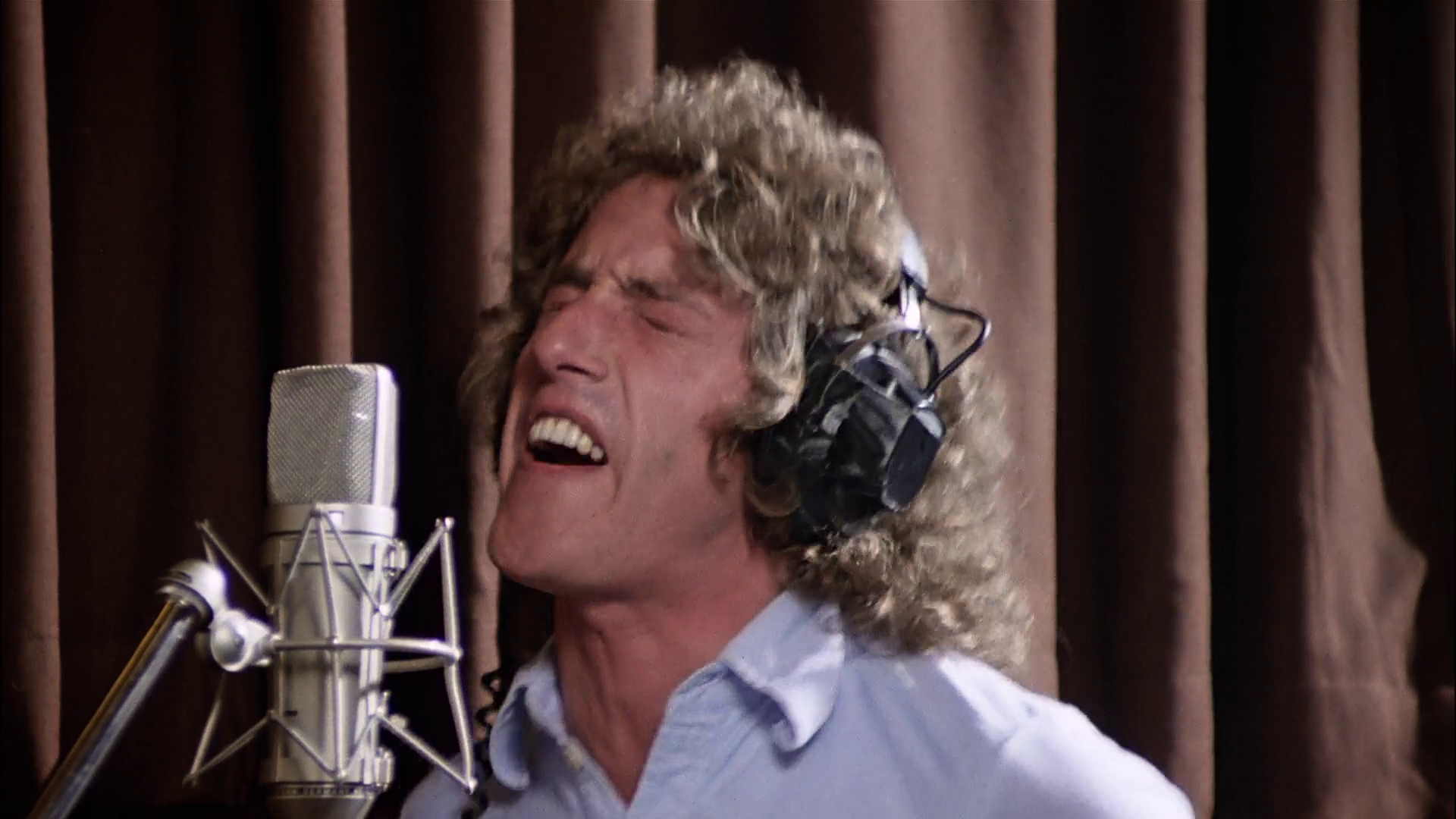
As Peary writes, this “very good documentary about the early years of the seminal British supergroup The Who” contains “interview material” that is “kept brief and doesn’t interfere with the group’s many songs, taken from concert footage, television appearances, and studio jam sessions”. We get an excellent sense of the four band members’ irreverent humor, as well as their diverse personalities: charming Daltrey (that hair! those abs!), dynamic Townshend (his energy and talent — and nose — are truly one-of-a-kind), goofy Moon (never not clowning on camera), and aloof Entwistle (static in comparison with his band-mates). Peary notes that throughout the non-linear film, “we see the group age and their style of dress switch from mod to flamboyant to casual, but if anything, their energy level picks up, their songs become louder, their musicianship becomes more complex, and their anarchic style, typified by Pete Townshend smashing his guitars and Keith Moon his drums, becomes less an angry, ostentatious gesture than a way they can properly convey the artist’s/musician’s need for completely free self-expression”.

I’m not positive about the veracity of the latter assertion, especially given the following rather cynical quote by young Townshend early in the group’s career:

You have to resign yourself to the fact that a large part of the audience is sort of thick, you know, and don’t appreciate quality, however much you try and put it over. The fact is that our group isn’t… hasn’t got any quality. It’s just musical sensationalism.

as well as the film’s closing quote by an older Townshend (see beginning of this review), which continues as follows:

It’s not people just saying, “Listen, you’ll disappoint your fans if you don’t go on. The show must go on. You must go on, otherwise all those people will be so upset.” It’s, “You’ve got to go on, man. Otherwise, all those kids, they’ll be finished. They’ll have nothing to live for.” That’s rock and roll.

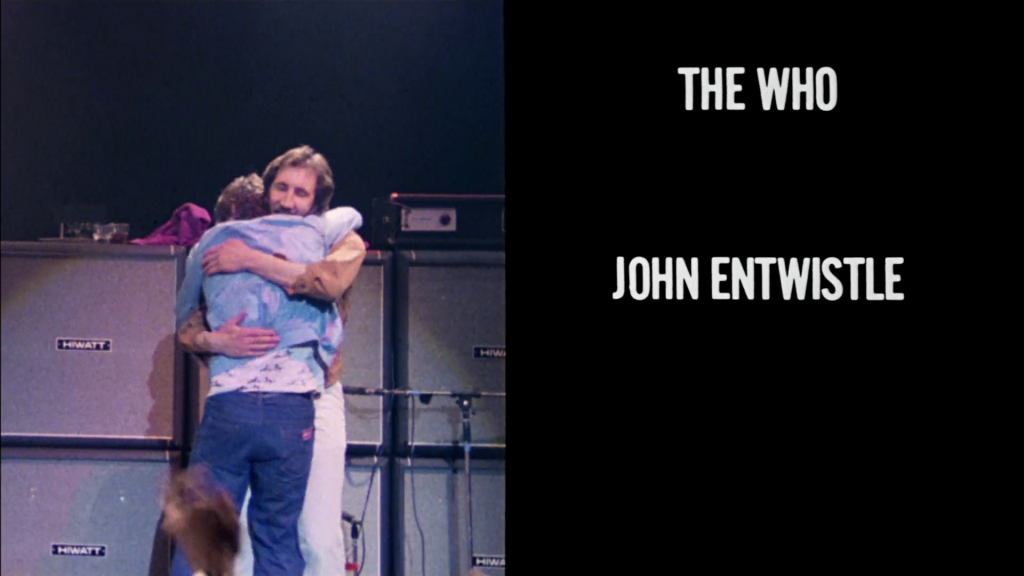
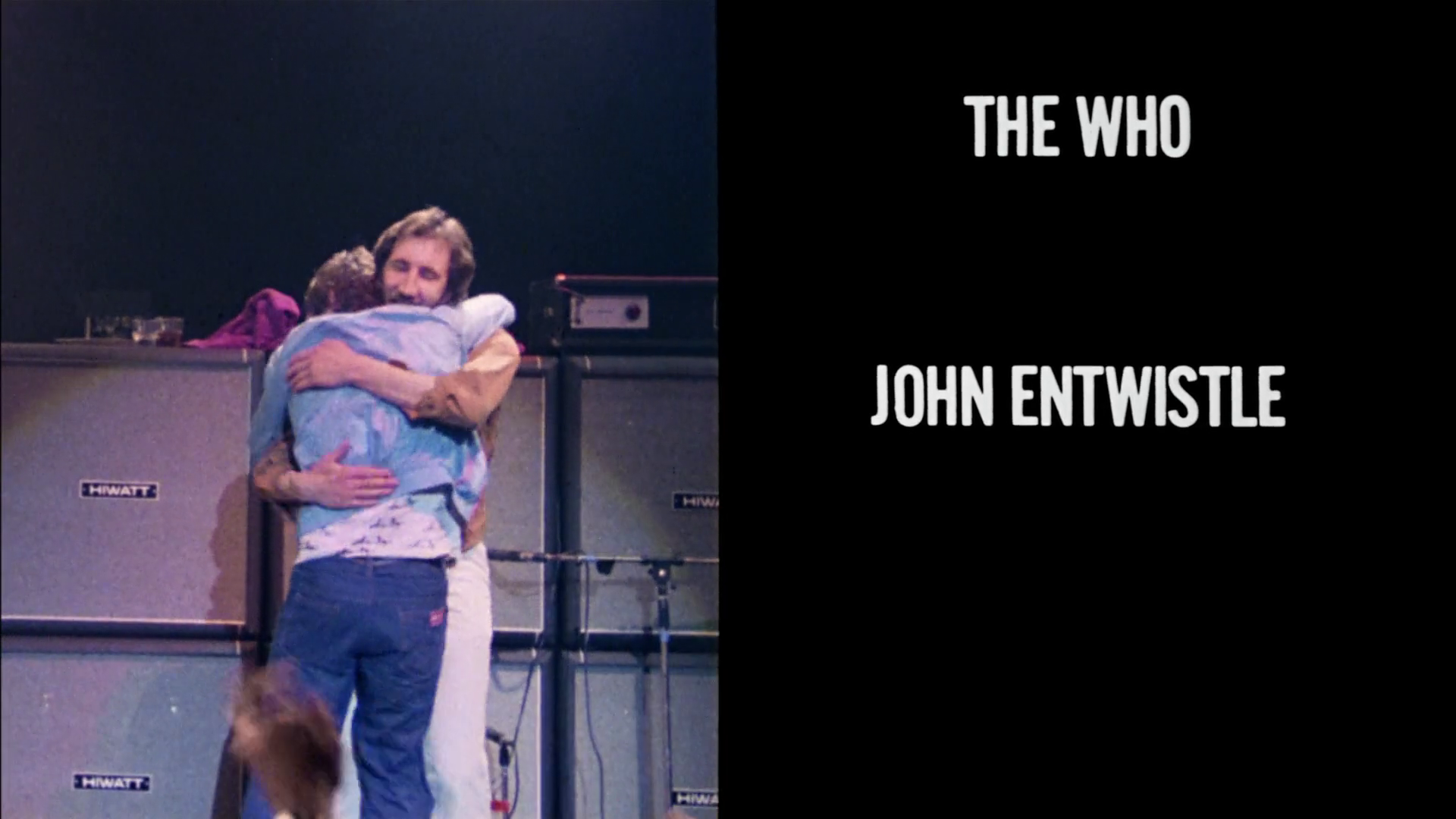
With that said, this final interview clip is followed by an enjoyably energetic and well-staged performance of “Won’t Get Fooled Again”, and surprisingly touching shots of the band embracing their adoring fans on-stage — thus making it seem like these men truly are playing for the enjoyment they bring to their fans (and continue to do so today).

Note: According to Wikipedia, the deeply drug-addicted “Moon… died one week after seeing the rough cut [of this documentary] with Daltrey.”

Redeeming Qualities and Moments:

  • Valuable, enjoyable footage of the group’s dynamic performance style and audience appeal


Must See?
No, but I think most film fanatics will want to check it out simply for general cultural interest and rockin’ music.

Links:

Breaking the Sound Barrier (1952)

Breaking the Sound Barrier (1952)

“It was almost as if I’d suddenly run into a solid sheet of water.”

Synopsis:
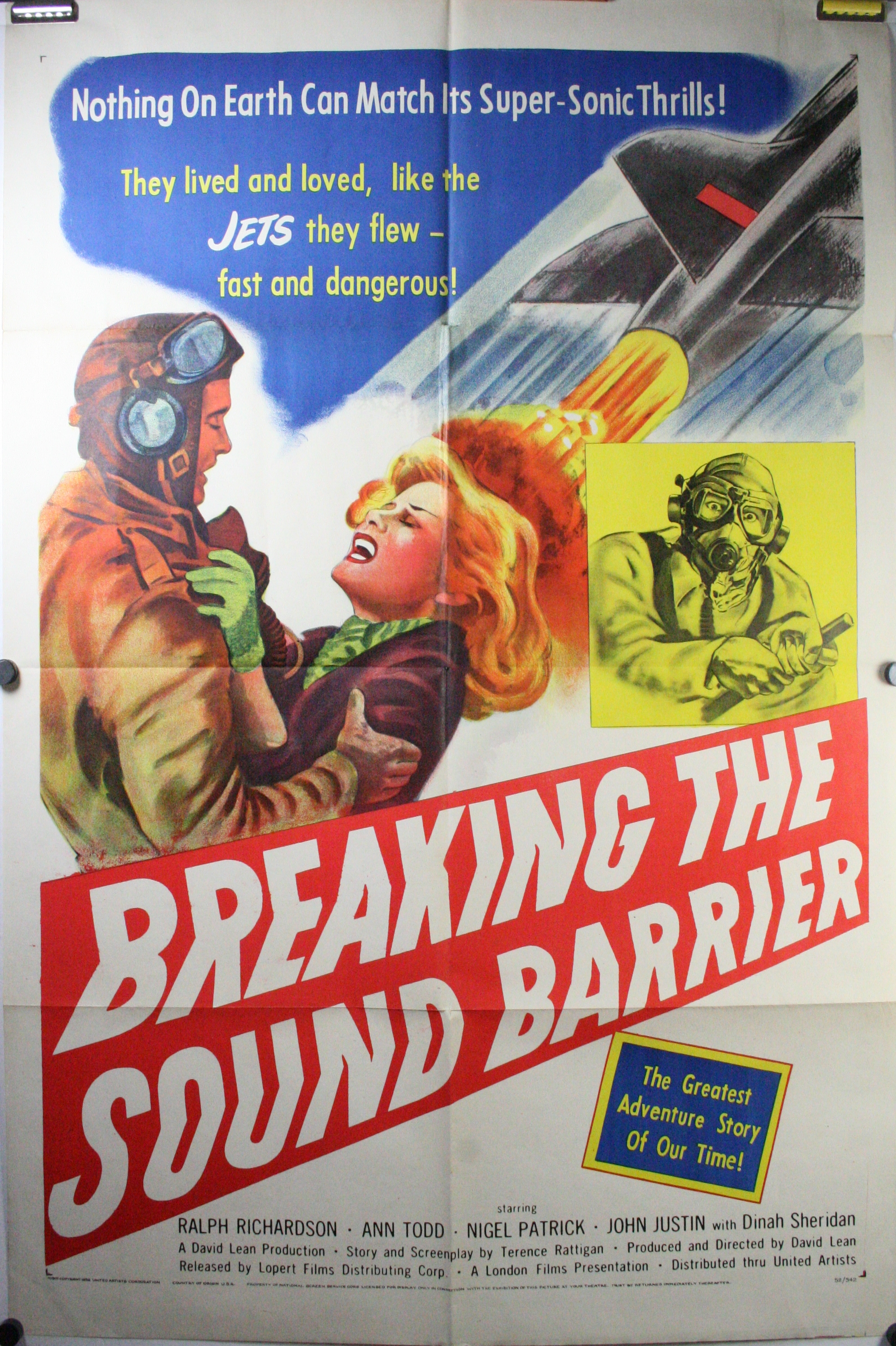
An RAF pilot (Nigel Patrick) marries the daughter (Ann Todd) of an airplane manufacturing magnate (Ralph Richardson) who is determined to send a test pilot through the sound barrier.

Genres, Themes, Actors, and Directors:

  • Airplanes and Pilots
  • David Lean Films
  • Denholm Elliott Films
  • Ralph Richardson Films
  • Science Fiction Films

Review:
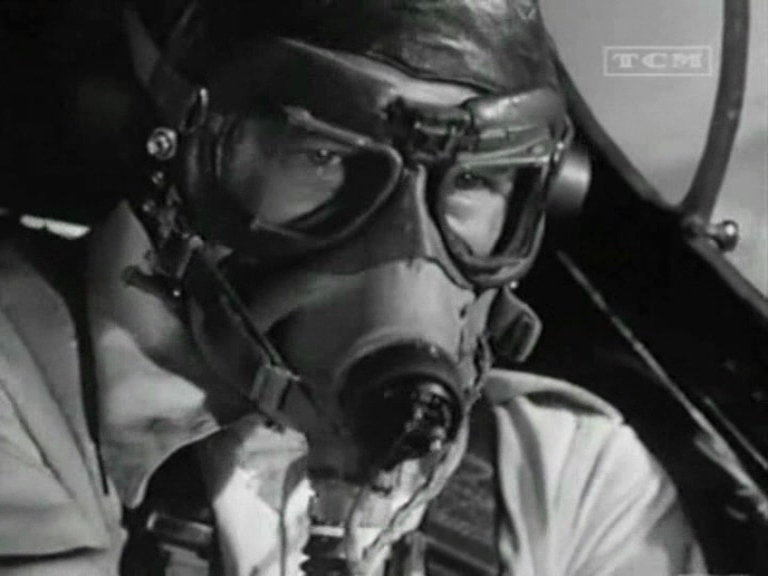
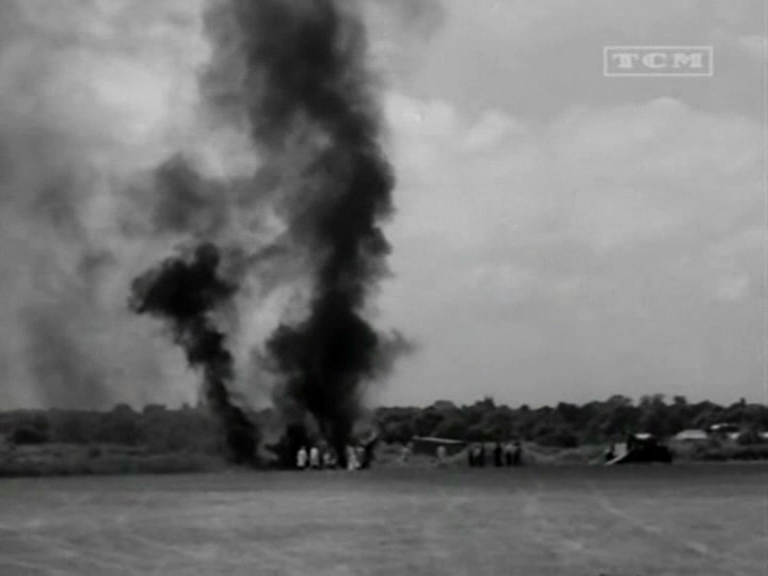
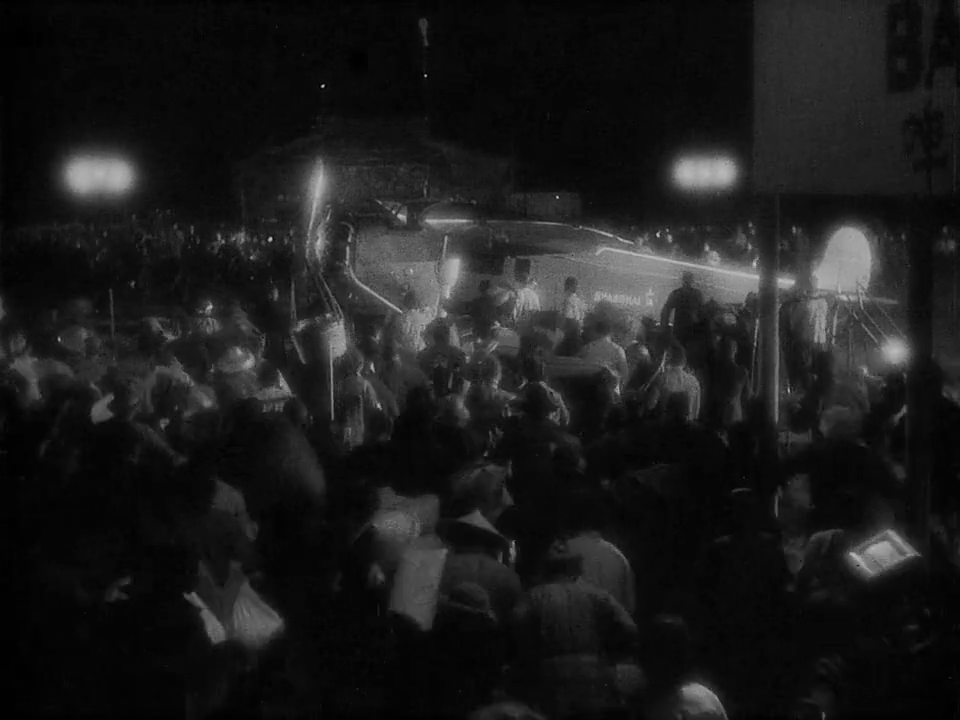
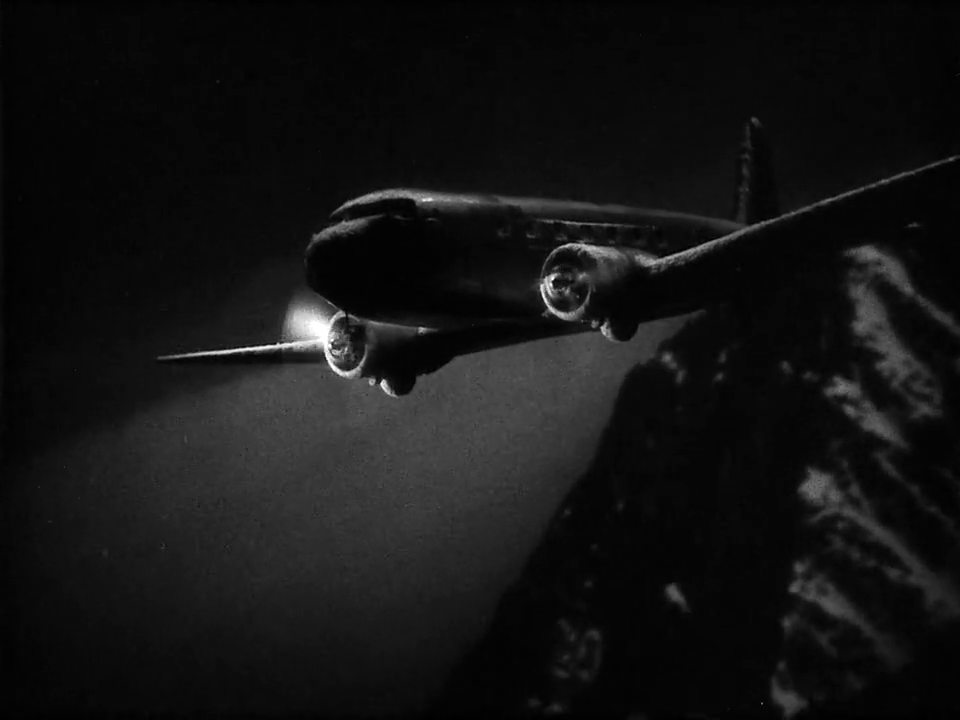
Inspired by the life of British aviation pioneer Geoffrey de Havilland, this David Lean flick is an interesting mix of revisionist history and science fiction. By claiming victory over one of the most profound challenges of aeroscience (flying faster than “Mach 1”), Breaking the Sound Barrier plants a false narrative of how this endeavor was achieved; those wanting a more authentic history must watch The Right Stuff (1983) about Chuck Yeager. With that enormous caveat in mind, this film succeeds in showing how a “stiff upper lip” is apparently an endemic British cultural trait, and how the desire to advance scientific knowledge sometimes trumps common sense and one’s personal survival-instinct. Less compelling is the overall storyline about a tough-as-nails magnate (Richardson) who seems willing to risk the happiness of both his son (Denholm Elliott) and daughter (Ann Todd) for the sake of his empire (and knowledge); if this were based on a true story, it would be easier to accept the conveniently plotted twists and turns — but, it’s not. The direction and cinematography are excellent, though.

Redeeming Qualities and Moments:

  • Many expertly filmed dramatic moments

  • Jack Hildyard’s cinematography

Must See?
No. Listed as a film with Historical Importance in the back of Peary’s book.

Links:

Silver Streak (1976)

Silver Streak (1976)

“If there’s one thing I have learned from this trip it’s that you play the game, and take what you get.”

Synopsis:
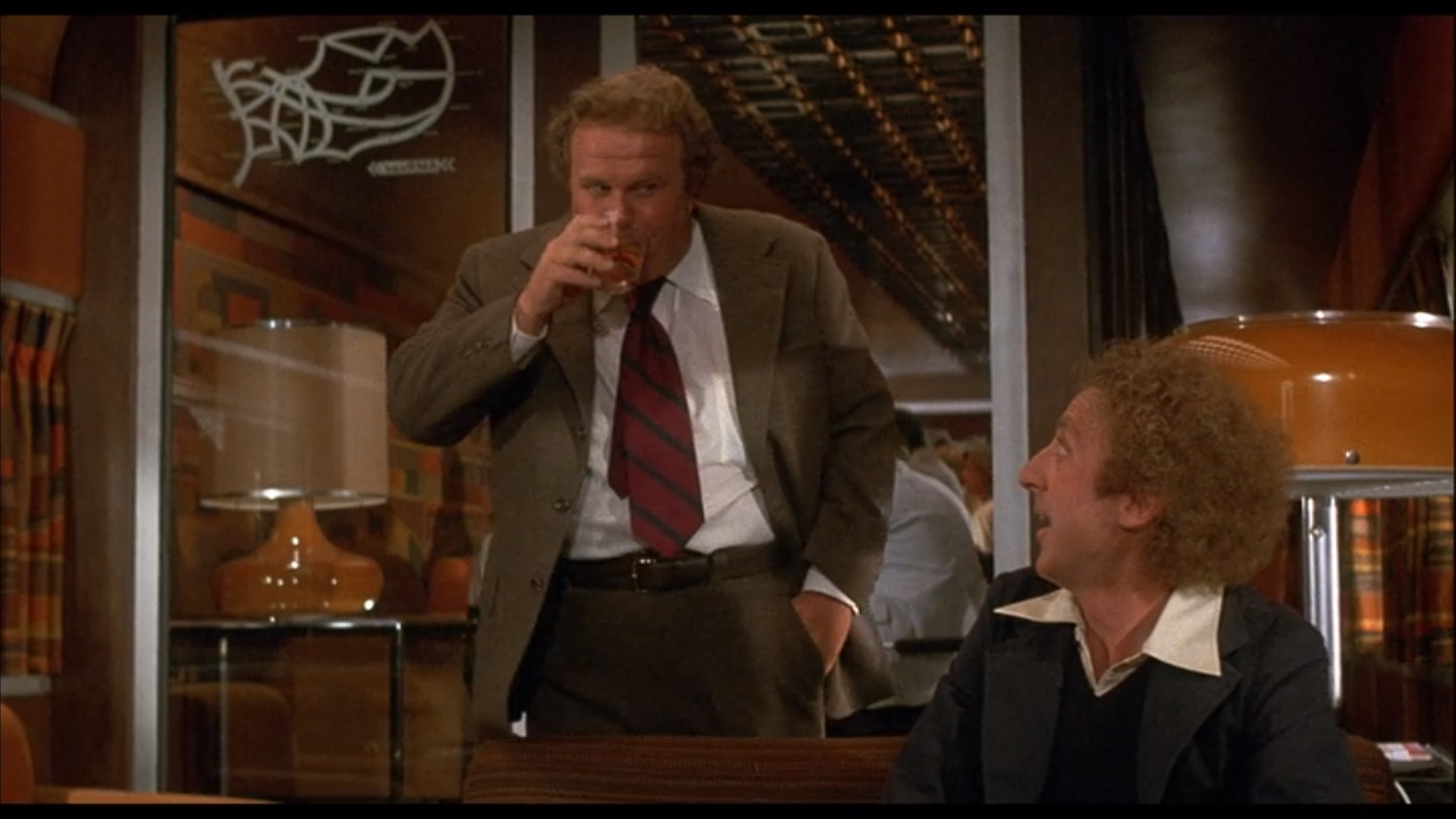
A book editor (Gene Wilder) meets a beautiful secretary (Jill Clayburgh) while travelling onboard a train called the Silver Streak. After seeing the man Clayburgh works for hanging dead outside a window, he panics but can’t get anyone to believe him — until a fellow passenger (Ned Beatty) reveals his true identity, and Wilder later meets a thief (Richard Pryor) who attempts to help him catch the murderers.

Genres, Themes, Actors, and Directors:

  • Comedy
  • Gene Wilder Films
  • Jill Clayburgh Films
  • Mistaken or Hidden Identities
  • Ned Beatty Films
  • “No One Believes Me!”
  • Richard Pryor Films
  • Road Trip
  • Trains and Subways

Review:
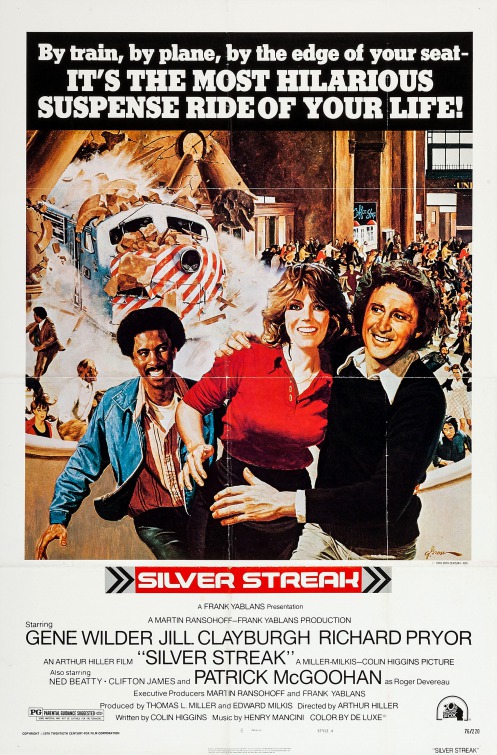
Directed by Arthur Hiller and scored by Henry Mancini, Silver Streak was the first of four on-screen pairings between comedians Gene Wilder and Richard Pryor, who next teamed up for Stir Crazy (1980). Of Silver Streak, screenwriter Colin Higgins — best known for scripting Harold and Maude (1971) — stated in an interview, “I had always wanted to get on a train and meet some blonde. It never happened, so I wrote a script” — thus explaining the rather haphazard nature of the storyline, which tosses in every action-murder-mystery-romance convention in the book, plus race relations, a plucky female pilot, and a bit of a buddy theme. It’s competently made and acted, but doesn’t hold one’s attention in the same way as Hitchcock’s The Lady Vanishes (1938) or Sidney Lumet’s Murder on the Orient Express (1974), which it seems to aspire towards.

Redeeming Qualities and Moments:

  • Good use of a train as a primary locale

Must See?
No, though you may want to check it out if you’re a fan of Wilder or Pryor.

Links:

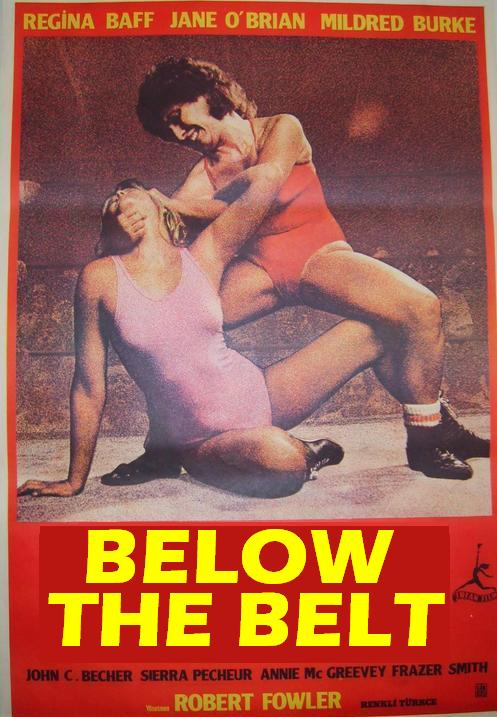
Below the Belt (1980)

Below the Belt (1980)

“She’s stronger than she looks — I’m working on the image!”

Synopsis:
A waitress (Regina Baff) tries her luck as a female wrestler, travelling across the United States with a group of diverse and determined women.

Genres, Themes, Actors, and Directors:

  • Character Arc
  • Feminism and Women’s Issues
  • Road Trip
  • Strong Females
  • Underdogs
  • Wrestling

Review:
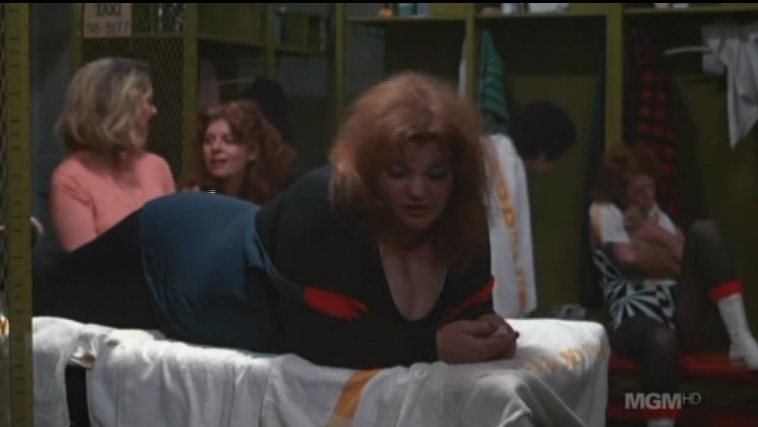
A year before Robert Aldrich’s All the Marbles (1981) (a.k.a. The California Dolls) was released, writer-director Robert Fowler made this character study about a down-on-her-luck waitress hoping for a more empowered and exciting life through female wrestling. Fowler and Sherry Sonnet’s screenplay — based on an autobiographical novel by Rosalyn Drexler — contains plenty of authentic insights into the seamy world of low-rent wrestling, showing both the challenges and the bonds that occur along the way. (For the most part, the wrestlers are supportive rather than combative with one another, understanding that it’s primarily a show rather than a contest.) Given its parallels with the underdog film Rocky (1976), Below the Belt naturally ends with “The Big Fight”, which is actually quite gripping given that it stars real-life wrestler Jane O’Brien as “Terrible Tommy” (missing a front tooth, and menacing as all-get-out). Less engaging are Baff’s romantic foibles and a side-story about a middle-aged couple (Sierra Pecheur and Dolph Sweet) debating leaving the wrestling world for different pastures — but it all adds to the amiably paced flow of the film, which is more ethnographic than plot-driven. Watch for Shirley Stoler in a supporting role as one of Baff’s co-wrestlers.

Redeeming Qualities and Moments:

  • Regina Baff as Rosa
  • Seemingly authentic “behind the scenes” footage of life for wrestlers
  • Good use of real-life wrestlers and matches
  • A catchy and unusual soundtrack (“Some folks are so mean, they gargle gin and gasoline”)

Must See?
No, but it’s worth seeking out for a one-time look. Listed as a Sleeper in the back of Peary’s book.

Links:

Circle of Iron (1978)

Circle of Iron (1978)

“Whatever you think I am — or want me to be — I am.”

Synopsis:
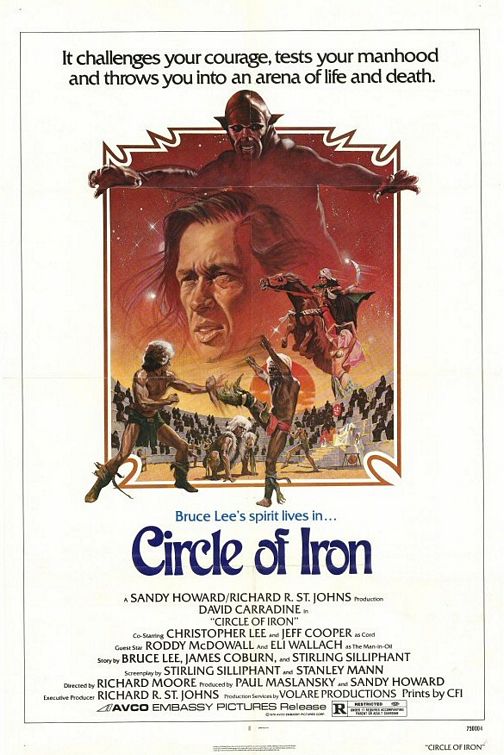
After being formally defeated in a fight overseen by a leader in a white robe (Roddy McDowell), a warrior (Jeff Cooper) seeking a mysterious seer named Zetan (Christopher Lee) finds unexpected assistance from a blind, martially-talented flute-player (David Carradine).

Genres, Themes, Actors, and Directors:

  • Character Arc
  • Christopher Lee Films
  • David Carradine Films
  • Eli Wallach Films
  • Fantasy
  • Martial Arts
  • Roddy McDowell Films
  • Search

Review:
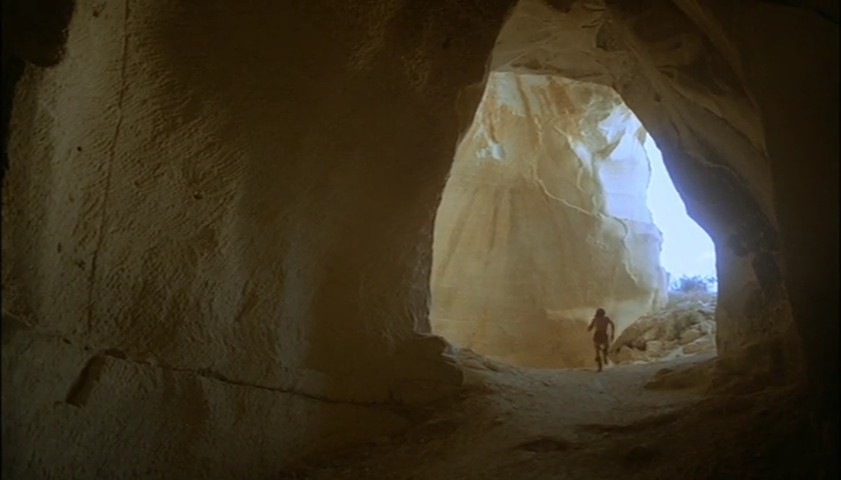
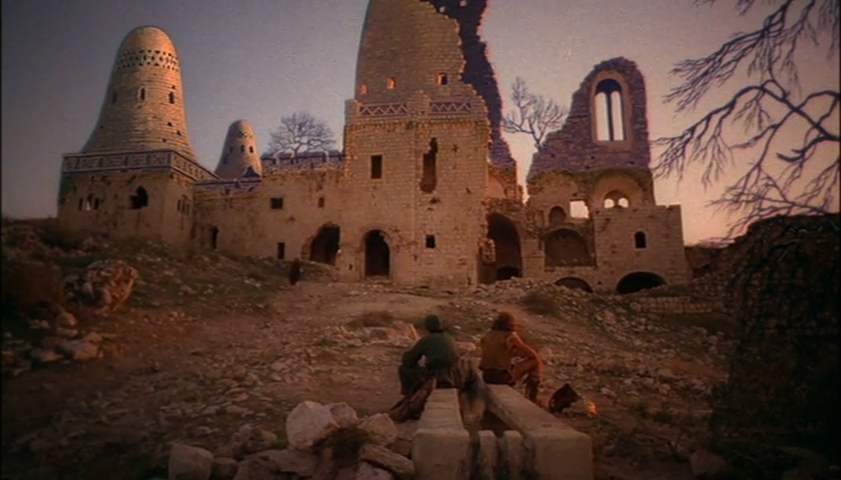
This martial arts fantasy flick is perhaps best known as the movie Bruce Lee co-wrote and intended to star in before his untimely death. As a viewer not particularly well-versed in martial arts films, I can’t speak to the quality or nature of the fights — but the rest of the picture sure is a wacky, at-times surreal adventure. While Cooper is the nominal protagonist, Carradine steals the show as a blind flautist who may or may not be able to teach Cooper valuable lessons grounded in Eastern philosophy. Naturally, there’s plenty of ripe dialogue to enjoy:

“Are you waiting for fear to freeze my heart before you carve it out?”

and the fantasy sets are reasonably impressive. This one isn’t must-see for all film fanatics, but fans of the genre will likely want to check it out. Most surreal sequence: Eli Wallach explains his ten-year “tub cure” to Cooper.

Redeeming Qualities and Moments:

  • David Carradine’s tongue-in cheek performance(s)
  • Fine cinematography and outdoor sets

Must See?
No, but it’s worth a look for its wacky cult flavor. Listed as a Cult Movie in the back of Peary’s book.

Links:

Lost Horizon (1937)

Lost Horizon (1937)

“Did you ever go to a totally strange place and feel certain you had been there before?”

Synopsis:
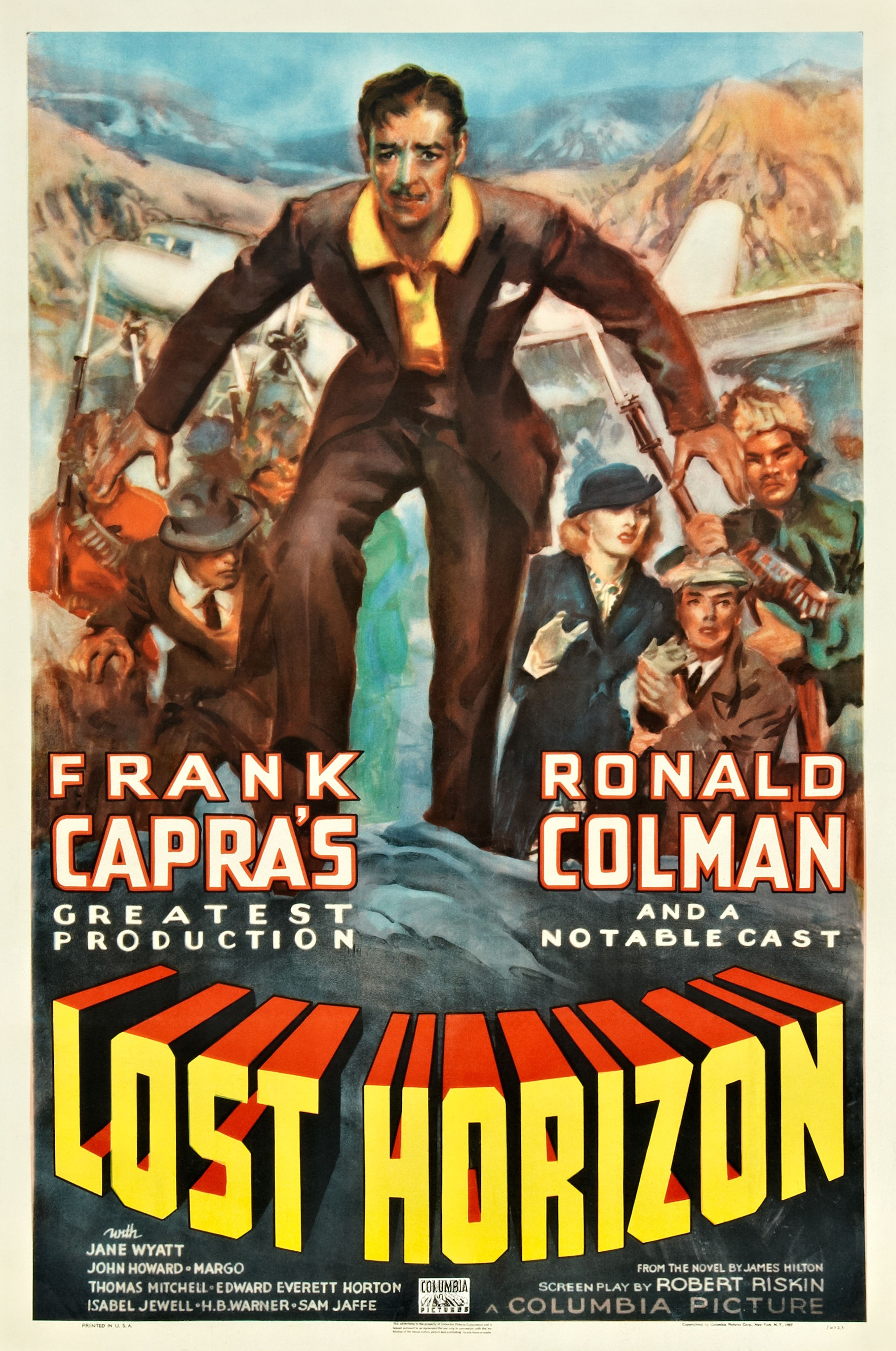
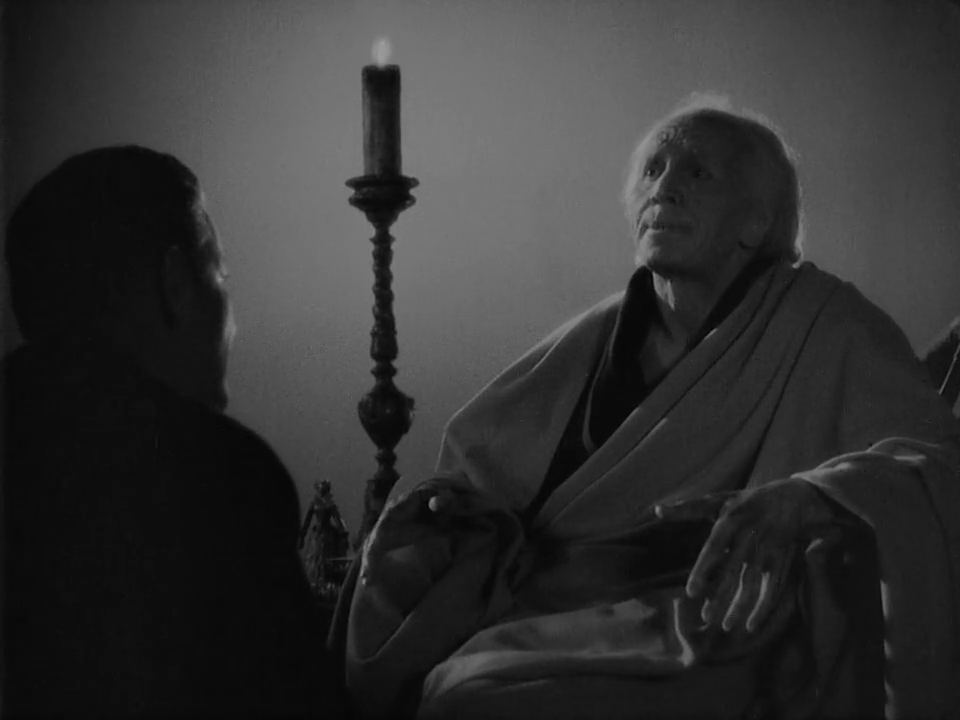
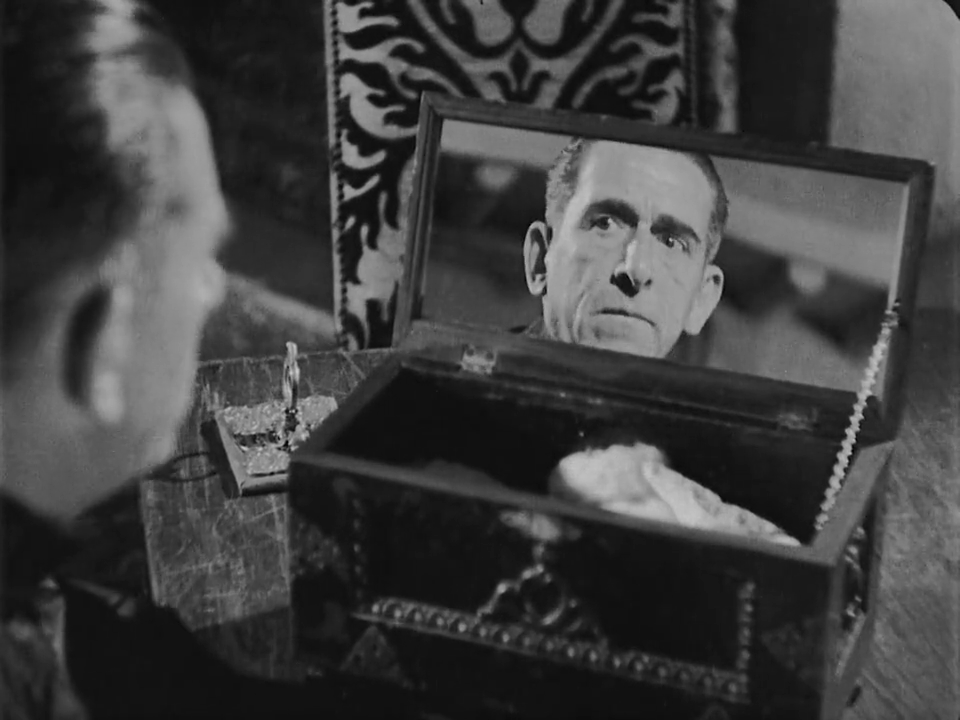
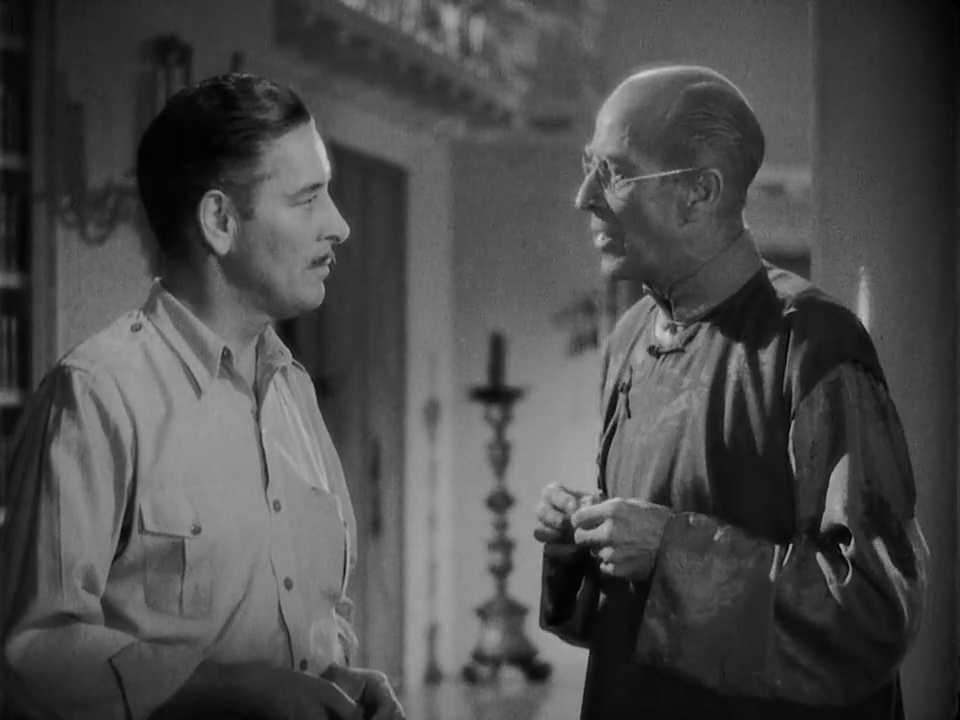
A diplomat (Ronald Colman) helps a group of Westerners — including his brother (John Howard), a financial felon (Thomas Mitchell), a paleontologist (Edward Everett Horton), and an ailing prostitute (Isabel Jewell) — flee an attack in China by boarding a plane which lands in a remote Tibetan paradise known as Shangri-La, where they are welcomed by a serene old man (H.B. Warner). After meeting with the founder of Shangri-La (Sam Jaffe) and learning more about its magical properties, Colman — who has fallen in love with a beautiful teacher (Jane Wyatt) — is tempted to stay and live in paradise, but Howard and his new love (Margo) are desperate to leave. Where will Colman’s loyalties land?

Genres, Themes, Actors, and Directors:

  • Escape
  • Fantasy
  • Frank Capra Films
  • Jane Wyatt Films
  • Ronald Colman Films
  • Sam Jaffe Films
  • Thomas Mitchell Films

Response to Peary’s Review:
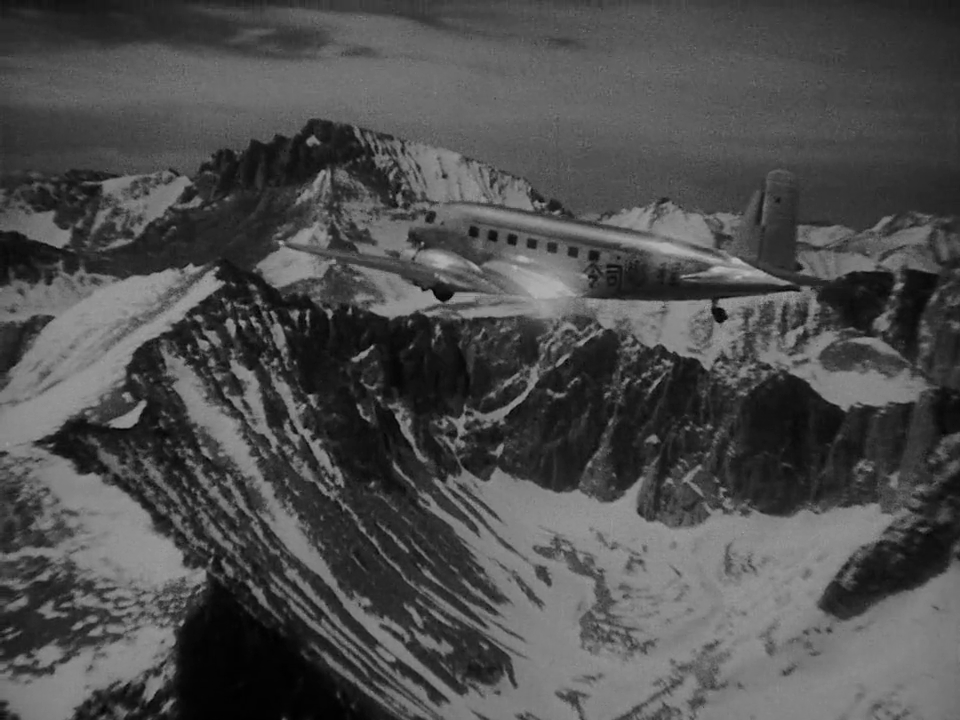
Peary begins his review by noting that “archivists are still looking for lost footage” of Frank Capra’s film, which was “originally 130 minutes”; thankfully, a restored version is now available, albeit with stills used in some places a la the restoration of A Star is Born (1954). However, as Peary writes, this “classic” — based on the 1933 novel by James Hilton — “has dated badly”, with “the most exciting scenes” coming before the troupe “reach the utopia in the Himalayas”:

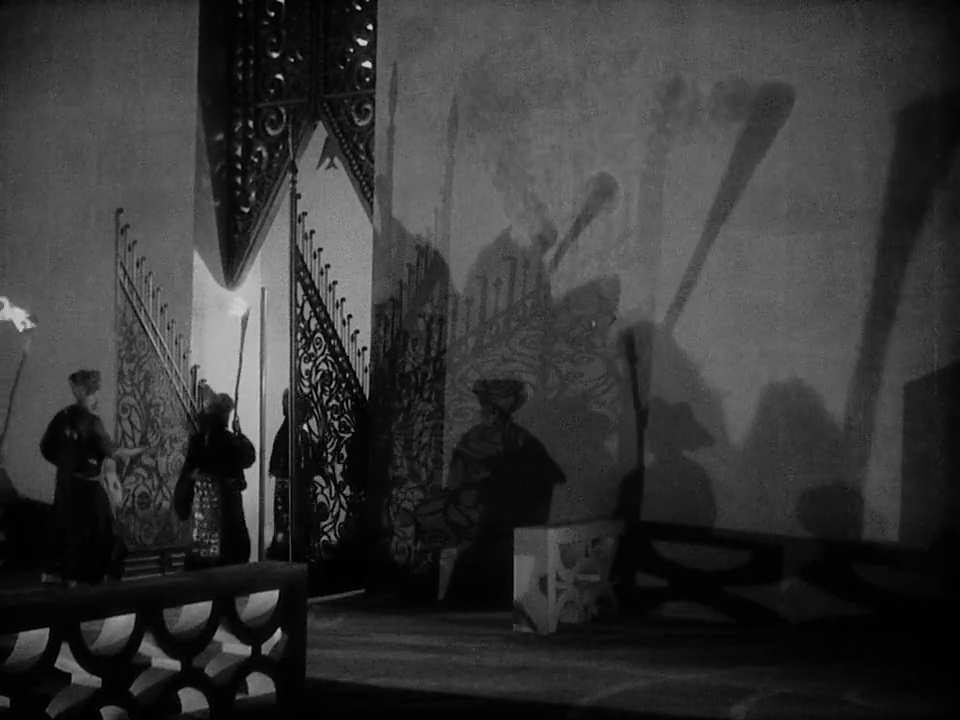
He notes that “the time the characters spend in this land where people are healthy, exist in harmony, and live for 200 years is dull in comparison”. Peary’s review is spot on: the opening scenes during the revolt are thrilling and fast-paced, but Shangri-La itself comes across as little more than a beautiful spa; plus, it’s distressing seeing the “happy natives” all working or in school while the whites live in luxury. I’m also not a fan of Jaffe’s casting as the High Lama, though he does come across as appropriately deluded.

The twist near the end is exciting, and Joseph Walker’s cinematography is gorgeous — but otherwise, this film is primarily of interest as a historical document.

Note: According to Wikipedia, the film “exceeded its original budget by more than $776,000, and it took five years for it to earn back its cost.”

Redeeming Qualities and Moments:

  • The exciting opening get-away sequence

  • Majestic sets

  • Joseph Walker’s cinematography

  • H.B. Warner as Chang

Must See?
No, though it’s worth a one-time viewing. Selected in 2016 for preservation in the United States National Film Registry by the Library of Congress.

Links:

Prizefighter and the Lady, The (1933)

Prizefighter and the Lady, The (1933)

“He’s just a big kid — playful and thoughtless.”

Synopsis:
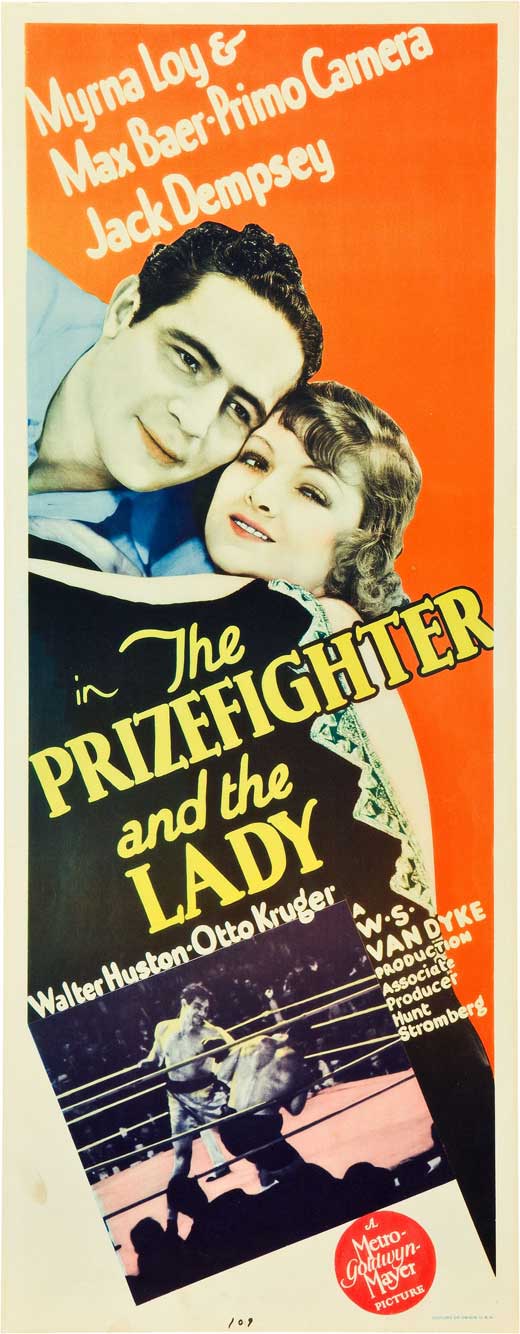
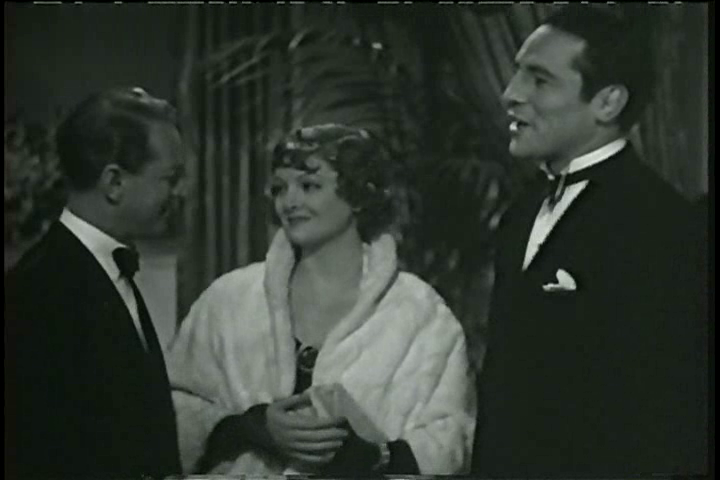
As a beefy bartender (Max Baer) begins training with a washed-up boxing promoter (Walter Huston), he falls for the singing moll (Myrna Loy) of a gangster (Otto Krueger), who is primarily worried about Loy’s happiness given Baer’s enormous ego and roving eye.

Genres, Themes, Actors, and Directors:

  • Boxing
  • Love Triangle
  • Marital Problems
  • Myrna Loy Films
  • Walter Huston Films
  • Womanizers
  • W.S. Van Dyke Films

Review:
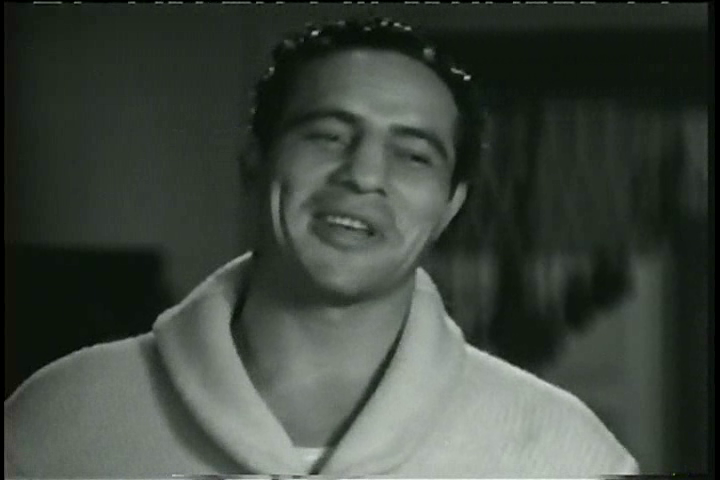
W.S. Van Dyke directed this pre-Code showcase for world heavyweight boxing champion Max Baer, who exhibited natural acting chops and was easily able to slip into the title role.

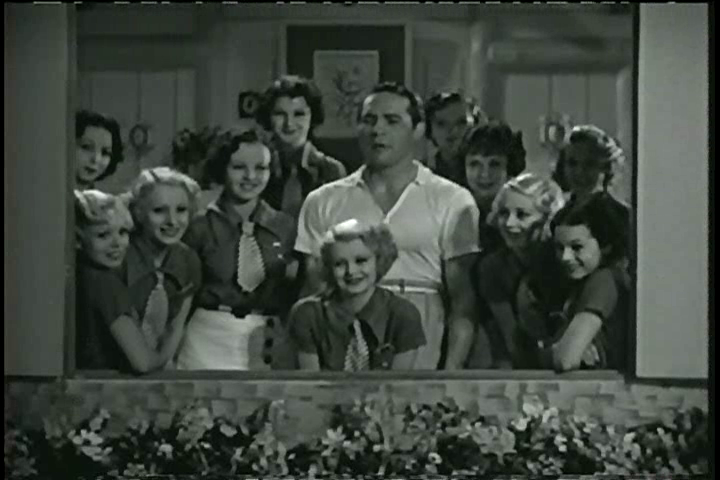
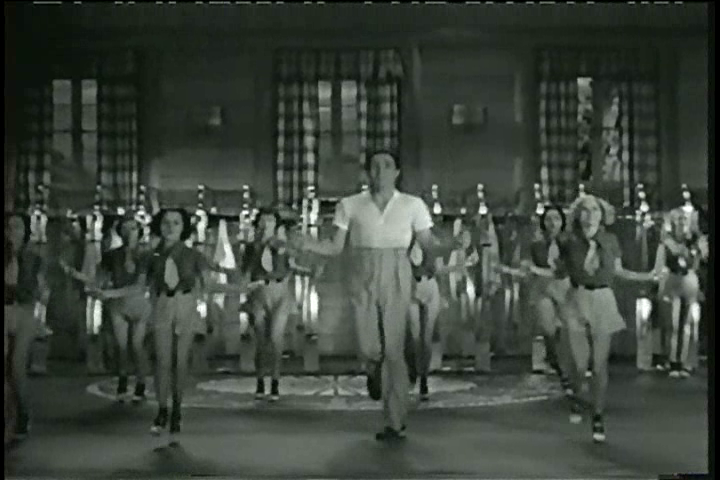
Unfortunately, his character isn’t exactly likable — he’s self-absorbed, arrogant, and an inveterate player — so it’s hard to maintain sympathy for Loy’s interest in him. The storyline is essentially a woman giving her life up for a man who doesn’t deserve her, and thus it’s hard to know what outcome to root for. There is a surreal interlude at one point, during which Baer sings and dances in a revue with a bevy of much-smaller women, showing off his strength and size; this is worth a watch (though Baer is no Gene Kelly).

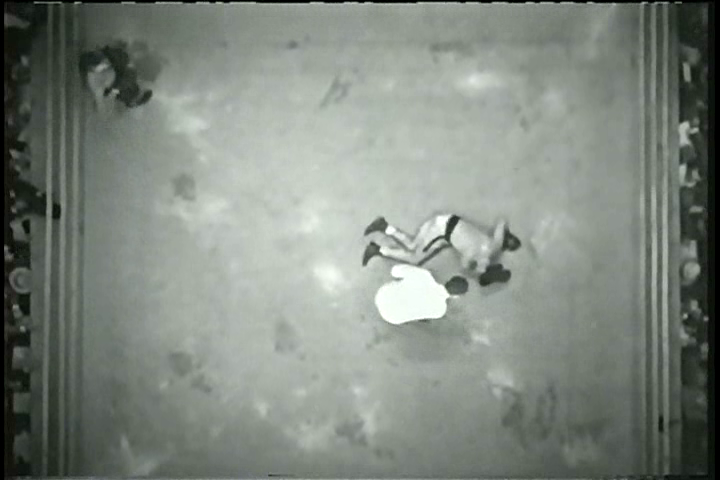
The film ends with a lengthy fight between Baer and Primo Carnera, who he soundly defeated in real life the following year — thus making this flick of historical interest to boxing fans, but probably not others.

Redeeming Qualities and Moments:

  • Myrna Loy as “The Lady”
  • The surreal musical number (!!)
  • Creative direction

Must See?
No, unless you’re curious.

Links:

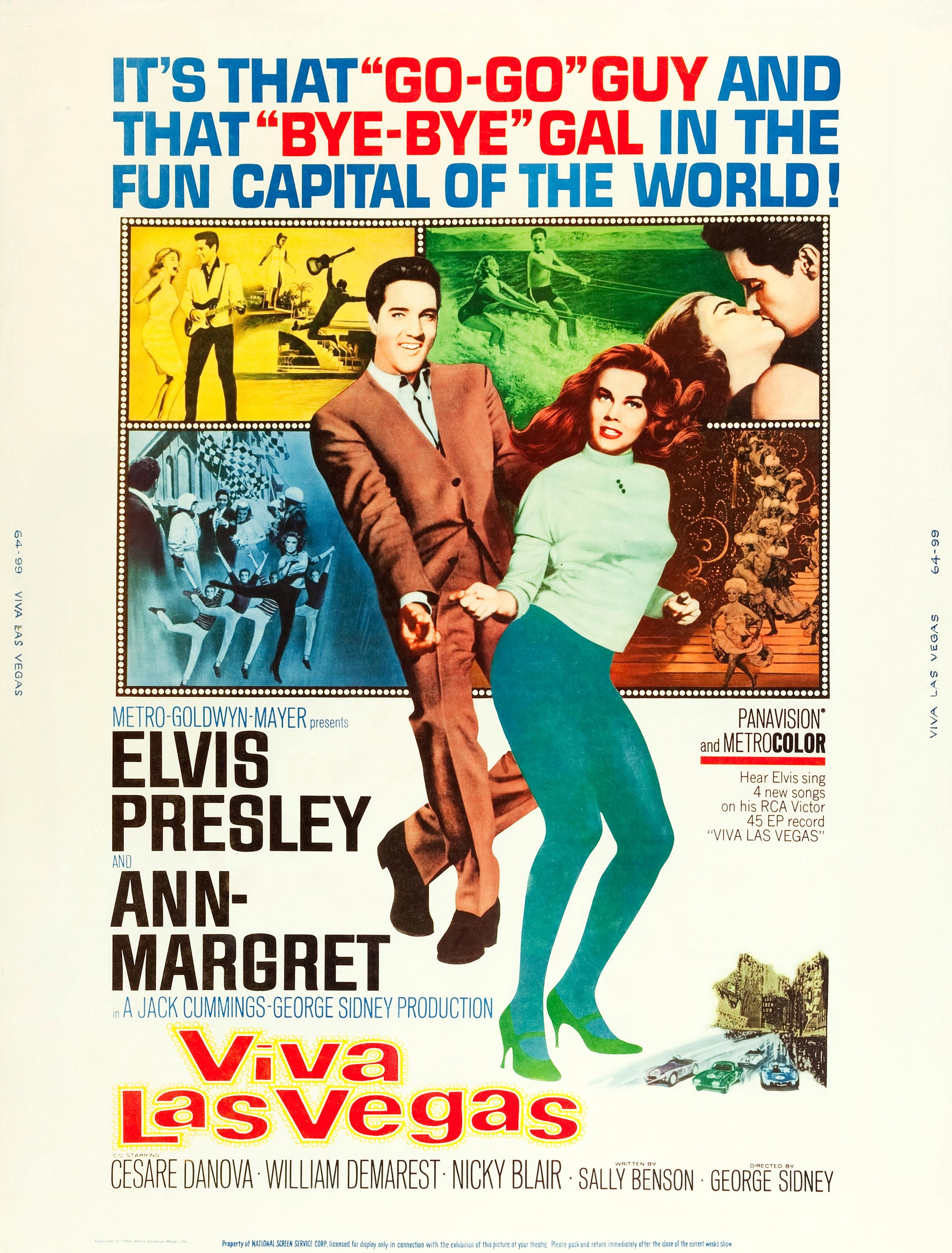
Viva Las Vegas (1964)

Viva Las Vegas (1964)

“Can you check my motor? It whistles.”

Synopsis:
A musically talented racer (Elvis Presley) hoping to win enough money in Vegas to buy a motor for his car vies with an Italian count (Cesare Danova) for the affections of a beautiful pool manager (Ann-Margret).

Genres, Themes, Actors, and Directors:

  • Ann-Margret Films
  • Car Racing
  • Elvis Presley Films
  • George Sidney Films
  • Love Triangle
  • Musicals
  • Rivalry
  • Romance

Review:
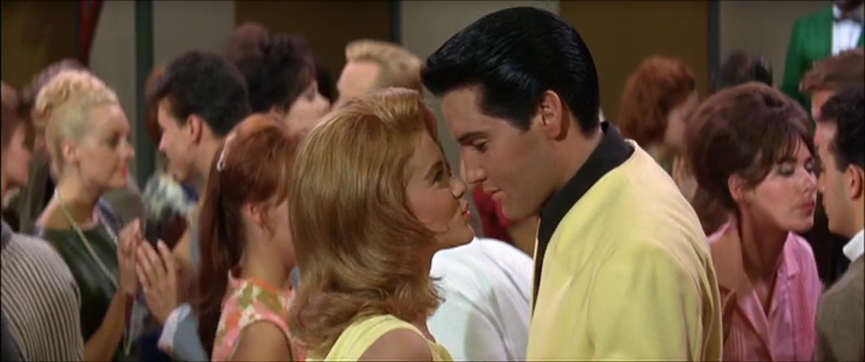
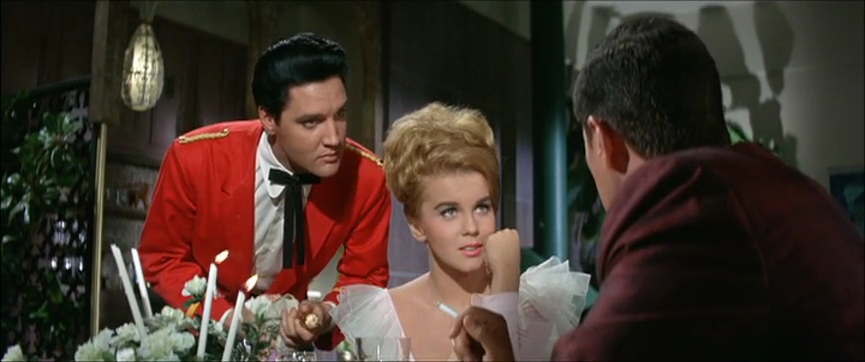
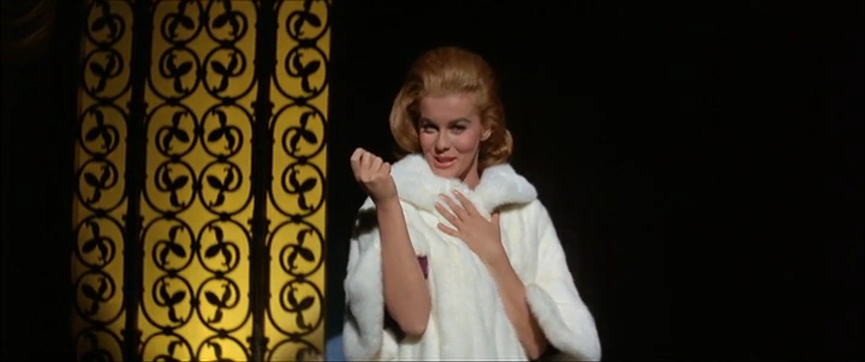
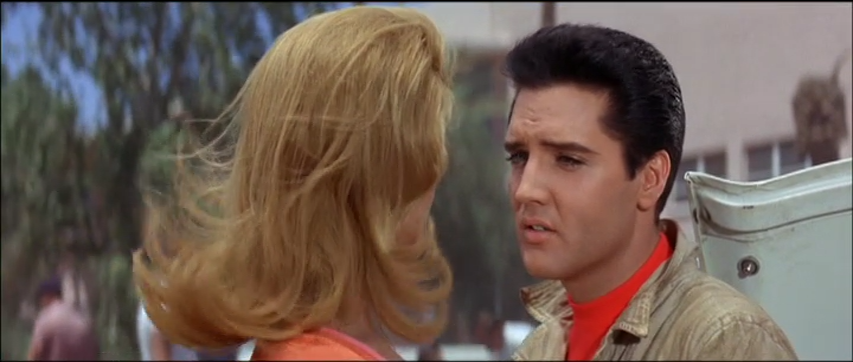
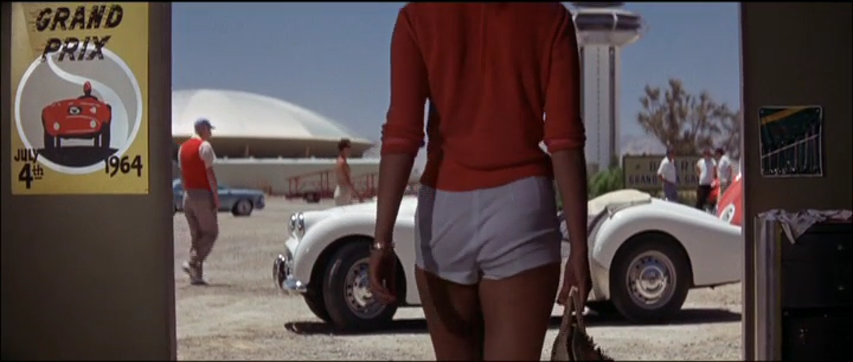
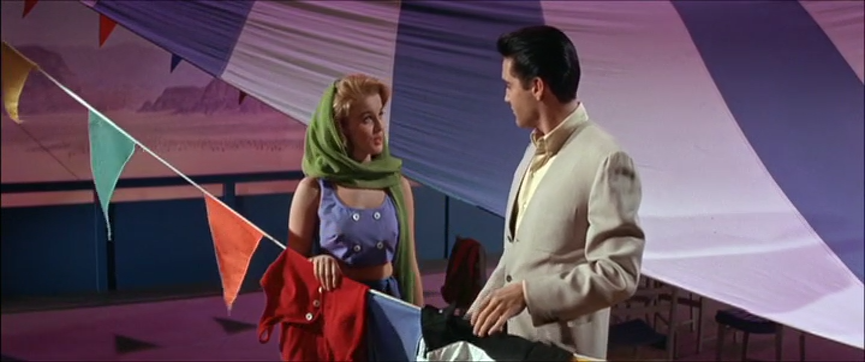
Elvis Presley met his real-life and cinematic match when he paired up with feisty Ann-Margret for this most enjoyable cult musical:

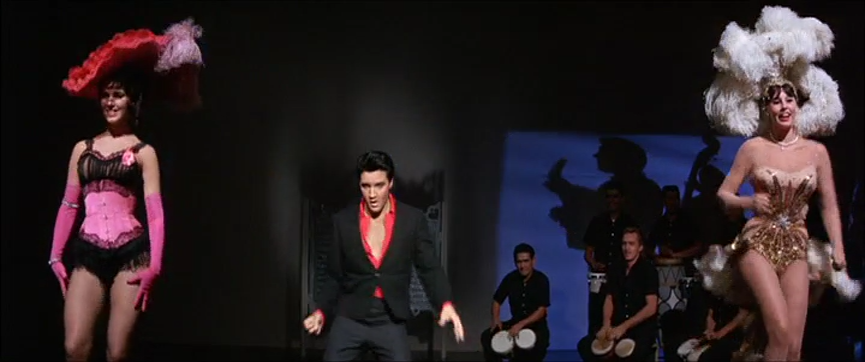
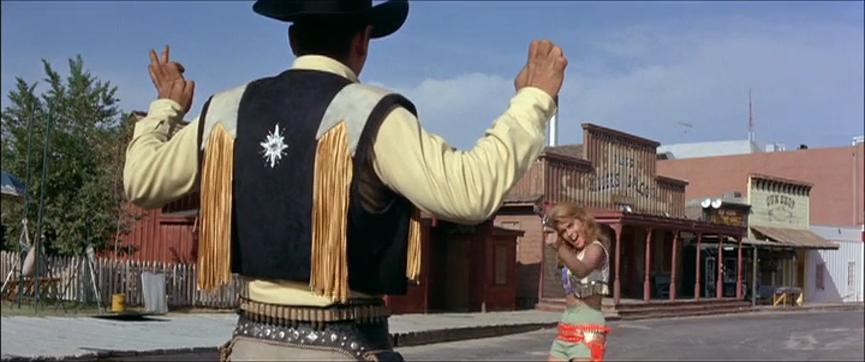
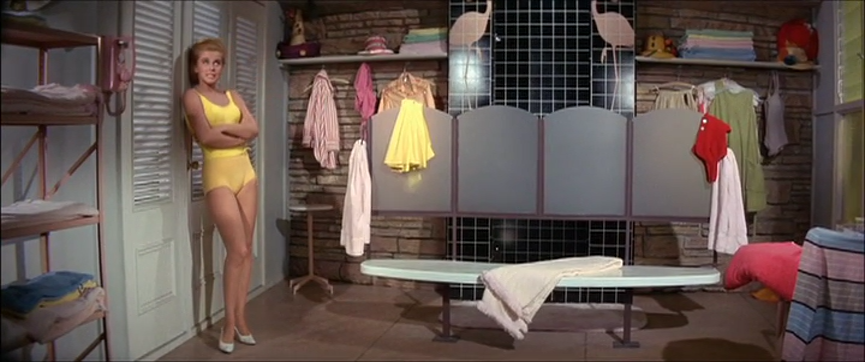
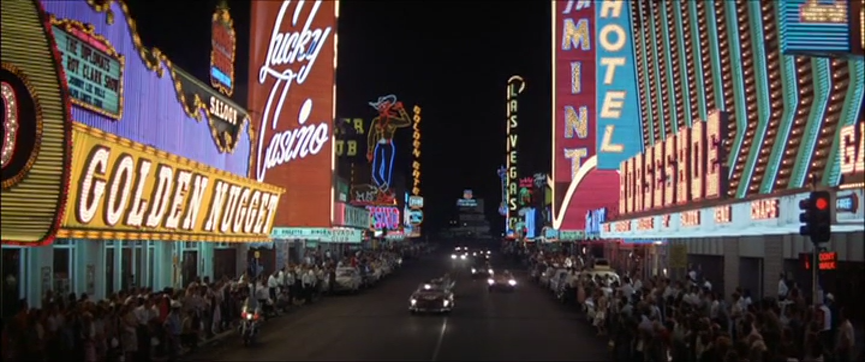
… directed with flair by George Sidney and featuring vivid sets and costumes, rousing song-and-dance numbers, nice use of Vegas locales, and a super-fun romantic rivalry (with plenty of genuine sparks flying).

It’s hard to pick a favorite musical number, given that nearly all of them satisfy both musically and choreographically (and there’s a nice mix of on-stage and “narrative driving” songs). The title number, naturally, will stick in your head long after it’s done (just reading this review has likely placed it there…):

… but my personal picks would probably be “The Lady Loves Me” and “Appreciation”.

The storyline — consisting of a love triangle, rivalry for musical dominance, and a car race — is appropriately fluffy yet relevant enough to ground the songs in a realistic context. As noted in the New York Times’ review, Viva Las Vegas “remains friendly, wholesome and pretty as all get-out”, and is certainly worth a film fanatic’s time.

Redeeming Qualities and Moments:

  • Elvis Presley as Lucky
  • Ann-Margret as Rusty
  • Fun chemistry and rivalry between Presley and Ann-Margret
  • Many enjoyable musical numbers

  • Solid direction by George Sidney
  • Nice use of Las Vegas locales
  • Colorful cinematography and sets

Must See?
Yes, as a cult favorite.

Categories

  • Cult Movie

Links:

Gentleman’s Agreement (1947)

Gentleman’s Agreement (1947)

“We’ve been fighting it for years — and we know from experience, the less talk there is about it, the better.”

Synopsis:
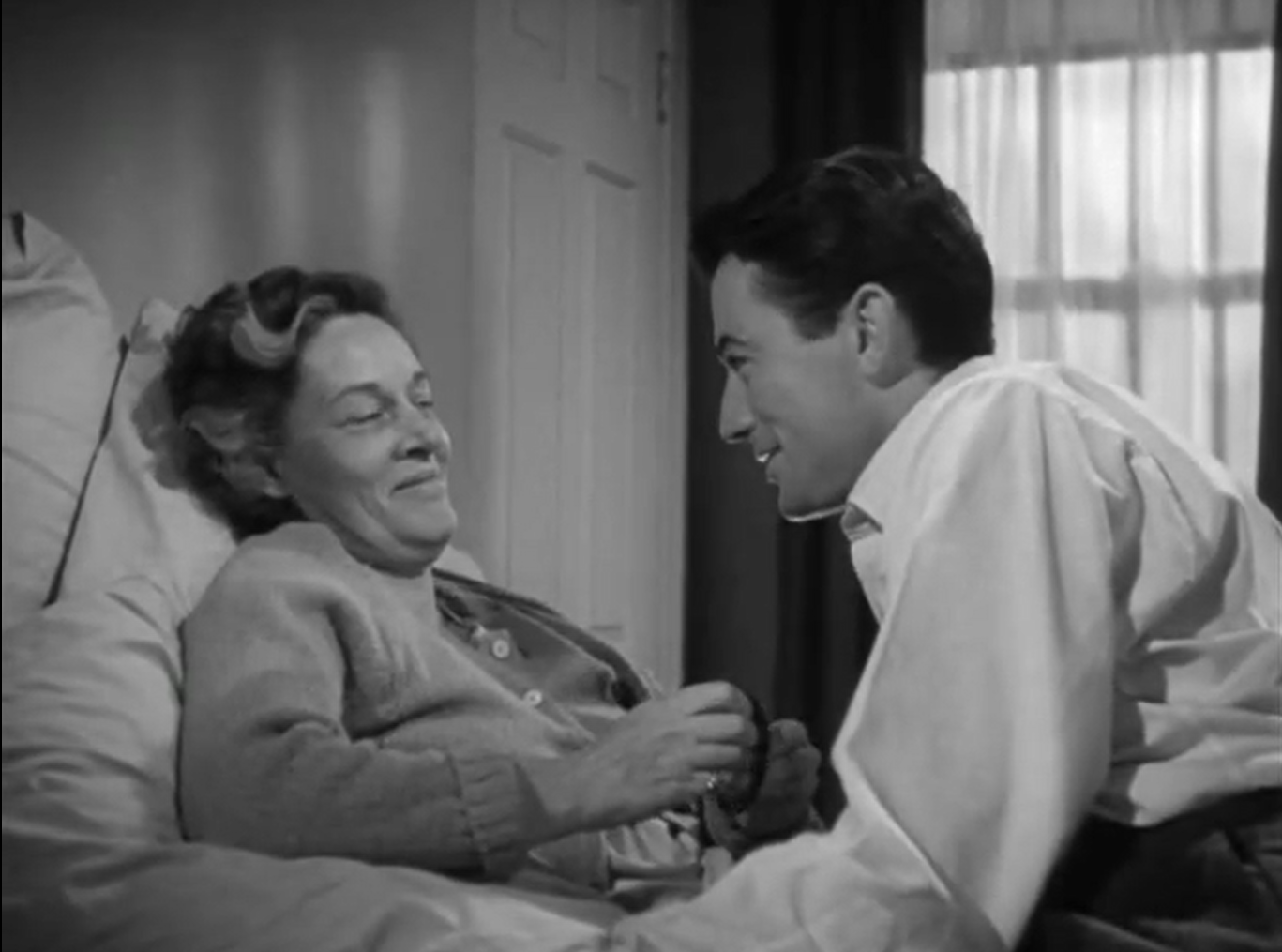
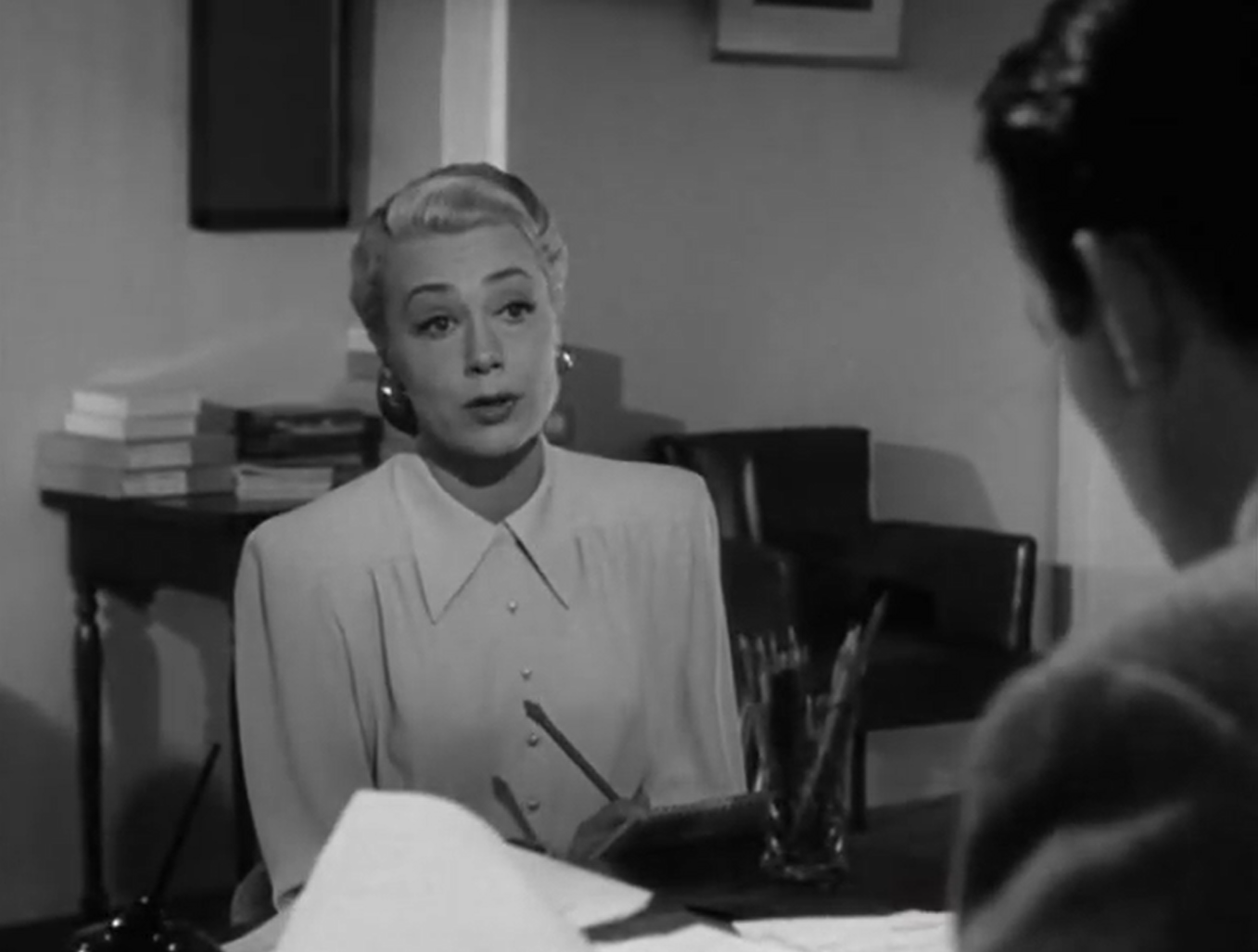
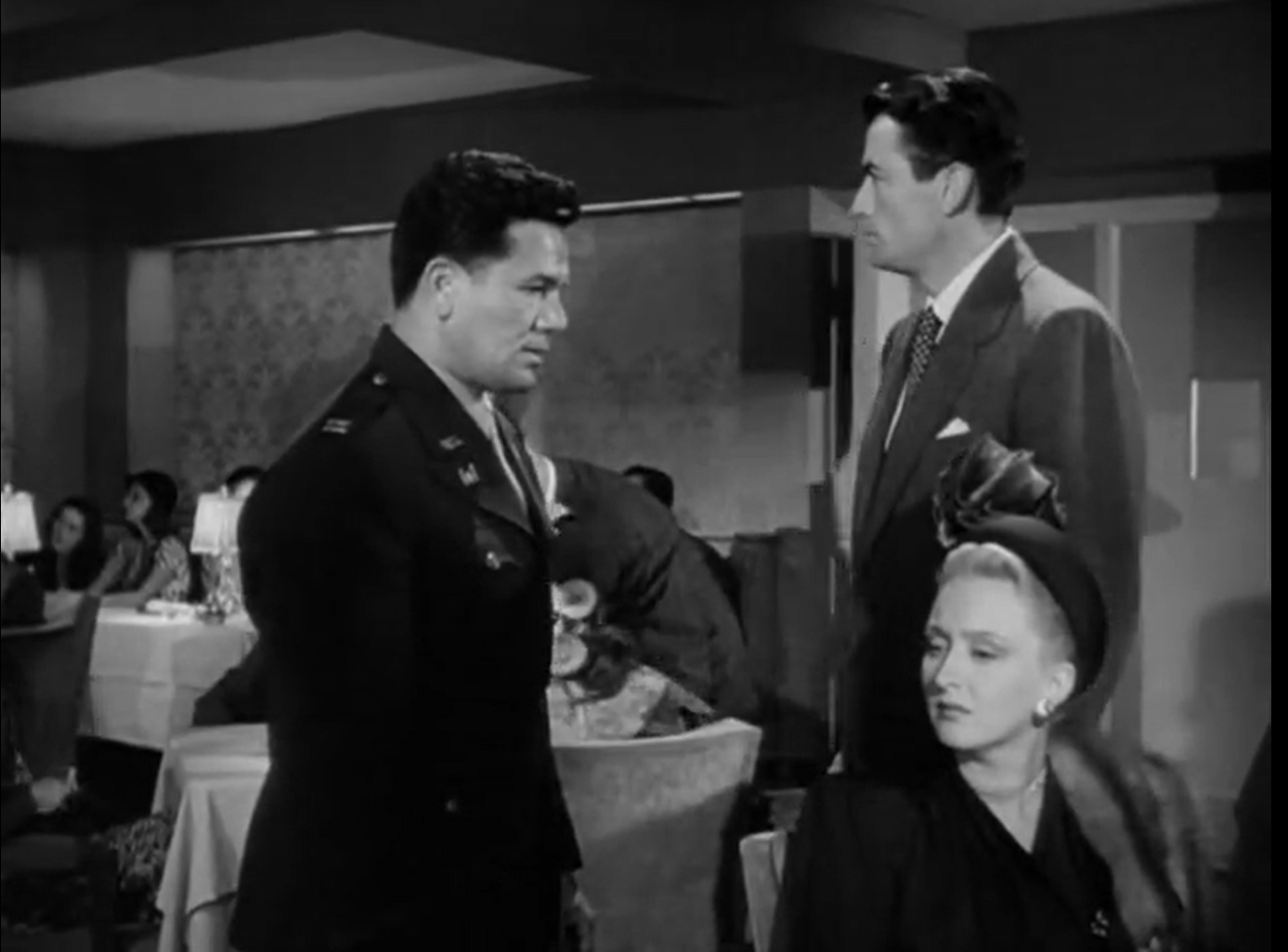
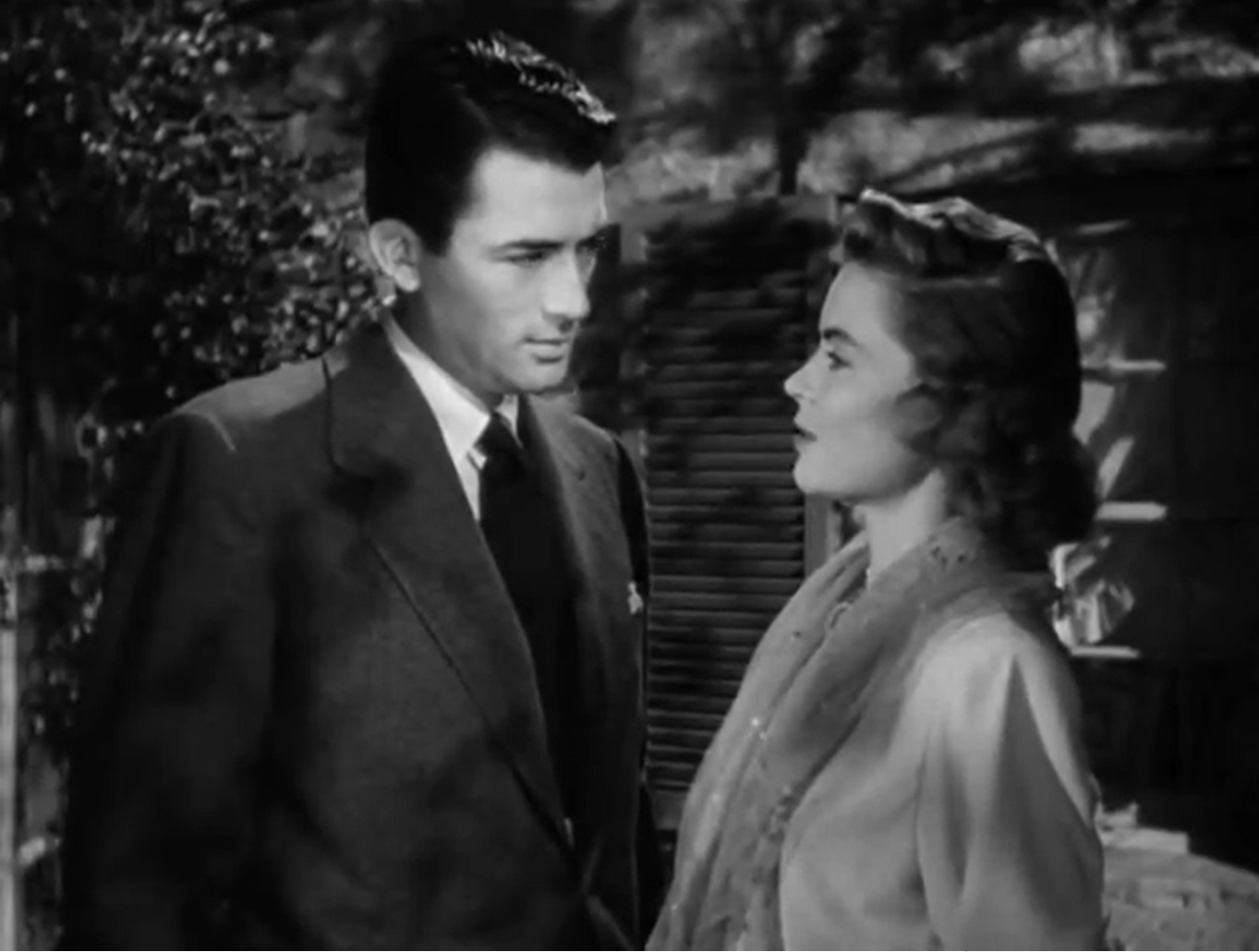
A widowed journalist (Gregory Peck) assigned to write a story about antisemitism decides to go undercover as a Jew to gain an insider’s perspective on discrimination. While his mother (Ann Revere), son (Dean Stockwell), colleague (Celeste Holm), and former GI buddy (John Garfield) are fully supportive, his fiancee (Dorothy McGuire) has reservations about how far Peck should extend his ruse, leading to tensions in their new relationship.

Genres, Themes, Actors, and Directors:

  • Celeste Holm Films
  • Dean Stockwell Films
  • Dorothy McGuire Films
  • Elia Kazan Films
  • Gregory Peck Films
  • Jane Wyatt Films
  • Jews
  • John Garfield Films
  • Journalists
  • Mistaken or Hidden Identities
  • Sam Jaffe Films

Review:
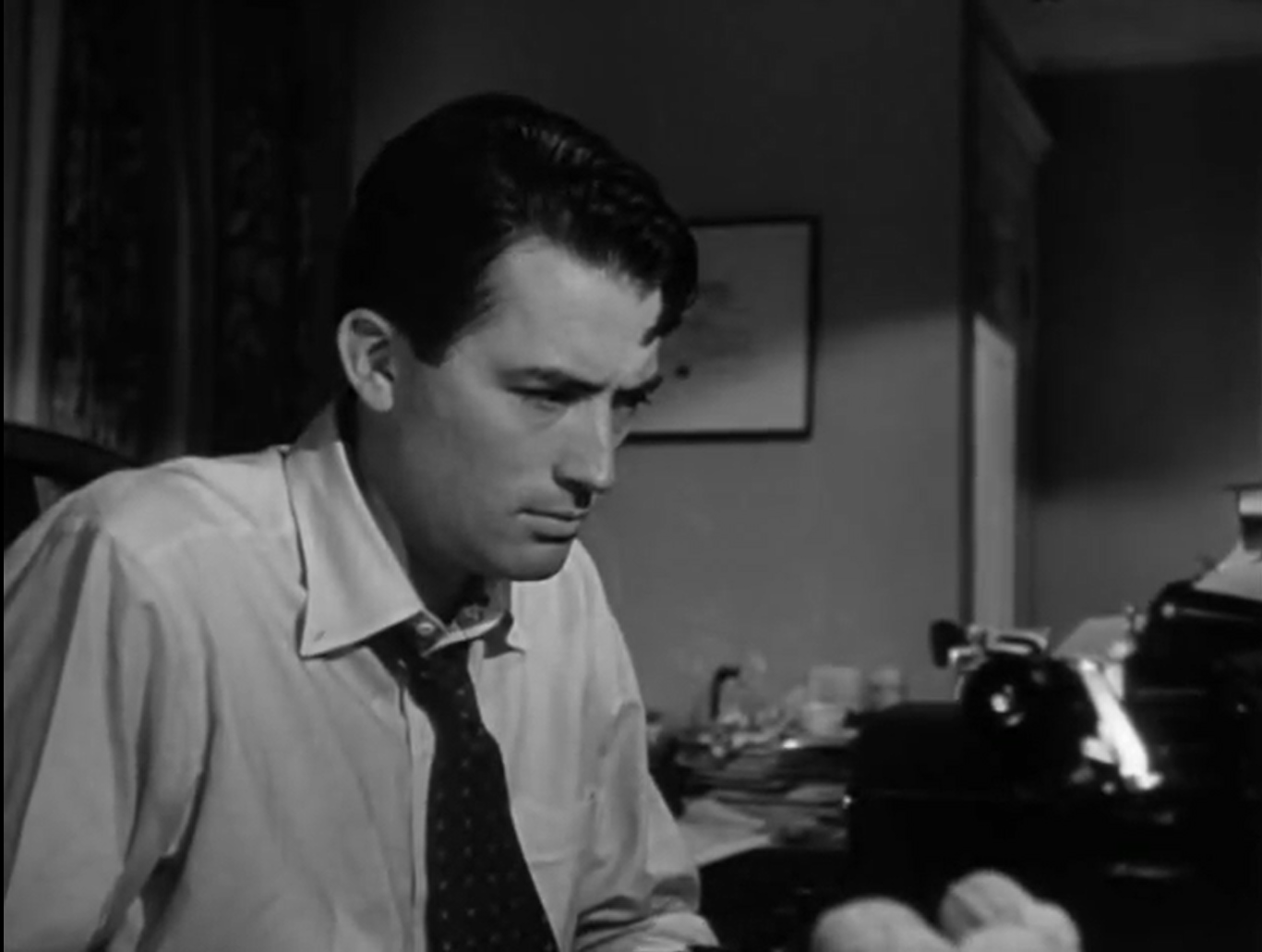
Elia Kazan’s Oscar-winning adaptation of Laura Z. Hobson’s best-selling novel remains a thoughtfully crafted, well-acted drama which neatly surfaces the insidiousness of bias. The dramatic tensions building up to Peck’s decision to go underground as a Jew extend for a bit too long (and would likely have occurred to his character much earlier), but all that unfolds thereafter feels authentically discomfiting.

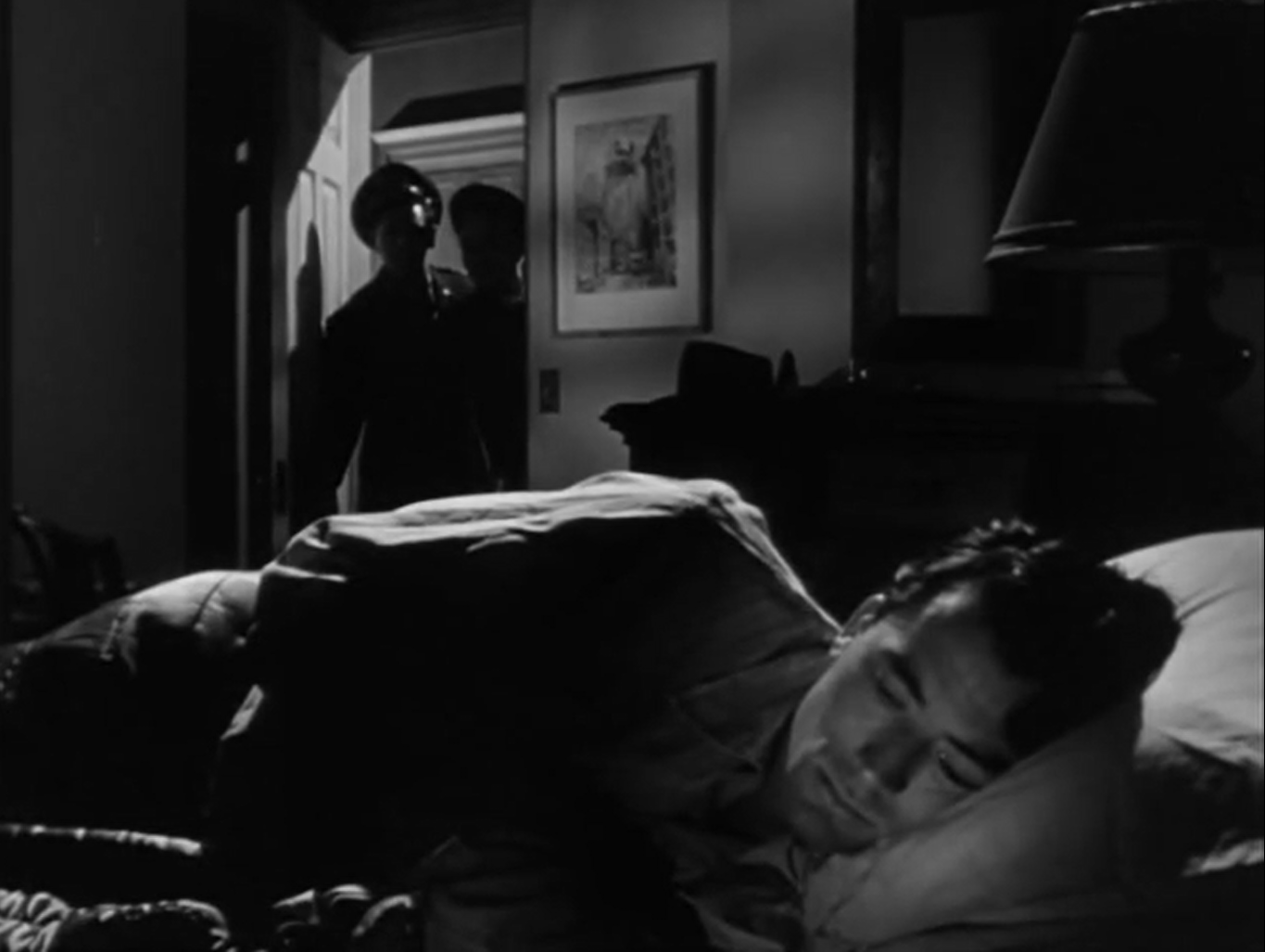
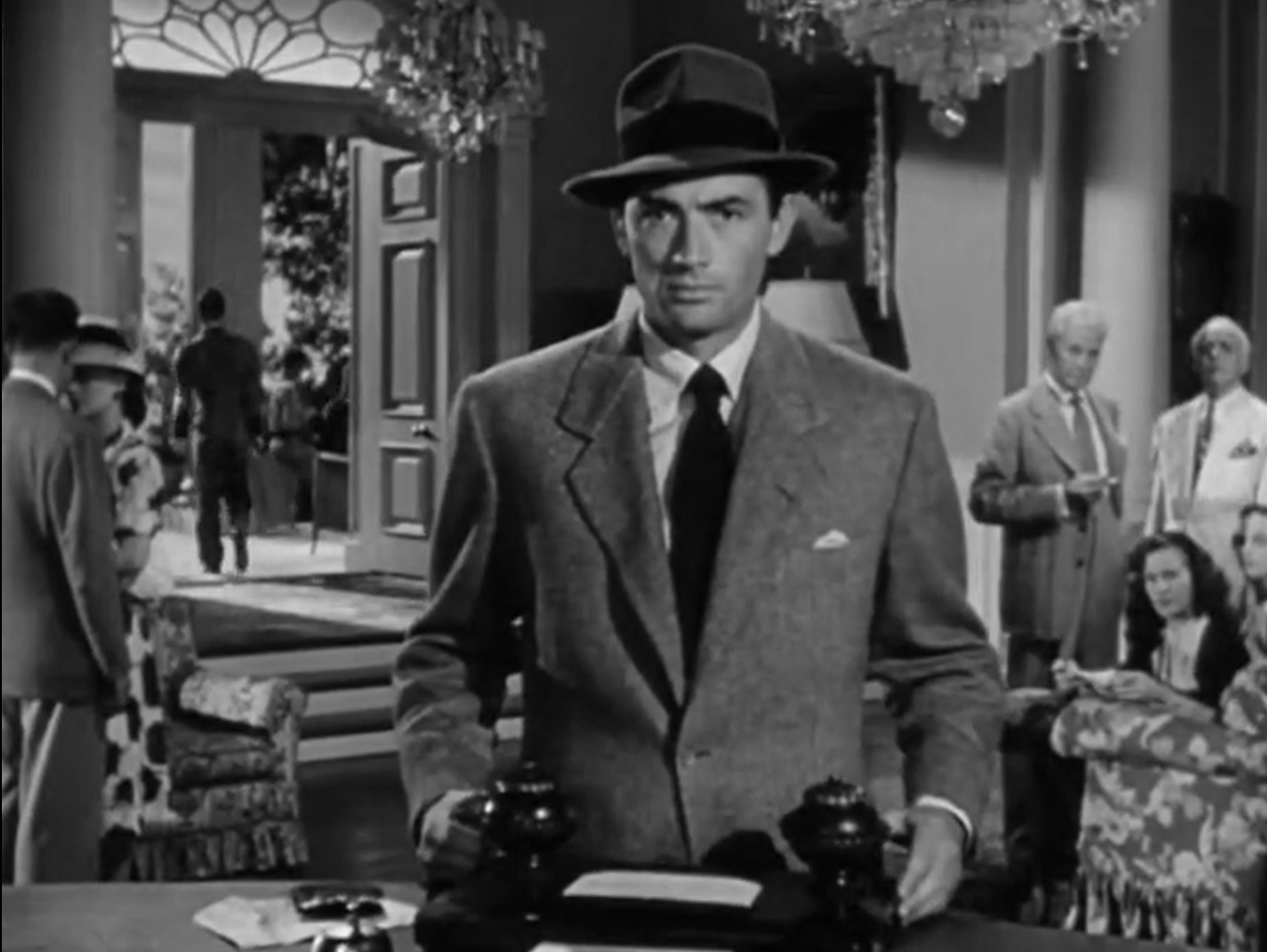
Moss Hart’s screenplay incisively shows how — despite having just emerged from a bloody world war fueled in part by antisemitism — America remained secretly prejudiced itself, with prospective employees changing their names to sound “less Jewish”, and unspoken norms of WASP elitism perpetuating segregation. Peck is fine in the central role, but it’s the supporting players who stand out here — particularly Revere and Holm:


— and Arthur Miller’s cinematography is effectively atmospheric throughout. Gentleman’s Agreement isn’t comfortable to watch, but remains worthy viewing many years later.

Redeeming Qualities and Moments:

  • Fine supporting performances

  • Arthur C. Miller’s cinematography
  • Moss Hart’s provocative screenplay

Must See?
Yes, as a still-powerful indictment of enduring prejudice, both implicit and explicit.

  • Oscar Winner or Nominee

Links:

Rumble Fish (1983)

Rumble Fish (1983)

“He looks really old — like, 25 or something.”

Synopsis:
A teenage punk (Matt Dillon) living with his alcoholic father (Dennis Hopper) and hanging out with his childhood friend (Vincent Spano) romances his Catholic-school girlfriend (Diane Lane) while preparing to engage in a “rumble” with a rival from another gang (Glenn Withrow) — but when his idolized older brother (Mickey Rourke) suddenly appears back in town, Dillon is forced to confront the truth of his veneration for the mysterious “Motorcycle Boy” (Rourke).

Genres, Themes, Actors, and Directors:

  • Dennis Hopper Films
  • Diane Lane Films
  • Francis Ford Coppola Films
  • Juvenile Delinquents
  • Mickey Rourke Films
  • Nicolas Cage Films
  • Siblings

Review:
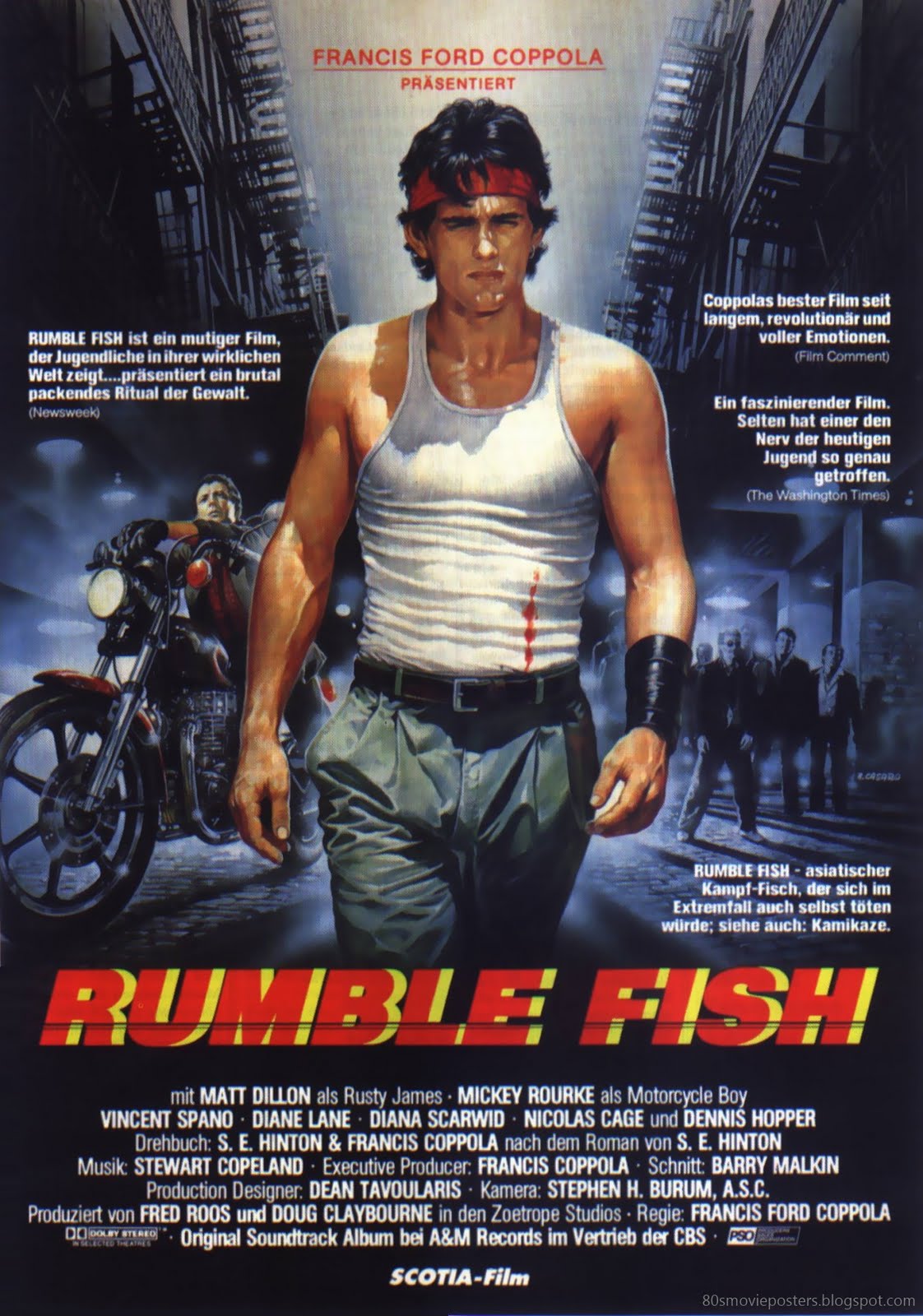
Frances Ford Coppola’s adaptation of S.E. Hinton’s novel is a visually poetic, directorially innovative look at a teenage hoodlum navigating life on the streets while dealing with dysfunctional family dynamics and romantic entanglements. Unfortunately, while we get a strong sense of the milieu Rusty James (Dillon) lives in, he isn’t a particularly appealing or charismatic protagonist; he may be quick on the rumble but isn’t smart enough to (for instance) foresee a rivalrous take-down by his gang-mate (Nicolas Cage), and it’s hard to feel much pity in general for him.

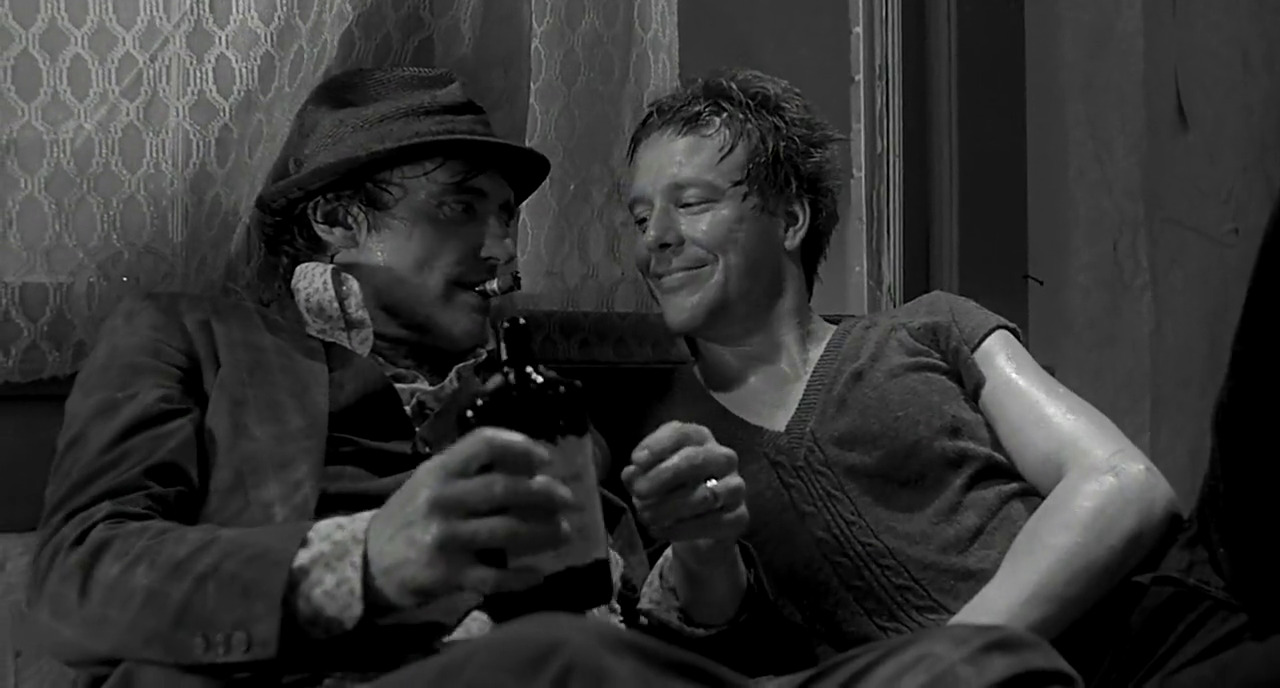
Hopper is well-cast (if type-cast) as Dillon’s dad:

… Lane is appropriately sexy as Dillon’s love-interest:

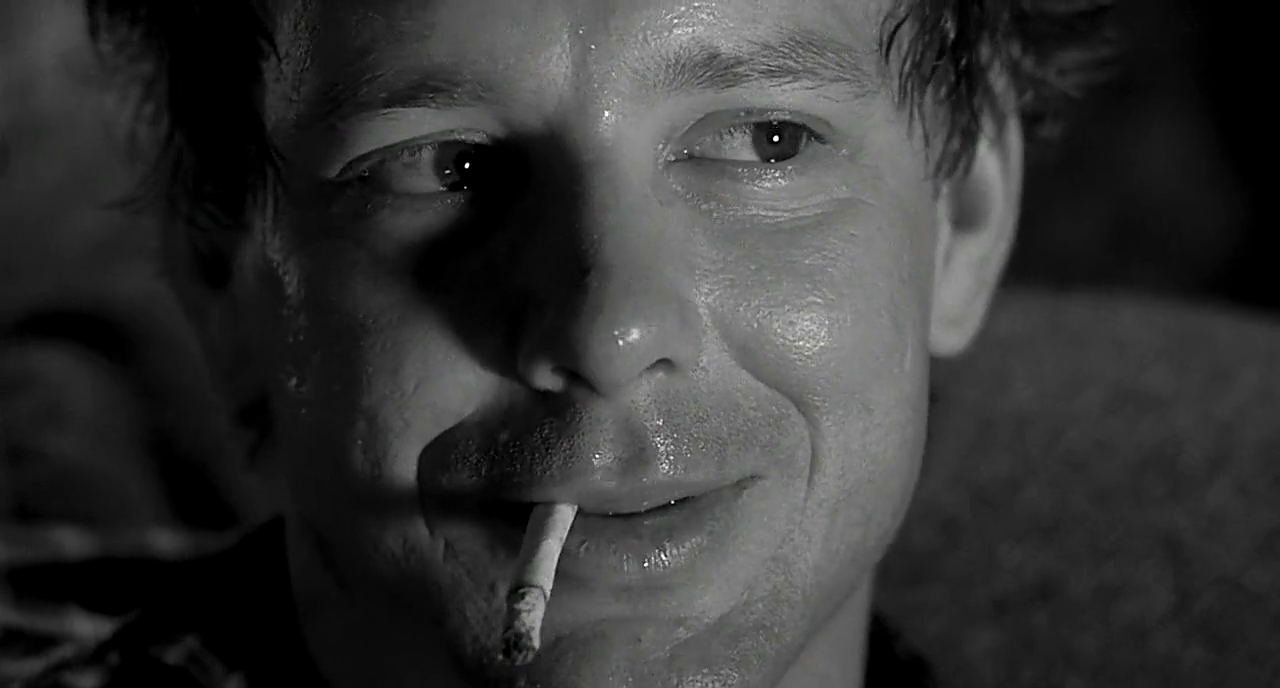
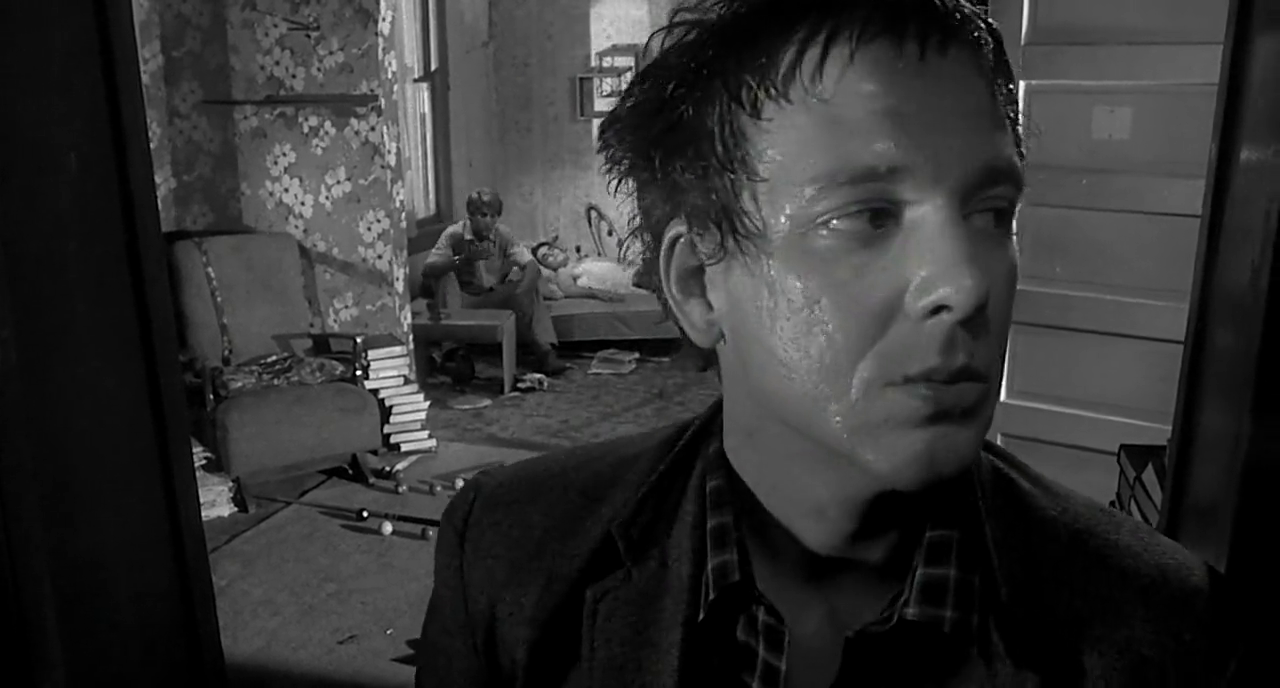
… and Rourke projects a convincing aura of paranoid world-weariness.

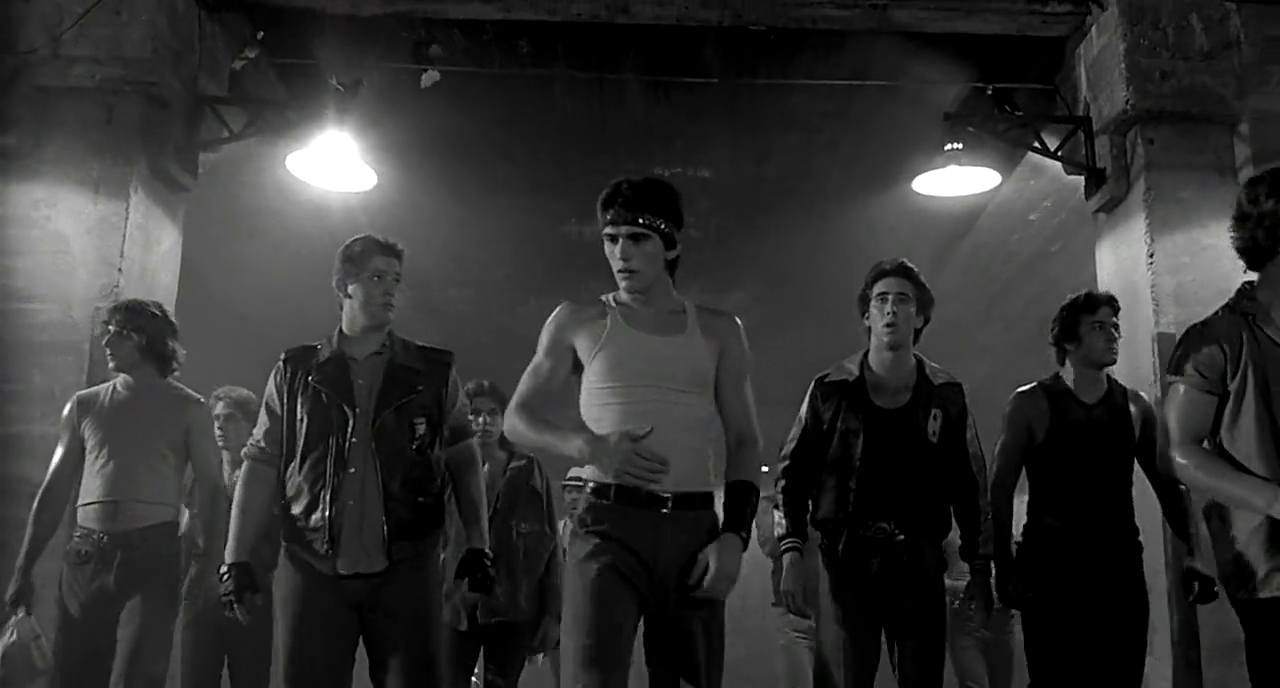
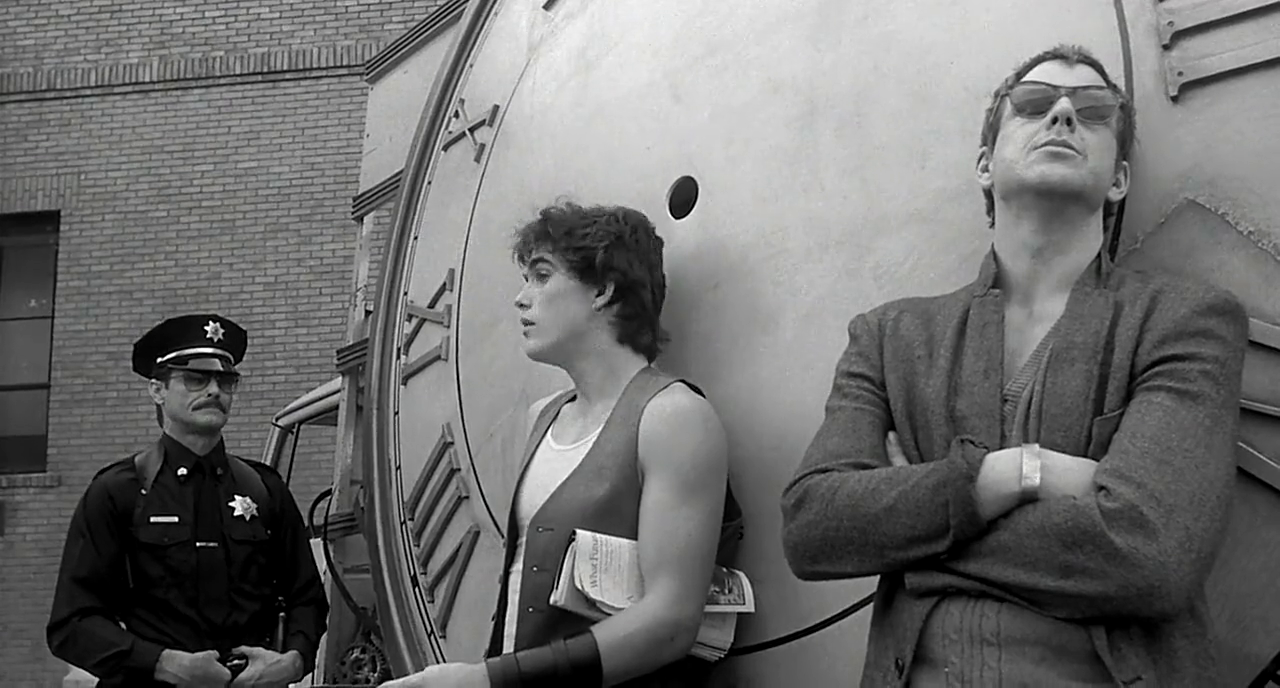
Ultimately, however, the visuals nearly overtake the storyline in Rumble Fish, and are the primary reason for viewing it at least once; see additional stills below for a sense of what’s in store.

Redeeming Qualities and Moments:

  • Innovative direction


  • Excellent use of local (Tulsa, Oklahoma — though left unnamed) sets

  • Stephen H. Burum’s cinematography (be sure to watch the Blu-Ray DVD)


Must See?
Yes, as a visually stunning cult favorite.

Categories

  • Cult Movie
  • Important Director

Links: