Woman in Flames, A (1982)
“I wonder just how far I can go… I’m open to anything!”
|
Synopsis: |
|
Genres, Themes, Actors, and Directors:
Review: Redeeming Qualities and Moments:
Must See? Links: |
“I wonder just how far I can go… I’m open to anything!”
|
Synopsis: |
|
Genres, Themes, Actors, and Directors:
Review: Redeeming Qualities and Moments:
Must See? Links: |
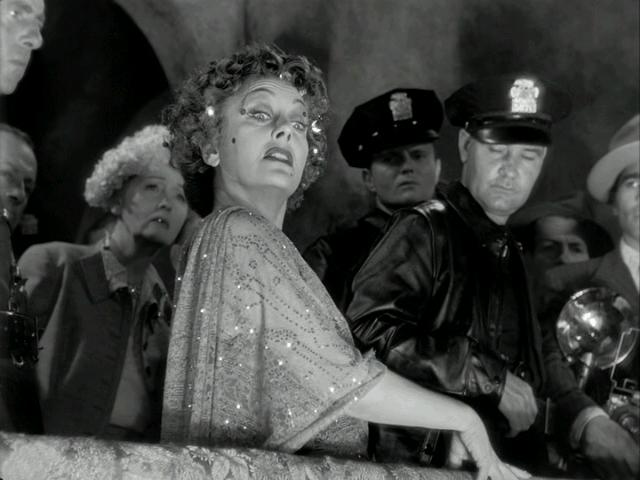
“We didn’t need dialogue. We had faces!”
|
Synopsis: |
|
Genres, Themes, Actors, and Directors:
Response to Peary’s Review: Redeeming Qualities and Moments:
Must See? Categories
(Listed in 1001 Movies You Must See Before You Die) Links: |
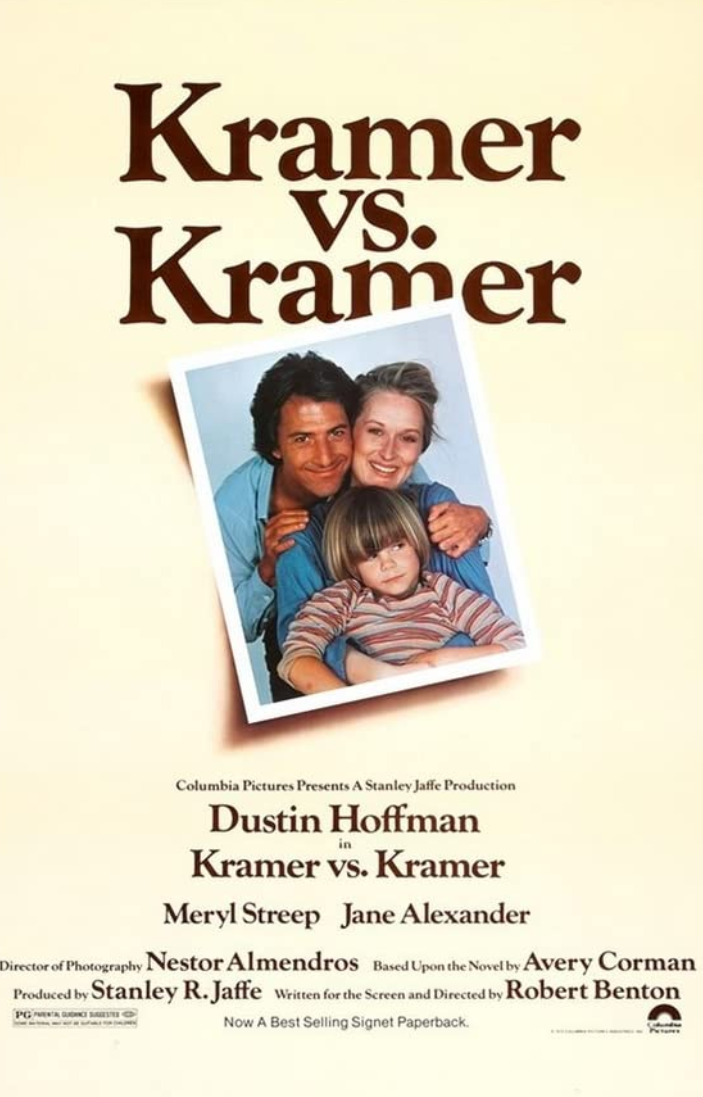
“How much courage does it take to walk out on your kid?”
|
Synopsis: |
|
Genres, Themes, Actors, and Directors:
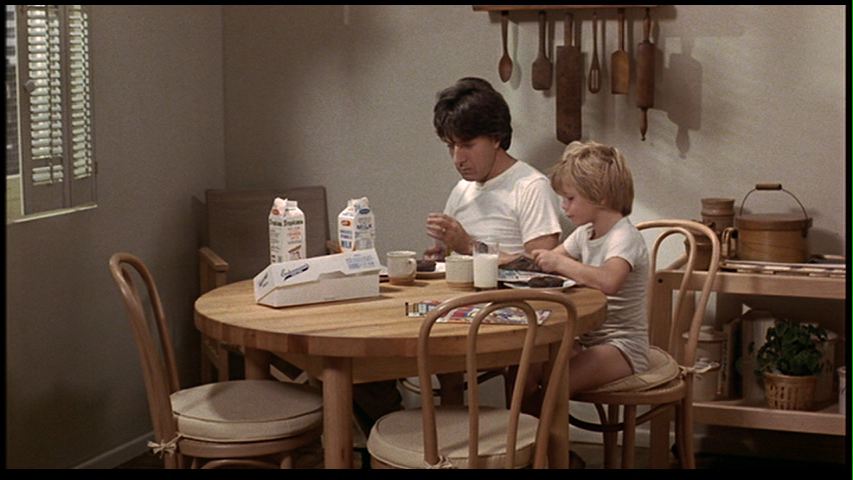
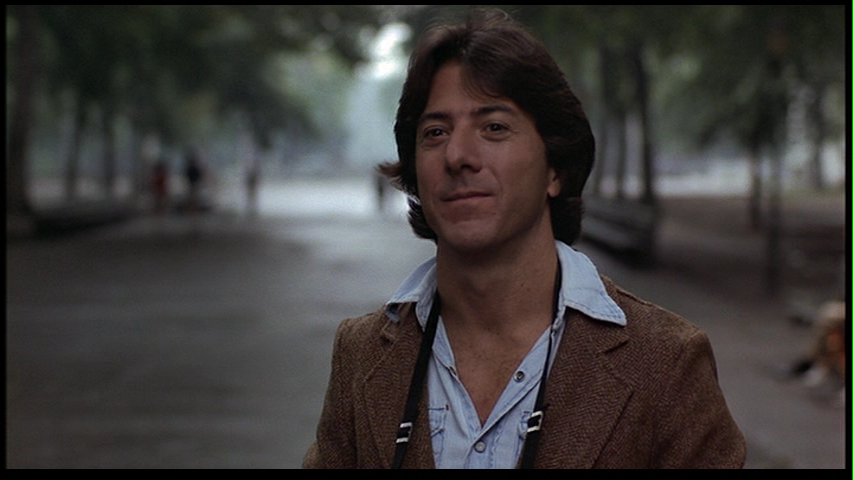
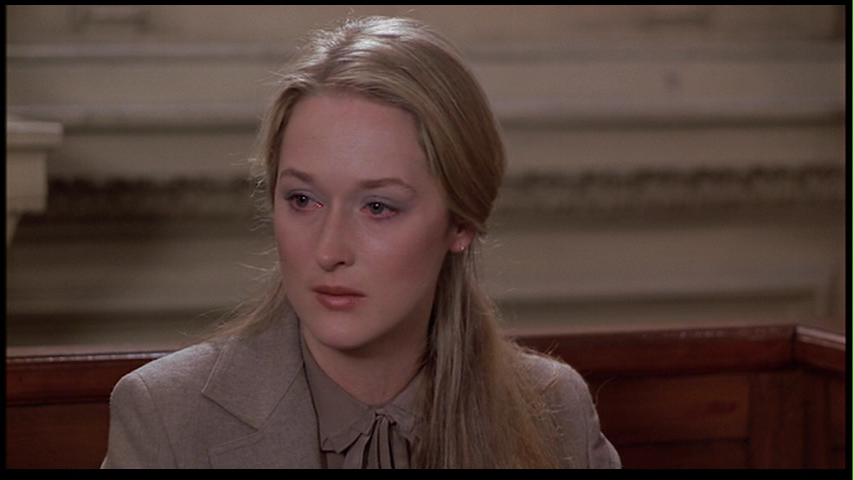
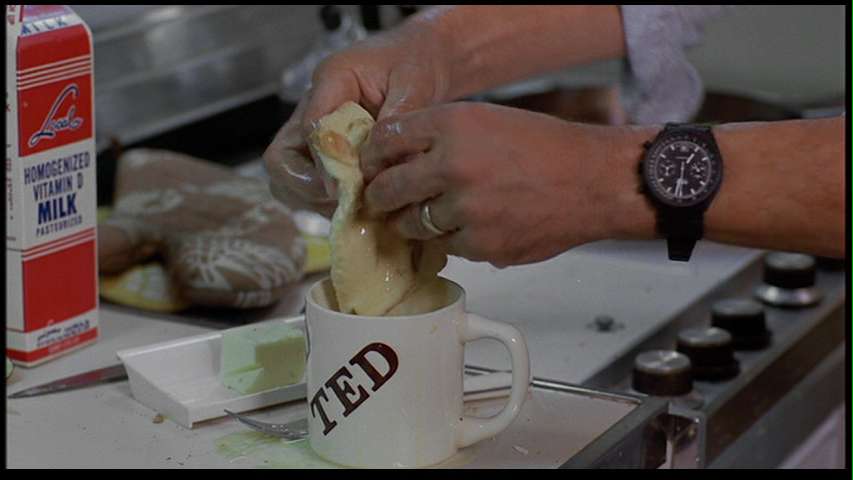
Response to Peary’s Review: To her credit, Streep (who won a Best Supporting Actress Oscar) manages to convince us that her heinous abandonment of Billy was an act of desperation rather than rationality. Even more impressive, however, is Hoffman, who deservedly won an Oscar as best actor of the year — he apparently invested an enormous amount of time and energy into his role, essentially co-writing the script with director Robert Benton, and using improvisation whenever possible. The rapport he develops with Henry (an excellent child actor) is wonderfully natural; I love how there’s never a musical montage depicting their life together as “single males”. Instead — in one of the film’s best sequences — Benton shows us Billy silently setting out plates and doughnuts for breakfast while he and his dad read their respective “papers”.
This type of carefully rendered authenticity permeates the entire narrative, which is often heartbreaking — and occasionally melodramatic — but always, fortunately, real. Redeeming Qualities and Moments:
Must See? Categories
(Listed in 1001 Movies You Must See Before You Die) Links: |
“You got it for free in the hospital ward, Johnny, but Mother’s no charity ward — right, Mother?”
|
Synopsis: |
|
Genres, Themes, Actors, and Directors:
Review:
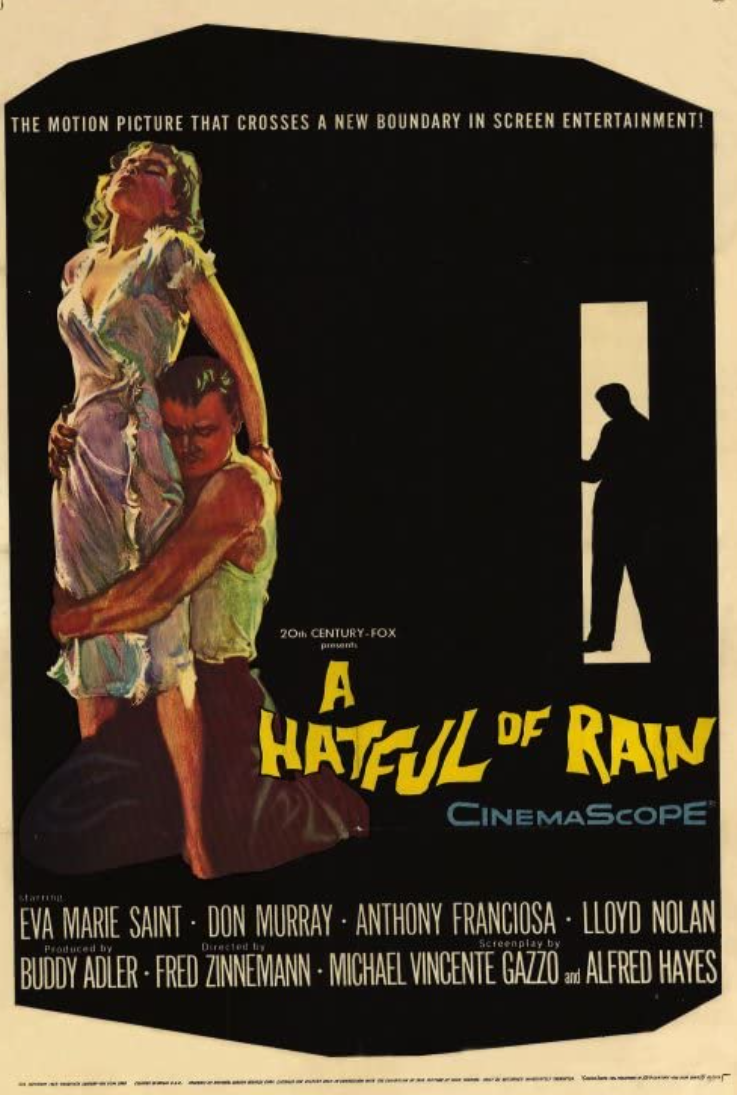
… Silva’s portrayal as “Mother” is stereotypically ruthless; and the script often sounds like an after-school special (near the end of the film, Saint says to Murray, “There’s a place in Kentucky for people like you…”). In addition, Zinnemann’s direction is decidedly stagy, with the camera often stuck in one uninspired position for far too long. Despite its flaws, however, the film is at least partially redeemed by Saint and Franciosa, who are sympathetic — albeit clueless (Saint) or enabling (Franciosa) — protagonists. Also effective is Nolan as the brothers’ gruff, estranged dad; but — as many critics have noted — his strained relationship with his sons is insufficiently explored. Redeeming Qualities and Moments:
Must See? Links: |
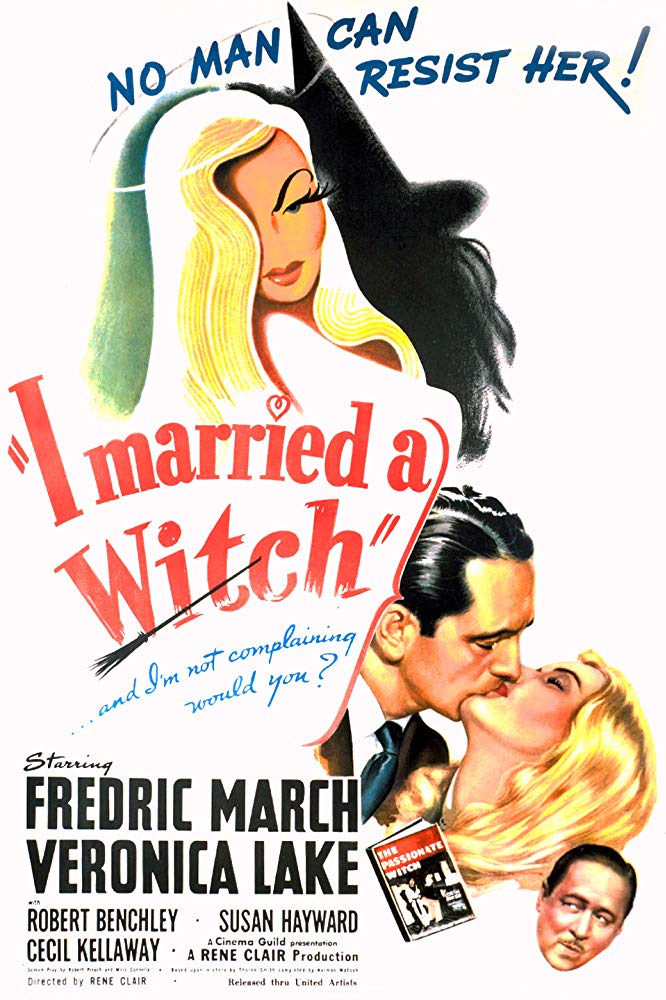
“Jonathan Wooley, thou hast denounced me as a witch — for that, thou shalt be accursed!”
|
Synopsis: |
|
Genres, Themes, Actors, and Directors:
Response to Peary’s Review:
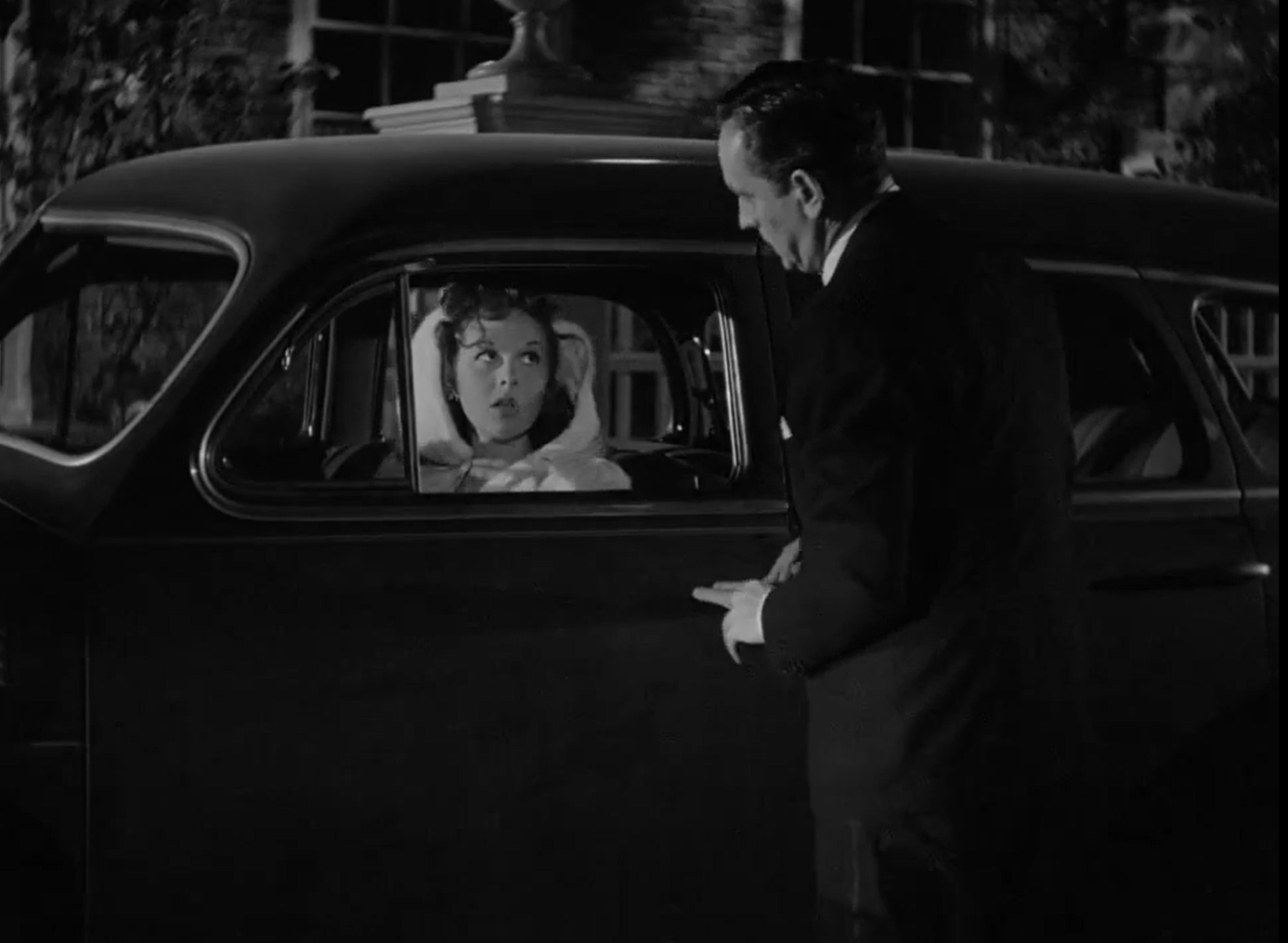
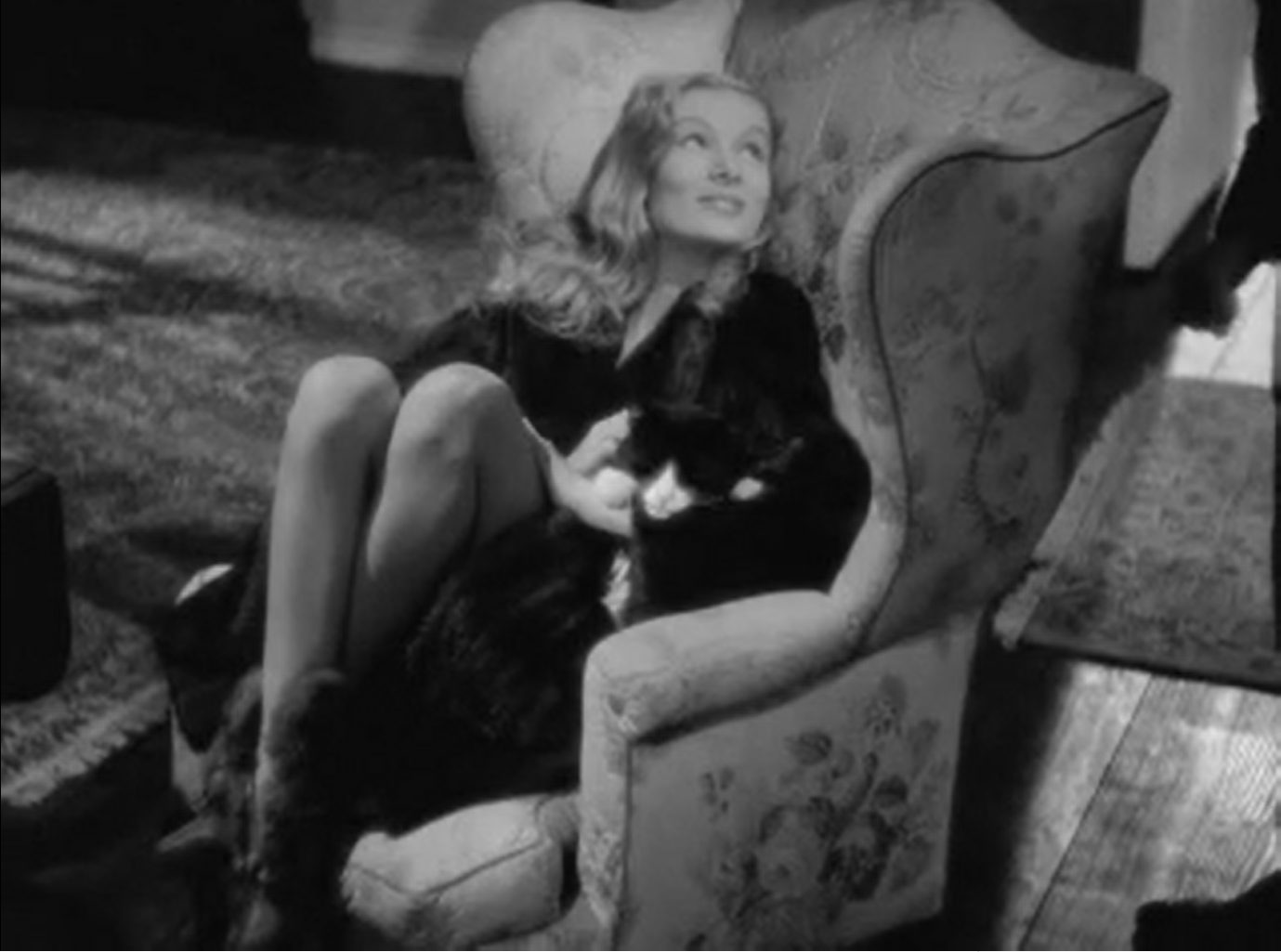
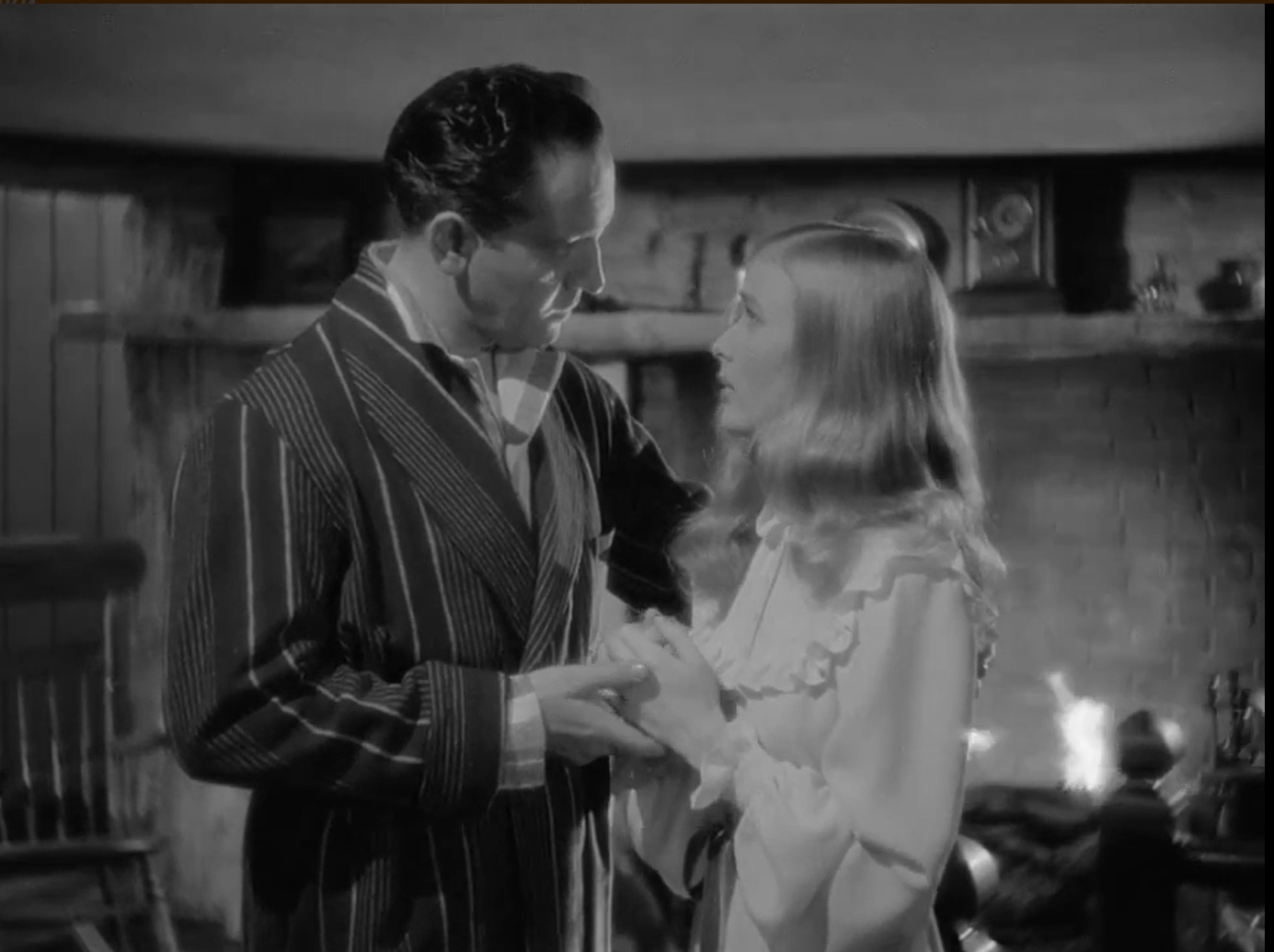
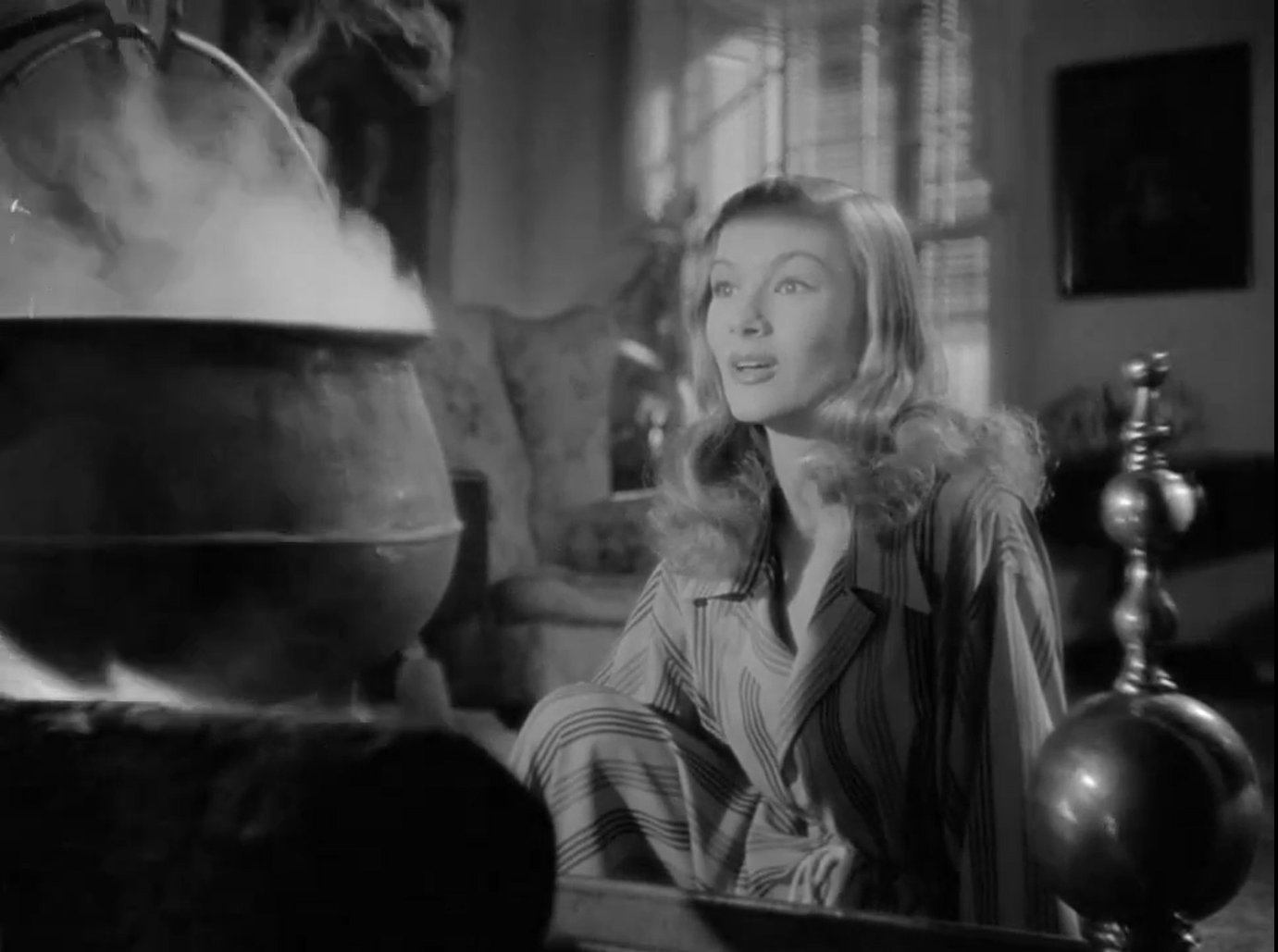
Lake — who proves herself to be an admirable comedic actress — is the perfect embodiment of pixyish mischief, as she dawdles in a burning building while March is trying to “rescue” her, throws her fur coat (her only piece of clothing!) out the window of her taxi cab, and turns up lounging in March’s bed on the day of his wedding.
March is appropriately stiff and stuffy as the object of Lake’s torture (and affection); it’s fun to see his sudden transformation once Lake successfully works her charm on him.
Interestingly, March and Lake hated each other in real life, and Lake did what she could to make his life miserable on set — but you’d never know from watching them interact together. Redeeming Qualities and Moments:
Must See? Categories
Links: |
“I had you pegged from the jump: just a spoiled brat of a rich father.”
|
Synopsis: |
|
Genres, Themes, Actors, and Directors:
Response to Peary’s Review: Redeeming Qualities and Moments:
Must See? Categories
(Listed in 1001 Movies You Must See Before You Die) Links: |
“What Frankie does is his business; I have my own principles, and I have to live with them!”
|
Synopsis: |
|
Genres, Themes, Actors, and Directors:
Review: Redeeming Qualities and Moments:
Must See? Links: |
“We’re probably dealing with a woman who on the surface seems childlike and innocent, but underneath is capable of extreme violence.”
|
Synopsis: |
|
Genres, Themes, Actors, and Directors:
Review: Redeeming Qualities and Moments:
Must See? Categories
Links: |
“You seem to have greater interest in Kendall dead than alive.”
|
Synopsis: |
|
Genres, Themes, Actors, and Directors:
Review: Redeeming Qualities and Moments:
Must See? Links: |
“They must be made to admit what is happening — one word, one word of the truth from these children, and we can cast out those devils forever!”
|
Synopsis: |
|
Genres, Themes, Actors, and Directors:
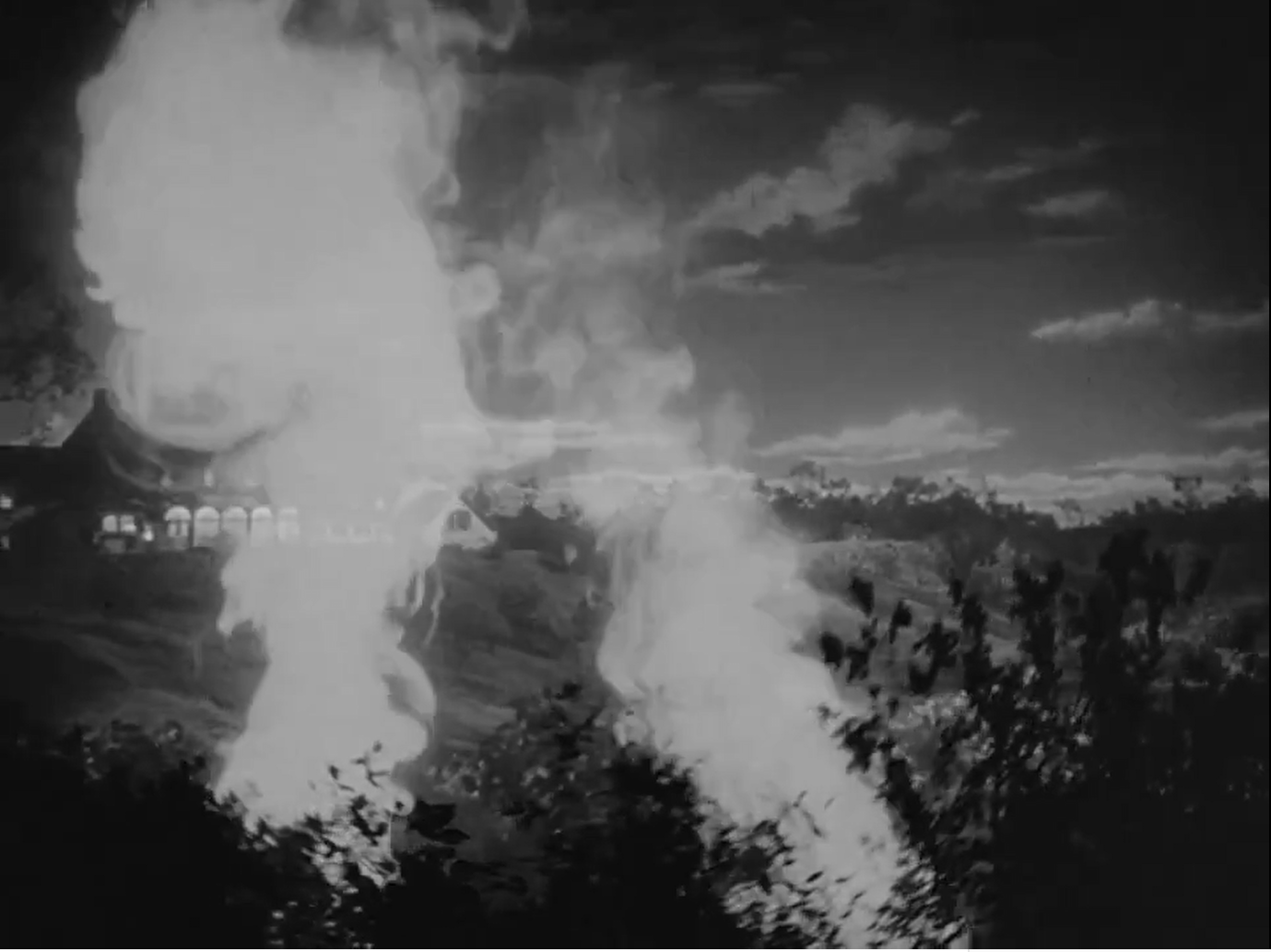
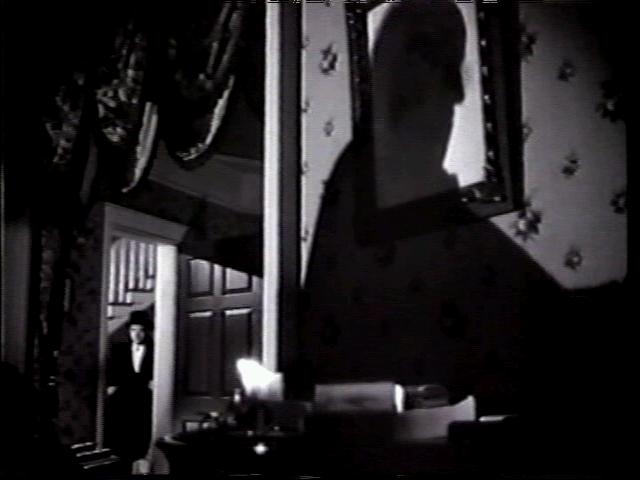
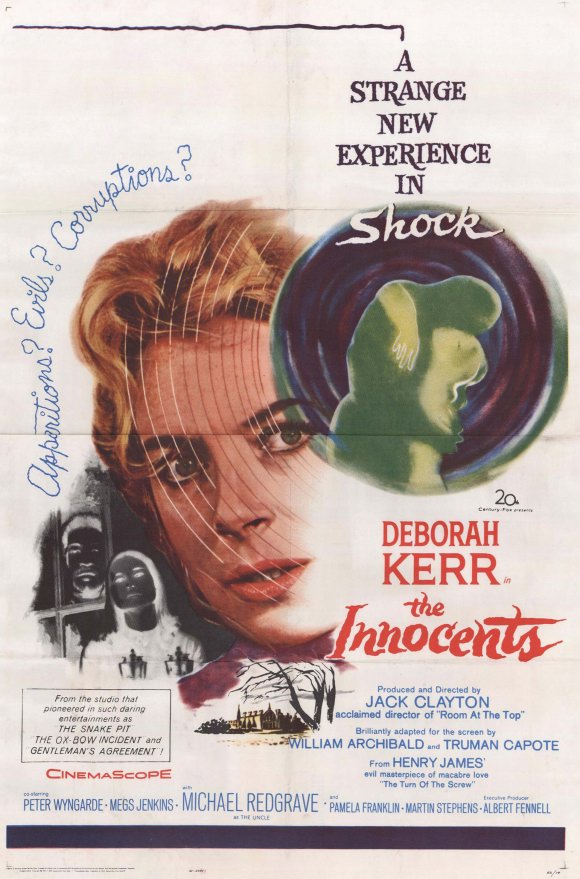
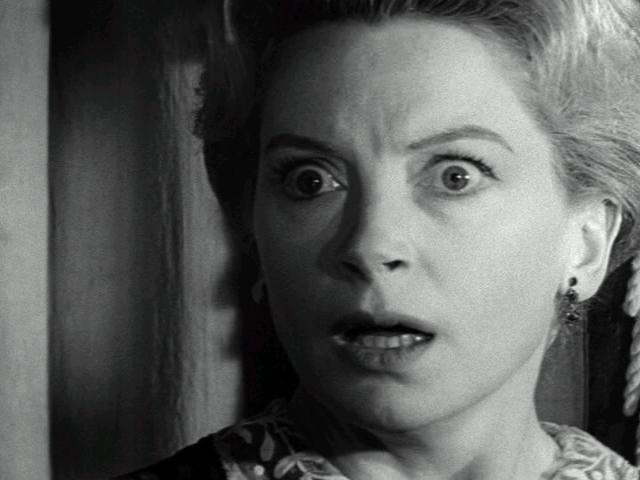
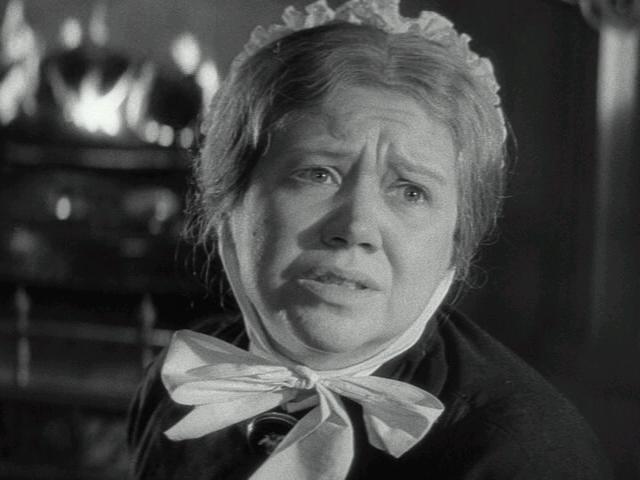
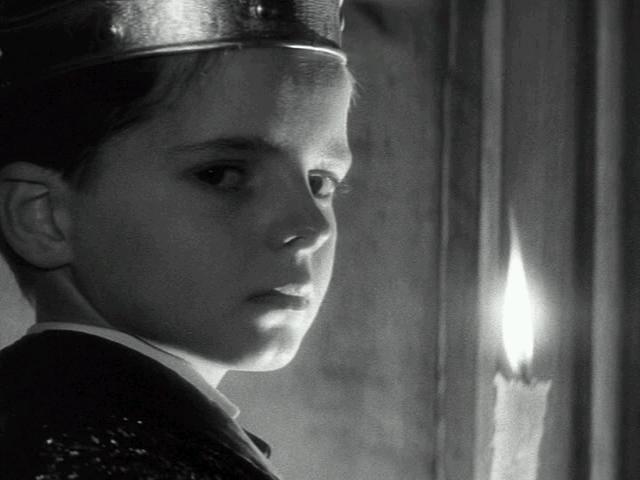
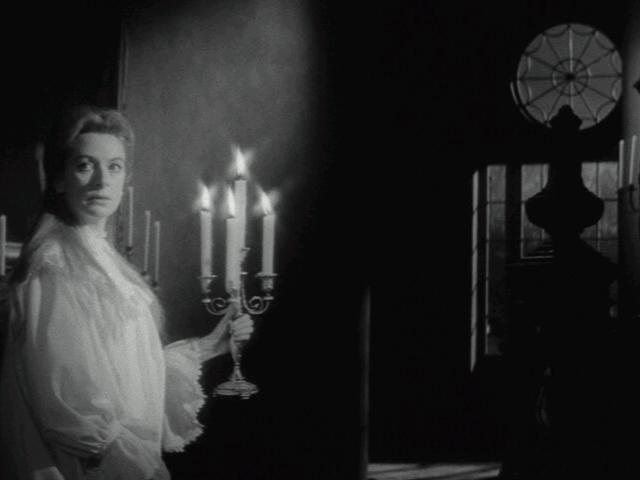
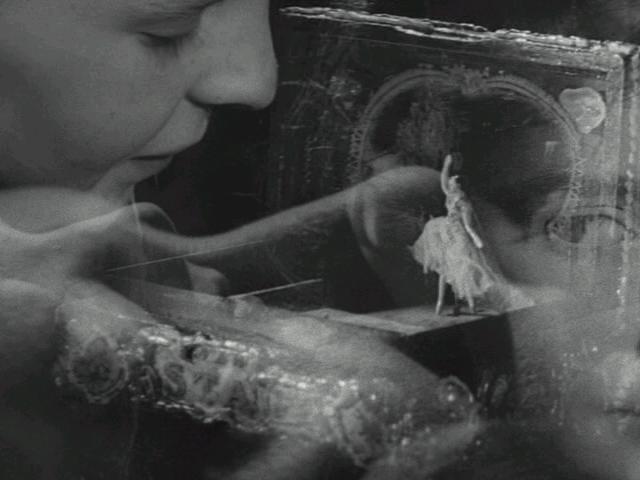
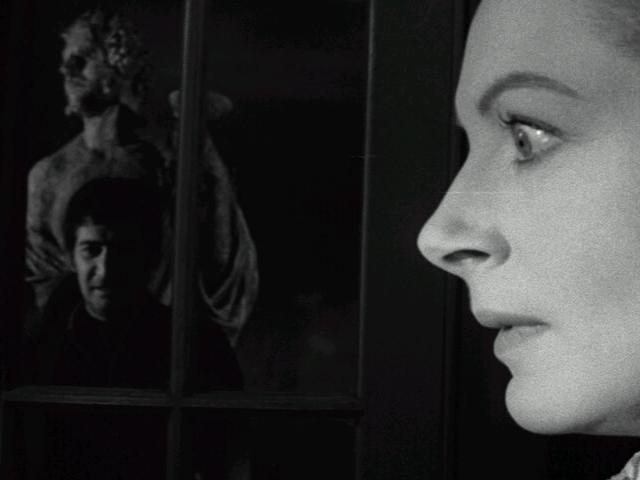
Review: The performances in The Innocents are, across the board, superb. It’s difficult to imagine anyone better than Kerr at playing Miss Giddens, an idealistic, faithful, sexually repressed woman who is mortified to learn that her sweet charges may have been corrupted — and who will stop at nothing to “clear” them of their sins. Both Pamela Franklin (who, six years later, starred in Clayton’s Our Mother’s House) and Martin Stephens (from Village of the Damned) are entirely believable as the inscrutable siblings, and Megs Jenkins rounds out the cast beautifully as the children’s well-meaning, naive maid — her performance never hits a false note, and is essential to the success of the story. Equally impressive are the film’s visuals, including the stunning black-and-white cinematography, appropriately baroque set designs, and effective use of pastoral outdoor settings. Much like in Robert Wise’s The Haunting (1963) and Val Lewton’s early films for RKO, the frights here are cinematically suggested rather than made explicit, with Clayton using a variety of techniques (including deep focus framing and double exposure) to evoke horror; yet even some straightforward shots — such as a bug crawling out of a statue’s mouth — are enough to cause one to jump. Ultimately, the “horror” here is truly psychological, indicating that the worst monsters are the ones we — like Miss Giddens — conjure up for ourselves. Redeeming Qualities and Moments:
Must See? Categories
Links: |