Rose, The (1979)
“I don’t want you in my life anymore.”
“Seriously, I have to admit I don’t know what’s going on right now.”
|
Synopsis: |
|
Genres, Themes, Actors, and Directors:
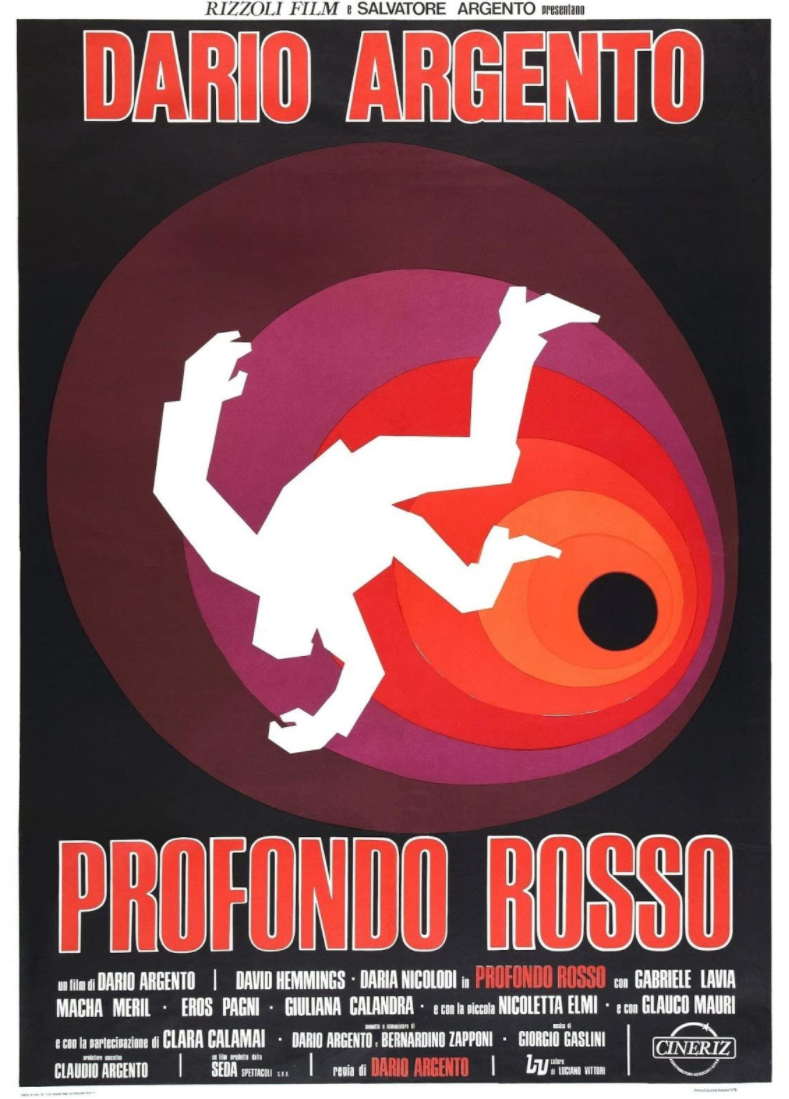
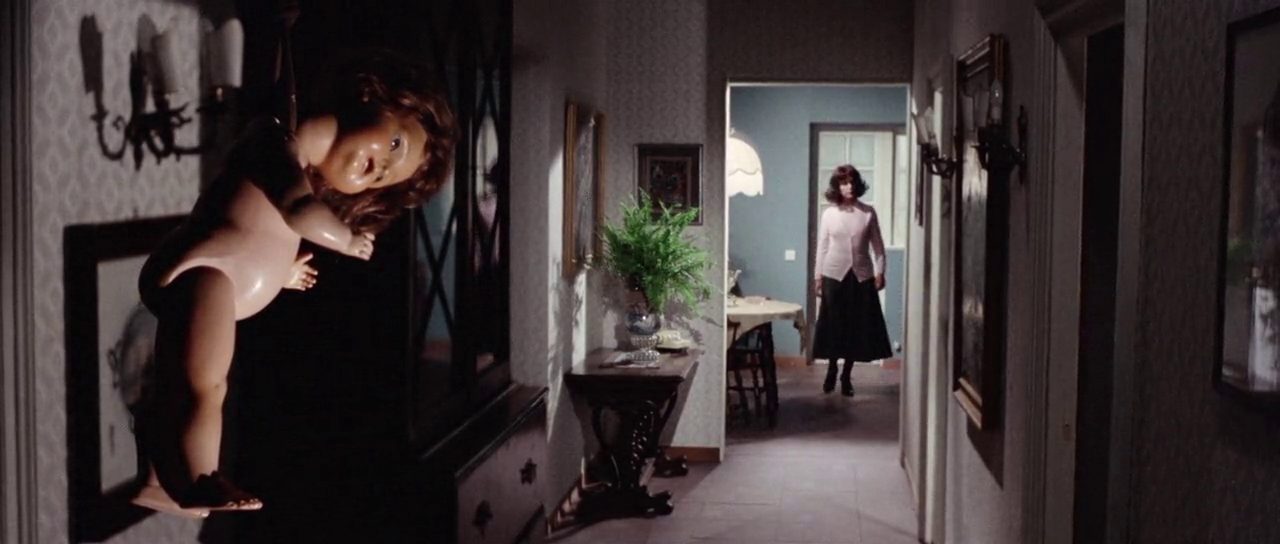
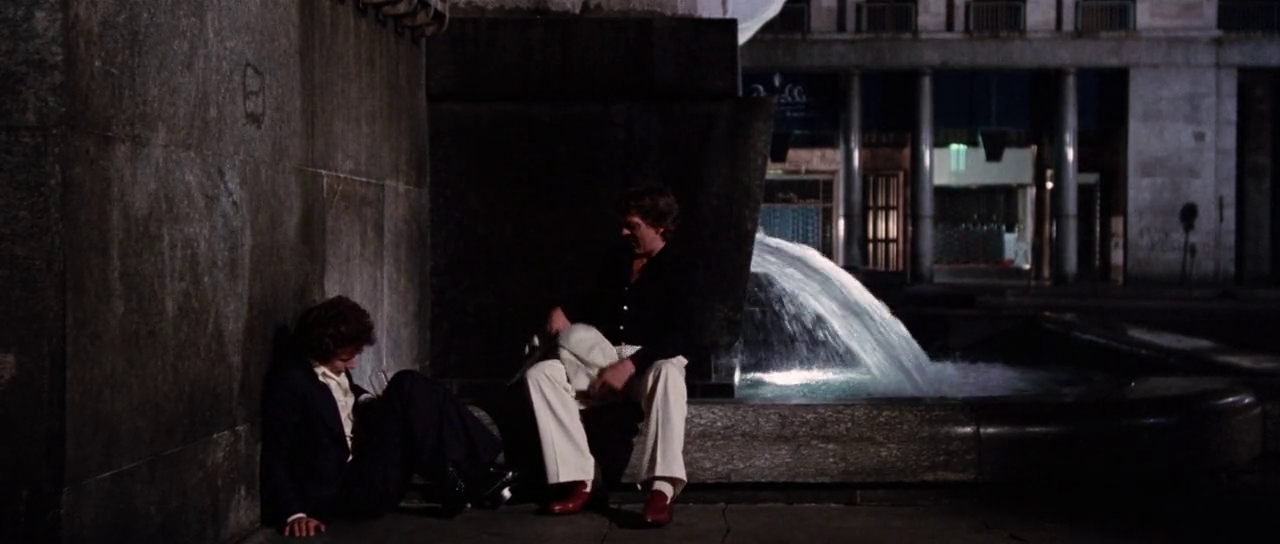
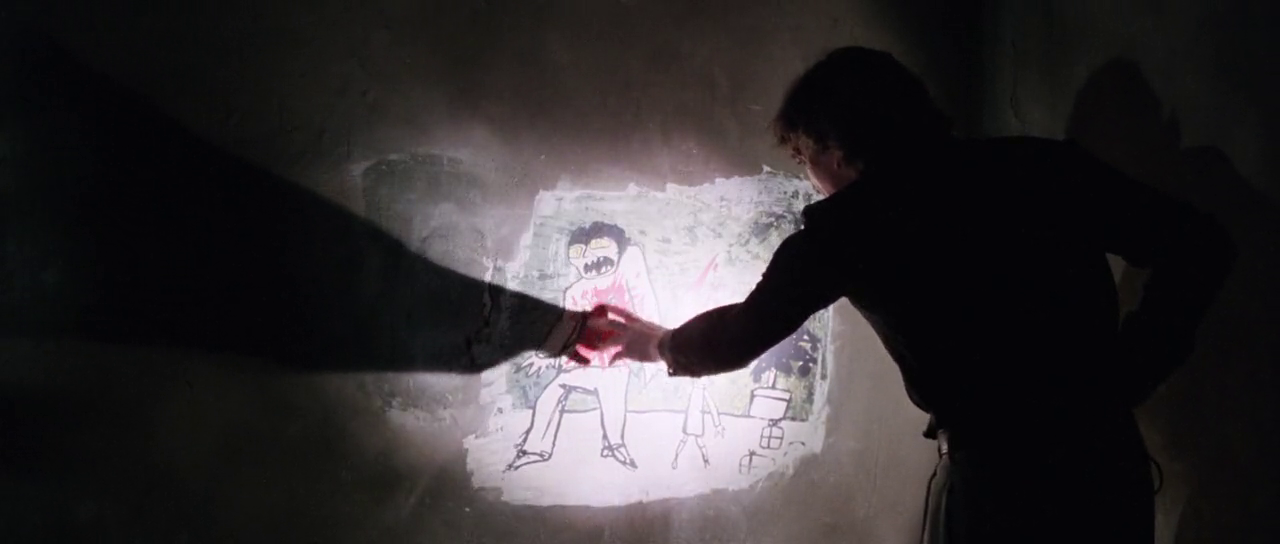
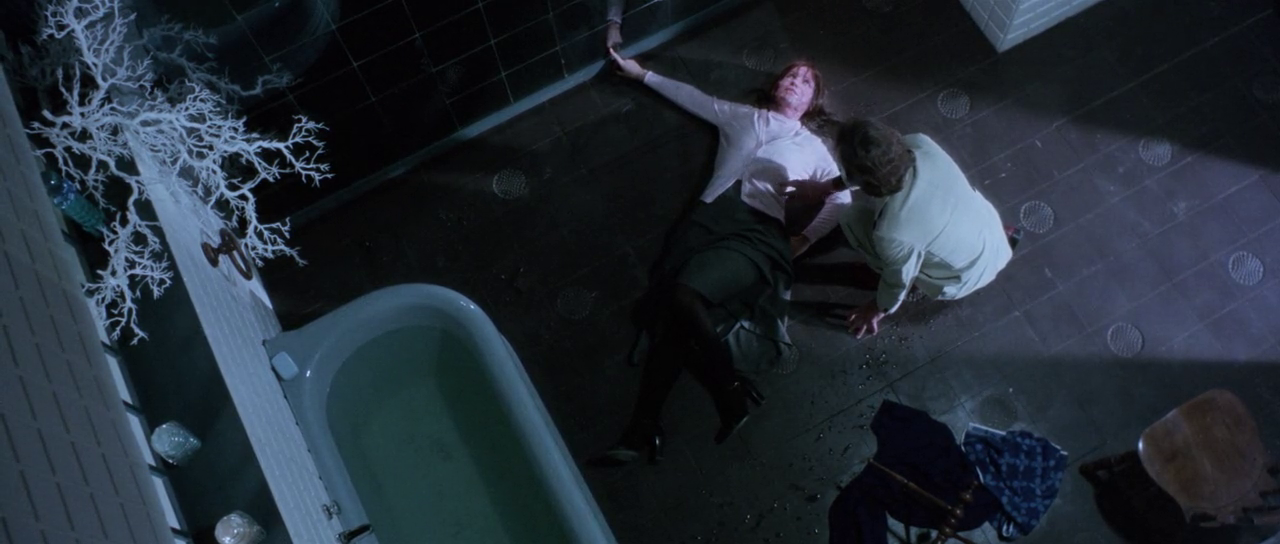
Response to Peary’s Review: … weird props, etc.” He adds that Argento “gives class to what could have been another sleazy slasher movie by having: Hemmings play classical music: … the mystery center on a painting” (as was the case in Argento’s The Bird With the Crystal Plumage [1970]), “his characters… educated, and his scenes set in art schools, libraries, and large rooms with tasteful decor.” Finally, Peary notes that the film features “excellent use of props (paintings, mirrors, dolls, knives, clothes, etc.)”: … as well as “striking nocturnal shots of deserted streets”. While giallo films aren’t a personal favorite, I can appreciate Argento’s artistry here, and consider this a must-see simply for its cult status. Note: For me, part of being a film fanatic is trying to understand why others deeply enjoy a certain genre of film that doesn’t necessarily appeal to me. To that end, I highly recommend The Maniac’s clear and thorough video overview of this film, contextualizing it within the history of giallo films. Redeeming Qualities and Moments: Must See? Categories
Links: |
“I sure wish someone loved me the way you love you.”
|
Synopsis: |
|
Genres, Themes, Actors, and Directors:
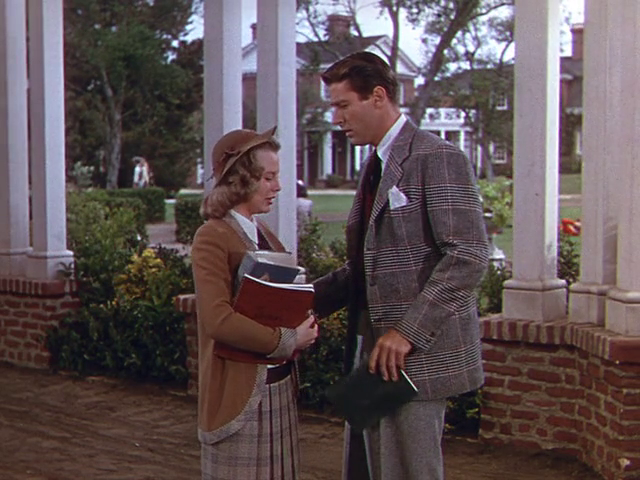
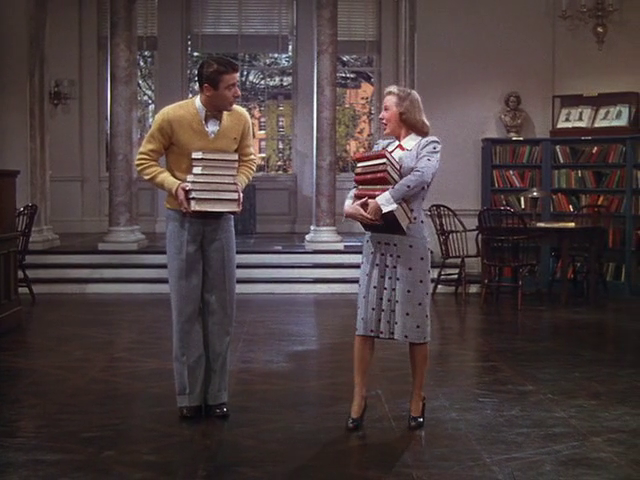
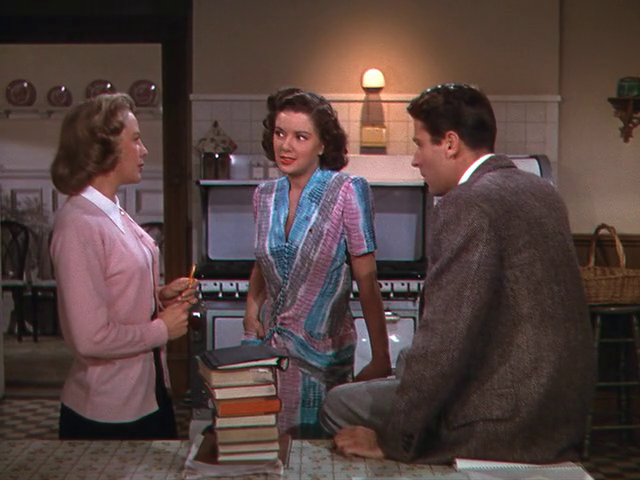
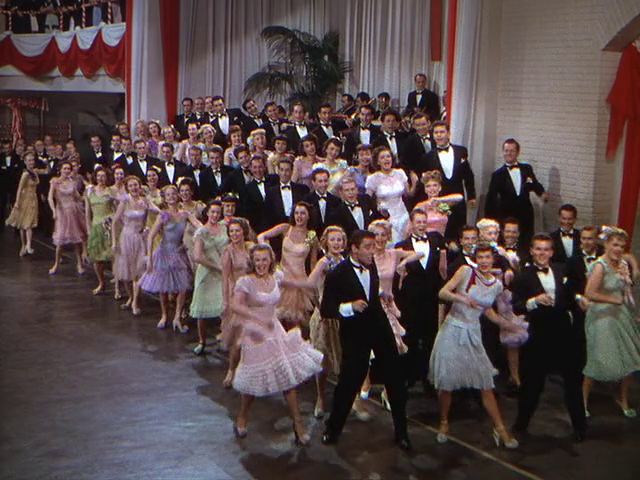
Review: … and a clueless football star who falls for Allyson while she’s tutoring him in French, invites her to the Prom: … then promptly reneges on his invitation once Marshall comes prancing back into his life: Will Allyson forgive Lawson — and should she, really? It matters not a whit, given it’s the songs and dances here that hold front and center: — though they’re not nearly enough to elevate this silly stock musical to anything other than a mildly nostalgic diversion (one which post-WWII audiences were surely eager to lap up). Redeeming Qualities and Moments: Must See? Links: |
“I’ll never forget it, ya know.”
|
Synopsis: |
|
Genres, Themes, Actors, and Directors:
Review:
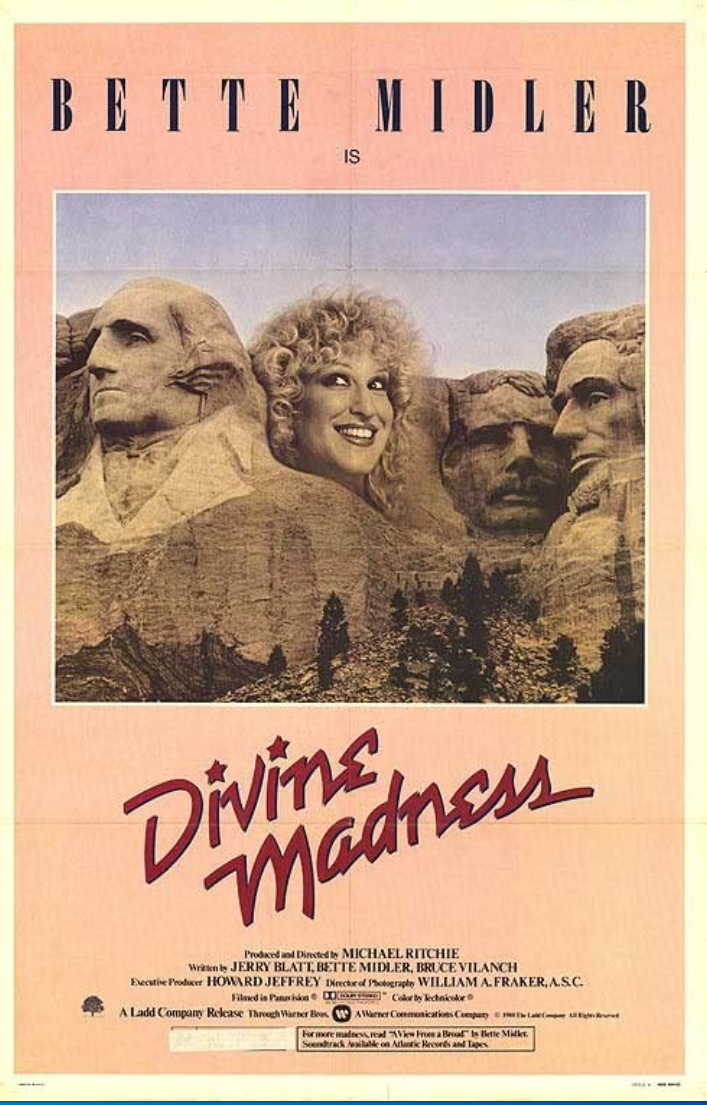
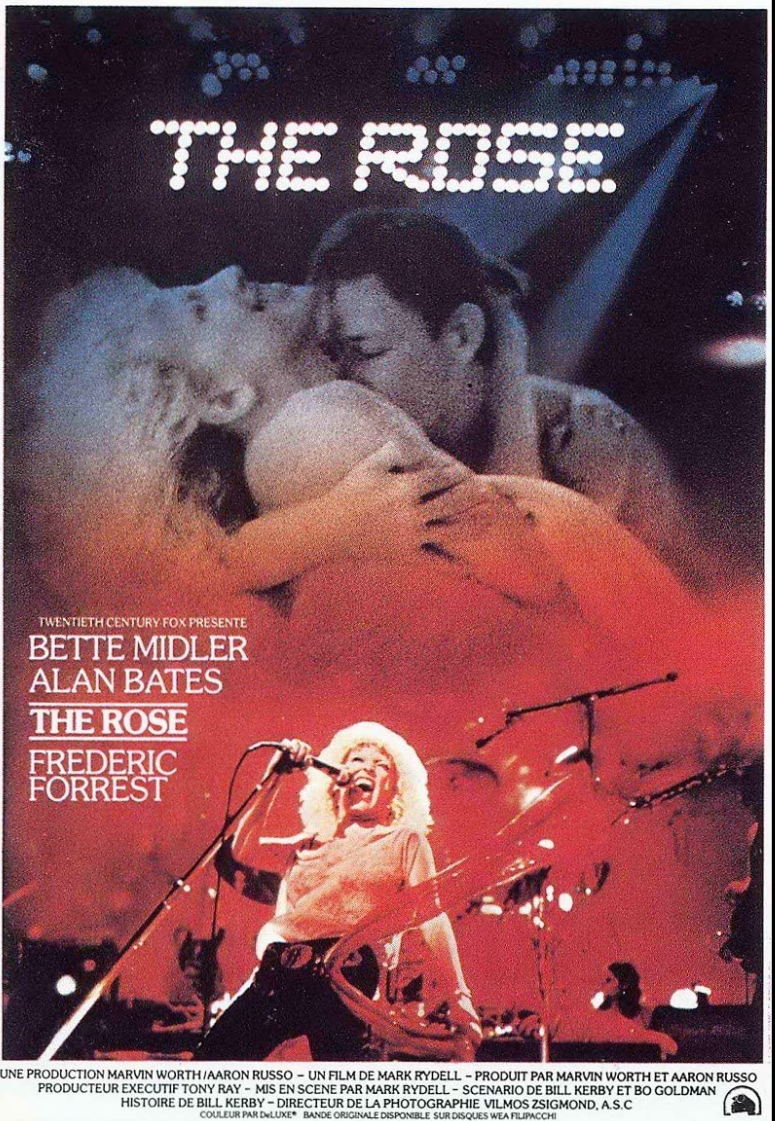
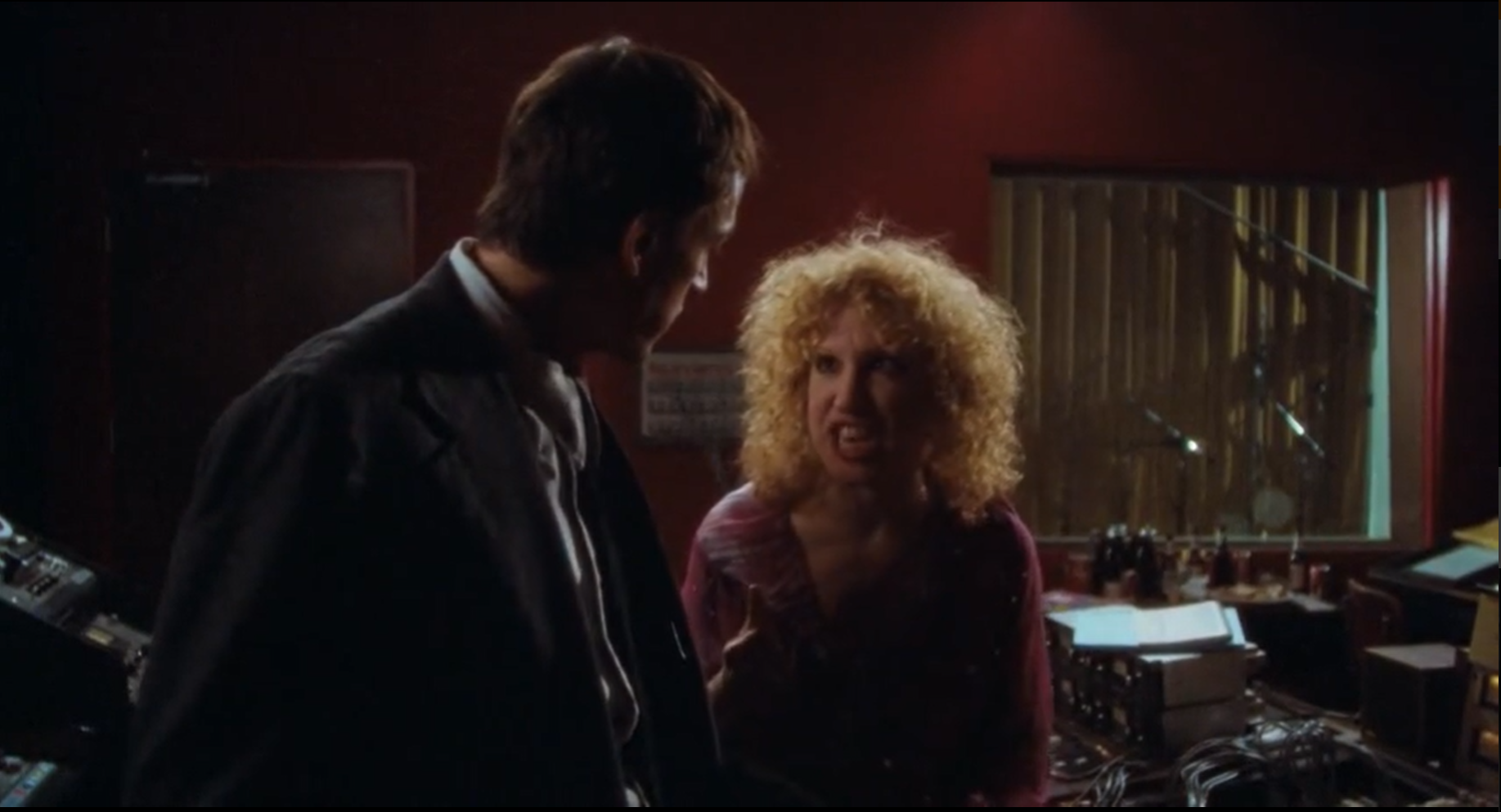
Midler’s material is hit-or-miss, and shifts gears quickly. While Midler herself is 110% invested — she knows her audience, and gives everything she’s got — your own enjoyment of the show will depend entirely on how much you appreciate her unique style of raunchy humor and pathos. It’s not really my cup of tea, but I can see how this would be an invaluable living document for fans of “The Divine Miss M”. Redeeming Qualities and Moments: Must See? Links: |
“He can’t say anything to me; I just feel it, you know?”
|
Synopsis: |
|
Genres, Themes, Actors, and Directors:
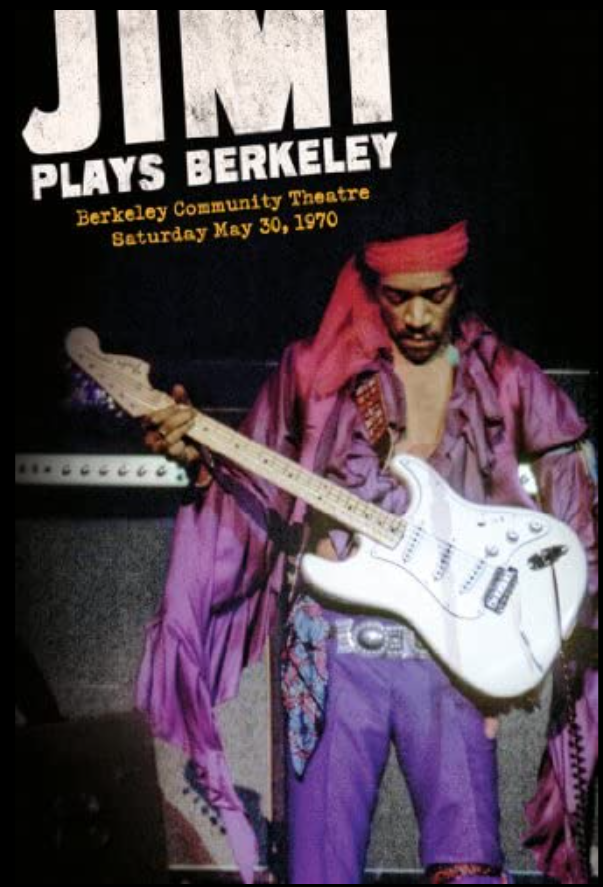
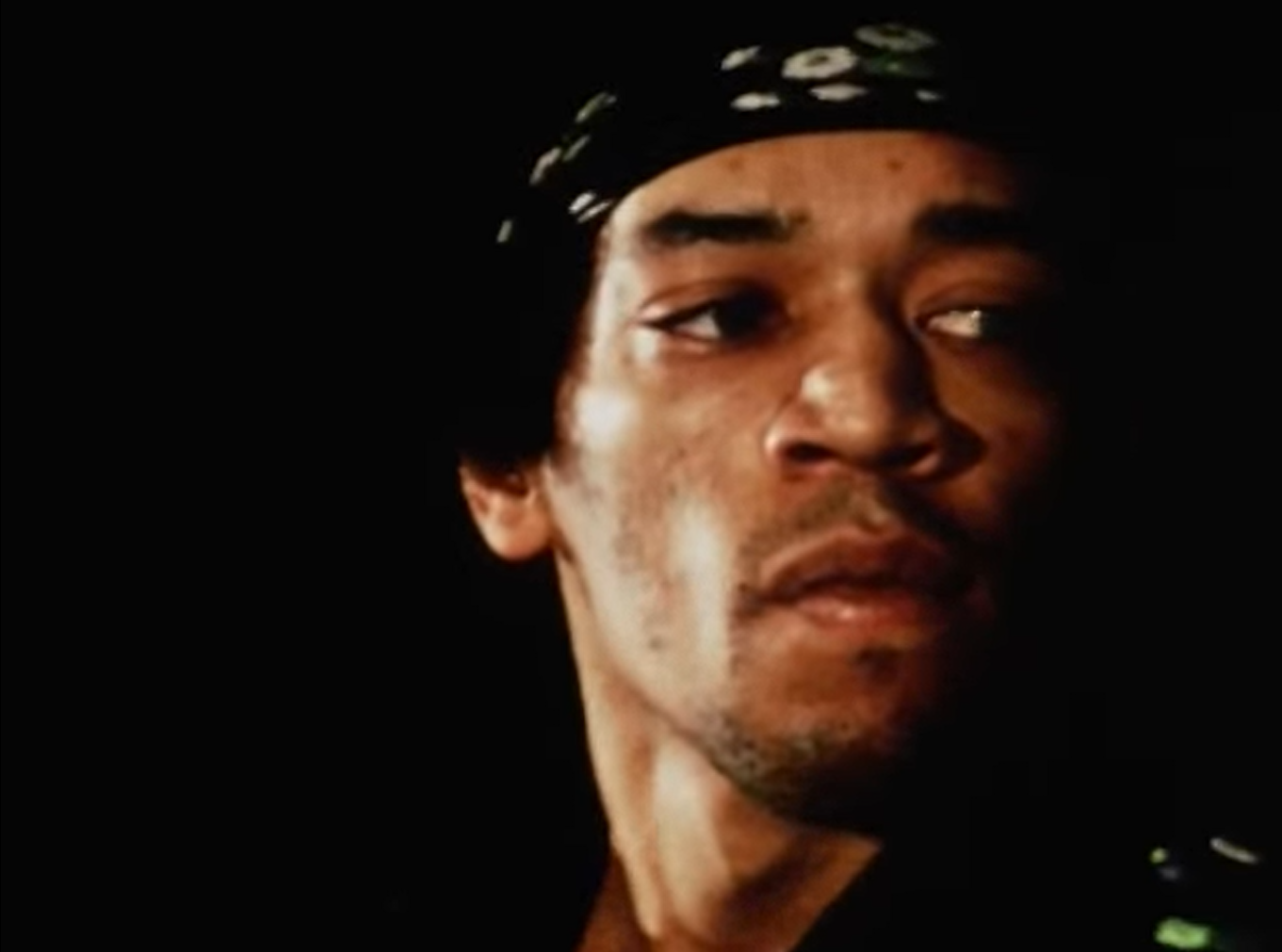
Review: The film opens with Jimi riding to his venue while an unseen commentator describes him as someone who lives for his music, and feels his audiences deeply.
Next we’re shown footage of peaceful protesters in Berkeley refusing to pay $3.50 to see Woodstock (1970) — a film, one argues, that they (the people) made. But the bulk of the short documentary consists of Jimi playing, once even using his teeth (his virtuosity here must be seen to be believed): In between, we see footage of increasingly violent protests taking place across the city: … but we return again and again to Jimi himself on stage: … cross-cut with audience reactions, including these two impossibly-young-seeming front-row fans: Film fanatics with a particular interest in Hendrix will surely want to check this concert movie out, though others may be content simply to see his iconic performances in Monterey Pop (1968) or Woodstock (1970). Redeeming Qualities and Moments: Must See? Links: |
“You tell me about this escape — I release you from this nightmare.”
|
Synopsis: |
|
Genres, Themes, Actors, and Directors:
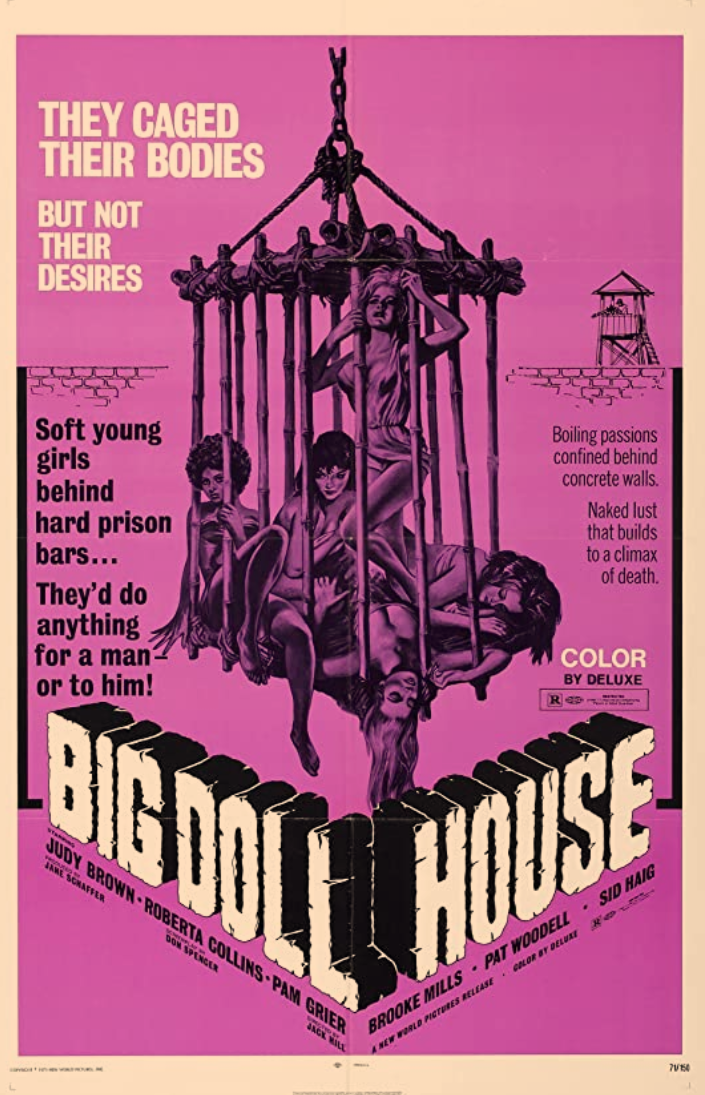
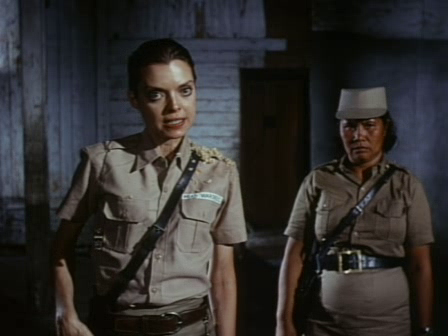
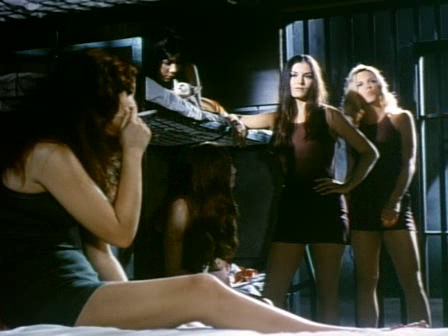
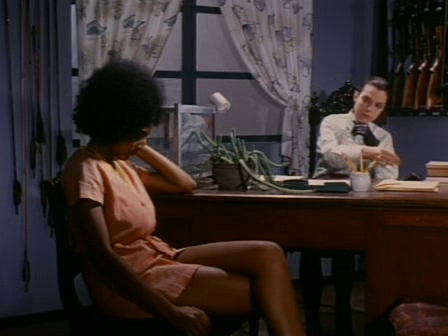
Response to Peary’s Review: — are “reasons enough to see this film”, given that they “will take only so much humiliation, abuse, and torture”. While this film is competently directed and features spunky performances — including by Barbara Steele-look-alike (Loder): … it’s not must-see viewing by anyone except fans of the WIP genre. Redeeming Qualities and Moments: Must See? Links: |
“You got to keep yourself in shape around here — this place is full of fools! If you don’t handle the fools, they handle you.”
|
Synopsis: |
|
Genres, Themes, Actors, and Directors:
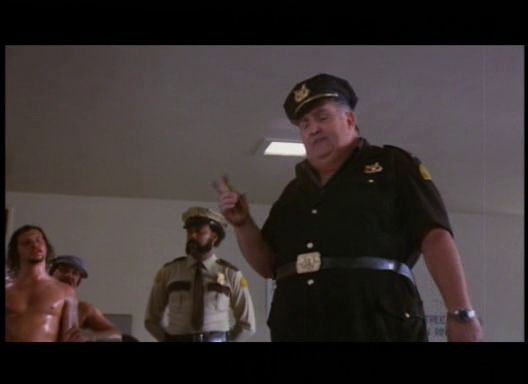
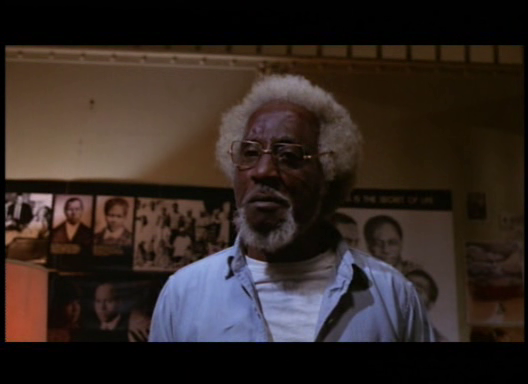
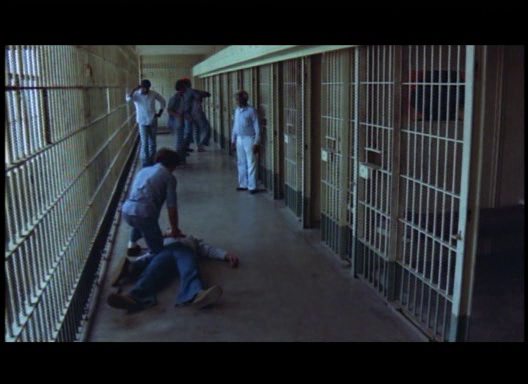
Review: Thankfully, Kennedy is a determined and strong enough protagonist to manage every hurdle coming his way. Also of note is Chatman as a lifetime prisoner: who is clearly meant to serve as a powerful and viable contrast to Kennedy’s get-out-no-matter-what-it-takes attitude; his character rings very true. Redeeming Qualities and Moments: Must See? Links: |
“They think we shot Cyrus.”
|
Synopsis: |
|
Genres, Themes, Actors, and Directors:
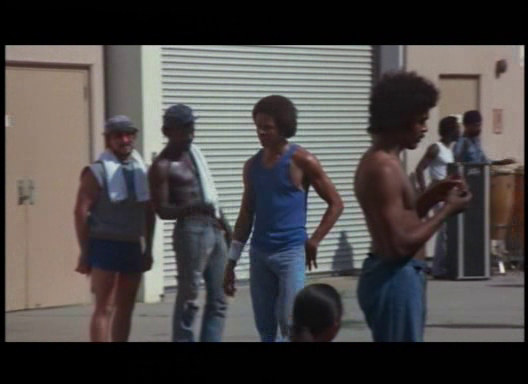
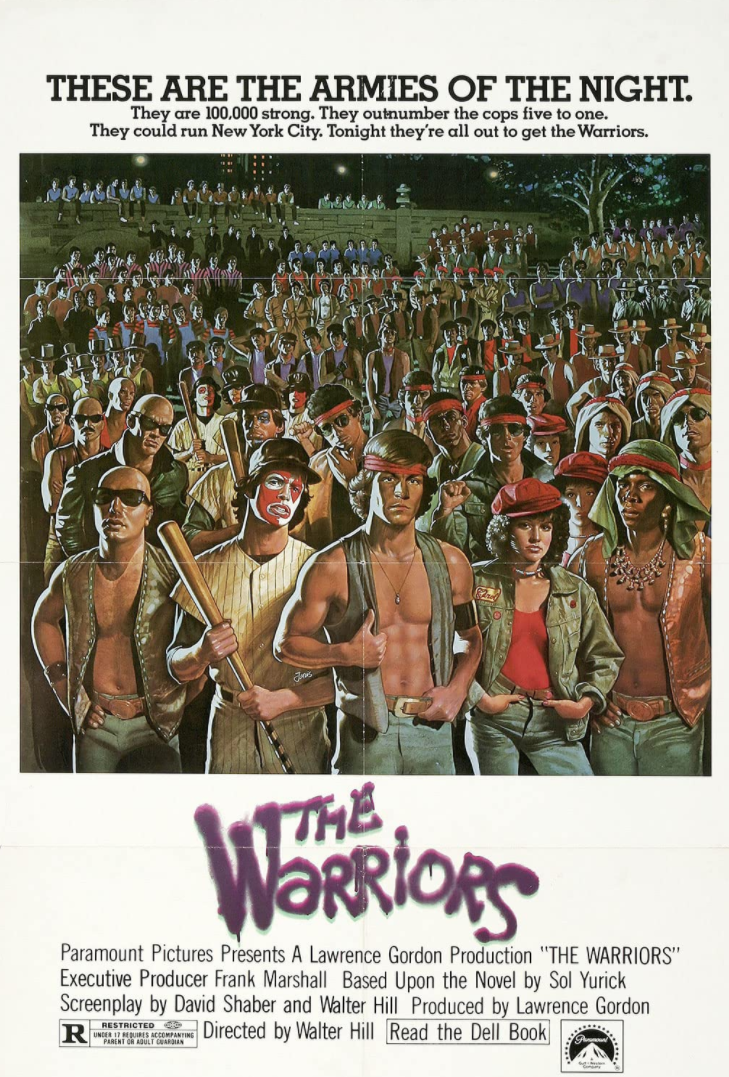
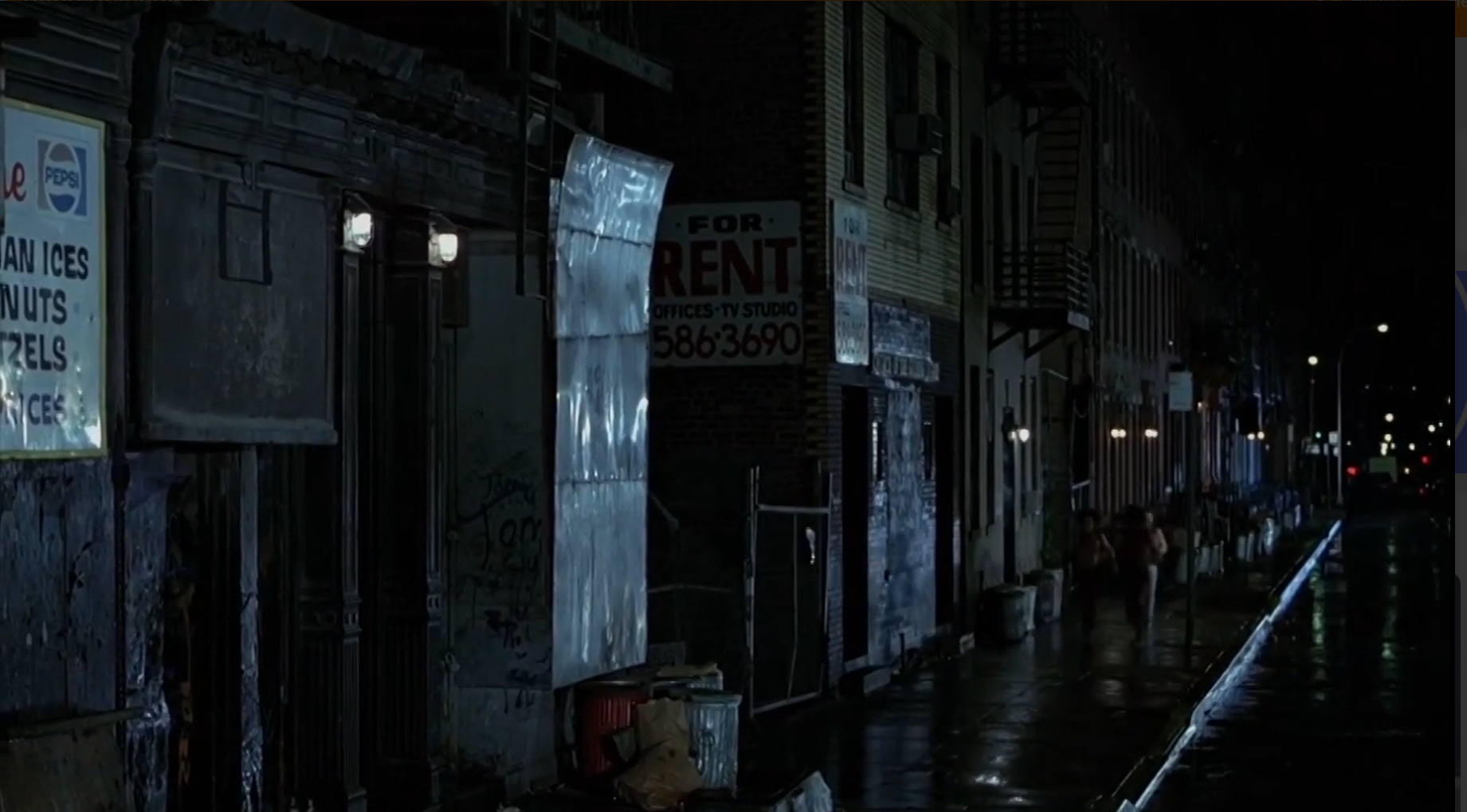
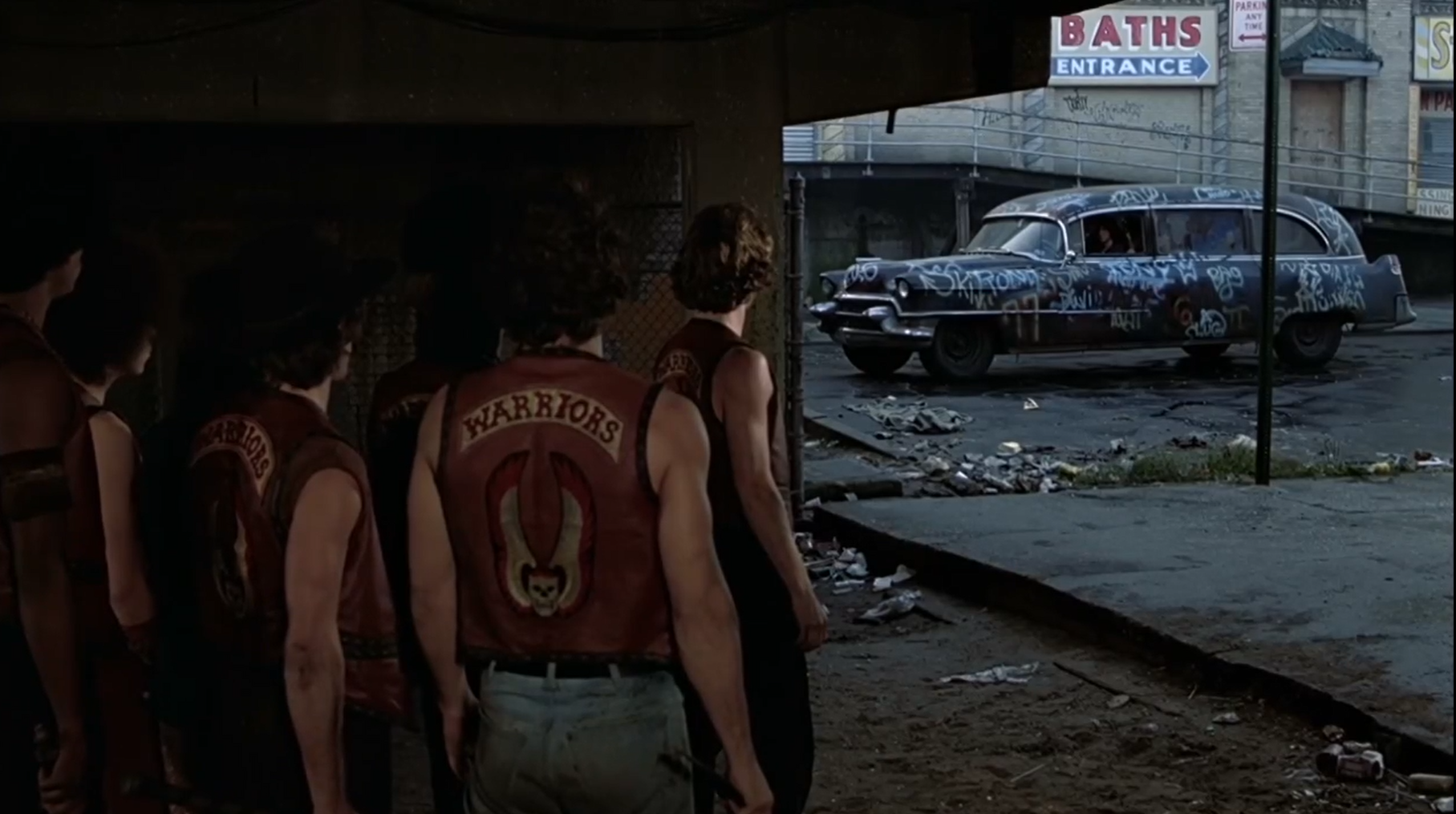
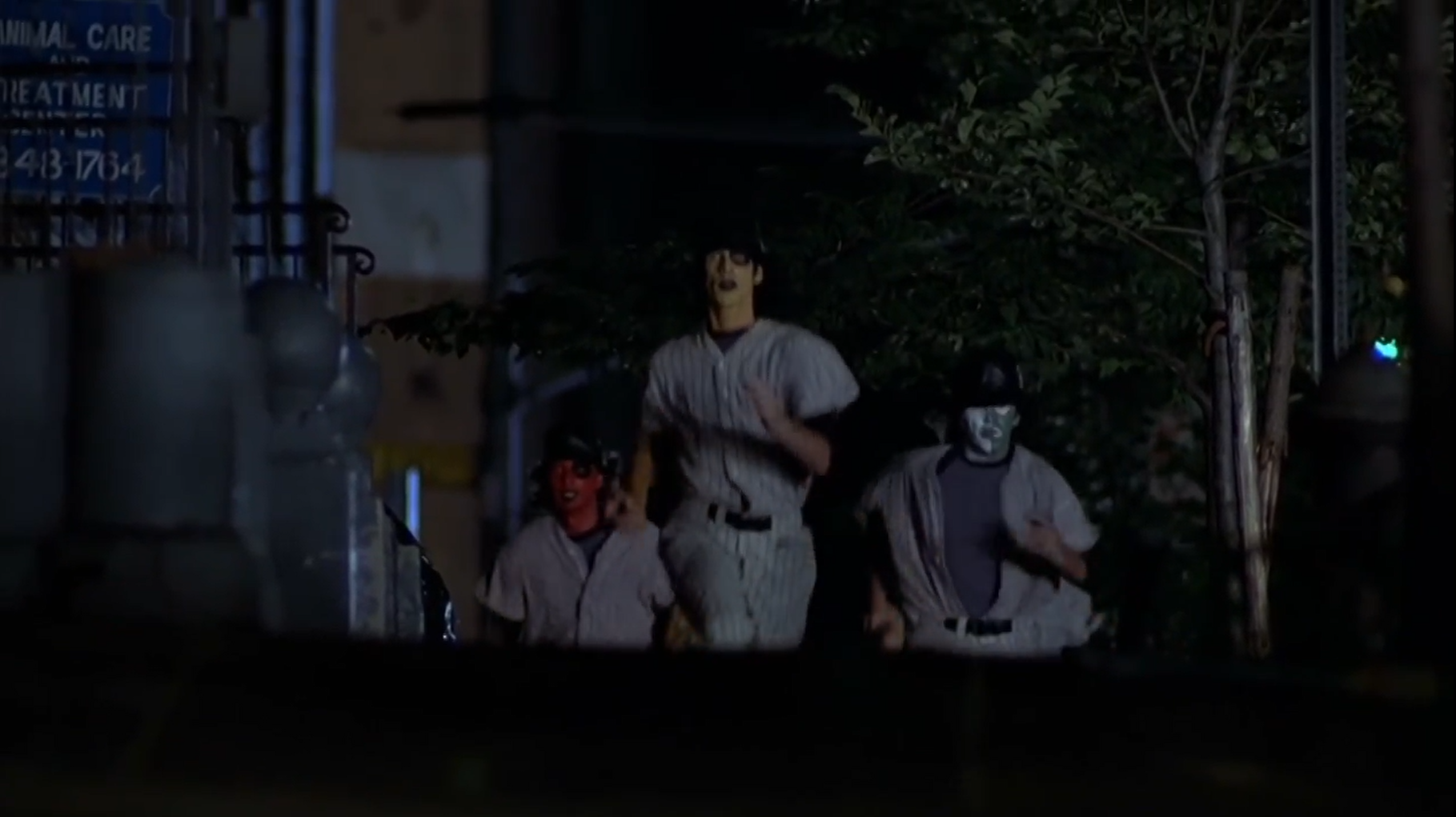
Response to Peary’s Review: Peary elaborates on this film in his first Cult Movies book, where he describes in detail the many differences between it and the original novel. He writes that while “The Warriors, artistically, is an uneven film to say the least”, it “is so full of unbridled energy and drive, with frenetic pacing from beginning to end, that it’s hard not to root… for it to succeed.” While “it’s a film that’ll make you cringe at times”, you’ll “forgive the shortcomings and praise the exciting camerawork, the excellent use of music, and the oddly conceived performance of David Patrick Kelly, the best wacko villain since Andy Robinson in Dirty Harry (1971).” Indeed, there’s much to admire and enjoy about this fast-paced flick, including the “first rate” choreography of the fight scenes, the stylized costumes (especially those of the Furies), and highly effective use of New York shooting locales. This unique cult favorite remains well worth a look. Note: Peary understandably fails to point out the nifty comic-strip transitions added in the 2005 director’s cut, which heighten the cartoonish and playful nature of the story. Redeeming Qualities and Moments:
Must See? Categories
Links: |
“It seems very clear to me that there is a dangerous maniac at large in this city.”
|
Synopsis: |
|
Genres, Themes, Actors, and Directors:
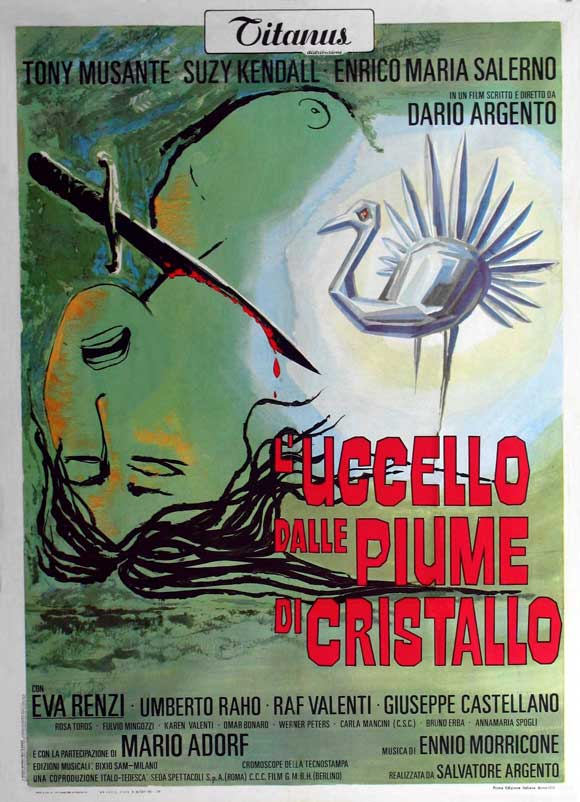
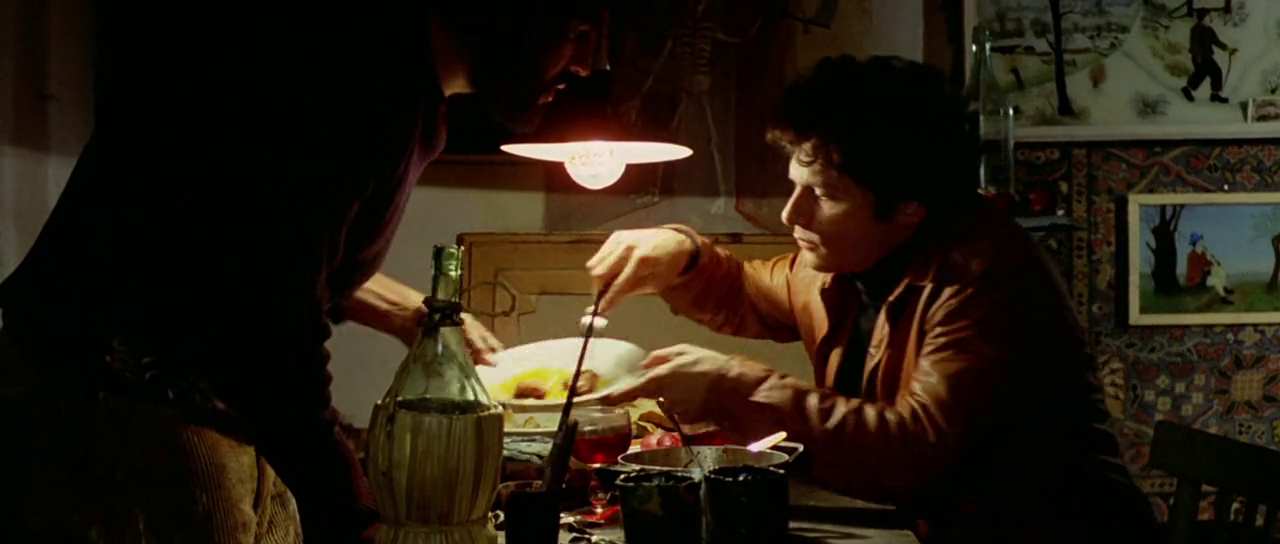
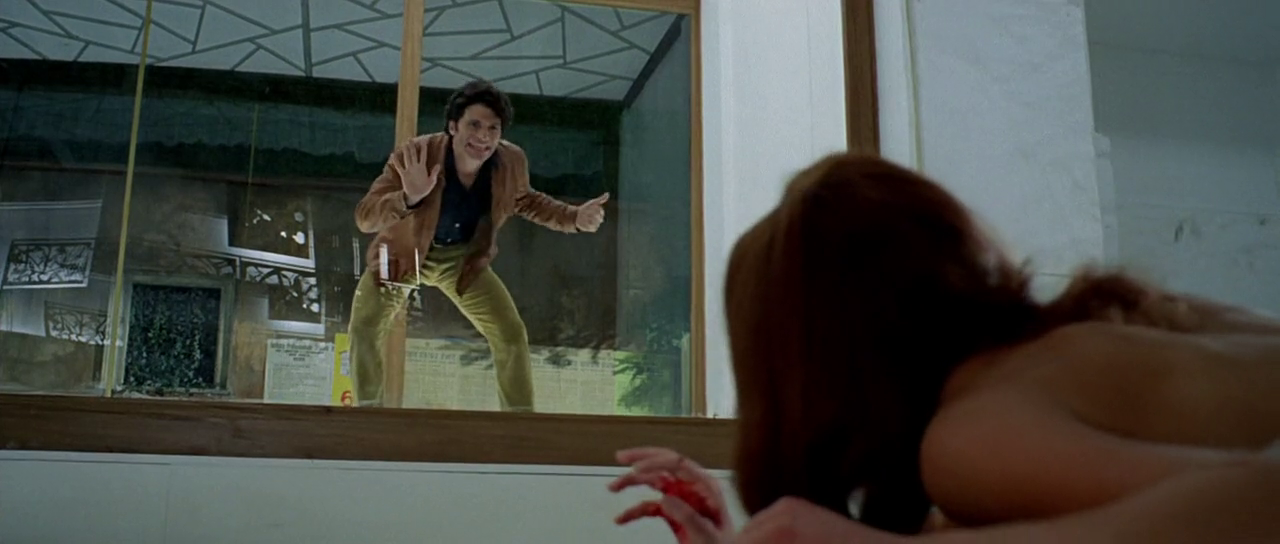
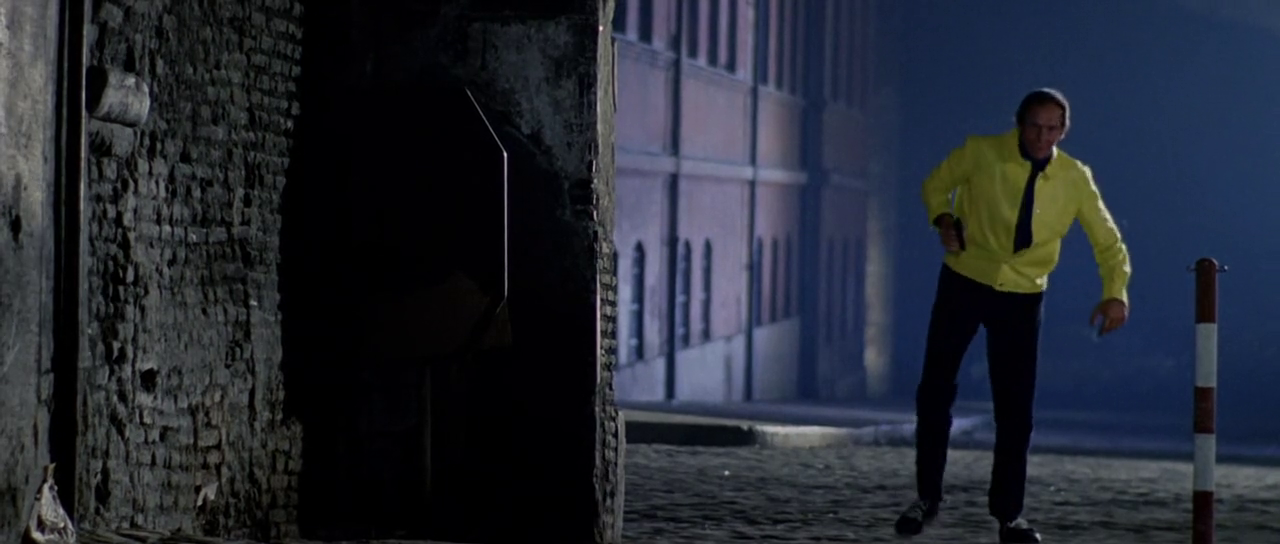
Response to Peary’s Review: Peary points out that the film’s “dubbing hurts” (yes, it does), and that it “should be seen in [a] theater for full effect” — though thanks to Blu-Ray technology, that’s no longer necessary. The storyline offers plenty of atmospherically filmed sequences and twists and turns, with several possible candidates for the murderer. It’s worth a look by giallo fans, though not must-see viewing for all film fanatics. Redeeming Qualities and Moments: Must See? (Listed in 1001 Movies You Must See Before You Die) Links: |
“They all think they got the God given right to haul what they want to, when they want to!”
|
Synopsis: |
|
Genres, Themes, Actors, and Directors:
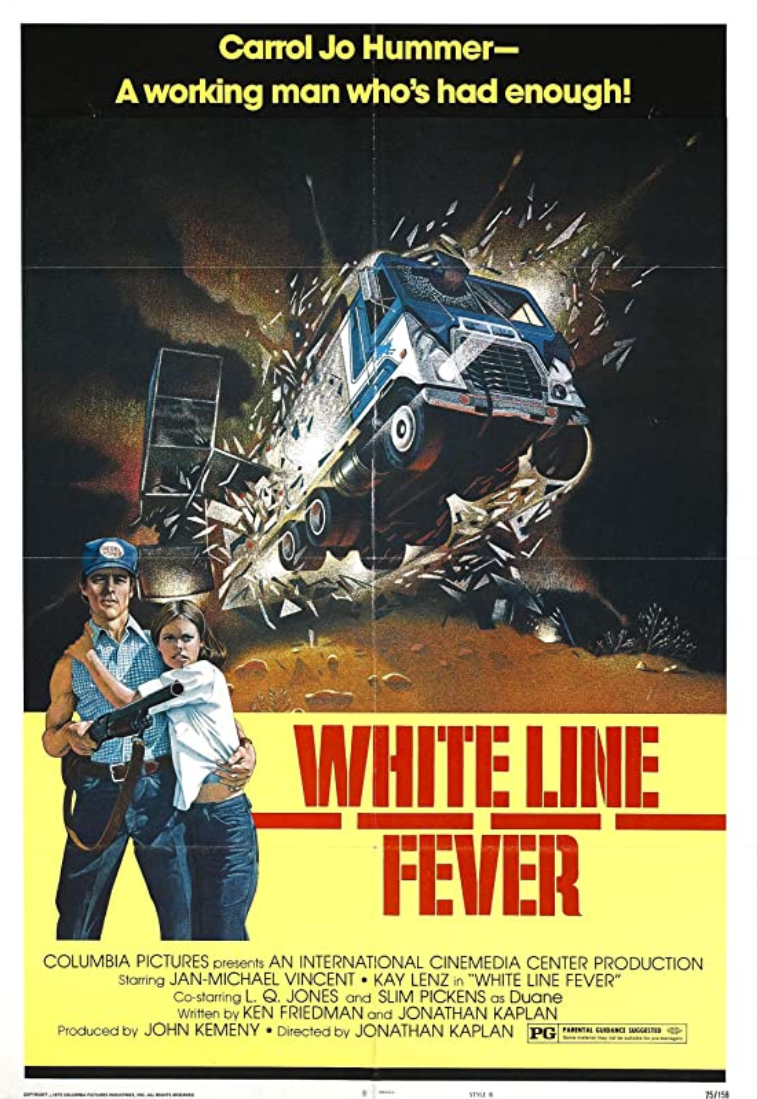
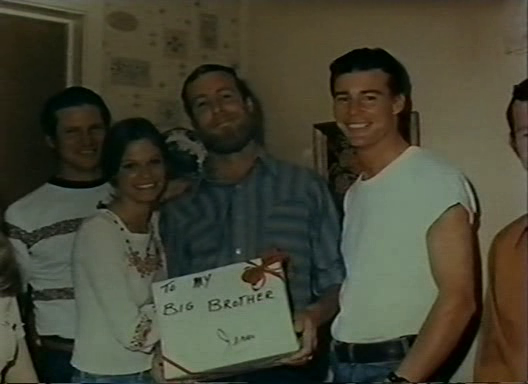
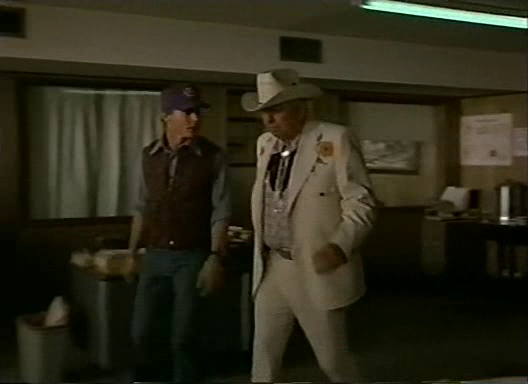
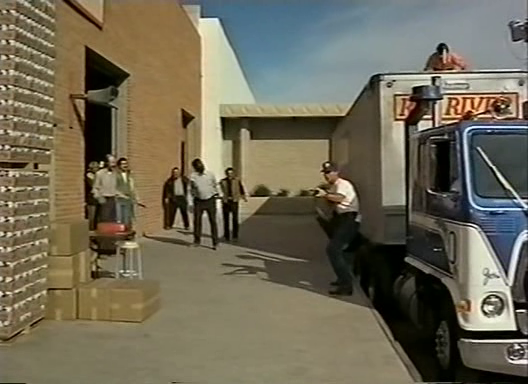
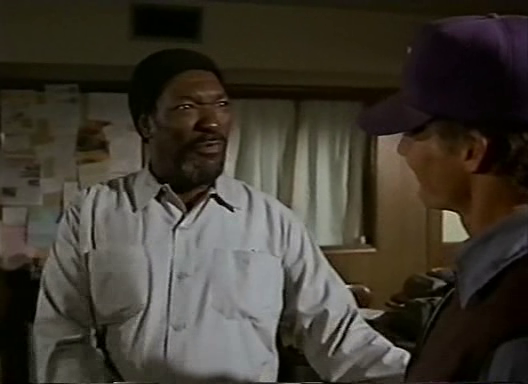
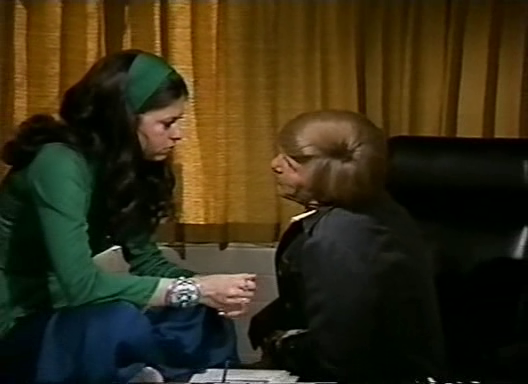
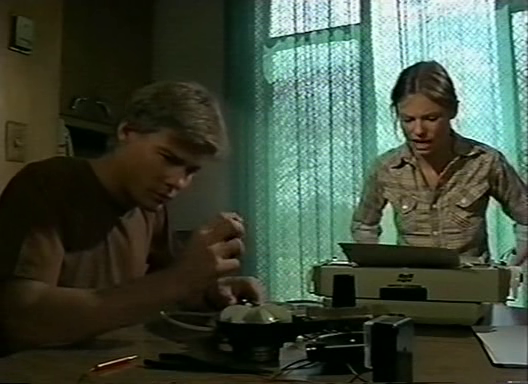
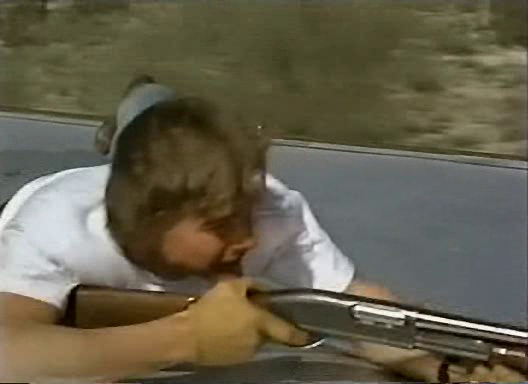
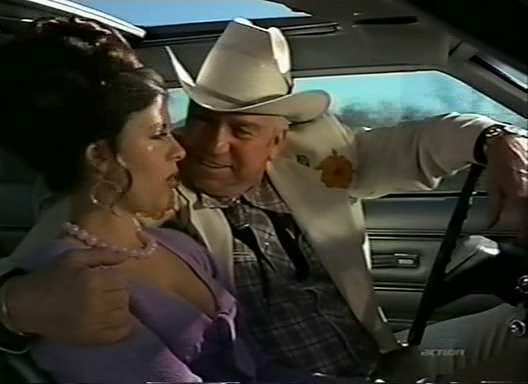
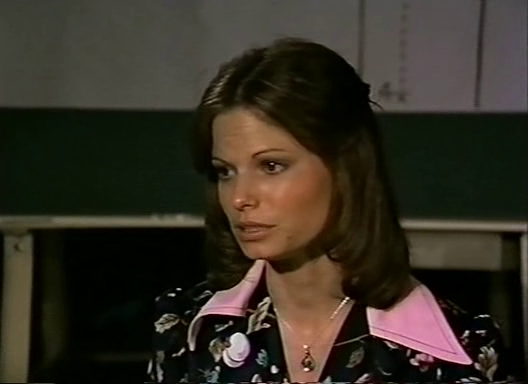
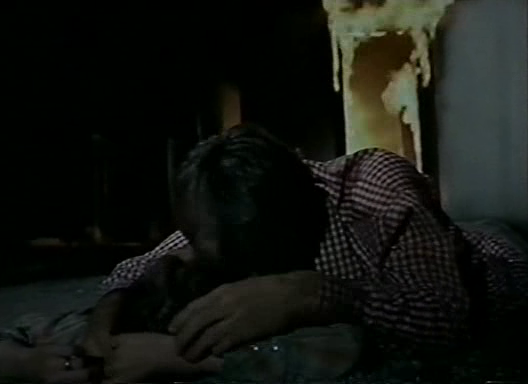
Review: … Vincent and Lenz are quickly (within the first five minutes of the movie) spending money they don’t yet have to invest in a long-haul truck. However, after going to see an old family “friend” (Slim Pickens) for work: … Vincent is astonished — astonished! — to learn that corruption is rampant in trucking, and in order to get any jobs at all, he must be willing to transport undercover cigarette machines. Our plucky protagonist refuses even to consider this, and thus starts the remainder of his bold but tragic journey, which includes the sudden brandishing of a powerful weapon (is this considered “logical”, given his military past?): … and an ensuing cat-and-mouse tale between The Bad White Guys in Power and righteous Vincent, helped occasionally by those “on his side” — including an older Black man (Sam Laws): whose son disapproves of his dad being friendly with a white guy. Laws endures racist slurs hurled at him by The Bad White Guys in Power, who also happen to be sexist pigs. Meanwhile, Lenz — who hates her factory job but doesn’t have any other training or education — glibly falsifies her resume in an attempt to get a more interesting job: … and then we see her in a so-sad “family planning clinic” due to becoming pregnant before she and Vincent are ready to be parents. (Clearly they don’t really know the meaning of love — and the clinic doesn’t know that you can’t just cram two shorter words together to make a longer word.) The drama continues. (SPOILER ALERT) After engaging in a bold top-of-truck shootout with henchmen of the Bad White Men in Power: … Vincent is tricked into hauling a truck full of overripe avocados (worth nothing at his final destination). He’s justifiably pissed, and the vendetta continues. Eventually he’s framed for the murder of an increasingly unsympathetic Pickens (seen here about to offer his tarty date a box of “European chocolates”): Within the span of just a few minutes, however, Lenz (still secretly pregnant) testifies on Vincent’s behalf and saves his life. All of this happens before Lenz gets up the courage to finally tell Vincent she’s pregnant, only to walk immediately into her bedroom and discover Laws brutally murdered on their bed. After this, the couple is nearly burned alive in a retributive house fire: which causes Lenz to miscarry, never able to bear children again. (You’d be forgiven for assuming you’d dropped into a movie-length soap opera by this point. And yes, there are more details I’m not including.) While there’s clearly a valuable story to be told about the challenges of trucking, the nobility of Standing Up to the Man, and the importance of unionizing, this isn’t it. Given that Kaplan went on to make Over the Edge (1979), Heart Like a Wheel (1983), Project X (1987), and The Accused (1988), his talents and tastes clearly evolved. Oh, and Dick Miller appears a couple of times, presumably to reassure you that you are indeed in exploitation-film land, despite this film being made for a major studio (Columbia Pictures). Redeeming Qualities and Moments: Must See? Links: |