Songwriter (1984)

Songwriter (1984)

“I got cheated, and I wanna get even.”

Synopsis:
A country-western songwriter (Willie Nelson) tries to get out of a corrupt contract with his agent (Richard C. Sarafian) by having an aspiring singer (Lesley Ann Warren) put her name on his songs.

Genres, Themes, Actors, and Directors:

  • Alan Rudolph Films
  • Composers
  • Kris Kristofferson Films
  • Musicians
  • Revenge
  • Rip Torn Films
  • Willie Nelson Films

Review:
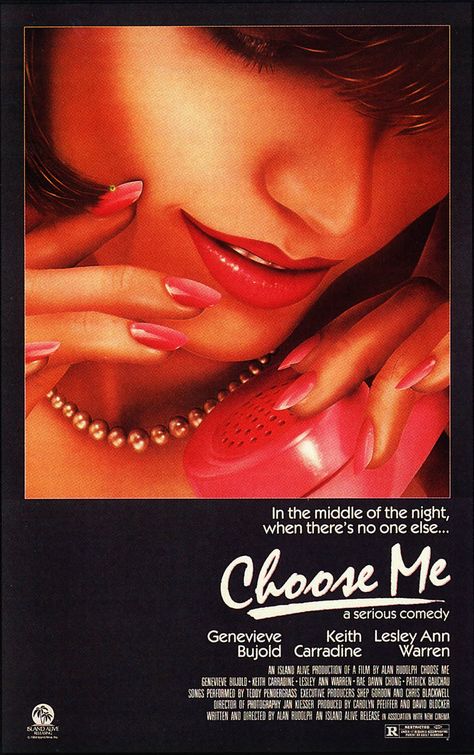
After directing Choose Me (1984), Alan Rudolph was called in at the last minute to helm this amiable, rambling tale about politics and survival in the country music industry, and his influence shows. More concerned with character than narrative, Songwriter introduces us to a host of quirky individuals — Willie Nelson’s “Doc” (essentially a variation on himself), Kris Kristofferson’s Blackie Buck, Rip Torn’s Dino McLeish, and Lesley Ann Warren’s Gilda — and then explores their interactions with one another as Doc attempts to get around the constraints of his binding contract with buffoonish bad-guy Rodeo Rocky (Richard Sarafian). Meanwhile, Doc rekindles a romance with his first wife (Melinda Dillon) and two young daughters, while Warren struggles to calm her stage fright by tippling hard liquor on the sly. Songwriter is the kind of movie that slowly grows on you, thanks in large part to Nelson’s sympathetic performance as Doc (he’s a genuinely nice guy) and Warren’s bold depiction of Gilda as a lost and nervous soul. (Strangely, Kristofferson’s character isn’t written very strongly, and he fails to make much of an impact.) The film is least effective when it’s explicitly aiming for broad laughs — whenever Sarafian and his henchmen are on-screen, for instance — but these moments are mercifully few.

Redeeming Qualities and Moments:

  • Lesley Ann Warren as Gilda
  • Willie Nelson as Doc Jenkins

Must See?
No, but it’s worth a look, particularly for fans of country-western music.

Links:

Experiment Perilous (1944)

Experiment Perilous (1944)

“I’ve been living that diary tonight — living the strange, distorted lives of Nick and his sister.”

Synopsis:
A psychiatrist (George Brent) falls in love with a woman (Hedy Lamarr) whose husband (Paul Lukas) is possessively jealous of her.

Genres, Themes, Actors, and Directors:

  • Gaslighting
  • George Brent Films
  • Hedy Lamarr Films
  • Jacques Tourneur Films
  • Jealousy
  • Paul Lukas Films

Review:
Released the same year as George Cukor’s Gaslight (1944), this Victorian-era melodrama by Jacques Tourneur (his first A-level picture for RKO studios) is similarly concerned with the deadly ramifications of marital distrust and psychological manipulation. Its opening sequence, taking place on a train, is reminiscent of Hitchcock’s The Lady Vanishes (1938), as George Brent encounters and befriends a mysterious older woman (Olive Blakeney) who offers him her “special brand of tea”. Blakeney is superb in her all-too-brief supporting appearance, but her character is killed off in order to set in motion the chain of events that will eventually lead to Brent’s infatuation with Blakeney’s lovely sister-in-law, the equally mysterious Allida Bedereaux (Hedy Lamarr, giving a haunting performance). Unfortunately, despite plenty of atmosphere, the rest of the story remains disappointingly conventional: the mystery of who exactly is insane — Lamarr or her husband — is resolved fairly early on, so that the bulk of the narrative is simply concerned with Brent’s obsessive quest to rescue Lamarr from her controlling husband. Fans of Tourneur will want to check this film out, and it’s certainly worth viewing once — but it’s not a must-see title.

Note: The film’s title is taken from the following provocative quote by Hippocrates (voiced by one of the characters): “Life is short, art is long, decision difficult, and experiment perilous.”

Redeeming Qualities and Moments:

  • Hedy Lamarr as Allida
  • Olive Blakeney as Cissie
  • Tony Gaudio’s cinematography

Must See?
No, but it’s worth viewing once.

Links:

Murder by Death (1976)

Murder by Death (1976)

“If you ask me, anybody that offers a million bucks to solve a crime that ain’t been committed yet has lost a lot more upstairs than his hair.”

[Note: The following review is of a non-Peary title; click here to read more.]

Synopsis:
An eccentric millionaire (Truman Capote) invites a group of renowned detectives — including Sam Diamond (Peter Falk), Dick and Dora Charleston (David Niven and Maggie Smith), Sidney Wang (Peter Sellers), Jessica Marbles (Elsa Lanchester), and Milo Perrier (James Coco) — to his house on a stormy evening, challenging them to solve a murder mystery before it occurs.

Genres, Themes, Actors, and Directors:

  • Alec Guinness Films
  • David Niven Films
  • Detectives and Private Eyes
  • Elsa Lanchester Films
  • Ensemble Film
  • Maggie Smith Films
  • Murder Mystery
  • Neil Simon Films
  • Old Dark House
  • Peter Falk Films
  • Peter Sellers Films
  • Play Adaptation
  • Satires and Spoofs

Review:
Neil Simon’s all-star spoof of literary detectives and Old Dark House murder mysteries was an enormous hit the year it was released, and remained a popular re-run on television for years thereafter.

A host of big-name actors give boldly satirical performances playing humorous variations on Charlie Chan, Miss Marple, Hercules Poirot, Nick and Nora Charles, and Sam Spade/Philip Marlowe — with Peter Falk in the latter role given some of the best lines in the film:

Locked, from the inside. That can only mean one thing. And I don’t know what it is.

Alec Guinness, however, steals the show as an hysterically incompetent blind butler; his attempts to communicate with a deaf/mute maid (Nancy Walker) are priceless.

Meanwhile, in his first and (mercifully) final acting role, Truman Capote gives a distinctly underwhelming and snively performance as millionaire Lionel Twain:

Fortunately, he’s not on-screen for very long. While the script itself isn’t quite as consistently amusing or clever as fans may remember from earlier viewings, I’m nonetheless including Murder by Death here as a Missing Title, given its enduring cult status — film fanatics will want to watch it at least once.

Redeeming Qualities and Moments:

  • Peter Falk as Sam Diamond
  • Alec Guinness as Bensonmum
  • David Niven and Maggie Smith as Dick and Dora Charleston
  • Eileen Brennan as Tess Skeffington
  • Plenty of clever satirical dialogue:

    “Conversation like television set on honeymoon: unnecessary.”

Must See?
Yes, as an enduring cult favorite.

Categories

  • Cult Movie

Links:

Who Is Killing the Great Chefs of Europe? (1978)

Who Is Killing the Great Chefs of Europe? (1978)

“I am precisely what I am because I have eaten my way to the top.”

Synopsis:
A renowned pastry chef (Jacqueline Bisset) invited to France by a portly food connoisseur (Robert Morley) fears for her life when the greatest chefs in Europe are mysteriously murdered, one by one; meanwhile, her insistent ex-husband (George Segal) pursues her aggressively, and is determined to keep her safe from harm.

Genres, Themes, Actors, and Directors:

  • Black Comedy
  • George Segal Films
  • Jacqueline Bisset Films
  • Murder Mystery
  • Robert Morley Films
  • Serial Killers

Review:
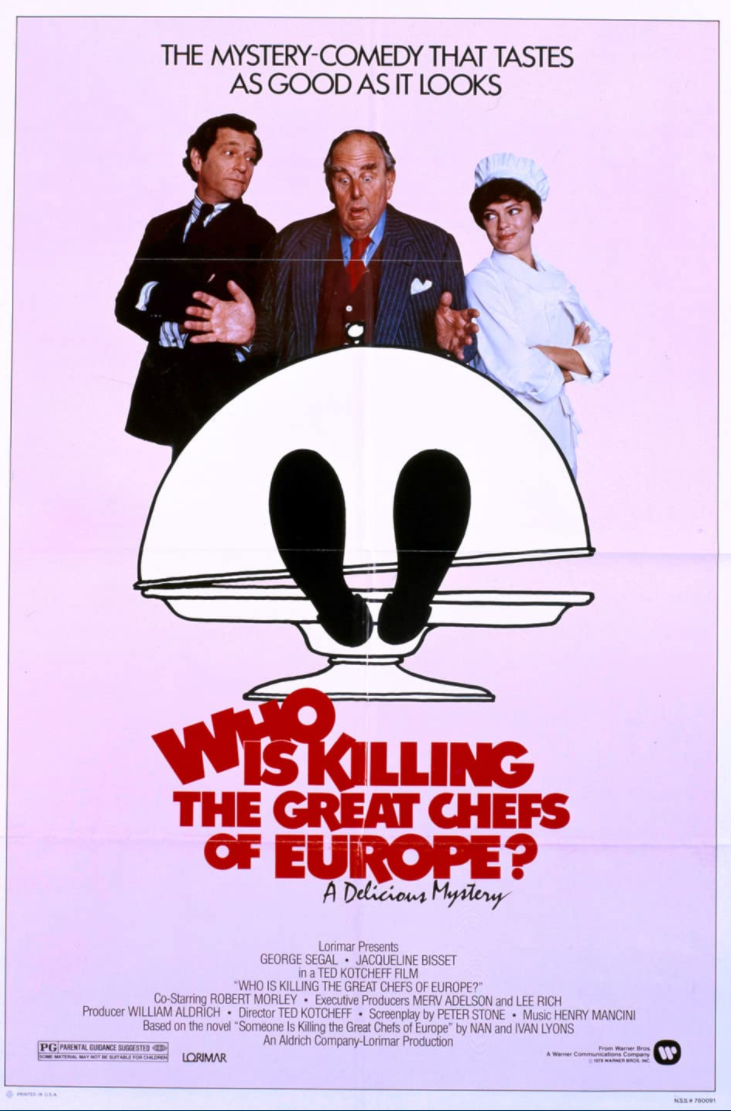
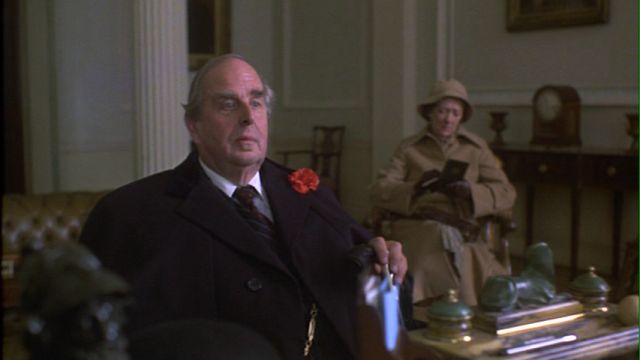
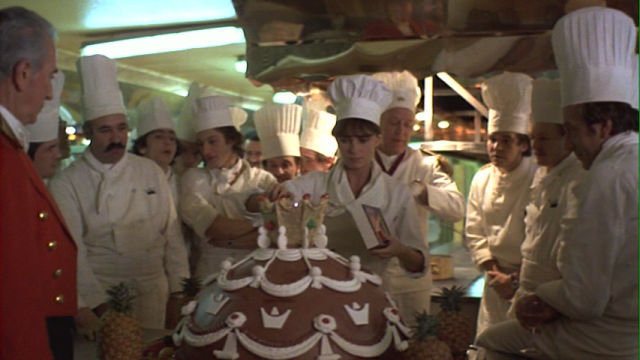
Canadian-born Ted Kotcheff directed this innocuously enjoyable culinary mystery (based on Nan and Ivan Lyons’ novel Someone is Killing the Great Chefs of Europe), which possesses plenty of mouthwatering sequences in which breathtaking dishes are meticulously prepared (my favorite is watching Bisset carefully sculpt her impressive Bombe Richelieu). There’s a generous serving of dark gore as well, given that each chef is killed according to his specialty (i.e., a lobster chef is drowned, and a chef renowned for his duck pate is ground up). While we’re fairly certain we know who the prime suspect is, and why, we’re nonetheless kept in suspense until the very end; meanwhile, the romantic subplot between Bisset and Segal gets somewhat tiresome, but at least helps propel the story forward. Robert Morley is delightful as a morbidly obese connoisseur whose love of fine food is putting his life at risk (he deservedly earned a Golden Globe nomination as best supporting actor for his performance here), and several noteworthy French actors (Philippe Noiret, Jean Rochefort) make welcome minor appearances.

Redeeming Qualities and Moments:

  • Robert Morley as Max
  • Several enjoyable sequences of culinary wizardry

Must See?
No, but it’s certainly recommended.

Links:

Countdown (1968)

Countdown (1968)

“You have to wear that capsule like you wear your own skin.”

Synopsis:
When a scientist (James Caan) is chosen over his more experienced military friend (Robert Duvall) to be the first man sent to the moon, rivalries ensue.

Genres, Themes, Actors, and Directors:

  • Astronauts
  • Cold War
  • James Caan Films
  • Robert Altman Films
  • Robert Duvall Films
  • Space Exploration

Review:
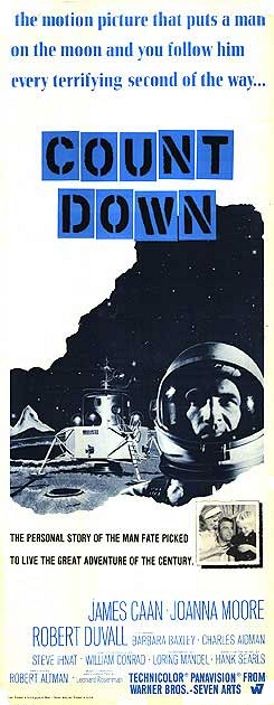
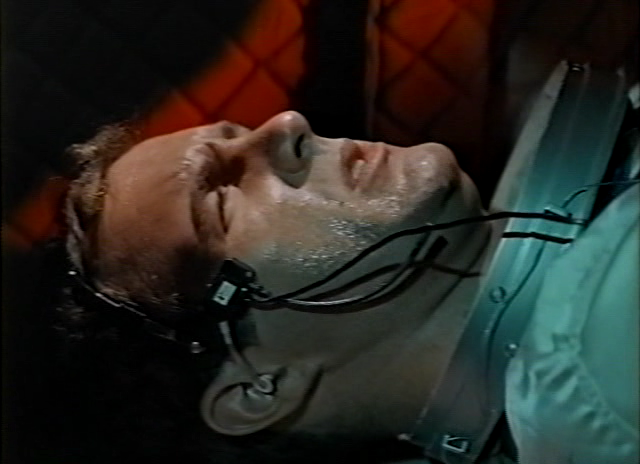
After making two feature-length films in 1957 (The Delinquents and The James Dean Story), Robert Altman spent a number of years working in television before returning to the big screen with this adaptation of Hank Searls’ novel The Pilgrim Project. It’s very much a film of its time, given that it depicts the extreme anxiety felt by Americans during the Cold War, when NASA was doing its best to beat the Russians to the moon; in reality, America wouldn’t send its first man to the moon until July of the following year, so audiences in 1968 were surely intrigued by this dramatic simulation of what feasibly might have occurred. Modern devotees of space race movies and documentaries (such as Apollo 13 and the mini-series “From the Earth to the Moon”) will doubtless find fault with many of the technical details as presented here, but the rest of us will likely find Altman’s use of authentic props and settings refreshingly realistic.

There’s little to distinguish Countdown as an “Altman film”, though he does utilize some overlapping dialogue, and there’s a bit more emphasis on relationships than plot; the following year’s M*A*S*H (1970), however, would be his true breakthrough film. With that said, Countdown is a competently made, solidly acted drama: Duvall is in prime form as an embittered astronaut who is justifiably pissed off that his less-experienced friend has been given his spot (simply for political purposes), while Joanna Moore stands out in a thankless role as Caan’s worried wife. Women aren’t given much due in the screenplay (Barbara Baxley as Duvall’s wife is practically non-existent), but Moore manages to expertly convey the shift her character undergoes once she realizes that she really has no control over her husband’s decision to pursue the dangerous mission; she’s the epitome of pre-feminist wifely survival, and surprisingly intriguing to watch.

Redeeming Qualities and Moments:

  • Robert Duvall as Chiz
  • James Caan as Lee
  • Joanna Moore as Mickey

Must See?
No, though Altman fans will surely be curious to check it out.

Links:

Captive Wild Woman (1943)

Captive Wild Woman (1943)

“What will you have? A human form with animal instincts!”

Synopsis:
A mad scientist (John Carradine) transforms an ape (Ray Corrigan) into a beautiful but mute woman (Acquanetta) with a strange power over wild animals. She provides invaluable assistance to a circus performer (Milburn Stone) working with lions and tigers, but seeks jealous revenge when she realizes he’s already in love with his fiancee (Evelyn Ankers).

Genres, Themes, Actors, and Directors:

  • Carnivals and Circuses
  • Edward Dmytryk Films
  • Horror Films
  • John Carradine Films
  • Mad Doctors and Scientists
  • Primates

Review:
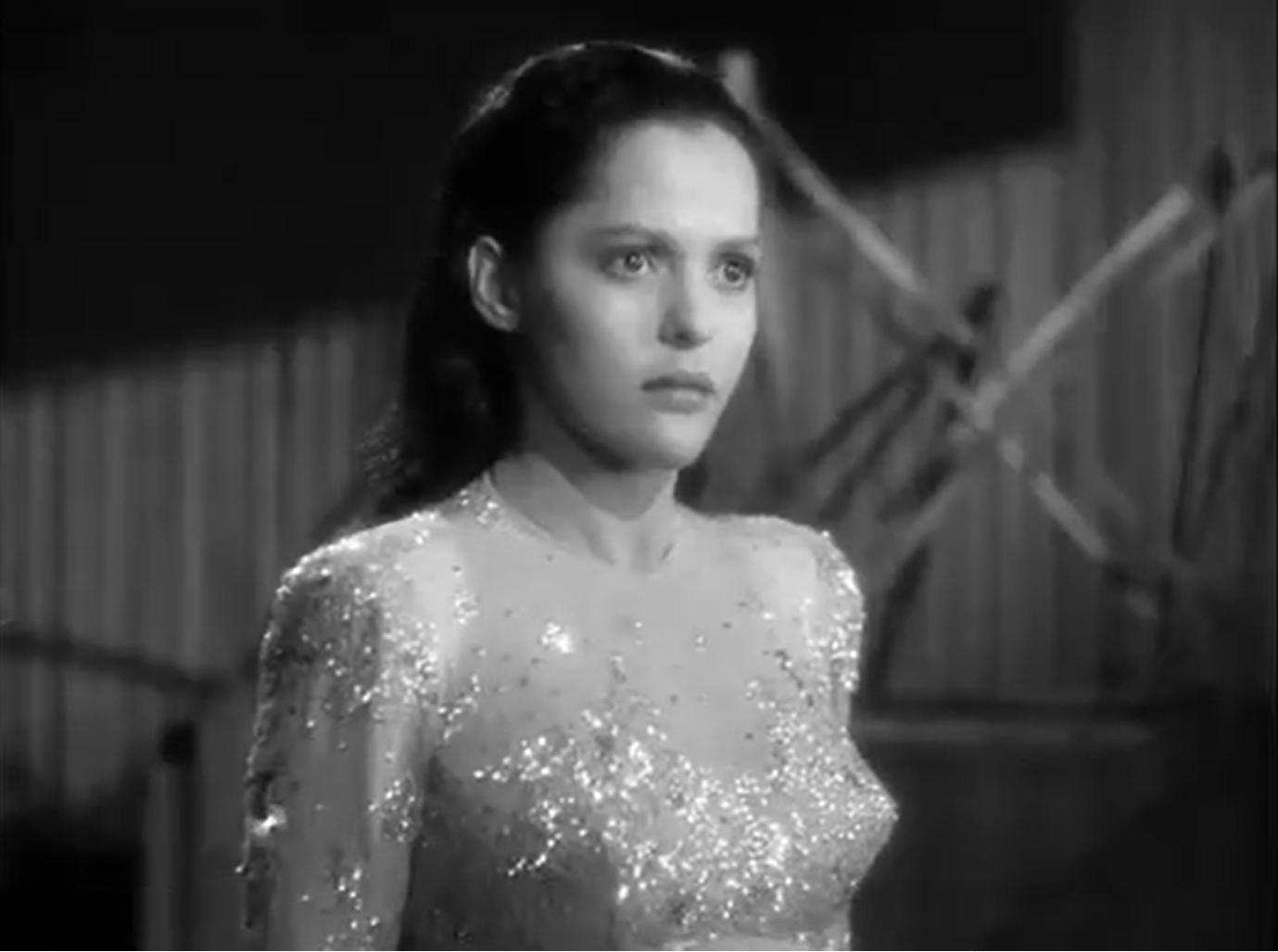
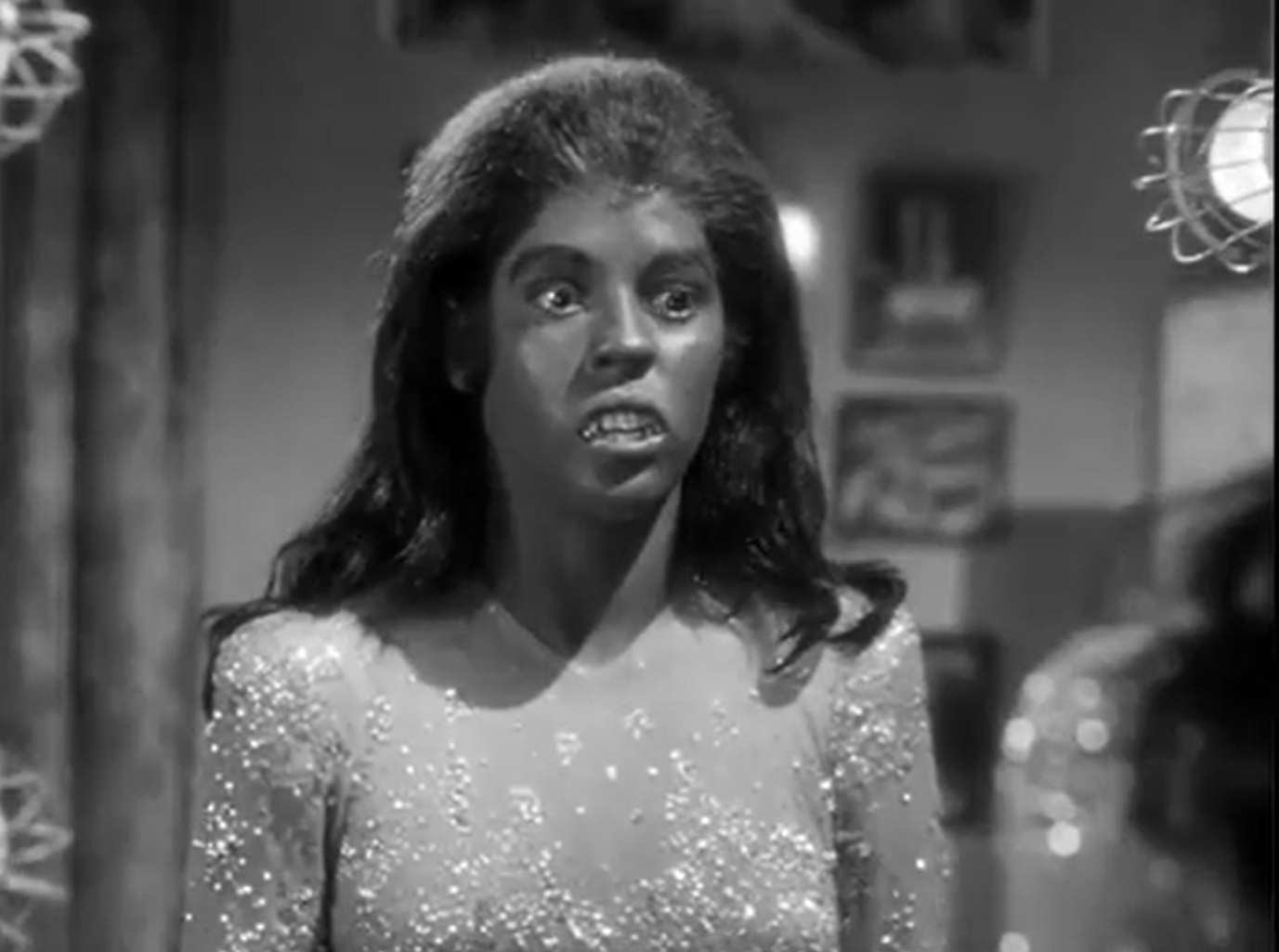
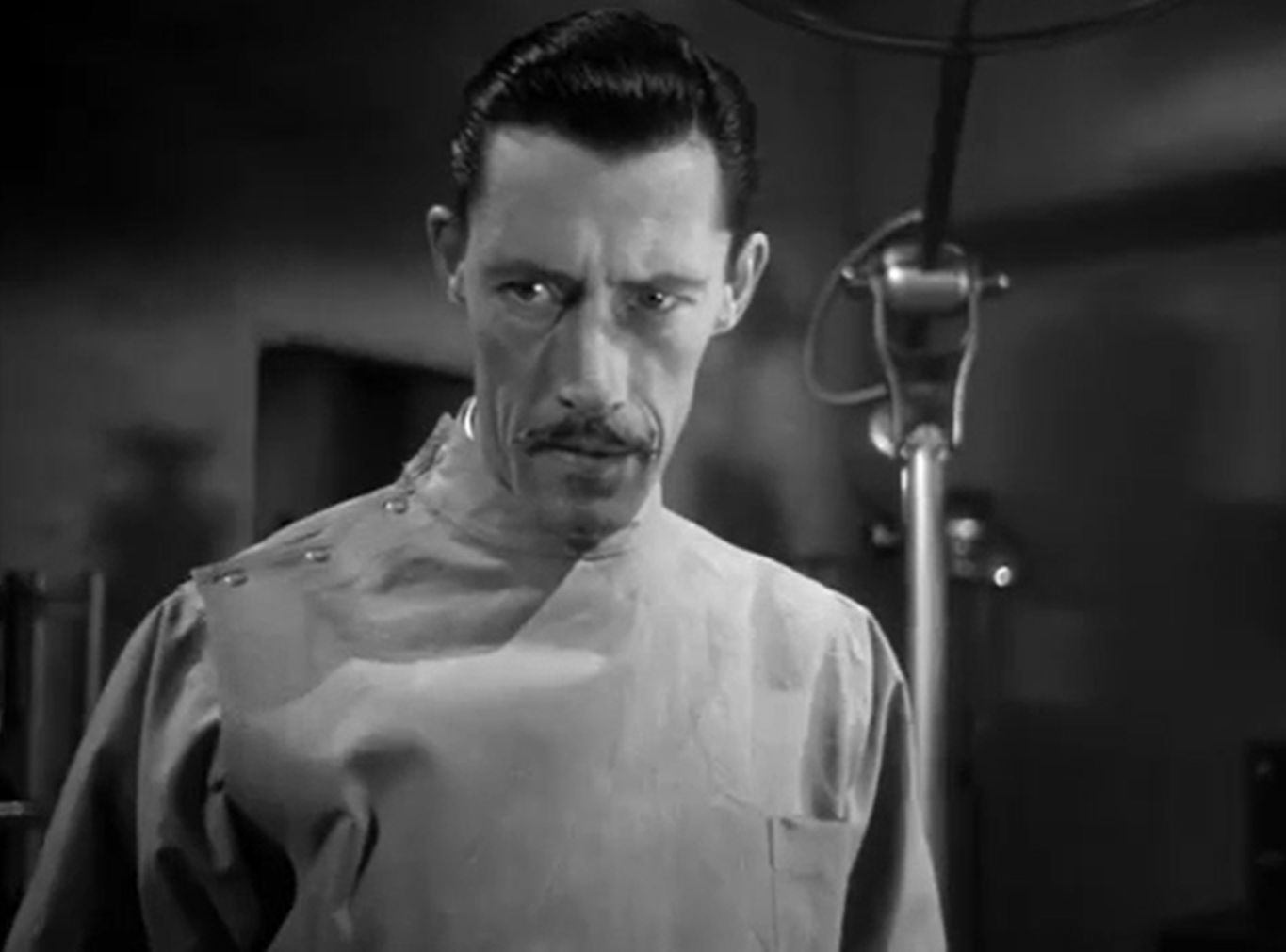
The first of three “ape woman” sci-fi/horror flicks made for Universal Studios during the early ’40s, this innocuous potboiler features statuesque B-actress “Acquanetta” — a.k.a. “The Venezuelan Volcano” (despite being born in Cheyenne, Wyoming):

— co-starring with character actor Milburn Stone (cast because of his resemblance to real-life trainer Clyde Beatty) and the ever-reliable John Carradine as a villainous medical kook determined to commit glandular manipulation on his “patients”.

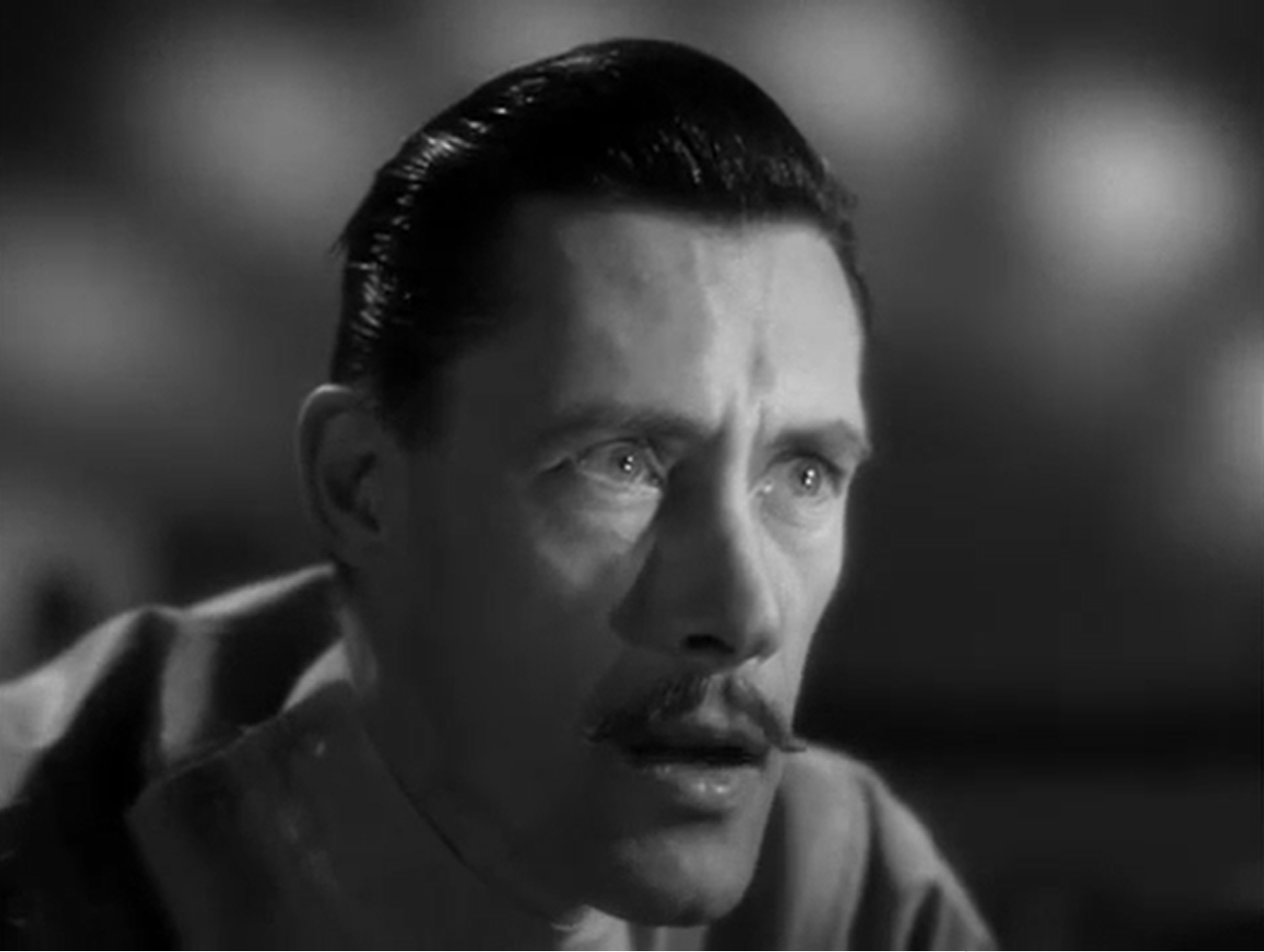
There’s little to the hour-long story, which is essentially concerned with relating the folly and danger — a la The Island of Lost Souls (1933) — of attempting to merge animal and human “forces”:

It evokes the general aura of Val Lewton’s RKO films, but without their psychological depth. Instead, it’s padded out by plenty of footage of Stone (actually Beatty) working with wild tigers and lions — footage which at times seems to go on for a bit too long. With that said, director Edward Dmytryk manages to add some atmosphere to the proceedings, and fans of the genre will certainly be curious to check it out once.

Redeeming Qualities and Moments:

  • John Carradine as Dr. Walters

Must See?
No – but it’s worth a look by fans of Universal horror flicks.

Links:

Mystery of Edwin Drood (1935)

Mystery of Edwin Drood (1935)

“We cannot always do what we wish without harming others.”

Synopsis:
An opium-addicted choirmaster (Claude Rains) is jealous of his nephew’s (David Manners) betrothal to a beautiful young girl (Heather Angel). When a stranger (Douglass Montgomery) comes to town and falls in love with Rosa (Angel), further rivalries ensue, and Edwin Drood (Manners) suddenly disappears.

Genres, Themes, Actors, and Directors:

  • Charles Dickens Films
  • Claude Rains Films
  • Love Triangle
  • Mysterious Disappearance

Review:
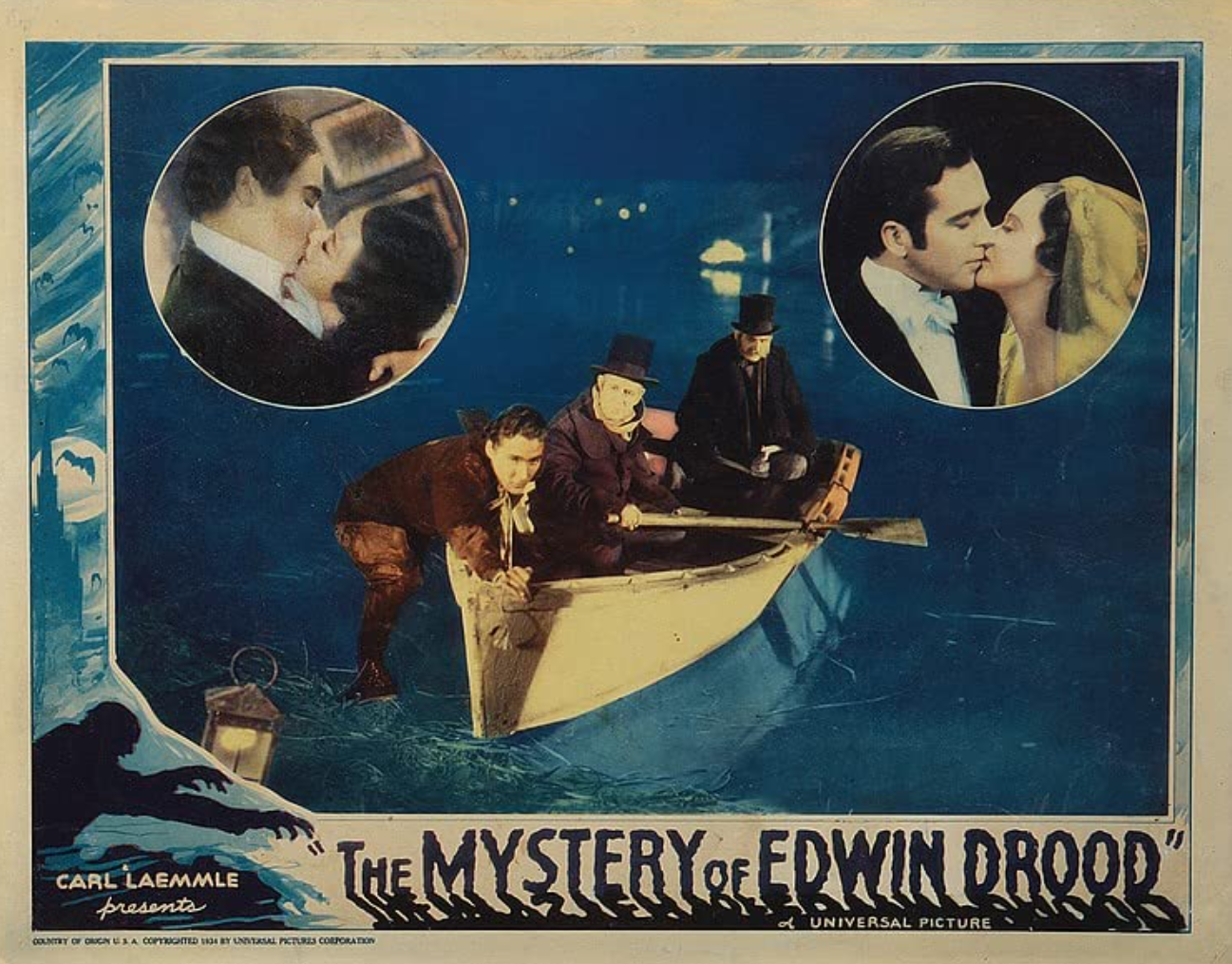
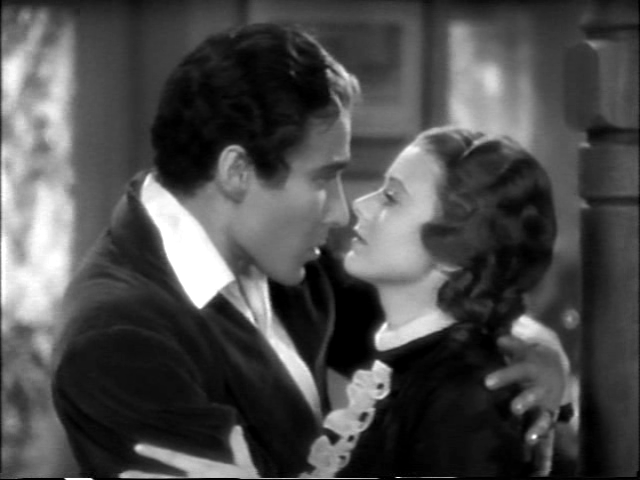
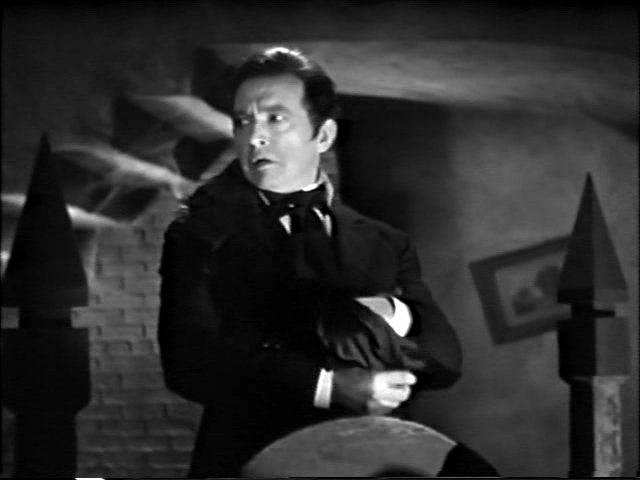
Charles Dickens never finished his final serialized novel, The Mystery of Edwin Drood, about a young man who goes missing and may or may not have been murdered. For this cinematic adaptation, Universal Studios came up with a feasible ending, one which ultimately turns …Drood into a spooky murder mystery. The first half of the film is fairly standard fare, as we’re introduced to the trio of “suitors” interested in sweet Rosa Bud: it’s clear that while she has some affection for her life-long fiancee (Manners), she’s genuinely smitten with the handsome new arrival in town (Montgomery):

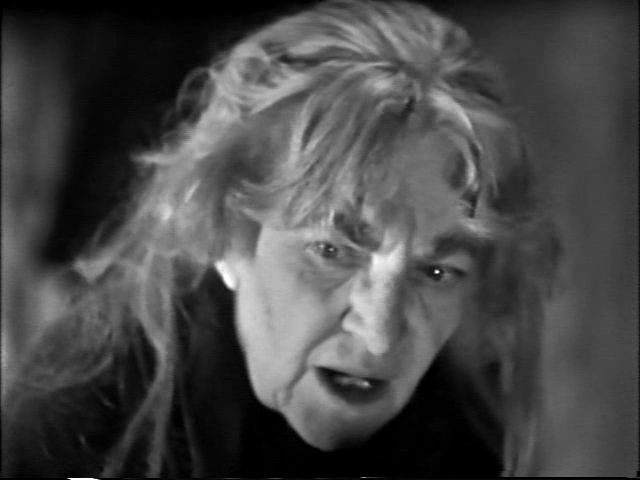
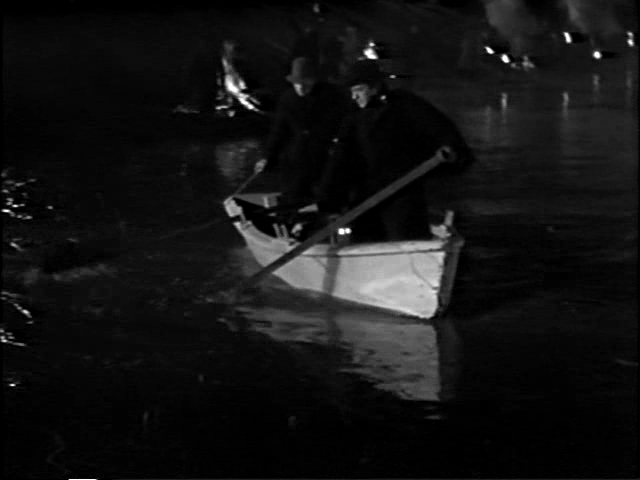
… and finds the covetous stares of her fiance’s uncle (Rains, excellent as always) utterly creepy. It’s not until the second half of the film that the story’s more atmospheric horror elements come into play, as we question how and why Drood has disappeared, all while suspecting that Rains — given his shadowy dealings with a cemetery caretaker, and his addiction to opium — may play a critical part in the mystery.

While Mystery of Edwin Drood isn’t essential viewing for all film fanatics, it’s certainly recommended, particularly for Dickens fans — and Rains’ performance is, as always, well worth a look.

Note: Director Stuart Walker, who died of a heart attack in 1941, also helmed the Peary-listed titles The Eagle and the Hawk (1933) and Werewolf of London (1935).

Redeeming Qualities and Moments:

  • Claude Rains as John Jasper
  • Zeffie Tilbury as “The Opium Woman”
  • Fine period detail
  • George Robinson’s atmospheric cinematography

Must See?
No, but it’s recommended.

Links:

Choose Me (1984)

Choose Me (1984)

“Men fantasize about her; women trust her.”

Synopsis:
A mysterious drifter (Keith Carradine) enters the lives of a renowned radio talk show host (Genevieve Bujold) and a bar owner (Lesley Ann Warren) in Los Angeles.

Genres, Themes, Actors, and Directors:

  • Alan Rudolph Films
  • Genevieve Bujold Films
  • Keith Carradine Films
  • Looking for Ms./Mr. Right
  • Mistaken Identities
  • Radio

Response to Peary’s Review:
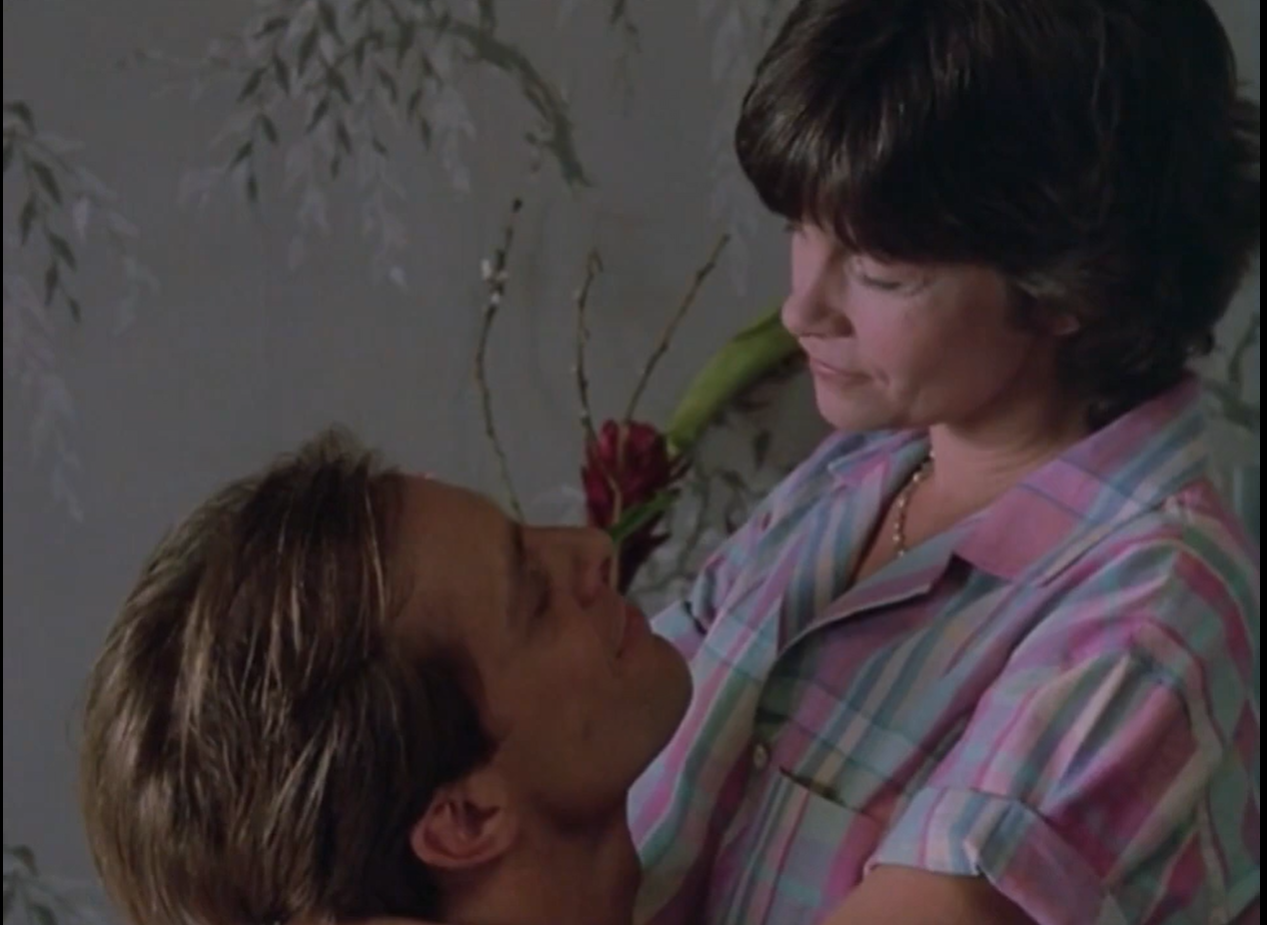
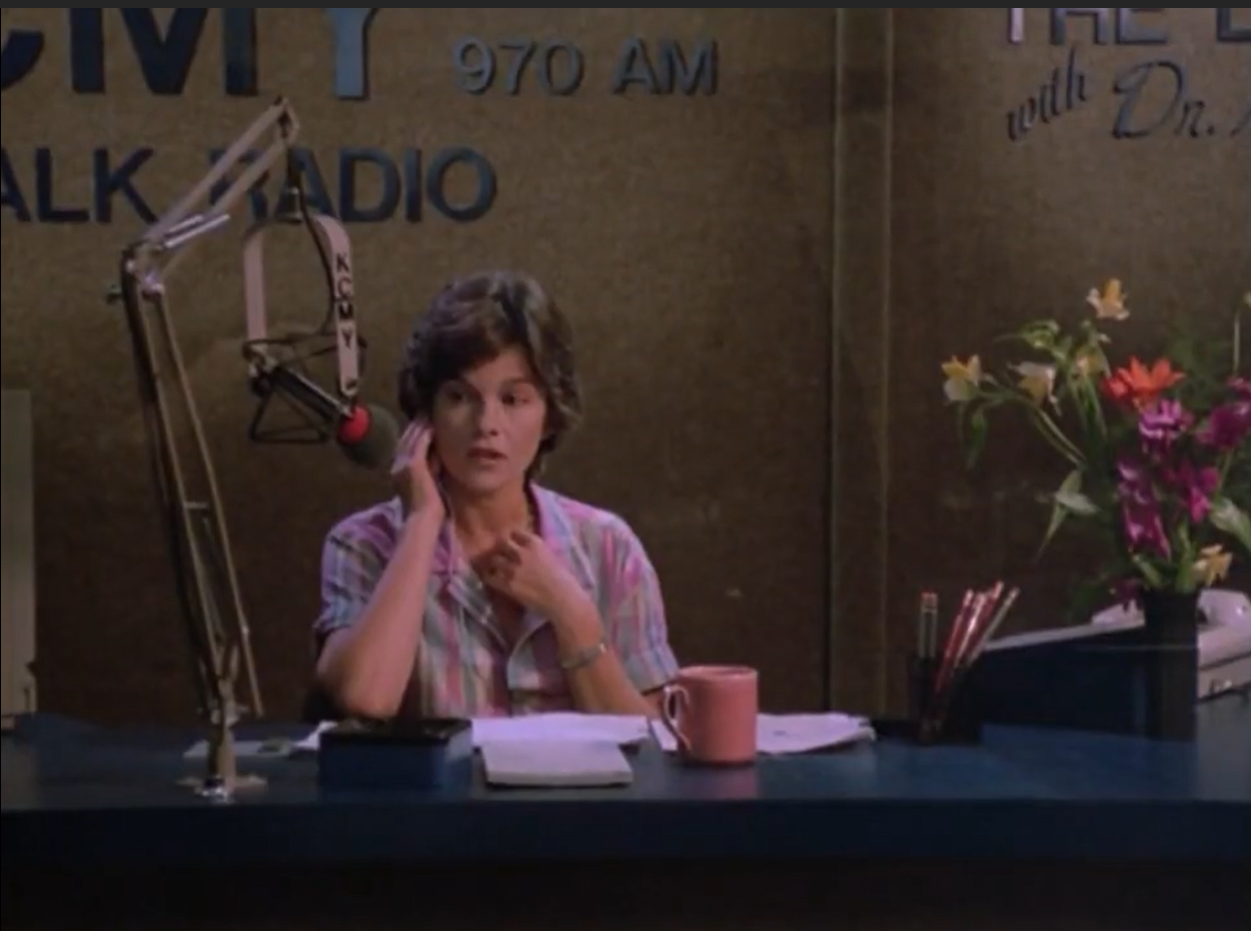
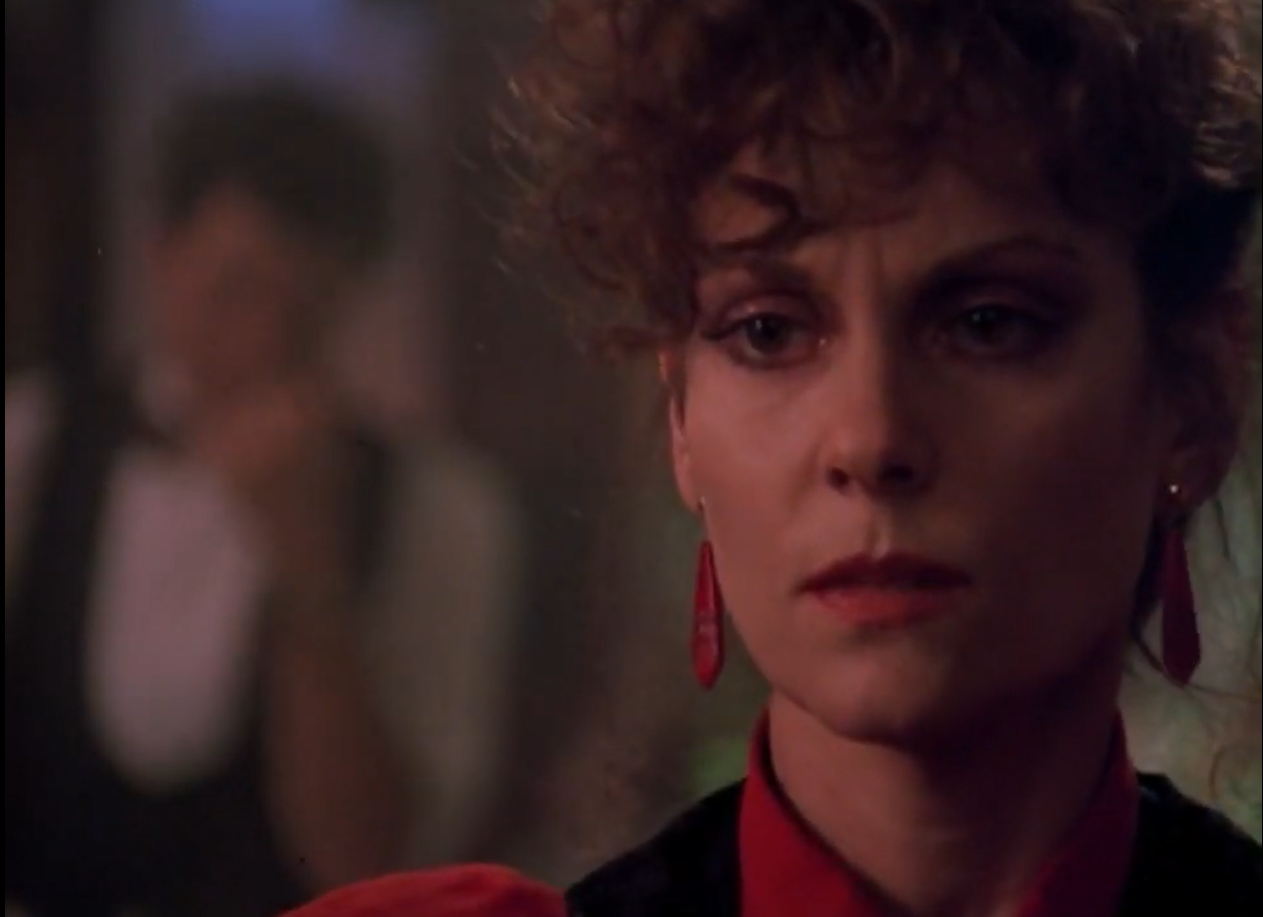
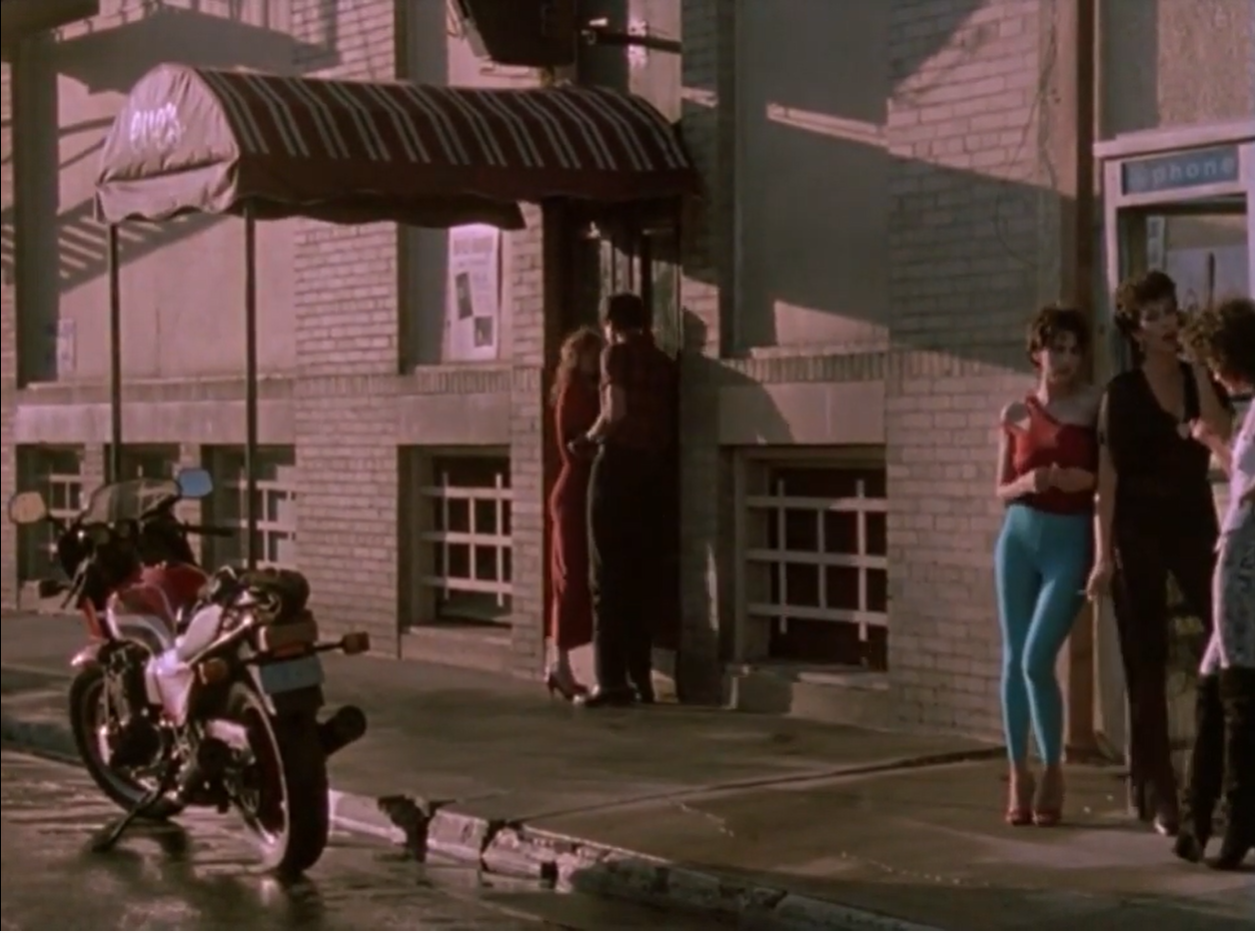
As Peary notes, this “zany film” about “troubled characters who make coincidental connections with each other, put up false fronts, act crazy, and are hopelessly confused and worried about sex, love, marriage, and their inability to communicate” is a sleeper favorite of many — possibly because we can all relate to feeling this way ourselves at one point or another in our lives. The “preposterous” ensemble storyline (written by Rudolph) nonetheless “has the ‘logic’ of crazy real life”, and “we willingly suspend our disbelief because we’re touched by the characters and root for them to make it out of their misery”. This is due in large part to the “superb” cast, with Lesley Ann Warren giving perhaps her most vulnerable performance, and Genevieve Bujold digging deep into the neuroses of her character — a famed sexologist who, ironically, has never experienced satisfying intimacy herself. Carradine essentially plays yet another a variation on his standard womanizing persona, but, as Peary notes, in this film we “believe him each time” he “tells [a] woman that he loves her and wants to marry her”:

… and we’re relieved that he ultimately “manages to be a positive influence.” Adding to the film’s dreamlike ambience are Jan Kiesser’s cinematography (evoking a nighttime L.A. unlike any other I’ve seen) and the jazzy soundtrack by Teddy Pendergrass, whose “Choose me, baby” refrain emerges at strategic, emotionally loaded moments.

Redeeming Qualities and Moments:

  • Genevieve Bujold as Dr. Love/Ann
  • Lesley Ann Warren as Eve (voted one of the best actresses of the year in Peary’s Alternate Oscars book)
  • Lush, evocative visuals

  • Teddy Pendergrass’s background score

Must See?
Yes, as perhaps Rudolph’s most memorable film.

Categories

  • Important Director

Links:

Moment by Moment (1978)

Moment by Moment (1978)

“I don’t even know what the word love means anymore.”

Synopsis:
A young drifter (John Travolta) falls for an older wealthy woman (Lily Tomlin), and an unconventional romance ensues.

Genres, Themes, Actors, and Directors:

  • Cross-Class Romance
  • John Travolta Films
  • Lily Tomlin Films
  • May-December Romance

Review:
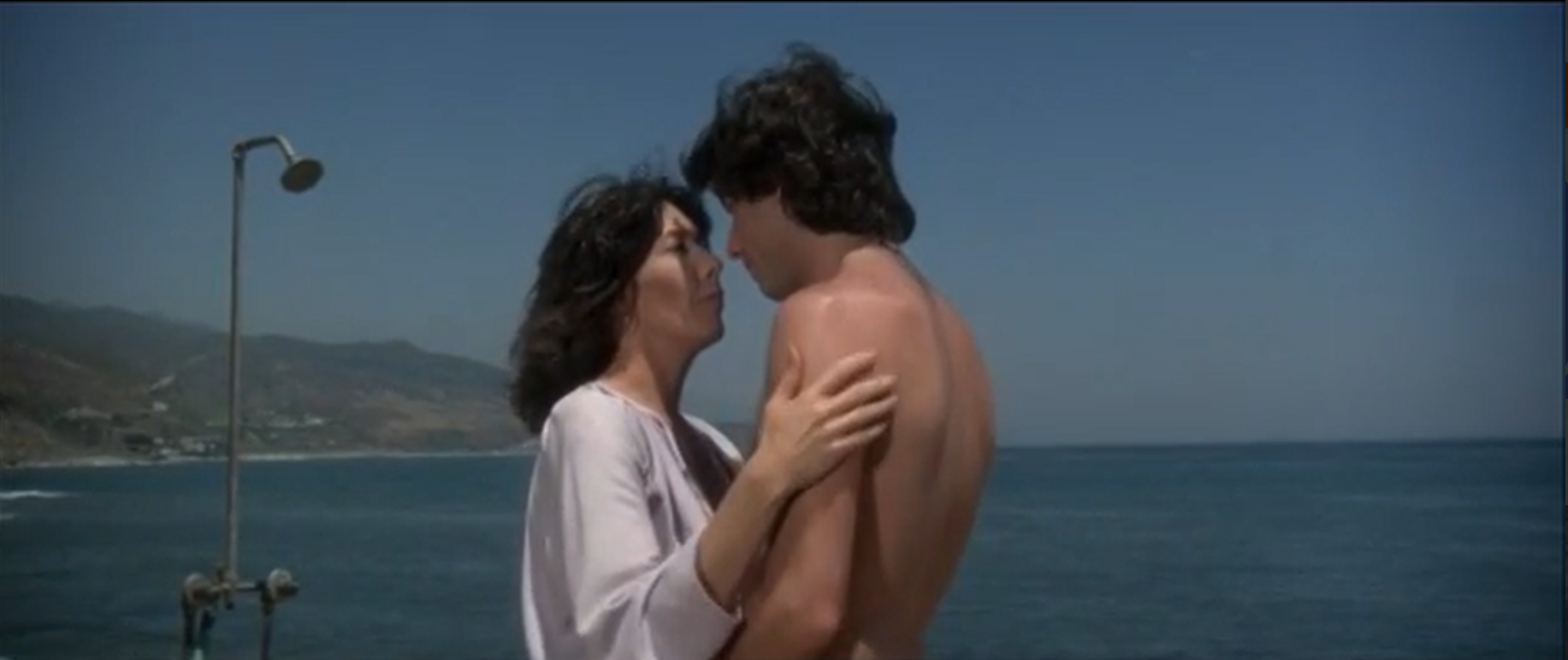
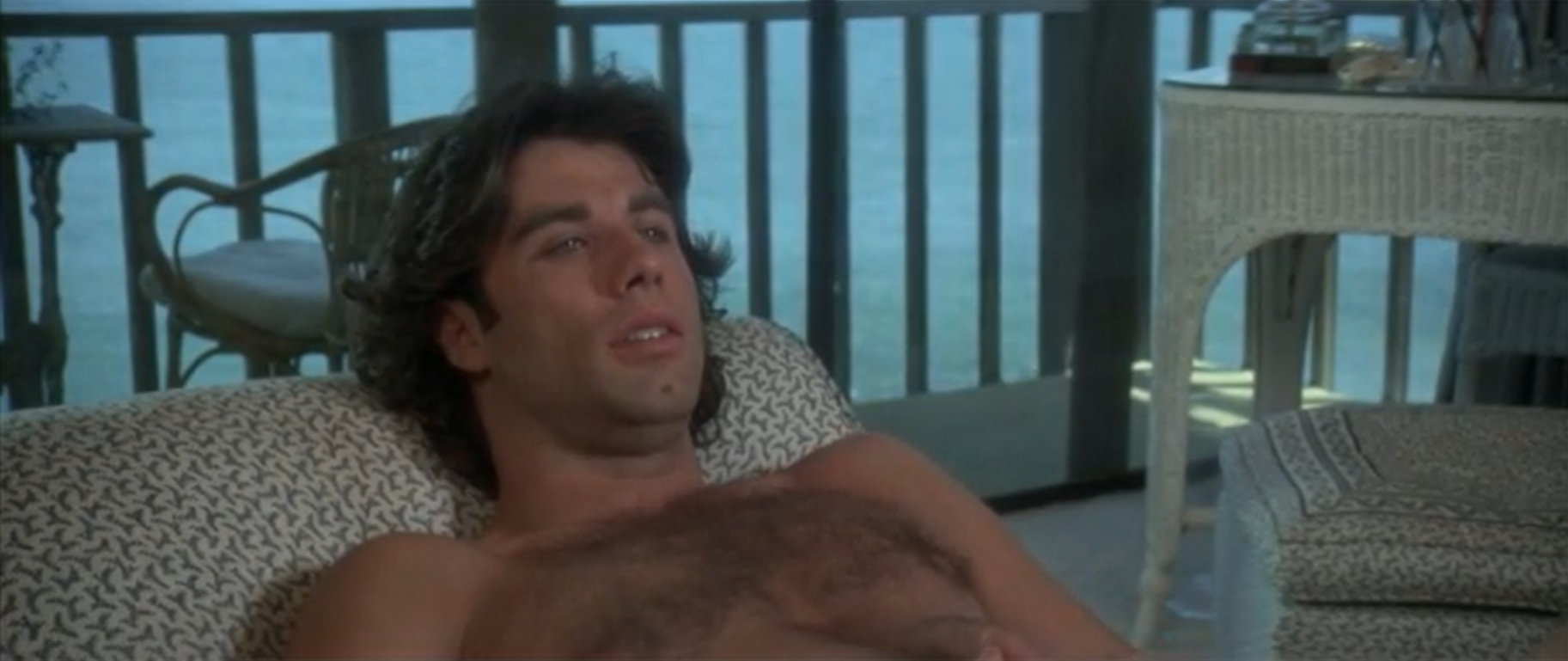
This notoriously panned turkey (dubbed a Camp Classic in the back of Peary’s book) co-stars a hunky young John Travolta — fresh from his success in both Saturday Night Fever (1977) and Grease (1978) — and Lily Tomlin, three years after her Oscar-nominated performance in Robert Altman’s Nashville (1975). Much of the film’s unintentional humor comes from the utterly improbable romantic pairing of these two lookalike actors — and not just because of their difference in age.

With no offense meant, Tomlin (whose partner, Jane Wagner, wrote and directed the movie) simply isn’t the most fetching of women, so it’s difficult to understand why a young hunk like Travolta would fall head over heels for her. Indeed, during the intriguing first half hour of the film, we’re convinced, much like Tomlin’s “Trisha”, that “Strip” (yes, that’s Travolta’s name here, and it’s good for a few laughs) must be a con-artist out to abuse her wealth; once it’s revealed that he’s genuinely in (puppy)-love with her, all disbelief must thereafter be suspended. With that said, Moment by Moment isn’t nearly as bad as its critics would have you believe: Tomlin is fine, if a tad one-note, as a depressed housewife whose husband has cheated on her, and Travolta is actually quite charming as a young drifter with no one to cling to but Trish. While the soaper storyline is utterly predictable (Tomlin is ashamed to be seen with Strip — who knew?!):

… you may be surprised to find yourself rooting for this unconventional couple by the end of the film.

Redeeming Qualities and Moments:

  • John Travolta as Strip

Must See?
No — but it’s not nearly as bad as its reputation would lead you to believe.

Links:

Little Princess, The (1939)

Little Princess, The (1939)

“Sara has no mother, and we’ve never been separated for more than a few days.”

Synopsis:
When her father (Ian Hunter) leaves to fight in the Boer War, Sara Crewe (Shirley Temple) is sent to a boarding school run by snooty Miss Minchin (Mary Nash). When notice arrives that Captain Crewe (Hunter) has died a penniless man, Sara becomes a servant at the school — but she refuses to believe her father is really dead.

Genres, Themes, Actors, and Directors:

  • Boarding School
  • Cesar Romero Films
  • Historical Drama
  • Ian Hunter Films
  • Search
  • Shirley Temple Films

Response to Peary’s Review:
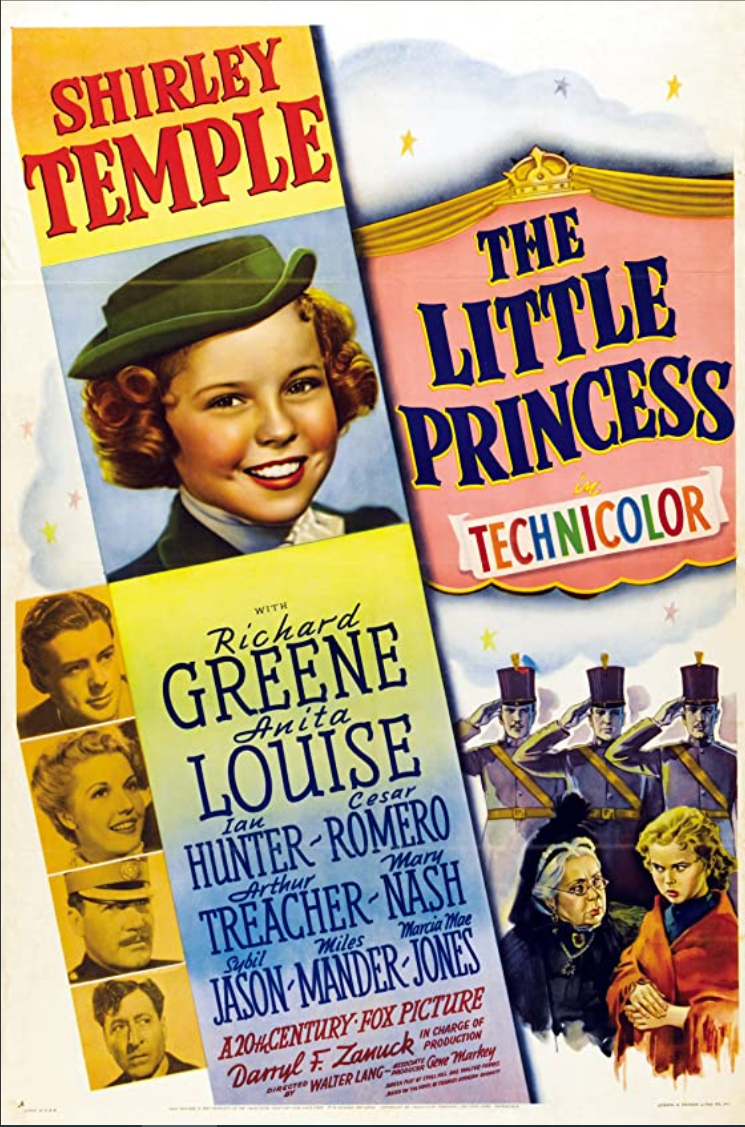
Despite its generally acknowledged status as “one of Temple’s best films”, Peary isn’t a big fan of this Technicolor adaptation of Frances Hodges Burnett’s Victorian children’s novel. He argues that “while it is lavishly produced and features what was [Temple’s] last impressive performance as a child actor, the story is flimsy and predictable”, and notes that by 1939, “it was getting tiresome watching Temple’s little girls suffer.” Modern viewers, however, won’t have to experience the same sense of fatigue, given that we can pick and choose which of Temple’s many childhood films — Peary lists just five of her earlier hits in his book — we want to see. Diehard fans of Burnett’s book may be disturbed by the many changes made in the screenplay, but the spirit of the novel remains intact, and Temple (who looks nothing like Burnett’s description of the protagonist) brings a much-needed air of optimism and spunk to the role of poor Sara Crewe. Equally impressive is Temple’s co-star, Sybil Jason, who plays a young Cockney maid. [It’s interesting to note that Temple was, in fact, jealous of Jason’s performance, given the adulation heaped upon her by the film’s crew.]

Redeeming Qualities and Moments:

  • Shirley Temple as Sarah
  • Sybil Jason as Becky

Must See?
No, though it’s worth a look as one of Temple’s most famous films.

Links: