Faust (1926)
“All things in heaven and earth are wonderful! But the greatest wonder is man’s freedom to choose between good and evil.”
|
Synopsis: |
|
Genres, Themes, Actors, and Directors:
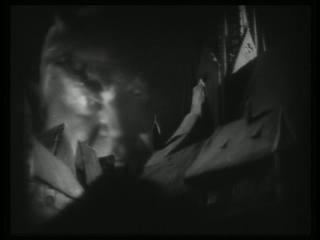
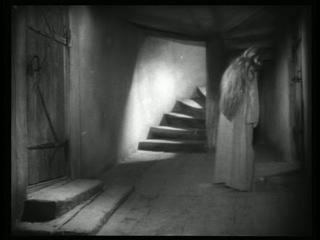
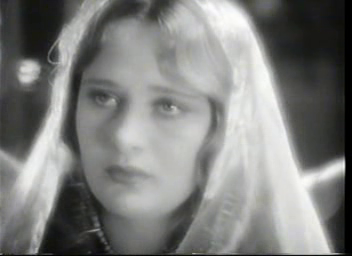
Review: The film’s middle scenes — as Faust explores a life of hedonism, then becomes smitten by a fair maiden, while Mephistopheles himself flirts with the maiden’s mother (Frida Richard) — are often noted as its least compelling, perhaps in part because the imagery is no longer quite so consistently stunning; by the film’s final tragic act, however, the momentum and visual interest have picked up once again. Interestingly, it’s Mephistopheles himself (played with impish glee by Jannings) who emerges as the film’s most memorable character. We’re reminded time and again that Faust’s entire journey is predicated upon Mephistopheles’ whims: once Mephistopheles decides that Faust has made a mistake in falling for Gretchen (Horn), he quickly sets the wheels in motion to “help” Faust see the error of his ways. By the end of Faust’s bitterly tragic saga, we come to believe that any type of consort with the devil is truly a compromised bargain: there is no room for goodness or humility once one has crossed over to the Other Side. Note: Interestingly, in his “Greatest Films” review, Roger Ebert points out that Faust is ranked by IMDb users as one of the top horror films of all time (even placing it above Murnau’s more widely recognized, Dracula-themed Nosferatu); however, I’m not quite sure I would label it within that genre myself, as it’s less a horror film than a morality/folk tale. Redeeming Qualities and Moments:
Must See? Categories Links: |