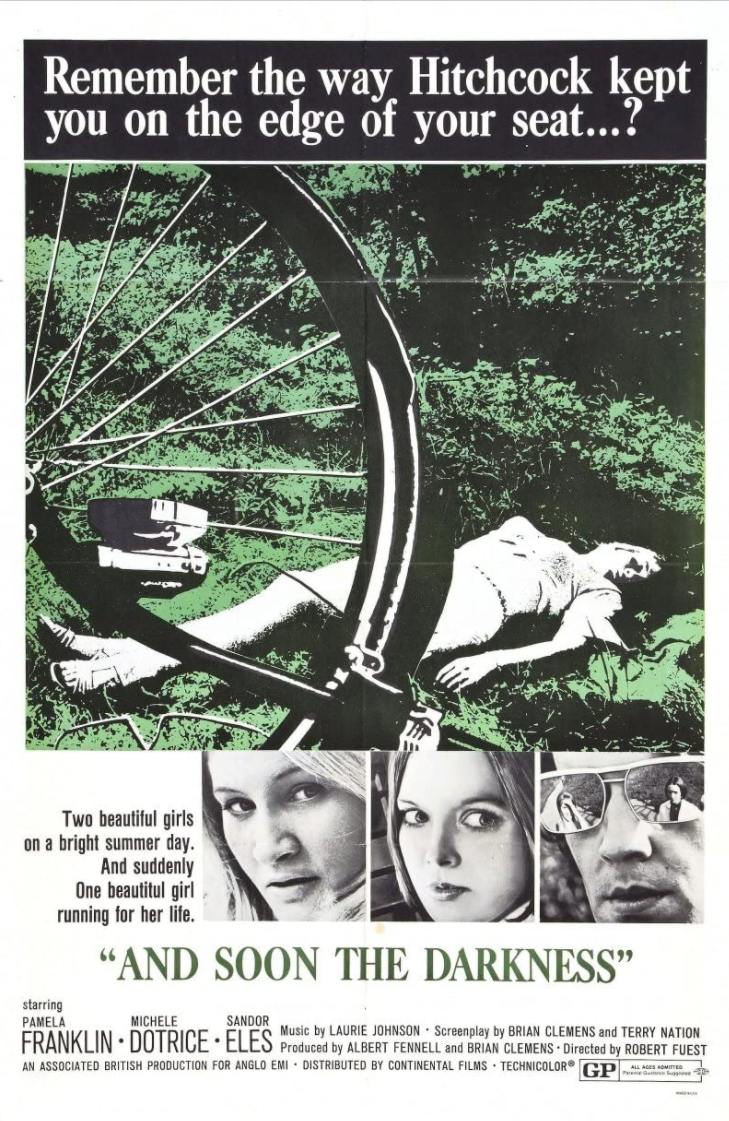
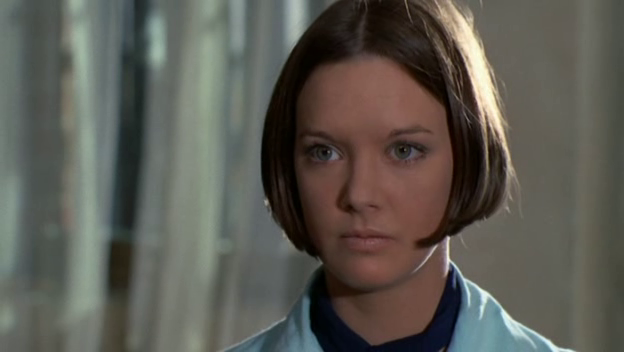
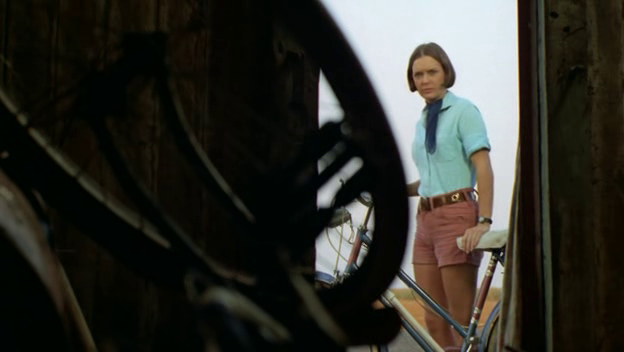
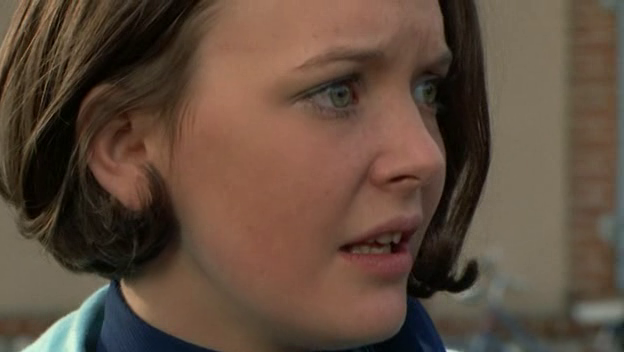
And Soon the Darkness (1970)
“It’s murder — the most unpredictable of crimes.”
|
Synopsis: |
|
Genres, Themes, Actors, and Directors:
Response to Peary’s Review: Redeeming Qualities and Moments:
Must See? Links: |
“It’s murder — the most unpredictable of crimes.”
|
Synopsis: |
|
Genres, Themes, Actors, and Directors:
Response to Peary’s Review: Redeeming Qualities and Moments:
Must See? Links: |
“You’re amusing — and you smell like a real man.”
|
Synopsis: |
|
Genres, Themes, Actors, and Directors:
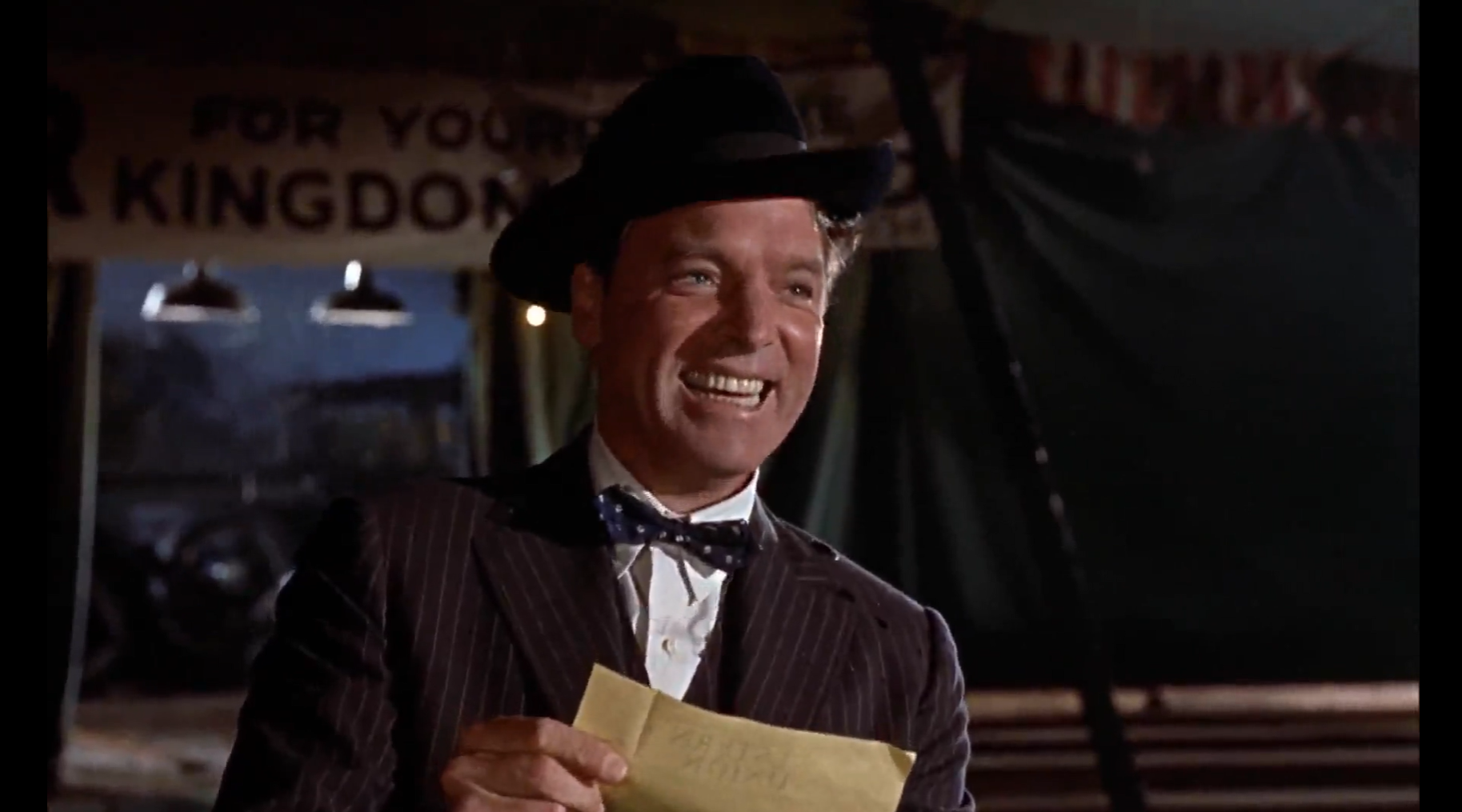
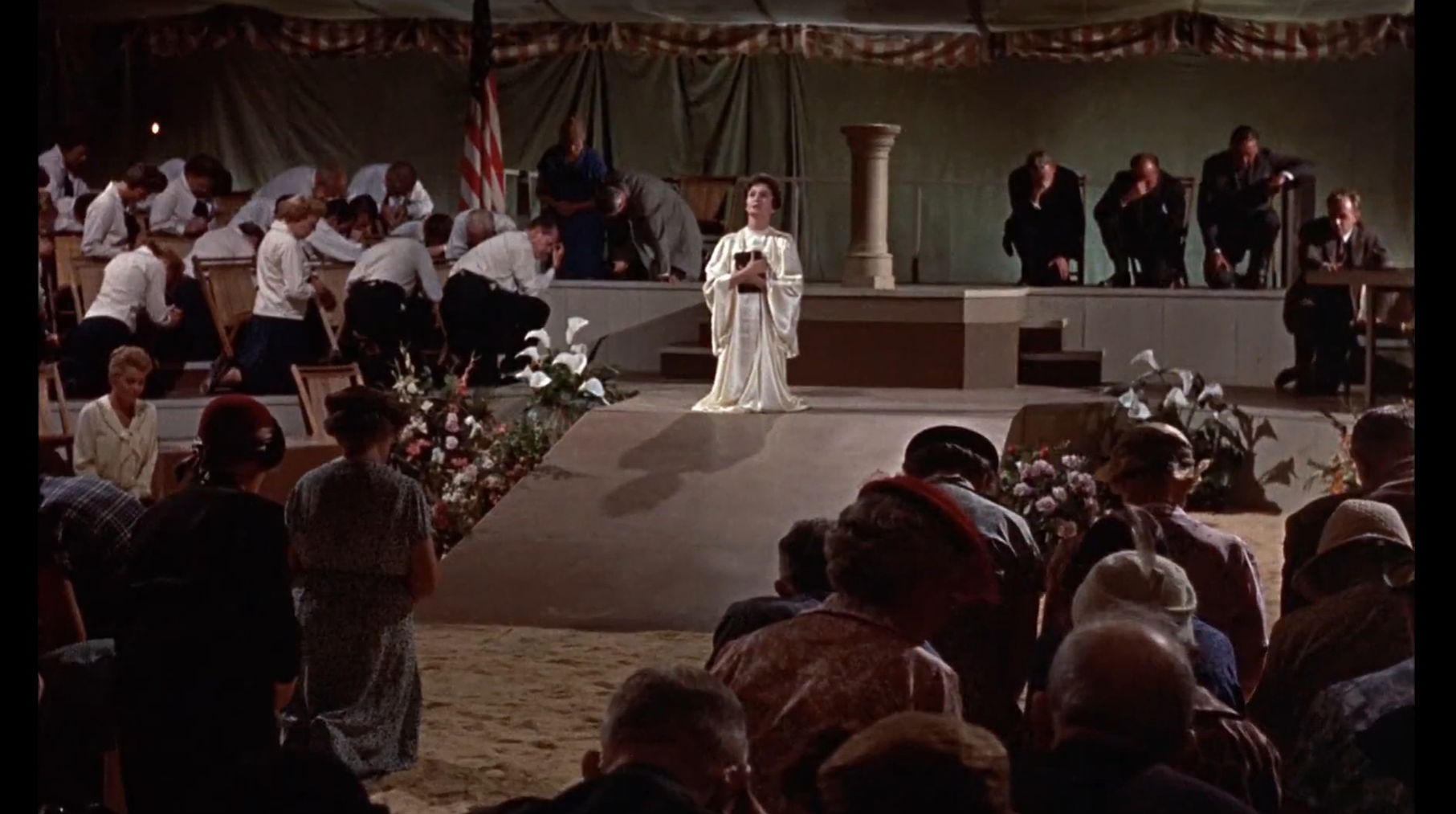
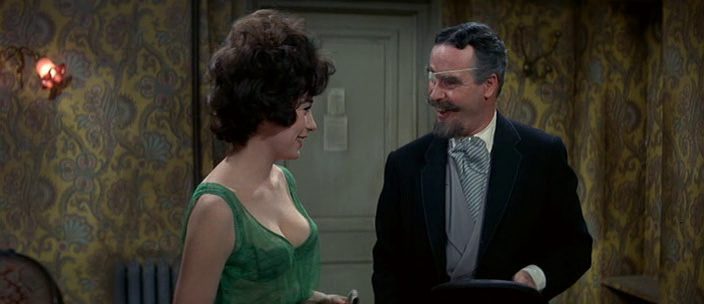
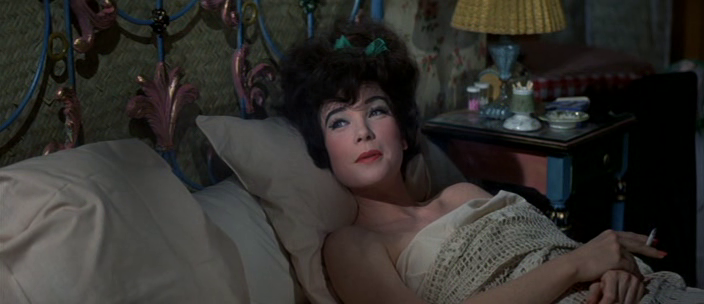
Review: Peary writes that “it is the hard, naughty edge Simmons gives her character that makes her exciting”: while “Sharon’s a good person” (she’s a true believer, not a con-artist), “she’s no goody-goody, and no prude”; indeed, “she has as much fight in her as Gantry.” Simmons is indeed luminous and refreshingly tough — and is well-matched by finely cast Lancaster, who apparently stated, “Some parts you fall into like a glove. Elmer really wasn’t acting. It was me.” I’m less a fan of Shirley Jones’s Oscar-winning supporting performance as a blackmailing prostitute (Jones is trying a tad too hard to throw off her peaches-and-cream starring roles in Oklahoma! and Carousel):
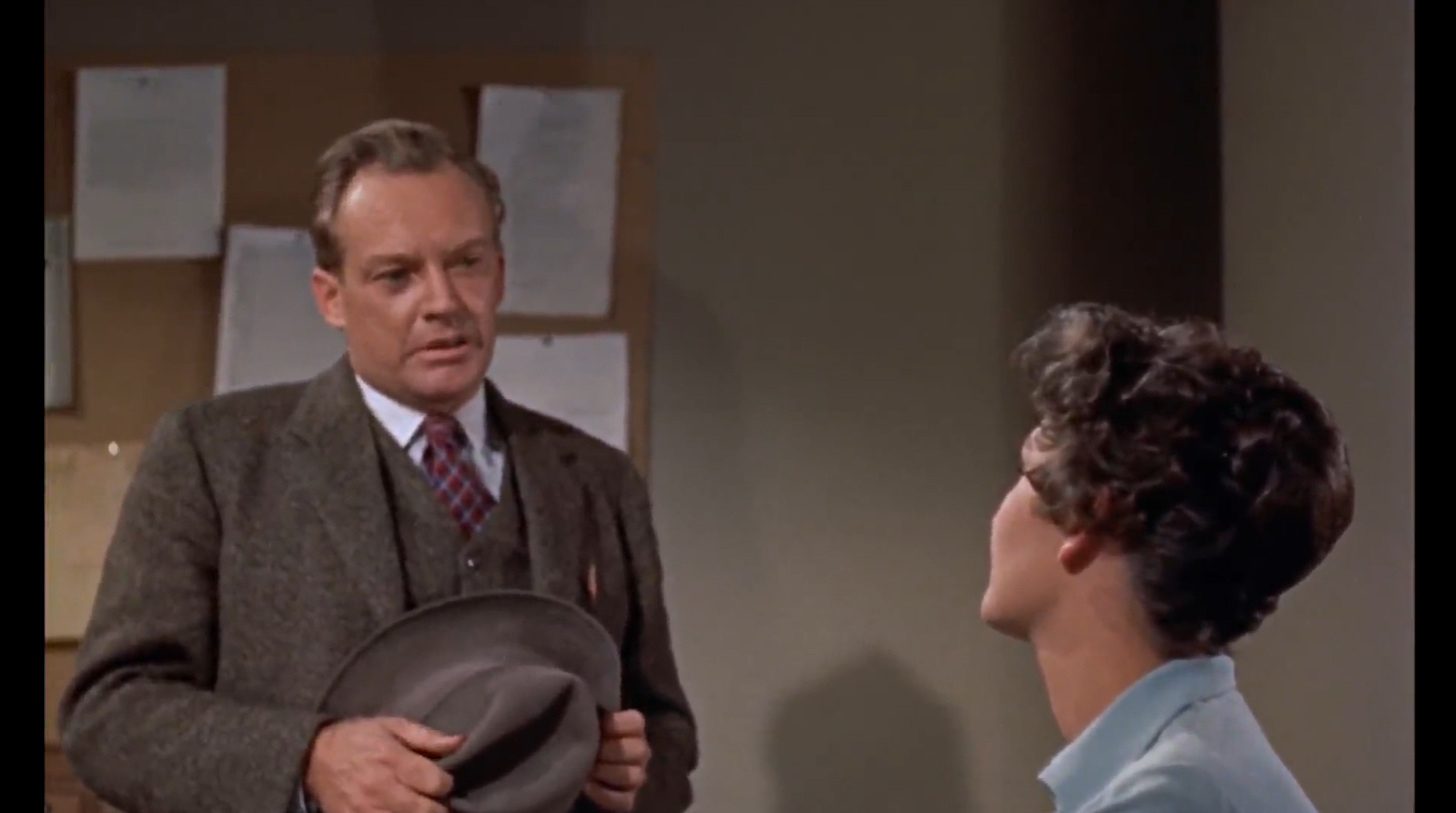
… but I appreciate Arthur Kennedy’s convincing portrayal as a journalist who finds himself more deeply involved in his story than he anticipated. Meanwhile, John Alton’s cinematography is beautiful, vividly bringing this specific era of American history to life. Redeeming Qualities and Moments:
Must See? Categories
Links: |
“You ain’t never gonna get rid of me — never.”
|
Synopsis: |
|
Genres, Themes, Actors, and Directors:
Review: Redeeming Qualities and Moments:
Must See? Links: |
“I just couldn’t get the hang of being married.”
|
Synopsis: |
|
Genres, Themes, Actors, and Directors:
Review: Redeeming Qualities and Moments:
Must See? Links: |
“This isn’t just a job — it’s a profession!”
|
Synopsis: |
|
Genres, Themes, Actors, and Directors:
Review: Redeeming Qualities and Moments:
Must See? Links: |
“I need this plane — like an alcoholic needs his drink.”
|
Synopsis: |
|
Genres, Themes, Actors, and Directors:
Review: Redeeming Qualities and Moments:
Must See? Links: |
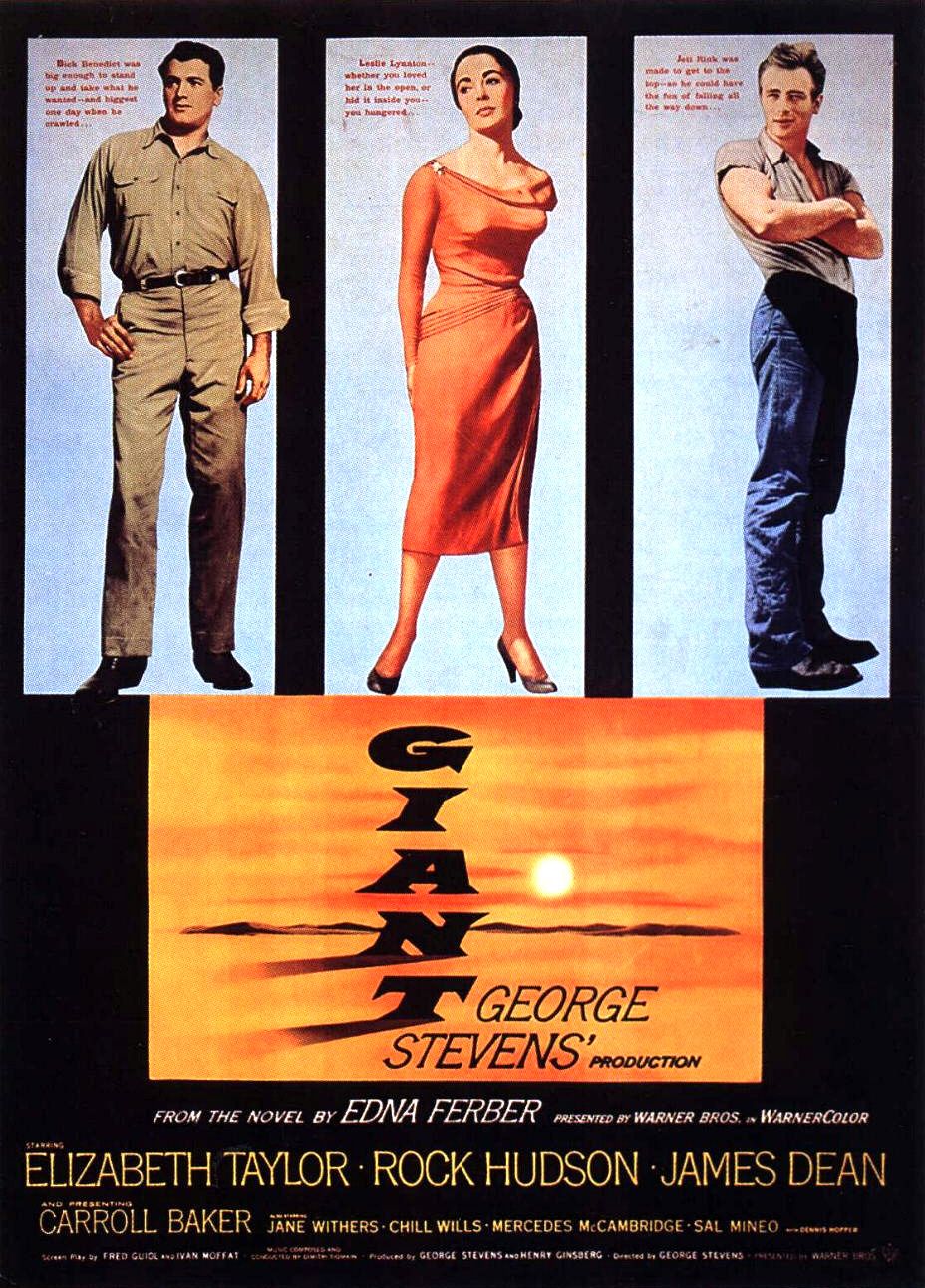
“We Texans like a little vinegar in our greens, honey — gives ’em flavor.”
|
Synopsis: |
|
Genres, Themes, Actors, and Directors:
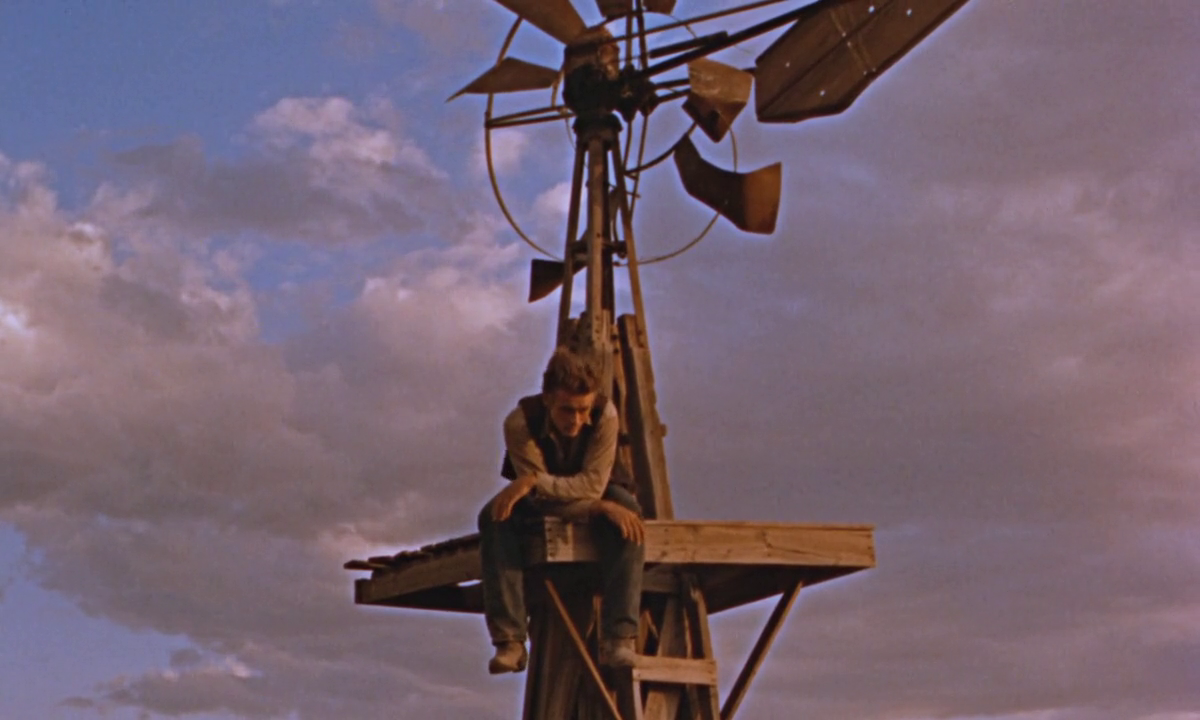
Response to Peary’s Review: With that said, I agree with Peary that a “particularly memorable” scene is the one “where he strikes it rich and gets covered by oil”:
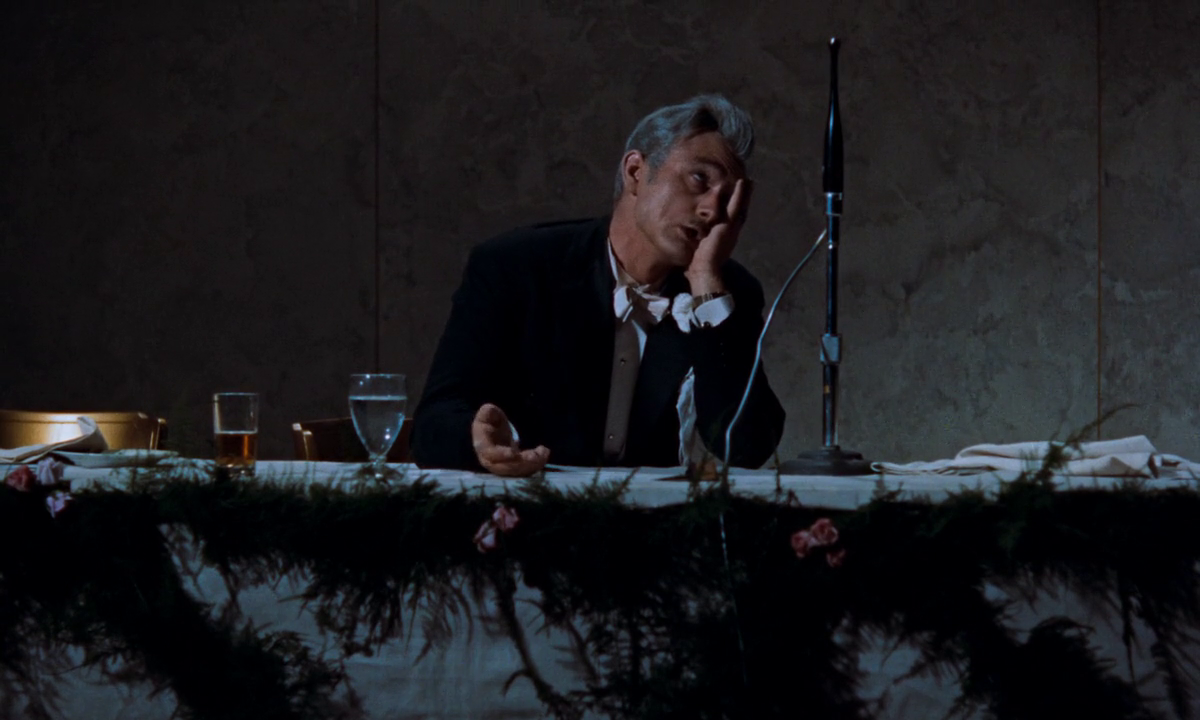
… though I’m less enamored by “the scene where [Dean] — now an older man — drunkenly recites a speech although his audience has long gone home.”
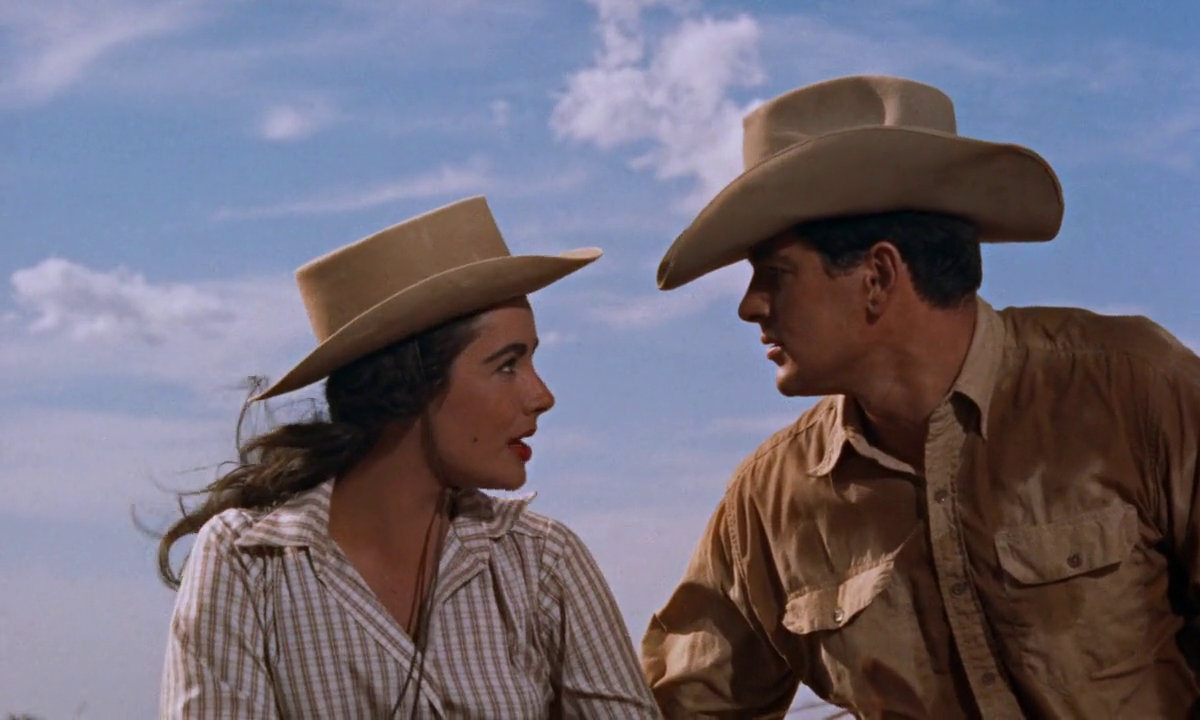
Apparently Dean resisted having much aging make-up applied — though to be fair, it looks pretty awkward on Hudson and Taylor:
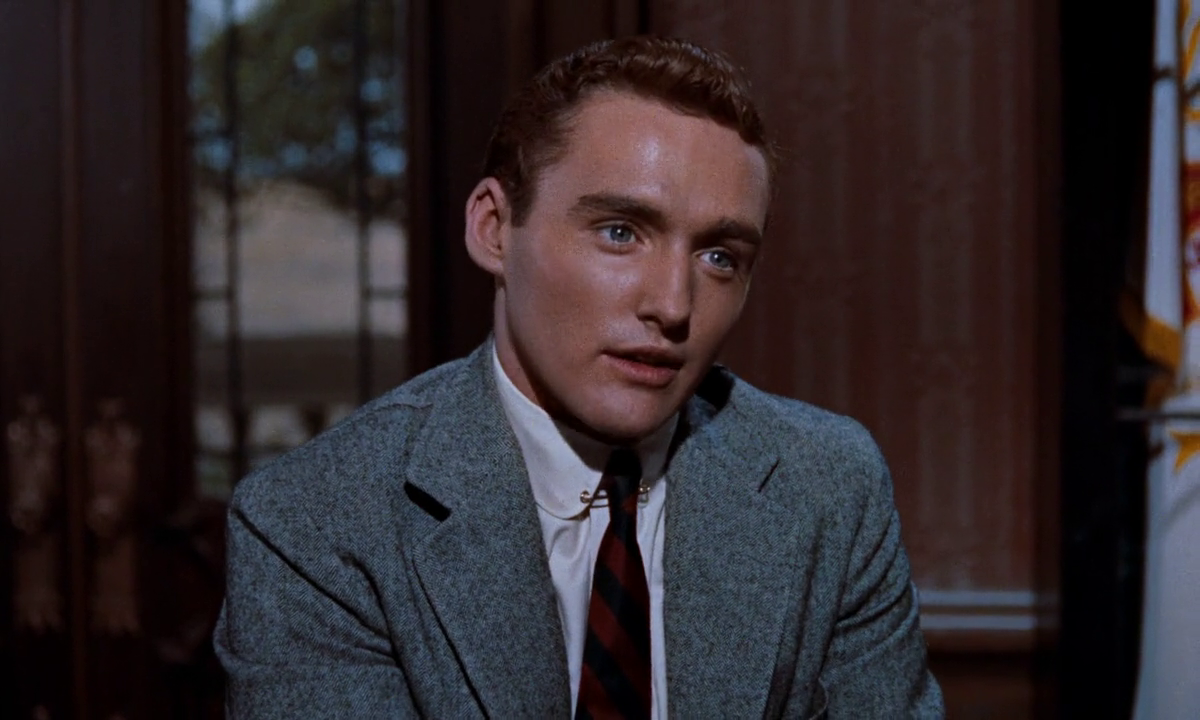
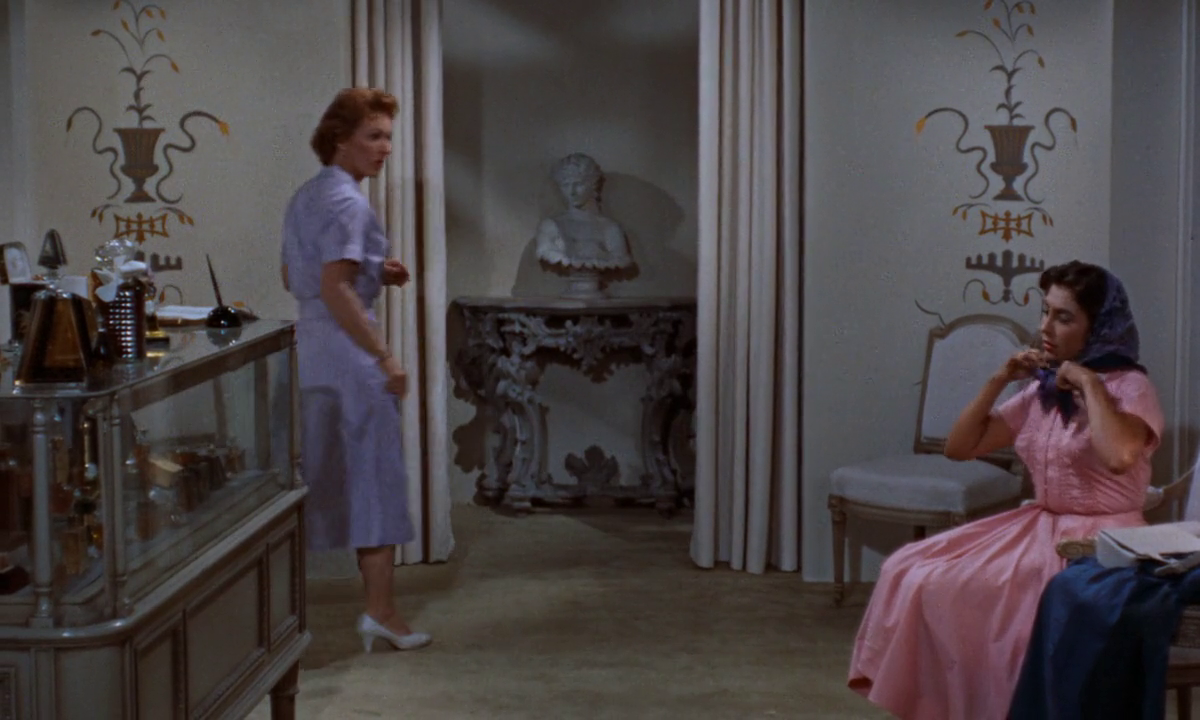
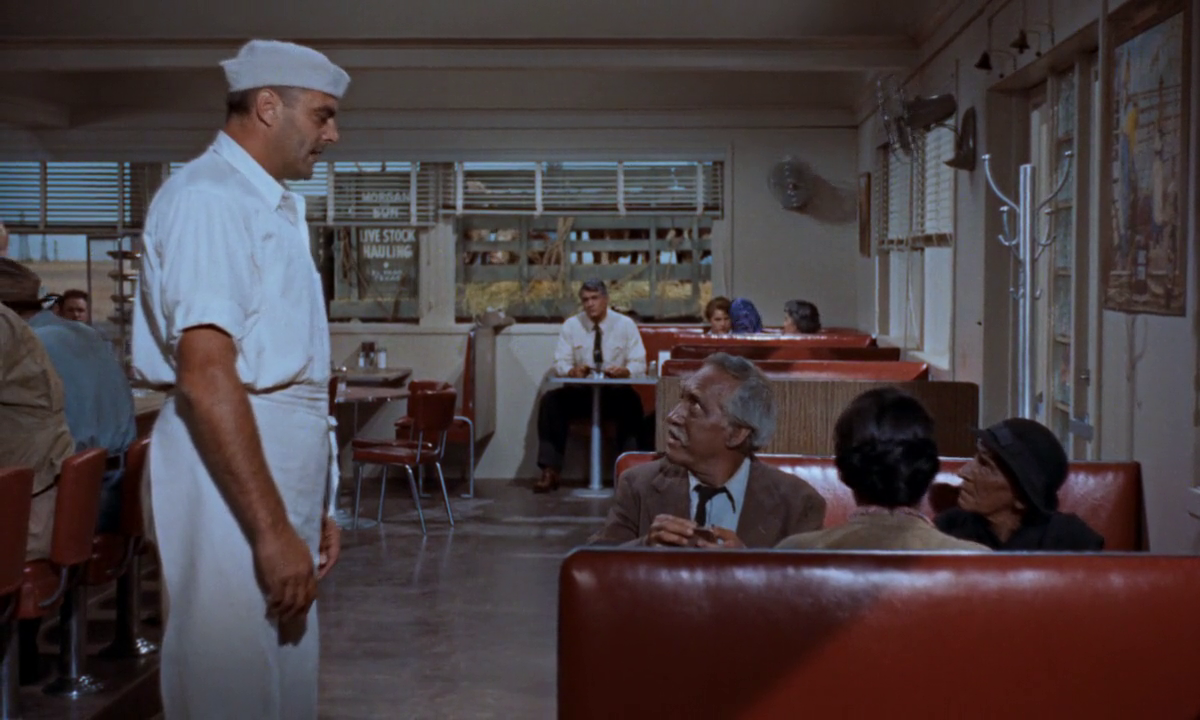
Peary ultimately writes that “more interesting [than Dean] is Hudson’s character, who’s basically a nice guy but tries — without complete success — to cover up his gentle, soft qualities so he won’t seem weaker than his father”; however, since “it’s a new time in American history,” “men don’t have to strut their machismo to be giants.” Unmentioned in Peary’s review but of even more interest to me upon this re-viewing is Hopper’s character — a bold young man who knows what he wants (to be a doctor) and who he wants (Cardenas), and represents Taylor’s no-nonsense approach to equitable racial relations coming to full and personal fruition. Speaking of racial relations, the film’s most notable theme is that of racial intolerance — and the filmmakers deserve acclaim for presenting this in such a straightforward fashion. While modern social justice language isn’t used, we can clearly see white supremacy on dominant display time and again — from Hudson’s huffy refusal to acknowledge the theft of Texan land from Mexicans (one of Taylor’s first comments to him the night they meet), to his annoyance at Taylor humanizing their Mexican-American employees by seeking to know and correctly pronounce their names, to Taylor’s insistence that a doctor go look at a sickly “wetback” Mexican baby. In later scenes, we see even more egregious acts of racist segregation in 1940s Texas: a beauty salon refuses to serve Cardenas once they see her skin color (per orders of Dean); and, in the film’s penultimate scene, Hudson ends up in a fist fight with a bigoted cafe owner (Mickey Simpson) who refuses to serve a Mexican family and treats Hudson’s daughter-in-law and grandson with racist contempt. As Peary notes, this is a “terrific scene” — and though the “wide-screen production is patriotic,” it “still acknowledges that bigotry is widespread.” Peary closes his review by noting that while the “film has slow and hackneyed scenes,” it’s “quite enjoyable.” Sadly, I can’t really agree: while it’s worth a look for its historical popularity, it’s not one I personally plan to revisit. Redeeming Qualities and Moments:
Must See? Categories (Listed in 1001 Movies You Must See Before You Die) Links: |
“What’s better: stealing, starving, or fighting?”
|
Synopsis: |
|
Genres, Themes, Actors, and Directors:
Review: Redeeming Qualities and Moments:
Must See? Links: |
[Note: The following review is of a non-Peary title; click here to read more.]
“I once thought if I were queen I’d be so happy — to be applauded and adored and obeyed.”

Synopsis:
When Empress Maria Theresa of Austria (Alma Kruger) tells her daughter Marie Antoinette (Norma Shearer) that she will become the next queen of France, Marie is excited for the new adventure but is quickly demoralized when she realizes her husband-to-be (Robert Morley) is an overweight, shy man who would prefer to be left alone to make locks. Marie finds solace in socializing at court, befriending a power-hungry duke (Joseph Schildkraut) and falling for a Swedish count (Tyrone Power) while resisting taunts from mean-spirited Madame du Barry (Gladys George). After Morley’s father (John Barrymore) dies, Marie and Louis (Morley) eventually have two children — but the wrath of the people of France has been building, and the royal family soon find themselves caught in a deadly spiral.
Genres, Themes, Actors, and Directors:
Review:
Norma Shearer’s crowning role as the “First Lady of MGM” was playing the title character in this big-budget biopic (directed by W.S. Van Dyke) about the infamous French queen who died at the guillotine (and apparently never actually said, “Let them eat cake.”). Perhaps unsurprisingly, the film paints Marie in an almost uniformly positive light: she’s shown offering tremendous empathy and compassion towards Morley even when he’s at his most unsympathetic, and the eventual companionship they develop through their marriage is a worthy portrait of how arranged marriages can evolve into trusting alliances. Meanwhile, Morley’s portrayal of King Louis XVI is notable for refusing to villainize him, instead showing simply that he was constitutionally unsuitable for his role. The sets and costumes are marvelous, and the story-line reasonably engaging (though Power’s character is only given a peripheral role at best; I suppose MGM wanted to keep Shearer’s character “pure” and free from the actual ongoing affair she had with him in real life). The most intriguing supporting character is played by Joseph Schildkraut, whose make-up as the Duke d’Orleans is highly effective — see stills below for a comparison of his character “putting on an act” versus revealing his inner (true) character.
Redeeming Qualities and Moments:


Must See?
No, though it’s worth a look for Shearer’s Oscar-nominated performance.
Links:
“Davy Crockett don’t lie.”
|
Synopsis: |
|
Genres, Themes, Actors, and Directors:
Review:
his controversial service as a congressman from Tennessee…
and his participation in the Battle of the Alamo.
Parker comes across as appropriately humble, stalwart and brave, and we appreciate his authentic respect for the Native Americans he interacts with.
However, this film likely won’t be of much interest to modern film fanatics given that it was clearly marketed at youth audiences of the day — who responded by kicking off an absolute mania for Davy Crockett paraphernalia, especially coonskin caps.
Fair warning: the title song is guaranteed to remain stuck in your head for hours or days after watching this film (I’m humming it to myself right now…). Redeeming Qualities and Moments:
Must See? Links: |