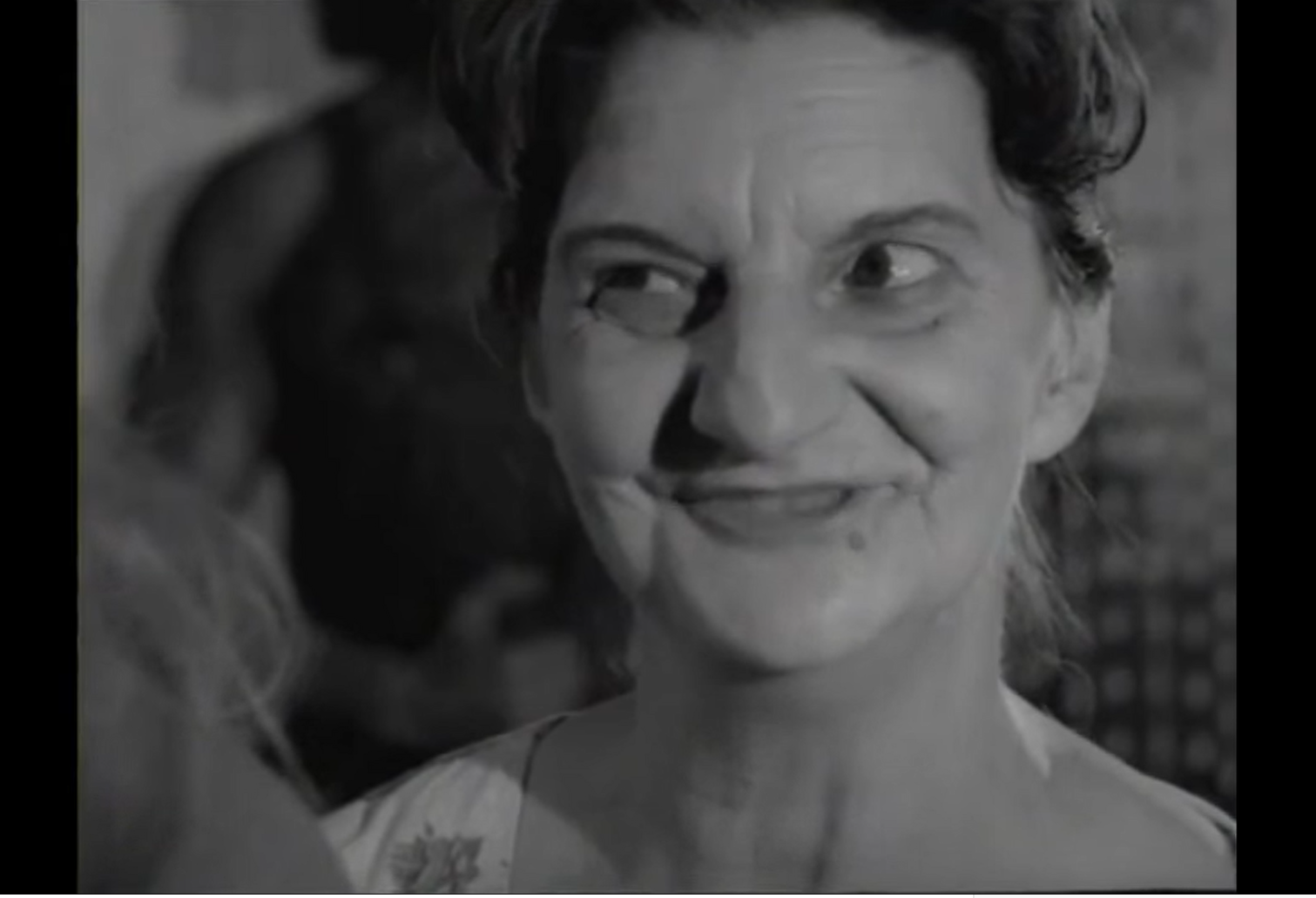
Stormy Weather (1943)
“Tell these fools anything, but tell me the truth.”
|
Synopsis: |
|
Genres, Themes, Actors, and Directors:
Review: Redeeming Qualities and Moments:
Must See? Categories
Links: |
“Tell these fools anything, but tell me the truth.”
|
Synopsis: |
|
Genres, Themes, Actors, and Directors:
Review: Redeeming Qualities and Moments:
Must See? Categories
Links: |
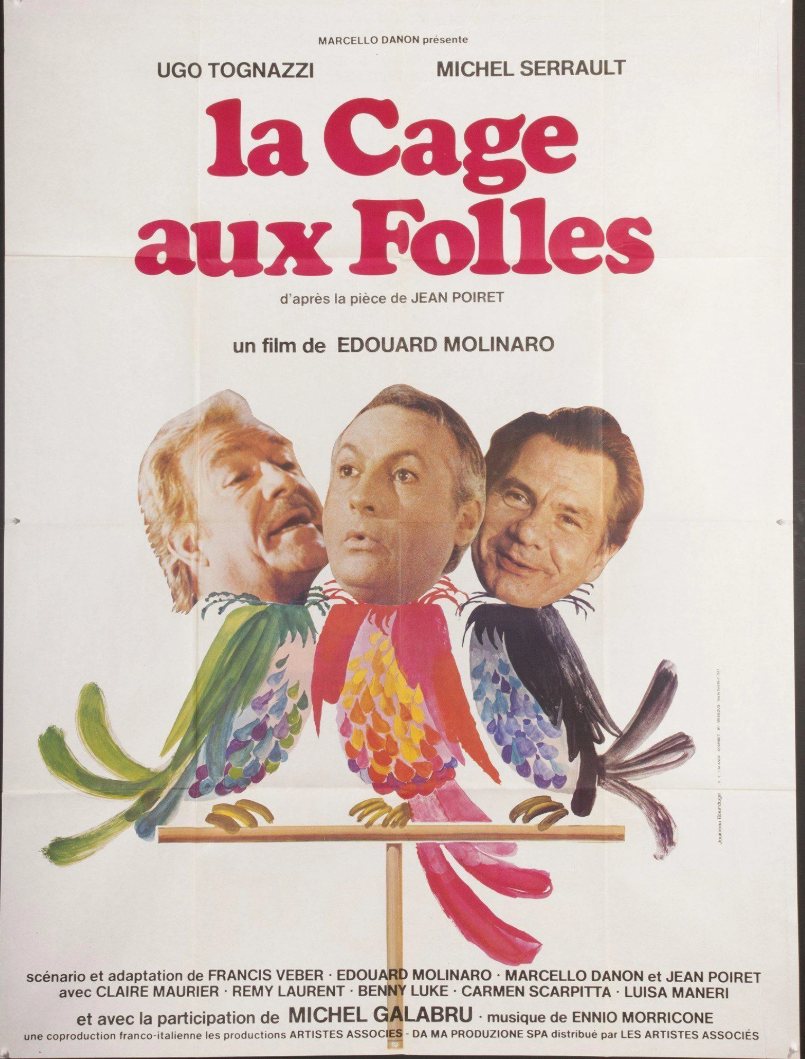
“We have to marry her off in great splendor. You’ll be the symbol of tradition once again.”
|
Synopsis: |
|
Genres, Themes, Actors, and Directors:
Response to Peary’s Review:
He’s right to point out that the film “plays it [too] safe, catering to straight audiences” to the extent that the only “lovemaking scene” we see “involves [Tognazzi] with a female, his ex-wife”.
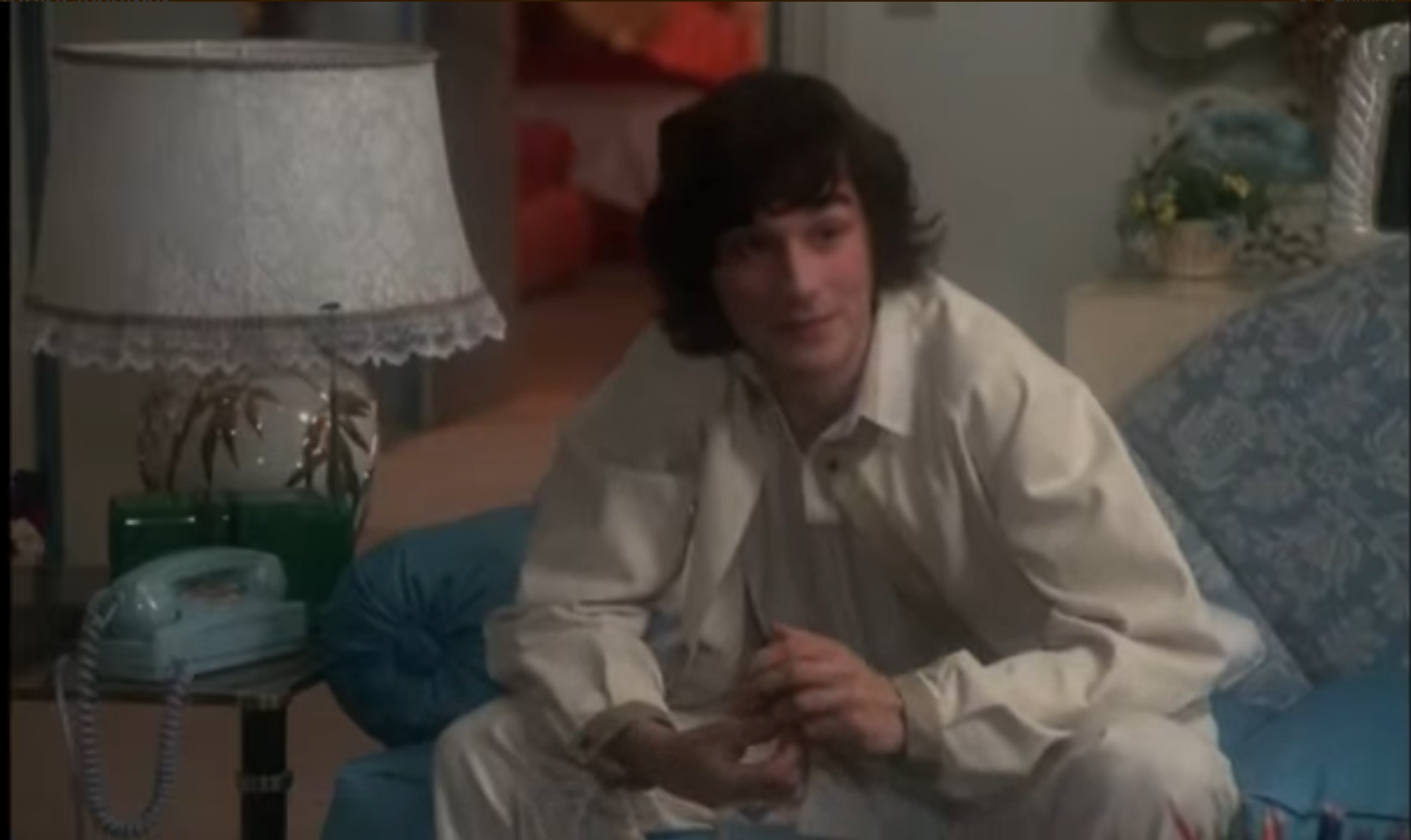
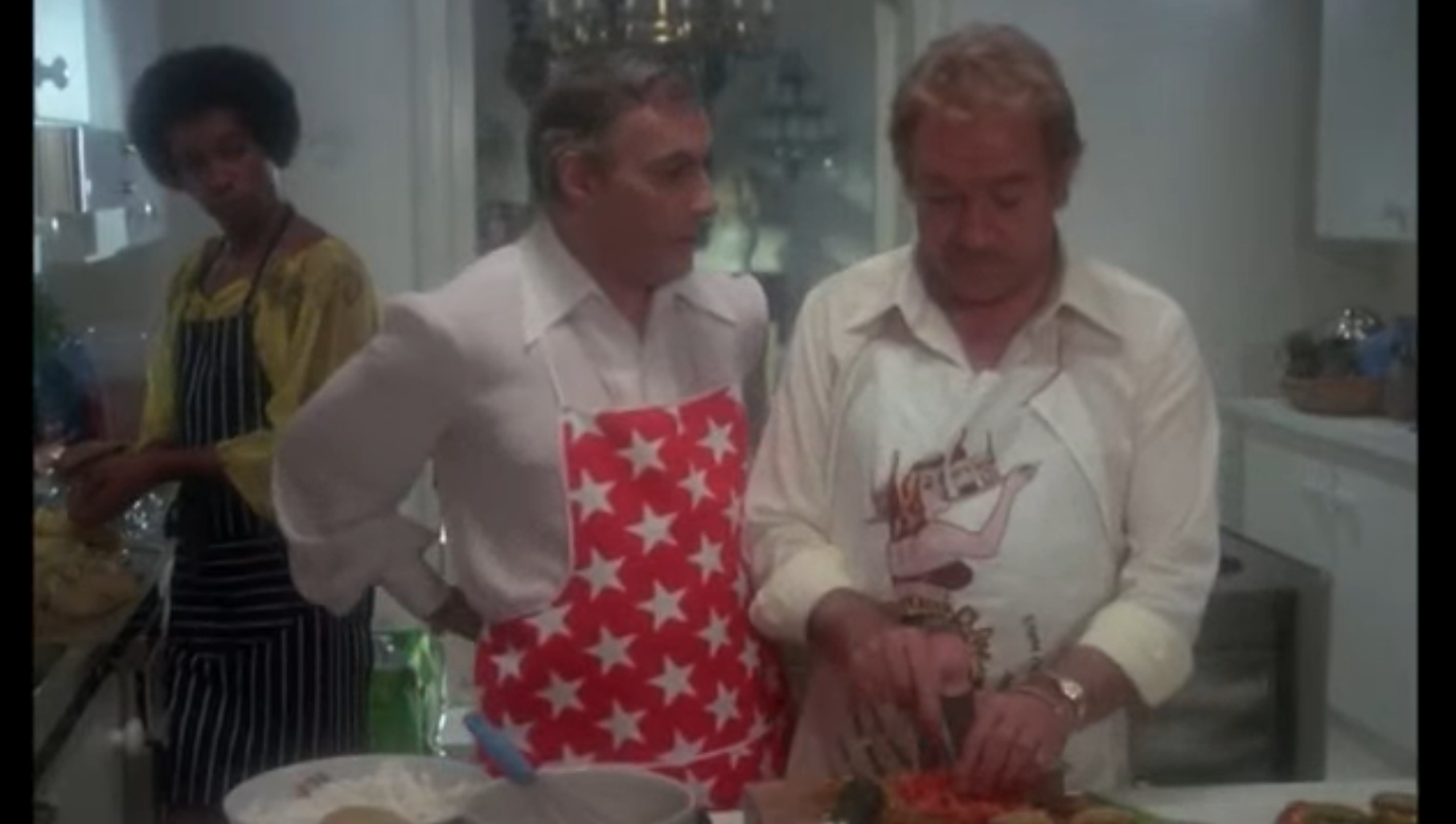
He also points out that much of the film’s “humor comes at the gay characters’ expense; repeatedly we are supposed to laugh at how effeminate [Serrault] and butler Jacob [Benny Luke] are, at how exaggerated their mannerisms are, at how awkward they look when walking or gesturing, at how affected their voices are … , and how they whine or scream in surprise over everything.”
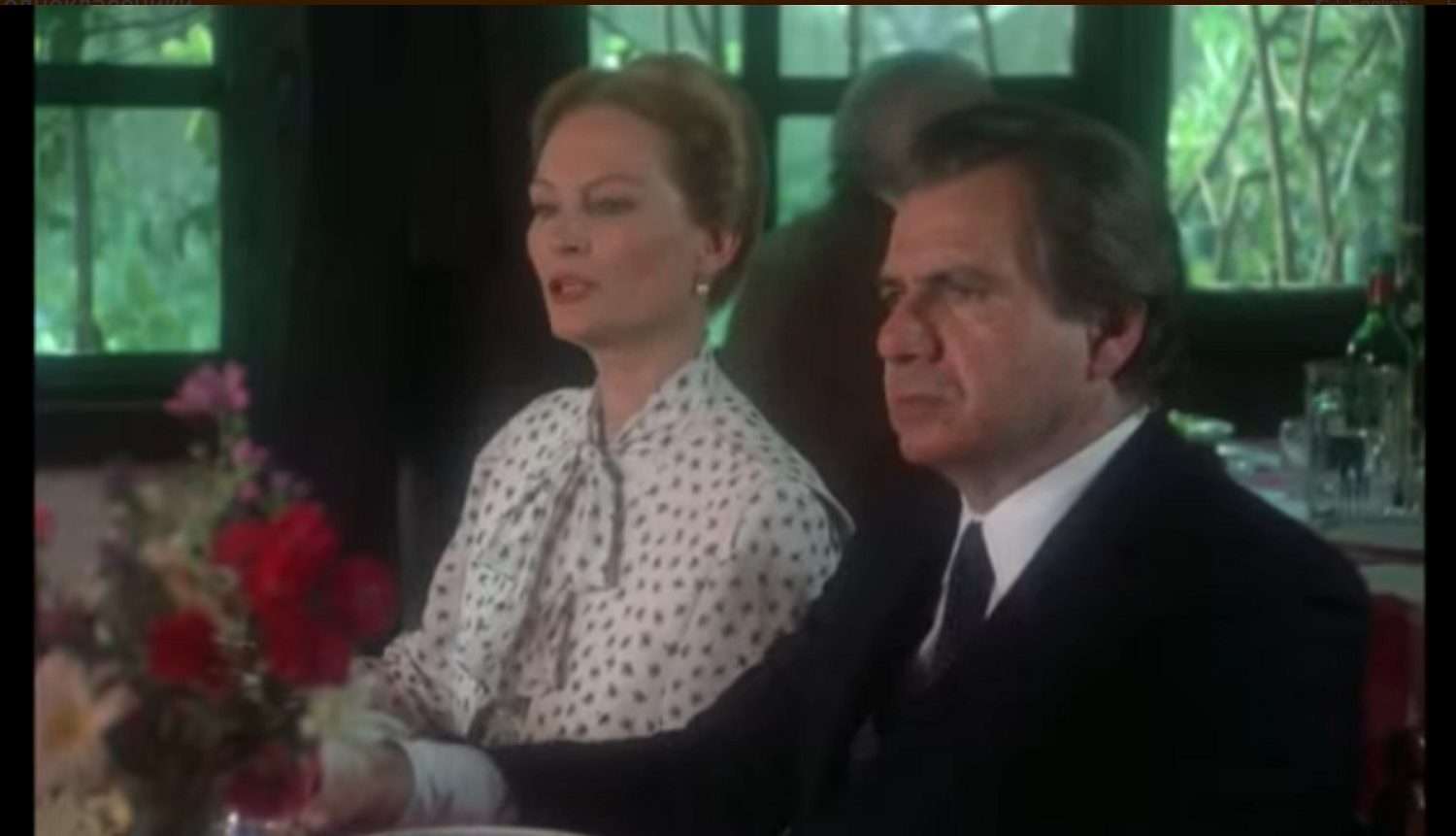
Unfortunately, “director-co-writer Edouard Molinaro never bothers to explore the subtleties of his characters or accentuate their endearing idiosyncrasies”: Tognazzi “tolerates [Serrault] in [a] conventional movie fashion — like a husband who accepts the childish activities and personality of his wife because she is female and is supposed to act that way;” and “there are surprisingly few funny moments in the major sequence in which [Tognazzi] and [Serrault] try to clean up their act when [Tognazzi’s] son brings home for dinner his fiancee, her mother, and her father… who is the secretary for the Union of Moral Order.”
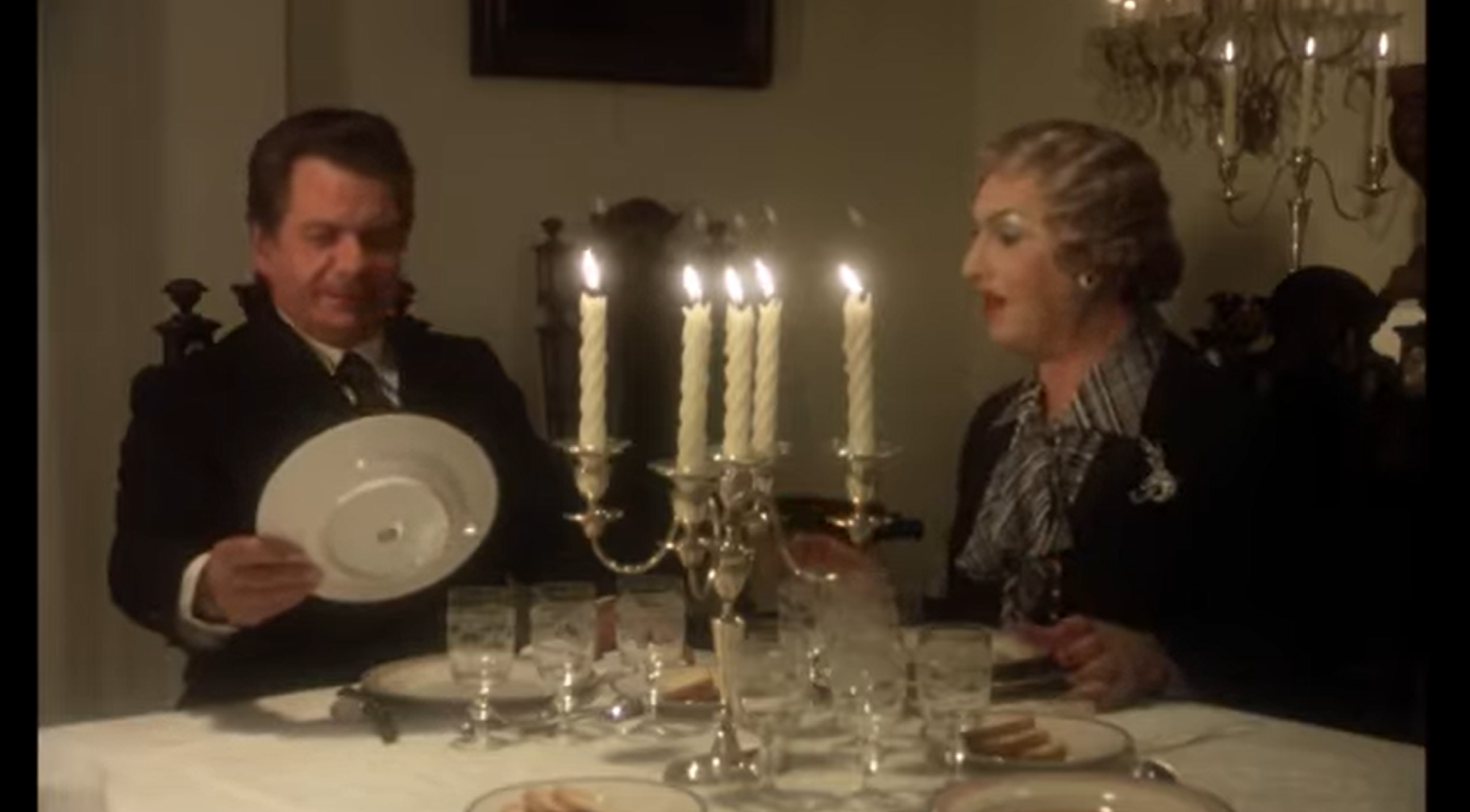
Peary argues that while “there’s potential for fireworks”, “Molinaro forgot the matches”. He rags further on the film in his Cult Movies book, where he states that “Molinaro has no flare for comedy and never lets a scene run long enough for the gags to develop sufficiently.” Peary does concede that there are at least “several amusing moments in the picture”, including “when [Tognazzi] toasts [Maneri] over the phone by breaking a glass on the receiver;” “when [Tognazzi] instructs [Serrault] how to butter his toast and stir his tea in a masculine manner;” and “when [Scarpitta] and [Serrault] quibble over whether the nude figures on the dinner dishes are all boys, as [Scarpitta] insists, or are male and female, as [Serrault] fibs.”
Ultimately, however, Peary dismisses this film as “a family comedy that never rises above a level of mediocrity” — as “rollicksome as the most tired French bedroom farce but not as risque, as stupid a Laura Antonelli sex comedy but not as arousing, and as ‘controversial’ and ‘relevant’ as Guess Who’s Coming to Dinner? (1967) is today.” While I enjoyed this “innocuous” cult comedy more than Peary, I agree with many of his assessments. It’s weird — though perhaps not surprising, given the intended audience — that Tognazzi allows himself to be “seduced” by Maurier (perhaps this was done to “prove” that Laurent could have been conceived once upon a long time ago?), and much of the humor-at-the-expense-of-homosexuality comes across as terribly dated these days. How much you laugh may depend on how much you can simply giggle uncomfortably — something that’s NOT possible in any way with Luke’s portrayal of a servile black “maid” (everything about how his character is presented and treated rings distasteful).
With that said, I think all film fanatics should watch this film once to become familiar with it, though it likely won’t become a repeat favorite. Redeeming Qualities and Moments:
Must See? Categories
Links: |
“They’re just a bunch of small-town car freaks, that’s all they are.”
|
Synopsis: |
|
Genres, Themes, Actors, and Directors:
Response to Peary’s Review:
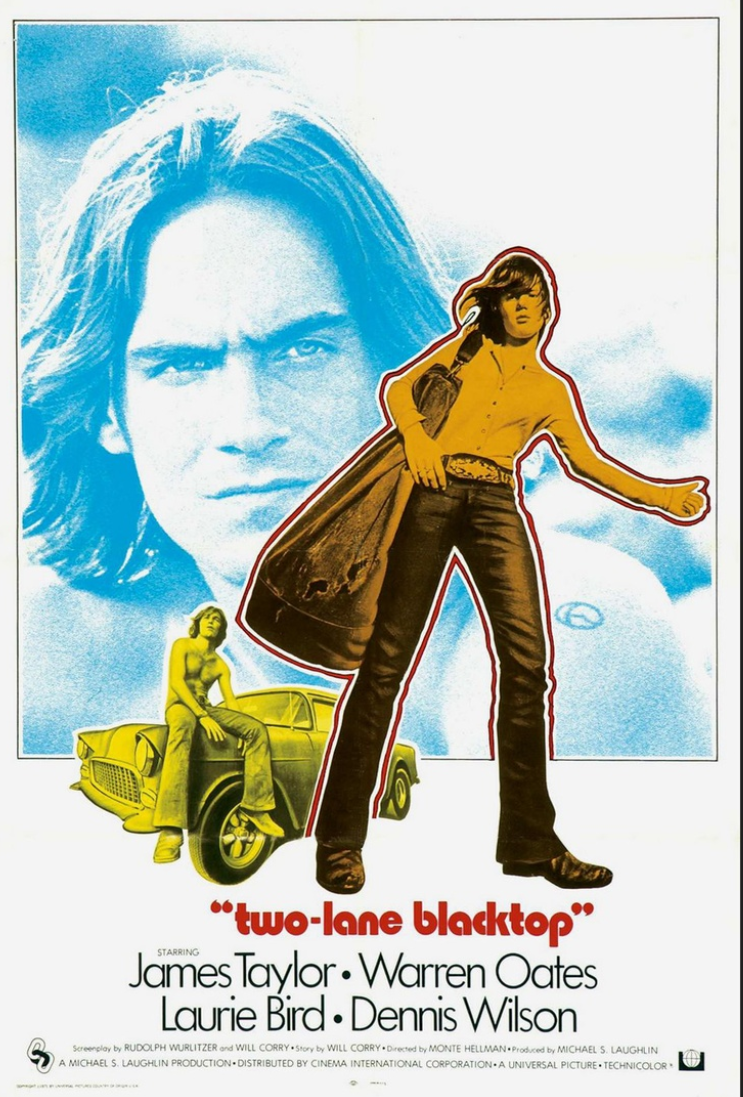
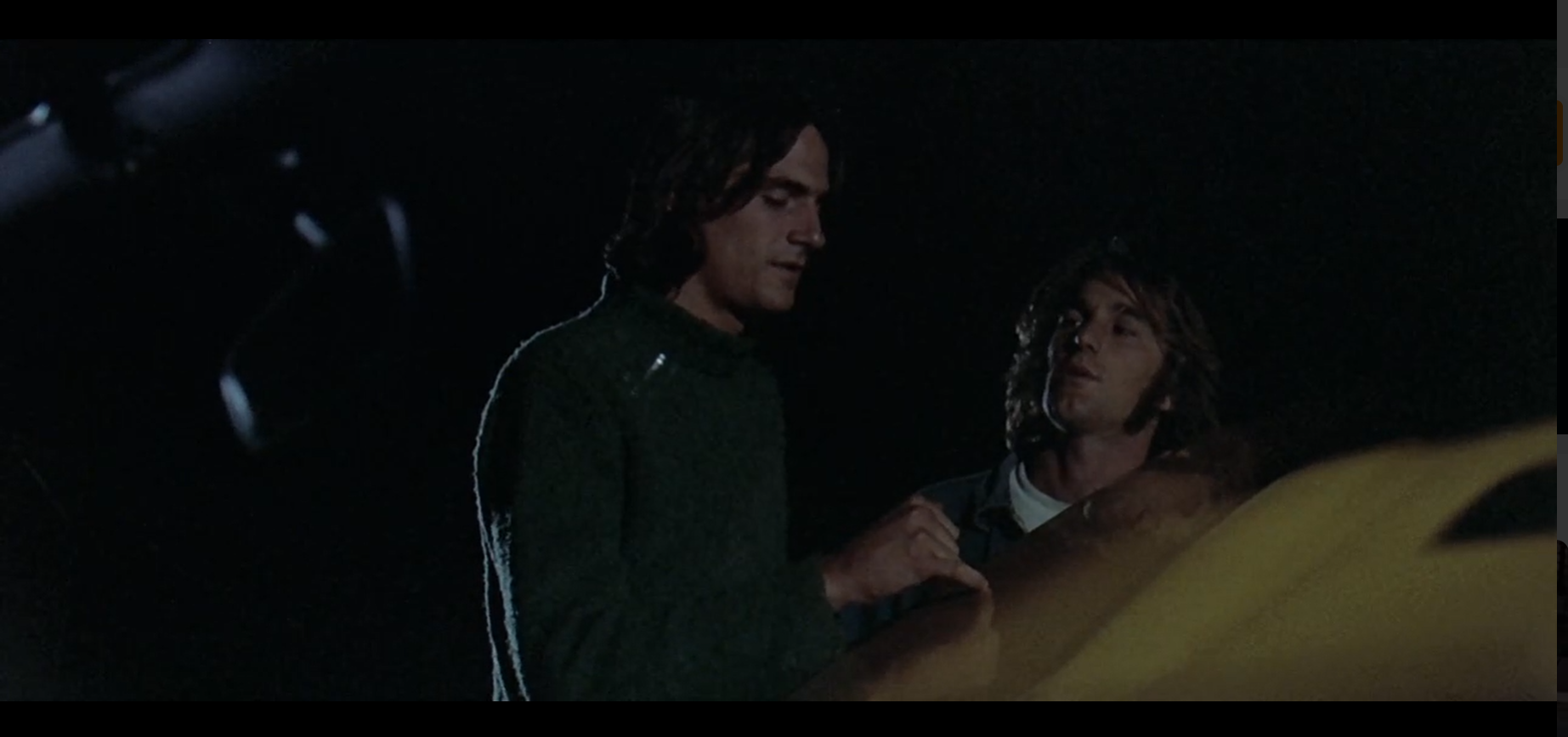
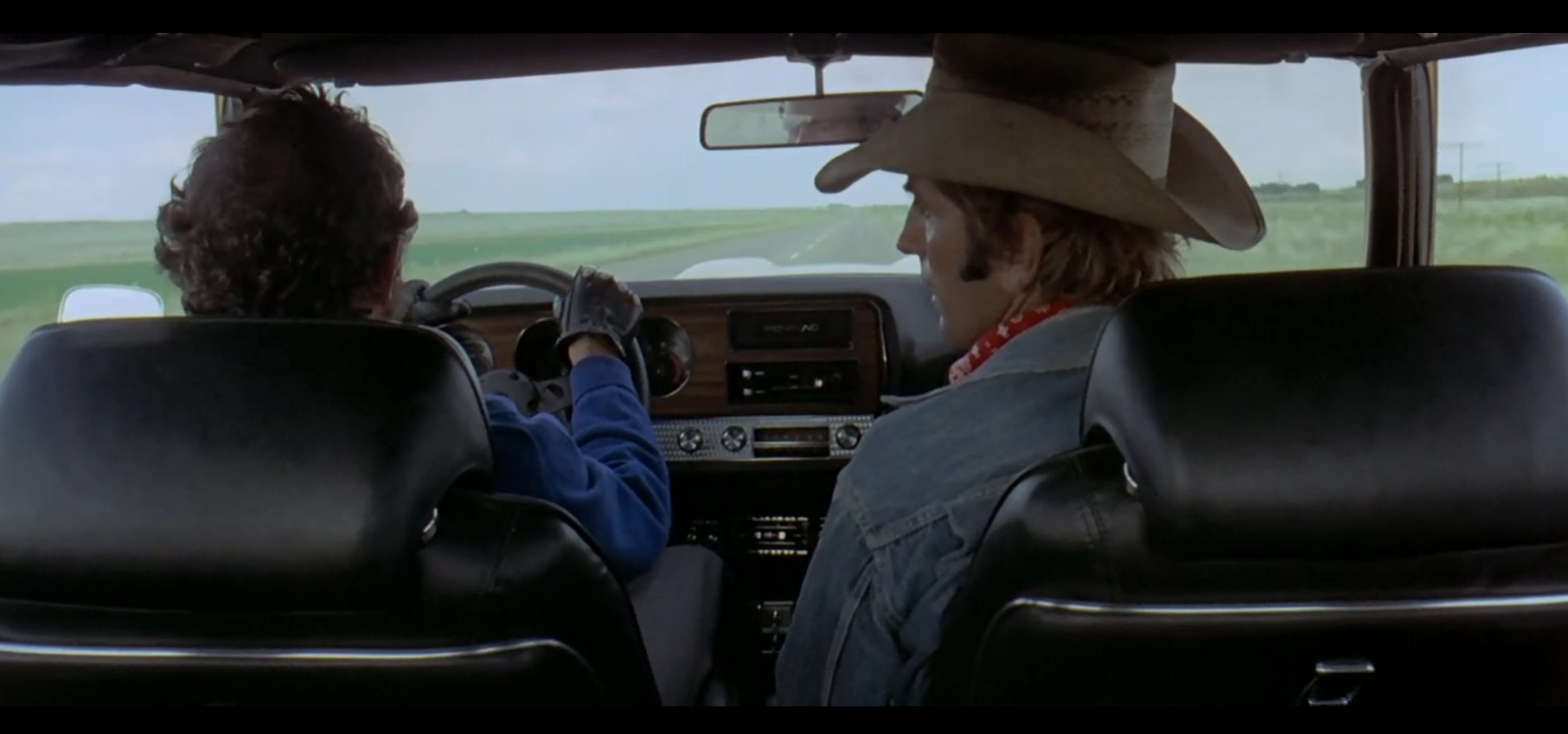
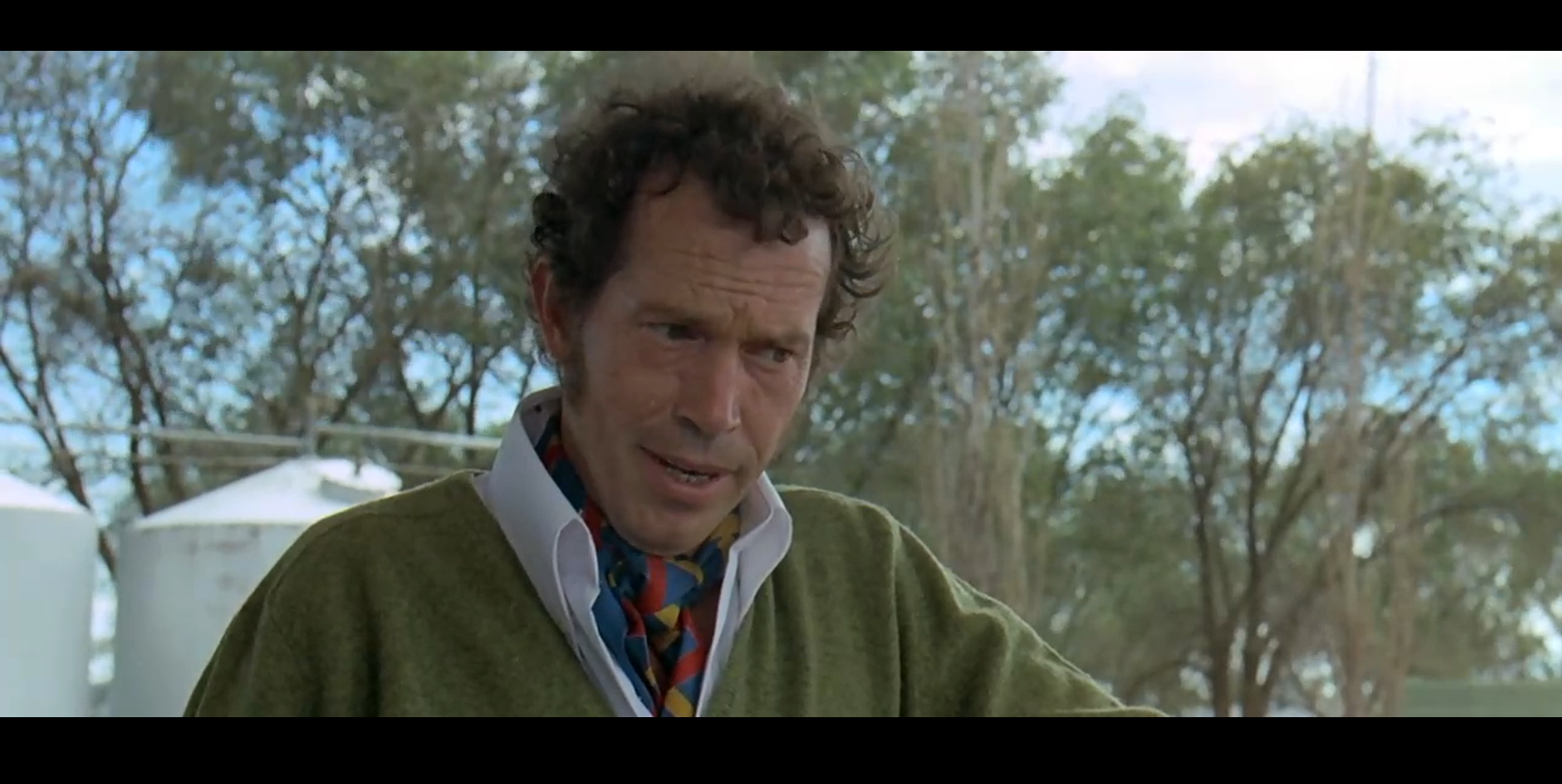
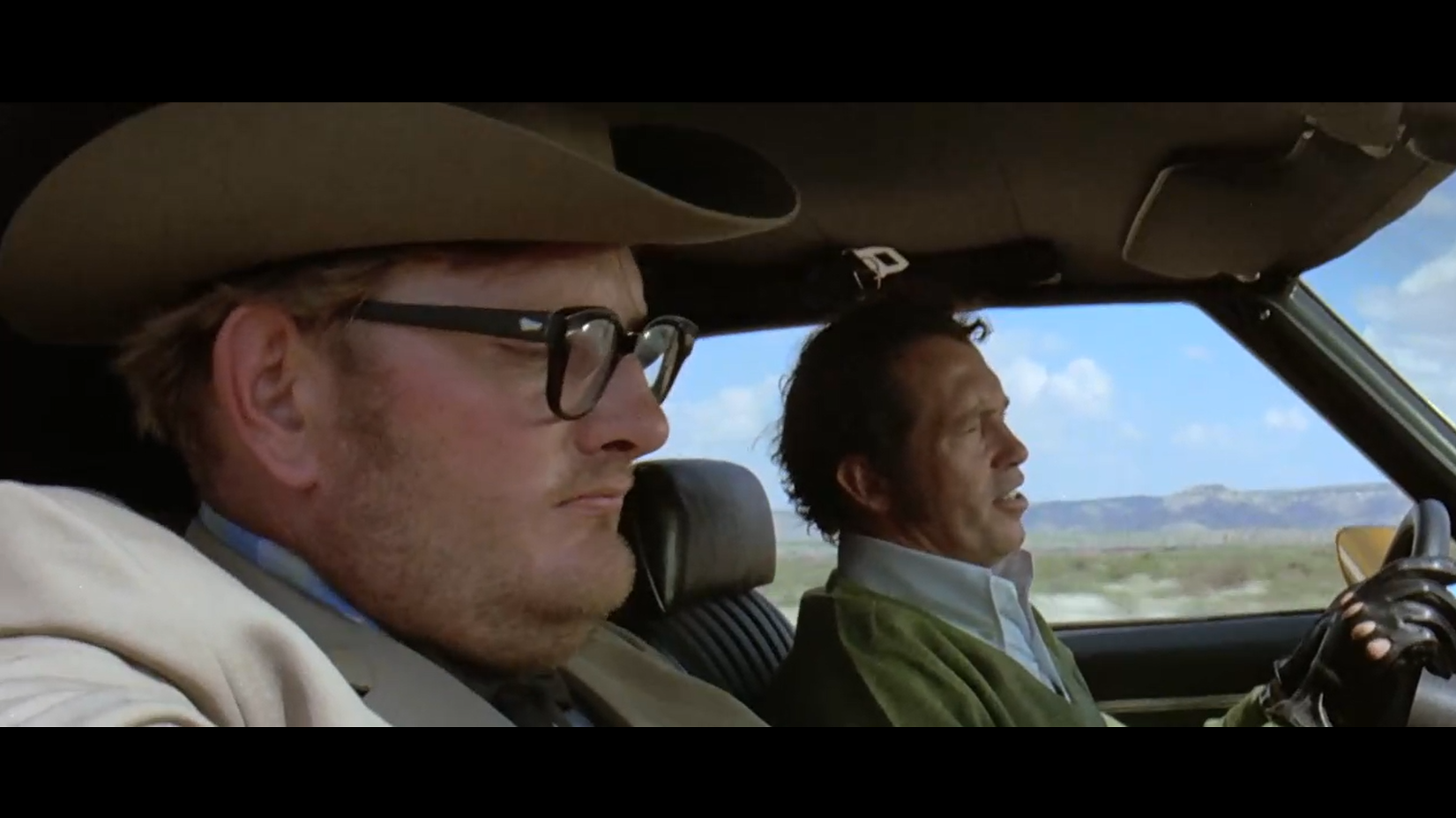
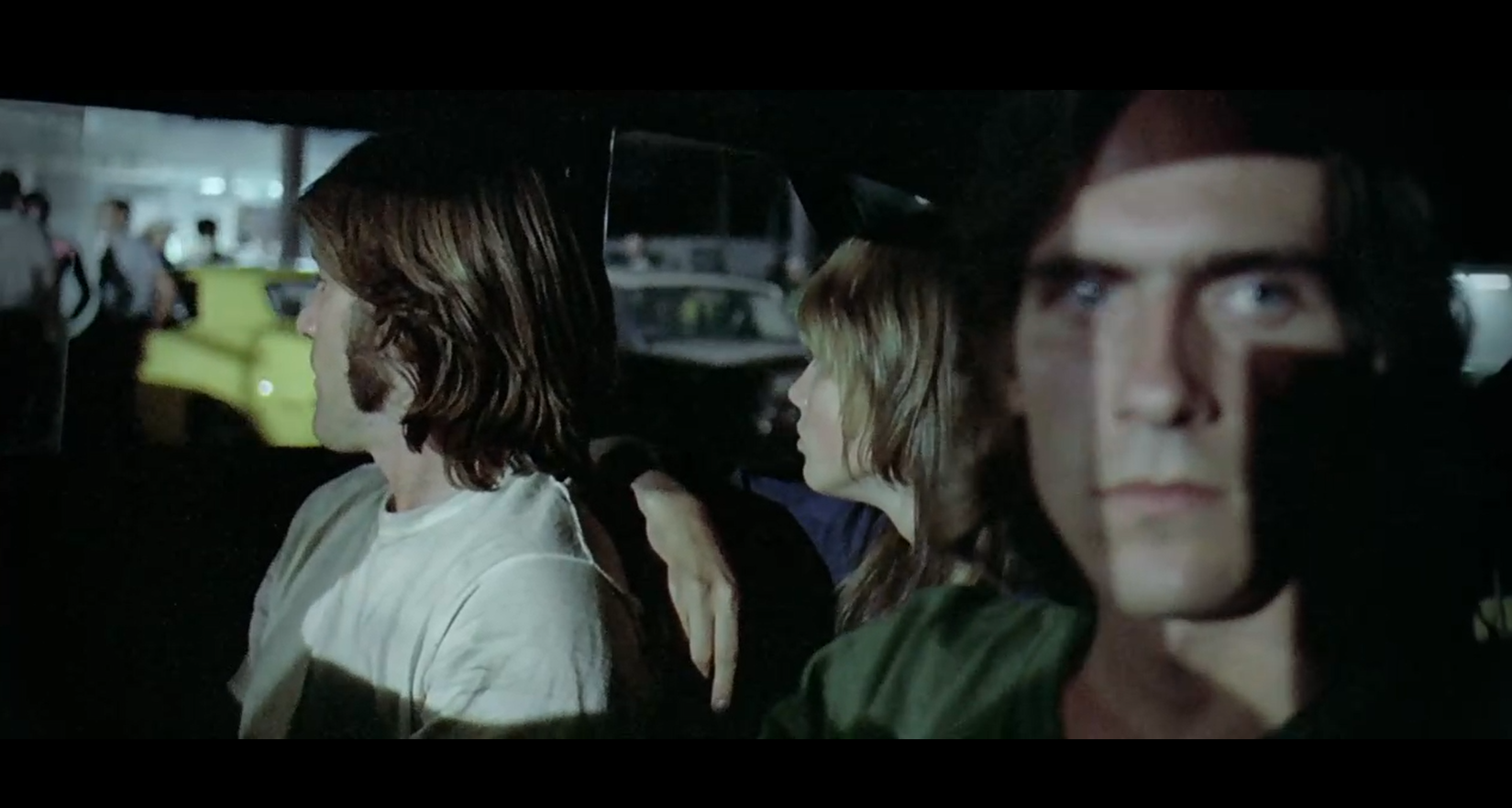
Indeed, even when The Girl (Bird) “enters their life” and “swims nude in front of them, they reminisce about old cars, not old flames.” Peary points out that “The Driver and the Mechanic epitomize the sad products of a frustration-making D.C. bureaucracy, specifically a Nixon government which is conducting a controversial war that makes complete apathy as inviting as a warm cozy bed.” He notes that “while other films were about the alienation of the drug culture and war protesters, Hellman’s pessimistic film is about the alienation of everyone else: both those who race around the desolate, poor, conservative country and all those people inside the cubicles they pass who are just as withdrawn and isolated from the problems/horrors of their world.” Peary discusses Two-Lane Blacktop at greater length in his Cult Movies book, where he notes that he finds it “so much more honest and less exploitative than the similarly plotted box office smash Easy Rider, another film about a routeless odyssey across America undertaken by society’s dropouts.” He describes Oates as, “as usual, a standout, showing the wide range of emotions of a troubled man” and providing “much wit to the film”. He adds that “most amusing, and pathetic, is how he keeps picking up the worst brand of hitchhikers… but keeps trying to find ideal companionship.”
Peary asserts that while he likes this movie — “its characters, and its premise” — he finds the “beginning of the film… compelling” but “toward the end it becomes a bit tiresome and fizzles — just like the race.” I think that’s exactly the point, however. As The Girl makes yet another random decision near the end of the film about who she’ll hang out and travel with, we see that nothing’s really changed — life will continue to be about distraction, alienation, and thwarted attempts to connect; Two-Lane Blacktop is remarkably effective at portraying those still-enduring challenges of existence. Redeeming Qualities and Moments:
Must See? Categories
(Listed in 1001 Movies You Must See Before You Die) Links: |
“The bush pilot had to know a little about everything in order to survive.”
|
Synopsis: |
|
Genres, Themes, Actors, and Directors:
Response to Peary’s Review:
Unfortunately, while Peary concedes that Gavin’s Vixen is a “foul-mouthed, racist” woman, he nonetheless describes her as “Meyer’s best heroine”, and the reason this picture hasn’t “faded away by now”. He writes that “as the most aggressive female of them all, she does the best job of expressing a woman in sexual heat”, and apparently “proved to be a heroine even women viewers liked,” given that many “weren’t used to seeing cinema heroines be so confident, so aggressive, so free of sexual inhibitions.”
It’s sad to think that so many women in the late 1960s were willing to overlook Vixen’s abusively racist rhetoric towards Page (who gives the best “straightforward” performance in the film). While I understand that Vixen is meant to be over-the-top and uninhibited in every way — including, just for instance, seducing her grown brother — seeing so much toxic vitriol heaped upon the film’s one Black character is simply intolerable. I had a hard time getting through this one, and am frankly flabbergasted that it has maintained such a following. Redeeming Qualities and Moments:
Must See? Links: |
“The dawn’s early light comes to Small Town every day — and with it, the events of the night before are forgotten.”
|
Synopsis: |
|
Genres, Themes, Actors, and Directors:
Review:
Homosexuality is most definitely mocked and denigrated, with a dentist/counselor named “Dr. Lavender” (Robert E. Pearson) attempting to force Kerr “out of the closer” using a chainsaw — but is that any more ridiculous or offensive than the many other sex-based scenarios taking place? Not really. Redeeming Qualities and Moments:
Must See? Links: |
“Not ready, with my beautiful body? You’ve gotta lot of nerve, buster!”
|
Synopsis: |
|
Genres, Themes, Actors, and Directors:
Review: Redeeming Qualities and Moments:
Must See? Links: |
“Nevertheless, pity the poor potheads.”
|
Synopsis: |
|
Genres, Themes, Actors, and Directors:
Response to Peary’s Review:
I can understand why Meyer fans would be enamored with this flick, which shows ample evidence of the gonzo-surreal sensibilities and rapid-fire editing that would infuse Meyer’s first major studio film, Beyond the Valley of the Dolls (1970). However, it’s really not for all tastes; my favorite moments came early on, during his laughably earnest opening voiceover: “The evil of marijuana caresses all it comes in contact with.” Redeeming Qualities and Moments:
Must See? Links: |
“You try any funny stuff on me, buster, and I’ll slice you up like a jigsaw puzzle.”
|
Synopsis: |
|
Genres, Themes, Actors, and Directors:
Response to Peary’s Review: Redeeming Qualities and Moments:
Must See? Links: |
“How’s your motor working?”
|
Synopsis: |
|
Genres, Themes, Actors, and Directors:
Response to Peary’s Review:
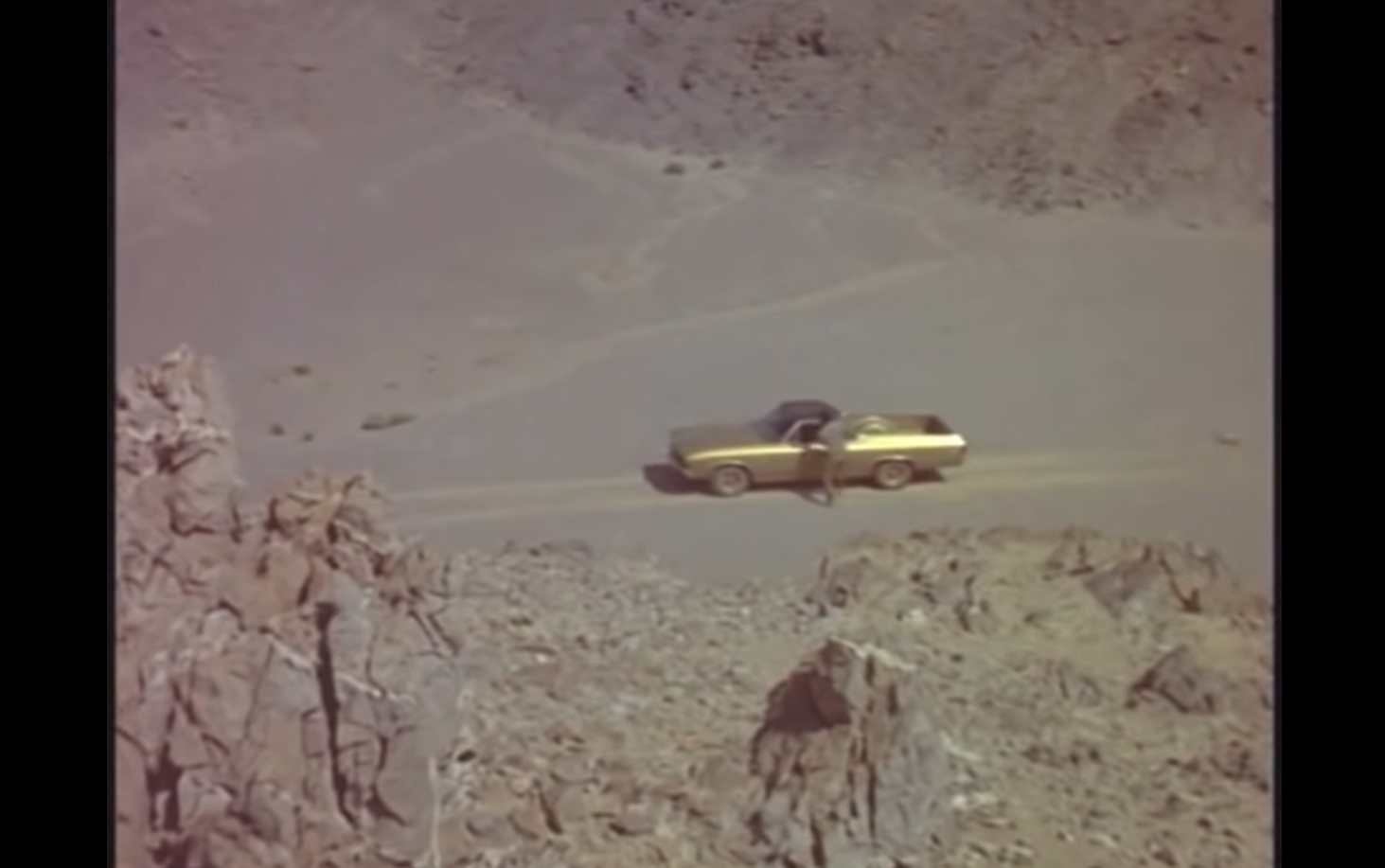
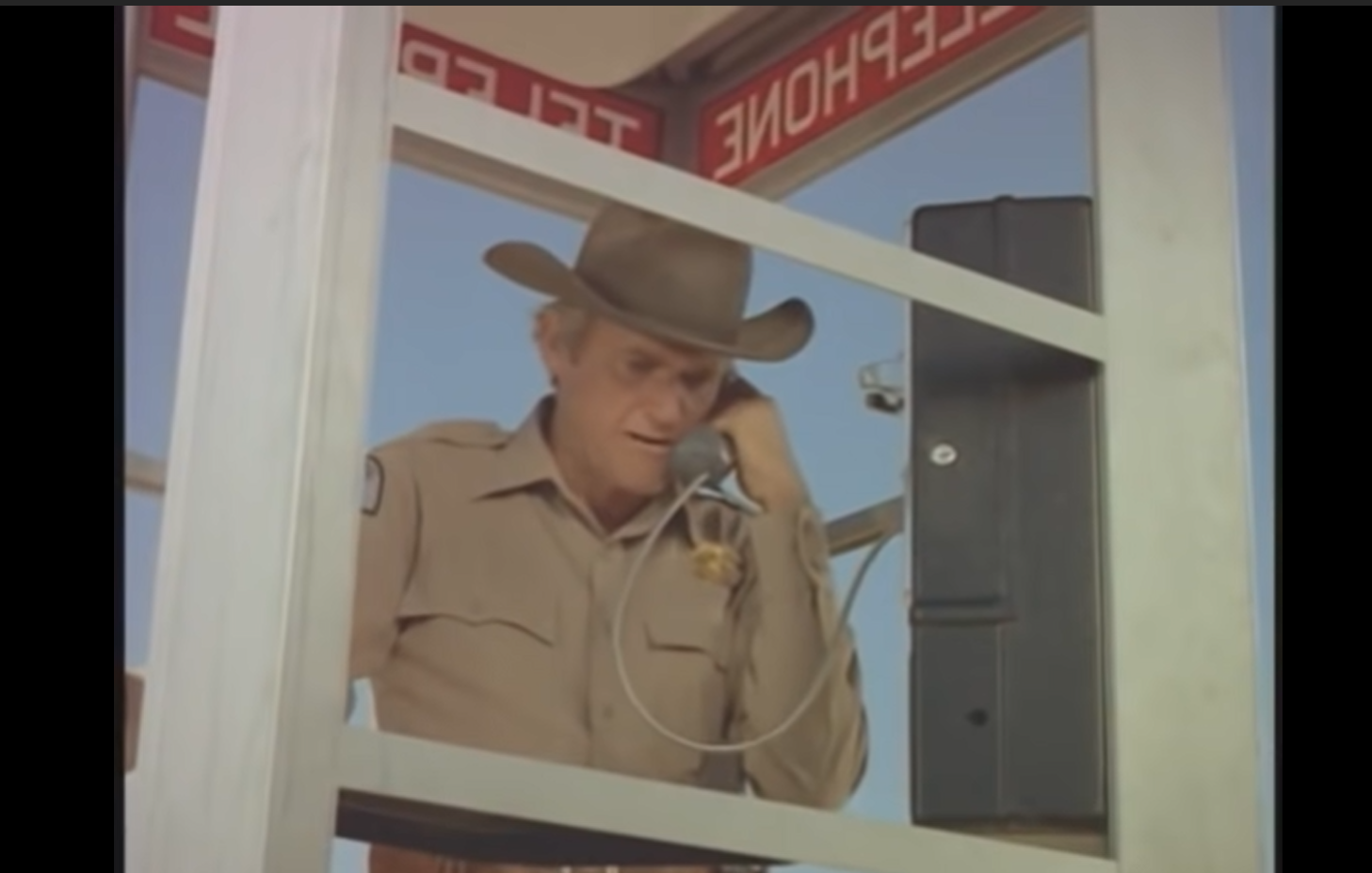
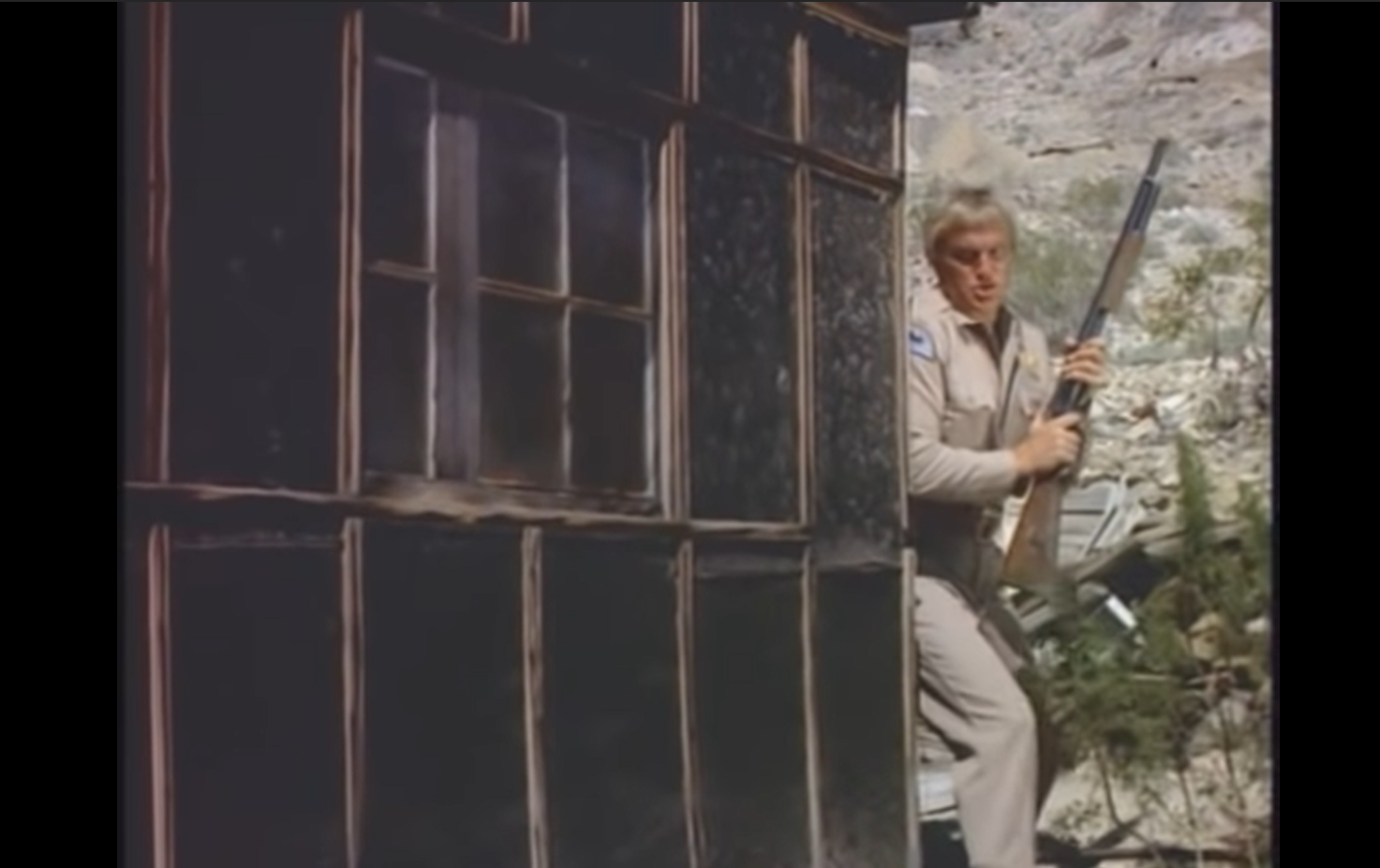
He argues that the “existential aspects of the story would have made it an ideal project for some European director; in fact… if it were left intact, and made in a foreign language, it could pass as a masterpiece (that would be a suitable second feature to a film like Knife in the Water).” Oh, Peary — not quite. I actually gave this a try (playing portions of the film without any soundtrack), and was hard pressed to think about how any of these scenes, for instance:
… might be perceived in an “existential” fashion as part of a “masterpiece”. Note: Swofford (see still below, bottom right) looks remarkably like a combination of Burt Lancaster and Damian Lewis. Redeeming Qualities and Moments:
Must See? Links: |
“I always wondered if you was any kind of a man at all.”
|
Synopsis: |
|
Genres, Themes, Actors, and Directors:
Response to Peary’s Review:
In his review, Peary reveals a major spoiler that doesn’t occur until the last 15 minutes of the film (unusual for him), thus making it hard for me to quote too much more of his assessment. However, I’ll cite and agree with his statement that this “sleazy fake morality play is surprisingly well made”, with “Meyer’s camera work… fairly creative”:
the acting “satisfactory”, and the dialogue “flavorful”; we really are made to “believe that the characters live in this hellish version of Tobacco Road” — a place we’re oh-so-eager to say goodbye to once the dramatic, violent denouement comes to an end. Note: Viewers will surely notice the distinctive presence of cackling “Princess Livingston” (what a name!), whose red-wigged, middle-aged dancing in Meyer’s Beyond the Valley of the Dolls (1970) stands out in a veritable sea of surreal, bombarding imagery.
Redeeming Qualities and Moments:
Must See? Links: |