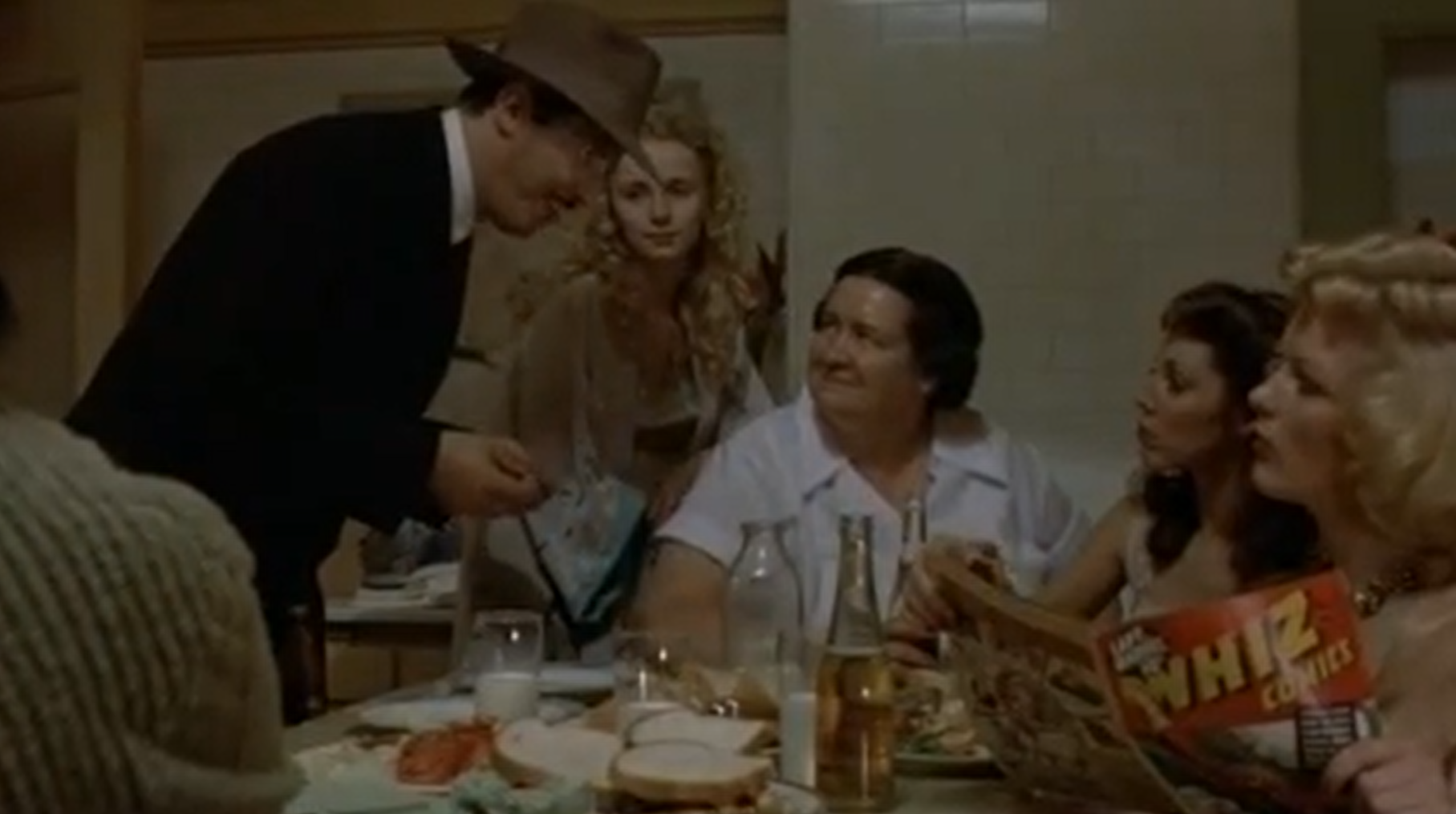
Little Princess, The (1939)

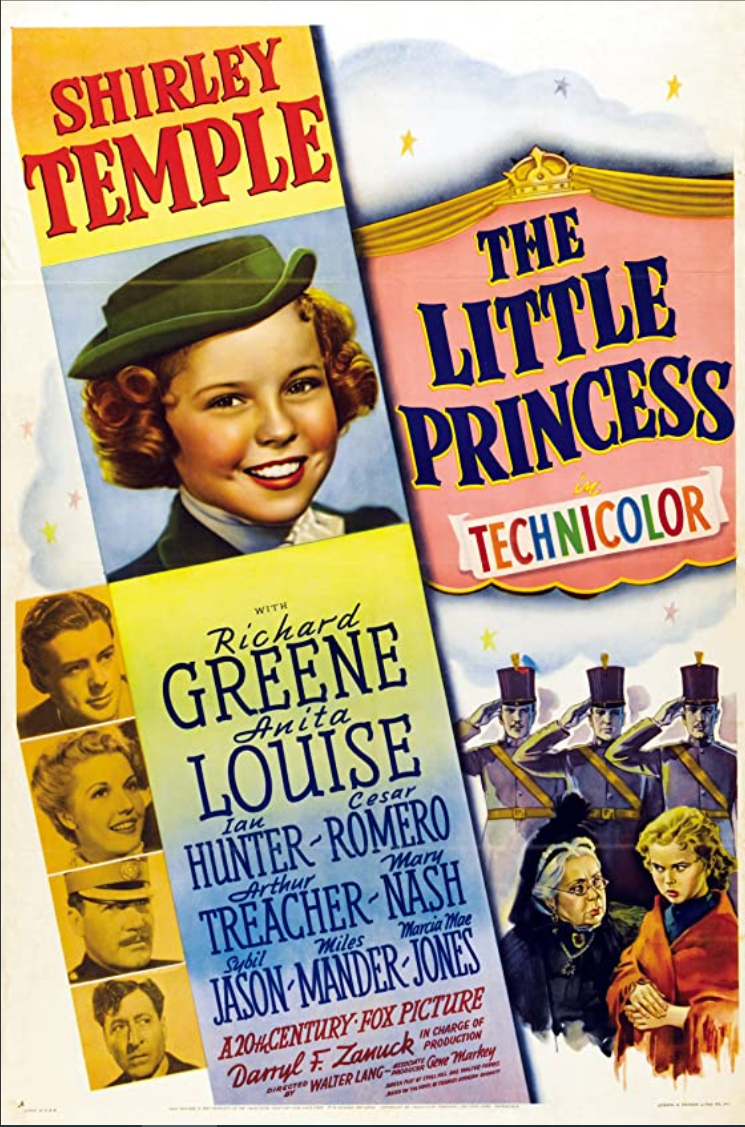
Little Princess, The (1939)

“Sara has no mother, and we’ve never been separated for more than a few days.”

Synopsis:
When her father (Ian Hunter) leaves to fight in the Boer War, Sara Crewe (Shirley Temple) is sent to a boarding school run by snooty Miss Minchin (Mary Nash). When notice arrives that Captain Crewe (Hunter) has died a penniless man, Sara becomes a servant at the school — but she refuses to believe her father is really dead.

Genres, Themes, Actors, and Directors:

  • Boarding School
  • Cesar Romero Films
  • Historical Drama
  • Ian Hunter Films
  • Search
  • Shirley Temple Films

Response to Peary’s Review:
Despite its generally acknowledged status as “one of Temple’s best films”, Peary isn’t a big fan of this Technicolor adaptation of Frances Hodges Burnett’s Victorian children’s novel. He argues that “while it is lavishly produced and features what was [Temple’s] last impressive performance as a child actor, the story is flimsy and predictable”, and notes that by 1939, “it was getting tiresome watching Temple’s little girls suffer.” Modern viewers, however, won’t have to experience the same sense of fatigue, given that we can pick and choose which of Temple’s many childhood films — Peary lists just five of her earlier hits in his book — we want to see. Diehard fans of Burnett’s book may be disturbed by the many changes made in the screenplay, but the spirit of the novel remains intact, and Temple (who looks nothing like Burnett’s description of the protagonist) brings a much-needed air of optimism and spunk to the role of poor Sara Crewe. Equally impressive is Temple’s co-star, Sybil Jason, who plays a young Cockney maid. [It’s interesting to note that Temple was, in fact, jealous of Jason’s performance, given the adulation heaped upon her by the film’s crew.]

Redeeming Qualities and Moments:

  • Shirley Temple as Sarah
  • Sybil Jason as Becky

Must See?
No, though it’s worth a look as one of Temple’s most famous films.

Links:

Star Wars (1977)

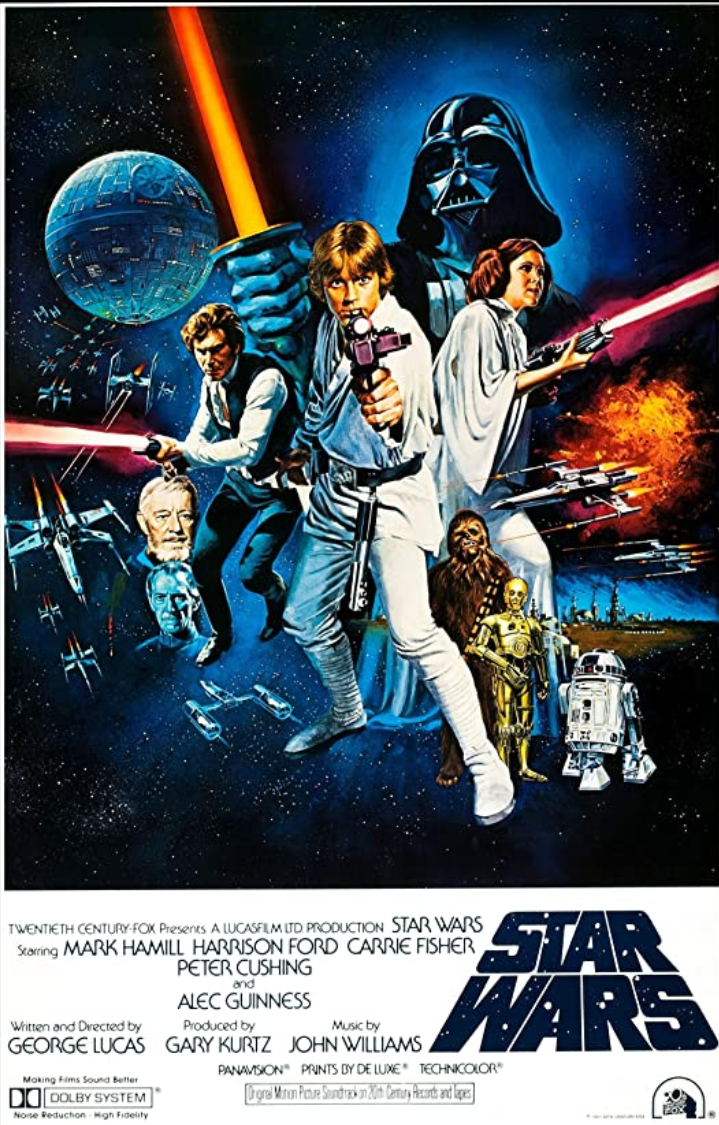
Star Wars (1977)

“The force will be with you, always.”

Synopsis:
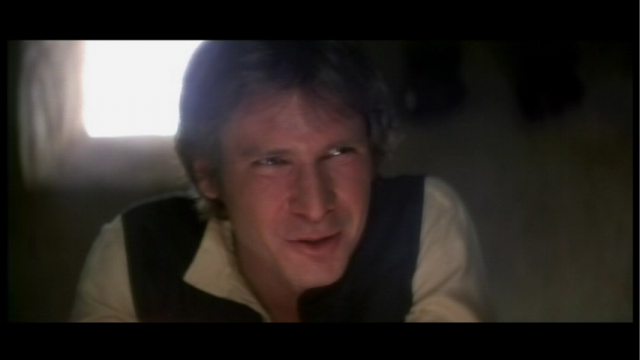
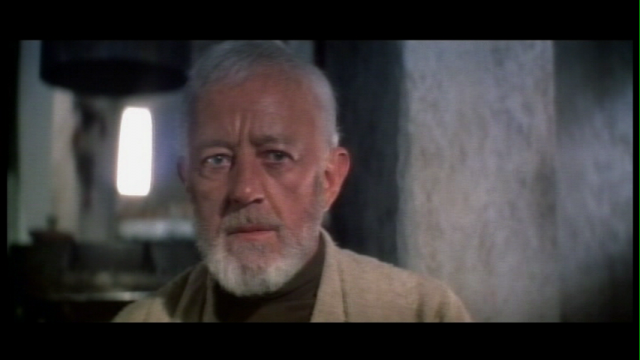
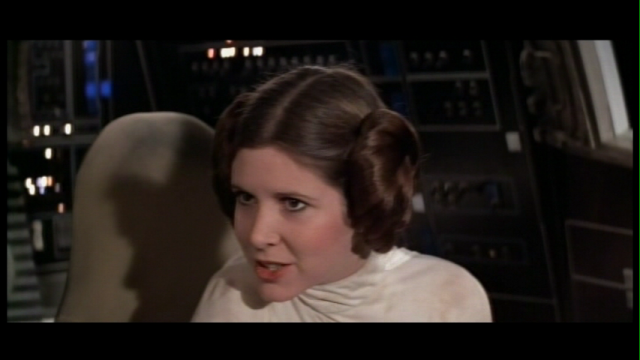
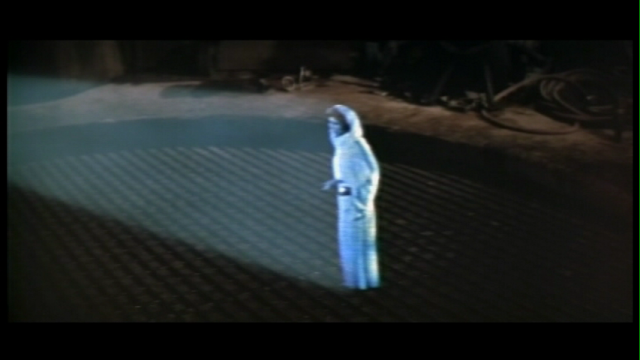
In a galaxy far, far away, Luke Skywalker (Mark Hamill) joins the rebellion against the Empire by teaming up with Jedi master Obi-Wan Kanobi (Alec Guinness) and rogue pilot Han Solo (Harrison Ford) to rescue kidnapped Princess Leia (Carrie Fisher) from the clutches of evil Darth Vader (David Prowse/James Earl Jones).

Genres, Themes, Actors, and Directors:

  • Alec Guinness Films
  • Androids
  • Harrison Ford Films
  • Kidnapping
  • Peter Cushing Films
  • Revolutionaries
  • Science Fiction
  • Space Opera

Response to Peary’s Review:
As Peary notes, writer-director George Lucas’s Star Wars — which borrows liberally from countless other films (including Kurosawa’s The Hidden Fortress and The Wizard of Oz) and pop culture references (serials such as “Flash Gordon” and “Buck Rogers”) — is “arguably the most influential film ever made, although one can legitimately question whether its profound effect on future movie product [design], in Hollywood and worldwide, has been positive”, given that we’ve all “overdosed on special effects, toys, and intergalactic wars”. Peary (ever the ’70s liberal!) accurately argues that the film unfortunately “makes war look like fun”, and that the characters are, regrettably, designed to be shallow — Mark Hamill is particularly annoying as callow, whiny Luke Skywalker (though it could be argued that he’s well-suited for the role).

Sophisticated modern viewers seeing Star Wars for the first time may actually wonder what all the fuss is about, given that much of it comes across today as either campy (i.e., the infamous “cantina scene”) or dated, and the special effects — while revolutionary at the time, and still largely impressive — have since been surpassed.

With that said, the film is, as Peary notes, both “craftily made”, and (with the possible exception of Hamill as Skywalker) “brilliantly cast”, effectively balancing veteran and young actors. It deservedly won a passel of Oscars: for special effects (the final battle sequence — while it goes on for too long — is especially well done), costume design, sound effects, art direction, editing, and best original score (by John Williams). Harrison Ford is hunky and memorable in his breakthrough role as Han Solo; Carrie Fisher (only 17 years old!) is effectively spunky as Princess Leia (those buns!); and Alec Guinness couldn’t have been better cast as the “wise and noble Jedi warrior Ben ‘Obi-Wan’ Kenobi”. Film fanatics, regardless of their personal connection with the movie, will doubtless agree that its “tremendous spirit, sense of fun and adventure, excitement, hip humor, imaginative characters, and fast-paced, uncomplicated story” deservedly “touched a universal nerve”, and that Star Wars remains indispensable “must see” viewing.

Redeeming Qualities and Moments:

  • Harrison Ford as Han Solo
  • Alec Guinness as Obi Wan
  • Carrie Fisher as Princess Leia
  • C3PO (Anthony Daniels) and R2D2 (Kenny Baker)
  • Memorable sets
  • Groundbreaking special effects
  • John Williams’ rousing score

Must See?
Of course.

Categories

  • Cult Movie
  • Historically Relevant
  • Oscar Winner or Nominee

(Listed in 1001 Movies You Must See Before You Die)

Links:

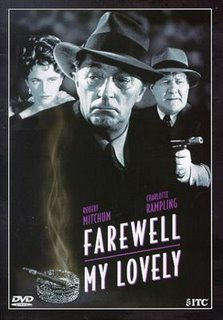
Farewell, My Lovely (1975)

Farewell, My Lovely (1975)

“She’s cute — cuter than lace pants.”

Synopsis:
Private eye Philip Marlowe (Robert Mitchum) is hired by a hulking ex-con (Jack O’Halloran) to locate his missing girlfriend, Velma.

Genres, Themes, Actors, and Directors:

  • Charlotte Rampling Films
  • Detectives and Private Eyes
  • Harry Dean Stanton Films
  • John Ireland Films
  • Robert Mitchum Films
  • Search
  • Sylvester Stallone Films
  • Sylvia Miles Films

Review:
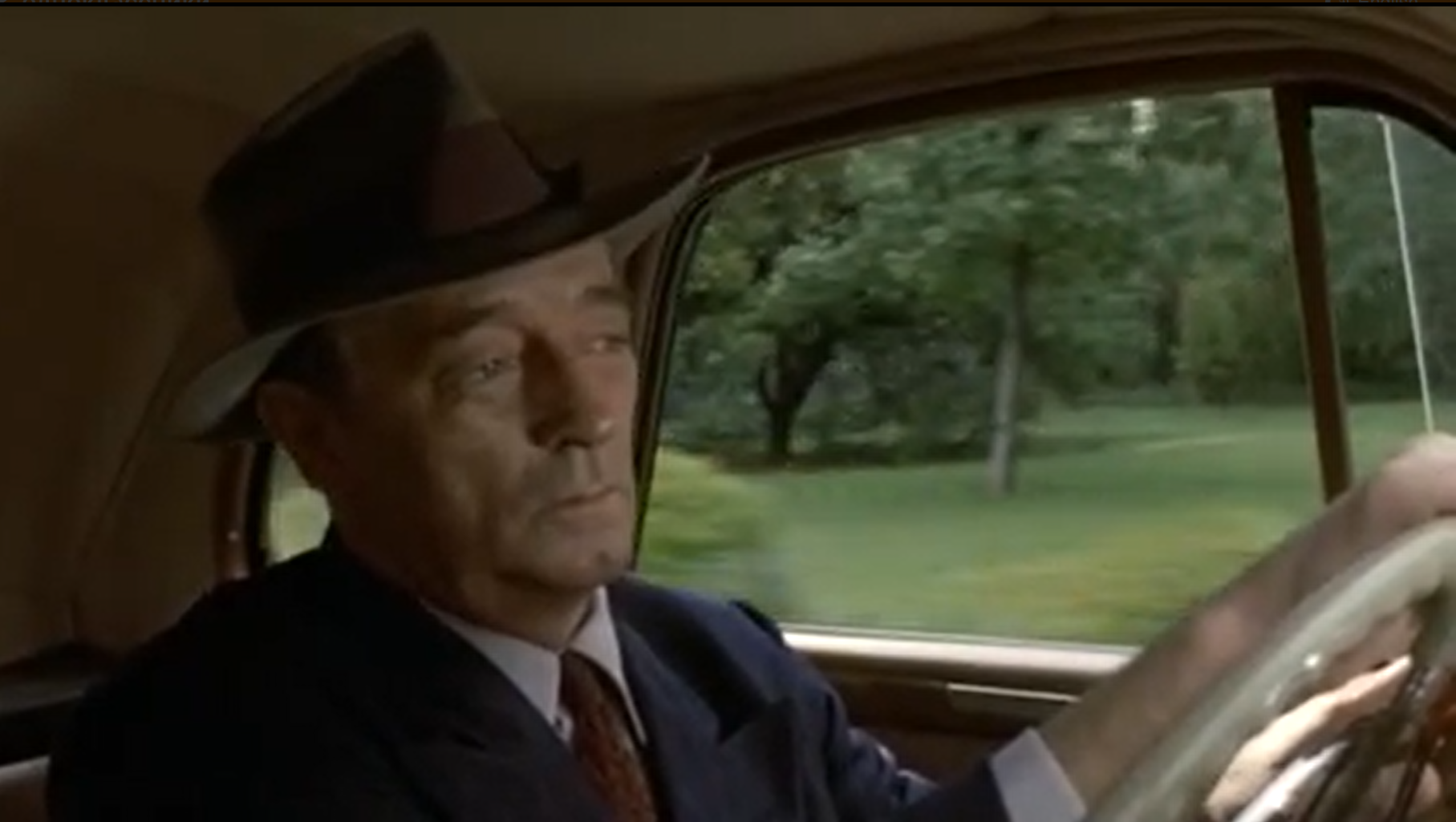
Raymond Chandler’s iconic fictional detective Philip Marlowe has been portrayed by a diverse array of actors over the years, including Dick Powell in Murder, My Sweet (1944), Robert Montgomery in Lady in the Lake (1947), James Garner in Marlowe (1969), Elliott Gould in The Long Goodbye (1973), and — most famously — Humphrey Bogart in The Big Sleep (1946). Sad-eyed Robert Mitchum was the last Hollywood star to be cast as Marlowe, in this and 1978’s The Big Sleep (not a Peary title), and he’s entirely believable as the cynical, wisecracking detective:

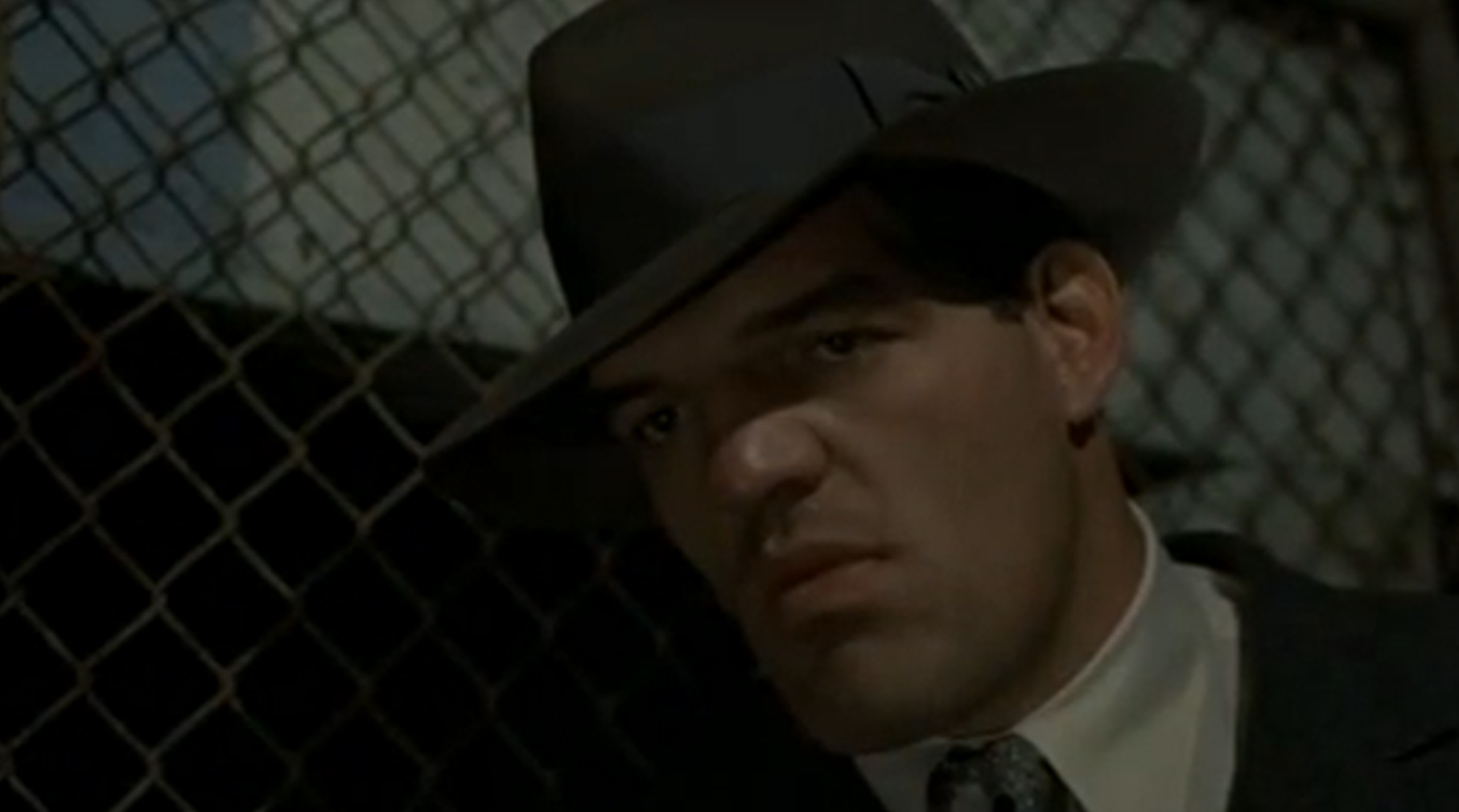
Unfortunately, however, the film itself is merely serviceable, and not one of the more inspired adaptations of Chandler’s work. The primary problem is David Goodman’s well-meaning but overly literal screenplay, which relies far too heavily on Chandler’s original text: entire passages are read aloud as voiceover, which eventually comes across as simply lazy screenwriting. Dick Richards’ rather flat directorial style doesn’t help matters any, either, and — with the exception of Oscar-nominated Sylvia Miles as an alcoholic informant — the supporting players (including stiff Jack O’Halloran in his debut as “Moose”:

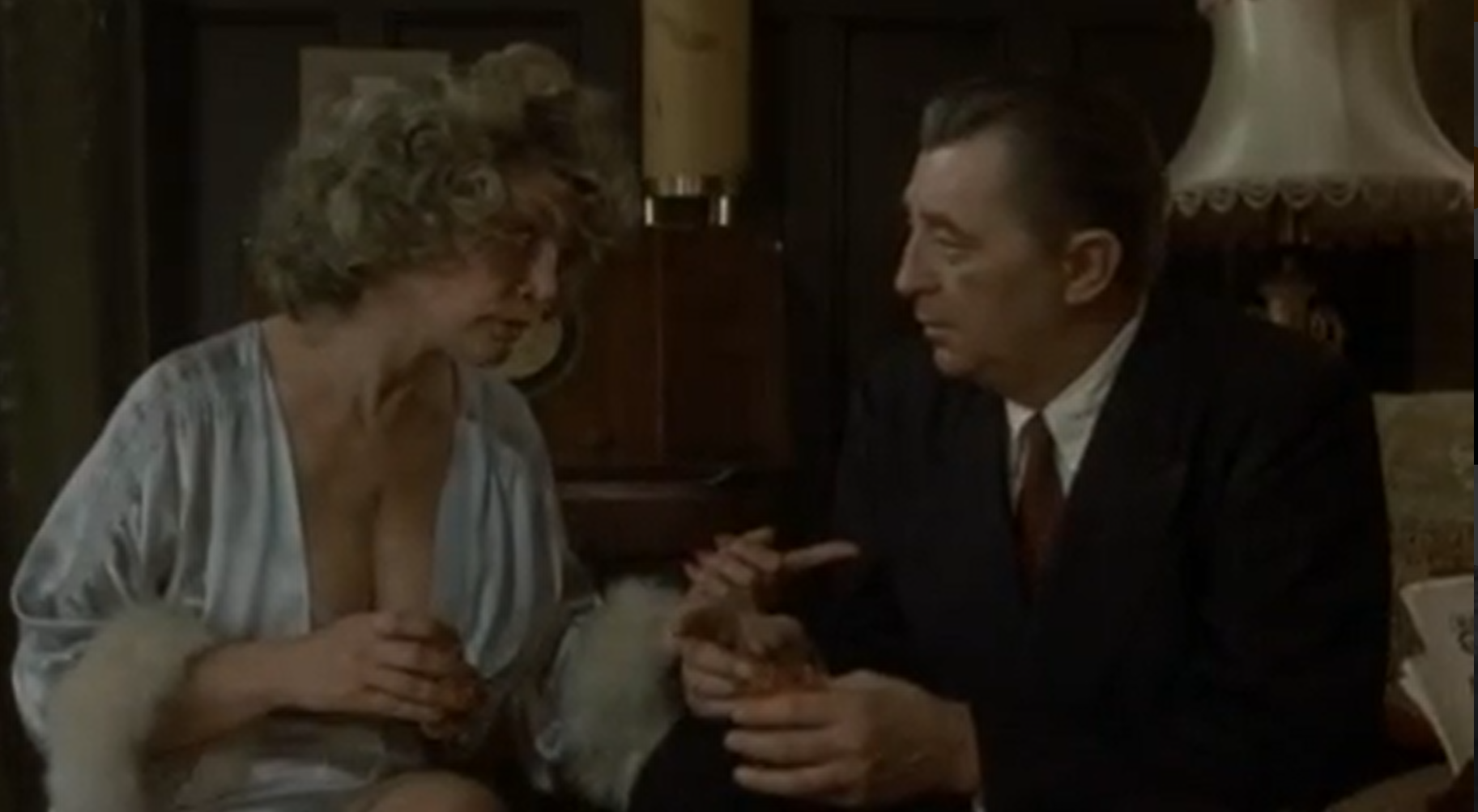
… and Charlotte Rampling unwisely trying to channel Lauren Bacall:

… fail to leave much of an impression. With that said, there’s plenty of fine period detail throughout, and Mitchum’s performance makes the entire affair worth a look. Chandler fans will certainly want to check it out at least once.

Redeeming Qualities and Moments:

  • Robert Mitchum as Marlowe (nominated by Peary as one of the best actors of the year in his Alternate Oscars book)
  • Sylvia Miles as Jessie Florian
  • Fine ’40s period detail

Must See?
No, but it’s definitely worth one-time viewing. Listed as a Personal Recommendation in the back of Peary’s book.

Links:

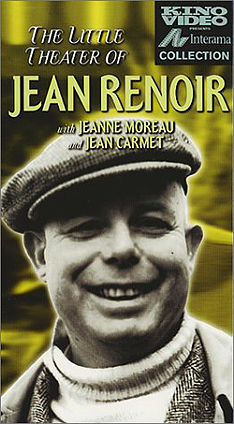
Little Theatre of Jean Renoir, The (1970)

Little Theatre of Jean Renoir, The (1970)

“Nothing is more exciting than other people’s troubles… They make life bearable.”

Synopsis:
Jean Renoir tells a trio of semi-comedic stories: an elderly homeless couple (Nino Formicola and Milly) find comfort in each other and their memories on a cold Christmas night; a housewife (Marguerite Cassan) obsessed with waxing her floors accidentally causes the death of her husband (Pierre Olaf); and an older man (Fernand Sardou) must decide what to do when his beloved young wife (Francoise Arnoul) cheats on him with the village doctor (Jean Carnet).

Genres, Themes, Actors, and Directors:

  • Episodic Films
  • French Films
  • Homeless
  • Housewives
  • Infidelity
  • Jean Renoir Films

Review:
Jean Renoir’s final, made-for-TV film is a gentle ensemble of short stories, ranging in tone from melancholy to satirical, yet all sharing an underlying concern with exploring the ties that bind couples together. The first heartbreaking vignette, based on a story by Hans Christian Andersen, is essentially an adult variation of “The Little Match Girl”: on Christmas Eve, an insensitive diner pays a homeless man (Nino Formicola) to stand outside the window of a restaurant and stare in longingly; as he explains to his friends, this spectacle should make them appreciate their food all the more. Formicola’s willingness to participate in this disturbing charade ultimately yields him a fancy dinner for two, which he shares with his beloved partner (Milly) while reminiscing about the past. While Renoir comes dangerously close to romanticizing poverty in this opening vignette, he nonetheless trenchantly demonstrates man’s ability to cope under the worst of circumstances, simply through the power of love and imagination.

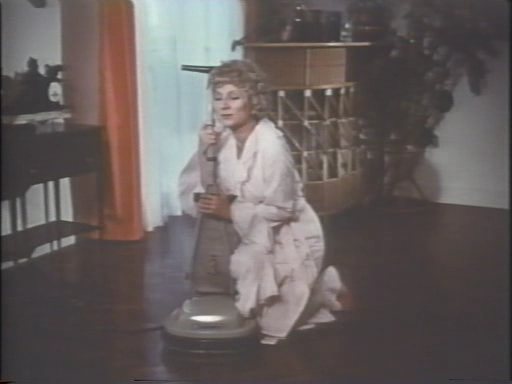
The second story — dubbed by Renoir an “opera” of sorts — involves a chorus of singing onlookers commenting on the marital woes of Emilie (Marguerite Cassan) and Gustave (Pierre Olaf). Shrewish Emilie (who surely has OCD) insists that an immaculate floor is what every housewife yearns for, and threatens to go live with her mother unless her henpecked husband gives in to her request for a personal floor waxer; when he does, circumstances eventually become more and more untenable, until Emilie finally makes the ultimate sacrifice for her beloved new tool. It’s an openly satirical, strangely satisfying little morsel about the dangers inherent in loving machines more than humans. At this point, Renoir proudly announces that Jeanne Moreau will sing a song — which she does, shakily and to minimal effect; it’s best ignored altogether, and fortunately lasts just a few minutes.

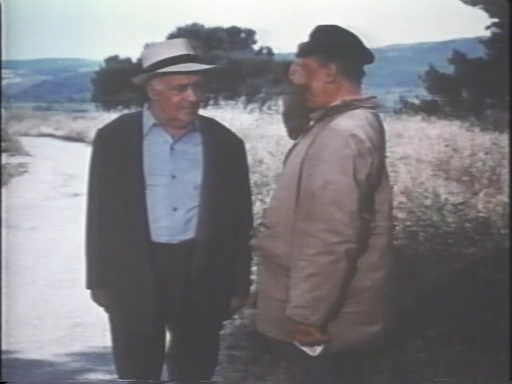
The final vignette may be the most heartfelt and personal of the bunch. In it, Renoir tells the story of an elderly villager (Fernand Sardou) who is deeply in love with his beautiful younger wife (Francoise Arnoul), and she with him — but she’s feeling oddly restless and dissatisfied. When she realizes than an affair is exactly what she needs to satisfy her “itch”, she turns to a visiting doctor (Jean Carnet) who is equally smitten with both her and the gentle Sardou. Much like in Bertrand Blier’s Oscar-winning Get Out Your Handkerchiefs (1978), this vignette lovingly demonstrates that a willingness to flout societal norms can lead to unexpected happiness in love and romance. It’s a fitting capstone to Renoir’s long and illustrious career as a filmmaker.

Redeeming Qualities and Moments:

  • Three enjoyable vignettes about life, love, and tolerance


Must See?
No, though it’s worth a look as Renoir’s swan song — and is certainly must-see for Renoir fans.

Links:

Hill, The (1965)

Hill, The (1965)

“Roberts, the court martial broke you, but I’m going to finish the job. I’m gonna bust you wide open.”

[Note: The following review is of a non-Peary title; click here to read more.]

Synopsis:
During World War II, a sadistic military prison warden (Harry Andrews) in North Africa makes life miserable for a group of detainees — particularly “busted” Sergeant-Major Roberts (Sean Connery).

Genres, Themes, Actors, and Directors:

  • Harry Andrews Films
  • Michael Redgrave Films
  • Play Adaptation
  • Prisoners of War
  • Ruthless Leaders
  • Sean Connery Films
  • Sidney Lumet Films
  • World War Two

Review:
Based on a T.V. play by Ray Rigby, Sidney Lumet’s film about a ruthless military warden making life miserable for his minions in the heat and dust of North Africa is brutal, uncompromising fare, and often difficult to stomach — but ultimately so powerful in both its message and its delivery that it’s worth viewing. Sean Connery — hoping to shift away from his suave James Bond persona — took a break between Goldfinger (1964) and Thunderball (1965) to play Joe Roberts, a sergeant-major censured for hitting his superior and refusing to send his men into a suicidal battle mission.

Because he and his cellmates (Ossie Davis, Alfred Lynch, Roy Kinnear, and Jack Watson) are presumed to be cowards hoping to get out of active military service, Andrews and his equally sadistic chief officer (Ian Hendry) do whatever they can to break the men’s spirits and bodies — including sending them pointlessly up and down the film’s titular manmade dirt “hill”. The increasingly grim situation finally comes to a head when one of the new inmates dies from heat stroke, and Hendry is accused by the prisoners of murder.

The subject matter is harsh, but the performances are superb — particularly Connery and Andrews, as well as Ossie Davis in a supporting role as a soldier from the West Indies who must put up with merciless racism on top of other indignities. Meanwhile, Oswald Morris’s crisp black-and-white cinematography is the perfect choice for such a bleak historical setting, and Rigby’s scathing dialogue is smartly conceived. (Note, however, that even native English speakers will want to have the subtitles on, since it’s often difficult to make out what the actors are saying.) Ultimately, while The Hill isn’t a film for the light of heart, those interested in exploring military power dynamics taken to a fatal extreme will surely be interested to check it out. It’s a surprising omission from Peary’s book — especially given that he awards Connery an Alternate Oscar as best actor of the year in his Alternate Oscars book.

Note: Watch for Michael Redgrave in a small but effective supporting role as a sympathetic military doctor.

Redeeming Qualities and Moments:

  • Sean Connery as Roberts
  • Harry Andrews as RSM Wilson
  • Ossie Davis as Jocko
  • Oswald Morris’s b&w cinematography

Must See?
Yes, for Connery’s noteworthy performance.

Categories

  • Noteworthy Performance(s)

Links:

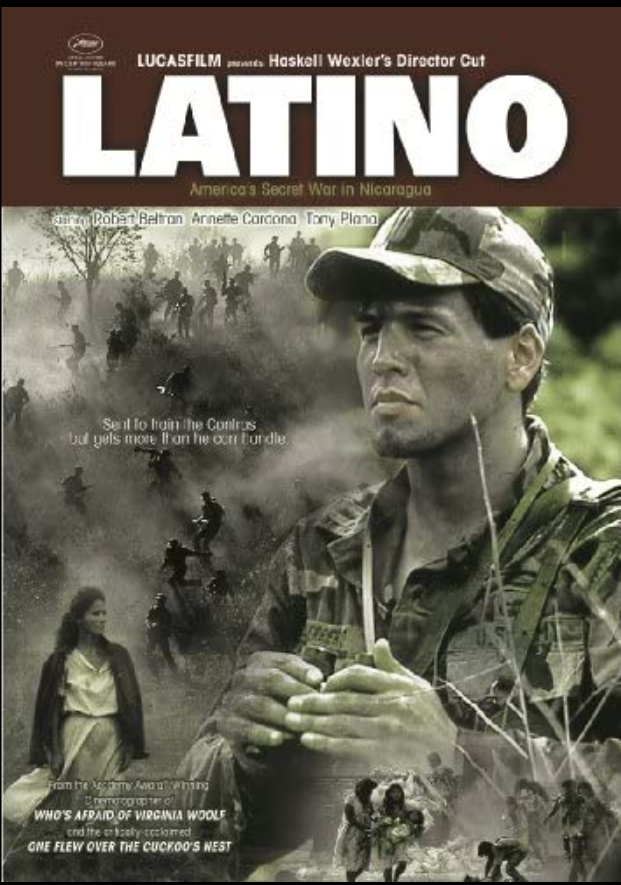
Latino (1985)

Latino (1985)

“When the compas come, they get rid of you and your Somozan soldiers — paid in U.S. dollars.”

Synopsis:
A Green Beret soldier (Robert Beltran) is sent to the Nicaraguan border to help fight against the Sandinistas — but he soon discovers that not all Nicaraguans are happy about America’s involvement with the Contra rebels.

Genres:

Review:
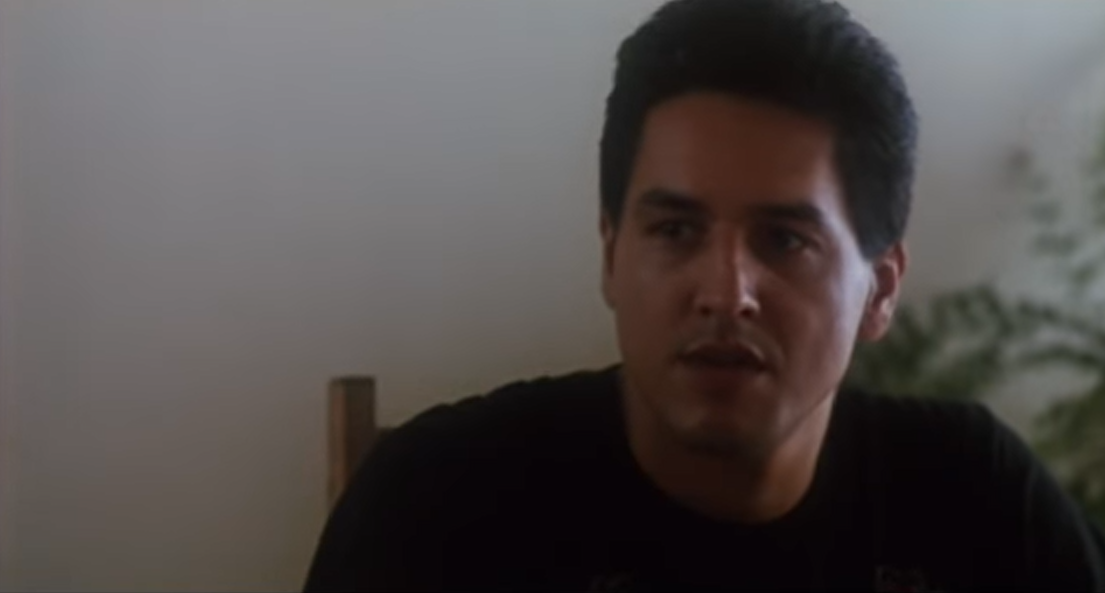
The primary problem with writer-director Haskell Wexler’s Latino is that the entire story is predictably telescoped ahead of time: we know from the beginning that our hunky Latino protagonist will enter the Nicaraguan conflict with the best of patriotic intentions:

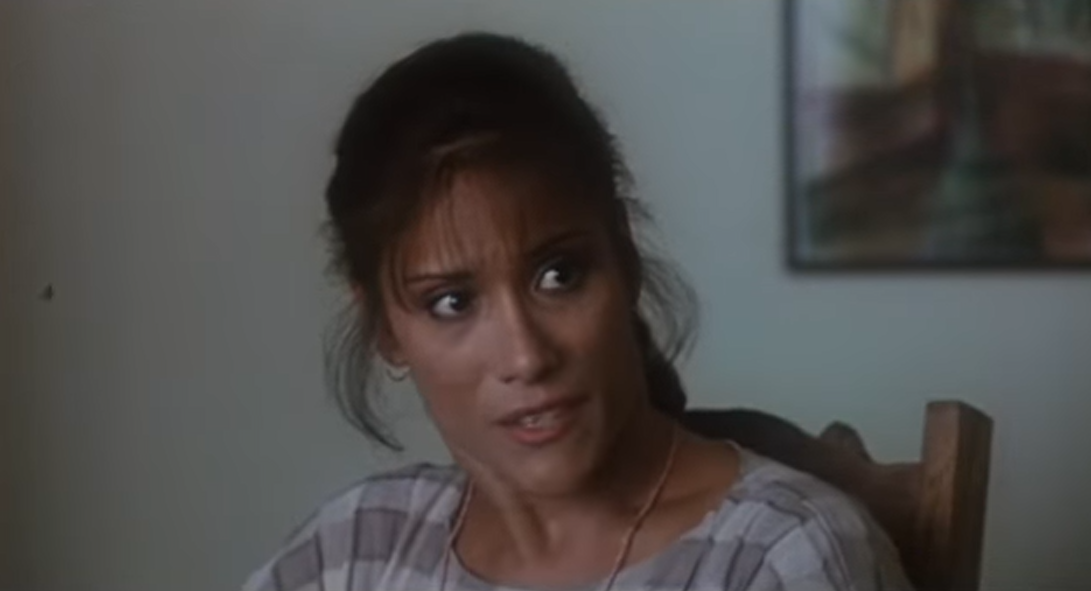
… have his eyes opened to the horrors of American interventionist tactics, and (naturally) experience conflicted romance with the tall, sexy drink of water (Annette Cardona) he conveniently meets right away.

It’s equally clear that the Sandinistas in the film — or at least their humble peasant contingency — will be presented as exclusively righteous and noble, while the Contras will be merely violence-prone jerks. Although there’s likely an enormous grain of truth to this latter sentiment, Wexler piles on his heavy-handed vignettes far too liberally — as when we watch innocent teenagers being kidnapped, tortured, bullied (“One sound, Sandinista bastard, and you’re dead”), and lied to in an attempt to convert them (unsuccessfully, of course) to the Contra-cause; meanwhile, none of the native Contras are humanized or given a chance to speak their voice, and Beltran’s American compatriots are simply piggish boors. With all that said, Wexler’s well-meaning attempt to infuse his film with a palpable air of realism is admirable: it’s refreshing to see natives cast as extras on location, and to hear an appropriate mix of Spanish and English being spoken by the characters. In addition, Beltran is sympathetic in the lead role as an “ugly American” who comes to realize the error of his country’s ways, and Cardona is a fine romantic match for him. It’s too bad, then, that the strength of Wexler’s convictions prevented him from creating a more nuanced and compelling film about such an important topic in recent American history.

Redeeming Qualities and Moments:

  • Robert Beltran as Eddie
  • An authentic look at the suffering and anger experienced by locals during a revolution

Must See?
No; skip this one.

Links:

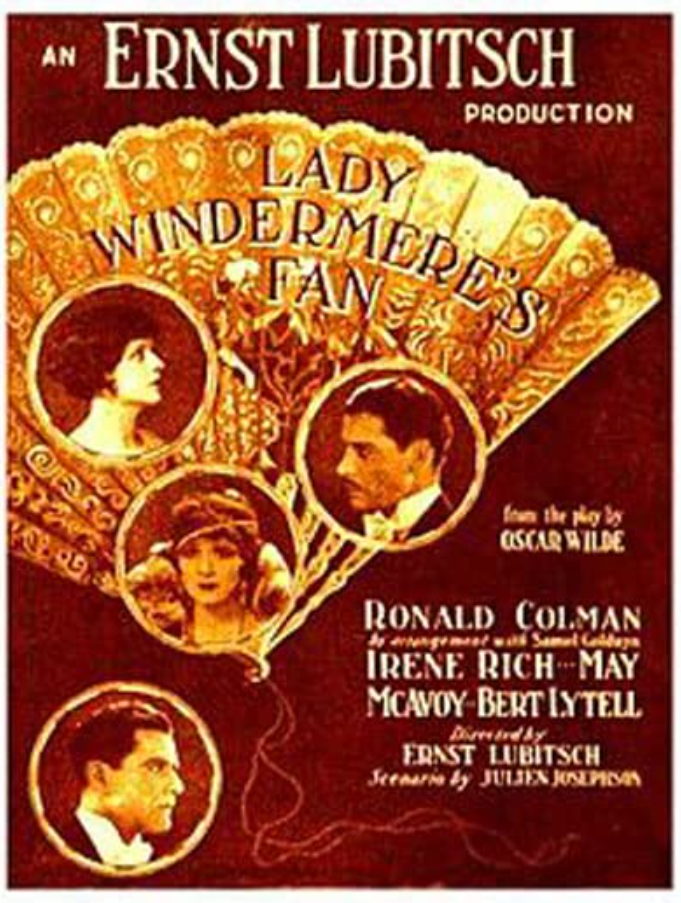
Lady Windermere’s Fan (1925)

Lady Windermere’s Fan (1925)

“Lady Windermere faced the grave problem of seating her dinner guests…”

Synopsis:
A socially outcast woman (Irene Rich) blackmails Lady Windermere’s husband (Bert Lytell) in exchange for not revealing to Lady Windermere (May McAvoy) that she is actually her mother; meanwhile, rakish Lord Darlington (Ronald Colman) has designs on Lady Windermere; Lady Windermere suspects her husband of having an affair with Mrs. Erlynne (Rich); and Mrs. Erlynne hopes to be able to re-enter society by marrying eligible bachelor Lord Augustus (Edward Martindel).

Genres, Themes, Actors, and Directors:

  • Blackmail
  • Ernst Lubitsch Films
  • Mistaken Identities
  • Morality Police
  • Play Adaptations
  • Ronald Colman Films
  • Silent Films
  • Social Climbers

Review:
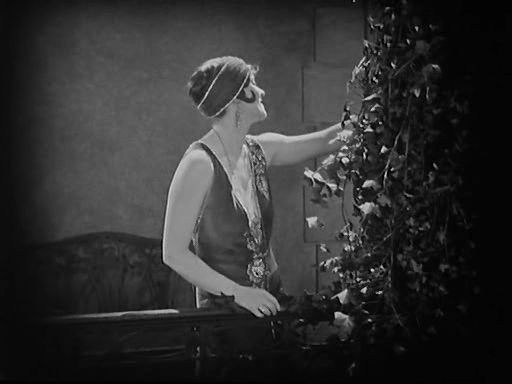
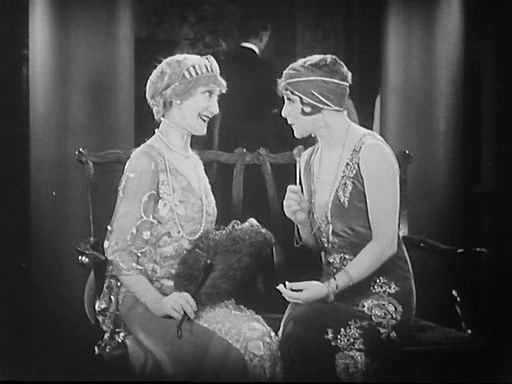
It was brave of Ernst Lubitsch to attempt to translate Oscar Wilde’s first play into a silent film, given that — by virtue of the format — he was unable to incorporate much of Wilde’s lauded verbal repartee. The resulting movie shows evidence of Lubitsch’s visual creativity, but is ultimately not entirely successful, primarily because there’s little evidence of Wilde’s trademark wit: while …Fan is nominally a romantic comedy, it comes across here as more of a melodramatic soaper (a la Olive Higgins Prouty’s Stella Dallas). Guest-star Ronald Colman (on loan from Samuel Goldwyn) is given little to do as Lord Darlington, whose infatuation with Lady Windermere functions merely as a plot contrivance; the other actors are serviceable in their respective roles, but not particularly noteworthy. What lingers longest in one’s memory of the film are Lubitsch’s directorial “touches” — as when he strategically uses his camera to show the characters’ isolation from one another, or to enhance several of the story’s classic misunderstandings.

Redeeming Qualities and Moments:

  • Creative direction by Lubitsch


  • Sophie Wachner’s glamorous gowns

Must See?
No, though Lubitsch fans will certainly be curious to check it out. Listed as a film with historical importance in the back of Peary’s book.

Links:

Slumber Party 57 (1976)

Slumber Party 57 (1976)

Synopsis:
Six teenage friends (Janet Wood, Noelle North, Debra Winger, Bridget Holloman, Rainbeaux Smith, and Mary Appleseth) on a sleepover tell boastful stories about losing their virginity.

Genres, Themes, Actors, and Directors:

  • Debra Winger Films
  • Flashback Films
  • High School
  • Virginity

Review:
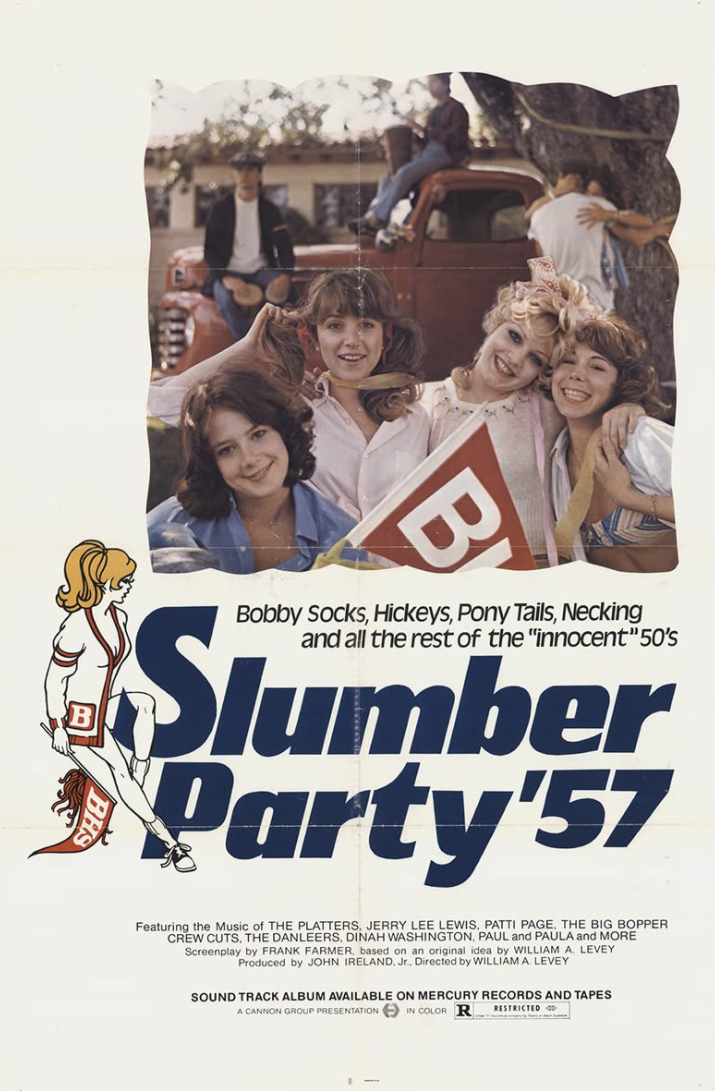
Poor Debra Winger: she’ll never be able to live down her body-baring debut in this vacuous teen sexploitation flick, designed to tap into 1950s nostalgia:

… while offering a standard smorgasbord of soft-core sensual fantasies (with plenty of gratuitous t&a — though perhaps not nearly enough to satisfy “modern males”). The movie has no redeeming qualities: the script is utterly unoriginal, the editing is shoddy at best, the performances (even by Winger) are sub-par, and cult star Rainbeaux Smith barely registers.

Watch for the unintentionally (?) homoerotic final shot.

Redeeming Qualities and Moments:

  • The breasts are natural? (I’m really reaching here.)

Must See?
No. Listed as a Cult Movie in Peary’s book.

Links:

Silent World, The (1956)

Silent World, The (1956)

“No instrument can replace man. Divers are indispensable in a modern study of the sea.”

Synopsis:
Jacques Cousteau and his crew explore the ocean on their diving ship, the Calypso.

Genres, Themes, Actors, and Directors:

  • At Sea
  • Documentary
  • Explorers

Review:
Fans of underwater diving and sea life will be both shocked and disturbed to visit this Oscar-winning documentary by famed diver and explorer Jacques Cousteau (who based the film on his bestselling 1953 book The Silent World: A Story of Undersea Discovery and Adventure). Although he’s known as a pioneering marine conservationist (in 1973, he co-founded the Cousteau Society for the Protection of Ocean Life) this film demonstrates a horrifying level of disrespect towards marine animal life, with various sequences showing Cousteau and/or his crew “riding” on the backs of sea turtles trying to swim to the surface for air; attempting half-heartedly to harpoon a whale; viciously attacking a school of sharks simply because they “dare” to circle around a dead whale and eat its flesh; dynamiting a coral reef; and gleefully showing off a frightened puffer fish as it releases water.

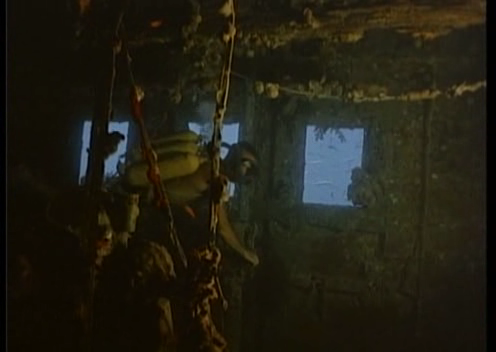
With that said, those who are able to stomach these scenes of blatant violence should at least appreciate Cousteau’s groundbreaking work in the field of underwater cinematography. Assisted by a young Louis Malle, Cousteau captured haunting footage of life under water — the type of imagery we take for granted now, but which was remarkably innovative at the time. A sequence in which a crew member slowly swims through a sunken wreck is particularly haunting. In 1964, Cousteau directed and produced another Oscar-winning documentary, Le Monde Sans Soleil (“A World Without Sun”), which documented a team of divers living in an underwater research vessel; while it still shows evidence of laughable human hubris, it’s at least free from scenes of blatant disrespect towards sea life.

Note: It’s revealing that, upon its release in theaters, The New York Times praised The Silent World unreservedly, without mentioning any of the above “issues” — which says something profound about the era in which it was made.

Redeeming Qualities and Moments:

  • Some truly beautiful early footage of underwater life

  • The crew exploring an old wreck

Must See?
Yes, simply for its historical relevance — but be forewarned that you WILL be disturbed by much of what you see. It’s inexplicably labeled a Personal Recommendation in the back of Peary’s book (what was he thinking?).

Categories

  • Historically Relevant
  • Oscar Winner or Nominee

Links:

Terminal Man, The (1974)

Terminal Man, The (1974)

“You want to fix me?”

Synopsis:
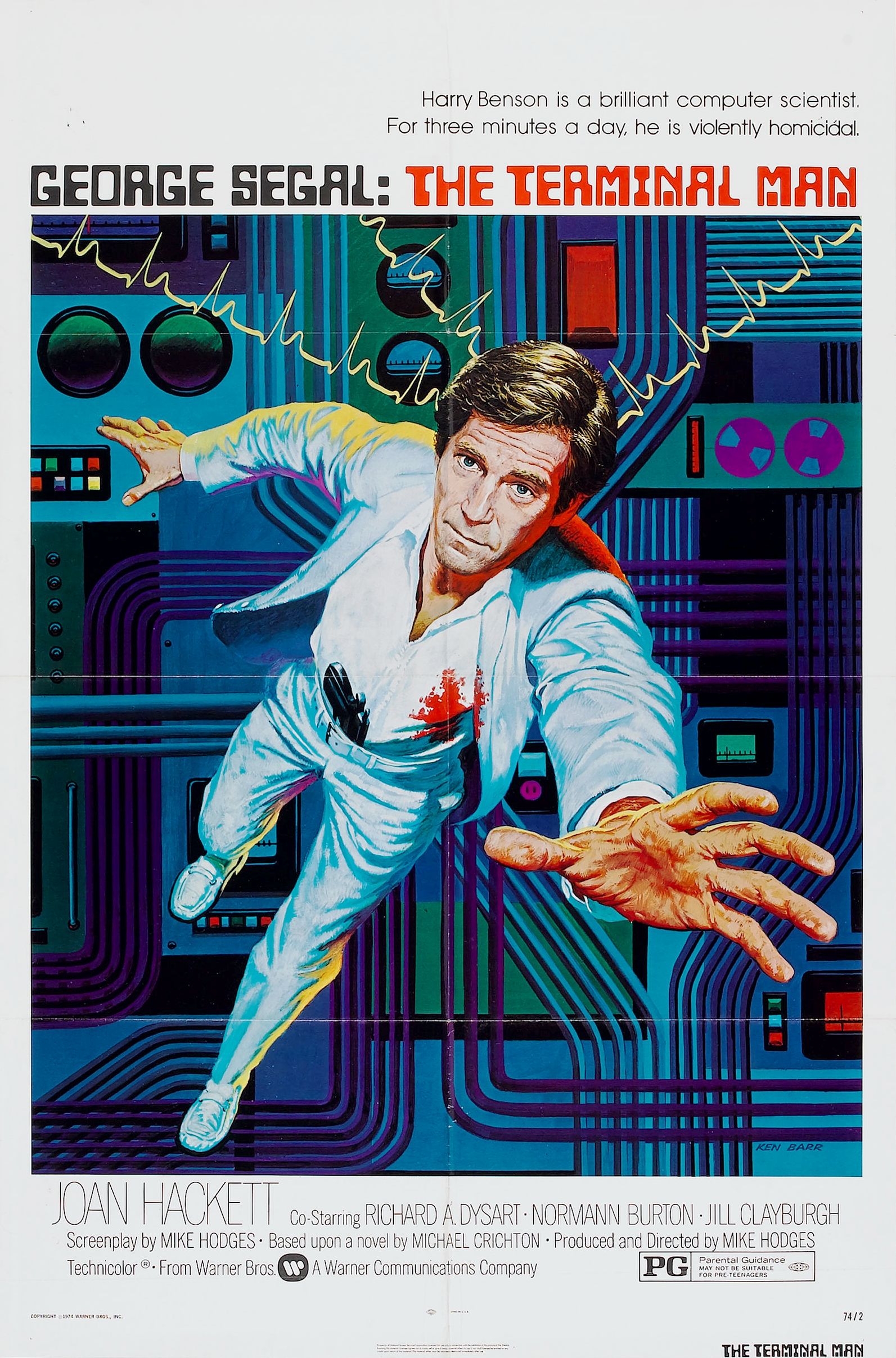
A man (George Segal) suffering from seizures which make him violent has a “helpful” microcomputer implanted his brain, with unexpectedly disastrous results.

Genres, Themes, Actors, and Directors:

  • Jill Clayburgh Films
  • Joan Hackett Films
  • George Segal Films
  • Mind Control
  • Psychopaths
  • Science Fiction

Review:
This disappointing sci-fi “thriller” by director Mike Hodges (based on a novel by Michael Crichton) is, unfortunately, anything but thrilling. With its deathly slow pacing and overly clinical approach to the potentially volatile subject matter, we never become involved in the plight of any of the characters — least of all the central protagonist (though Segal, to his credit, tries his best in a sorely underdeveloped role). The first half of the film is devoted to introducing Segal’s dilemma, then showing — in painstaking detail — the “cutting-edge” surgery he willingly undergoes in hopes of regaining some semblance of a normal life. Once things go haywire and Segal begins to experience more violence-inducing seizures than ever, we follow him as he escapes and wreaks lethal havoc — against his own will — on several hapless victims. Visually, the film is quite stunning: the white-on-white sets are eerily futuristic, and there are several neatly filmed shots (such as a waterbed-turned-bloodbath). Overall, however, this tepid flick will be a disappointment for most viewers.

Redeeming Qualities and Moments:

  • Effectively clinical set designs
  • A powerfully dark premise

Must See?
No, unless you’re a Michael Crichton completist.

Links: