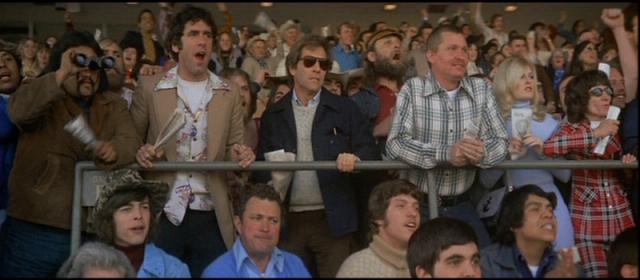
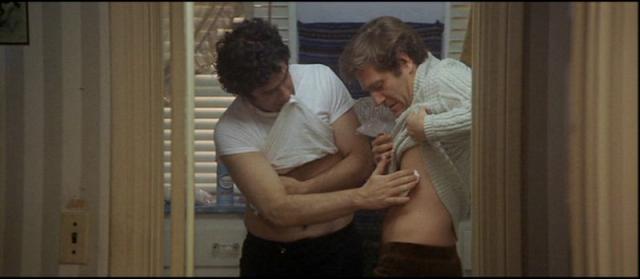
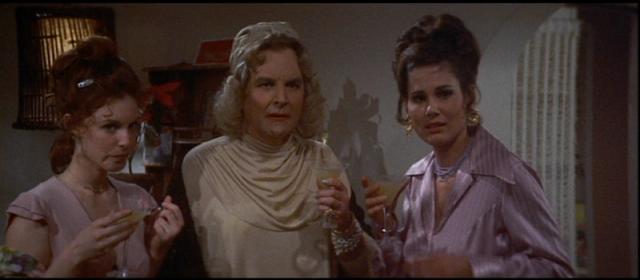
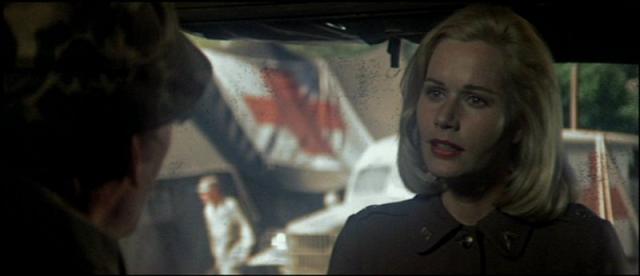
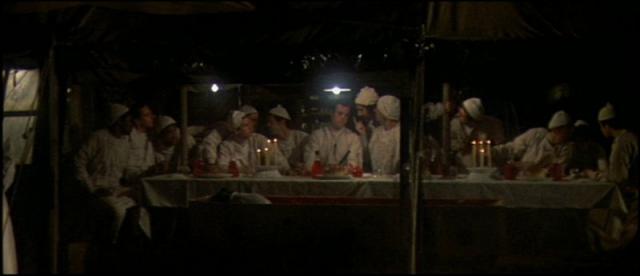
California Split (1974)
“If it takes a watermelon five minutes to water, how long does it take a sweetpea to pee? As long as it takes a pair of dice to crap.”
“If we don’t know where to go, why not stop awhile?”
|
Synopsis: |
|
Genres, Themes, Actors, and Directors:
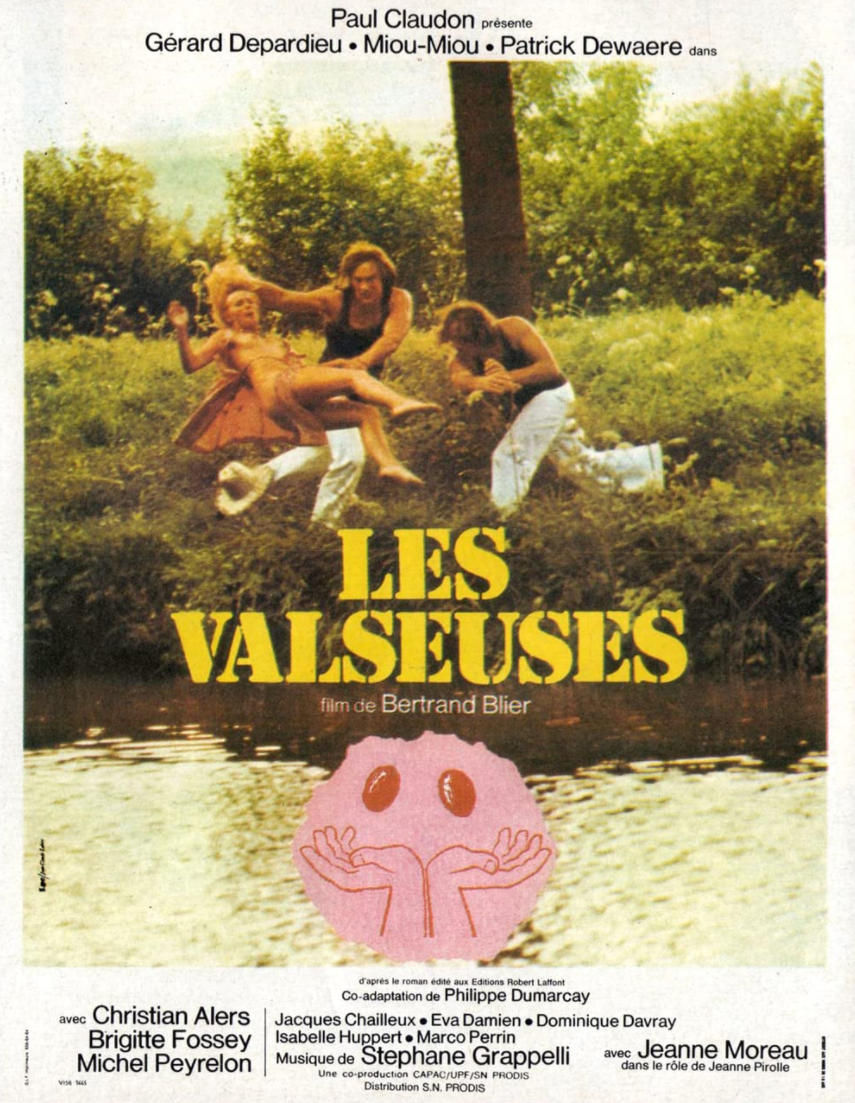
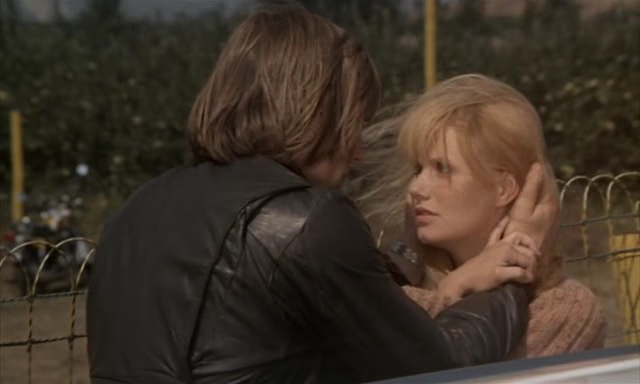
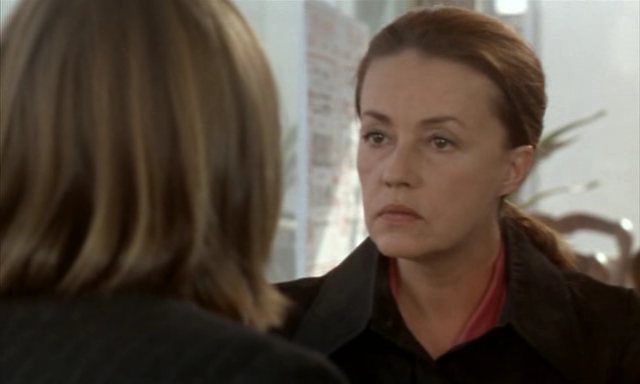
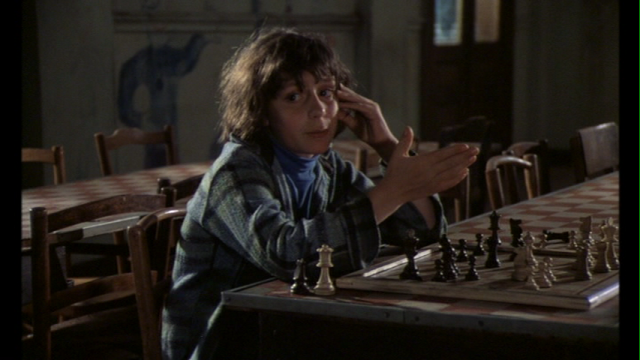
Response to Peary’s Review: Peary defends their actions by noting that “in the long run the two men don’t do any harm to the women they half-seduce, half force sex upon”, and that “the women end up more satisfied than they are” — but this doesn’t make it any easier to watch our whiny, manipulative protagonists accosting a distressed woman (Dominique Davray) while snatching her purse, terrorizing a breast-feeding woman (Brigitte Fossey) on an otherwise empty train, or verbally and physically abusing a naive young beauty shop employee (Miou-Miou) — not to mention their continuous tendency to steal cars out from under the noses of their owners (a “running joke” which really isn’t funny at all). One vignette near the middle of the film — in which our “heroes” decide to seduce a middle-aged ex-convict (Jeanne Moreau) as she leaves prison — remains intriguing enough to recommend, given that Jean-Claude and Pierrot finally tap into their gentler natures; but this isn’t enough to redeem the film as a whole. Young Blier would clearly need to get a more mature grip on his thematic concerns before his cinematic brilliance could emerge. Redeeming Qualities and Moments: Must See? Links: |
“What do you know, really? You’re just an ordinary little girl, living in an ordinary little town.”
|
Synopsis: |
|
Genres, Themes, Actors, and Directors:
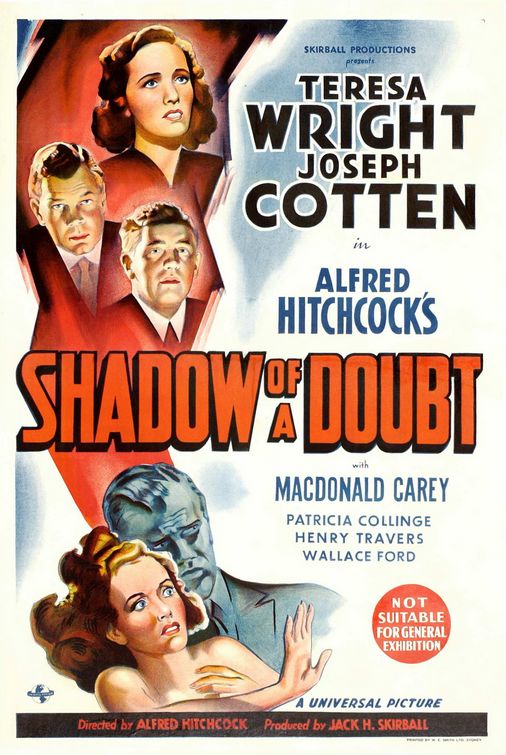
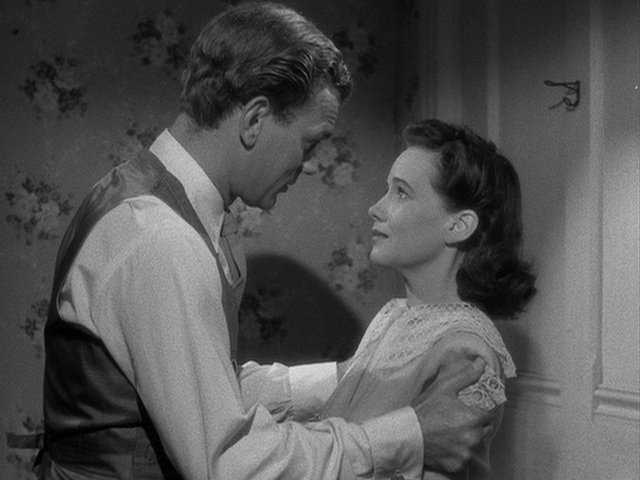
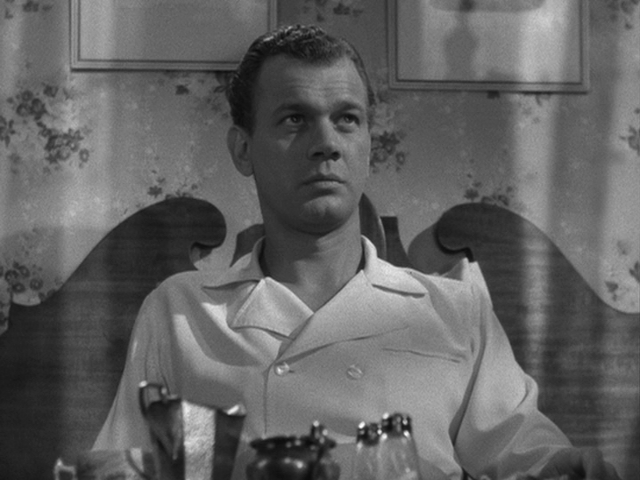
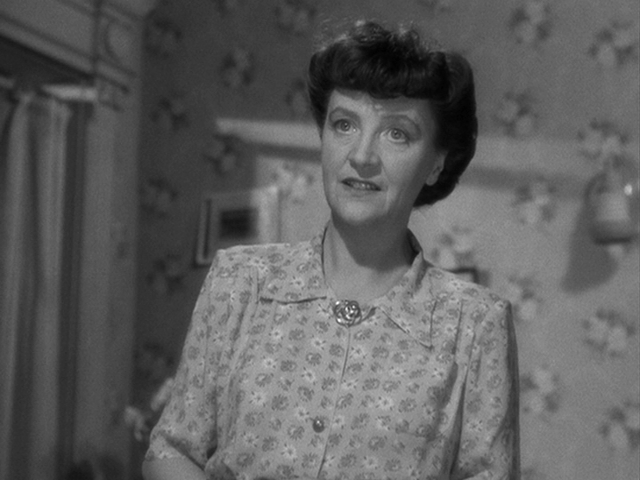
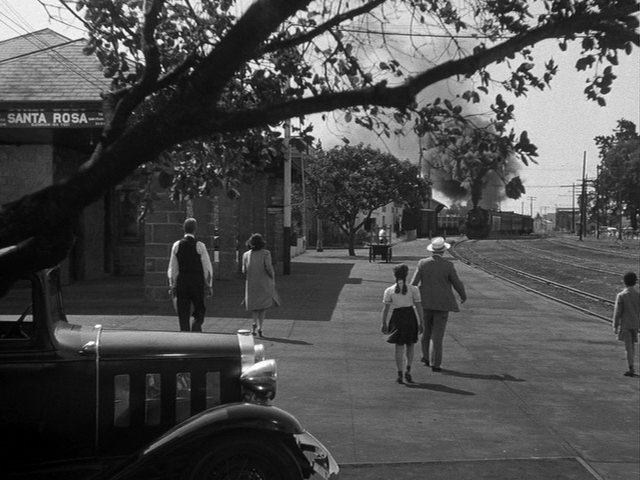
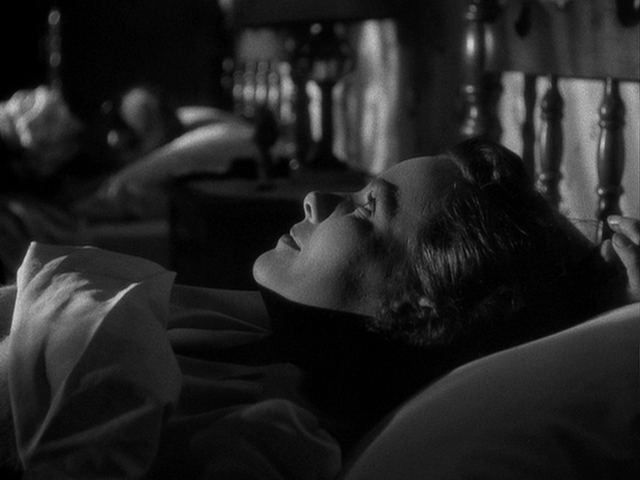
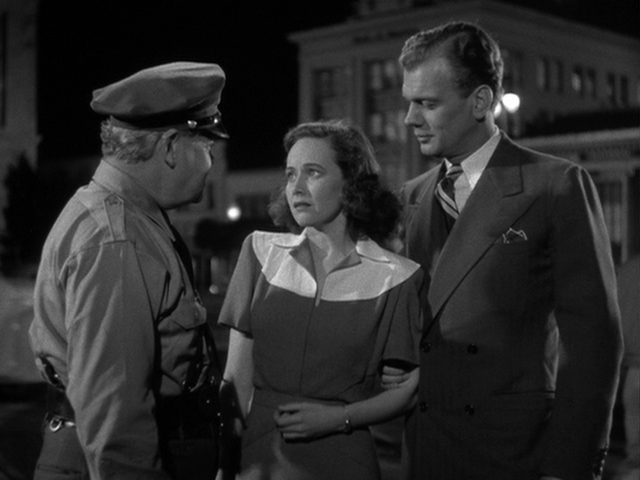
Response to Peary’s Review: As in his discussion of “Bruno Anthony” (Robert Walker) in Strangers on a Train (1951), Peary once again argues that the villain in this Hitchcock film is worthy of our sympathy. He notes that Uncle Charlie evokes “strange pity” once we realize he “has many of Wright’s finer qualities, and that he might have been as virtuous and happy as she if he hadn’t had a concussion-causing accident as a child that suddenly made him wild”. But I disagree with Peary that we “sometimes wish Wright would stop her sleuthing” — Cotten is clearly deranged (in his “twisted mind”, he “thinks up ways to kill his niece”), and needs to be caught before he murders again. See TCM’s article for a fascinating discussion of how the script — which was co-written by Thorton Wilder, and explores the darker side of “small town America” — gradually emerged through collaborative effort. Redeeming Qualities and Moments:
Must See? Categories
(Listed in 1001 Movies You Must See Before You Die) Links: |
“Superman, you’re just in a slump — you’ll be great again!”
|
Synopsis: |
|
Genres, Themes, Actors, and Directors:
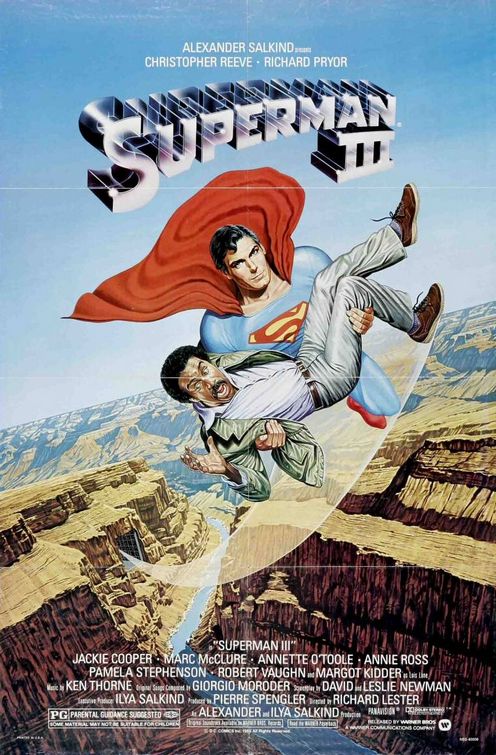
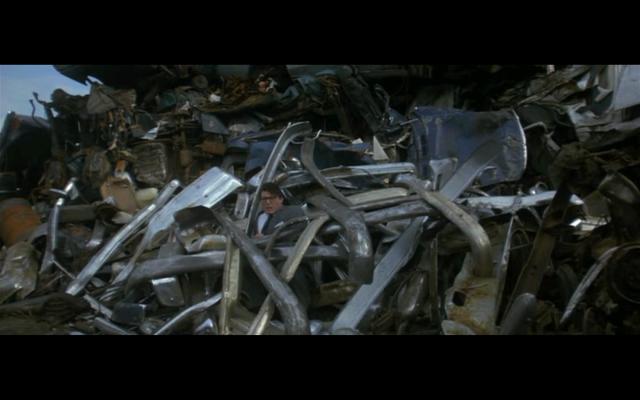
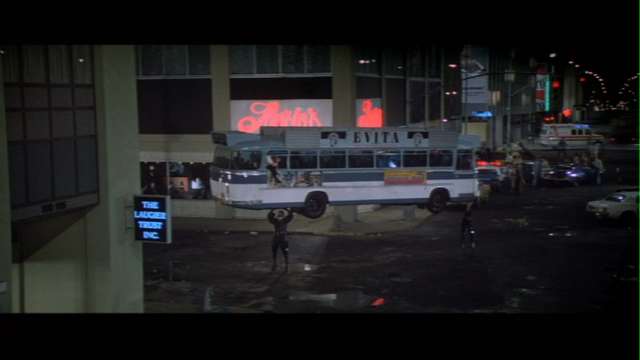
Review: The central casting of Richard Pryor as a computer geek working in cahoots with Vaughn is often cited as one of the film’s main flaws; indeed, near the end of his review of Superman II, Peary himself argues that Superman III “was doomed the minute Richard Pryor was cast (or miscast) in a pivotal role”. But Pryor isn’t actually all that bad; the main problem is with the script itself. While it’s fun to see Superman grappling against his “evil nature” (the scene in which he malevolently rights the Leaning Tower of Pisa is particularly chuckle-worthy, and his climactic junkyard battle against himself is exciting), we never really feel any sense of urgency about the state of the world. In Superman, we worried plenty about California falling off the face of the continent, and in Superman II, the three evil villains from Krypton posed a very real threat to the state of humanity. Here, Vaughn’s plans to monopolize the world’s oil supplies simply don’t evoke the same sense of panic. While Superman III isn’t quite as bad as its reputation, it’s not must-see viewing. Redeeming Qualities and Moments:
Must See? Links: |
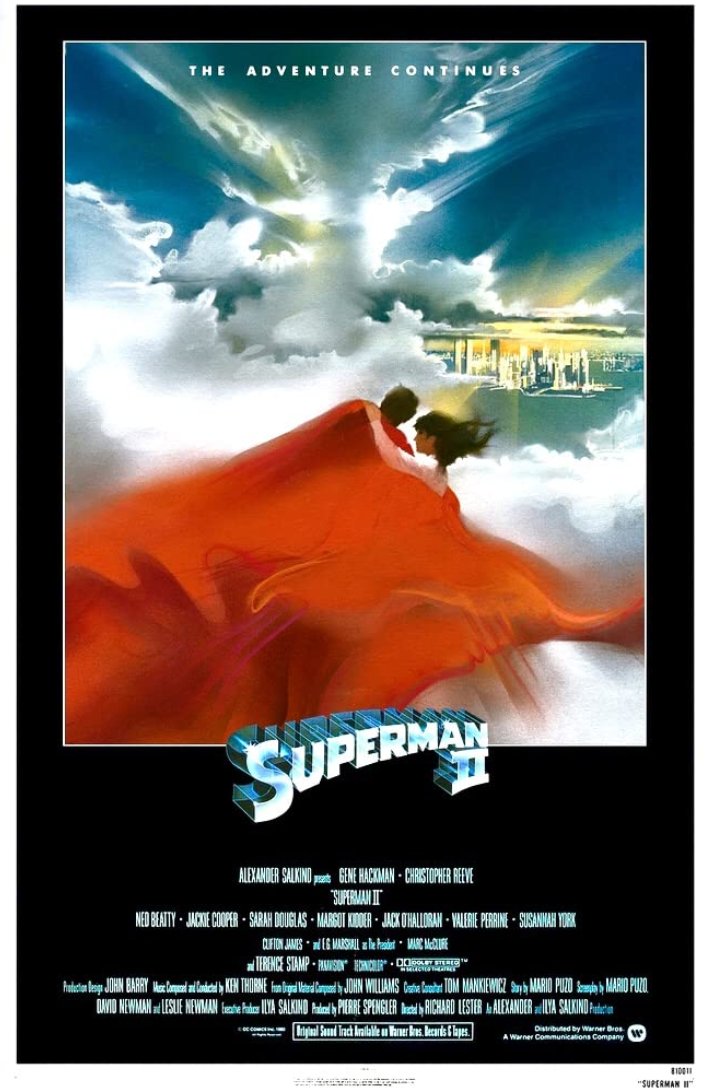
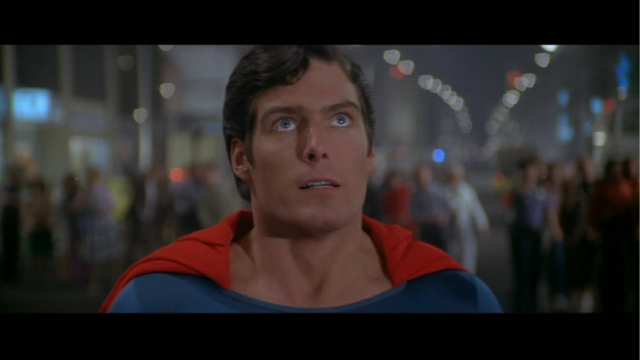
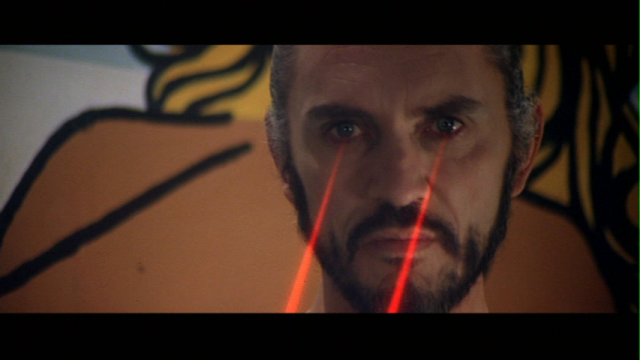
“Think of it: three — count them — three supervillains, each one with the same powers he has, each one totally dedicated to corruption, violence, and evil.”
|
Synopsis: |
|
Genres, Themes, Actors, and Directors:
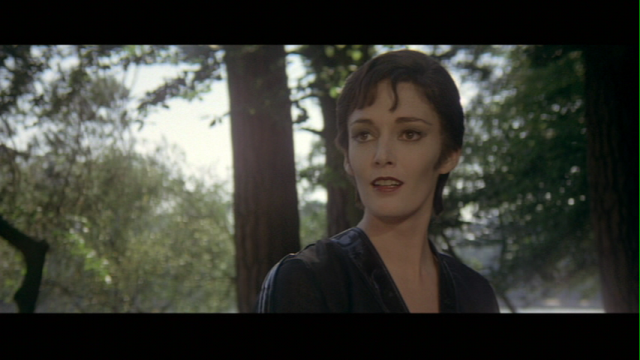
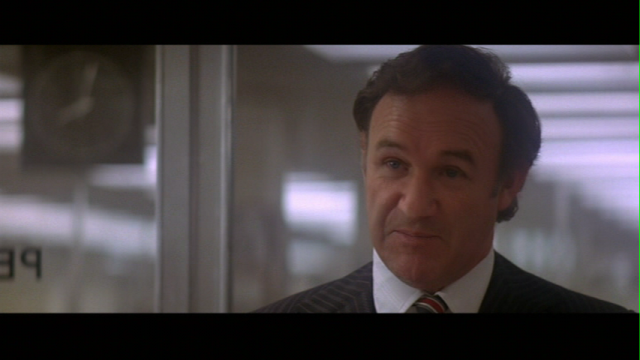
Response to Peary’s Review: The “battles of muscles and wits between Superman and the three villains” — both in Metropolis and back at Superman’s fortress — are indeed “spectacular”, and constitute the highlights of the film. Stamp and Douglas in particular, with ice water running through their veins, are delightfully malicious; in their shiny black skintight outfits, they stand out as two of cinema’s most memorable baddies. Meanwhile, Gene Hackman has fun reprising his role as Lex Luthor, who — after escaping from prison near the beginning of the film (fortunately, Otis gets left behind) — shows off his skills as an intergalactic negotiator extraordinaire; amazingly enough, he never seems even slightly intimidated by the villains’ ability to decimate him at will (now THAT’s an impressive ego!). Note that one of the film’s most satisfying moments comes near the end, when, having “regained his strength”, Superman “exacts satisfying revenge” at a “snowbound bar” — you’ll be rooting for him like you never did before! Redeeming Qualities and Moments:
Must See? Categories
Links: |
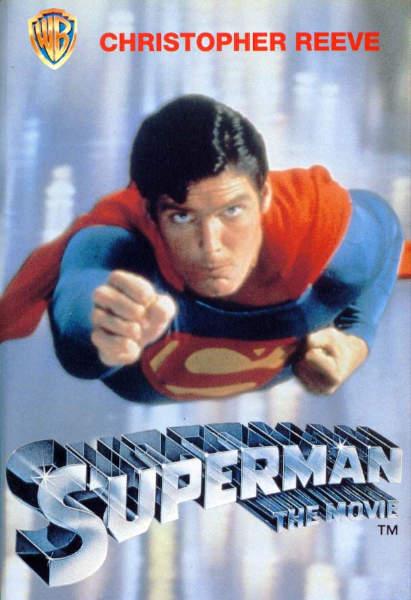
“I’m here to fight for truth, and justice, and the American way.”
“As soon as I get out, I’m off like a big black bird — to Hollywood!”
|
Synopsis: |
|
Genres, Themes, Actors, and Directors:
Review: Redeeming Qualities and Moments: Must See? Categories
Links: |
“Why don’t you just give up on me? I’ve jinxed every guy I’ve known.”
|
Synopsis: |
|
Genres, Themes, Actors, and Directors:
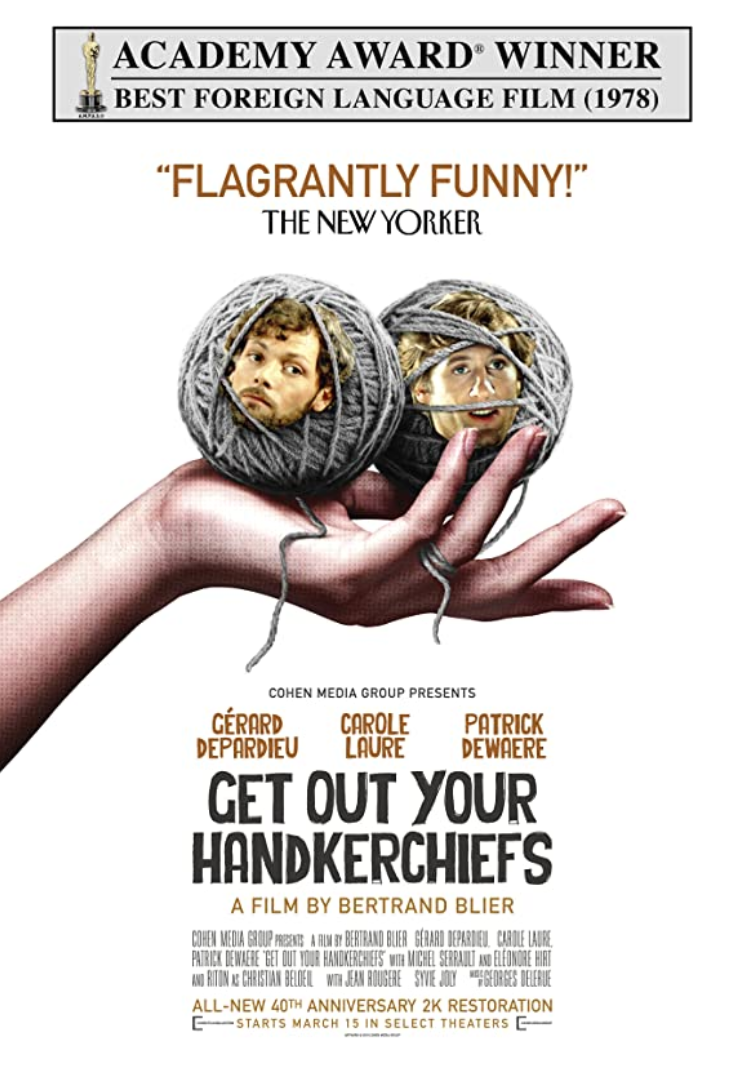
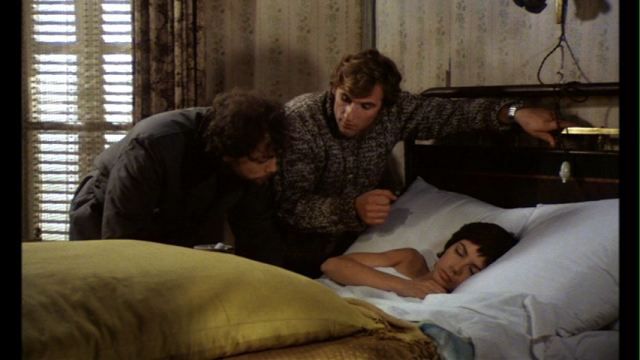
Review: More so than any other director, Blier seems utterly unafraid to demonstrate his incomprehensibility of women. Here, Solange is a literal archetype of feminine mystique — a beautiful woman so low in affect, and so single-mindedly focused on getting pregnant and knitting, that Dewaere openly questions at one point whether she might actually just be dumb. As noted above, she ultimately becomes merely a passive foil for Raoul and Stephane’s friendship — she’s a project they work on together feverishly, collaborating like giddy schoolboys. Once Liebman’s 13-year-old Christian enters the story, however, things take on a decidedly discomfiting tinge, and viewers applauding themselves for accepting the unconventional love triangle established thus far may find their sense of propriety tweaked, as it eventually becomes apparent that Liebman will function as a weirdly Freudian child-love interest for Solange. Liebman is fabulous in an undeniably tricky role: he projects otherworldly maturity in spades, and is clearly meant to come across as the “oldest” (emotionally-speaking) of the three central males in the film. The story’s denouement, naturally, takes on all sorts of wild and unexpected turns, and may or may not feel satisfying — but at the very least, Blier lives up to his reputation as an auteur who’s unafraid to go where few others will dare. Redeeming Qualities and Moments:
Must See? Categories
Links: |
[Note: The following review is of a non-Peary title; click here to read more.]
“Ya shot him, Joey! Ya shot your brother!”
|
Synopsis: |
|
Genres, Themes, Actors, and Directors:
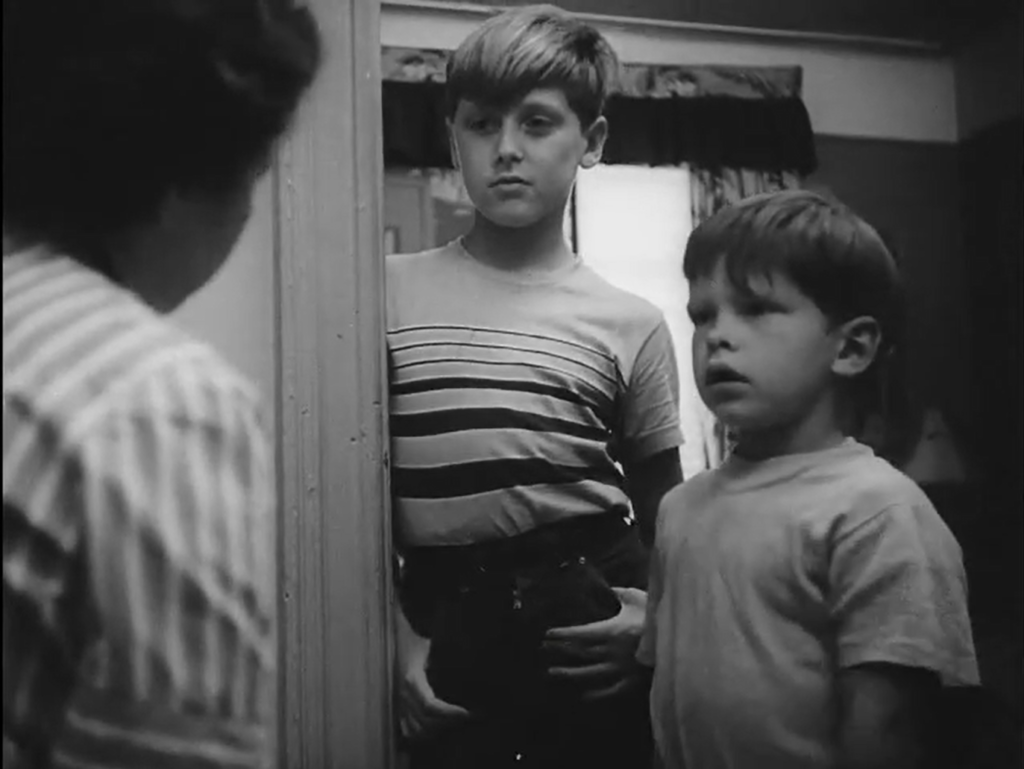
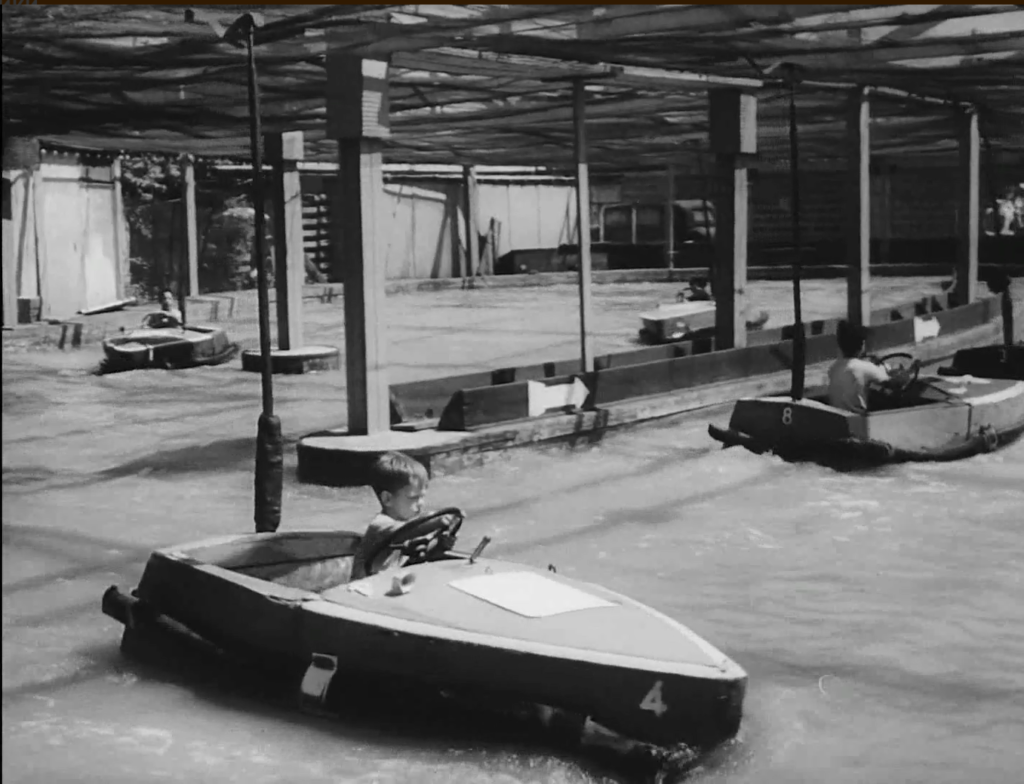
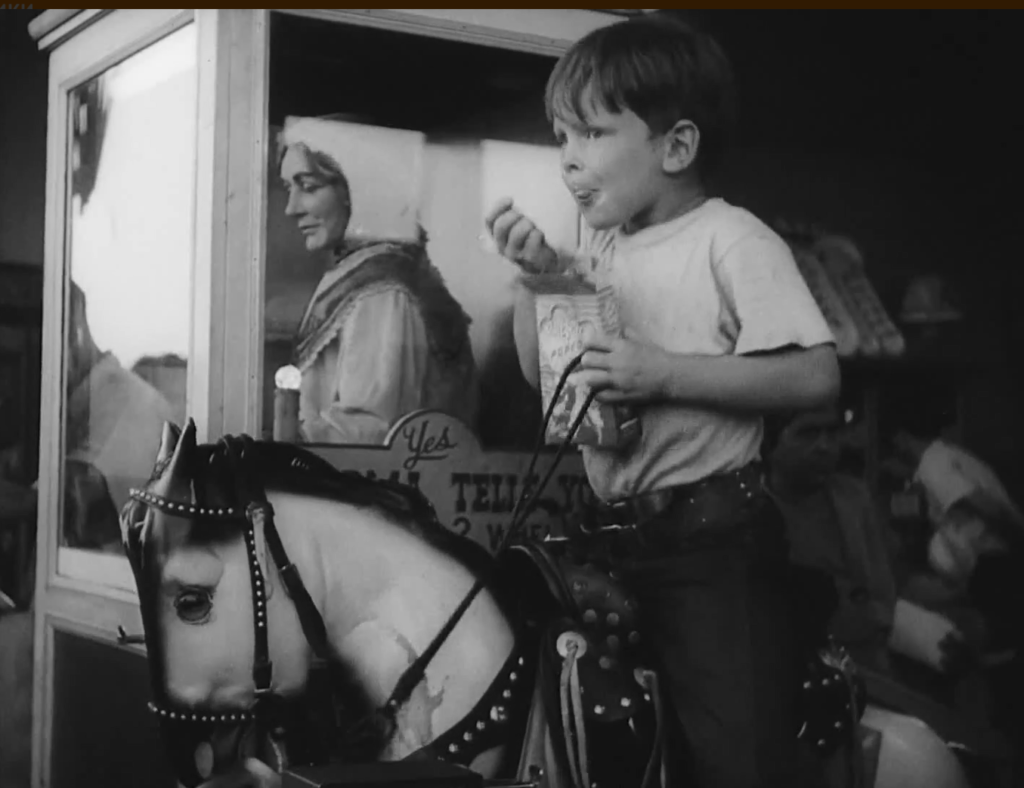
Review: It’s remarkably easy to forget that Little Fugitive (an exemplar of American neo-realism) is a fiction film, given how fully “invested” unknown Richie Andrusco is in the central role of Joey; it’s his ease in front of the camera that propels the story through its mostly wordless screenplay. Richard Brewster as Joey’s brother Lennie does a fine, natural job as well, as does Jay Williams (playing himself?) as Jay the Pony Man at Coney Island, who becomes Joey’s closest pal. At times the film’s ultra-low budget is glaringly apparent, especially when it comes to sound; indeed, the entire film was shot without sound, to save money, with dialogue dubbed in later, and Foley artists providing ambient sound. However, once you accept this limitation, it simply adds to the film’s overall charm. Another low-budget concession — Lester Troob’s harmonica-rich score in place of a “traditional” orchestral score — is a winning element as well, and quickly becomes a defining aspect of the film (I love how Joey later finds an abandoned harmonica on the beach, thus creating an additional meta-narrative tie to the score). There are many memorable moments sprinkled throughout the movie: my favorites include Joey fooling around with an old-fashioned view camera while its operator is away processing a still (I love the cameraman’s reaction when he comes back to find Joey under the camera’s hood — he’s bemused rather than annoyed): … and Joey carefully convincing a baby on the beach to give up the glass bottle he’s been using as a sand toy. (Given that Engel and Orkin used “real” extras, the cultural mix of visitors is refreshingly authentic.) Equally fascinating, however, are the many “time capsule” shots — functioning as ambience rather than to propel the narrative — which simply show Coney Island as it once was, with lovers and families of all kinds out for a good time. Redeeming Qualities and Moments:



Must See? Categories
Links: |
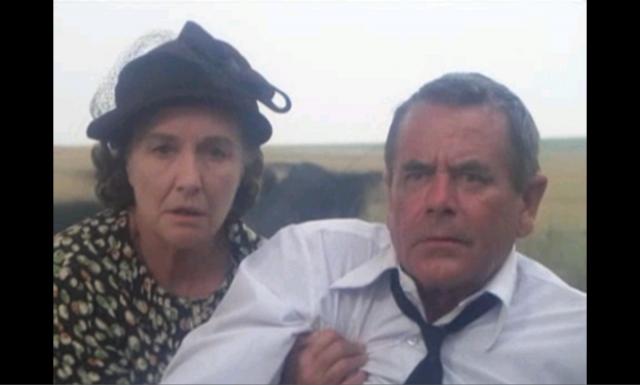
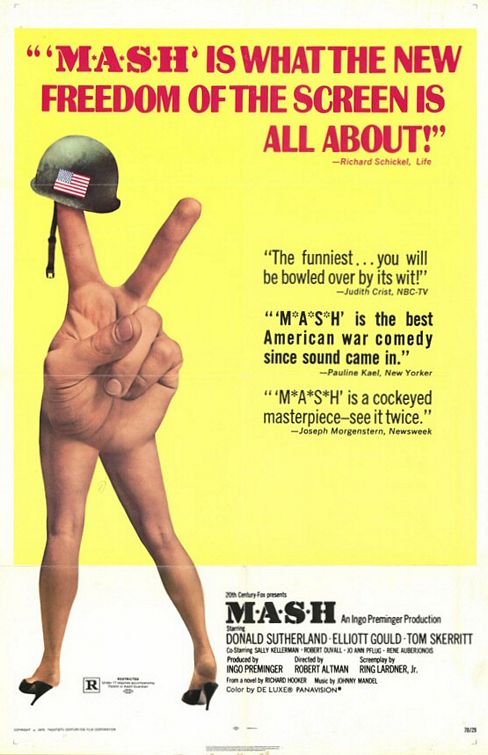
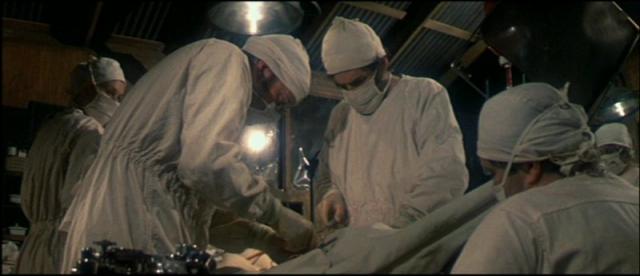
“Follow the zany antics of our combat surgeons as they cut and stitch their way along the front lines.”
|
Synopsis: |
|
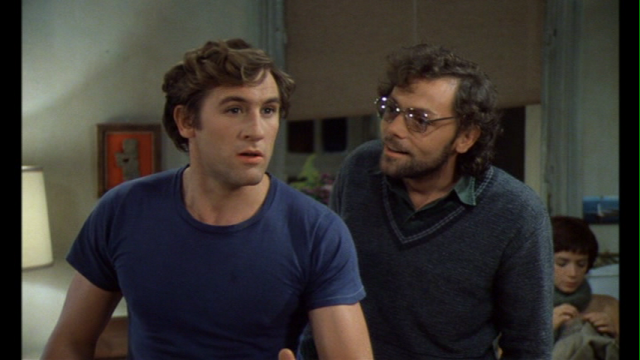
Genres, Themes, Actors, and Directors:
Response to Peary’s Review: Redeeming Qualities and Moments:
Must See? Categories
(Listed in 1001 Movies You Must See Before You Die) Links: |