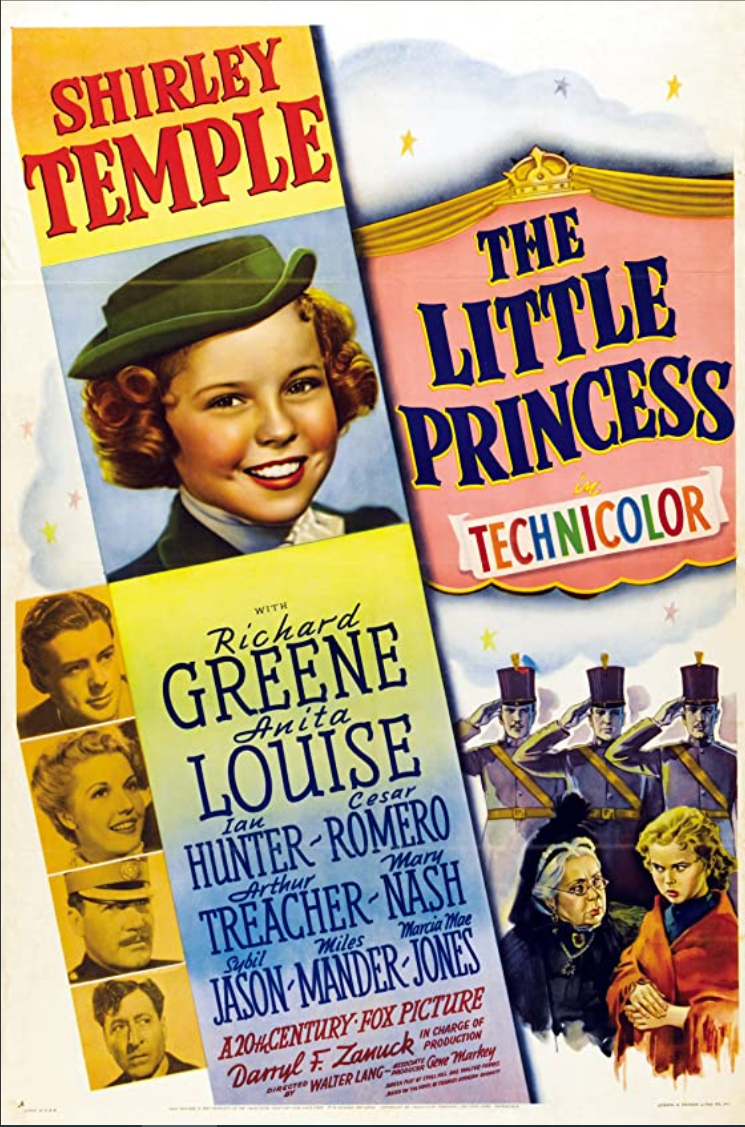
Little Princess, The (1939)
“Sara has no mother, and we’ve never been separated for more than a few days.”
|
Synopsis: |
|
Genres, Themes, Actors, and Directors:
Response to Peary’s Review: Redeeming Qualities and Moments:
Must See? Links: |
“Sara has no mother, and we’ve never been separated for more than a few days.”
|
Synopsis: |
|
Genres, Themes, Actors, and Directors:
Response to Peary’s Review: Redeeming Qualities and Moments:
Must See? Links: |
“The force will be with you, always.”
|
Synopsis: |
|
Genres, Themes, Actors, and Directors:
Response to Peary’s Review:
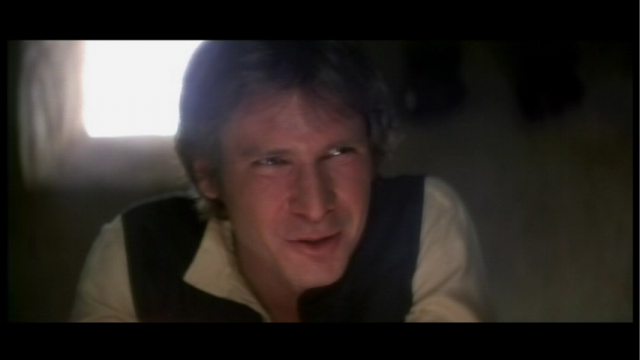
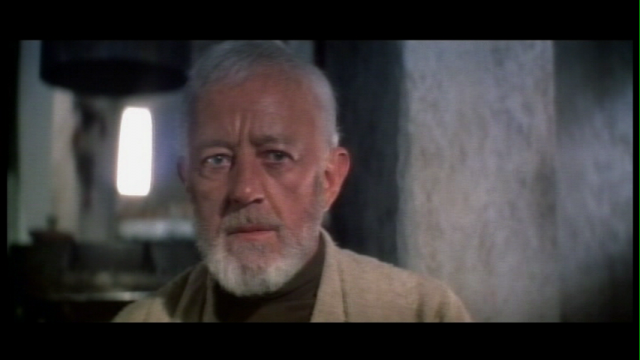
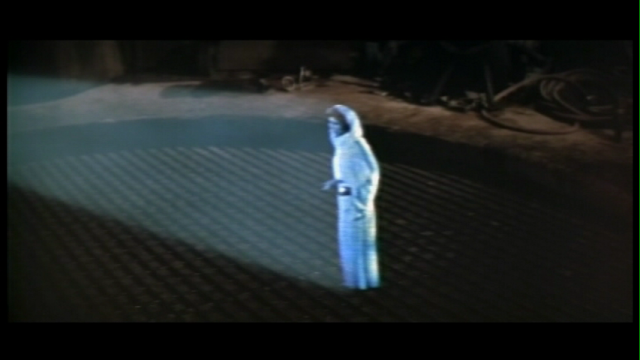
Sophisticated modern viewers seeing Star Wars for the first time may actually wonder what all the fuss is about, given that much of it comes across today as either campy (i.e., the infamous “cantina scene”) or dated, and the special effects — while revolutionary at the time, and still largely impressive — have since been surpassed. With that said, the film is, as Peary notes, both “craftily made”, and (with the possible exception of Hamill as Skywalker) “brilliantly cast”, effectively balancing veteran and young actors. It deservedly won a passel of Oscars: for special effects (the final battle sequence — while it goes on for too long — is especially well done), costume design, sound effects, art direction, editing, and best original score (by John Williams). Harrison Ford is hunky and memorable in his breakthrough role as Han Solo; Carrie Fisher (only 17 years old!) is effectively spunky as Princess Leia (those buns!); and Alec Guinness couldn’t have been better cast as the “wise and noble Jedi warrior Ben ‘Obi-Wan’ Kenobi”. Film fanatics, regardless of their personal connection with the movie, will doubtless agree that its “tremendous spirit, sense of fun and adventure, excitement, hip humor, imaginative characters, and fast-paced, uncomplicated story” deservedly “touched a universal nerve”, and that Star Wars remains indispensable “must see” viewing. Redeeming Qualities and Moments:
Must See? Categories
(Listed in 1001 Movies You Must See Before You Die) Links: |
“She’s cute — cuter than lace pants.”
|
Synopsis: |
|
Genres, Themes, Actors, and Directors:
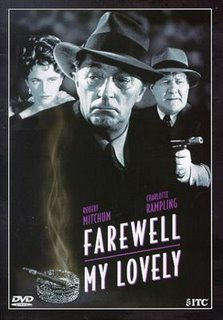
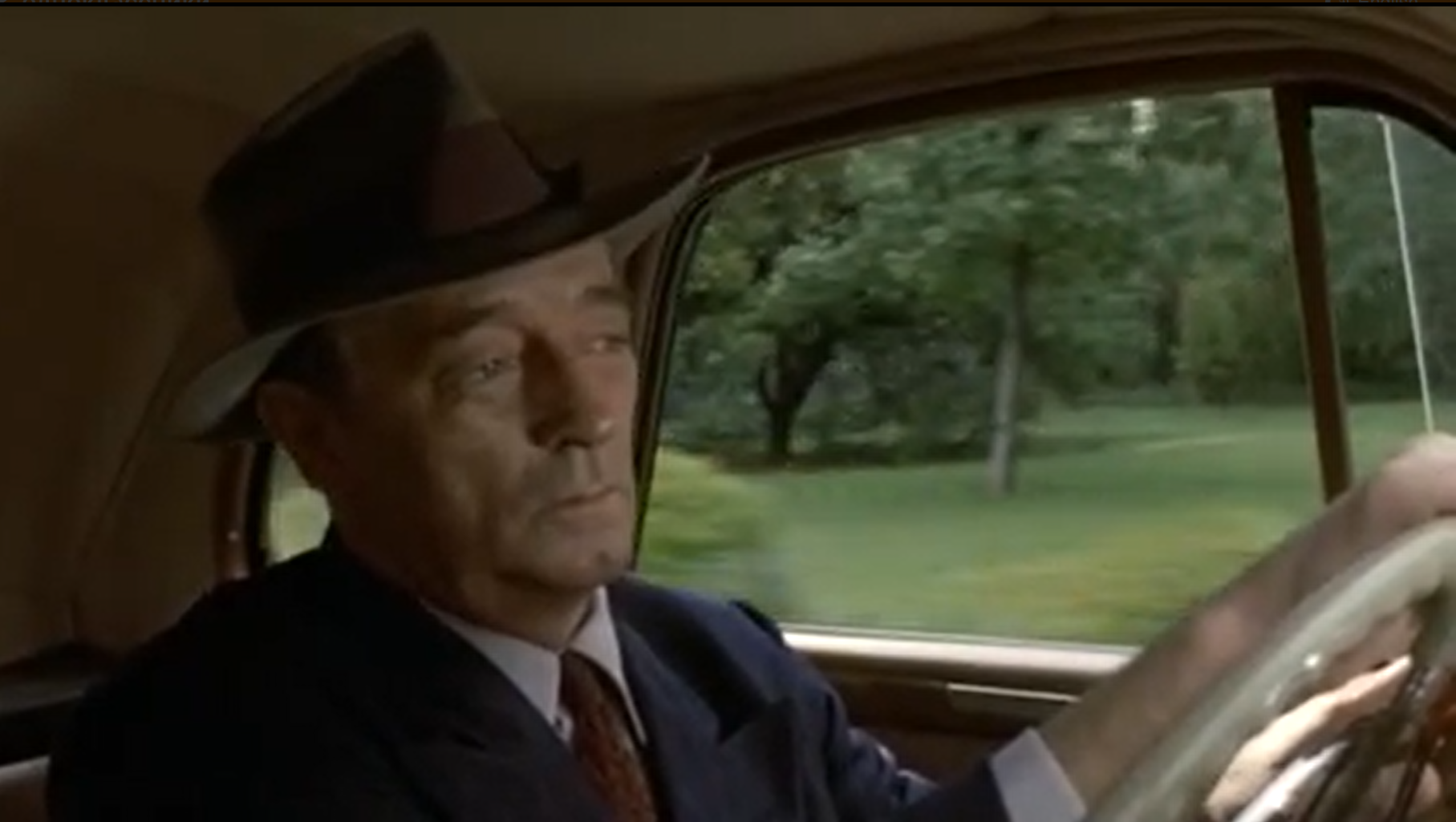
Review:
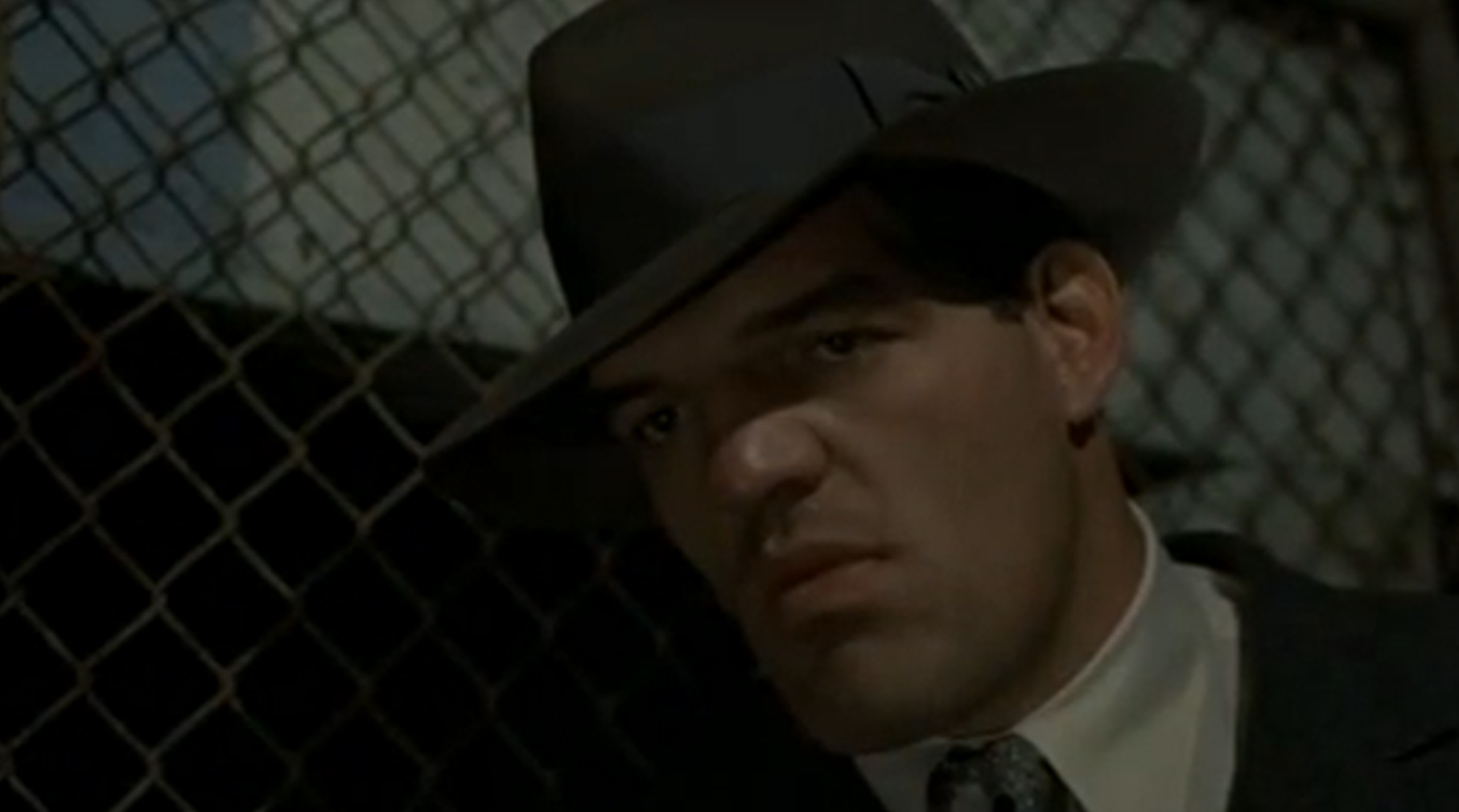
Unfortunately, however, the film itself is merely serviceable, and not one of the more inspired adaptations of Chandler’s work. The primary problem is David Goodman’s well-meaning but overly literal screenplay, which relies far too heavily on Chandler’s original text: entire passages are read aloud as voiceover, which eventually comes across as simply lazy screenwriting. Dick Richards’ rather flat directorial style doesn’t help matters any, either, and — with the exception of Oscar-nominated Sylvia Miles as an alcoholic informant — the supporting players (including stiff Jack O’Halloran in his debut as “Moose”:
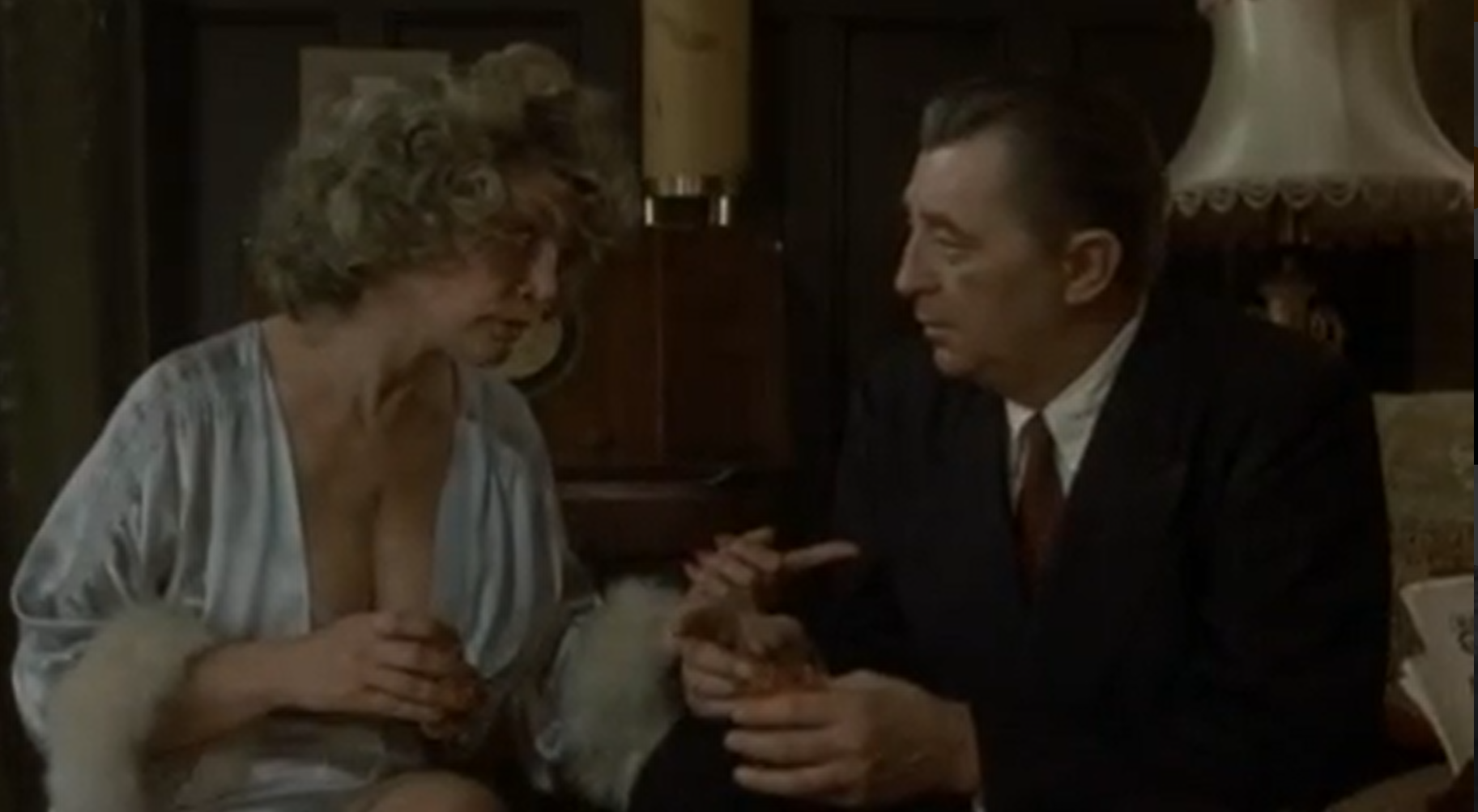
… and Charlotte Rampling unwisely trying to channel Lauren Bacall:
… fail to leave much of an impression. With that said, there’s plenty of fine period detail throughout, and Mitchum’s performance makes the entire affair worth a look. Chandler fans will certainly want to check it out at least once. Redeeming Qualities and Moments:
Must See? Links: |
“Nothing is more exciting than other people’s troubles… They make life bearable.”
|
Synopsis: |
|
Genres, Themes, Actors, and Directors:
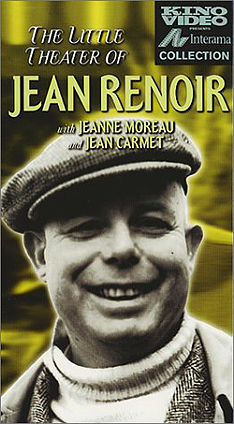
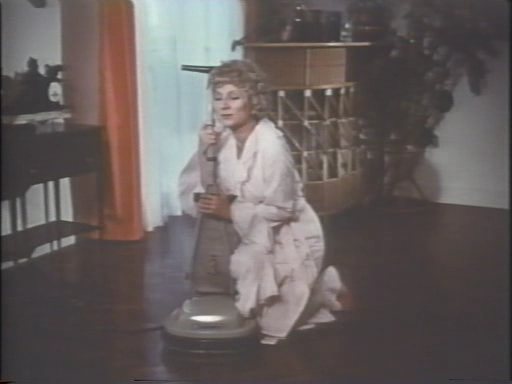
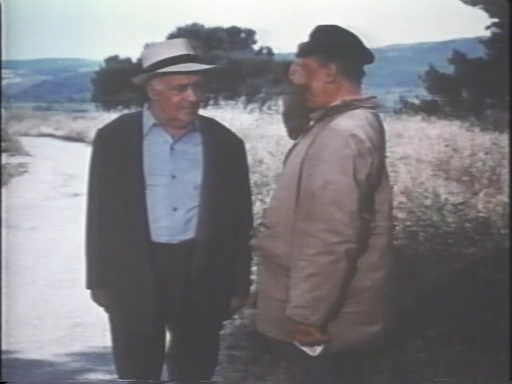
Review: The second story — dubbed by Renoir an “opera” of sorts — involves a chorus of singing onlookers commenting on the marital woes of Emilie (Marguerite Cassan) and Gustave (Pierre Olaf). Shrewish Emilie (who surely has OCD) insists that an immaculate floor is what every housewife yearns for, and threatens to go live with her mother unless her henpecked husband gives in to her request for a personal floor waxer; when he does, circumstances eventually become more and more untenable, until Emilie finally makes the ultimate sacrifice for her beloved new tool. It’s an openly satirical, strangely satisfying little morsel about the dangers inherent in loving machines more than humans. At this point, Renoir proudly announces that Jeanne Moreau will sing a song — which she does, shakily and to minimal effect; it’s best ignored altogether, and fortunately lasts just a few minutes. The final vignette may be the most heartfelt and personal of the bunch. In it, Renoir tells the story of an elderly villager (Fernand Sardou) who is deeply in love with his beautiful younger wife (Francoise Arnoul), and she with him — but she’s feeling oddly restless and dissatisfied. When she realizes than an affair is exactly what she needs to satisfy her “itch”, she turns to a visiting doctor (Jean Carnet) who is equally smitten with both her and the gentle Sardou. Much like in Bertrand Blier’s Oscar-winning Get Out Your Handkerchiefs (1978), this vignette lovingly demonstrates that a willingness to flout societal norms can lead to unexpected happiness in love and romance. It’s a fitting capstone to Renoir’s long and illustrious career as a filmmaker. Redeeming Qualities and Moments:
Must See? Links: |
“Roberts, the court martial broke you, but I’m going to finish the job. I’m gonna bust you wide open.”
[Note: The following review is of a non-Peary title; click here to read more.]
|
Synopsis: |
|
Genres, Themes, Actors, and Directors:
Review:
Because he and his cellmates (Ossie Davis, Alfred Lynch, Roy Kinnear, and Jack Watson) are presumed to be cowards hoping to get out of active military service, Andrews and his equally sadistic chief officer (Ian Hendry) do whatever they can to break the men’s spirits and bodies — including sending them pointlessly up and down the film’s titular manmade dirt “hill”. The increasingly grim situation finally comes to a head when one of the new inmates dies from heat stroke, and Hendry is accused by the prisoners of murder.
The subject matter is harsh, but the performances are superb — particularly Connery and Andrews, as well as Ossie Davis in a supporting role as a soldier from the West Indies who must put up with merciless racism on top of other indignities. Meanwhile, Oswald Morris’s crisp black-and-white cinematography is the perfect choice for such a bleak historical setting, and Rigby’s scathing dialogue is smartly conceived. (Note, however, that even native English speakers will want to have the subtitles on, since it’s often difficult to make out what the actors are saying.) Ultimately, while The Hill isn’t a film for the light of heart, those interested in exploring military power dynamics taken to a fatal extreme will surely be interested to check it out. It’s a surprising omission from Peary’s book — especially given that he awards Connery an Alternate Oscar as best actor of the year in his Alternate Oscars book. Note: Watch for Michael Redgrave in a small but effective supporting role as a sympathetic military doctor. Redeeming Qualities and Moments:
Must See? Categories
Links: |
“When the compas come, they get rid of you and your Somozan soldiers — paid in U.S. dollars.”
|
Synopsis: |
|
Genres: Review:
… have his eyes opened to the horrors of American interventionist tactics, and (naturally) experience conflicted romance with the tall, sexy drink of water (Annette Cardona) he conveniently meets right away.
It’s equally clear that the Sandinistas in the film — or at least their humble peasant contingency — will be presented as exclusively righteous and noble, while the Contras will be merely violence-prone jerks. Although there’s likely an enormous grain of truth to this latter sentiment, Wexler piles on his heavy-handed vignettes far too liberally — as when we watch innocent teenagers being kidnapped, tortured, bullied (“One sound, Sandinista bastard, and you’re dead”), and lied to in an attempt to convert them (unsuccessfully, of course) to the Contra-cause; meanwhile, none of the native Contras are humanized or given a chance to speak their voice, and Beltran’s American compatriots are simply piggish boors. With all that said, Wexler’s well-meaning attempt to infuse his film with a palpable air of realism is admirable: it’s refreshing to see natives cast as extras on location, and to hear an appropriate mix of Spanish and English being spoken by the characters. In addition, Beltran is sympathetic in the lead role as an “ugly American” who comes to realize the error of his country’s ways, and Cardona is a fine romantic match for him. It’s too bad, then, that the strength of Wexler’s convictions prevented him from creating a more nuanced and compelling film about such an important topic in recent American history. Redeeming Qualities and Moments:
Must See? Links: |
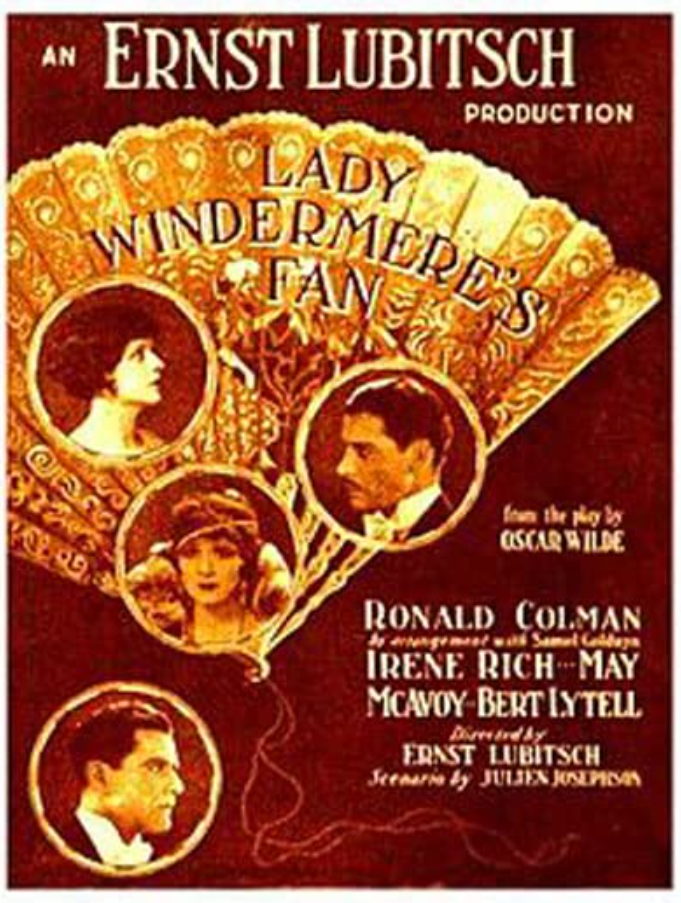
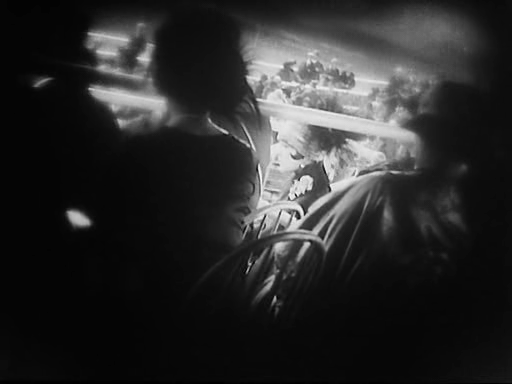
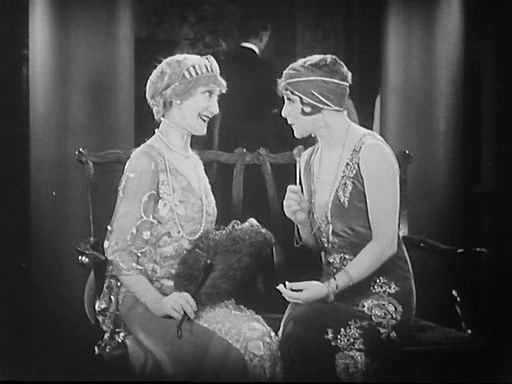
“Lady Windermere faced the grave problem of seating her dinner guests…”
|
Synopsis: |
|
Genres, Themes, Actors, and Directors:
Review: Redeeming Qualities and Moments:
Must See? Links: |
|
Synopsis: |
|
Genres, Themes, Actors, and Directors:
Review:
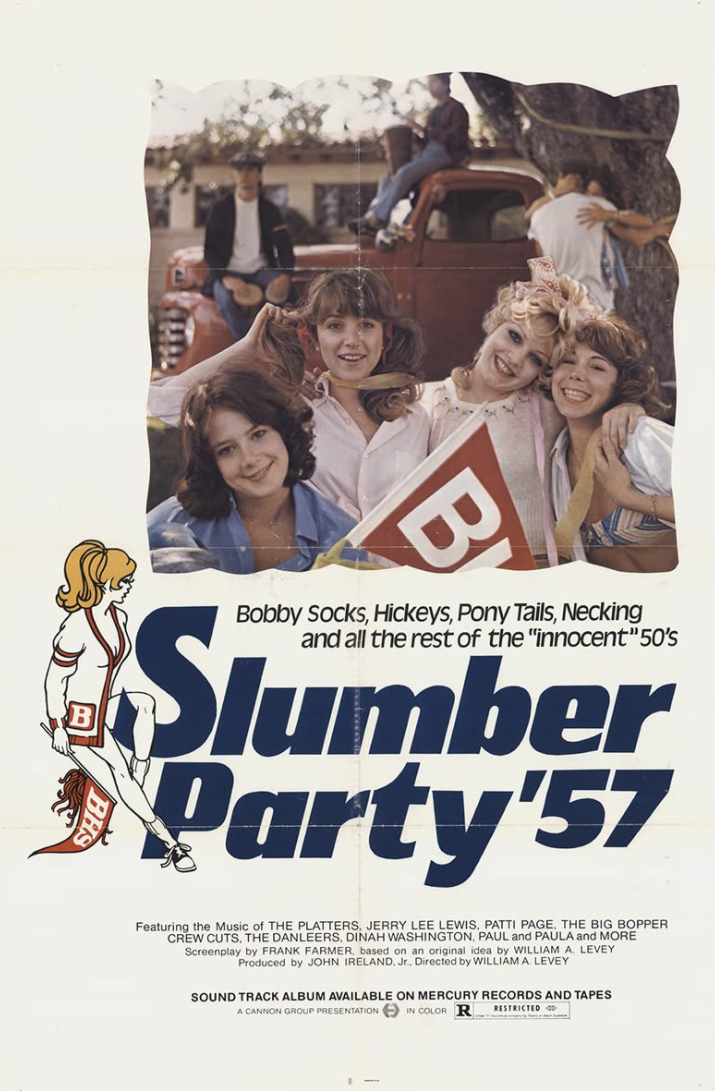
… while offering a standard smorgasbord of soft-core sensual fantasies (with plenty of gratuitous t&a — though perhaps not nearly enough to satisfy “modern males”). The movie has no redeeming qualities: the script is utterly unoriginal, the editing is shoddy at best, the performances (even by Winger) are sub-par, and cult star Rainbeaux Smith barely registers.
Watch for the unintentionally (?) homoerotic final shot. Redeeming Qualities and Moments:
Must See? Links: |
“No instrument can replace man. Divers are indispensable in a modern study of the sea.”
|
Synopsis: |
|
Genres, Themes, Actors, and Directors:
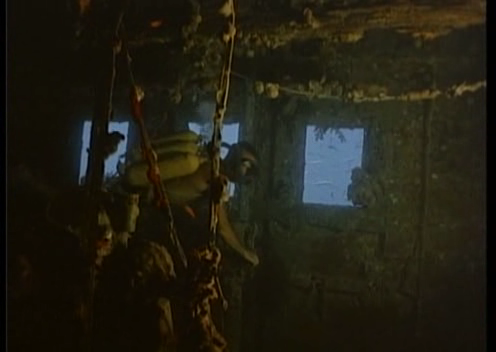
Review: With that said, those who are able to stomach these scenes of blatant violence should at least appreciate Cousteau’s groundbreaking work in the field of underwater cinematography. Assisted by a young Louis Malle, Cousteau captured haunting footage of life under water — the type of imagery we take for granted now, but which was remarkably innovative at the time. A sequence in which a crew member slowly swims through a sunken wreck is particularly haunting. In 1964, Cousteau directed and produced another Oscar-winning documentary, Le Monde Sans Soleil (“A World Without Sun”), which documented a team of divers living in an underwater research vessel; while it still shows evidence of laughable human hubris, it’s at least free from scenes of blatant disrespect towards sea life. Note: It’s revealing that, upon its release in theaters, The New York Times praised The Silent World unreservedly, without mentioning any of the above “issues” — which says something profound about the era in which it was made. Redeeming Qualities and Moments:
Must See? Categories
Links: |
“You want to fix me?”
|
Synopsis: |
|
Genres, Themes, Actors, and Directors:
Review: Redeeming Qualities and Moments:
Must See? Links: |