|
Genres, Themes, Actors, and Directors:
- Alan Ladd Films
- Ben Johnson Films
- George Stevens Films
- Jack Palance Films
- Jean Arthur Films
- Ranchers
-
- Van Heflin Films
- Westerns
Response to Peary’s Review:
Peary writes that “if you want to understand the form of the ‘classic’ western,” Shane — directed by George Stevens, and based on a novel by Jack Schaefer — “is the picture to study”. He notes that the character of Shane (Ladd) fits the archetype of a classic “westerner” — “a loner who has a mysterious, violent past that he cannot escape”, someone who “would like to settle down in the civilized West” but “comes to realize he has no future”. He points out that “the overlap of this [mythological] West (embodied by gunslingers like Shane) with the beginnings of the civilized historical West is essential to classic westerns” — indeed, the particular trope played out here (of “ranchers versus settlers”) remains an iconic one in its own right, and can be seen as far back as John Ford’s silent film Straight Shooting (1917). TCM’s article on the film furthers Peary’s argument about its classic structure, positing that “Shane is the real McCoy — a powerful cinematic myth with a stoic hero at its center who simply wants to do the right thing”.
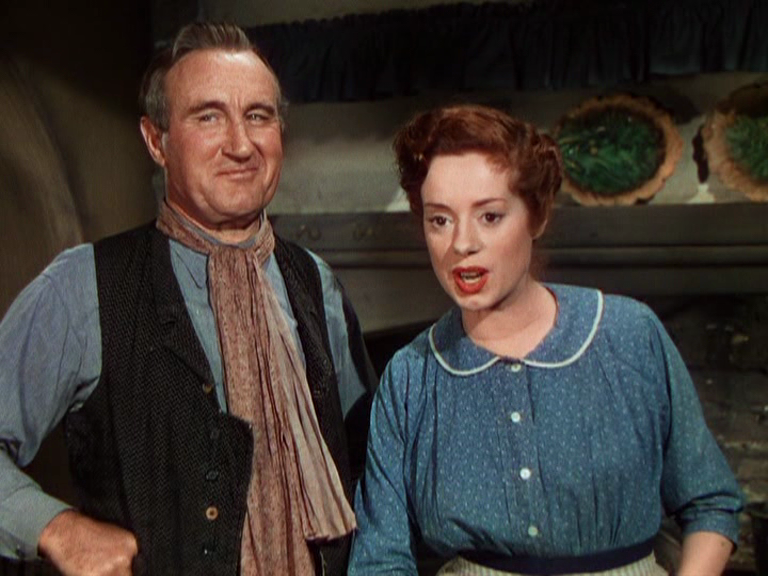
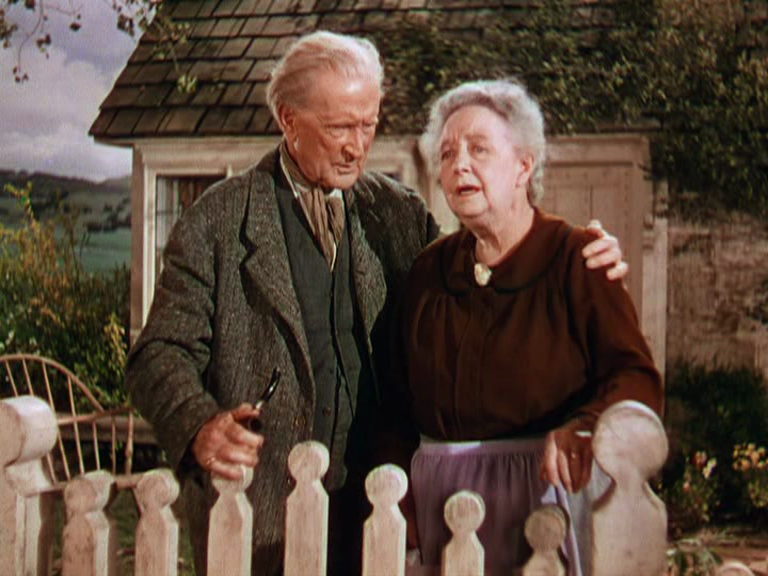
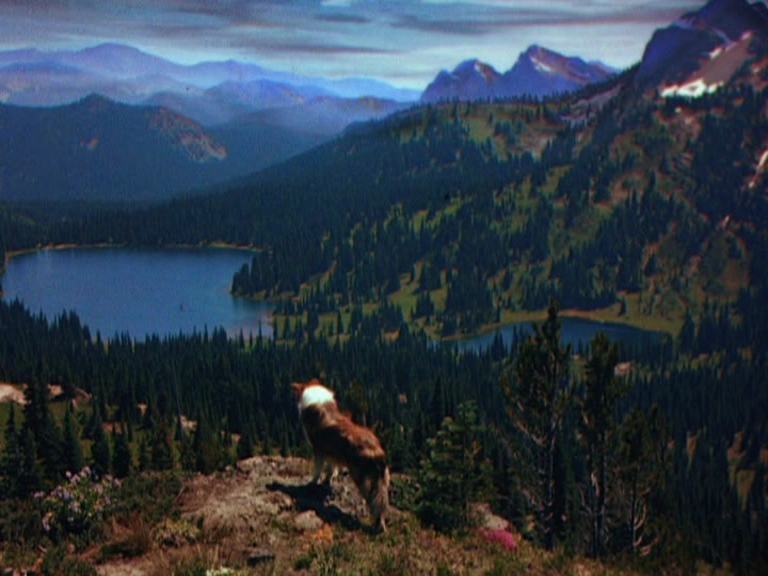
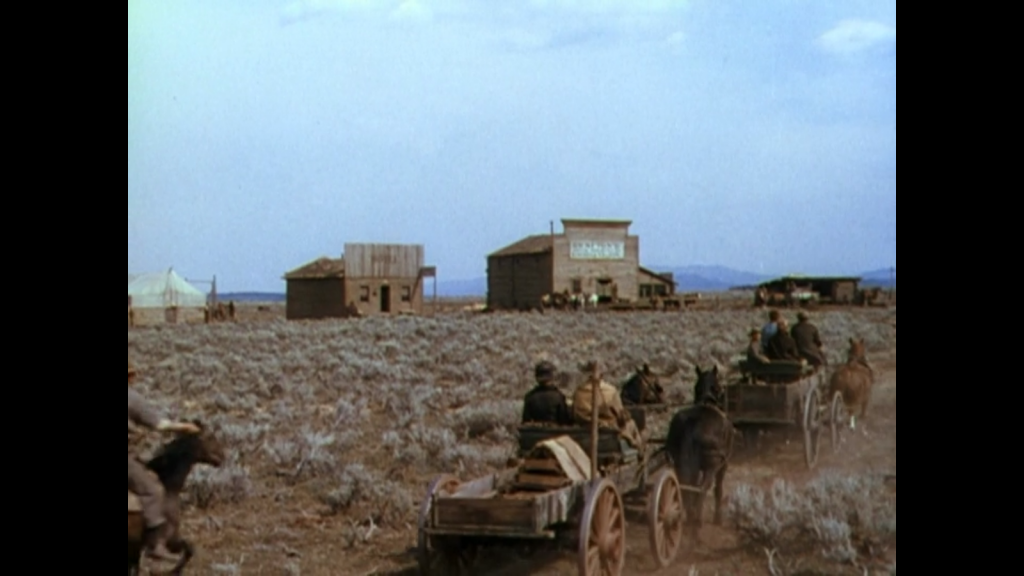
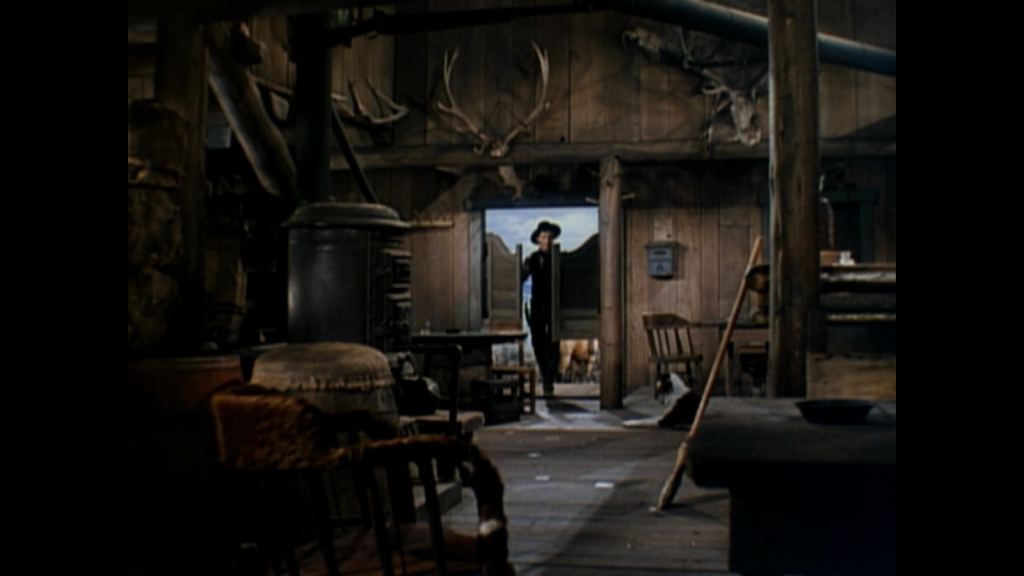
Given its iconic status, it’s easy to approach Shane with a sense of cinematic duty — but despite overly slow pacing and an occasionally disruptive musical score, for the most part it’s held up quite nicely. Indeed, there’s plenty to enjoy and appreciate about Shane, which features “remarkable authenticity” (check out stills of the sets below), is “beautifully shot” by Oscar-winning DP Loyal Griggs, and is “beautifully acted” by Ladd, Heflin, Arthur, and others. While some have argued that Ladd was miscast in the title role, I disagree; he shows off an appropriately fit, muscular body, and is entirely believable both during the excitingly brutal extended fight scenes, and during the film’s many quieter moments, as we see how much he’s come to care for both Arthur and her adoring son, Joey.
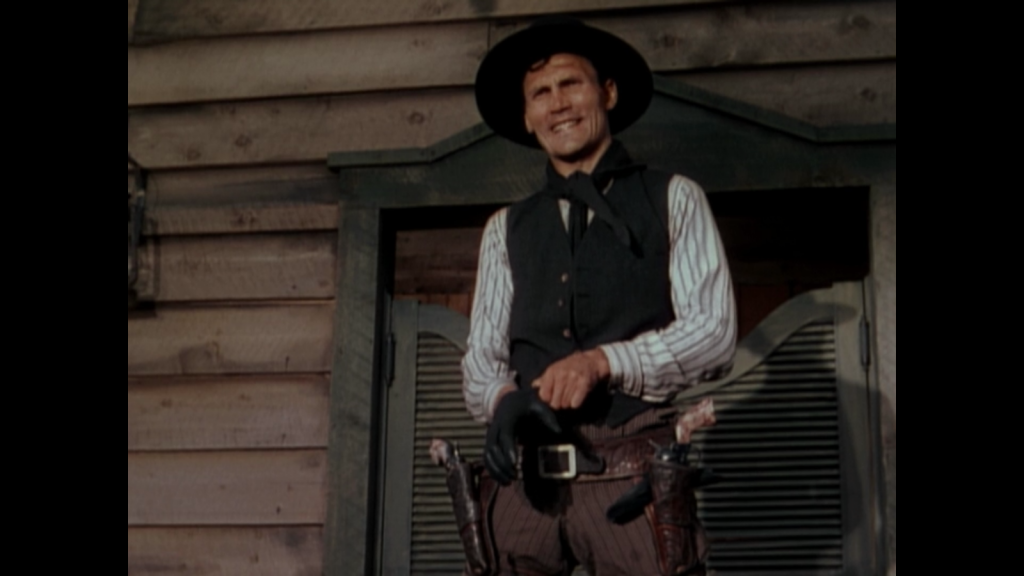
Heflin is equally notable in the critical secondary role as Joe Starrett, a man determined to hold onto his land and fight back against bullies at any cost — and Arthur (lured out of semi-retirement by Stevens) is a fine, believable choice to play Starrett’s wife. Meanwhile, other familiar faces — including Elisha Cook, Jr. as a hot-headed southern homesteader, and Jack Palance as the black-hatted gunslinger brought in to “take care of” the homesteaders — are a welcome presence as well. Unfortunately, De Wilde’s performance as young Joey is the one dissatisfying outlier; he’s far too often shown simply staring wide-eyed at the proceedings, and/or asking whiny “why?” questions like a four-year-old. However, his nearly worshipful adoration of Shane is made abundantly clear, which I suppose is what’s most important in this tale of a larger-than-life western hero.
Redeeming Qualities and Moments:
- Alan Ladd as Shane (nominated as one of the Best Actors of the Year in Peary’s Alternate Oscars)
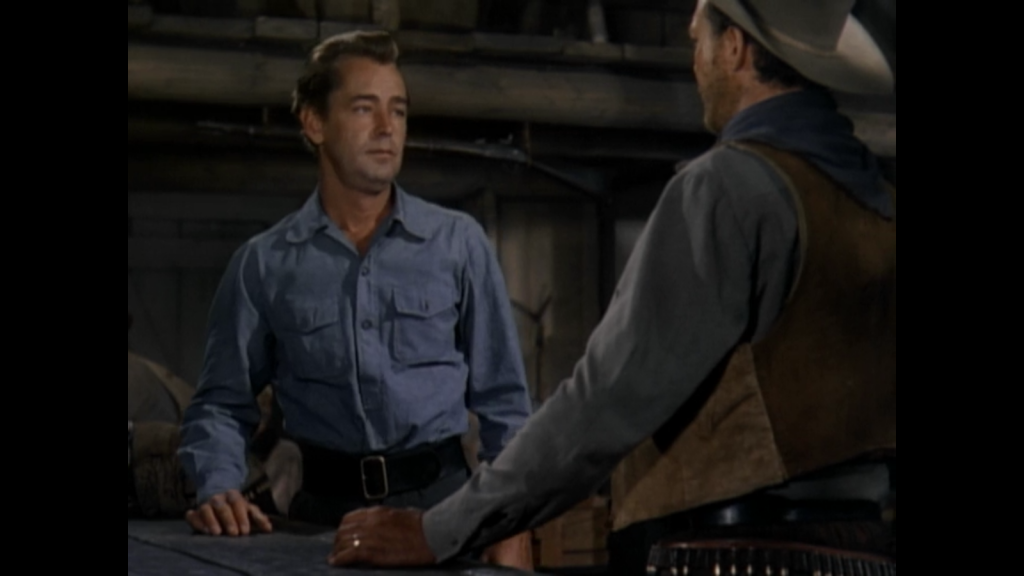
- Van Heflin as Joe Starrett
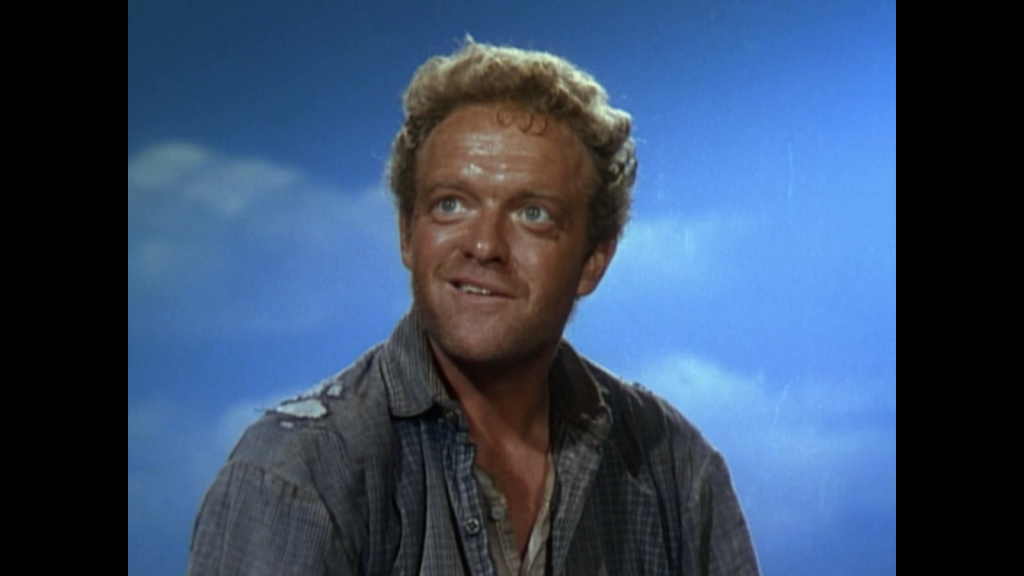
- Jean Arthur as Marian
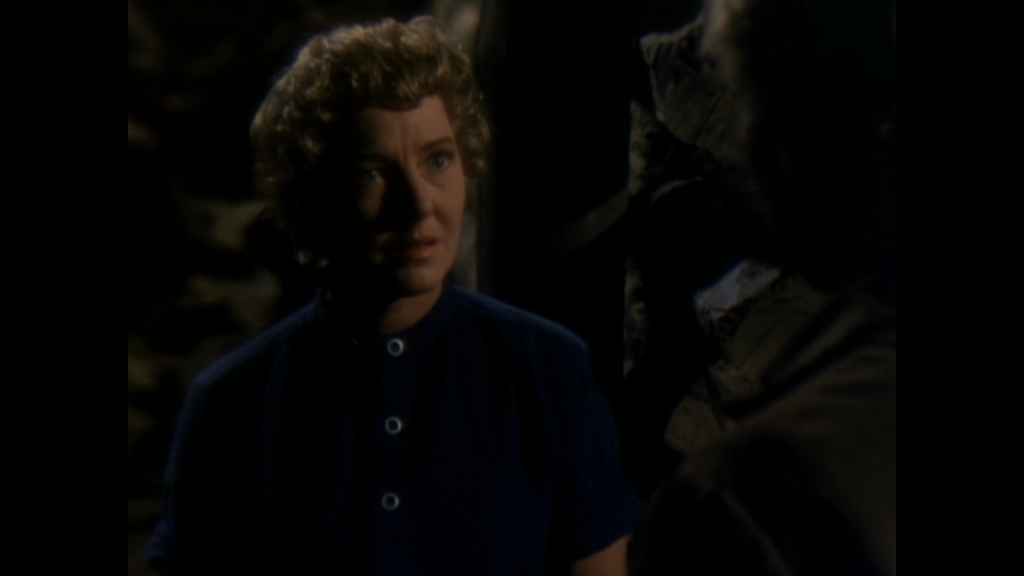
- Fine supporting performances


- Loyal Grigg’s cinematography
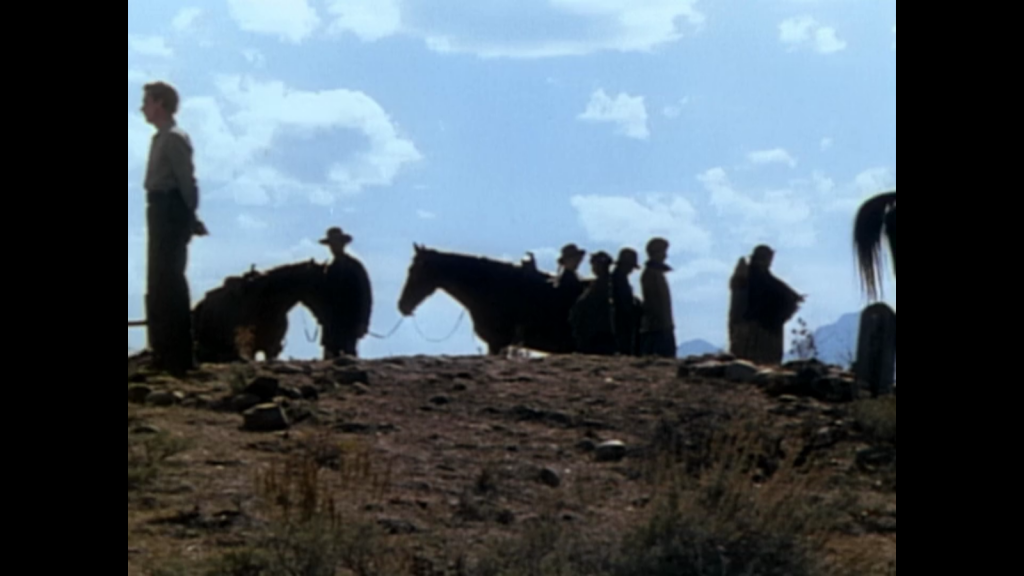
- Authentic production values and sets
Must See?
Yes, as a justified western classic. Voted Best Picture of the Year in Peary’s Alternate Oscars.
Categories
- Genuine Classic
- Oscar Winner or Nominee
(Listed in 1001 Movies You Must See Before You Die)
Links:
|