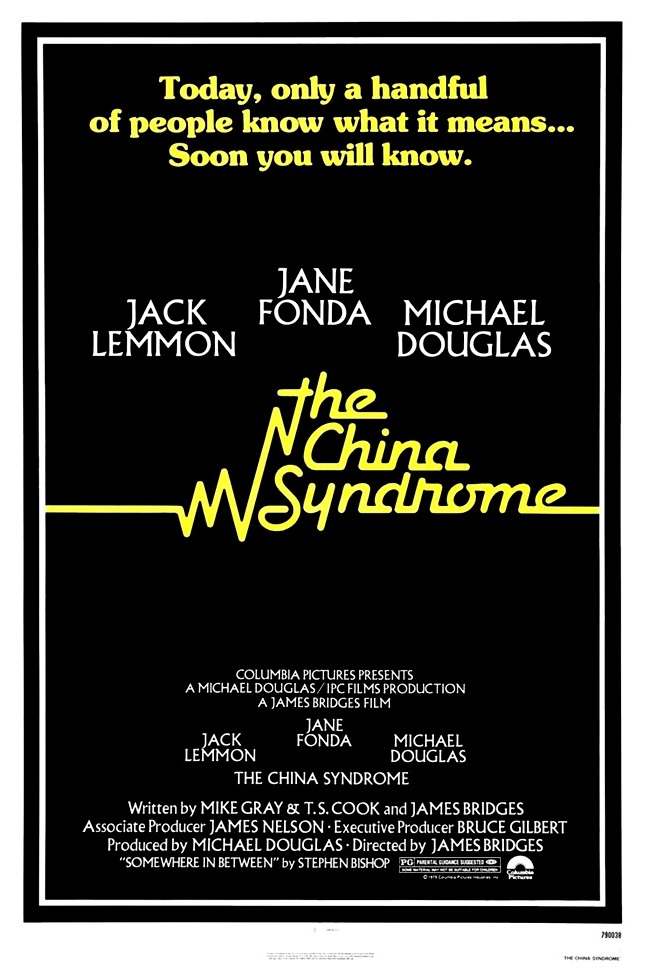
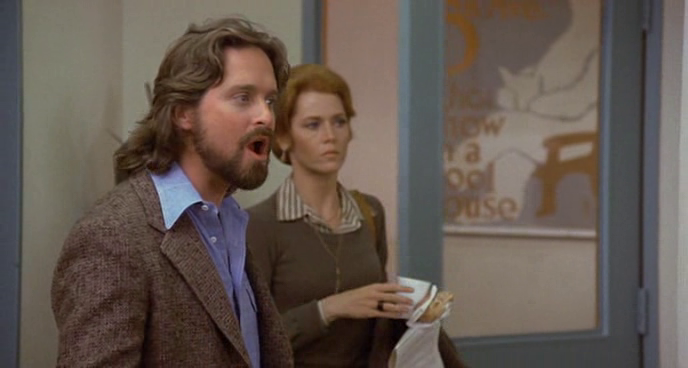
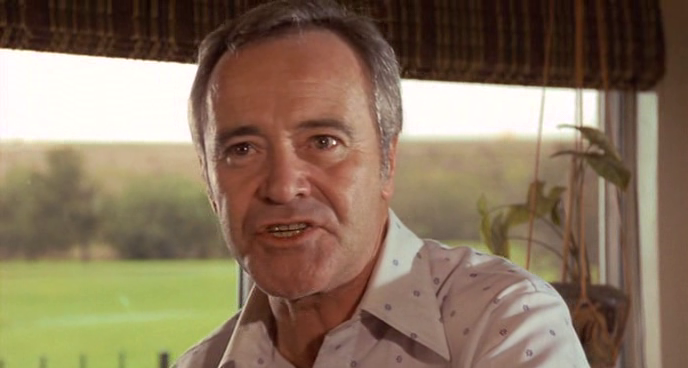
China Syndrome, The (1979)
“There is no conspiracy, there is no cover-up.”
|
Synopsis: |
|
Genres, Themes, Actors, and Directors:
Response to Peary’s Review: Redeeming Qualities and Moments:
Must See? Categories
Links: |
“There is no conspiracy, there is no cover-up.”
|
Synopsis: |
|
Genres, Themes, Actors, and Directors:
Response to Peary’s Review: Redeeming Qualities and Moments:
Must See? Categories
Links: |
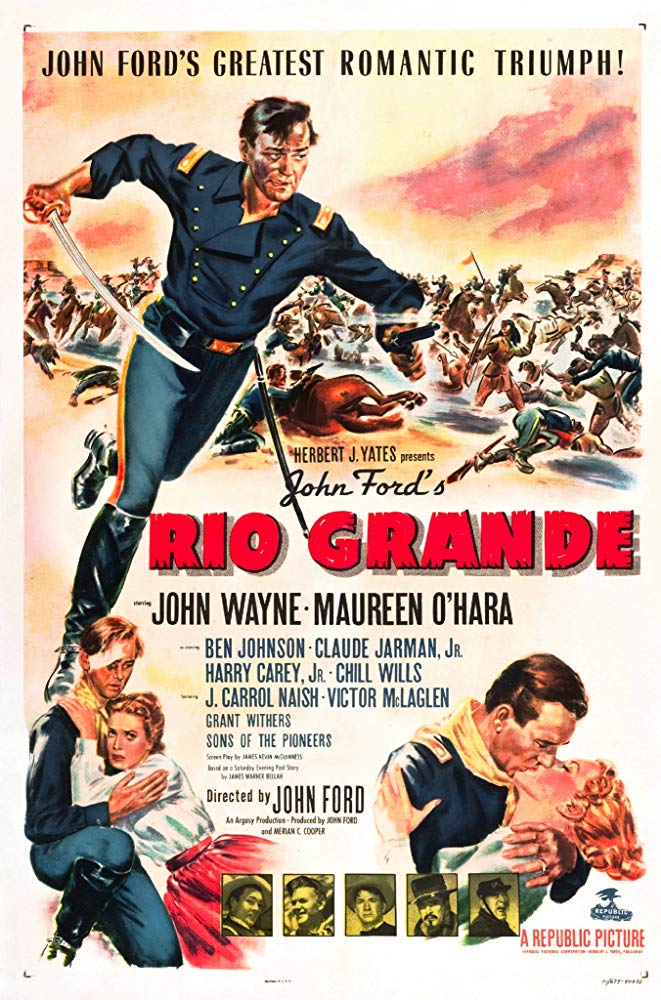
“To my only rival — the United States Cavalry.”
|
Synopsis: |
|
Genres, Themes, Actors, and Directors:
Review:
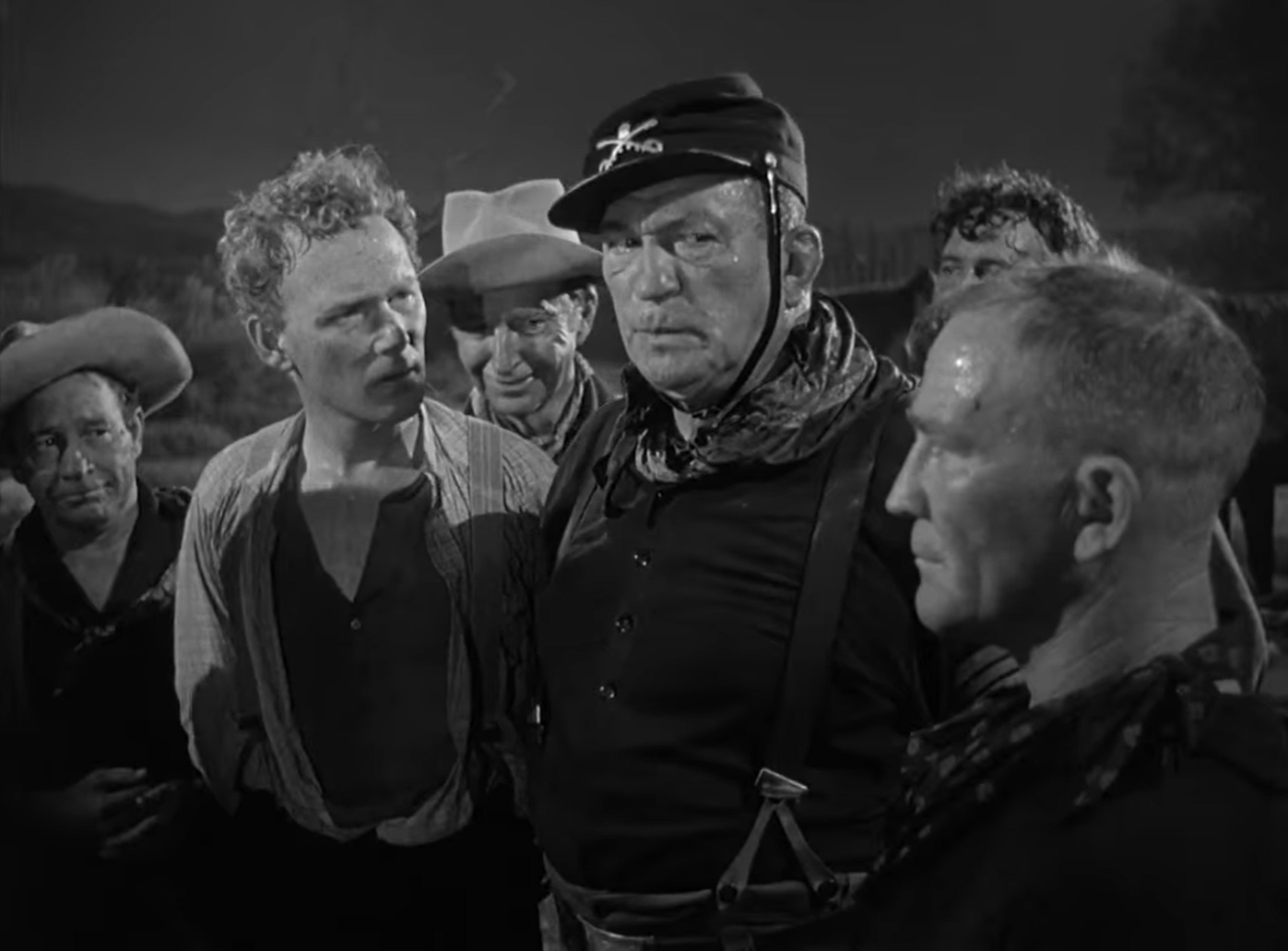
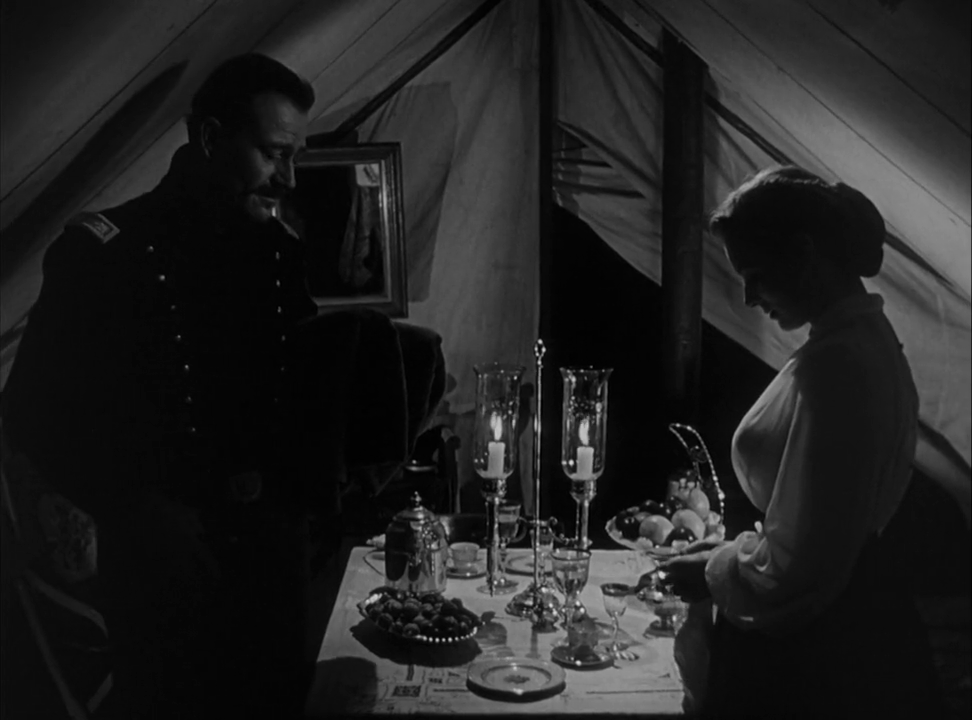
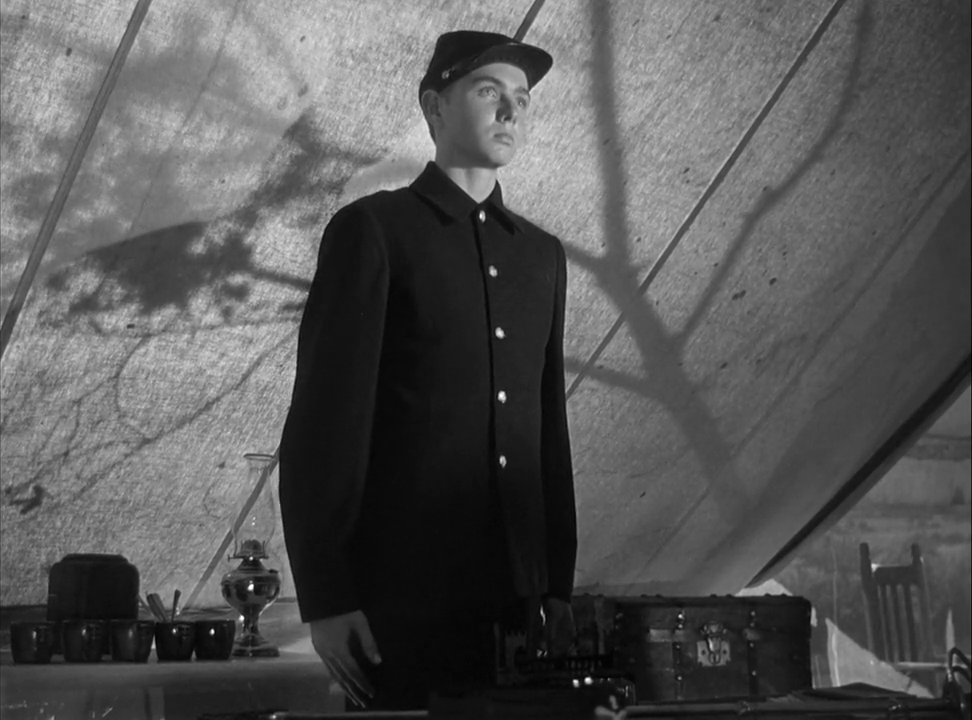
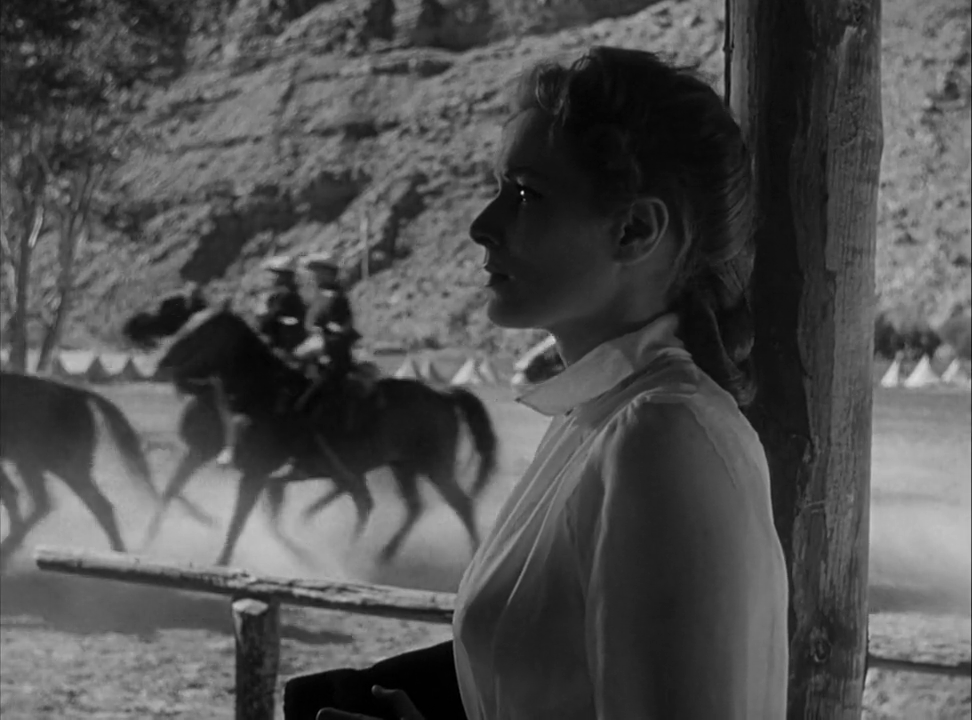
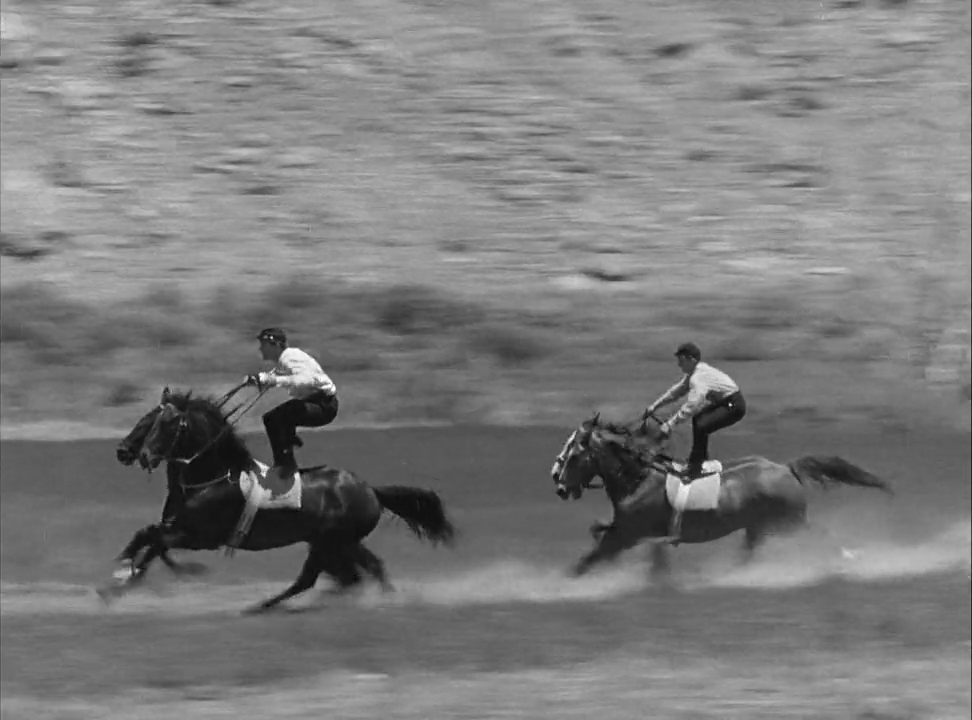
… under Wayne’s command set torch to O’Hara’s property in Shenandoah during the Civil War (!?). None of this quite makes sense as a reason for the couple’s long-standing challenges, especially when it’s so obvious they really love each other:
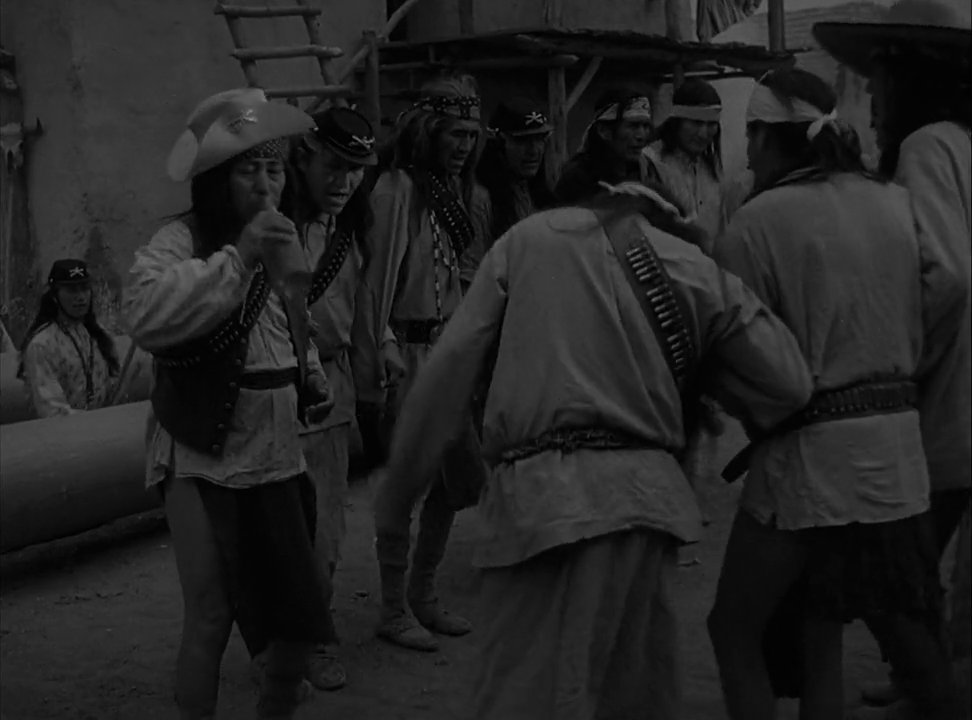
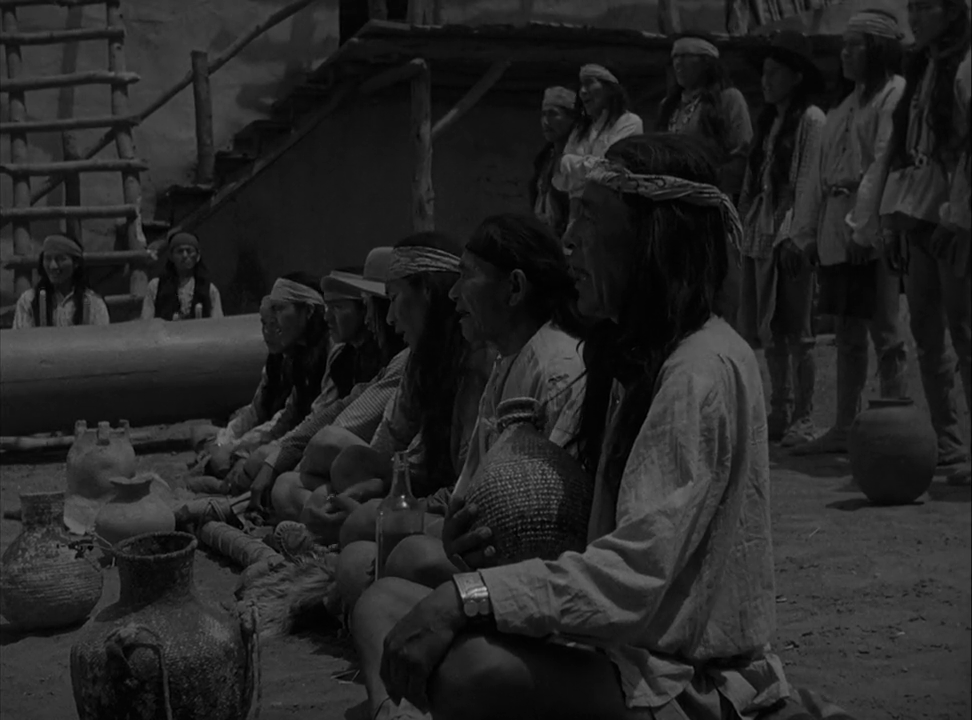
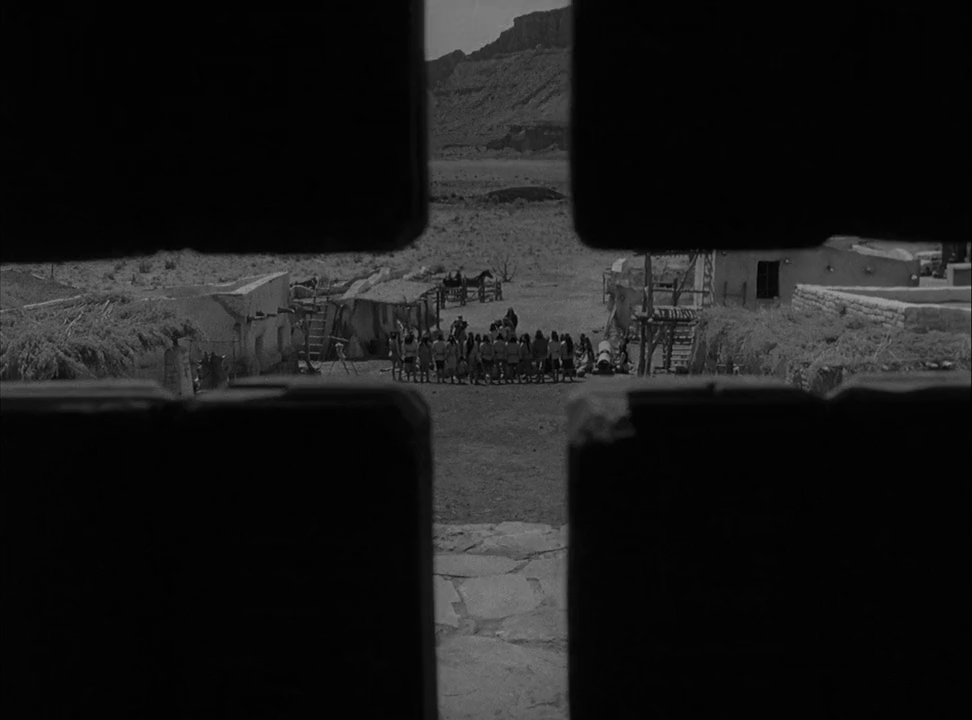
Indeed, the entire storyline feels like simply an excuse to show off some cool horsemanship moves and to regress into once again presenting Indians as faceless, alcoholic warriors ready to be killed off en masse.
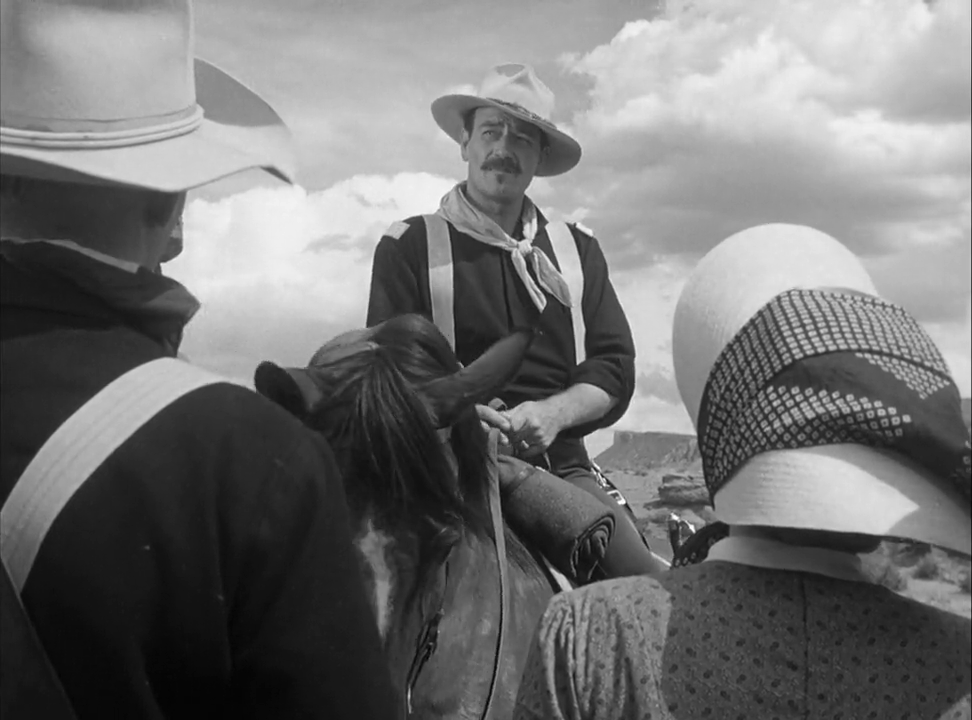
The cinematography is gorgeous, though, especially in Blu-Ray. Redeeming Qualities and Moments:
Must See? (Listed in 1001 Movies You Must See Before You Die) Links: |
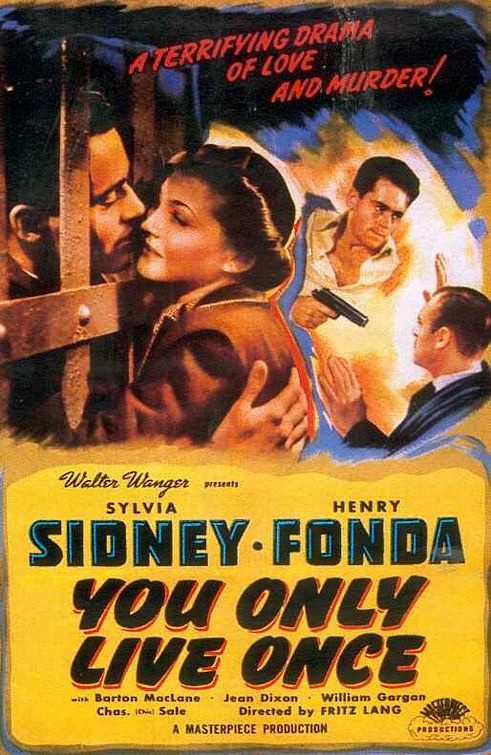
“There’s a lot more good in Eddie Taylor than most people think.”
|
Synopsis: |
|
Genres, Themes, Actors, and Directors:
Response to Peary’s Review:
and Sidney’s surprisingly noble boss (Barton Maclane), who loves Sidney but is willing to help her out time and again on account of his sincere empathy for Fonda’s challenging past.
Personally, I find the film’s storyline a tad too overly simplistic. Would motel-owners (Charles ‘Chic’ Sale and Margaret Hamilton) really be so eager to kick out the doe-eyed newlyweds without cause?
Why would Fonda’s post-release boss (Guinn ‘Big Boy’ Williams) agree to hire him in the first place if he was so eager to fire him?
I know the film is meant to represent archetypical injustice in black-and-white, but we desperately wish both of the main characters would make smarter — rather than fatalistic and/or pre-determined — decisions. It doesn’t help that the “ending is overly sentimental and is Hollywood-style religious”. However, the movie is gorgeously made, and Fonda and Sidney are a convincing pair of star-struck lovebirds.
Lang fans won’t want to miss this one. Redeeming Qualities and Moments:
Must See? Links: |
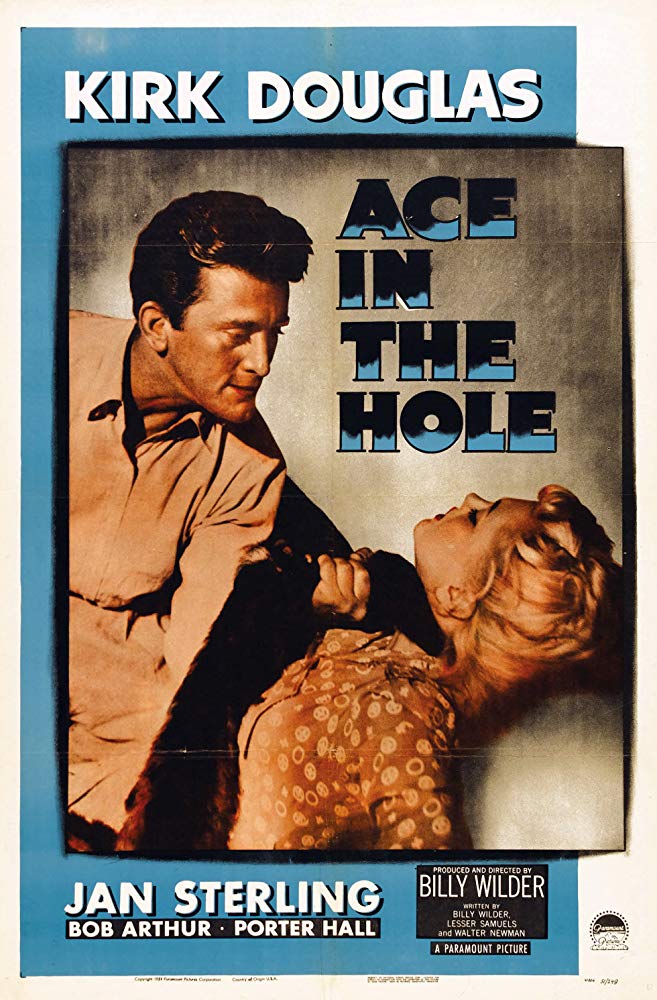
“I don’t make things happen — all I do is write about ’em!”
|
Synopsis: |
|
Genres, Themes, Actors, and Directors:
Response to Peary’s Review:
I enjoy Jan Sterling’s sullen performance as the buried man’s no-good wife (that scene with the scarf!):
Redeeming Qualities and Moments:
Must See? Categories (Listed in 1001 Movies You Must See Before You Die) Links: |
“So they call me ‘Concentration Camp Ehrhardt’?”
|
Synopsis: |
|
Genres, Themes, Actors, and Directors:
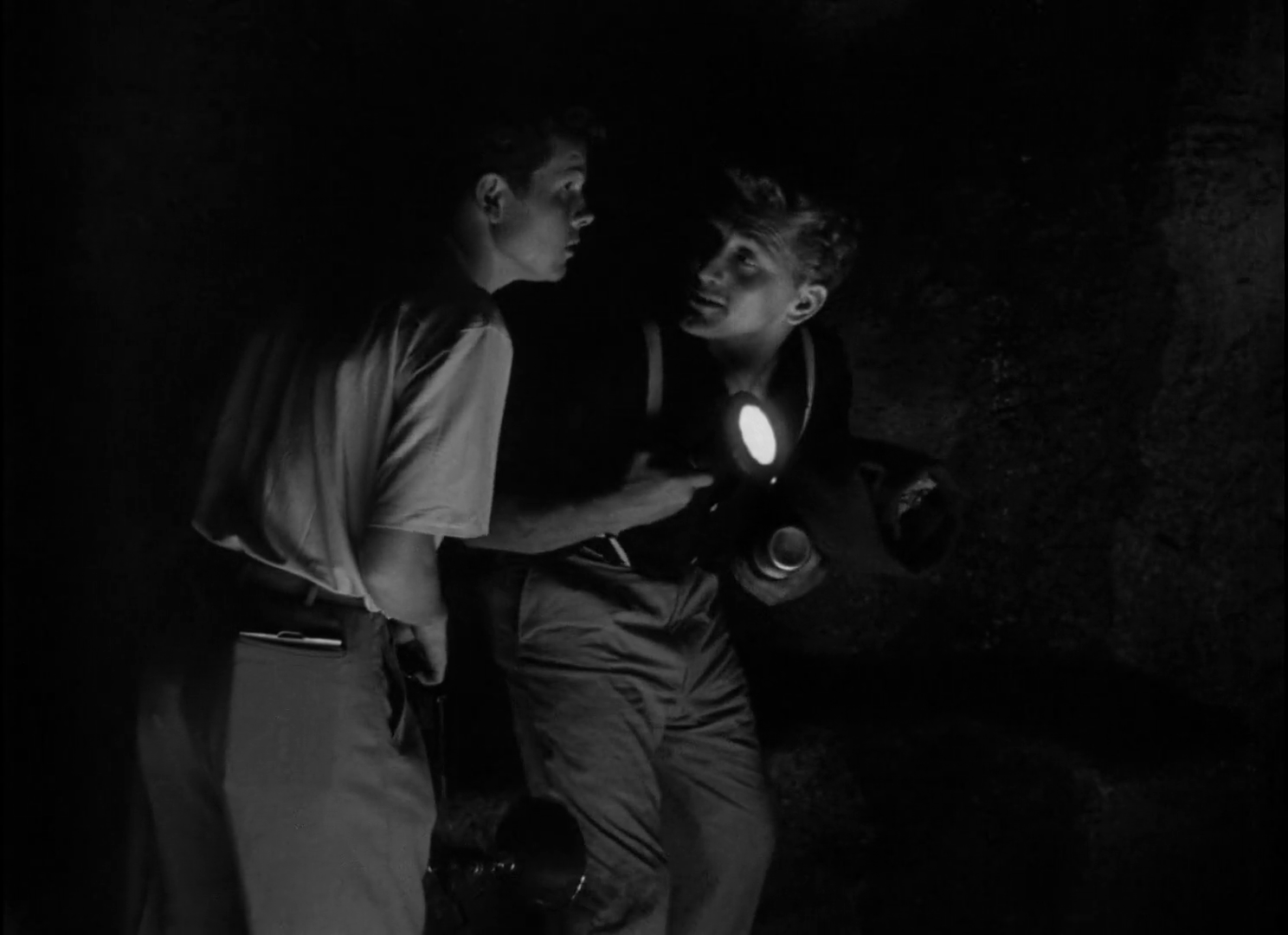
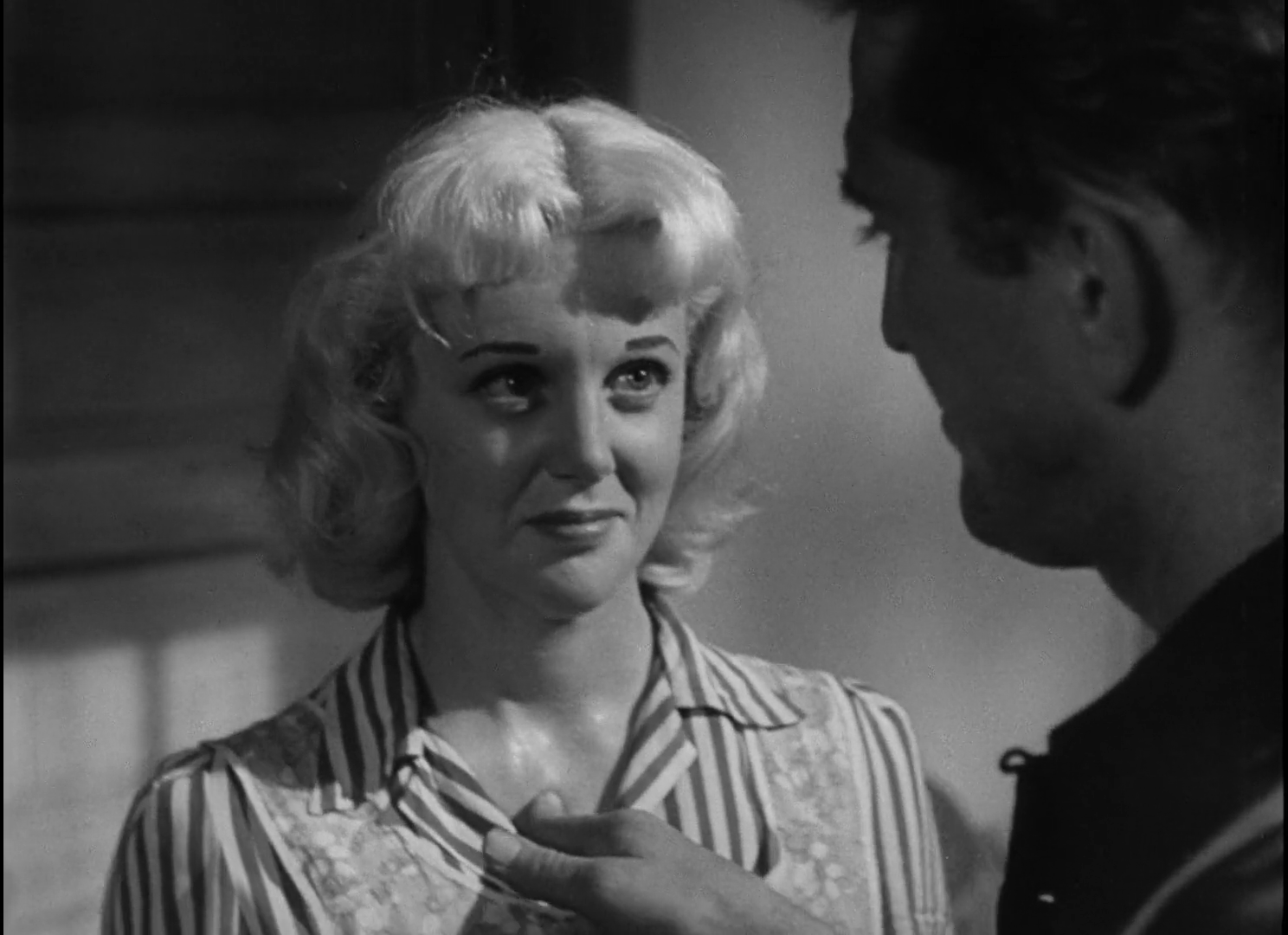
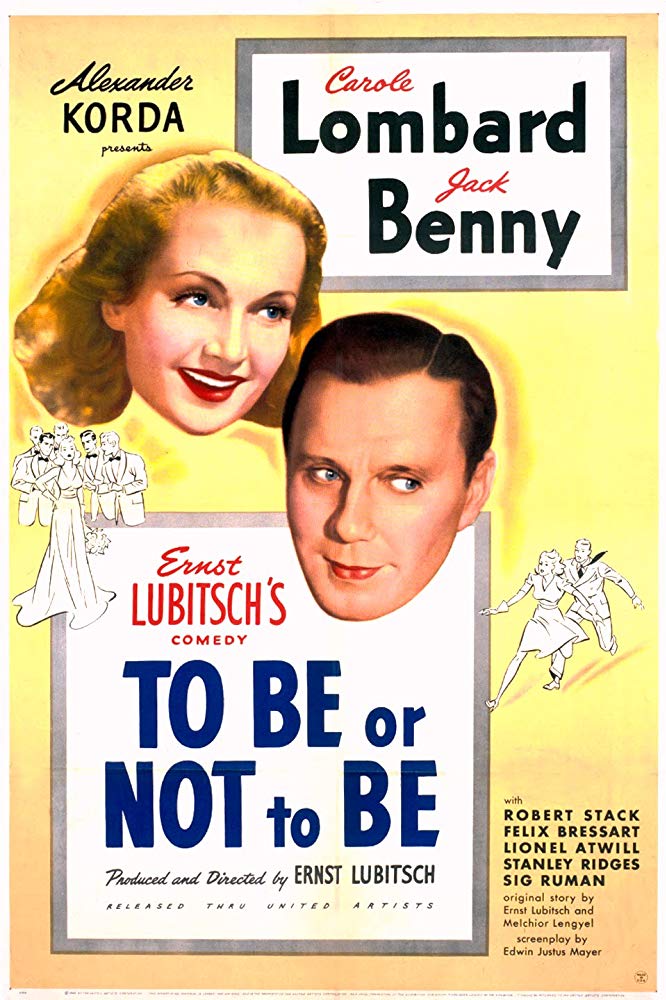
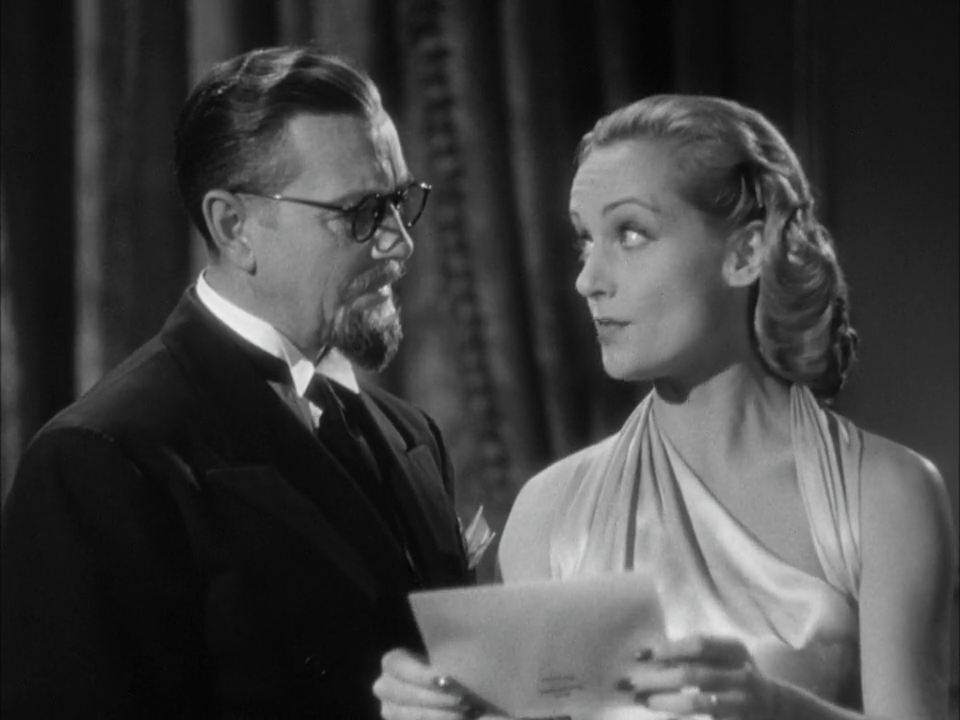
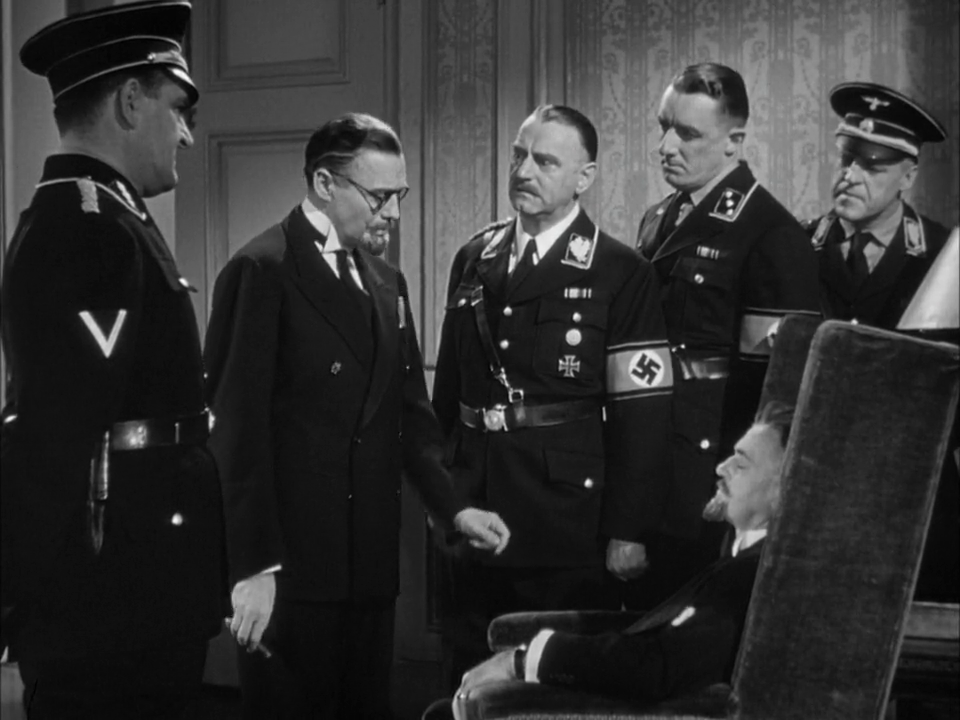
Response to Peary’s Review: In Cult Movies 2, Peary states that “Cult movies are often born in controversy”, and describes in greater detail the reception this film had in 1942, just “three years after Germany invaded Poland” and “three months after the United States entered World War II”. He notes that Bosley Crowther of the New York Times was especially offended by the film; Crowther wrote, “To say [the film] is callous and macabre is understating the case”. However, Peary points out that “it’s interesting to note that critics were lenient to those World War II comedies that made no attempt to impress upon viewers the grim realities of Nazi aggression and occupation in Europe, while they jumped on Lubitsch’s film for daring to be both a comedy and topical”; in truth, “the opposite should have been the case”. Adding greatly to challenges with the film’s reception was the fact that viewers were devastated by Lombard’s death in a plane crash on her way back home to Hollywood after selling war bonds; the film was “impossible to promote”. Speaking of Lombard, Peary names her Best Actress of the Year in his Alternate Oscars (sharing the award with Ginger Rogers in The Major and the Minor), noting that “Lombard considered her performance in To Be or Not to Be the best of her career”, and he agrees. He writes, “She has many moments in which she reveals why she was the thirties’ most celebrated comedienne”, and adds that he “particularly like[s] her affected mannerisms and voice when she tells Benny that it’s of no consequence that he finally asked the director to bill her above him in a play, and her look when he says that he knew she’d feel that way so the billing will stay the same”. He writes, “Also memorable is her sexual-innuendo-filled flirting with Stack’s young bomber pilot”: her “eyes reveal she is lost in fantasies when he tells her, ‘I can drop three tons of dynamite in two minutes’.” However, “Lombard’s Maria switches from being dazzlingly comical to deadly serious, and Lombard reveals how much she had grown as a dramatic actress in the last few years.” Lombard, Benny, and indeed the entire cast is in top form here; this movie is well worth a look by all film fanatics. Redeeming Qualities and Moments:
Must See? Categories
(Listed in 1001 Movies You Must See Before You Die) Links: |
“He’s a common, ignorant slob. He don’t even speak good English.”
|
Synopsis: |
|
Genres, Themes, Actors, and Directors:
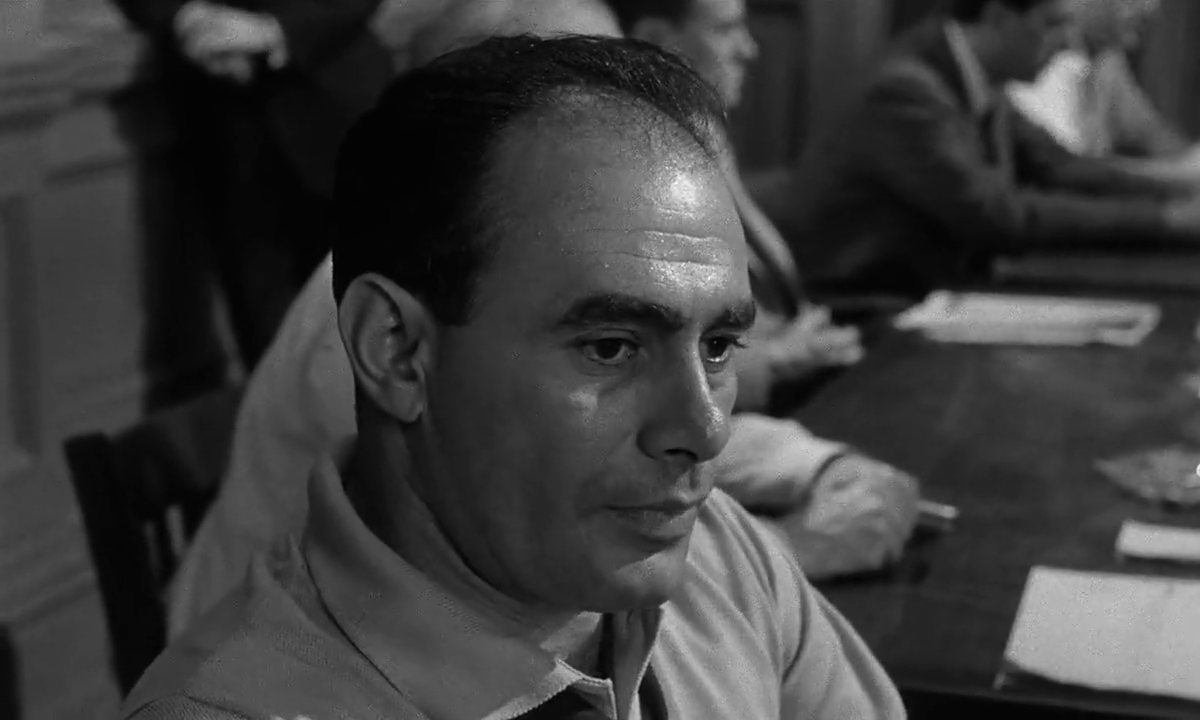
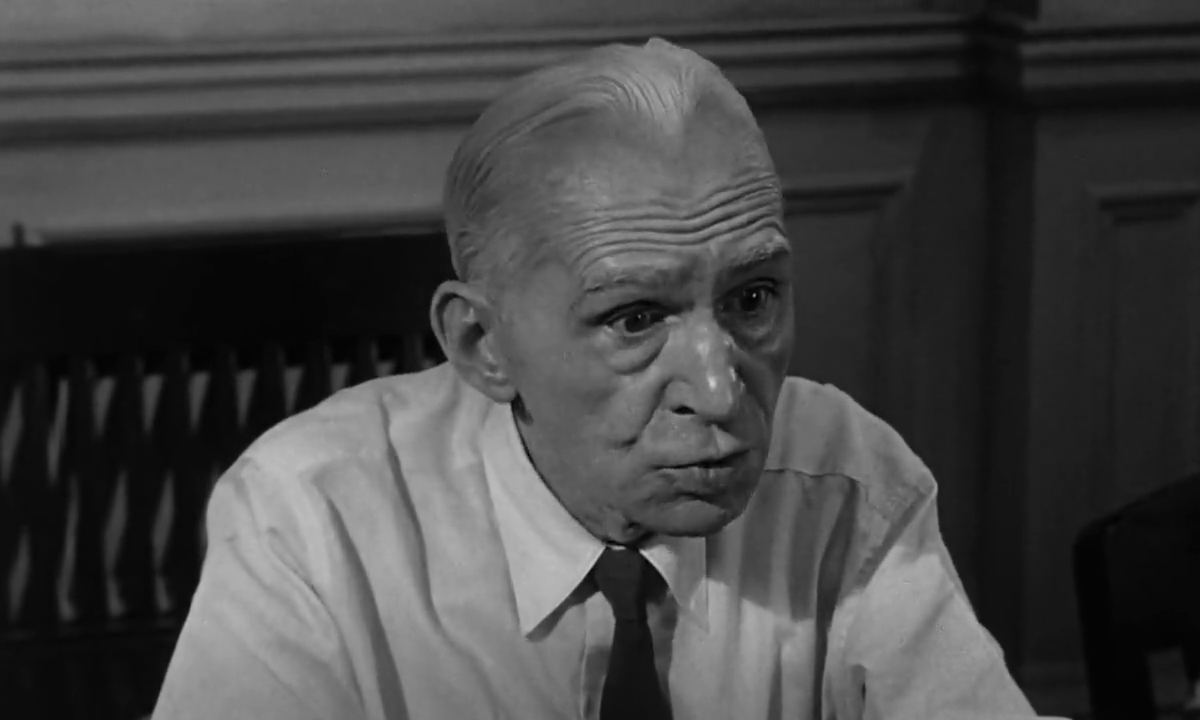
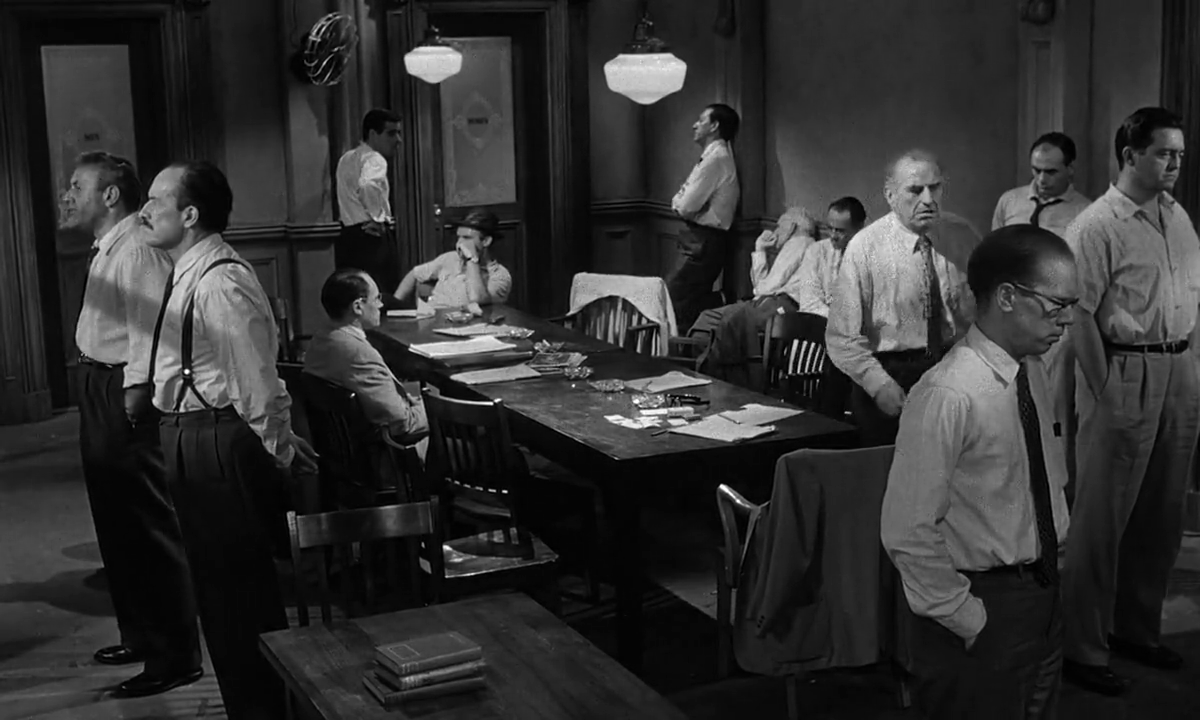
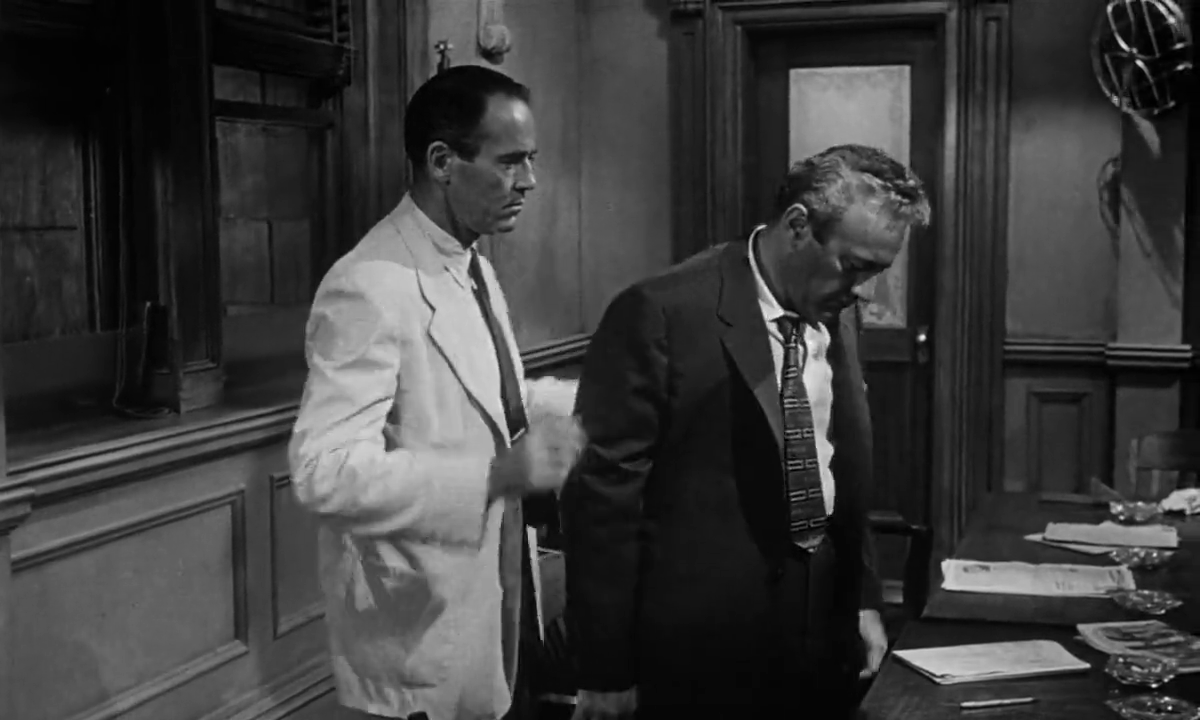
Response to Peary’s Review: I’m a huge fan of this surprisingly gripping nearly-one-room drama, which I re-watch periodically and am drawn into time and again. Fonda’s performance is outstanding, but so are those of all the other (mostly unknown) actors. Meanwhile, it’s clear how much thought and effort were put into every minute of the production, from acting to staging; as noted in TCM’s article:
While watching this film, we genuinely feel we’re being taken on a carefully calibrated ride across both the challenges and the benefits of our very-human justice system. As noted by James Kendrick in his review for Q Network, “The resistance of the other jurors to discussing the seemingly open-and-shut case is a compelling means of depicting how the system works only when those involved accept the moral weight of their roles.” DVD Savant adds that: “On one level the jury isn’t much better than a mob — most of these men are quite willing to go along with the perceived majority opinion without really thinking about the case. Only when challenged to actually apply themselves to their appointed task do the sensitive thinkers advance their personal opinions.” Note: The opening establishing shot reminds me both visually and aurally of Frederick Wiseman’s documentaries — though Wiseman would linger longer and add several more establishing shots before moving into “the action”. Redeeming Qualities and Moments:
Must See? Categories
(Listed in 1001 Movies You Must See Before You Die) Links: |
“There is no barbarian worse than a weak king.”
|
Synopsis: |
|
Genres:
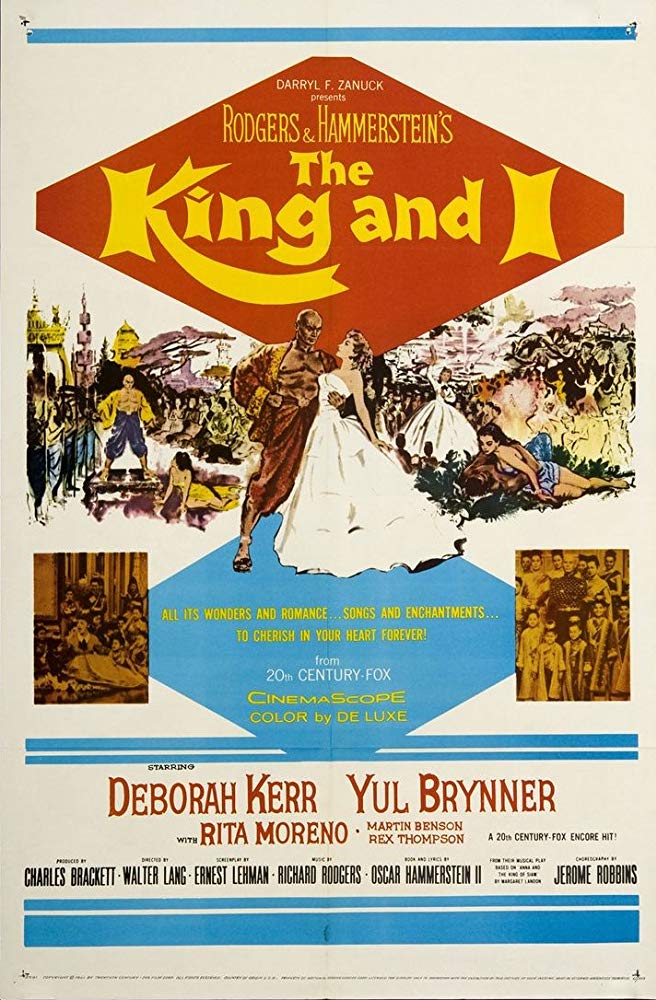
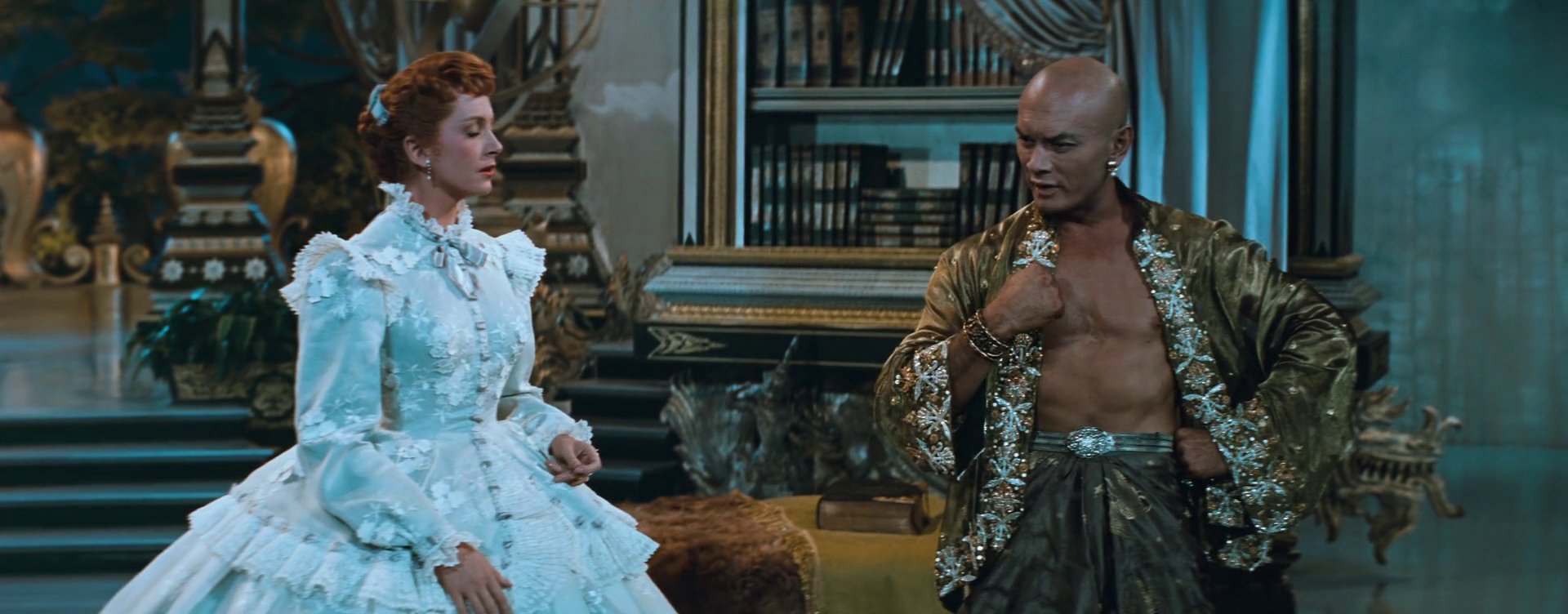
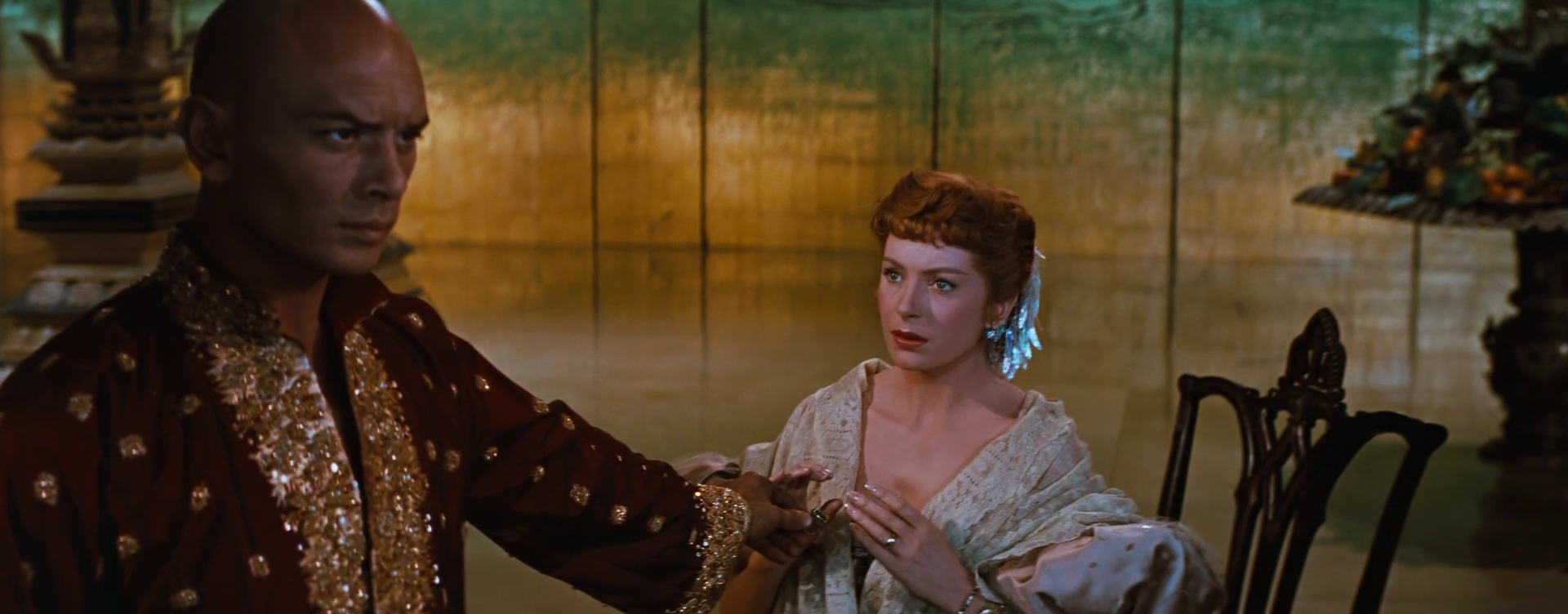
Review: Indeed, the title characters are at the core of this film, and they richly embody their roles.
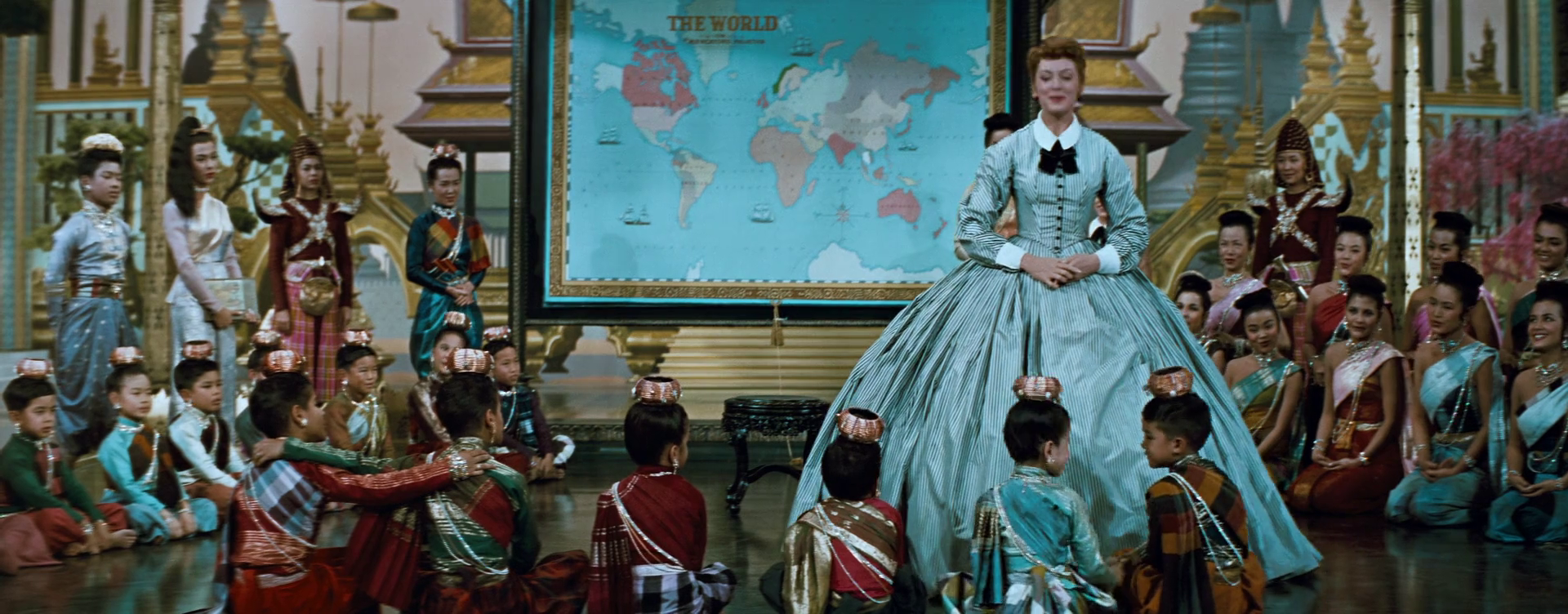
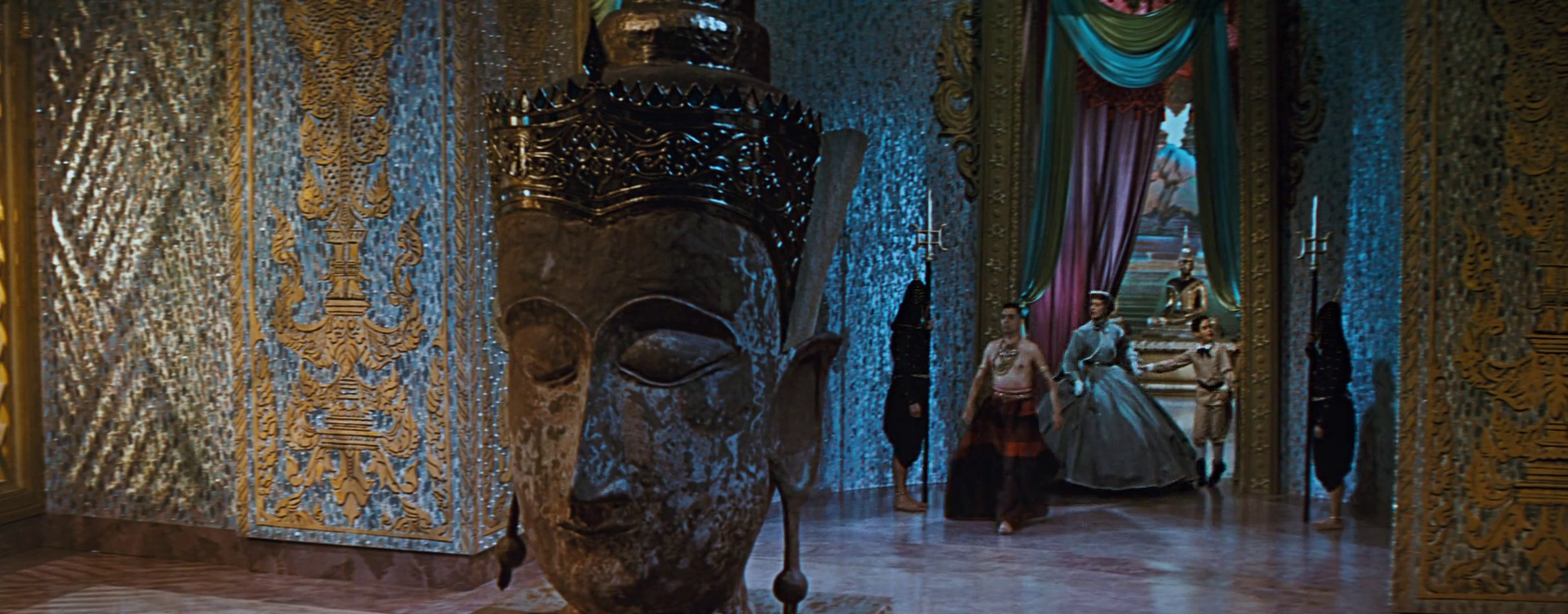
As Bosley Crowther wrote in his laudatory review for The New York Times, “The king is the heart of this story, and Mr. Brynner makes him vigorous and big. But Miss Kerr matches him boldly.” The colorful cinematography, sets, and costumes are a huge plus, too; the movie is sumptuous to look at, and of course the score is an absolute winner. The “Shall We Dance” sequence still delights instantly, thanks to a confluence of all these factors.
Much more problematic is the storyline itself, with its explicitly Orientalist and infantilizing (i.e., “I’ll help fix you and your culture”) approach to Anna’s visit. The recent Tony-winning revival of the musical apparently worked hard to overcome these inherent challenges, and succeeded — but modern-day viewers of this older adaptation will want to prepare themselves for numerous uncomfortable tensions. On the one hand, it tells a staunchly feminist tale of an independent woman boldly succeeding in a sexist patriarchy; on the other hand, Siamese culture is presented as deeply “Othered” and inherently problematic, and it’s difficult to see Anna as anything other than a “White savior” coming in to rescue this nation and its people single-handedly. With that said, should this version of The King and I still be seen? Yes, I believe so — there’s enough merit in the production itself to warrant a viewing, and modern film fanatics will hopefully be able to put its orientation (pun intended) into historical context. Redeeming Qualities and Moments:
Must See? Categories Links: |
“I’ve done things that would have been unthinkable before the war.”
|
Synopsis: |
|
Genres:
Response to Peary’s Review: It’s actually hard to name just one element that contributes to this film’s success; as noted by Peter Bogdanovich:
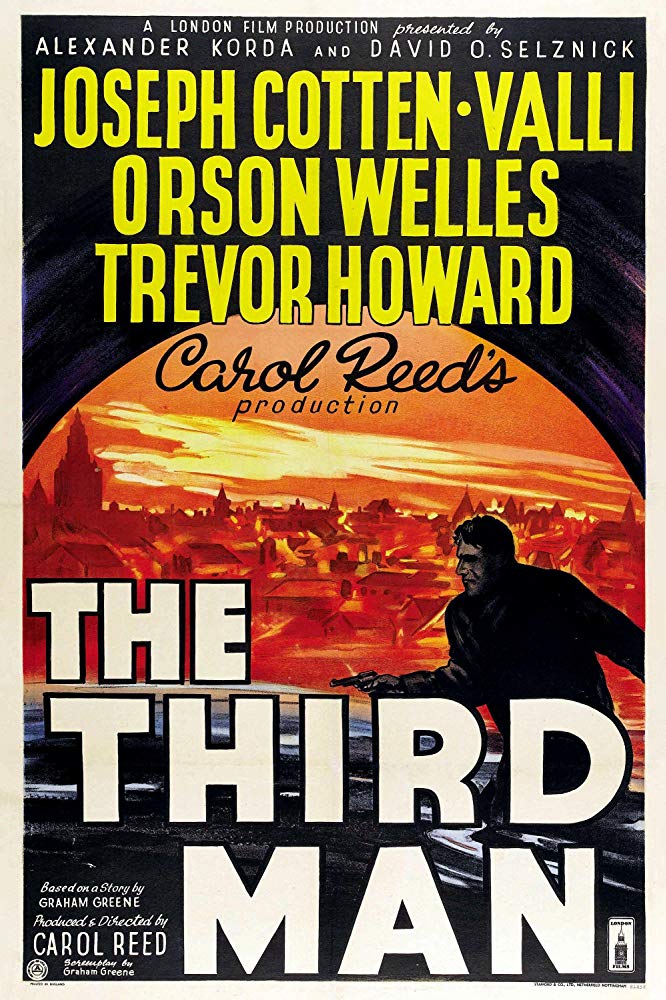
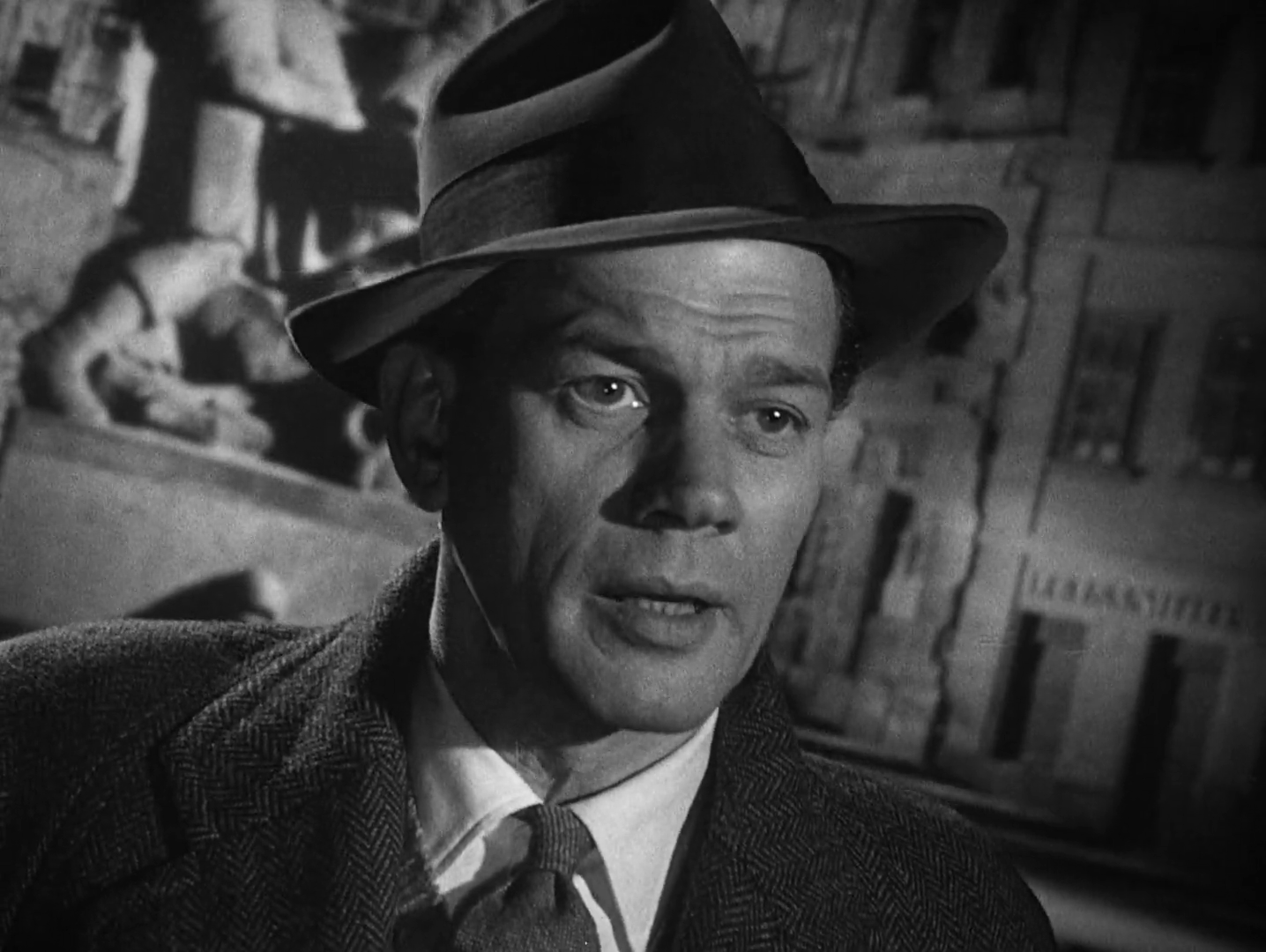
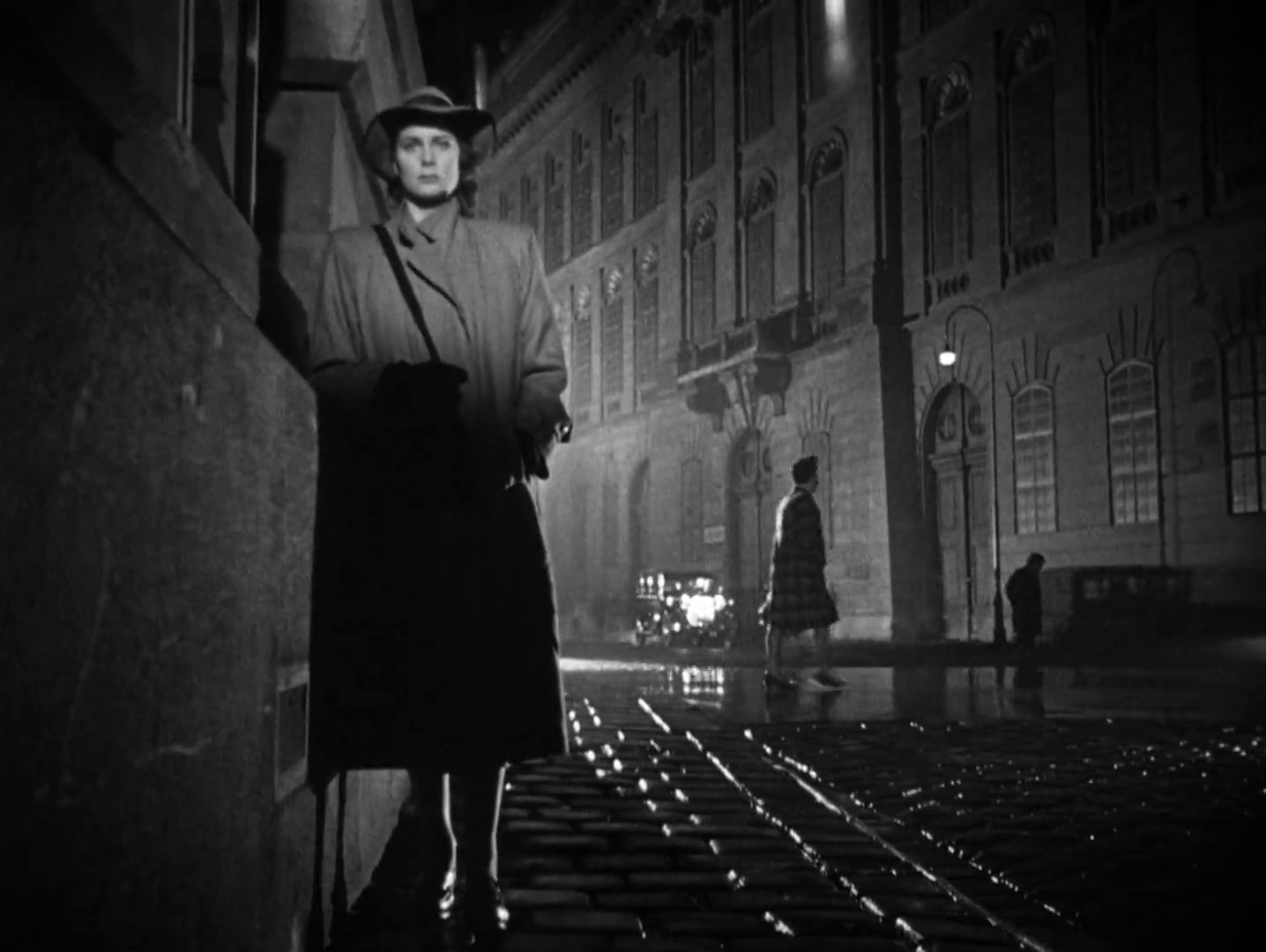
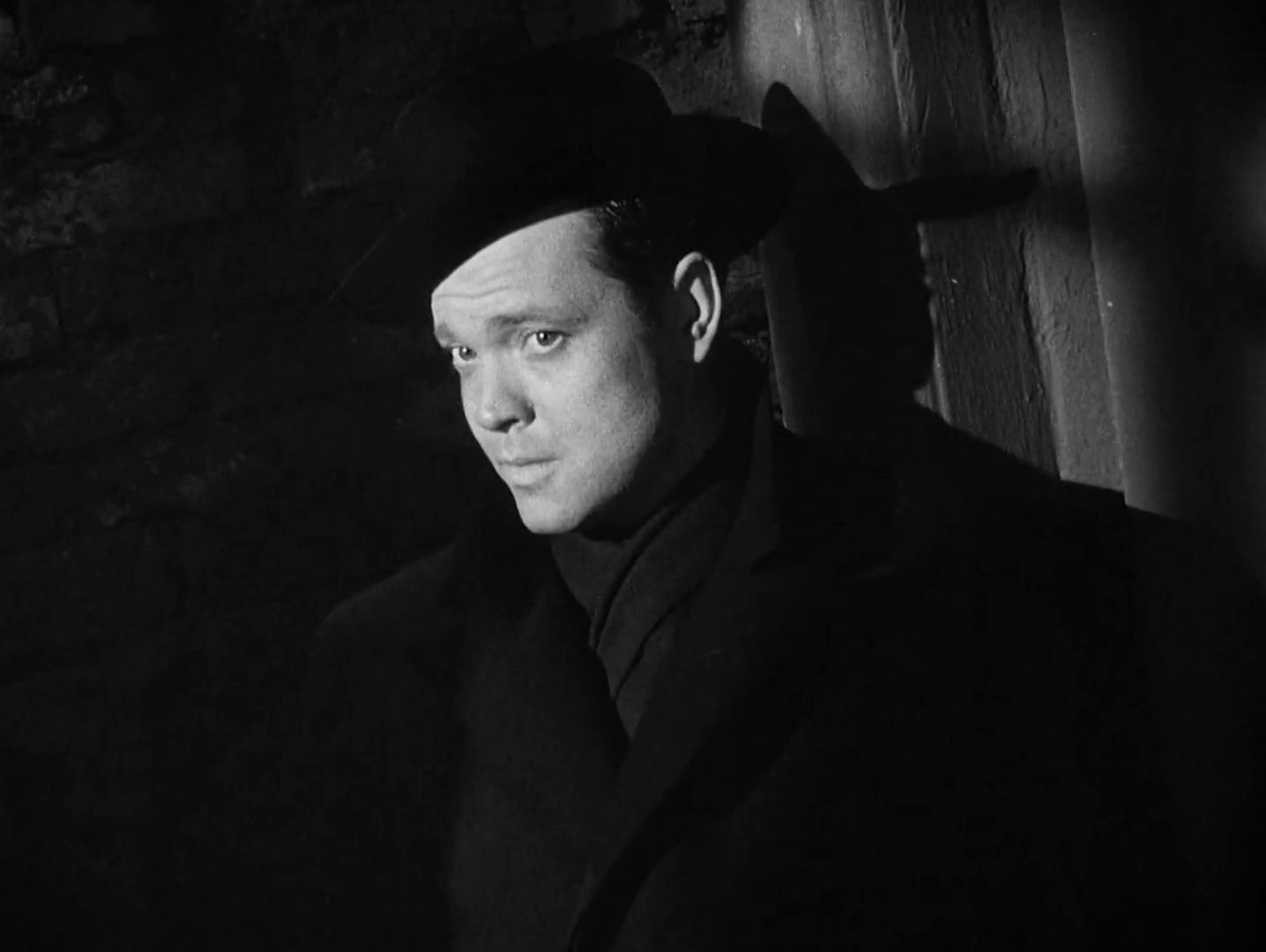
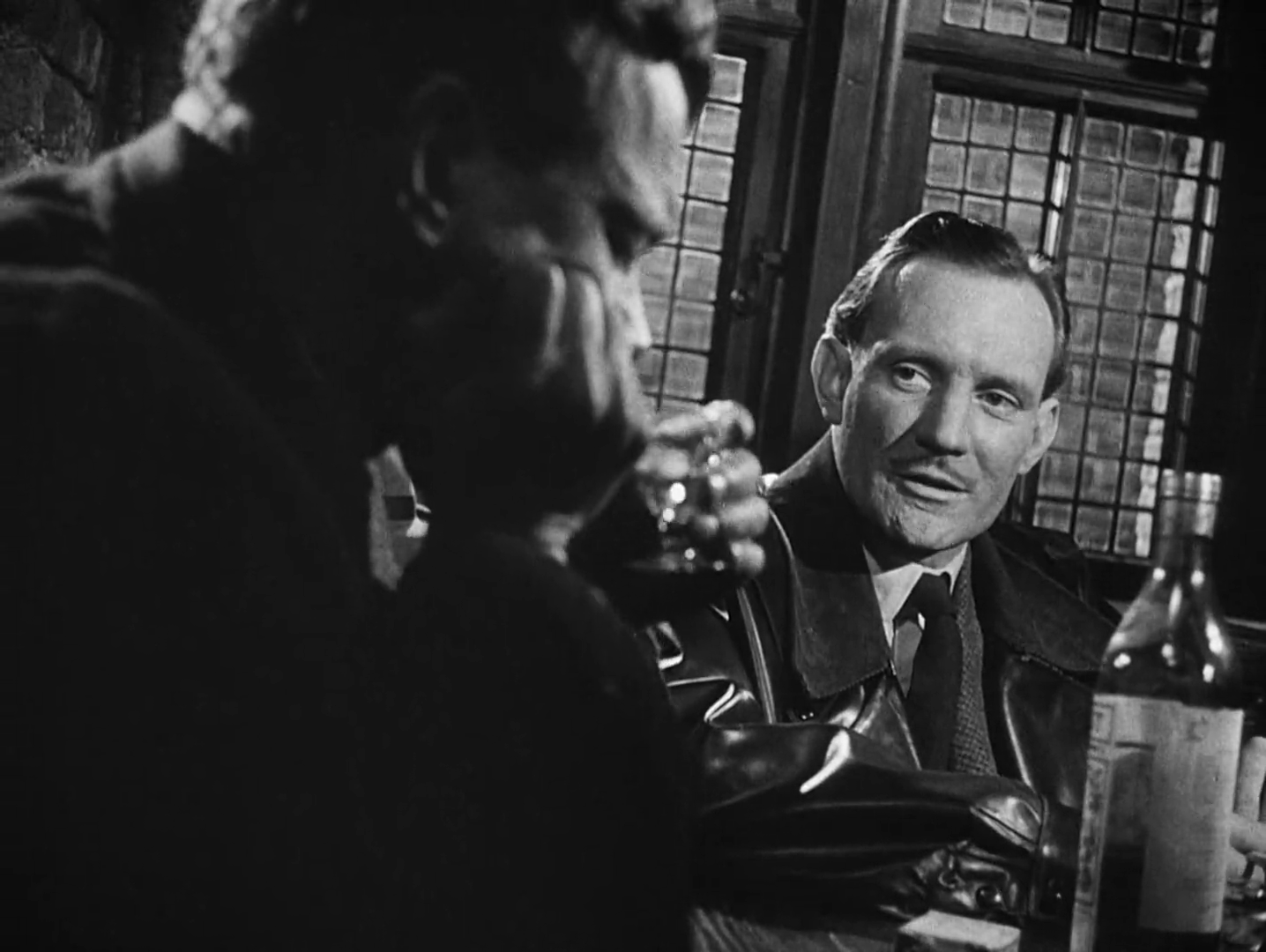
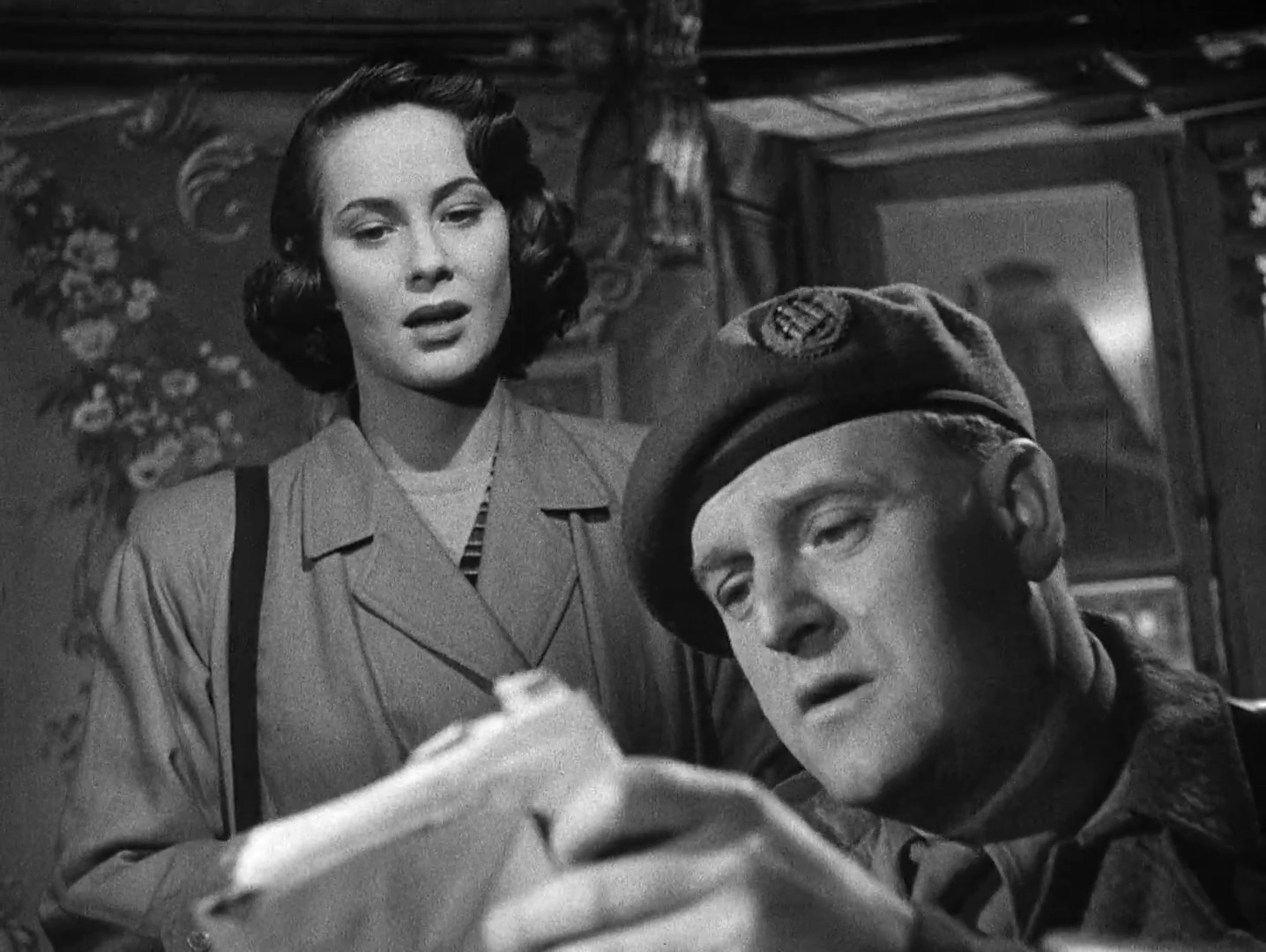
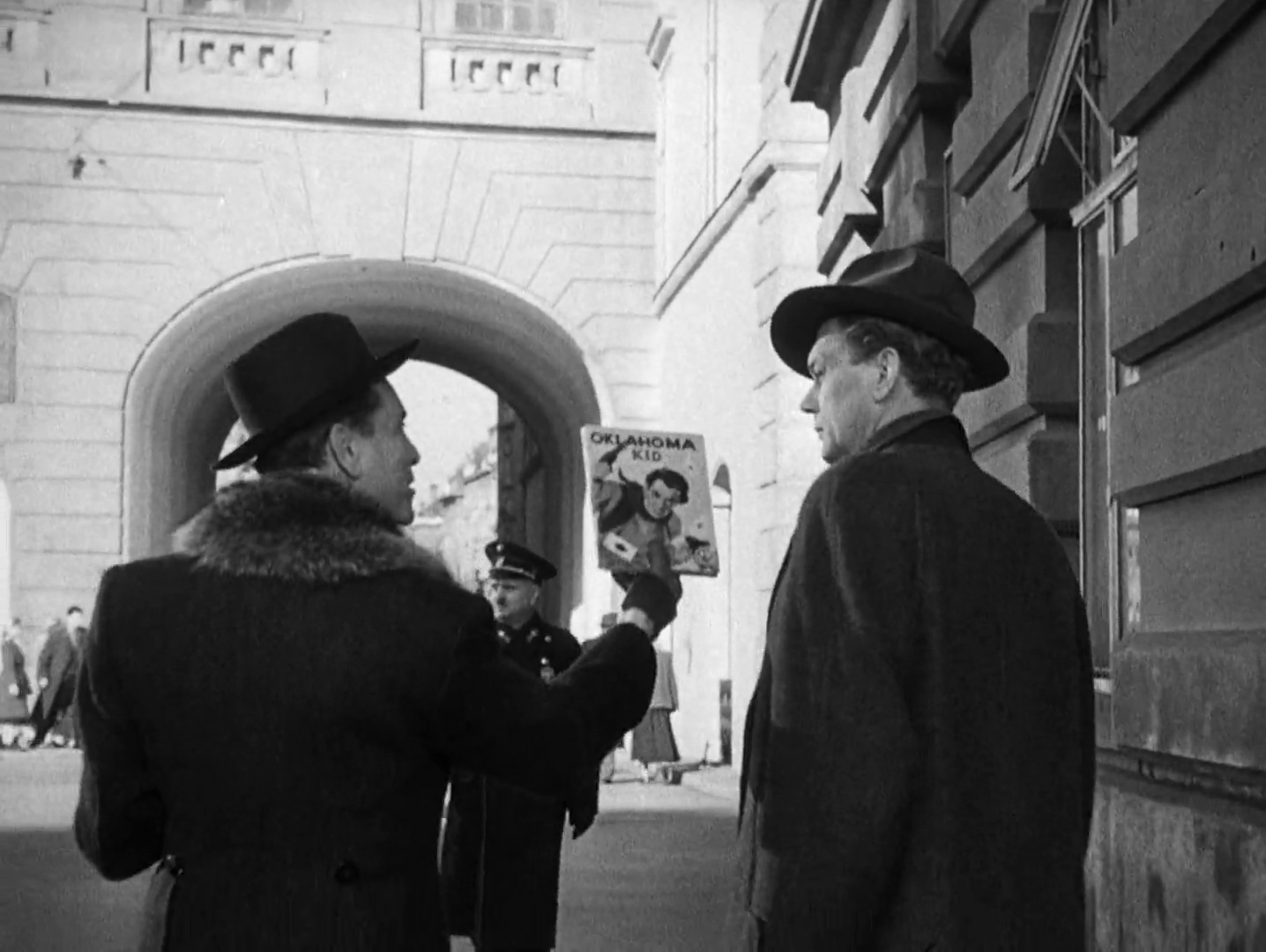
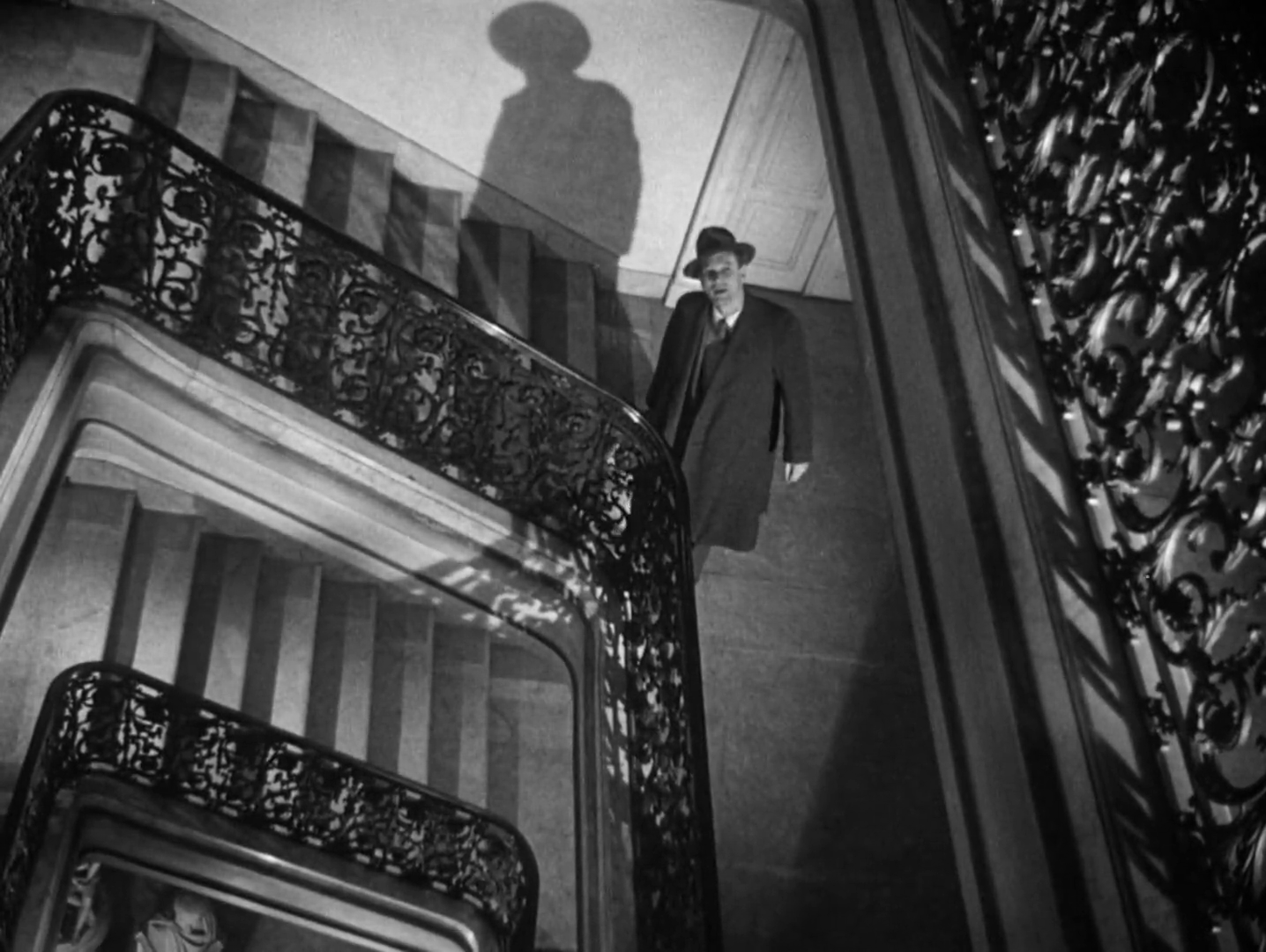
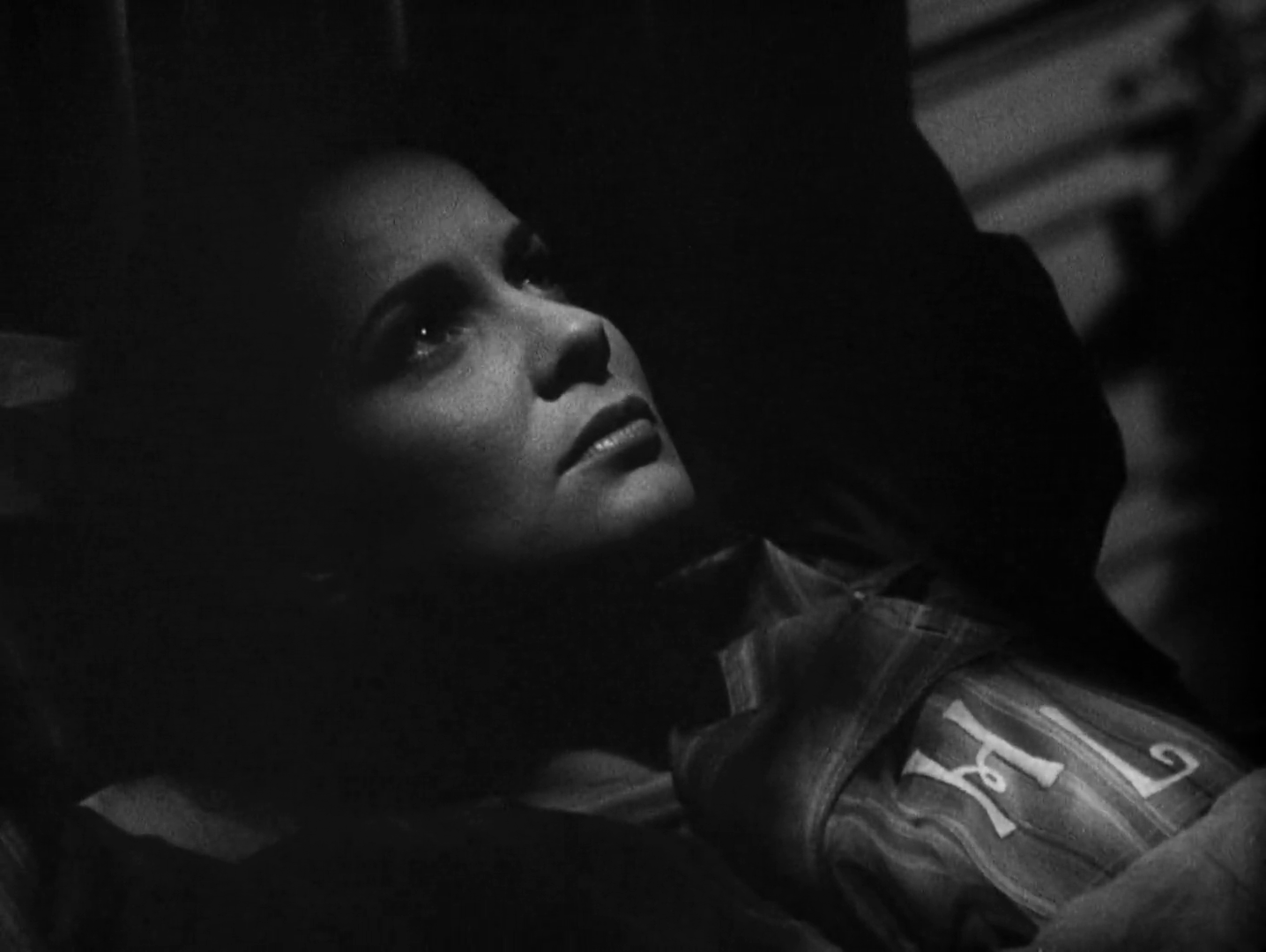
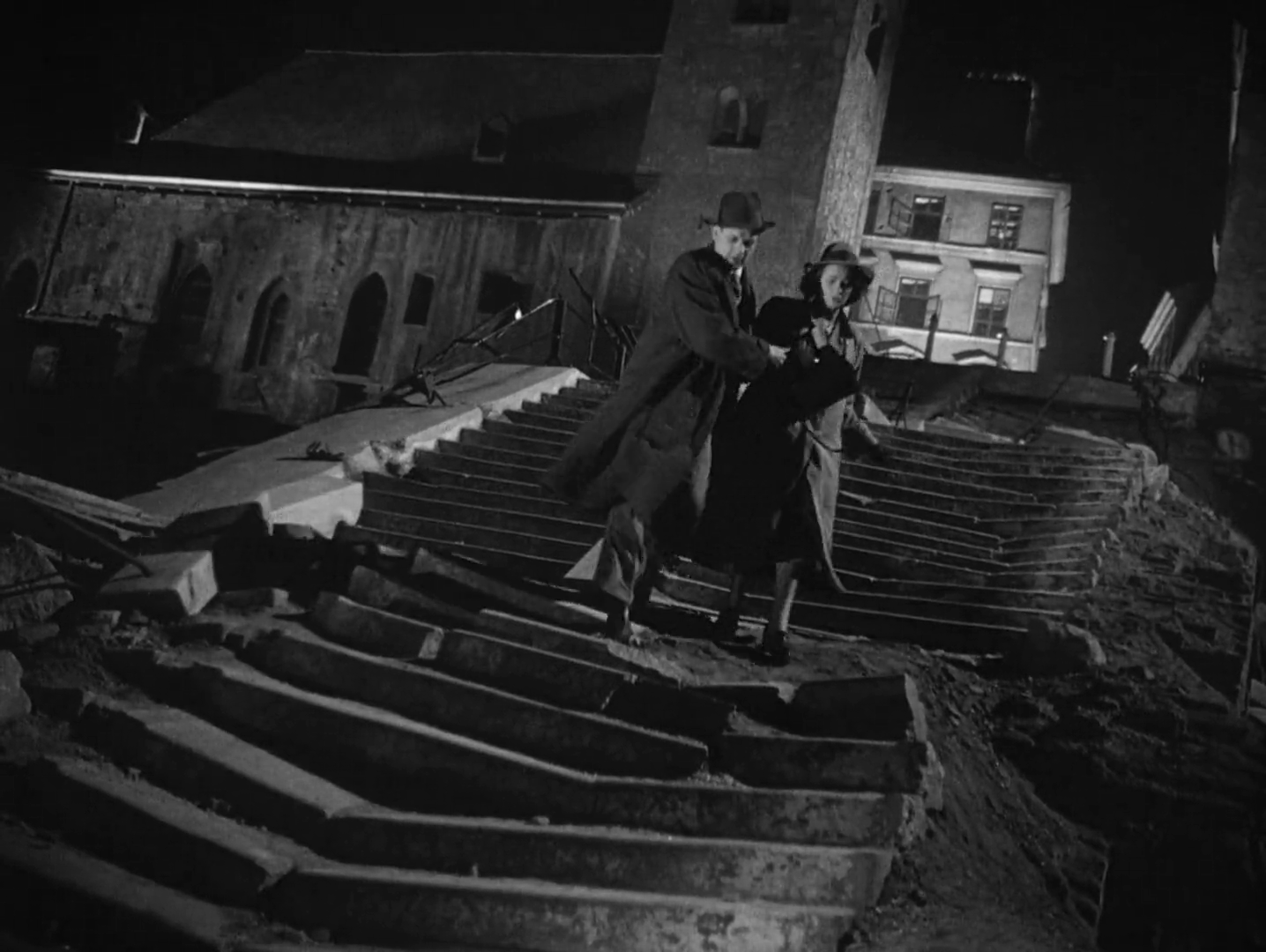
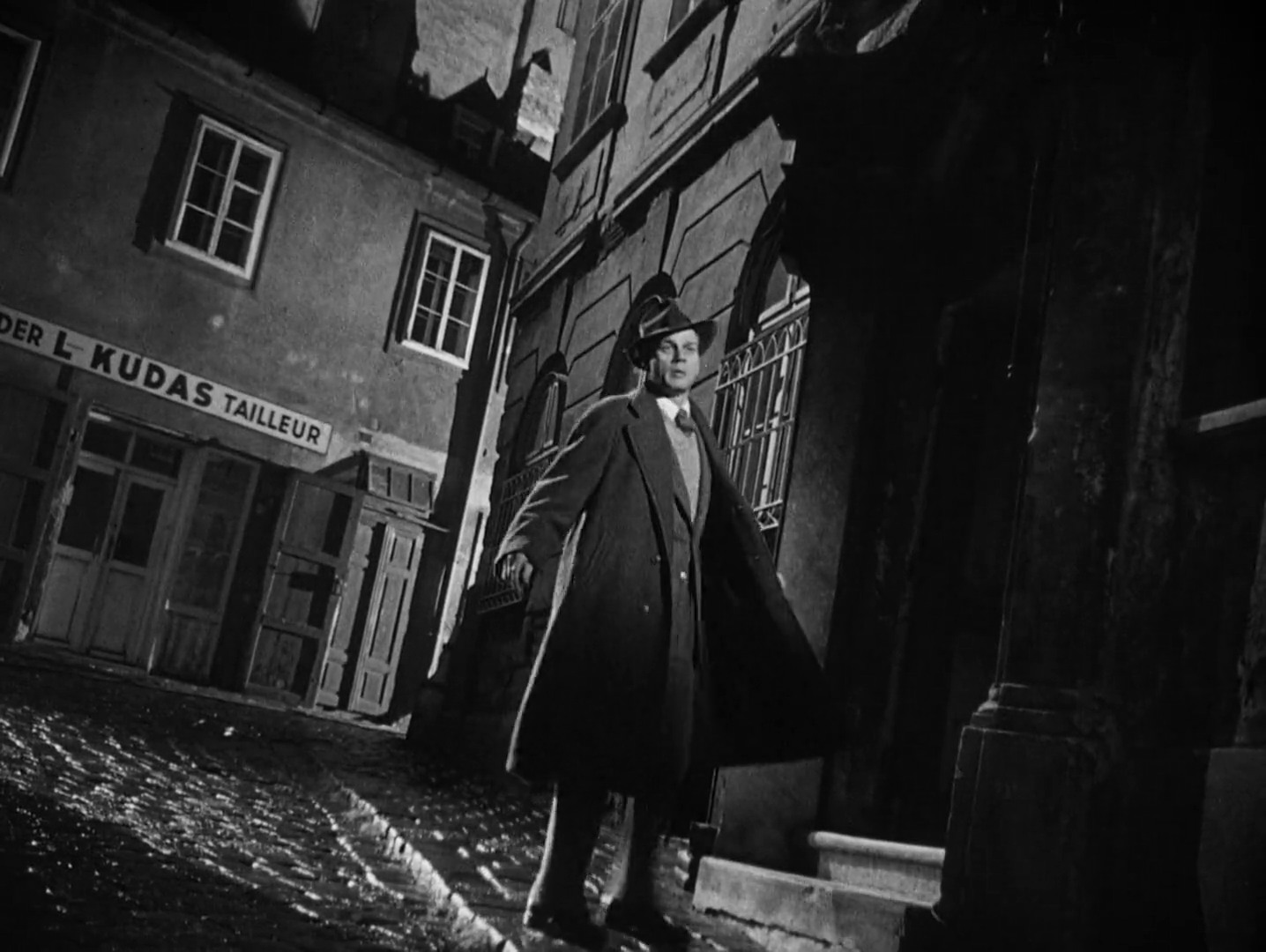
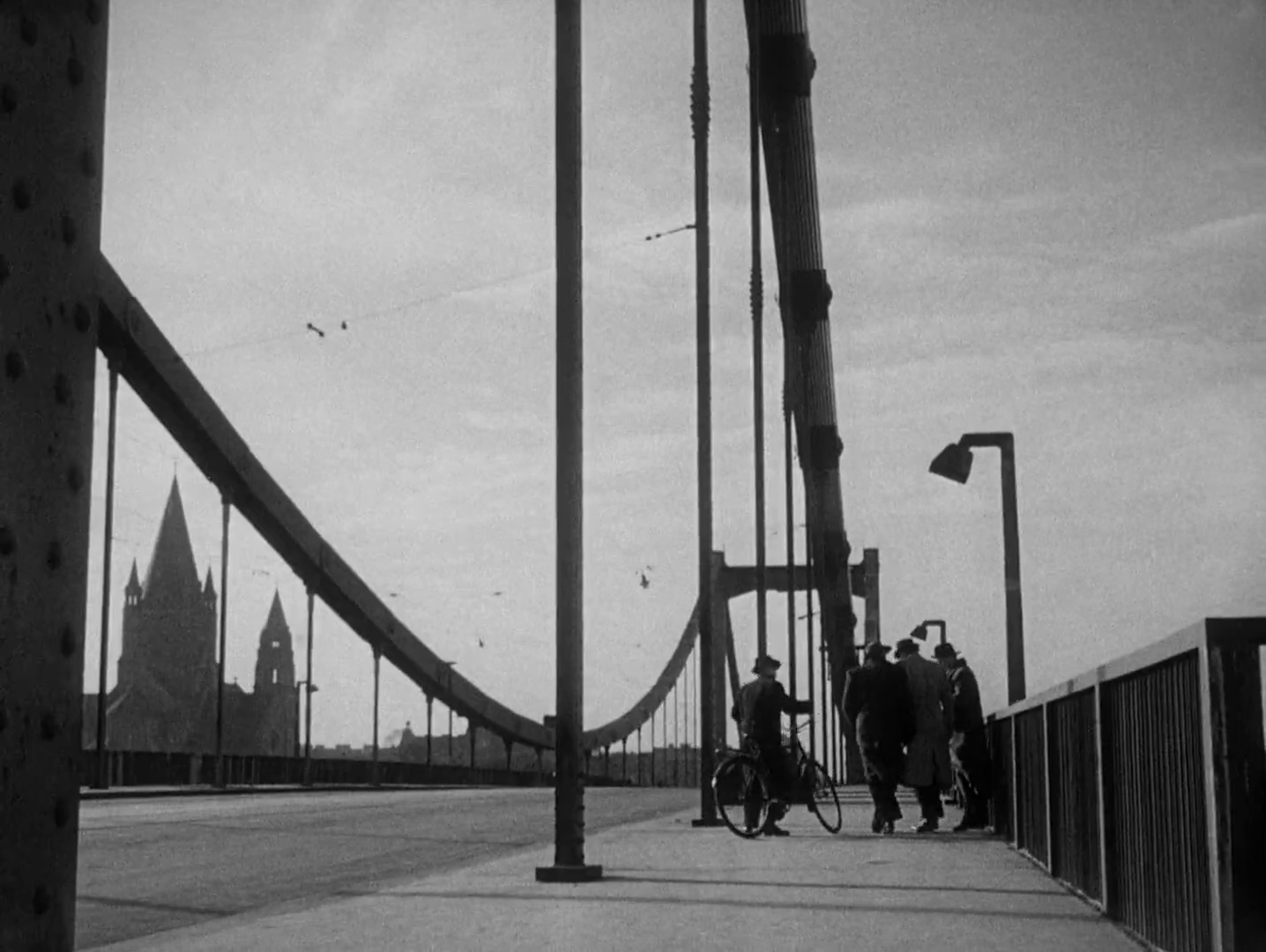
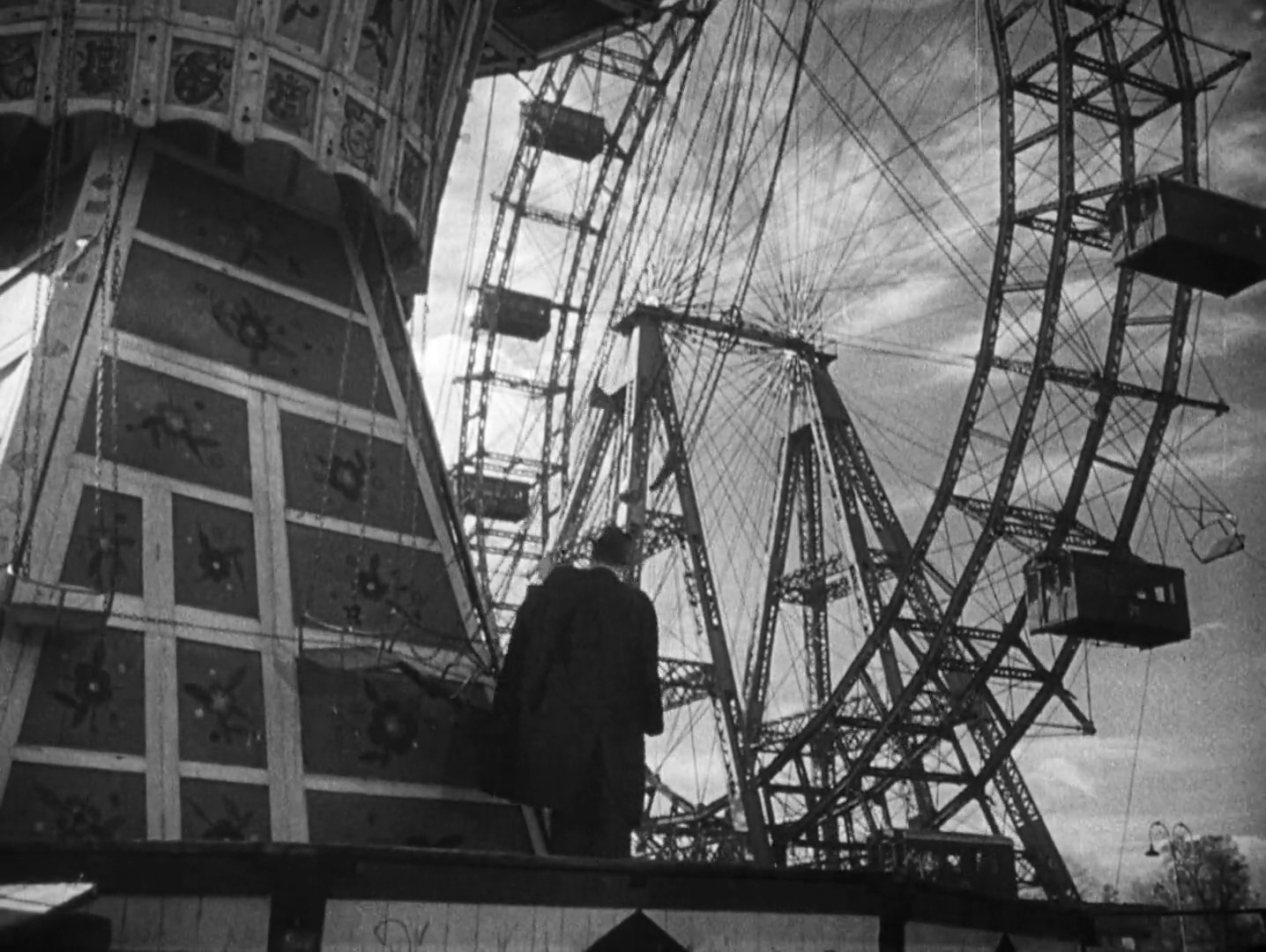
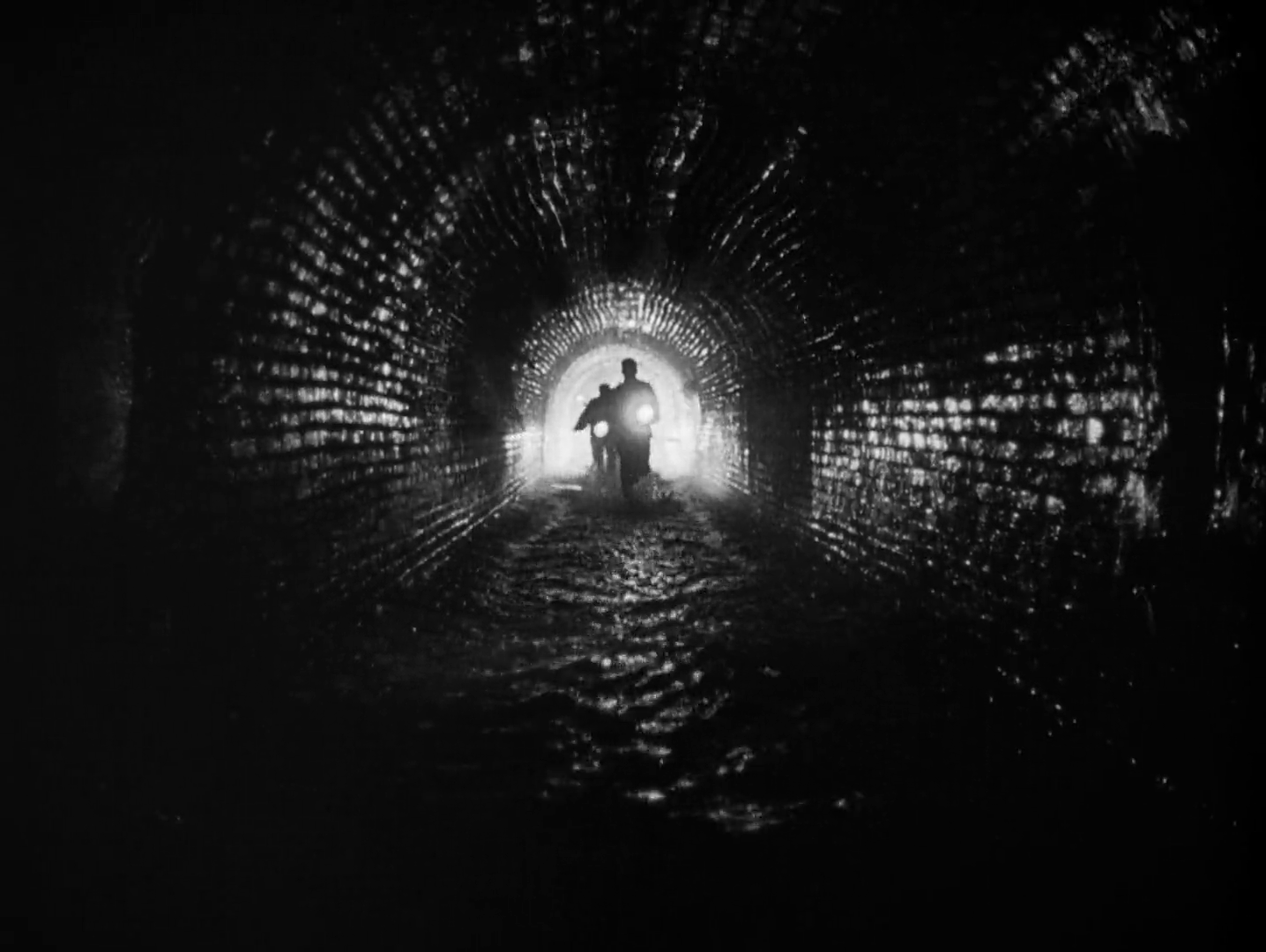
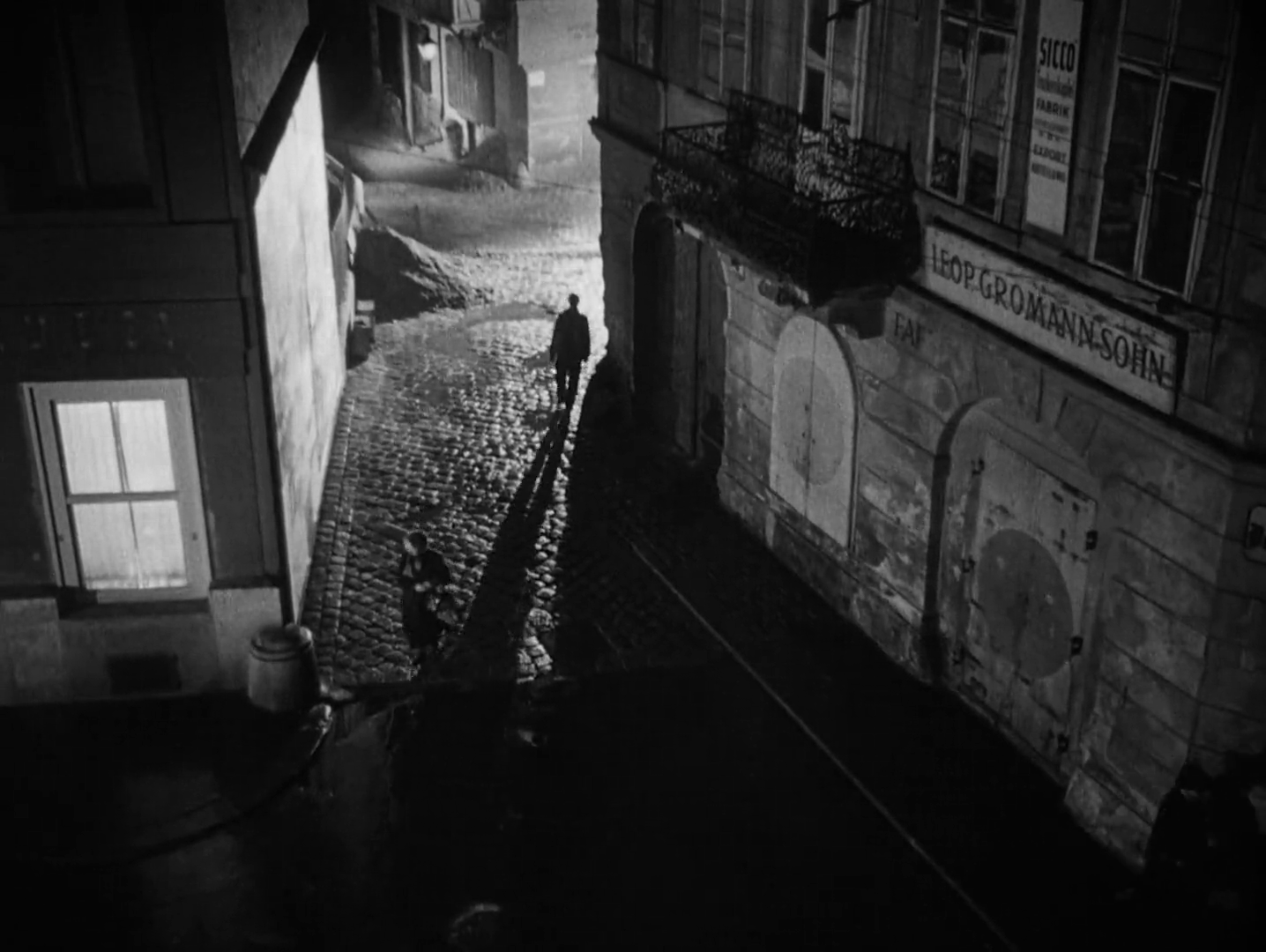
Indeed, everything about this expertly crafted, finely acted film keeps one glued to the screen and the storyline — thanks in large part to consistently innovative cinematography, with action taking place on inherently atmospheric sets. The attention to period detail and overall ambience in this film is especially significant; this is not simply any old “murder mystery”, but rather one that’s inextricably entrenched within the unique milieu of a city split into fragments by various occupiers, its motley inhabitants dealing with the inevitability of post-war chaos, corruption, and mistrust. Lonely Martins stumbles into this unsettled setting, mourning the loss of a man he considers “the best friend he ever had” while falling hard for stunning beauty Valli (excellent in her most iconic role). Meanwhile, Howard’s cynical-realist policeman is perpetually on the sidelines, ready to remind Cotten what kind of man his friend Harry Lime really was. Countless memorable images stand out from The Third Man: “Holly being bitten by a parrot, Holly being chased by a little boy who’s telling everyone within earshot that Holly’s a murderer, Lime and Holly speaking while on a Ferris wheel, Lime being chased through the sewers, and in the finale, Holly waiting for Valli as she walks toward the camera”. Also notable are Holly’s disastrous (indeed, nightmarish and Hitchcockian) talk in front of an audience of “cultured” Brits ready to hear him expound on high-falutin’ literary topics; “Baron” Kurtz (Ernst Deutsch) playing violin at the Casanova Club while an overweight female sips soup right under his chin; the many scenes in which faces of random citizens are shown in crowded, close focus on the screen; Lee punching Holly and then, without missing a beat, politely helping him get back up. There’s no sentimentality here: as much as Holly may want to imbue his old friend with the glow of eternal loyalty, his idealized vision is broken down bit by bit, and there’s no happy ending in sight (though surely he has plenty of material to bring to his work as a novelist). Redeeming Qualities and Moments:
Must See? Categories (Listed in 1001 Movies You Must See Before You Die) Links: |
“That’s all he really wanted out of life, was love.”
|
Synopsis: |
|
Genres:
Response to Peary’s Review:
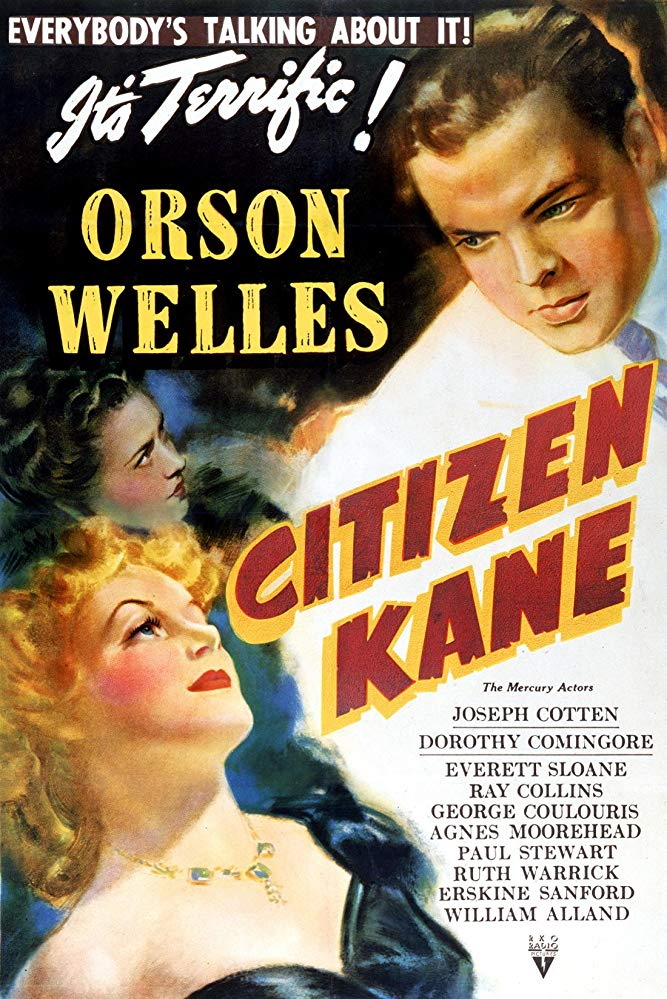
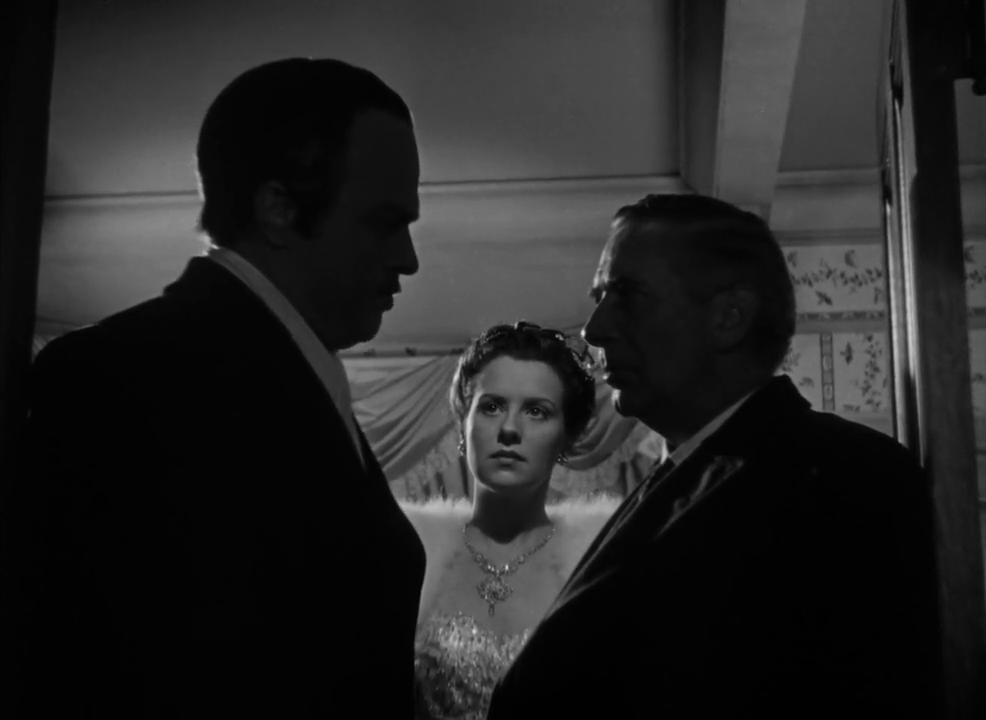
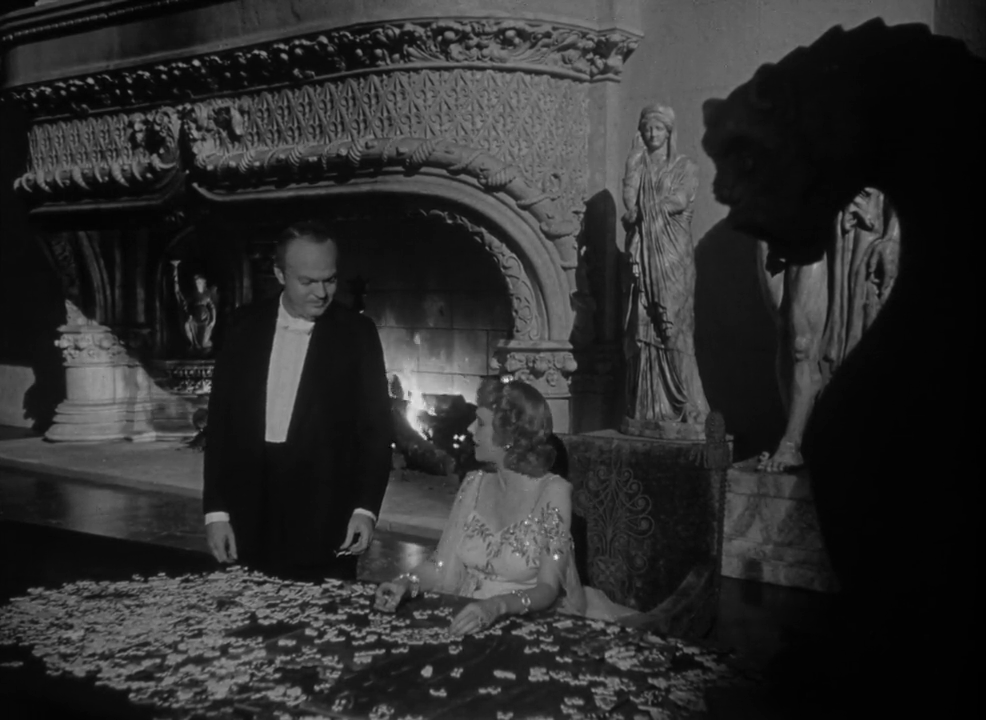
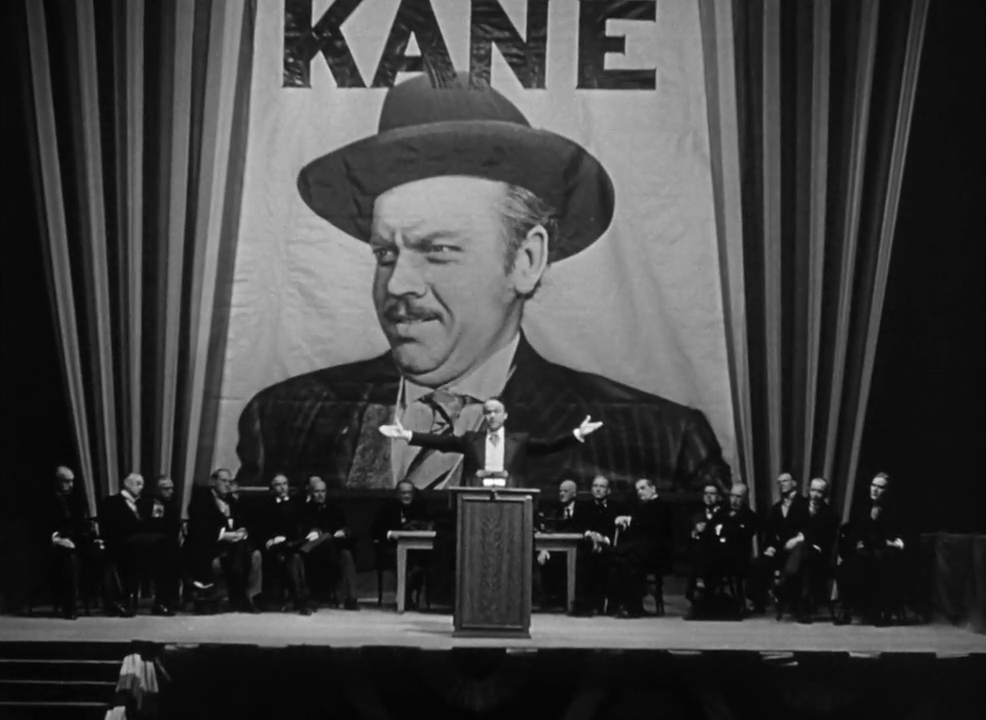
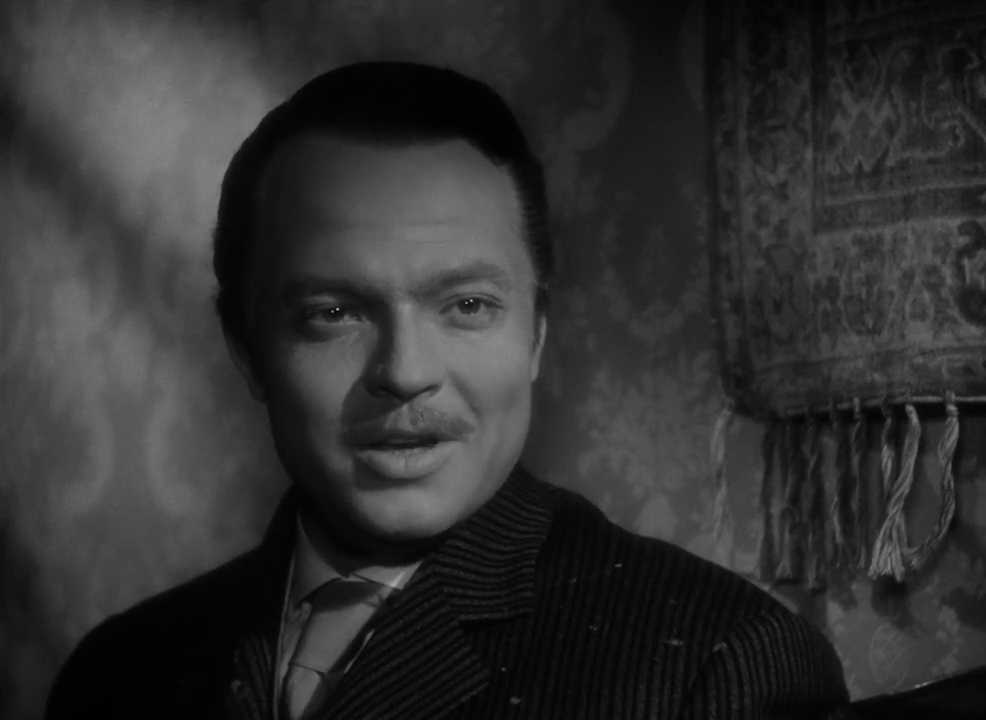
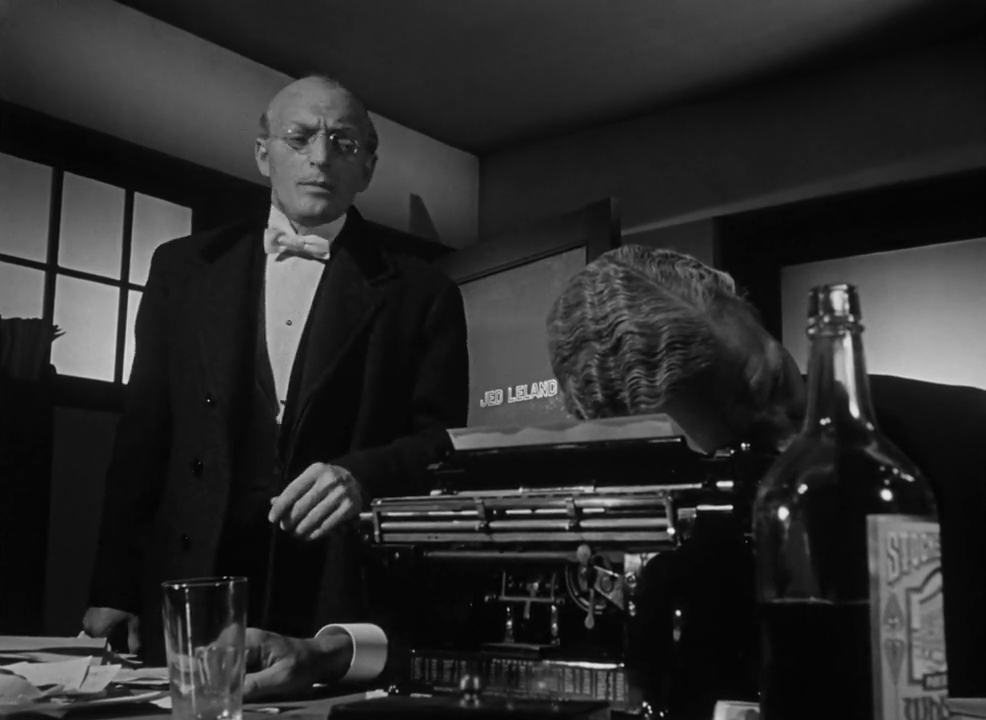
Peary further points out that the “picture has great acting, music (by Bernard Herrmann), photography, editing (by Robert Wise), [and] countless classic moments”. Peary discusses Citizen Kane not only in his GFTFF but in his first Cult Movies book — where he offers an in-depth overview of the film’s notorious production and release — and Alternate Oscars, where he names it Best Picture of the Year, and refers to it as “stunningly directed, magnificently acted, and brilliantly written”. He argues that while not all would consider it “the greatest film ever made”, it’s “at [the] very least… the most influential film of the sound era, the picture that best illustrates the potential of film as a storytelling medium and as an outlet for personal and artistic expression”. All of Peary’s praise rings true: the film does indeed “astonish” those seeing it for the first time, and “repeated viewings only increase the impact”. Whether one merely admires Citizen Kane or actively enjoys it, there is never a visually dull moment; it’s well worth a look or two (or three, or more). Notable Performances, Qualities, and Moments:
Must See? Categories (Listed in 1001 Movies You Must See Before You Die) Links: |
“Nothing lasts, really — neither happiness nor despair. Not even life lasts very long.”
|
Synopsis: |
|
Genres:
Response to Peary’s Review:
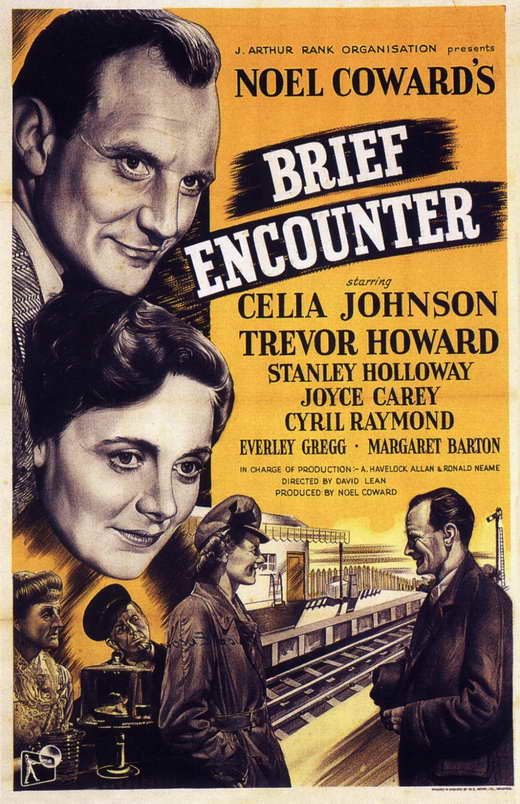
… is a “nicely acted film” representing the “visualization of a fantasy of many sexually repressed women” given that “Johnson is married to a bore (Cyril Raymond) who takes her for granted; surely they have no sex life.”
He adds that the fact “Howard is a doctor is… significant. I would have thought he’d be a heart specialist who ‘revives’ Johnson’s long-lost emotions. But he’s a lung doctor, indication that Johnson’s home life is stifling.” Peary ends his brief review by noting that “If [the] ending is frustrating for viewers, it is equally frustrating for the two would-be lovers — if they’d been French rather than British, it all would have worked out fine.” Peary’s review of this fourth collaboration between director David Lean and producer-playwright Noel Coward — after In Which We Serve (1942), This Happy Breed (1944), and Blithe Spirit (1945) — is perhaps overly succinct and pat; DVD Savant adds some more thoughts to the analysis:
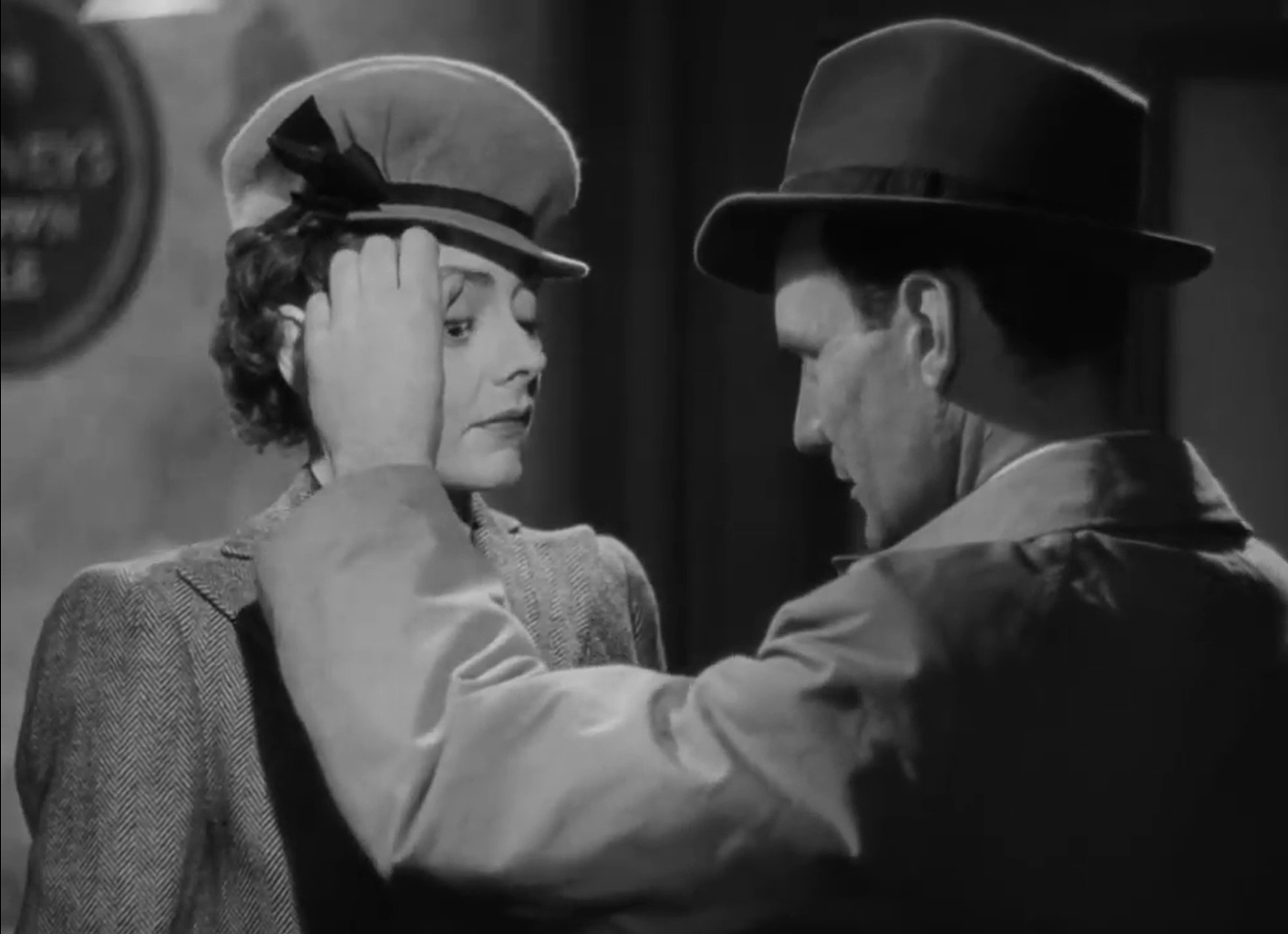
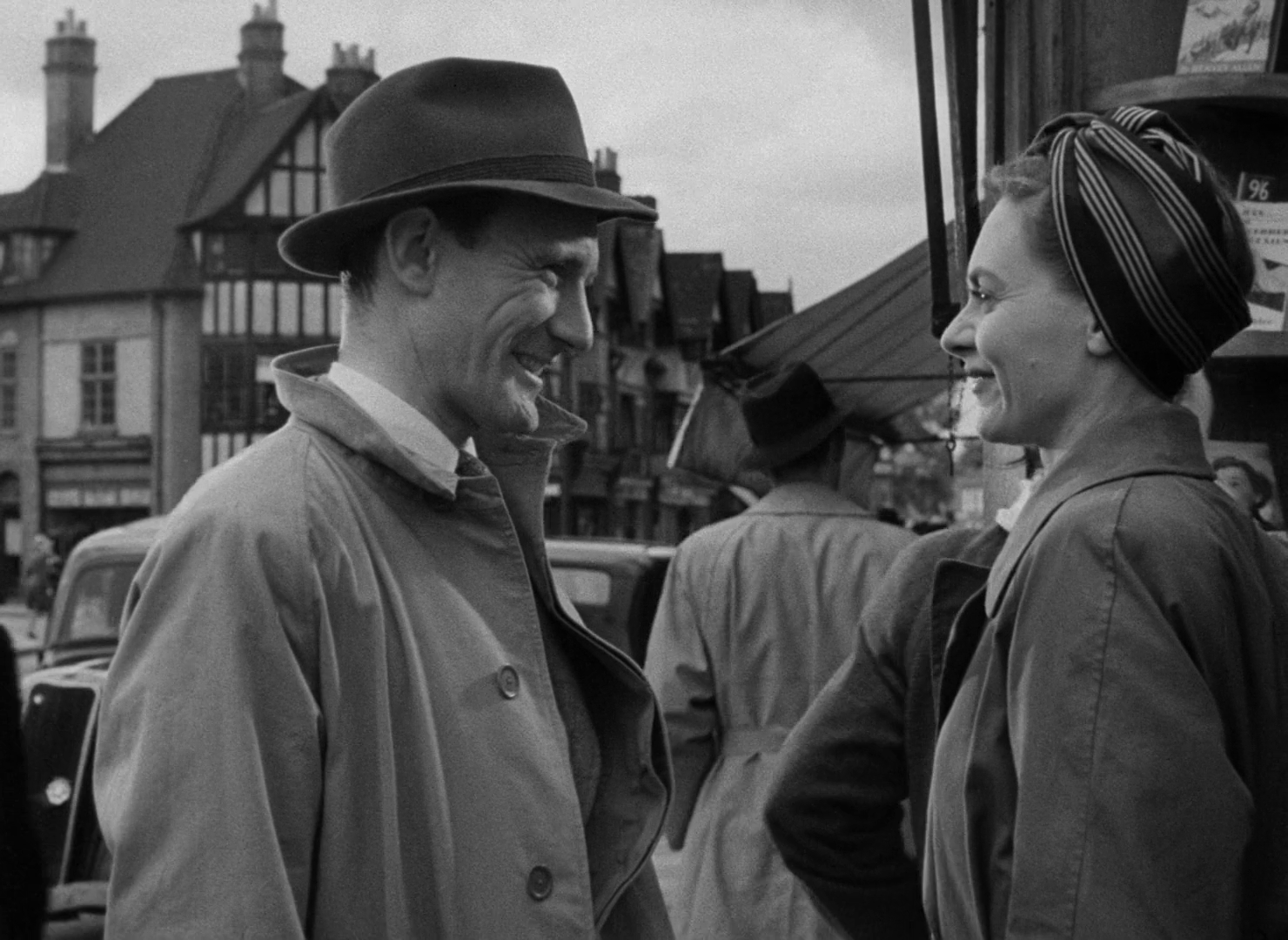
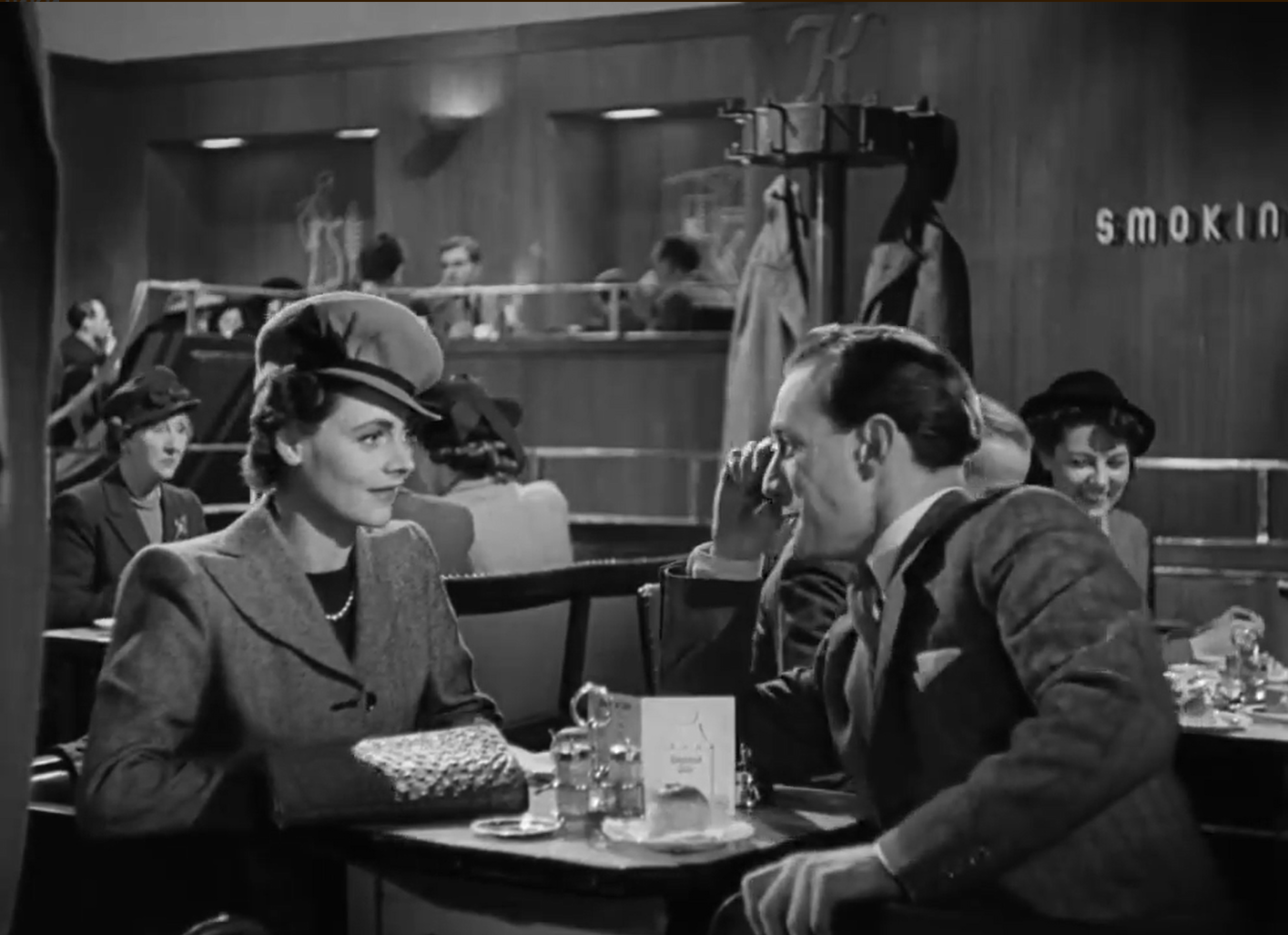
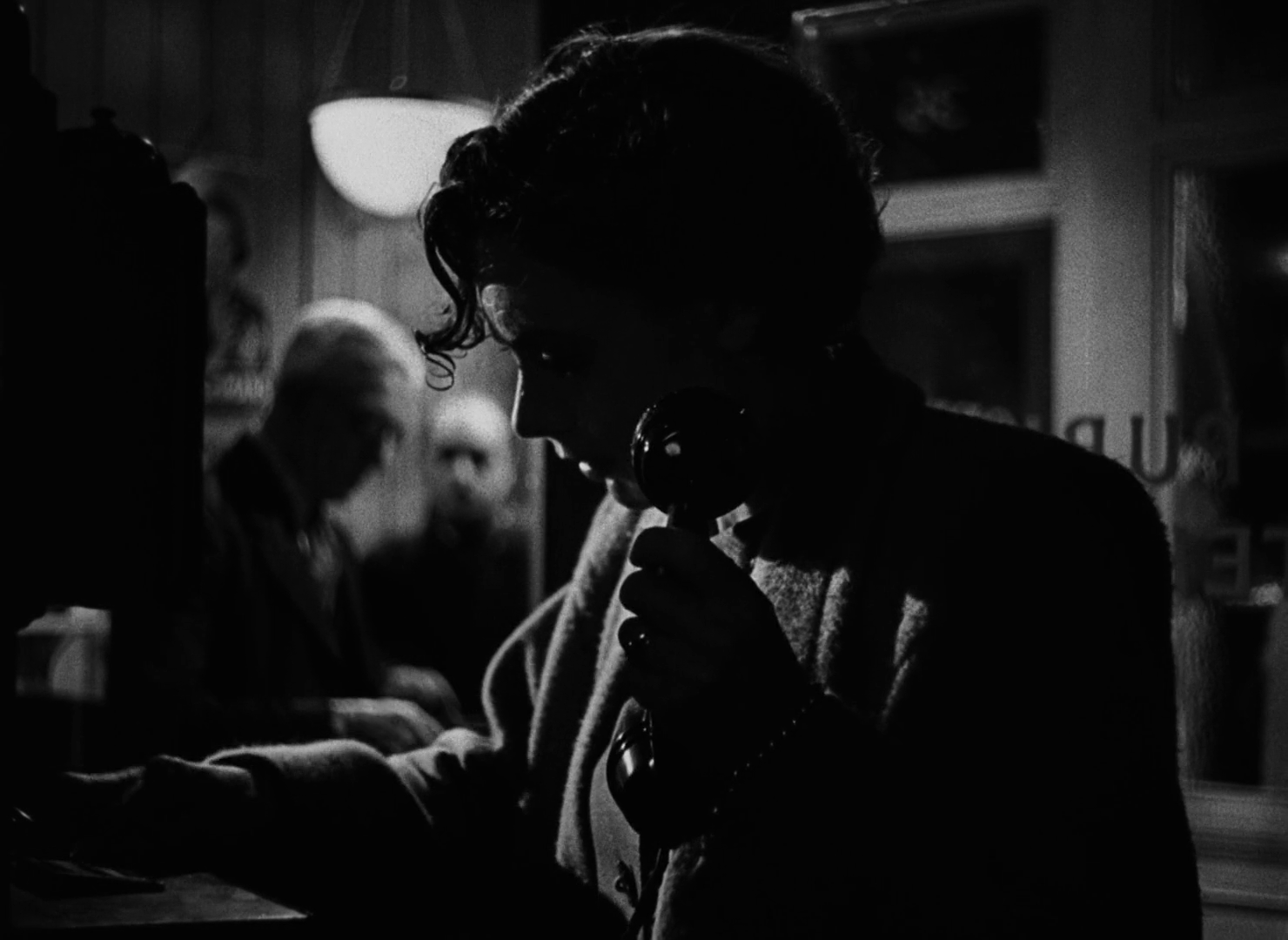
Indeed, Brief Encounter is a bittersweet film, and is not one I particularly enjoy watching, though I certainly appreciate its honesty and fine craftsmanship. Rachmaninoff’s piano concerto number 2 (purportedly Coward’s favorite musical piece) is used to memorable effect, the cinematography is consistently atmospheric, and all sets — from the crowded train station cafe:
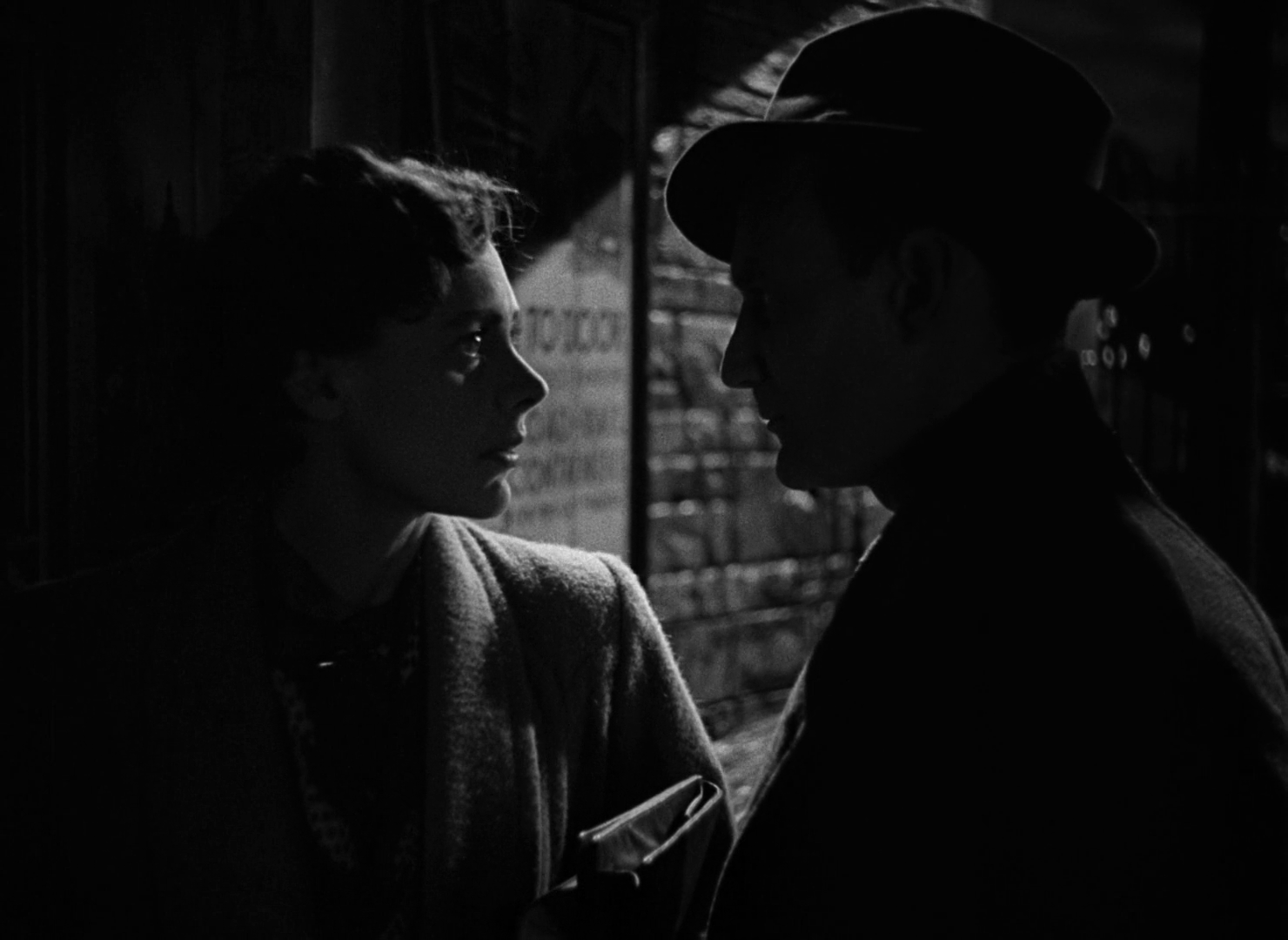
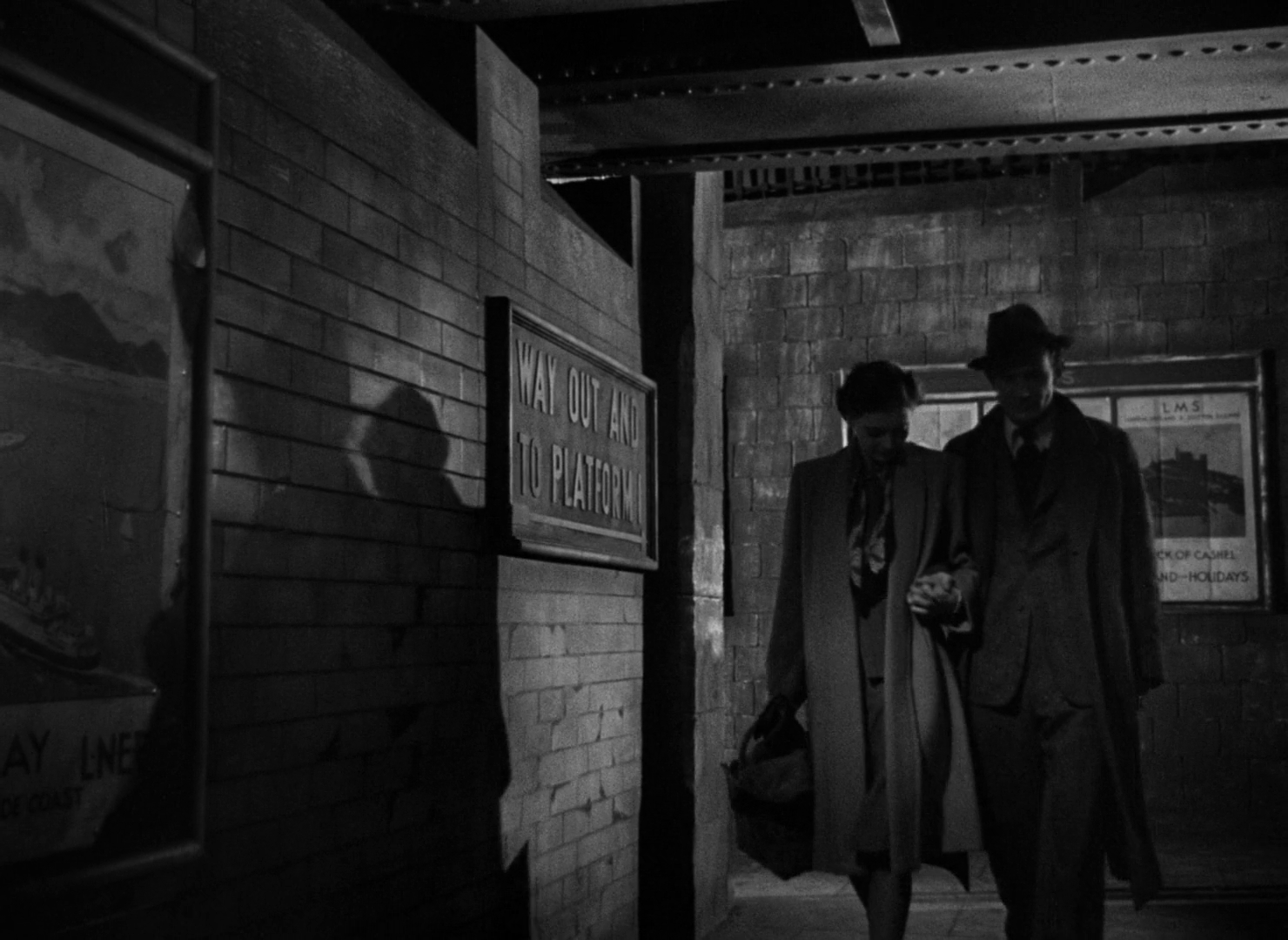
to shadowy tunnels —
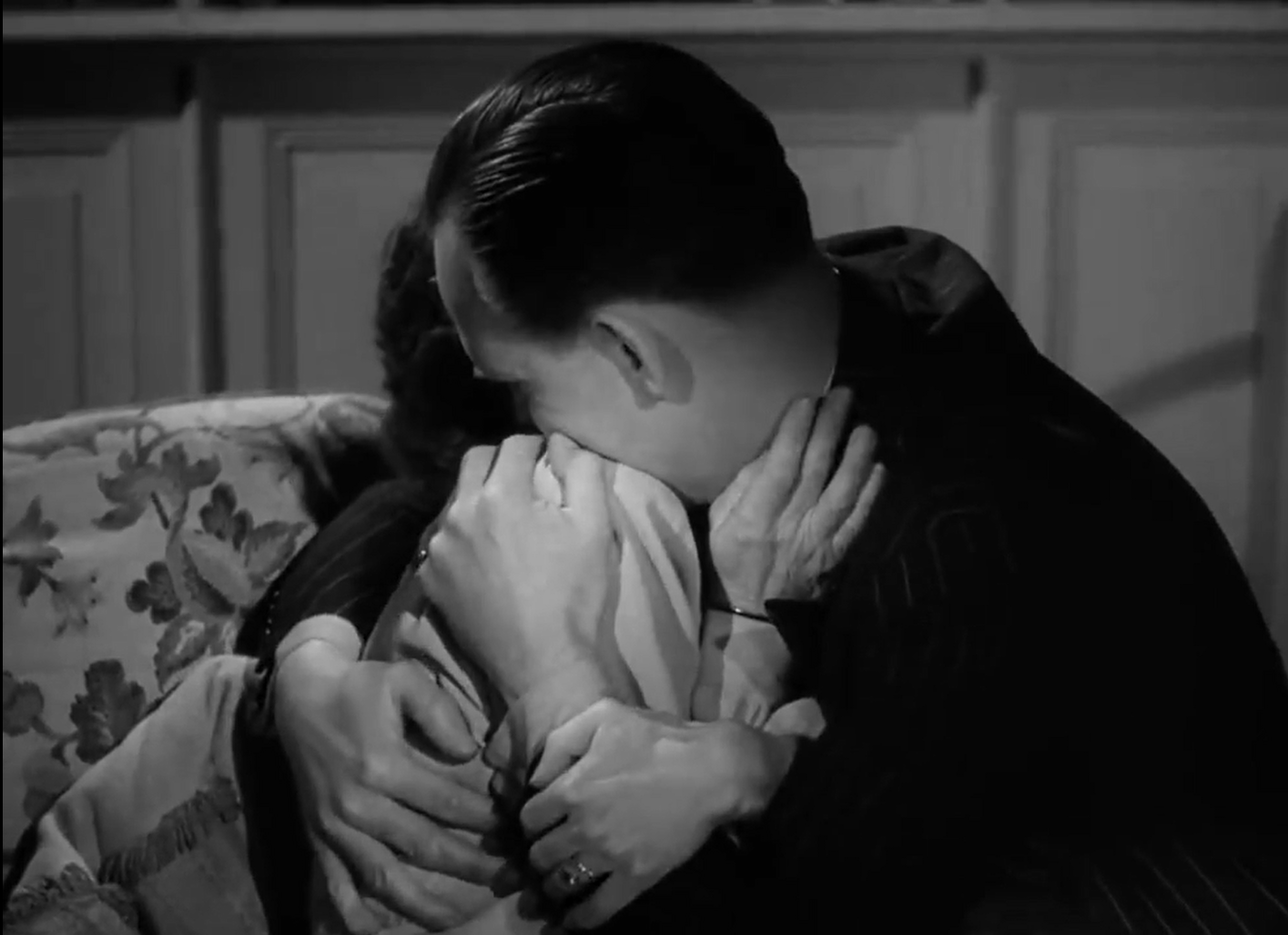
suit the characters’ secretive situation perfectly. The storyline itself — expanded from Coward’s original half-hour play Still Life (1936) — is expertly structured, framing the entire “brief encounter” as a self-reflective moment in the life of a woman who knows she will ultimately stay faithful to her husband and boring life, but recognizes what a gap this affair has filled (or opened up?) for her. One hopes she may be able to bring her newfound passion back to her marriage and convince her husband she wants more than simply kindness and expectations for dinner served on time; the final image of her embrace with Raymond is, to that end, perhaps an encouraging one.
Redeeming Qualities and Moments:
Must See? Categories (Listed in 1001 Movies You Must See Before You Die) Links: |