|
Genres, Themes, Actors, and Directors:
- Character Studies
- Delphine Seyrig Films
- Experimental Films
- Feminism
- Prostitutes
Review:
I’ve heard it said that it’s impossible to make a film about war — no matter how gruesome, violent, pointed, or macabre — without simultaneously glorifying it; I would argue that the same is true for prostitution. With only a few notable exceptions (Lizzie Borden’s Working Girls comes to mind), prostitution inevitably comes across in films as a somewhat glamorous — if undeniably dangerous and demeaning — profession.
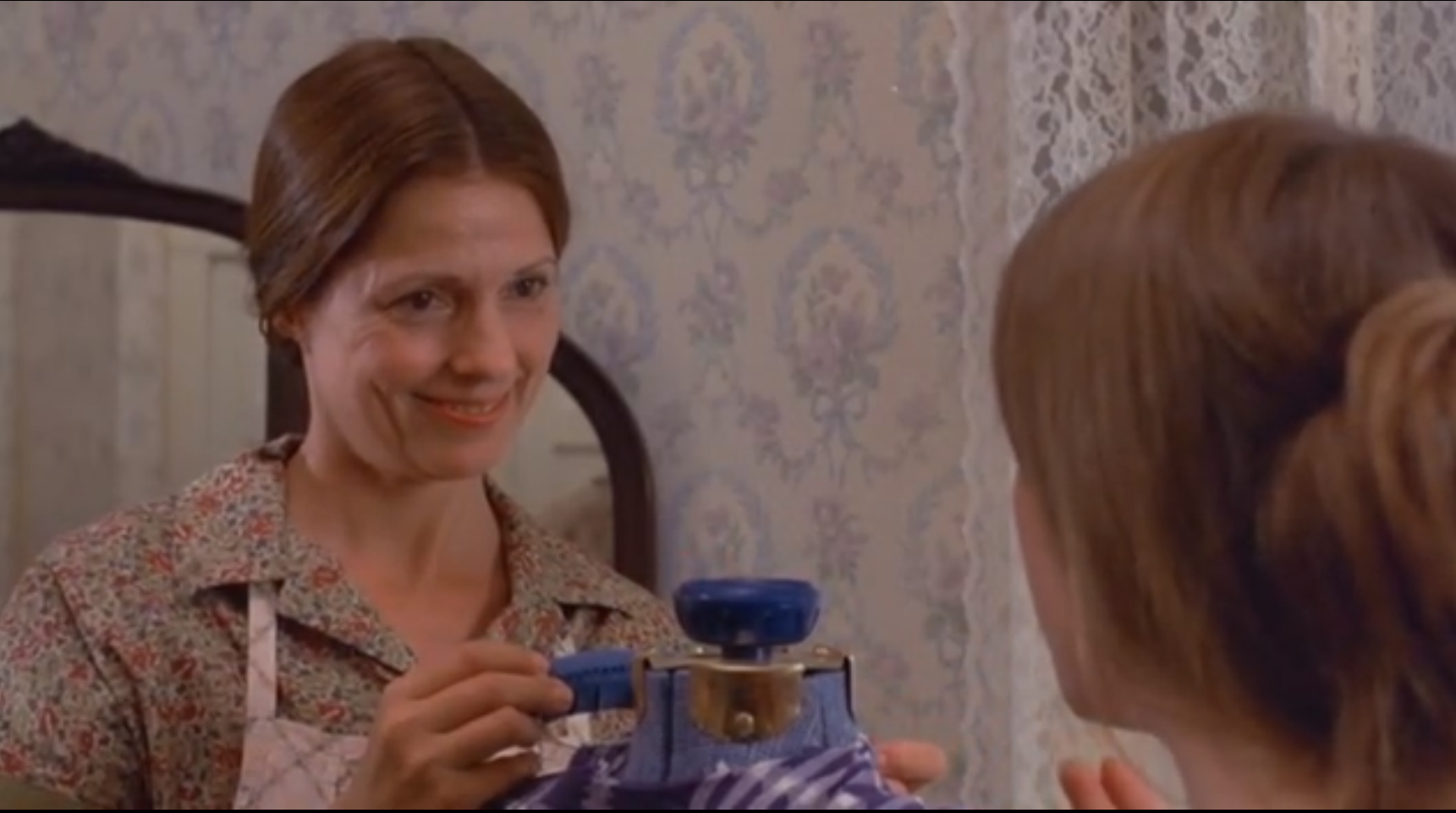
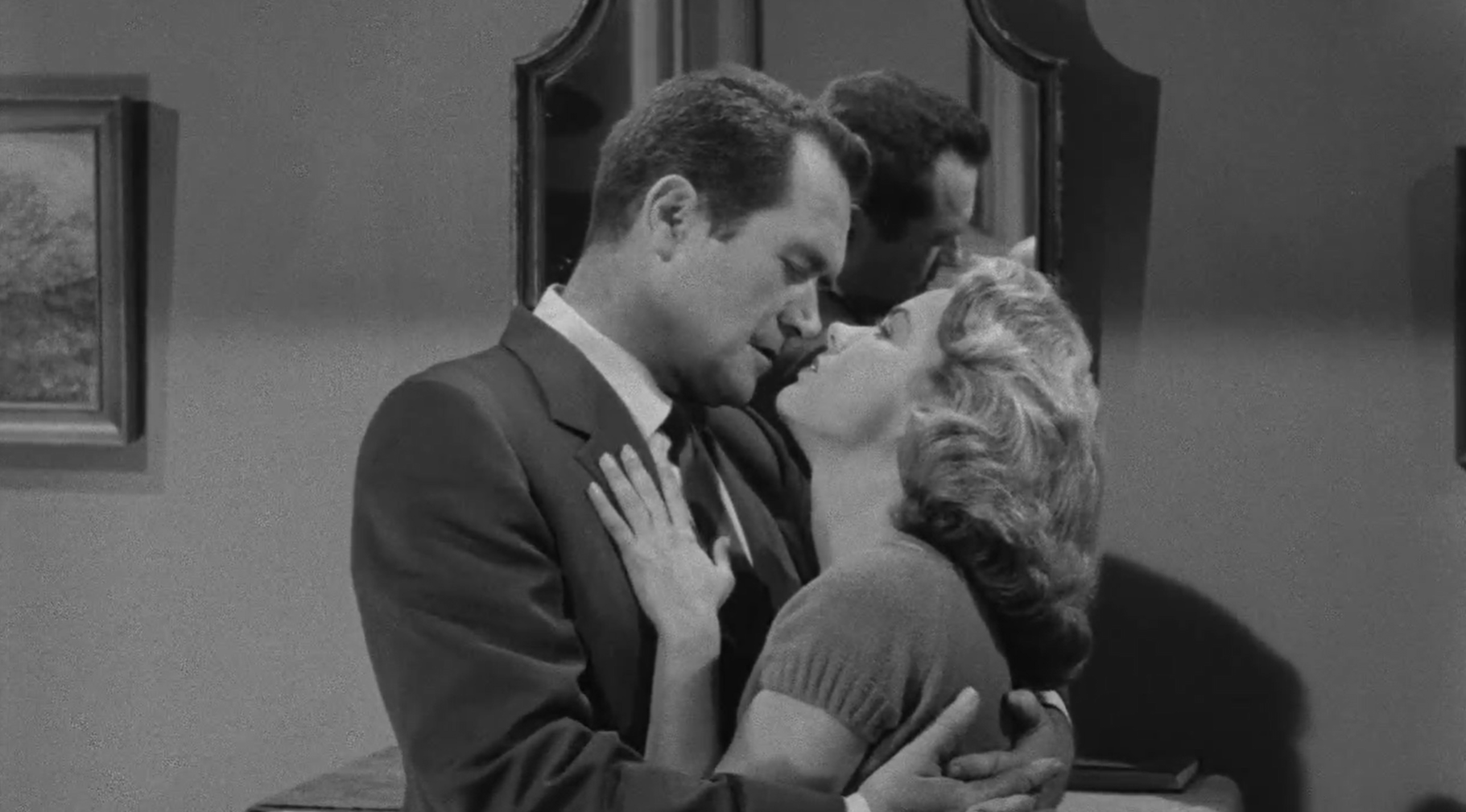
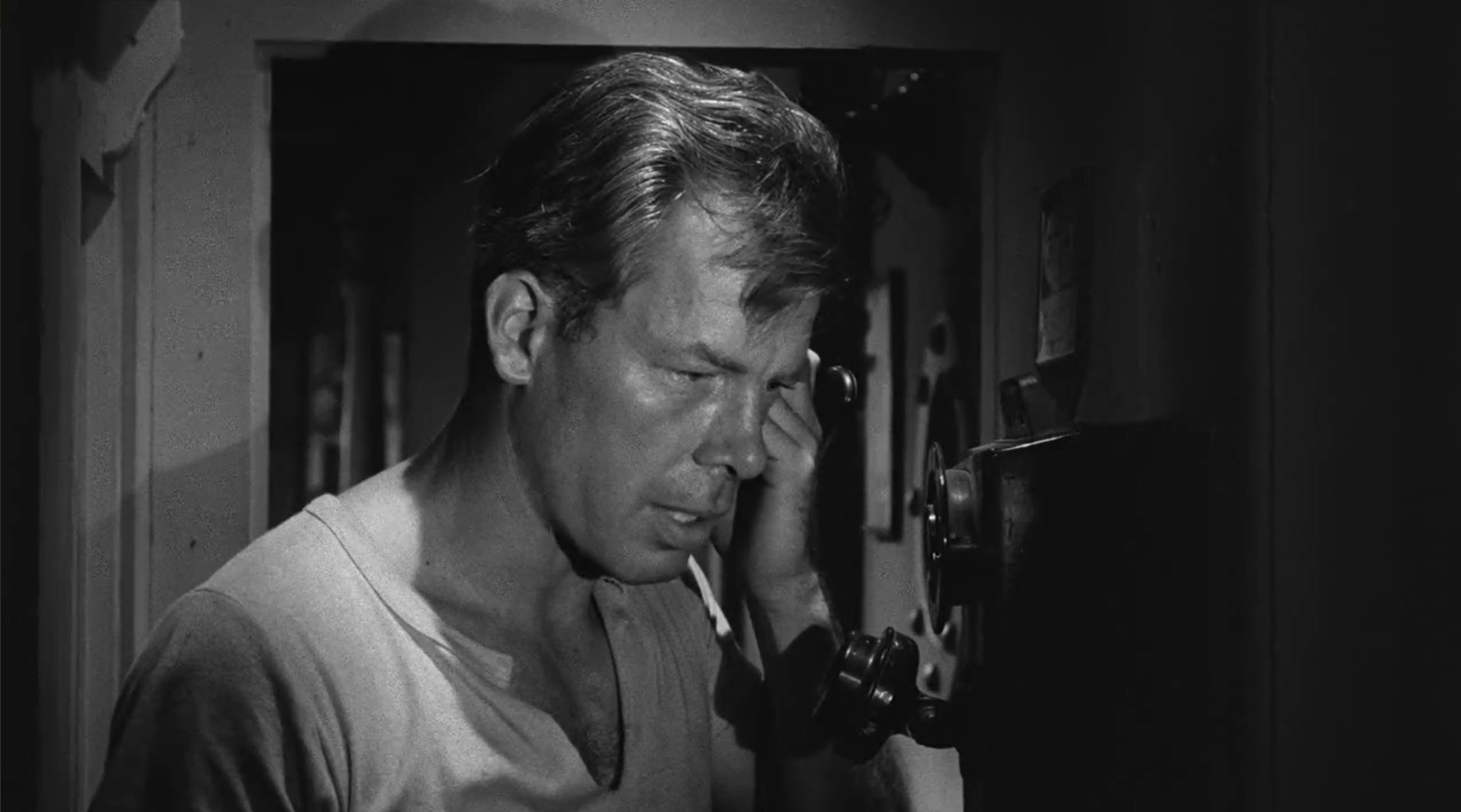
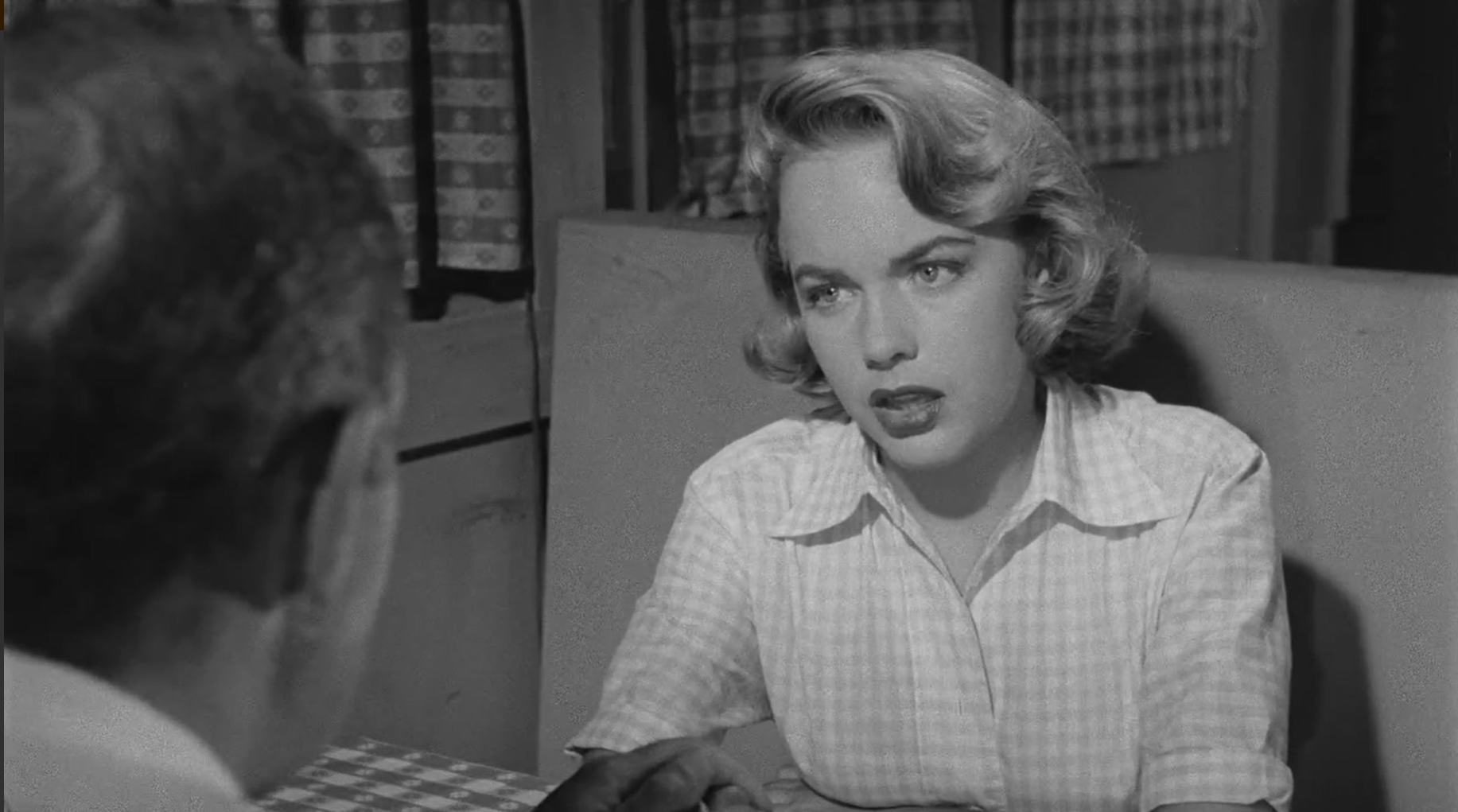
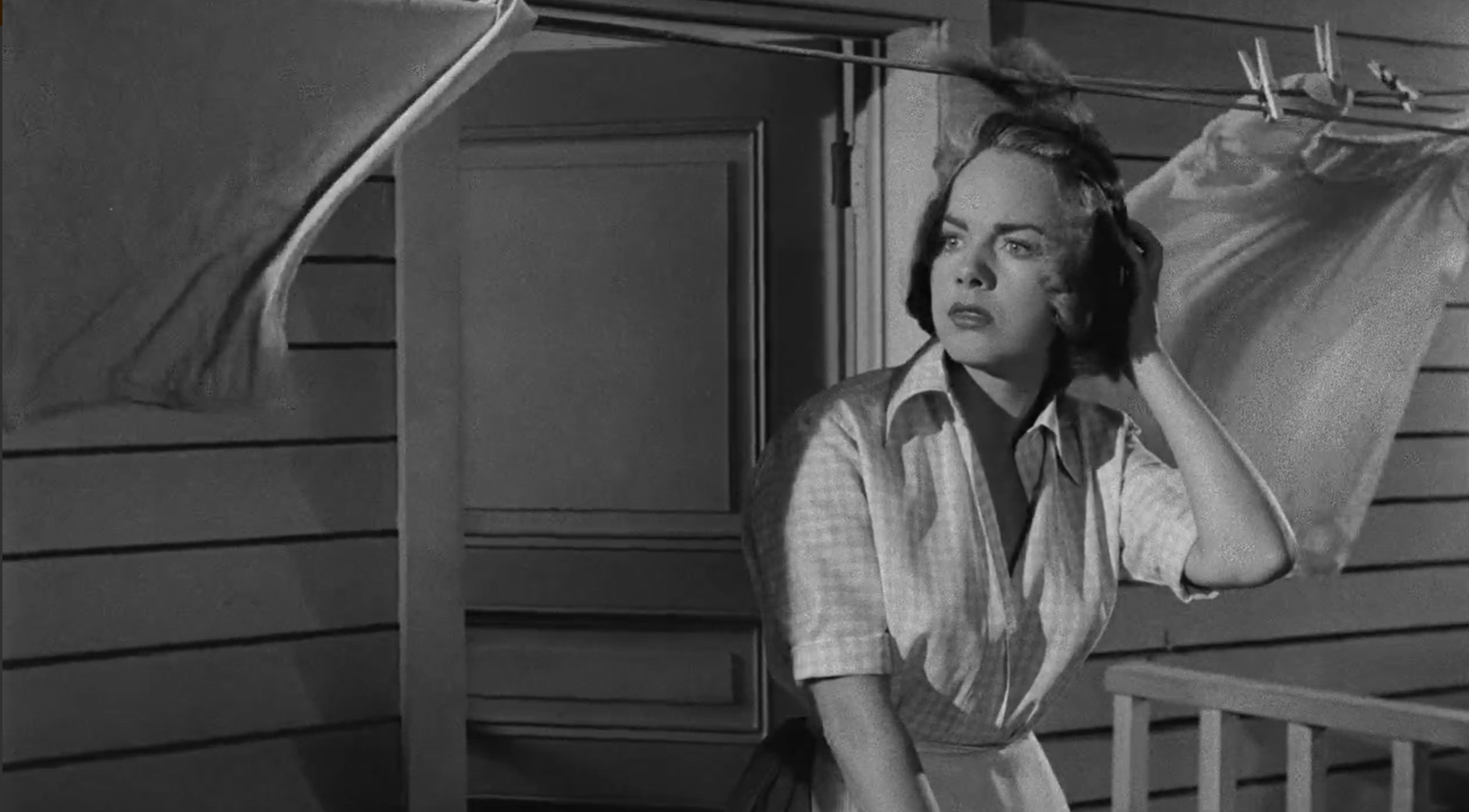
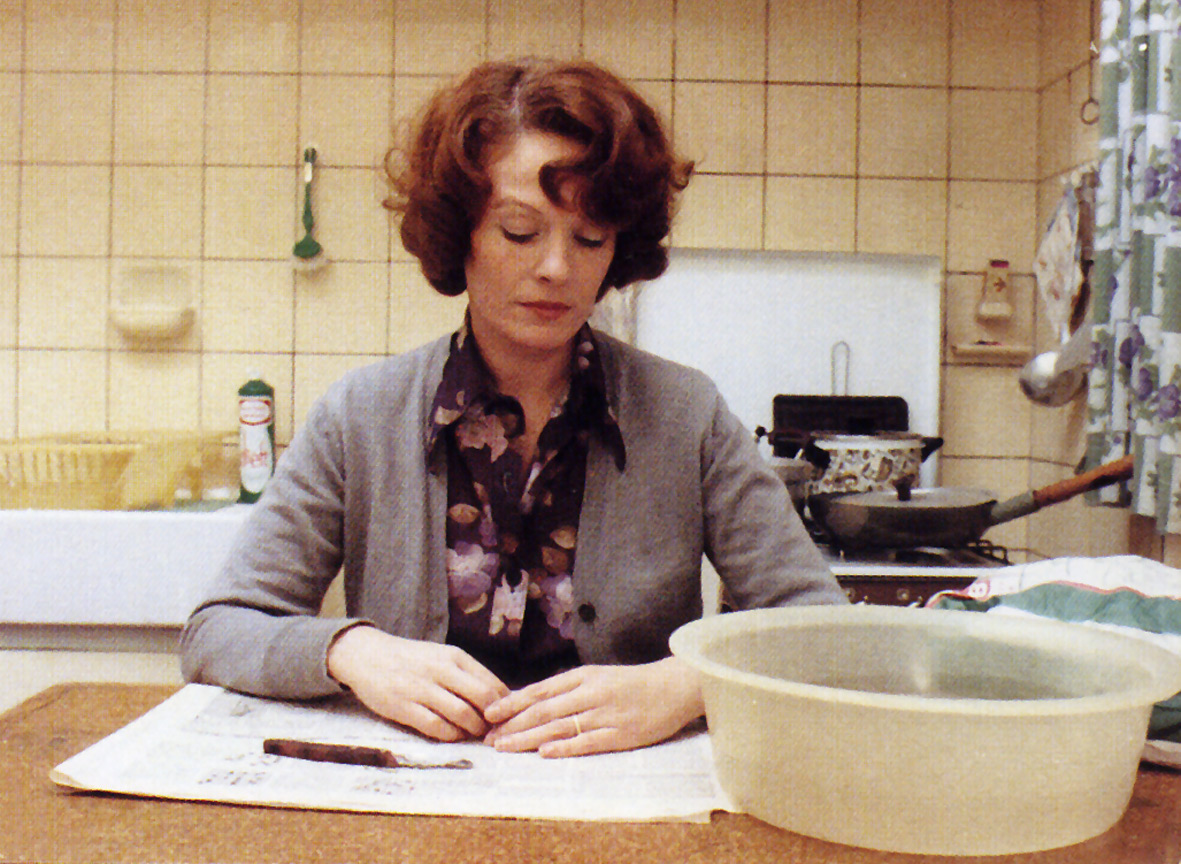
In Jeanne Dielman, however, director Chantal Akerman strips prostitution completely bare: there are no fancy outfits or make-up here; no cat calls; no dangerous street positioning; no pimps; no underlying psychological reasons for having entered into this profession. What we’re left with instead is a middle-aged homemaker and mother who happens to have sex for money with men on a regular basis. It’s never stated explicitly in the film, but it’s implied that neither Jeanne’s son nor any of her neighbors have any idea what she does to bring in money. Indeed, until the final moments of the film, not even the audience sees Jeanne servicing her Johns — all we are allowed to witness are scenes of Jeanne inviting a man into her bedroom; exiting a few seconds later (in a convenient time lapse); coldly accepting cash from him; and stating almost robotically, “See you next week, then,” before seeing the man out the door.
Akerman’s three-hour long character study is ultimately concerned with chronicling the predictable minutiae of Jeanne’s daily life, as she takes care of her home, cooks for her son, answers letters from her sister, watches her neighbor’s baby, and runs various errands around town. None of this is inherently compelling, yet it’s strangely hypnotic to watch Jeanne pursuing her mundane rituals, day after day. Indeed, because so much time is spent showing the way Jeanne carefully maintains control over her life — and the frustration she feels when things don’t go just right — the shocking final moments of the movie seem almost like an inevitable outgrowth of her routine. It’s difficult not to impose one’s own interpretation onto a film like Jeanne Dielman, which leaves so much room for deliberation and conjecture. The unusual power of this marathon exercise in minimalism is the way in which we both accept Jeanne’s “final” action as natural, and find ourselves questioning everything that has come before.
Redeeming Qualities and Moments:
- A subtly powerful portrait of tedium and despair
- A daring — if undeniably arduous — “real time” approach to fiction filmmaking
Must See?
Yes. This demanding film remains a landmark of experimental European cinema.
Categories
- Historically Relevant
- Important Director
(Listed in 1001 Movies You Must See Before You Die)
Links:
|