Street Scene (1931)

Street Scene (1931)

“Every person in the world’s gotta have somebody to talk to!”

Synopsis:
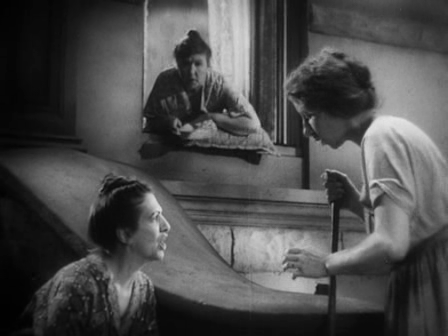
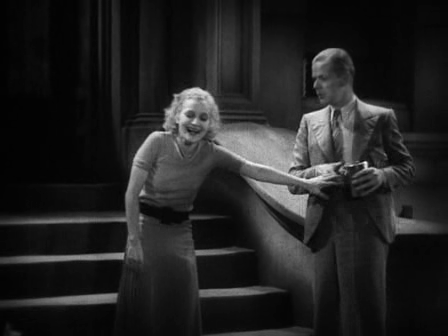
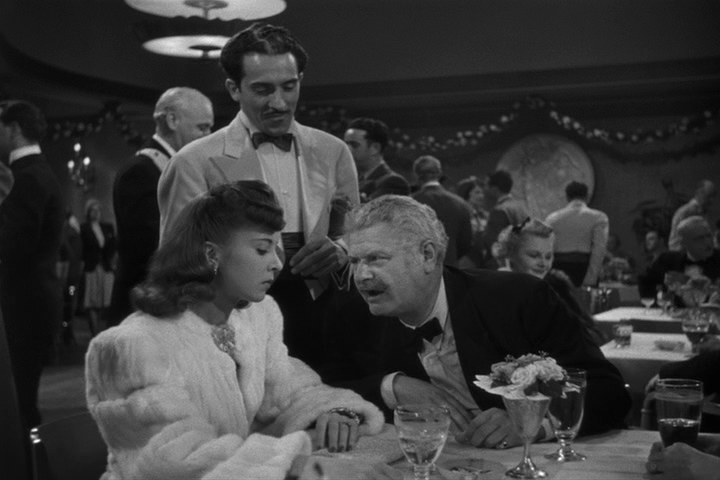
An unhappy housewife (Estelle Taylor) has an affair with a local milk collection man (Russell Hopton), while her neighbors — including nosy Mrs. Jones (Beulah Bondi), whose grown son (Matt McHugh) is a bullying racist — worry Taylor’s husband (David Landau) will find out and become abusive. Meanwhile, Taylor’s daughter (Sylvia Sidney) resists advances from her boss (Walter Miller) while pinning her hopes for happiness on a studious neighbor (William Collier, Jr.).

Genres, Themes, Actors, and Directors:

  • Beulah Bondi Films
  • John Qualen Films
  • King Vidor Films
  • Marital Problems
  • New York City
  • Play Adaptations
  • Sylvia Sidney Films

Response to Peary’s Review:
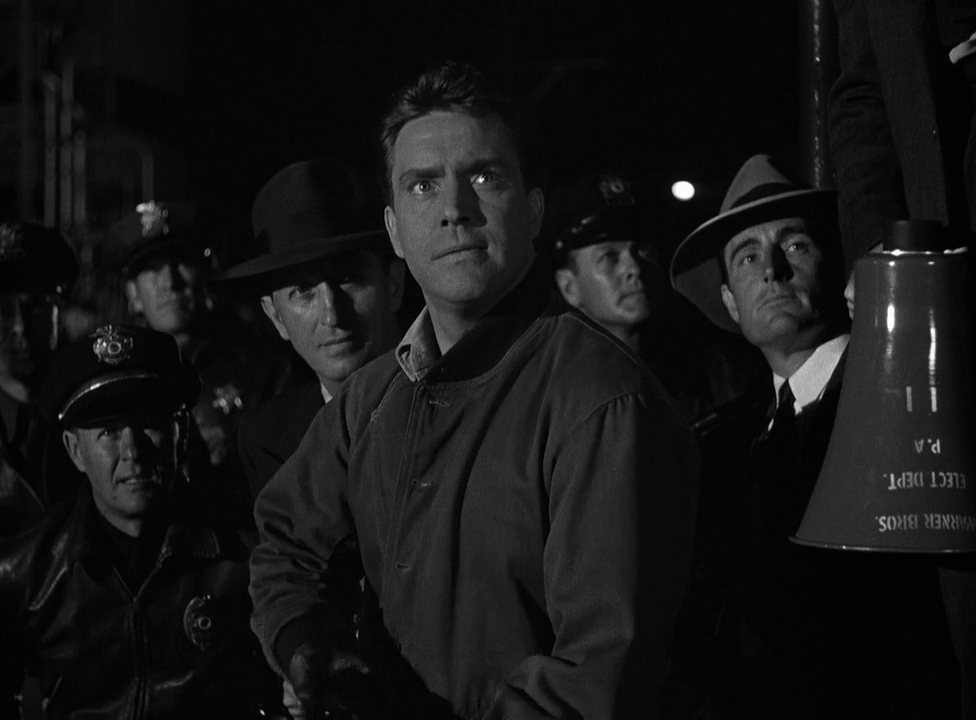
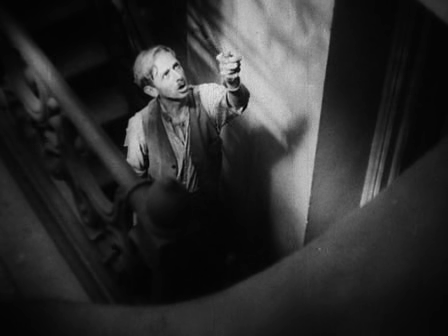
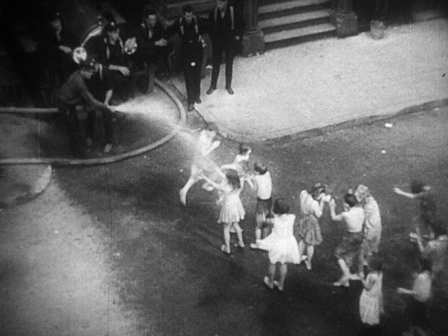
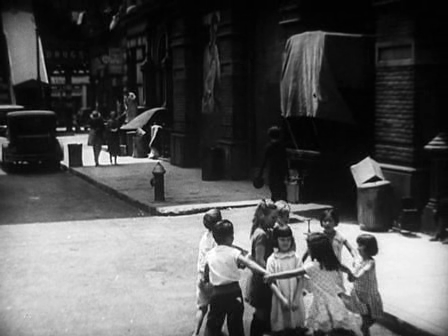
Peary points out that this adaptation of “Elmer Rice’s… Pulitzer-winning play about life in the New York tenements” was “one of the first social dramas of the sound era”, “probably the first film to drive home the point that America was populated by foreigners, and the first to affirm that there were already clashes between these immigrants over religion, national origin, and politics”. He notes that “to give [the] film some visual interest, Vidor occasionally uses bizarre camera angles or pans along the street or across a row of windows”; indeed, while the movie’s stage origins are crystal-clear (including an obvious “Act II” transition), Vidor nicely opens up a storyline that is primarily centered on “characters gather[ing] on the front stoop or lean[ing] out windows so they can gossip, complain[ing] about the heat, [and] argu[ing]”.

The inherent claustrophobia of the stage-bound setting actually serves this story well, as it highlights how closely connected these neighbors are to each others’ business, for better and for worse. They can support one another during times of need — as when Taylor looks out for the very-pregnant wife of a concerned father-to-be (Conway Washburne) — but also easily become overly involved in each other’s private lives and choices. The film’s Pre-Code sensibility is refreshingly clear, most noticeably via intermittent scenes involving a bra-less young woman (Greta Granstedt) who happily goes off with her lover to spend the night in a friend’s apartment, but also in the shockingly racist language used by McHugh, and the fact that Collier, Jr.’s father (Max Montor) is able to talk at length about socialist revolutionary ideals without being overtly villainized. The dramatic finale (don’t read ANY online reviews if you want to remain surprised!) has been ridiculed by some for Vidor’s unconventional editing choices during a key neighborhood scene, but I believe it’s an effectively stylized representation of life in a densely packed, multicultural city.

Redeeming Qualities and Moments:

  • Vidor’s direction

  • A refreshing Pre-Code sensibility
  • A fine sense of locale

Must See?
Yes, as a strong Pre-Code talkie.

Categories

  • Historically Relevant

Links:

Pete Kelly’s Blues (1955)

Pete Kelly’s Blues (1955)

“You couldn’t give me a cold.”

Synopsis:
A Prohibition-era jazz band leader (Jack Webb) is pressured into being “managed” by a local gangster (Edmond O’Brien) after his uncooperative drummer (Martin Milner) is gunned down, prompting his longtime bandmate (Lee Marvin) to hit the road. Meanwhile, a beautiful socialite (Janet Leigh) doggedly pursues Webb, and O’Brien insists that Webb allow a talented but alcoholic performer (Peggy Lee) to sing in his band.

Genres, Themes, Actors, and Directors:

  • Edmond O’Brien Films
  • Gangsters
  • Jack Webb Films
  • Janet Leigh Films
  • Lee Marvin Films
  • Musicians

Review:
Jack Webb made his feature debut as a writer/director/actor/producer by adapting his hit radio series Dragnet (1954), and followed up with this cinematic rendering of a crime-musical radio drama taking place in Prohibition-era Kansas City. Webb stars as the title character, who comes across as essentially a variation on his personae as “facts only” Detective Joe Friday and hard-hitting Sergeant Moore in The D.I. (1957). As DVD Savant writes in his review:

Webb locked himself into his perfectly deadly ‘Dragnet’ style. He often moves like a robot. Instead of acting he hits marks, turns his head and flashes the occasional predetermined smile.

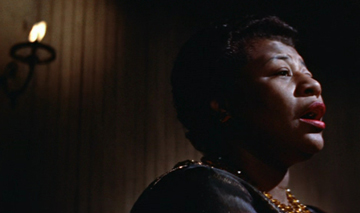
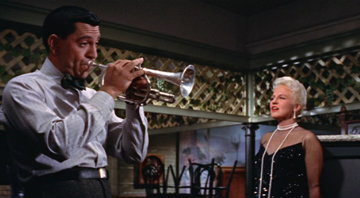
The movie’s redeeming moments are fine period sets, luminous Technicolor cinematography, and the presence of real-life musical stars Ella Fitzgerald and Peggy Lee, who are given wonderfully uninterrupted, respectful moments to shine. Otherwise, the storyline’s awkward pacing, rat-a-tat dialogue (“They say you’ve got rubber pockets so you can steal soup.”), and underdeveloped characterizations reflect blunt radio serial norms rather than effective screenwriting.

Redeeming Qualities and Moments:

  • Ella Fitzgerald singing “Hard Hearted Hannah”
  • Peggy Lee’s tunes
  • Some creative direction and vibrant Technicolor

Must See?
No, unless you’re a diehard jazz fan.

Links:

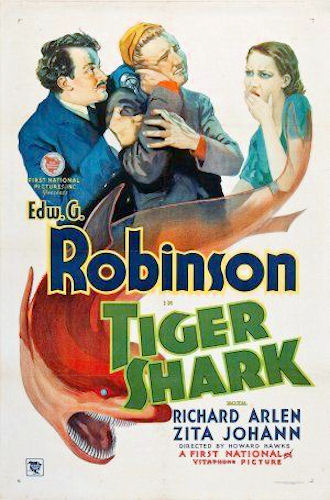
Tiger Shark (1932)

Tiger Shark (1932)

“No fisherman can go to heaven with a bite out of him!”

Synopsis:
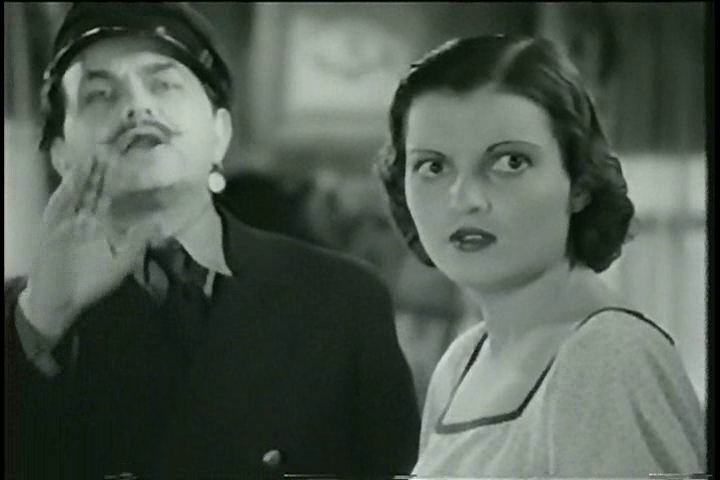
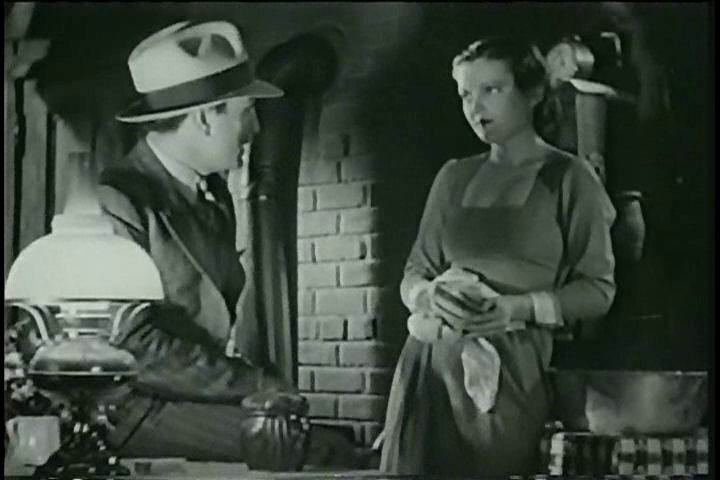
A proud Portuguese-American fisherman (Edward G. Robinson) loses his hand to a shark after saving his friend and shipmate (Richard Arlen) from death at sea, then marries the beautiful daughter (Zita Johann) of a recently deceased crewman (William Ricciardi), not knowing Johann and Arlen are secretly in love.

Genres, Themes, Actors, and Directors:

  • Edward G. Robinson Films
  • Fishermen
  • Howard Hawks Films
  • Love Triangle

Review:
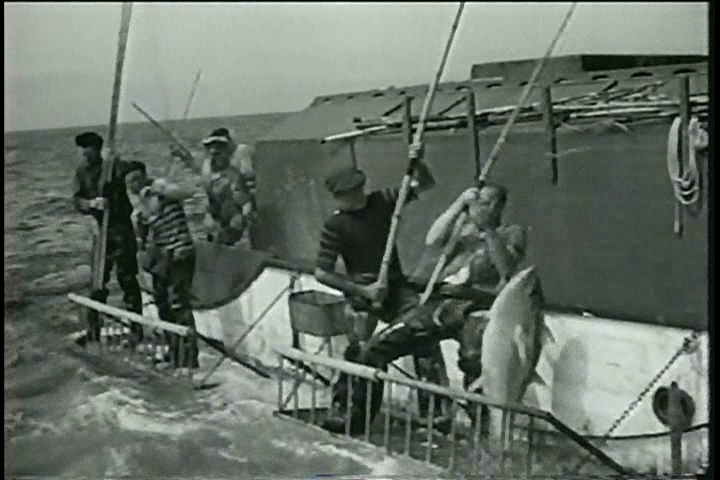
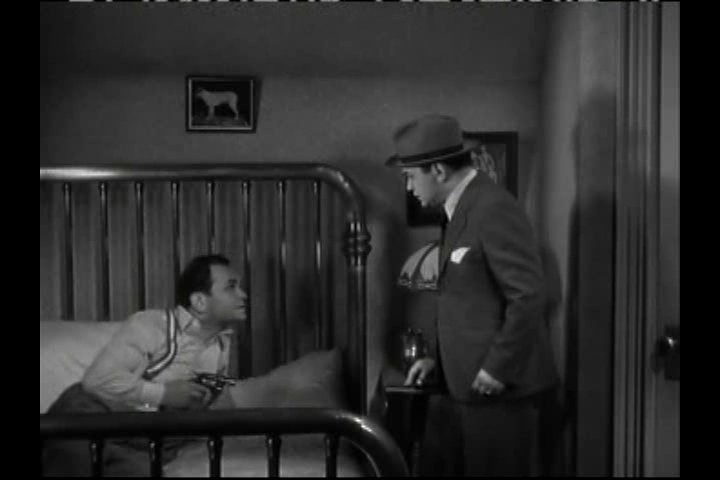
Reading TCM’s article about the genesis of this “crafty, Depression era rip-off of Moby Dick” provides fascinating insights into its wheeling-dealing director (Howard Hawks), its “scenery-chewing” star (Edward G. Robinson), and its lusty/gory storyline (apparently improvised on the spur of the moment by Hawks, who gleefully “stole” from the 1924 play-turned-film They Knew What They Wanted). Originally entitled Tuna (good thing that changed), the strengths of this rather hoary love triangle lie in Robinson’s enjoyable portrayal as an enthusiastic “Port-u-gee”, and in the exciting footage of fishing-in-action, complete with plenty of heart-stopping, genuinely dangerous moments aboard the ship. Unfortunately, viewers know from the get-go that Robinson’s luckless-in-love “Mike Mascarena” is in for heartache, so we’re simply placed in the unenviable position of wondering how this hopeless situation will work itself out.

Note: Film fanatics may recognize the soulful Johann from her performance in The Mummy the same year; her career was quite short (ending in 1934).

Redeeming Qualities and Moments:

  • Edward G. Robinson as Mike Mascarena
  • Tony Gaudio’s cinematography

  • Exciting footage of on-board fishing

Must See?
No, though of course it will be of interest to fans of Robinson and/or Hawks.

Links:

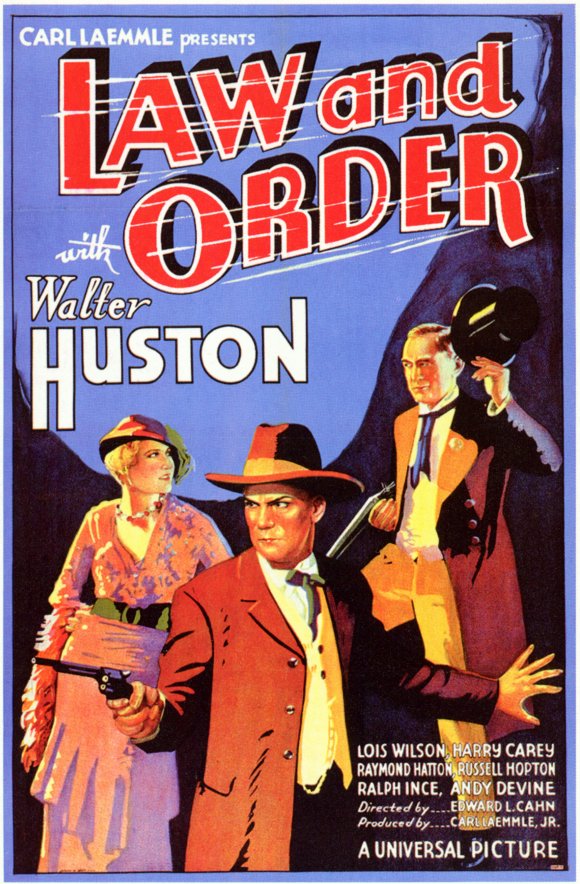
Law and Order (1932)

Law and Order (1932)

“If the west wants law and order, it’ll have to do it without me.”

Synopsis:
A rugged gambler and frontier marshal (Walter Huston) — loosely based on Wyatt Earp — is conscripted by a group of Tombstone citizens to bring “law and order” to the notoriously wild and woolly western town.

Genres, Themes, Actors, and Directors:

  • Walter Huston Films
  • Westerns

Review:
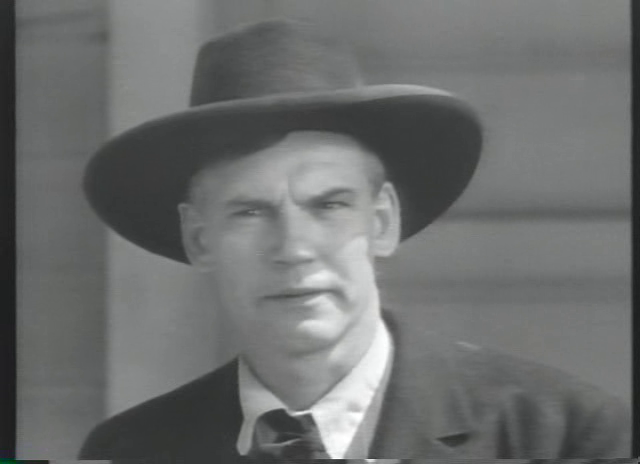
Based on W.R. Burnett’s novel Saint Johnson, this early talkie (scripted by John Huston) has the distinction of being the first cinematic portrayal of Wyatt Earp (though he’s given a different name). Walter Huston plays the legendary gambler-gunman, who apparently lived enough of a highly storied and dubiously legal life to prompt the publishing of a fictionalized biography two years after his death.

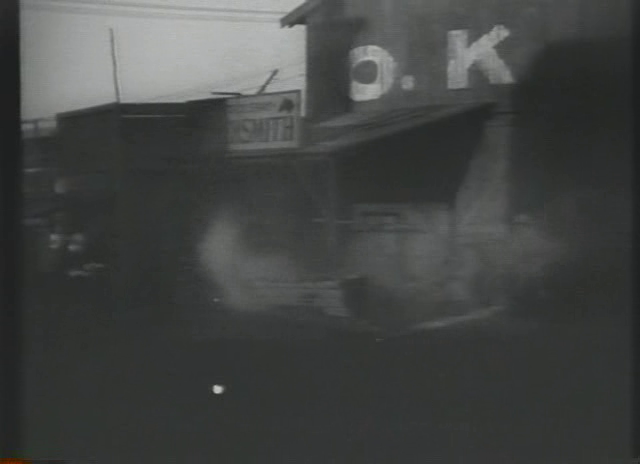
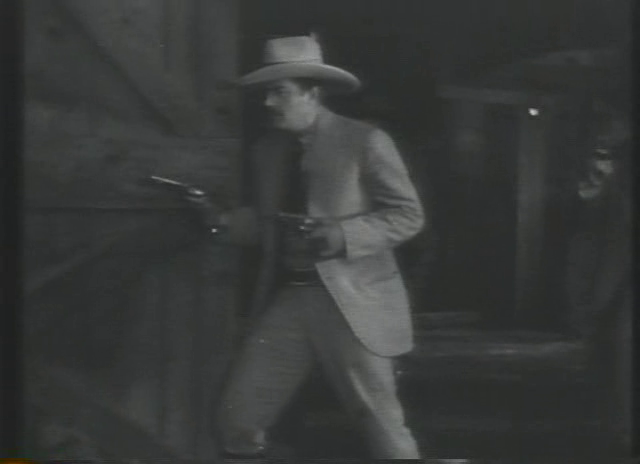
Regardless of its historical veracity, this straightforward western is essentially a tale of hopeless attempts to impose “law and order” in a town where guns are ubiquitous; it culminates with a speedily edited, highly effective shootout sequence which remains its highlight. Otherwise, there’s not much here to hold onto, though fans of early oaters will likely enjoy it.

Redeeming Qualities and Moments:

  • The finely edited closing gunfight sequence

Must See?
No, though anyone interested in early “talkie” Westerns or cinematic depictions of the O.K. Corral gunfight will want to check it out. Listed as a film with Historical Importance and a Personal Recommendation in the back of Peary’s book.

Links:

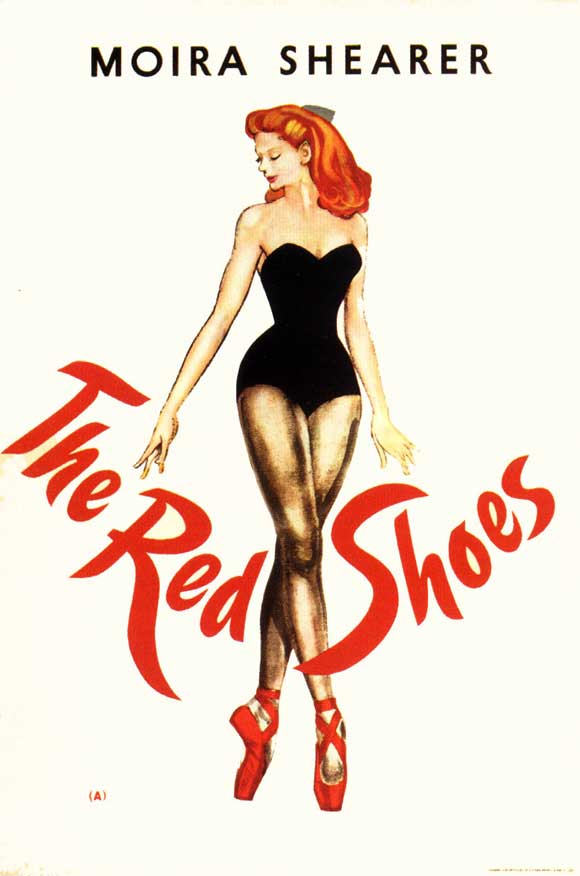
Red Shoes, The (1948)

Red Shoes, The (1948)

“You cannot have it both ways. A dancer who relies upon the doubtful comforts of human love can never be a great dancer. Never.”

Synopsis:
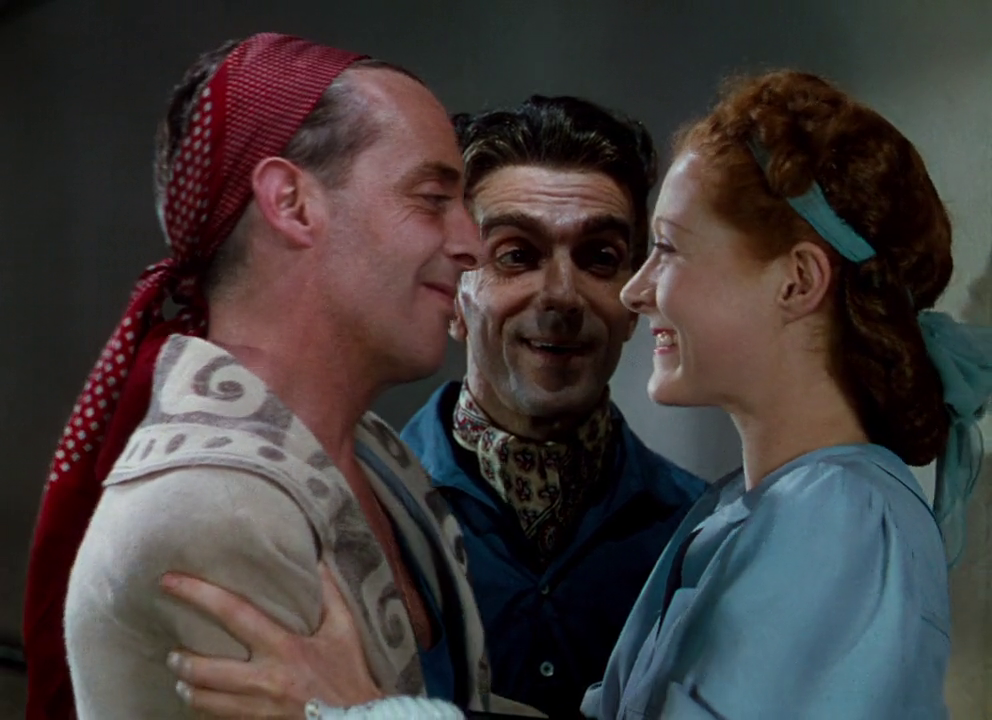
An aspiring ballerina (Moira Shearer) is accepted into a troupe run by a dictatorial manager (Anton Walbrook), and soon gains fame as his leading dancer — but her romance with the company composer (Marius Goring) jeopardizes her chances at lasting fame.

Genres, Themes, Actors, and Directors:

  • Anton Walbrook Films
  • Aspiring Stars
  • Ballet
  • Career versus Marriage
  • Michael Powell Films
  • Ruthless Leaders

Response to Peary’s Review:
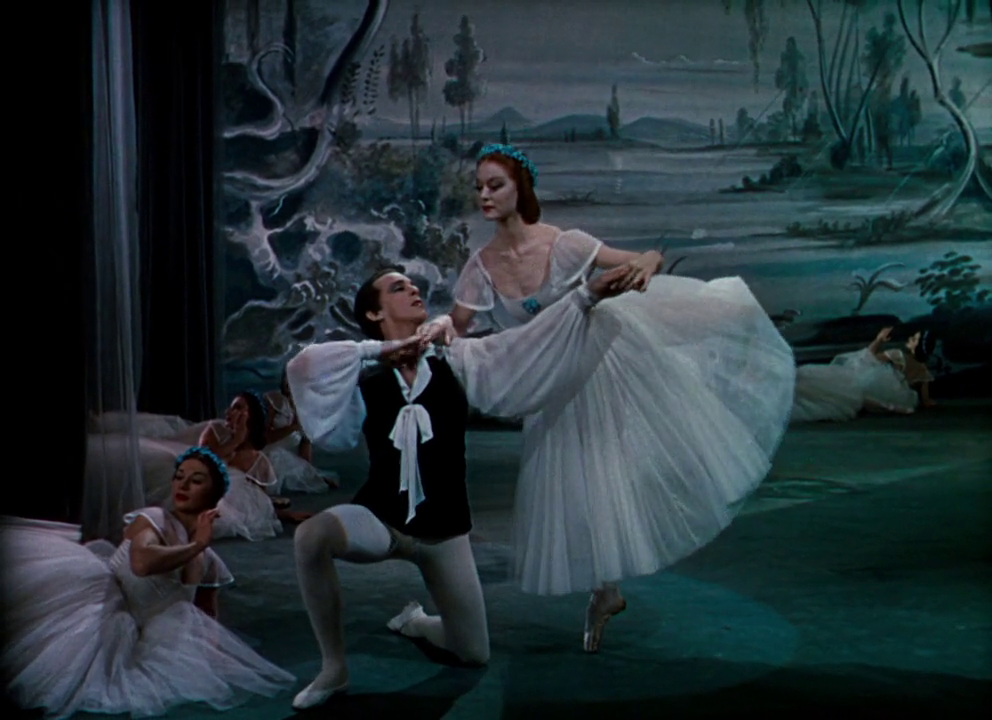
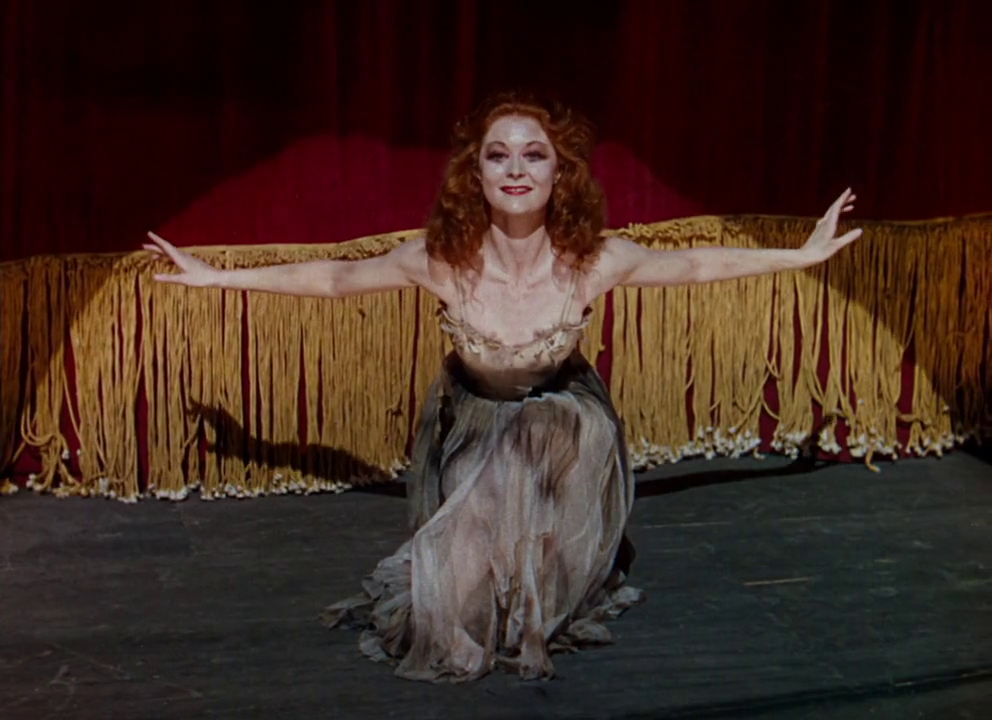
Peary writes that this “classic by Michael Powell and Emeric Pressburger” — “regarded as the best ballet film ever” — is “simultaneously romantic and expressionistic, a daydream and nightmare, a psychological drama and fairy-tale, a typical backstage musical and highbrow art”. He notes that its “glorious… movement, color, opulent sets, lavish costumes, all surrounded by music” — along with “the identifiable career-vs.-marriage conflict which Shearer tries to resolve” — make it a film “many American females… have the most emotional attachment to, along with The Wizard of Oz, another film that blends fantasy and reality”. I’m not sure how widely viewed The Red Shoes is anymore these days — Darren Aronofsky’s Black Swan (2010) seems to have usurped its status as the hippest, most psychologically complex ballet drama — but there’s no debating it remains a mesmerizing classic of the genre, accurately and respectfully showing us life behind the scenes for dedicated performers who put dance above all other goals in their lives.

In his Alternate Oscars, Peary names Walbrook Best Actor of the Year for his role as Boris Lermontov, and provides a detailed analysis of his character. He writes that Walbrook “gives a sad, disturbing portrait of a complex, frustrated man who is so dedicated to his art — he calls ballet his religion — that he suppresses his human qualities”, hiding “behind a defense comprised of a stone face, an authoritative position that allows for no dissenters, and smart, smug remarks and answers to everything”. He points out that Walbrook is “so devoted… to ballet that he feels betrayed when anyone fails to share his vision and would compromise their talents for something as trivial as love and marriage”. Of course, these days, the choice between marriage and a career — or even motherhood and a career — isn’t nearly as black-and-white, thus dating this critical element of the storyline; but Walbrook’s personal insistence that the two are mutually exclusive (Shearer and Goring rightfully disagree) is what lies behind the film’s driving dilemma.

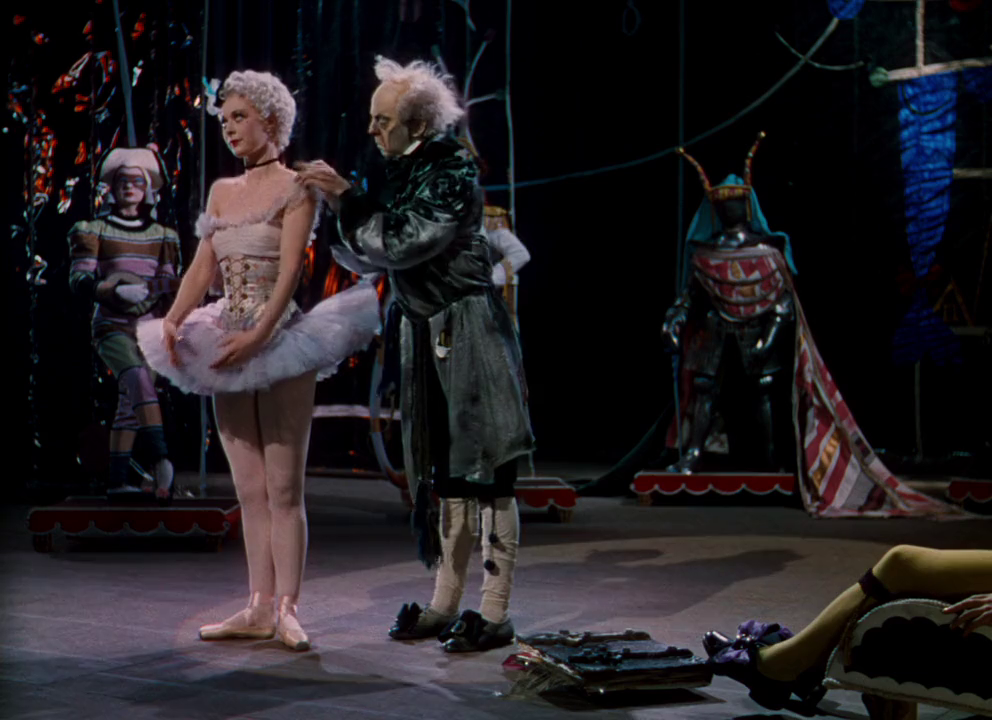
Peary has some quibbles about the film. He posits that the central rendition of “The Red Shoes” ballet “shouldn’t be stylized at all” given that “it was staged by purist Walbrook”, and that “because of the cinematic liberties and excesses of the ballet sequences, it’s impossible to readjust to [the] realistic sequences that follow”. Hogwash on both counts: the mix works just beautifully, and there’s no reason to believe Walbrook’s character wouldn’t stage such elaborate ballets. Meanwhile, Peary argues that while “the first half of the film is masterful, the second half is miserable”, given that “the male directors [have] manipulated us into disliking Walbrook so much that we have trouble realizing that what he wants for Shearer is what is best for her”. In Alternate Oscars, he writes that Walbrook “is presented… as if he were a sinister villain in this modern-day fairy tale”, but that “the selfish [Goring] is [actually] the piece’s villain” given that he has apparently asked Shearer “to give up dance”. I don’t see this as the case at all. While it’s true that Walbrook’s character has “finer qualities” — i.e., “he gives both Julian [Goring] and Vicky [Shearer] their big breaks, instinctively believing in them and putting himself on the line on their behalf” — he’s ultimately a brilliant yet flawed petty tyrant whose narcissistic worldview and insistence on maintaining absolute control become his (and Shearer’s) fatal undoing.

Redeeming Qualities and Moments:

  • Anton Walbrook as Lermontov
  • Moira Shearer as Victoria Page
  • A fascinating look at behind-the-scenes ballet life
  • Many stunning dance sequences


  • Jack Cardiff’s cinematography
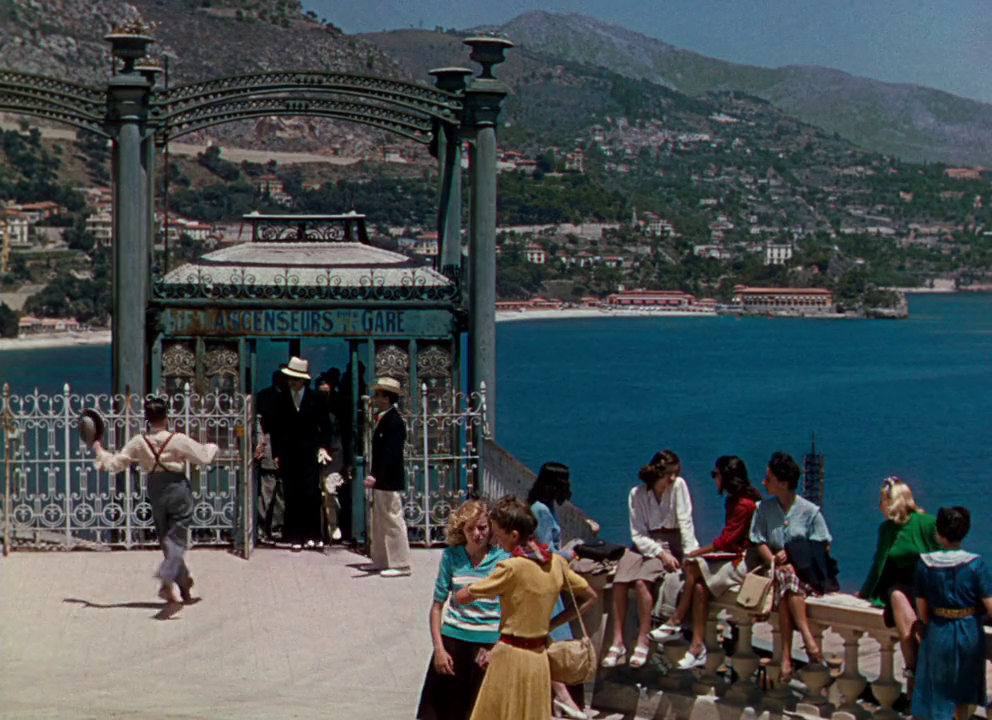
  • Excellent use of diverse and exotic locales

Must See?
Yes, as a unique cult classic.

Categories

  • Cult Movie
  • Genuine Classic

(Listed in 1001 Movies You Must See Before You Die)

Links:

White Heat (1949)

White Heat (1949)

“No, Ma — your hunches are never wrong.”

Synopsis:
When psychopathic criminal Cody Jarrett (James Cagney) is released from prison, he immediately enlists his gang in holding up a train, resulting in the death of four workers and the fatal wounding of one gang member (Ford Rainey). While in hiding with his mom (Margaret Wycherly) and his bored, gold-digging wife (Virginia Mayo), Cody cleverly confesses to a smaller crime to distance himself from the train robbery, and gets sent back to prison, where he befriends an undercover cop (Edmond O’Brien) hoping to discover who Cody’s “fence” (Fred Clark) is. Meanwhile, Mayo carries on an affair with hunky gang member “Big Ed” (Steve Cochran), causing “Ma” (Wycherly) to intervene on behalf of her beloved son.

Genres, Themes, Actors, and Directors:

  • Edmond O’Brien Films
  • Gangsters
  • Jimmy Cagney Films
  • Mistaken or Hidden Identities
  • Psychopaths
  • Raoul Walsh Films
  • Virginia Mayo Films

Response to Peary’s Review:
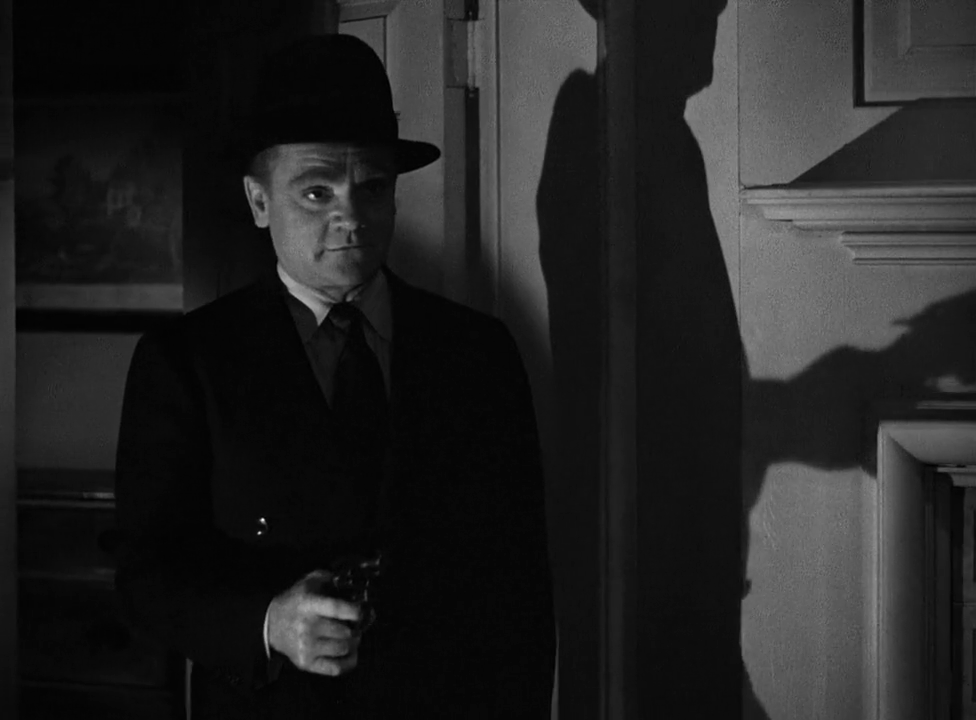
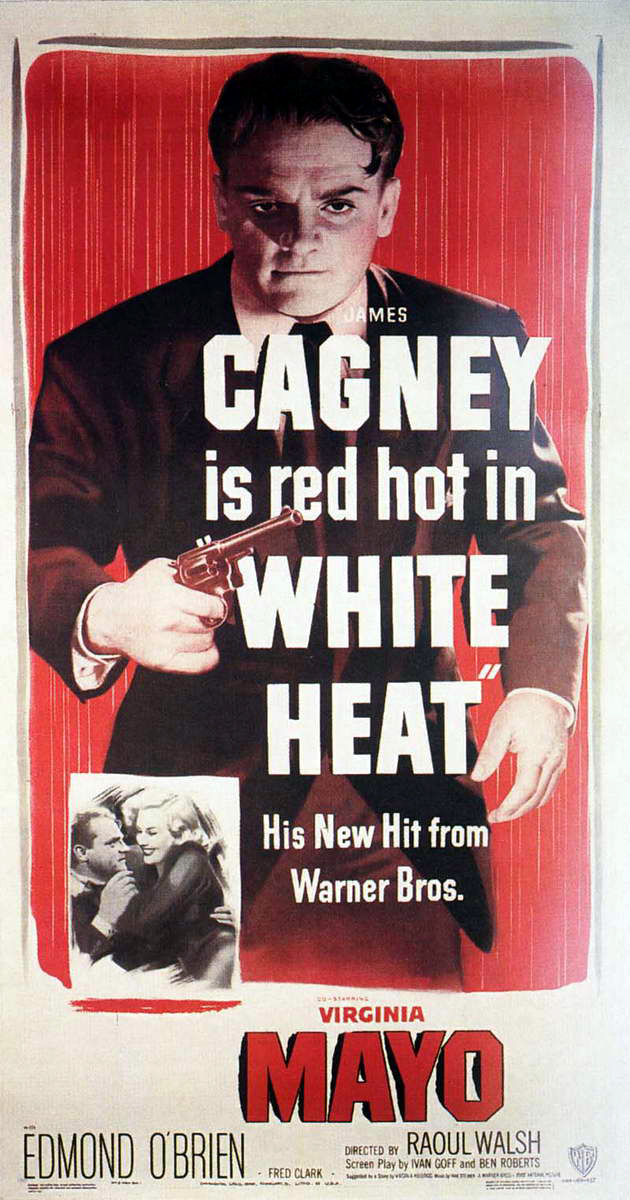
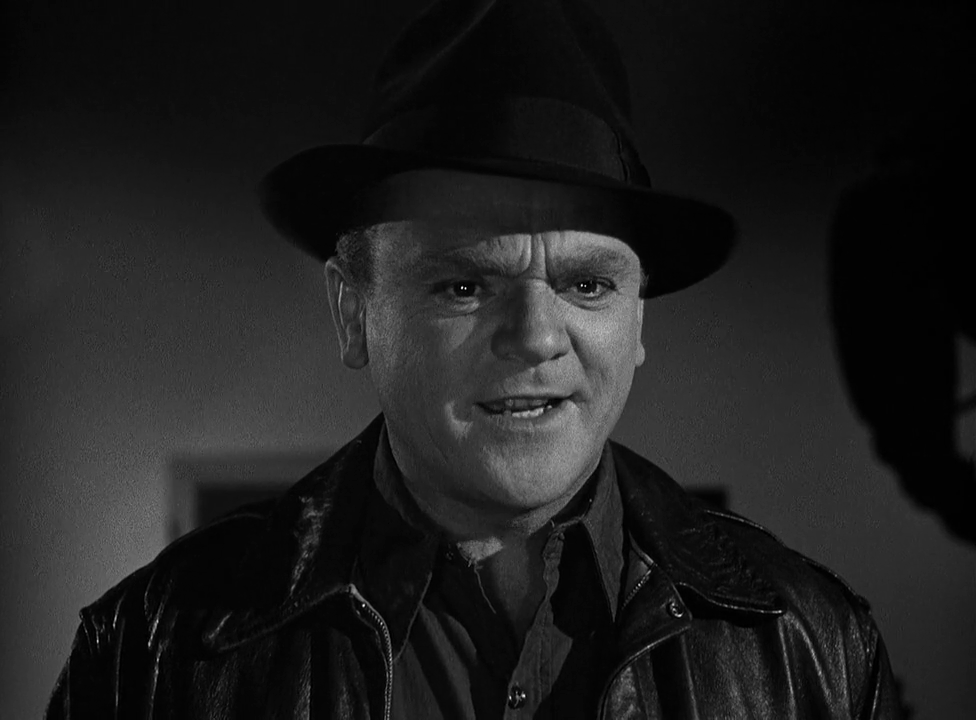
Peary notes that this “superb gangster film” — which reunited “director Raoul Walsh and James Cagney, who had starred in his The Roaring Twenties” — has “remarkable pacing; great touches; [and] hard-hitting, brilliantly edited action sequences”. He spends most of his review lauding Cagney’s bravura performance as “Cody Jarrett”, who is “more cunning, energetic, humorous, violent, suicidal, more everything than any of his gang members”, and who, despite being “cynical about the world”, remains “optimistic about his own future” and certain about “his own immortality”. Peary points out that unlike Cagney’s ’30s gangsters, who “became tough, bitter killers because of the cruel Depression Era”, Cody “is insane”, with a “criminal father [who] died in an institution”, and a “shrewd Ma (who never blinks)” who “would have trouble passing a lunacy test”. Speaking of Cody’s “Ma” (played “brilliantly” by Wycherley), Peary notes that Cody’s “mother fixation is so weird — he even sits on her lap — that [he’s] sure the film would have run into censorship problems if Cody hadn’t also had a wife”.

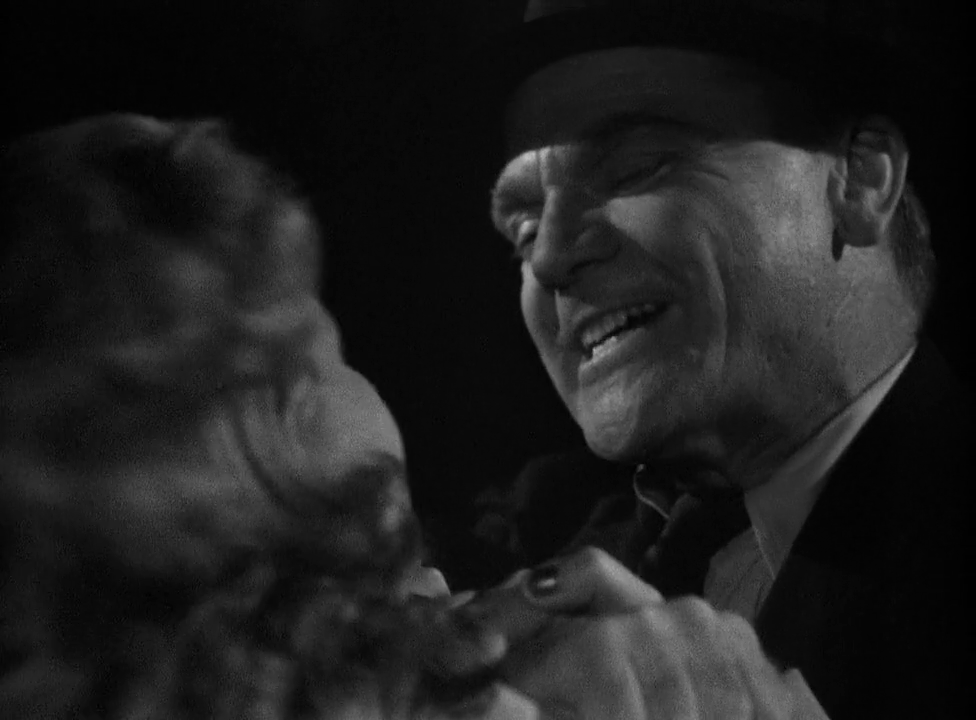
Peary goes on to write that Cody is “older and paunchier than we think of Cagney the gangster, but he’s still intense, his eyes are fiery, and his energy is ferocious”. Cody truly is “terrifying” when, “with wild eyes, he half strangles Verna [Mayo] for betraying him”, and “pathetic… during his headache bouts” and “in the classic prison-cafeteria scene when he learns that Ma is dead”. Peary argues that “Walsh treats the story’s potential hero — undercover policeman Hank Fallon (Edmond O’Brien), who infiltrates Cody’s gang and gains his trust — as the story’s villain, no better than a filthy spy”, noting that “Walsh obviously felt for Cody, who’s at least honest where his friends are concerned”, and thus deserves his “‘happy’ ending” by “achiev[ing] immortality” (“Made it, Ma! Top of the world!”). However, I disagree that O’Brien is posited as a villain; I actually see him as one of the bravest, noblest fools ever to risk his life on screen. (Who in the world would willingly try to pull a long one over on the notoriously trigger-happy Cody Jarrett?!)

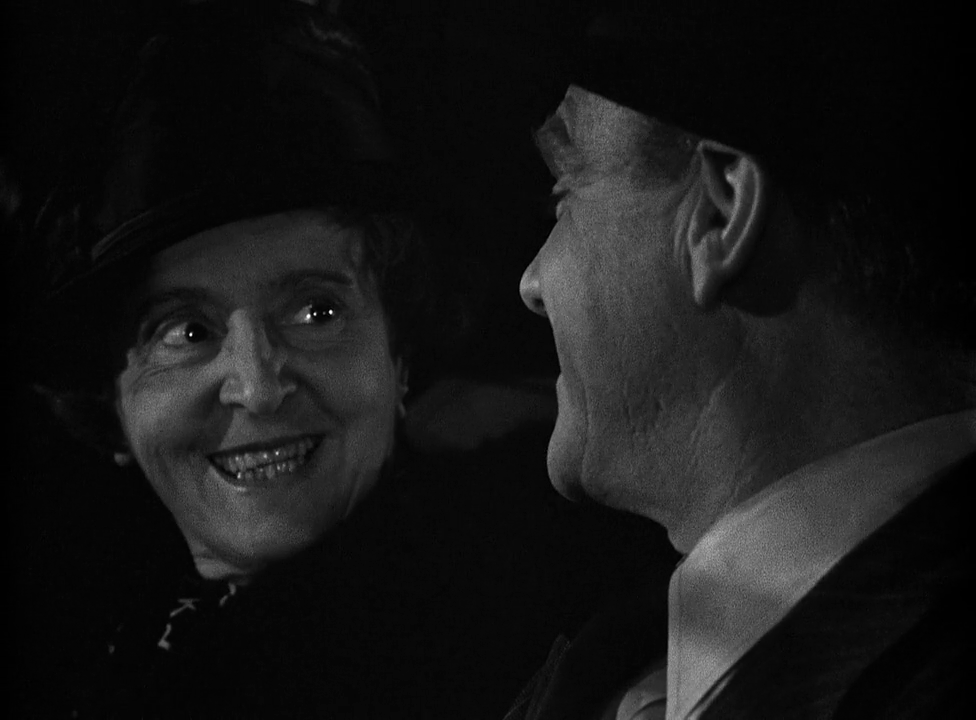
Cagney’s performance is clearly a stand-out, but the entire supporting cast of White Heat is excellent as well — most notably beady-eyed Wycherly as Ma. (In the pantheon of villainous “screen moms”, she lands near the top.) The narrative — based on a story by Virginia Kellogg (who wrote the script for Caged) — is tense from the get-go and never lets up; with a deranged, manipulative psychopath like Cody on the loose, there’s no telling what kind of violence will happen next, or whose life will casually be snuffed out. In addition to scenes already mentioned, particularly memorable moments include Cody lying to a blinded, severely burned gang member he intends to have killed after leaving him behind; all scenes in which O’Brien must successfully pass himself off to Cody as a would-be hoodlum; and Ma’s ride home after buying strawberries.

Redeeming Qualities and Moments:

  • Jimmy Cagney as Cody Jarrett (nominated by Peary as one of the Best Actors of the year in his Alternate Oscars)
  • Edmond O’Brien as Vic Pardo
  • Margaret Wycherly as Ma Jarrett
  • Virginia Mayo as Verna
  • Effective cinematography
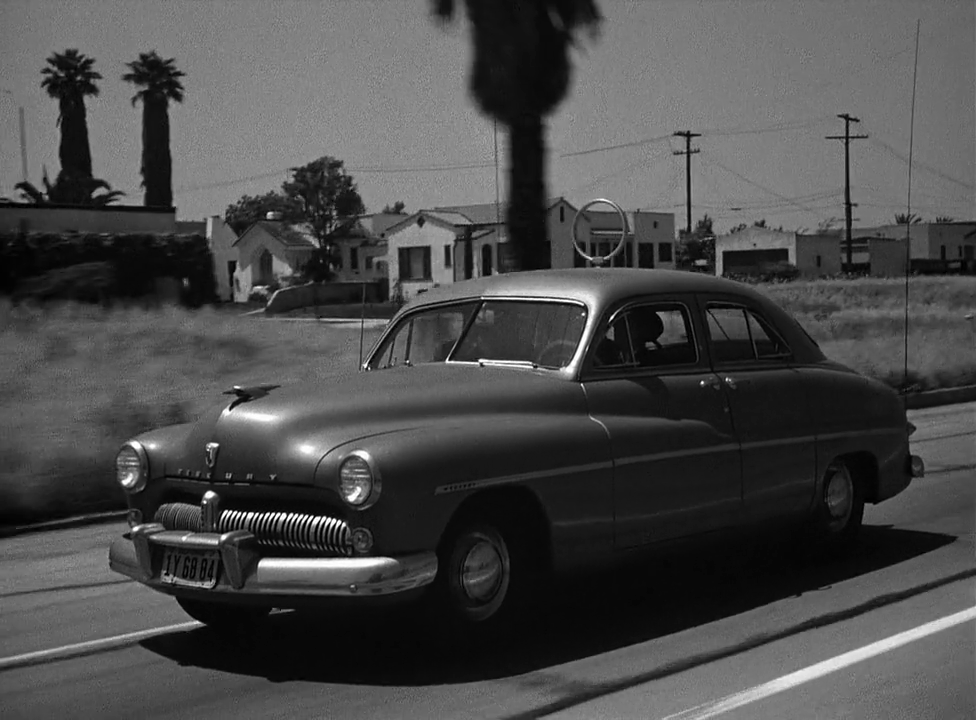
  • Good use of authentic L.A. locales
  • Strong direction by Walsh

Must See?
Yes, as a genuine classic of the genre. Nominated by Peary as one of the Best Films of the Year in Alternate Oscars. Added to the National Film Registry in 2003.

Categories

  • Genuine Classic
  • Noteworthy Performance(s)

(Listed in 1001 Movies You Must See Before You Die)

Links:

They Drive By Night (1940)

They Drive By Night (1940)

“We’re tougher than any truck ever come off an assembly line.”

Synopsis:
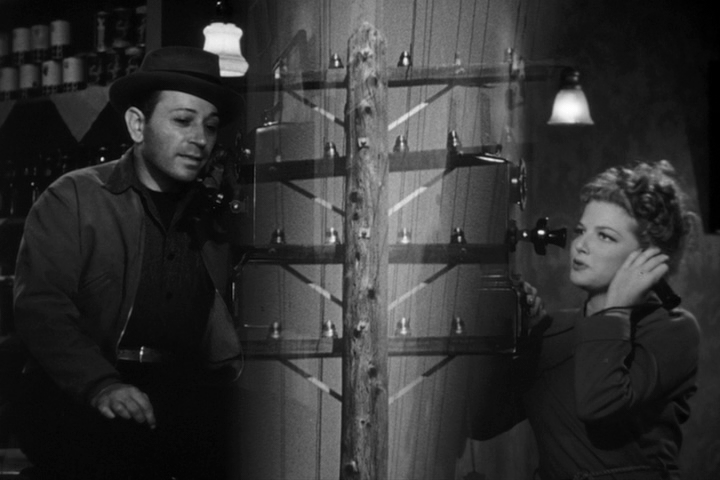
A trucker (George Raft) and his brother (Humphrey Bogart) hoping to “go independent” accept an offer from a wealthy widow (Ida Lupino) to help run her trucking business, not knowing Lupino secretly killed her husband (Alan Hale) in an attempt to make herself available for Raft, who instead has fallen for a beautiful waitress (Ann Sheridan).

Genres, Themes, Actors, and Directors:

  • Alan Hale Films
  • Ann Sheridan Films
  • Courtroom Drama
  • Falsely Accused
  • George Raft Films
  • Humphrey Bogart Films
  • Ida Lupino Films
  • Obsessive Love
  • Raoul Walsh Films
  • Truckers

Review:
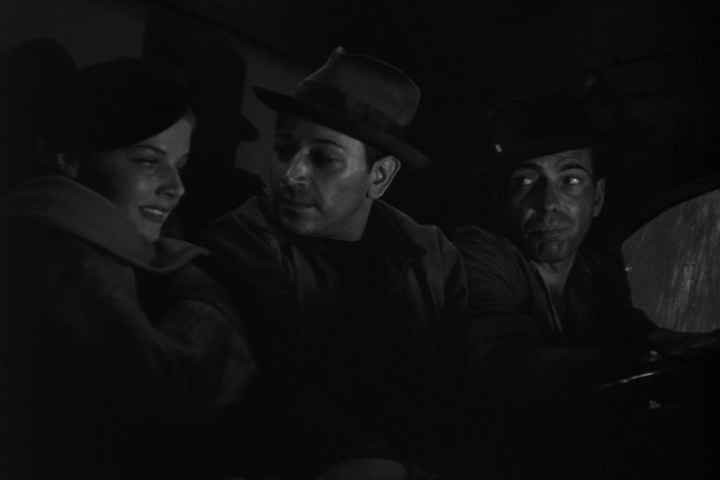
Raoul Walsh directed this gritty trucking noir, featuring the inimitable Ida Lupino in her breakthrough role as a mentally unstable, murdering femme fatale.

Raft (attempting a “cleaner” on-screen image), Bogart — about to earn leading-man status in Walsh’s High Sierra (1941) — and sassy Sheridan are all fine:

— but this is truly Lupino’s show; it’s easy to imagine Bette Davis playing her character in the film’s inspiration, Bordertown (1935). Lupino knows what she wants and will do anything to get it:

Poor, likable Hale doesn’t stand a chance, and Raft’s hopes for happiness and stability are nearly dashed. Arthur Edeson’s cinematography is appropriately atmospheric throughout, and Walsh nicely contrasts the brothers’ working-class travails with Lupino’s life-of-leisure. This one’s worth a look.

Redeeming Qualities and Moments:

  • Ida Lupino as Lana Carlsen
  • Alan Hale as Ed Carlsen
  • Arthur Edeson’s cinematography
  • A cracker-jack script:

    “The doors made me do it!”

Must See?
Yes, for Lupino’s breakthrough performance.

Categories

  • Important Director
  • Noteworthy Performance(s)

Links:

Verdict, The (1982)

Verdict, The (1982)

“There are no other cases; this is the case.”

Synopsis:
An ambulance-chasing lawyer (Paul Newman) is hired by the sister (Roxanne Hart) and brother-in-law (James Handy) of a woman put into an irreversible coma during childbirth after being given incorrect anesthesia by an attending doctor (Wesley Addy). Newman refuses to take the generous settlement offered by the head (James Mason) of the hospital’s representing firm, instead relying on the assistance of his mentor (Jack Warden) and his new love interest (Charlotte Rampling) to take the case to court — despite the overt disapproval of the presiding judge (Milo O’Shea).

Genres, Themes, Actors, and Directors:

  • Character Arc
  • Charlotte Rampling Films
  • Corruption
  • Courtroom Drama
  • Has-Beens
  • James Mason Films
  • Lawyers
  • Paul Newman Films
  • Sidney Lumet Films

Review:
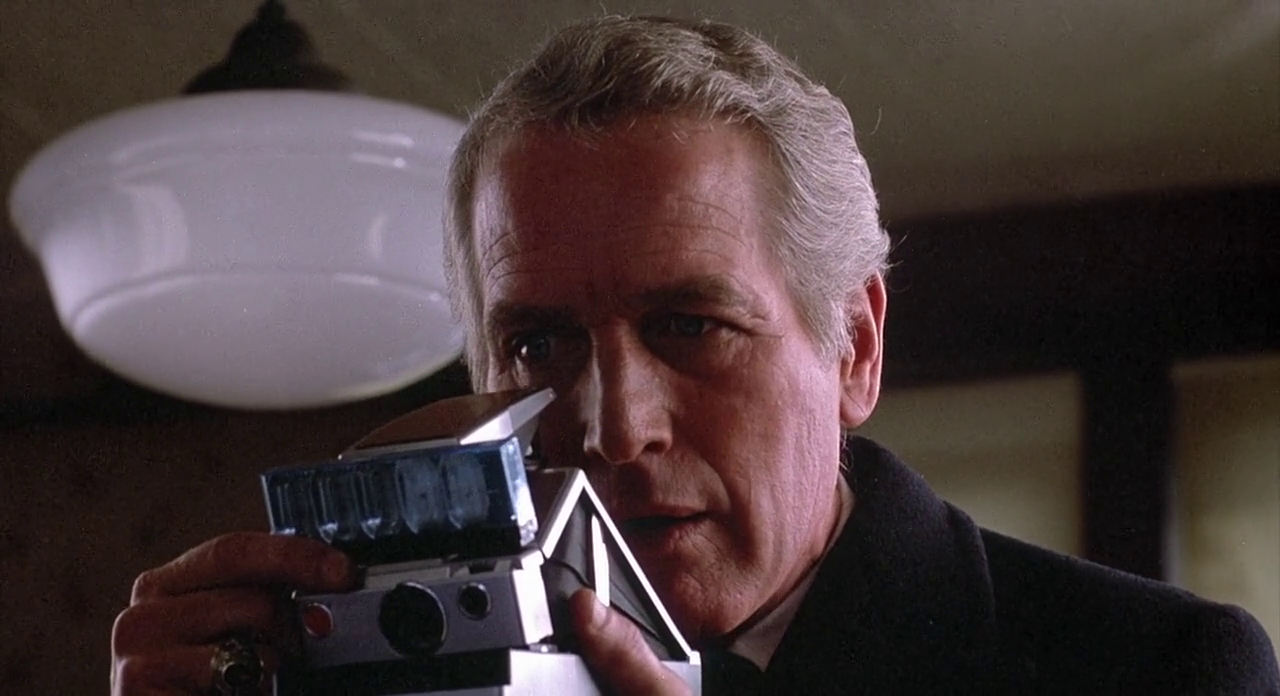
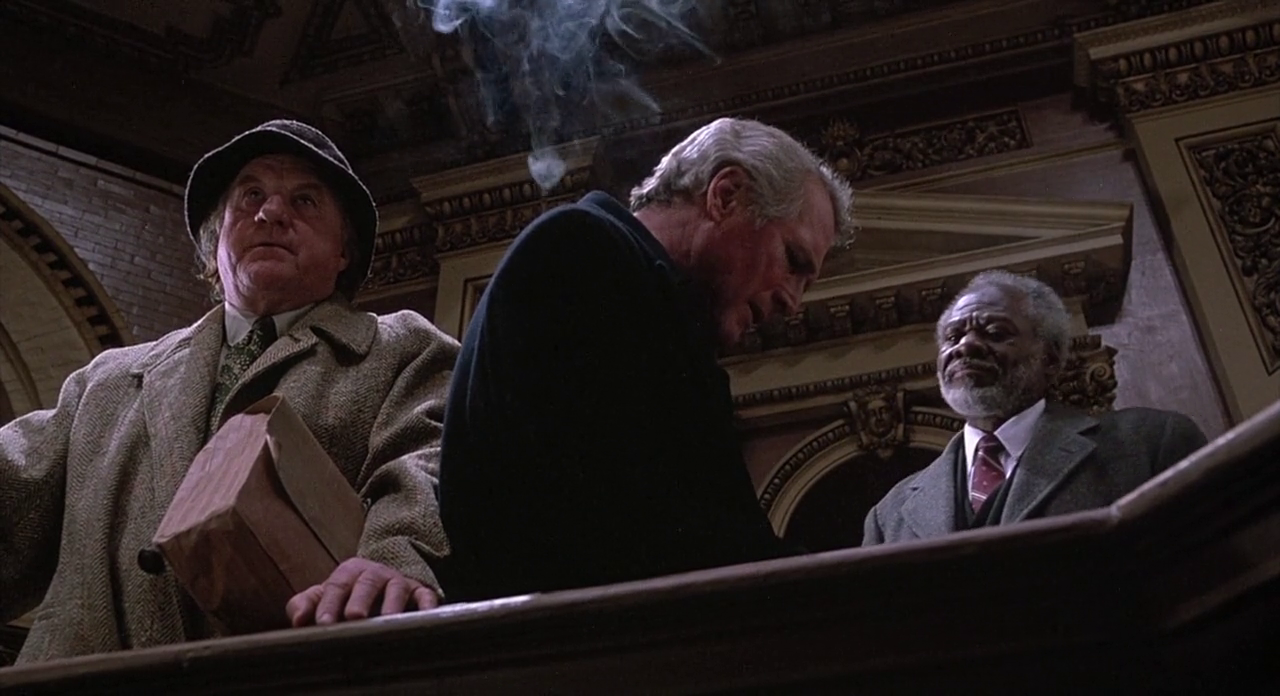
Paul Newman gives a stand-out performance in this Sidney Lumet-directed character study about a seemingly lost-cause alcoholic who has all but given up on his career, only to find himself revived by a “last chance” case. David Mamet’s screenplay keeps us deeply invested in this likable but sad-sack man who continually makes questionable choices in both his personal and professional lives. When he refuses Mason’s settlement without consulting his clients, we suddenly realize our allegiance has been skewed towards him and his interests rather than the case he’s taken on — at which point we’re joltingly reminded of his imperfections, and given a broad hint at the impetuousness that likely landed him in his current situation. The entire cast is spot-on, from Newman’s arch-rival Mason, to bushy-browed Irish O’Shea, to the inscrutable Rampling. Because this is a “Mamet story”, one major character turns out to be not-who-they-seem, and others — all nuanced — demonstrate unexpected sides of themselves. Sidney Lumet’s direction is a marvel of deliberately paced, strategically framed scenes, without quick editing or too many close-ups. We witness scenes taking place in Newman’s apartment, at a local bar, in the courtroom, and on the streets of Boston; as usual, Lumet makes excellent use of all settings, and is ably assisted by DP Andrzej Bartkowiak (who worked with him on Prince of the City the previous year). In sum, this is one of Lumet’s best, and an all-around “great show”.

Redeeming Qualities and Moments:

  • Paul Newman as Frank Galvin (nominated by Peary as one of the Best Actors of the Year in his Alternate Oscars)
  • James Mason as Ed Concannon
  • Fine supporting performances


  • Andrzej Bartkowiak’s cinematography

  • Lumet’s accomplished direction
  • Excellent use of Boston locales
  • David Mamet’s screenplay

Must See?
Yes, as a true “modern” classic. Listed as a Personal Recommendation in the back of Peary’s book.

Categories

  • Genuine Classic
  • Noteworthy Performance(s)
  • Oscar Winner or Nominee

Links:

Whole Town’s Talking, The (1935)

Whole Town’s Talking, The (1935)

“I’ll show you! A false alarm, am I?”

Synopsis:
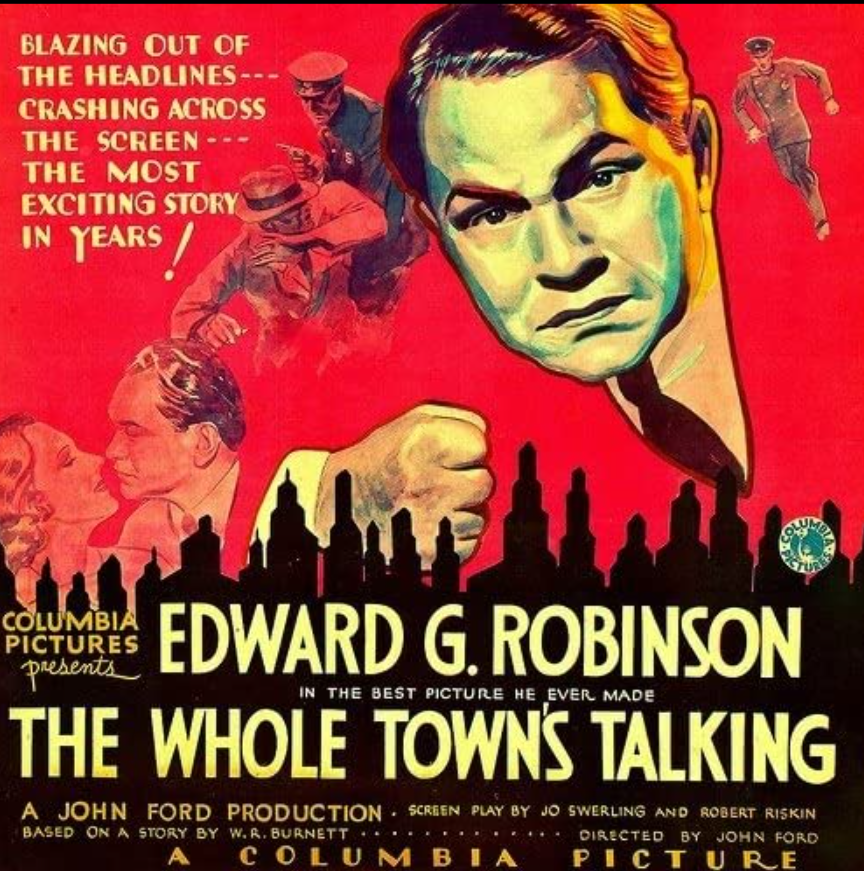
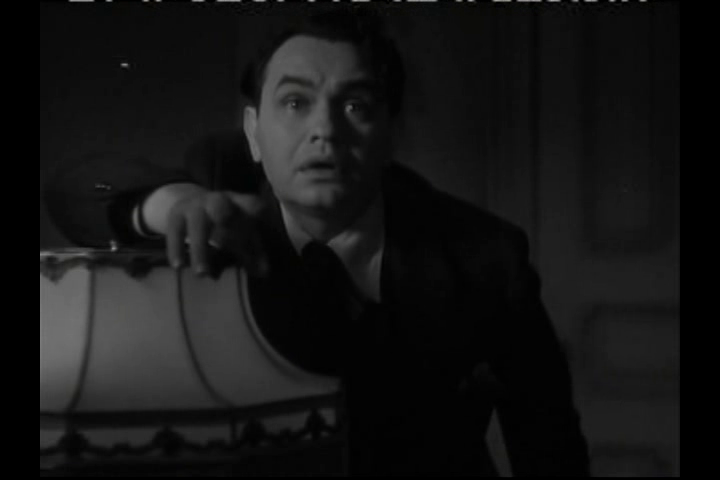
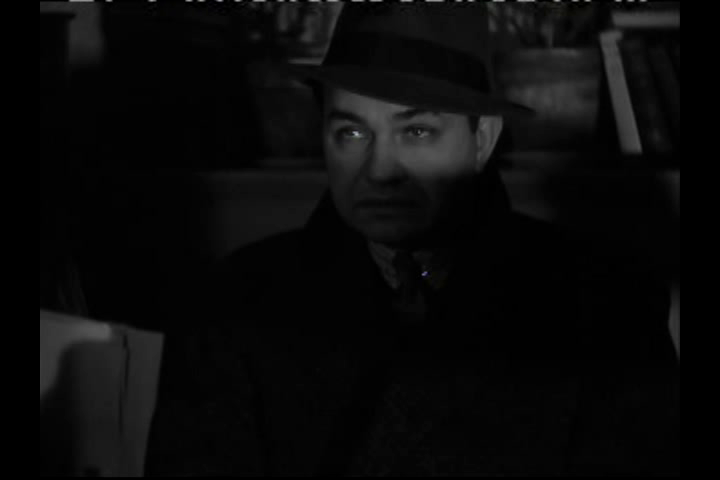
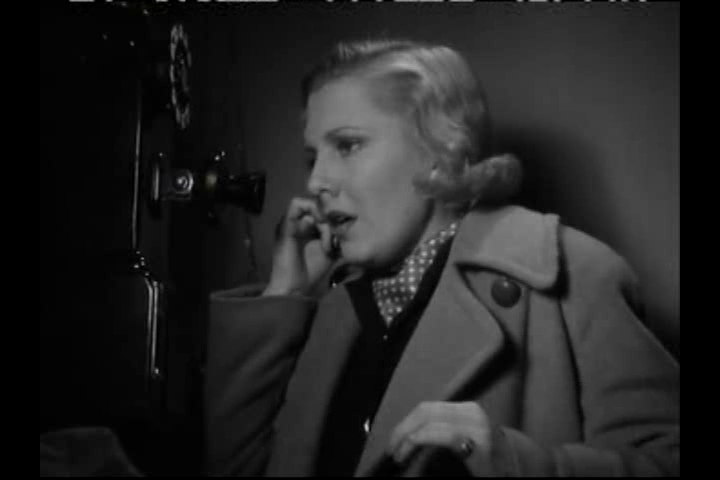
A mild-mannered clerk (Edward G. Robinson) named Arthur Jones — who happens to look exactly like the murderous bank robber “Killer” Mannion (also Robinson) — is apprehended by police, released with an identity certificate, and commissioned to ghost-write Mannion’s memoirs for the local newspaper. Meanwhile, Mannion takes advantage of Jones by blackmailing him into sharing the identity certificate, and secretly plotting to have Jones take the fall for his crimes.

Genres, Themes, Actors, and Directors:

  • Comedy
  • Edward G. Robinson Films
  • Gangsters
  • Jean Arthur Films
  • John Ford Films
  • Mistaken or Hidden Identities
  • “No One Believes Me!”

Review:
Directed by John Ford and based on a story by W.R. Burnett (author of the novels which Little Caesar, High Sierra, and The Asphalt Jungle are based on), this clever gangster spoof makes perfect use of both Robinson’s menacing screen persona and his (mostly) untapped comedic talents. As noted in TCM’s article, Ford managed to slip this one past Production Code censors given its status as a satire, but some fairly dark elements emerge by the end (I won’t say more at risk of spoiling the fun narrative). Robinson and Arthur are both at the top of their acting games, and Ford’s direction is spot-on. Check this one out if you can! It would make a great double-bill with A Slight Case of Murder (1938), another enjoyable gangster spoof starring Robinson.

Redeeming Qualities and Moments:

  • Edward G. Robinson as Arthur Jones and “Mannion”

  • Jean Arthur as Miss Clark
  • Effective cinematography and “special effects”

Must See?
Yes, for Robinson’s virtuoso double-performance.

Categories

  • Noteworthy Performance(s)

Links:

Prince of the City (1981)

Prince of the City (1981)

“Everybody’s using everybody, right?”

Synopsis:
A narcotics detective (Treat Williams) agrees to cooperate with the lead investigators (Norman Parker and Paul Roebling) of a special commission on corruption, but vows never to “turn” on his partners (Jerry Orbach, Richard Foronjy, Don Billett, and Kenny Marino).

Genres, Themes, Actors, and Directors:

  • Corruption
  • Police
  • Sidney Lumet Films
  • Treat Williams Films

Review:
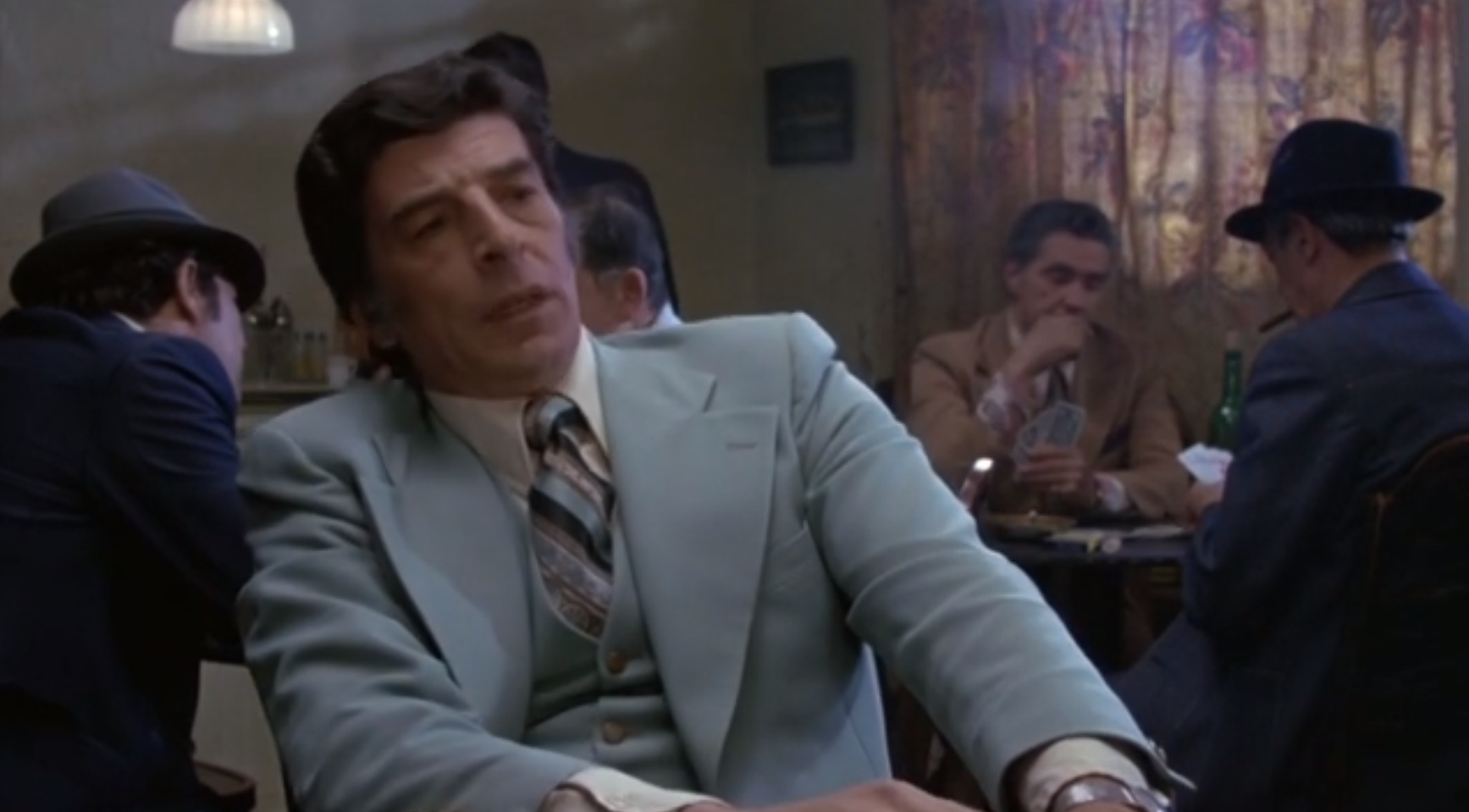
Sidney Lumet’s follow-up to perhaps the most famous film about police corruption in New York City — Serpico (1973) — was this equally compelling film (based on a book by cop-turned-author Robert Daley) about NYPD detective Robert Leuci, whose testimony and secret recordings helped to indict more than four dozen NYPD narcotics detectives. Jay Presson Allen — screenwriter for Marnie (1964), The Prime of Miss Jean Brodie (1969), and Cabaret (1972) — wrote the lengthy script after interviewing nearly everyone in Daley’s book and listening to Leuci’s recordings; the result is a smart, tension-filled, consistently absorbing character study about a man — like Frank Serpico — who feels he has no choice but to speak out against graft and corruption (his conscience won’t allow otherwise), yet whose life, family, friendships, integrity, and identity (“I sleep with my wife, but I live with my partners!”) are put at risk by this decision. Williams gives a nuanced performance in a highly complex role, and is surrounded by a fine supporting cast. This flick deserves wider recognition, and I’m slightly mystified why it’s not better known.

Note: Leuci died last year at the age of 75.

Redeeming Qualities and Moments:

  • Treat Williams as Danny Ciello (nominated as one of the Best Actors of the Year by Peary in his Alternate Oscars)
  • Jerry Orbach as Gus Levy
  • Andrzej Bartkowiak’s cinematography
  • Paul Chihara’s atmospheric score

Must See?
Yes, as an absorbing drama with a powerful lead performance.

Categories

  • Noteworthy Performance(s)

Links: