Red River (1948)

Red River (1948)

“I don’t like quitters — especially when they’re not good enough to finish what they start.”

Synopsis:
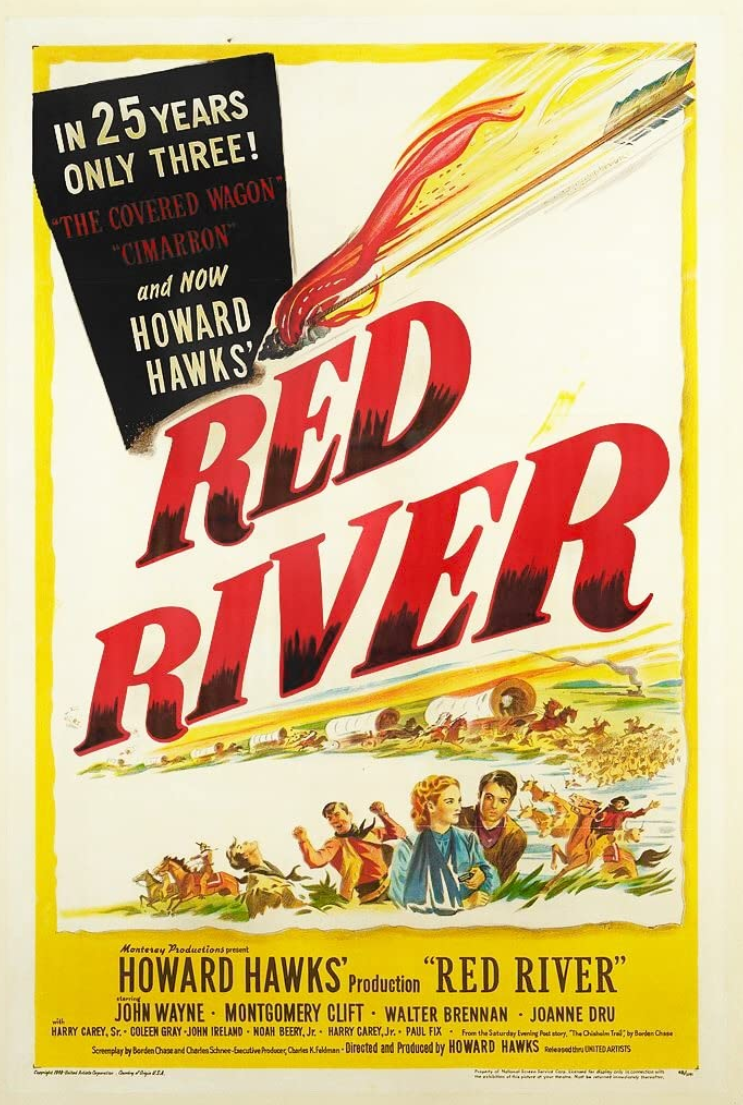
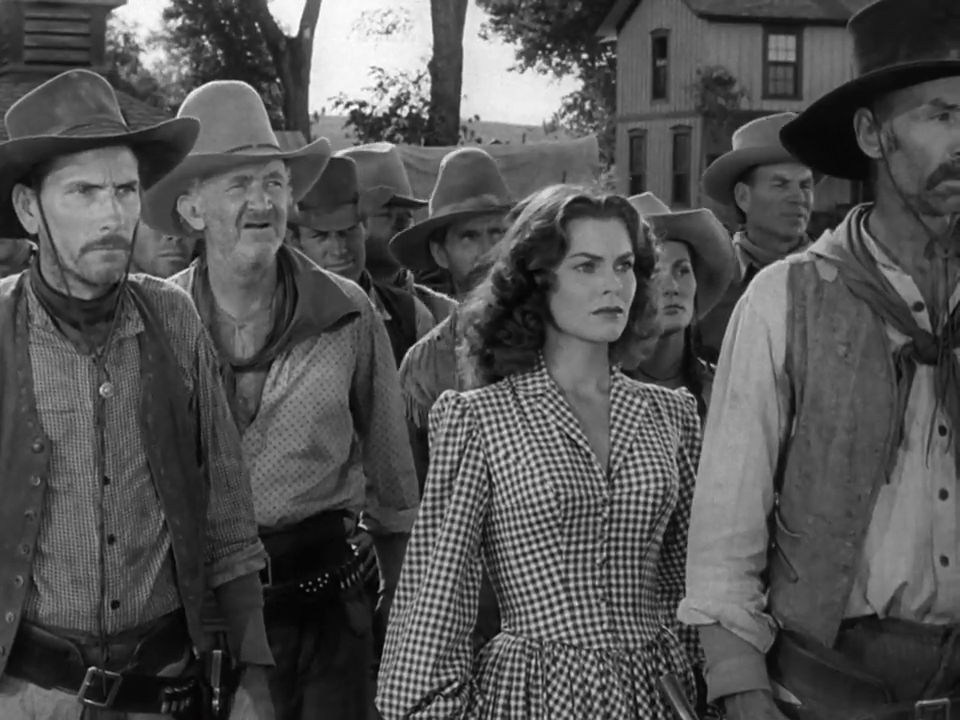
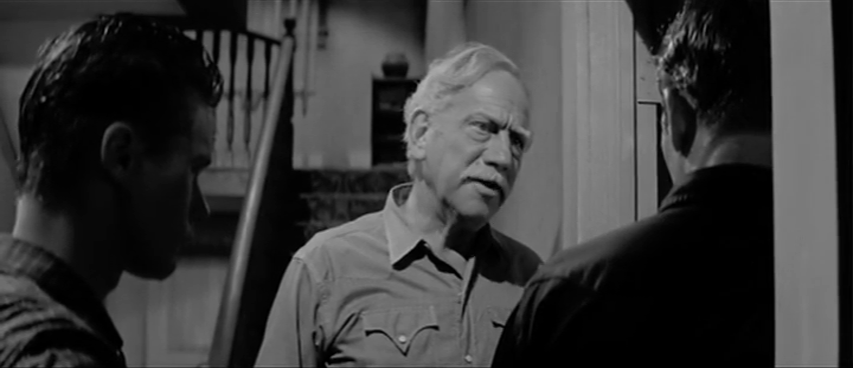
After his fiancee (Coleen Gray) is killed in a wagon raid, an ambitious rancher (John Wayne) raises an orphan from the raid (Mickey Kuhn) like his own son. Years later, Wayne — accompanied by his cook (Walter Brennan), his now-grown “son” (Montgomery Clift), a loyal gunfighter (John Ireland), and many other hired hands — begins a lengthy cattle drive from Texas to Missouri, but quickly finds his tolerance lagging after one of his men (Ivan Parry) accidentally sets off a stampede that kills another (Harry Carey, Jr.). Soon Wayne becomes so unreasonable about “deserters” that Clift must take over the drive — but Wayne vows revenge; and when he encounters a beautiful young woman (Joanne Dru) Clift has fallen for, she becomes embroiled in their feud as well.

Genres, Themes, Actors, and Directors:

  • Coleen Gray Films
  • Cowboys
  • Howard Hawks Films
  • Joanne Dru Films
  • John Ireland Films
  • John Wayne Films
  • Mentors
  • Montgomery Clift Films
  • Mutiny
  • Ranchers
  • Ruthless Leaders
  • Walter Brennan Films
  • Westerns

Response to Peary’s Review:
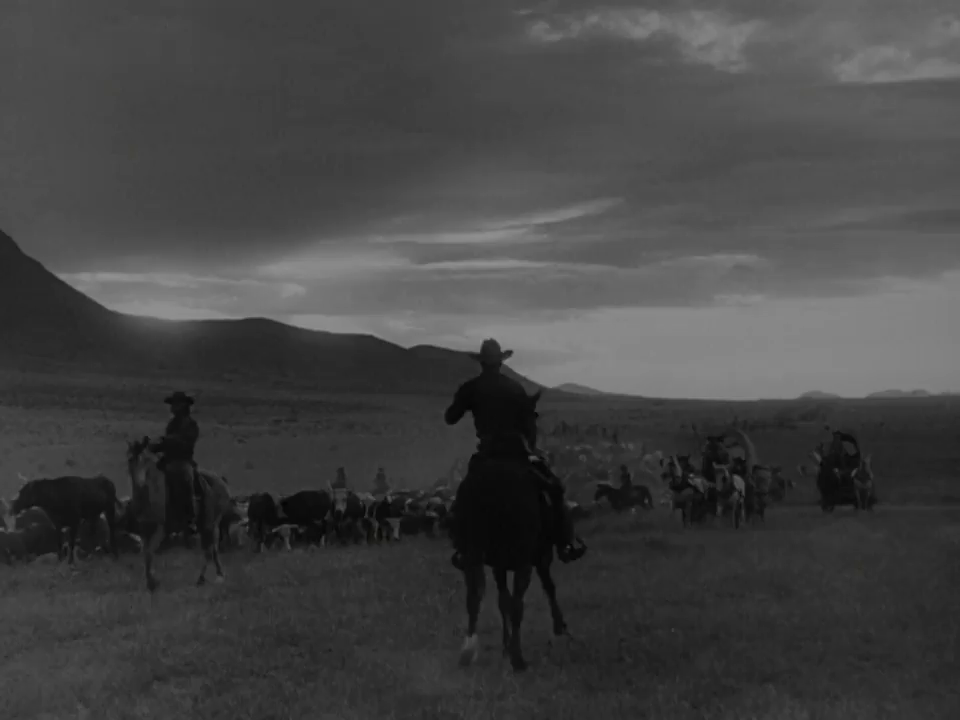
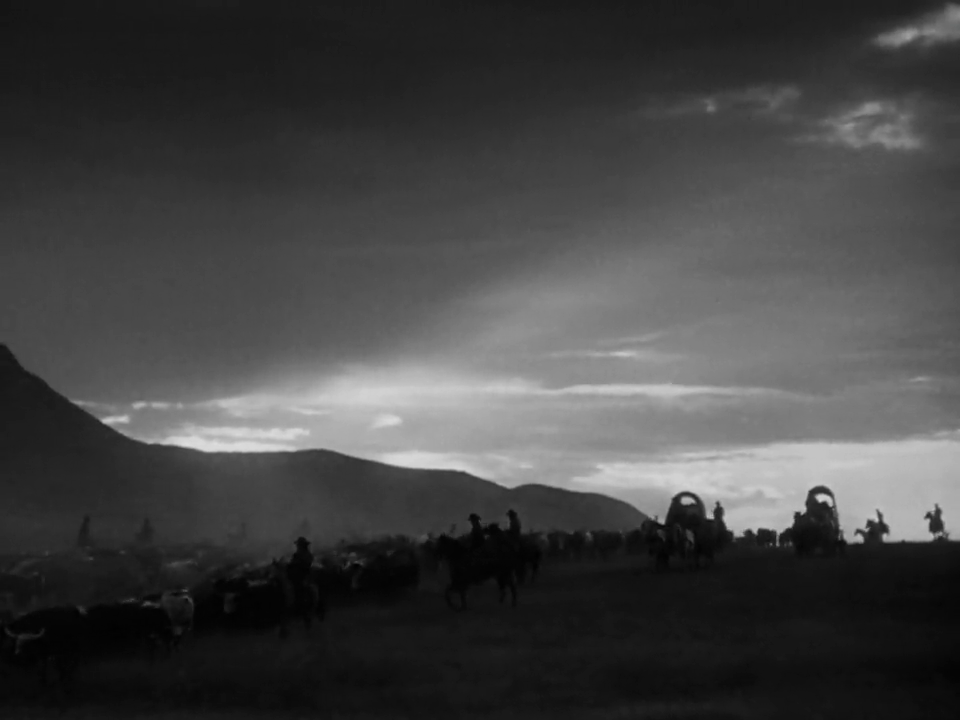
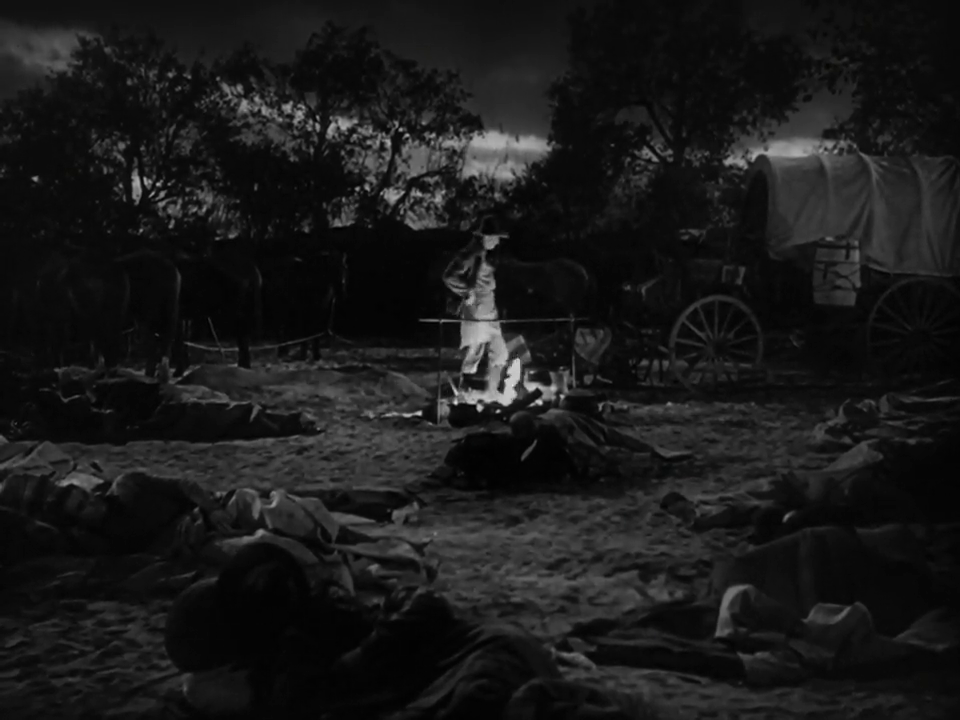
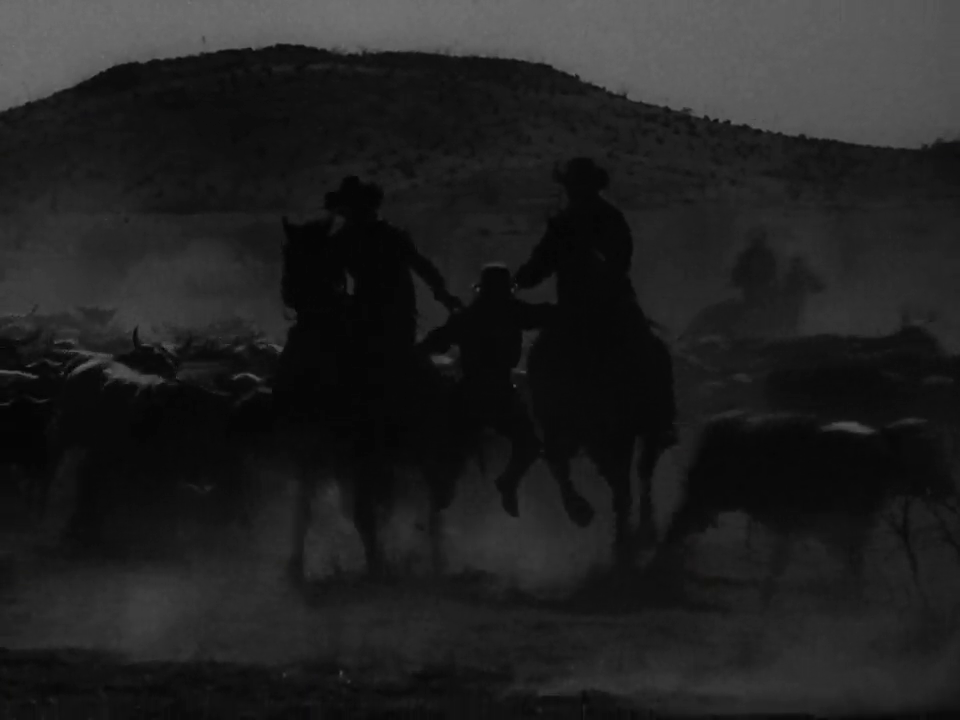
Peary writes that this “monumental first western” by Howard Hawks — “scripted by Borden Chase and Charles Schnee from Chase’s [story] “The Chisholm Trail” — is a “westernized Mutiny on the Bounty that advanced the possibility that the Bligh-Christian conflict was Oedipal in nature” (I wouldn’t go that far). Peary points out that this “unromanticized western has remarkable authenticity” and “beautiful black-and-white photography by Russell Harlan, with [an] emphasis on cloudy skies, barren terrain, [and] darkness that makes night oppressive”, thus giving a “harsh feel to the West”.

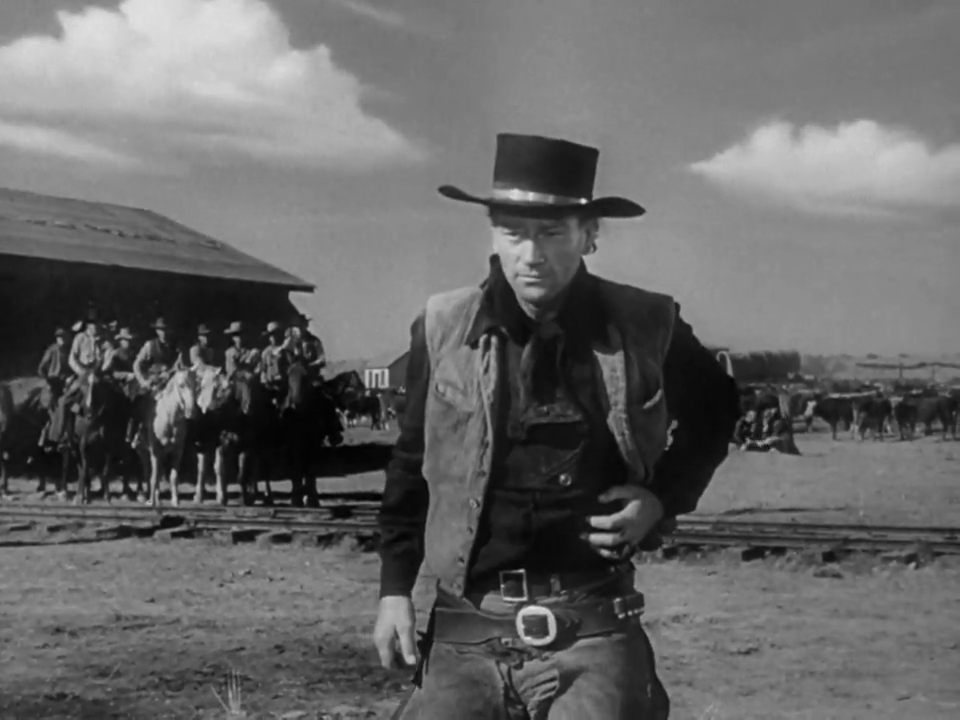
He notes that “Hawks deals with emotions rarely explored in westerns, including Wayne’s uncharacteristic interrelated senses of fear (of failure) and paranoia” — indeed, “this is Wayne’s only character whose sense of morality becomes clouded, who can’t tell the difference between right and wrong.” Peary adds that “Clift, who makes a passable cowboy in his debut, displays sensitivity and tenderness that were almost nonexistent among western heroes” — but he complains (I agree) that miscast Dru’s role — given she comes “in so late in the film and [has] such an important part” to play — changes the picture’s tone, making the ending “momentarily satisfying” but “more suitable for a comedy.”

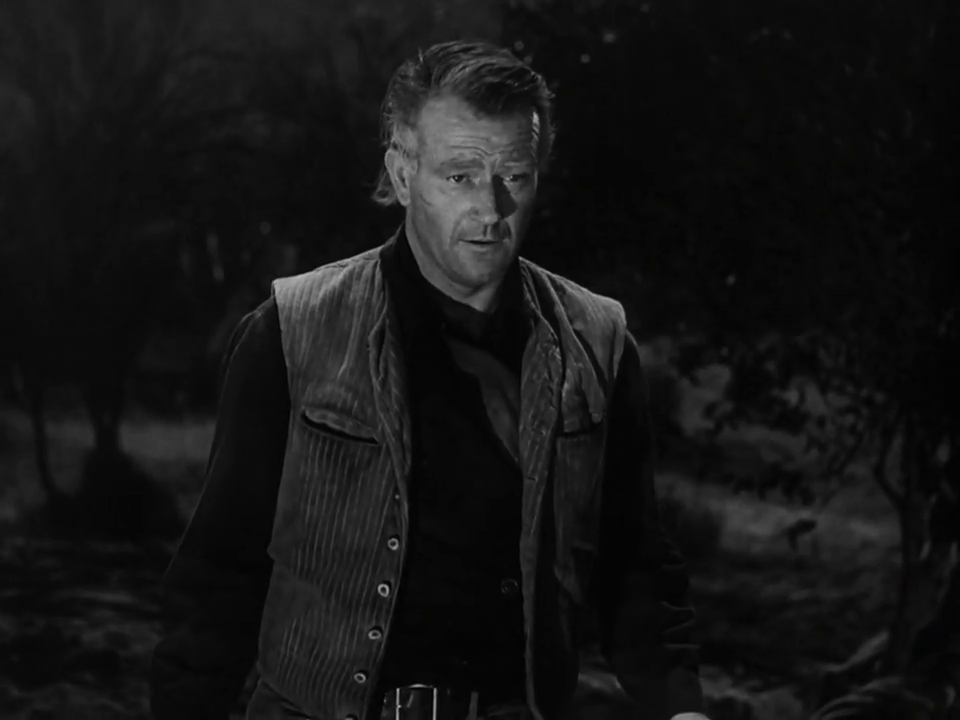
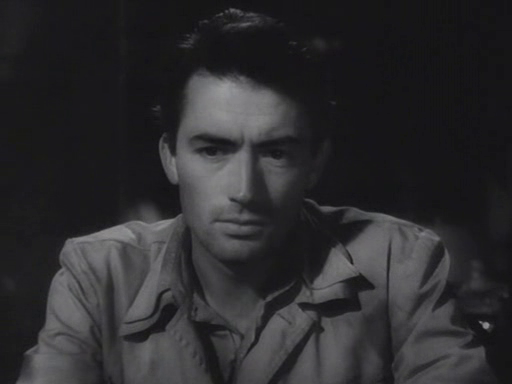
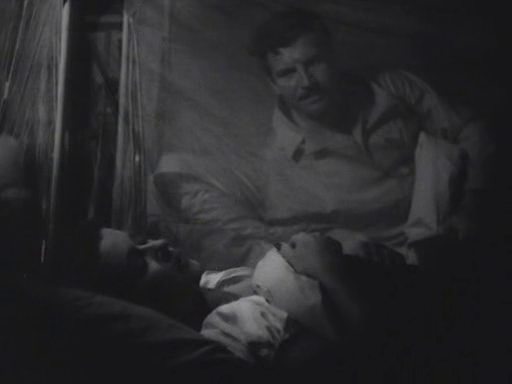
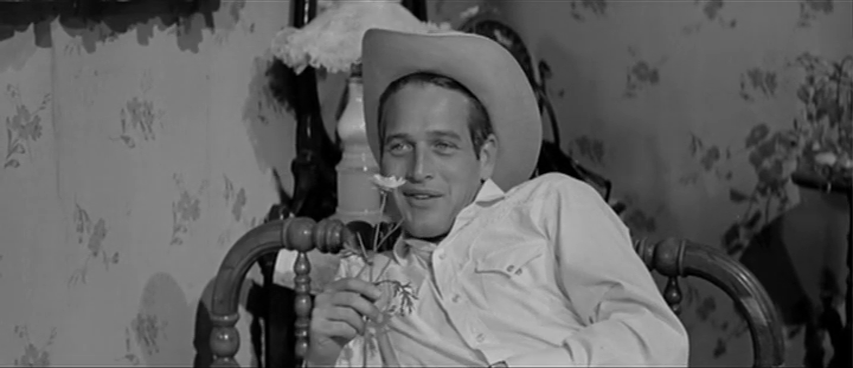
Peary’s review covers many of the essentials of this classic western, which has stood the test of time quite nicely and remains an enjoyable, exciting tale. As Peary points out, “Wayne and Clift are both excellent”, and “their different acting styles work to emphasize their characters’ different attitudes.” Wayne’s willingness to play a Bligh-like character (albeit one we feel some sympathy for) is impressive, and speaks to the acting range he was allowed to display after this point. Clift — in his almost-screen debut, after The Search (1948) — couldn’t be more gorgeous:

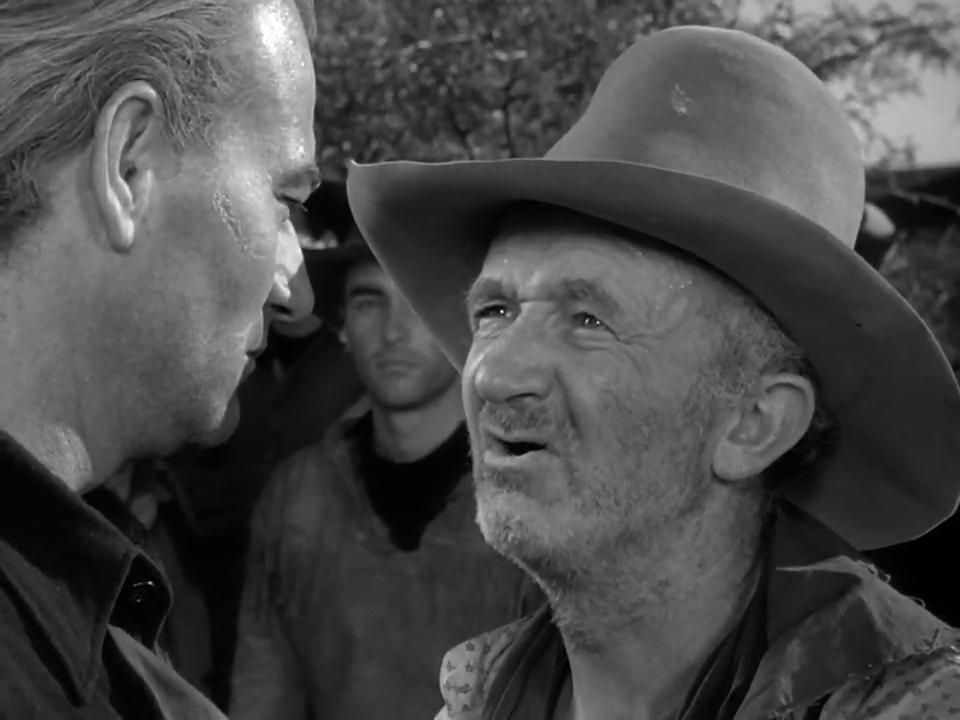
… and is entirely credible in his role, bringing nuance to an undeniably challenging situation: needing to take over the reins from one’s beloved but now-unstable “parent”.

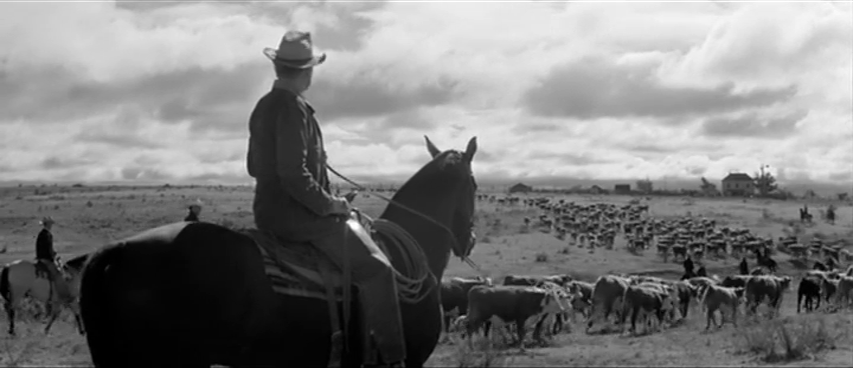
Harlan’s cinematography is indeed gorgeous, and the many sequences involving thousands of cattle are truly impressive.

Redeeming Qualities and Moments:

  • John Wayne as Dunson (nominated by Peary as one of the Best Actors of the Year in Alternate Oscars)
  • Montgomery Clift as Matt Garth
  • Fine supporting performances
  • Russell Harlan’s cinematography


  • Many impressive sequences

Must See?
Yes. Named by Peary as one of the Best Movies of the Year in his Alternate Oscars, and named as one of the Top 10 Westerns by the AFI.

Categories

  • Genuine Classic

(Listed in 1001 Movies You Must See Before You Die)

Links:

Macomber Affair, The (1947)

Macomber Affair, The (1947)

“He was an odd one, Mr. Macomber.”

Synopsis:
A hunting guide (Gregory Peck) in East Africa reflects back on an accident in which a woman (Joan Bennett) kills her husband (Robert Preston) during a safari.

Genres, Themes, Actors, and Directors:

  • Africa
  • Flashback Films
  • Gregory Peck Films
  • Hunting
  • Joan Bennett Films
  • Love Triangle
  • Marital Problems
  • Masculinity
  • Robert Preston Films
  • Zoltan Korda Films

Review:
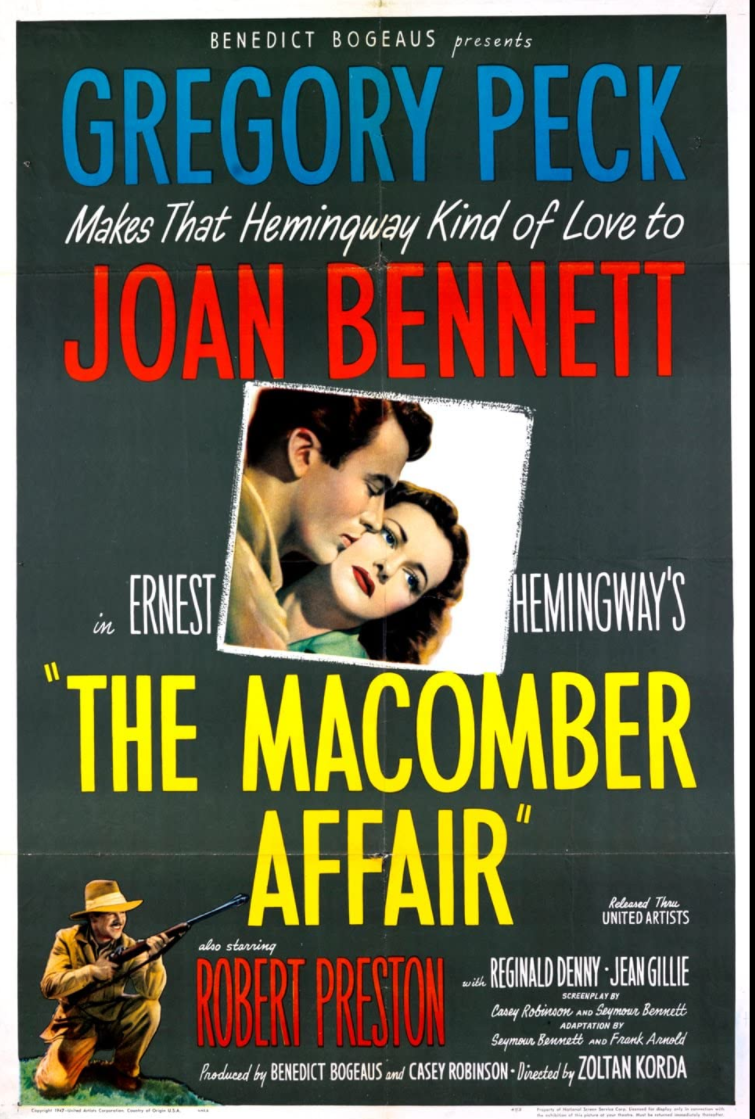
Zoltan Korda directed this adaptation of a short story by Ernest Hemingway, about the impact of a hunting safari on an already-tense marriage. The narrative structure of Preston and Bennett off in the wilderness with only their guide (Peck) and two assistants available offers a convenient framework for peeking into the couple’s troubles: Bennett is there to assess her husband’s every move, and unfortunately, he doesn’t measure up. By the time a critical interaction with a lion occurs (and Preston reacts with fear rather than bravery), it’s clear Bennett’s disdain for Preston cannot be salvaged — especially with handsome, intrepid Peck as a counterpoint.

Peck (who co-produced) gives an excellent performance as a man thoroughly versed in the “code” of big game hunting, who tries to help Preston see that his protestations and apologies are not only unnecessary but unseemly. (Apparently, while it’s okay to “chicken out” and allow one’s guide to take over at any moment, it’s not acceptable to make a fuss over this and allow one’s insecurities to show too prominently.) This film isn’t must-see viewing, but is a fine adaptation.

Redeeming Qualities and Moments:

  • Gregory Peck as Robert Wilson
  • Atmospheric cinematography

Must See?
No, though it’s worth a one-time look. Listed as a Sleeper and a Personal Recommendation in the back of Peary’s book.

Links:

Doomwatch (1972)

Doomwatch (1972)

“This island has trouble enough of its own without you coming here and stirring up more!”

Synopsis:
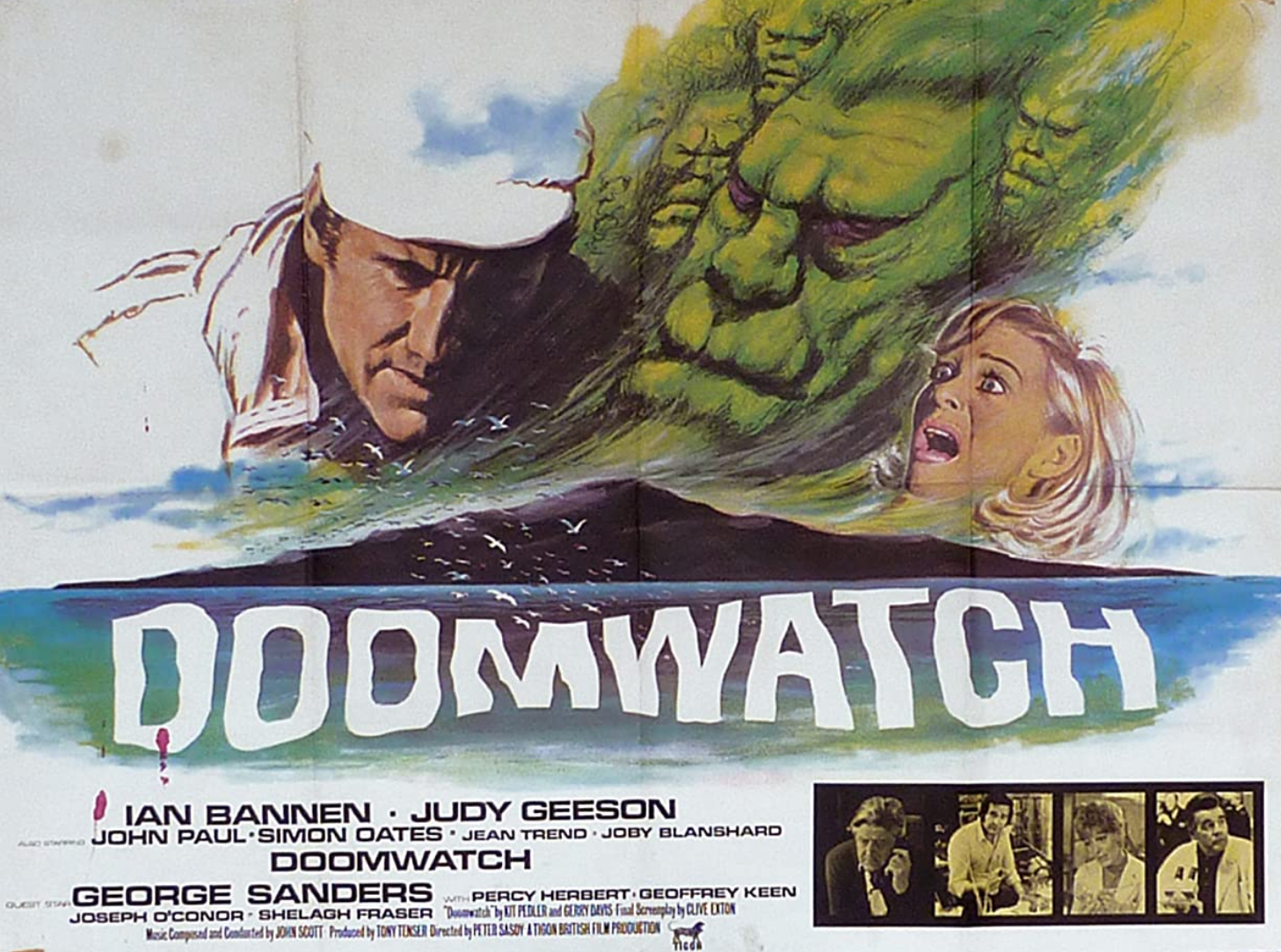
A scientist (Ian Bannen) with the British environmental watchdog group Doomwatch is concerned when he visits the island of Balfe and notices its residents acting both secretive and aggressive, with some appearing to suffer from acromegaly. With the help of a local schoolteacher (Judy Geeson) and his colleagues back in London (John Paul, Simon Oates, and Jean Trend), he investigates what might be happening to this tight-knit community — and why.

Genres, Themes, Actors, and Directors:

  • Amateur Sleuths
  • George Sanders Films
  • Science Fiction
  • Scientists

Review:
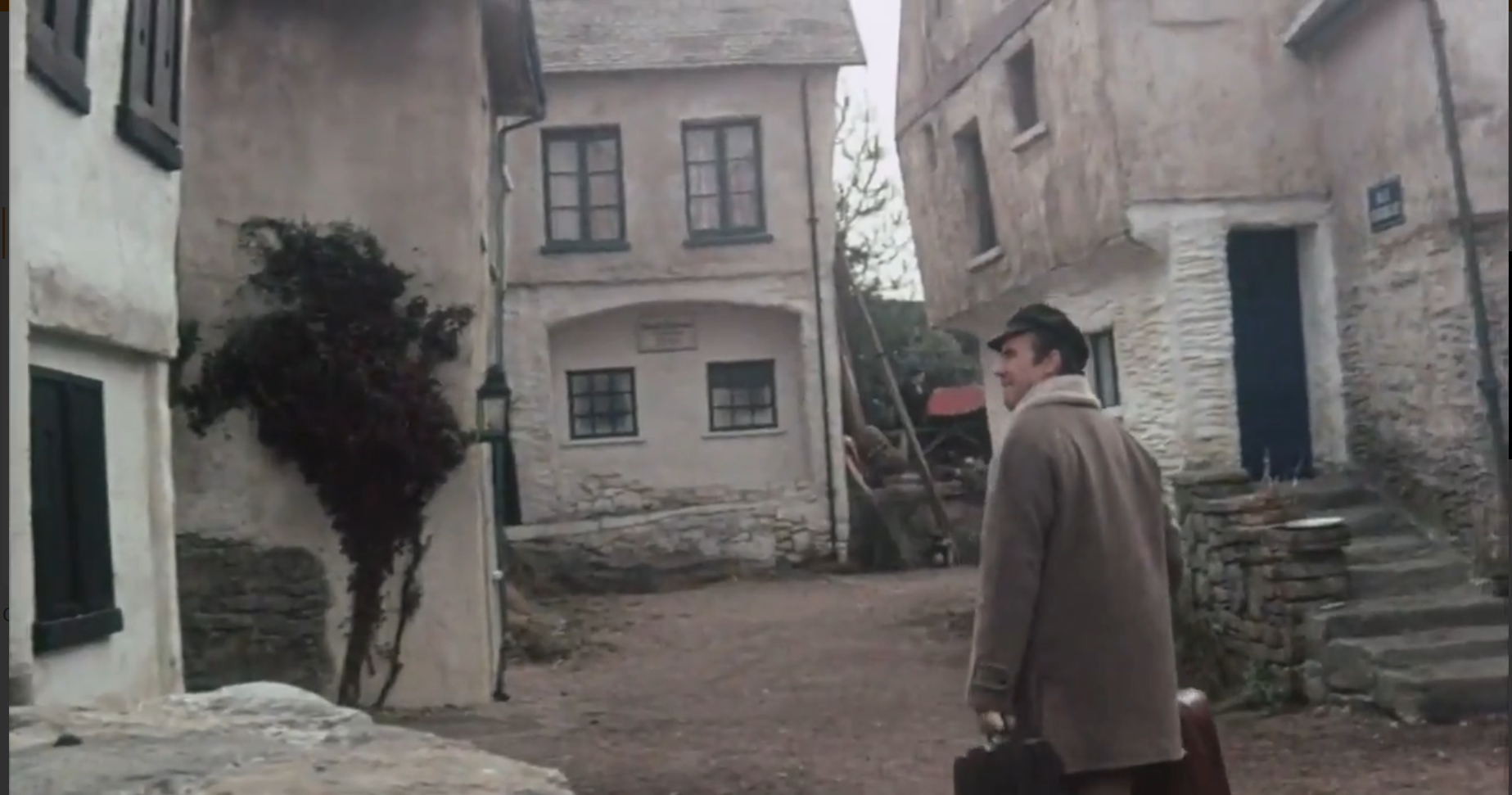
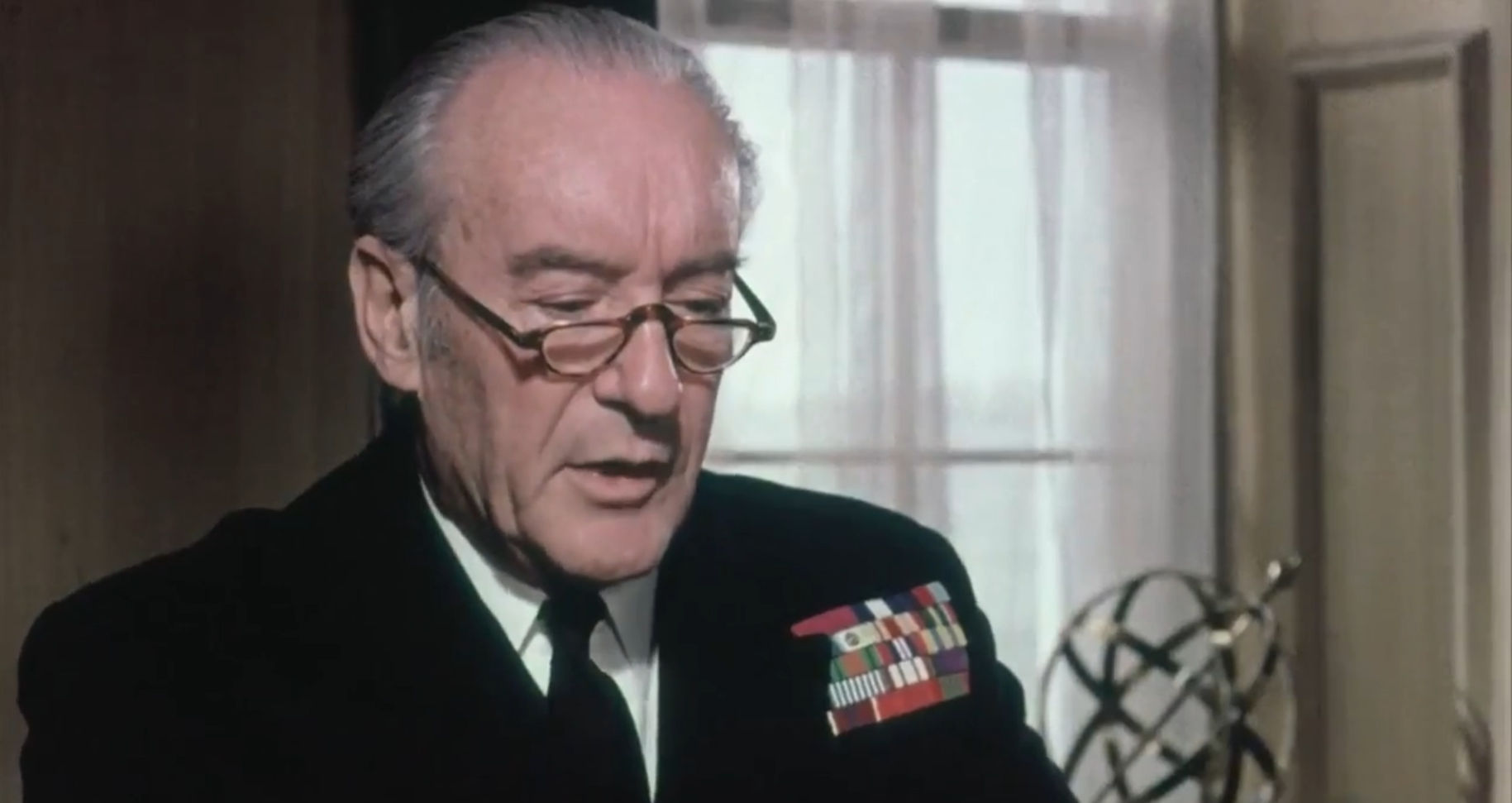
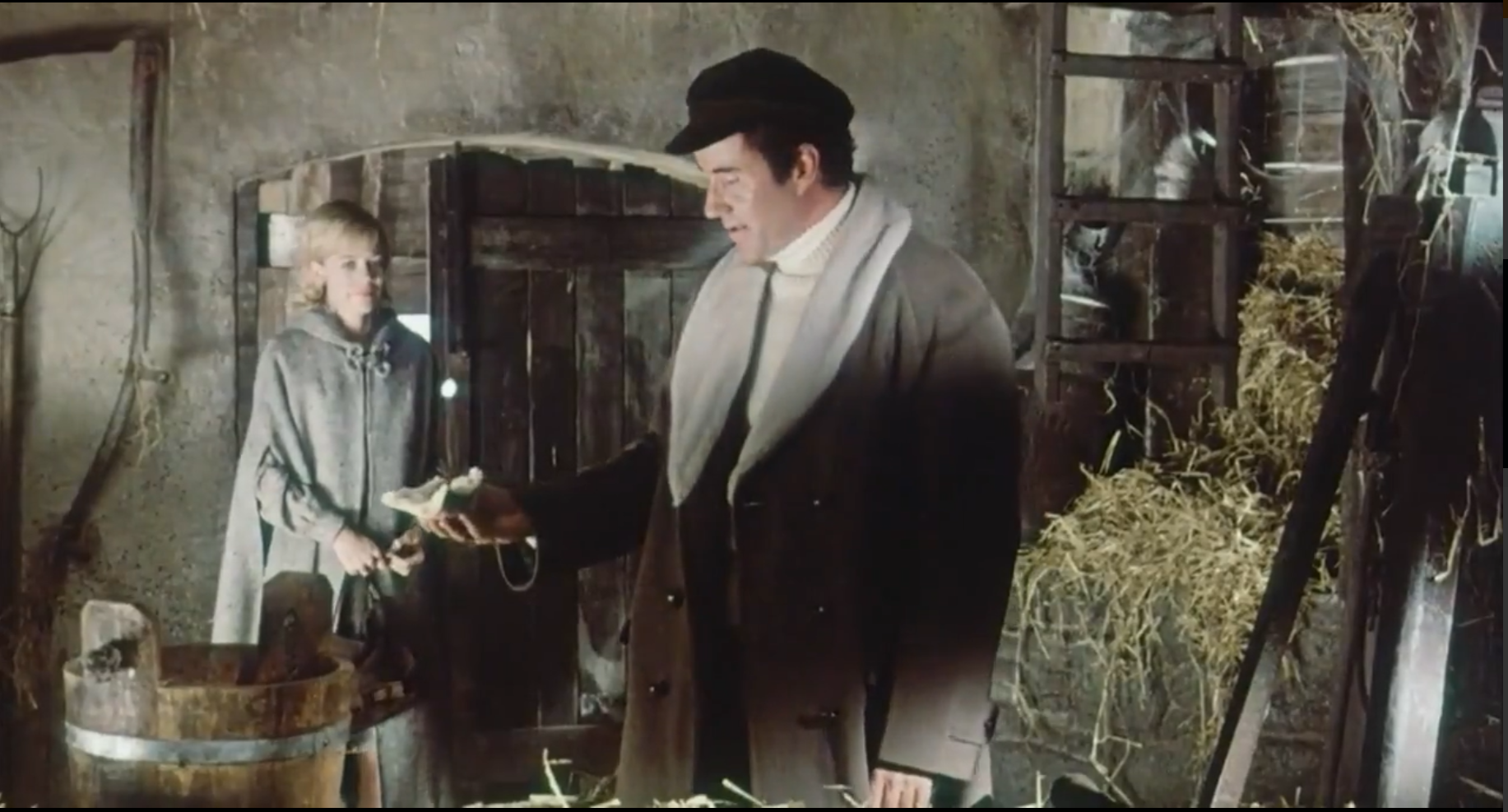
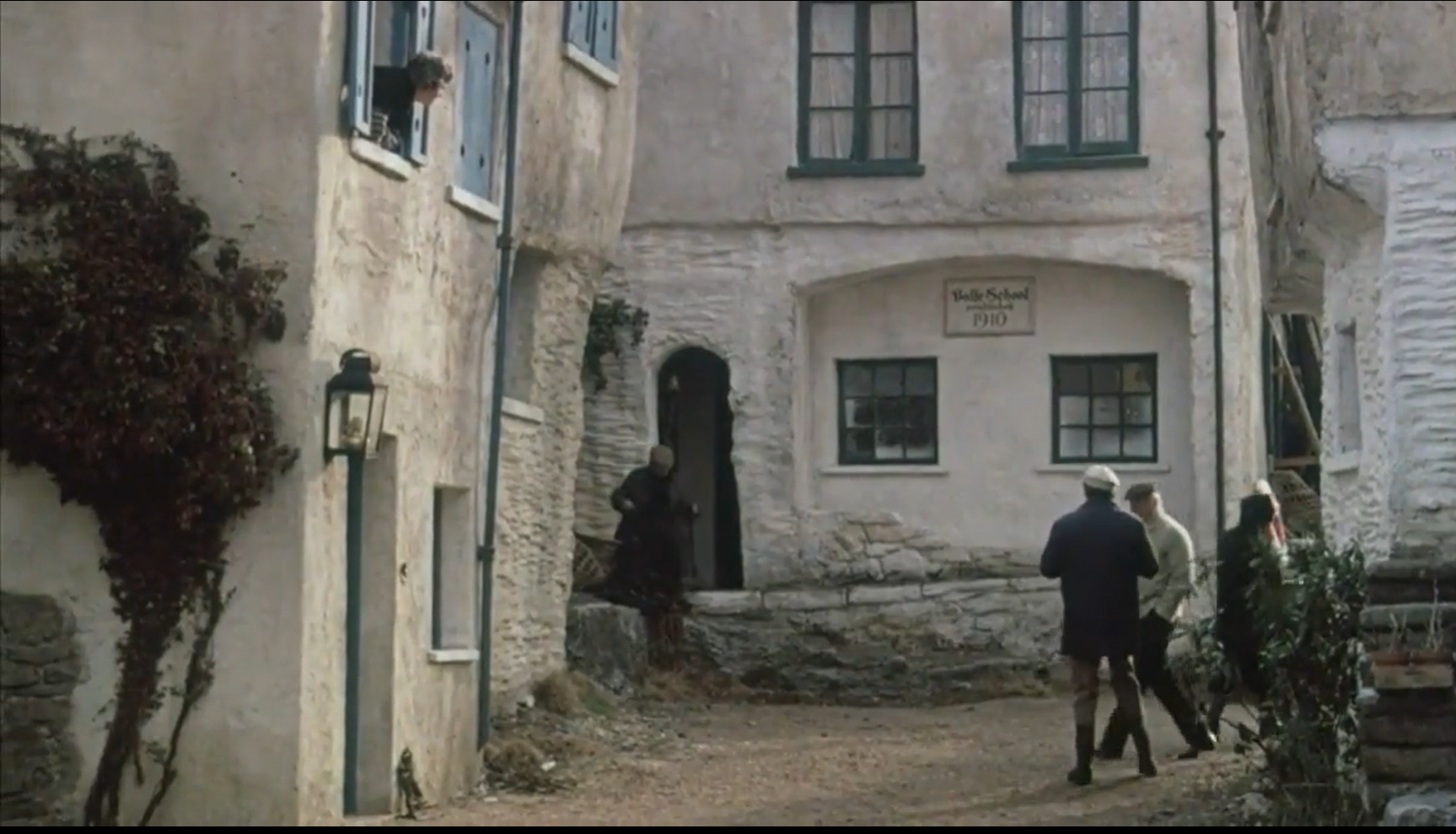
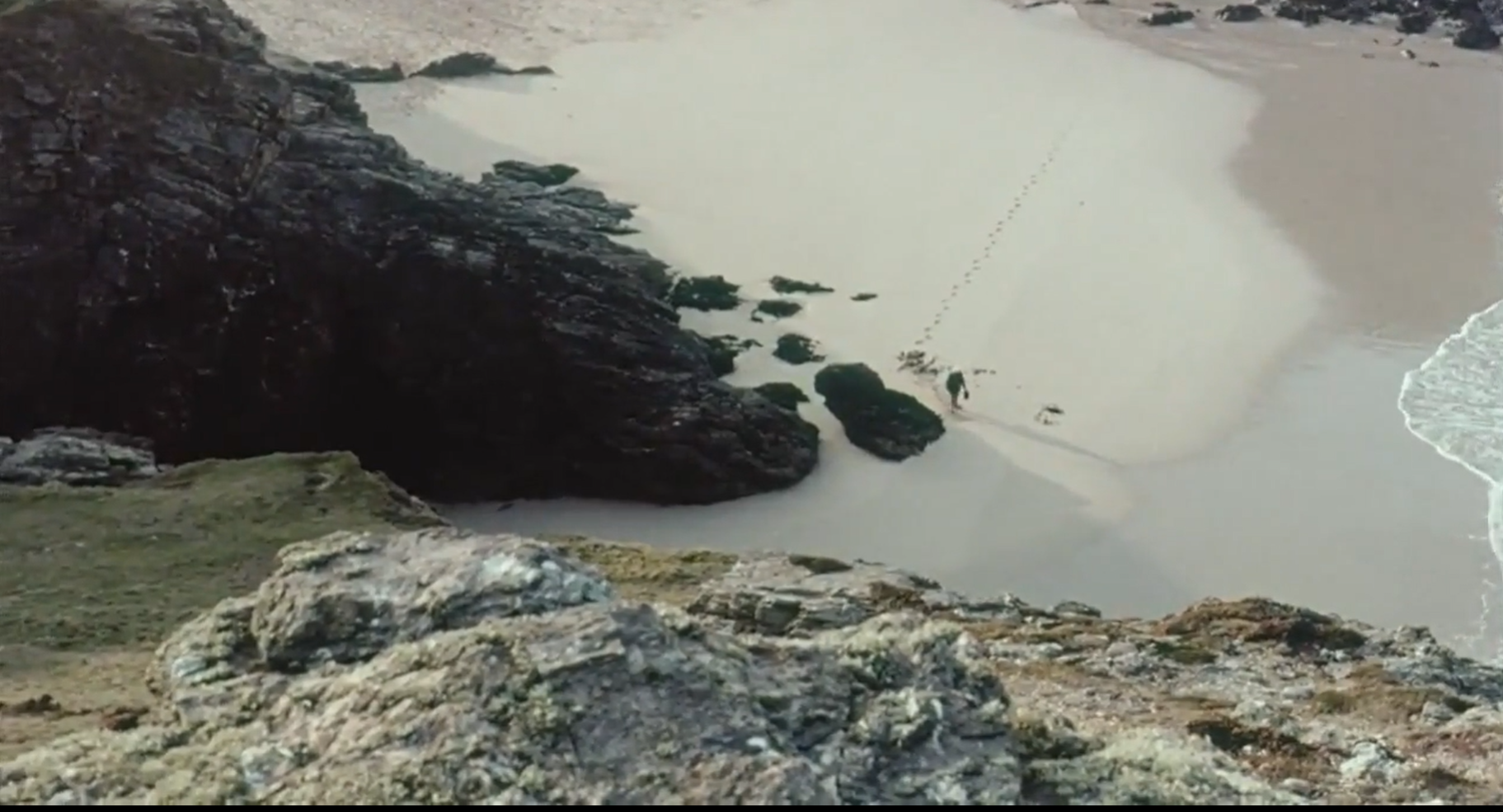
This follow-up to the similarly titled BBC TV series (1970-1972) is based on the intriguing premise of a (fictional) environmental protection agency discovering literally horrific after-effects of environmental catastrophes. Indeed, Doomwatch starts off very much like a horror film akin to The Wicker Man (1973), as an “outsider” visits a cloistered island where the residents refuse to share exactly what’s going on in their community.

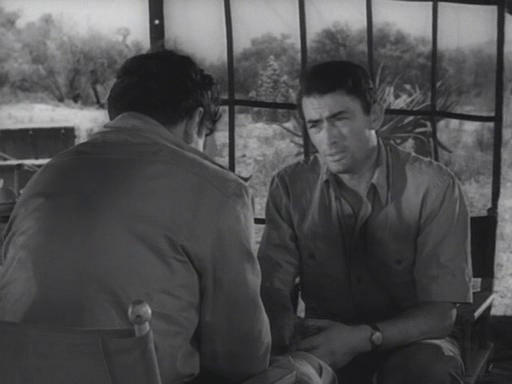
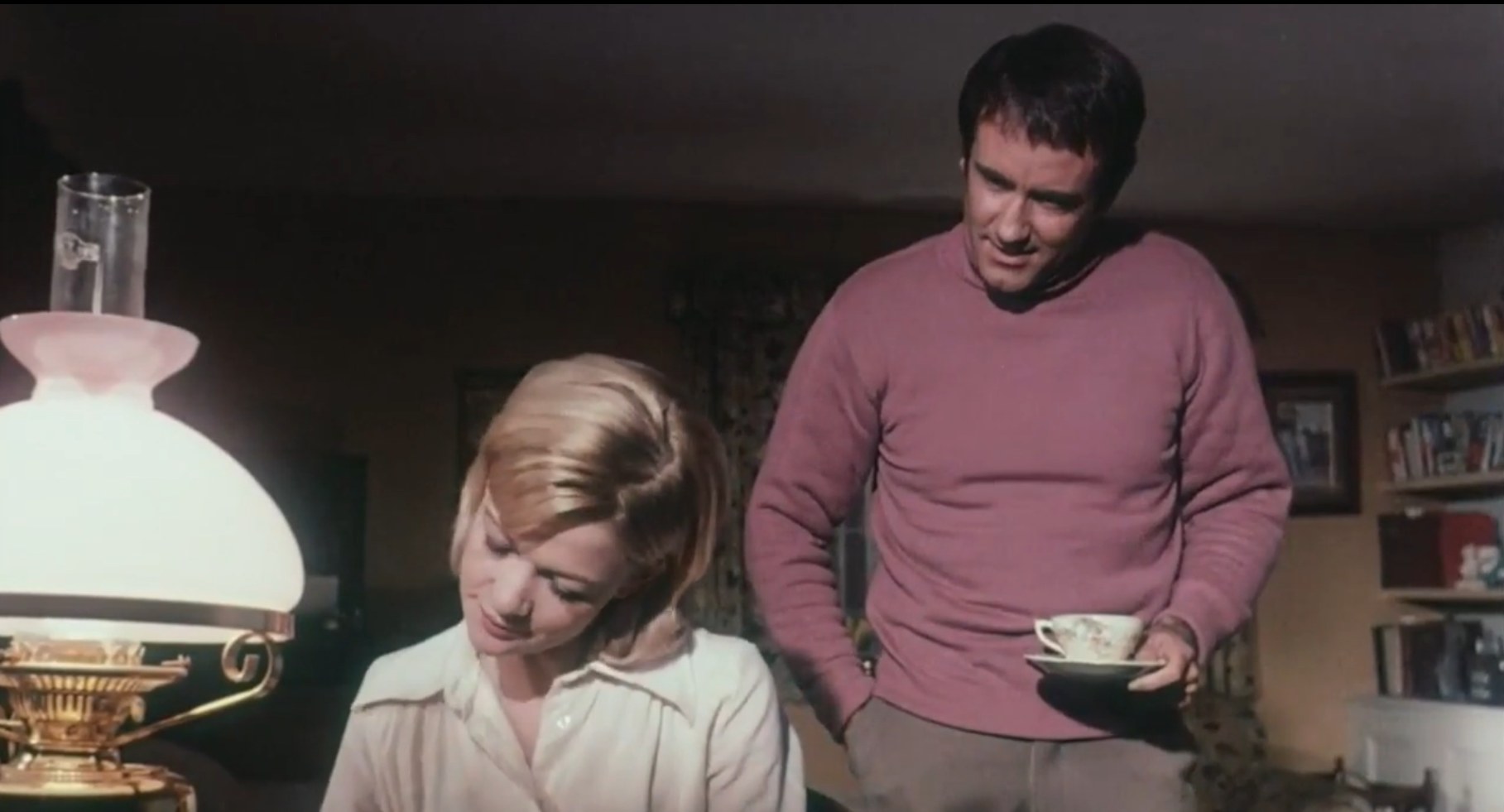
However, Bannen isn’t trapped on the island, and gets plenty of support from his colleagues back in London:

— so the feeling of anxiety and claustrophobia dissipates, turning the story into more of a procedural mystery: what in the world is impacting these people to the extent that they’re experiencing fear of their own loved ones? I’m not a fan of Bannen’s performance (he comes across as brash and smirky), and Geeson’s role is underdeveloped (how did she end up at the island in the first place?).

However, the inherent tension in solving the mystery at least keeps one reasonably engaged throughout.

Note: George Sanders appears in a thankless supporting role, one of his last before dying at the age of 65.

Redeeming Qualities and Moments:

  • Atmospheric cinematography and sets

  • Fine location shooting

Must See?
No, though it’s worth a one-time look if you’re curious. Listed as a Sleeper in the back of Peary’s book.

Links:

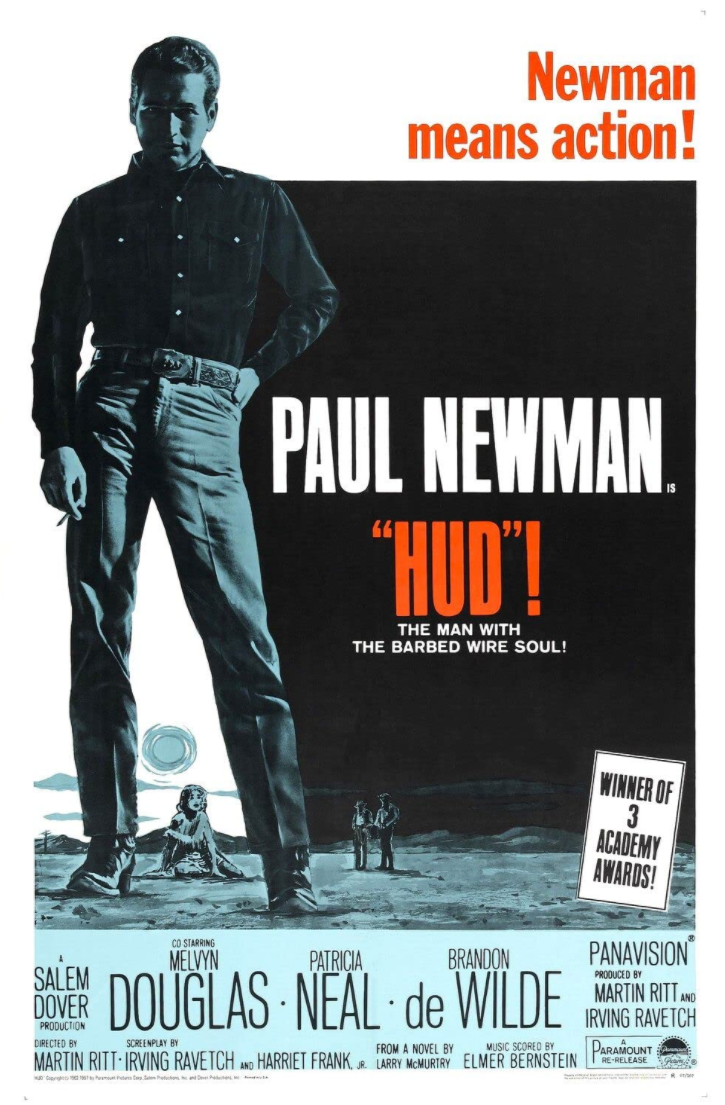
Hud (1963)

Hud (1963)

“The shape of the country changes depending on the men we believe in.”

Synopsis:
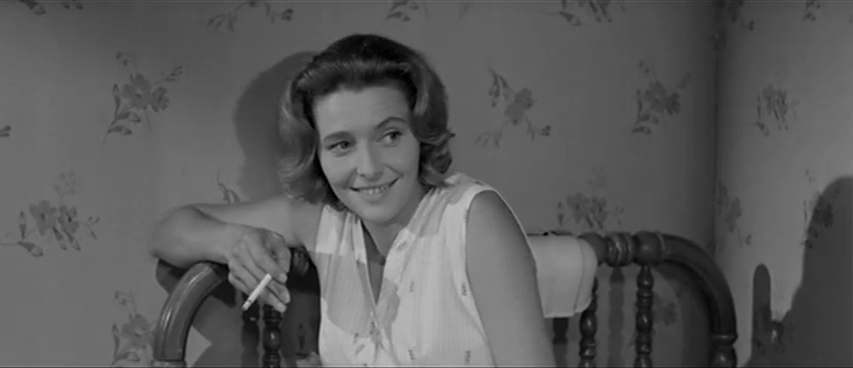
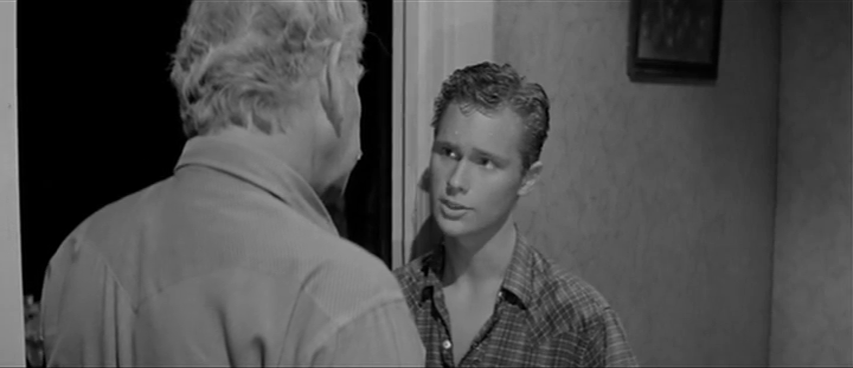
When an aging rancher (Melvyn Douglas) learns his cattle may have foot-and-mouth disease, tensions become even more heated with his selfish, womanizing son (Paul Newman), who pursues their housekeeper (Patricia Neal) while attempting to provide guidance to his good-hearted nephew (Brandon De Wilde).

Genres, Themes, Actors, and Directors:

  • Martin Ritt Films
  • Melvyn Douglas Films
  • Father and Child
  • Patricia Neal Films
  • Paul Newman Films
  • Ranchers
  • Westerns

Review:
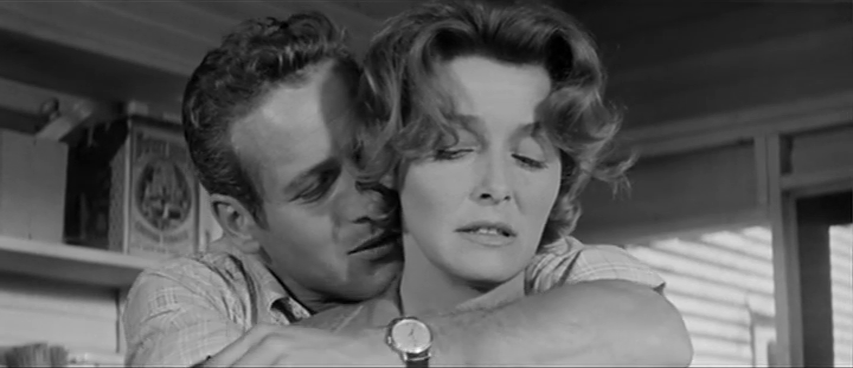
Patricia Neal won an Oscar for her small yet powerful performance in this bleak “modern western”, featuring an unmitigated cad as the central (title) character. Indeed, DVD Savant describes Newman’s Hud as a “genuine Texas heel” — someone who’s “got a big hole in him where companionship should be” and, “like much of the rest of the American spirit, no longer cares what he’s doing or who he does it to, just so long as the profit is still there and there’s beer in the fridge.”

Ouch.

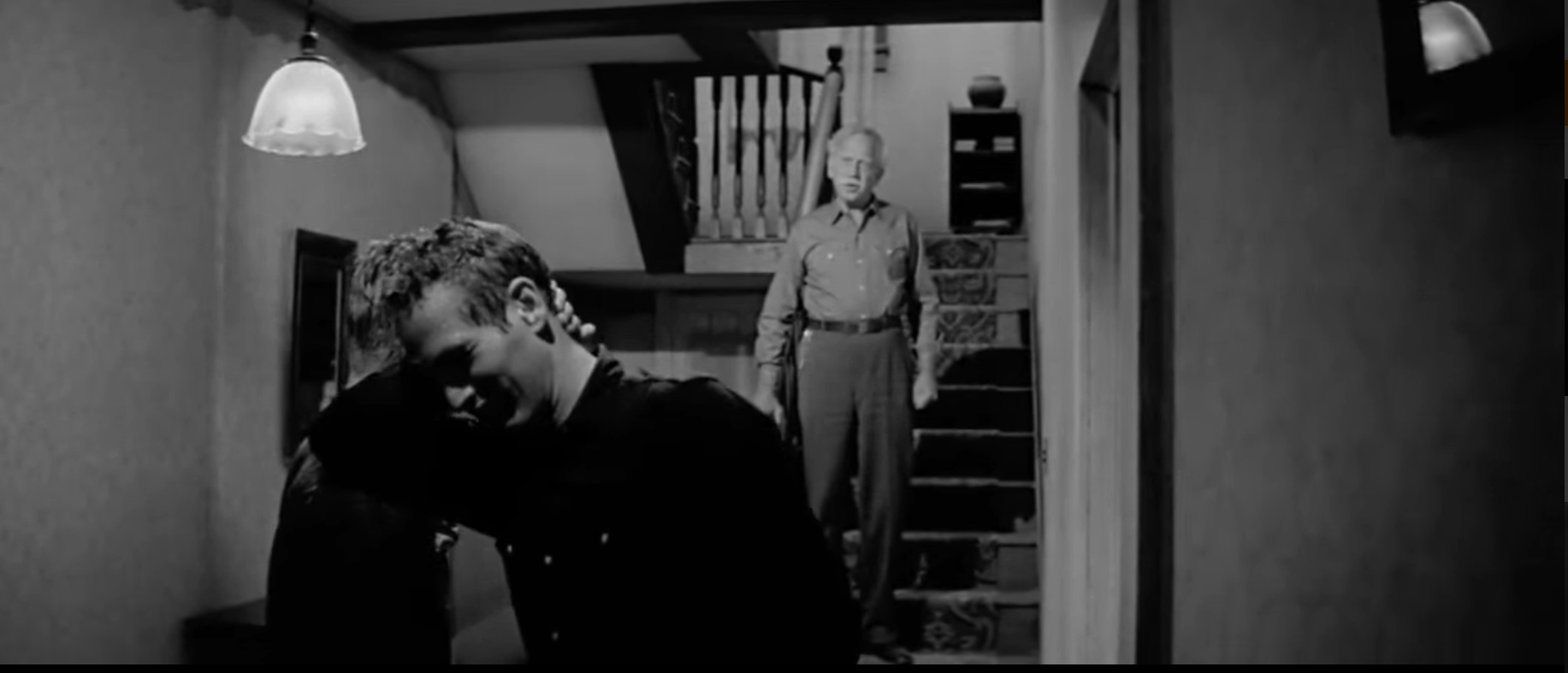
Thank goodness for De Wilde’s Lonnie, who represents a better hope for the future. Meanwhile, as we see Douglas grappling with life-altering news about his cattle — it’s nothing short of eerie seeing a “highly communicable viral disease” at the heart of a storyline right now — we can’t help wondering how in the world he developed such intense loathing for his own son. (Apparently Hud was changed from stepson to son when Larry McMurtry’s novel Horseman, Pass By was adapted, and Homer’s wife was removed from story — both of which could help fill in gaps about their relationship.)

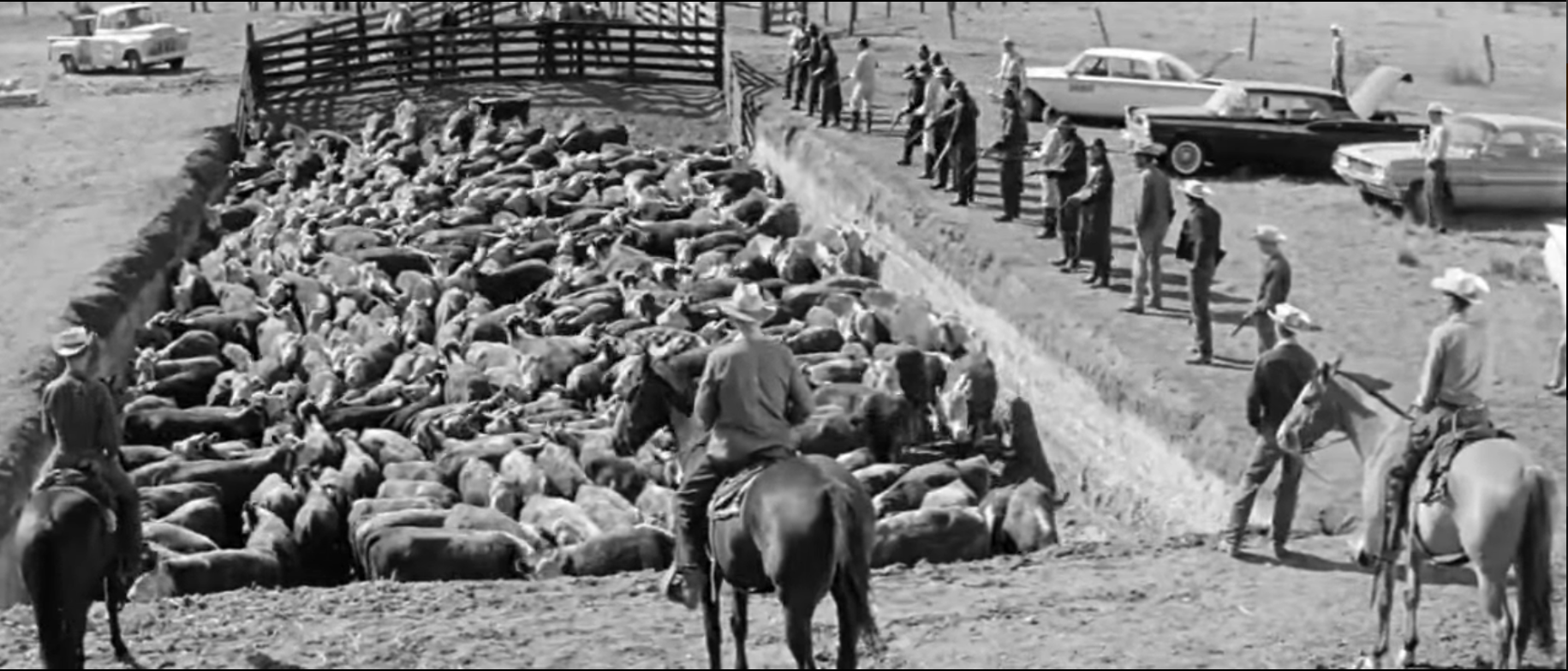
Regardless, this is a film about alienation in all its forms — and both director Martin Ritt and DP James Wong Howe portray this sensibility magnificently. The actors are top-notch in their roles, perhaps thanks in large part to Ritt’s theatrically-grounded rehearsal process. It’s harsh knowing Newman was so in character that upon hearing about the recent death of Neal’s seven-year-old daughter, he simply said “Tough”, and walked away. I suppose kudos should be given to the storytellers for daring to show us the reality of such deep-seated self-absorption and disdain for humanity — though viewers should be forewarned that this is an enormously bleak tale on nearly every level; the final cattle scenes are especially brutal to watch.

Redeeming Qualities and Moments:

  • Paul Newman as Hud
  • Melvyn Douglas as Homer
  • Patricia Neal as Alma
  • Brandon De Wilde as Lonnie
  • James Wong Howe’s cinematography

Must See?
Yes, for the performances. Selected in 2018 for preservation in the United States National Film Registry by the Library of Congress as being “culturally, historically, or aesthetically significant”.

Categories

  • Noteworthy Performance(s)
  • Oscar Winner or Nominee

(Listed in 1001 Movies You Must See Before You Die)

Links:

Wicker Man, The (1973)

Wicker Man, The (1973)

“You simply don’t understand the true nature of sacrifice.”

Synopsis:
A devout Christian detective (Edward Woodward) arrives on a Scottish island to locate a missing girl (Gerry Cowper), only to find that the Pagan locals — including Lord Summerisle (Christopher Lee), a schoolteacher (Diane Cilento), a librarian (Ingrid Pitt), the daughter (Britt Ekland) of the innkeeper, and the missing girl’s mother (Irene Sunter) — insist she never existed.

Genres, Themes, Actors, and Directors:

  • Britt Ekland Films
  • Christopher Lee Films
  • Cults
  • Detectives and Private Eyes
  • Horror
  • Mysterious Disappearance
  • Scottish Films
  • Sexuality
  • Village Life

Response to Peary’s Review:
Peary writes that this “one-of-a-kind occult film” — “written for the screen by Anthony Shaffer” — is “overrated and much less profound than the few critics who saw it in 1973 contended” (I disagree) “but it’s beautifully photographed by Harry Waxman, witty, erotic, and such an unusual entry in the horror genre — particularly because of Paul Giovanni’s extensive and clever use of music (bawdy ballads are sung, acoustic instruments are played throughout) — that one can understand why it would impress many viewers.” He adds that the “film is a combination of British TV’s The Avengers and British horror films Doomwatch and Horror Hotel, in which Lee lures victims to Salem for sacrifice in a satanic rite” — but he notes that “this is the only Christianity (good) vs. paganism (evil) film in which both are shown to be impotent.”

There has been much written — including in Peary’s Cult Movies 2 essay, and Allan Brown’s book Inside The Wicker Man — about the film’s notoriously challenging post-production and distribution history. The first restoration (released to great fanfare in 1979) bumped the running time up from 87 to 96 minutes and finally gave the film a significant audience; the 2001 Director’s Cut was a 95 minute hybrid; and the Final Director’s Cut (available on BluRay) is 93 minutes. Originally deleted (but now restored) footage includes a hypnotic nude dance by Ekland in a hotel room adjacent to Woodland’s as she bangs on the walls in an attempt to seduce him; and scenes from Woodland’s pre-island-visit life.

Regardless of the film’s cuts, however, it remains an entirely unique movie experience: a “musical” which incorporates song and dance into the very fabric of its narrative; other-worldly (yet very-much-real) locations across small Scottish towns and hills; a missing-person-search with a stunning horror plot twist; an unusual tale (as pointed out in the short documentary “Burnt Offering: The Cult of the Wicker Man”) in which an entire town is “in” on a collective attempt to pull the wool over The Fuzz’s eyes; and a memorably knock-out ending. This one remains well worth a look; it’s easy to see how it’s remained a cult classic for so many years.

Redeeming Qualities and Moments:

  • Christopher Lee as Lord Summerisle
  • Edward Woodward as Sergeant Howie
  • Harry Waxman’s cinematography
  • Excellent use of authentic outdoor locales

  • Many memorable moments


  • Paul Giovanni’s score

Must See?
Yes, as a genuine cult classic.

Categories

  • Cult Movie

(Listed in 1001 Movies You Must See Before You Die)

Links:

Dealing: or The Berkeley-to-Boston Forty-Brick Lost-Bag Blues (1972)

Dealing: or The Berkeley-to-Boston Forty-Brick Lost-Bag Blues (1972)

“I’m not so sure of anything.”

Synopsis:
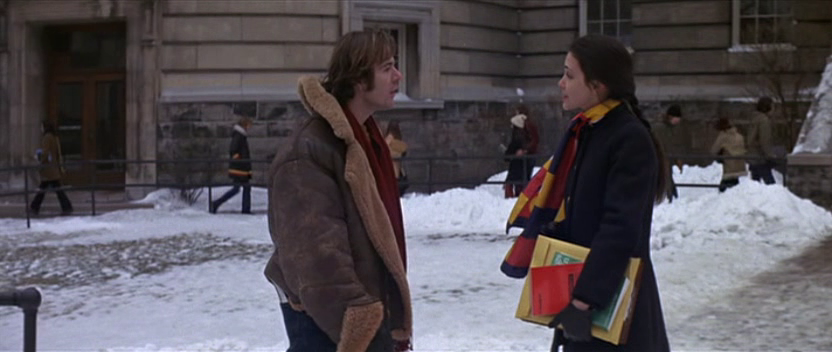
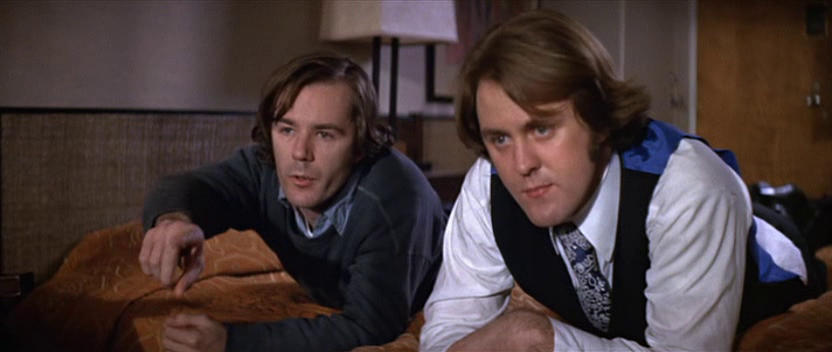
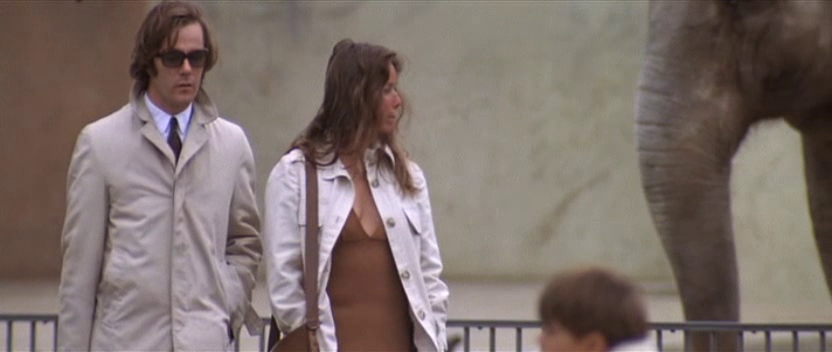
An apathetic Harvard law student (Robert F. Lyons) working for his drug-dealing classmate (John Lithgow) smuggles marijuana across the country to Berkeley, where he meets and falls in love with a free-living hippie (Barbara Hershey). When trying to connect back in Boston, Hershey gets caught smuggling and loses a bag of drugs, leading to Lyons eventually pursuing the corrupt cop (Charles Durning) who’s made off with the loot.

Genres, Themes, Actors, and Directors:

  • Barbara Hershey Films
  • Blackmail
  • Corruption
  • Drug Dealers
  • John Lithgow Films
  • Police

Review:
This intriguingly titled movie is based on a pseudonymous early novel by Michael Crichton and his brother Douglas (collectively using the pen name “Michael Douglas”). It seems to reflect some of Crichton’s own experiences giving up a prestigious future-career (he earned an M.D., but never practiced medicine) for something much riskier — in this case, stupidly risky drug transportation which clearly taps into Lyons’ desire for novelty and excitement. It’s a challenging plot to become invested in, given how little we care for or about Lyons, who’s actually a bit of a cad in the way he mistreats, neglects, and cheats on his straight-laced girlfriend (Ellen Barber).

Once the storyline turns to Lithgow and Lyons’ desire to retrieve their “missing” loot, we really know we’re dealing with losers who should leave well enough alone.

Meanwhile, Michael Small’s soundtrack comes across as oddly inappropriate at times, unlike his highly memorable work for The Parallax View just a couple of years later.

Redeeming Qualities and Moments:

  • Good use of authentic shooting locales

Must See?
No, unless you’re curious. Listed as a Cult Movie and a Personal Recommendation in the back of Peary’s book.

Links:

Harper (1966)

Harper (1966)

“What kind of a weirdo is Sampson?”

Synopsis:
Private detective Lew Harper (Paul Newman) is hired by the wife (Lauren Bacall) of an oil tycoon to locate her missing husband “Sampson”, with help from Sampson’s grown daughter (Pamela Tiffin) and Tiffin’s hunky boyfriend (Robert Wagner). During his search across Los Angeles, Harper meets up with Bacall’s lawyer (Arthur Hill), a boozy ex-starlet (Shelley Winters) and her protective husband (Robert Webber), a drug-addicted jazz pianist (Julie Harris), a kooky cult leader (Strother Martin), and even his own estranged wife (Janet Leigh).

Genres, Themes, Actors, and Directors:

  • Detectives and Private Eyes
  • Janet Leigh Films
  • Julie Harris Films
  • Lauren Bacall Films
  • Los Angeles
  • Paul Newman Films
  • Robert Wagner Films
  • Search
  • Shelley Winters Films

Review:
This adaptation of Ross MacDonald’s detective novel The Moving Target (1949) featured Paul Newman starring in his third of four single-word-titled films starting with the letter H — after [The] Hustler (1961) and Hud (1964) and before Hombre (1967). (This is notable only because Newman requested that his character be renamed from Lew Archer to Lew Harper to continue the trend.)

It’s solidly directed by Jack Smight, with fine Technicolor cinematography by Conrad Hall, good use of diverse locales across Los Angeles, and an ensemble array of big-name actors making an impression in relatively small parts (especially Winters and Harris). There are plenty of twists and turns — as well as unexpected character revelations — and Newman gets into just about as much trouble as you might imagine given the amount of money at stake.

I haven’t read any of the Lew Archer novels, but according to Wikipedia’s article, Archer “is largely a cipher, rarely described”, thus leaving him open to interpretation by Newman, who portrays him as a smooth operator — he swiftly turns himself into whoever people assume he is — but also a foolish husband who’s unable to keep things straight with his own (dissatisfied and fed up) wife.

In his review of the film for The New York Times — comparing it to hard-boiled private eye flicks of the 1940s — Bosley Crowther wrote:

“… something intangible is missing, and that something is the curious kind of ‘cool’ that Mr. Bogart used to establish in these tersely detached detective roles. Mr. Newman is an interesting actor. He can be cynical, casual, cruel and can convey an air of personal anguish that is appropriate to his non-committed role. But he is too fresh, too ruggedly good looking to be consistent as the sort of beat-up slob that his shady detective is intended to be and as Mr. Bogart used to be.”

Regardless of whether one agrees with Crowther’s specific complaint (does Archer need to be a “beat-up slob”?), I’ll admit to not quite finding Newman appropriate in the role — primarily because he’s too easily amused and a bit childish; it’s by sheer luck (and perhaps even some James Bond-ian movie-land luck) that he manages to slip away with his life time and again.

Redeeming Qualities and Moments:

  • Conrad Hall’s cinematography
  • Fine supporting performances


  • Good use of authentic locales around Southern California
  • Impressive sets
  • William Goldman’s script:

    Harper says to a cop: “I used to be a sheriff — until I passed my literacy test.”

Must See?
No, but it’s definitely recommended for one-time viewing.

Links:

Silencers, The (1966)

Silencers, The (1966)

“I’ve been as honest with you as you have been with me.”

Synopsis:
Retired super-spy Matt Helm (Dean Martin) is lured by his former ICE (Intelligence Counter Espionage) boss (James Gregory) away from his comfortable life as a Slaymate photographer to help stop the head (Victor Buono) of a terrorist organization from enacting a nuclear explosion across the United States. Along the way, he’s helped by a beautiful femme fatale (Dahlia Lavi) and hindered by a bumbling potential counter-agent (Stella Stevens).

Genres, Themes, Actors, and Directors:

  • Cyd Charisse Films
  • Dean Martin Films
  • Nuclear Threat
  • Phil Karlson Films
  • Satires and Spoofs
  • Spies
  • Stella Stevens Films

Review:
Directed by Phil Karlson, this first of four spy spoofs based on the “Matt Helm” books by Donald Hamilton remains a lame American attempt to cash in on the Bond franchise. Martin isn’t believable in the slightest as a “super spy”, and his treatment of women as readily available sex objects goes beyond even that of Bond (not an easy feat). Poor Stella Stevens bumbles around from her first uncomfortable scene on screen — waggling her bathing-suit-clad bum in front of Martin, then proceeding to crash into everyone else lounging by the pool — and she’s never given a chance to shine or succeed, other than accidentally (viz. the “reverse-shooting” gun in later scenes).

As noted by Richard Scheib in his Moria review, “To say that The Silencers was the best of the Matt Helm may be to give a misleading impression that one is praising it. One isn’t – the Matt Helm series is infuriating in its obnoxiousness.”

Note: Cyd Charisse shows up in a couple of enjoyable dance numbers, but is far too quickly removed from the story — and her dress in the second is mind-numbingly ugly. What were they thinking?!?!

Redeeming Qualities and Moments:

  • Beautiful Cyd Charisse dancing in the opening credits
  • Creative sets

Must See?
No; you can most definitely skip this one.

Links:

Power, The (1968)

Power, The (1968)

“I know what a man’s power can do. The raw power of one man alone, to kill millions of innocent people.”

Synopsis:
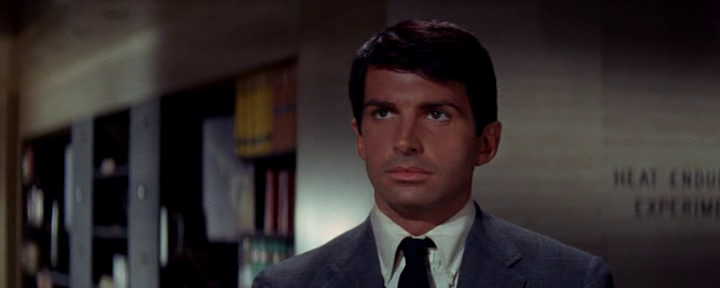
Shortly after an anthropologist (Arthur O’Connell) at a human endurance research lab discovers that one of his teammates has telekinetic powers, he is killed, and his colleague Jim Tanner (George Hamilton) is fired due to supposedly falsifying his credentials. Hamilton and his colleague/lover (Suzanne Pleshette) go on a road trip to learn more about a mysterious man named “Adam Hart”, but they quickly find their own lives — as well as those of their other teammates — in constant jeopardy.

Genres, Themes, Actors, and Directors:

  • Aldo Ray Films
  • Amateur Sleuths
  • Gary Merrill Films
  • George Hamilton Films
  • George Pal Films
  • Living Nightmare
  • Michael Rennie Films
  • Mind Control and Hypnosis
  • Murder Mystery
  • Science Fiction
  • Scientists
  • Serial Killers
  • Yvonne De Carlo Films

Review:
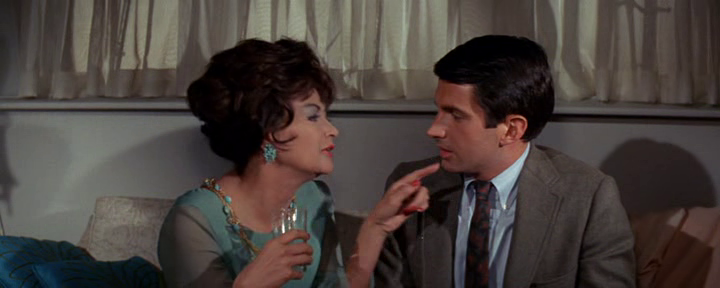
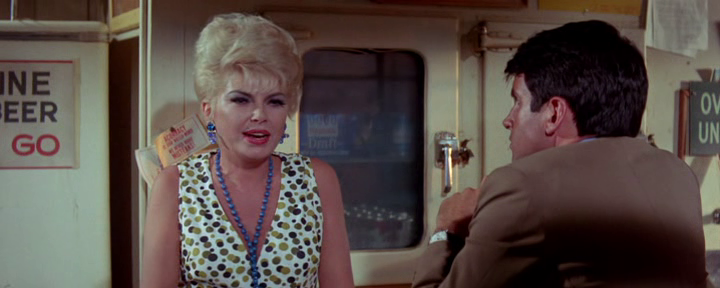
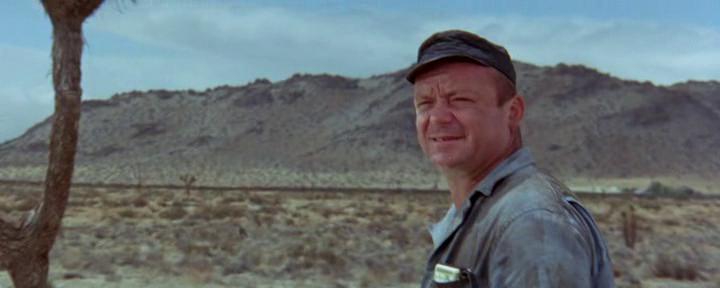
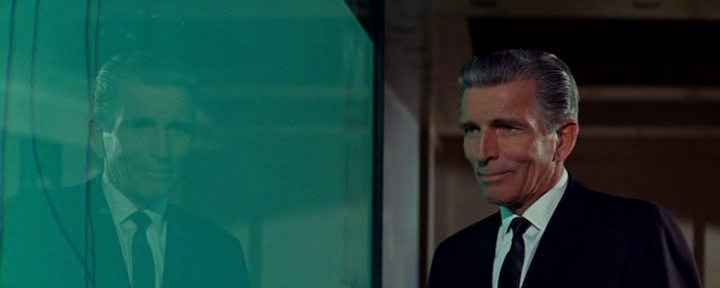
Byron Haskin directed and George Pal produced this sci-fi murder-mystery thriller — based on a novel by Frank M. Robinson — which includes plenty of action and mystery but is ultimately a disappointment. Various memorable players show up in supporting roles across diverse landscapes — Yvonne De Carlo as O’Connell’s drunk widow living in a mobile home:

… Barbara Nichols and Aldo Ray as a busty, dissatisfied gas station clerk and her suspicious husband:


… and Michael Rennie as a stoic visitor at the lab:

— but none of them are given sufficient screen time. Worst of all is that the film fails in its quest to deliver a satisfying conclusion or backstory; we feel like we’ve invested in quite a complex story without much pay-off by the end.

Redeeming Qualities and Moments:

  • George Hamilton as Professor Jim Tanner
  • Miklos Rozsa’s score

Must See?
No; you can skip this one.

Links:

Wild Wild World of Jayne Mansfield, The (1968)

Wild Wild World of Jayne Mansfield, The (1968)

“I hope nobody’s watching me; I’m basically very shy.”

Synopsis:
Jayne Mansfield narrates her travels through Rome, Paris, New York, and Hollywood, coyly marveling at the spectacles she sees.

Genres, Themes, Actors, and Directors:

  • Documentary
  • Jayne Mansfield Films

Review:
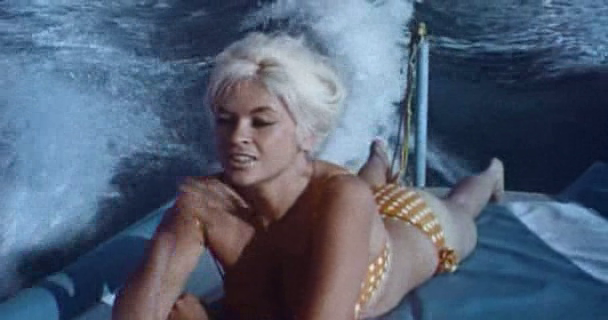
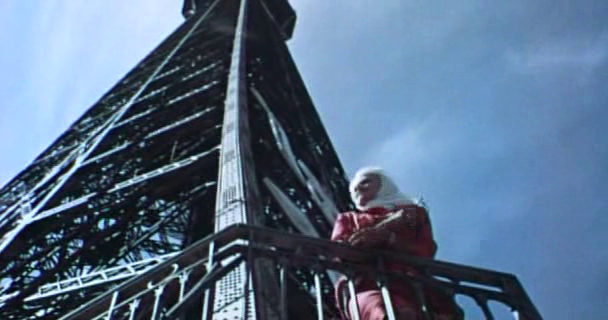
The intended audience for this mondo documentary — featuring Jayne Mansfield gawking at and within all sorts of “naughty” spaces — is clearly either adult-film aficionados, and/or Mansfield fans; but all-purpose film fanatics may get a kick out of “Mansfield” (her voice-over was likely done by someone else) making hilariously self-aggrandizing comments such as the following: “I was in love with Rome, and Rome was in love with me… Once again, I was in my own brand of heaven. Admirers flocked around me.” I’m tempted to make the bulk of this review an overview of the humorous narration, which tickled me time and again (at least during the first half):

While strolling through the streets of Rome: “I didn’t mean to break up their game, but suddenly I was surrounded by 50,000 adoring, wonderful, handsome Italians. If I could have kissed each one, I would have — but I didn’t have time that day.”

While looking at nude statues of gladiators in Rome: “My statue became blood and flesh and muscle in my silly, wicked little daydream… Any one of them would be able to overpower me. I wondered if I would ever meet anybody who could be a tenth of a man those Roman gladiators were: they lived hard, died hard, and — from what I’ve heard — they loved hard.”

At a nudist colony: “I walked over to a lonely pile of rocks. ‘Jaynie,’ I said to myself, ‘It’s your turn!'”

The most uncomfortable moments are when Mansfield visits transvestite clubs and is so clearly unnerved by the “boy-girls” she sees; young film fanatics raised in a more pro-trans social environment may be shocked by the candid expressions used here. Also terribly upsetting, of course, are the abrupt final scenes showing photos of Mansfield’s death by car accident, and a tour of her house with her widowed husband and two young sons — talk about exploitative! However, Mansfield was nothing if not eager to show herself off to the world, so perhaps this was the most fitting exit for a 33-year-old buxomy “dumb” blonde (who received a college degree and had a high IQ).

Redeeming Qualities and Moments:

  • An unexpectedly humorous travelogue through “Jayne Mansfield’s” mind


Must See?
Yes, simply for its camp value, and as a historical document of Mansfield’s travails before her untimely death. Listed as a Cult Movie in the back of Peary’s book.

Categories

  • Historically Relevant

Links: