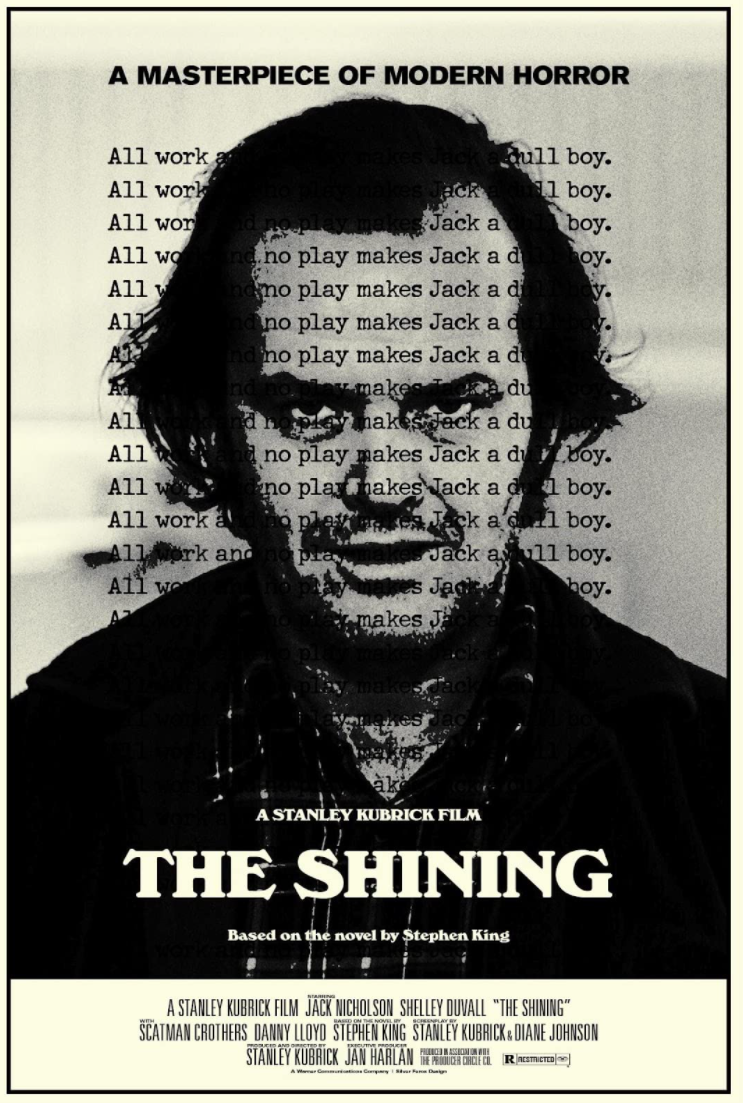
Shining, The (1980)

Shining, The (1980)

“Some places are like people: some shine, and some don’t.”

Synopsis:
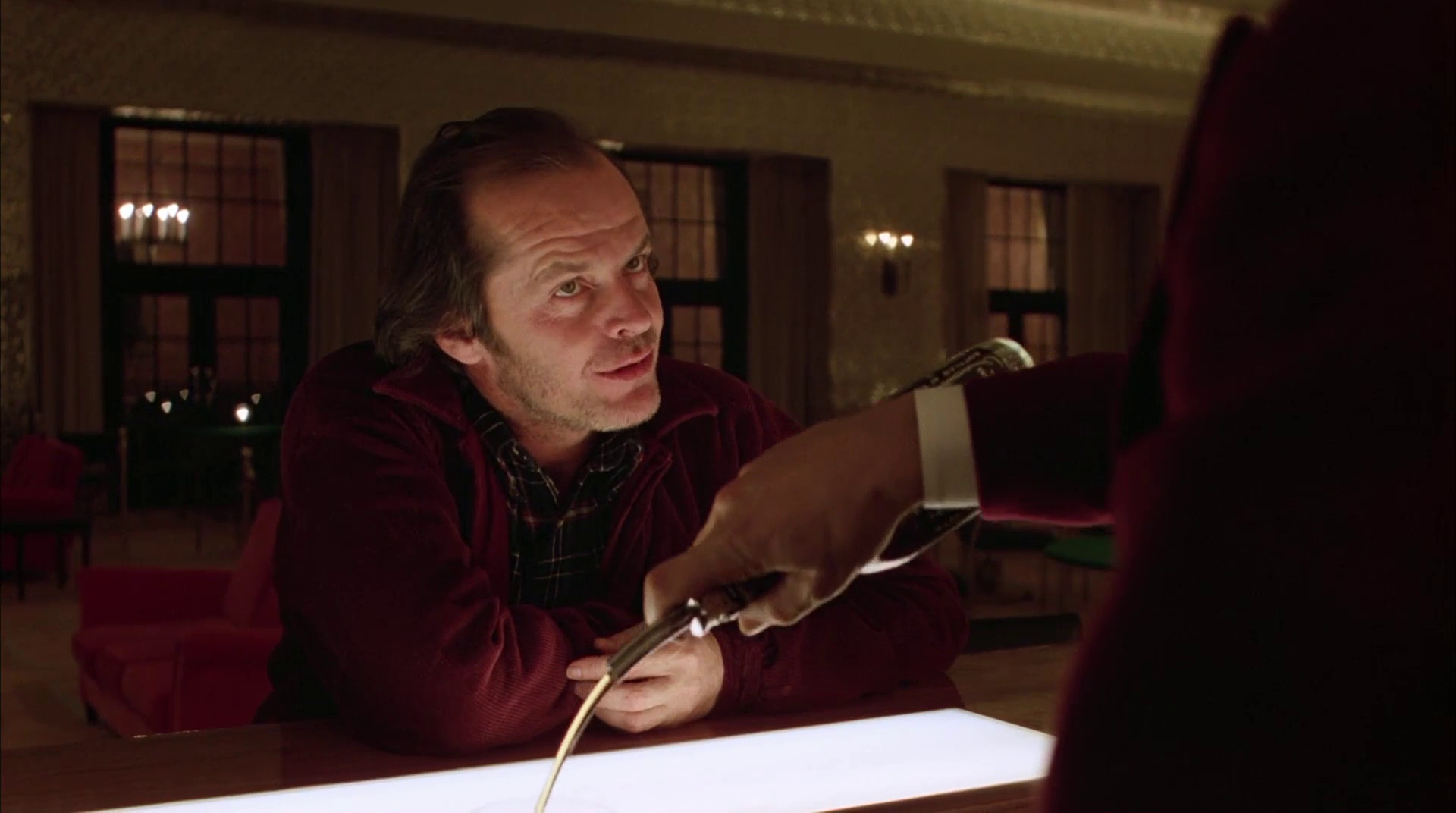
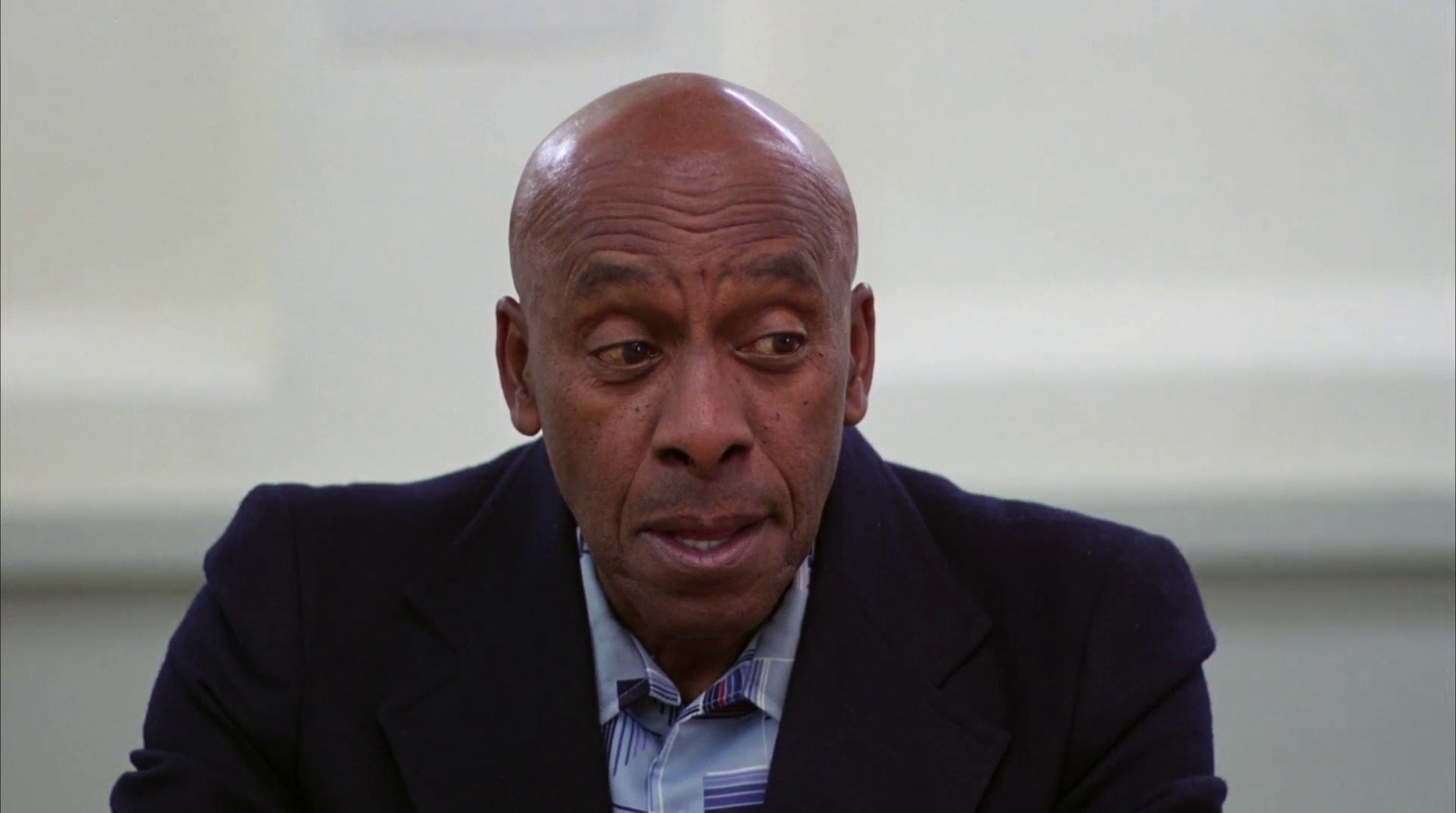
When an aspiring writer (Jack Nicholson) and his wife (Shelley Duvall) and clairvoyant son (Danny Lloyd) arrive to work as winter caretakers in a shuttered hotel in the Colorado Rockies, they’re shown around by the hotel chef (Scatman Crothers) before being left on their own — at which point things become increasingly spooky and dangerous for Duvall and Lloyd.

Genres, Themes, Actors, and Directors:

  • Ghosts
  • Homicidal Spouses
  • Horror Films
  • Jack Nicholson Films
  • Psychic Powers
  • Psychopaths
  • Shelley Duvall Films
  • Stanley Kubrick Films
  • Writers

Response to Peary’s Review:
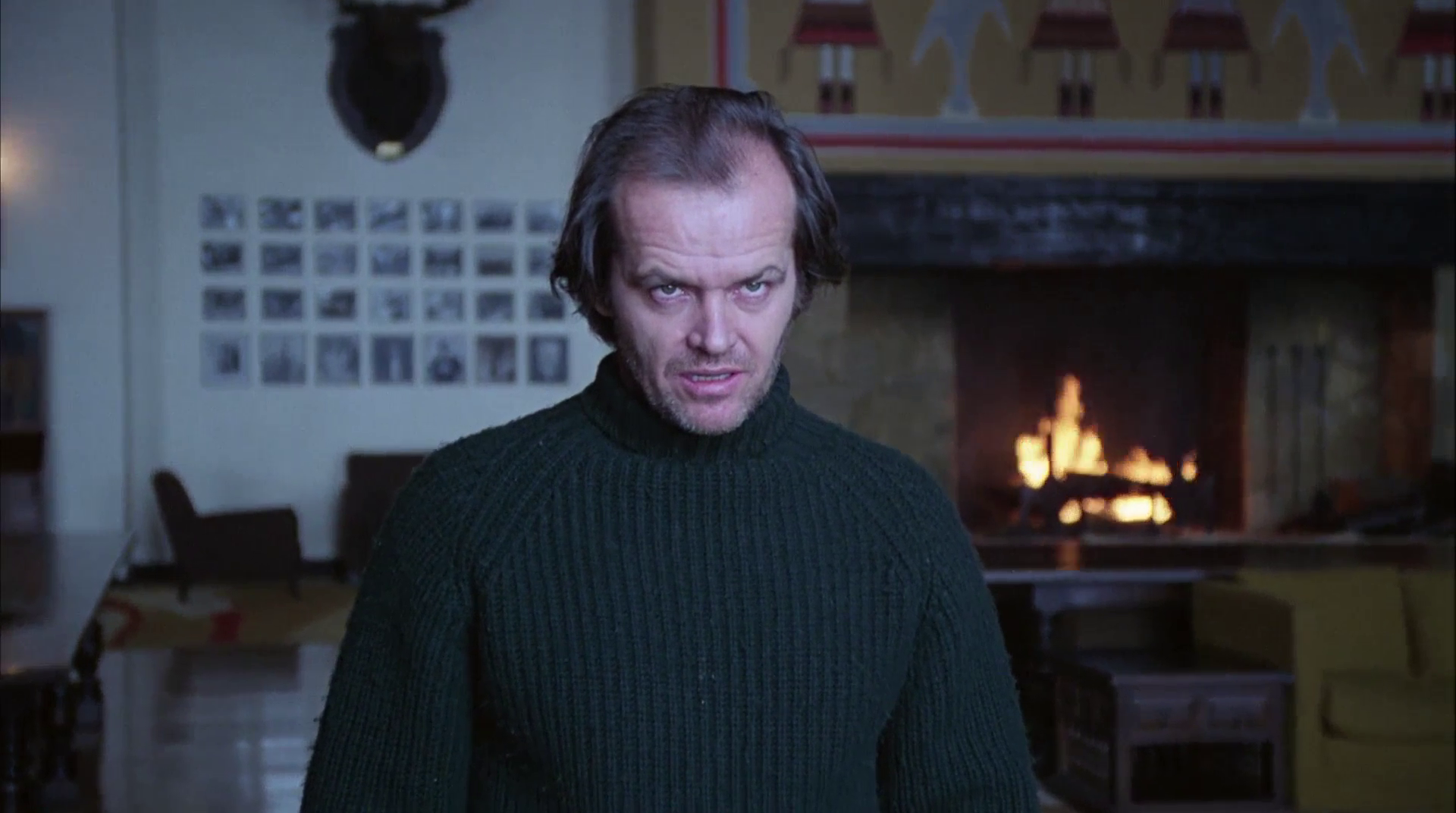
Peary argues that this “Stanley Kubrick adaptation of what may be Stephen King’s finest novel utilizes a big budget, stars Jack Nicholson, and has some amazing camera work, but comes off as being no better than a mannered version of The Amityville Horror,” in which “a father… goes insane/becomes possessed after moving into an evil residence and tries to kill his family, just as a previous tenant had done.” Peary posits that “the film doesn’t concentrate enough on [Lloyd’s] primal fears” that “Nicholson [will try] to harm him and his mother”, and that Kubrick insufficiently exploits “the fact that [Lloyd] has a special gift.” He continues comparing the movie to the novel, noting that “in King’s book, the boy’s power is why the hotel wants the boy to be sacrificed to it, so that he’d become part of it (just as the house in The Haunting desires Julie Harris, who has extrasensory powers).” In the novel, “the hotel is the embodiment of evil, a major character, the major force that affects the father and son” whereas in Kubrick’s film, “the hotel houses evil entities but is, strangely, pretty neutral.” Peary adds that “Kubrick seems so entranced by Nicholson’s creation of a psychotic that he neglects much that was essential to King’s book”, making the mistake of having “Nicholson act weirdly from the outset, so that he seems only a couple of writer’s-block and cabin-fever days away from insanity.”

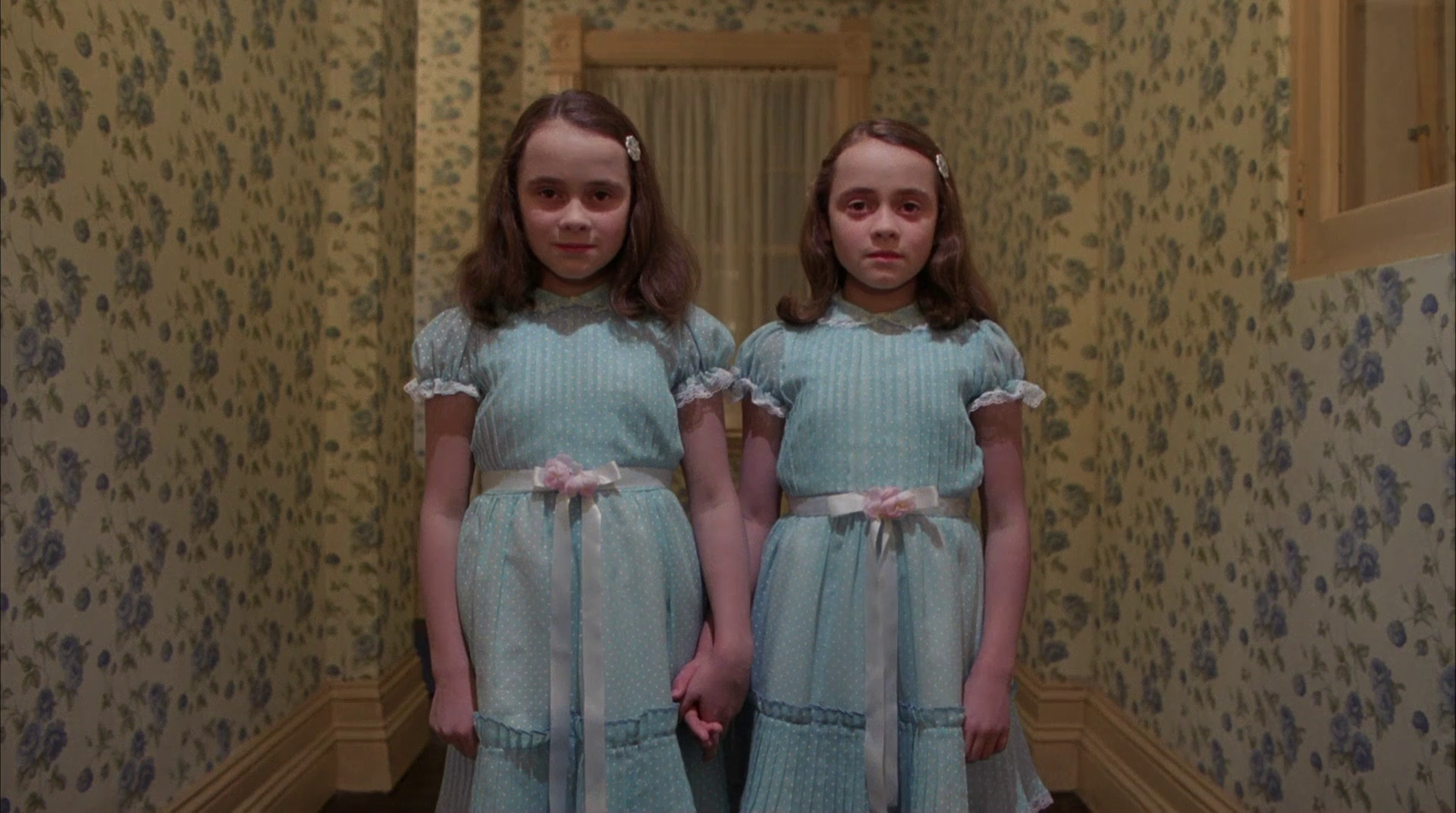
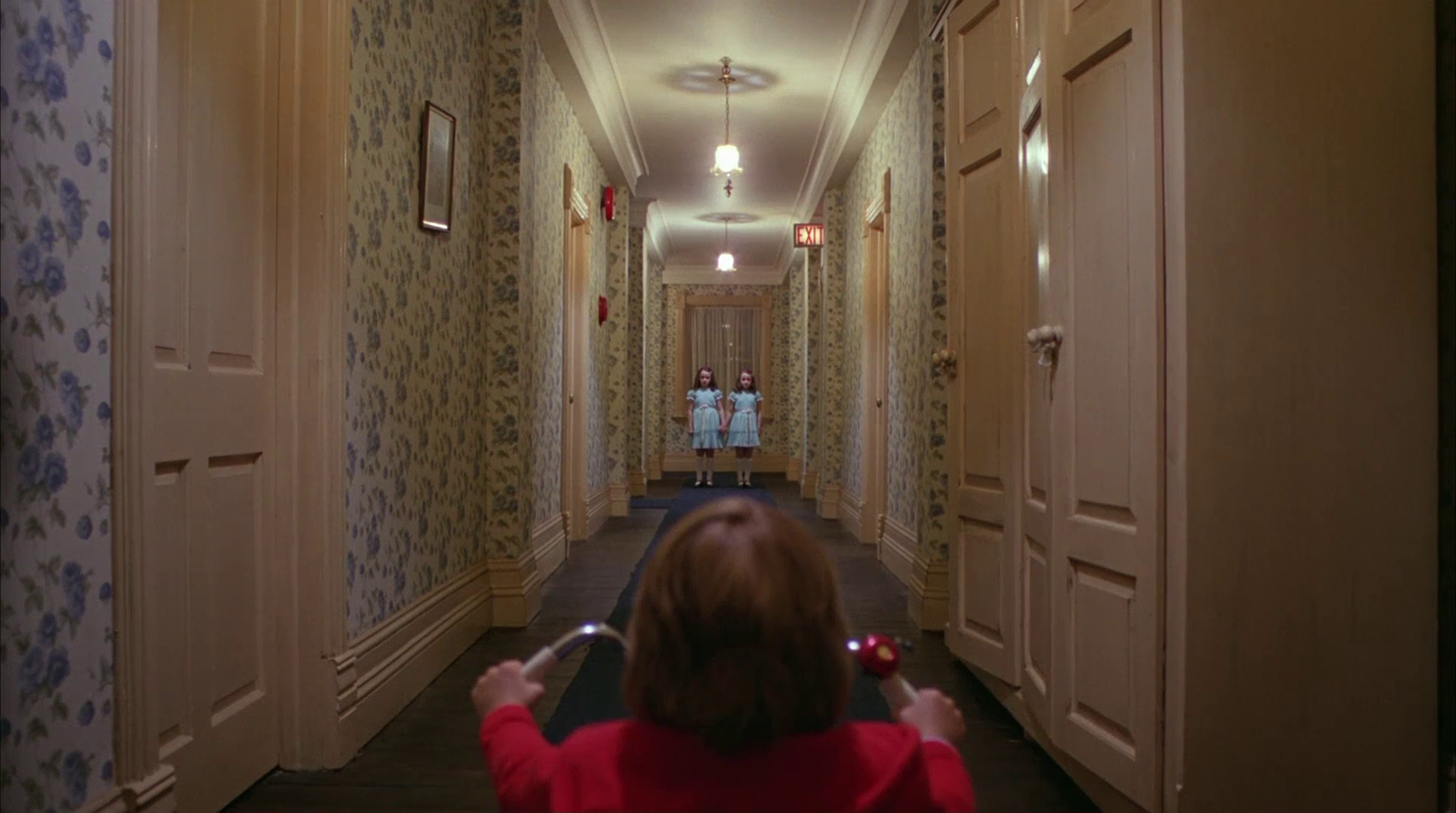
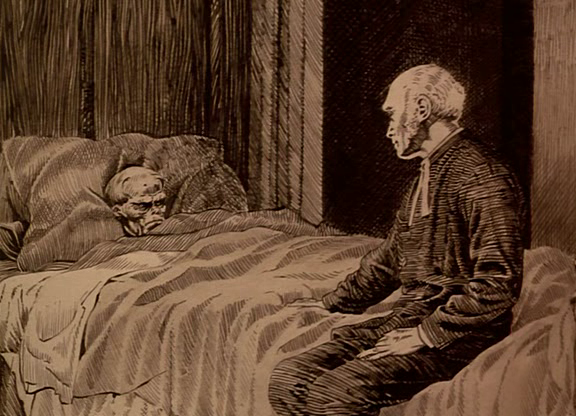
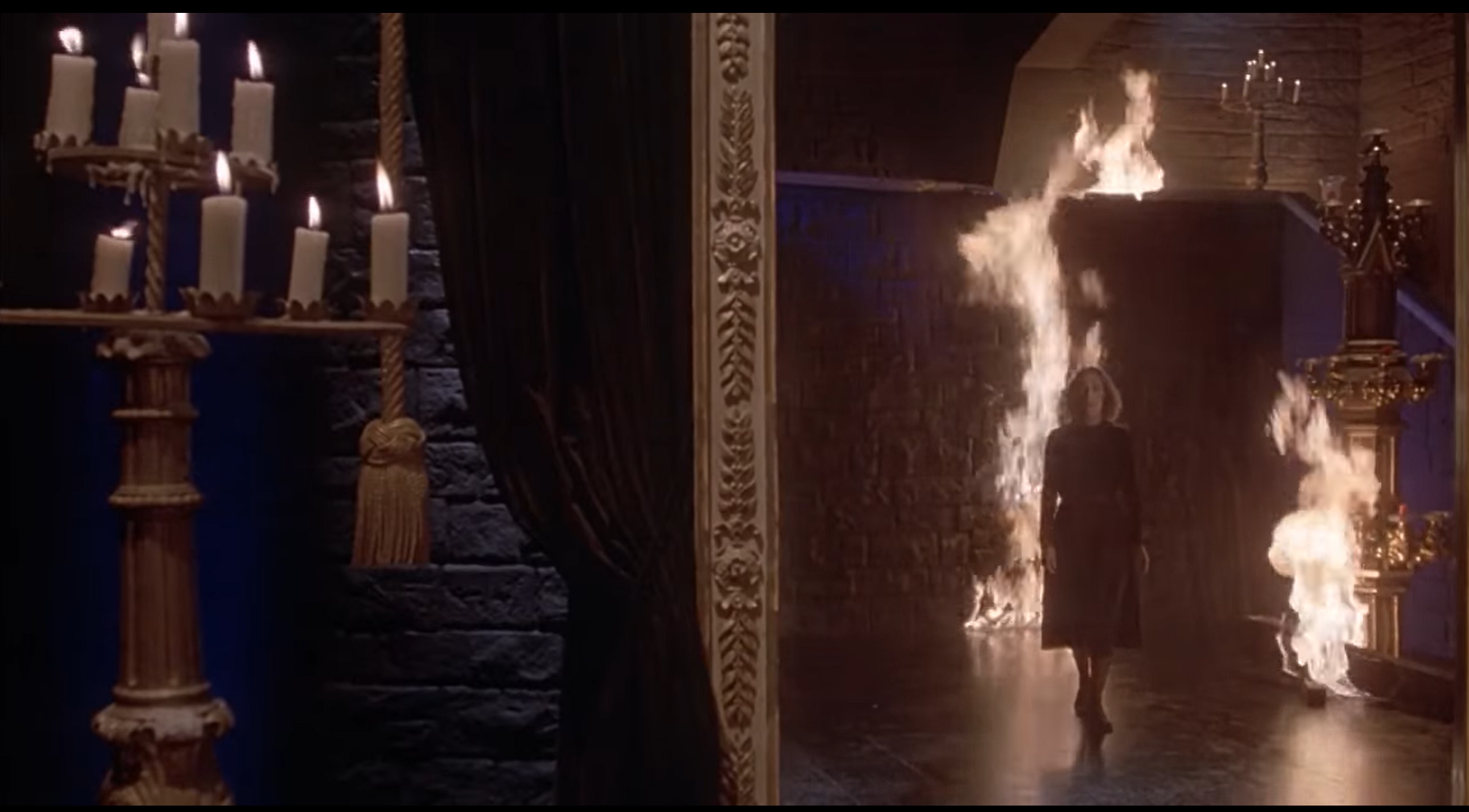
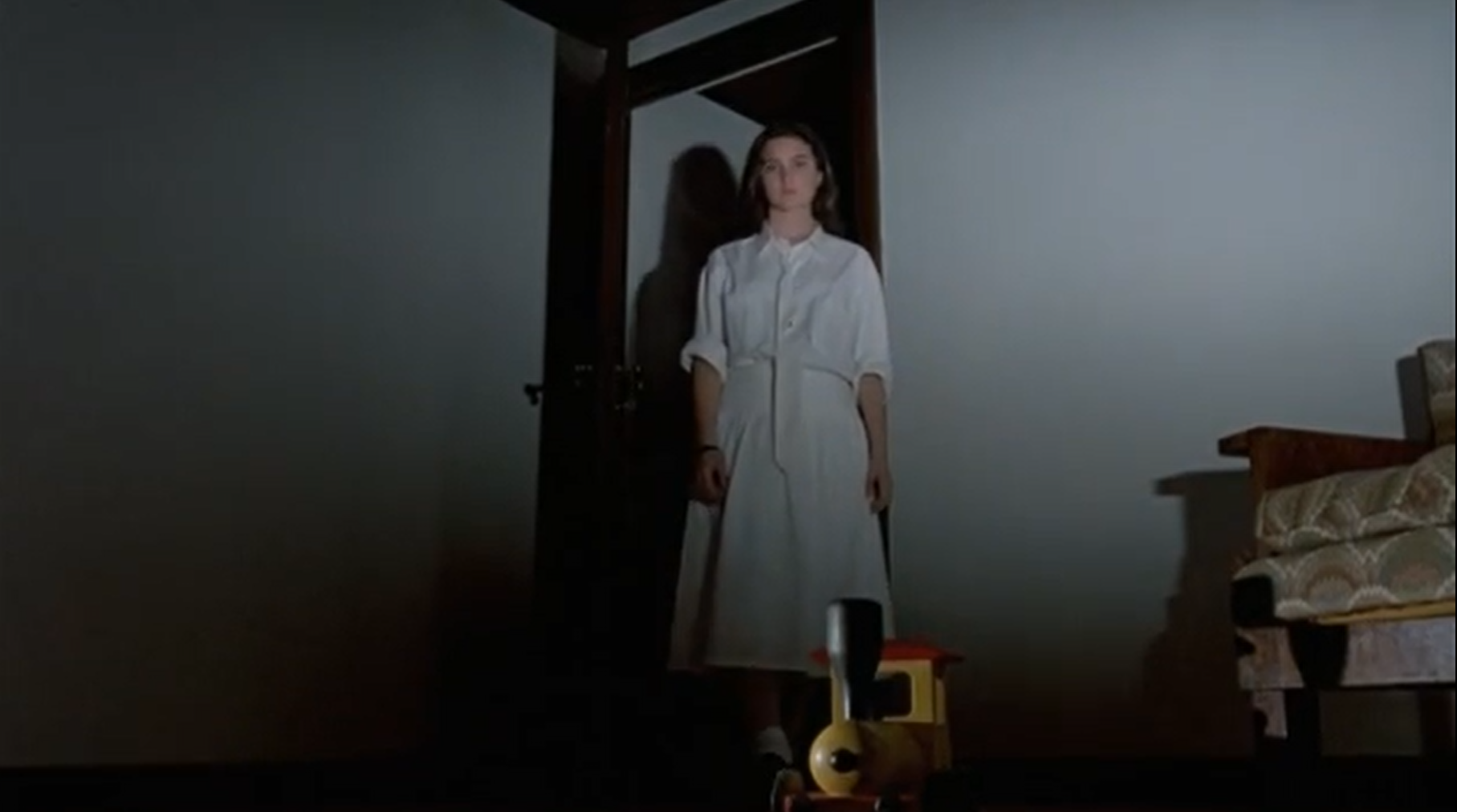
Peary argues that “for us to fully grasp Danny’s primal fear that his father will turn on him and his mother, it’s important that the father begin the story as a sympathetic, loving father and husband” — though I’m not sure I agree with this assessment. Much to King’s stated chagrin, Kubrick most definitely made this story his own — but within the logic of Kubrick’s interpretation, it makes sense that Lloyd’s fear of his father (who abused him sufficiently to prompt him to stop attending school) would simply intensify upon moving to an isolated house away from the rest of humanity. Peary posits that “Nicholson’s crazed performance begins to wear on one’s nerves, no matter how remarkable it is at times” (I would agree), and that “by [the] picture’s end, one realizes that Duvall has outacted him” (well, she certainly gives a powerhouse performance — perhaps the best of her career!). Peary concedes that “there are scary things in the movie — the appearance of the dead twins:

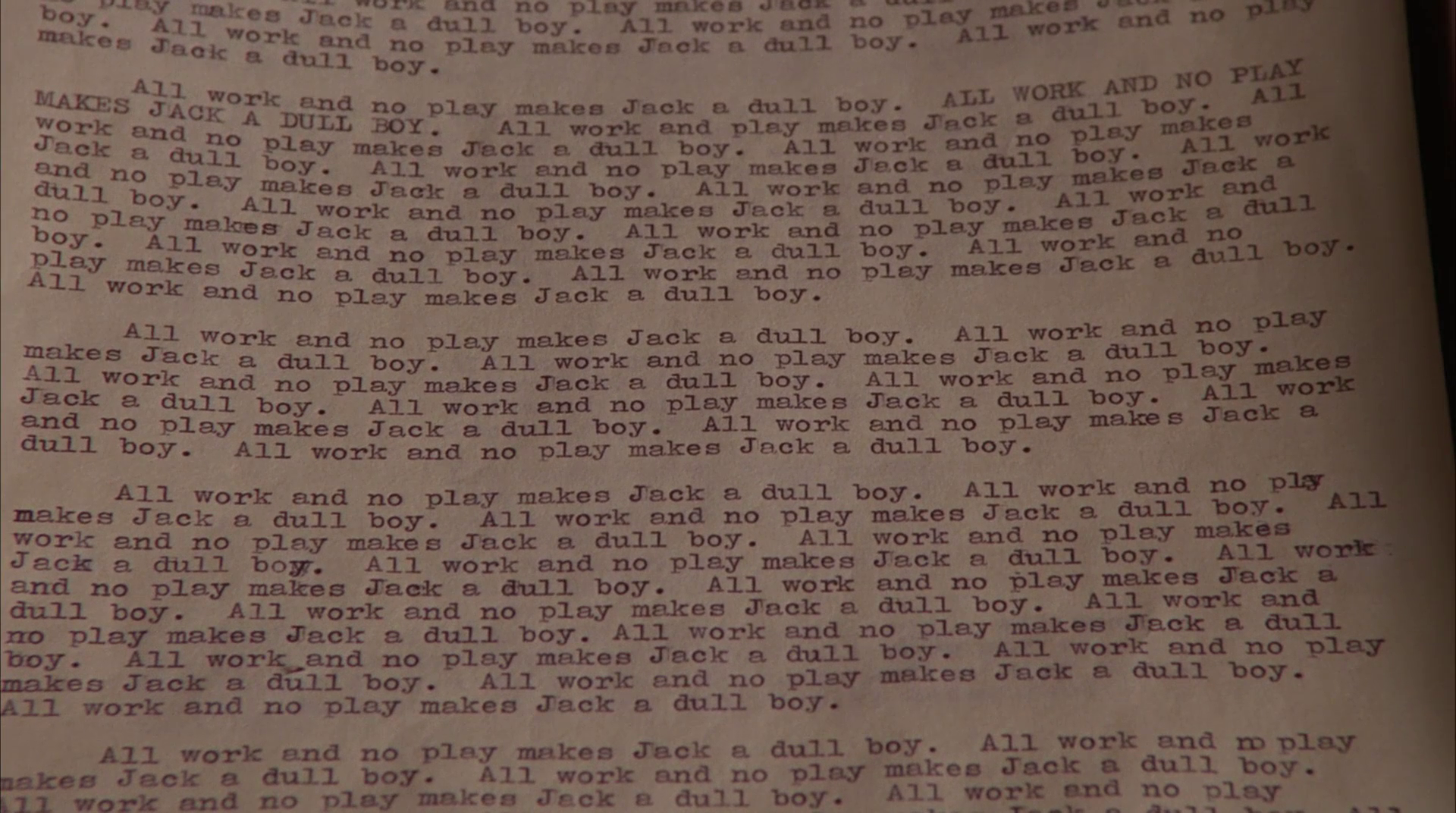
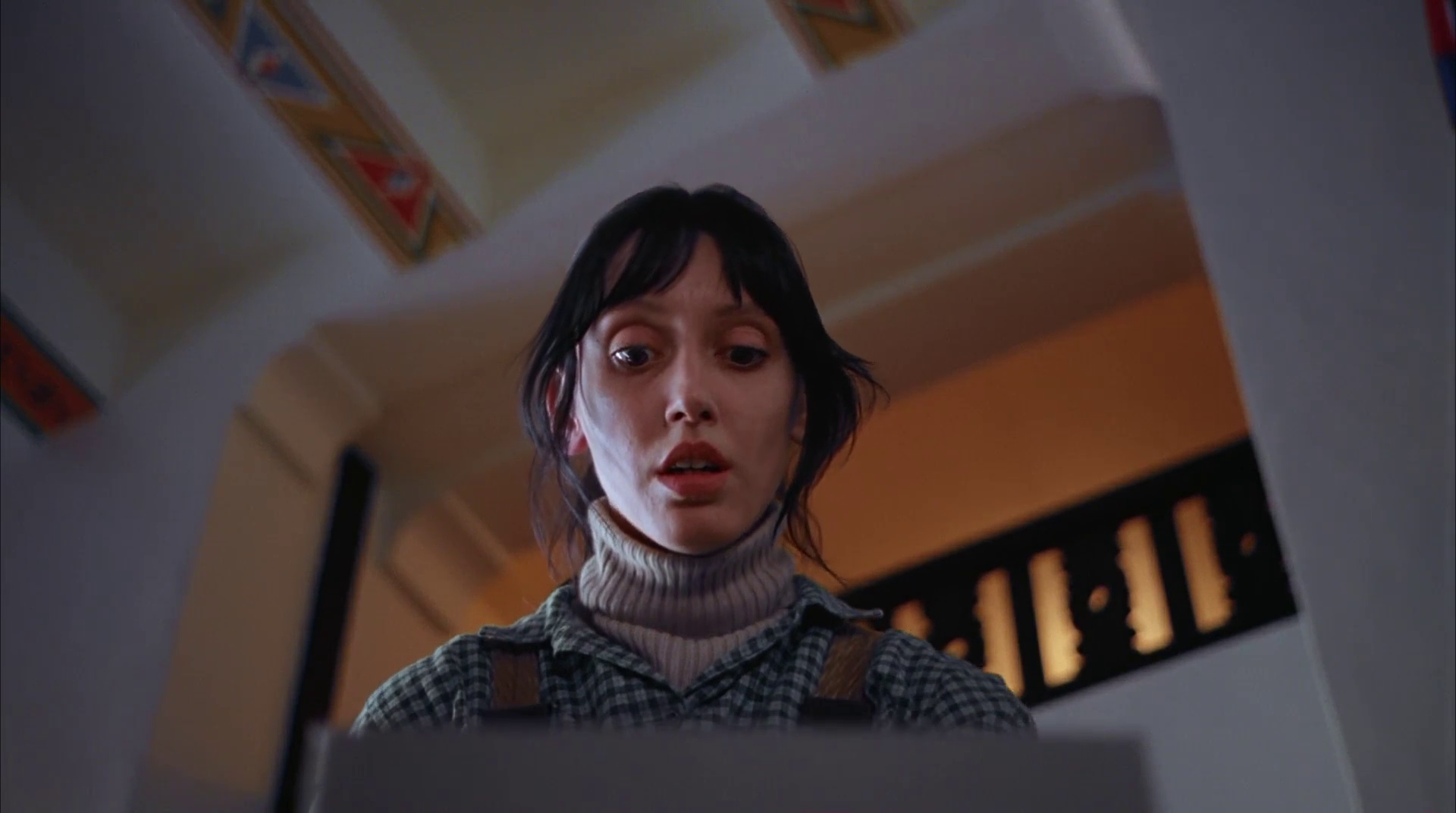
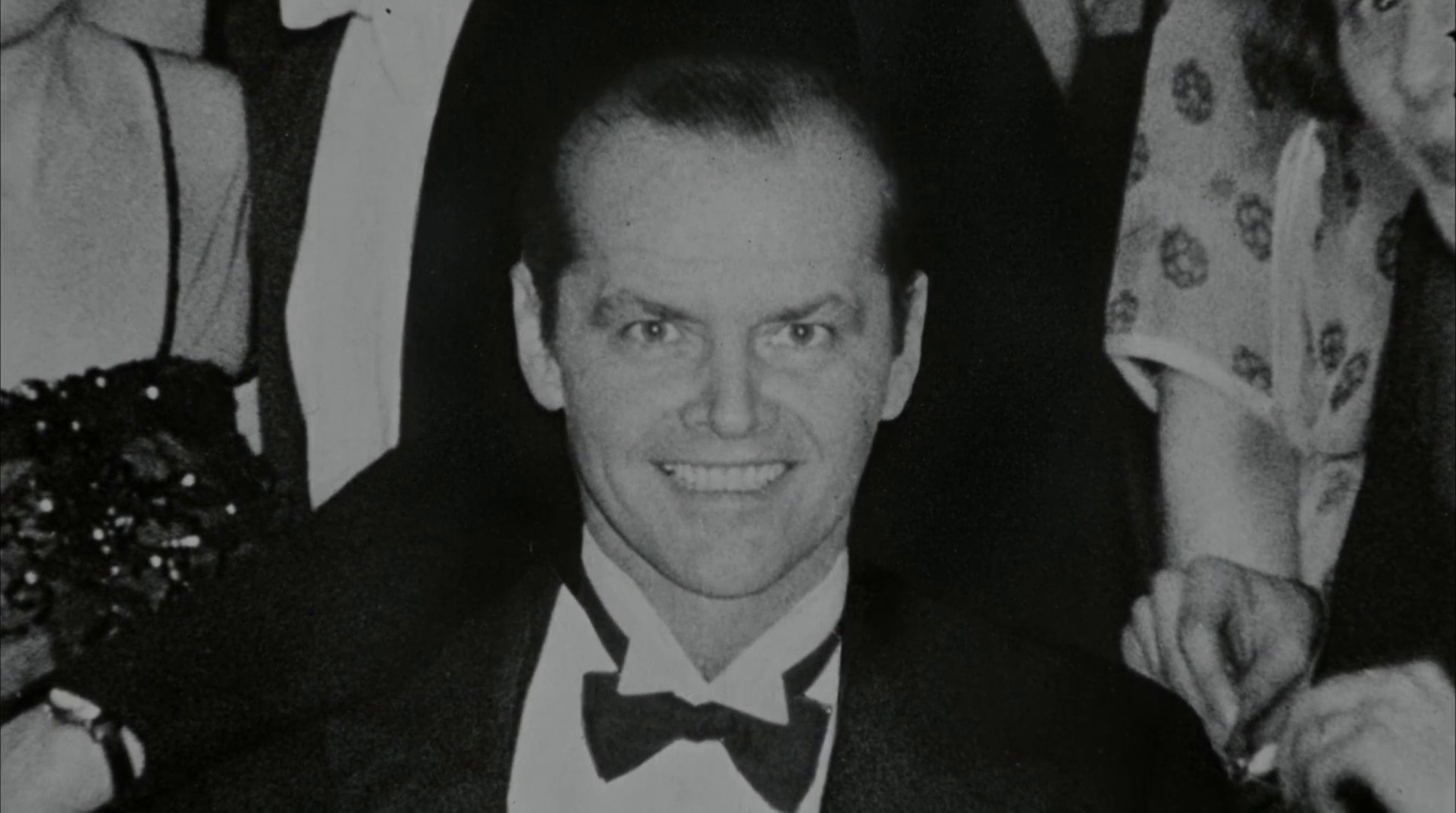
… Duvall reading her husband’s lengthy manuscript and discovering that it’s proof positive he is insane:

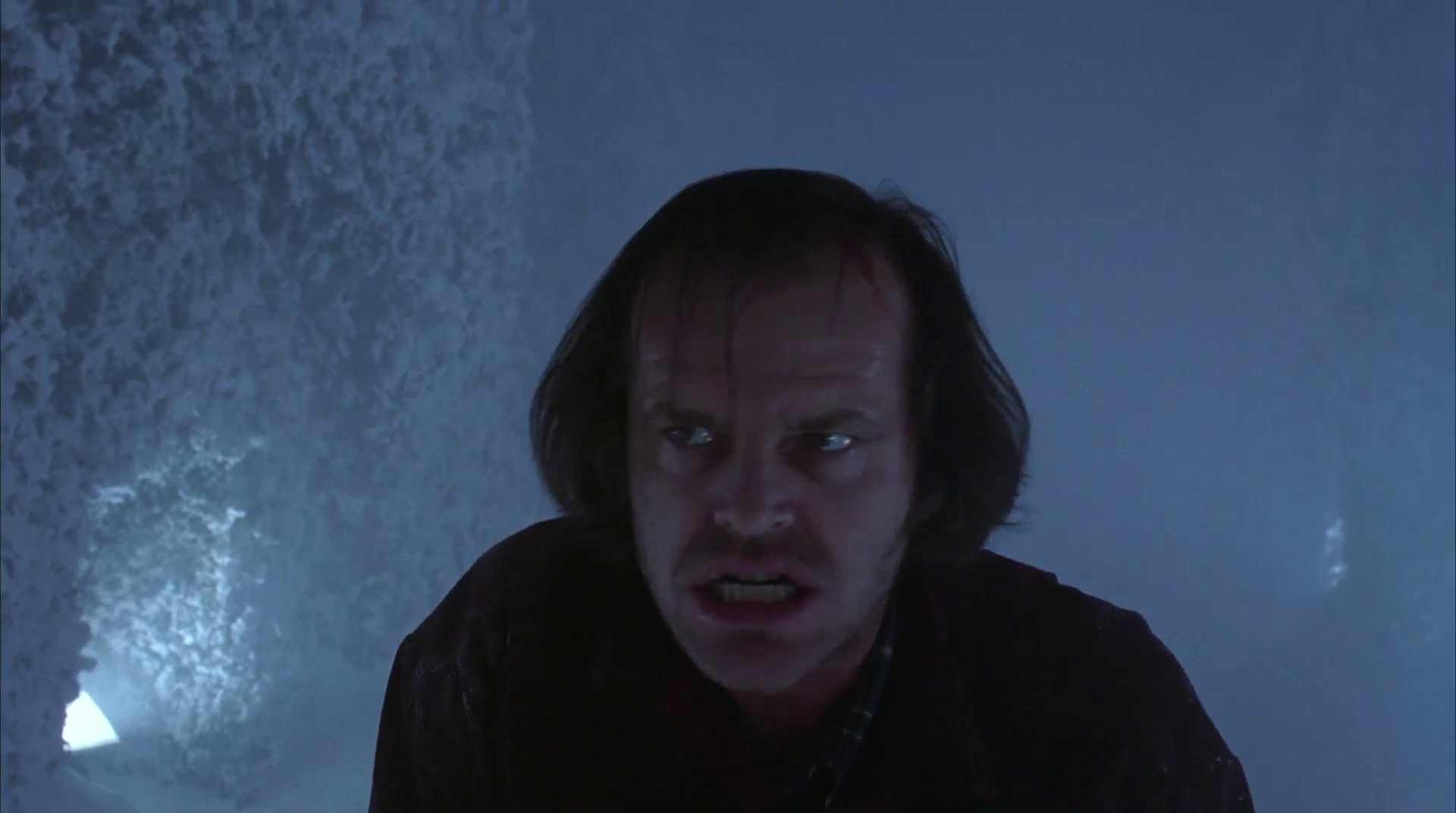
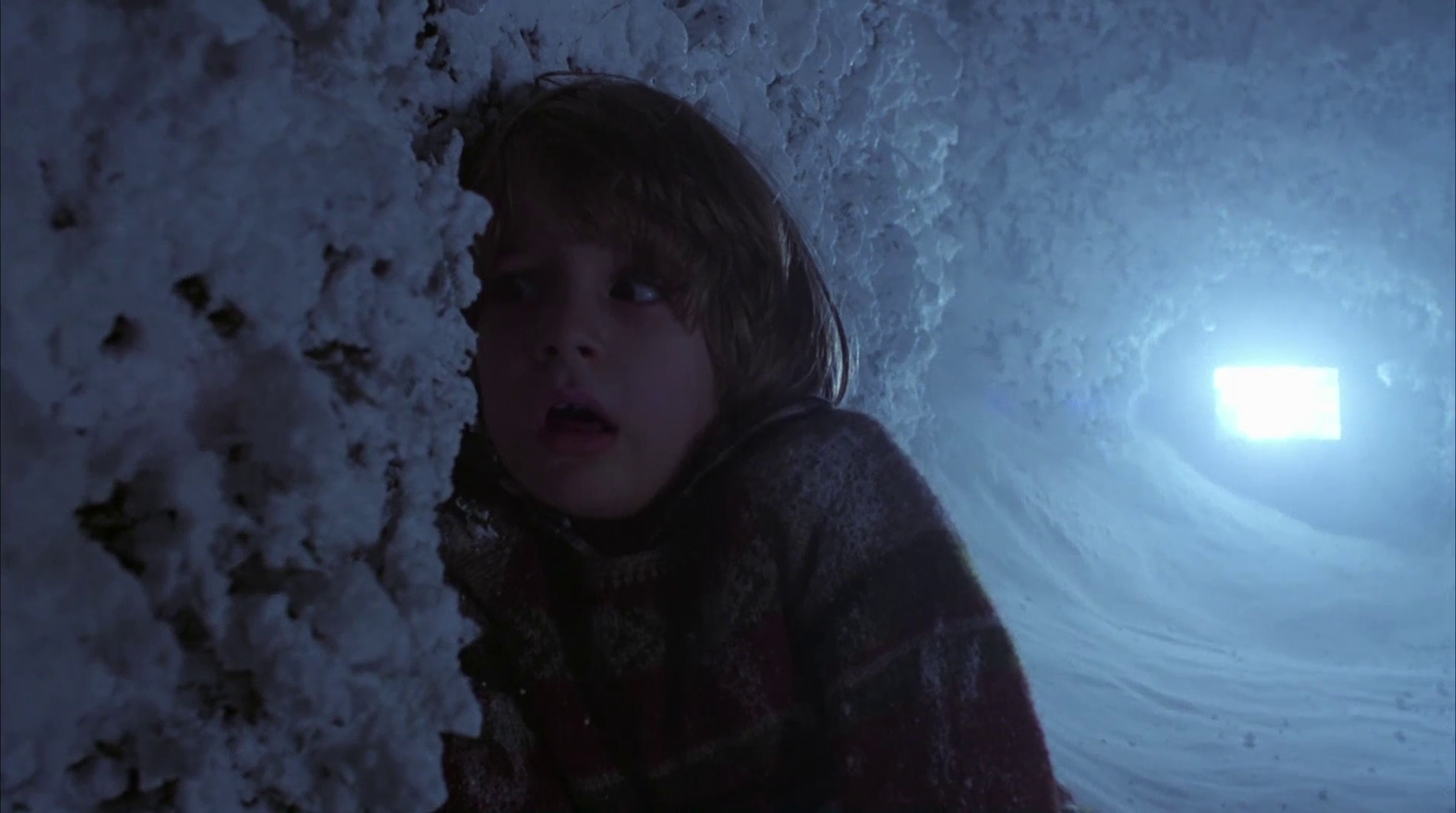
… Nicholson chasing his son through the outdoor maze with an axe”:

— and he writes that “for a while it is both powerful and creepy”. But he believes that “the moment Nicolson talks with the ghost bartender, the picture loses its grip,” and “from then on everything comes across as absurd.”

Peary also hates the famous final shot, arguing that it’s “a terrible choice” and illustrates that “neither Kubrick nor his co-writer, Diane Johnson, was familiar enough with horror films to know what were the cliches of the genre.” In the film’s favor, Peary notes that “as do all Kubrick pictures, this one (in which he employed a Steadicam) looks great — better, in fact, than all other horror films”, and that Kubrick’s “familiar mannered, intentionally rapid dialogue (in which everyone uses the other person’s first name repeatedly) does create tension.”

Given what a tremendous fan base this film has — an entire documentary, Room 237 (2012), is devoted simply to various potential explanations of underlying themes — it’s impossible to deny its importance in cinematic history. Like Peary, I appreciate much of the craftsmanship on display in The Shining — and unlike Peary, I’m not upset about the numerous significant shifts from King’s novel (which I haven’t read); I believe viewers should watch this film as part of Stanley Kubrick’s oeuvre, rather than as a “King adaptation”. However, I’ll admit to not being a huge personal fan of the film, simply because the pacing seems off (it takes more than half an hour for the family to finally be left alone in the hotel), and Nicholson’s psychopathic character is so utterly unlikable and obnoxious from start to finish that he’s challenging to watch for so long. I do recommend that all film fanatics give Room 237 a look, simply to take a deeper dive into what might possibly be going on in Kubrick’s meticulously planned storyline (is the shift in typewriter color an accident of continuity, or intentional? what is the significance of Danny’s Apollo USA sweater?). Agree or disagree with the views espoused, you’ll surely begin to understand the depth to which many people obsess over this movie.

Redeeming Qualities and Moments:

  • Fine central performances (albeit questionably directed in the case of Nicholson)


  • Highly effective direction, cinematography, and sets

  • Many genuine moments of terror

Must See?
Yes, as a cult classic by a master director.

Categories

  • Cult Movie
  • Important Director

(Listed in 1001 Movies You Must See Before You Die)

Links:

Monster Club, The (1981)

Monster Club, The (1981)

“There’s nothing sadder than the tender-hearted grief of a monster.”

Synopsis:
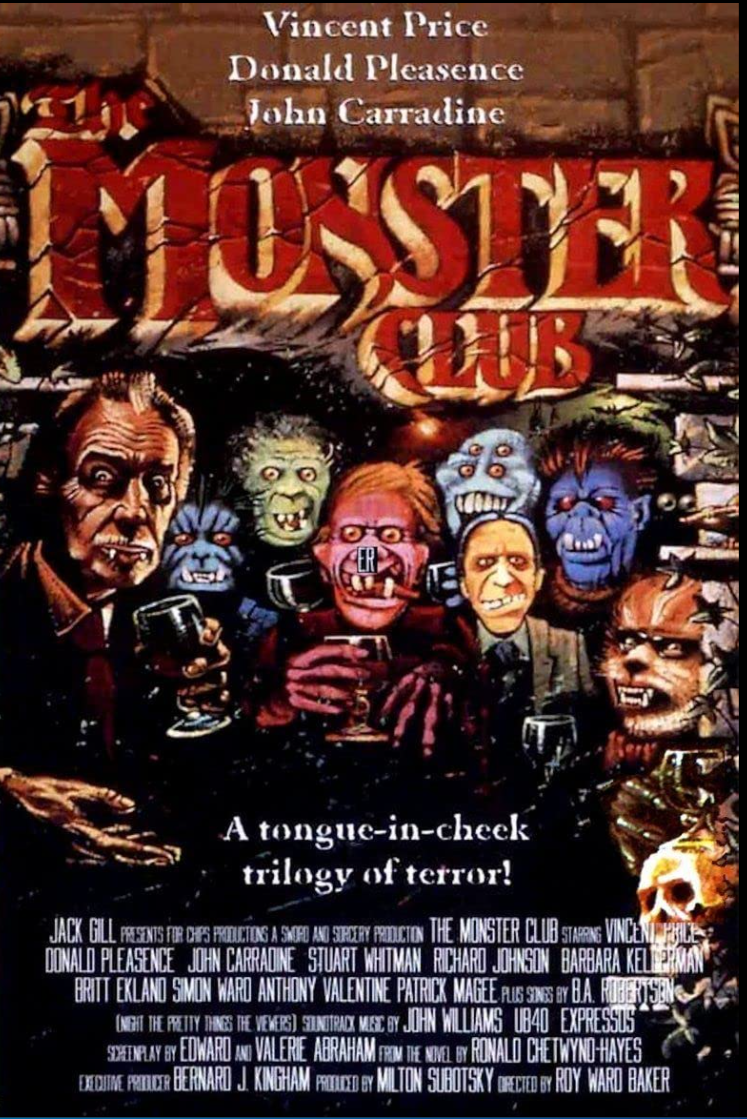
After drawing blood from the neck of his favorite horror story writer (John Carradine), a vampire (Vincent Price) takes Carradine to a disco club for monsters, where he explains various types of monster-hybrids by telling the following three tales: a “shadmock” (James Laurenson) hires a beautiful woman (Barbara Kellerman) as his secretary, and is heartbroken when she allows her abusive boyfriend (Simon Ward) to bully her into theft; the son (Warren Saire) of a vampire (Richard Johnson) and human (Britt Ekland) is shadowed by a local constable (Donald Pleasence) hoping to drive a stake into Johnson’s heart; and a filmmaker (Stuart Whitman) scouting locations for his next horror movie stumbles into a village of ghouls, including a sympathetic “humegoo” (Lesley Dunlop) who tries to help him escape.

Genres, Themes, Actors, and Directors:

  • Britt Ekland Films
  • Donald Pleasence Films
  • Episodic Films
  • Horror Films
  • John Carradine Films
  • Roy Ward Baker Films
  • Vampires
  • Vincent Price Films
  • Writers

Review:
This affectionate homage to Hammer Studios’ episodic horror films such as Dr. Terror’s House of Horrors (1965) is decidedly hit-and-miss, but beloved by those who remember it with nostalgia from their early 1980s childhoods and appreciate seeing cinematic icons Price and Carradine together on screen. The first and third stories told by Price are reasonably spooky, with director Roy Ward Baker managing to evoke some empathy for their monster-protagonists. Unfortunately, all scenes showing musical interludes at the “Monster Club” are pretty atrocious, as are the costumes of the club’s attendees.


Redeeming Qualities and Moments:

  • John Carradine and Vincent Price
  • Good use of comic/cartoon passages
  • Some spooky, atmospherically filmed sequences

Must See?
No, though Hammer Films fans may have some nostalgia for it — and I think Price fans will also be curious to check it out once. Listed as a Sleeper in the back of Peary’s book.

Links:

Inferno (1980)

Inferno (1980)

“There are mysterious parts in that book — but the only true mystery is that our very lives are governed by dead people.”

Synopsis:
A poet (Irene Miracle) living in NYC writes to her brother (Leigh McCloskey) in Rome, telling him about a mysterious book she’s purchased from a vendor (Sacha Pitoëff) about three “mothers” ruling the Earth. Soon both Miracle and McCloskey are on the hunt for more evidence, putting their own and others’ lives at risk.

Genres, Themes, Actors, and Directors:

  • Alida Valli Films
  • Dario Argento Films
  • Horror Films
  • Serial Killer

Review:
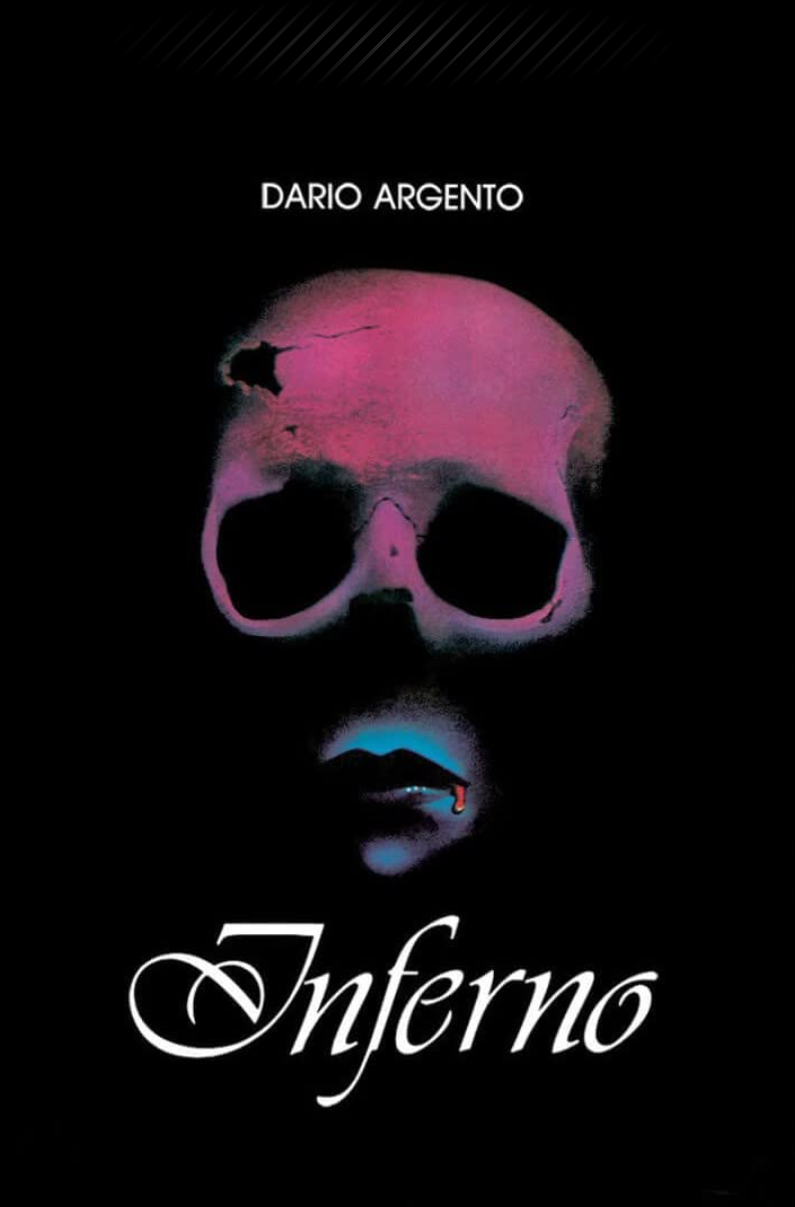
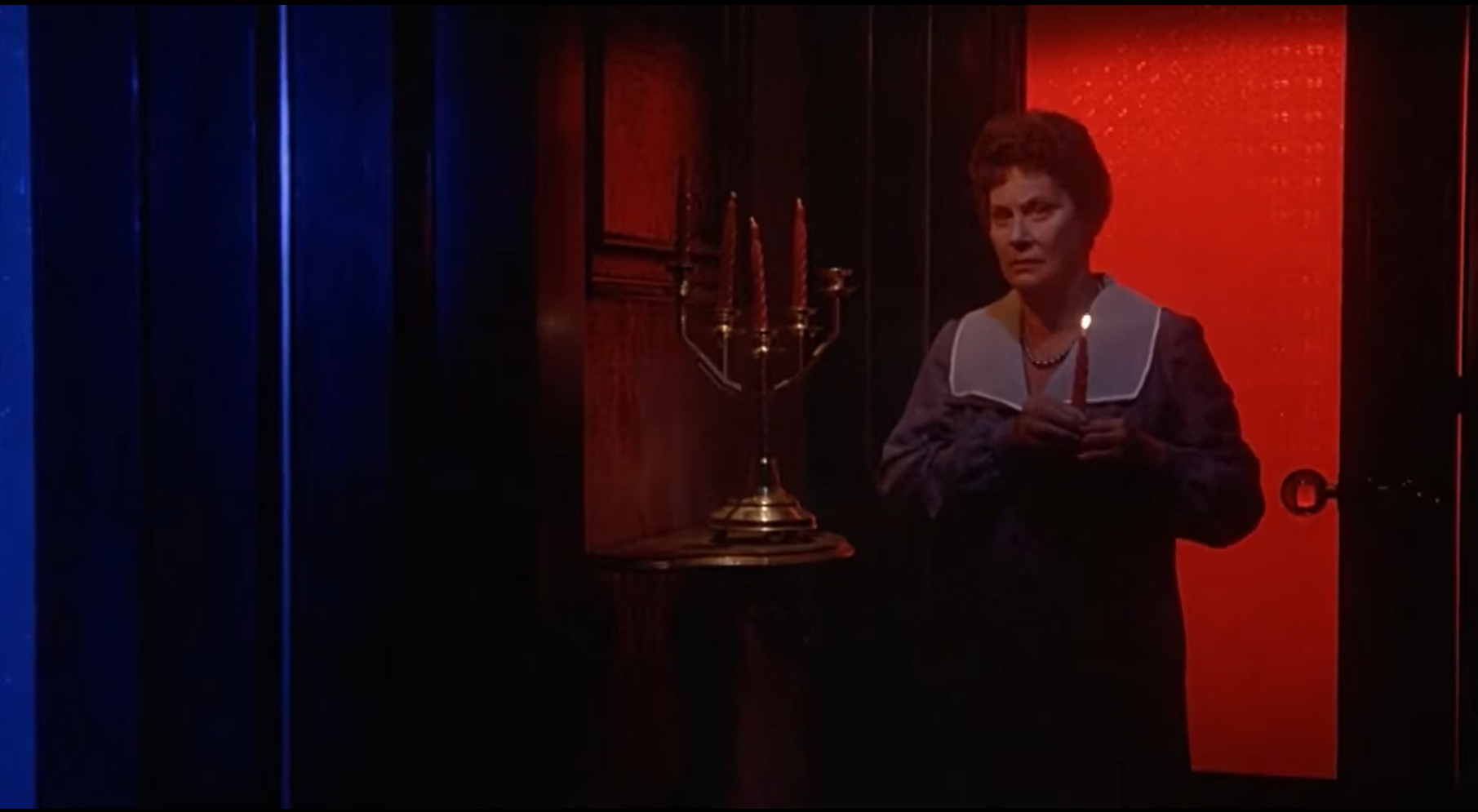
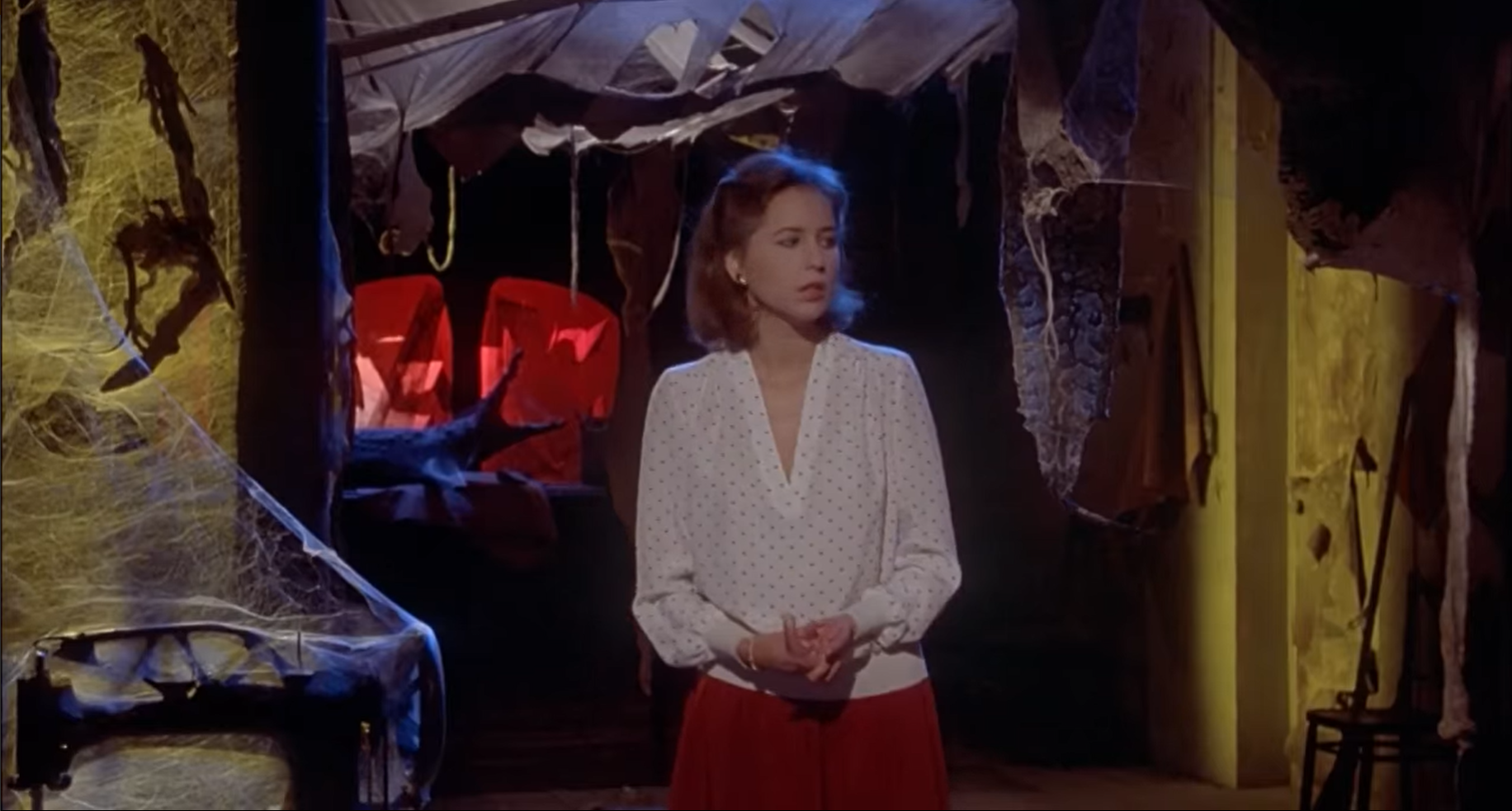
Dario Argento’s follow-up to Suspiria (1977) was this disappointing horror flick with a nearly nonsensical “plot” but (of course) plenty of atmosphere and colorful sets. As Stuart Galbraith IV writes in his review for DVD Talk, the film’s “stylishness comes at the expense of coherence”, making it hard to follow (or care about) any of the characters — who, as noted by Stomp Tokyo’s reviewers, “no matter how obvious it is that their lives are in danger… just keep doing whatever they were doing until they die.” The most baffling and disturbing sequence (among many) involves a cat-hating man who’s eventually eaten by rats; while we can’t help feeling he’s gotten his just desserts, it’s deeply unpleasant to watch him. Watch for Alida Valli in a thankless supporting role that does her no favors.

Redeeming Qualities and Moments:

  • Colorful, atmospheric sets and cinematography

Must See?
Nope; you can most definitely skip this one. Listed as a Cult Movie in the back of Peary’s book.

Links:

Creepers (1985)

Creepers (1985)

“It’s perfectly normal for insects to be slightly telepathic.”

Synopsis:
A boarding school student (Jennifer Connelly) who has the power to communicate telepathically with insects befriends a wheelchair-bound entomologist (Donald Pleasence) with a pet chimpanzee, and together they try to solve the mystery of who has been stalking and killing local girls.

Genres, Themes, Actors, and Directors:

  • Amateur Sleuths
  • Boarding School
  • Dario Argento Films
  • Donald Pleasence Films
  • Horror Films
  • Insects
  • Serial Killers
  • Supernatural Powers

Response to Peary’s Review:
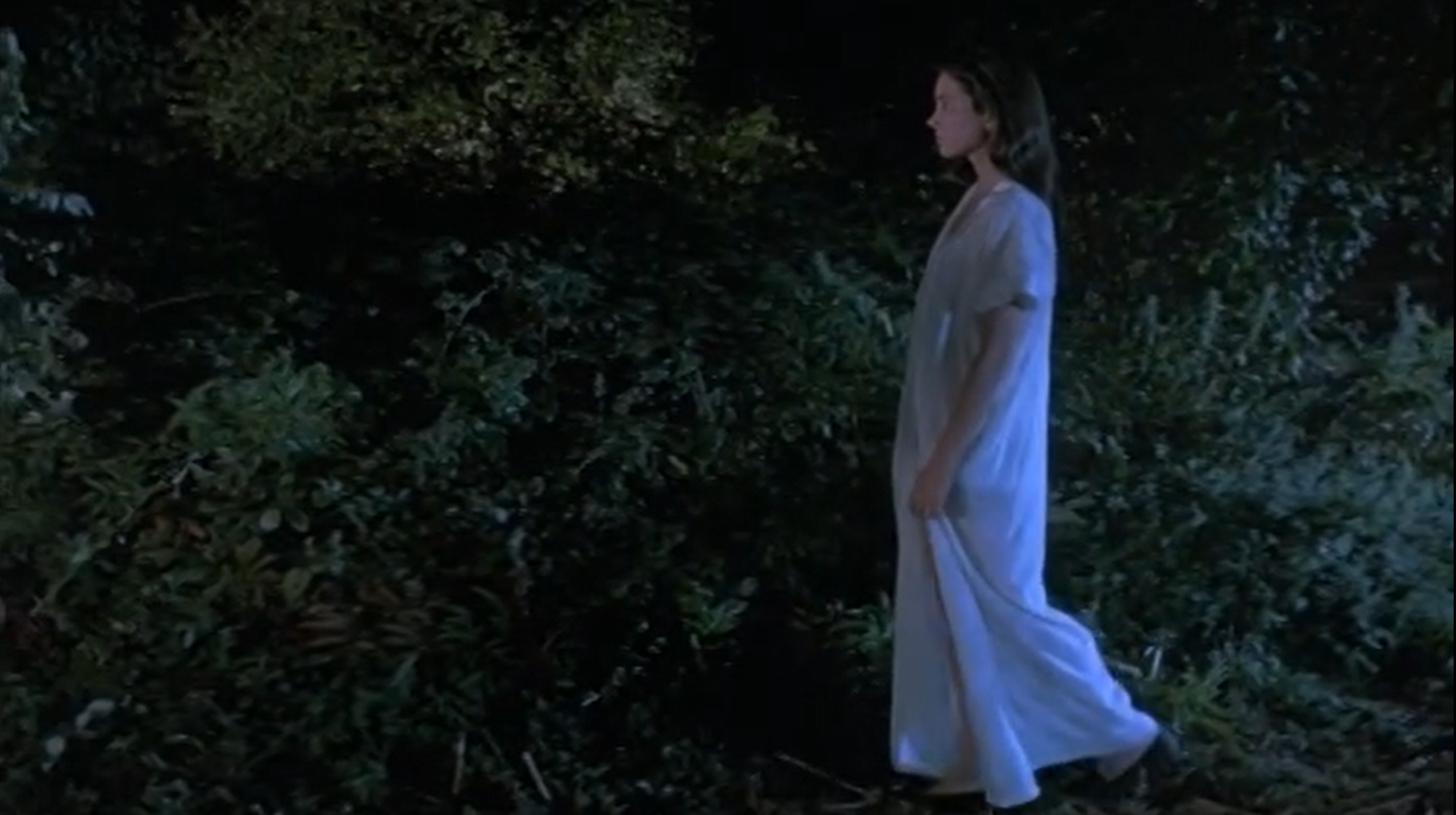
Peary writes that this “brutal Dario Argento horror film” — also known as Phenomena — “has the striking visual style we’ve come to expect from the Italian director, and there are a couple of his customary shocks”, but he “too often forgoes legitimate shocks for nauseating sights — lice crawling on a rotting head, Connolly throwing up, heads crashing through glass, deformed faces” (who enjoys this kind of fare?!). In addition, as Peary notes, “Argento’s script is extremely weak”, with “Connelly’s sleepwalking:

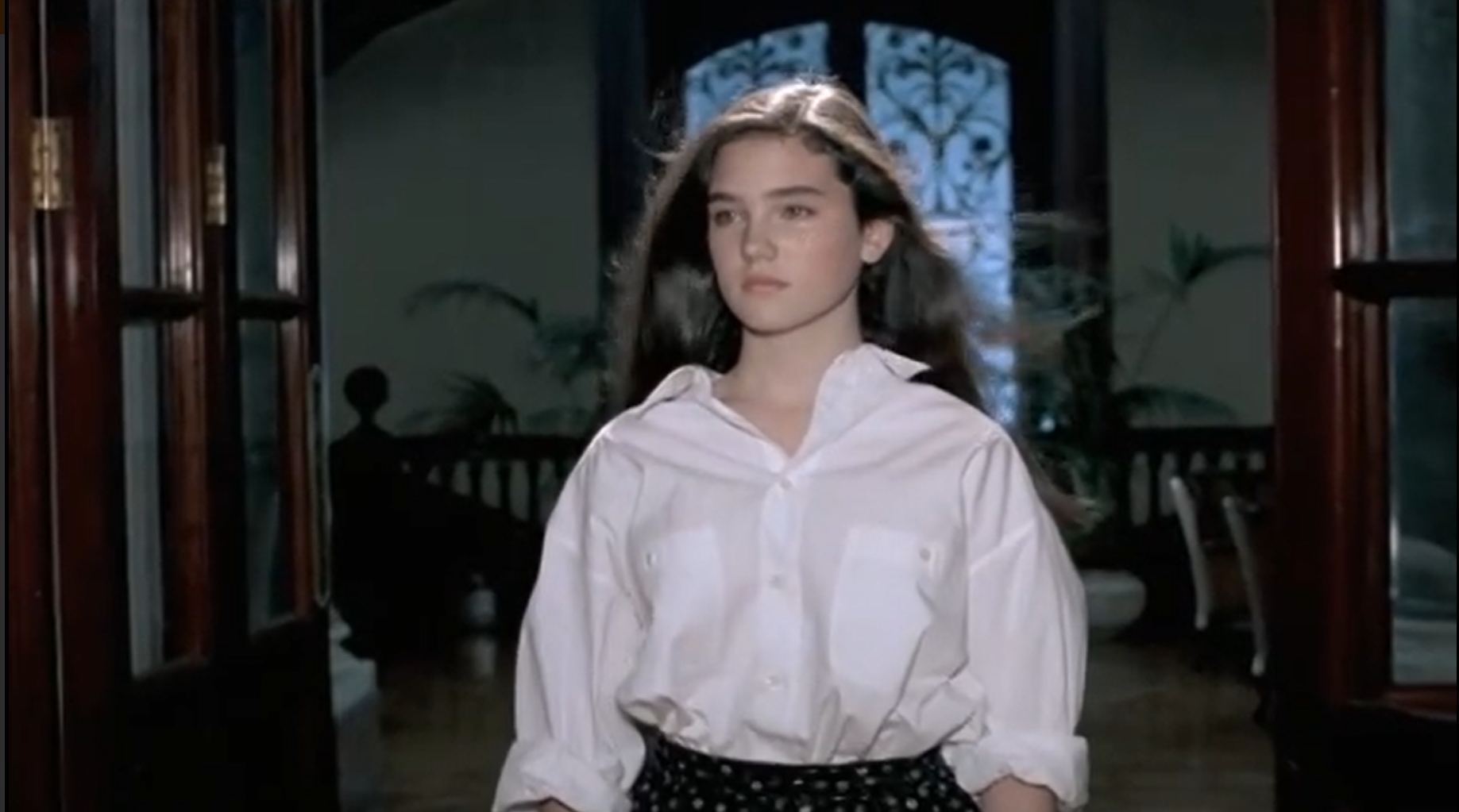
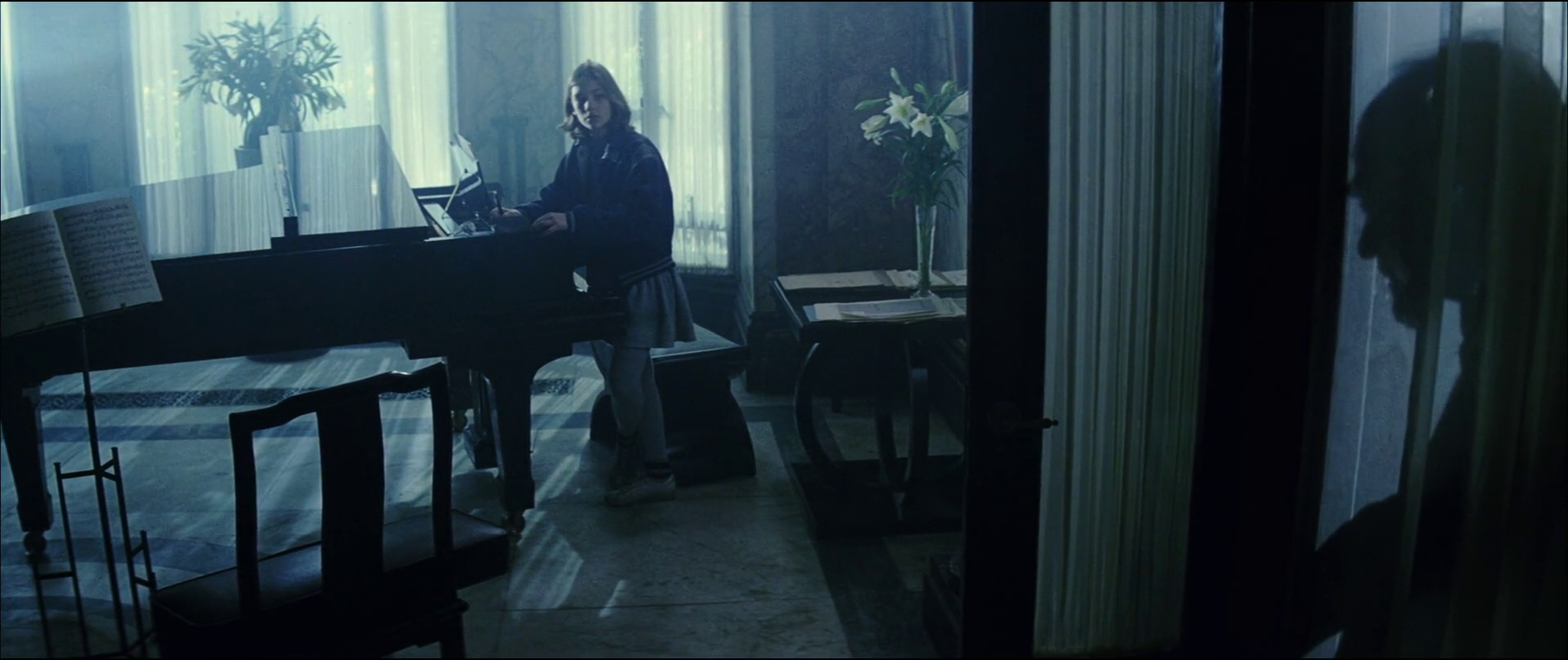
… and even her control over insects smack[ing] of writer’s ‘convenience’; in fact, the insect premise has such little effect on what happens that they could easily be eliminated without serious damage being done to the film.” Indeed, everything about the screenplay is awkwardly handled, clumsily plotted, occasionally illogical, and woodenly acted. To that end, Peary points out that Pleasence’s chimp “gives the film’s most impressive performance” (!). While 15-year-old Connelly is undeniably stunning:

… she’s given terribly lame dialogue and situations to play out. Feel free to skip this one. To watch a humorous overview by a fan of this film (who generously points out its many laughably bad moments: “It’s time for another Donald Pleasence monologue…”), click here.

Note: For this review, I’ve used the American-release title of the film as referenced in Guide For the Film Fanatic, which had 20+ minutes removed. This is likely the version Peary saw, though I watched the 116 minute version known as Phenomena.

Redeeming Qualities and Moments:

  • Atmospheric cinematography
  • Beautiful location shooting

Must See?
No.

Links:

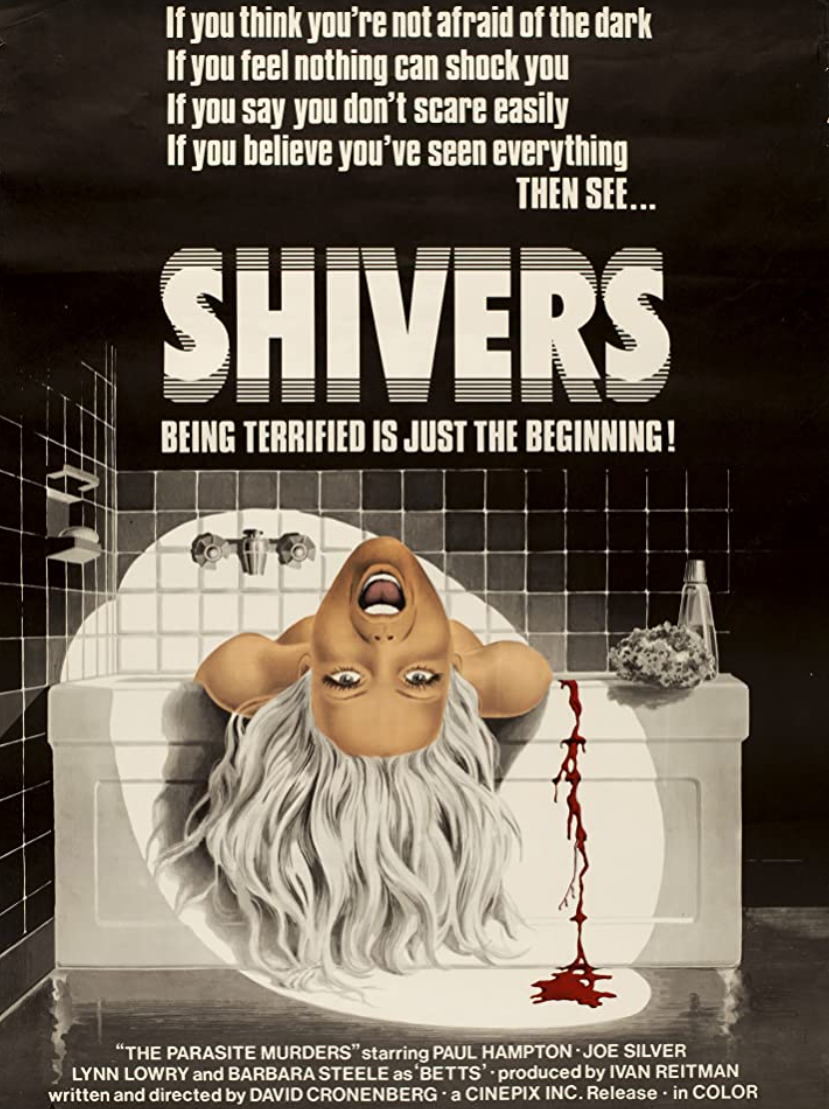
They Came From Within / Shivers / Parasite Murders, The (1975)

They Came From Within / Shivers / Parasite Murders, The (1975)

“Why not breed a parasite that can do something useful?”

Synopsis:
When a researcher (Rollo Linsky) informs a doctor (Paul Hampton) that his insane colleague (Fred Doederlein) has implanted parasites in his young lover (Cathy Graham) and then killed her, Dr. St. Luc (Hampton) and his girlfriend (Lynn Lowry) begin an investigation, quickly finding that an increasing number of residents in their apartment complex — including a businessman (Alan Migicovsky) whose wife is friends with a lonely neighbor (Barbara Steele) — have become infected.

Genres, Themes, Actors, and Directors:

  • Barbara Steele Films
  • David Cronenberg Films
  • Horror Films
  • Mad Doctors and Scientists
  • Zombies

Response to Peary’s Review:
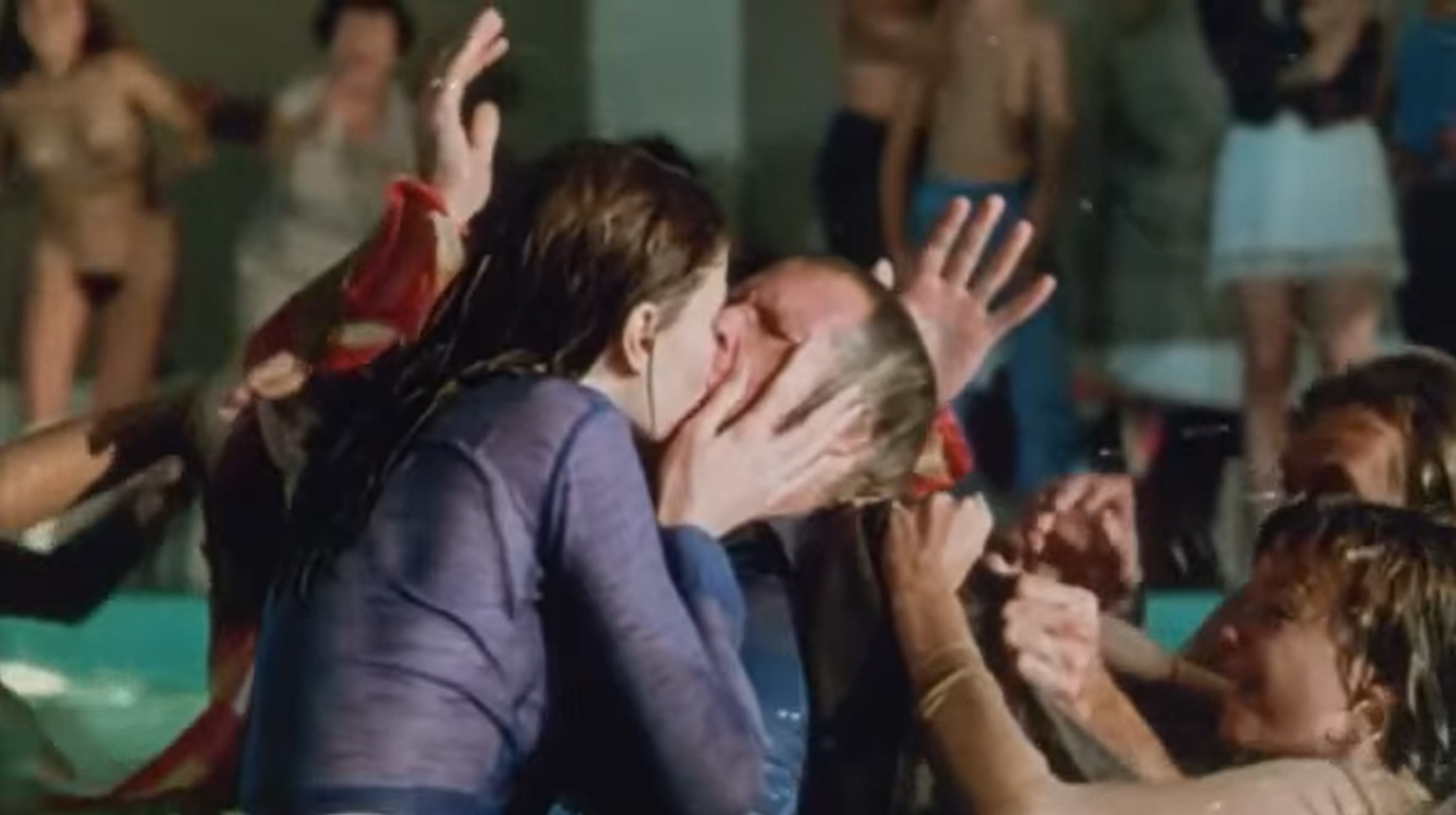
Peary notes that this “first of David Cronenberg’s low-budget horror films to play in the United States” “quickly established his cult”. Shivers presents an “intriguing setting” — an “isolated, sterile apartment complex which is a planned, self-contained community” — wherein a parasite with “the power to drive its carrier violently insane” is travelling “on its own from apartment to apartment through the plumbing”, and can also “be transferred from its carrier through sexual contact.” He posits that the “film has some tension at the beginning when the initial people are infected”, noting that the creepiest moment comes “when the parasite crawls between unsuspecting Barbara Steele’s legs while she bathes” (ewww!), then transfers from her throat to her lover’s while kissing — but he argues that the “story, character development, and the film itself go out the window when almost everybody in the building” (except Hampton) “becomes infected and runs through the halls looking for people to attack.”

Peary writes that while this “exploitation picture is too violent and crude”, the “special effects (i.e., creatures moving beneath the skin) by Joe Blasco anticipated those that would appear in future big-budget SF and horror films” — like Alien (1979). Because the sub-genre of “sci fi body horror” films isn’t a personal favorite, it’s hard for me to comment on whether Cronenberg’s film goes off the rails or simply continues along its own perversely logical trajectory; I can say that things certainly build to a tense fever pitch by the end, leading to a sense of claustrophobia and despair.

As Richard Scheib of Moria writes, “Shivers is Night of the Living Dead construed as a satire on the 1970s swinger lifestyle” — a very apt analogy indeed.

Redeeming Qualities and Moments:

  • Some effectively creepy moments on a low budget

Must See?
No, though of course Cronenberg fans will be curious to check it out.

Links:

Full Moon High (1981)

Full Moon High (1981)

“I know all about werewolves and their little problems.”

Synopsis:
When a high school football player (Adam Arkin) travels to Transylvania with his father (Ed McMahon), he’s turned into a werewolf. Twenty years later, he returns to his high school and attempts to get help from a pretty vegetarian (Joanne Nail) in filming his transformation so he can get caught.

Genres, Themes, Actors, and Directors:

  • Alan Arkin Films
  • Comedy
  • Elizabeth Hartman Films
  • High School
  • Larry Cohen Films
  • Werewolves

Review:
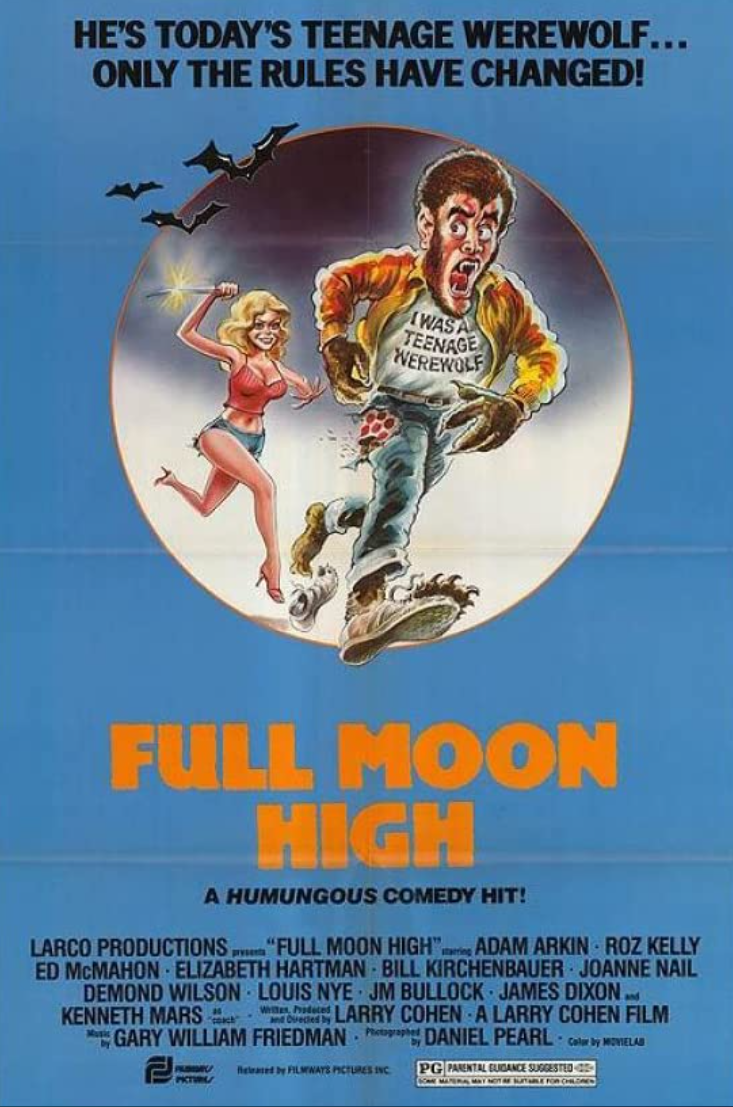
This “no budget werewolf comedy” by cult director Larry Cohen — best known for helming It’s Alive (1974), God Told Me To / Demon (1976), and Q: The Winged Serpent (1982) — was originally meant to be a comedic take on I Was a Teenage Werewolf (1957), but turned into its own cheesy brand of juvenile satire. Unfortunately, the humor on display here is exceedingly silly, and will only appeal to a certain type of audience member. With that said, I enjoyed all interactions between Arkin and Nail, whose plucky can-do horniness reminded me of Elizabeth Banks’ character in The 40 Year Old Virgin (2005).

Watch for Alan Arkin (Arkin’s real-life dad) in a bit role as an “insults-based” therapist called in to try to help.

Redeeming Qualities and Moments:

  • Joanne Nail as Ricky
  • A few mildly amusing lines: “Someone has broken in, and I may not like him.”

Must See?
No; you can skip this one unless it sounds like your cup of tea.

Links:

Company of Wolves, The (1984)

Company of Wolves, The (1984)

“A wolf may be more than he seems.”

Synopsis:
A young teen (Sarah Patterson) dreams that she’s left her parents (David Warner and Tusse Silberg) to go stay with her advice-filled grandmother (Angela Lansbury), who tells her tales of a werewolf (Stephen Rea) who runs away from his bride (Kathryn Pogson) and then attacks her years later for remarrying, and a young man (Vincent McClaren) given a hair-sprouting potion by the Devil (Terence Stamp). Soon Rosaleen (Patterson) is telling stories of her own — including one about an impregnated witch (Dawn Archibald) seeking revenge on the nobleman (Richard Morant) who abandoned her, and one about a young she-wolf (Danielle Dax) receiving assistance from a kind priest (Graham Crowden).

Genres, Themes, Actors, and Directors:

  • Angela Lansbury Films
  • Coming of Age
  • David Warner Films
  • Fantasy
  • Folk Tales, Fairy Tales, and Mythology
  • Strong Females
  • Terence Stamp Films
  • Werewolves

Response to Peary’s Review:
Peary writes that this film by “Irish director Neil Jordan… and his co-writer, Angela Carter, on whose short story the film is based” is “thematically and visually unlike any other movie”, defying “genre classification”. He adds, “It’s not really a horror movie, although it contains horror elements, such as dramatic men-into-werewolf transformations”:

— and while “it could be called a ‘suspense’ film or a ‘terror’ film,” it’s “more accurately… a film about sexual anxiety and a young virgin’s fear of and fascination about crossing the sexual threshold.” He notes that Jordan and Carter “have brought new sexual meaning to the fairytale” of Little Red Riding Hood:

… “by making the girl-wolf relationship a metaphor for all male-female relationships and by having the girl’s fairytale walk through the woods to Grandma’s house be the centerpiece of a frenzied dream of a young girl.”

Peary describes the movie as “wondrously photographed (its ‘look’ is unique)”, representing a “netherworld” that “is magical, enchanting, yet mysterious and foreboding. It’s a world filled with insects, snakes and toads, and warm-blooded animals; twisted trees, spider webs, and all kinds of sexual imagery.”

While Rosaleen is warned by her grandmother (in “a delightful bit by Angela Lansbury”) to “stay away from men”:

… and she “believes her grandmother speaks the truth about men and fears sexual contact”, she “does not run from the stranger she meets in the forest.”

Peary adds that “even more than Picnic at Hanging Rock, this film expresses the painful and confusing sexual yearnings of young girls.”

He ends his review by noting that while this movie is “not for all tastes”, it’s “definitely worth a look” — and in the years since Peary’s GFTFF was published, it’s developed a cult following, as has his phenomenal thriller The Crying Game (1992) (which happens to be one of my top-ten personal favorite films — but my review of that will have to wait until I have time to resume writing about post-GFTFF must-see titles…) What most impresses me about The Company of Wolves (other than its incomparable other-worldly sensibility) is how strongly it empowers females: while Peary focuses on Patterson’s sexual development, I see this as primarily a movie about a girl daring to venture out into the (admittedly scary) world on her own, imagining the worst that might happen to a female at the hands of men (dealing with an insistent suitor; being attacked; being impregnated and/or abandoned) and also how she might handle and survive such a fate.

Redeeming Qualities and Moments:

  • Sarah Patterson as Rosaleen
  • Angela Lansbury as Granny
  • Highly atmospheric cinematography

  • Anton Furst’s sets
  • Impressive special effects

Must See?
Yes, as a cult favorite.

Categories

  • Cult Movie

Links:

Brood, The (1979)

Brood, The (1979)

“The law believes in motherhood.”

Synopsis:
When he picks up his daughter Candy (Cindy Hinds) from a weekend visit with her mother (Samantha Eggar) at a controversial therapeutic clinic and notices welts on her back, Eggar’s husband (Art Hindle) confronts Eggar’s doctor (Oliver Reed) and tries to determine what’s going on. Meanwhile, a rash of mysterious murders by a dwarf-like creature ensues, as Frank first leaves Candy with her grandmother (Nuala Fitzgerald) and then with her sympathetic schoolteacher (Susan Hogan).

Genres, Themes, Actors, and Directors:

  • David Cronenberg Films
  • Father and Child
  • Horror Films
  • Mental Illness
  • Mutant Monsters
  • Oliver Reed Films
  • Psychotherapy
  • Samantha Eggar Films

Response to Peary’s Review:
Peary writes that this “complex, chilling horror film by David Cronenberg advances two of his major themes: there is nothing more frightening than sudden unexplained changes in our physical compositions” and “sterile institutions meant to promote health are often responsible… for destroying a person’s physical and mental well-being.” He notes that “this was the first Cronenberg film in which his characters are sympathetic”, with “the relationship between Hindle and Hinds… truly touching” (agreed).

While he feels the “film often has repulsive imagery and much in the climactic scene is illogical,” there “are several terrifying scenes” and he posits that the picture has “a cold, other-worldly feel” which is “heightened by the fact that many of the characters’ surnames… can’t be found in your local telephone book” (!).

Peary elaborates upon his review in his first Cult Movies book, where he admits to being “intrigued by the premises of all of Cronenberg’s film” but questioning “his judgments and directorial maturity”, given that he gets “juvenile pleasure from trying to jolt viewers by repelling them with blatant, often ridiculous images”, and gets “kicks trying to disgust us.” (In a “making of” documentary about this movie, Eggar concedes that it was hard not to laugh while filming the infamous scene in which she reveals her deformed body to Hindle…) Peary writes that among the “terrifying sequences” are “the murders of Julianna [Nuala Fitzgerald] and Barton [Henry Beckman]” (Eggar’s parents); he accurately notes that “when Julianna enters her mysteriously ramshackle kitchen, looks up toward the ceiling, and spots a little crouched figure in red atop the cupboards about to leap on her, or when Candy sees the hooded figure (who may remind you of the dwarf assassin in Don’t Look Now, 1973) hiding on the stairwell, you are likely to jump.” Meanwhile, “the most chilling” scenes are when two of the dwarf-like creatures “brazenly enter Candy’s classroom pretending to be her classmates:

… and when they walk with Candy hand in hand along the highway in the snow.”

Peary writes that “perhaps what is most remarkable about The Brood is the sinister quality that Cronenberg establishes,” by “staging intense psychodramas between Raglan and Nola” (and, in the opening scene, with another troubled patient):

… as well as “by creating a restrictive atmosphere around the Psychoplasmics Institute; by making his characters humorless and setting the picture in cold, snowy weather (where everyone wears coats and scarves, and walks under gray skies)”:

… “by giving the autocratic Raglan a henchman; [and] by making us aware of the history of child abuse in Nola’s life.” While Peary doesn’t think the final sequence makes sense, he concedes that “at least it’s spooky, lively, and comes after about an hour and a half of absorbing, solid cinema.”

Redeeming Qualities and Moments:

  • Art Hindle as Frank
  • Oliver Reed as Dr. Raglan
  • Samantha Eggar as Nola
  • Fine cinematography and direction


  • Many creepy moments

Must See?
Yes, as an eerie and still-powerful cult horror flick. Discussed at length in Peary’s Cult Movies book.

Categories

  • Cult Movie
  • Important Director

Links:

Hunger, The (1983)

Hunger, The (1983)

“You said forever — never ending. Do you remember?”

Synopsis:
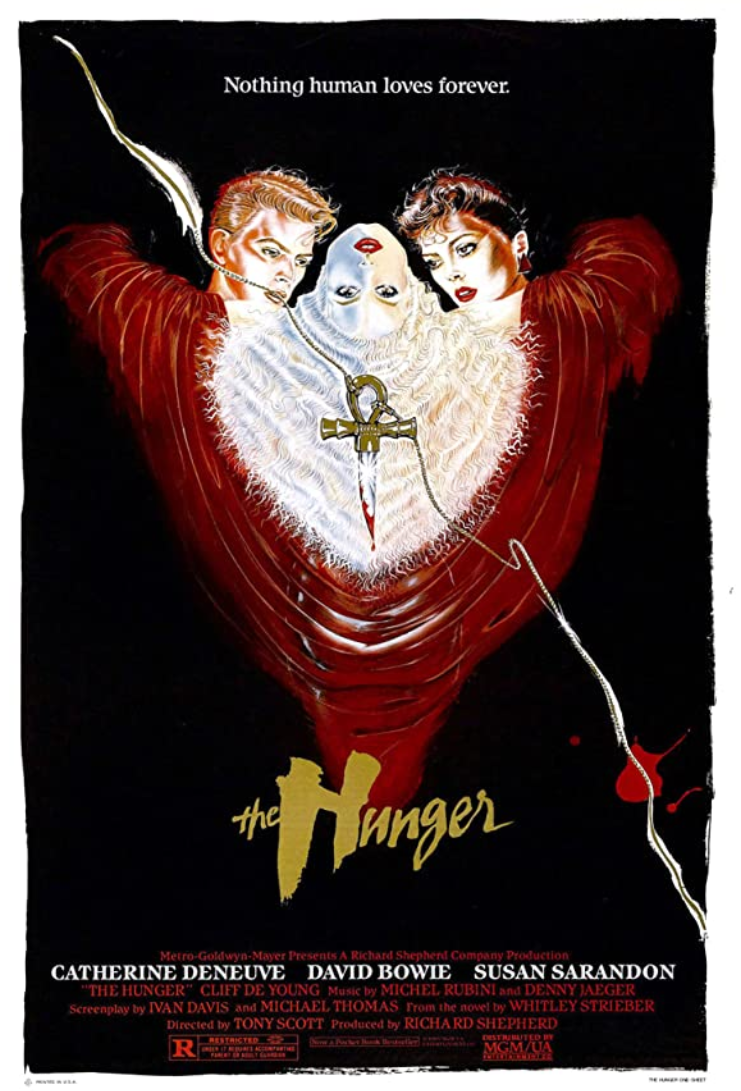
A centuries-old vampire (Catherine Deneuve) seeks a new partner (Susan Sarandon) when her current companion (David Bowie) finally caves in to old age.

Genres, Themes, Actors, and Directors:

  • Catherine Deneuve Films
  • David Bowie Films
  • Horror Films
  • Lesbianism
  • Susan Sarandon Films
  • Vampires

Response to Peary’s Review:
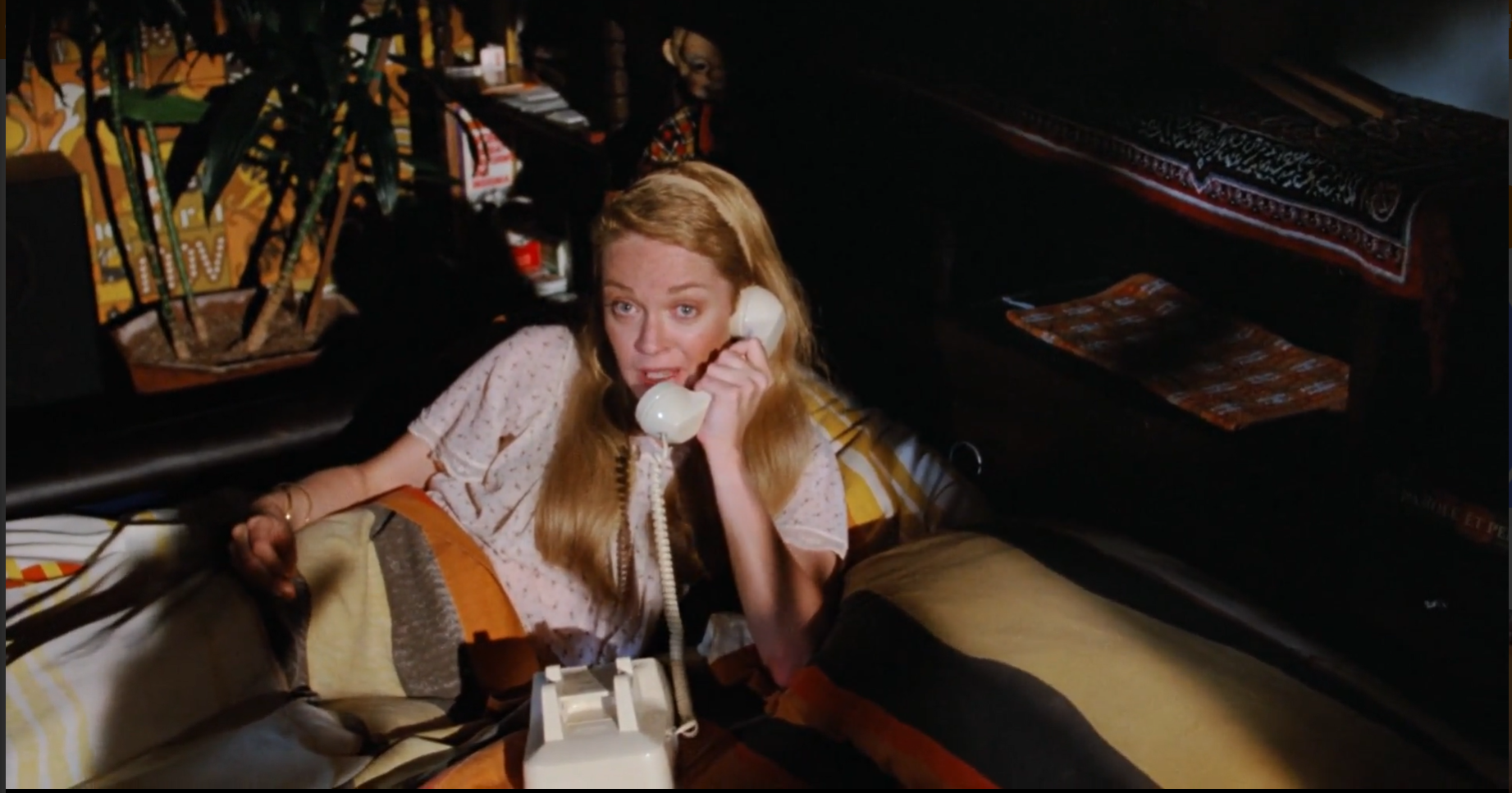
Peary argues that this “disappointing, pretentious horror film set in contemporary New York” eventually “becomes downright stupid and repulsive”, noting that Tony Scott’s “direction is stylish in the wrong way” and that “the picture comes across as an exotic commercial or sexy music video”. He points out that in this “vampire chic”, there is “loads of sex, including the much publicized lesbian scene between Deneuve and Sarandon,” but he writes “it’s so tiresome that the whole thing should have been in Polish” (!!!). He ends his review…

(SPOILER ALERT)

… by positing that “the trite, horrible scene in which all of Deneuve’s former lovers rise from their coffins and revolt against her is the worst horror-movie finale since the ghost attack in The Sentinel.”

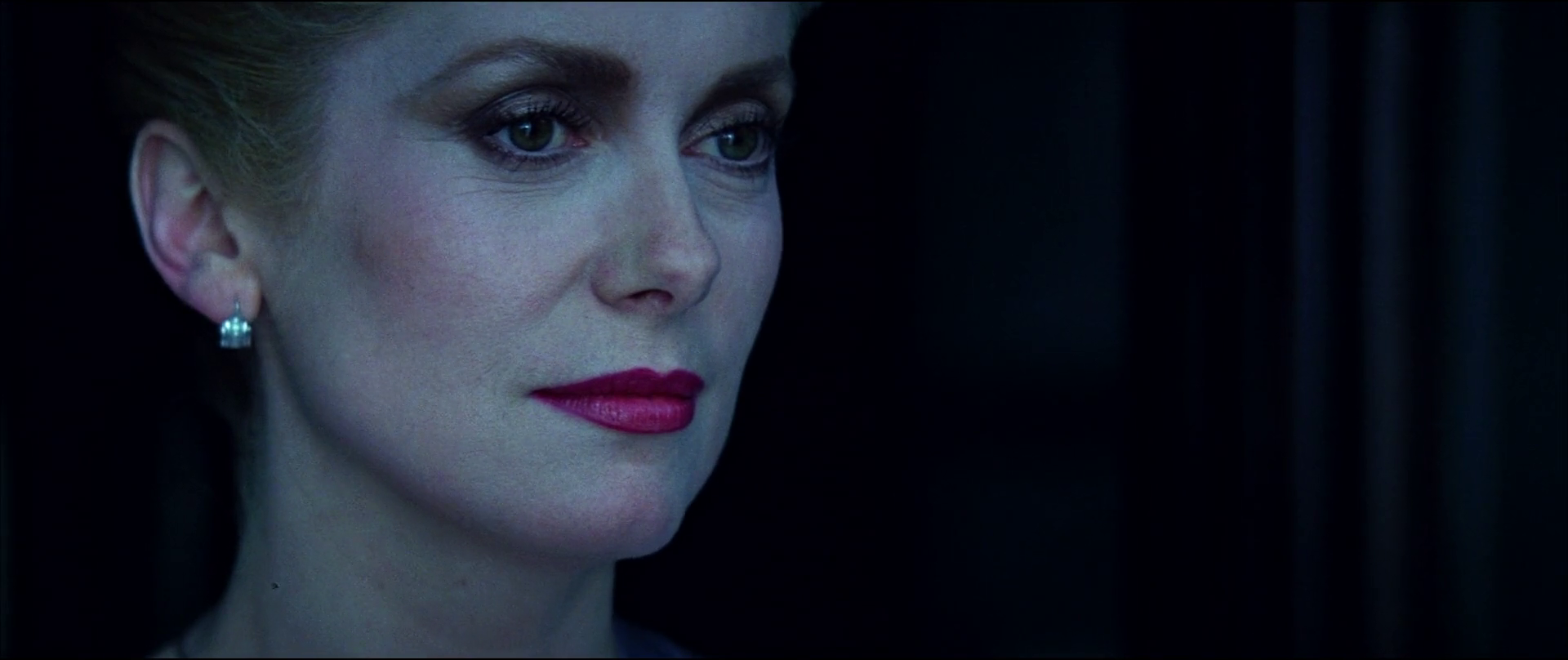
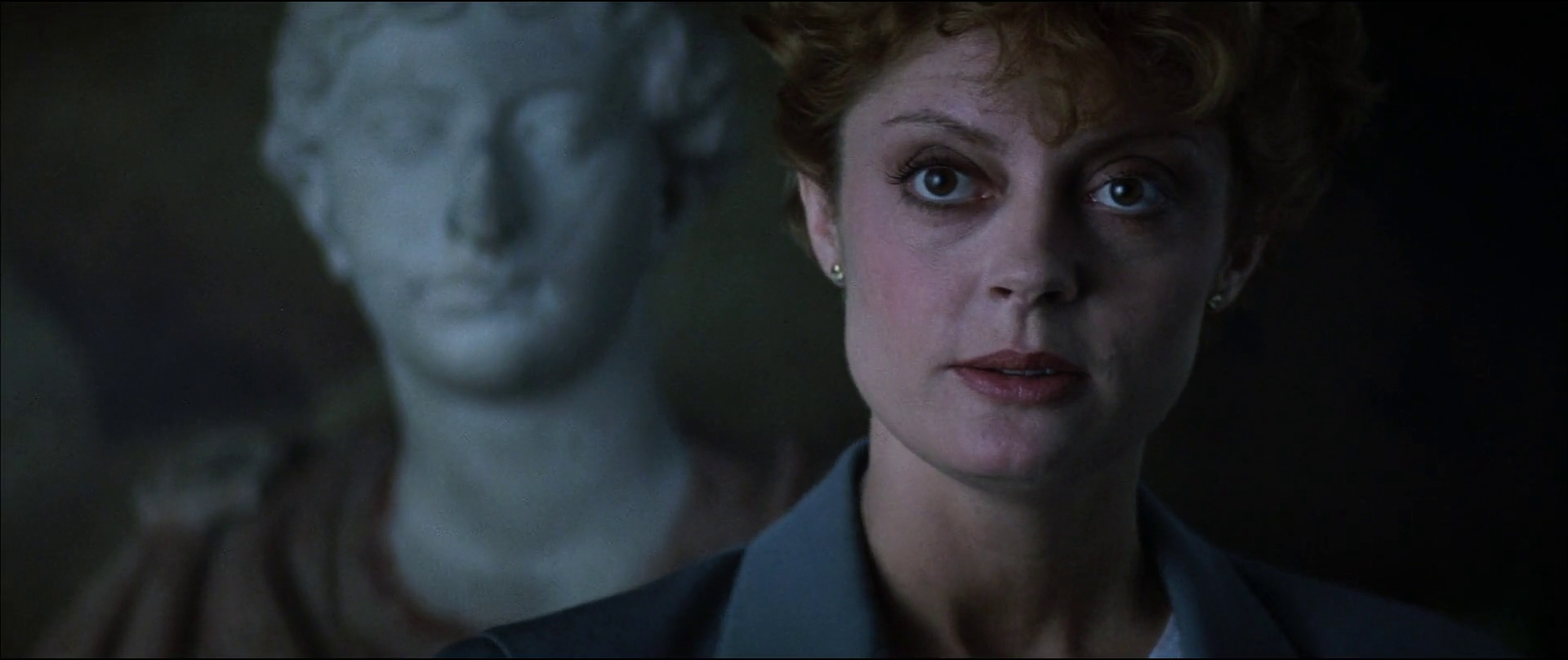
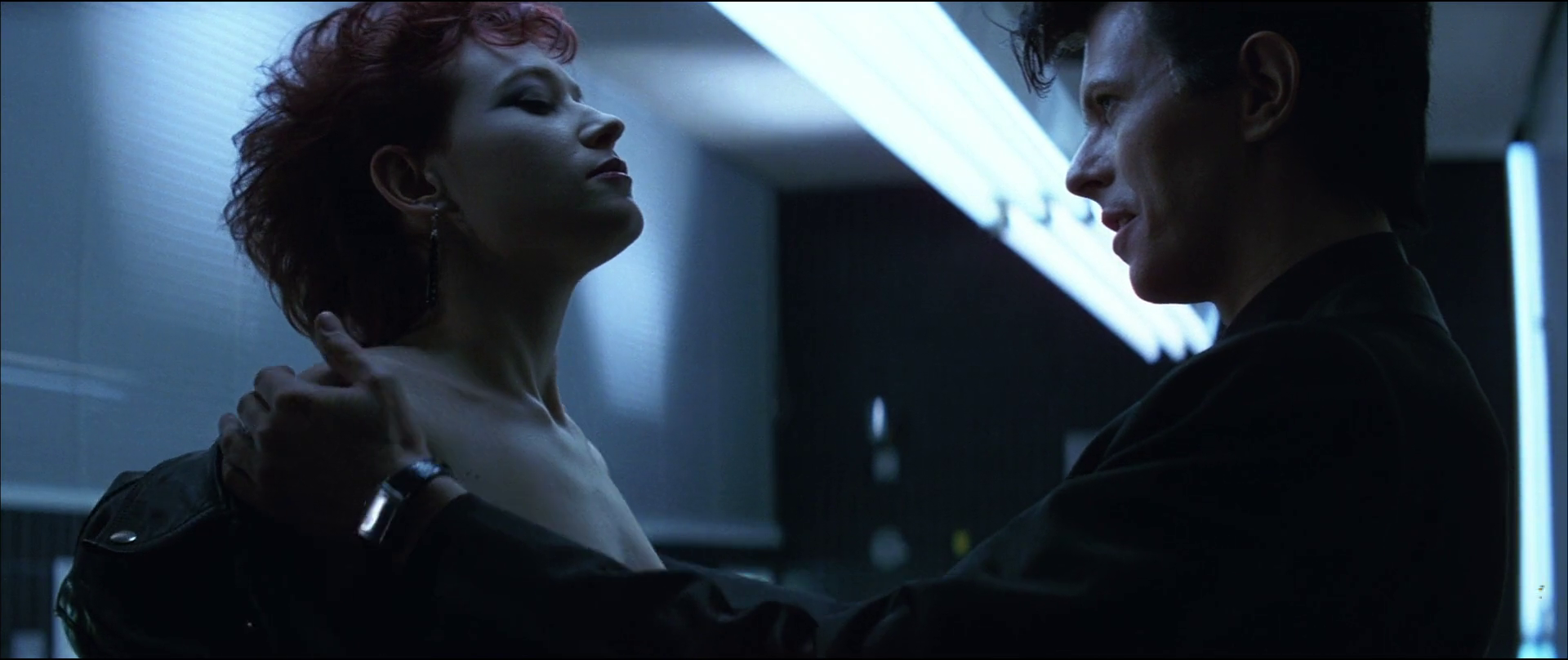
I’m less disappointed by this highly stylized cult vampire flick than Peary obviously is. While some aspects of the screenplay — i.e., nearly everything taking place in Sarandon’s laboratory — are insufficiently explained, the overall mood is (appropriately) one of sensuous horror amidst grandeur and deception. Deneuve and Bowie are perfectly cast as (nearly) ageless vampires who live for seduction (and classical music), and Sarandon is both sexy and believable as a doctor strangely attracted to Deneuve. The ending works okay for me, though (again) I wish some elements were explained more clearly, and I’m not sure what to make of the (deliberately?) ambiguous coda. Meanwhile, Denny Jaeger and Michel Rubin’s score makes excellent use of music by Ravel, Schubert, and Delibes (I’m a sucker for his “Flower Duet”).

Redeeming Qualities and Moments:

  • Catherine Deneuve as Miriam
  • Susan Sarandon as Sarah
  • David Bowie as John
  • Highly atmospheric cinematography and sets

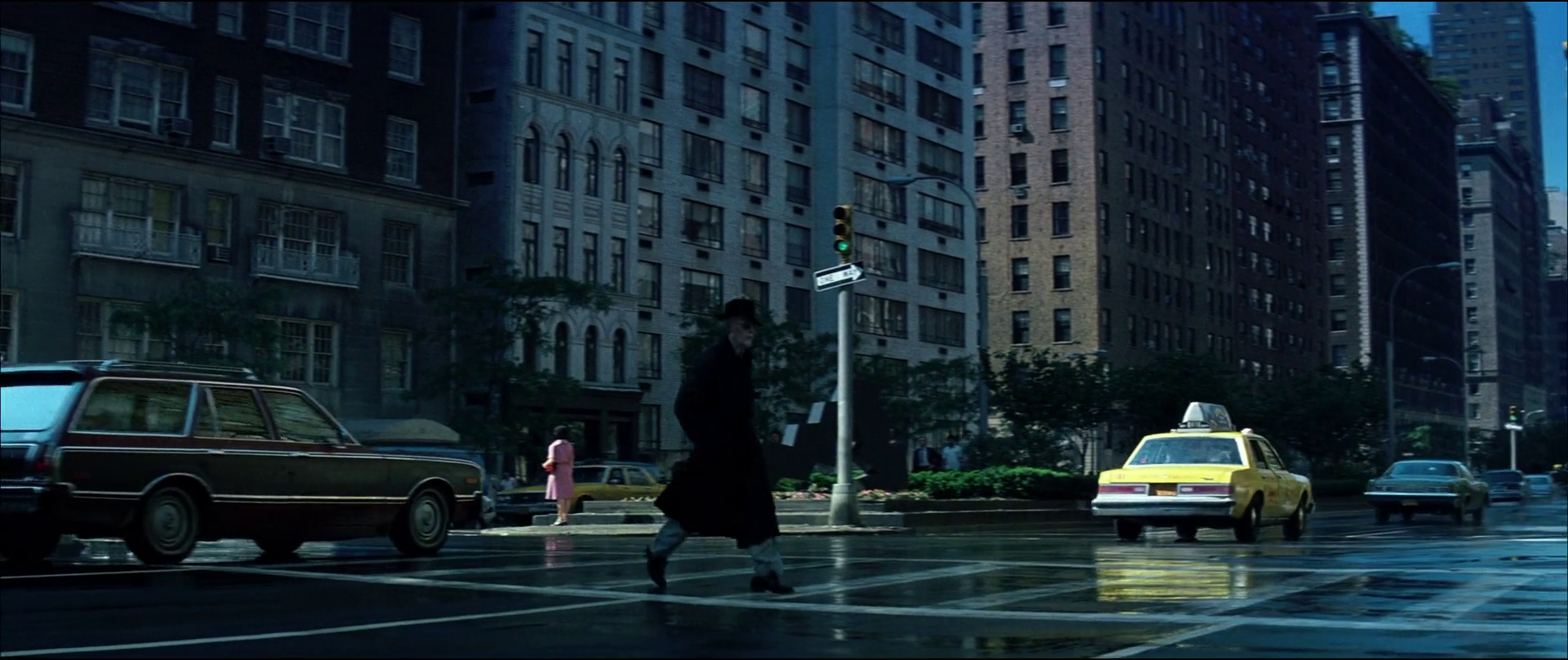
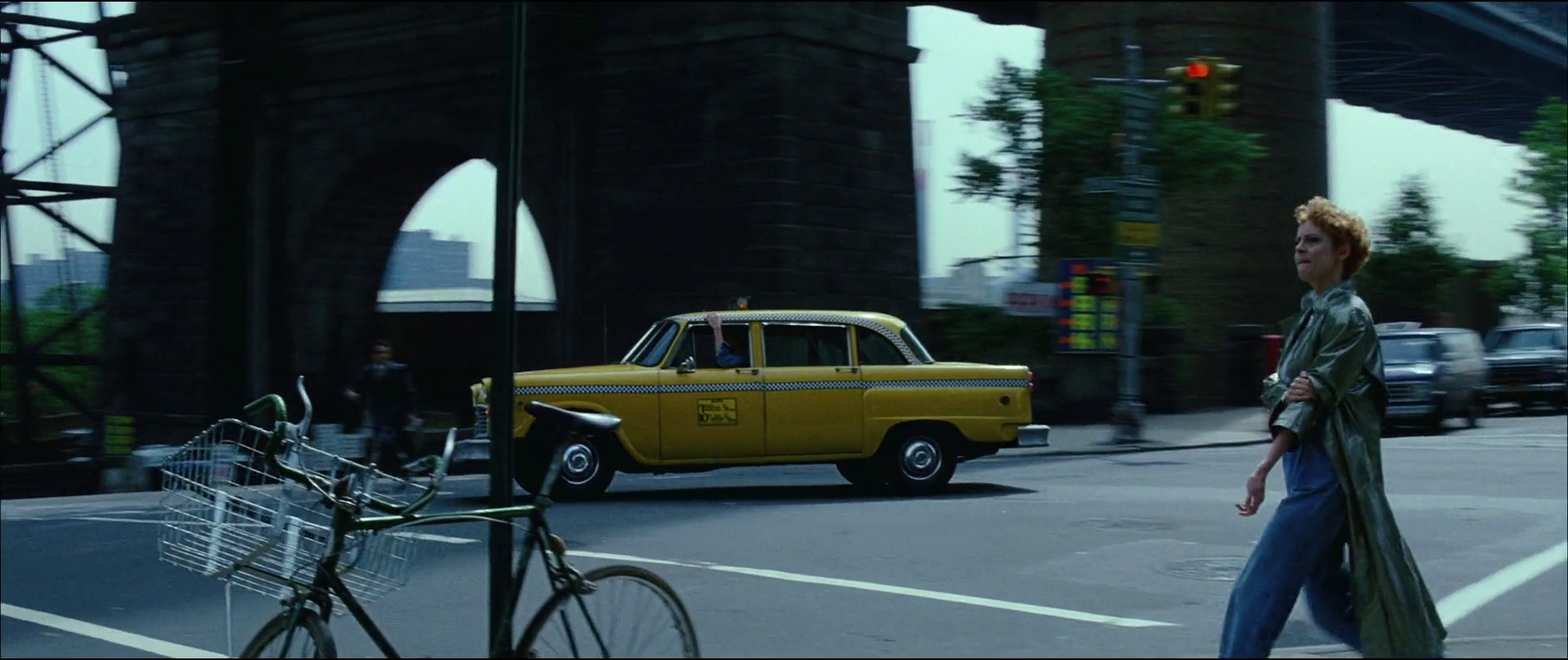
  • Good use of NYC locales

  • A fine musical score (borrowing heavily from classical music)

Must See?
No, but it’s recommended if you’re interested.

Links:

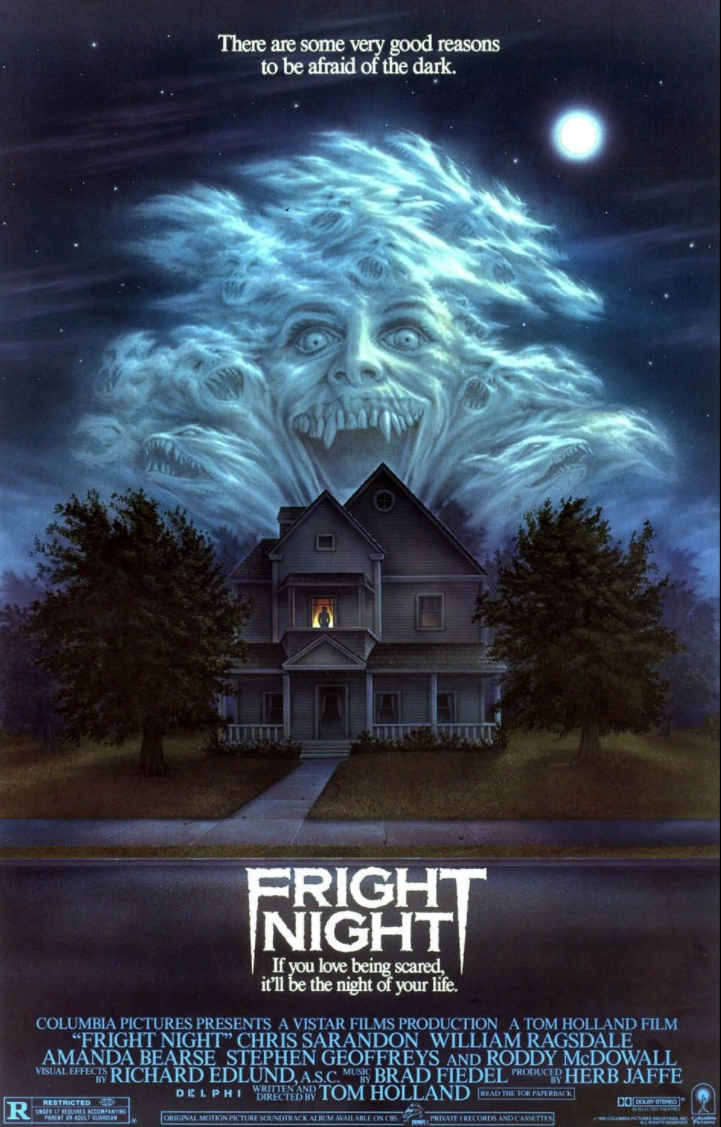
Fright Night (1985)

Fright Night (1985)

“I have a vampire living next door to me — and he’s going to kill me if I don’t protect myself.”

Synopsis:
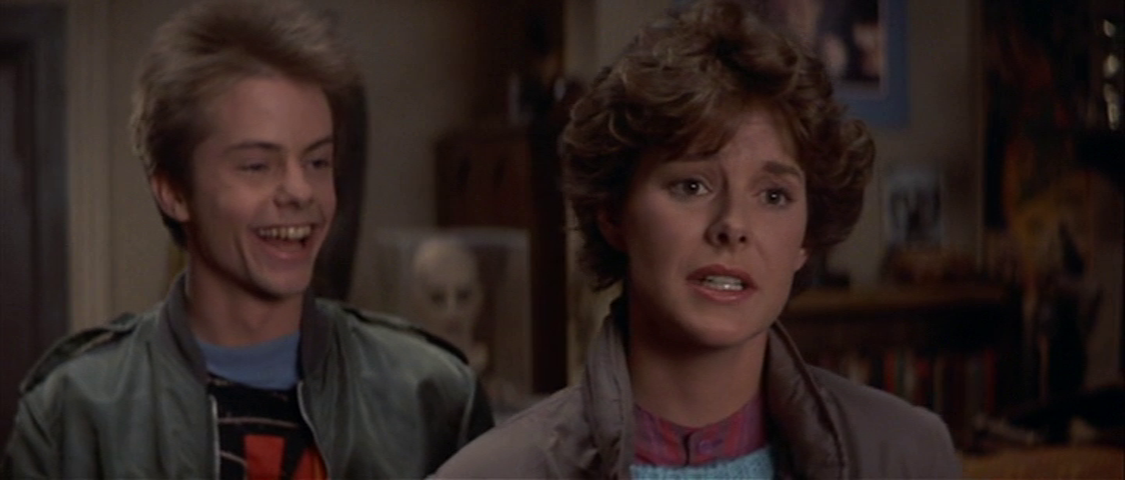
A teenager (William Ragsdale) who is convinced that a pair of vampires (Chris Sarandon and Jonathan Stark) have moved in next door struggles to get his girlfriend (Amanda Bearse) and annoying best friend (Stephen Geoffreys) to believe him. They humor him by going to visit the “vampire-killing” host (Roddy McDowall) of a TV show known as “Fright Night”, asking McDowall to convince Ragsdale that his fears are unfounded — but are they?

Genres, Themes, Actors, and Directors:

  • Horror Films
  • “No One Believes Me!”
  • Roddy McDowall Films
  • Vampires

Review:
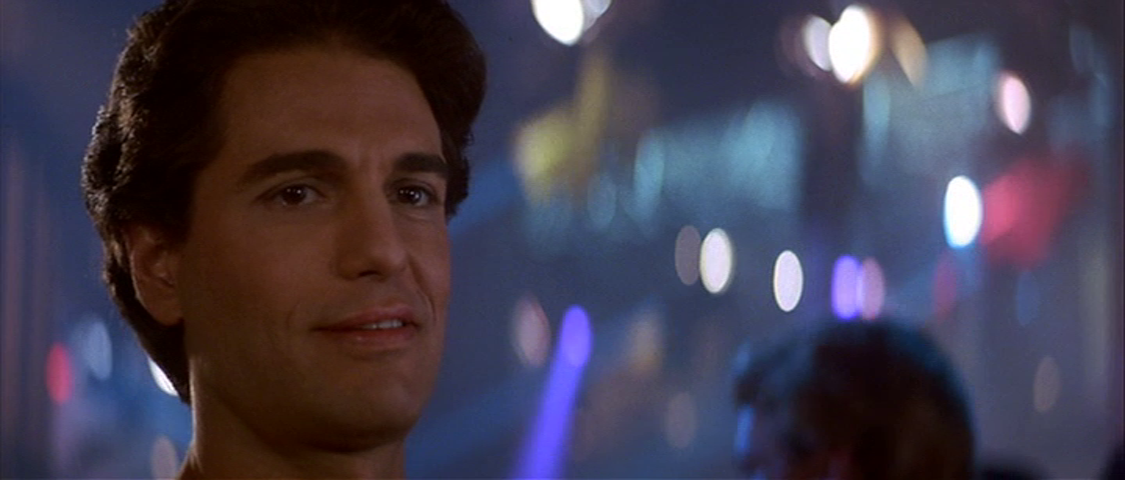
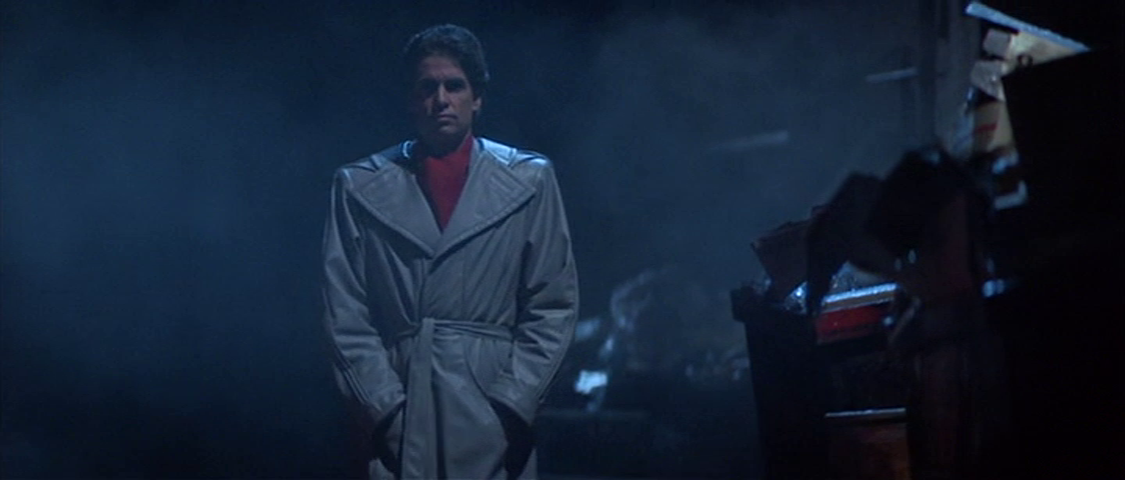
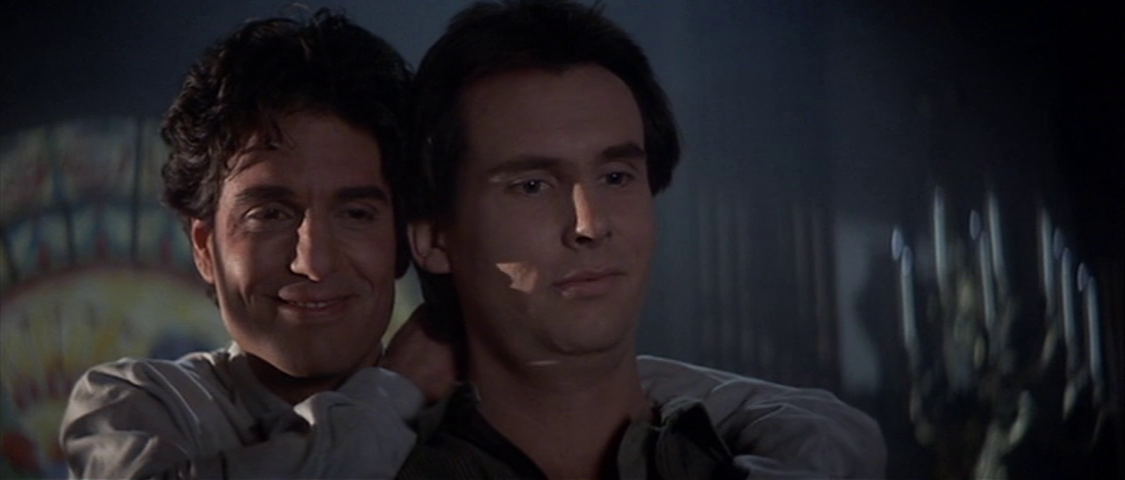
This affectionate homage to Hammer Studios’ horror films of the ’50s, ’60s, and ’70s starts off on a somewhat corny note, but builds to an appropriately gruesome conclusion. Sarandon is sexy, seductive, and scary in the lead villainous role, perfectly cast as a sultry vampire who can easily charm his way through life; it’s not hard to see how/why:

(MINOR SPOILER ALERT)

… both Geoffreys and Bearse ultimately fall under his spell.

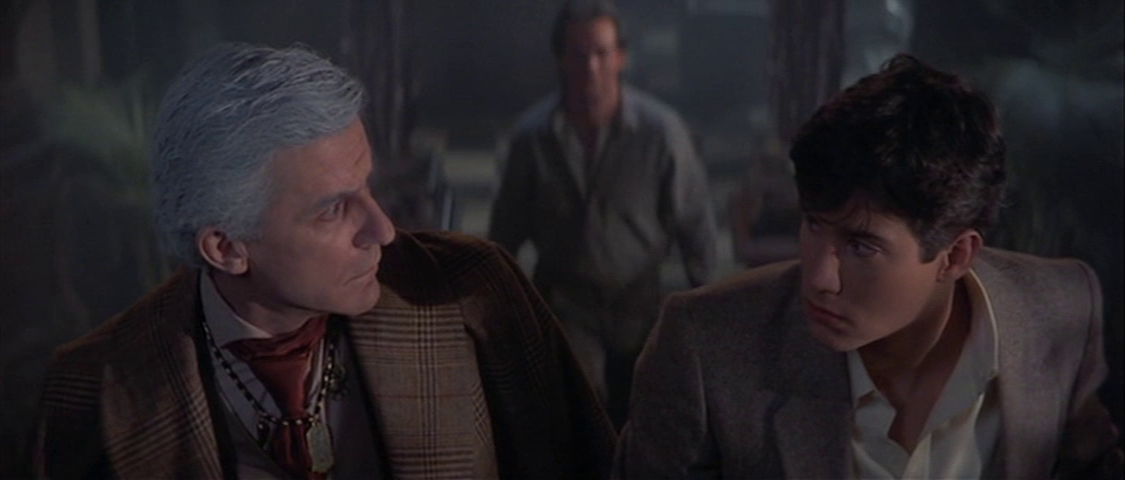
Much less convincing is McDowall, who displays only a couple of different expressions throughout the film, seemingly stuck in a perpetual state of shock and disgust (and his terrible hairpiece is awfully distracting):

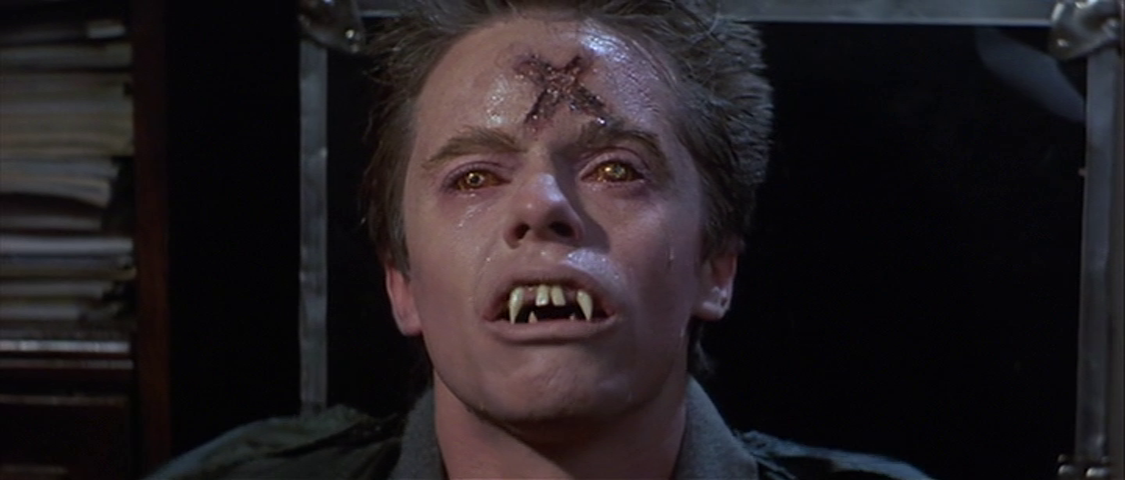
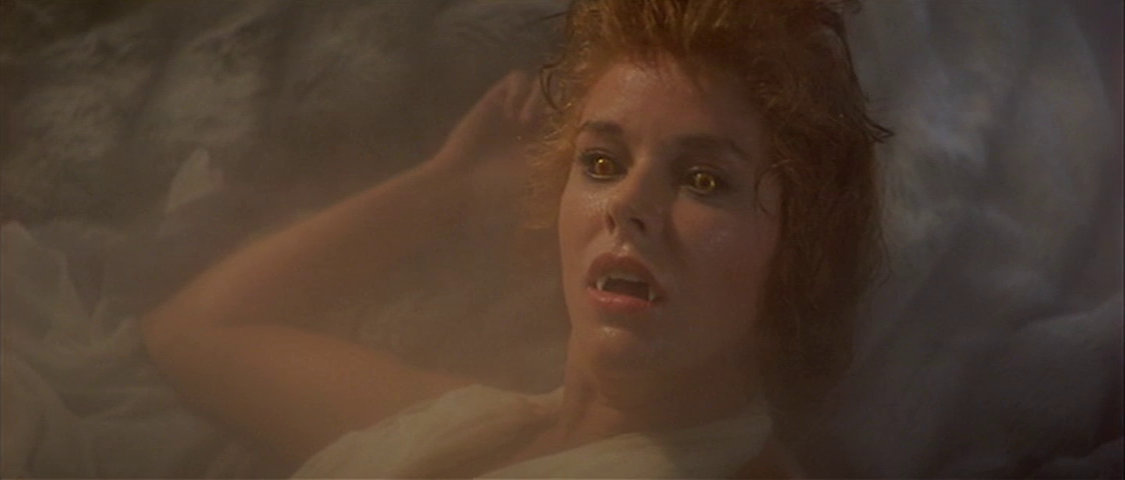
To the film’s credit, it’s highly atmospheric, and features a number of pretty spectacular special effects for the time. It was followed by a sequel, a remake, and a sequel to the remake, and has maintained a small cult following — but it isn’t must-see viewing for all film fanatics.

Redeeming Qualities and Moments:

  • Chris Sarandon as Jerry
  • Atmospheric cinematography

  • Fine special effects and make-up

Must See?
No, though it’s worth a look if you’re curious.

Links: