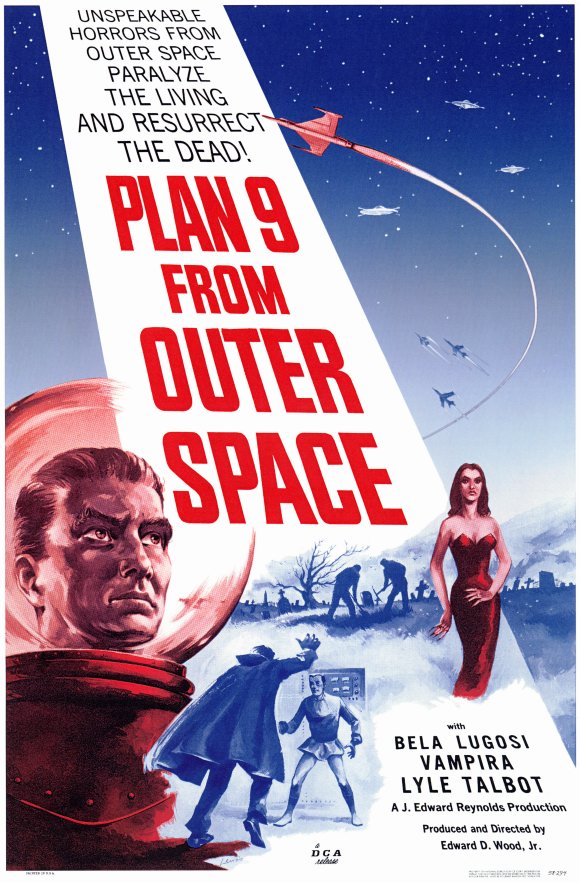
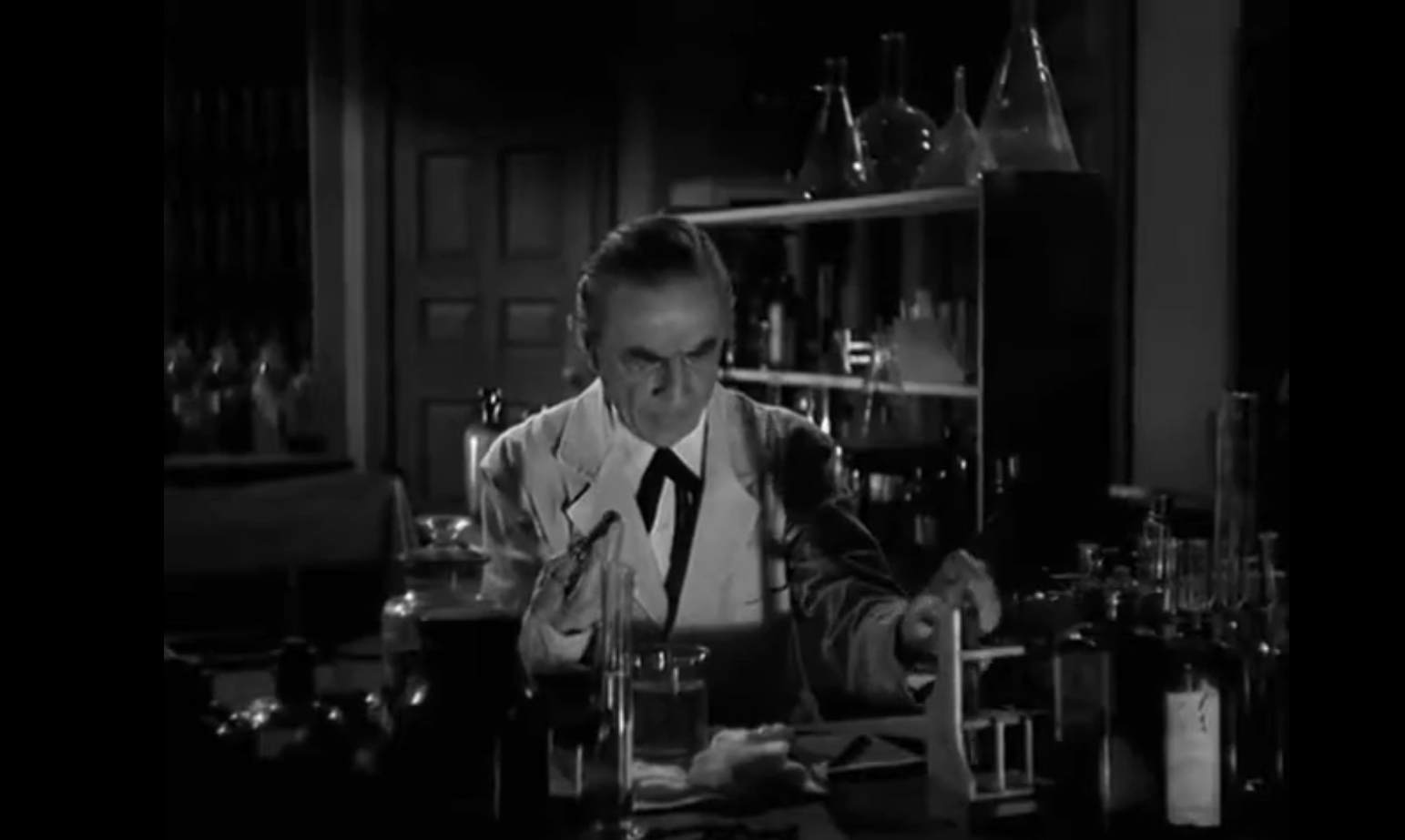
Plan 9 From Outer Space/Grave Robbers From Outer Space (1959)

Plan 9 From Outer Space/Grave Robbers From Outer Space (1959)

“It’s because of men like you that all must be destroyed.”

Synopsis:
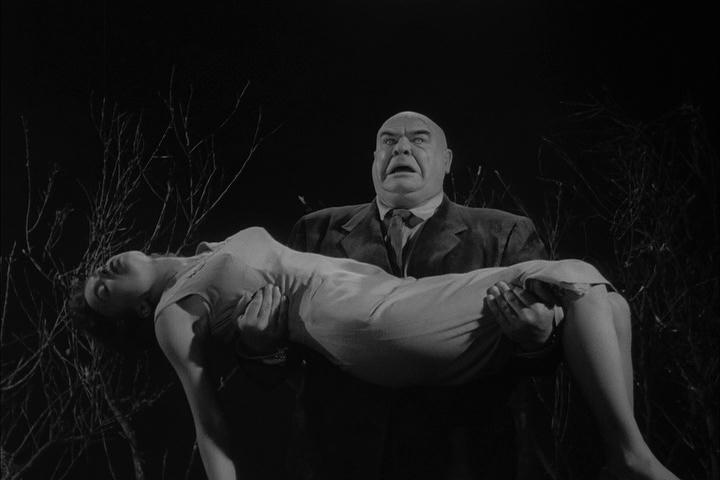
An advanced alien species attempts to prevent the Earth from destroying the universe with atomic weaponry by taking over the minds of three recently deceased corposes (Bela Lugosi, Vampira, and Tor Johnson).

Genres, Themes, Actors, and Directors:

  • Aliens
  • Bela Lugosi Films
  • Ed Wood Films
  • Mind Control and Hypnosis
  • Science Fiction
  • World Domination
  • Zombies

Response to Peary’s Review:
In the opening of his review for this infamously awful film — voted the “World’s Worst Film” by readers of the Medved brothers’ Golden Turkey Awards — Peary writes that in an “era when bad-film freaks have come out of the closet and really awful films are looked on with affection, Edward D. Wood’s berserk sci-fi film is revered by a large and growing cult who contend that it has moved beyond camp to legend status” (indeed, he analyzes it at length in his first Cult Movies book). Peary facetiously notes that if you “give a monkey a camera… it’ll make a better picture”, and will “certainly do a better job with the money” (neither of which is quite true), and notes that “every facet of this production, from acting, script, and direction to special effects, prop selection, and editing, is putrid” — “so putrid that the film is hilarious”.

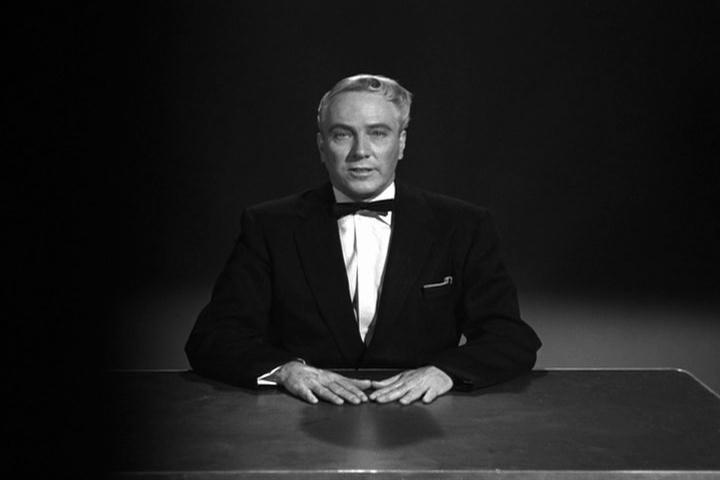
The production history of this notoriously awful howler is so well-documented that I humbly refer you to any of the reviews referenced below (or to Wikipedia’s article). In a nutshell, Wood appears to have cobbled his film together out of the very limited resources he had at hand — starting with two minutes of footage of his recently deceased friend, Bela Lugosi, whose character is thereafter played by his wife’s chiropractor, hiding his face behind a cape. The result is a film in which nearly every “bad movie” element one can think of shows up — and (as noted in Peary’s Cult Movies review), “except for about a hundred dull spots”, it’s actually “a lot of fun”. In his more extended review, Peary calls out the film’s many hilariously awful features, including the “terrible cheap sets”; the hideous interpolation of shots taking place in daytime and nighttime; the flying saucers (made out of paper plates) which “look like chinaware flung into the air”; the way that “everyone fails to respond while The Ghoul Man… strangles Officer Calvin in front of their eyes”; and, of course, the “incomparable dialogue” — all of which make for a surprisingly entertaining viewing experience, if you’re in the right mood.

Interestingly, Peary argues that Wood made a film which is so “atrocious” that perhaps he hoped “censors wouldn’t bother with [the] subversive themes”. He suggests that in “this one God-awful, terribly made, poor excuse for a picture, Wood is more critical of America’s government (which conceals much from the public) and military strategy (that calls for an arms build-up and further nuclear testing) than any other director of the period dared to be.” That alone, as Peary writes, may be reason enough to relegate “another, less daring film to wear” this film’s dubious “World’s Worst film banner”; he quickly notes, however, that he’s “just kidding”.

P.S. In his review, Peary mentions that “God [only] knows what the first eight ‘Plans’ were” — but if you’d like to hear one band’s take on this hypothetical question, click here.

P.P.S. Since Plan 9 is in the public domain, it’s available for free viewing at http://www.archive.org/.

Redeeming Qualities and Moments:

  • Laughably bad dialogue: “Future events such as these will affect us in the future.”
  • Plenty of unintentional “bad movie” laughs throughout
  • A surprisingly provocative and subversive “message”

Must See?
Of course — as the ultimate “bad movie” experience. Check out the second paragraph of Richard Scheib’s review for an illuminating overview of the various types of “bad” movies out there; he convincingly argues that the term “bad” is far too vague to fit the spectrum of ineptitude present in the world of cinema.

Categories

  • Cult Movie

Links:

That Hamilton Woman / Lady Hamilton (1941)

That Hamilton Woman / Lady Hamilton (1941)

“Lady Hamilton is one of the very best women in the world, and an honor to her sex.”

Synopsis:
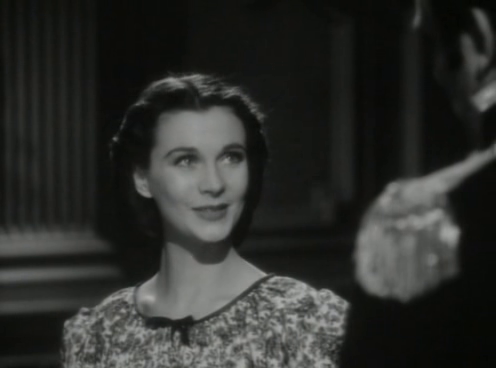
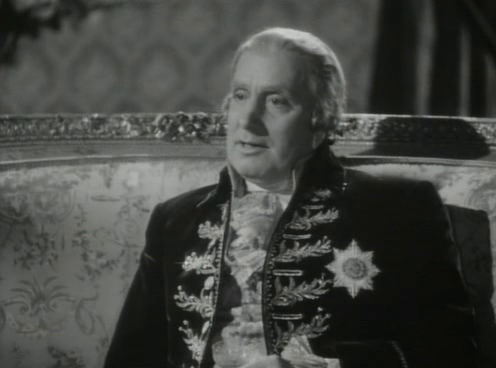
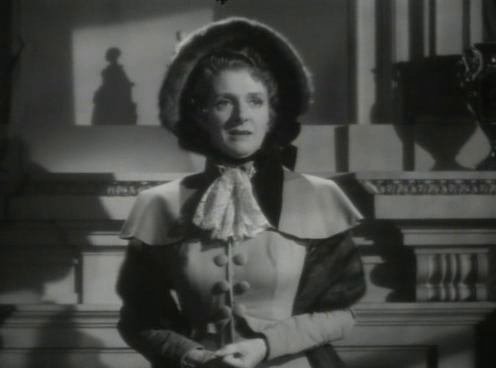
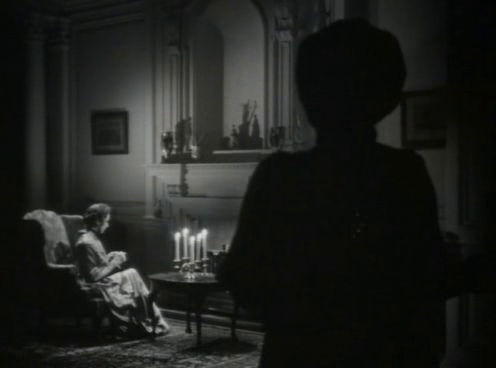
The young new wife (Vivien Leigh) of a middle-aged widower (Alan Mowbray) falls in love with Lord Nelson (Laurence Olivier), a gallant married officer fighting in the Napoleonic Wars.

Genres, Themes, Actors, and Directors:

  • Biopics
  • Flashback Films
  • Historical Dramas
  • Infidelity
  • Laurence Olivier Films
  • Romance
  • Royalty and Nobility
  • Star-Crossed Lovers
  • Vivien Leigh Films

Response to Peary’s Review:
Perhaps best known as Winston Churchill’s favorite film (he purportedly saw it over 80 times), That Hamilton Woman is, as Peary notes, a “combination of great romance… and pro-British wartime propaganda”, and arguably “features Vivien Leigh’s finest performance”. He notes that it’s “a tribute to the bravery, intelligence, and resourcefulness of women”, and lauds Leigh’s Lady Hamilton — one of cinema’s “most impressive woman characters” — as “brainy, witty, flirtatious when need be, serious when she wants to be, able to handle any situation or impress any person, beautiful, optimistic, helpful, caring [and] passionate”. He calls the film “lavishly produced, maturely scripted, [and] beautifully acted and directed”, and concludes that Churchill “had good taste”.

While not all critics feel the same way, I am largely in agreement with Peary’s generous assessment here. Alexander Korda’s production is superbly mounted on all counts, from its sumptuous sets and costumes to the finely nuanced performances by all involved. Leigh and Olivier — whose real-life adulterous relationship notoriously mirrored their characters’ on-screen affair — make for an undeniably romantic star-crossed couple, one which “has few equals in romantic annals”, given that Olivier (in superbly done make-up) “is rigid but dashing” while Leigh “is radiant, alive, aware, [and] available”. Meanwhile, Alan Mowbray and Gladys Cooper are surprisingly convincing and sympathetic in what could have been merely thankless roles, playing cuckolded spouses who are helpless in the face of a love which clearly transcends marriage vows.

Redeeming Qualities and Moments:

  • Vivien Leigh as Lady Hamilton (nominated by Peary as one of the best actresses of the year in his Alternate Oscars)
  • Laurence Olivier as Lord Nelson
  • Alan Mowbray as Lord Hamilton
  • Gladys Cooper as Lady Nelson
  • Rudolph Mate’s cinematography

Must See?
Yes, for Leigh’s performance, and as an overall good show.

Categories

  • Historically Relevant
  • Noteworthy Performance(s)

Links:

Missing in Action (1984)

Missing in Action (1984)

“Where are the American M.I.A.s?”

Synopsis:
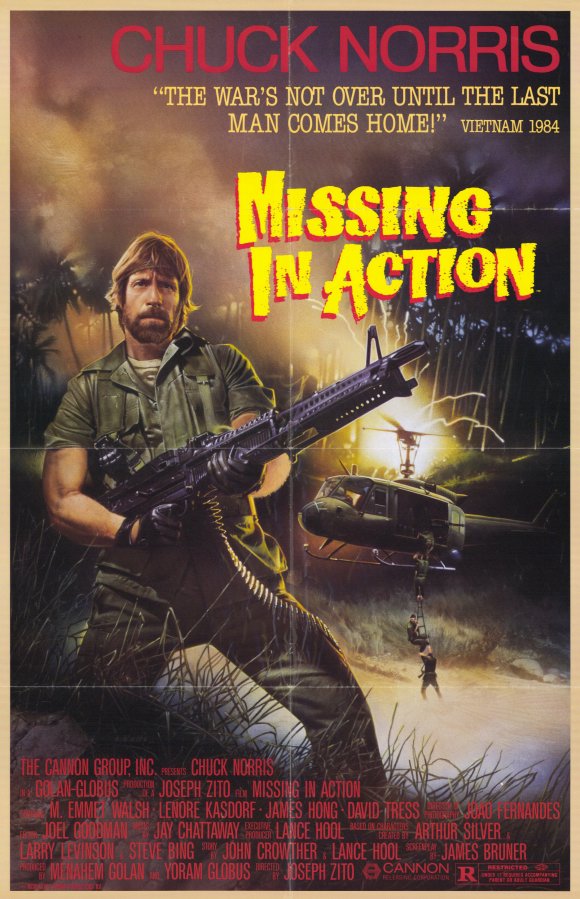
An embittered veteran (Chuck Norris) returns to Vietnam to rescue missing prisoners of war, enlisting the help of his buddy (M. Emmett Walsh).

Genres, Themes, Actors, and Directors:

  • Chuck Norris Films
  • Prisoners of War
  • Revenge
  • Veterans
  • Vietnam War

Response to Peary’s Review:
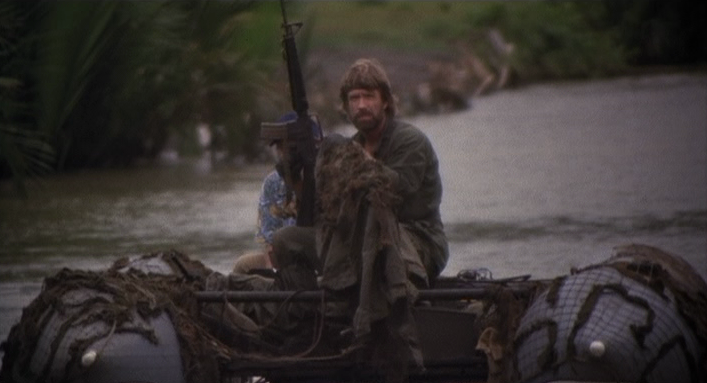
Peary’s inclusion of this “huge [Chuck Norris] hit” in Guide for the Film Fanatic is suspect at best, given that he labels it “surprisingly passionless and boring”, and laments its “predictable” storyline. He notes that there is “not enough dialogue”, and argues that even for a Norris film, the “action sequences seem familiar”. He further adds that “the lack of regard for human lives is appalling”, that the film is “directed with no feeling for [the] subject”, and that “Norris looks like he needs some Geritol” (ouch).

So why, pray tell, does he deem this piece of cinematic drek must-see? Presumably its box-office status (close to the time of GFTFF‘s publication in 1986) was enough to cause Peary to believe that all film fanatics should at least be familiar with it — but this is certainly no longer the case. In truth, this really is a painfully boring “action” flick, one which (I don’t mind admitting) I watched in fast-forward mode throughout the entire second half, without missing much. (As Peary notes, even the action sequences “take forever to develop”.)

And, since Norris “uses guns more than karate”, there aren’t even many fight sequences to look forward to. By the way, I’m not a total Norris-snob — in fact, I’ve given a must-see “thumbs up” to his next film, Code of Silence (1985), and recommend that you consider this film your required “dose of Norris” (whose iconic status as the ultimate in laconic action heroes has, interestingly, continued to grow exponentially in recent years).

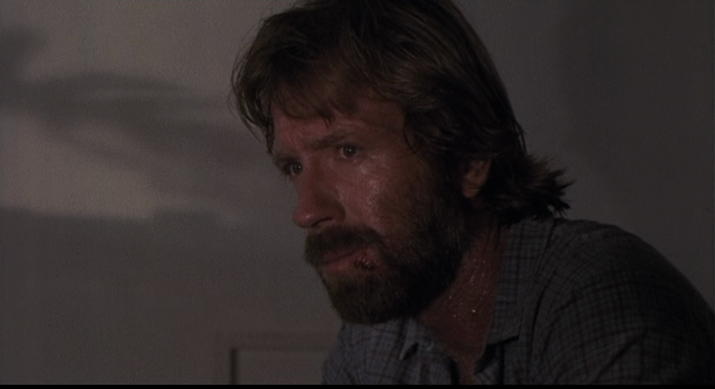
There is some minimally campy humor to be found throughout the film, in terms of how often Norris finds excuses to go bare-chested in front of the camera, for instance, or in his consistently “soulful” gaze as he contemplates what he knows he must go back to Vietnam (the “pearl of the Orient”) to do:

— but there’s not nearly enough of this to make it worth subjecting yourself to the entire film.

Redeeming Qualities and Moments:

  • Some beautiful on-location scenery (in Thailand)

Must See?
No; despite its dubious notoriety, this one definitely can be skipped.

Links:

One From the Heart (1981)

One From the Heart (1981)

“Honey, let’s just promise to never, ever fight again, okay?”

Synopsis:
A quibbling working-class couple in Las Vegas (Teri Garr and Frederic Forrest) seek solace in the arms of glamorous new lovers (Raul Julia and Nastassja Kinski).

Genres, Themes, Actors, and Directors:

  • Allen Garfield Films
  • Francis Ford Coppola Films
  • Fredric Forrest Films
  • Harry Dean Stanton Films
  • Musicals
  • Nastassja Kinski Films
  • Romance
  • Teri Garr Films

Review:
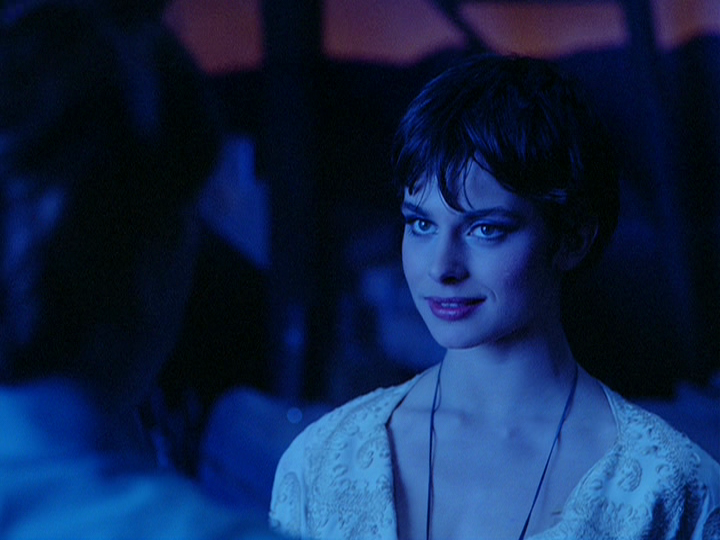
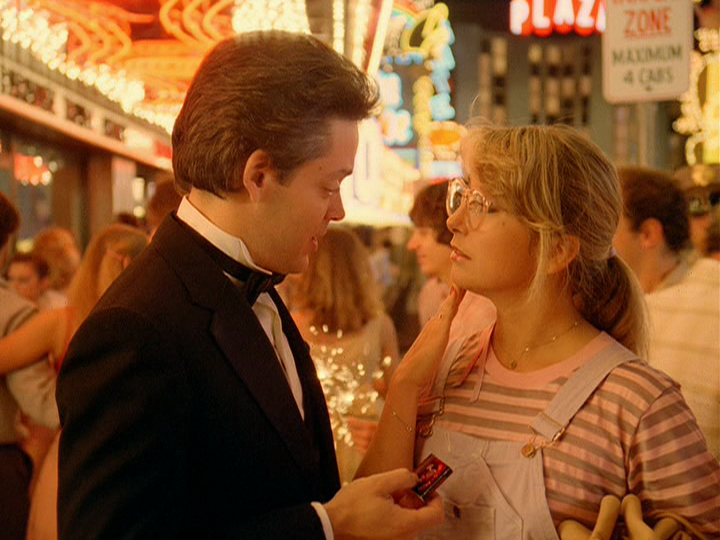
Francis Ford Coppola’s eagerly anticipated follow-up to Apocalypse Now (1979) was this infamously expensive musical, filmed entirely in Coppola’s own Zoetrope studios, and pulled from theaters (by Coppola) after just one week (earning back only ~$600K of its 26 million dollar budget). The film’s biggest disappointment, as so many concur, is the failure of the central romantic couple (Garr and Forrest) to engage either our interest or our sympathies. Through no fault of either actor, the characters they inhabit are simply too poorly developed to care about, and the break-up of their 5-year relationship is clearly just an excuse to throw them each into the conveniently available arms of exotic lovers — who are both infinitely more interesting and charismatic than the leads. Kinski in particular — playing a young circus performer — is a gorgeous, kittenish delight, and one definitely wishes she was given more screentime.

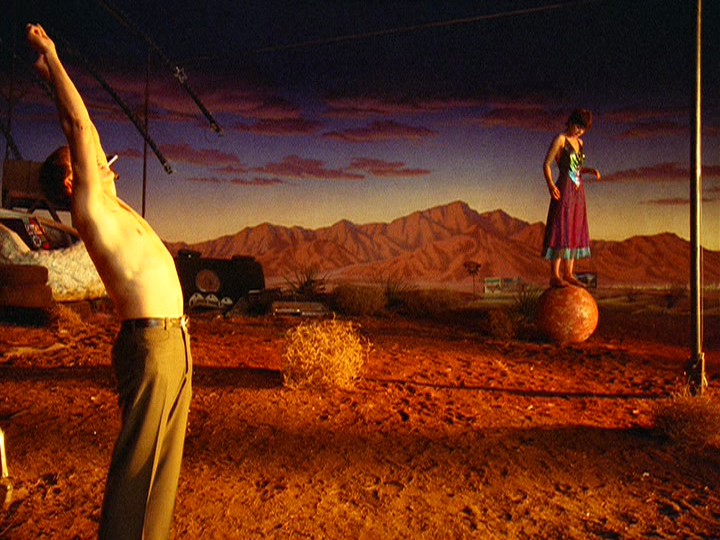
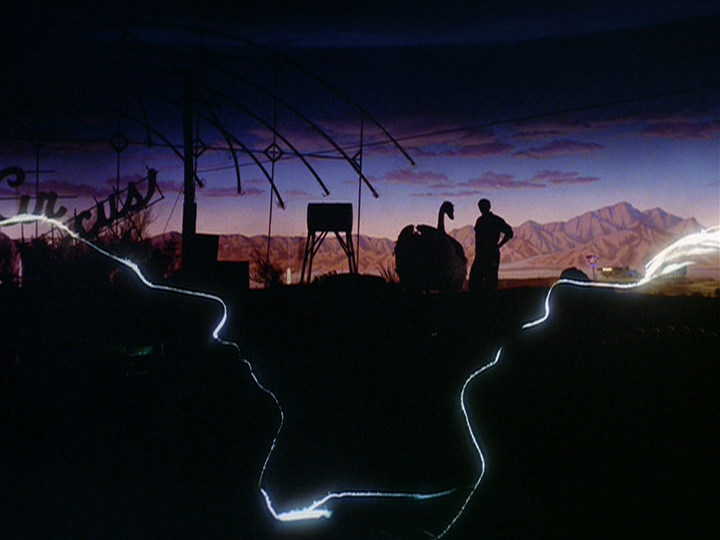
What saves the film from its uninspired screenplay are two central elements: Tom Waits’s gorgeously bluesy score (sung much of the time by Crystal Gaile — an inspired choice), and the consistently stunning visuals. From its opening neon credits, the movie is strategically theatrical, infused with bold, screen-popping hues and shot with creatively stylized cinematography. While it’s true that the visual scheme entirely overwhelms the story — and Coppola really should have demanded a more nuanced storyline to go along with his richly conceived alter-universe — there’s nonetheless plenty here to watch and enjoy. You’ve surely never seen a film quite like One From the Heart (which seems like a clear inspiration for Baz Luhrmann’s Moulin Rouge), and if it’s not entirely successful, it’s at least entirely original.

Redeeming Qualities and Moments:

  • Dean Taboularis’s other-worldly production design
  • Vittorio Storaro’s cinematography
  • Creative opening credits
  • Nastassja Kinski as Leila
  • Raul Julia as Ray
  • Tom Waits’ bluesy score

Must See?
Yes, simply for its historical notoriety. Listed as a Sleeper in the back of Peary’s book.

Categories

  • Historically Relevant
  • Important Director

Links:

After the Fox (1966)

After the Fox (1966)

“If only I could steal enough to become an honest man!”

Synopsis:
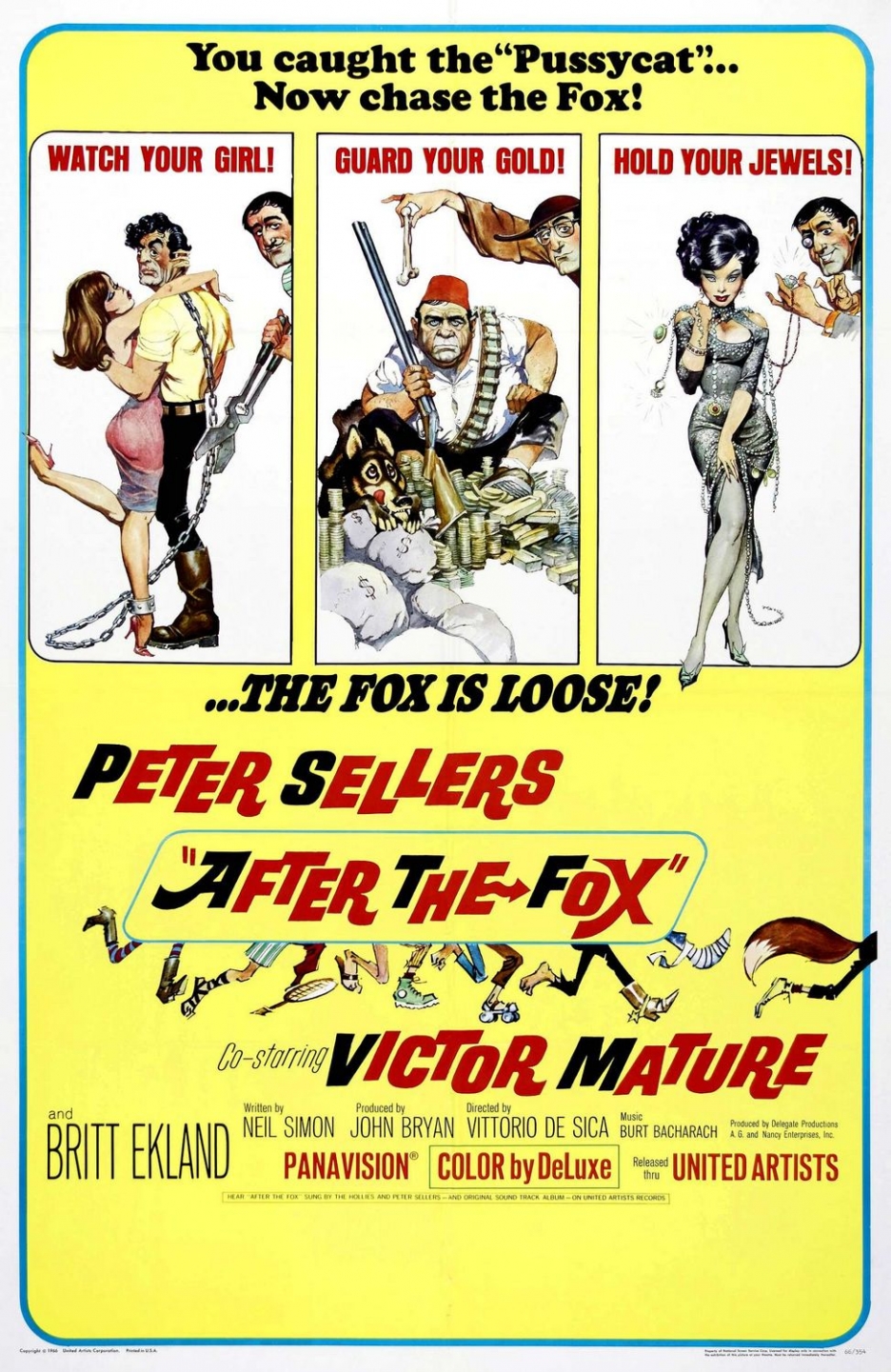
A renowned thief (Peter Sellers) known as The Fox concocts an ingenious gold-stealing heist, in which he pretends to direct a movie co-starring his aspiring-actress sister (Britt Ekland) and an aging matinee idol (Victor Mature).

Genres, Themes, Actors, and Directors:

  • Britt Ekland Films
  • Comedy
  • Heists
  • Martin Balsam Films
  • Mistaken Identities
  • Movie Directors
  • Neil Simon Films
  • Peter Sellers Films
  • Thieves and Criminals
  • Victor Mature Films
  • Vittorio De Sica Films

Review:
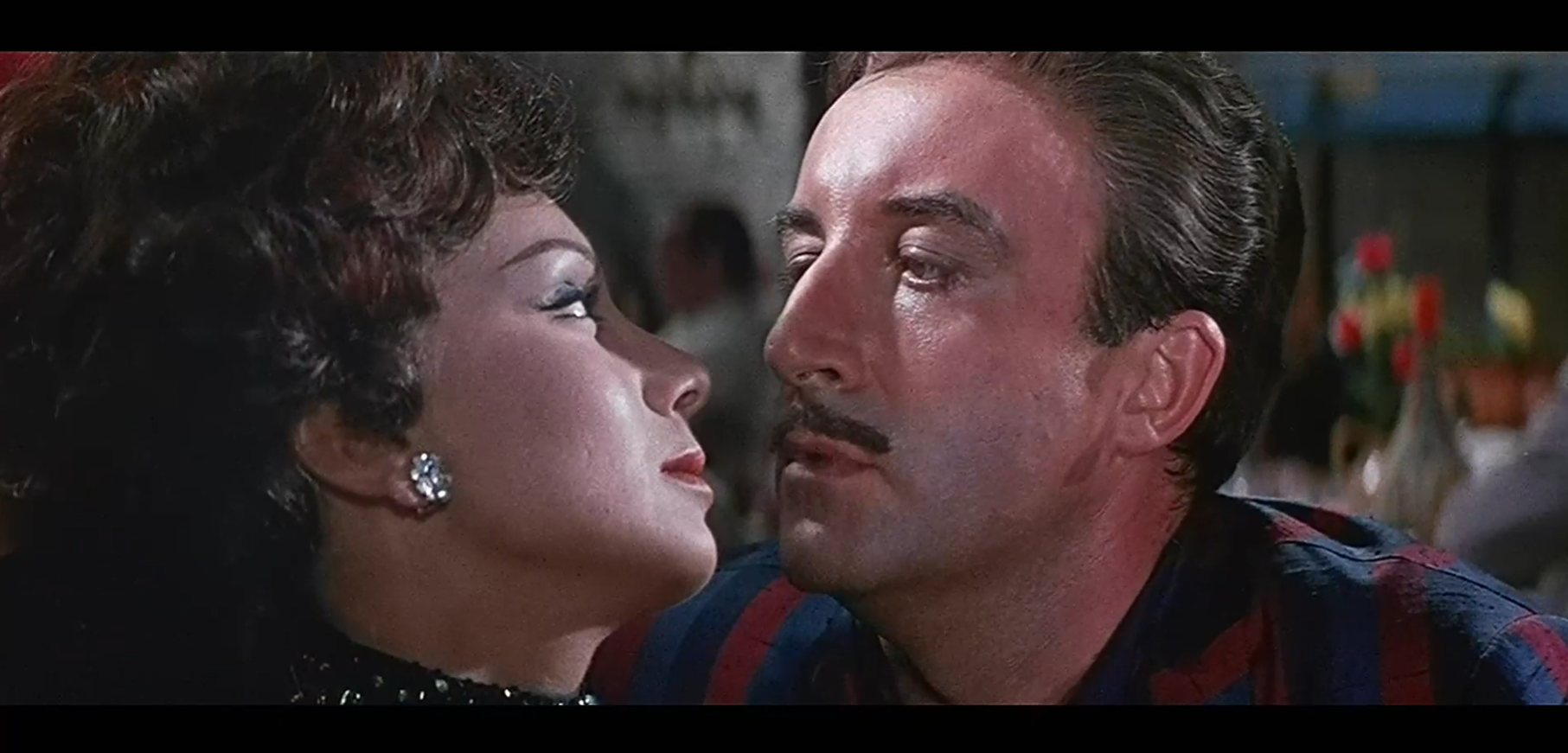
The unlikely teaming of Italian neo-realist director Vittorio De Sica and American comedic playwright Neil Simon resulted in this uneven but occasionally laugh-out-loud spoof of heist films and cinemania. Peter Sellers delivers a typically stellar performance in the lead role, playing a man so utterly self-confident in his skills as a world-class thief that he openly predicts his own ability to break out of jail at a precise time — and gets away with it.

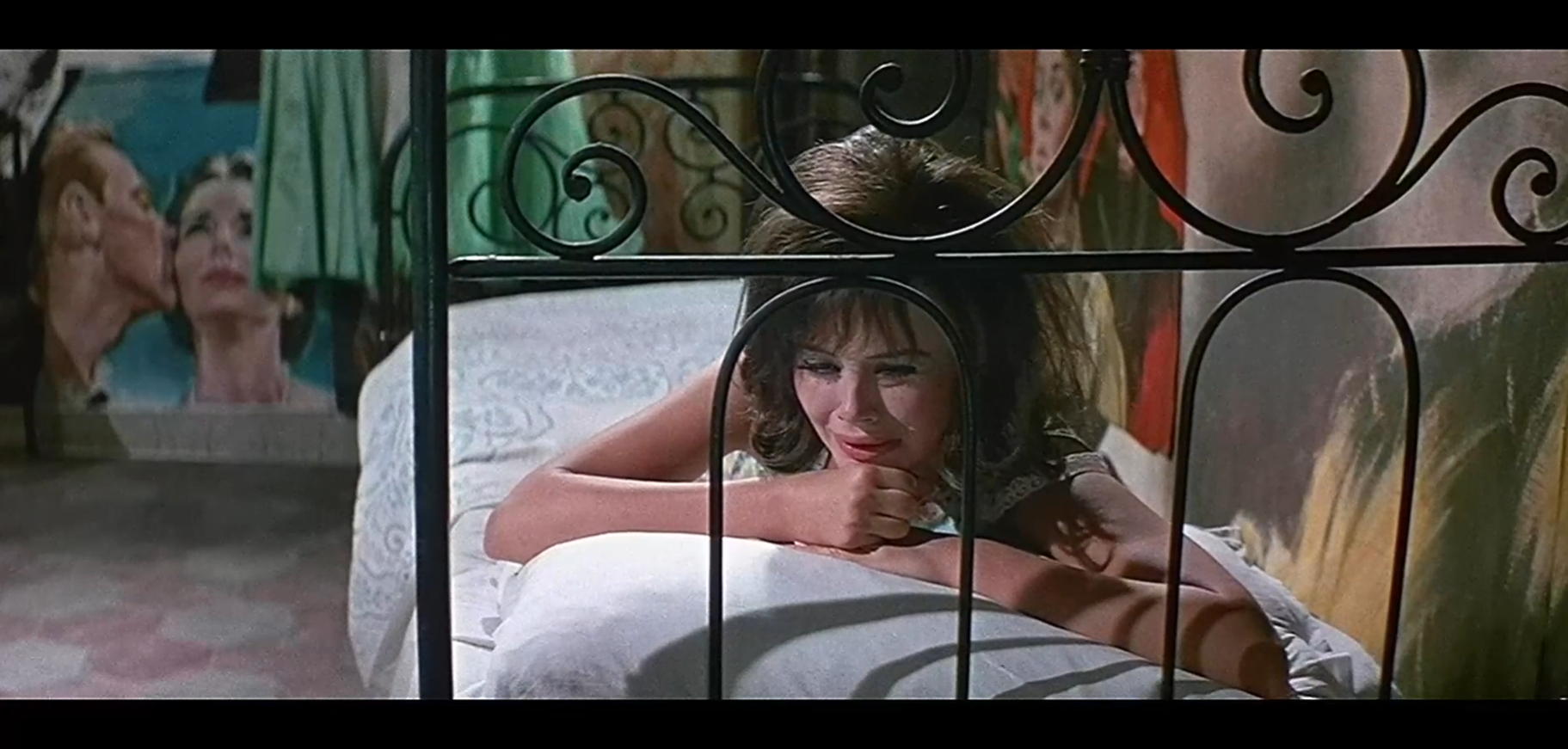
Unfortunately, the story itself takes far too long to kick into gear, with much of the first half-hour of the film — as we’re introduced to Sellers, his movie-obsessed sister (Ekland):

and his eternally lamenting mother (Lydia Brazzi):

— simply tiresome, given that it’s primarily concerned with Sellers’ over-protective efforts to prevent Ekland from entering into a career as a starlet.

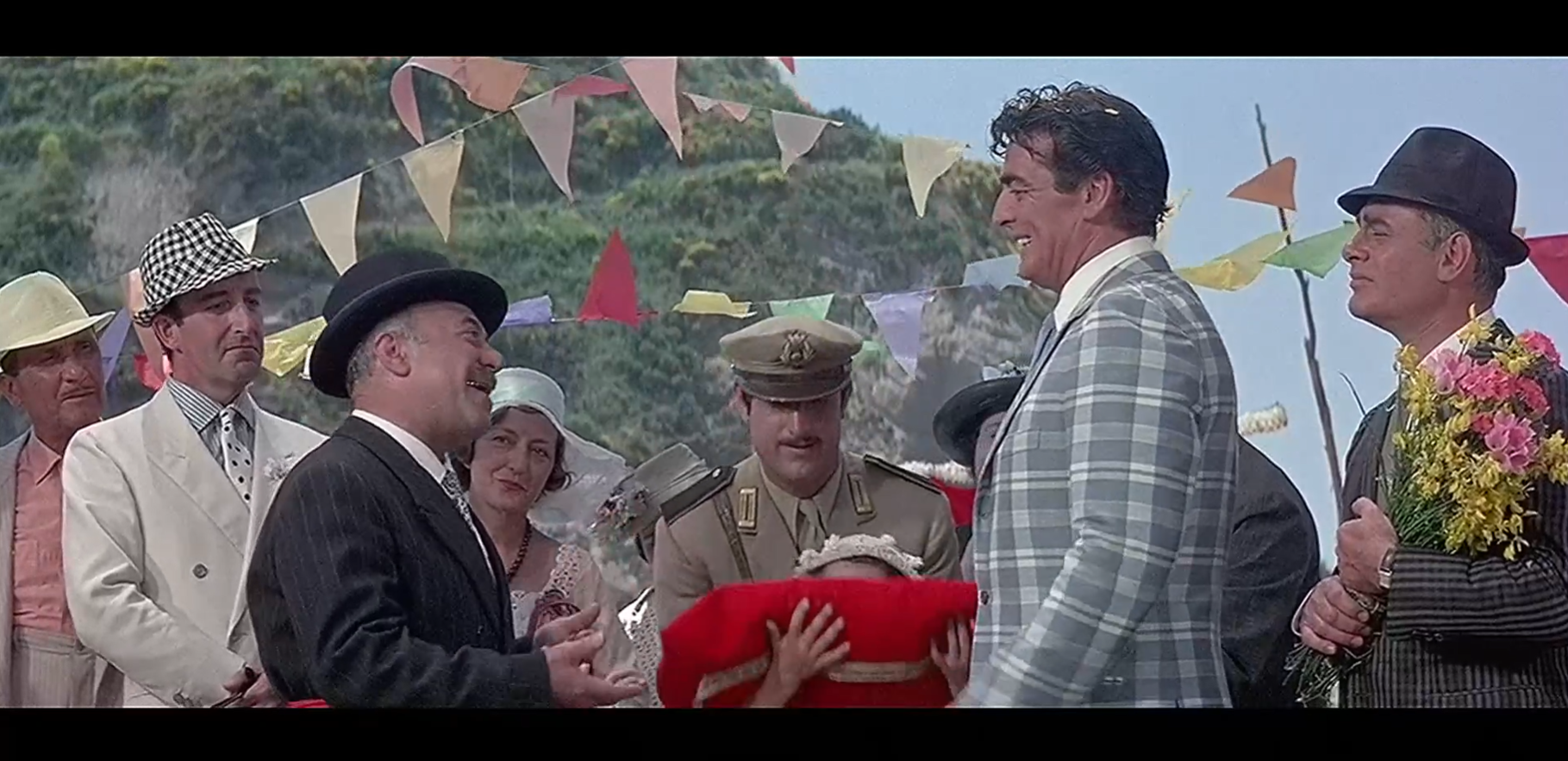
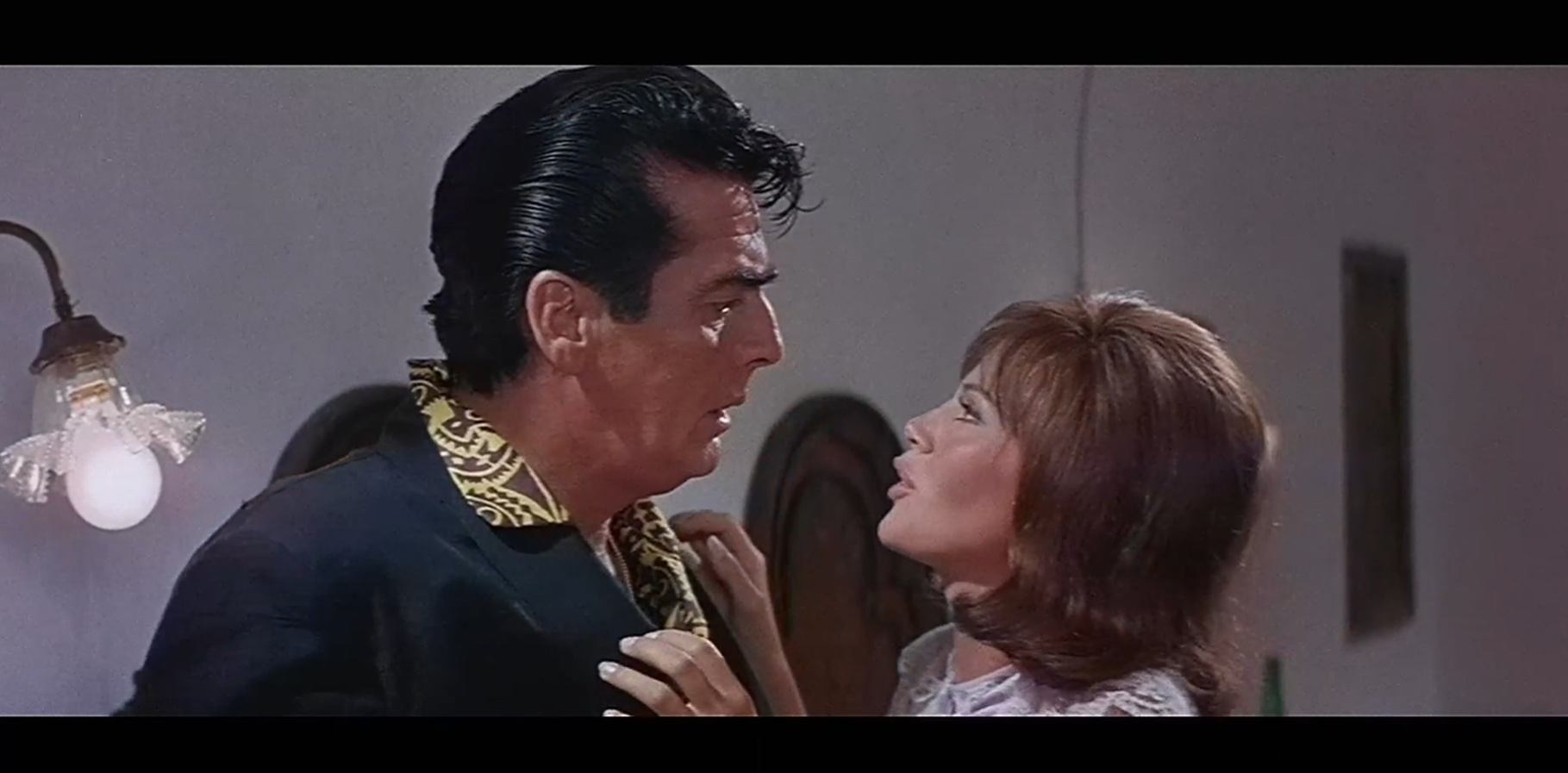
Suddenly, however, the film takes a comedic turn for the better. After witnessing the true hysteria generated by the presence of an aging movie star (Mature) in a small Italian town:

… Sellers gets his inspiration: he and his cronies will hijack the “gold of Cairo” by pretending to direct a movie in which the gold is stolen, assuming that they will be so surrounded by police protection that they will easily get away with it. From this point on, the film hits its comedic stride, with Simon and De Sica mercilessly satirizing society’s obsession with fame and cinema — as demonstrated by an inspired sequence in which Sellers cleverly secures the good graces of the town’s chief of police (Lando Buzzanca) by flattering him into accepting a bit role in the “film”.

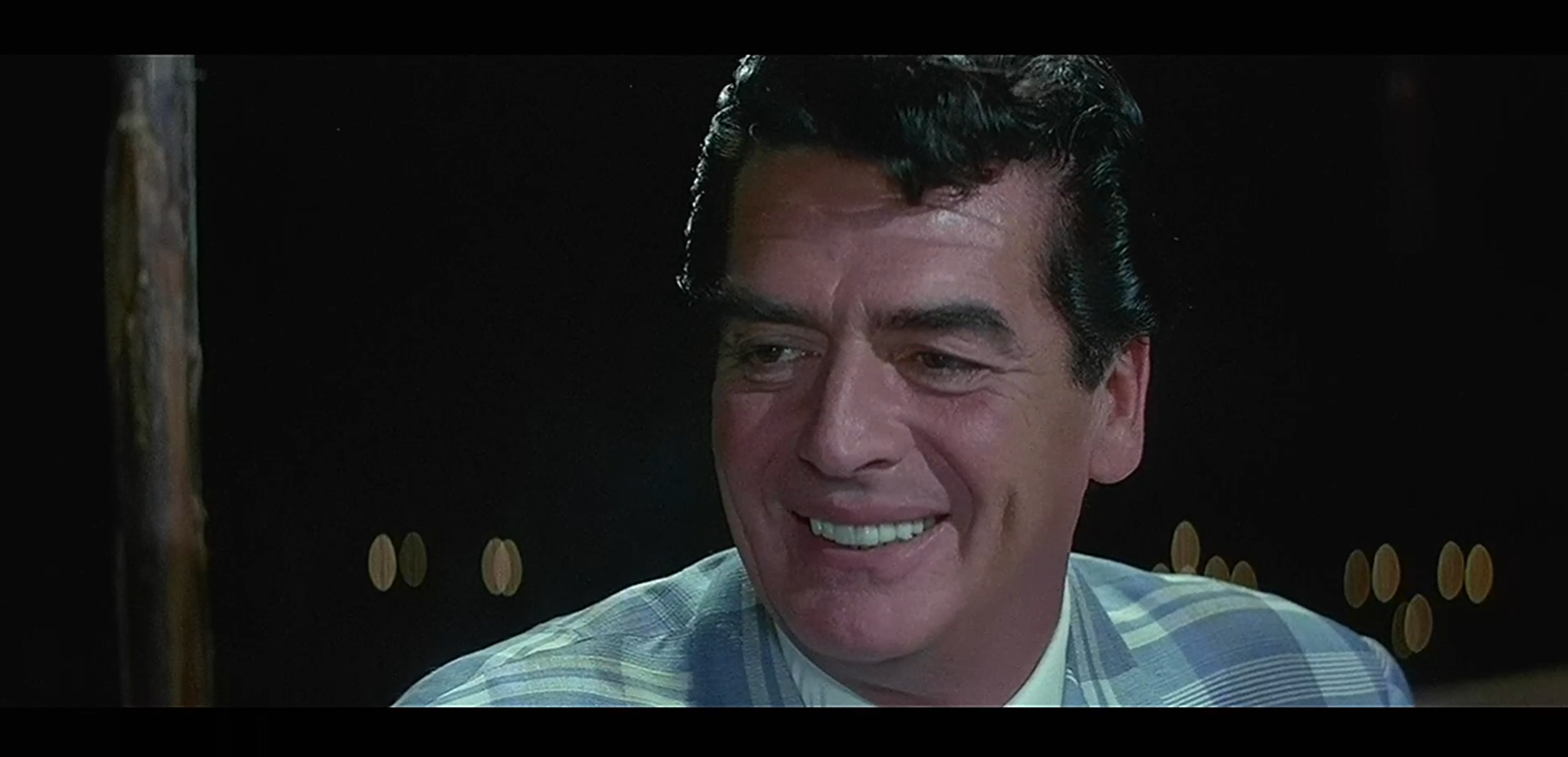
Meanwhile, Victor Mature (as “Tony Powell”) gives a consistently fearless performance spoofing his own image as an aging screen idol taken in by Sellers’ sweet-talking persuasions; his performance alone makes this one worth a look.

Redeeming Qualities and Moments:

  • Victor Mature as Tony Powell
  • Peter Sellers as Aldo Vanucci
  • Fine location shooting

Must See?
No; while it possesses a legion of loyal followers, this one is ultimately too uneven to fully recommend. But it’s certainly recommended for at least one-time viewing. Listed as a Cult Movie in the addendum to Peary’s book (titles he mistakenly left out of the film’s first printing).

Links:

Strange Behavior / Dead Kids (1981)

Strange Behavior / Dead Kids (1981)

“This is no ordinary professor — he’s dead!”

Synopsis:
A police chief (Michael Murphy) investigates a rash of murders which may be linked to mind-control experiments conducted by a local university’s psychology department.

Genres, Themes, Actors, and Directors:

  • Horror
  • Louise Fletcher Films
  • Mad Doctors and Scientists
  • Michael Murphy Films
  • Mind Control and Hypnosis
  • Murder Mystery

Response to Peary’s Review:
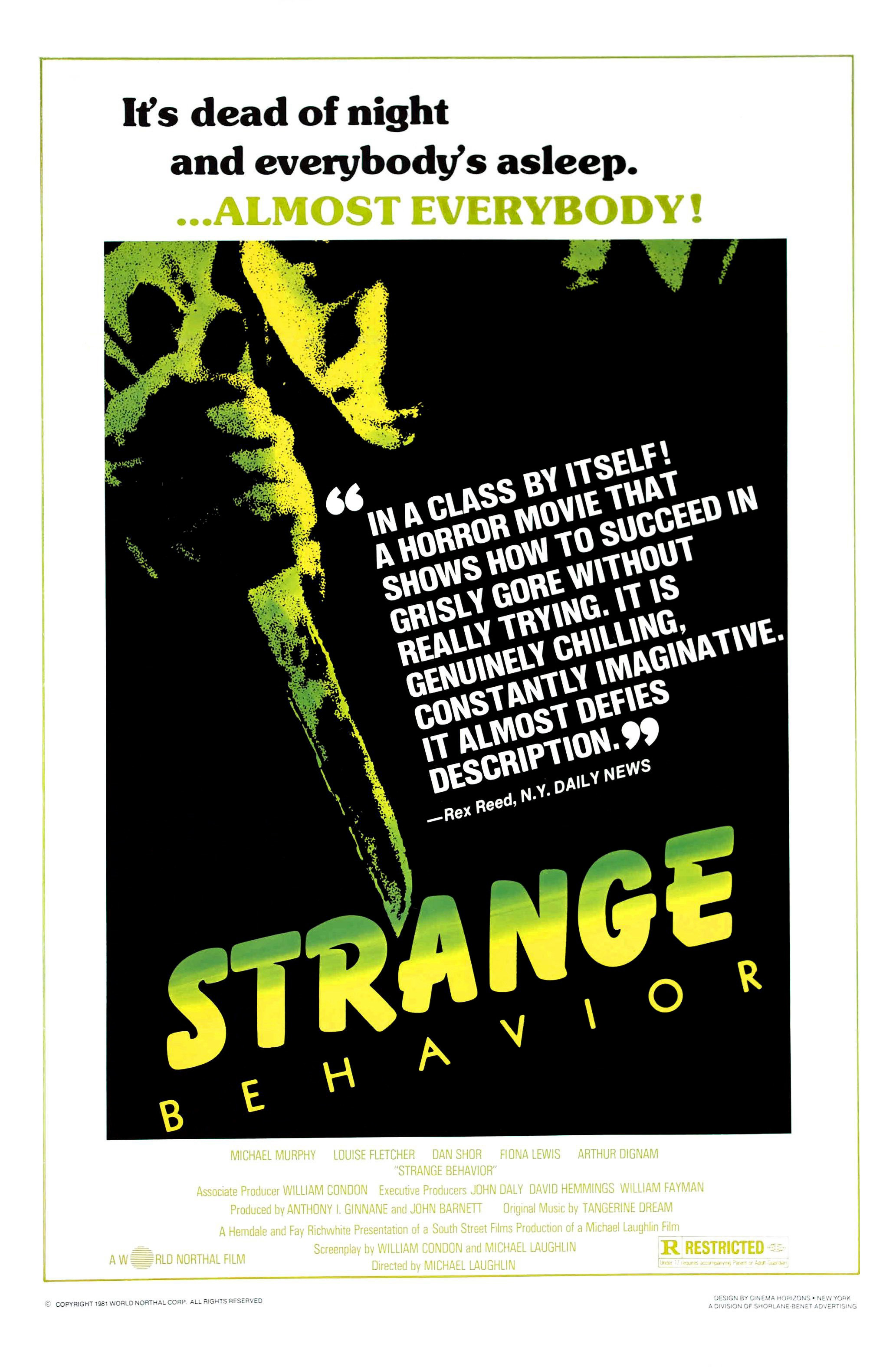
I am largely in agreement with Peary’s assessment of this “low-budget horror film” that was “photographed in New Zealand but is set in America’s Midwest” — and, as noted by DVD Savant, “has an engaging appearance and an odd tone”. Peary writes that he finds “the script by Bill Condon and Michael Laughlin pretty witty and inventive”, but argues that the “direction by Laughlin is weak”, given that he “has no sense of timing during suspense scenes”. Indeed, the film’s pacing is noticeably off during more than just the suspense scenes: in her review of the film for the New York Times, Janet Maslin notes that Laughlin’s “timing with his actors is often dangerously slow, allowing many more pregnant pauses than his players can comfortably handle”. I disagree with Peary, however, in his assessment that the script is at times “so offbeat that… it becomes confusing”: while there are definitely some narrative inconsistencies, and a number of scenes (particularly the murders) are handled sloppily, the plot is always comprehensible, up until its final revelatory moments.

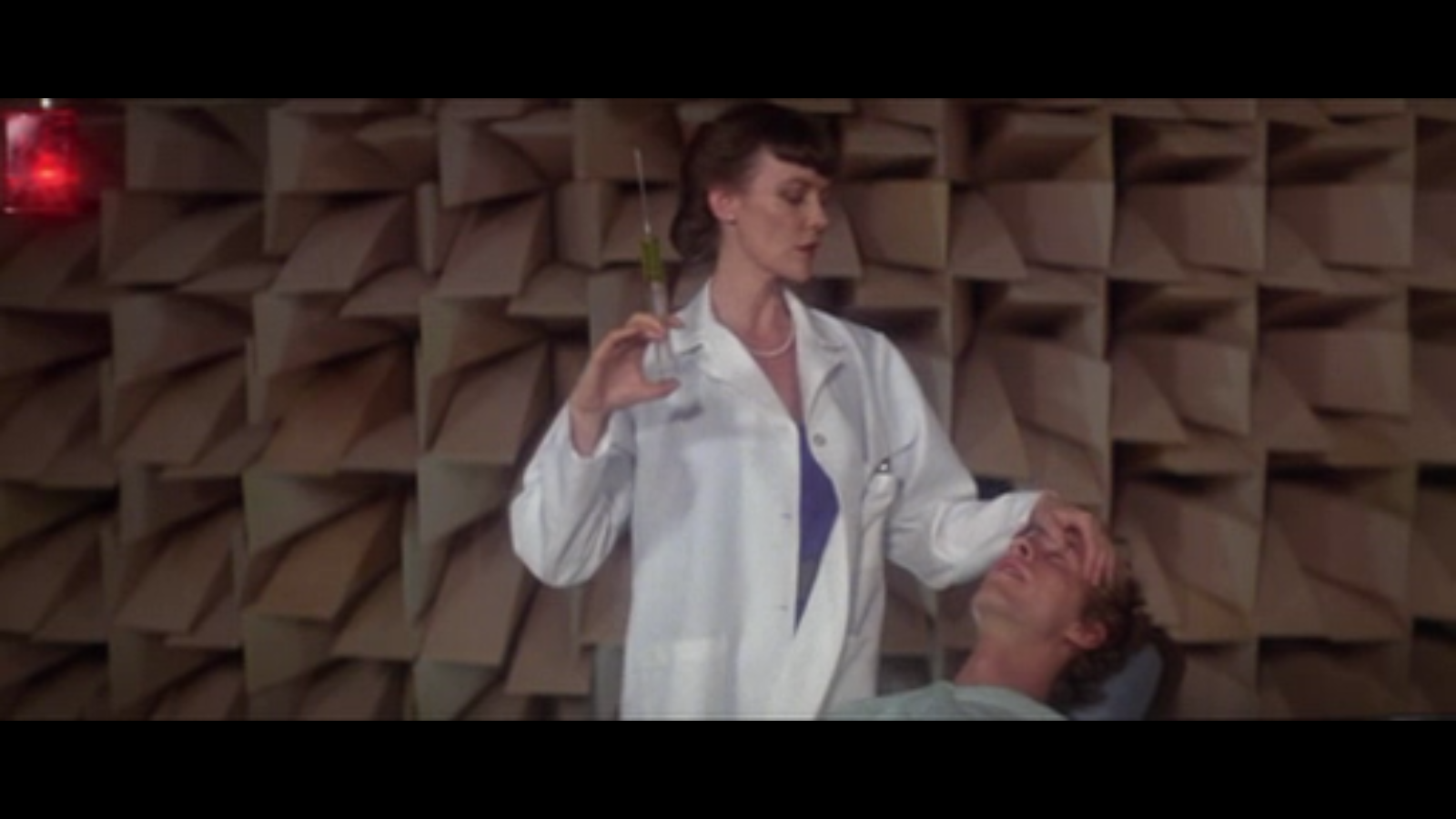
The performances throughout Strange Behavior are a mixed bag, given the mostly amateur, low-budget cast. Murphy — one of the film’s few “big names” — is solid but not particularly compelling in the lead investigative role; Dan Shor as his teenage son is more intrinsically charismatic, and his character should probably have been given even more screentime. Louise Fletcher provides typically excellent support in a tiny role as Murphy’s long-suffering girlfriend, but she is mostly — as Peary puts it so bluntly — “wasted”. Fiona Lewis gives the most memorable performance: she’s clearly having fun as the film’s unabashed villainness, a woman who takes great delight in puncturing her “subjects” in the eyeball with an enormous syringe. (A bit of trivia: apparently her futuristic hairstyle here influenced the vision for Sean Young’s character in Blade Runner.)

Note: Laughlin and Condon’s follow-up to this film was the alien flick Strange Invaders (1983), also included in Peary’s book.

Redeeming Qualities and Moments:

  • A few effectively creepy sequences

Must See?
No; despite its erstwhile cult status, this one isn’t must-see.

Links:

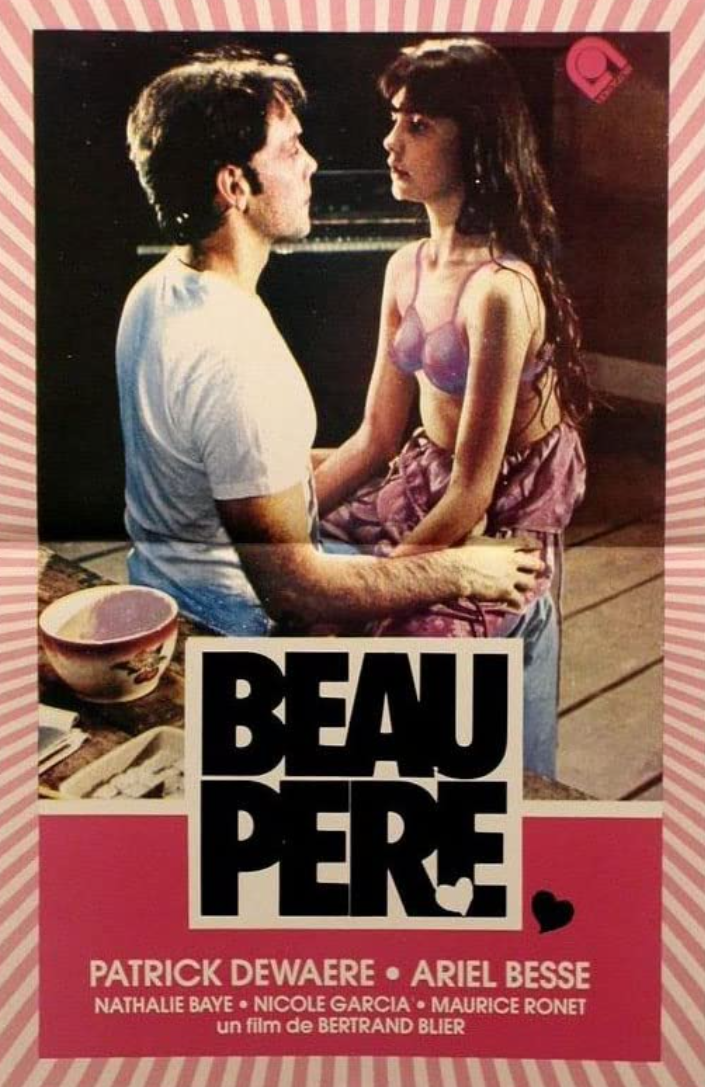
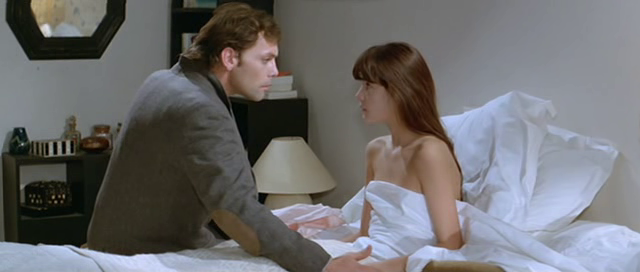
Beau Pere (1981)

Beau Pere (1981)

“We’re like two people who have come through a storm; we have to recover.”

Synopsis:
When his wife (Nicole Garcia) dies in a car accident, a grieving man (Patrick Dewaere) must deal with his increasingly seductive 14-year-old stepdaughter (Ariel Besse), who professes to be in love with him.

Genres, Themes, Actors, and Directors:

  • Bertrand Blier Films
  • Coming of Age
  • French Films
  • Incest and Incestuous Undertones
  • May-December Romance
  • Widows and Widowers

Response to Peary’s Review:
Peary is spot-on in his review of this typically provocative outing by Bertrand Blier, France’s most anarchic portrayer of unconventional romance. He notes that, following the (relatively) mainstream success of Blier’s Oscar-winning romantic comedy Get Out Your Handkerchiefs (1978), Blier “really test[ed] his audience” by turning … Handkerchief‘s tale on its head, portraying an affair between a grown man and a teenage girl rather than a grown woman and a boy — only this time, as Peary points out, “the comedy is not so obvious”. Indeed, I can’t quite bring myself to categorize this as any kind of a comedy, though there are occasional, subtle hints at Blier’s trademark satire — most noticeably during a later scene when Besse’s father (Maurice Ronet) comes to visit his daughter, now in the full throes of a sexual affair with Dewaere.

In his analysis, Peary argues that Beau Pere, while “not exploitative”, is nonetheless “dishonest”, given that “anytime Blier wants Dewaere and Besse to become more deeply involved, he writes words of seduction for Besse — not Dewaere — and has her deliver them in a mature manner, so we always know the affair is her idea”. In addition, Blier makes sure to show us “innocent scenes of Dewaere and Besse together before Besse’s mother was killed and [Besse] quickly evolved from daughter to wife and lover”. Whether one considers this “dishonest” or merely strategic screenwriting, it all leads to palpable sympathy on the part of audience members, who likely will find it difficult to blame Dewaere for eventually giving in to the temptations of his aggressively forthright — but understandably confused — stepdaughter.

Redeeming Qualities and Moments:

  • A provocative yet surprisingly tasteful script

Must See?
No, though it’s certainly worth seeking out for at least one-time viewing.

Links:

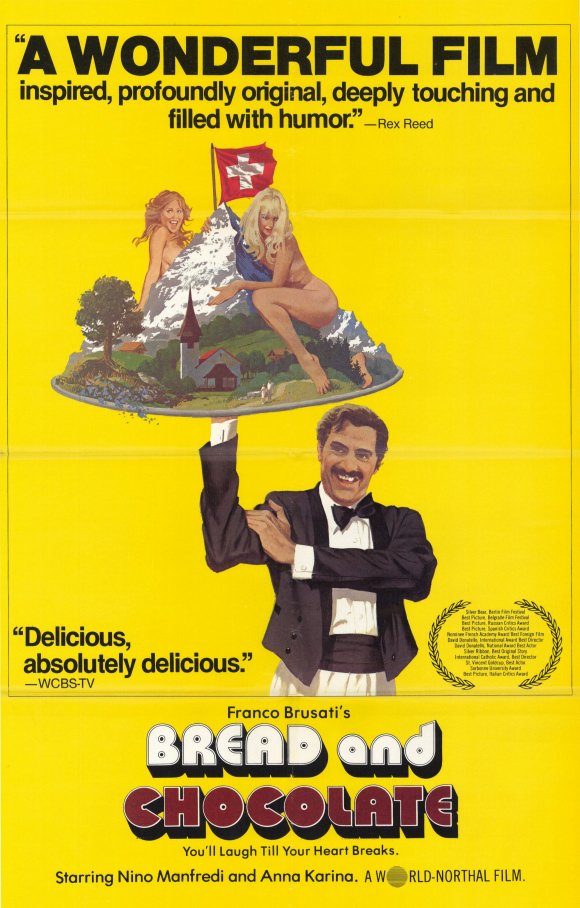
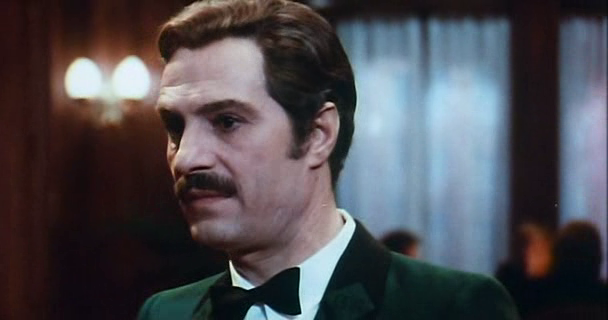
Bread and Chocolate (1974)

Bread and Chocolate (1974)

“Why do the foreigners dislike us Italians so much?”

Synopsis:
An Italian immigrant (Nino Manfredi) struggles to earn a living in Switzerland.

Genres, Themes, Actors, and Directors:

  • Black Comedy
  • Immigrants and Immigration
  • Italian Films
  • Race Relations

Review:
Writer/director Franco Brusati’s serio-comic rendering of the travails and prejudices experienced by immigrants in Switzerland is a mixed bag of missed opportunities and keenly felt insights. Brusati is at his best when portraying the palpably felt hierarchy between “Aryan” Swiss and “others” — most memorably in a truly hilarious montage showcasing a bevy of blonde teenagers cavorting idyllically on the grounds outside of a chicken coop, where Manfredi and his dark-haired compatriots are being housed like animals. Other vignettes, however — including much of what occurs during Nino’s initial employment as a waiter at a high-end resort — fall mostly flat, and fail to generate the type of humor they’re aiming for. Meanwhile, Nino’s would-be romance with a Greek neighbor (Anna Karina) has potential but doesn’t really go anywhere; it seems calculated merely to include some “necessary” romantic tension, and to remind us that life is tough for ALL immigrants in Switzerland, not just Italians. Film fanatics will probably be curious to check out this award-winning film, and it’s worth a look — but it’s not required viewing.

Redeeming Qualities and Moments:

  • Nino Manfredi as Nino
  • Several inspired sequences

Must See?
No, though it’s worth a look. Listed as a Personal Recommendation in the back of Peary’s book.

Links:

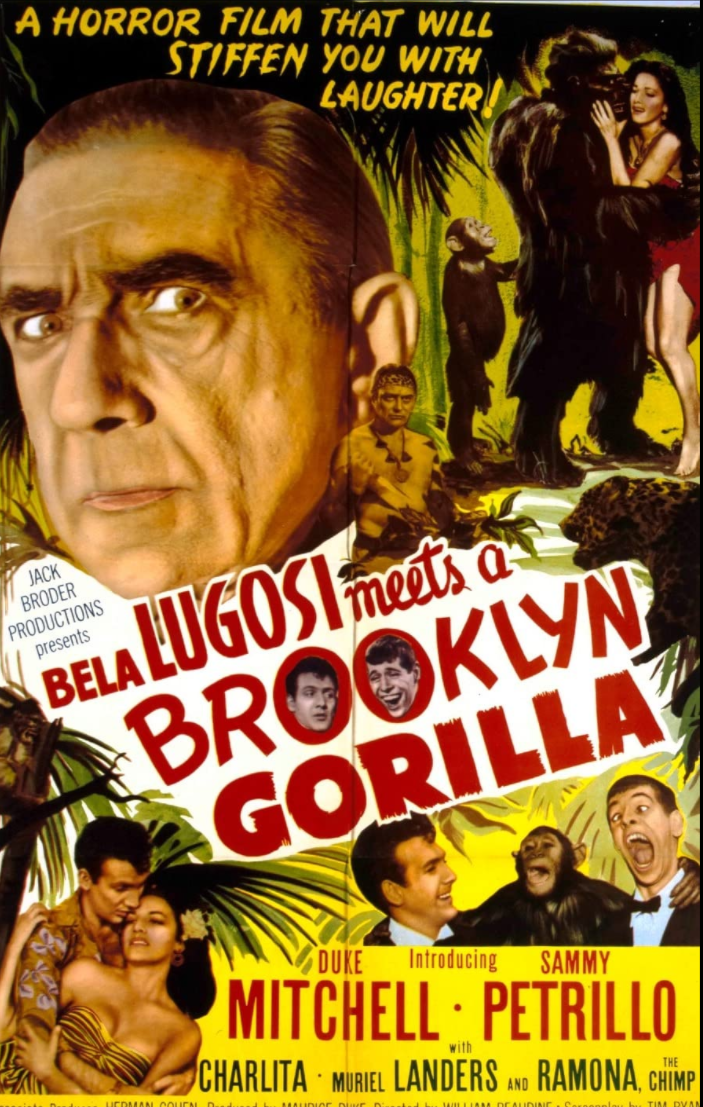
Bela Lugosi Meets a Brooklyn Gorilla (1952)

Bela Lugosi Meets a Brooklyn Gorilla (1952)

“Don’t mind my friend; he has a one-syllable brain.”

Synopsis:
A pair of entertainers (Duke Mitchell and Sammy Petrillo) parachute onto an island, where Mitchell falls in love with the beautiful, college-educated daughter (Charlita) of the island’s chief (Al Kikume). But when the island’s resident mad scientist (Bela Lugosi) finds out about their affair, he jealously plots to turn Mitchell into a gorilla.

Genres, Themes, Actors, and Directors:

  • Bela Lugosi Films
  • Comedy
  • Mad Doctors and Scientists
  • Primates
  • South Sea Islands

Review:
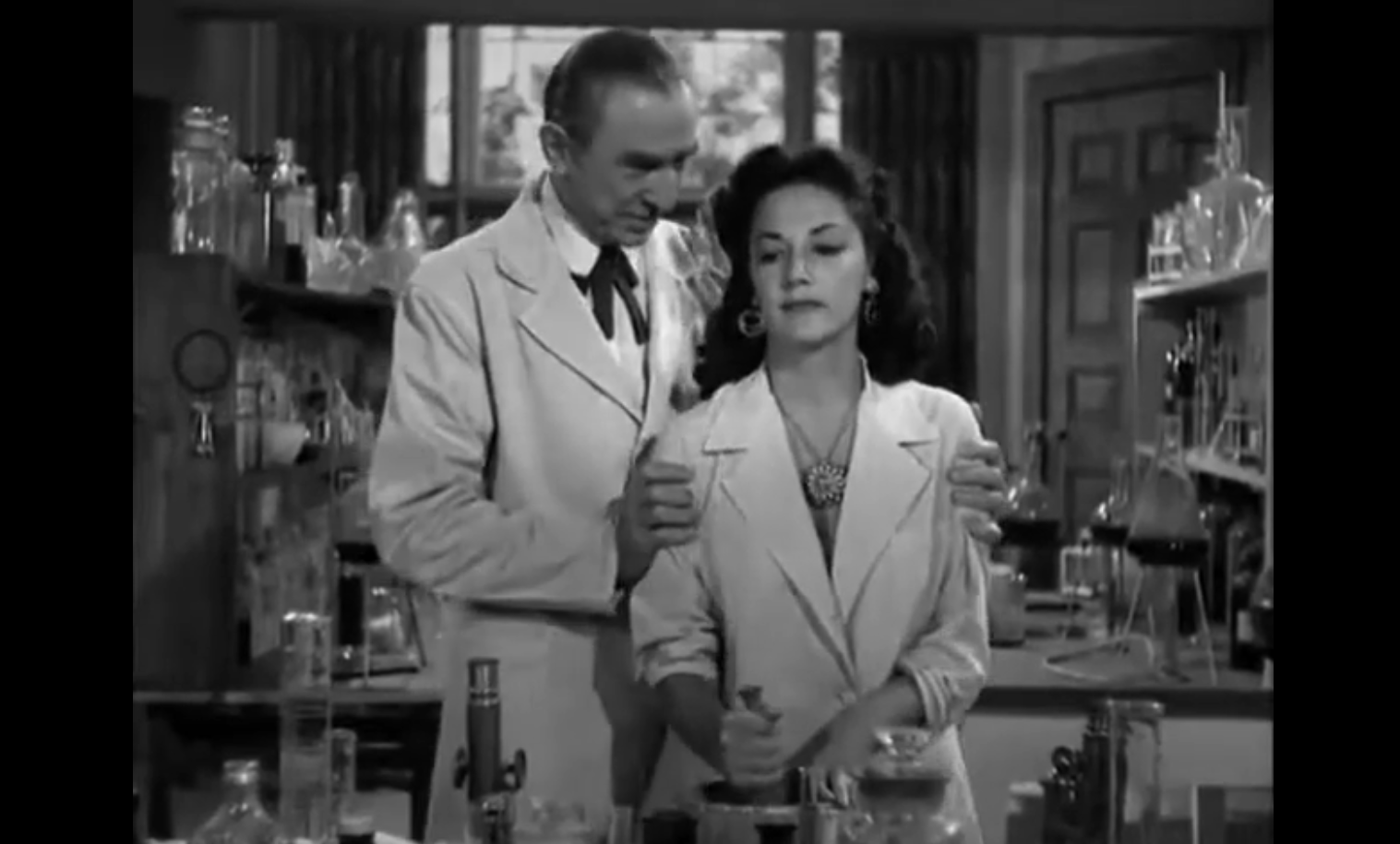
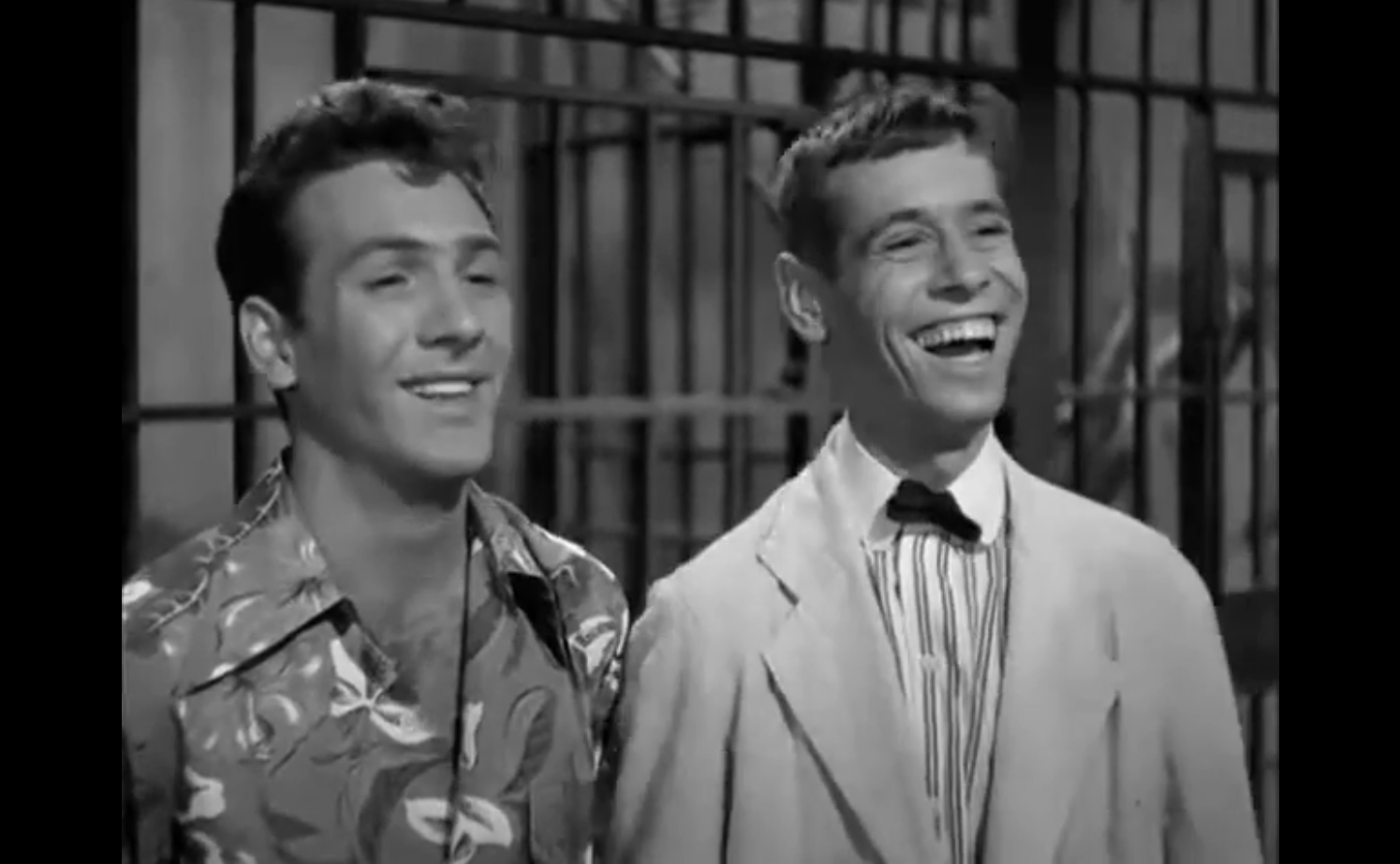
After sitting through two of William “One Shot” Beaudine’s notoriously titled, infamously awful horror-western hybrids, I honestly thought I had witnessed the nadir of what this Z-grade director was capable of — but no; turns out I hadn’t. Last night, I had the misfortune of trying to sit through this earlier outing by Beaudine — and once again, its zany title really is all it has going for it. The film has two (supposed) selling points: it features Bela Lugosi in one of his final roles (and he does seem to be fully invested in the silly plot, for what that’s worth):

… and it stars a true historical curiosity — a pair of Dean Martin and Jerry Lewis impersonators named Duke Mitchell and Sammy Petrillo. Of the two, Mitchell is bland and eminently forgettable, while 17-year-old Petrillo — though eerily spot-on in his imitations of Lewis — sadly projects none of Lewis’s comedic gifts, and all of his irritating neuroses.

Despite the wackiness of its storyline, every single moment of this inane “comedy” is predictable far in advance, and not worth even a cursory glance.

Note: I felt enormous empathy while reading Dave Sindelar’s review of this film for his Fantastic Movie Musings and Ramblings site. He notes that he watched it for the first time out of curiosity, for the second time to verify that it really was as bad as he remembered it being, and for a third time to be able to review it. I thank my lucky stars that I hadn’t yet subjected myself to this movie, so that my one and only viewing happens to coincide with a review.

Redeeming Qualities and Moments:

  • Atmospheric cinematography

Must See?
No; despite its bad-movie notoriety, this one truly is skippable — and I mean that. Don’t let curiosity get the better of you. Listed as a Camp Classic in the back of Peary’s book.

Links:

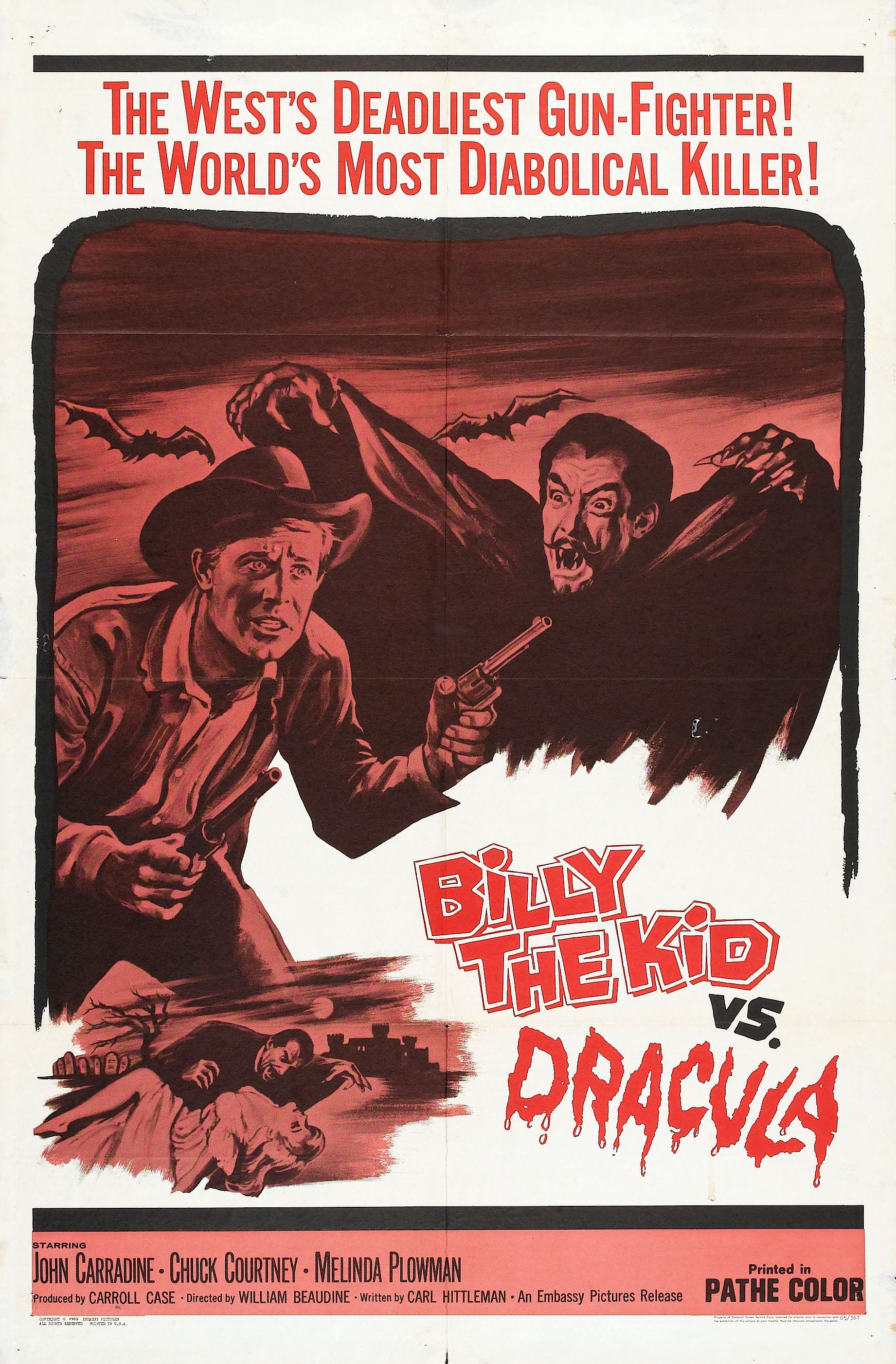
Billy the Kid Versus Dracula (1966)

Billy the Kid Versus Dracula (1966)

“My Lisa is dead — the marks of a vampire on her throat!”

Synopsis:
A vampire (John Carradine) pretends to be the uncle of a beautiful young woman (Melinda Plowman) engaged to Billy the Kid (Chuck Courtney).

Genres, Themes, Actors, and Directors:

  • John Carradine Films
  • Mistaken Identities
  • Vampires
  • Westerns

Review:
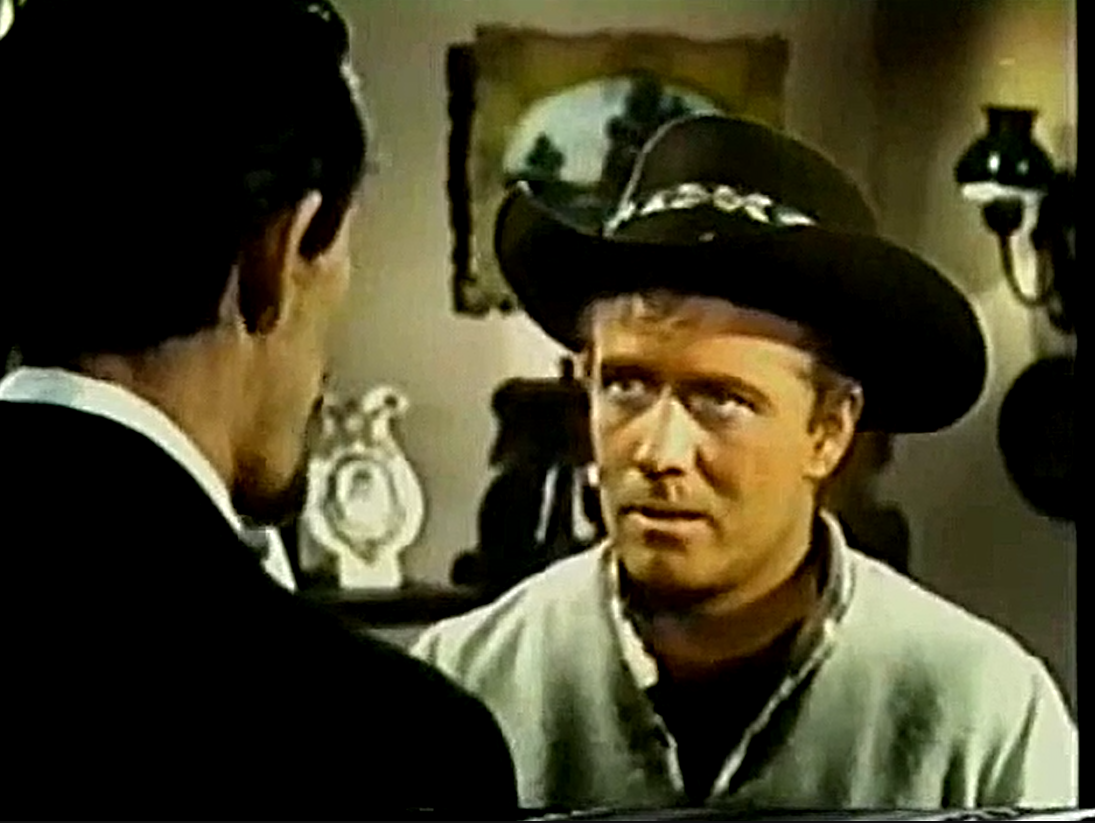
Shot in just eight days in Simi Valley — back-to-back with its “counterpart”, Jesse James Meets Frankenstein’s Daughter (1966) — this infamously awful hybrid horror-western by director William “One Shot” Beaudine is, like its companion piece, based upon a reasonably inspired revisionist concept: what if a famous western outlaw (like Billy the Kid or Jesse James) were brought back to life and given a chance to interact with a notorious horror icon such as Dracula or Dr. Frankenstein? Unfortunately, the concepts behind these two clunkers are the best things about them. In this case, Courtney makes for a disappointingly boring Billy the Kid (who has reformed from his murderous ways):

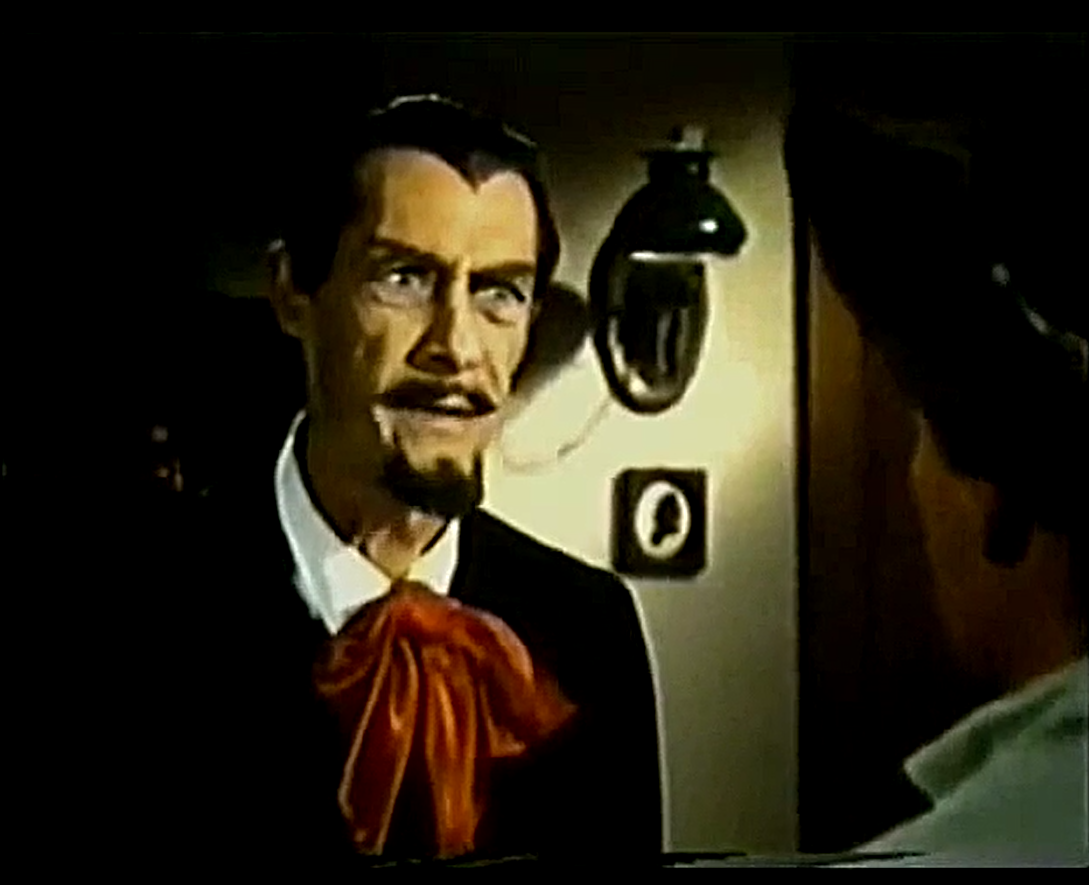
… and while Carradine is given a few pieces of choice dialogue to spout — “Where do I find this backwoods female pill slinger?” — he doesn’t quite ham it up enough to make his role all that memorable.

Meanwhile, everything else about the production is just sloppy enough to be mildly laughable (n.b. the presence of lackadaisical western music playing in the background while Billy tells Betty [Plowman] the shocking news that her mother has been killed in a stagecoach attack by Indians; the noticeably shoddy attempt to film night-time sequences during the day; Carradine’s transformation into a silly rubber bat on a string) — but not sloppy ENOUGH to categorize it as even close to Ed Wood’s “league” of truly bad films. It does earn additional “sloppy points”, however, for its egregiously lazy attempt to validate Dracula as a viable protagonist in the film: as pointed out by Richard Scheib of Moria Reviews, Dracula (who is never named as such in the film, btw — only in the title) is actually “of little consequence to the plot”, given that he could just have easily been conceived as “a conman attempting to steal the land”, and is noticeably “allowed to walk about in daylight”.

Redeeming Qualities and Moments:

  • Virginia Christine’s refreshingly sincere performance as an immigrant woman wary of Carradine from the start

Must See?
Yes, simply to have seen at least one of Beaudine’s infamously titled “bad movies” (though either would probably suffice). Listed as a Camp Classic in the back of Peary’s book.

Links: