|
Genres, Themes, Actors, and Directors:
- Disfigured Faces
- Horror
- Lon Chaney, Sr. Films
- Mind Control and Hypnosis
- Obsessive Love
- Opera
- Serial Killers
- Silent Films
Response to Peary’s Review:
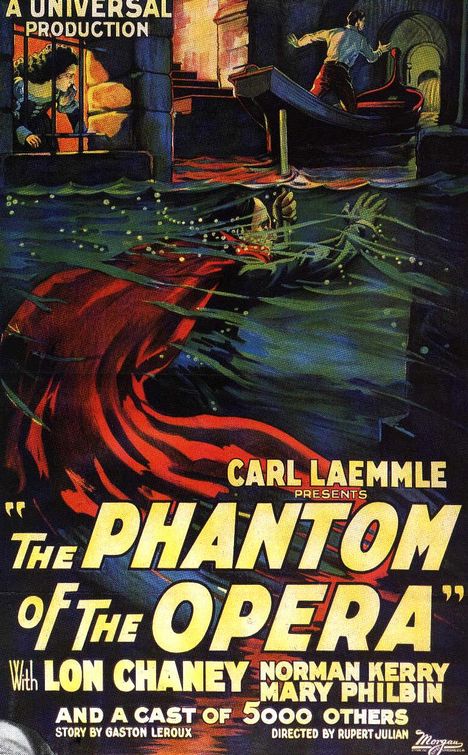
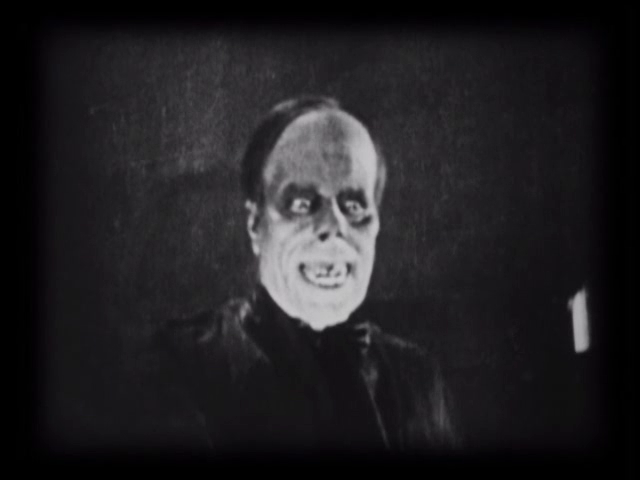
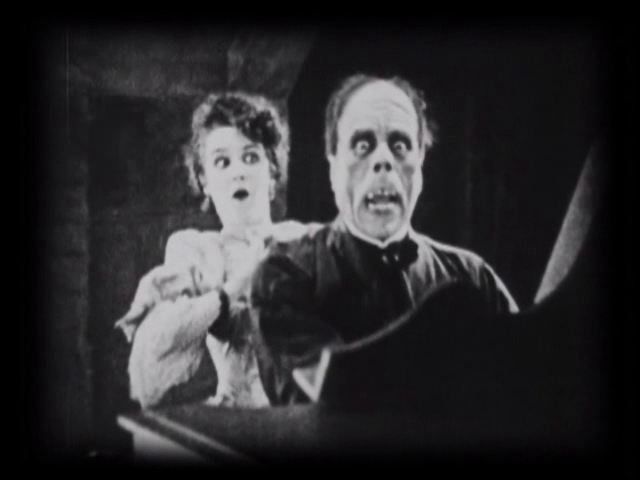
Though many critics have complained about the unevenness of its narrative and direction (due primarily to its notorious production troubles), I’m in agreement with Peary’s largely positive review of this “classic horror film”, starring Lon Chaney as “the victim of torture, with a crazed mind and a hideous half-skeletal face that he covers with a mask” — a “great composer” who “haunts a great opera house in 19th century Paris” and is determined to “make a star of lovely singer Mary Philbin”. He posits that “except for the classic unmasking scene in which we and Philbin see Chaney’s face for the first time” (a justifiably lauded sequence which remains just as effective today, and will likely give you a start), the “first half of the film is slow” — but he argues that “from the moment Chaney overhears Philbin and Kerry plotting to run away, the picture becomes an exciting, first-rate thriller”.
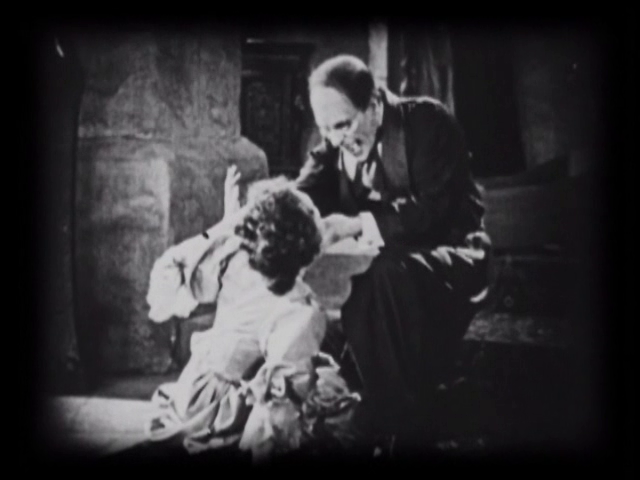
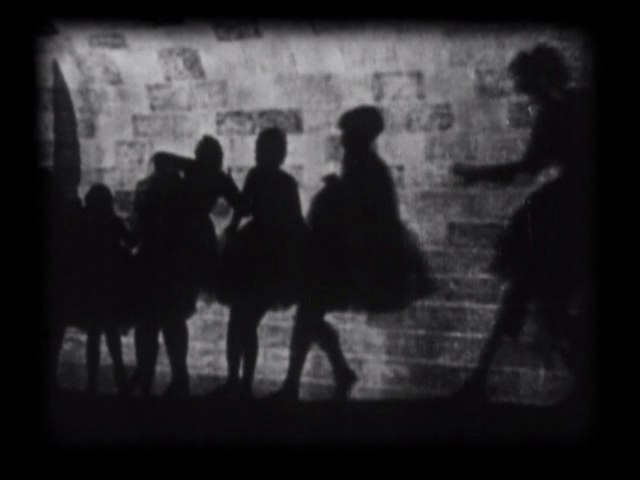
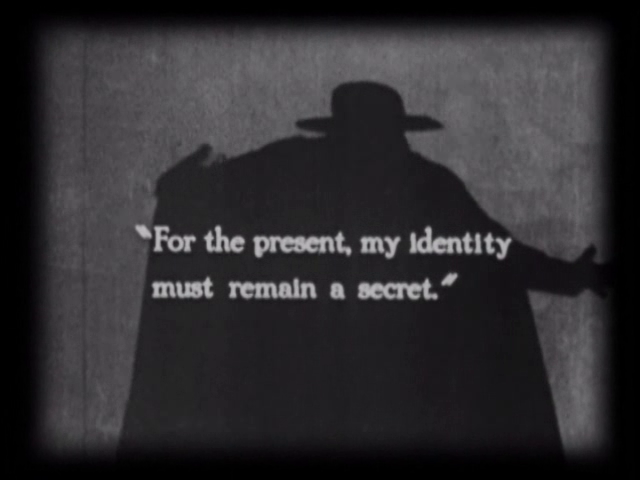
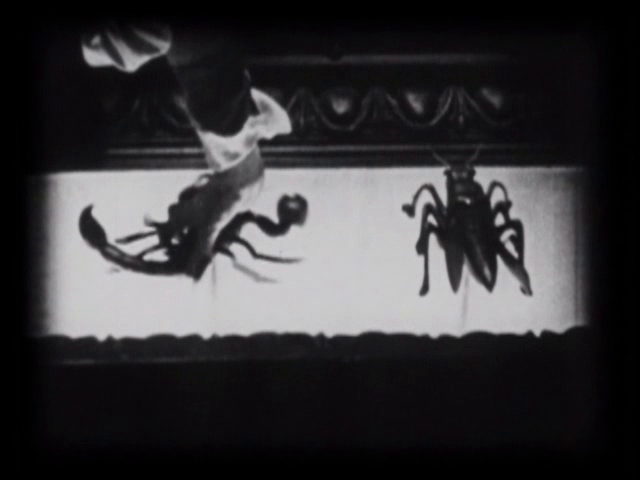
The first half may be somewhat slow, but it effectively sets up the premise of novelist Gaston Leroux‘s simple yet timeless “beauty and the beast” tale — and if you watch it at 1.5 or 2x speed (as I often do with certain sections of silent films), you shouldn’t have any problem staying focused. This is especially true given the consistently atmospheric camerawork (which makes fine use of shadowy effects), and the impressive sets throughout — including the still-extant (in part, anyway) recreation of the Paris Opera House, as well as the Phantom’s genuinely spooky underground lair, full of “secret doors, heat torture, chambers filling with water”, and more.
Peary notes that “as in The Raven [1935] and Frankenstein [1931], [the] story deals with [a] significant horror premise: those who are monstrous-looking will act monstrously”. To that end, we don’t learn quite enough about what turned the Phantom into the hideous beast he’s become, but what’s interesting is that we never really feel sorry for him, despite knowing that he’s been unfairly treated somehow — likely because he commits cold-blooded murders from the moment the film starts, as soon as anyone gets too close to discovering his secret identity. Meanwhile, we don’t really feel much compassion for Philbin’s Christine, either — she’s a true ninny possessing nary a shred of common sense, and her boyfriend (Kerry) is equally lug-headed. But the film really is all about Chaney’s Phantom (the first of Universal Studios’ “monsters”, as pointed out by Richard Scheib) — and both he and his elaborate makeup are mesmerizing from start to finish.
Note: The version I watched is the “original” b&w version that was likely circulating at the time Peary wrote his review; since then, however, a highly regarded DVD has been released which contains two different versions of the film — including one with a handful of Technicolor sequences. Click here to read more about the merits of the DVD, which apparently includes a wealth of information for anyone interested in the film’s fabled history.
Redeeming Qualities and Moments:
- Lon Chaney as Erik, a.k.a. “The Phantom”
- Truly fabulous make-up
- The infamous “unmasking” scene
- Effective use of shadowy cinematography
- Impressive sets


- The climactic denouement
Must See?
Yes, as a certified classic, and for Chaney’s performance.
Categories
- Genuine Classic
- Noteworthy Performance(s)
(Listed in 1001 Movies You Must See Before You Die)
Links:
|