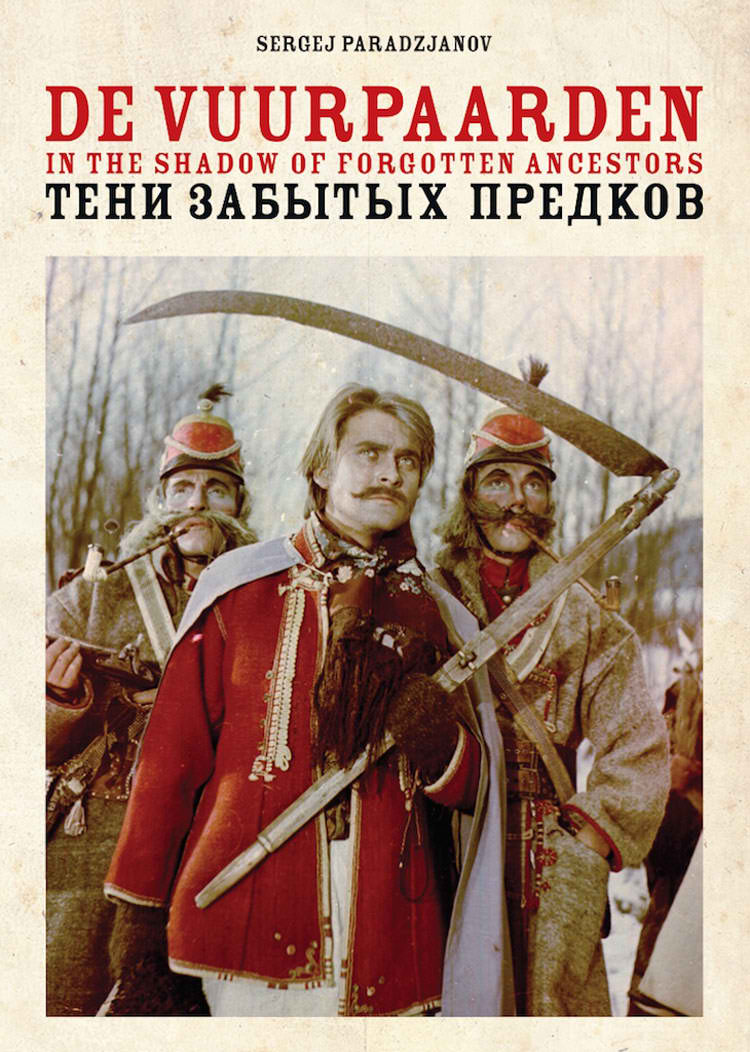
Shadows of Our Forgotten Ancestors (1964)

Shadows of Our Forgotten Ancestors (1964)

“What love has done to him!”

Synopsis:
After the death of his childhood sweetheart (Larissa Katochnikova), a young peasant in the Carpathian Mountains (Ivan Nikolaichuk) finds it difficult to love his new wife (Tatyana Bestayeva).

Genres, Themes, Actors, and Directors:

  • Eastern Europe
  • Folk and Fairy Tales
  • Love Triangle
  • Star-Crossed Lovers
  • Village Life

Review:
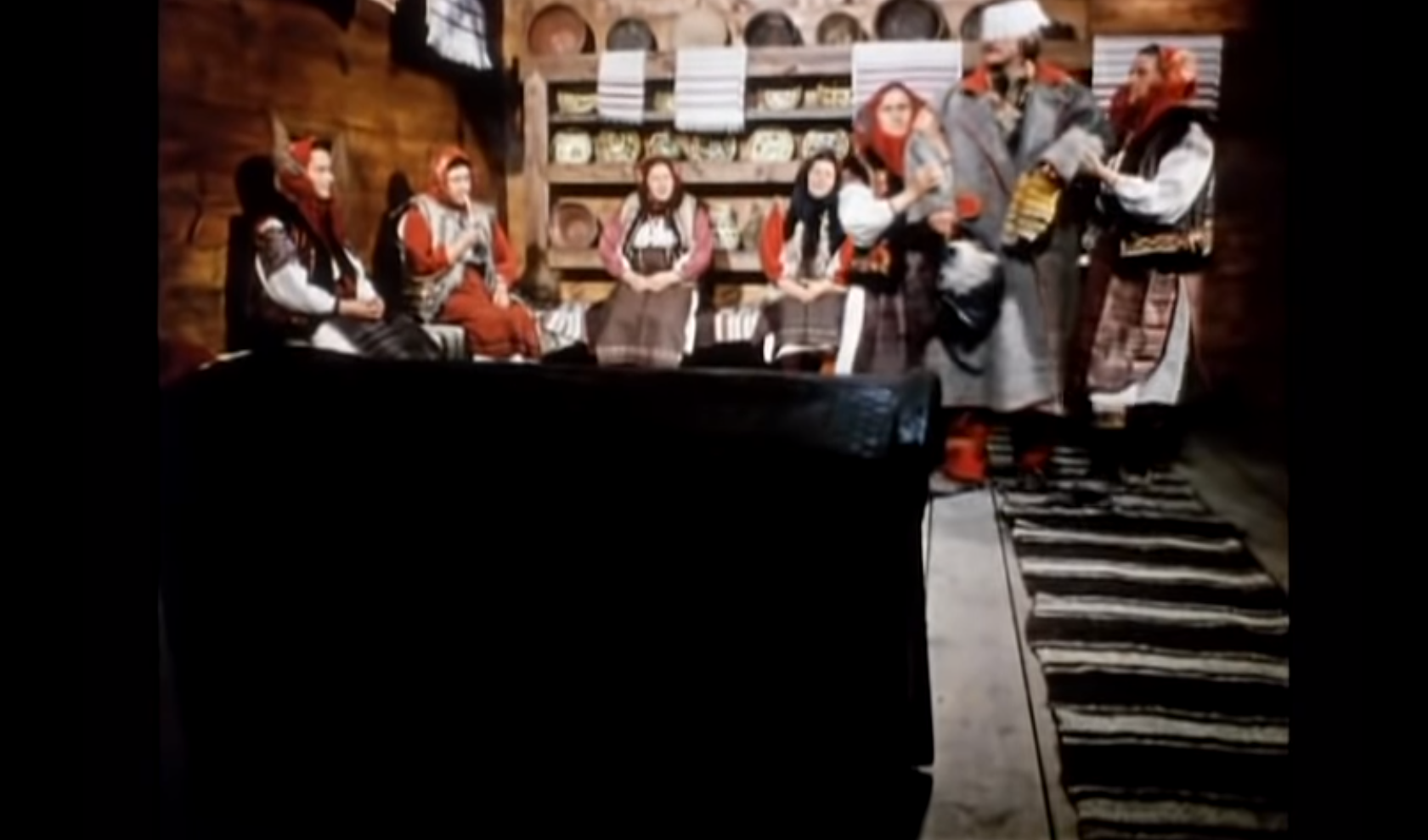
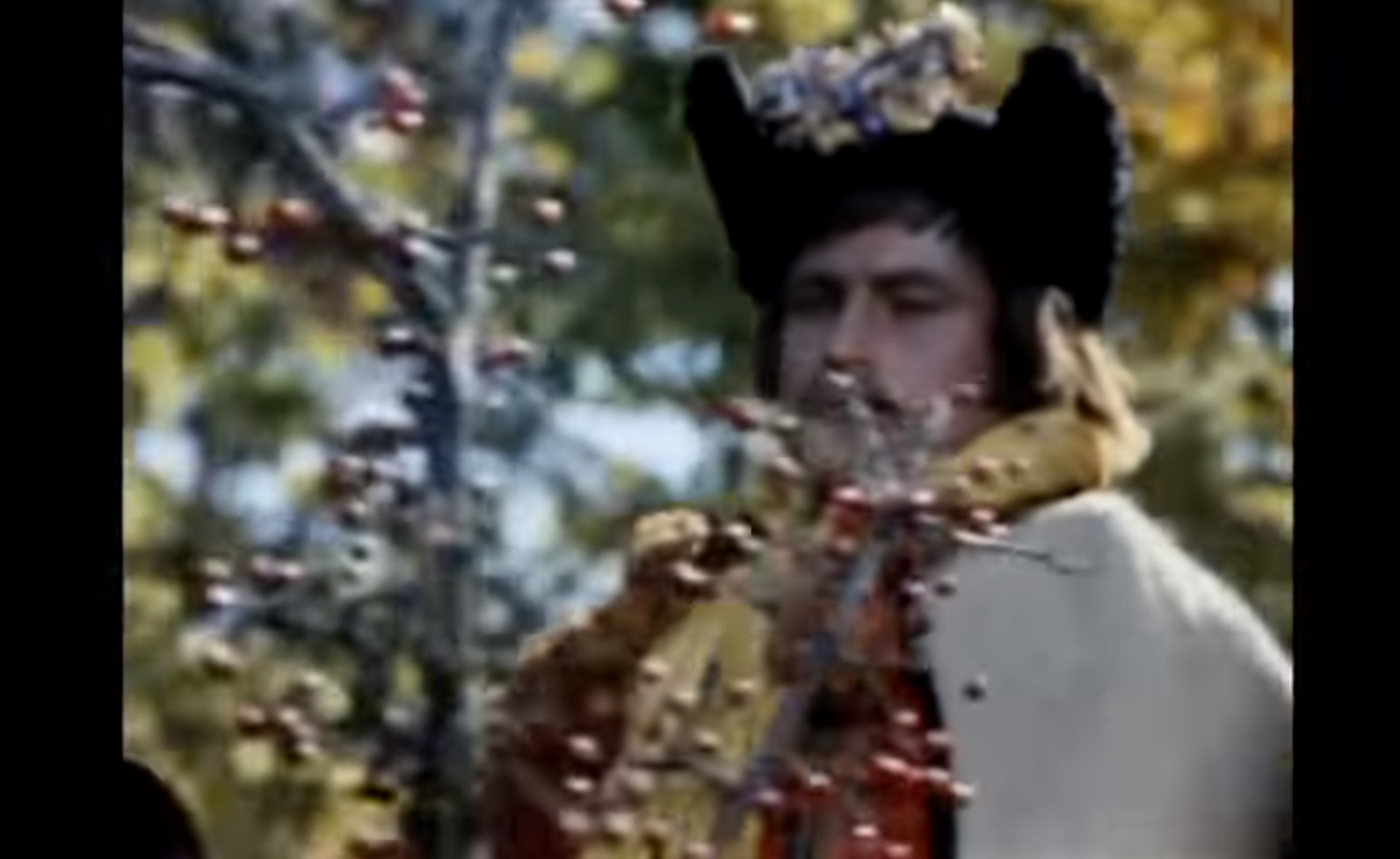
Armenian director Sergei Paradjanov only made four films in a span of nearly 30 years, yet remains one of the most acclaimed Soviet directors of all time. Based on Ukranian folklore, Shadows of Our Forgotten Ancestors — Paradjanov’s feature debut — is a rare film which demands repeat viewing in order to appreciate its relentless stream of colorful imagery; scene after scene is dazzling in its cinematic innovation. Known as the “Carpathian ‘Romeo and Juliet’,” Shadows transcends cultural boundaries with its universal trope of tragic romantic loss, yet simultaneously remains firmly grounded within the fascinating minutiae of Eastern European village life. Paradjanov’s later films (such as The Color of Pomegranates, 1968) are equally colorful and evocative, yet ultimately too abstract, and don’t carry nearly as much emotional resonance as Shadows… But if you fall in love with Paradjanov’s visual style, you’re sure to want to see his entire — albeit tragically limited — oeuvre. Click here to read more about his tempestuous life, which included five years in a hard labor camp.

Redeeming Qualities and Moments:

  • Gorgeous cinematography

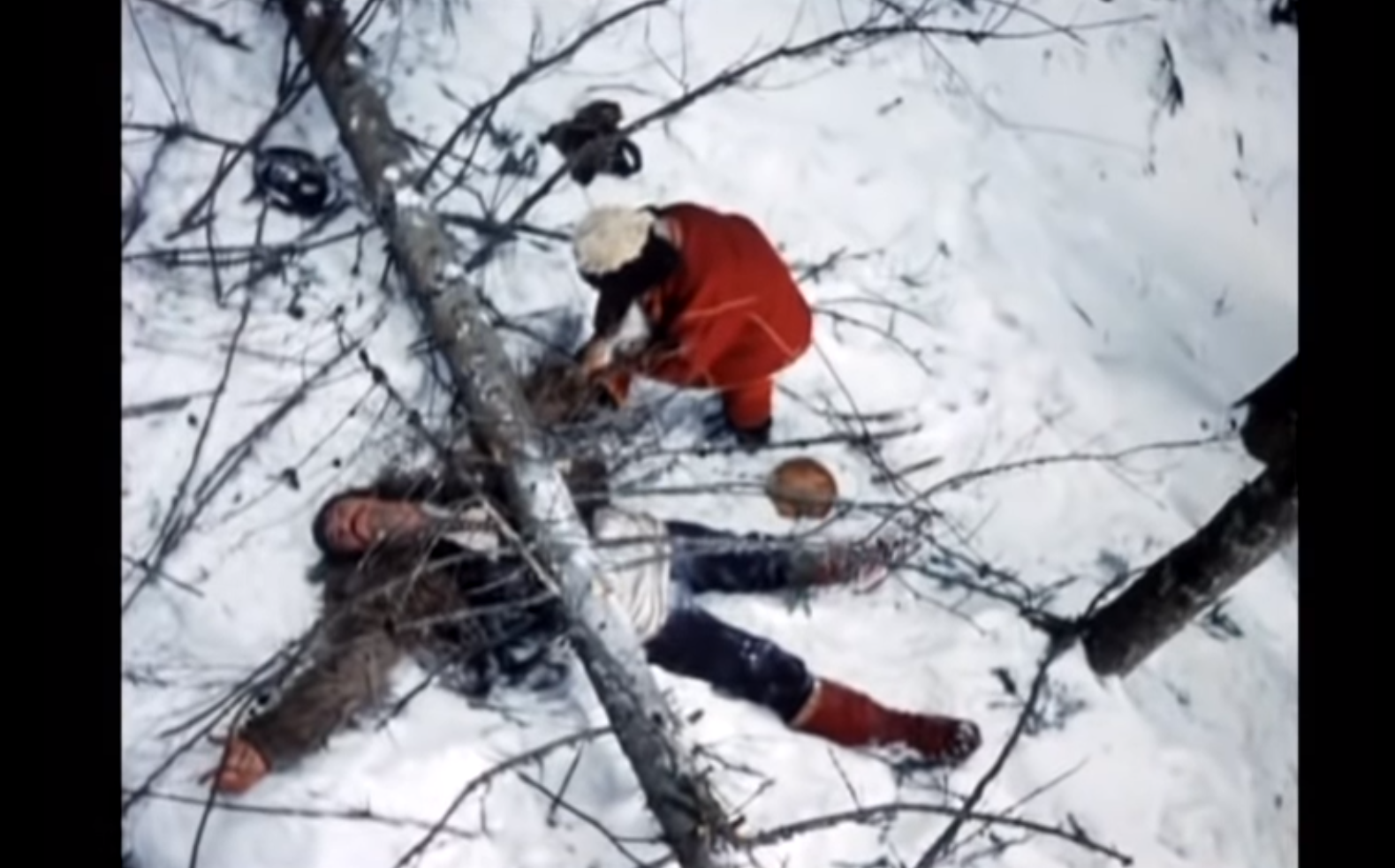
  • Ivan’s brother being crushed to death by an enormous tree
  • Ivan’s wedding to Palagna, in which they are ceremonially blindfolded and yoked together
  • The kaleidoscopically-filmed village dance
  • A haunting, evocative soundtrack

Must See?
Yes. This is Paradjanov’s finest, most accessible, movie, and should be seen by all film fanatics at least once.

Categories

  • Foreign Gem
  • Important Director

(Listed in 1001 Movies You Must See Before You Die)

Links:

Docks of New York, The (1928)

Docks of New York, The (1928)

“You coulda saved yourself the trouble an’ let me die.”

Synopsis:
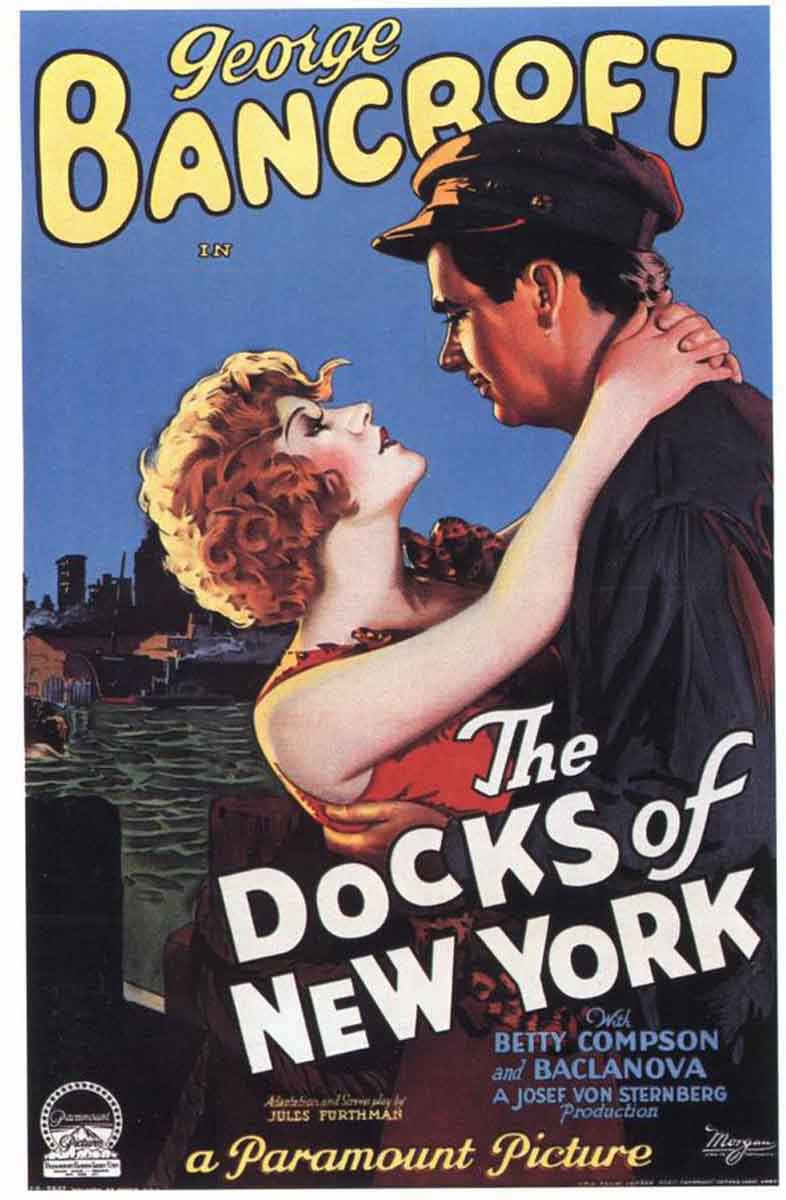
A ship stoker (George Bancroft) saves a depressed prostitute (Betty Compson) from suicide, then marries her on a drunken lark.

Genres, Themes, Actors, and Directors:

  • George Bancroft Films
  • Josef Von Sternberg Films
  • New York
  • Prostitutes
  • Romance
  • Sailors
  • Silent Films
  • Suicide
  • Waterfront

Review:
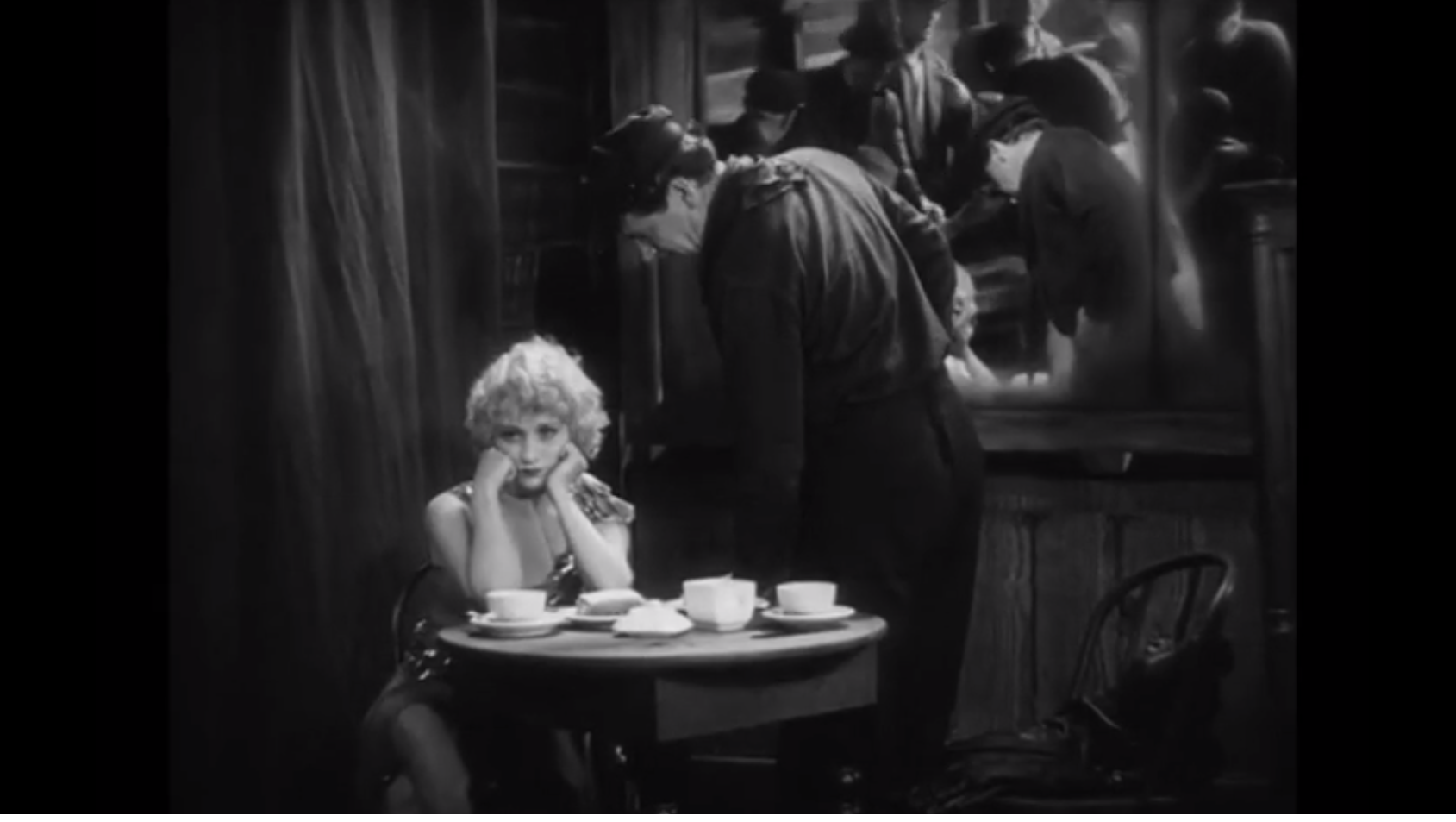
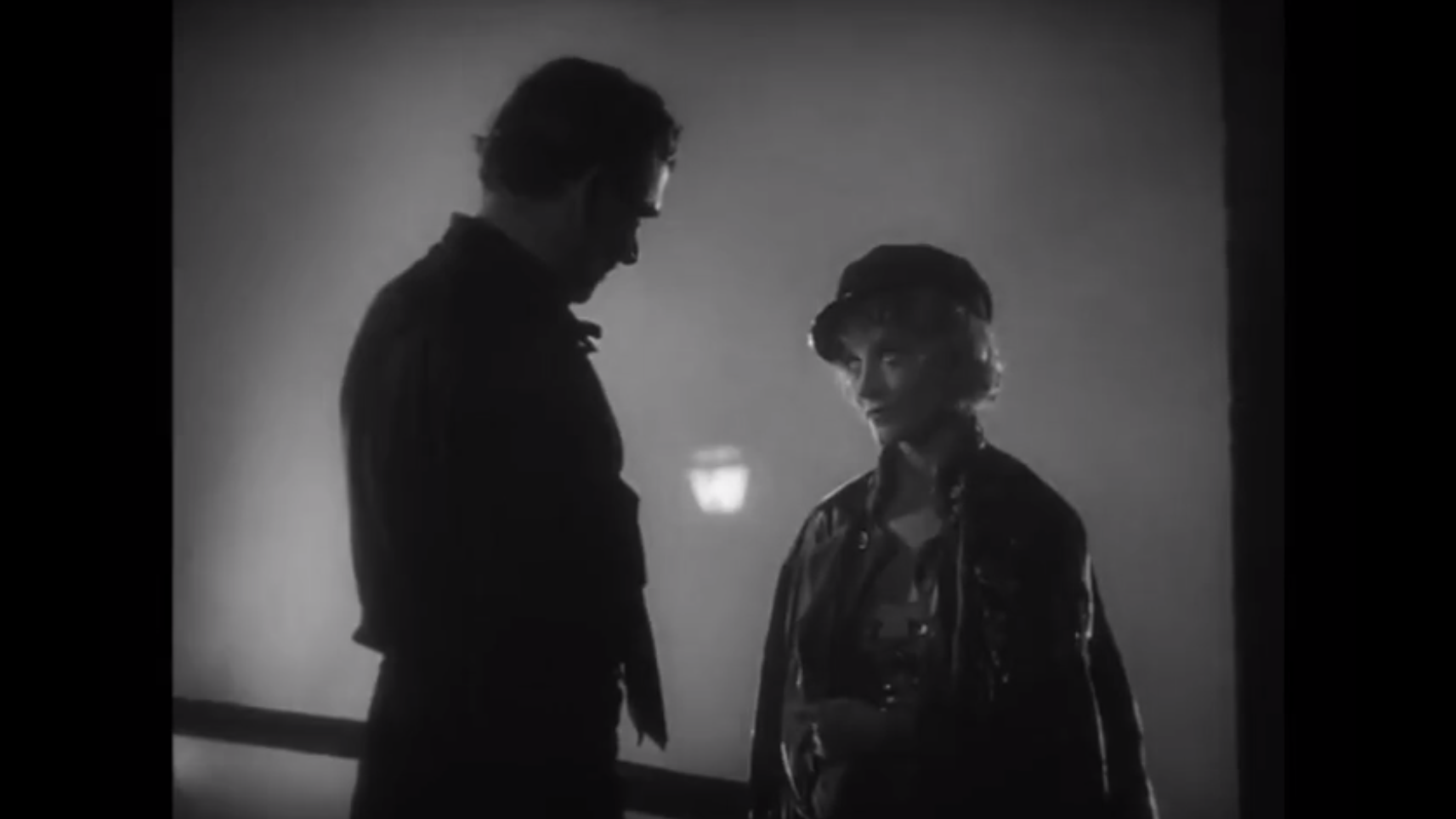
Josef von Sternberg’s whirlwind romantic fable manages to pack an enormous amount of genuine pathos into a story taking place literally overnight. Thanks to sensitive acting by all involved, we quickly grow to care for these characters — particularly the world-weary Compson — and are disappointed when the film ends after only 76 minutes. There’s a refreshing lack of moralizing, thus affording us a much more authentic glimpse of these characters’ lives than would be possible just a few years later during the Hays Code era. Harold Rosson’s atmospheric cinematography of the New York waterfront is a wonder to behold, and adds to the film’s overall appeal.

Redeeming Qualities and Moments:

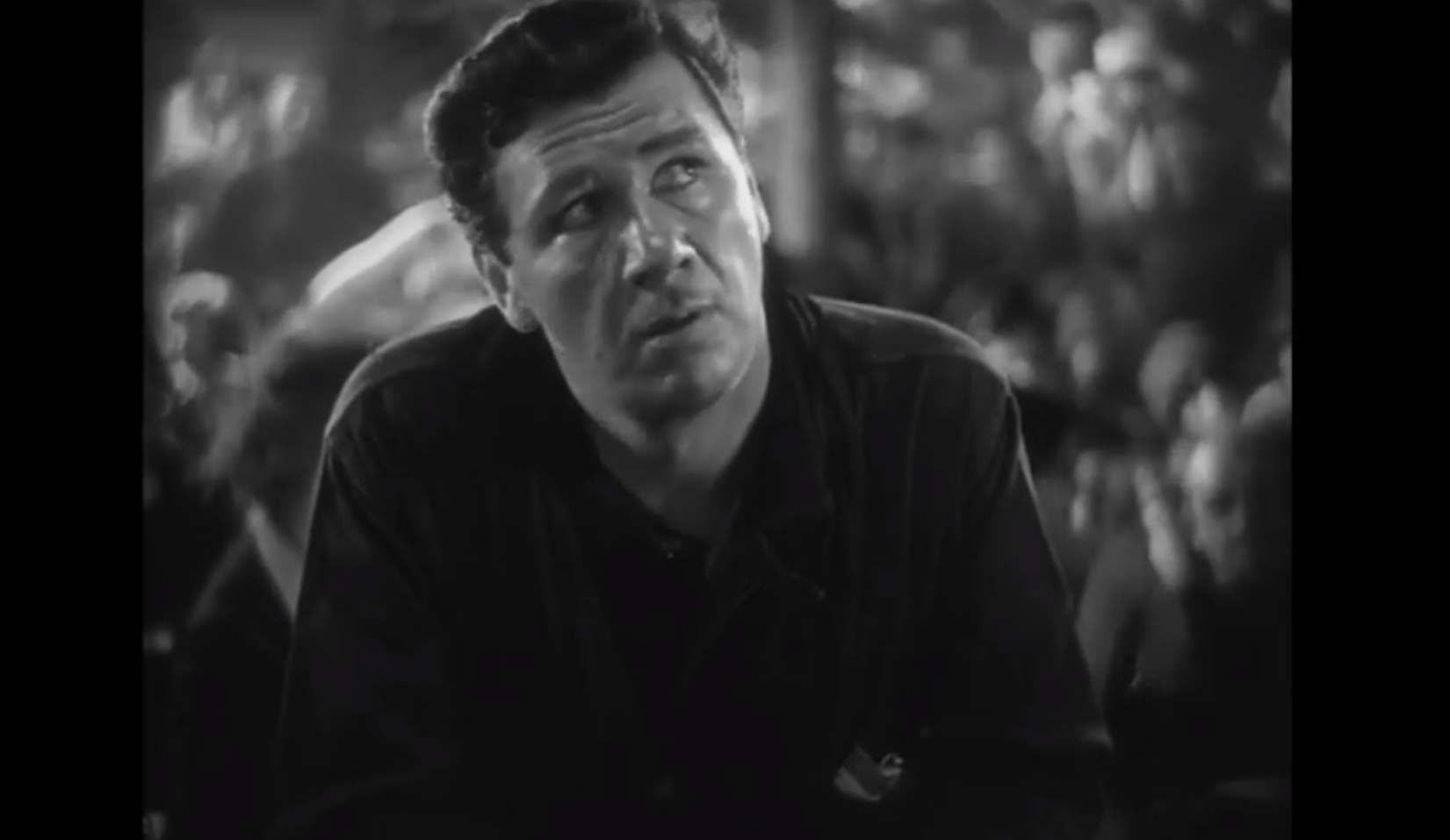
  • George Bancroft as the well-meaning yet fiercely independent sailor (nominated by Peary for an Alternate Oscar as best actor of the year)
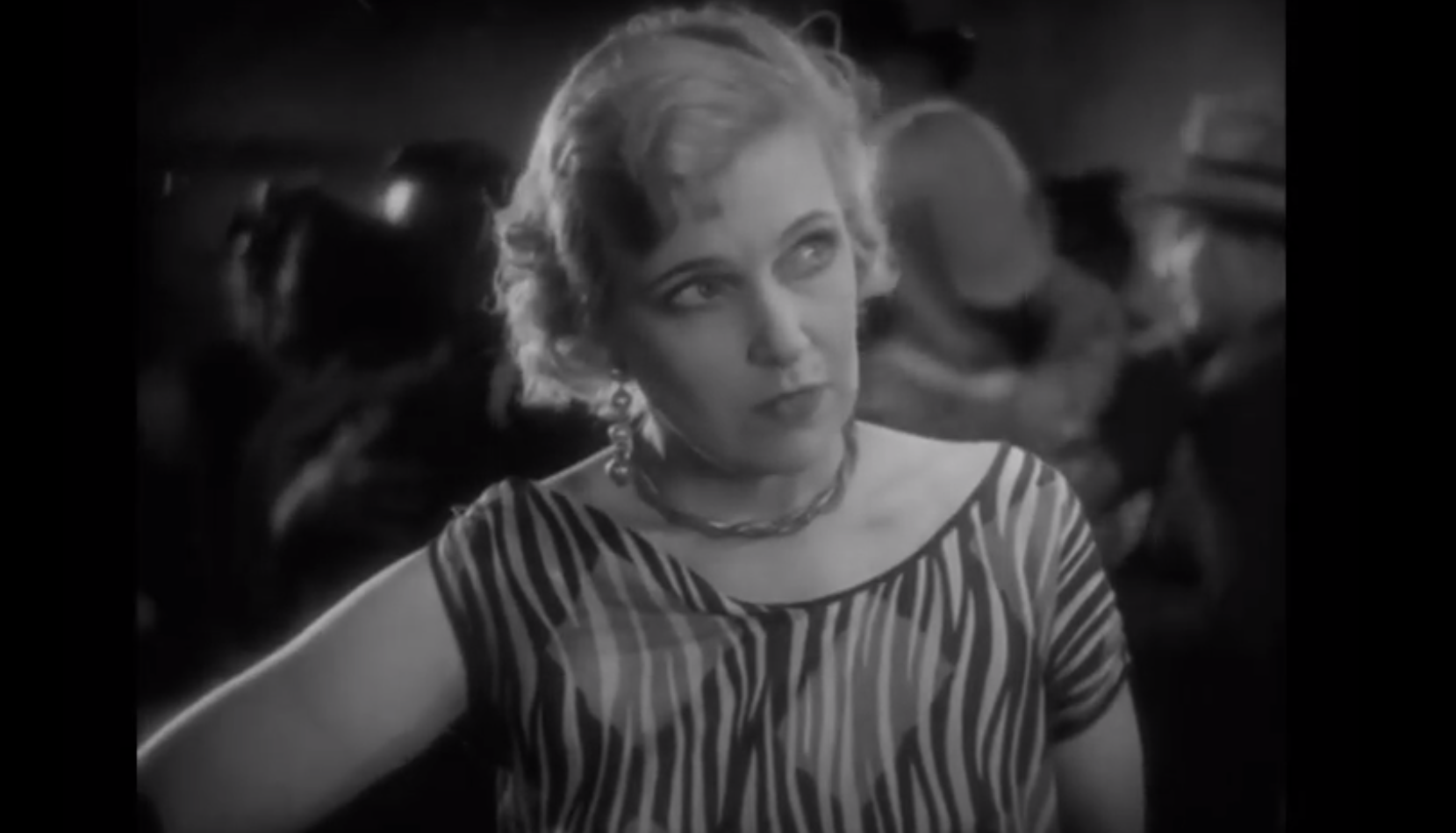
  • Olga Baclanova as Compson’s helpful friend
  • Gorgeous black-and-white cinematography

Must See?
Yes. This is a rare silent film which transcends the limitations of its format, and emerges as a surprisingly effective romance.

Categories

  • Important Director

(Listed in 1001 Movies You Must See Before You Die)

Links:

Cool Hand Luke (1967)

Cool Hand Luke (1967)

“You’re gonna get used to wearin’ them chains after a while, Luke.”

Synopsis:
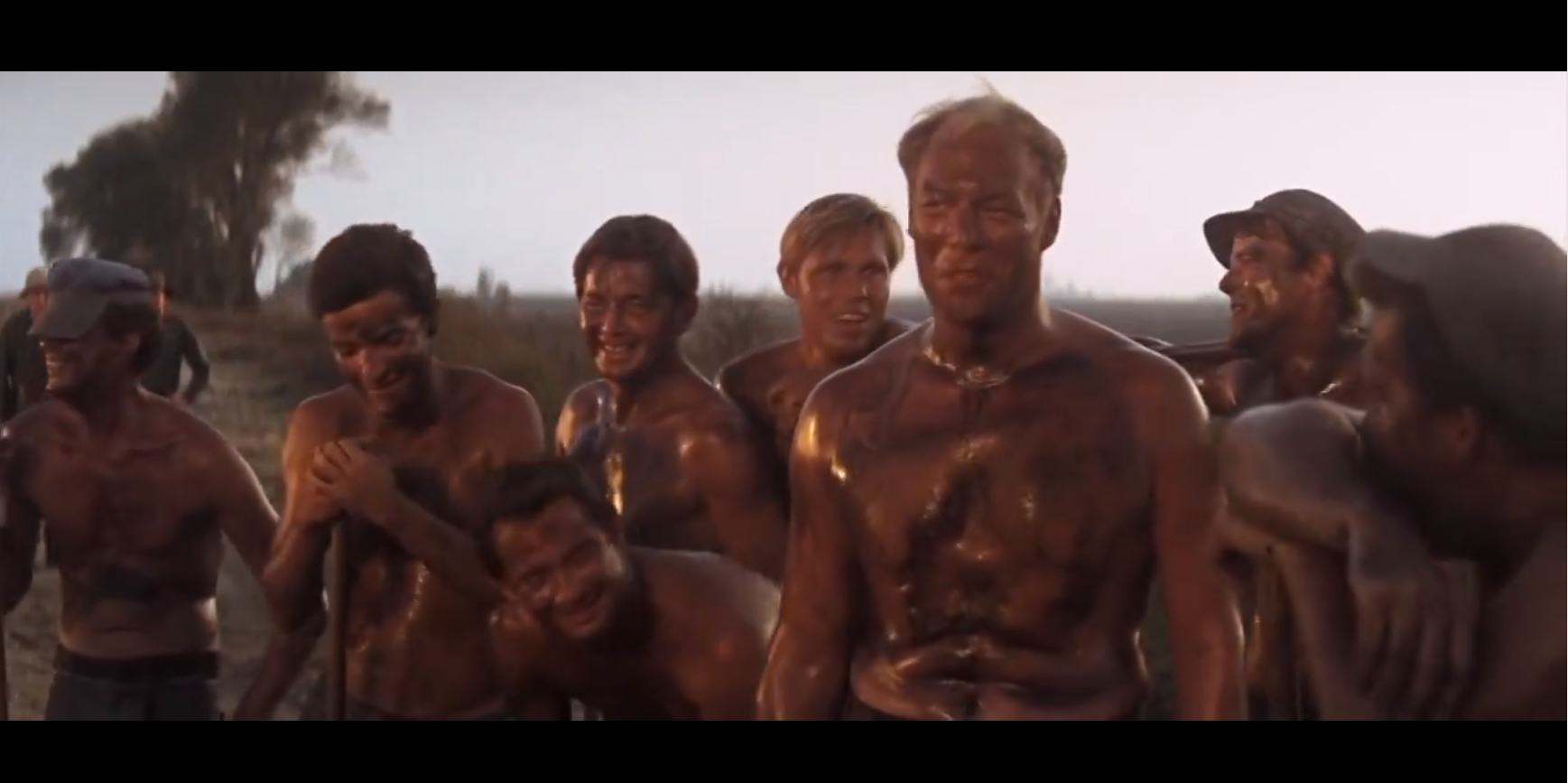
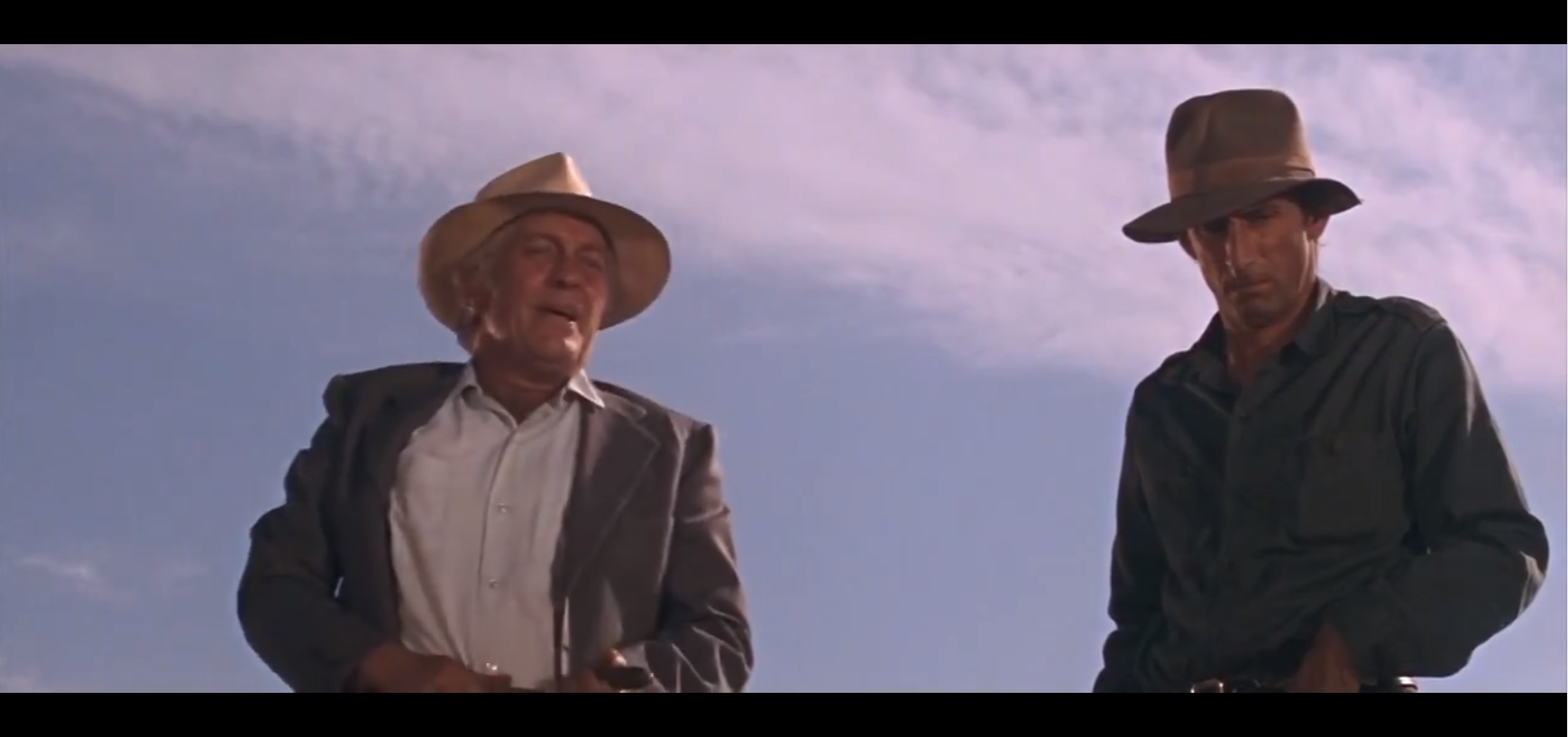
A loner prisoner (Paul Newman) becomes a folk hero in the eyes of his fellow inmates when he refuses to be bullied.

Genres, Themes, Actors, and Directors:

  • Character Study
  • Deep South
  • Dennis Hopper Films
  • Escape
  • Folk Heroes
  • George Kennedy Films
  • Harry Dean Stanton Films
  • Paul Newman Films
  • Prisoners

Review:
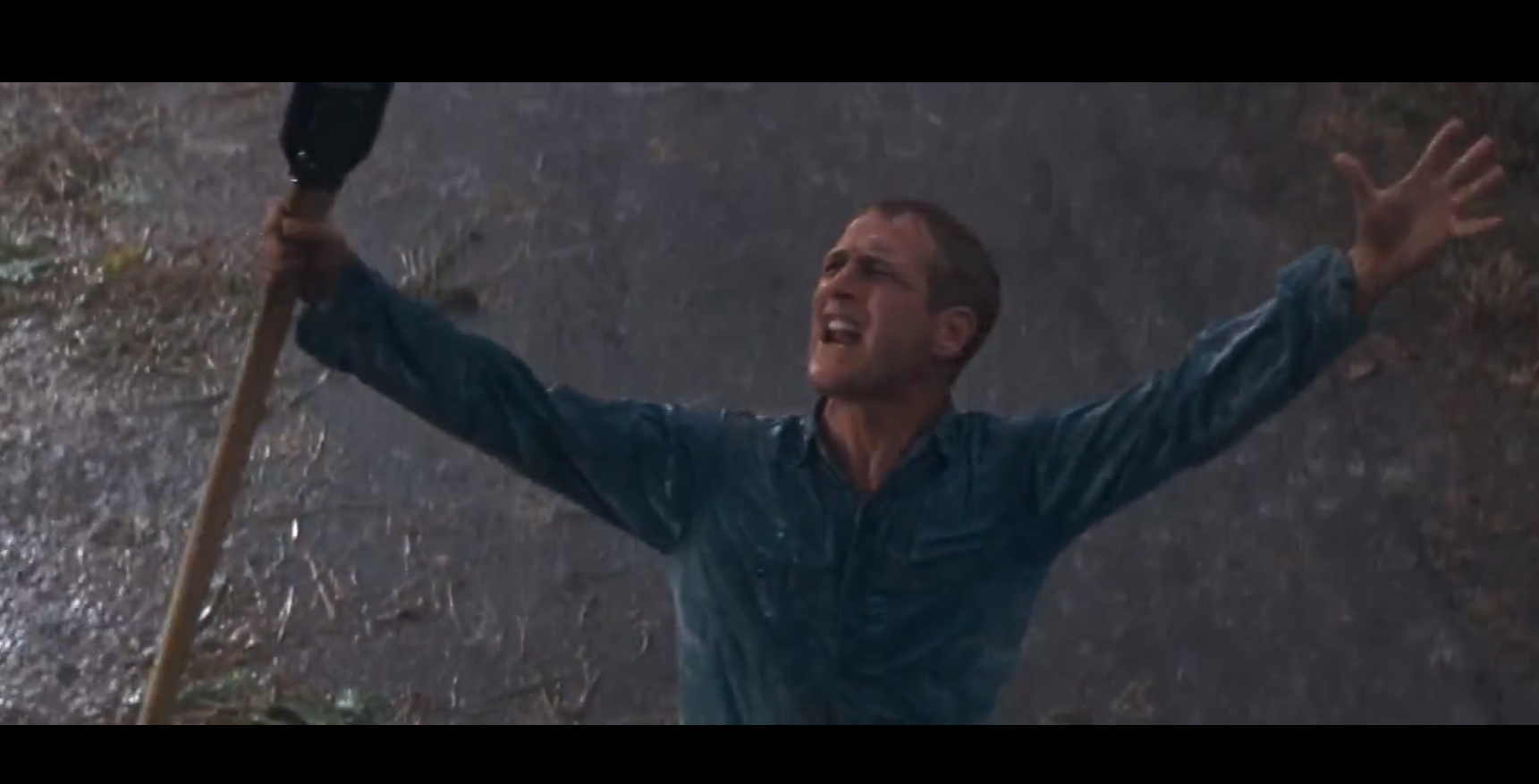
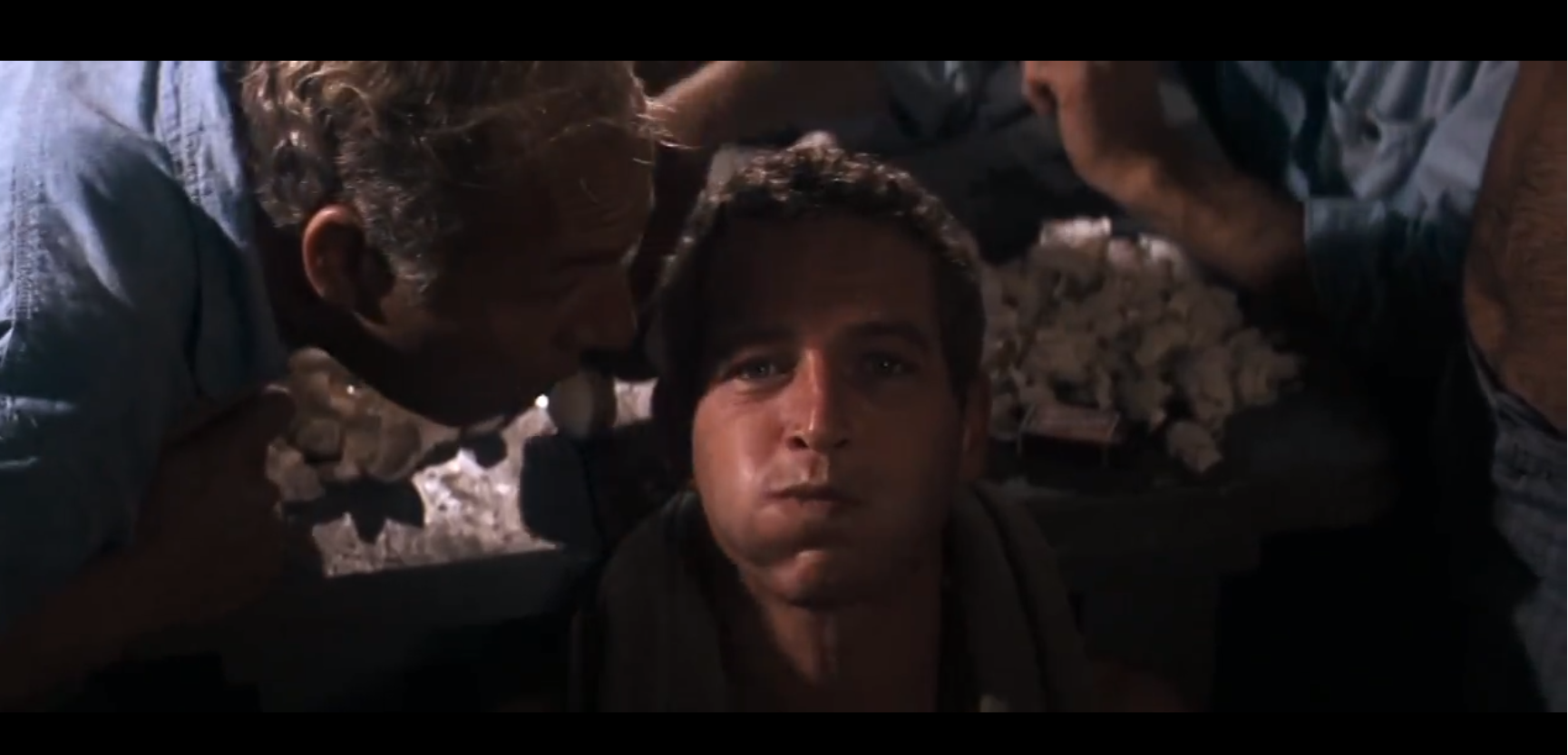
Few actors have portrayed petulant rebels better than blue-eyed Newman, whose “Cool Hand Luke” remains one of the best-known in cinematic history. For those who dream of “sticking it to the man”, Luke embodies our deepest wish-fulfillment: he refuses to give up or give in, and justifiably earns the intense respect and admiration of his fellow inmates. Indeed, Luke (though all too human in some ways) comes across as an almost Christ-like avatar — an allegorical transference which is far from subtle, but somehow works in this fable-like story. In addition to fine acting by all involved, Cool Hand Luke boasts countless memorable moments: Newman forcing 50 eggs down his gullet simply to win a bet (though it’s painful to watch his triumph); Newman getting up again and again during a fist-fight he refuses to lose; a group of horny prisoners ogling a busty woman as she washes her car. The script is clever as well, and contains one of the most famous lines in cinematic history: “What we got here is a failure to communicate”. Prison-break films may be a dime a dozen, but this remains one of the best.

Redeeming Qualities and Moments:

  • Paul Newman as “Cool Hand Luke”
  • Luke eating 50 hard-boiled eggs on a dare
  • A group of prisoners lustily watching a busty woman as she washes her car in front of them
  • George Kennedy’s Oscar-winning performance as Luke’s nemesis turned number-one-fan
  • Conrad Hall’s cinematography

Must See?
Yes. This classic prison flick remains worthy viewing.

Categories

  • Noteworthy Performance(s)

(Listed in 1001 Movies You Must See Before You Die)

Links:

Heaven Can Wait (1978)

Heaven Can Wait (1978)

“The likelihood of one individual being right increases in direct proportion to the intensity with which others are trying to prove him wrong.”

Synopsis:
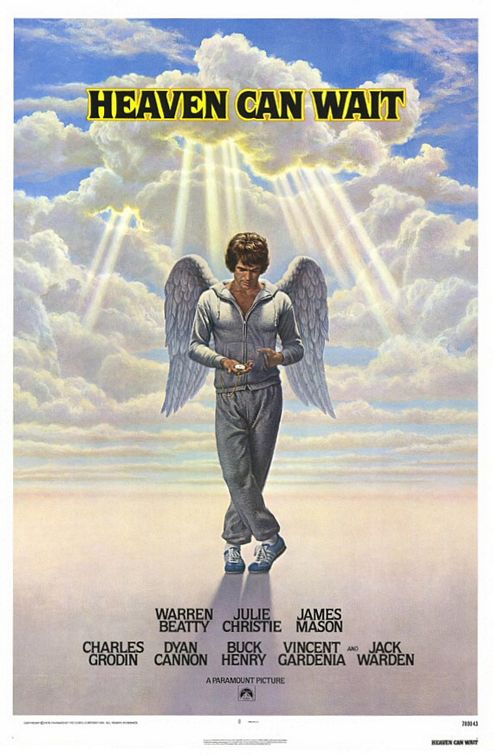
A football star (Warren Beatty) taken to heaven prematurely by an overeager angel (Buck Henry) is sent back to Earth to complete his life in the body of a recently murdered millionaire.

Genres, Themes, Actors, and Directors:

  • Dyan Cannon Films
  • Football
  • Julie Christie Films
  • Life After Death
  • Plot to Murder
  • Romantic Comedy
  • Untimely Death
  • Warren Beatty Films

Review:
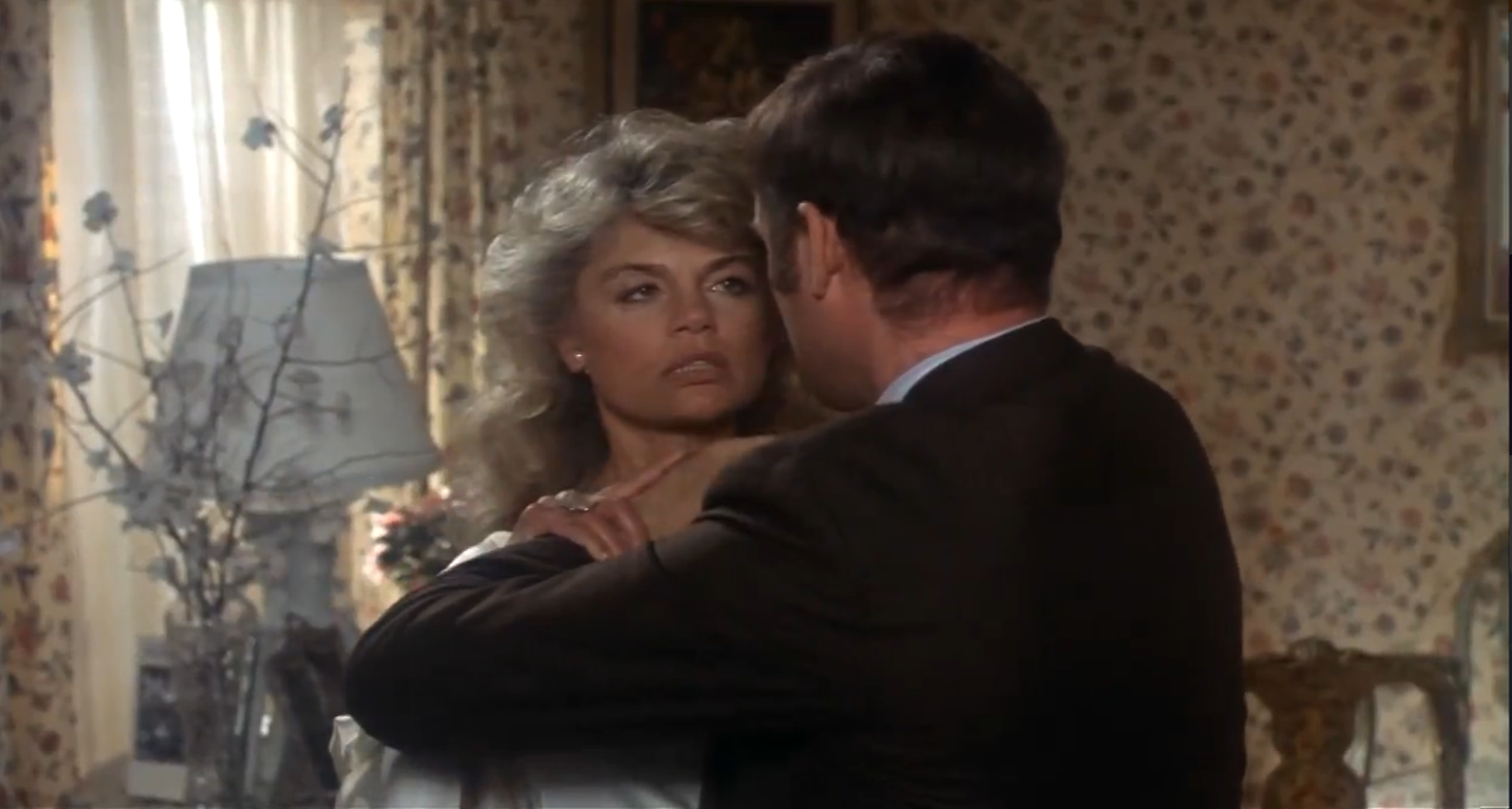
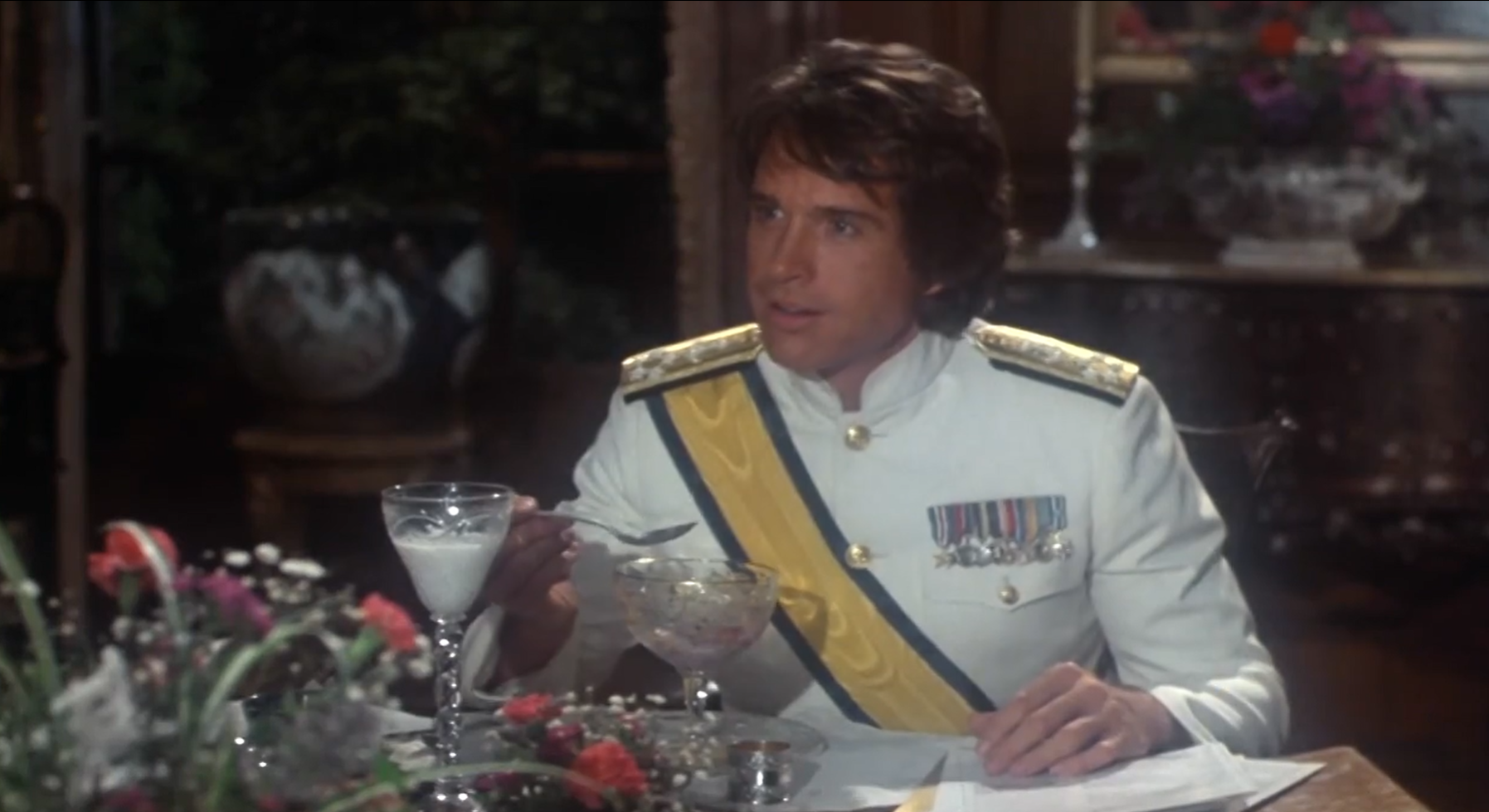
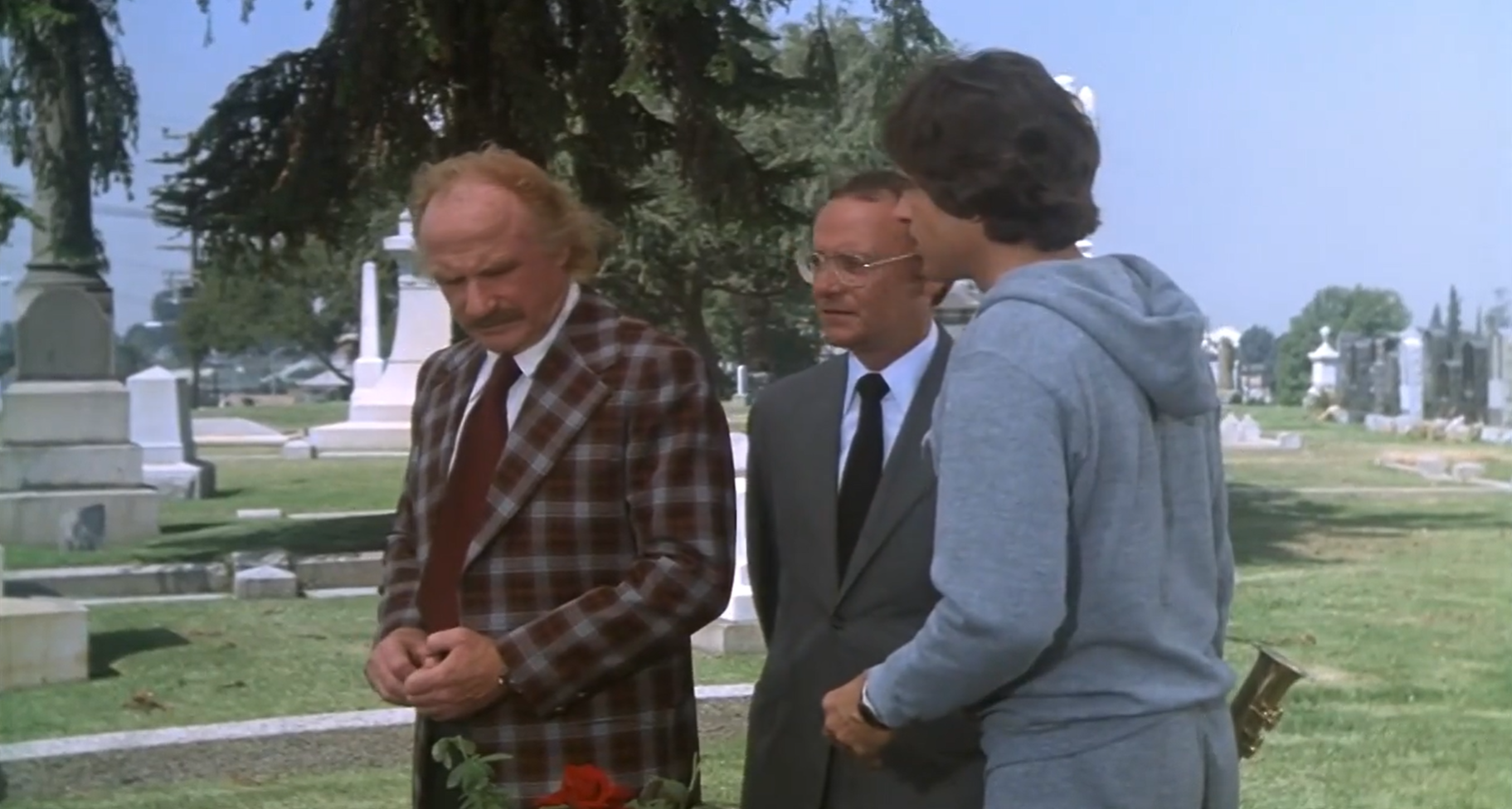
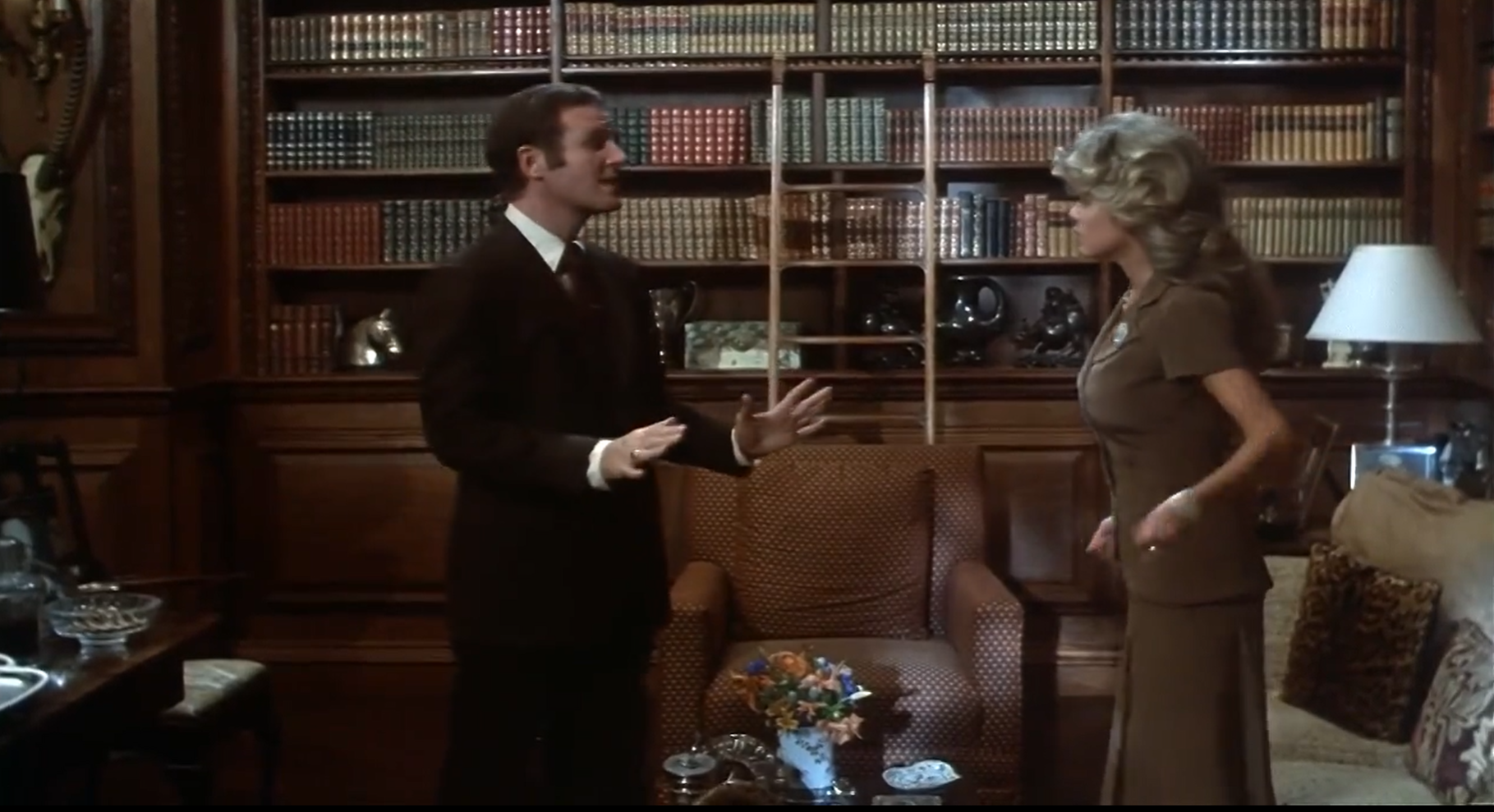
Warren Beatty’s directorial debut — a remake of 1941’s Here Comes Mr. Jordan — isn’t quite worthy of its predecessor, but remains an enjoyably loopy romantic comedy. The entire situation defies belief, naturally; but once you allow yourself to accept the basic premise, it’s great fun to watch the likable Beatty trying to take over the burdens of a ruthless, hated millionaire when he really only has one goal in mind: to play in the Superbowl. Best of all, however, is Dyan Cannon as Beatty’s adulterous wife — she shines in some of the movie’s most hilarious moments, and is reason enough to watch this film at least once.

Redeeming Qualities and Moments:

  • Beatty as the wrongfully killed football star who tries to make the best of his new situation
  • Jack Warden as Beatty’s coach — the only one on Earth who knows the truth about his situation
  • Dyan Cannon and Charles Grodin as Beatty’s duplicitous wife and her lover

Must See?
No, but it’s an enjoyable romantic comedy, and recommended for viewing at least once.

Links:

Battle of San Pietro, The (1945)

Battle of San Pietro, The (1945)

“The lives lost were precious lives — to their country, to their loved ones, and to the men themselves.”

Synopsis:
Allied soldiers fight valiantly to liberate the rocky village of San Pietro from German forces.

Genres, Themes, Actors, and Directors:

  • Documentary
  • John Huston Films
  • World War II

Review:
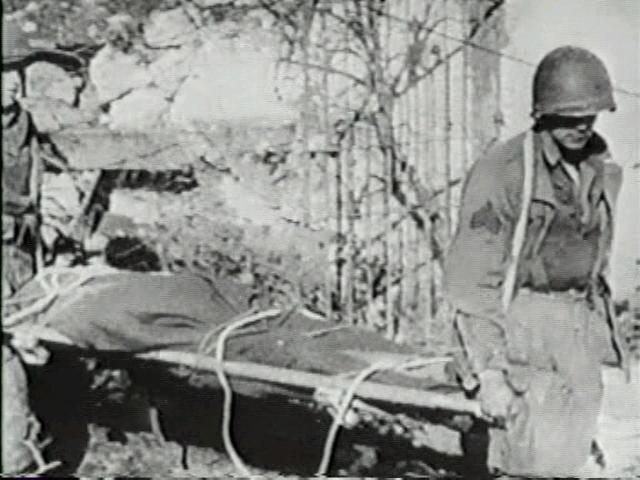
John Huston’s documentary about the WWII Battle of San Pietro was considered too “anti-war” by the U.S. military to be seen in its original form, and was cut from five reels to only three; most existing prints run approximately 33 minutes long. Yet even this minimal footage makes for powerful viewing, with the action so vivid and gritty that one is amazed Huston and his crew managed to escape death while filming in the midst of it. It’s a shock to watch these handsome, grinning soldiers returning from the hills in white body bags, especially knowing that losses were so high (approximately 1,100 men needed to be “replaced” by the end). Although the final scenes of grateful Italian peasants were likely added for propaganda purposes, this footage, too, remains fascinating, simply for the valuable ethnographic glimpse it affords.

Redeeming Qualities and Moments:

  • A no-holds-barred look at the real-life casualties of war
  • Footage of grateful Italian peasants after San Pietro has been liberated

Must See?
Yes. This powerful documentary remains must-see viewing simply for its historical importance.

Categories

  • Controversial Film
  • Historically Relevant

(Listed in 1001 Movies You Must See Before You Die)

Links:

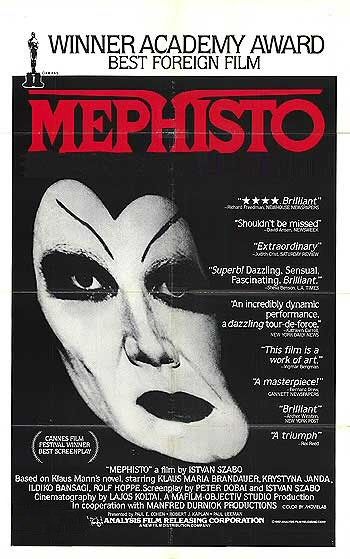
Mephisto (1981)

Mephisto (1981)

“What do they want from me now? After all, I am just an actor.”

Synopsis:
A stage actor (Klaus Maria Brandauer) in pre-WWII Germany colludes with the Nazis in order to continue working.

Genres, Themes, Actors, and Directors:

  • Actors and Actresses
  • Character Studies
  • Nazis
  • Social Climbers
  • World War II

Review:
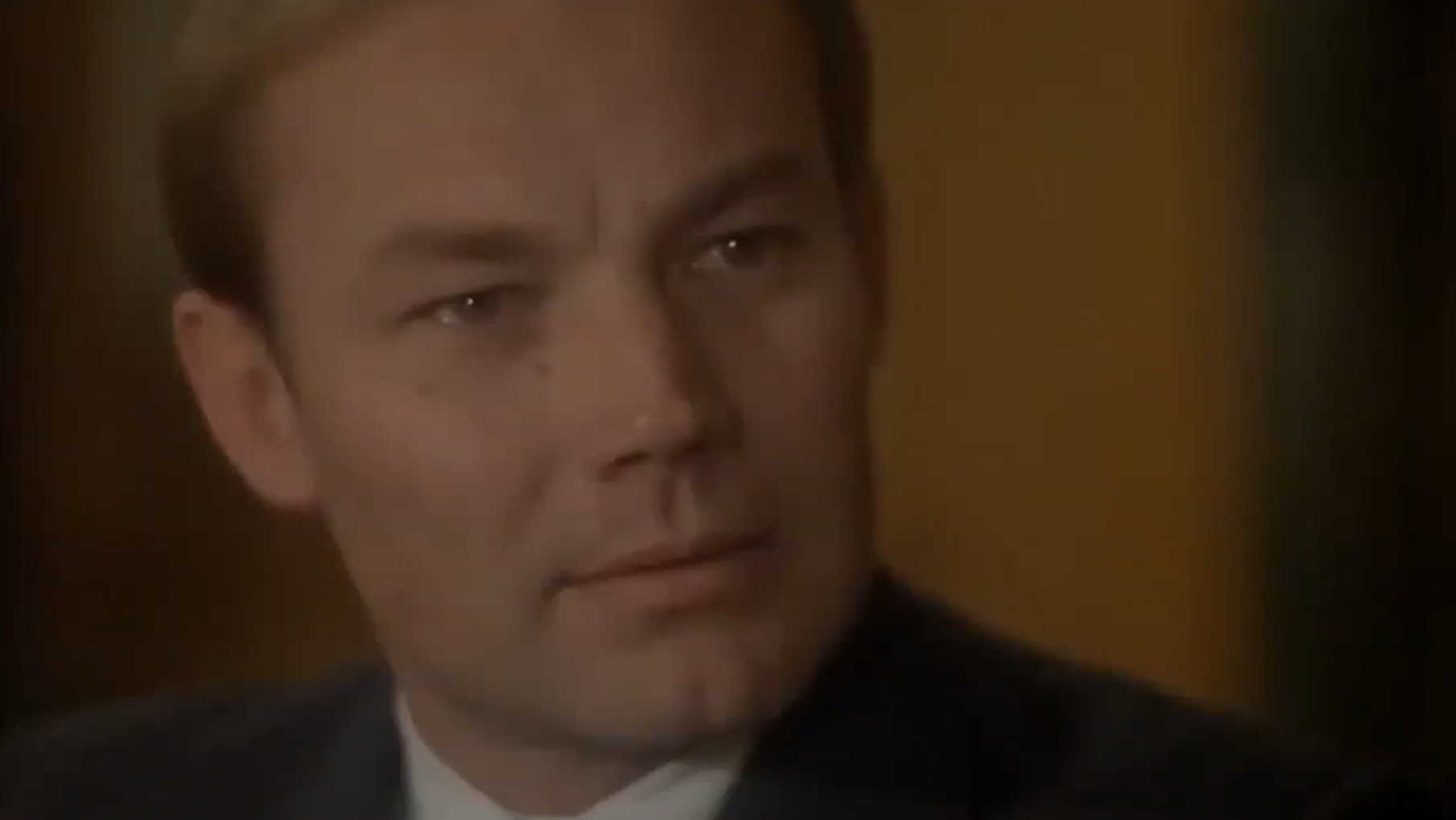
Hungarian director Istvan Szabo helmed this fascinating update on the Faustian legend of “selling one’s soul to the devil”. Based on an early-20th-century novel by Klaus Mann, it remains one of the most compelling cinematic portraits of life in pre-WWII Nazi Europe — thanks in large part to a powerhouse performance by Klaus Maria Brandauer. Brandauer embodies ambitious actor Hendrik Hoefgen with true passion and energy, brilliantly showing the complexity of a man who is both sympathetic (we relate to his impulses) and pathetic (his choices are ethically dubious). The film’s narrative moves quickly, in what was called by the New York Times “a daringly compressed style” — perhaps the inevitable result of translating from novel to screen; but this ultimately serves the larger purpose of showing us Hoefgen’s transformation over the years from idealistic socialist to compromised theatrical superstar. By the final powerful scene of this movie, we are no longer sure what to think or feel about our enigmatic protagonist — yet we understand that we could be there ourselves, but for the grace of God.

Redeeming Qualities and Moments:

  • Klaus Maria Brandauer as Hendrik
  • A fascinating, believable look at the seduction of political collusion during WWII
  • A unique update on the Faustian legend of Mephistopheles
  • The powerful closing shots

Must See?
Yes. Brandauer’s performance makes this must-see viewing.

Categories

  • Noteworthy Performance(s)

Links:

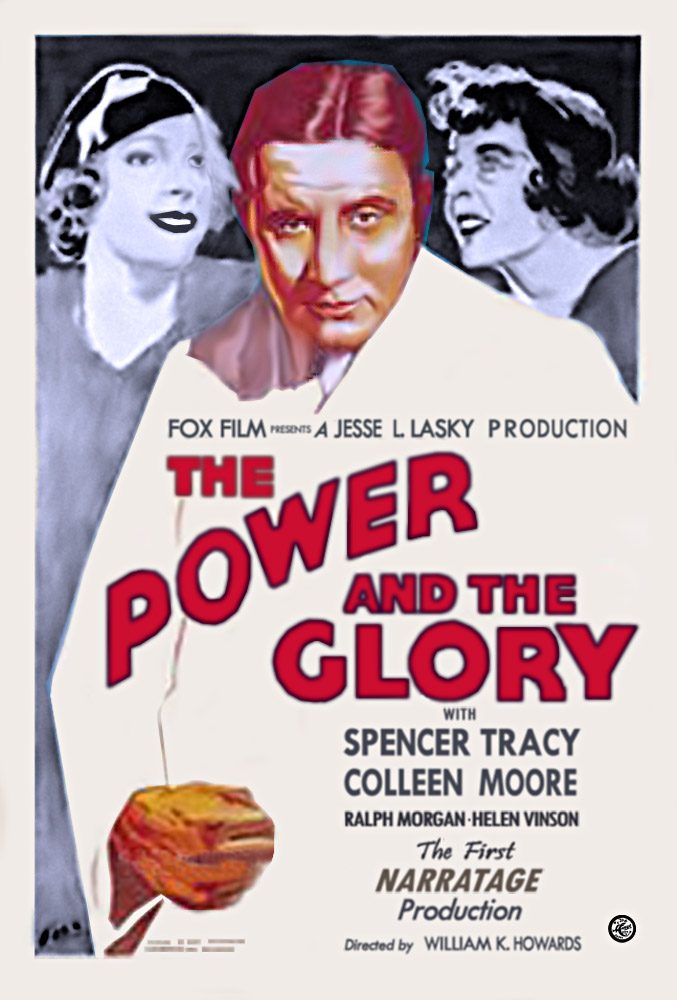
Power and the Glory, The (1933)

Power and the Glory, The (1933)

“The power and the glory… What they can do to a man!”

Synopsis:
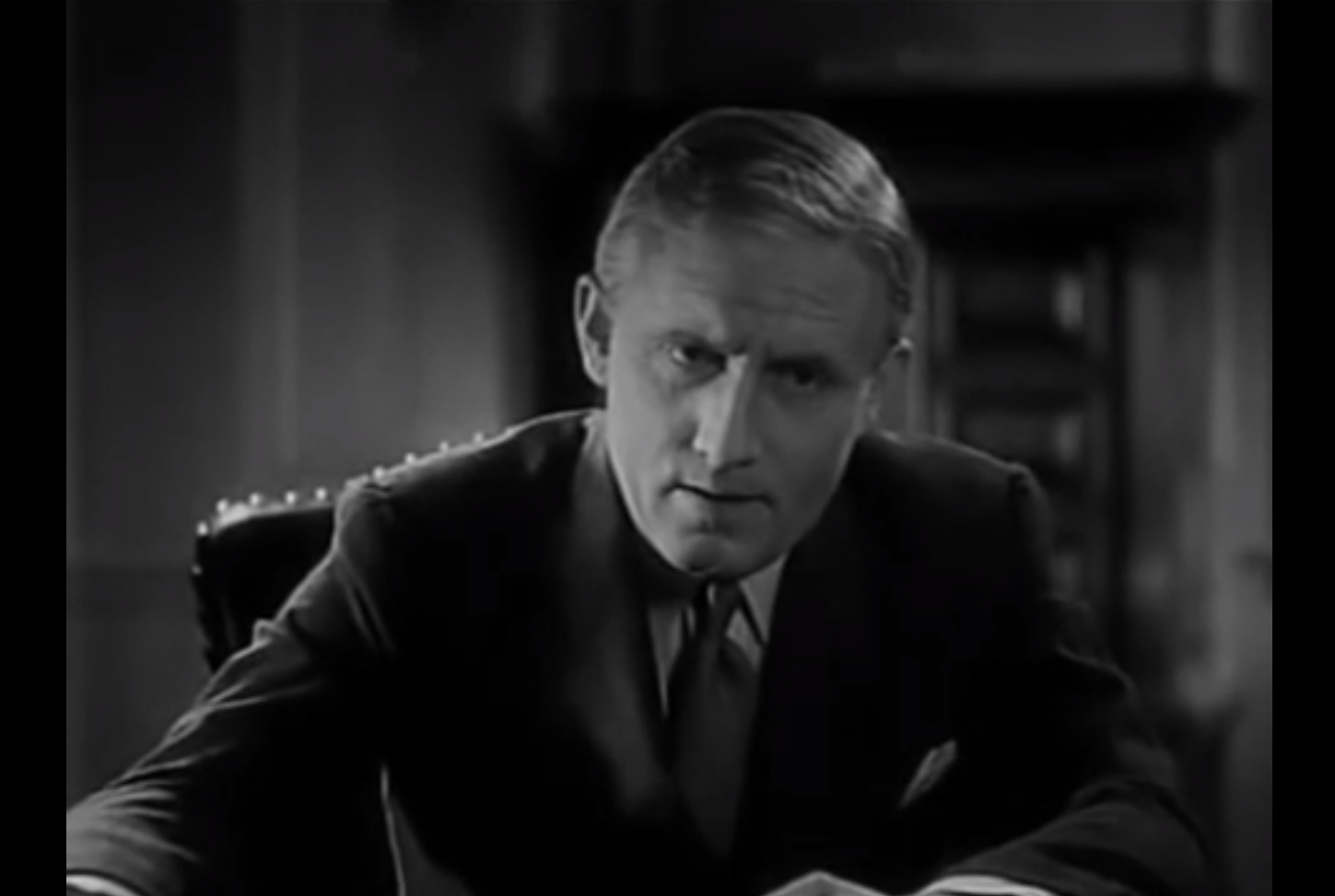
The loyal friend (Ralph Morgan) of a dead railroad magnate (Spencer Tracy) relates stories about the magnate’s rise to power and romantic losses.

Genres, Themes, Actors, and Directors:

  • Flashback Films
  • Marital Problems
  • Rise-and-Fall
  • Spencer Tracy Films
  • Tycoons

Review:
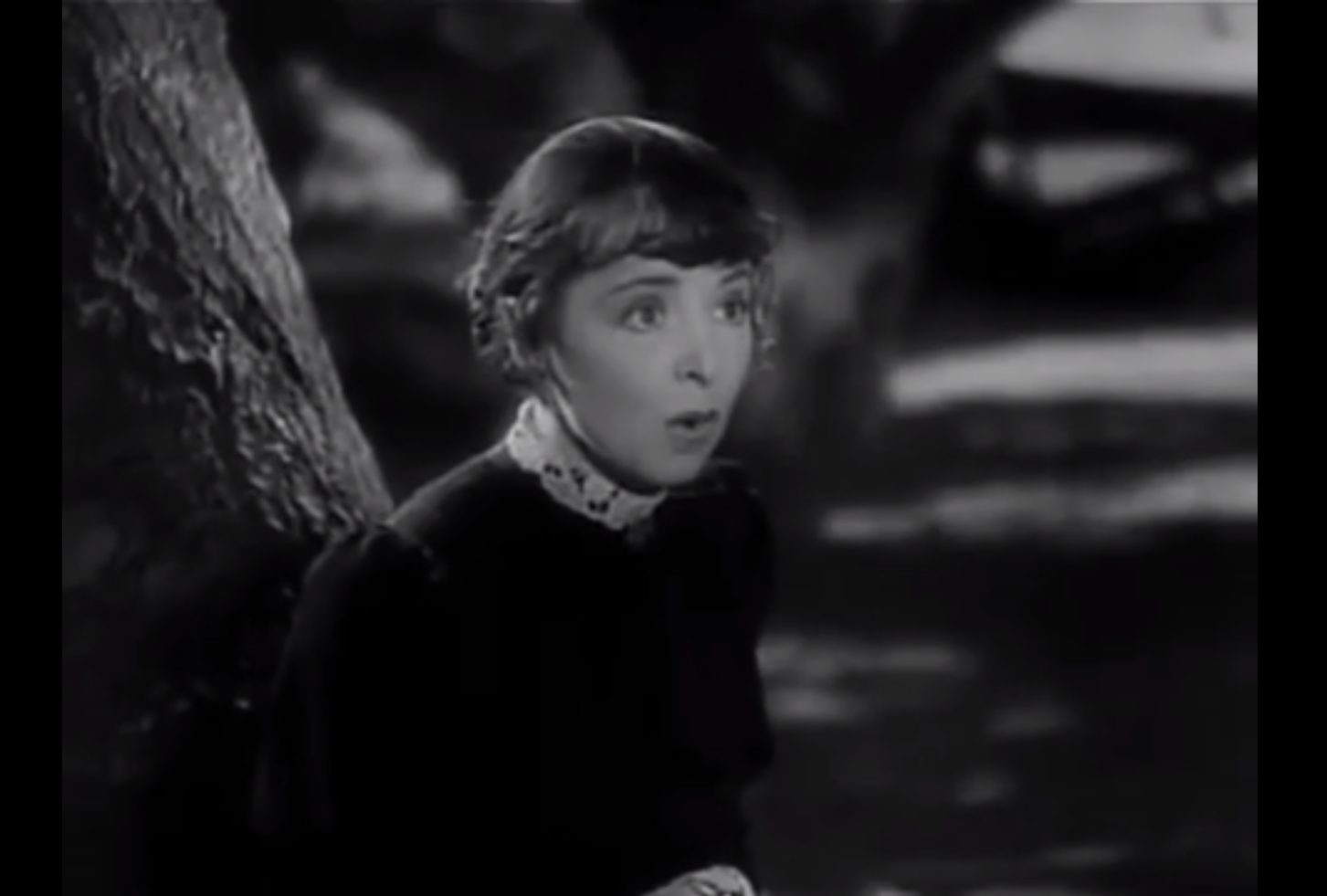
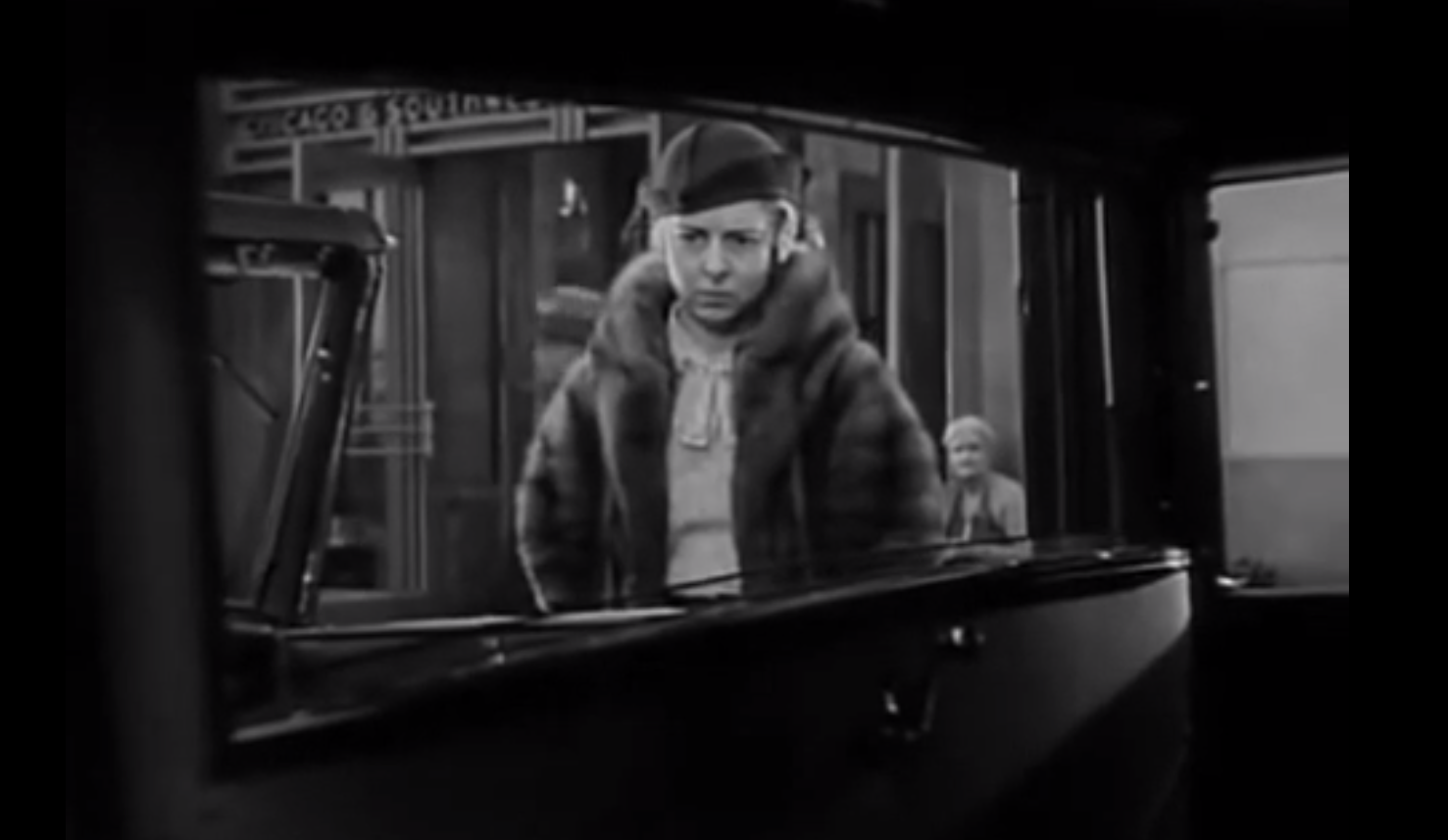
Years before he became a renowned director of screwball comedies such as Sullivan’s Travels (1941) and The Palm Beach Story (1942), Preston Sturges wrote the screenplay for this unique flashback tale, directed by William K. Howard. The story itself is fairly straightforward — a poor man rises to power, only to find that his marriage has suffered in the meantime — and Tracy’s character is never fully developed (he goes from contented trackwalker to ruthless tycoon without much of a legitimate trajectory in between). But it is Sturges’ decision to tell this story in asynchronous vignettes — switching back and forth in time, as the actors wear wigs and make-up to show their advanced age — which makes the film so special; we’re used to this kind of structural device these days, but in 1933 it was (as far as I know) unheard of. Orson Welles purportedly watched this film again and again as he explored ideas for what was to become his masterpiece, Citizen Kane, and the influence is clear — in subject matter (both are posthumous stories about the rise-and-fall of a business tycoon), and in narrative exposition. While it doesn’t come close to the overall greatness of Kane, The Power and the Glory nonetheless deserves special recognition in cinematic history.

Note: In one particularly creative sequence, as Morgan is relating the tale of how Tracy proposed to Moore, we see an effective technique (coined by the film’s producer as “narratage”) in which Morgan dictates while the characters’ mouths are silently moving.

Redeeming Qualities and Moments:

  • Spencer Tracy (who Peary nominates for an Alternate Oscar as best actor of the year) as the self-made tycoon
  • Colleen Moore as Tracy’s ambitious yet loving wife
  • Tracy proposing to Moore after convincing her to hike all the way up a mountain in her Sunday best
  • Creative early use of flashbacks, nonlinear narrative structure, and “narratage”

Must See?
Yes. While not entirely successful, this movie holds a special place in film history, and should be seen by all film fanatics if possible.

Categories

  • Historically Relevant

Links:

Jeanne Eagels (1957)

Jeanne Eagels (1957)

“She has the one necessary thing — talent!”

Synopsis:
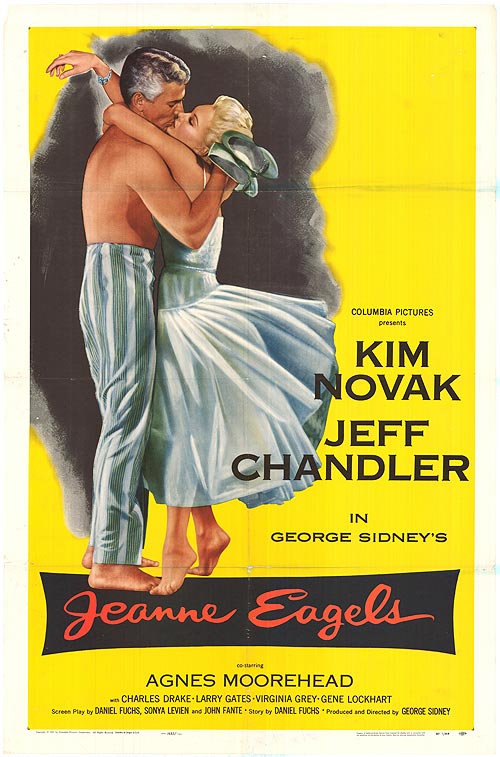
Aspiring actress Jeanne Eagels (Kim Novak) rises to stardom on Broadway, with the help of her carnival-owner friend (Jeff Chandler).

Genres, Themes, Actors, and Directors:

  • Actors and Actresses
  • Agnes Moorehead Films
  • Alcoholism and Drug Addiction
  • Aspiring Stars
  • Biopic
  • George Sidney Films
  • Jeff Chandler Films
  • Kim Novak Films
  • Rise-and-Fall

Review:
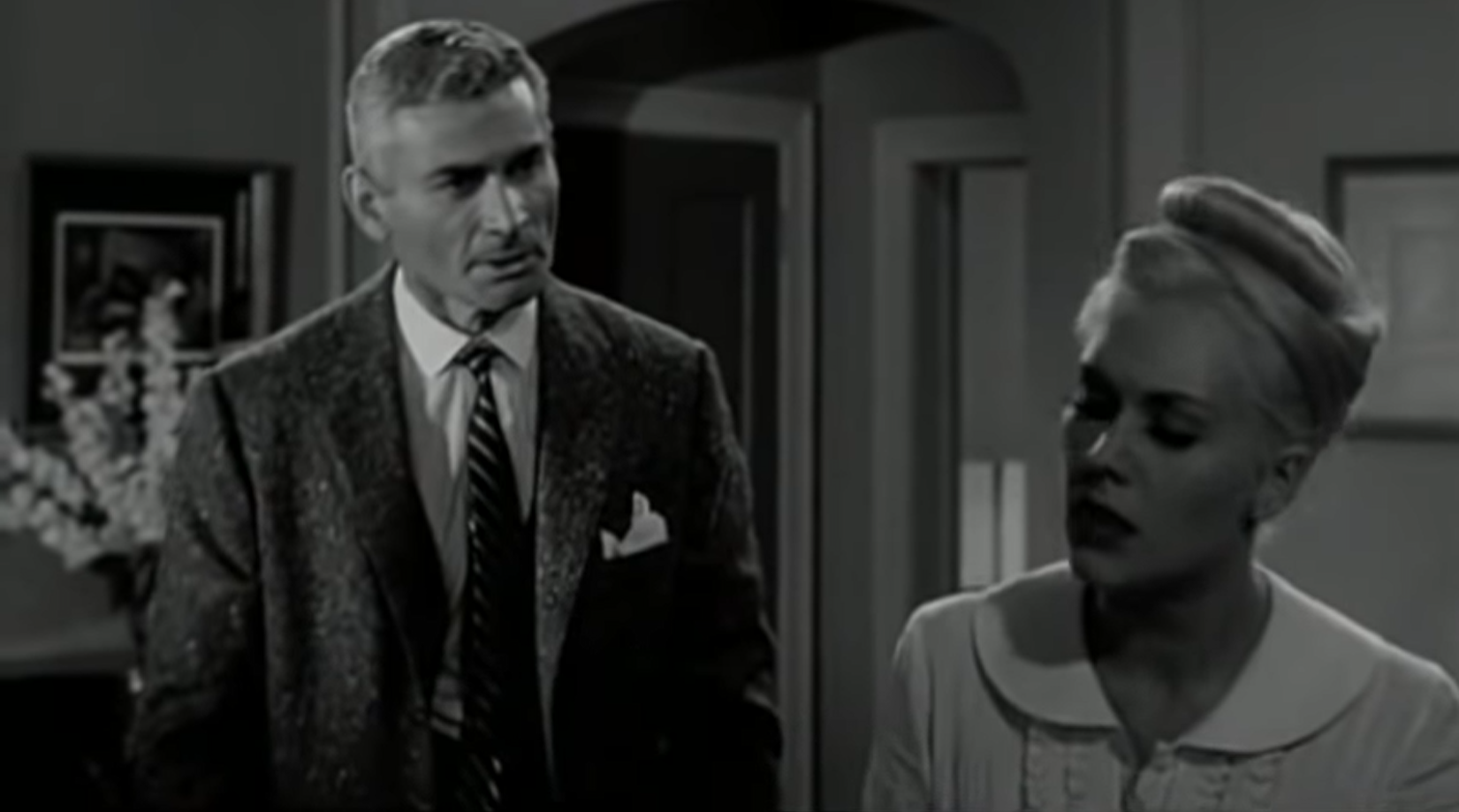
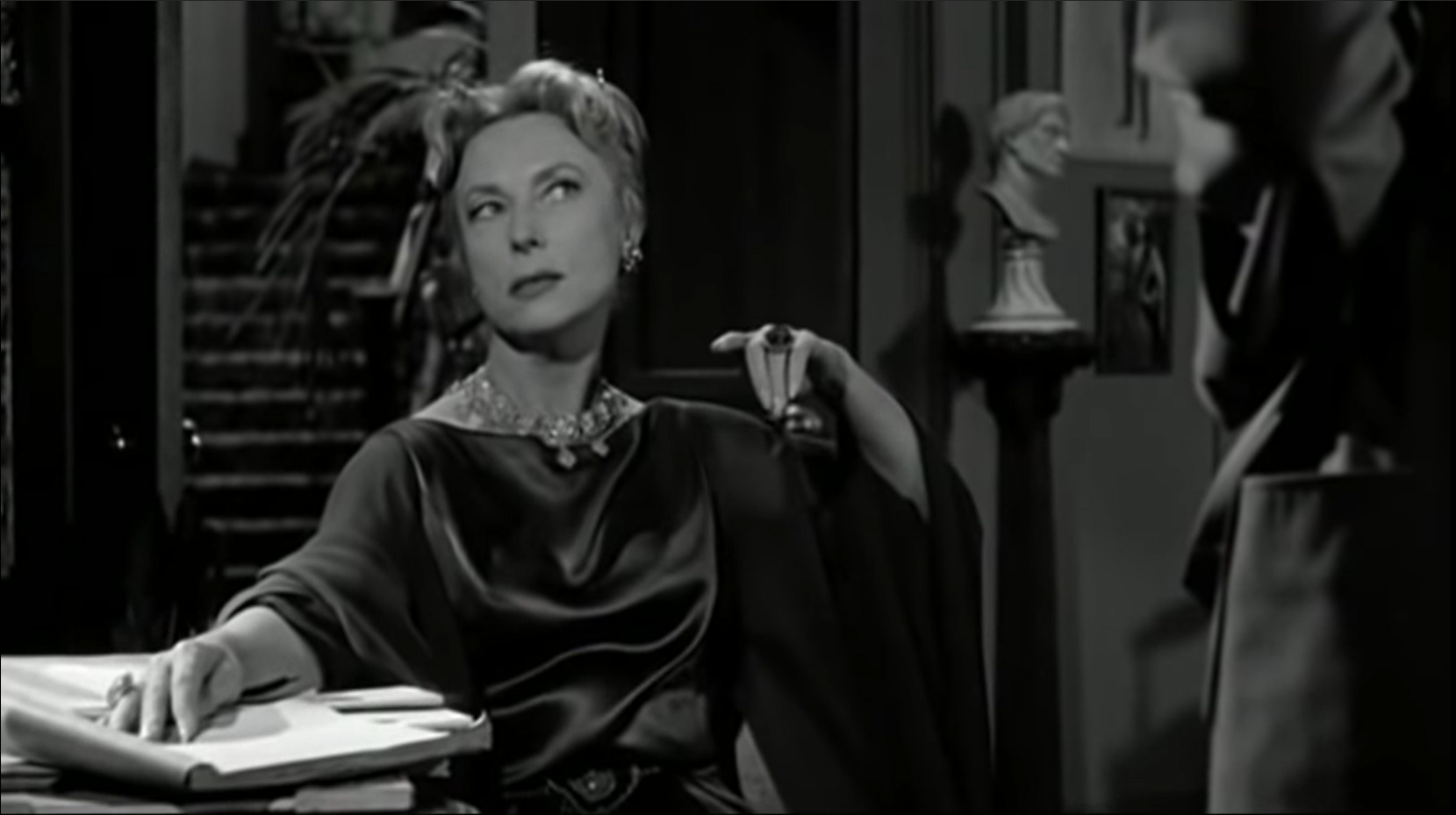
George Sidney’s fanciful biopic of stage- and silent screen-actress Jeanne Eagels (who died of a heroin overdose at the age of 39) is primarily notable as a starring vehicle for Kim Novak, a year before she was to appear in Hitchcock’s Vertigo. Beautiful Novak is less stiff than usual here, and convincingly embodies the hopeful young ingenue who will stop at nothing to “be an actress”. Jeff Chandler is passable as her lover (though his character is completely fictional):

and Agnes Moorehead makes a welcome yet all-too-brief appearance as Eagels’ acting instructor.

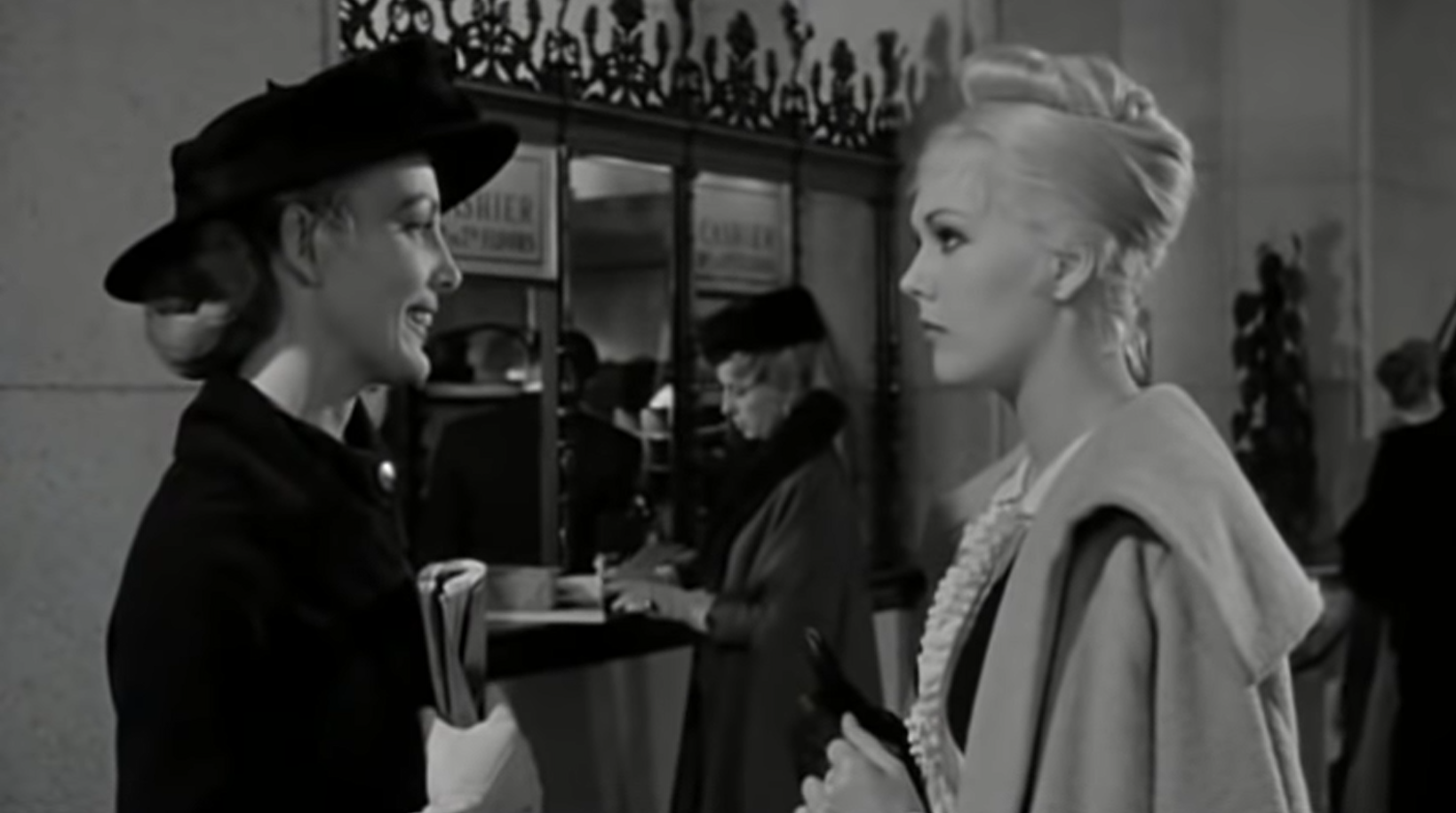
Unfortunately, none of the actors are helped much by the clunky script, which inexplicably veers far from the true facts of Eagels’ interesting life, instead relying on predictable and poorly conceived narrative devices. While we know that Eagels is desperate to achieve stardom, for instance, her callous betrayal of an aging actress (Virginia Grey) for a plum part in a play nonetheless seems wildly out of character for someone we’ve been rooting for since the beginning of the film:

… And her sudden descent into alcohol and drug addiction comes as just of much of a surprise, since we’ve seen no hints of this before.

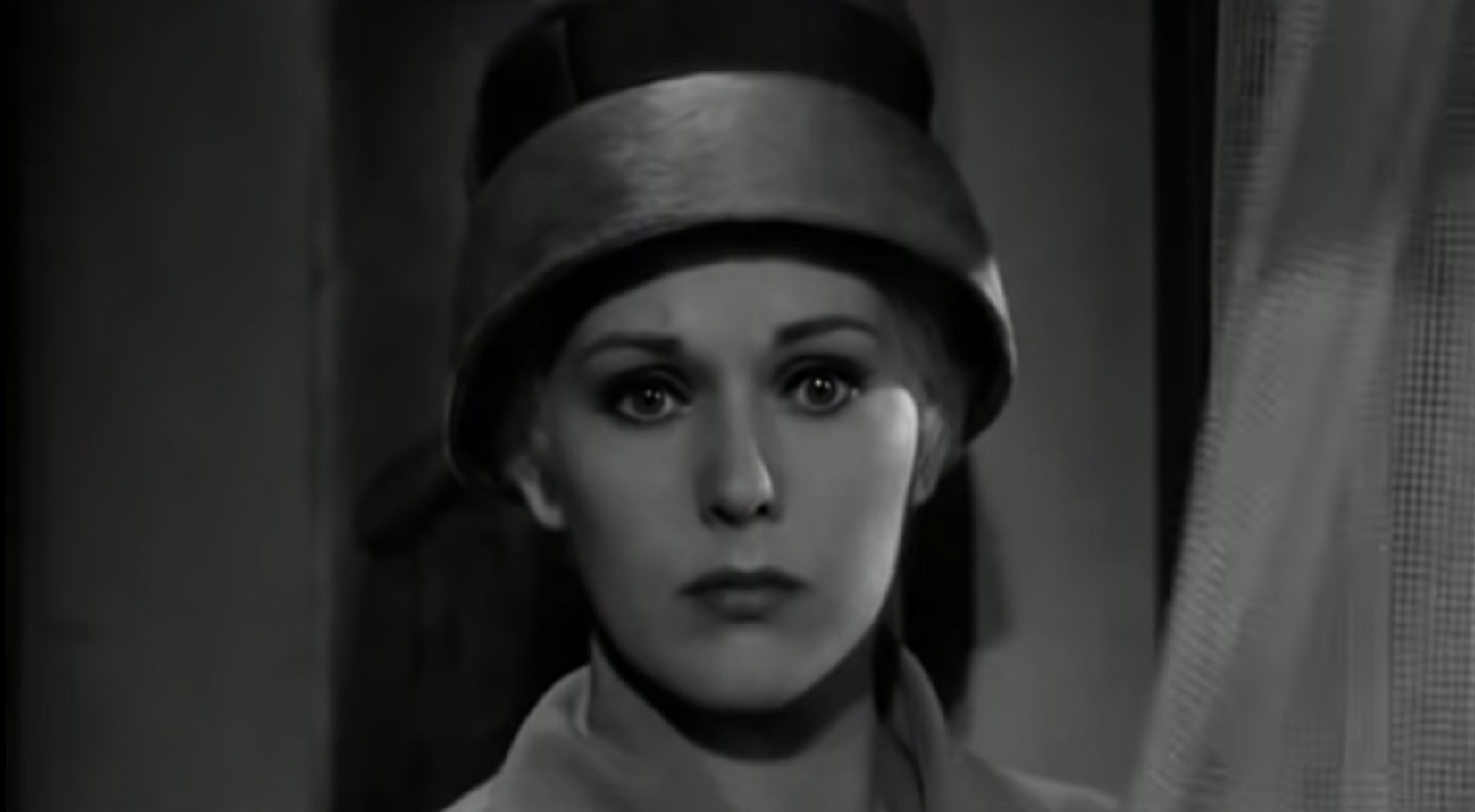
Fortunately, Novak’s performance keeps us watching even when the movie’s disappointing screenplay fails.

Redeeming Qualities and Moments:

  • Kim Novak’s sensitive portrayal of Eagels as both a young ingenue and a tragic has-been

Must See?
No, though fans of Kim Novak will undoubtedly want to check it out.

Links:

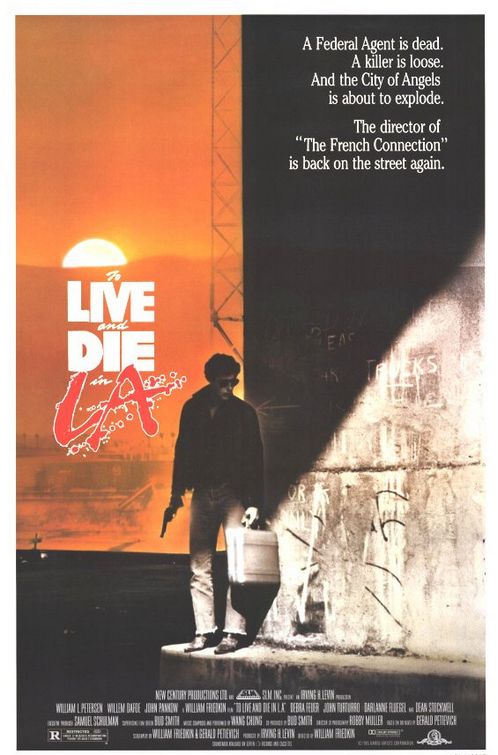
To Live and Die in L.A. (1985)

To Live and Die in L.A. (1985)

“Buddy, you’re in the wrong place at the wrong time.”

Synopsis:
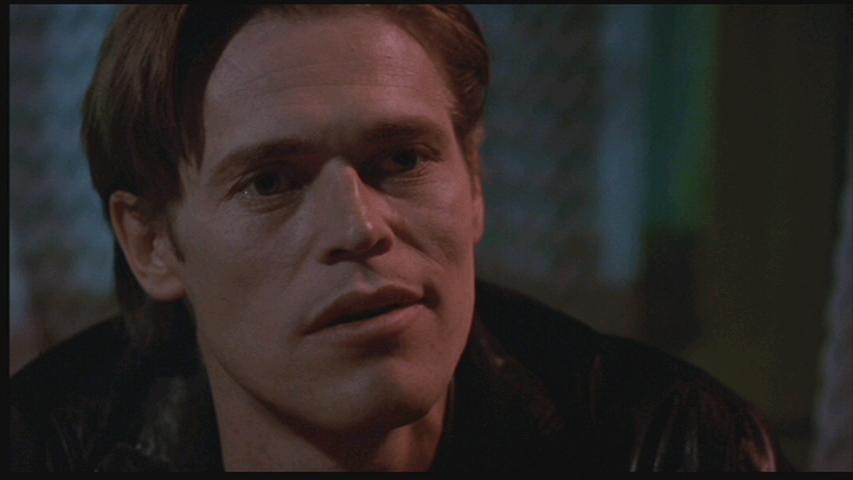
A Los Angeles secret agent (William L. Petersen) swears to avenge the death of his partner (Michael Greene) by capturing notorious counterfeiter Eric “Rick” Masters (Willem Dafoe).

Genres, Themes, Actors, and Directors:

  • Cat-and-Mouse
  • Counterfeiting
  • Dean Stockwell Films
  • Los Angeles
  • Police
  • Revenge
  • Thieves and Criminals
  • William Friedkin Films

Review:
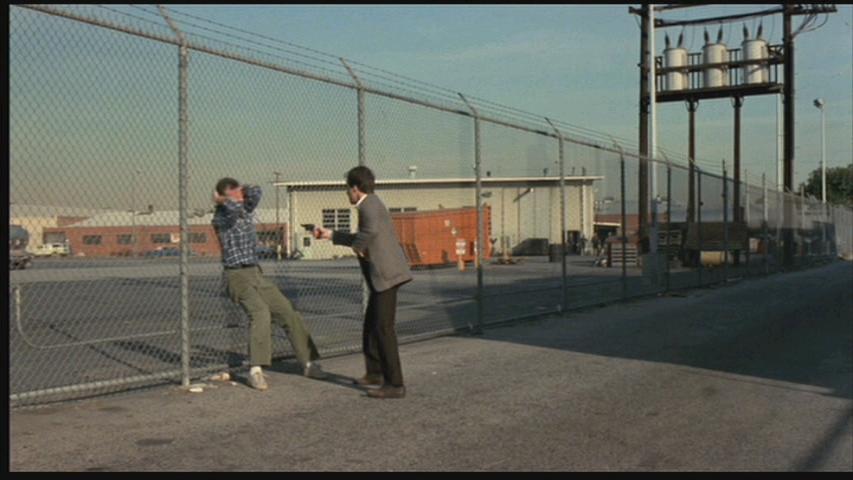
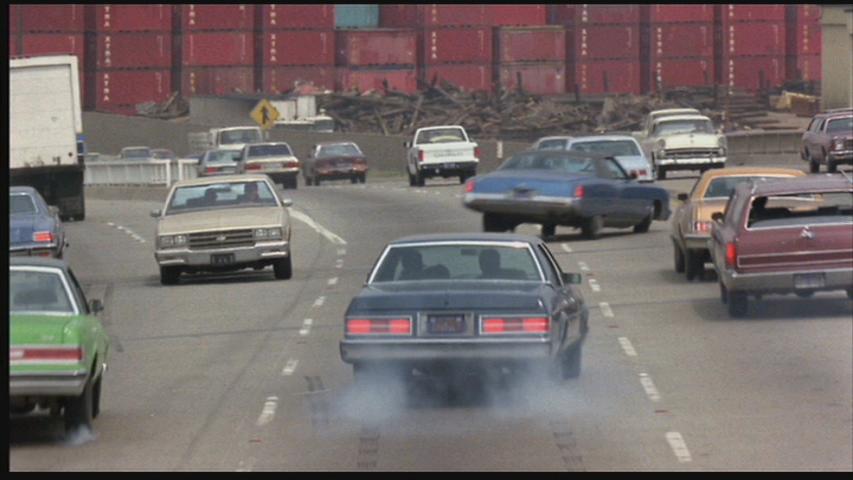
Few films define the 1980s as decisively as William Friedkin’s To Live and Die in L.A.: from its synthesized soundtrack to its outlandish fashion sensibilities, every aspect of the film evokes flashbacks to this notorious decade of questionable taste. Stylistic issues aside, however, the film remains a top-notch thriller, one which follows a familiar storyline trope — cop seeks revenge for his dead partner — but is executed with panache and skill. As noted below, Friedkin (ably assisted by cinematographer Robby Muller) makes excellent use of L.A.’s grittier environs, and the lengthy freeway car chase is a worthy follow-up to the infamous chase scene in his earlier cop classic, The French Connection (1971). Performance-wise, stage-actor Petersen isn’t all that charismatic or memorable in the lead role, but he does a fine job showing his character’s moral struggle; however, it’s Dafoe’s cold-hearted criminal who truly shines here, oozing greed and amorality at every turn.

Redeeming Qualities and Moments:

  • Willem Dafoe as Petersen’s personal nemesis
  • A fascinating glimpse at high-tech counterfeiting
  • Excellent use of realistic L.A. cityscapes, streets, and alleys
  • A truly exciting freeway car chase
  • The “very ’80s” synthesized soundtrack by Wang Chung

Must See?
No, but it’s recommended.

Links:

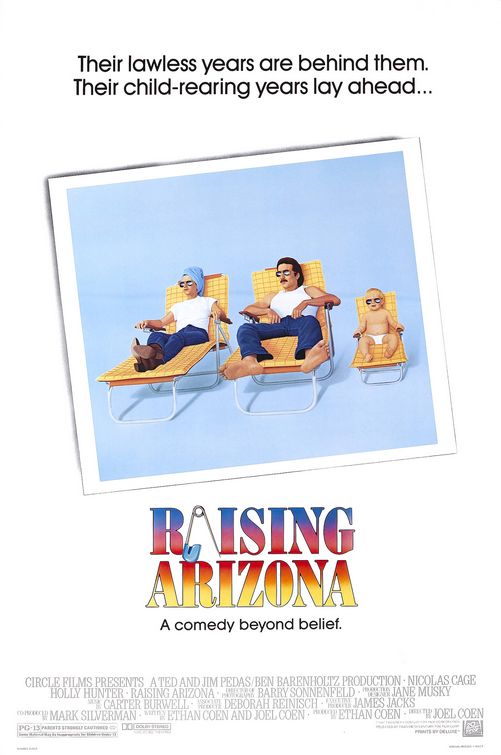
Raising Arizona (1987)

Raising Arizona (1987)

“Biology and the prejudices of others conspired to keep us childless.”

Synopsis:
When a newly married ex-con (Nicolas Cage) and ex-cop (Holly Hunter) discover that they can’t have or adopt children of their own, they kidnap a baby (T.J. Kuhn) from a local furniture tycoon (Trey Wilson) and his quintuplet-bearing wife (Lynn Dumin Kitei).

Genres, Themes, Actors, and Directors:

  • Comedy
  • Ex-Cons
  • Kidnapping
  • Nicolas Cage Films
  • Thieves and Criminals

Review:
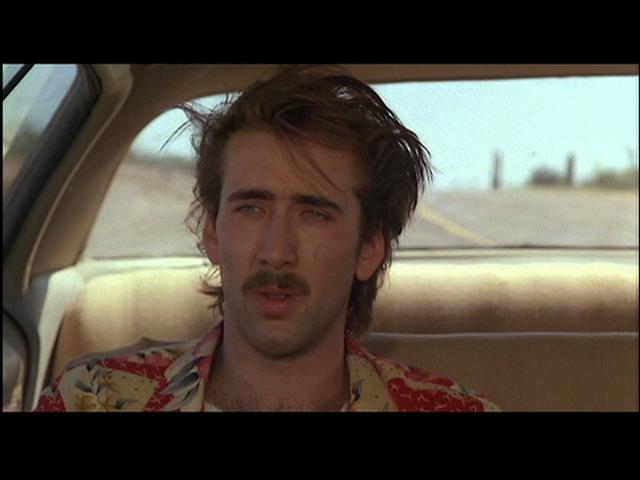
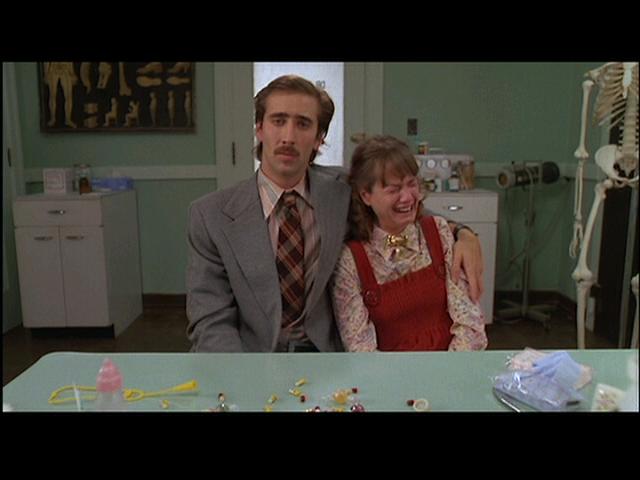
While it’s not for every taste (Roger Ebert panned it upon its release, and it has a Metacritic score of only 55), Raising Arizona remains — in my humble opinion — a delightfully surreal and colorful comedy. Nicolas Cage and Holly Hunter (both early in their careers) are perfect as the desperate childless couple: Hunter’s spontaneous expression of love for her new baby boy (“I love him so much!” she sobs) is classic; and it’s hard to imagine anyone other than Cage embodying “Hi” (who, as put so delightfully in Rita Kempley’s review for the Washington Post, “is a deep thinker, without the IQ to support his habit.”) Not everything about the film works, however. Many supporting characters — most notably Randall “Tex” Cobb as a greasy Motorcyclist From Hell — are too broadly written to be amusing, and there’s an over-abundance of slapstick violence. In addition, John Goodman and William Forsythe as Hi’s escaped-convict friends — who play an essential role in the plot later on — are only intermittently entertaining, and quickly devolve into stereotype. Nonetheless, for every ho-hum scene in Raising Arizona, there’s another hilarious one just up ahead — and this, combined with our sympathy for the surprisingly likable protagonists, make the film well worth watching.

Redeeming Qualities and Moments:

  • Nicolas Cage in one of his best comedic roles
  • Holly Hunter as Hi’s intensely maternal wife
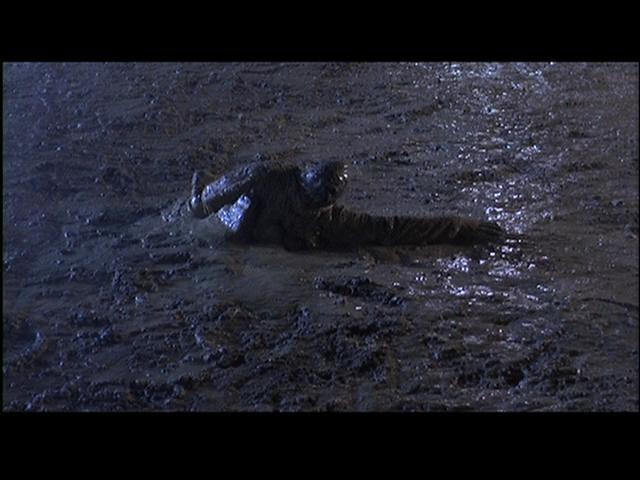
  • Goodman and Forsythe emerging from the mud like newborn adults
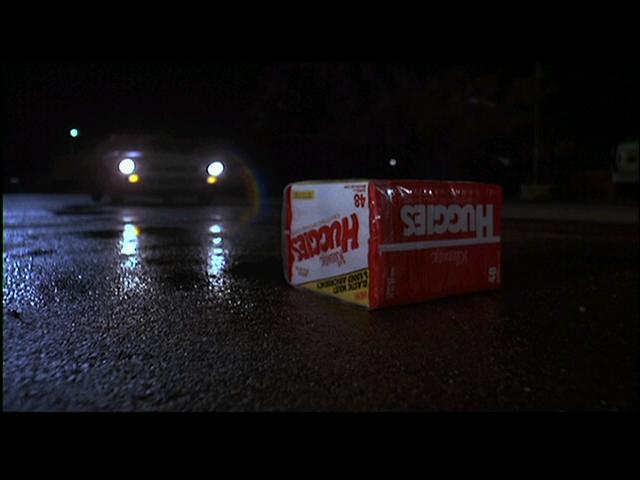
  • Cage and Hunter stopping to pick up a package of dropped Huggies during a getaway
  • A unique and touching premise for a comedy
  • Many juvenile yet unexpectedly laugh-out-loud lines:

    “Son, you got a panty on yo’ head!”

Must See?
Yes. This early comedy from the Coen Brothers set the stage for their later films, and remains one of their most successful endeavors to date.

Categories

  • Important Director

(Listed in 1001 Movies You Must See Before You Die)

Links: