|
Genres, Themes, Actors, and Directors:
- Fantasy
- Hans Conried Films
- Living Nightmare
- Mind Control and Hypnosis
- Musicals
- Prisoners
Response to Peary’s Review:
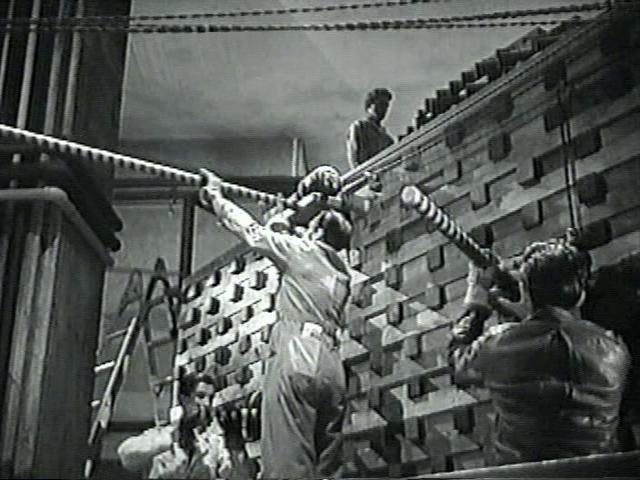
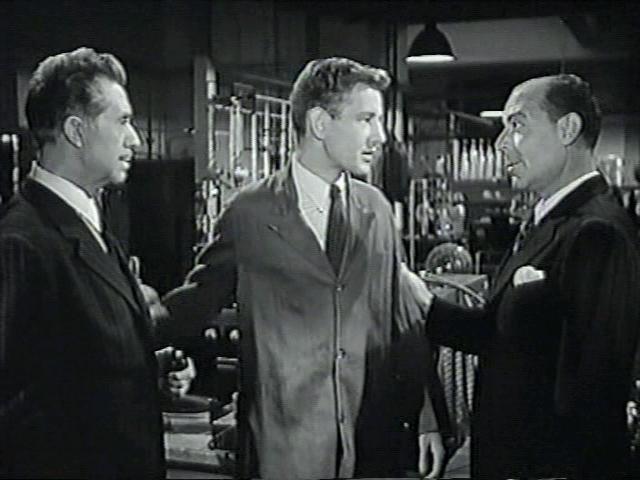
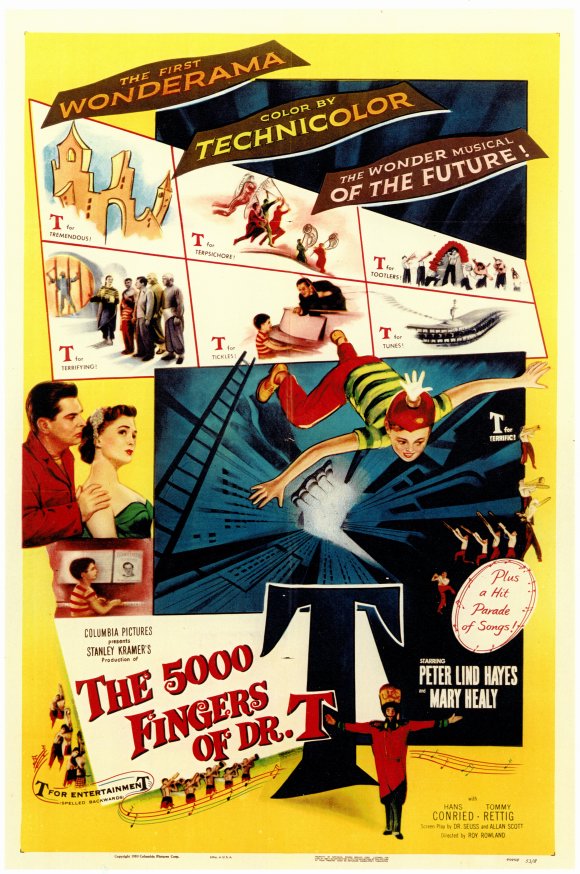
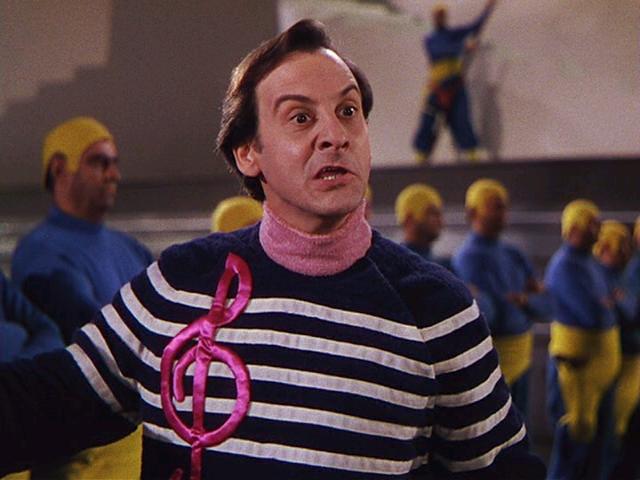
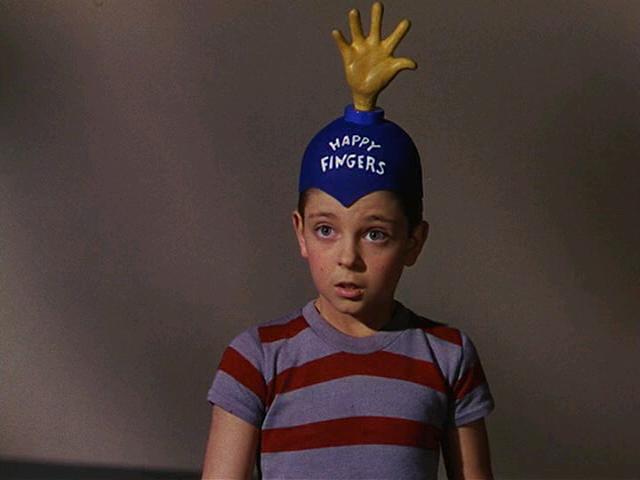
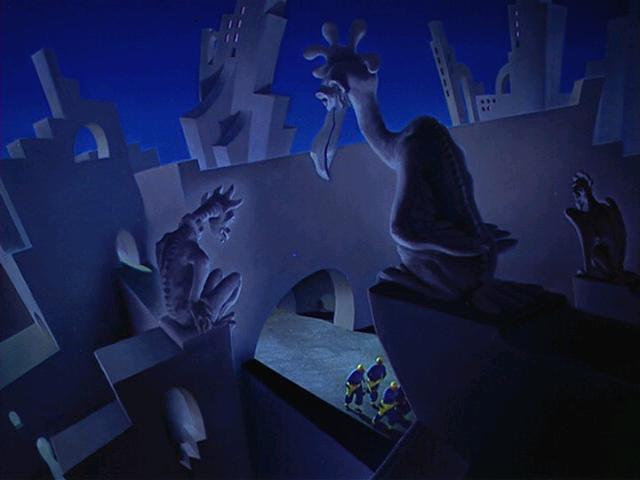
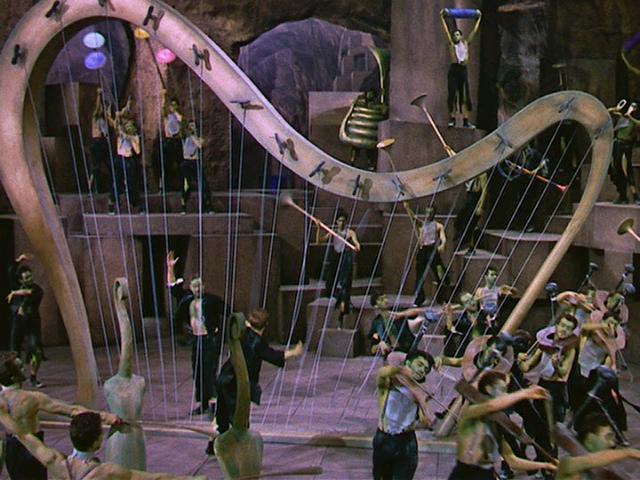
As Peary notes, this cult musical (panned upon its release) is “exciting, scary… and visually dazzling.” Dr. Seuss (Theodore Geisel) co-wrote the script (based on a clever premise), which has overtones of Roald Dahl in its presentation of a young boy fighting against a cruel, non-understanding world of adults. Hans Conried is perfectly cast as Dr. T., and has great fun hamming it up; it’s likely his greatest role. Equally impressive (and eminently memorable) are the spectacular sets and costumes, which come across exactly like a Dr. Seuss book brought to Technicolor life. Even Rettig himself (who’s not a bad child actor) looks like a character straight out of one of Dr. Seuss’s illustrations.
With that said, as much as I enjoy discrete elements of Dr. T., I’m ultimately more in agreement with DVD Savant’s review than Peary’s. While I can see its cult appeal, I find the movie as a whole to be surprisingly dull: the songs are insipid, the pacing is off, and, for the most part, the direction is uninspired. In addition, Hayes isn’t all that appealing as Rettig’s would-be father figure, and Healy is eminently bland (her colorful costumes are the best thing about her). Although I understand that Seuss and co-screenwriter Alan Scott meant to posit Healy as a sort of emotionless Stepford widow, easily brainwashed by Dr. T., she doesn’t play this for camp (as she should) — indeed, Conried is the only character who seems to recognize that the film’s scenarios are literally crying out for laughs. (It’s unfortunate, as Conried himself has lamented, that so many of his scenes were cut, because he’s the most interesting character in the film by far.)
Note: In his review, Peary points out the “anticommunist propaganda” of Dr. T., noting that “these children are being turned into obedient automatons”. But there are multiple other possible readings as well, including its valorization of the 1950s nuclear family (Bart wants nothing more than to secure Hayes as a father-figure who will take him fishing), and its latent fear of homosexuality (the evil Dr. T. dresses in lavender and pink, and is surrounded by a cast of equally effeminate men).
Redeeming Qualities and Moments:
- Hans Conried’s deliciously over-the-top performance as the effeminate Dr. T.
- Tommy Rettig as Bart
- Truly surreal set designs
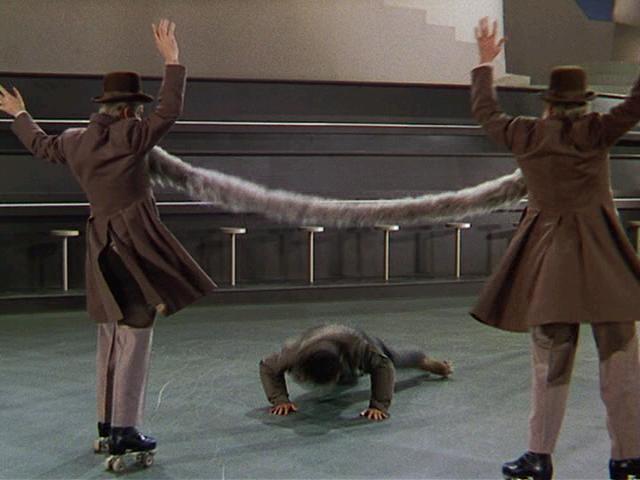
- Some memorable characters — including the silent, rollerskating, Siamese-bearded twins
- Effective use of shadows
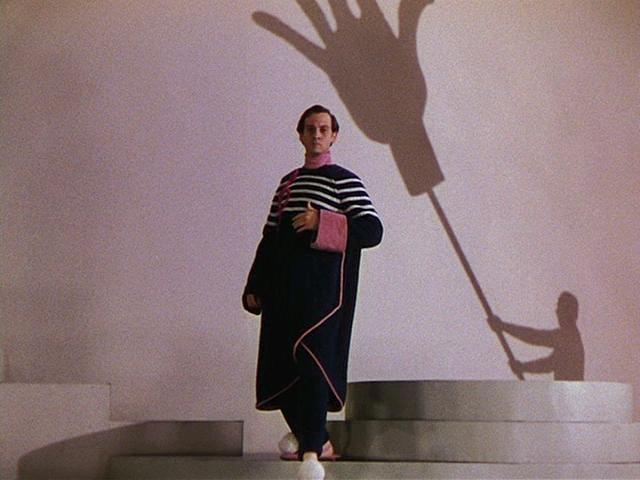
- Conried singing “Do-Mi-Do Duds”

- The marvelously campy “dungeon sequence”
Must See?
Yes, simply for its cult appeal.
Categories
Links:
|