|
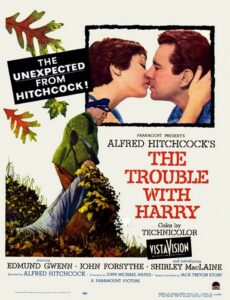
Synopsis:
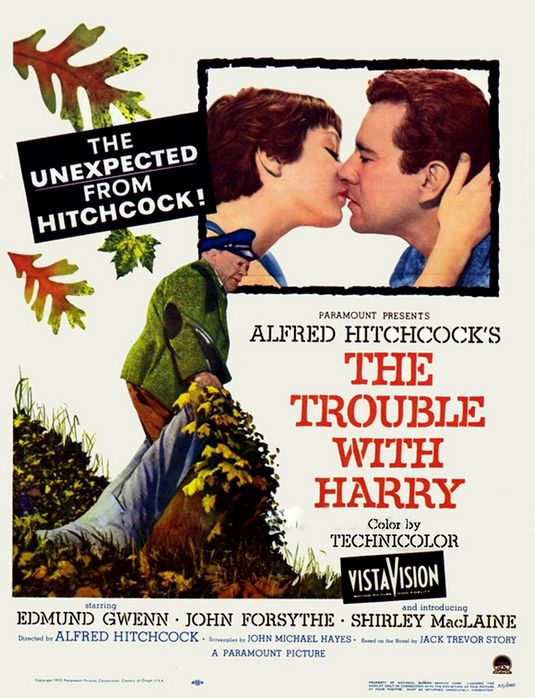
When a corpse shows up on a hill in Vermont, three different people — the corpse’s widow (Shirley MacLaine), a spinster (Mildred Dunnock), and a retired sea captain (Edmund Gwenn) — believe they may be responsible for his death; it’s up to a resident artist (John Forsythe), who has fallen for MacLaine, to help them figure out what to do with the body.
|
|
Genres, Themes, Actors, and Directors:
- Black Comedy
- Edmund Gwenn Films
- Hiding Dead Bodies
- Hitchcock Films
- Mildred Dunnock Films
- Murder Mystery
- Shirley MacLaine Films
Response to Peary’s Review:
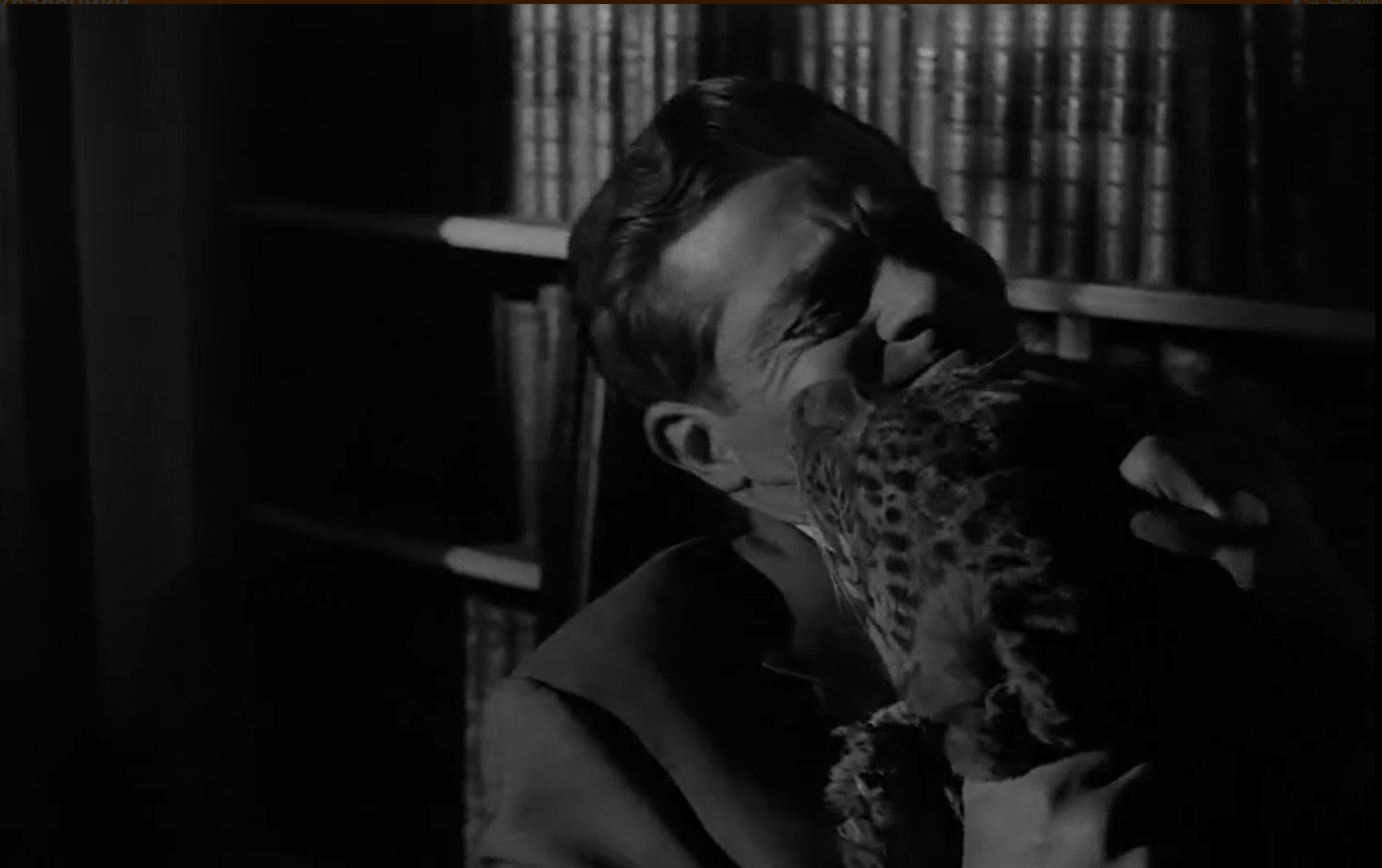
The Trouble With Harry — “one of [five] Alfred Hitchcock films… that were long kept out of circulation” [the others were Rope (1948), Rear Window (1954), The Man Who Knew Too Much (1956), and Vertigo (1958)] — is surely Hitchcock’s most amiably comedic film, and likely “the closest America’s come to reproducing the feel of an English Ealing comedy”, according to DVD Savant. Peary, however, doesn’t appear to be a big fan of the film: he notes that “it looks like Hitchcock, stuck with a one-joke premise, made a half-hearted effort”, and argues that “it lacks pace, style, and, most importantly humor”. But I disagree on most of these counts.
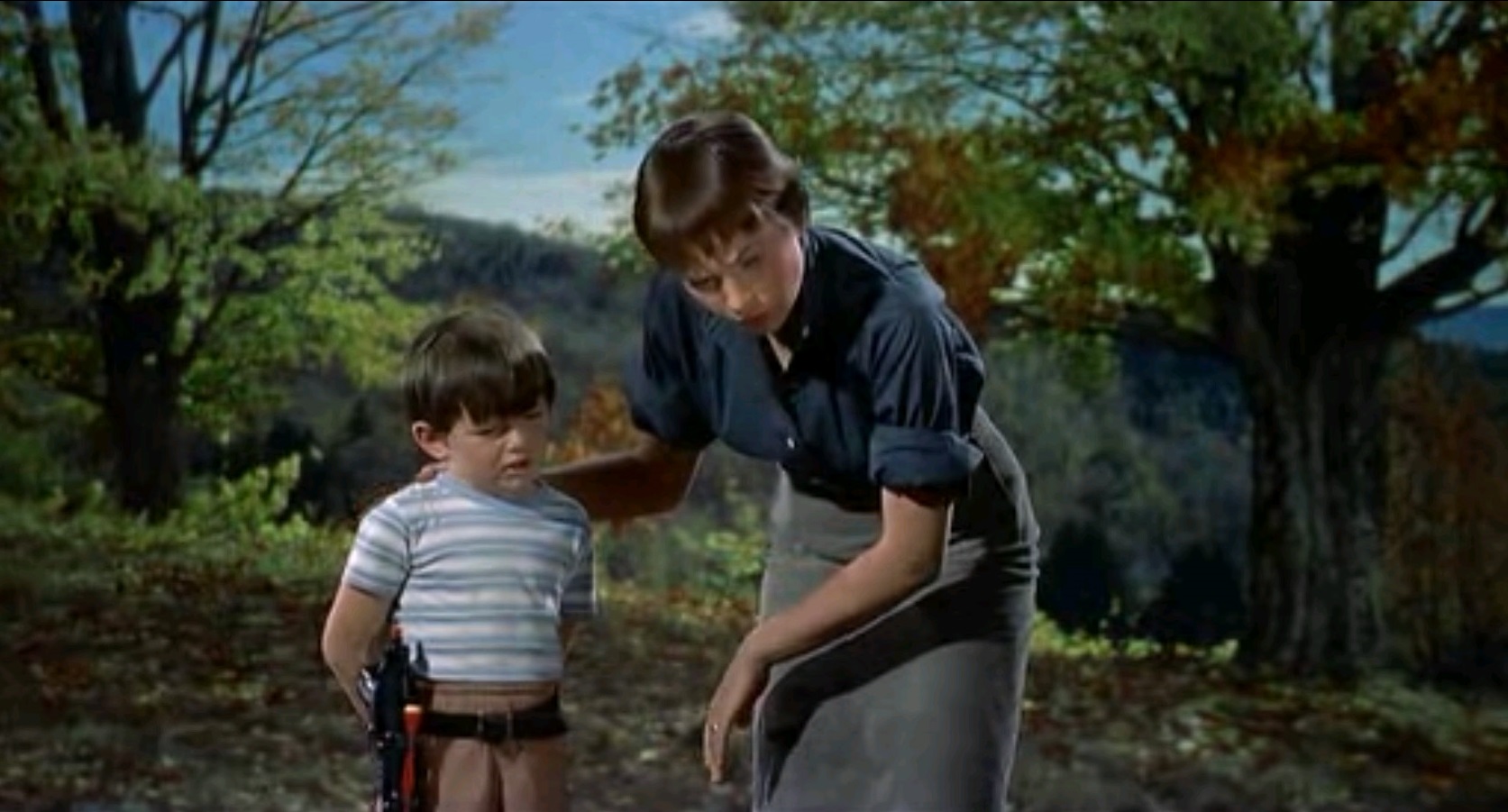
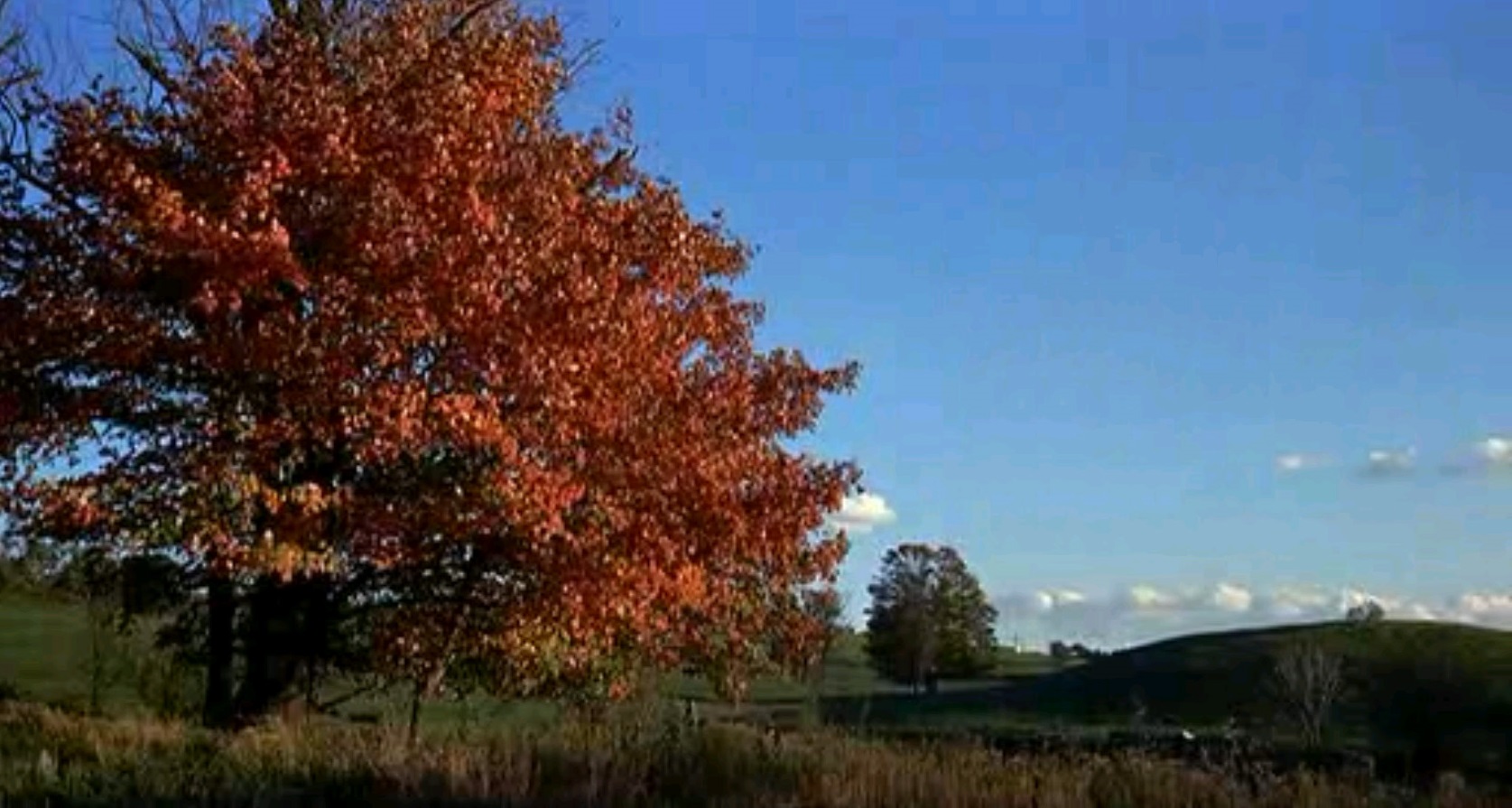
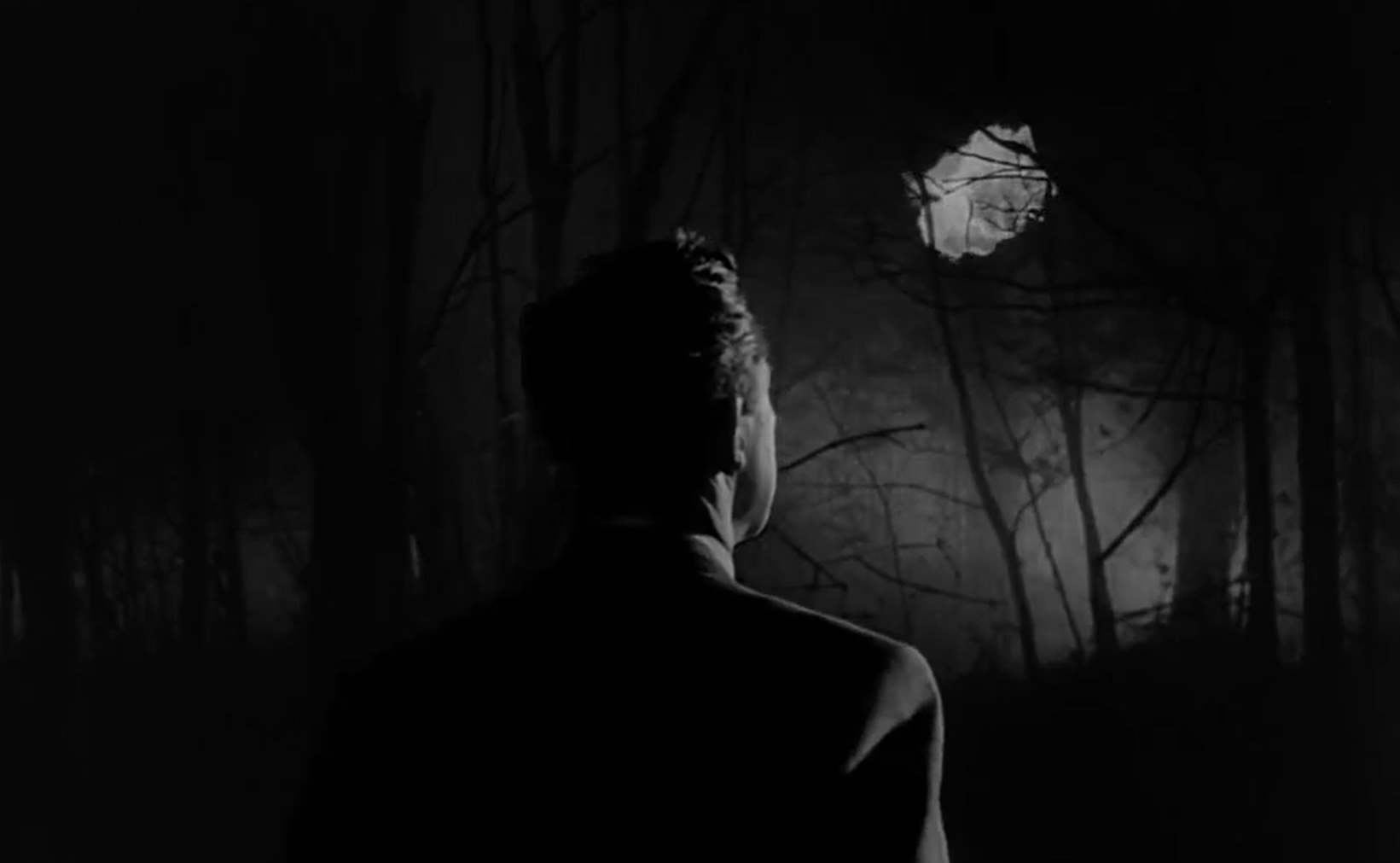
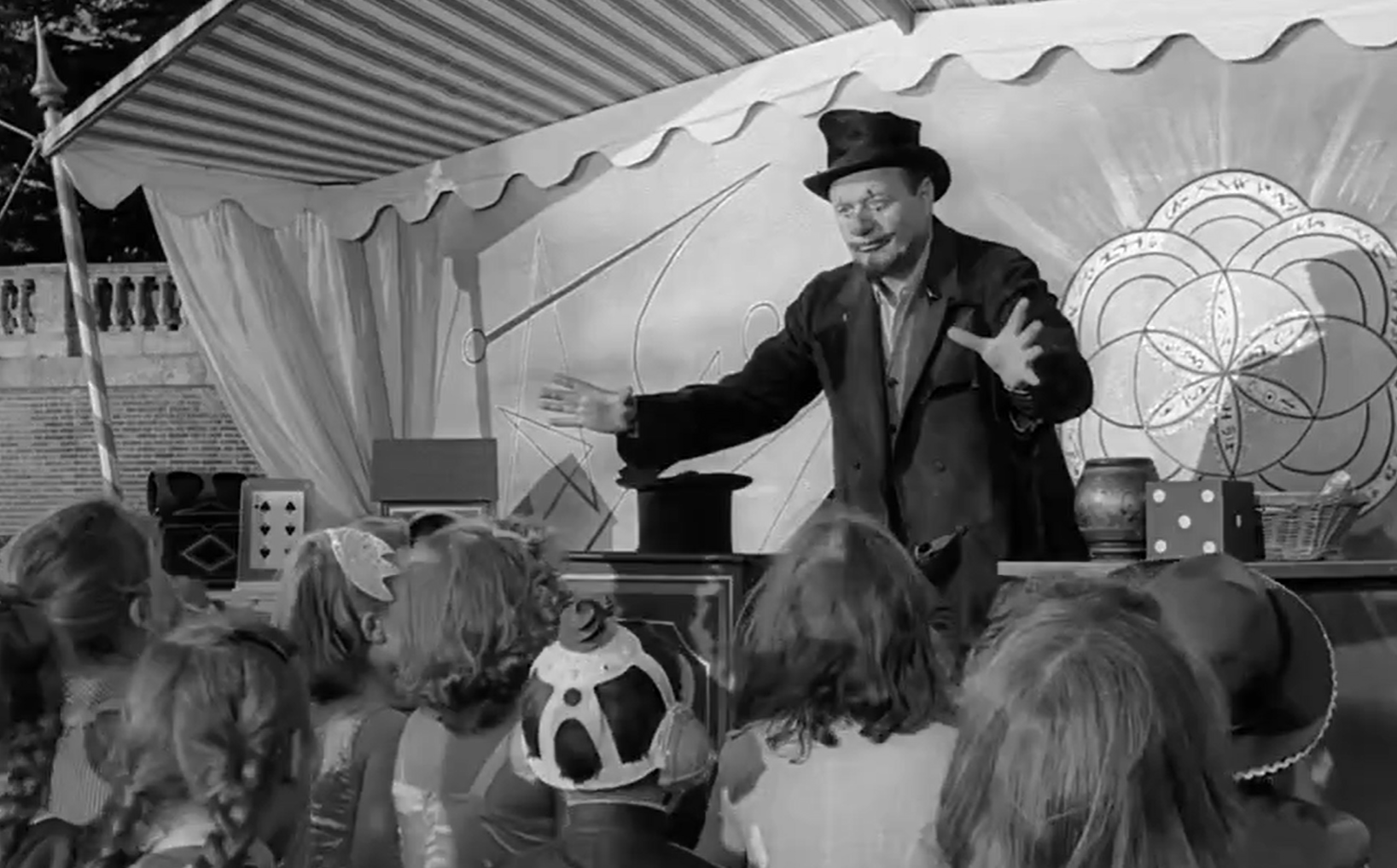
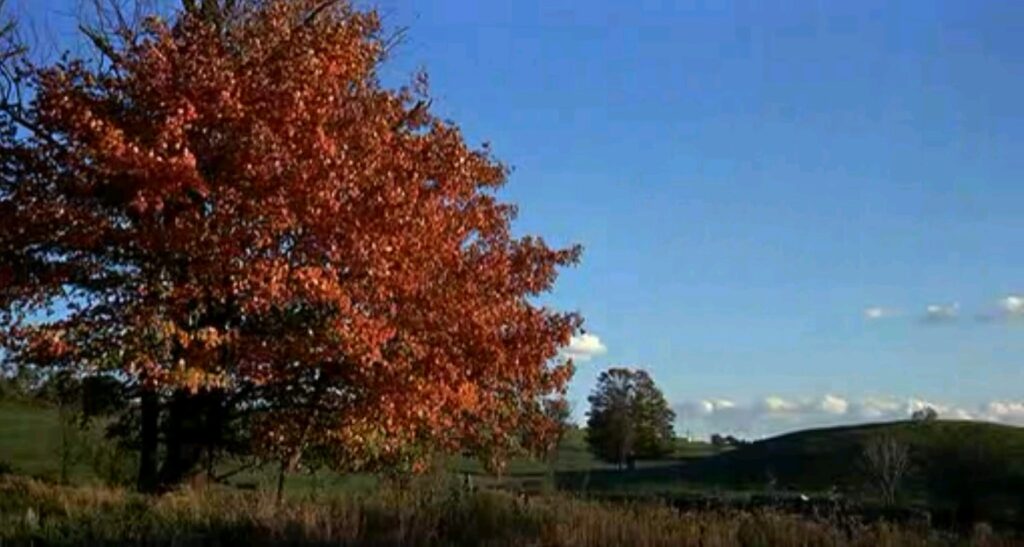
Yes, the story is decidedly one-note, but it’s based on a clever conceit, and works well if you’re in the right mood. As far as pacing is concerned, the storyline simply follows its own leisurely logic rather than the usual thrill-a-minute velocity one expects in a Hitchcock flick; and in terms of style, Hitchcock and d.p. Robert Burks make lovely use of the Vermont countryside, with many establishing shots literally bursting with vibrant fall colors. With regards to humor, while not all of the “jokes” in the film work (i.e., the “gag” about a millionaire wanting to buy all of Forsythe’s painting, only to find him either absent or suddenly unwilling to sell, falls flat), there’s a steady undercurrent of dark, dry humor that bolsters the film. Indeed, Hitchcock was actually quite the cinematic experimenter, always interested in stretching his own boundaries and trying new approaches — here, he was purposely trying out a more “subtle” form of humor on American audiences. (Apparently European audiences were more receptive, given that it played for a year or more in England, Italy, and France.)
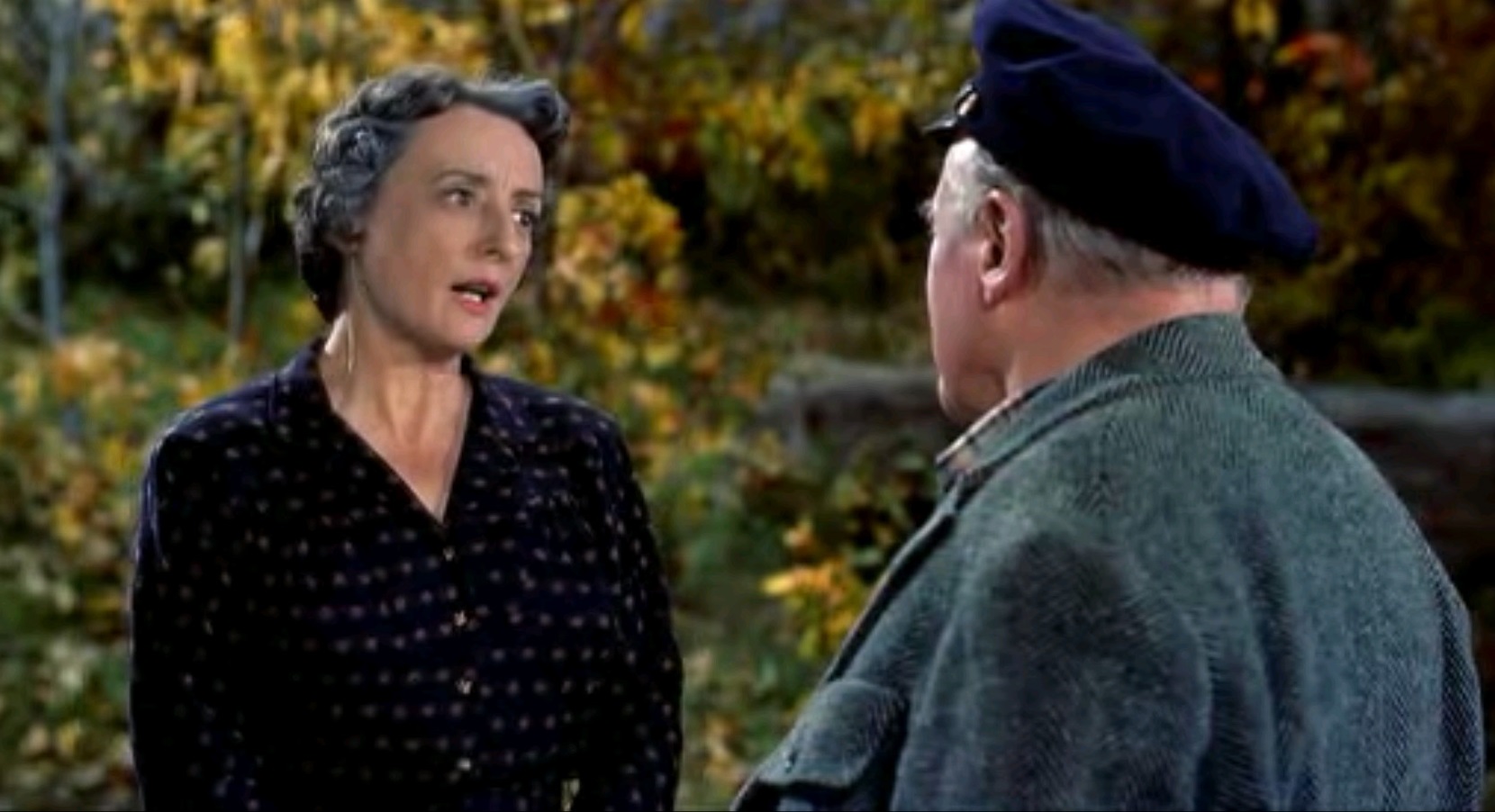
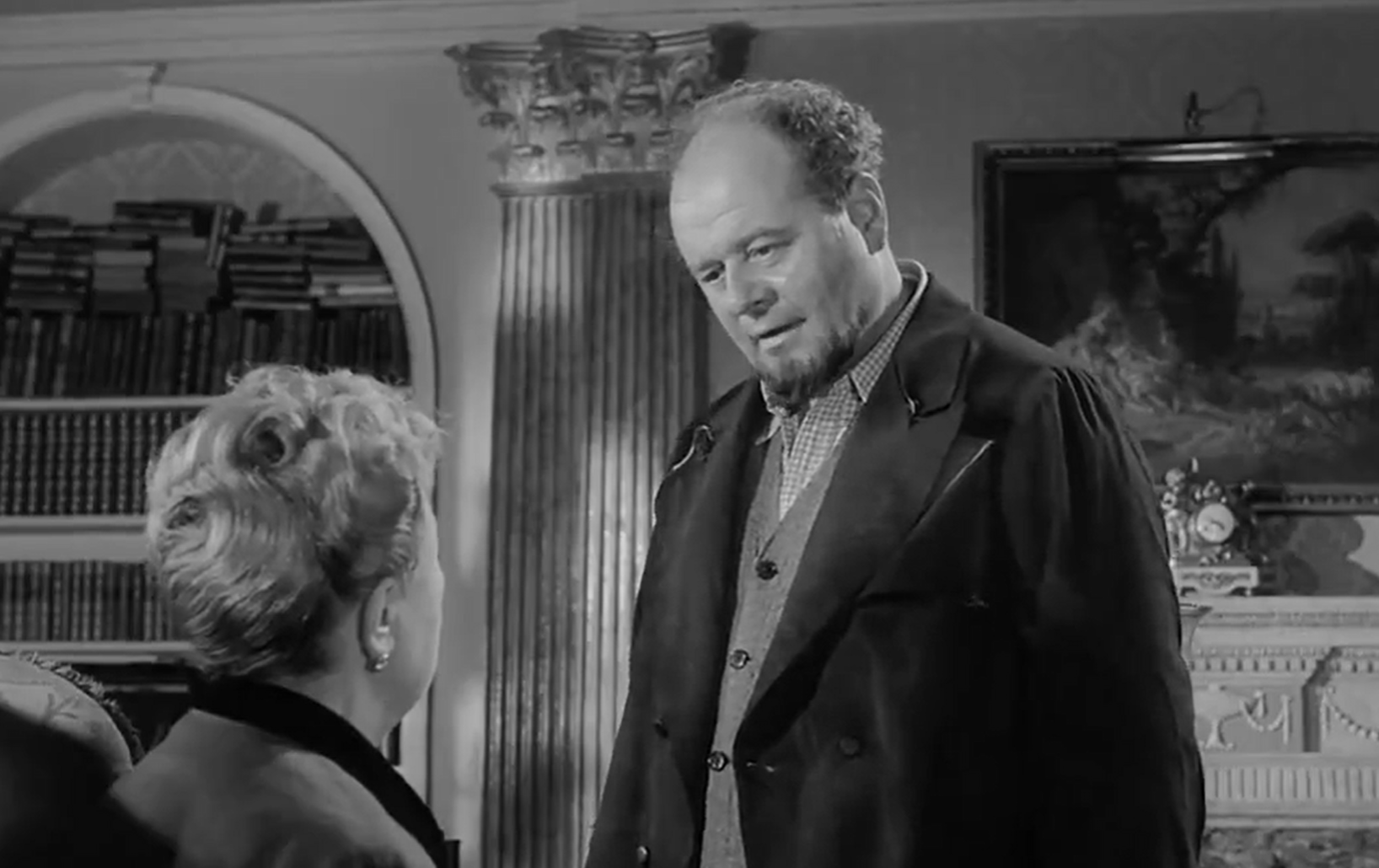
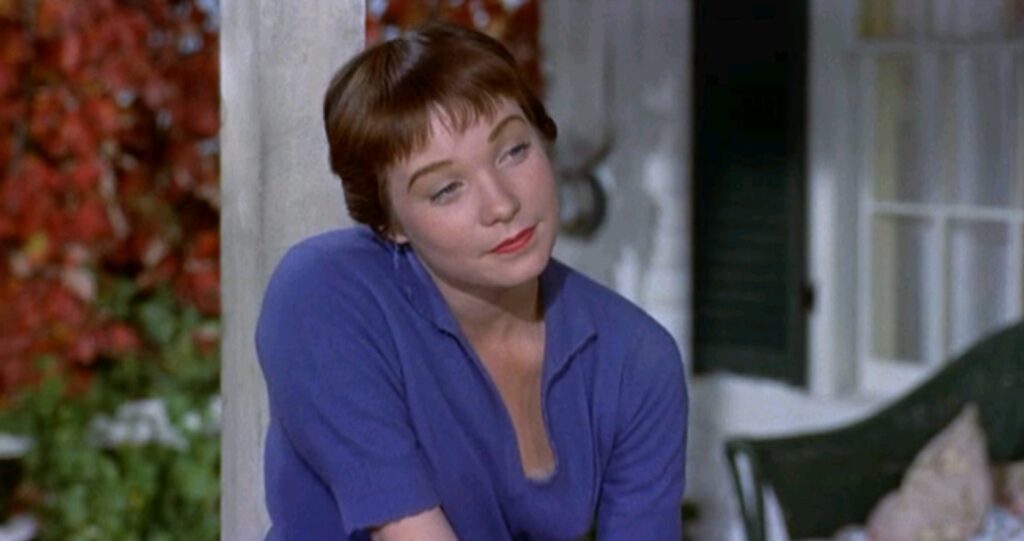
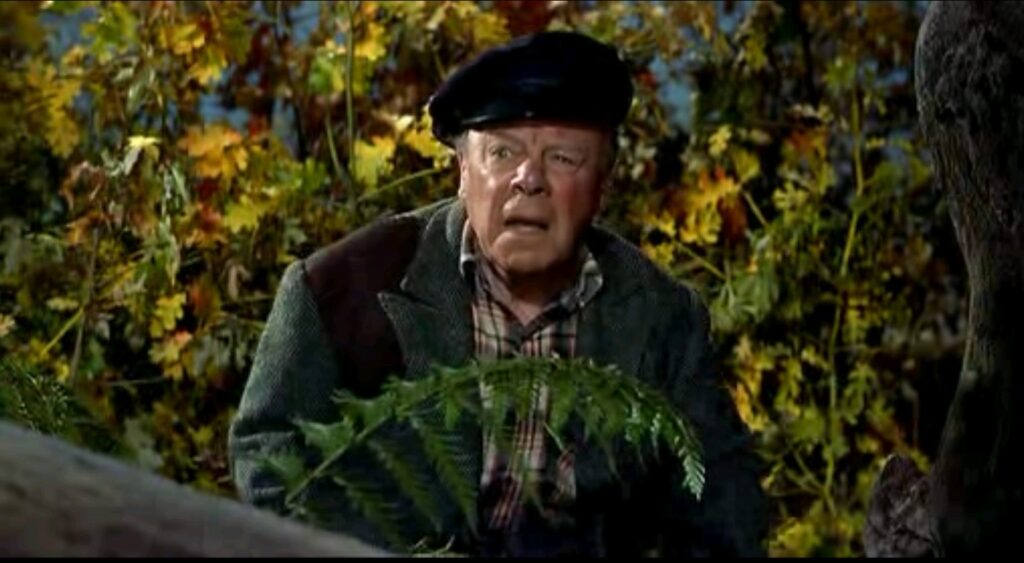
He also purposely kept his cast free from big-name stars — and nearly everyone involved (only Forsythe rubs me the wrong way) shines in their respective roles. Gwenn is perfectly cast as an amateur hunter convinced he’s accidentally shot Harry; his budding romance with Natwick (equally convinced she’s guilty of manslaughter, and given to exaggerating the truth about her age) is quite sweet. Meanwhile, it’s clear to pretty much everyone who sees the film that its “major point of interest is the debut of young Shirley MacLaine”, whose “performance — the matter-of-fact delivery of lines, and the weird rhythm of her speech — is disarming”, and whose natural beauty is refreshing. Her unusual casting has gone down in cinematic history: she had no movie experience at all, and was shocked at being chosen, but Hitchcock apparently said to her, “All this simply means is that I shall have fewer bad knots to untie.”
Redeeming Qualities and Moments:
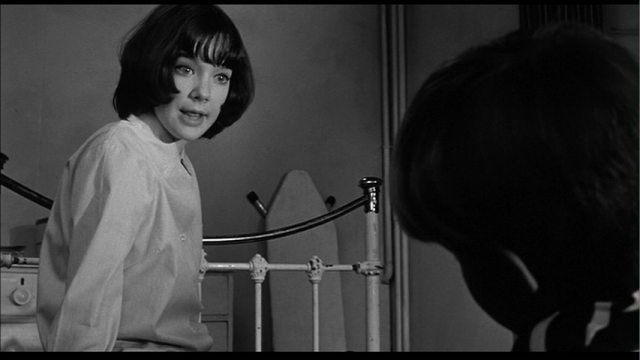
- Shirley MacLaine (in her film debut) as Jennifer Rogers
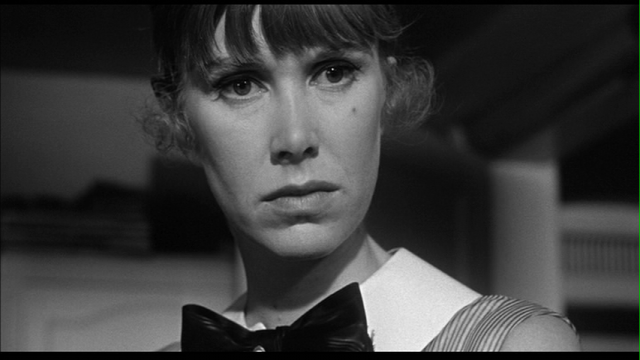
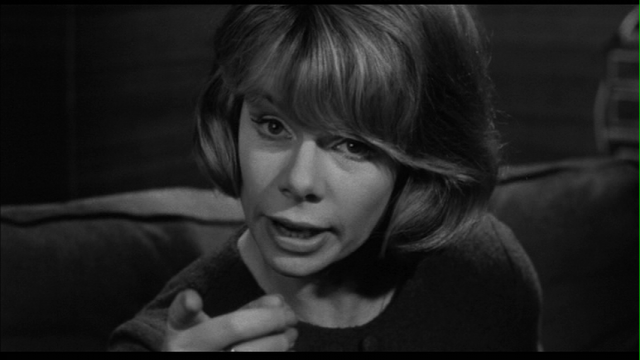
- Mildred Natwick as Ivy Gravely
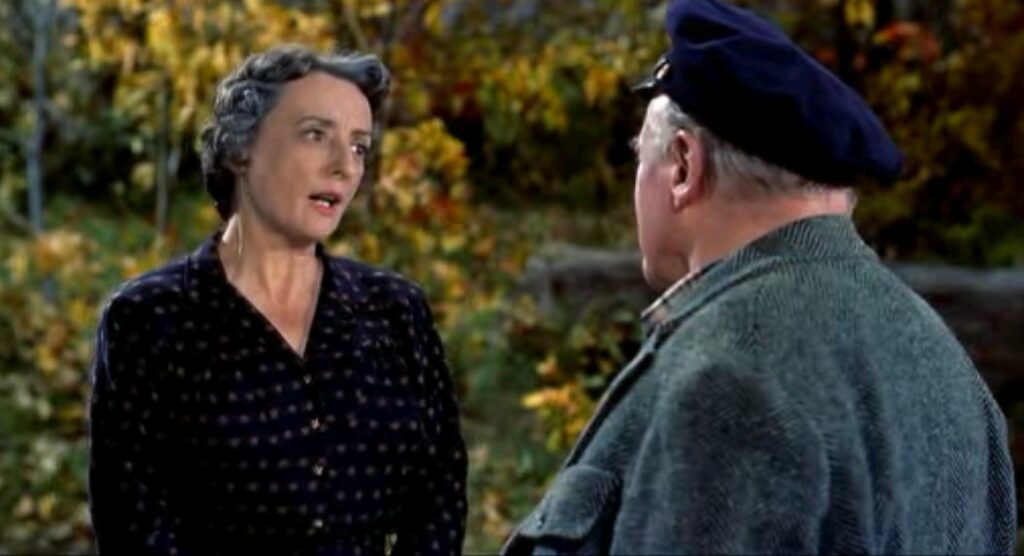
- Edmund Gwenn as the Captain
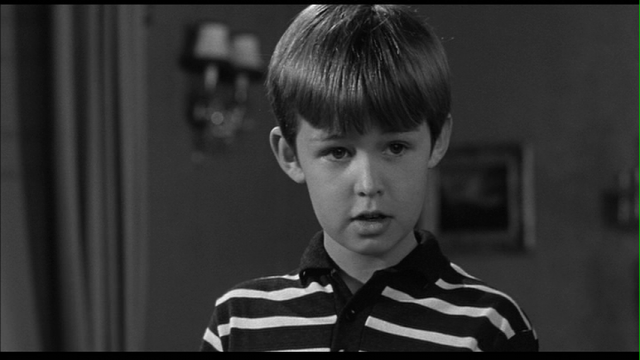
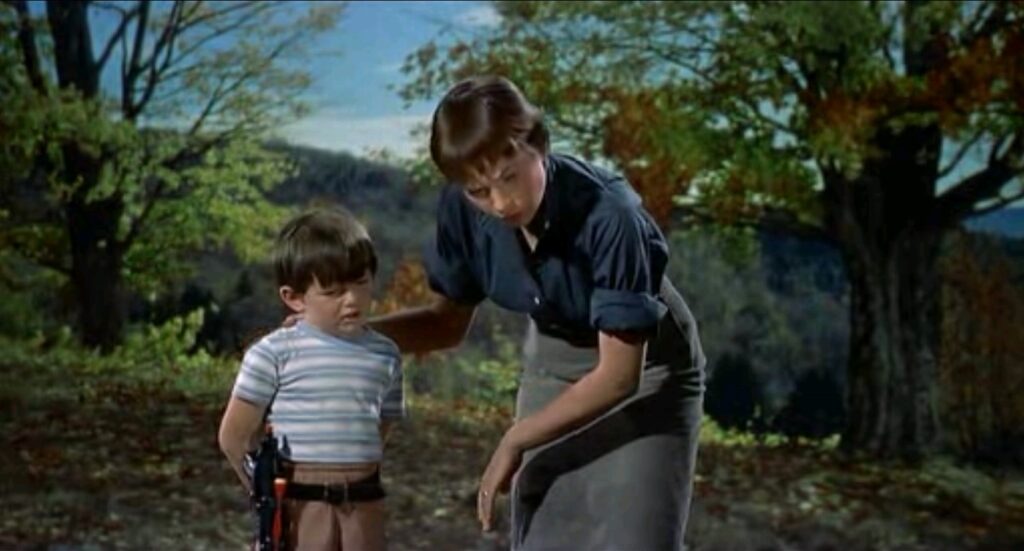
- Jerry Mathers (pre-“Leave it to Beaver”) as Arnie, Jennifer’s young son
- Beautiful location footage in the hills of Vermont
- Bernard Herrmann’s score (his first for Hitchcock)
Must See?
Yes, as an unusual entry in Hitchcock’s oeuvre.
Categories
Links:
|