Thieves Like Us (1974)

Thieves Like Us (1974)

“I shoulda robbed people with my brain instead of a gun.”

Synopsis:
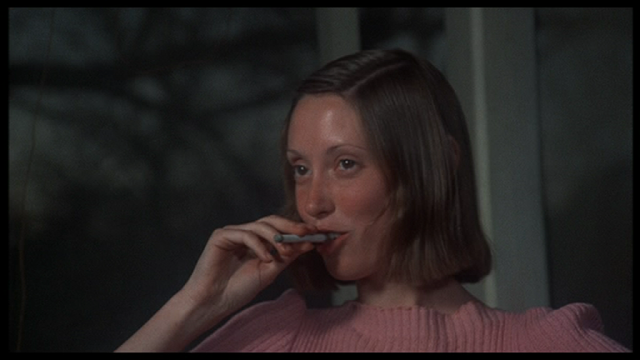
A trio of fugitives (Keith Carradine, Bert Remsen, and John Schuck) rob banks in Mississippi while trying to stay out of the hands of the law; meanwhile, Carradine develops a crush on a gas station attendant (Shelley Duvall), Remsen falls for a blonde beauty school student (Ann Lathan), and Schuck shows increasingly violent tendencies.

Genres, Themes, Actors, and Directors:

  • Depression Era
  • Fugitives
  • Keith Carradine Films
  • Louise Fletcher Films
  • Robert Altman Films
  • Shelley Duvall Films
  • Thieves and Criminals

Response to Peary’s Review:
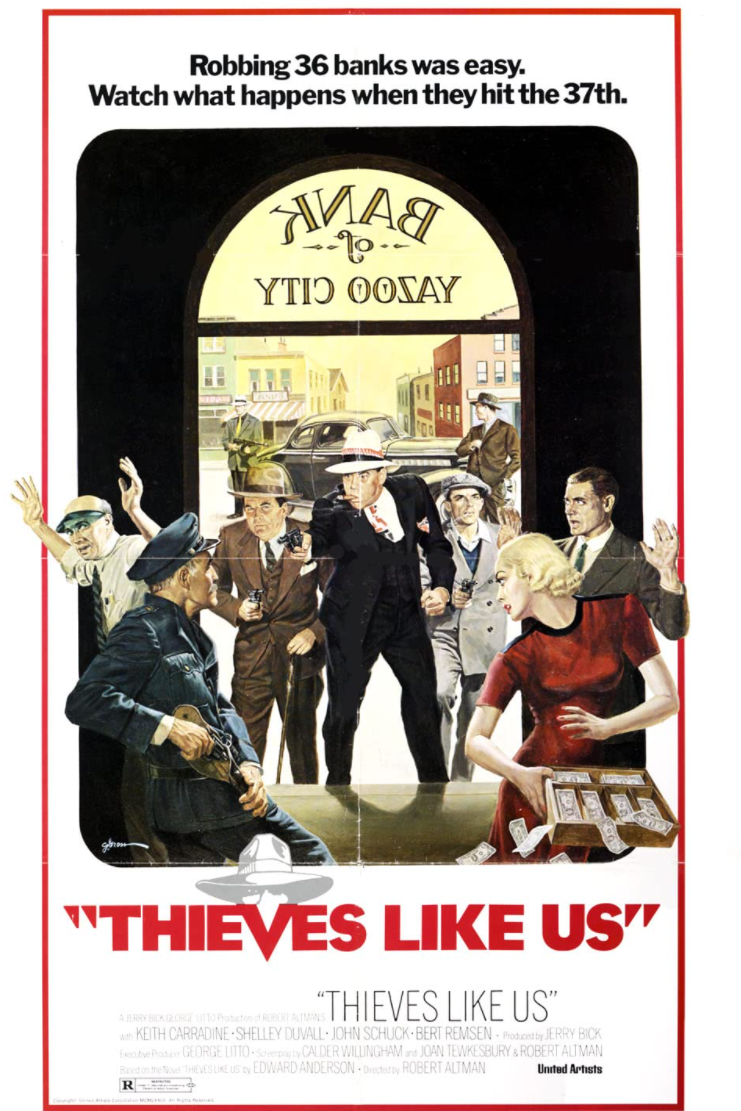
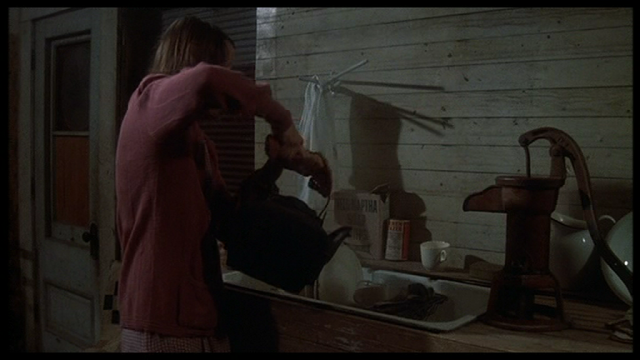
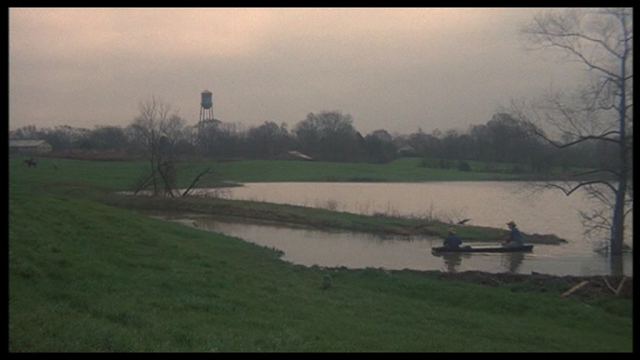
Robert Altman’s period drama about thievery and young love during the Great Depression was adapted by Altman, Calder Willingham, and Joan Tewksebury “from Edward Anderson’s novel, which was also the source for Nicholas Ray’s 1948’s classic They Live By Night.” Peary refers to it as a “masterpiece”, noting that it’s “terrifically acted”, has “exceptional, flavorful dialogue”, utilizes sets that “look lived in”, is masterfully cast “down to the bit parts”, and is filmed by cinematographer Jean Boffety in a way that “adds to the film’s lyricism and sense of a bygone time”. Indeed, its sense of period authenticity is especially striking; as Peary notes, Altman achieves this “through carefully chosen sets and props, hairstyles, clothes, and cars; and by establishing a lifestyle for his characters… that seems perfectly credible.” The use of radio programs in the background (sometimes realistically ambient, at others more strategically chosen) is striking, giving one the distinct sense that radio was the “television” of the day — something that would likely be on in most households or cars, as a part of everyday life.

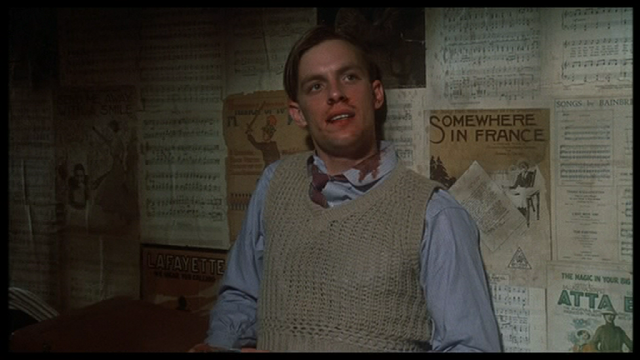
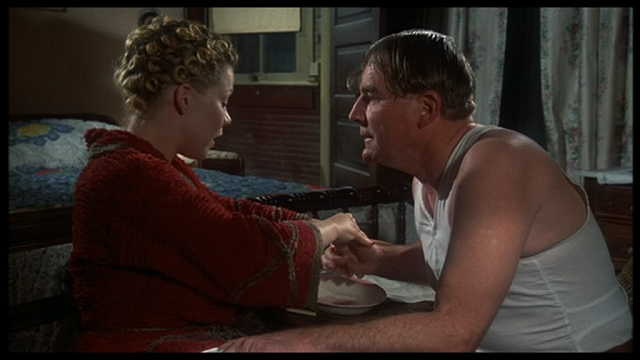
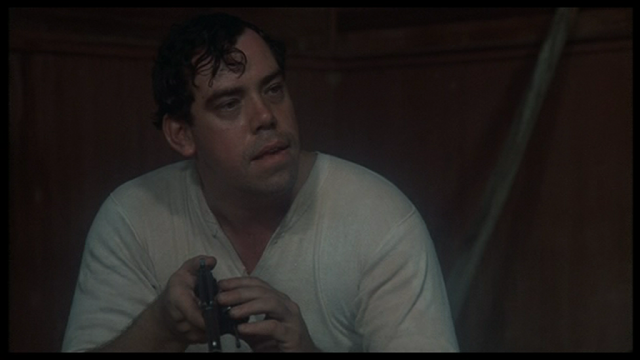
Parallels between Thieves Like Us and Arthur Penn’s Bonnie and Clyde (1967) are inevitable, given that both tell stories about “everyday” citizens during the Depression who are drawn to the glory and seemingly simple allure of bank robberies (indeed, no guards or policemen are ever shown nearby; Carradine and his team simply get away without a problem). To that end, Altman noticeably chooses “to treat the action sequences the same as the dialogue scenes, without suspense or exciting climaxes” — most likely because “Carradine himself doesn’t regard the robberies and shootouts as particularly interesting events in his life”; he’s much more concerned with making it back to his true love, “simple, scrawny” Keechie (Duvall), who possesses a strange appeal despite her odd looks (it’s easy to see why Carradine’s needy character falls for her). Duvall is excellent here, as are Carradine and the other male leads. Schuck — playing a psychopath — becomes increasingly terrifying as the film progresses, while Remsen is uniquely memorable as the oldest of the three thieves, who nonetheless possesses the strongest libido.

As always with Altman’s best films, part of the allure of Thieves Like Us is waiting to see how events will unfold, since nothing is telegraphed ahead of time, and Altman strategically leaves out certain “key” scenes (i.e., only one bank robbery of several is actually shown on film, and the death of a major character is simply mentioned). Throughout, we feel like we’re simply watching “real life” as it happens — which is why the bloody climax (which deviates noticeably from the film’s previous air of hyper-realism) is a bit of a let-down; Altman utilizes slow-motion rather than allowing the scene to play out in “real time” as it should. This is a minor complaint, however, about an otherwise bleakly powerful film, one which leaves a lasting effect, and should be seen by all film fanatics at least once.

Redeeming Qualities and Moments:

  • Keith Carradine as Bowie (Peary nominates him as one of the Best Actors of the Year in his Alternate Oscars)
  • Bert Remson as T-Dub
  • John Schuck as Chickama
  • Shelley Duvall as Keechie (Peary nominates her as one of the Best Actresses of the Year in his Alternate Oscars)
  • Louise Fletcher as Mattie
  • Fine period detail
  • Jean Boffety’s cinematography
  • Memorable imagery

Must See?
Yes, as one of Altman’s best early films. Peary nominates it as one of the Best Movies of the Year in his Alternate Oscars book.

Categories

Links:

Perfect Couple, A (1979)

Perfect Couple, A (1979)

“I don’t think you two should be kissing while I’m suturing.”

Synopsis:
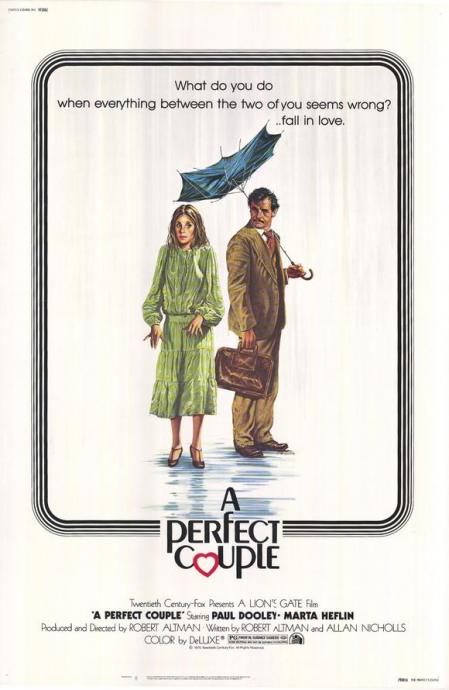
An aspiring singer (Marta Heflin) and a Greek antiques dealer (Paul Dooley) meet through a video dating service, but find their budding romance foiled by their overbearing families and roommates.

Genres, Themes, Actors, and Directors:

  • Dating
  • Musicals
  • Robert Altman Films
  • Romantic Comedy
  • Star-Crossed Lovers

Review:
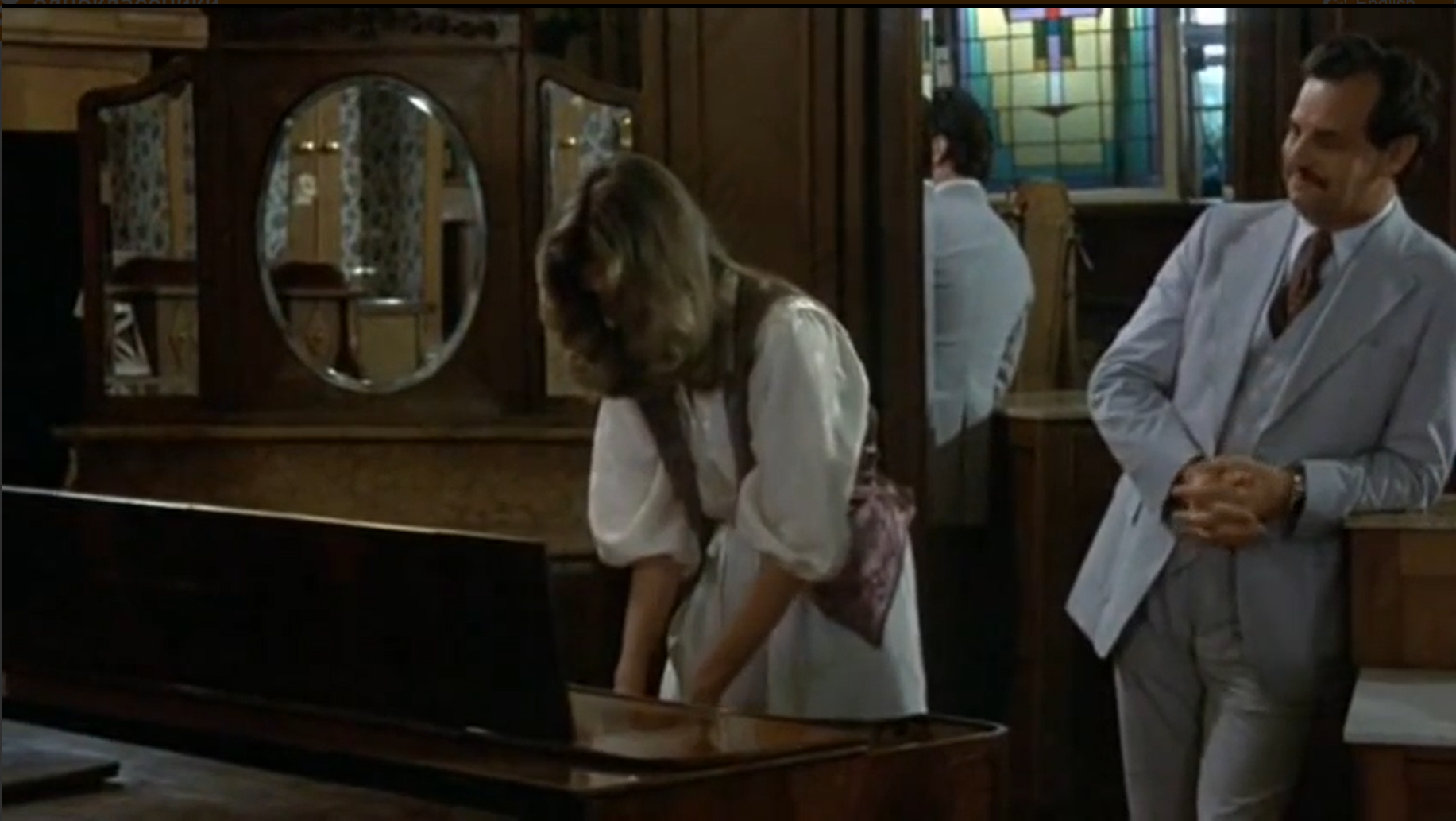
The opening scene of this would-be romantic comedy by Robert Altman promises an amusing look at the vagaries of dating: an obviously uncomfortable couple out on their first date get drenched by a rainstorm at the Hollywood Bowl, only to find their increasingly disastrous evening together miraculously redeemed by an electrifying goodnight kiss.

Unfortunately, however, the film completely fails to live up to its initial potential. Most egregiously, Dooley’s character comes across as obnoxious: he’s pushy, self-absorbed, and possessive (he beats up another man who wants to go out with Heflin), and is rarely worthy of our sympathy.

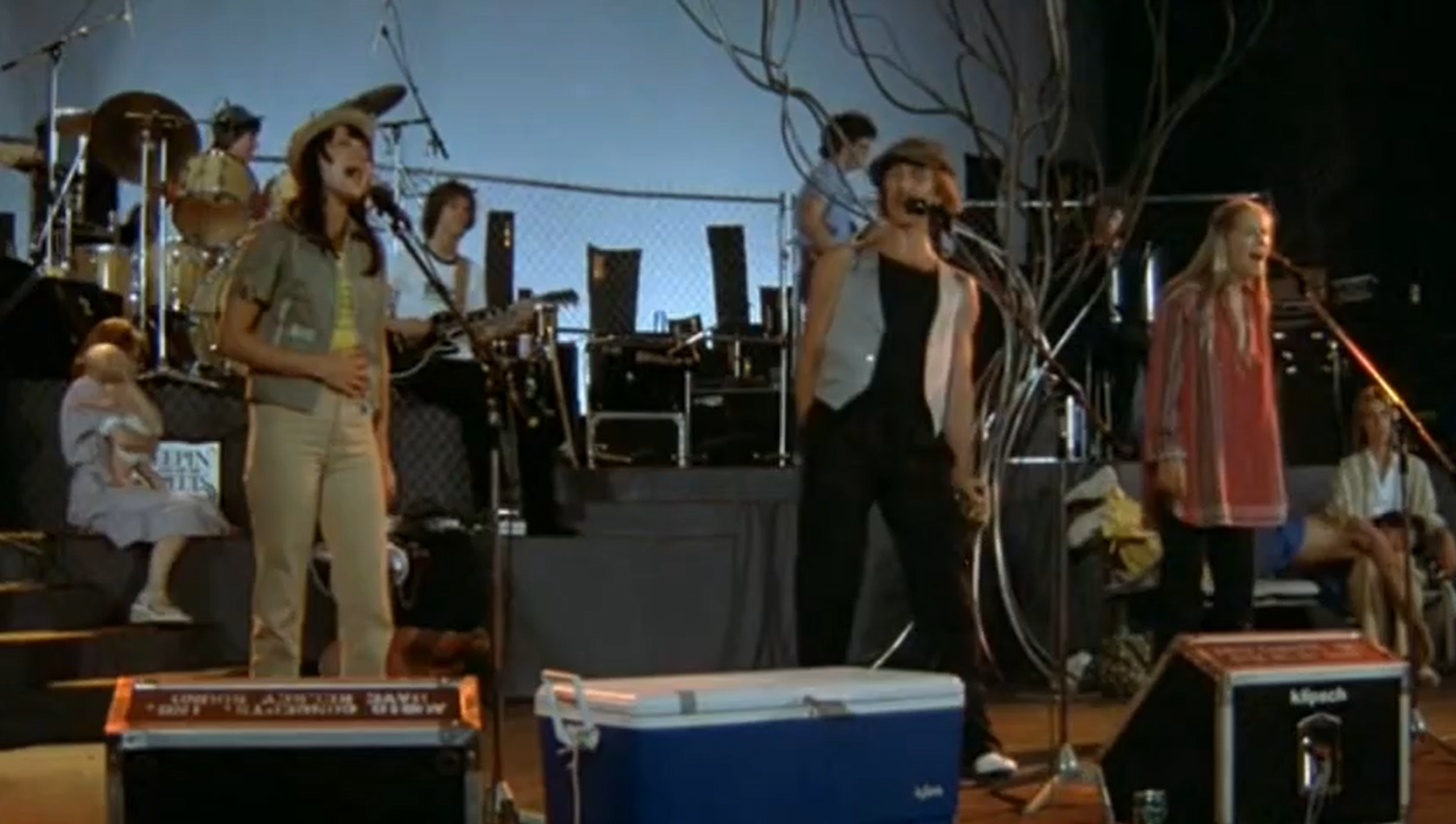
Meanwhile, waifish Heflin is, despite her fine voice, utterly unbelievable as a backup singer in a communal rock band (her bandmates are all ten times more energetic than her), and her distractingly skeletal body makes one cringe for her well-being.

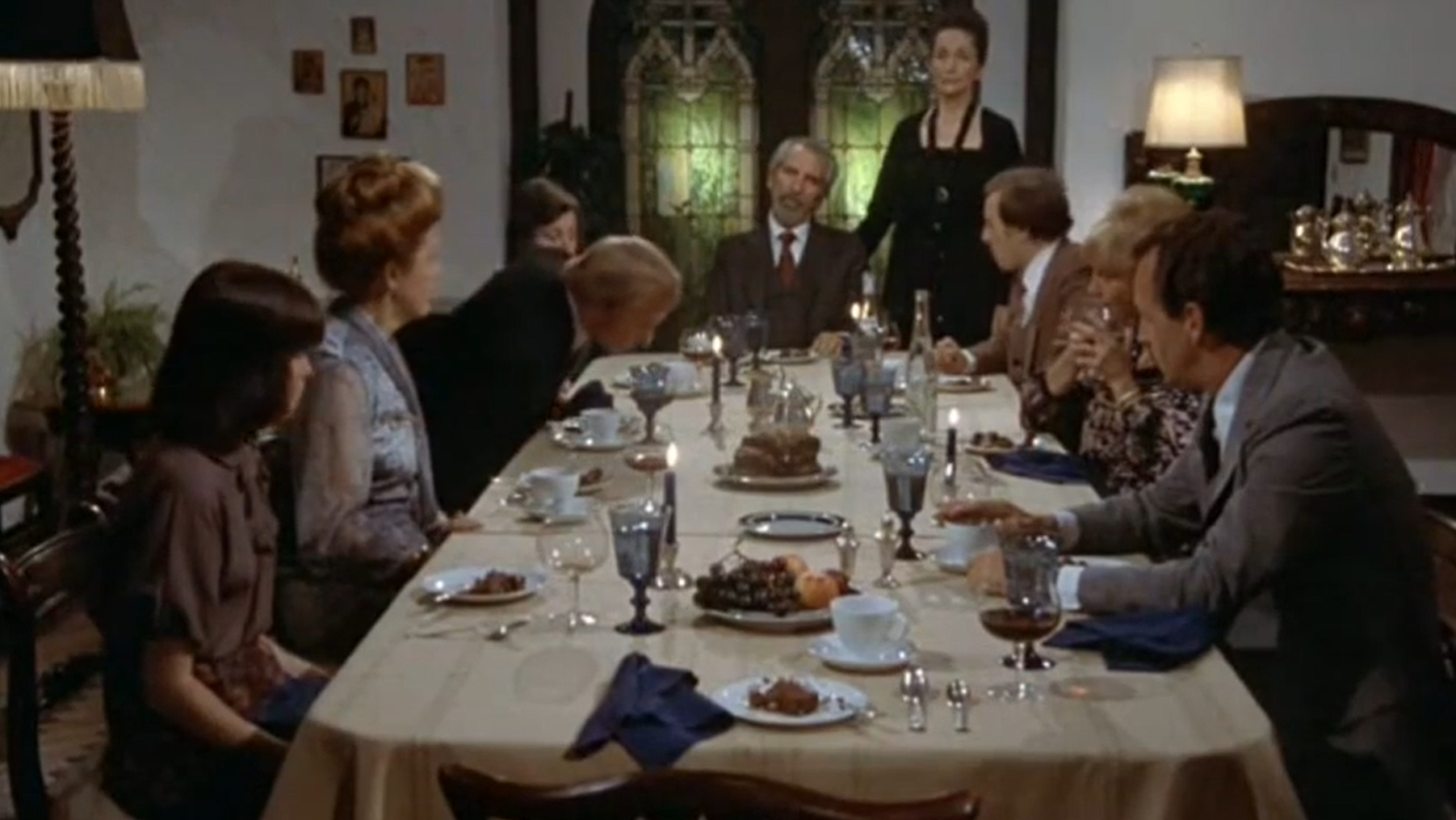
Side stories involving members of Dooley’s overbearing Greek family fall utterly flat:

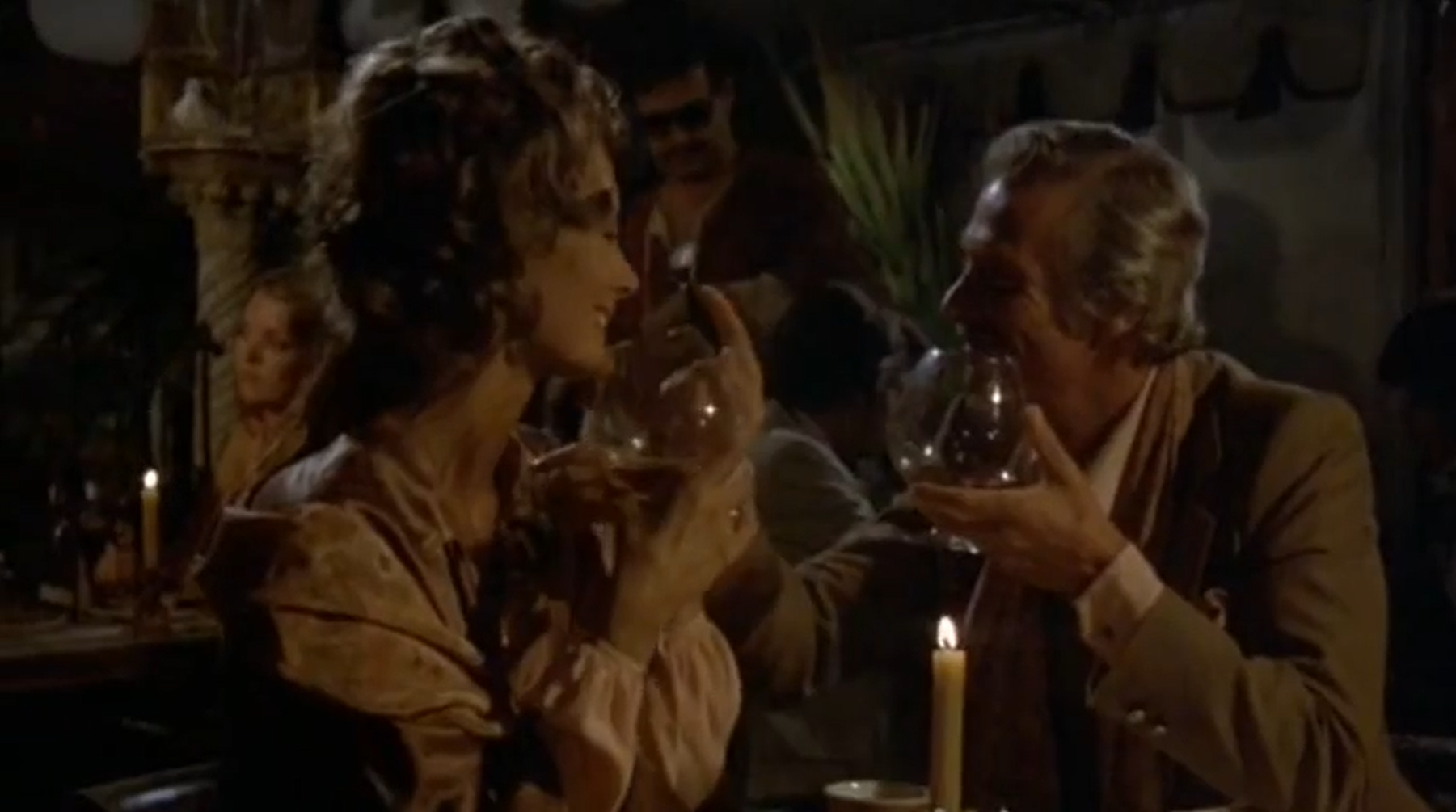
… as does a recurring visual “joke” involving a true “perfect couple” (Fred Bier and Jette Seear), whose presence is meant to serve as a comedic counterpart to Dooley and Heflin’s troubled courtship.

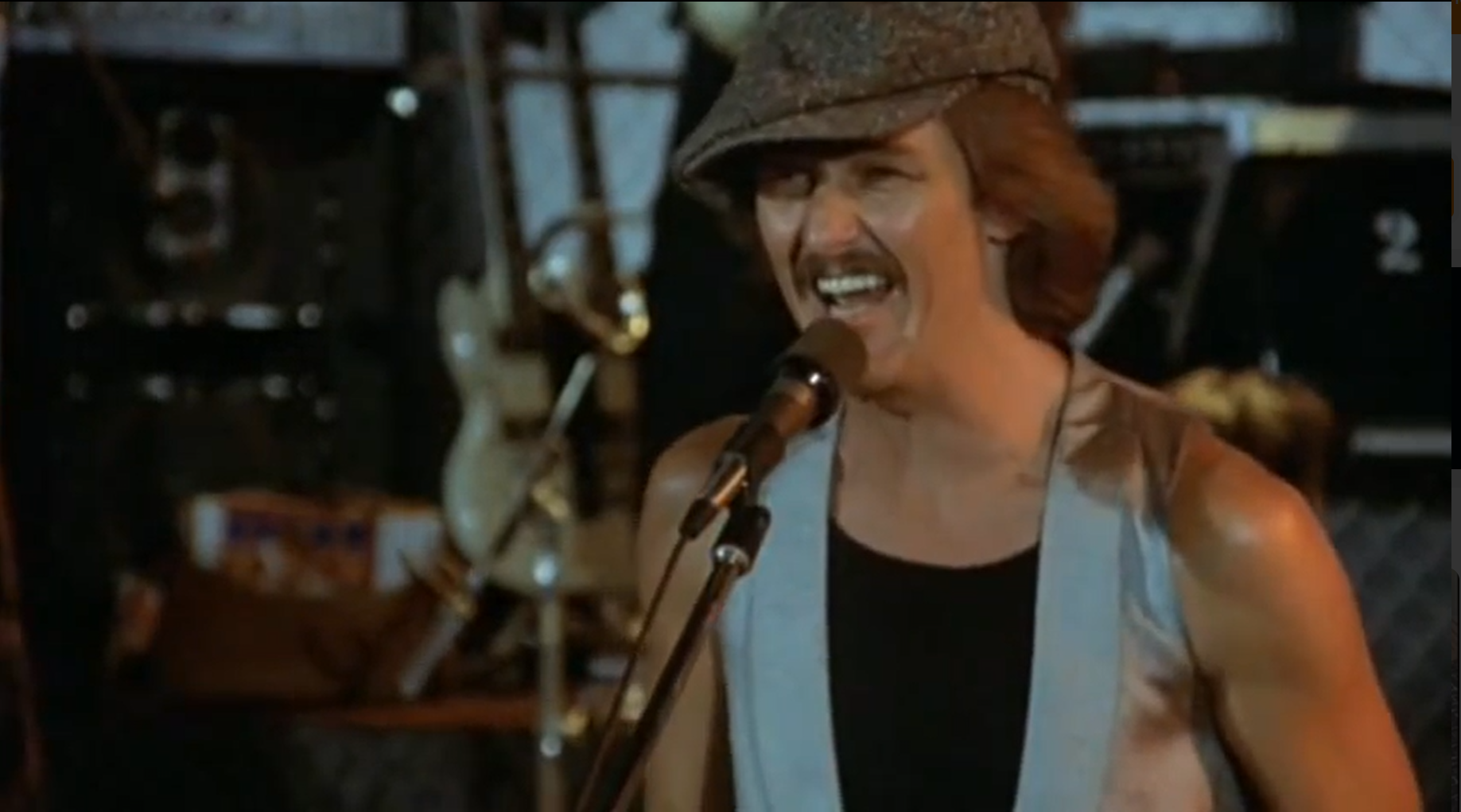
The film’s primary redeeming quality is Heflin’s band (“Keepin’ Em Off the Streets”), whose incessant rehearsals inappropriately dominate the screenplay, but ultimately provide a welcome respite from the tedious storyline.

Note: Watch for charismatic Ted Neeley (“Jesus Christ Superstar”) as the band’s domineering lead singer — what inspired casting!

Redeeming Qualities and Moments:

  • A host of fun ’70s-era songs by “Keepin’ Em Off the Streets”

Must See?
No; unless you’re a true Altman-completist, feel free to skip this one.

Links:

Therese Desqueyroux (1962)

Therese Desqueyroux (1962)

“Don’t you think that a life like ours already feels a lot like death?”

Synopsis:
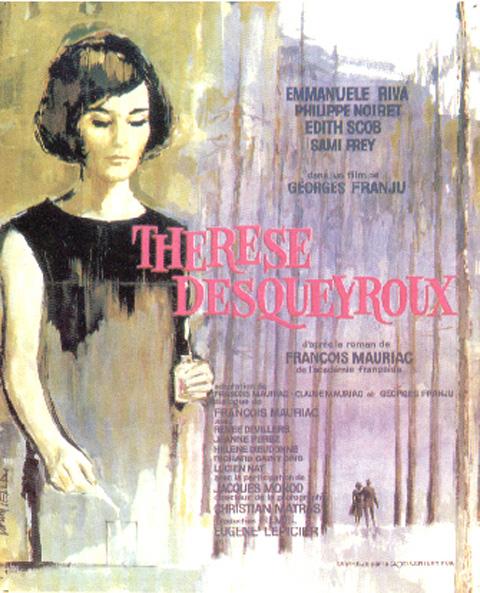
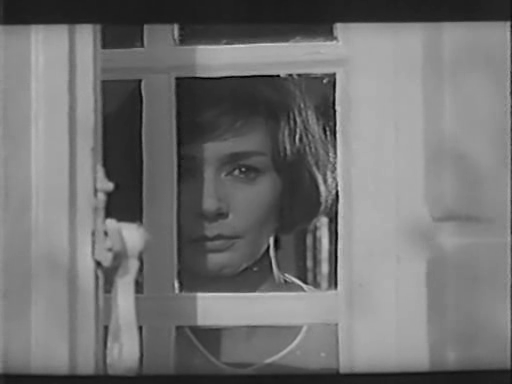
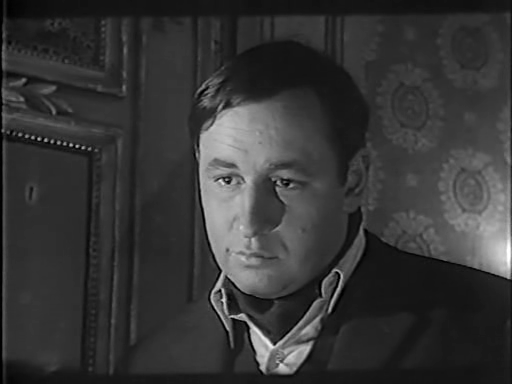
A woman (Emmanuelle Riva) accused of attempting to poison her wealthy husband (Philippe Noiret) reflects upon her unhappy marriage as she leaves prison; once she arrives home, vengeful Noiret refuses to divorce her but is determined to make her life miserable.

Genres, Themes, Actors, and Directors:

  • Downward Spiral
  • French Films
  • Flashback Films
  • Georges Franju Films
  • Homicidal Spouses
  • Marital Problems

Review:
Georges Franju is most famous for directing the 1960 horror masterpiece Eyes Without a Face; this film (made just two years later) shares some of its predecessor’s thematic interests (a woman is forcibly isolated in her own home by a powerful man), but ultimately lacks both its compelling horror trajectory and its sense of dark humor. Indeed, the deadly serious Therese (based on a 1927 novel by Francois Mauriac) is resolutely bleak, and — despite a voiceover meant to fill us in on the details of Riva’s unhappy marriage before she attempts to murder her pompous husband — her titular protagonist remains a true feminist enigma throughout. At first, it seems that Therese married her husband simply as a veiled proxy to be near his lovely young sister (Edith Scob) — but this vaguely titillating suggestion is never developed. Instead, we come to accept that she simply made a dreadful mistake in marrying Bernard (whose socially acceptable family name she craved on some level), and has compounded this mistake by stupidly trying to murder him. The remainder of the film — as Therese becomes a virtual prisoner in her own house, resorting to simply smoking and drinking in bed — is too depressing for words. Fortunately, the film’s evocative visuals, fine central performances (Noiret is particularly good in a decidedly unsympathetic role), and memorable score by Maurice Jarre all help to make up for its downer storyline (which is apparently faithful to its source material).

Redeeming Qualities and Moments:

  • Emmanuelle Riva as Therese (she won a Best Actress award at the Venice Film Festival for her work here)
  • Phillipe Noiret as Bernard
  • Raymond Heil and Christian Matras’ cinematography
  • Maurice Jarre’s lilting, haunting score

Must See?
No, but it’s certainly worth a look if you can locate a copy.

Links:

Phantom Carriage, The (1921)

Phantom Carriage, The (1921)

“The one to whom something fatal happens on New Year’s Eve is forced to drive the Phantom Carriage!”

Synopsis:
On New Year’s Eve, an alcoholic (Victor Sjostrom) is visited by the driver (Tore Svennberg) of the “phantom carriage” of death, and forced to reflect on his boorish life, during which he abused his innocent wife (Hilda Borgstrom) and rebuffed the assistance of a do-gooding missionary (Astrid Holm).

Genres, Themes, Actors, and Directors:

  • Do-Gooders
  • Domestic Abuse
  • Flashback Films
  • Ghosts
  • Horror Films
  • Scandinavian Films
  • Silent Films

Review:
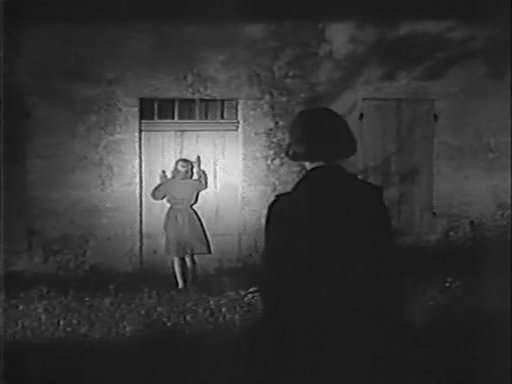
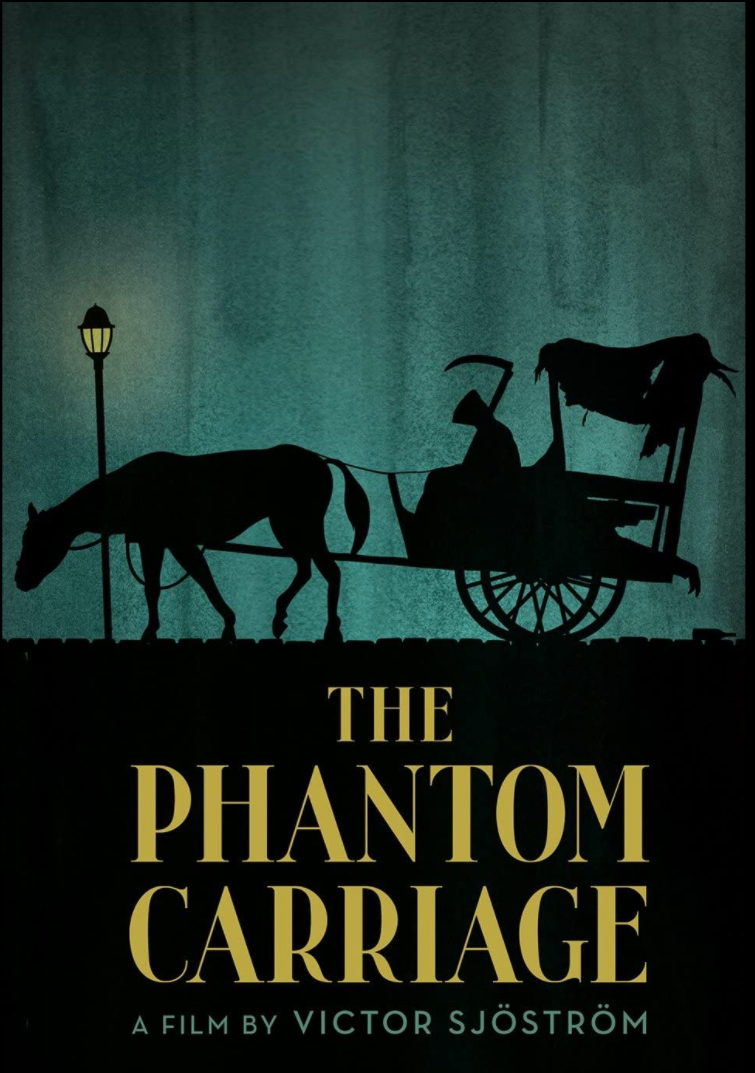
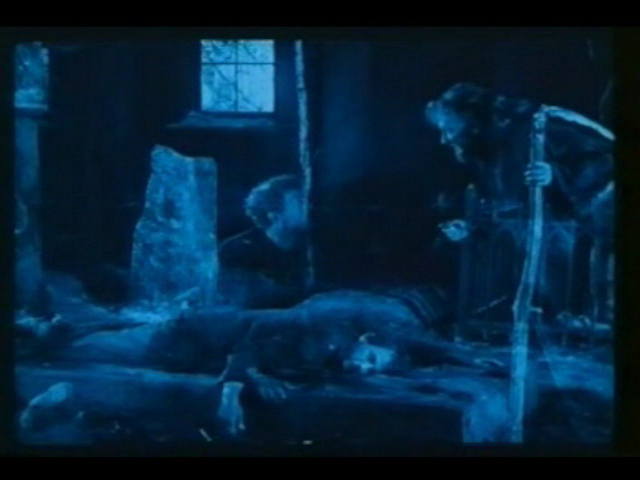
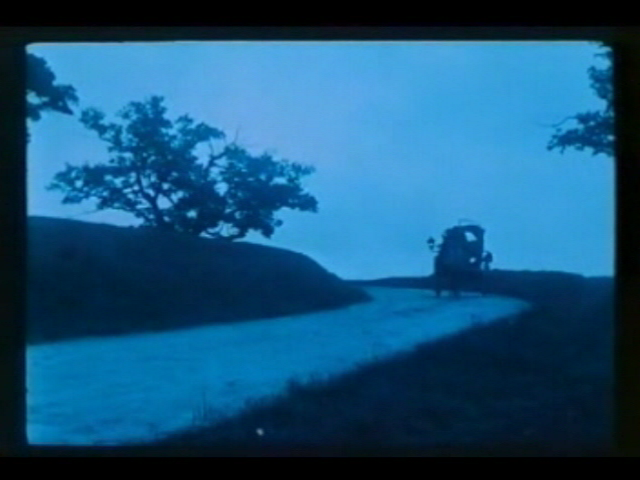
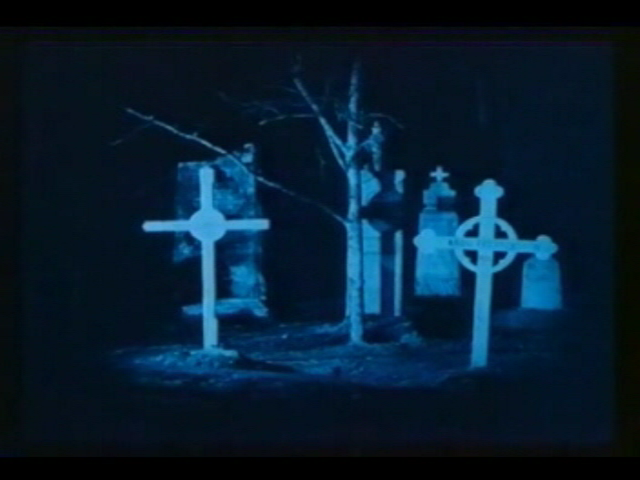
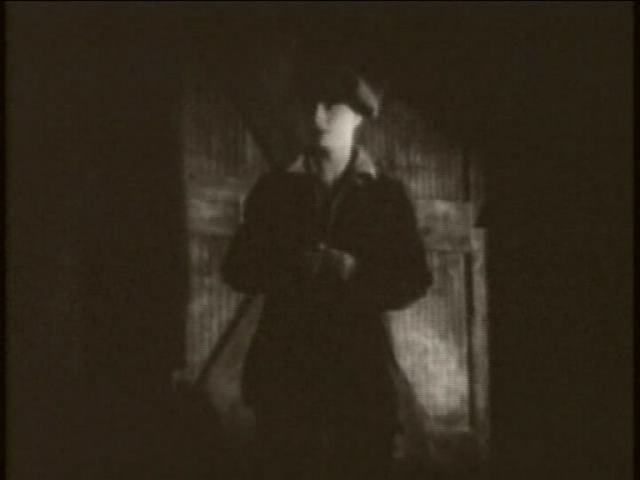
Based on a novel by Nobel Prize-winning Swedish author Selma Lagerlof, The Phantom Carriage is primarily known for the influence it had on Ingmar Bergman, who cast the film’s director (Victor Sjostrom) in the lead role of Wild Strawberries (1957), and paid explicit homage to its imagery and themes. Yet it remains an important historical milestone in its own right, due simply to its impressive technical innovations: cinematographer Julius Jaenzon, working with lab executive Eugen Hellman, created stunning “double-exposure” effects which resulted in truly memorable and haunting imagery (see stills below). Unfortunately, the narrative itself — a Christian variation of sorts on Dickens’ A Christmas Carol, and a clear precursor to Capra’s It’s a Wonderful Life (1946) — is less impressive. The film’s multiple-flashback structure is unduly confusing, and Sjostrom’s troubled protagonist is such a boorish lout — he drinks, terrorizes his wife and kids, and knowingly tries to infect as many people as possible with his tuberculosis — that it’s truly difficult to feel any sympathy for him as he cowers at death’s door. Regardless of its narrative shortcomings, however, film fanatics will surely want to check out this film — which Bergman reportedly re-watched every year after he first stumbled upon it at the age of 15 — at least once, for its stunning visuals and historical relevance.

Note: See Wikipedia’s entry on the film to read more about its production history and subsequent influence on cinema.

Redeeming Qualities and Moments:

  • Julius Jaenzon’s innovative double-exposure cinematography

  • Many haunting images

Must See?
Yes. Listed as a film with Historical Importance and a Personal Recommendation in the back of Peary’s book.

Categories

  • Historically Relevant

(Listed in 1001 Movies You Must See Before You Die)

Links:

Beggars of Life (1928)

Beggars of Life (1928)

“Even them people in feather beds ain’t satisfied — we’re all beggars of life.”

Synopsis:
A young woman (Louise Brooks) who has just killed her stepfather in self-defense goes on the lam with a hobo (Richard Arlen) — but the leader of a group of thieves (Wallace Beery) is determined to secure Brooks as his “gal” at any cost.

Genres, Themes, Actors, and Directors:

  • Character Arc
  • Fugitives
  • Homeless
  • Louise Brooks Films
  • Silent Films
  • Thieves and Criminals
  • Wallace Beery Films
  • William Wellman Films

Review:
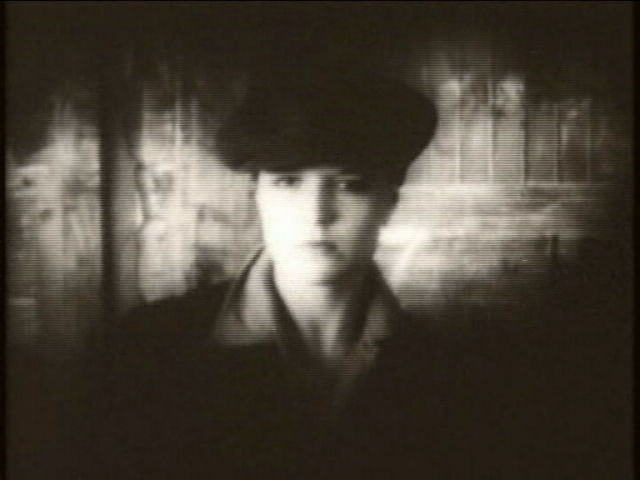
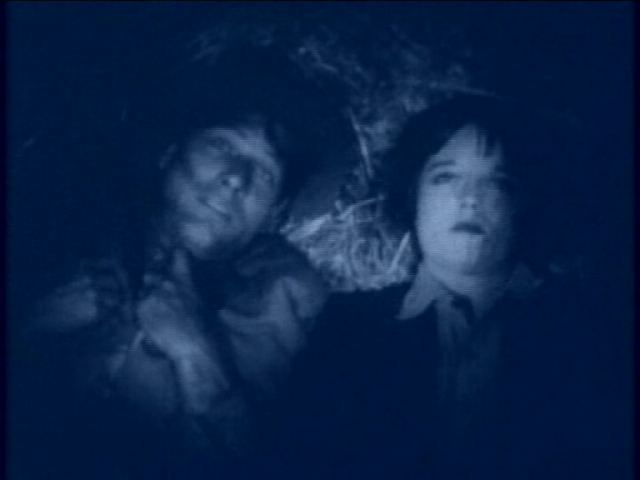
This silent film by director William Wellman is a clear thematic precursor to his Depression-era flick Wild Boys of the Road (1933), but with a fugitive sensibility and less overt social commentary. The story starts off with a bang, as Arlen walks into a room with a dead man, then spots a beautiful young woman descending the stairs; as Brooks describes how she killed her stepfather after he tried to rape her, Wellman superimposes flashback images over her expressive face, to haunting effect. Arlen begrudgingly takes Brooks (a fugitive) under his wing, teaching her how to hop trains (she doesn’t make it on her first try), and their care for one another slowly begins to grow; the scene in which the two acquaintances lie together on a makeshift haystack “bed” is a nervy, remarkably provocative artifact of pre-Code mentality.

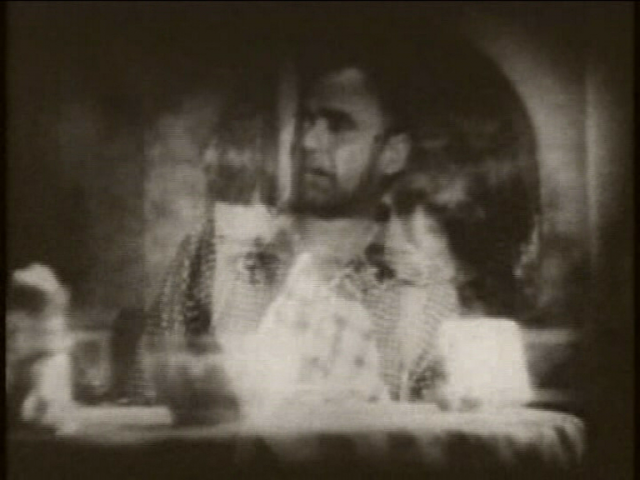
Once Arlen and Brooks encounter a group of thieves (led by blustery Wallace Beery), the story becomes a bit more conventional and less intrinsically interesting — though Beery’s “look” when he dons a trash bag and dark glasses to convene a kangaroo court bears viewing (see still below). Things take yet another turn by the end, when Beery experiences a change of heart — but to say more would give away spoilers. While its rather perfunctory storyline prevents Beggars of Life from being a classic of silent cinema, Wellman does present some lovely imagery (helped by Henry Gerrard’s shadowy cinematography), and film fanatics will likely be curious to see Brooks in her final Hollywood film before she left for Germany to collaborate with G.W. Pabst. (Has any actress EVER been more luminous and compulsively watchable on-screen?)

Note: Beggars of Life is actually considered to be Paramount Pictures’ first “talkie”, given the insertion of a song sung by Beery, but this wasn’t included on the version I watched, and in every other respect the film is an archetypal silent picture.

Redeeming Qualities and Moments:

  • Louise Brooks as Nancy
  • Brooks’ sweet, budding “romance” with Arlen
  • Wallace Beery as Oklahoma Red
  • The opening flashback sequence
  • Henry Gerrard’s cinematography

Must See?
Yes, simply as an early Wellman film, and to see Brooks in her final Hollywood performance. Listed as a film with Historical Importance in the back of Peary’s book.

Categories

  • Important Director
  • Noteworthy Performance(s)

Links:

King of the Cowboys (1943)

King of the Cowboys (1943)

“Every town we play has an explosion or a fire.”

Synopsis:
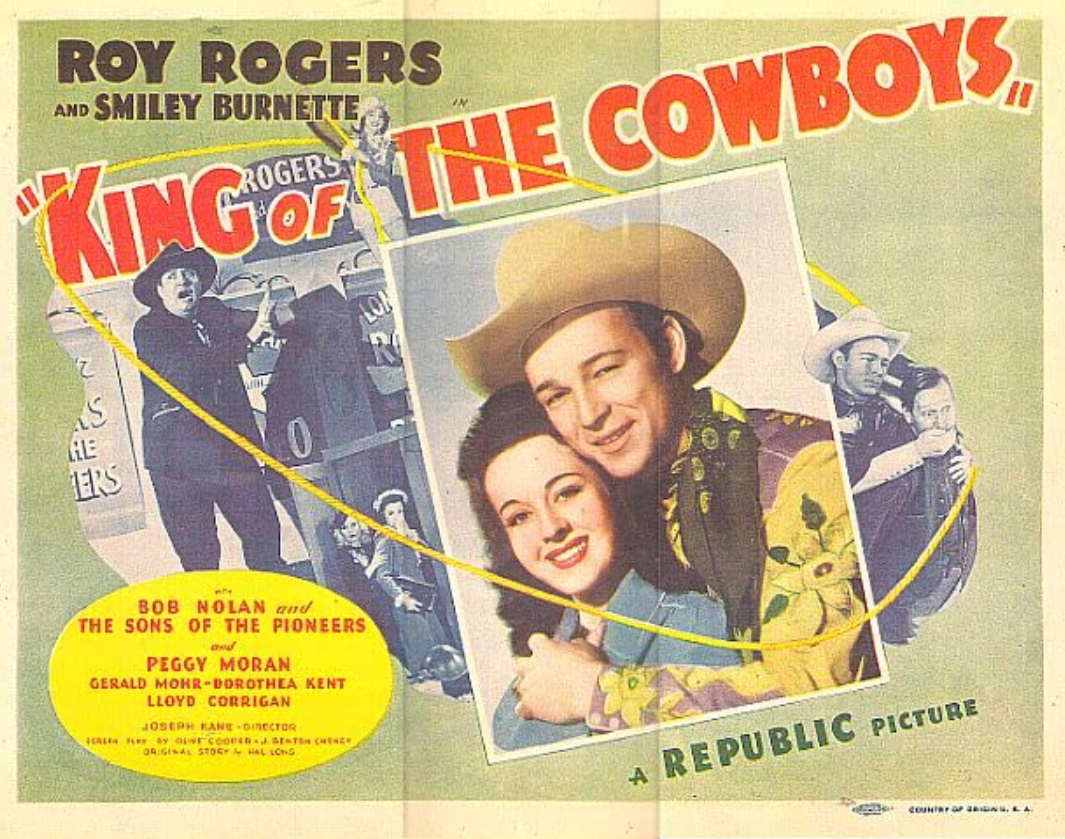
Rodeo star Roy Rogers is asked by his governor (Russell Hicks) to help locate a gang of saboteurs who have been setting fires and explosions in towns across Texas. When a carnival comes to town, Rogers and his sidekick (Smiley Burnette) begin to think a phony mind reader (Gerald Mohr) may have something to hide; meanwhile, Rogers kindles a romance with Mohr’s pretty assistant (Peggy Moran).

Genres, Themes, Actors, and Directors:

  • Amateur Sleuths
  • Cowboys
  • Musicals
  • Westerns

Response to Peary’s Review:
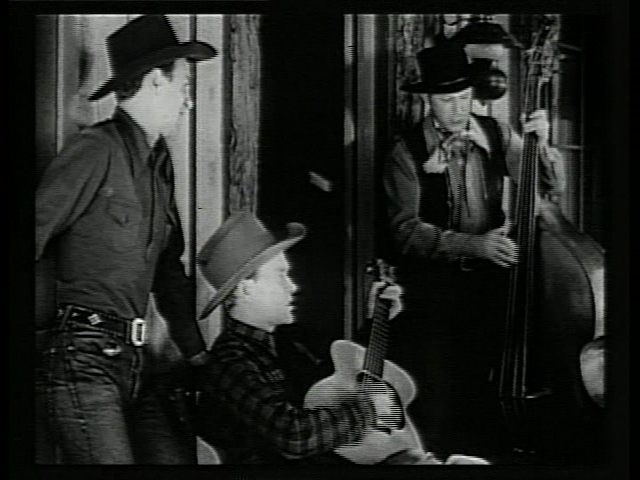
Peary notes that this “enjoyable Roy Rogers western” was “possibly his best” — and I’ll have to believe him, since I haven’t seen any others. It’s full of hummable songs (Rogers has a fine voice) and a host of serial-flick conventions: a dastardly “bad guy” (black mustache and all) whose crimes of sabotage have suitably vague motives; a message in invisible ink; a mysterious code word (“triplets”); cars being run off cliffs; and more. Fortunately, it’s all “brisk” and “witty”, and, as Peary notes, “it’s easy to see [Rogers’] appeal.” Film fanatics will surely be curious to check out at least one film starring the “King of the Cowboys”, and this one should likely be it.

Redeeming Qualities and Moments:

  • Plenty of suspenseful serial-flick sequences
  • Some charming cowboy ditties

Must See?
Yes, simply as a representative Roy Rogers film.

Categories

  • Representative Film

Links:

Kid From Spain, The (1932)

Kid From Spain, The (1932)

“Mexico makes every man a great lover — a Casanova!”

Synopsis:
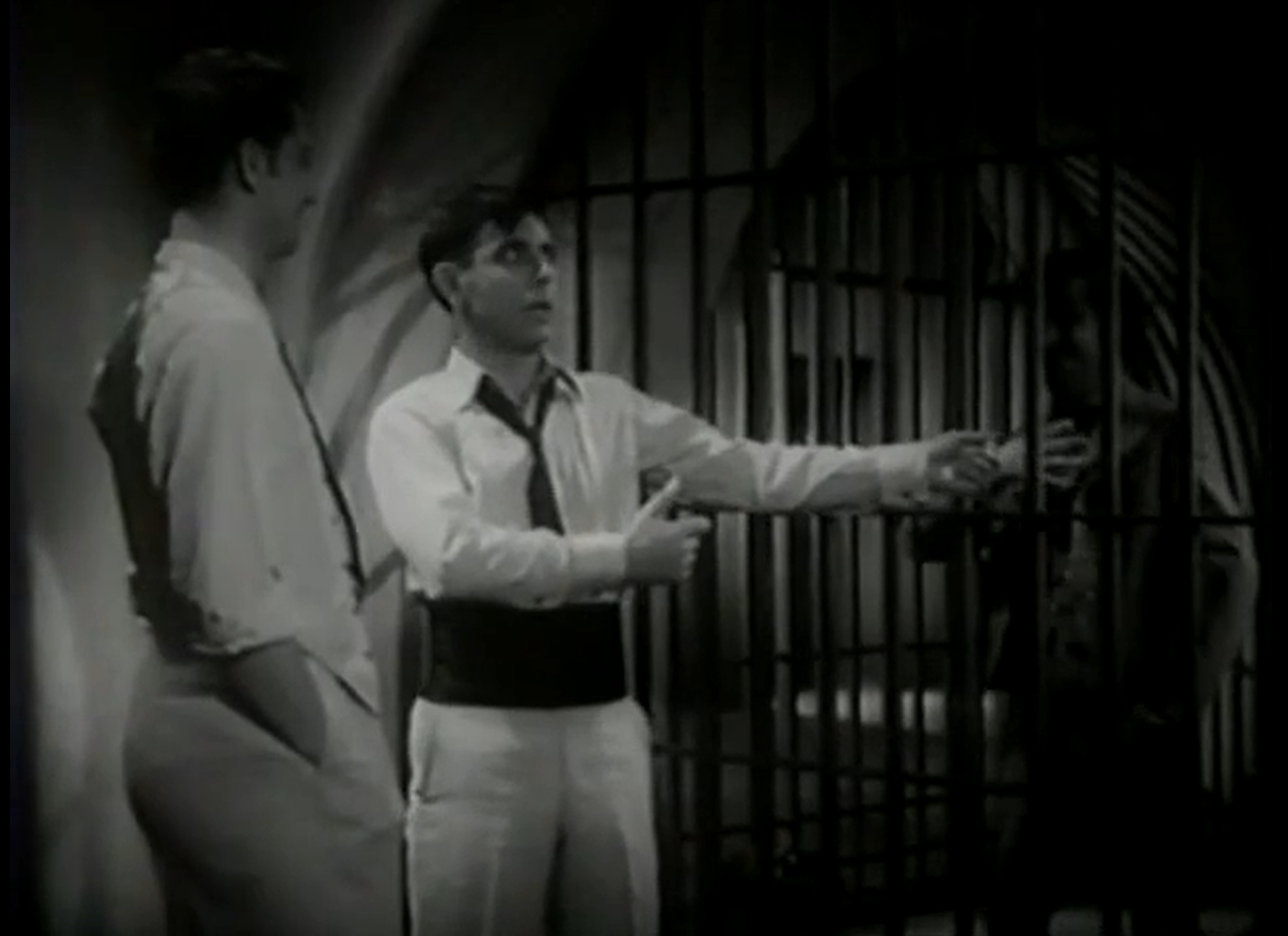
An expelled college student (Eddie Cantor) unwittingly abets a bank robbery and flees with his friend (Robert Young) to Mexico, where he pretends to be a famous bull fighter in order to elude a suspicious detective (Robert Emmett O’Connor), and falls in love with the blonde friend (Lyda Roberti) of Young’s girlfriend (Ruth Hall).

Genres, Themes, Actors, and Directors:

  • Bullfighting
  • Busby Berkeley Films
  • Comedy
  • Eddie Cantor Films
  • Leo McCarey Films
  • Mistaken Identities
  • Mexico
  • Musicals
  • Robert Young Films

Review:
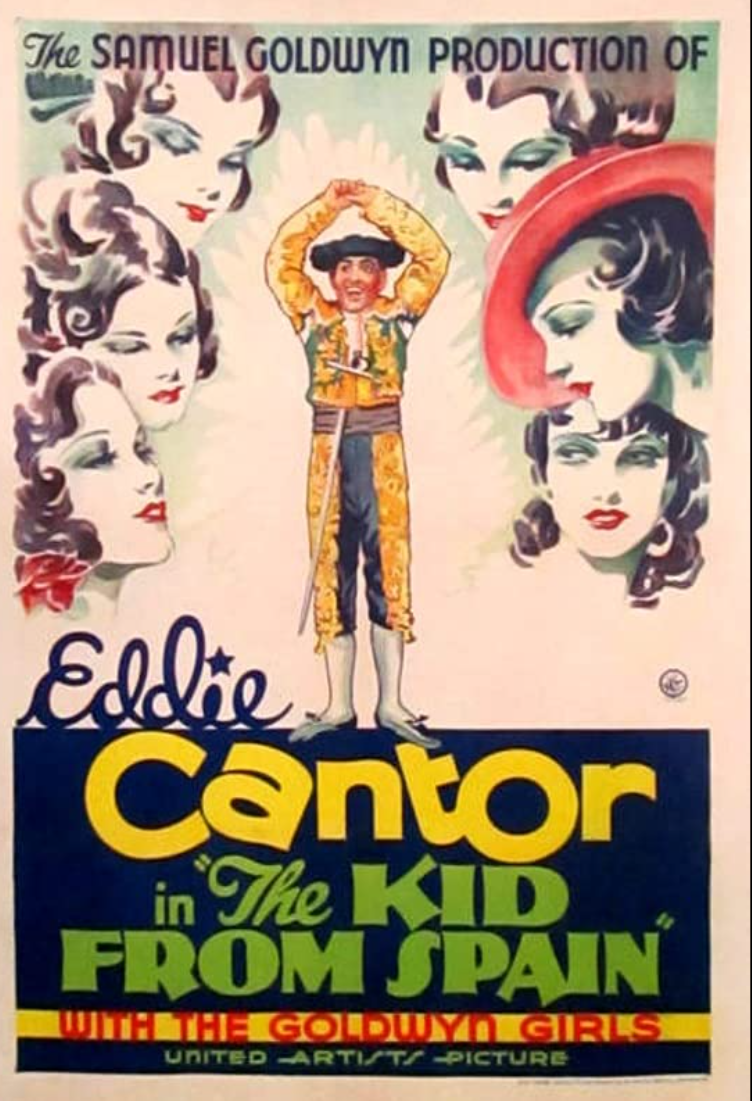
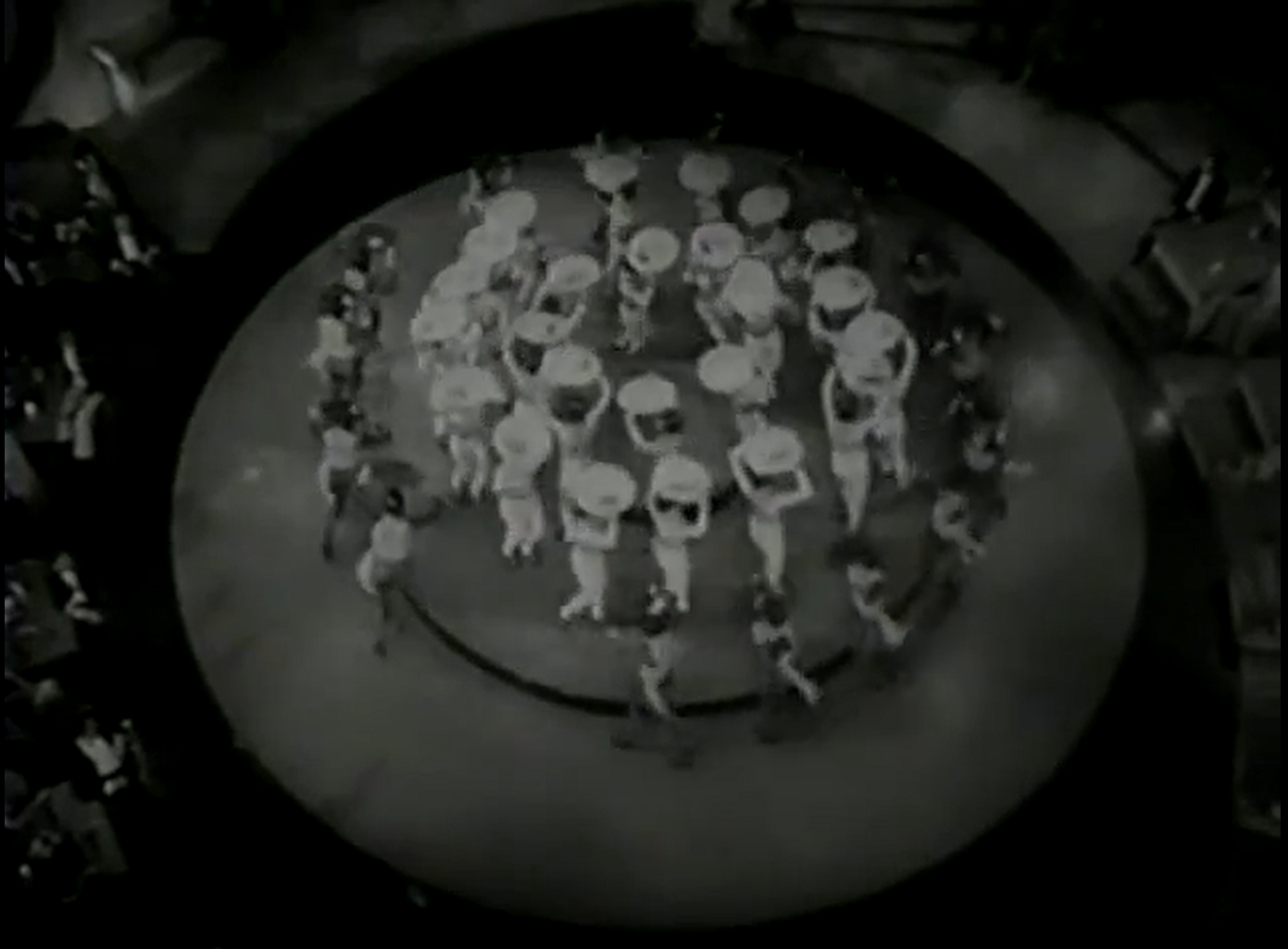
This dated Eddie Cantor comedy was a big money maker for MGM, but hasn’t aged well at all. Other than a couple of innovative Busby Berkeley dance sequences (featuring several pre-fame starlets — if you blink, you’ll miss them), everything else about the screenplay is simply tiresome or offensive. Stereotypes abound — not just about Mexico and Mexicans (what’s up with Cantor being from Spain in the title, anyway?), but about African-Americans (Cantor does a blackface routine) and women (Cantor’s love interest is a complete ditz). Gregg Toland was cinematographer on the picture, but his innovative touch is only evident in a few scenes.

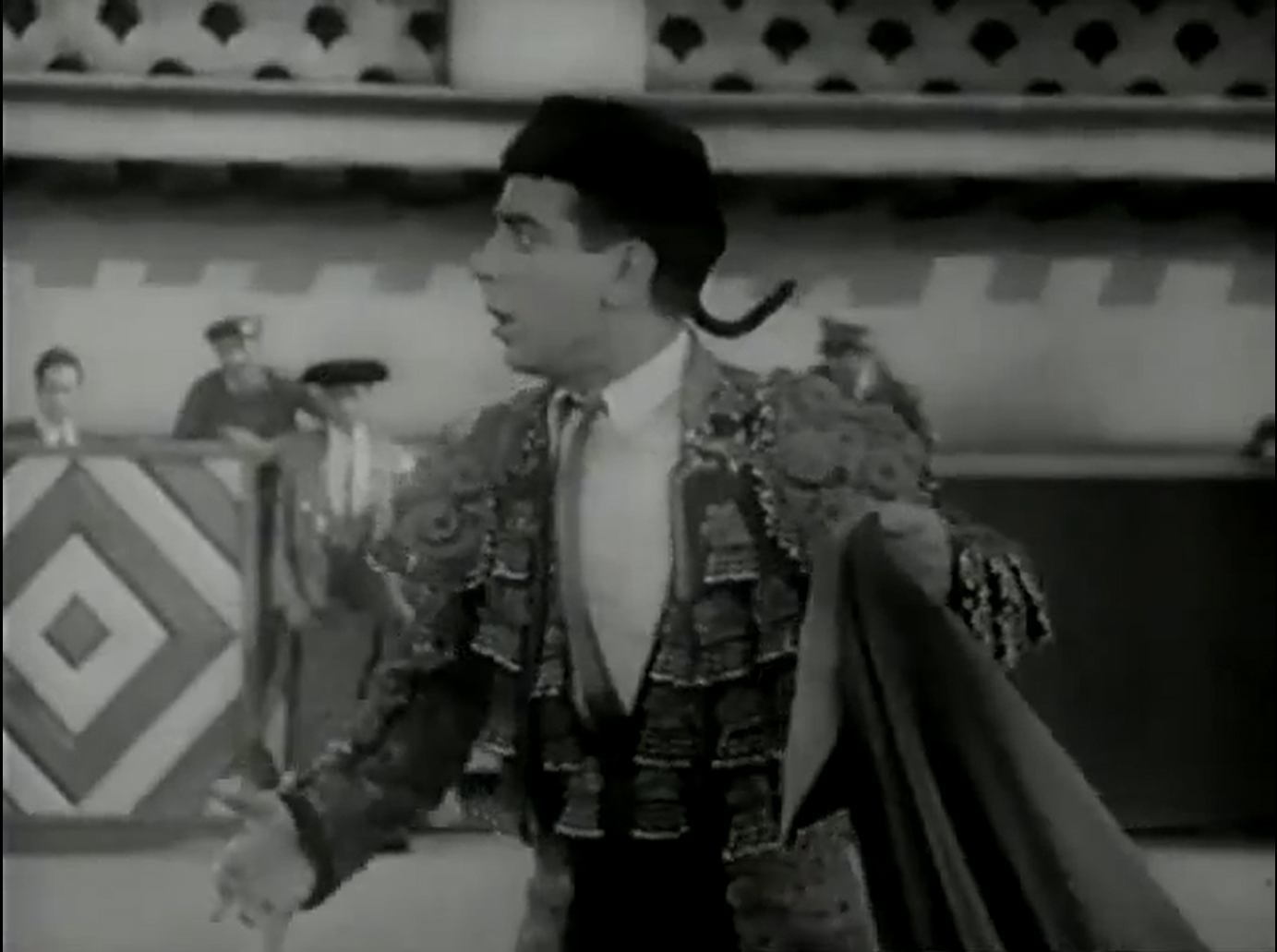
At least the final sequence — in which Cantor runs for his life from a ferocious, fence-jumping bull — is unlike any other bullfight you’ve ever seen on-screen.

Redeeming Qualities and Moments:

  • Busby Berkeley’s “Goldwyn Girl” sequences

Must See?
No. Despite its historical significance as a popular Eddie Cantor film, it’s ultimately too tedious to recommend.

Links:

Arruza (1972)

Arruza (1972)

“Carlos enjoyed his life on the ranch with Mari and the children — but it was not enough; it never could be.”

Synopsis:
Bored with life in retirement, world-renowned bullfighter Carlos Arruza returns to the ring on horseback as a rejoneador.

Genres, Themes, Actors, and Directors:

  • Budd Boetticher Films
  • Bullfighting
  • Documentary
  • Retirement

Response to Peary’s Review:
This hard-to-find documentary about famed Mexican bullfighter Carlos Arruza was the picture Budd Boetticher “wanted to make all along” during his lengthy career as a Hollywood director of westerns and other fictional dramas (including two about bullfighting). As Peary notes, since “the film was so important to Boetticher, who certainly didn’t make it with commercial goals in mind, there has been a tendency among his fans to overpraise it”‘; yet the unfortunate truth is that Arruza — shot over a period of seven years, and completed after Arruza’s freak death in a car accident at the age of 46 — is “sadly, a disappointment, lacking the excitement and even the charismatic protagonist that distinguished Boetticher’s fiction films”. Neither Arruza nor anyone else in his circle is interviewed (or at least none of this footage shows up in the finished film), so we never get any real sense of who this iconic man was or even what he sounded like.

Instead, the bulk of the film consists of medium to long shots of Arruza fighting in various arenas (there are noticeably no dramatic close-ups — this was “real life”, after all), as well as footage on his ranch, with shots of his docile wife and cute kids in the background. While it “contains interesting, even poignant moments” (there was real potential here for a story about a man at the top of his game whose ego and love of the sport wouldn’t allow him to quit), non-bullfighting fans will find their patience sorely tested long before the movie is over — and as Peary notes, “if you don’t like bullfighting to begin with, you probably won’t share Boetticher’s respect for Arruza or his ‘art’.” Arruza is primarily of interest to film fanatics these days given what we know about the circumstances surrounding its making: “Boetticher nearly starved (he had an account at a tamale stand), was divorced, spent time in prison, suffered a mental breakdown, and nearly died from a lung ailment”; meanwhile, “most of his crew died”. See the excellent, must-see documentary Budd Boetticher: A Man Can Do That (2005) to learn more about this intriguing director.

Redeeming Qualities and Moments:

  • Lucien Ballard’s cinematography

Must See?
No, but it’s recommended simply for its historical notoriety.

Links:

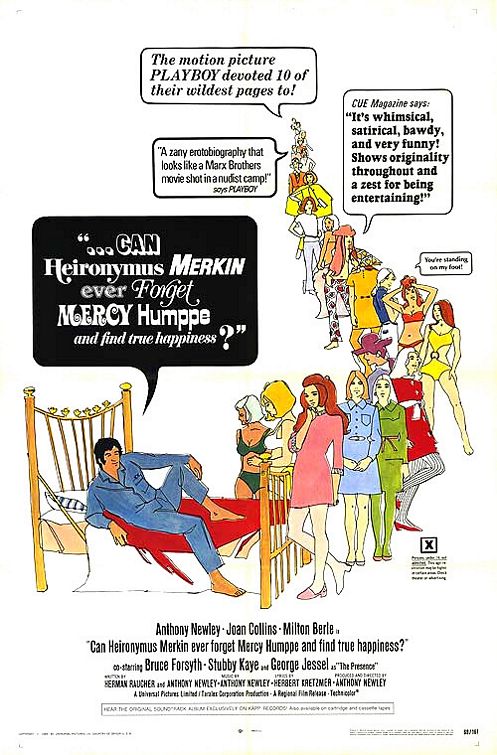
Can Heironymus Merkin Ever Forget Mercy Humppe and Find True Happiness? (1969)

Can Heironymus Merkin Ever Forget Mercy Humppe and Find True Happiness? (1969)

“I don’t mind his vulgarity; it’s his pretension that irks me.”

Synopsis:
A womanizing performer (Anthony Newley) screens an autobiographical film about his rise to fame, as well as his rocky relationships with his first wife (Judy Cornwell), his second wife (Joan Collins), and a nymphette named Mercy Humppe (Connie Kreski).

Genres, Themes, Actors, and Directors:

  • Fantasy
  • Flashback Films
  • Joan Collins Films
  • Musicals
  • Womanizers

Review:
Pop star Anthony Newley wrote, produced, directed, scored, and starred in this self-absorbed but surreally fascinating pseudo-autobiographical musical about a performer named Heironymus Merkin who beds and/or weds countless women while skyrocketing to fame. Largely considered a failure upon its release, it has since gained cult status, thanks in no small part to its intriguingly unwieldy title. CHMEFMHAFH is ultimately a hit-or-miss affair, but is so creatively conceived and executed that it’s difficult not to find oneself at the very least impressed by the audacity of Newley’s vision (and wondering what other similarly unhinged spectacles might emerge if all “artists” were given free reign to create a movie about their lives…) There’s ultimately too much going on in CHMEFMHAFH — rated X for some nudity and simulated sex but quite tame by today’s standards — to explain or describe it all in one review; it’s the kind of film that must be seen to be appreciated.

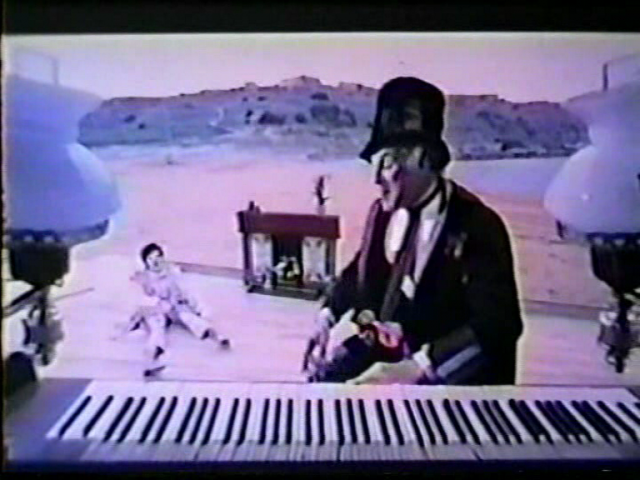
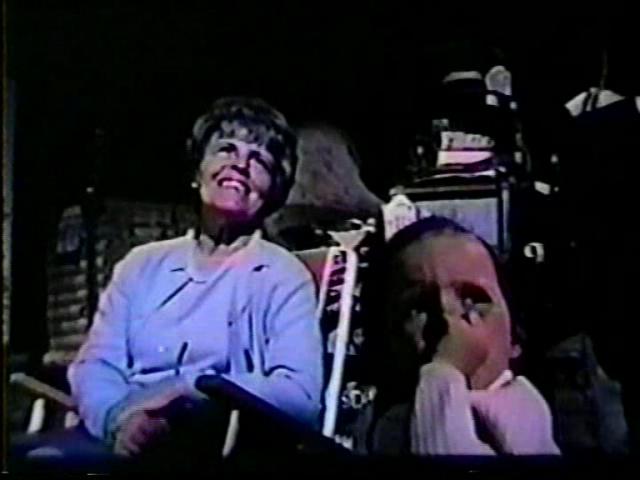
The fragmented, fantasy-laden storyline (which possesses distinct echoes of Fellini) is centered around Merkin screening a film about his life to his doting mother (a delightfully game Patricia Hayes) and two young children, and to an audience of critics (Victor Spinetti, Rosalind Knight, and Ronald Radd), crew members, and other spectators. Parts of the film take place on a deserted beachfront, where Newley acts out scenes from his childhood (in a highly creative and successful gesture, he plays his child-self as a limp marionette) as well as both his marriages. Passages flow freely from one setting to the other, with little regard for continuity or logic, but (to Newley’s credit) things never become confusing, only increasingly surreal.

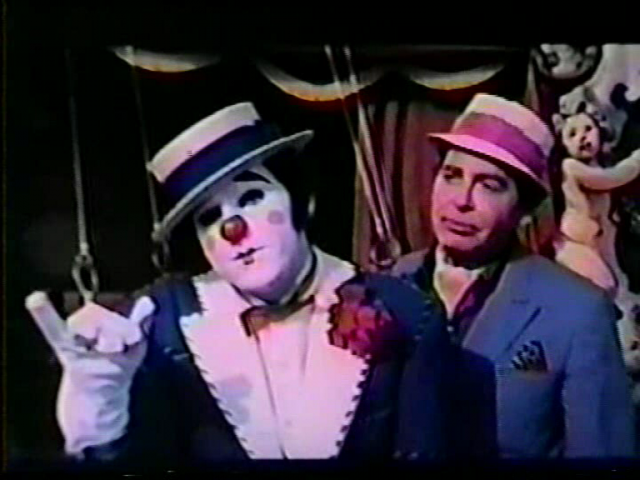
Newley fills his movie to the brim with theatricality and carefully rendered artifice, all in the service of the old bromide that “life’s a stage” and we’re players on it. All the female characters, for instance, are given lewd and/or alliterative names (Polyester Poontang, Filigree Fondle, Mercy Humppe), while others possess equally theatrical monikers (Fat Writer, Skinny Writer, Sharpnose, Red Cardinal). Milton Berle shows up as a “devil on the shoulder” named Eddie Goodtime Filth (he sets Merkin on a lifetime road towards womanizing), while Jewish comedian George Jessel as The Presence (death?) inexplicably comes and goes, spouting stand-up jokes to a flummoxed Merkin. Fortunately, even when Newley is at his most self-aggrandizing (he shows his alter-ego bedding literally countless women, who line up behind his bed on the beach), he retains a sense of humor and perspective about it all — most notably in the presence of his critics, who he allows to provide a welcome outside perspective on the entire endeavor.

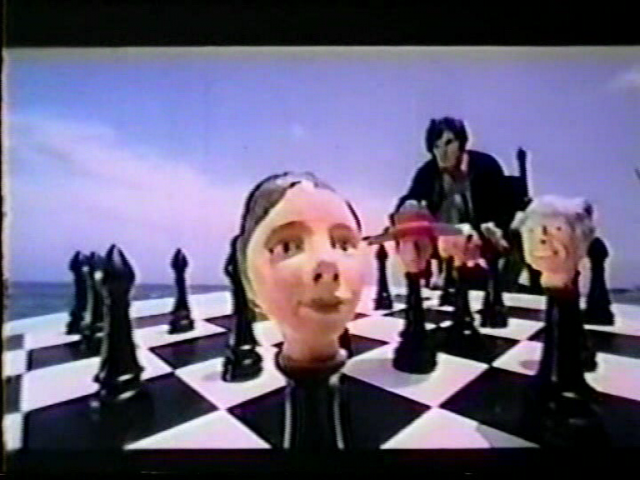
Newley’s score, however, is a major disappointment; his forgettable songs range from maudlin (“I’m all I need; if I’ve got me, I’ve got rainbows”) to inane. The songs should have simply been scrapped, thus cutting the film’s viewing time down and streamlining the script. The one exception is Newley’s outrageously hilarious ditty “Once Upon a Time”, about a princess named Trampolena Whambang (Yolanda) and her donkey lover; this song alone is worth several viewings. (I love how Merkin finally sends his kids away during the screening of this sequence — it’s the only one he considers too truly outrageous for little eyes and ears.) If only the rest of the film’s songs came close to matching its sense of wit and surreality…

Note: Ironically, Mercy Humppe herself (Playmate of the Year Connie Kreski) plays a remarkably small part in the film; she shows up in one gauzy sequence as Merkin’s “dream nymph”, but only really has a few scenes after this, and never seriously disrupts Merkin’s life in any way.

Redeeming Qualities and Moments:

  • Weirdly audacious and surreal imagery
  • Patricia Hayes as “Grandma”
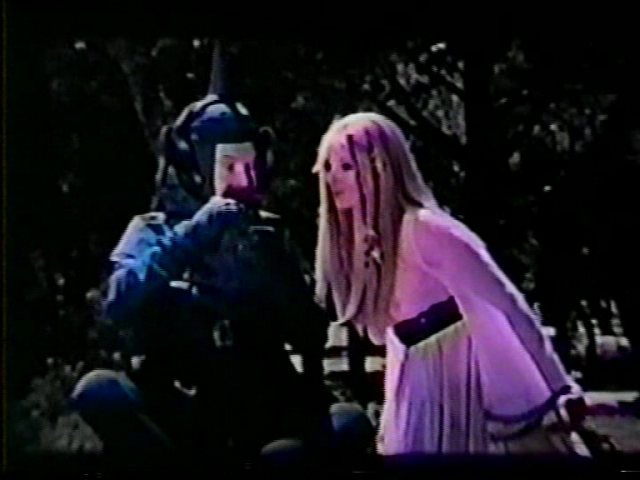
  • Victor Spinetti, Rosalind Knight, and Ronald Radd as three vicious critics (pictured below as witches and wizards in the song “Once Upon a Time”)
  • The hilarious “Once Upon a Time” song
  • Newley’s boldly satirical script

Must See?
Yes, simply as a most unusual cult flick. Listed as a Cult Movie and a Personal Recommendation in the back of Peary’s book.

Categories

  • Cult Movie

Links:

Lady Vanishes, The (1938)

Lady Vanishes, The (1938)

“I don’t see how a thing like cricket can make you forget seeing people.”

Synopsis:
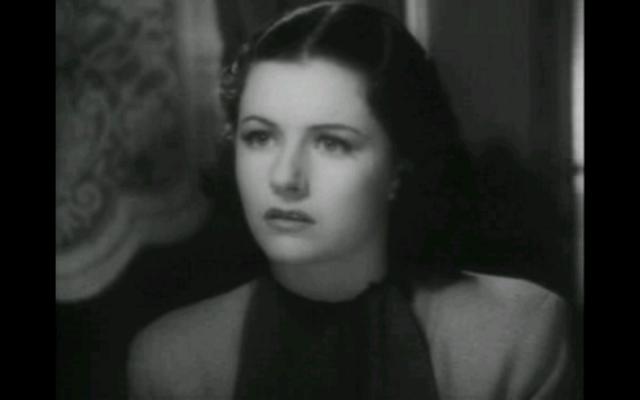
A young British woman (Margaret Lockwood) travelling on a trans-European train befriends an elderly governess (Dame May Whitty) who suddenly disappears. When nobody on board the train will believe her story, Iris (Lockwood) turns to a musicologist (Michael Redgrave) for help in unraveling the mystery.

Genres, Themes, Actors, and Directors:

  • Amateur Sleuths
  • Hitchcock Films
  • Michael Redgrave Films
  • Mistaken Identities
  • Mysterious Disappearance
  • “No One Believes Me!”
  • Paul Lukas Films
  • Spies
  • Trains and Subways

Response to Peary’s Review:
As Peary and many other critics have noted, this “vastly entertaining thriller ranks with The 39 Steps as the best of Alfred Hitchcock’s British films”. It’s filled with “wit, suspense, sex, romance, a wonderful array of characters (enthusiastically played by an excellent cast) and a fascinating mystery”, and features characters who all “turn out to be different than they first appear”. Unfortunately, it takes a while for things to get going: the first twenty minutes or so merely serve to establish the characters and their relationships with one another, and first-time viewers may become impatient. Once the train has boarded, however, the excitement really begins, as Hitchcock explores one of his favorite cinematic tropes: the nightmare of not being believed.

Lockwood is “most appealing” as the leading protagonist (a “frivolous” rich girl who essentially “comes of age” on the train), and Whitty — who “has spirit and energy that belie her age” — is perfect as the mysterious title character; meanwhile, Redgrave (in his film debut) slowly grows on you as his character matures and he rises to the task of assisting Iris. The remaining supporting characters are all perfectly cast as well — though I must admit I’m not a fan of comedic team Naunton Wayne and Basil Radford, playing a pair of self-absorbed, cricket-obsessed Brits (they went on to star in several other films together — including the anthology horror flick Dead of Night, co-starring Redgrave). Peary notes that they provide “much of the film’s humor”, but I find them merely distracting and annoying. With that said, they — along with several other passengers — show their true colors in the film’s final dramatic sequences, when all loyal Brits are called upon to fight against corrupt Balkan police; indeed, this film — made just before the dawn of World War II — is, among other things, a clarion call to action against fascist forces.

Redeeming Qualities and Moments:

  • Margaret Lockwood as Iris
  • Michael Redgrave as Gilbert
  • Dame May Whitty as Miss Froy
  • A highly suspenseful script (by Sidney Gilliat, Frank Lauder, and Alma Reville)

Must See?
Yes, as a classic Hitchcock thriller. Nominated by Peary as one of the Best Pictures of the Year in his Alternate Oscars book.

Categories

  • Genuine Classic
  • Important Director

Links: