Child is Waiting, A (1963)
“We have to accept these children as they are — just as they are.”
|
Synopsis: |
|
Genres, Themes, Actors, and Directors:
Review:
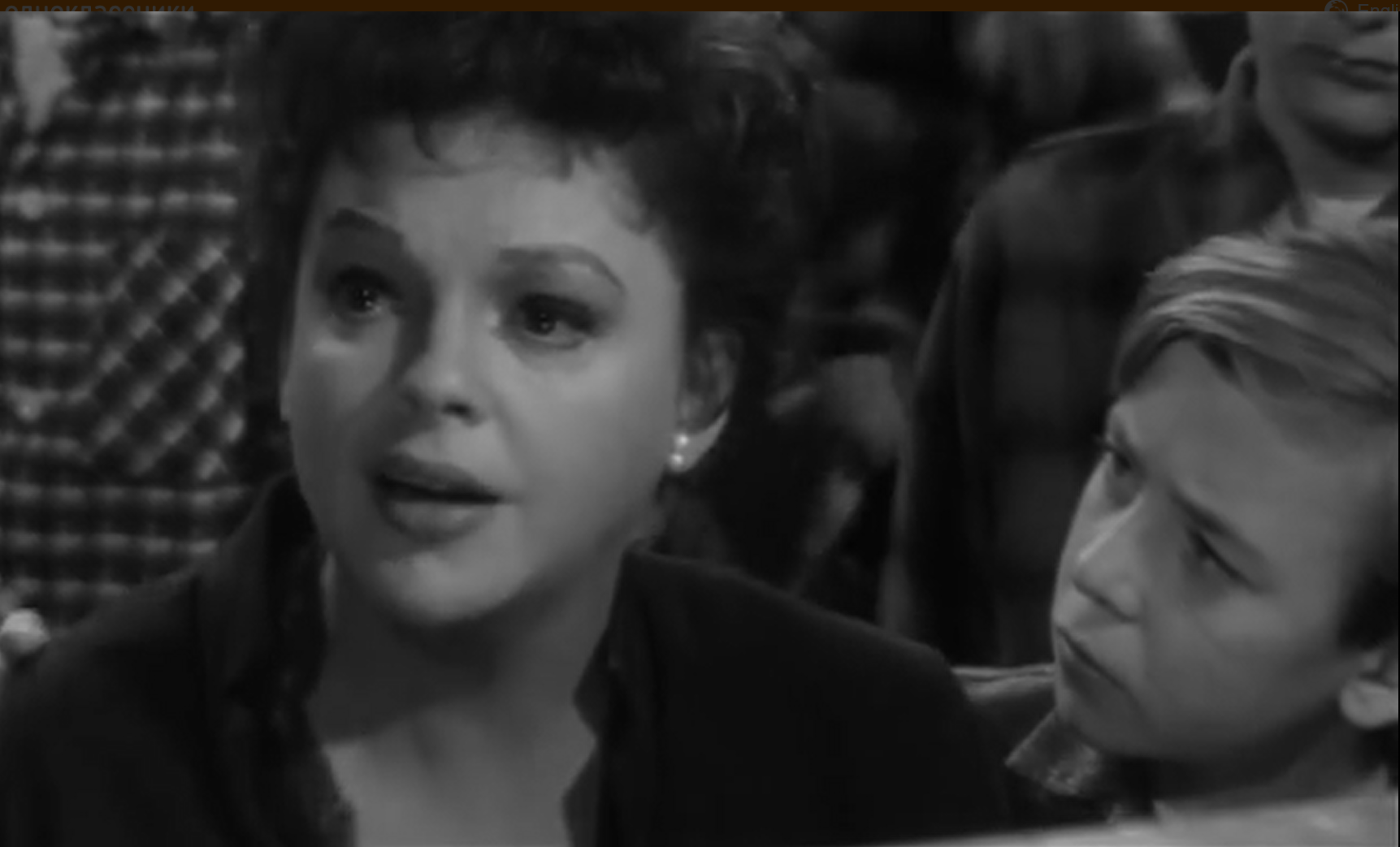
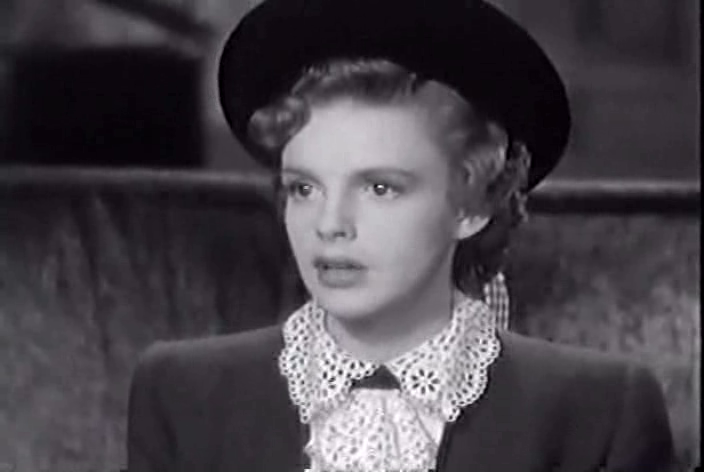
Meanwhile, the storyline itself is purely calculated drivel all the way. One would think that Garland, close to the end of her tragically drug-addled existence, would be well-suited for the lead role, playing a musician desperately seeking some kind of meaning in her life (rumor has it that Garland loved children in general, and children with disabilities in particular) — but her character is frustratingly shallow here; all we learn about her is that she’s an unmarried, well-trained musician.
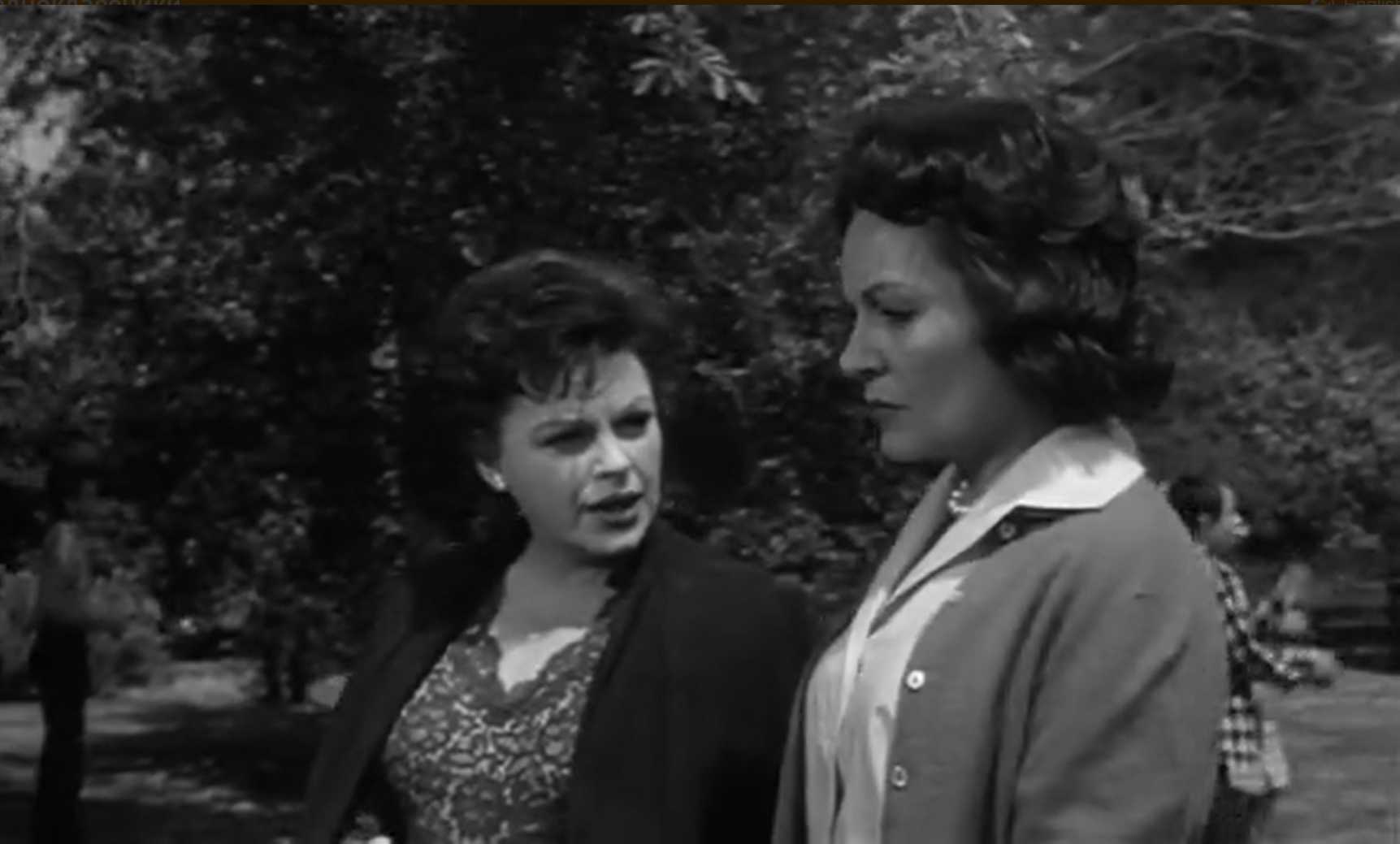
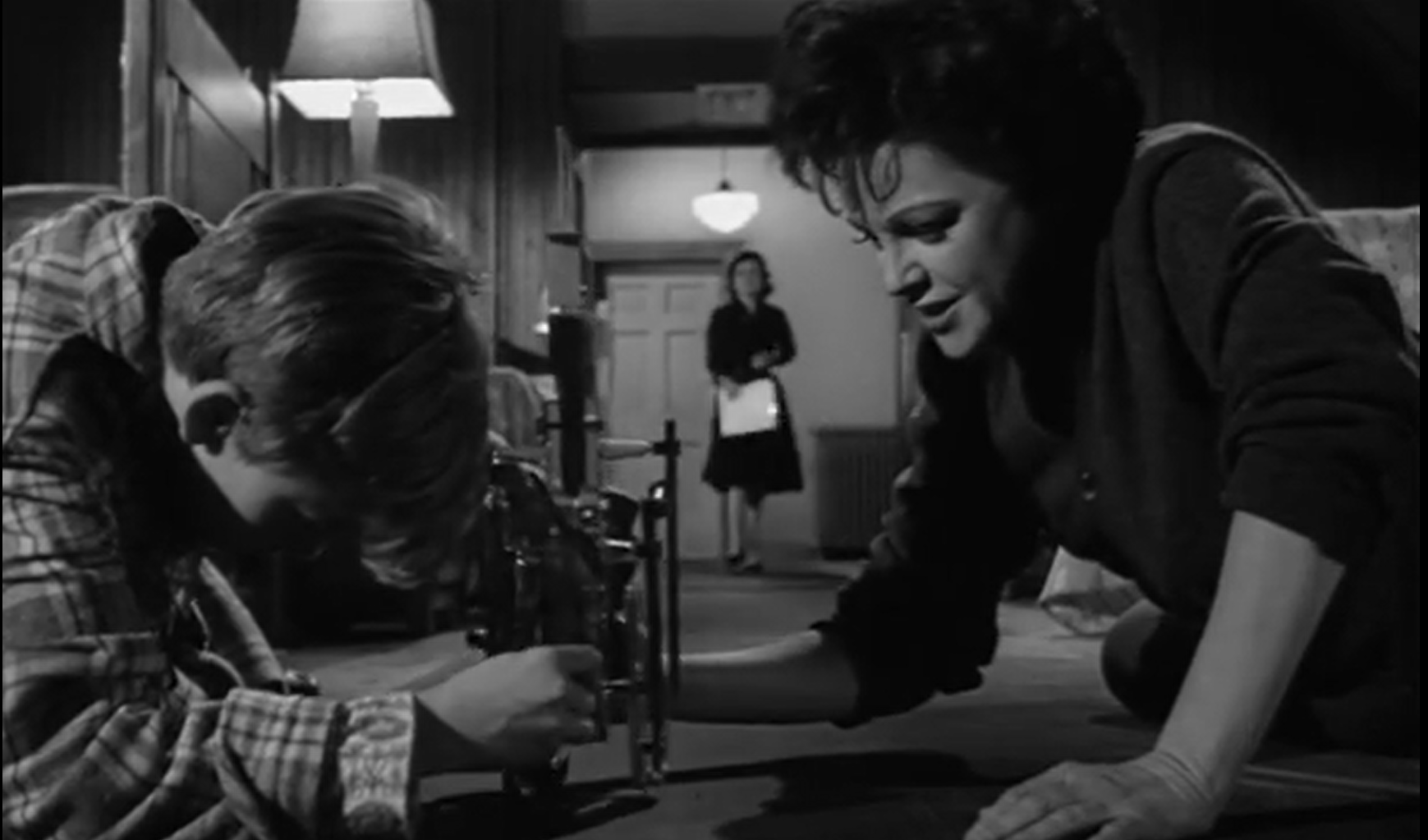
Meanwhile, she’s allowed to come work at the school despite possessing no credentials other than her own good intentions — and even once she’s hired, we simply see her wandering the grounds for the majority of the film:
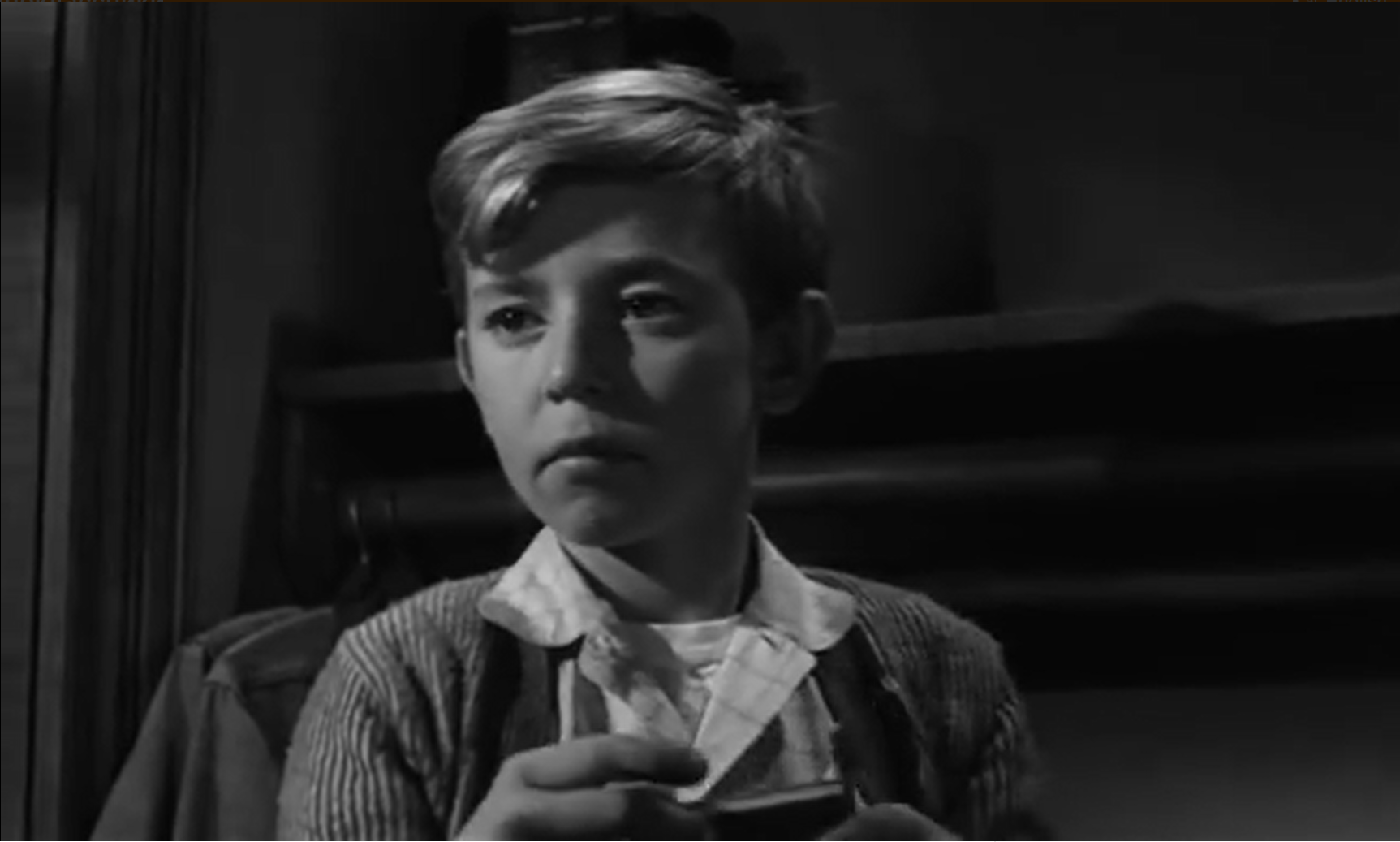
until she’s finally tasked by Lancaster to actually teach the music classes she claimed in her brief interview that she wanted to implement; ultimately, her character comes across as simply one more “case” for Lancaster to explore (though this angle isn’t sufficiently exploited, either). That a mid-century-Hollywood “issue” film like this comes across these days as horribly dated is no surprise, and shouldn’t necessarily be a deal-breaker for would-be viewers. Fortunately, at least in the United States, we’ve moved beyond the well-intentioned but utterly corrupt notion that children with mental retardation (now referred to more properly as students with intellectual disabilities) are best served by being separated from their families and taught to live “independently” in a group home with others; in one climactic “horror scene”, we’re shown older MR individuals (clearly in a state of blathering incapacity) who were apparently allowed to stay at home with their parents for too long, and consequently were left helpless and without appropriate skills by the time they were finally institutionalized as adults (!!). While surely well-intentioned at the time, this scene comes across nowadays as voyeuristic at best. Meanwhile, Reuben (well-played by Bruce Ritchey, the only actor among the cast of children) becomes the film’s token representative case study — someone Garland immediately “adopts” as her special-interest child (perhaps because he looks “normal”, in comparison to the other children, though her rationale is never made quite clear).
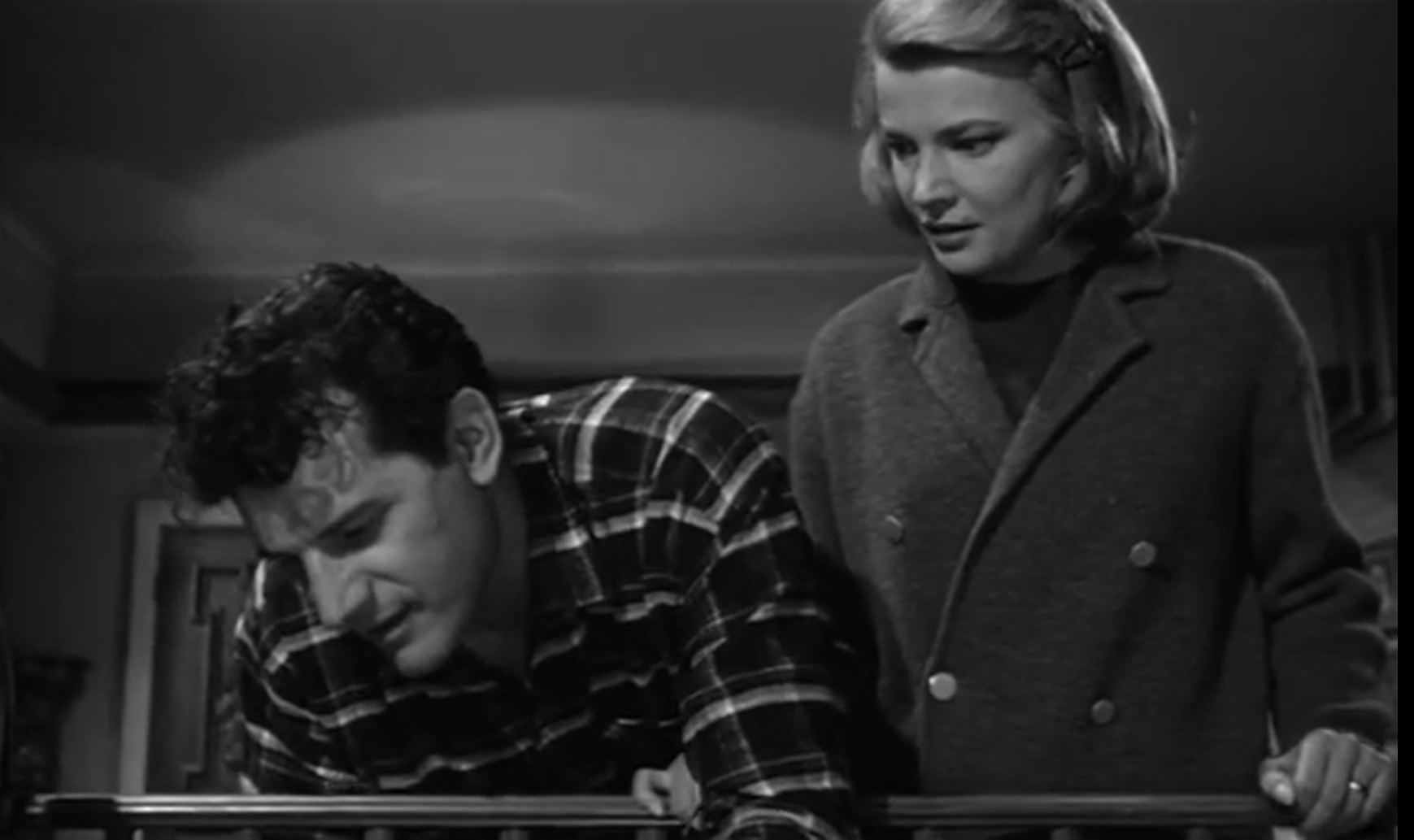
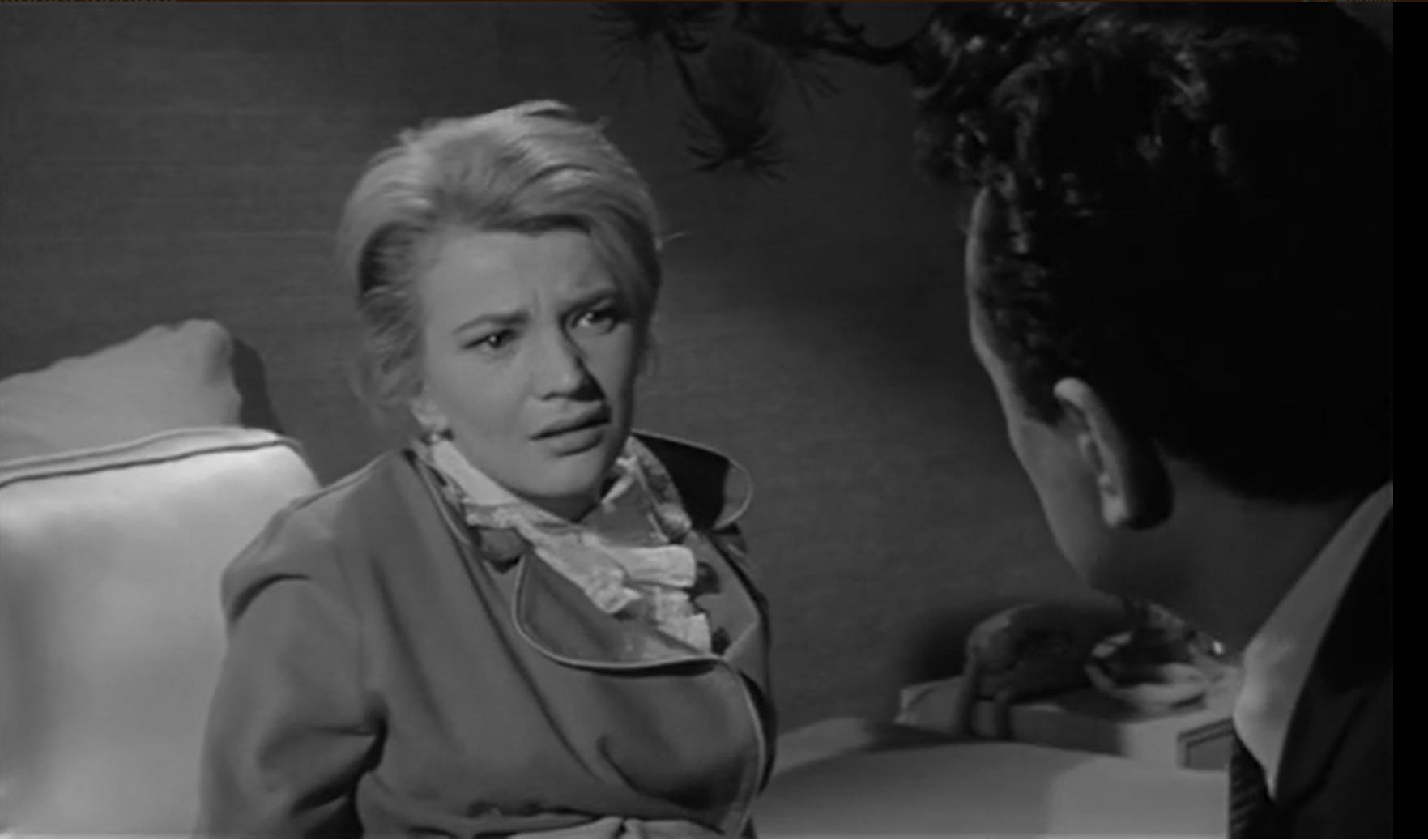
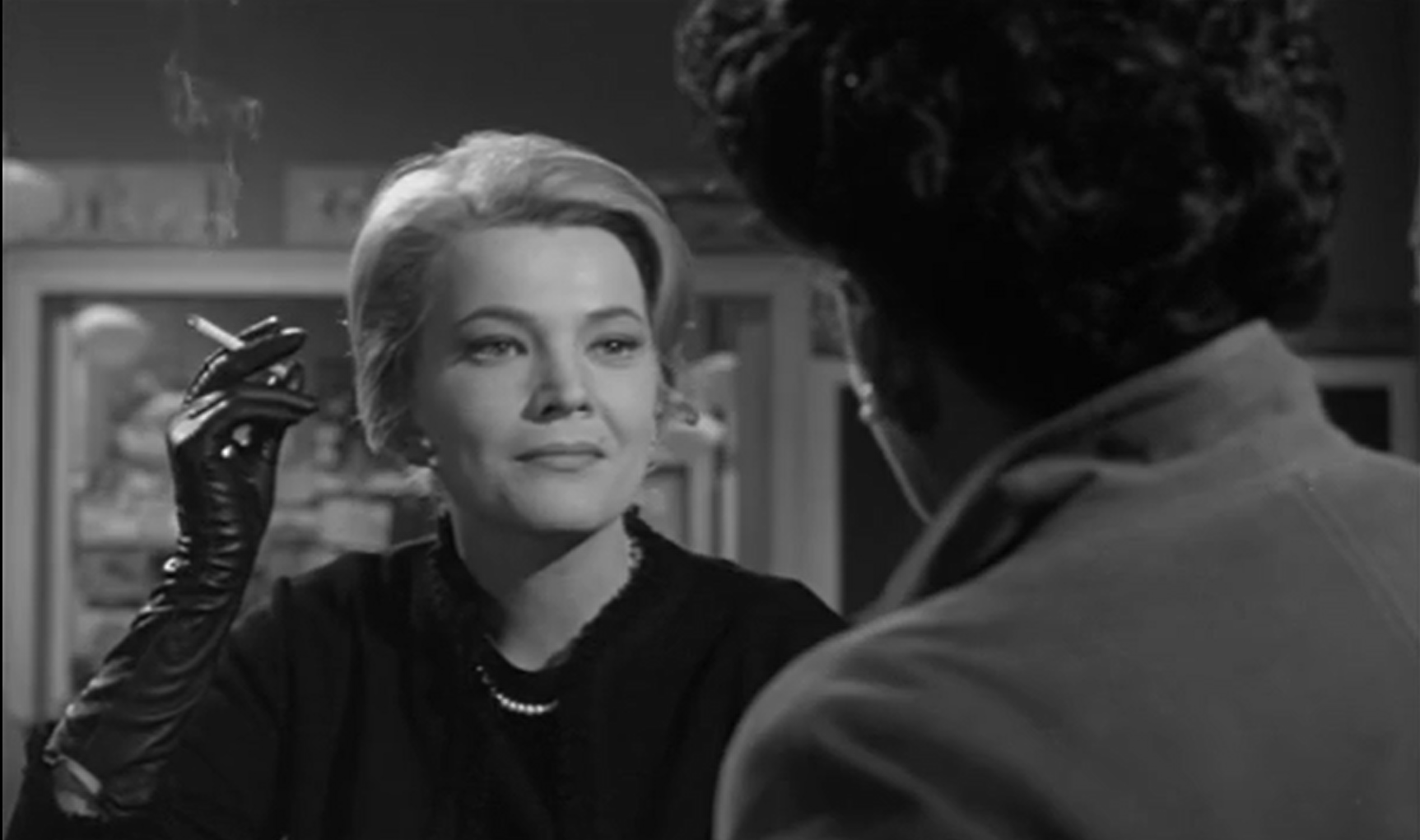
We’re shown flashbacks of the trauma his well-heeled, educated parents (Gena Rowlands and Steven Hill) experienced before finally realizing that their child was “defective”:
As Lancaster explains heatedly, and in all sincerity, to Garland, “His parents didn’t face the fact that he was retarded until very, very late; they let him play with ordinary children, and go to Kindergarten!” This kind of statement would be campily laughable if it weren’t so painfully representative of erstwhile attitudes. The film’s best moments are those in which Cassavetes is allowed to show his directorial hand, and presents us with more authentic slices-of-life — most noticeably during the interactions between Rowlands and Hill (both wonderful):
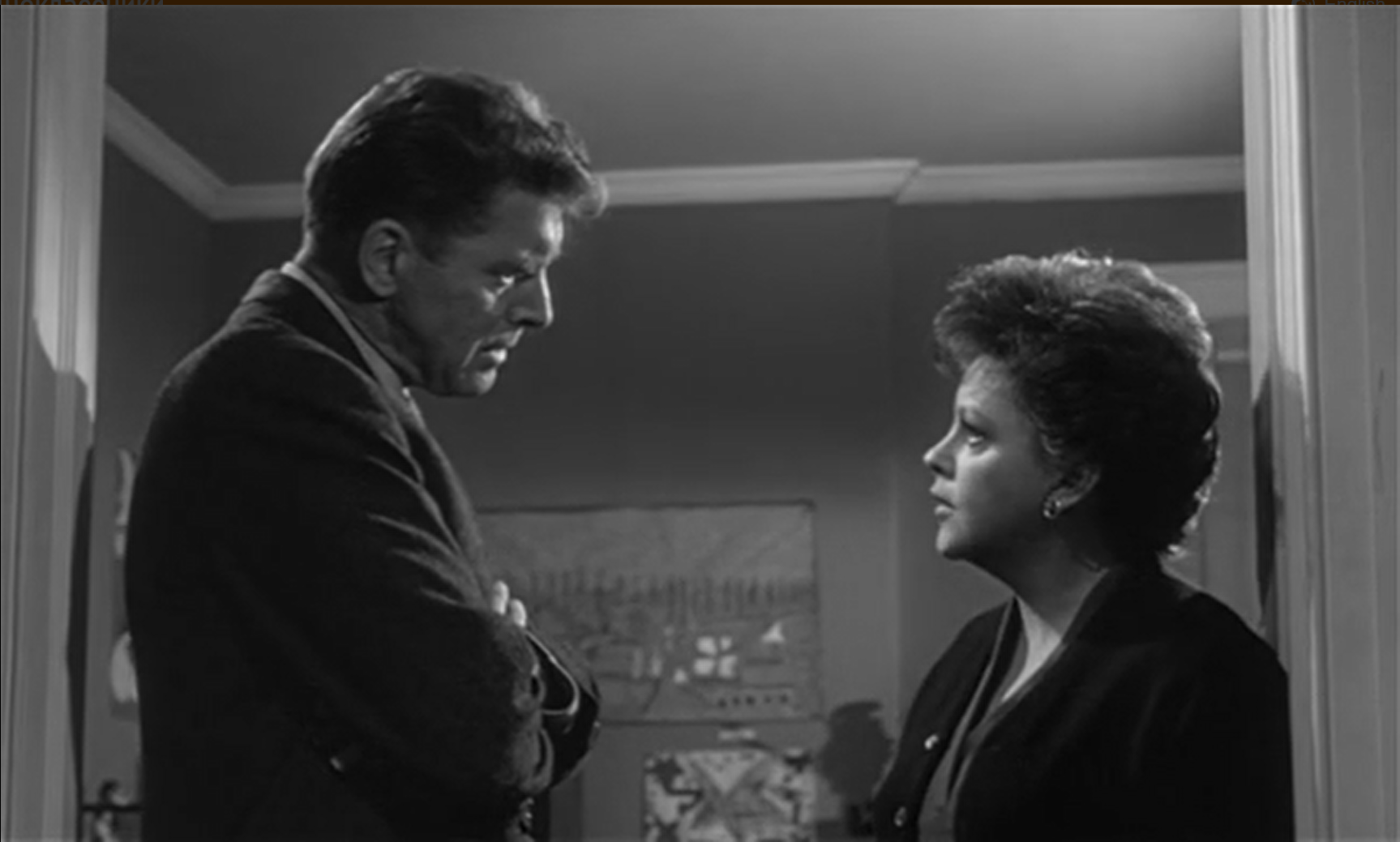
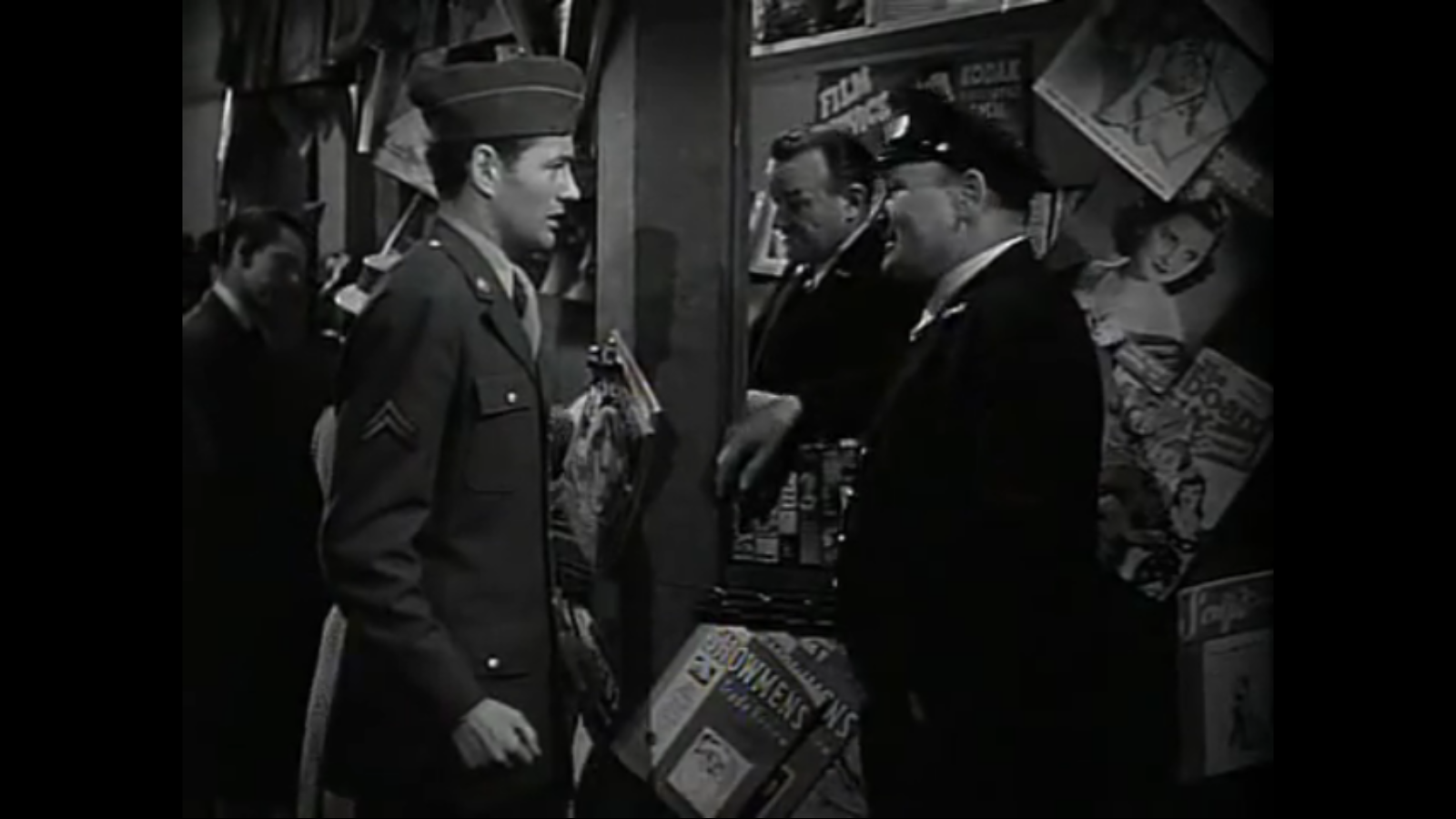
and one short scene in which Paul Stewart shares his own experiences as the father of a child with intellectual challenges. In contrast, all scenes with either Lancaster or Garland simply smack of Hollywoodized “best intentions”:
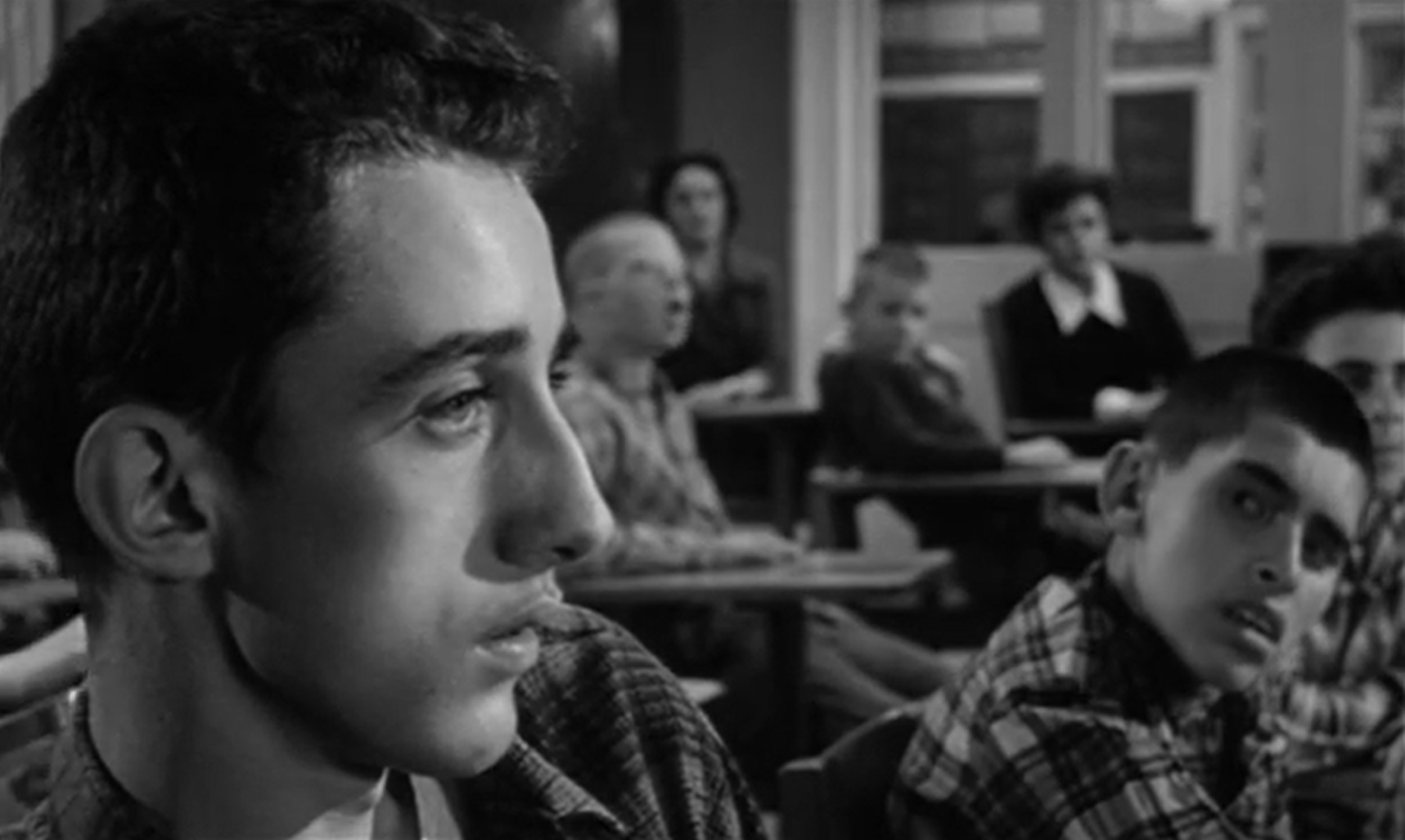
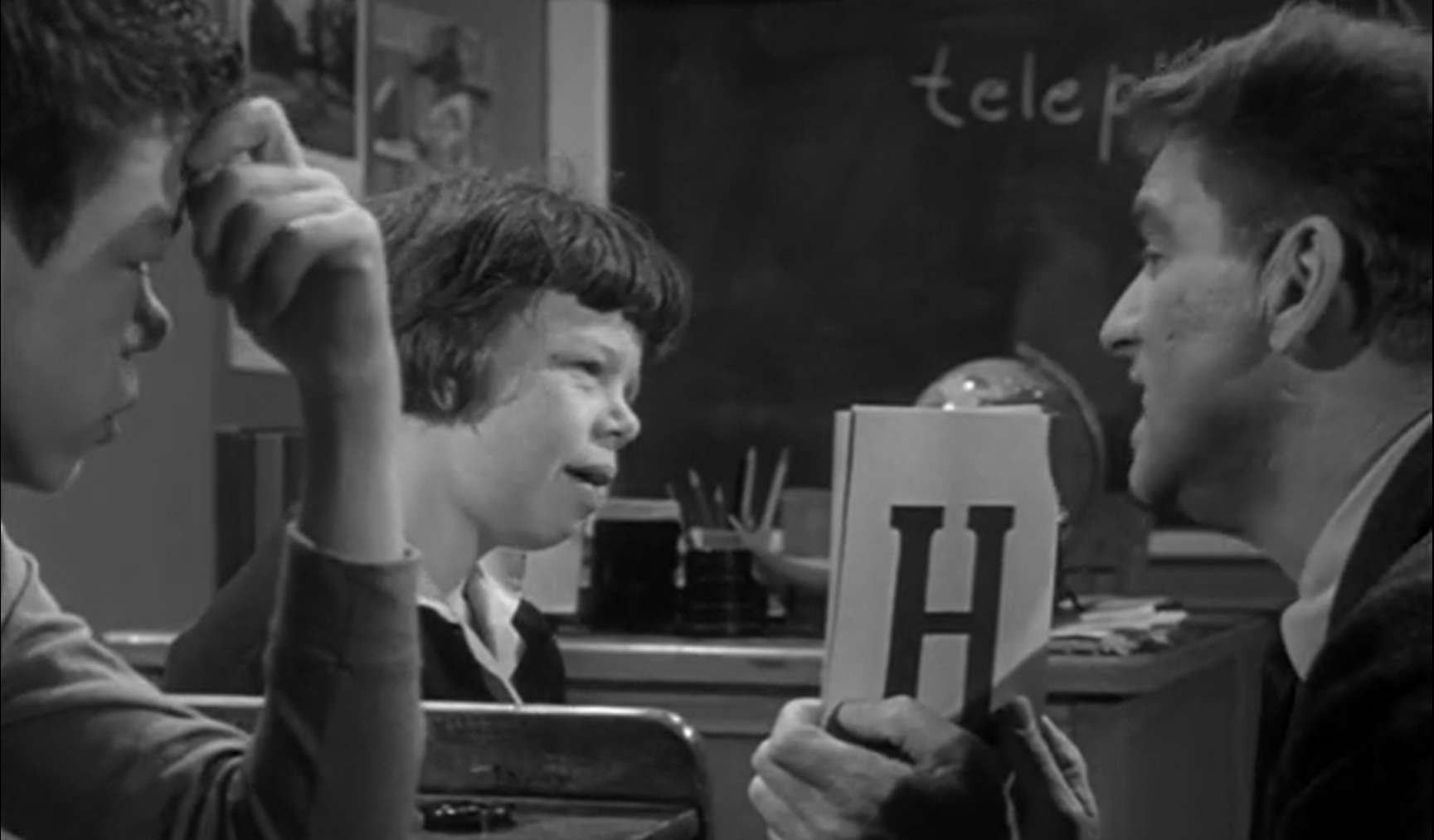
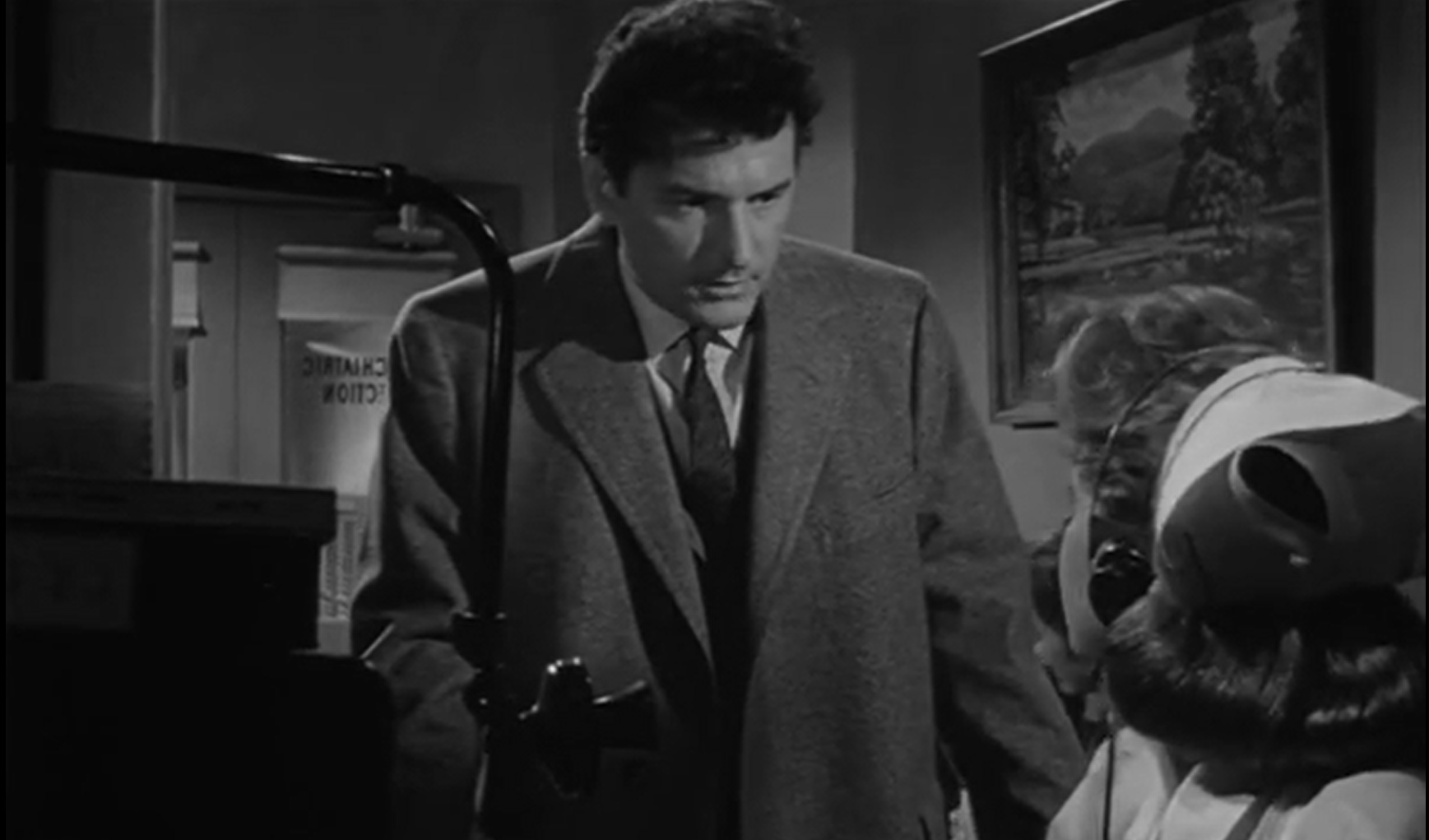
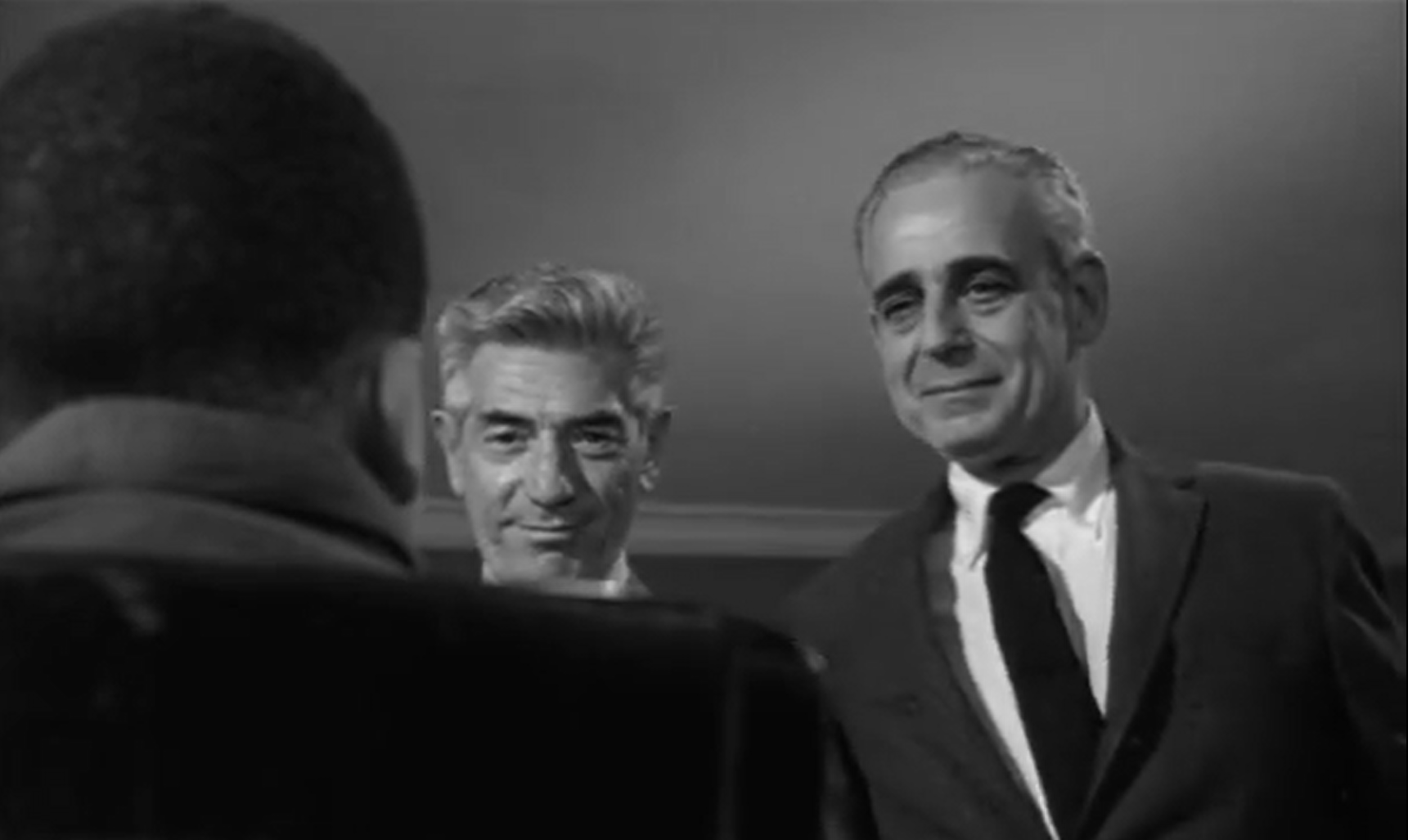
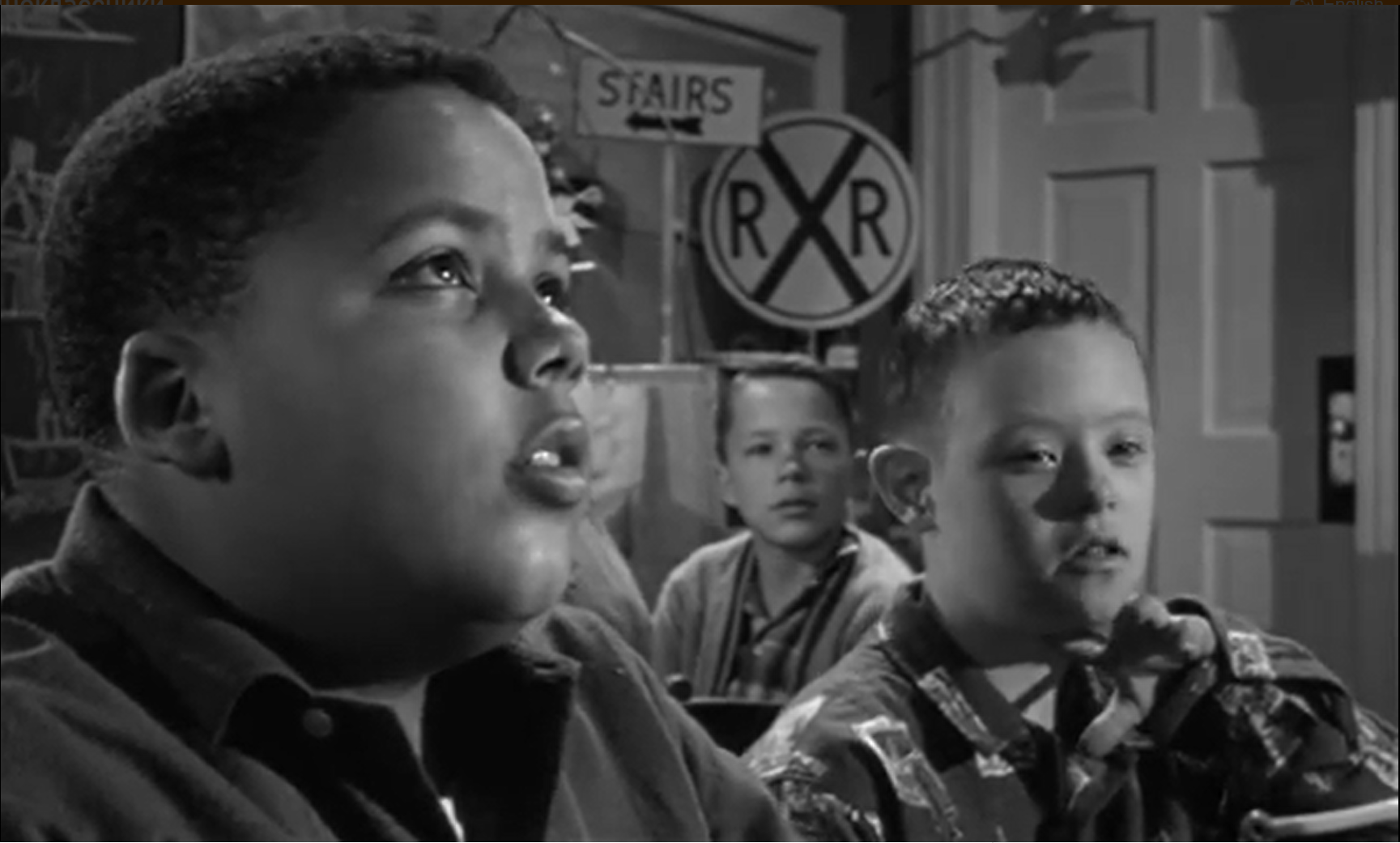
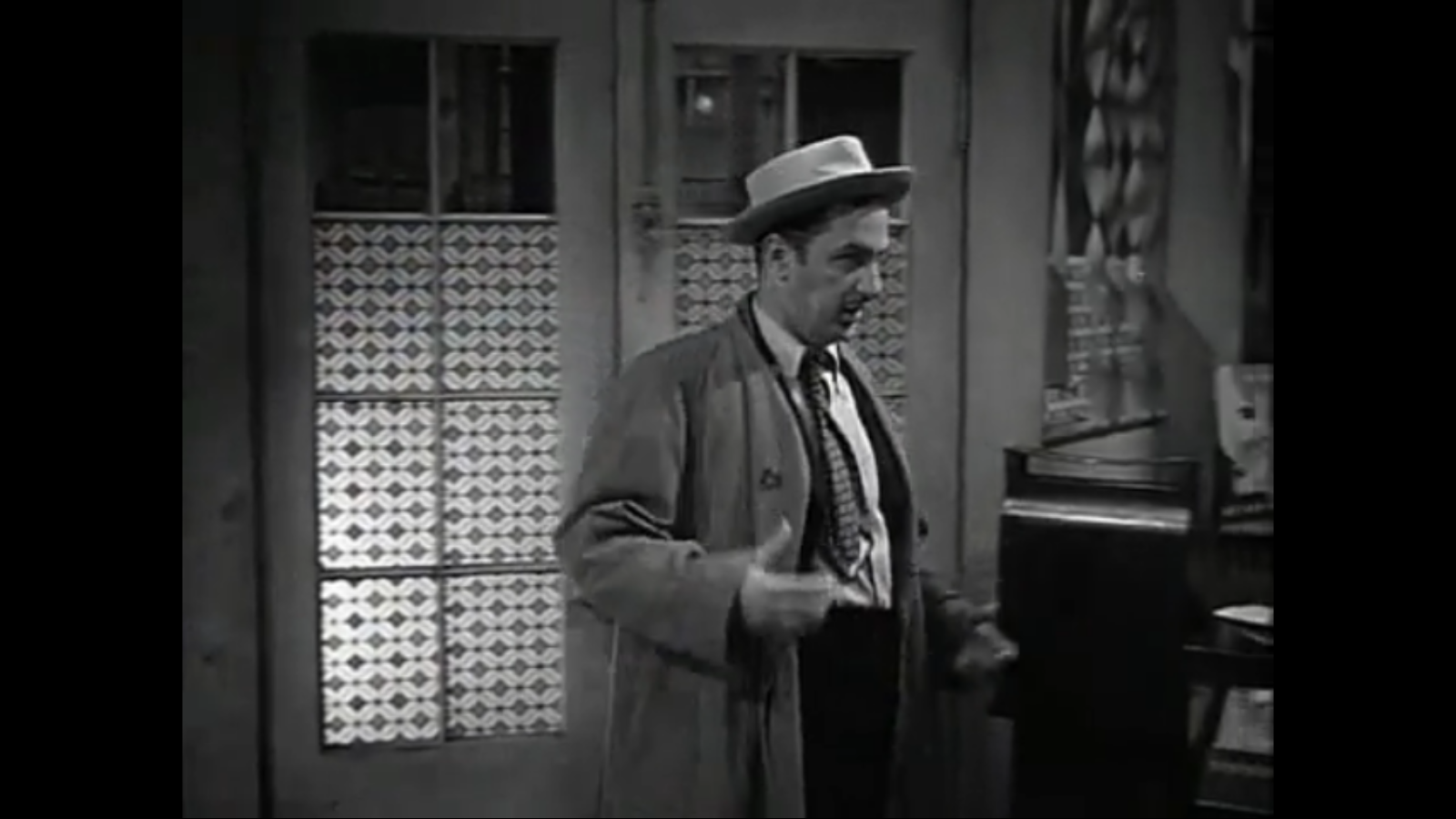
While many viewers (see IMDb) seem to adore both actors here, and to admire the film in general for its “daring” subject-matter, I’m not impressed by any of it (as should be clear by now!). Lancaster’s Dr. Clark represents a Firm-But-Kind Authority Figure who occasionally (for no apparent reason other than to allow us a refreshing glimpse of the “real” children) wanders through the school quizzing the students on their letter recognition skills (wouldn’t this be done by a trained speech pathologist?):
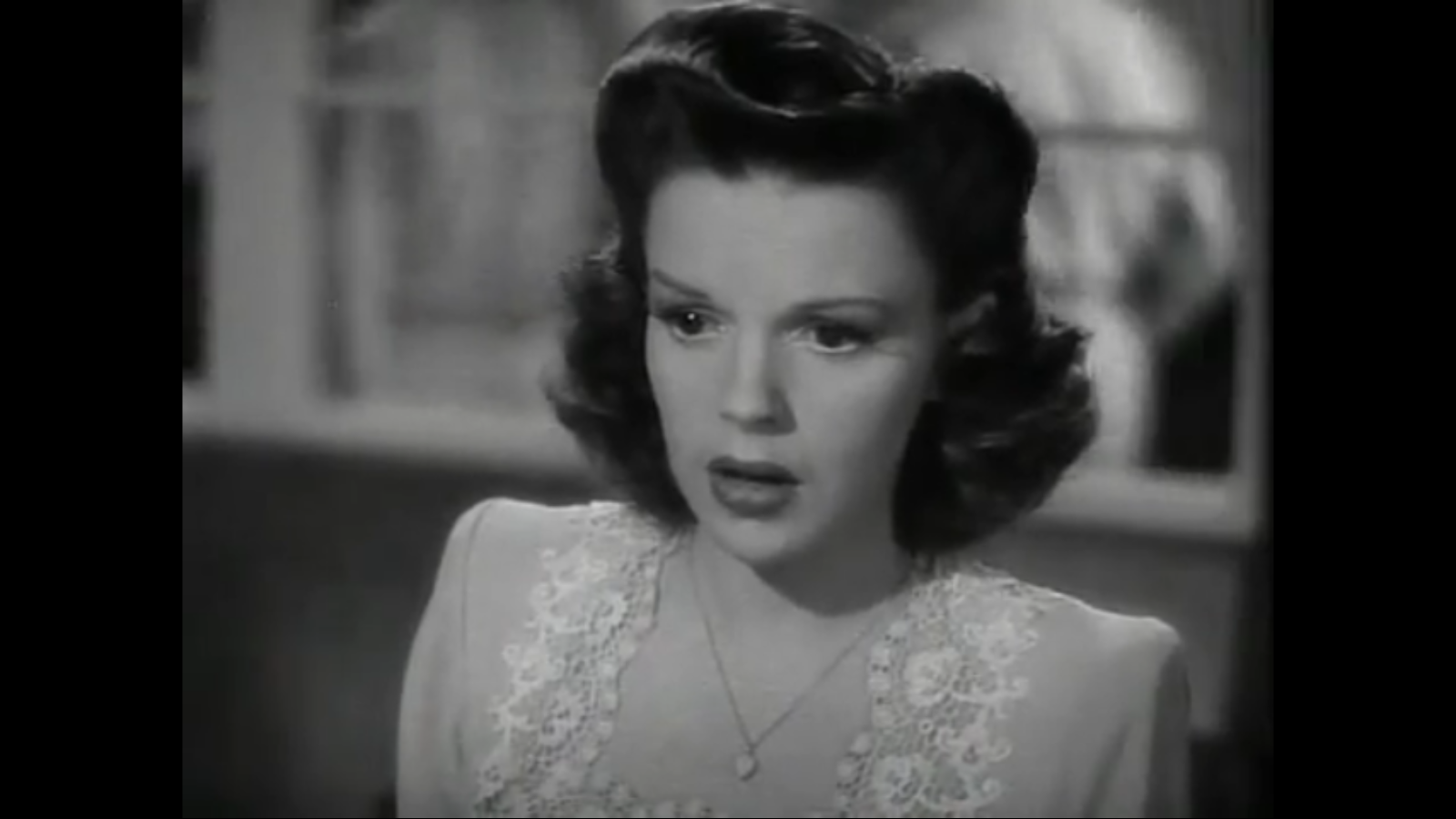
Meanwhile, Garland’s character isn’t nearly fleshed-out enough — she seems to simply be wandering the set in a state of dazed bewilderment (surely a reflection of her personal health at the time), and we quickly become desperate to see more spunk and vitality of some kind.
True Garland fans (and there are plenty of them!) probably won’t mind — but all other film fanatics should simply stick with watching her earlier films. Redeeming Qualities and Moments:
Must See? Links: |