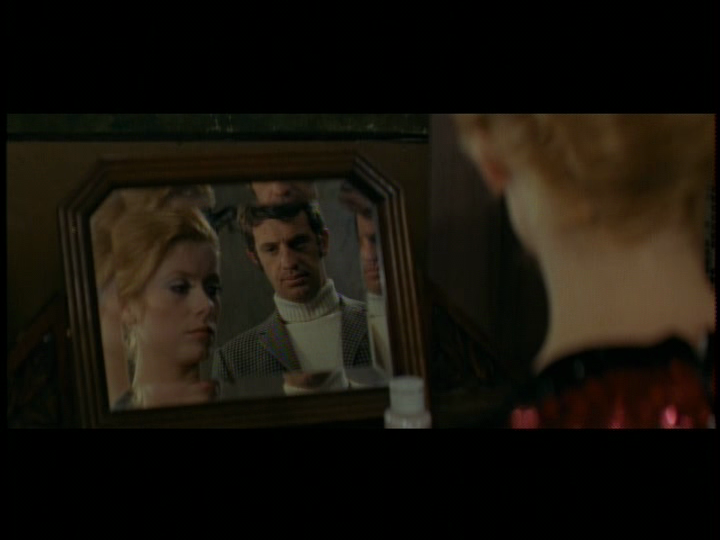
Woman Next Door, The (1981)
“Love affairs must have a beginning, a middle, and an end.”
|
Synopsis: |
|
Genres, Themes, Actors, and Directors:
Review: Redeeming Qualities and Moments:
Must See? Links: |
“Love affairs must have a beginning, a middle, and an end.”
|
Synopsis: |
|
Genres, Themes, Actors, and Directors:
Review: Redeeming Qualities and Moments:
Must See? Links: |
“I’ve discovered life wasn’t what I expected lately.”
|
Synopsis: |
|
Genres, Themes, Actors, and Directors:
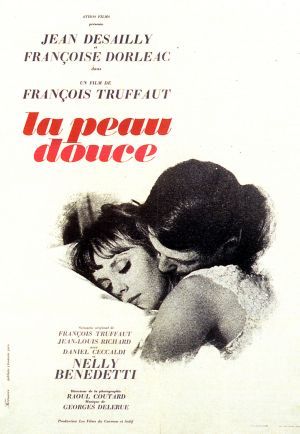
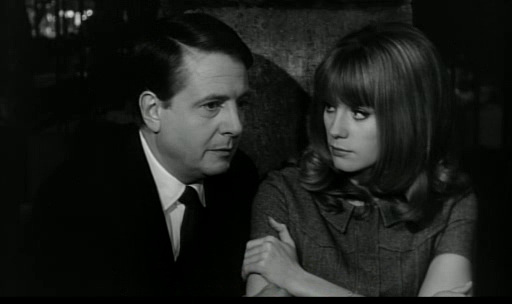
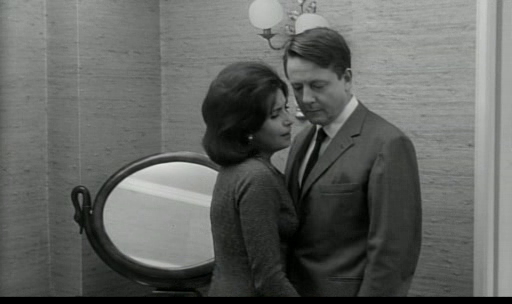
Review: It’s difficult at first to accept the pudgy, nondescript Desailly as a likely candidate to attract the attentions of a sexy young thing like Dorleac — yet we soon understand that it’s his celebrity (there are posters plastered around Riems announcing his upcoming lecture) and his intellect that she finds so appealing. Meanwhile, it’s equally difficult to understand exactly why Desailly would feel a desire to cheat on his sexy wife (Benedetti) — but then again, motivations for infidelity often makes little sense! The three leads (especially Dorleac and Benedetti) all provide solid performances, and Raoul Coutard’s lovely b&w cinematography firmly grounds the film within its cinematic era. While this isn’t must-see viewing by Truffaut, it’s certainly worth a one-time look. Redeeming Qualities and Moments:
Must See? Links: |
“You can kick me out of here, but I ain’t quittin’.”
|
Synopsis: |
|
Genres, Themes, Actors, and Directors:
Response to Peary’s Review: Winger plays an appealingly independent-minded character, yet she’s reduced — like all the working-class women in her town, apparently — to waiting for a man to rescue her from her situation, whether it’s for a temporary month-long fling, or a longer commitment. We’re meant to tsk at the tactics employed by Winger’s best friend Lynette (Lisa Blount) when trying to snag a cadet of her own (David Keith), but Winger isn’t necessarily a much better role model. Meanwhile, petite Lisa Eilbacher is cast in a gratuitous role as a female trainee struggling to make her way through candidacy, who breaks down into tears every time she tries to progress through a particularly challenging component of the obstacle course — and, naturally, she’s helped by a man in the end. The famous final factory scene between Gere and Winger is perhaps most egregious of all, though I won’t spoil the film by saying too much more. Ultimately, this erstwhile hit remains erotic eye candy at best, with the added bonus of seeing Winger in one of her too-few leading roles before she left Hollywood semi-permanently in the mid-1990s. Redeeming Qualities and Moments:
Must See? Links: |
“The dead belong to us, as soon as we agree to belong to them.”
|
Synopsis: |
|
Genres, Themes, Actors, and Directors:
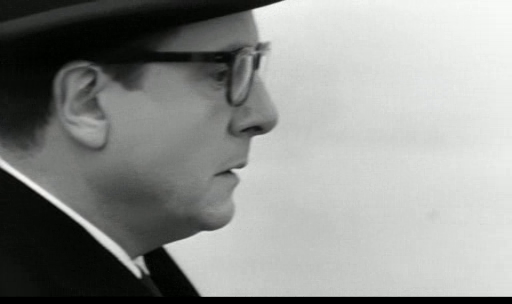
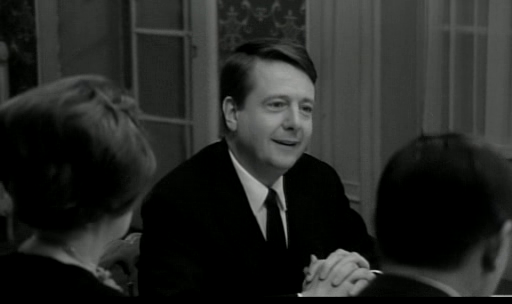
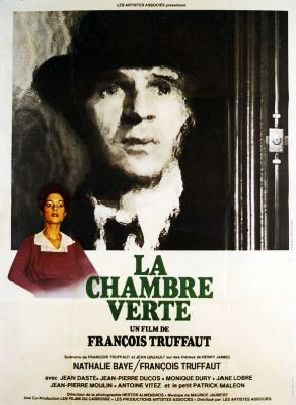
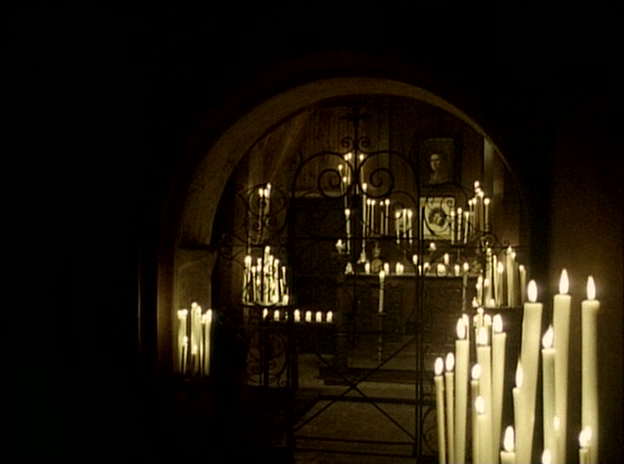
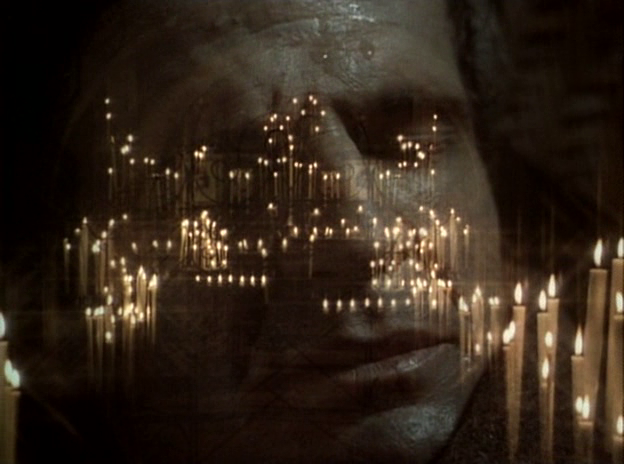
Review: We quickly see that Truffaut’s character (“Julien Devenne”) is a man unwilling to move beyond his past: he writes obituaries for a slowly dying newspaper, lives with an aging housekeeper, and is mortally offended at the notion of finding a new wife (an idea embodied by another recently widowed character shown in the film’s opening scene). Baye’s character is introduced as a potential source of joy and life for Julien, but their relationship is based on the slimmest of connections, and is never fully explained. Indeed, there are many elements of the screenplay that are insufficiently explained: Is the deaf-mute boy living with Julien his own son? (One presumes so, but we’re never given any context for his existence.) Why does Julien have such an interest in buying a particular ring sold at an estate auction overseen by Baye? And who in the world is the pivotal (unseen) character of Paul Massigny? Ultimately, the most memorable aspect of the film remains Nestor Almendros’ atmospheric cinematography, which relies heavily on natural light from the candles placed throughout the altars Julien constructs in memory of the dead. Redeeming Qualities and Moments:
Must See? Links: |
“I can’t say that I’m happy with her, but I’m unable to live without her.”
|
Synopsis: |
|
Genres, Themes, Actors, and Directors:
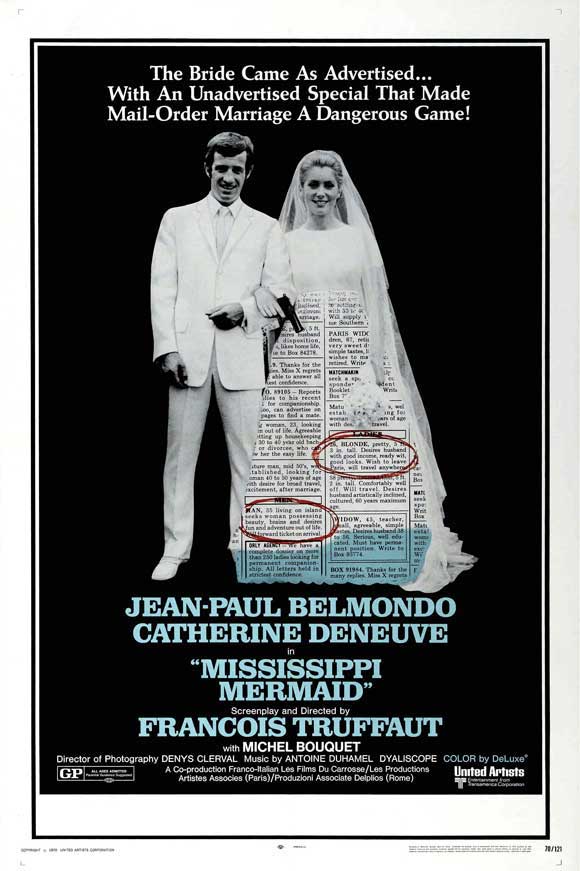
Review: Note: This deceptively titled film has nothing to do with either the state of Mississippi (it refers to the name of the ship Deneuve arrives on in Reunion) or to mermaids (other than an alliterative reference to a female “siren” of sorts). Be forewarned. Redeeming Qualities and Moments:
Must See? Categories
Links: |
“I know he’s a delinquent, a scoundrel — but he’s your brother!”
|
Synopsis: |
|
Genres, Themes, Actors, and Directors:
Response to Peary’s Review: I agree with Peary on most of these major points, yet wouldn’t quite assert that Shoeshine has held its place as one of the “most powerful social dramas in cinema history”. Indeed, in comparison with more recent, no-holds-barred films like the Brazilian social drama City of God (2002) — or its earlier counterpart, Pixote (1981) — Shoeshine‘s storyline comes across as both contrived and highly scripted. Once the boys enter into a “brutal, corrupt reform school”, the plot eventually turns into a youthful variation on a Mafia flick, as familial loyalty and the fatal costs of betrayal become central themes. With that said, Anchise Brizzi’s cinematography on the streets of Rome remains noteworthy, and the lead performances are impressively natural. While it’s not must-see viewing, film fanatics will likely be curious to see this precursor to De Sica’s best-known neo-realistic classic, The Bicycle Thief (1948). Redeeming Qualities and Moments:
Must See? Links: |
“Grown women are prepared for life’s little emergencies.”
|
Synopsis: |
|
Genres, Themes, Actors, and Directors:
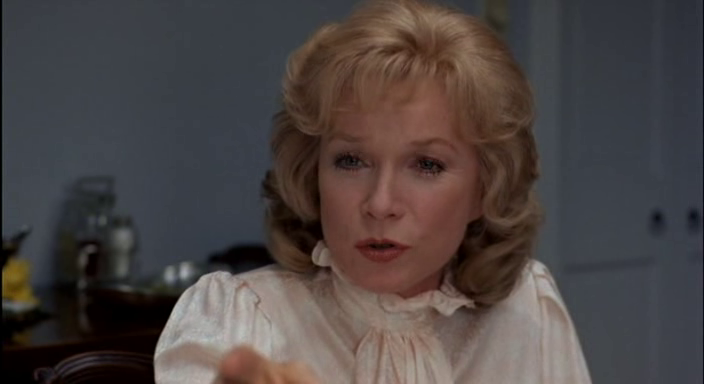
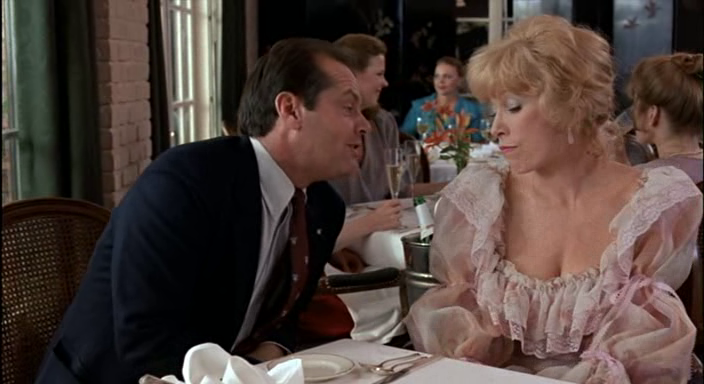
Response to Peary’s Review: Peary notes in his GFTFF review that TOE is fortunately “not one of those pictures in which a stern parent lets her… daughter know that she indeed loves her deeply although she could never express it”; instead, “there is never any question that they love each other”, which is what makes the film as a whole so refreshing. When we watch Winger’s young character butting heads with her mom in opening scenes — and witness MacLaine actually admitting she’d prefer not to attend Winger’s wedding — we believe we’re being set up for a story that will center around ongoing mother/daughter strife; instead, what we see is a film “about two different women who become close friends“. While they remain “adversaries, they [also] seek out each other’s advice and support”, as they “begin leading parallel lives” (“both have affairs… at the same time”). In the remainder of his review, Peary mentions numerous major spoilers that probably won’t be news to most film fanatics, but I’ll refrain from discussing them here. Suffice it to say that “the tragedy that befalls [one of the main characters] leads us to the film’s reassuring theme: in a crisis, especially a life-and-death situation, even irresponsible people will come through for those they love”. Peary notes that “we get a unique look at what makes even the most common people special”, and argues that TOE remains a “touching, tear-inducing film”. He points out that writer/director James L. Brooks’ project (based on a novel by Larry McMurtry) “was rejected by several studios because executives thought it was more appropriate for a television movie”, which makes sense — but the actors and the screenplay ultimately elevate this one above the level of most made-for-TV melodramas. It’s definitely worth a watch. Redeeming Qualities and Moments:
Must See? Categories
(Listed in 1001 Movies You Must See Before You Die) Links: |
|
Synopsis: |
|
Genres, Themes, Actors, and Directors:
Review: Redeeming Qualities and Moments:
Must See? Links: |
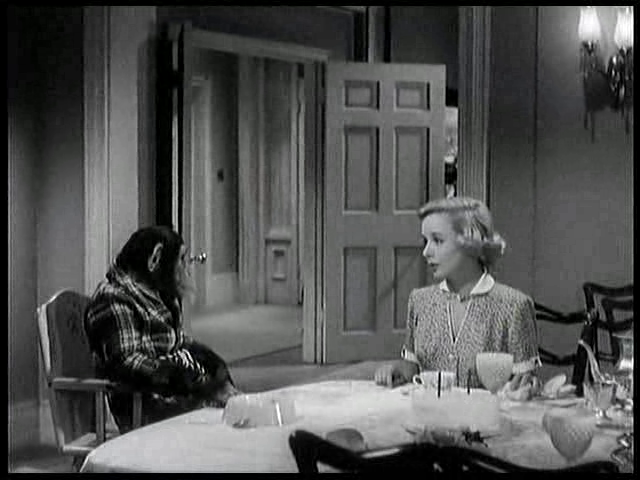
“A lot of people think they’re born better than others. I’m trying to prove it’s the way you’re raised that counts — that even a monkey brought up in the right surroundings can learn the meaning of decency and honesty.”
|
Synopsis: |
|
Genres, Themes, Actors, and Directors:
Response to Peary’s Review: In his more extended review of BfB in his Cult Movies book, Peary elaborates upon the film’s importance as perhaps the most notorious entry in Reagan’s limited, largely unexceptional acting career (with just a few pleasant surprises — such as the pre-WWII melodrama Kings Row — demonstrating his greater potential). These days, however — several decades after Reagan’s political career is over — Bedtime for Bonzo holds much less cult appeal than it once did, and must instead be judged upon its own merits. As such, it remains an “amiable film”, innocuous and reasonably entertaining, but certainly not one film fanatics need to stand up and take notice of. Its primary audience, naturally, will be people who enjoy watching trained animals on screen. With that said, Bonzo is nicely supported by no-nonsense Lynn (always a treat) and by Walter Slezak in a rare good-guy role as the professor who loans Bonzo to Reagan. Redeeming Qualities and Moments:
Must See? Links: |
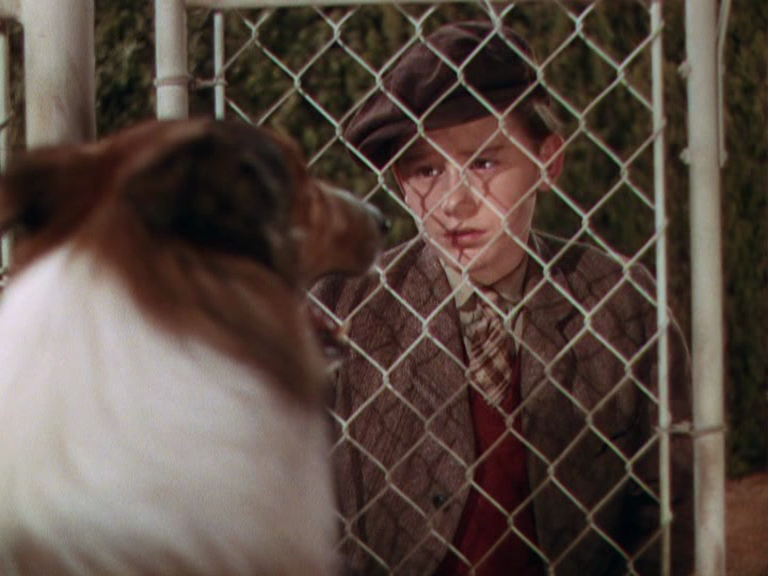
“I know something about this dog. She’s going somewhere — she’s on her way.”
|
Synopsis: |
|
Genres, Themes, Actors, and Directors:
Response to Peary’s Review: Redeeming Qualities and Moments:
Must See? Categories
Links: |