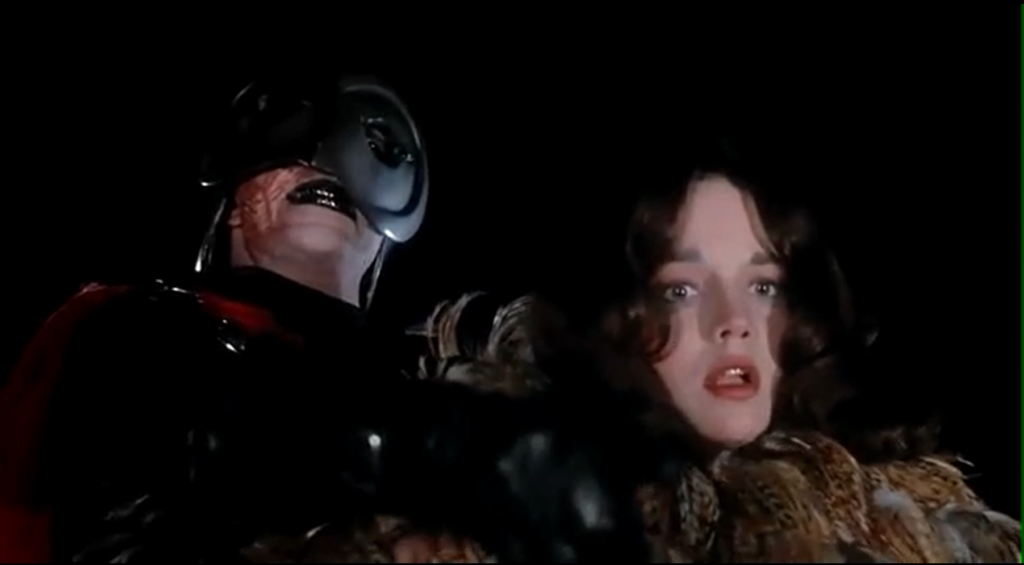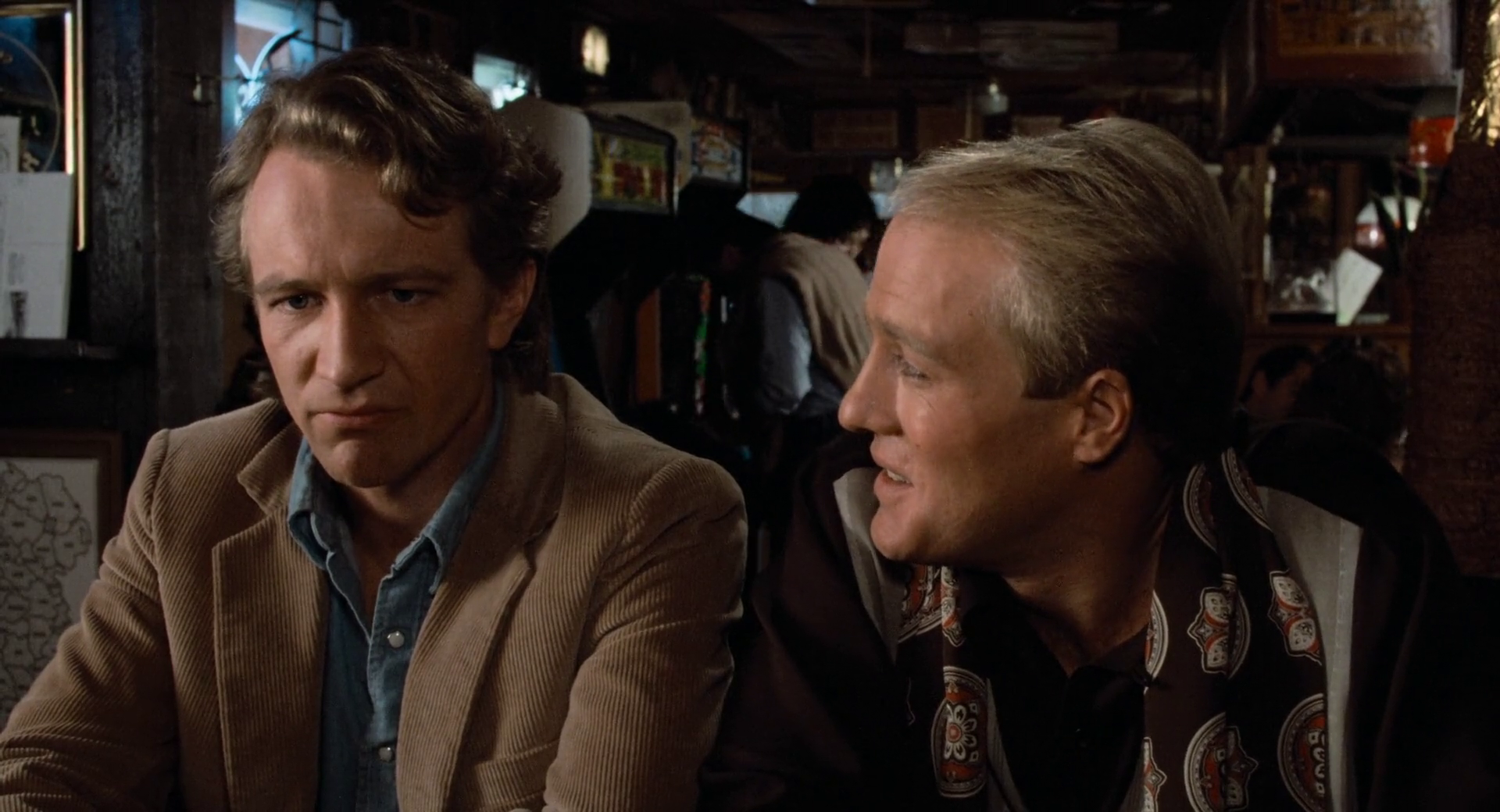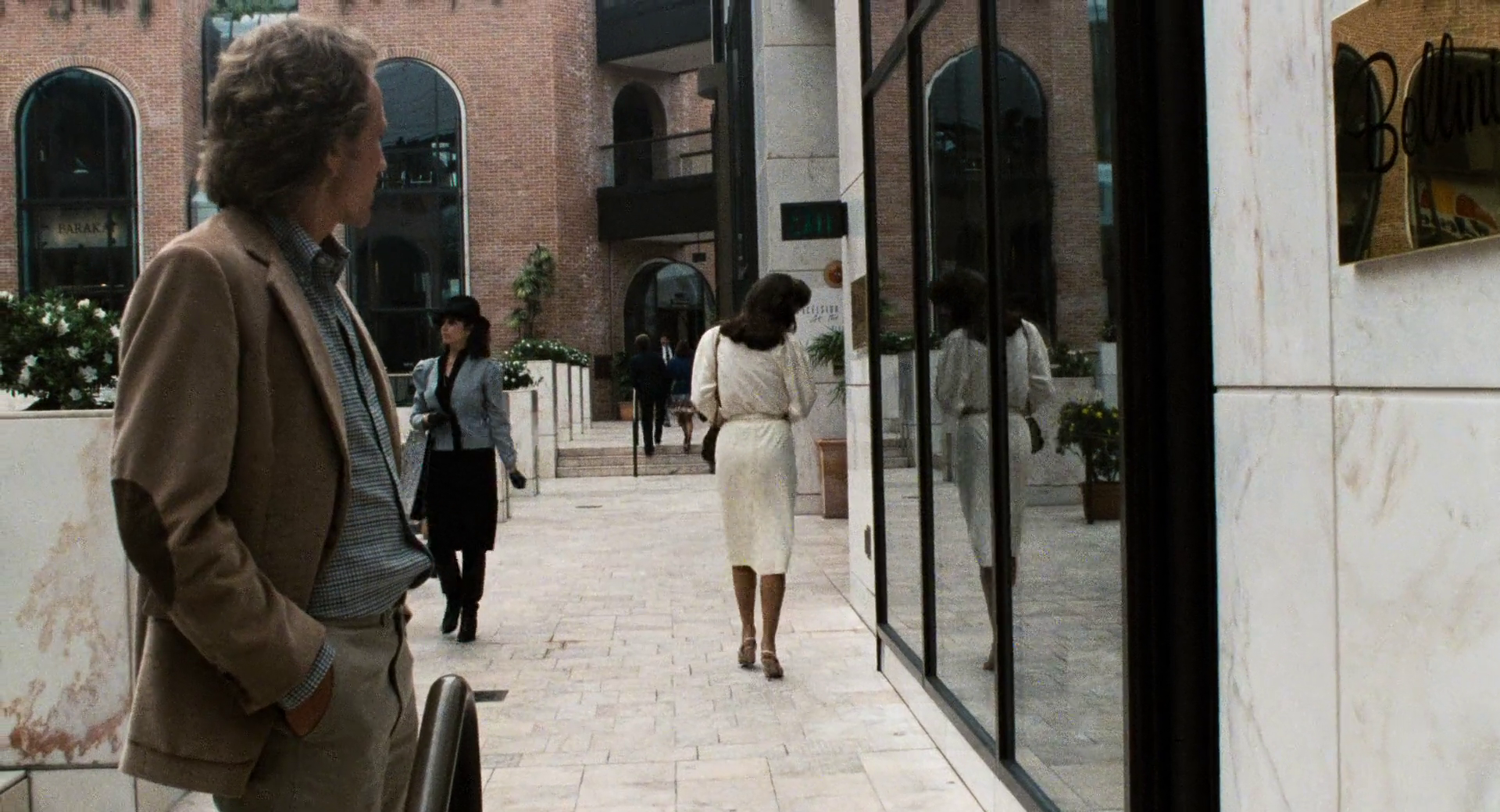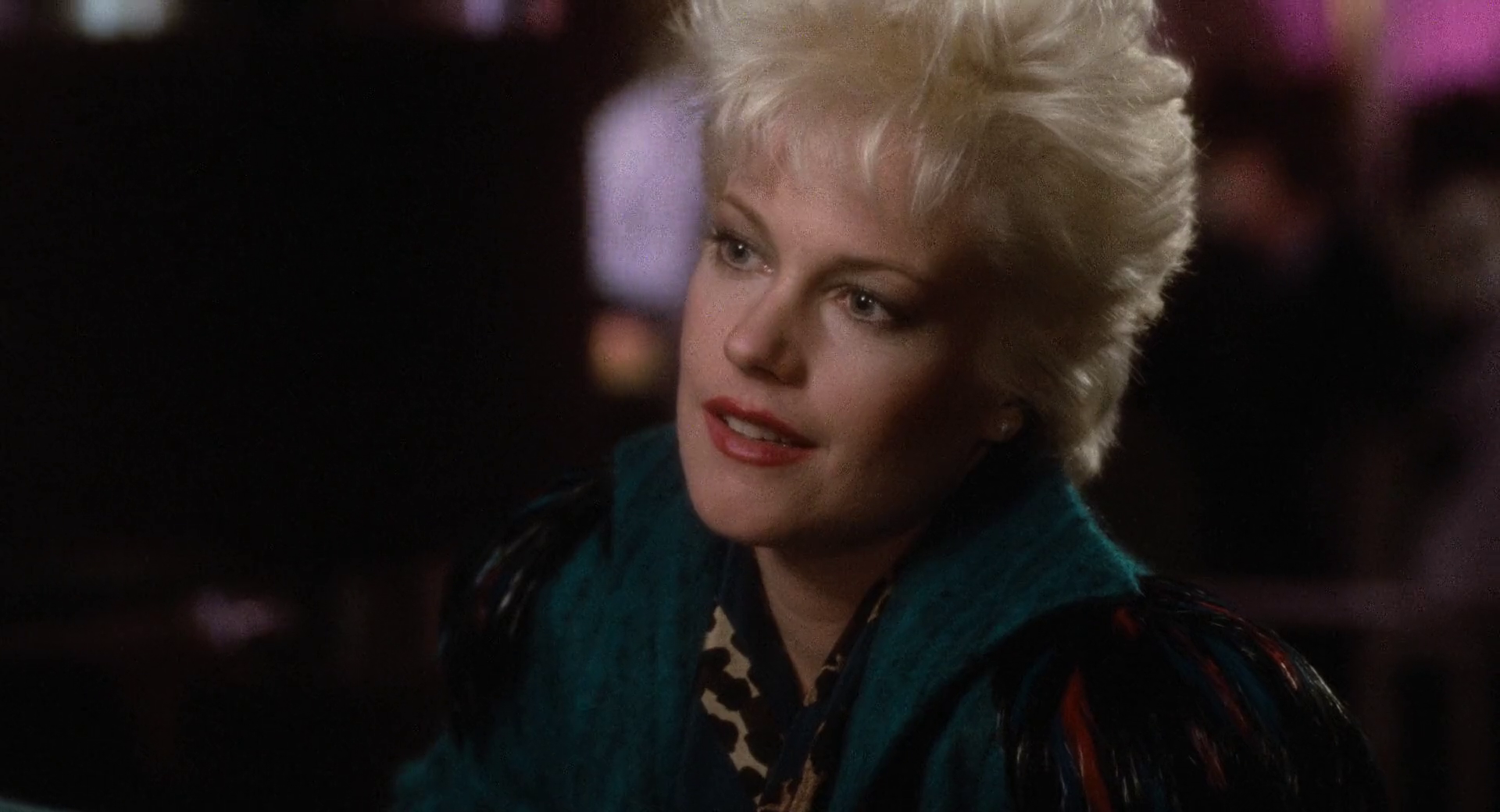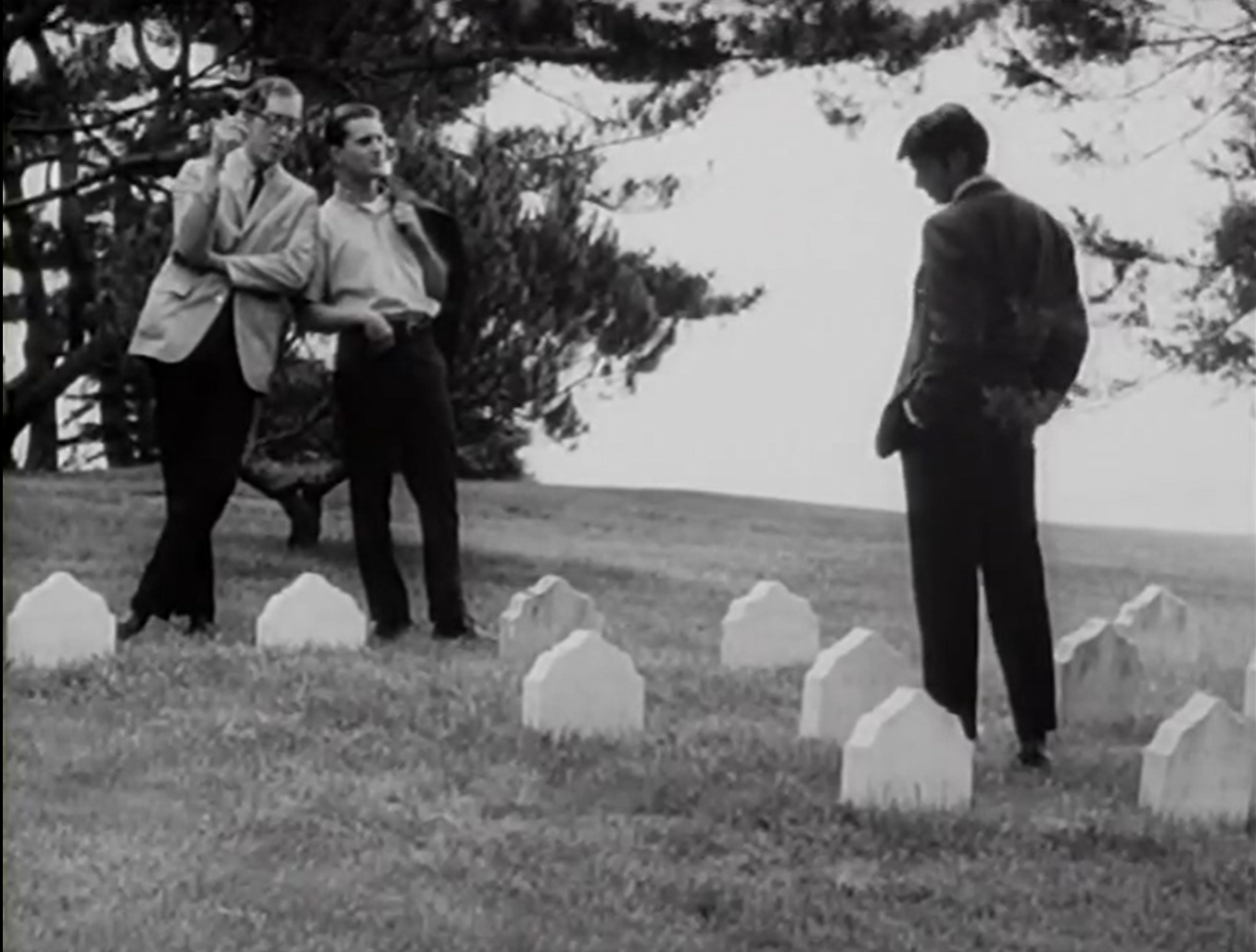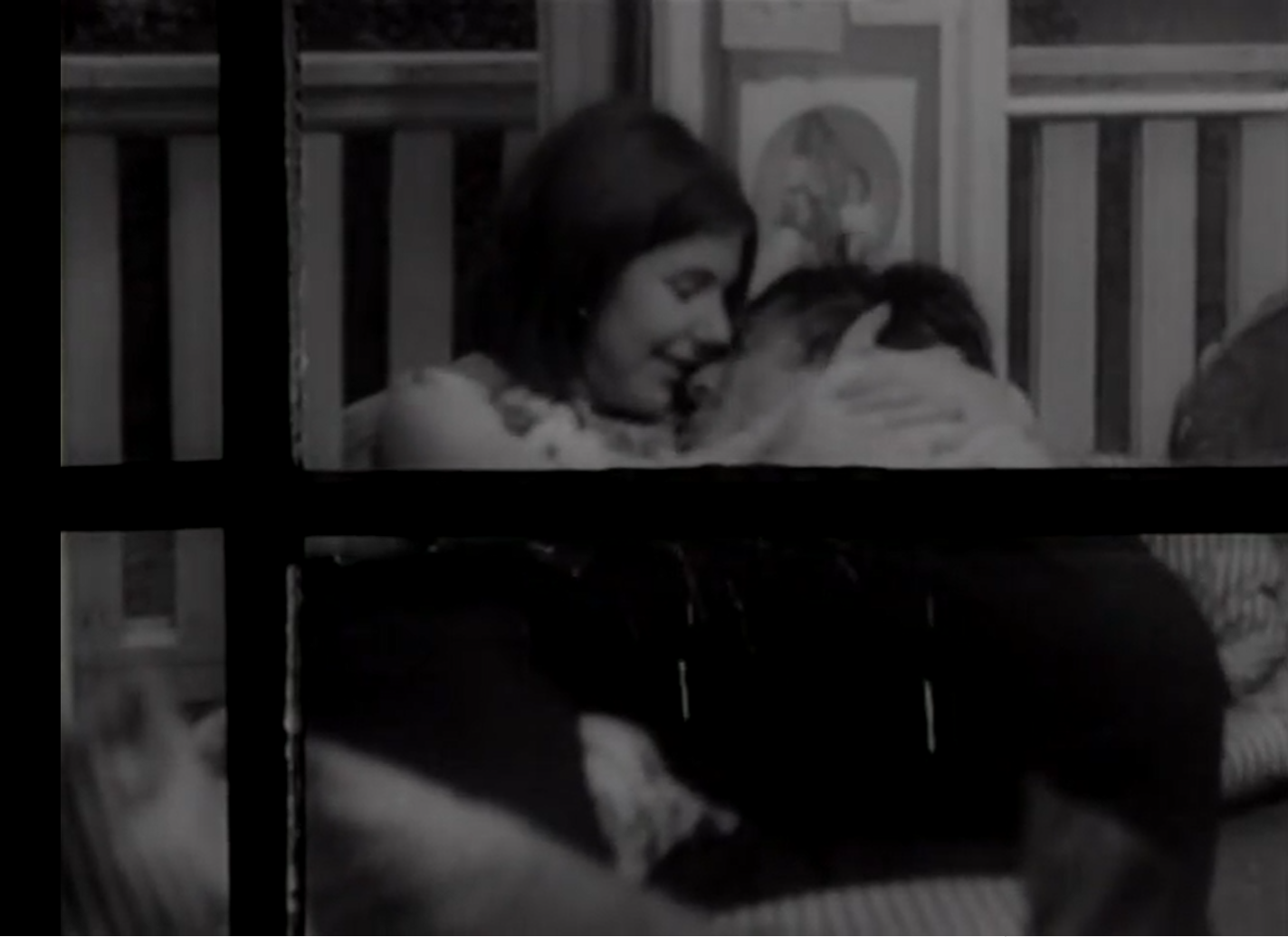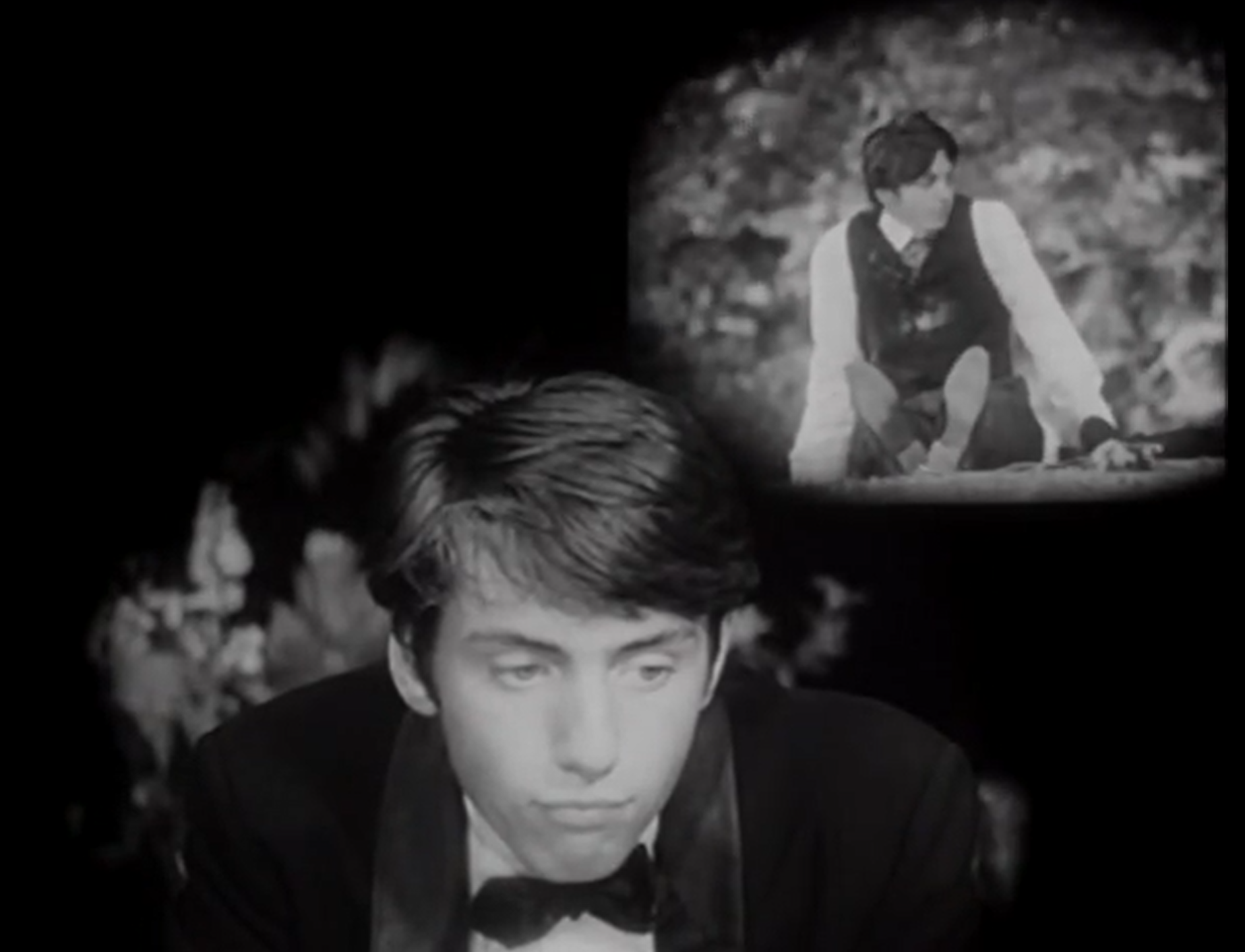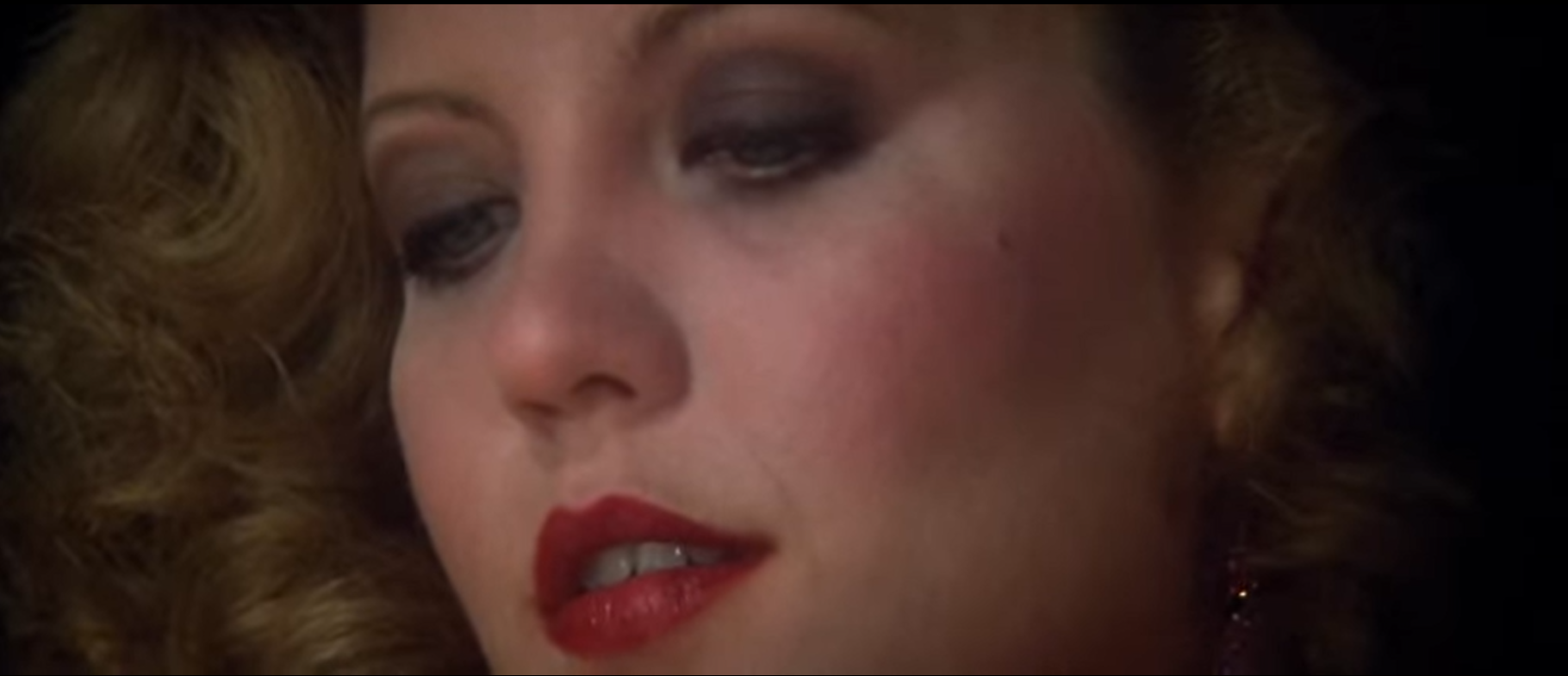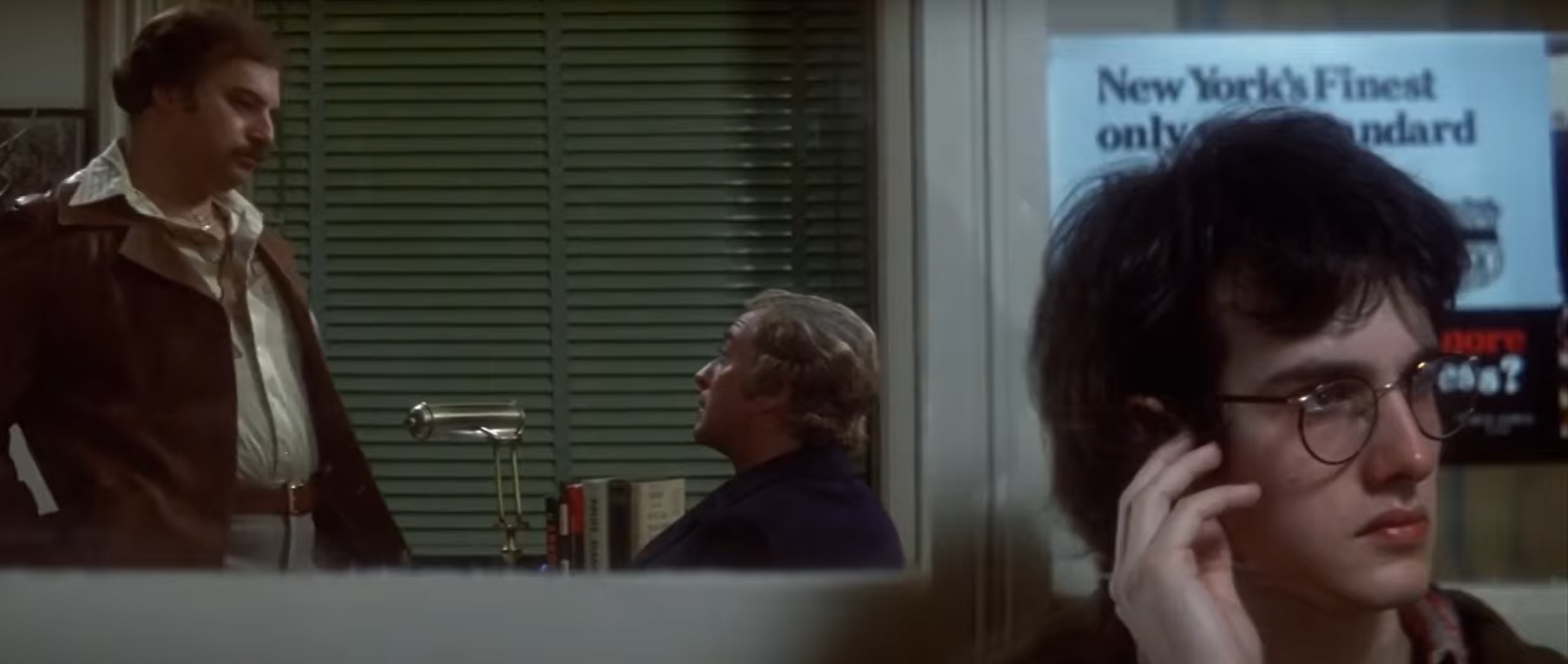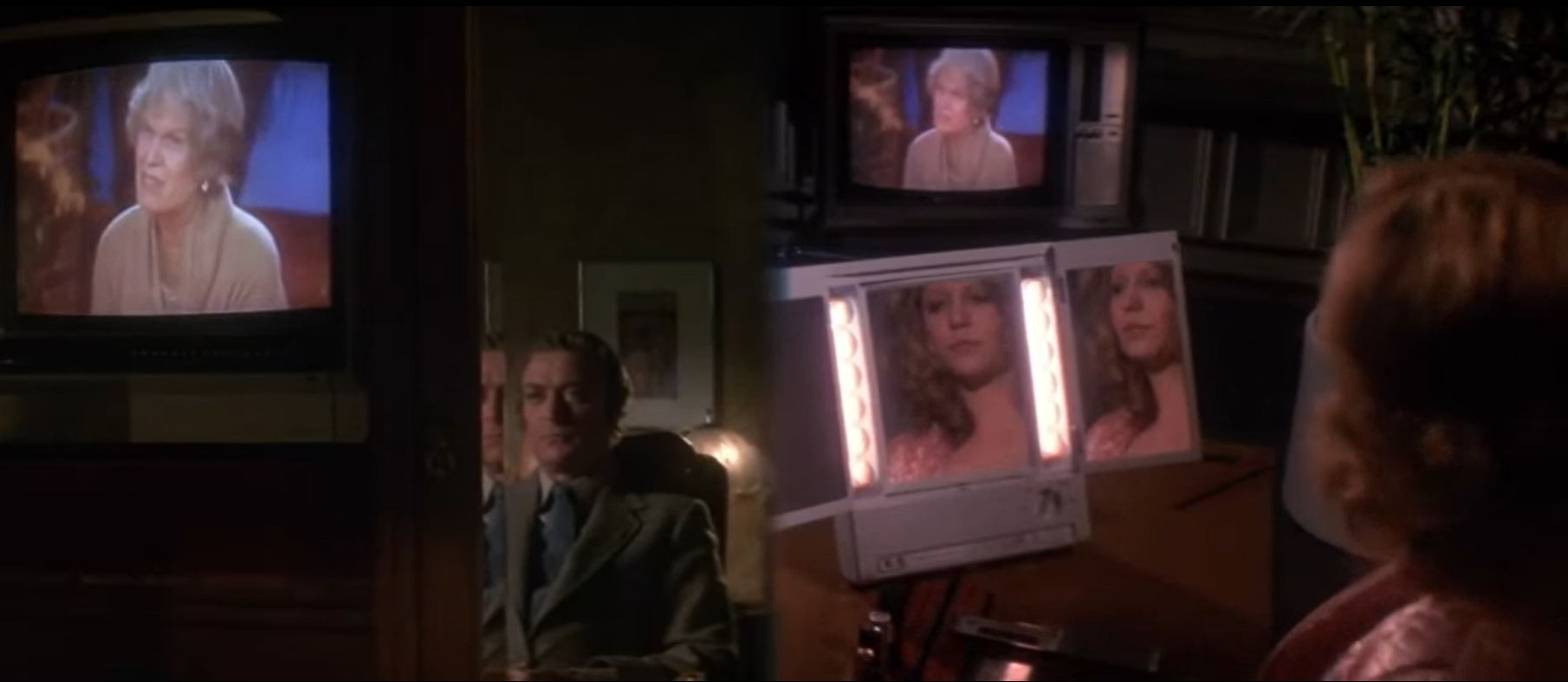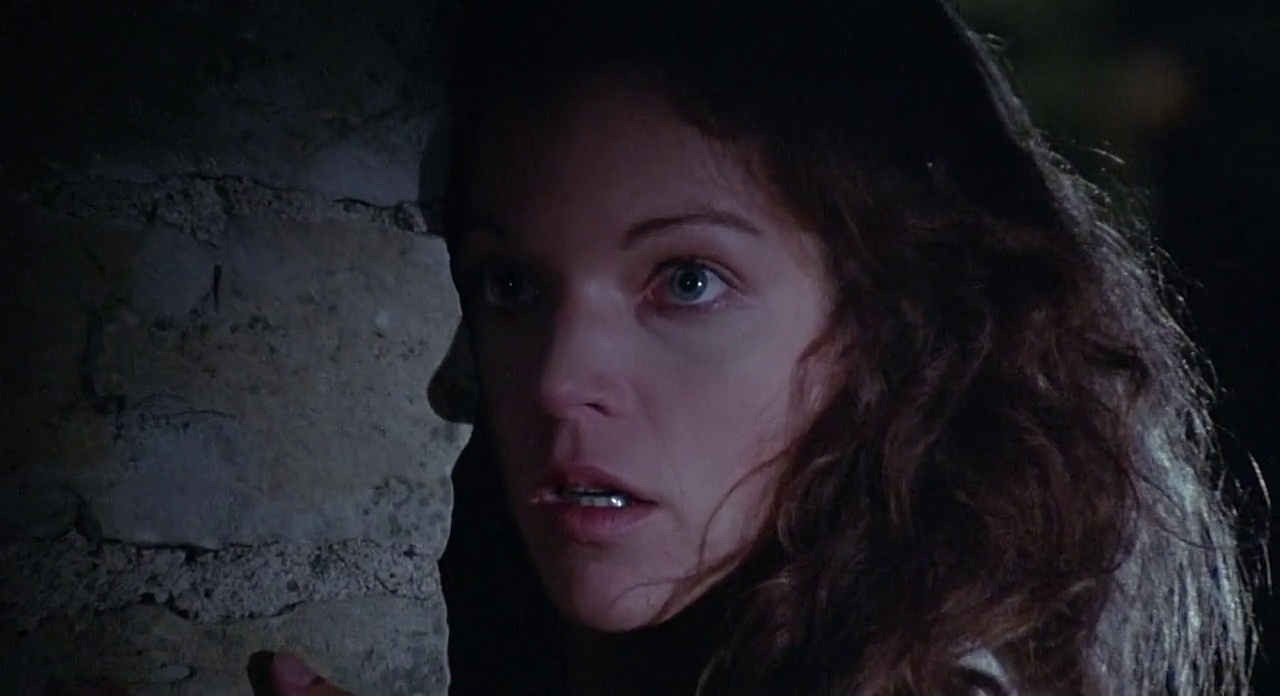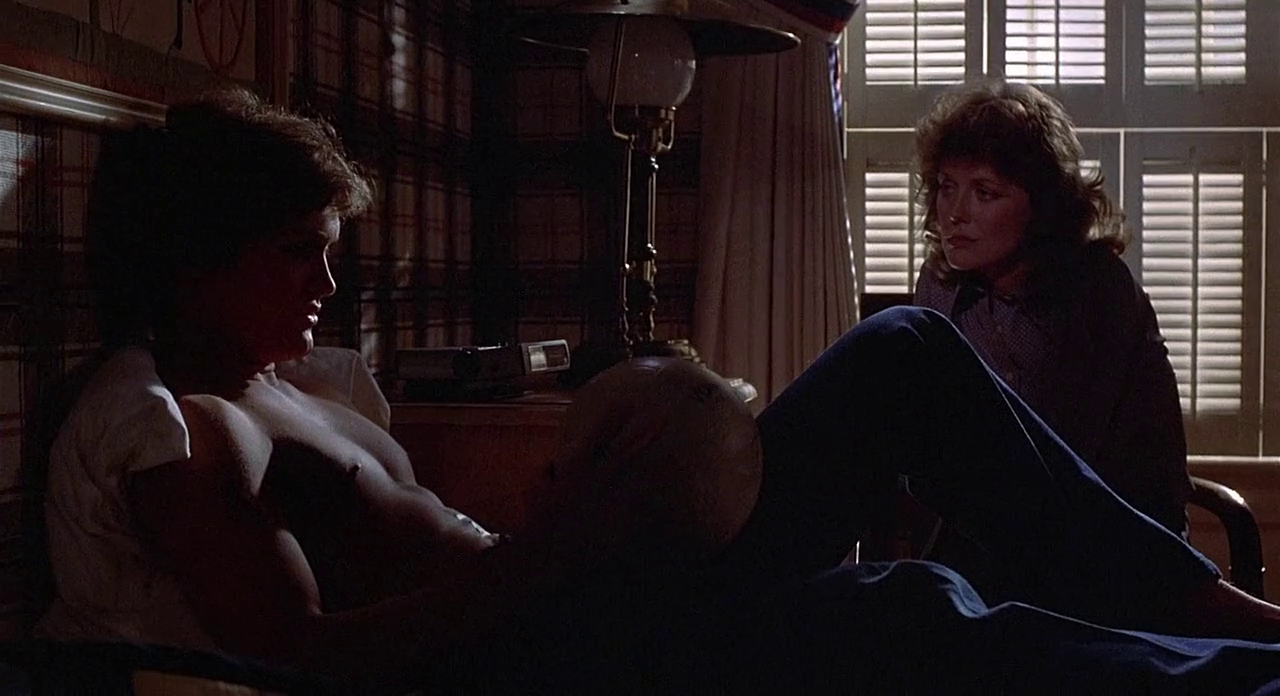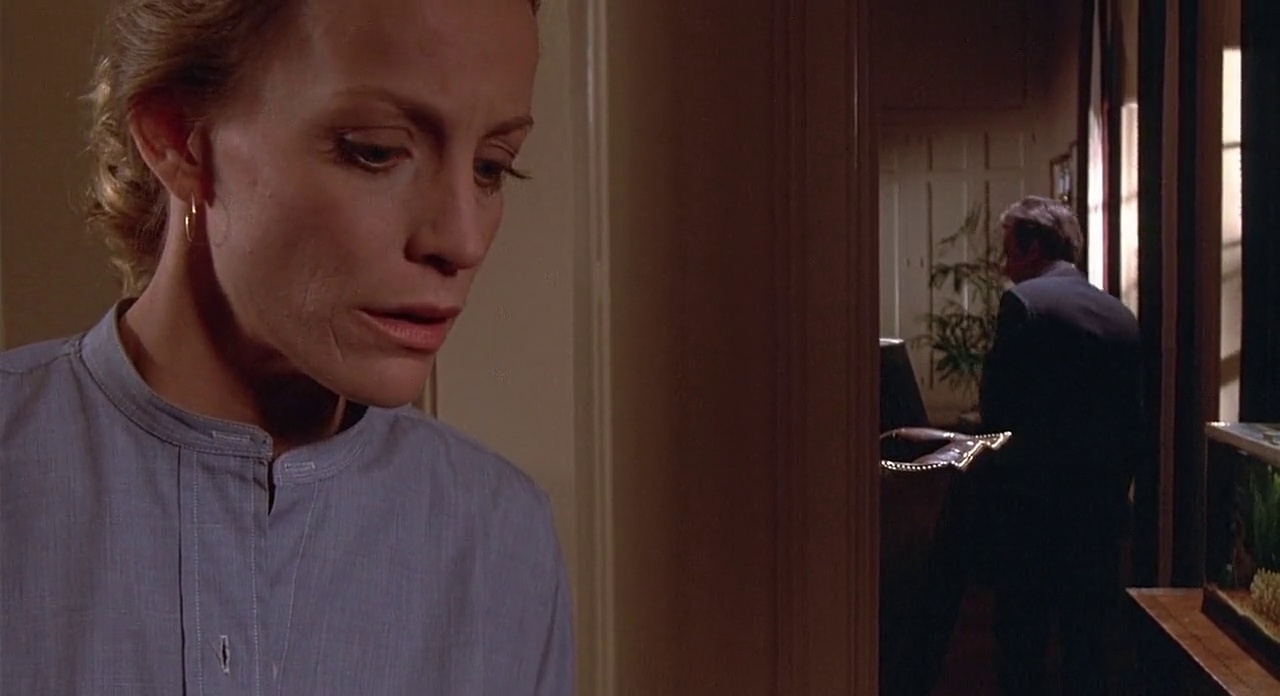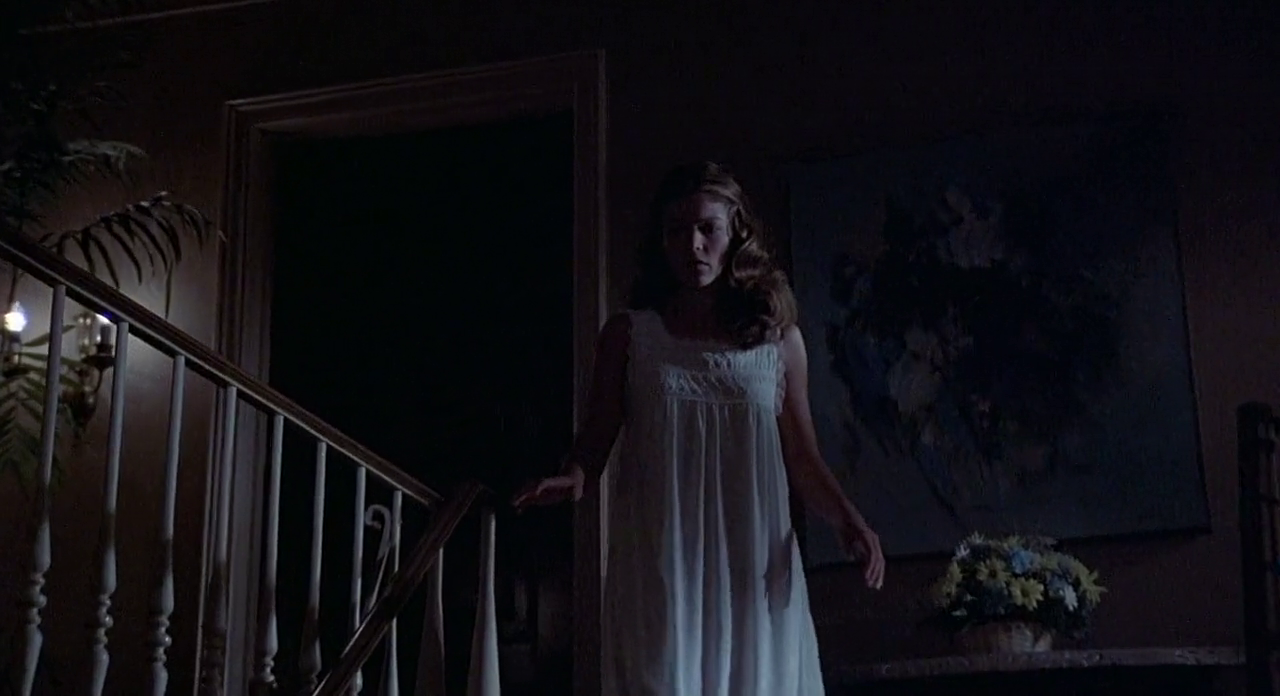
Body Double (1984)

Body Double (1984)

“You’re my only witness to this murder, and you’re a peeper. In my book, that’s a pervert and a sex offender.”

Synopsis:
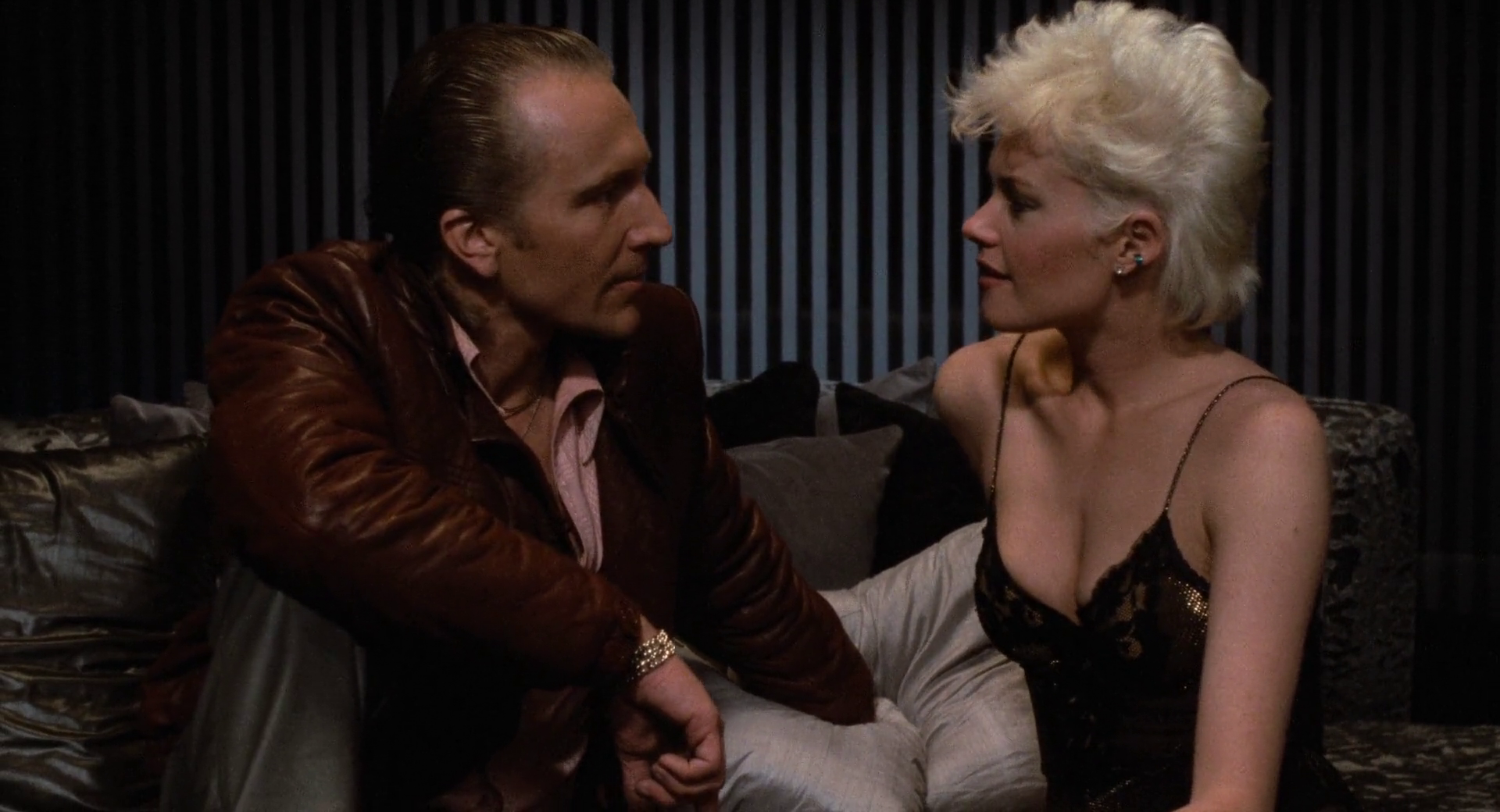
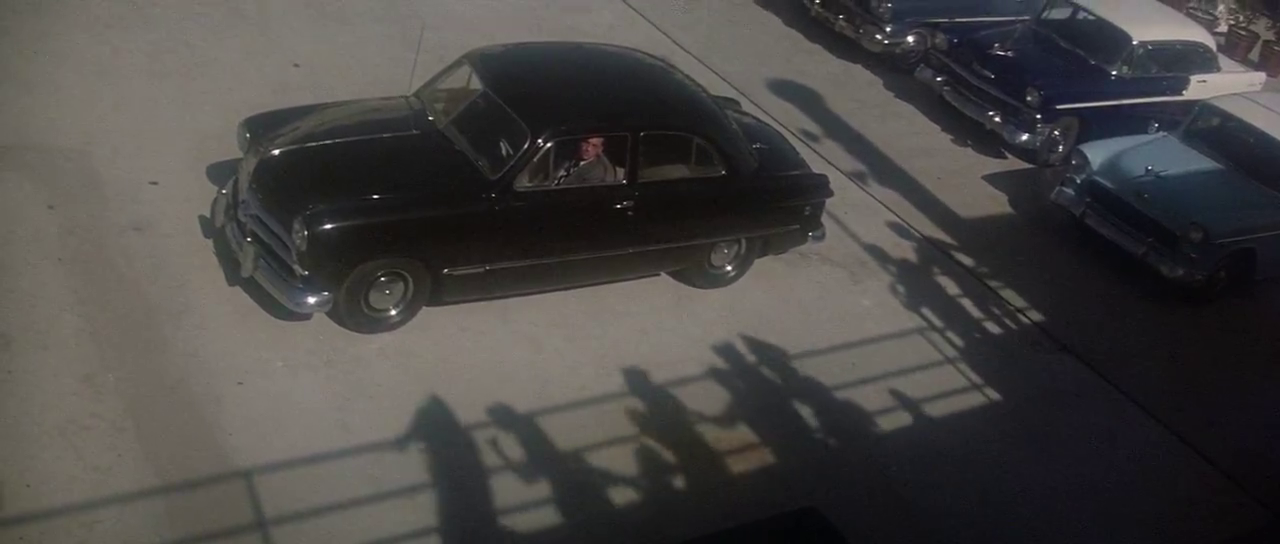
An actor (Craig Wasson) with severe claustrophobia leaves his set one day to come home and find his girlfriend sleeping with another man. Despondent, he eventually connects with a fellow actor (Gregg Henry) who offers him a luxurious house-sitting gig, complete with a telescopic view of a woman (Deborah Shelton) who does an elaborate solo erotic dance each night. Soon Wasson finds himself enamored with Shelton, and concerned to see her threatened by a menacing man who seems determined to kill her.

Genres, Themes, Actors, and Directors:

  • Actors and Actresses
  • Brian De Palma Films
  • Framed
  • Peeping Toms

Response to Peary’s Review:
In discussing this “disappointing suspense thriller by Brian De Palma”, Peary writes that the fact that De Palma “borrows from Hitchcock’s Vertigo, Rear Window, and Psycho is not as annoying as his repeating himself” by making “so sure his scenes have parallels in Hitchcock that his own storyline gets muddled.” He notes that while “De Palma’s camera is fluid, and his direction is so imaginative at times that you almost gasp”, Wasson is “much duller here than in other films” (I think that’s intentional):

and “the storyline’s so predictable that the intricacy of De Palma’s direction seems wasted” (only the fact that Wasson’s clearly being duped is predictable; everything else caught me by surprise). Meanwhile, he asserts that “when De Palma starts showing off with one of his long non-dialogue passages (when Wasson follows Shelton), the picture becomes boring.”

He adds (I agree) that “as a platinum-blond [adult film] star, Melanie Griffith is the best reason to see this picture”.

While I’m not as dismissive of this film as Peary seems to be, I’ll agree it’s not must-see viewing and ultimately one of De Palma’s lesser films. However, there’s enough creativity to recommend it for one-time viewing, especially if you’re a De Palma fan.

Redeeming Qualities and Moments:

  • Melanie Griffith as Holly
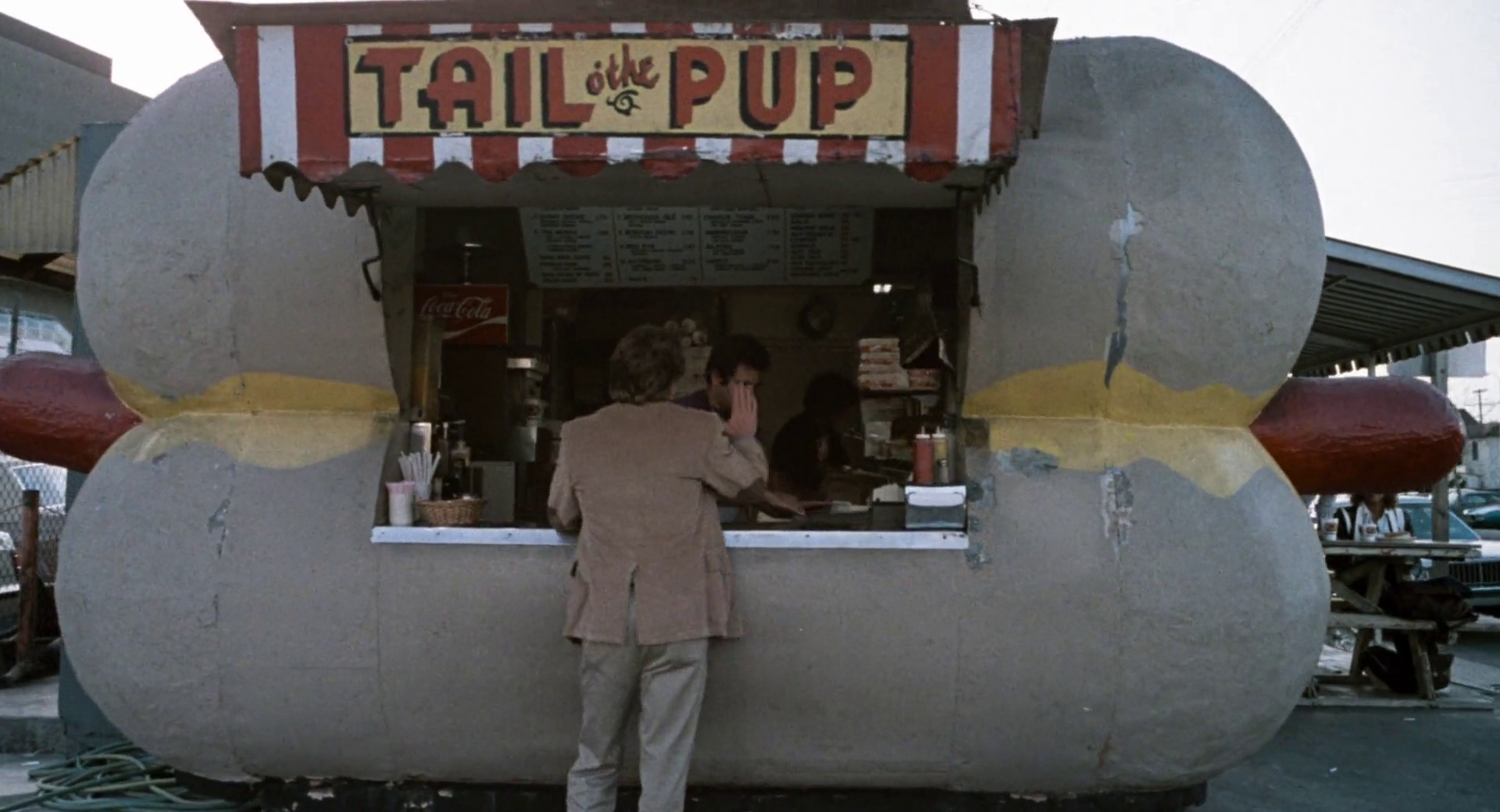
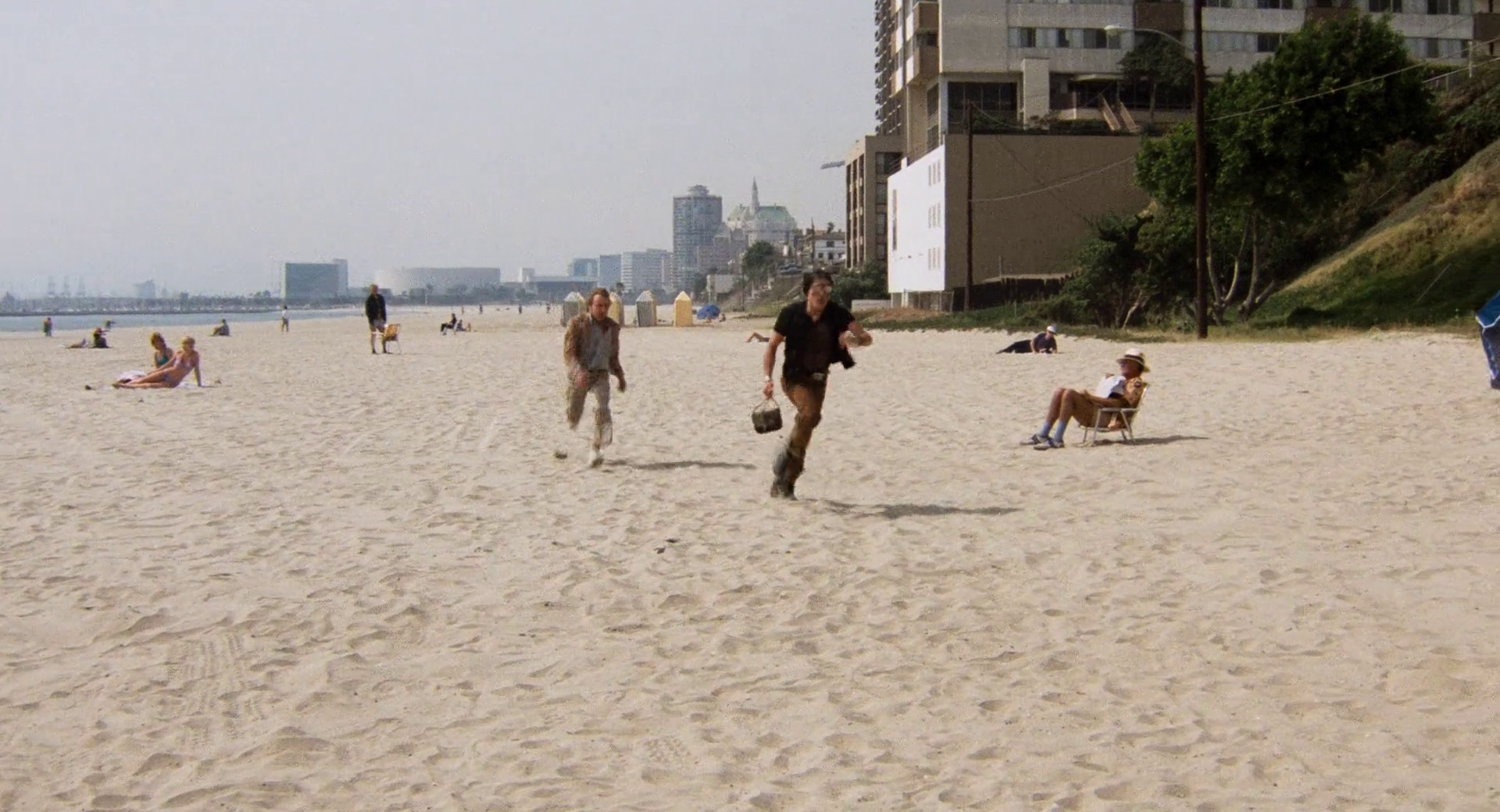
  • Good use of Los Angeles settings


  • Pino Donaggio’s score

Must See?
No, but De Palma fans will certainly want to check it out.

Links:

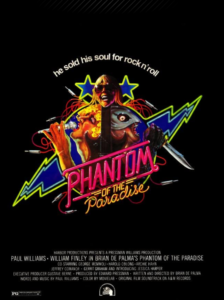
Phantom of the Paradise (1974)

Phantom of the Paradise (1974)

“But I wrote the music!”

Synopsis:
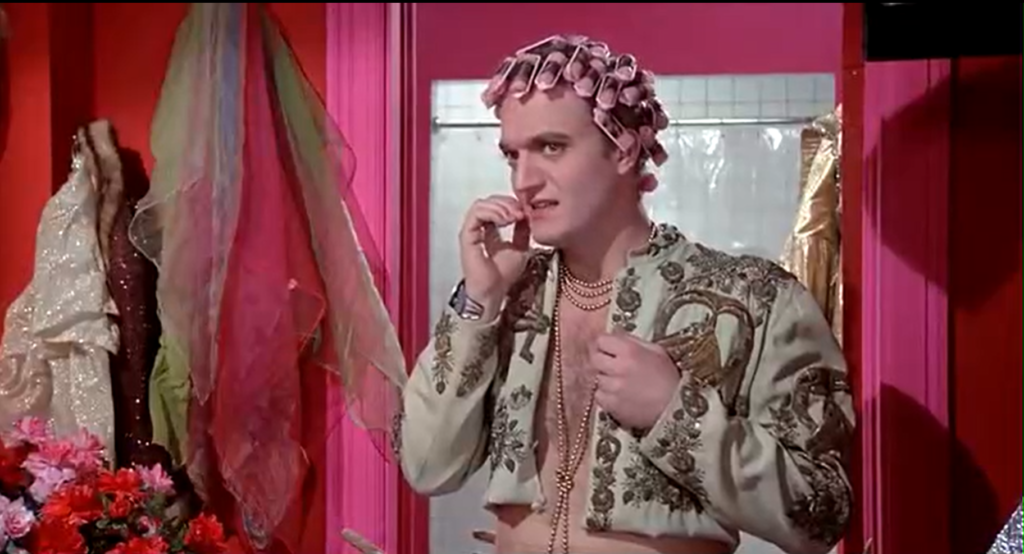
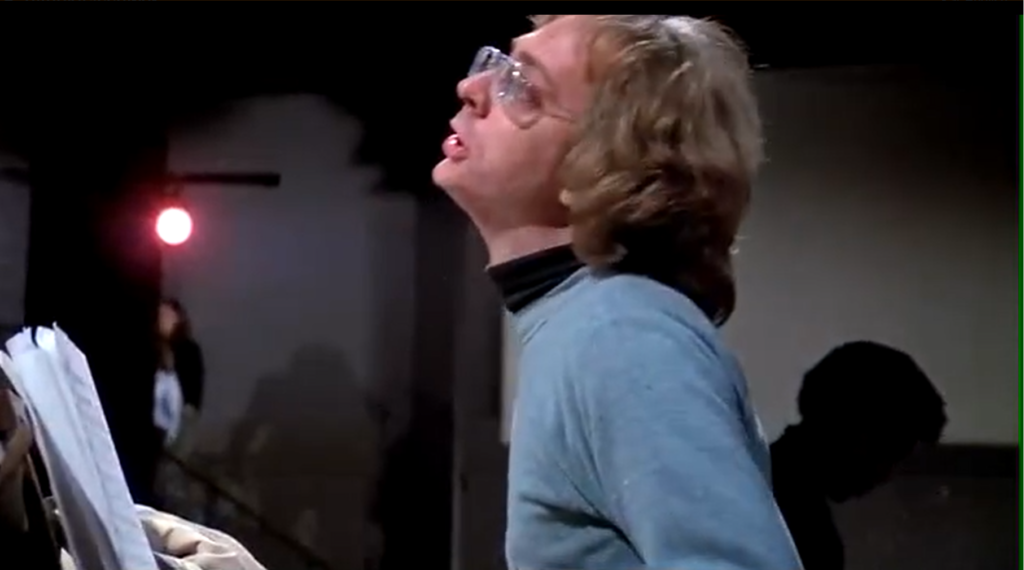
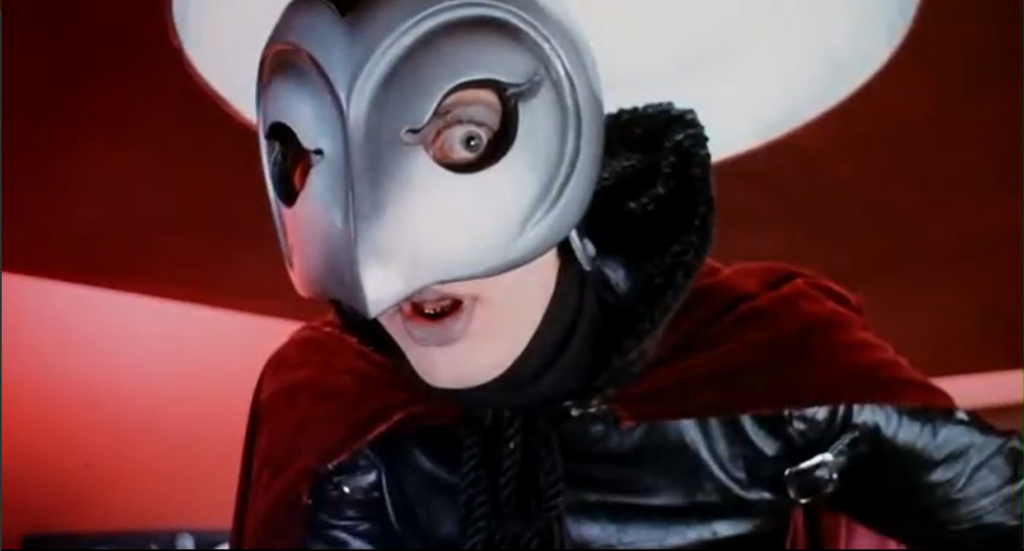
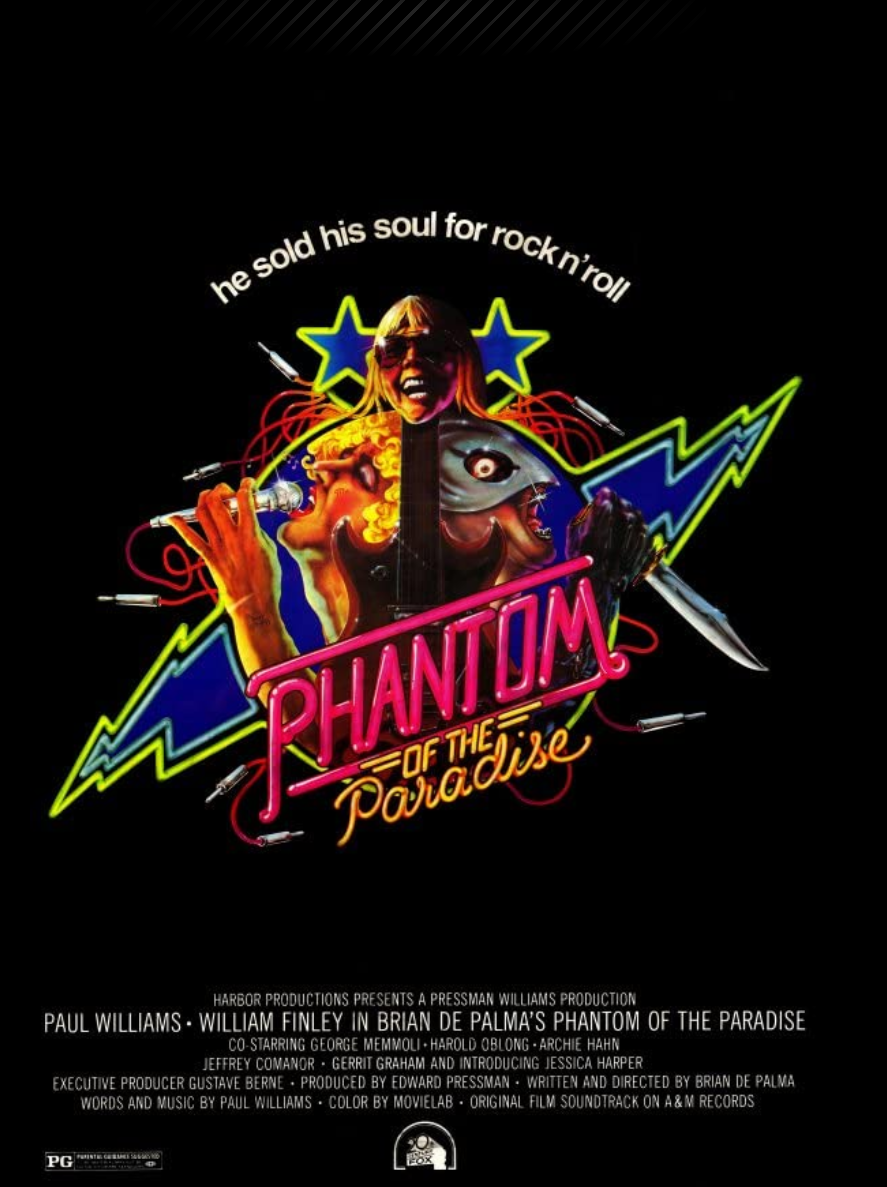
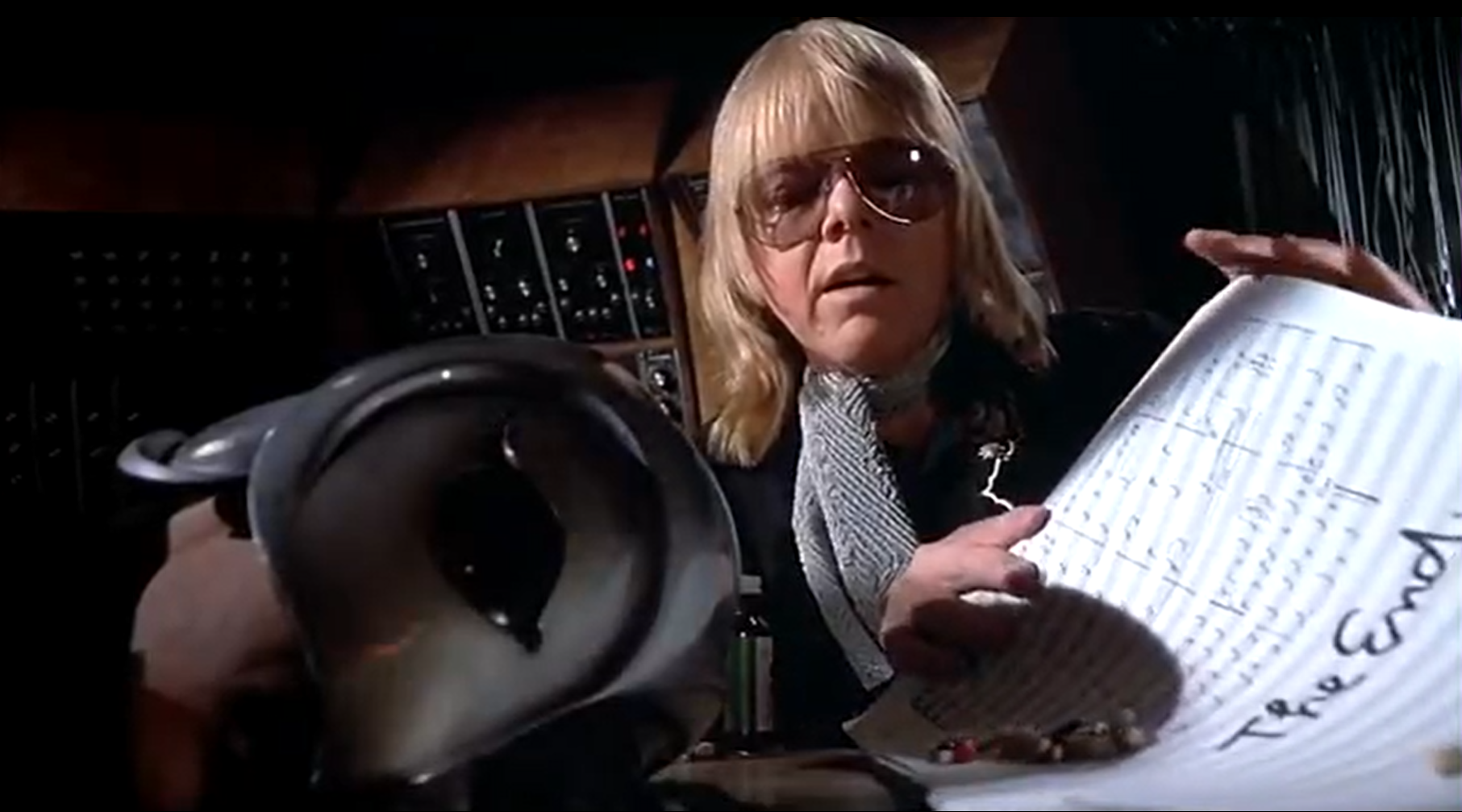
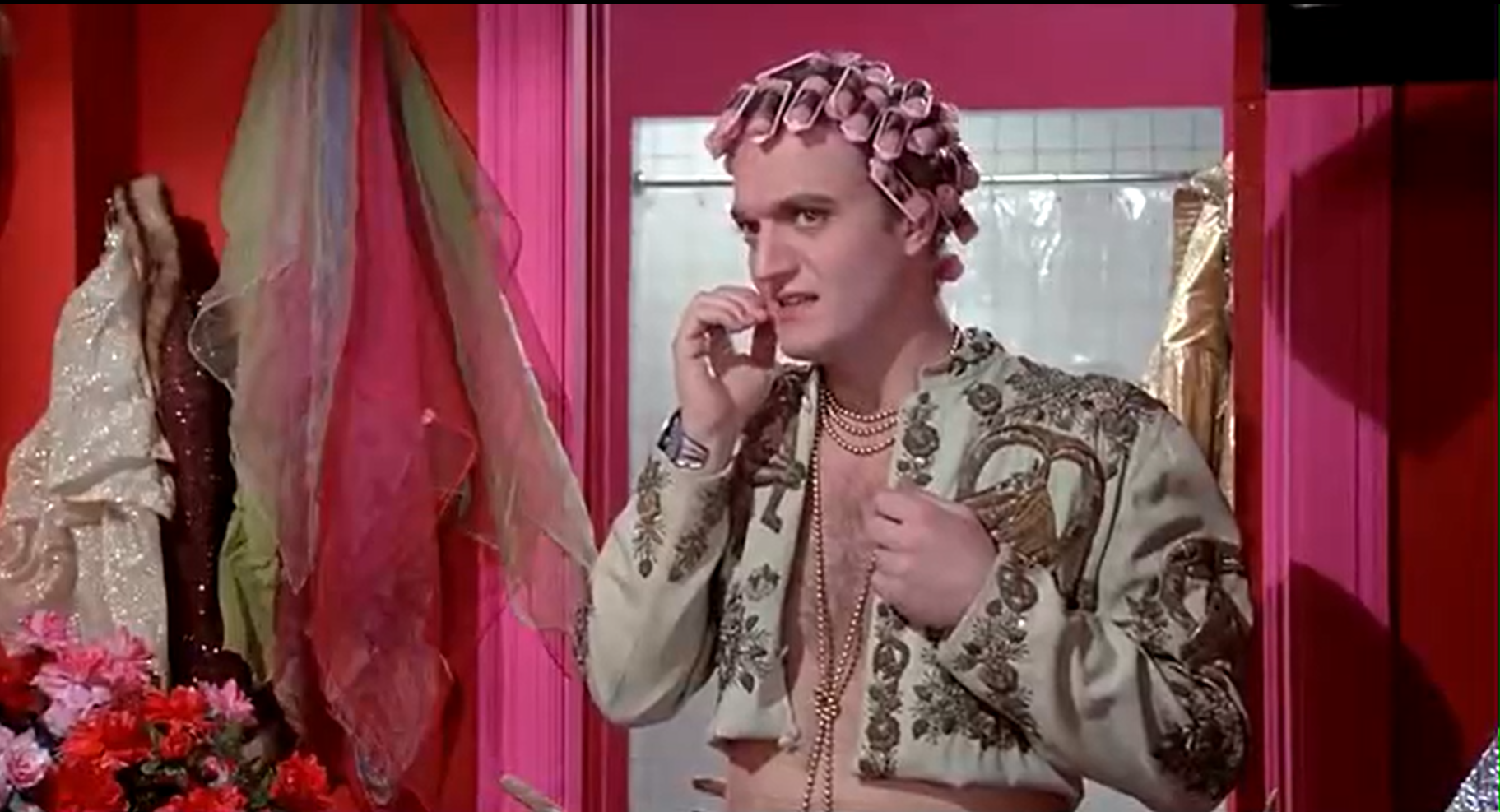
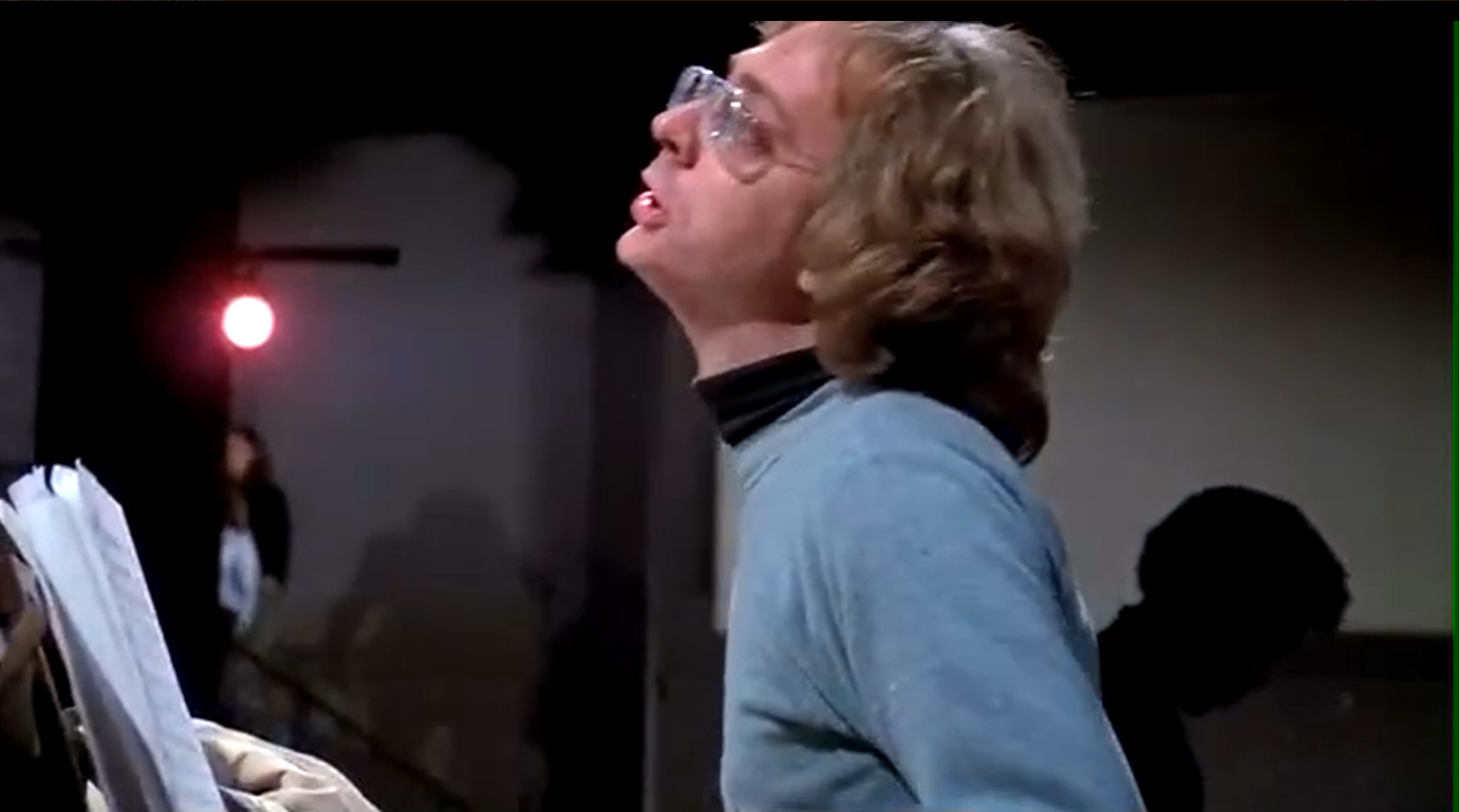
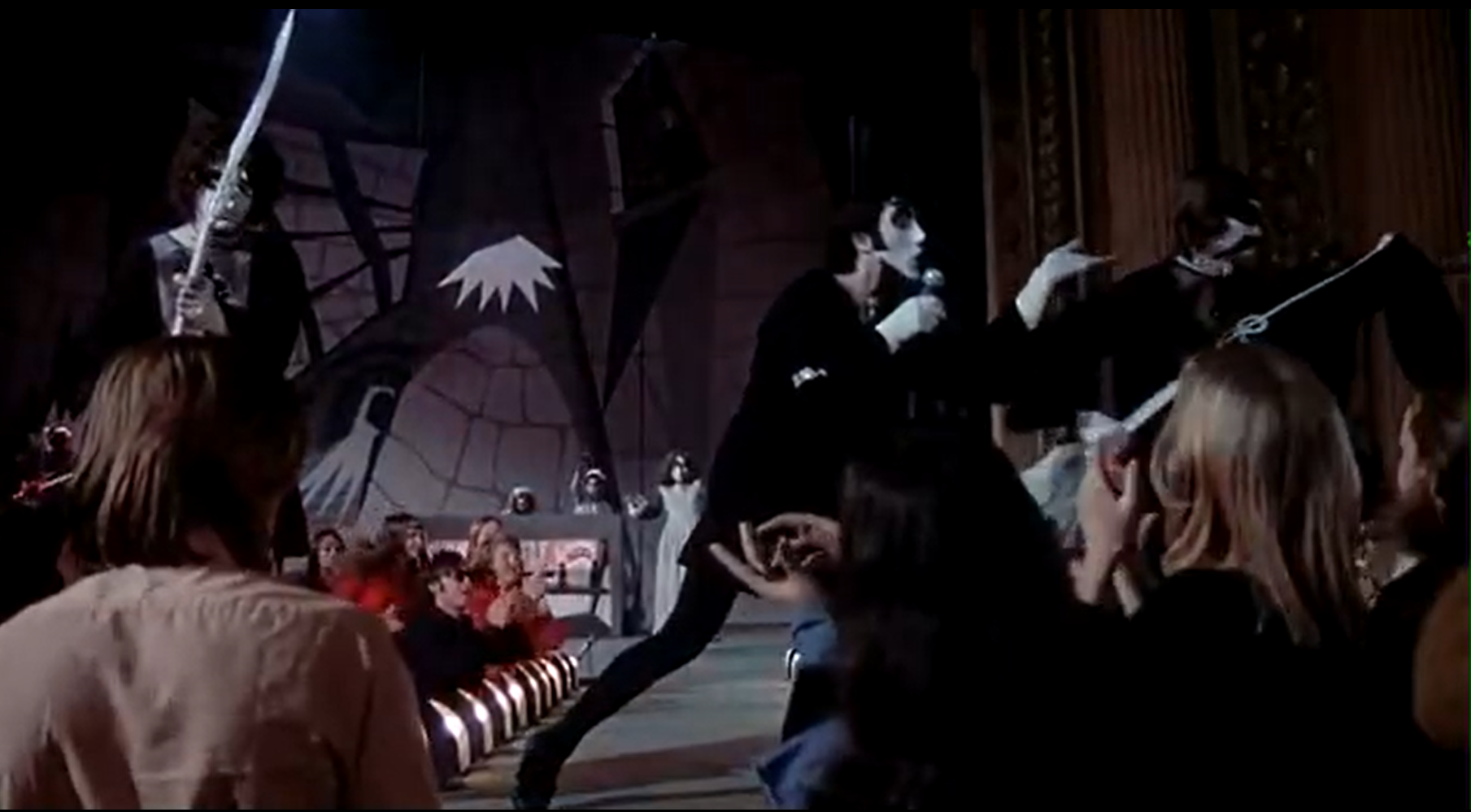
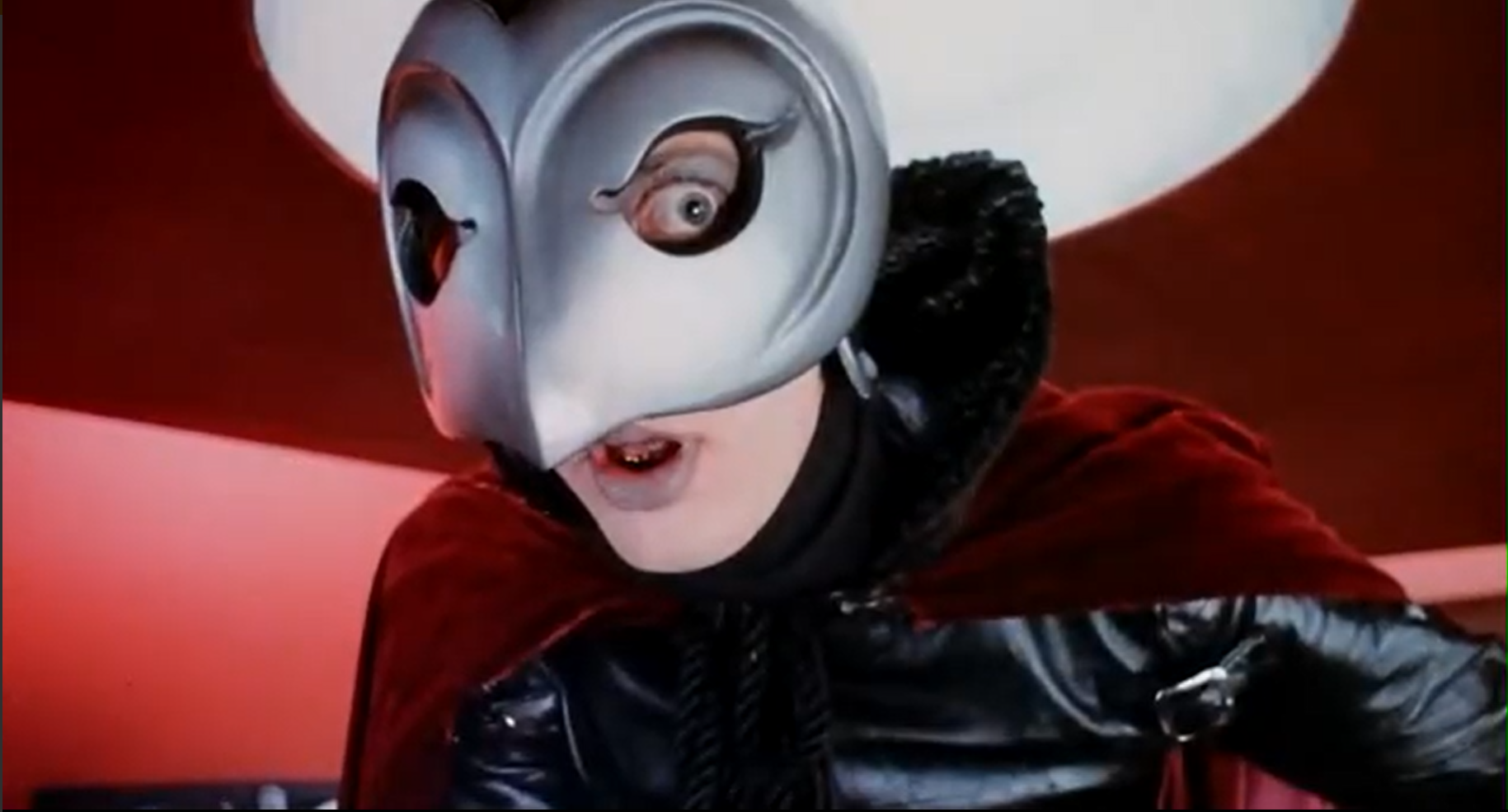
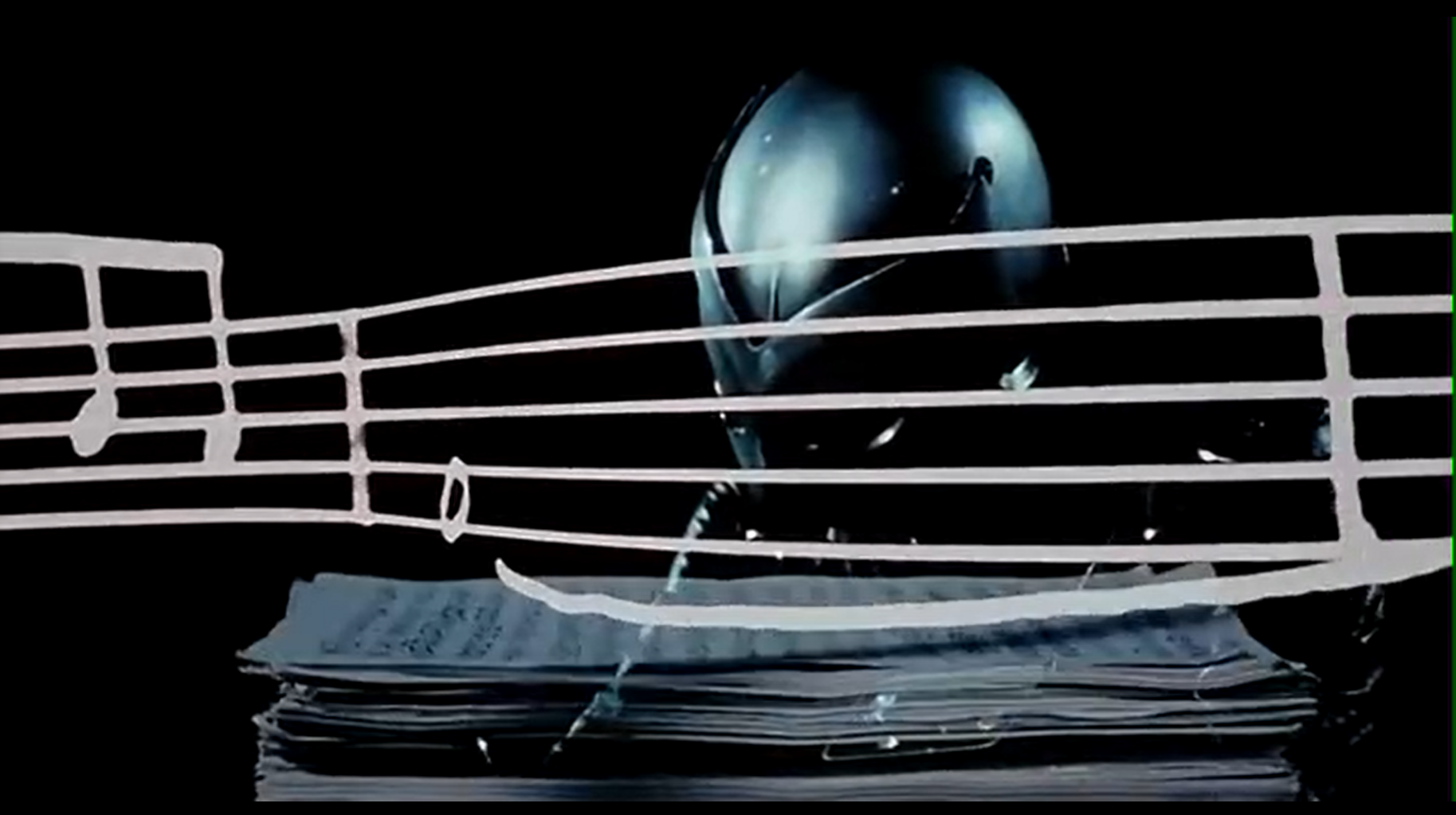
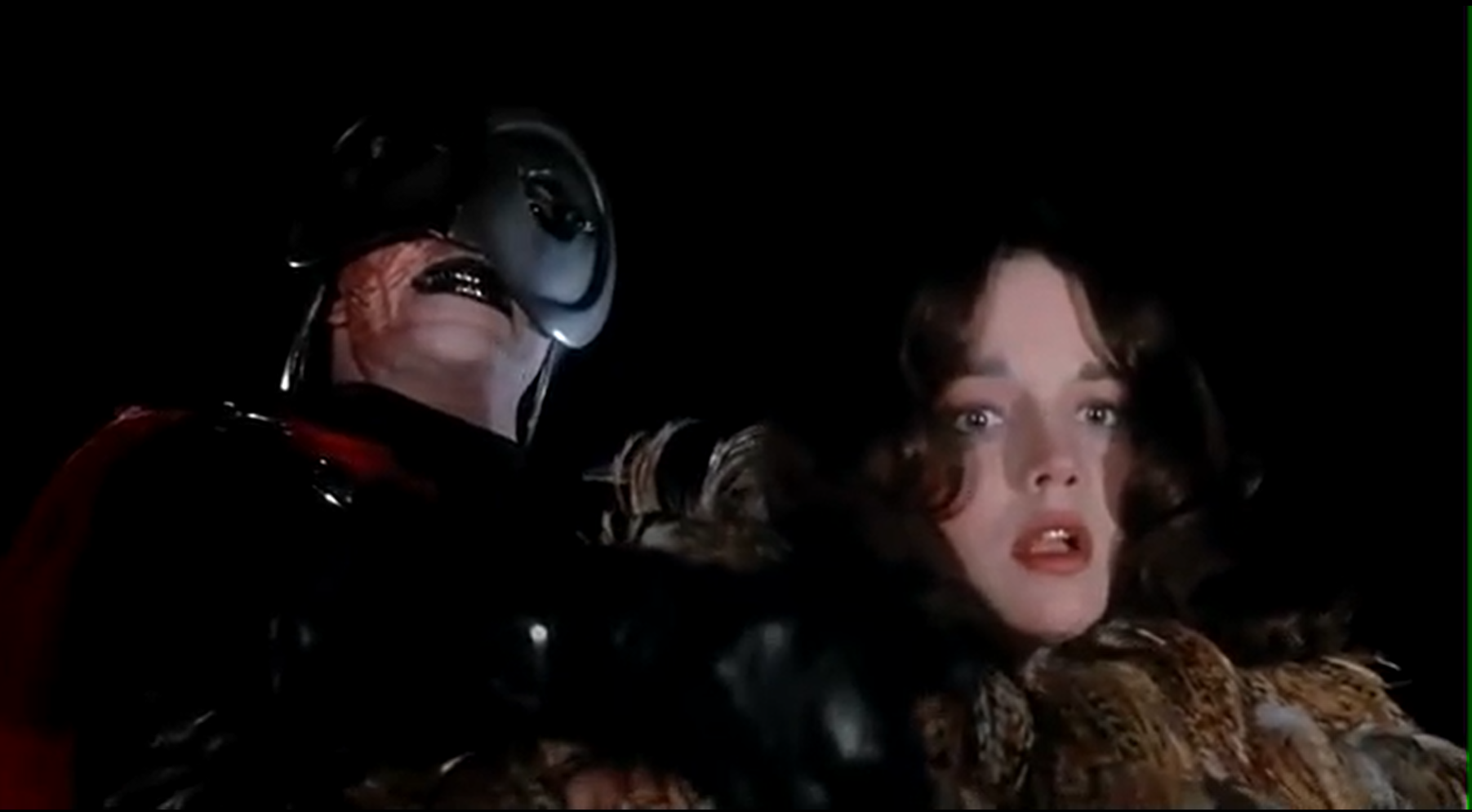
A talented composer (William Finley) is betrayed by an evil mogul named Swan (Paul Williams) who steals his music for the grand opening of his new rock palace, The Paradise, and has him framed for drug possession. After escaping from prison, Finley seeks revenge against Swan but is instead disfigured and devocalized by a record-pressing machine, and becomes locked away as the Phantom of the Paradise. Finley makes a deal with Swan to write additional music for him if Swan will cast his true love, Phoenix (Jessica Harper), in the lead of a new show — but when Swan betrays him yet again by hiring a flamboyant gay performer named Beef (Gerrit Graham) to sing his songs instead, the Phantom can no longer contain his anger.

Genres, Themes, Actors, and Directors:

  • Brian De Palma Films
  • Composers
  • Horror Films
  • Jessica Harper Films
  • Musicals
  • Pact With the Devil
  • Revenge
  • Rock ‘n Roll

Response to Peary’s Review:
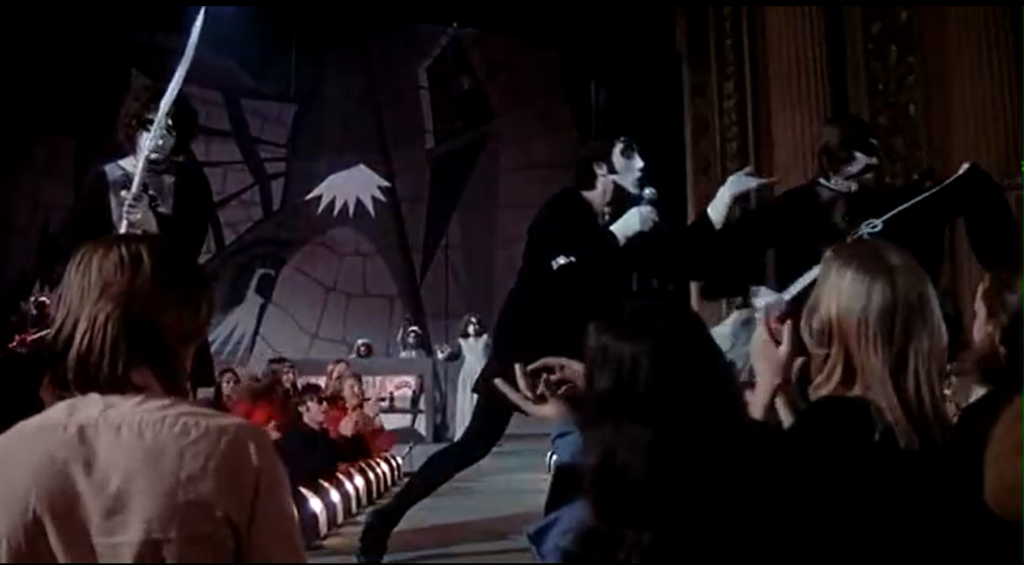
Peary accurately writes that “Brian De Palma’s one-of-a-kind rock-music black-comedy horror film is a tribute to movies and filmmaking (from the silent era to the present) and a devastating attack on the mean-spirited glitter rock scene of the seventies, where young lynch mob-like audiences demanded increasingly vulgar and cruel entertainment.” He notes that while the “film is flawed throughout and has a terribly trite and confused ending”, it “also has amazing vitality, wild humor, a clever score by [Paul] Williams, a likable cast, and visual bravura.” He points out that “Stylistically, De Palma pays homage to Hitchcock, Rouben Mamoulian’s Dr. Jekyll and Mr. Hyde, silent American films like Lon Chaney’s Phantom of the Opera, and silent German expressionist films like The Cabinet of Dr. Caligari (the distorted images, the high-key lighting, [and] the surreal Jack Fisk sets that seem appropriate for an amusement-park crazy house).” De Palma juxtaposes “all this… with modern techniques (i.e., split screen), ‘hip’ irreverent humor, and violence — the distinguishing trait of seventies horror films.”

While Phantom of the Paradise was “poorly received by many critics when released, it has attained a large cult following” — and in his Cult Movies 2 book, Peary discusses this movie at greater length. He writes that, “Remarkably, De Palma put together a simple storyline despite combining plot and theme elements from numerous sources, including Goethe, Oscar Wilde, Nathanael West, Gaston Laroux’s 1911 novel The Phantom of the Opera as well as the 1925, 1943, and 1962 movie adaptations, King Kong (1933), Beauty and the Beast (1946), possibly The Hunchback of Notre Dame (1923 and 1939 versions), and Alfred Hitchcock’s Psycho (1960) and The Man Who Knew Too Much (1956), with its assassination-attempt-at-concert sequence.” He notes that, “looking back, it’s hard to believe the hostility some critics felt toward the film” — but it’s equally fortunate that Pauline Kael “expressed admiration for [De Palma’s] wit, manic theatricality, and wild love for his medium,” in addition to recognizing “back then that De Palma’s amateurish streaks and erratic talents (which are still very much in evidence) are not, in his case, liabilities.” Indeed, “his unpredictability — you can’t count on him to direct or write two scenes in a row that are polished or follow cinematic conventions — is one of the reasons he’s been an interesting filmmaker.” I agree with both Kael and Peary.

Peary points out how appropriate it is that this film “begins with [a] Rod Serling… narration,” given that “most episodes on Serling’s classic television anthology The Twilight Zone were about characters who lose their identity” — and “in Phantom, Winslow [Finley] becomes the symbol of all struggling young songwriters whose music (their identity) is stolen by big-shot record producers and musicians.” In fact, he notes, Winslow “represents all young artists, filmmakers included, who are used and discarded without the world ever knowing they existed.” Indeed, while this black comedy is often played for laughs — it’s easy to ridicule how naive and inept Finley’s Phantom comes across time and again — he does metaphorically represent the extreme result of every insult ever hurled at a deeply creative person. Meanwhile, Beef’s campy performance instantly evokes The Rocky Horror Picture Show (1976), which at the time was still just a stage production; while Graham can’t really hold a candle to Tim Curry (who could?), he has a lot of fun with his role and is consistently enjoyable to watch. Also weirdly good is Williams as the gnome-ish Swan: the sway this guy holds over seemingly the entire world is truly diabolical.

Redeeming Qualities and Moments:

  • Fun performances by the entire leading cast
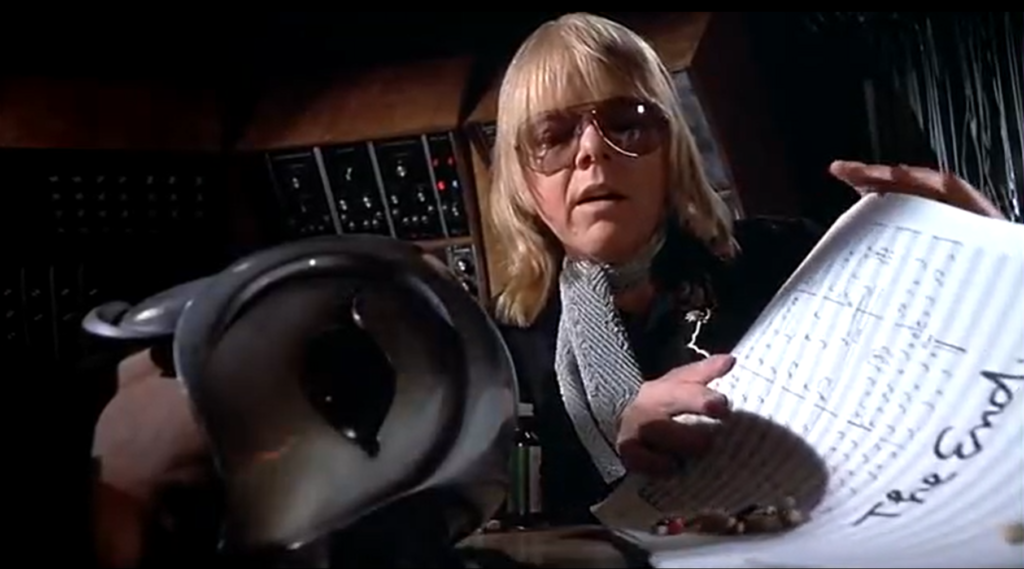

  • Highly creative sets and costumes

  • Strong direction and cinematography throughout
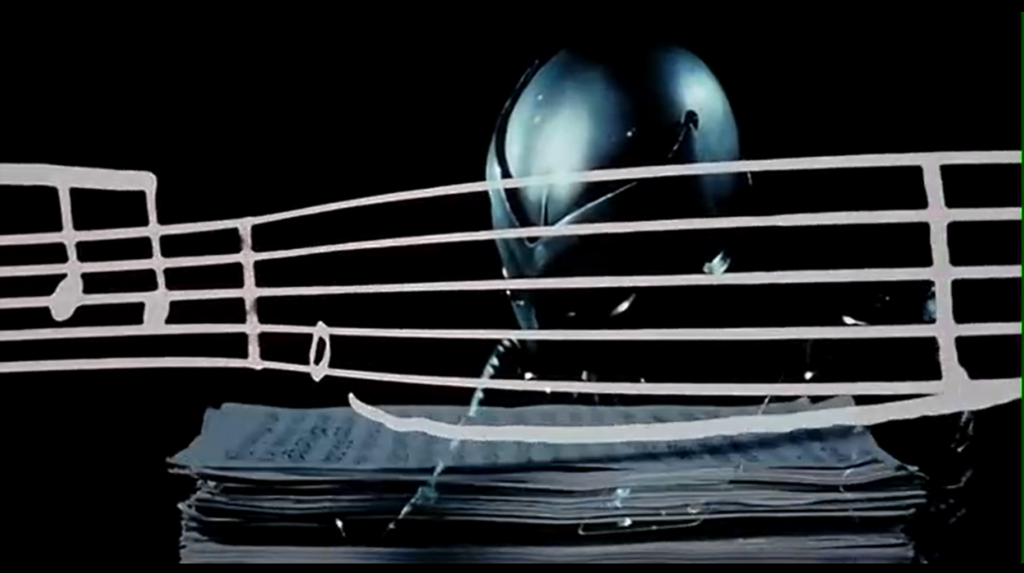
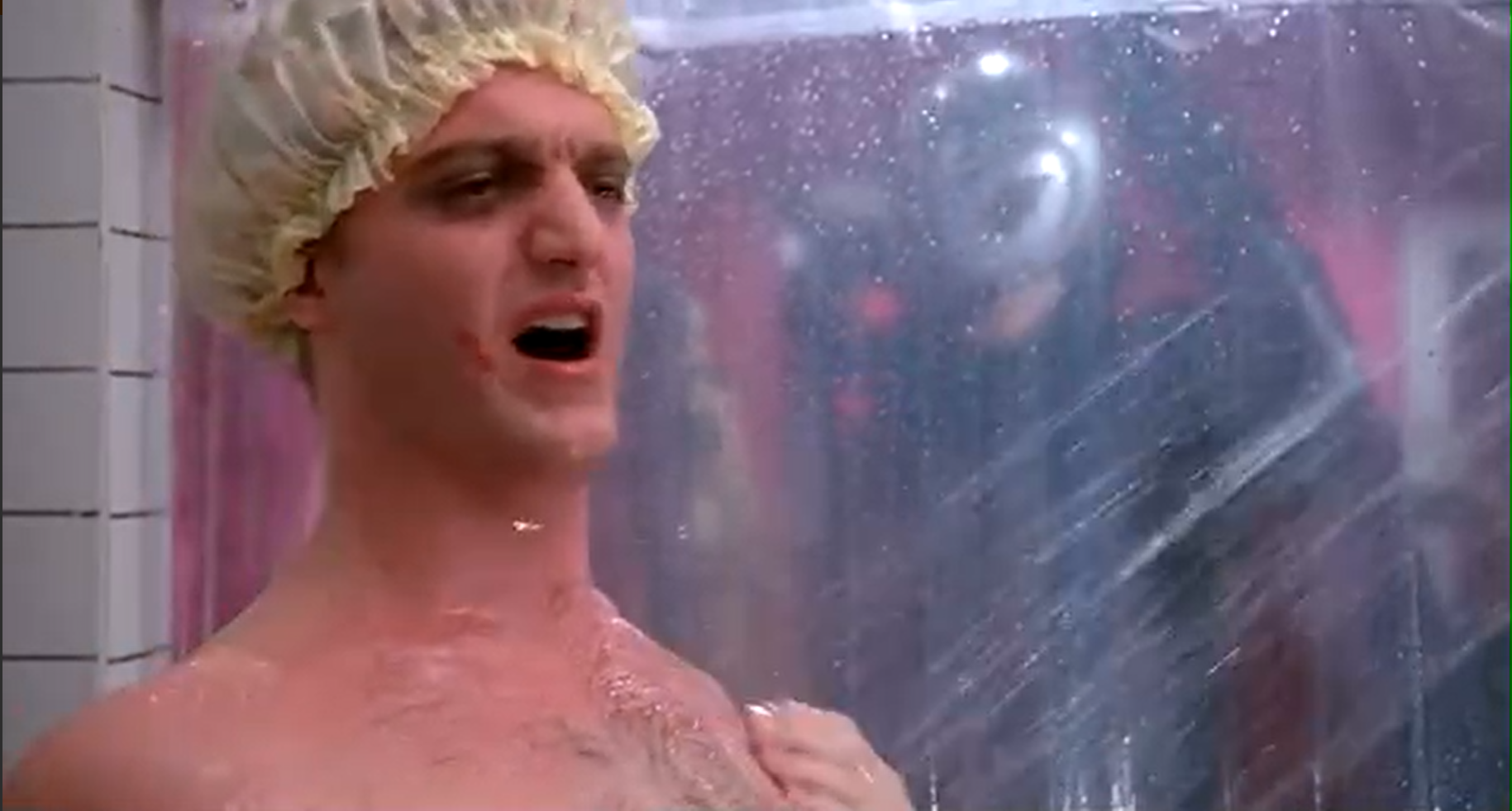
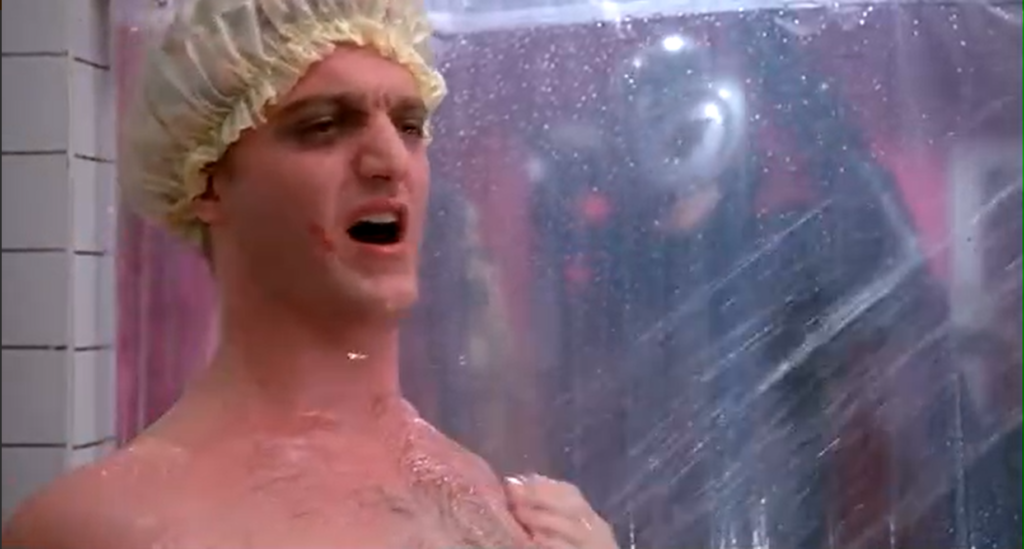
  • The amusing Psycho shower-sequence homage
Must See?
Yes, as a wacky and still-enjoyable cult classic.

Categories

  • Cult Movie
  • Important Director

Links:

Scanners (1981)

Scanners (1981)

“It’s the voices in my head; they’re driving me crazy.”

Synopsis:
A homeless man (Stephen Lack) with special powers is kidnapped and brought to a corporation that has been breeding “scanners” for years. A doctor (Patrick McGoohan) trains Lack to search for a renegade scanner (Michael Ironside) who has been assassinating other scanners — but it’s soon unclear who exactly is fighting against who.

Genres, Themes, Actors, and Directors:

  • David Cronenberg Films
  • Horror Films
  • Science Fiction
  • Supernatural Powers

Response to Peary’s Review:
Peary writes that this sci-fi horror flick by writer-director David Cronenberg is “flawed, confusing, yet lively”. He notes that despite impressive special effects by Dick Smith, he finds “the film’s urban guerrilla warfare scenes [between scanners] much more enjoyable than watching eyes bulging out of sockets, blood pouring out of noses, and heads exploding.”

He adds that “McGoohan and Ironside give solid performances”:


… but “Lack isn’t an appealing lead.”

Meanwhile, “Jennifer O’Neill (who’s part of the guerrilla band Lack helps” is impressive during one key scene in a doctor’s office, but her role isn’t substantial enough.

Though it’s hailed by some as a classic and considered Cronenberg’s breakthrough film, I was unimpressed by the inane dialogue (along the lines of, “Do it now or I’ll kill you.”) and incessant gun brandishing. This film is really all about its special effects — and if you enjoy that kind of thing, you will certainly want to give it a look (and be sure to check out a short documentary entitled “The Scanners Way” for plenty of fascinating background information on how the effects here were creatively produced by masters of the trade).

Redeeming Qualities and Moments:

  • Some creative sets
  • Impressive special effects

Must See?
No, though of course it’s must-see for Cronenberg fans.

Links:

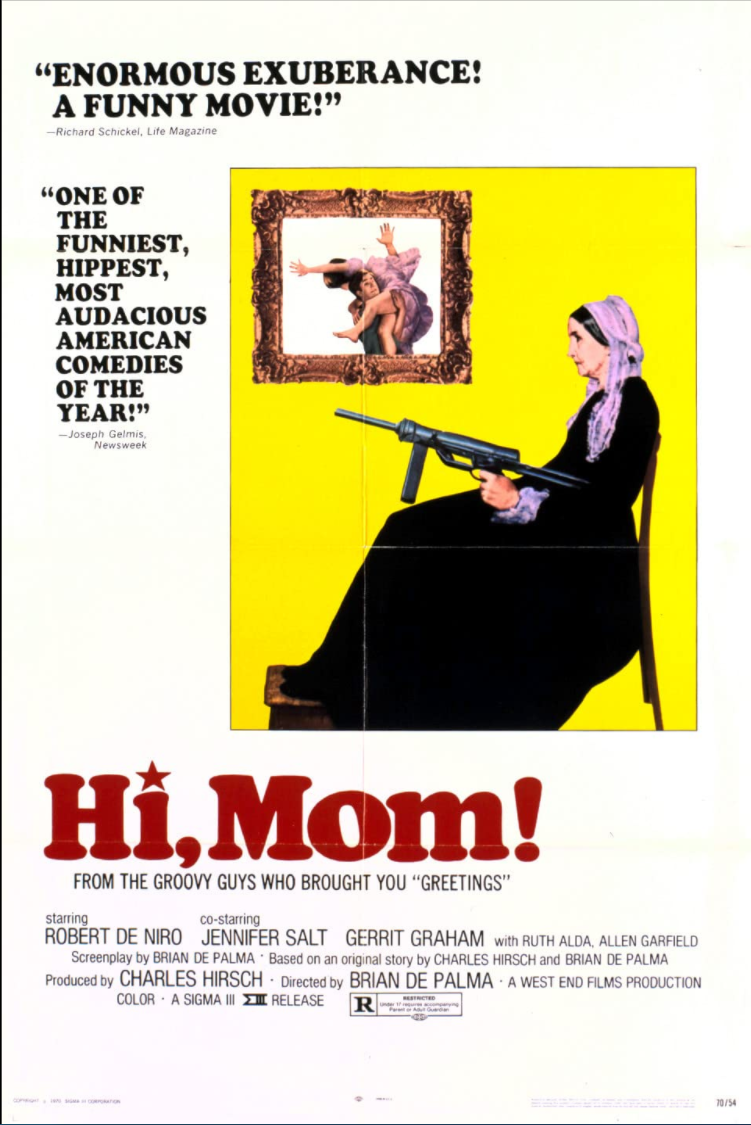
Hi, Mom! (1970)

Hi, Mom! (1970)

“I’d like to say hello to my mother, if you don’t mind.”

Synopsis:
When an aspiring filmmaker (Robert De Niro) convinces a producer (Allen Garfield) to hire him to take peeping-tom videos in apartments across the street, he ends up getting to know one of the women (Jennifer Salt) he’s been spying on, and they start an unusual dating relationship; meanwhile, De Niro is hired to play a cop in an immersive theater experience known as “Be Black Baby”.

Genres, Themes, Actors, and Directors:

  • Allen Garfield Films
  • Black Comedy
  • Brian De Palma Films
  • Movie Directors
  • New York City
  • Peeping Toms
  • Racism and Race Relations
  • Robert De Niro Films
  • Veterans

Review:
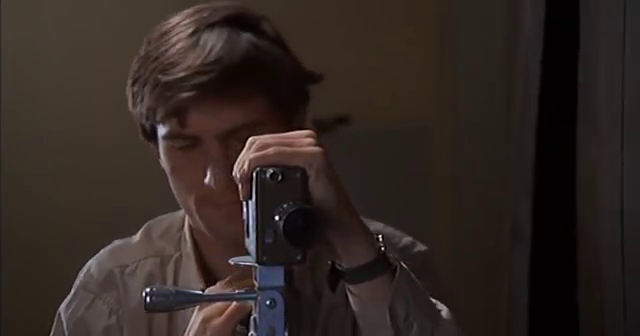
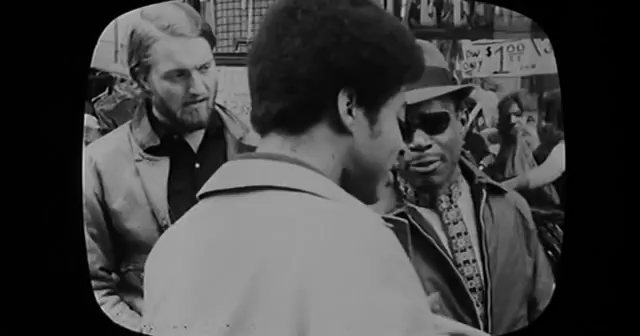
Brian De Palma’s direct follow-up to the success of Greetings (1968) was this humorous continuation of the adventures of veteran Jon Rubin (De Niro), the peeping-tom filmmaker from Greetings. As the movie opens, Jon is filming a tour of the truly decrepit apartment being shown to him by a manipulative, sourpuss super (Charles Durning):

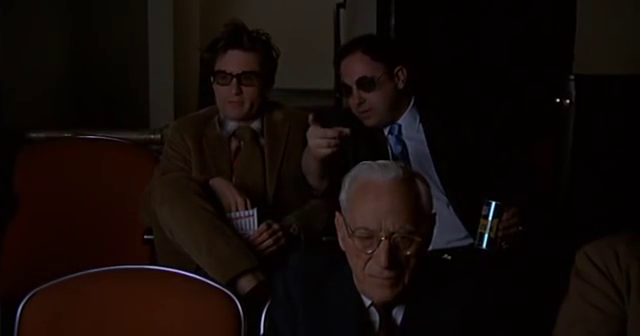
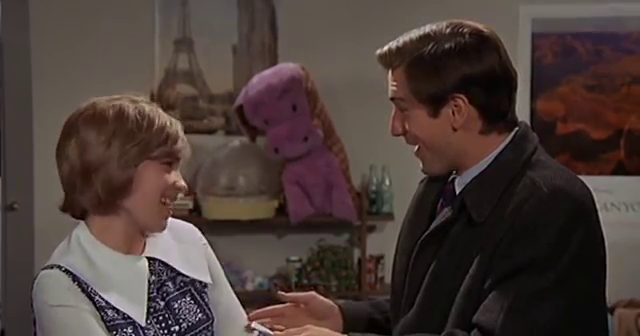
We next see Jon re-engaging with the “smut peddler” (Allen Garfield) from Greetings:

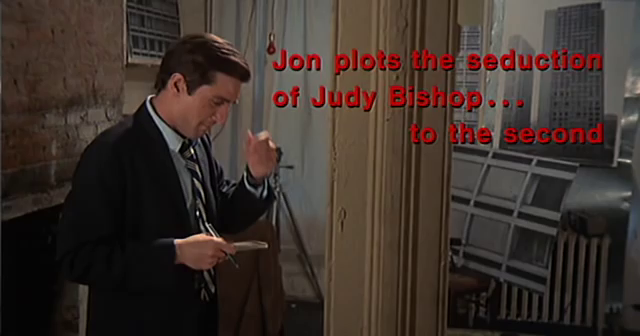
… who produces adult films and is begrudgingly willing to give Jon a chance once he hears about his plan to violate the privacy of countless apartment dwellers by filming them. (A quick note here that all concern with ethics must be set aside while watching this film in order to go with the flow of its dark humor.) Jon’s crafty, deceptive “pick up” of a young woman (Salt) — with detailed plans to carefully “trap” her into performing on camera for/with him later — goes hilariously sideways, giving Jon a much-needed taste of humility.

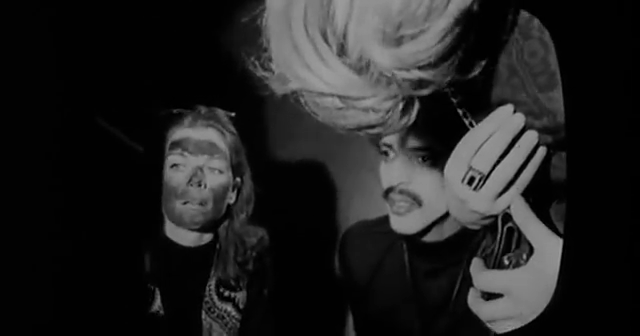
Meanwhile, the extended sub-plot about a Black theater troupe attempting to provide white participants with an authentic taste of what it’s like to “Be Black Baby” in America is surprisingly hard-hitting (albeit hard to watch at times).

Redeeming Qualities and Moments:

  • Robert De Niro as Jon
  • Jennifer Salt as Judy
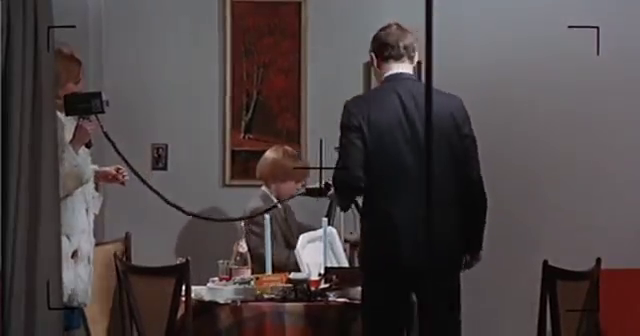
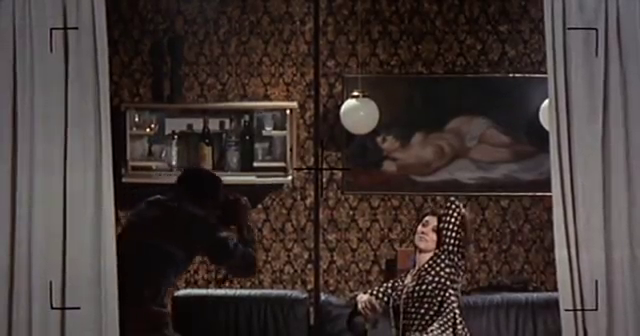
  • De Palma’s creative riff on Rear Window

  • The bold “Be Black Baby” sequence

Must See?
No, but of course De Palma and/or De Niro fans will want to check it out. Listed as a Cult Movie and a film with Historical Importance in the back of Peary’s book.

Links:

Obsession (1976)

Obsession (1976)

“I don’t want anybody interfering with my private life.”

Synopsis:
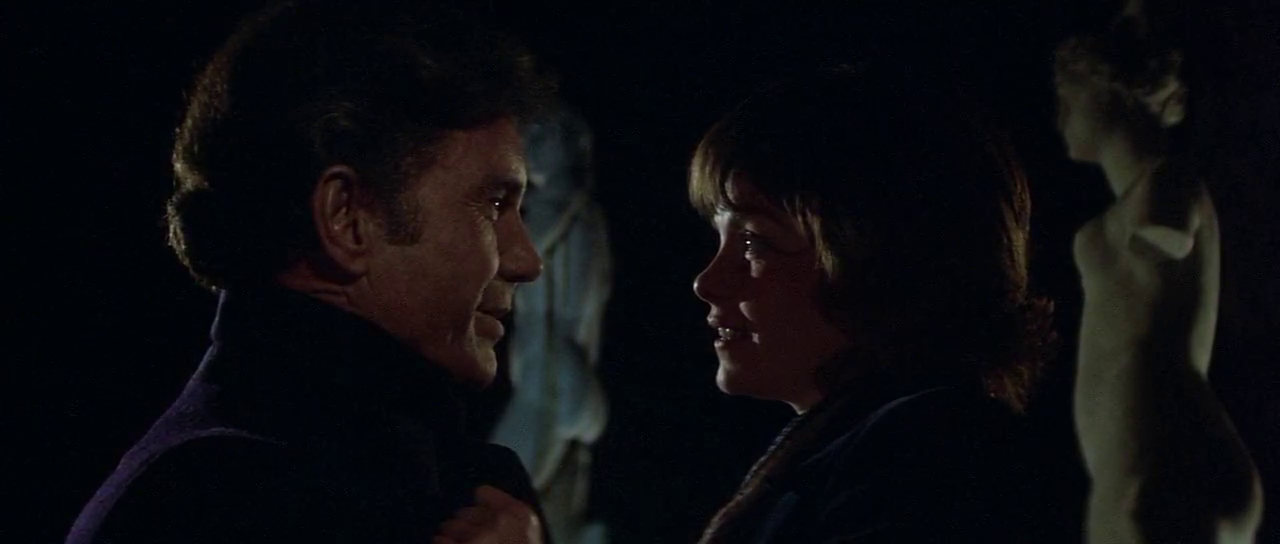
A man (Cliff Robertson) devastated by the death of his wife (Genevieve Bujold) and daughter (Wanda Blackman) during a fatally botched attempt to pay ransom after they’ve been kidnapped travels with his business partner (John Lithgow) to Italy 15 years later and is amazed to meet a young woman named Sandra (Genevieve Bujold) who looks remarkably like his wife. He courts Sandra and brings her back to New Orleans with him, but events quickly take a dark turn for Robertson once again.

Genres, Themes, Actors, and Directors:

  • Brian De Palma Films
  • Cliff Robertson Films
  • Genevieve Bujold Films
  • John Lithgow Films
  • Kidnapping
  • Obsessive Love
  • Paul Schrader Films
  • Widows and Widowers

Review:
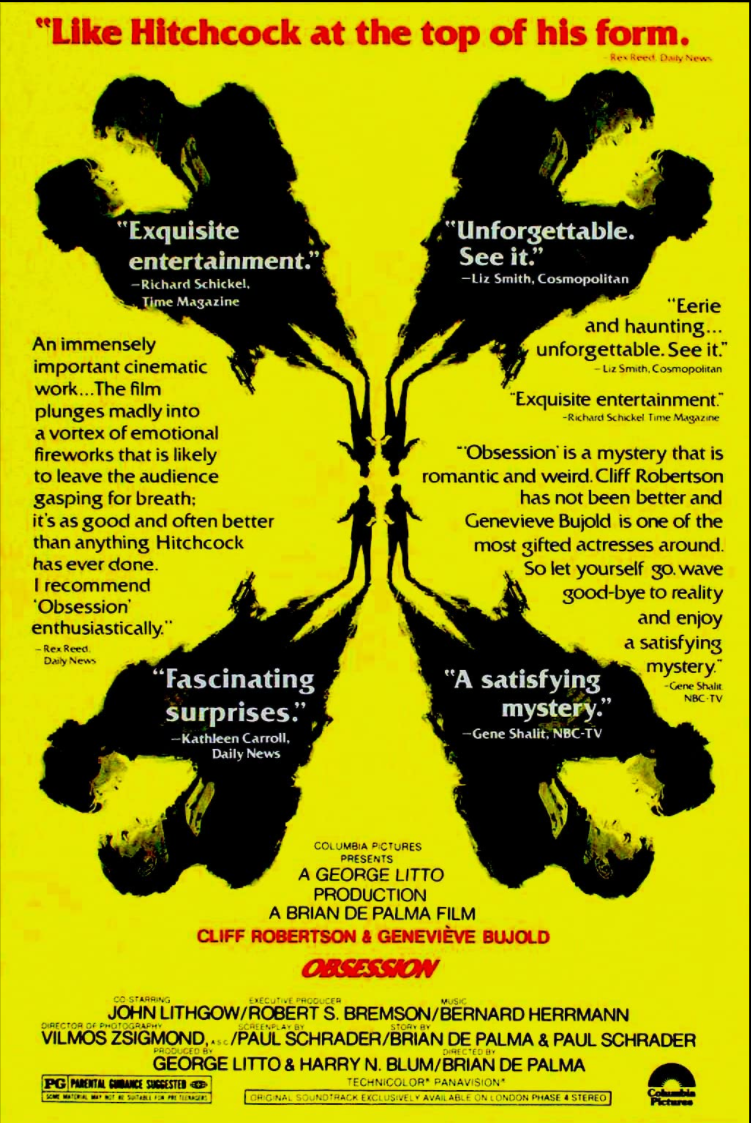
Critical and personal opinions remain heavily divided on Brian De Palma’s output, with some deriding his overtly realized homages to Hitchcock — in this case, Vertigo (1958) — and others appreciating the unique sensibility he brings to his work. This highly atmospheric thriller — scripted by Paul Schrader — is a mixed bag, offering plenty of tension and suspense but ultimately not quite delivering (IMO) on its promise. With that said, I’ll admit to being surprised at several key moments, and staying relatively invested until the odd but reasonable ending. Of special note are Vilmos Zsigmond’s dreamily diffuse cinematography, Bernard Herrman’s characteristically stylish score (the next-to-last of his career), and Bujold’s performance in dual roles that require much subtlety to pull off.

Redeeming Qualities and Moments:

  • Genevieve Bujold as Elizabeth/Sandra
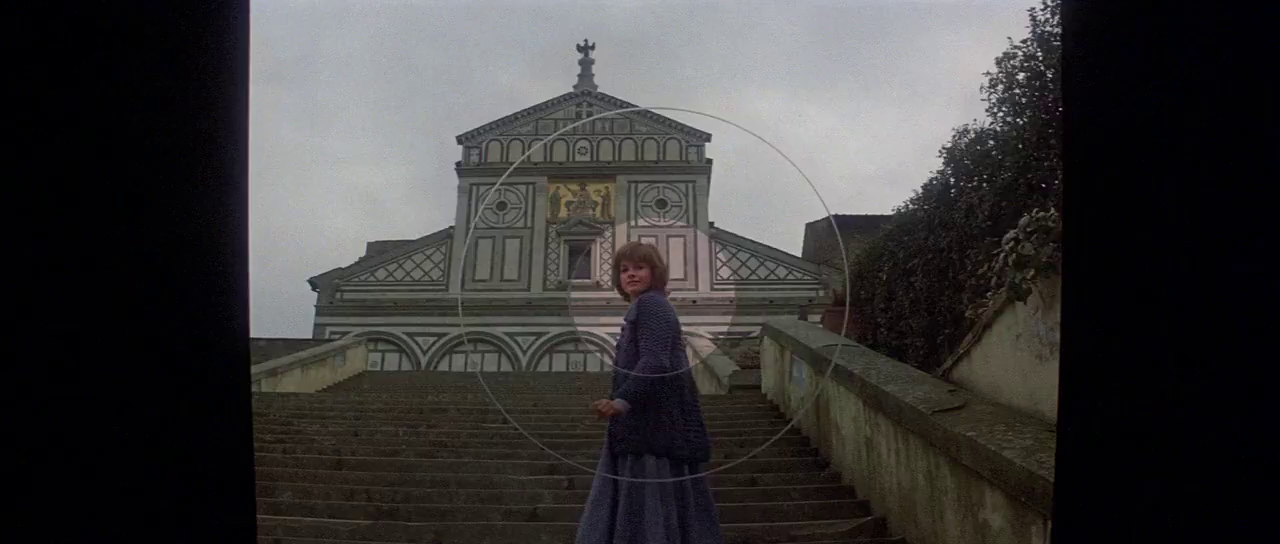
  • Beautiful on-location shooting in Florence
  • Vilmos Zsigmond’s cinematography

  • Bernard Herrmann’s score

Must See?
No, but it’s certainly worth a one time look. Listed as a Cult Movie in the back of Peary’s book.

Links:

Wedding Party, The (1969)

Wedding Party, The (1969)

“Love is nice; marriage is not nice.”

Synopsis:
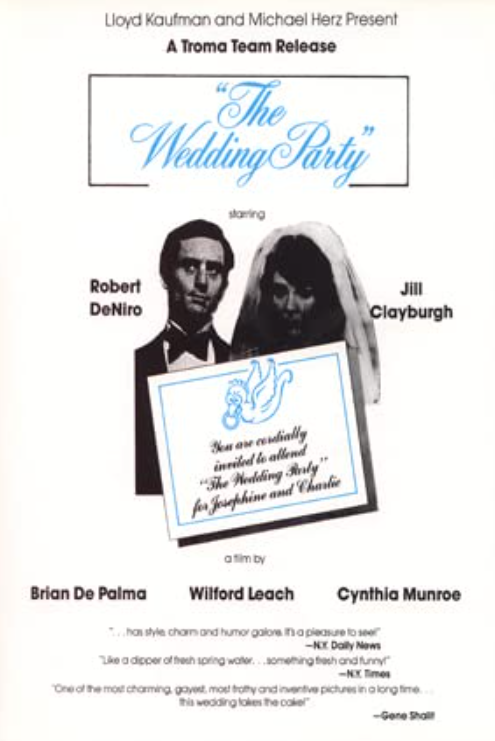
A young man (Charles Pfluger) and his two groomsmen (Robert De Niro and William Finley) arrive at the island estate where Pfluger will marry his sweetheart (Jill Clayburgh) — but Pfluger soon develops cold feet, and his friends must help him figure out what to do.

Genres, Themes, Actors, and Directors:

  • Brian De Palma Films
  • Comedy
  • Jill Clayburgh Films
  • Robert De Niro Films
  • Weddings

Review:
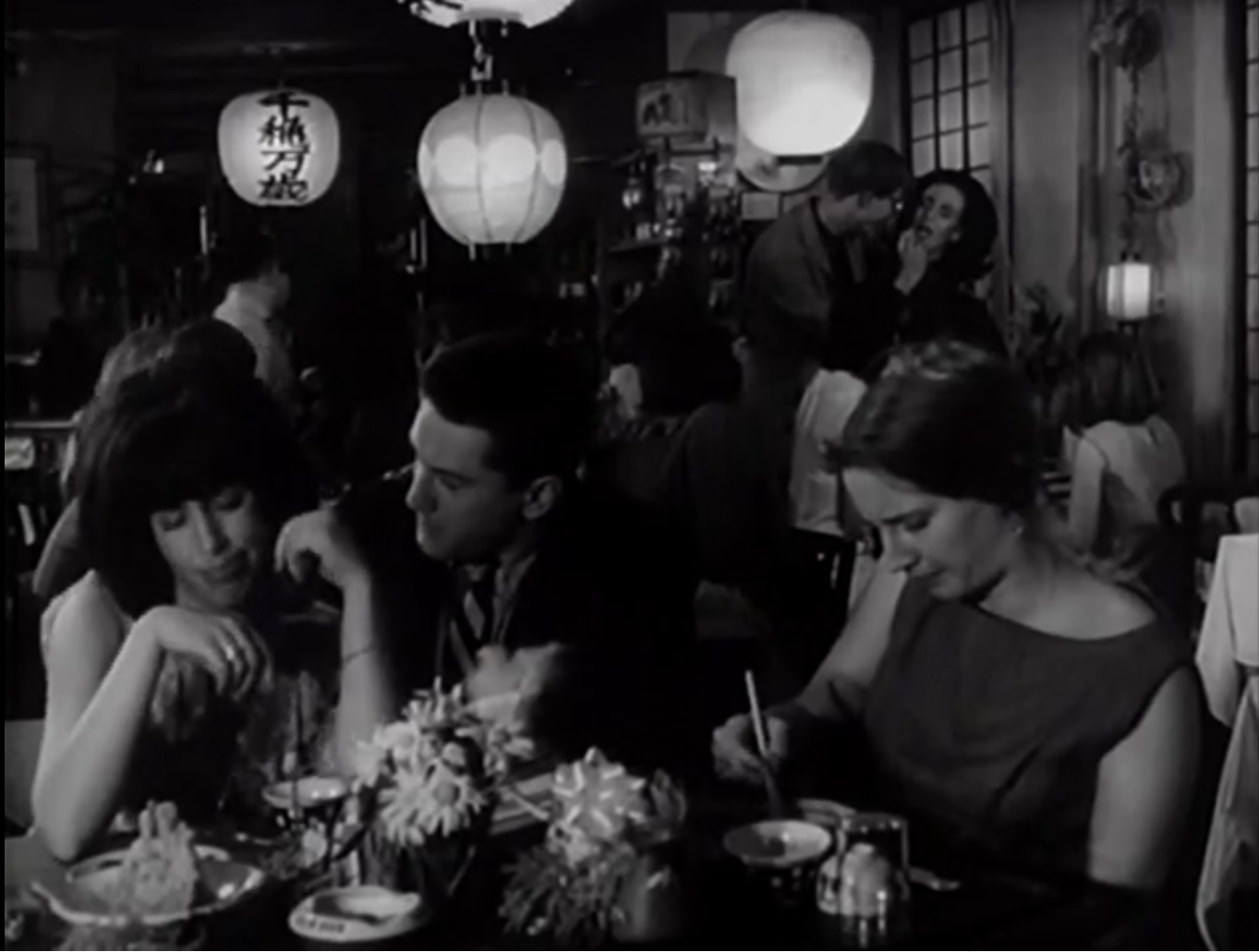
Made five years before Brian De Palma’s breakthrough success with Greetings (1968), The Wedding Party was a reasonably polished student film project completed by De Palma and his classmate Cynthia Munroe with support from their professor, Wilford Leach. It’s very much an experimental product of its time, clearly influenced by the French New Wave, Mack Sennett’s Keystone Kops, classic romantic comedies taking place at an elaborate manor (like The Philadelphia Story), and other cinematic favorites (i.e., Pfluger and his pals dance to “Singin’ in the Rain” at one key point). It received highly mixed reviews upon its release from mainstream critics, with Howard Thompson of The New York Times referring to it as “fresh and funny” but Andrew Sarris of The Village Voice calling it a “broken-legged farce” that “isn’t very funny”. Unfortunately, I land closer the latter sentiment: I appreciate the earnest, cinephilic attempts at creativity and humor, but ultimately find it all tiresome. It’s notable for featuring a VERY young Jill Clayburgh and Robert De Niro in their first feature films (chronologically speaking).


Redeeming Qualities and Moments:

  • Evidence of innovative direction and cinematography


Must See?
No; you can skip this one unless you’re a De Palma completist. Listed as a Cult Movie in the back of Peary’s book.

Links:

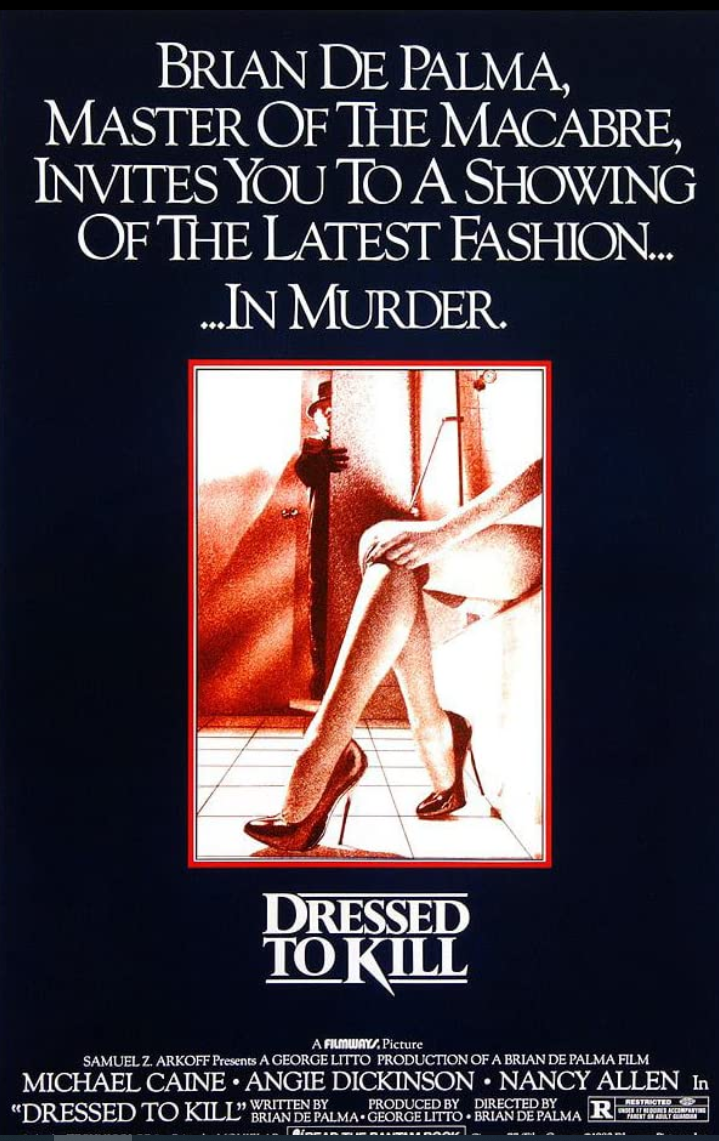
Dressed to Kill (1980)

Dressed to Kill (1980)

“Someone’s trying to kill me, and I need help!”

Synopsis:
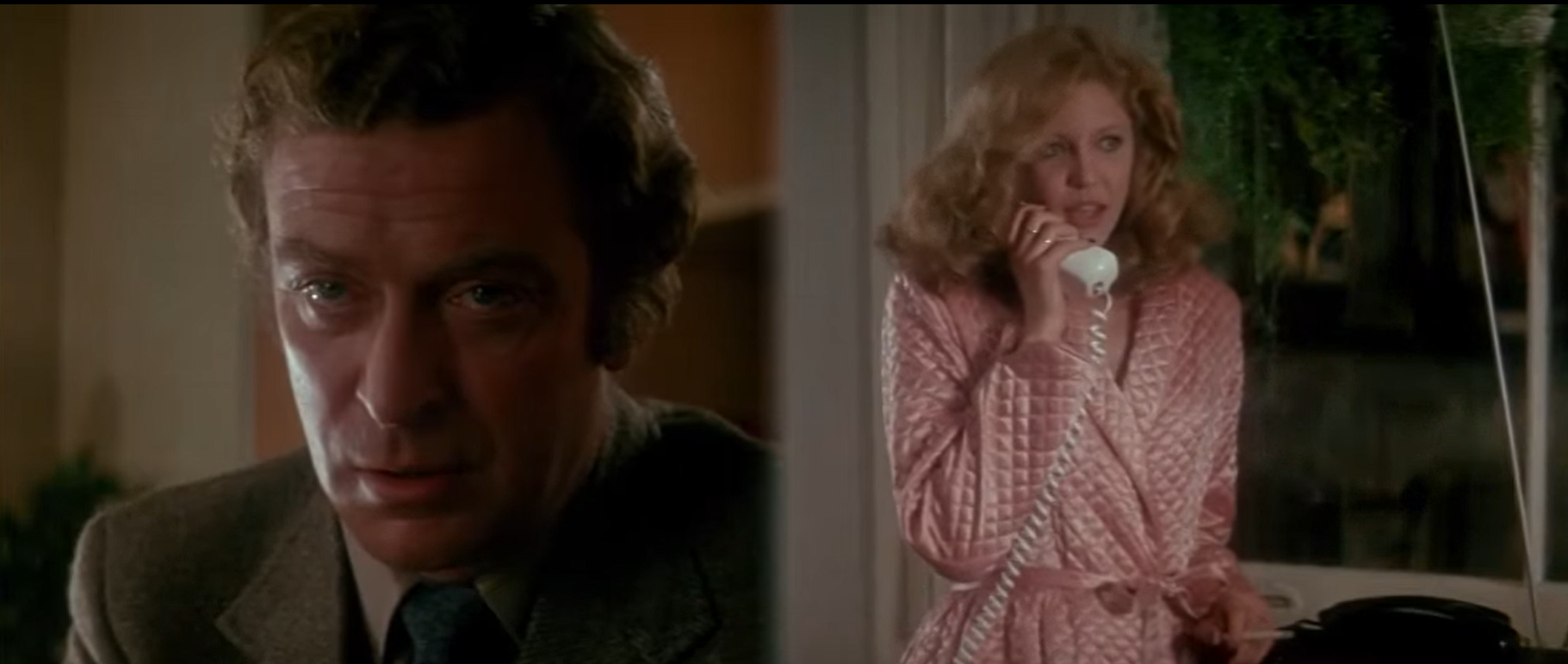
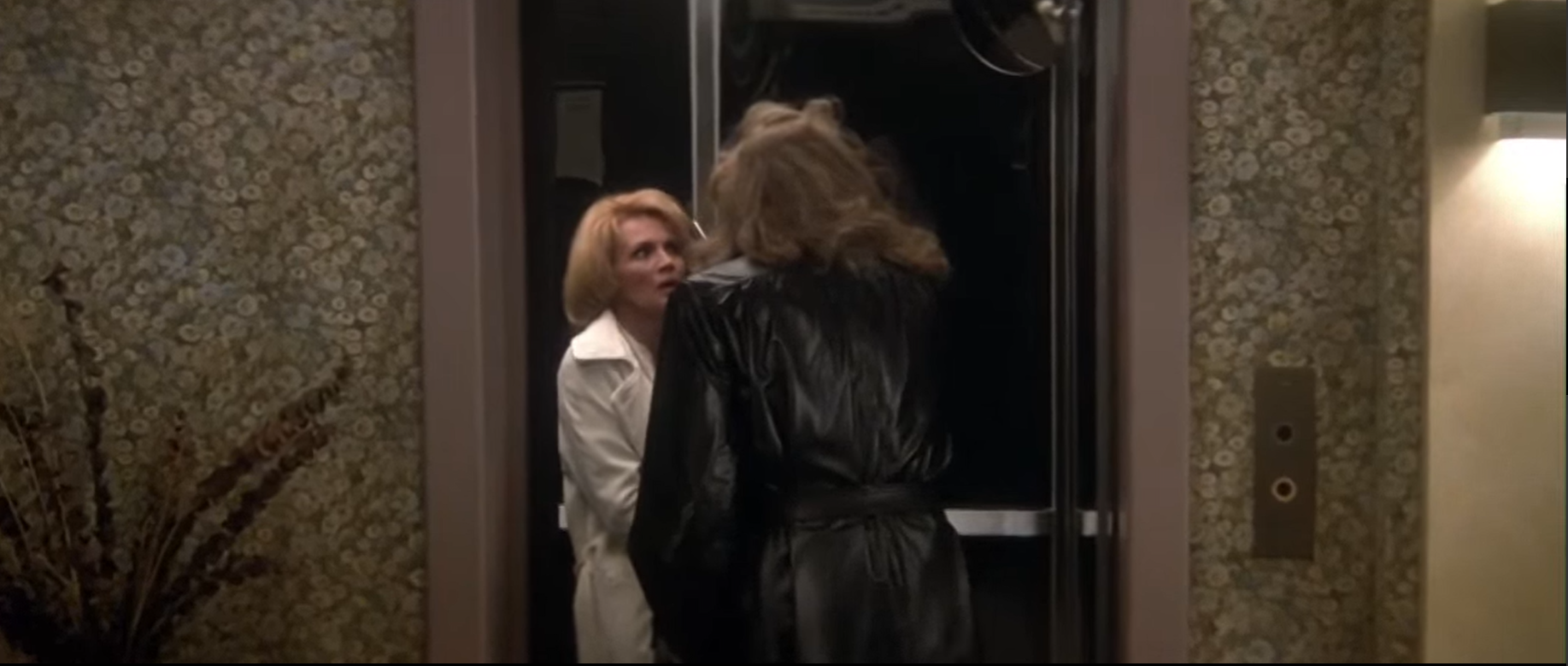
A sexually frustrated housewife (Angie Dickinson) who has just met with her psychiatrist (Michael Caine) is seduced by a man (Ken Baker) she meets at a museum, then brutally murdered in the elevator as she’s leaving his apartment. A call girl (Nancy Allen) who briefly witnessed Dickinson’s bloodied body is harassed by a detective (Dennis Franz) who considers her a prime suspect, so Allen — who is now herself being pursued by the mysterious killer — enlists the help of Dickinson’s grieving son (Keith Gordon) in determining which of Caine’s clients may have been responsible for the murder.

Genres, Themes, Actors, and Directors:

  • Amateur Sleuths
  • Angie Dickinson Films
  • Brian De Palma Films
  • Gender Bending
  • Horror Films
  • Michael Caine Films
  • Murder Mystery
  • Nancy Allen Films
  • Prostitutes and Gigolos

Response to Peary’s Review:
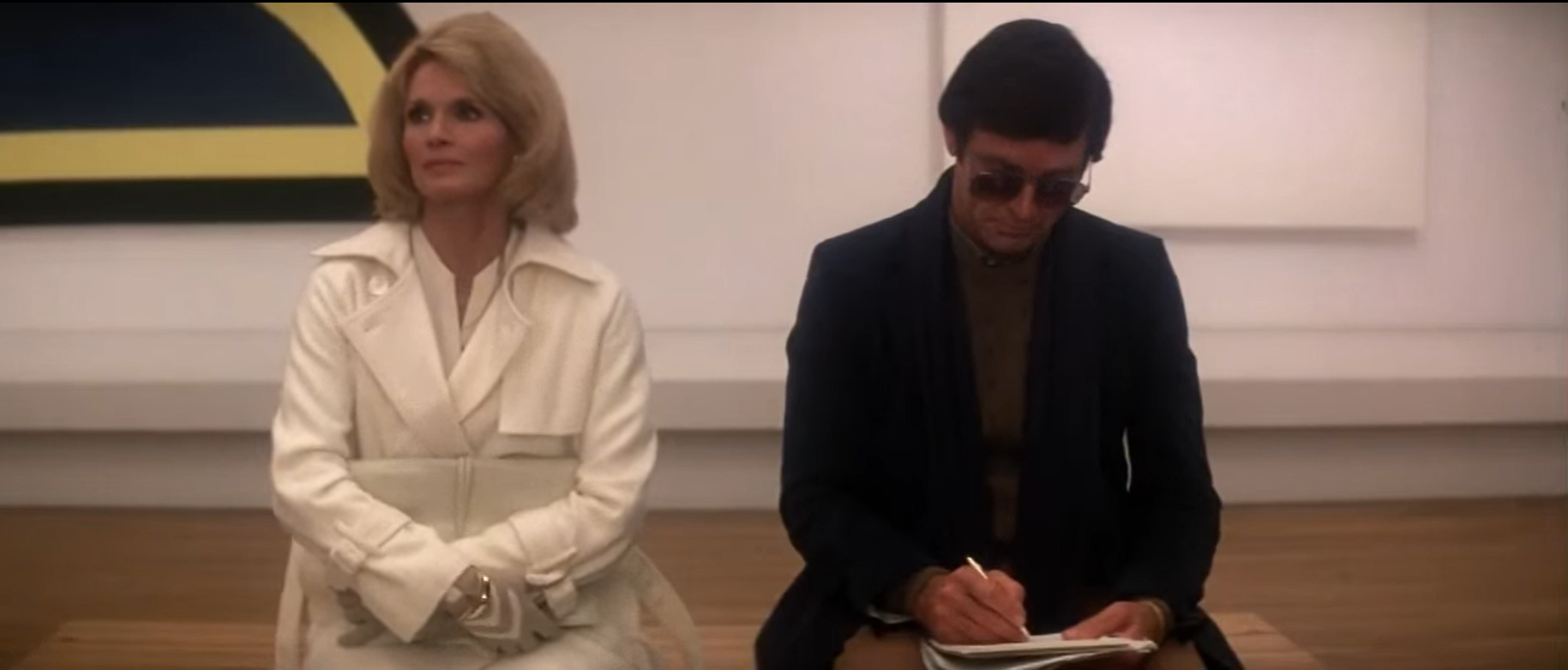
Peary writes that “almost every character in Brian De Palma’s erotic thriller has a split personality”, with “the person on the outside… not like the person on the inside.” He notes that he thinks “this is De Palma’s best film, one in which [he doesn’t] mind being manipulated” given that “watching De Palma at work turns out to be a lot of fun.” Peary points out that “De Palma does everything with an audience in mind; there’s a great deal of titillation, subtlety, and shocks;” in addition, the “characters are all offbeat and have senses of humor, and all have energy”. He writes that the “dialogue is sharp, but [the] film’s best scenes are visual, relying on editing or a mobile camera, as is the long Hitchcock-like sequence in the museum.”

He concedes that “De Palma does, as usual, borrow from Hitchcock, stylistically and thematically” and “even has two scenes with women in the shower”. [As Richard Scheib of Moria puts it so bluntly in his review, “Dressed to Kill is Brian De Palma’s homage to Psycho. It is clear and obvious and there is no doubt about it.”] Peary adds that “typical of De Palma, the violence is strong, and there’s a dirty-trick ending,” and he points out that De Palma makes “good use of New York locales”. What Peary fails to mention is the highly questionable use of a “troubled transvestite” as the killer; click here to read a recent analysis of the film from that standpoint (but be forewarned that spoilers abound). And click here to read an even more forthright denouncement of the film, written to the movie itself rather than to De Palma.

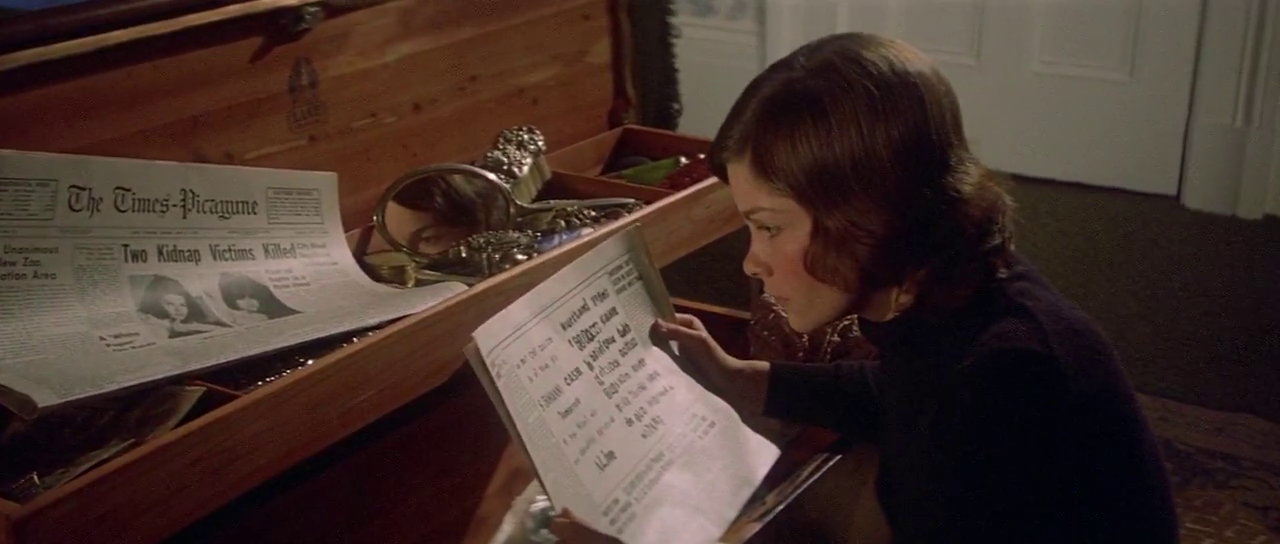
Most memorable-while-darkly-amusing scene: Dickinson casually riffling through her new lover’s drawers and finding documentation of something truly horrific.

Redeeming Qualities and Moments:

  • Nancy Allen as Liz
  • Angie Dickinson as Kate
  • Michael Caine as Dr. Elliott
  • Keith Gordon as Peter
  • The spectacularly filmed “museum sequence”
  • Clever, atmospheric cinematography

  • Many freaky moments

  • Pino Donaggio’s score

Must See?
Yes, once, for the masterful direction.

Categories

  • Important Director

Links:

Blow Out (1981)

Blow Out (1981)

“I think you’ve got a tape, Jack — and I think it’s the real thing.”

Synopsis:
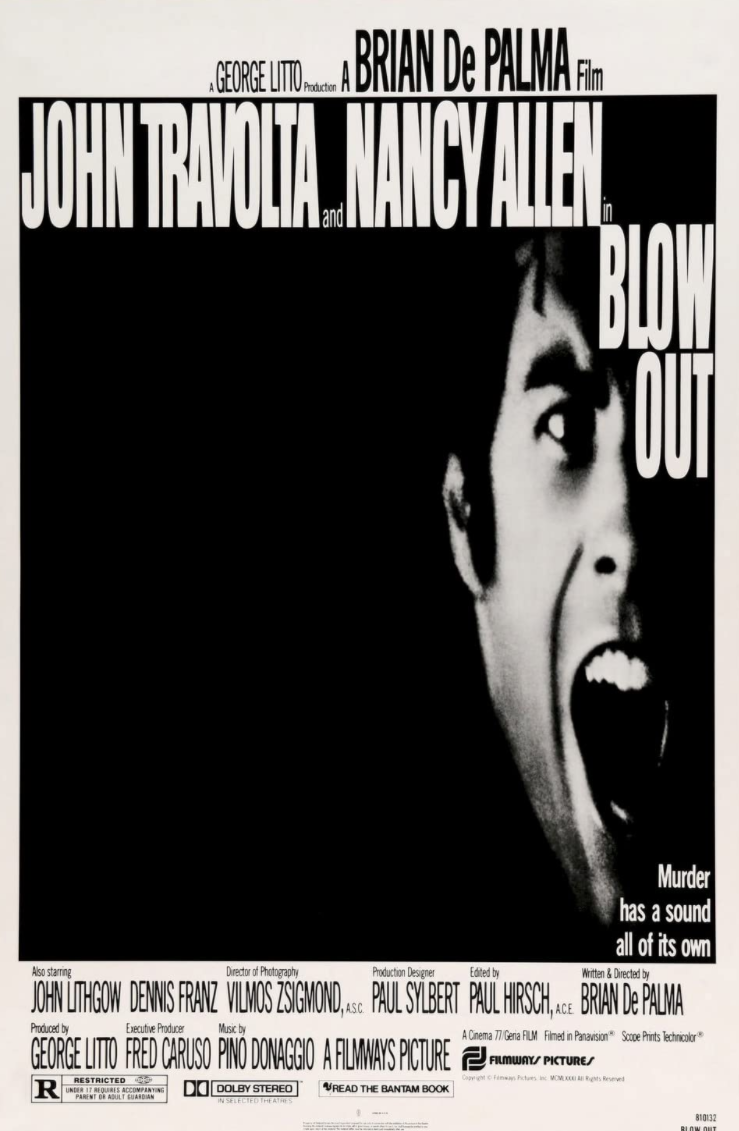
A sound recordist (John Travolta) who accidentally records a car crashing into a river rescues a young woman (Nancy Allen) from drowning, but is asked to cover up his heroics when it turns out the car’s driver was a presidential hopeful (and Allen a prostitute). Soon Travolta becomes obsessed with sharing his audio evidence that the car tire’s blow-out was from a bullet shot, and that the politician’s death was anything but an accident — but the killer (John Lithgow) behind the plot wants to get rid of all witnesses.

Genres, Themes, Actors, and Directors:

  • Amateur Sleuths
  • Brian De Palma Films
  • John Travolta Films
  • Nancy Allen Films
  • Political Conspiracy

Response to Peary’s Review:
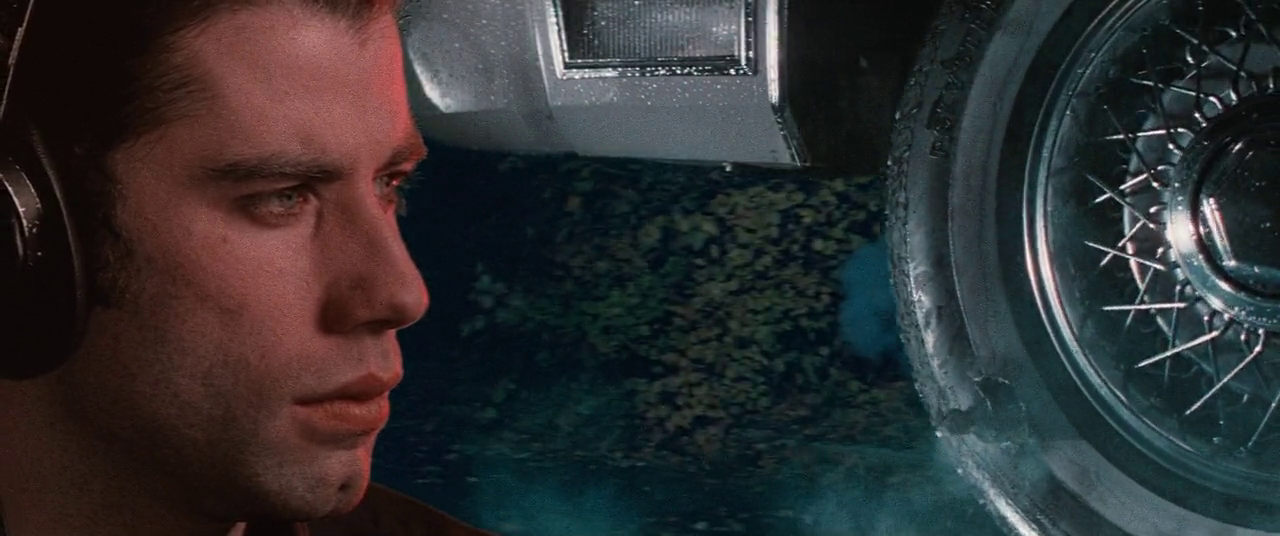
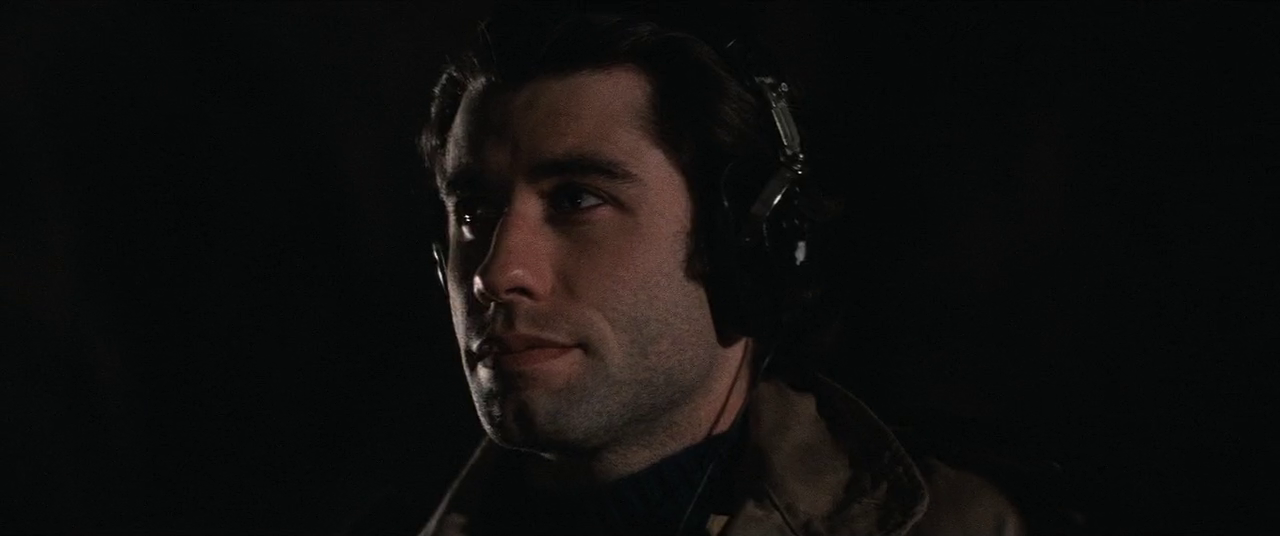
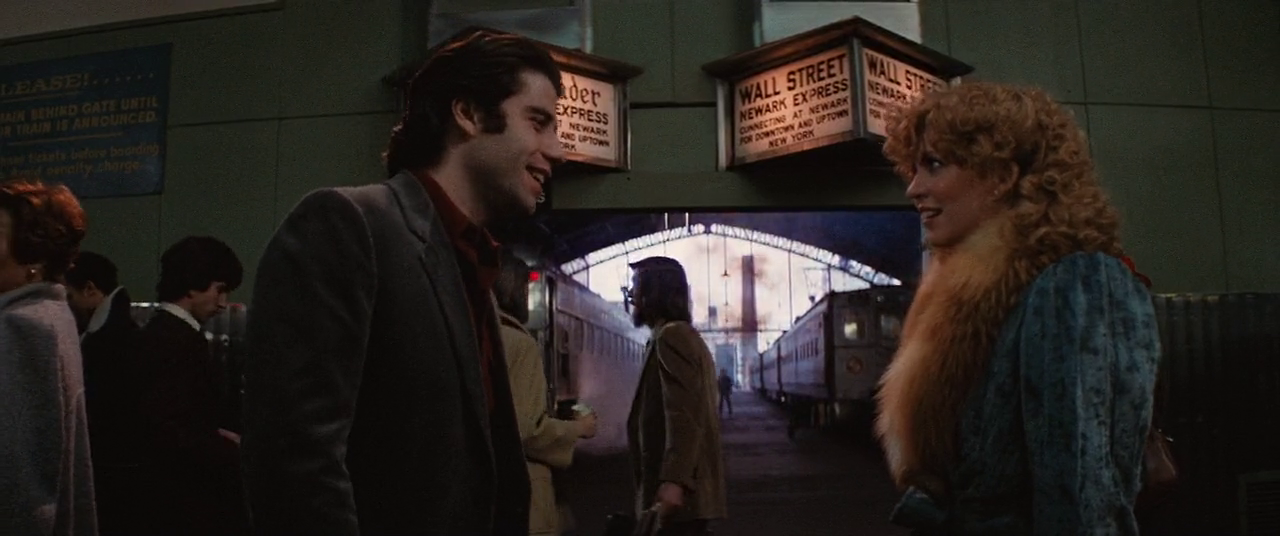
Peary writes that this film “allowed Brian De Palma to combine his obsessions with the Kennedy assassination-conspiracy, the themes of Antonioni’s Blow-Up, and the visual style of Hitchcock.” He notes that the “first half of the picture is prime De Palma, but then the picture becomes bogged down with self-conscious camera work”, and he adds that at least “if you don’t care about the characters, you’ll be intrigued by the editing in the final sequence.” I’m in agreement with Peary’s tepid assessment of this atmospherically shot (by DP Vilmos Zsigmond) but disappointing thriller in which De Palma “refuses to develop Allen’s character” — or more accurately, fails to provide her with much of a meaningful presence other than as a bubble-headed foil. Travolta’s character comes across much better, and his lengthy audio-investigation sequence is impressively shot:

… but it’s not enough to redeem this film over-all as must-see.

Note: It was interesting watching this hour-long discussion between De Palma and Noah Baumbauch about the making of Blow Out, and hearing De Palma describe movies in this way:

“We create illusions for you to fall in love with. That’s something totally unique to cinema: beautiful women doing unusual, interesting, exciting things. We follow them, we look at them, and we get involved with them. It’s one of the basic tools of movies… It’s a gun and a girl. With a gun, when’s somebody going to fire it? With a girl, when’s somebody going to undress it?” (bold mine)

If “girls” (not women) are viewed simply as beautiful objects for audience members to watch and enjoy, it’s no wonder that Allen (De Palma’s wife at the time) — as well as the other females in this film — come across literally as pretty pawns in the bloody proceedings. Thank goodness Travolta is such a sympathetic male character.

Redeeming Qualities and Moments:

  • John Travolta as Jack
  • Atmospheric cinematography
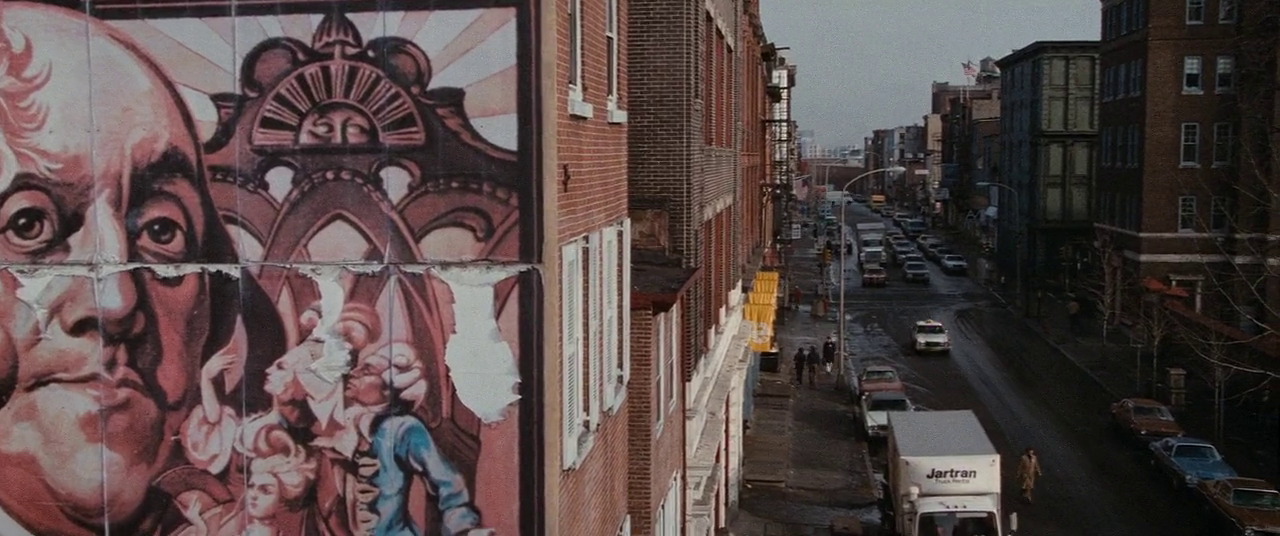
  • Fine location shooting in Philadelphia
  • Must See?
    No, though it’s worth a one time look.

    Links:

    Fury, The (1978)

    Fury, The (1978)

    “They took my son away from me. They needed him — so they just took him.”

    Synopsis:
    A young woman (Amy Irving) who discovers she has terrifying telekinetic powers is sent to the Paragon Institute for training, and soon learns she has a “psychic twin” (Andrew Stevens) who has been kidnapped by a nefarious government agent (John Cassavetes) and is being “looked after” by a beautiful caretaker (Fiona Lewis). Meanwhile, Stevens’ grieving but determined father (Kirk Douglas) enlists the help of his girlfriend, a Paragon nurse (Carrie Snodgress), in helping Irving escape from the institute to help find his son — but what cost will this bring to all involved?

    Genres, Themes, Actors, and Directors:

    • Amy Irving Films
    • Brian De Palma Films
    • Father and Child
    • Horror Films
    • John Cassavetes Films
    • Kirk Douglas Films
    • Supernatural Powers

    Response to Peary’s Review:
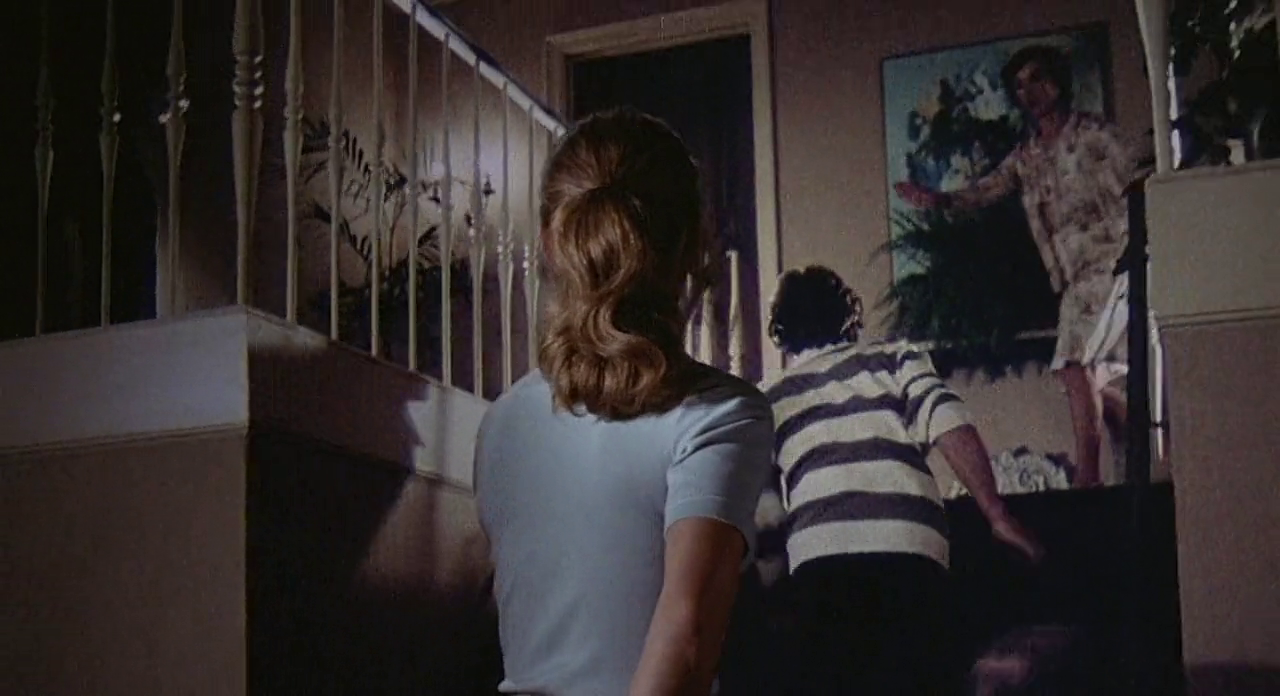
    Peary writes that this “stupid, complicated, unforgivably bloody Brian De Palma film, scripted by John Farris (from his novel)” has “too many characters, the acting is mostly wretched, the dialogue’s a joke, the picture has no ending… and — except for a couple of times when the background around Irving impressively changes to reveal what she’s thinking:

    — the direction is terrible.” He argues that De Palma “uses slow motion too often, and has a tendency to circle his camera around tables where characters have conversations, calling attention to rather than disguising the banality of the chatter”:

    — but “of course, the most objectionable thing about this film is the extreme violence (with emphasis on blood spattering in all directions).” While I’m in agreement with Peary that this film is a disappointment on just about every count — it can’t begin to compare with De Palma’s previous film about another girl with telekinetic powers — it seems to me that fans of this type of fare may not be so disturbed by the violence and bloodshed.

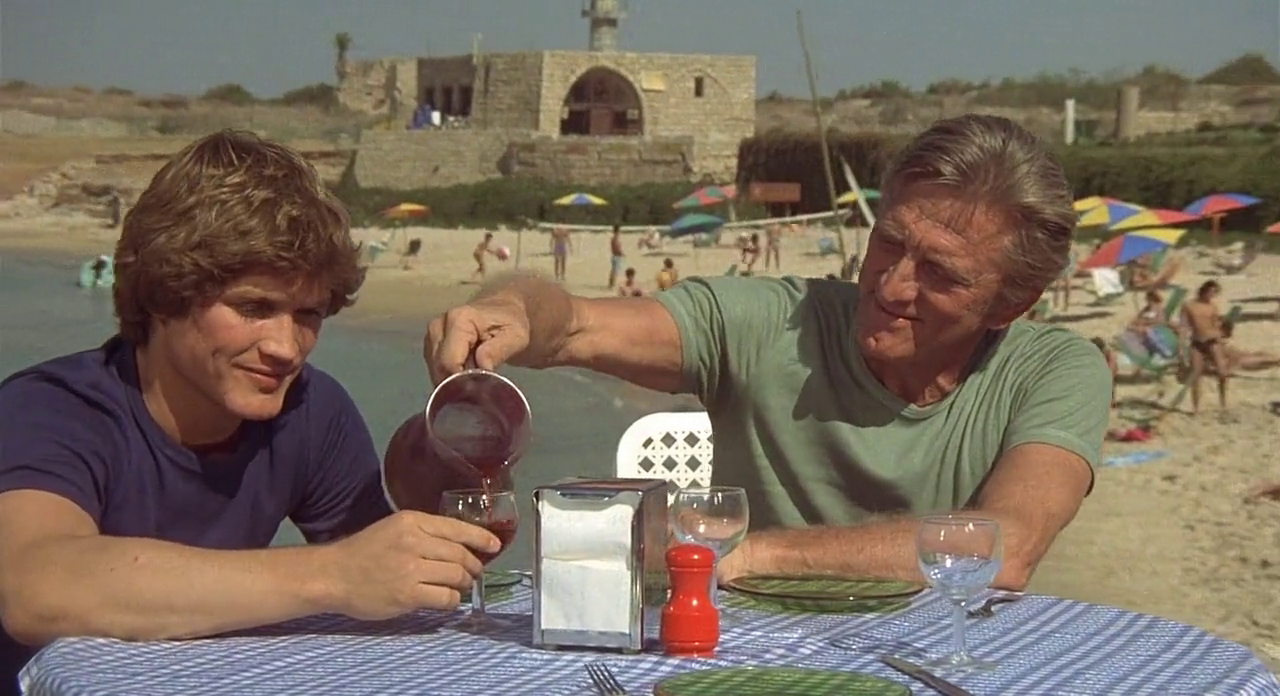
    I’m most distressed by how much obvious care went into production values and special effects for a film that simply doesn’t lead anywhere interesting. The opening sequence on an Israeli beach is action-packed but insufficiently explained:

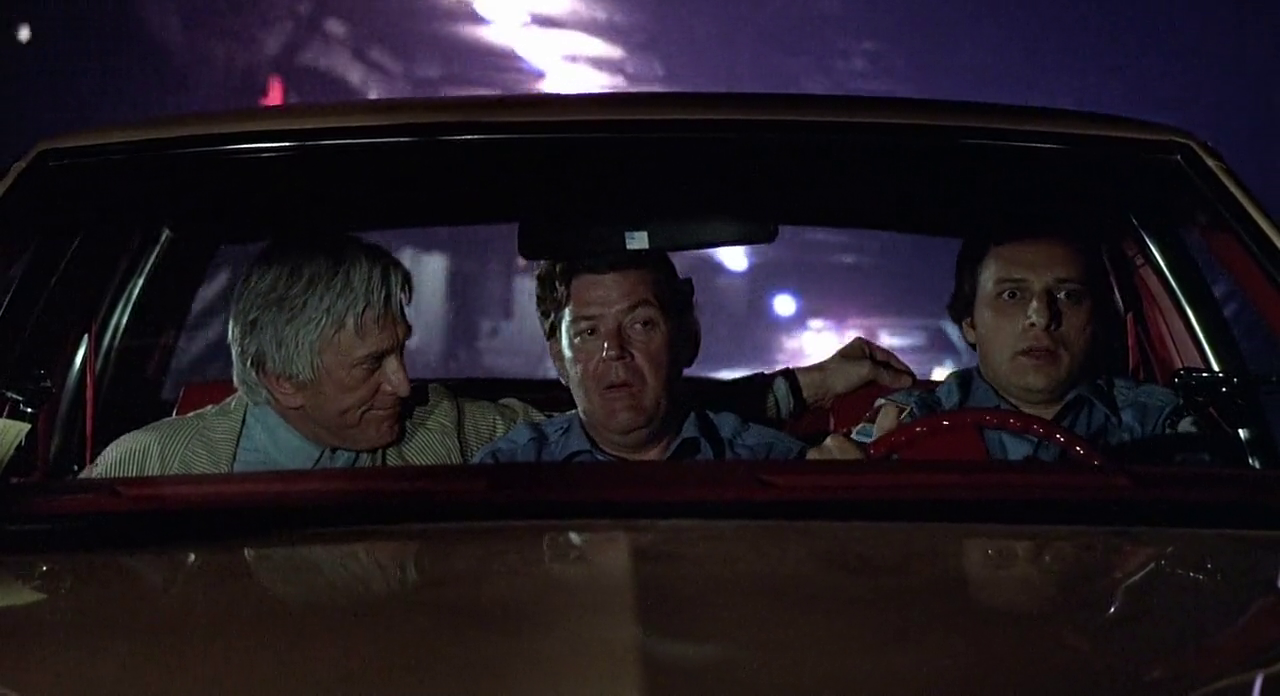
    … simply positing numerous faceless “Arabs” as rampantly murderous killers. Next, 61-year-old Douglas — cast simply to bring a big name to the flick — gets to show off his strength and agility in a series of cat-and-mouse scenes (including a harrowing car chase):

    … that are simply silly and don’t add anything to the storyline. Irving is sympathetic and tries her best in a role that lets her down:

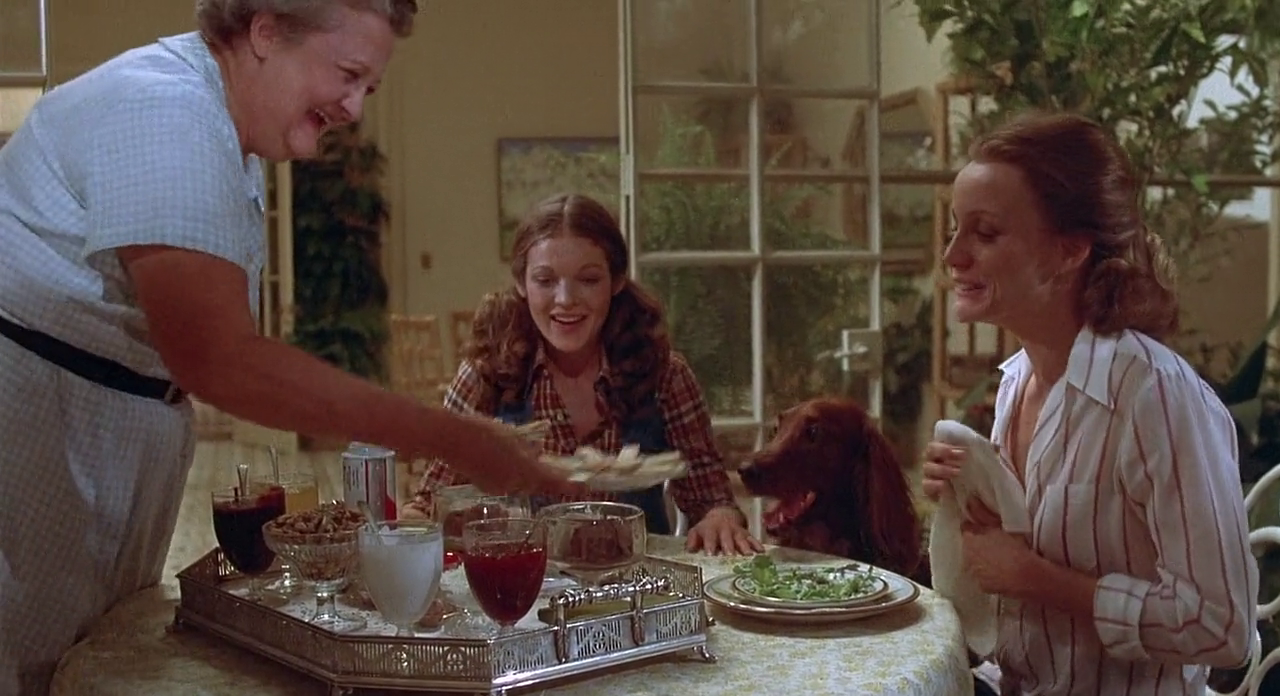
    … but Stevens is an utterly unlikable “protagonist” who we don’t especially feel driven to see rescued from his plight. Snodgress and Lewis’s roles as supportive sex partners (Snodgress to Douglas, Lewis to Stevens):

    … are poorly written, and several other supporting characters simply disappear at a certain point. Definitely feel free to skip this one.

    Redeeming Qualities and Moments:

    • Amy Irving as Gillian
    • Fine cinematography


    Must See?
    No; you can skip this one.

    Links:

    Prom Night (1980)

    Prom Night (1980)

    “I’ve always been really sorry about it.”

    Synopsis:
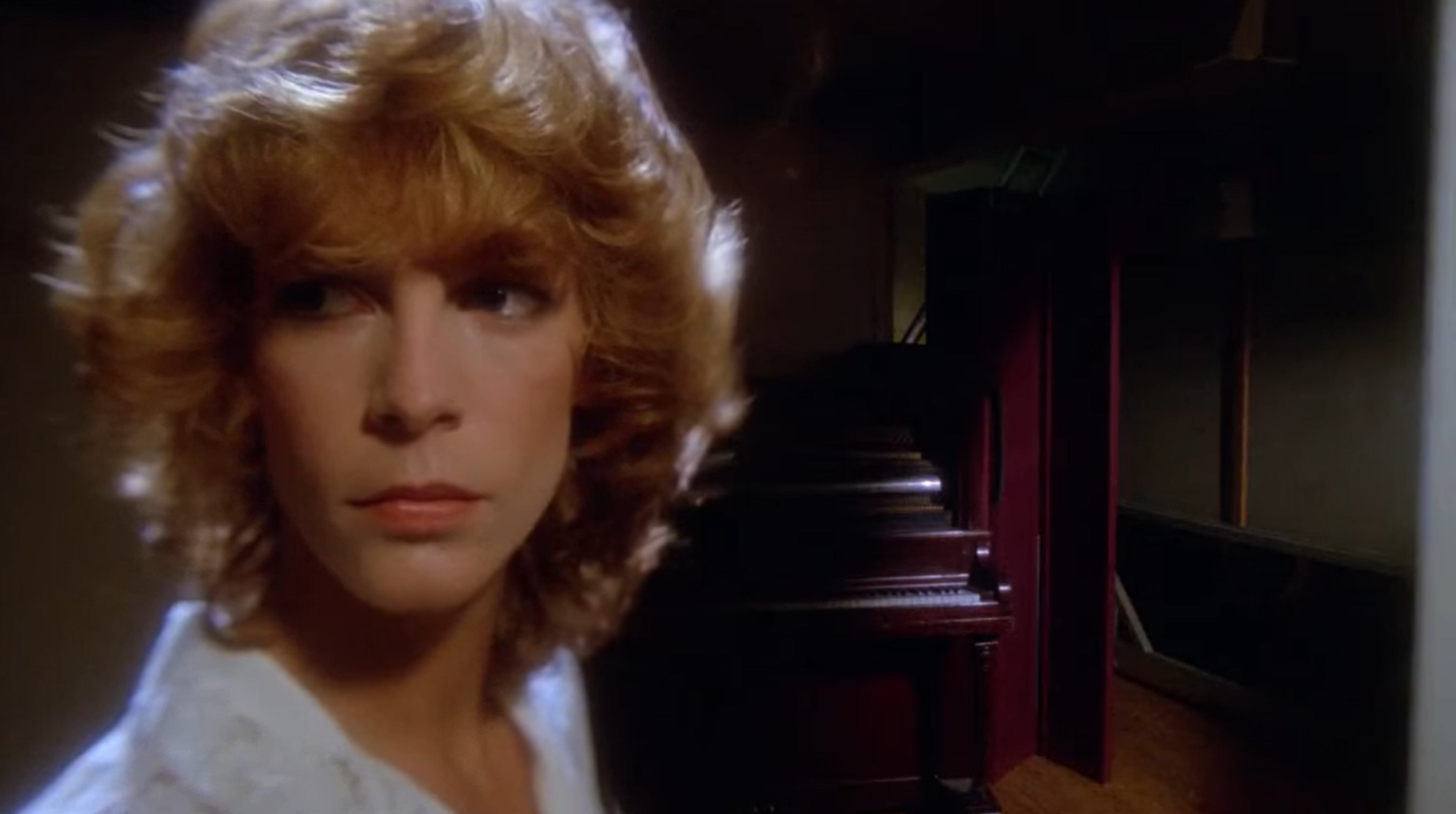
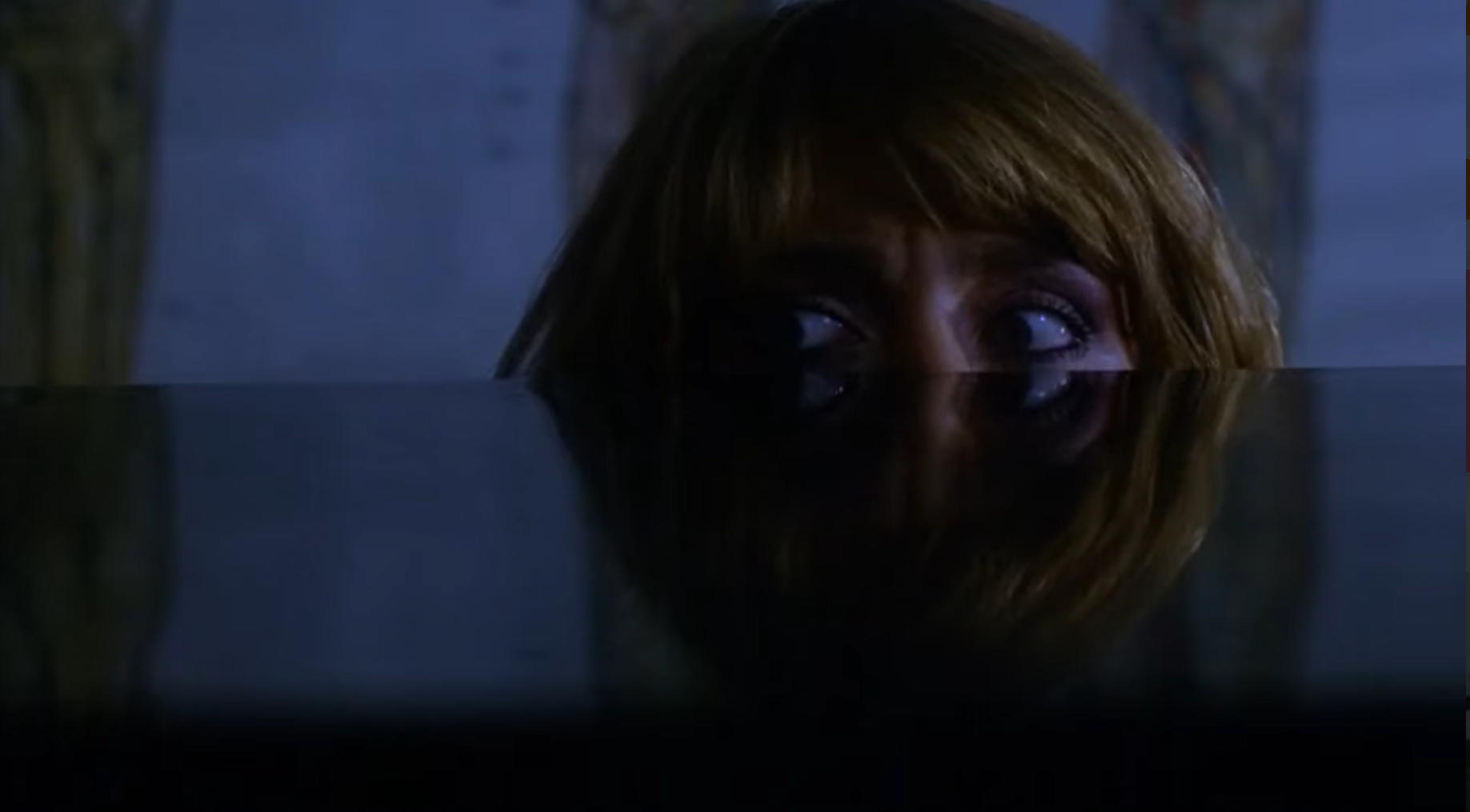
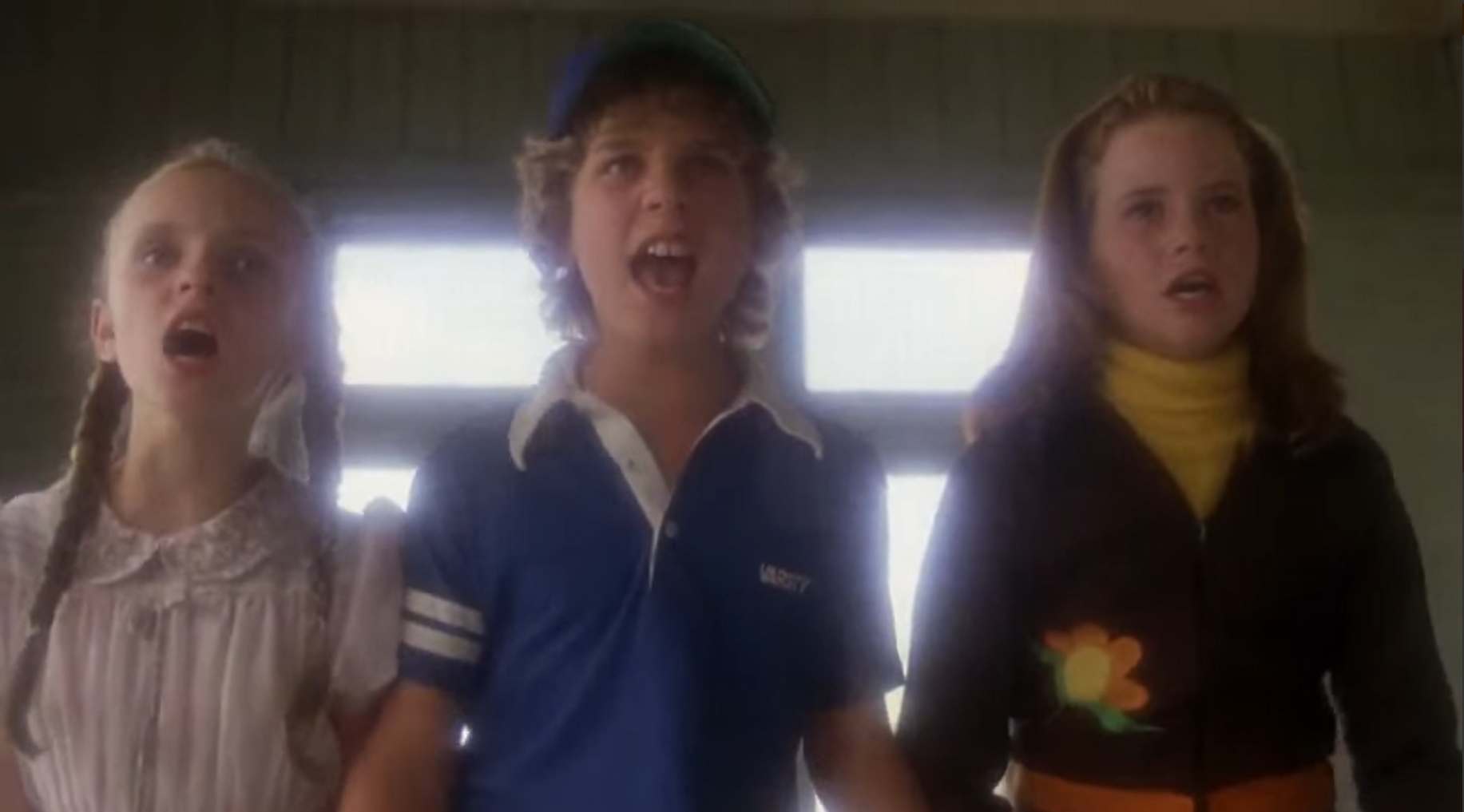
    Six years after a group of 11-year-old kids (Brock Simpson, Leslie Scott, Karen Forbes, and Joyce Kite) accidentally cause the death of their bullied friend (Tammy Bourne) during a brutal hide-and-seek game, a mysterious masked killer begins plotting the demise of each of the teens (Casey Stevens, Anne-Marie Martin, Joy Thompson, and Marybeth Rubens) as they prepare to participate in a disco-themed Prom Night. Meanwhile, the dead girl’s sister (Jamie Lee Curtis) — who is dating Stevens — is about to be crowned Prom Queen, but must deal with the wrath of Stevens’ spurned ex-girlfriend (Martin), who has enlisted the help of a local tough (David Mucci) in seeking revenge.

    Genres, Themes, Actors, and Directors:

    • Horror Films
    • Revenge
    • Serial Killer

    Review:
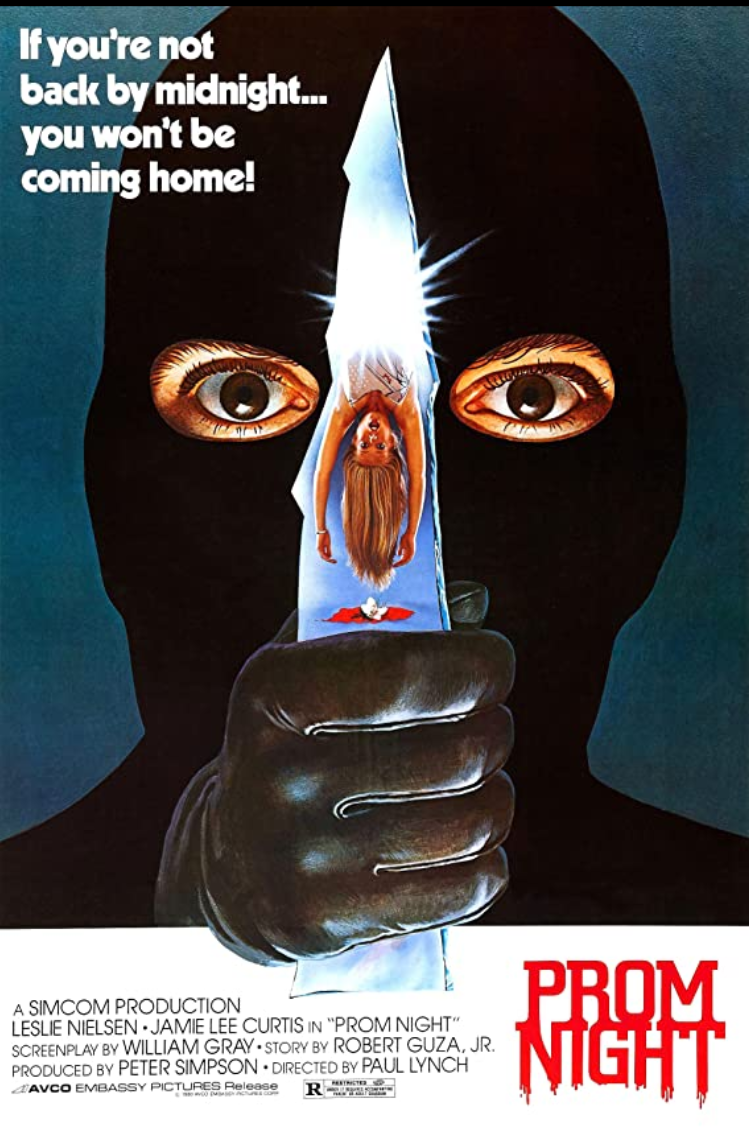
    This immensely popular Canadian slasher flick was clearly inspired by numerous previous hits, including Carrie (1976) (with its emphasis on prom-night-gone-wrong), the disco-fever of Saturday Night Live (1977), Jamie Lee Curtis’s popularity in Halloween (1978), and the kill-one-teen-at-a-time plotline of Friday the 13th (1980). On its own merits, Prom Night is unexceptional, but meets expectations in terms of offering up plenty of frights and gore. Interestingly, it served as direct inspiration for the spoof horror flick Student Bodies (1981), which similarly features an odd-looking janitor (here played by Robert Silverman), a high school principal (here played by Leslie Nielsen!), spooky phone calls to victims, and a host of potential suspects.

    Redeeming Qualities and Moments:

    • Atmospheric cinematography

    • Effective use of flashbacks

    Must See?
    No; you can skip this one unless you’re a fan of slasher flicks.

    Links: