|
Genres, Themes, Actors, and Directors:
- David Carradine Films
- Friendship
- Harvey Keitel Films
- Mafia
- Martin Scorsese Films
- New York City
- Robert De Niro Films
Response to Peary’s Review:
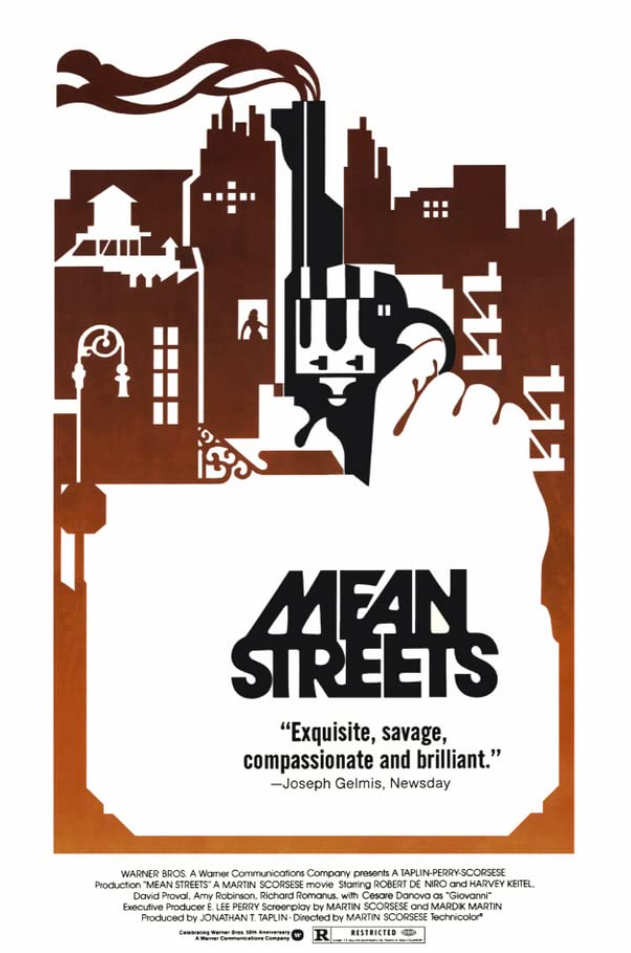
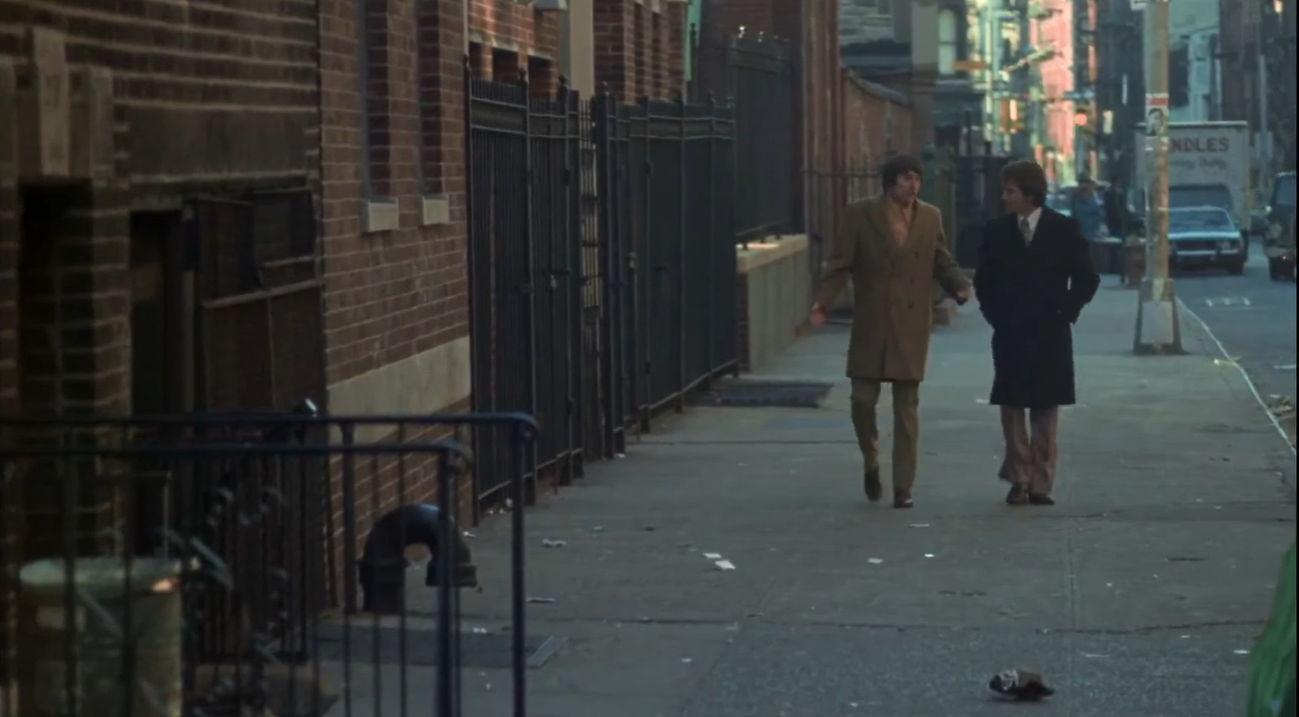
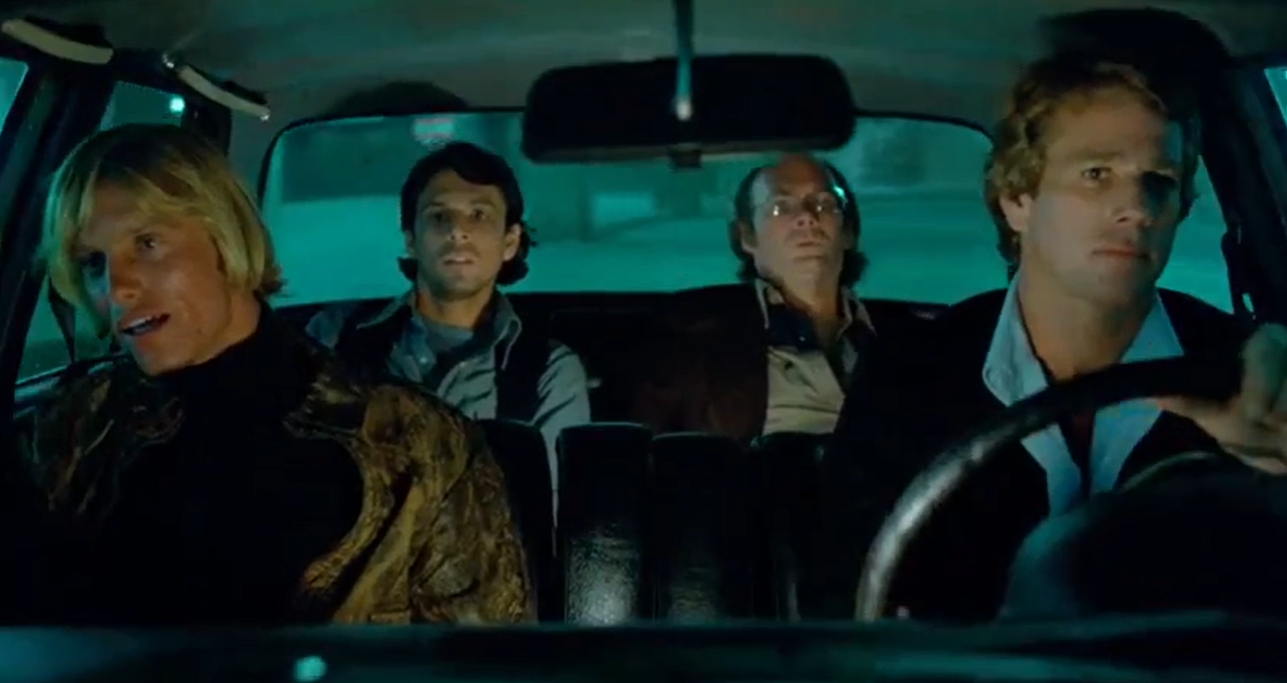
Peary writes that “Martin Scorsese emerged from obscurity with this violent, visually dazzling love-hate remembrance of life in New York’s Little Italy,” an “independent film deal[ing] with young low-level criminals — second-rank loan sharks, numbers men, street hustlers, collectors — whose goal is to move up in the Mafia hierarchy.”
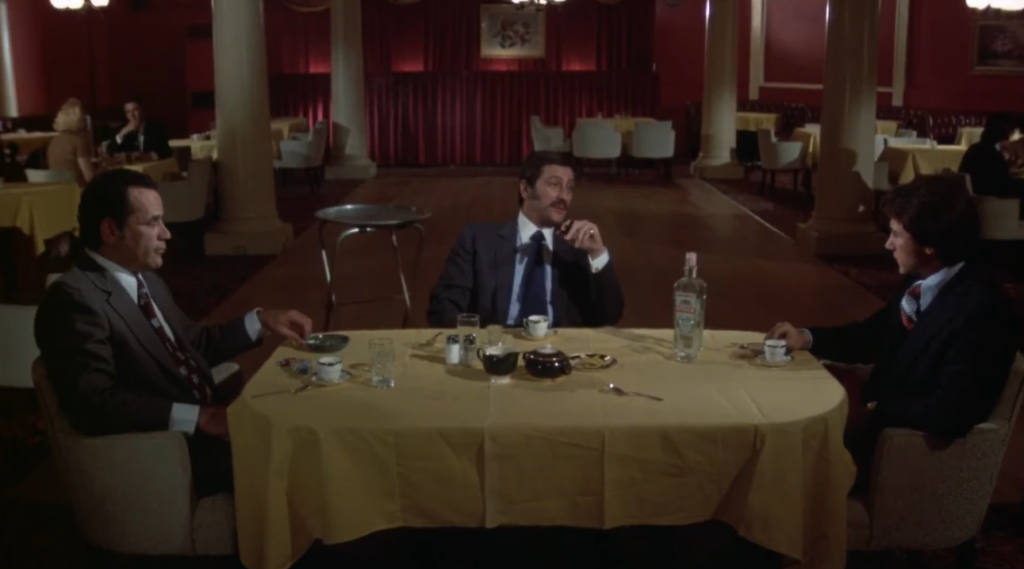
Specifically, the storyline centers on Harvey Keitel’s Charlie, who “wants his Mafia uncle [Cesare Danova] to give him a restaurant that was taken from its rightful owner” — but in order to achieve this goal “must keep secret his friendship with stupid, irresponsible, reckless Robert De Niro (who became a star as Johnny Boy)”:
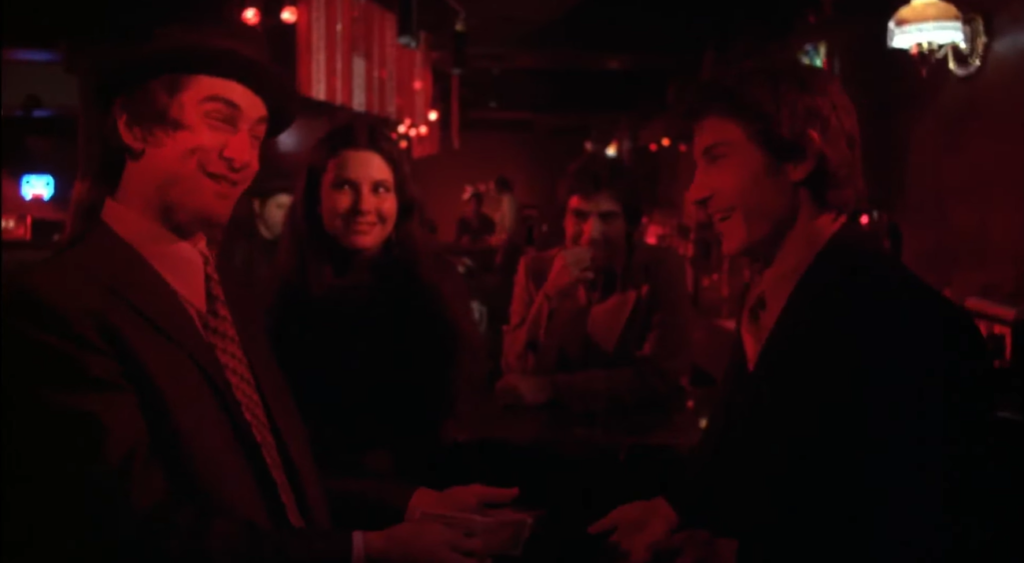
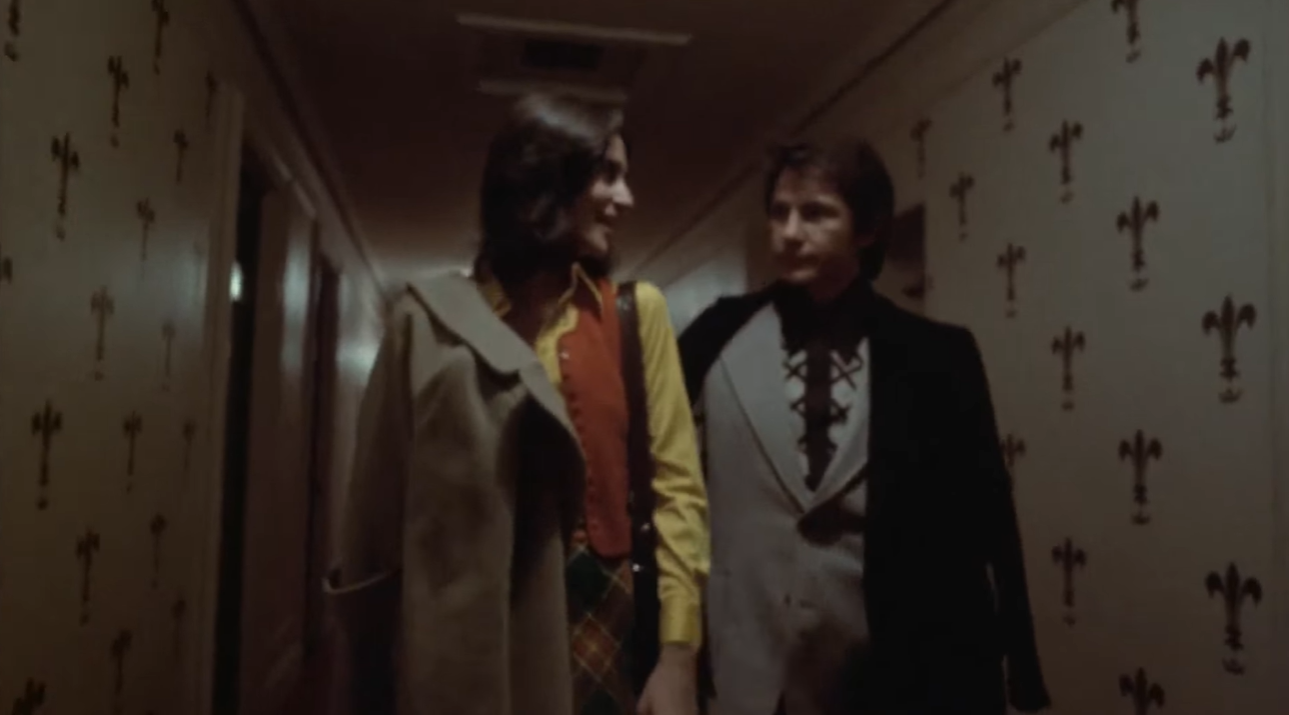
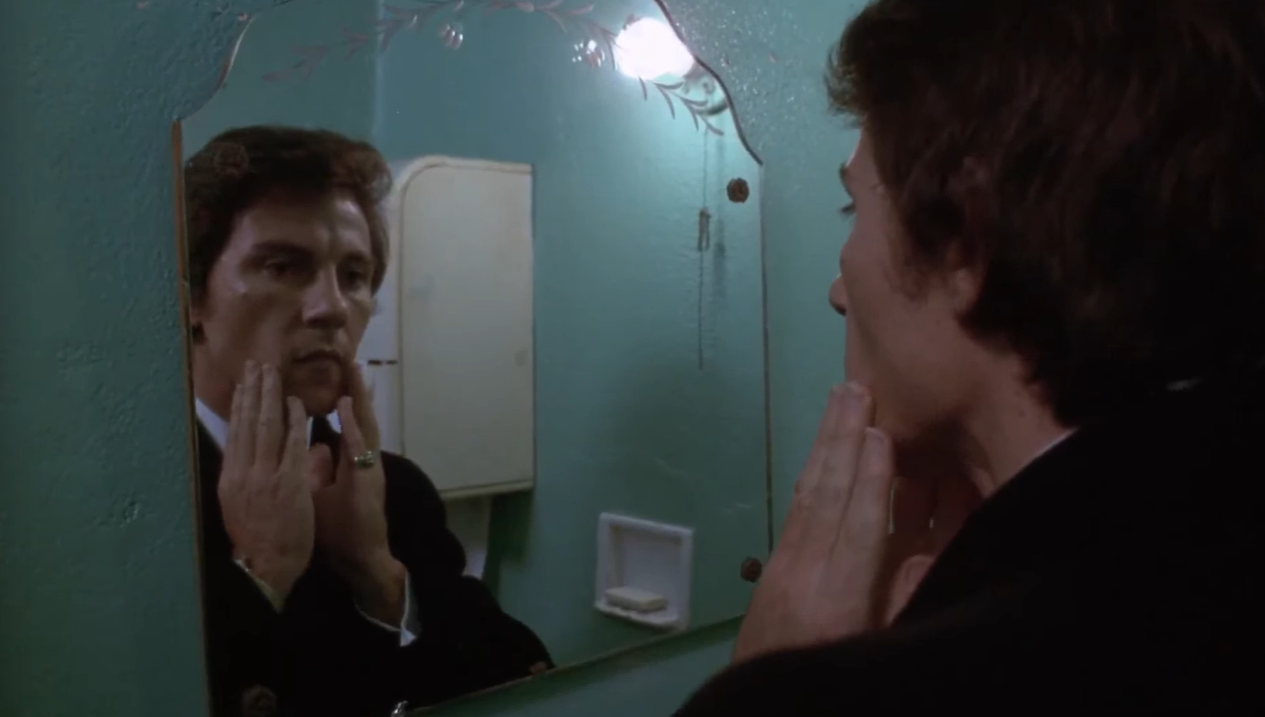
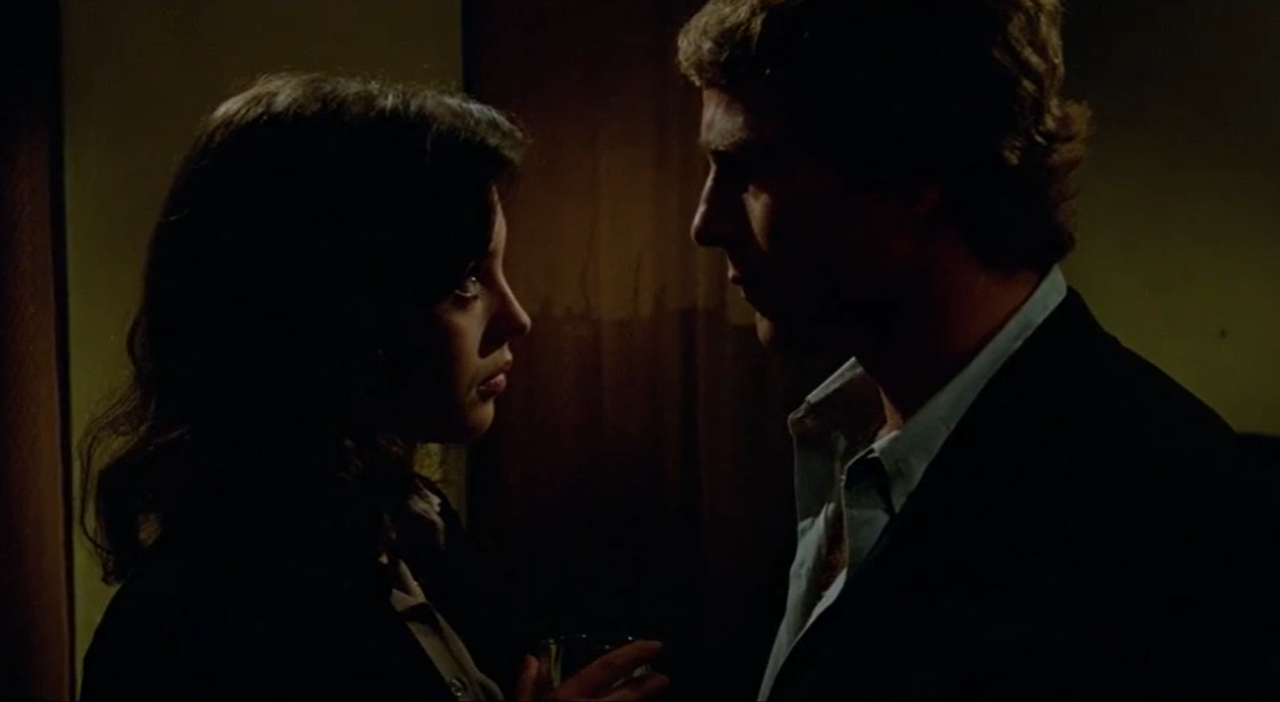
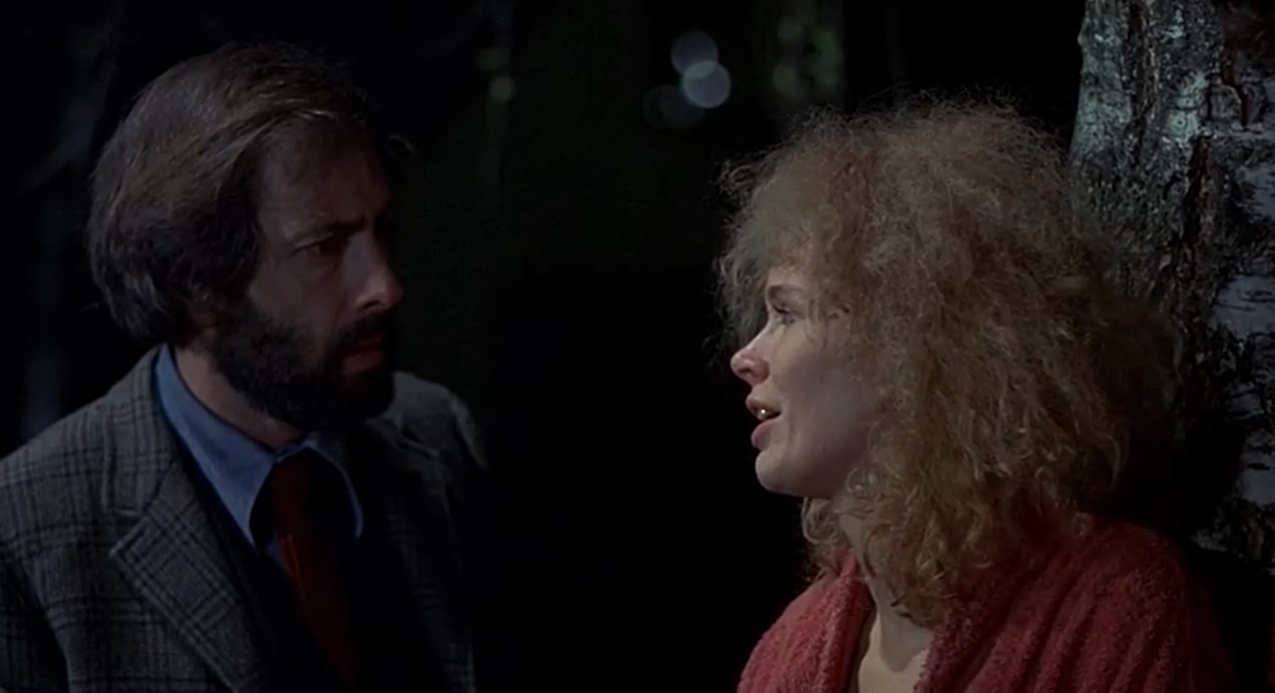
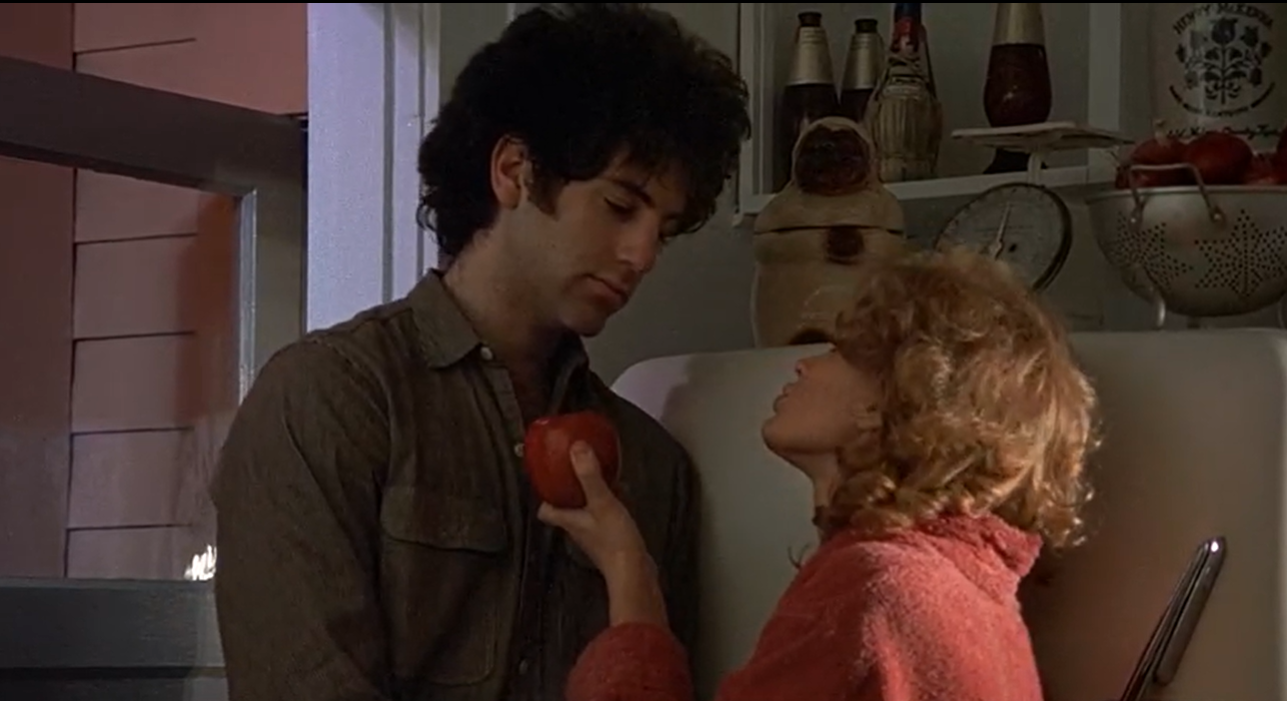
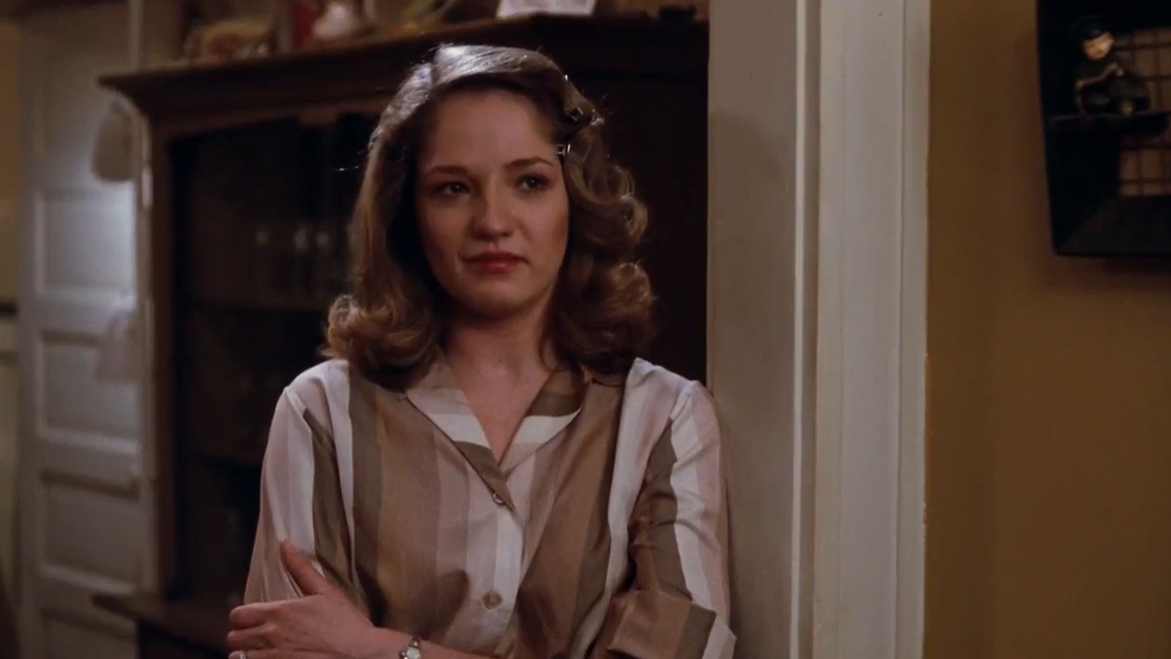
… and his “love for De Niro’s epileptic cousin, Amy Robinson.”
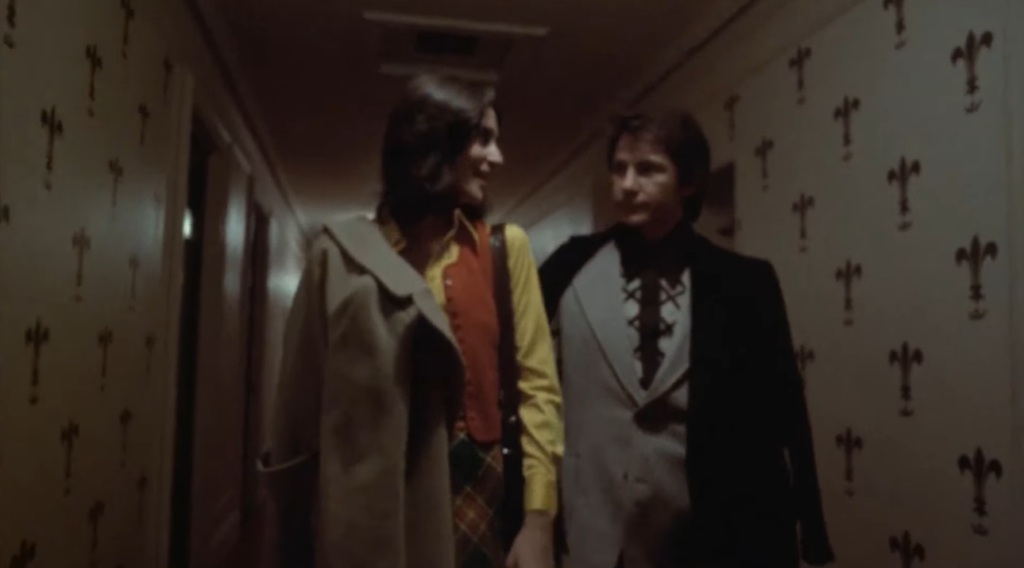
The bulk of Charlie’s time is spent “getting De Niro out of trouble… and eventually tr[ying] to get him out of town to avoid a loan shark (Richard Romanus) … to whom he’s deeply in debt.”
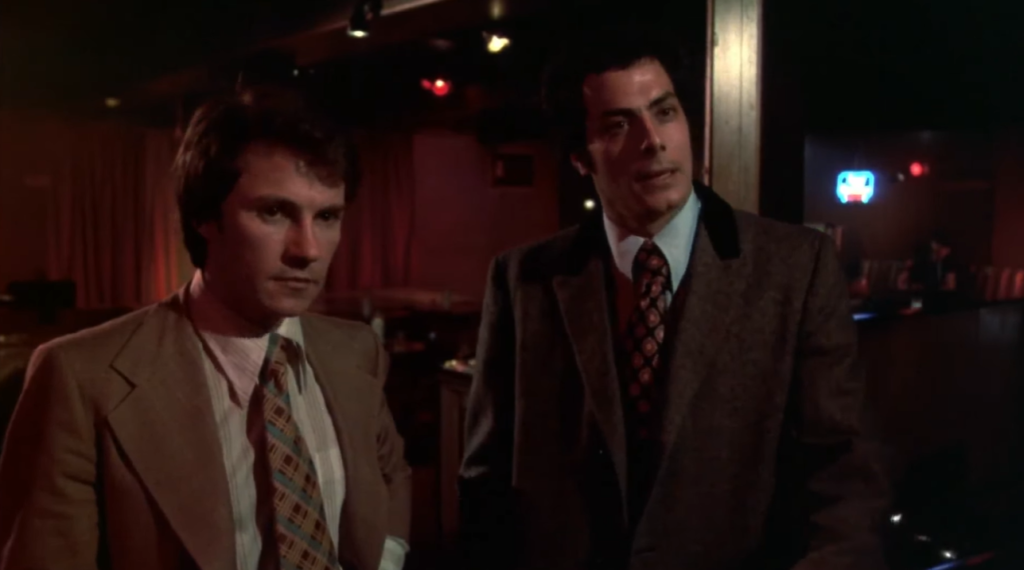
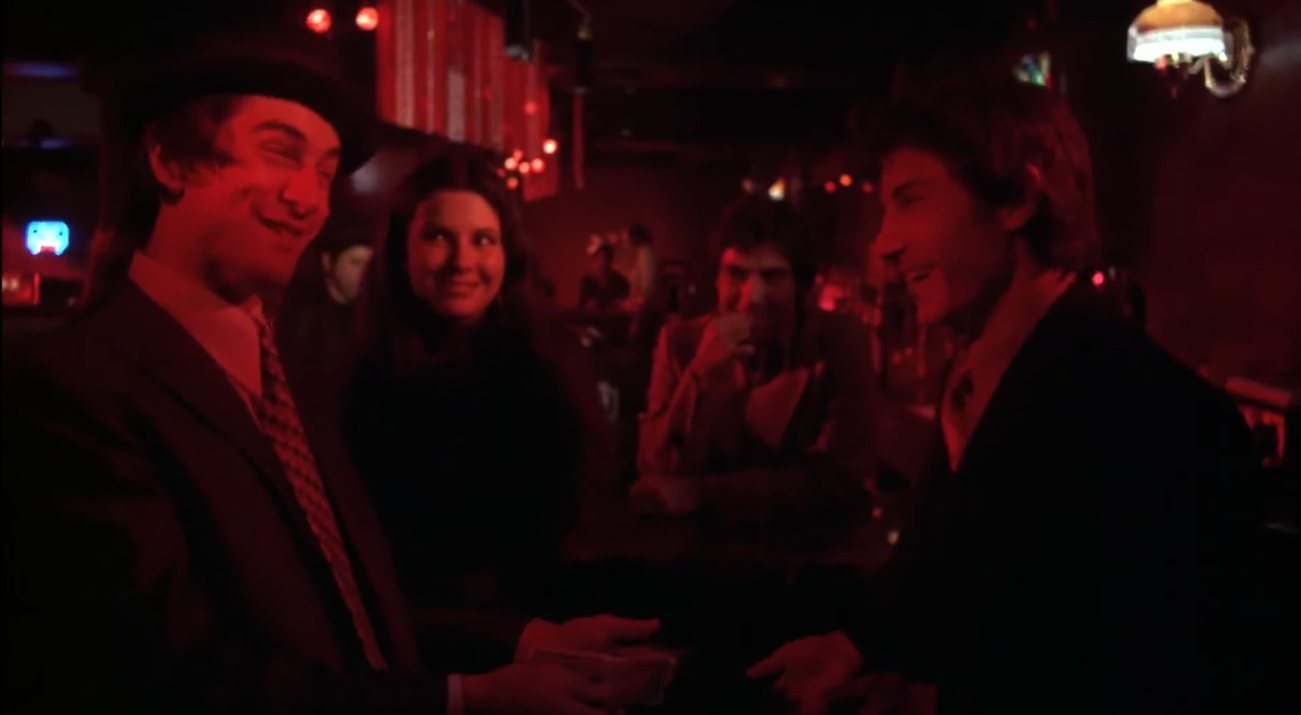
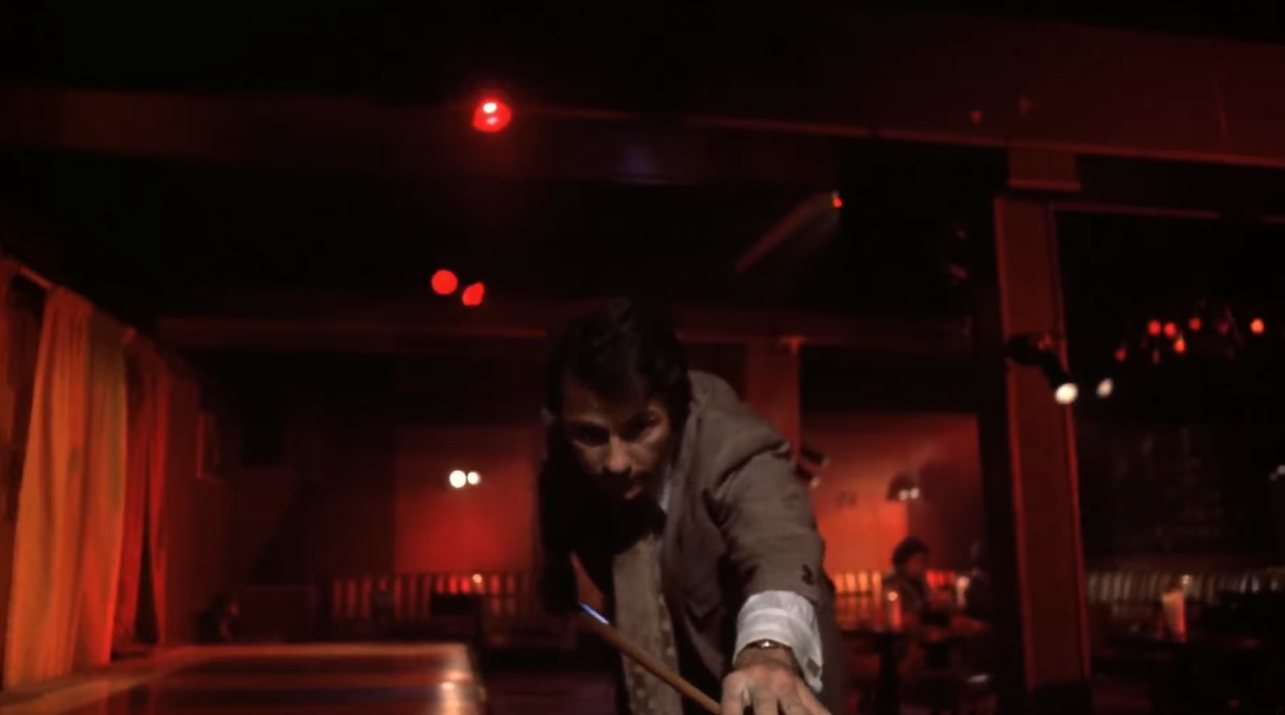
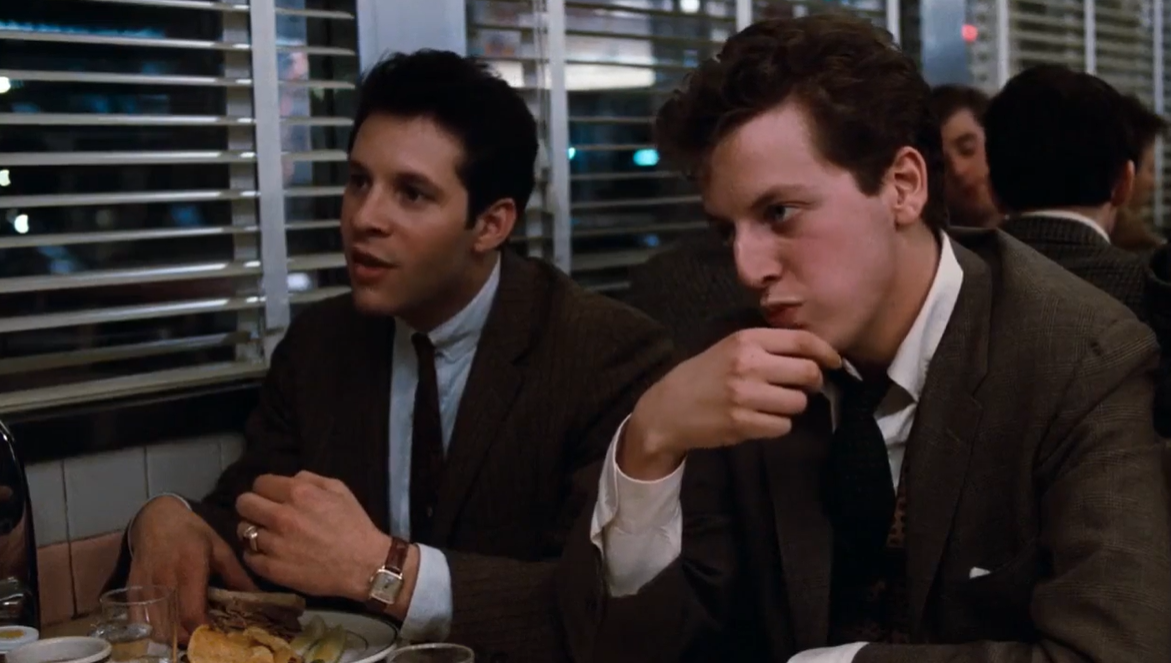
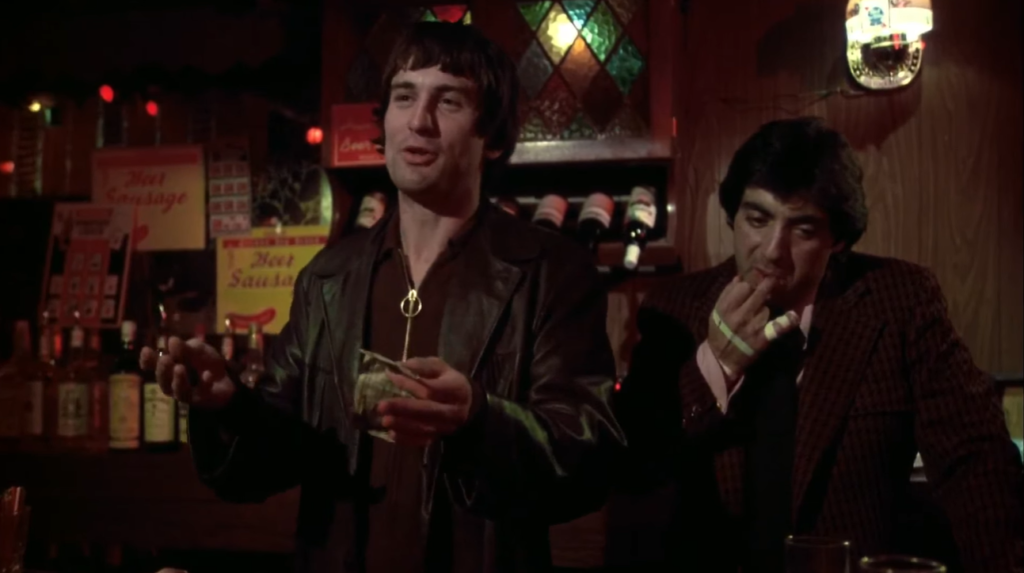
Peary describes this film as “an alternative to Diner,” showing “young Italian buddies hanging out” in a bar, “carrying on conversations (heavily improvised) that have more slaps and shoves than words, holding two-minute grudges against each other, losing their tempers”:

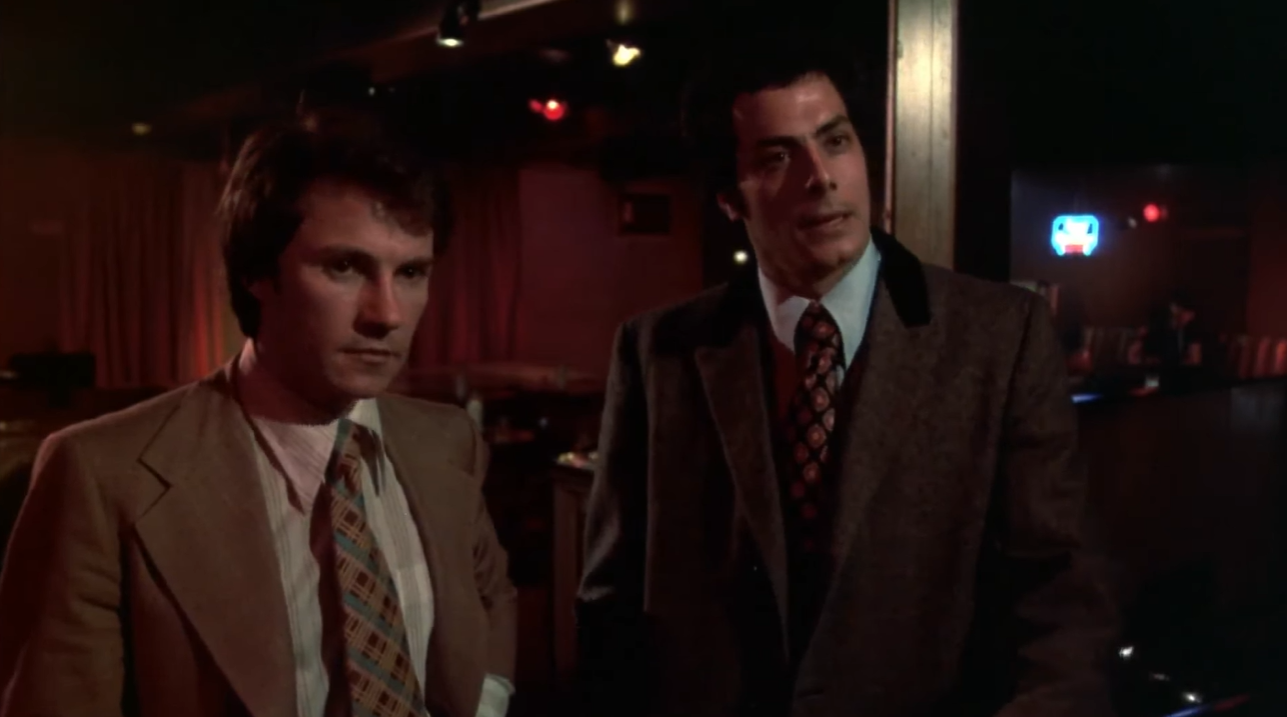
… “discussing what’s happening on the streets, making a play for women, scheming to get cash to see a movie up on 42nd Street, figuring out how to smooth things over between De Niro and Romanus, [and] watching strangers engage in violence.”
Peary notes that while “Scorsese calls attention to his characters’ foul racism and [their] foolish male posturing” he “sees these young men sympathetically, as victims of their crowded, brutal, corrupt hell-town.” He points out that the “film has [a] distinct rhythm created by [a] rock-band score, camera movement, [and a] special brand of patter between characters”; meanwhile, “the strong use of city locales indicates Scorsese was an expert on post-WWII Italian neo-realist films.”
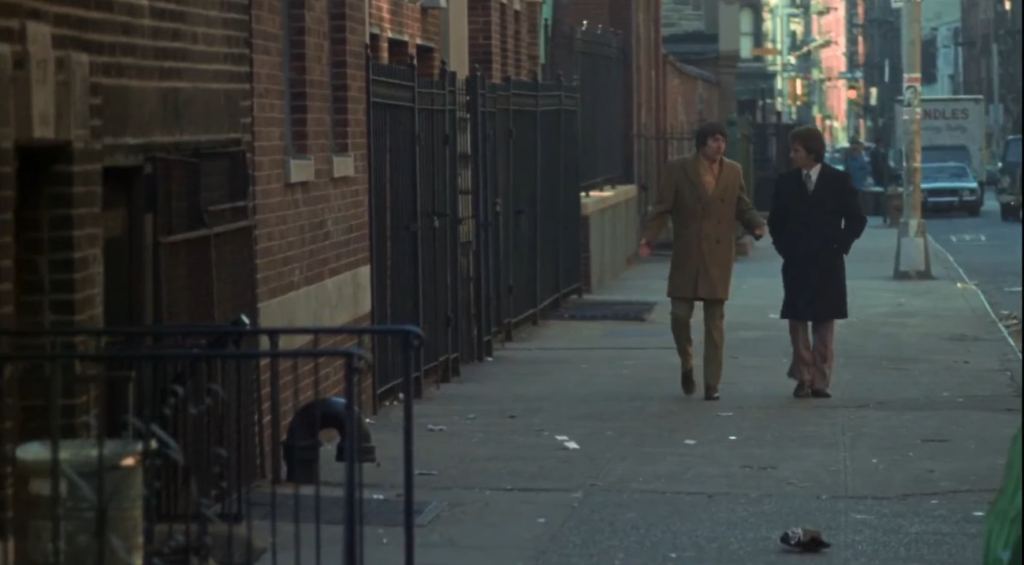
Ultimately, he argues that “this remains one of Scorsese’s most exciting efforts.”
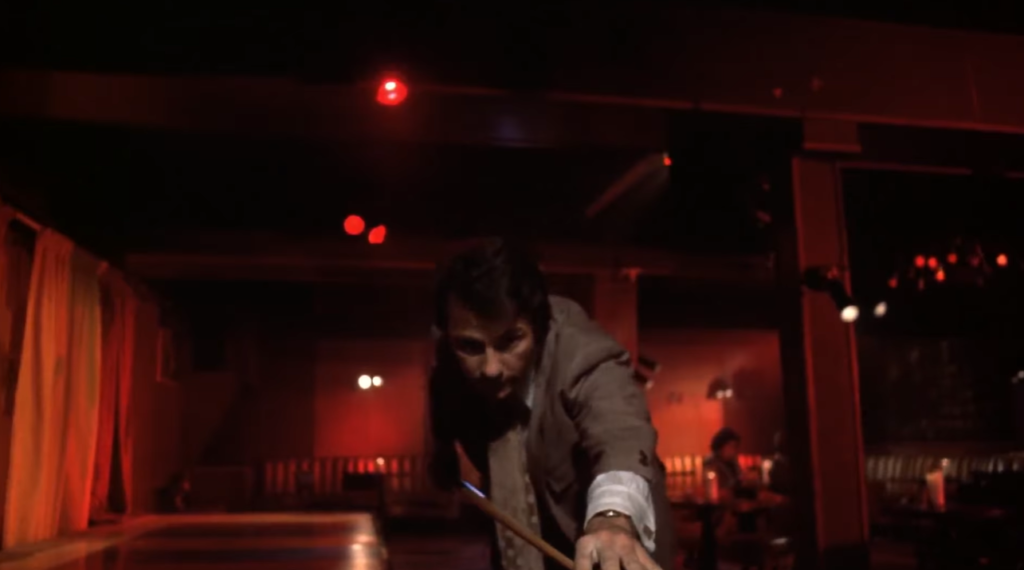
While I appreciate all of Peary’s points — and can see how Scorsese fans would view this film as a powerful harbinger of what was to come — I differ from most critics in that I don’t see it as necessary viewing in its own right. There is little satisfaction in watching these young men hanging out and wreaking havoc; while Scorsese’s camerawork is consistently creative and Kent Wakeford’s cinematography is highly atmospheric, the storyline they’re working in service of doesn’t quite pay off.
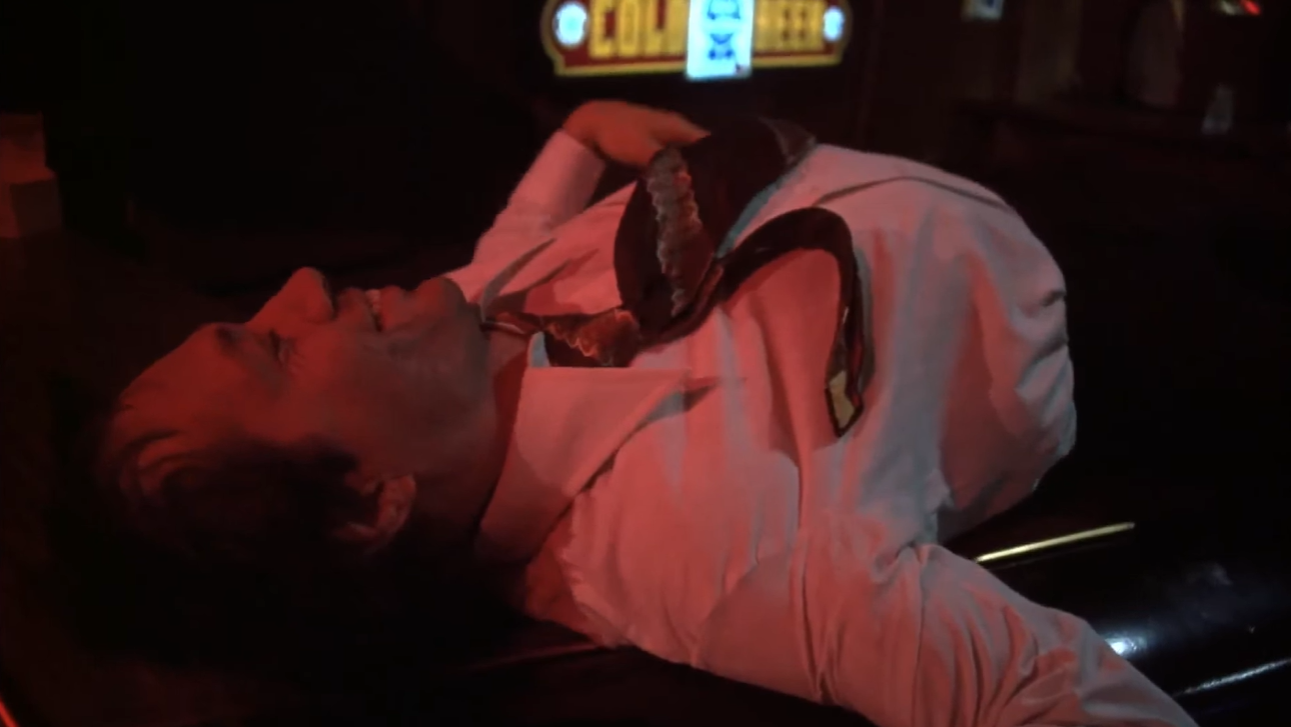
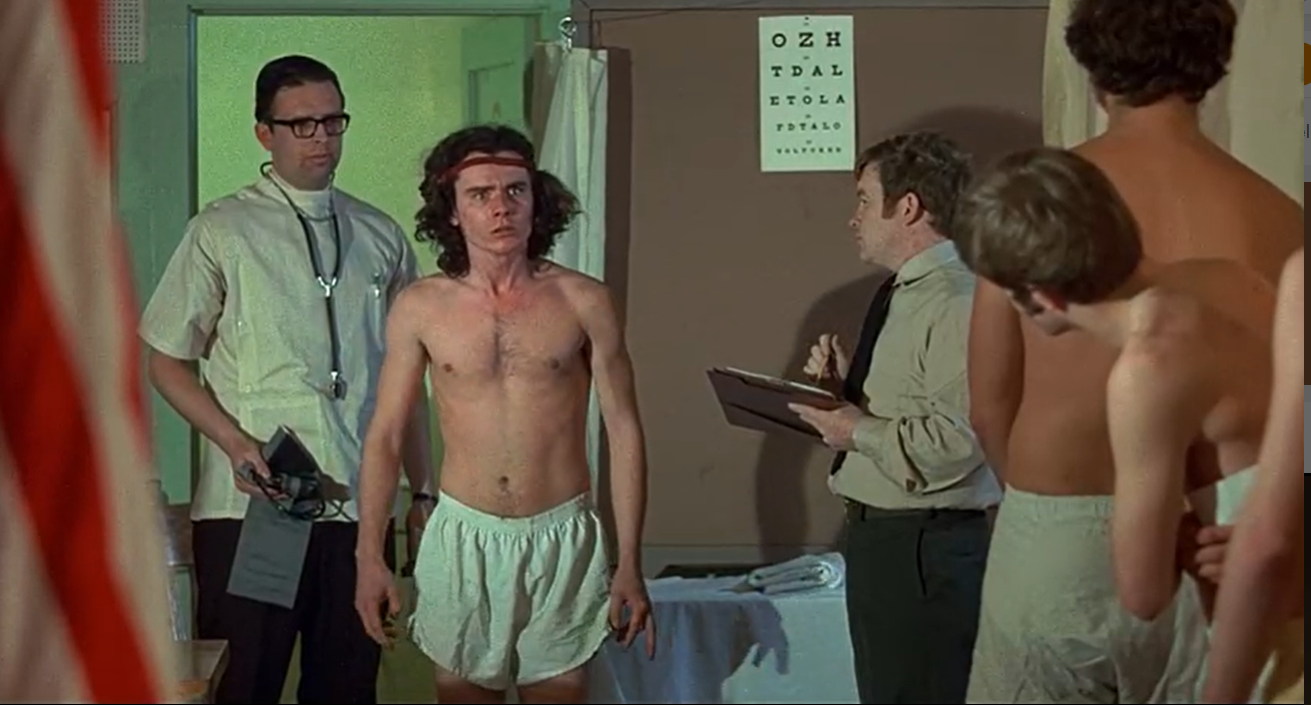
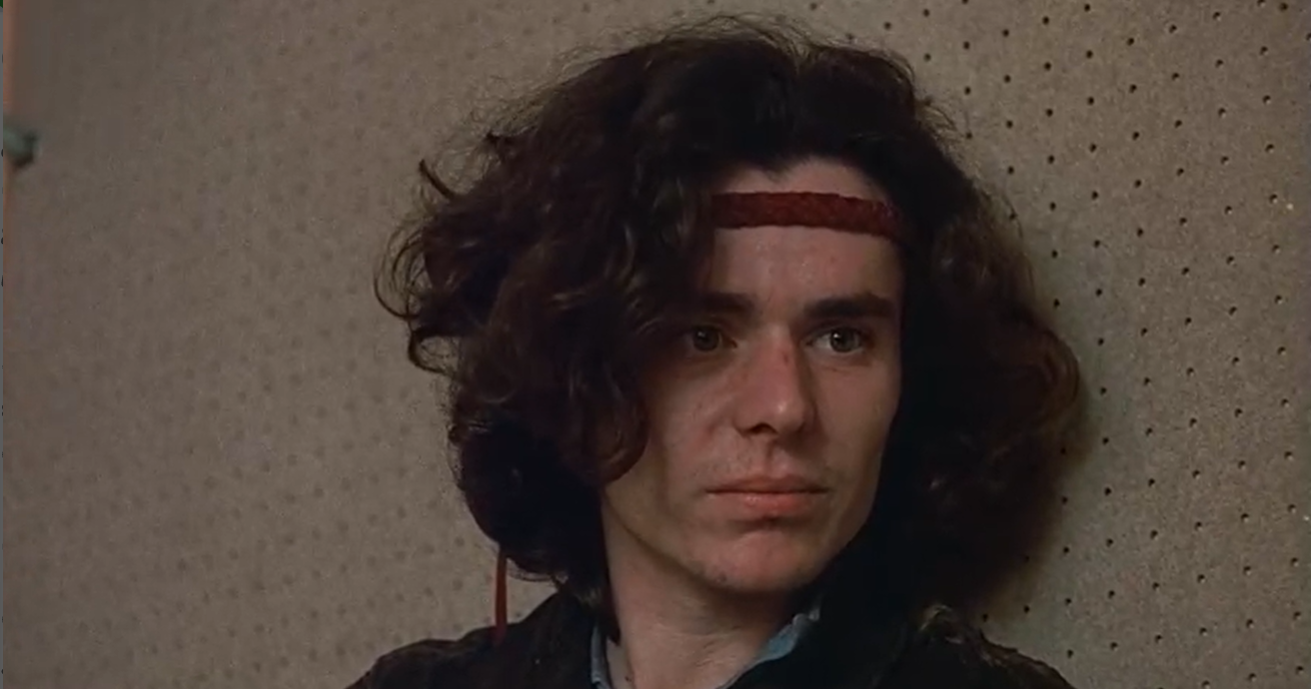
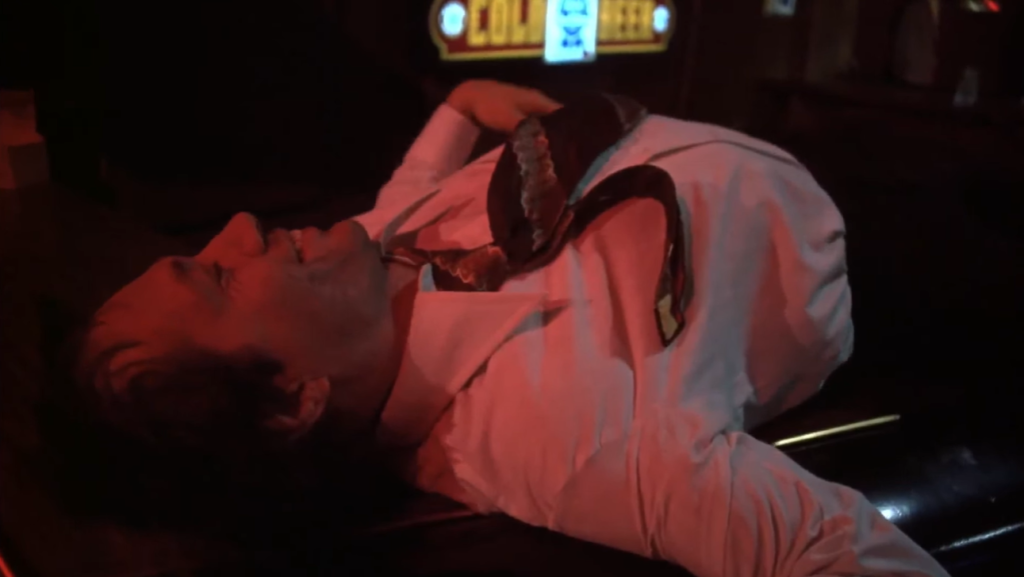
Watch for David Carradine as a drunk in the bar who meets a violent (what else?) end:
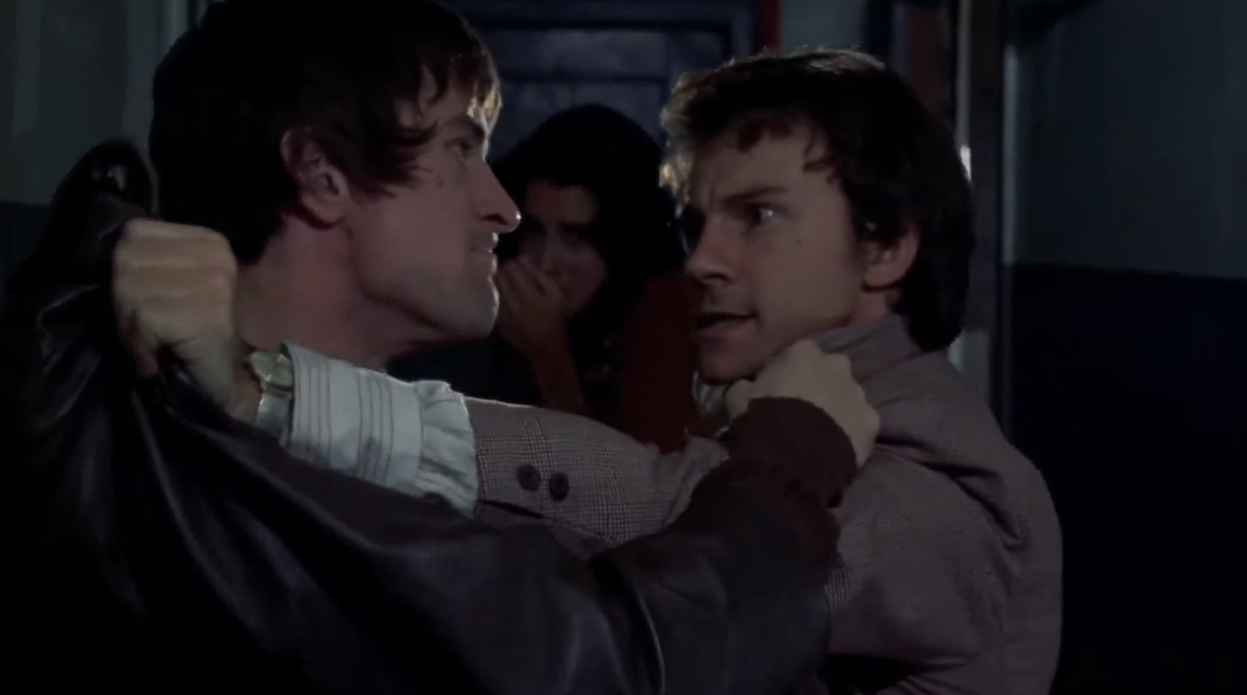
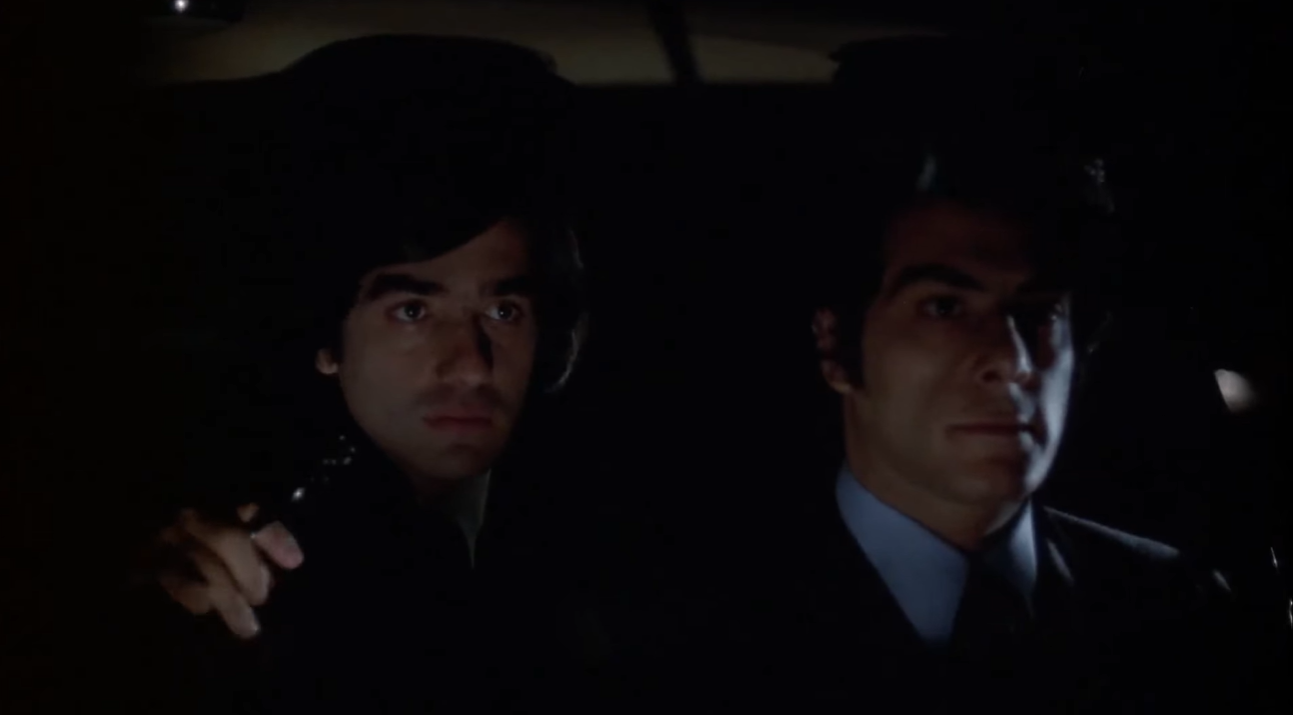
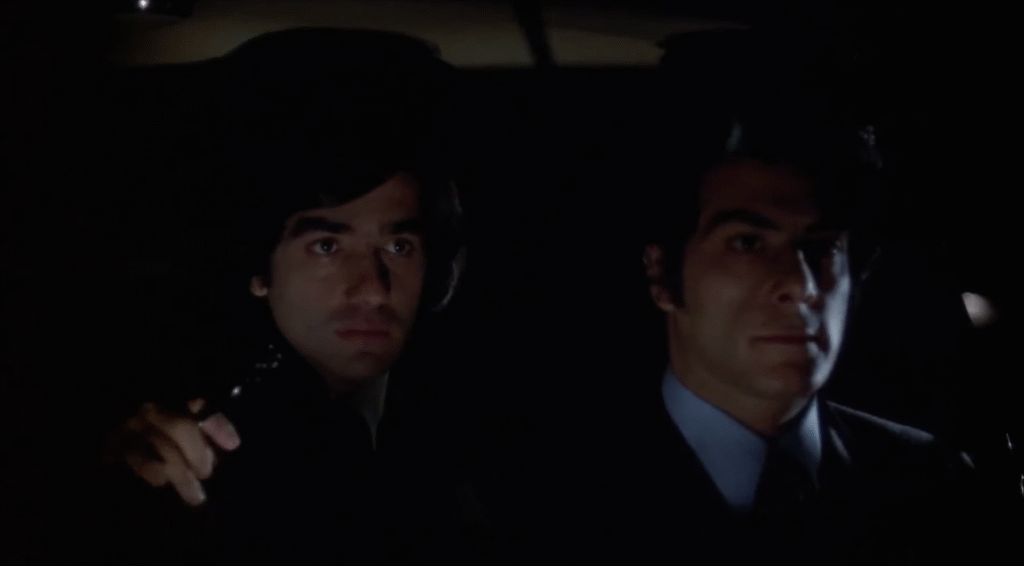
… and Scorsese himself in a small but crucial (and violent; what else?) cameo near the end.
Notable Performances, Qualities, and Moments:
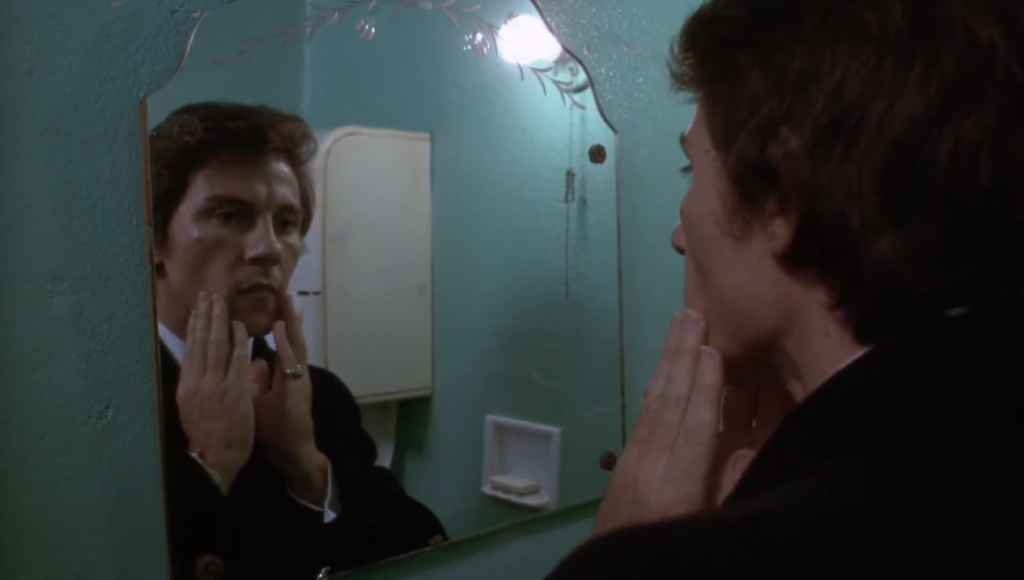
- Harvey Keitel as Charlie
- Robert De Niro as Johnny Boy
- Atmospheric cinematography
Must See?
No, but it’s certainly worth a look for its historical relevance.
(Listed in 1001 Movies You Must See Before You Die)
Links:
|