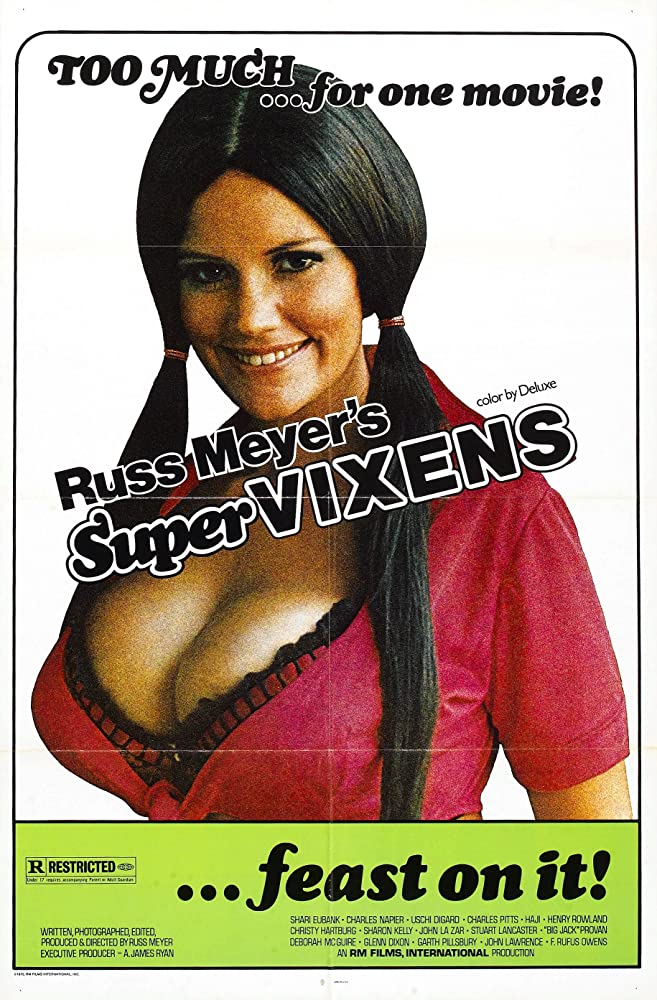
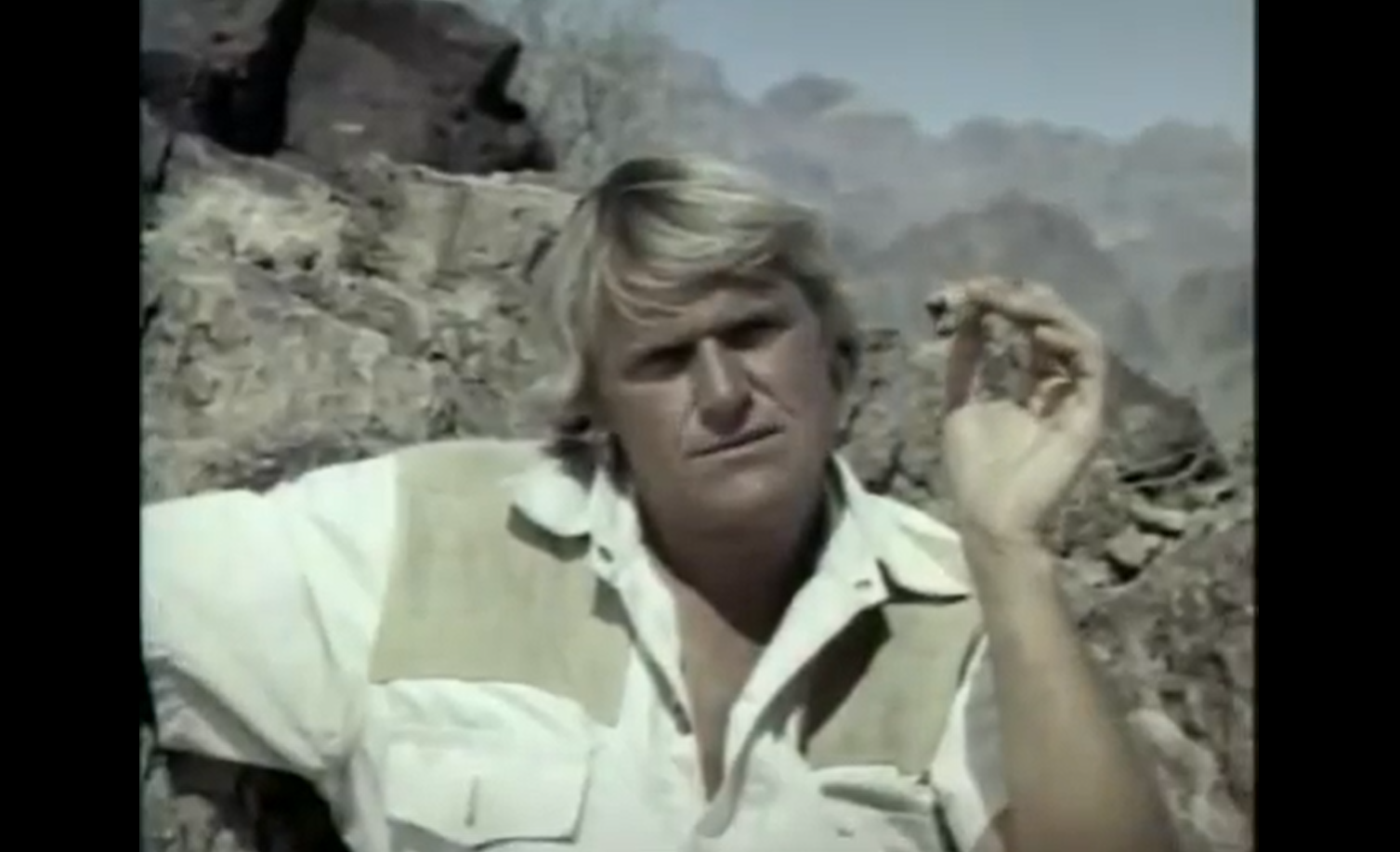
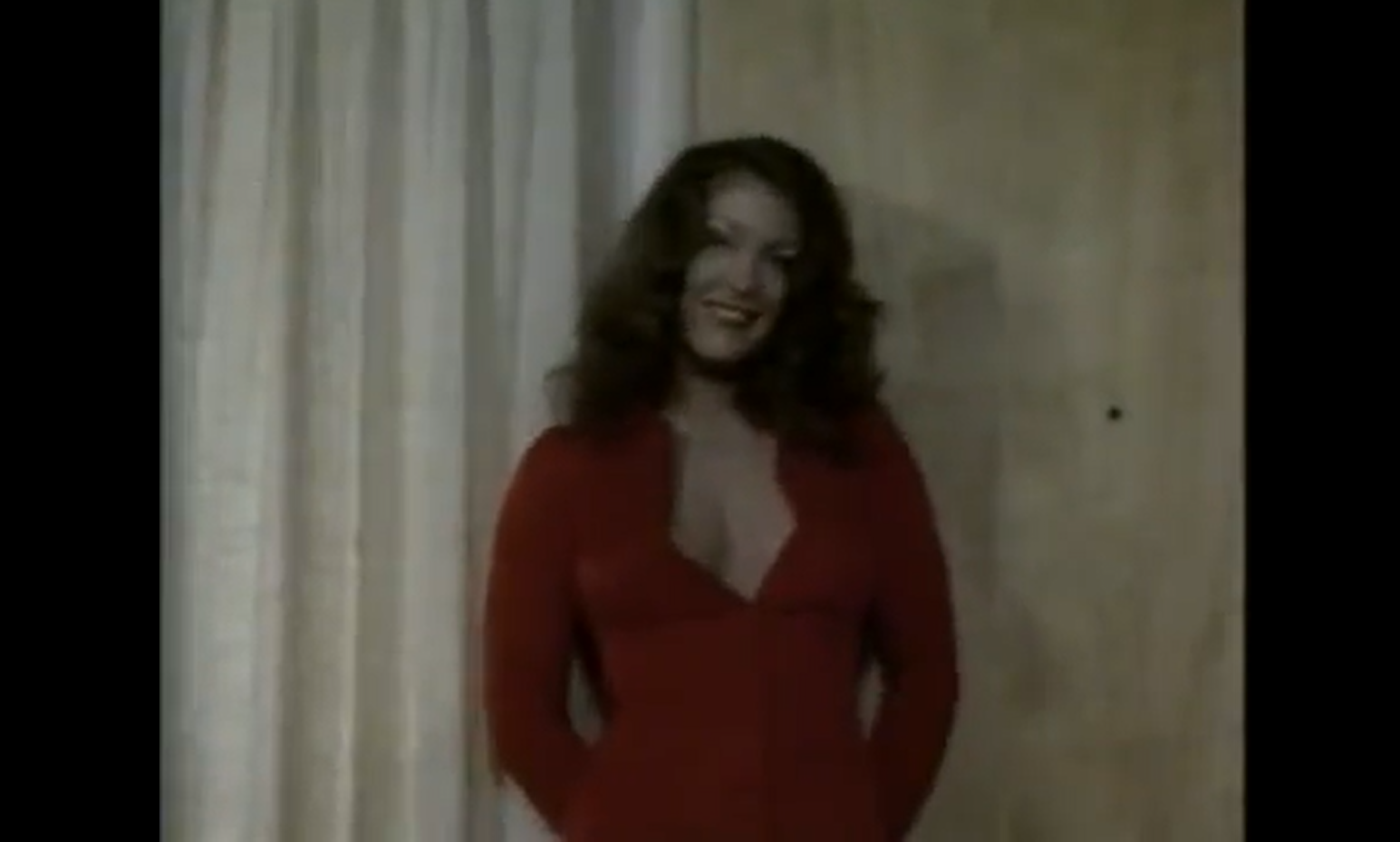
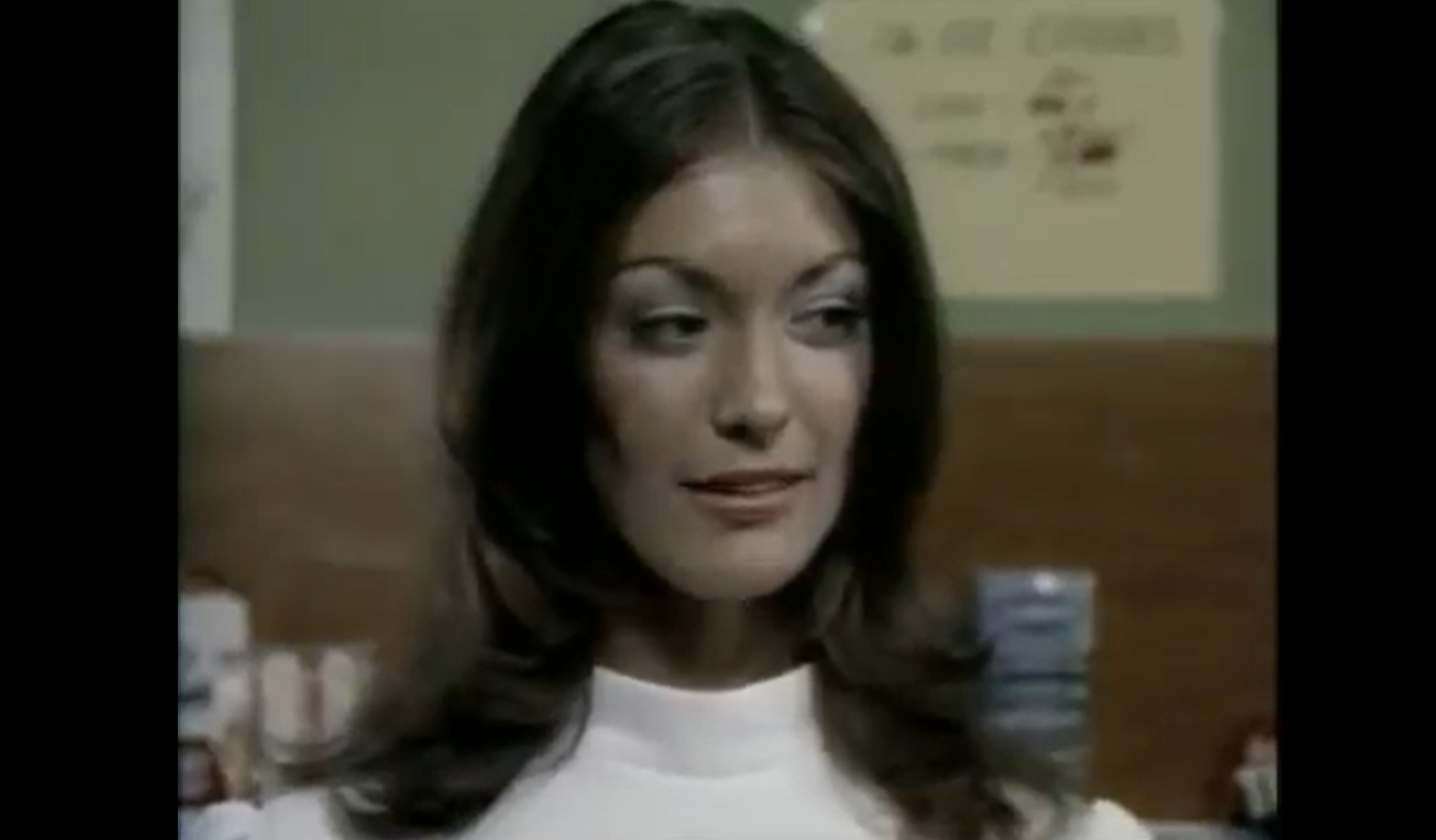
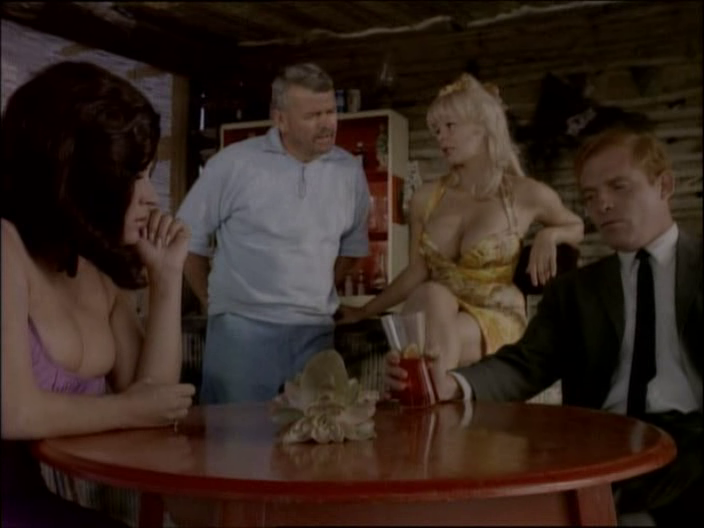
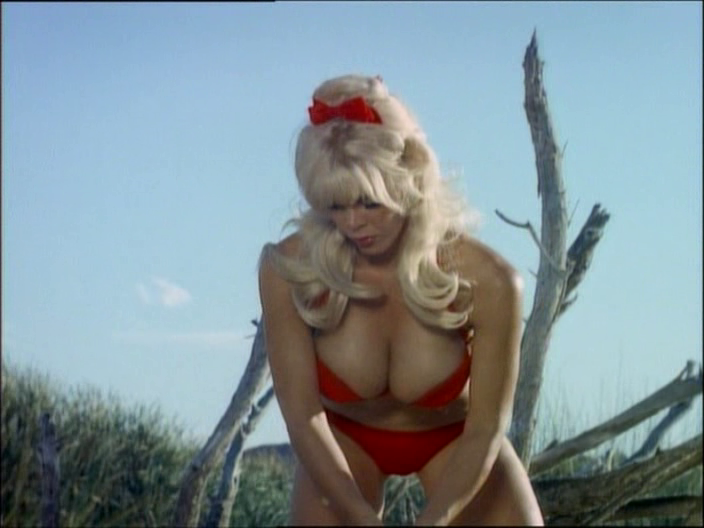
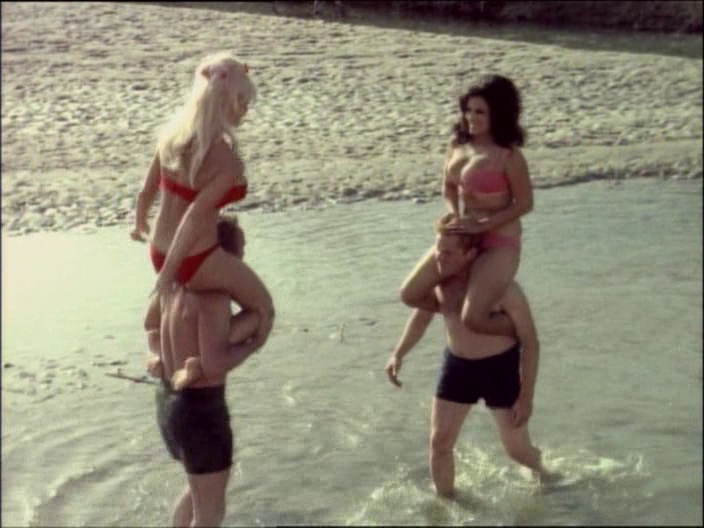
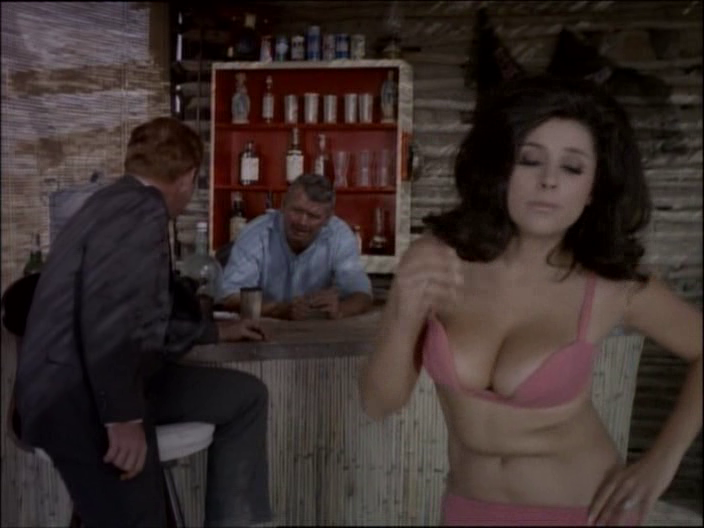
Supervixens (1975)
“Not ready, with my beautiful body? You’ve gotta lot of nerve, buster!”
|
Synopsis: |
|
Genres, Themes, Actors, and Directors:
Review: Redeeming Qualities and Moments:
Must See? Links: |
“Not ready, with my beautiful body? You’ve gotta lot of nerve, buster!”
|
Synopsis: |
|
Genres, Themes, Actors, and Directors:
Review: Redeeming Qualities and Moments:
Must See? Links: |
“Nevertheless, pity the poor potheads.”
|
Synopsis: |
|
Genres, Themes, Actors, and Directors:
Response to Peary’s Review:
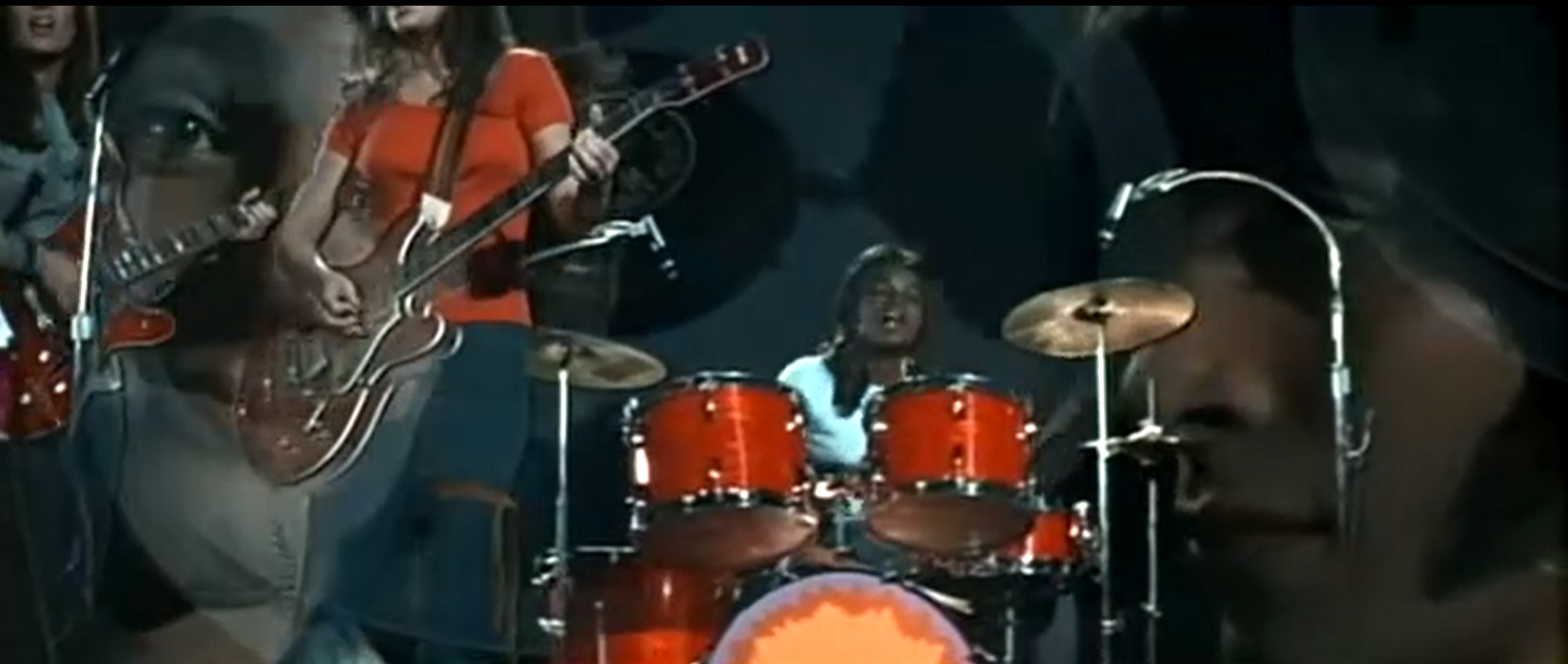
I can understand why Meyer fans would be enamored with this flick, which shows ample evidence of the gonzo-surreal sensibilities and rapid-fire editing that would infuse Meyer’s first major studio film, Beyond the Valley of the Dolls (1970). However, it’s really not for all tastes; my favorite moments came early on, during his laughably earnest opening voiceover: “The evil of marijuana caresses all it comes in contact with.” Redeeming Qualities and Moments:
Must See? Links: |
“You try any funny stuff on me, buster, and I’ll slice you up like a jigsaw puzzle.”
|
Synopsis: |
|
Genres, Themes, Actors, and Directors:
Response to Peary’s Review: Redeeming Qualities and Moments:
Must See? Links: |
“How’s your motor working?”
|
Synopsis: |
|
Genres, Themes, Actors, and Directors:
Response to Peary’s Review:
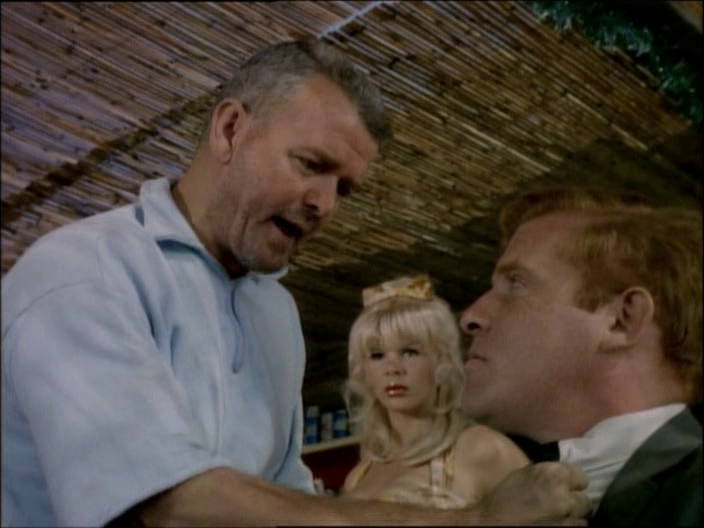
He argues that the “existential aspects of the story would have made it an ideal project for some European director; in fact… if it were left intact, and made in a foreign language, it could pass as a masterpiece (that would be a suitable second feature to a film like Knife in the Water).” Oh, Peary — not quite. I actually gave this a try (playing portions of the film without any soundtrack), and was hard pressed to think about how any of these scenes, for instance:
… might be perceived in an “existential” fashion as part of a “masterpiece”. Note: Swofford (see still below, bottom right) looks remarkably like a combination of Burt Lancaster and Damian Lewis. Redeeming Qualities and Moments:
Must See? Links: |
“I always wondered if you was any kind of a man at all.”
|
Synopsis: |
|
Genres, Themes, Actors, and Directors:
Response to Peary’s Review:
In his review, Peary reveals a major spoiler that doesn’t occur until the last 15 minutes of the film (unusual for him), thus making it hard for me to quote too much more of his assessment. However, I’ll cite and agree with his statement that this “sleazy fake morality play is surprisingly well made”, with “Meyer’s camera work… fairly creative”:
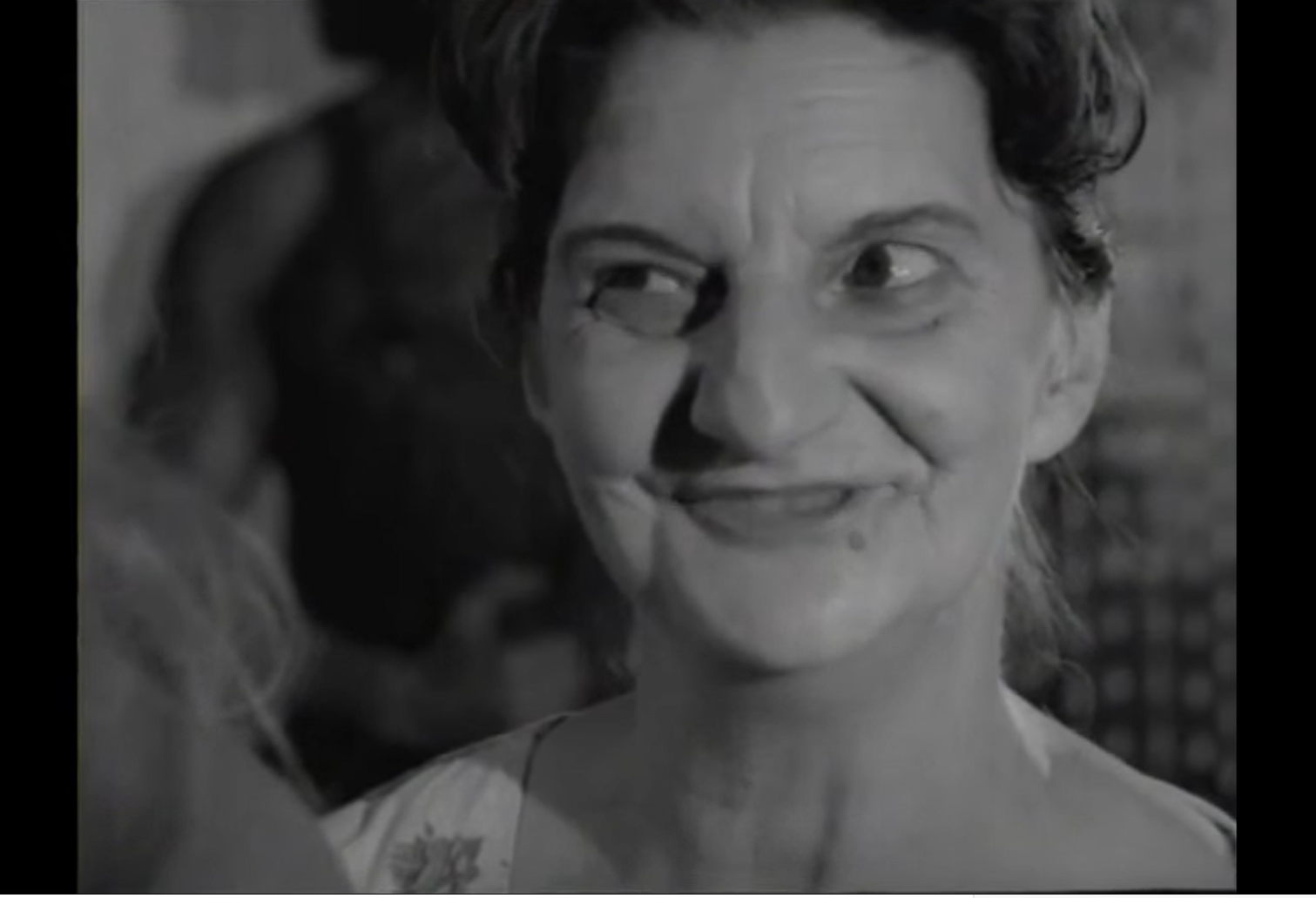
the acting “satisfactory”, and the dialogue “flavorful”; we really are made to “believe that the characters live in this hellish version of Tobacco Road” — a place we’re oh-so-eager to say goodbye to once the dramatic, violent denouement comes to an end. Note: Viewers will surely notice the distinctive presence of cackling “Princess Livingston” (what a name!), whose red-wigged, middle-aged dancing in Meyer’s Beyond the Valley of the Dolls (1970) stands out in a veritable sea of surreal, bombarding imagery.
Redeeming Qualities and Moments:
Must See? Links: |
“I’m married, sure — but we never REALLY married, like now.”
|
Synopsis: |
|
Genres, Themes, Actors, and Directors:
Response to Peary’s Review: Redeeming Qualities and Moments:
Must See? Links: |
“I can’t understand a man who would rather live in fear than fight it — no matter the cost!”
|
Synopsis: |
|
Genres, Themes, Actors, and Directors:
Review:
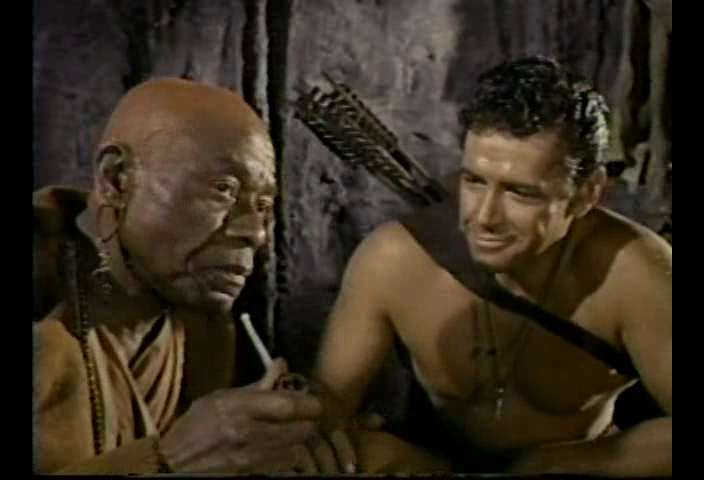
— though it’s distressing that a village chief was played in blackface by a white man (why??).
Redeeming Qualities and Moments:
Must See? Links: |
“This is my happening, and it freaks me out!”
|
Synopsis: |
|
Genres, Themes, Actors, and Directors:
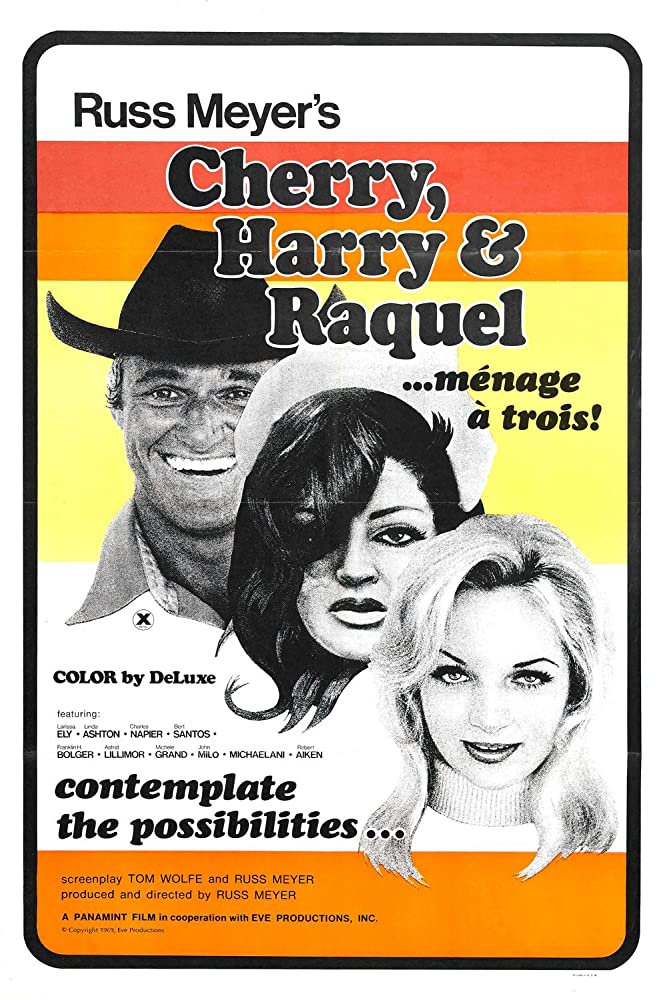
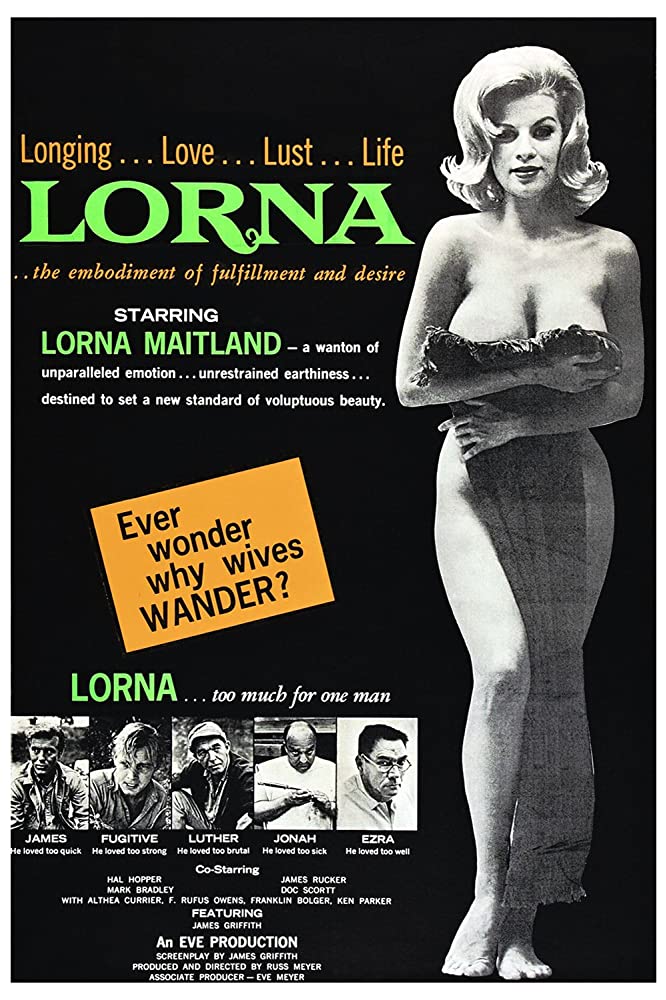
Response to Peary’s Review: Peary expands upon his frustrations and disappointment with this film in his first Cult Movies book, where he starts by discussing Meyer’s two cinematic “phases” before BTVOTD: Meyer began as “King of the Nudies”, making a “fortune as the independent producer-director-cameraman-editor-writer-distributor of such cheapie harbingers of the Naked Cinema as the ground-breaking The Immoral Mr. Teas (1959)…” Next he made “infinitely more ambitious” “tongue-in-cheek potboilers” that “served as the basis for the pre-Beyond the Valley of the Dolls cult: Lorna (1964), Mud Honey (1965), … Faster Pussycat, Kill, Kill (1966) … and [Peary’s] favorite, Cherry, Harry, and Raquel (1969).” Peary describes this second string of films — “set in rugged terrains… [and] inhabited by sexually driven buxom beauties…, strong-jawed, no-nonsense heroes, and an assortment of religious zealots, rapists, and sweaty lowlifes” — as “essentially fake morality plays, in which the numerous sinners either repent or are punished severely.” He argues that “as skin flicks, Meyer’s 1964-1969 films were far superior to those of his competitors”, given they are “extremely well-photographed” and feature “wild, absurd visual humor, dialogue that makes no sense…, and ridiculous plot situations — while his actors play their roles straight.” Peary goes on to say that while “to many moviegoers who hadn’t seen a Russ Meyer film, BTVOTD was a revelation — a film that they (mostly college students) considered to be their own ‘far-out’ wave length” — Peary and others realized they’d “overestimated [Meyer’s] talents”. Peary refers to BTVOTD as “really a terrible film, energetically but poorly acted by ex-Playboy bunnies Dolly Reed and Cynthia Meyers, model Marcia McBroom, and under-emoting or overemoting stars.” He points out that “cryptic jargon and Meyer’s rapid-fire editing techniques” (your head will seriously spin!) “are meant to camouflage the picture’s emptiness” — but “the holes in the script come through”. He ends his scathing review (which I essentially agree with) by noting “there is little in [it] to recommend”, and that it simply “proved that what [fans] had seen in his early films were everything Meyer had to offer”; “by choice (!), Meyer returned to making independent sex films — in the Vixen mold but not as good”, which “unfortunately [was] the milieu to which he [was] best suited.” Redeeming Qualities and Moments:
Must See? Categories
Links: |
“You don’t put your mother in a home: she’s got a home; this is her home.”
|
Synopsis: |
|
Genres, Themes, Actors, and Directors:
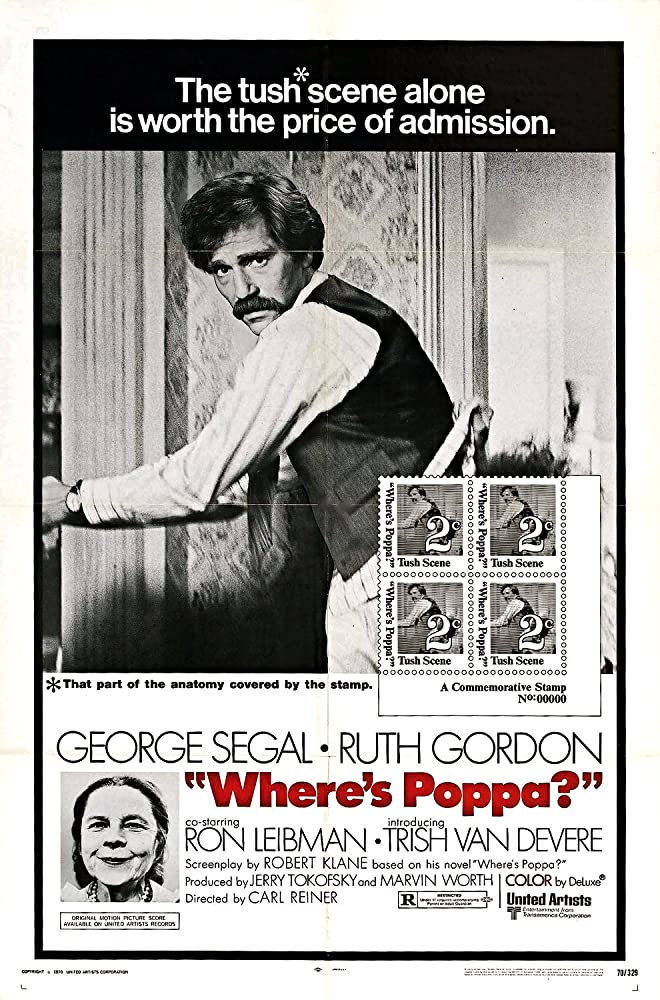
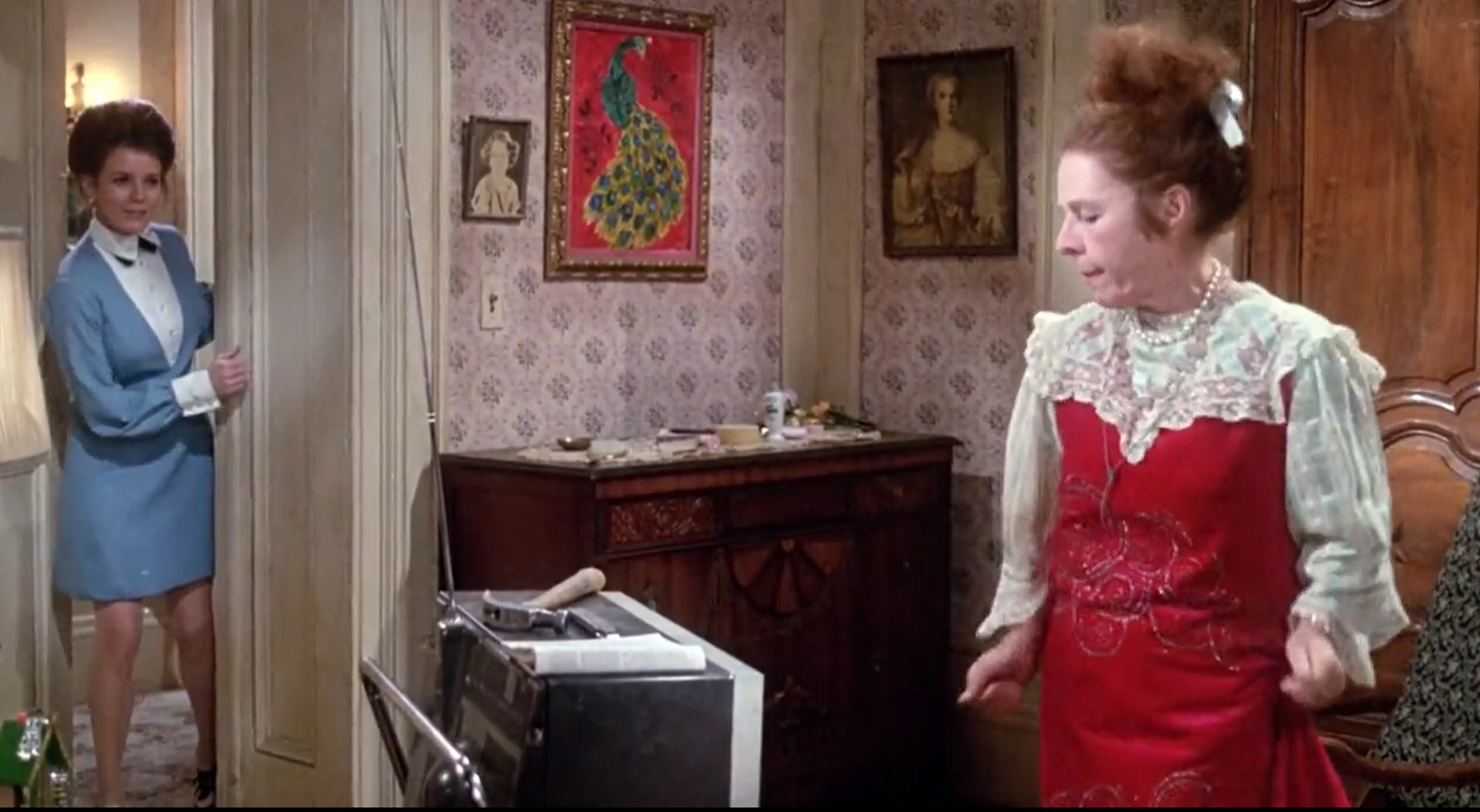
Response to Peary’s Review: Peary points out that “even those turned off by the humor will enjoy the standout performances” by Gordon — who plays Mrs. Hocheiser as someone with “no redeeming qualities” — and Segal, who “gives a remarkable impression of a man who is on his last legs.” He notes that because “both Gordon and Segal were given much freedom”, they “gave performances that are comedic gems”, and he argues that “for them alone, this film is worth seeing.” Equally memorable, however, are Leibman as Segal’s impossibly put-upon brother, and Van Devere (in her film debut) as a traumatized young divorcee clearly willing to wear her heart on her sleeve. I was both deeply discomfited and pleasantly surprised by how boldly this (highly politically incorrect) film stays its course as a movie determined to offend in as many ways as possible — while also providing plenty of uncomfortable laughter. The most distressing sequences involve the depiction of Central Park as “a veritable jungle… ruled by uncivilized ‘tribes’ (black gangs)”; while meant to simply be part of the collective satire, these hit especially hard and may stretch your tolerance. Redeeming Qualities and Moments:
Must See? Categories
Links: |
“We have borrowed a child, Billy — borrowed; borrowed.”
|
Synopsis: |
|
Genres, Themes, Actors, and Directors:
Review: Note: The girl (Judith Donner) chosen to play the hostage only has this one film to her name in IMDb, but she’s suitably realistic.
Redeeming Qualities and Moments:
Must See? Categories
Links: |