Long Goodbye, The (1973)
“It’s okay with me.”
|
Synopsis: |
|
Genres, Themes, Actors, and Directors:
Response to Peary’s Review:
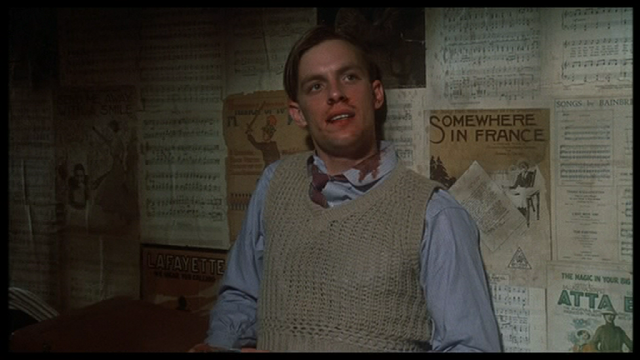
While Marlowe purists are perhaps understandably bothered by these changes — as well as Brackett’s infamous rewritten ending — those willing to accept the movie on its own terms are guaranteed to appreciate the brilliance of Altman’s unique vision. There’s much to admire about the film, which features uniformly excellent performances, creative cinematography (by Vilmos Zsigmond), and a distinctive sense of time and place. Gould brings an improvisational air to his incarnation of Marlowe, demonstrating his ability to roll with the punches and find humor in the most absurd situations (he famously ad-libbed during Marlowe’s initial interrogation scene with the cops, for instance, smearing fingerprint ink all over his face while rapping about Notre Dame football and miming Al Jolson).
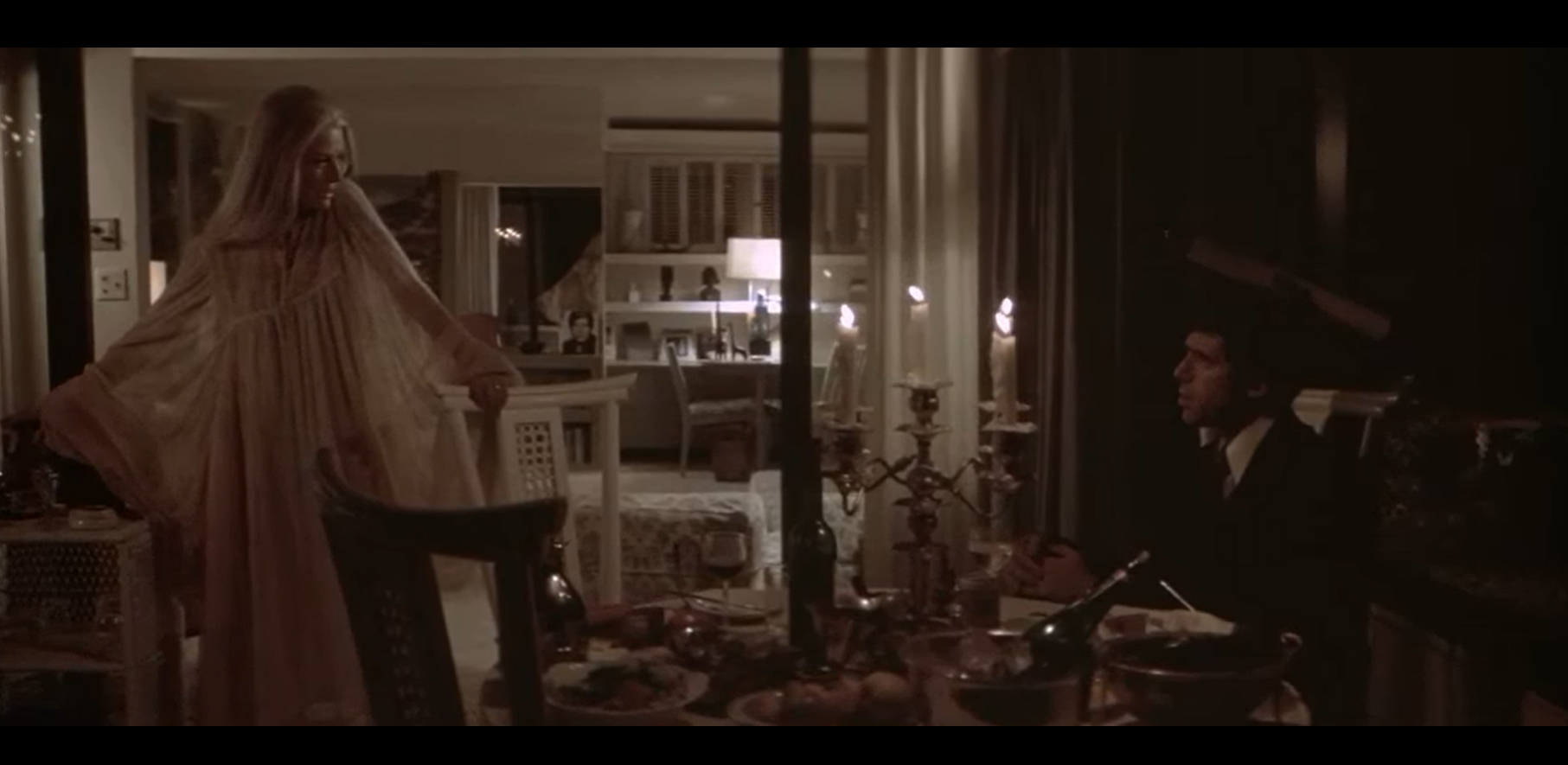
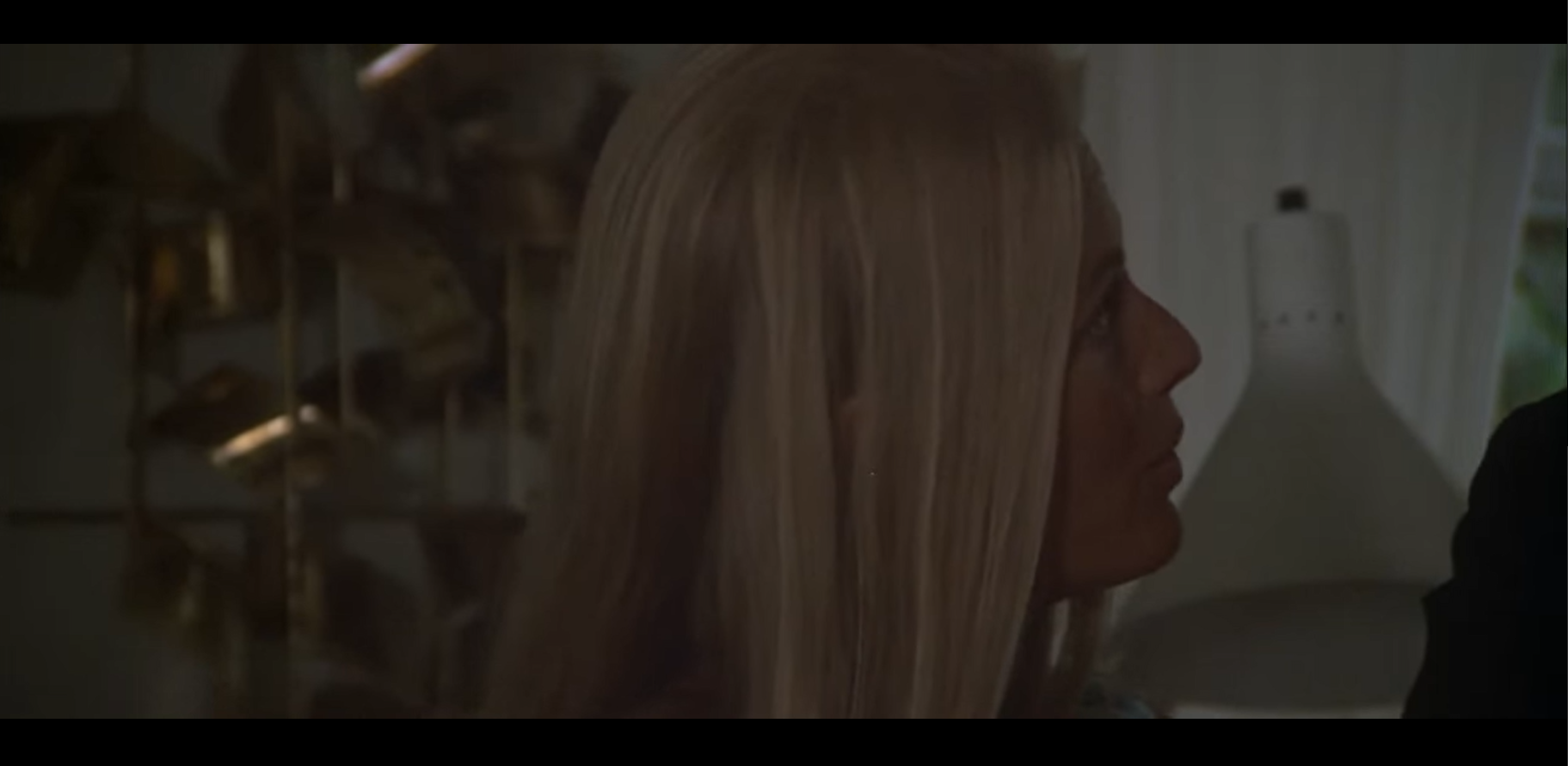
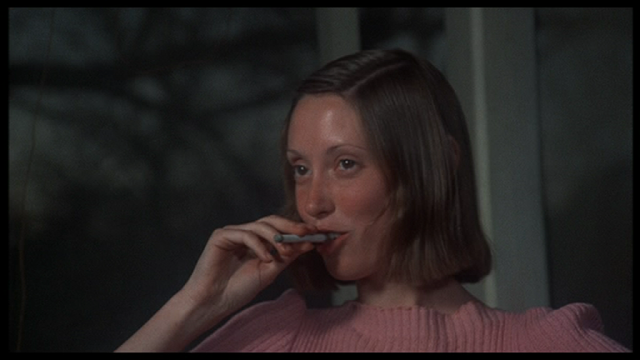
Newcomer Nina van Pallandt — best known at the time for being the mistress of Clifford Irving, who penned a faux biography of Howard Hawks — is appropriately mysterious and haunted as an over-tanned Malibu housewife:
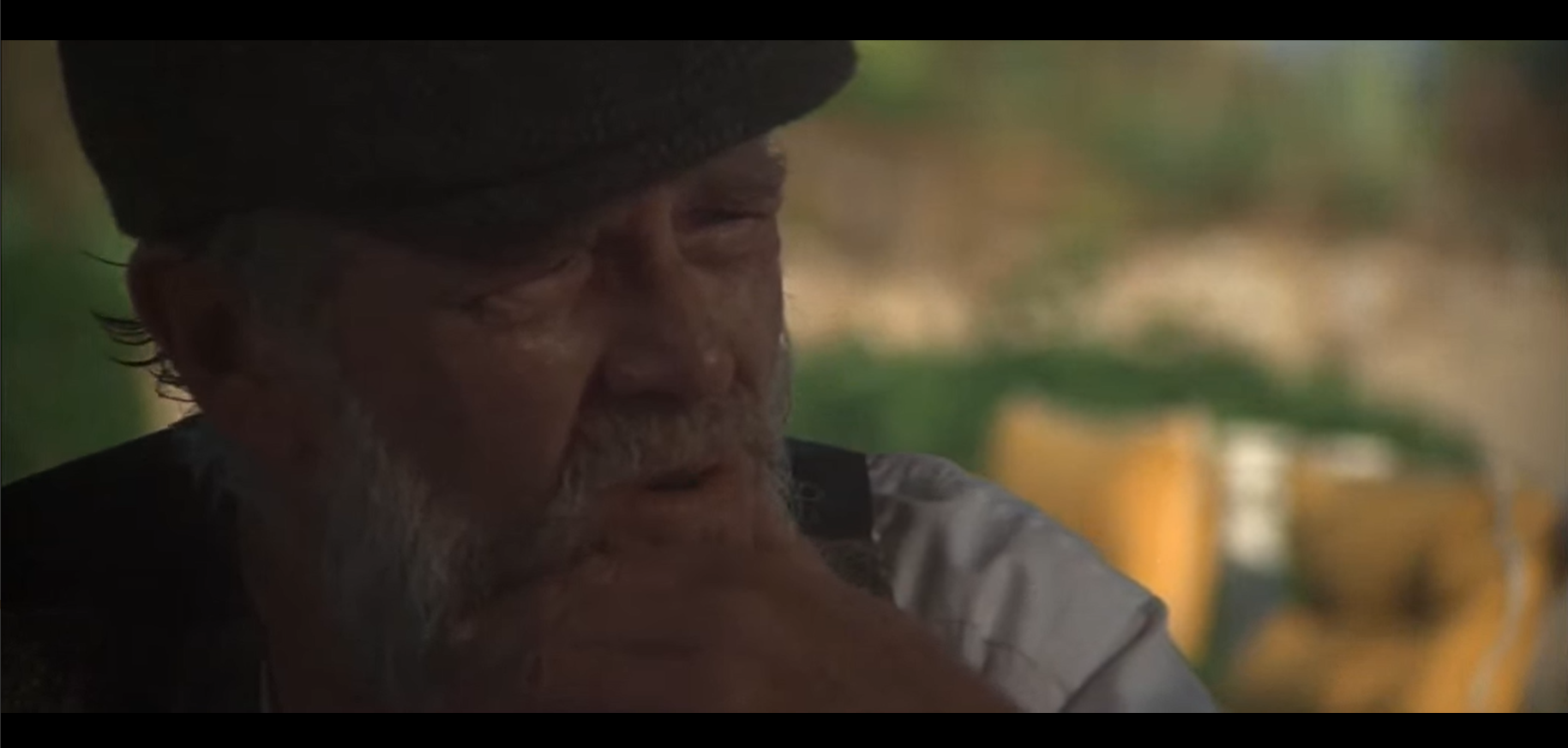
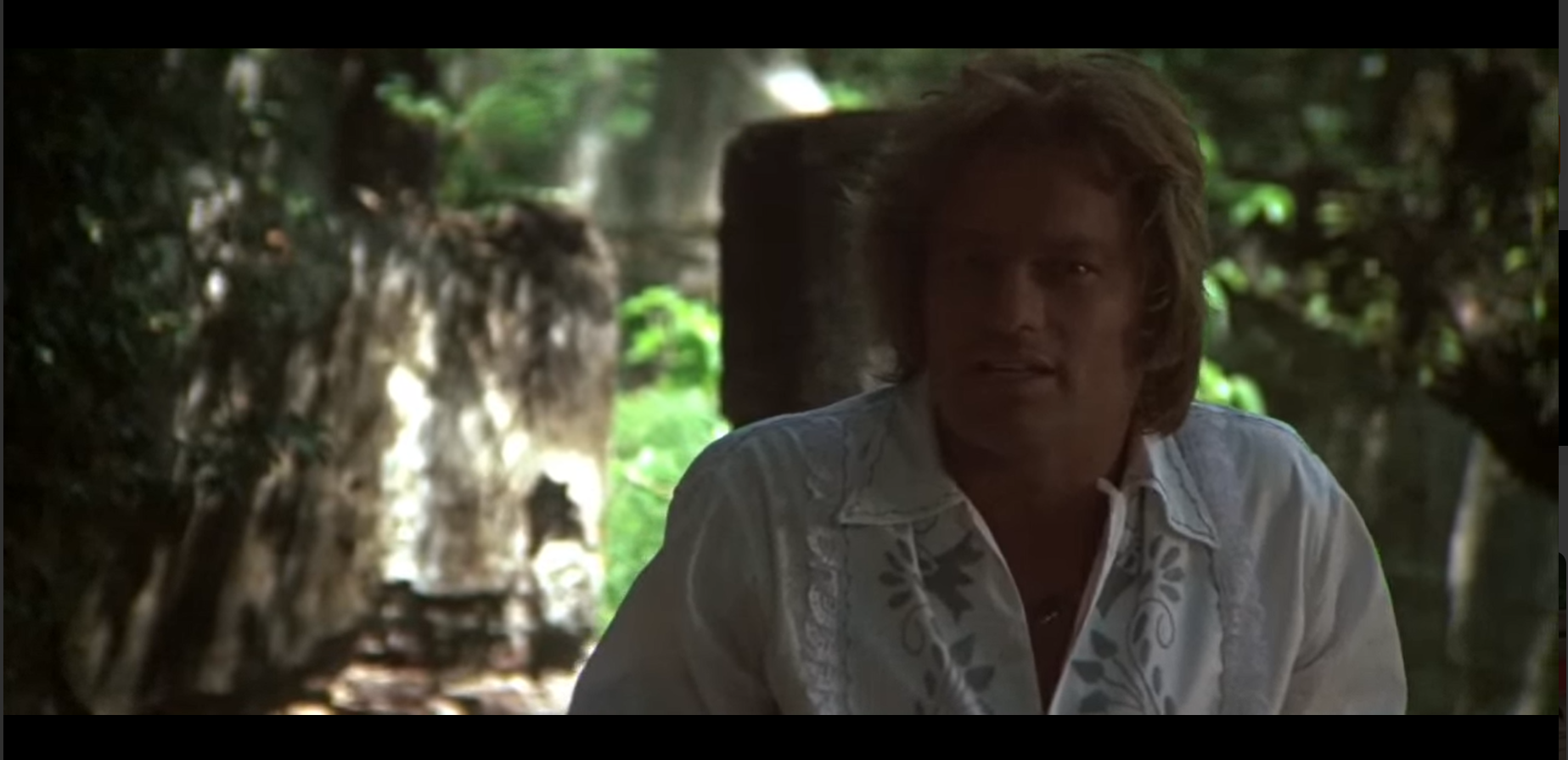
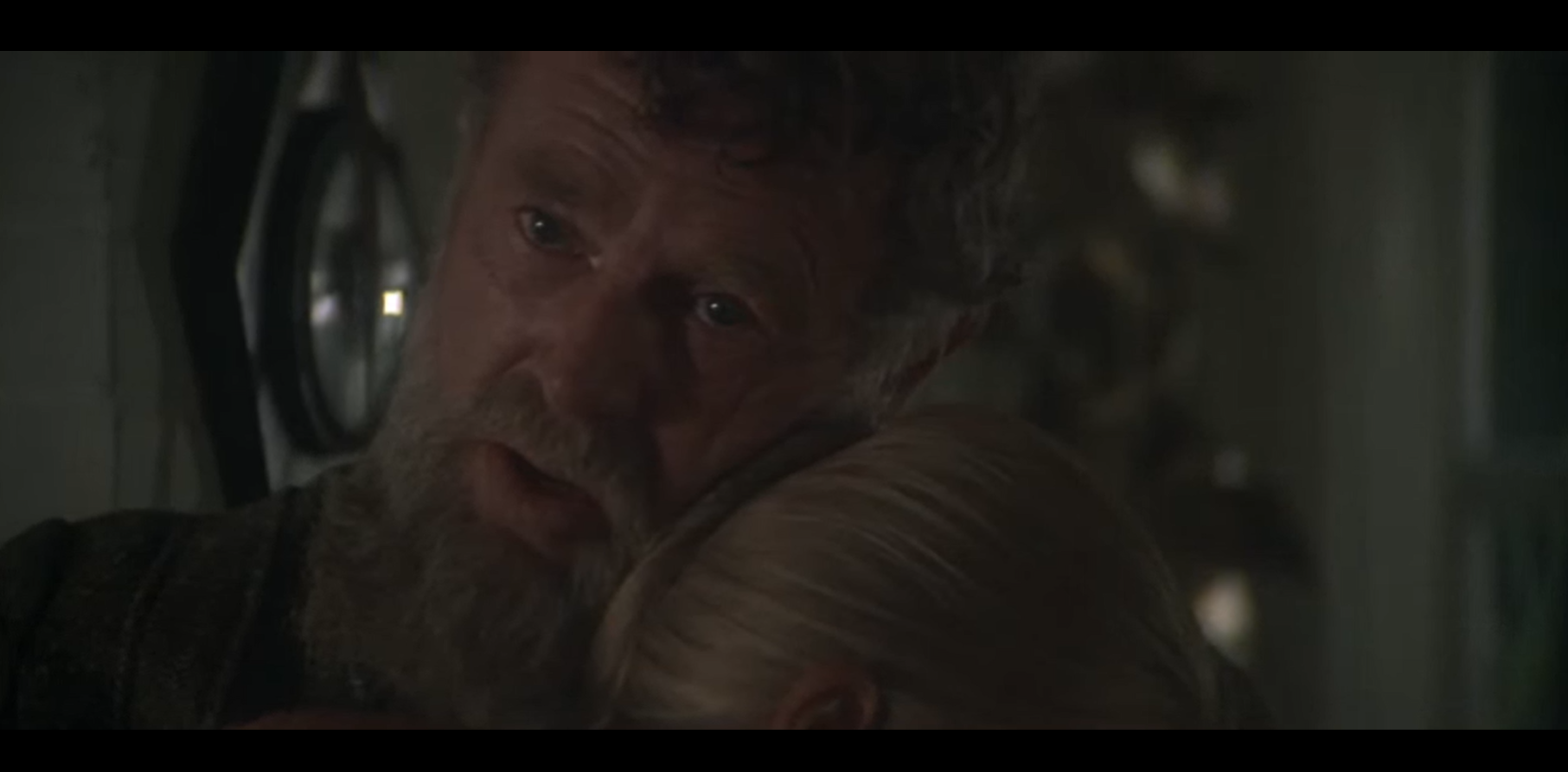
… whose husband (a shaggy, ominous Sterling Hayden) causes her ongoing distress.
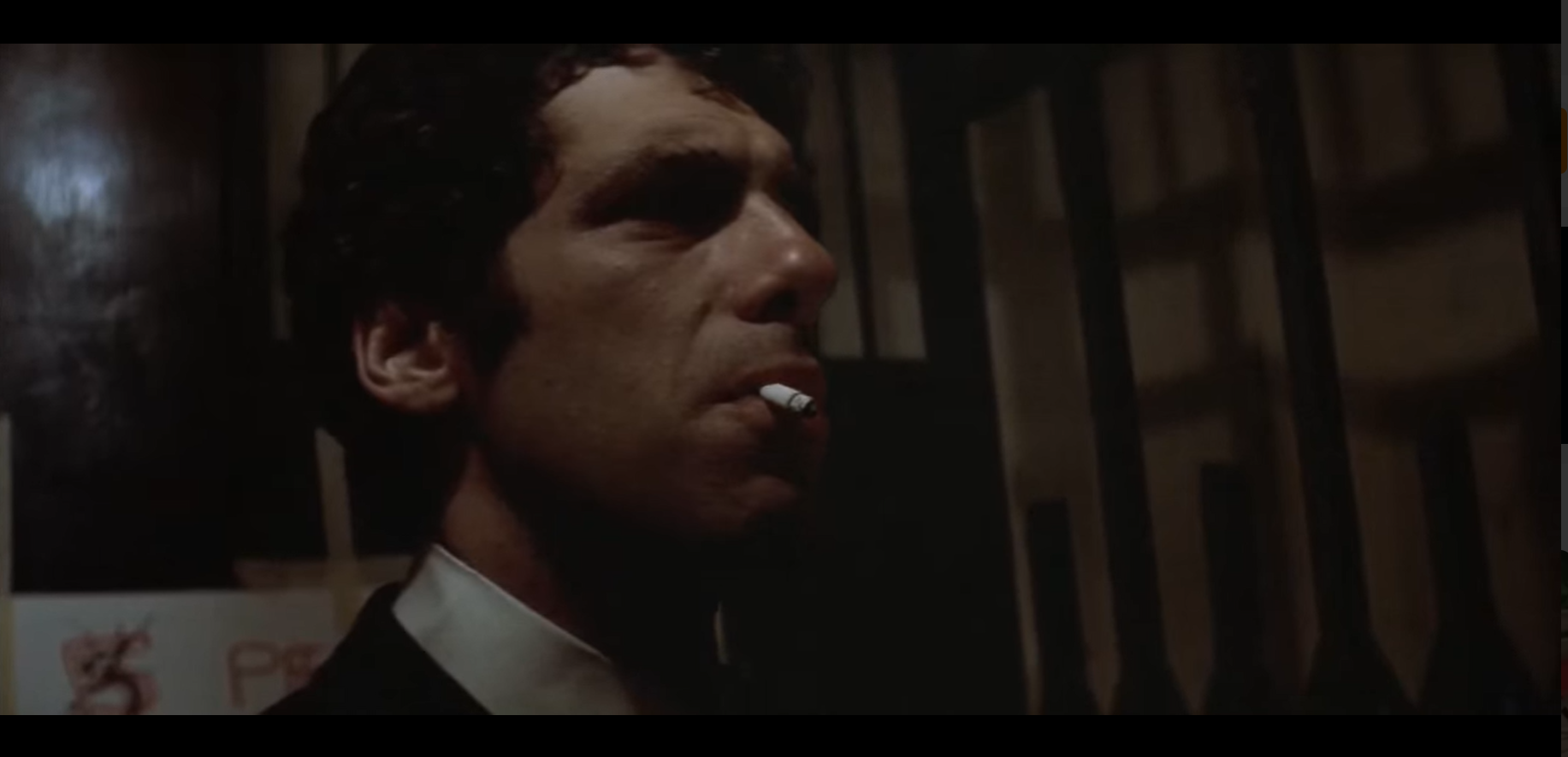
Other minor roles are creatively cast as well — including director Mark Rydell as one of the most vicious thugs in 1970s cinema:
… and baseball star Jim Bouton as Marlowe’s border-hopping buddy.
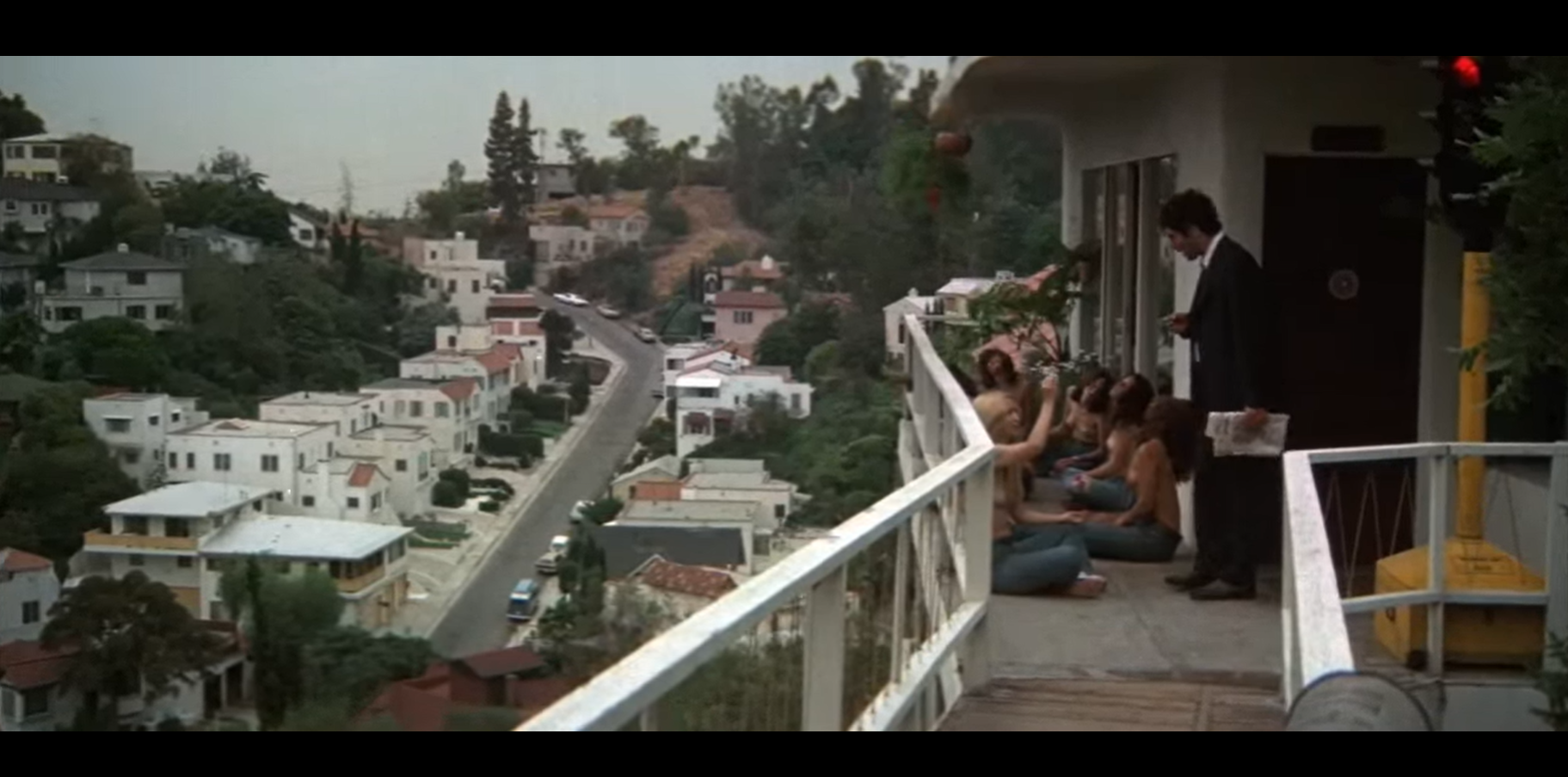
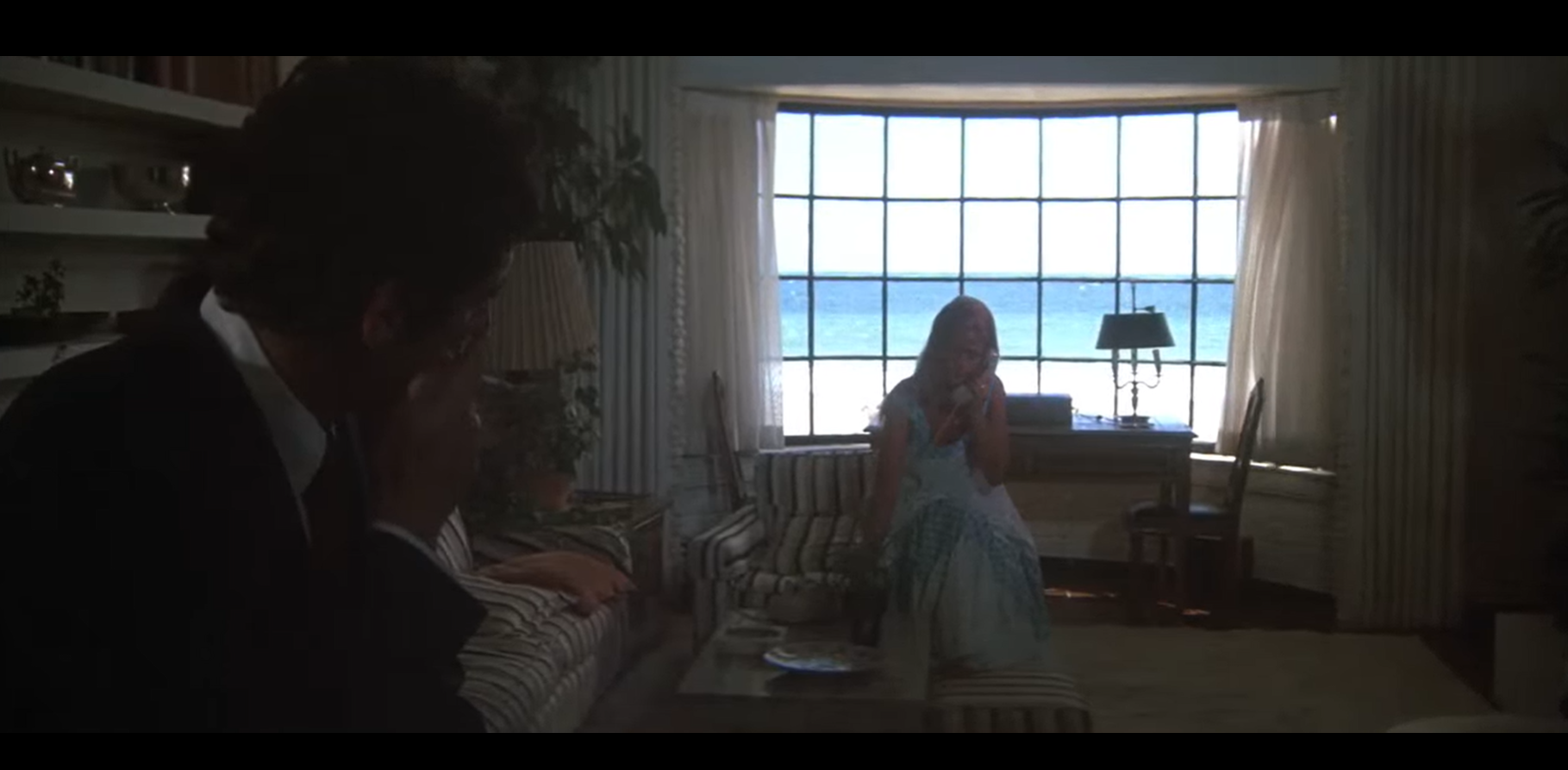
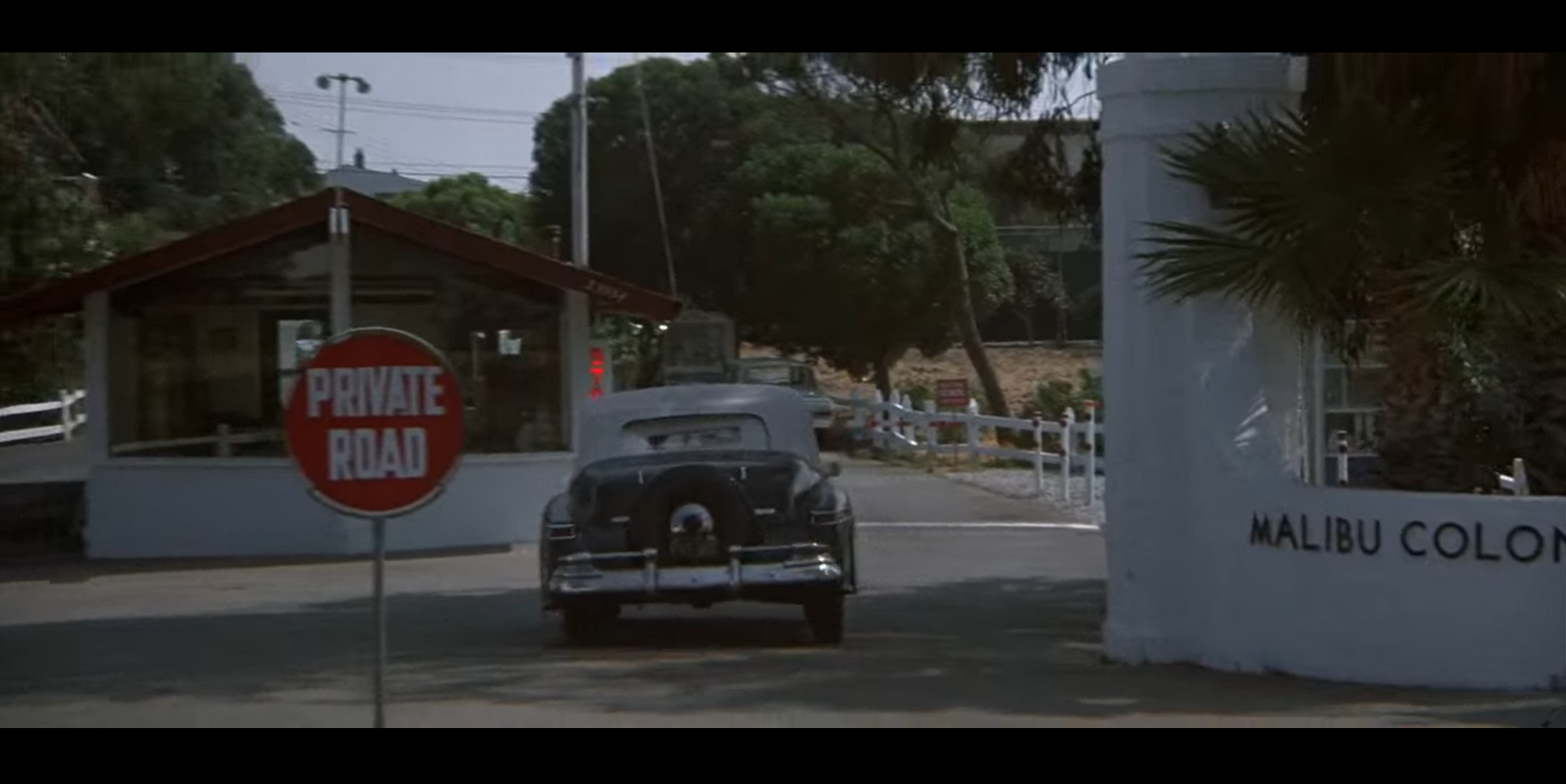
Altman’s eternally roaming camera is used to great effect throughout the film, keeping the storyline continually moving without resorting to the hectic jump cuts and rapidfire editing so prevalent — and headache-inducing — in modern gangster flicks. He utilizes plenty of slow zooms and “shots in which people speak in the foreground while action takes place in the distance, sometimes through glass” — the latter unmistakably evoking Hitchcock; not a single scene is boringly directed. Meanwhile, Altman’s choice of locales are distinct and irrefutably authentic — from Marlowe’s funky Hollywood apartment “on Camrose just South of the Hollywood Bowl” (complete with yoga-loving hippies across the way), to the Wades’ Malibu Colony beach house:
… to the grocery store Marlowe visits during the film’s intriguing opening sequence (which effectively establishes him as a down-on-his-luck loner who can’t even please — or fool — his own cat).
The Long Goodbye has been called a satire or parody by many (including Peary), but this label isn’t entirely accurate. While there are definite undercurrents of humor throughout — particularly during Gould’s interactions with an utterly clueless thug who’s been tasked with following him — it’s deadly serious at other times. And while violence is rare in the film, it’s there, brutal and lurking; as Peary notes, “what we witness, we realize, is only the tip of the iceberg”. The film’s most infamous scene involves a thug (Rydell) inexplicably smashing a glass Coke bottle across his mistress’s face, simply to show Gould what he’s capable of. It may not be plausible, but it sure as hell is frightening. Redeeming Qualities and Moments:
Must See? Categories
(Listed in 1001 Movies You Must See Before You Die) Links: |