Browsed by
Category: Response Reviews

My comments on Peary’s reviews in Guide for the Film Fanatic (Simon & Schuster, 1986).

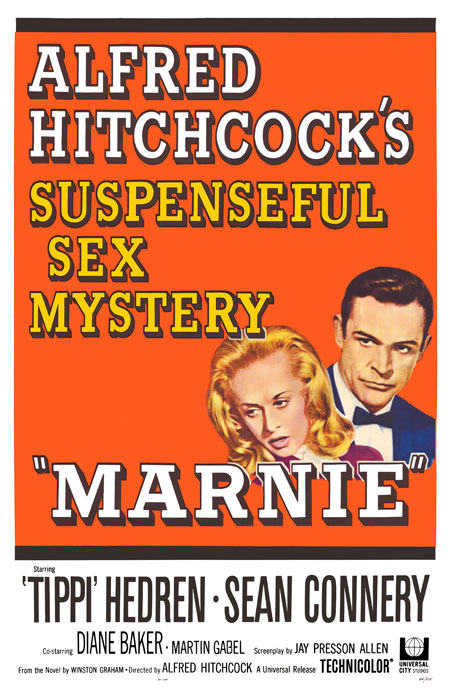
Marnie (1964)

Marnie (1964)

I’m sick?! Well, take a look at yourself!”

Synopsis:
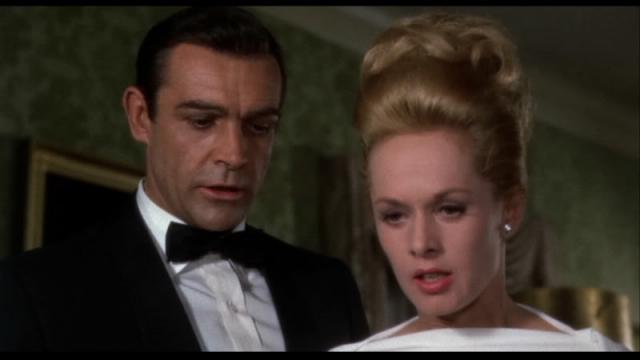
A kleptomaniac (Tippi Hedren) with a troubled past is blackmailed into marrying her new boss (Sean Connery), who is intrigued by her problems and wants to help her recover.

Genres, Themes, Actors, and Directors:

  • Hitchcock Films
  • Marital Problems
  • Mistaken or Hidden Identities
  • Sean Connery Films
  • Sexual Repression
  • Thieves and Criminals
  • Tippi Hedren Films

Response to Peary’s Review:
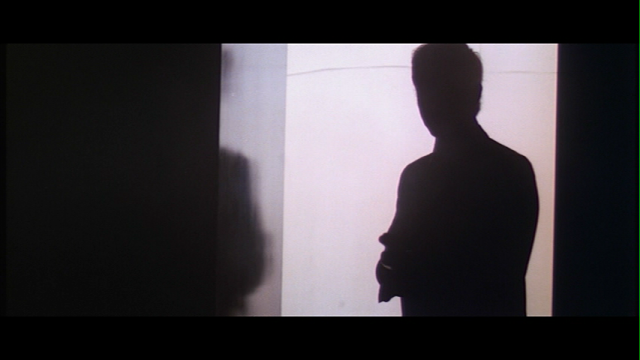
Peary is clearly a fan of this once-maligned cult “psychological melodrama” by Hitchcock. He notes that it “wasn’t really appreciated until the seventies, when films were at last being examined in terms of sexual roles and relationships”, and that it “remains one of the rare films that allow viewers to be privy to the intimate problems of a married couple”. He also points out that this was the first (and only) film in which Hitchcock himself “finally sides with his [notorious icy] blonde.” Other modern reviewers are less enthusiastic, however, with DVD Savant arguing, for instance, that Marnie “is the Hitchcock movie where everything begins to slip”: he complains that “the story is a trite throwback to 1940s faux-psychology”; that Hitchcock “skimps on the detail work” by using egregiously obvious matte paintings and rear-view projections; that Connery and Hedren “never really click as screen lovers”; that Hedren isn’t up to the level of acting required of her; and that “Marnie’s childhood trauma is just too pat”, while “the whole business of being sent into shock by the color red [is] equally foolish”.

The truth about this undeniably polarizing film probably lies somewhere in between these two sentiments. Yes, Hitchcock’s use of rear-view projections definitely looks and feels artificial at this point in cinematic history (but would a Hitchcock film be complete without them?). Ultimately, for those who give themselves over to Marnie’s predicament, and who are willing to accept the inevitable artificialities sprinkled throughout any Hitchcock film, Marnie eventually becomes (as Peary argues) an absorbing story of psychological sleuthing and marital growth — a film “about a woman with many aliases who is involved in a desperate search for identity“. The fact that Connery drolly admits to Marnie that he’s far from perfect (when she accuses him of being just as screwy as she is) allows us to accept these two individuals as uniquely flawed; and although Connery’s amateur psychoanalyzing may indeed come across these days as “too pat”, we admire his determination to help Marnie, and can’t help rooting for them as a couple.

While Hedren’s acting doesn’t particularly impress during the earlier parts of the film (when her character in general is still a mystery to us), she eventually digs more deeply into her role, allowing us to clearly see Marnie’s vulnerabilities, and to understand that this is not a woman out to blithely take advantage of men — she has deep-seated “reasons” for acting the way she does. Connery’s casting is unconventional (and it’s true, as DVD Savant argues, that we never “believe that Sean Connery — looking his 007 best — is an American businessman”), but he’s appealing in an undeniably tricky role; and as Peary notes in his Cult Movies 2, the fact that “James Bond” — who’s “capable of seducing lesbian Pussy Galore” — is unable to seduce his own wife on his honeymoon speaks volumes about the depth of Marnie’s sexual neuroses. Supporting performances in the film are fine as well, with Louise Latham particularly impressive in a small but important role as Marnie’s mother — a woman we want to revile (since she’s clearly the cause of Marnie’s miseries) but are ultimately too intrigued by to simply hate.

Note: Watch for Bruce Dern in a tiny role as the key figure in Marnie’s recurring nightmares (only revealed at the end of the film); 12 years later, Dern would return to star in Hitchcock’s final film, Family Plot (1976).

Redeeming Qualities and Moments:

  • A fascinating exploration of marital problems and psychological repression
  • Louise Latham as Marnie’s mother, Bernice
  • Bernard Herrmann’s score

Must See?
Yes, as a controversial cult favorite by Hitchcock. Discussed at length in Peary’s Cult Movies 2.

Categories

(Listed in 1001 Movies You Must See Before You Die)

Links:

Man Who Knew Too Much, The (1934)

Man Who Knew Too Much, The (1934)

“Tell her they may soon be leaving us — leaving us for a long, long journey.”

Synopsis:
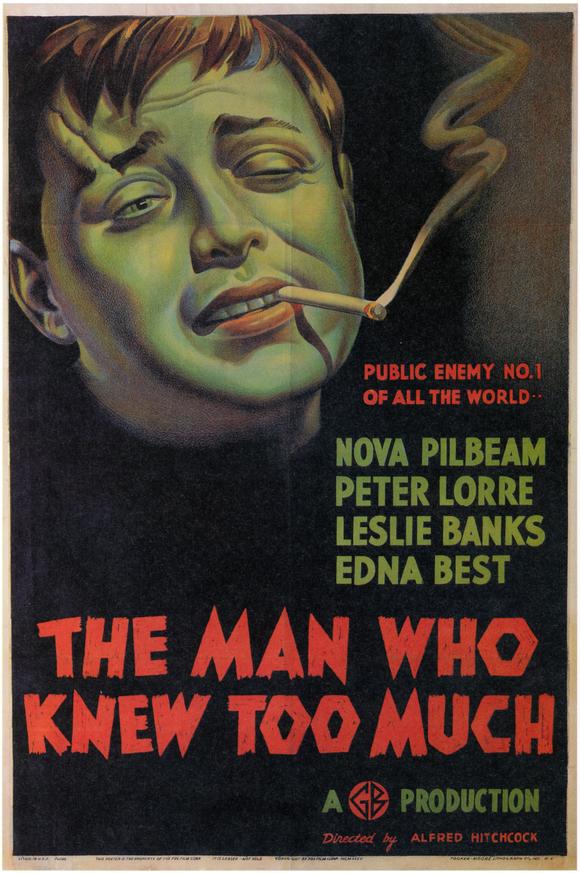
A man (Leslie Banks) vacationing in Switzerland with his wife (Edna Best) and teenage daughter (Nova Pilbeam) becomes privy to knowledge about an assassination plot, and must rescue his kidnapped daughter from the clutches of the plot’s ringleader (Peter Lorre).

Genres:

  • Assassination
  • Hitchcock Films
  • Kidnapping
  • Peter Lorre Films
  • Search

Response to Peary’s Review:
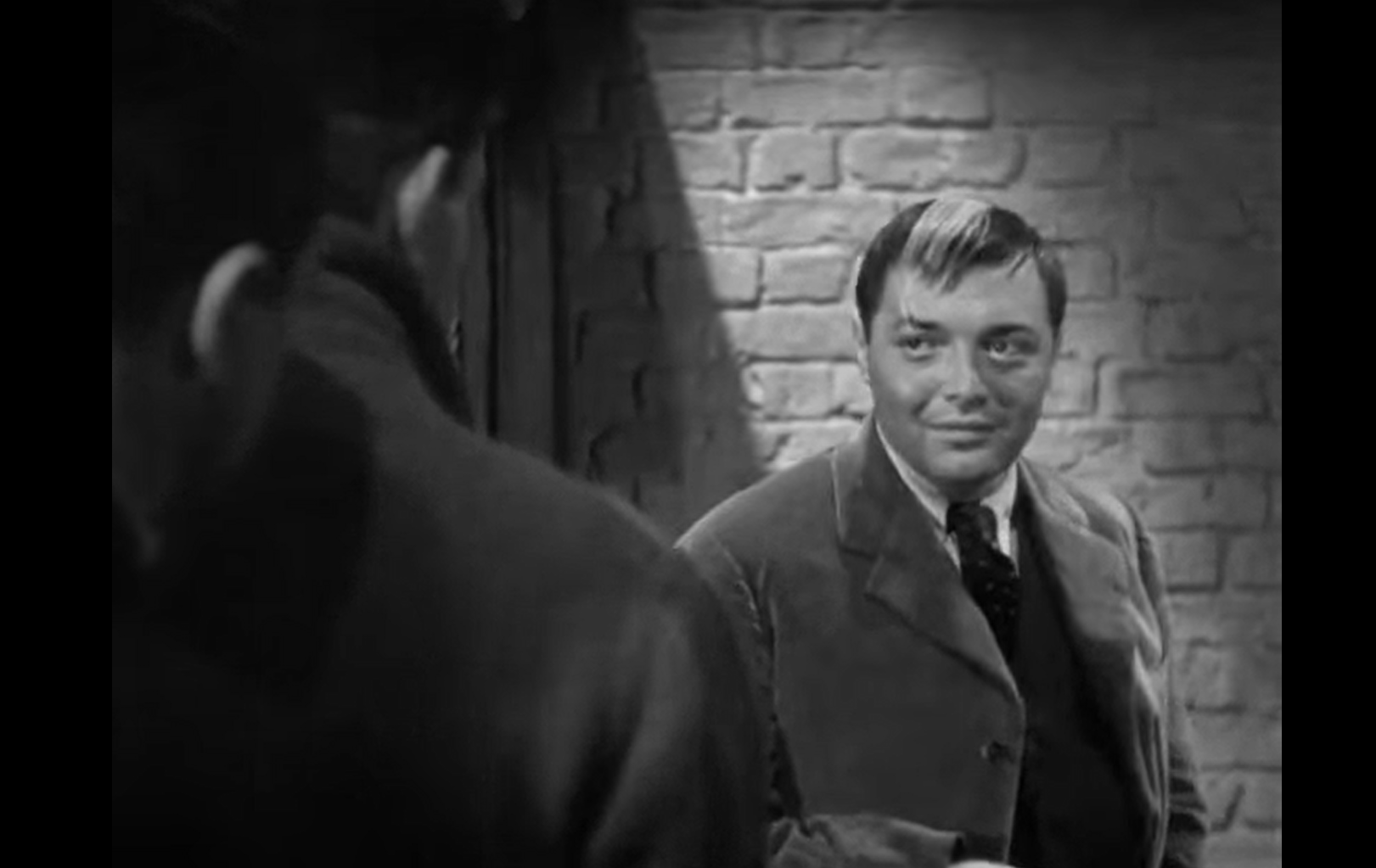
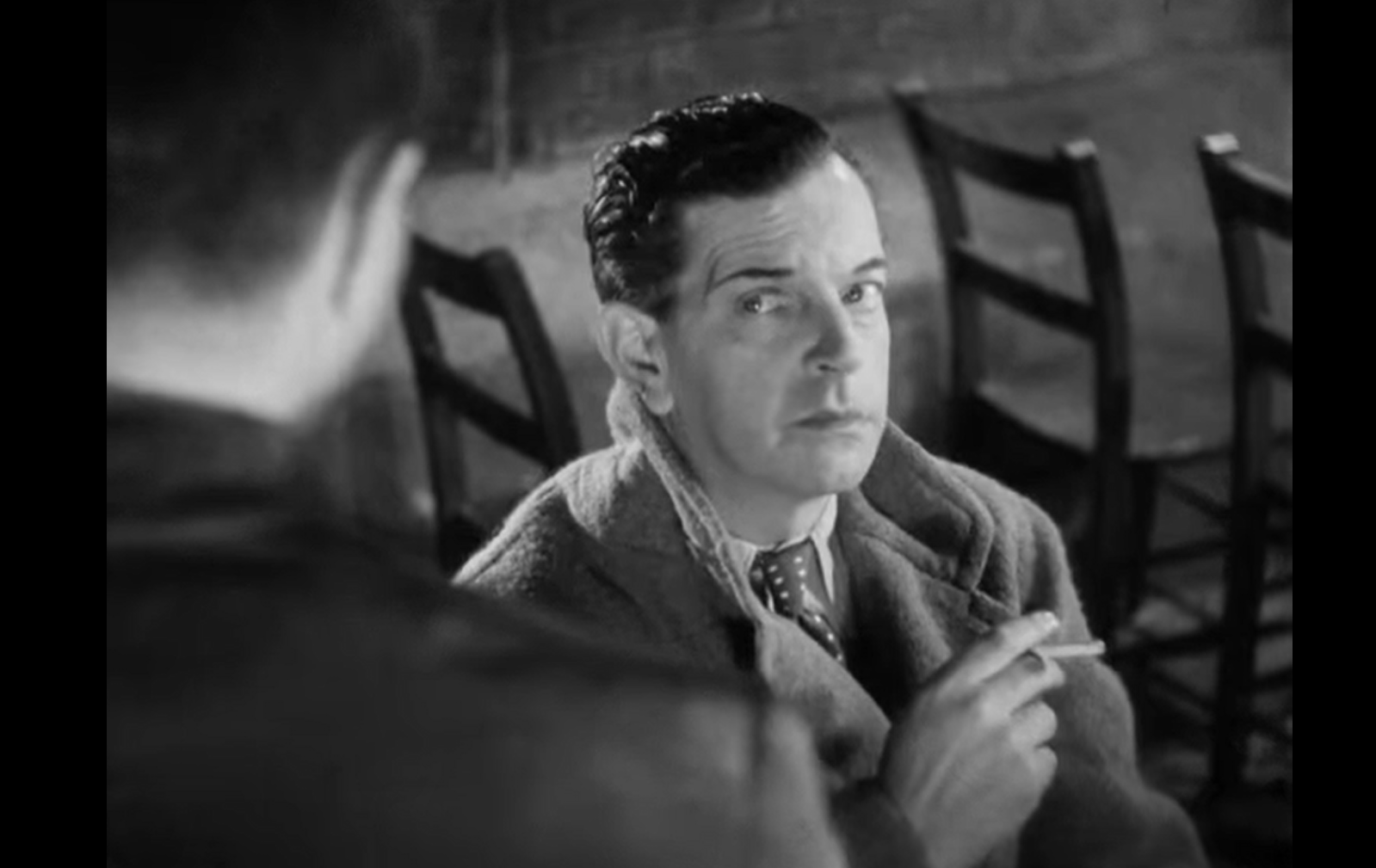
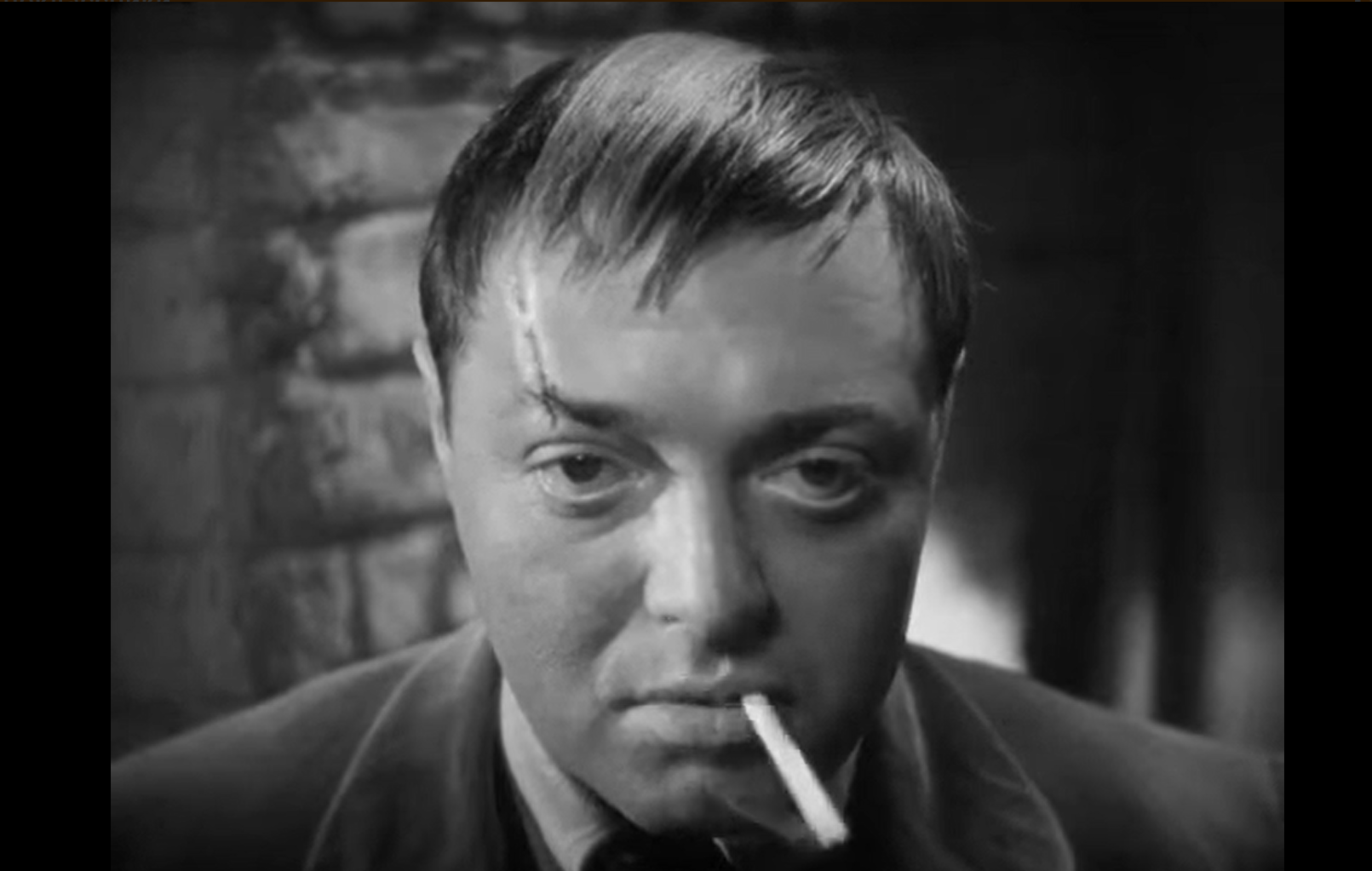
As Peary notes, this early version of Hitchcock’s 1956 remake is rated more” highly by many, but ultimately isn’t quite “as enjoyable” as its later counterpart. Yet it remains an economic little thriller which “blends droll wit and suspense”, and has plenty to recommend in its own right, including exciting sequences staged “in intriguing settings”, and an interesting mix of “refined continental types with sleazy, though educated East Europeans (like Peter Lorre’s strange-looking, memorable villain)”.

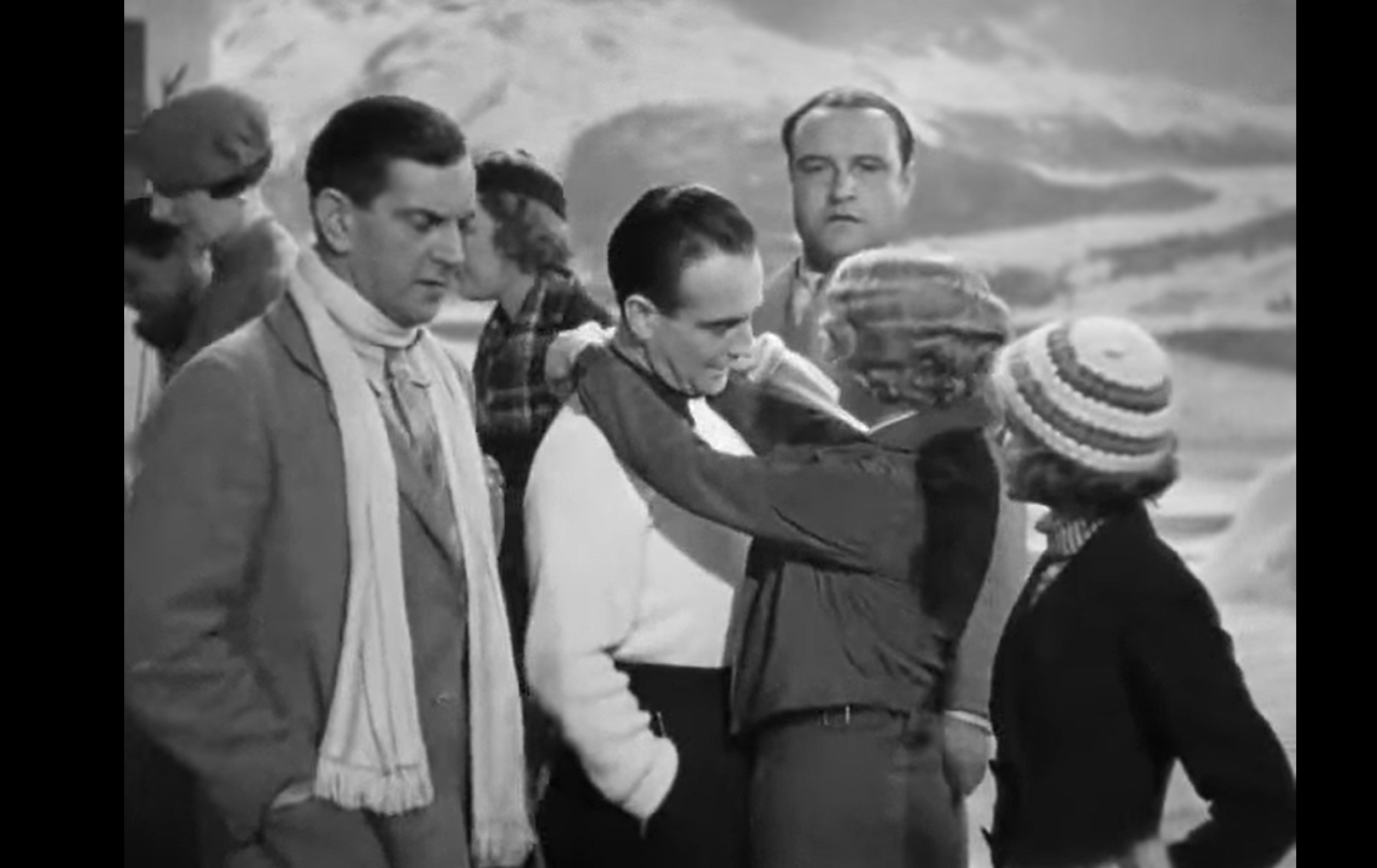
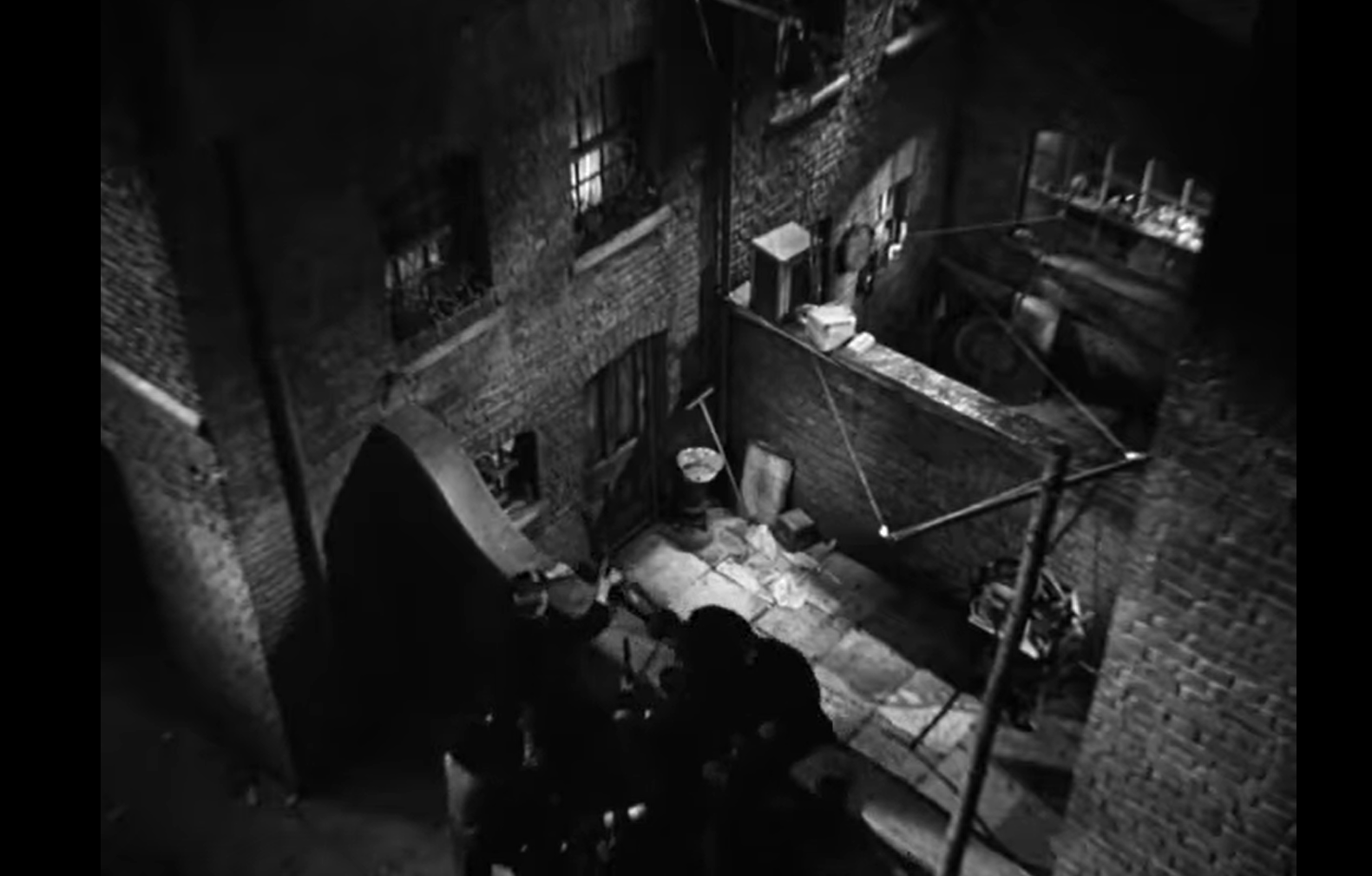
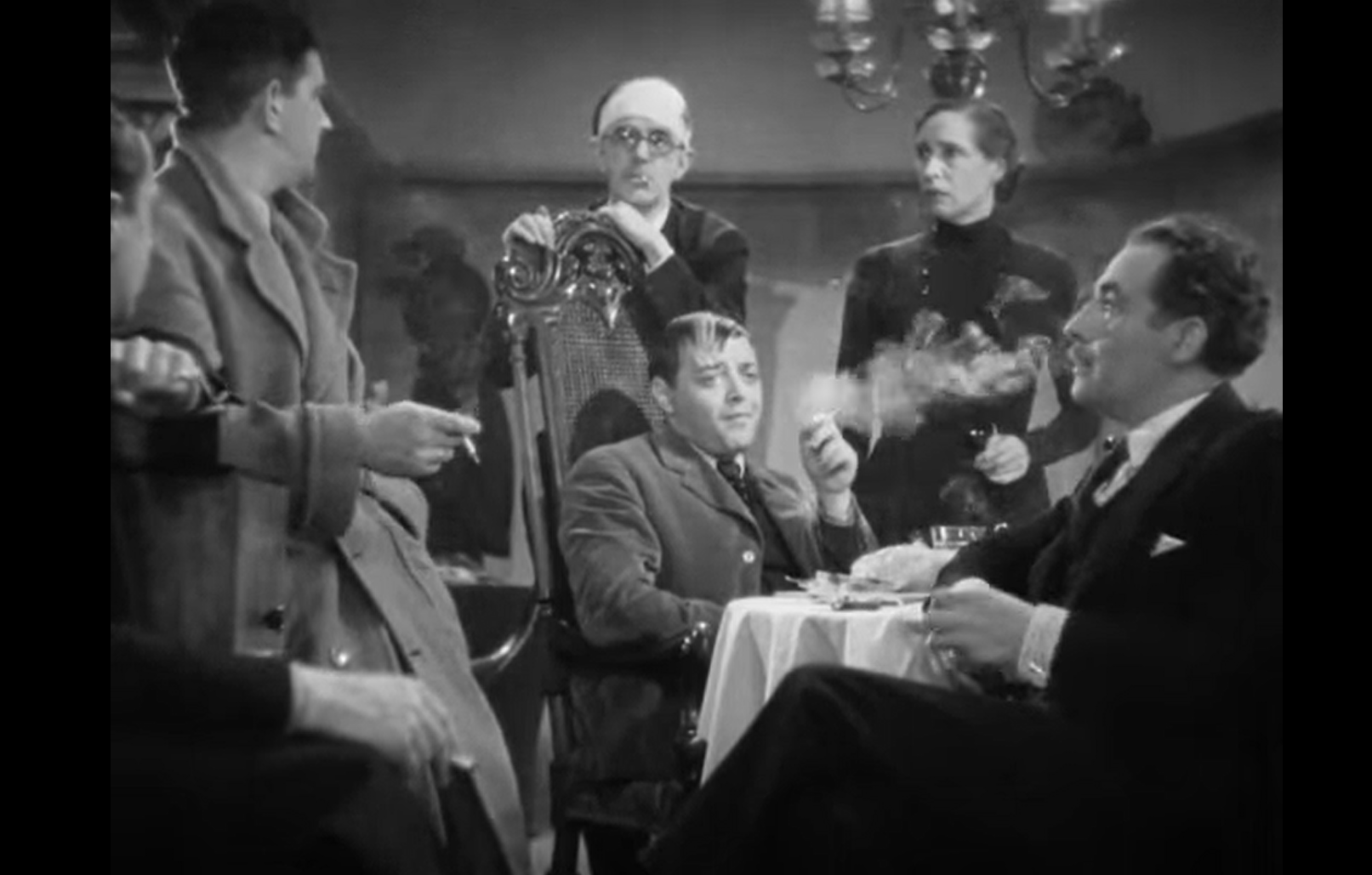
While I agree with Peary that the 1956 version is ultimately the more enjoyable of the two, certain elements of this earlier film work better — namely the setting of the opening sequences in Switzerland:

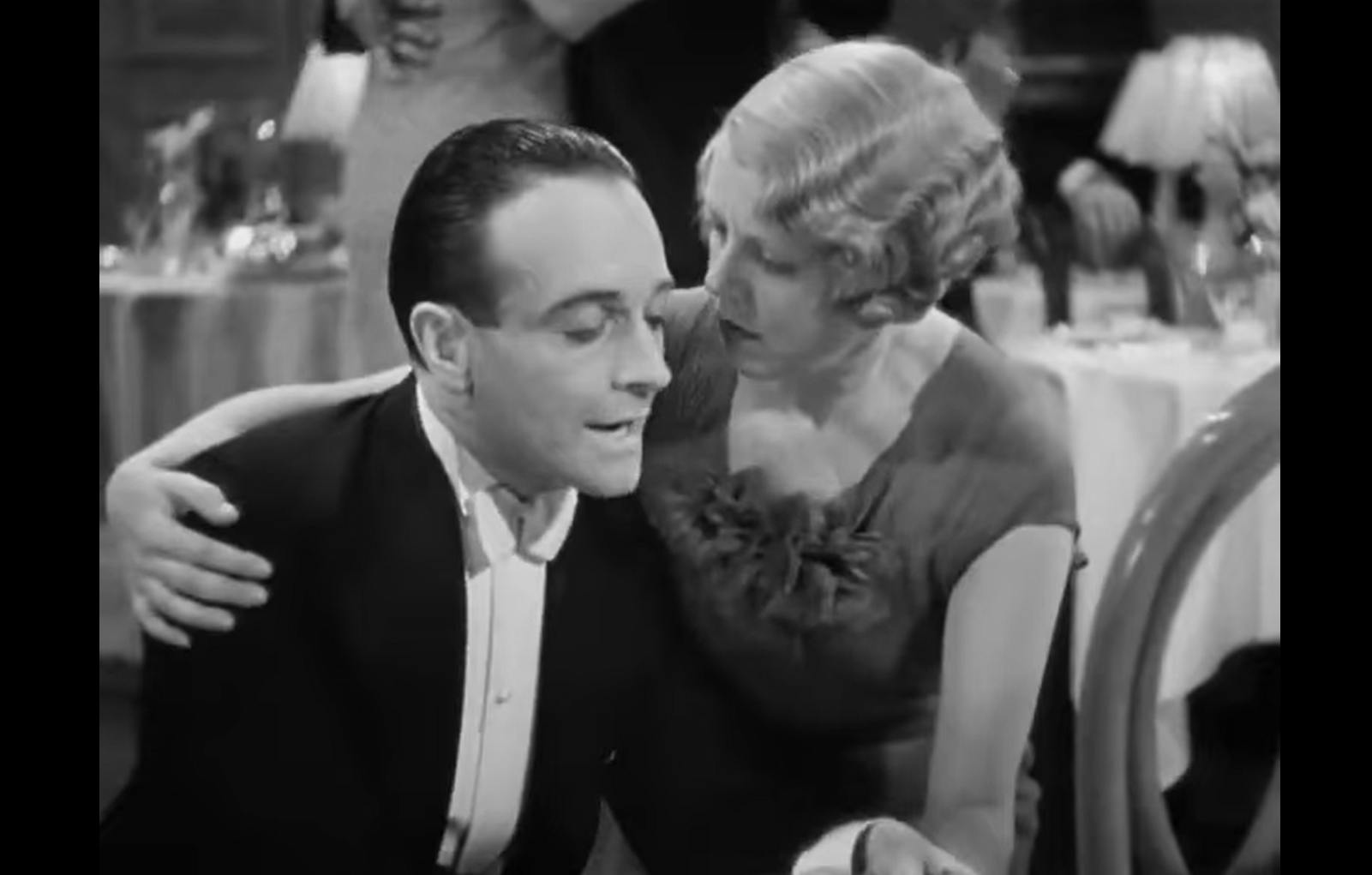
… rather than Morocco (I prefer Banks’ urbane Brit to Stewart’s “ugly American”):

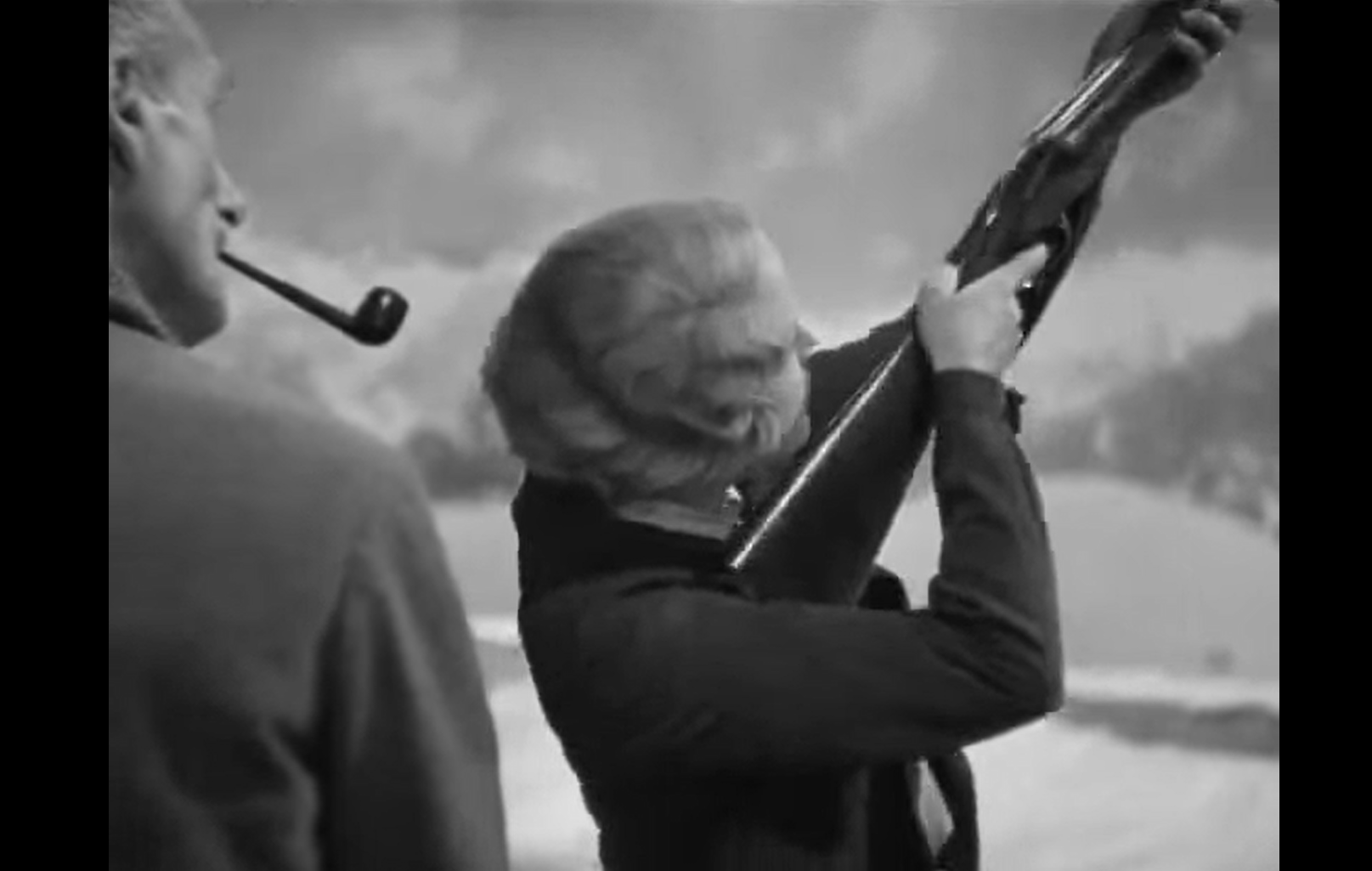
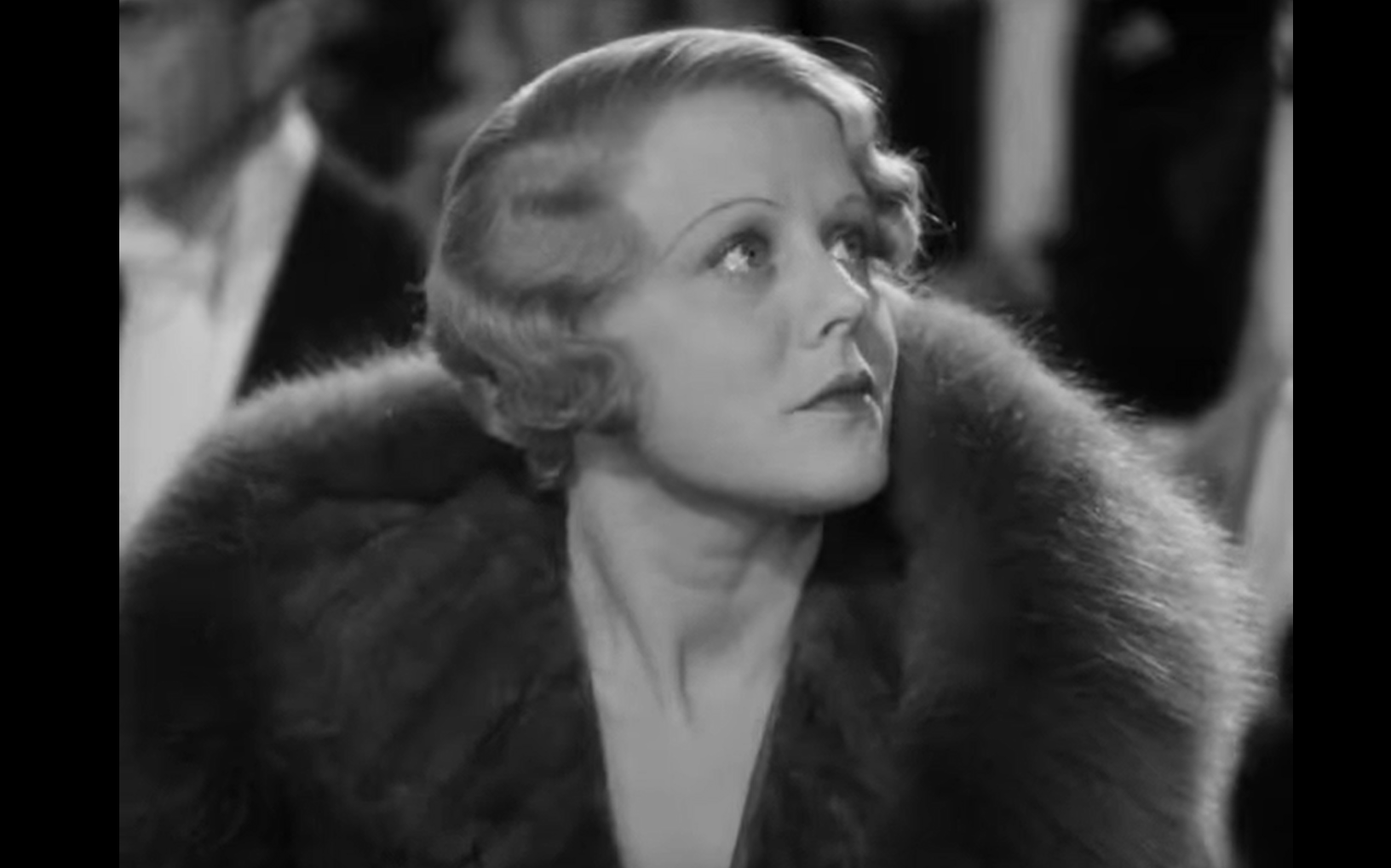
… and the fact that Banks’ wife (Best) is a savvy sharpshooter rather than a ’50s housewife.

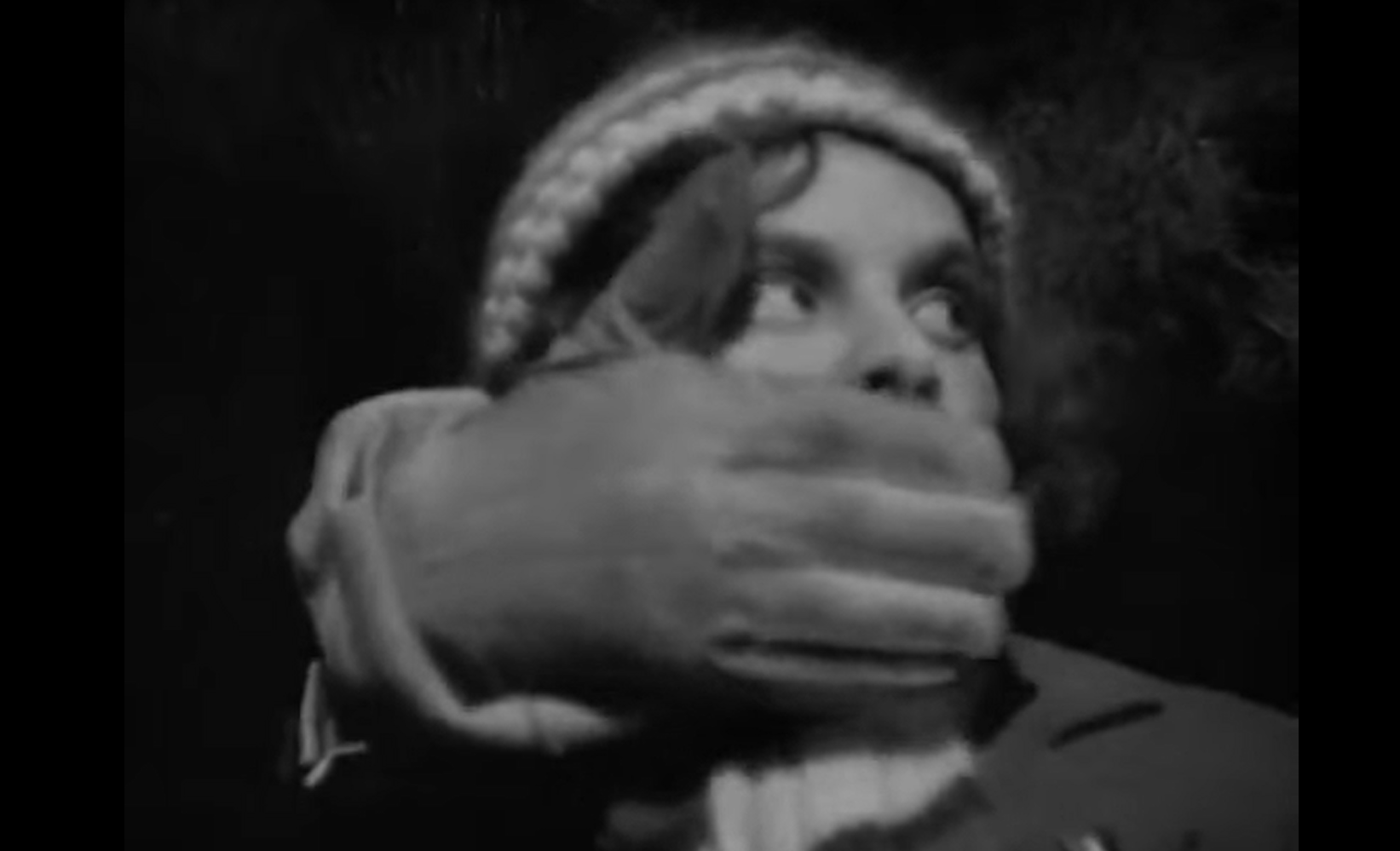
As Peary notes, however, 15-year-old Pilbeam (lovely as the central protagonist in Hitchcock’s The Young and Innocent, released three years later) “looks much too old for her part” — her age and gender imply the threat of something more egregious happening to her when she’s kidnapped, but these potential threats are simply ignored in the script.

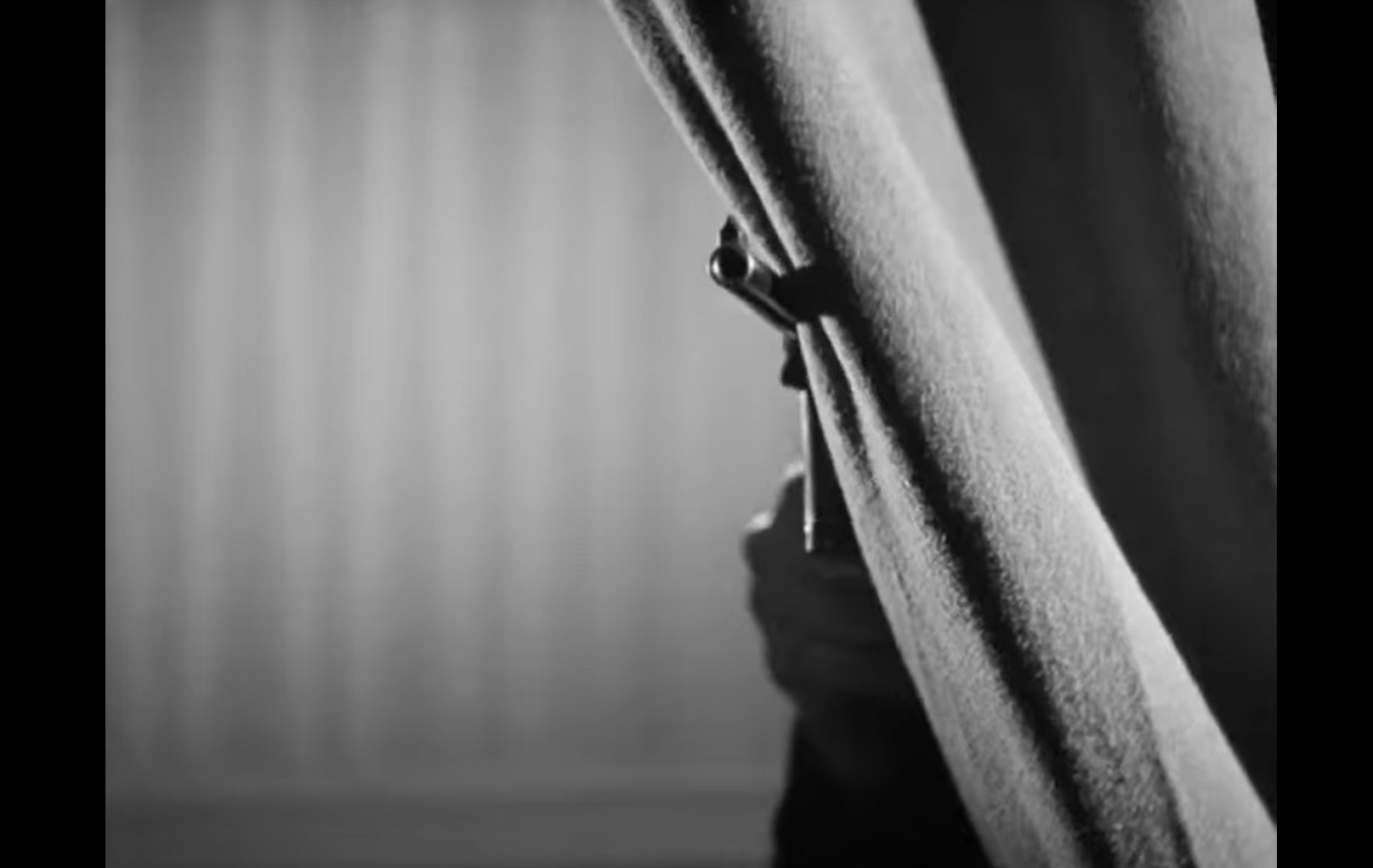
Peary describes the “climactic shootout” — in which Best uses her shooting skills to rescue Pilbeam much like Day uses her singing skills to rescue Olsen — as something “straight out of American gangster films”:

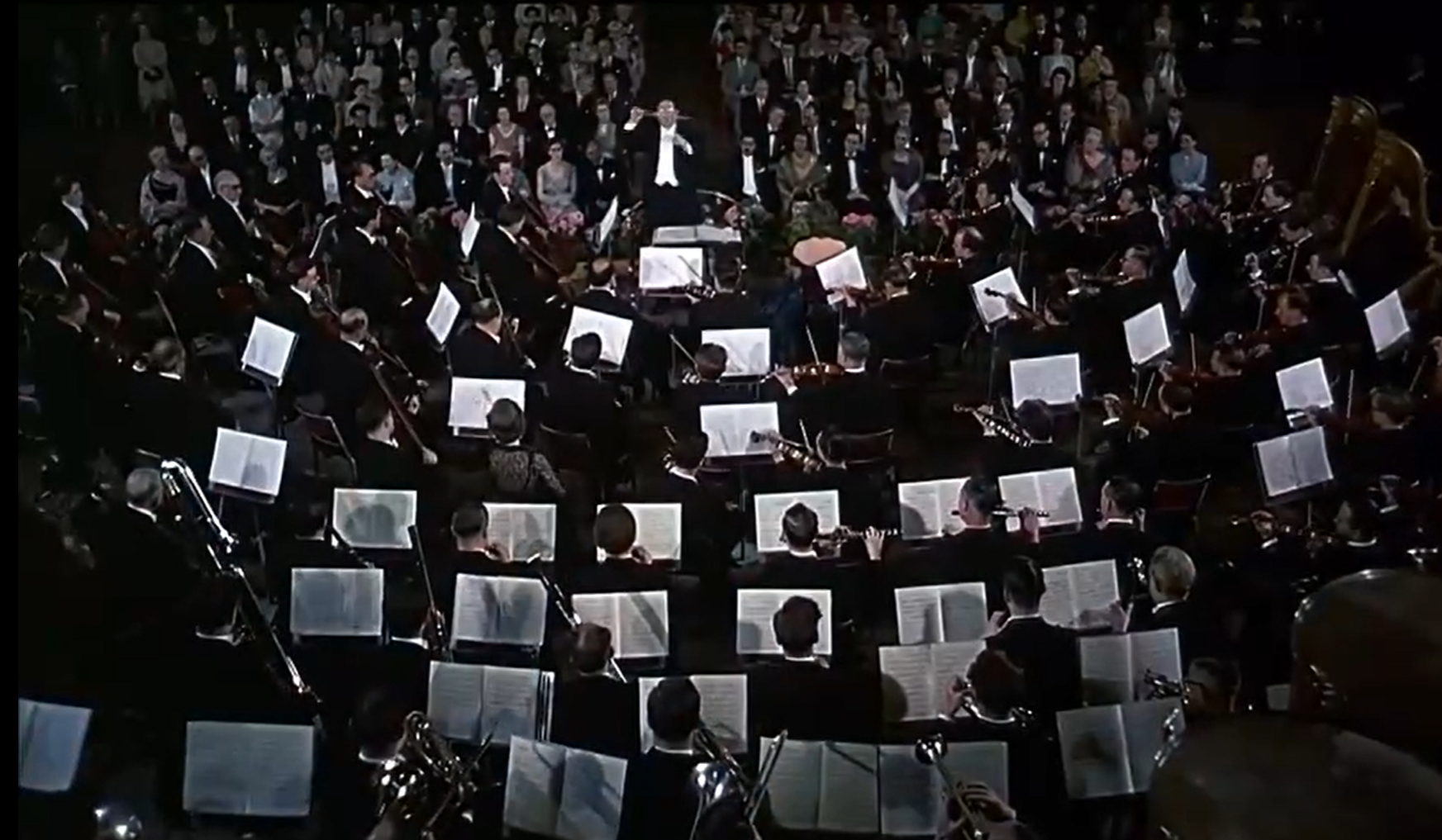
… but it drags on for a bit too long. Much more rewarding is the earlier Albert Hall assassination sequence (with many shots duplicated in the 1956 version).


NB: This was Lorre’s first English-speaking role; accounts differ on whether he learned the language within three months, or recited most of his lines phonetically, but he does a remarkably polished job, and remains one of the film’s creepy highlights.

Redeeming Qualities and Moments:

  • Peter Lorre as Abbott
  • An exciting, fast-paced plot

Must See?
Yes, simply as one of Hitchcock’s better early thrillers — and “his most commercially successful” British film.

Categories

Links:

Man Who Knew Too Much, The (1956)

Man Who Knew Too Much, The (1956)

“Don’t you realize that Americans dislike having their children stolen?”

Synopsis:
An American doctor (Jimmy Stewart) traveling in Morocco with his wife (Doris Day) and son (Christopher Olsen) becomes unwittingly embroiled in an assassination plot, and must find a way to rescue his kidnapped son while preventing the assassination from taking place.

Genres, Themes, Actors, and Directors:

  • Assassination
  • Carolyn Jones Films
  • Doris Day Films
  • Hitchcock Films
  • Jimmy Stewart Films
  • Kidnapping
  • Search

Response to Peary’s Review:
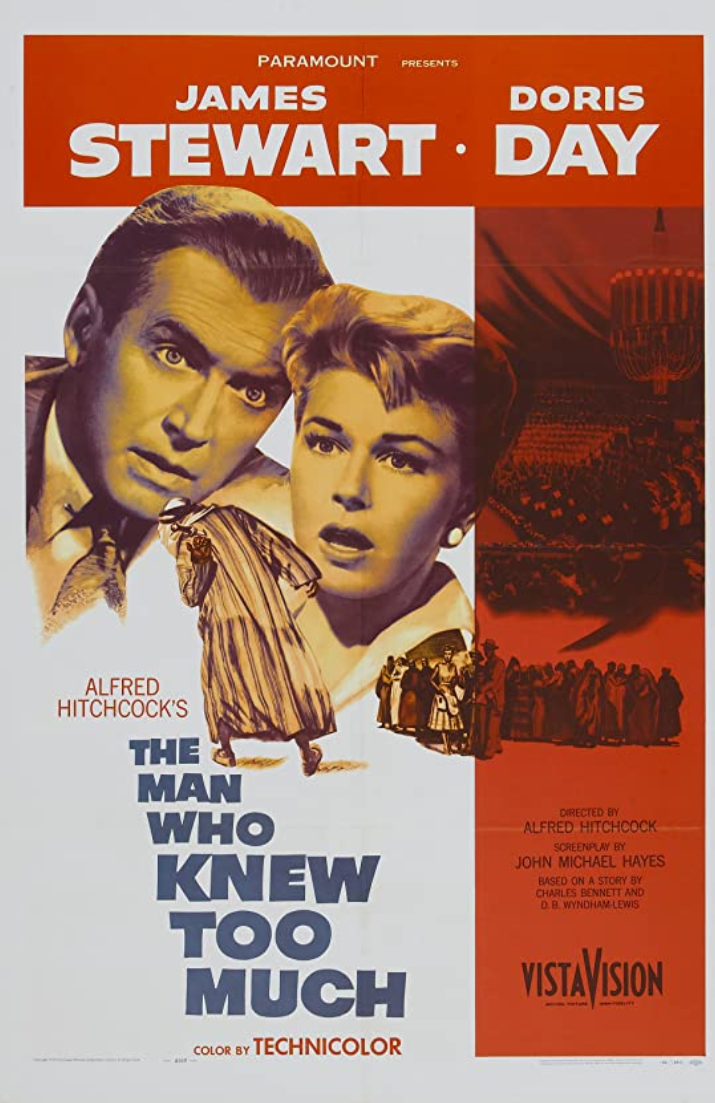
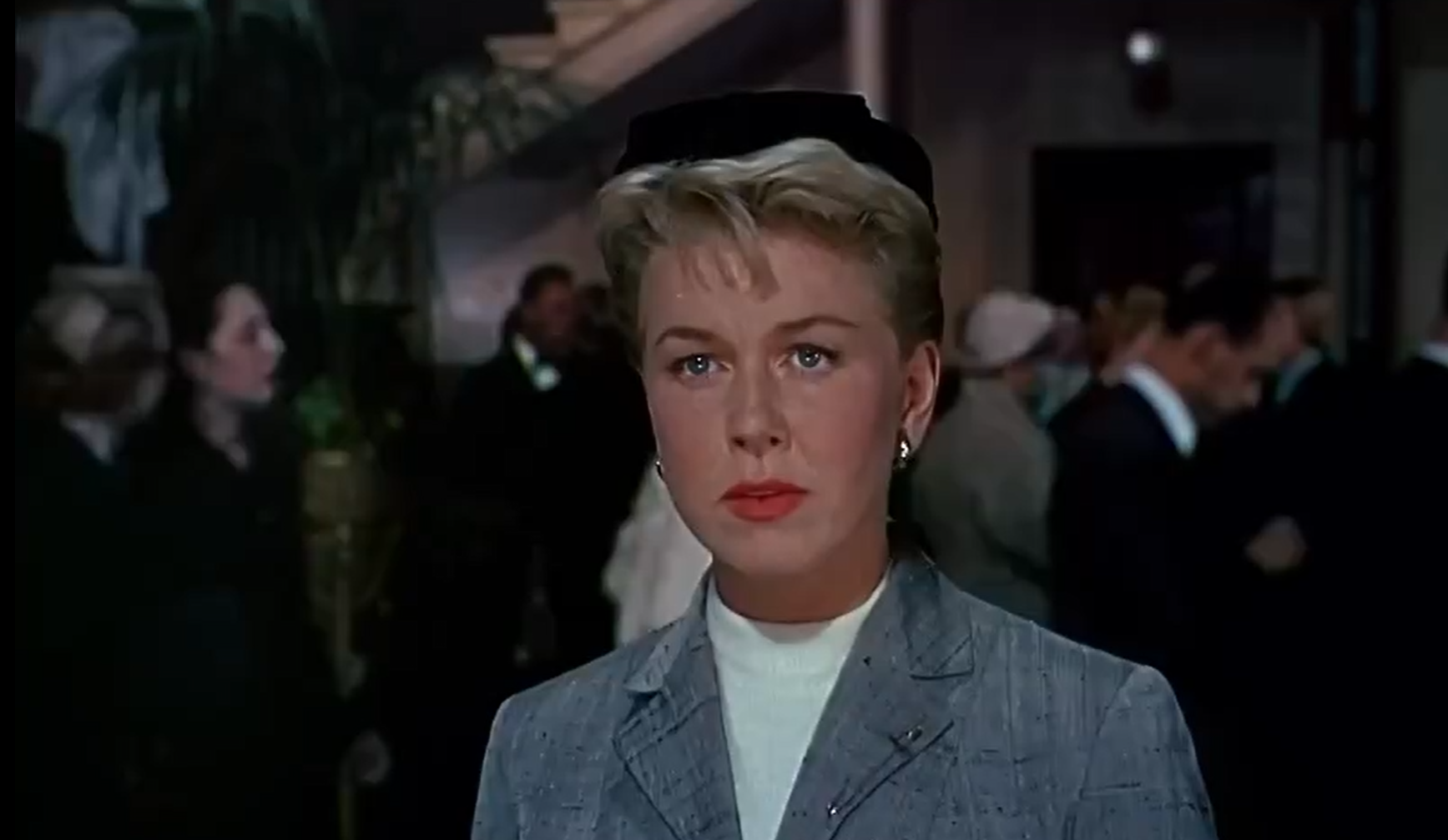
As Peary notes, although this remake of Hitchcock’s 1934 British film of the same name was “long regarded as one of [his] lesser efforts of the fifties”, it’s actually a “well-made, truly enjoyable thriller” with a number of “clever and suspenseful” scenes, and plenty of “wit” throughout. Doris Day is surprisingly well-cast as a once-famous singer (now housewife) whose rendition of “Que Sera, Sera” plays a pivotal part in the film’s suspenseful ending.

(NB: This song won the film an Oscar, but it’s actually a bit saccharine and repetitive; Hitchcock himself apparently hated it.)

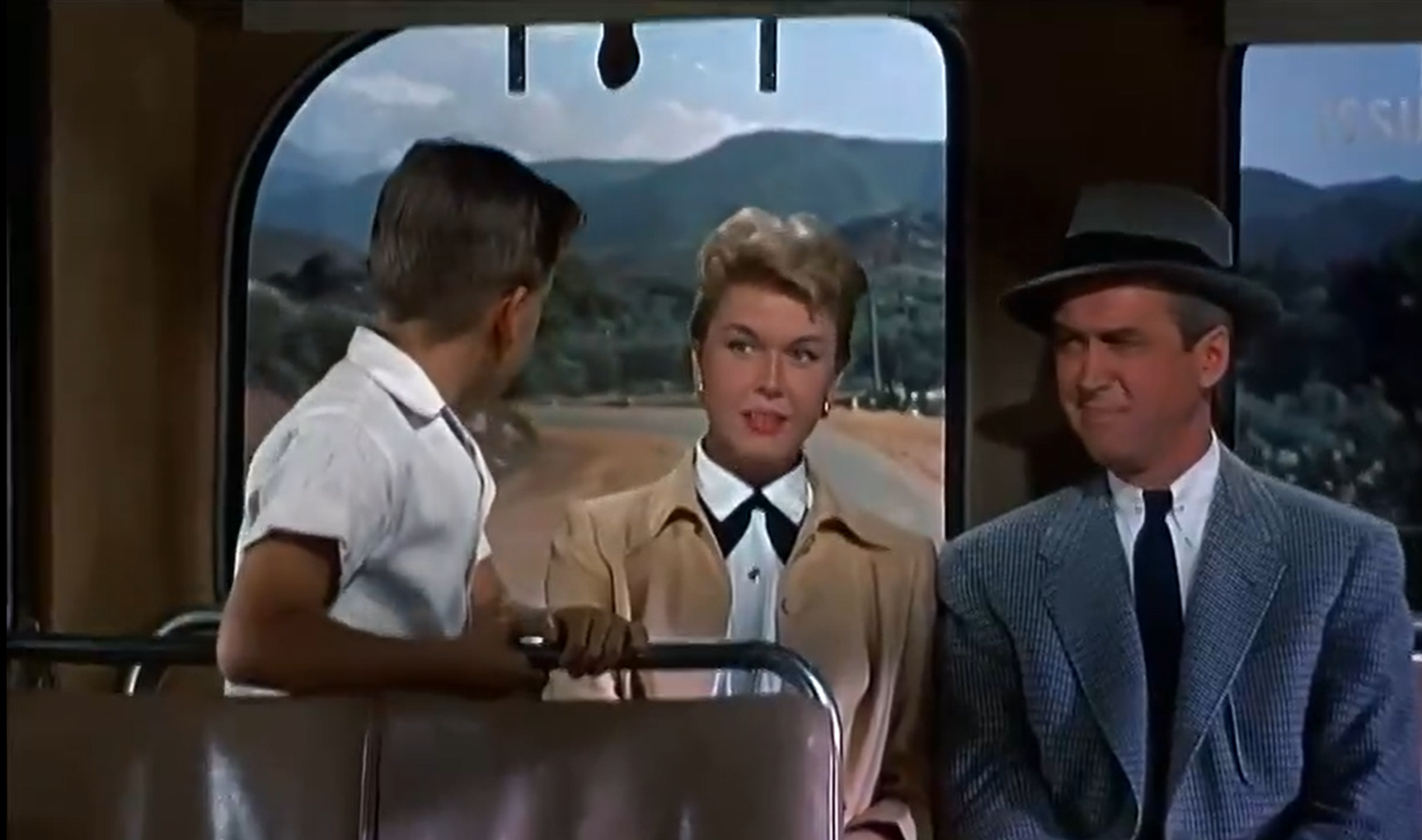
Stewart is serviceable but not particularly distinctive in the title role; his “Ugly American” treatment of Morocco during the film’s opening half-hour is truly off-putting:

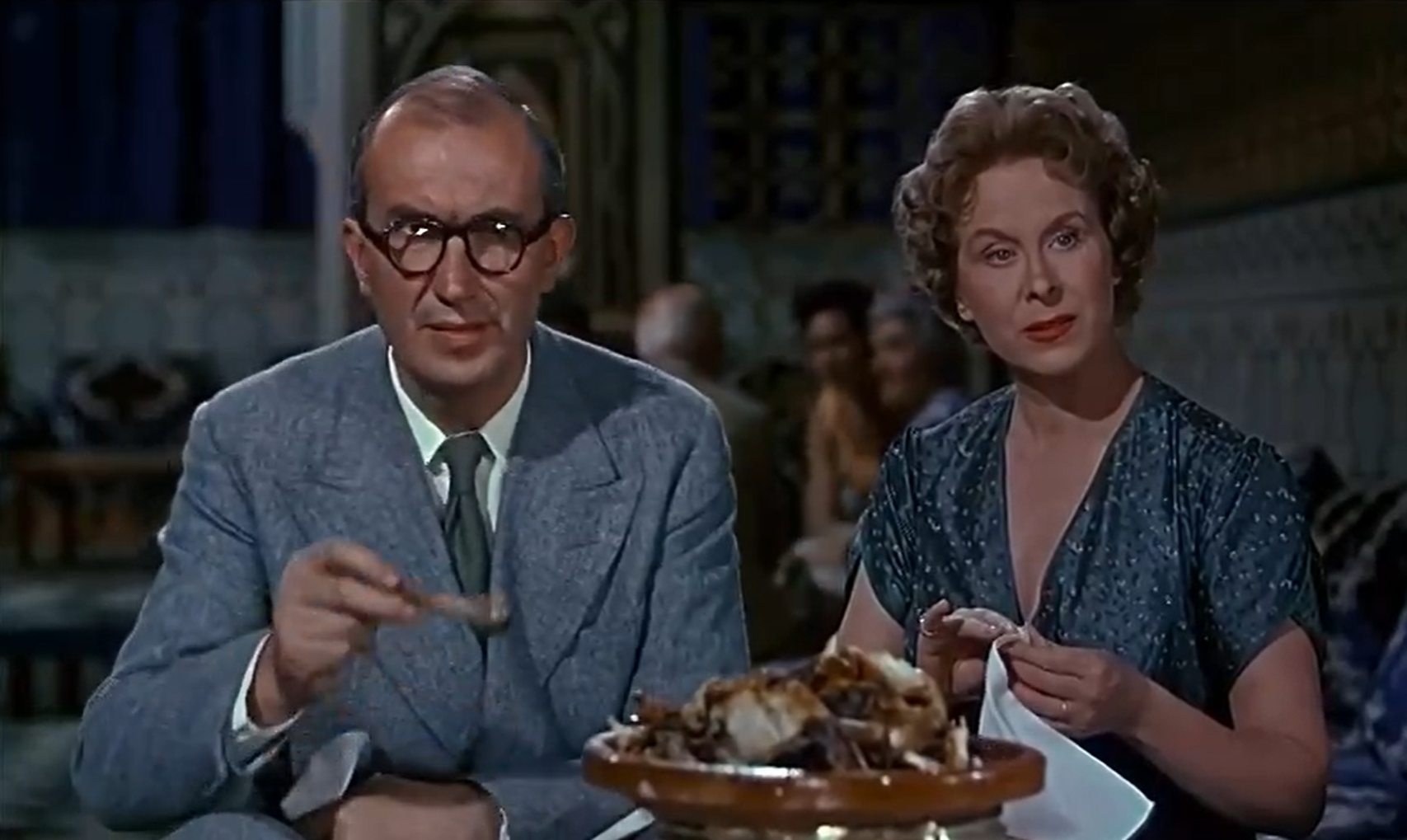
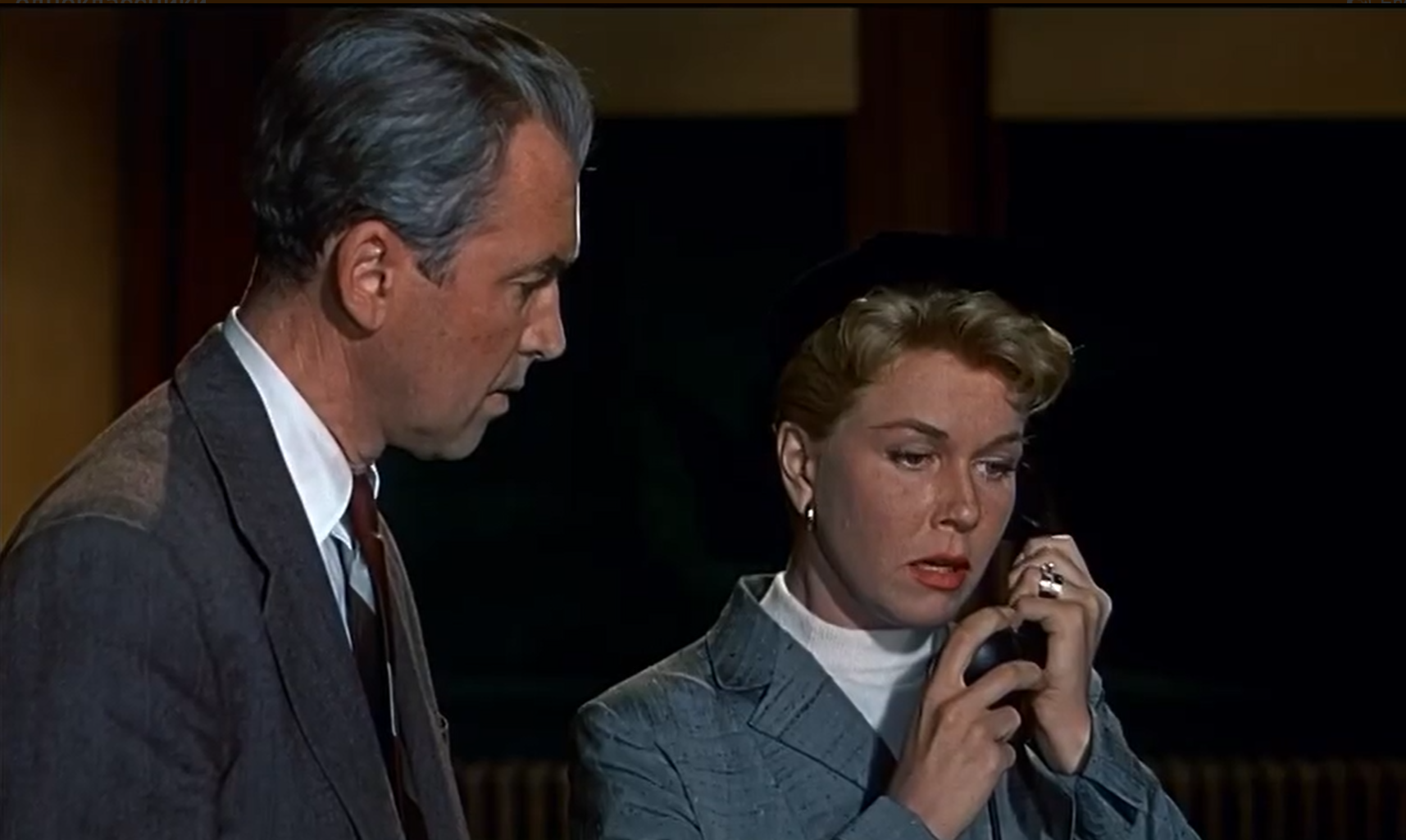
and makes it difficult to sympathize as much with his predicament as one otherwise would. In addition, while it’s somewhat pointless to quibble over plot holes in Hitchcock’s films (he was notoriously indifferent to their presence), I can’t quite get beyond the fact that Day and Stewart allow relative strangers (new “friends” they only just met the night before — Bernard Miles and creepy Brenda De Banzie):

to take off with their child in a strange city; then again, without this pivotal plot twist, there would be no story.

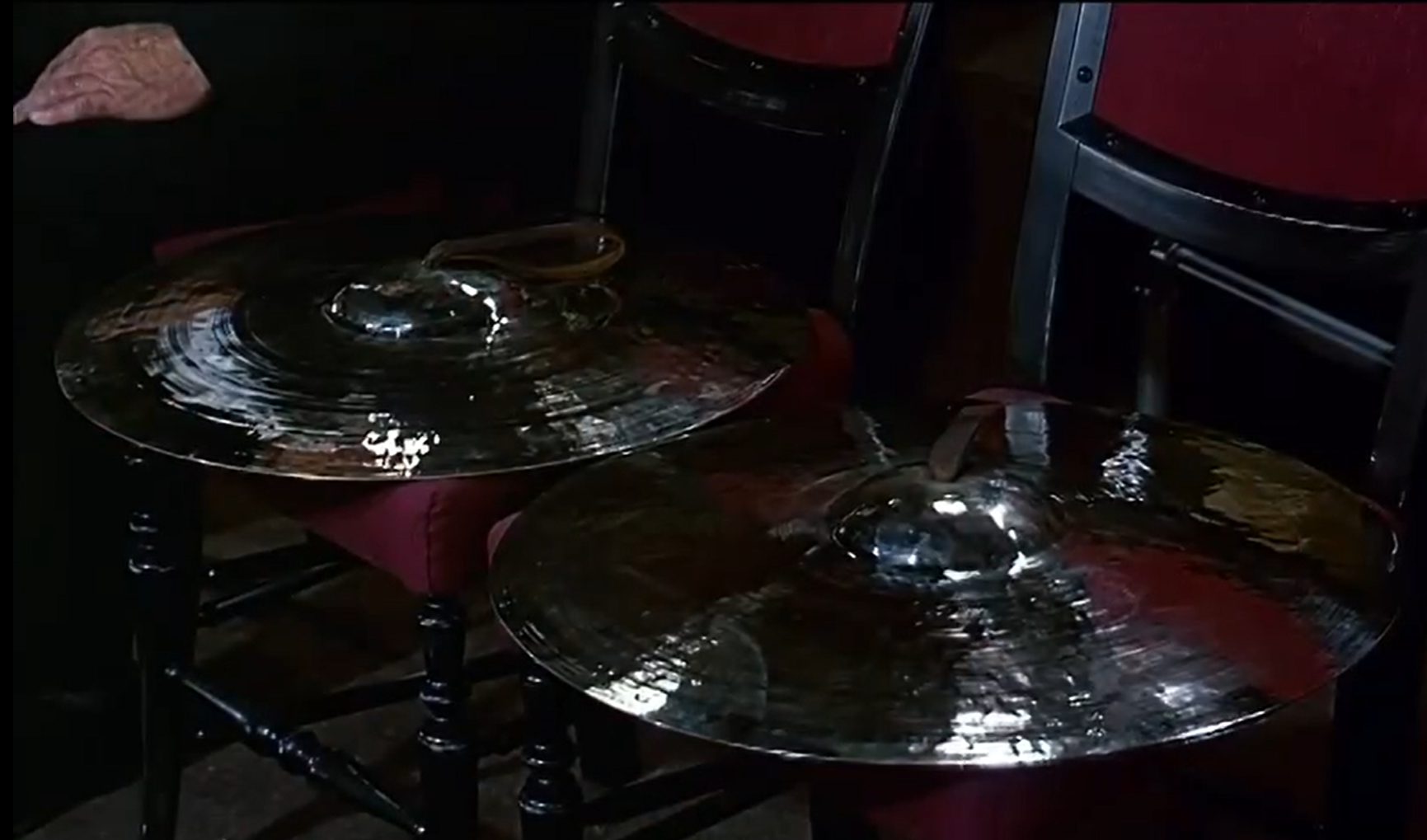
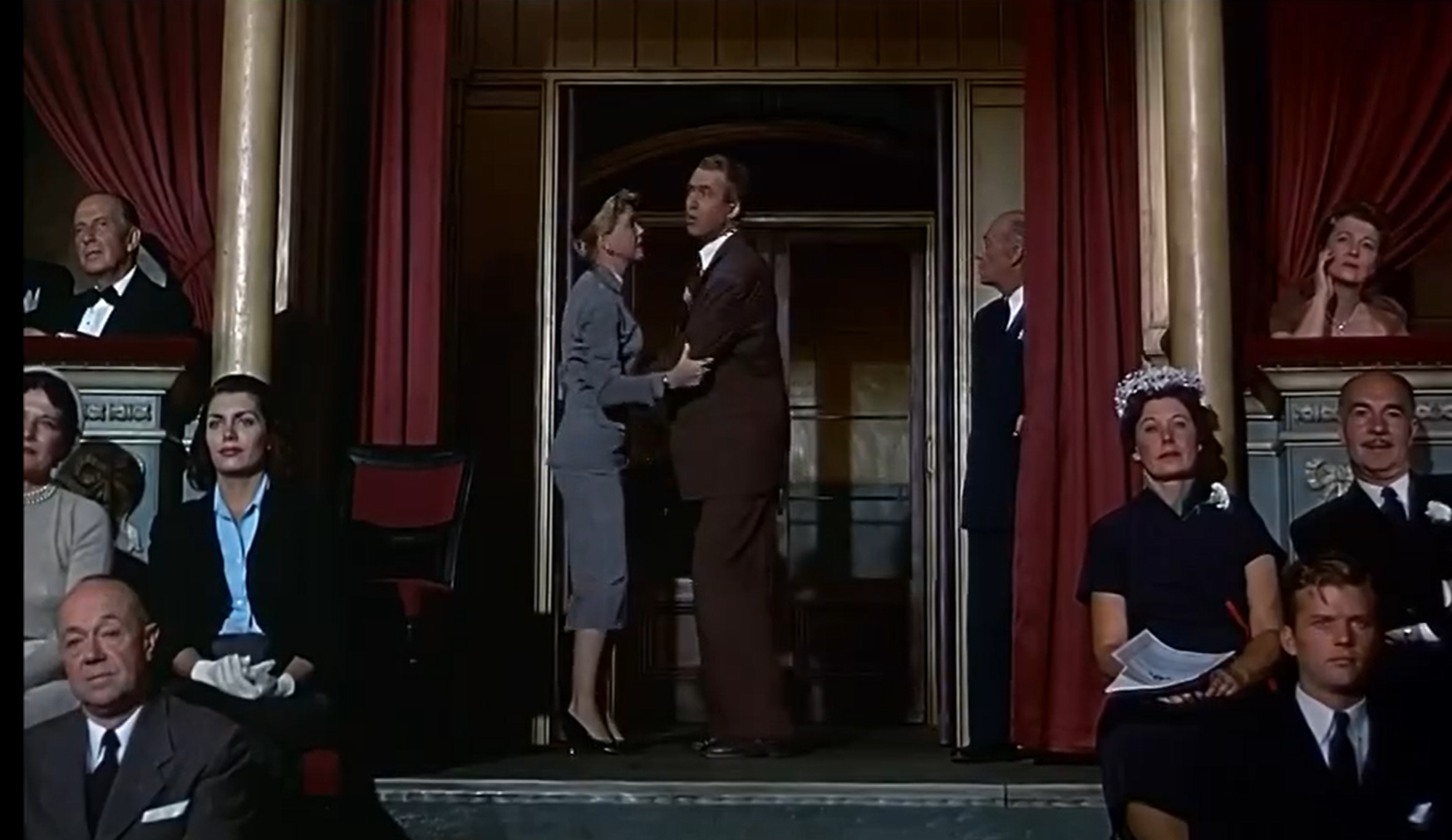
Watch for composer Bernard Herrmann in a cameo as the conductor at Albert Hall, where the film’s exciting, oft-studied climax takes place.

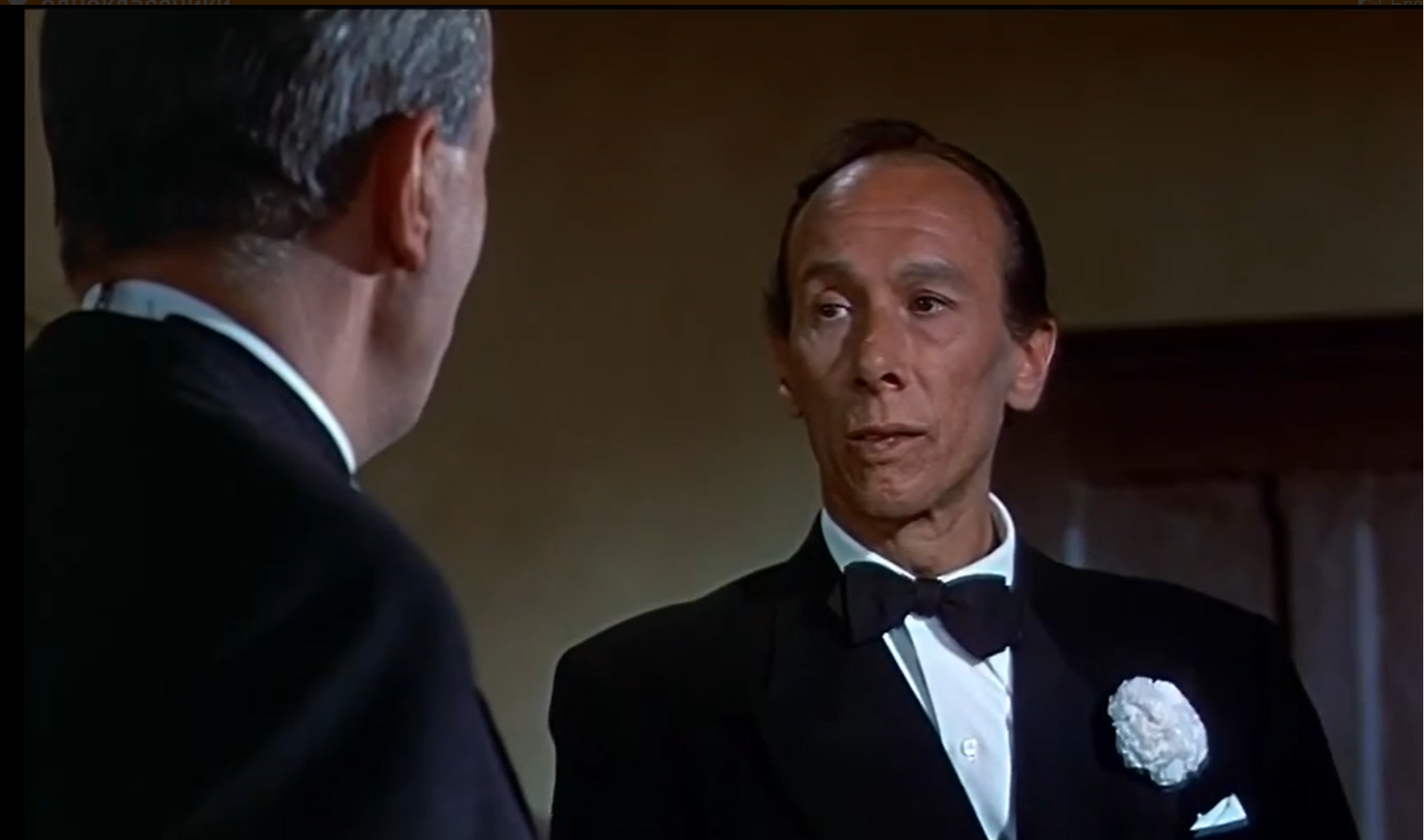
Also of note: skeletal Reggie Nalder as the assassin (has there been a creepier face in cinematic history?).

Redeeming Qualities and Moments:

  • Doris Day as Jo Conway
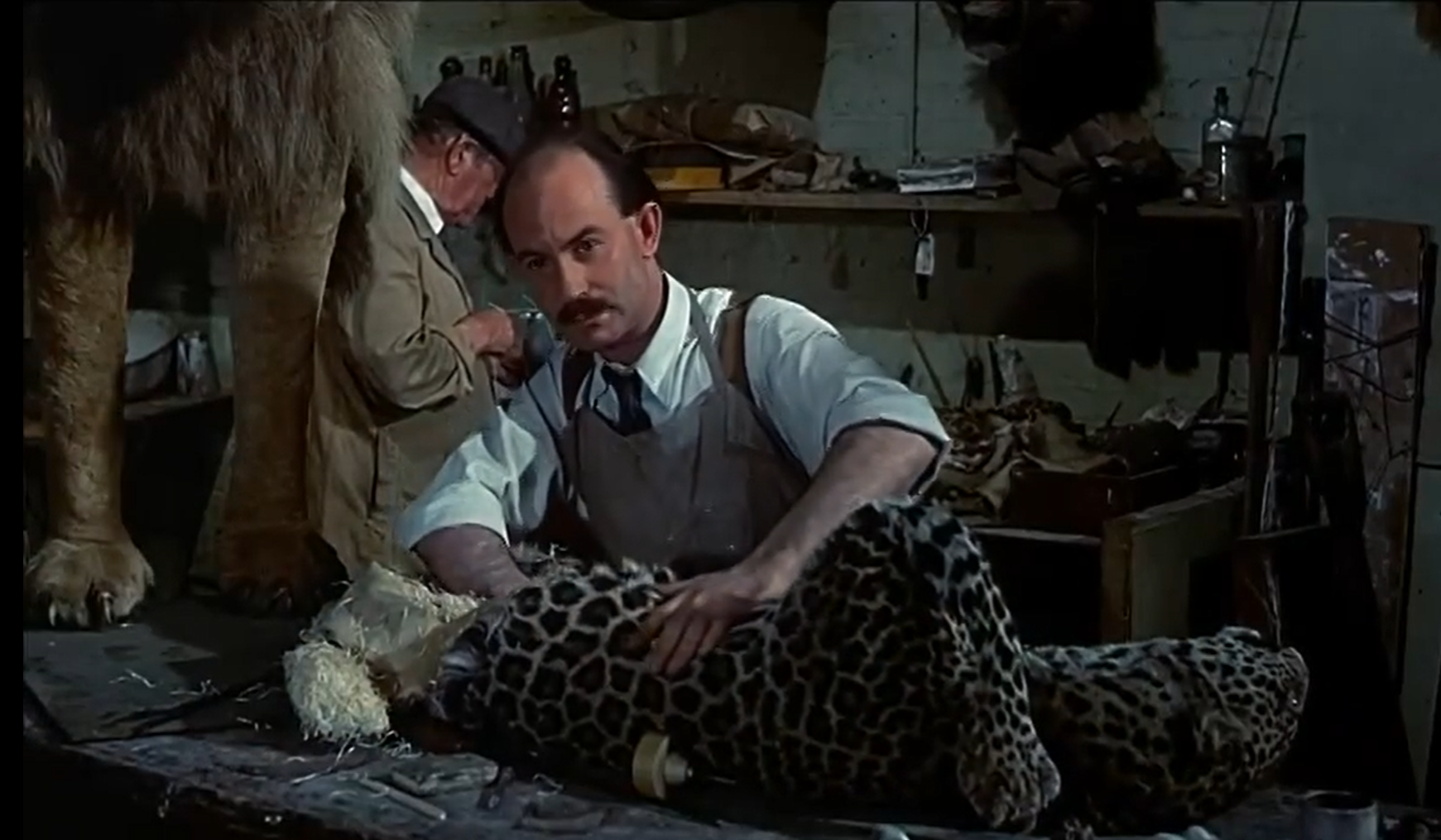
  • The amusing taxidermist sequence — a classic Hitchcockian red herring
  • The suspensefully filmed and edited Albert Hall sequence

Must See?
Yes. While it’s not one of his best films, this is certainly worthy Hitchcock viewing — and film fanatics will enjoy comparing it with his earlier version.

Categories

Links:

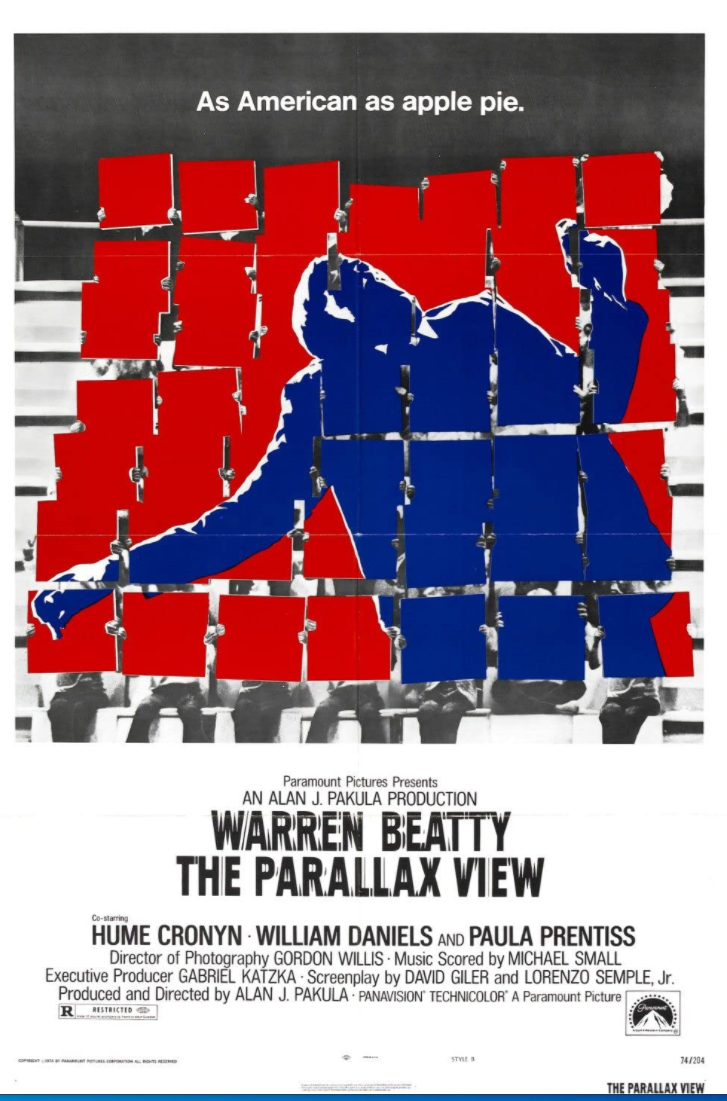
Parallax View, The (1974)

Parallax View, The (1974)

“There is no evidence of a conspiracy.”

Synopsis:
While investigating a string of deaths associated with the murder of a politician (William Joyce), a journalist (Warren Beatty) learns about the mysterious Parallax Corporation, which trains assassins.

Genres, Themes, Actors, and Directors:

  • Alan J. Pakula Films
  • Assassination
  • Hume Cronyn Films
  • Journalists
  • Paula Prentiss Films
  • Political Conspiracy
  • Warren Beatty Films

Response to Peary’s Review:
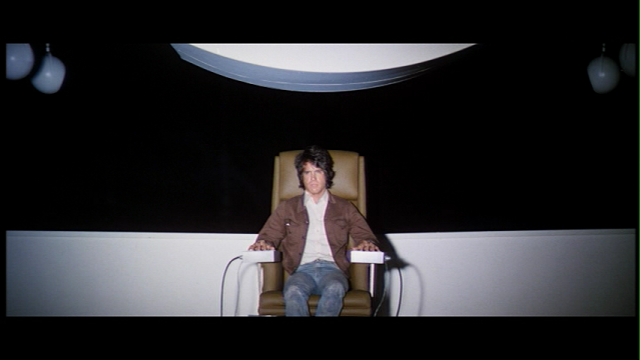
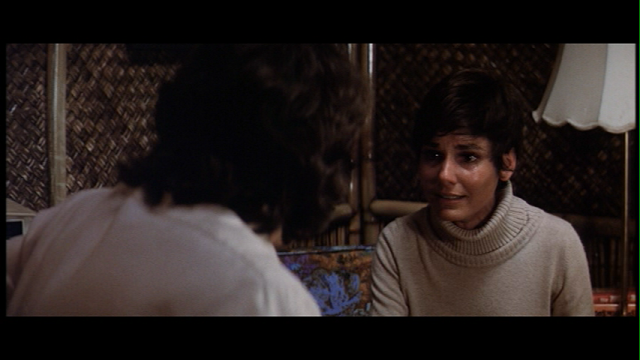
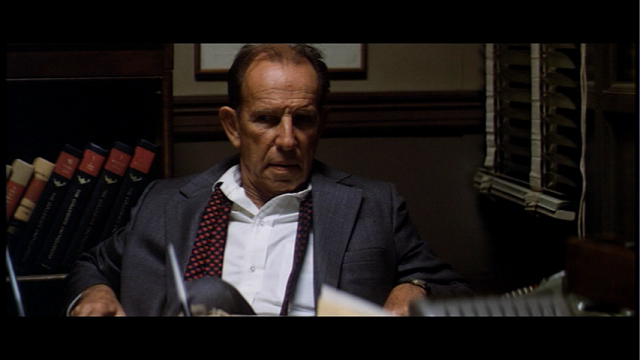
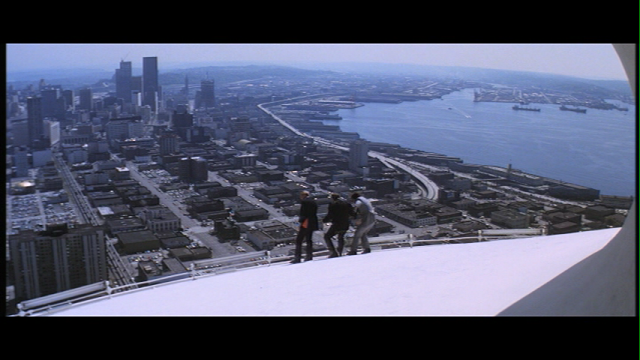
Peary’s review of this “strangely satisfying” thriller by Alan J. Pakula largely focuses on its status as a “blueprint for conspiratorial machinery” and as the “definitive paranoia film”. Peary argues that the film effectively demonstrates how “even the cleverest, most resourceful individual cannot triumph against the corporation”, and that “truth [cannot] win out as in [Pakula’s next film] All the President’s Men.” While it’s true, as Peary notes, that the film’s “major flaws result from Pakula sacrificing story-clarifying scenes for pacing” (it’s often devilishly difficult, as in Pakula’s Klute, to follow what’s happening from one scene to the next), I also agree with him that in this case, “the information left out [simply] builds our paranoia and disorientation”. Visually, The Parallax View is a triumph: Pakula’s stylized direction (utilizing many longshots or extreme close-ups) and Gordon Willis’s masterful camerawork make this a film one doesn’t mind viewing key sections of several times. Especially notable are the opening assassination sequence atop the Space Needle in Seattle, and the deeply disturbing “brainwashing montage”, watched by Beatty when he visits the Parallax Corporation for the first time (see DVD Savant’s review for a more detailed analysis of this sequence’s progression). Beatty is fine and believable in the central role, but the supporting cast is even more impressive — particularly Paula Prentiss in an all-too-brief early role as Beatty’s former girlfriend (whose fear of being the next in line for assassination is realized all too quickly.)

Redeeming Qualities and Moments:

  • Warren Beatty as Joseph Frady (nominated by Peary as one of the best actors of the year in his Alternate Oscars book)
  • Paula Prentiss in an early supporting role
  • Hume Cronyn as Beatty’s editor
  • The opening Space Needle assassination sequence
  • The eerie brainwashing montage
  • Gordon Willis’s cinematography
  • Pakula’s effective directorial style

  • Michael Small’s distinctive, trumpet-heavy score

Must See?
Yes, as a powerful thriller by a master director. Discussed at length in Peary’s Cult Movies 2, and nominated by Peary as one of the best movies of the year in his Alternate Oscars book.

Categories

  • Good Show
  • Important Director

Links:

Ecstasy (1933)

Ecstasy (1933)

“My marriage was a mistake.”

Synopsis:
A sexually neglected newlywed (Hedy Lamarr) finds love and passion in the arms of a handsome young foreman (Aribert Mog).

Genres, Themes, Actors, and Directors:

  • Eastern European Films
  • Hedy Lamarr Films
  • Marital Problems
  • Sexual Liberation

Response to Peary’s Review:
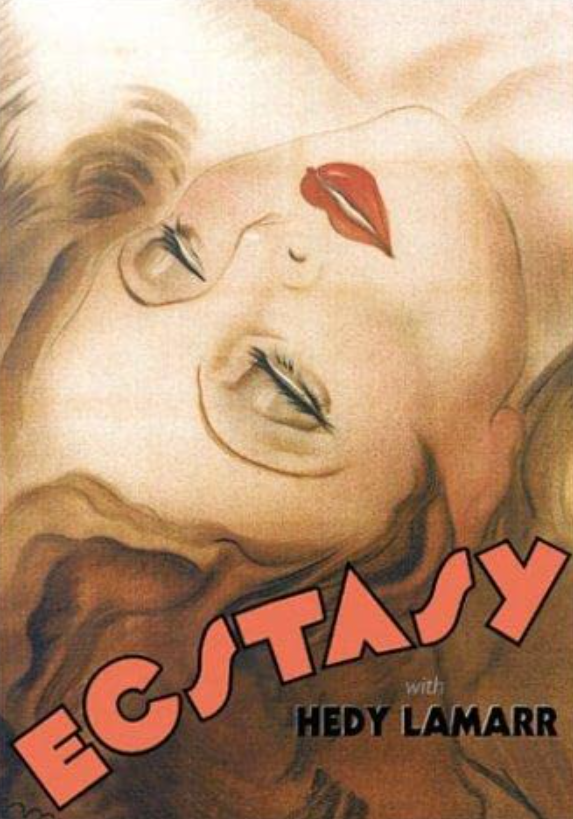
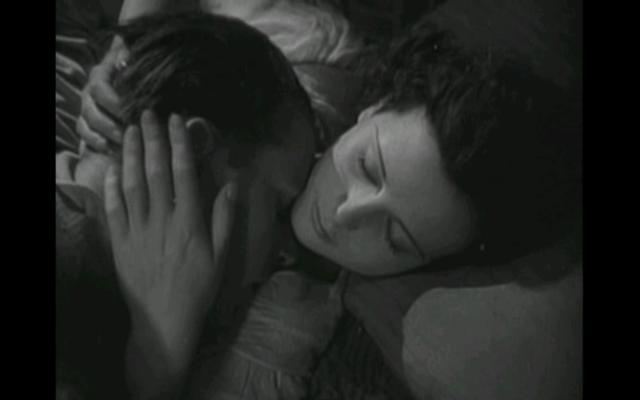
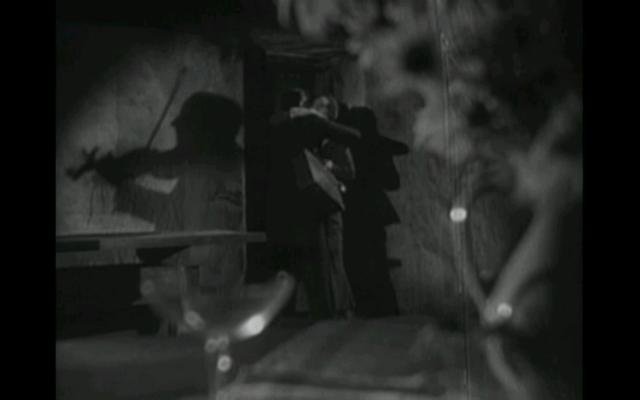
As Peary notes, this “once banned picture” — refused importation into the United States until 1940, and publicly denounced by Pope Pius XII — is a “surprisingly impressive work considering that its reputation is based solely on its trouble with censors and [19-year-old Hedy] Lamarr’s nudity.” While its controversial scenes — naked Lamarr swimming and dashing through the forest after her runaway horse; a close-up of Lamarr’s face in “ecstasy” with her handsome new lover — are indeed somewhat “startling” for a film made in the early 1930s, Peary accurately notes that the film remains “an extremely bold, erotic exploration of a woman’s need for sexual fufillment”. Shot much like a silent picture (with limited dialogue), Ecstasy is a visual treat throughout, with effectively dreamy cinematography and many memorable images (see stills below). Unfortunately, the final half hour of the film — in which director Gustav Machaty has Lamarr pay for the sin of “yielding to her sexual desire and seeking out a man for sex” — starts to drag, and an ending montage sequence of industrious workers (which seems to belong to another Soviet-era propaganda movie entirely) is a truly “bizarre” capstone to what’s come before. Despite its disappointing ending, however, Ecstasy remains worthy viewing, not just for its controversy (which makes it an automatic must for all film fanatics) but for its sensuous depiction of young lovers finding short-lived happiness in each others’ arms.

Redeeming Qualities and Moments:

  • An effective tale of sensual awakening
  • Striking cinematography and creative direction


Must See?
Yes, as a controversial film with cinematic significance.

Categories

Links:

Taxi Driver (1976)

Taxi Driver (1976)

“Some day a real rain will come and wash all the scum off the streets.”

Synopsis:
An alienated veteran (Robert De Niro) working as a nighttime cabbie in New York plots to assassinate a political candidate (Leonard Harris) while becoming increasingly obsessed with “rescuing” a 12-year-old prostitute (Jodie Foster) from her pimp (Harvey Keitel).

Genres, Themes, Actors, and Directors:

  • Cybill Shepherd Films
  • Harvey Keitel Films
  • Jodie Foster Films
  • Martin Scorsese Films
  • Misfits
  • New York City
  • Paul Schrader Films
  • Peter Boyle Films
  • Prostitutes and Gigolos
  • Robert De Niro Films
  • Veterans
  • Vigilantes

Response to Peary’s Review:
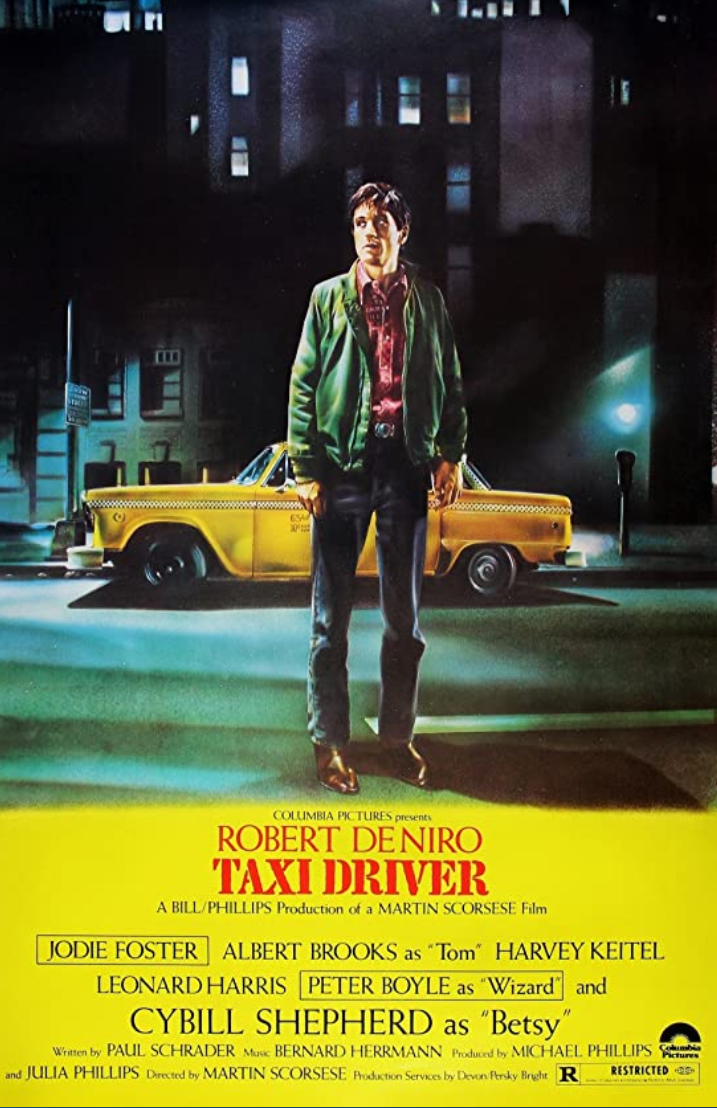
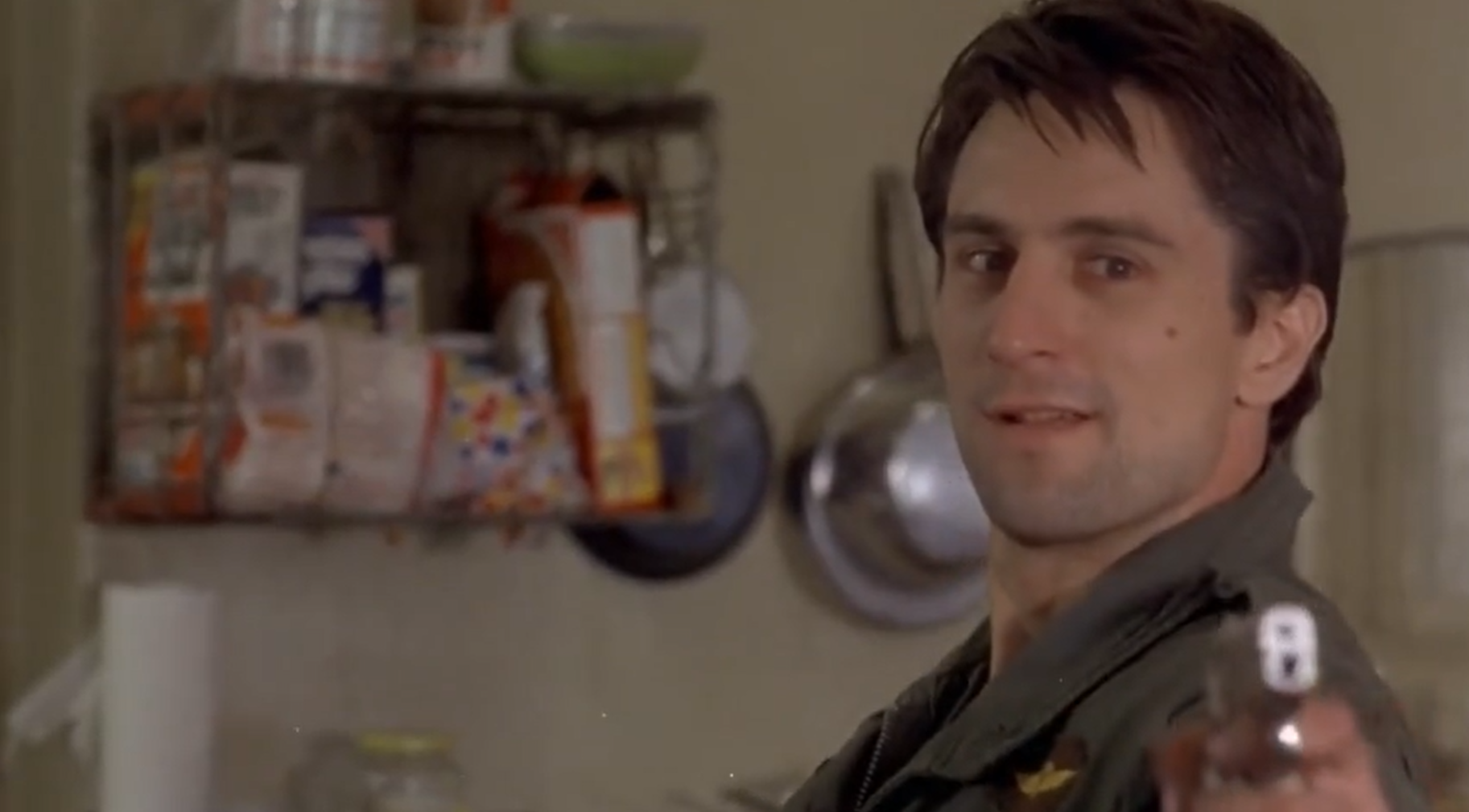
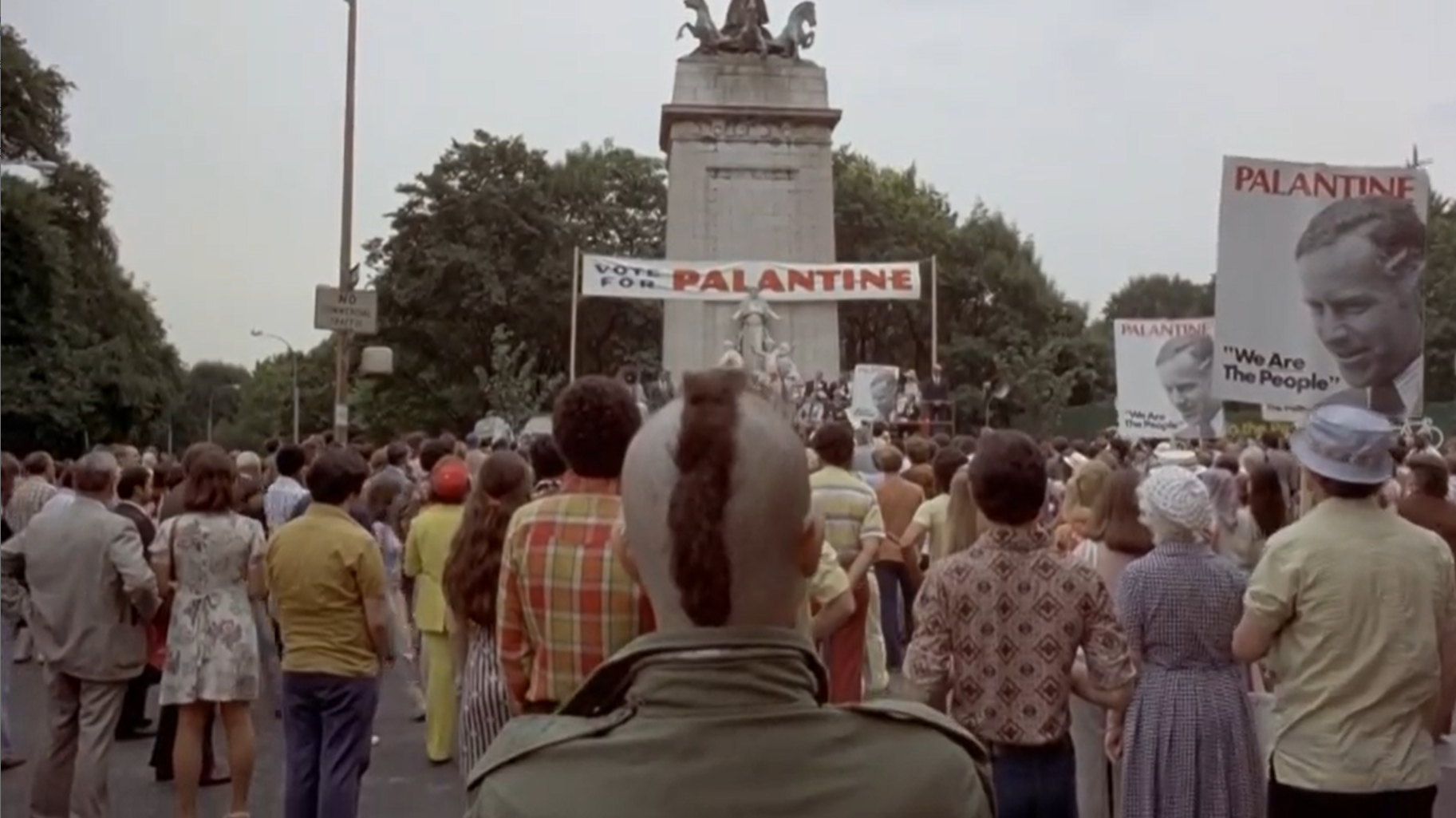
Martin Scorsese has made so many highly regarded movies over the past few decades that it’s difficult to call out which ones are most enduring, but I cast my vote for placing this “controversial, disturbing character study” — a true neo-noir classic — at the top of the list. A rare marriage of polished directorial style, stunning cinematography (by Michael Chapman), sharp script (by Paul Schrader), haunting score (by Bernard Herrmann — his last), and a chilling central performance, Taxi Driver is one of the most memorable character studies in cinematic history. Yet while Peary notes that the “film remains an enormous favorite among critics and fans who are impressed by its gritty realism, orgiastic violence, standout performances, and overwhelming cynicism”, he argues that “an equal number resent it because of its bleak resolution.” It’s difficult to tell exactly where Peary himself falls along this spectrum of opinions: while he notes that “De Niro has never been better”, he simultaneously argues that “too often Scorsese lets his favorite actor do a standard ‘De Niro bit'”, and he questions what he sees as the film’s ultimate claim that “a maniac can rid himself of inner demons… and become all civilized by committing cold-blooded murder.”

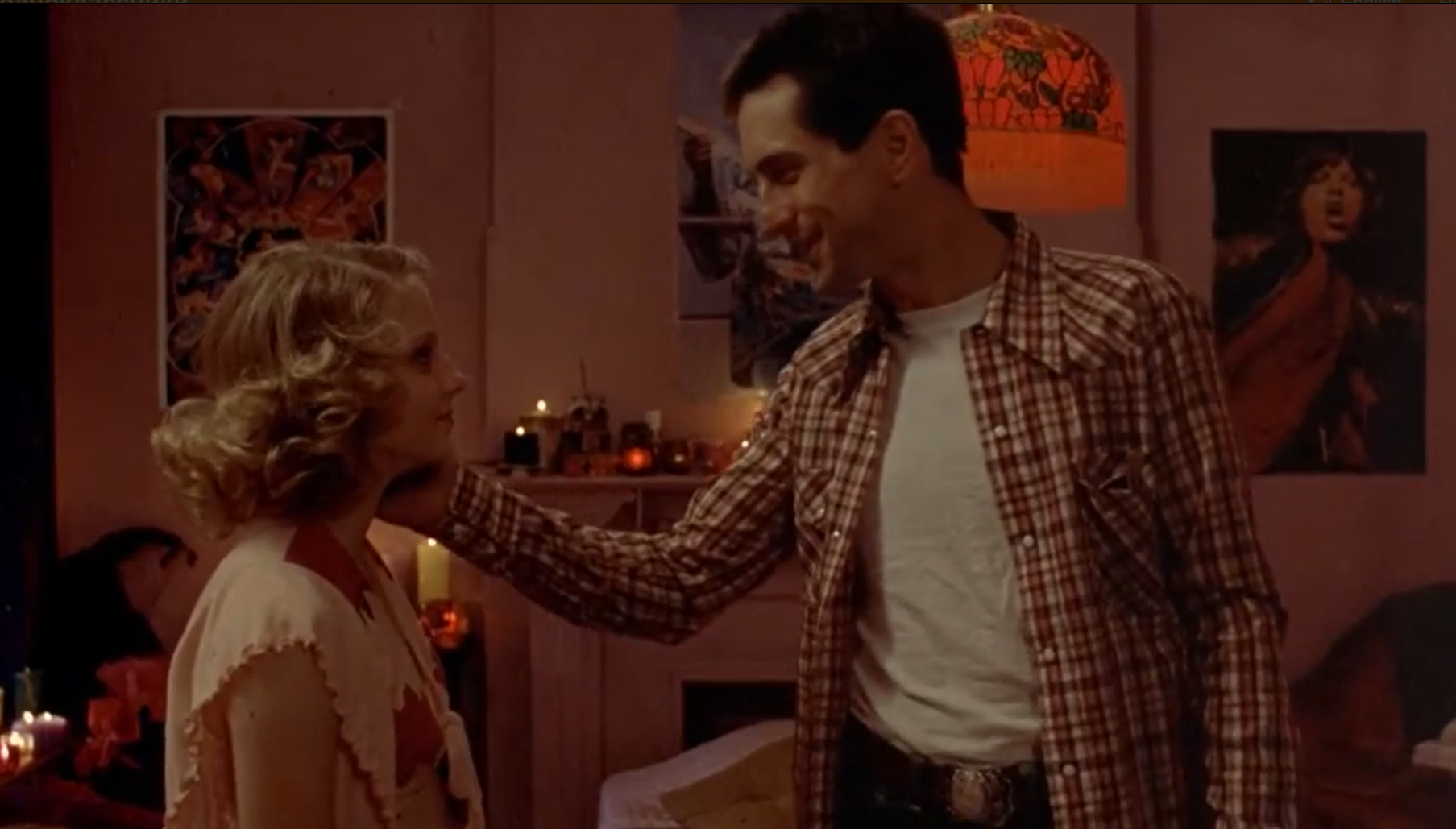
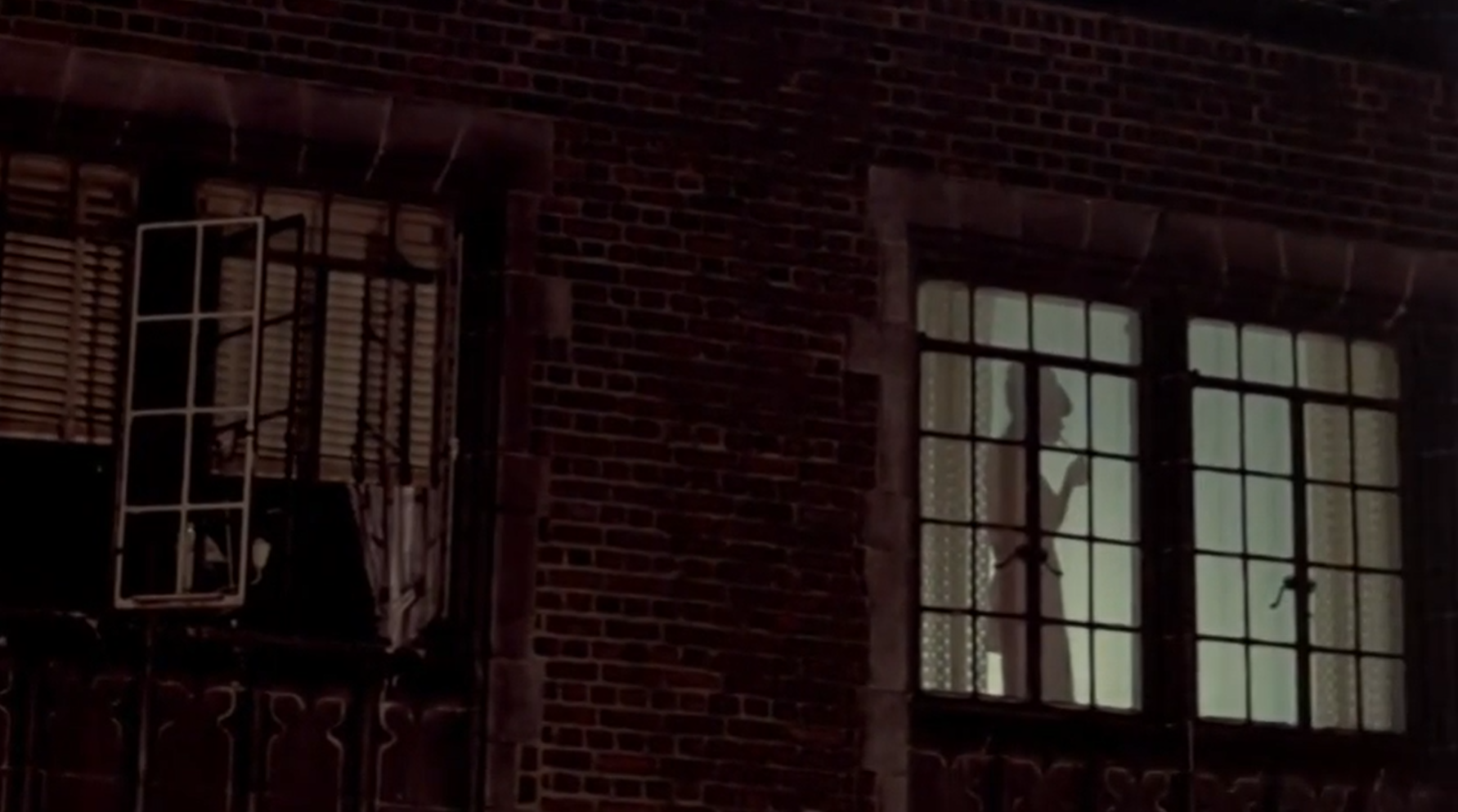
Regardless of one’s view on the film’s unexpected ending — which I see as an appropriately bizarre capstone to the dizzying parable that’s come before, akin to the controversial ending in Scorsese’s later King of Comedy (1982) — there is much to admire in Taxi Driver, including uniformly excellent performances by all involved — including Foster as a remarkably self-assured preteen hooker:

… Harvey Keitel as her creepy pimp:

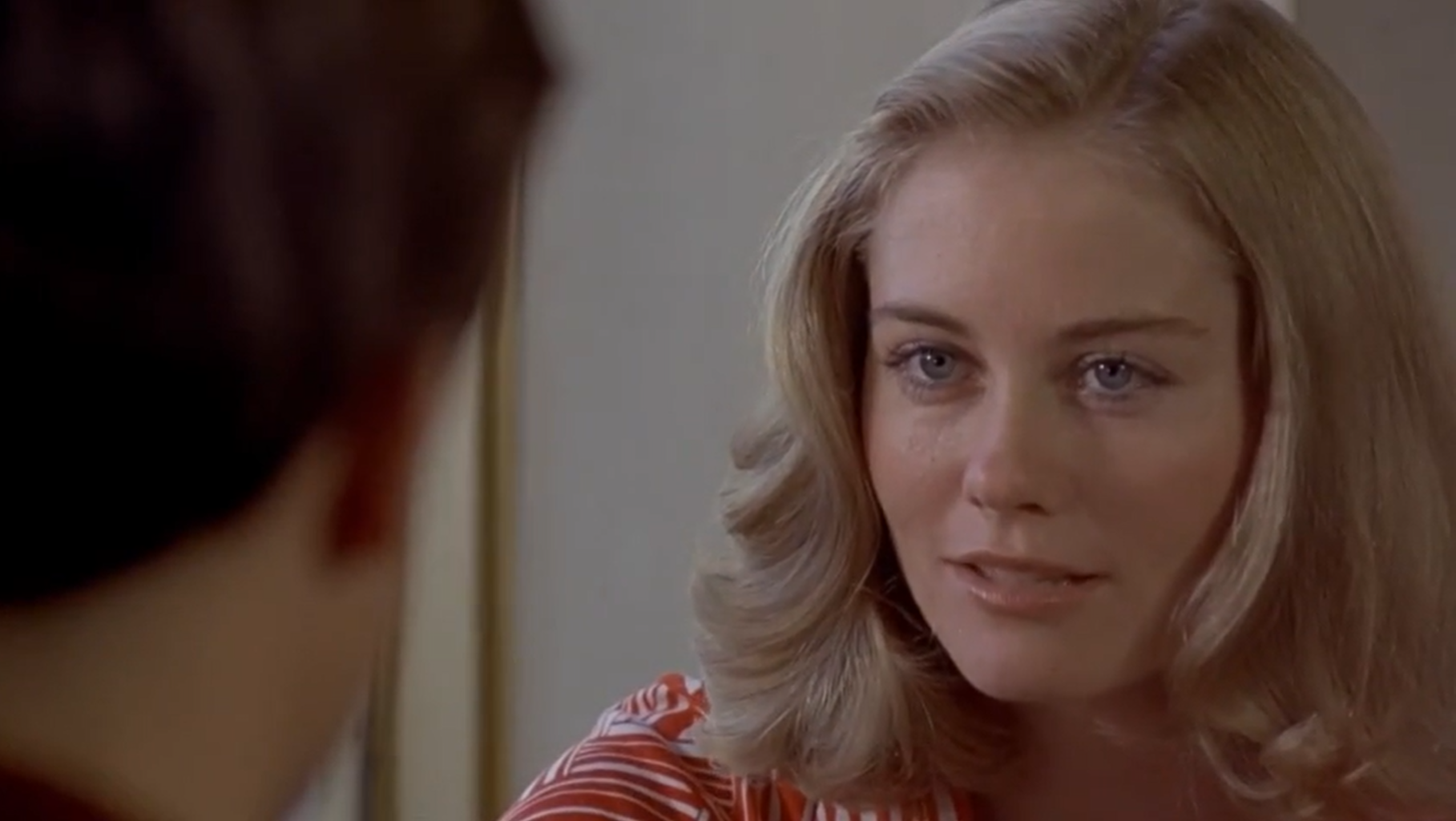
… Cybill Shepherd as a WASP-y electioneer (De Niro’s love interest):

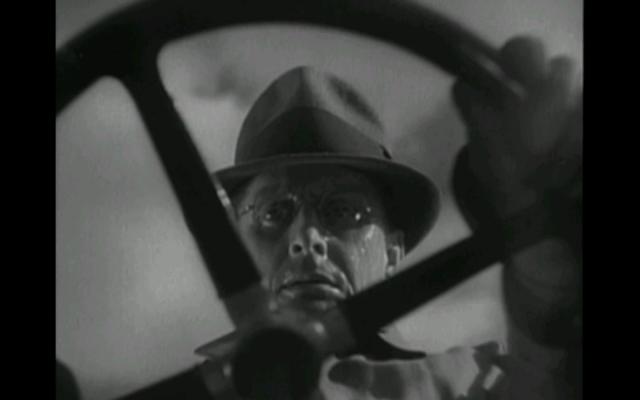
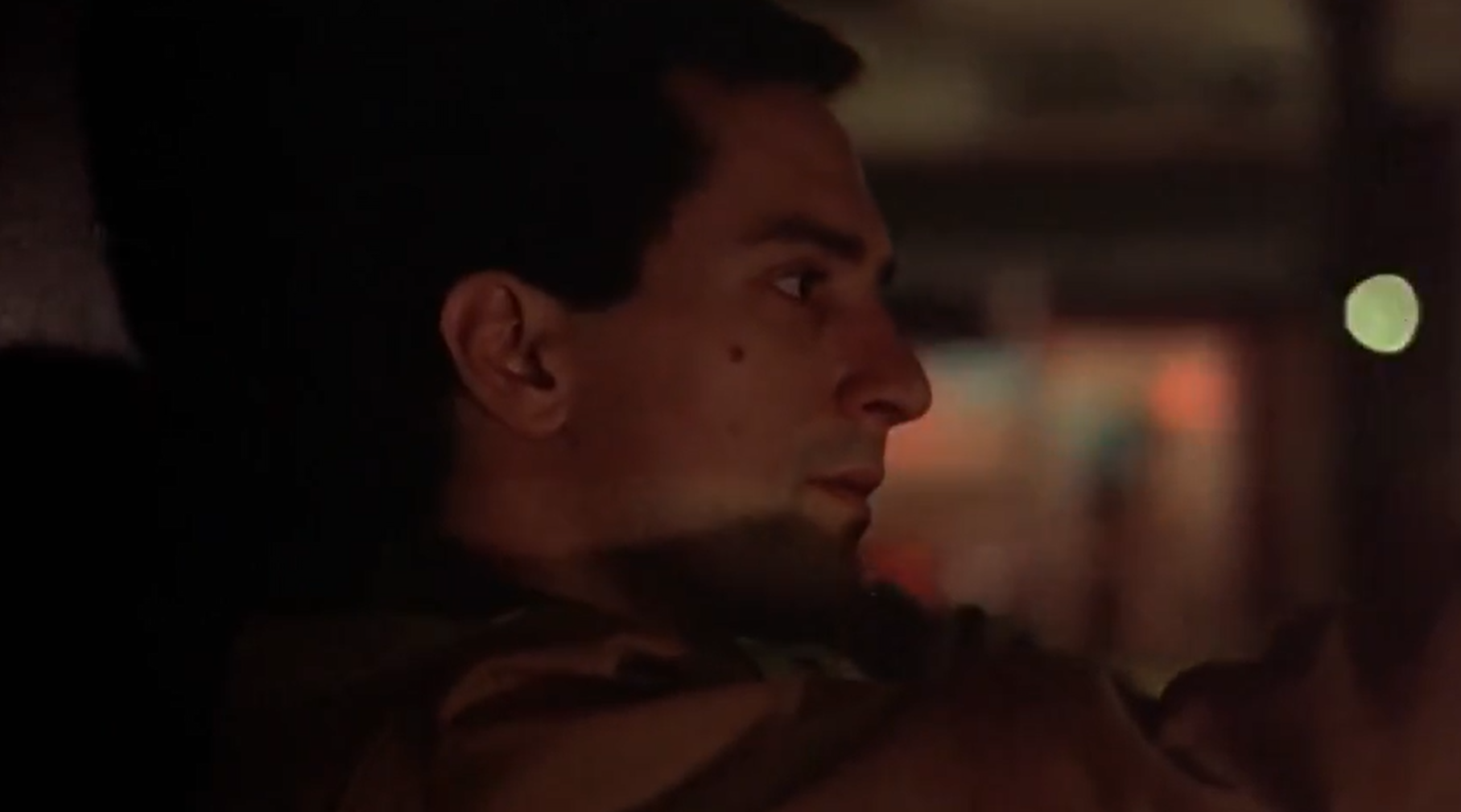
… and (despite Peary’s guarded protestations) De Niro himself in the title role. While his infamous “You talkin’ to me?” mirror scene is deservedly lauded (De Niro is indeed “terrifying” during this moment):

… his entire characterization of Travis Bickle is fascinating to watch, as Bickle gradually descends into righteous madness, driven by a complex cocktail of PTSD, sleeplessness, headaches, and a confused moral compass.


(Interestingly, we never learn why Bickle — a Vietnam vet — was discharged from the army, but he’s clearly deeply damaged, and remains alienated from those around him — as evidenced most clearly in his futile attempt to turn to a colleague, Peter Boyle, for help).

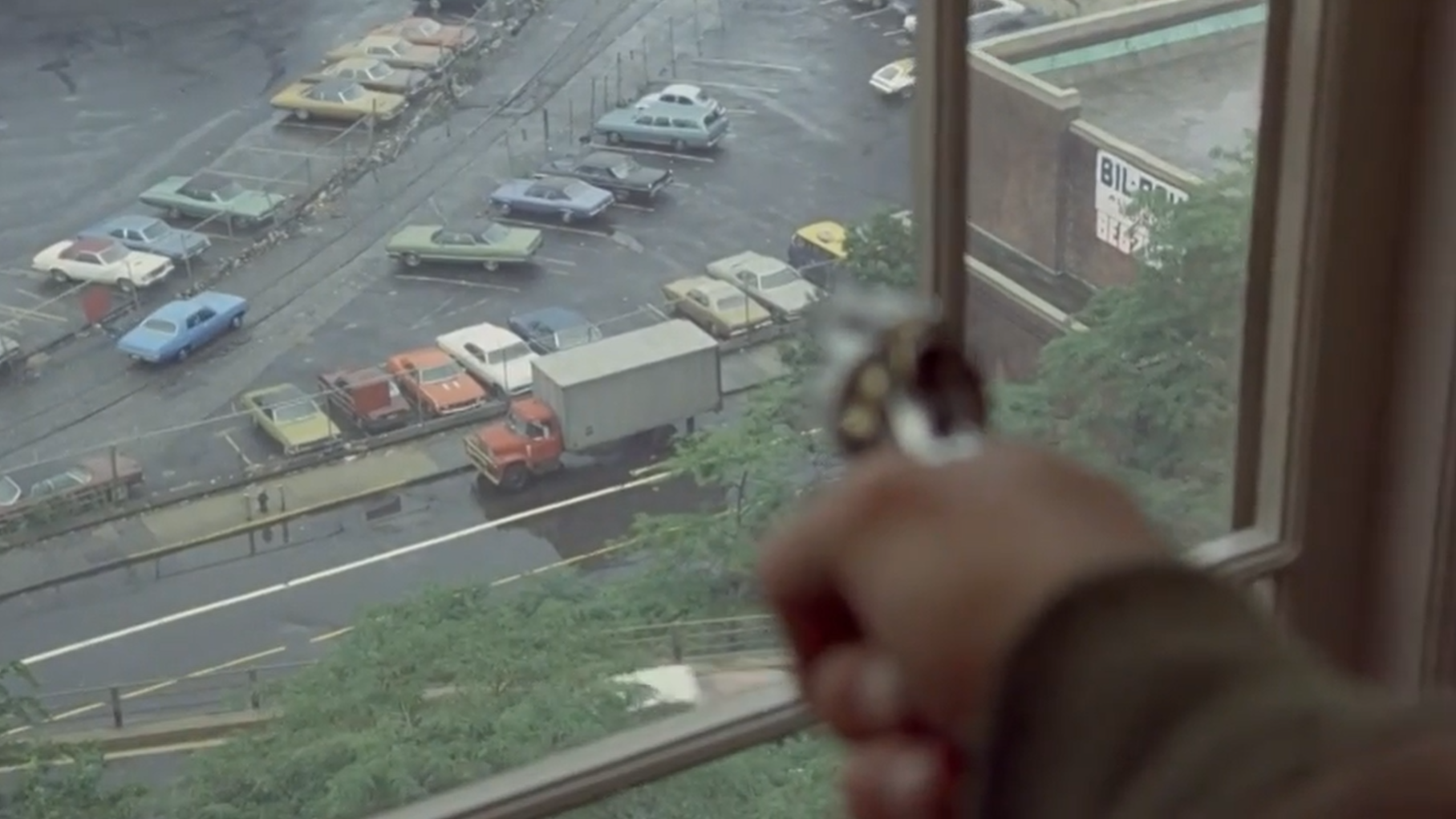
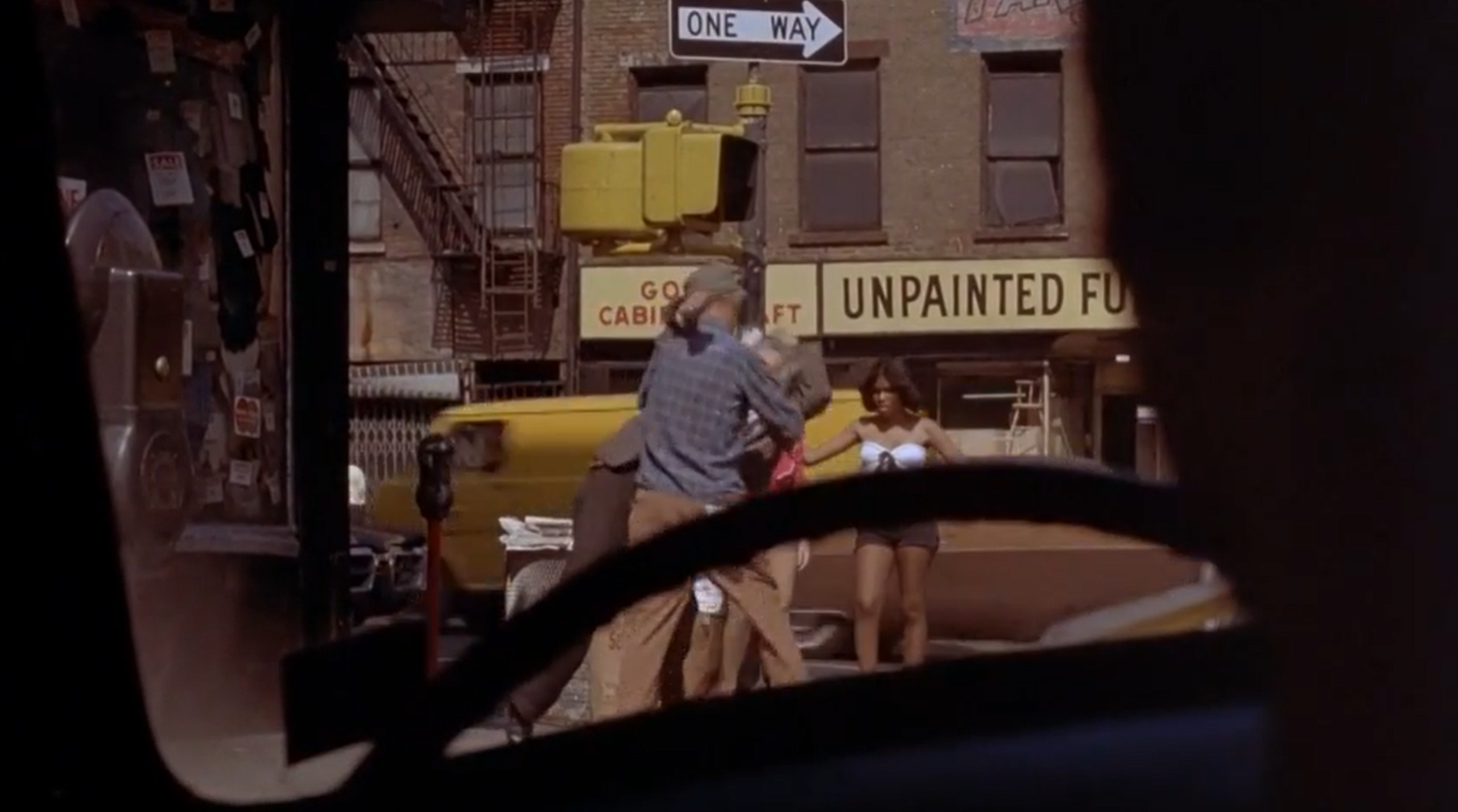
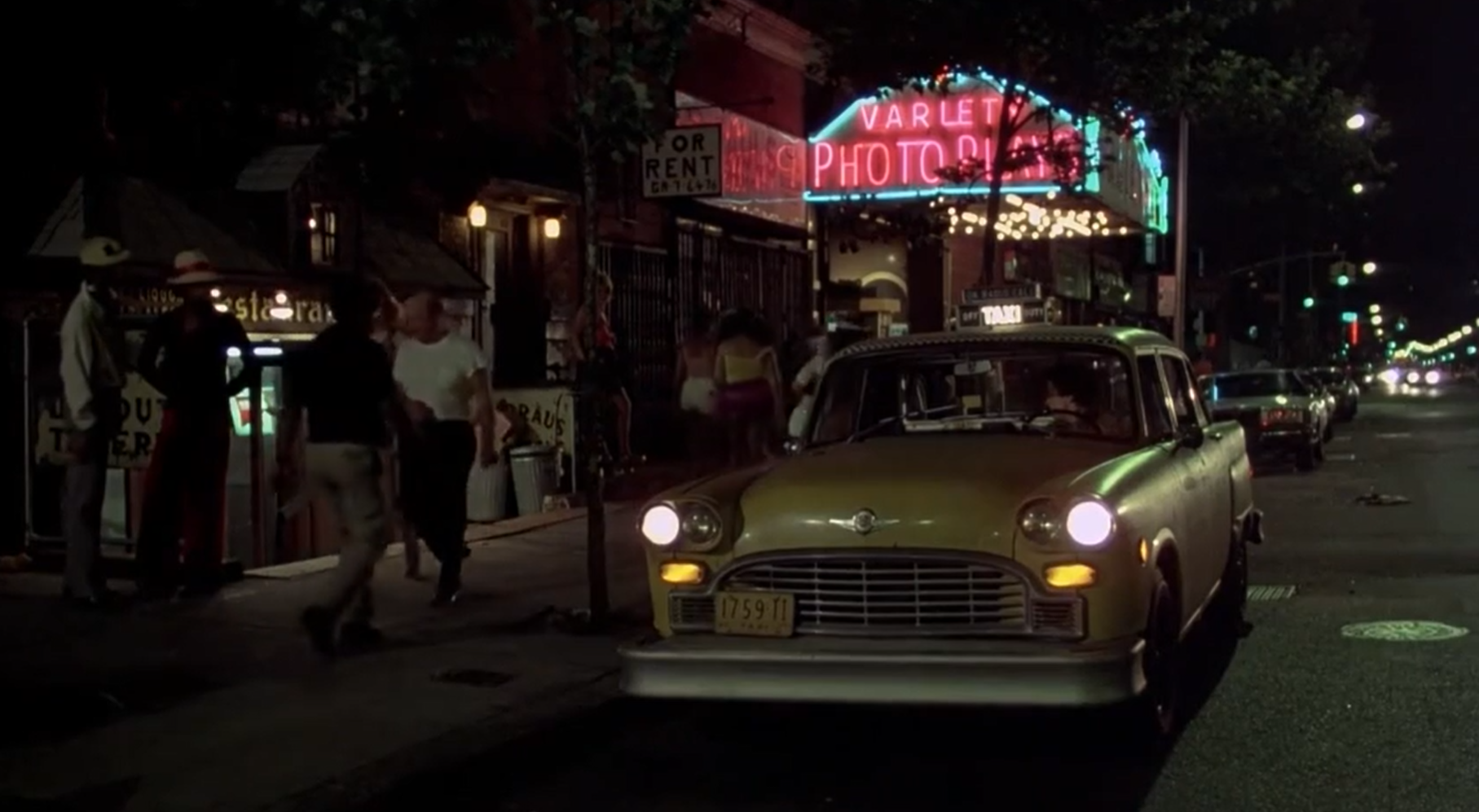
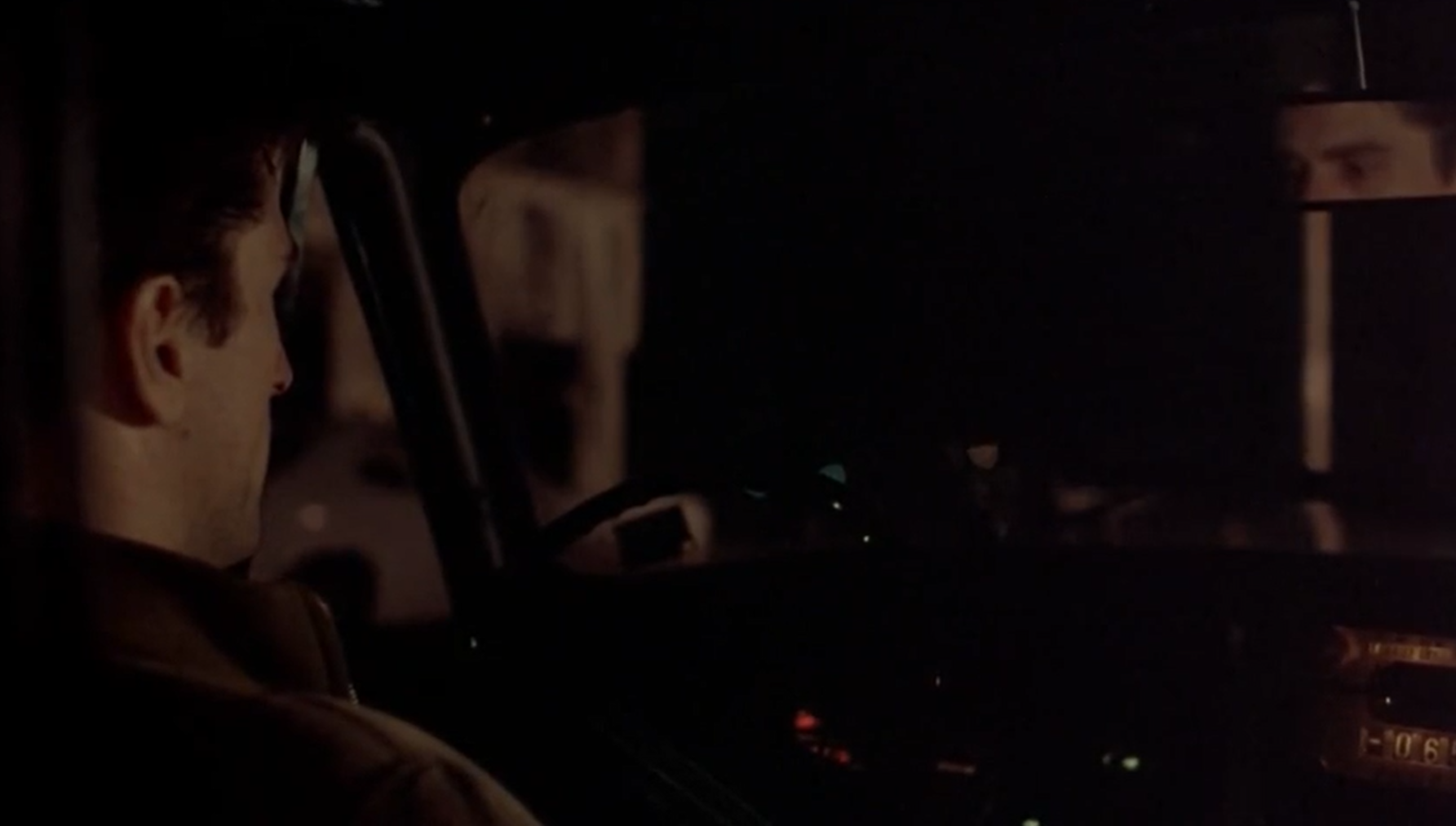
While Taxi Driver is undeniably a violence-filled movie, Peary accurately notes that many of the film’s “best moments” are those without violence — such as the “surreal rides De Niro takes in his cab”, which (thanks in large part to cinematographer Michael Chapman) are “beautifully shot mood pieces”; as Peary points out, “no director has better captured the peculiarly wretched feel and odor, as well as the look, of the underbelly of New York.”

Another of my favorite scenes (among many) shows Jodie Foster picking at a grilled cheese sandwich while defending her lifestyle in front of De Niro’s incredulous Bickle; it’s clear that Bickle’s noble obsession to “rescue” her from her pimp — much like John Wayne’s quest to rescue Natalie Wood from her Indian captors in The Searchers (Peary calls out this parallel in his review) — will be met with a decided lack of gratitude, further complicating this enigmatic tale of a self-made redeemer in search of “justice”.

Redeeming Qualities and Moments:

  • Robert De Niro as Travis Bickle (voted Best Actor of the Year in Peary’s Alternate Oscars book, where he changes his tune slightly and insists his “gripes about Travis’s character have only to do with the script, not De Niro’s performance”)
  • Jodie Foster as Iris
  • Michael Chapman’s cinematography
  • Scorsese’s direction
  • Paul Schrader’s uncompromising script
  • Bernard Herrmann’s score

Must See?
Of course — numerous times. Discussed at length in Peary’s Cult Movies 2.

Categories

(Listed in 1001 Movies You Must See Before You Die)

Links:

Diary of a Country Priest (1951)

Diary of a Country Priest (1951)

“The simplest tasks are by no means the easiest.”

Synopsis:
A sickly young priest (Claude Laydu) in the French countryside struggles to bond with his suspicious parishioners.

Genres, Themes, Actors, and Directors:

  • Character Studies
  • Downward Spiral
  • French Films
  • Priests and Ministers
  • Robert Bresson Films

Response to Peary’s Review:
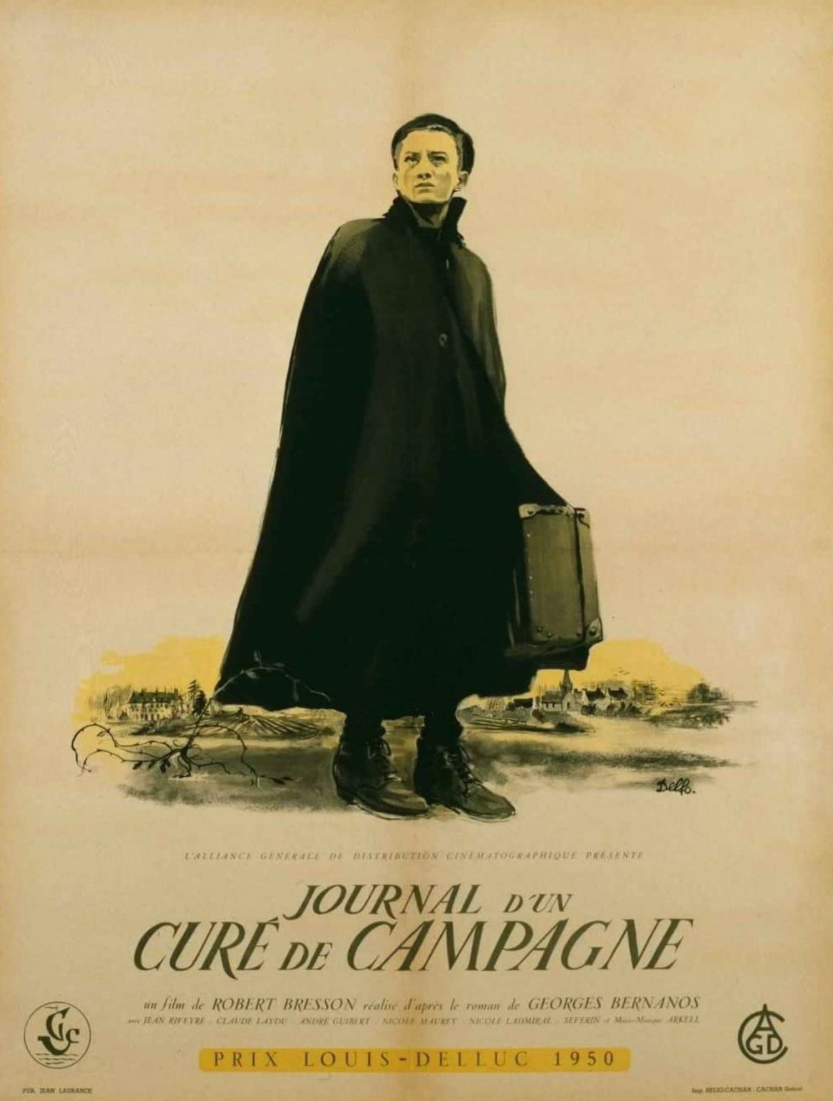
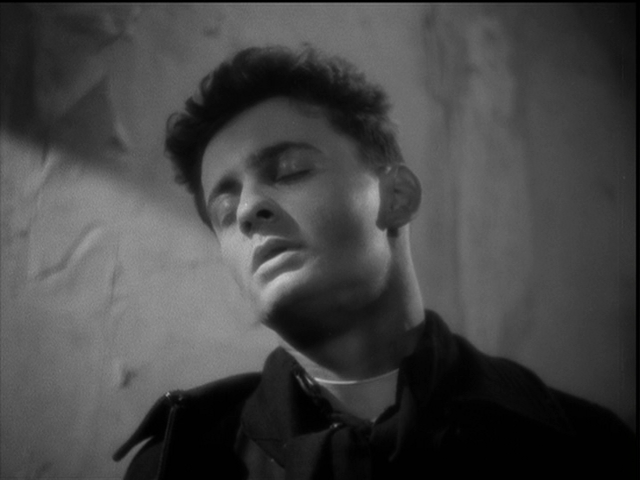
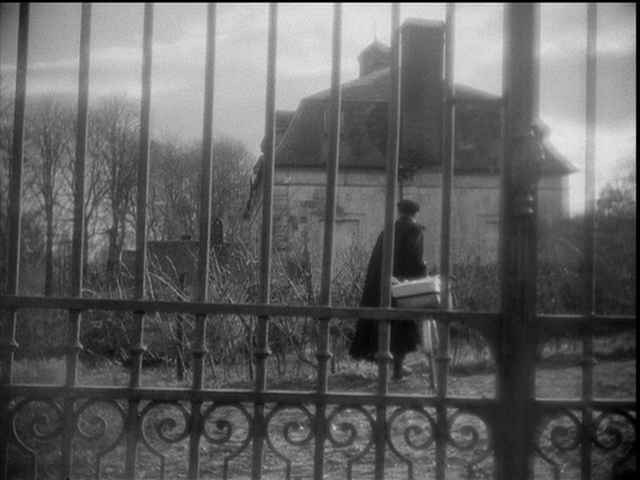
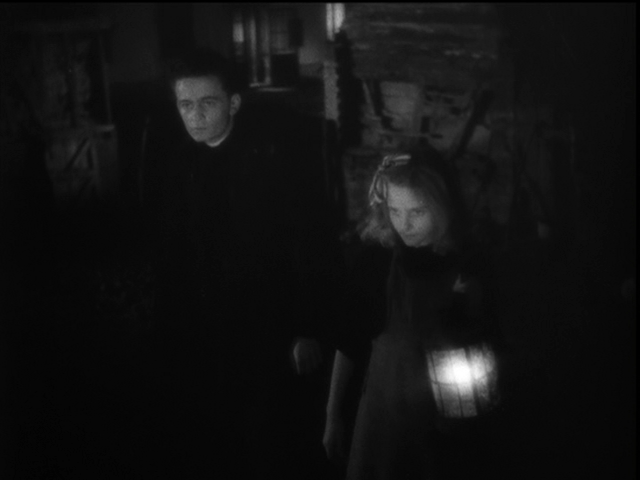
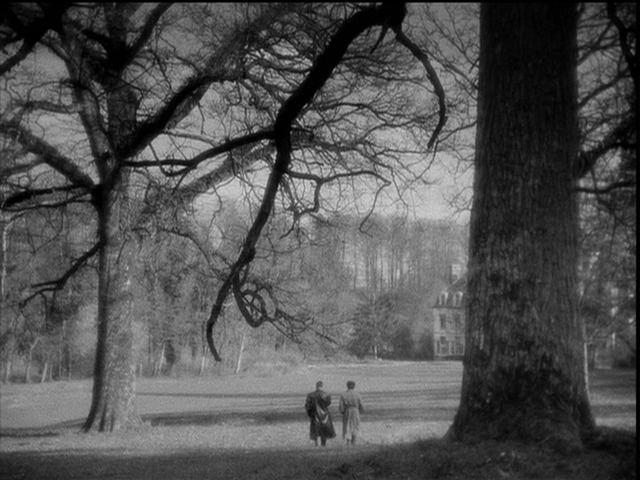
As Peary notes, this “award-winning film” by writer/director Robert Bresson — based on a novel by Georges Bernanos — is “somber and slow” but sustains a “haunting, almost poetic quality” throughout. Peary argues that the film’s titular protagonist (effectively portrayed by non-actor Laydu, who went on to pursue a film career) is “a typical Bresson hero in that he is extremely introverted and incapable of social conversation; … feels isolated; … has grave self-doubts; and suffers terribly, … not only from guilt and spiritual malaise… but physically as well”. Yet “Bresson admires this individual because he somehow retains his faith through [a lengthy] period of terrible despair”. The storyline itself is sparse but oddly compelling, simply following Laydu as he attempts (usually in vain) to connect spiritually with his parishioners, meanwhile assuaging his increasingly crippling stomach pains with wine (leading those around him to unfairly suspect him of alcoholism — though he’s never overtly seen as “under the influence”). What lingers longest in one’s memory of this introspective film are its many “memorable images”, courtesy of both Bresson’s unique vision and Leonce-Henri Burel’s “exquisite” cinematography; see below for a few representative stills.

Redeeming Qualities and Moments:

  • A powerful tale of spiritual longing
  • Leonce-Henry Burel’s cinematography


Must See?
Yes, as Bresson’s acknowledged “masterpiece”.

Categories

(Listed in 1001 Movies You Must See Before You Die)

Links:

Purple Rain (1984)

Purple Rain (1984)

“He’s never done anything in his whole life for anybody but himself.”

Synopsis:
A narcissistic musician (Prince) from a troubled home romances a gorgeous wannabe starlet (Apollonia Kotero) while trying to prevent her from joining a rival singer (Morris Day).

Genres:

Response to Peary’s Review:
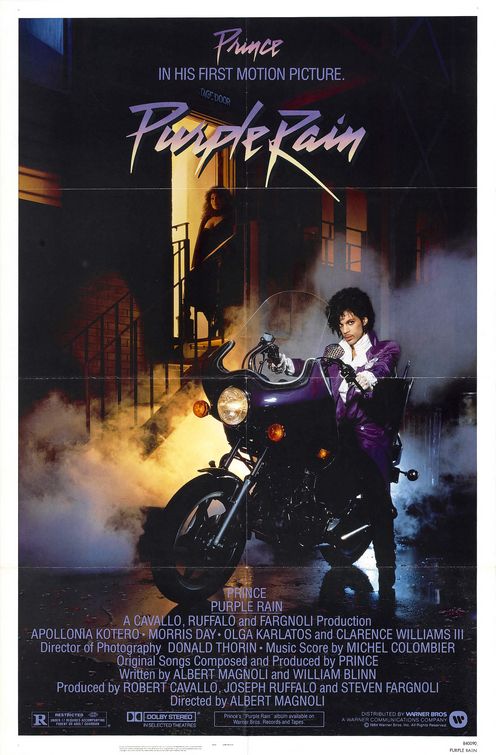
In his review of this cult ’80s rock musical — which “catapulted… rock star Prince… into Michael Jackson megastar status” — Peary notes that “the story is trite and simplistic, and the direction by Albert Magnoli is crude, but the picture has enticing sexual tension… and the flamboyant Prince” (who evokes “the explosive energy of James Dean in Rebel Without a Cause“) has “undeniable charisma and charm”. Unfortunately, Prince’s character (based on himself) is also self-absorbed, petulant, immature, and abusive, to an insufferable degree; at first glance, he’s no one we could ever root for, but what finally helps to redeem him in our eyes is seeing the pain he experiences in his violent home (he’s clearly reacting to, and imitating, his dysfunctional parents), and watching him perform on stage, where he truly is “spellbinding” as he belts “out a soulful song, his fingers whipping his guitar”. With that said, Prince-the-performer is really the only reason to watch this poorly-acted and lamely scripted film, which amounts to little more than a full-length music video with a skeletal storyline. Others agree: Time Out’s reviewer, while acknowledging Prince’s undeniable charisma, calls it “at best predictable, at worst incomprehensible”, while Culture Cartel’s John Nesbitaccurately notes that “were it not for some excellent music, this film would be a complete waste of time.” Nonetheless, I reluctantly recommend it as must-see one-time viewing for film fanatics, simply for its cult status and its Oscar-winning soundtrack.

Redeeming Qualities and Moments:

  • Prince’s dynamic presence
  • Some truly electrifying performances during the final half-hour of the film

Must See?
Yes, simply as a cult film and for its Oscar-winning soundtrack.

Categories

  • Cult Movie
  • Oscar Winner or Nominee

Links:

Grand Illusion / Grande Illusion, La (1937)

Grand Illusion / Grande Illusion, La (1937)

“Frontiers are an invention of men; nature doesn’t give a hoot.”

Synopsis:
During World War One, an aristocratic French captain (Pierre Fresnay) bonds with his German captor (Eric von Stroheim) while secretly making plans with his fellow POWs (including Jean Gabin and Marcel Darlio) to escape.

Genres, Themes, Actors, and Directors:

  • Class Relations
  • Erich von Stroheim Films
  • Escape
  • French Films
  • Jean Gabin Films
  • Jean Renoir Films
  • Prisoners of War
  • World War One

Response to Peary’s Review:
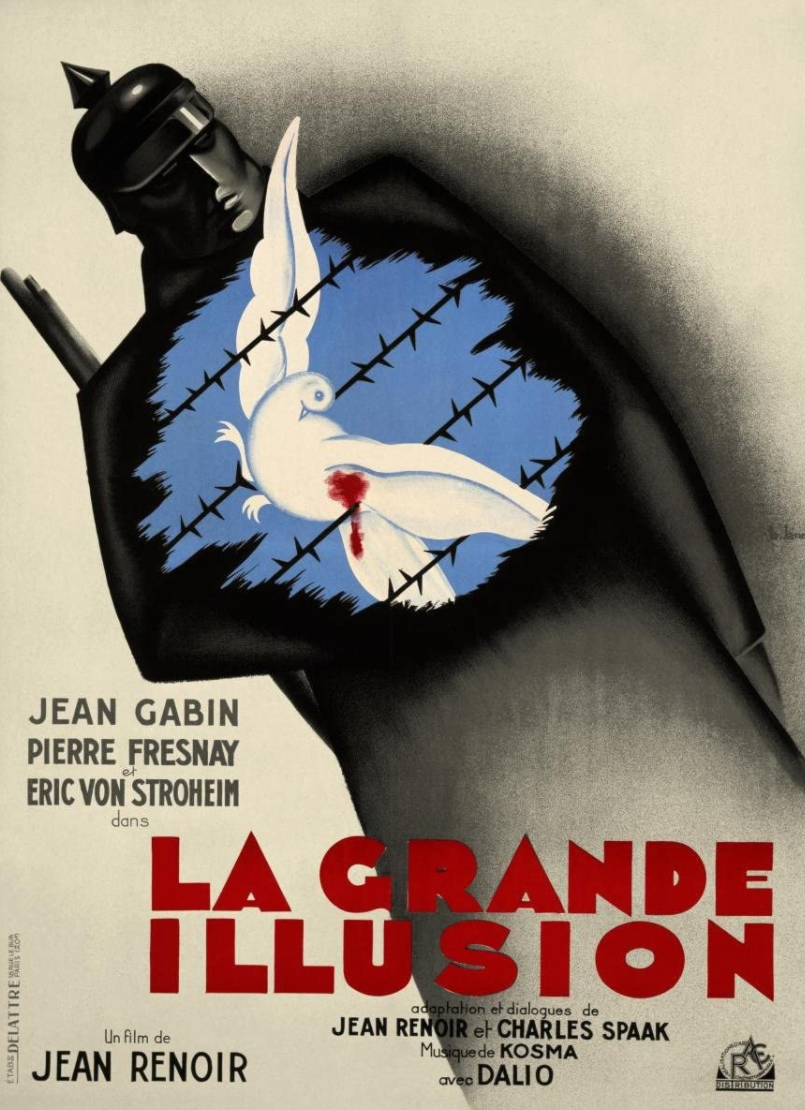
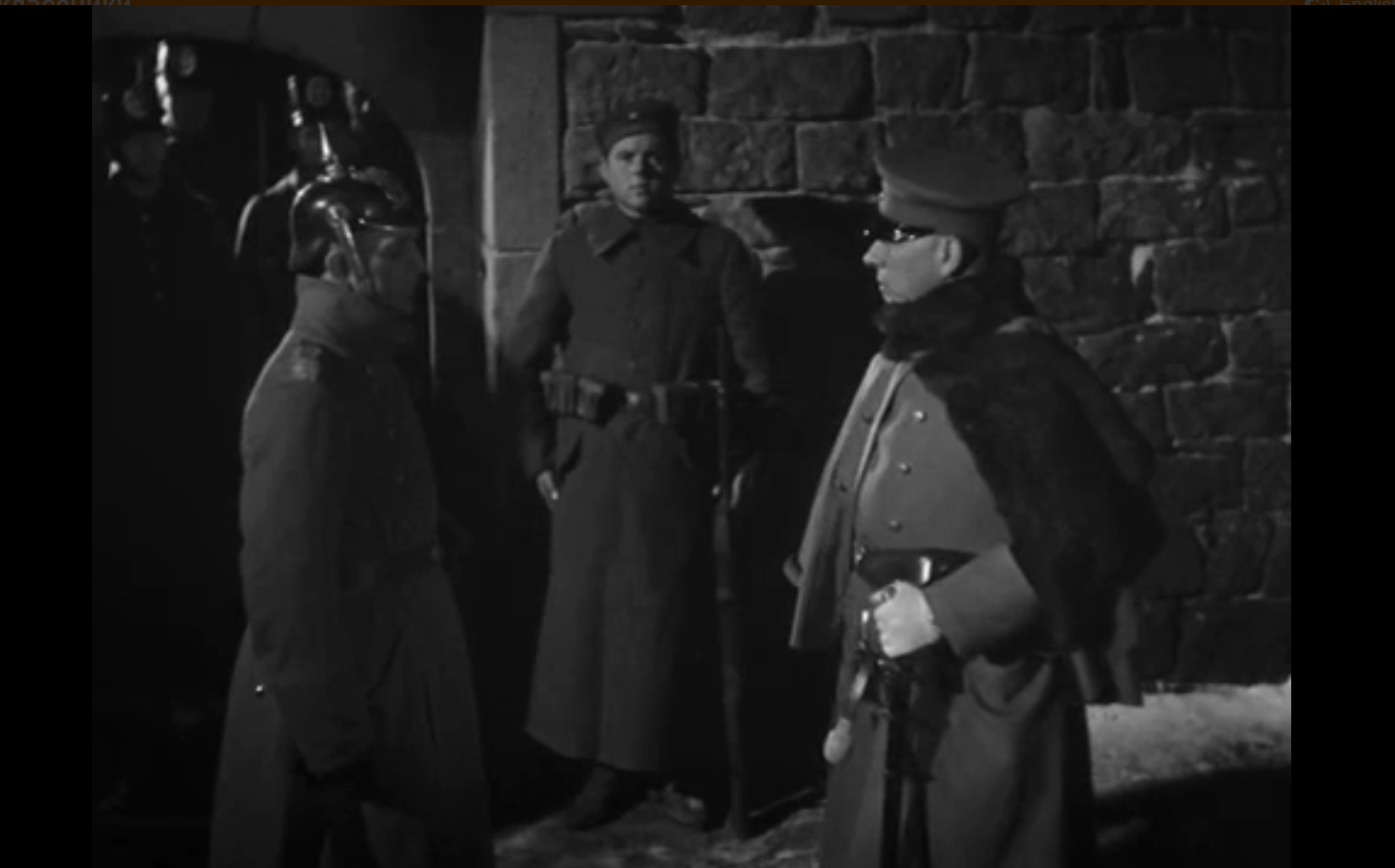
Peary argues that this classic wartime drama by Jean Renoir is a “heartfelt cry for an end to wars, which are casually undertaken at the expense of the natural bond among all men.” Indeed, Renoir’s tale of the “respectful relationship” between two “cultured and aristocratic” career soldiers who “believe war can be carried out in a chivalrous manner” is somewhat heartbreaking in its naivete, given that war is “simply too cruel” for such a noble sentiment; despite being “treated well” by their captors, the prisoners know they must escape, and they risk their lives repeatedly to do so.

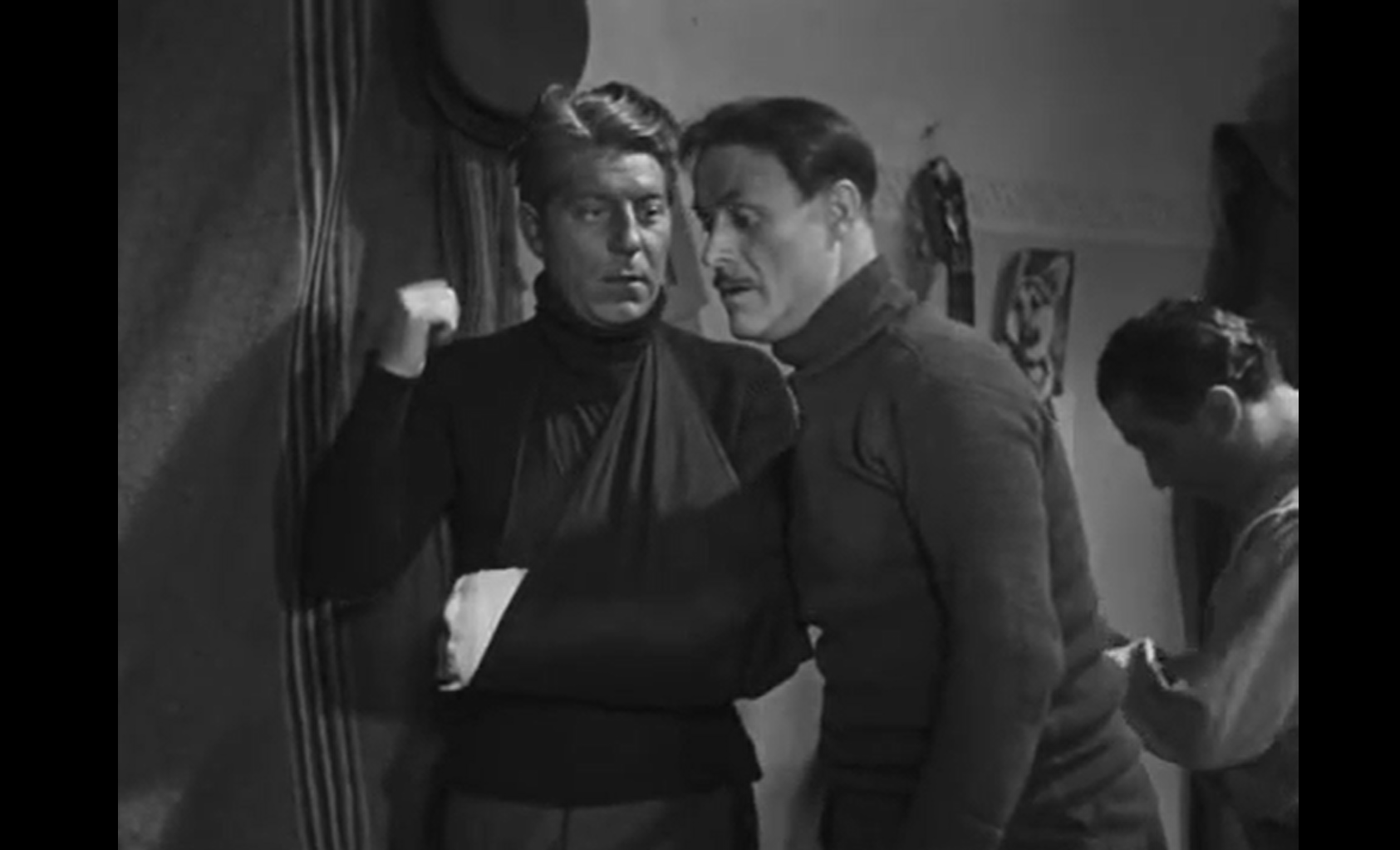
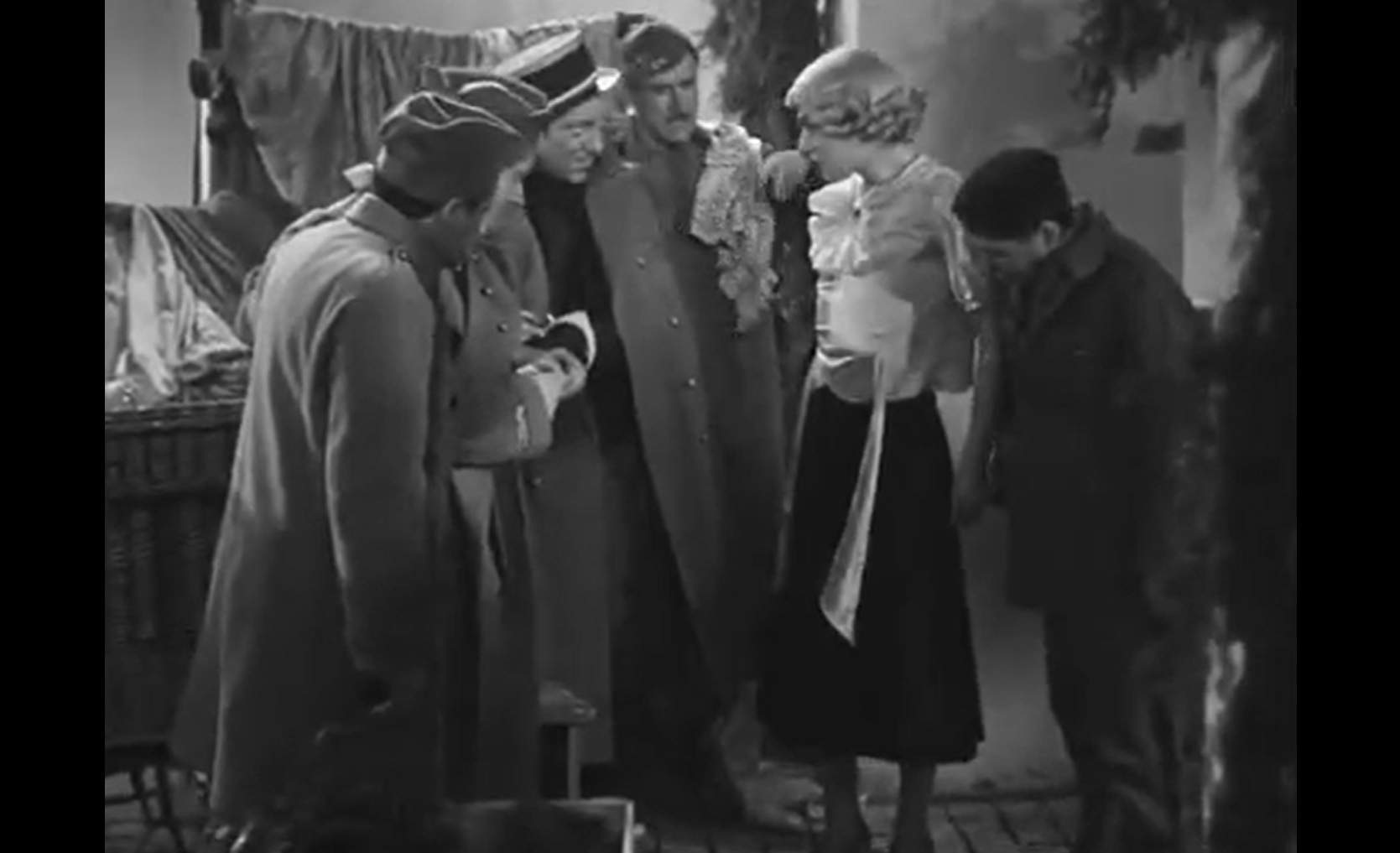
A number of memorable, powerful sequences are sprinkled throughout the film — including, as noted by Peary, the scene in which a soldier “dresses up like a female for a variety show, [and] all the men silently stare at him, thinking about the women the war has taken from them”:

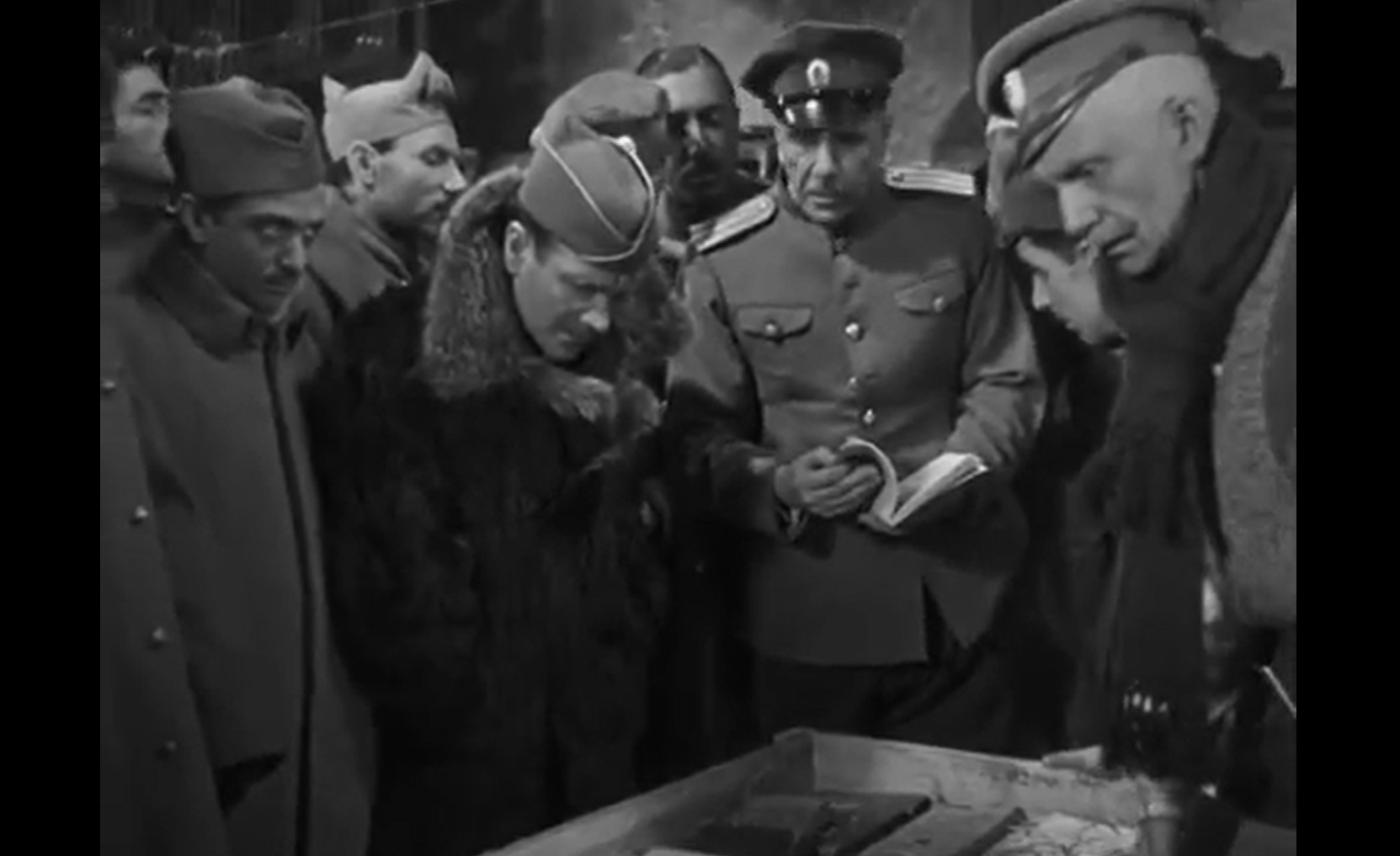
and the moment when “Russian prisoners receive textbooks and cookbooks instead of the expected food from their insensitive empress”.

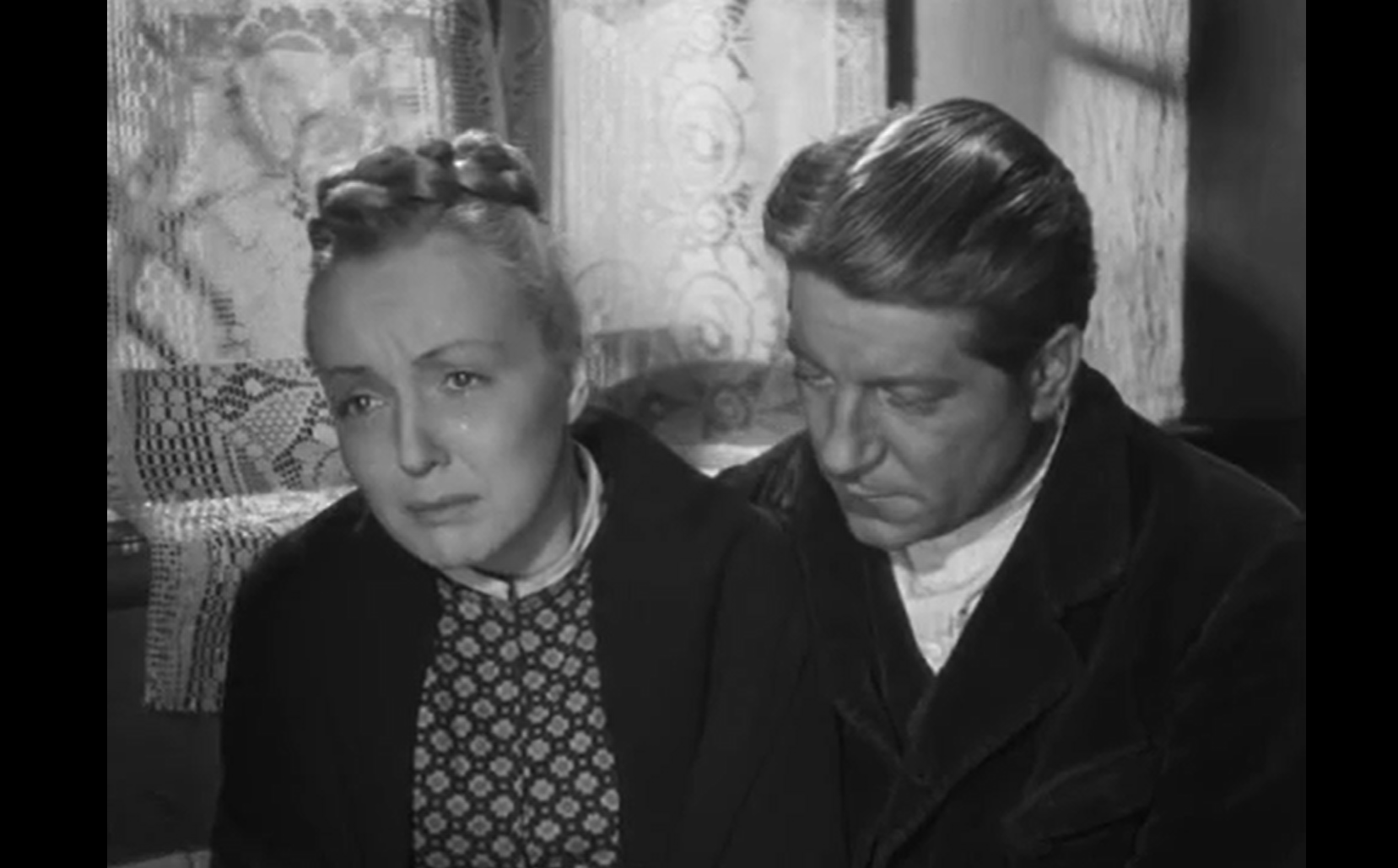
The final “act” of the film — once Gabin and Dalio have escaped and found refuge in the home of a German farm woman (Dito Parlo) — takes on a decidedly different tone from what’s come before; Renoir seems determined to show an idealized alternative to war, in which a French soldier and a German woman can fall in love “despite not knowing each other’s languages”. I have mixed feelings about this sudden shift in narrative and mood, but it’s lovely to see Parlo (so memorable in Jean Vigo’s L’Atalante) in another significant role.

Redeeming Qualities and Moments:

  • A powerful portrait of humanity in the midst of war

Must See?
Yes, as an enduring classic. Nominated as one of the best movies of the year in Peary’s Alternate Oscars book.

Categories

  • Genuine Classic
  • Important Director

(Listed in 1001 Movies You Must See Before You Die)

Links:

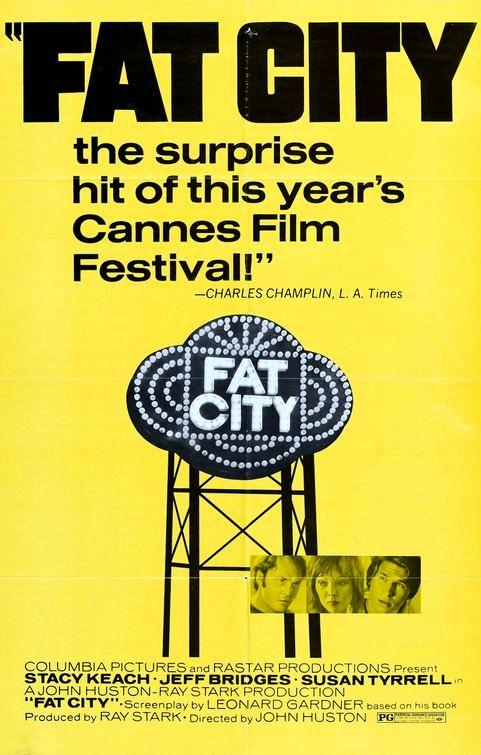
Fat City (1972)

Fat City (1972)

“You gotta wanna win so bad you can taste it.”

Synopsis:
A down-on-his-luck ex-boxer (Stacy Keach) encourages a talented teen (Jeff Bridges) to pursue a career in the ring, and eventually finds himself fighting again — for better or for worse.

Genres, Themes, Actors, and Directors:

  • Boxing
  • Candy Clark Films
  • Has-Beens
  • Jeff Bridges Films
  • John Huston Films
  • Stacy Keach Films

Response to Peary’s Review:
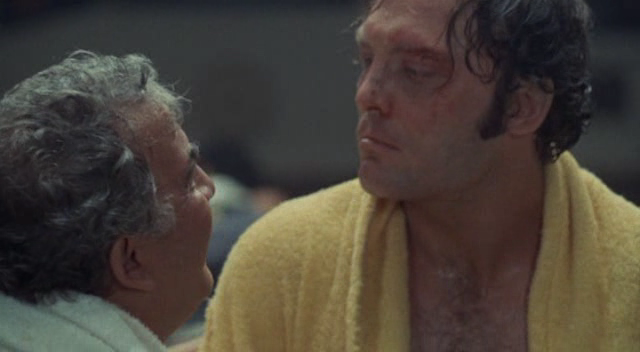
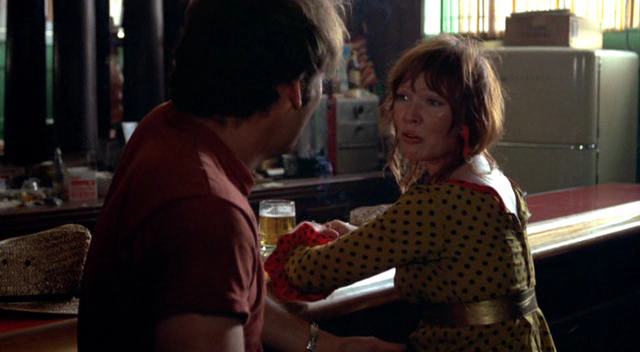
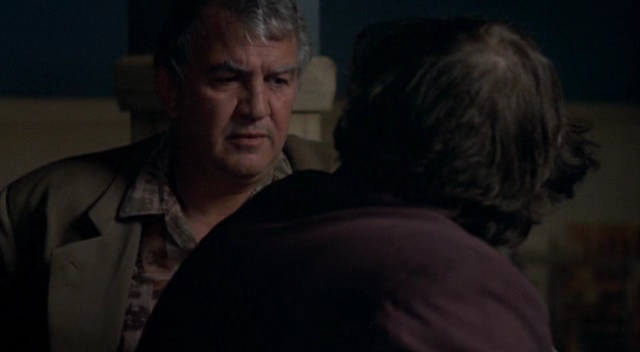
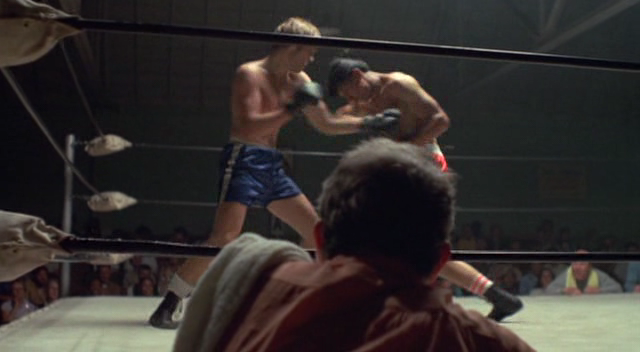
As Peary notes, this “effective sleeper” (directed by John Huston) isn’t “about the glamorous, publicized world of title bouts and million dollar purses”, instead focusing on “the armpit of the sport, where washed-up, injured, or untalented pugs fight it out for peanuts in prelims in dingy arenas”. Indeed, boxing merely serves as the backdrop for what is essentially a character study of a loser living in a “seedy world of people with smashed dreams and opportunities lost, who not only feed off each other but infest any new blood that happens along.” Huston’s gritty landscape, as filmed by DP Conrad Hall and conceived by screenwriter Leonard Gardner (who adapted his own novel), is bleakly authentic, showing the menial lives of unskilled workers (Keach picks onions), and clearly demonstrating why men would risk their health and safety for the allure of earning a few dollars in the ring. Peary accurately notes that “Keach gives a memorable performance”, but that Susan Tyrrell “almost steals the picture as [his] whining girlfriend”; when Keach’s character takes an interest in this pathetically obnoxious barfly, we finally understand the depths to which he’s sunk. Interestingly, Keach and Bridges (fine though undistinguished in an early supporting role) don’t interact much after their initial meeting; Huston and Gardner seem more interested in telling their parallel tales, hinting at the unending cycle of poverty and desperation that fuels the dreams of so many.

Redeeming Qualities and Moments:

  • Stacy Keach as Billy Tully (nominated by Peary as Best Actor of the Year in his Alternate Oscars book)
  • Susan Tyrrell as Oma
  • Nicholas Colasanto as Ruben
  • A refreshingly authentic look at the world of low-stakes boxing
  • Conrad Hall’s naturalistic cinematography

Must See?
Yes, as a unique character study by a master director.

Categories

  • Important Director

(Listed in 1001 Movies You Must See Before You Die)

Links: