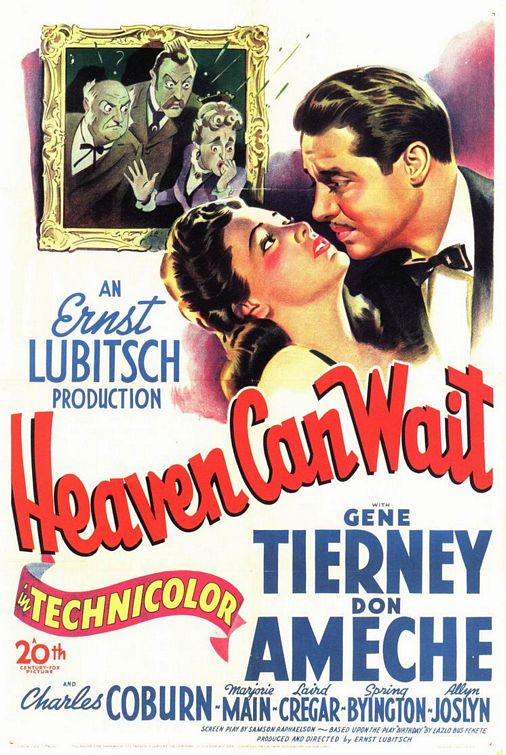
Heaven Can Wait (1943)
“I can safely say that my whole life was one continuous misdemeanor.”
|
Synopsis: |
|
Genres, Themes, Actors, and Directors:
Response to Peary’s Review:
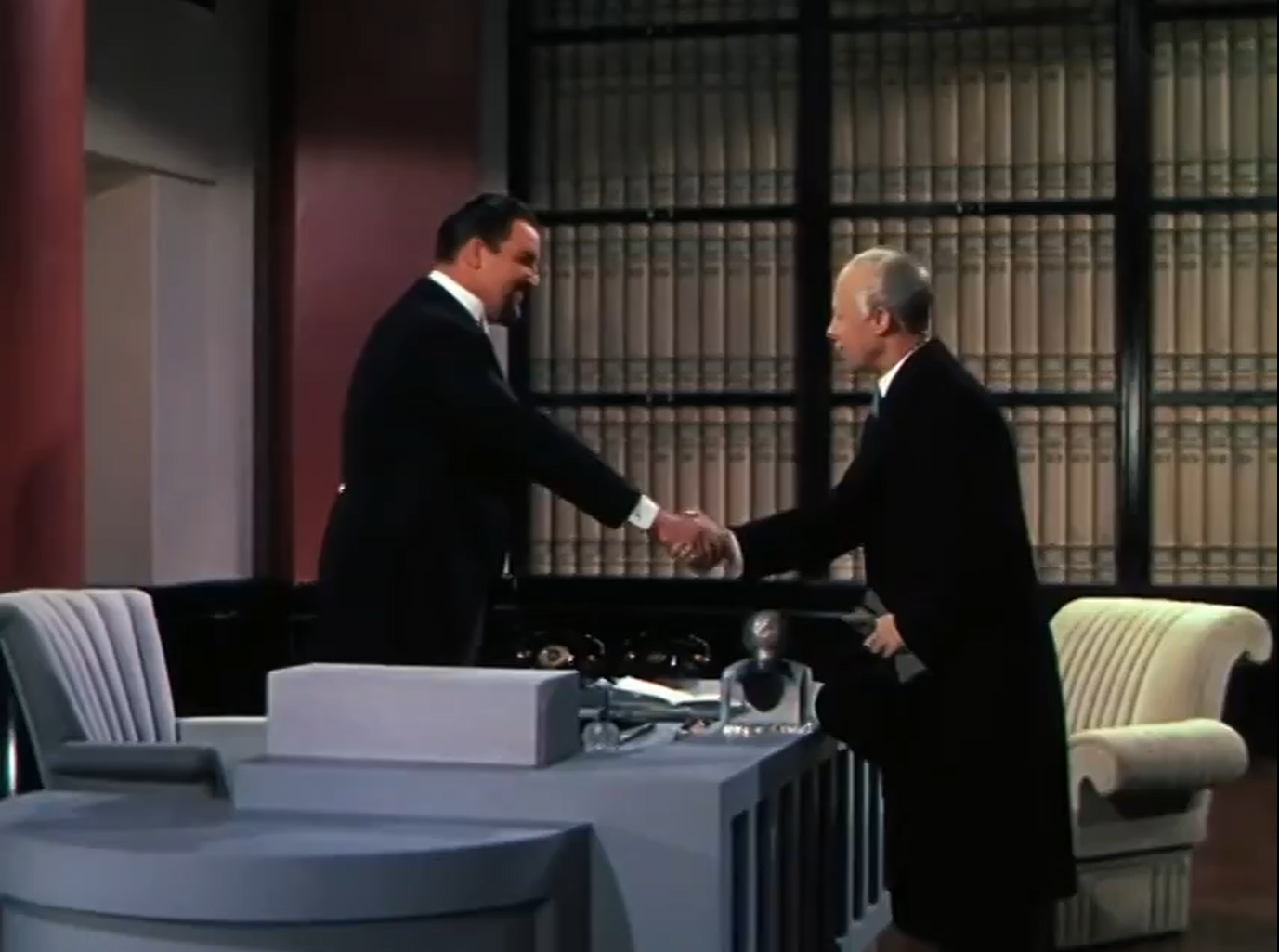
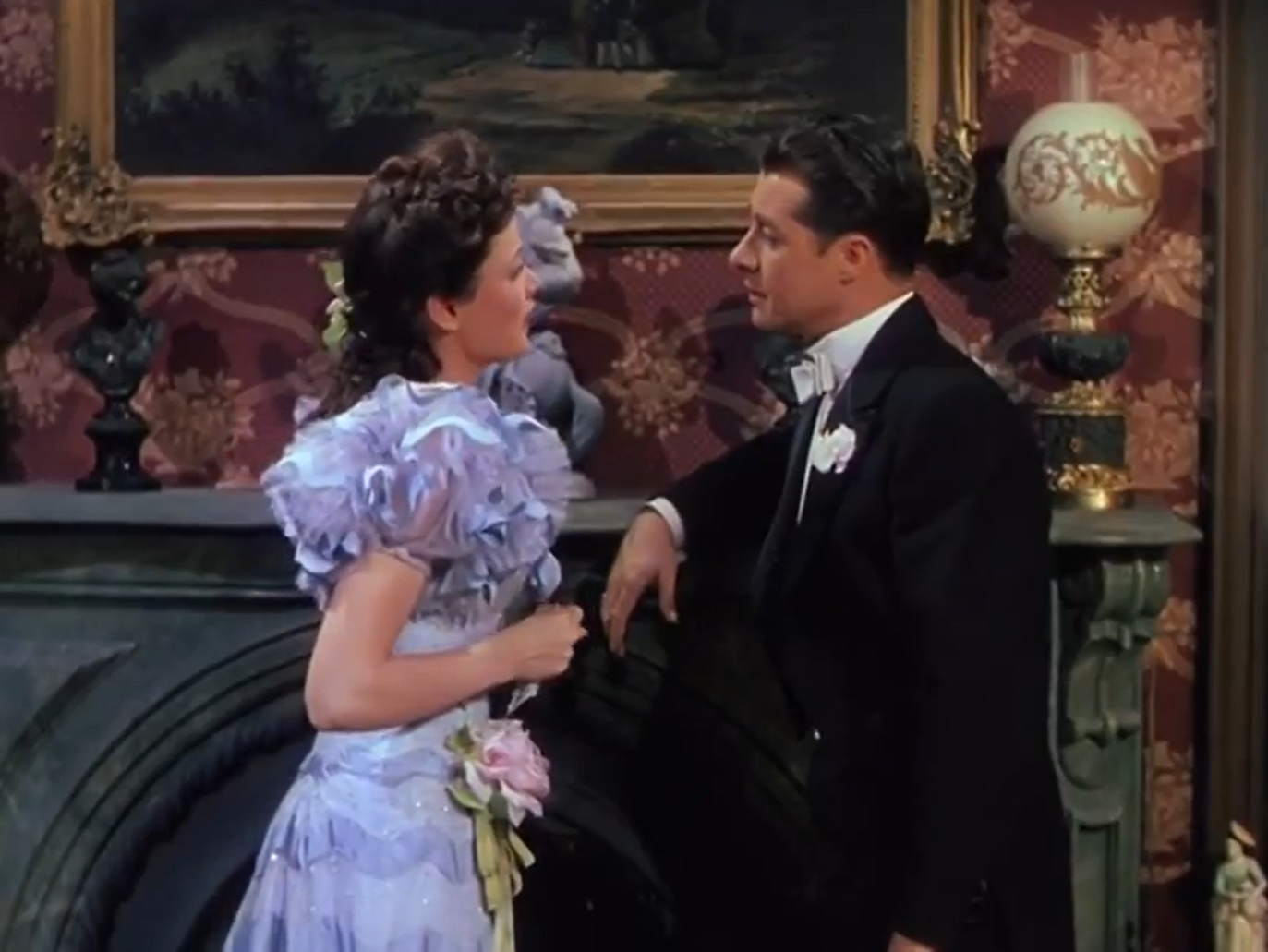
Peary argues that while the “film is a bit too long”, “its rewards are plenty”: in addition to its “superb” acting, he calls out the “consistently splendid dialogue by Samson Raphaelson”, noting that “every time anyone says anything, you’ll think that’s exactly what should have been said”. He cites a number of “wonderfully written, beautifully played two-character scenes”, and notes that, “this being Lubitsch’s first color film, much attention was paid to period detail and art design”. Interestingly, the film’s flashback structure — beginning and ending in a remarkably tasteful Art Deco Hell — wasn’t part of the original play upon which the film is based (Birthday, by Leslie Bush-Fekete); yet it firmly grounds this episodic story as the reflective tale of a man who feels deeply guilty for not being more faithful to his gorgeous, loyal wife (Tierney, truly stunning in Technicolor turn-of-the-century outfits).
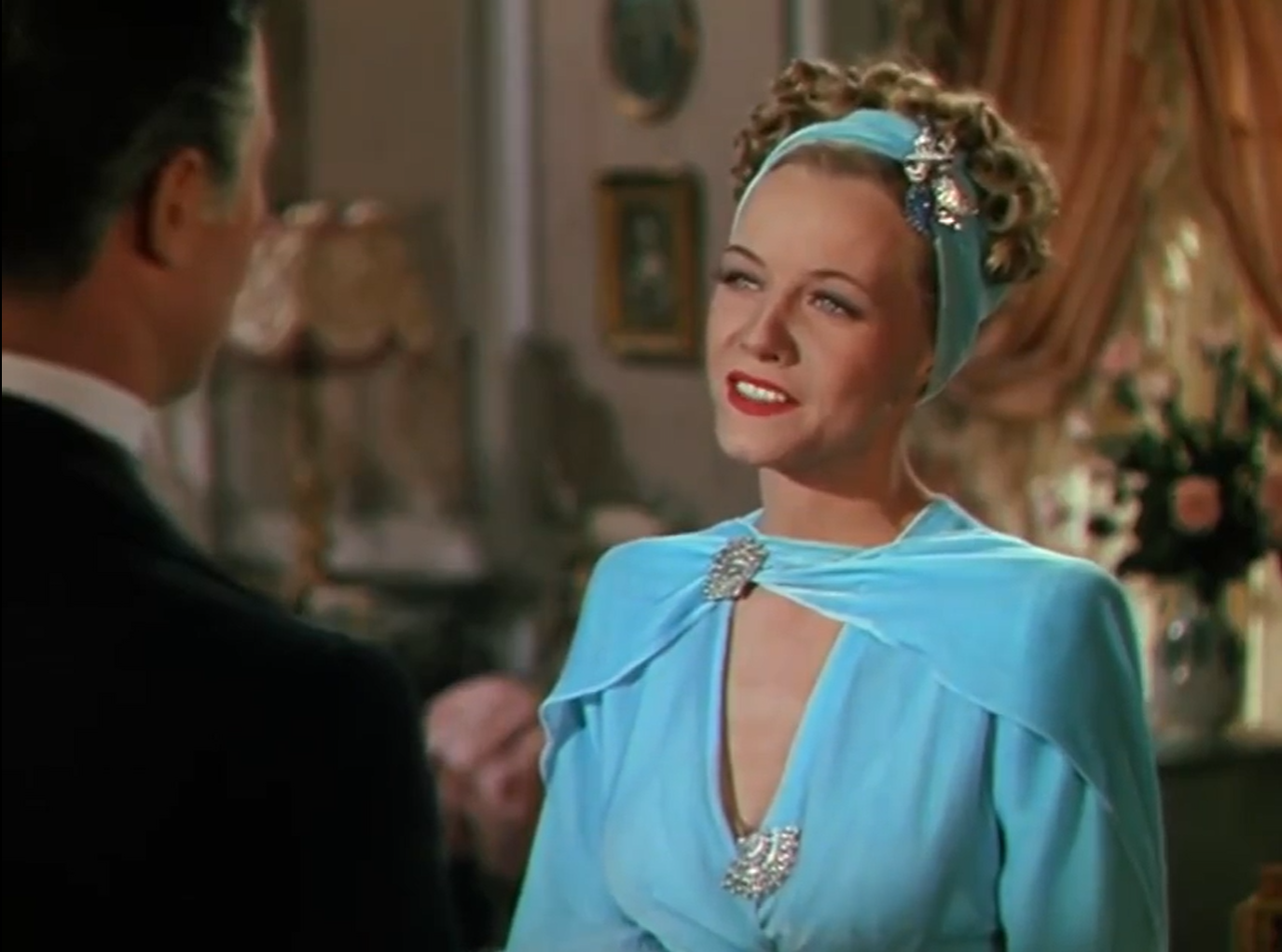
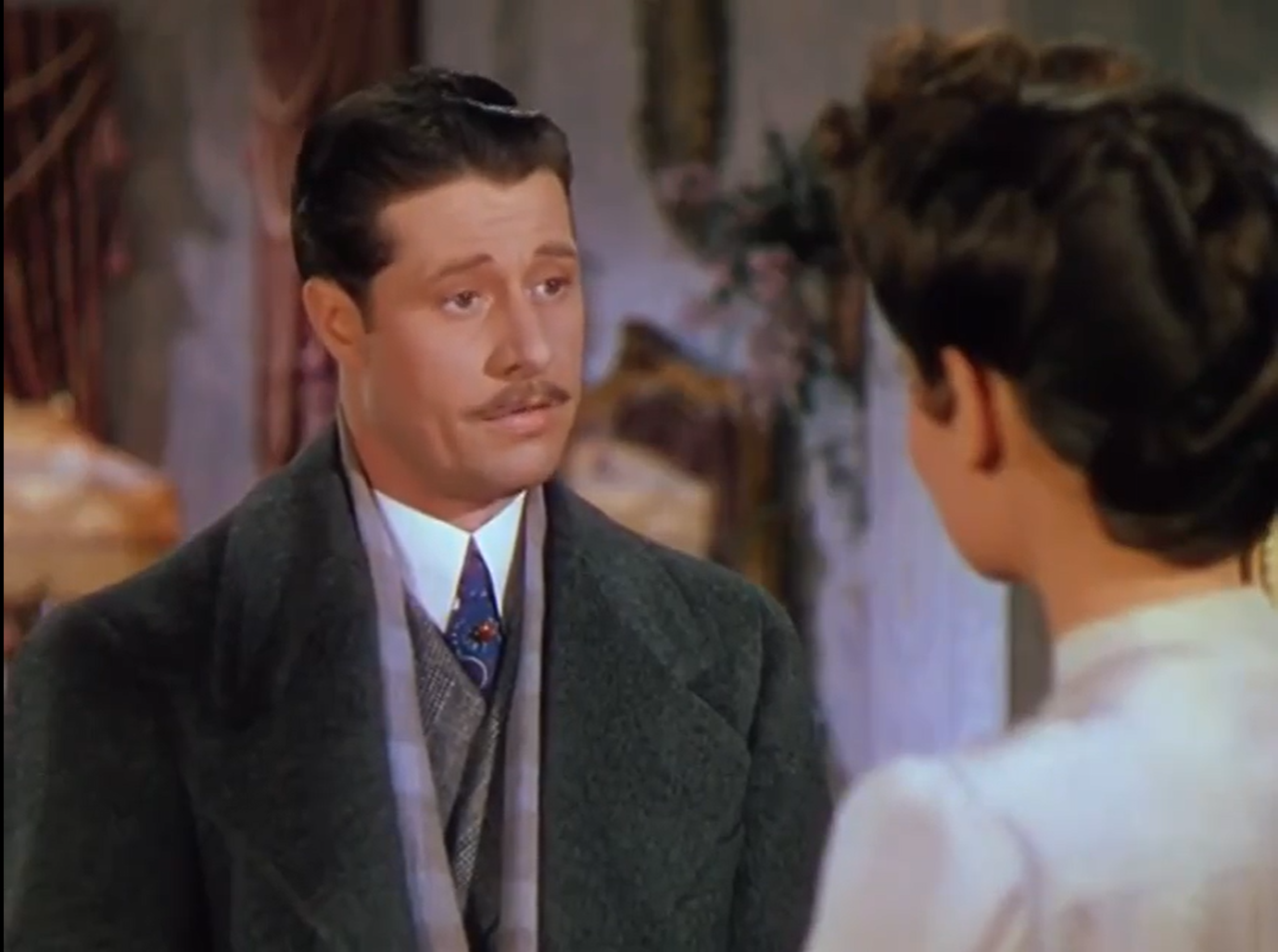
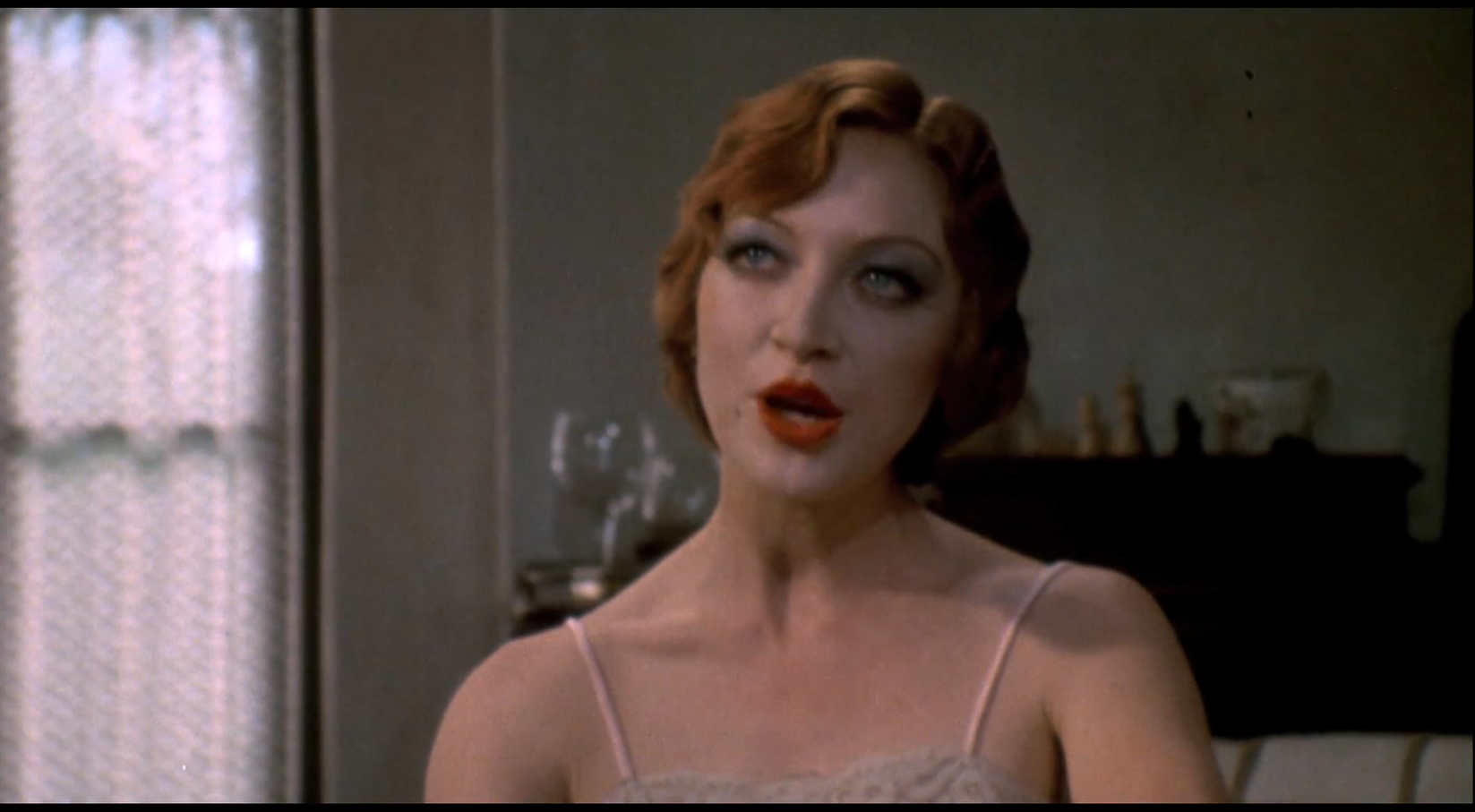
Ironically, it’s this very premise (Ameche’s enduring playboy lifestyle) that’s somewhat lacking in the film’s screenplay — perhaps to strategic effect. One’s first reaction while watching this film is, “Hey! When are we going to see some evidence of Ameche’s supposed Casanova ways?”, given that other than his nicely handled wooing of Tierney — and a later seduction scene with a young chorus girl (in which all is not what it seems):
— we really don’t see adult Ameche playing the field at all. Instead, we’re a witness to his extreme devotion to Tierney over several decades — a devotion which belies his own belief that he’s somehow sullied their marriage enough to merit a permanent spot in Hell. And perhaps — as Peary suggests — that’s the film’s essential point. Redeeming Qualities and Moments:
Must See? Categories
Links: |