Browsed by
Category: Response Reviews

My comments on Peary’s reviews in Guide for the Film Fanatic (Simon & Schuster, 1986).

Night at the Opera, A (1935)

Night at the Opera, A (1935)

“I’d give you my seat, but I’m sitting here.”

Synopsis:
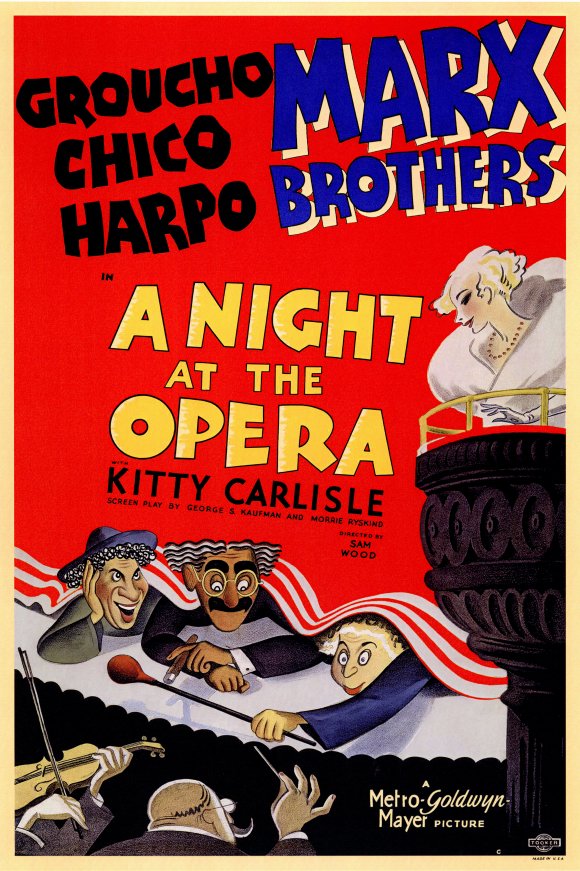
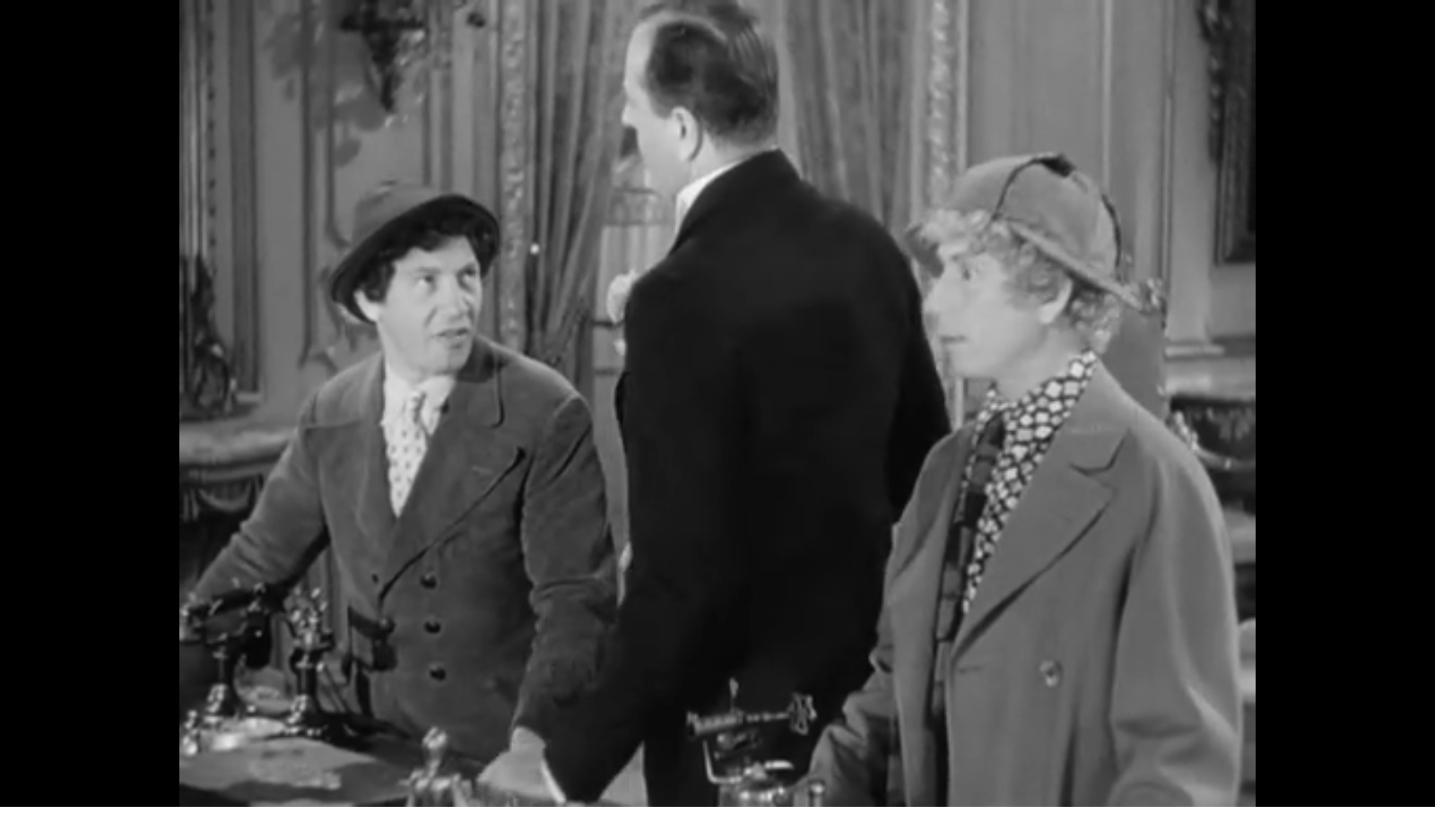
A huckster (Groucho Marx) hired by a would-be socialite (Margaret Dumont) to help her enter high society convinces her to invest $200,000 in an opera production, whose snooty manager (Sig Ruman) hires an arrogant opera star (Walter Woolf King) as his lead singer. Meanwhile, a talented tenor (Allan Jones) in love with the singer (Kitty Carlisle) coveted by King strives for his big break, helped by Chico and Harpo Marx.

Genres, Themes, Actors, and Directors:

  • Comedy
  • Let’s-Put-On-a-Show
  • Marx Brothers Films
  • Opera
  • Sam Wood Films

Response to Peary’s Review:
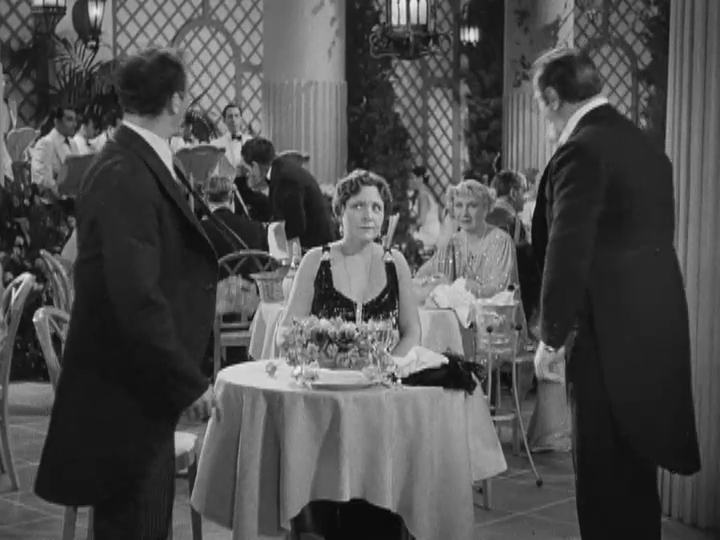
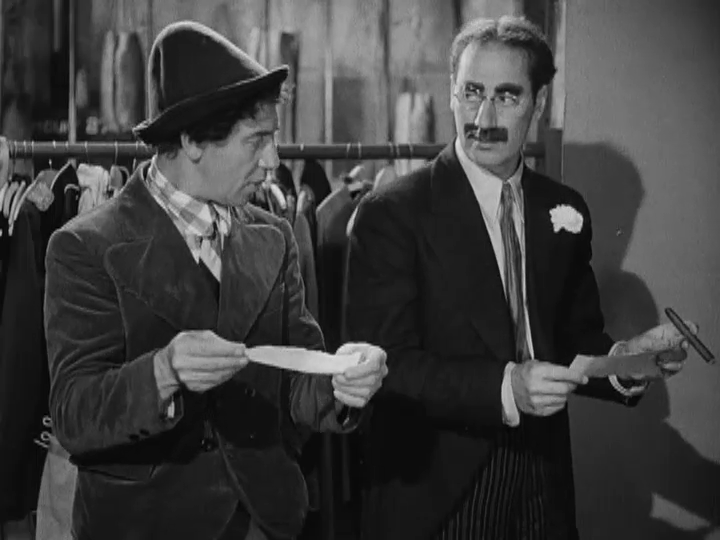
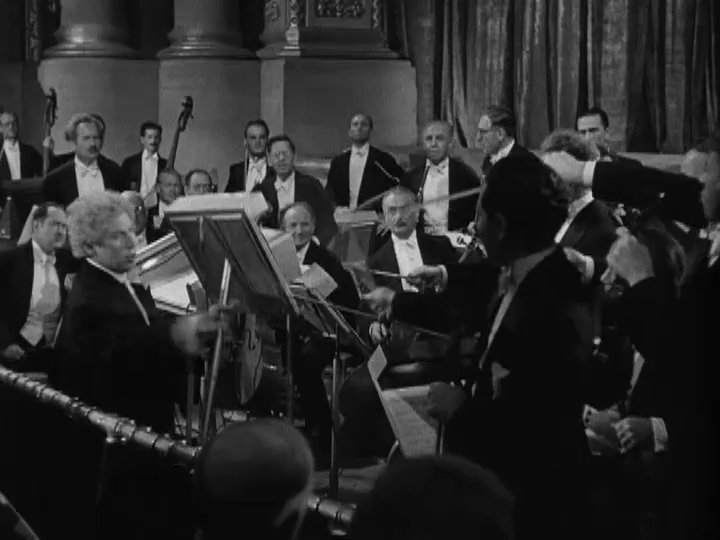
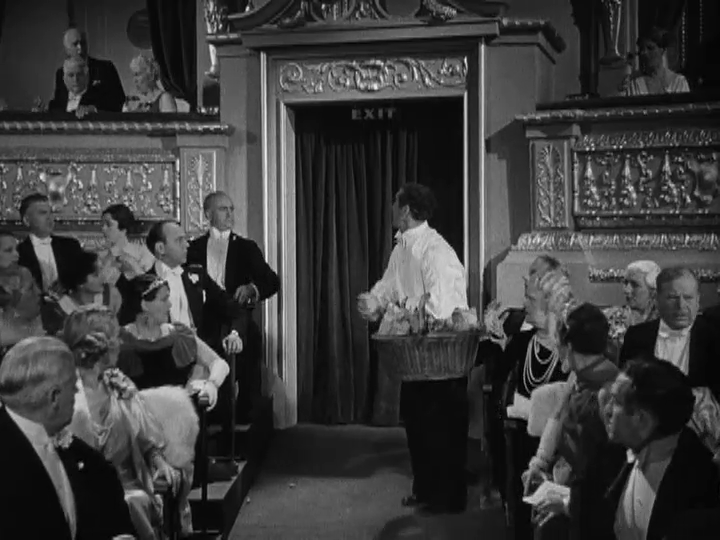
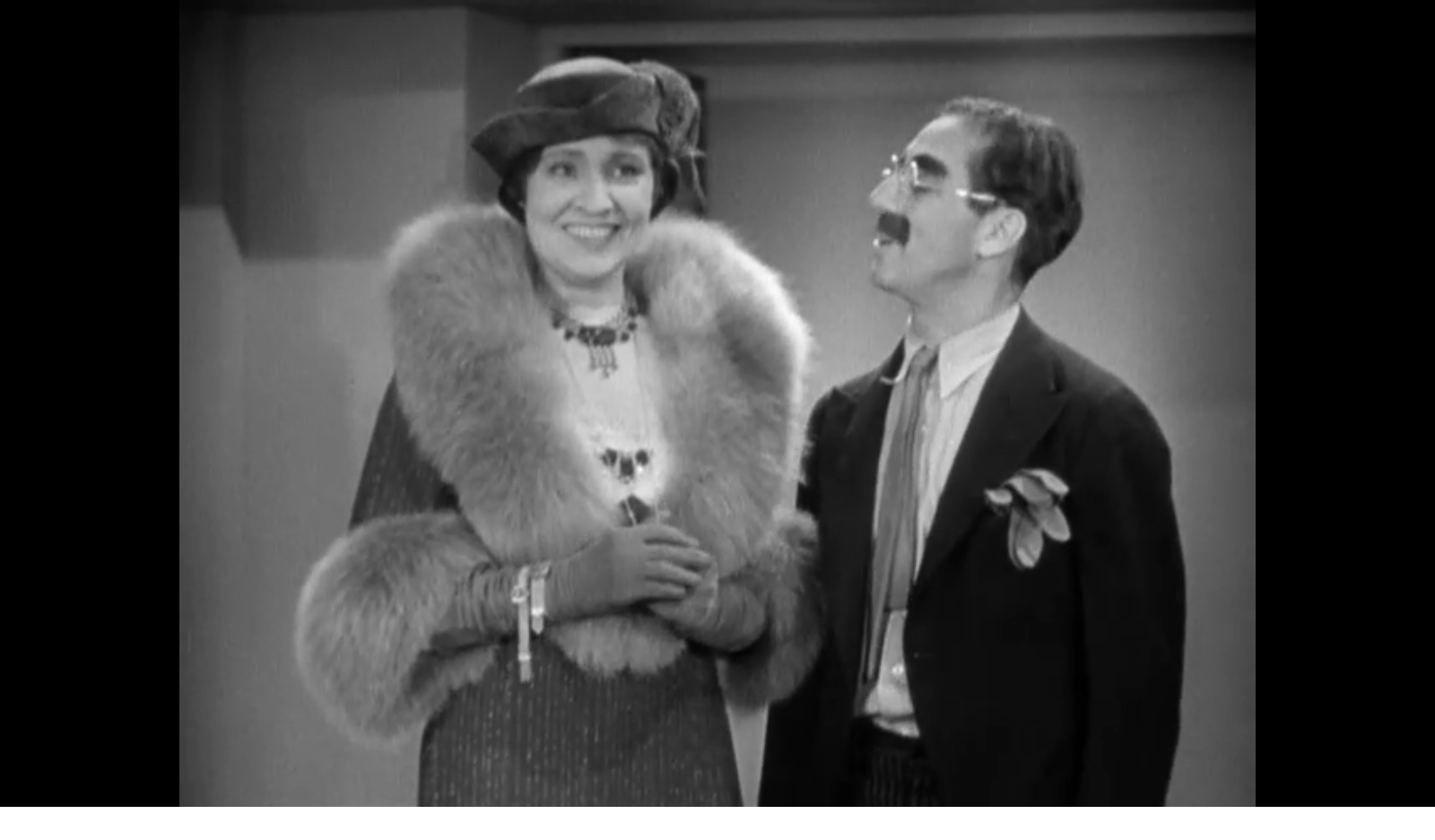
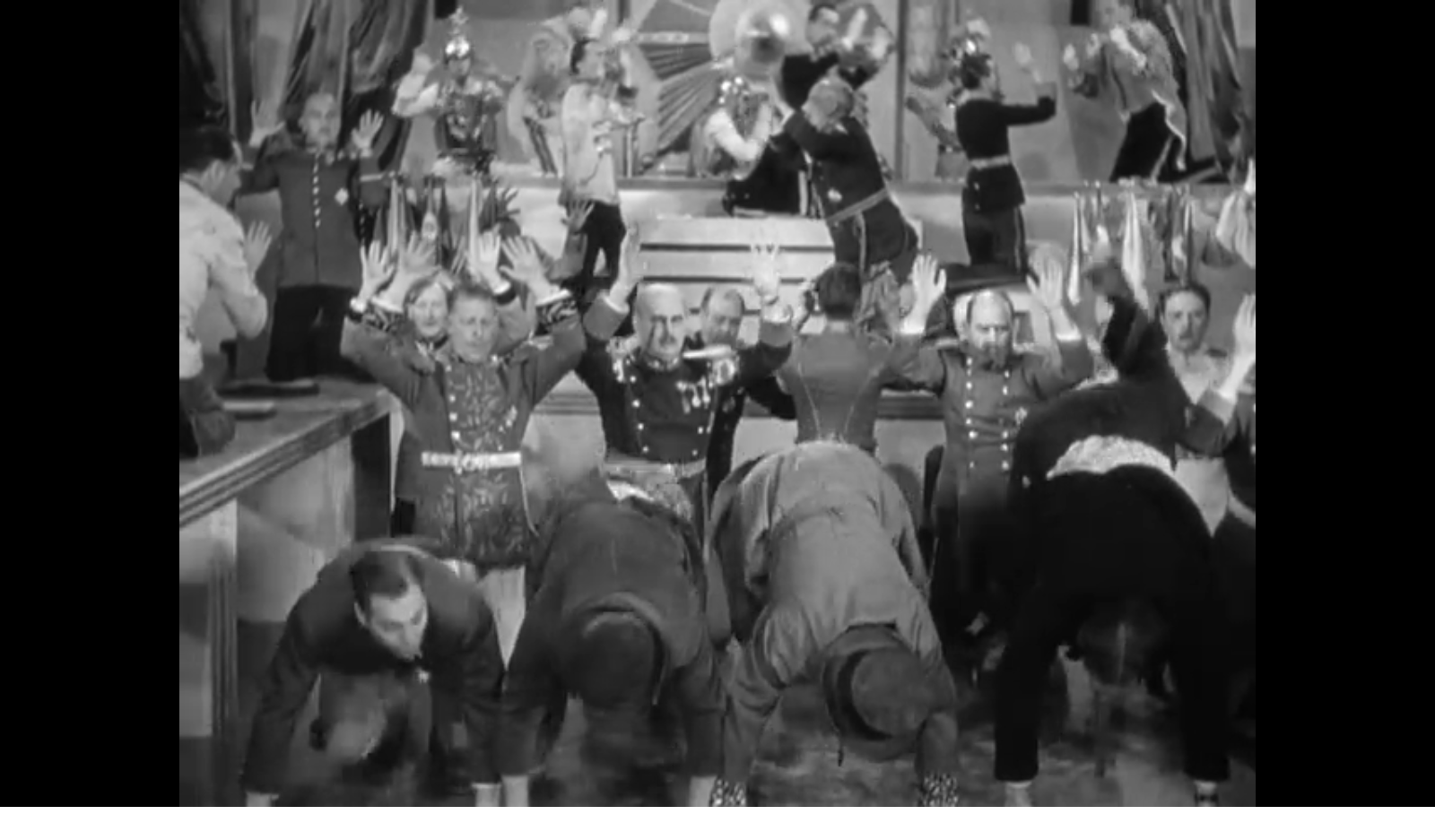
Peary argues that this “most famous and popular film” by the Marx Brothers “isn’t on the level of Duck Soup (few comedies are) but is still a comic masterpiece”; however, I’ll admit I’m one of those who actually prefer this more narratively-driven outing (indeed, it’s probably my favorite of their entire oeuvre). Peary notes that “while the individual comedy scenes are as zany as anything in the Marx Brothers'” output, “the overall picture is more structured”, and — thanks in large part to the assistance of Irving Thalberg, who was hoping to help the brothers reach a more mainstream audience — “the storyline makes more sense”. He calls out some of the film’s “many hilarious sequences”, starting with the classic “opening in which Groucho explains to Dumont that he’d kept her waiting for two hours in a restaurant because he was dining at the next table with a woman who reminded him of her”. (This scene — which was originally preceded by a three-minute musical number on the streets of Italy — always has me immediately in stitches; what a wham-bam start to the film!) He goes on to list, among others, the scene in which “Groucho and Chico agree on a contract by ripping it to shreds” (equally hilarious); the film’s “most famous scene” (in which “everyone imaginable crowds into Groucho’s tiny stateroom”); and the classic “opera finale”, during which true Marxian mayhem ensues.

Having seen this classic several times now, I only have minor complaints to register. While the first half of the film offers practically non-stop merriment (this is where the majority of the best scenes occur), the second half is less laugh-out-loud hilarious. Meanwhile, Dumont’s archetypical foil has been better served elsewhere; other than the wonderful opening sequence, she doesn’t really get enough of a chance to interact with Groucho, and she far too quickly becomes unsympathetic. Finally, the entire subplot between Carlisle, Jones, and King is (naturally) rather pedestrian, and definitely slows down the comedic pacing — though it could be argued that this helps to space out the comedic mayhem. A final note: now that I’ve finished reviewing all the Marx Brothers films in Peary’s book, I must admit that I don’t think I’ve ever had a harder time succinctly synopsizing the plots of a given set of “narratives” — in part, I think, because the characters played by the three brothers don’t really possess discrete titles or roles. I mean, what type of livelihood would you assign to any of them here? Groucho comes closest to being able to draft a resume, as a sort of “high society agent”, but how exactly would you label Chico or Harpo’s roles (here and in other films), other than “friendly assistants”? Indeed, it seems that they always managed to maintain their anarchical “otherness” even in the midst of supposed societal sanity.

Redeeming Qualities and Moments:

  • The hilarious opening scene between Groucho and Dumont:

    “When I invite a woman to dinner I expect her to look at my face. That’s the price she has to pay.”

  • The “party of the first part” contract scene: “You can’t fool me — there ain’t no Sanity Clause!”
  • The classic “stuffed stateroom” scene
  • The zany closing opera debacle


Must See?
Yes, as a genuine comedy classic. Nominated by Peary as one of the Best Films of the Year in his Alternate Oscars.

Categories

  • Genuine Classic

(Listed in 1001 Movies You Must See Before You Die)

Links:

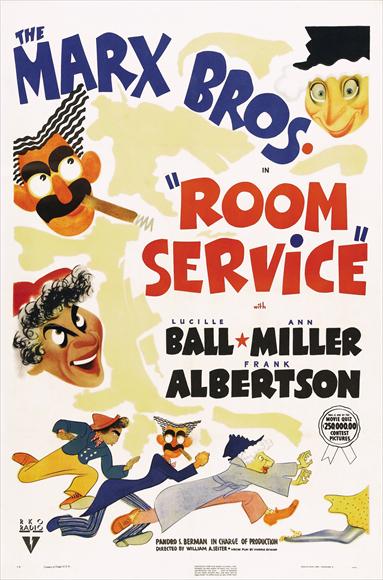
Room Service (1938)

Room Service (1938)

“I’ll give you the best performance you ever saw in a hotel bedroom!”

Synopsis:
When the agent (Philip Wood) for a high-end investor reneges on backing a play written by a penniless playwright (Frank Albertson), the play’s producer (Groucho Marx) and his two associates (Chico and Harpo Marx) arrange for an irate hotel manager (Donald MacBride) to secretly foot the bill until opening night.

Genres, Themes, Actors, and Directors:

  • Ann Miller Films
  • Comedy
  • Let’s-Put-on-a-Show
  • Lucille Ball Films
  • Marx Brothers Films
  • Play Adaptations

Response to Peary’s Review:
Peary is utterly dismissive of this unusual Marx Brother outing (their only film for RKO Studios), “based on a Broadway play by John Murray and Allen Boretz that was adapted by Morrie Ryskind for the comedy team”. (Of course, one wonders why it’s included in his book at all, given how much he dislikes it — but I digress.) At any rate, he argues that “it’s shattering hearing Groucho say one unfunny line after another, and seeing the three [brothers] act almost civilly”. He further complains that “there’s no sharpness to Groucho’s delivery, [and] no chaos initiated by Harpo”; however, Harpo DOES get to maintain his standard persona throughout, and is given at least a few brief moments in the limelight — most notably during what Peary calls out as the best scene in the film, in which the brothers “simply gorge themselves on the first meal they’ve had in days”.

Ultimately, it seems as though Peary disapproves of the Marx Brothers’ attempt to move outside of their usual schtick — and my rebuttal is that I think they were brave to do so. Unfortunately, the play itself — while not terrible — isn’t all that scintillating, and director William Seiter’s pacing is far too slow for a screwball comedy. Thus, what could have worked as a perfectly legitimate alternate venue for Groucho et al. is instead a rather tepid (though watchable) affair. What I found myself missing most was Groucho’s zany wordplay with Chico and others. For example, Chico says to Groucho at one point, “You haven’t got a leg to stand on” — a statement absolutely ripe for word play, but which Groucho simply accepts at face value. Too bad Ryskind’s rewrite couldn’t have allowed for the team to fling back more creative responses at each other…

Note: Watch for both Lucille Ball and Ann Miller (only 15 years old!) in early supporting roles.

Redeeming Qualities and Moments:

  • Donald MacBride as Mr. Wagoner

Must See?
No; this one remains a Marx Brothers curiosity but not must-see viewing.

Links:

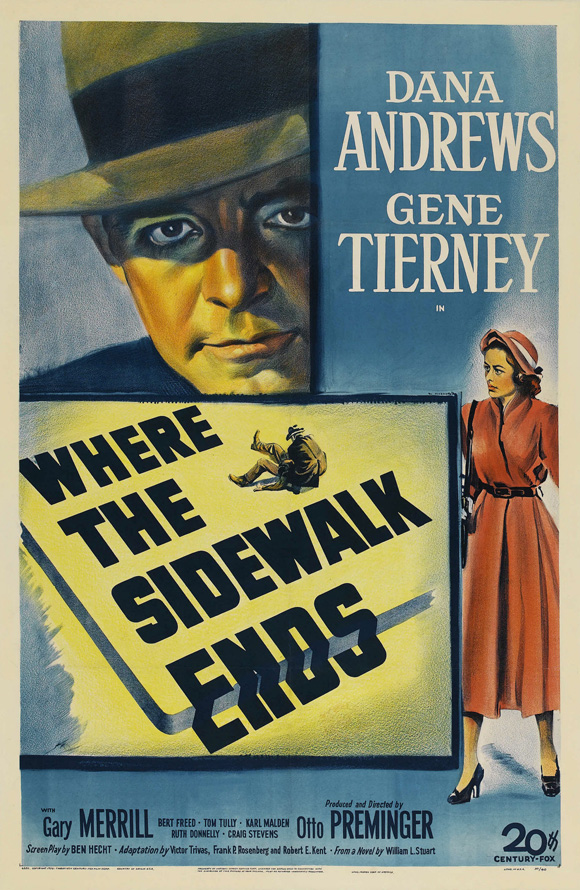
Where the Sidewalk Ends (1950)

Where the Sidewalk Ends (1950)

“You’re a good man with a good brain — but you’re no good to the department unless you learn to control yourself.”

Synopsis:
A pugnacious detective (Dana Andrews) accidentally kills the estranged husband (Craig Stevens) of a woman (Gene Tierney) whose father (Tom Tully) becomes the prime suspect, then tries to pin the blame on an underworld crime boss (Gary Merrill).

Genres, Themes, Actors, and Directors:

  • Dana Andrews Films
  • Detectives and Private Eyes
  • Falsely Accused
  • Gary Merrill Films
  • Gene Tierney Films
  • Karl Malden Films
  • Otto Preminger Films

Response to Peary’s Review:
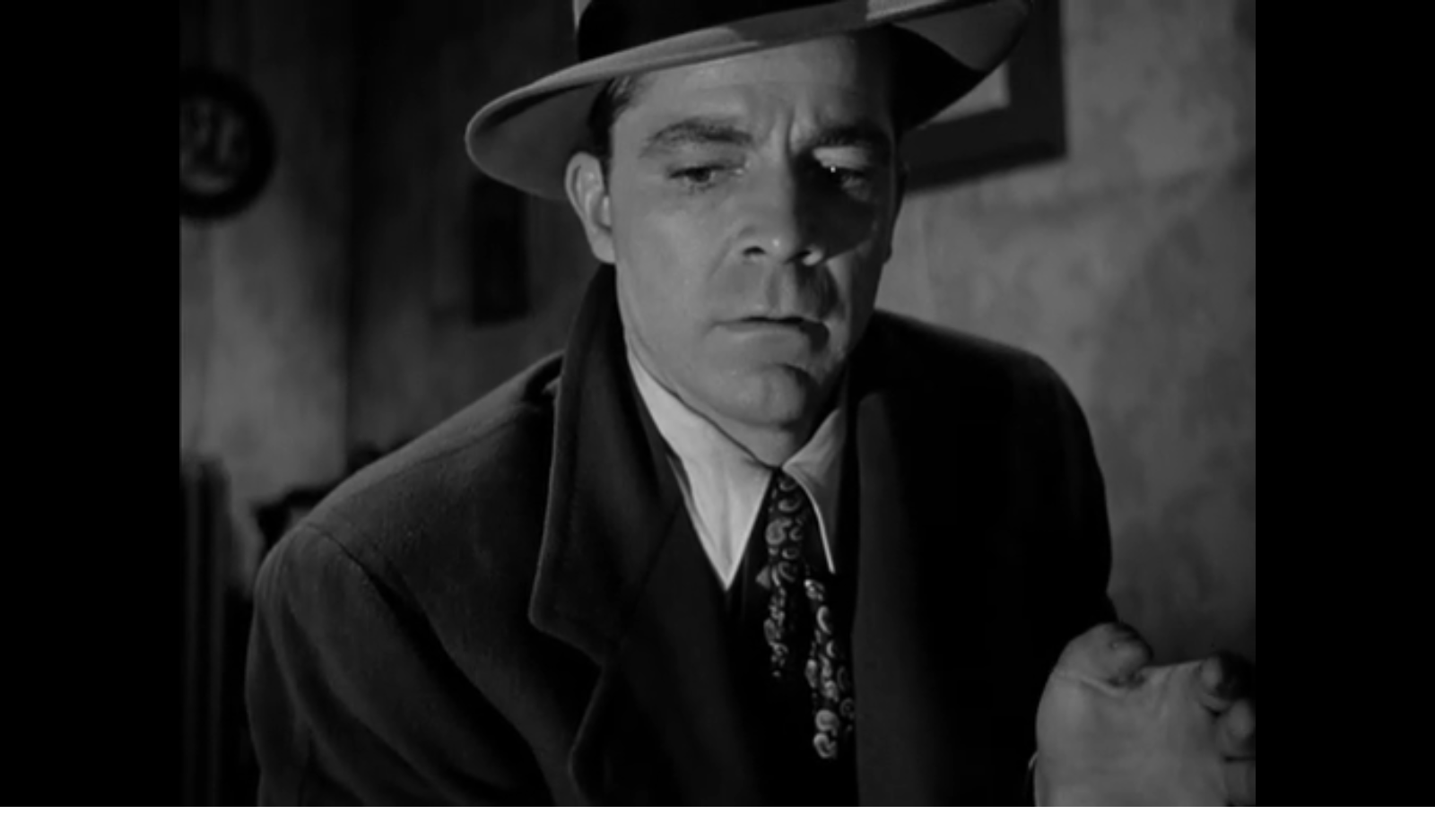
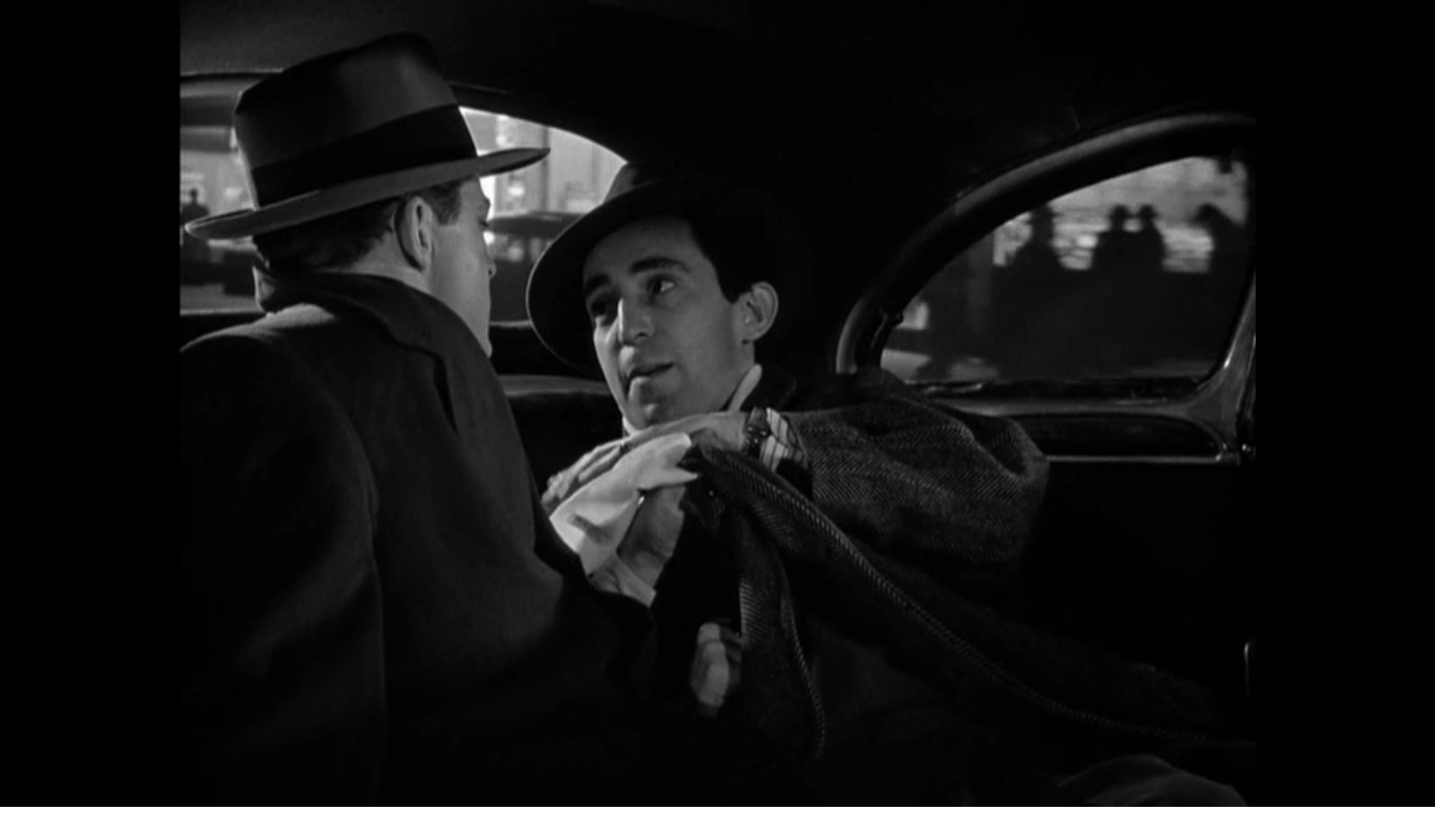
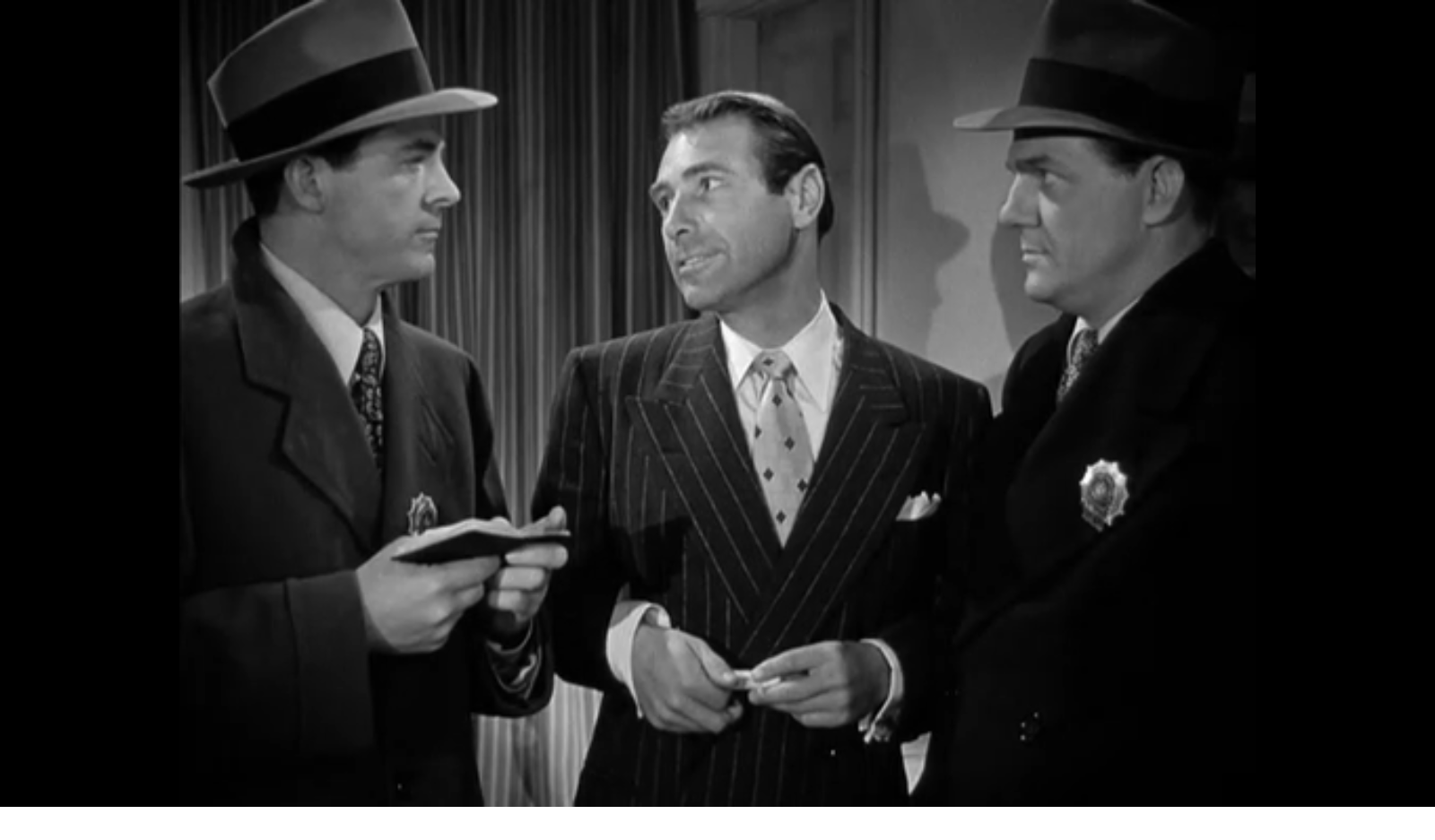
Peary accurately labels this “one of Otto Preminger’s best melodramas”, noting that it’s a “stylish, atmospheric film” with “a solid script by Ben Hecht”, “marred only by a trite, overly simplistic ending and the fact that the cops so easily convince Tierney’s father that he’ll be judged guilty”. I don’t think I’ve ever seen Andrews more convincing than he is here, playing a “brutal cop known for running roughshod over suspects” — an embittered man who, “influenced by sweet Tierney”, eventually “replaces [his] hostile feelings with a conscience”. The cast of supporting players is also notably fine, with even the tiniest of bit roles perfectly cast and executed (see stills below). Meanwhile, I would argue that Hecht’s script is even better than solid — it’s taut and gripping from beginning to finish, without any wasted scenes or dialogue, and based on a genuinely intriguing premise. From the opening scene — in which Andrews is confronted by his superiors, and warned that he’d better shape up or risk more than just demotion — to his accidental killing of Stevens and subsequent attempts to cover up his actions while wrongly fingering a reviled nemesis, we realize we’re witnessing refreshing shades of gray in what amounts to a suspenseful morality play.

The final statement in Peary’s review, however, simply defies all belief: “Romance between leads would be more effective if Tierney were as pretty as she’d been in 1944’s Laura.” ?????!!!!!!! What in the world is he talking about? While Tierney’s performance here isn’t particularly noteworthy (she’s the one exception to my claims above), she’s as beautiful as always — and since when did relative shades of attractiveness play any part in the effectiveness of an on-screen romance? Honestly.

Redeeming Qualities and Moments:

  • Dana Andrews as Mark Dixon
  • Fine supporting performances all around


  • Joseph LaShelle’s cinematography
  • Ben Hecht’s smart, taut script

Must See?
Yes, as one of Preminger’s finest films, and an excellent noir all-around.

Categories

  • Good Show
  • Important Director

Links:

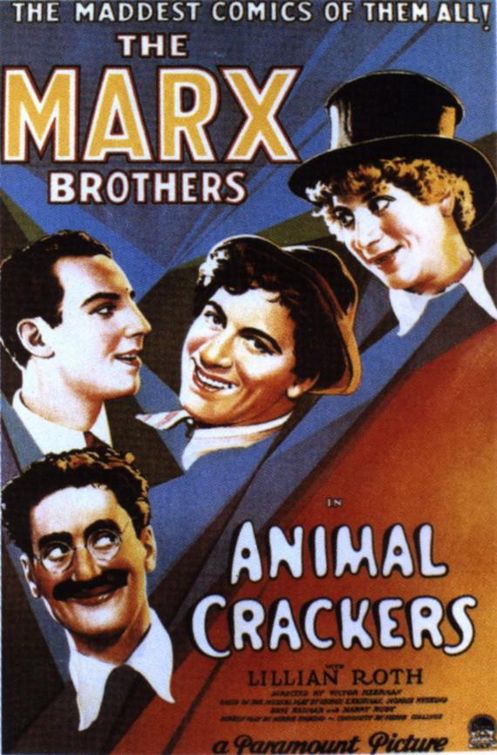
Animal Crackers (1930)

Animal Crackers (1930)

“Now then, Captain, I think between the two of us we can solve the mystery of the stolen painting — especially if you go home.”

Synopsis:
A world-renowned African explorer (Groucho Marx) is feted by a society woman (Margaret Dumond), who is eager to show off a valuable painting which various people — including her own daughter (Lillian Roth) — are intent on replacing with a forgery.

Genres, Themes, Actors, and Directors:

  • Bourgeois Society
  • Comedy
  • Marx Brothers
  • Musicals
  • Play Adaptations

Response to Peary’s Review:
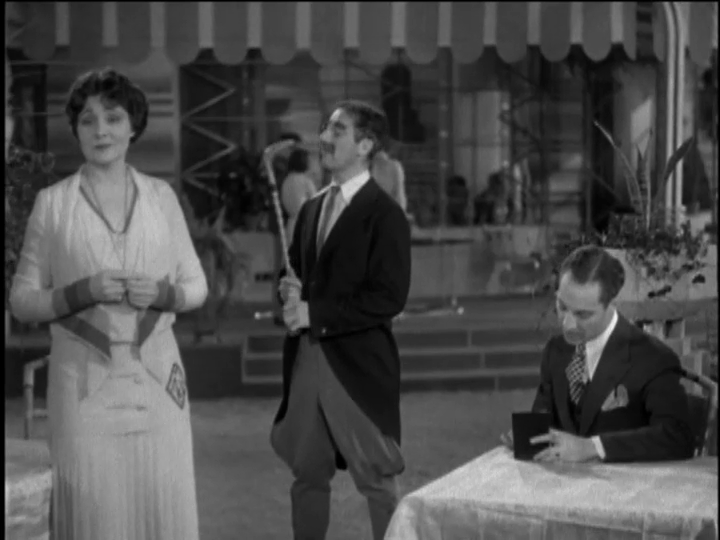
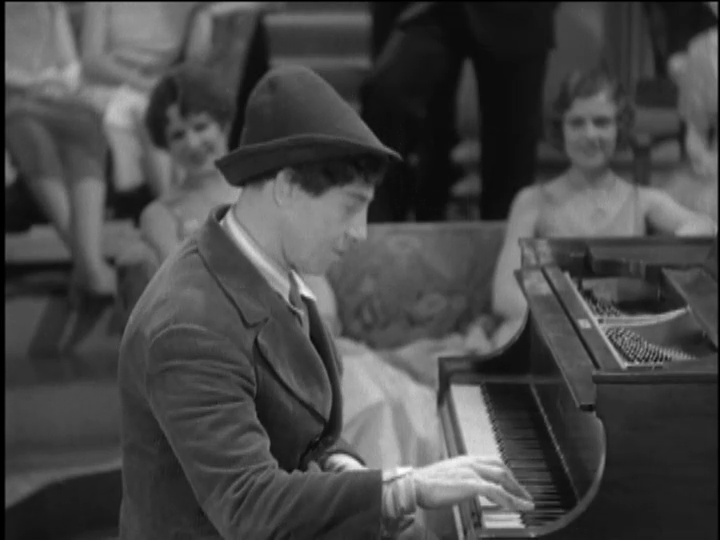
Animal Crackers was the Marx Brothers’ second movie, and — like their debut film, The Cocoanuts — also a filmed version of one of their hit Broadway musicals. Peary notes that when it was re-released in 1974 “amid great fanfare” (Paramount had allowed its licenses to expire, so it hadn’t been shown in theaters since the 1950s), “critics were so happy to see another Marx Brothers picture that they overpraised it”. He argues (and I agree) that “overall it’s a disappointing film, where the innocuous art-theft plot gets in the way of the comedy”. With that said, I disagree with Peary that the film “come[s] to a dead halt when Chico plays the piano” (I’m actually tickled by Groucho and Dumont’s reactions to his repetitive rendition of his theme song, “I’m Daffy Over You”); or when “romantic leads Hal Thompson and Lillian Roth… sing a duet” (Thompson IS instantly forgettable, but Roth — “the pretty actress-singer who’d become an alcoholic” and was later portrayed by Susan Hayward in 1955’s I’ll Cry Tomorrow — is positively infectious, and well worth waiting for whenever she appears on-screen).

In the remainder of his review, Peary calls out numerous “comedic highlights”, including “Groucho leading the guests in a rousing ‘Hooray for Captain Spaulding’, which would become his television theme song” (though all I could think about during this ditty was how much it sounds like it belongs in a Gilbert and Sullivan operetta), and “Groucho recalling his trip to Africa” (‘The first morning saw us up at six, breakfasted, and back in bed at seven — this was our routine for the first three months’)”. While Peary notes that it’s “a nice change of pace watching Dumont play scenes with Harpo and Chico, and not just Groucho”, I’ll admit I’m less a fan of their particular routines here — though it is a delight to see the finale of the infamous bridge scene, in which it’s revealed that Harpo has stolen Margaret Irving’s heels (nb: he shows up wearing a dress later on as well). Pun lovers, by the way, will be in absolute heaven while watching Animal Crackers; just wait until you hear the one about removing tusks in Tuscaloosa…

Note: See the “Re-Release” section of Wikipedia’s article to read more about the film’s celebrated emergence from obscurity.

Redeeming Qualities and Moments:

  • Plenty of appealingly surreal scenarios
  • Groucho dictating a letter to Zeppo
  • Chico playing his trademark song, “I’m Daffy Over You”
  • Margaret Dumont as Mrs. Rittenhouse
  • Lillian Roth as Arabella
  • Seemingly endless amusing puns and clever wordplay:

    Capt. Spaulding: How much would you charge to run into an open manhole?
    Ravelli: Just the cover charge.
    Capt. Spaulding: Well, drop in sometime.
    Ravelli: Sewer.
    Capt. Spaulding: Well, we cleaned that up pretty well.

  • Capt. Spaulding: One morning I shot an elephant in my pajamas. How he got in my pajamas, I don’t know.

Must See?
Yes — as one among many “must-see” early Marx Brothers classics.

Categories

  • Genuine Classic

Links:

Horse Feathers (1932)

Horse Feathers (1932)

“You’ve got the brain of a four-year-old boy — and I’ll bet he was glad to get rid of it.”

Synopsis:
The new president (Groucho Marx) of Huxley University hires two bumbling spies (Chico and Harpo Marx) to help his institution win a big football game against a rival university.

Genres, Themes, Actors, and Directors:

  • College
  • Comedy
  • Football
  • Marx Brothers Films

Response to Peary’s Review:
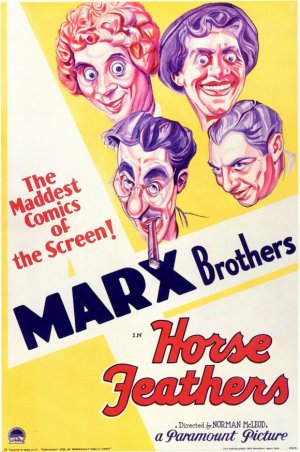
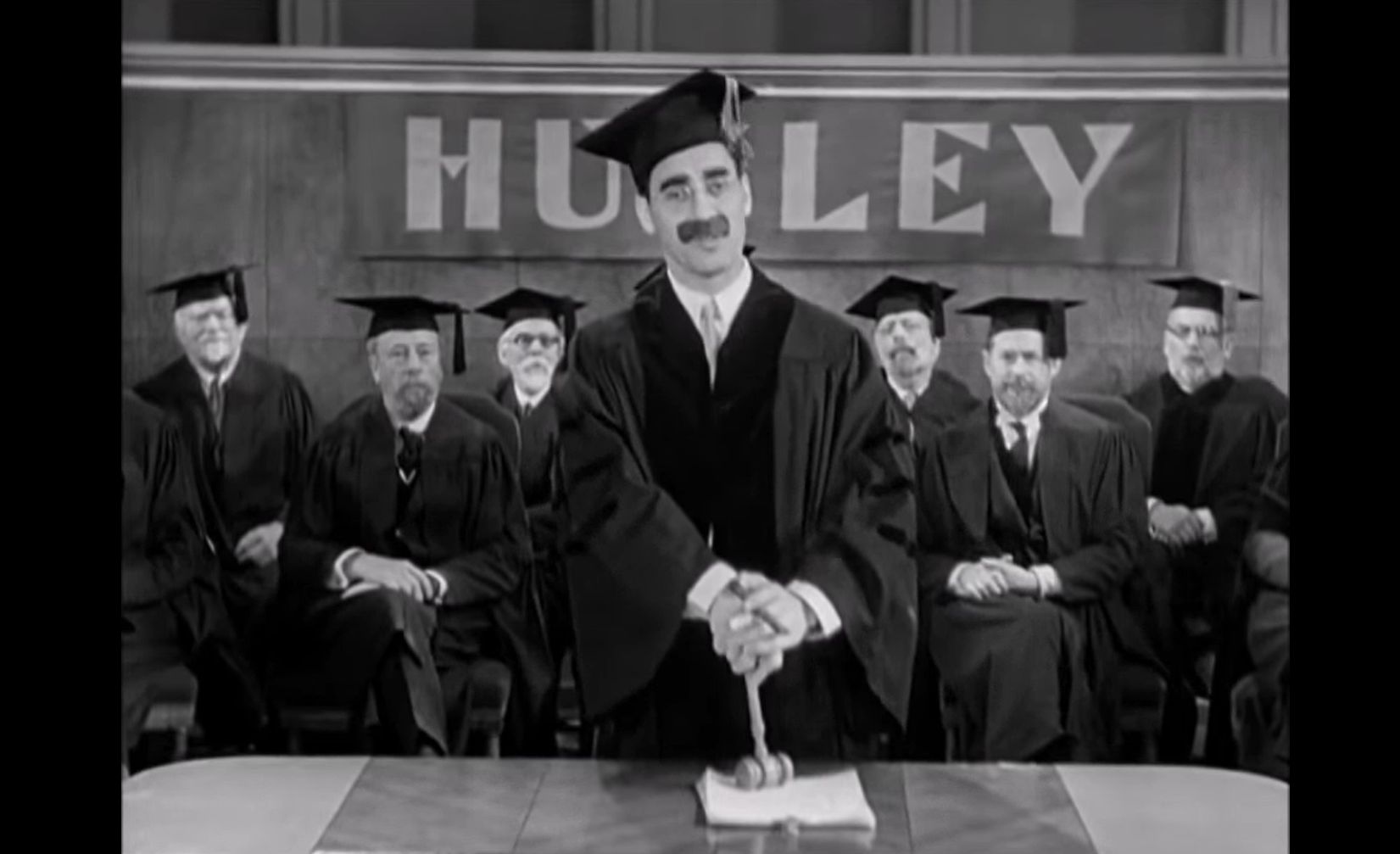
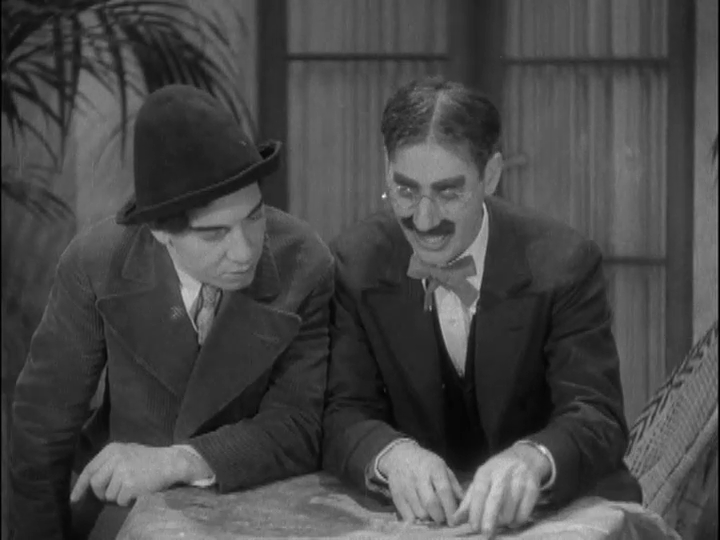
As Peary notes, this “frantic, anarchical comedy” is “regarded as the most surrealistic of the Marx Brothers films”, given that it “takes us zooming from one senseless scene to the next and through completely absurd bits of dialogue”. Peary calls out several particularly “memorable scenes”, including the opening scene (“Groucho addressing the faculty and students”):

“Groucho trying to gain entrance into a speakeasy by guessing the doorman Chico’s secret word”:

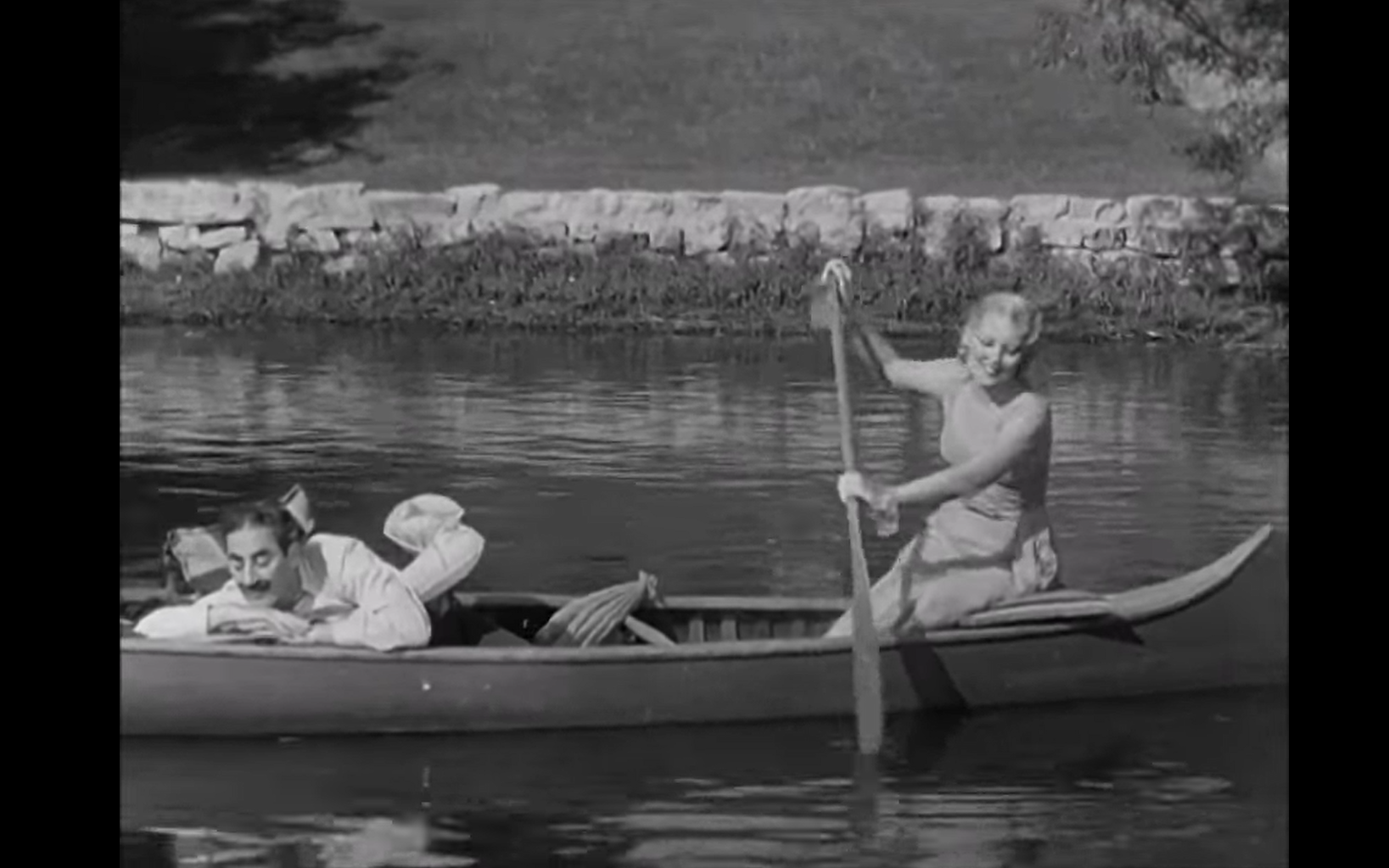
and “Groucho taking ‘college widow’ Thelma Todd canoeing” (during which “she falls overboard and he tosses her a peppermint Life Saver”).

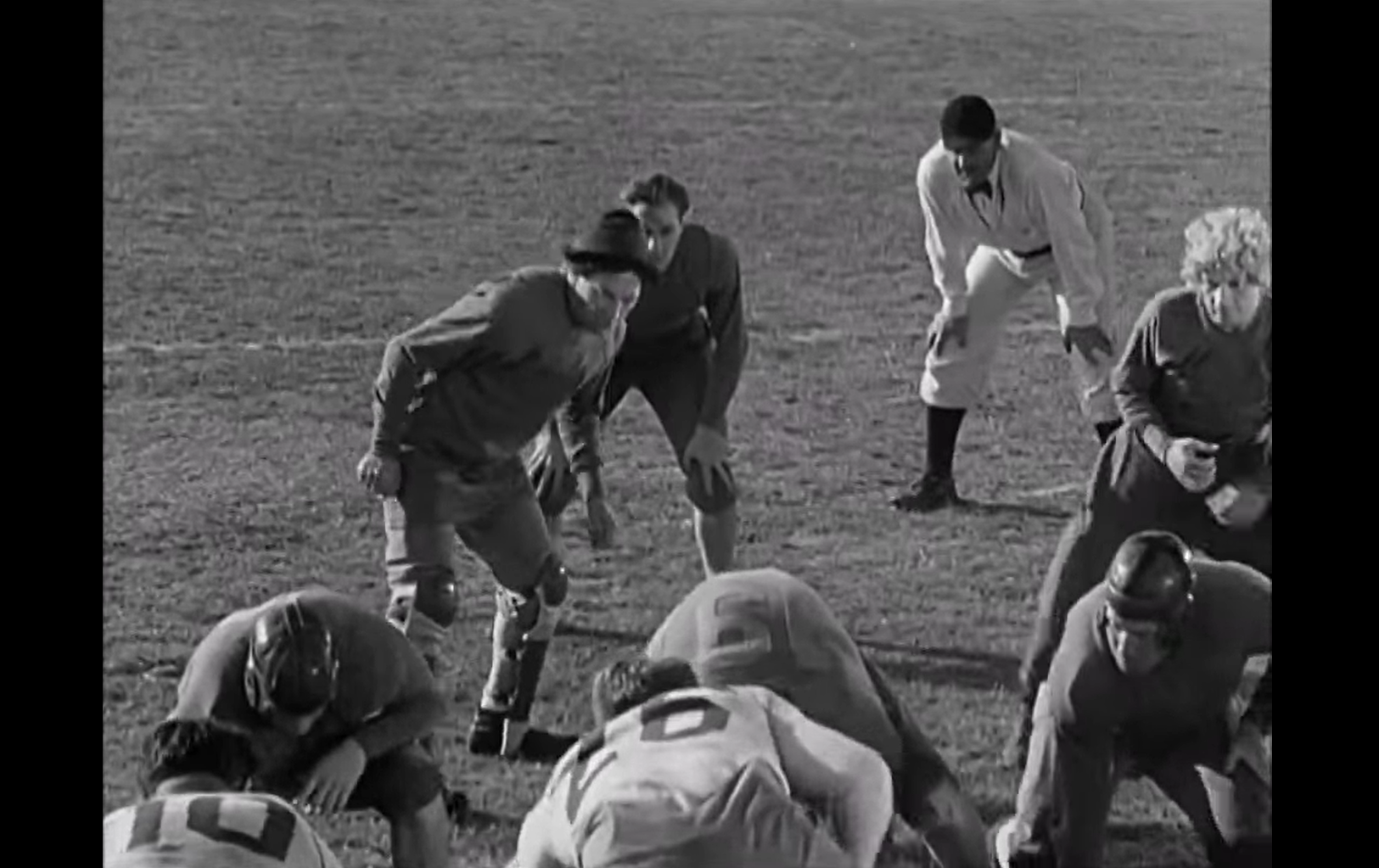
I’m less a fan of the infamously climactic “wild, wild football game”, though I’ll concede its slapstick brilliance from afar.

Listen for plenty of the Brothers’ characteristically zany verbal wit:

Professor Wagstaff: Tomorrow we start tearing down the college.
Professors: But, Professor, where will the students sleep?
Professor Wagstaff: Where they always sleep: in the classroom.

Redeeming Qualities and Moments:

  • The infectiously hummable opening song (“Whatever It Is, I’m Against It”)
  • Plenty of classic Marxian dialogue, one-liners, puns, and scenarios:

    “Why don’t you bore a hole in yourself and let the sap run out?”

Must See?
Yes. Most film fanatics will be curious to check out all of the Marx Brothers’ early Paramount Studios classics, including this one.

Categories

  • Genuine Classic

Links:

Cocoanuts, The (1929)

Cocoanuts, The (1929)

“When the necklace is found missing, someone has got to be blamed — why not them?”

Synopsis:
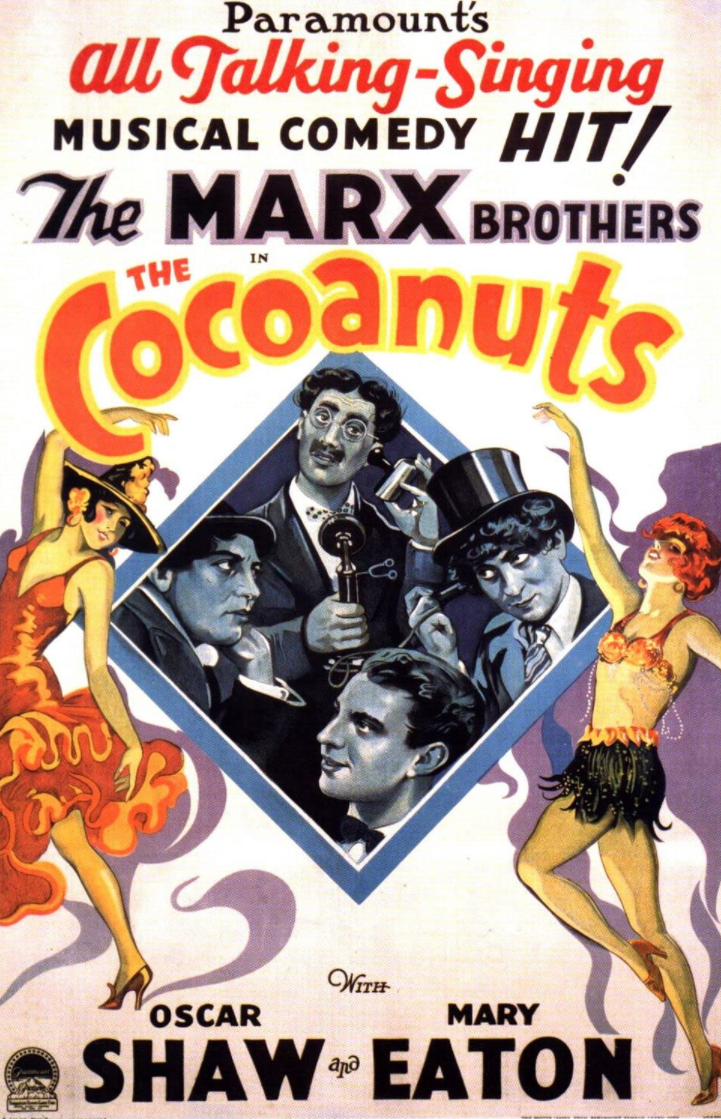
At a struggling Florida hotel owned by Groucho Marx, the sole paying guest (Margaret Dumont) tries to convince her daughter (Mary Eaton) to marry a more socially acceptable man (Cyril Ring) than the hotel clerk (Oscar Shaw) she’s in love with — not knowing that Ring is actually in cahoots with Kay Francis to steal Dumont’s valuable diamond necklace, and then place the blame on two new visitors at the hotel (Harpo and Chico Marx).

Genres, Themes, Actors, and Directors:

  • Comedy
  • Kay Francis Films
  • Marx Brothers Films
  • Musicals
  • Play Adaptations
  • Thieves and Criminals

Response to Peary’s Review:
Peary recommends that you “forget the necklace storyline” of this Marx Brothers debut film (made while they were busy performing Animal Crackers on Broadway), and simply watch them presenting “some of the funniest… dialogue and Harpo magic found in their movies”. He notes that while “critics often complain about the film’s theatricality and static stretches” (not to mention the poor quality of existing prints, despite DVD restoration), it nonetheless provides “non-stop hilarity” whenever “Groucho, Chico, and Harpo are on the screen”. I’m in agreement with Peary on this one. While the “slow stretches” are indeed of negligible worth (you’ll pretty much yawn as soon as either Eaton or Ring open their mouth to sing Irving Berlin’s songs), the surrounding material is nearly always consistently amusing; the one exception is the final banquet scene, which left me oddly unimpressed. Regardless, Peary is right to state that “one can only wonder how audiences who had never seen the Marx Brothers before reacted” to this first presentation of their work on-screen, which remains worthy viewing today, despite its flaws.

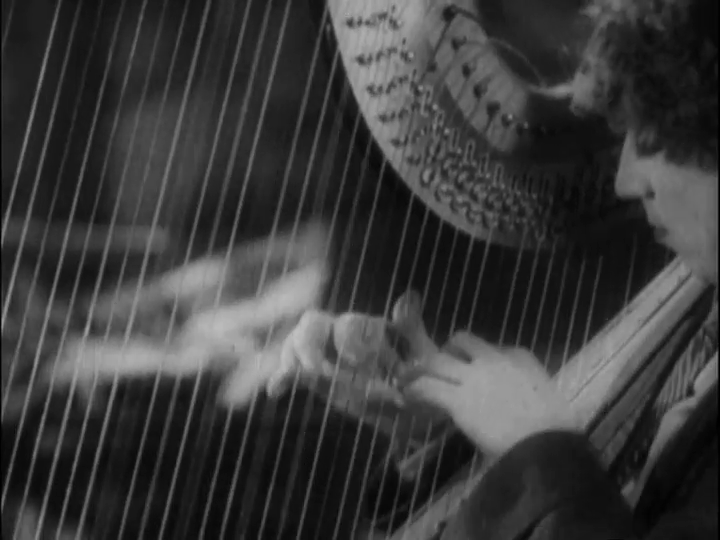
Note: Watch for Kay Francis’s strikingly butch hairstyle — and listen for Harpo’s lovely solo, a truly worthy introduction to his musical talents.

Redeeming Qualities and Moments:

  • Many classic, still highly enjoyable Marx Brothers routines

  • Harpo’s lovely harp solo
  • Creative opening credits

Must See?
No, though it’s worth a look for its historical importance as the Marx Brothers’ first film, and certainly must see for fans of the Brothers.

Links:

Duck Soup (1933)

Duck Soup (1933)

“But there must be a war. I’ve paid a month’s rent on the battlefield!”

Synopsis:
A wealthy socialite (Margaret Dumont) with a crush on zany Rufus T. Firefly (Groucho Marx) insists that he be elected president of the troubled country of Freedonia; meanwhile, the ambassador (Louis Calhern) of Freedonia’s rival, Sylvania, enlists the help of two inept spies (Chico Marx and Harpo Marx) to gather critical information on Firefly, and soon war has erupted between the two countries.

Genres, Themes, Actors, and Directors:

  • Leo McCarey Films
  • Louis Calhern Films
  • Marx Brothers
  • Ruthless Leaders
  • Satires and Spoofs
  • Spies

Response to Peary’s Review:
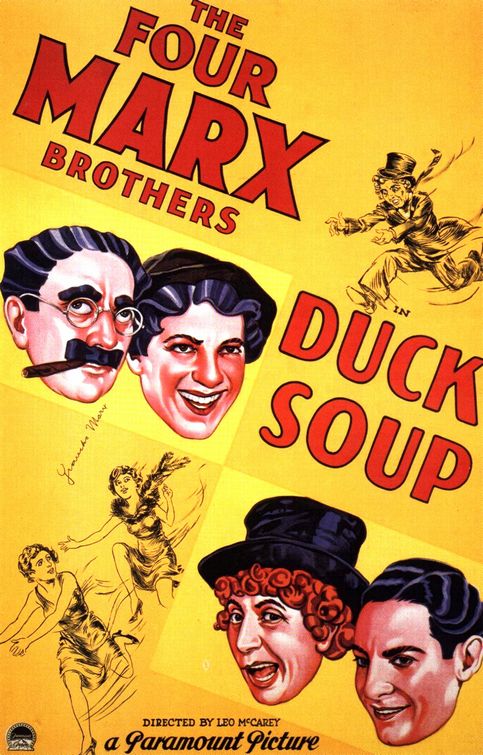
It’s interesting but not surprising to learn that while made in the Marx Brothers’ “heyday”, Duck Soup was their “one critical and commercial flop of the period” — perhaps because “Depression Era audiences, who needed to believe in their leaders, were a bit unnerved seeing Groucho as the ruler of a country”. However, as Peary notes, “college audiences in the 1960s were looking for films that treated politicians with the disrespect they deserved”, thus leading this film to take its “rightful place in the comedy-film pantheon” (and turning it into a cult favorite). Peary, along with most other critics, refers to this as “the team’s masterpiece”, noting that it contains “70 delightful minutes of non-stop (no musical interludes or romance) sight gags, verbal wit, zany improvisations, and Groucho and Harpo offending everyone around them”, and further observing that “it is the only film that provided the team with the proper political milieu for their anarchic brand of humor”.

In his Cult Movies review, Peary argues that director Leo McCarey (who apparently balked at being given this assignment) “presents the Marx Brothers… at their most consistently rude and irreverent”, noting that their humor is “derived to a great extent from the cumulative effects that their unremitting insults (Groucho), puns (Groucho and Chico), invasions of privacy, destruction of property (Harpo), and general annoyances (Groucho, Chico, and Harpo) have on the pompous boors and wealthy hypocrites who populate their world”. Nicely said! Indeed, that description just about sums up their comedic arsenal perfectly. For more information about specific scenes in this zaniest of cinematic masterpieces — a still-potent example of unadulterated comedic anarchy — I humbly refer you to either Peary’s Cult Movies review, or any of the many fine analyses available online or in print.

Redeeming Qualities and Moments:

  • Groucho Marx as Firefly (nominated by Peary as one of the best actors of the year in Alternate Oscars)
  • Margaret Dumont at Mrs. Teasdale
  • Groucho and Chico’s non-stop verbal wit
  • A ruthlessly breakneck satire of countless cinematic tropes
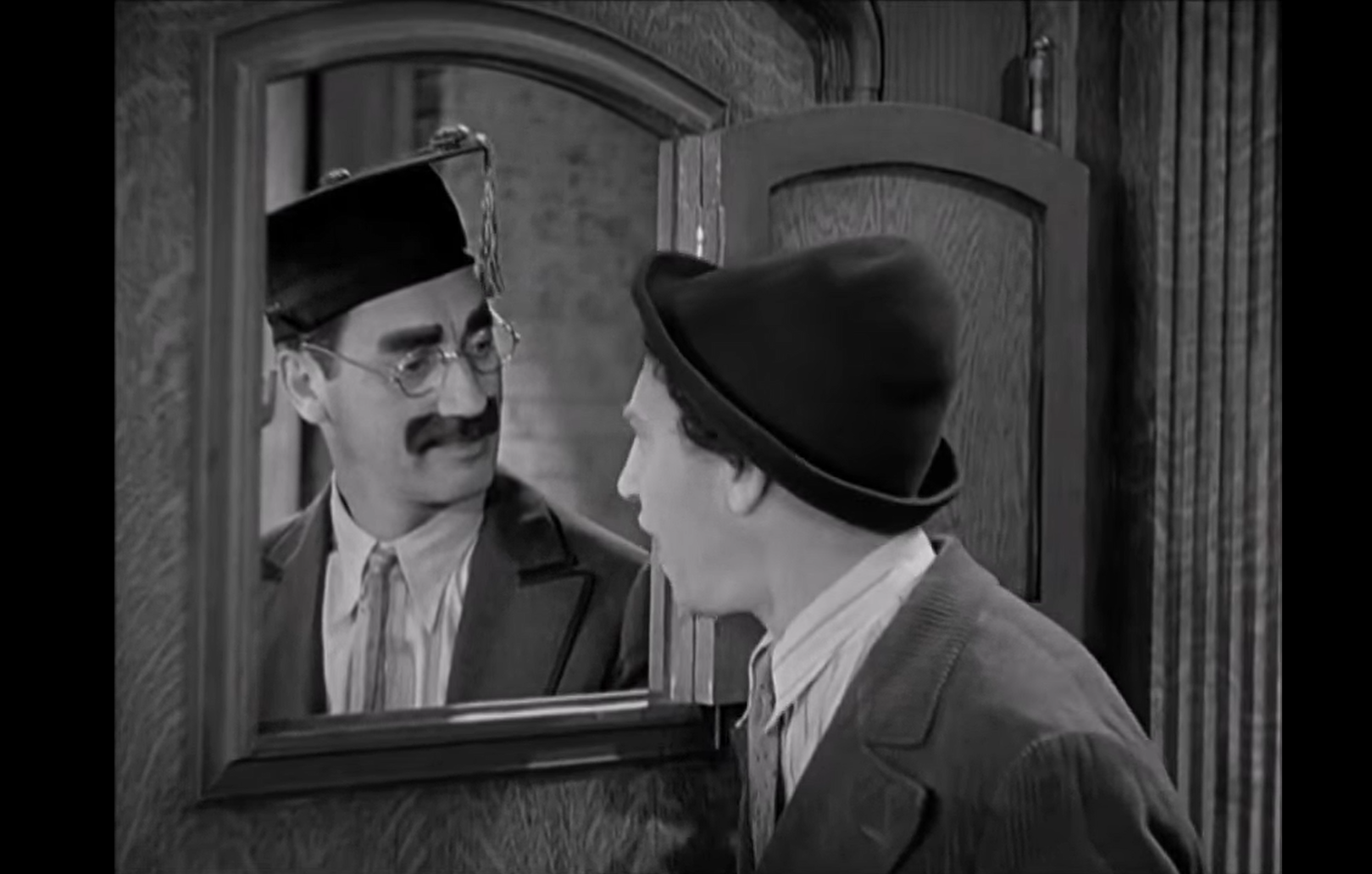
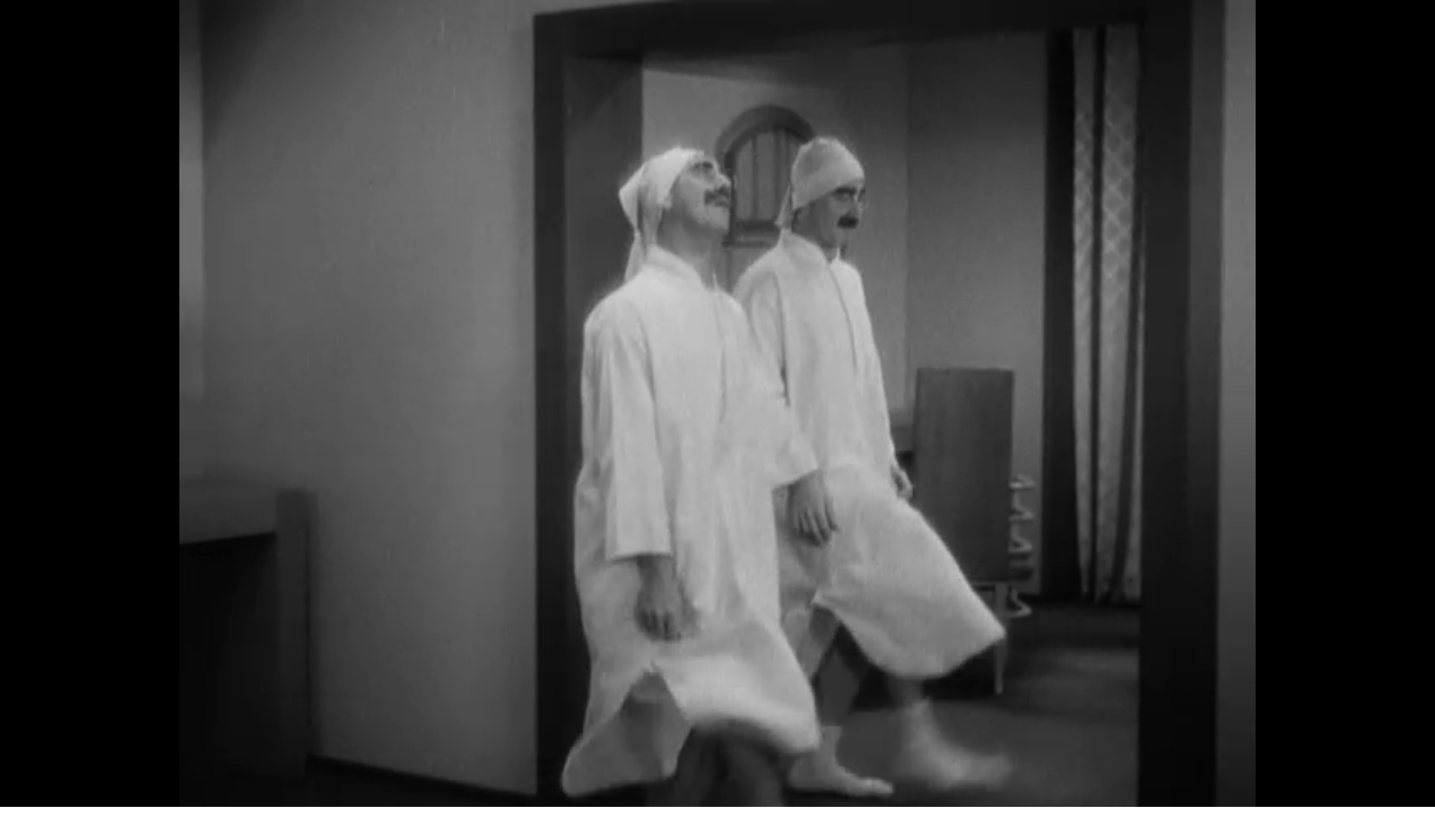
  • The infamous, oft-imitated-but-never-equaled mirror scene
  • A truly surreal screenplay

Must See?
Yes, as an undisputed comedy classic. Nominated by Peary as one of the best films of the year in his Alternate Oscars, and discussed at length in his first Cult Movies book.

Categories

  • Cult Movie
  • Genuine Classic

(Listed in 1001 Movies You Must See Before You Die)

Links:

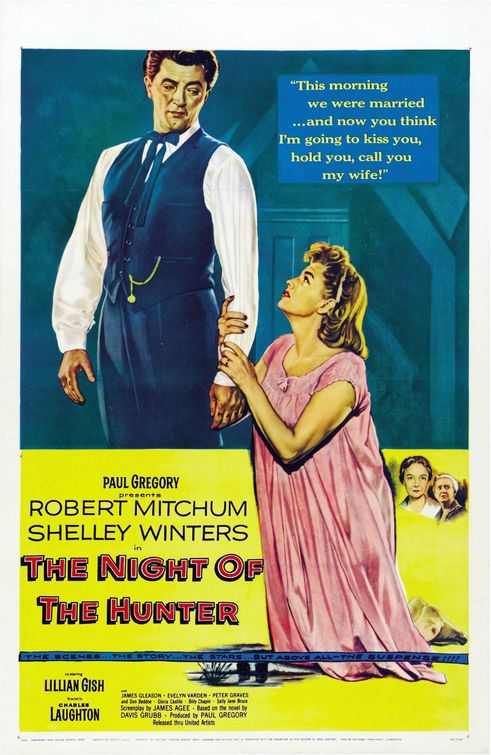
Night of the Hunter, The (1955)

Night of the Hunter, The (1955)

“There’s too many of them. I can’t kill the world.”

Synopsis:
A psychopathic preacher (Robert Mitchum) learns that his cellmate (Peter Graves) has hidden $10,000 in stolen money somewhere in his home. Once he’s out of jail, Mitchum woos and marries Graves’ widow (Shelley Winters), hoping to get her children (Billy Chapin and Sally Jane Bruce) to reveal what they know about the money. Soon Chapin and Bruce are on the lam from murderous Mitchum, seeking refuge with a kind older woman (Lillian Gish).

Genres:

  • Charles Laughton Films
  • Con-Artists
  • Ex-Cons
  • Horror Films
  • Lillian Gish Films
  • Priests and Ministers
  • Robert Mitchum Films
  • Runaways
  • Shelley Winters Films
  • Widows and Widowers

Response to Peary’s Review:
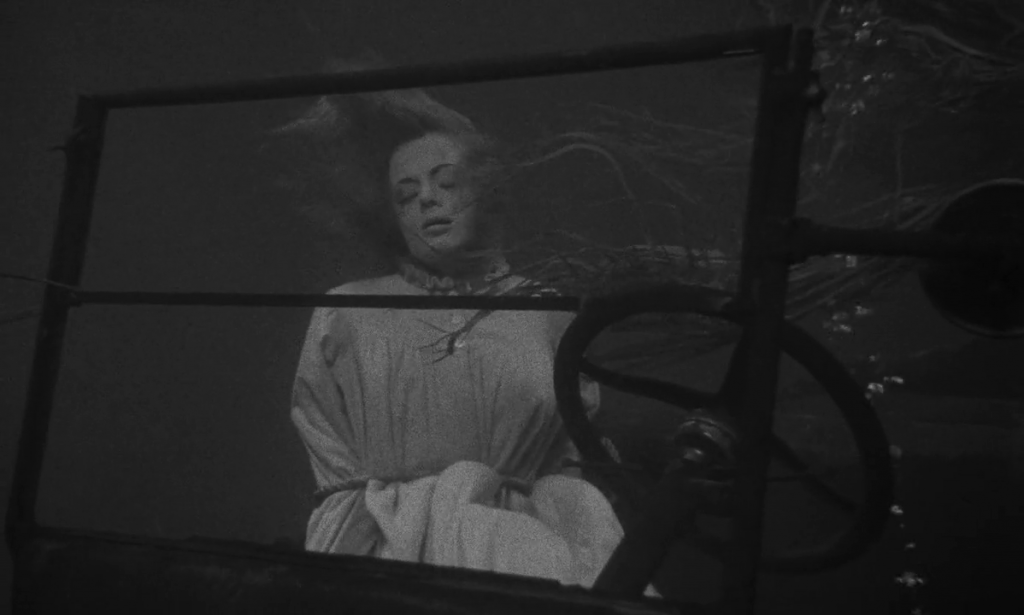
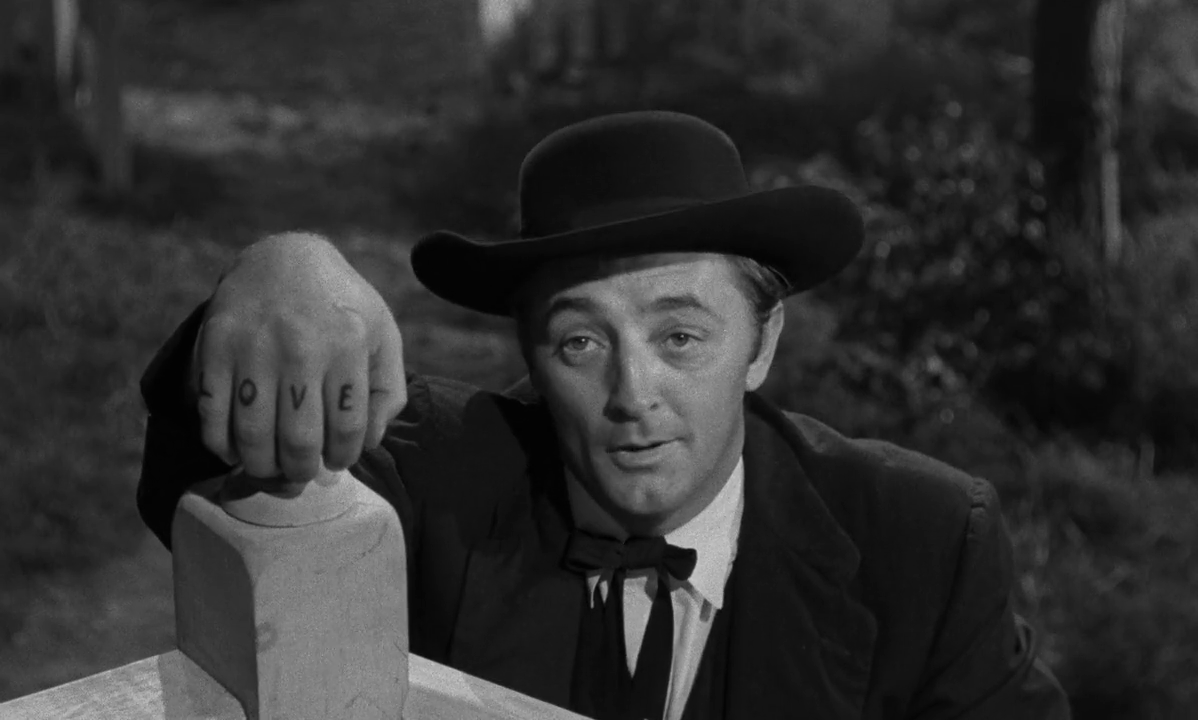
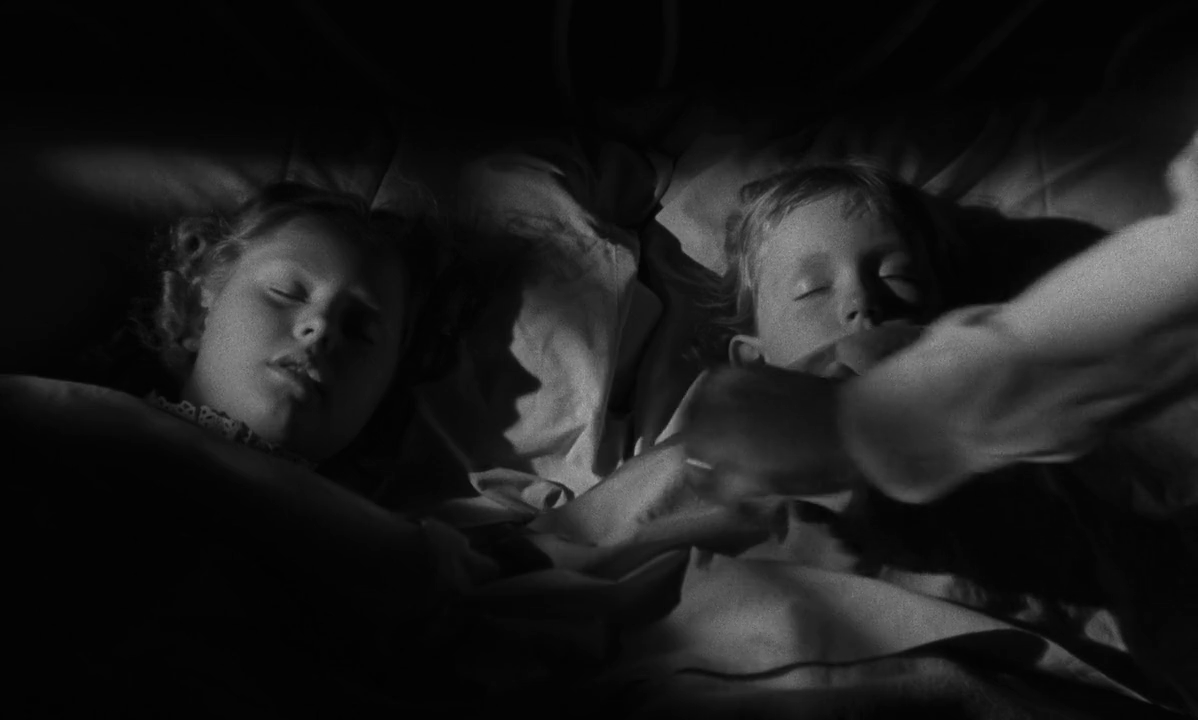
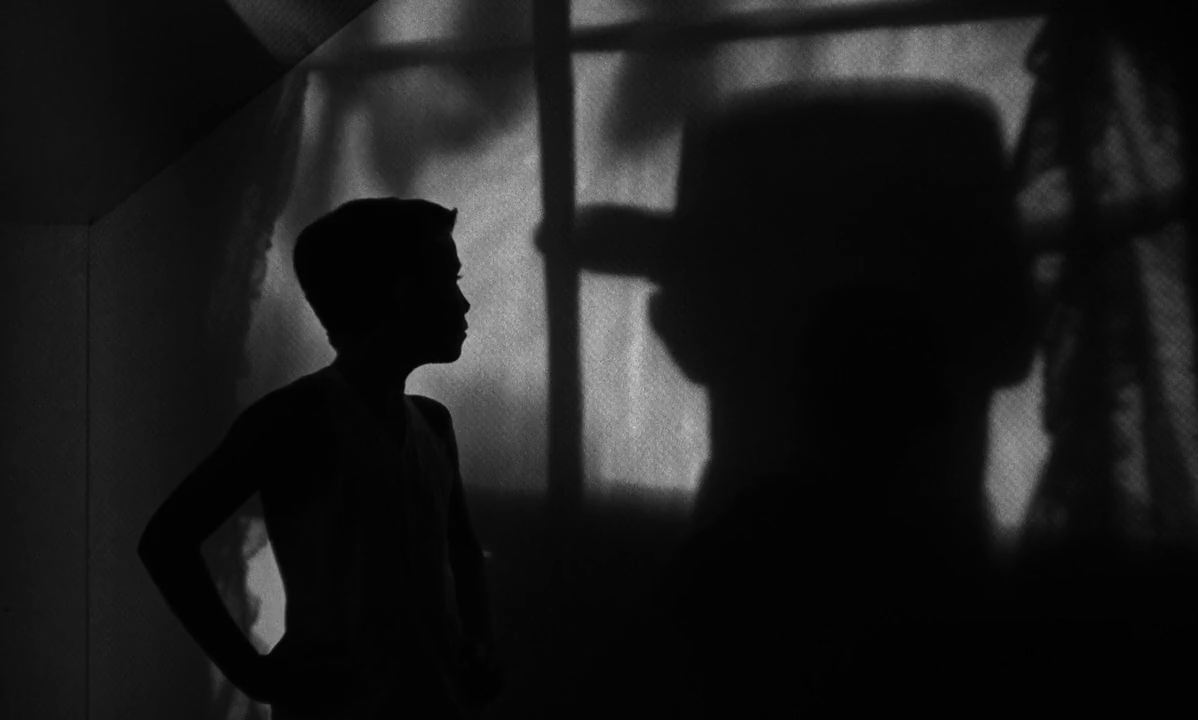
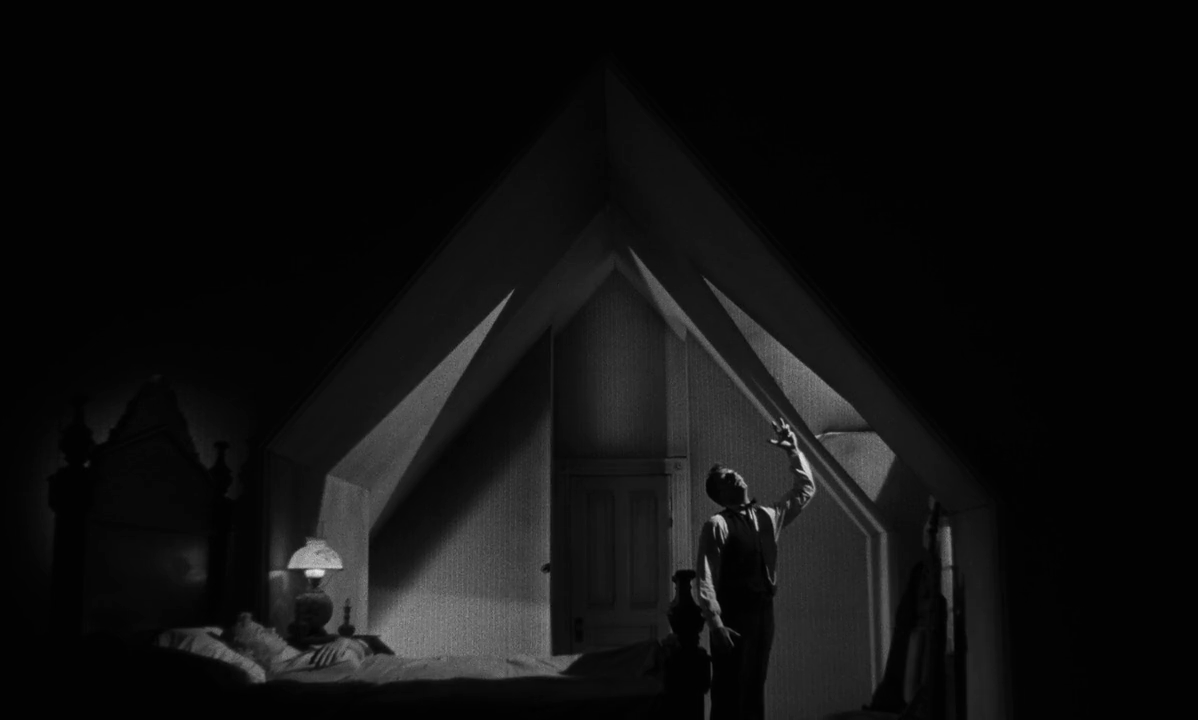
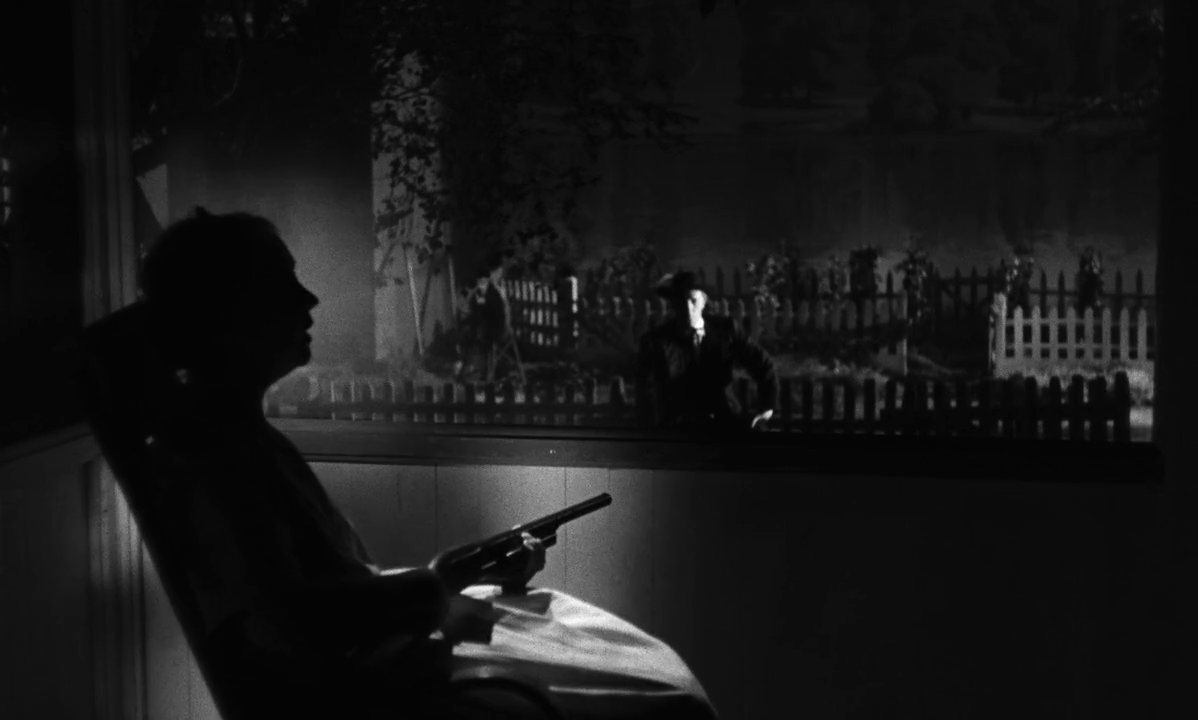
On the basis of his sole directorial effort, it’s clear that Charles Laughton was not only a gifted actor but a true genius behind the camera. His Night of the Hunter — based on an award-winning Depression-era novel by Davis Grubb, and “strikingly photographed by [DP] Stanley Cortez” — remains a “fascinating, truly unique work, part gothic horror film, part religious parable, part fairytale” (and, as described in Peary’s review of the film for Alternate Oscars, “part animated-cartoon”). As Peary notes, Robert Mitchum (in perhaps his most memorable role) is “absolutely terrifying as the phony preacher” who “all adults are mesmerized by”, but who the film’s stalwart young protagonist (Chapin) recognizes immediately as a wolf “in sheep’s clothing”.
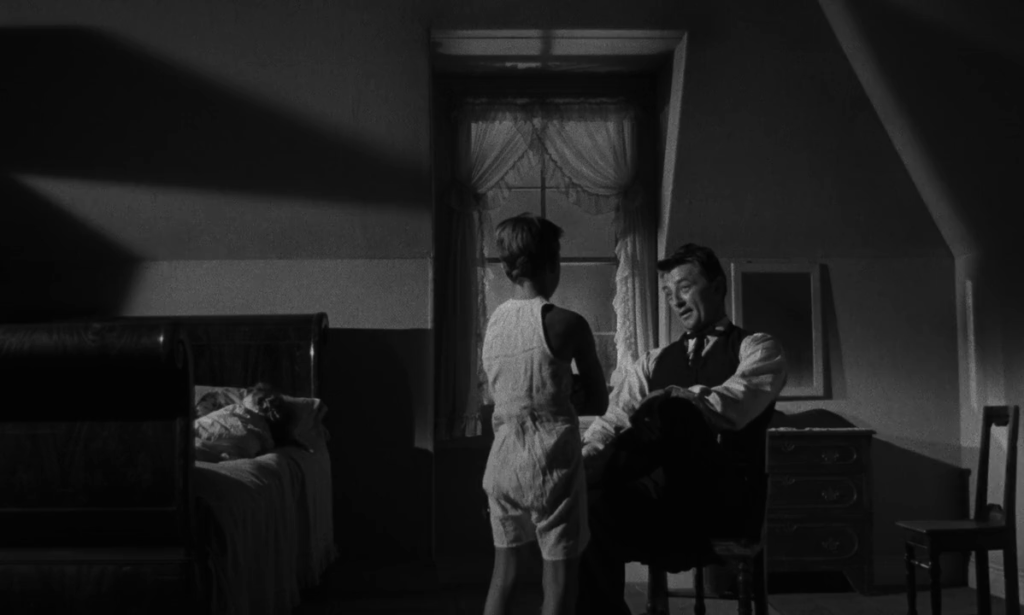
Once Chapin and the doll-like Bruce (that forehead!) go on the lam from the predatory Mitchum, Peary accurately likens them to “Hansel and Gretel, traveling through the woods, heading downstream — only they find a sweet old lady” (Gish) rather than a witch.

In his more extensive review of the film for his Cult Movies 3 book, Peary admits that he gets “all choked up about halfway through [the film], anticipating Rachel [Gish] coming to the aid of the two desperate children”. He notes “how brave, unselfish, and caring she is”, as the only adult in the film who “recognizes their need for help, and the only one who has the inner strength and the faith to help them”. To that end, “strong-willed Gish and strong-bodied Mitchum are great opponents” — what inspired casting on both counts!
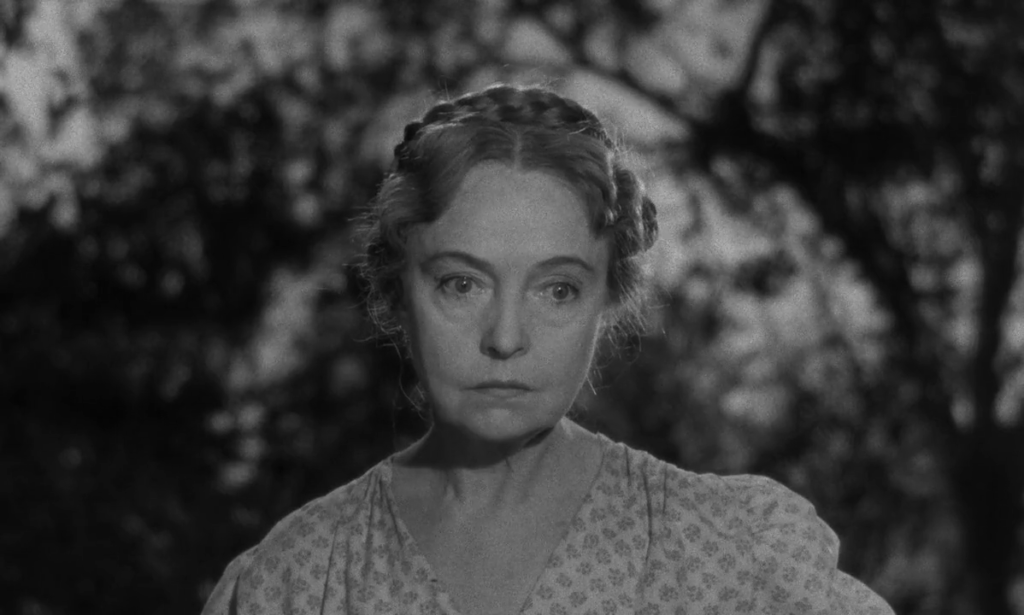
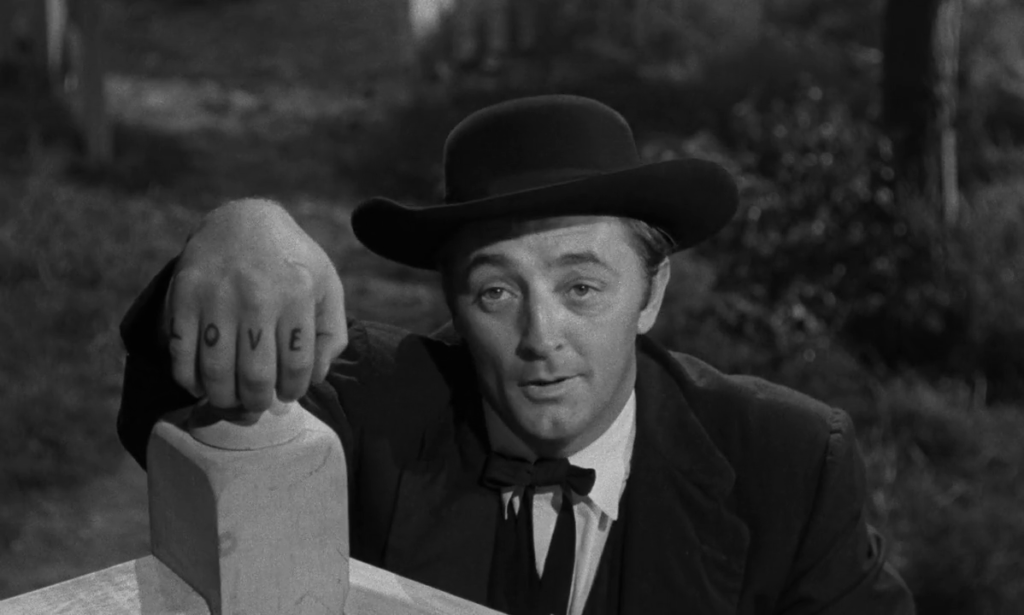
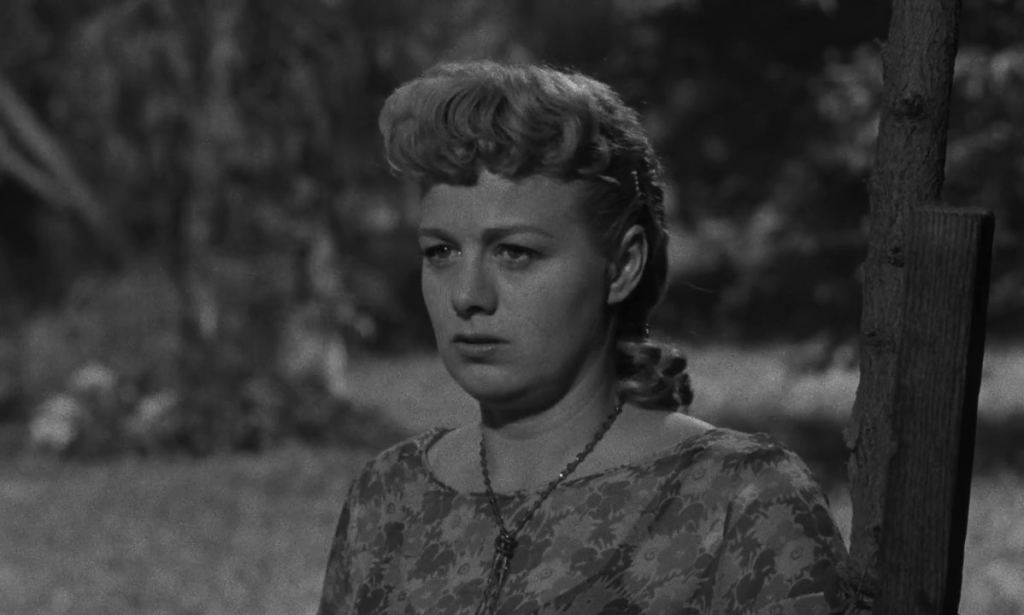
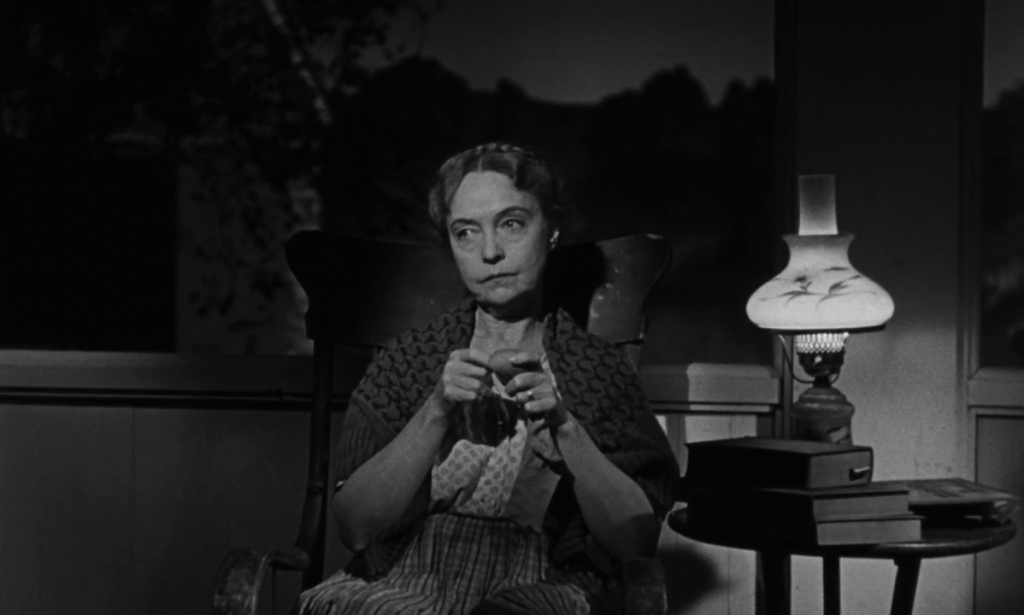
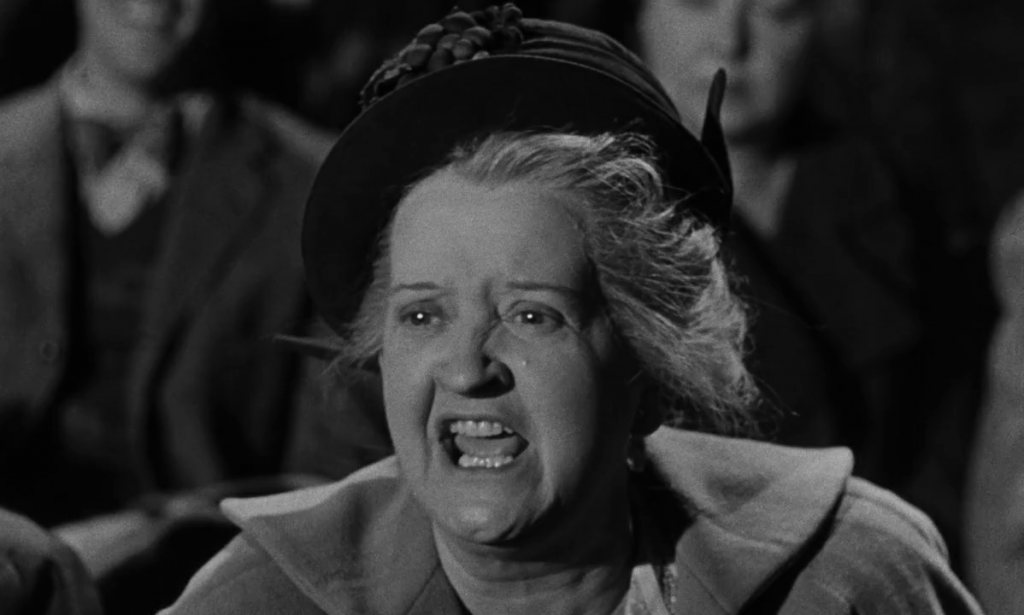
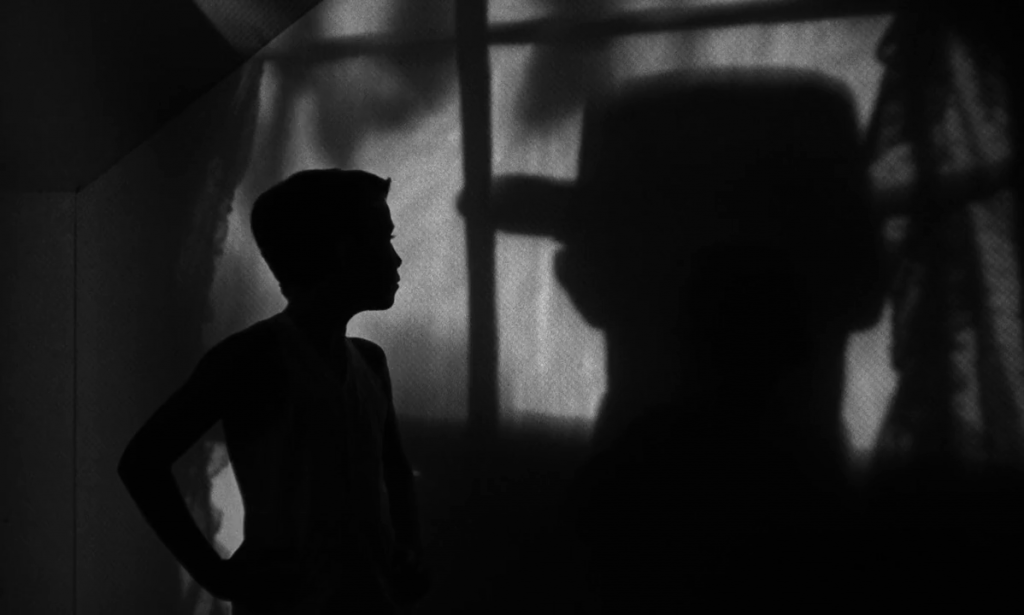
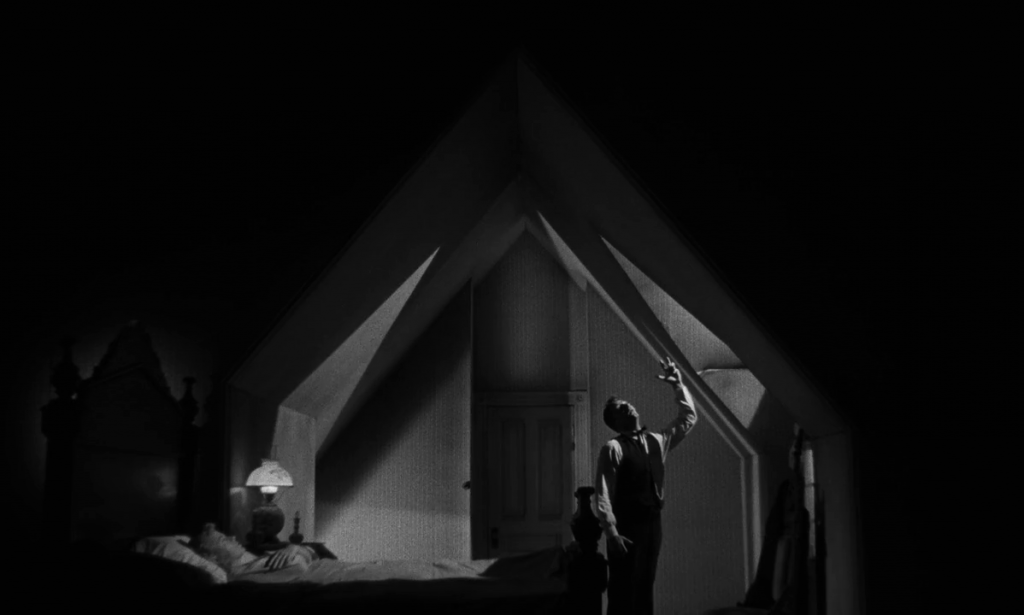
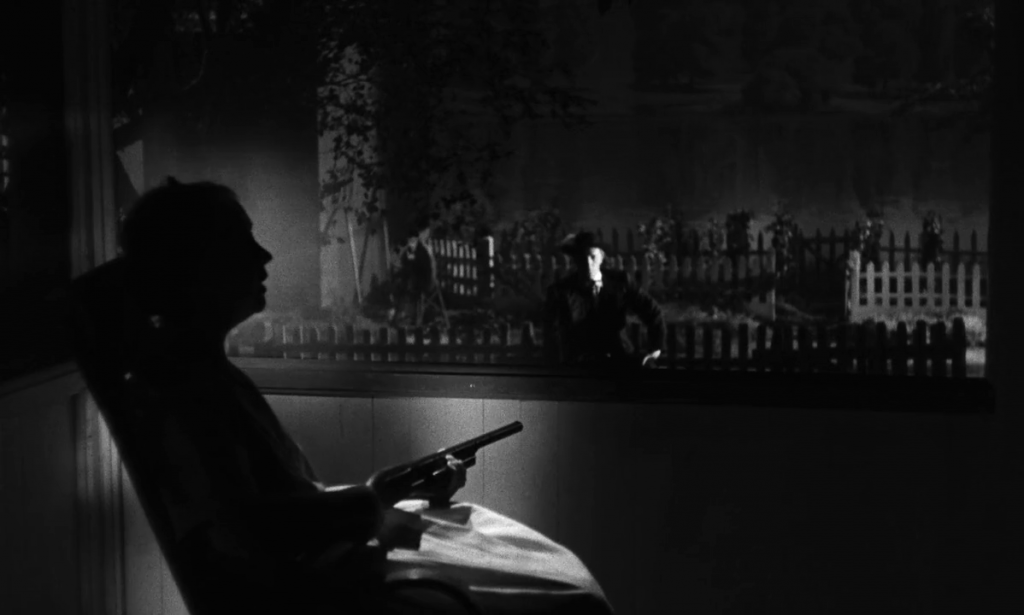
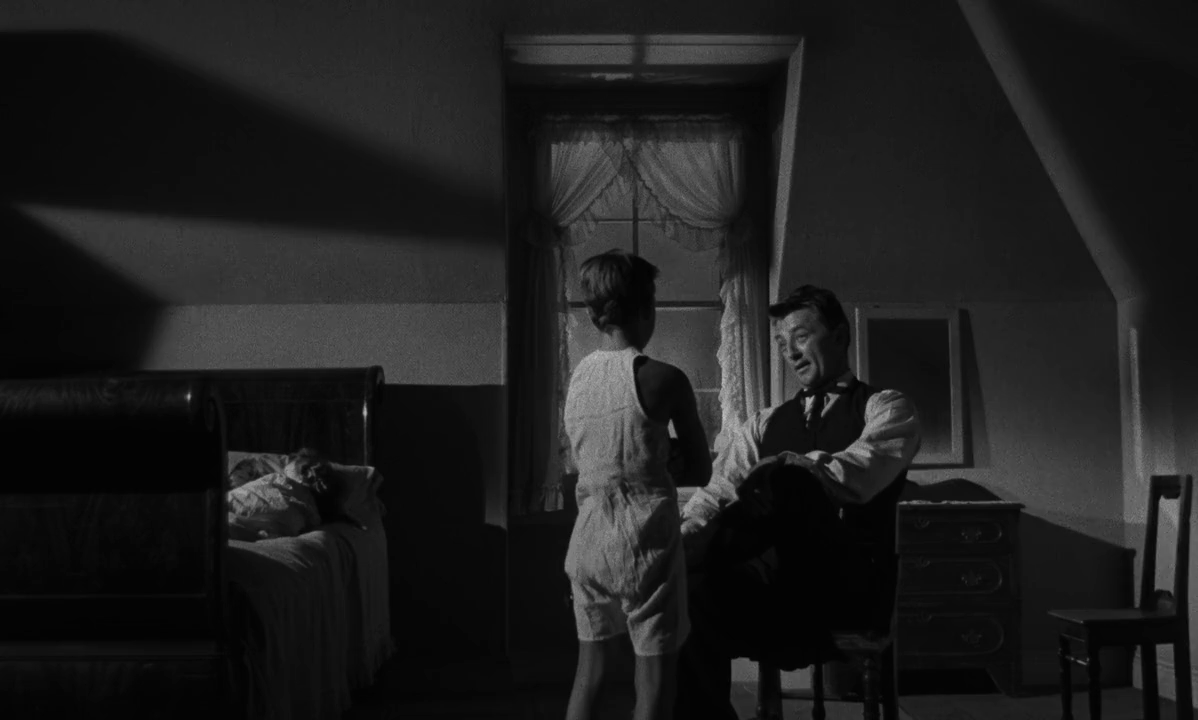
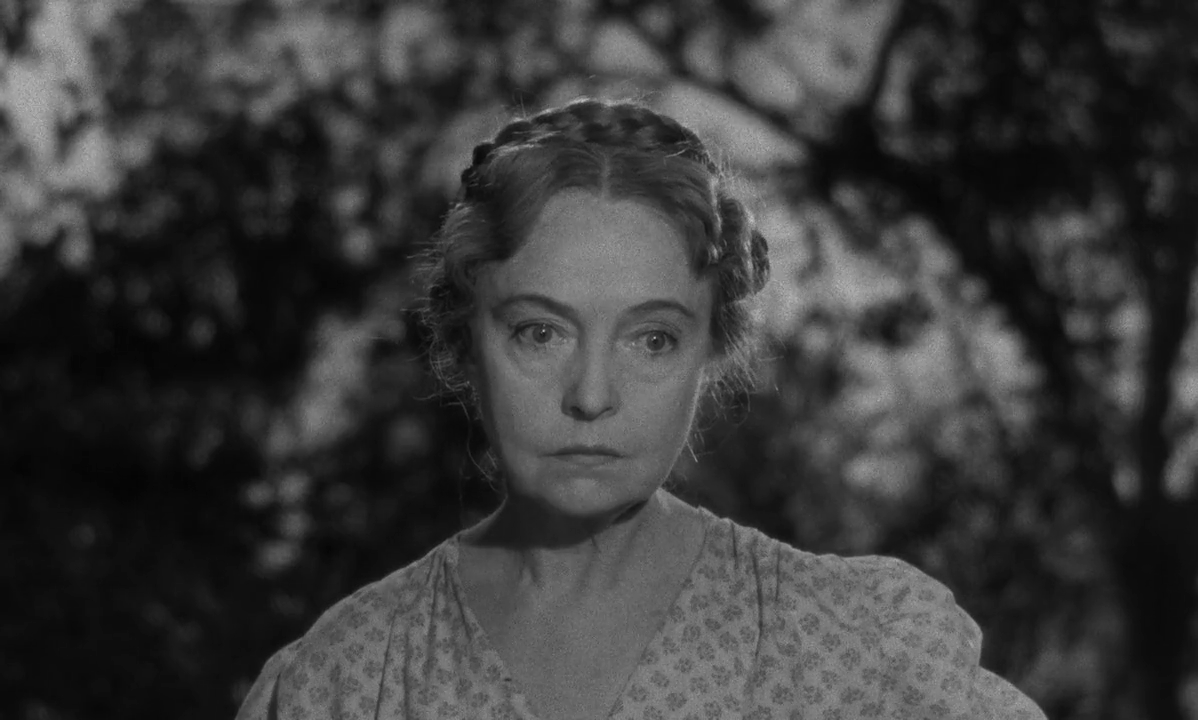
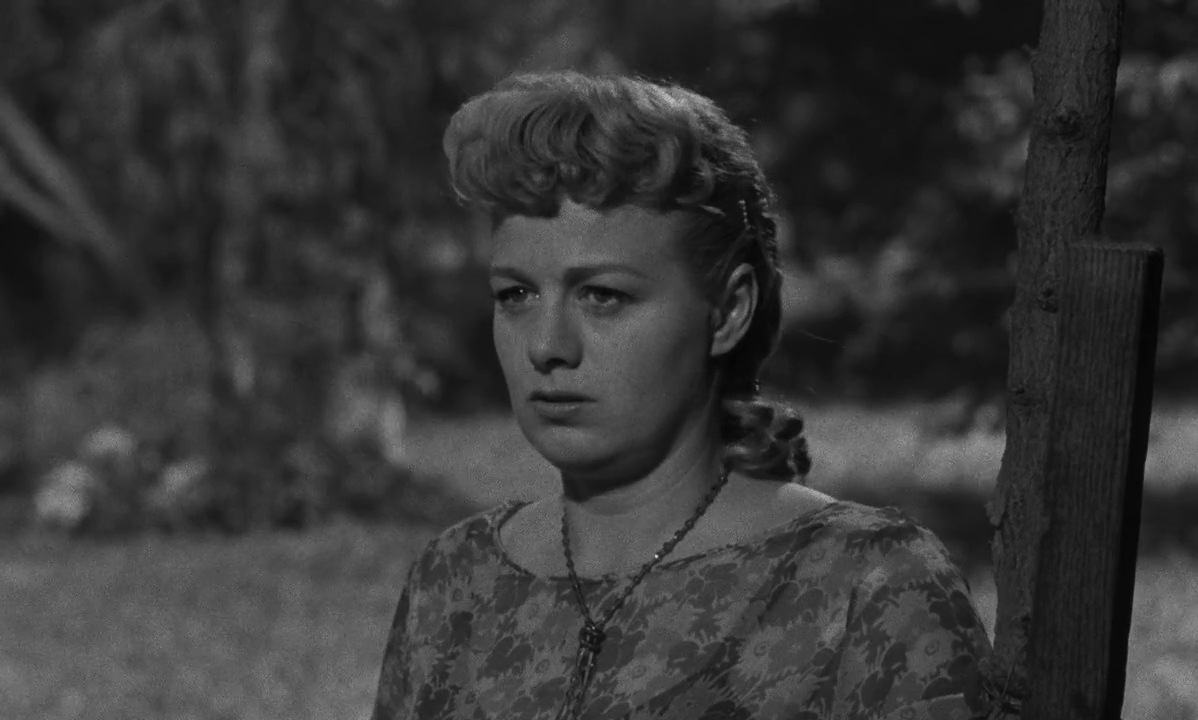
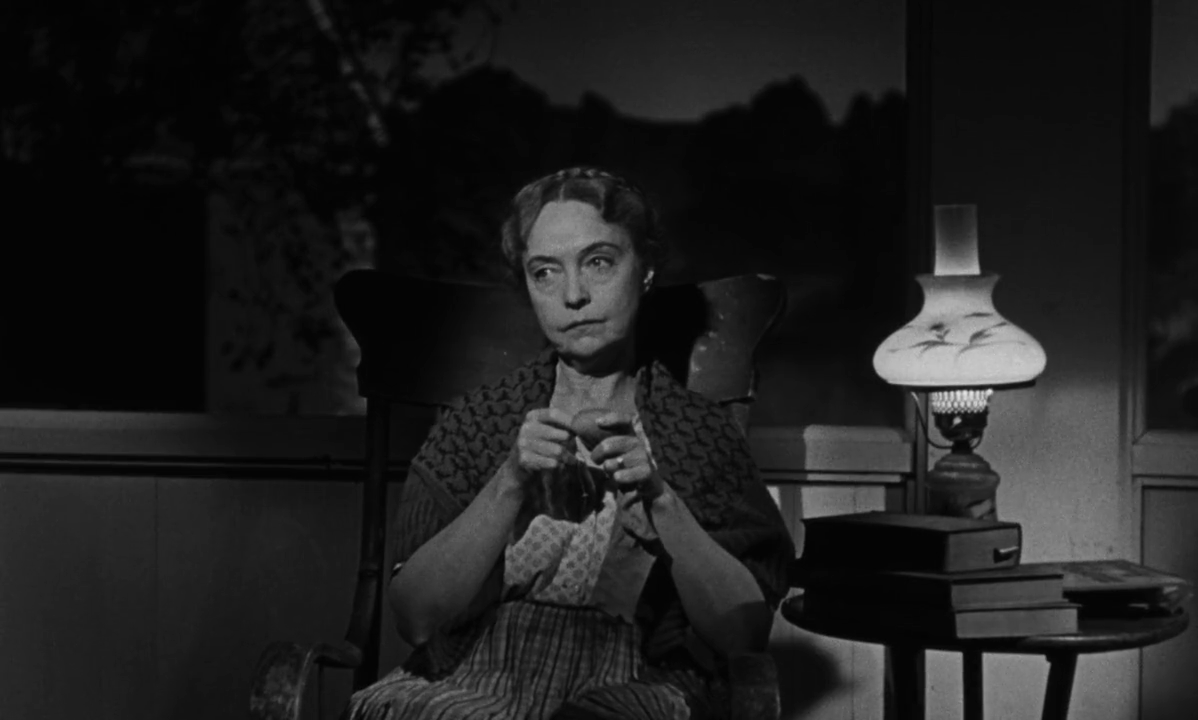
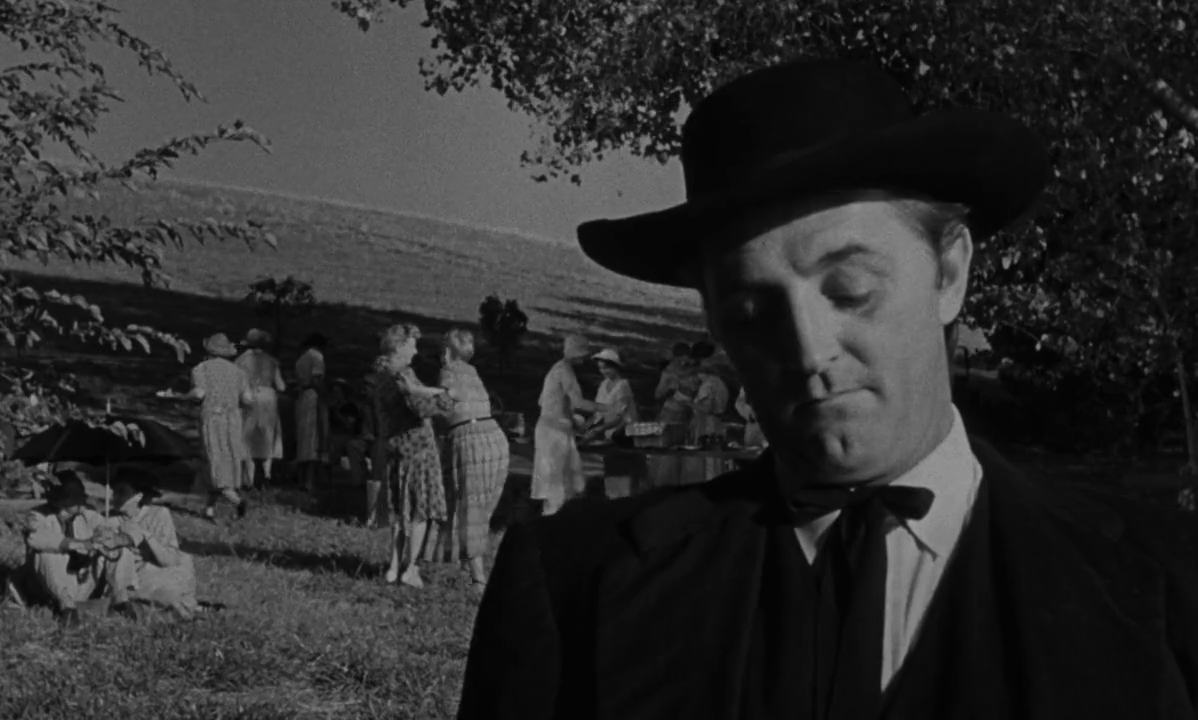
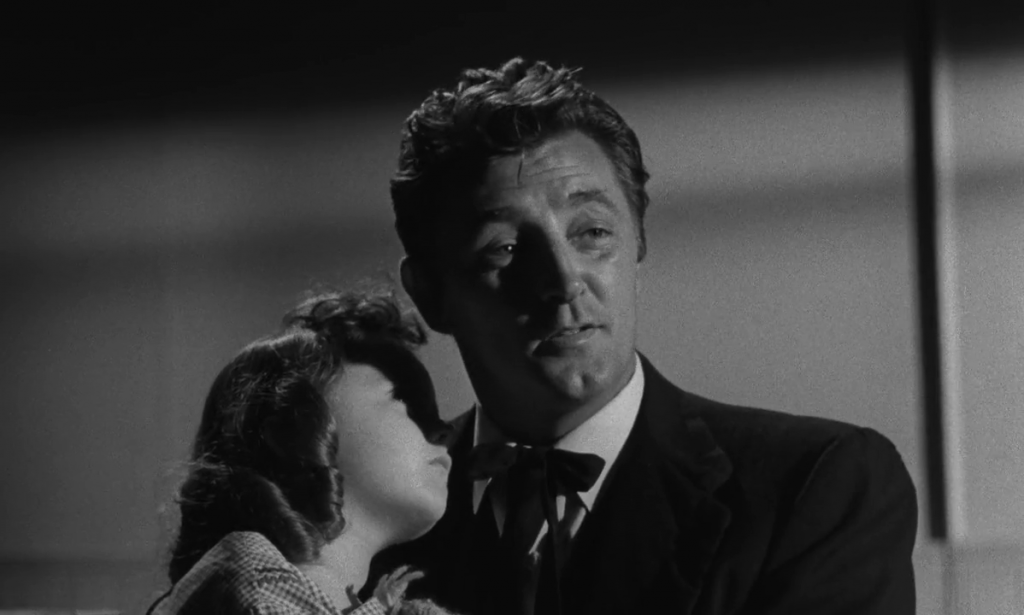
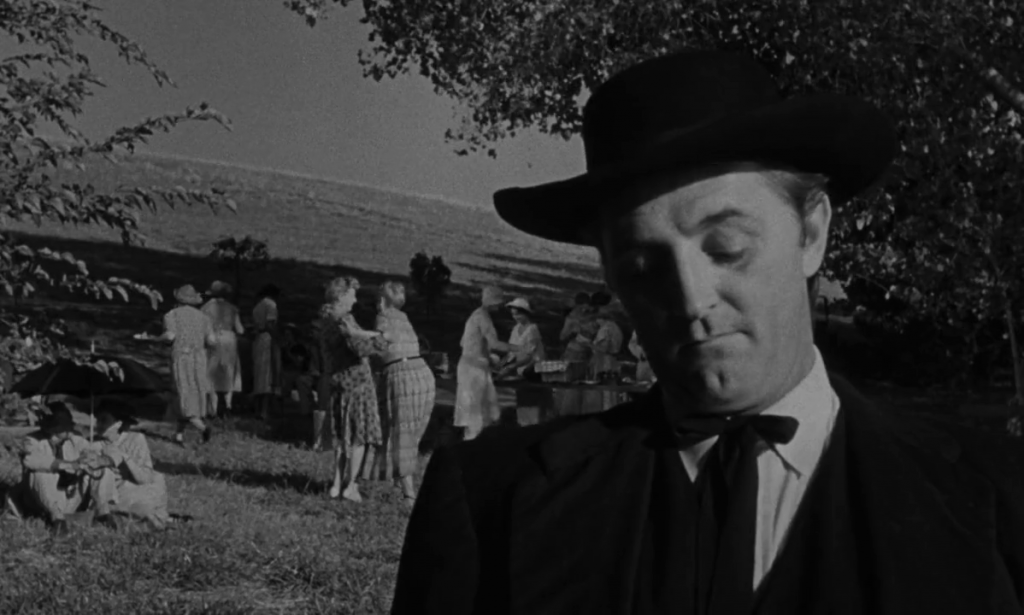
Other performances in the film — from Winters as Mitchum’s doomed new bride, to Evelyn Varden as a nosy, self-righteous neighbor named Icey Spoon (!) — are fine as well; but what’s most striking about the film is Laughton’s utterly “audacious visual style”, turning nearly every frame of the picture into a memorable tableaux (see stills below). As Peary notes, Laughton “borrowed from D.W. Griffith (Gish’s most famous director) and German Expressionists” to create a highly stylized alter-universe which “immediately takes us out of reality”. The film’s enormously creative opening scene, for instance, has “harsh music… replaced by the sweet singing of children and the heads of Rachel and her five young wards appear[ing] in the sky, amidst the stars”, providing just a hint of what’s to come — no ordinary 1950s Hollywood melodrama, this!

(And speaking of the opening shot, it’s intriguing to wonder whether the entire film might be, as Peary suggests, “the nightmare John [Chapin] has… after hearing Rachel’s fretful words”. Hmmm…)

Regardless, we’re taken on a humdinger of a ride — one we can’t ever pull our eyes away from, no matter how frightening the story becomes. This is thanks in large part to the consistently striking beauty of Laughton’s visuals, but also due to how Laughton deftly infuses this most tragic of tales (about murder, theft, deceit, and child abuse!) with plenty of alleviating dark humor. He does this by turning Mitchum’s psychopathic preacher into a “classic deceitful fairy-tale villain”, one who supplies unexpected “slapstick humor” and thus provides the film with its “necessary moments of relief”. Yet for all his cartoonish qualities, Mitchum remains a serious presence to be reckoned with throughout — a truly crazy “messenger of God” who will do anything, absolutely anything, to get that $10,000. Watch and be afraid.

Redeeming Qualities and Moments:

  • Robert Mitchum as Harry Powell (nominated by Peary as Best Actor of the Year in his Alternate Oscars)
  • Shelley Winters as Willa Harper
  • Lillian Gish as Rachel Cooper
  • Evelyn Varden as busybody Icey Spoon
  • Masterful, consistently creative direction
  • Stanley Cortez’s stunning cinematography
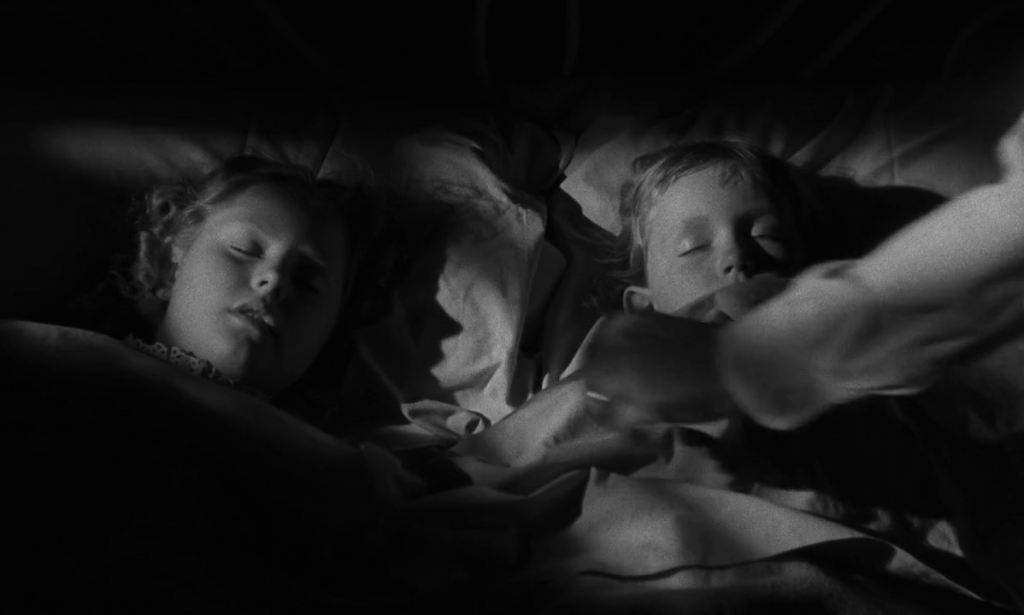
  • Countless indelibly haunting images


  • Walter Schumann’s varied, eclectic score

Must See?
Absolutely. This unique classic remains one of the best examples of mid-century American cinema. Discussed at length in Peary’s Cult Movies 3. Selected as the Best Movie of the Year in Peary’s Alternate Oscars.

Categories

  • Genuine Classic
  • Noteworthy Performance(s)

(Listed in 1001 Movies You Must See Before You Die)

Links:

Night of the Ghouls / Revenge of the Dead (1959)

Night of the Ghouls / Revenge of the Dead (1959)

“Monsters! Space people! Mad doctors! They didn’t teach me about such things in the police academy!”

Synopsis:
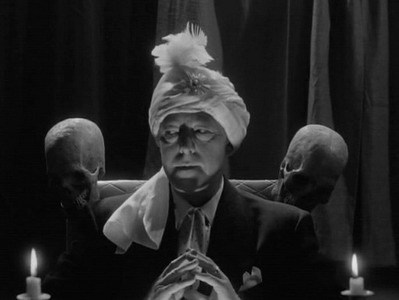
A pair of detectives (Duke Moore and Paul Marco) are sent to investigate a suspicious spiritualist named Dr. Acula (Kenne Duncan), who works in cahoots with a fake ghost (Valda Hansen) to convince wealthy clients that they are in communication with departed loved ones.

Genres, Themes, Actors, and Directors:

  • Con-Artists
  • Detectives and Private Eyes
  • Ed Wood Films
  • Horror
  • Zombies

Response to Peary’s Review:
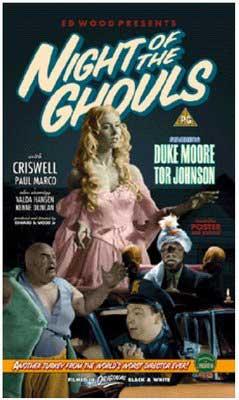
Peary accurately notes that while Ed Wood’s “follow-up to Plan 9 From Outer Space features god-awful acting, direction, music, dialogue, costumes, sets, props, lighting, pacing, and camera work”, this likely “won’t be enough to satisfy hardcore Wood fanatics” (or all purpose bad-movie lovers for that matter) “who have the right to expect much worse”. Often afforded the dubious label of being Wood’s most competent film (for better or for worse), Night of the Ghouls actually possesses an interesting history, not mentioned in Peary’s book: Wood couldn’t afford the lab fees to print the film, so it wasn’t viewed until years later (in 1983), when an aficionado named Wade Williams paid the overdue lab fees and released the film, much to the delight of Wood’s growing cult of fans. At any rate, as Peary notes, the film is full of “typically ludicrous Wood touches”, such as the infamously giggle-worthy scene when one of the detectives “sneaks through a dark house (the film’s prime set) [and] both [the film’s narrator] Criswell and our hero, through voiceovers, discuss in great detail the railing his hand happens to touch” — which is “completely irrelevant to the story”. Unfortunately, however, as Peary notes, “the picture hasn’t the inspired madness of Wood’s classics”, and really isn’t must-see except for his die-hardest fans.

Note: I disagree with Peary that “Jennie Stevens as the Black Ghost can’t hold a candle to Plan 9‘s Vampira”. While Vampira may have been more strikingly dramatic (and unearthly), Stevens is both gorgeous and haunting in her own way. (Besides, it’s not like these “roles” were really meant to offer anything more than ghoulish eye-candy anyway!).

Redeeming Qualities and Moments:

  • A few humorously campy moments

Must See?
No; this one is only for Ed Wood completists.

Links:

Mummy, The (1932)

Mummy, The (1932)

“No man has ever suffered as I did for you.”

Synopsis:
A team of archaeologists unearth the mummy (Boris Karloff) of an ancient Egyptian prince, who returns to life and seeks to turn the reincarnation of his former love (Zita Johann) into his eternal mate.

Genres, Themes, Actors, and Directors:

  • Boris Karloff Films
  • Egypt and Egyptology
  • Horror Films
  • Mind Control and Hypnosis
  • Mummies
  • Scientists

Response to Peary’s Review:
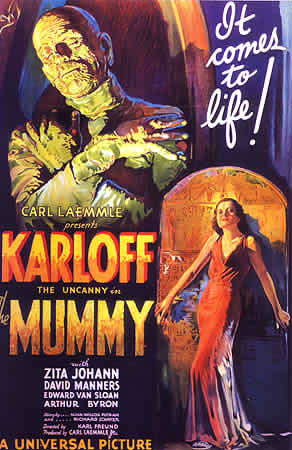
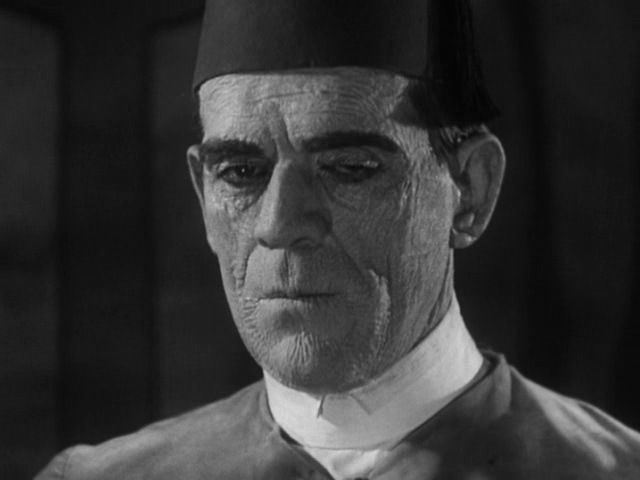
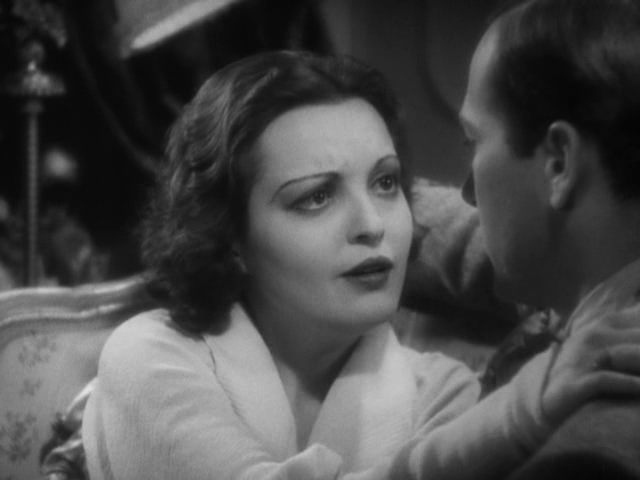
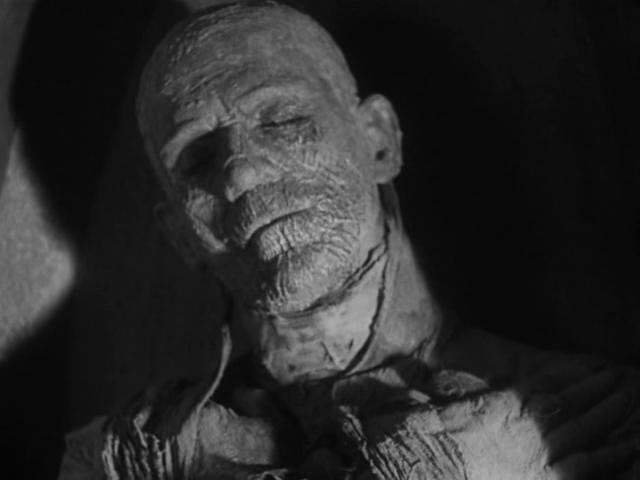
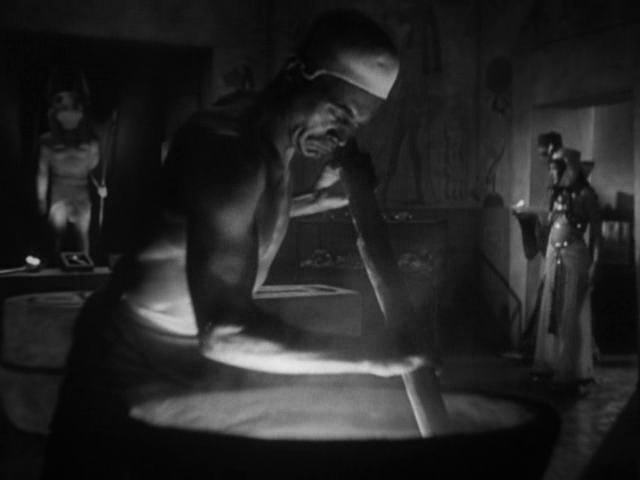
Peary argues that this classic Universal horror flick — which is “loved by many horror fans” — has “visual beauty” (D.P. Karl Freund directed), but “moves along at a snail’s pace” after its “unforgettable”, truly terrifying opening sequences. Part of the problem, as Peary notes, is that “Karloff never again appears in mummy’s get-up” (though his make-up as modern-day ‘Ardath Bey’ is impressively gruesome in itself); and that “when he uses mind-control over Johann and the men who challenge him, the scenes seem [like] watered-down versions of similar scenes from Dracula” (I actually find them reasonably compelling). Peary labels the film “overrated”, but acknowledges that “there’s little doubt it’s the best of the crummy mummy subgenre”; astonishingly (or perhaps not), he lists no other titles from the franchise in his book. While I’m a tad more enthusiastic about this quietly creepy horror outing than Peary, I’ll concede it’s ultimately less memorable than its more famous counterparts; but it’s atmospherically shot, and Jack Pierce’s make-up really is impressive. Film fanatics won’t want to miss checking it out at least once.

Redeeming Qualities and Moments:

  • Boris Karloff as Im-ho-tep and Ardath Bey
  • Zita Johann as Helen
  • Jack Pierce’s truly impressive mummy make-up
  • Atmospheric cinematography

Must See?
Yes, as a classic title from Universal’s Golden Age of Horror.

Categories

  • Genuine Classic

Links: