Browsed by
Category: Response Reviews

My comments on Peary’s reviews in Guide for the Film Fanatic (Simon & Schuster, 1986).

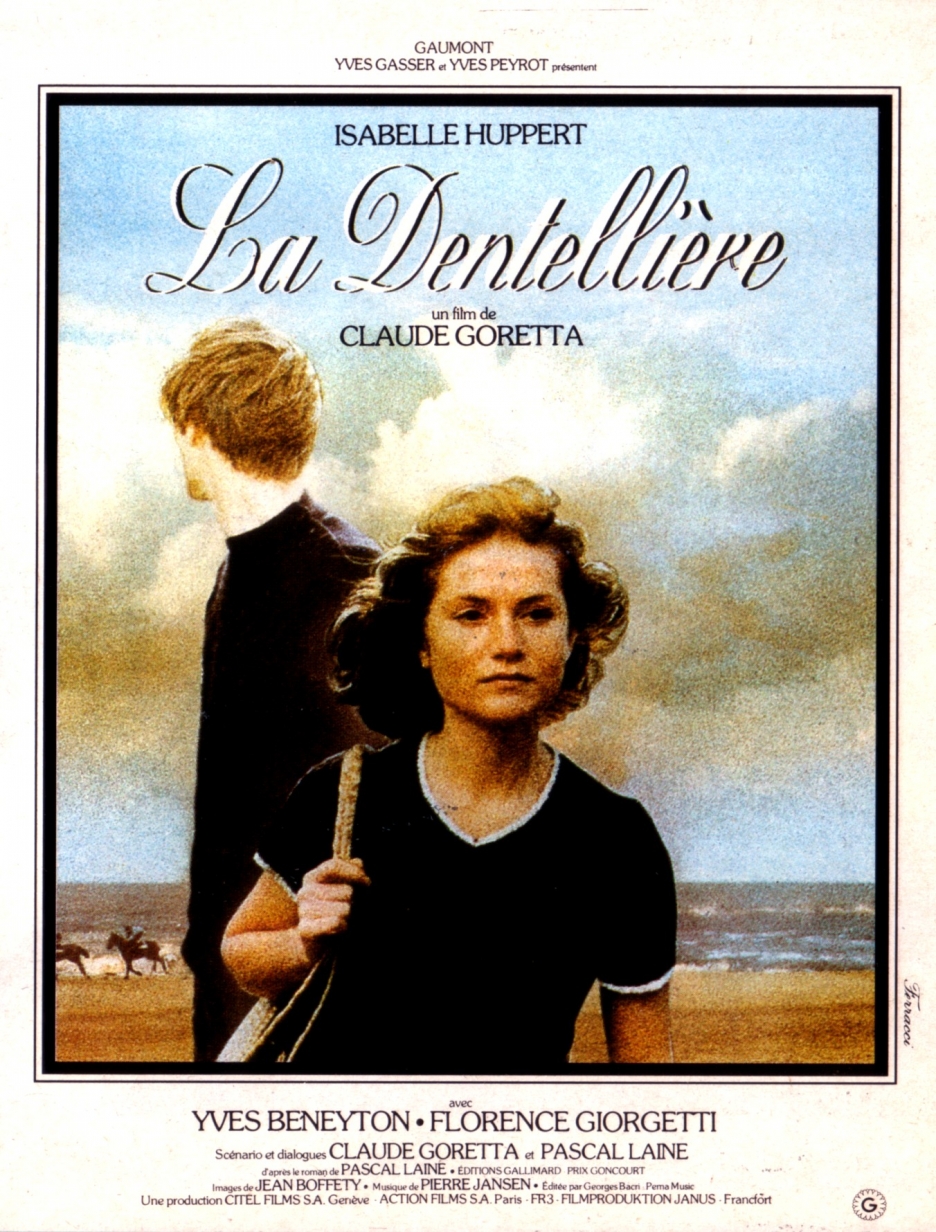
Lacemaker, The (1977)

Lacemaker, The (1977)

“She has little, but has a natural intelligence.”

Synopsis:
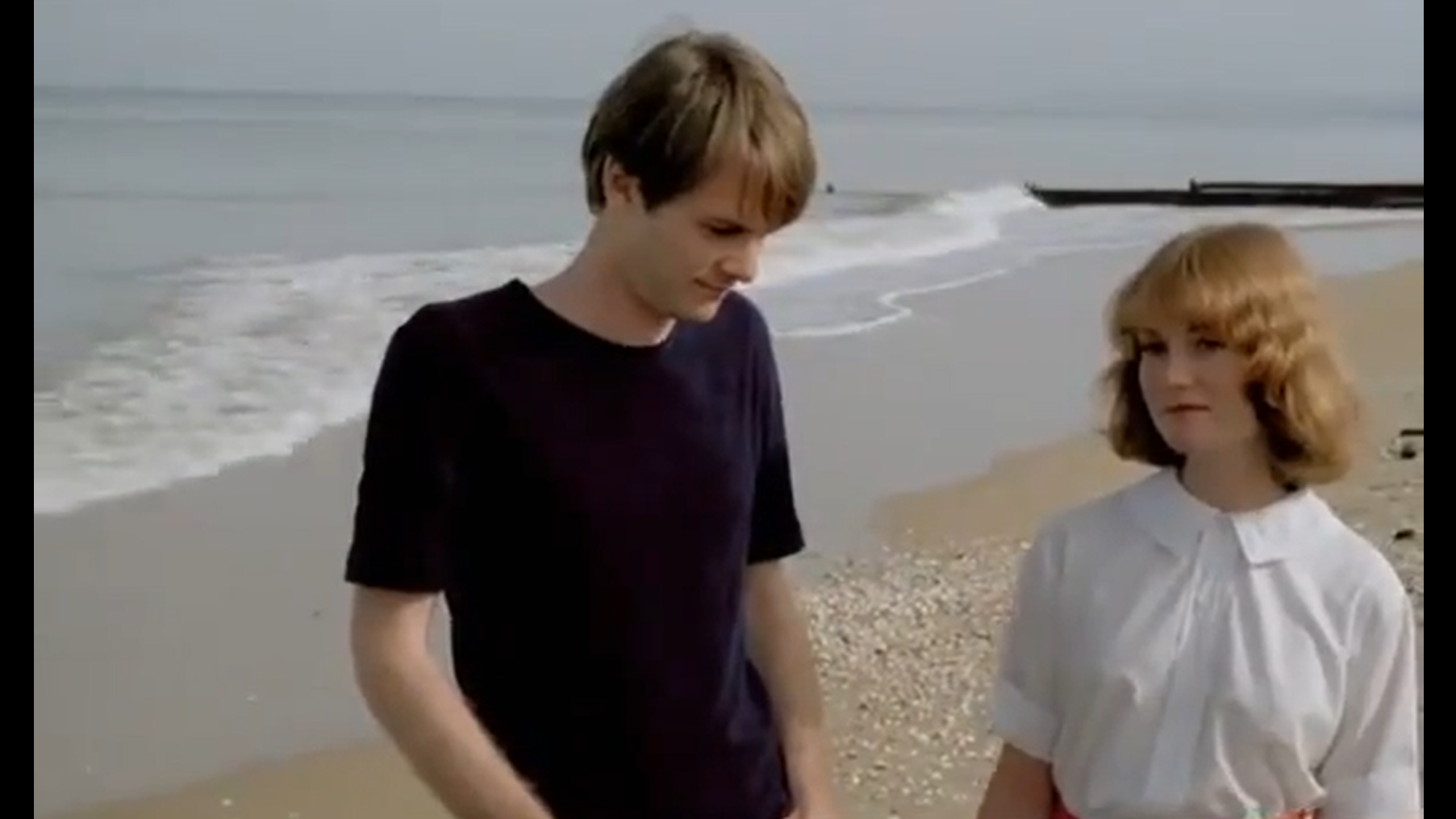
A shy beauty salon assistant (Isabelle Huppert) falls in love with a suave literature student (Yves Beneyton), who becomes embarrassed by her lack of intellectualism.

Genres, Themes, Actors, and Directors:

  • Cross-Class Romance
  • French Films
  • Isabelle Huppert Films
  • Mental Breakdown
  • Romance

Response to Peary’s Review:
As Peary points out, this “interesting”, heartbreaking tragedy — featuring a “moving performance” by Isabelle Huppert as an “extremely sweet, lovely, and passive 19-year-old beauty-salon assistant” with “the capacity to love too much” — may be “too sad” for some viewers to handle, yet it remains a powerful meditation on the difficulties inherent in cross-class romance. He notes that it was unusual at the time for a male director to show sympathy for the “ignorant” female in a couple rather than the “educated, political”, yet ultimately short-sighted male. Refreshingly, director Claude Goretta and screenwriter Pascal Laine aren’t “putting down Pomme for being shallow”; instead, “they are showing that intellectuals like Francois [Beneyton] can’t see the depth of Pomme’s beauty”.

Redeeming Qualities and Moments:

  • Isabelle Huppert in an early, star-making role

Must See?
No, but it’s recommended.

Links:

Psych-Out (1968)

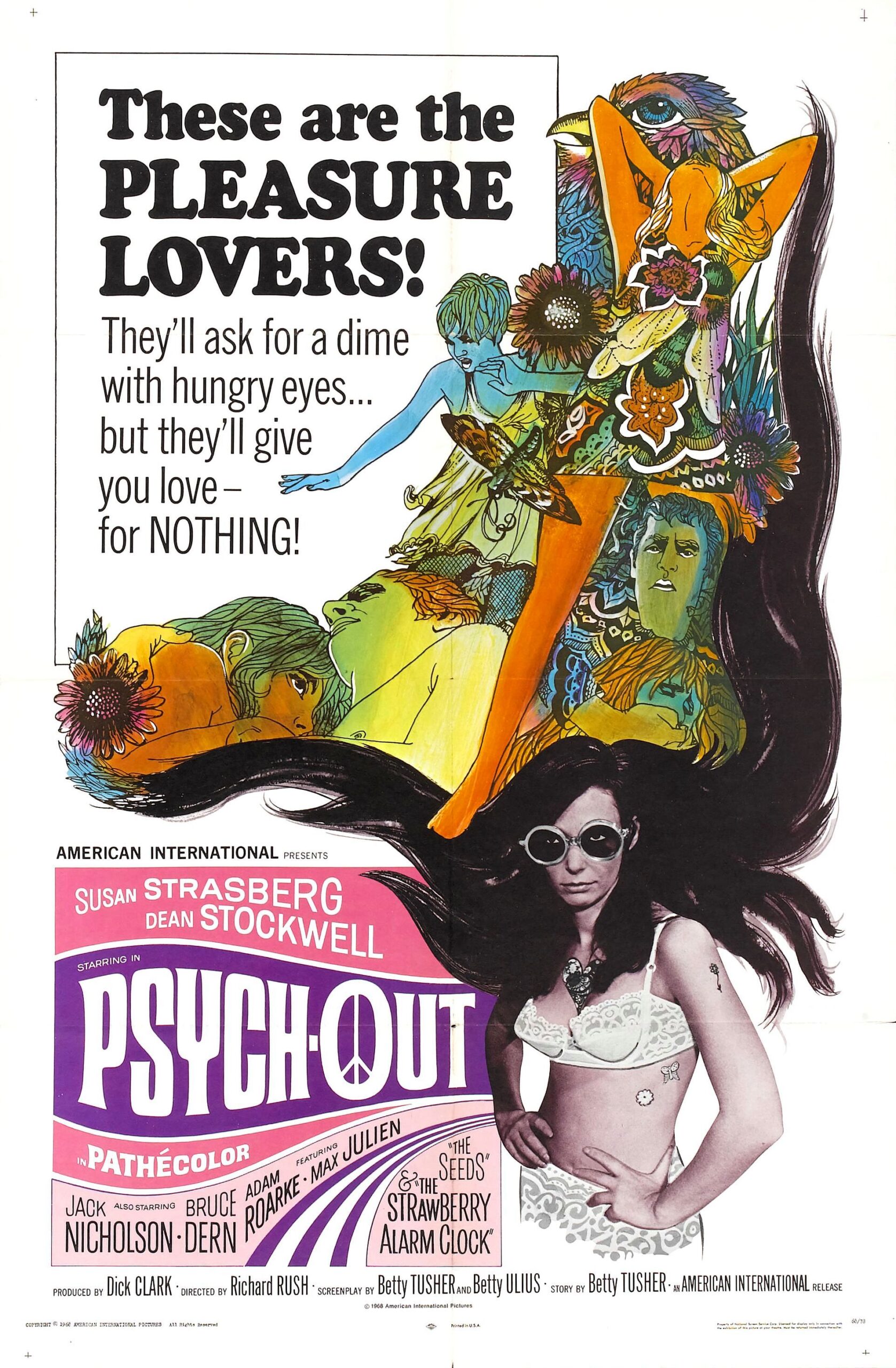
Psych-Out (1968)

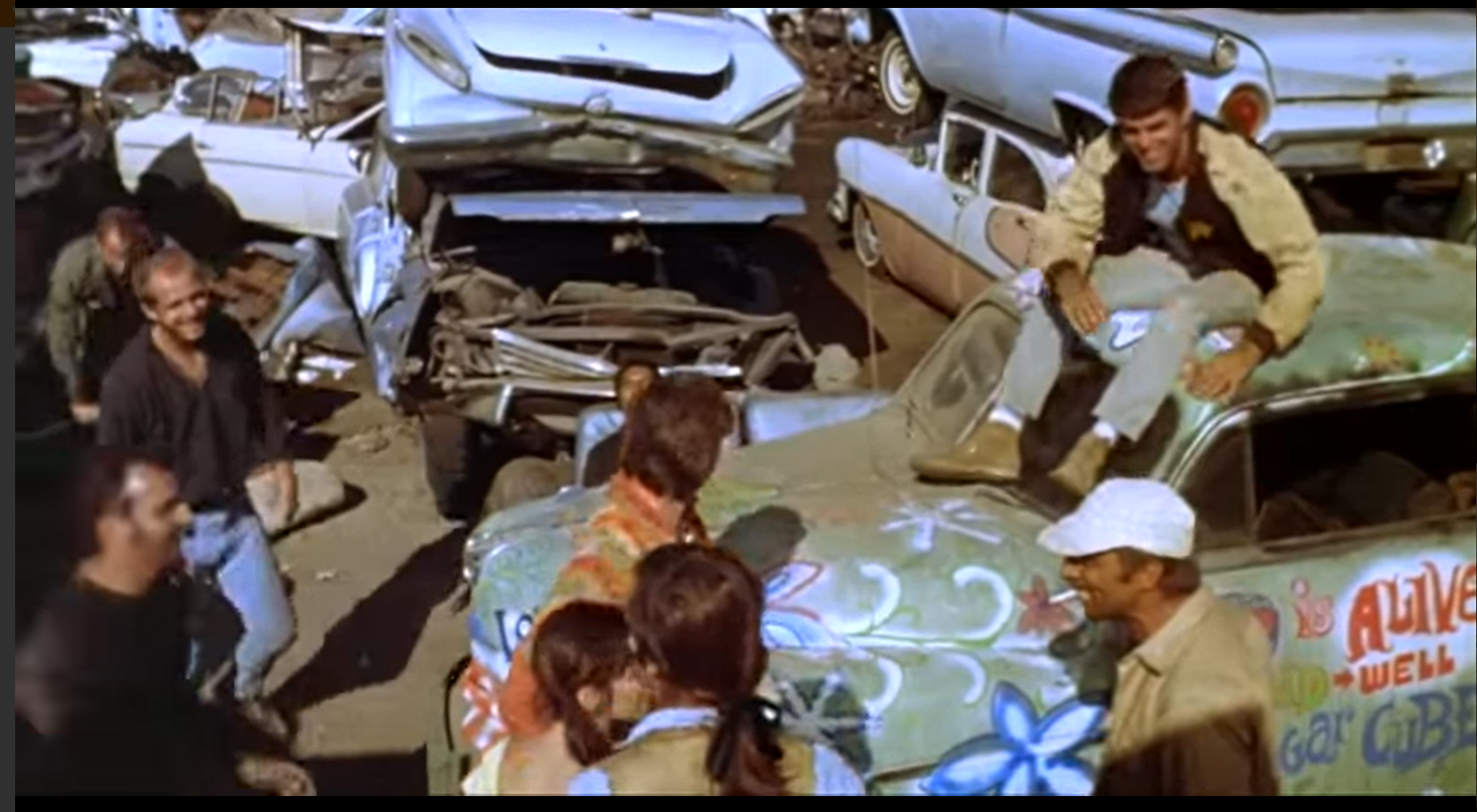
“God is alive and well and living in a sugar cube.”

Synopsis:
A deaf-mute runaway (Susan Strasberg), hoping to find her missing brother (Bruce Dern) in the Haight-Ashbury district of San Francisco, becomes immersed in a crazy scene of drugs, sex, and rock n’ roll.

Genres, Themes, Actors, and Directors:

  • Bruce Dern Films
  • Counterculture
  • Deafness
  • Dean Stockwell Films
  • Jack Nicholson Films
  • Runaways
  • Search
  • Susan Strasberg Films

Response to Peary’s Review:
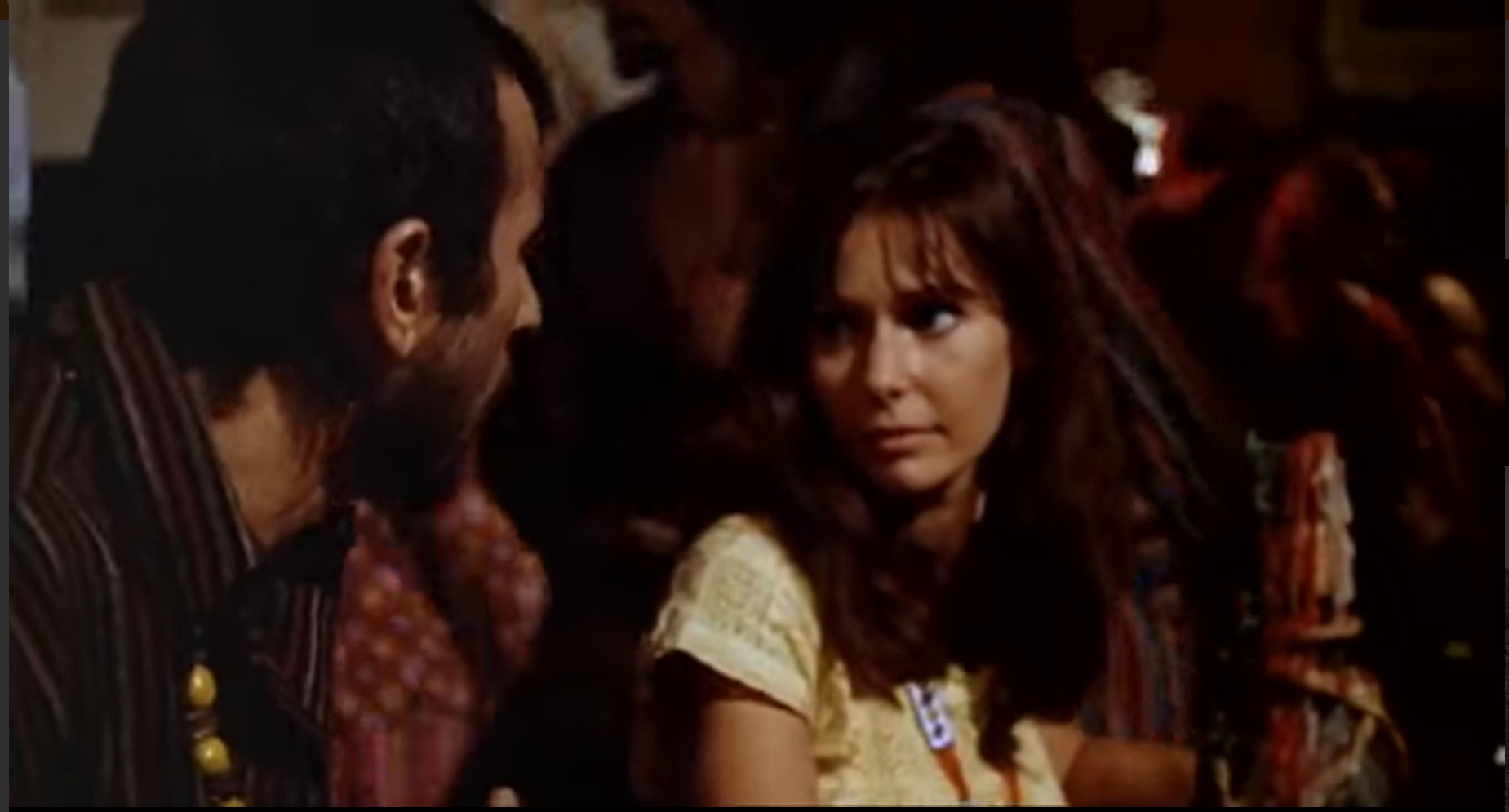
The “Flower Power” era of 1960s Haight-Ashbury — complete with acid rock, bad trips, tie-dye clothing, hip lingo, and “free love” — comes roaring to colorful life in this “energetic” exploitation film, which Peary refers to as “the best of all the biker and drug films that AIP produced during the era”.


Its success is largely due to a sensitive performance by Strasberg, who “was never so appealing”.

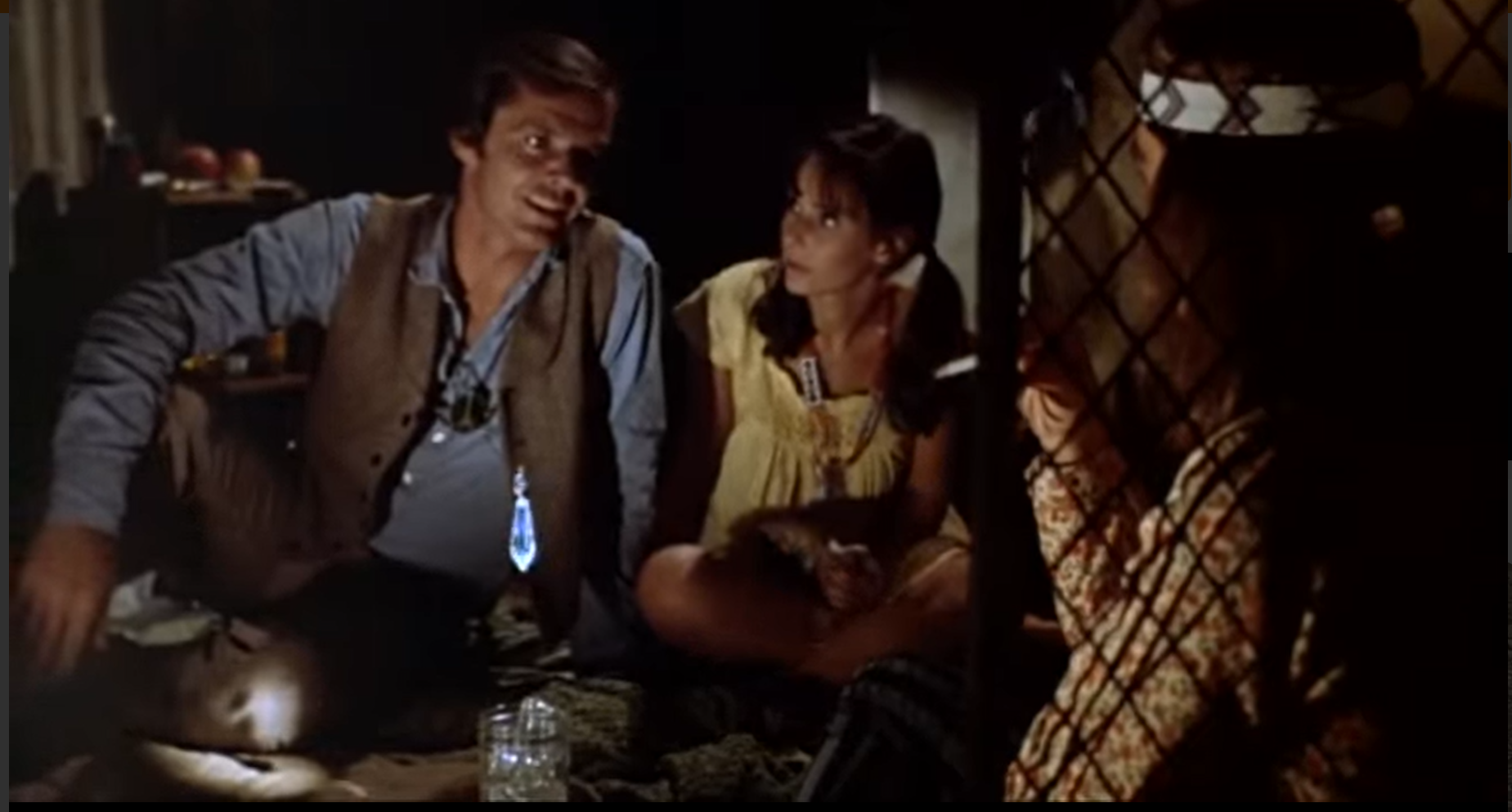
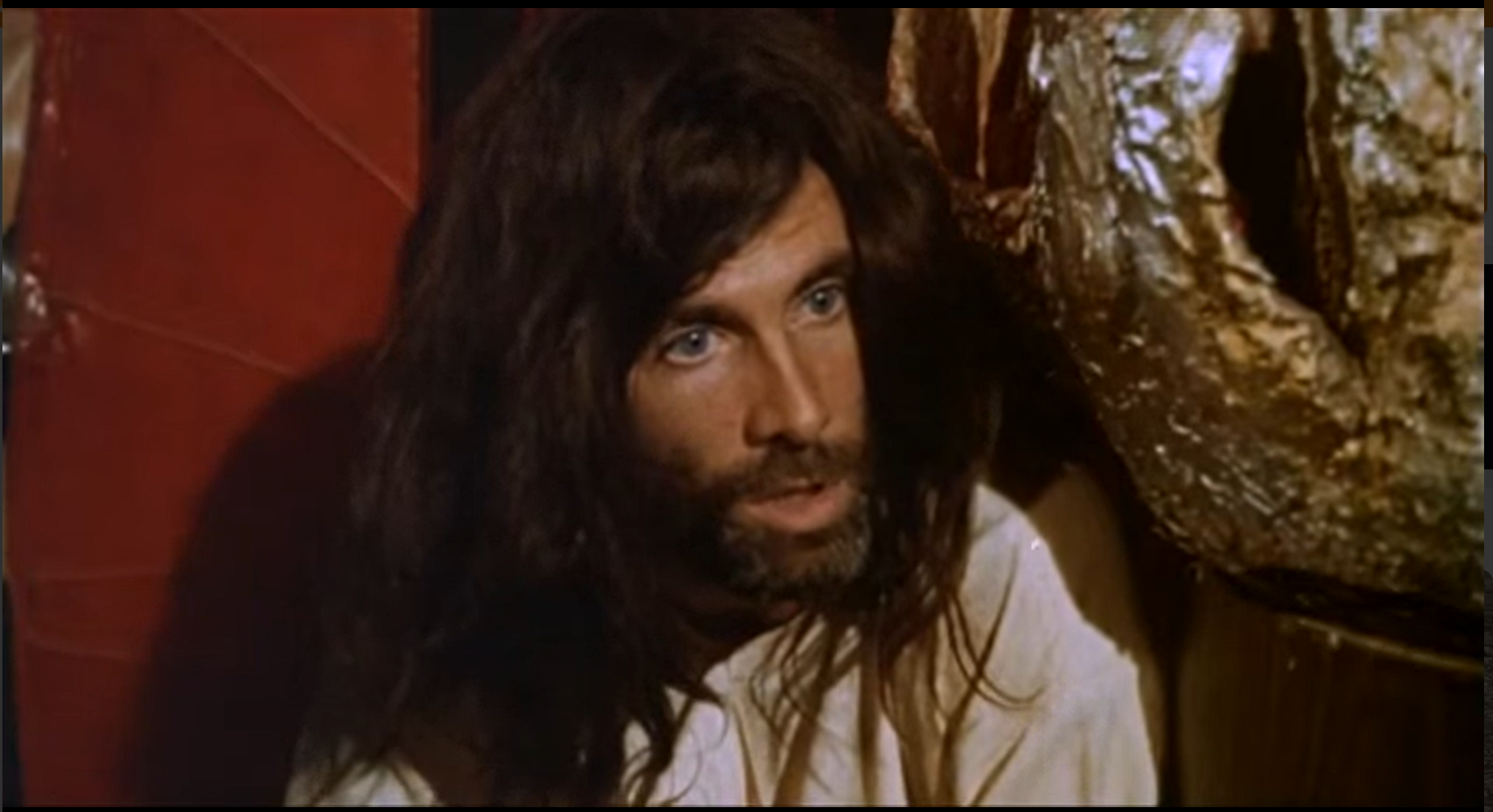
Meanwhile, Bruce Dern as Strasberg’s “raving lunatic” brother:

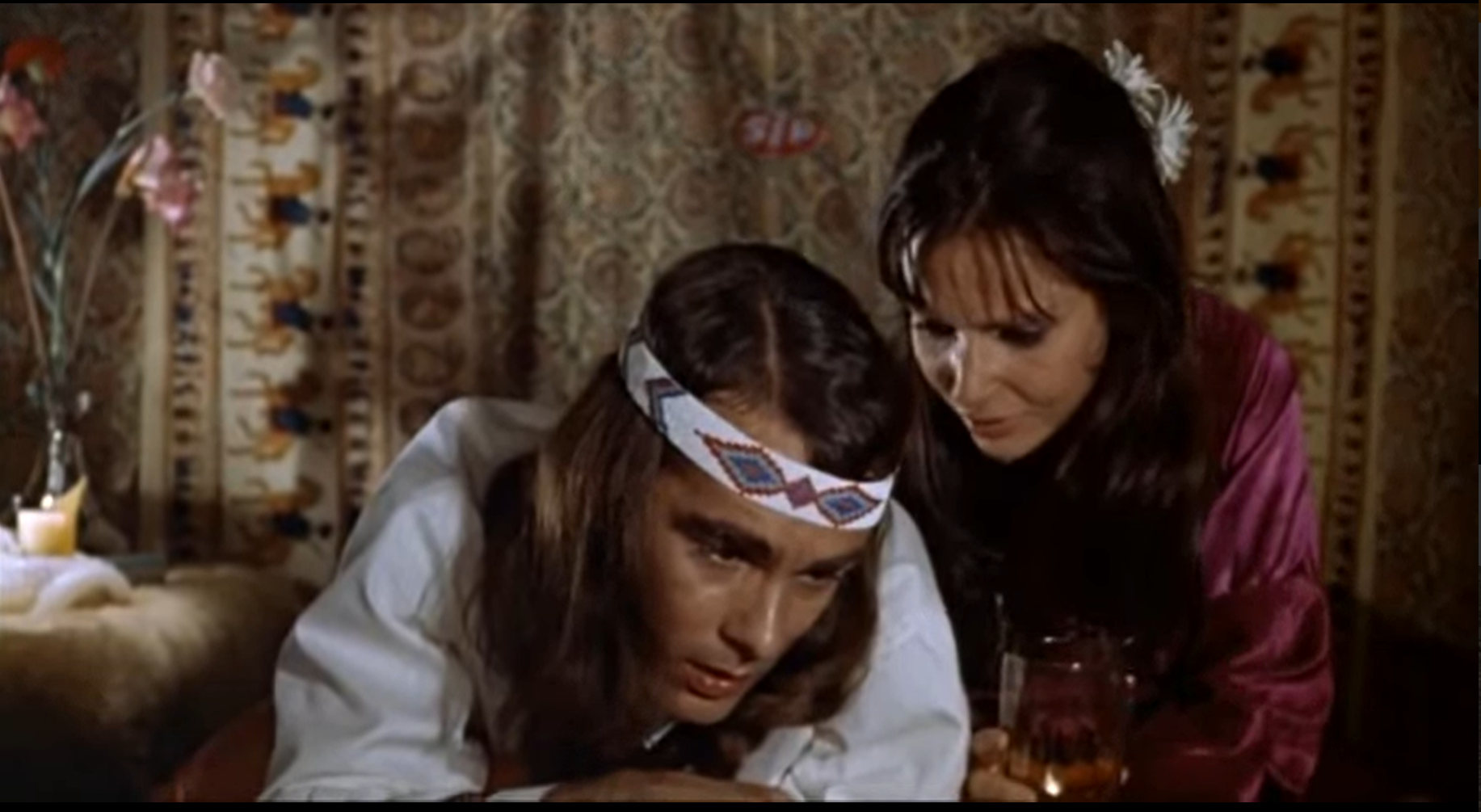
… and Dean Stockwell as an acid freak:

… are both memorable in supporting roles.

Redeeming Qualities and Moments:

  • Susan Strasberg as Jenny
  • Exciting on-location footage in 1960s San Francisco (shot by DP Laszlo Kovacs)

Must See?
Yes, for Strasberg’s performance, and as an all-around “good show”.

Categories

  • Noteworthy Performance

Links:

Richard Pryor: Live in Concert (1979)

Richard Pryor: Live in Concert (1979)

“That was some hell of a psychology, right?”

Synopsis:
Richard Pryor discusses oversexed monkeys, nonchalant nurses, peeing in the woods, and boxing with Muhammad Ali.

Genres, Themes, Actors, and Directors:

  • Richard Pryor Films
  • Stand-Up Comedy

Response to Peary’s Review:
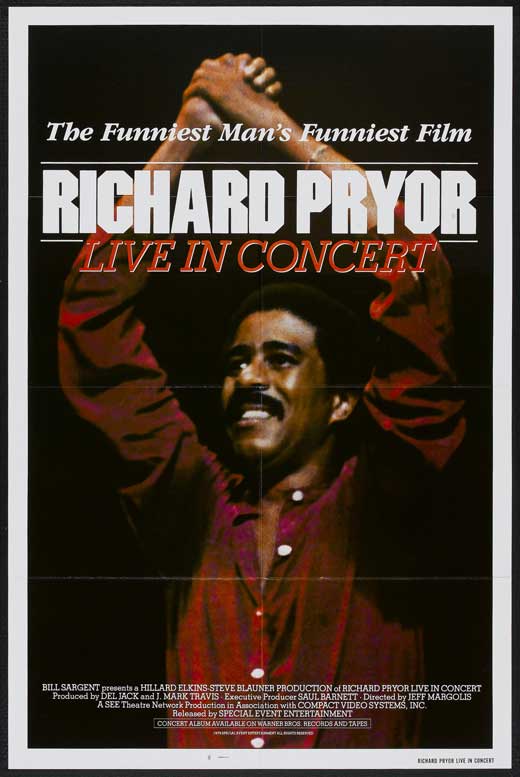
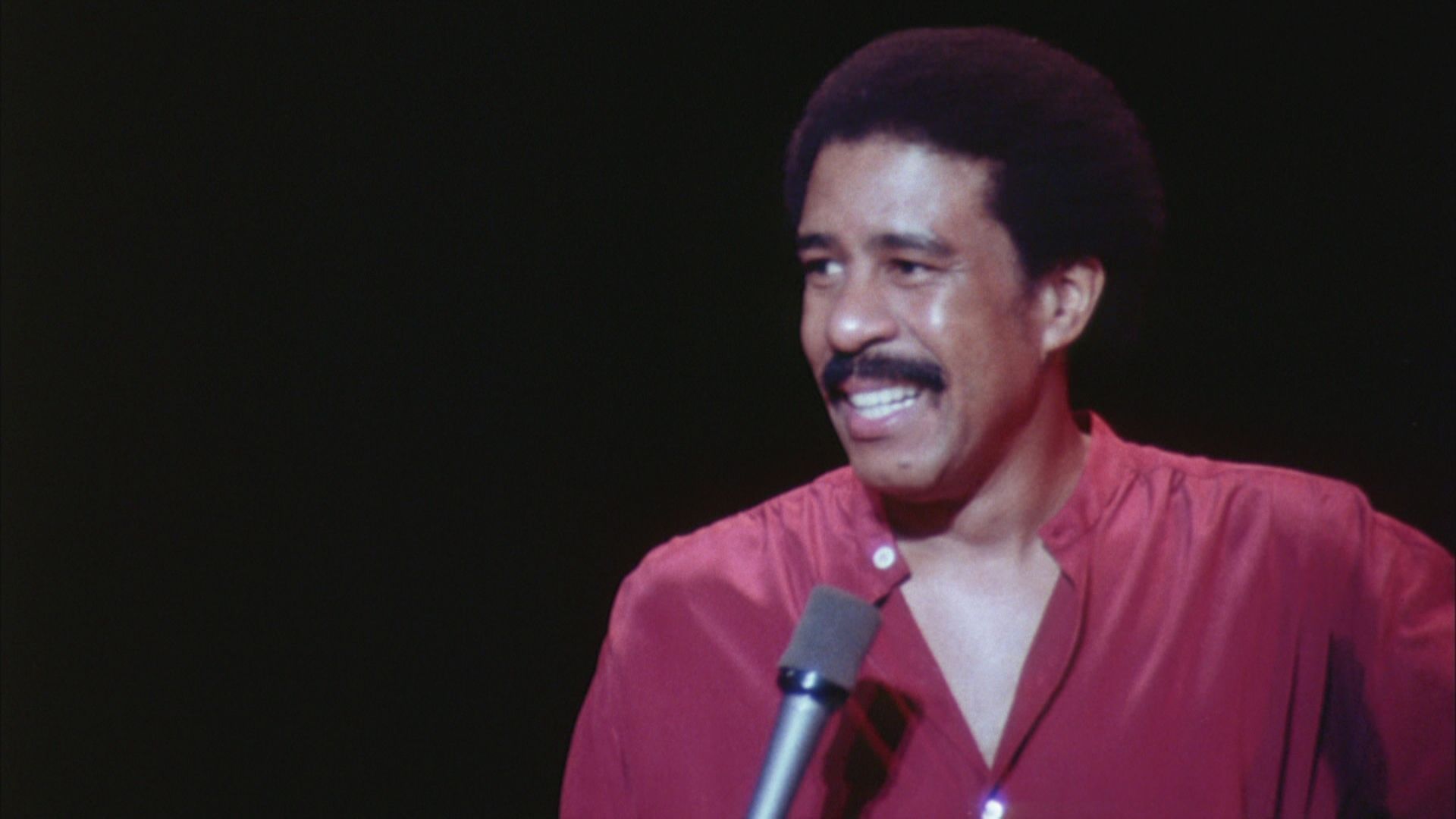
As Peary notes, to watch this live concert film is to see “a comic genius at work.” Pryor is uninhibited and raunchy, yet manages to reveal deep-seated “pain, fear, anger, and concern for his race”. Pryor’s routines weren’t always funny (I’m thinking in particular of Richard Pryor: Live and Smokin’, a 1985 film release of a 1971 performance which should never have seen the light of day), so this uniformly brilliant snapshot of his career shouldn’t be taken for granted. Among the many enjoyable segments are Pryor explaining how he got arrested for shooting his own car; describing nurses’ nonchalance while collecting pee from their patients; and reminiscing about beatings from his grandmother (!). Watch and enjoy.

Redeeming Qualities and Moments:

  • Pryor’s inimitable physical humor on stage

Must See?
Yes. This is one of the few “must see” stand-up performances on film.

Categories

  • Historically Relevant
  • Noteworthy Performance(s)

Links:

Pandora’s Box / Lulu (1929)

Pandora’s Box / Lulu (1929)

“You’ll have to kill me to get rid of me.”

Synopsis:
A beautiful, sexually liberated nightclub dancer (Louise Brooks) inadvertently shoots one of her admirers, lands in jail, and turns to prostitution to survive.

Genres, Themes, Actors, and Directors:

  • G.W. Pabst Films
  • Louise Brooks Films
  • Prostitutes
  • Sexuality
  • Silent Films
  • Womanizers

Response to Peary’s Review:
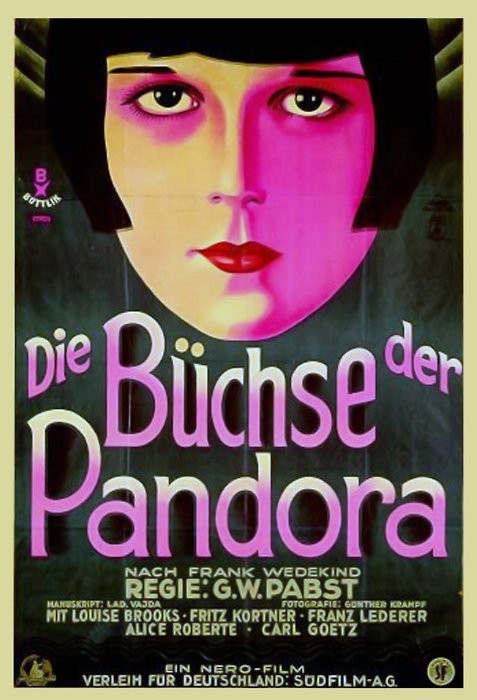
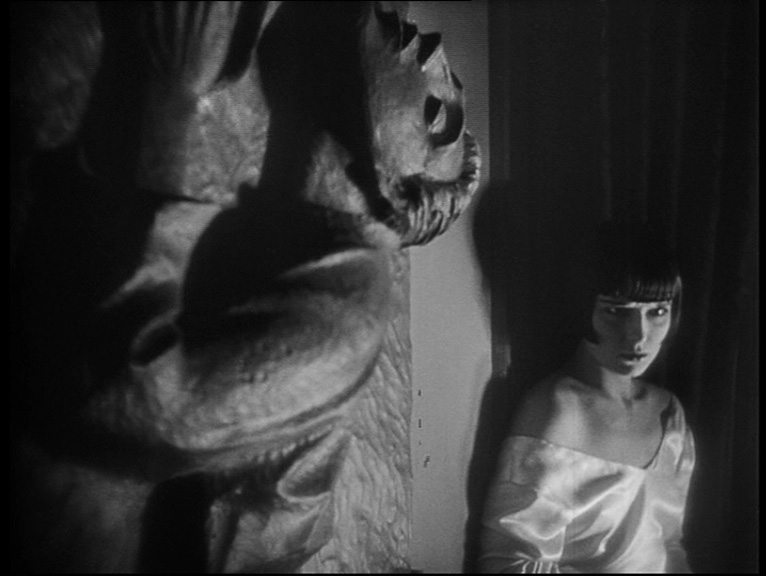
Peary offers an excellent, in-depth analysis of this classic silent film by G.W. Pabst in his GFTFF, describing Lulu as “the victim of the weak men around her rather than the traditional vamp who causes (with pleasure) their downfall”. As with so many other sexually active females in the movies (i.e., Janet Leigh in Psycho, Blythe Danner in Lovin’ Molly — not to mention the doomed heroines of countless teenage horror flicks), Lulu must pay dearly for the “sins” of her attractions. It’s difficult to imagine anyone but Louise Brooks — surely one of the most beautiful and distinctive screen actresses of all time — in the lead role. As Peary notes, she “gives Lulu intelligence, spirit, and dignity, even in debasement.” He argues that while men may view her as a femme fatale, she is ultimately a “vivacious innocent” who “means no harm.”

Redeeming Qualities and Moments:

  • Louise Brooks (nominated by Peary for an Alternate Oscar as best actress of the year) as Lulu
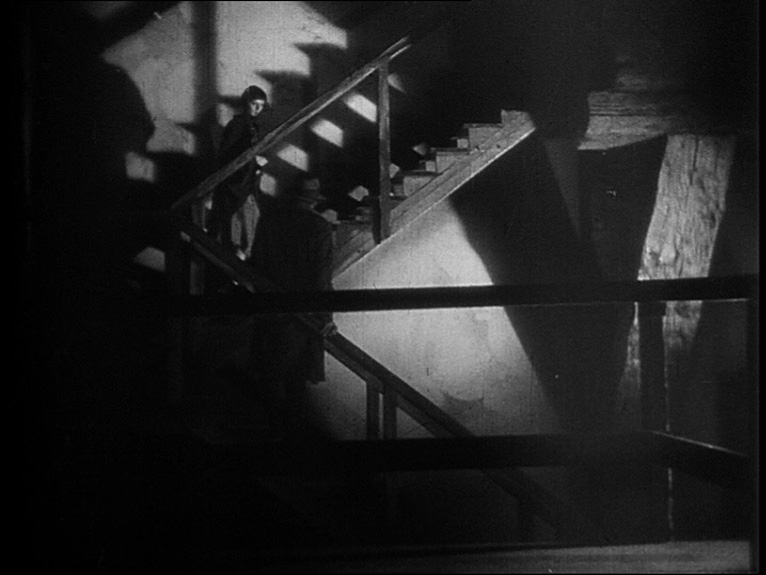
  • Gorgeous, expressionistic cinematography
  • A creepy, horror-inspired ending

Must See?
Yes. This silent masterpiece is essential viewing for any film fanatic. Discussed at length in Peary’s Cult Movies (1981).

Categories

  • Genuine Classic

(Listed in 1001 Movies You Must See Before You Die)

Links:

Lianna (1983)

Lianna (1983)

“Just because you can argue better doesn’t mean you’re right!”

Synopsis:
An unhappy faculty wife (Linda Griffiths) divorces her husband and discovers that she is attracted to women.

Genres, Themes, Actors, and Directors:

  • Divorce
  • Feminism and Women’s Issues
  • John Sayles Films
  • Lesbianism

Response to Peary’s Review:
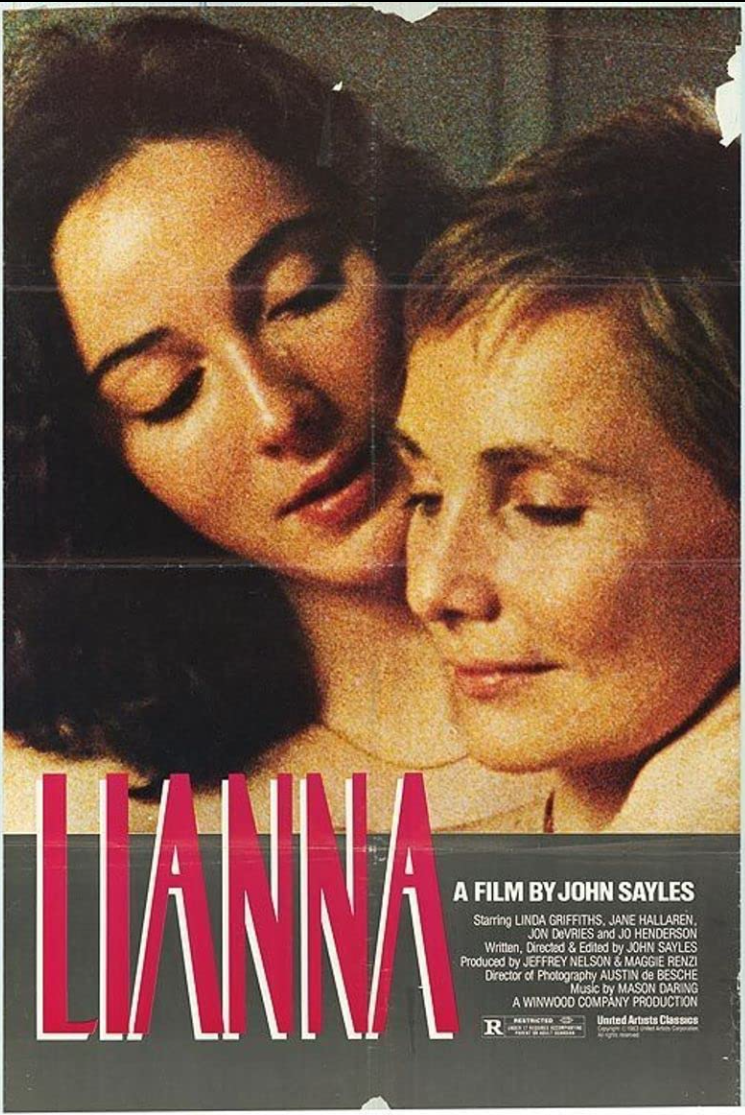
This “unusually fine, thematically daring” independent film by John Sayles is likely the best portrayal of female “coming-out” I’ve ever seen. Over the course of the movie, we witness the shifting reactions of Lianna’s husband, her children, her best friend, and Lianna herself, all of whom — naturally — cope in different ways with this revelation. As Peary notes, it’s unfortunate that Lianna’s husband comes across as such as a chauvanistic jerk, because he’s not really the reason she “turns” to women — ultimately, Lianna is on a joyous if painful journey towards self-discovery. Indeed, once Lianna “realizes she is a lesbian, she is happy with that knowledge” and “suffers no shame”. While society at large may not be ready to accept Lianna’s change of sexual expression, she herself is — and that’s ultimately most important.

Redeeming Qualities and Moments:

  • Linda Griffiths as Lianna
  • Excellent, natural dialogue

Must See?
Yes. This early John Sayles film is a uniquely respectful character study.

Categories

  • Good Show
  • Important Director

Links:

Make Way For Tomorrow (1937)

Make Way For Tomorrow (1937)

“Two old-fashioneds — for two old-fashioned people.”

Synopsis:
An elderly couple with financial problems (Beulah Bondi and Victor Moore) are forced to move into separate homes with their grown children.

Genres, Themes, Actors, and Directors:

  • Beulah Bondi Films
  • Elderly People
  • Fay Bainter Films
  • Grown Children
  • Leo McCarey Films
  • Thomas Mitchell Films

Response to Peary’s Review:
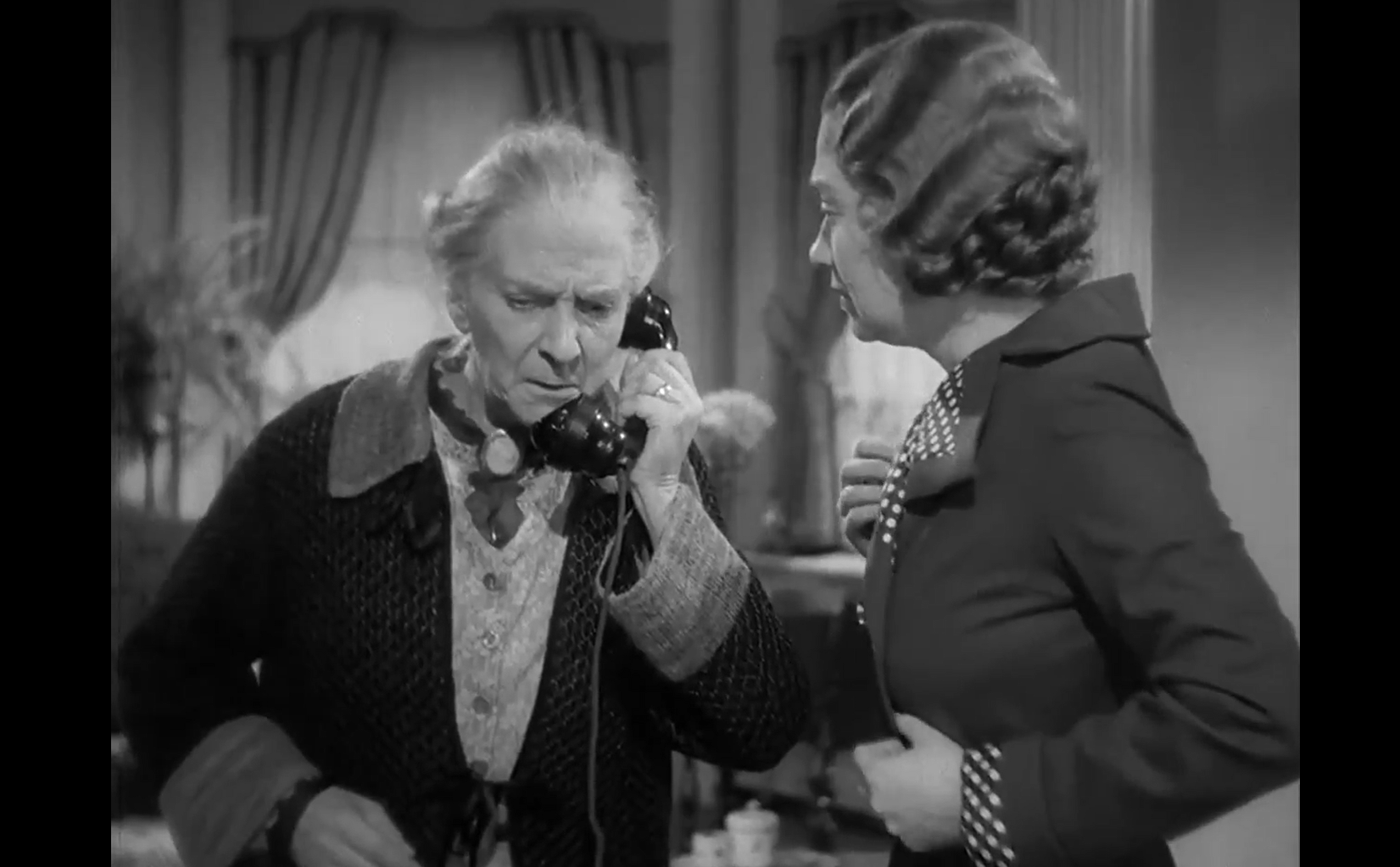
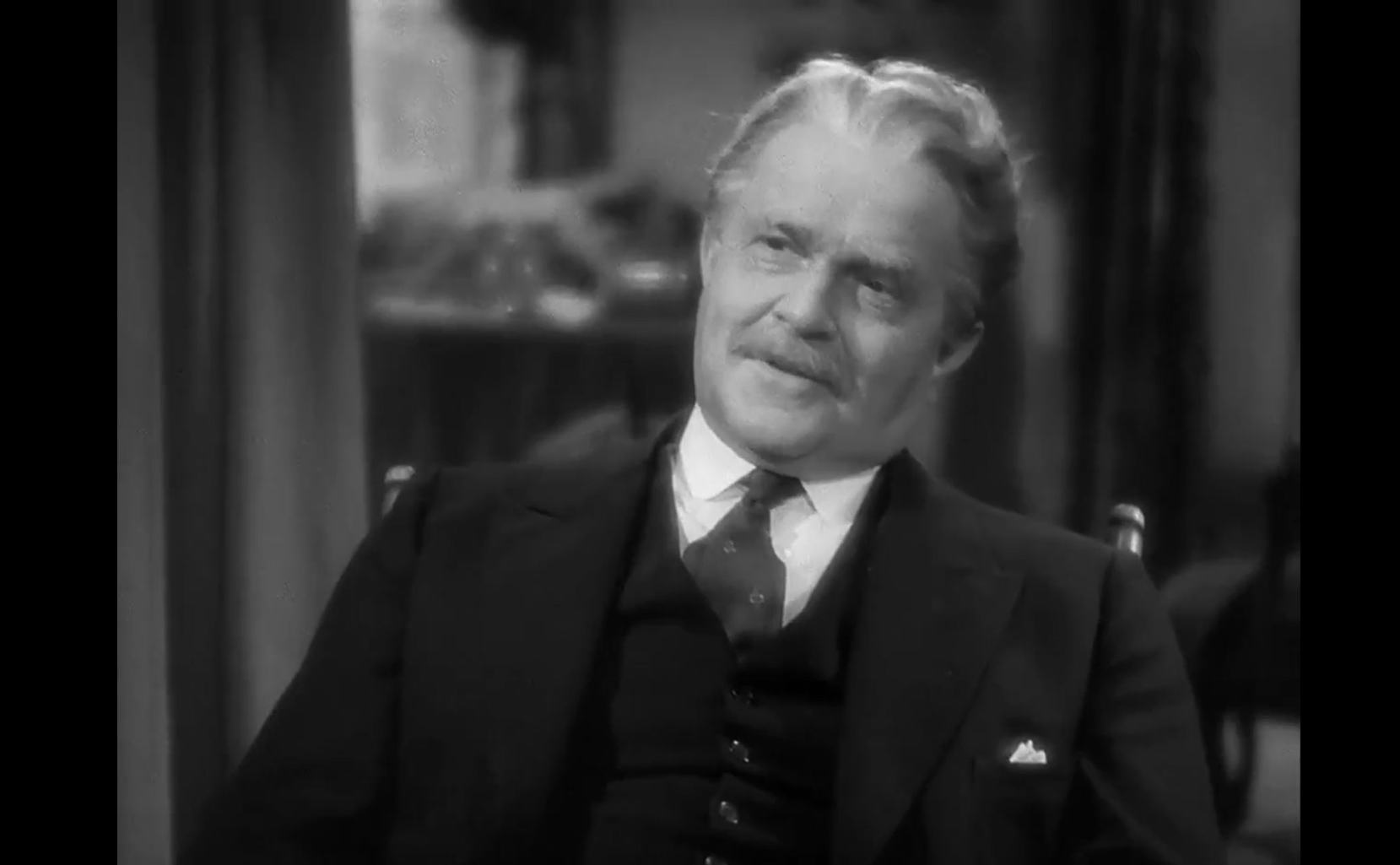
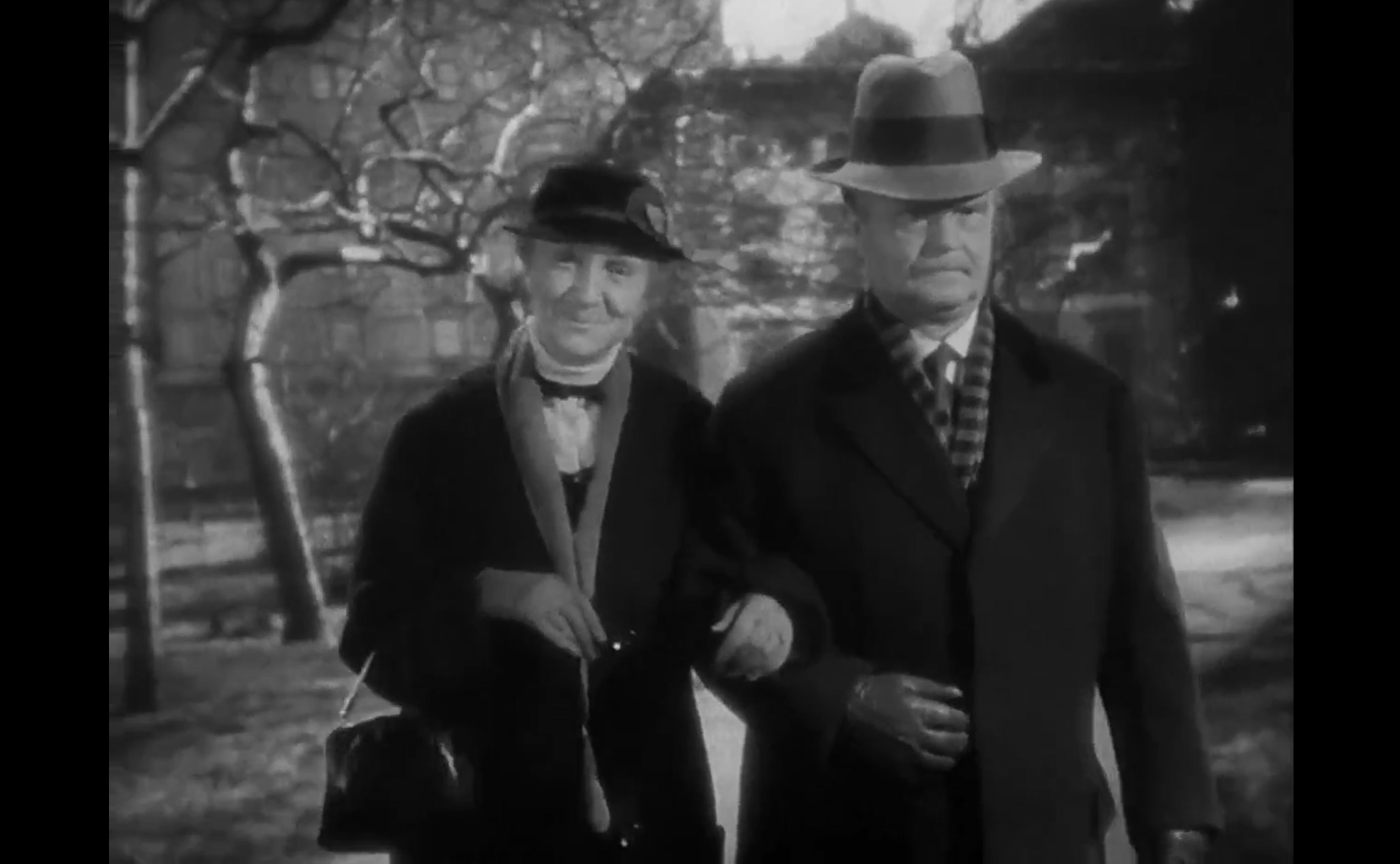
As Peary notes, this “poignant classic” — reminiscent of Yasujiro Ozu’s Tokyo Story (1953) — is “beautifully acted” by its lead protagonists (Bondi and Moore, just 49 and 61 years old at the time of filming) and “sensitively directed by Leo McCarey”. It ultimately makes a “good argument for Social Security”, given that it portrays its aged protagonists as “good parents and good citizens” who “find themselves obsolete in modern America”. While it’s heartbreaking to watch Moore and Bondi “find themselves a burden” and ultimately “realize that they won’t be able to stay together,” McCarey doesn’t demonize their grown children; instead, he makes it easy to empathize with their dilemmas as well. The problem here isn’t family values — it’s the harsh economic reality of the time, a situation which unfortunately hasn’t improved all that much since then.

Redeeming Qualities and Moments:

  • Beulah Bondi as Lucy Cooper
  • Victor Moore as Barkley Cooper
  • One of the most authentic portrayals of problems associated with aging

Must See?
Yes; this one should be seen by all film fanatics.

Categories

  • Genuine Classic

(Listed in 1001 Movies You Must See Before You Die)

Links:

Nightmare on Elm Street, A (1984)

Nightmare on Elm Street, A (1984)

“Whatever you do, don’t fall asleep.”

Synopsis:
A group of small-town teenagers are slain while dreaming about a sadistic masked man with knife-blades for fingers (Robert Englund). It’s up to Nancy (Heather Langenkamp) and her boyfriend Glen (Johnny Depp) to stay awake long enough to survive and investigate the mystery of Freddy Krueger.

Genres:

  • Child Abuse
  • Horror
  • Living Nightmare
  • Revenge
  • Serial Killers
  • Teenagers
  • Wes Craven Films

Response to Peary’s Review:
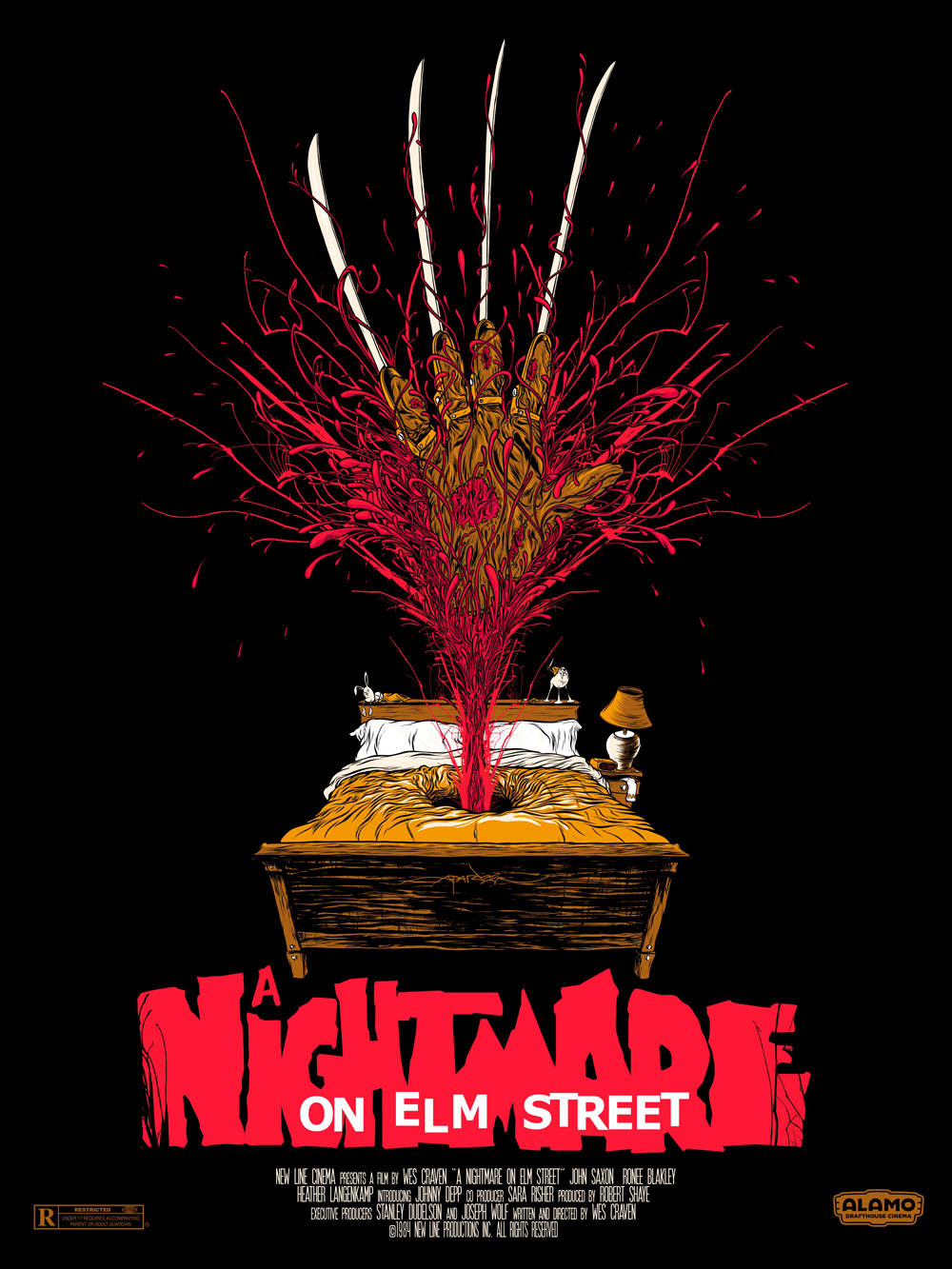
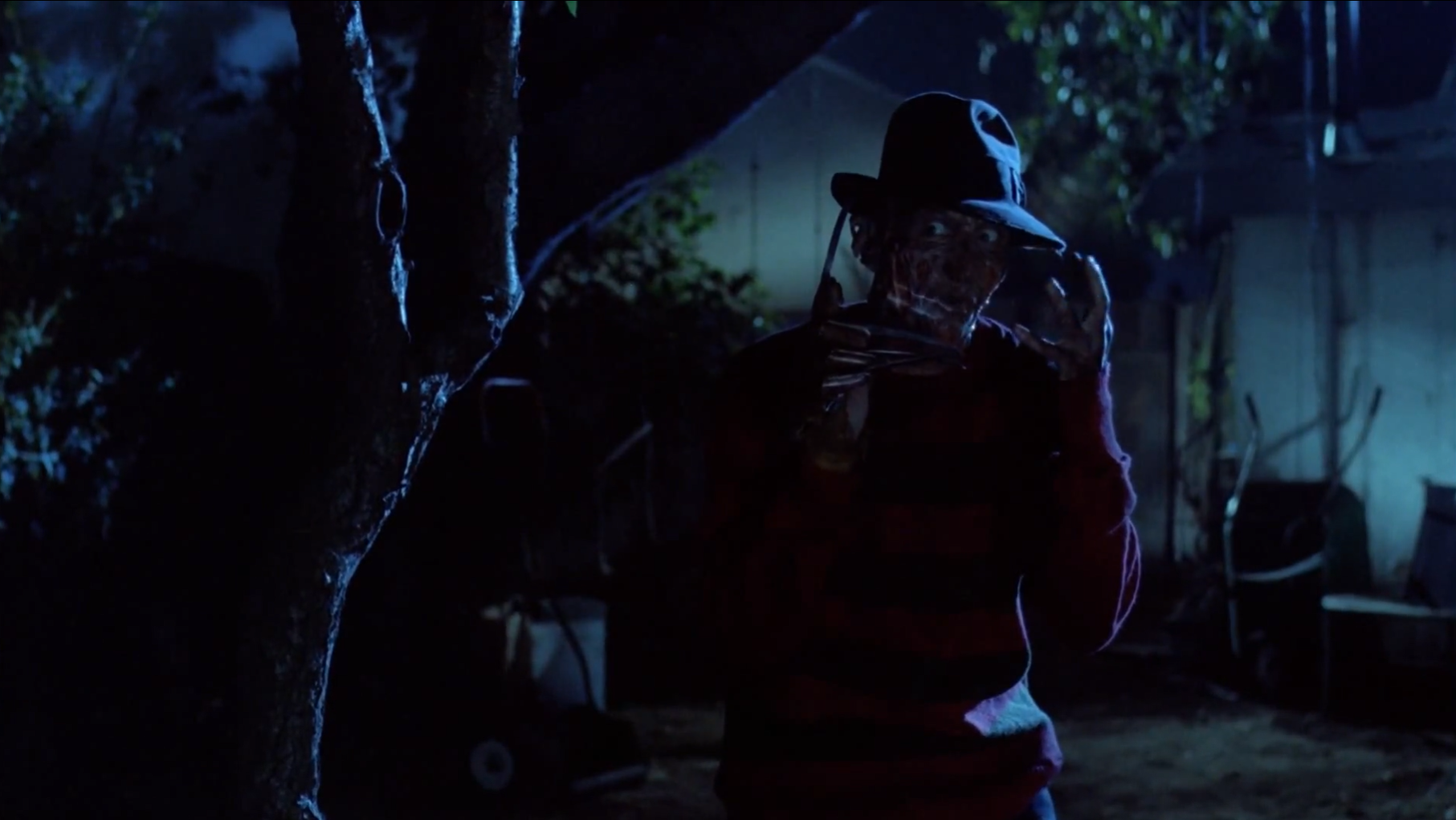
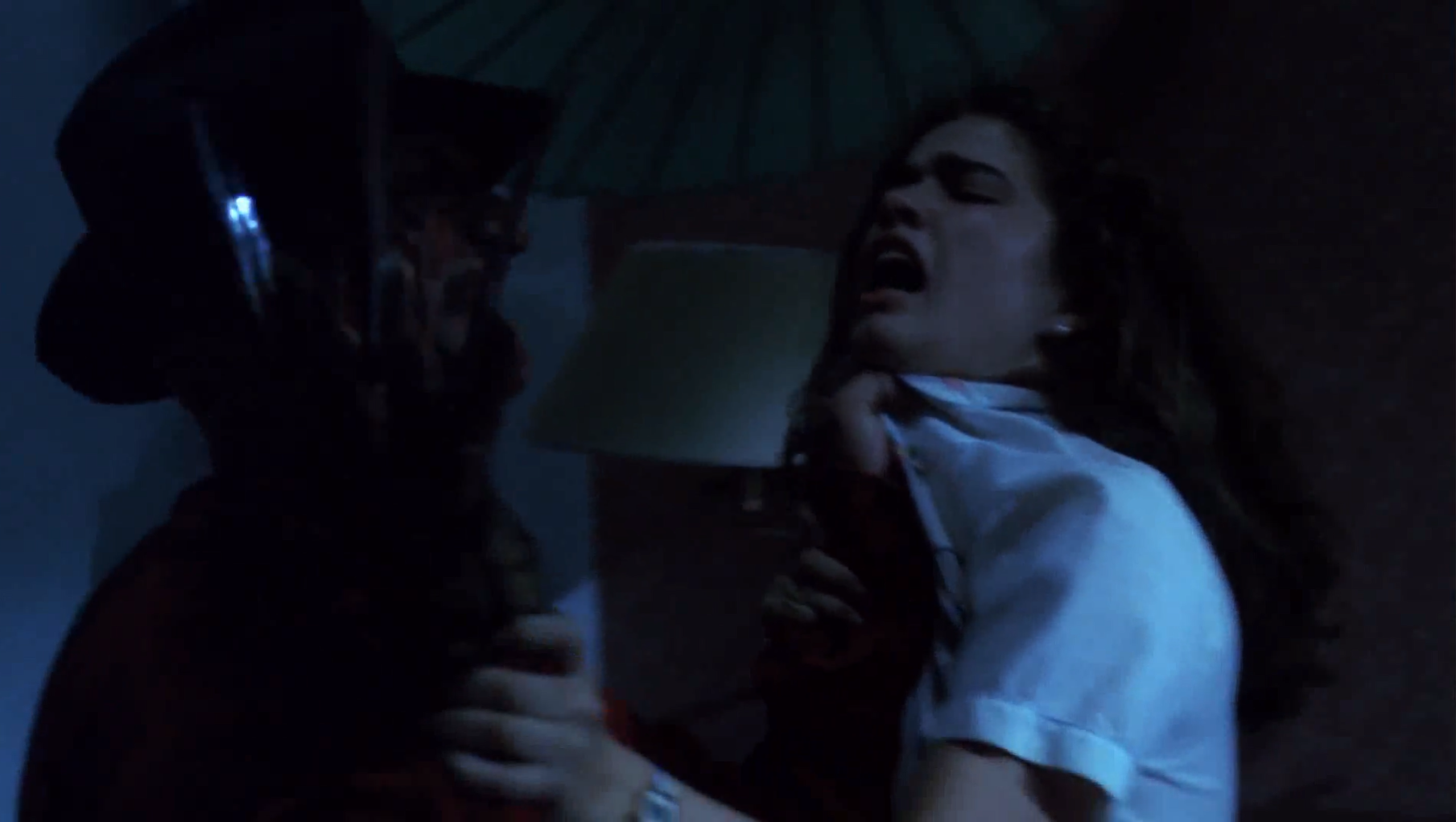
As Peary notes, the premise of this “Wes Craven chiller” — that what happens while one is asleep can have a direct consequence on one’s existence — is “unusual and interesting”. However, he argues that its “execution is disappointing”, given that “‘Freddie’ (Robert Englund) is made up and dressed too foolishly to be taken seriously”:

… “too many of the nightmares are similar in content”:

… and while “there are occasional shocks,” there’s “little suspense.” He further notes that “while the splatter murders are well done, you can’t really respect a film whose highlights feature blood spurting onto walls and ceilings”.

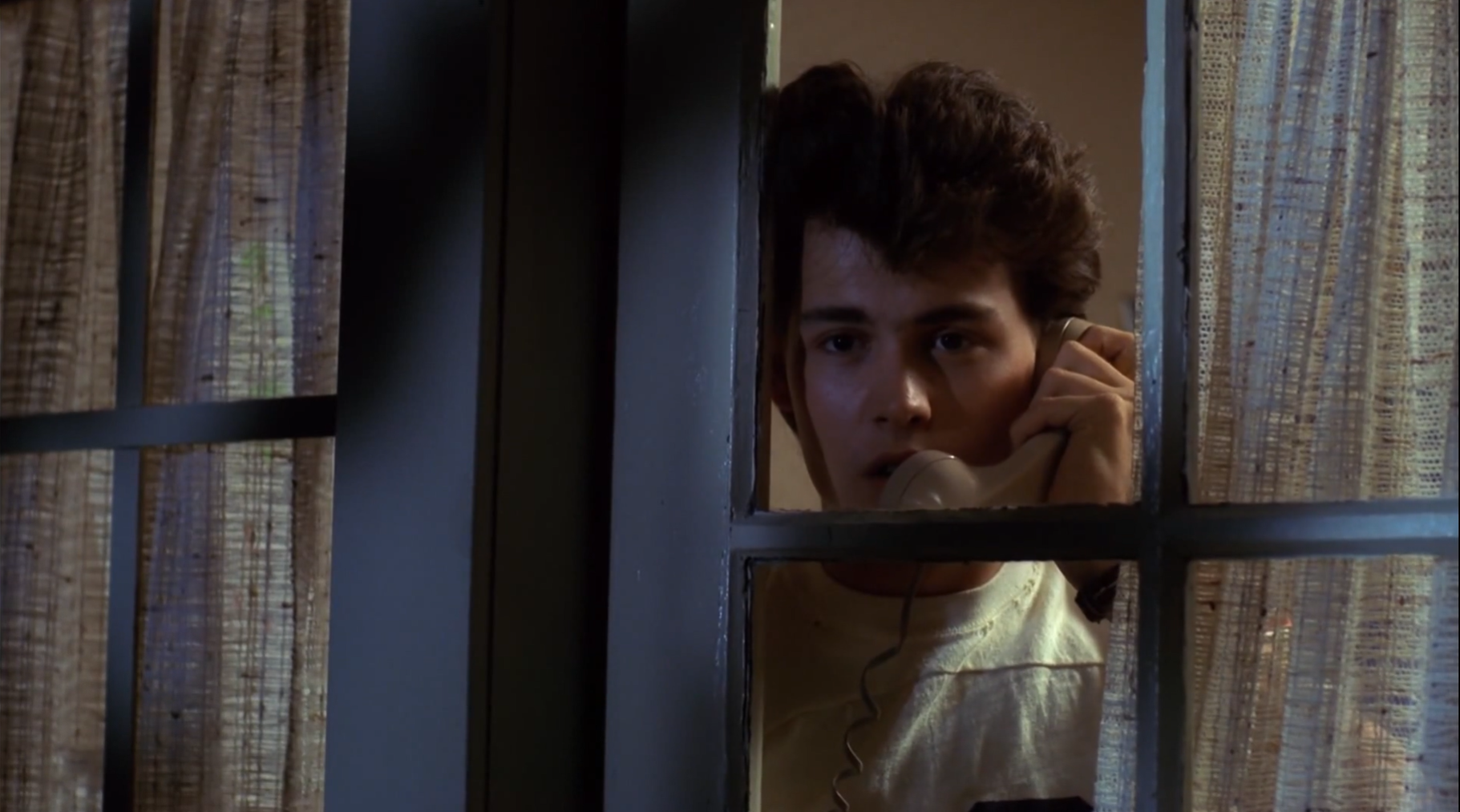
He calls the film’s ending “trite and infuriating in that it defies the film’s logic”, and notes that “worst of all”, the “teenagers and adults are [all] unappealing”. Nonetheless, in the years since Peary’s book was published, Nightmare… has gained an increasingly strong cult following, and remains must-see viewing for all film fanatics given its pivotal place in the slasher film genre.

Redeeming Qualities and Moments:

  • Johnny Depp in an early role
  • A creative premise for a slasher flick

Must See?
Yes. This is one of a handful of horror films which should be seen by every film fanatic.

Categories

  • Cult Movie
  • Historically Relevant

(Listed in 1001 Movies You Must See Before You Die)

Links:

Wild Angels, The (1966)

Wild Angels, The (1966)

“We wanna be free to do what we wanna do.”

Synopsis:
A group of California Hell’s Angels, led by Heavenly Blues (Peter Fonda), wreak anti-social havoc by riding recklessly, drinking, doing drugs, and molesting innocent individuals.

Genres, Themes, Actors, and Directors:

  • Bruce Dern Films
  • Counterculture
  • Diane Ladd Films
  • Dick Miller Films
  • Gangs
  • Motorcyclists
  • Peter Fonda Films
  • Roger Corman Films

Response to Peary’s Review:
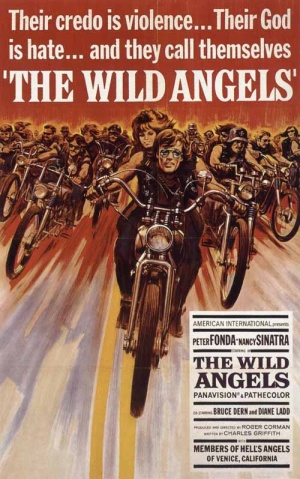
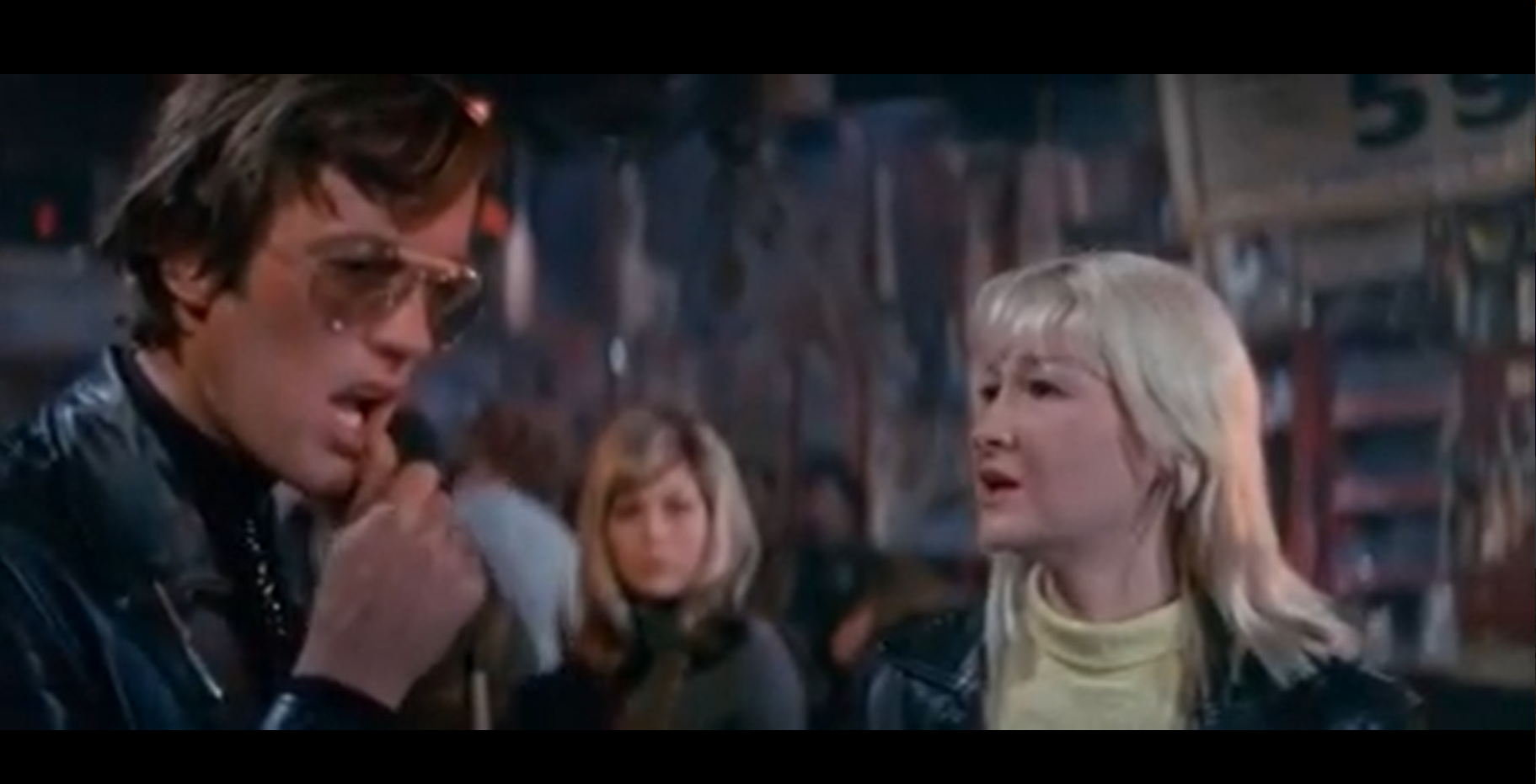
As Peary notes, Roger Corman’s Wild Angels is a “despicable film that thrives on brutality, vulgarity, [and] cheap thrills”, and is not worth the talents of either Corman or scriptwriter Charles B. Griffith. As a (female) motorcyclist myself, I’m somewhat sensitive to how bikers are portrayed, and this exploitation flick simply reinforces every negative stereotype in existence. The characters here are all “intolerable and what they do is offensive”. Indeed, it’s impossible to have any sympathy whatsoever for the Angels’ anti-establishment sentiments: rather than strategically rebelling against “The Man”, they simply degenerate into vile anarchistic chaos. Meanwhile, most of “the acting is bad” (though I like Diane Ladd’s performance as Dern’s lover), and “the wild camera work only calls attention to [the] plot[‘s] deficiencies”. Be forewarned.

Redeeming Qualities and Moments:

  • Diane Ladd as Gaysh

Must See?
No, though film fanatics may be curious to check it out once simply for its cult status and for its place in film history as the first of the “outlaw biker” exploitation subgenre. But expect to be annoyed.

Links:

Quackser Fortune Has a Cousin in the Bronx / Fun Loving (1970)

Quackser Fortune Has a Cousin in the Bronx / Fun Loving (1970)

“Get your fresh dung!”

Synopsis:
A young Dubliner (Gene Wilder) who sells horse manure for a living is distressed when all the horses in the city are replaced by cars; in the meantime, he starts dating a sophisticated American college student (Margot Kidder) who is intrigued by his nonconformity.

Genres, Themes, Actors, and Directors:

  • Cross-Class Romance
  • Gene Wilder Films
  • Ireland
  • Margot Kidder Films
  • Nonconformists

Response to Peary’s Review:
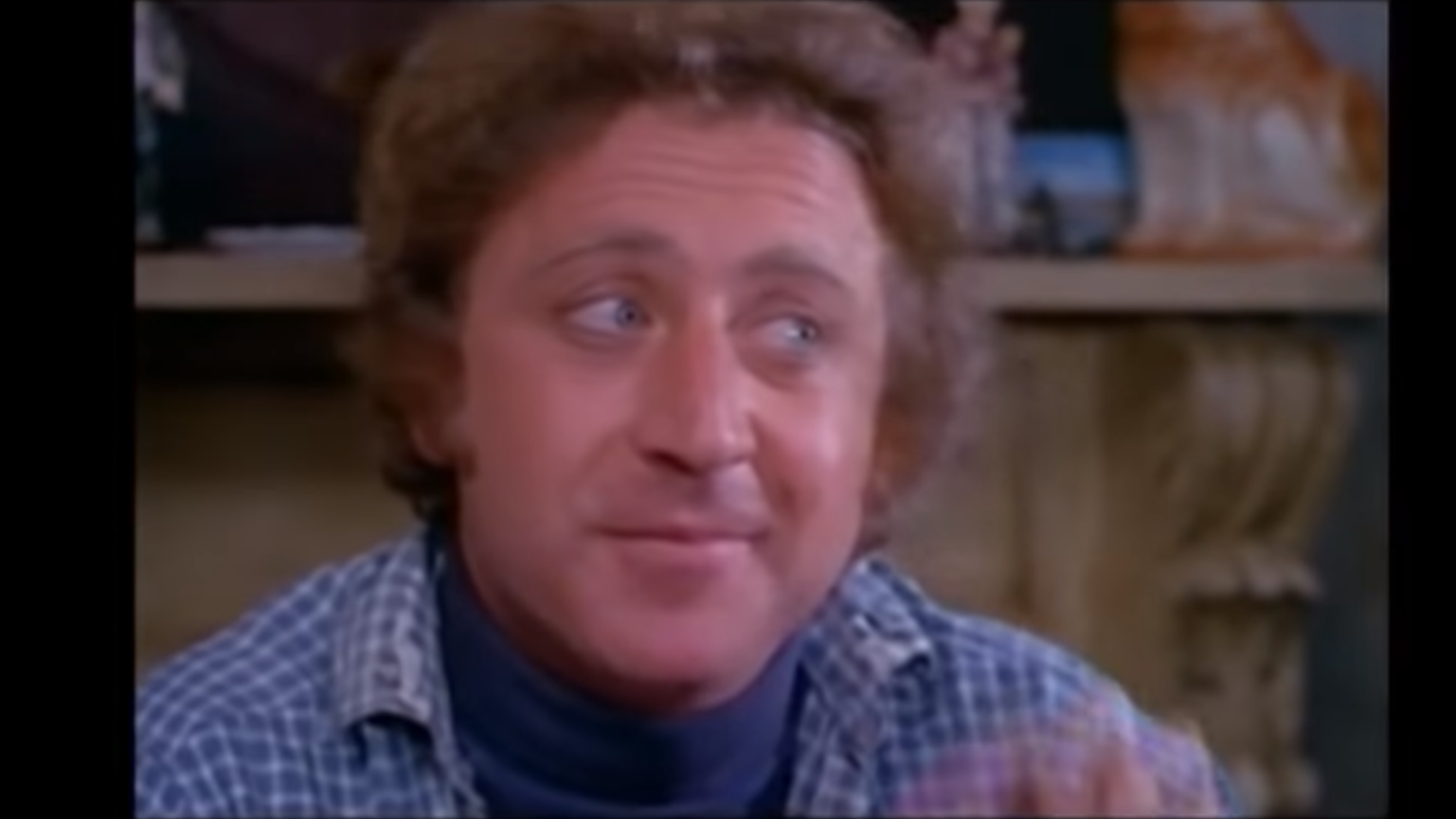
I tend to be suspicious of movies centered on charismatic nonconformists; it’s too obvious that audience members are supposed to root for the “underdog”. Fortunately, this isn’t a problem with Gene Wilder’s “Quackser Fortune” (so nicknamed because he used to quack like a duck as a child), whose individuality comes across as genuine and utterly lacking in derivative pathos. As Peary notes, this “offbeat and amiable” film features “fine performances by the two leads”, and is helped by the “unexpected touch” of having Quackser “benefit from the relationship [with Kidder] rather than feeling self-pity or animosity toward her.” Quackser remains a true individual until the end, refusing to be put down by anyone of any class.

Redeeming Qualities and Moments:

  • An uncharacteristically subdued performance by Gene Wilder
  • Eileen Colgen as the lonely spinster who is disappointed when Quackser no longer stops by for tea and sex
  • Fine cinematography of pre-EU Dublin

Must See?
No, though it’s a delightfully unusual movie and well worth checking out, especially for Gene Wilder fans.

Links:

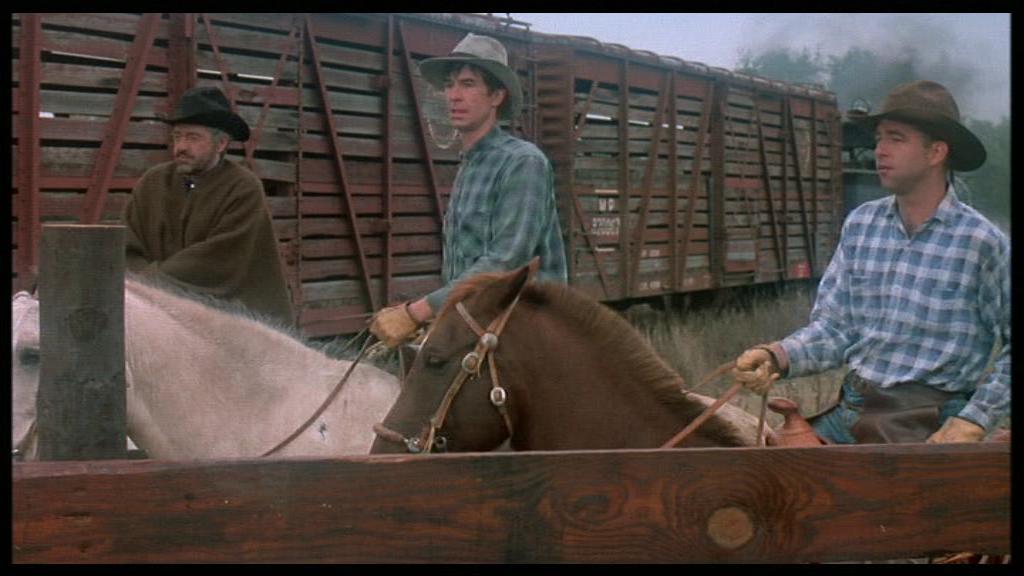
Lovin’ Molly (1974)

Lovin’ Molly (1974)

“Molly always stood where you left her — as long as she could see you.”

Synopsis:
Two buddies (Anthony Perkins and Beau Bridges) love the same woman (Blythe Danner) their entire lives, but she refuses to marry either one.

Genres, Themes, Actors, and Directors:

  • Anthony Perkins Films
  • Beau Bridges Films
  • Blythe Danner Films
  • Love Triangle
  • Romance
  • Sidney Lumet Films
  • Strong Females
  • Susan Sarandon Films

Response to Peary’s Review:
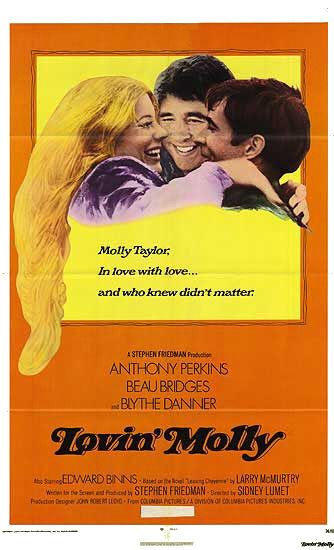
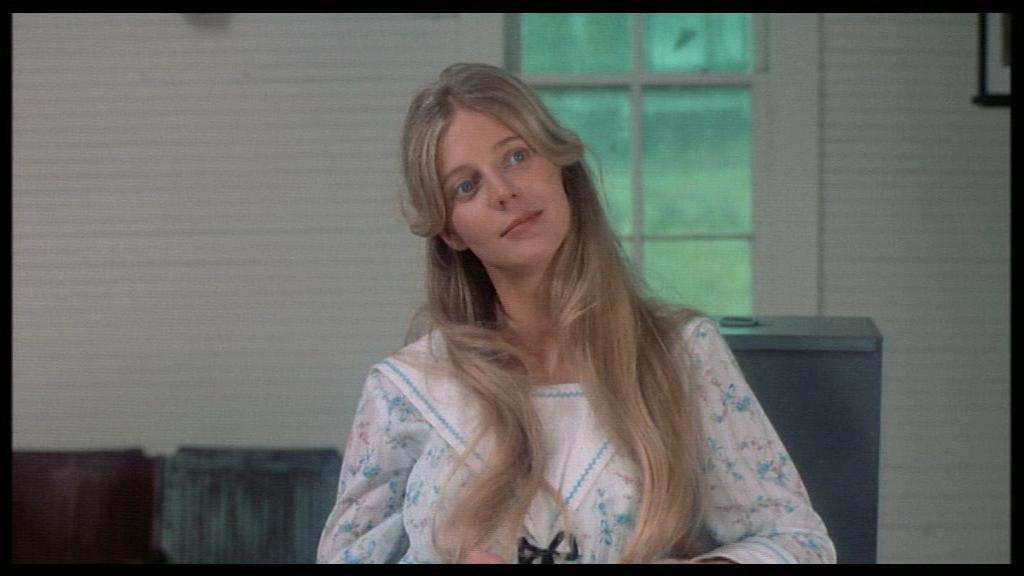
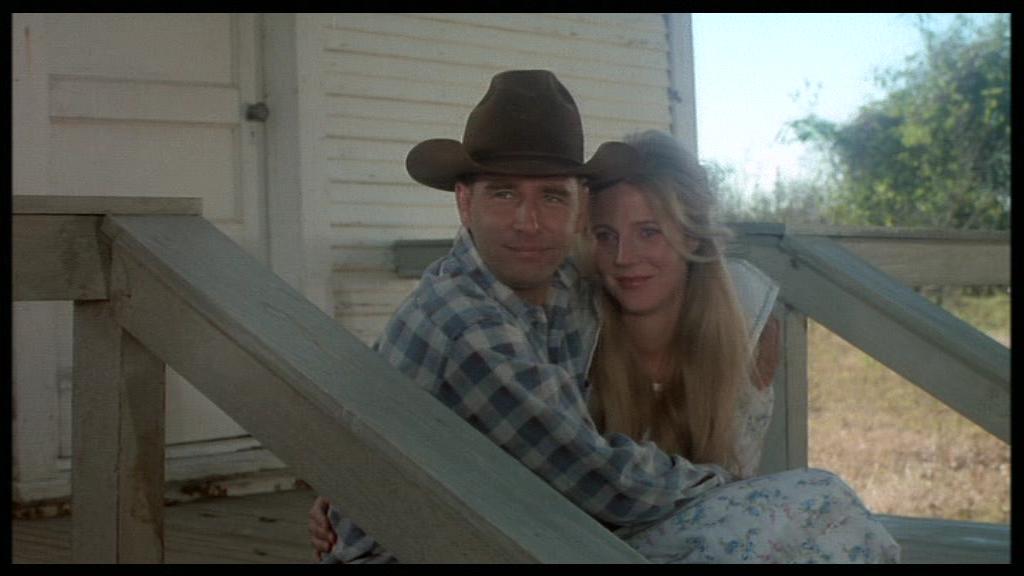
As Peary notes, there are “some fine, touching moments” in this menage-a-trois romance (based on a novel by Larry McMurtry), but it’s difficult to stay invested, given “that so many feelings go unstated”, thus making “it difficult for us to know how we’re supposed to respond to the characters”. While Molly’s refusal to back down from her free-spirited beliefs is admirable, we never learn why she feels so strongly against marrying either Gid or Johnny. Equally distracting is the split narration over several decades between the three characters, which prevents us from fully empathizing with any one of them. Finally, the make-up used for aging the three actors is atrocious. (According to a biography of Anthony Perkins, the make-up artist was a last-minute replacement who nobody was particularly impressed with.) The primary reason to see Lovin’ Molly is the powerful performance by Blythe Danner (who looks distractingly like her daughter, Gwyneth Paltrow). As Peary notes, this is the film “that proves [Danner] had the beauty and talent to have been a star.”

Redeeming Qualities and Moments:

  • Blythe Danner’s affecting performance as Molly
  • An unusual portrayal of a female who refuses to settle down with just one man
  • Anthony Perkins and Beau Bridges as Molly’s two lifelong lovers

Must See?
No, unless you’re a Blythe Danner fan.

Links: