Browsed by
Category: Response Reviews

My comments on Peary’s reviews in Guide for the Film Fanatic (Simon & Schuster, 1986).

Viridiana (1961)

Viridiana (1961)

“I’m not a good liar, Uncle. I respect you, and I’m grateful for your material support — but beyond that, no affection.”

Synopsis:
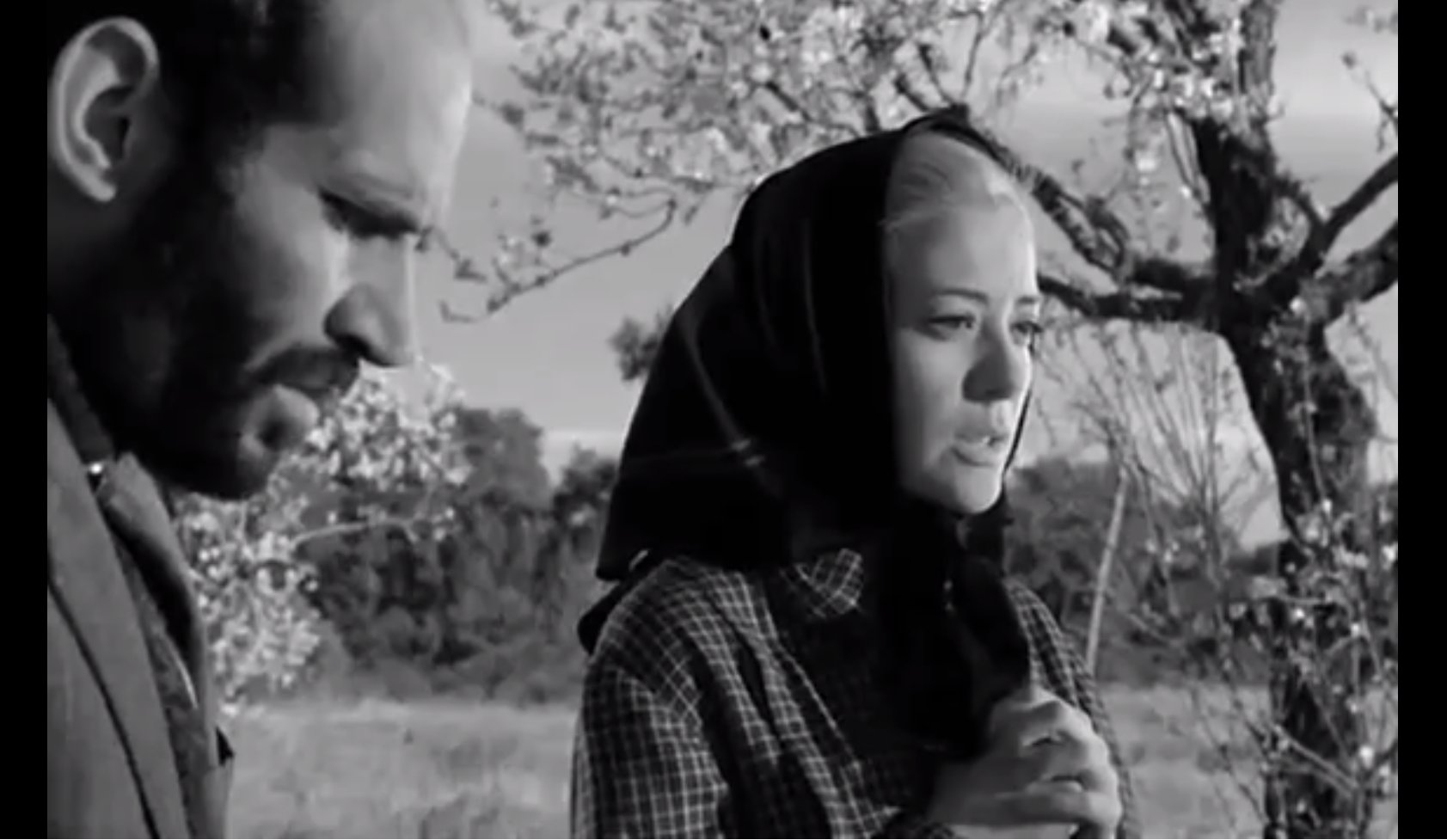
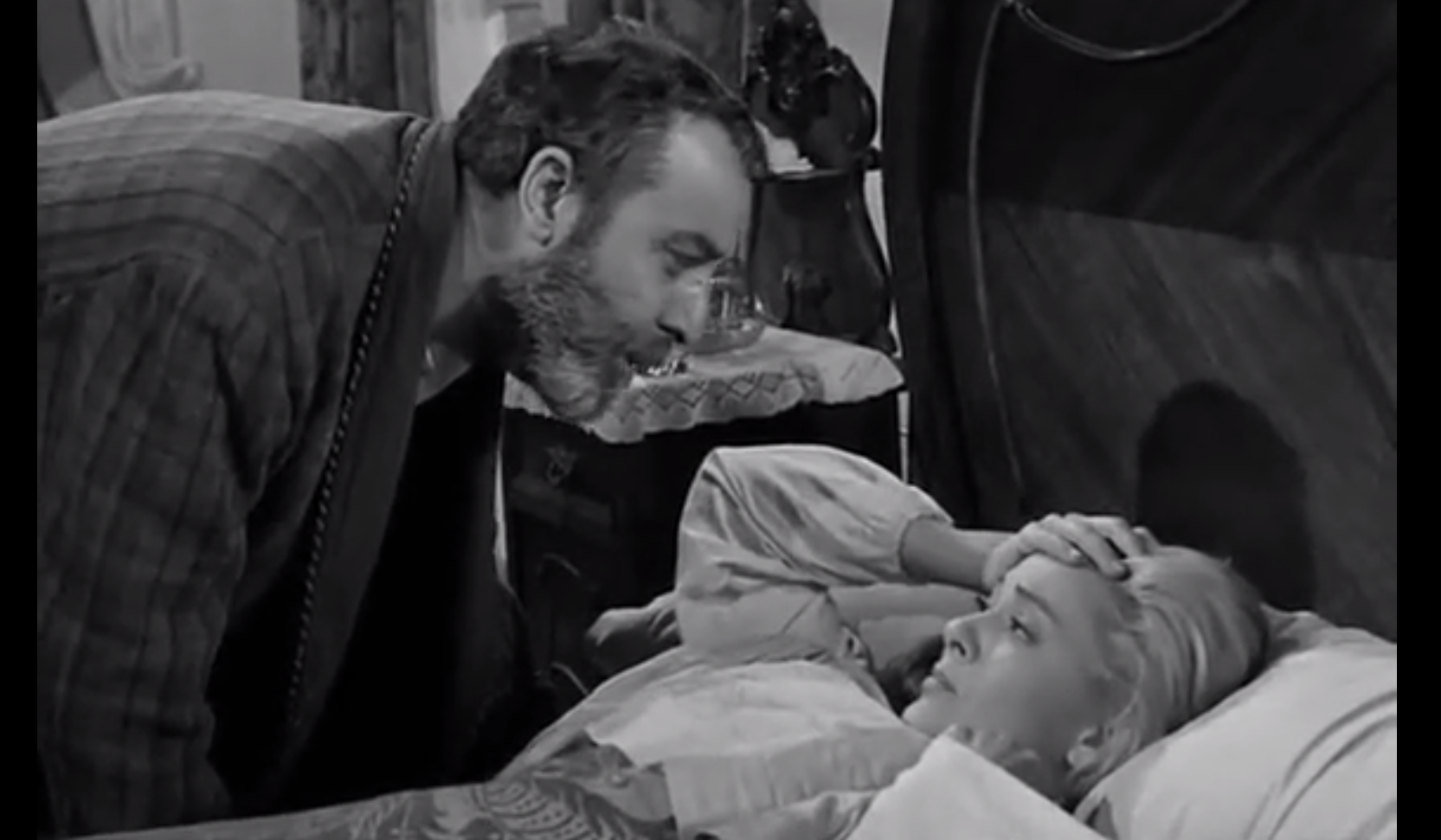
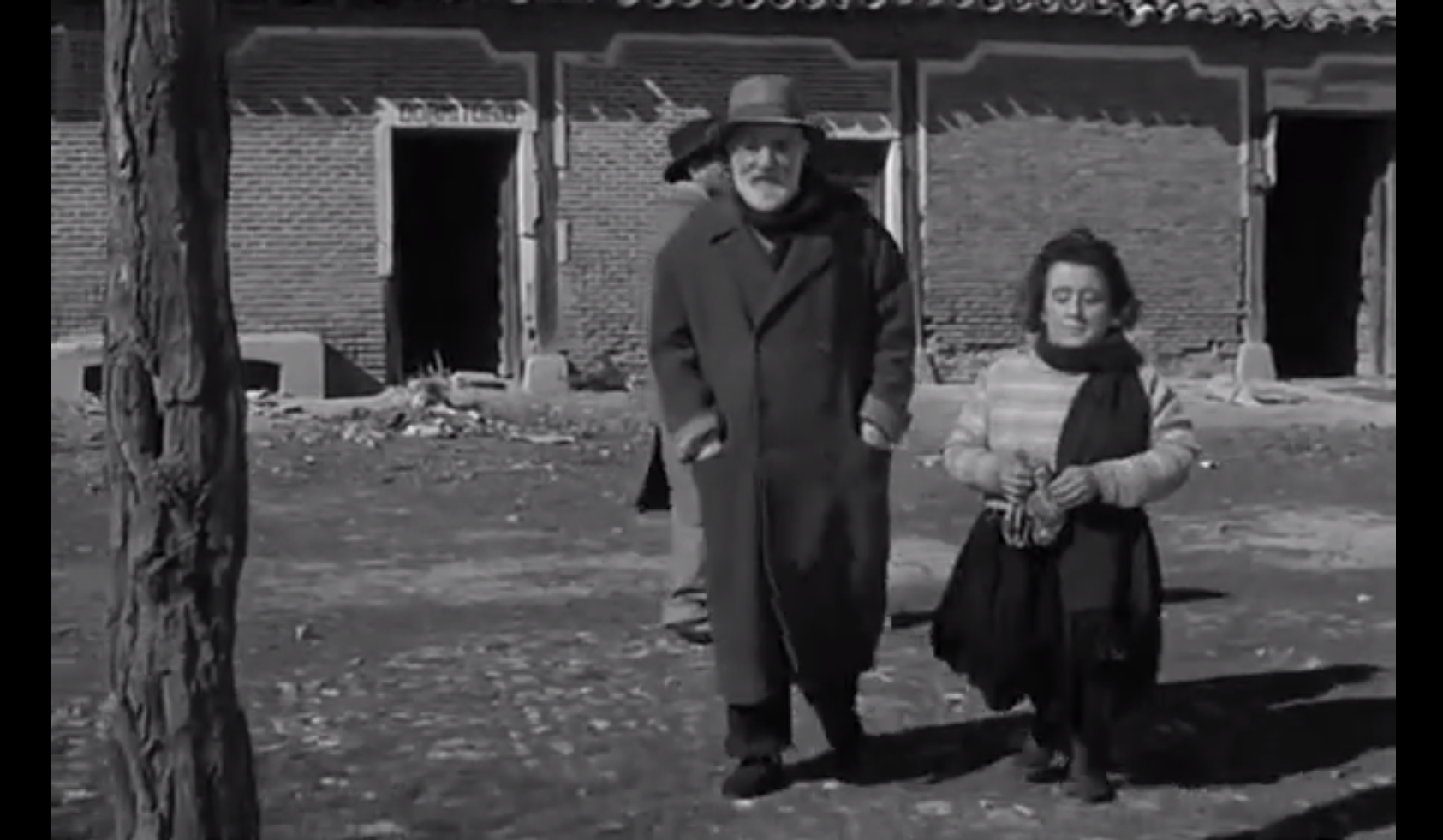
Viridiana (Silvia Pinal), a novice nun, is sent to visit her sick uncle (Fernando Rey) before taking her vows. When she rebuffs his lecherous advances, he hangs himself, and leaves his farm estate to her. Viridiana turns the farm into a haven for the homeless, but quickly finds that her good intentions are once again being abused.

Genres, Themes, Actors, and Directors:

  • Christianity
  • Do-Gooders
  • Luis Bunuel Films
  • Satires and Spoofs
  • Spanish Films

Response to Peary’s Review:
The futility of noble intentions in the face of a thankless and debased humanity has never been portrayed more powerfully than in Luis Bunuel’s controversial Viridiana. Banned as “subversive” in Franco’s Spain, the film was snuck out of the country, won the Palme d’Or at Cannes, and received worldwide distribution from its Mexican producer. As usual, Bunuel (a life-long atheist and nonconformist) holds absolutely nothing back in his indictment of Catholicism, which is portrayed as “neither moral nor Christian in attitude”. He glibly exploits sexual perversions (ranging from necrophilia to incest to rape), and infuses his film with outrageously “kooky characters” and “deadpan humor”. The satire is broadly played, and while “American conservatives [may] delight in how Bunuel depicts the poor as freeloading ingrates”, it’s clear that this film is more about the loss of Viridiana’s (and our) naive idealism than anything else.

Redeeming Qualities and Moments:

  • Silvia Pinal’s sympathetic performance as the well-meaning Viridiana
  • Fernando Rey, appropriately lecherous as Viridiana’s guilt-ridden uncle
  • The broad array of “kooky characters” who come to live on Viridiana’s farm
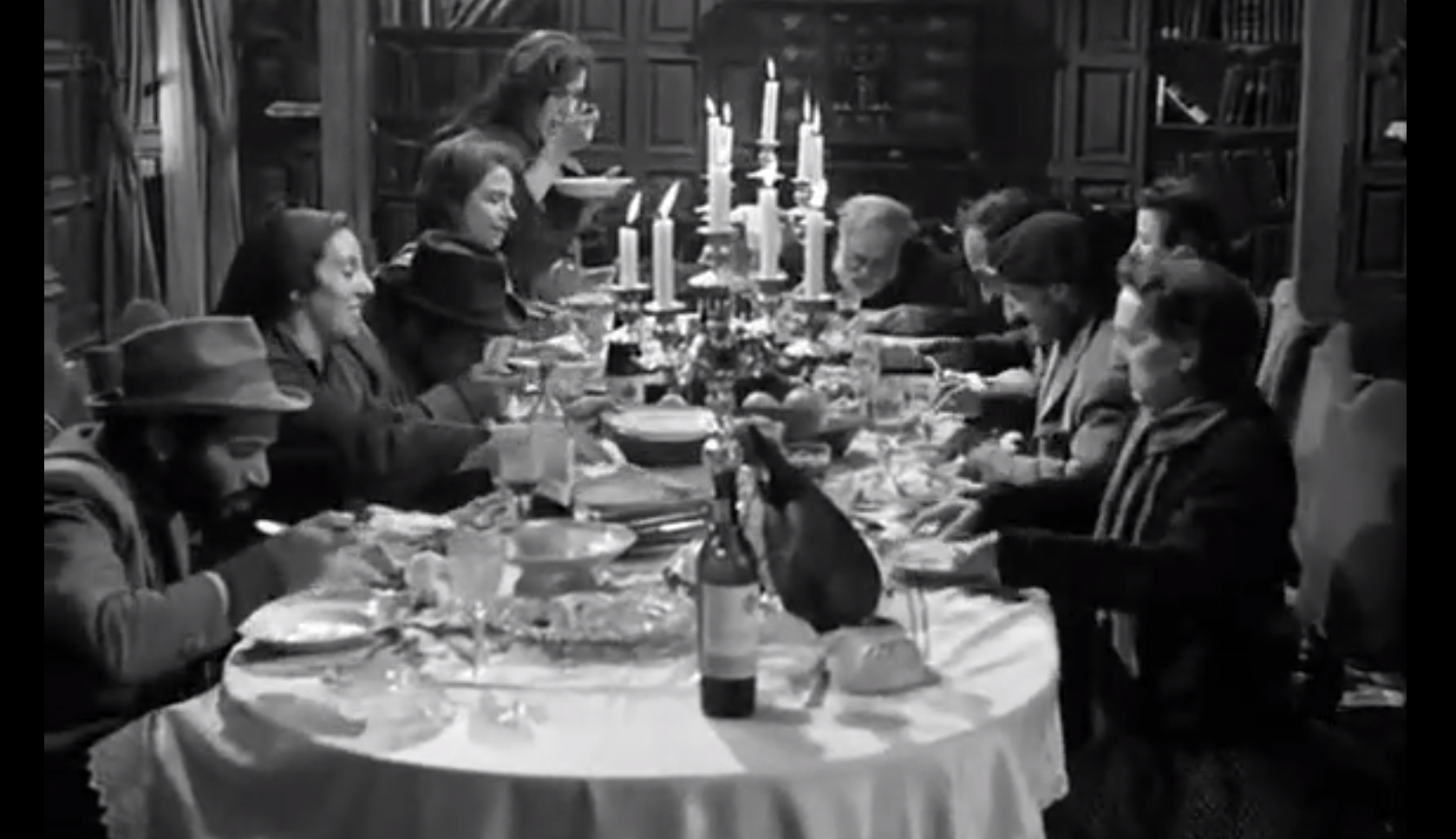
  • The sacrilegious “gluttonous-orgiastic” beggars’ banquet, meant to overtly mock Da Vinci’s “The Last Supper”

Must See?
Yes. This once-scandalous film remains among Bunuel’s best, and is required viewing for film fanatics.

Categories

  • Controversial Film
  • Foreign Gem
  • Important Director

(Listed in 1001 Movies You Must See Before You Die)

Links:

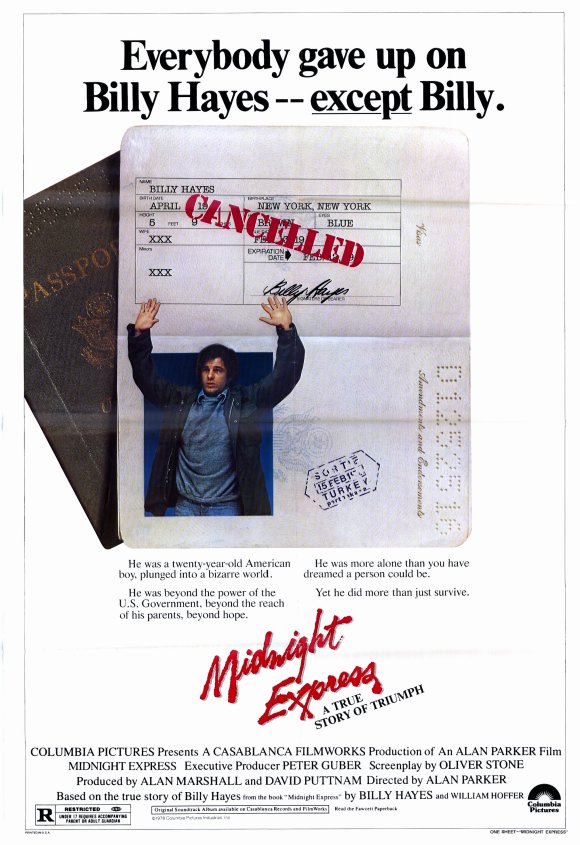
Midnight Express (1978)

Midnight Express (1978)

“The concept of a society is based on the quality of its mercy, its sense of fair play, its sense of justice.”

Synopsis:
Twenty-year-old Billy Hayes (Brad Davis) is caught smuggling two kilos of hashish across the Turkish border, and sent to prison for three years. When he finds out his sentence has been extended to thirty years, he decides to break free via the “Midnight Express.”

Genres, Themes, Actors, and Directors:

  • Alan Parker Films
  • Escape
  • John Hurt Films
  • Prisoners
  • Randy Quaid Films

Response to Peary’s Review:
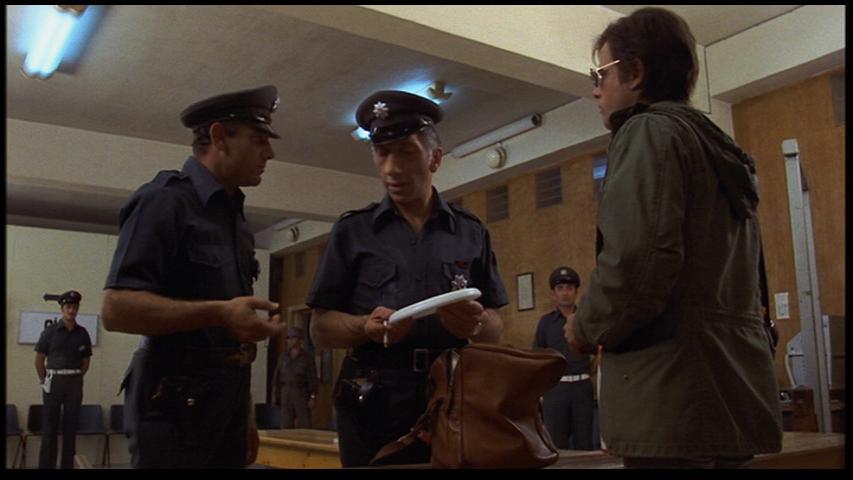
The primary problem with this sensationalist movie (based on a true story) is that it’s impossible to feel much sympathy for the film’s protagonist. Played by Brad Davis (with, as Peary puts it, a “slight build and weak, guilty eyes”), he is so consistently stupid, whiny, and racist that any of the film’s other merits are overshadowed by one’s disdain for this insufferable American. As stated in the Prison Flicks review (see link below), Billy is basically a “spoiled brat” — after all, what kind of a moron would try to sneak two kilos of hash out of a foreign country, then yell out in a Turkish courthouse (in the middle of his own sentencing): “For a nation of pigs, it sure is funny you don’t eat ’em! I hate you, I hate your nation, and I hate your people! I fuck your sons and daughters because they’re pigs!”

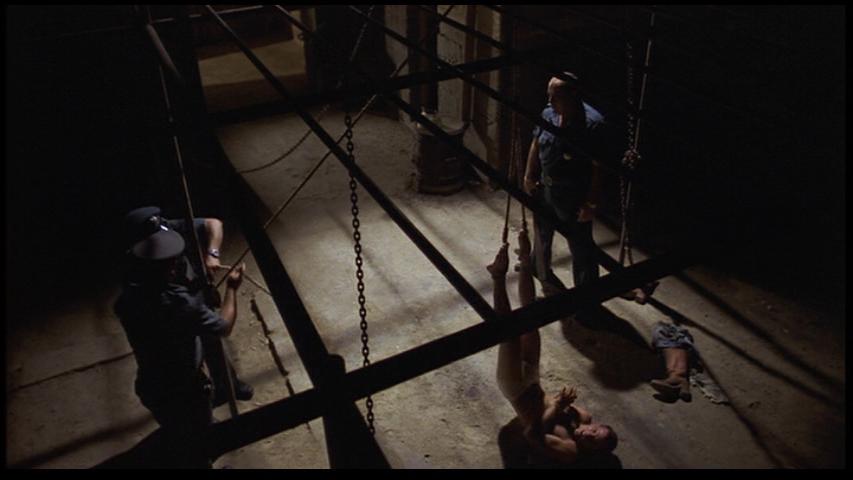
With that said, the movie is still quite powerful when it comes to showing the inhumanity of Turkish prisons; apparently negotiations began just a few months after the film’s release for the exchange of prisoners between America and Turkey. Since that time, however, several other (better) films have showcased similarly bleak situations for Americans stuck in international jails — for instance, 1998’s Return to Paradise (set in Malaysia) and 1999’s Brokedown Palace (set in Thailand). As Peary notes, “the wrong impression that many viewers [of Midnight Express] got is that such prisons are peculiar to Turkey and not found all over the world.”

Redeeming Qualities and Moments:

  • The genuinely tense opening sequence, when Billy fears (rightfully so) that he will be caught at the border
  • Randy Quaid and John Hurt as Billy’s eccentric cellmates
  • Effectively grim prison sets

Must See?
No. While it holds some historical interest, it’s ultimately not must-see viewing.

Links:

Devils, The (1971)

Devils, The (1971)

“Satan is ever ready to seduce us with sensual delights.”

Synopsis:
Father Grandier (Oliver Reed), a lustful yet devoted priest, presides over the fortified town of Loudun, France in the early 1600s. When a deranged, sexually repressed nun (Vanessa Redgrave) becomes infatuated with Grandier and accuses him of diabolically seducing her, power-hungry Cardinal Richelieu (Christopher Logue) sees this as his chance to take over the city, and a hysterical witchhunt (led by exorcist Michael Gothard) ensues.

Genres, Themes, Actors, and Directors:

  • Falsely Accused
  • Historical Drama
  • Ken Russell Films
  • Nuns
  • Oliver Reed Films
  • Political Corruption
  • Priests and Ministers
  • Sexual Repression
  • Vanessa Redgrave Films

Response to Peary’s Review:
Ken Russell’s baroque adaptation of John Whiting’s play — about religious hysteria and political chicanery during the European plague — is most definitely not for the faint of heart. A passionate paean for rationality and balance in the face of escalating lunacy, Russell spares nothing in his attempt to show how easily fear and ignorance can be manipulated by those in power. Russell infuses his historical drama (based on real events and people) with a uniquely postmodern twist: King Louis XIII is a cross-dresser; church officials don Lone Ranger masks during processions; and garish white make-up is randomly worn by both the living and the dying. Absolutely nothing is left sacred here, as naked nuns cavort and masturbate, priests impregnate parishioners, and plague victims are tortured by gleefully experimental “doctors”.

As Peary notes, however, the film’s “repulsive imagery [may be] overwhelming at times, but for once Russell’s seemingly out-of-control, hallucinogenic style is appropriate for his subject matter.” “Repulsive imagery” aside, there is much to admire in the film. Oliver Reed (more handsome and virile than ever) and Vanessa Redgrave (beautifully insane) are both excellent in the film’s lead roles, while Derek Jarman’s elegant sets transport us to a uniquely futuristic past. When watching The Devils, one appreciates its stylistic beauty while remaining appalled by the relentless trajectory of its tale. In the end, there is no mistaking Russell’s vision here, as unyielding and personal as ever.

Redeeming Qualities and Moments:

  • Oliver Reed’s electrifying performance as Grandier, a man who refuses to back down from his convictions at any cost
  • Vanessa Redgrave’s surprisingly sympathetic performance as the hunchbacked Mother Superior
  • Michael Gothard (young, virile, and rock-starrish) as the truly “possessed” exorcist
  • Gemma Jones (who reminds me of Anne Heche) as Grandier’s new wife, providing a hint of sweetness and hope in this otherwise relentlessly bleak existence
  • Stunning set designs by Derek Jarman
  • Countless unforgettable, undeniably horrific images
  • A powerful portrayal of religious hysteria and its dire consequences

Must See?
Yes. Though it’s hard to sit through and will doubtless offend many, this remains one of Ken Russell’s best films.

Categories

  • Controversial Film
  • Important Director
  • Noteworthy Performance(s)

Links:

WarGames (1983)

WarGames (1983)

“Shall we play a game?”

Synopsis:
After accidentally hacking into a governmental ‘game’ called “Global Thermonuclear Warfare”, a high school senior (Matthew Broderick) and his girlfriend (Ally Sheedy) are accused of spying for the Russians, and must find the only scientist (John Wood) who can shut the computer down in time to avoid nuclear war.

Genres, Themes, Actors, and Directors:

  • Cold War
  • Computer-out-of-Control
  • Race-Against-Time
  • Teenagers

Response to Peary’s Review:
As Peary points out, this popular Cold War thriller for the teenage crowd possesses “fast and furious” pacing, “liberal doses of humor”, and “appealing leads”. I well remember going to see it in the theater as a kid, and feeling not only genuine panic about the precarious state of our world, but empathy for the likeable Broderick, who gets himself (and all of humanity) into a lot more trouble than he ever anticipated. As he laments to Sheedy, “I wish I didn’t know about any of this. I wish I was like everybody else in the world, and tomorrow it would just be over.”

Rewatching the film recently as an adult, however, I can’t help agreeing with Peary’s frustration that the teens’ “casual crime of tapping into their school’s computer to alter their grades is treated humorously and condoned.” It’s also a shame, as Peary and many other critics have pointed out, that the adults in WarGames all come across as age-ist, ignorant jerks. On the other hand, this is a film paying “tribute to the resourcefulness and ingenuity of young people”, so perhaps these teenage heroes deserve their day of glory.

Note: If you’d like to read about a real-life hacker, check out Jonathan Littman’s fascinating book The Watchman: The Twisted Life and Crimes of Serial Hacker Kevin Poulsen (1997)

Redeeming Qualities and Moments:

  • Matthew Broderick as the first “regular person” computer whiz on the big screen
  • Ally Sheedy as Broderick’s appealing girlfriend
  • A genuinely tense and exciting denouement

Must See?
Yes. This is one of the better Cold War-era thrillers, and holds a special place in ’80s film history.

Categories

  • Historically Relevant

Links:

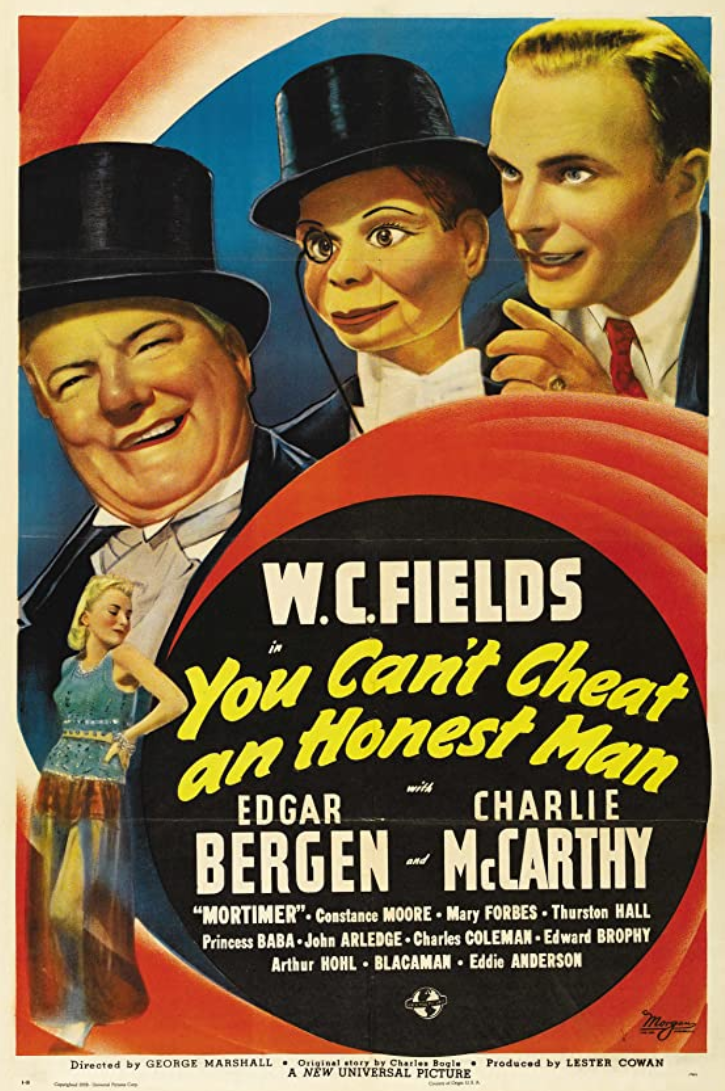
You Can’t Cheat an Honest Man (1939)

You Can’t Cheat an Honest Man (1939)

“You can’t cheat an honest man. Never give a sucker an even break or smarten up a chump.”

Synopsis:
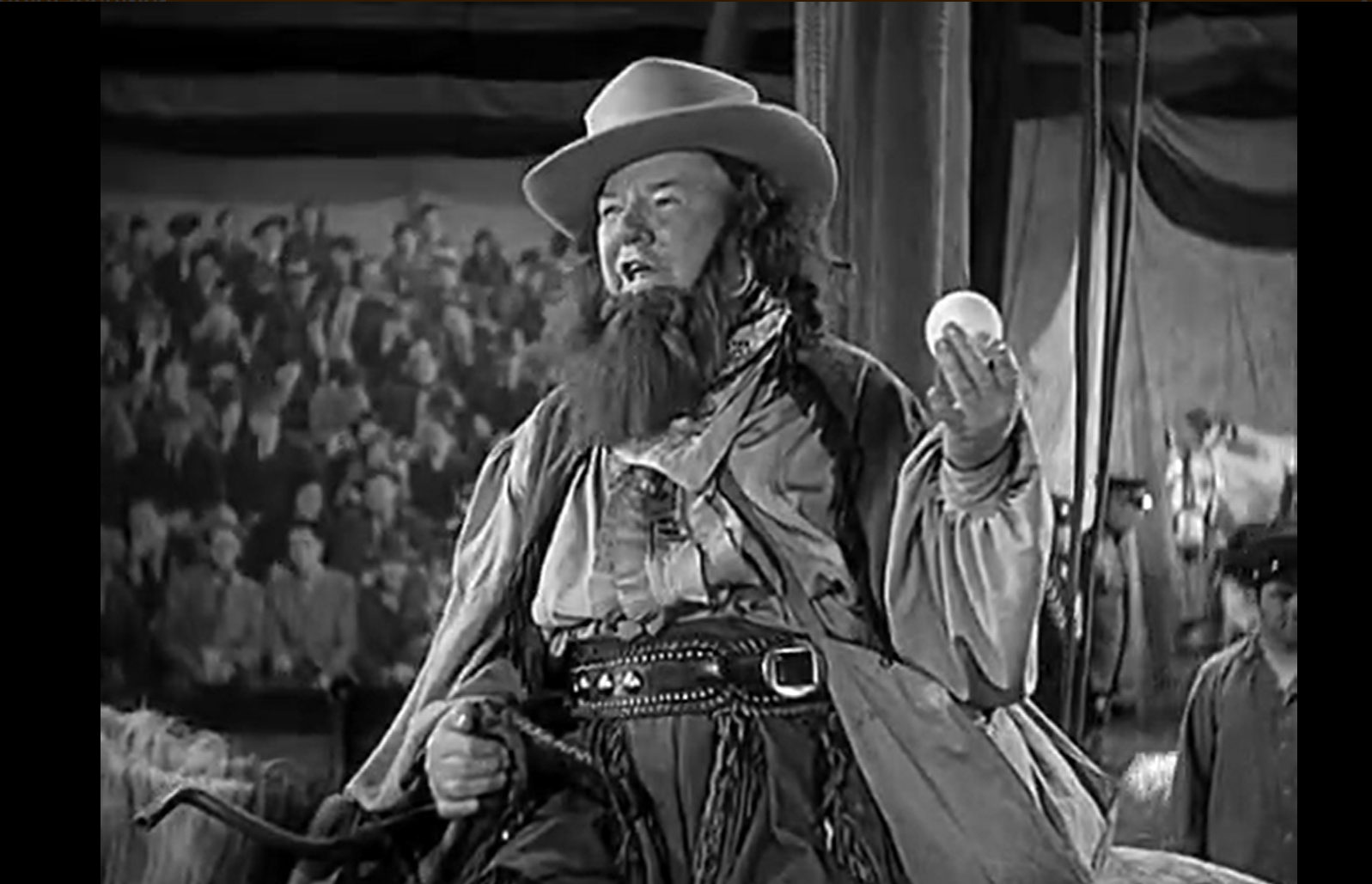
Larson E. Whipsnade (W.C. Fields) attempts to save his seedy circus from financial ruin while feuding with his ventriloquist employee (Edgar Bergen) and Bergen’s dummy (Charlie McCarthy).

Genres, Themes, Actors, and Directors:

  • Carnivals and Circuses
  • Comedy
  • Con-Artists
  • George Marshall Films
  • Puppets and Ventriloquism
  • W.C. Fields Films

Response to Peary’s Review:
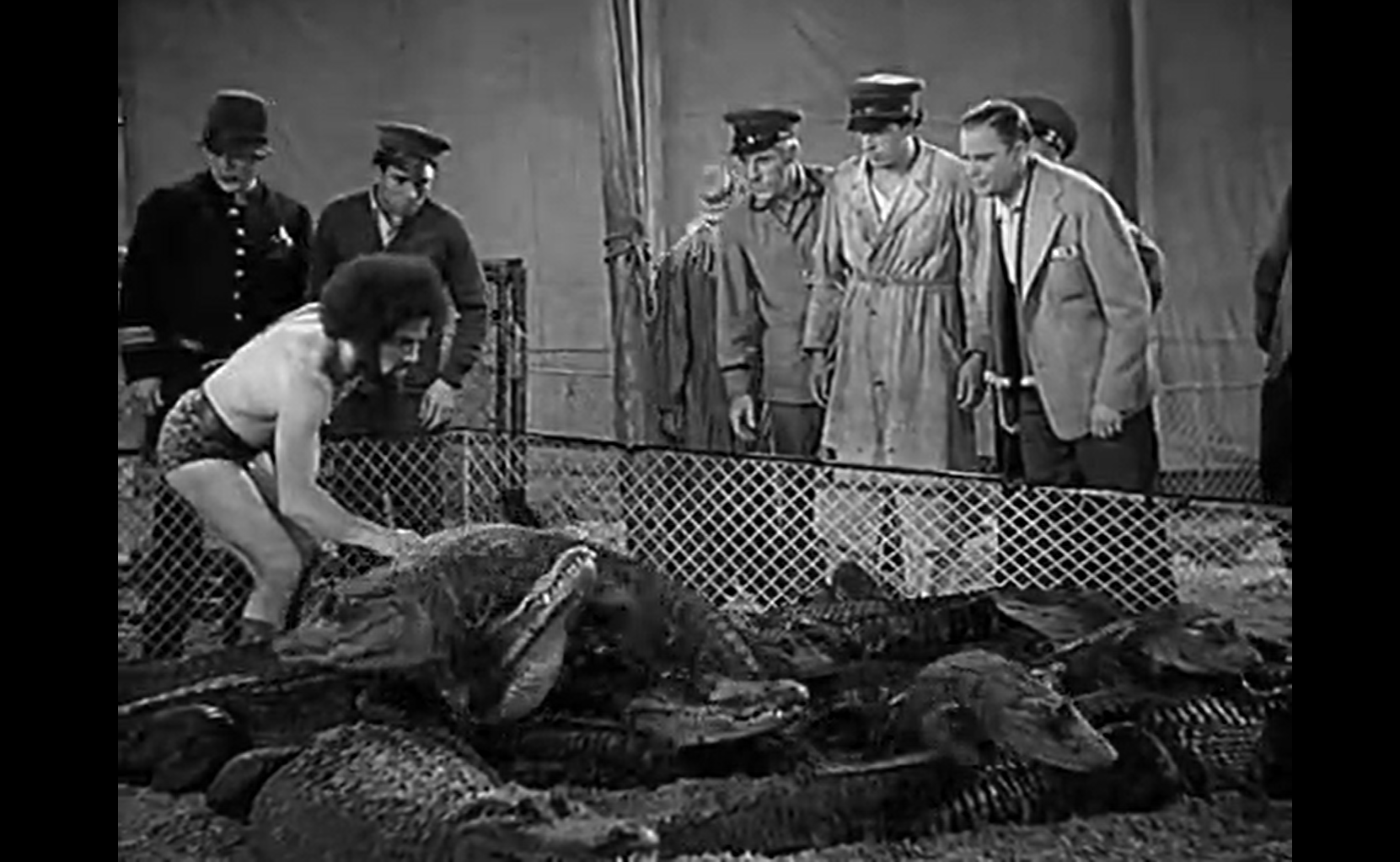
As Peary writes, “W.C. Fields is at his loudest, meanest (he throws Charlie McCarthy to the alligators):

… and most larcenous as a one-step-ahead-of-the-sheriff circus owner named Larson E. Whipsnade.”

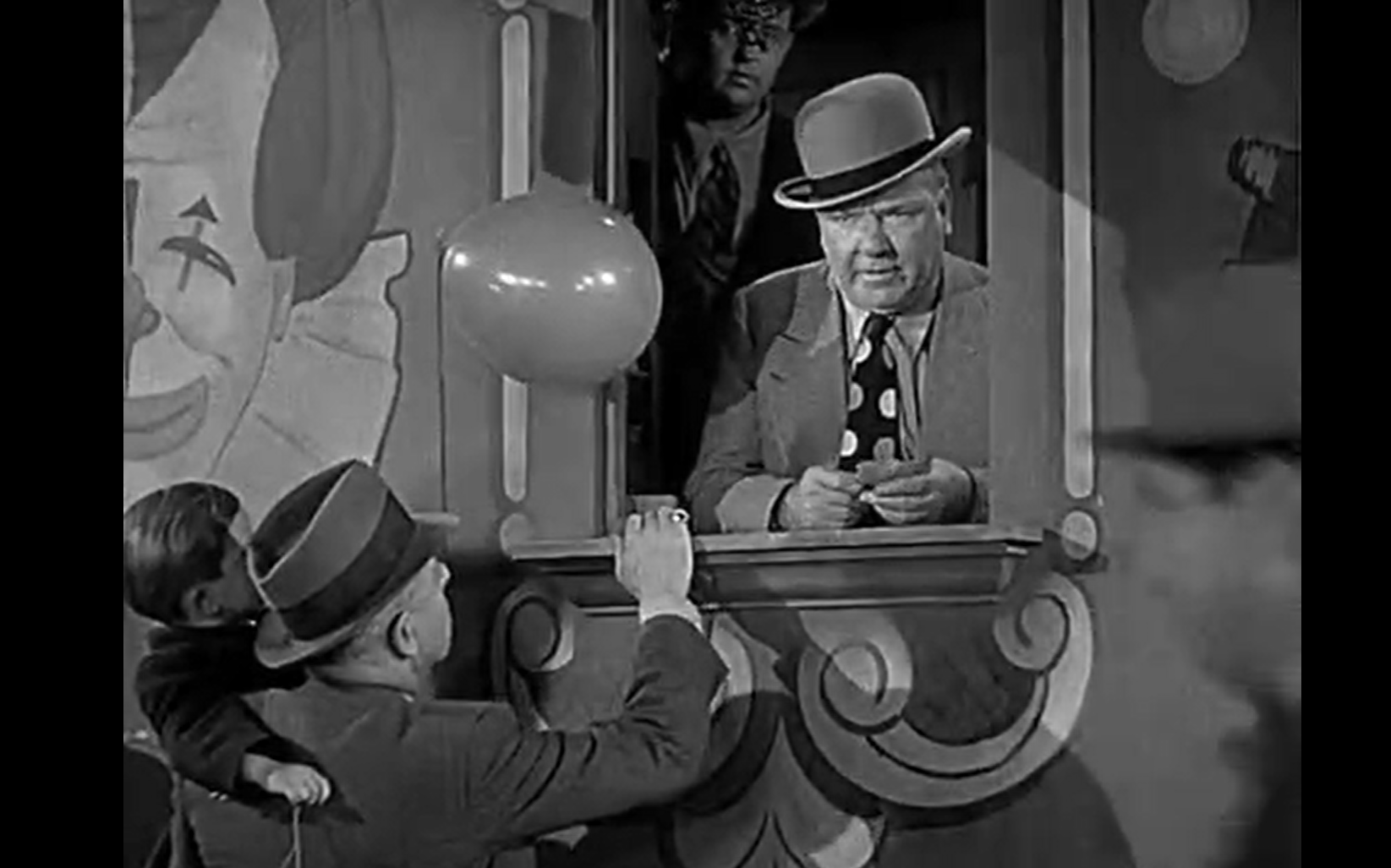
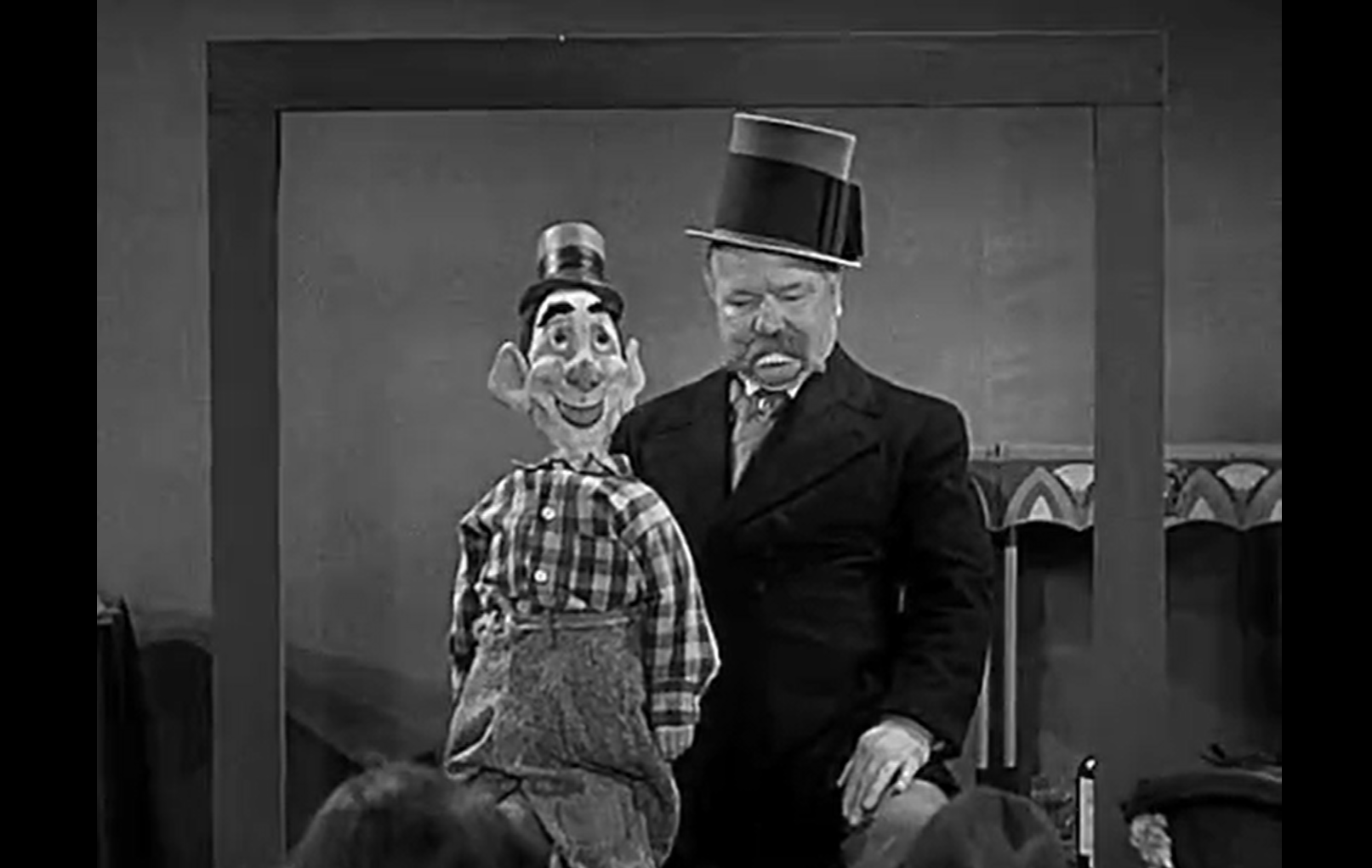
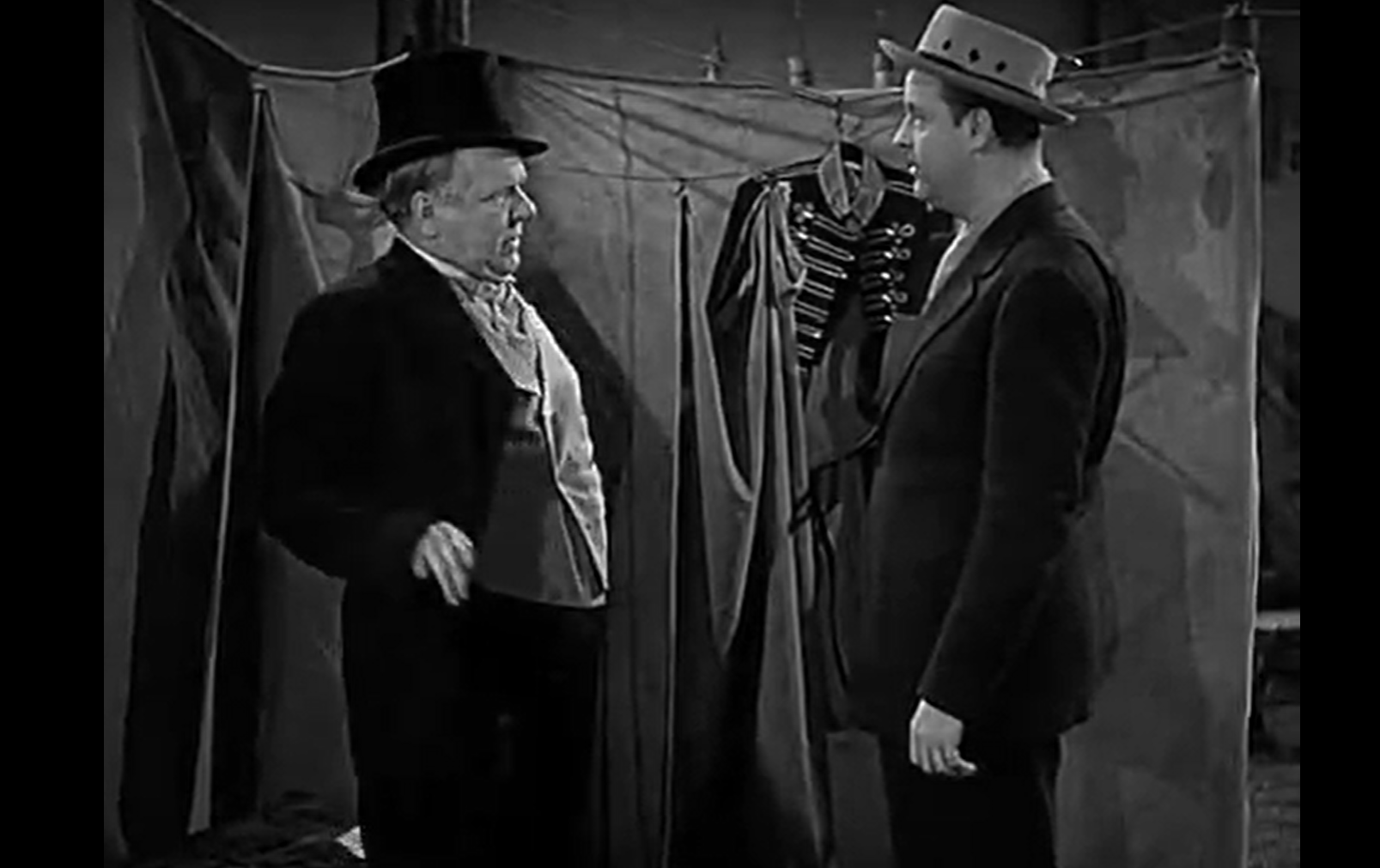
Peary notes it’s a delight watching Fields “gypping customers and employees out of money, doing a terrible ventriloquism act:

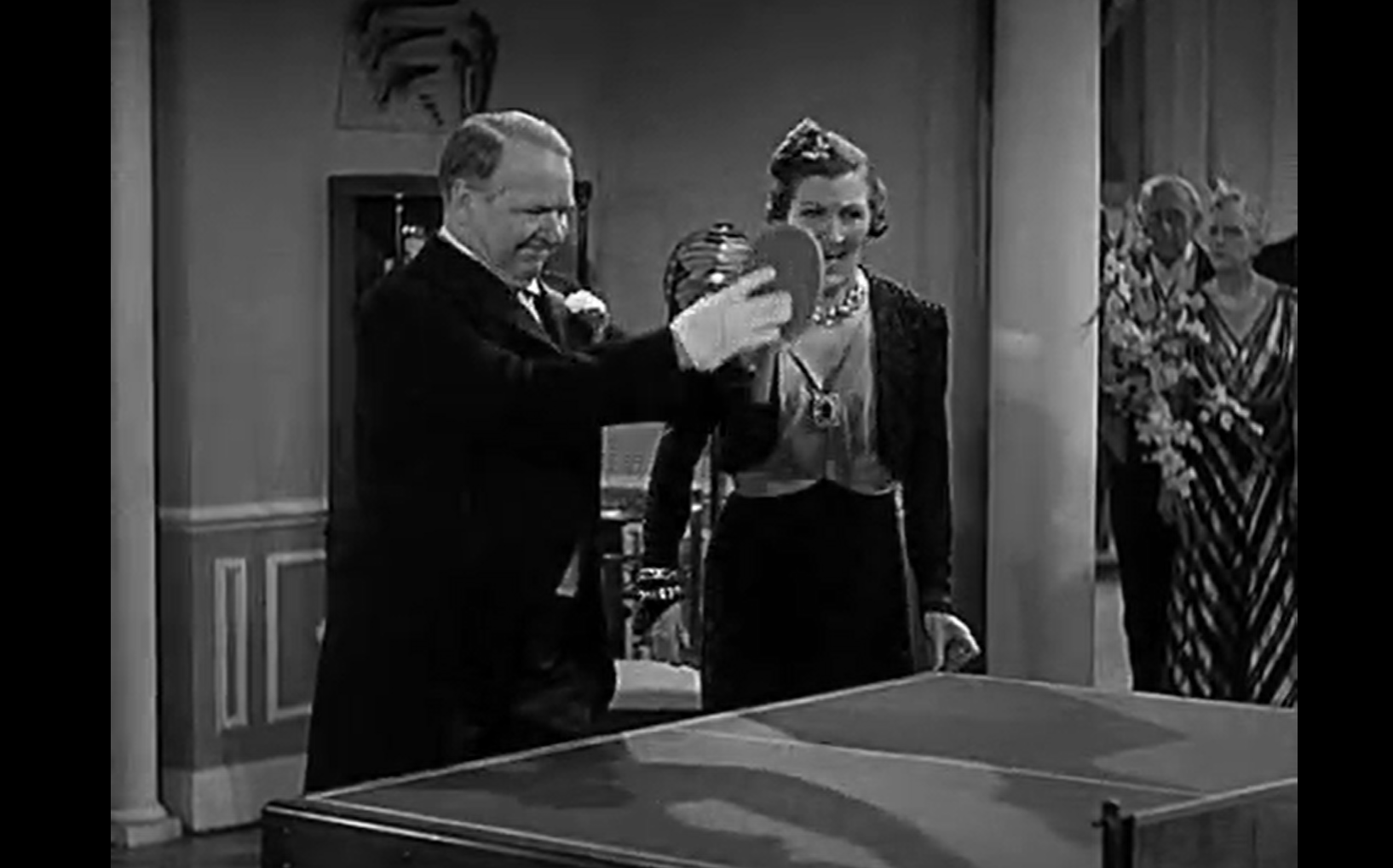
… selling front-row seats ‘right next to the elephants,’ talking about snakes in genteel company, playing a wild ping pong match:

wrestling a little girl”, and interacting “with his idiot assistant, Grady Sutton.”

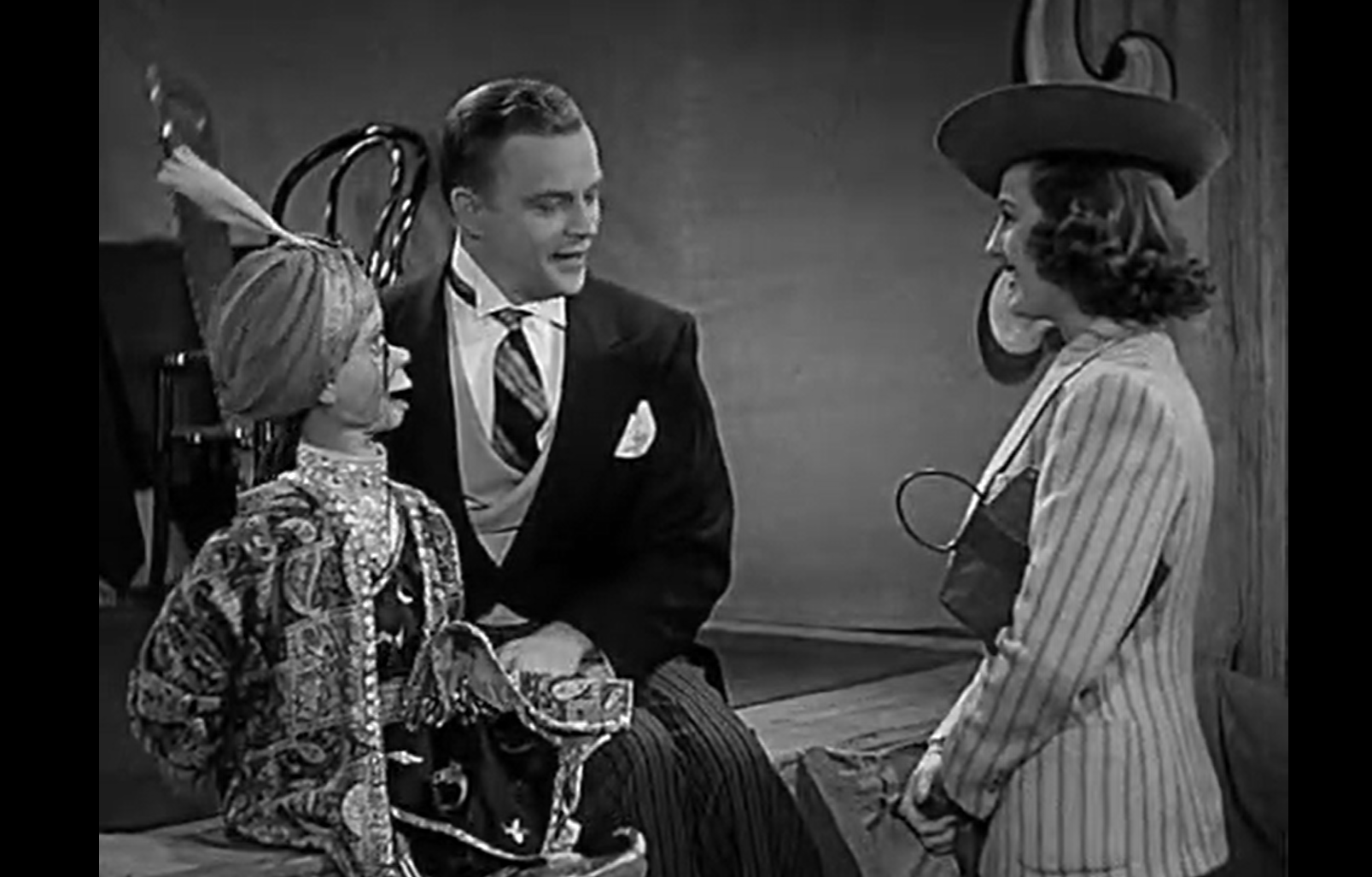
As Peary points out, however, “too much time is given [to] Edgar Bergen, not only for comedy bits with Charlie McCarthy and Mortimer Snerd… but also for some romance with Constance Moore, Whipsnade’s surprisingly sensible daughter.”

One most definitely “becomes impatient during Fields’s absence.” While it’s fun to see the famous ventriloquism act on screen for a few minutes, they quickly wear out their welcome.

Redeeming Qualities and Moments:

  • Numerous humorous W.C. Fields sketches

Must See?
No, but it’s recommended simply for Fields.

Links:

Yol (1982)

Yol (1982)

“My life’s nothing but a nightmare.”

Synopsis:
Several Turkish prisoners return home to their families for a week’s leave, and must deal with the consequences of their long absence.

Genres, Themes, Actors, and Directors:

  • Homecoming
  • Infidelity
  • Middle East
  • Prisoners

Response to Peary’s Review:
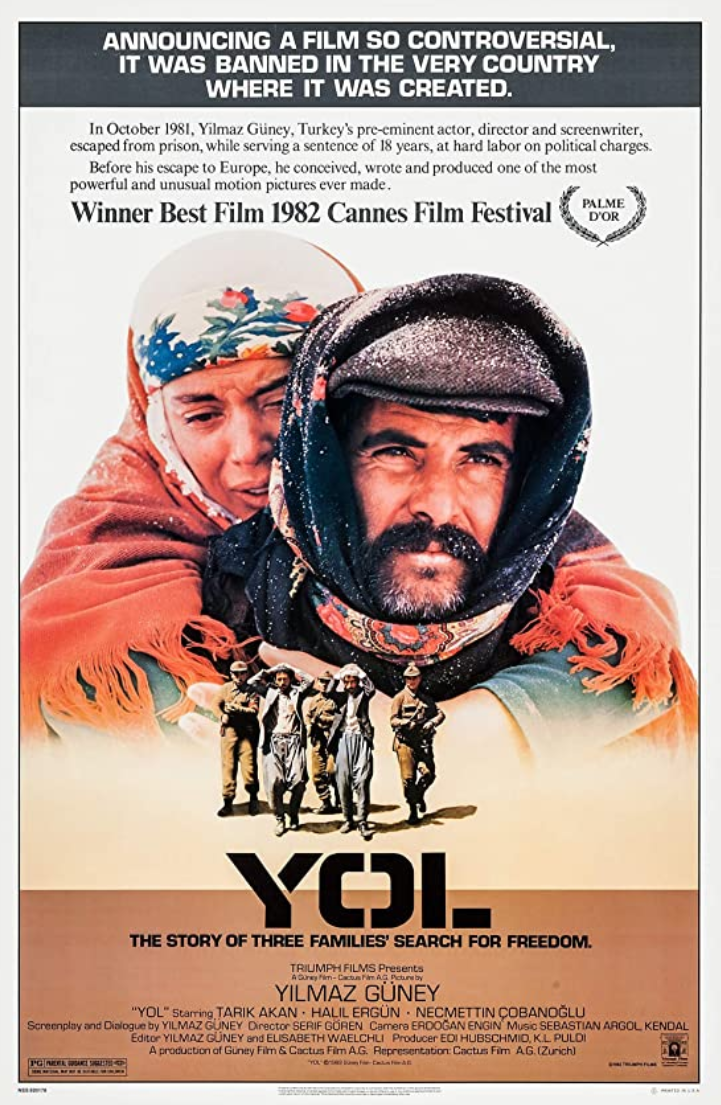
As Peary notes, this award-winning Turkish film is “fascinating, brutal, [and] depressing” — a truly provocative and disturbing viewing experience. He writes that the “main story is about a man who finds that his family has banished him because he was responsible for his brother-in-law’s death,” and “now he suffers guilt, humiliation, and fear of reprisal from his in-laws.” Another story involves a “prisoner [who] discovers that his unfaithful wife has been chained in a cell for eight months; forbidden to speak, even to her young son, or to be touched; given only bread and water for sustenance; denied an opportunity to bathe; [and] left to wallow in her own filth;” his goal is to attempt “to take her home to her brother, but they must cross five miles of frozen terrain.”


The central premise of the film — that prisoners “on leave” must eventually return to captivity — is unusual, and infuses the film with a sense of bitter fatality. Ironically, life is not a whole lot better on the outside than in prison, and the line between the two is shakily drawn. Indeed, Peary posits that director Yilmaz Guney (a former prisoner himself) is attempting to show how “in Turkey, hostility and repression exist on every level of society: guards over prisoners, men over women, the heads of families over their relatives, the people themselves over those they consider ‘sinners’.”

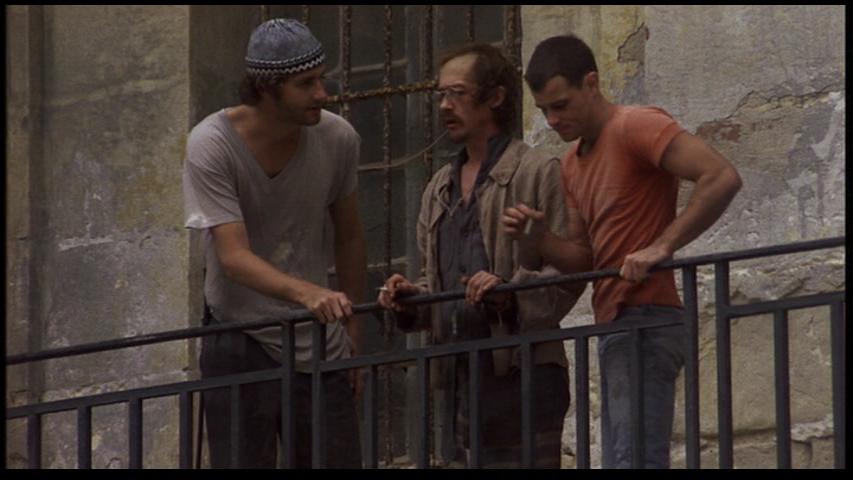
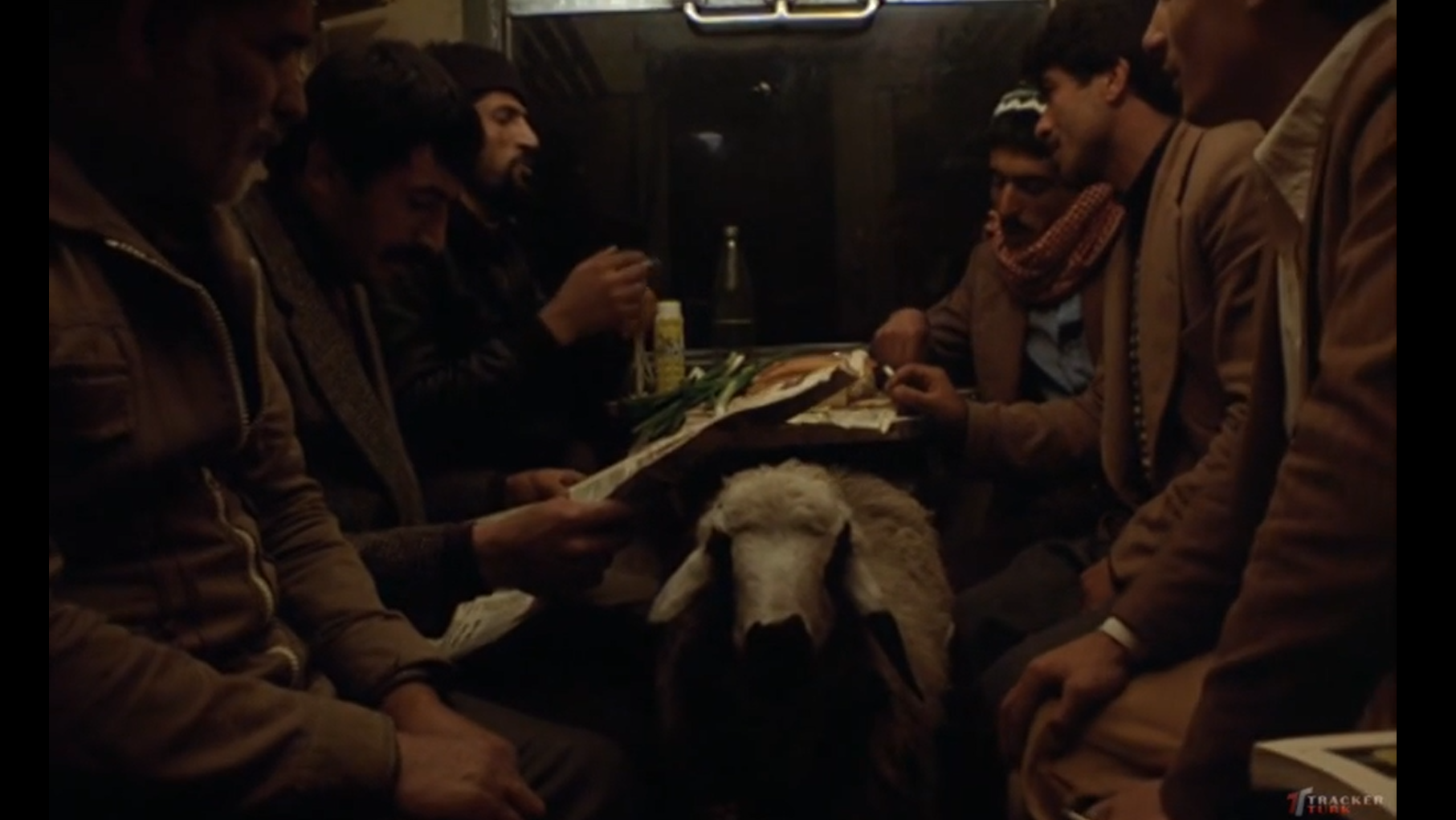
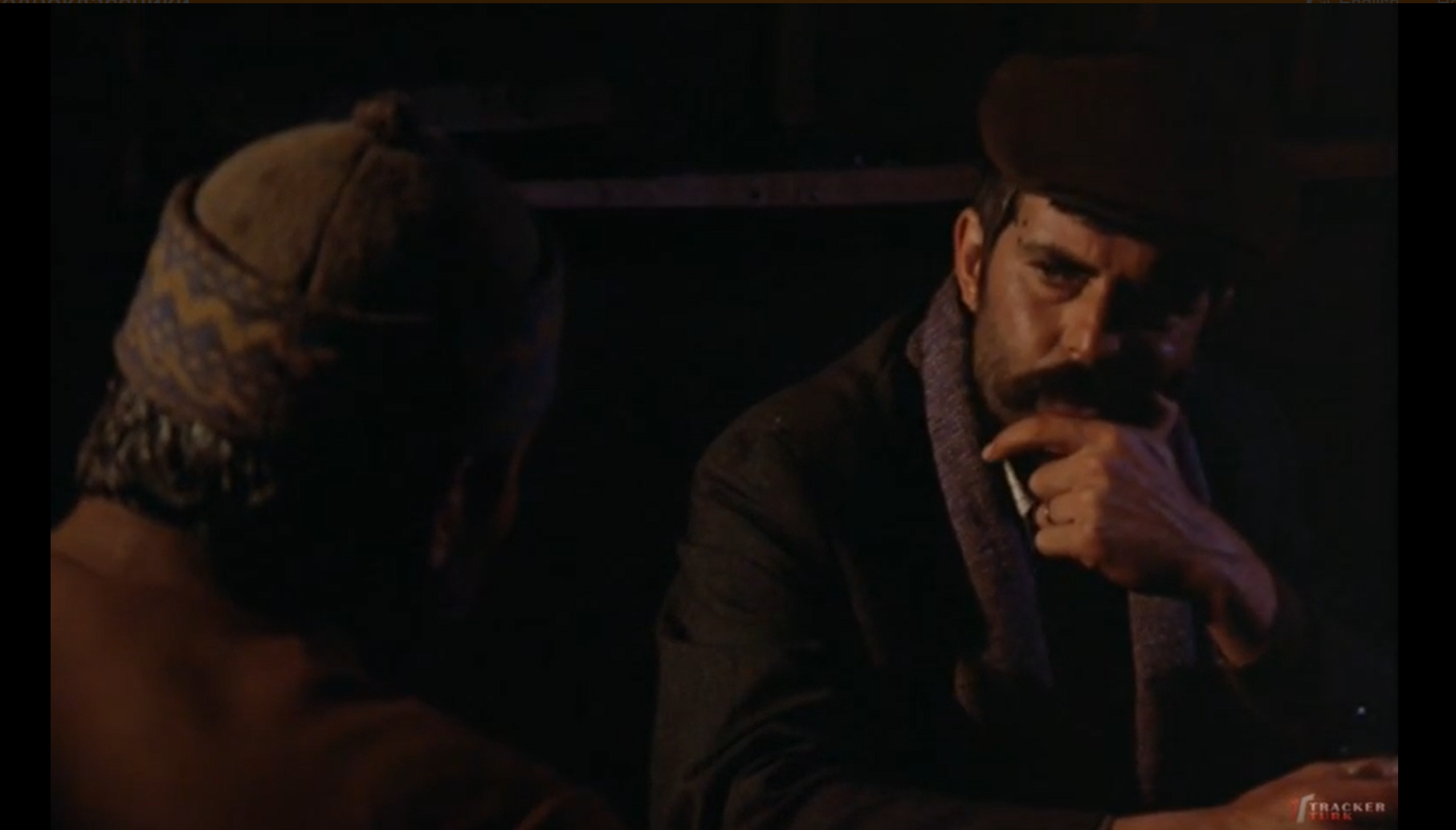
This realistic film is hard to watch — not least “because it jumps back and forth in time and between the various stories and because all the men have mustaches and resemble each other” (!):

.. but it’s not easily forgotten.

Redeeming Qualities and Moments:

  • An uncompromising look at the brutality of life in Turkey

  • Fine cinematography

Must See?
Yes. This is harsh but must-see viewing.

Categories

  • Foreign Gem

(Listed in 1001 Movies You Must See Before You Die)

Links:

Zardoz (1974)

Zardoz (1974)

“The gun is good, the penis is evil!”

Synopsis:
In the year 2293, Zed (Sean Connery), an Exterminator in the class of Primitive Brutals, sneaks past the mouth of the stone god Zardoz into the Vortex, where Eternals live forever but cannot reproduce.

Genres, Themes, Actors, and Directors:

  • Charlotte Rampling Films
  • Class Relations
  • Dystopia
  • John Boorman Films
  • Revolutionaries
  • Science Fiction
  • Sean Connery Films
  • Slavery

Response to Peary’s Review:
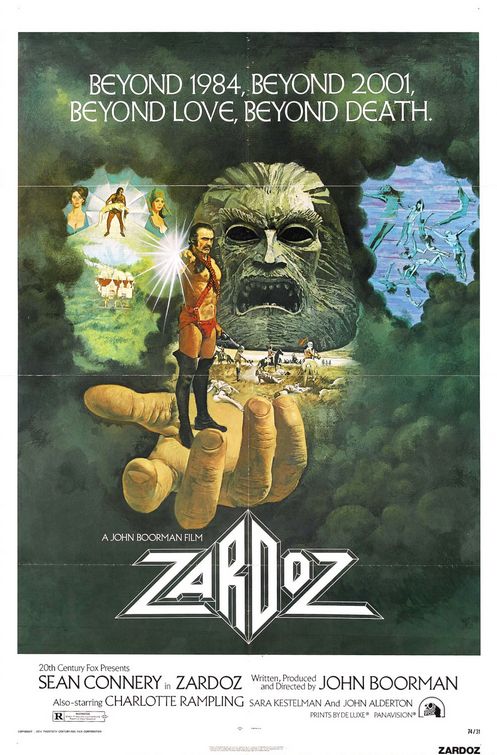
It’s hard not to laugh out loud when reading Peary’s review of this notoriously “dizzy, big-budget sci-fi film, poorly conceived and directed by John Boorman”, given that he begins by likening Sean Connery’s Zed to “Pancho Villa in a red diaper”.

He refers to director Boorman’s presentation as “laughable”, deplores the “embarrassingly pretentious and trite scenes and dialogue”, and notes that audience members will become “hopelessly bewildered” by the muddled themes. (See SciFilm’s review for a detailed outline of various “messages” found in the film). With all that said, I can see its cult appeal: any film brave enough to state “The gun is good, the penis is evil!” must be viewed as pure camp all the way. My advice is to enjoy the special effects, laugh at the outrageous costumes, and forget that Boorman ever meant this film as a serious cautionary tale.

Redeeming Qualities and Moments:

  • Fine special effects — especially the floating head of Zardoz
  • Colorful and unusual sets and costumes
  • Creative cinematography
  • Some genuinely intriguing (if unsatisfactorily explored) sci-fi themes

Must See?
Yes, once, simply for its status as a cult hit. Discussed at length in Peary’s Cult Movies 2 (1983).

Categories

  • Cult Movie

Links:

Woman of Paris, A (1923)

Woman of Paris, A (1923)

“Get that woman out of this house!”

Synopsis:
Believing she has been jilted by her fiance (Carl Miller), a young woman (Edna Purviance) moves to Paris and becomes the mistress of wealthy playboy Pierre Revel (Adolph Menjou). When she runs into her fiance a year later, she must decide whether to leave her life of comfort with Revel for a chance at marital bliss — if she can overcome her reputation as a “kept woman”.

Genres, Themes, Actors, and Directors:

  • Adolph Menjou Films
  • Charlie Chaplin Films
  • Morality Police
  • Silent Films
  • Star-Crossed Lovers

Response to Peary’s Review:
This silent melodrama is primarily of interest for its status as Charlie Chaplin’s first directorial effort without his presence as the Little Tramp. It was panned by audiences at the time, shelved for fifty years, and finally restored in the 1970s, to critical acclaim. Peary is among the movie’s admirers, noting that it is “the rare silent film to explore the psychological reasons characters act as they do” and the “rare Chaplin film in which the lead female character is treated with sympathy rather than idealized.”

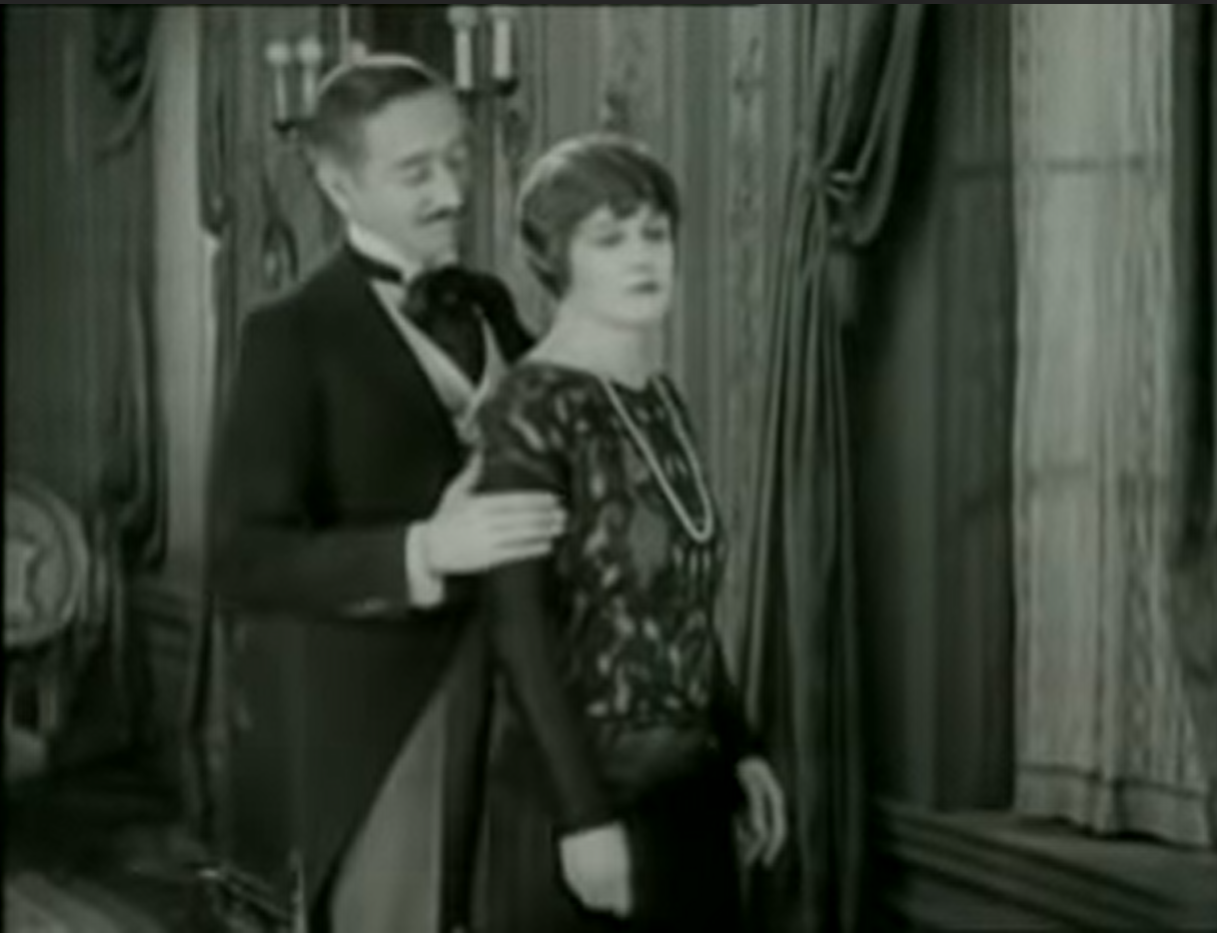
Despite these important breakthroughs, however, the story in A Woman of Paris remains overly melodramatic, and, quite simply, not all that engaging. I couldn’t muster much interest in what happens to the lovers, and found the ending both abrupt and sappy. The best aspect of the film by far is Adolph Menjou, who steals nearly every scene he’s in, and shows genuine screen charisma.

Note: Click here to read a 1977 interview with director Michael Powell, in which he reminisces about watching A Woman of Paris as an impressionable young 18-year-old: “Nobody had ever really done any realistic films at all before, it was all make-believe, you know, and emotions were make-believe, as well as the people… Suddenly, here was a grown-up film, with people behaving as they do in life, and scenes treated with an enormous sophistication.”

Redeeming Qualities and Moments:

  • Adolphe Menjou’s sparkling performance as Pierre Revel, a “charming cad”
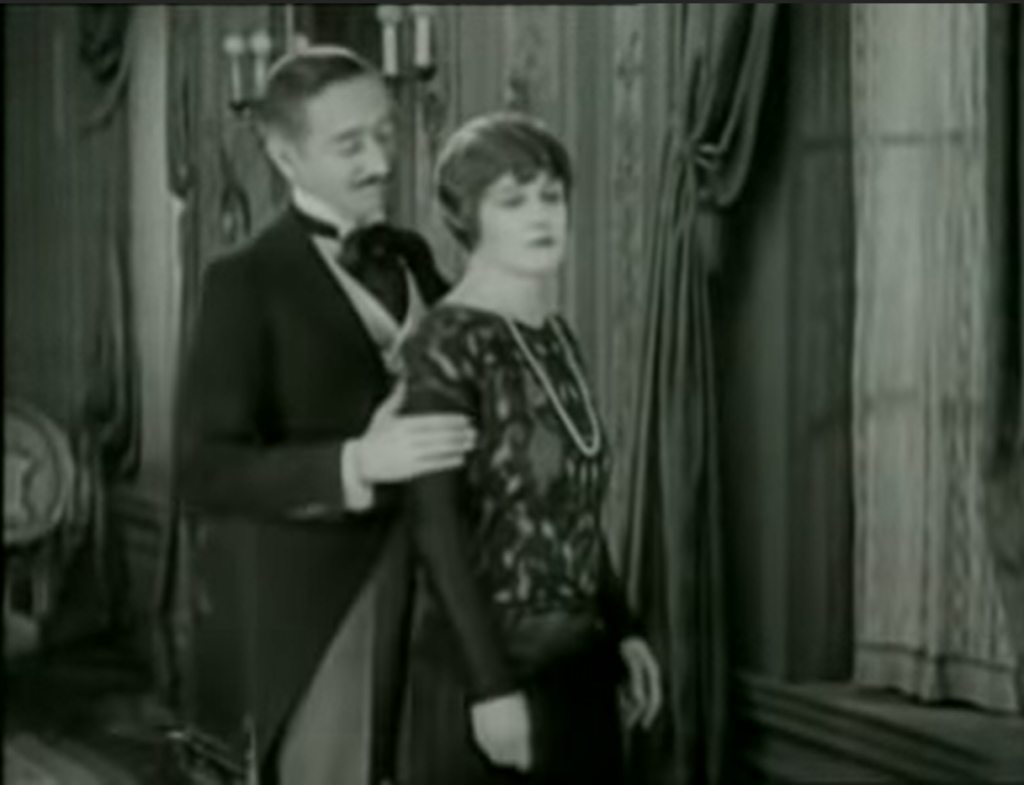
  • Some outrageous Parisian party scenes — including one where a “mummified” woman unspools her wrapping onto a fellow partier, and ends up naked (!)

Must See?
Yes. It holds a special place in cinematic history, and should be of interest to film fanatics.

Categories

  • Important Director

Links:

Reuben, Reuben (1983)

Reuben, Reuben (1983)

“You have reduced me to that most contemptible of creatures — the love-sick swain!”

Synopsis:
Gowan McGland (Tom Conti), a well-known but penniless Scottish poet, ekes by on the remnants of his fame, drinks excessively, beds middle-aged housewives, and falls in love with a woman (Kelly McGillis) much younger than himself.

Genres, Themes, Actors, and Directors:

  • Character Studies
  • Comedy
  • Lois Smith Films
  • May-December Romance
  • Nonconformists
  • Writers
  • Womanizers

Response to Peary’s Review:
As Peary points out, “many people will not like this film” — indeed, a reviewer for the Chicago Reader called it “the worst kind of screenwriters’ cinema.” But those who enjoy character studies should appreciate Reuben, Reuben on some level, no matter how annoyed they eventually become by Conti’s constant drinking, stealing, womanizing, and self-pitying. According to Vincent Canby of the NY Times, McGland (what a name!) “looks like the human manifestation of a hangover,” someone “who’s great fun to watch but who’d be impossible to share even a county with.” Indeed, despite McGland’s constant dire straits, there’s plenty of humor in the film: McGland’s estranged wife happily exploiting his foibles in a tell-all biography; two middle-aged women making a play for McGland under the table at a fancy restaurant… Though the film’s ending is abrupt, I found it oddly fitting — and we finally find out why Reuben (a local sheepdog absent from most of the story) gets “top billing” in the film’s title.

Redeeming Qualities and Moments:

  • Tom Conti’s fully realized (if not overly sympathetic) performance as Gowan McGland
  • Kelly McGillis, “radiant” in her screen debut as McGland’s lover

Must See?
No, but it’s recommended.

Links:

Who’s Minding the Mint? (1967)

Who’s Minding the Mint? (1967)

“Do you understand? This is serious business!”

Synopsis:
When a U.S. mint worker (Jim Hutton) accidentally destroys $50,000 in new bills, he enlists the help of his buddy (Walter Brennan), his co-worker (Dorothy Provine), and others to reprint the cash.

Genres, Themes, Actors, and Directors:

  • Comedy
  • Counterfeiting
  • Ensemble Cast
  • Jim Hutton Films
  • Thieves and Criminals
  • Walter Brennan Films

Response to Peary’s Review:
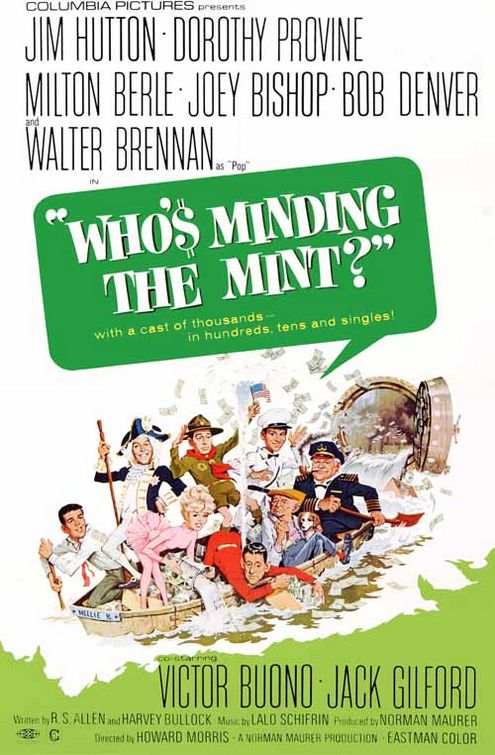
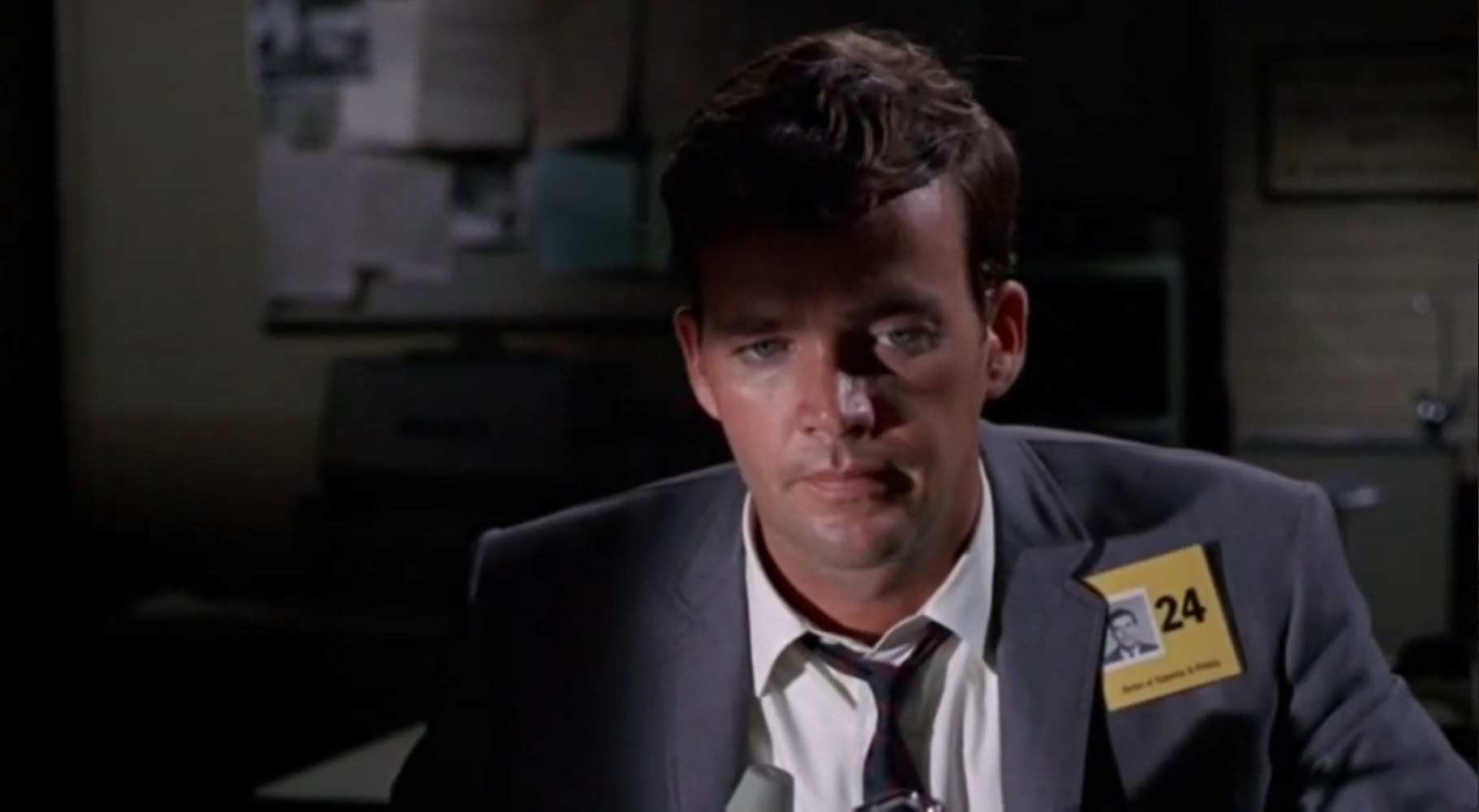
Be prepared to suspend all disbelief while watching this outrageous and “hilarious” slapstick comedy, which Peary claims in his very brief review is “deservedly a cult hit”. If you get too caught up in logistics, you’ll drive yourself crazy; instead, relax and enjoy the spectacularly inept maneuverings of these greedy thieves, who can’t resist the temptation to print “just one more sheet”. Jim Hutton is rather bland in the lead role:

but he’s surrounded by a wealth of comedic geniuses, including Milton Berle:

… Jack Gilford:

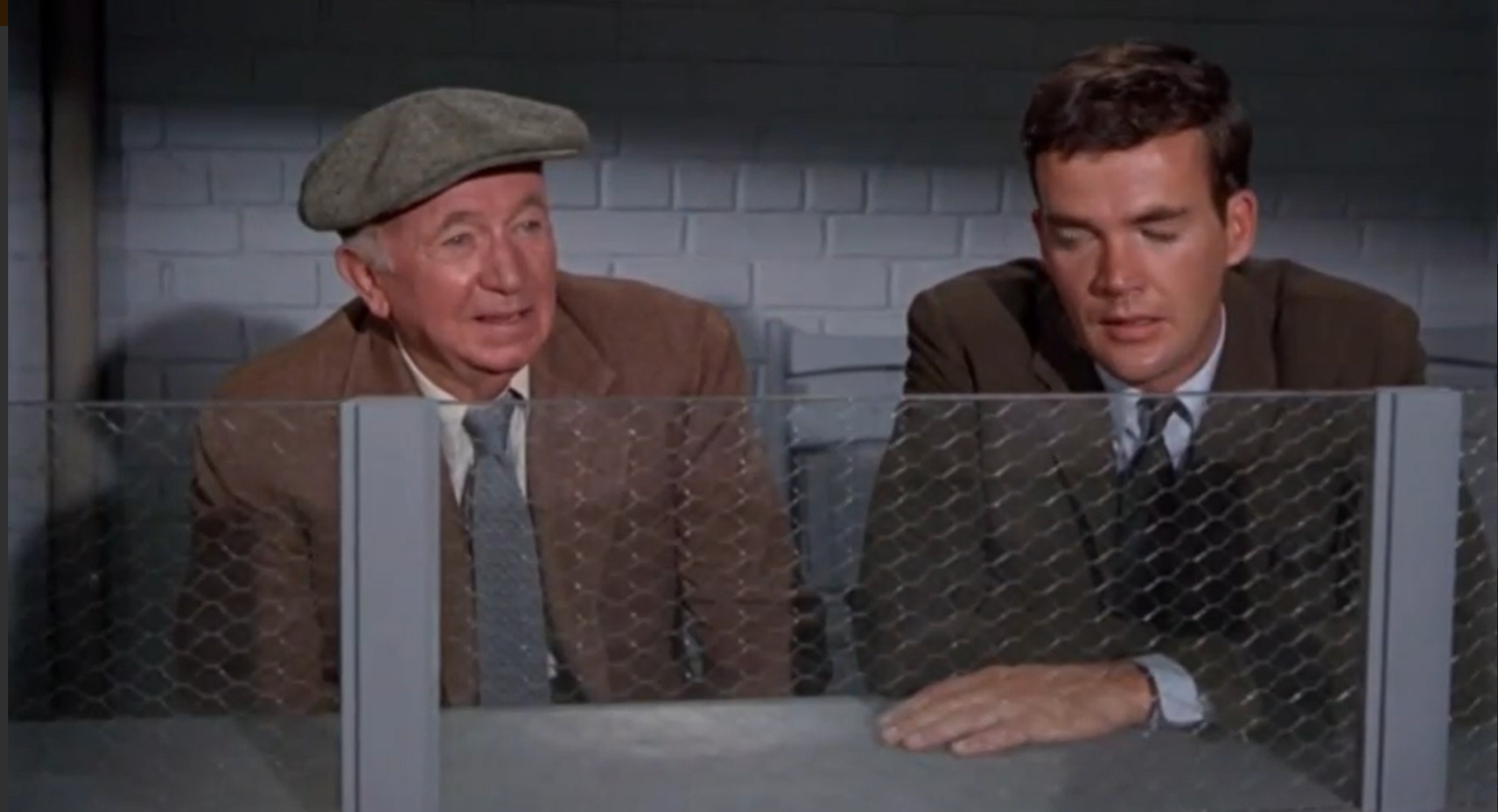
… and Walter Brennan:

Bob Denver (“Gilligan”) has a small role as well, playing a meek ice cream truck driver whose task is to distract a beautiful yet nosy onlooker during the heist.

Redeeming Qualities and Moments:

  • Walter Brennan as “Pop”
  • A hilarious “crossing hallways” slapstick sequence
  • A fascinating look at how machines in the Mint used to operate

Must See?
No, but it’s an enjoyable slapstick comedy.

Links: