Browsed by
Category: Response Reviews

My comments on Peary’s reviews in Guide for the Film Fanatic (Simon & Schuster, 1986).

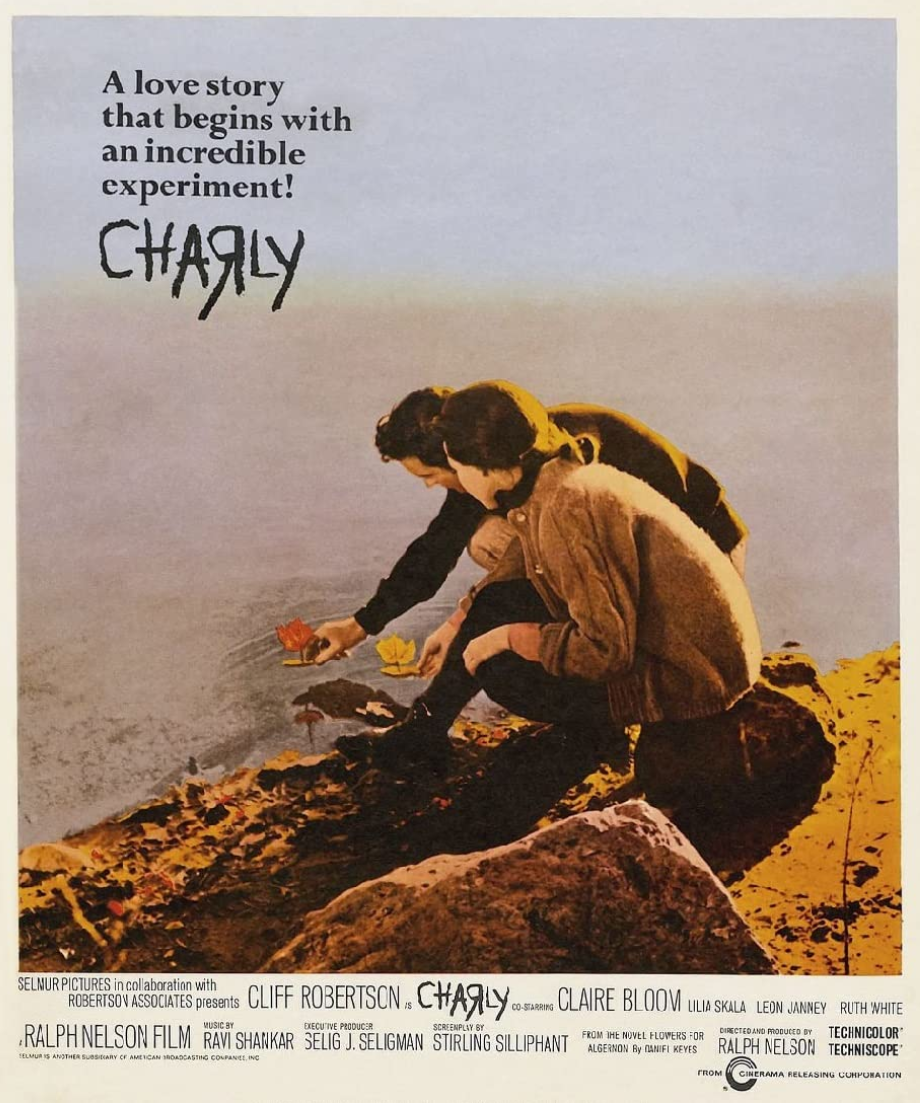
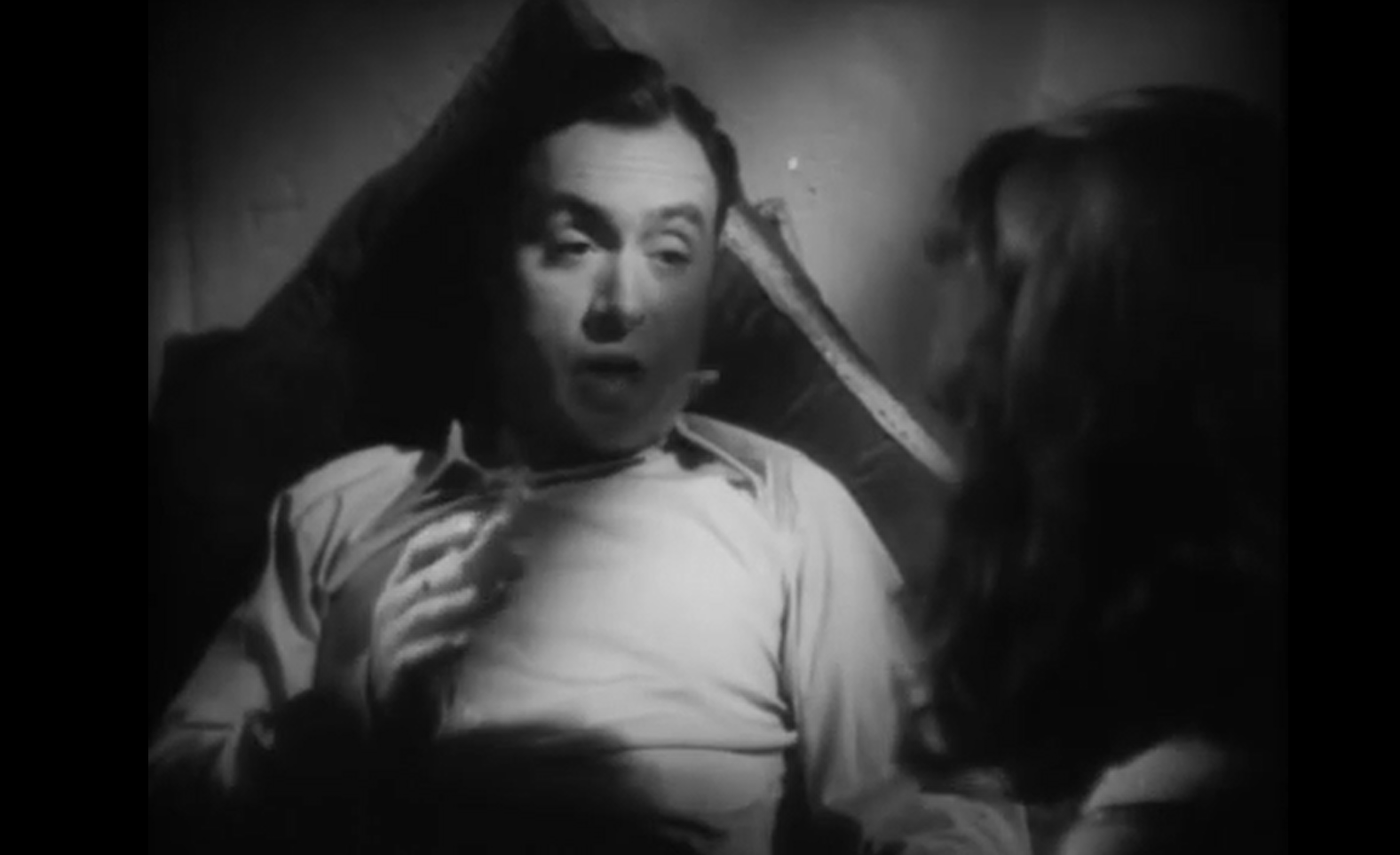
Charly (1968)

Charly (1968)

“My name is Charly Gordon, and I live in a room, and I got no sister and no dog, and I am stupid!”

Synopsis:
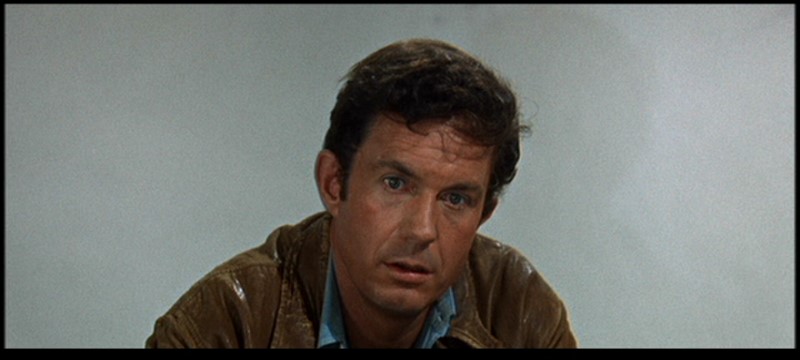
Charly (Cliff Robertson), a mentally retarded bakery worker, undergoes an experiment in “intelligence enhancement”, and quickly becomes a genius — but the results are temporary–

Genres, Themes, Actors, and Directors:

  • Character Arc
  • Claire Bloom Films
  • Cliff Robertson Films
  • Mentally Retarded
  • Romance
  • Science Fiction
  • Scientists

Response to Peary’s Review:
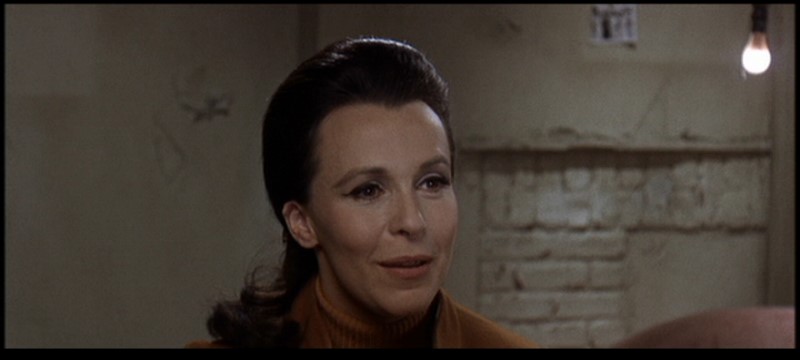
This “sometimes touching, sometimes soppy” sleeper doesn’t quite live up to the power of its source material — Daniel Keyes’ Hugo Award winning novella, Flowers for Algernon — yet remains a fascinating and provocative cautionary tale on the ethics of scientific experimentation. As Peary notes, Robertson does an excellent job in a difficult role, showing “that Charly is more lovable when retarded than when he is a genius,” yet making us realize the tragedy of Charly’s eventual regression. Claire Bloom as Charly’s case worker is lovely as always, and their brief romance is both touching and sad. You’re guaranteed to feel a lump in your throat by the end of this inevitably disastrous and heartbreaking story.

Redeeming Qualities and Moments:

  • Cliff Robertson’s sensitive, multi-faceted portrayal as Charly
  • Claire Bloom as Charly’s case worker and love interest

Must See?
Yes. While opinions vary on the ultimate success of this screen adaptation (see links below), it remains must-see viewing due to Robertson’s heartfelt, Oscar-winning performance.

Categories

  • Noteworthy Performance(s)
  • Oscar Winner or Nominee

Links:

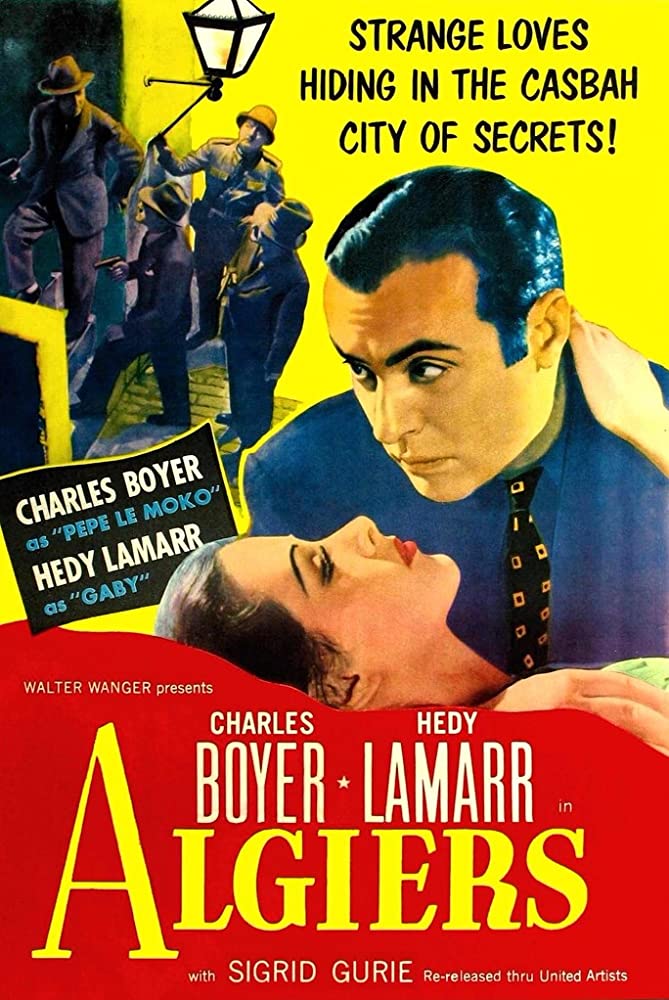
Algiers (1938)

Algiers (1938)

“The Casbah rises like a fortress from the sea: colorful, sordid, dangerous.”

Synopsis:
While hiding from police in the Casbah, renowned jewel thief Pepe le Moko (Charles Boyer) falls in love with a beautiful Parisian woman (Hedy Lamarr) who reminds him of home.

Genres, Themes, Actors, and Directors:

  • Cat-and-Mouse
  • Charles Boyer Films
  • Detectives and Private Eyes
  • Hedy Lamarr Films
  • John Cromwell Films
  • Star-Crossed Lovers
  • Thieves and Criminals

Response to Peary’s Review:
Unlike most reviewers, Peary doesn’t dismiss this “irresistible, hot-blooded romance” as simply a scene-for-scene remake of 1937’s Pepe le Moko — which it is. In fact, if you watch the films too closely together (as I did), it’s actually somewhat disconcerting to recognize the same exact dialogue and settings being played out all over again; and you’ll wonder why director John Cromwell went to all the bother. Nonetheless, as Peary notes, Algiers remains a “dark, exotic, highly atmospheric film” with “memorable screen lovers” in a “faraway world” — and if you can forget its predecessor ever existed, chances are you’ll find yourself caught up in the romance and excitement of this classic adventure.

Redeeming Qualities and Moments:

  • Hedy Lamarr in her American film debut
  • Genuine screen chemistry between Boyer and Lamarr
  • Joseph Calleia as Inspector Slimane — cool and confident as he hatches a plot to capture Pepe
  • Beautiful black-and-white cinematography by James Wong Howe

Must See?
No, but it’s worth a look as the movie which inspired cartoon character Pepe le Pew’s infamous non-quote (it was never in the film): “Come with me to the Casbah!”

Links:

Butterfly (1981)

Butterfly (1981)

“It’s right if it feels good.”

Synopsis:
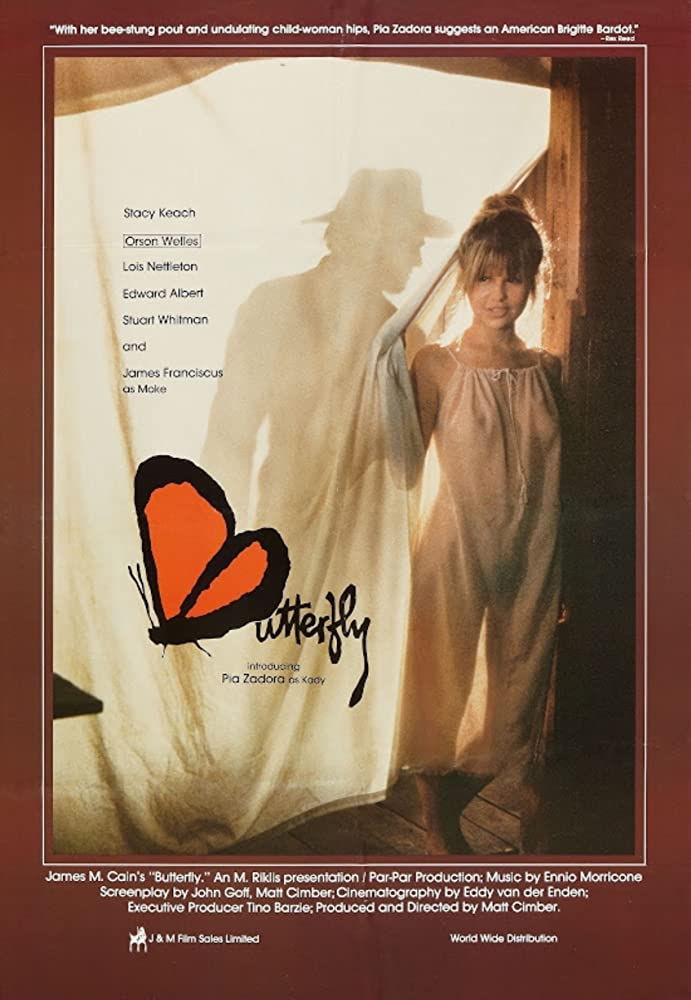
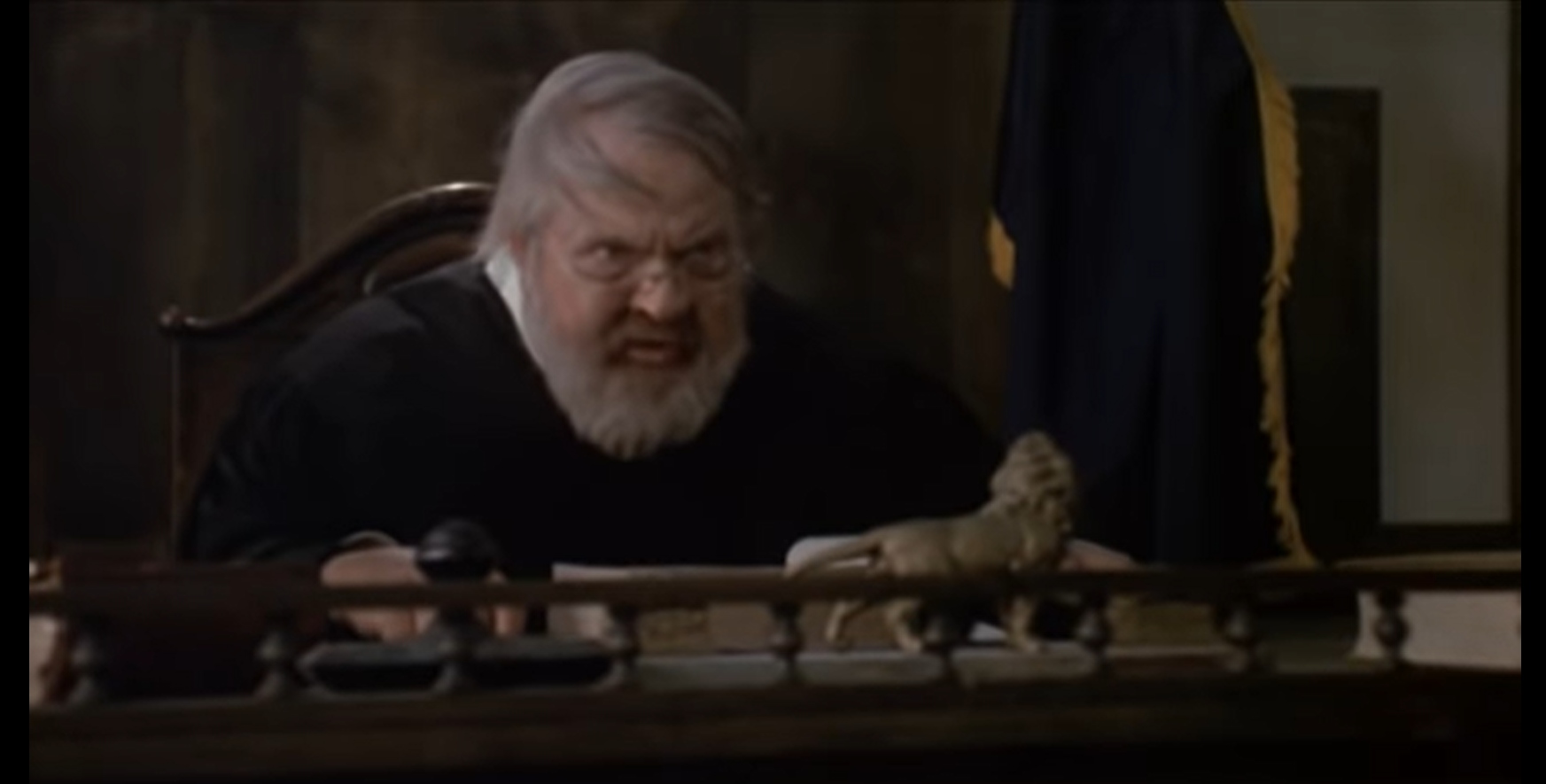
Mine caretaker Jess Tyler (Stacy Keach) is tried by Judge Rauch (Orson Welles) for “improper relations” with his illegitimate grown daughter, Kady (Pia Zadora).

Genres, Themes, Actors, and Directors:

  • Con-Artists
  • Courtroom Drama
  • Incest and Incestuous Undertones
  • Mining Towns
  • Stacy Keach Films

Response to Peary’s Review:
As Peary notes, this infamous backwoods melodrama, starring one-time child actress Pia Zadora — best known for Santa Claus Conquers the Martians (1964) — is “trashy” and “some scenes are impossibly bad and embarrassing,” but it’s “not quite as terrible as its reputation.” Indeed, Pia Zadora is a natural at portraying a scheming, manipulative young sexpot, and the story (based on James M. Cain’s novel) contains a surprising number of interesting plot twists. The notorious “bathtub scene” (in which Zadora successfully seduces Keach) may shock some — but given that these are two consenting adults who’ve never met before (and given later plot developments), it’s not really all that titillating.

Redeeming Qualities and Moments:

  • “Baby-faced” Pia Zadora, all grown up
  • Orson Welles in a surprising bit role as the local judge

Must See?
No, but it’s worth a look simply for the notoriety surrounding Zadora’s simultaneous reception of the Golden Globe award for “Best New Star of the Year” and the “Worst Actress Razzie.” I suspect you’ll agree that neither was truly warranted.

Links:

Alligator (1980)

Alligator (1980)

“Well, if I couldn’t get myself killed chasing it, what fun would it be?”

Synopsis:
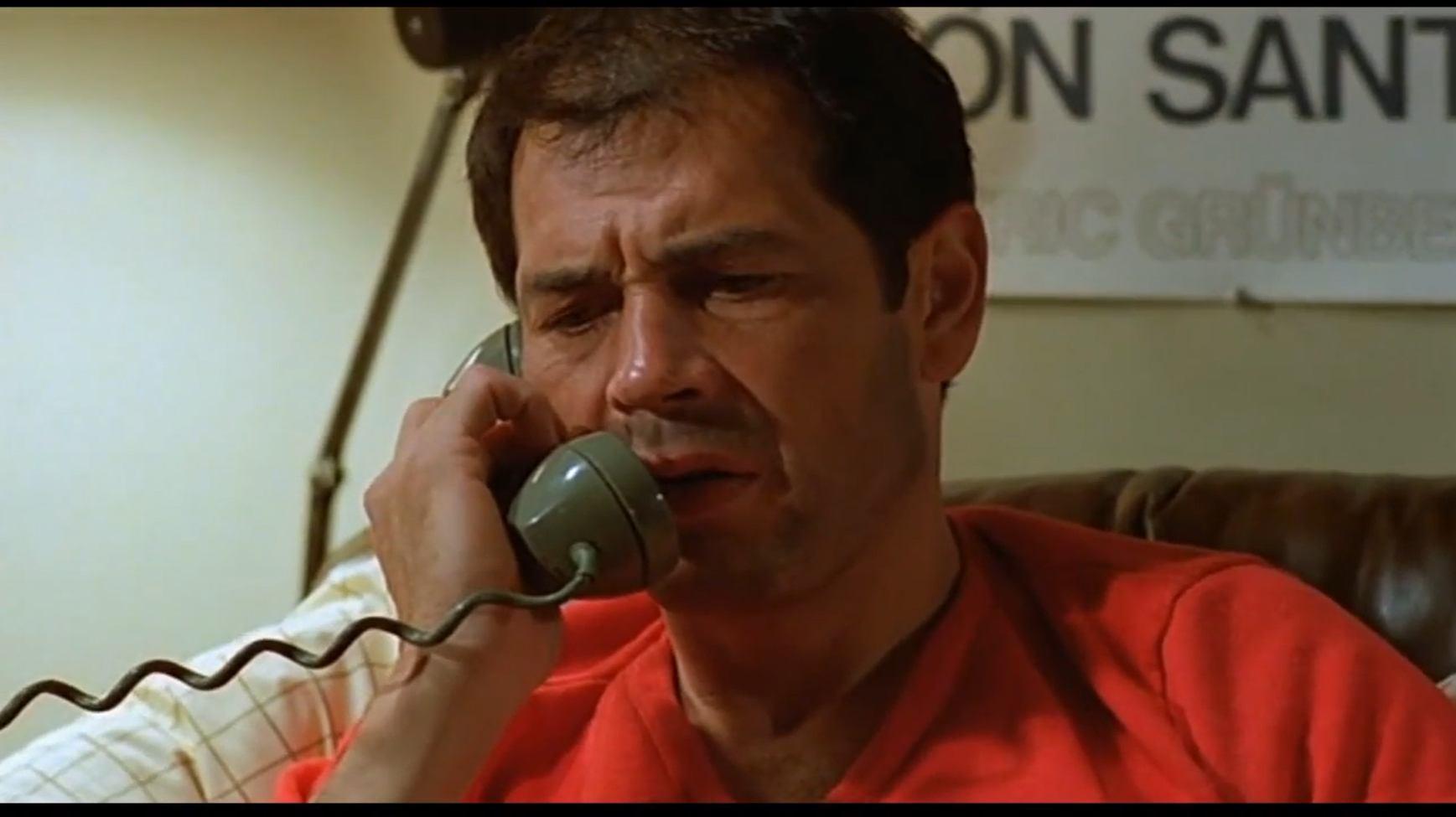
While investigating a series of mysterious disappearances, a Chicago police detective (Robert Forster) discovers the presence of an enormous mutant alligator (“Ramon”) living in the city’s sewers.

Genres, Themes, Actors, and Directors:

  • Corruption
  • Detectives and Private Eyes
  • Horror
  • Mutant Monsters

Response to Peary’s Review:
This low-budget sci-fi thriller effectively plays upon the fears generated by “rumors of alligators roaming around urban sewer systems” after tourists return from Florida with live gator babies they no longer want. Screenwriter John Sayles cleverly exploits the unexpected dangers of illicit scientific experimentation (Ramon has grown to astronomical proportions from eating the hormone-riddled corpses of dumped lab animals) while addressing the age-old suspicion about what may happen if you flush live animals down the toilet. The movie’s limited budget shows through occasionally (particularly, as Peary notes, when Ramon emerges onto the city streets), and Sayles’s script is unduly formulaic at times — but for the most part Alligator remains consistently amusing, and just freaky enough to keep you on your toes.

Redeeming Qualities and Moments:

  • Plenty of enjoyable humor

  • John Sayles’s clever script

Must See?
No, but it’s a fun, surprisingly literate “mutant monster” flick.

Links:

American Gigolo (1980)

American Gigolo (1980)

“I made you! I taught you everything you know — how to dress, table manners, how to move, how to make love.”

Synopsis:
A high-paid gigolo (Richard Gere) is framed in the murder of a wealthy client, but is reluctant to expose his alibi (Lauren Hutton).

Genres, Themes, Actors, and Directors:

  • Amateur Sleuths
  • Framed
  • Murder Mystery
  • Paul Schrader Films
  • Prostitutes and Gigolos
  • Richard Gere Films

Response to Peary’s Review:
Peary loathes this flashy thriller, calling it a “thoroughly unconvincing, terribly made movie,” and arguing that it was made “solely to arouse viewers unaccustomed to seeing big stars like Gere taking such embarrassing roles.” I disagree. While I don’t think this film is up to the gritty standards of director Paul Schrader’s earlier outings — such as Blue Collar (1978) — he nonetheless manages to convincingly portray the loneliness experienced by a man like Gere, someone who commands top dollars for his services and lives a life of luxury, but ultimately (like all prostitutes) can’t buy his own fulfillment. In addition, the film contains many moments of genuine tension, especially during the final scenes as Gere is trying desperately to find the evidence that will exonerate him. While this isn’t a great movie — ultimately it’s too slick, and the romance between Gere and Hutton is underdeveloped — it’s certainly not the “ugly and dirty” piece of “trash” Peary makes it out to be.

Redeeming Qualities and Moments:

  • Handsome young Richard Gere in an early role
  • Atmospheric cinematography

Must See?
No, but it’s worth a look.

Links:

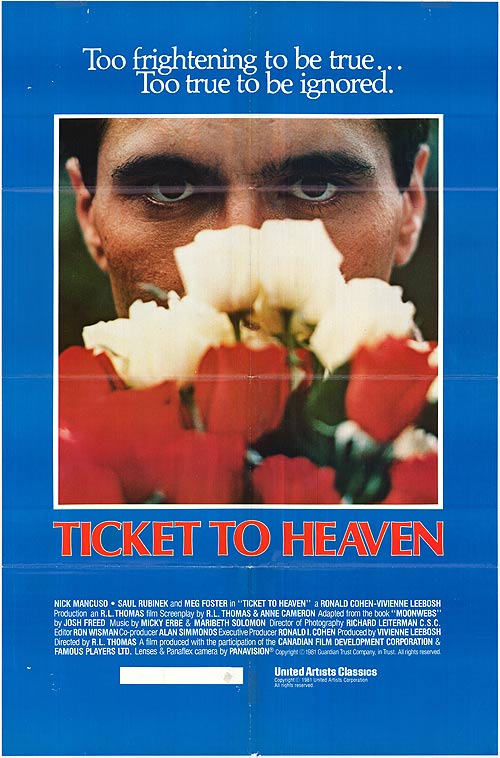
Ticket to Heaven (1981)

Ticket to Heaven (1981)

“Bring in the money! Stay awake! Smash out Satan!”

Synopsis:
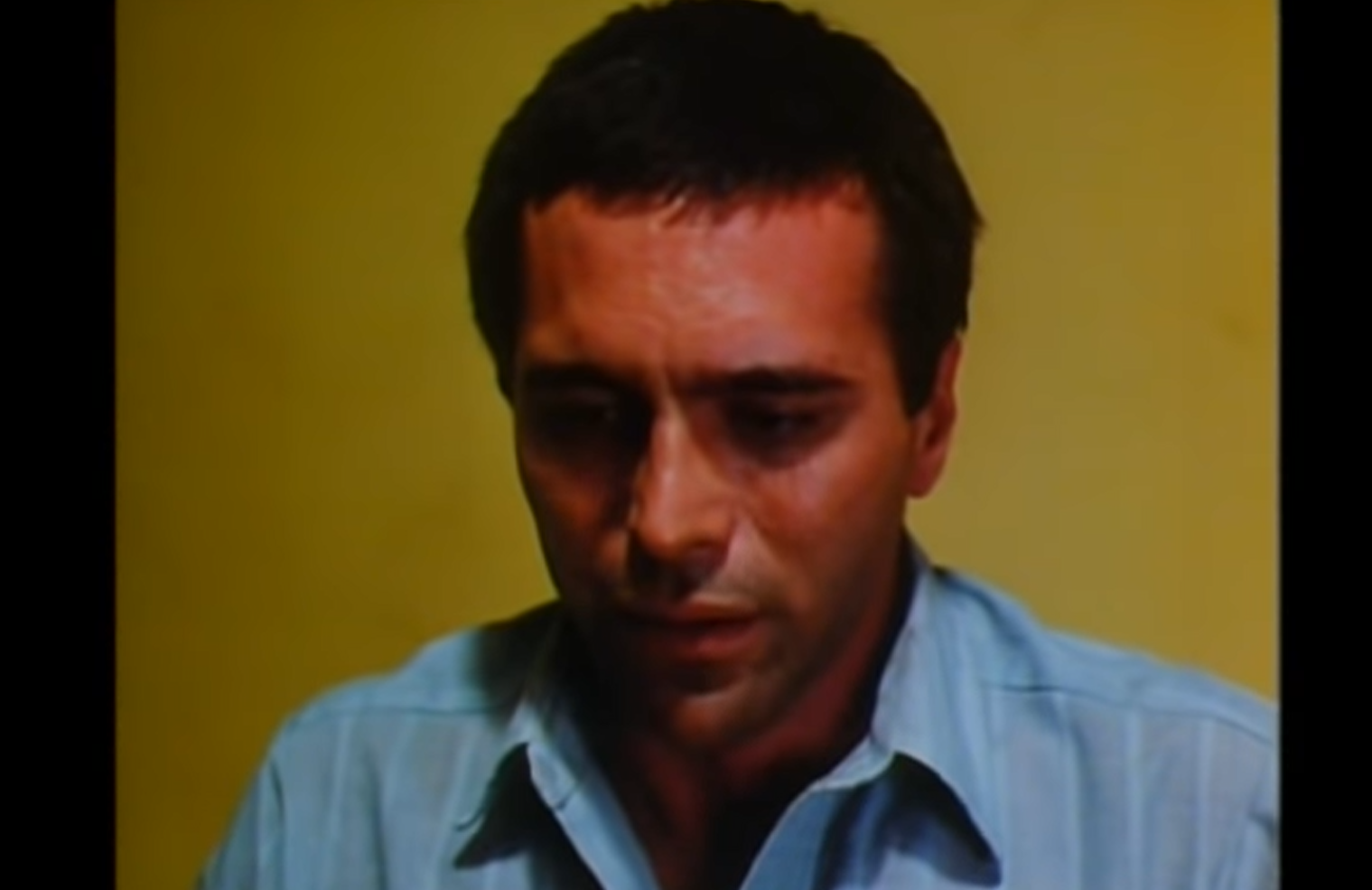
When a lonely, depressed young man (Nick Mancuso) is inducted into a Moonie-like cult, his friends (including Saul Rubinek as a struggling comic) and family members hatch a plot to rescue and deprogram him.

Genres, Themes, Actors, and Directors:

  • Cults
  • Escape
  • Psychological Horror

Response to Peary’s Review:
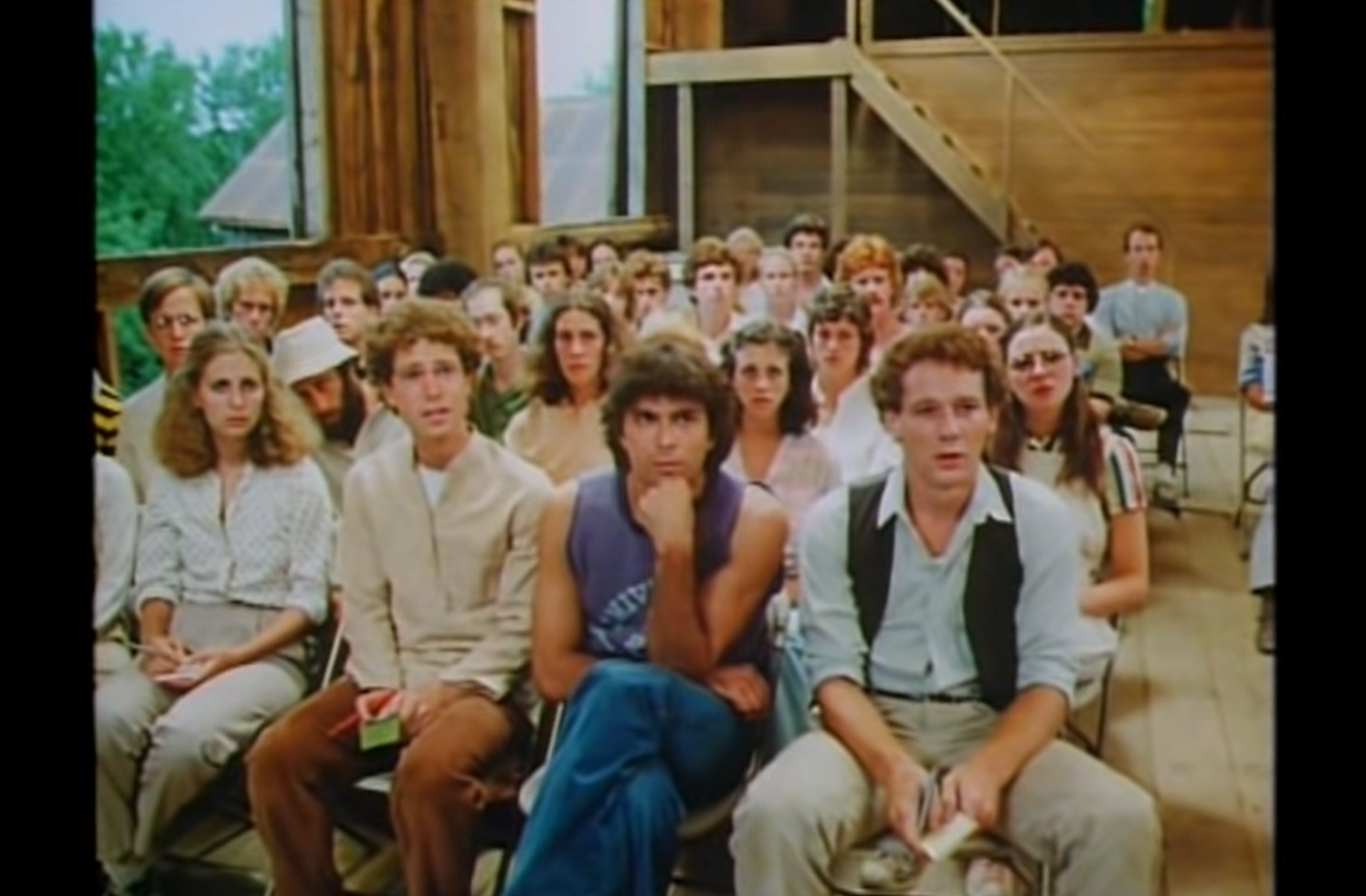
This “real life horror film” earns my vote as the single best movie ever made about cults. Full of many “convincing, terrifying” scenes, the film effectively shows how new recruits are brainwashed — through deprivation of adequate sleep, nutritious food, and privacy — and end up devoting their lives to collecting money for a messianic leader. Fortunately, director Ralph Thomas injects this undeniably freaky material with plenty of levity — primarily in the form of Rubinek’s character, whose humorous presence assures us that things will (hopefully) turn out okay in the end.

Redeeming Qualities and Moments:

  • Saul Rubinek as David’s heroic friend-to-the-rescue
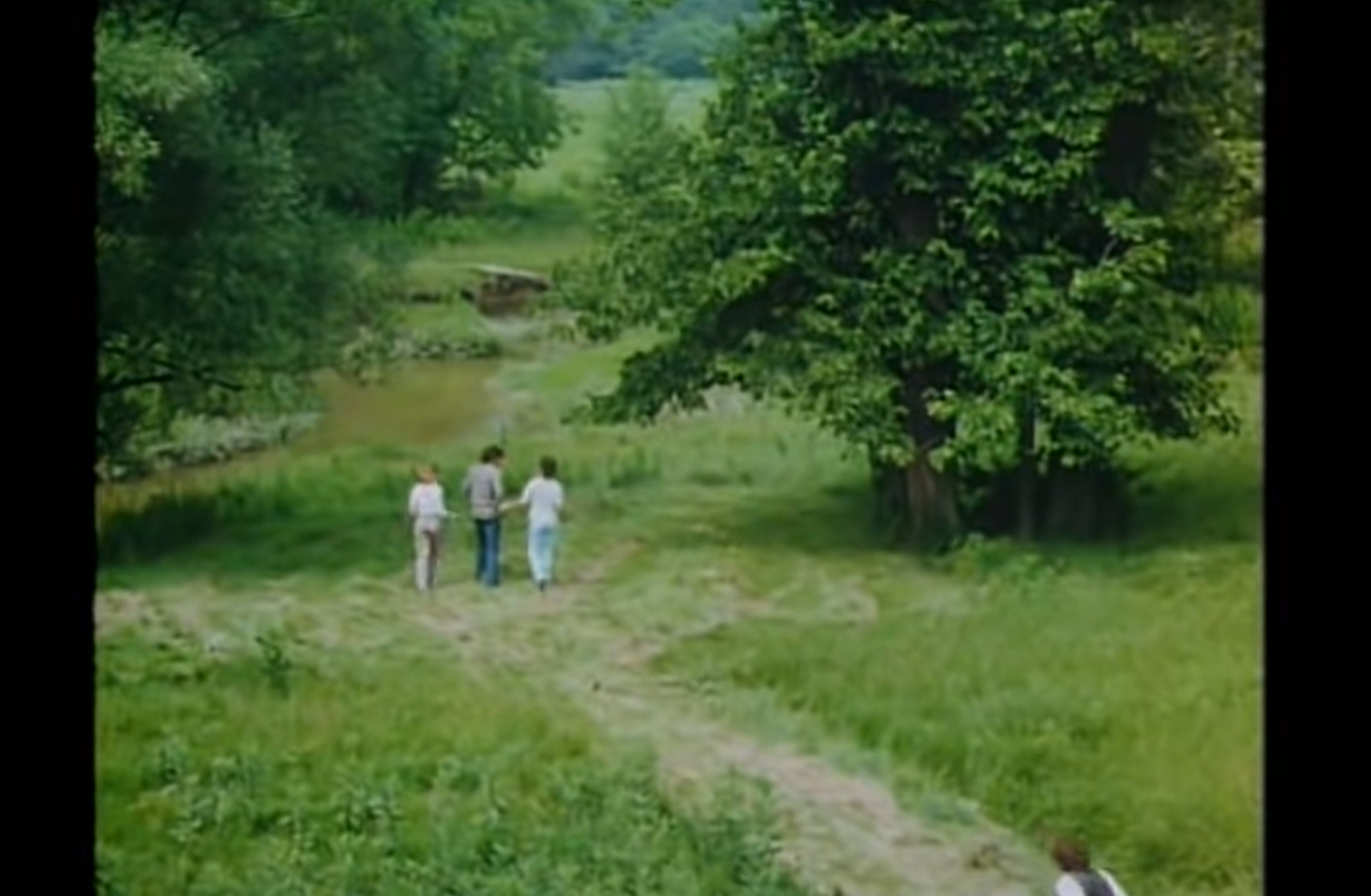
  • Some truly freaky scenes — i.e., when David tries to take a walk by himself but is followed by a posse of “friendly” cult members
  • Meg Foster — with her “creepy green eyes” — as “Sister Ingrid”, a local cult leader
  • A powerfully realistic depiction of cult indoctrination and deprogramming

Must See?
Yes. This excellent Canadian sleeper deserves wider viewing.

Categories

  • Good Show

Links:

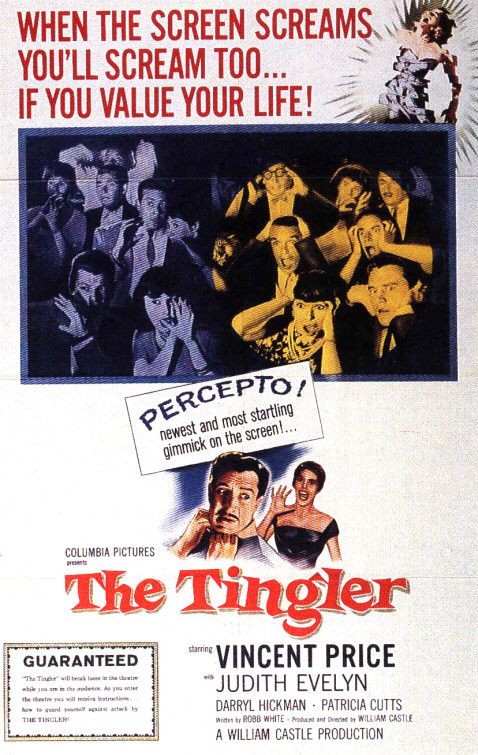
The Tingler (1959)

The Tingler (1959)

“Remember: if you scream at just the right time, it might just save your life”

Synopsis:
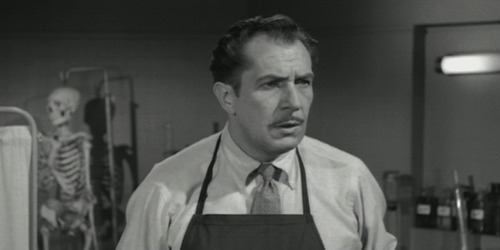
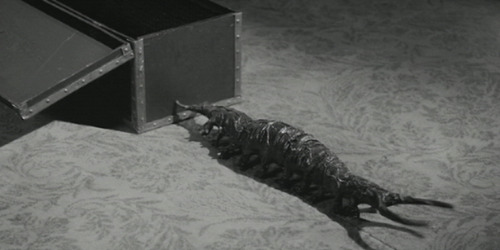
When researching the effects of fear on the human body, Dr. Warren Chapin (Vincent Price) discovers the presence of a creature he names “the Tingler”, which lives in our vertebrae and is rendered harmless by screaming.

Genres, Themes, Actors, and Directors:

  • Deafness
  • Horror
  • Mad Doctors and Scientists
  • Mutant Monsters
  • Science Fiction
  • Vincent Price Films
  • William Castle Films

Response to Peary’s Review:
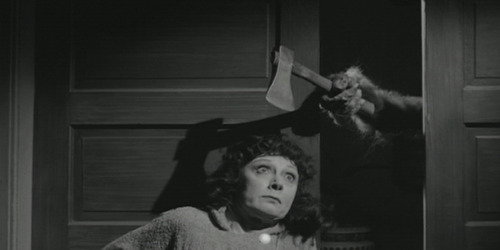
As Peary notes, this “pretty good William Castle chiller” features “one of the weirdest (though not one of the best) monsters in horror-film history,” and Vincent Price in yet another deliciously “hammy” Mad Scientist role. The scenes involving a deaf-mute woman (Judith Evelyn) who is “incapable of screaming away her deadly fears” are, as Peary notes, “genuinely creepy”; and while much of the film belongs squarely in campy B-movie heaven, you’ll nonetheless find yourself surprisingly freaked out by the story’s premise. Indeed, many of David Cronenberg’s later films (i.e., The Brood and Shivers) — which base their horror on the notion of unwelcome creatures nesting in our bodies — owe a debt to this earlier movie.

Redeeming Qualities and Moments:

  • Vincent Price as the cuckolded “mad doctor” who gets his revenge in the end
  • A truly strange-looking “mutant monster”
  • Clever use of a deaf-mute woman as a plausible plot device
  • Some moments of genuine terror
  • An amusing theatrical gimmick — “Percepto” — “whereby, at scary moments, motors would make theater seats “tingle’.”

Must See?
Yes, simply for the notoriety of its corny “theater gimmick” — but chances are you’ll enjoy the film on its own merits, as a uniquely campy B-thriller.

Categories

  • Cult Movie
  • Historically Relevant
  • Important Director

Links:

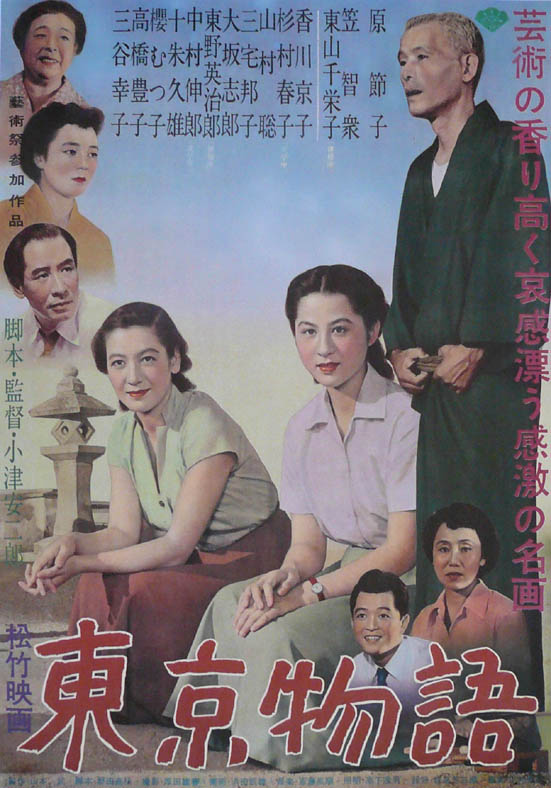
Tokyo Story (1953)

Tokyo Story (1953)

“We can’t expect too much from our children. Times have changed. We have to face it.”

Synopsis:
An elderly couple (Chushu Ryu and Chieko Higashiyama) visiting their grown children (So Yamamura and Haruko Sugimura) and grandchildren in Tokyo find that only their widowed daughter-in-law (Setsuko Hara) has interest in spending time with them.

Genres, Themes, Actors, and Directors:

  • Death and Dying
  • Generation Gap
  • Grown Children
  • Japanese Films
  • Ozu Films

Response to Peary’s Review:
As Peary notes, this classic Yasujiro Ozu film — perhaps his most beloved in America — deals once again with his favorite theme, “the instability of the postwar Japanese family.” Through a relatively simple narrative of parents visiting their grown children and being shuffled from one house to the other, Ozu manages to poignantly portray both the disappointment parents inevitably experience with their kids (as Ryu says to a friend whose only son died in the war, “To lose your children is hard, but living with them isn’t always easy, either”), as well as “the city’s corrosive influence on human qualities.” Indeed, Ozu’s choice of title for the film indicates his desire to emphasize the role that urbanization has played on the dissolution of Japanese families, which have become distanced not only geographically but culturally as well.

Despite its prototypically Japanese setting, the themes in Tokyo Story are highly universal, and those who have seen Leo McCarey’s Make Way for Tomorrow (1937) will recognize many parallels. Just as the elderly couple in that film (Victor Moore and Beulah Bondi) are viewed as a burden by their married children, Ozu pulls no punches in portraying the impatience Ryu and Higashiyama’s children feel about their parents’ temporary presence. The couple’s beautician daughter (played with wonderfully snippy self-righteousness by Haruko Sugimura) comes across as especially shallow and uncaring, but she is not alone in her desire to be able to resume the rhythms of her regular life once her parents are gone; indeed, the son (Shiro Osaka) living closest to Ryu and Higashiyama in Onomichi has even less interest in caring for them, and must be reminded by his co-worker about the importance of filial concern.

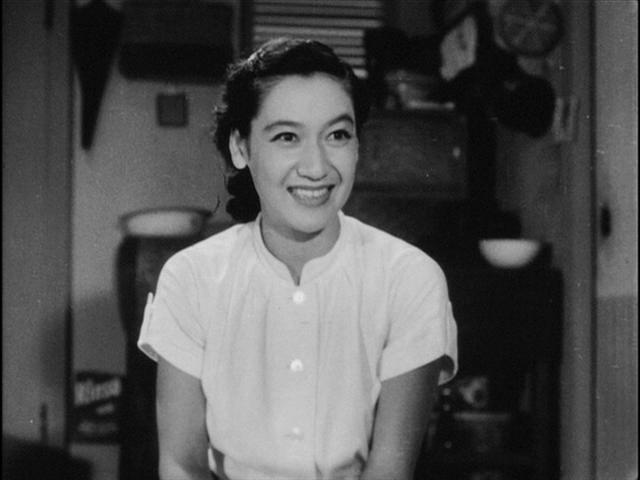
Interestingly, it is Ryu and Higashiyama’s non-blood-relative — their daughter-in-law, Noriko (Hara) — who becomes the most sympathetic character in the film. This lovely young widow is genuinely pleased to spend time with the parents of her husband, who died eight years earlier in the war; as Peary points out, the scene where she sees Ryu and Higashiyama looking at a photo of their dead son and “quickly runs to a neighbor to borrow fine cups for the occasion” is truly touching. Only someone like Noriko — who has already experienced the loss of a loved one early in life — can understand “the transiency of life, [and] the need to care about people when they are still alive.”

Redeeming Qualities and Moments:

  • Setsuko Hara (star of Ozu’s Late Spring and Early Summer) in yet another moving portrayal
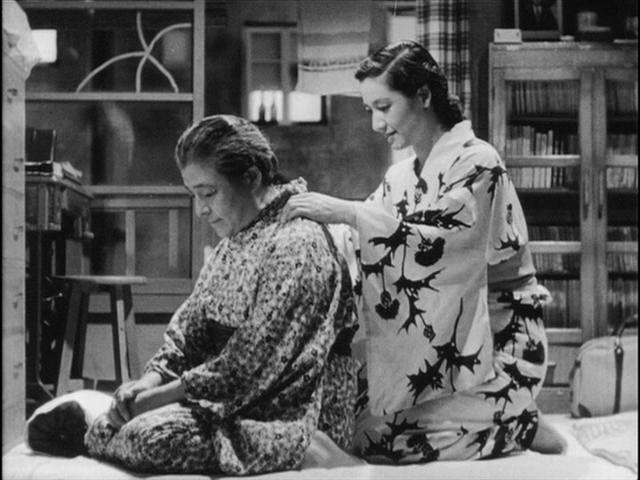
  • Hara lovingly massaging her mother-in-law’s back
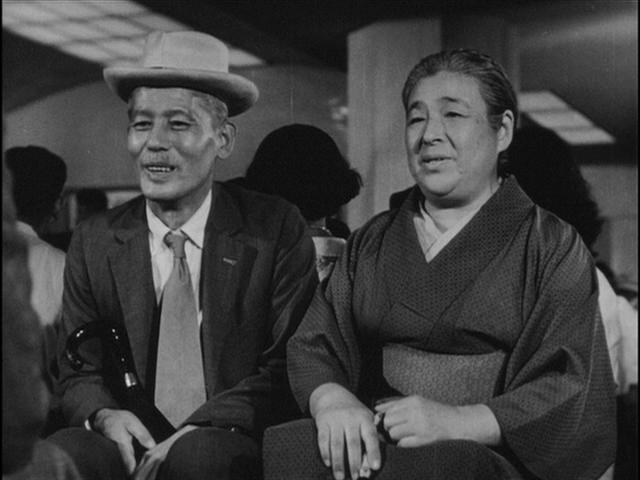
  • Ryu and Higashiyama’s comfortable presence with one another
  • A depressing, no-holds-barred account of grown children who find they have little time for, or interest in, their elderly parents
  • Gorgeous black-and-white cinematography by Ozu’s regular cinematographer, Yuuharu Atsuta

Must See?
Yes. This remains a masterpiece of Japanese postwar cinema.

Categories

  • Foreign Gem
  • Important Director

(Listed in 1001 Movies You Must See Before You Die)

Links:

Late Spring (1949)

Late Spring (1949)

“If I left home, Father would be lost.”

Synopsis:
An aging widower (Chishu Ryu) lovingly deceives his devoted daughter (Sesuko Hara) in order to convince her that she should marry.

Genres, Themes, Actors, and Directors:

  • Father and Child
  • Grown Children
  • Incest and Incestuous Undertones
  • Japanese Films
  • Ozu Films
  • Widows and Widowers

Response to Peary’s Review:
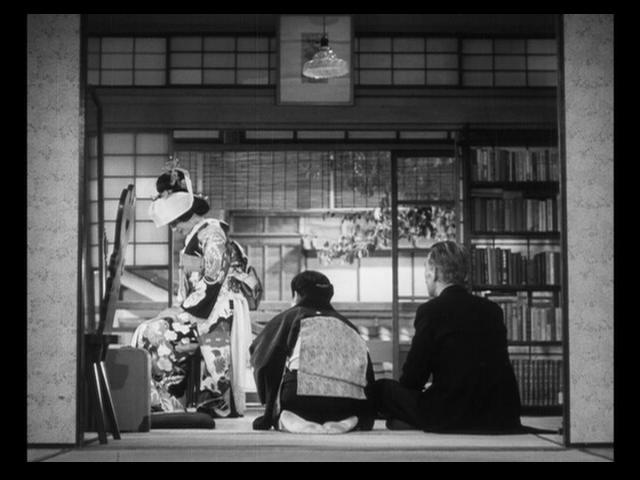
As Peary notes, this “simply told yet lovely film” by Yasujiro Ozu showcases many of the themes the famed Japanese director would continue to explore in his later movies — including “the dissolution of the postwar Japanese family; the idea that married children… will become strangers to their parents; [and] the wise realization by the elderly that they must sacrifice their own happiness so that their children can make lives for themselves.” Ozu quietly evokes a specific time and place in post-WWII Japanese history, with most scenes focusing on the expressions and reactions of seated characters who are either pouring tea, folding clothes, chatting, or taking care of other daily activities. Ozu’s pace is refreshingly leisurely; his camera lingers quietly on scenes of the countryside, empty rooms about to be filled, and — most frequently — the lovely, smiling face of the film’s protagonist (Hara).

Peary points out that Ozu makes the fascinating choice of never showing us Hara’s young “Gary Cooper-esque” spouse-to-be — indicating that in some ways, Late Spring is really a tragic story of “star-crossed lovers” (father and daughter) who are unable to justify a continued lifetime together. While Ozu only hints at the titillation of Hara’s “unhealthy” devotion to her father, there is definitely something “not quite right” between them. Indeed, any explicit mention of the need for sexual gratification is conspicuously absent from the film — although it would appear full-force in Ozu’s final movie, An Autumn Afternoon (1962), a virtual reworking of the same story.

Note: Interestingly, many of Ozu’s films reference seasons in their titles — including Early Summer (1951), Early Spring (1956), Late Autumn (1960), Early Autumn (1961), and An Autumn Afternoon (1962).

Redeeming Qualities and Moments:

  • Setsuko Hara as Noriko, whose near-constant smile belies the depth of her conflicting emotions
  • Chishu Ryu as Noriko’s sacrificing father — this wonderfully understated actor is always a pleasure to behold on-screen
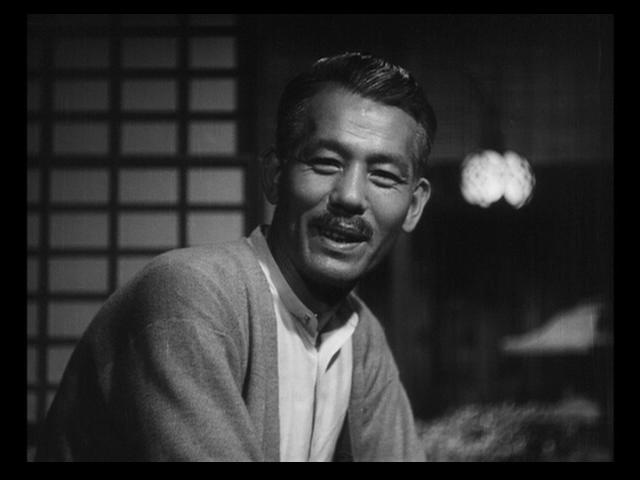
  • Many quiet scenes between Hara and Ryu, who are ultimately too comfortable in their life together
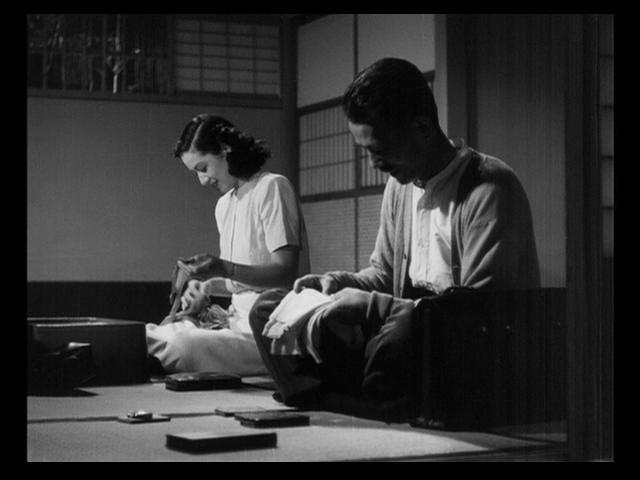
  • Beautiful black-and-white cinematography
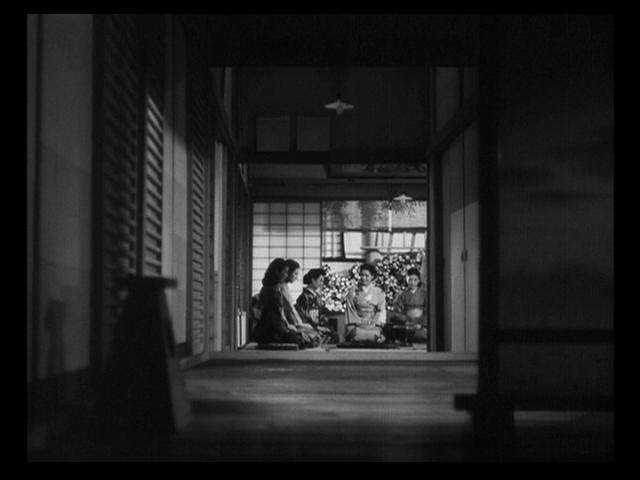
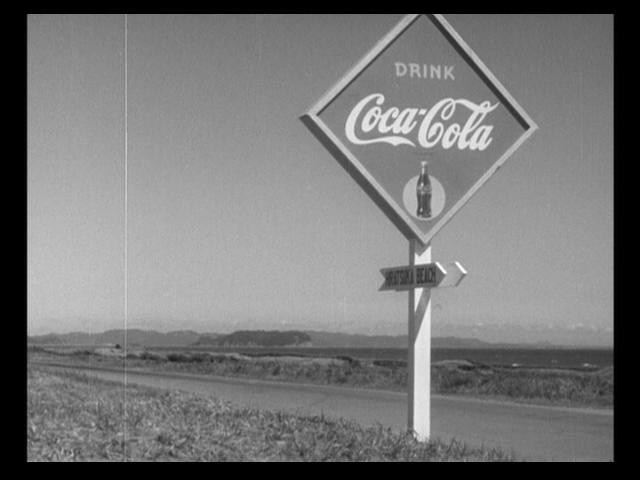
  • An interesting glimpse at American-occupied Japan after WWII
  • An emotionally devastating, yet ultimately satisfying, ending
  • Senji Ito’s lilting, strings-heavy musical score, which permeates the film and brings a lump to one’s throat

Must See?
Yes. Ozu’s film is a provocative, lovingly rendered depiction of filial loyalty in mid-century Japan.

Categories

  • Foreign Gem
  • Important Director

Links:

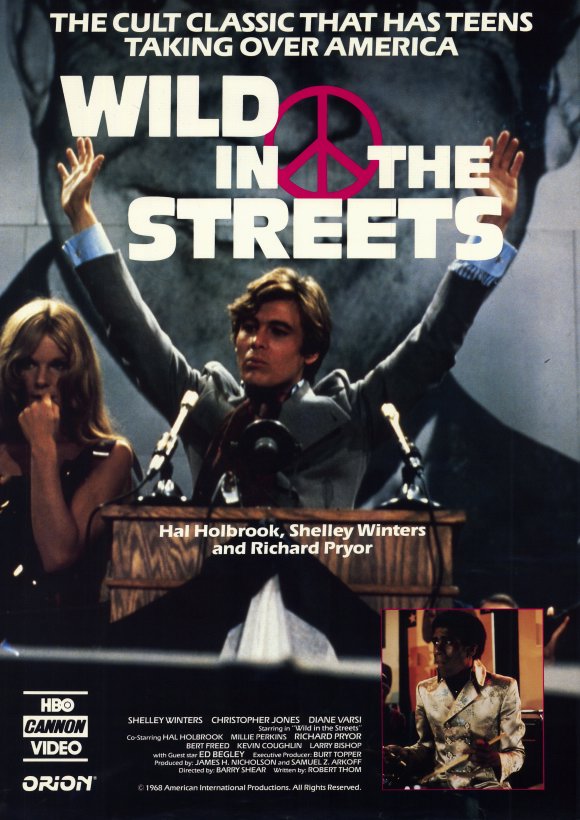
Wild in the Streets (1968)

Wild in the Streets (1968)

“Our young people are citizens. They’re concerned, committed, original, vital — they are citizens; we must give them the rights of citizens.”

Synopsis:
Senator Johnny Fergus (Hal Holbrook) uses popular rock star Max Frost (Christopher Jones) as a political ploy to gain the country’s “youth vote.” Things quickly spin out of control, however, when Frost and his friends entreat the nation not to “trust anyone over 30”.

Genres, Themes, Actors, and Directors:

  • Dystopia
  • Ed Begley Sr. Films
  • Generation Gap
  • Millie Perkins Films
  • Naive Public
  • Political Corruption
  • Revolutionaries
  • Richard Pryor Films
  • Satires and Spoofs
  • Shelley Winters Films

Response to Peary’s Review:
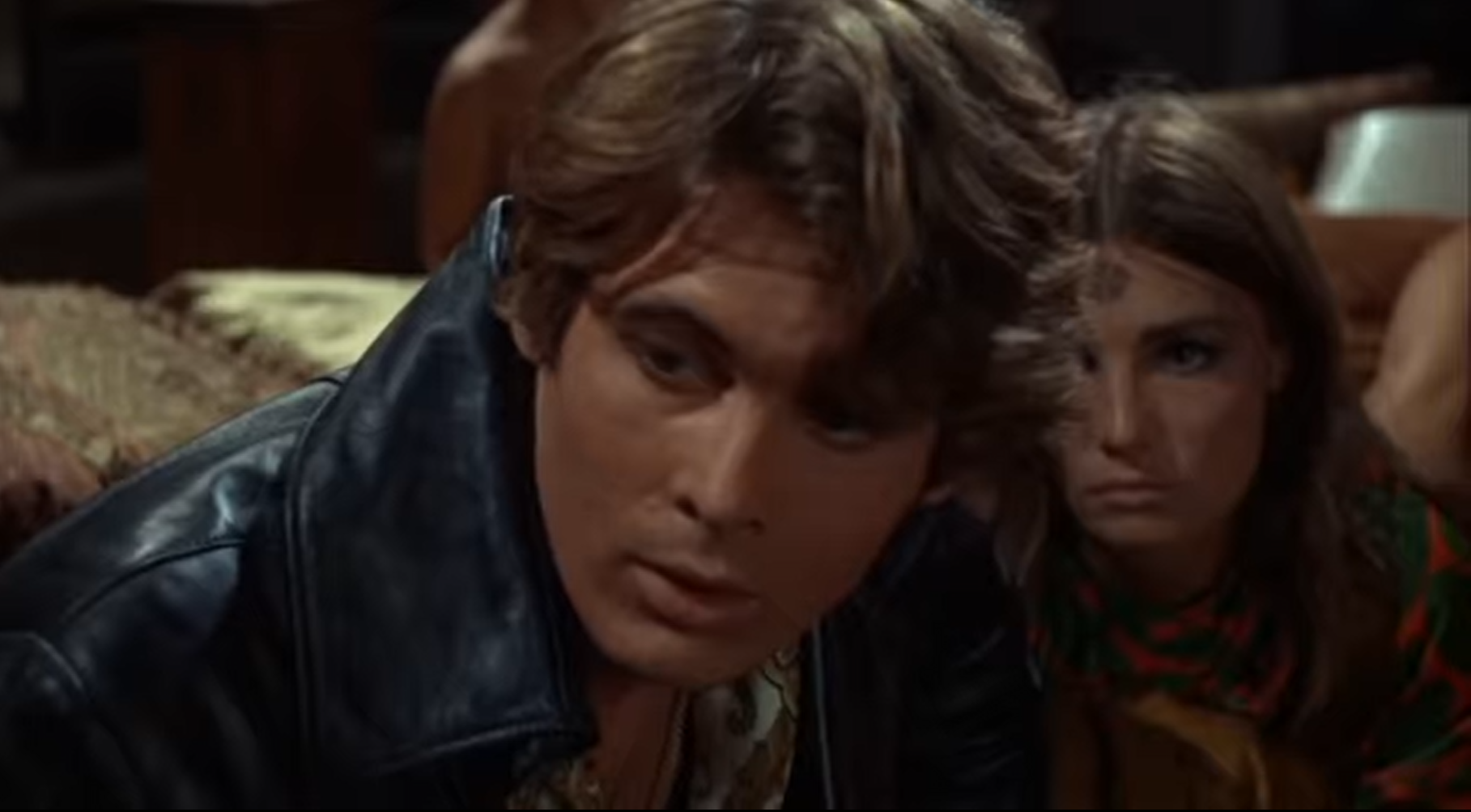
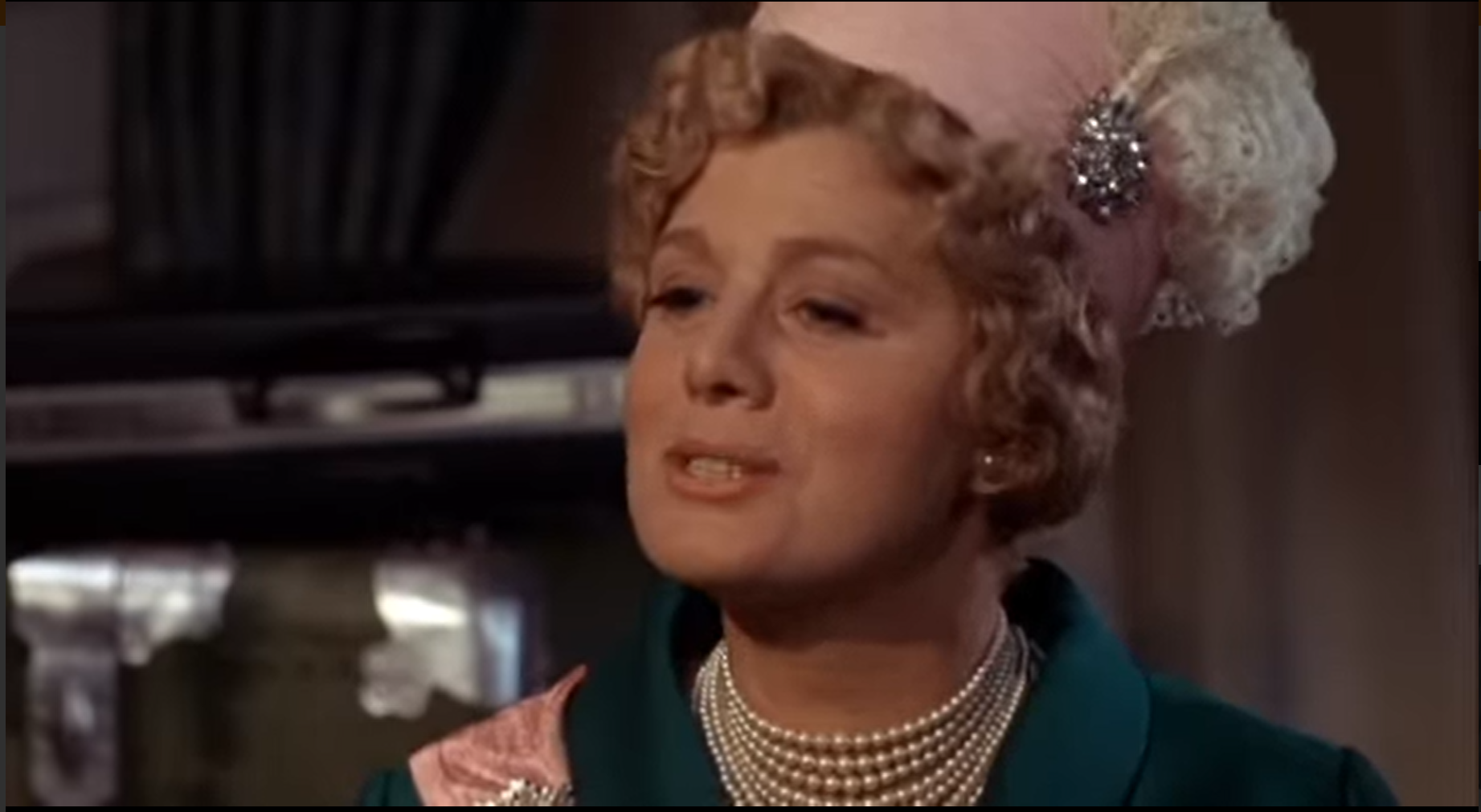
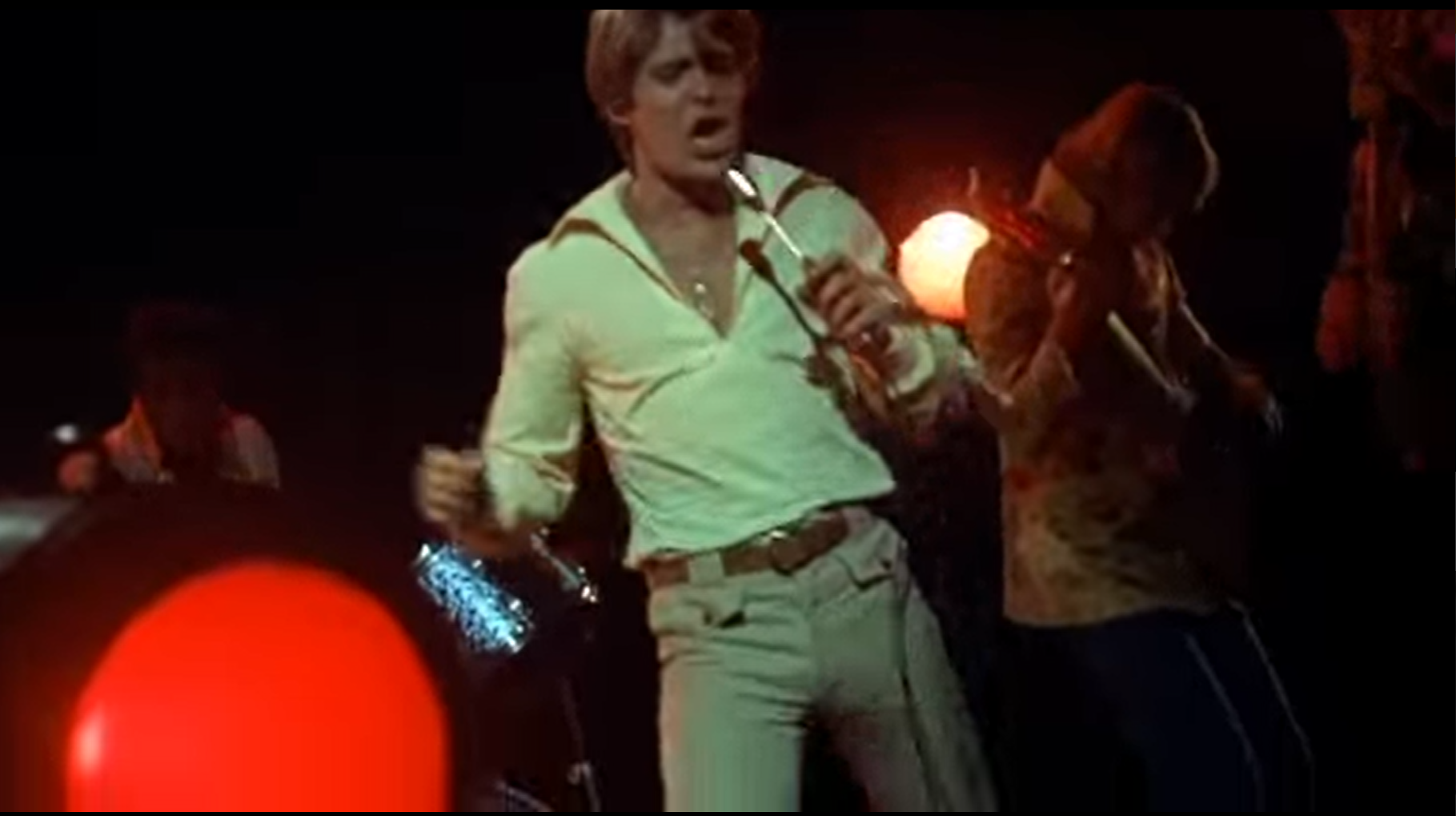
Peary describes this cult AIP flick as a “vile movie, a fascist fantasy, an insult to America’s politically conscious youth” — but I think he misses the point. Wild in the Streets is actually a relatively smart, pointed satire which isn’t afraid to carry its provocative (albeit ludicrous) premise to a logical end. When Shelley Winters (perfectly cast as Max’s hypocritical, brown-nosing mother) accidentally shouts out, “I’m an Aryan!” as she’s dragged away by the regime’s Age Police, the allegory between Frost’s Youth-topia and Hitler’s Third Reich couldn’t be clearer. These may be “awful characters”, as Peary notes, but who says power doesn’t corrupt?

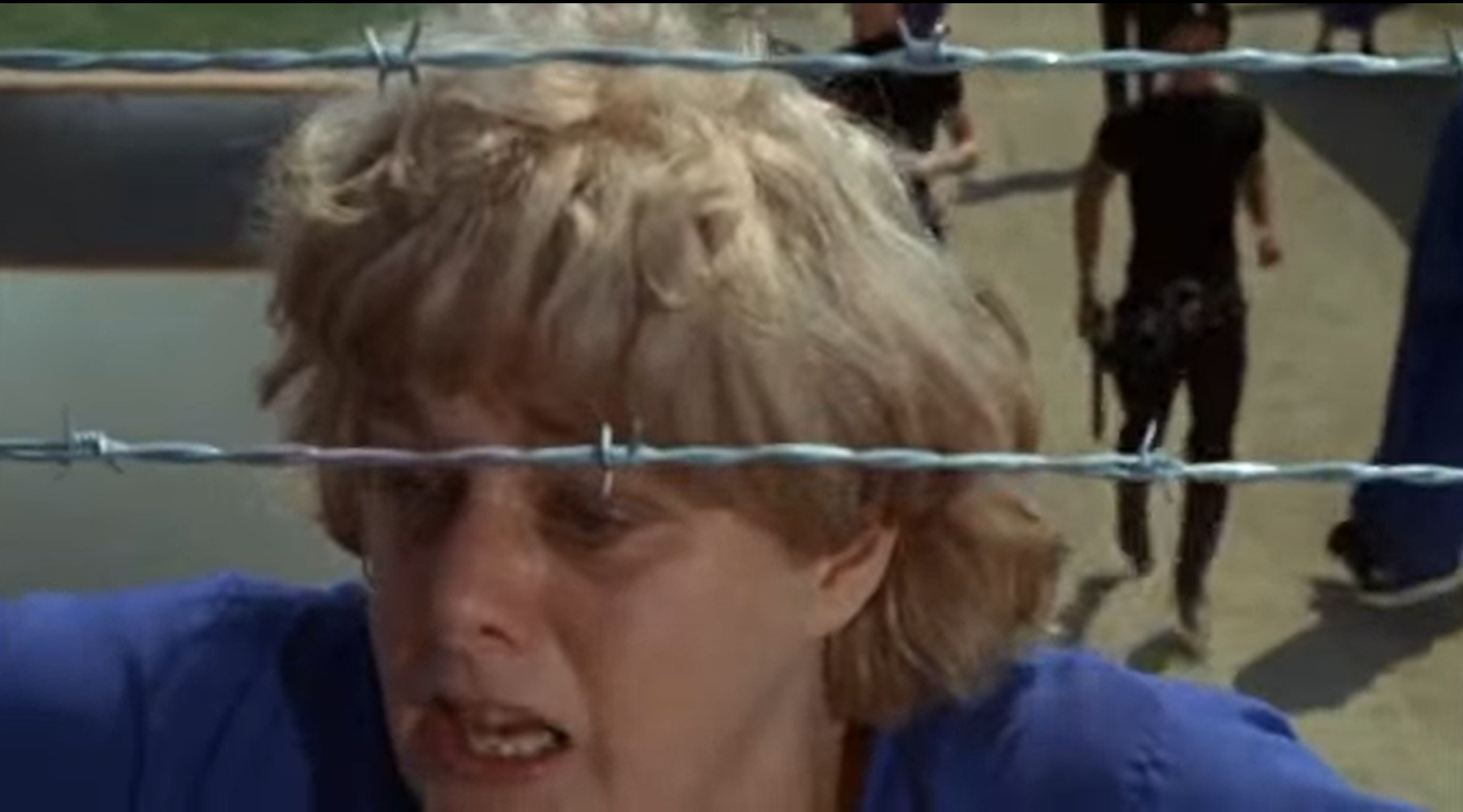
Once they’ve managed to take over the White House and imprison anyone over 35 in LSD “concentration camps”, director Barry Shear doesn’t allow Frost and his cronies to rest on the laurels of their successful coup. Instead, the film continues inexorably along its dystopic path: when Frost informs Fergus’s young daughter, Mary, that he’s 24, she responds with youthful disdain, “That’s old!” The fear on Frost’s face at this moment shows that he’s beginning to realize (perhaps too late) the folly of his logic.

Inevitable comparisons have been made between this film and 1968’s Privilege — an equally provocative satire about a popular musician used for nefarious political purposes. But ultimately the films take radically different approaches to their subject matter. Privilege revolves around a patsy rock star who gradually comes to realize that his very identity is being manipulated by the government. Frost, however, is politically savvy from the get-go, and never lets up on his bitter thirst to eliminate the equation of age and experience with wisdom and ability.

Redeeming Qualities and Moments:

  • Jones’s charismatic portrayal as Max Frost (though his ratty ponytail has got to go!)
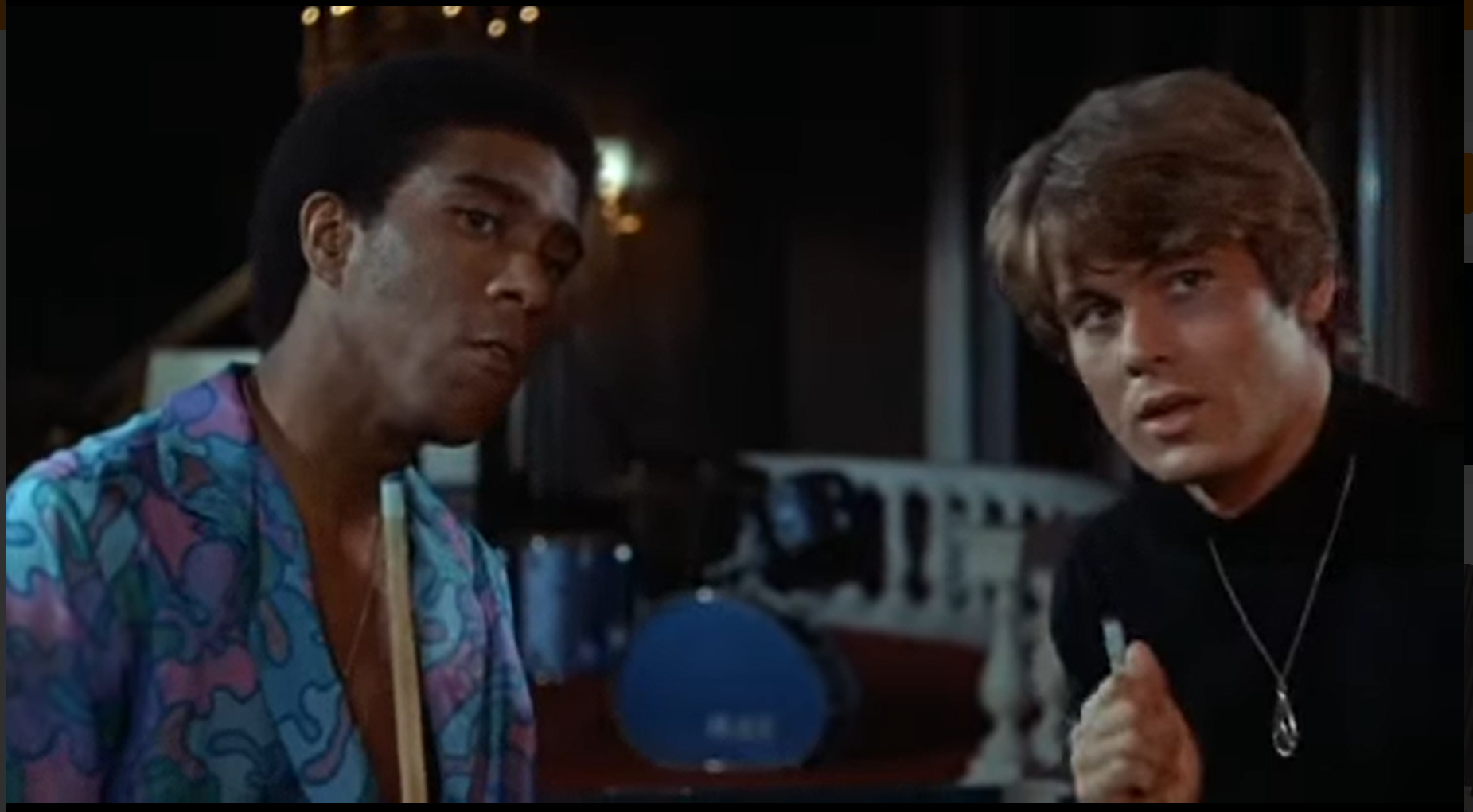
  • Richard Pryor as Frost’s drummer
  • Shelley Winters as Daphne Flato
  • Catchy, if annoying, songs

Must See?
Yes. This cult movie may offend those who have fond memories of the 1960s youth movement, but today the film comes across as a surprisingly provocative, biting satire.

Categories

  • Cult Movie

Links: