Browsed by
Category: Response Reviews

My comments on Peary’s reviews in Guide for the Film Fanatic (Simon & Schuster, 1986).

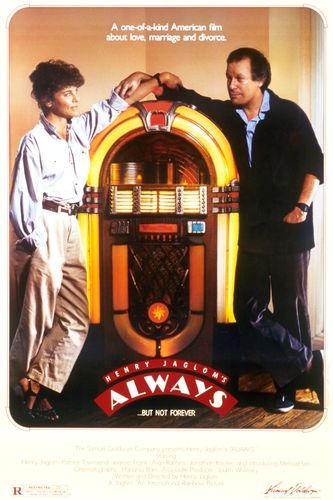
Always (1985)

Always (1985)

“I really think it’s about coming out the other side.”

Synopsis:
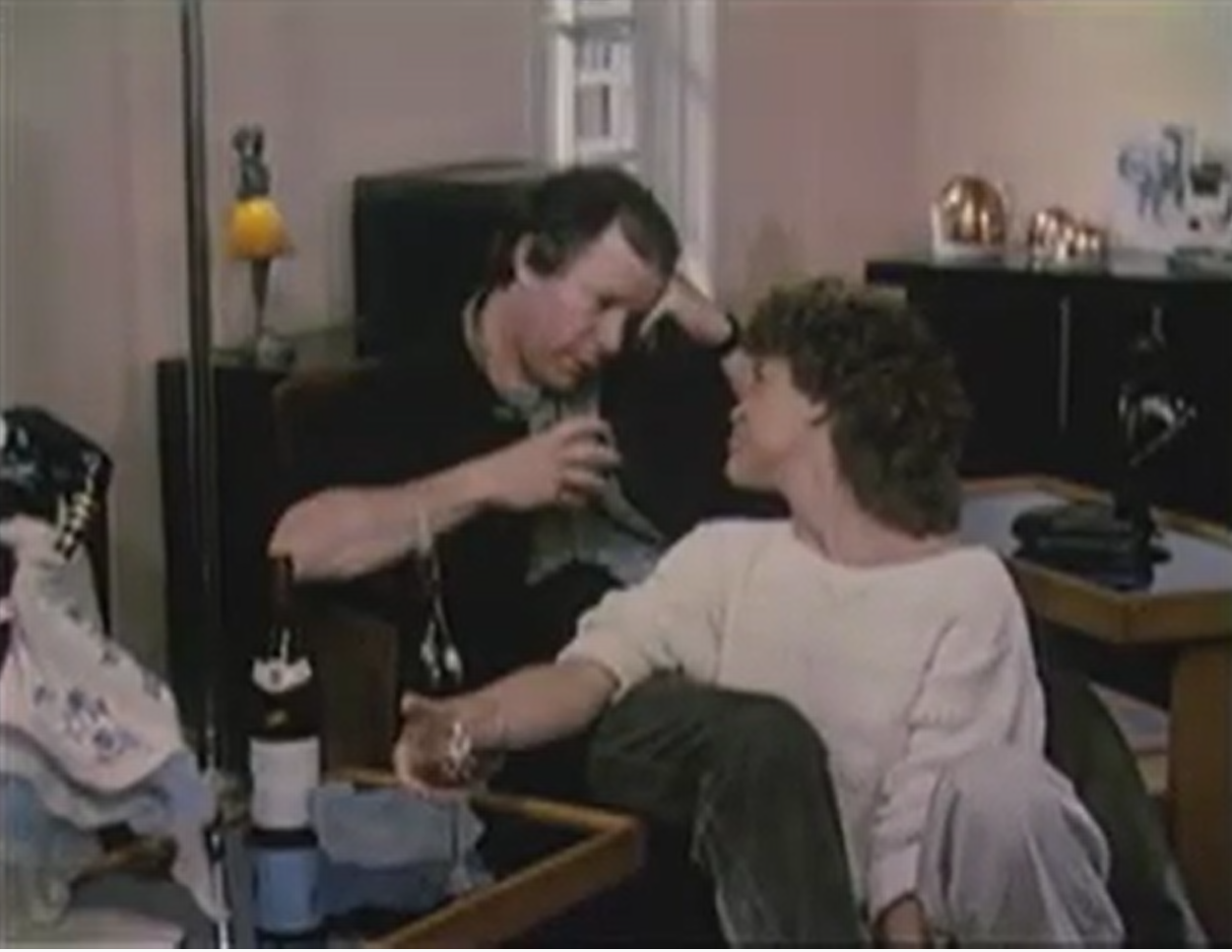
A married couple (Patrice Townsend and Henry Jaglom) on the brink of an amicable divorce spend a Fourth of July weekend with their friends and family.

Genres, Themes, Actors, and Directors:

  • Divorce
  • Get Togethers and Reunions
  • Marital Problems

Response to Peary’s Review:
Peary expresses little tolerance for this “confessional” film by independent director Henry Jaglom, noting, “We’re made to feel we got waylaid to an intense weekend therapy session.” Indeed, Always was Jaglom’s first attempt to use circumstances taken directly from his own life to tell a semi-fictional story — and, regardless of one’s tolerance for this type of movie (I happen to like it), it clearly shows Jaglom’s talent for such an approach; he went on to make numerous other films in much the same vein. Townsend (Jaglom’s real-life ex-wife, who never made another movie) is appealing here as Judy — though, as Peary notes, it gets annoying to watch her bursting into natural laughter (“usually through her tears”) every other minute.

Redeeming Qualities and Moments:

  • An oddly compelling look at the breakup of a friendly marriage

Must See?
No. Since the publication of Peary’s book, Jaglom has made other films — such as Eating (1990) — which are better candidates for “must see” viewing. But fans of Jaglom’s work will certainly want to check this one out.

Links:

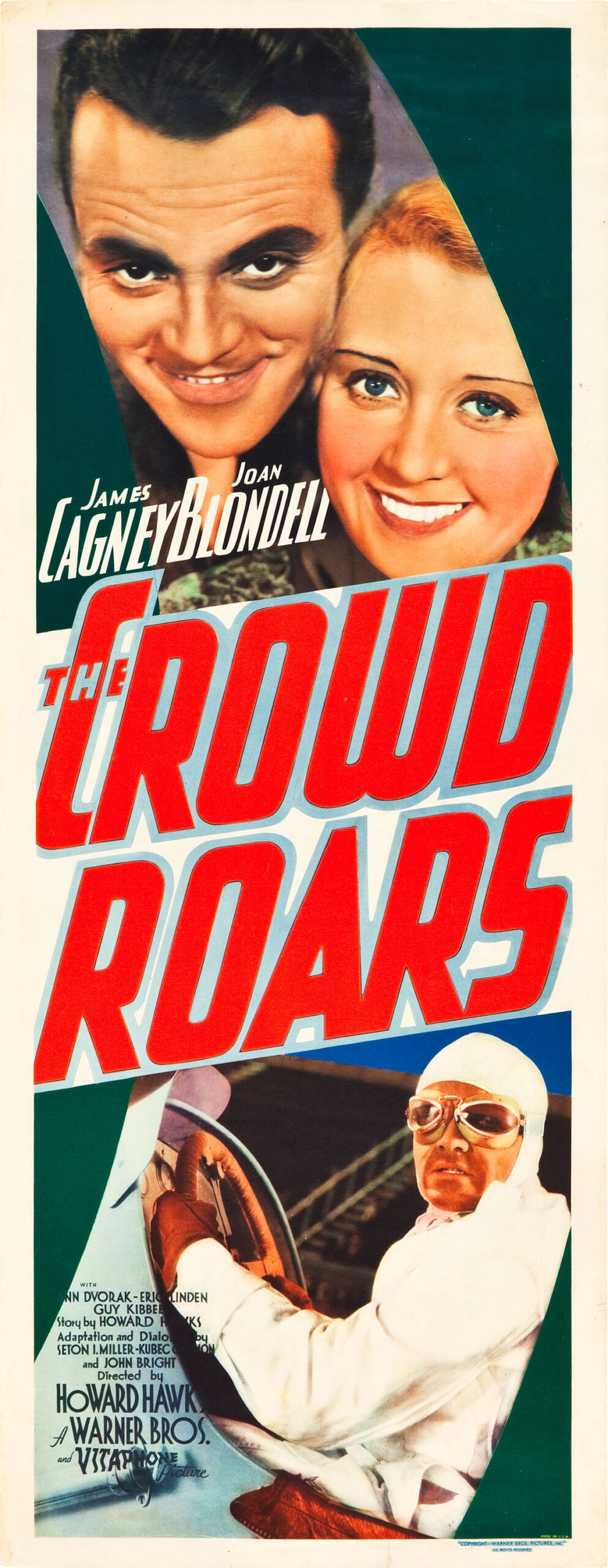
Crowd Roars, The (1932)

Crowd Roars, The (1932)

“That guy of yours thinks ’cause he’s riding in a one-seater he’s riding alone — he doesn’t know that you’re covering every lap of every race with him!”

Synopsis:
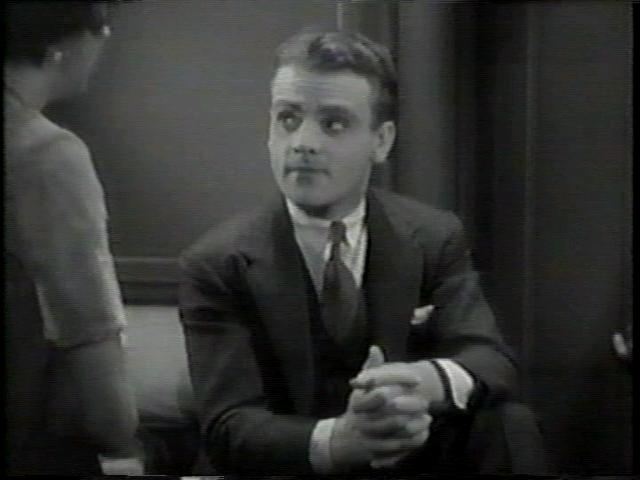
Champion car racer Joe Greer (James Cagney) tries to protect his younger brother Eddie (Eric Linden) from a life of booze, cars, and women. But Eddie is determined to become a racer, and soon falls in love with the friend (Joan Blondell) of Joe’s girlfriend, Lee (Ann Dvorak).

Genres, Themes, Actors, and Directors:

  • Ann Dvorak Films
  • Car Racing
  • Downward Spiral
  • Howard Hawks Films
  • Jimmy Cagney Films
  • Joan Blondell Films
  • Maureen O’Sullivan Films
  • Morality Police
  • Rivalry
  • Siblings

Response to Peary’s Review:
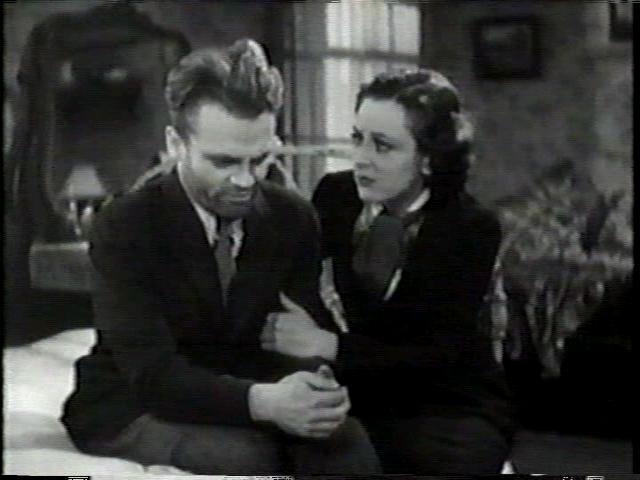
As Peary notes, this early Howard Hawks film — while ostensibly yet another movie about “men of action” — is actually a “tribute to the women who stick by men in dangerous professions, and, when they are finally treated as equals, give the men needed support, love, and direction.” Indeed, The Crowd Roars gives enormous credence to the age-old dictum that behind every successful man is a woman: without the unconditional love and support of his selfless girlfriend, Cagney quickly goes downhill; and once Linden falls in love with Blondell, his fame and fortune skyrocket. Cagney is fine here in one of his earliest leading roles, but it’s Joan Blondell who truly shines: this wonderful comedic actress enlivens every film she’s in, including this one.

Redeeming Qualities and Moments:

  • James Cagney as the well-meaning but wrong-headed racer
  • Joan Blondell as Eddie’s love interest
  • Ann Dvorak as Joe’s hopelessly loyal girlfriend
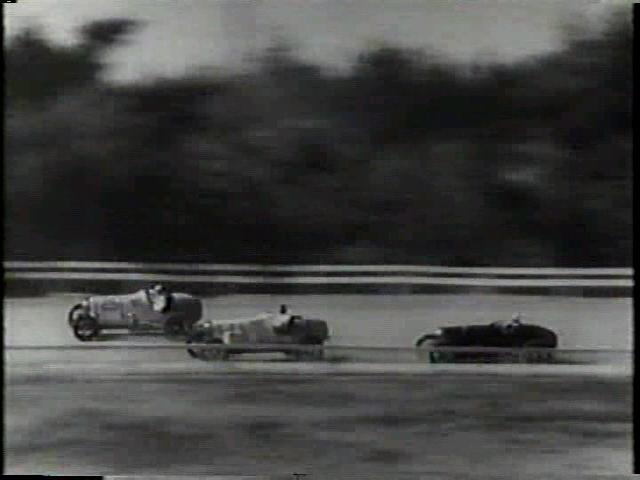
  • An interesting time-capsule glimpse at early motor car racing

Must See?
No, though it’s a must for fans of Jimmy Cagney and/or Joan Blondell.

Links:

All the Right Moves (1983)

All the Right Moves (1983)

“Scholarship here, no scholarship here. Who the hell gave you that power?”

Synopsis:
A high school football star (Tom Cruise) hoping for a college scholarship clashes with his coach (Craig Nelson) and gets kicked off the team.

Genres, Themes, Actors, and Directors:

  • Coming of Age
  • Dick Miller Films
  • Football
  • High School
  • Mining Towns
  • Teenagers
  • Tom Cruise Films

Response to Peary’s Review:
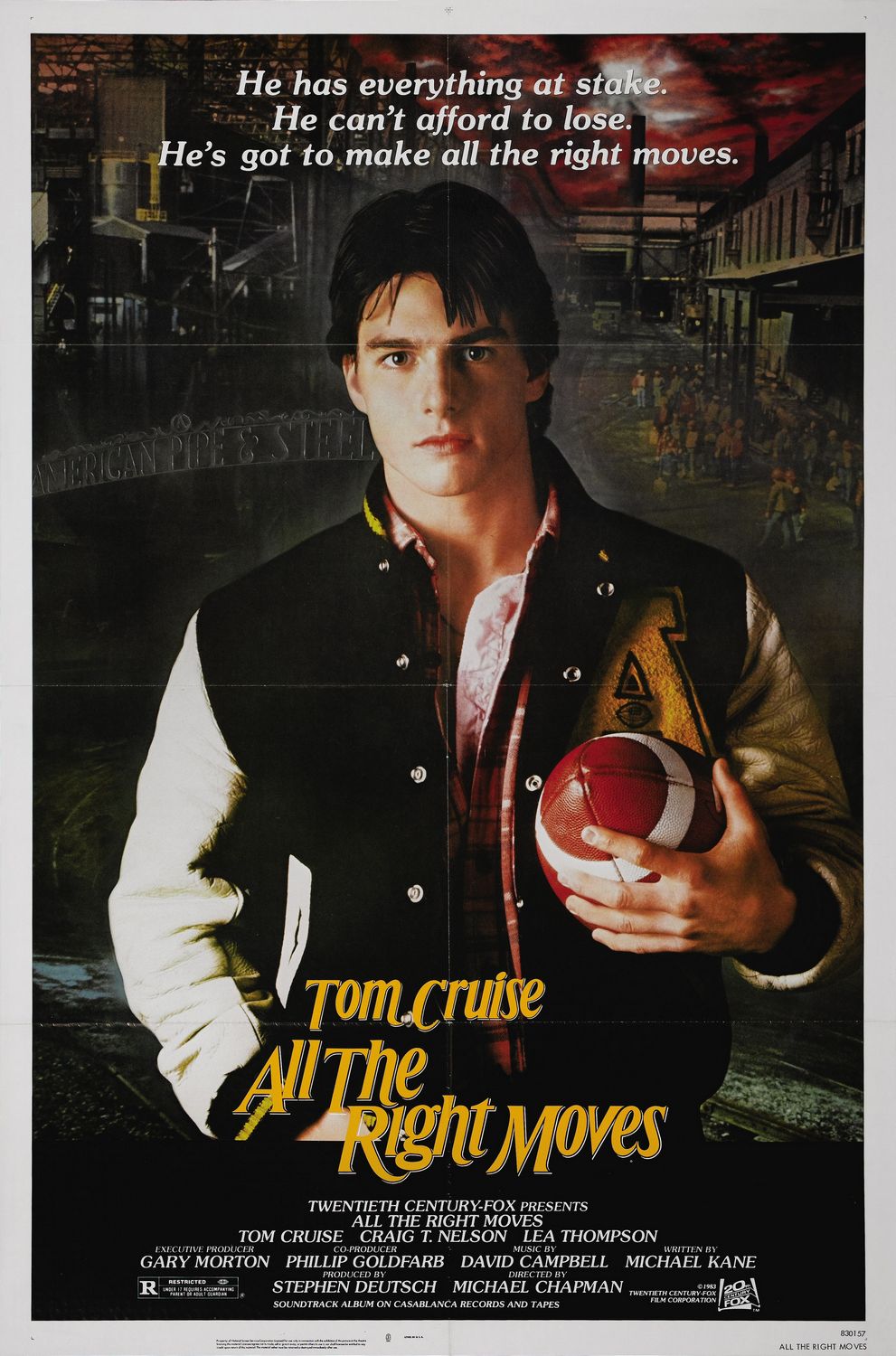
1983 was a busy year for young Tom Cruise; he starred in no less than four feature films, including Losin’ It, The Outsiders, Risky Business, and All the Right Moves, a “sadly underrated ‘youth film’ set in a poor Pennsylvania mining town.” Ostensibly about football, All the Right Moves is actually a poignant coming-of-age fable: its protagonist, Steff (Cruise), faces a life-altering challenge, and must learn to renegotiate his relationships with his girlfriend, his coach, his parents, and himself. Cruise does a fine job as Steff, but it’s Lea Thompson who truly shines here; it’s too bad her character’s story isn’t given equal weight.

Redeeming Qualities and Moments:

  • Tom Cruise as the young football star itching for a ticket away from home
  • Lea Thompson’s “mature and appealing” performance as Cruise’s musician girlfriend
  • Craig Nelson as Cruise’s coach

Must See?
No, but it’s worth watching.

Links:

Age D’Or, L’ (1930)

Age D’Or, L’ (1930)

“The impossible force that thrusts two people together, the impossibility of their ever becoming one.”

Synopsis:
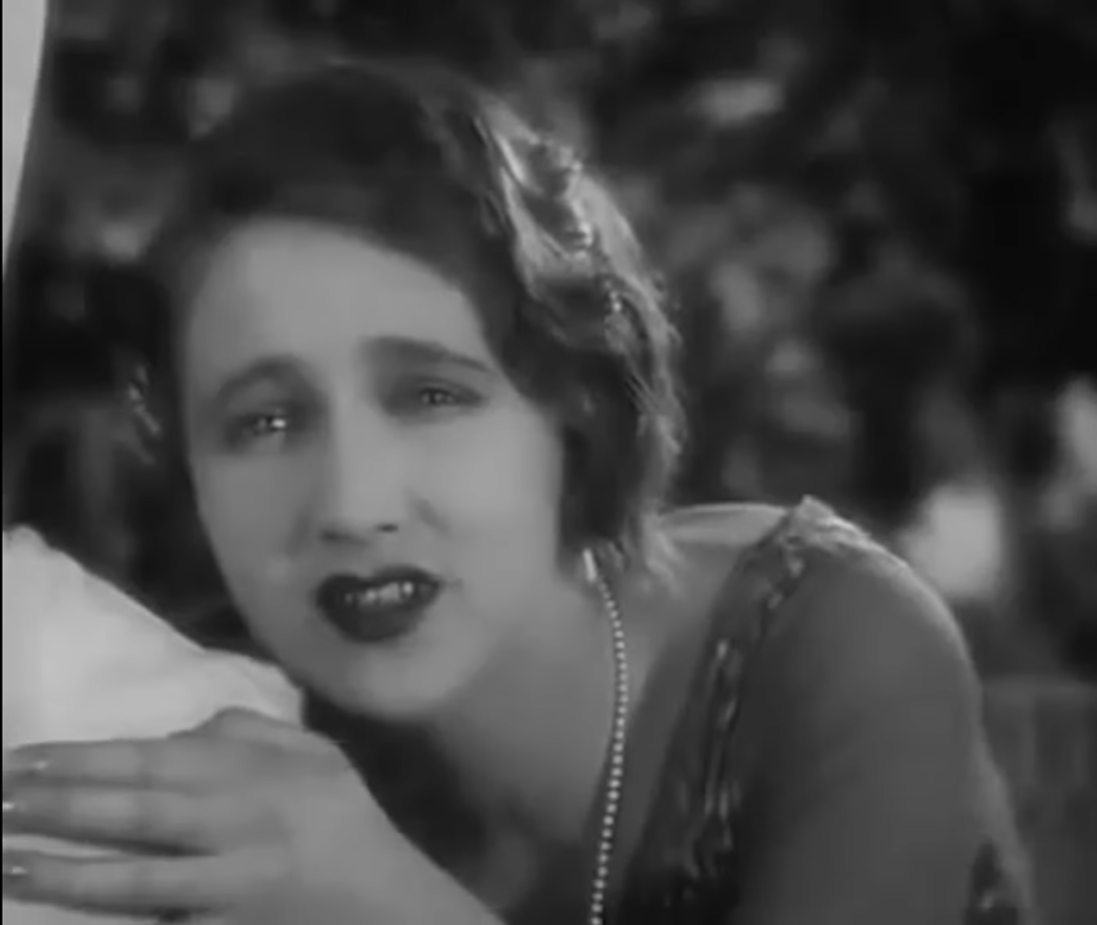
A sexually voracious young couple (Gaston Modot and Lya Lys) are constantly interrupted as they try to make love.

Genres, Themes, Actors, and Directors:

  • Black Comedy
  • Experimental Films
  • Luis Bunuel Films
  • Sexual Repression
  • Surrealism

Response to Peary’s Review:
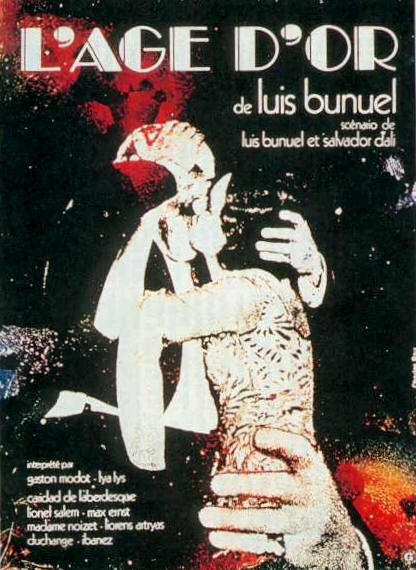
Perhaps the definitive surrealist classic, L’Age D’Or is, as Peary notes, a “devilishly hilarious affront to bourgeois society, clericalism, and morality, as well as to movie-audience complacency.” In his review, Peary — like most others (see links below) — lists many of the strange vignettes which make up this infamous film’s loosely woven plot; but the power of Bunuel and Dali’s “story” (their final collaboration together) ultimately lies in its visual impact, and thus these scenes should be seen rather than described one more time here. Bizarre imagery aside, when watching L’Age D’Or one is bearing witness to an essential piece of cinematic history: during the first few weeks of the movie’s release, outraged members of the League of Patriots and the Anti-Semitic League threw ink at the screen, while incensed patrons destroyed Surrealist art in the foyer; French censors eventually burned all existing prints, and the film was “denied a major U.S. release for 50 years.”

Note: While Peary doesn’t list Un Chien Andalou (1929) in his Guide for the Film Fanatic, this short film — Bunuel and Dali’s first together — is an equally important piece of cinematic history, and should also be seen by all film fanatics. Along with L’Age D’Or, it may very well be the epitome of early subversive cinema.

Redeeming Qualities and Moments:

  • Many truly bizarre, darkly comedic images
  • The opening “scorpio sequence”

Must See?
Yes. This surreal classic must be seen to be appreciated, and merits multiple viewings.

Categories

  • Controversial Film
  • Historically Relevant
  • Important Director

(Listed in 1001 Movies You Must See Before You Die)

Links:

Bringing Up Baby (1938)

Bringing Up Baby (1938)

“Now it isn’t that I don’t like you, Susan, because, after all, in moments of quiet, I’m strangely drawn toward you, but — well, there haven’t been any quiet moments.”

Synopsis:
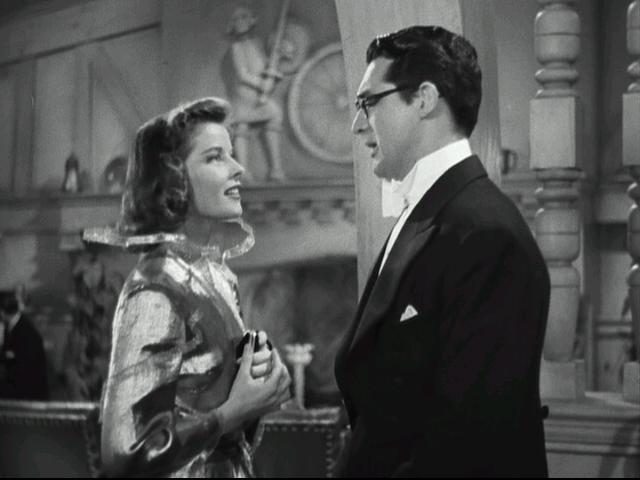
When a wacky heiress (Katharine Hepburn) falls for a nerdy paleontologist (Cary Grant), she does everything in her power to keep him at her side.

Genres, Themes, Actors, and Directors:

  • Barry Fitzgerald Films
  • Cary Grant Films
  • Comedy
  • Heiresses
  • Howard Hawks Films
  • Katharine Hepburn Films
  • Living Nightmare
  • Mistaken Identities
  • Romantic Comedy
  • Scientists

Response to Peary’s Review:
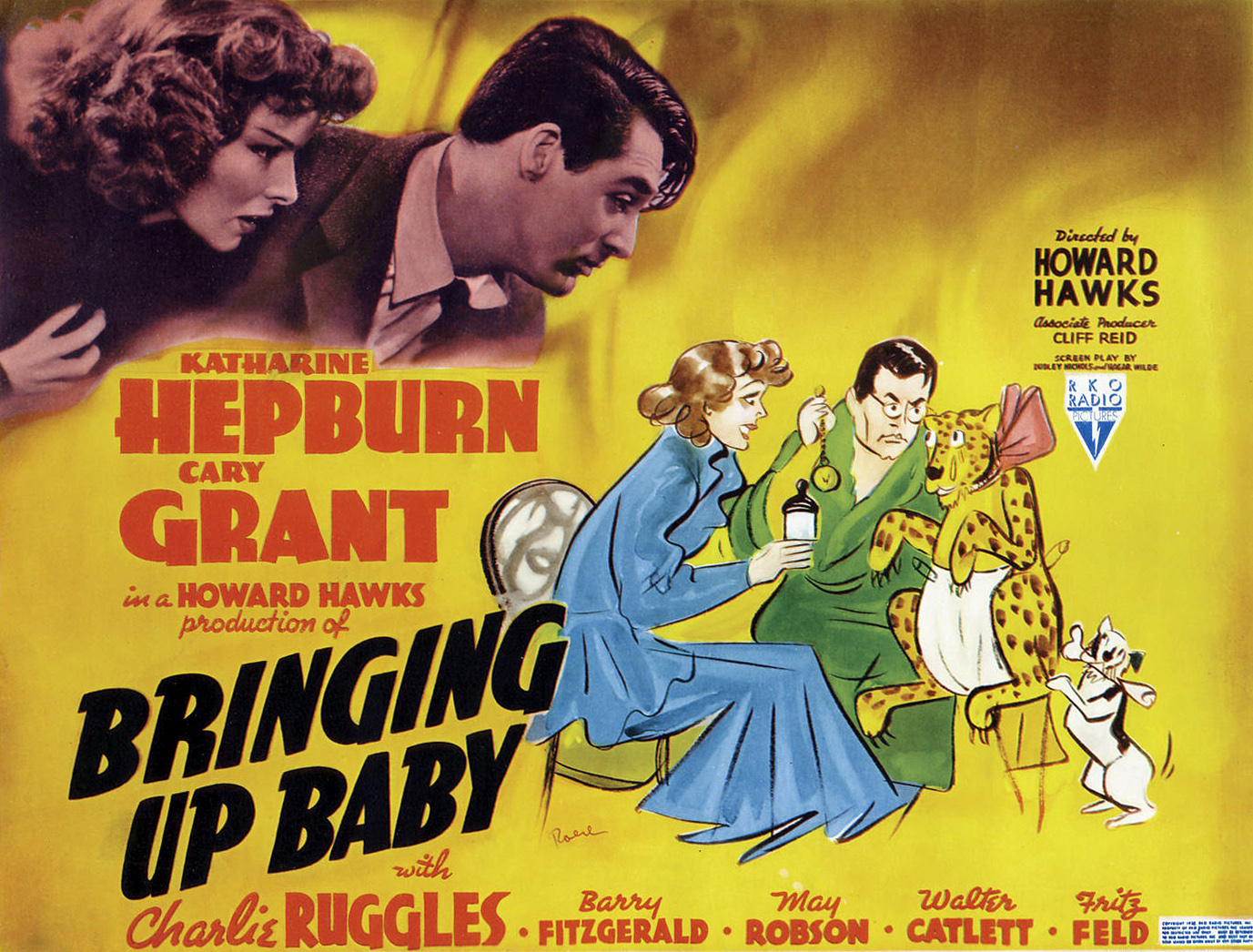
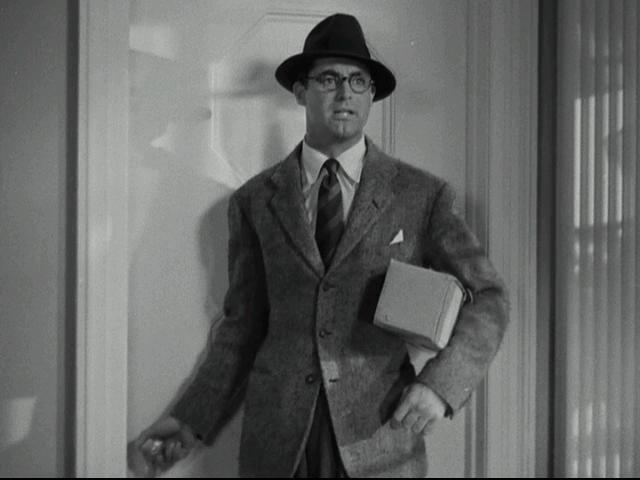
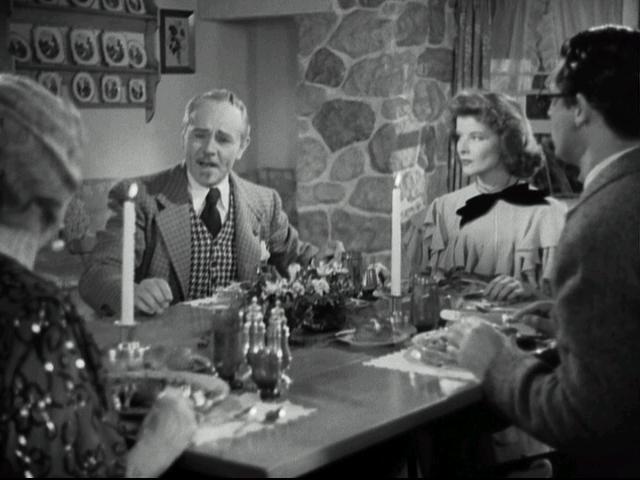
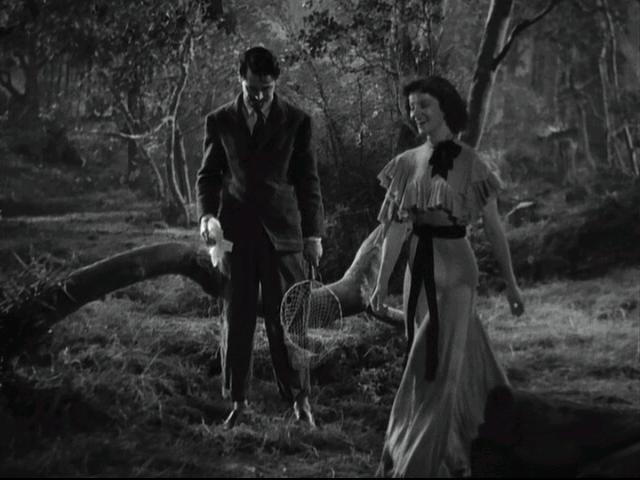
Howard Hawks’ “zany, lightning-paced screwball comedy” received a scathing review from The New York Times upon its release, where it was panned as simply one predictable comedic gag after the other: “After the first five minutes of the Music Hall’s new show—we needed those five to orient ourselves—we were content to play the game called ‘the cliche expert goes to the movies’ and we are not at all proud to report that we scored 100 percent.” Indeed, …Baby bombed at the box office, Hawks was fired from his next production, and Hepburn was forced to buy out her contract. Nowadays, however, Bringing Up Baby is recognized as a true classic of 1930s cinema, with hilarious dialogue, countless well-executed pratfalls, and excellent comedic performances by both Grant and Hepburn (who is accurately described by DVD Savant as “a female cross between Bugs Bunny and Groucho Marx”). As Peary notes, however, “your enjoyment of the film may depend on how long you can tolerate” watching Hepburn mischievously causing one problem after the other for Grant; indeed, in order to fully appreciate Bringing Up Baby, you must give yourself over to its inspired lunacy, and rest assured that everything will turn out — as it should — just fine in the end.

Redeeming Qualities and Moments:

  • Katharine Hepburn’s marvelously loopy performance (her first comedic role) as the screwball heiress; as noted by DVD Savant, she “makes the script play like her own improvisation”
  • Cary Grant as the put-upon, bespectacled scientist who wants nothing more than to retrieve his “intercostal clavicle” and get married at 3:00
  • Charles Ruggles as “big game hunter” Major Horace Applegate
  • Hepburn limping gaily after losing the heel of one shoe, chanting, “I was born on the side of the hill… ”
  • Countless hilarious lines and rejoinders:

    “There is a leopard on your roof and it’s my leopard and I have to get it and to get it I have to sing.”

Must See?
Yes. This classic comedy should be seen at least once by all film fanatics.

Categories

  • Genuine Classic
  • Historically Relevant
  • Important Director
  • Noteworthy Performance(s)

(Listed in 1001 Movies You Must See Before You Die)

Links:

Gentlemen Prefer Blondes (1953)

Gentlemen Prefer Blondes (1953)

“Thank you ever so.”

Synopsis:
Showgirl Lorelei Lee (Marilyn Monroe) becomes engaged to a wealthy nebbish (Tommy Noonan), then takes a cross-Atlantic trip with her man-loving friend Dorothy (Jane Russell). On the way, Lorelei flirts with the owner of a diamond mine (Charles Coburn) and is trailed by a private detective (Elliott Reid), who falls in love with Dorothy.

Genres, Themes, Actors, and Directors:

  • At Sea
  • Charles Coburn Films
  • Detectives and Private Eyes
  • Dumb Blondes
  • Friendship
  • Golddiggers
  • Howard Hawks Films
  • Jane Russell Films
  • Marilyn Monroe Films
  • Musicals
  • Showgirls

Response to Peary’s Review:
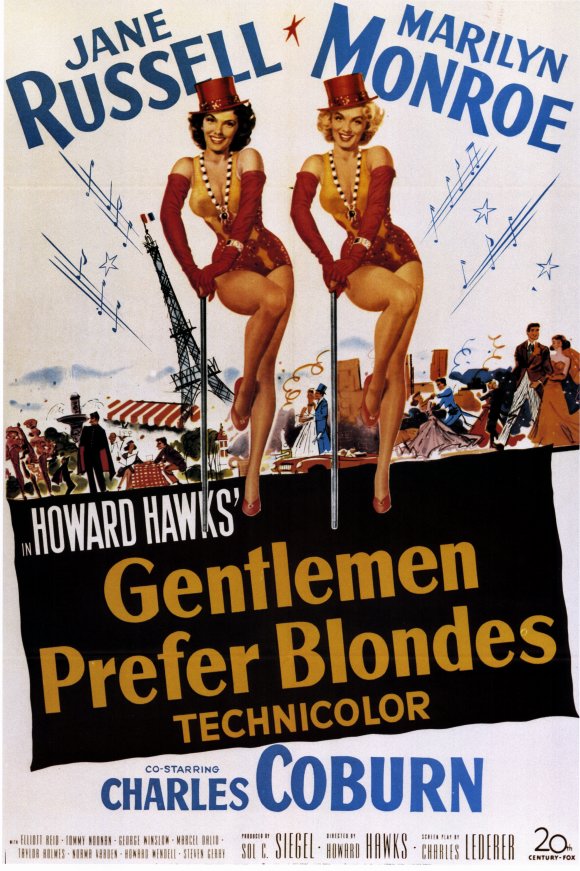
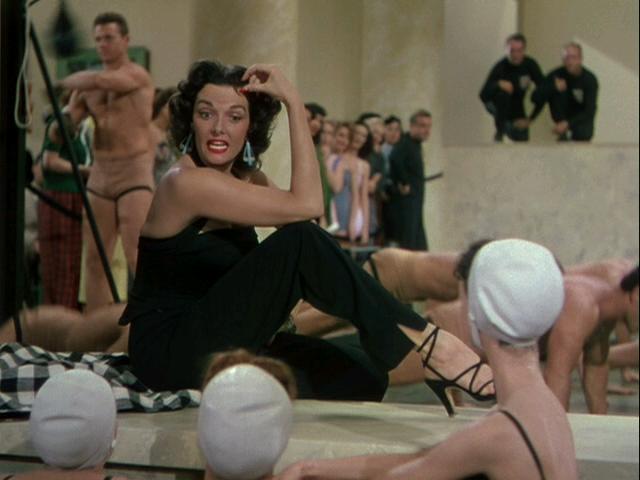
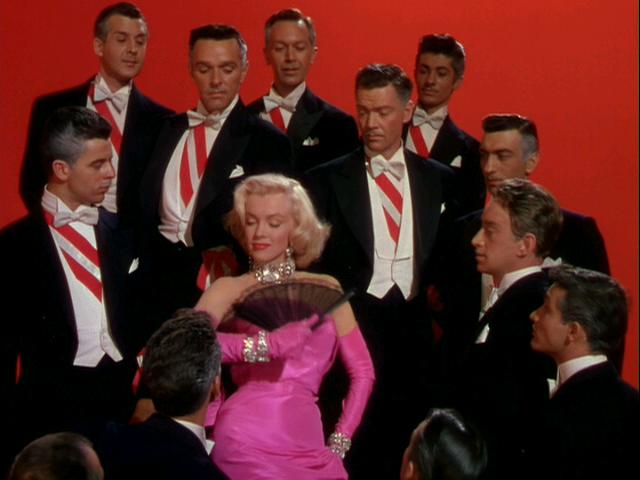
As Peary notes, Marilyn Monroe and Jane Russell “give delightful, supercharged performances” in this classic musical comedy — which, despite bland male romantic leads and a lackluster second half, remains an enjoyable diversion. Monroe performs what may be her most famous musical number ever (the oft-mimicked “Diamonds Are a Girl’s Best Friend”), and Russell — in one of her best roles — gets to perform a showstopper of her own (“Ain’t There Anyone Here for Love?”) while surrounded by scantily-clad Olympic athletes.

In addition, the script contains countless zingy lines (“The chaperone’s job is to make sure nobody else has any fun; but nobody chaperones the chaperone — that’s why I’m so right for this job!” reasons Russell), and a surprising feminist subtext. As Peary notes, Monroe and Russell’s loyal friendship is remarkably strong for a pre-1970s film, and Monroe (who is “only dumb when men want her to be”) gets to make the eminently reasonable point that “men are attracted only to women with good looks, yet resent women who are attracted to men with money.” Lorelei may be a gold-digger, but she recognizes the way the world works, and — much like Monroe herself — is more than willing to trade her “wares” in return for what she wants out of life.

Redeeming Qualities and Moments:

  • Marilyn Monroe, perfectly cast in an iconic “dumb blonde” role
  • Jane Russell as Monroe’s loyal, man-crazed friend
  • Several colorful, energetic musical sequences, including one of the most famous in cinematic history: “Diamonds Are a Girl’s Best Friend”
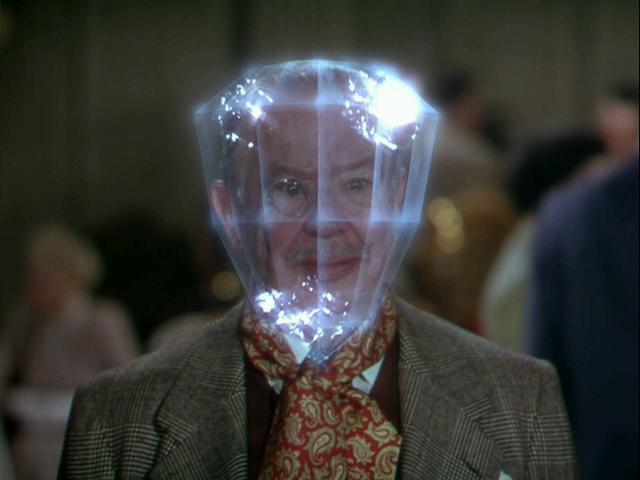
  • The surprise appearance of “Mr.” Henry Spofford III (and valet)
  • Charles Coburn as “Piggy”
  • Countless memorable lines and double entendres:

    “Those girls couldn’t drown…”
    “I like a man who can run faster than I can.”
    “I just LOVE finding new places to wear diamonds!”

Must See?
Yes. Every film fanatic should see Gentlemen Prefer Blondes at least once. Discussed at length in Peary’s Cult Movies 3.

Categories

  • Genuine Classic
  • Important Director
  • Noteworthy Performance(s)

(Listed in 1001 Movies You Must See Before You Die)

Links:

North by Northwest (1959)

North by Northwest (1959)

“Now you listen to me — I’m an advertising man, not a red herring!”

Synopsis:
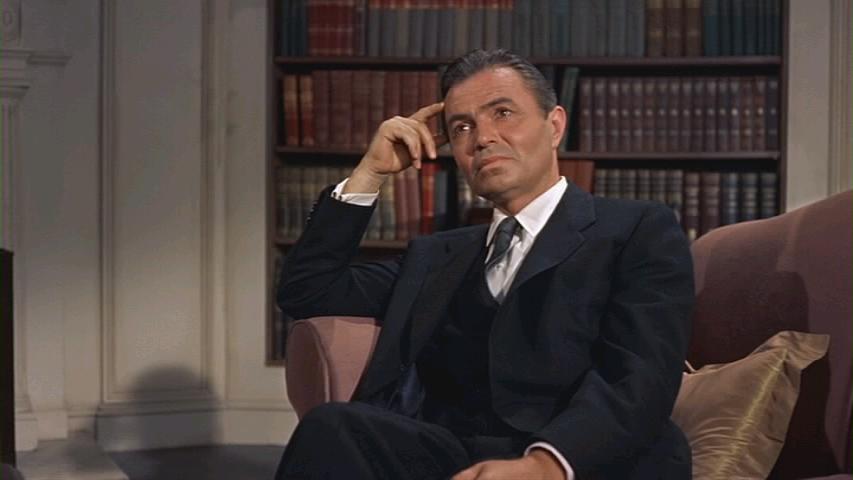
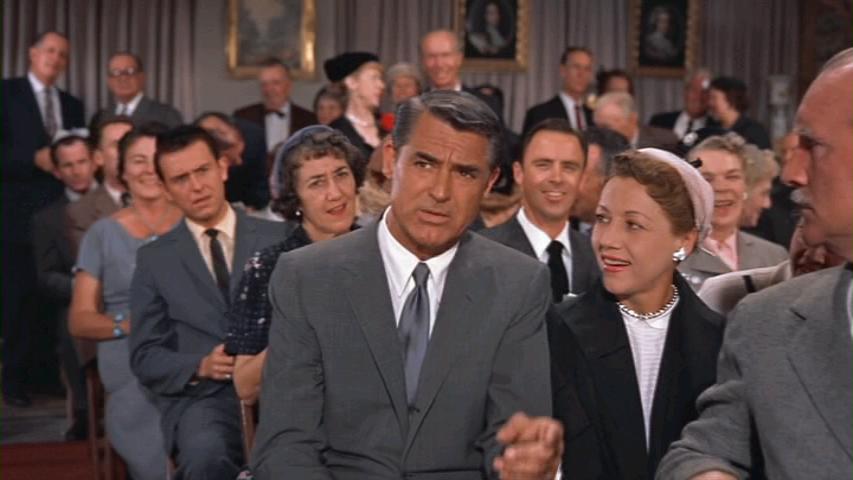
Successful advertising executive Roger Thornhill (Cary Grant) is kidnapped by spies (led by James Mason) who think he is a U.S. secret agent named George Kaplan. When the police don’t believe his story, Thornhill accepts the help of a mysterious blonde (Eva Marie Saint) he meets on a train — but can she be trusted?

Genres, Themes, Actors, and Directors:

  • Cary Grant Films
  • Eva Marie Saint Films
  • Hitchcock Films
  • James Mason Films
  • Living Nightmare
  • Martin Landau Films
  • Mistaken Identities
  • “No One Believes Me!”
  • Spies

Response to Peary’s Review:
North by Northwest, one of Hitchcock’s “most enjoyable pictures”, features “outstanding performances, technical brilliance, a great deal of humor, terrific locations for suspense scenes, [and] one of Bernard Herrmann’s finest scores.” As Peary notes, even at 136 minutes, Hitchcock “keeps the picture moving” without a single dull moment, as “his characters move quickly from one locale to another”, and new plot developments continue to crop up.

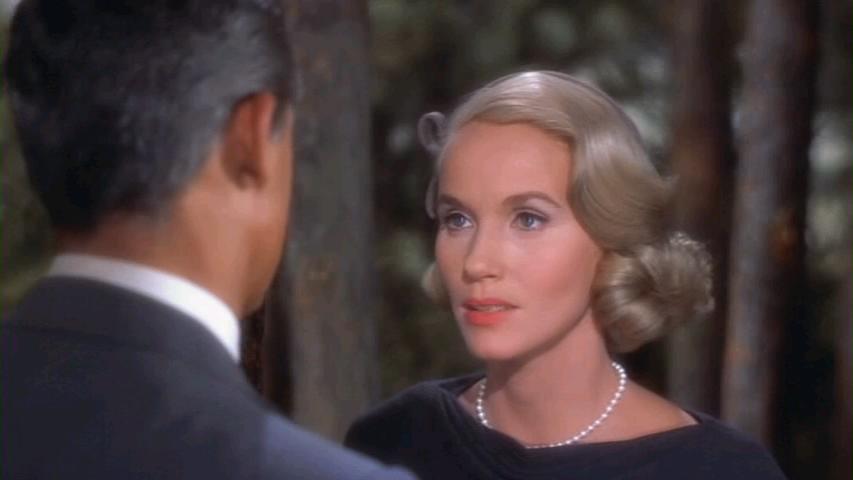
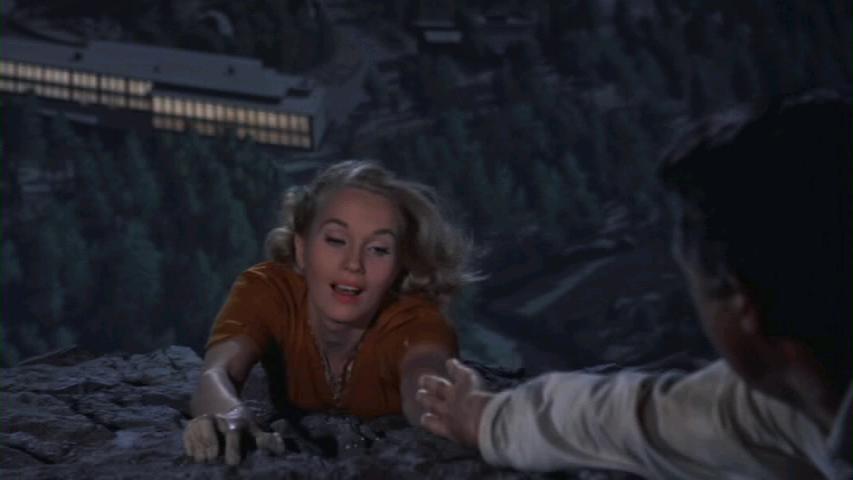
North by Northwest may be the perfect movie to show new film fanatics who aren’t yet familiar with Hitchcock’s oeuvre. Not only is it consistently great fun, but it deals with some of Hitch’s favorite themes: false accusations, mistaken identities, and “everyday” men who are forced into situations where they must rise to the occasion and help those in need. The remarkably risque romance between Grant and Saint (those endless kisses in the train compartment!) is classic Hitchcock as well: it develops logically out of the proceedings, and serves as the perfect motivation for Grant’s final heroic actions. Scene after scene in North by Northwest is both memorable and humorous — and, though we suspect that everything will turn out okay in the end (it has to!), we’re never really sure how; that was Hitchcock’s genius.

Redeeming Qualities and Moments:

  • Cary Grant — pitch perfect in the lead role as a man who finds himself thrust into a nightmarish situation beyond his control
  • Eva Marie Saint as Grant’s mysterious love interest
  • James Mason as Phillip Van Damm, cold-hearted head of the spy ring
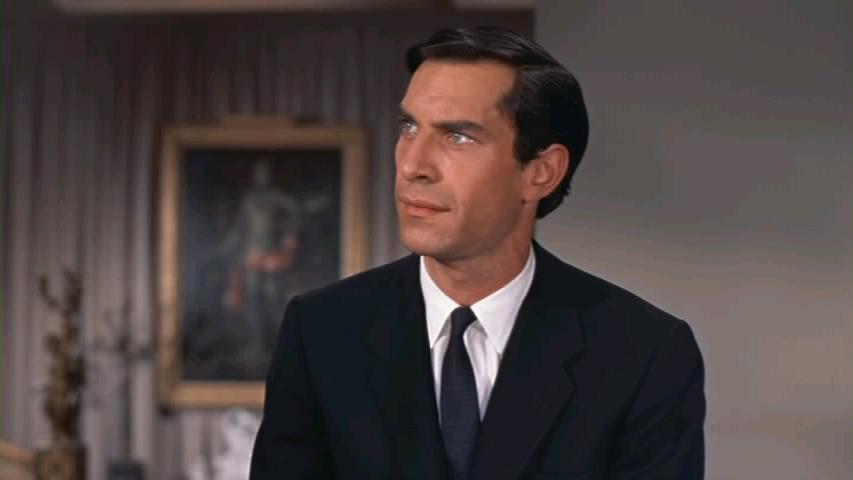
  • Martin Landau in a bit role as Van Damm’s right-hand-man
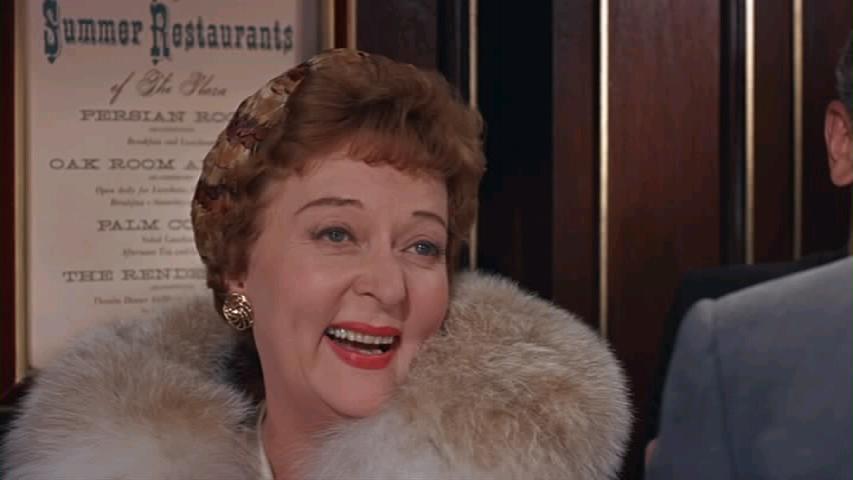
  • Jessie Royce — only one year older than Grant in real life — as his mother
  • Grant getting himself strategically thrown out of an auction
  • Grant entering the bedroom of a strange woman, who immediately falls for him
  • Grant running for his life from a lethal cropduster
  • The final climactic scene on Mt. Rushmore
  • Bernard Herrmann’s riveting score

Must See?
Absolutely. This remains one of Hitchcock’s most entertaining movies, and merits repeat viewing by all film fanatics.

Categories

  • Genuine Classic
  • Important Director

(Listed in 1001 Movies You Must See Before You Die)

Links:

Point of Order (1964)

Point of Order (1964)

“Apparently, Senator, you believe that anyone who disagrees with your point of view is a Communist.”

Synopsis:
Senator Joe McCarthy shows his true colors while standing on trial against the U.S. Army.

Genres, Themes, Actors, and Directors:

  • Courtroom Drama
  • Documentary
  • Downward Spiral
  • Emile de Antonio Films
  • Political Corruption

Response to Peary’s Review:
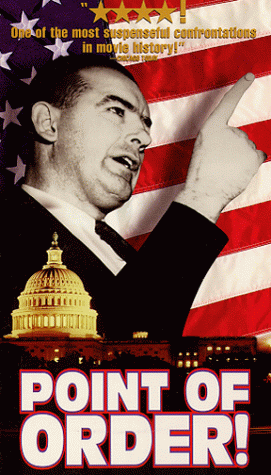
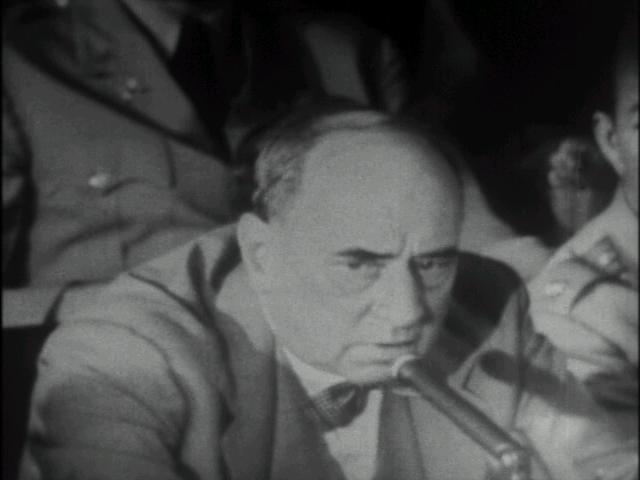
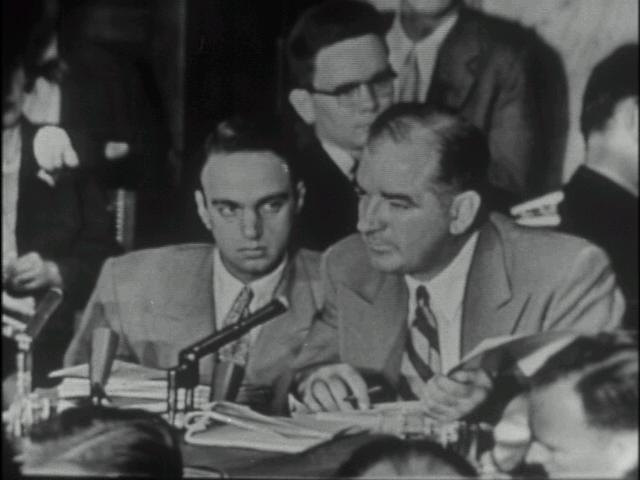
Emile De Antonio took more than 180 hours of television footage from the 1954 Army-McCarthy hearings and crafted this fascinating glimpse at the crash and burn of America’s most infamous “Commie witch hunter”. As Peary notes, de Antonio offers us the “perversely satisfying” opportunity to “watch [Senator Joe] McCarthy sweat and squirm” while “being railroaded by military and political big shots” — all, notably, without the “voice of God” narration so common in documentaries at the time. Though there are some dry patches in the film (especially while various participants in the trial read all the way through certain documents), this is more than made up for by countless too-good-to-be-true moments of drama and hilarity. Especially compelling is Boston lawyer Joseph Welch, who sits “in a slouch with hand on chin and wearing a bow tie”; indeed, Welch displayed such genuine presence during the hearings that he was drafted by Otto Preminger to star as the judge in his courtroom drama Anatomy of a Murder (1959). De Antonio rightfully recognized that the true drama of the case lay not in its ostensible subject (whether McCarthy and his counsel, Roy Cohn, granted special favors to Pvt. G. David Schine), but in McCarthy’s spectacularly pigheaded behavior — the beginning of his final fall from grace. Point of Order remains a potent time capsule of this infamous event, and demonstrates de Antonio’s genius for crafting pre-existing footage into incisive political barbs. See also de Antonio’s Millhouse: A White House Comedy (1967) and In the Year of the Pig (1968).

Redeeming Qualities and Moments:

  • Welch making his famous statement to McCarthy: “Have you no sense of decency, sir? At long last, have you left no sense of decency?”
  • A fascinating time-capsule glimpse at one of the most famous court trials in American history

Must See?
Yes. This remains a pivotal film in documentary history.

Categories

  • Historically Relevant

Links:

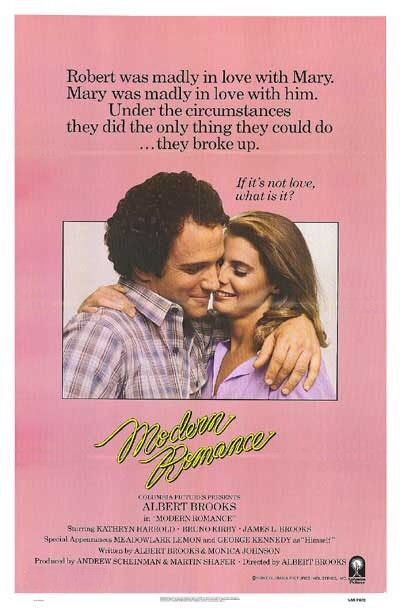
Modern Romance (1981)

Modern Romance (1981)

“One, two, three! And-I-don’t-even-miss-her, two, three!”

Synopsis:
After breaking up with his beautiful girlfriend Mary (Kathryn Harrold) for the umpteenth time, self-absorbed Hollywood editor Robert Cole (Albert Brooks) wallows in self-pity before trying to woo Mary back.

Genres, Themes, Actors, and Directors:

  • Albert Brooks Films
  • Dating
  • George Kennedy Films
  • Los Angeles
  • Romantic Comedy
  • Winning Him/Her Back

Response to Peary’s Review:
Critical opinions seem squarely divided on this early romantic comedy by Albert Brooks, which Peary inexplicably labels as “often brilliant” and “much underrated”. One’s ability to enjoy Modern Romance rests on how easily you can relate to the lead character — Peary finds him “sympathetic yet obnoxious”, but I think he is, quite simply, insufferable. Indeed, it’s impossible to have any sympathy for someone as “completely oblivious to his awful traits” as Robert is; one can’t help comparing him with Woody Allen, but at least Allen’s characters always exhibited a healthy dose of neurotic self-deprecation.

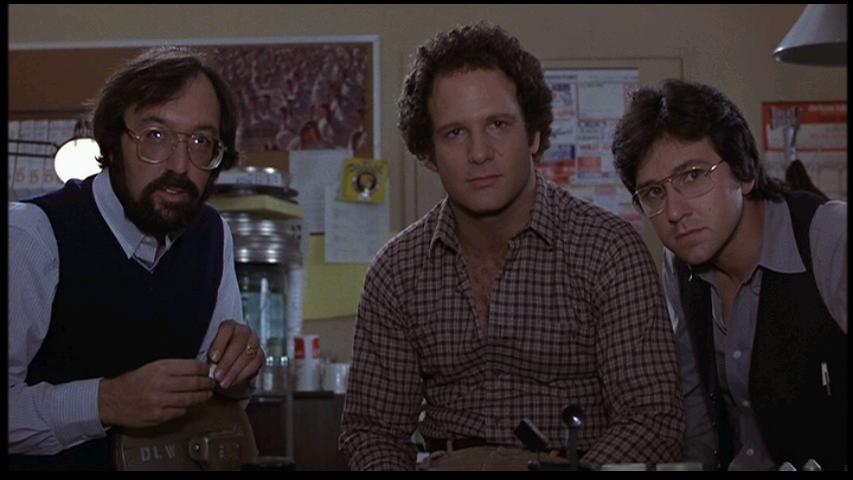
Kathryn Harrold does a fine job as Robert’s girlfriend, but it’s difficult to enjoy her performance simply because we can’t figure out why she’d want to be with this loser in the first place — let alone after the way we see him treating her again and again. The only mildly enjoyable scenes focus on Robert’s work as a film editor for real-life director James L. Brooks — yet these have nothing to do with the primary story, and could easily be from a different movie entirely. Read DVD Savant’s review instead of Peary’s to get a much better indication of what you’re likely in store for with this clunker.

Redeeming Qualities and Moments:

  • Bruno Kirby as Robert’s long-suffering friend and colleague
  • A clever inside look at the politics of filmmaking and editing
  • Robert being pressured into buying far too much running gear
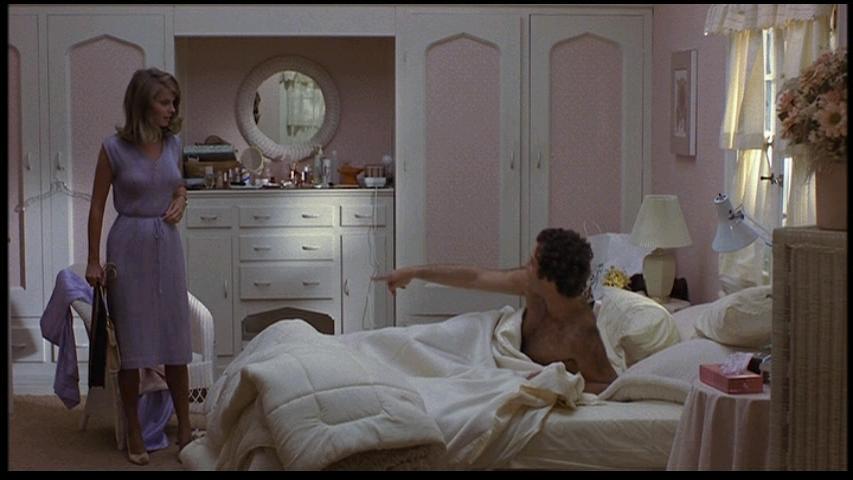
  • A few mildly amusing moments between Robert and Mary — such as when Robert eyes Mary’s revealing knit dress with jealous disapproval, and tells her it makes her nipples look like eyeballs

Must See?
No. While some would argue this is an essential film in Brooks’s early oeuvre, I can’t in good conscience recommend it as must-see viewing for anyone but fans of Brooks.

Links:

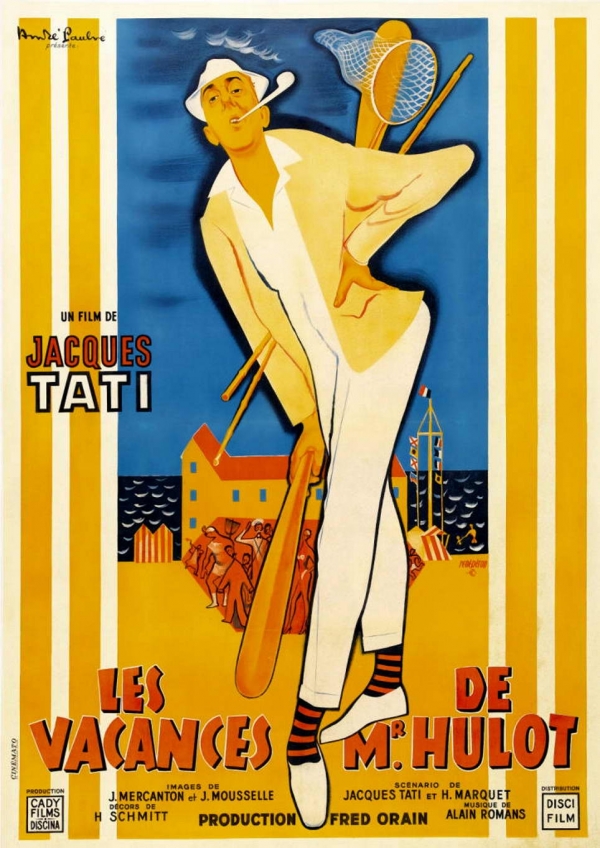
Mr. Hulot’s Holiday (1953)

Mr. Hulot’s Holiday (1953)

“Hulot: H — U — L — O — T.”

Synopsis:
Bumbling Monsieur Hulot (Jacques Tati) visits a seaside hotel in Brittany, where he accidentally causes mayhem.

Genres, Themes, Actors, and Directors:

  • Comedy
  • French Films
  • Jacques Tati Films
  • Misfits
  • Vacation

Response to Peary’s Review:
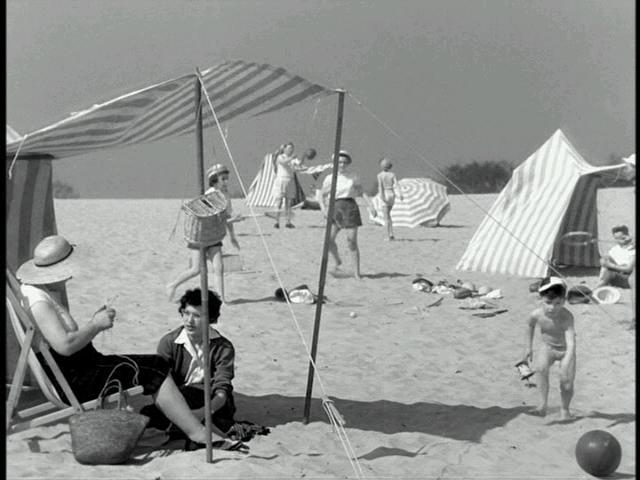
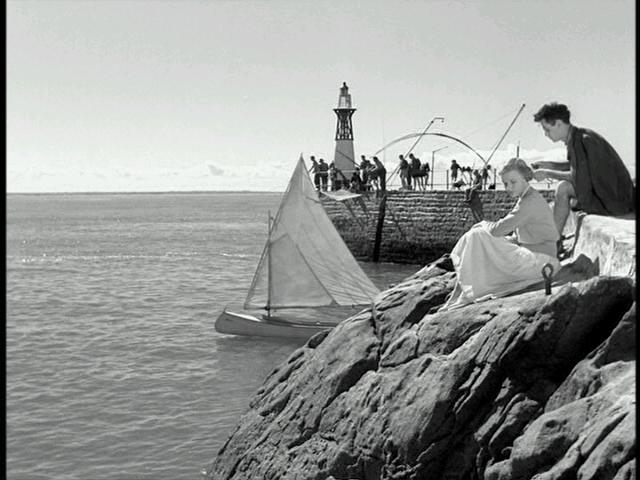
Peary — along with just about every other critic on the planet (see links below) — considers this Jacques Tati classic to be “as enjoyable as a day at the beach.” He praises the “intricate visual gags”, the “enjoyable slapstick”, and the “appealing”, “childlike” nature of Hulot, and notes that “much laughter comes from watching Hulot’s fellow vacationers.” For my part, however, I fail to see the appeal of the film on any comedic level. While it’s visually beautiful to look at, the vacationers aren’t intriguing in the slightest, and Monsieur Hulot is, quite simply, not funny: his strange, stork-like walk holds interest for about three seconds, then quickly becomes both redundant and ridiculous; his sight gags seem like they would be amusing only for the very young. Indeed, I can understand the appeal of Mr. Hulot’s Holiday for families with children — it’s an innocent, innocuous movie, and kids may very well appreciate watching a silly-looking man making a fool of himself again and again. Ultimately, however, I consider Tati to be wearing Emperor’s Clothing — everyone insists there’s genius to be had, but I’m just not seeing it.

Redeeming Qualities and Moments:

  • An interesting “time capsule” glimpse at vacationers in 1950s France
  • Beautiful b&w cinematography
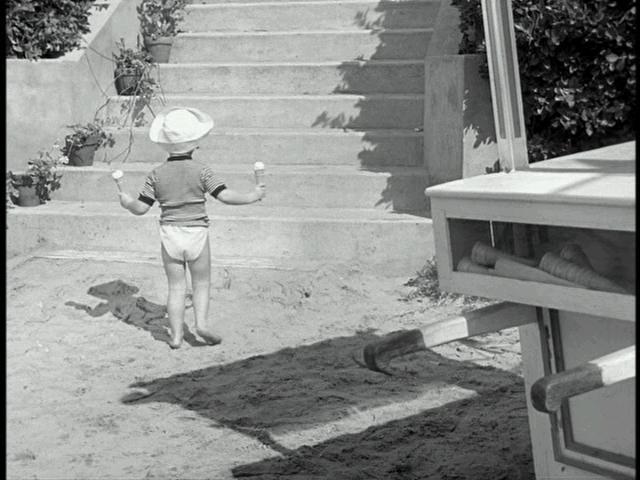
  • Some genuinely sweet images — such as a young boy in diapers carefully carrying two ice cream cones
  • A few mildly clever sight gags — such as when Hulot’s paint can is washed out to sea and then back again, just in time

Must See?
Yes. Though it’s not at all to my tastes, this remains an undisputed classic of world cinema, and should be seen by all film fanatics.

Categories

  • Genuine Classic

(Listed in 1001 Movies You Must See Before You Die)

Links: