Browsed by
Category: Response Reviews

My comments on Peary’s reviews in Guide for the Film Fanatic (Simon & Schuster, 1986).

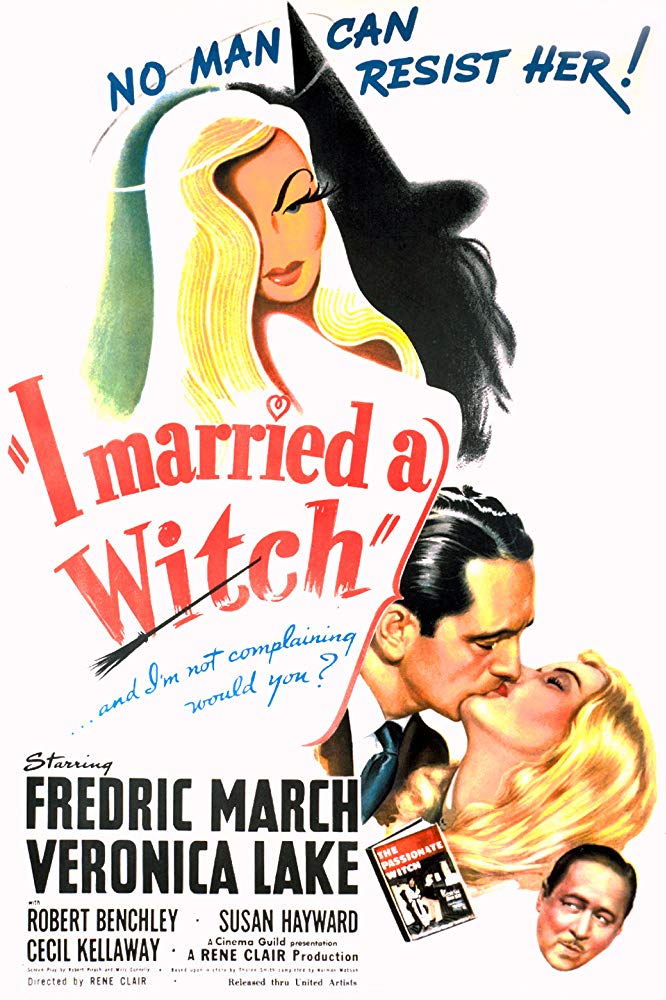
I Married a Witch (1942)

I Married a Witch (1942)

“Jonathan Wooley, thou hast denounced me as a witch — for that, thou shalt be accursed!”

Synopsis:
The spirits of a witch (Veronica Lake) and her father (Cecil Kelloway) who were burned at the stake in 17th century New England take revenge upon the descendant (Fredric March) of their accuser. Things become more complicated, however, when Lake accidentally drinks a love potion, and finds herself smitten with March.

Genres, Themes, Actors, and Directors:

  • Cecil Kellaway Films
  • Fantasy
  • Fredric March Films
  • Rene Clair Films
  • Revenge
  • Romantic Comedy
  • Susan Hayward Films
  • Time Travel
  • Veronica Lake Films
  • Witches and Wizards

Response to Peary’s Review:
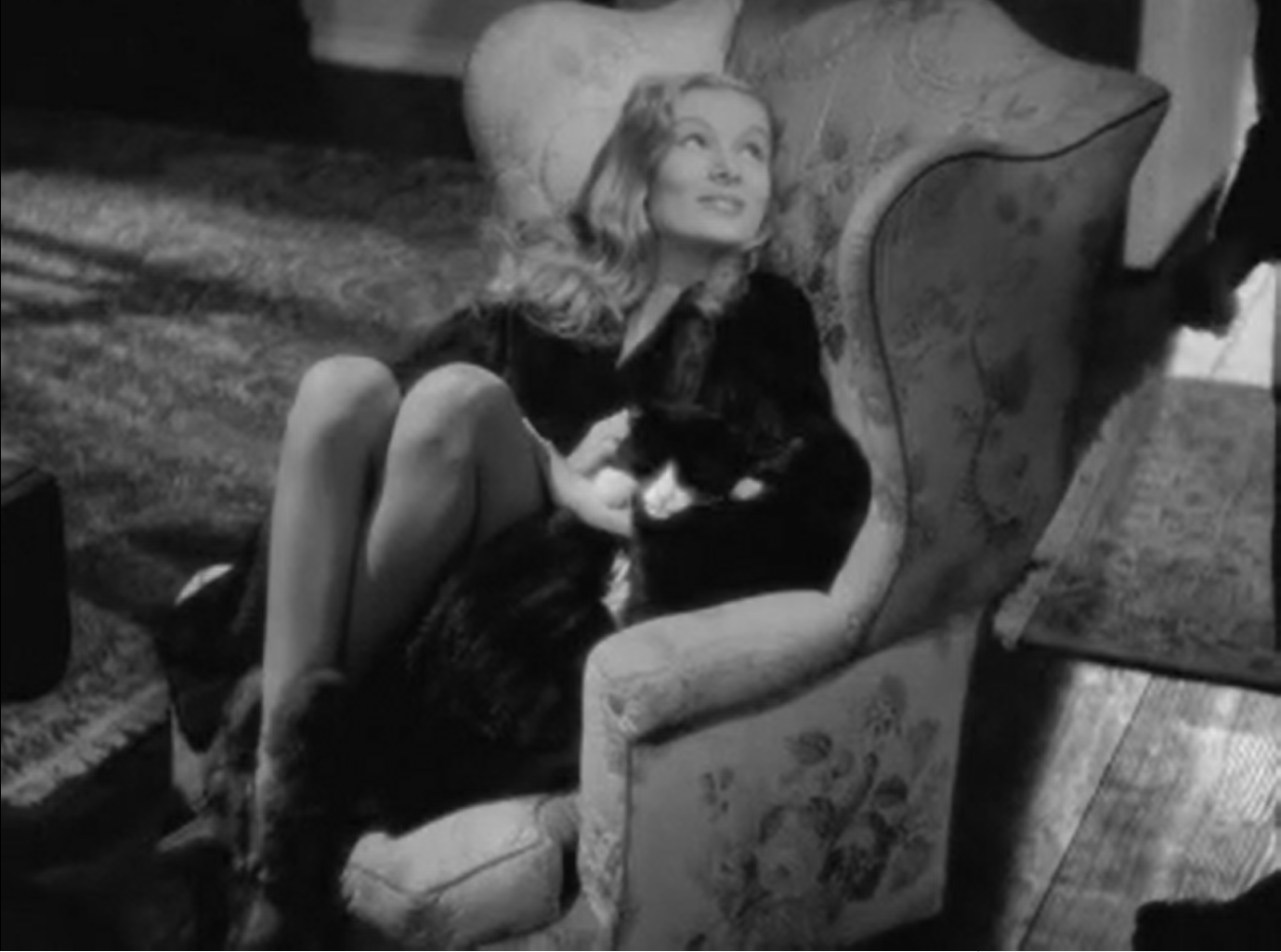
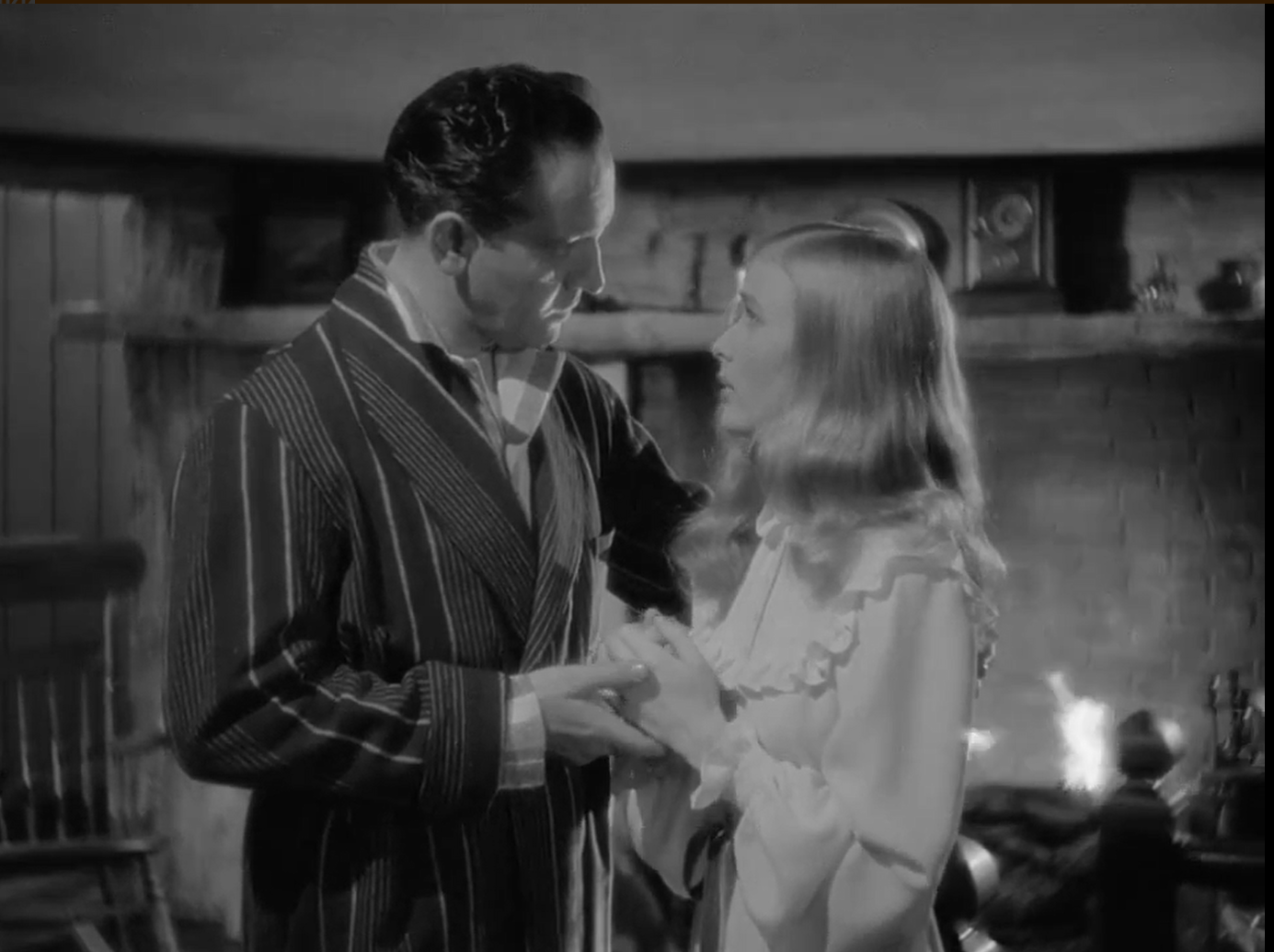
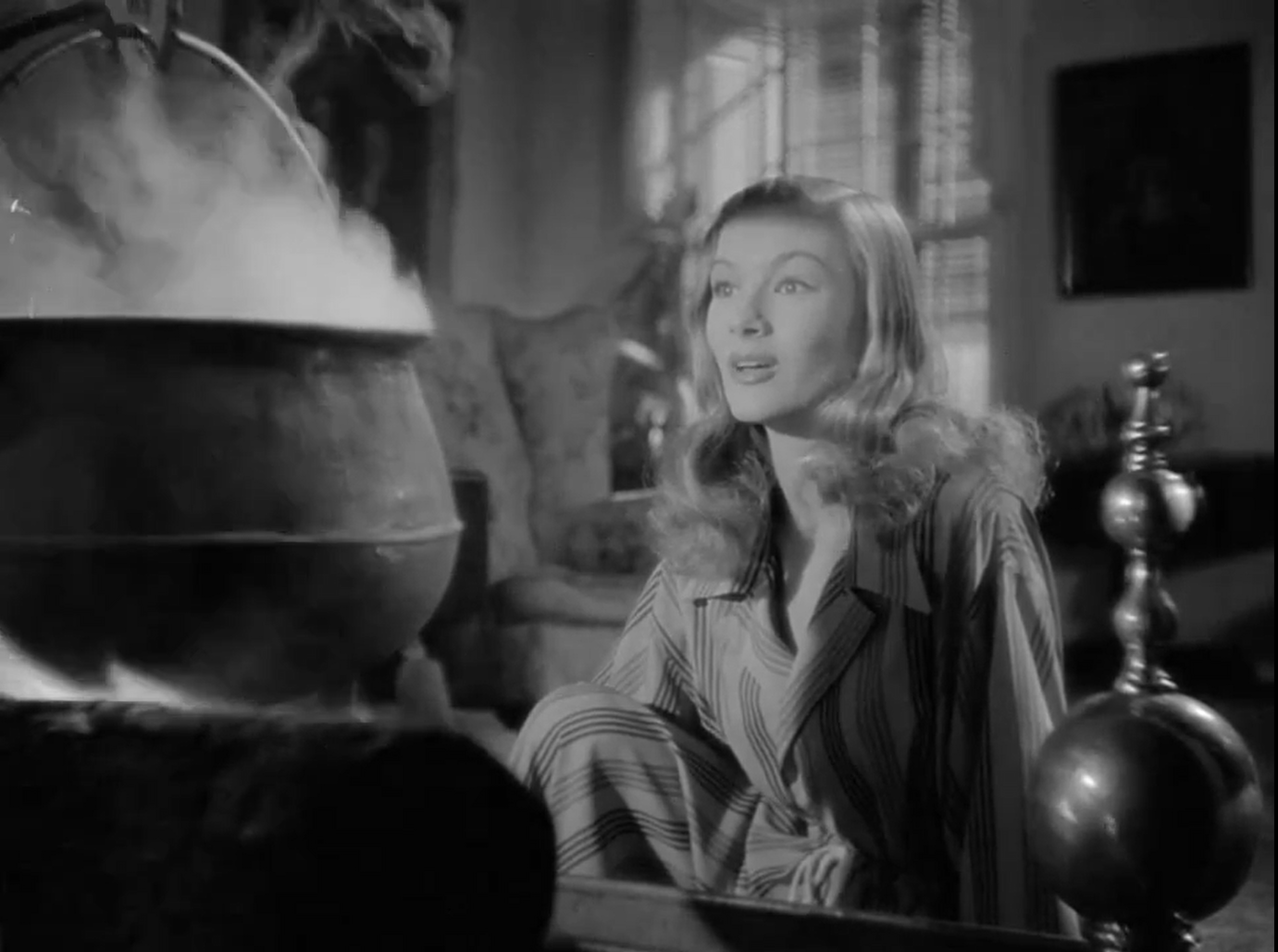
As Peary notes, this “reasonably funny” romantic fantasy by director Rene Clair is “bolstered by some truly special effects and a memorable performance by Lake”, who — with her trademark curtain of golden-blonde hair — is “extremely sexy”. The story is most amusing in the first half, as Lake does her best to make life difficult for March, a hapless gubernatorial candidate who’s being hoodwinked into marriage with a woman (Susan Hayward) he doesn’t love simply to earn voter sympathy the day before a statewide election.

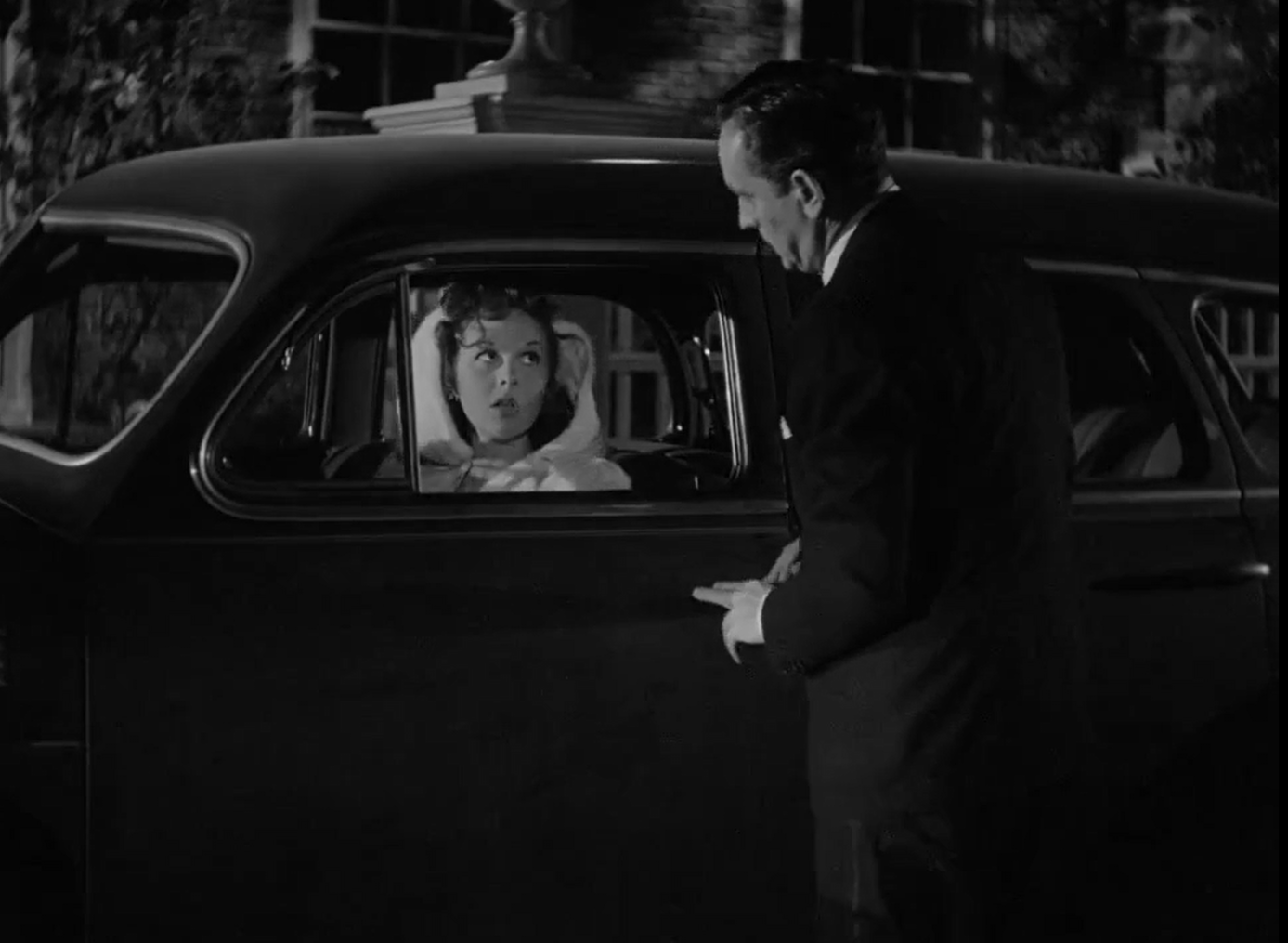
Lake — who proves herself to be an admirable comedic actress — is the perfect embodiment of pixyish mischief, as she dawdles in a burning building while March is trying to “rescue” her, throws her fur coat (her only piece of clothing!) out the window of her taxi cab, and turns up lounging in March’s bed on the day of his wedding.

March is appropriately stiff and stuffy as the object of Lake’s torture (and affection); it’s fun to see his sudden transformation once Lake successfully works her charm on him.

Interestingly, March and Lake hated each other in real life, and Lake did what she could to make his life miserable on set — but you’d never know from watching them interact together.

Redeeming Qualities and Moments:

  • Veronica Lake as “Jennifer”
  • Cecil Kellaway as Lake’s naughty father
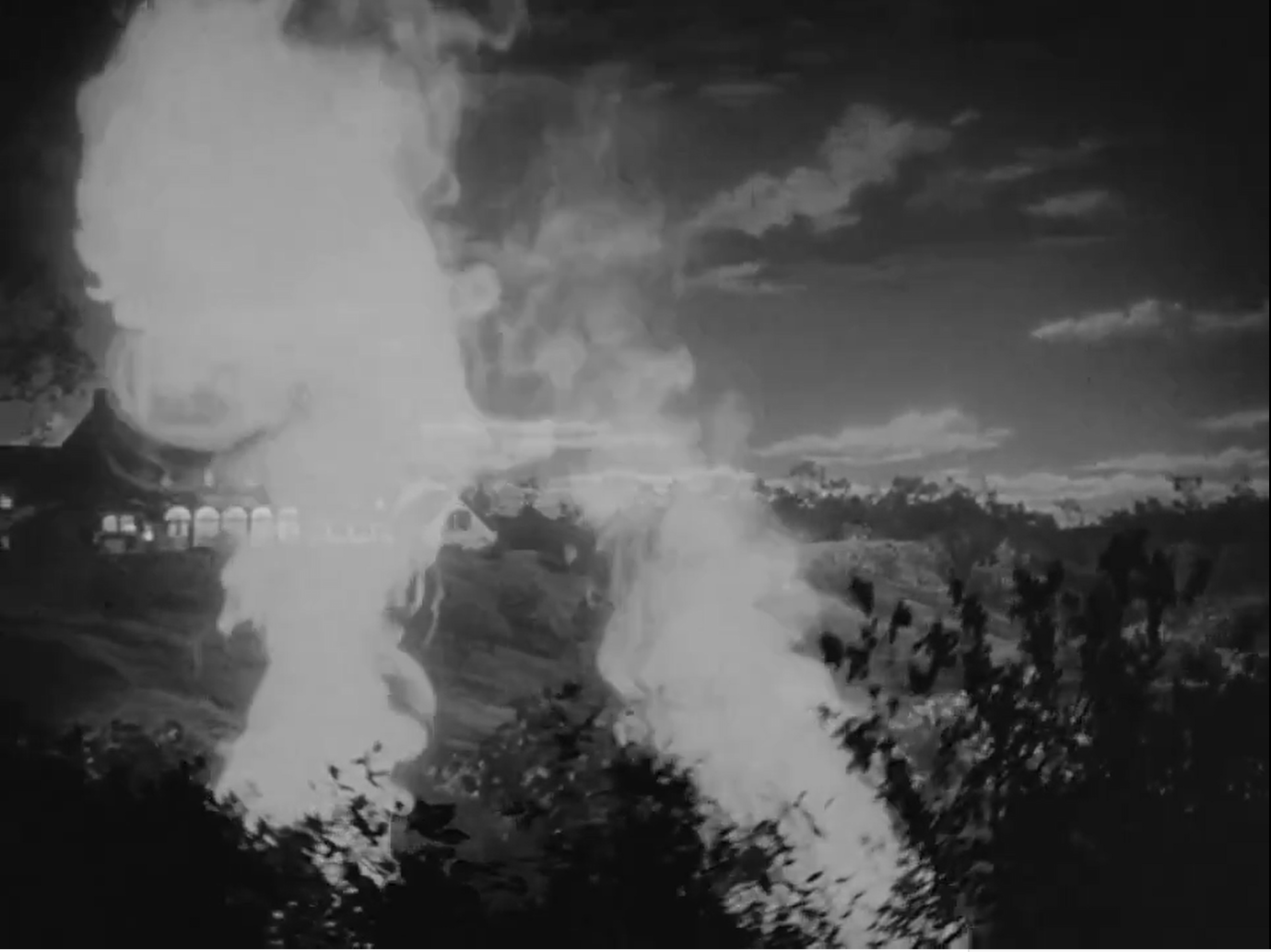
  • Some nifty special effects — I particularly like the way Lake and Kellaway travel around in funnels of gray smoke (one big, one small) before embodying human forms

Must See?
Yes, for Lake’s charming performance, and for its historical importance as the inspiration behind the TV series “Bewitched”.

Categories

  • Historically Relevant
  • Noteworthy Performance(s)

Links:

It Happened One Night (1934)

It Happened One Night (1934)

“I had you pegged from the jump: just a spoiled brat of a rich father.”

Synopsis:
A spoiled heiress (Claudette Colbert) whose controlling father (Walter Connolly) disapproves of her recent elopement with an aviator (Jameson Thomas) runs away, and is discovered by a reporter (Clark Gable) hoping for a big story. As they travel together, they gradually fall in love — but Colbert’s new husband is waiting for her.

Genres, Themes, Actors, and Directors:

  • Alan Hale Films
  • Clark Gable Films
  • Claudette Colbert Films
  • Frank Capra Films
  • Heiresses
  • Journalists
  • Love Triangle
  • Road Trip
  • Romantic Comedy
  • Runaways

Response to Peary’s Review:
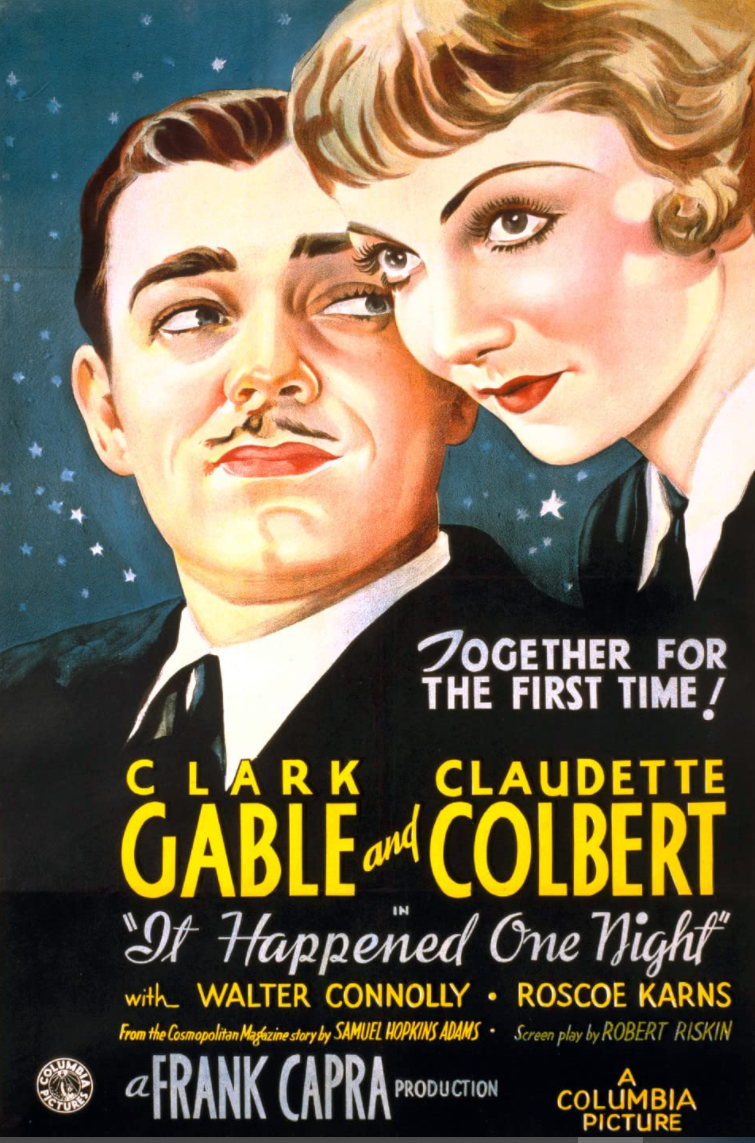
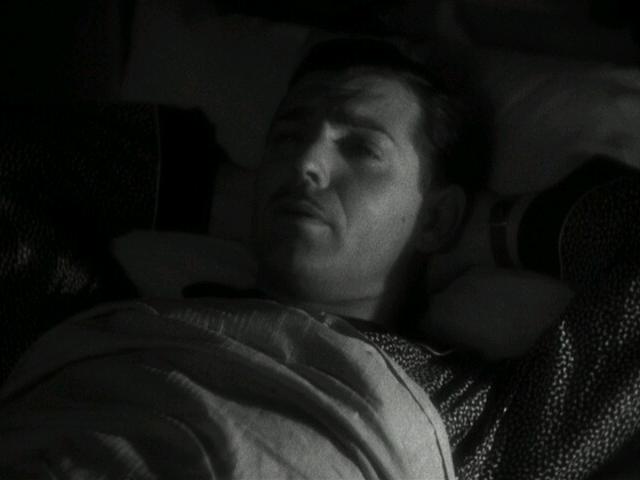
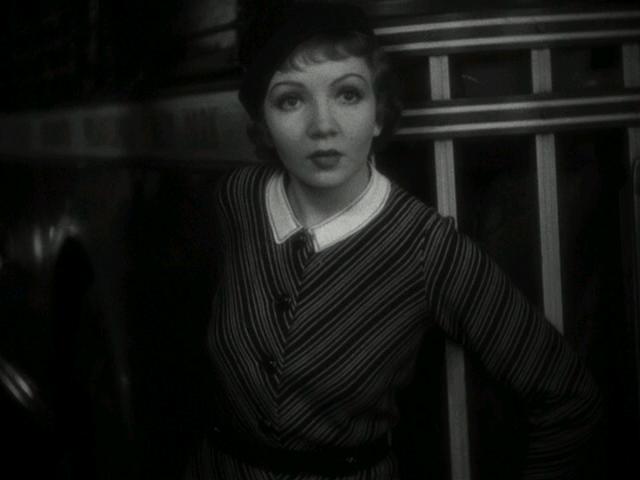
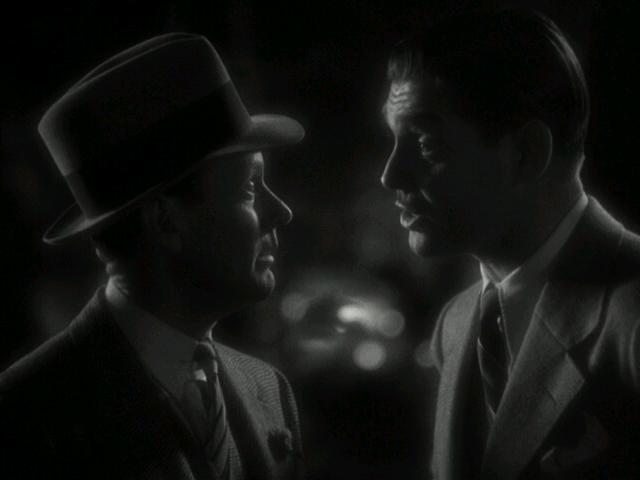
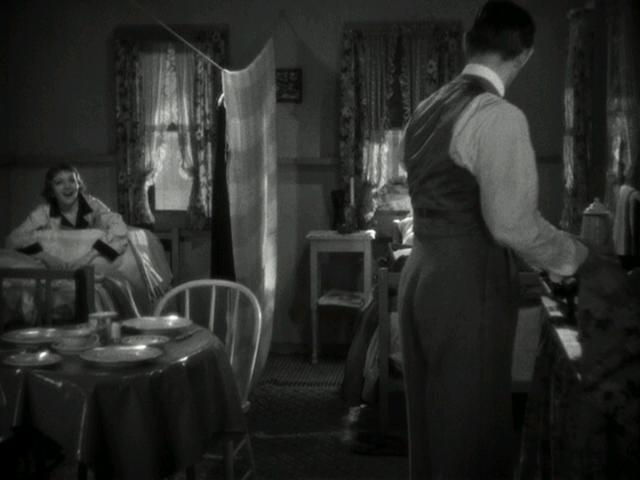
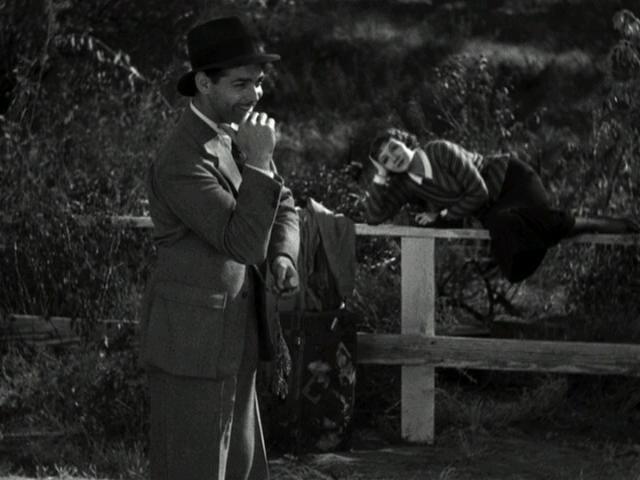
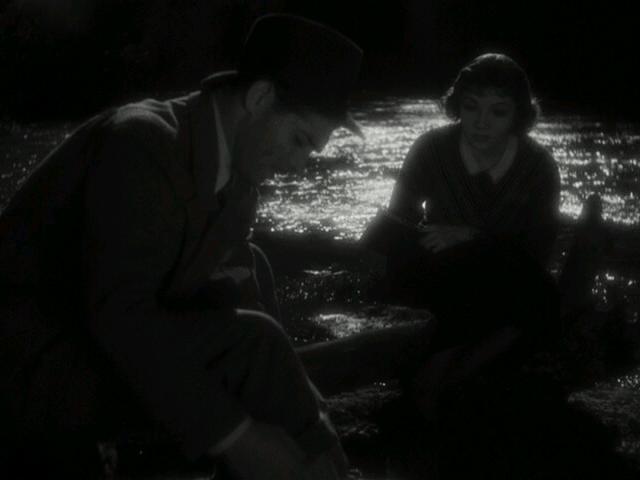
Frank Capra’s screwball fairy tale — which swept all of that year’s five major Oscars — is, as Peary notes, a “super” film with many special “small moments” (who can forget the “Walls of Jericho”, or Gable and Colbert trading hitchhiking tips?). Unlike most of Capra’s later work, It Happened One Night is decidedly un-preachy; while it offers astute observations on issues of class and gender, none of these “lessons” are hammered over our heads. Colbert was reportedly unhappy with being cast in the film, but her implicit disdain works well for her character; and Gable — with his wisecracking, cynical demeanor — is perfectly cast as the tippling reporter who finds himself falling for Ellie despite his better judgment. A personal favorite of many, It Happened One Night is certainly must see viewing for all film fanatics.

Redeeming Qualities and Moments:

  • Clark Gable as wisecracking Peter Warne
  • Claudette Colbert as strongheaded Ellie (nominated by Peary as Best Actress of the Year in his Alternate Oscars book)
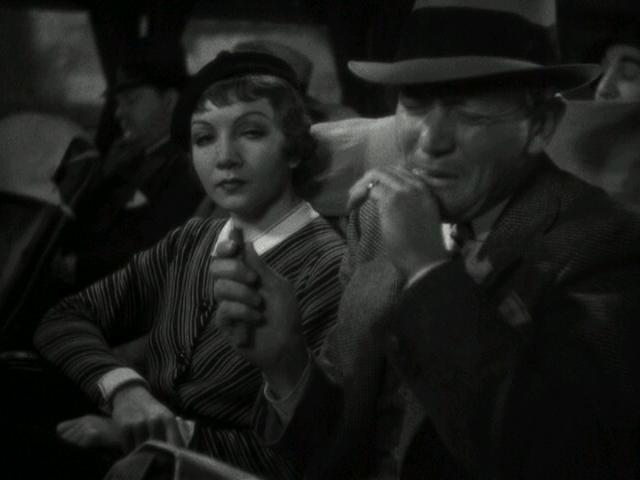
  • Roscoe Karns as an obnoxious bus passenger trying to sweet-talk Colbert: “Well, shut my big, nasty mouth!”
  • Gable scaring Karns by posing as a gangster
  • The infamous “walls of Jericho” scene
  • Peter attempting to show Ellie how hitchhiking “should” be done
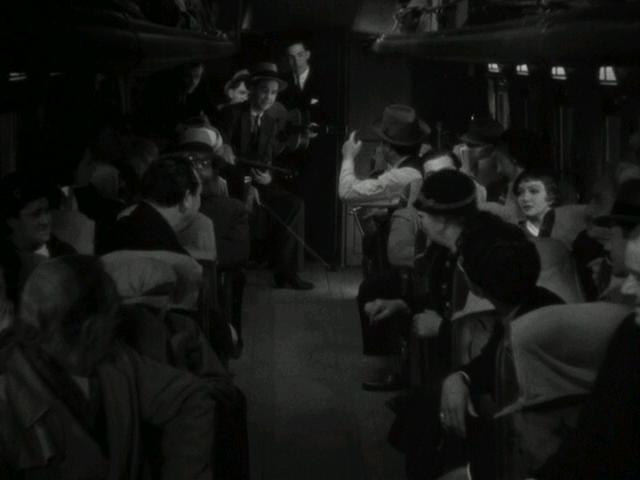
  • An entire bus bursting into song with “That Daring Young Man on the Flying Trapeze”
  • Joseph Walker’s gorgeous cinematography

Must See?
Yes. This classic romantic comedy has held up remarkably well, and should be seen by every film fanatic. Nominated by Peary as one of the Best Pictures of the Year in his Alternate Oscars book (though he ultimately chooses The Scarlet Empress instead).

Categories

  • Genuine Classic
  • Historically Relevant
  • Oscar Winner or Nominee

(Listed in 1001 Movies You Must See Before You Die)

Links:

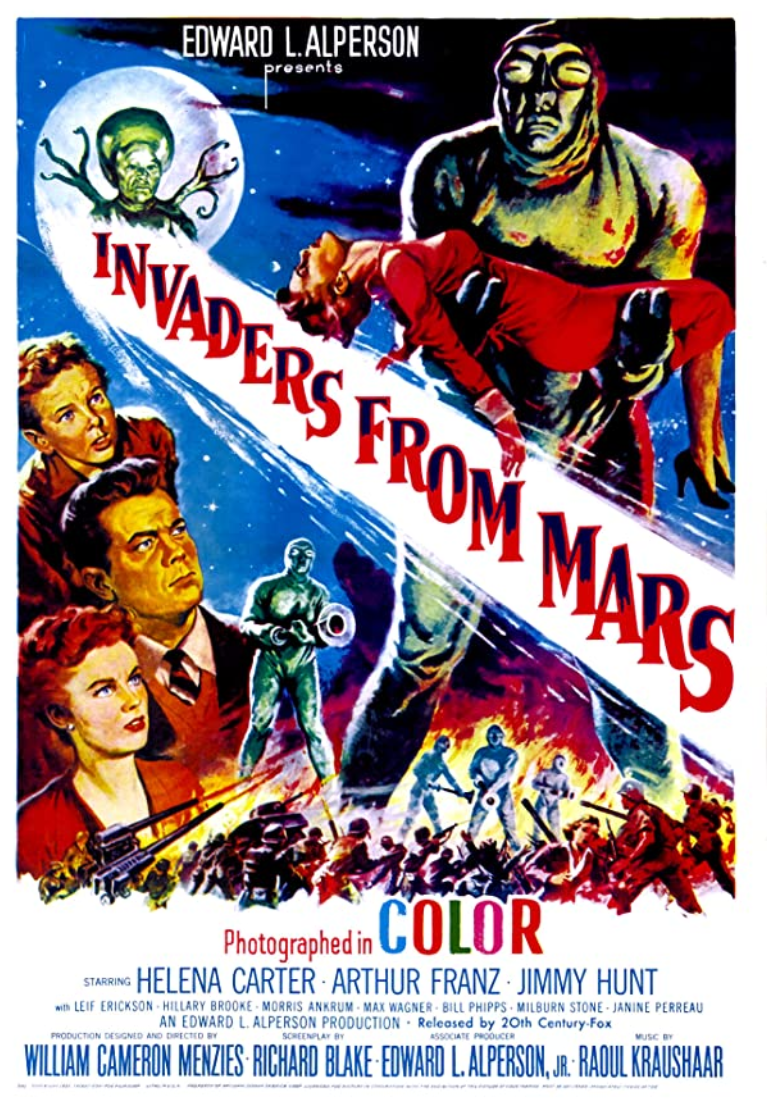
Invaders From Mars (1953)

Invaders From Mars (1953)

“David says something landed in the field out back. It doesn’t make sense, but he seems so convinced!”

Synopsis:
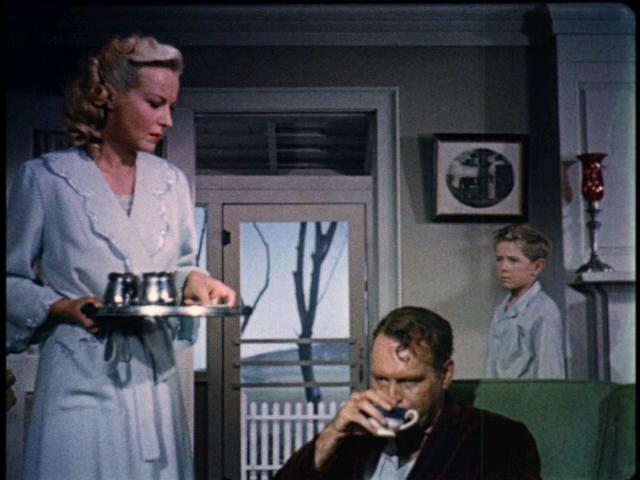
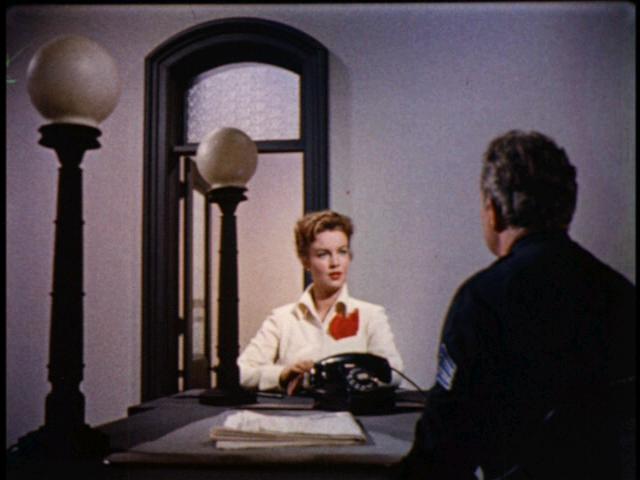
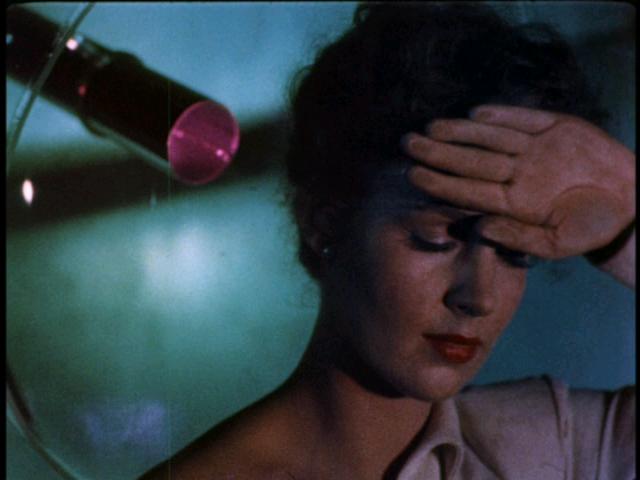
Young David (Jimmy Hunt) awakens at night to see a flying saucer landing under a plot of sand behind his house. When his father (Leif Erickson) goes out to investigate, he’s sucked into the sand and returns brainwashed; soon the same thing happens to David’s mother (Hillary Brooke), two investigating policemen, a neighbor girl (Janine Perreau), and others. When David finally convinces a kind, beautiful doctor (Helena Carter) that he’s telling the truth, the military becomes involved in a massive effort to stop the aliens.

Genres:

  • Aliens
  • Mind Control and Hypnosis
  • “No One Believes Me!”
  • Science Fiction

Response to Peary’s Review:
Peary notes that while Invaders From Mars is “not as good as… Invasion of the Body Snatchers [or] I Married a Monster” (both films dealing with similar themes), it’s “fondly remembered by those of us who saw it when we were children”; DVD Savant (see link below) is another fan, and his blow-by-blow analysis (he claims to have seen it roughly 50 times over the years!) shows just how deep an impression it must have made on many young boys. Viewers today will likely classify it as yet another low-budget ’50s sci-fi paranoia film (with possible overtones of “an anti-communist political allegory because the aliens use mind control”), and laugh at its uneven acting, campy special effects (those Martian costumes!), and over-reliance on stock military footage during the denouement. With that said, Invaders From Mars is notable both for its effective portrayal of a young boy struggling to make adults believe him (freckle-faced Jimmy Hunt is perfectly cast), and for director William Cameron Menzies’ truly unusual set designs, which add “to the film’s surreal look”.

Redeeming Qualities and Moments:

  • An effectively paranoid portrayal of a happy nuclear family destroyed by alien forces
  • The stylized low-budget set designs
  • Campy special effects and alien costumes
  • Several memorable shots

Must See?
Yes, for its historical importance as a seminal alien invasion flick.

Categories

  • Historically Relevant

Links:

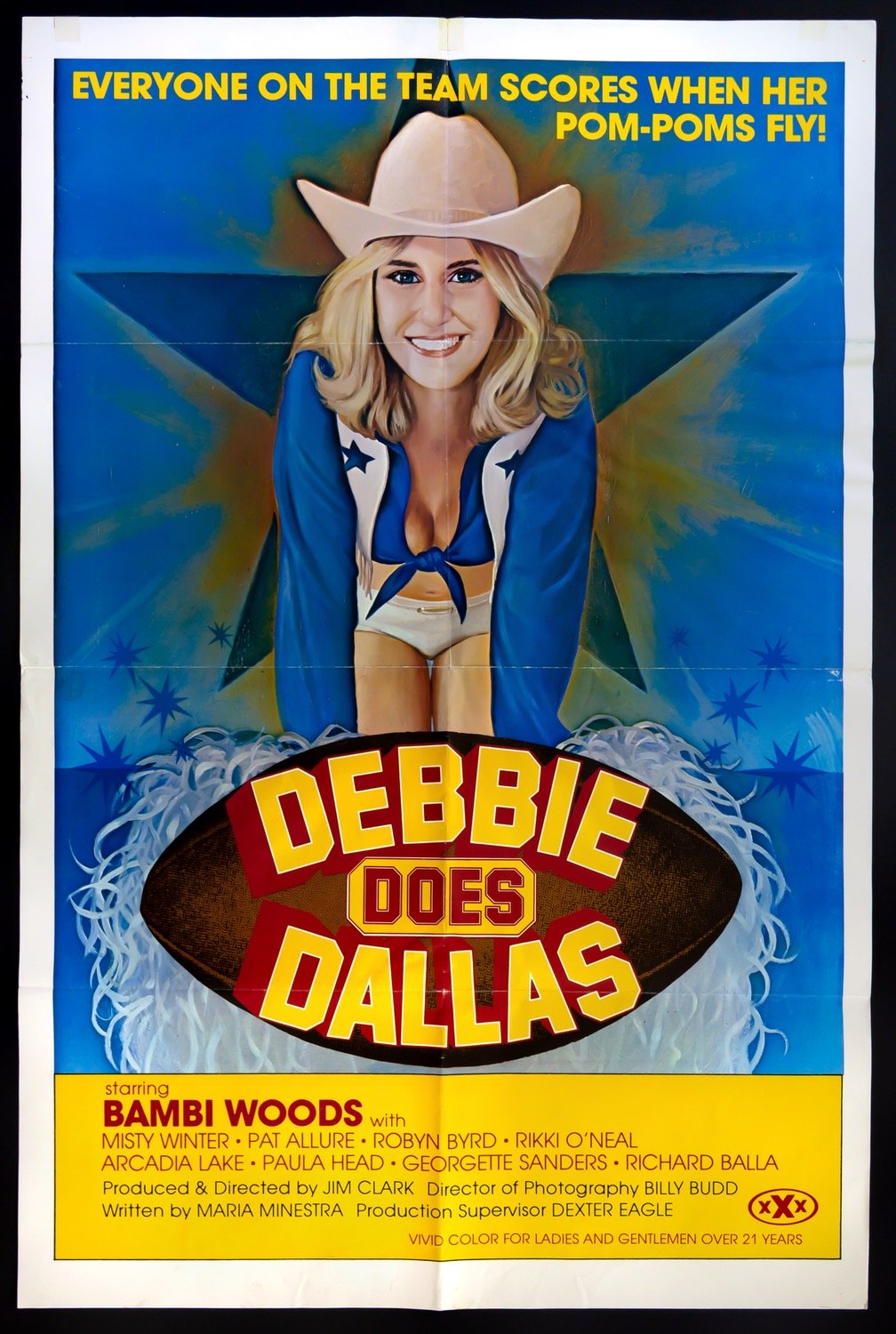
Debbie Does Dallas (1978)

Debbie Does Dallas (1978)

“Debbie, I’m so proud of you!”

Synopsis:
A group of high school cheerleaders, hoping to try out professionally in Dallas, have sex with their employers to raise money for the trip.

Genres:

  • Adult Films
  • Cheerleaders

Response to Peary’s Review:
As Peary notes, this adult film’s alliterative title — “the reason for its great success” — is “the most original thing about it”. The “acting is terrible,” the sex is “run-of-the-mill, repetitive, and mechanical,” and everyone comes across as downright dumb — yet somehow, it still became one of the top five highest-grossing adult films in history. Go figure. A recent documentary about the film — Debbie Does Dallas Uncovered (2005) — is nearly as boring and exploitative as the original; don’t bother renting it.

Redeeming Qualities and Moments:

  • None, other than the clever title

Must See?
Yes, simply for its status in adult film history.

Categories

Links:

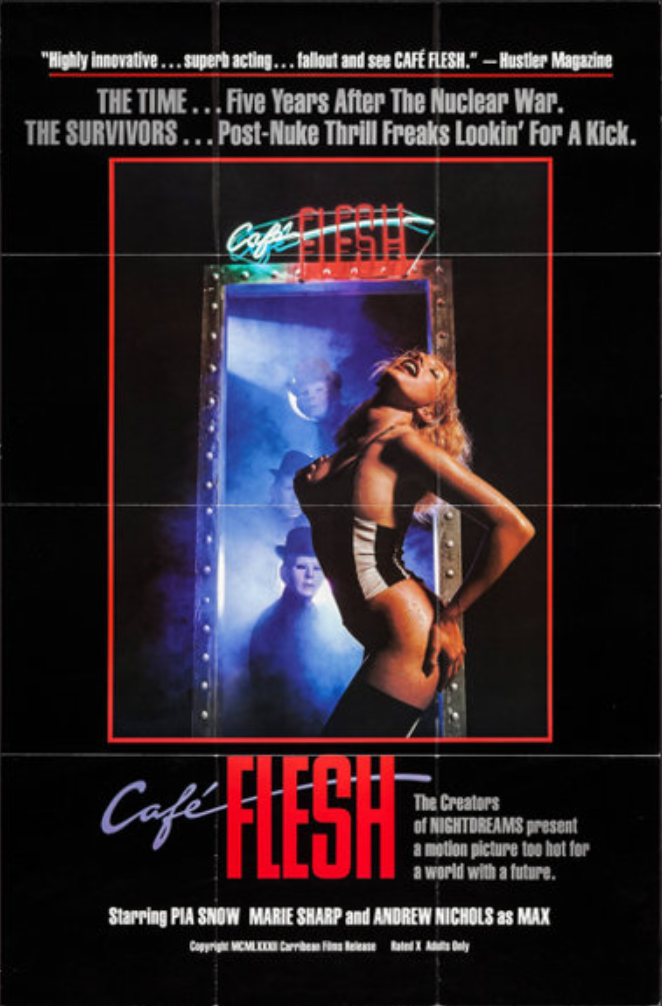
Cafe Flesh (1982)

Cafe Flesh (1982)

“You don’t have to be ashamed; there’s nothing wrong with just watching.”

Synopsis:
In a post-nuclear dystopia, the world is divided into “Sex Negatives” (those who become ill from sex) and “Sex Positives” (those are still able to enjoy it). Sex Positives are forced by the government to have sex in nightclubs, where envious, masochistic Sex Negatives flock to watch them.

Genres:

  • Adult Films
  • Dystopia
  • Nightclubs
  • Nuclear Holocaust
  • Science Fiction

Response to Peary’s Review:
As Peary points out, this is truly the “thinking person’s [p.] film”, a rare instance where sexual acts actually makes sense in the context of an adult movie. He writes that while it’s “obviously not for all tastes”, the “acting is very good, the characters are genuinely interesting” and “it is witty, provocative, and erotic”. In addition, the film has a somewhat compelling plot: a Sex Positive pretends to be a Sex Negative in order not to alienate her SN partner or “damage his ego”. As pointed out in Time Out’s Capsule Review, this early-’80s film is remarkably prescient of the AIDS epidemic, which similarly segregated “positive” and “negative” sexual partners from each other.

Redeeming Qualities and Moments:

  • An authentically intriguing premise
  • Visually interesting, “highly stylized” sex scenes

Must See?
Yes. This is on a par with The Devil in Miss Jones (1973) as one of the most creative and thought-provoking adult films ever made. Discussed at length in Peary’s Cult Movies 3 (1988).

Categories

Links:

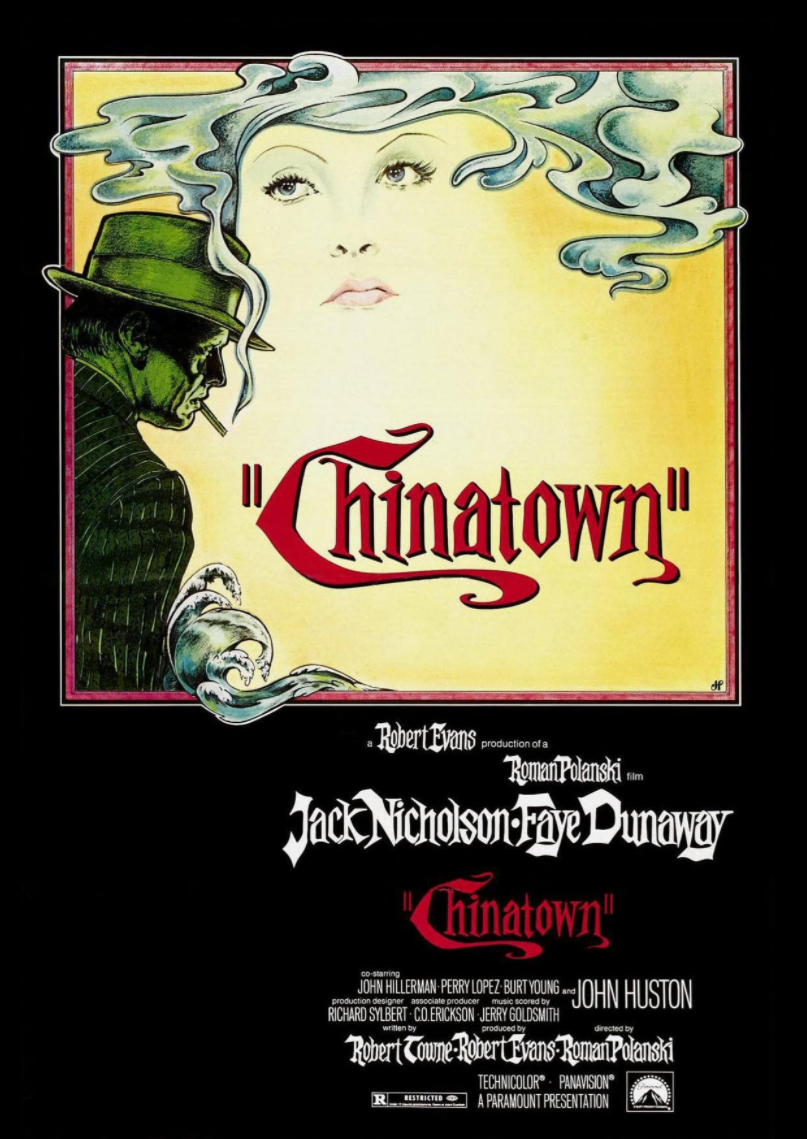
Chinatown (1974)

Chinatown (1974)

“Either you bring the water to L.A., or you bring L.A. to the water.”

Synopsis:
In 1930s Los Angeles, a private detective (Jack Nicholson) finds himself embroiled in a complicated plot of murder, corruption, and twisted sexuality.

Genres, Themes, Actors, and Directors:

  • Corruption
  • Detectives and Private Eyes
  • Diane Ladd Films
  • Faye Dunaway Films
  • Jack Nicholson Films
  • Los Angeles
  • Murder Mystery<
  • Roman Polanski Films

Response to Peary’s Review:
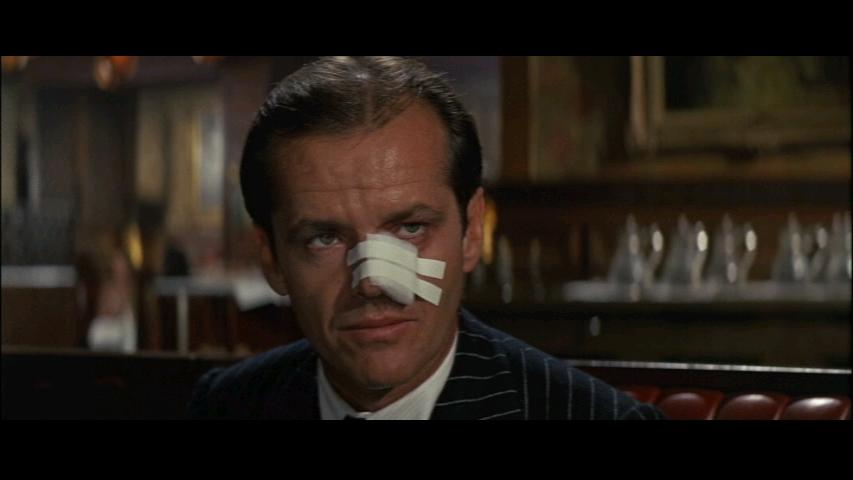
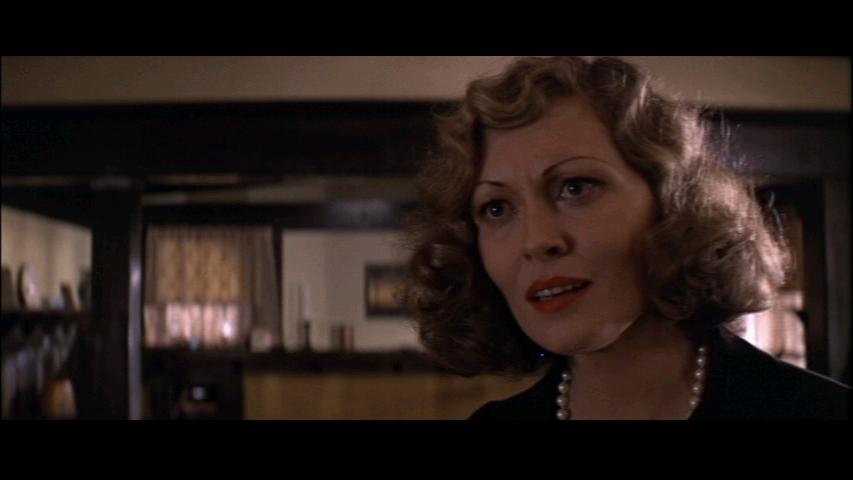
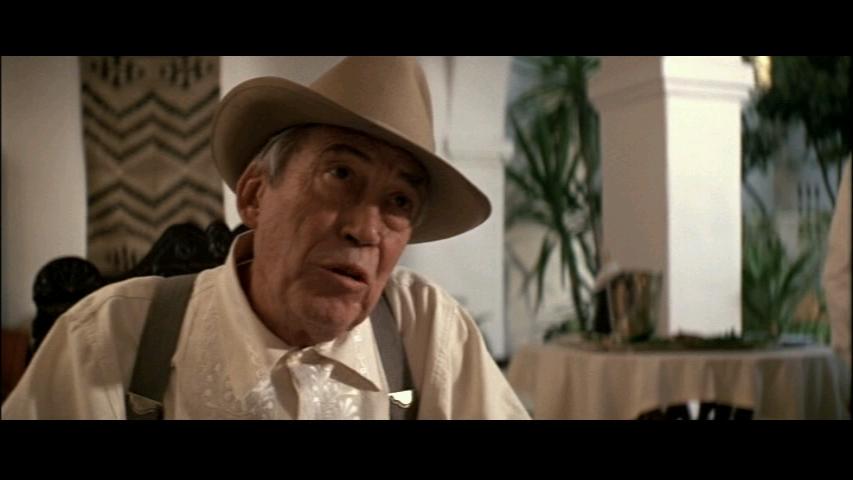
Widely acknowledged as a modern American classic, Roman Polanski’s Chinatown is indispensable viewing for all film fanatics. As Peary notes, it’s a “superlative detective picture” with a “powerful Oscar-winning script”, and a central mystery which “gets more complicated by the minute”; indeed, one must watch carefully and attentively in order to catch all the story’s nuances. The performances across the board are excellent, with Jack Nicholson particularly well-cast as hardboiled Jake Gittes, a savvy P.I. who nonetheless always seems to be one step behind the game. He’s often unable to calculate who’s guilty and who’s not; it’s only through sheer persistence, sly investigative techniques, and a willingness to commit occasional violence that he gets anywhere. Faye Dunaway is fragile and mysterious as a woman with a heavy past (who may or may not be guilty), and John Huston is truly frightening as Dunaway’s wealthy tycoon father.

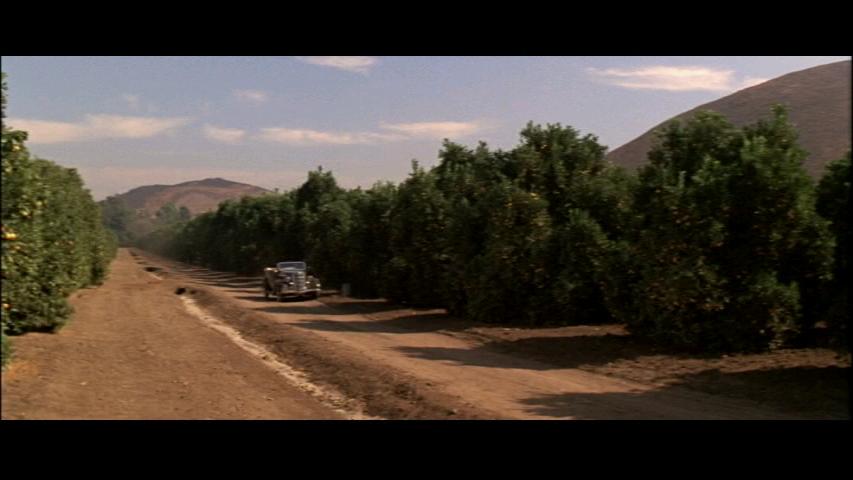
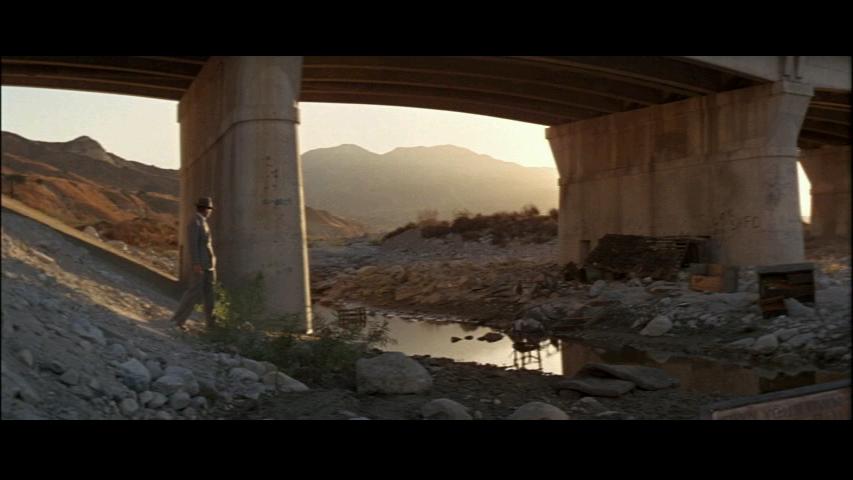
In addition to its wonderful performances, Chinatown is full of many unforgettable scenes: Gittes getting his nose slashed by a thug (Polanski in cameo); Gittes spying on Dunaway and a mysterious young woman through a window (and, later, discovering who the woman is); Gittes driving recklessly through an orange grove while being chased by gun-wielding farmers; Gittes smooth-talking his way into a rest home. Perhaps most memorable, however, is the film’s overall look and feel, including John Alonzo’s luminous cinematography, Richard Sylbert’s meticulous production design, Jerry Goldsmith’s score, and Polanski’s excellent use of outdoor locales in the greater L.A. area (ranging from Catalina Island to concrete sewers to farmland to — famously, in the final scene — Chinatown itself). While Chinatown is too depressing to be a personal favorite, there’s no denying the sheer visceral power of its story, characters, and settings.

Redeeming Qualities and Moments:

  • Jack Nicholson as J.J. “Jake” Gittes
  • Faye Dunaway as Evelyn Mulwray
  • John Huston as Noah Cross
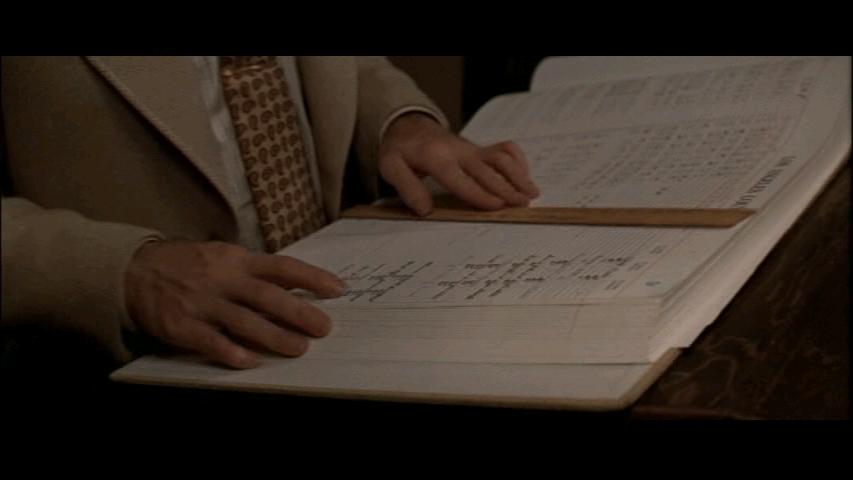
  • Jake’s clever ruse at the public documents office
  • The infamous “nose slashing” scene (with a cameo by Polanski)
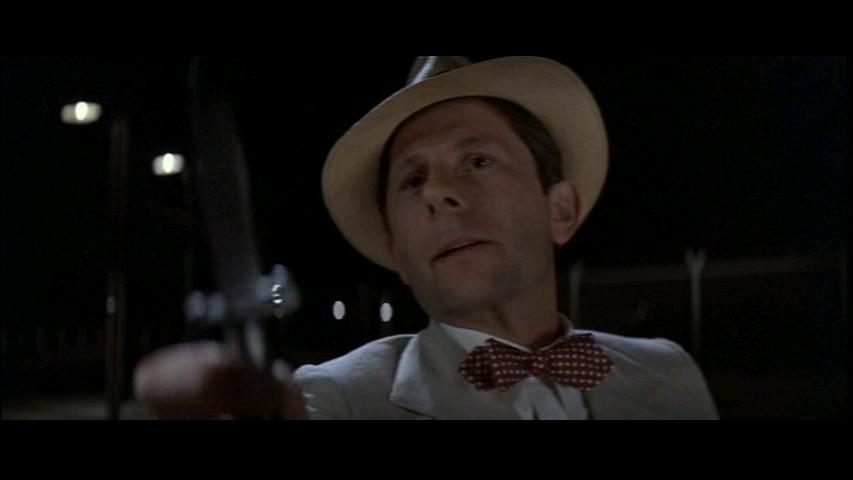
  • Evocative period set designs, props, and costumes
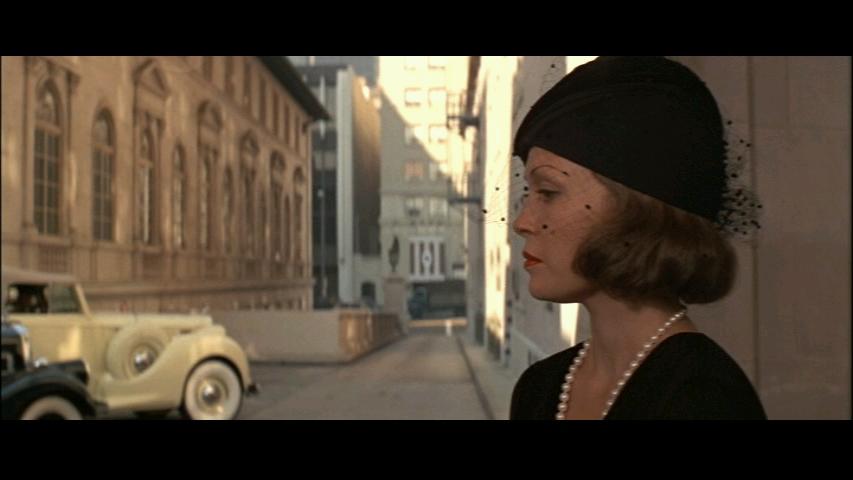
  • Good use of diverse L.A. landscapes
  • Gorgeous cinematography
  • Robert Towne’s intelligent script
  • The surprise plot twist near the end

Must See?
Yes. This highly esteemed detective flick is definitely must-see viewing.

Categories

  • Genuine Classic
  • Noteworthy Performance(s)
  • Oscar Winner or Nominee

(Listed in 1001 Movies You Must See Before You Die)

Links:

Seven Men From Now (1956)

Seven Men From Now (1956)

“A man put me in jail, I’d get even with him if I could.”

Synopsis:
While hunting down the seven robbers who killed his wife, a former sheriff (Randolph Scott) assists a naive homesteading couple (Walter Reed and Gail Russell) heading west. Meanwhile, Scott discovers that two ex-cons (Lee Marvin and Don Barry) are equally anxious to track down the criminals — and their loot.

Genres, Themes, Actors, and Directors:

  • Budd Boetticher Films
  • Gail Russell Films
  • Lee Marvin Films
  • Love Triangle
  • Machismo
  • Randolph Scott Films
  • Revenge
  • Westerns

Response to Peary’s Review:
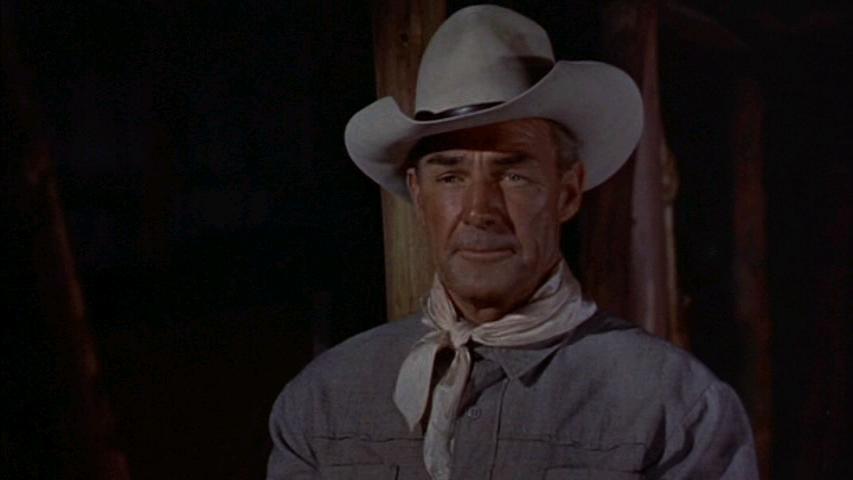
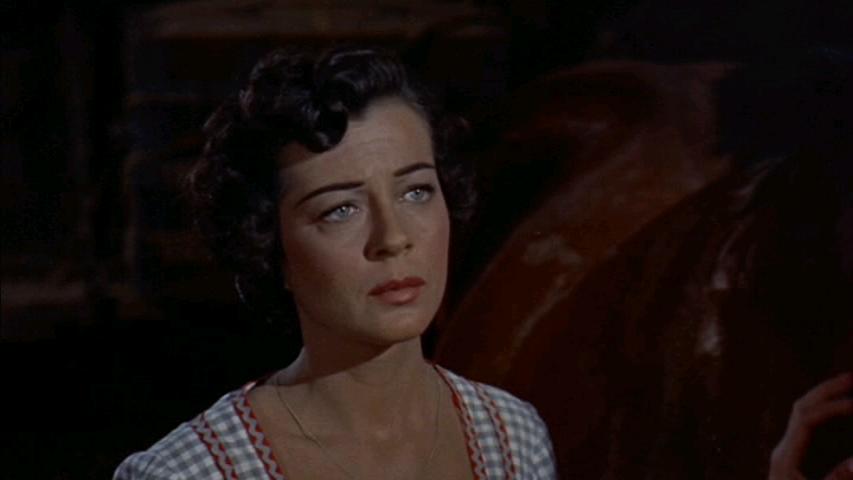
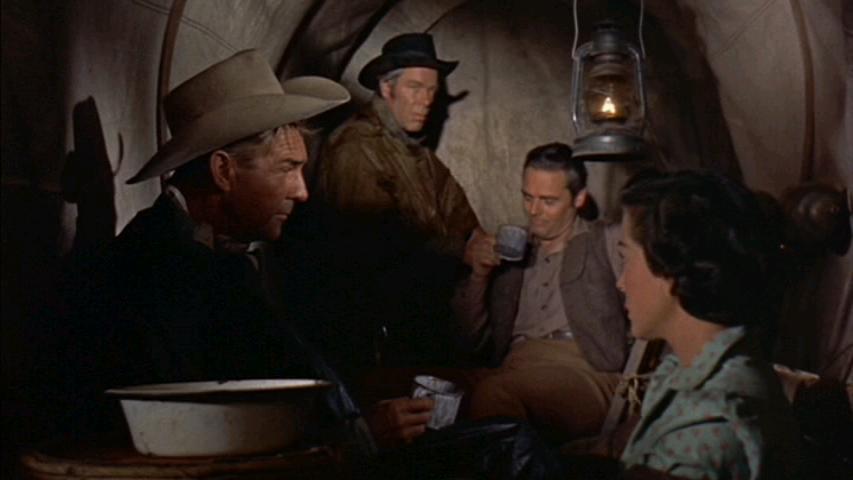
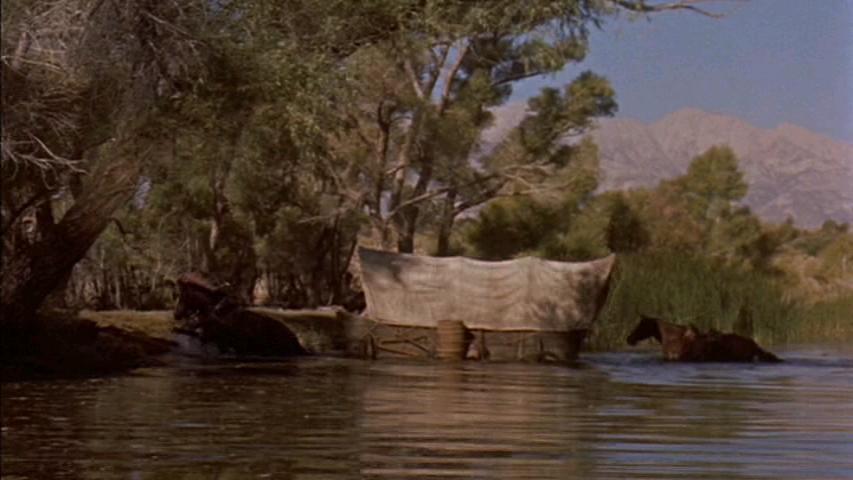
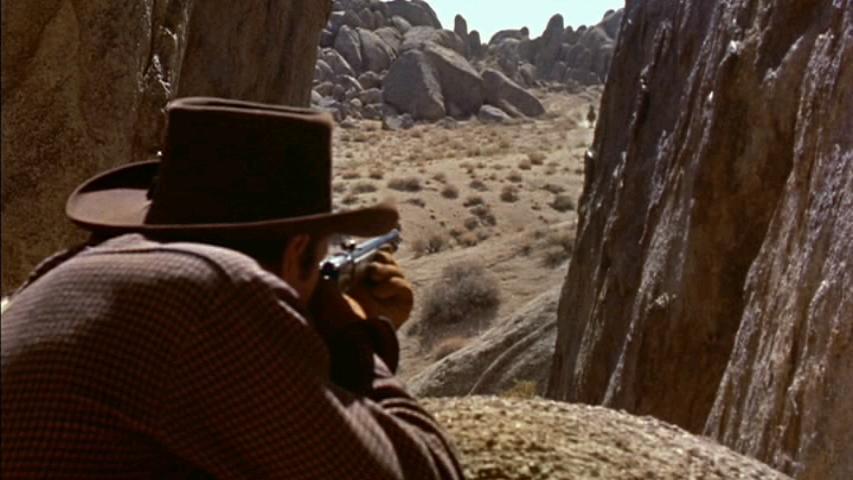
Seven Men From Now was the first of seven westerns director Budd Boetticher made with leading-man Randolph Scott, and one of five scripted by Burt Kennedy. While it’s not quite as compelling as some of their later outings (Decision at Sundown and Buchanan Rides Alone are my personal favorites, while Ride Lonesome is universally lauded as the best of the bunch), it’s a solid, enjoyable flick in its own right, with — as Peary notes — “interesting character conflicts, good action sequences, and a shootout worth waiting for.” Critics (see links below) are nearly universal in their description of the film — and Boetticher’s style in general — as “lean and spare”, “economical”, “modest in tone and intimate in scope”, leaving “no trace of fat”; indeed, Boetticher makes effective use of every moment, many of which (such as the infamous “wagon scene”) are highly memorable. The performances all-around are solid, but Lee Marvin is especially good — this was the perfect follow-up to his role as “Slob” in Shack Out On 101. Also of note is Gail Russell, looking (appropriately enough for a settler) weary beyond her years; knowing that she would die a premature death from alcoholism just five years later makes her performance here even more poignant.

Redeeming Qualities and Moments:

  • Randolph Scott as Ben Stride
  • Lee Marvin as Bill Masters
  • Gail Russell as Annie Greer
  • Walter Reed as John Greer
  • The incredibly tense “wagon scene”
  • Gorgeous natural settings
  • The well-choreographed final shoot-out

Must See?
Yes. As the first collaboration between Boetticher and Scott, this fine western — in addition to being an all around good show — holds a special place in cinematic history.

Categories

  • Historically Relevant
  • Important Director

Links:

Fingers (1978)

Fingers (1978)

“I can’t seem to relax; my hands just don’t work right.”

Synopsis:
An aspiring classical pianist (Harvey Keitel) in New York City tries to help his loan shark father (Michael V. Gazzo) collect on some outstanding gambling debts; meanwhile, he futilely pursues an aloof, spacey artist (Tisa Farrow).

Genres, Themes, Actors, and Directors:

  • Character Studies
  • Grown Children
  • Harvey Keitel Films
  • Musicians
  • New York

Response to Peary’s Review:
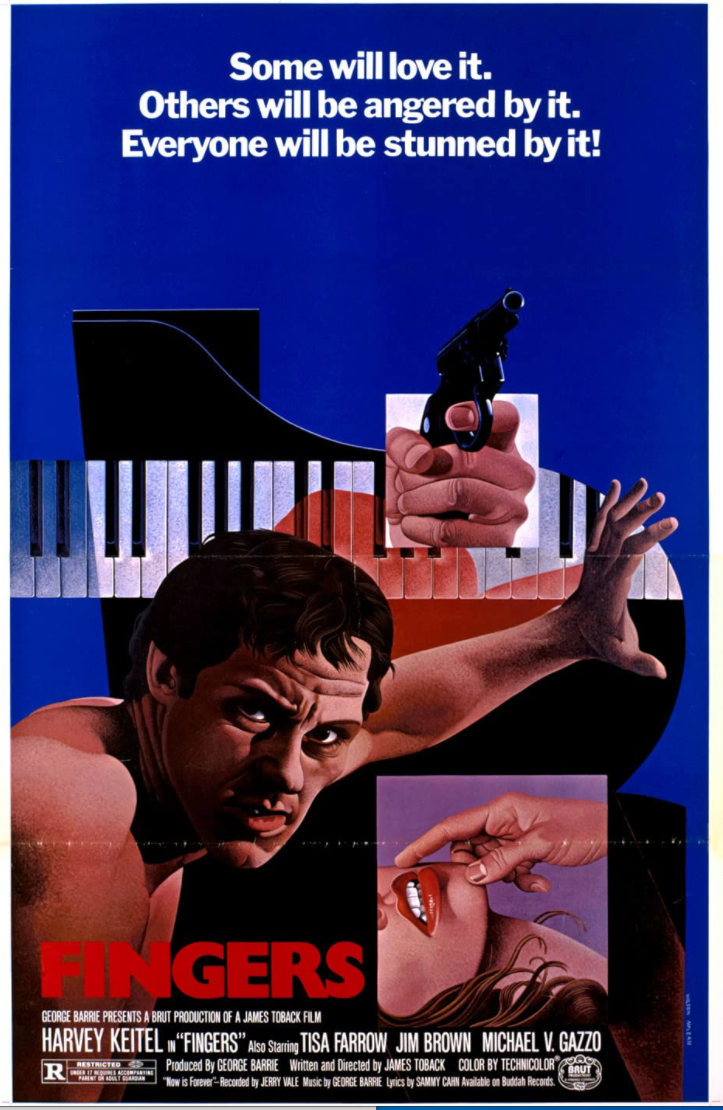
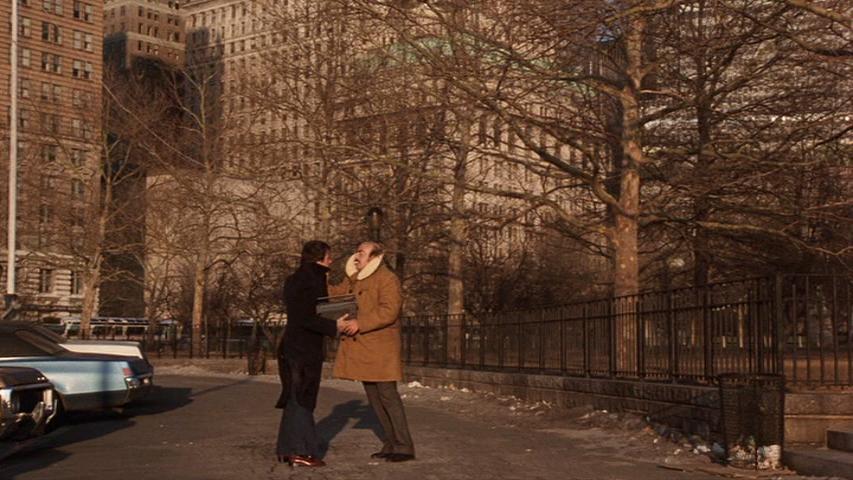
This “brutal, fascinating character piece” — writer/director James Toback’s directorial debut — received mixed reviews upon its release, “impress[ing] some critics” and “antagoniz[ing] others”. Peary falls squarely in the former camp, lauding Fingers as “exhilarating movie-making”, and claiming that it “hits no false notes” — but I’m not quite in agreement. While it’s true that “every character and every scene is unusual”, the film as a whole meanders self-indulgently; Keitel’s pursuit of artist Tisa Farrow — despite being thematically in keeping with the character’s desperate search for love/sex — is particularly annoying and uninteresting.

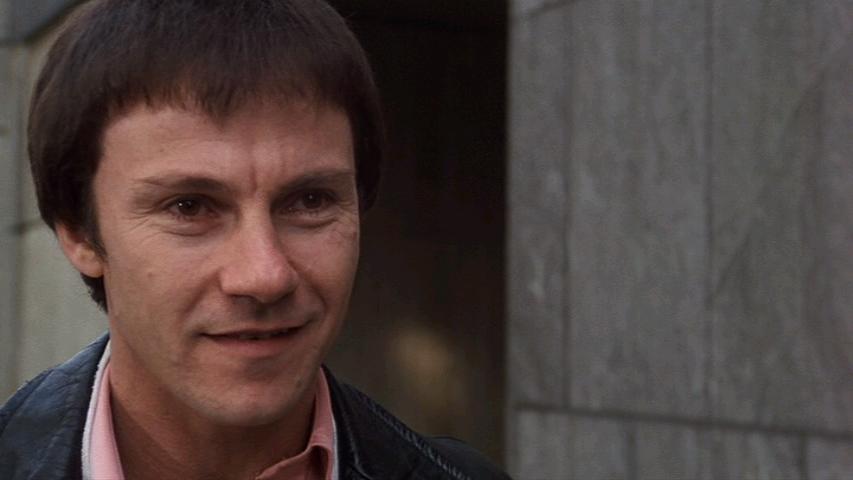
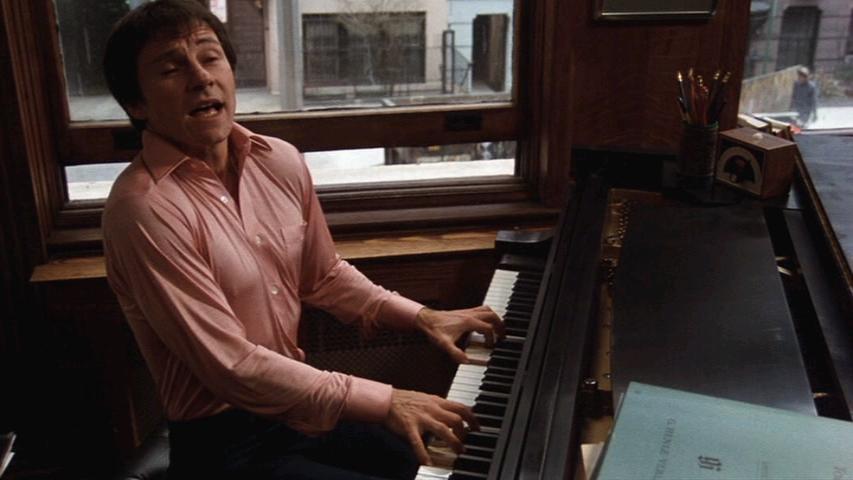
With that said, Fingers is primarily known for featuring a powerhouse early performance by Keitel — and, in this respect, it doesn’t disappoint. Keitel’s Jimmy Fingers is complex and neurotic, yet — despite his “schizophrenic” tendencies (as Peary puts it, he’s a “nice guy who can be insanely violent”) — oddly likeable. His compulsion to carry a tape recorder with him everywhere he goes (before the start of the ’80s boombox craze) is a particularly potent symbol of both his obsessive nature and his lack of social awareness — he’s not trying to annoy the people around him; he simply never considers the fact that they may not want to listen to his favorite tunes. To that end, it should be noted that the music in Fingers is wonderfully effective — I can’t think offhand of another film which so successfully relies on a “natural” soundtrack; after watching this movie, chances are that you will never be able to hear The Jamies’ “Summertime, Summertime” again without picturing Jimmy Fingers and his “music box”.

Redeeming Qualities and Moments:

  • Harvey Keitel as Jimmy Fingers
  • Good use of New York locales
  • A fine “natural” soundtrack (a mix of Jimmy’s beautiful piano playing, and the ’50s pop tunes blaring out of his “music box”)

Must See?
No, but it’s recommended for one-time viewing for Keitel’s performance.

Links:

Resurrection of Eve, The (1973)

Resurrection of Eve, The (1973)

Synopsis:
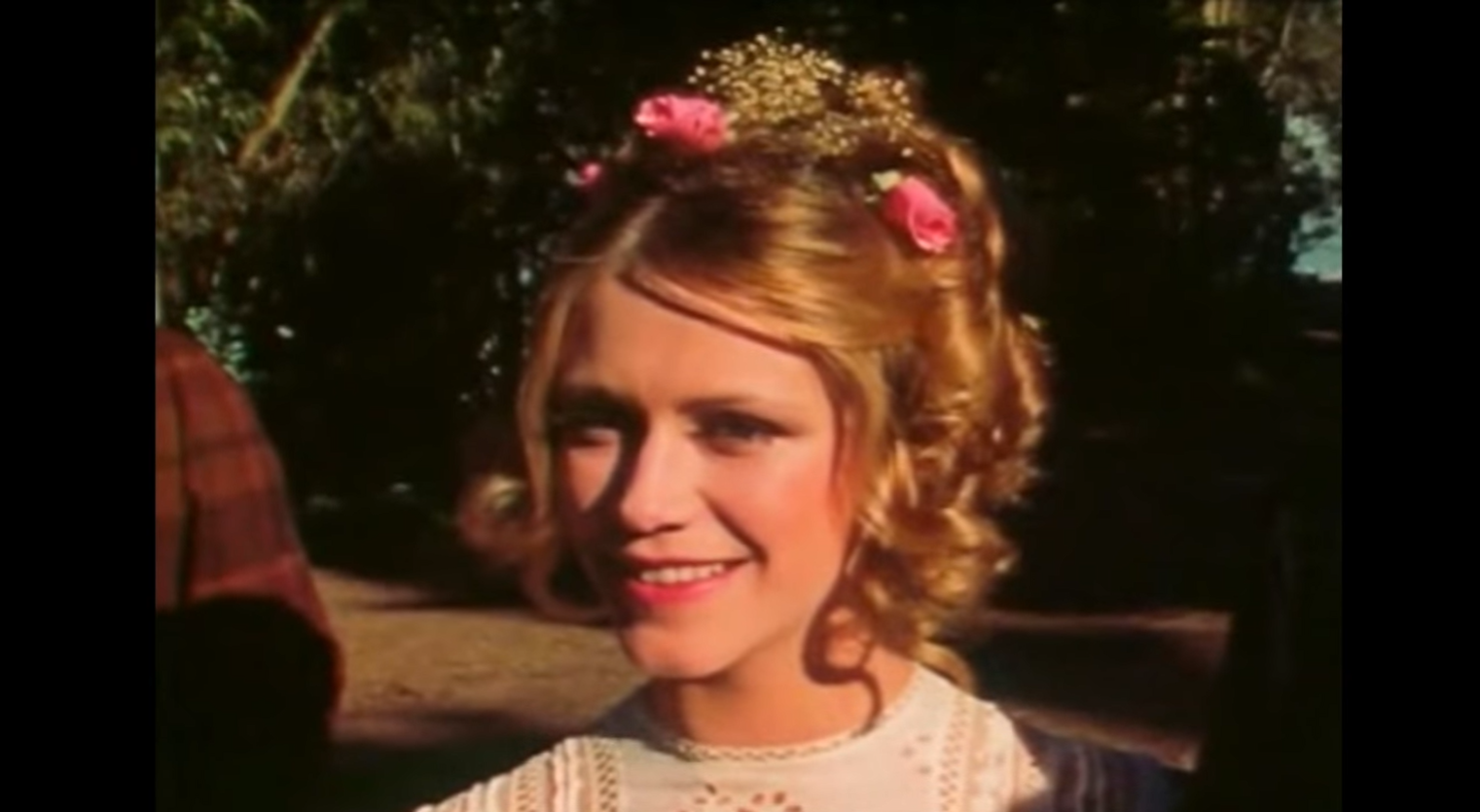
A sexually repressed young woman named Eve (Mimi Morgan) is badly hurt in a car accident, and emerges from plastic surgery as beautiful Marilyn Chambers. With newfound confidence, Eve becomes sexually aggressive for the first time in her life.

Genres, Themes, Actors, and Directors:

  • Adult Films
  • Child Abuse
  • Flashback Films
  • Plastic Surgery
  • Sexual Liberation
  • Sexual Repression

Response to Peary’s Review:
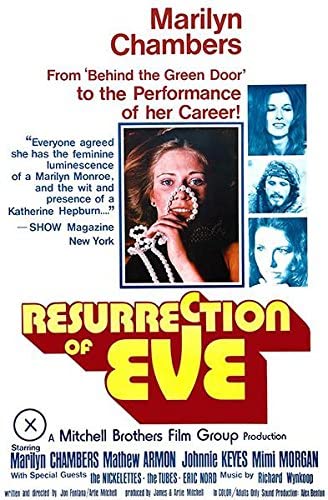
As Peary notes, this follow-up to director Jim and Artie Mitchell’s phenomenally successful adult classic Behind the Green Door is “confusing, then boring”. It’s impossible to tell what’s going on, given the constant chronological shifts and the complete change of actresses playing Eve. While watching the distasteful opening sequence, where “young” Eve is seduced/abused by an older man, I couldn’t help thinking I’d accidentally rented the wrong movie.

Redeeming Qualities and Moments:

  • Marilyn Chambers (always an enjoyable actress)

Must See?
No; this one is certainly not “must see” viewing.

Links:

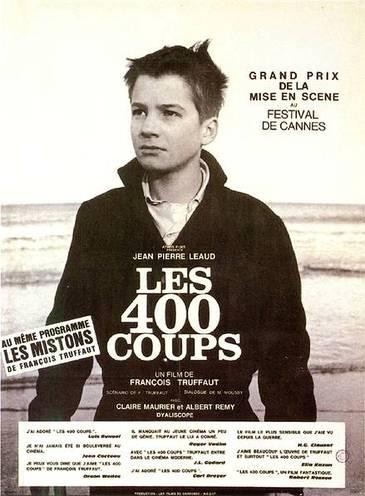
400 Blows, The (1959)

400 Blows, The (1959)

“I can’t live with my parents now after what’s happened… I have to disappear.”

Synopsis:
A mischievous teen (Jean-Pierre Leaud) in 1950s Paris repeatedly gets in trouble with his strict teacher (Guy Decomble) and his clueless parents (Claire Maurier and Albert Remy), and tries to run away; eventually, he’s sent to an institution for juvenile delinquents.

Genres, Themes, Actors, and Directors:

  • Coming of Age
  • Family Problems
  • Francois Truffaut Films
  • French Films
  • Jean-Pierre Léaud Films
  • Juvenile Delinquents
  • Runaways

Response to Peary’s Review:
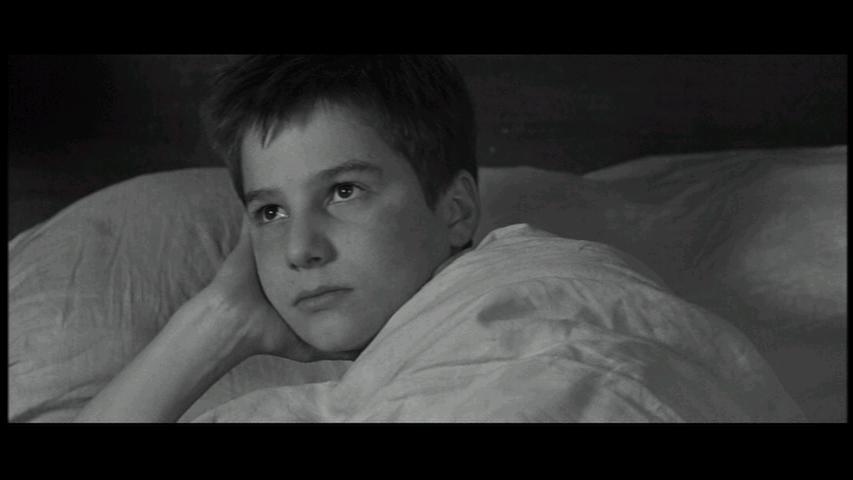
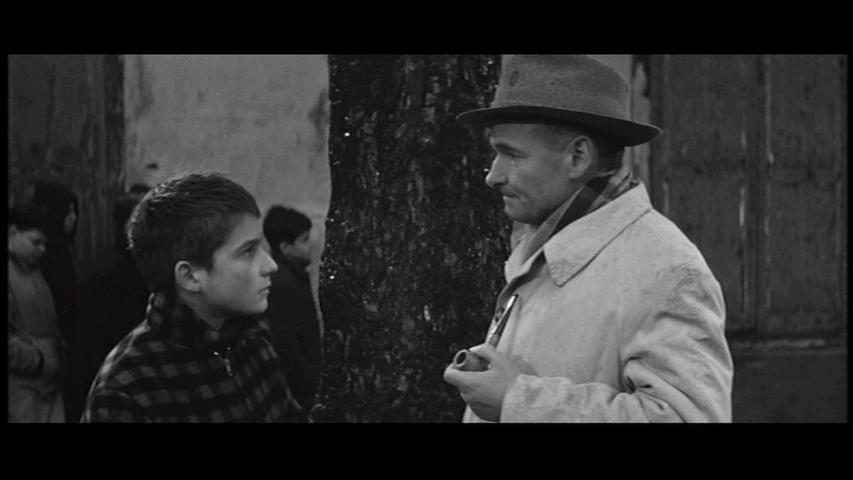
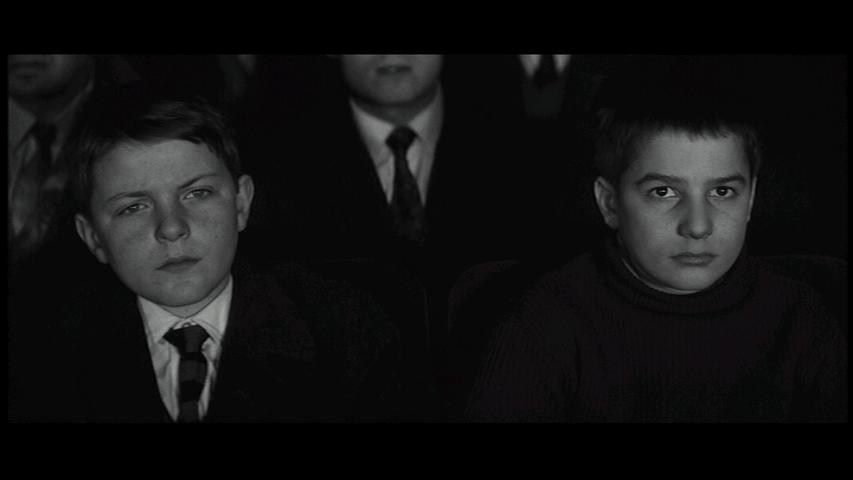
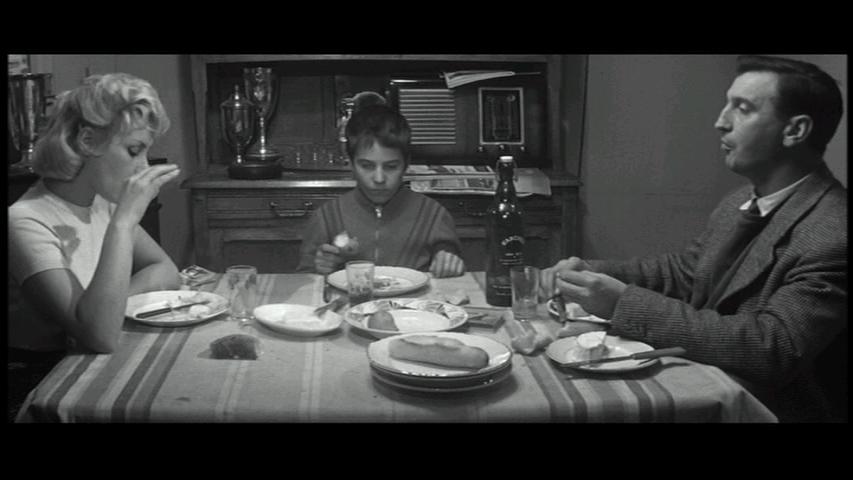
As Peary notes, Francois Truffaut’s extraordinary semi-autobiographical debut film features “beautiful camera work”, countless “classic moments”, and marvelous performances (especially by young Jean-Pierre Leaud as Truffaut’s alter-ego, Antoine Doinel). A favorite of many film fanatics (including me), it’s difficult to describe just how powerful The 400 Blows really is. Scene after scene (see Redeeming Qualities and Moments below) is a bittersweet delight — as Peary writes, the film is a “tender look at children with [a] universal message [and] much wit”, yet Doinel’s plight “is extremely sad”. Doinel tries his best to survive in the world of adults, yet seems destined to fail or be “caught” no matter how noble his intentions (who can’t relate to this sense of powerlessness from their own childhood?).

Truffaut brought Doinel/Leaud back for four sequels: the short film “Antoine and Colette” (part of Love at Twenty, 1962); the delightfully quirky Stolen Kisses (1968); the melancholy Bed and Board (1970); and the disappointing Love on the Run (1979). The first, however, remains the best of them all.

Redeeming Qualities and Moments:

  • Jean-Pierre Leaud as Antoine
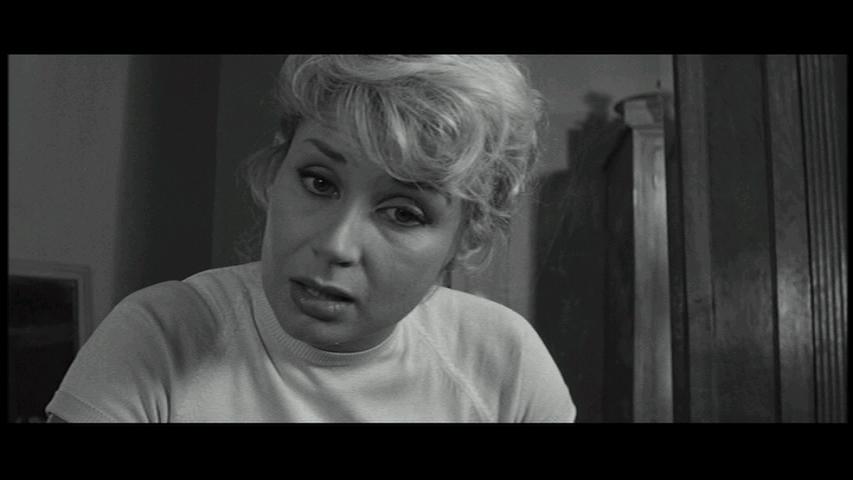
  • Claire Maurier as Antoine’s well-meaning but ultimately clueless mother
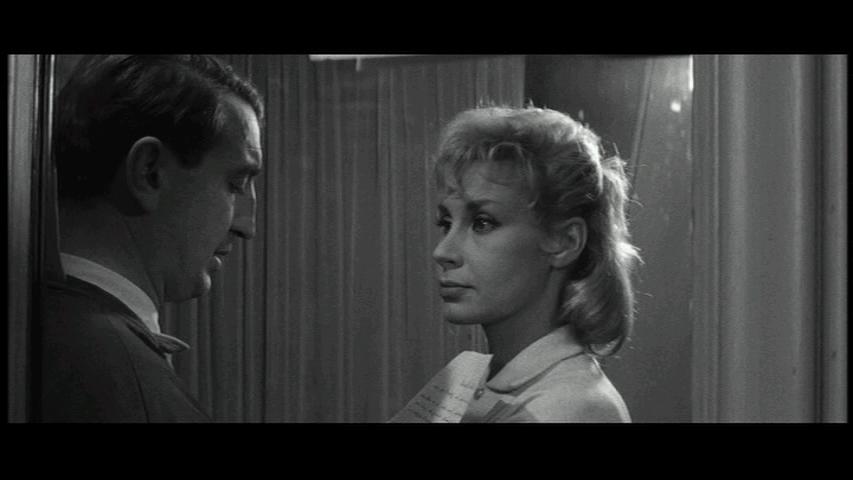
  • Albert Remy as Antoine’s stepfather
  • Guy Decomble as Antoine’s irritable teacher
  • Patrick Auffay as Antoine’s loyal pal, Rene
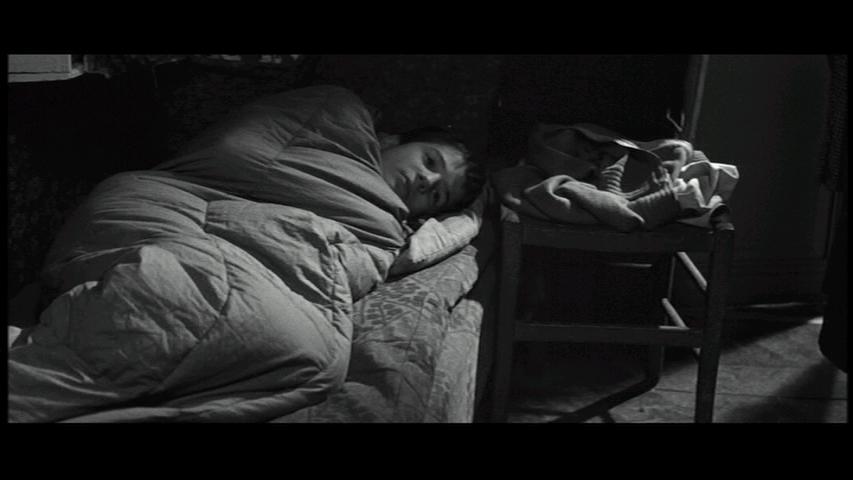
  • A powerful look at the effects of dysfunctional family life on a young boy
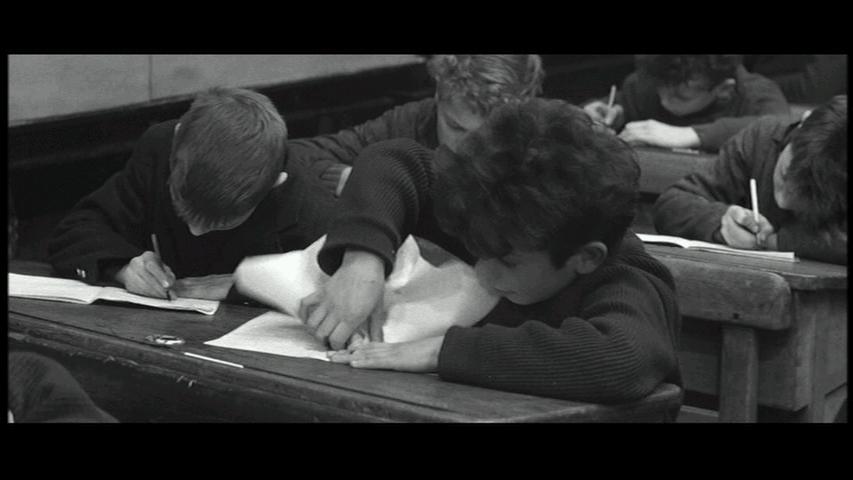
  • Antoine’s classmate struggling with an uncooperative inkwell during a dictation exercise
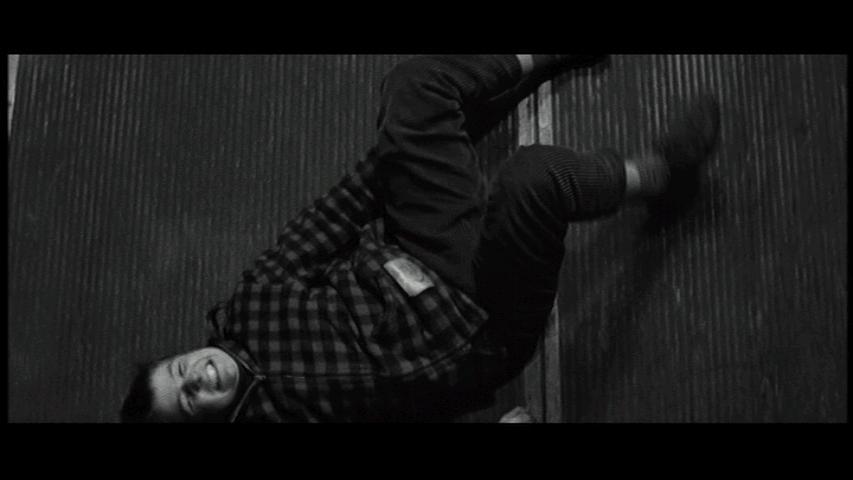
  • Antoine taking a joyful ride on a spinning machine at the fair
  • Antoine’s classmates drifting away from their P.E. teacher’s line, cluster by cluster
  • The faces of young children enjoying a puppet show
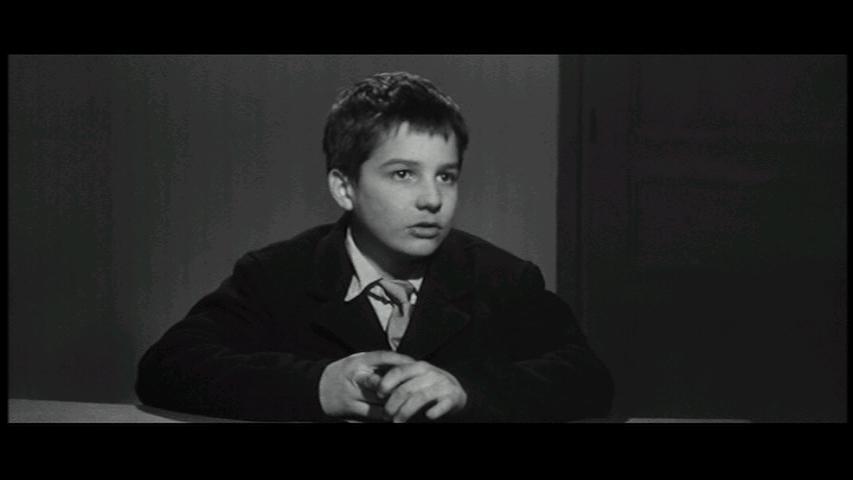
  • Antoine’s candid reform school interview with an off-screen counselor
  • Henri Decae’s luminous b&w cinematography
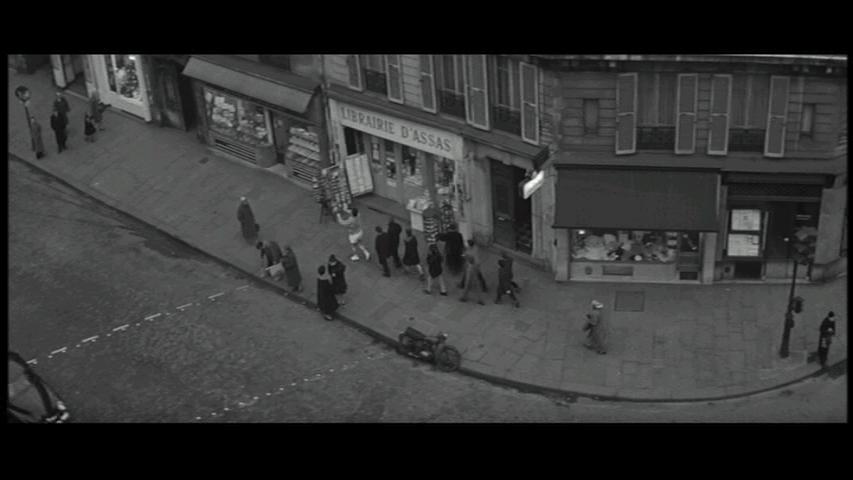
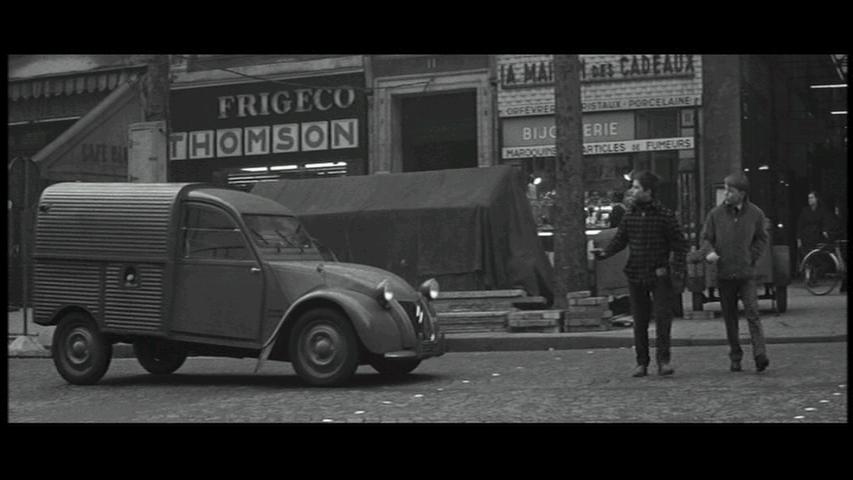
  • Excellent use of real-life settings, particularly Parisian streets
  • The opening tracking shot
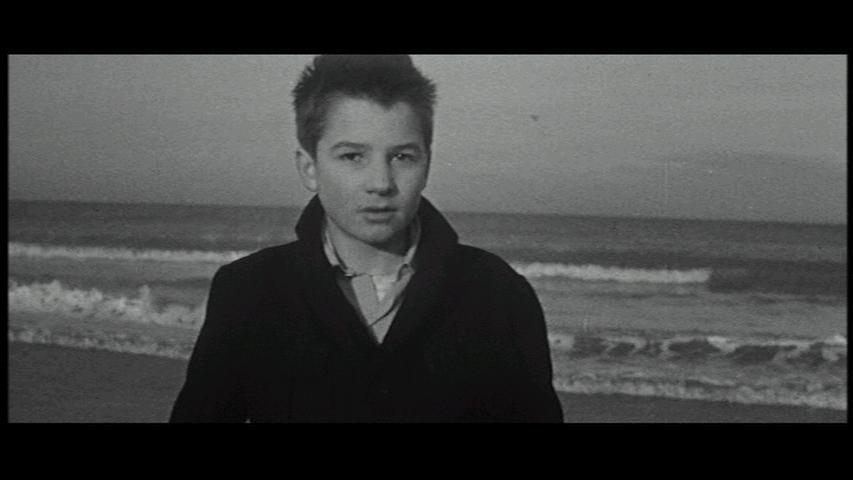
  • The final haunting image
  • John Constantin’s lilting score

Must See?
Definitely. This masterpiece of the French New Wave merits multiple viewings, and may well become a personal favorite.

Categories

  • Foreign Gem
  • Genuine Classic
  • Historically Relevant
  • Important Director

(Listed in 1001 Movies You Must See Before You Die)

Links: