Browsed by
Category: Response Reviews

My comments on Peary’s reviews in Guide for the Film Fanatic (Simon & Schuster, 1986).

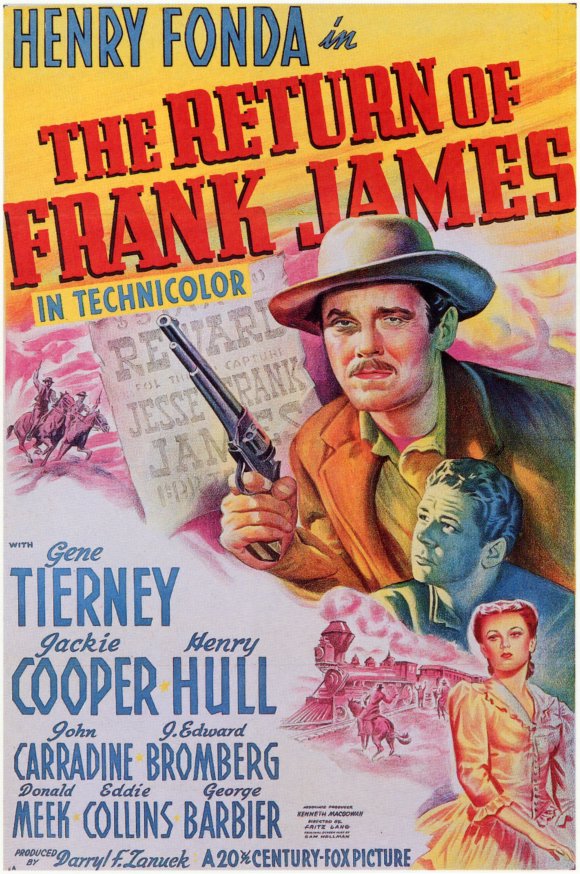
Return of Frank James, The (1940)

Return of Frank James, The (1940)

“Jesse’s gone, that’s true, and maybe Frank’s gone too — and then again, maybe he ain’t. The boy’s always had a mighty peculiar way of turning up just when you least expect him.”

Synopsis:
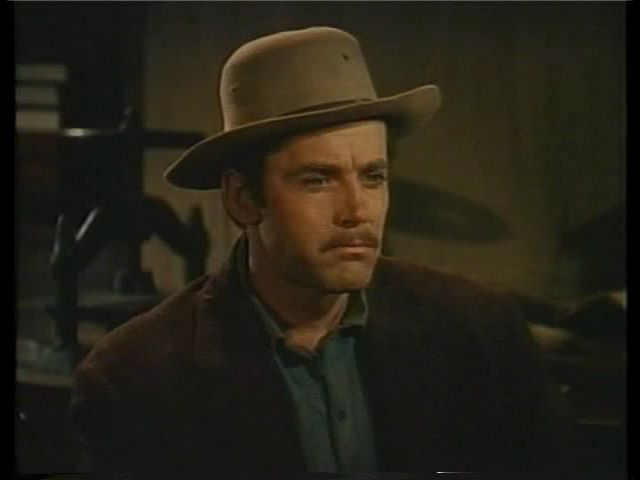
When his brother Jesse is shot in the back by former accomplice Bob Ford (John Carradine), Frank James (Henry Fonda) and his spirited young ward (Jackie Cooper) set out to seek revenge.

Genres, Themes, Actors, and Directors:

  • Courtroom Drama
  • Falsely Accused
  • Fritz Lang Films
  • Gene Tierney Films
  • Henry Fonda Films
  • John Carradine Films
  • Outlaws
  • Revenge
  • Westerns

Response to Peary’s Review:
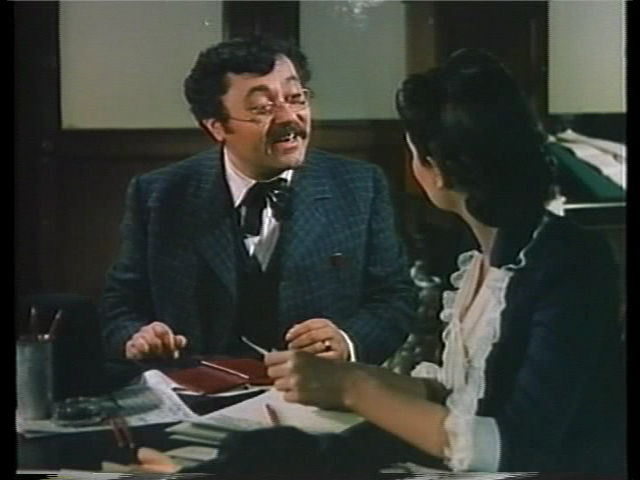
Fritz Lang’s first western was this “satisfying sequel” to Jesse James (1939), with several actors — including Henry Fonda, John Carradine, Slim Summerville, Henry Hull, Donald Meek, and J. Edward Bromberg — reprising their original roles. While it’s difficult to see much evidence of Lang’s signature style in this film, Peary points out that the story represents Lang’s interest in depicting “individuals… at the mercy of groups of people”. Henry Fonda gives a typically subdued performance as James, erupting into action at just the right moments, while Gene Tierney (in her screen debut) is fine but somewhat annoying as a plucky female reporter who falls for James. The story (probably not based on historical fact!) rarely flags, and the outcome — will James successfully avenge his brother, and if so, at what cost? — remains a suspenseful mystery until the very end.

Redeeming Qualities and Moments:

  • Henry Fonda as Frank James
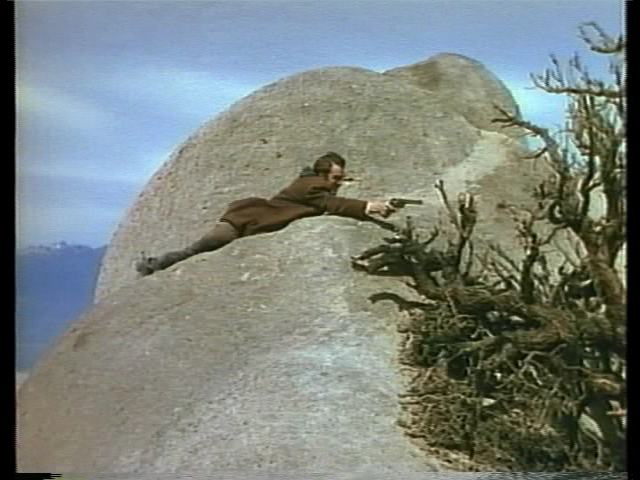
  • The exciting rocky shootout between Frank and Charlie Ford (Charles Tannen)
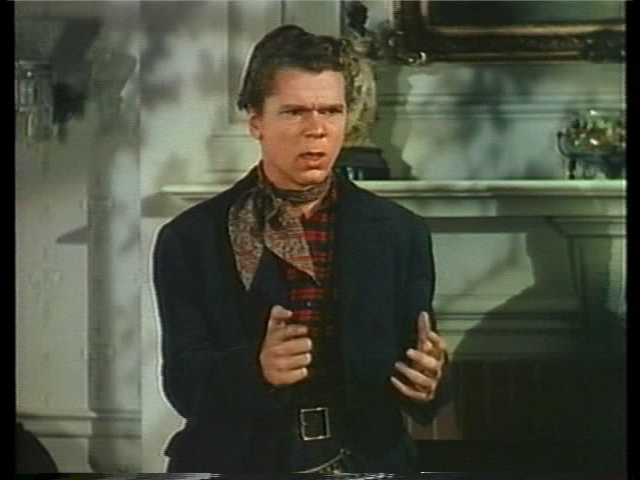
  • Clem (Jackie Cooper) telling a tale tale to Tierney about how Frank died nobly in Mexico
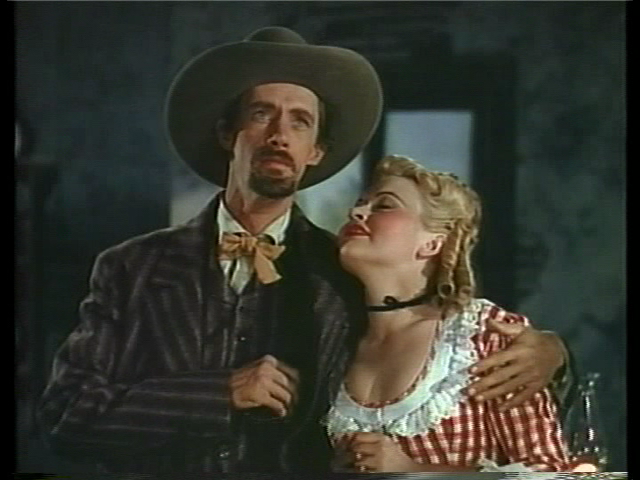
  • Frank watching a melodrama in which the Fords play nobler versions of themselves (as Peary notes, this is “a great scene”)
  • J. Edward Bromberg as George Runyan
  • Sam Hellman’s smart, often witty script

Must See?
No, but it’s recommended.

Links:

Snake Pit, The (1948)

Snake Pit, The (1948)

“The whole place seemed to me like a deep hole, and the people down in it were strange animals — snakes! And I’d been thrown into it, as though I were a snake, too.

Synopsis:
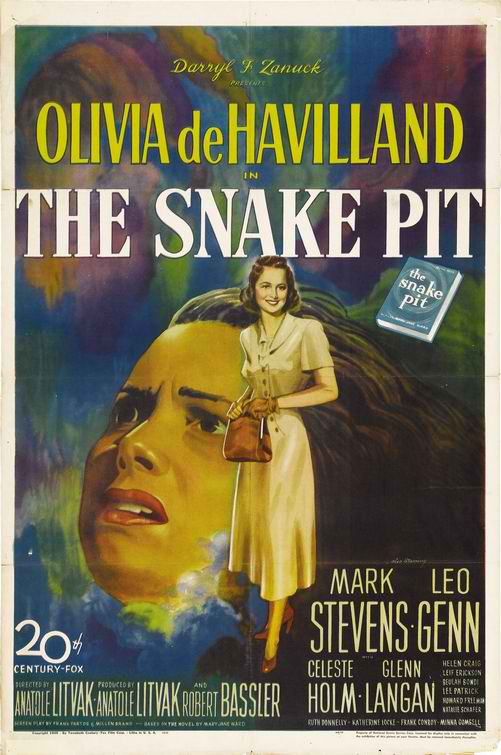
Upon experiencing a sudden nervous breakdown, troubled newlywed Virginia Cunningham (Olivia de Havilland) is sent by her concerned husband (Mark Stevens) to a state mental institution, where kindly Dr. Kik (Leo Genn) tries to help her uncover the reasons for her distress.

Genres, Themes, Actors, and Directors:

  • Betsy Blair Films
  • Beulah Bondi Films
  • Celeste Holm Films
  • Leo Genn Films
  • Mental Breakdown
  • Mental Illness
  • Olivia de Havilland Films
  • Psychotherapy

Response to Peary’s Review:
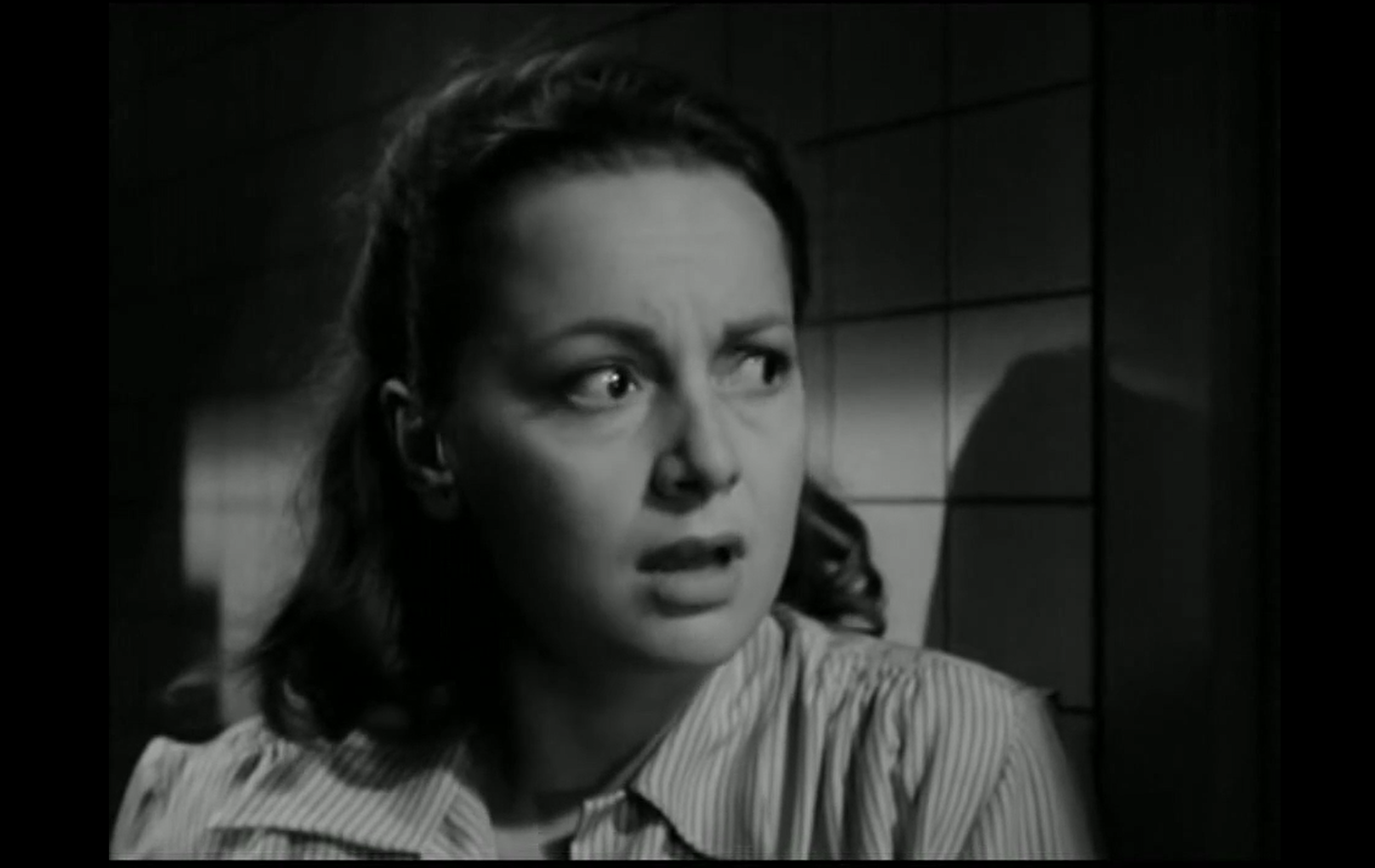
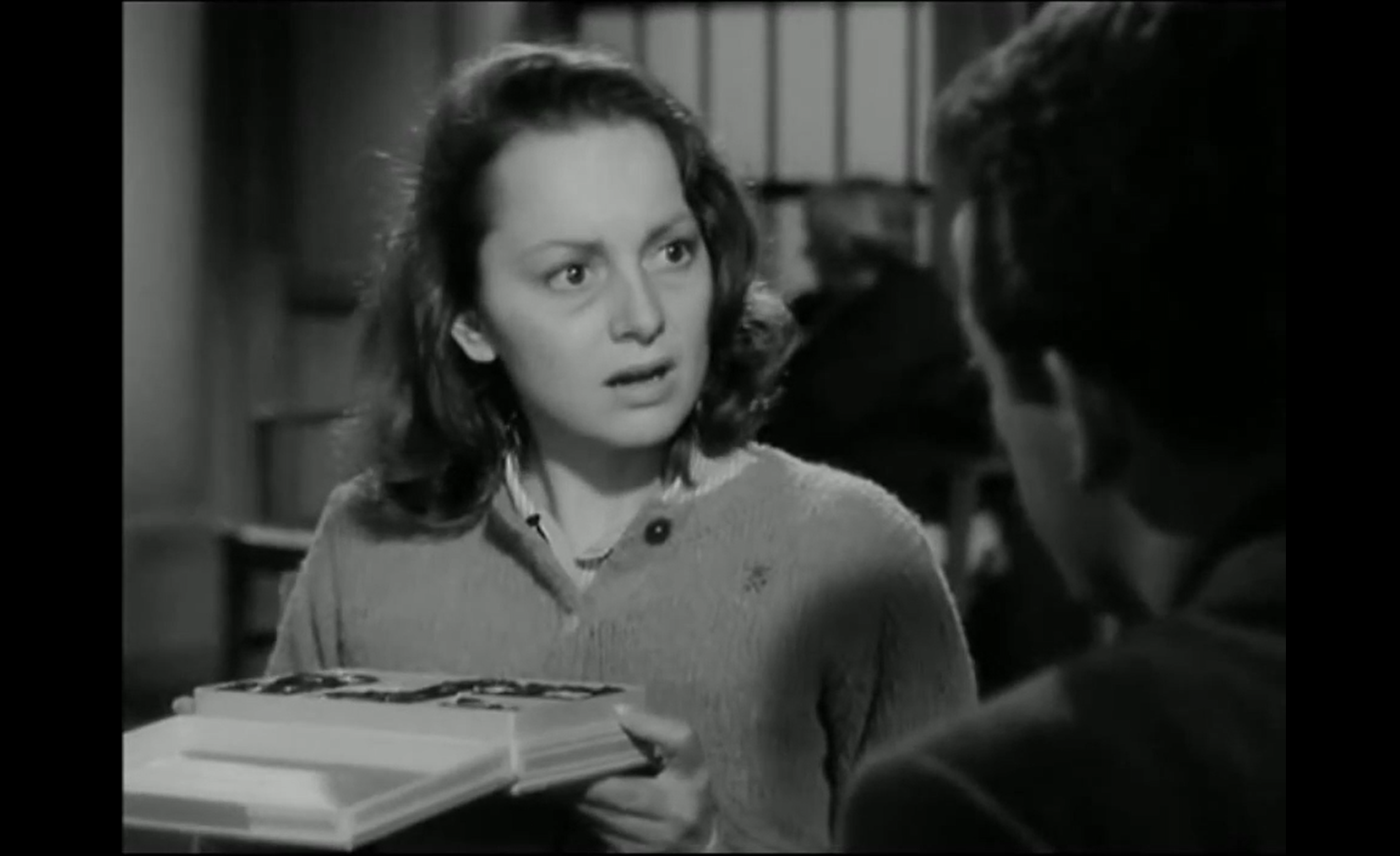
Olivia de Havilland — “whose strong performance,” Peary notes, “still holds up” —

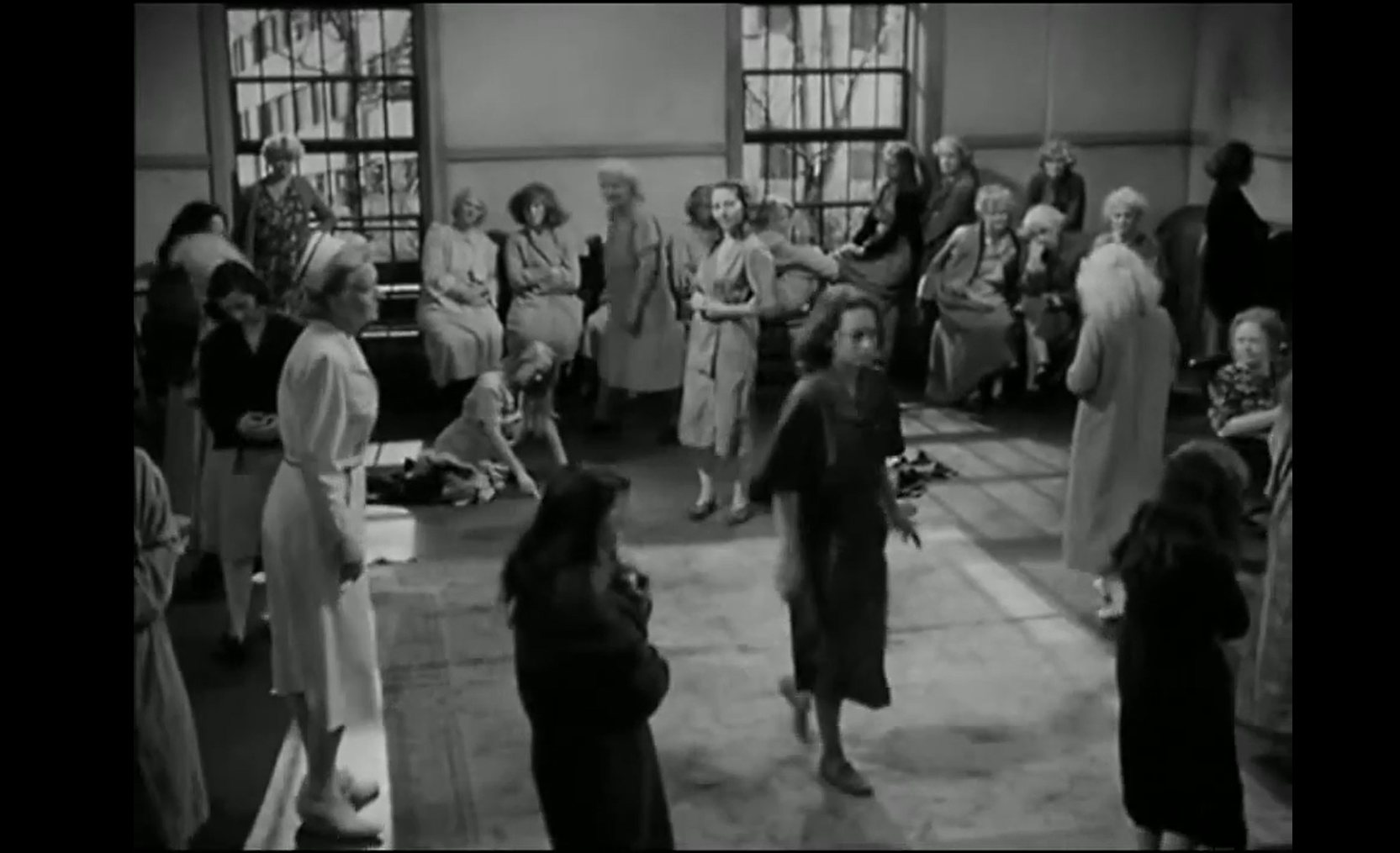
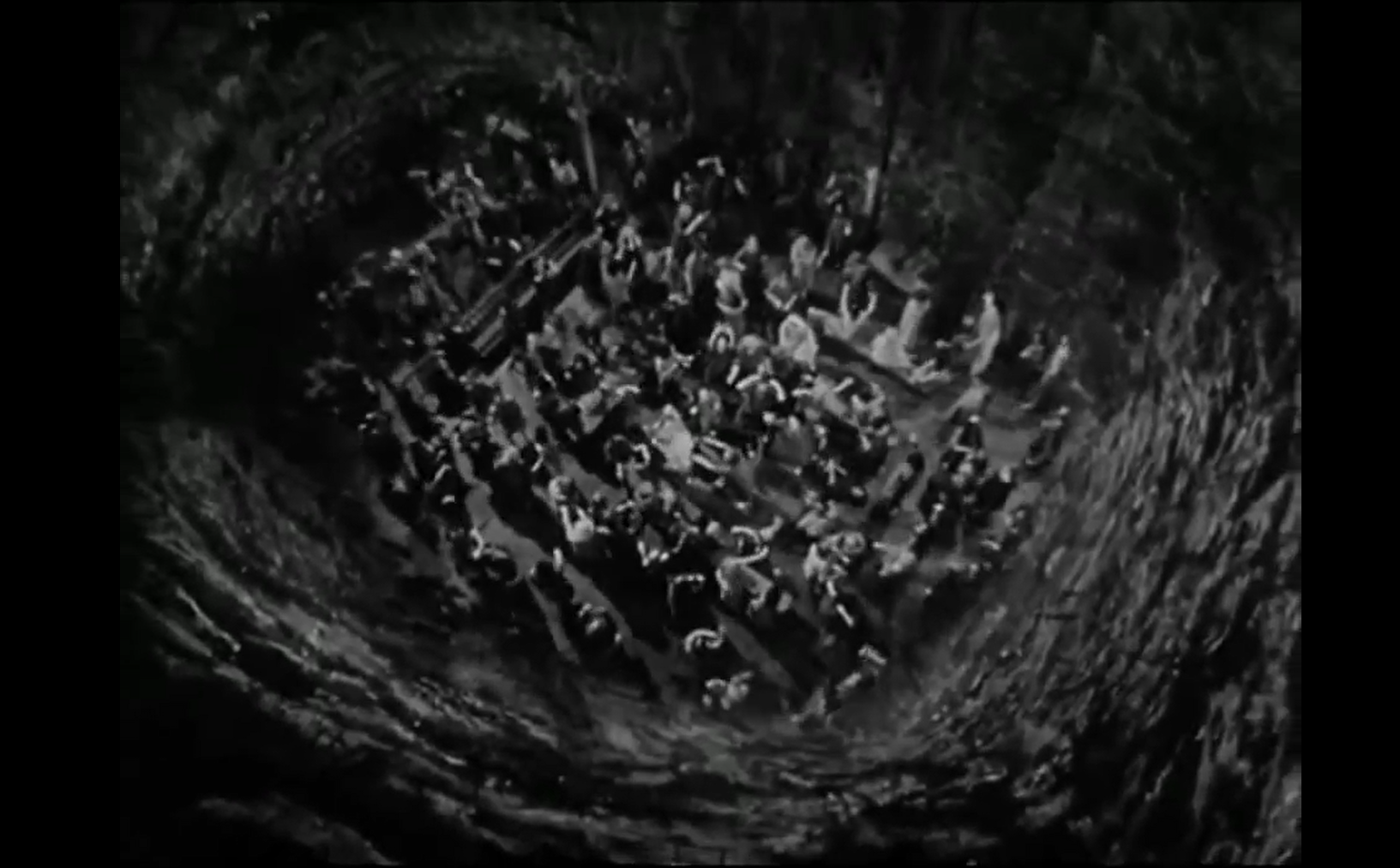
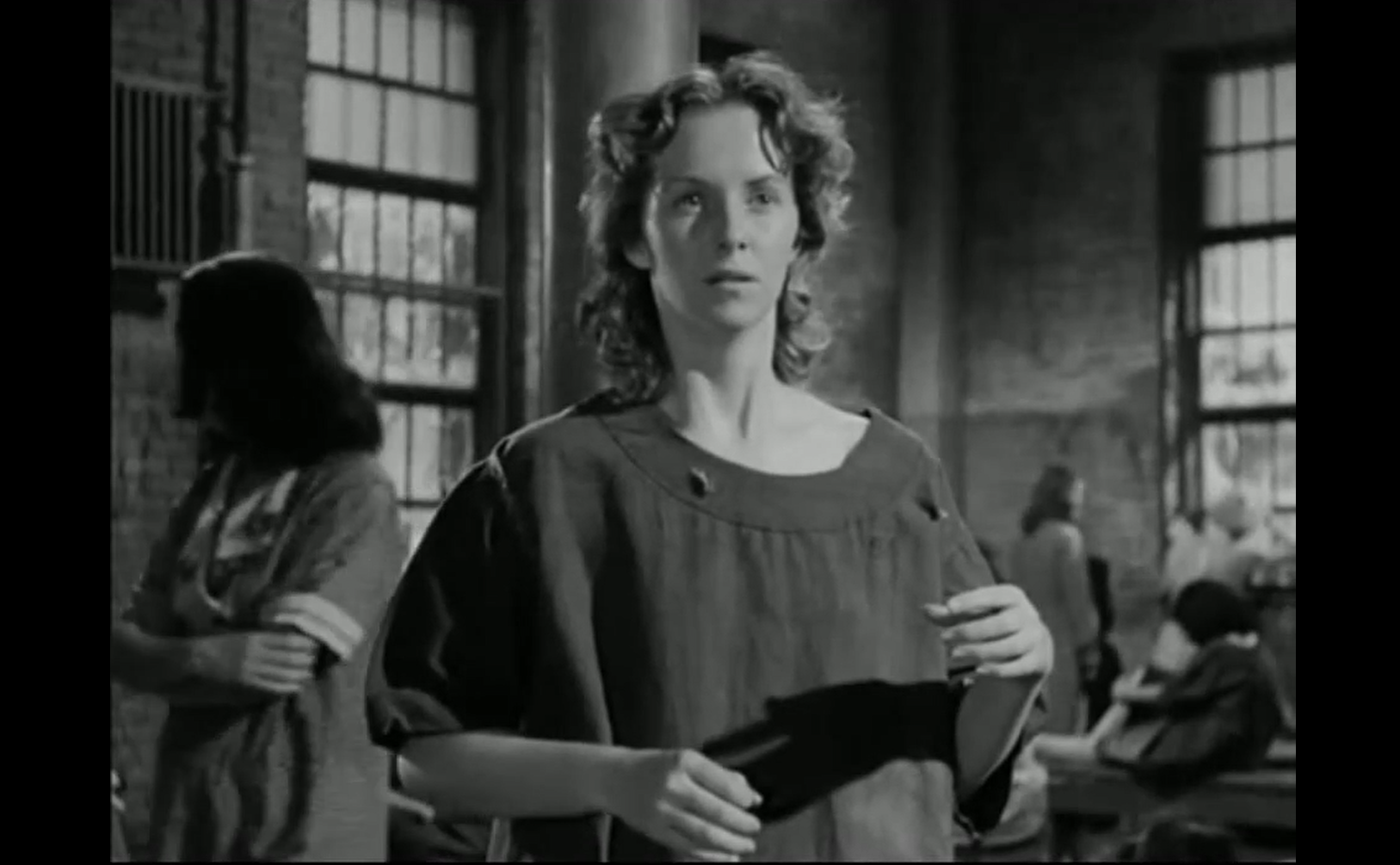
is the primary reason to watch this sincere yet dated adaptation of Mary Jane Ward’s bestselling, semi-autobiographical novel. In the wake of One Flew Over the Cuckoo’s Nest (1975), nothing in The Snake Pit comes across as particularly shocking, but audiences at the time must have been horrified by its depiction of inhumane overcrowding (the didactic script makes sure we’re aware of the impossibly mounting number of inmates):

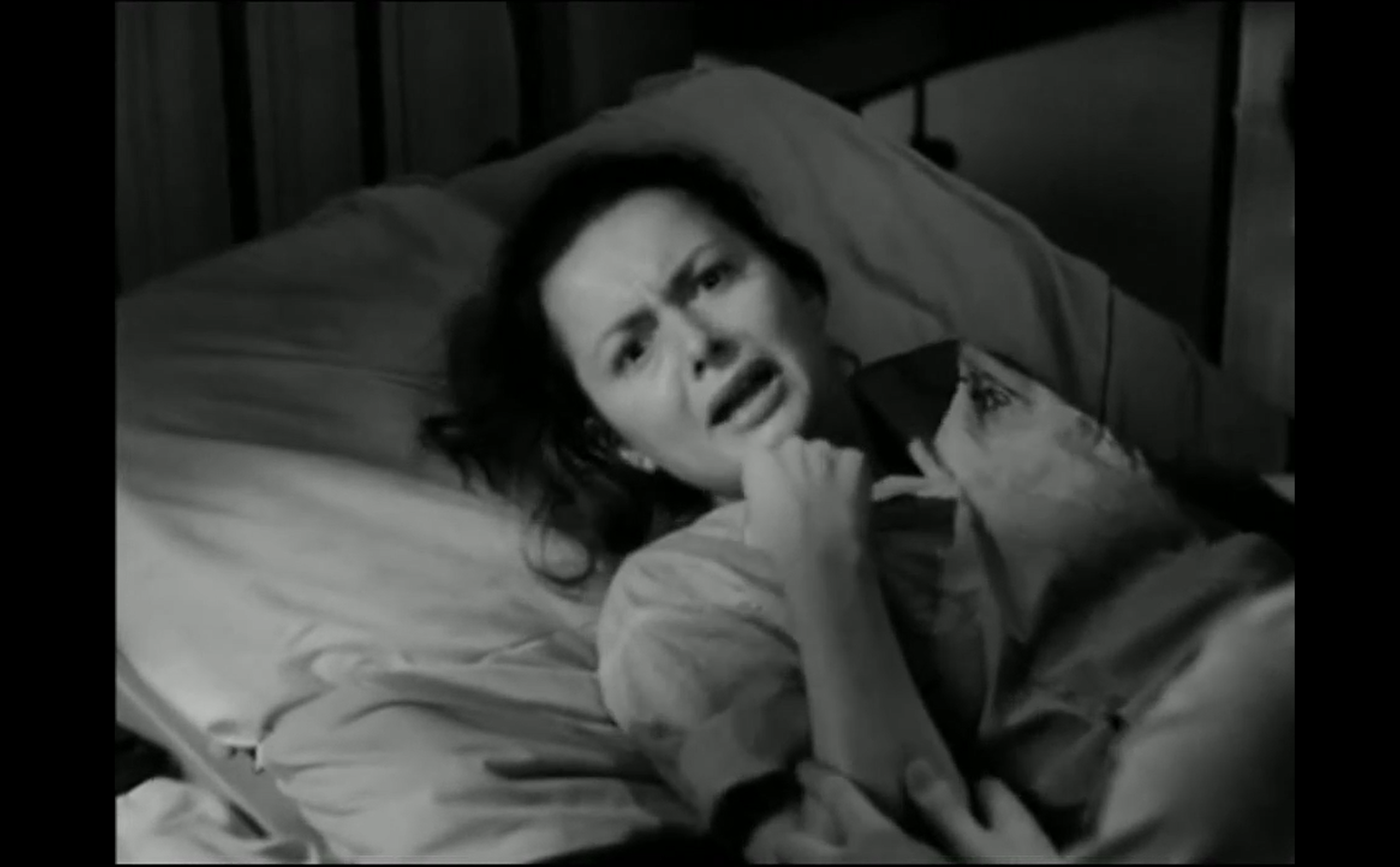
… seemingly abusive treatment methods (including shock therapy):

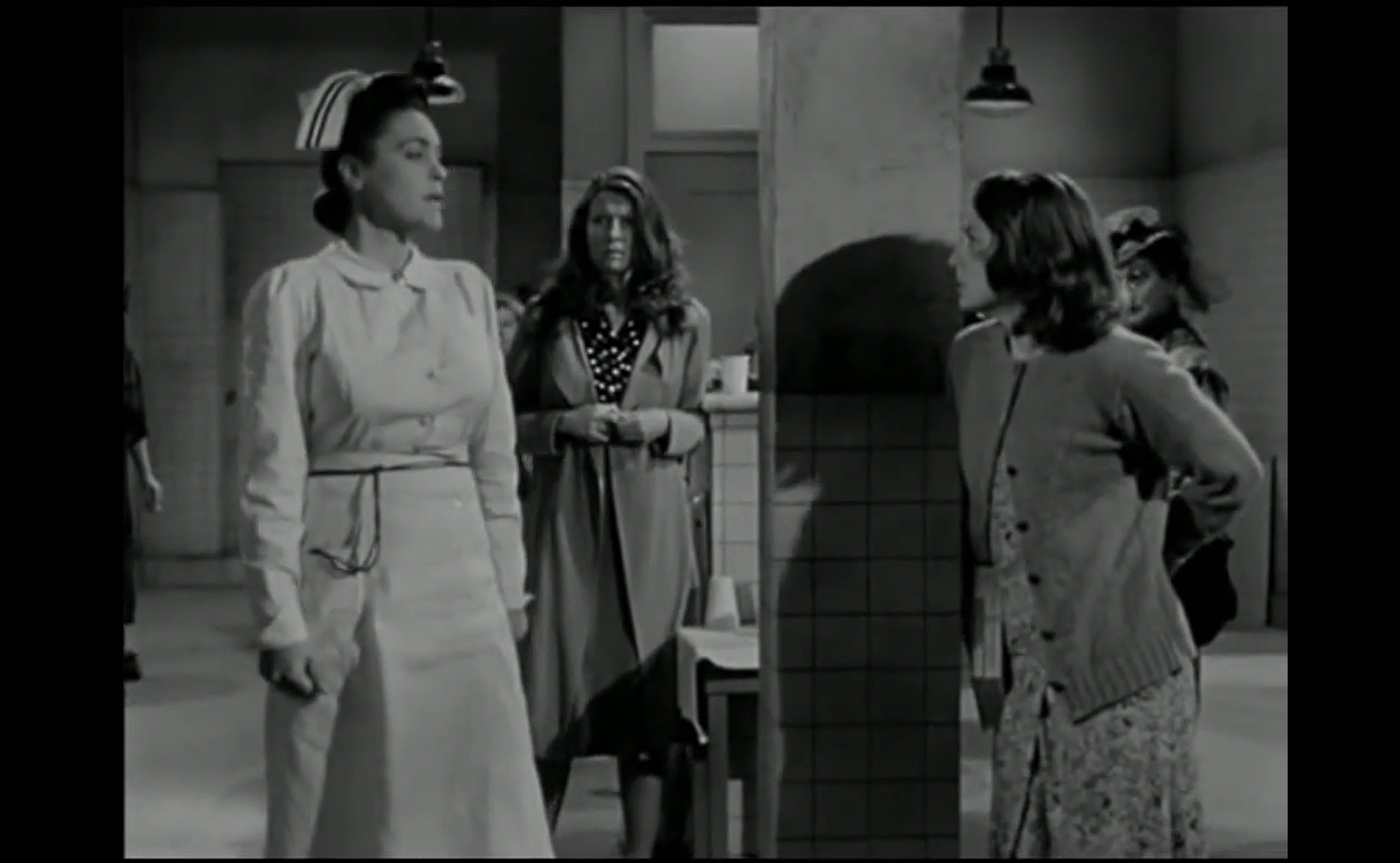
… and power-playing nurses (Helen Craig’s evil Nurse Davis is an eerie precursor to Nurse Ratched).

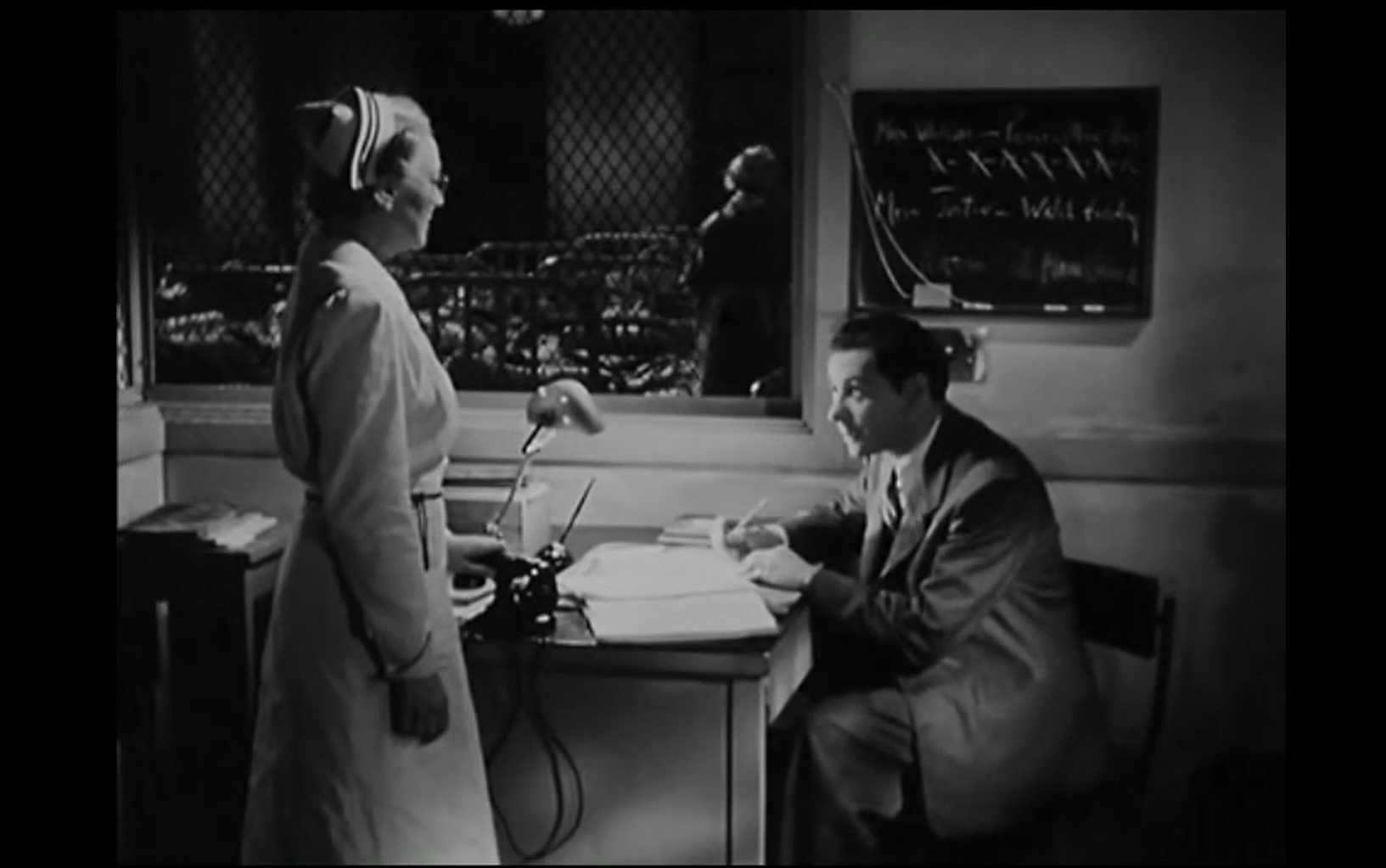
Leo Genn’s saintly “Dr. Kik” conveniently mitigates much of this impersonal horror, emerging as Virginia’s literal savior:

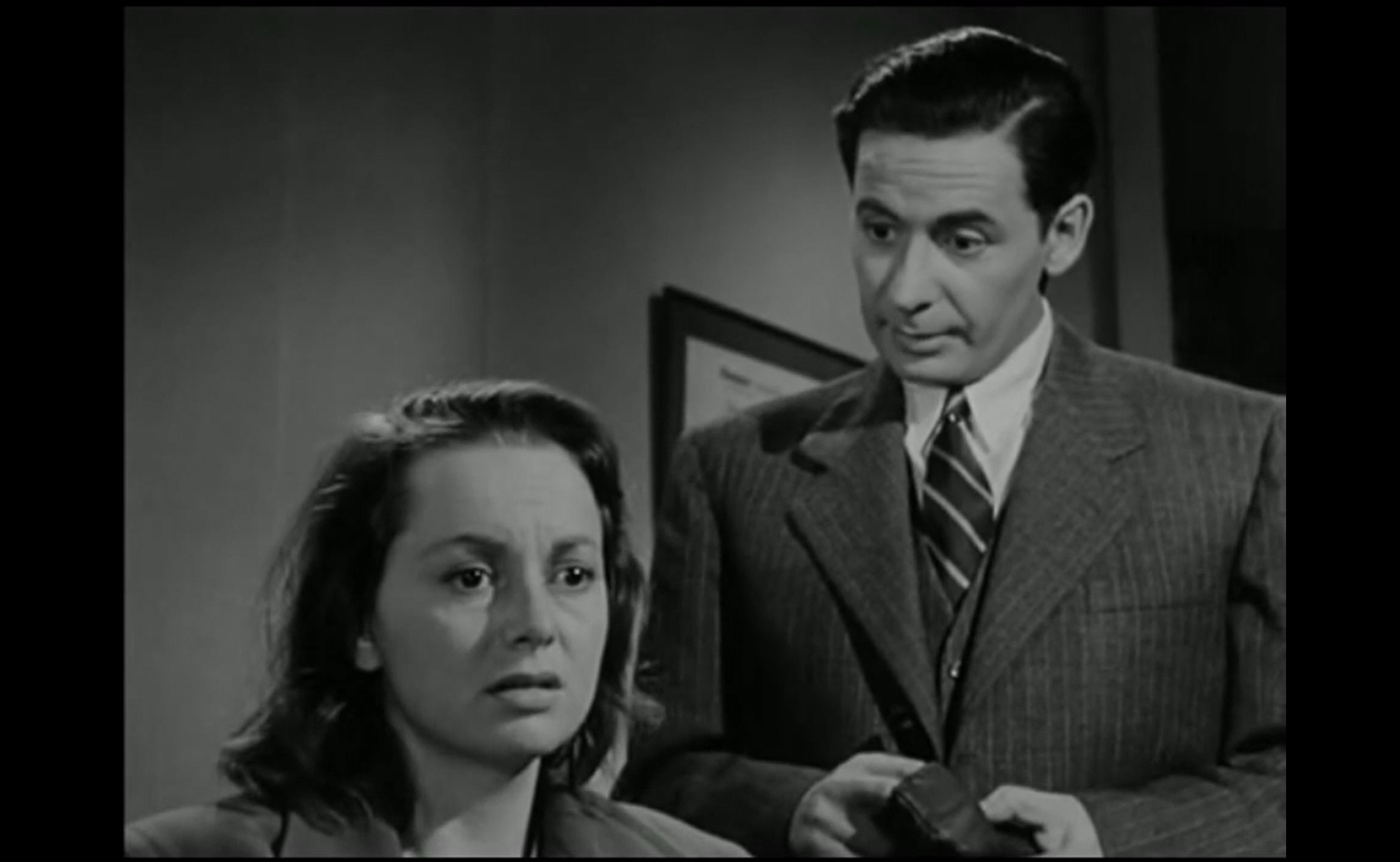
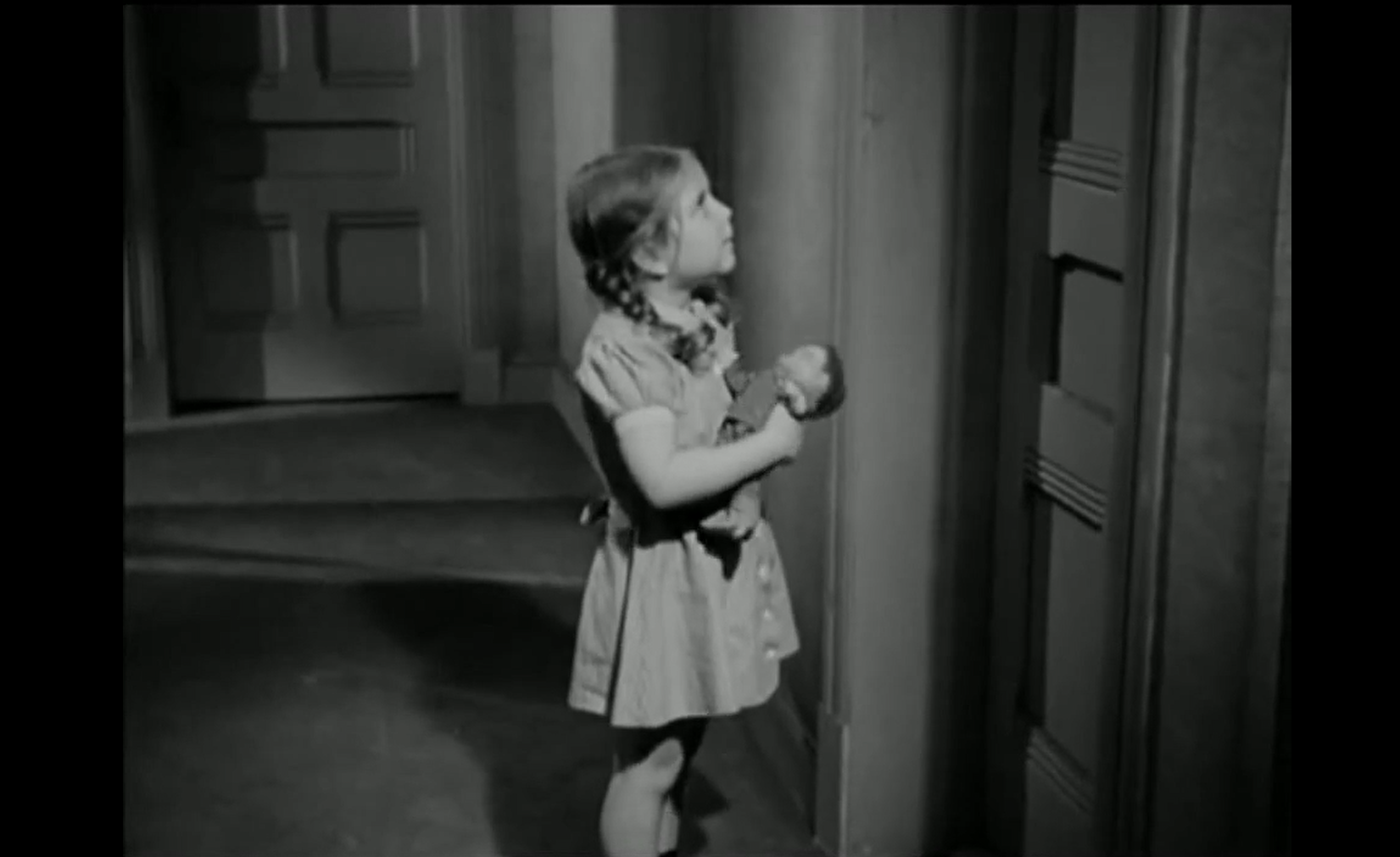
While his Freudian analysis of Virginia’s childhood is ridiculously simplistic:

… it’s hard not to feel for de Havilland’s highly sympathetic protagonist, and wish her well.

Redeeming Qualities and Moments:

  • Olivia de Havilland as Virginia Cunningham
  • The creepy “snake pit” shot
  • Fine supporting performances by Betsy Blair and others as female inmates
  • Atmospheric cinematography

Must See?
Yes, simply for its historical importance.

Categories

  • Historically Relevant
  • Oscar Winner or Nominee

(Listed in 1001 Movies You Must See Before You Die)

Links:

Nightmare Alley (1947)

Nightmare Alley (1947)

“It gives you a sort of superior feeling — it’s as if you were in the know, and they were on the outside, looking in…”

Synopsis:
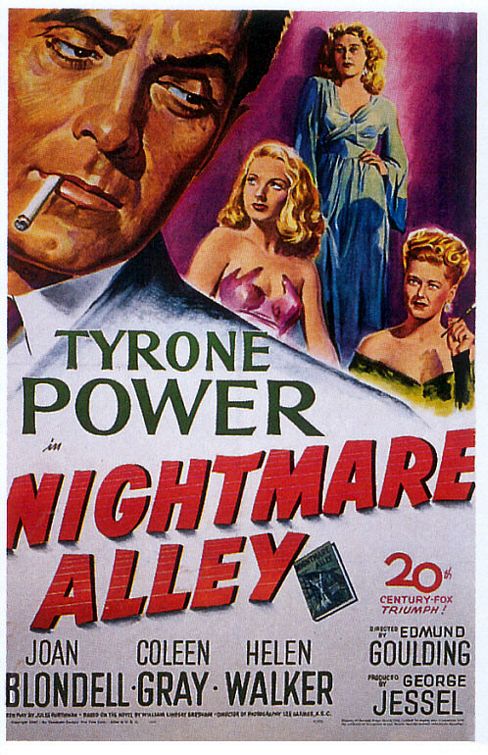
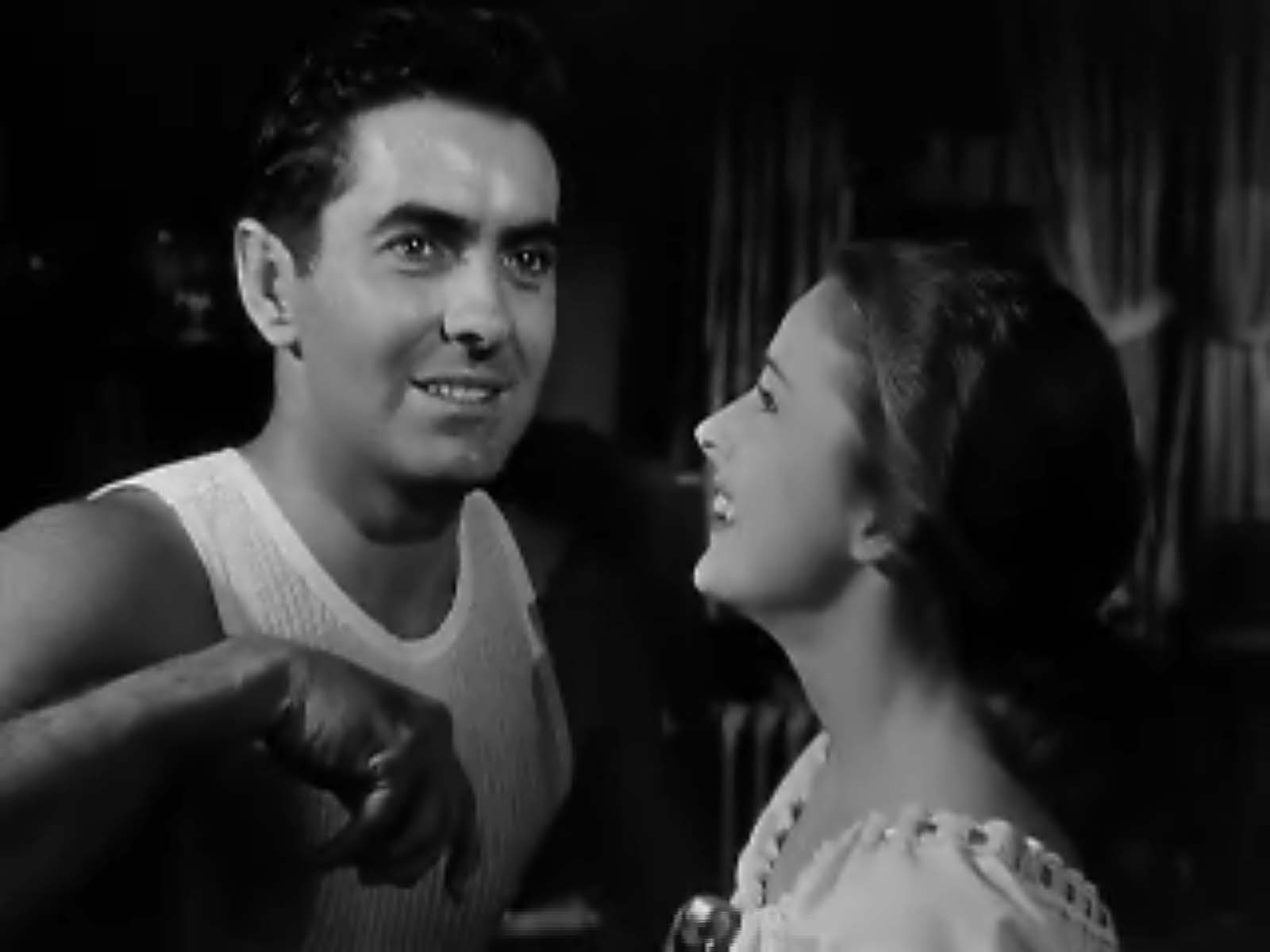
An ambitious carnival worker (Tyrone Power) uses trickery and psychology to convince audiences he’s telepathic, and soon he and his beautiful young wife (Coleen Gray) have a successful nightclub act together. But when Power collaborates with an immoral psychiatrist (Helen Walker) in convincing wealthy citizens he can talk with the dead, his thirst for power comes to a head.

Genres, Themes, Actors, and Directors:

  • Carnivals and Circuses
  • Coleen Gray Films
  • Con-Artists
  • Edmund Goulding Films
  • Femmes Fatales
  • Joan Blondell Films
  • Psychic Powers
  • Rise-and-Fall
  • Social Climbers

Response to Peary’s Review:
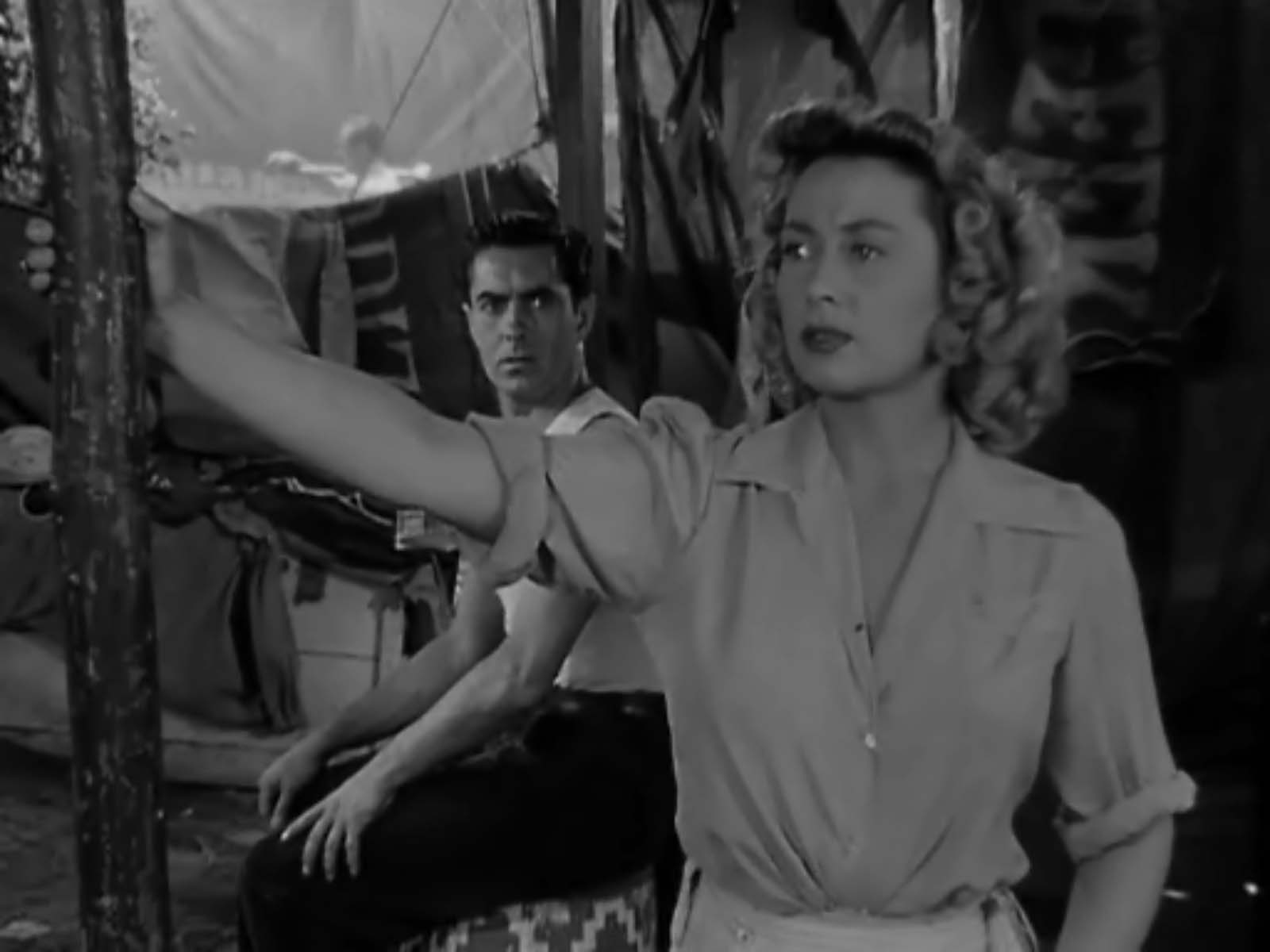
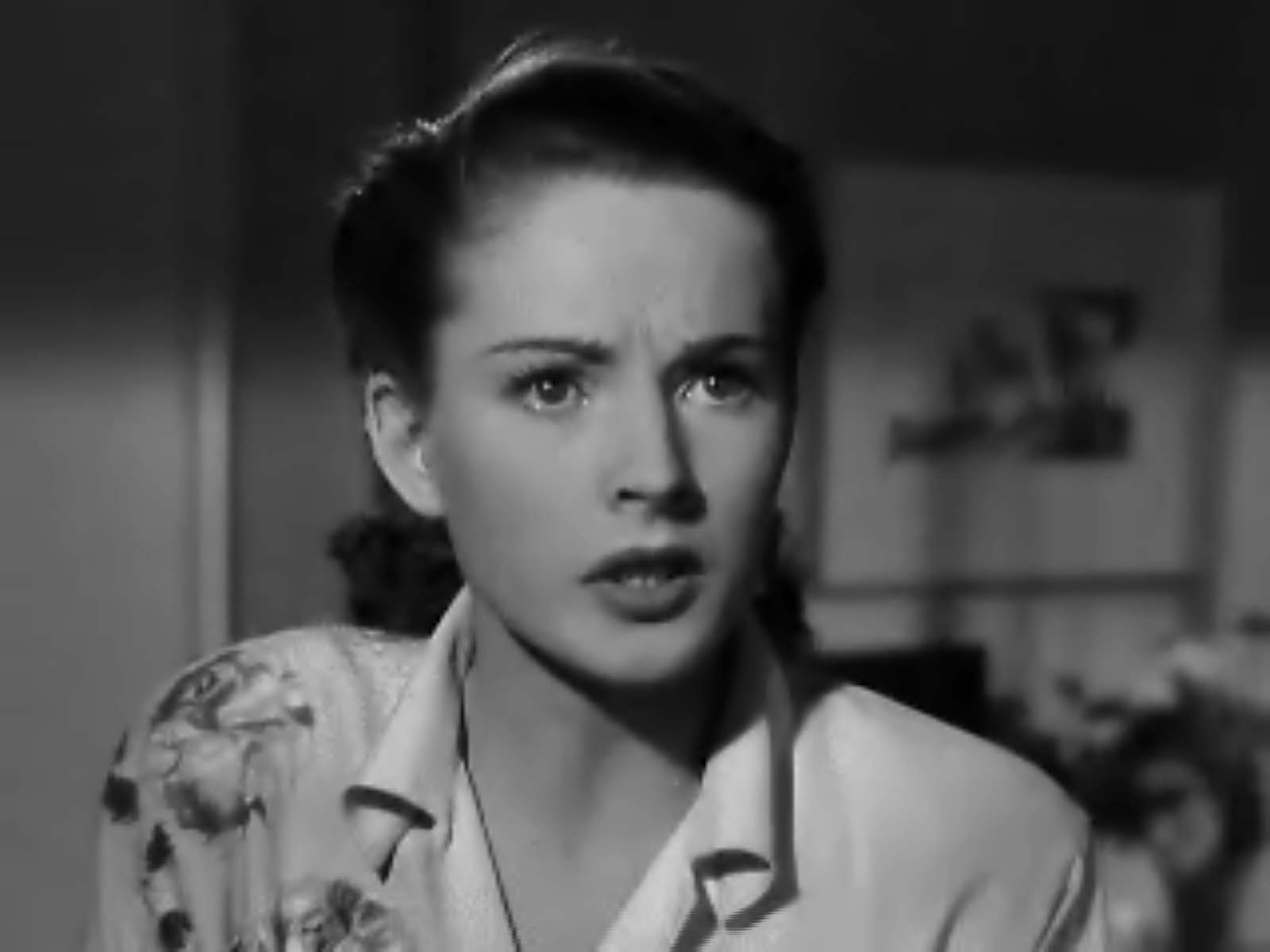
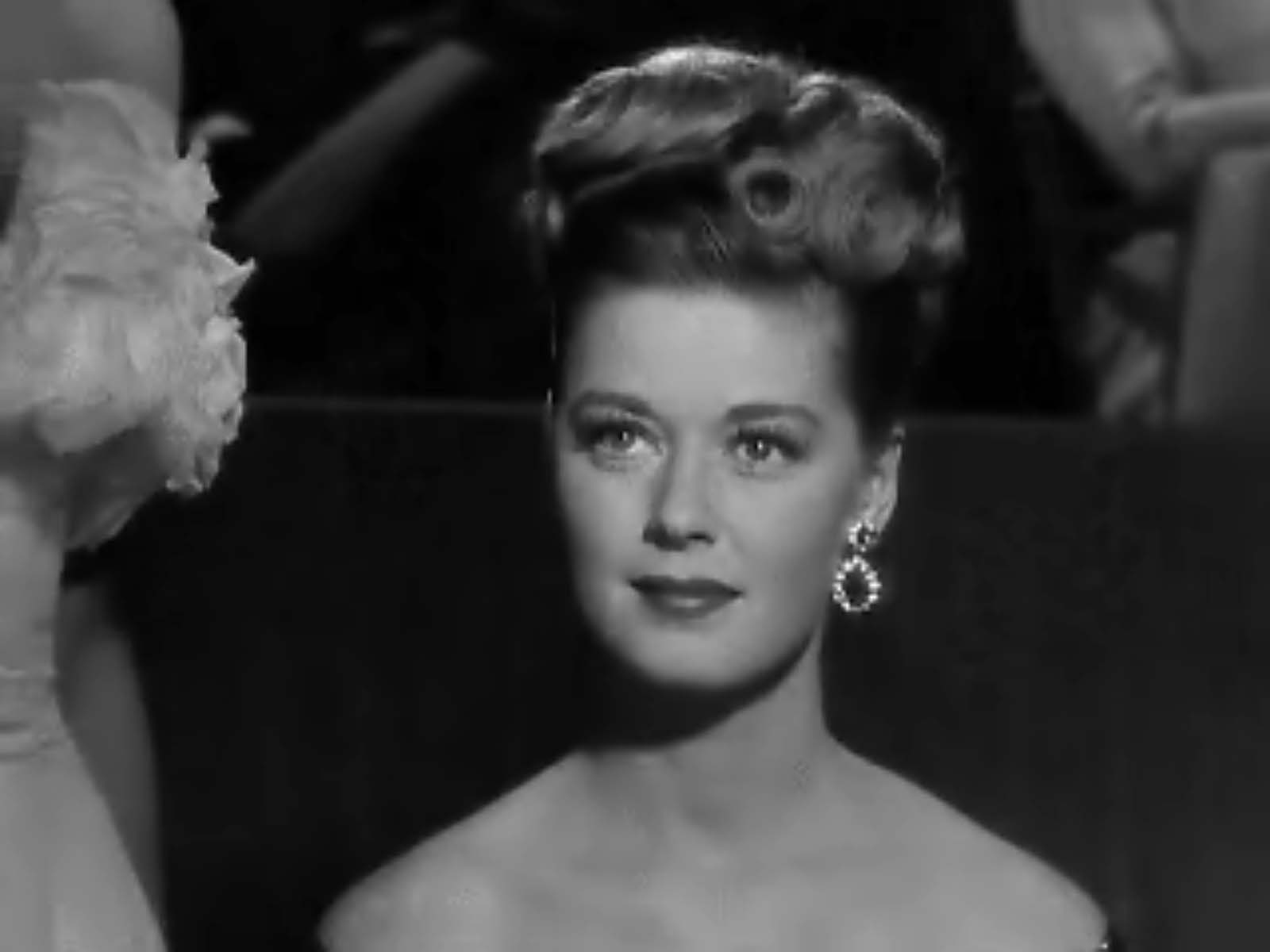
Tyrone Power gave what is widely regarded as his best performance in this memorable, well-acted tale of greed and betrayal in the carnival racket. As noted by Peary, “No [‘A’] picture of the forties projected a more corrosive atmosphere. … What other picture of the time … had geeks, dipsomaniacs, premarital sex in which the woman doesn’t become pregnant, and discussion of God?” Director Edmund Goulding portrays a truly “miserable world”, one “which mirrors the country’s post-war malaise,” and depicts “sorry people… who are deeply depressed, lonely, [and] devoid of spirit.” Despite its unconventional setting, Alley is in many ways classic noir cinema, given the presence of a love triangle (Powers, Blondell, Gray), a cagey femme fatale (Walker), and highly atmospheric b&w cinematography; indeed, Powers’ downward spiral is similar to those of every male noir protagonist who aims too high and (wrongly) thinks he can have it all. Balance is eventually restored, but not without plenty of devastation along the way. Dark, gritty, and compulsively watchable, Nightmare Alley remains must-see viewing for all film fanatics.

Redeeming Qualities and Moments:

  • Tyrone Powers as Stan
  • Joan Blondell as Zeena
  • Colleen Gray as Molly
  • Helen Walker as Lilith
  • An effectively harsh portrait of big dreams turned sour
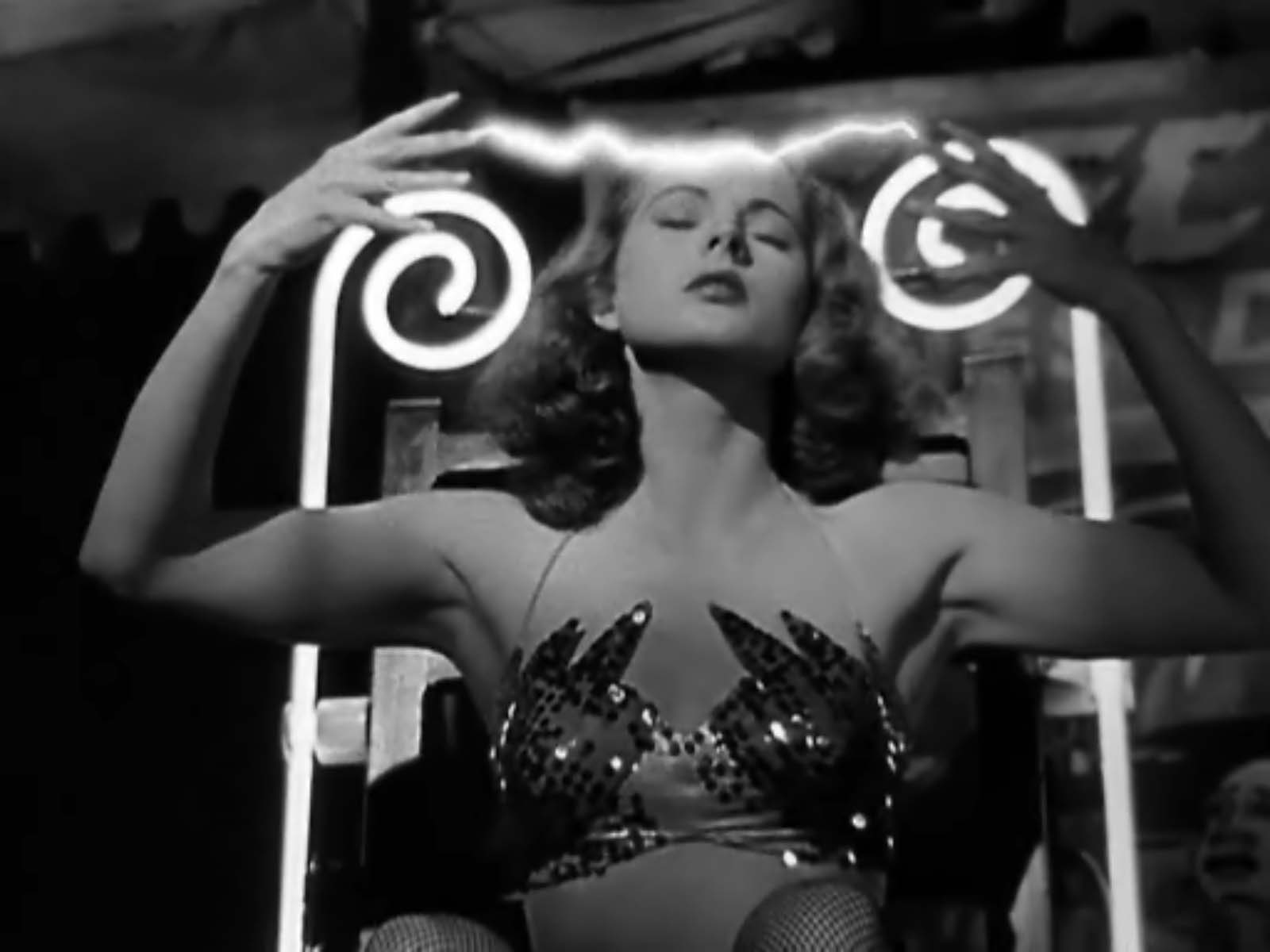
  • Gray demonstrating her act as “Lightning Woman”
  • Lee Garmes’ haunting b&w cinematography

Must See?
Yes. This film is widely regarded as a classic noir thriller, and should be seen by all film fanatics. Peary nominates it for an Alternate Oscar as one of the best pictures of the year. Discussed at length in Peary’s Cult Movies 2 (1983).

Categories

  • Genuine Classic
  • Noteworthy Performance(s)

Links:

Chinoise, La (1967)

Chinoise, La (1967)

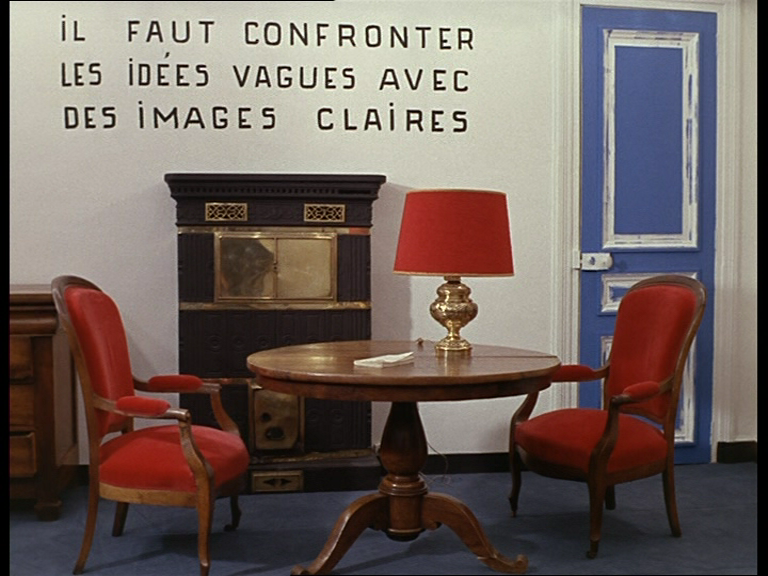
“One must replace vague ideas with clear images.”

Synopsis:
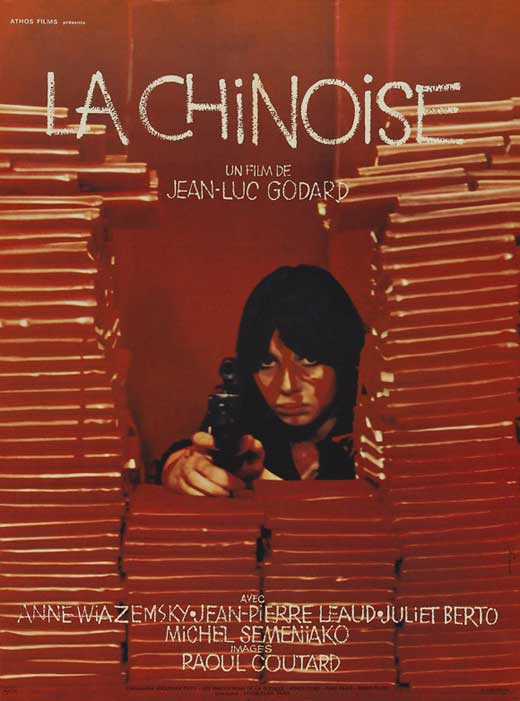
A group of French university students — Veronique (Anne Wiazemsky), Guillaume (Jean-Pierre Leaud), Yvonne (Juliet Berto), Henri (Michel Semeniako), and Kirilov (Lex De Bruijn) — share a bourgeois apartment over the summer while studying Maoism and planning terrorist revolt.

Genres, Themes, Actors, and Directors:

  • French Films
  • Jean-Luc Godard Films
  • Jean-Pierre Léaud Films
  • Revolutionaries
  • Terrorists

Response to Peary’s Review:
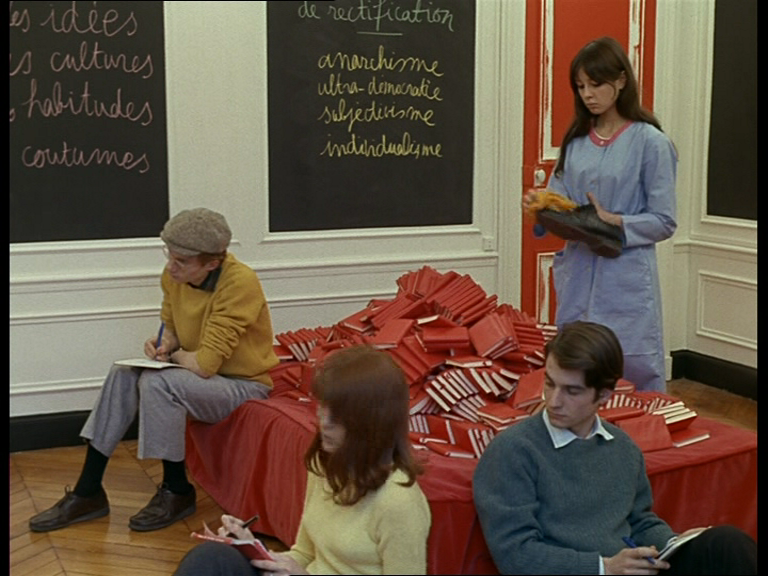
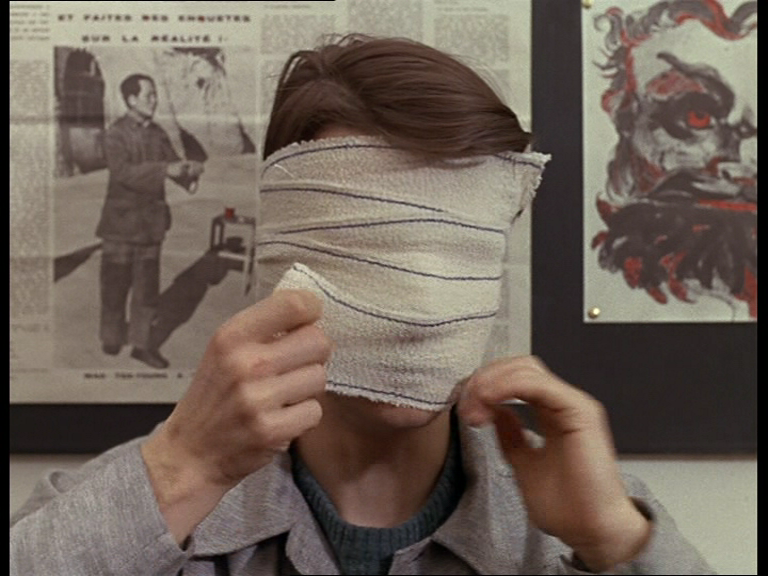
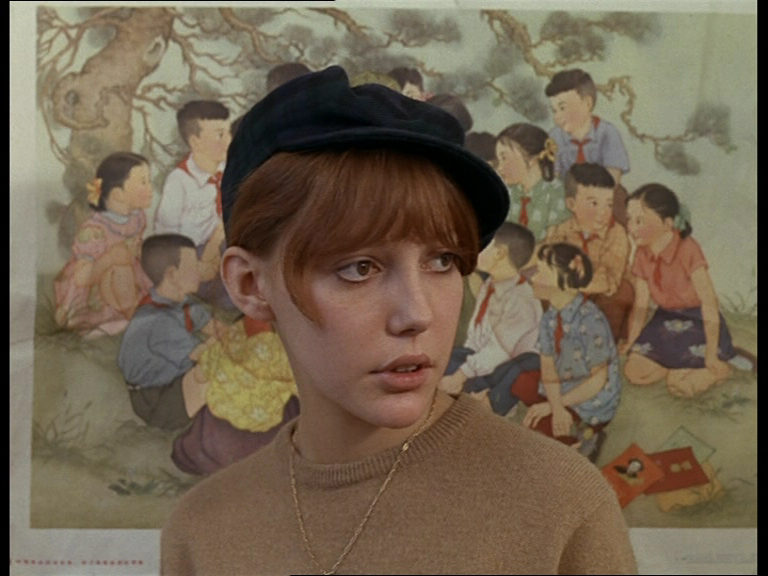
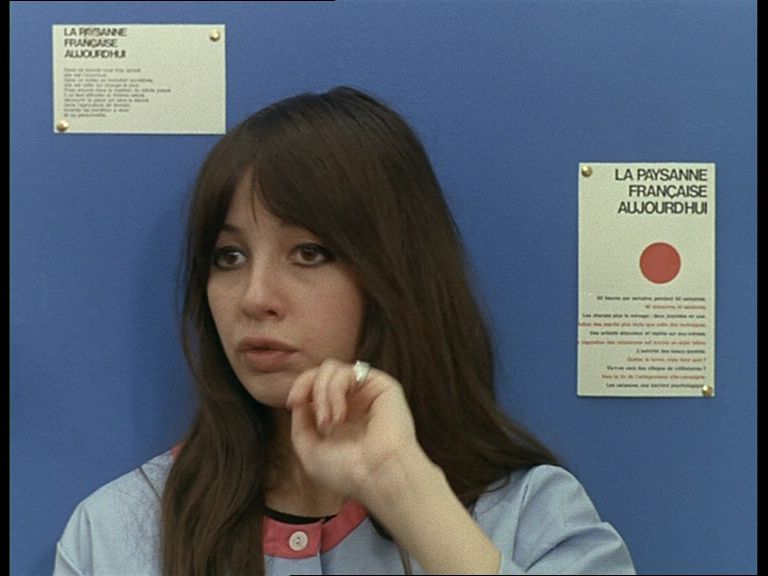
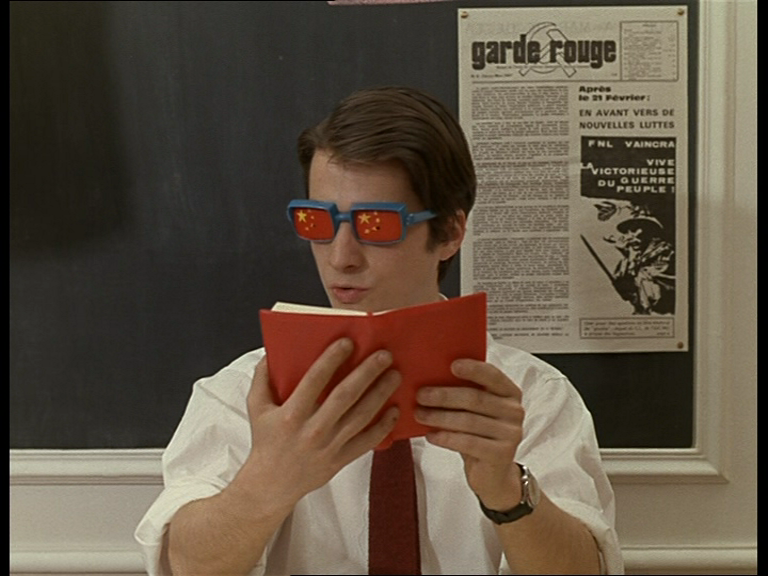
As Peary notes, La Chinoise may well be “one of Jean-Luc Godard’s most interesting political works”. He infuses the seemingly dry subject matter with stunningly stylized visuals (every shot is strategically framed, and primary colors literally pop off of the screen), and treats his characters with both respect and irony, making it clear how troubled their idealistic yet naive ideology really is. Indeed, since the act of violent terrorism carried out near the end of the film is treated so casually, it’s literally impossible to take these students’ actions too seriously. Unfortunately, the last ten minutes or so of the film — in which we’re inexplicably introduced to new characters — dilute the finale; but given Godard’s penchant for illogical narrative sequencing (he once famously said, “A story should have a beginning, a middle and an end, but not necessarily in that order”), this is perhaps to be expected.

Redeeming Qualities and Moments:

  • A unique glimpse at young revolutionaries avidly pursuing knowledge about Maoism
  • Leaud demonstrating a theatrical technique used by a Maoist to make a political point
  • Stark, close-up framing, often with Chinese posters in the background
  • Creative use of vivid, contrasting primary colors as backdrops
  • An effective juxtaposition of words and visuals to relate a particular time and attitude
  • Many memorable images
  • Typically Godardian mise-en-scene and an “interrupted”, disorienting musical score

Must See?
Yes. While a little of Godard goes a long way, I think all film fanatics should watch this tongue-in-cheek political fable.

Categories

  • Important Director

Links:

Invisible Man, The (1933)

Invisible Man, The (1933)

“He’s meddled in things men should leave alone.”

Synopsis:
A scientist (Claude Rains) who has discovered the secret to invisibility slowly goes mad from effects of the drug; soon he’s on a wild killing rampage, with dreams of taking over the world.

Genres, Themes, Actors, and Directors:

  • Black Comedy
  • Claude Rains Films
  • H.G. Wells Films
  • Horror
  • James Whale Films
  • Mad Doctors and Scientists

Response to Peary’s Review:
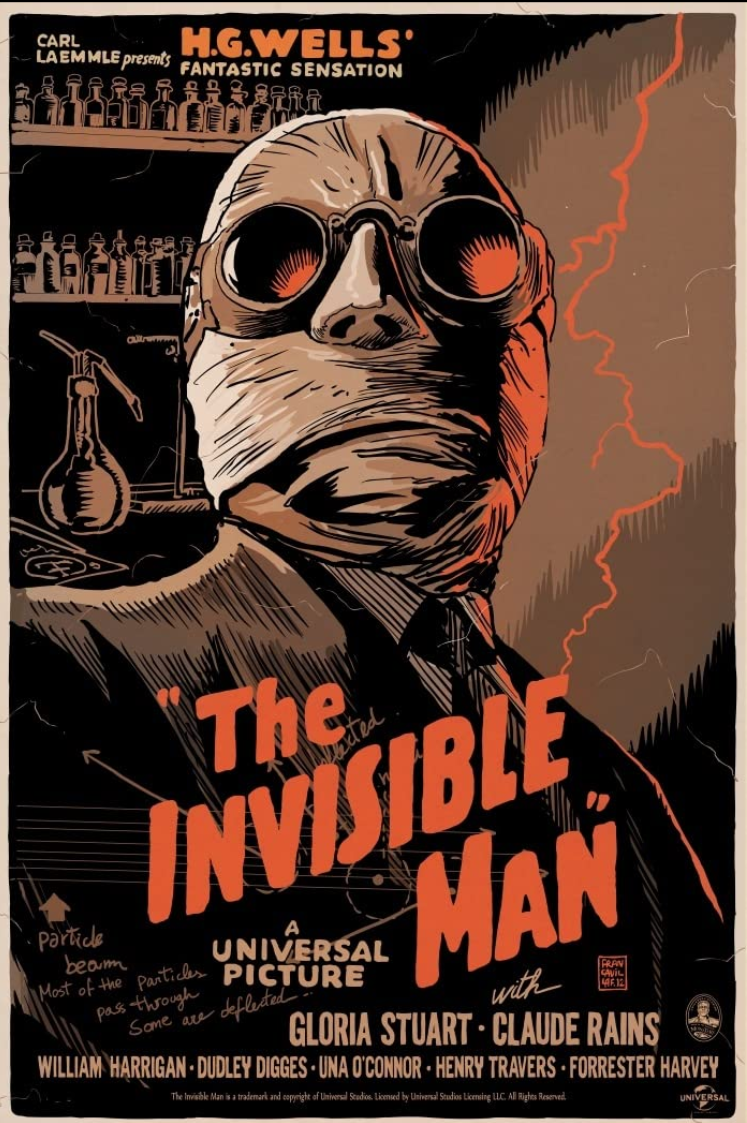
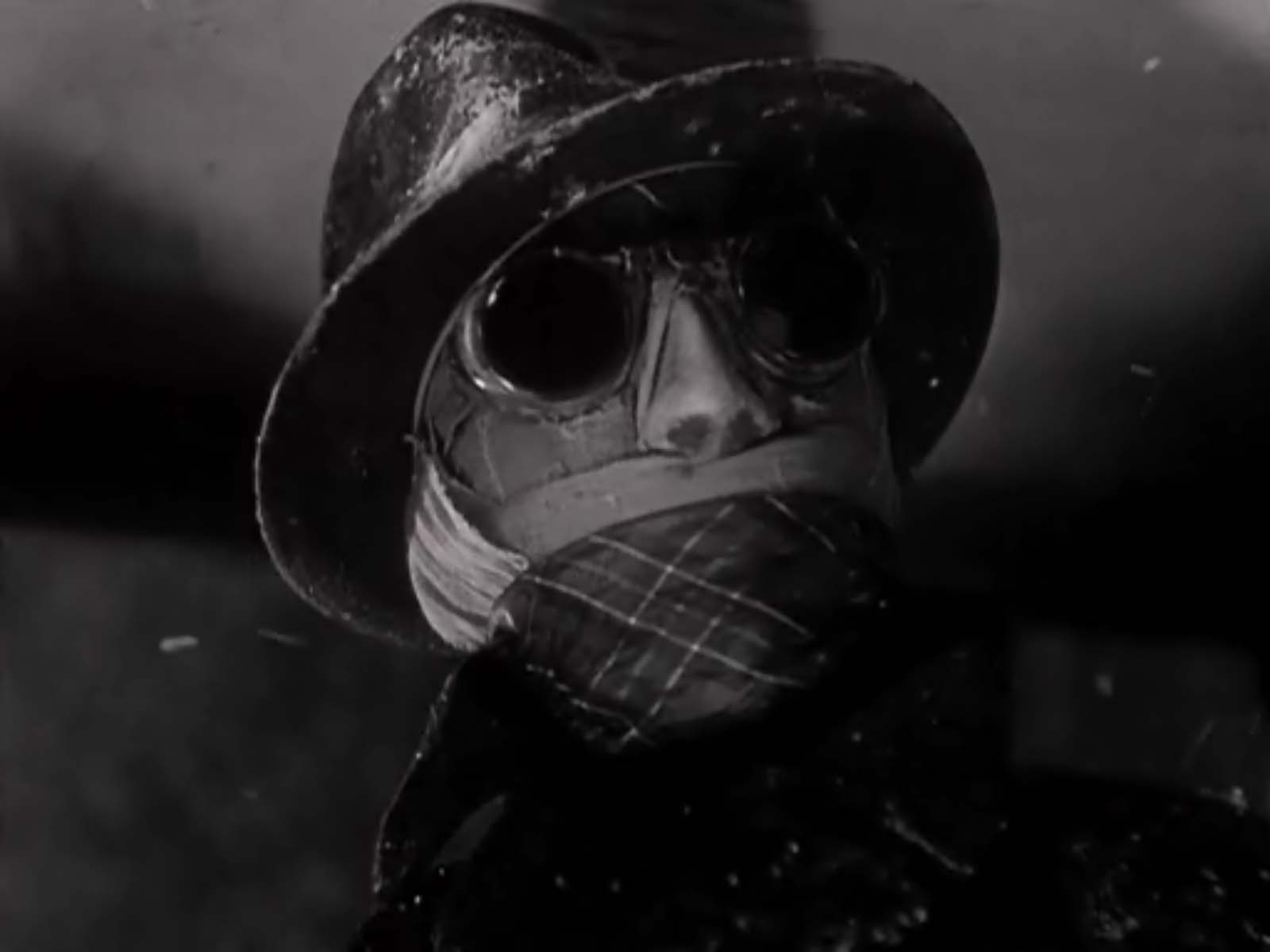
As Peary notes, this “splendid adaptation of H.G. Wells’s novel” — which “begins humorously, [then] becomes scary” — possesses truly impressive special effects by John P. Fulton: the first time Rains unwinds the bandages from his invisible head, even savvy modern audiences will find it hard not to jump. Although he’s not visible until the final 1/2 minute of the film, Rains (who Peary nominates for an Alternate Oscar as best actor of the year) makes a memorable screen debut as the titular anti-hero, who flits around causing havoc and deriving enormous delight from flaunting his newfound powers. The excellent script by R.C. Sheriff and Philip Wylie — part sci-fi, part black comedy, part thriller — keeps us in continual suspense, and makes us cringe at Rains’ psychopathic behavior (he wantonly tips a baby carriage over, and causes a train to derail “just for kicks”). The most surreal moment in the film has to be when Rains — wearing just a stolen pair of pants — skips down a lane, singing “Here we go gathering nuts in May…” — there’s never been another cinematic villain quite like him.

Redeeming Qualities and Moments:

  • Claude Rains in his screen debut as the Invisible Man
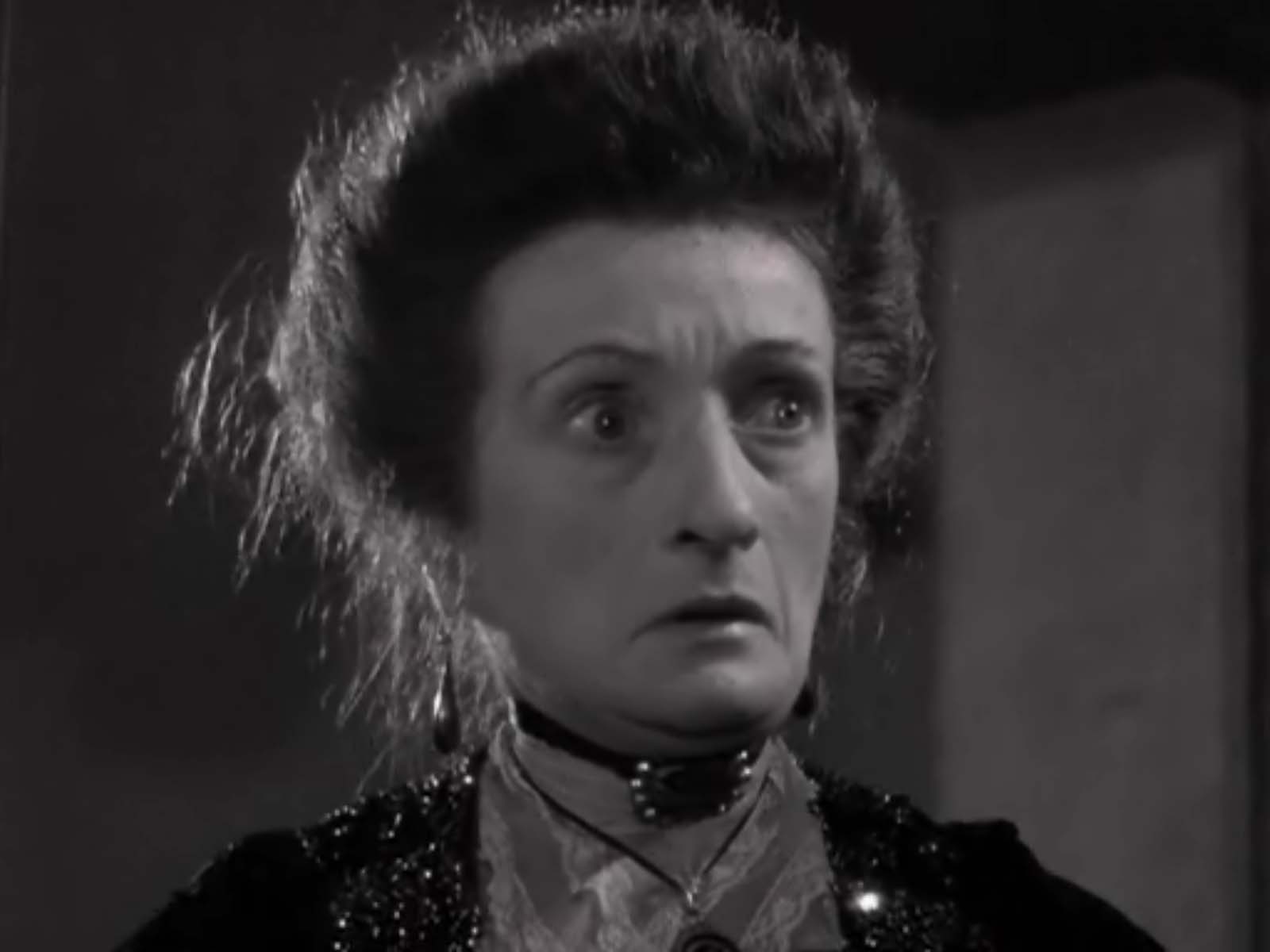
  • Una O’Connor as the hysterical innkeeper who insists that Rains must leave
  • John P. Fulton’s impressive special effects
  • Good use of extreme angles
  • A fine sense of black humor: “We’ll begin with a reign of terror. A few murders here and there. Murders of great men, murders of small men, just to make sure we make no distinction.”

Must See?
Yes. Due primarily to its nifty special effects, this is considered a genuine classic of early horror.

Categories

  • Genuine Classic

Links:

Unsuspected, The (1947)

Unsuspected, The (1947)

“His day of reckoning must come. He is tormented by fear that someday he will make one false move, one slip that will betray him, and when he does, the lightning of justice will strike… the unsuspected.”

Synopsis:
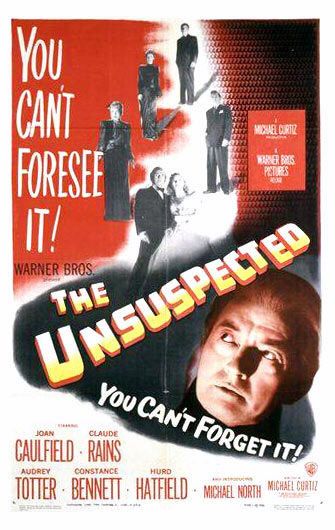
When the assistant (Barbara Woodell) of suave radio host Victor Grandison (Claude Rains) is murdered, a mysterious man (Michael North) appears on his doorstep, claiming to be the short-lived husband of Grandison’s wealthy young ward (Joan Caulfield); a web of lies, greed, and deceit is soon revealed.

Genres, Themes, Actors, and Directors:

  • Amateur Sleuths
  • Amnesia
  • Audrey Totter Films
  • Claude Rains Films
  • Constance Bennett Films
  • Hurd Hatfield Films
  • Michael Curtiz Films
  • Murder Mystery

Response to Peary’s Review:
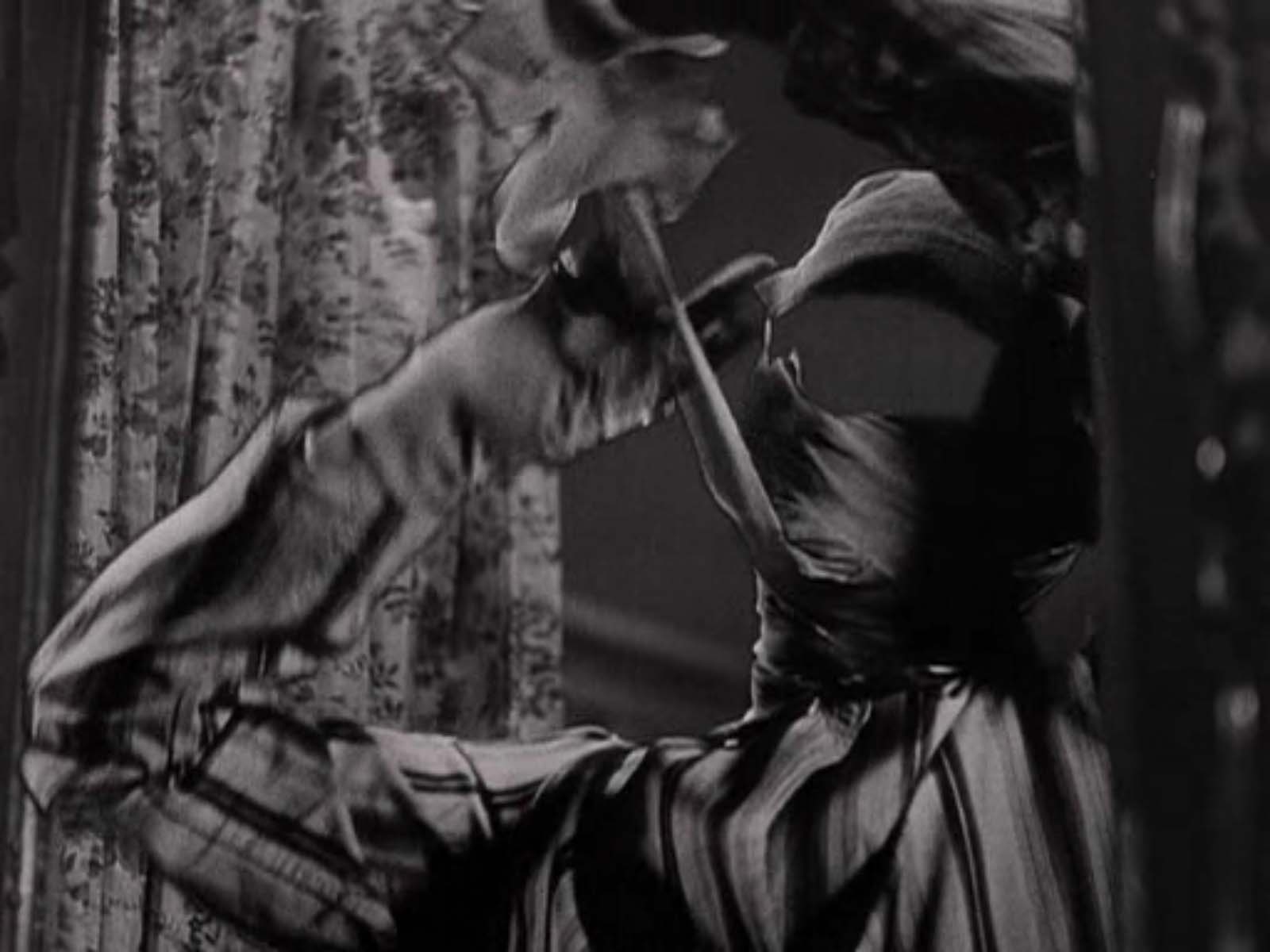
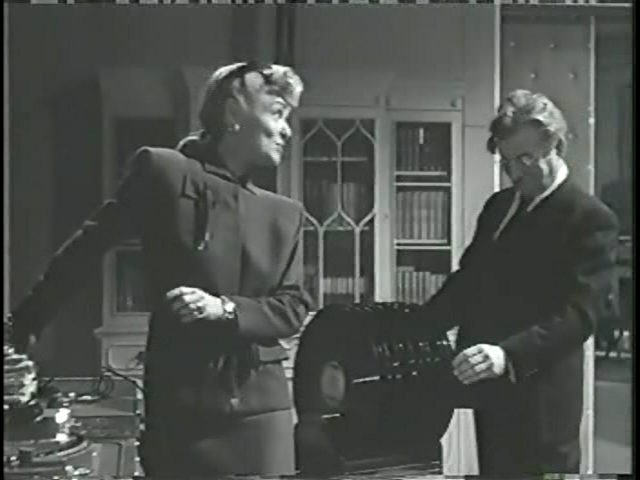
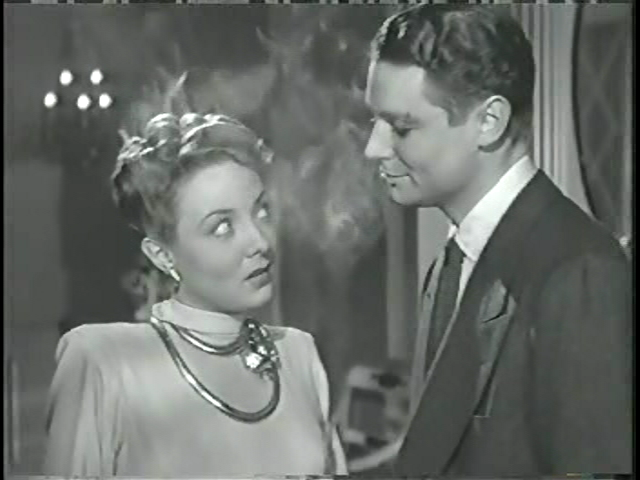
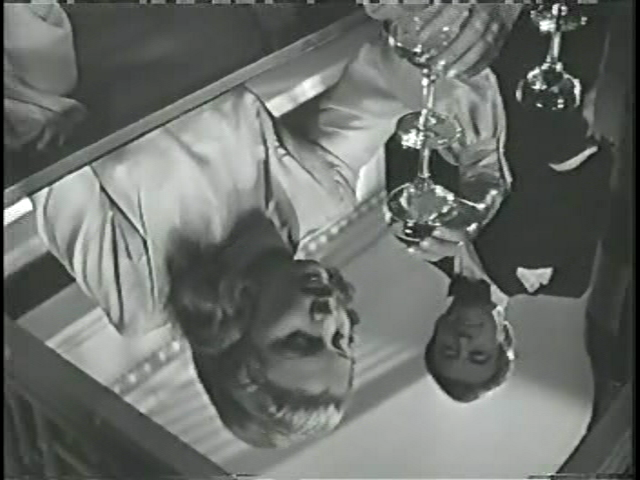
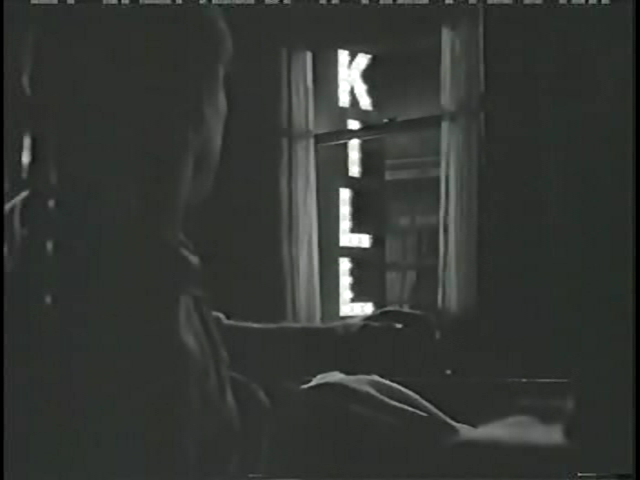
While acknowledging its shortcomings, Peary seems to be an enormous fan of this atmospheric murder mystery, referring to it as a “really exceptional noir melodrama”. Unfortunately, The Unsuspected — based on a novella by Charlotte Armstrong — is prevented from being a true classic due to its highly convoluted plot, which only begins to make sense more than halfway through (as Peary notes, the “plot has clever twists, but there are so many of them that it becomes confusing”). At the same time, it possesses “sharp” dialogue, a “spooky, tense atmosphere” (Michael Curtiz’s direction is memorable), and “interesting characterizations” by everyone except “the miscast North” (and, I think, the beautiful but bland Caulfield). Rains’s performance is particularly noteworthy — despite learning his “secret” early on, we continue to watch his character with fascination, especially as he expertly uses technology to further his goals.

Redeeming Qualities and Moments:

  • Claude Rains as Victor Grandison
  • Constance Bennett as Grandison’s wisecracking assistant: “You’re as limp as an old girdle.”
  • Audrey Totter as Grandison’s scheming niece
  • The highly atmospheric opening murder
  • Director Michael Curtiz’s innovative camerawork and direction
  • Woody Bredell’s noirish cinematography

Must See?
Yes, simply for Rains’ performance.

Categories

  • Important Director
  • Noteworthy Performance(s)

Links:

Kriemhild’s Revenge / Kriemhild’s Rache / She-Devil, The (1924)

Kriemhild’s Revenge / Kriemhild’s Rache / She-Devil, The (1924)

“Earth, you were once soaked in Siegfried’s blood. One day I shall come and drench you with the blood of Hagen Tronje!”

Synopsis:
Grieving widow Kriemhild (Margarete Schon) agrees to marry Attila the Hun (Rudolf Klein-Rogge) when he promises to defend her name at any cost. After the birth of their son, Kriemhild invites her brother (Theodor Loos) and the murderous Hagen Tronje (Hans Adalbert von Schlettow) for a visit, intending to have Tronje killed; but when Attila refuses to harm his guests, the single-minded Kriemhild enlists the help of local Huns in seeking bloody revenge on the man who killed her husband.

Genres, Themes, Actors, and Directors:

  • Fritz Lang Films
  • Revenge
  • Royalty and Nobility
  • Silent Films
  • Strong Females

Response to Peary’s Review:
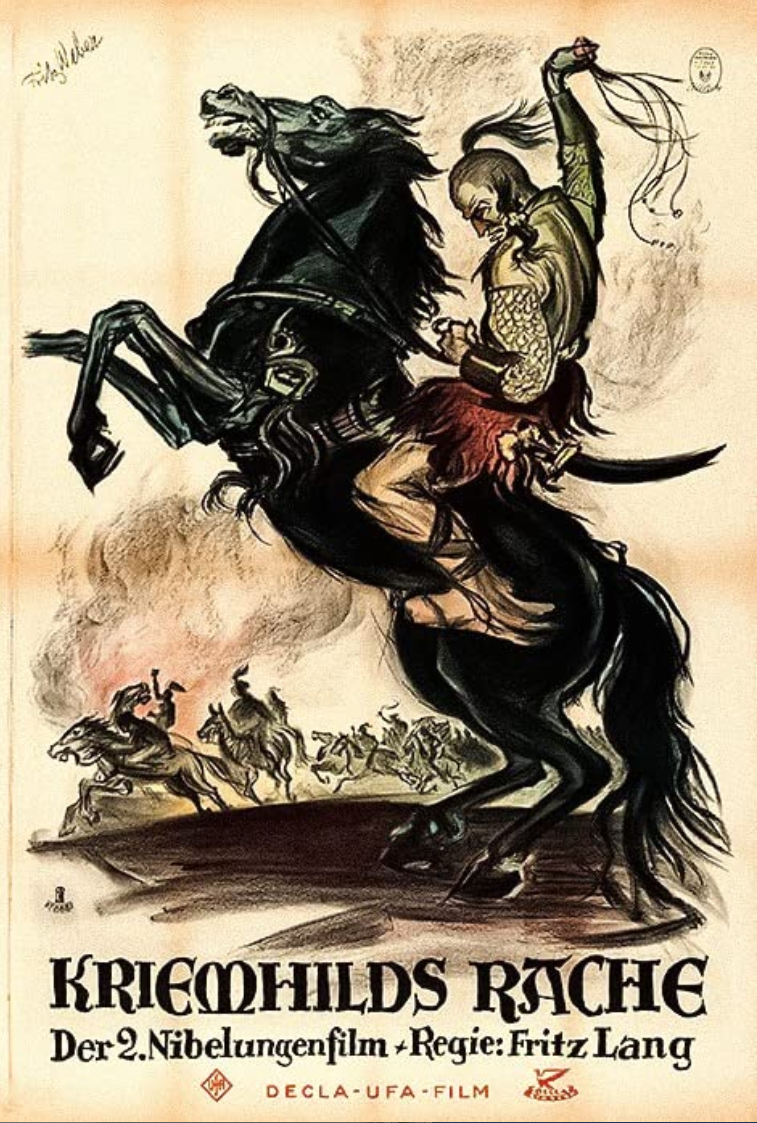
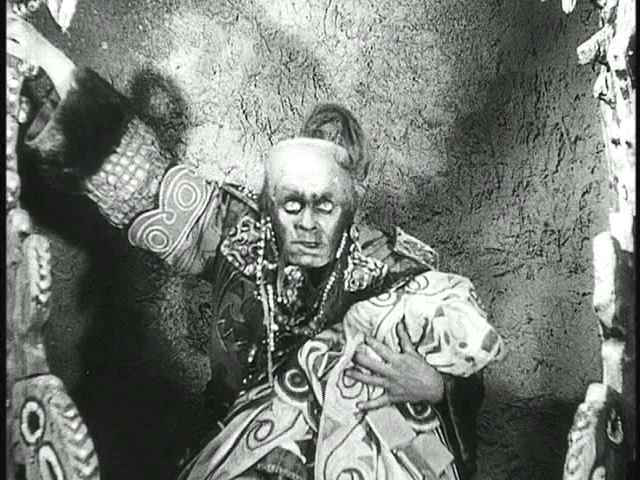
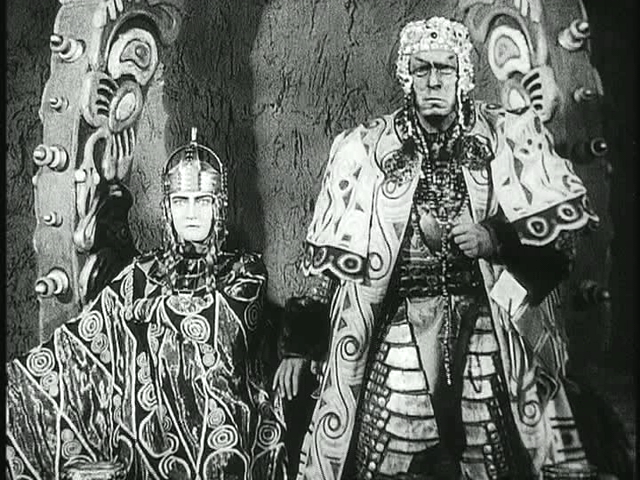
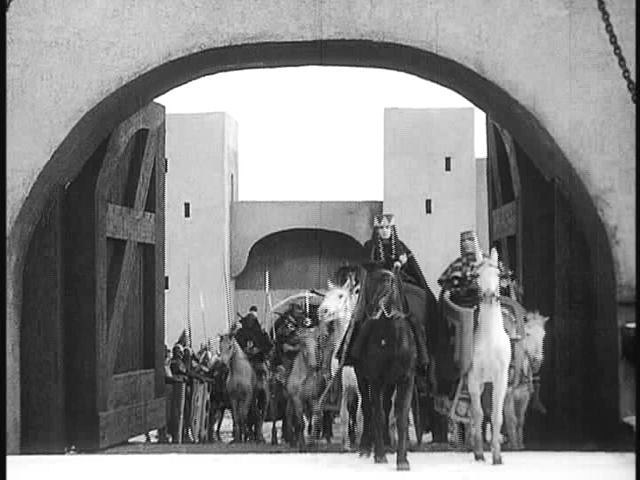
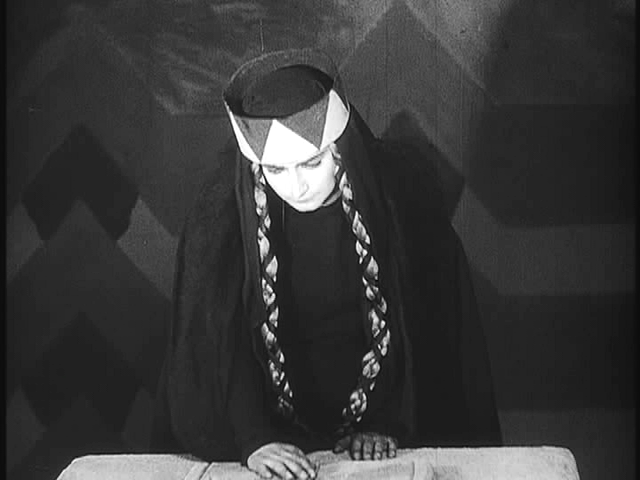
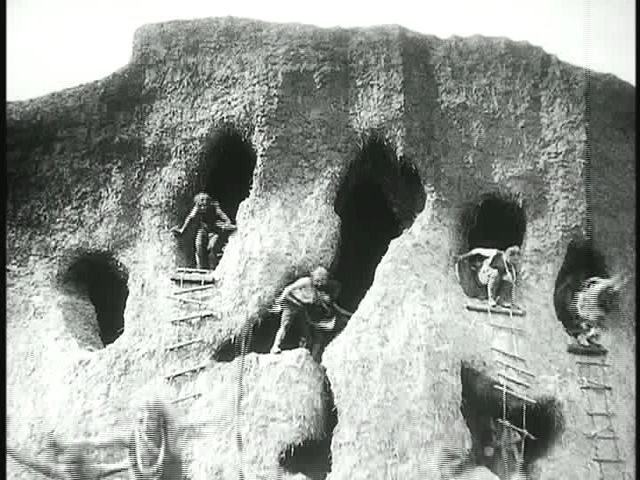
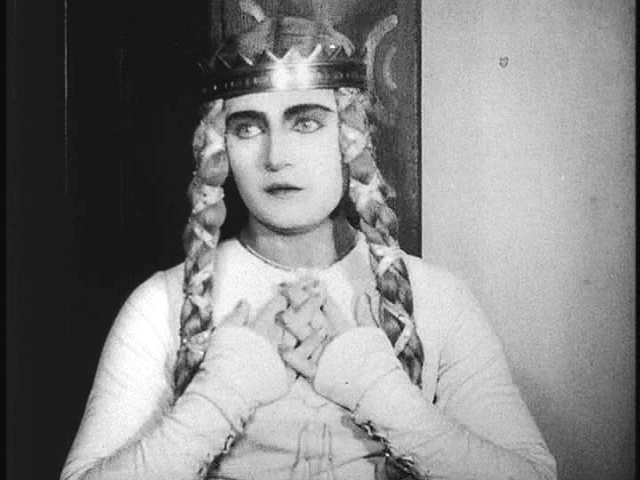
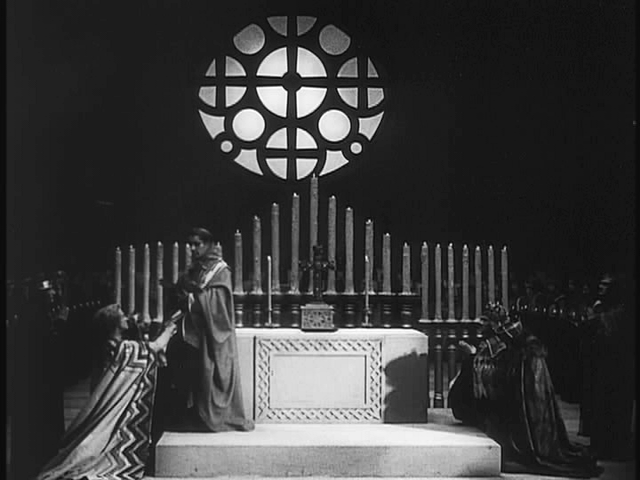
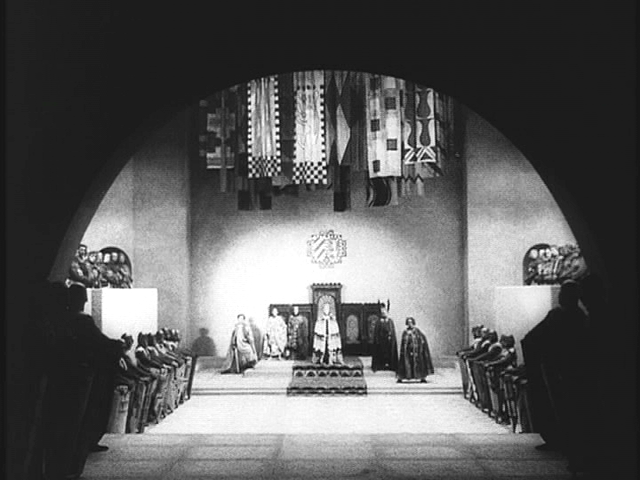
This sequel to Fritz Lang’s Siegfried was filmed at the same time, and originally intended to fit the second part of a double-bill. Unfortunately, while it efficiently completes the story told in the early 13th-century epic poem Nibelunglied, it lacks the magical fantasy elements of its precursor, instead presenting a much darker, bloodier story “geared for adults”. With that said, as Peary notes, “the visuals are equally impressive,” and it’s satisfying to watch “the character of Kriemhild, so passive in part one, become one of the most formidable heroines in film history”. Indeed, Kriemhild overpowers even her notoriously autocratic husband Attila the Hun, who is presented here as “a sympathetic figure” — someone who “respects women, plays with babies, cries, and wants his guests to have a good time” (!). It’s too bad we’re not given more scenes between these two newlyweds; instead, Lang pads out the narrative with far too many lengthy — albeit impressively staged — battle scenes. Nonetheless, this classic silent epic remains must-see viewing for all film fanatics.

Redeeming Qualities and Moments:

  • Margarethe Schon as Kriemhild
  • Rudolf Klein-Rogge as Attila
  • Wonderfully expressive costumes and make-up
  • Lang’s “geometric” framing of characters and buildings
  • Evocative set designs
  • Carl Hoffman and Gunther Rittau’s cinematography
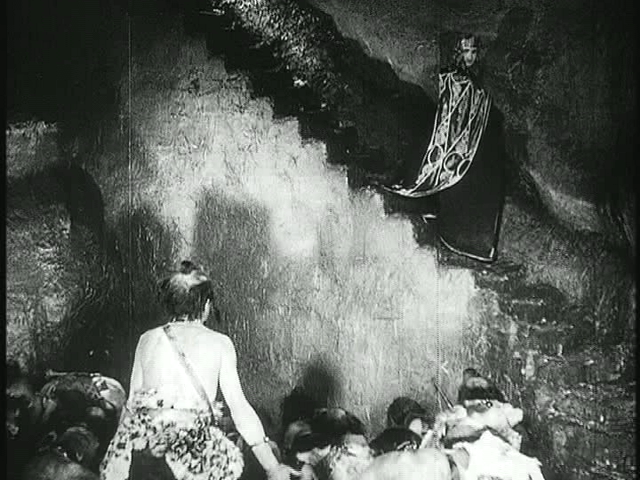
  • The Huns emerging from their insect-like caves

Must See?
Yes. While not as enjoyable as Siegfried, this bloody sequel remains must-see viewing as well.

Categories

  • Foreign Gem
  • Historically Relevant

Links:

Siegfried / Siegfried’s Tod (1924)

Siegfried / Siegfried’s Tod (1924)

“Young Siegfried understood the bird’s song: If the dragon slayer would bathe in the dragon’s blood, his body would become invincible, forever safe against word and spear.”

Synopsis:
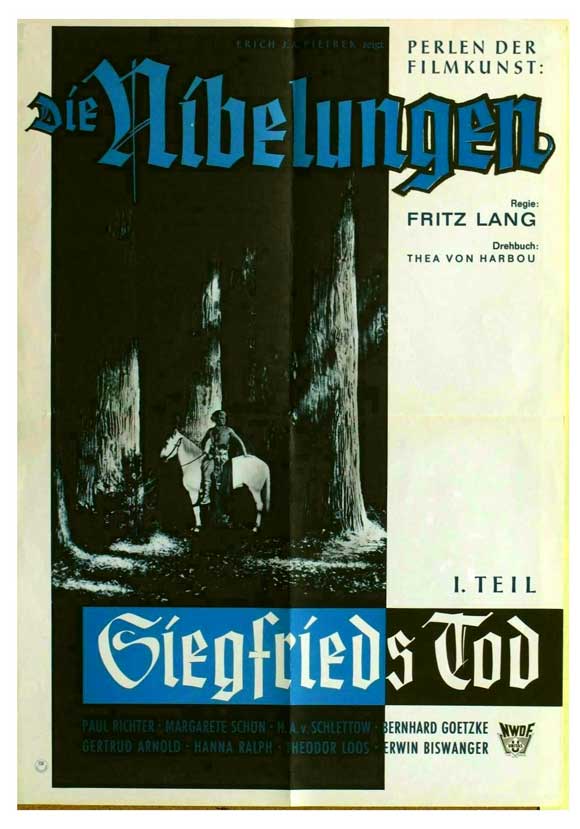
While traveling to Worms to propose to Kriemhild (Margarete Schon) — the sister of King Gunther (Theodor Loos) — Siegfried (Paul Richter) kills a dragon and becomes invincible in all but one spot by bathing in its blood; he also captures the dwarfish Nibelungen’s hoard of treasure, and acquires a magic helmet which makes him invisible. In payment for Kriemhild’s hand, Gunther asks for Siegfried’s help in winning the mighty Brunhild (Hanna Ralph) as his wife — but when Brunhild discovers that Siegfried has used magic to trick her into marriage, she seeks revenge, enlisting the help of Gunther’s treacherous half-brother, Hagen Tronje (Hans Adalbert von Schlettow), to murder him.

Genres, Themes, Actors, and Directors:

  • Fantasy
  • Fritz Lang Films
  • Revenge
  • Royalty and Nobility
  • Silent Films
  • Strong Females

Response to Peary’s Review:
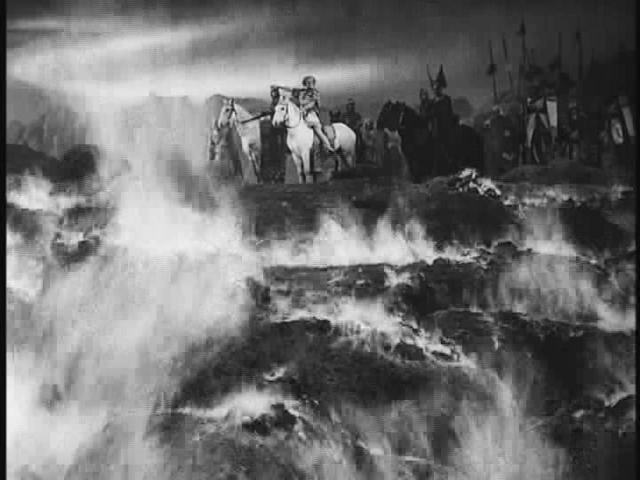
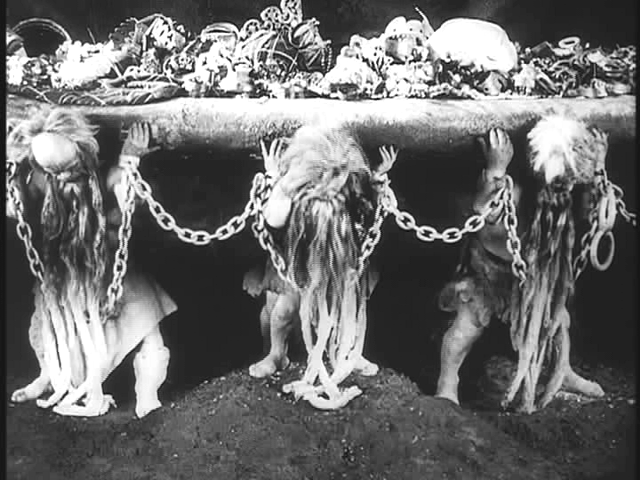
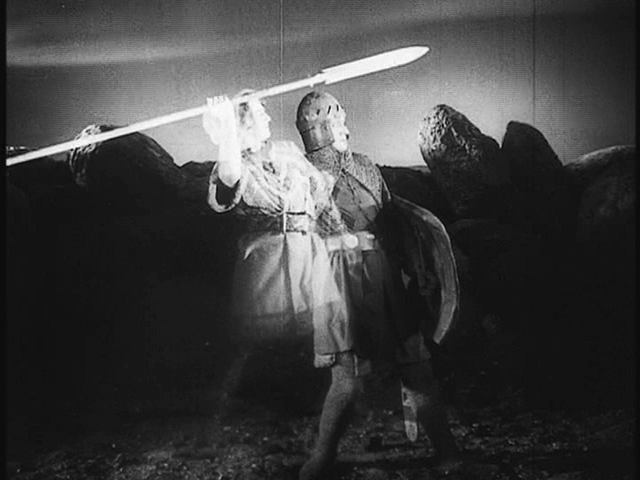
This first installment of Fritz Lang’s two-part, five-hour saga — based on an early 13th century Norse epic poem — is, as Peary notes, “a marvel, one of the truly great silent films, and one of the most spectacular ventures into fantasy and legend” that has ever graced the silver screen. It’s full of countless memorable moments and images — all stunningly choreographed and framed — with its expressive sets and cinematography evoking “the paintings of Swiss Romanticist Arnold Bocklin” (who also inspired the set of Skull Island in 1933’s King Kong). The story itself is consistently exciting, “subtle enough for adults and magical enough for kids”, and many of the special effects remain impressive. While I’m not a fan of the early dragon fight (it’s hard not to laugh when we see “blood” gushing out of the hole Siegfried pokes in its cardboard side), many other fantasy scenes — including Siegfried’s use of magic to help Gunther fight against Brunhild, and the Nibelungen dwarves turning to stone — are noteworthy.

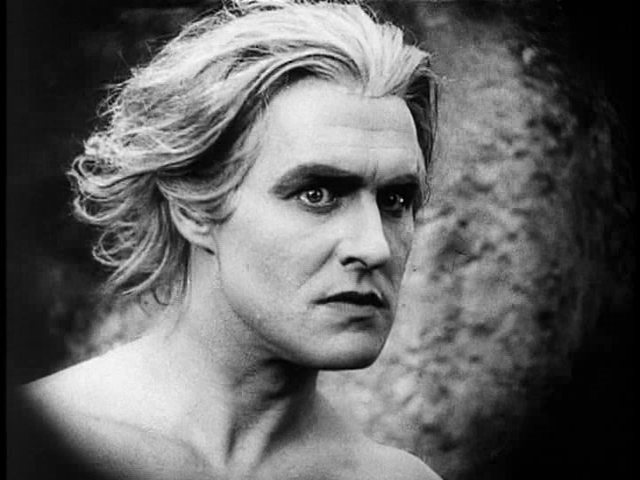
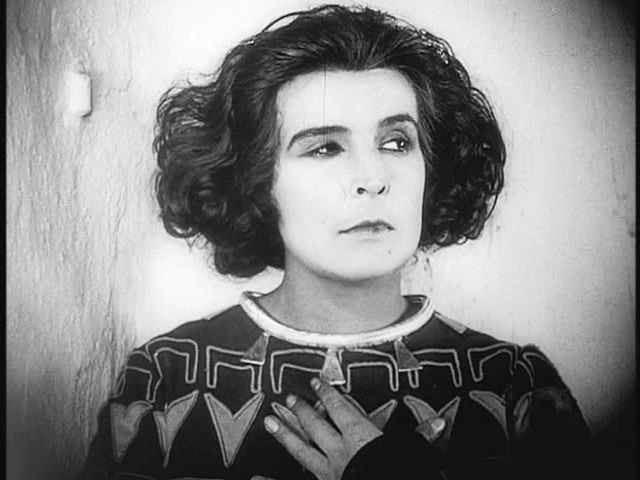
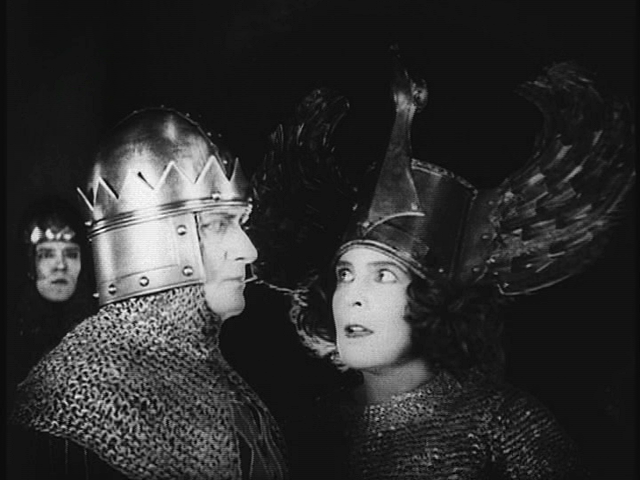
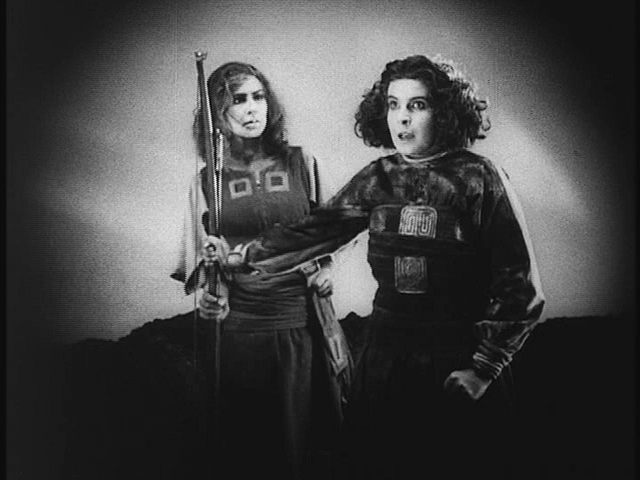
Although Siegfried is ostensibly about its titular hero, it’s interesting to note that strong females play an important part in both this film and its sequel (Kriemhild’s Revenge). Brunhild is a no-holds-barred warrior woman who surrounds herself with a bevy of female associates; and while Peary notes that she “harbors a secret love for Siegfried” (a fact which is apparently borne out in the original story), it’s not made explicit here. Instead, Brunhild comes across as simply a powerful female who resents being forced to marry and give up her independence; significantly, it’s her actions and motivations which propel the tragic final half of the film. It should also be noted how androgynous the leads appear: Margarete Schon and Hanna Ralph are positively transgendered, while Siegfried — with his wildly poofed-out hair and dramatic make-up — makes for a somewhat “feminine” counterpart. Ultimately, then, Siegfried remains a mythic tale of larger-than-life beings who transcend traditional gender roles, instead embodying core human emotions and values.

Redeeming Qualities and Moments:

  • Paul Richter as Siegfried
  • Hanna Ralph as Brunhild
  • The wonderfully androgynous Margerete Schon as Kriemhild
  • Marvelous set designs
  • The baroque costumes and headdresses
  • Carl Hoffman and Gunther Rittau’s cinematography
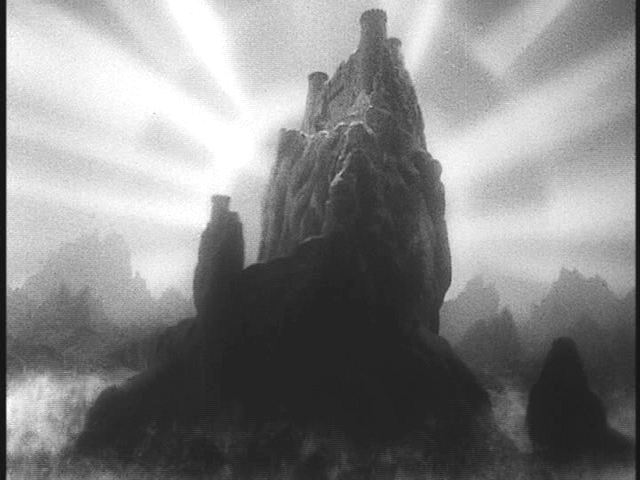
  • Brunhild’s luminous castle
  • The fiery plains surrounding Brunhild’s castle
  • The Nibelungen dwarves turning into stone
  • Siegfried and Kriemhild’s brief but intense romance
  • Siegfried using magic to help Gunther win Brunhild’s hand in marriage
  • A refreshing depiction of a truly strong female (Brunhild)
  • Lang’s “geometric” framing of characters and buildings

Must See?
Yes. This early cinematic masterpiece should be seen by all film fanatics.

Categories

  • Foreign Gem
  • Historically Relevant

Links:

Sunset Boulevard (1950)

Sunset Boulevard (1950)

“We didn’t need dialogue. We had faces!”

Synopsis:
Desperate for money, aspiring writer Joe Gillis (William Holden) is hired by aging silent movie star Norma Desmond (Gloria Swanson) to help her write her comeback screenplay. Soon the two are lovers — but things become complicated when Holden finds himself falling in love with a young screenwriter (Nancy Olson).

Genres, Themes, Actors, and Directors:

  • Actors and Actresses
  • Billy Wilder Films
  • Erich von Stroheim Films
  • Flashback Films
  • Gloria Swanson Films
  • Has-Beens
  • Hollywood
  • Jack Webb Films
  • Love Triangle
  • May-December Romance
  • Nancy Olson Films
  • Prostitutes and Gigolos
  • William Holden Films
  • Writers

Response to Peary’s Review:
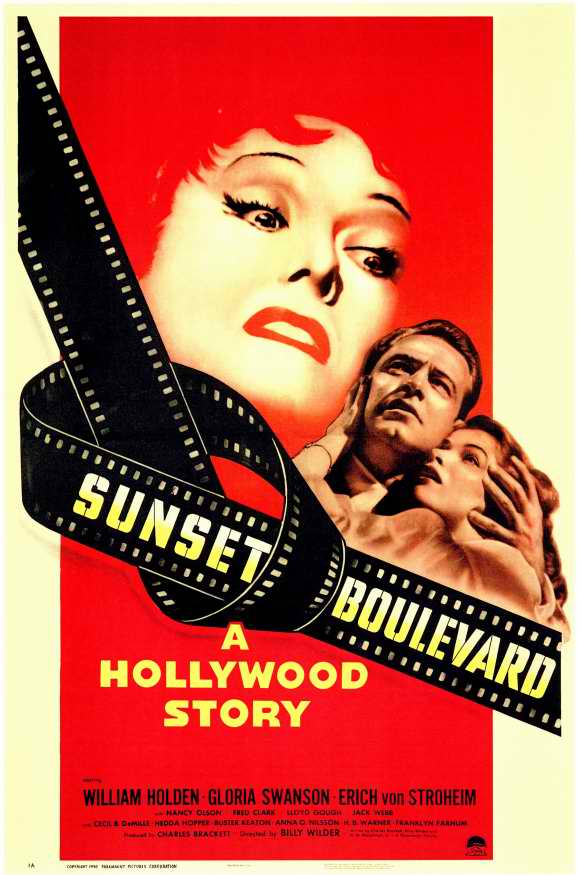
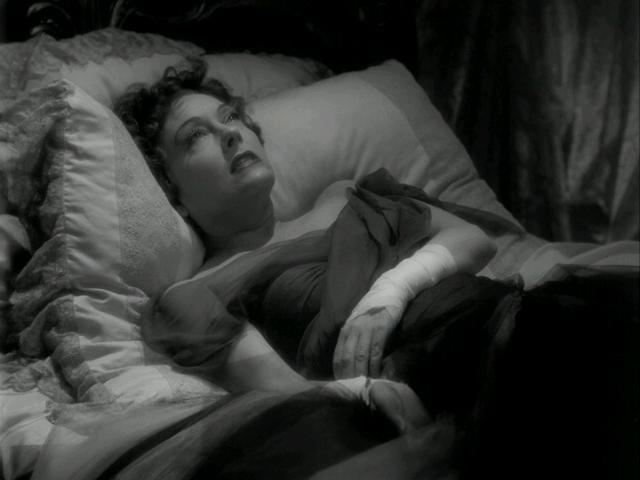
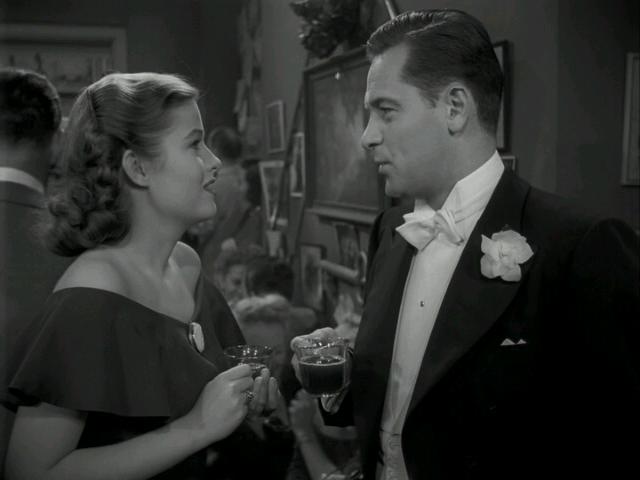
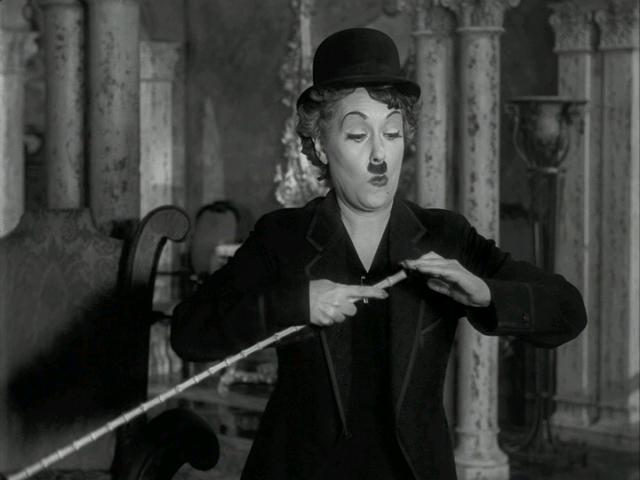
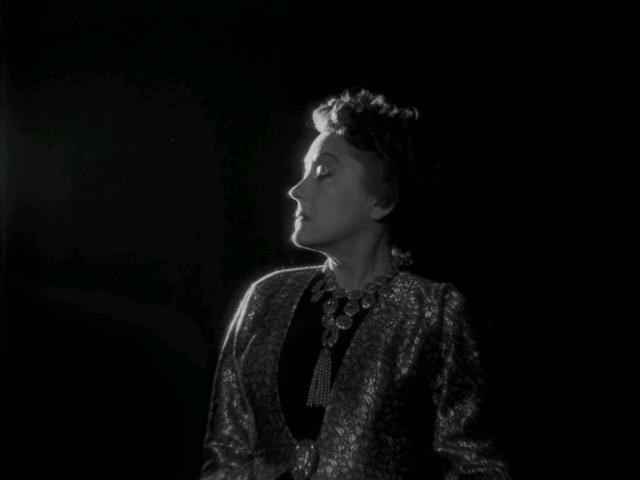
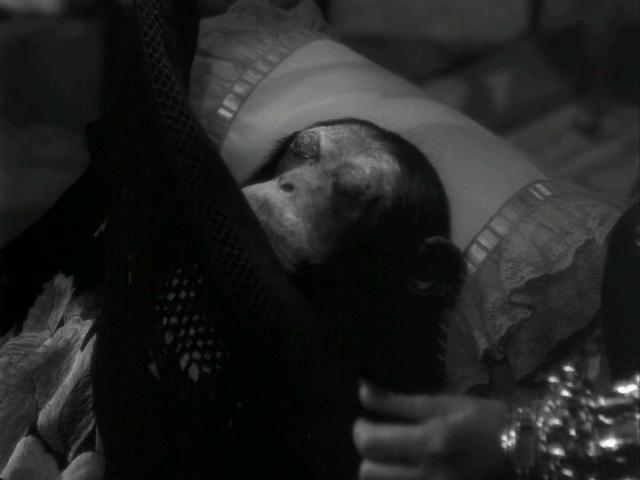
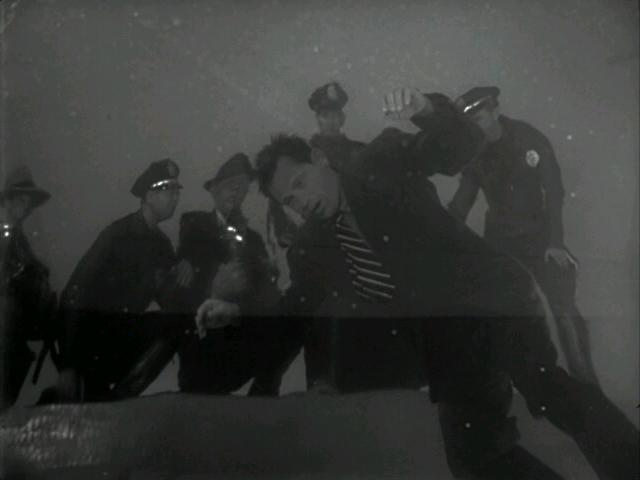
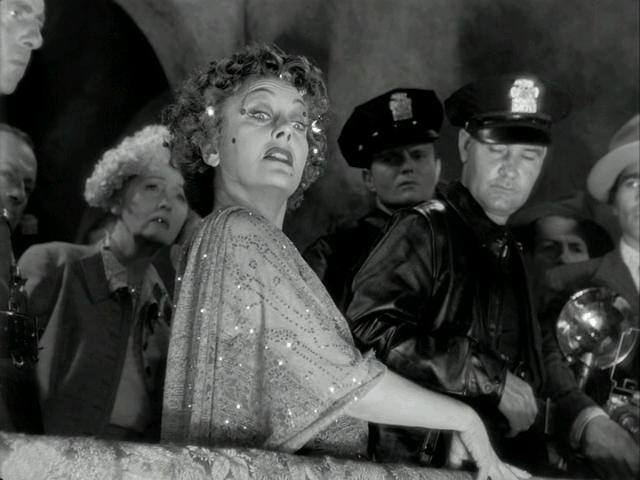
As Peary notes, Billy Wilder’s Sunset Boulevard “remains the harshest indictment of Hollywood on film” — not only “assaulting those who have made [it] a place where talent and integrity have little meaning”, but offering a “funeral elegy to old-style Hollywood films”. Despite its gloomy thematic premise, however, it’s a surprisingly enjoyable movie, full of fabulous set designs, stand-out performances (particularly by Swanson), memorable scenes, and dark humor. The story itself is densely layered: in addition to its sharp critique of Hollywood, Sunset Boulevard is both a suspenseful noir “romance” (with Swanson an atypical femme fatale), and — as noted by both Peary and DVD Savant (see link below) — an unusual “ghost story” with a “morbid, death-obsessed plot”, and countless “horror-movie references and imagery”. Perhaps the strongest indication of Sunset Boulevard‘s brilliance, however, is that our knowledge of Joe’s ultimate fate (his corpse narrates the story) does nothing to mitigate our enjoyment of the film as it unfolds.

Redeeming Qualities and Moments:

  • Gloria Swanson as Norma Desmond
  • William Holden as Joe
  • Eric von Stroheim as Max the butler
  • Nancy Olson as Betty Schaefer
  • Marvelously baroque set designs
  • Norma pantomiming silent screen characters
  • John Seitz’s noirish cinematography
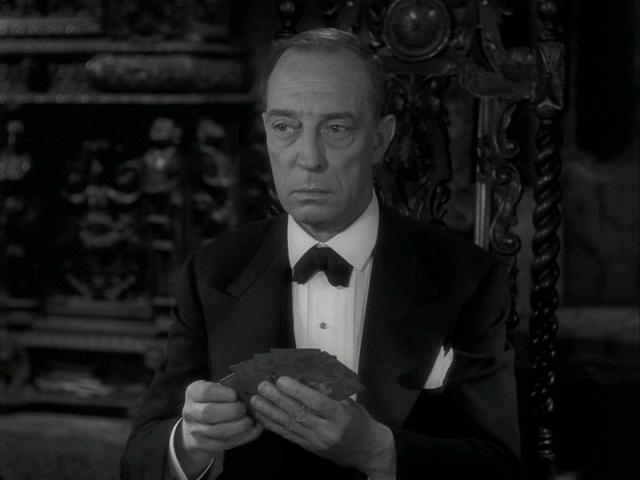
  • The famous “bridge playing” sequence with former silent stars
  • A macabre sense of humor
  • The classic opening shot
  • The even more famous closing shots
  • Countless memorable lines

    Joe: You’re Norma Desmond. You used to be in pictures — you used to be big.
    Norma: I am big. It’s the pictures that got small.
    Joe: I knew there was something wrong with them…

  • Franz Waxman’s appropriately creepy score

Must See?
Definitely. This is an undisputed classic of American cinema, and merits multiple viewings. Discussed at length in Peary’s Cult Movies (1981).

Categories

  • Genuine Classic
  • Noteworthy Performance(s)
  • Oscar Winner or Nominee

(Listed in 1001 Movies You Must See Before You Die)

Links:

Kramer versus Kramer (1979)

Kramer versus Kramer (1979)

“How much courage does it take to walk out on your kid?”

Synopsis:
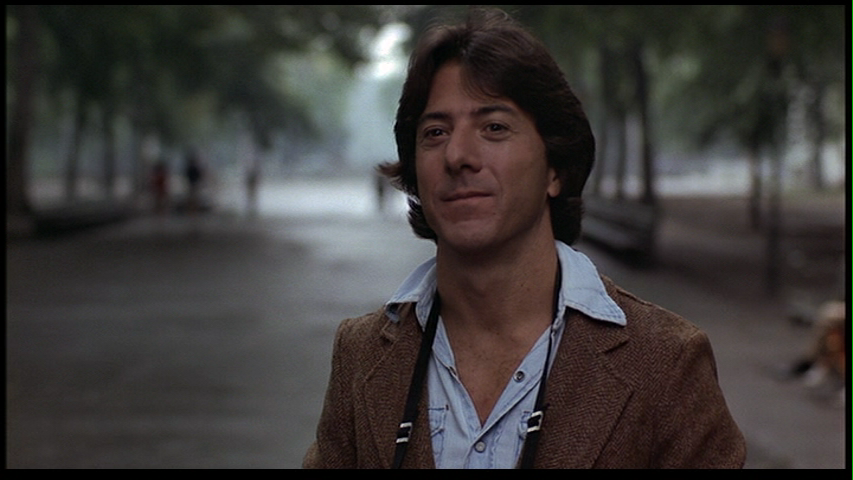
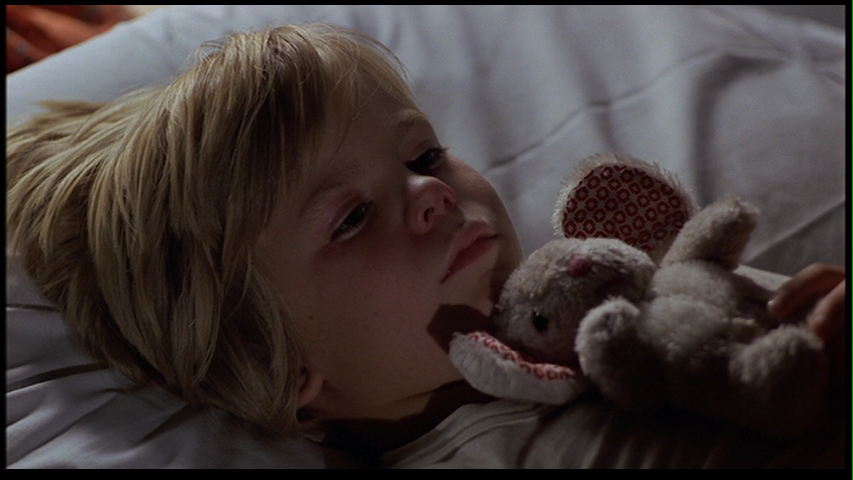
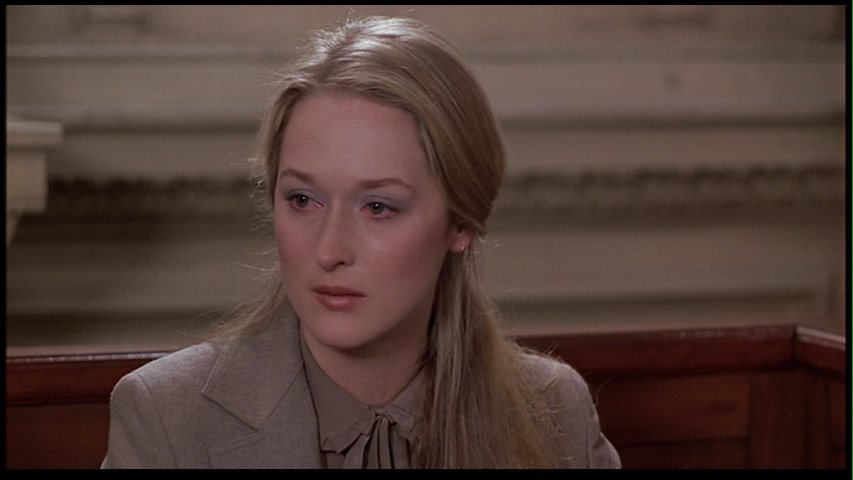
When his troubled wife (Meryl Streep) walks out on him, a workaholic father (Dustin Hoffman) must learn to care for their 6-year-old son Billy (Justin Henry) on his own. Soon Hoffman discovers the joys of parenthood, but things are complicated when Streep reappears and demands custody of Billy.

Genres, Themes, Actors, and Directors:

  • Courtroom Drama
  • Divorce
  • Father and Child
  • Meryl Streep Films
  • Raising Kids

Response to Peary’s Review:
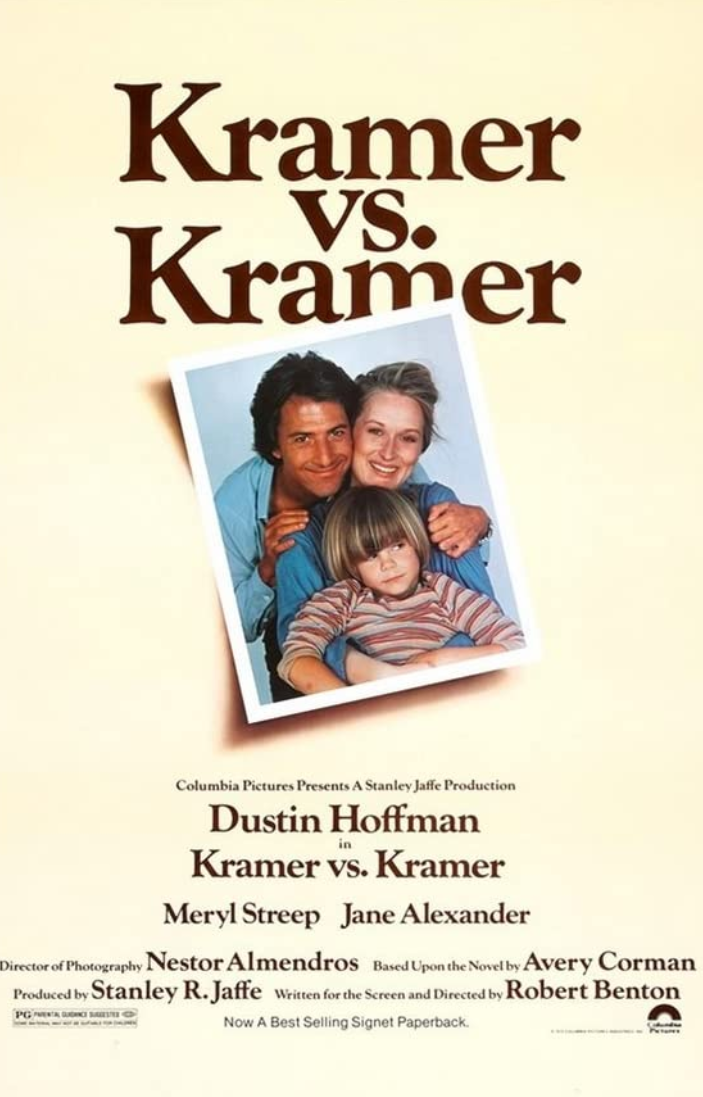
While acknowledging that Kramer vs. Kramer (based on Avery Corman’s real-life-inspired novel) is an “excellent, thoughtful, humorous, sensitive film with terrific acting and real characters”, Peary nonetheless expresses some serious reservations in his review, arguing that the film “ridiculously glorifies Hoffman for doing what so many mothers do as a matter of course”. I disagree: because Kramer Versus Kramer is essentially a character study (we see things almost exclusively from Hoffman’s point of view), it makes sense that his transformation from self-absorbed workaholic to loving father is shown as a tremendous accomplishment — for him, it is. With that said, it would certainly be interesting to see the entire story told from Streep’s perspective; but this would be a different film altogether.

To her credit, Streep (who won a Best Supporting Actress Oscar) manages to convince us that her heinous abandonment of Billy was an act of desperation rather than rationality. Even more impressive, however, is Hoffman, who deservedly won an Oscar as best actor of the year — he apparently invested an enormous amount of time and energy into his role, essentially co-writing the script with director Robert Benton, and using improvisation whenever possible. The rapport he develops with Henry (an excellent child actor) is wonderfully natural; I love how there’s never a musical montage depicting their life together as “single males”. Instead — in one of the film’s best sequences — Benton shows us Billy silently setting out plates and doughnuts for breakfast while he and his dad read their respective “papers”.
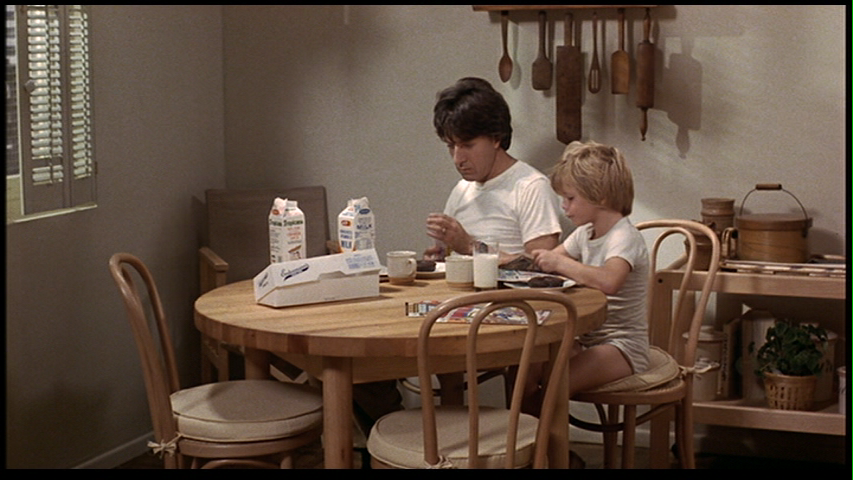
This type of carefully rendered authenticity permeates the entire narrative, which is often heartbreaking — and occasionally melodramatic — but always, fortunately, real.

Redeeming Qualities and Moments:

  • Dustin Hoffman as Ted Kramer
  • Justin Henry as Billy
  • Meryl Streep as Joanna
  • Jane Alexander as Ted’s sympathetic neighbor
  • Nestor Almendros’ cinematography — particularly the outdoor New York scenes
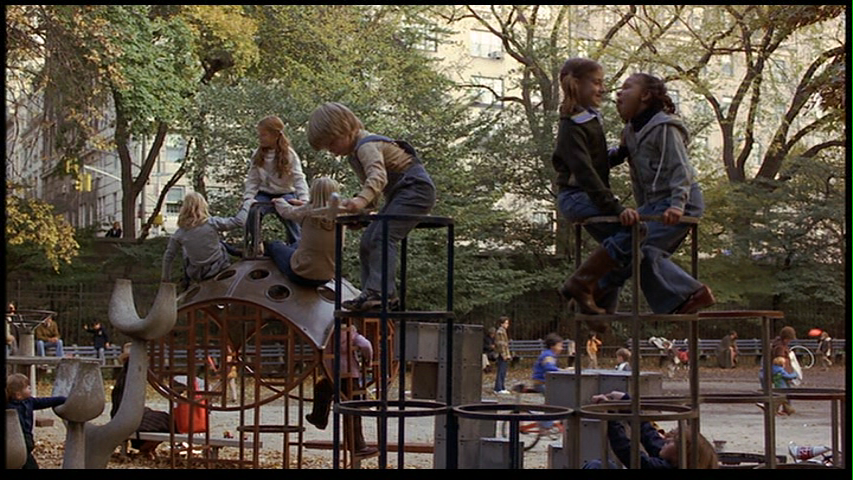
  • The infamous “ice cream scene”
  • The hilarious “hallway scene”, when Billy happens upon his dad’s naked lover (JoBeth Williams) heading to the bathroom

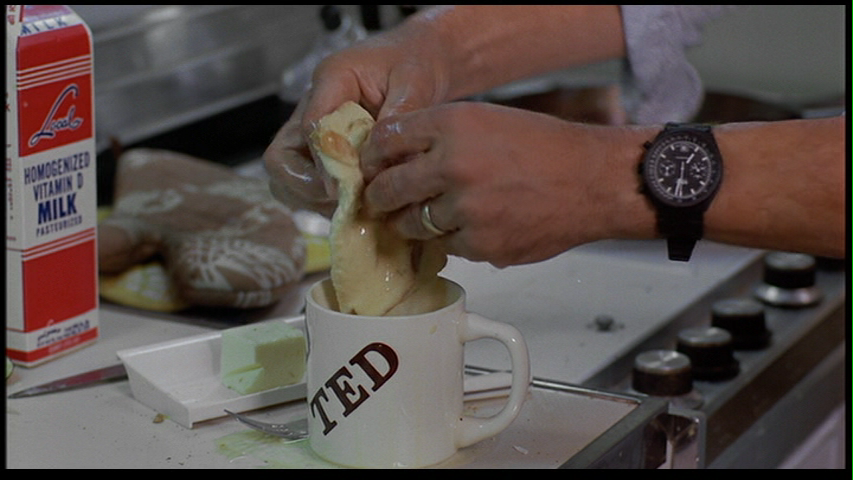
  • The hectic “French toast scene” near the beginning of the film — and its subdued counterpoint near the end
Must See?
Yes. This moving, well-acted drama remains the best film ever made about a custody battle.

Categories

  • Noteworthy Performance(s)
  • Oscar Winner or Nominee

(Listed in 1001 Movies You Must See Before You Die)

Links: